For a lot of players, the NES is where RPGs started. Before it, role-playing games mostly lived on home computers, with a keyboard and a stack of graph paper next to them. Then a few Japanese studios squeezed the whole idea onto a cartridge you could play with two buttons and a menu. Kids who had only ever jumped on Goombas were suddenly saving gold for better armor and resting at the inn.
Enix and Square started their biggest series here, and even Ultima made the trip over from computers. Plenty of the best ones never left Japan, but fan translations have made them playable in English, so a few Famicom games are on this list too. Some of them feel slow today and some are brutal. They all mattered. Here are the 15 best NES RPGs.
15. Mother (2003)
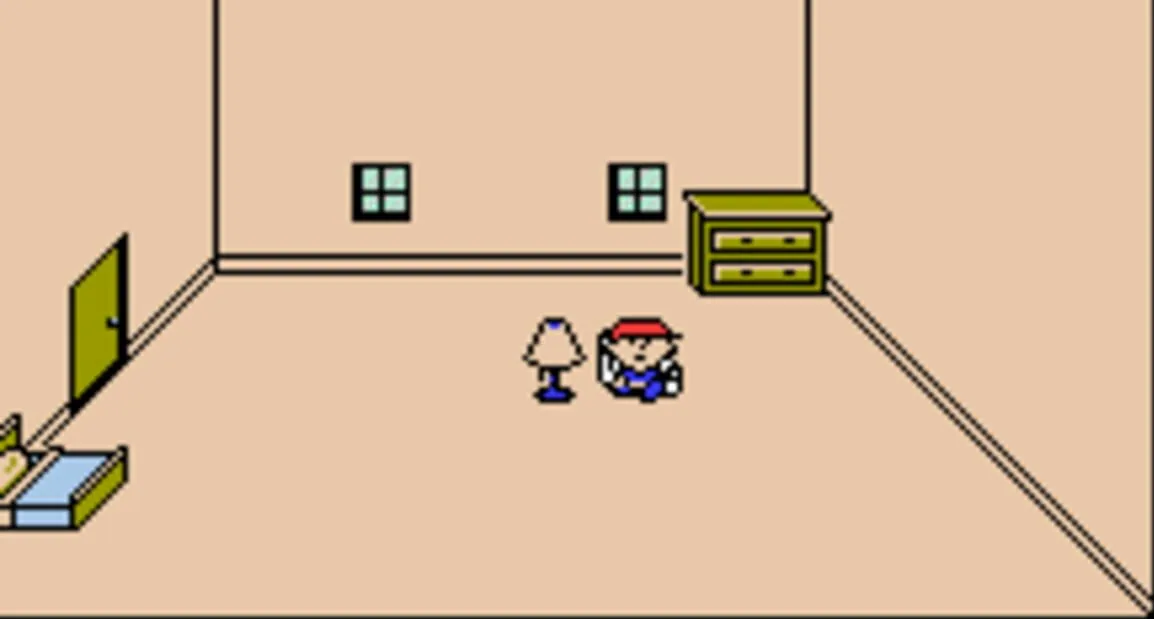
Mother was written by Shigesato Itoi and published by Nintendo, with game mechanics modeled on the Dragon Quest series. The difference is the setting. Instead of a knight in a castle, you play a kid in modern-day America, and the enemies include stray dogs and the odd possessed lamp. The series is known for its humor and its parody, and both start here.
It stayed in Japan for a very long time. Mother received its English-language debut on the Wii U Virtual Console in 2015 as EarthBound Beginnings, and in 2022 it joined Nintendo Switch Online. Players say it feels dated now and asks for a lot of grinding, even by NES standards. The ones who push through find the same odd, warm game that later made EarthBound a cult favorite, with more random fights between the good parts.
14. Destiny of an Emperor (1989)
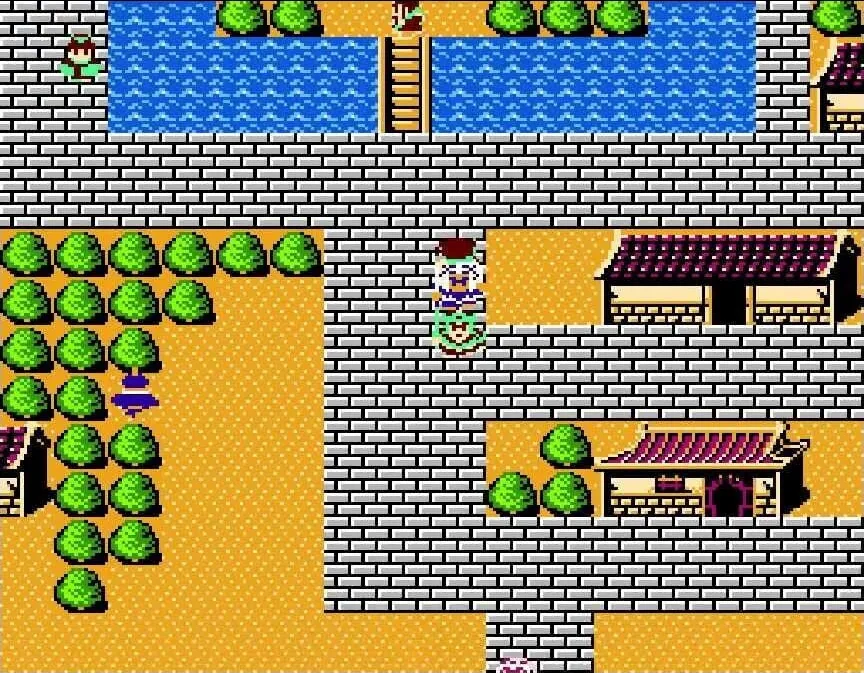
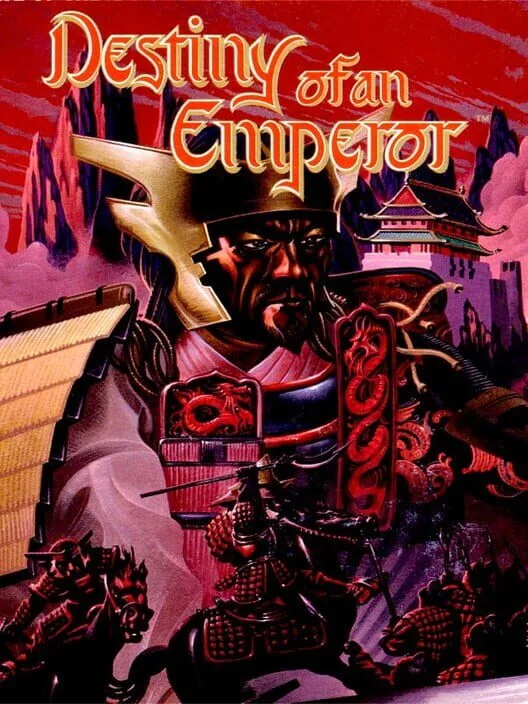
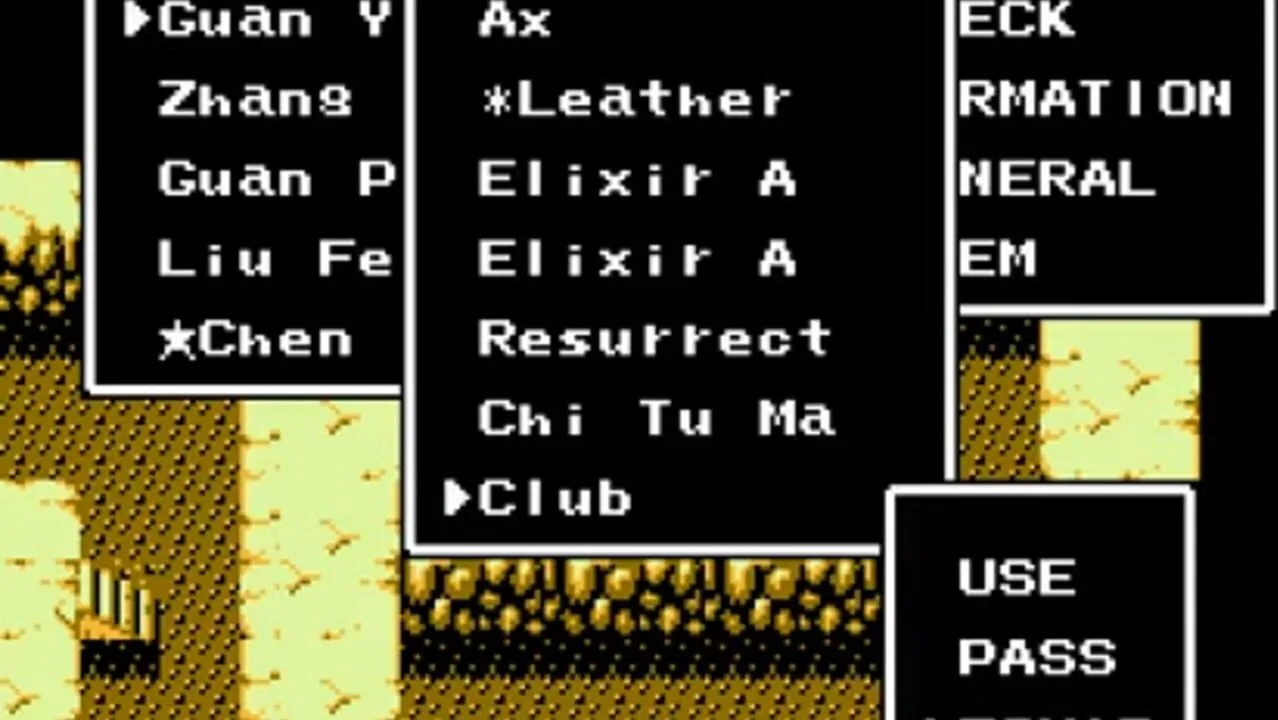
Capcom based Destiny of an Emperor on the Tenchi wo Kurau manga by Hiroshi Motomiya, which follows Liu Bei and his sworn brothers, Zhang Fei and Guan Yu. The story loosely follows Romance of the Three Kingdoms, and the outcome is often altered in Liu Bei's favor. It came out in Japan in 1989 and got an English release in 1990.
Recruiting is the heart of it. Even regular fights often put you against named generals instead of faceless monsters, and there are 150 playable characters in all. Your party holds up to 70 of them, so you end up managing generals like a coach with far too many players on the bench. Critic Andy Slaven felt it was "all too often overlooked", and the players who name it tend to call it a personal favorite that everyone else forgot.
13. Dragon Warrior II (1987)
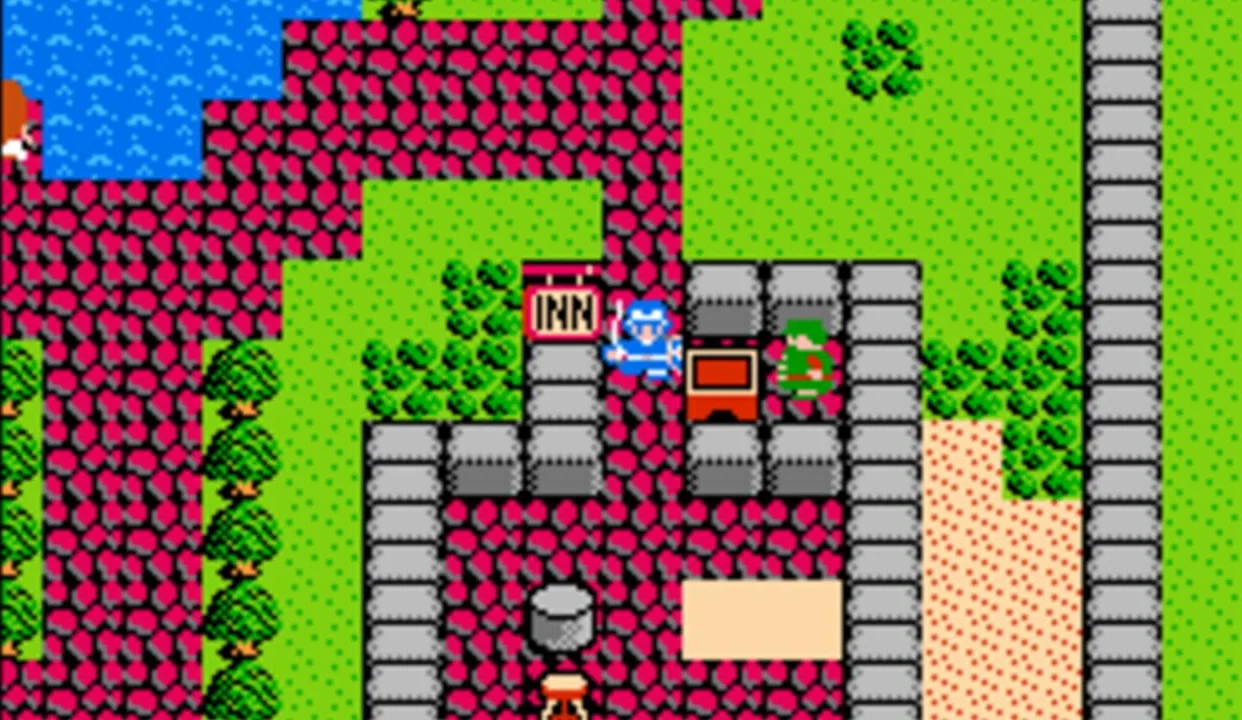
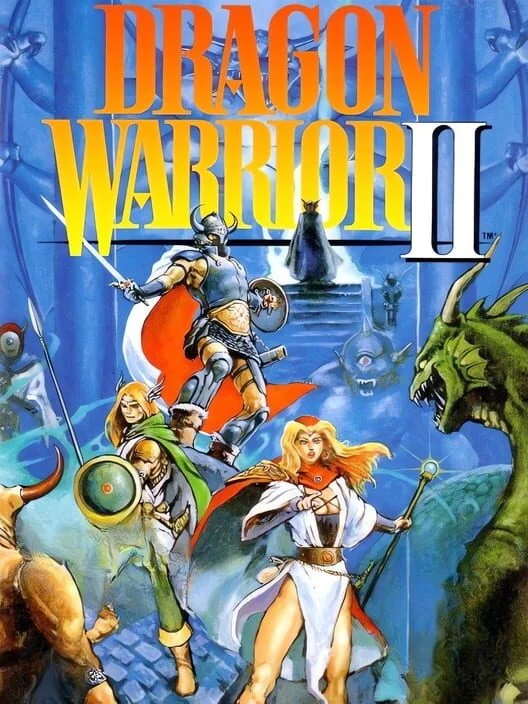
Dragon Warrior II is set one hundred years after the events of the first game, and it fixes the loneliest thing about it. Instead of one hero, you lead a party of Erdrick's descendants into battles against several enemies at once. Later on you even get a sailing ship. The original Famicom version shipped over 2.4 million copies, and Enix's U.S. subsidiary brought it to the NES in 1990.
Planning began a month before the first Dragon Quest even came out, and the party battles were inspired by Wizardry. The team ran out of time to balance all of it, and the delays were only fully corrected in the early sections of the game. You can feel that later on. Dragon Quest II is known as one of the most difficult Dragon Quest games, especially in its late game, and that reputation followed it into the kinder ports.
12. Willow (1989)
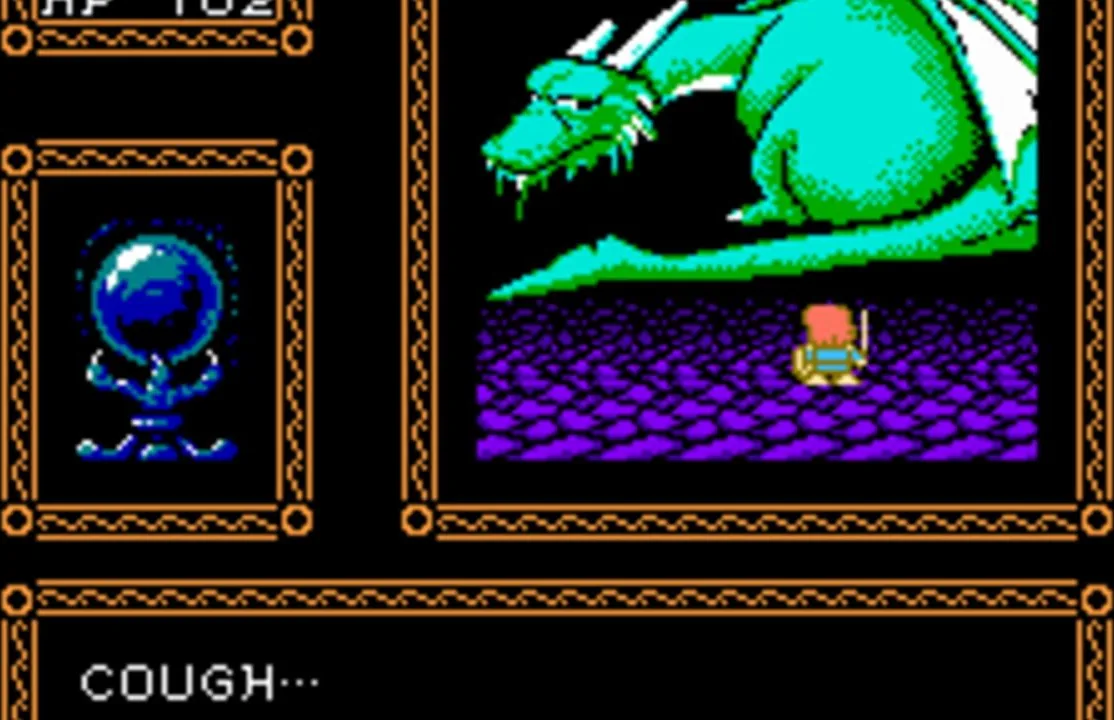
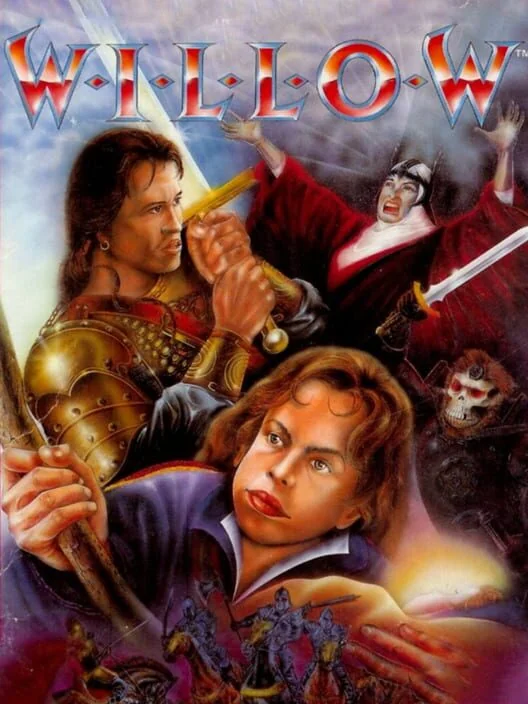
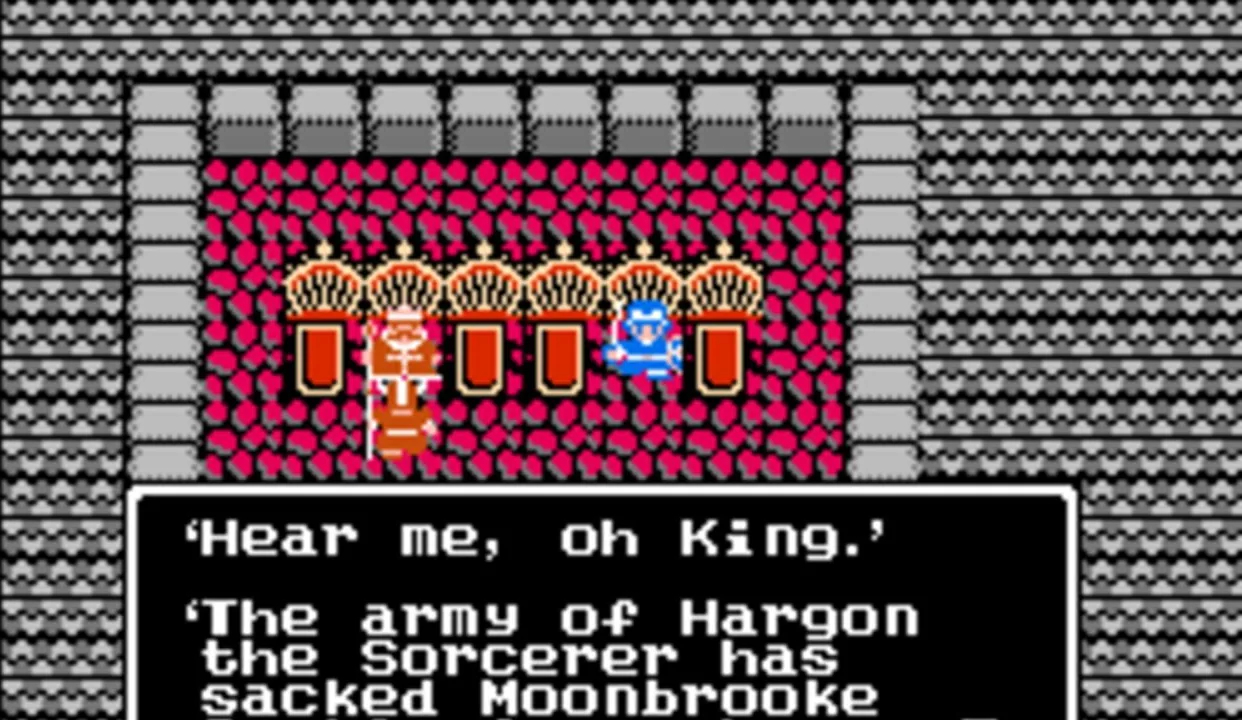
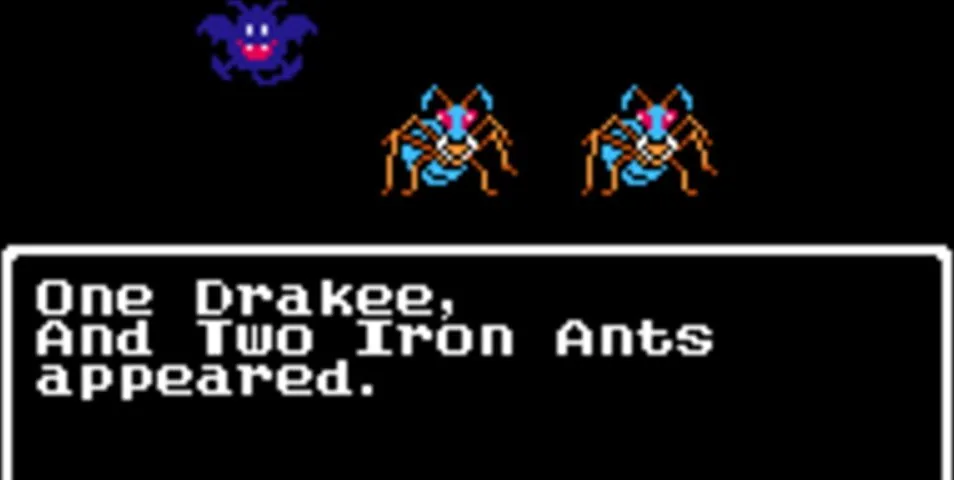
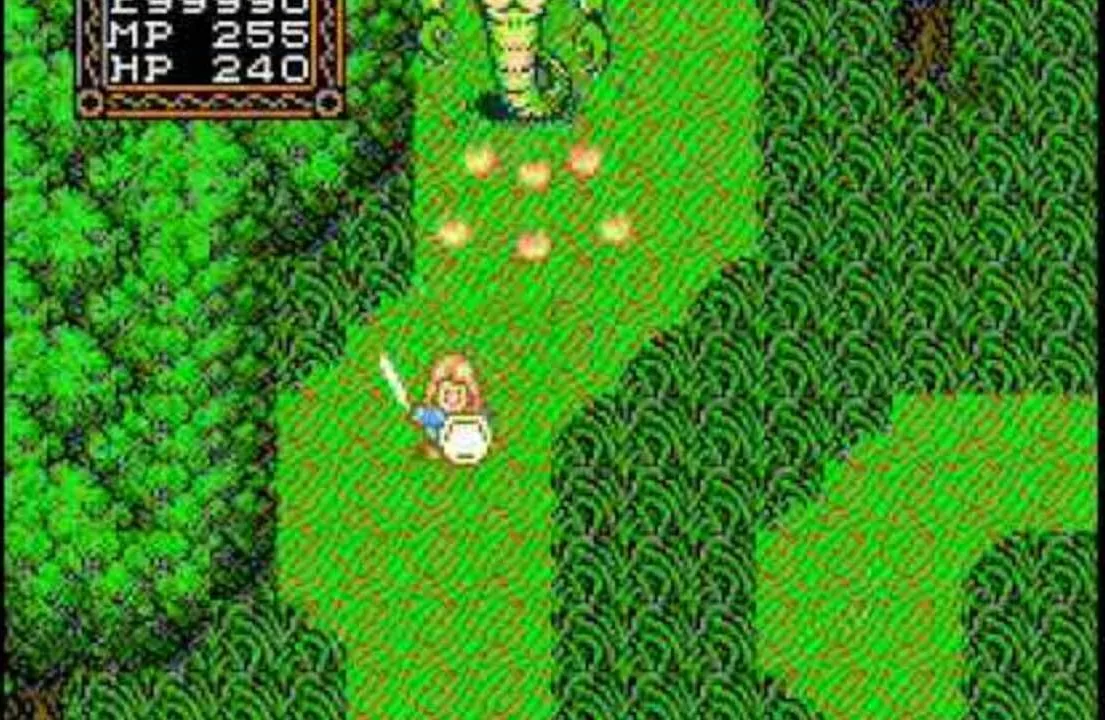
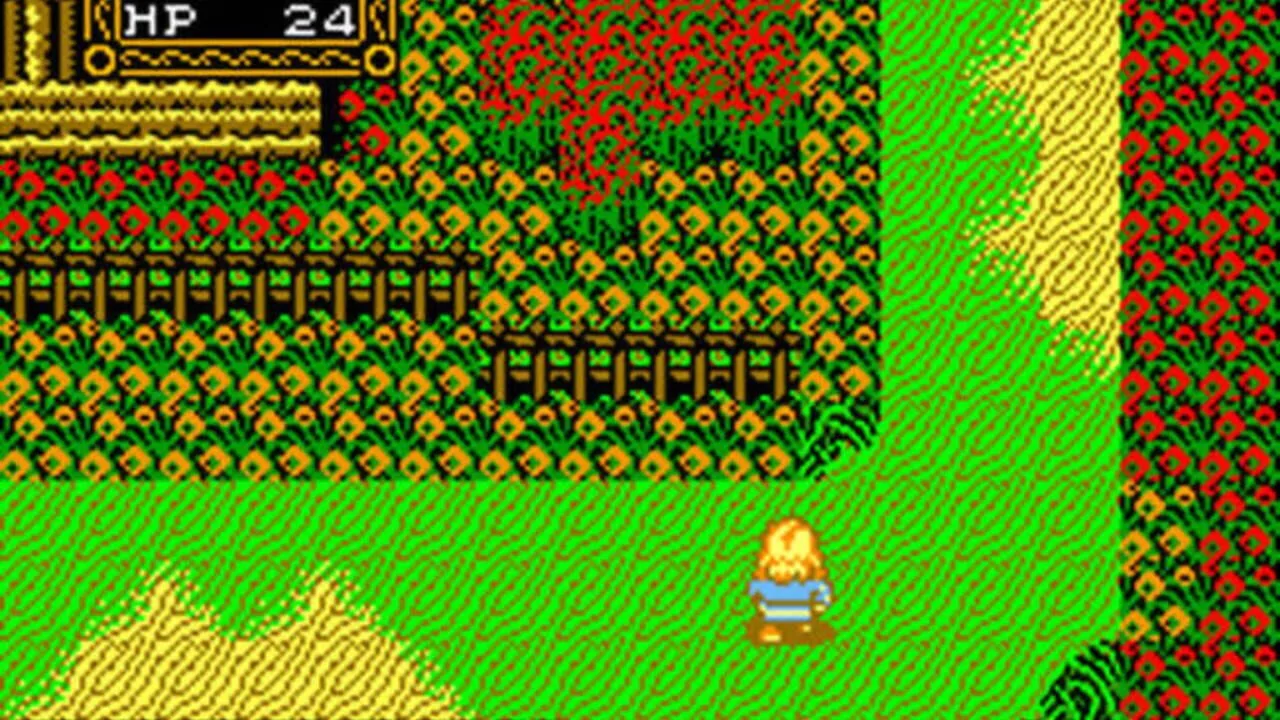
Willow on the NES was made by Capcom, and it is a completely different game from the arcade Willow, which Capcom also made. Beyond a few characters, it has almost nothing to do with the movie. You explore from an overhead view like in Zelda and earn EXP levels as you go, which makes it something like a combination of Zelda and Ys. Swords even have weight, and a heavy one swings slowly until Willow gets used to it.
His sword swing looks almost identical to Link's in A Link to the Past, a game that came out two years later. It is long for its time, with challenging boss fights, and ridiculously good for a licensed game. Players who found it back then call it a great Zelda-like.
11. Ultima: Quest of the Avatar (1989)
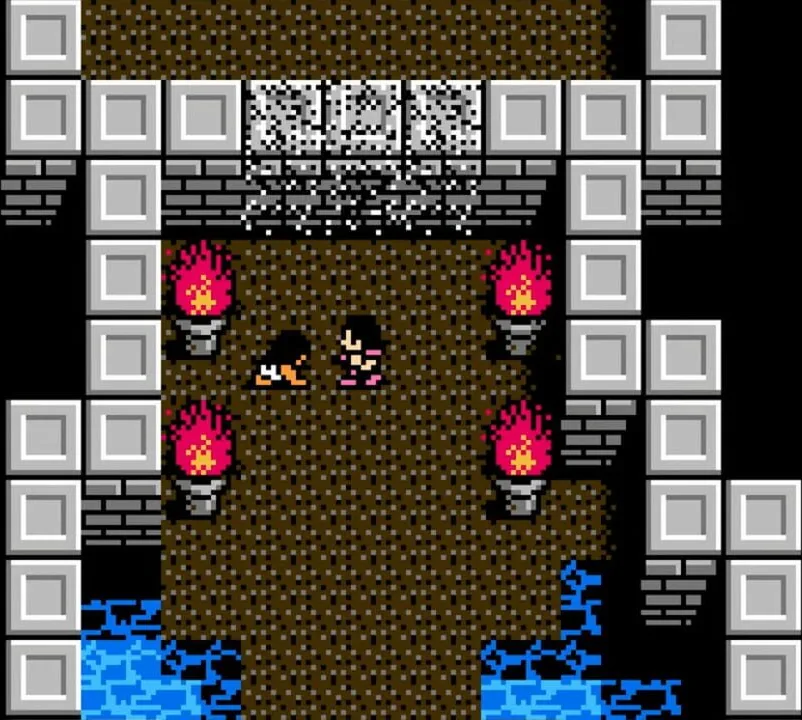
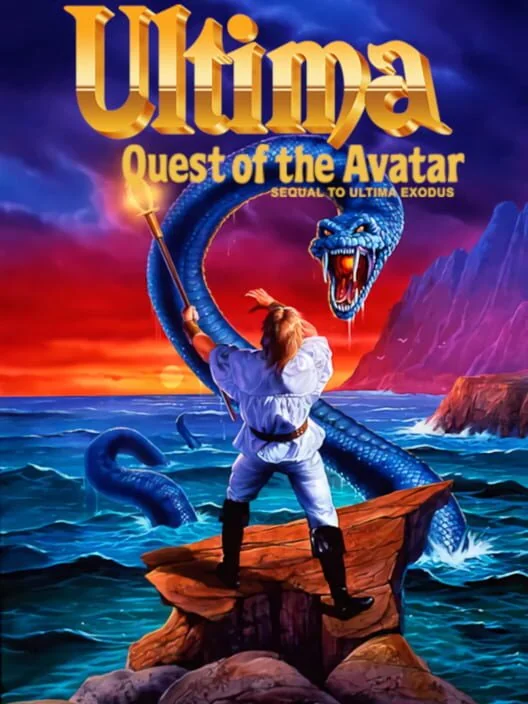
Ultima: Quest of the Avatar is the NES version of Ultima IV, the computer RPG you win by living by a set of virtues. Pony Canyon handled the port, and it plays much more like the console JRPGs of its day, with menus in place of the computer's commands. Food is no longer tracked, and only three companions can travel with you at once while the rest wait in Lord British's castle.
The virtues still decide everything. Monsters never run in this version, even the ones that are not evil, which makes building up your virtues harder than on the computer. The music is a big step up from the earlier NES Ultima. The American release came with an expanded manual that included a full game walkthrough. Players who played it on the NES remember it as a fun port and still count it among their favorites.
10. Dragon Warrior IV (1990)
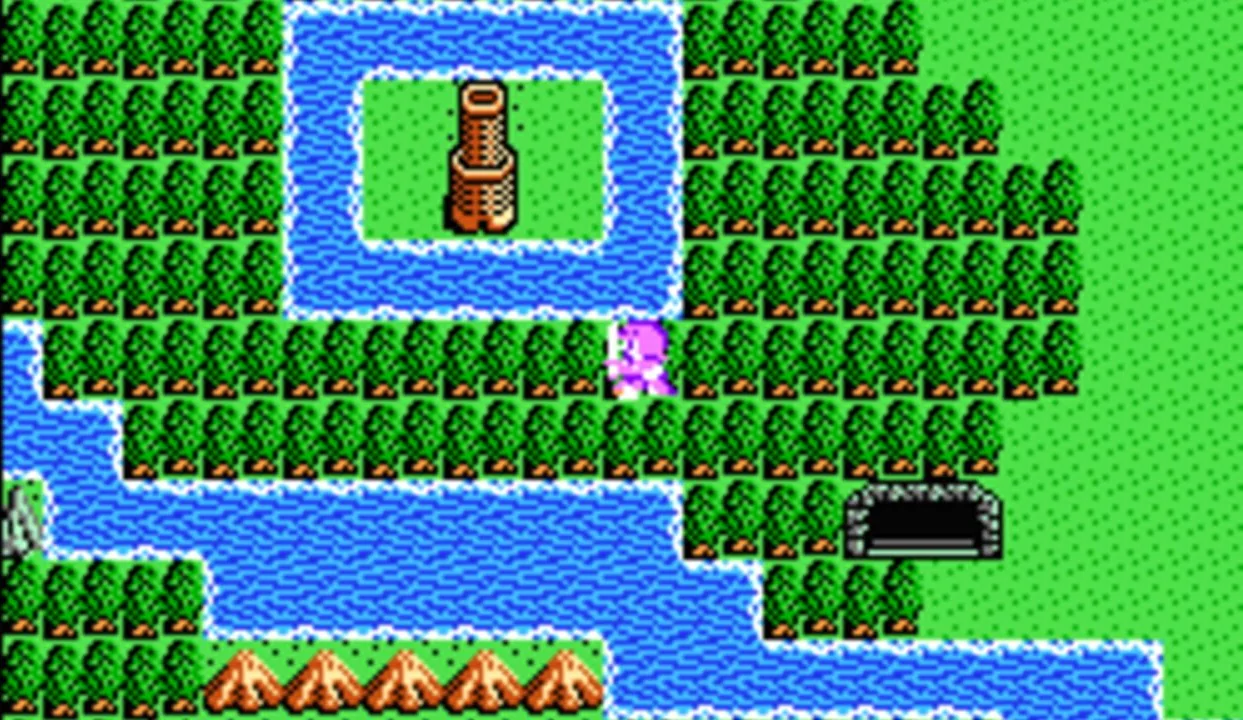
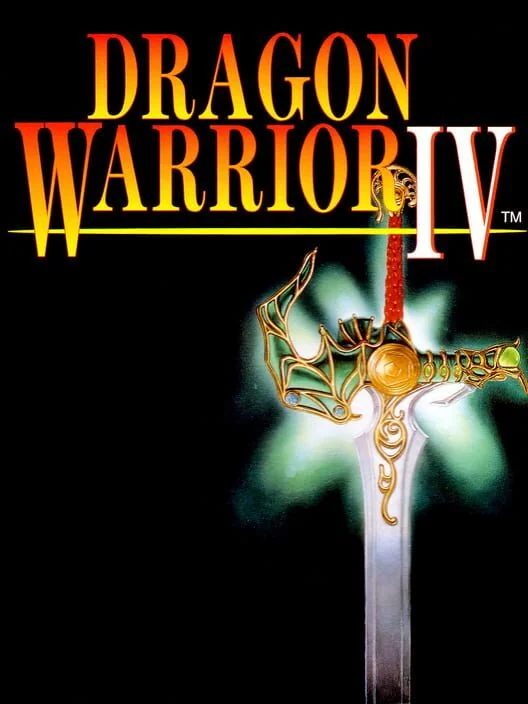
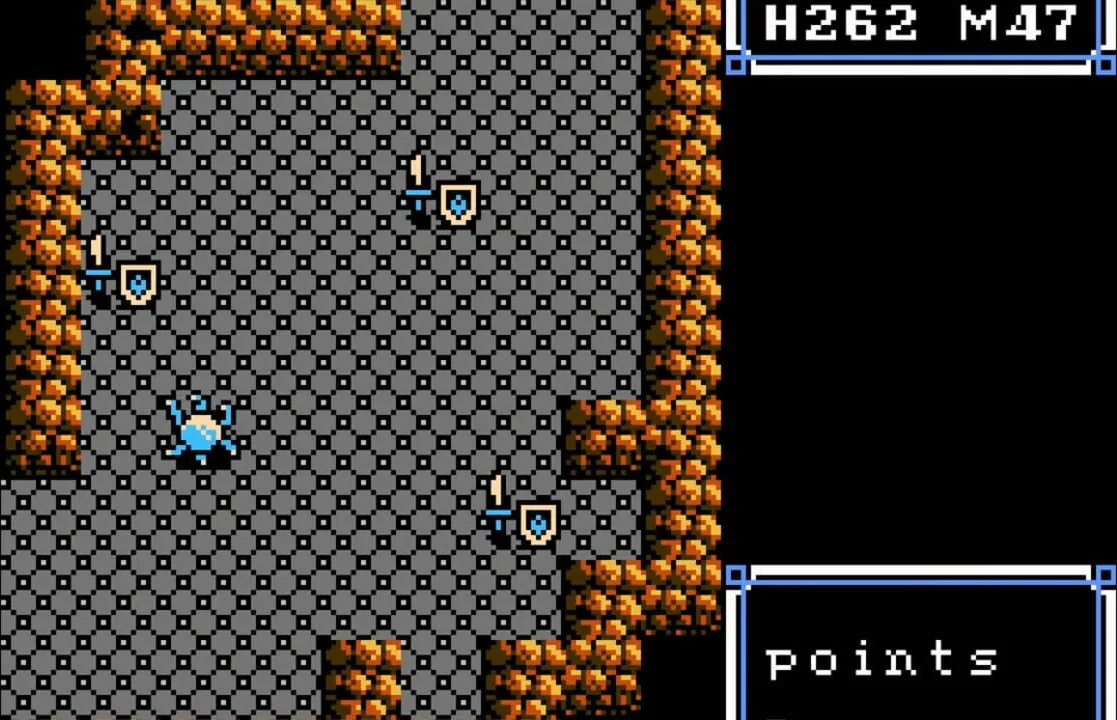
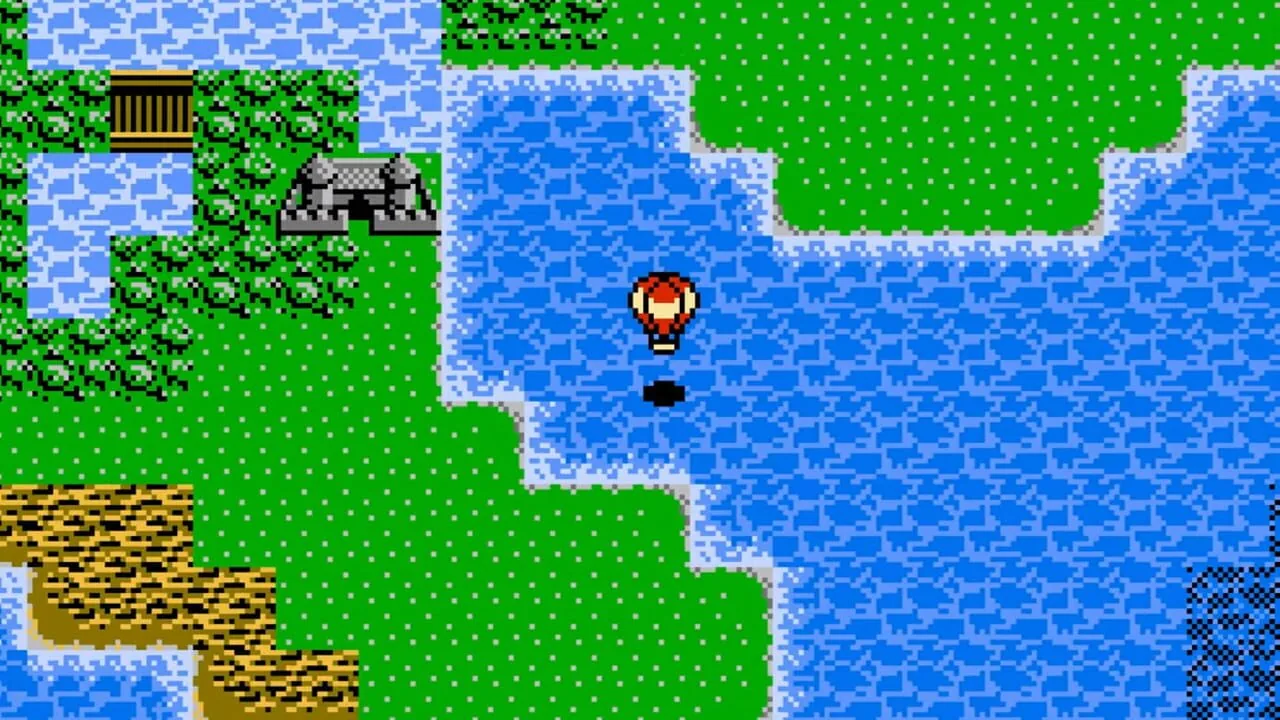
Dragon Warrior IV was released for the Famicom on 11 February 1990 in Japan, and it tells its story in five chapters. The first four follow the hero's future companions on their own. Chapter One stars the soldier Ragnar McRyan and a Healslime named Healie, who aspires to become human. The fifth chapter follows the hero and brings everyone together into one party.
It also brought the first casino to the series, along with the wagon that lets you carry a bigger group than fits on screen. Searching drawers and jars for items started here too, so blame this game for every pot you have smashed since. Players who grew up with it still count it among their favorites, and the chapters get most of the credit. A Nintendo DS remake reached the rest of the world in September 2008 and added a sixth chapter.
9. Dragon Warrior III (1988)
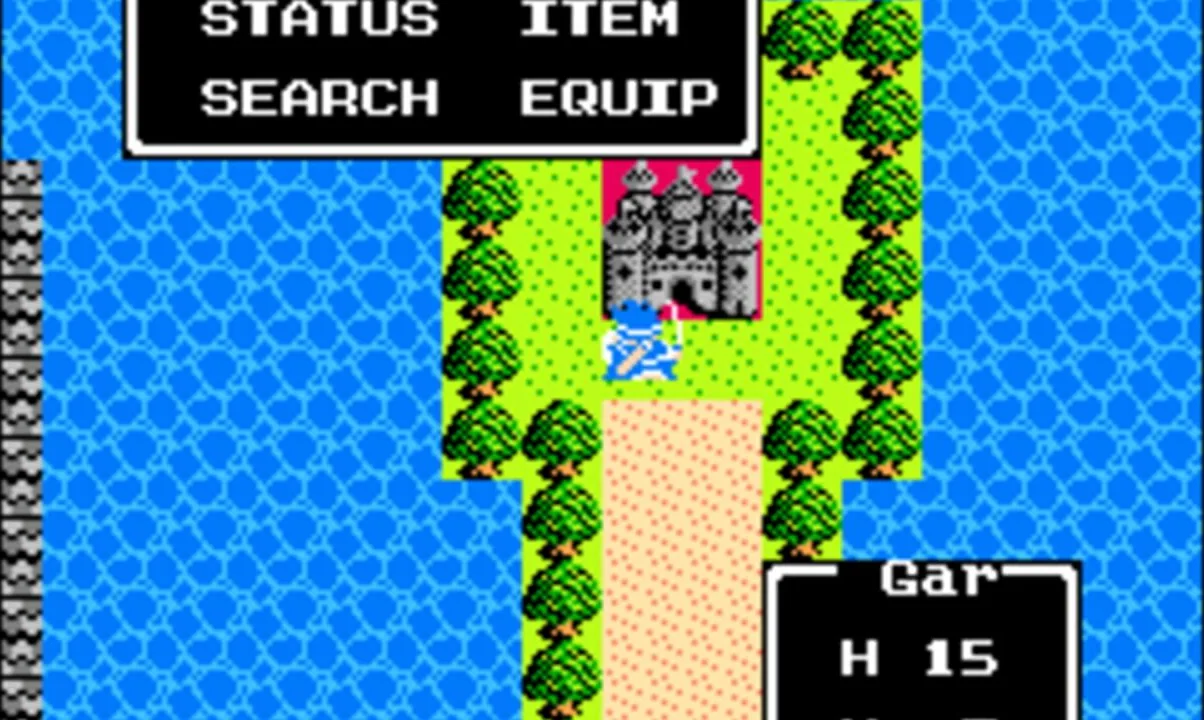
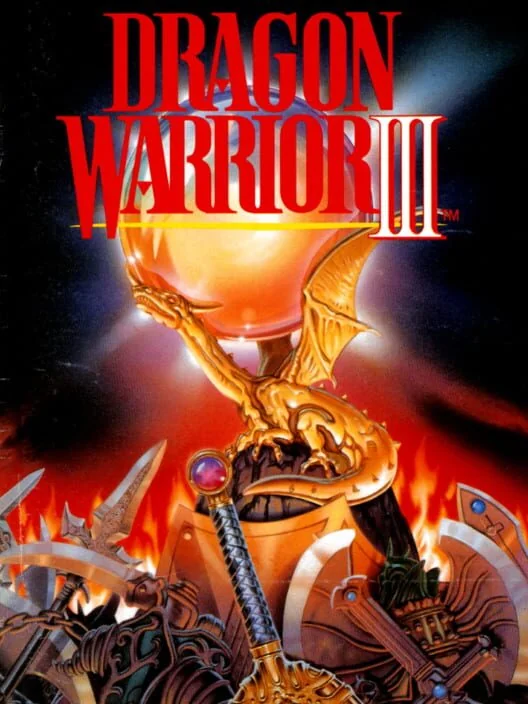
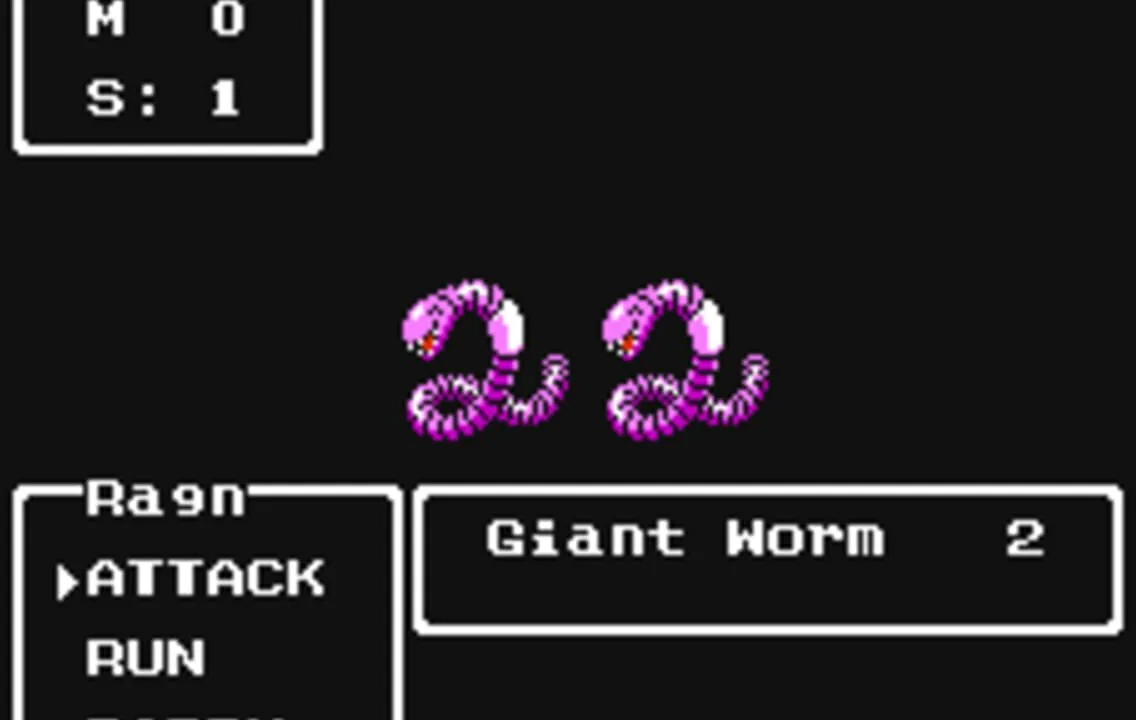
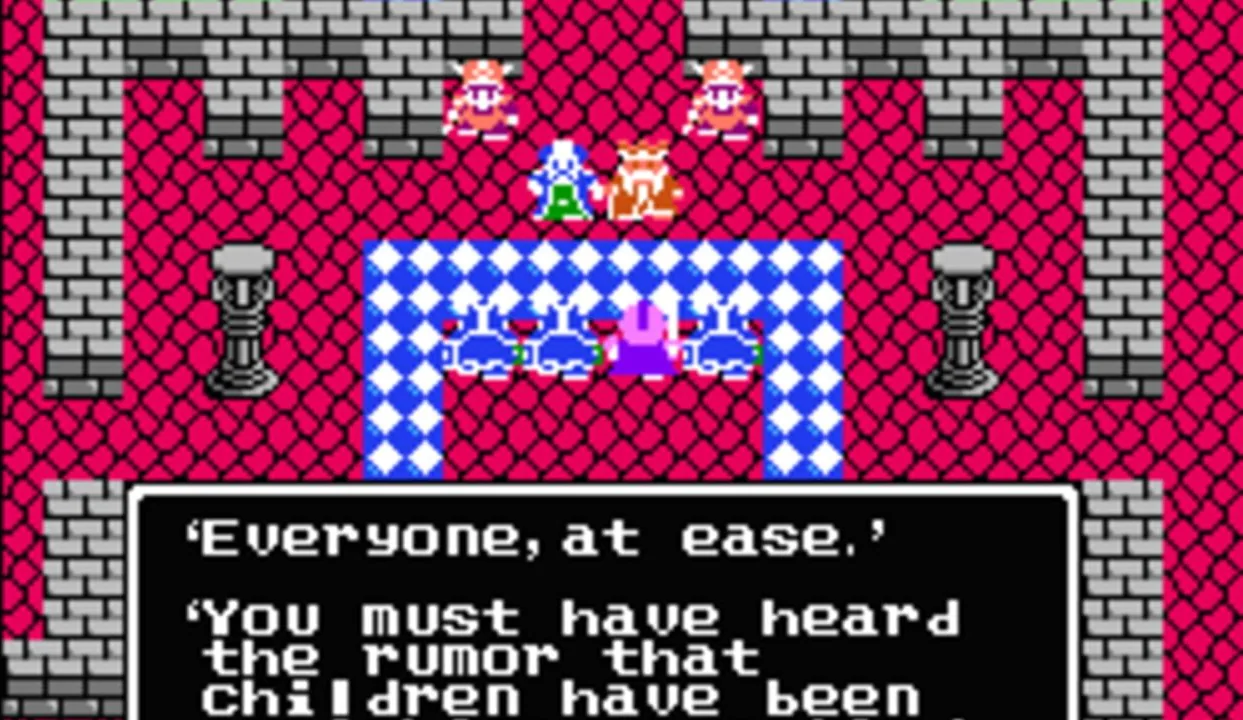
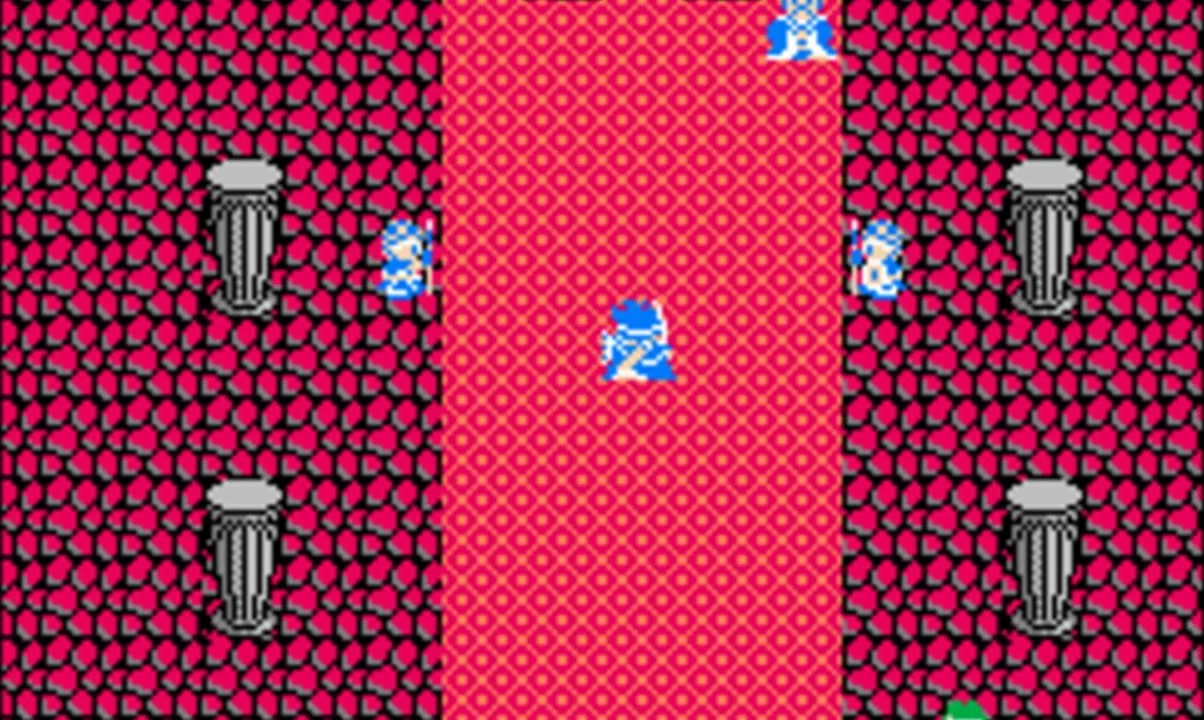
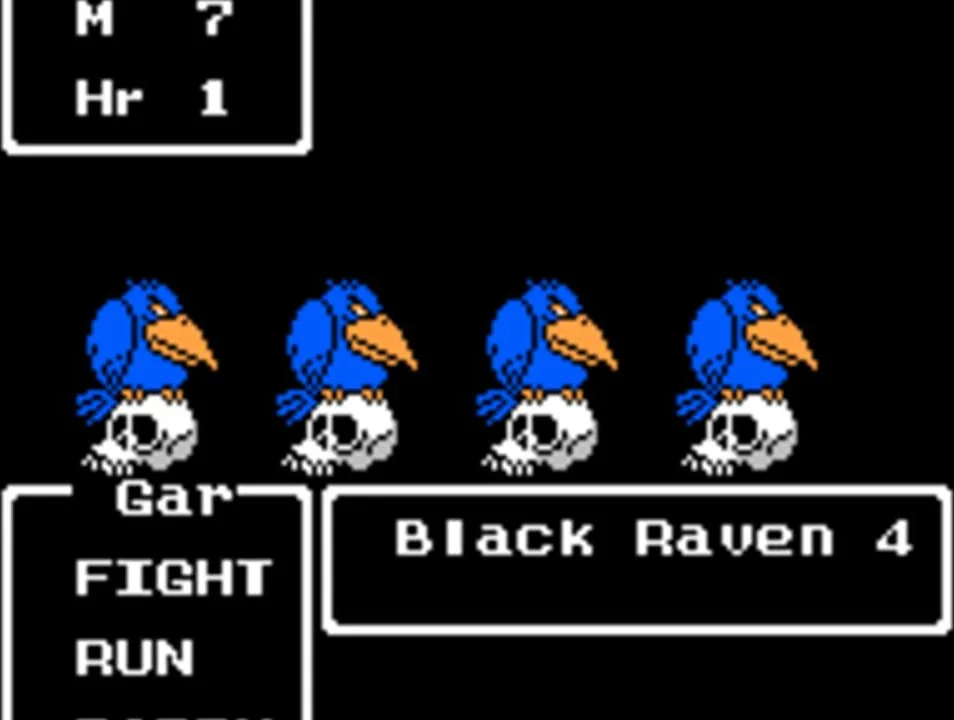
Dragon Warrior III was first released for the Famicom in Japan and later for the NES in North America. It is a distant prequel, set long before the first game, and it closes out what is known as the Erdrick trilogy. The big change is your party. Aside from the hero, your companions are not story characters at all. You create them yourself and pick their classes, and later you can switch classes to build a character that knows Wizard spells but has the defense of a Soldier.
The ending ties the trilogy together, and the hero receives the title of Erdrick for his bravery. It has been remade several times since: for the Super Famicom in 1996, for the Game Boy Color in 2001 and as an HD-2D remake released worldwide on November 14th, 2024.
8. Sweet Home
Sweet Home is Capcom's horror RPG, directed by Tokuro Fujiwara, who had made Ghosts 'n Goblins in 1985. It was developed alongside the horror film Sweet Home and follows a team of five filmmakers exploring an old mansion in search of precious frescos hidden there. Fujiwara toured the film's set to gather ideas. It was released on 15 December 1989 exclusively in Japan, likely because of its gruesome imagery.
A fan translation took over a year to complete, and it is how most English players know the game. Sweet Home was the main inspiration behind Resident Evil (1996), and players bring that up almost every time it is named. Play it once and the link is hard to miss. It is now considered one of the greatest horror games ever made.
7. Faxanadu (1987)
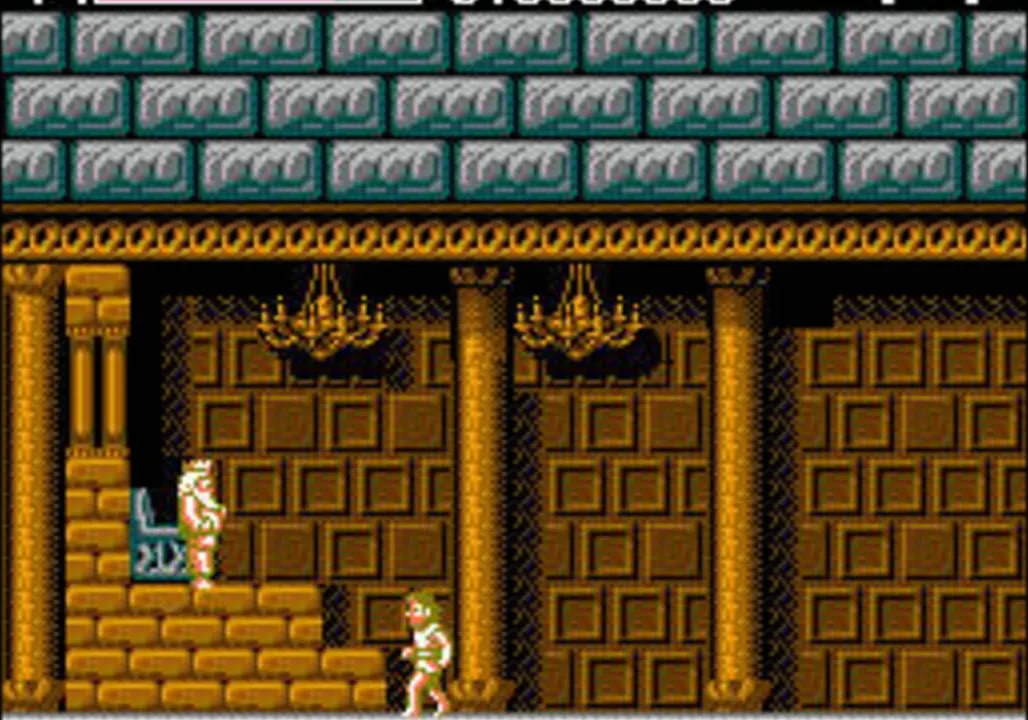
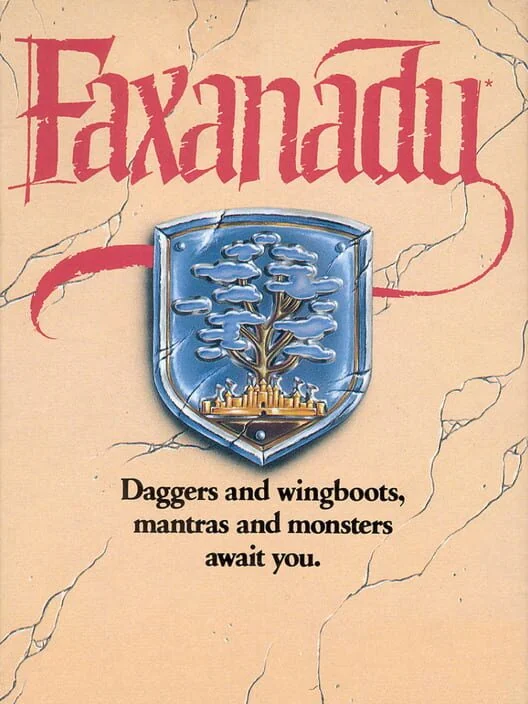
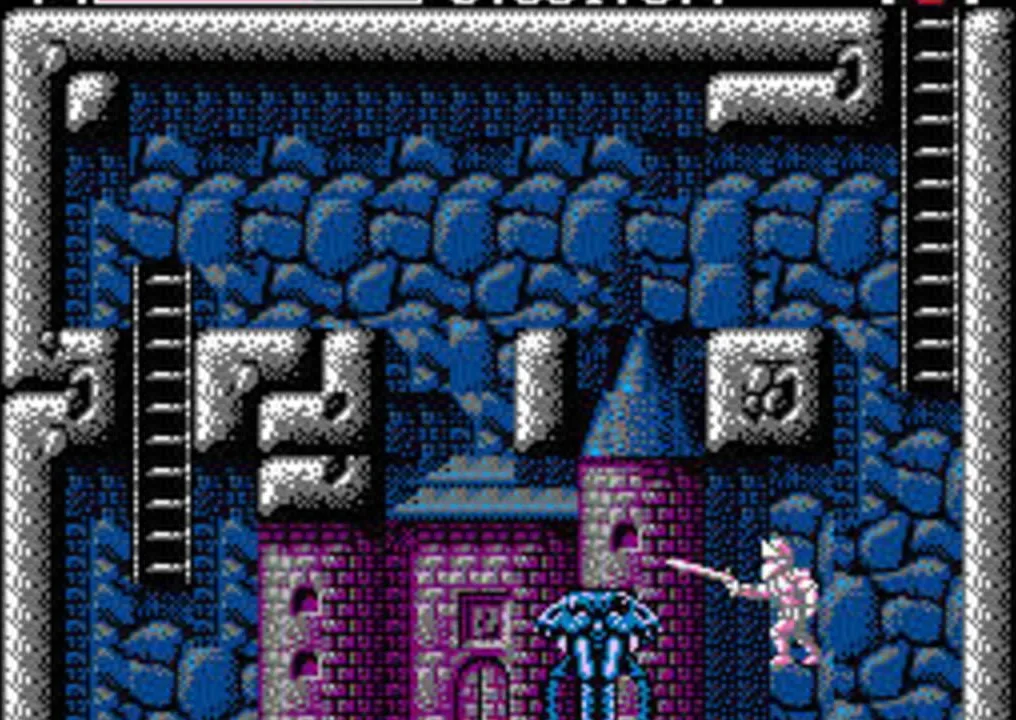
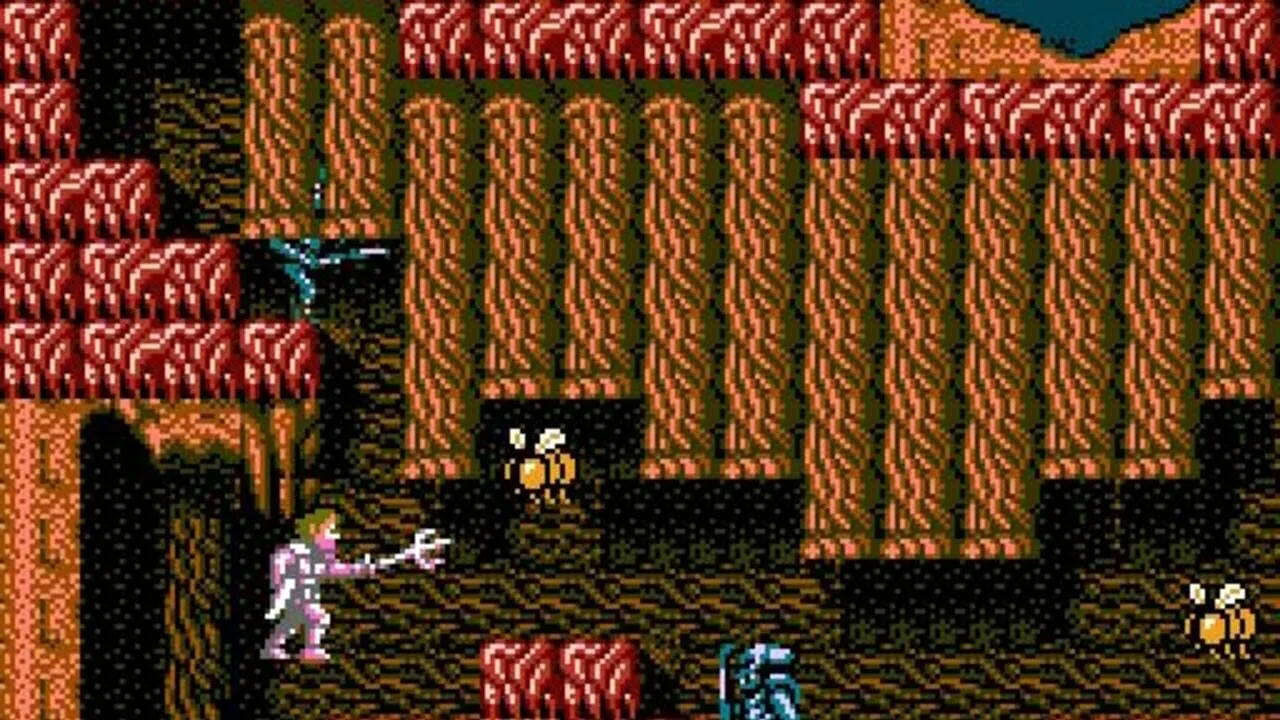
Faxanadu was developed by Hudson Soft and released in Japan in 1987, and Nintendo published it in the United States and Europe as a first-party title. The name mixes Famicom and Xanadu, the computer RPG it was licensed from. Oddly, it has little to do with Xanadu. Hudson's Hitoshi Okuno had only two months to make it, so he ignored the original plan and built a new action RPG.
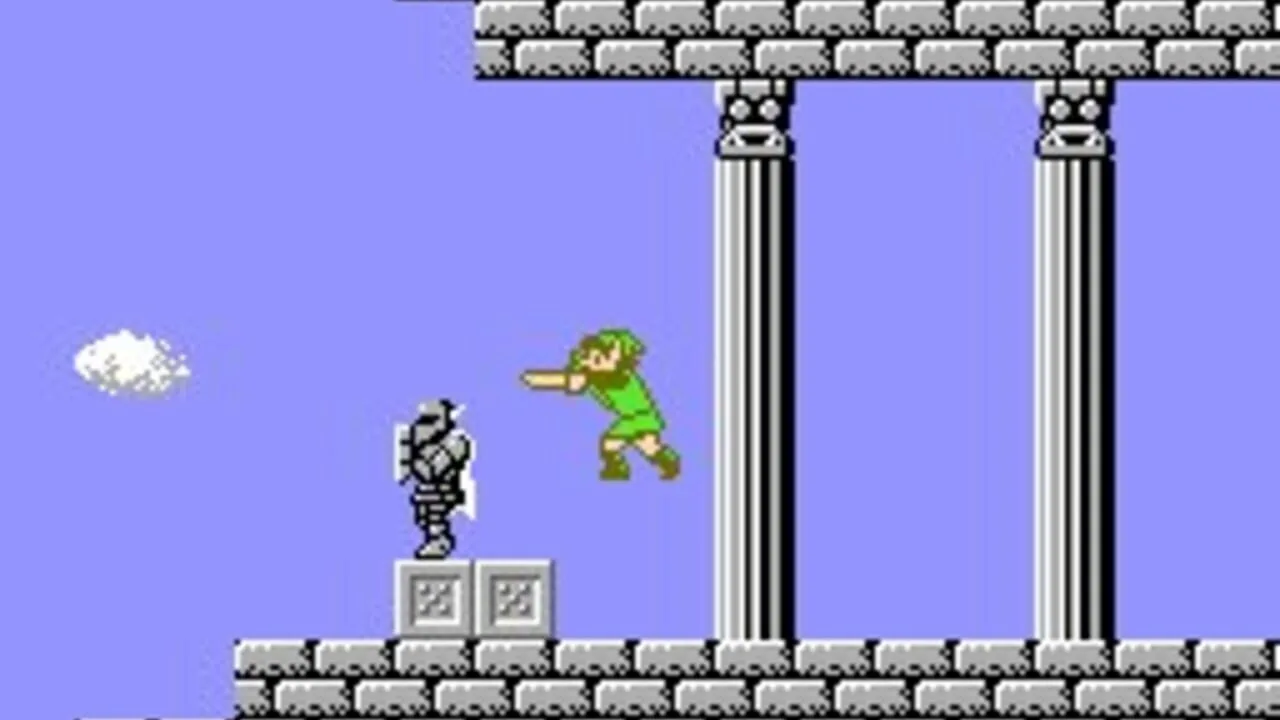
You play a wanderer, named Nello outside Japan, who comes home to a town in trouble. The soundtrack is by Jun Chikuma, who was given full freedom for the music, and it is one of the moodier scores on the system. Players who love Zelda II keep pointing others toward Faxanadu, and the two make a good pair. Both have side-on fighting and a lot of getting lost.
6. Final Fantasy II (1988)
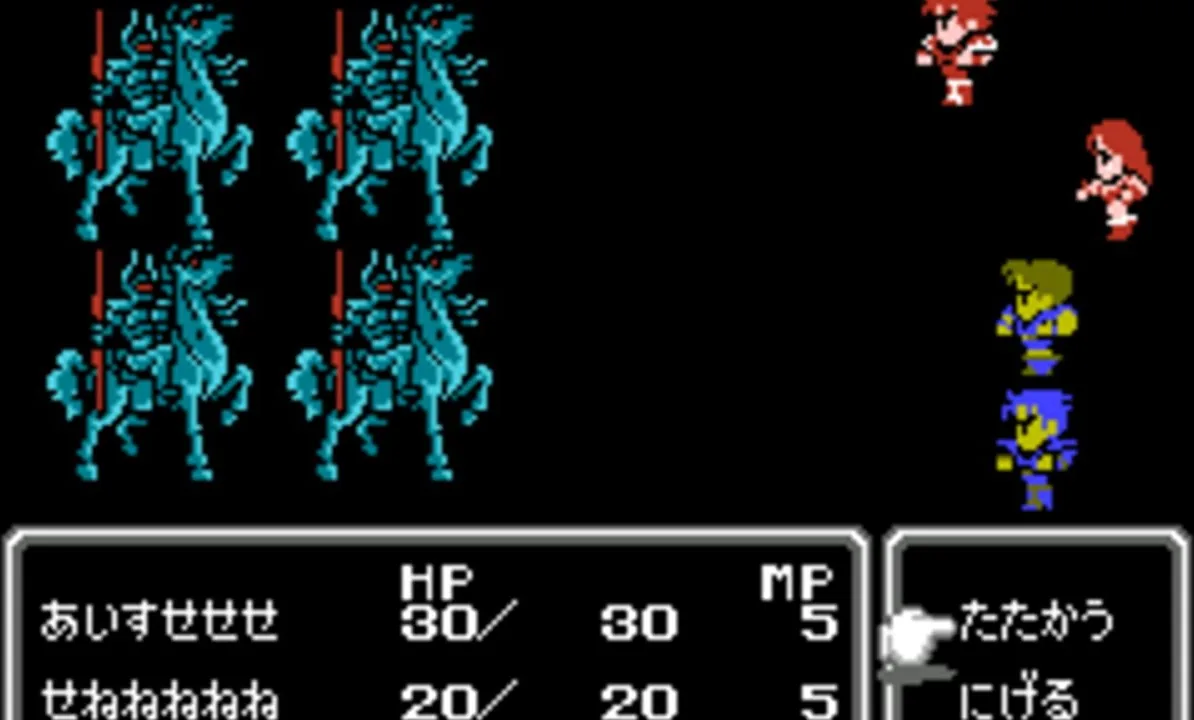
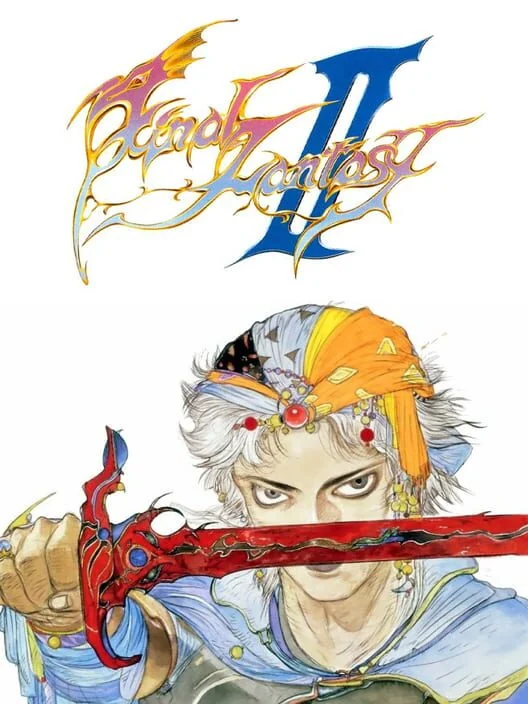
Final Fantasy II was originally exclusive to Japan. The team wanted it to feel different from the first game, so it has named heroes and a story that drew inspiration from The Empire Strikes Back (1980). Firion, Maria, Guy and Leon are attacked by Black Knight soldiers and left for dead, and they end up in a rebellion against the Emperor of Palamecia.
The big change is how characters grow. Each character develops depending on what actions they take, so swinging a sword makes you better with swords. The well-known trick is to have your party hit each other to raise their health, which is exactly as silly as it sounds. Critics call it among the most divisive entries in the series due to its progression system, and players find the system strange and grindy. It still sold over one million copies by 2003, and English players finally got it officially in later versions, including the 2021 Pixel Remaster.
5. Final Fantasy III (1994)
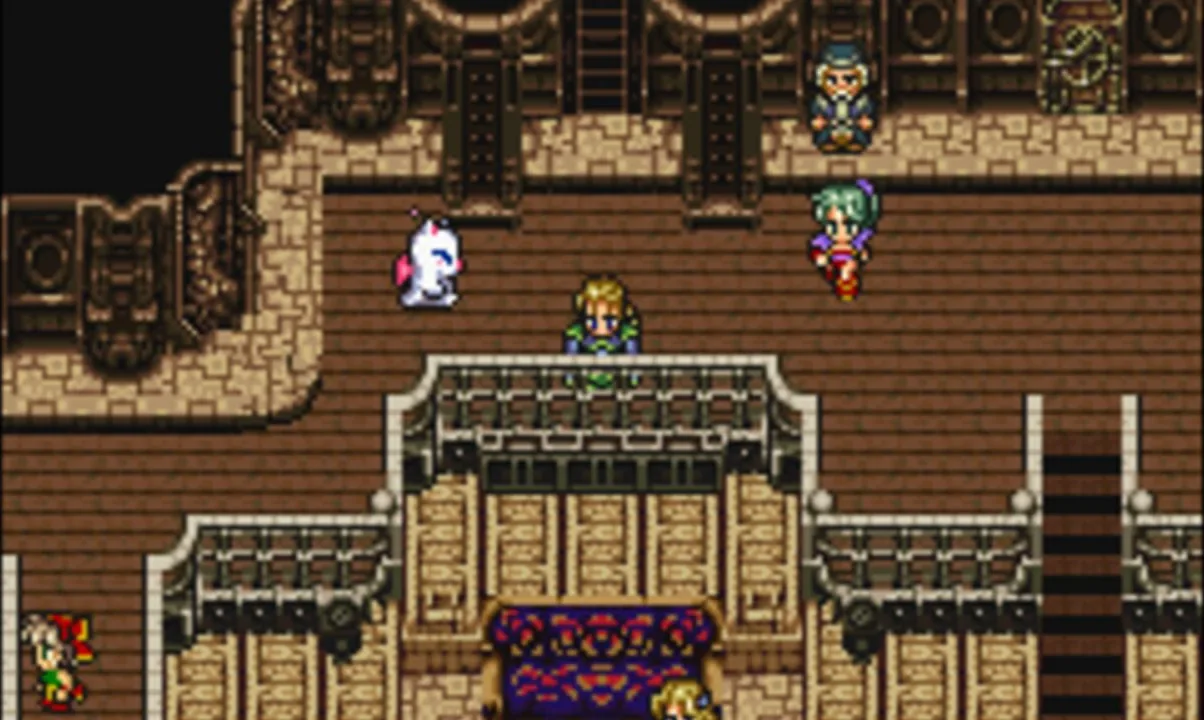
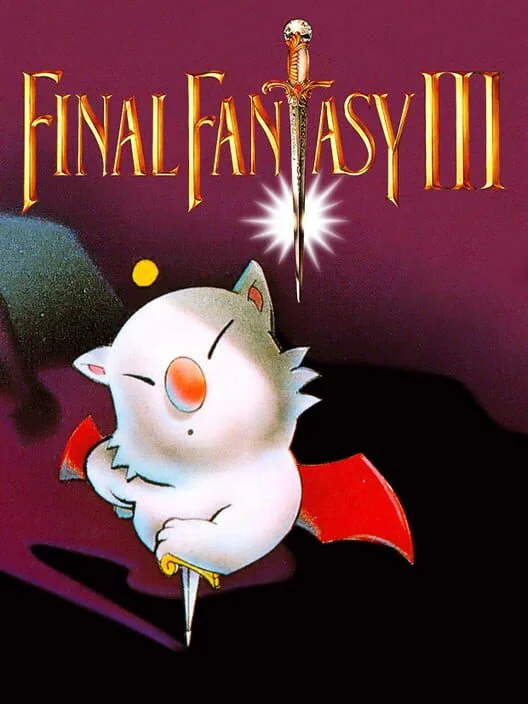
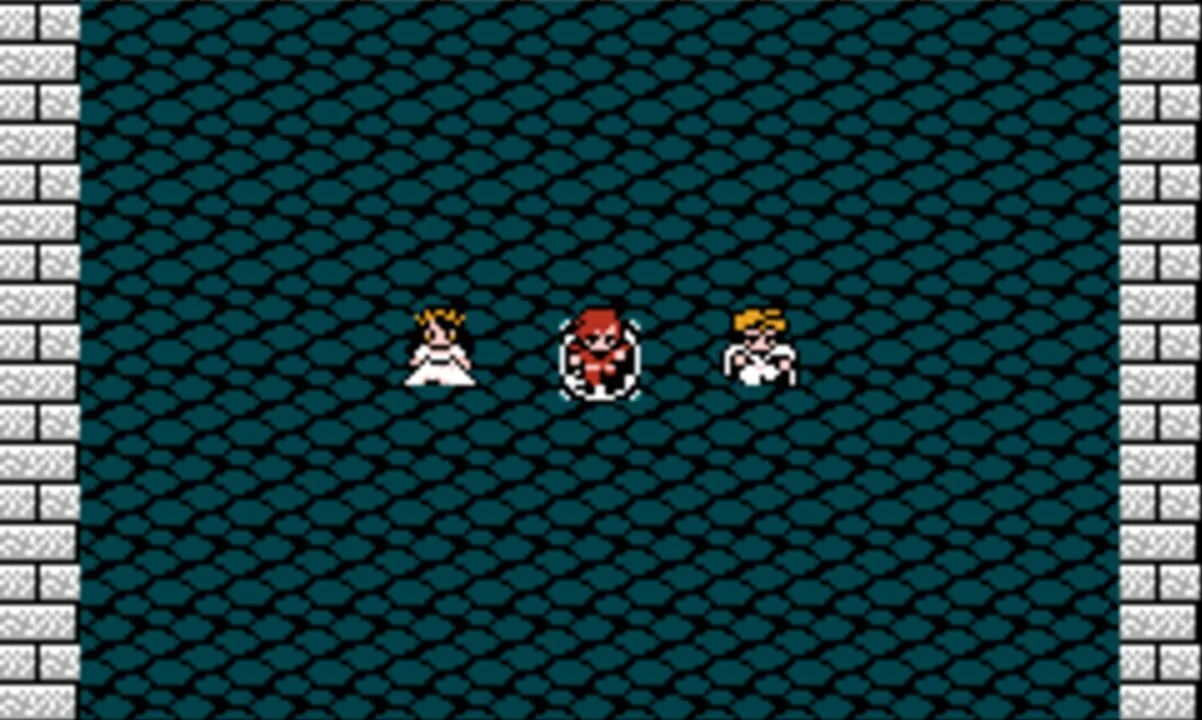
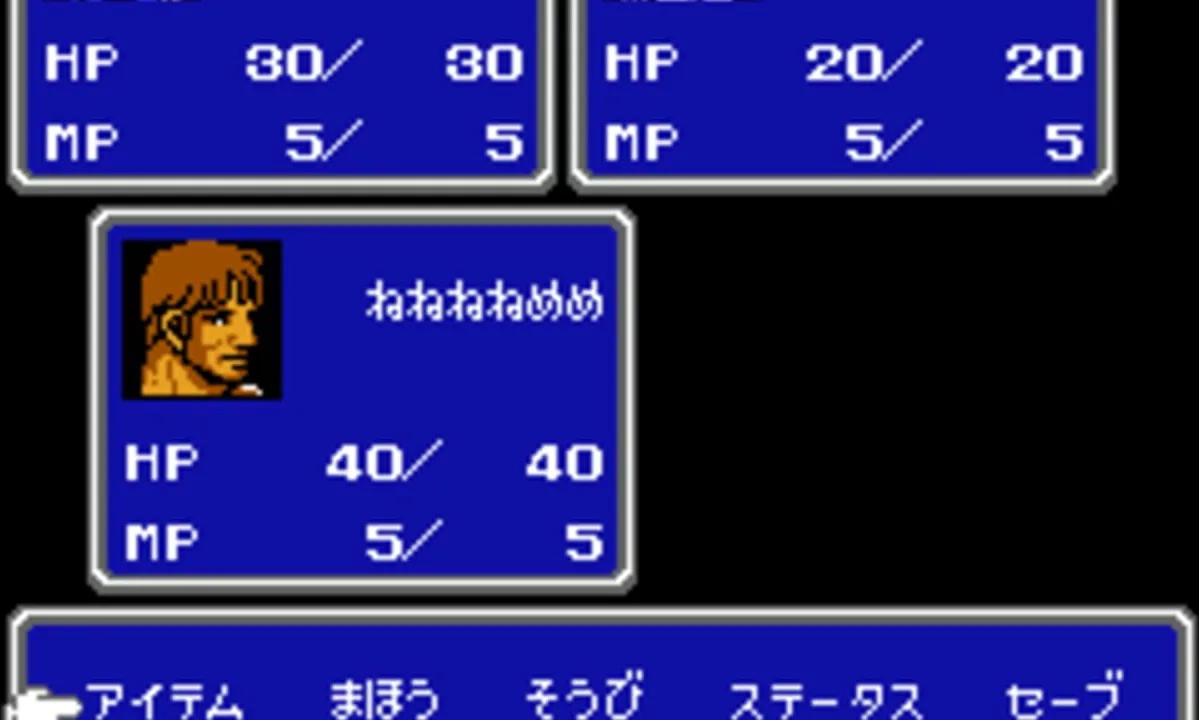
Hironobu Sakaguchi directed Final Fantasy III, and Nobuo Uematsu wrote the music. When it completed development, it was described as one of the largest games on the system. It sold 1.4 million copies in Japan, and most of the praise went to its job system, which lets your heroes swap classes as the story goes on.
Uematsu decided here to make the "Prelude" and the "Main Theme" recurring staples of the series. The opening sting of the battle theme uses a little-used fifth sound channel on the Famicom that normally only played when bugs occurred. The original was not released outside Japan until 2021. Players talk about the jobs above everything else.
4. Crystalis (1990)
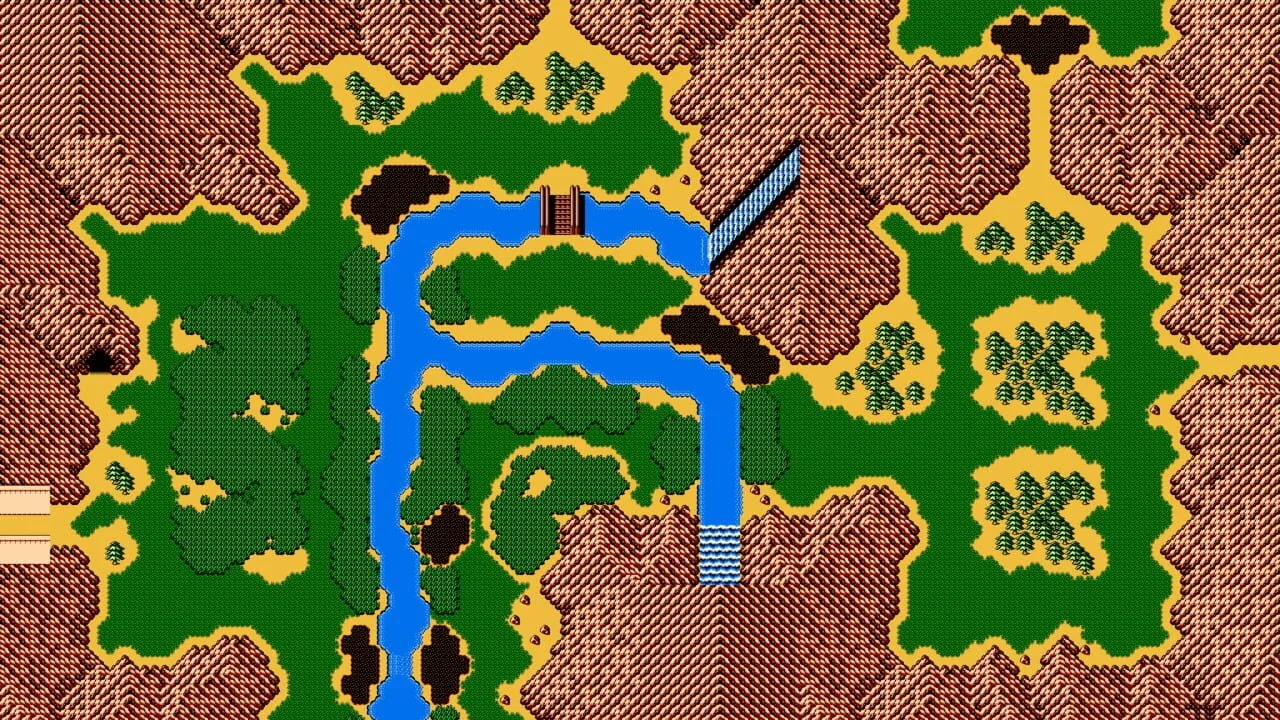
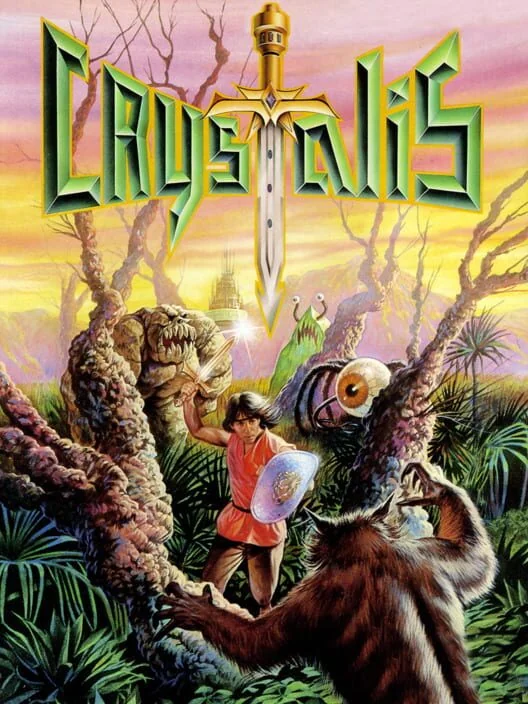
Crystalis is an action RPG set after an apocalypse, when magic has returned to the Earth. An evil sorcerer has combined his supernatural forces with man-made technology, and your job is to recover four mystical swords and combine them into the Sword of Crystalis. It came out in Japan on April 13, 1990, and in North America that July. You fight in real time from a top-down view, moving in eight directions.
Players call it an underrated gem, usually in the same breath as Zelda. A Game Boy Color version came out in 2000 with an almost completely new soundtrack and a new translation. The NES original is the one to play, and it has been re-released in the SNK 40th Anniversary Collection on Switch, PS4, Windows and Xbox One.
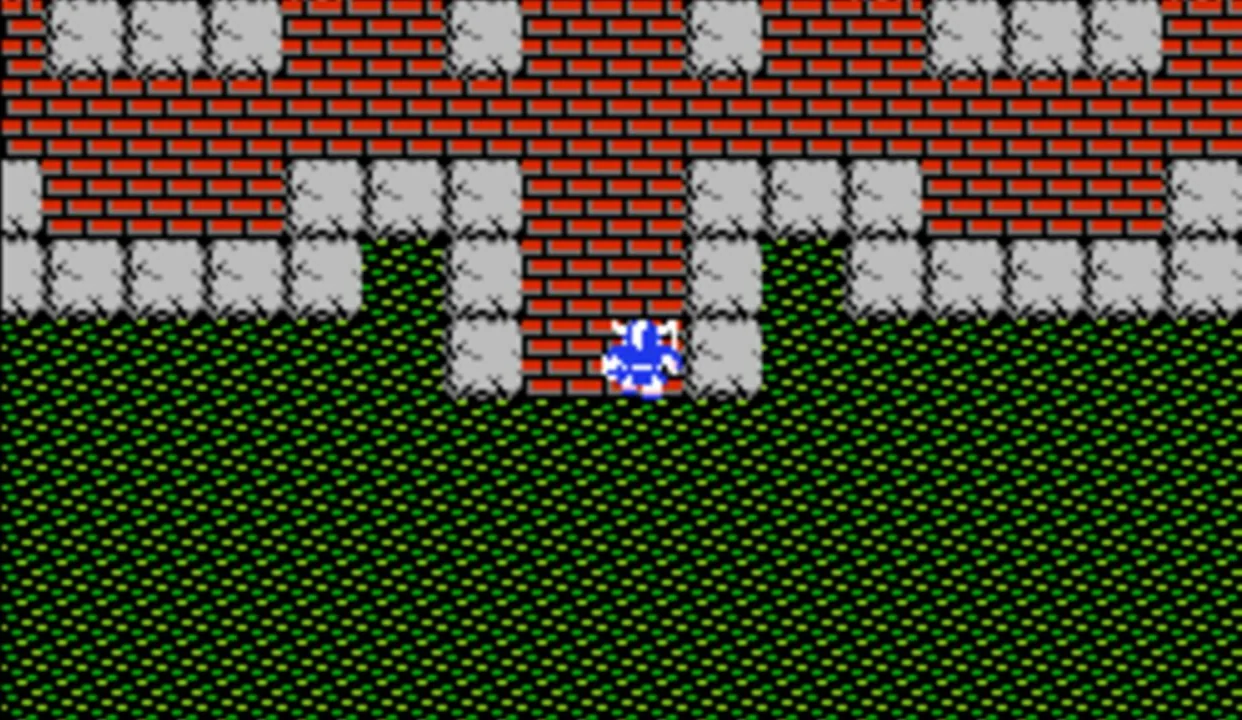
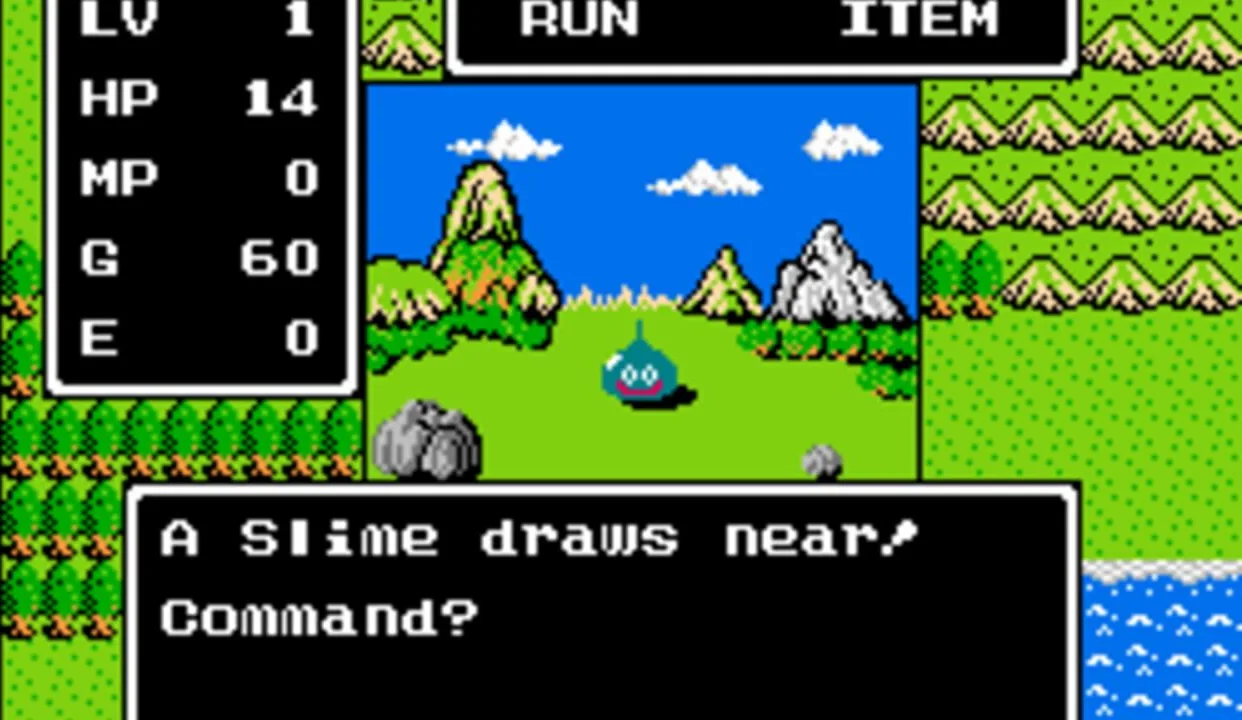
3. Dragon Warrior (1989)
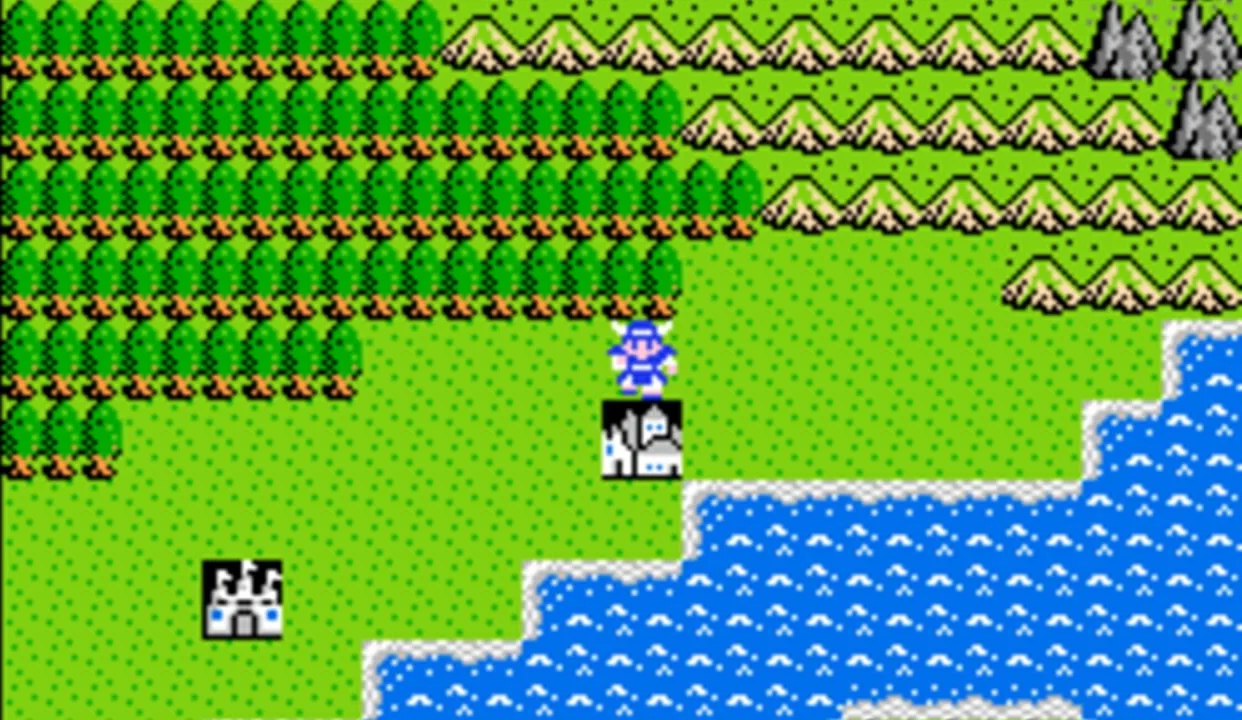
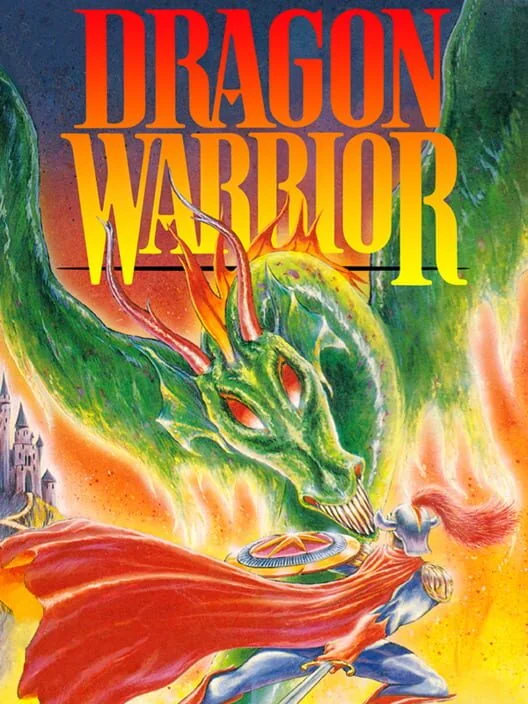
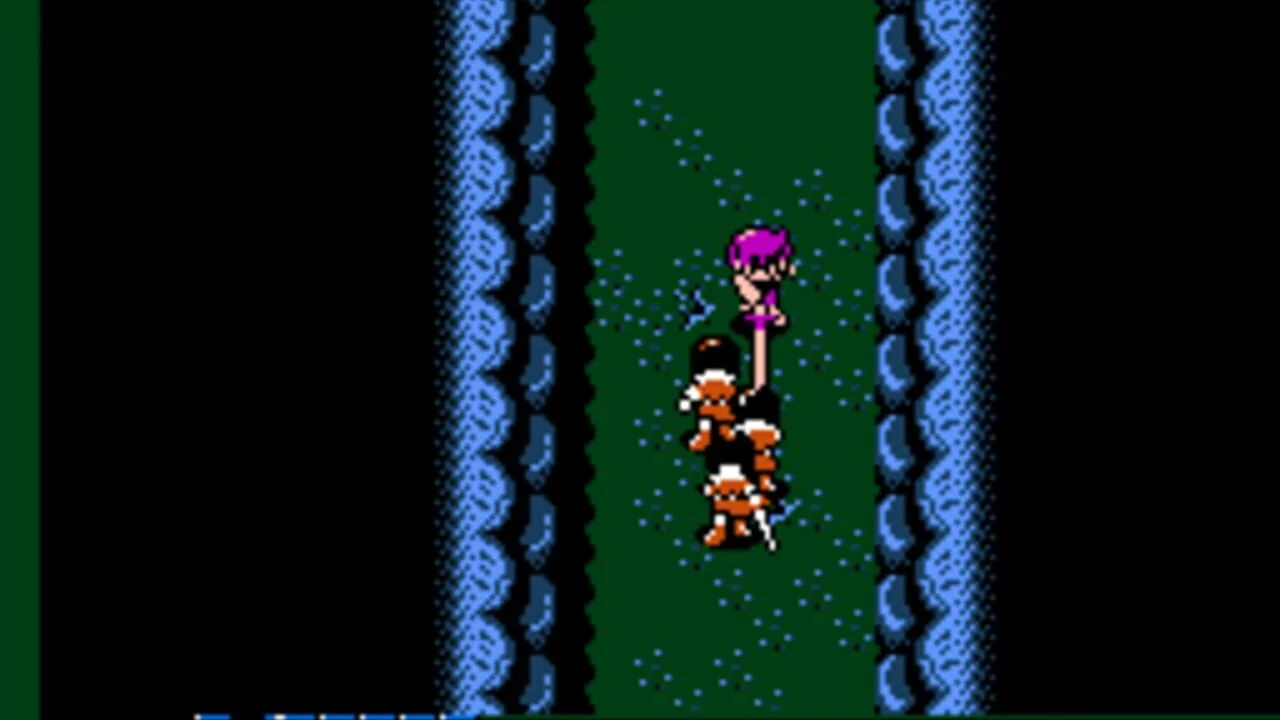
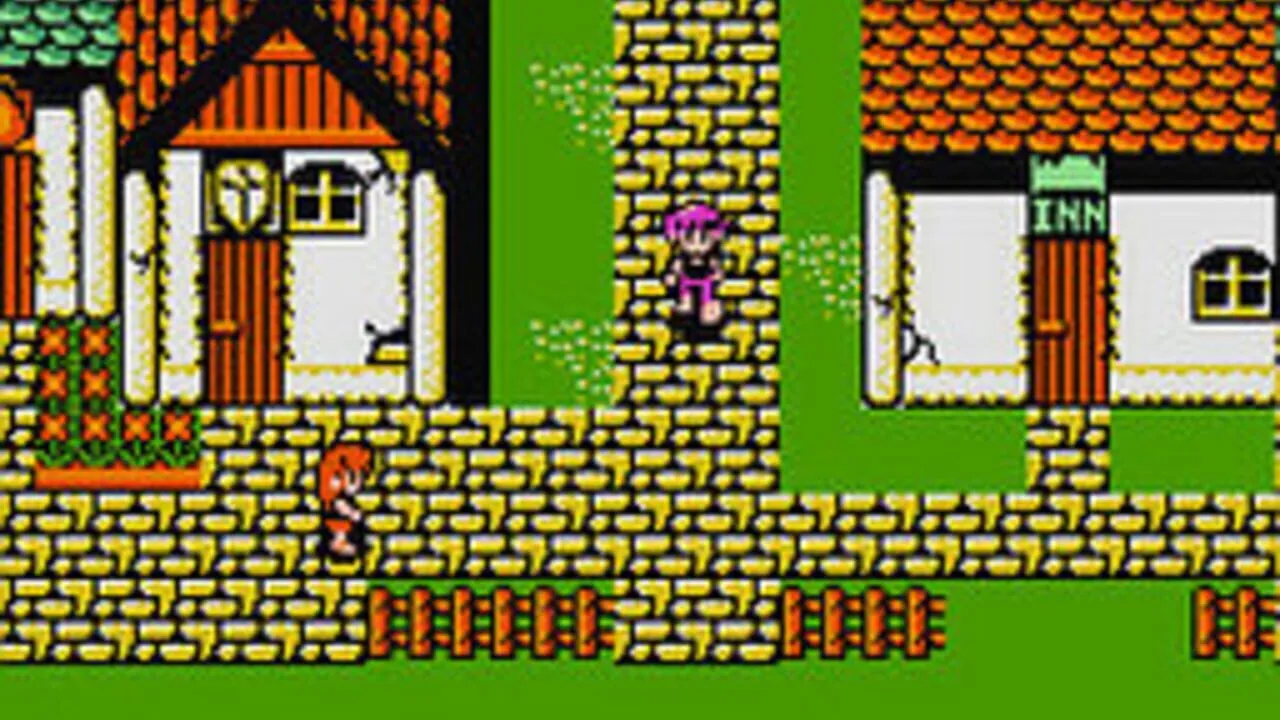
Dragon Warrior came out in Japan on May 27, 1986, as Dragon Quest, and reached North America in August 1989. The name changed to avoid trademark conflict with the unrelated tabletop role-playing game DragonQuest. Yuji Horii built it from elements of the Western role-playing games Wizardry and Ultima, and Akira Toriyama designed the characters. The Dragonlord has captured the Princess and stolen Erdrick's powerful ball of light, and you are Erdrick's heir.
It is just you against one monster at a time, gaining experience and buying better weapons and armor until the Dragonlord's castle stops being a death sentence. That loop sounds plain now, but for a lot of players this was their first RPG, and they still say so. The religious overtones of the Japanese version were heavily censored in the NES version.
2. Zelda II: The Adventure of Link (1987)
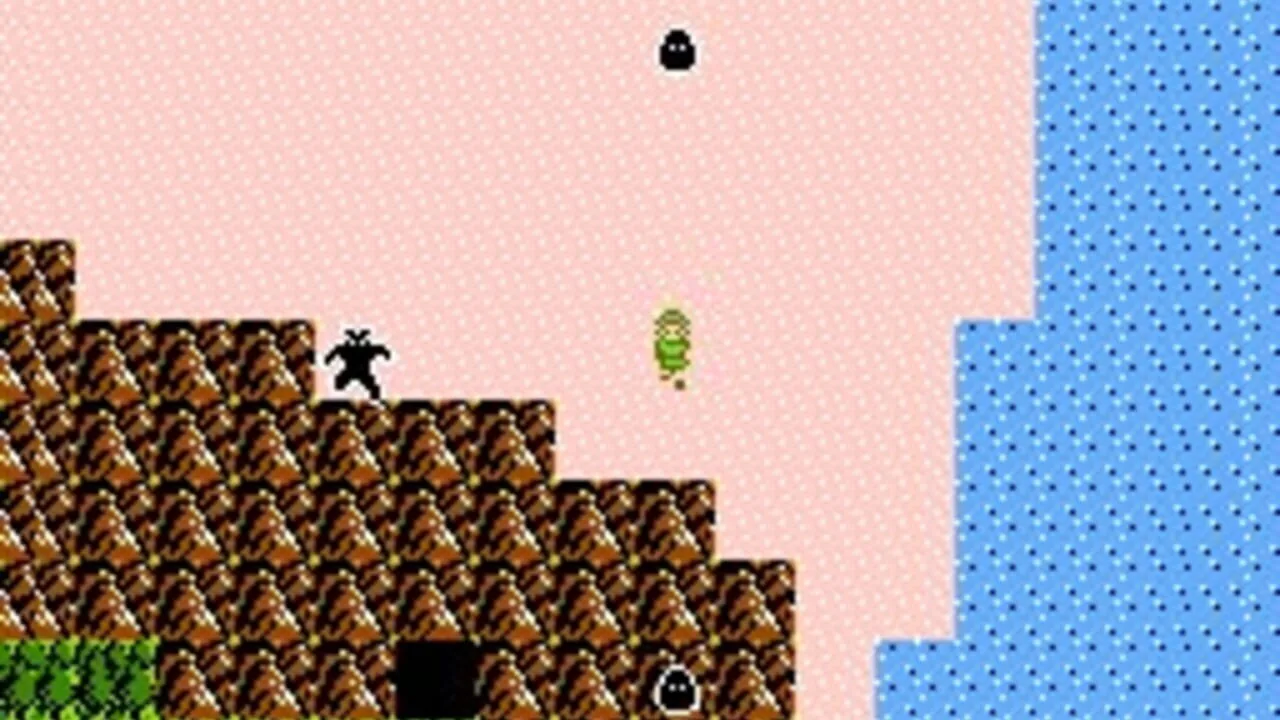
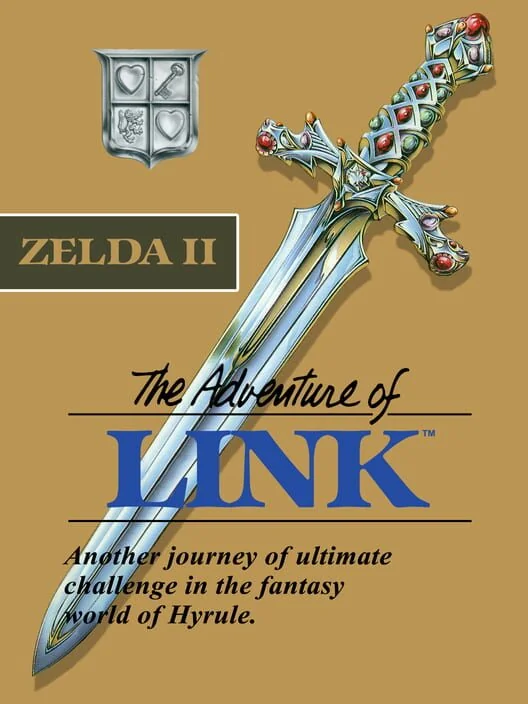
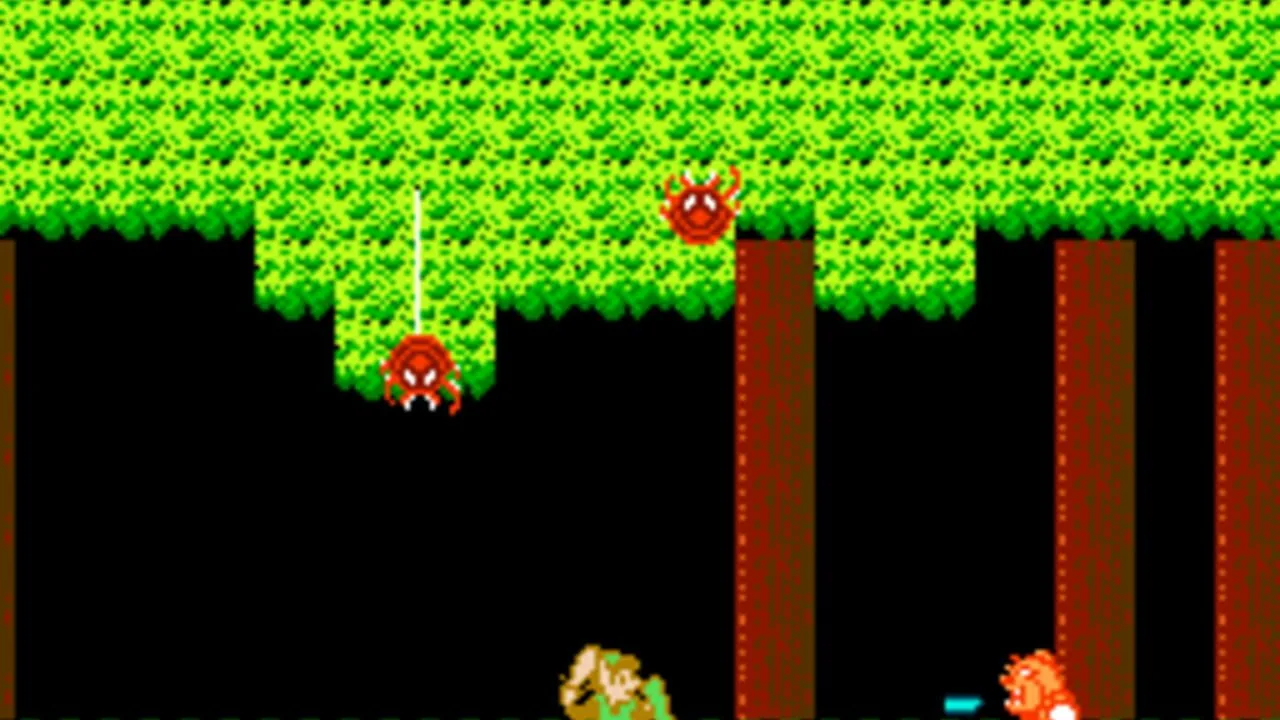
Zelda II: The Adventure of Link came out for the Famicom Disk System in Japan on January 14, 1987, and reached the NES in North America in late 1988. It is an action role-playing game, and it looks almost nothing like the first Zelda. You travel a top-down world map, but towns and fights happen in side-scrolling areas. Link earns experience points and chooses which attribute to level up. On the box, the shield insignia is a cutout that shows the gold cartridge inside.
It introduced the magic meter and Dark Link, and both became series regulars. The experience points never came back. In the Japanese version, losing all your lives reset every attribute to the lowest of the three, so the Western release is the kinder one. Players remember it as one of the harder games on the NES, especially near the end.
1. Final Fantasy (1987)
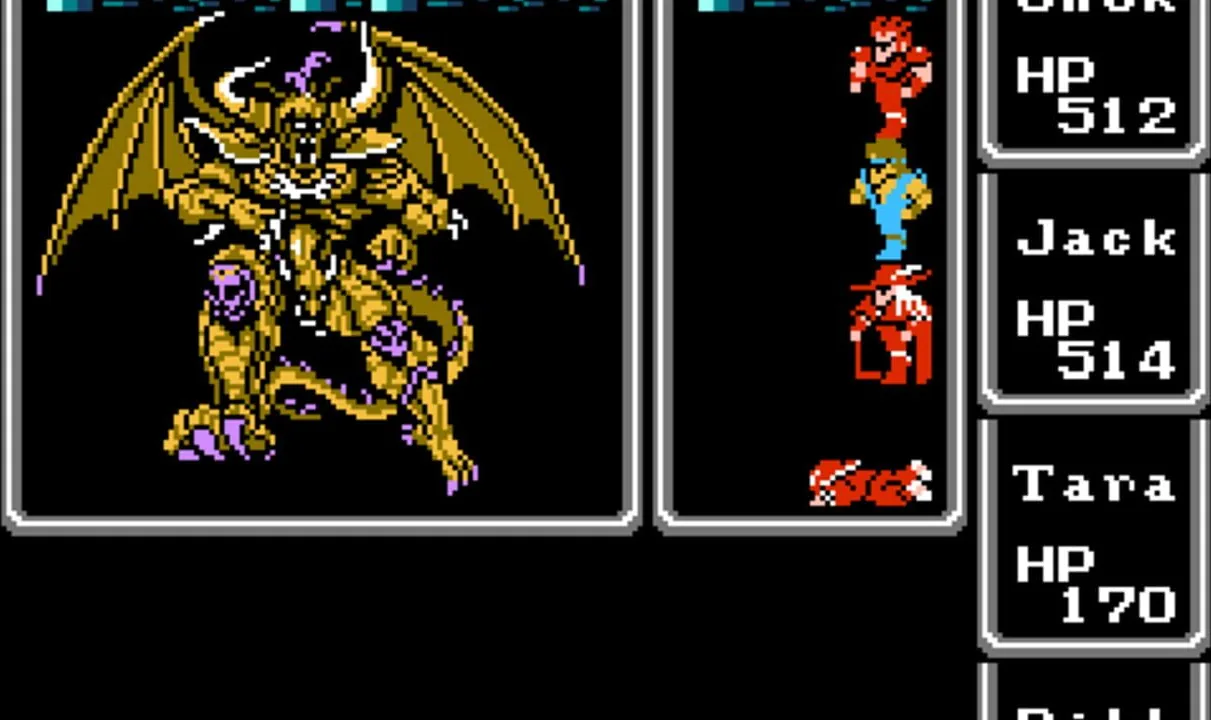
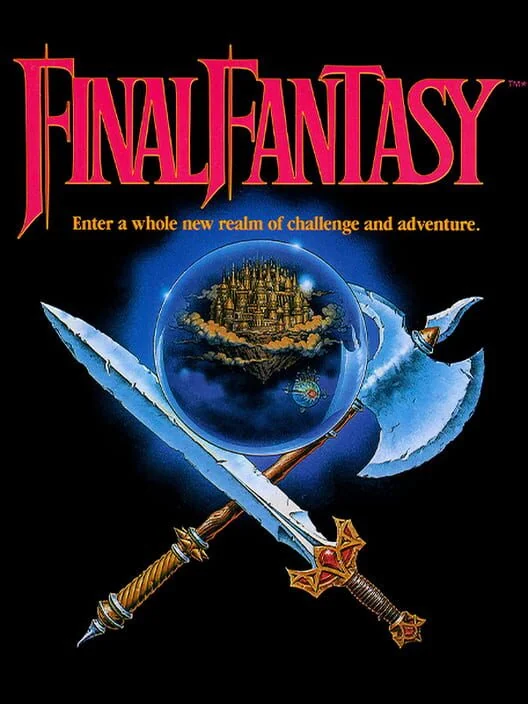
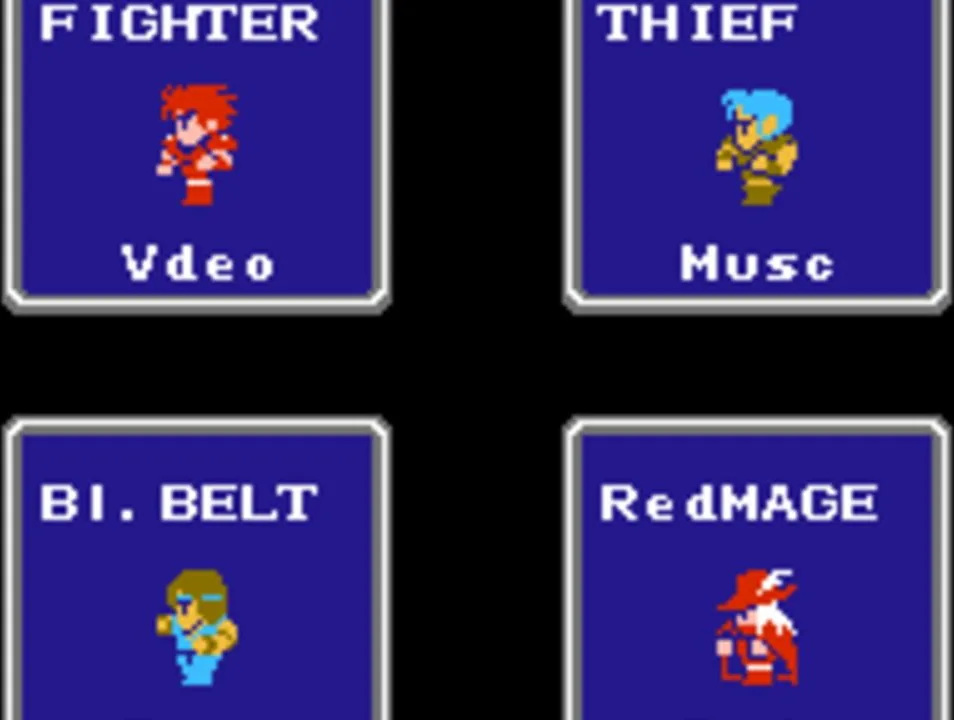
Final Fantasy is the first game in Square's series, created by Hironobu Sakaguchi. It was first called Fighting Fantasy, but trademark issues forced a new name. Four Warriors of Light set out to restore four crystals that rule earth, fire, water and wind, and the trail ends 2000 years in the past. You pick your party's classes at the start, and that choice shapes the whole game. Each character may learn only three spells per level, and enemy weaknesses to elements such as fire and ice had not been in Japanese RPGs before.
The game was a great commercial success, and by March 2003 all versions had sold a combined two million copies. Critics praised the graphics and criticized the grinding, and players who grew up with it remember the grind most of all. Later versions made it much easier. Players recommend it more than any other NES RPG.
Which one to play
There you have it, the whole list of the best NES RPGs. They ask for more patience than modern games, and almost all of them pay it back.
If you are not sure where to start, play Final Fantasy. For a traditional party RPG with a great story, pick Dragon Warrior IV. If you want action instead of menus, Crystalis is the one. Horror fans should track down the Sweet Home fan translation. And for a hidden pick, try Destiny of an Emperor and its army of generals.