The 3DS had a lot of good games that never got the praise they earned. Some came out late in the system's life, and some sat on the same shelf as bigger names. These are the 21 most underrated 3DS games.

21. SteamWorld Dig (2013)
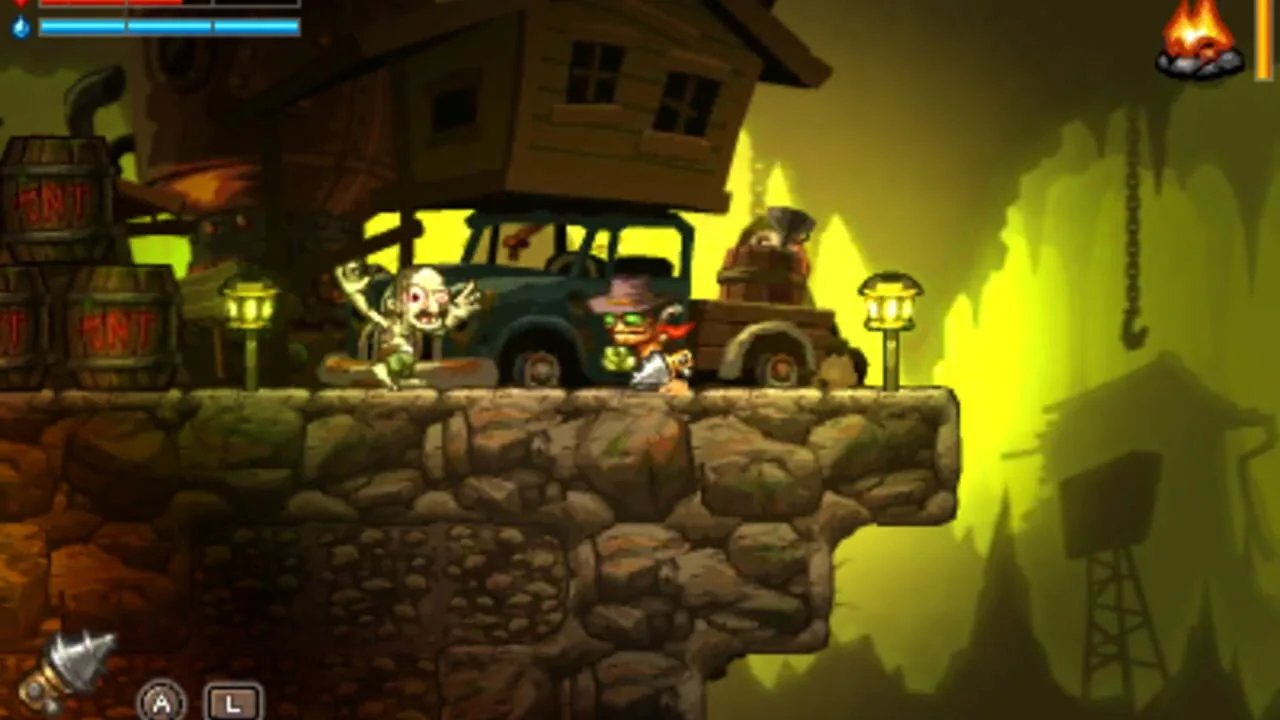
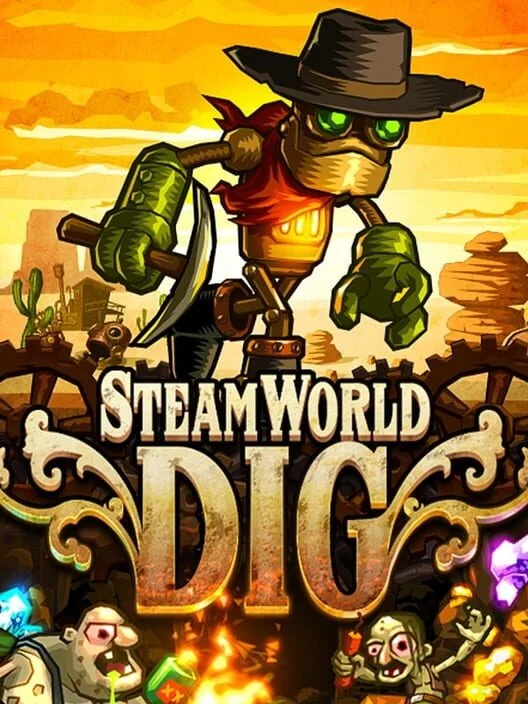
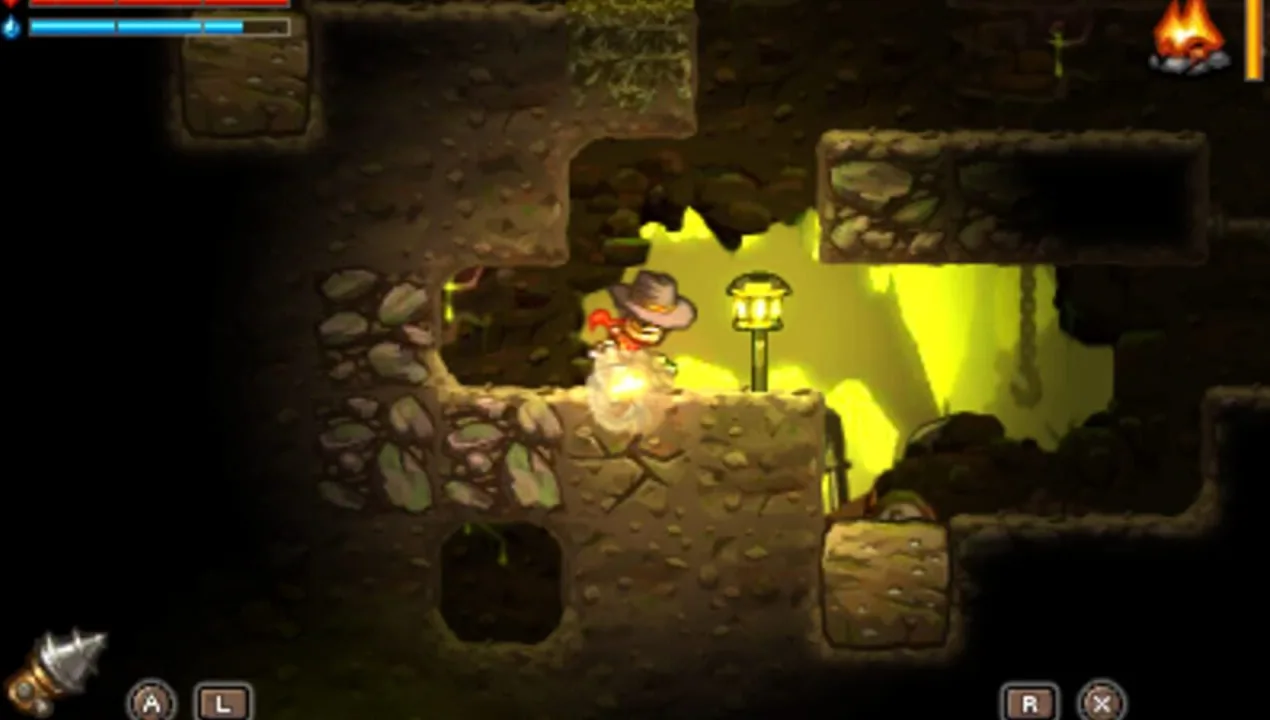
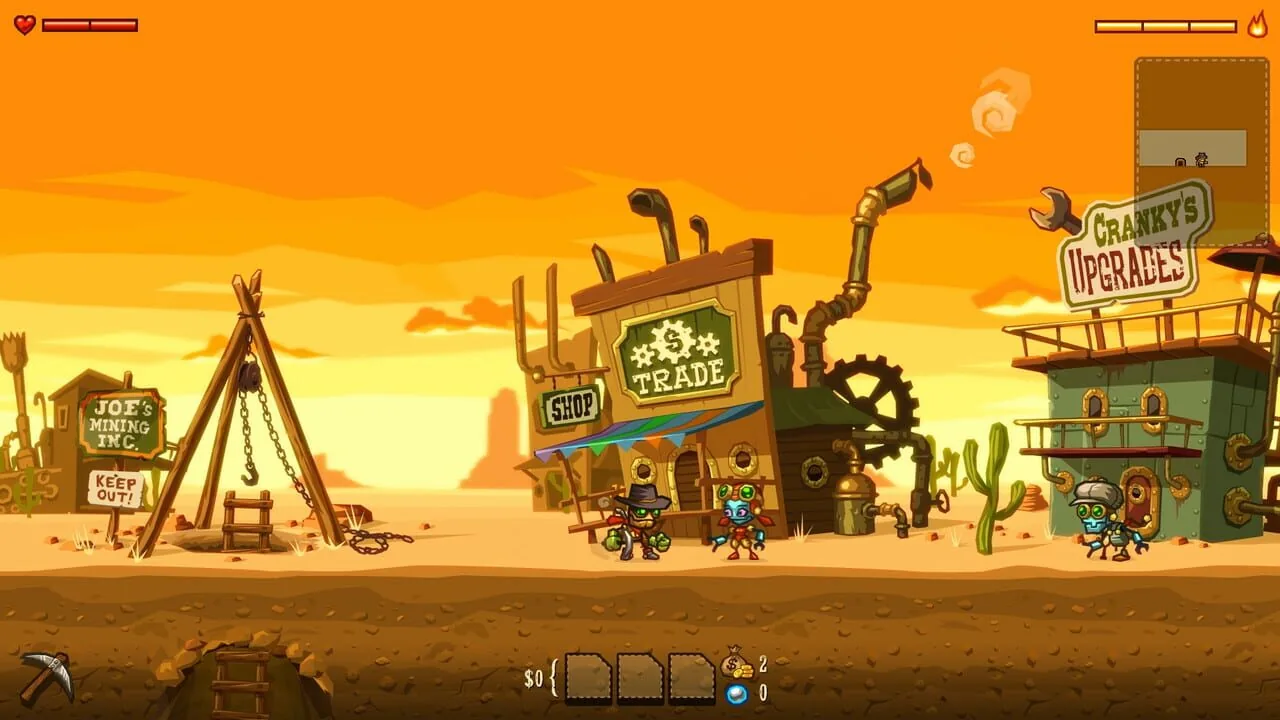
SteamWorld Dig is a 2D platform game about mining for resources and ores. You play Rusty, who digs down into the earth and sells what he finds to buy better tools. The loop is so satisfying that it can swallow an entire afternoon without you noticing.
It was first released on the eShop in August 2013 and reached Japan that November. It was a download-only game from a small studio, so it had no shelf presence. The studio later made a sequel in 2017, plus a spin-off called SteamWorld Heist. You dig down, get rich and buy a bigger pick, which is the most honest capitalism on the system. Every trip back to the surface gets you a little stronger.
20. Rhythm Heaven Megamix (2015)
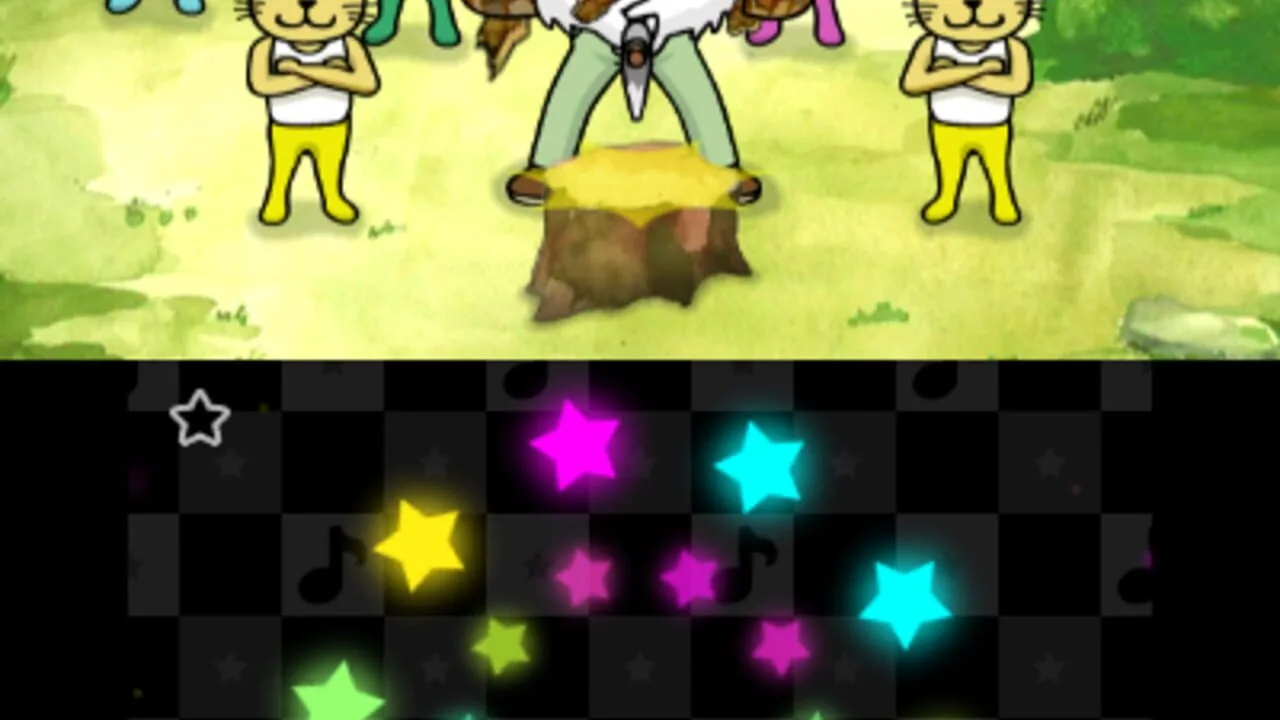
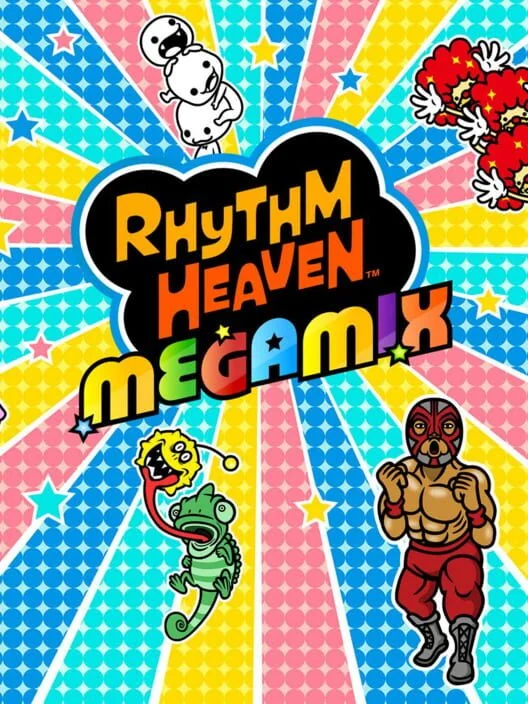
Rhythm Heaven Megamix collects over one hundred rhythm minigames from earlier entries, including Rhythm Tengoku, which was never released outside Japan, along with thirty new ones. You play in time with the music to clear each one, and extra games can be bought with Flow Balls.
Tsunku, the series composer, returned for the music, and the game sold at least a million copies, but it still got less attention than it should have. The West received it throughout 2016, a year after Japan. Newcomers get assistance features that make a hard series more welcoming. It rewards anyone who can tap along without thinking, and the odd, cheerful humor of the minigames makes even failures fun to watch.
19. Fire Emblem Awakening (2012)
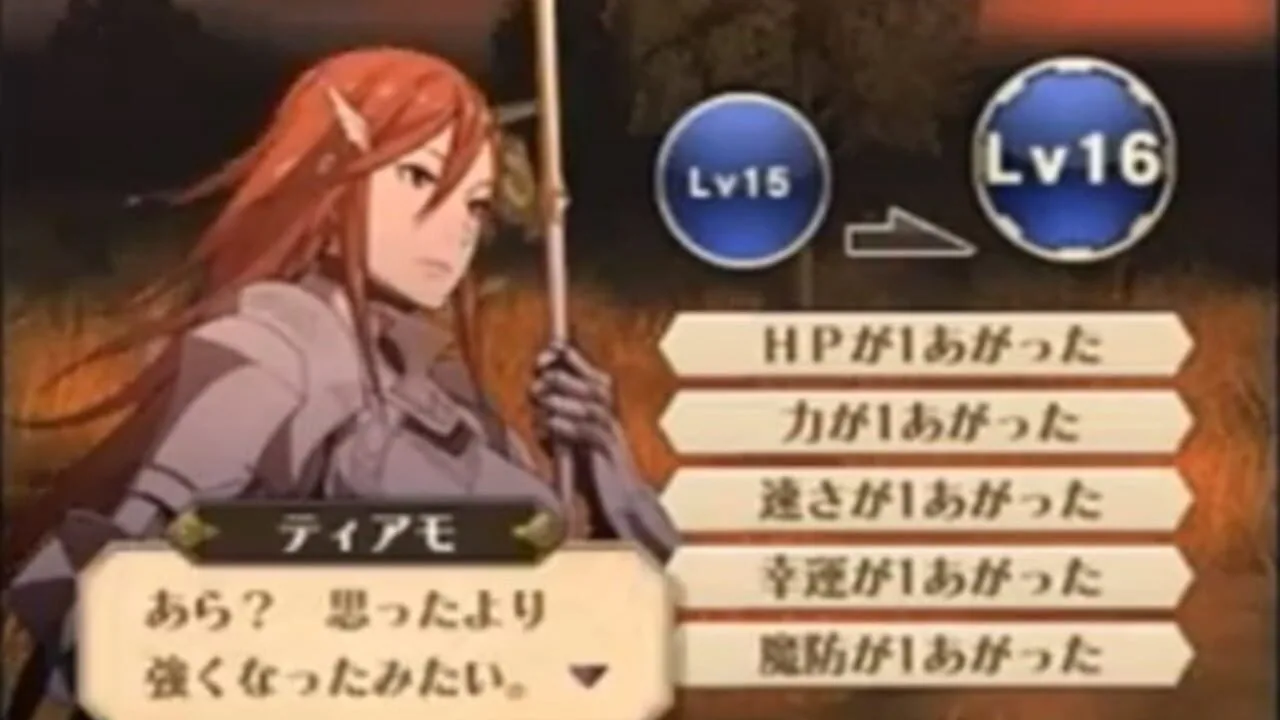
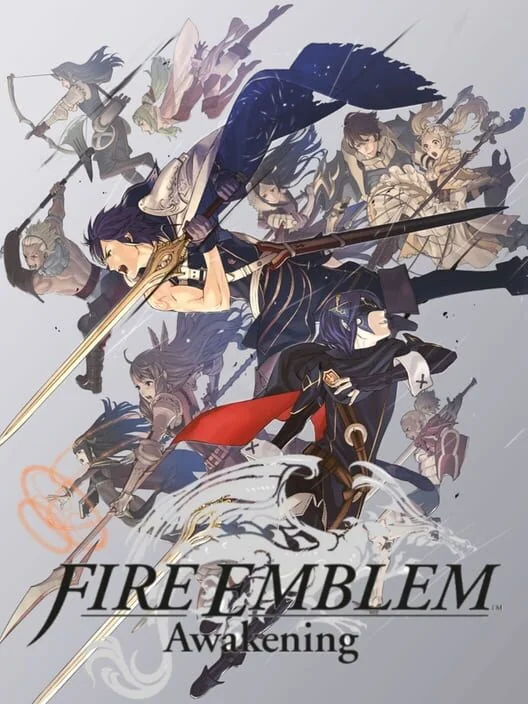
Fire Emblem Awakening was made with the thought that it might be the last one. Sales of the earlier games had been declining, so Intelligent Systems designed it to bring in elements from every previous entry, and veterans of the series filled the key roles. It was released in Japan in April 2012 and in the West in early 2013.
That is the reason it feels so complete, and the reason the series survived. It is hard to call a game this loved underrated, but its story is not widely known, and many newer fans do not realize how close the series came to ending. If you want to know why people care so much about this franchise, start here.
18. Liberation Maiden (2012)
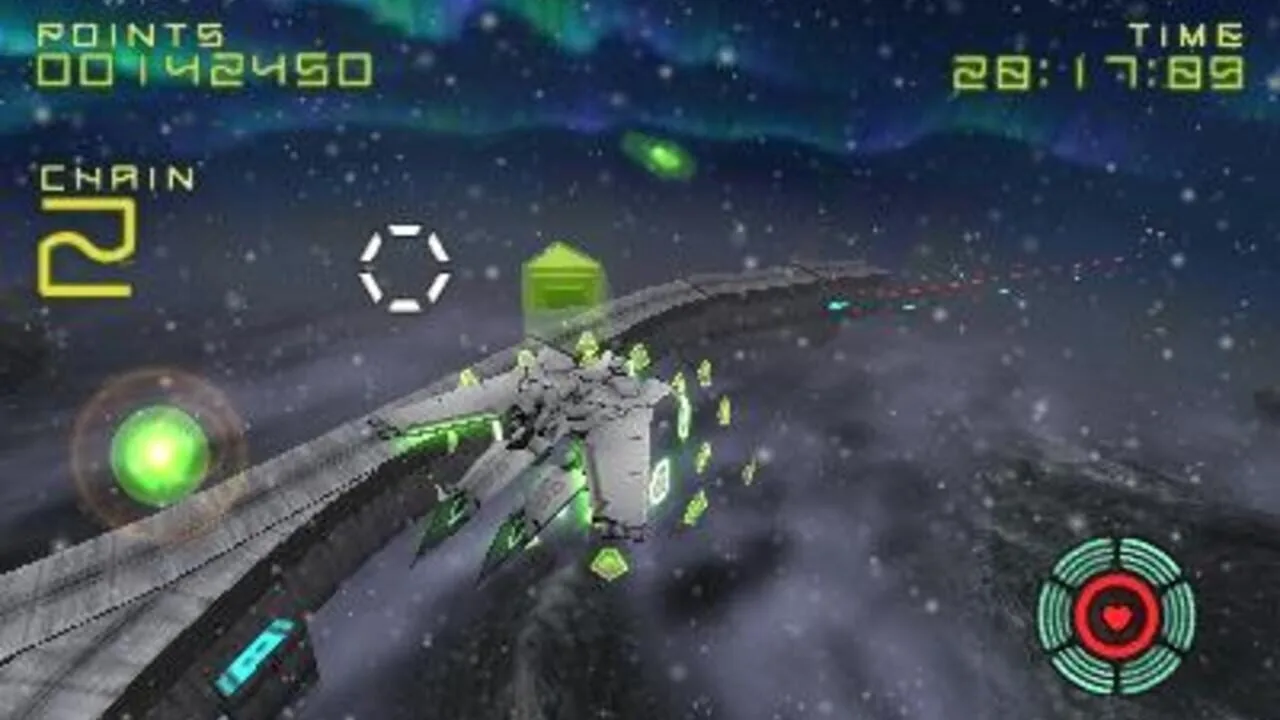
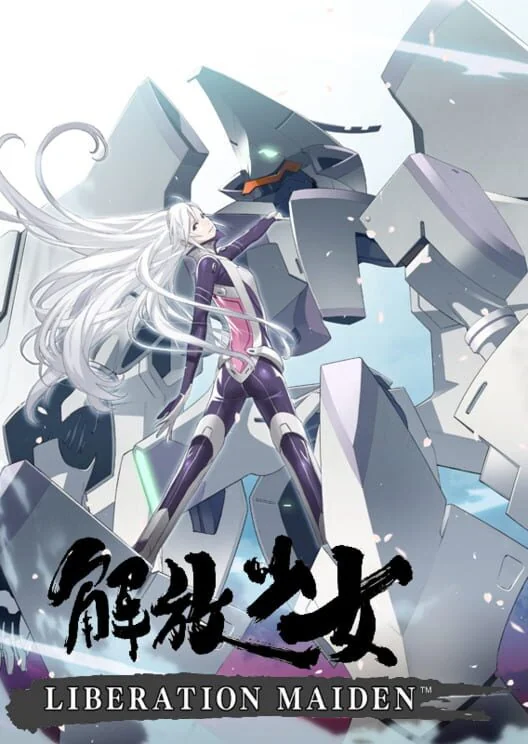
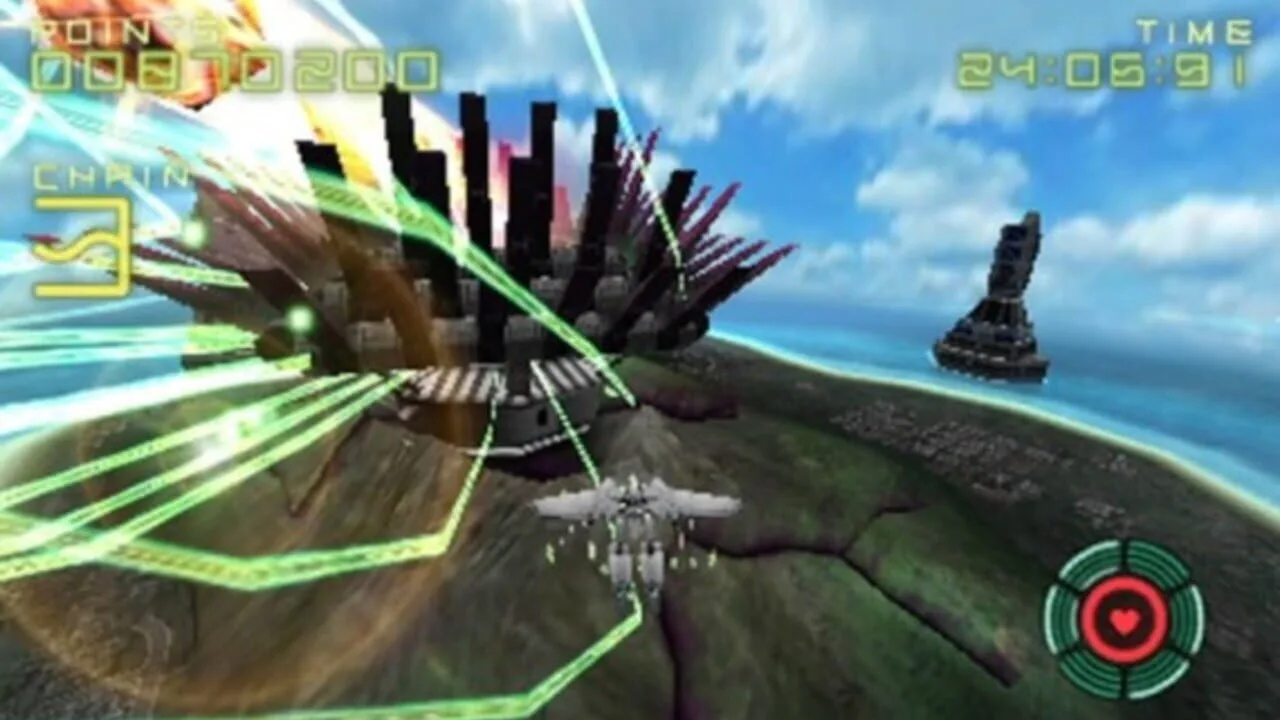
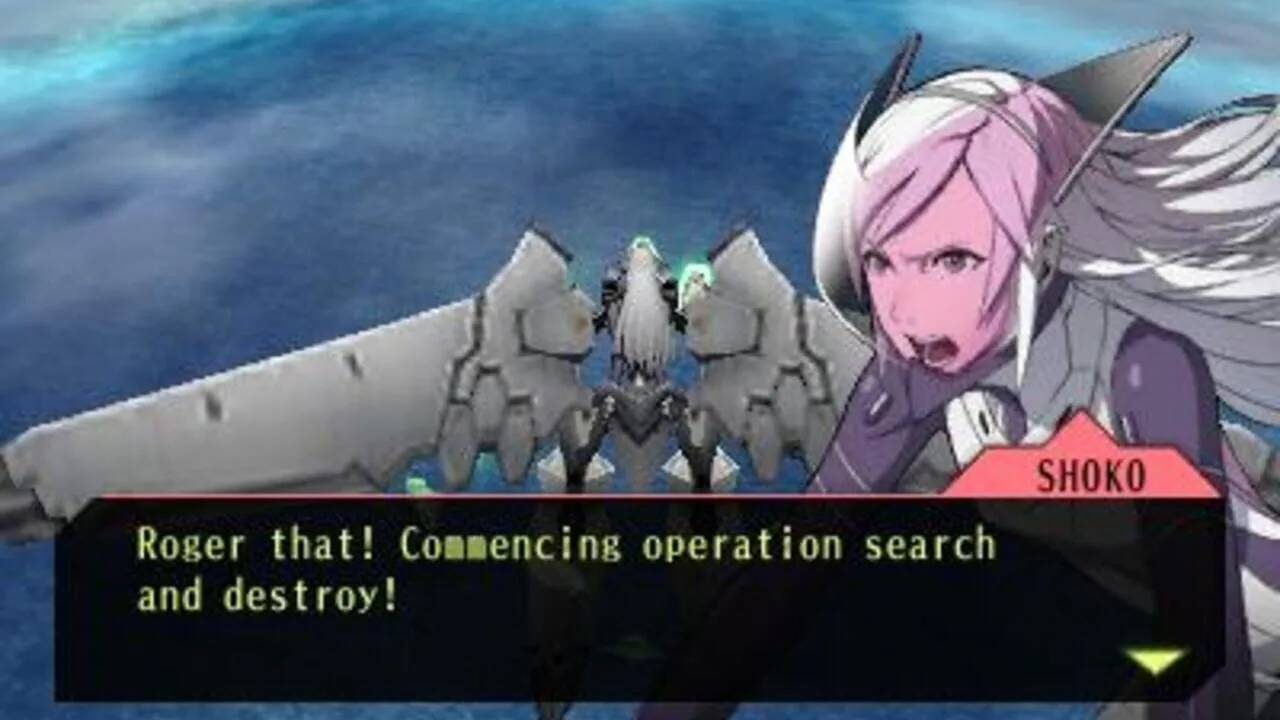
Liberation Maiden is a shooter from Grasshopper Manufacture in which an invading country is stealing all of Japan's energy. You play Shoko, a high school girl who became the president of New Japan after her father was assassinated, and you pilot a mecha named Kamui to fight back. Kana Hanazawa voices her.
It first showed up as part of the Guild01 compilation in 2012 and was sold separately later. A short arcade shooter is easy to overlook when the shelf is crowded with long adventures. The game is quick and strange in the way only Grasshopper games are, and it deserves a bigger audience than the one it got. Short sessions suit it well, so it fits a bus ride or a lunch break.
17. Azure Striker Gunvolt (2014)
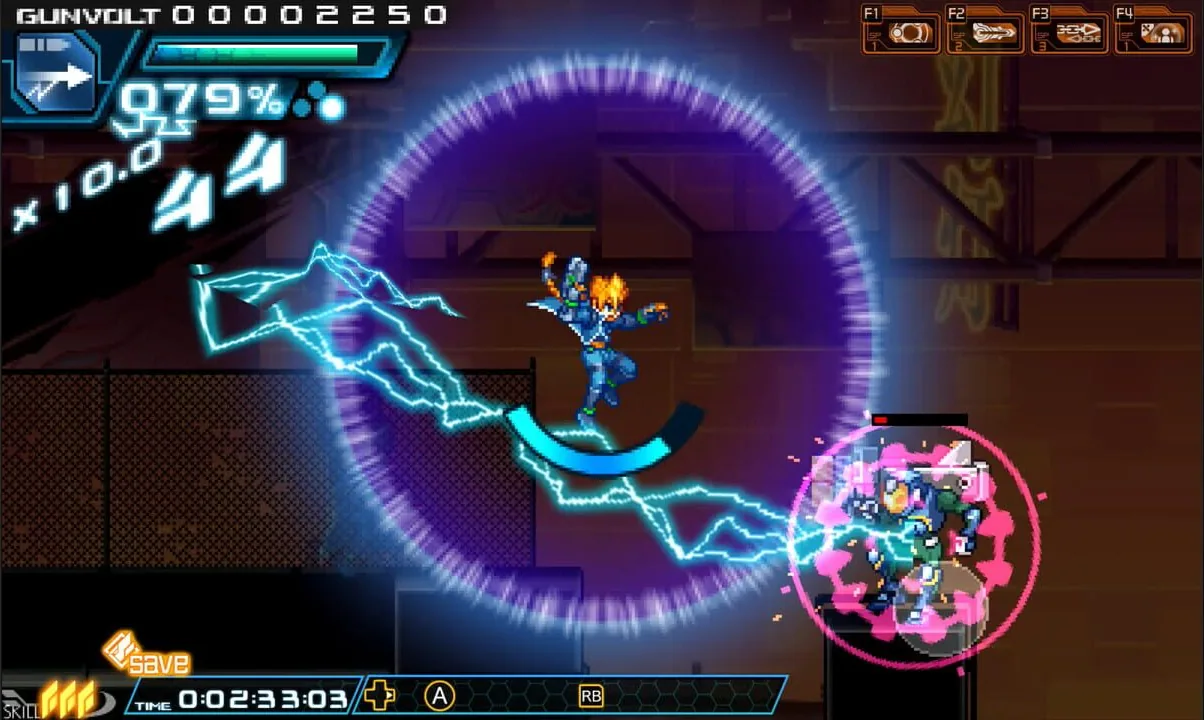
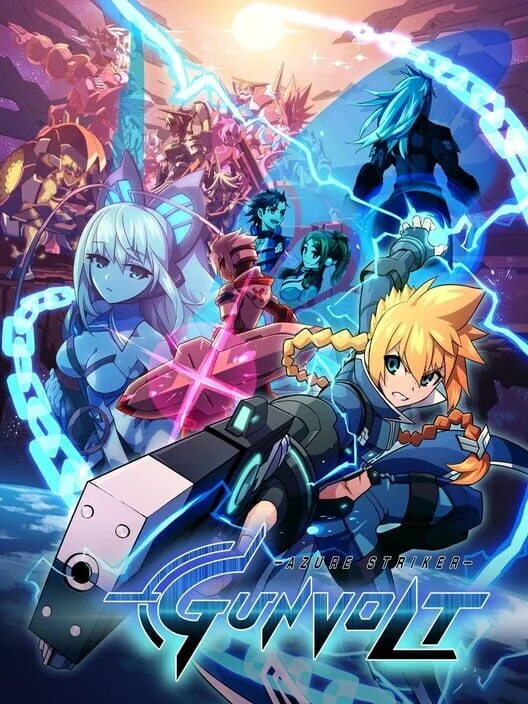
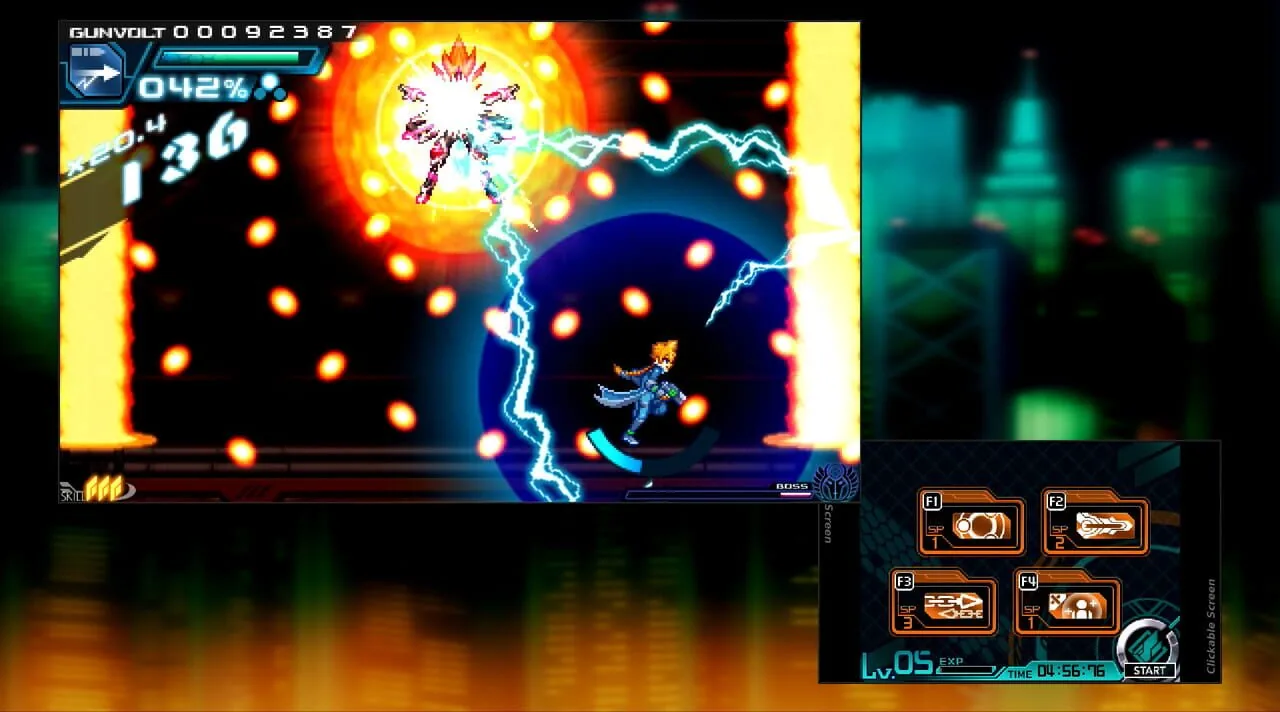
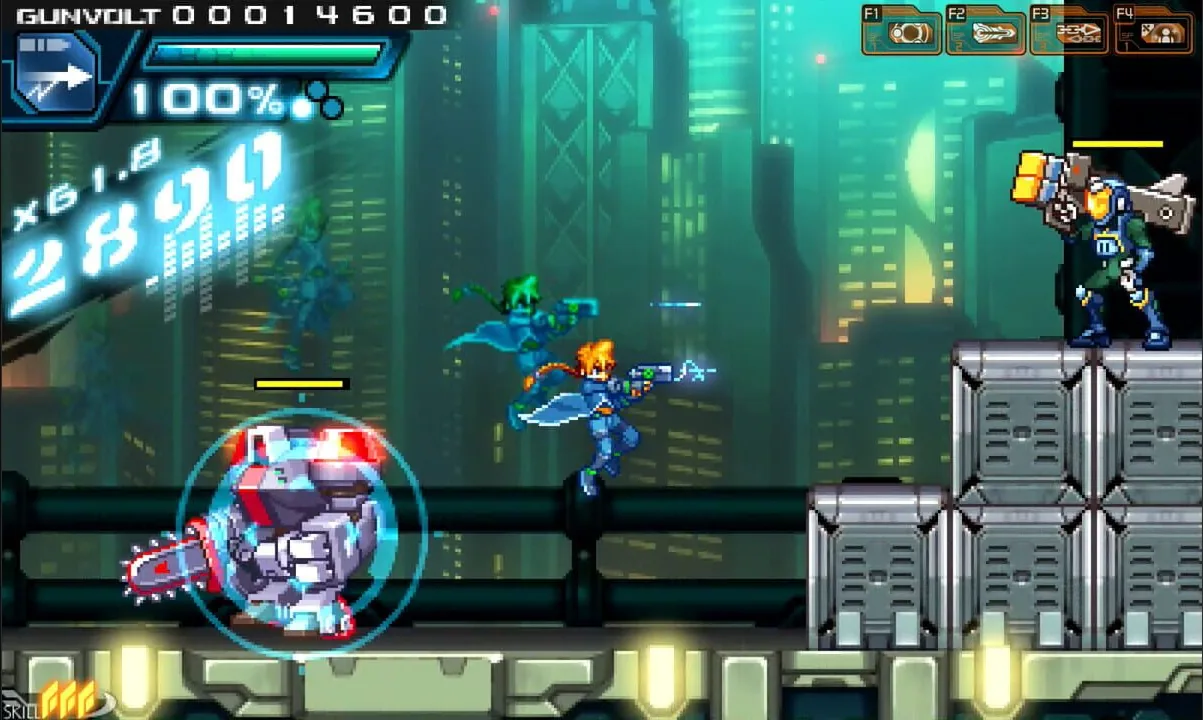
Azure Striker Gunvolt is a 2D action game where a lightning-powered hero takes on a giant organization on his own. Instead of shooting enemies directly, you tag them with a charge and then zap them in a combo, which feels different from the usual run and gun.
It first came out as an eShop download in 2014, and a crossover spin-off, Mighty Gunvolt, arrived the same day. A download-only game from a small team had few ways to find an audience, but it grew. The series later spread to Windows and Switch, among other systems, which shows how many people liked it once they found it. The 3DS is where it started.
16. Culdcept Revolt (2016)
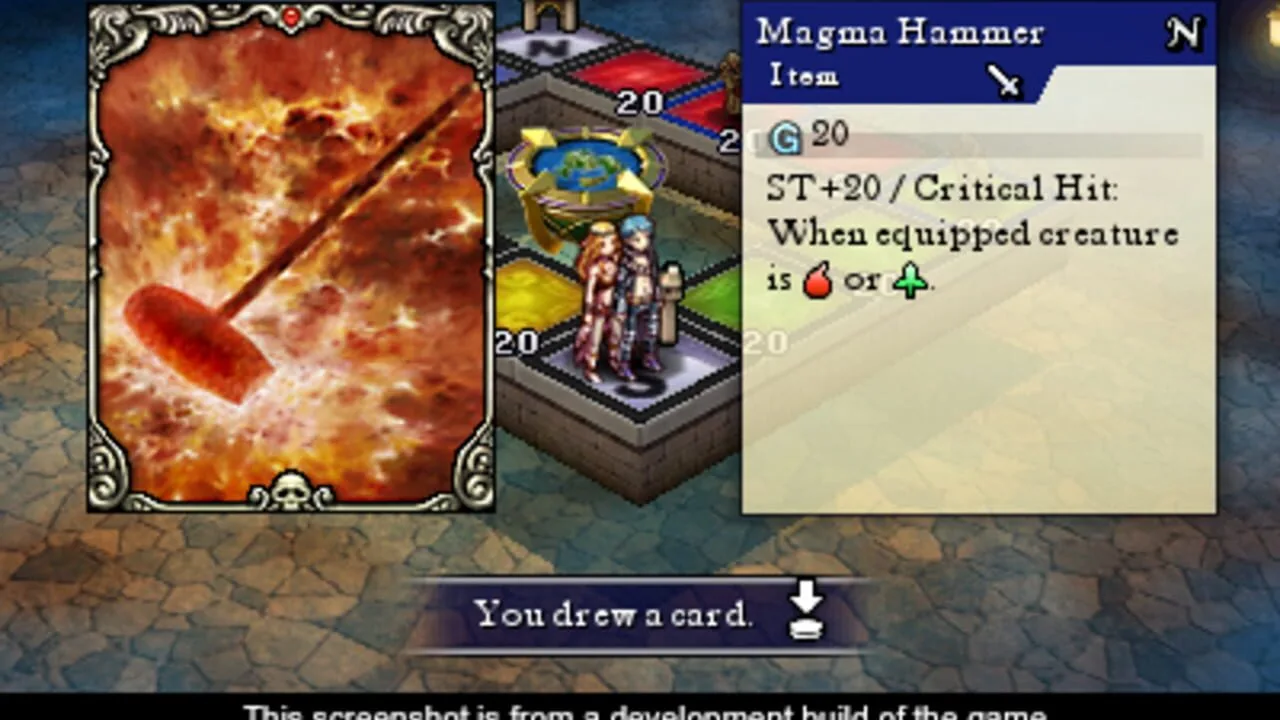
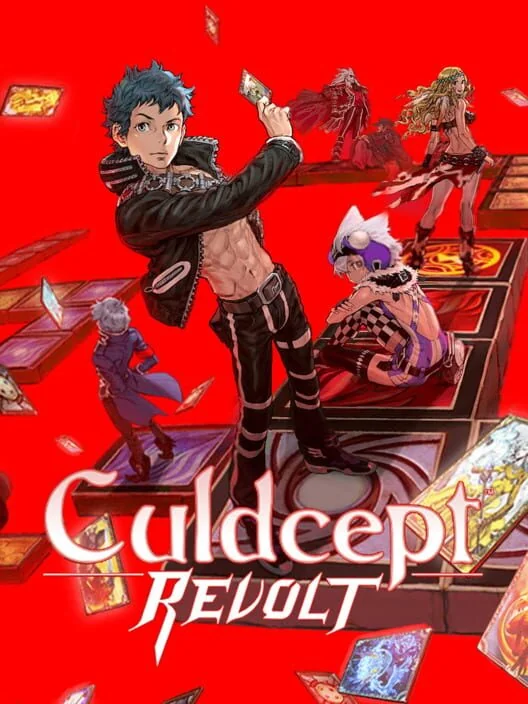
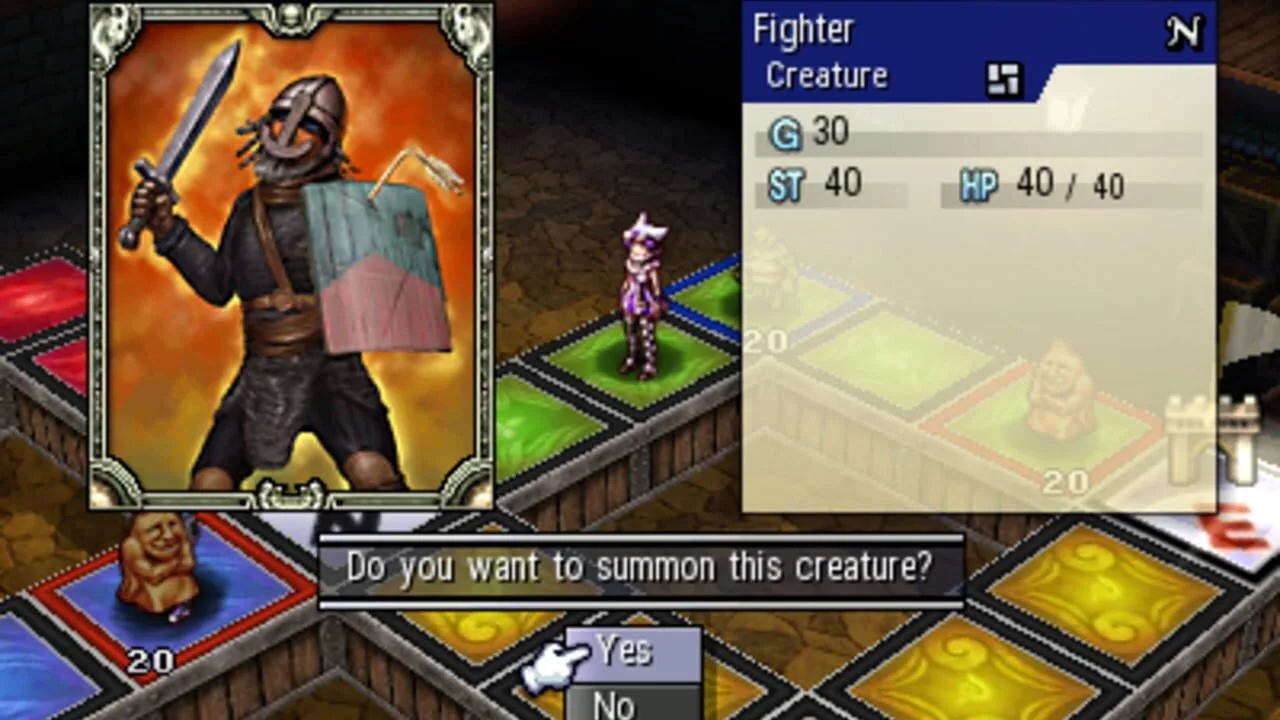
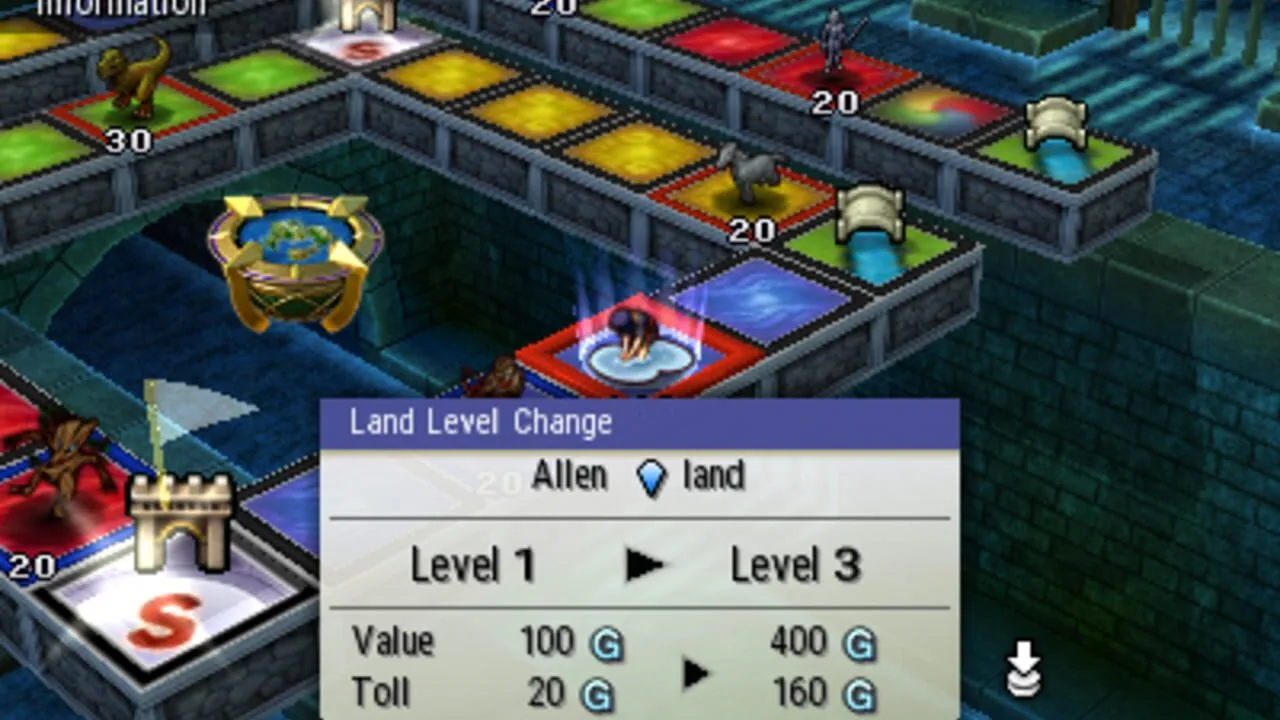
Culdcept Revolt is part card game and part board game. You move around a board and summon creatures with cards to claim land and drain your opponents of money. It was made to celebrate the series' twentieth anniversary, with hundreds of new cards and fresh boards.
Japan received it in 2016, and NIS America brought it to the rest of the world in 2017. One reviewer called it perhaps the most niche game in their gaming history and admitted they could not tell readers whether they would like it. That is an honest review if not a helpful one. If the idea of a board game that fights back sounds good, this is the best version around.
15. Bravely Default (2013)
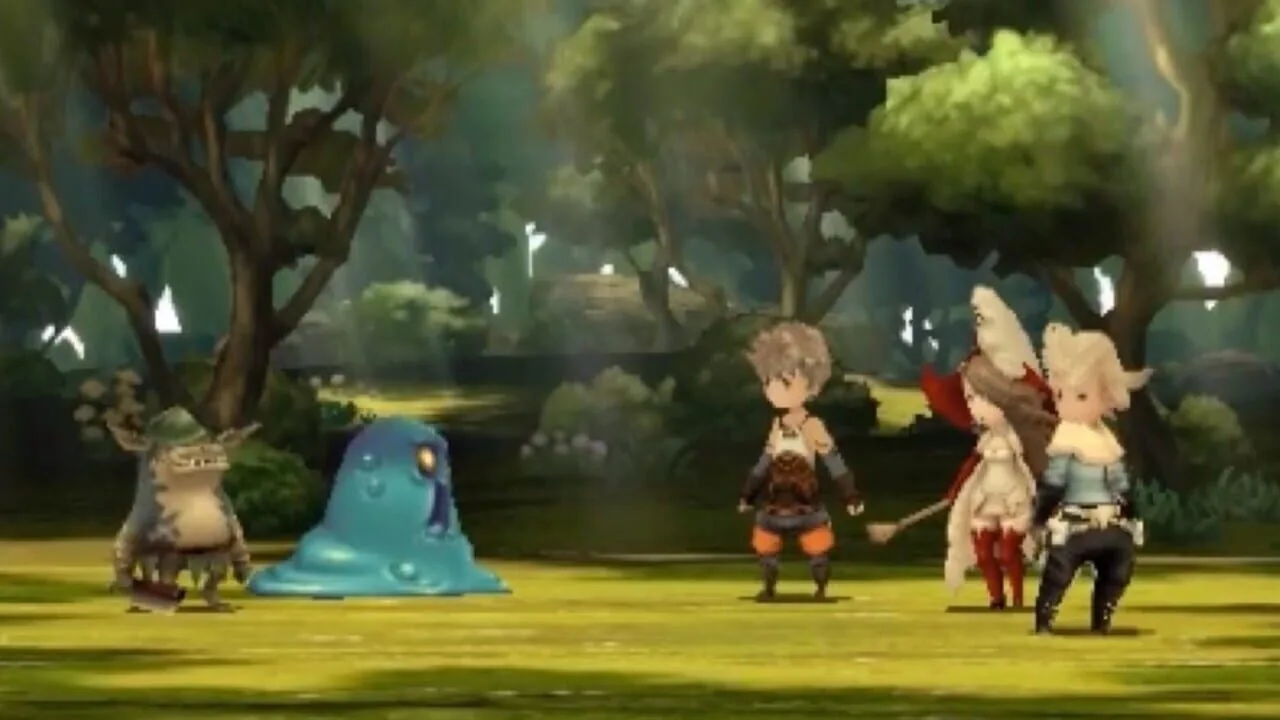
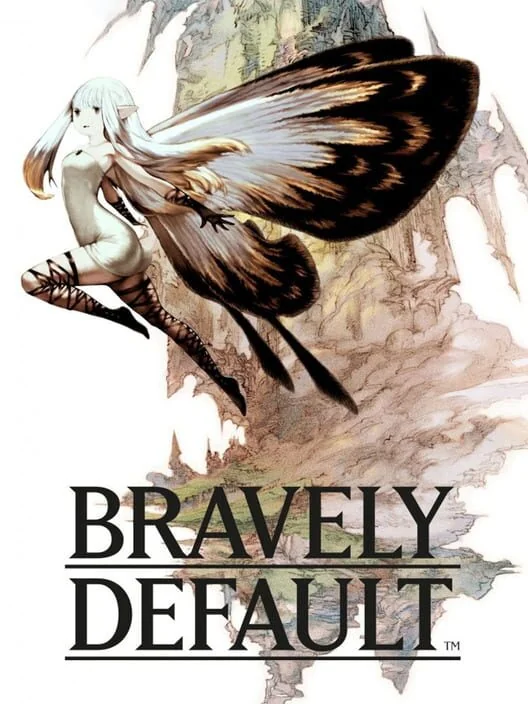
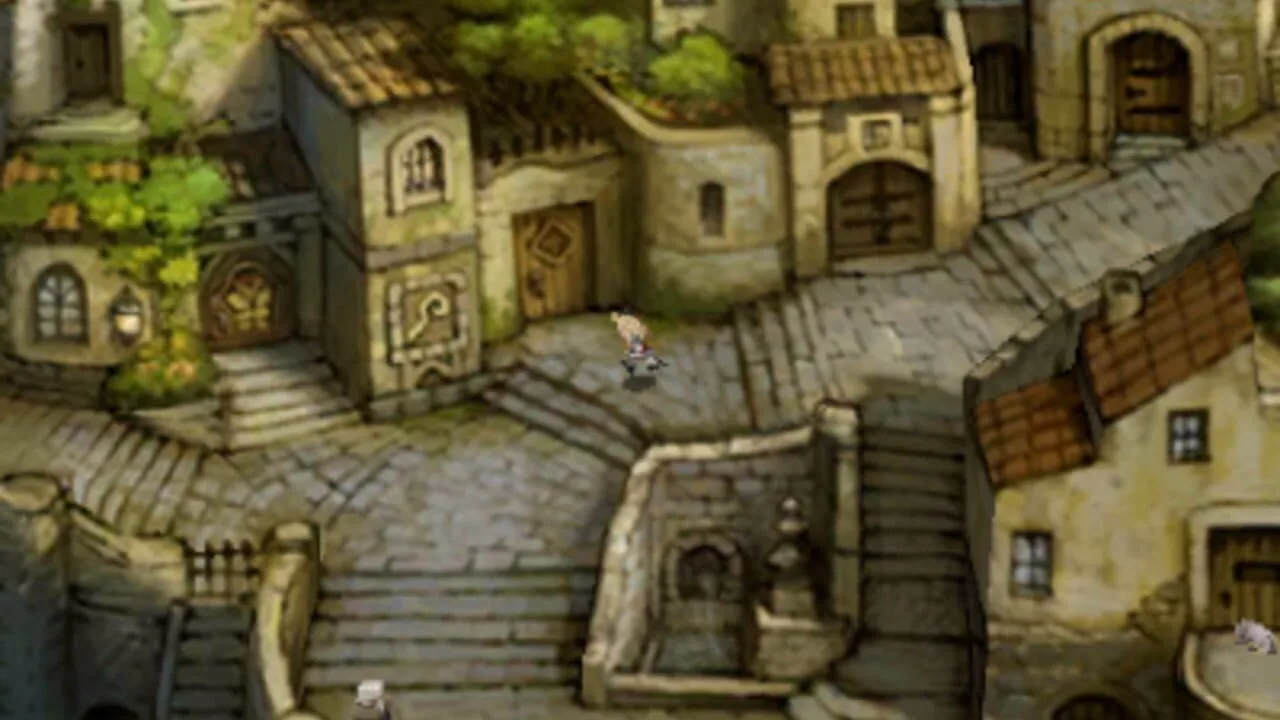
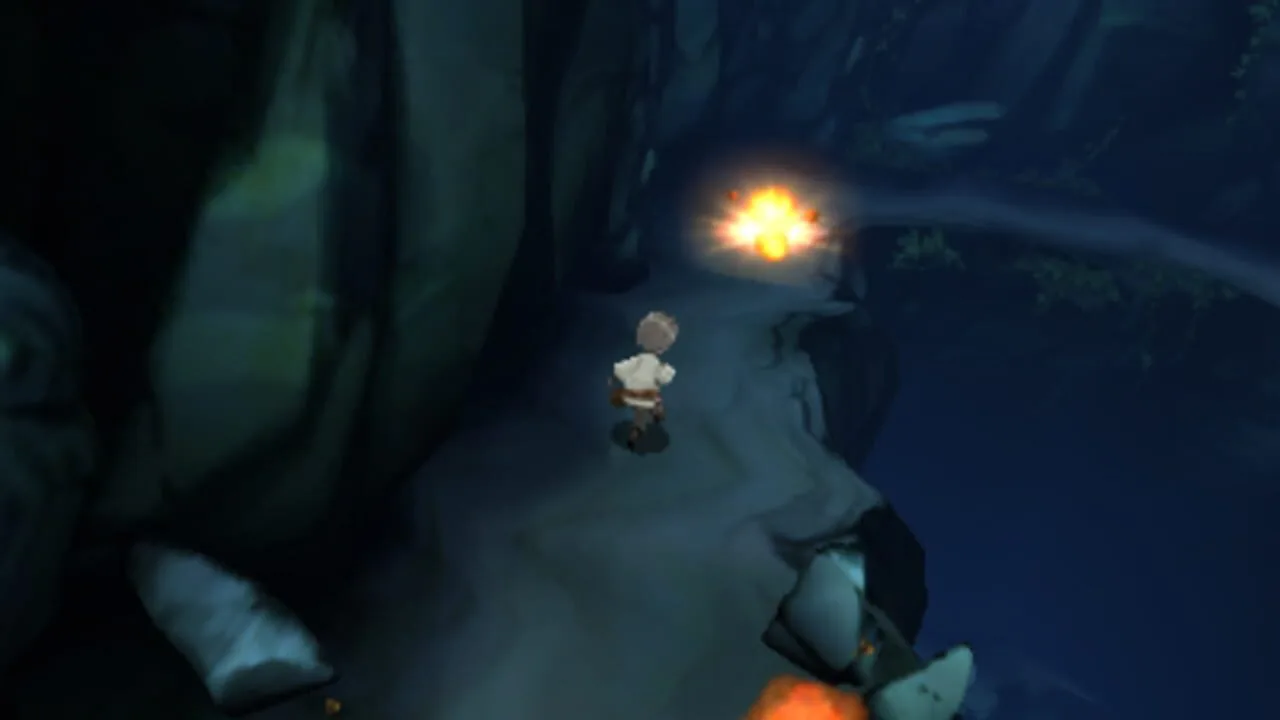
Bravely Default follows Tiz, a shepherd and the lone survivor of a disaster, who joins a group of companions on a quest to restore balance to the world. It began as an action sequel to a different game and became something new, with art by Akihiko Yoshida and a battle system you can bend to your will.
The expanded edition, For the Sequel, was released in Japan in 2013 and reached the West in 2014 under the simple name Bravely Default. By then a long list of RPGs had crowded the 3DS, and a good game fought to be noticed in it. It remains one of the best turn-based RPGs on the system and it deserves a place near the top of any list.
14. Monster Hunter Stories (2016)
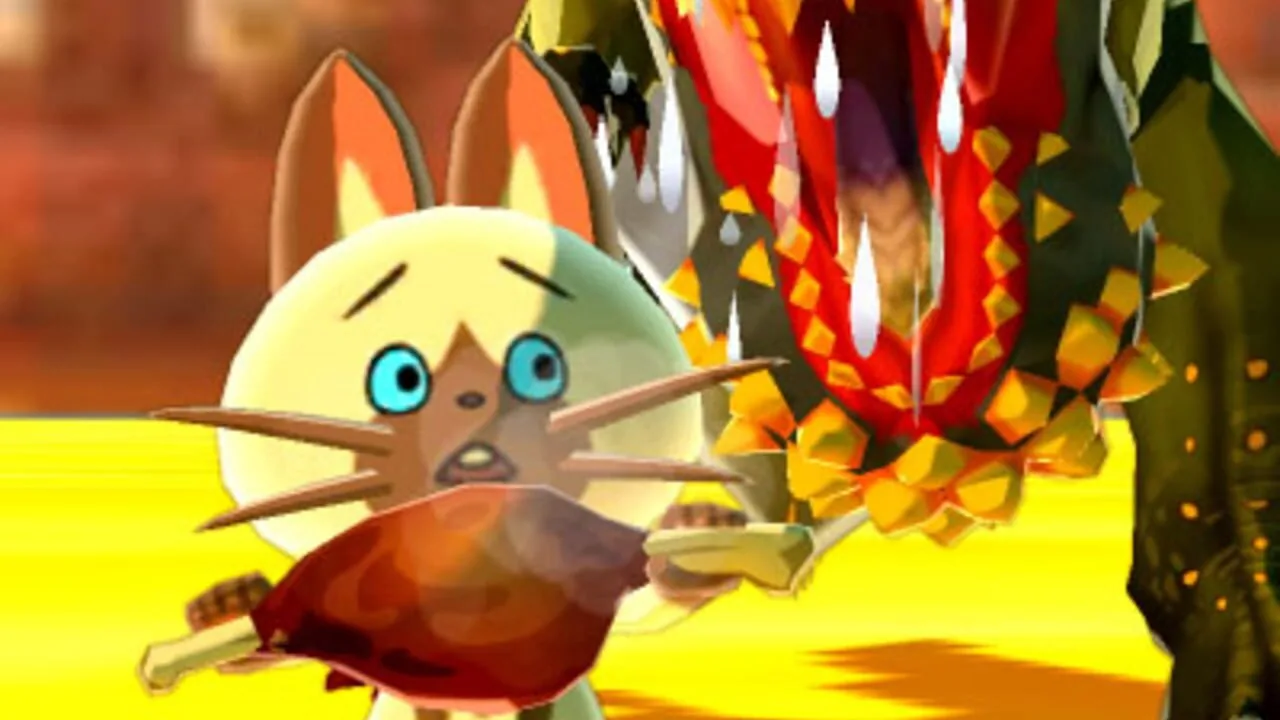
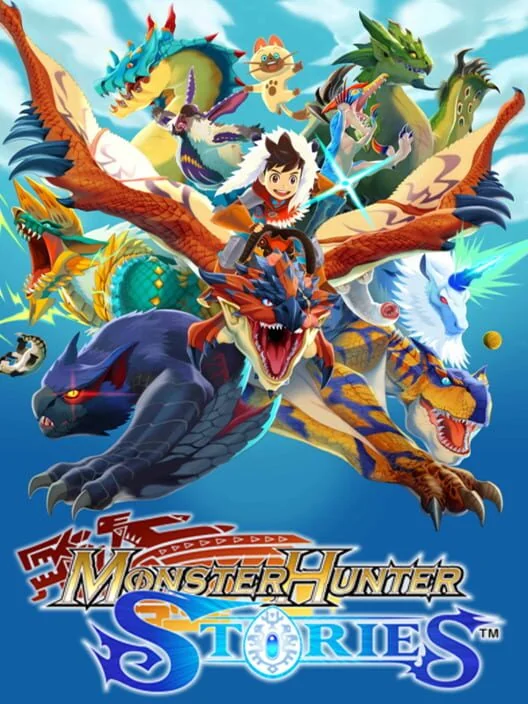
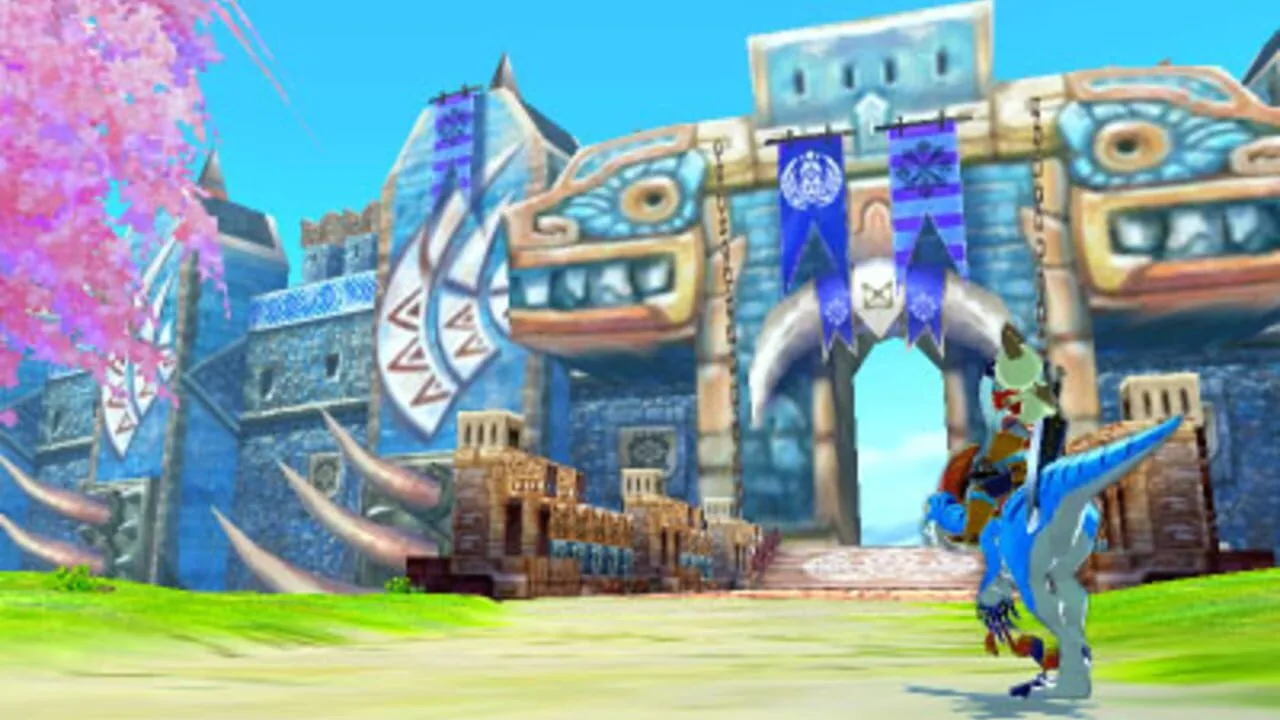
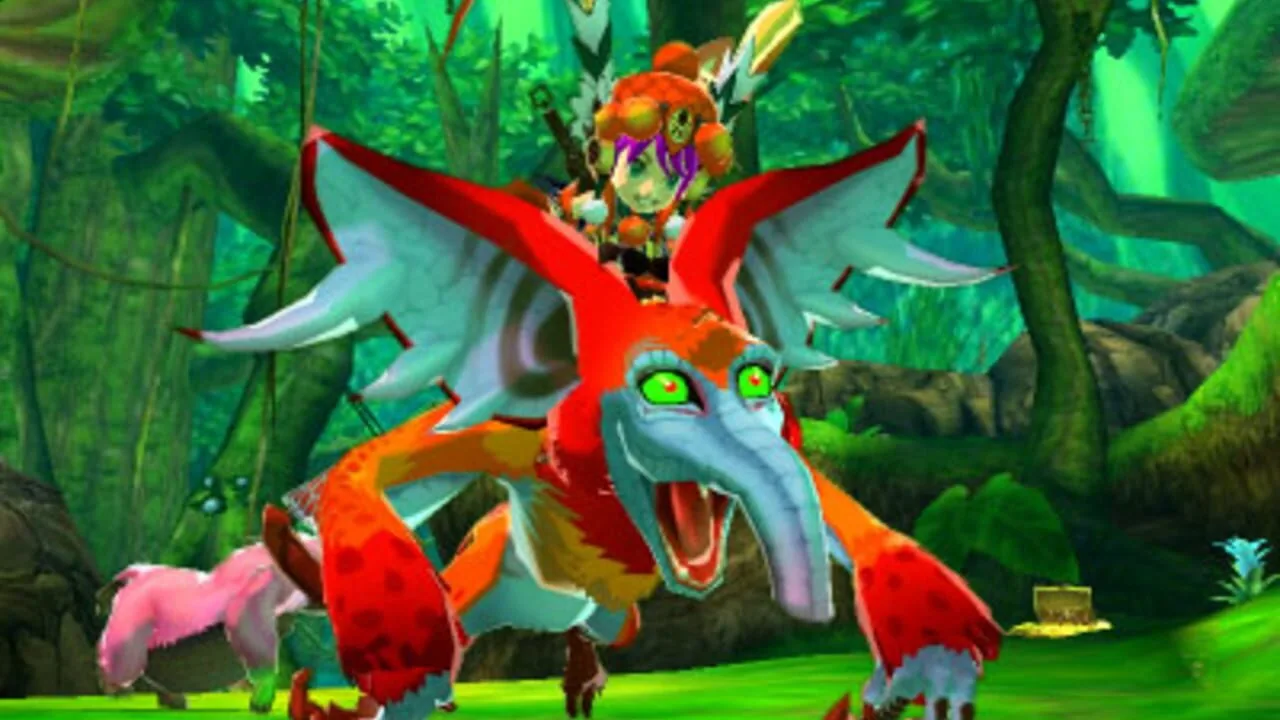
Monster Hunter Stories is a role-playing spin-off of the series, but it is not about hunting monsters the way the main games are. Instead of slaying them, you ride and raise them, and fights happen in turn-based battles that use a short list of weapons from the core series.
Producer Ryozo Tsujimoto said the idea came from players' interest in the world and setting. That is a good reason to make it and a hard thing to sell, because fans of the big hunting games wanted the hunting. Many of them skipped it as a result. Those who tried it tend to say it is a charming adventure that shows another side of the series.
13. Picross 3D: Round 2 (2015)
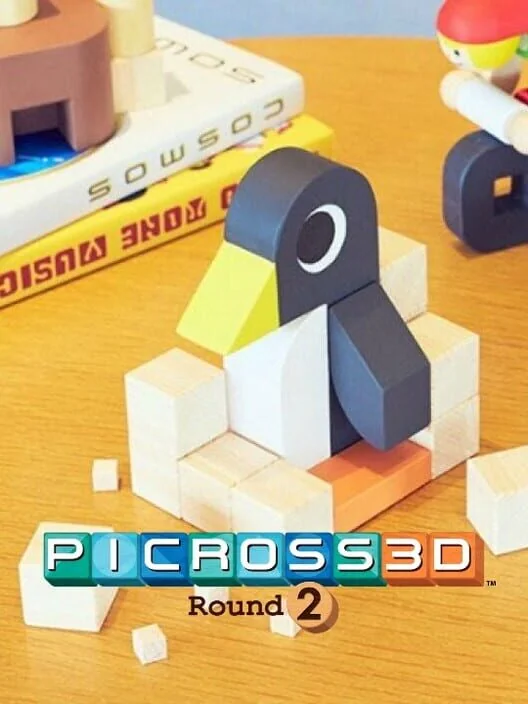
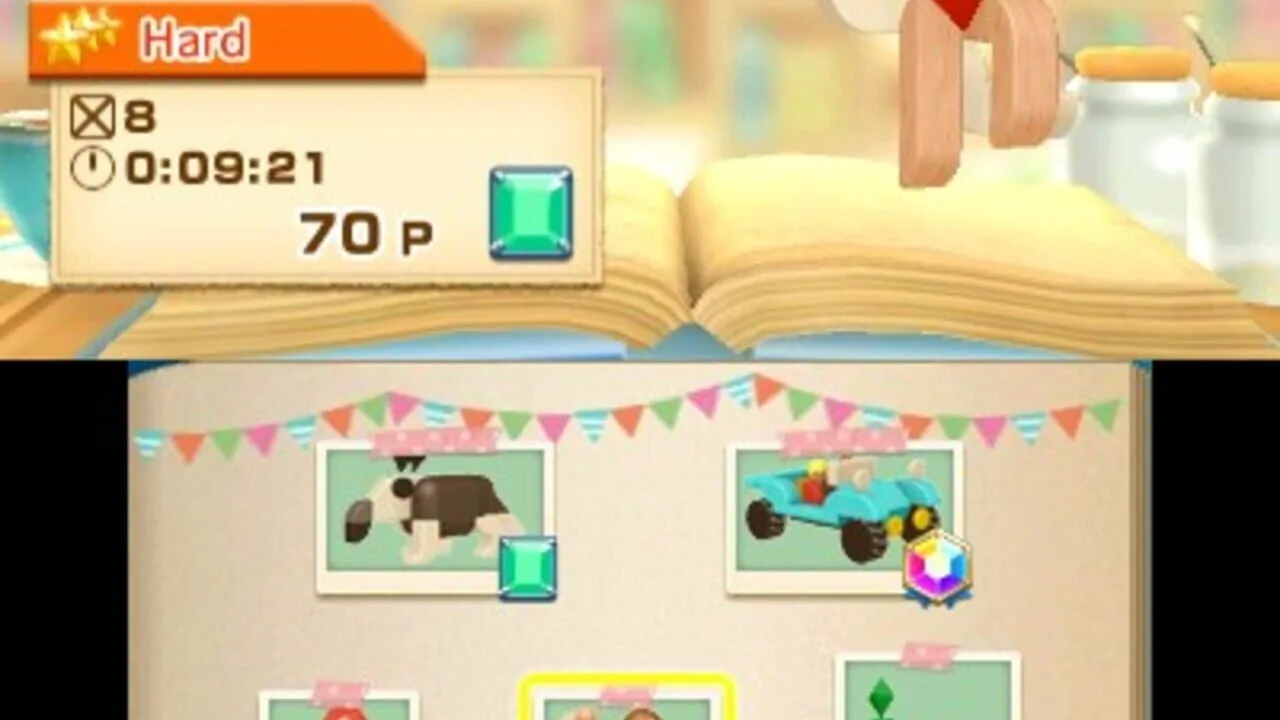
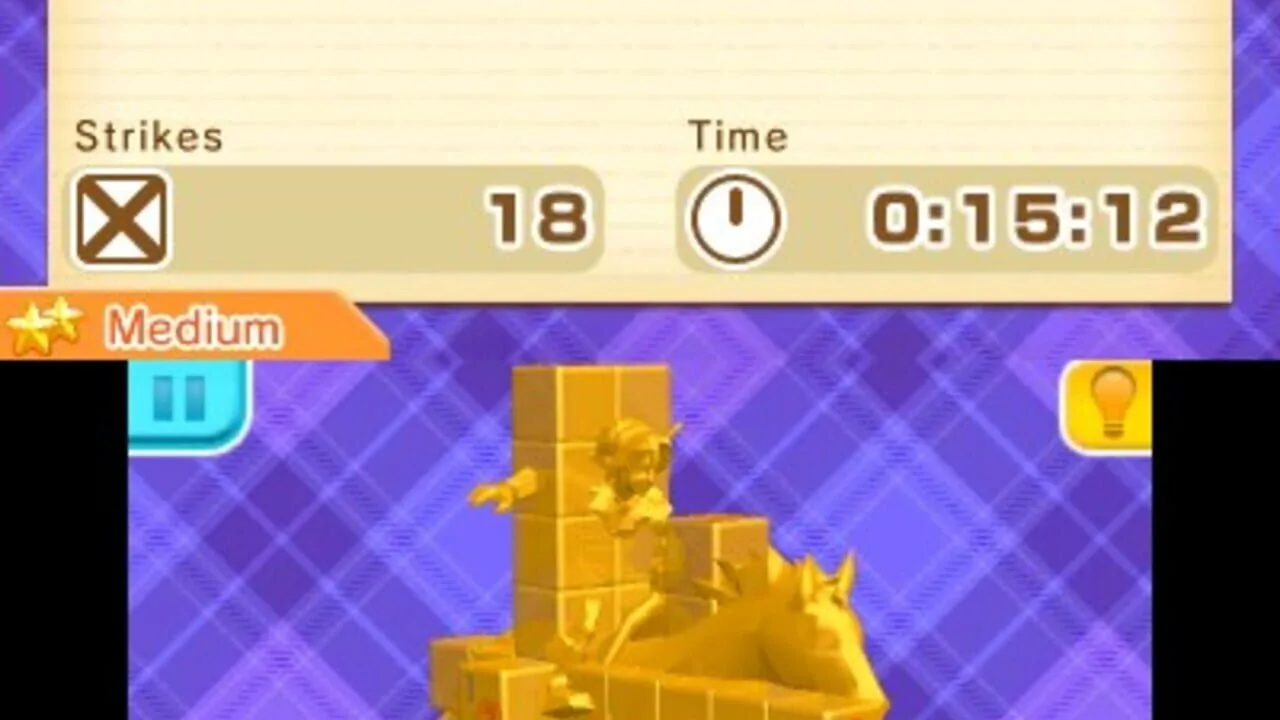
Picross 3D: Round 2 gives you a block of cubes and asks you to chip away until a hidden shape appears. This time the blocks can be painted in two colors, which lets the puzzles form curved and detailed shapes, and there are more than 300 of them to solve.
In North America it only came out as a download on the eShop, and it showed up a year after it did in Japan. It is a puzzle game with a patient crowd and no marketing push, so almost nobody heard about it. Fans of logic puzzles will find hours of quiet satisfaction here. Think of it as sculpting with a chisel and a spreadsheet.
12. Zero Escape: Virtue's Last Reward (2012)
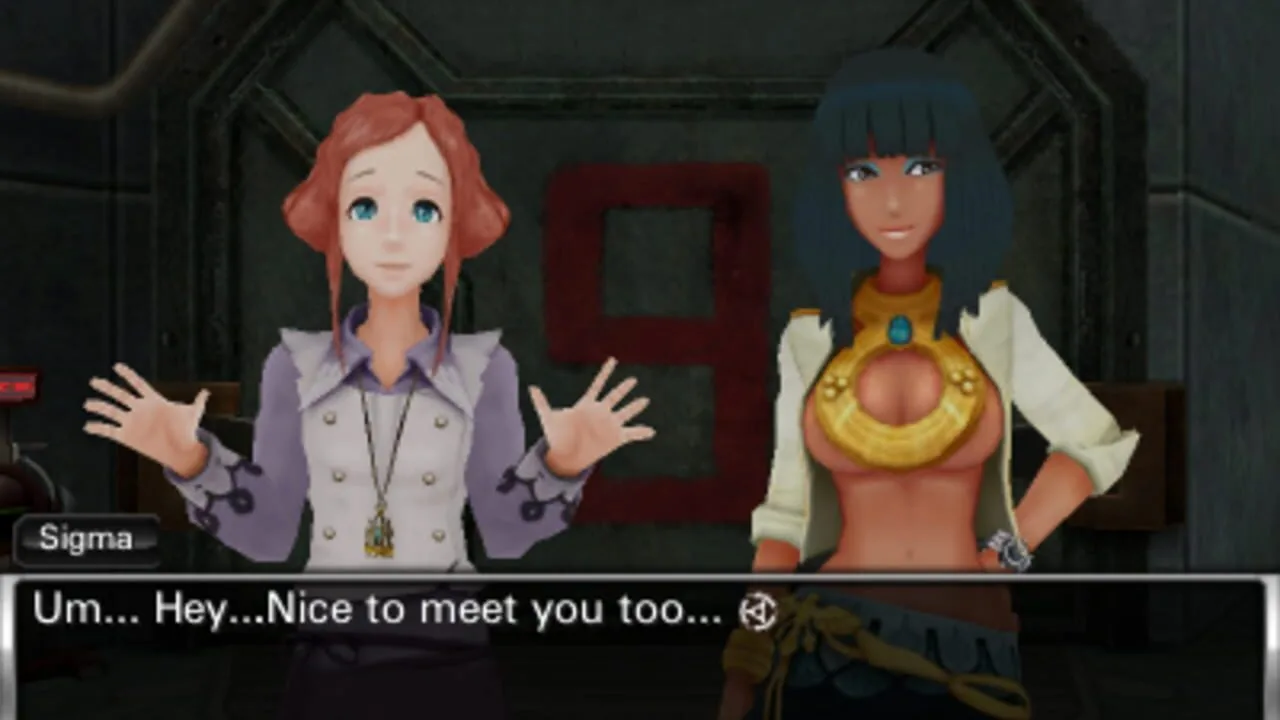
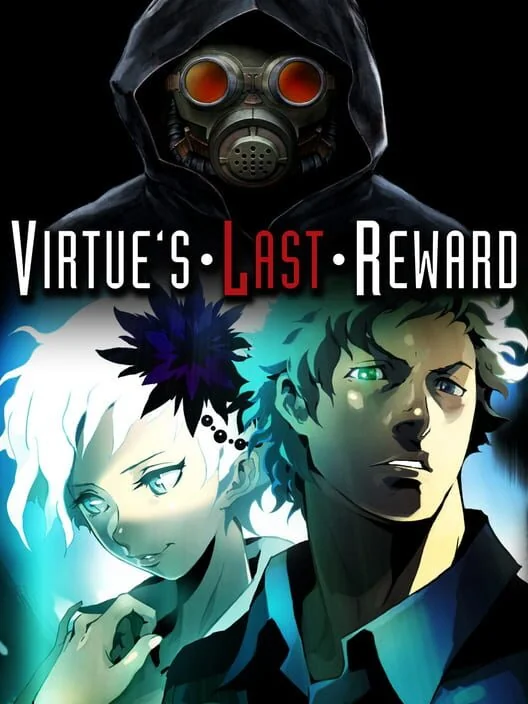
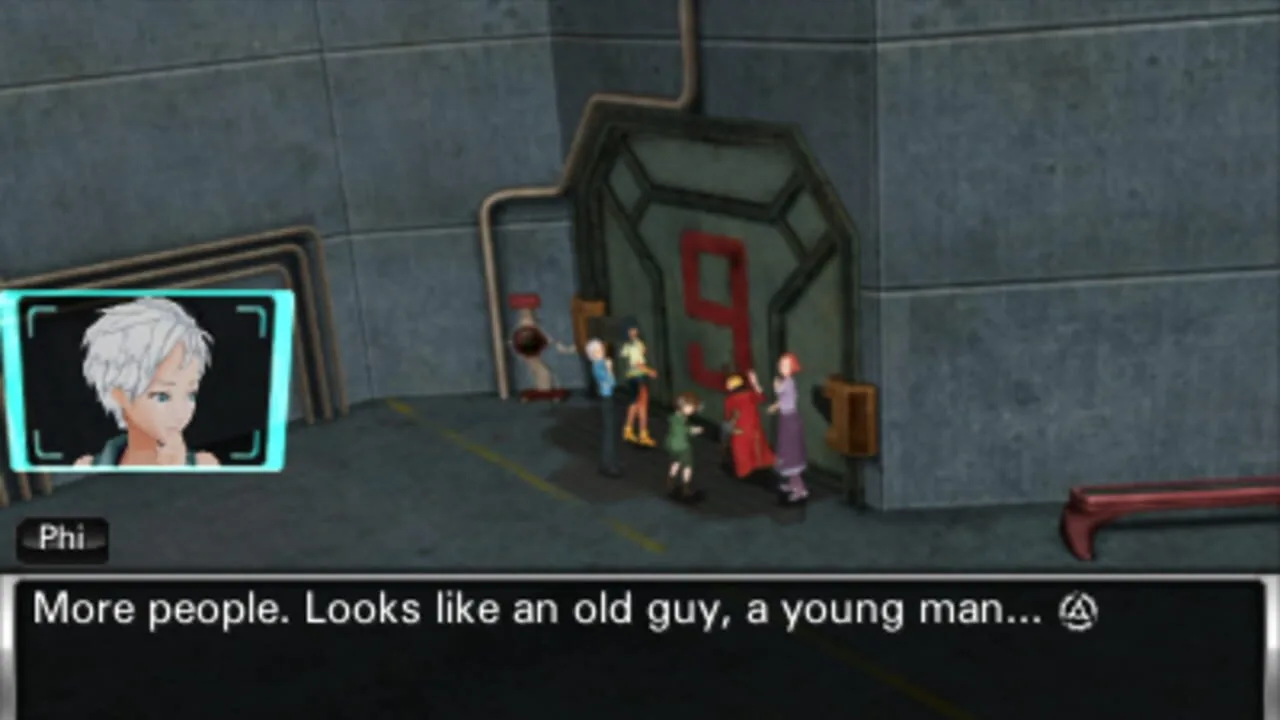
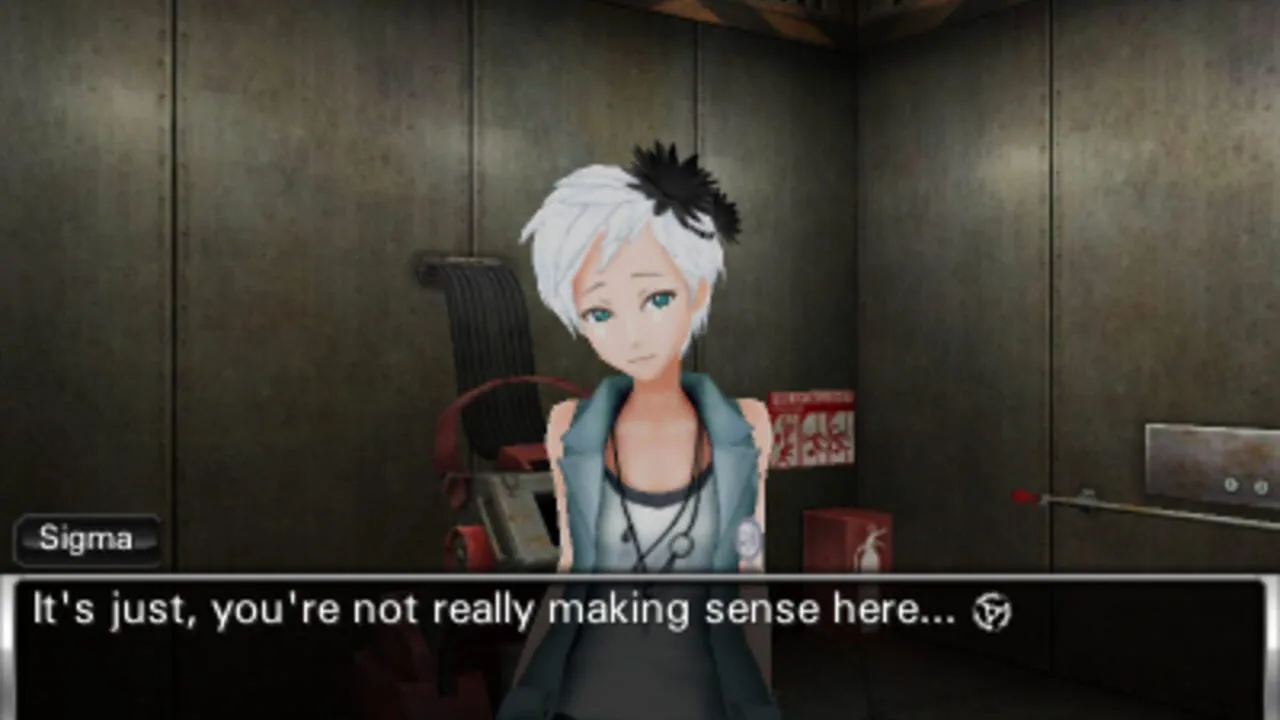
Zero Escape: Virtue's Last Reward is a visual novel and escape game where you make choices in a mystery thriller and solve puzzle rooms to move on. Its flowchart lets you jump back to any earlier section and take a different path, so the story branches in ways few games attempt.
Kotaro Uchikoshi wrote it after the first game in the series, Nine Hours, Nine Persons, Nine Doors, did unexpectedly well in North America. A visual novel on a Nintendo handheld was never an easy sell, and it only reached a small audience. The twists are much better if you go in knowing nothing, and the people who played it often say it is the best story on the system.
11. BoxBoy! (2015)

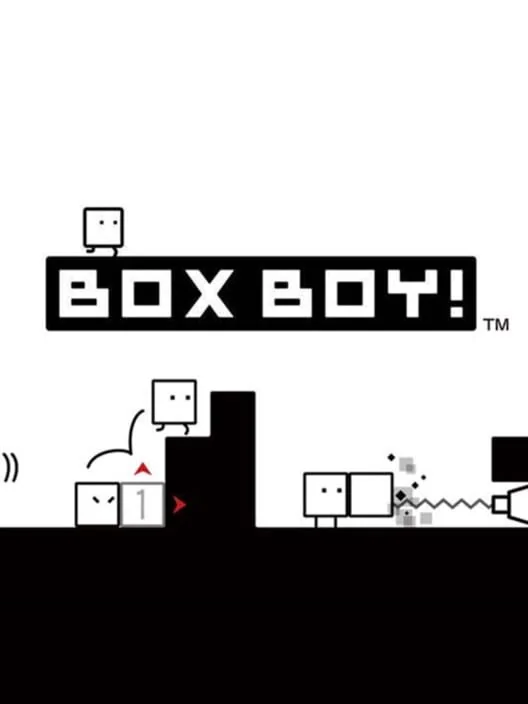
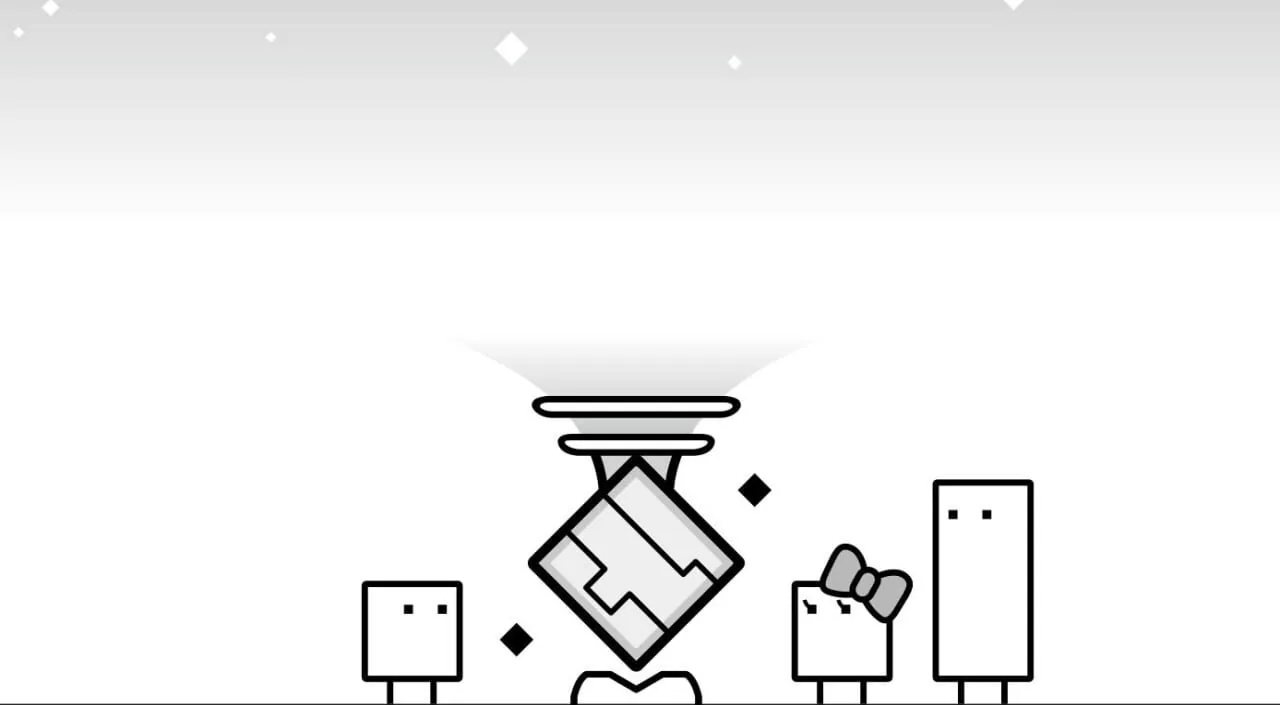
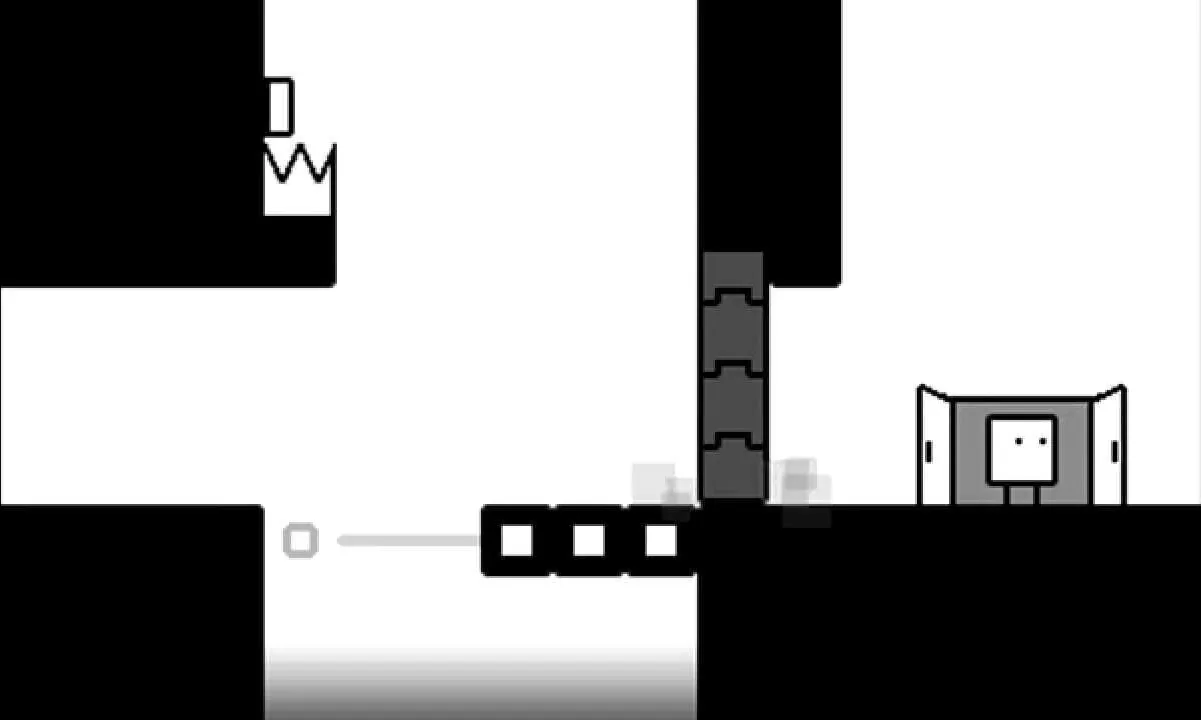
BoxBoy! stars Qbby, a box-shaped character who can spawn more boxes out of his own body to cross gaps and block hazards. HAL Laboratory made it, and the director first came up with the idea in 2011, even though the game did not go into development until 2013. The core idea never changed, and the levels were reshaped around it.
It is a small, quiet puzzle platformer without a famous name on the box, which is why it gets overshadowed by Nintendo's bigger games. That is a shame, because it taught a lot of people how satisfying clean puzzle design feels, and it started a series. A game about a box that makes more boxes should not work this well.
10. LBX: Little Battlers eXperience (2012)
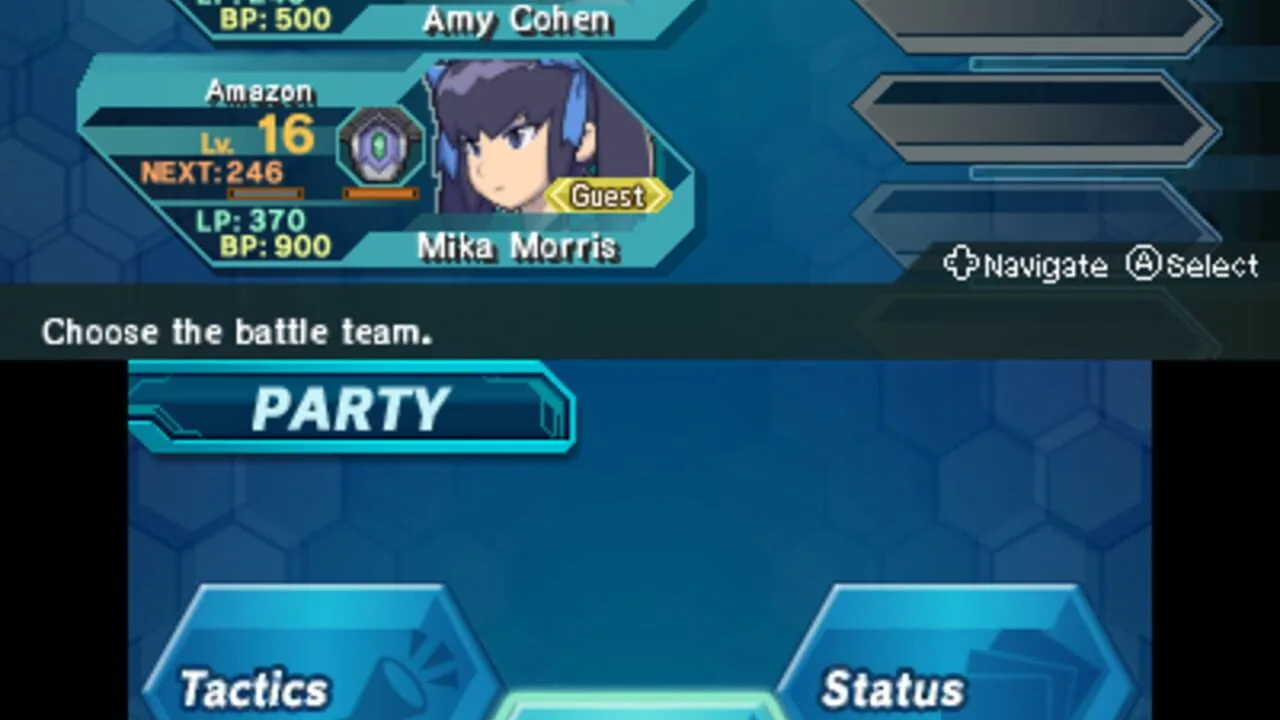
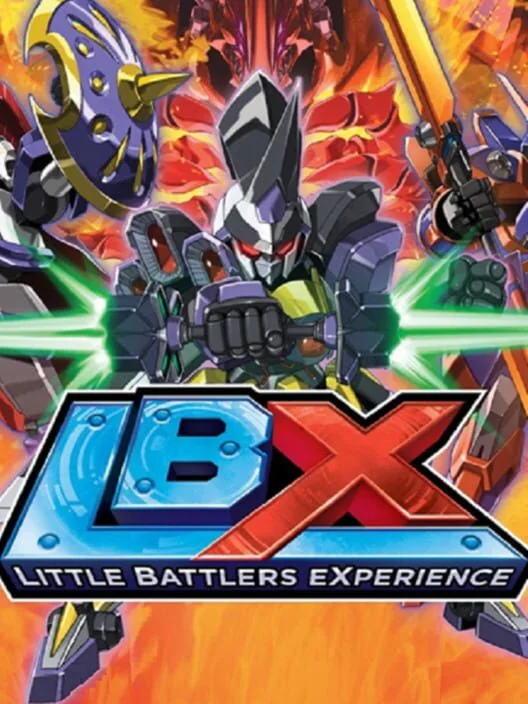
LBX: Little Battlers eXperience is about a boy named Van Yamano who finds a palm-sized, customizable robot and ends up fighting an evil corporation with it. You build your own LBX from parts and battle other kids' machines, with characters taken from the TV series it came from.
It was released in Japan in 2012, and English players got it in 2015. It is also the only game of its franchise that was ever officially released in English, which explains why it flew under the radar. One reviewer said the plot went beyond what he expected in its writing and voice acting, though he added that it was "not exactly War and Peace". That sounds like fair praise for a robot game aimed at kids.
9. Yo-kai Watch (2013)
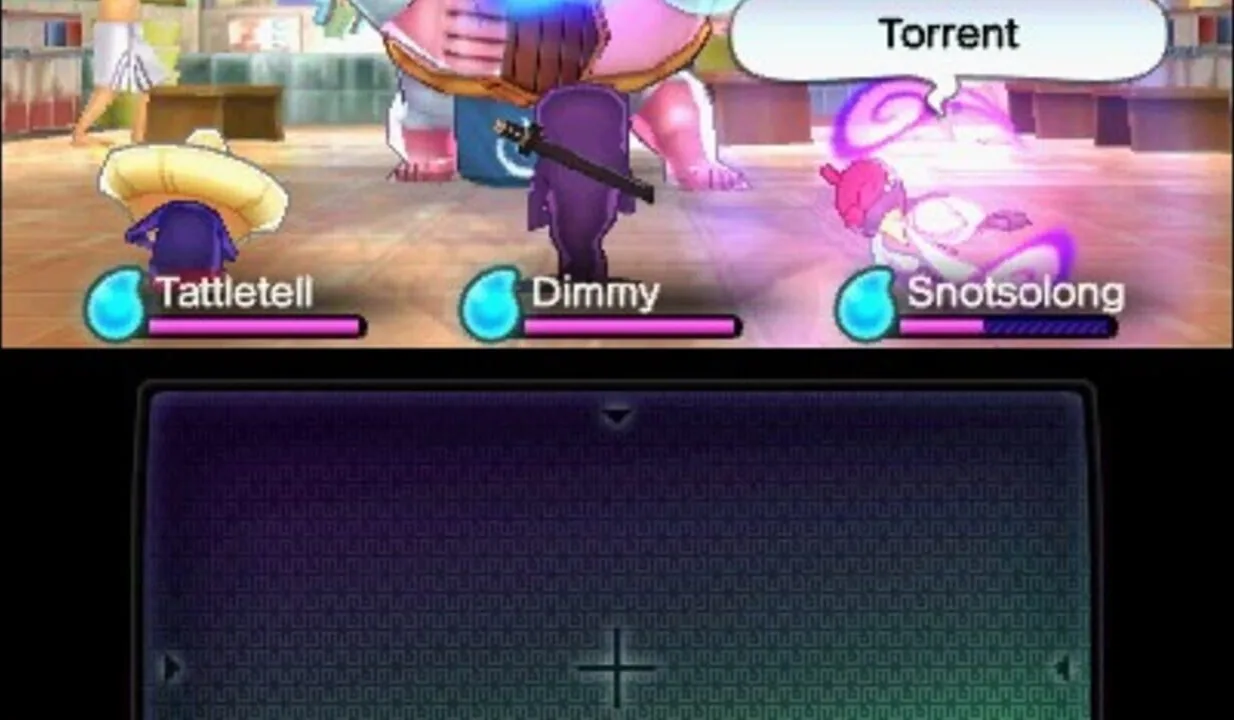
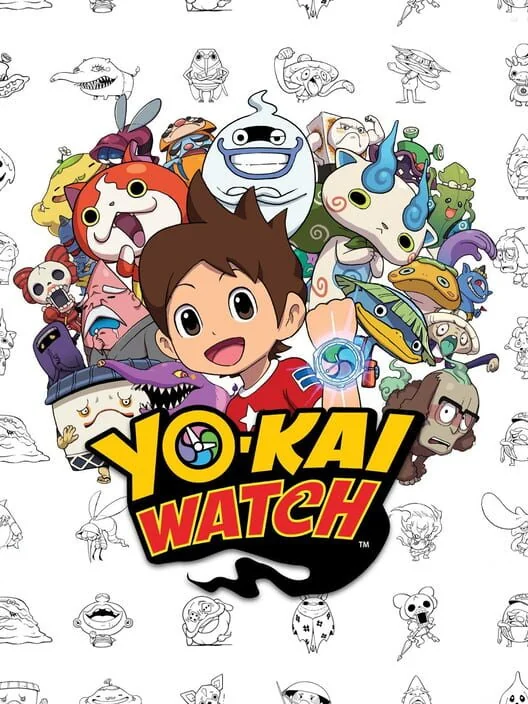
Yo-kai Watch follows a boy who finds a watch that lets him see and befriend mischievous spirits from Japanese folklore. Befriended spirits can then be called up to fight other spirits. In Japan it was a hit, and by November 2014 it had sold over a million copies, becoming one of the biggest 3DS games there.
The West did not get it until 2015, long after Japan had built a toy line and an anime around it. That delay is the whole reason it counts as underrated here, because the hype had already peaked and local players were left to find a game that had grown into a franchise without them. Japan had a whole merchandise empire before we had the first game.
8. Crimson Shroud (2012)
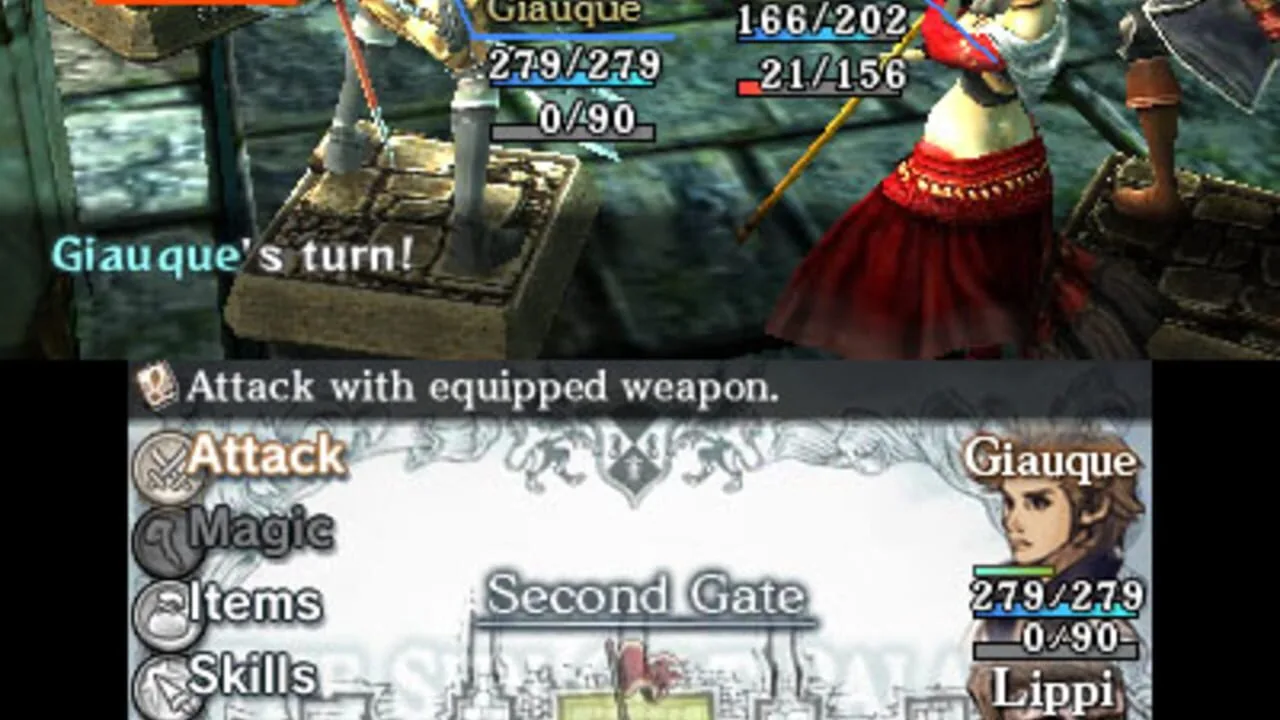
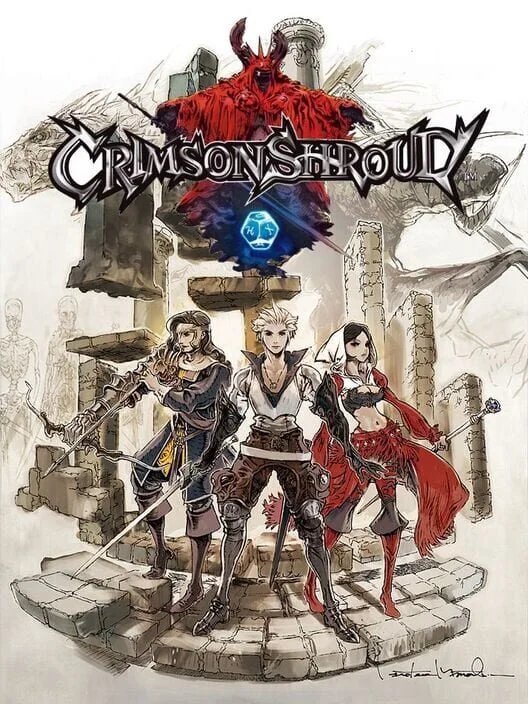
Crimson Shroud is a short RPG built to feel like a tabletop session. Dice rolls decide the outcome of every fight, and the game was made with the help of Yasumi Matsuno, one of the best-known names in strategy RPG design. It is a tribute to the old tabletop and fantasy tradition, and it gives you a tight story instead of a sprawling one.
It was part of Level-5's Guild compilation series and later sold on the eShop by itself. A small download with a short length is easy to miss next to the long RPGs the system is known for. Players who enjoy the feeling of rolling the dice for a good story should check it out.
7. Pushmo (2011)
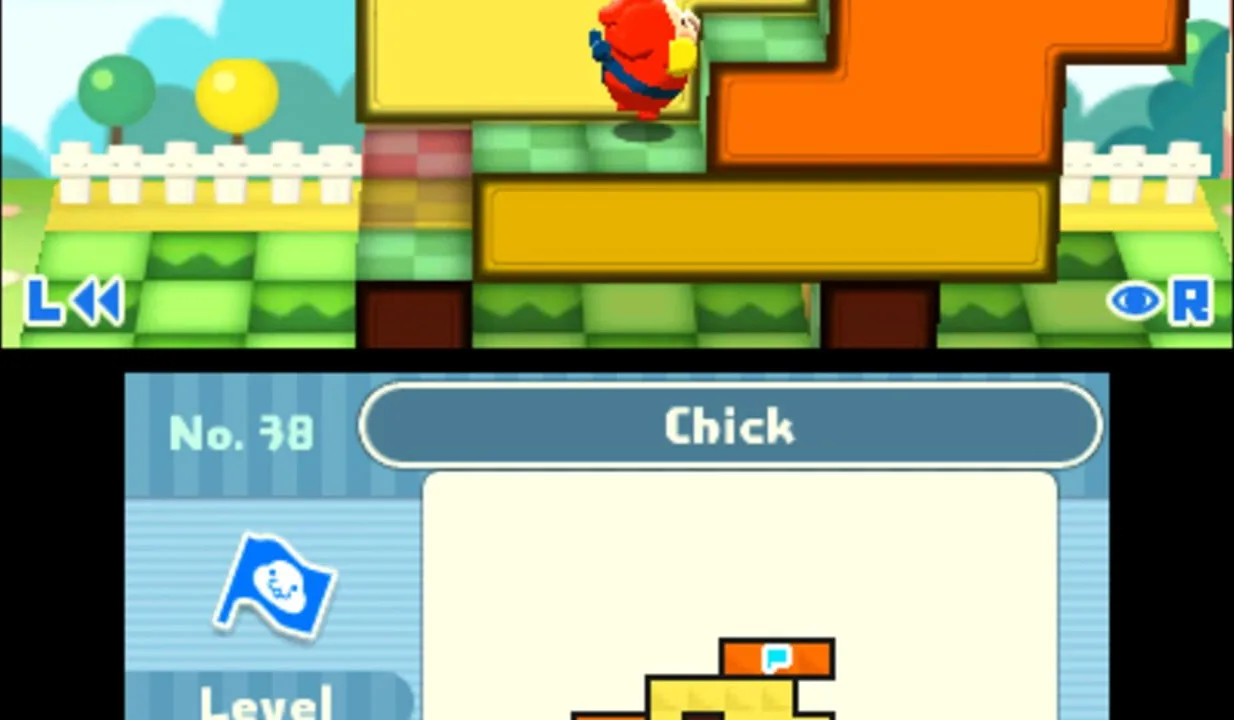
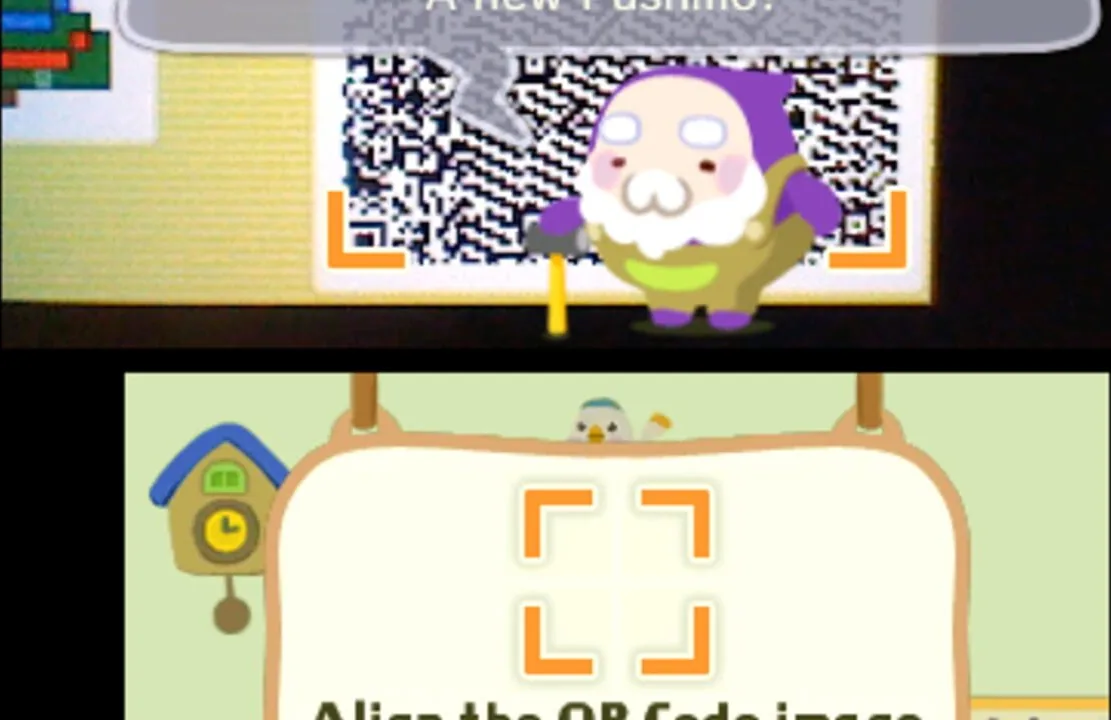
Pushmo is a puzzle game where you pull and push blocks out of a colorful wall to climb it. An old inventor made a park full of these climbing toys, and a trickster has trapped kids inside them, so your hero Mallo has to rescue each child. It is simple to learn and gets cleverly cruel.
It came out only as a download on the eShop, which meant no box on a shelf and little chance of catching a shopper's eye. Nintendo followed it with Crashmo and Stretchmo, so the idea clearly had legs. Mallo even shows up as a Spirit in the newest Smash game, which is an honor reserved for games that mattered to someone.
6. Kid Icarus: Uprising (2012)
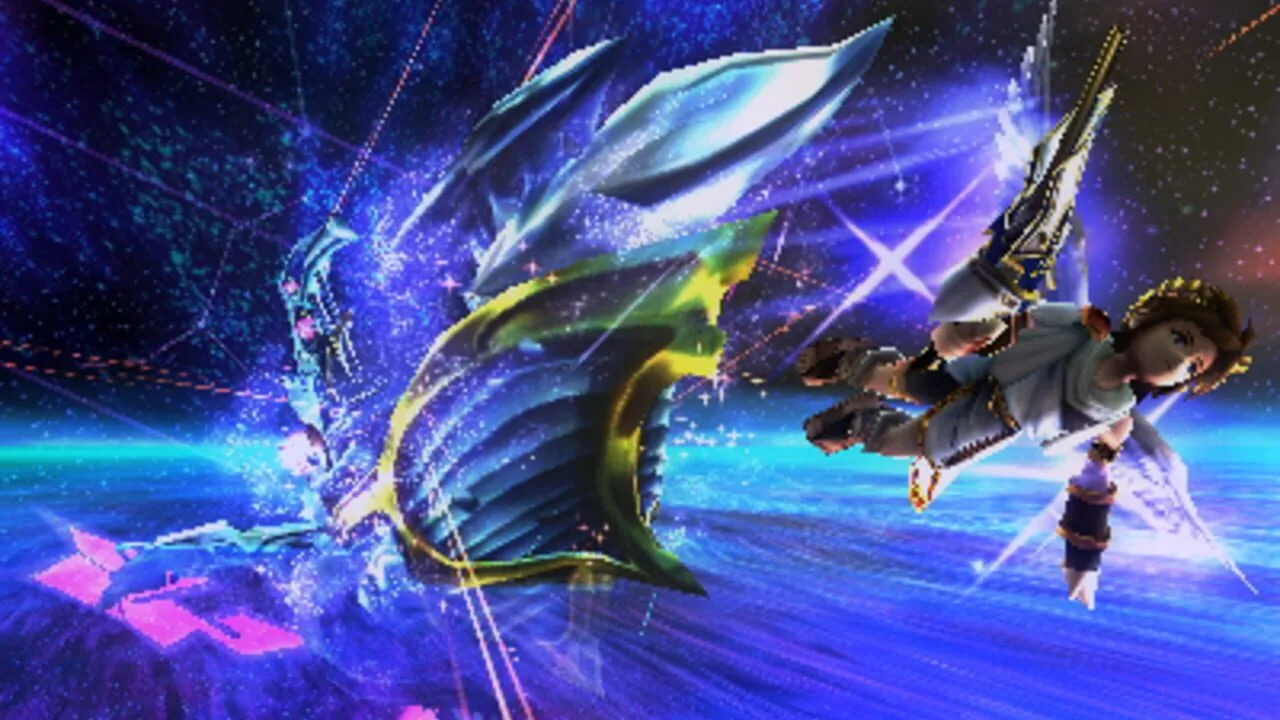
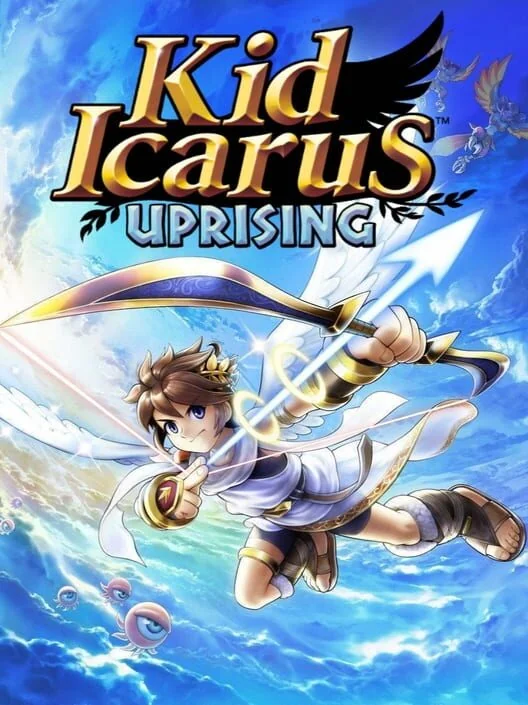
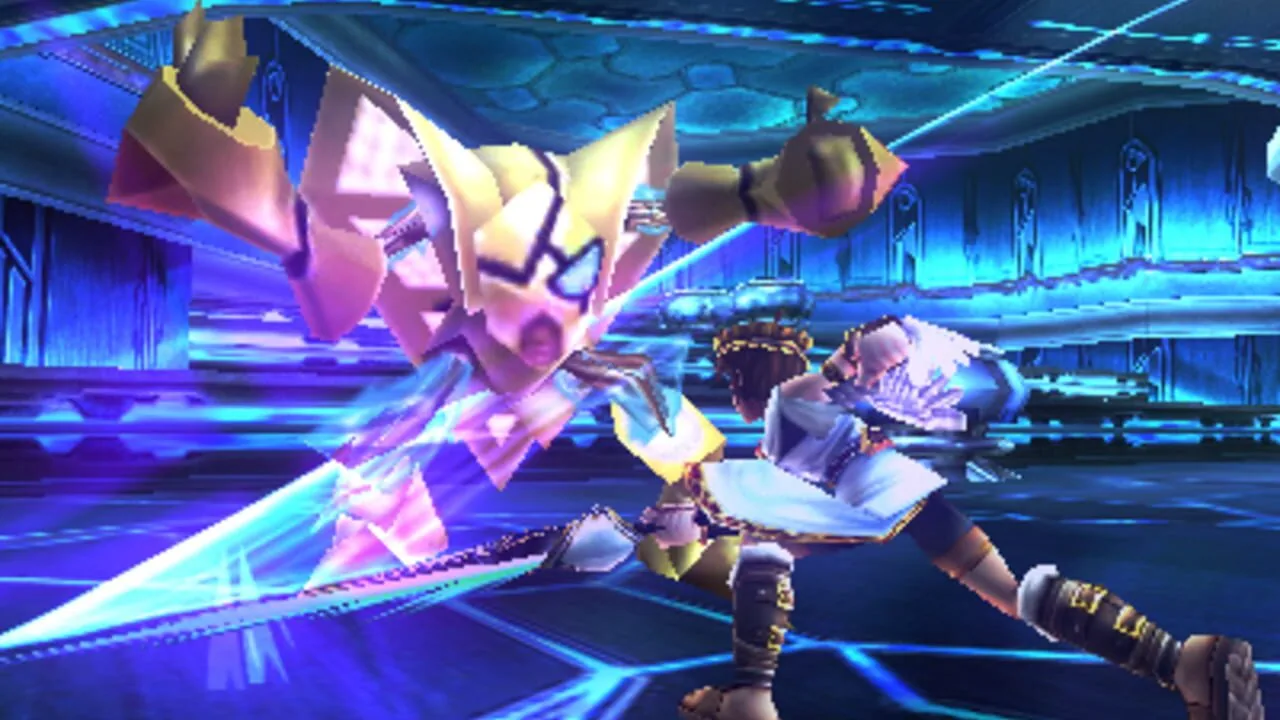
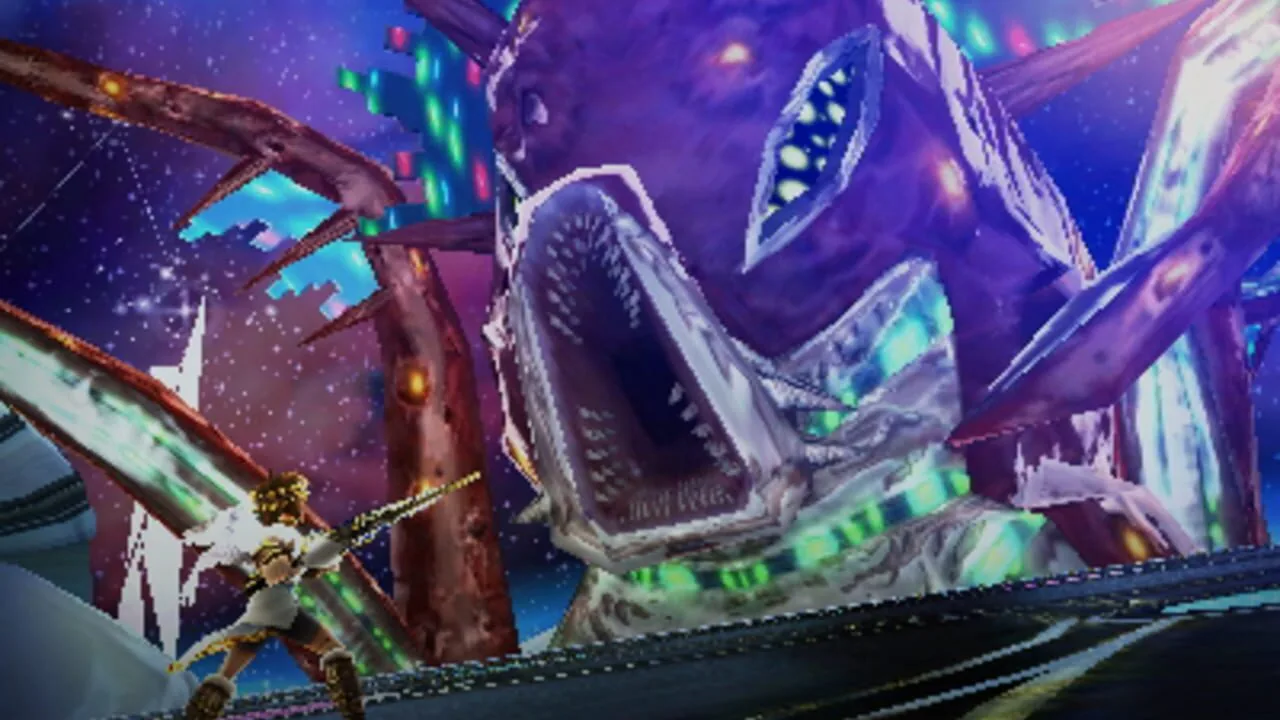
Kid Icarus: Uprising brought Pit back after a gap of more than twenty years. Masahiro Sakurai created it after Satoru Iwata asked for a launch game for the 3DS, and the team at Project Sora made nothing else before it shut down. You fly through the air shooting at enemies, then fight on the ground, as Pit goes up against Medusa and later Hades.
Development was rough. The team had little access to the hardware early on and ran into problems with the control scheme, and that awkwardness is the main reason many people bounced off it. The game itself is funny and full of ideas, and anyone willing to get comfortable with its controls will see why it deserves more love.
5. Rune Factory 4 (2012)

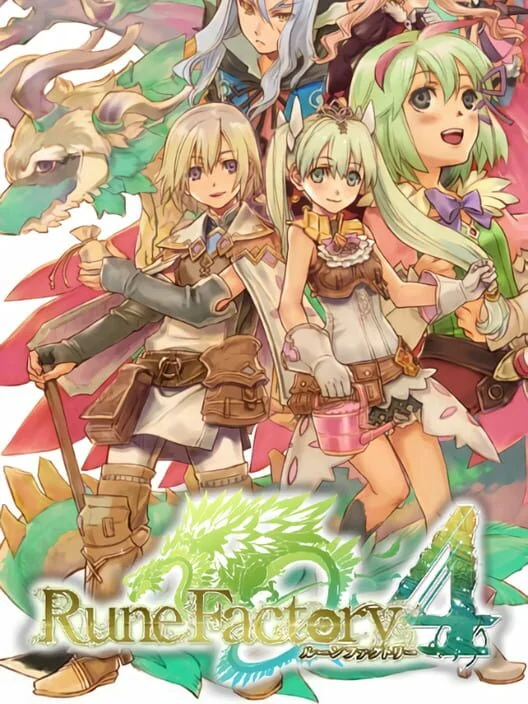
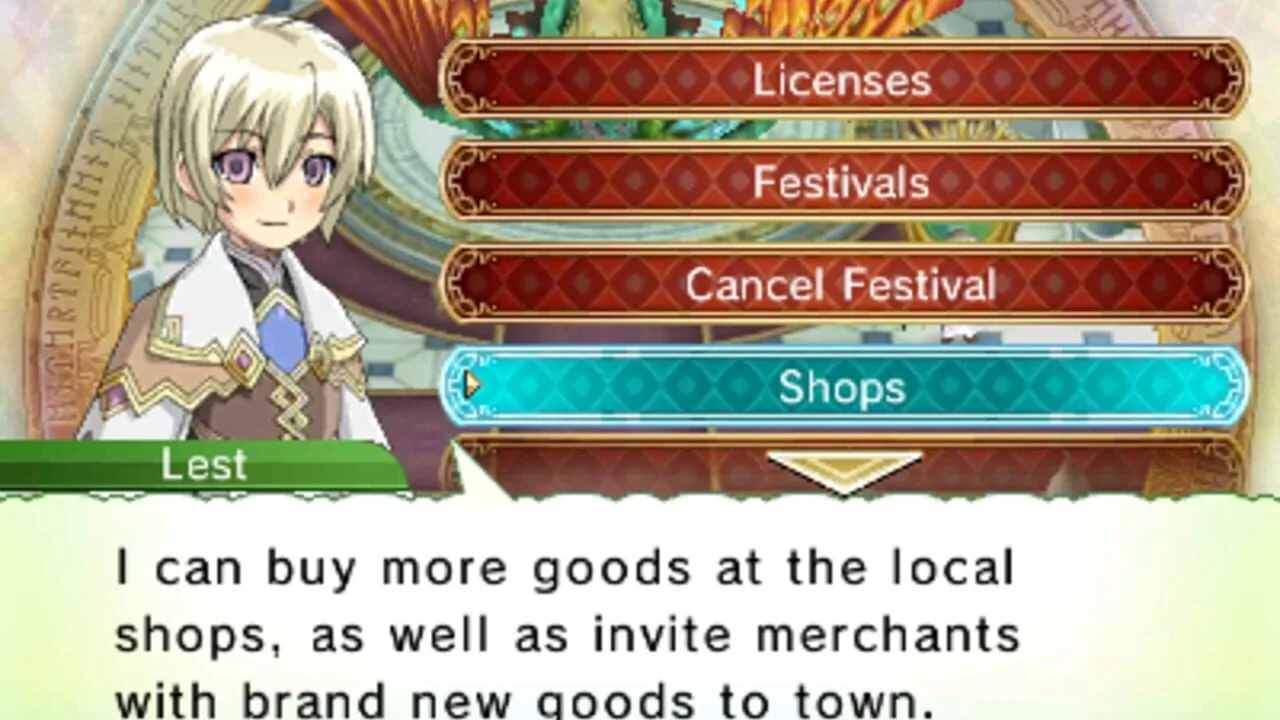
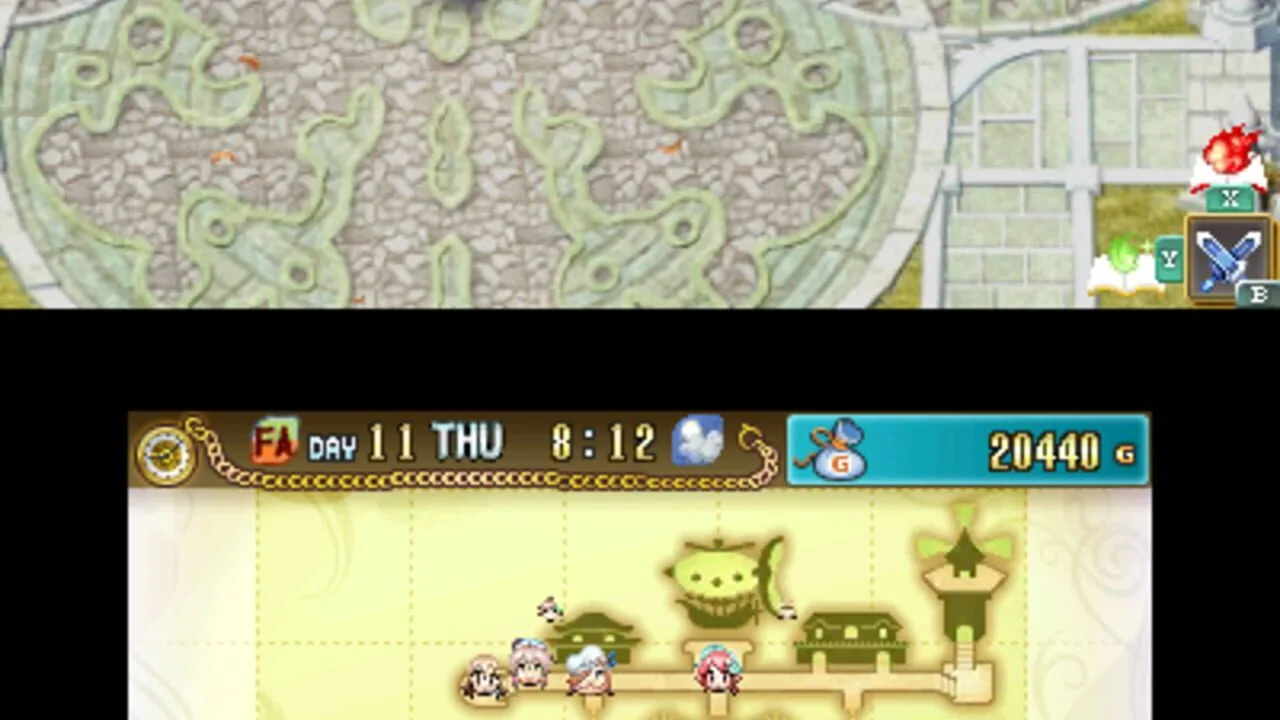
Rune Factory 4 mixes farming with dungeon crawling, so a day can mean watering crops in the morning and fighting monsters in the afternoon. For the first time in the series you can play as a male or a female hero, called Lest and Frey by default, and the story starts when your airship is attacked on the way to the town of Selphia.
It came out in Japan in 2012 and did not reach North America until 2013, with Europe waiting until 2014. Europe waited long enough to grow several full harvests of its own. The delay left many players unaware it existed, and the ones who found it tend to describe an addictive, cozy life they did not want to leave.
4. Stella Glow (2015)

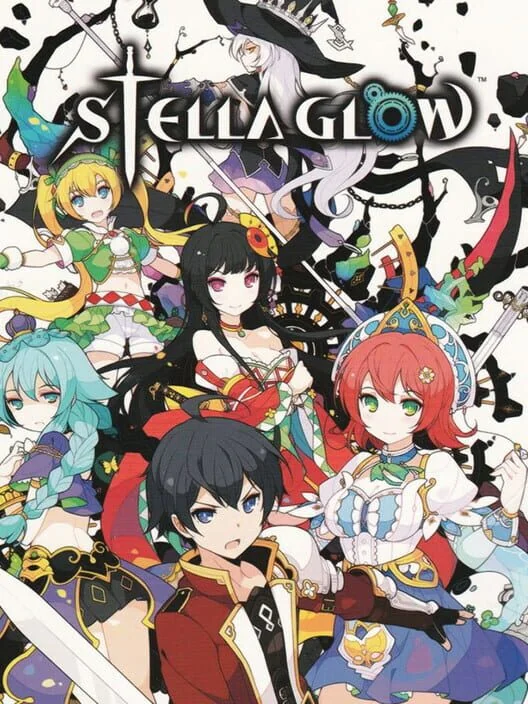
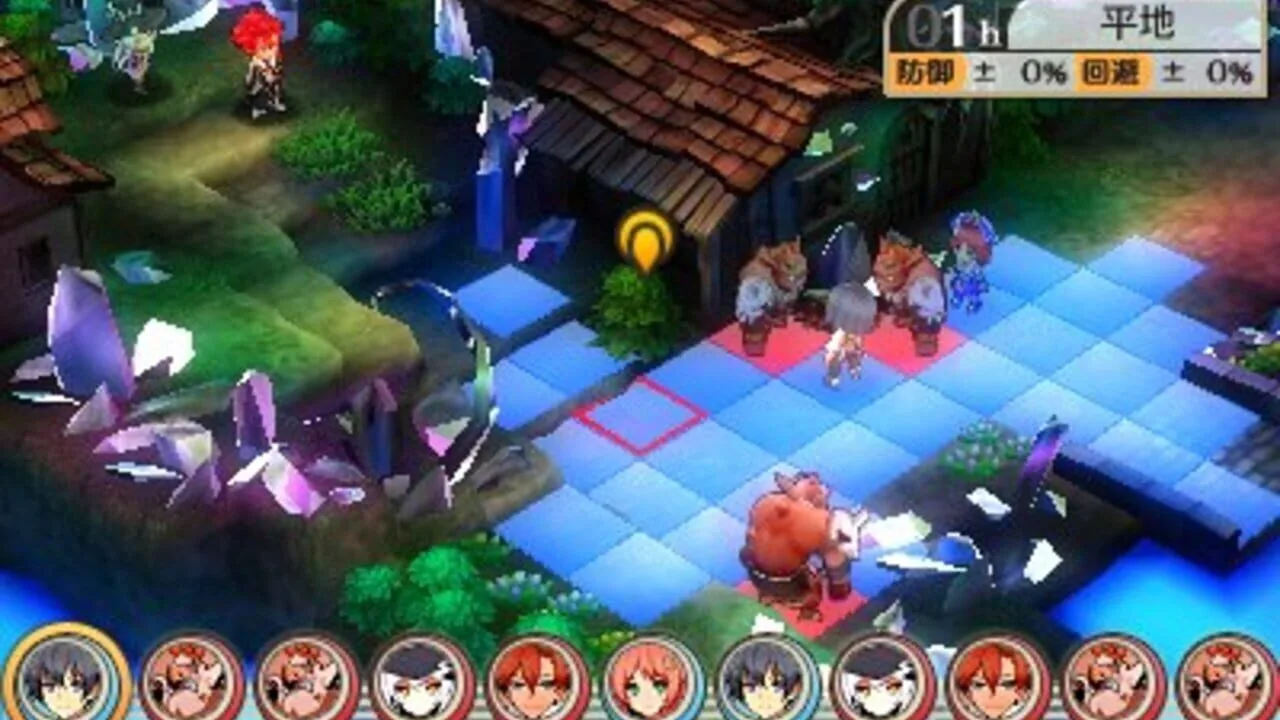
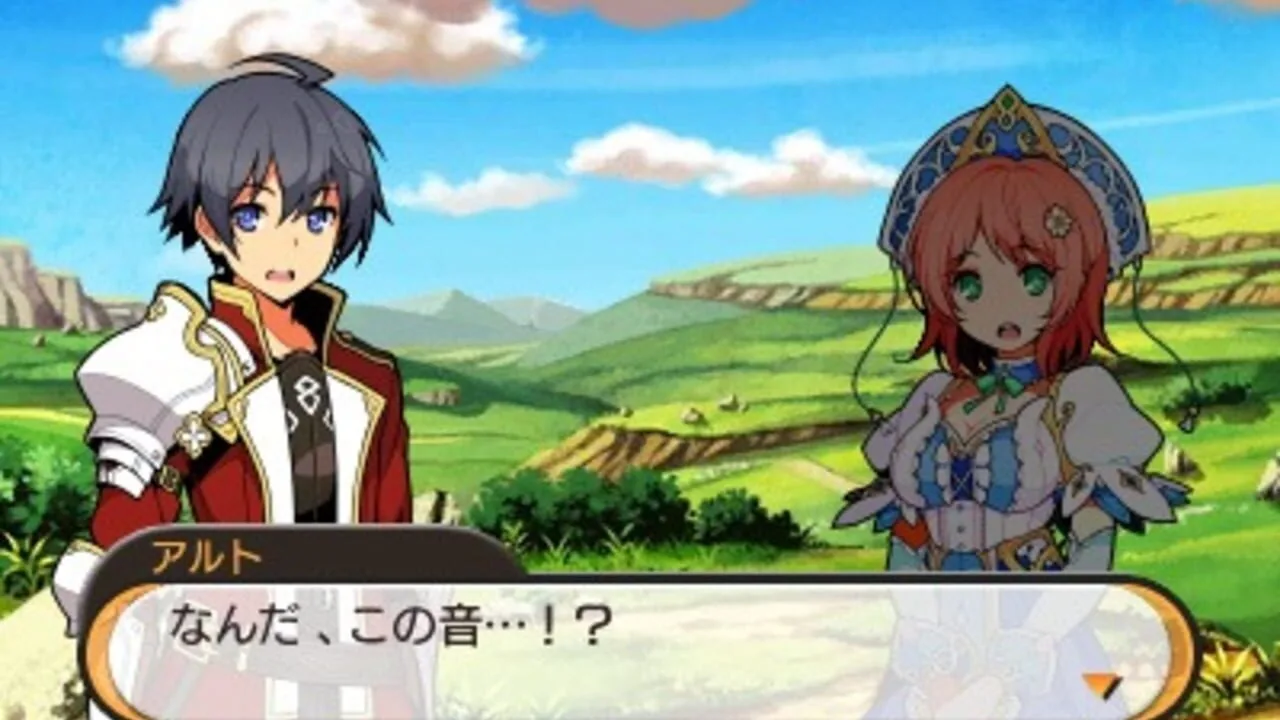
Stella Glow is a strategy RPG about a country boy named Alto who ends up leading a group of witches. The studio behind it, Imageepoch, made it to mark a decade of its own history, and you can feel the pride in how packed it is with characters. Spending free time with them changes how the ending plays out, which gives the story real weight.
Its release was split between three publishers across the world, with Sega in Japan, while Atlus USA handled North America and NIS America handled Europe, so no single company ever pushed it hard. That is a big part of why it slipped past people. Anyone who likes tactics games with a strong cast should seek it out.
3. Ever Oasis (2017)
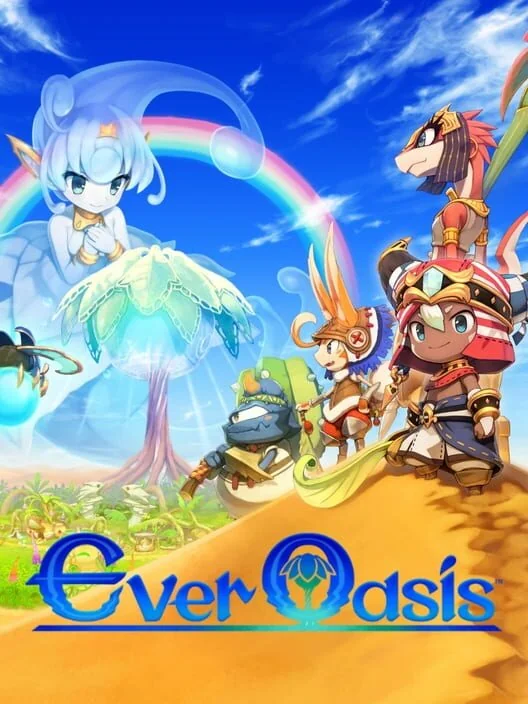
Ever Oasis arrived in 2017, long after most owners had moved on to the next console, so it launched into a quiet room. Koichi Ishii, who is known for his work on the Final Fantasy and Mana series, directed and produced it. You play a seedling who builds a desert oasis up from nothing and recruits residents to run its shops.
Some critics found the opening slow and the story shallow, and that early impression stuck. We think the better part comes once the town is running and your party is out exploring dungeons for the things your shopkeepers need. If you gave up in the first hour, go back and give the oasis another try.
2. Pocket Card Jockey (2013)
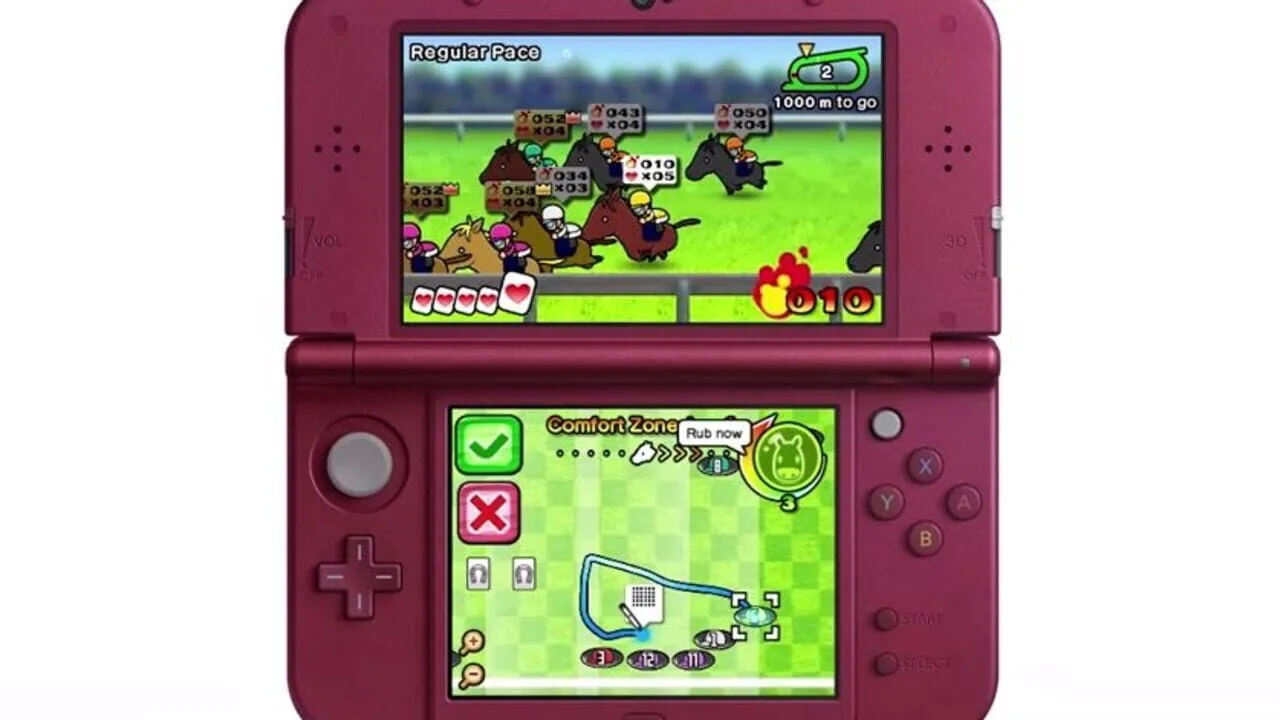
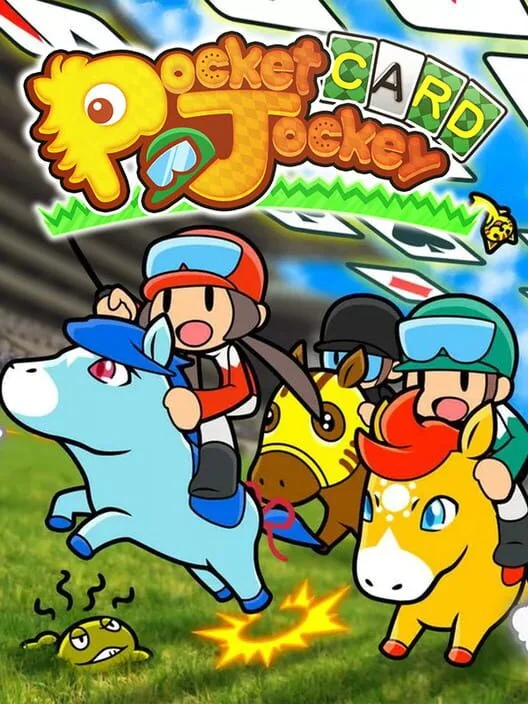
Pocket Card Jockey is a horse racing game that you win by playing solitaire. Game Freak made it, a studio better known for a certain series about pocket monsters, which may be why so few people expected a card game from them. You clear cards to build up your horse, then take it into the final stretch of the race and hope the cards held.
It sounds like two odd ideas pushed together, and that description is exactly why shoppers walked past it. Anyone who sat down with it learned the combination is hard to put down. We put it second because it is the easiest game here to recommend to a friend who says the 3DS has nothing for them.
1. Fantasy Life (2012)
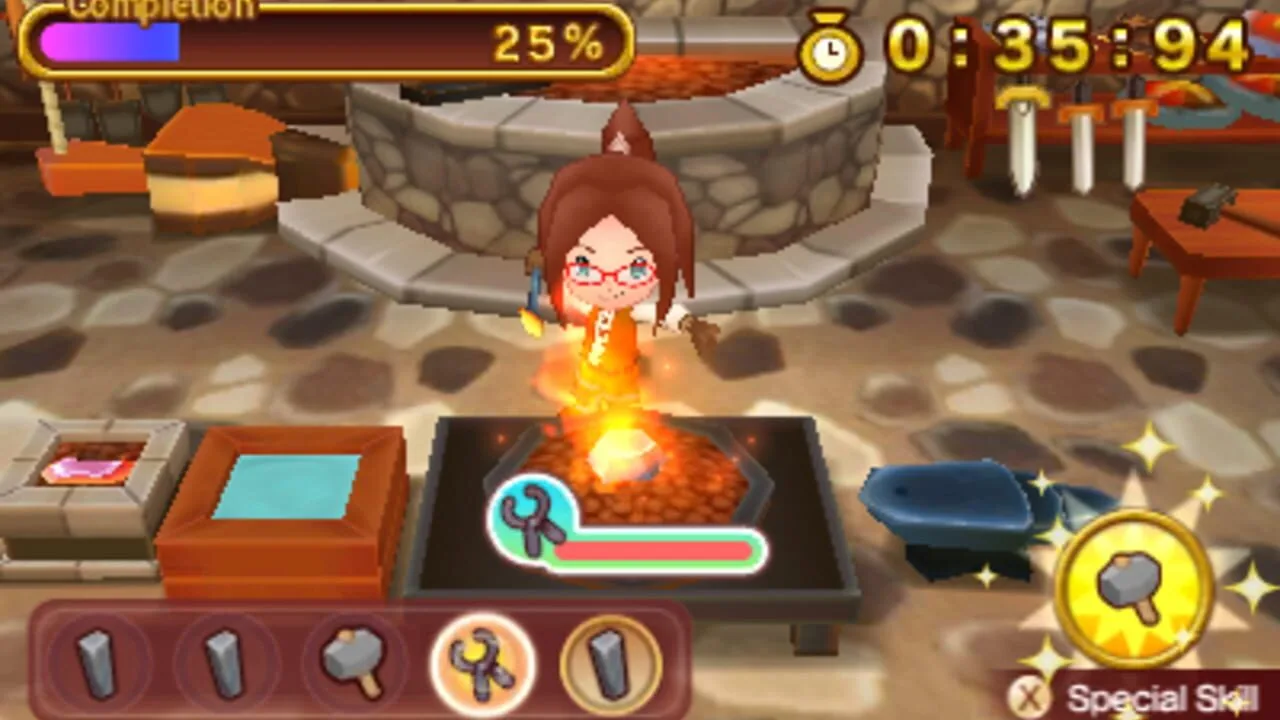
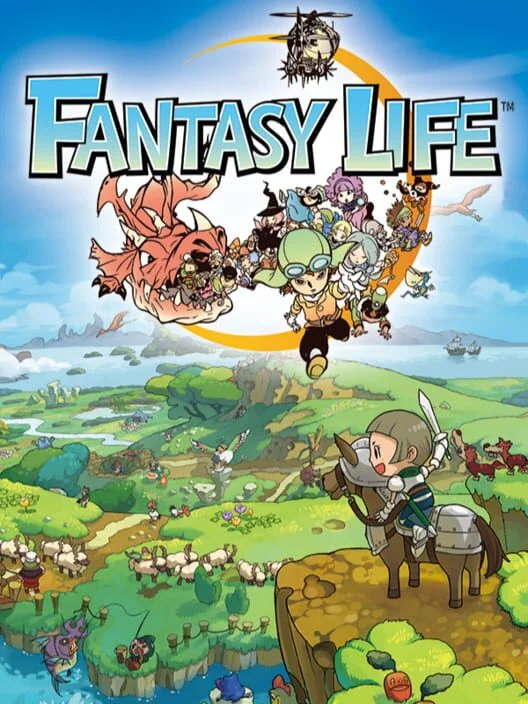
Fantasy Life lets you pick a job and then spend your days doing it. Twelve paths are on offer, from fishing and mining to cooking and fighting, and you can swap between them whenever you like. Akihiro Hino wrote and produced it, and Nobuo Uematsu wrote the music, which is a lot of talent for a game that mostly asks you to catch a fish.
Players keep calling it their favorite lesser known game on the system. It never got much hype, and even store staff had not heard of it. It is the most relaxing thing on the 3DS, and the sequel only turned up in 2025, so the long wait made the first one look even better.
Every issue features one game worth playing, plus the latest retro news.