Pokémon started on a Game Boy and has stayed on Nintendo hardware ever since. The handhelds got the main games, one new region at a time, while the home consoles picked up battle arenas and some very strange experiments. Fans grew up on different generations, so almost nobody agrees on which one is the best, and that makes this series a lot of fun to rank. Here are the 25 best Pokémon games.
We surveyed players across the whole series and let the spin-offs in. Where a game has an enhanced version, that version stands in for both, so Pokémon Yellow is here for Red and Blue too. Remakes keep their own spot.

25. Hey You, Pikachu! (1998)
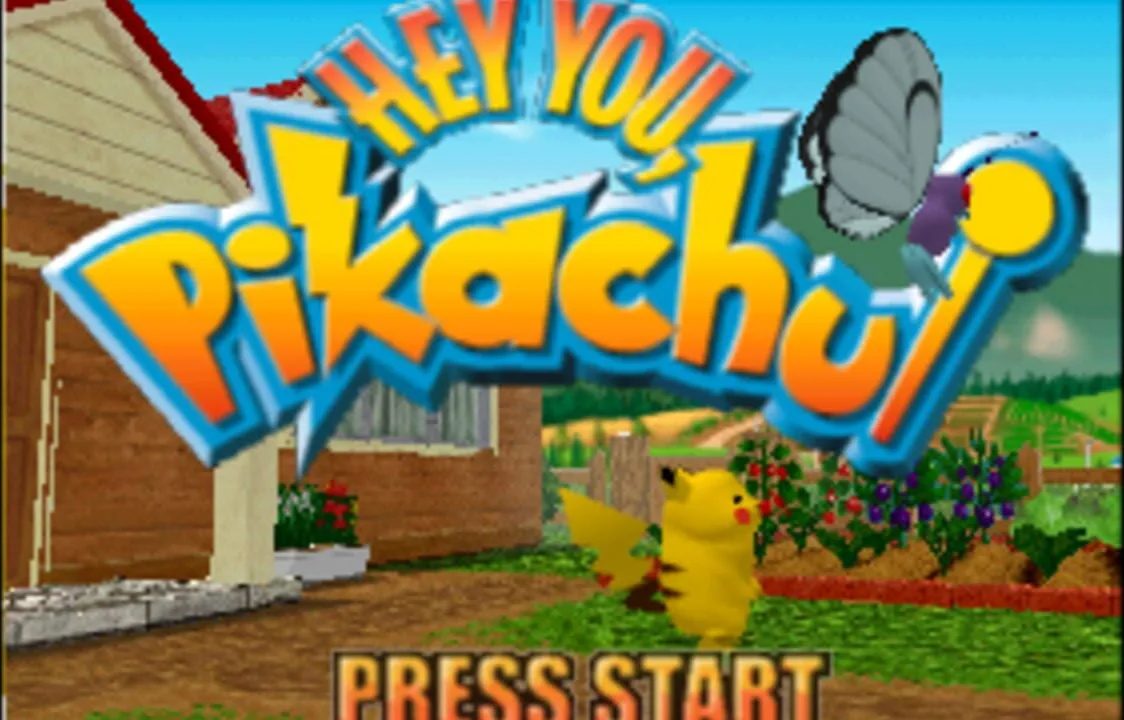
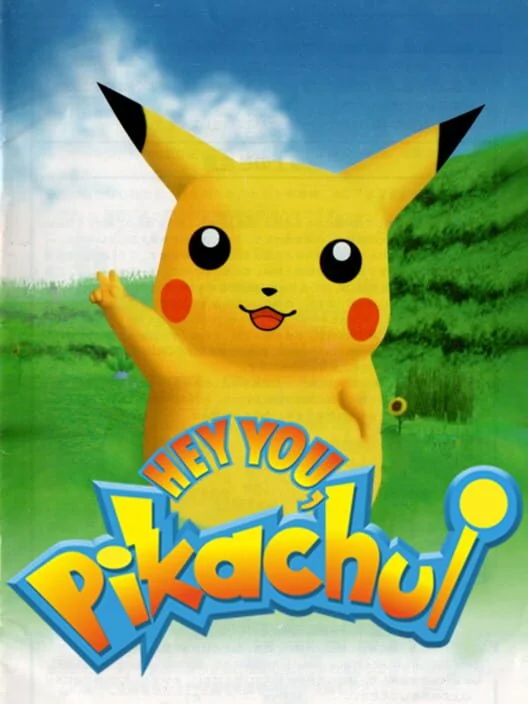
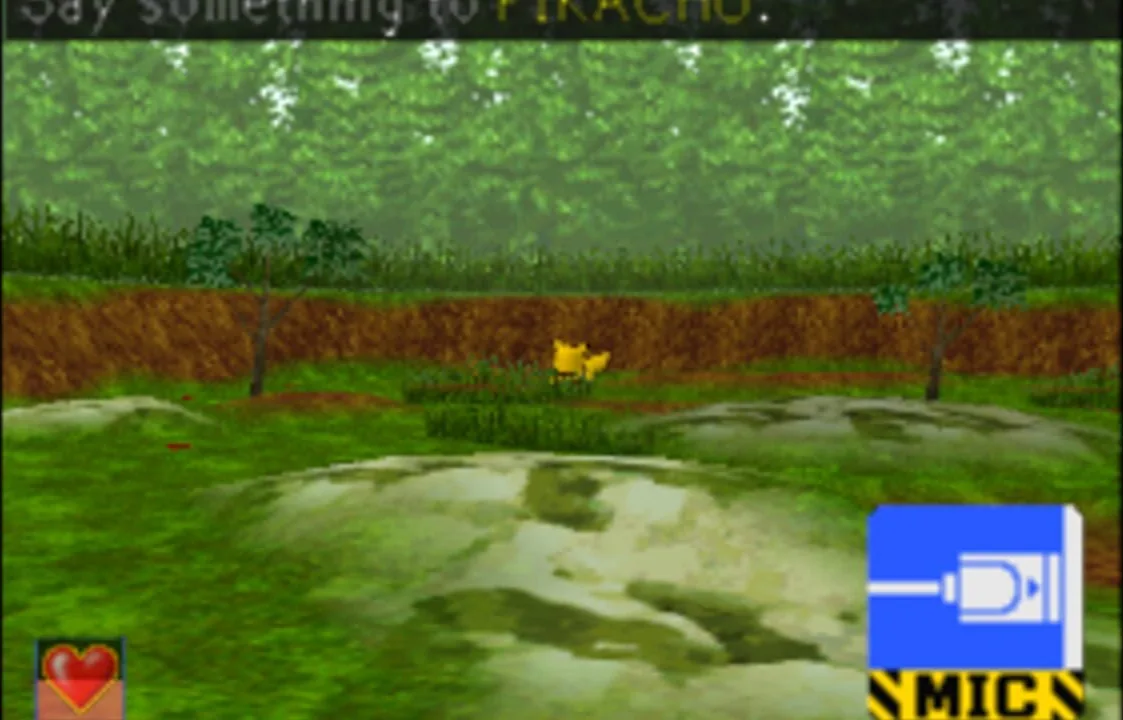
Hey You, Pikachu! came out on the Nintendo 64 in Japan in 1998 and reached North America in 2000. You talk to Pikachu through a microphone and the Voice Recognition Unit, a hardware add-on with a 256-word database. Only one other game ever used it. This one is a virtual pet in the shape of a Pokémon game, and later games like Pokémon Channel picked up the idea.
Reviews were mixed. It does have a surprisingly sweet ending: after 365 gameplay days Professor Oak tells you Pikachu has to be released, and after the credits Pikachu comes back anyway. It is a lovely idea, and also the only Pokémon game you could lose by mumbling.
24. Pokémon Conquest (2012)
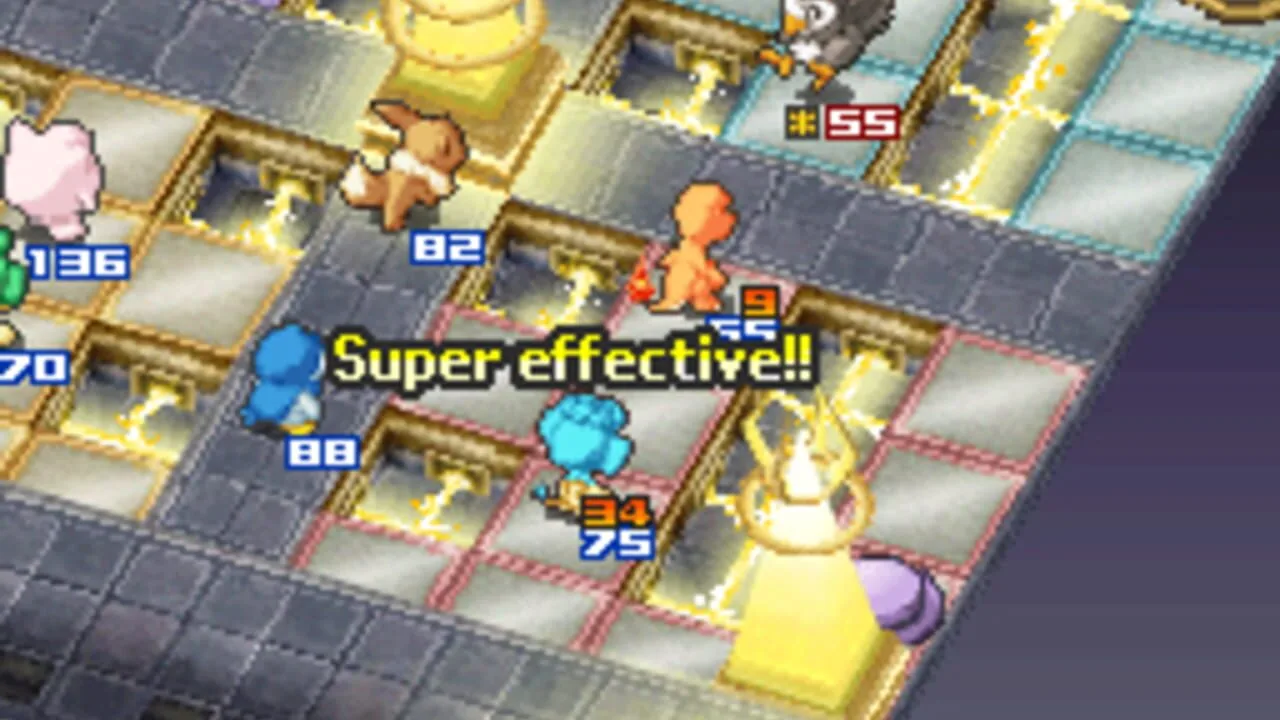
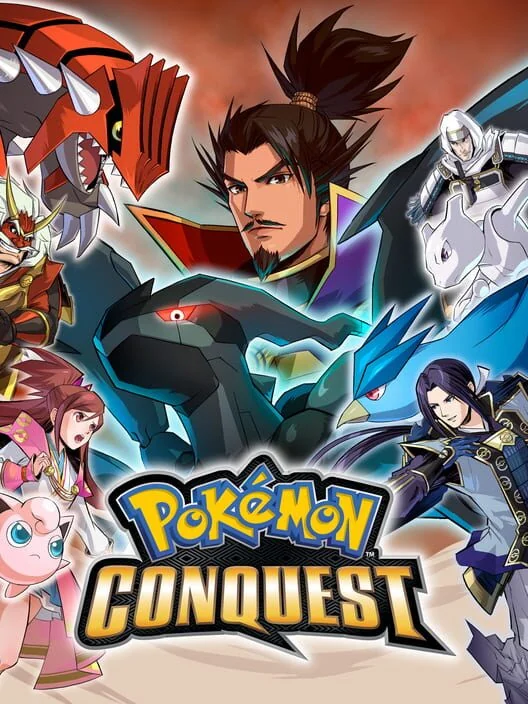
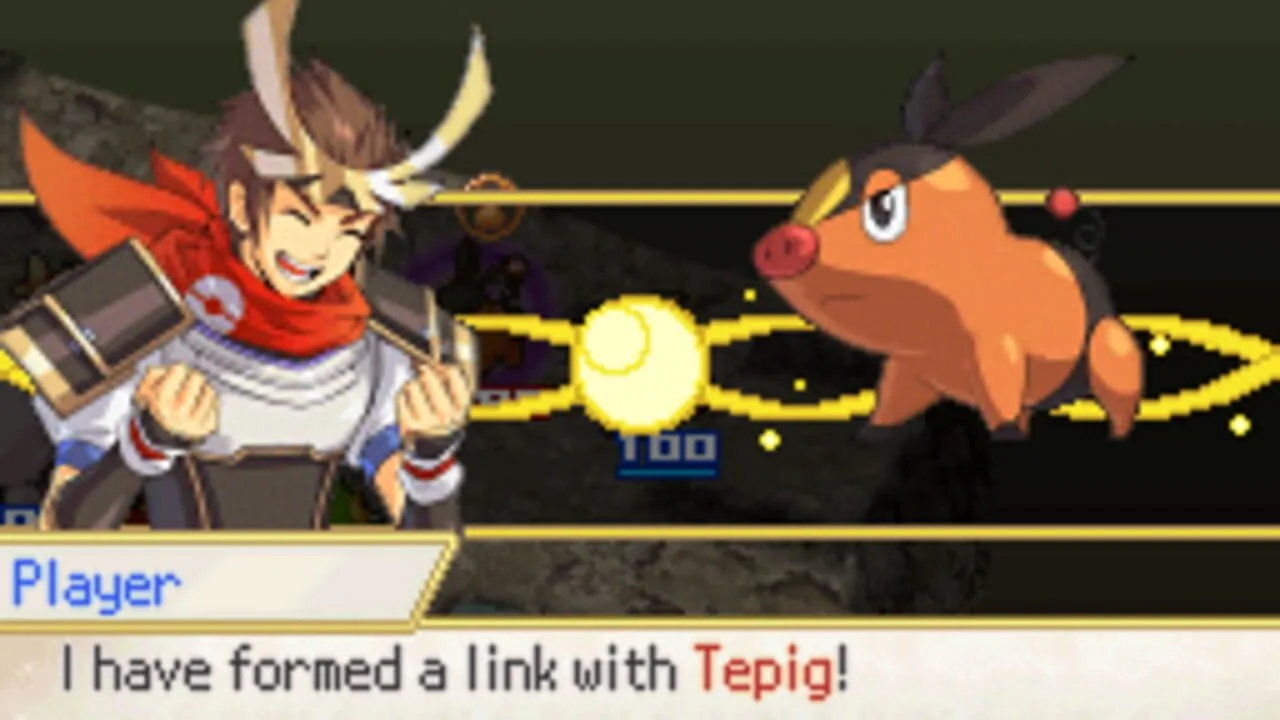
Pokémon Conquest on the Nintendo DS began with a mutual interest between the creators of Pokémon and Nobunaga's Ambition. It came out in Japan in March 2012 and everywhere else later that year. Each Pokémon can use only one move, and Warriors and Warlords add powers that work once per battle. Only 200 of the 649 Pokémon that existed at the time are in it.
The English team kept the Japanese names, since English ones would have felt too strange in this setting. That choice suits it. Conquest plays nothing like a main game, so it is the one to try if you like strategy games and have always bounced off the usual routes and gyms.

23. Pokémon Scarlet and Violet (2022)
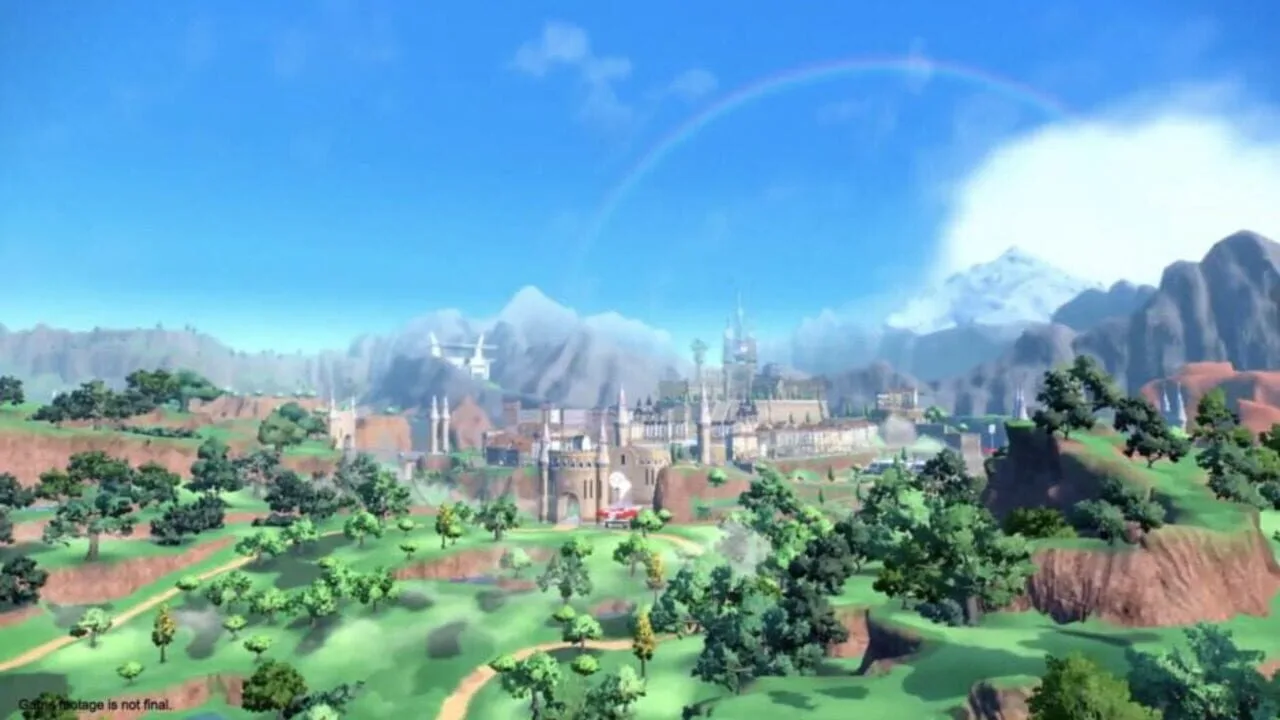
Scarlet and Violet opened the ninth generation on the Nintendo Switch on November 18, 2022. They are set in the Paldea Region, based on the Iberian Peninsula. Game Freak wanted a new art style here, with a more realistic world around stylized characters. Two expansions followed in 2023, The Teal Mask in September and The Indigo Disk in December.
Reviews came out mixed. Critics praised the story, while the technical problems took most of the criticism. That split is the honest way to think about these two. If you can live with the rough edges, the story is the reason to go, and the games are the newest ones on this list.
22. Pokémon Stadium (1999)
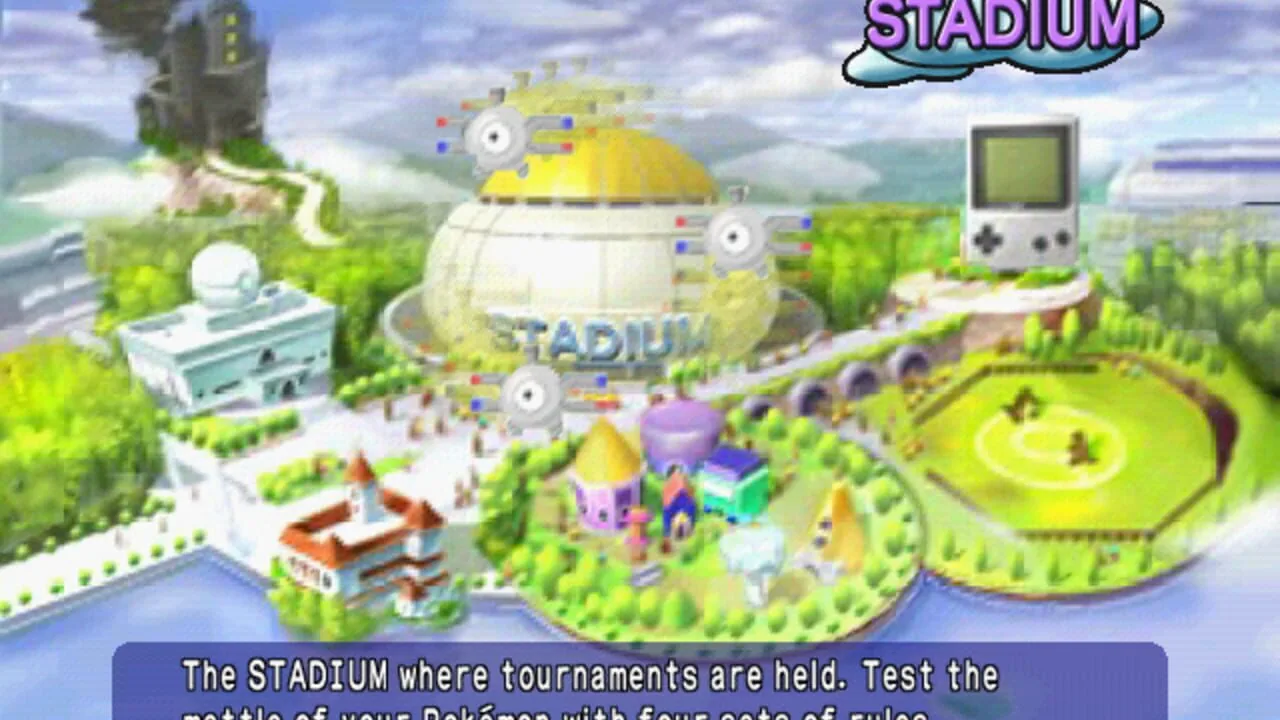
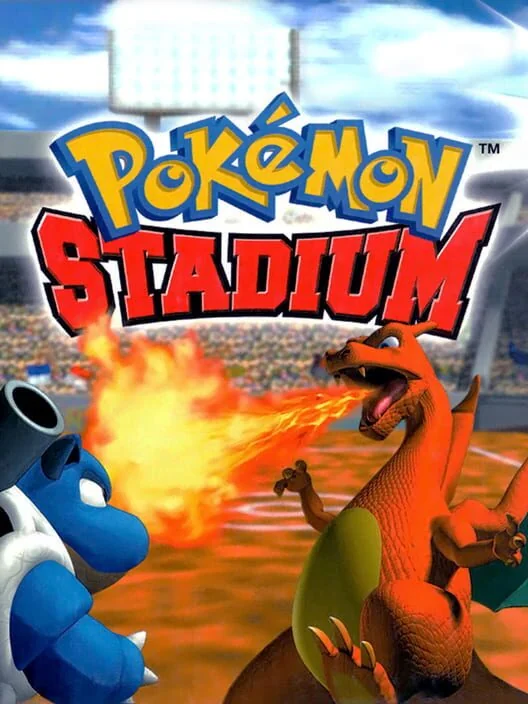
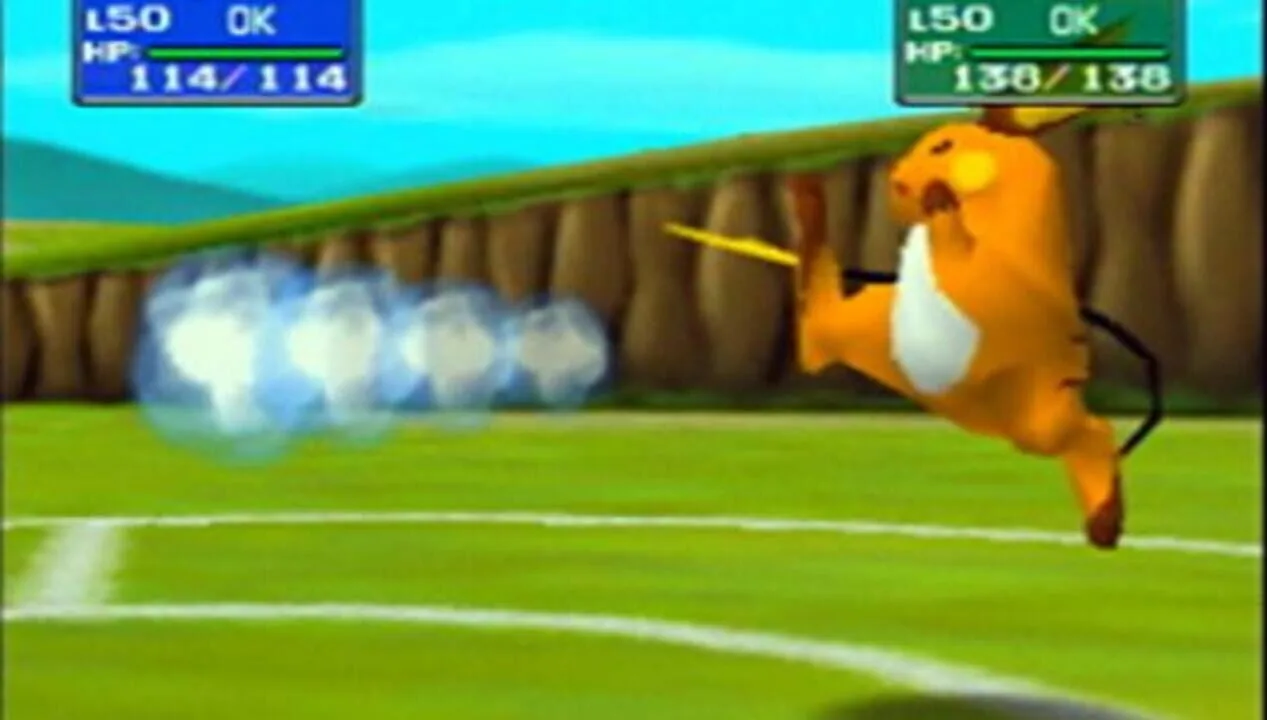
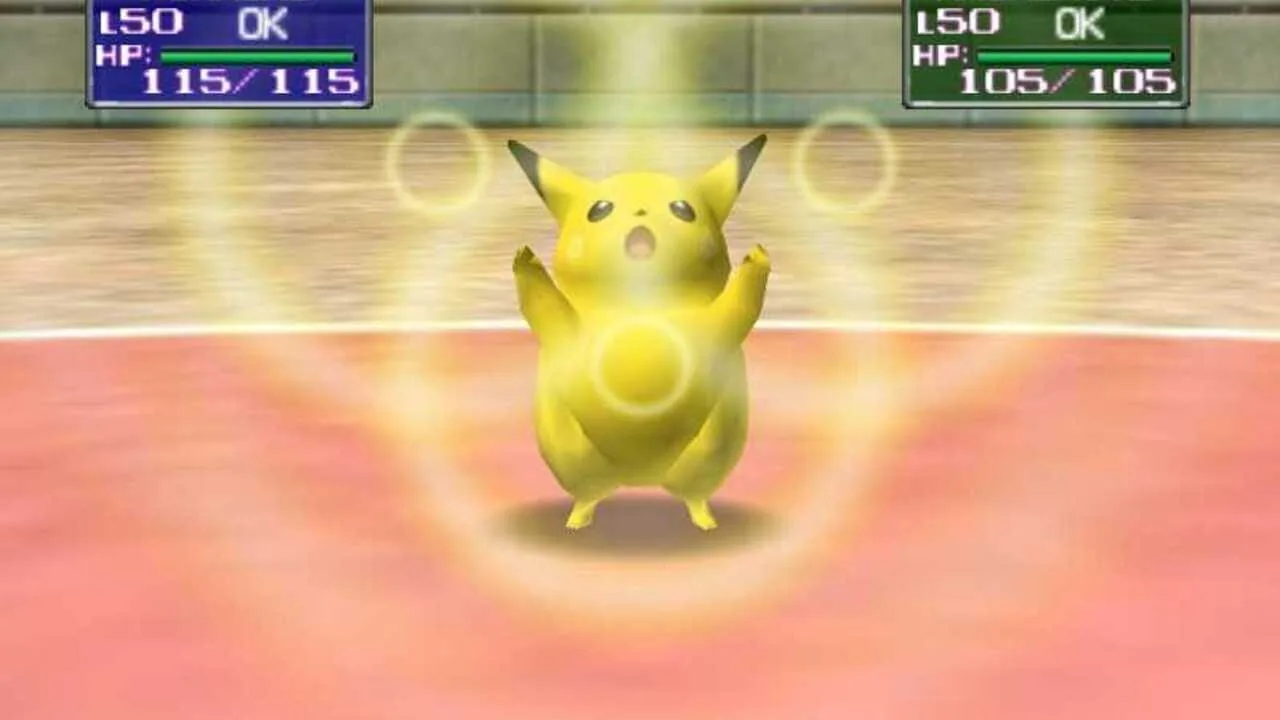
Pokémon Stadium came out on the Nintendo 64 in Japan in 1999 and in the West in 2000. It was the first Stadium game Western players got, following the Japan-only Pocket Monsters Stadium from 1998. The big attraction was connecting your Game Boy games to it. One reviewer called seeing the animations of all 151 Pokémon a joy.
Critics liked the visuals and that connection, and they were harder on the audio and the repetitive play. The minigames are the part people remember, from a Simon Says game with Clefairy to a ring toss with Ekans. Nobody at Nintendo EAD seems to have asked Ekans how it felt about being the ring.
21. Pokémon Ranger (2006)

Pokémon Ranger is a Nintendo DS spin-off from 2006, with Europe getting it the following year. Your job is missions, and the long mission-based plot is what reviewers praised. Fall City and the Olive Jungle are a long way from the gym circuit, and the villains are the Go-Rock Squad, a name that tells you the tone.
Reviews were mixed, with complaints about using sound you make yourself as a game mechanic. It also has a nice link to the main games: finish the special Manaphy mission and you can send a Manaphy egg over to Diamond and Pearl. Two sequels followed if you like it, so this is the place to start.


20. Pokémon Mystery Dungeon: Red Rescue Team (2005)
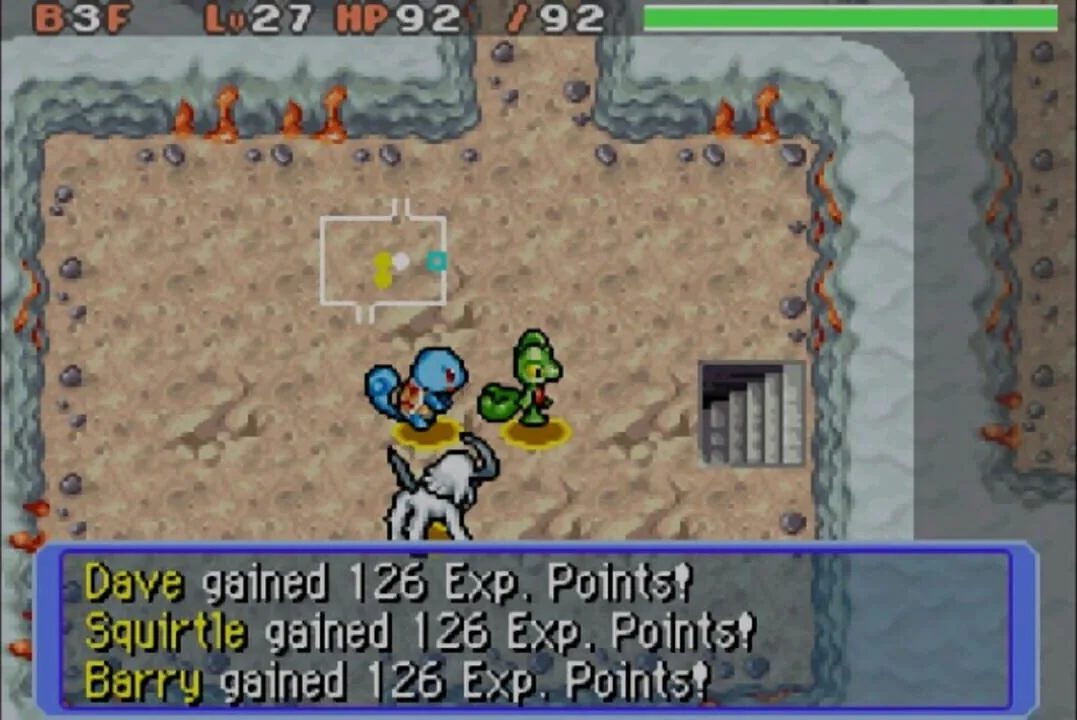
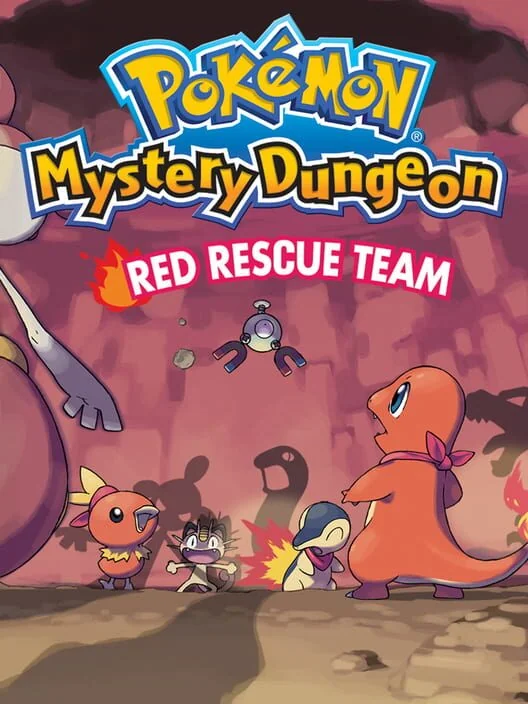
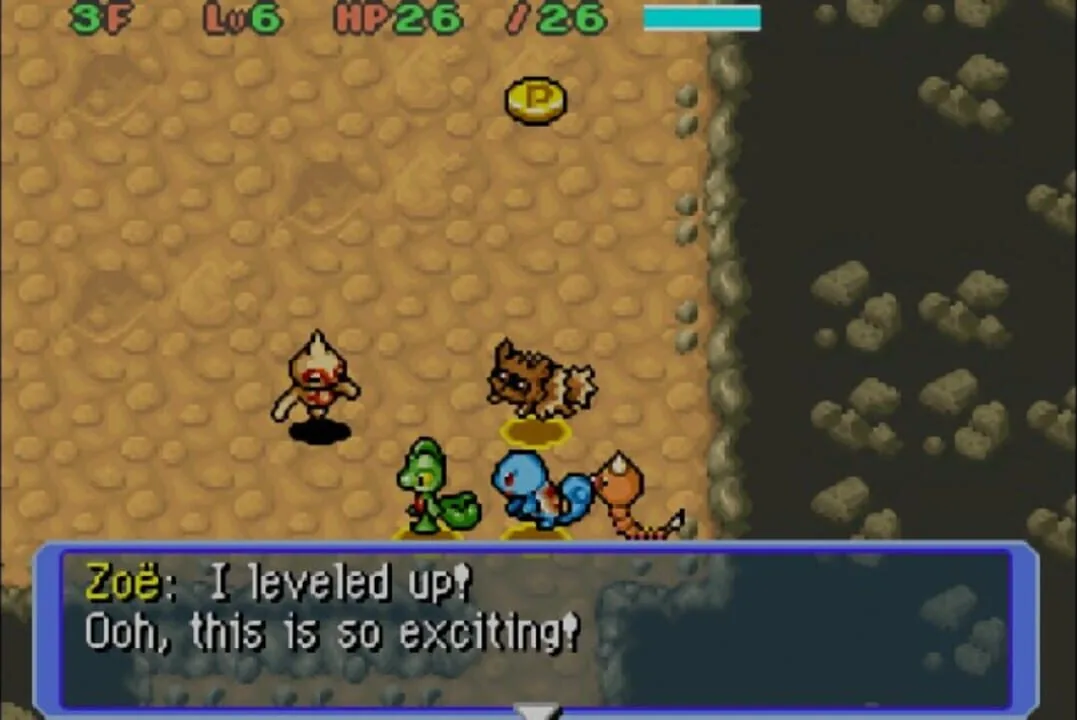
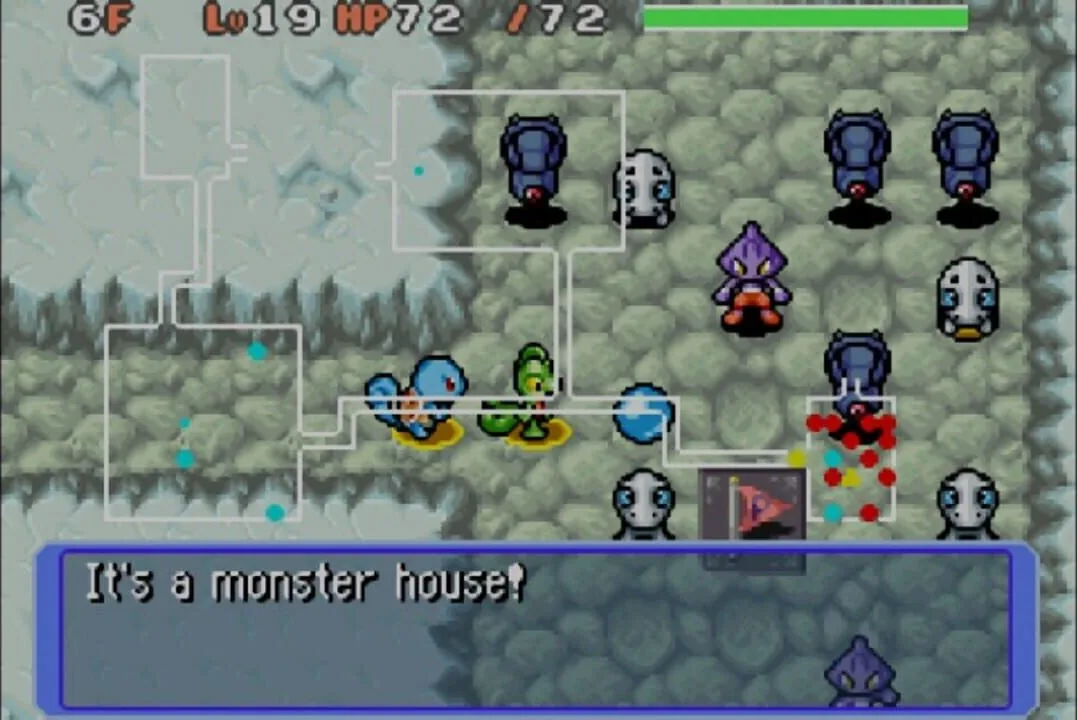
Red Rescue Team on the Game Boy Advance and its twin Blue Rescue Team on the Nintendo DS started the Mystery Dungeon games. Chunsoft developed them. You wake up as a Pokémon with amnesia and join a rescue team with a partner, trying to work out who you are. Red Rescue Team was the last Pokémon game released for the Game Boy Advance.
The two sold over 5.25 million copies by 2007, and reviews were mixed. Critics liked how original the idea was and were less keen on the gameplay and visuals. The story is the reason it lasted, and it set up the even better one at number 15.
19. Pokémon: Let's Go, Pikachu! and Let's Go, Eevee! (2018)
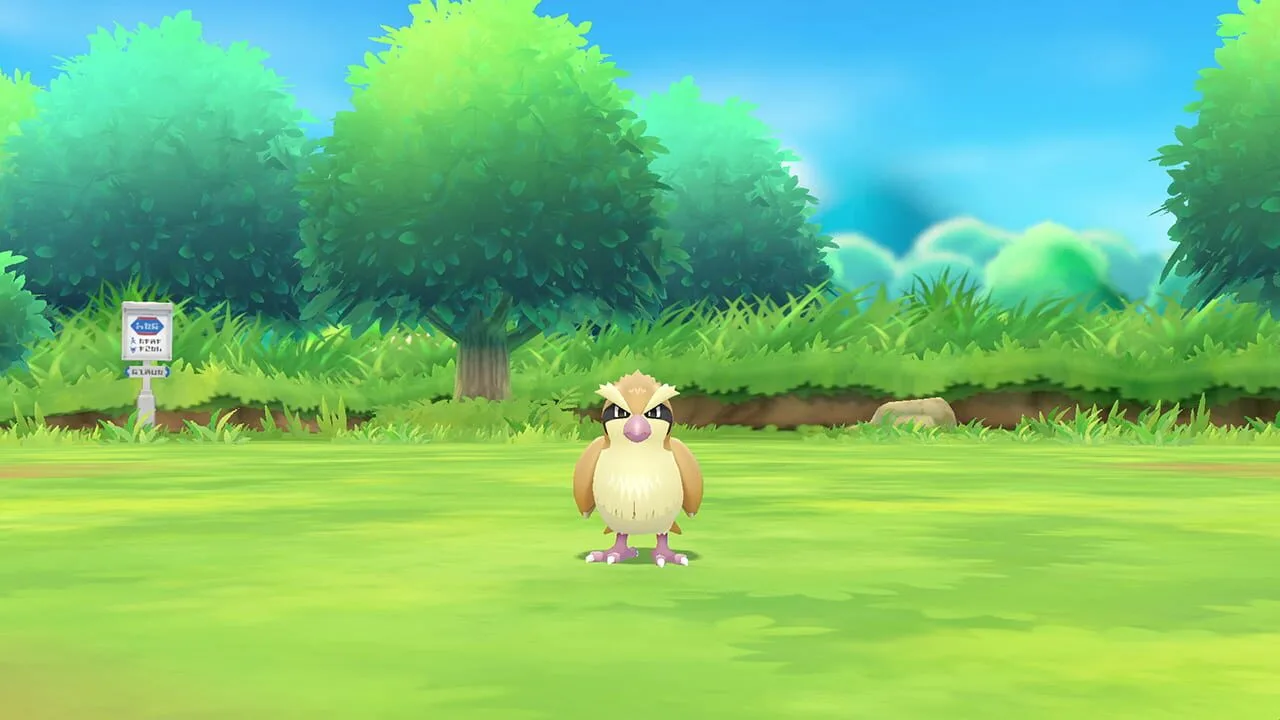
These two Nintendo Switch games were the first main series Pokémon games on a home console. To start an encounter with a wild Pokémon you just approach it, which changes the pace of the whole thing. The controls need only one Joy-Con per player, so a second person can join in with cooperative play. Combat Power comes over from Pokémon Go.
Your partner follows you around and can be dressed up, an idea that goes back to Pikachu walking behind you in Pokémon Yellow. These are the easiest games on the list to hand to someone who has never played Pokémon. Skipping the low-level fights is a big part of why they are so relaxed.
18. Pokémon Trading Card Game (1998)
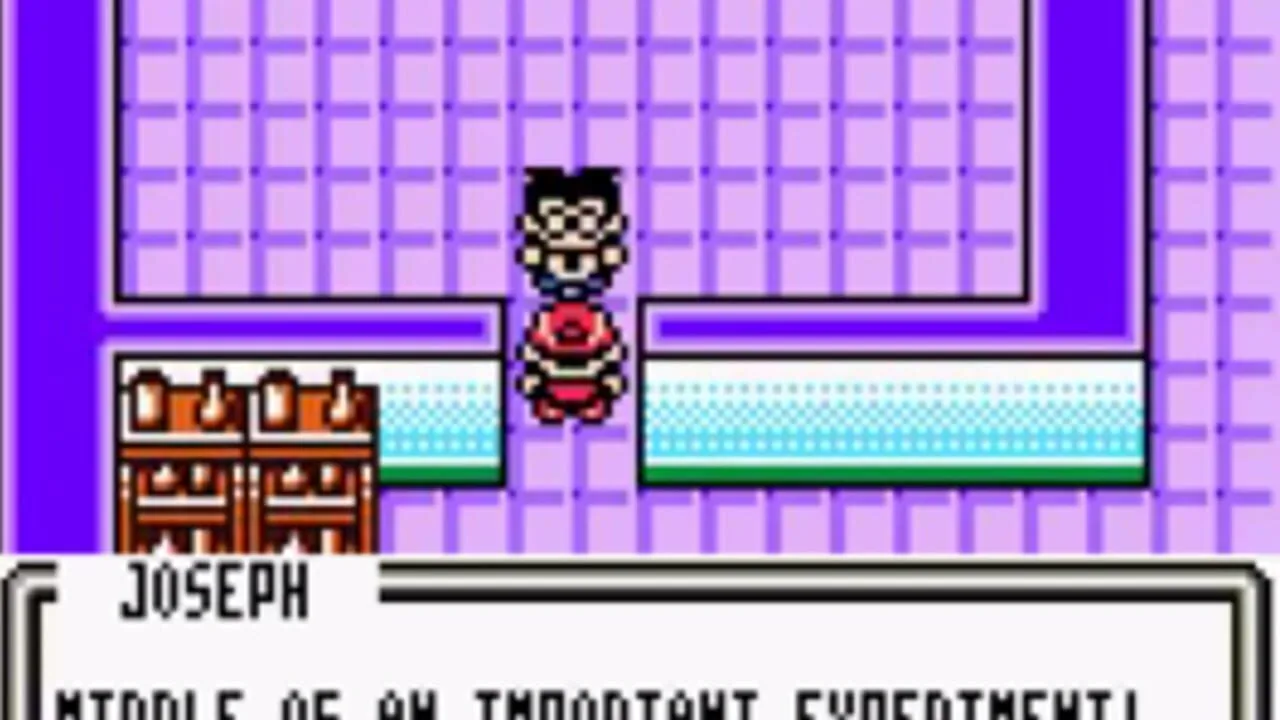
Pokémon Trading Card Game is a Game Boy Color take on the card game, released in Japan in December 1998 and internationally in 2000. Hudson Soft and Creatures developed it together. It includes the first three sets of the real cards plus exclusive cards you could not get anywhere else.
It later came to the Nintendo 3DS Virtual Console in 2014. A sequel stayed in Japan, and fans have since released unofficial English translations of it. The game is still a good way to learn the rules of the cards, and you never have to find someone at school who will play you.
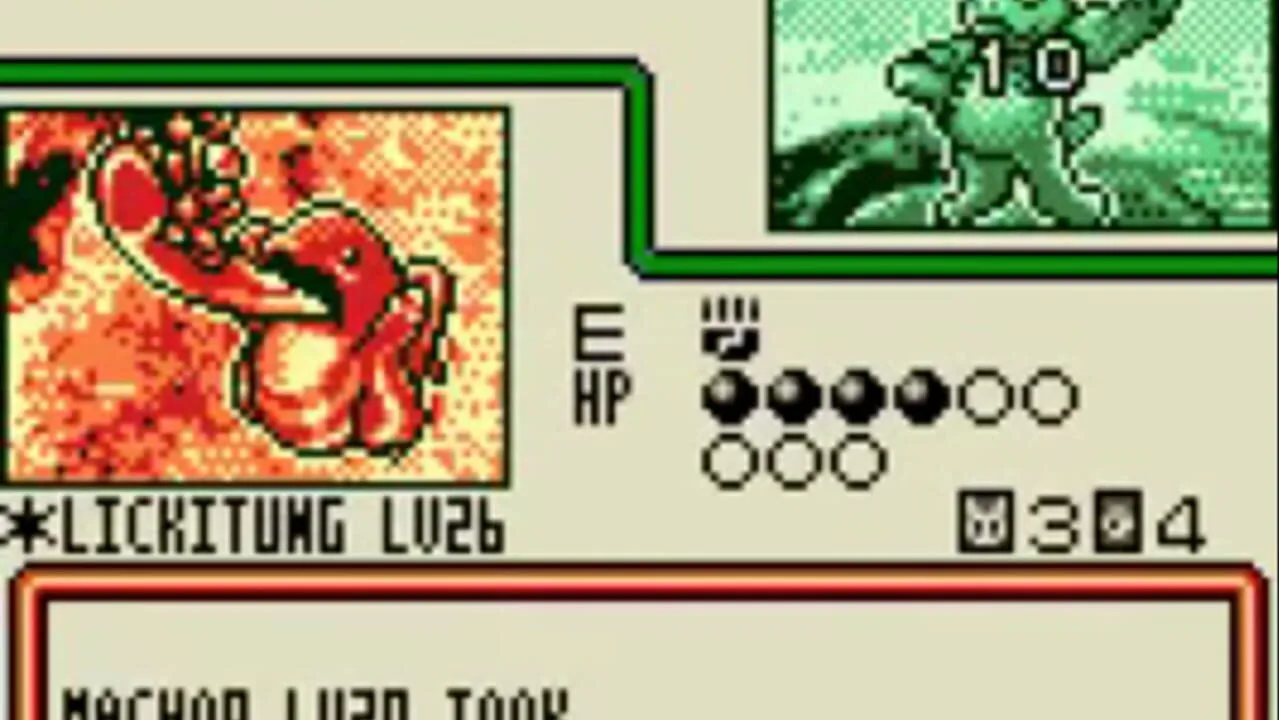
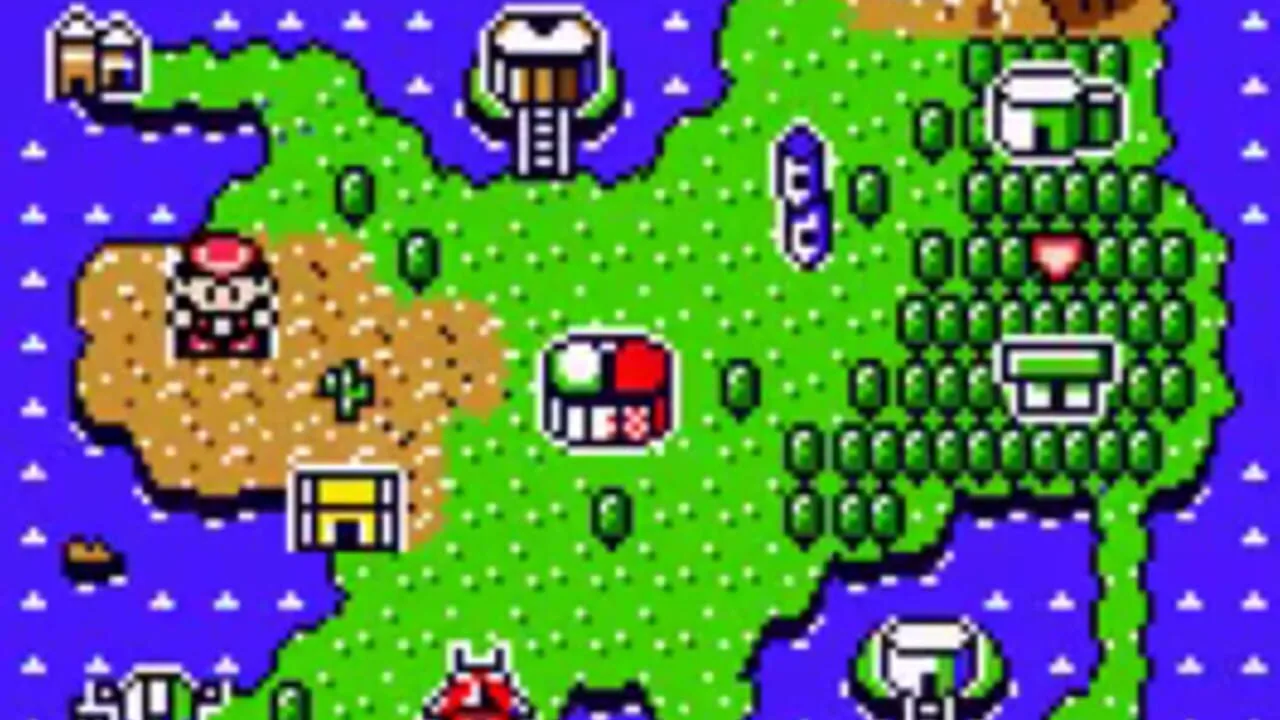
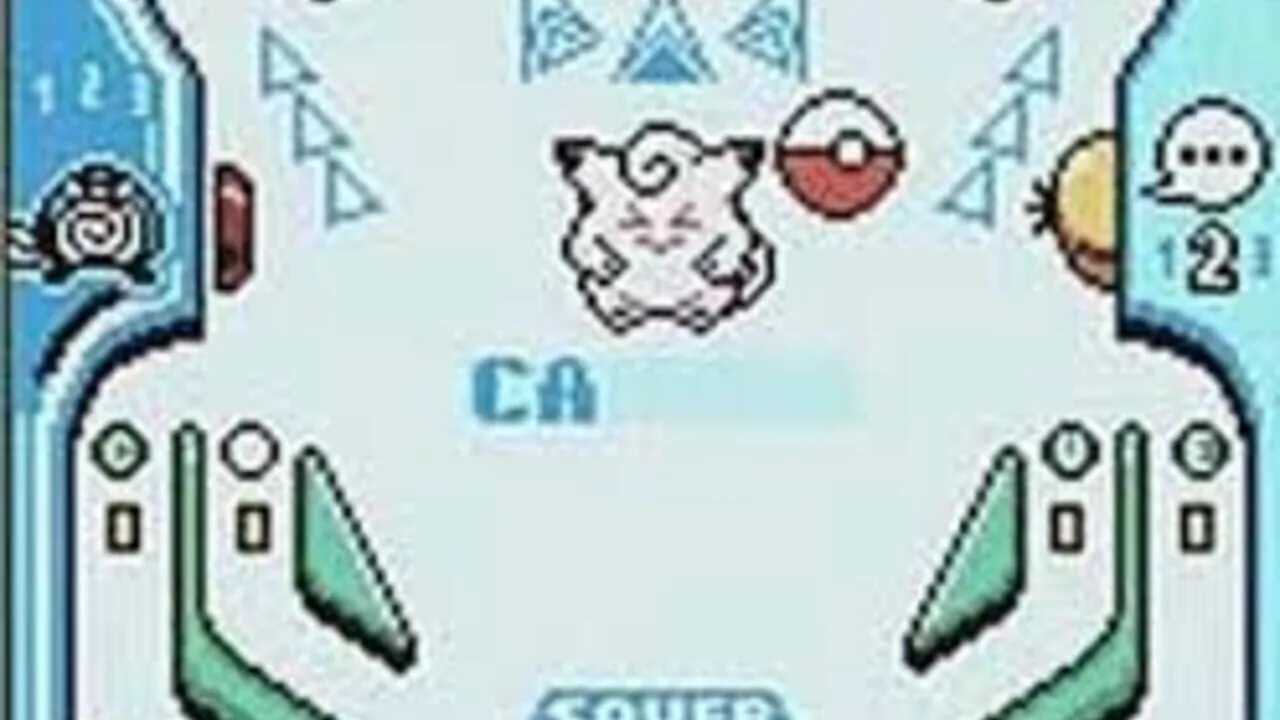
17. Pokémon Pinball (1999)
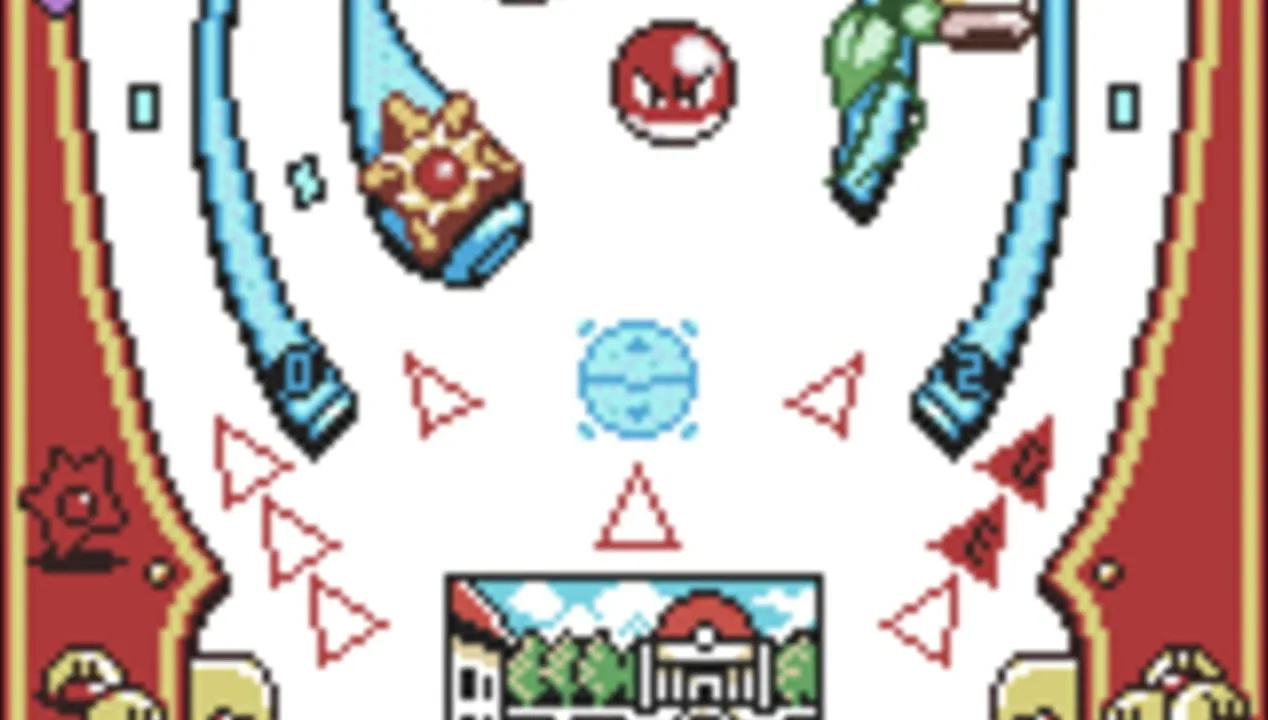
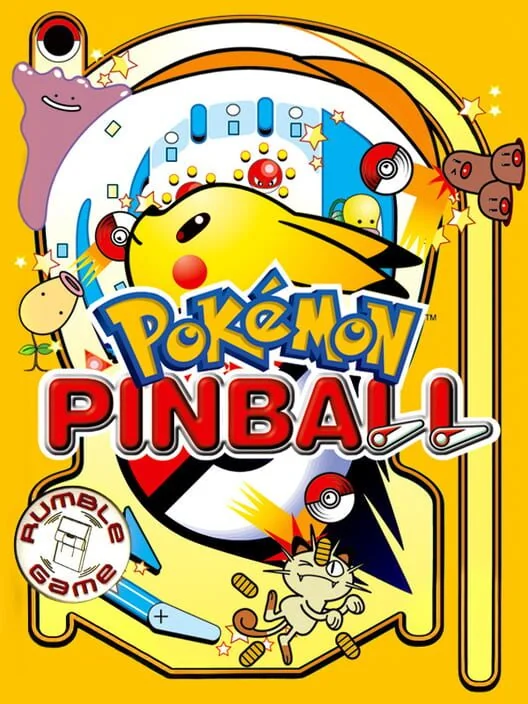
Pokémon Pinball came out on the Game Boy Color in 1999, in Japan in April and in North America in June. There is a red board and a blue board, and you catch Pokémon while you play. Evolving them is the only way to add the evolved forms to your Pokédex. It is the one game here where your collection depends on your flippers.
Critics had complaints about the physics, and they felt other pinball ideas were missing. Players still love it as a side dish to the main games. A follow-up, Pokémon Pinball: Ruby & Sapphire, came out on the Game Boy Advance in 2003.
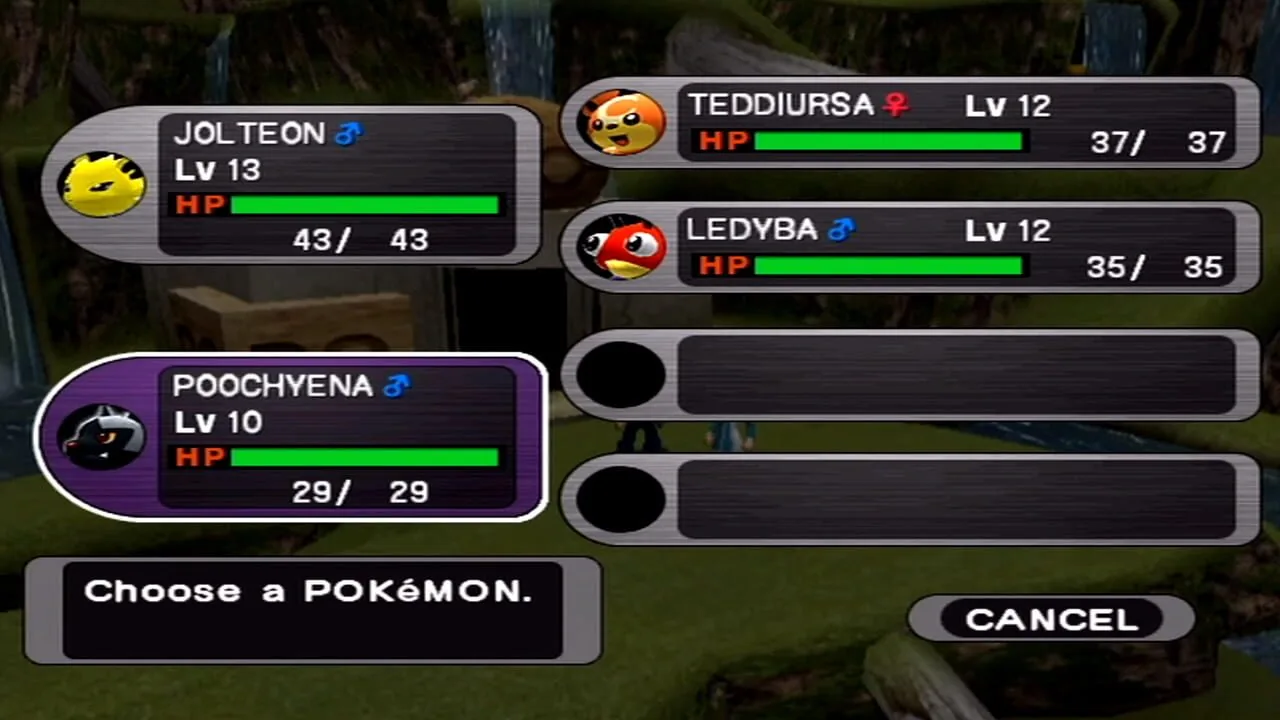
16. Pokémon XD: Gale of Darkness (2005)
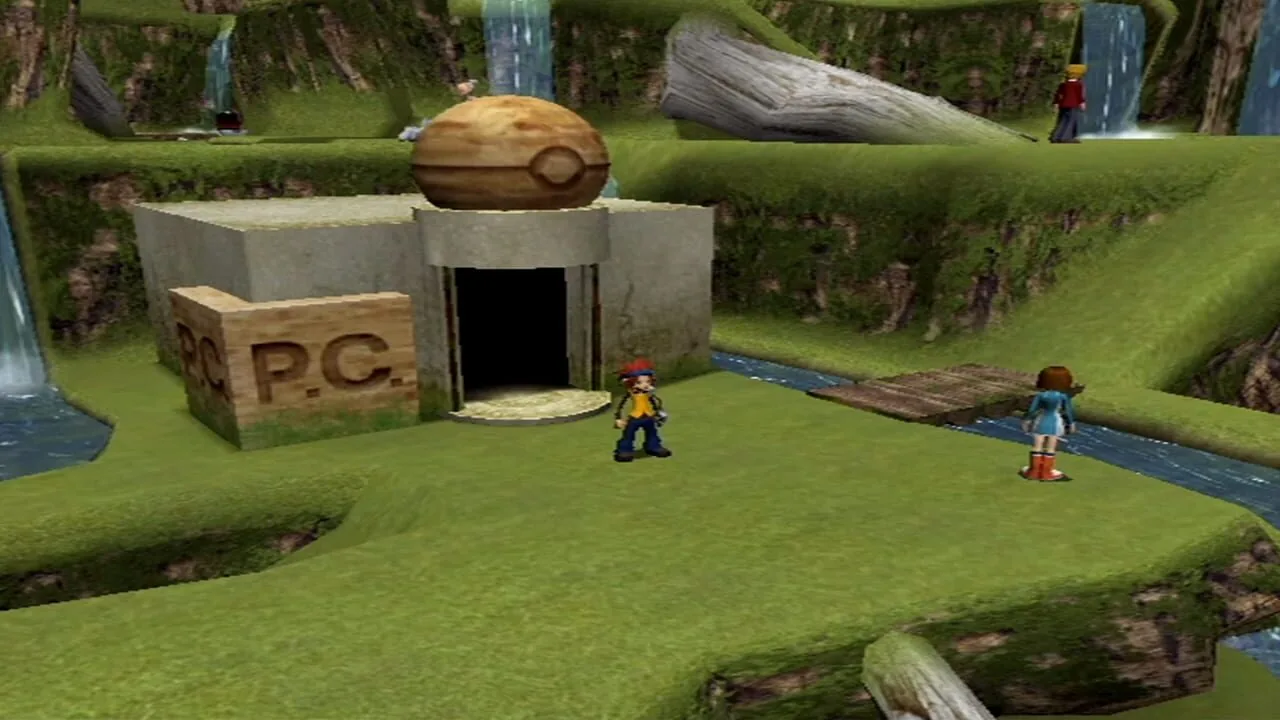
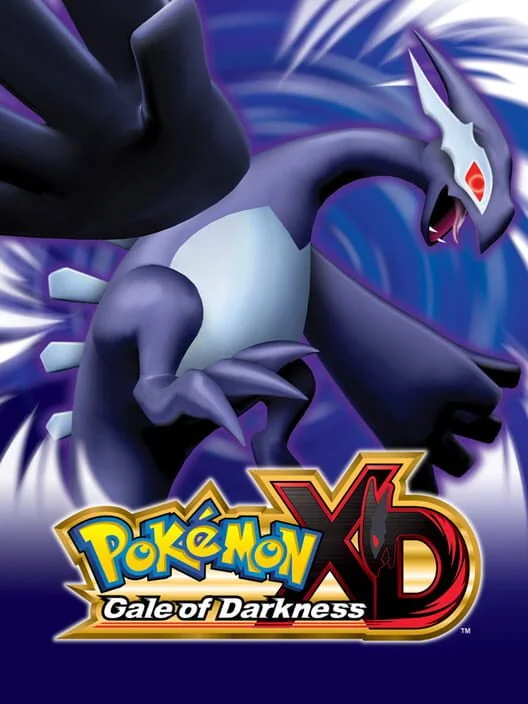
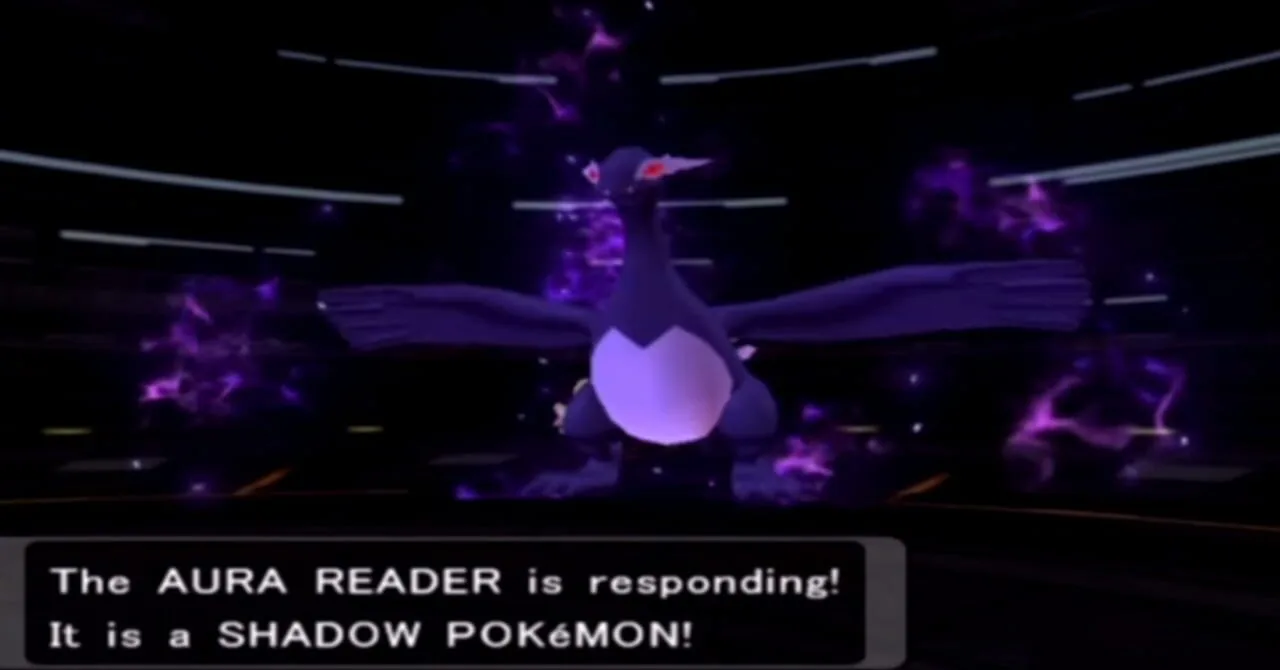
Pokémon XD came out on the GameCube in 2005 and follows Colosseum. Shadow Pokémon are back, with a Shadow Lugia on the box art, and the new Purify Chamber has you arrange purified Pokémon around a Shadow Pokémon to bring it back. It sold more than 1 million copies.
Reviews were mixed, with critics pointing at how much it borrowed from Colosseum. Players who love Colosseum tend to love this one too. It reached the Nintendo Switch 2 through the Nintendo Classics service on March 18, 2026, which makes it much easier to play than a GameCube disc.
15. Pokémon Mystery Dungeon: Explorers of Sky (2009)
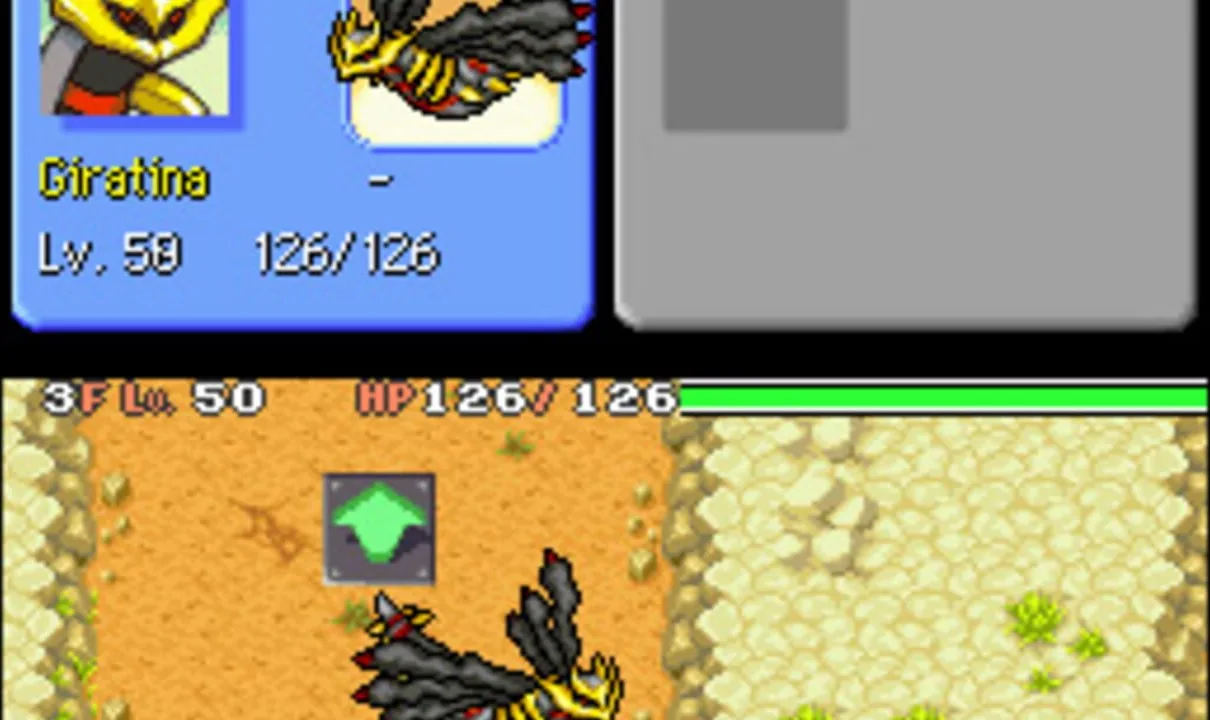
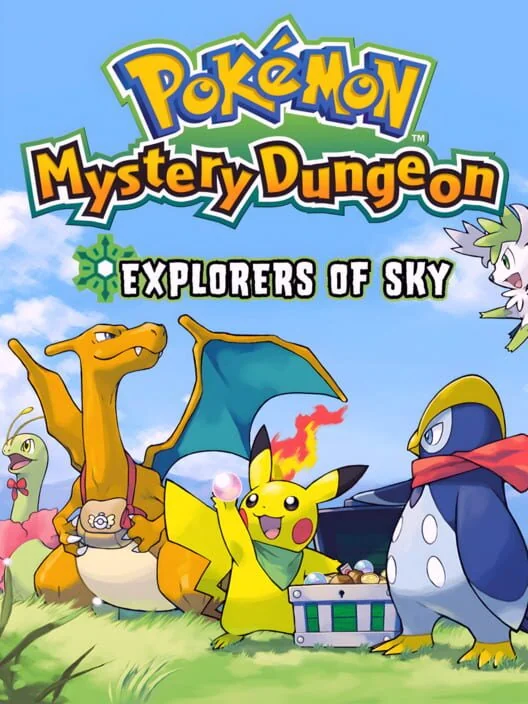
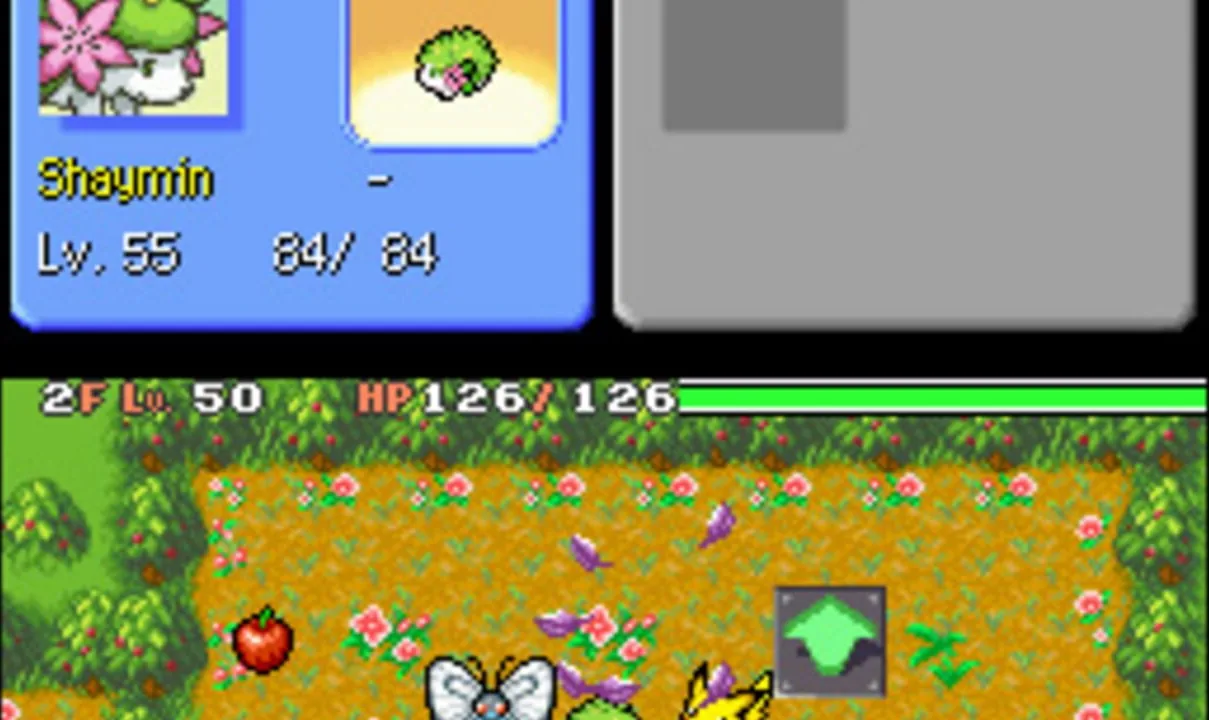
Explorers of Sky is a Nintendo DS game from 2009, a third version of Explorers of Time and Explorers of Darkness, so it stands in for both here. It builds on the Rescue Team games and adds Generation IV Pokémon. Dungeons still hurt: if you run out of health during the story, the team loses all its money and half or more of its items.
Critics were mixed on the graphics and the repetition, but they praised the storyline and the soundtrack. Players go further. Many of them call it the best story in any Pokémon game, and it is the one to try if you want the series to make you feel something.

14. Pokémon Legends: Arceus (2022)
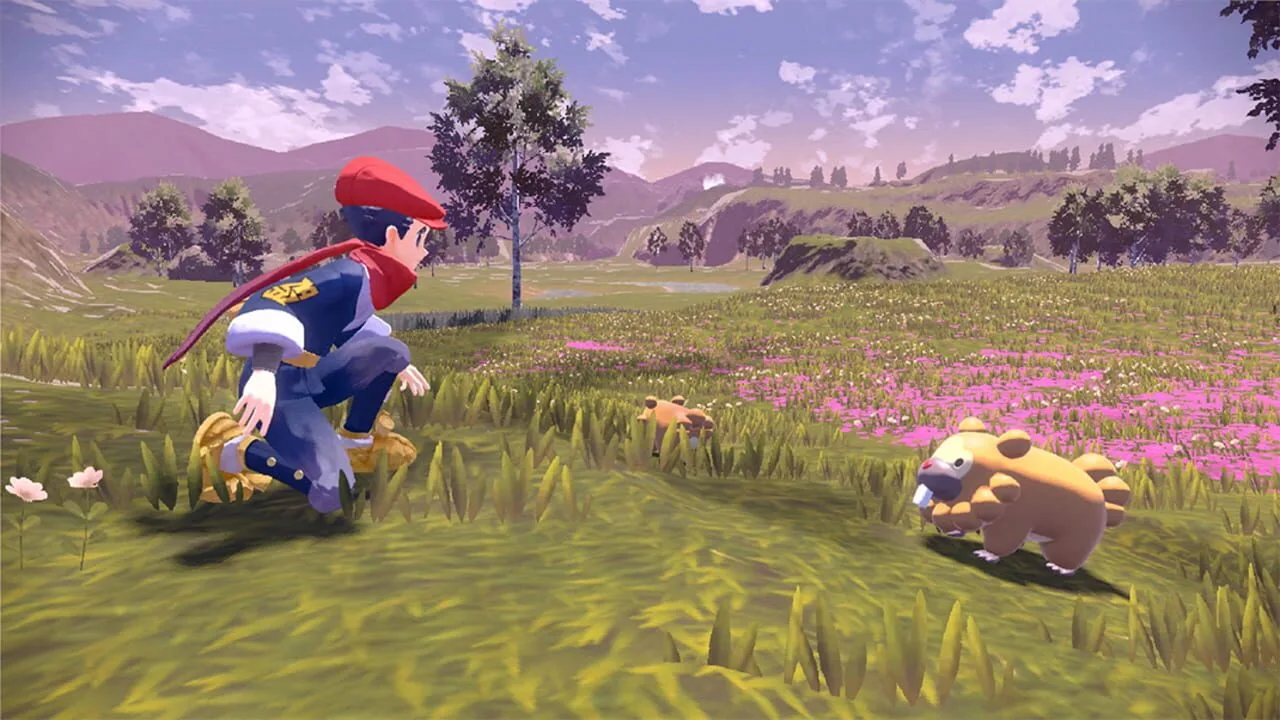
Legends: Arceus came out on the Nintendo Switch on 28 January 2022 and is a prequel to Diamond and Pearl. You get sent back in time to the Hisui region, based on the island of Hokkaido. Battles stay turn-based, with a new option to trade attack damage for more turns, or the other way around.
It sold over 14.83 million copies by 31 March 2023 and was nominated for Best RPG at The Game Awards 2022. Many players call it the best release since X and Y, mostly for the freedom to roam. A second Legends game, Pokémon Legends: Z-A, followed in 2025.
13. Pokémon Sword and Shield (2019)
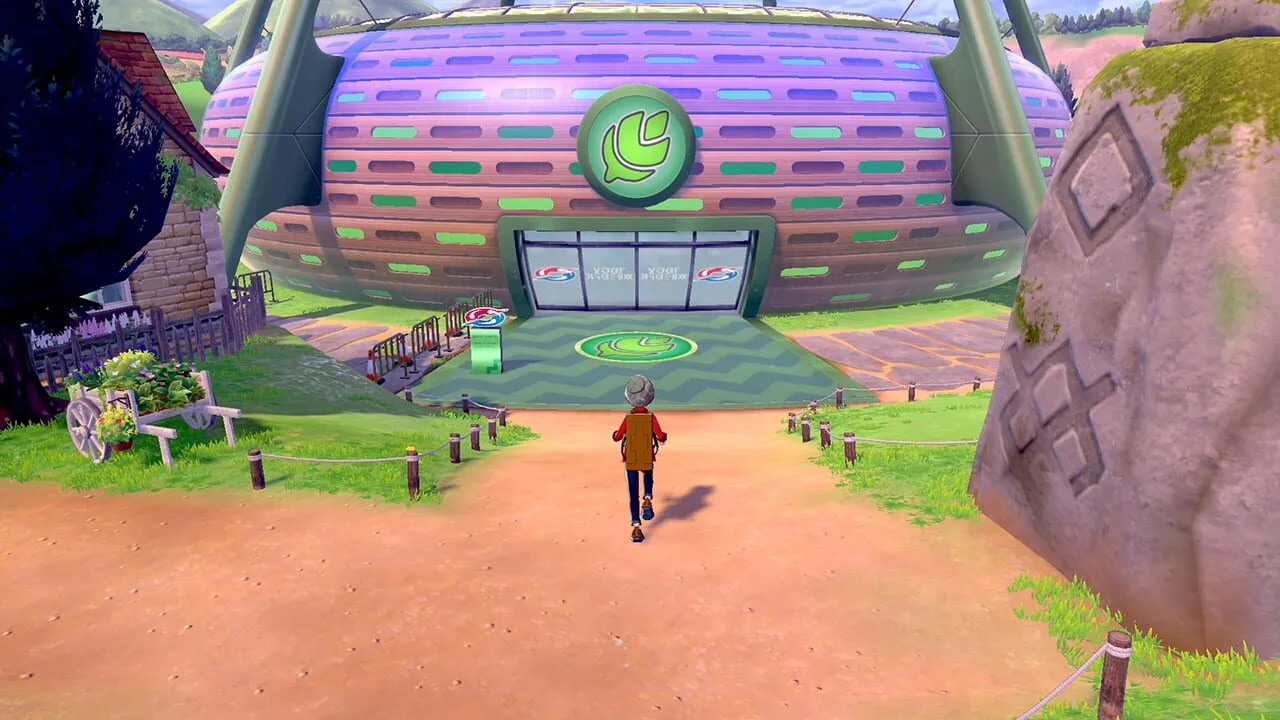
Sword and Shield opened the 8th generation on the Nintendo Switch on 15 November 2019. Their Galar Region is inspired by the United Kingdom, which makes this the rare RPG where complaining about the weather feels like part of the setting. They were also the first Pokémon games to get DLC instead of an improved version, with The Isle of Armor in June 2020 and The Crown Tundra in October.
They have sold more than 27 million copies, the third best in the series. Longtime players can be hard on these two, and reviewers noted the lack of innovation. Even so, the sales say plenty of people had a very good time in Galar.
12. Pokémon Colosseum (2003)
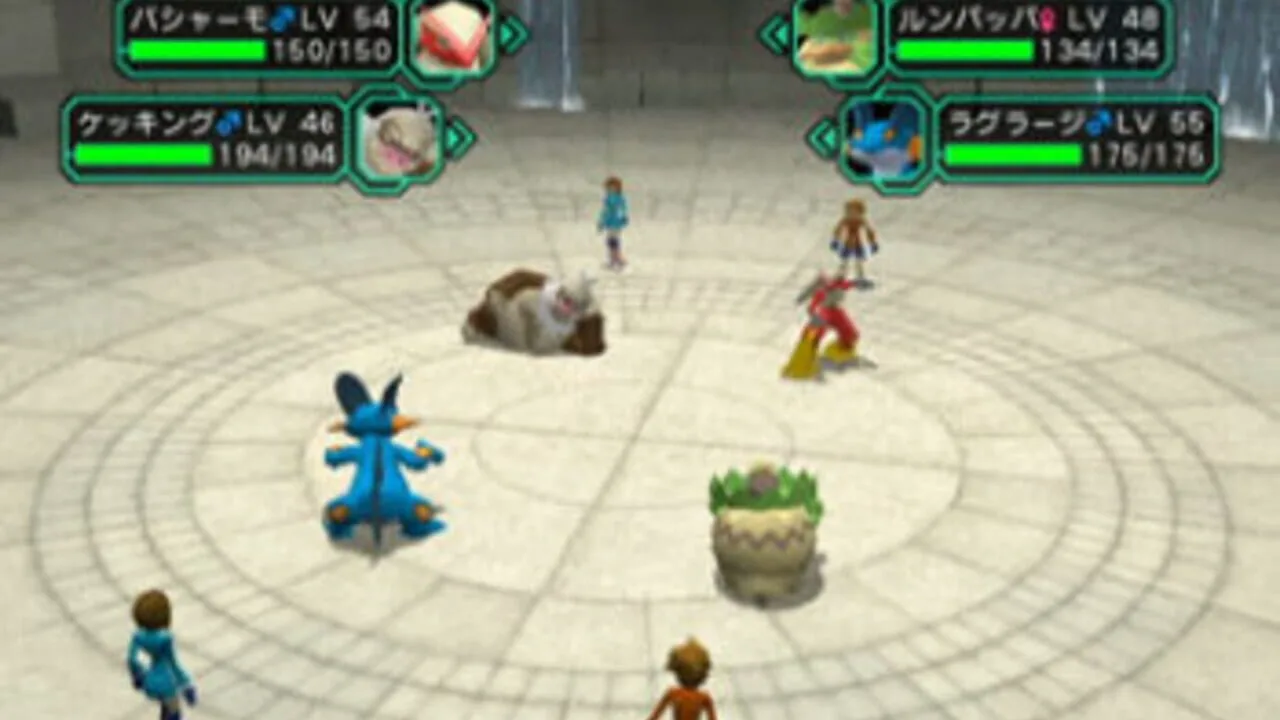
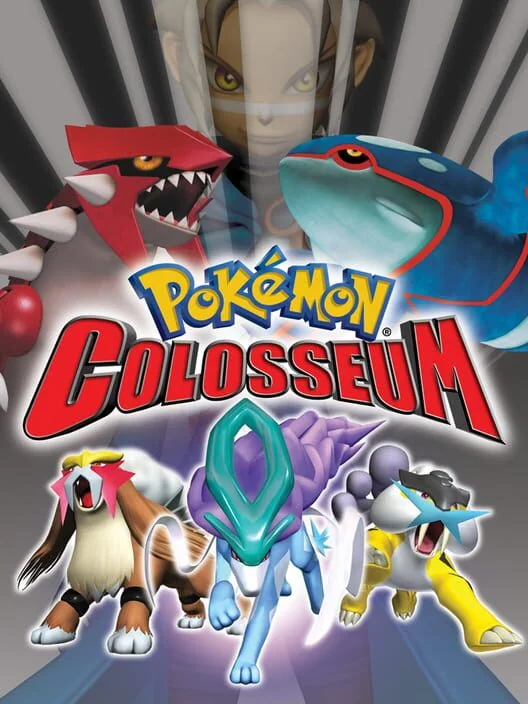
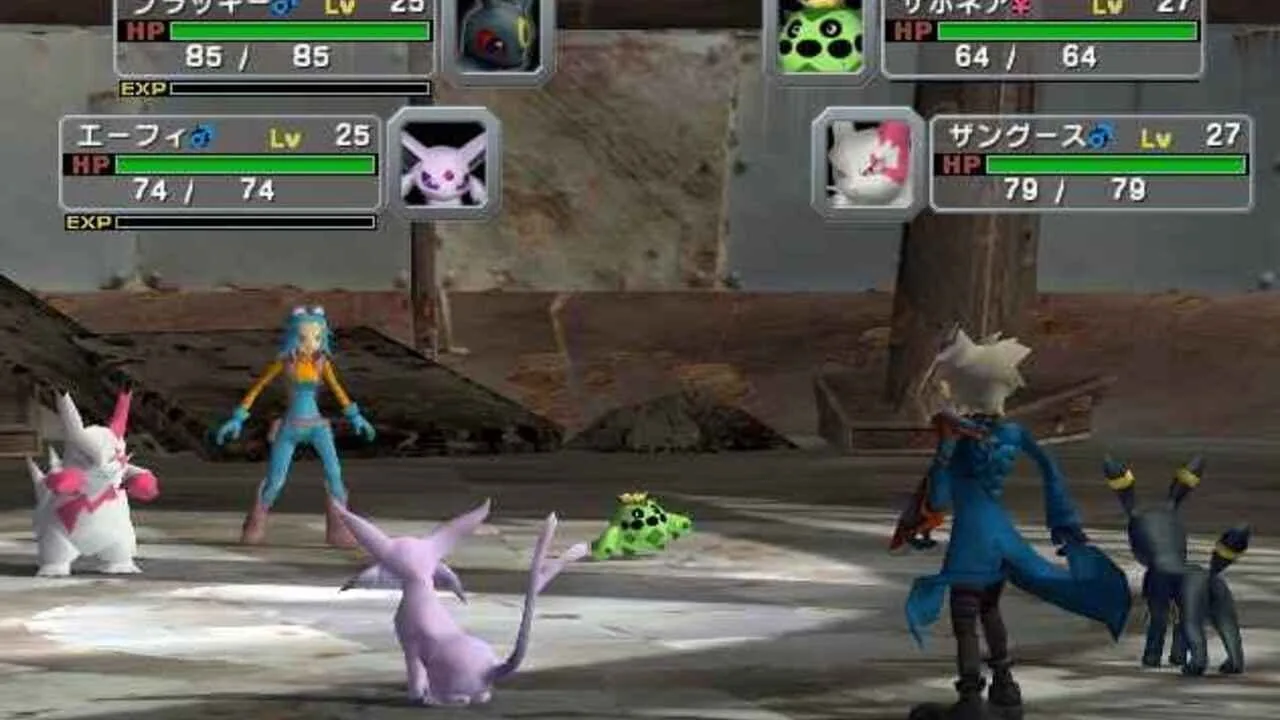
Pokémon Colosseum is a GameCube spin-off that came out in Japan in 2003 and in North America in March 2004. Instead of catching wild Pokémon, you Snag Shadow Pokémon, whose hearts have been artificially closed. The models came over from the Nintendo 64 Stadium games, and you can also bring in Pokémon from the Game Boy Advance games.
It was a critical and commercial hit, with 2.41 million copies sold worldwide. Players still bring it up as one of the best things Pokémon has done on a home console. A darker story and double battles make it feel like nothing else in the series.
11. Pokémon FireRed and LeafGreen (2004)
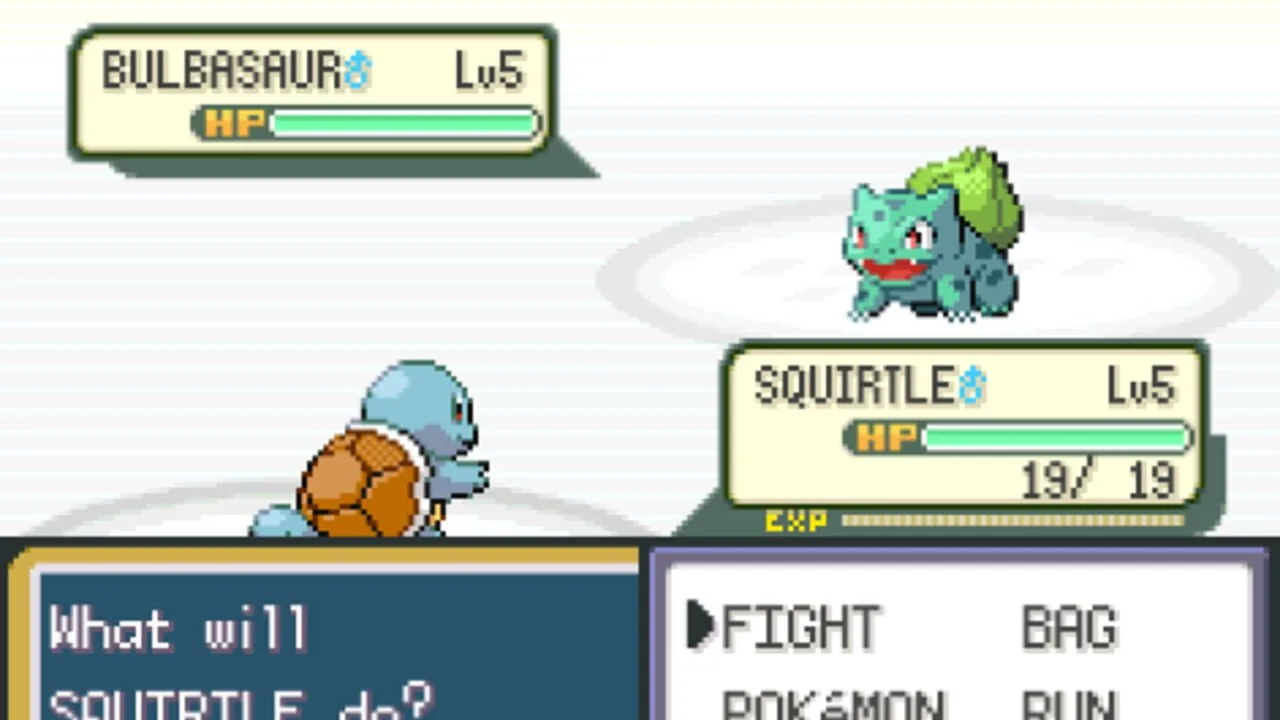
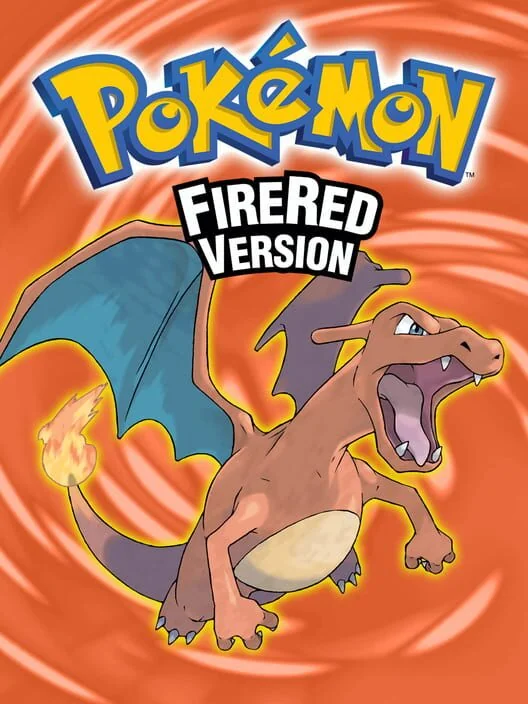
FireRed and LeafGreen are the first enhanced remakes in the series, built for the Game Boy Advance in 2004 from the original Game Boy games. They came with the Game Boy Advance Wireless Adapter in the box, and critics liked the new features sitting on top of the traditional gameplay. The Metacritic score is 81 percent.
Players often recommend them as the place to start, since they give you the first adventure with a few modern comforts. The appeal has lasted: they came to the Nintendo Switch digitally on 27 February 2026 and have reached a total of 16 million sales.
10. Pokémon Crystal (2000)
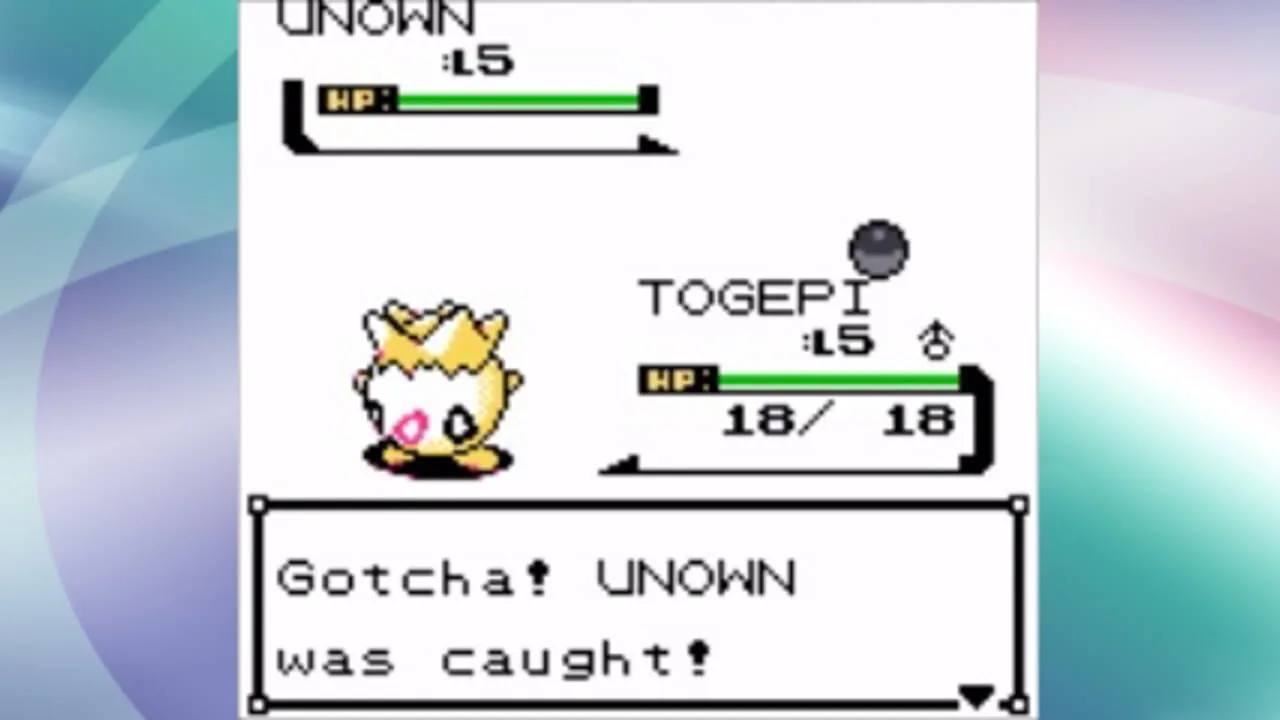
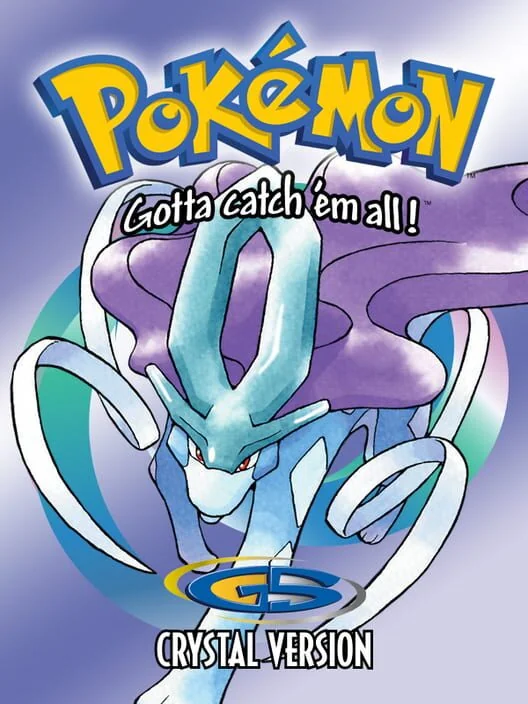
Pokémon Crystal is the enhanced edition of Gold and Silver, so it stands in for both of them here. It came out on the Game Boy Color in Japan in December 2000 and internationally in 2001. It was the first game in the series that does not work on the original Game Boy, and the extra power went into touches like Pokémon sprites that animate when a battle starts.
The Japanese version could trade and battle over cell phones through the Mobile Adapter GB, which the rest of the world missed. Retrospective reviews have been highly positive. Retro players still put it near the top of the series, and the pixel art has aged very well.
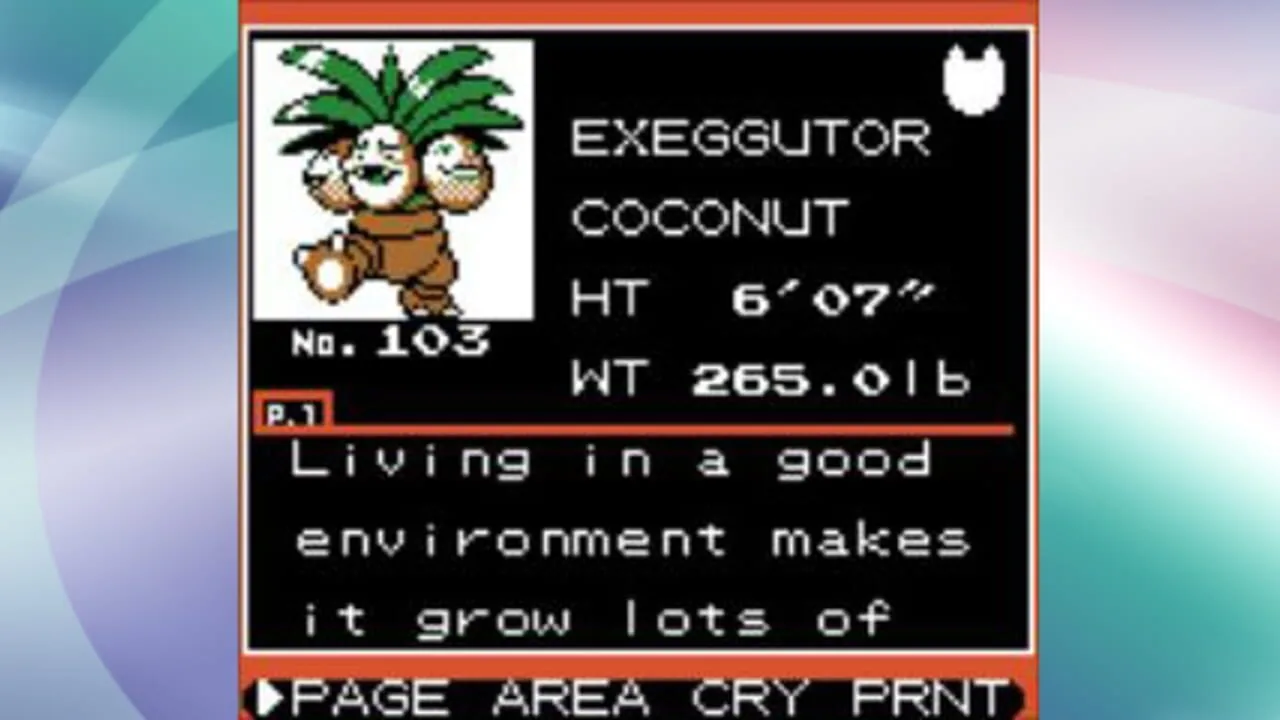
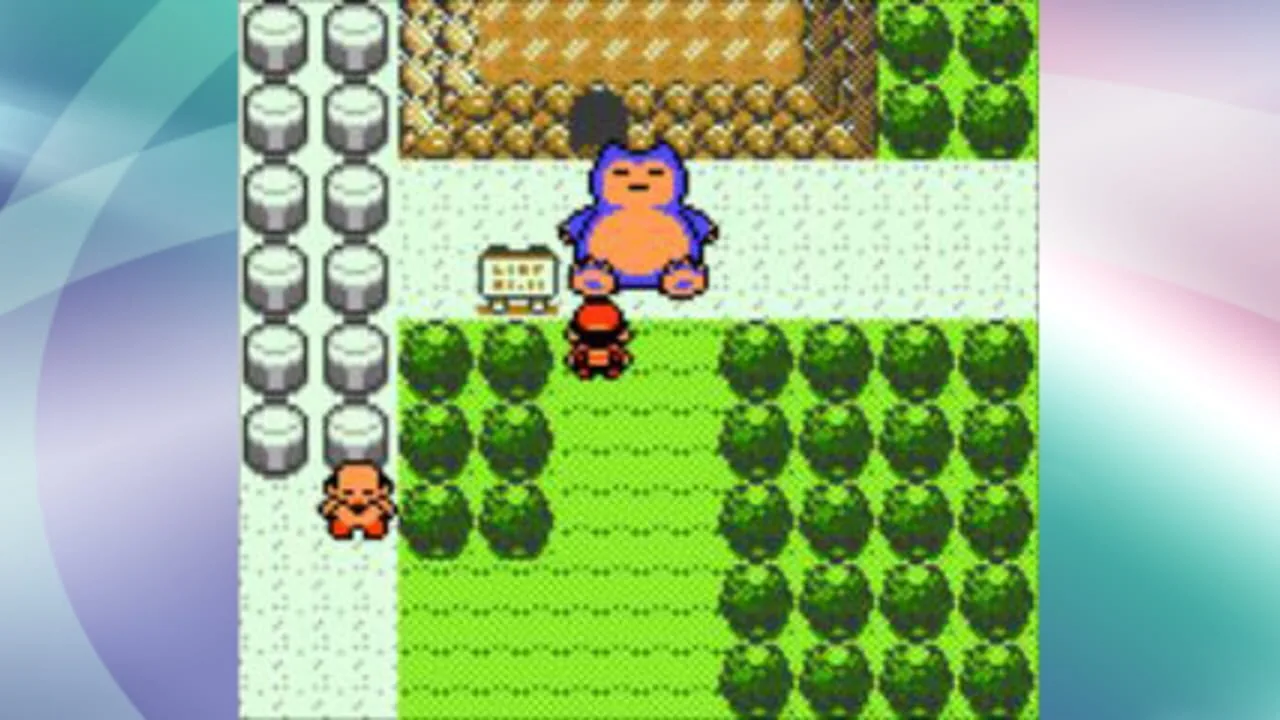
9. Pokémon Platinum (2008)

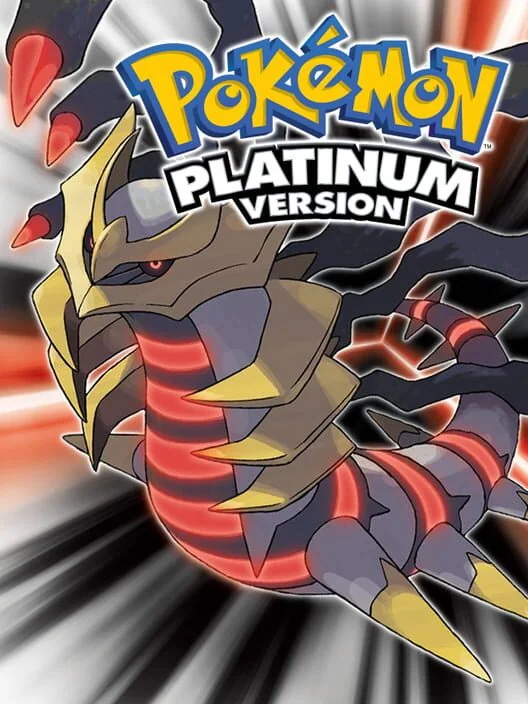
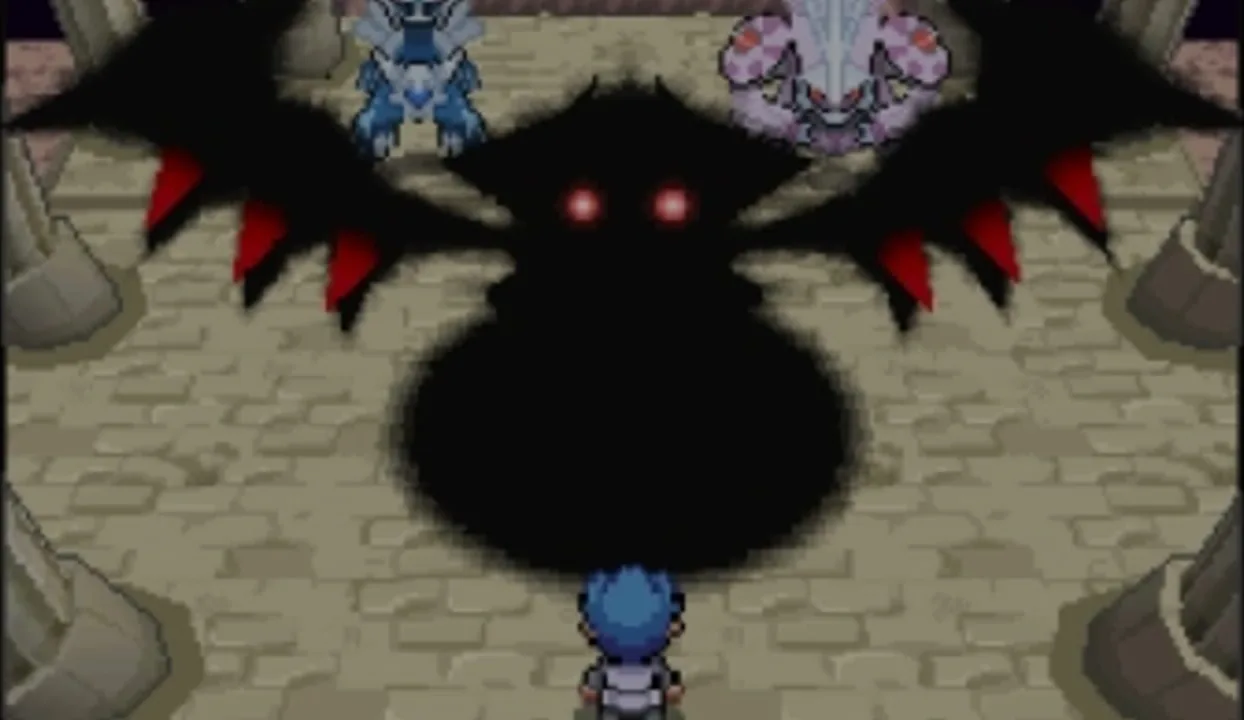
Pokémon Platinum is the enhanced version of the 2006 games Diamond and Pearl, so those two sit under this entry. It came out on the Nintendo DS in Japan in 2008 and everywhere else in 2009. Giratina gets a new Origin Form and the Distortion World, an area with altered physics. The Battle Frontier from Emerald comes back too.
Critics gave it a Metacritic score of 84 and called it one of the stronger entries in the series. It sold 7.06 million copies by March 31, 2010. Players agree with the critics, and many rate it as the version of Sinnoh to play, with a lot to do after the credits.
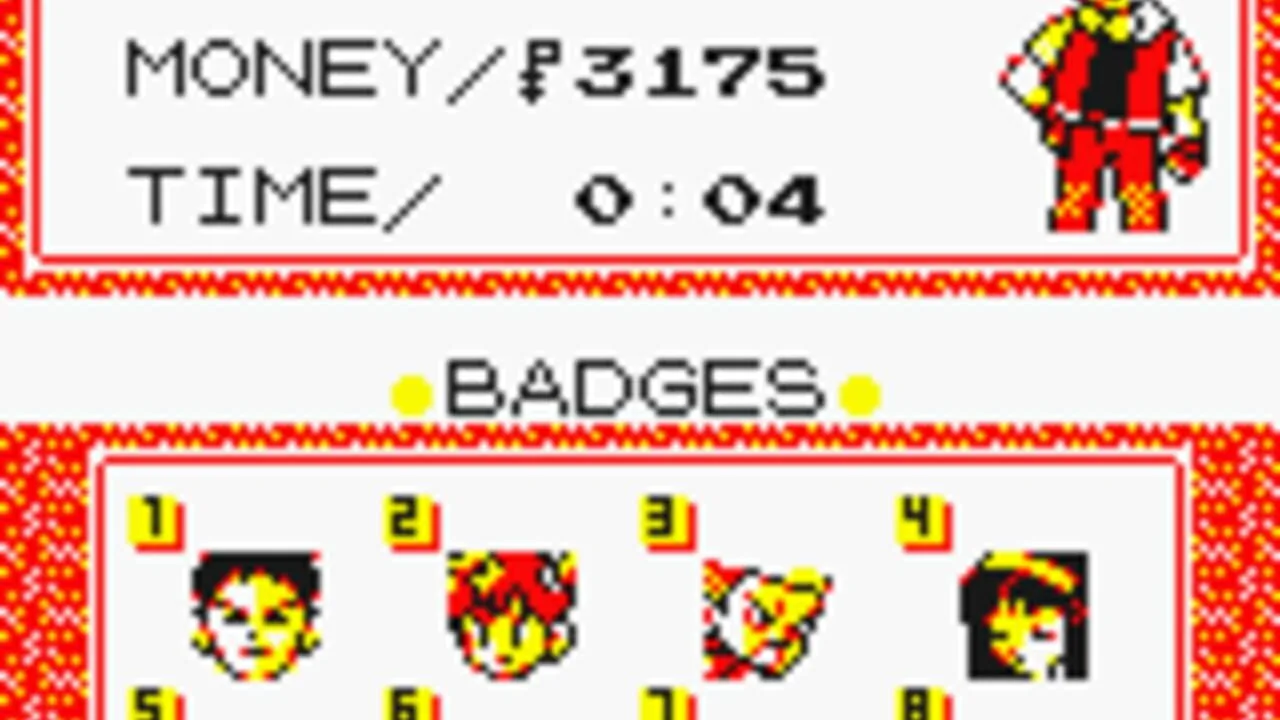
8. Pokémon Yellow Version: Special Pikachu Edition (1998)
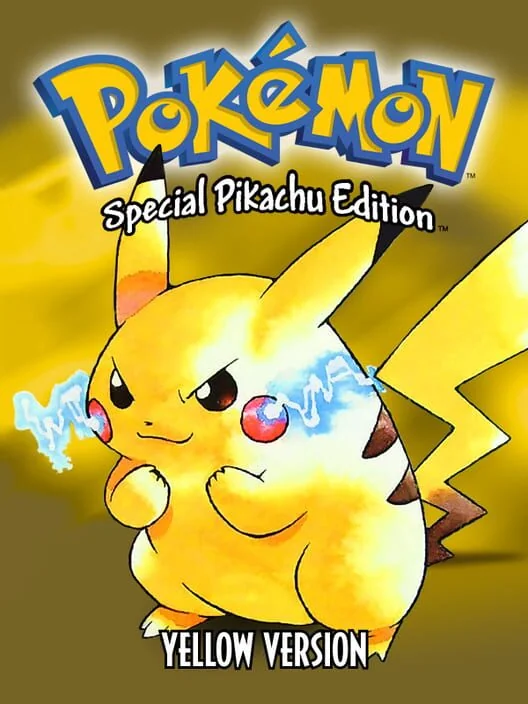
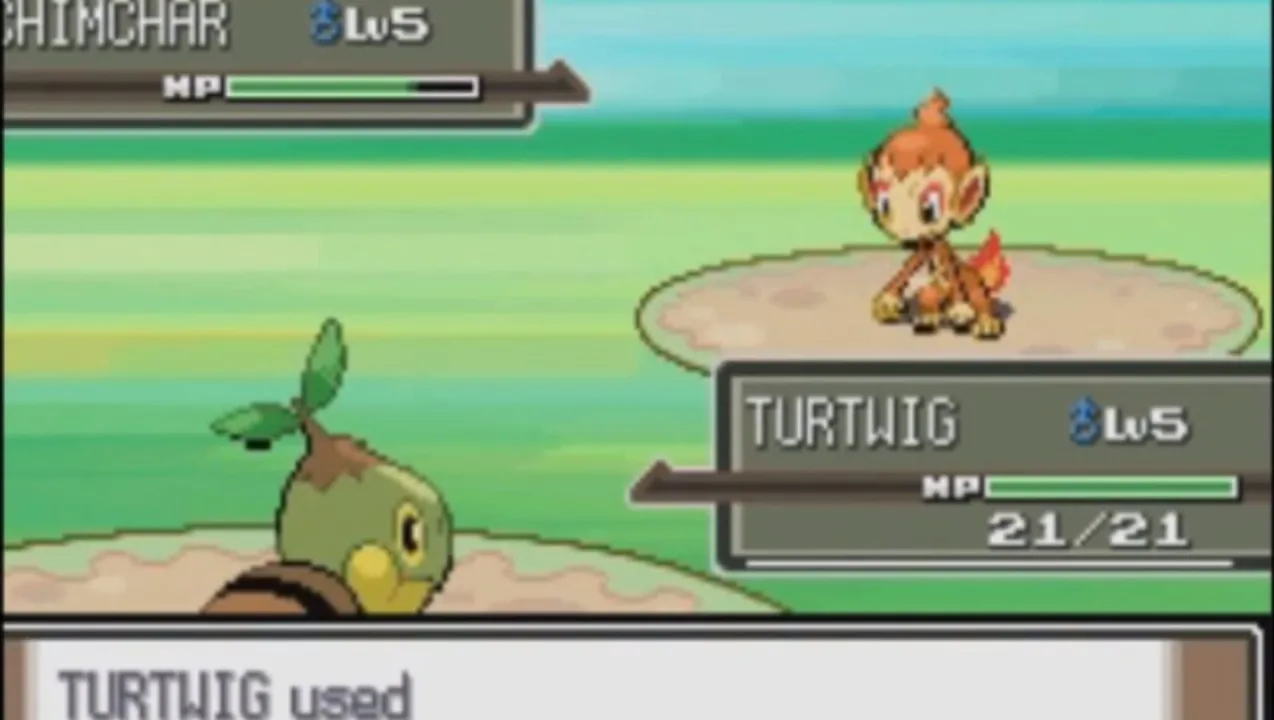
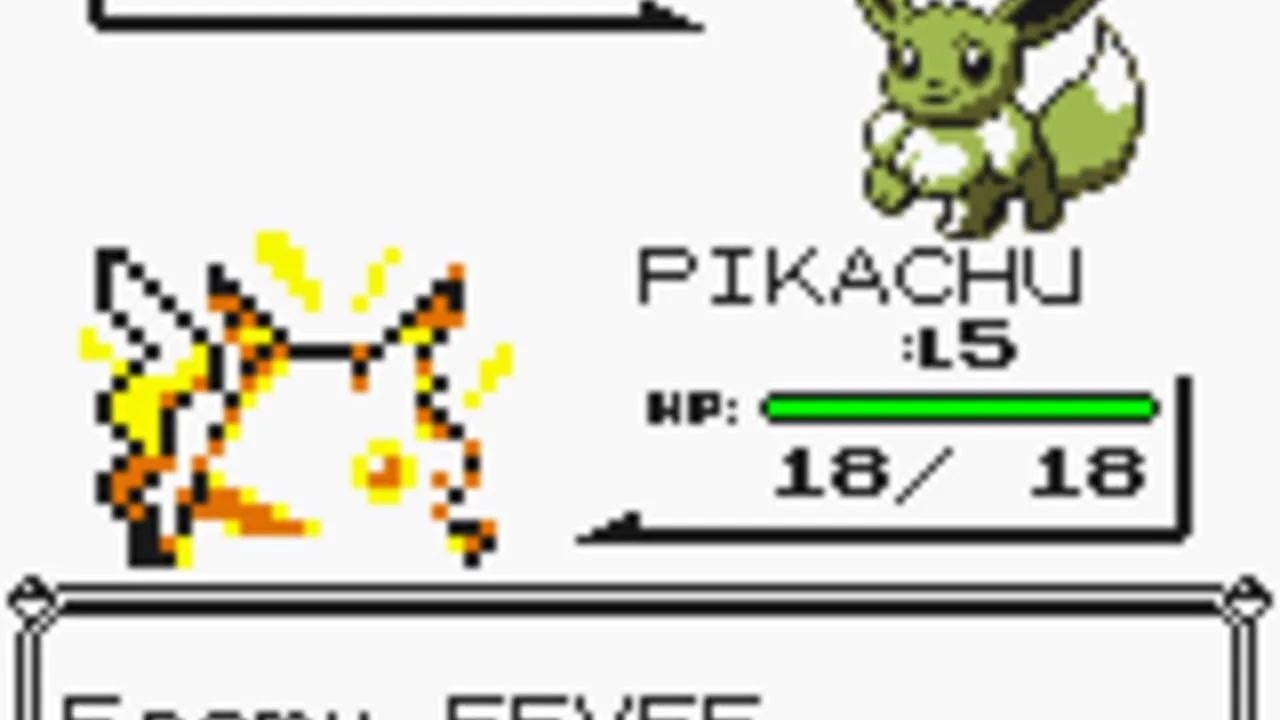
Pokémon Yellow is the enhanced version of Red and Blue on the Game Boy, so this spot belongs to all three. It came out in Japan in 1998 and in other regions in 1999 and 2000. Pikachu is your only starter, and it follows behind you around Kanto. It has a voice from Ikue Ōtani and a personality of its own, which is more than anyone can say for the silent kid in front of it.
Red and Blue started everything, and critics praised the multiplayer, especially the idea of trading. Junichi Masuda wrote the music with the four sound channels of the Game Boy. Players still name these first games as favourites and as places to start.
7. Pokémon Emerald (2004)

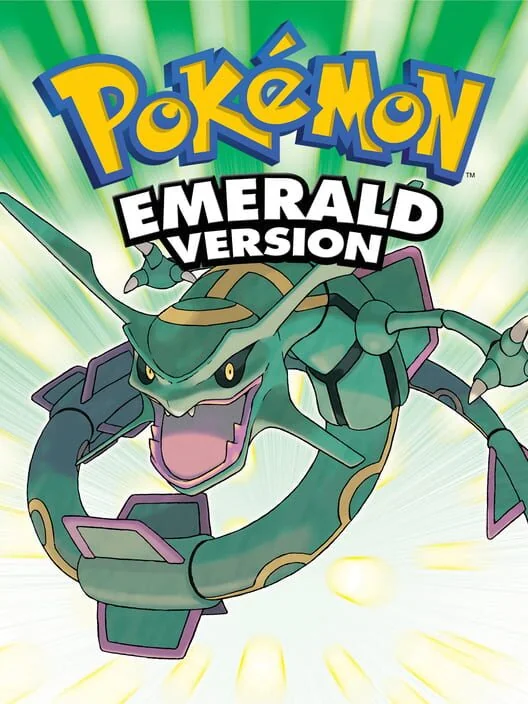
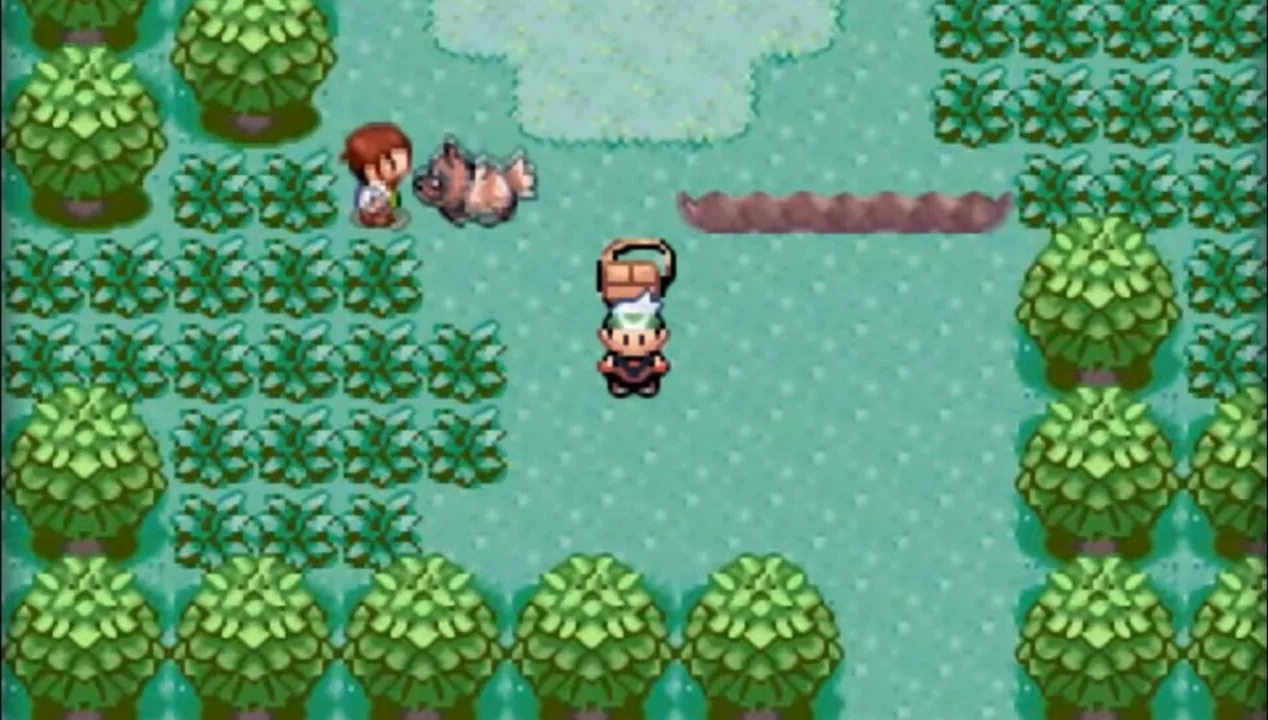
Pokémon Emerald is the third version of Ruby and Sapphire, so it stands in for both. It came out on the Game Boy Advance in Japan in 2004 and internationally in 2005. The Battle Frontier debuted here, a set of challenge areas that pay out Battle Points for prizes. The Japanese version also worked with the Nintendo e-Reader, a feature cut from the English release.
Reviews were generally positive when it launched, and its reputation has only grown. Players keep naming it among the best in the series, and the Battle Frontier is the reason many of them were still playing long after the Elite Four.
6. Pokémon Black 2 and White 2 (2012)
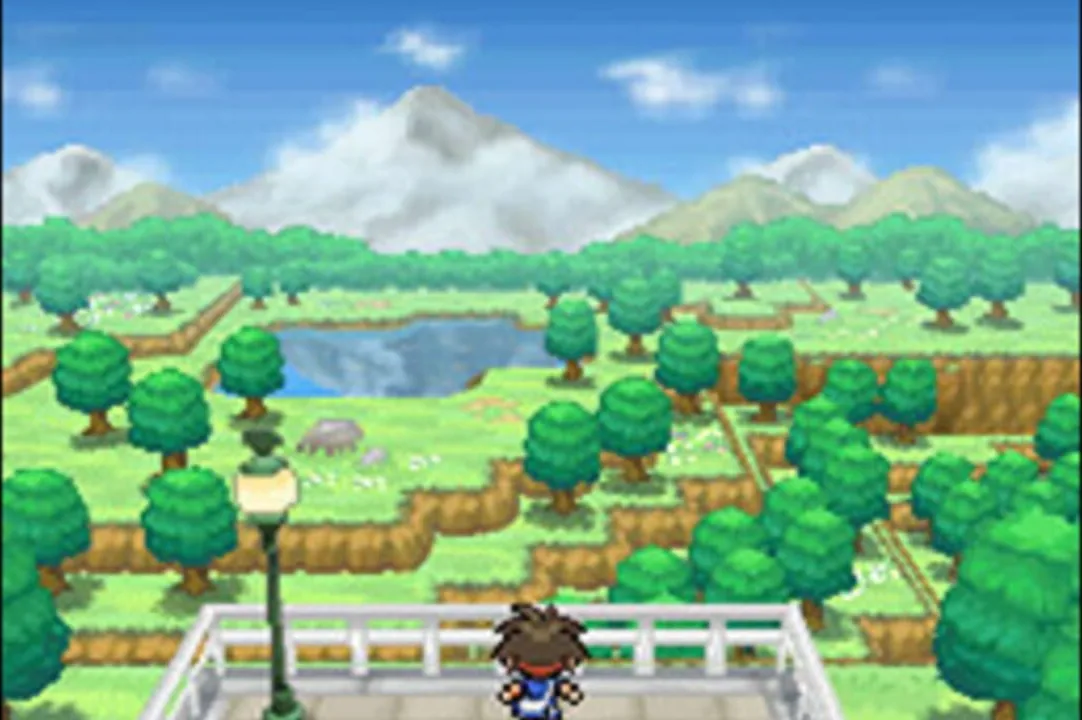
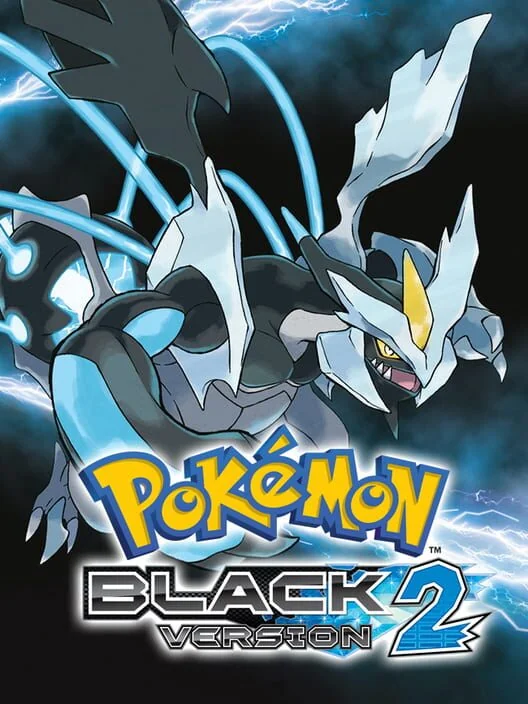
Black 2 and White 2 are direct sequels to Black and White, and the first sequels in the series. They came out on the Nintendo DS in Japan in June 2012 and worldwide in October, as the last first-party games for the system. Neo Team Plasma wants to use Kyurem to take over the world, freezing big parts of Unova on the way.
Starting in a new city was a deliberate choice, so that the region would look new to returning players. It is a favourite among serious fans, and quite a few of them say the series peaked right here. Play Black and White first if you care about the story.
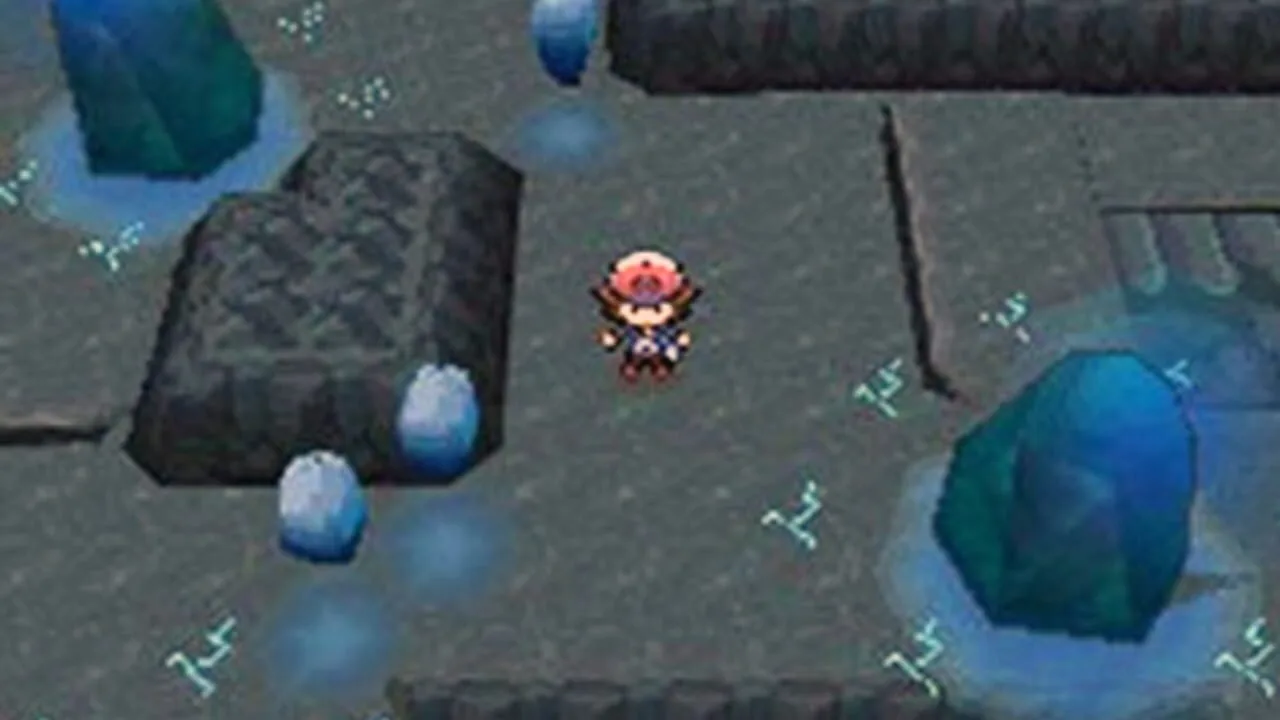
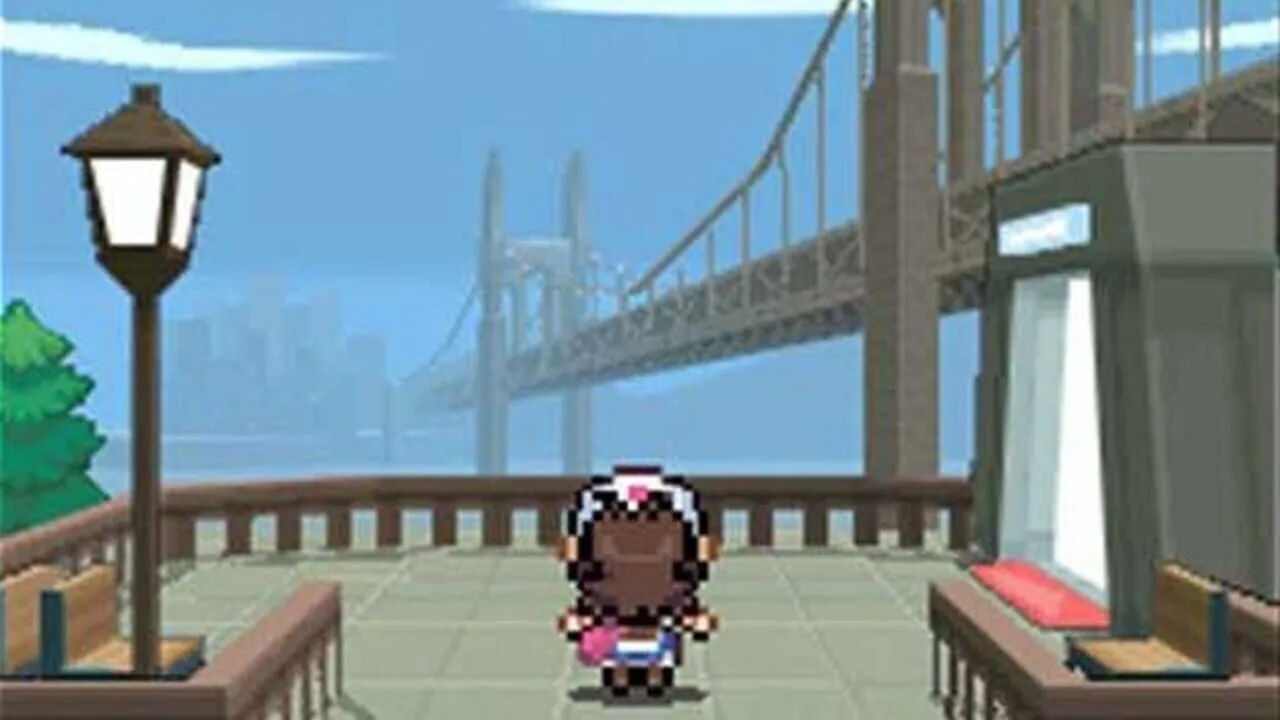
5. Pokémon Black and White (2010)
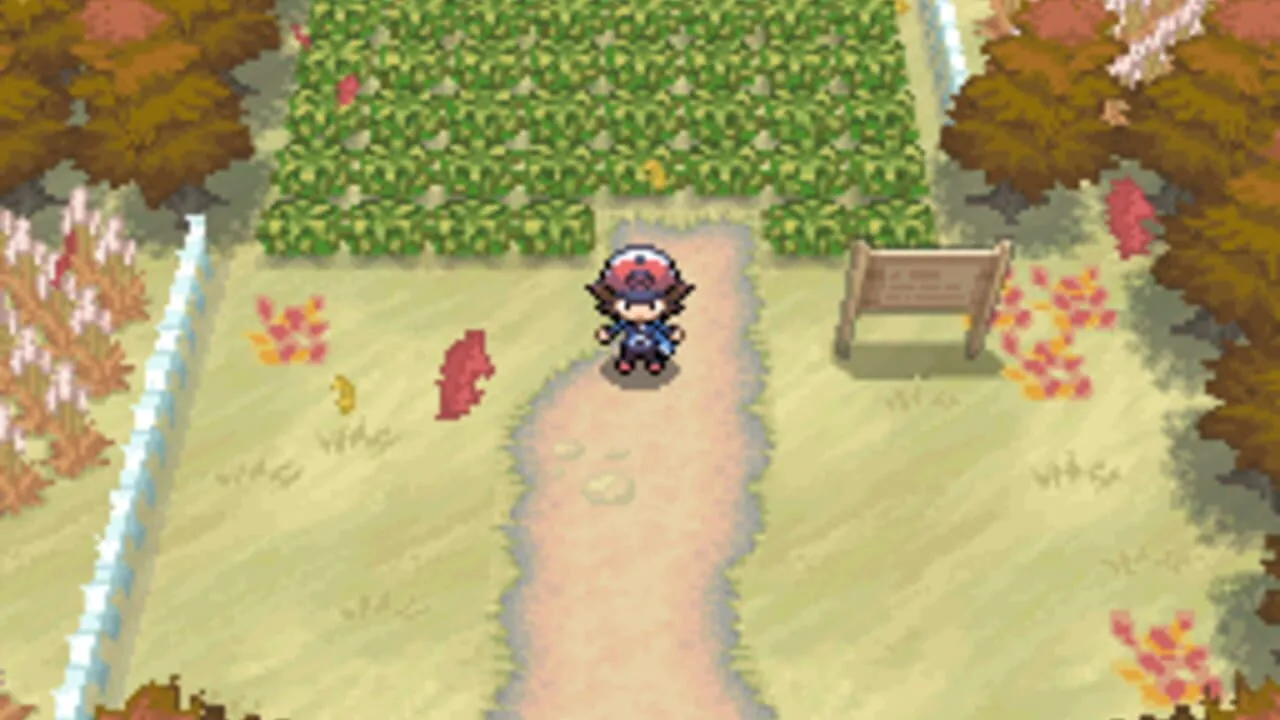
Black and White started the fifth generation on the Nintendo DS, in Japan on 18 September 2010 and in Europe and North America in March 2011. They sold 1 million pre-orders before the Japanese release and became the fastest Nintendo DS titles to sell 5 million copies. After the main story, the eastern part of Unova opens up, with an area unique to each version: Black City or the White Forest.
Reviewers were divided on some of the Pokémon designs, but the advances in gameplay got plenty of praise. Players point to the story first. When they recommend the sequels, they tell you not to skip these.
4. Pokémon Ultra Sun and Ultra Moon (2017)
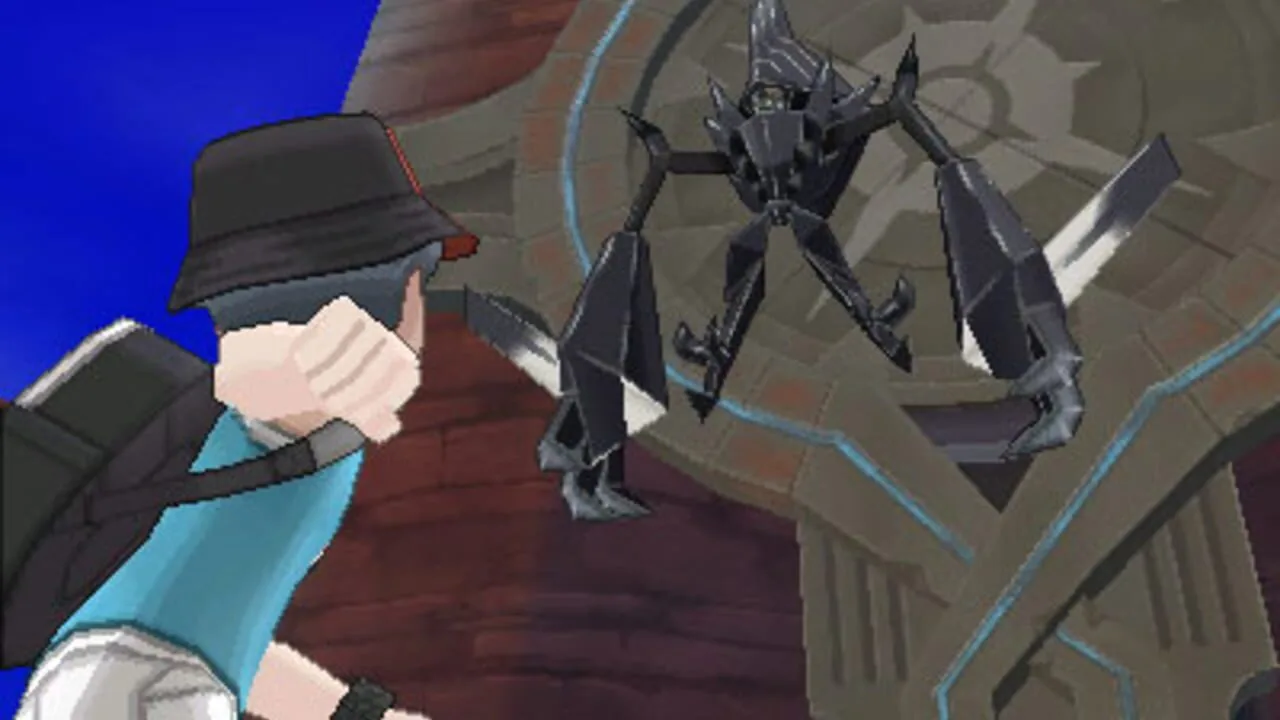
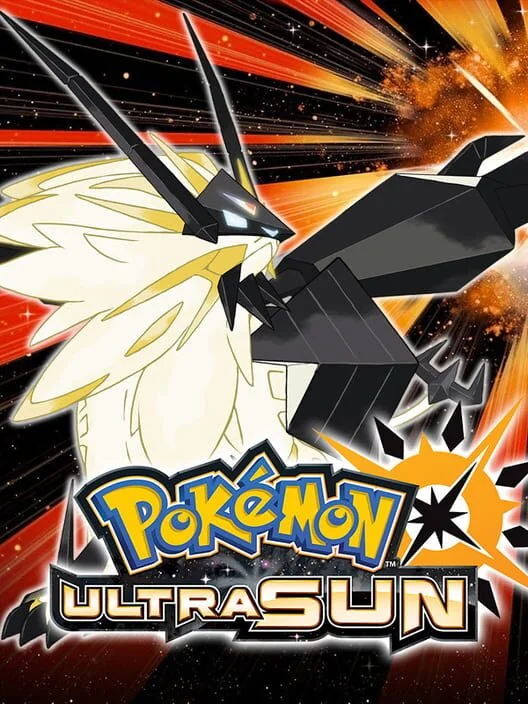
Ultra Sun and Ultra Moon are the enhanced versions of Sun and Moon, so those two come along with this entry. They came out worldwide on the Nintendo 3DS on 17 November 2017, set in the Alola Region, which is based on Hawaii. The post-game brings in Team Rainbow Rocket, a group exactly as subtle as its name.
Critics liked the additions, and some felt too much of the story repeated Sun and Moon. If you never played those, that complaint goes away. Players say these beat the base games, and they are a friendly place for a new player to start.
3. Pokémon HeartGold and SoulSilver (2009)
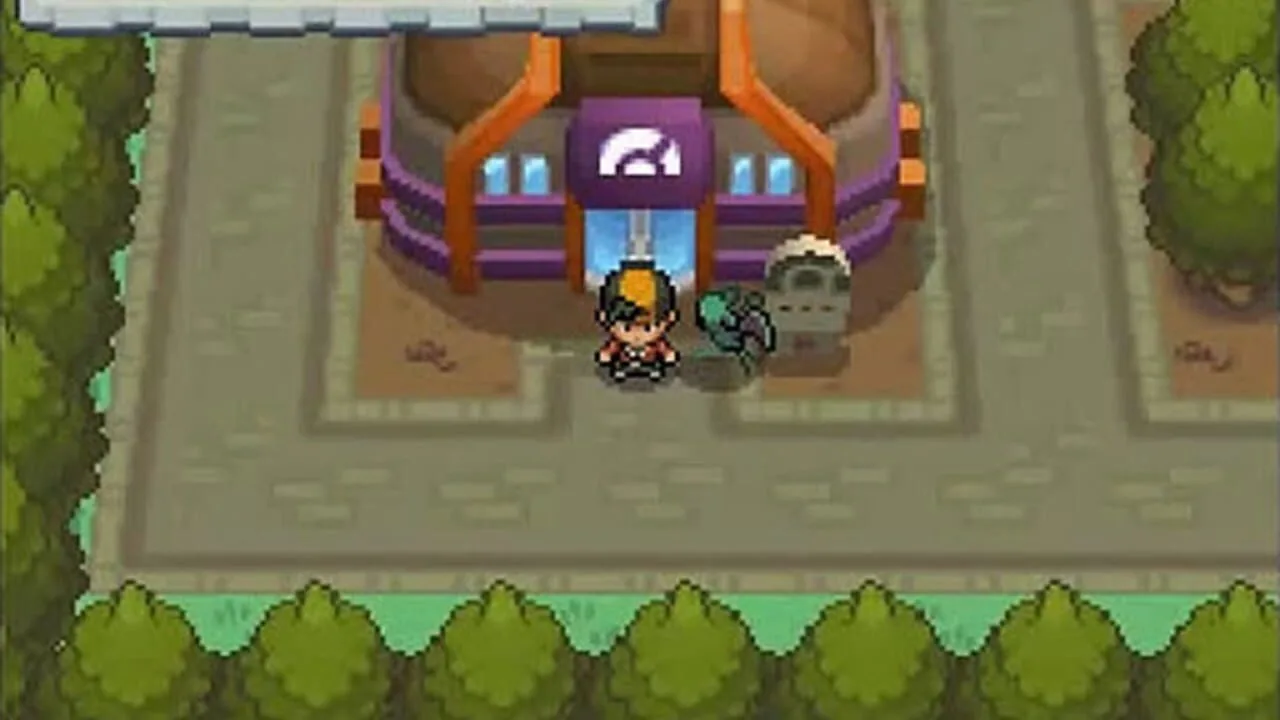
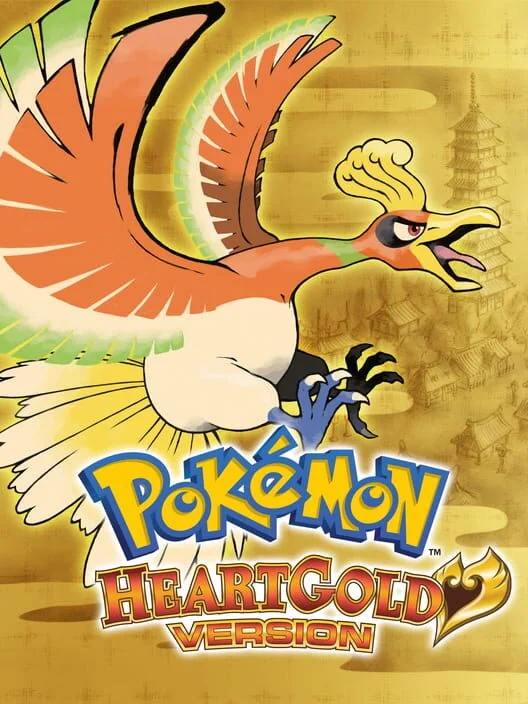
HeartGold and SoulSilver are the Nintendo DS remakes of Gold and Silver, released in Japan on September 12, 2009, for the 10th anniversary, and elsewhere in March 2010. Director Shigeki Morimoto wanted to respect the people who played the originals and still make it feel new to everyone else. They also pull in story from Crystal, with extra emphasis on Suicune and the post-ending Battle Frontier.
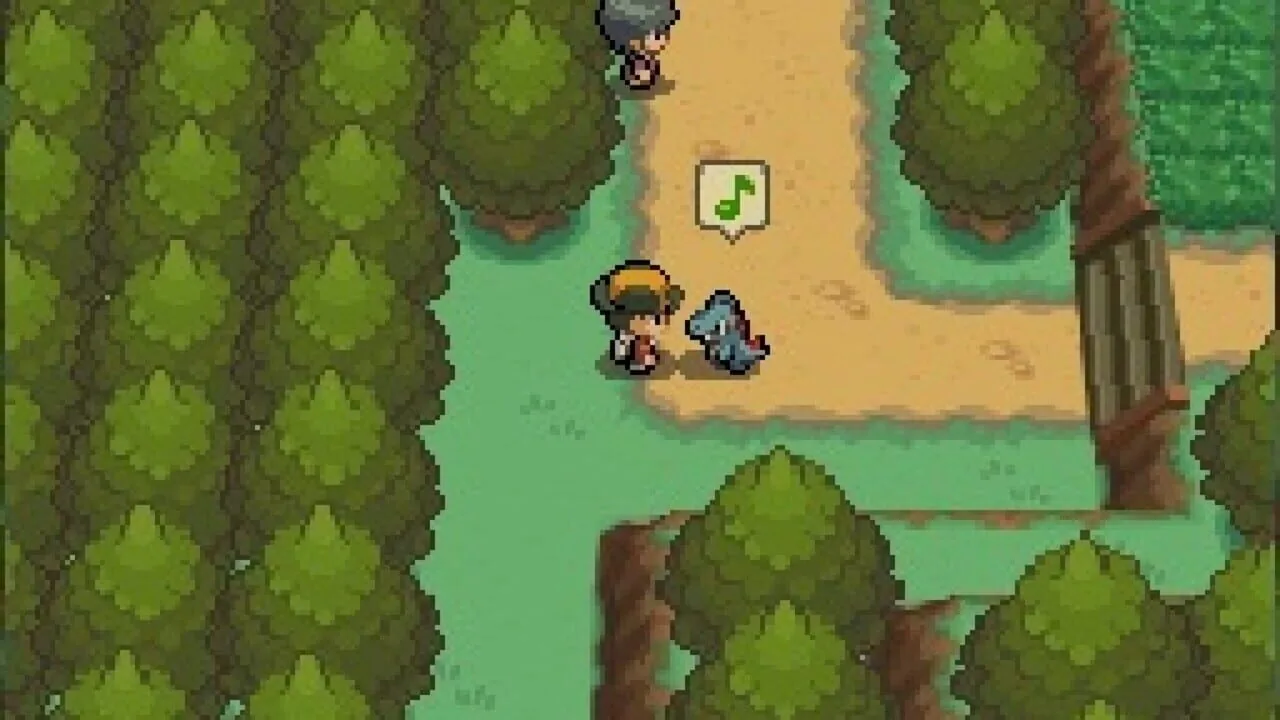
Players adore these two. Many call them their favourite in the whole series, and your lead Pokémon walks behind you the whole way. For anyone who grew up on the Game Boy, this is the old adventure at its most complete.

2. Pokémon X and Y (2013)
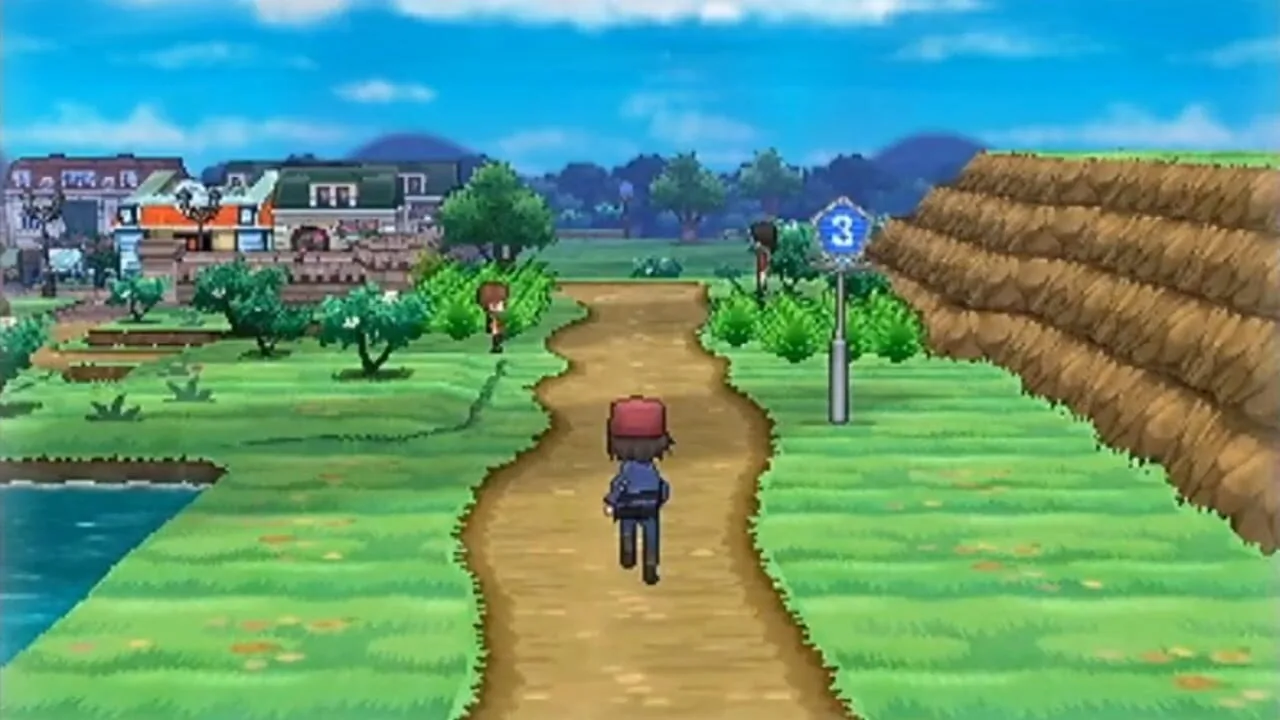
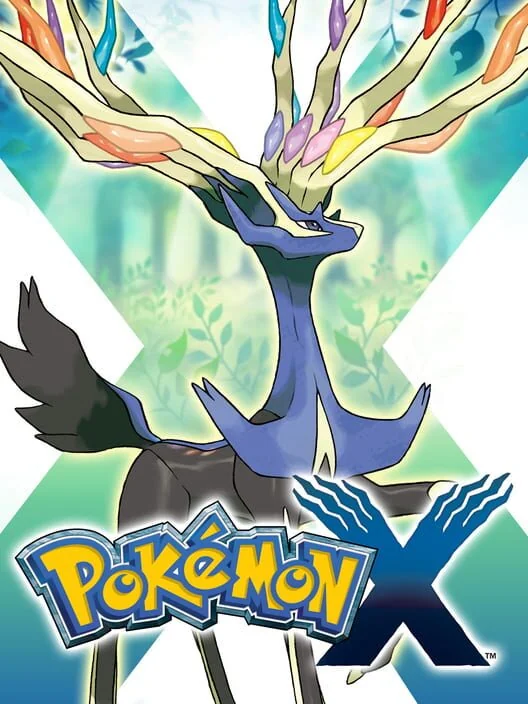
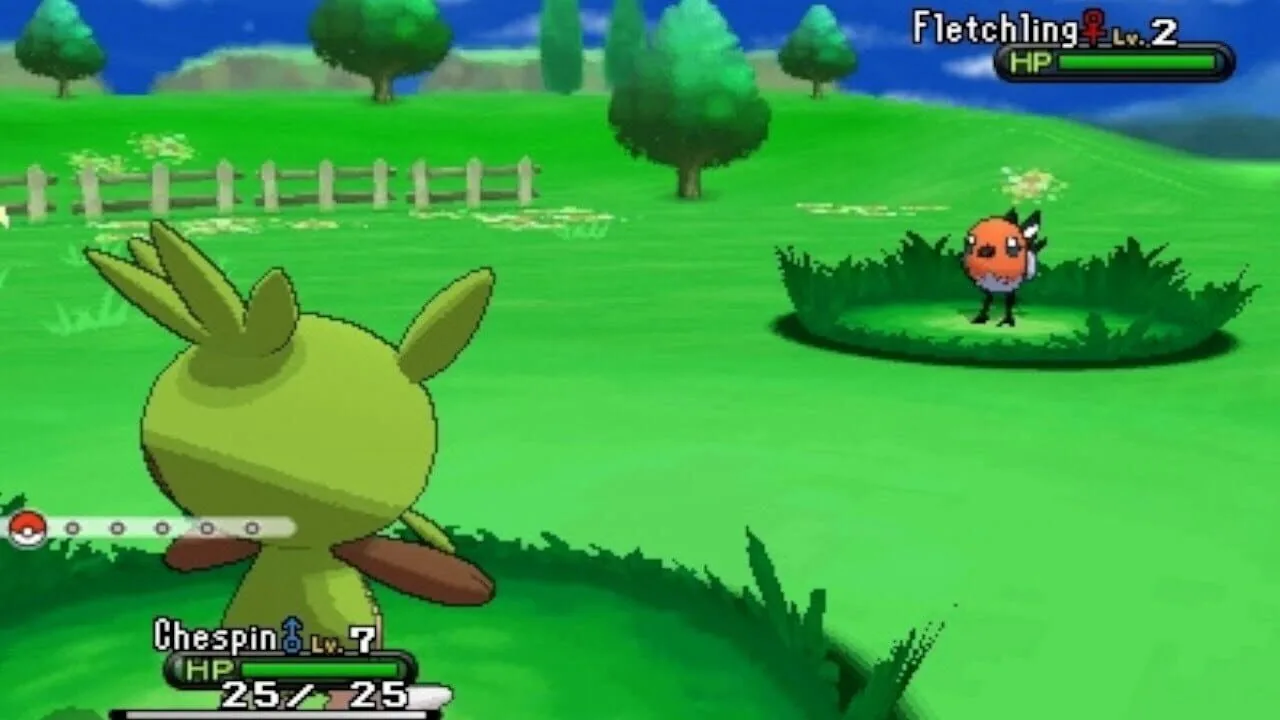
X and Y moved the main series to 3D models on the Nintendo 3DS in October 2013, and they were the first Pokémon games with a simultaneous global release. They sold four million copies in the first weekend, making them the fastest-selling games on the 3DS. Their Kalos Region is heavily inspired by France, with Lumiose City standing in for Paris and the Prism Tower for the Eiffel Tower.
Critics loved the visuals and were cooler on the story and the linearity. Plenty of fans say these are their favourites anyway, usually while calling that an unpopular opinion. The ranking suggests it is a very popular one.
1. Pokémon Omega Ruby and Alpha Sapphire (2014)
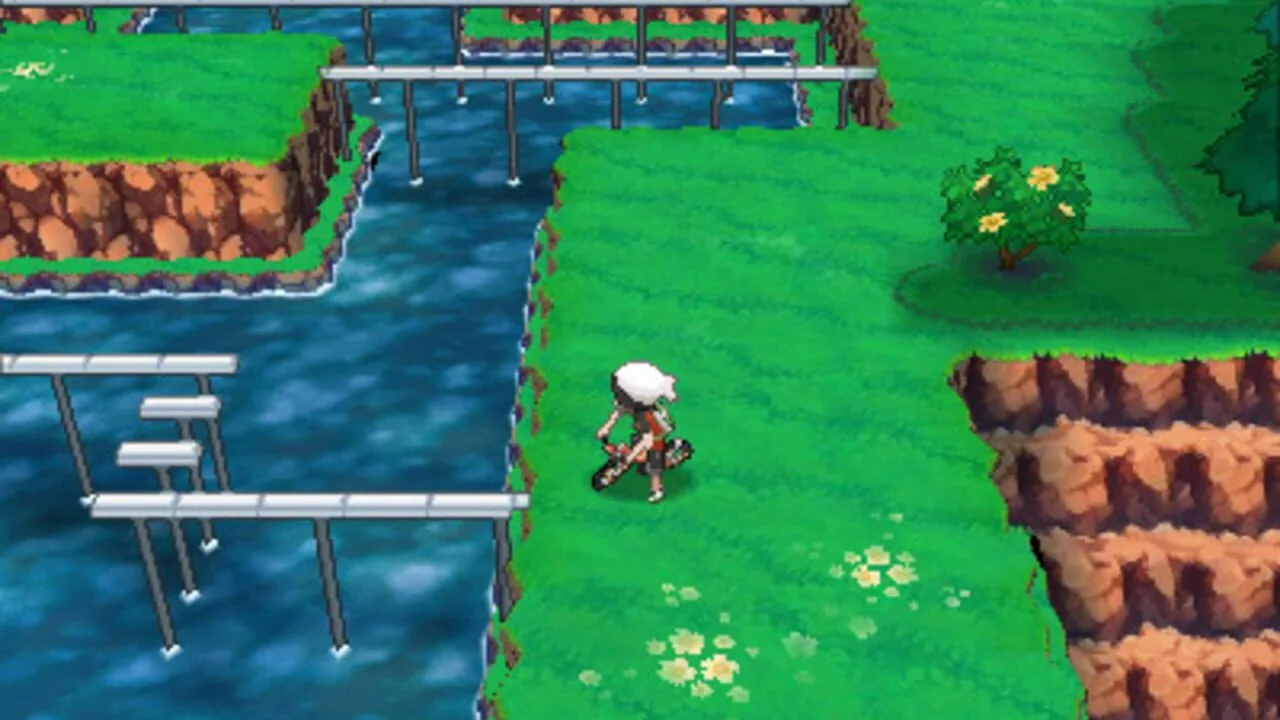
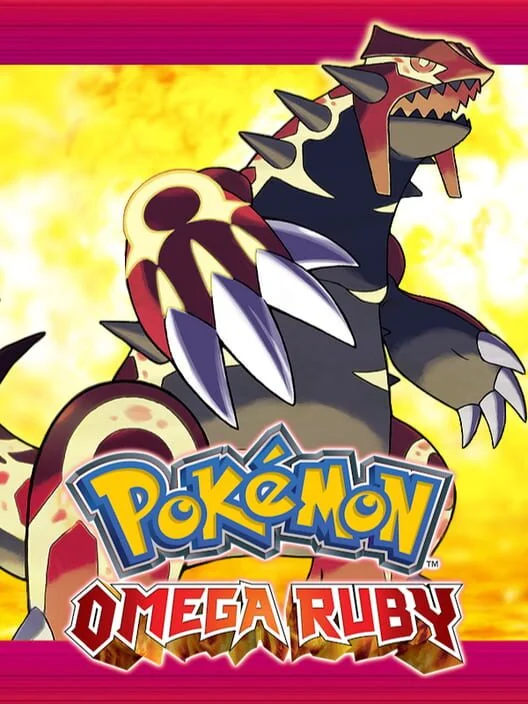
Omega Ruby and Alpha Sapphire are the Nintendo 3DS remakes of Ruby and Sapphire. They came out on 21 November 2014, exactly twelve years after the originals, and sold 3,040,000 copies in their first three days. They were nominated for Best Remaster at the 2014 Game Awards and lost to Grand Theft Auto V, which is a tough room for anybody.
Critics did complain about too many HMs and a surplus of Water-type routes. Yes, it is a lot of water. Players forgive it. More of them named these two than any other Pokémon games, and many say they are the best on the 3DS, usually with a warm word about the region they grew up with.
Which one to play
There you have it, the whole list of the best Pokémon games. Nearly all of them are a joy, and the argument over the order is half the fun.
If you are unsure, go with FireRed and LeafGreen or Ultra Sun and Ultra Moon, since players keep sending newcomers to them. If you want the traditional adventure, Platinum and Emerald are the safest picks. Fans of a good story should try Explorers of Sky, even if dungeons are not usually your thing. For a hidden pick, find a copy of Colosseum and see what Pokémon looks like with a darker edge.