The PS3 arrived at an odd time for platformers. The PS2 had been full of mascots who jumped for a living, and the new console was busy with shooters and gritty open worlds. The jumping came back anyway. Insomniac went first: Tools of Destruction was one of the first PlayStation 3 games to support DualShock 3 rumble, and Ratchet stayed until the end of the PlayStation 3's lifespan. Sly came back with a new studio behind him, and Sonic Team built a whole new engine for its hedgehog.
Then the download store filled up. Small games on PSN brought back the hard 2D platformers people grew up with, and the big publishers noticed. By the end, Rayman was back in 2D and a headless puppet had a game of his own. Here are the 20 best PS3 platformers.
20. Spelunky (2012)
Spelunky started life as a free PC game by Derek Yu. The first public release was on December 21, 2008, and Jonathan Blow, the developer of Braid, reached out to Derek concerning releasing the game officially on console platforms. An enhanced remake version for Xbox Live Arcade was released on July 4, 2012, with ports of the new version following for various platforms, the PS3 among them.
It was the influence for many later roguelite games, and many critics and publications regarded it as one of the greatest video games of all time. Players still name it whenever someone asks which PS3 platformers are worth buying. Fair warning: you will die in the first minute, and then you will press start again.
19. Trine 2 (2011)
Trine 2 takes place several years after the events of the first game. You still play three heroes bound into one, and the player controls only one character which can be switched to the other two at any time. The skill tree is shared among all characters, so nobody falls behind. Frozenbyte later added the Goblin Menace expansion, in which the heroes return home only to discover that the goblins they fought in the forest are launching an attack on their own kingdom.
Players recommend it as a bright, colourful couch co-op game, and they often add that the first one is worth playing too. The sequel is the better looking of the two, but players rank the original a little higher.
18. DuckTales: Remastered (2013)
DuckTales: Remastered is a high-definition remake of DuckTales (1989), and was released for the PlayStation 3 in August 2013. The gameplay of Remastered remains identical to the original DuckTales game. You are Scrooge McDuck, out in search of five treasures, using his cane as a pogo stick. The original game's five levels are featured, all of which have been expanded, and can be played in any order. There is also a new tutorial level set in Scrooge's money bin and a new final level in Mount Vesuvius.
Full voice acting was added, with performances from the original animated series cast who were still around. Reviewers liked the gameplay and the presentation while criticizing the overabundance of story content. Nobody needed a cutscene to explain why a rich duck wants more money.
17. Ratchet & Clank: Into the Nexus (2013)
Into the Nexus was released exclusively for the PlayStation 3 on November 12, 2013, as an epilogue to the Future sub-series. It is the shorter, darker one. The plot keeps the series' humor but also has a scarier direction while exploring the darkness of space. Its best new idea belongs to Clank: the 2D sections using Clank were inspired by a concept of turning Clank into a shadow, which eventually developed into the 2D Netherverses with gravity changing mechanics.
Reviews were generally positive, although lower than previous games in the Future series, with complaints about the story and the short length. It also closed a chapter. After it the series went on hiatus, with a reimagining of the first game released for the PlayStation 4 in April 2016.
16. Trine (2009)
Trine was originally started as a side-project by Jukka Kokkonen, Frozenbyte's senior programmer, while the rest of the team worked on something else. The game was originally released for Microsoft Windows in 2009 and later reached consoles. You control three heroes, with only one of them being able to physically exist at a time, so every puzzle comes down to picking the right hero.
The Wizard can conjure objects, though initially the Wizard is only able to conjure a cube-shaped object. The whole world runs on the PhysX physics engine, so planks tip and boxes roll the way you expect. Players recommend it as a couch co-op game and say it holds up next to the sequel.
15. Outland (2011)
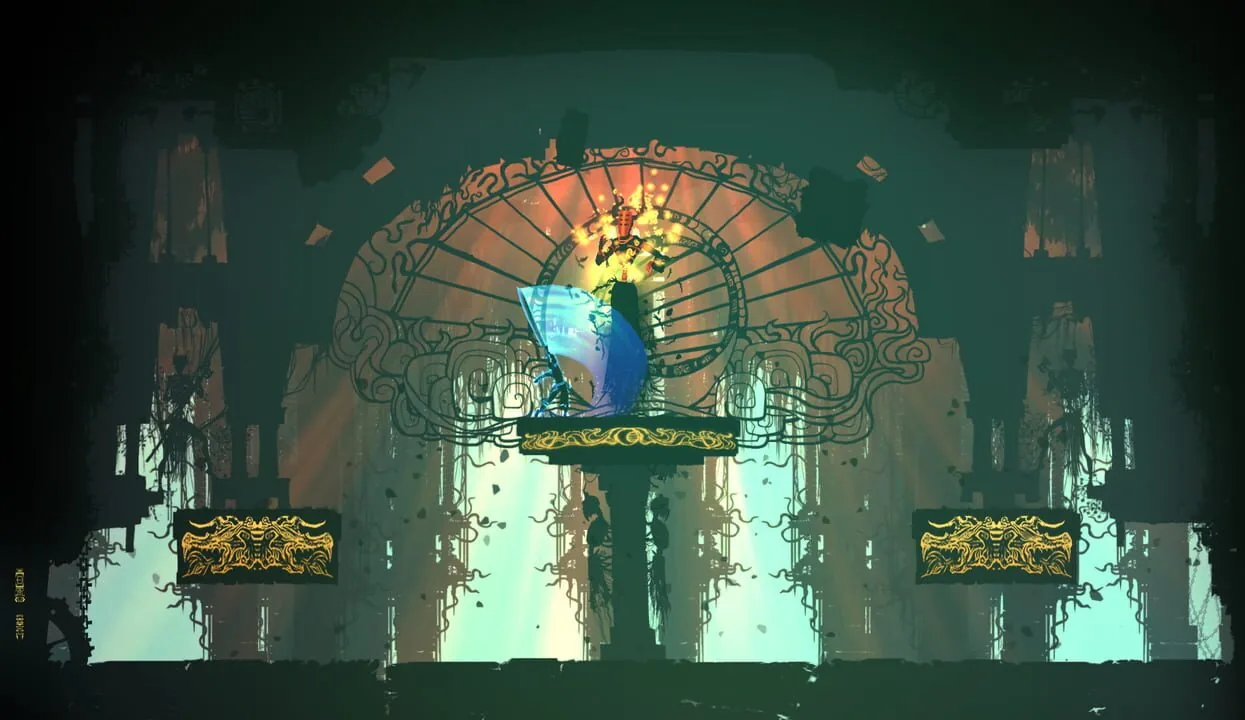
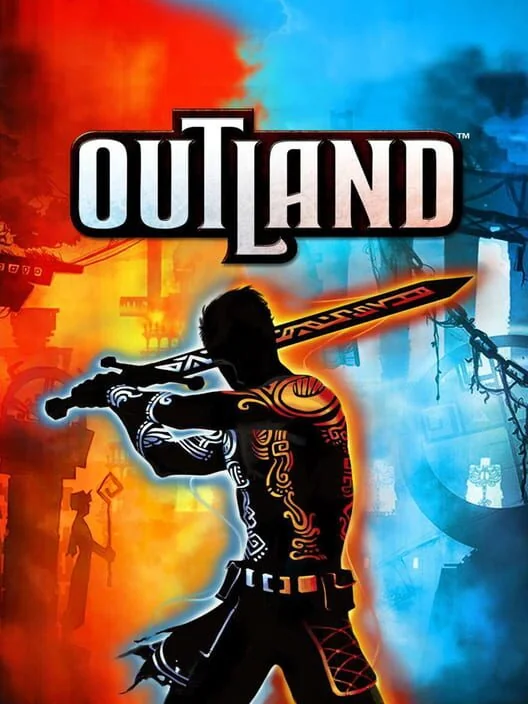
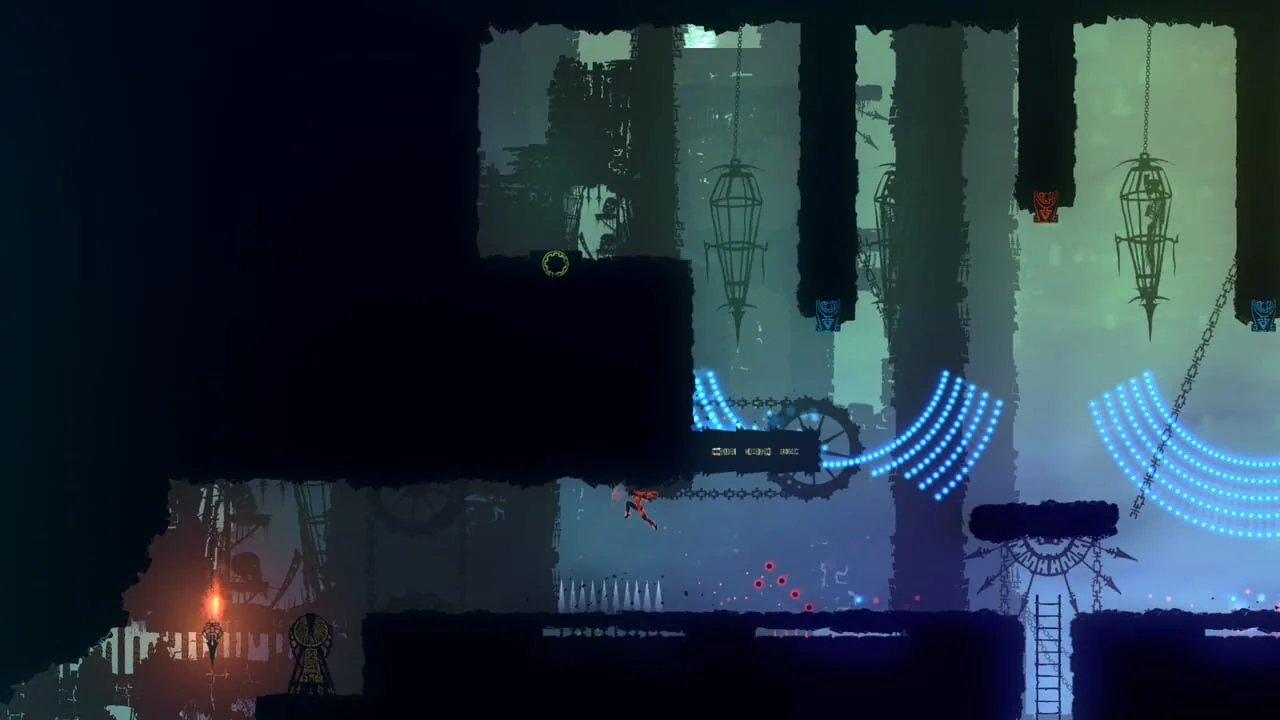
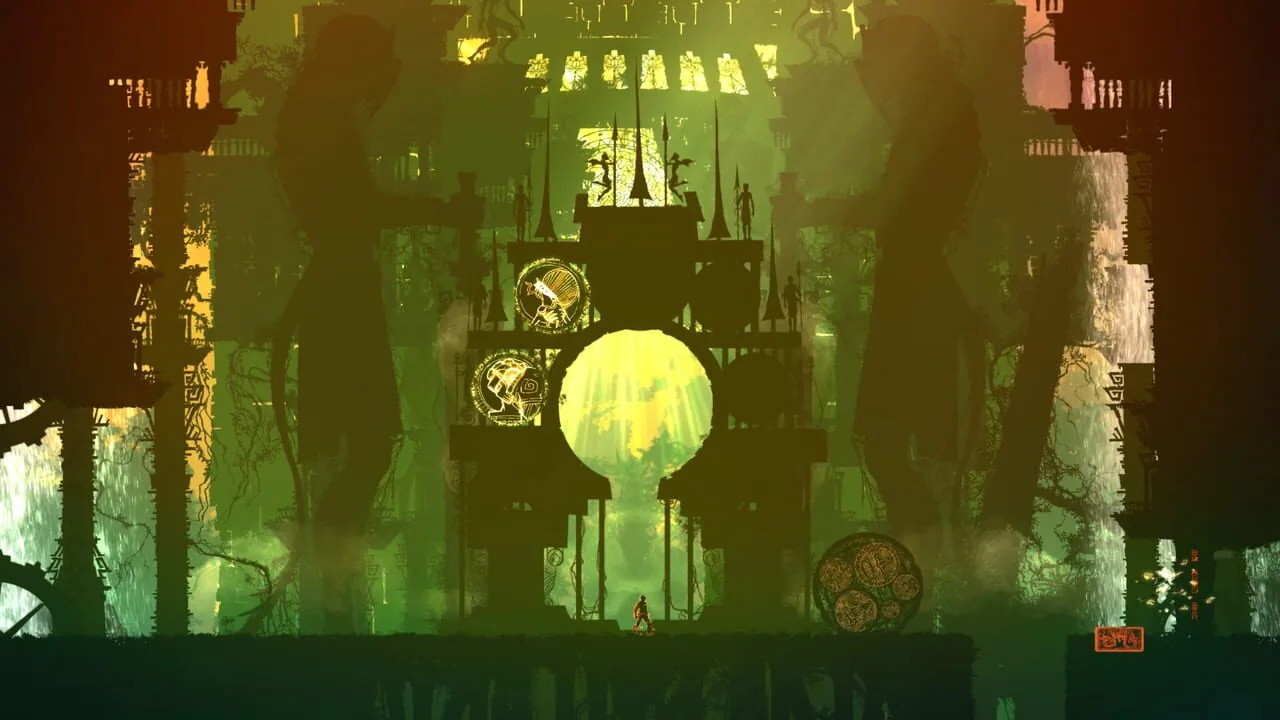
Outland was due on PSN in April 2011 but was delayed because of the 2011 PlayStation Network outage before being released on PSN on June 1, 2011. A shaman tells the hero that he was the hero's reincarnation, that the Sisters of Chaos have apparently escaped their imprisonment, and that he was the only one who could stop them. IGN named it the Best PSN Game of 2011, and GameSpot gave it Best Download-only Console Game 2011.
Players describe it as a hard, old-school platformer that turns into a bullet hell shooter in places, and they keep calling it beautiful in the same sentence. It is the hidden pick on this list. If you skipped it in 2011, the download store probably made that easy.
14. Ratchet & Clank Future: Tools of Destruction (2007)
Tools of Destruction is the fifth main installment of the Ratchet & Clank series and the first to not be released on the PlayStation 2 or PlayStation Portable. It is the first installment of the series' Future saga. It is also the first game where Ratchet, Clank and other characters converse with one another with lipsynced dialogue during gameplay, outside of cutscenes. While you play, Clank is visited by small creatures called the Zoni that only he can see.
Critics gave it critical acclaim for the gameplay and graphics, with criticism for its technical issues. Its first month of sales was below Warhawk and Heavenly Sword, both of which broke 100,000, though it beat Ratchet: Deadlocked's first month of sales by nearly 20,000 units. Sony said it was "very happy".
13. Guacamelee! (2013)
Guacamelee! comes from DrinkBox Studios, and it is inspired by traditional Mexican culture and folklore, from alebrijes to the Day of the Dead. It also wears its Metroid love openly. Juan breaks open "Choozo statues" to gain new abilities, a direct reference to Metroid's Chozo statues, and the map opens up as he gets stronger. It has drop-in co-op, with the second player assuming the role of Tostada, Guardian of the Mask.
The soundtrack is inspired by Mexican music that is composed with electronic beats, which suits a game about wrestling skeletons. Players rate it among the best exploration platformers on PSN, and they put it on their lists of PS3 games to buy. Guacamelee! 2 was released on August 21, 2018.
12. LittleBigPlanet 3 (2014)
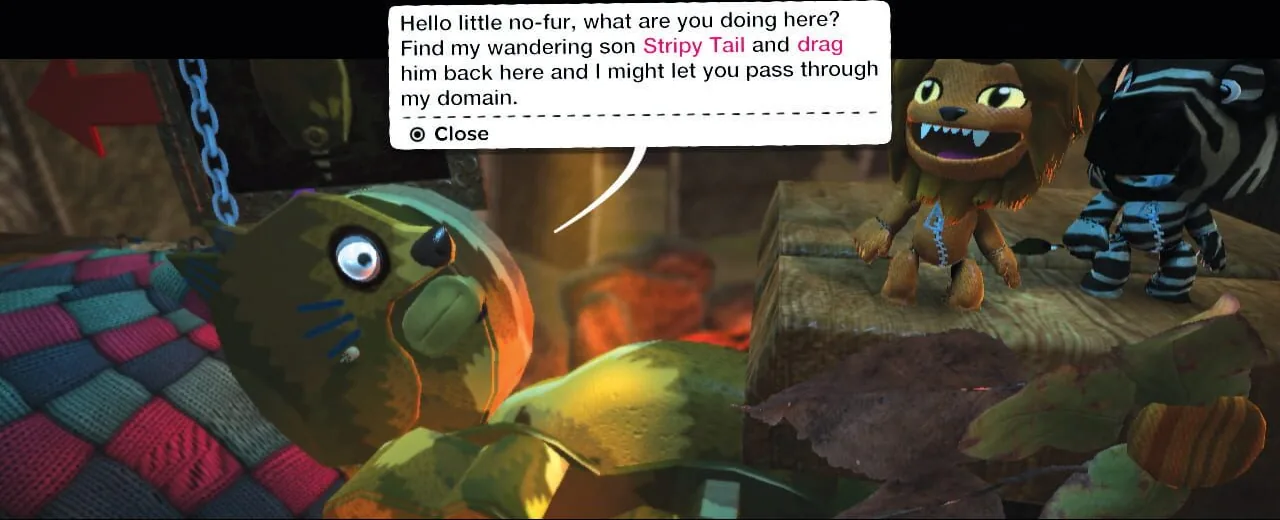
LittleBigPlanet 3 was developed primarily by Sumo Digital, with series creator Media Molecule assisting in an undisclosed capacity. The big change is the addition of the new characters. The developers drew "loads" of silhouettes and chose the best ones, and those became the new heroes who join Sackboy. It is also fully voice-acted, including cutscenes and gameplay, whereas previous games only featured voice acting during cutscenes.
Critics praised the visuals and the create mode. It did draw criticism for its technical issues and the short length of its campaign mode. One review called it "Beautiful, creative and filled with knitted joy" and still wanted more from the Adventure mode. The create mode is the reason to own it, same as always.
11. Ratchet & Clank Future: A Crack in Time (2009)
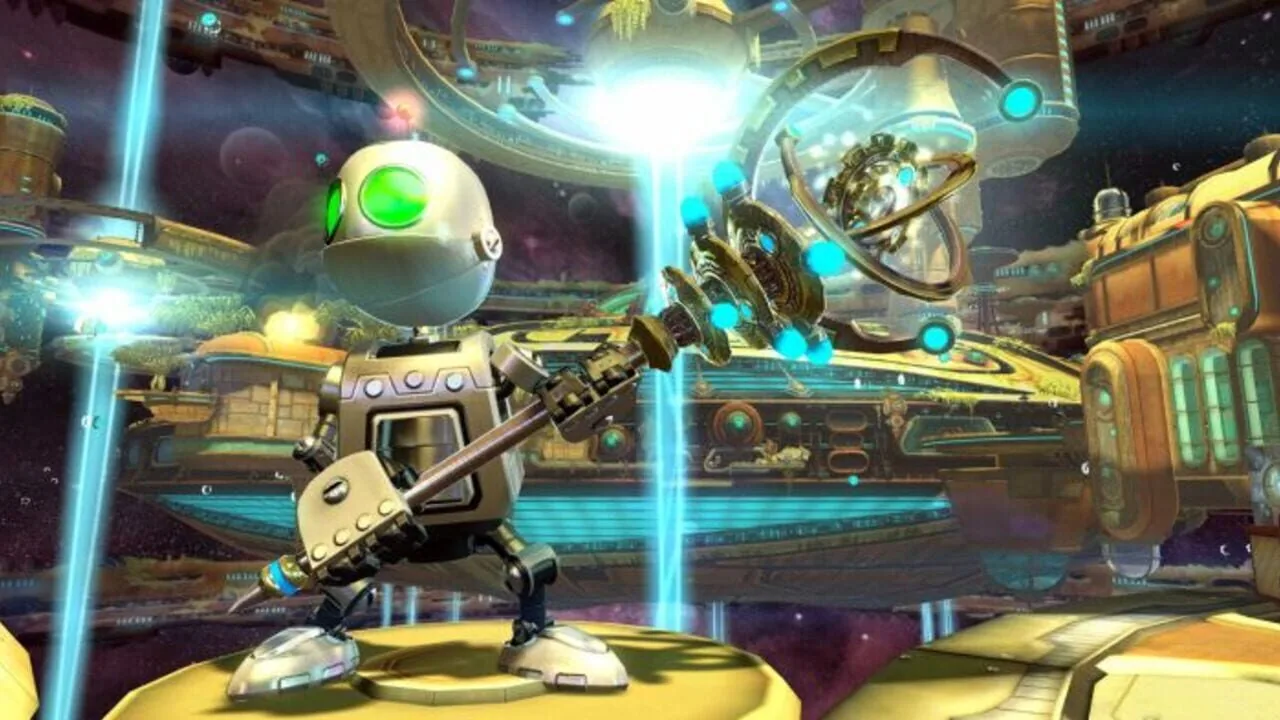
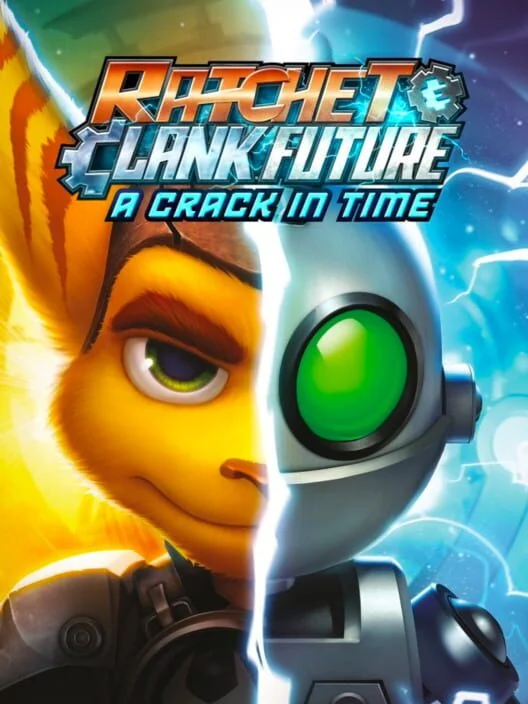
A Crack in Time is the seventh main installment in the Ratchet & Clank series and the third in its Future saga, released in North America on October 27, 2009. It splits the heroes up. Azimuth guesses that Clank has been taken to the Clock, and the two decide to team up to find him. Later Ratchet uses a time portal created by Sigmund to travel back in time and attempt to rescue Orvus.
Upon release, the game received critical acclaim, with praise particularly aimed at the story. When players tell a PS3 owner which Ratchet games to play, it is the Future games they mean, and this one gets the most personal nods. If you only play one Ratchet on the console, play this one.
10. Sonic Generations (2011)
Sonic Generations has two kinds of levels. The Classic levels play from a side-scrolling perspective like that of the original Sega Genesis Sonic games, and the Modern ones are 3D levels similar to those in Sonic Unleashed. Development on Generations began following the completion of Unleashed, and Sonic Team sought to re-imagine the most popular aspects of the franchise in high-definition. There are also five Red Star Rings hidden around each act.
It was a commercial success, selling 1.85 million copies by May 2012, and reviewers called it a good tribute to the franchise, with some complaints about frame rate. Players vouch for it, often with a promise that it is better than its name suggests.
9. Ratchet & Clank: All 4 One (2011)
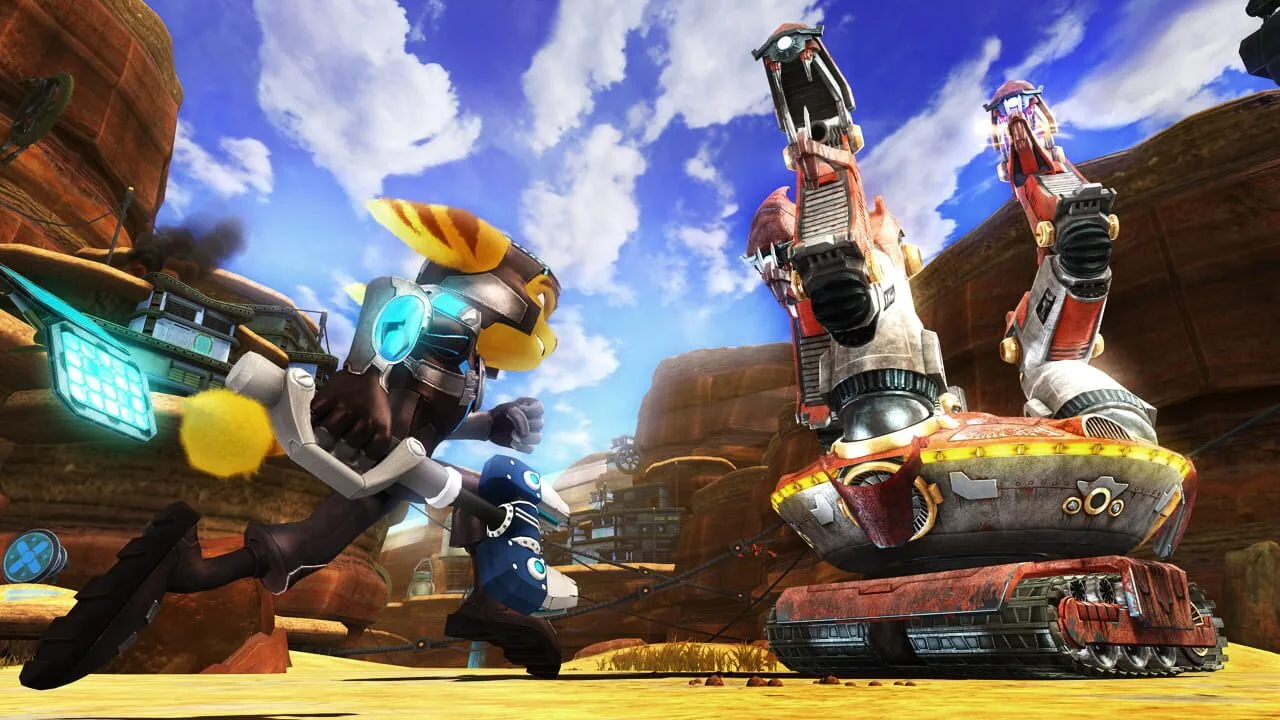
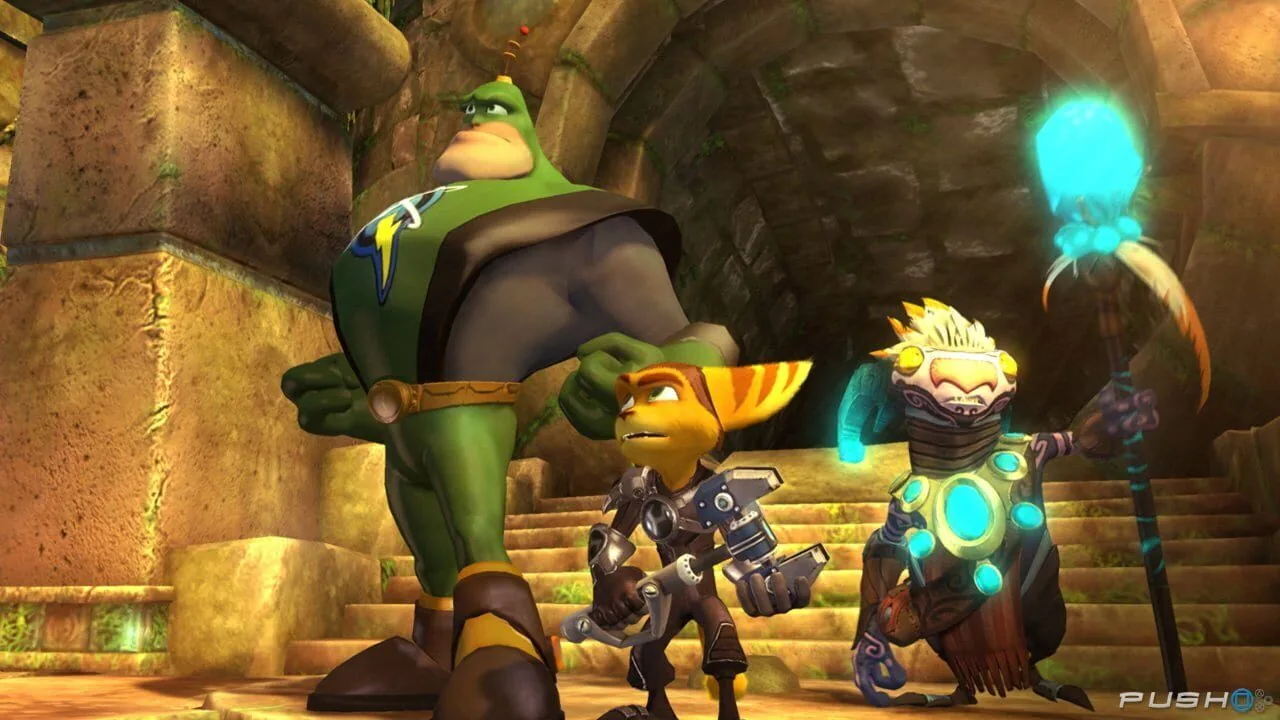
All 4 One is the third spin-off of the Ratchet & Clank series, and the game was released on October 18, 2011, in North America. This time the heroes work as a team. After fighting Commander Spog at the N.E.S.T, they find out that only the Architect knows how to defeat Ephemeris, and off they go to Terawatt Forest.
Upon release, the game received mixed reviews. Critics liked the soundtrack and the humor, though criticism was aimed at the frustrating partner AI and glitches. The fix for bad partner AI is a real partner, and that is how players play it. One player summed it up as "Best for multiplayer shenanigans." It is the highest Ratchet & Clank game on this list, which says a lot about how much fun it is with friends on the couch.
8. Rayman Legends (2013)
Rayman Legends is the fifth main title in the Rayman series and the direct sequel to the 2011 game Rayman Origins. It was meant for the Wii U first, but due to the financial failure of ZombiU, the release was delayed again by six months and the game was made multi-platform. This delay upset fans since the developer had stated that the Wii U version was already finished. The PS3 version arrived with the rest in August and September 2013.
There are over one hundred twenty levels, including forty remastered levels from the original Rayman Origins. Murfy can perform various actions such as cutting through ropes. Critics praised just about everything, the large amount of content included. Players almost always recommend it together with Origins, as a pair.
7. Sly Cooper: Thieves in Time (2013)
Sucker Punch Productions had moved on to the Infamous series, so the gang got a new home at Sanzaru Games. Sanzaru Games had remastered the original trilogy for the PlayStation 3 as The Sly Collection, with Thieves in Time being teased in the bundle, and it was announced at the 2011 Electronic Entertainment Expo. The team begins their time-travelling journey in Feudal Japan, where they rescue Rioichi Cooper, a ninja and the inventor of sushi.
The game was met with generally favorable critical reception. Reviewers were divided over how well the retained gameplay from the previous entries had aged, and excessive load times were widely criticized. Peter McConnell, who also scored the previous two Sly games, composed more than 2.5 hours of music for this score. Inventing sushi is a lot to live up to as an ancestor.
6. Sonic Unleashed (2008)
It was initially conceived as a sequel to Sonic Adventure 2, but it grew into its own game and was renamed Sonic World Adventure in domestic markets. The game's development began in 2005, after the creation of its game engine, the Hedgehog Engine. On the PS3 and Xbox 360 you get the version by Sonic Team for high-definition consoles, and reviewers praised the sense of speed in daylight stages.
At night Sonic becomes the Werehog, and that is where reviewers split. They criticized the Werehog game mechanic, and some reviewers compared the Werehog sections to God of War. It still sold 2.45 million units. Fans kept the day stages alive: in March 2013, a group of fans created a mod for Sonic Generations that ported the daytime stages of Unleashed to Generations, and on March 1, 2025, an unofficial PC port of the game called Unleashed Recompiled was released.
5. Rayman Origins (2011)
Rayman Origins was the first main Rayman game since Rayman 3: Hoodlum Havoc in 2003. It is hand-drawn 2D, and the tools made that possible for a small team: the artists only have to pose the model and edit the silhouette, as the software takes care of image distortion automatically. You free Electoons from cages, and most of the cages are hidden away in secret passages, so the levels reward poking at every wall.
It was highly praised by critics, but the game experienced sluggish sales at the beginning of its release, though it sold well in the end. Players call it a great 2D platformer and point at the visuals and music first. Its sequel, Rayman Legends, came in 2013 to similar critical acclaim.
4. Puppeteer (2013)
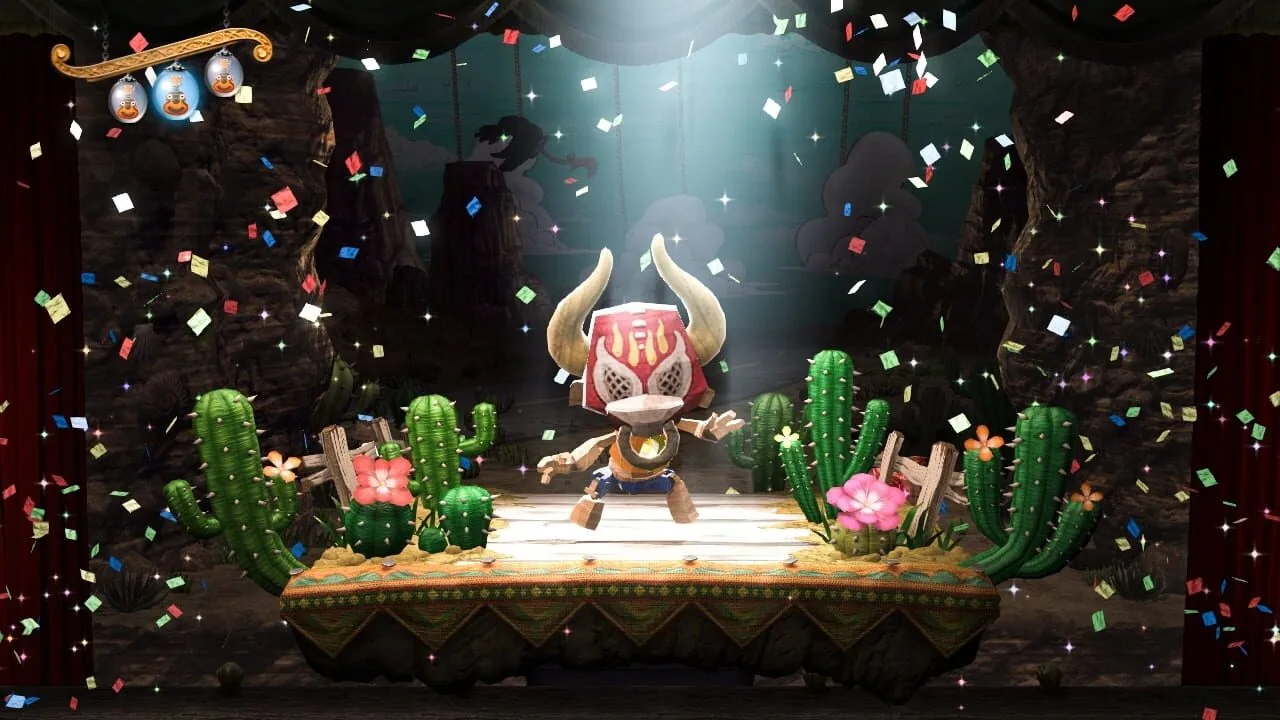
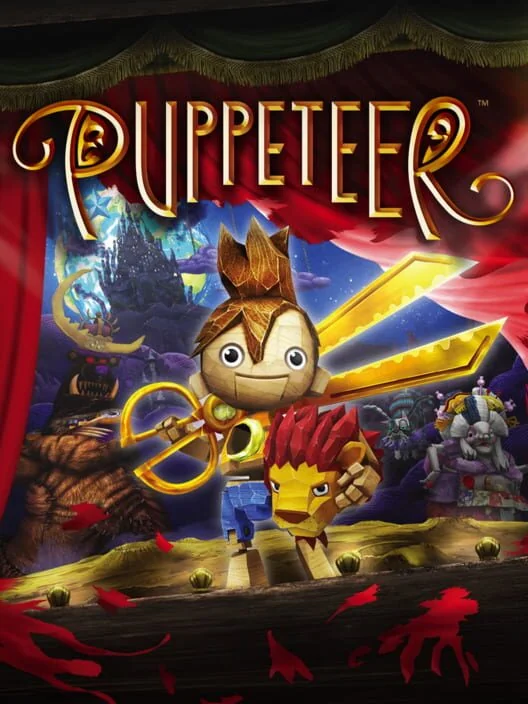
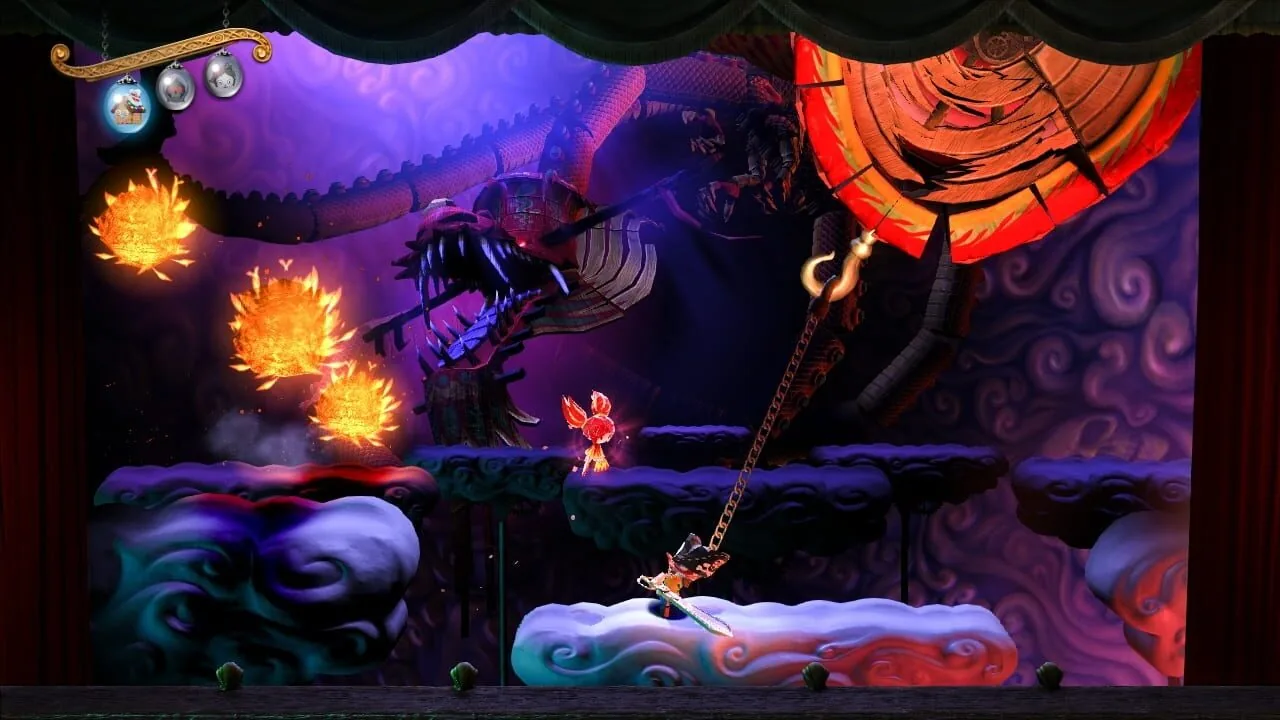
Puppeteer was developed exclusively for PlayStation 3 by SCE JAPAN Studio, with Gavin Moore, the director of the video game, leading it. A young boy named Kutaro was carried away by the maleficent Moon Bear King, who turned him into a puppet and devoured the boy's wooden head. The whole game is set in a magical puppeteer's theatre, with a narrator and an audience. Kutaro is armed with a pair of magical scissors, known as 'Calibrus', to cut through some portions of the scenery, and he swaps heads as he goes. Lose your head and you lose a life.
The Academy of Interactive Arts & Sciences nominated it for its animation and its art direction. Players who have played it call it fantastic and unlike any other platformer on the console.
3. Mirror's Edge (2008)
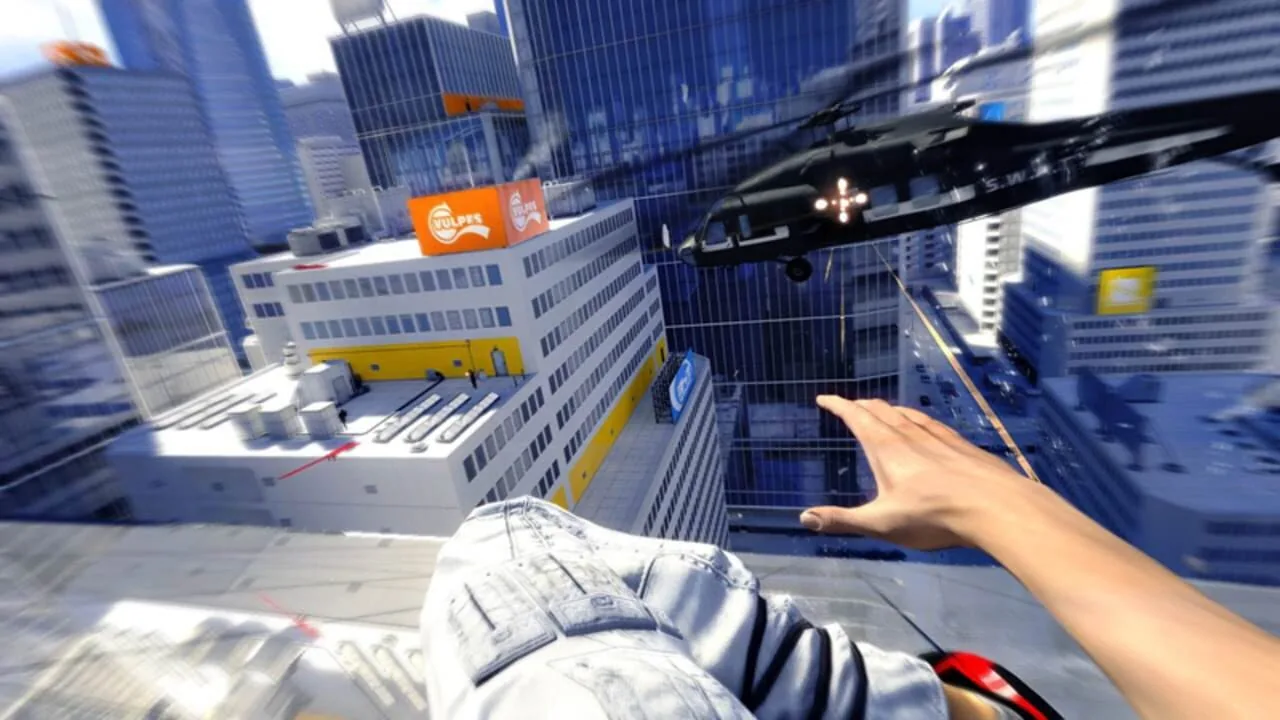
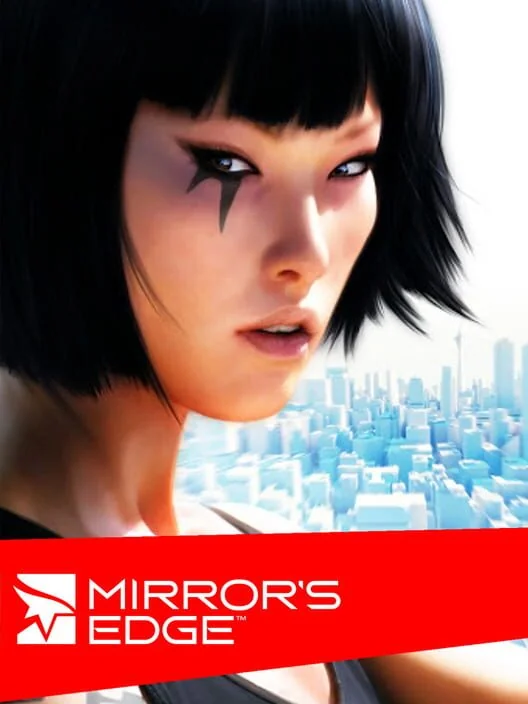
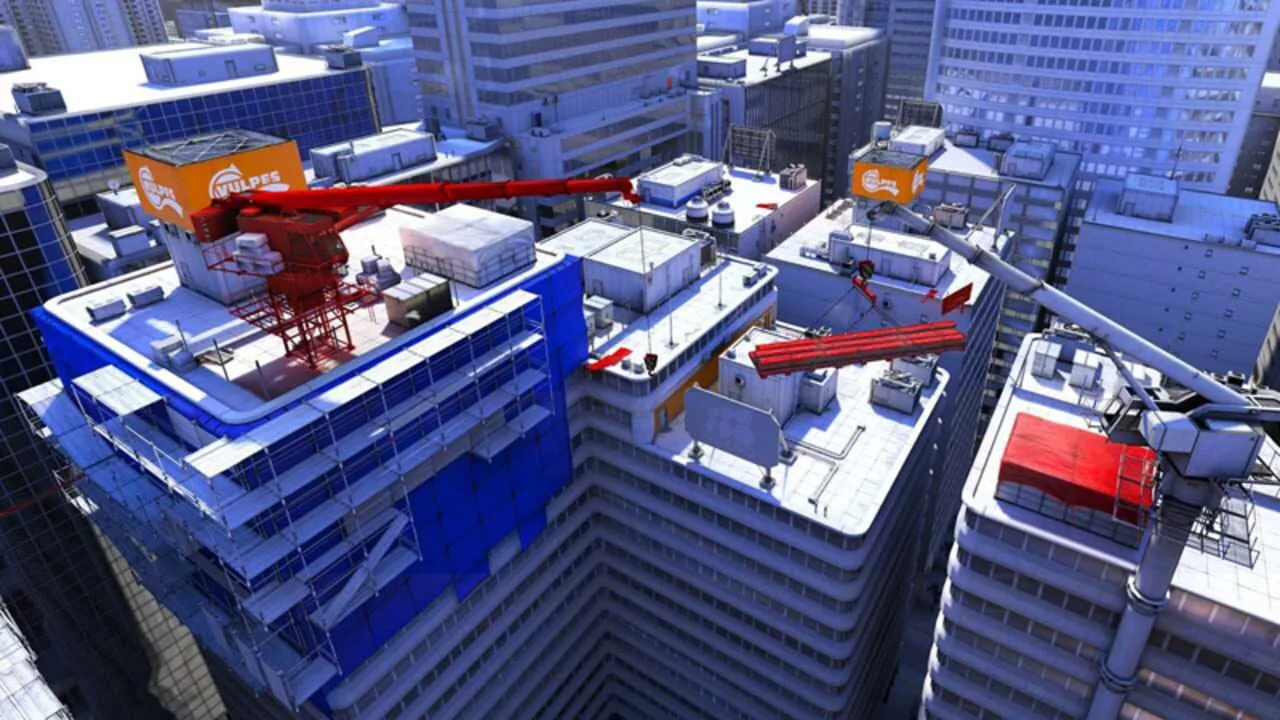
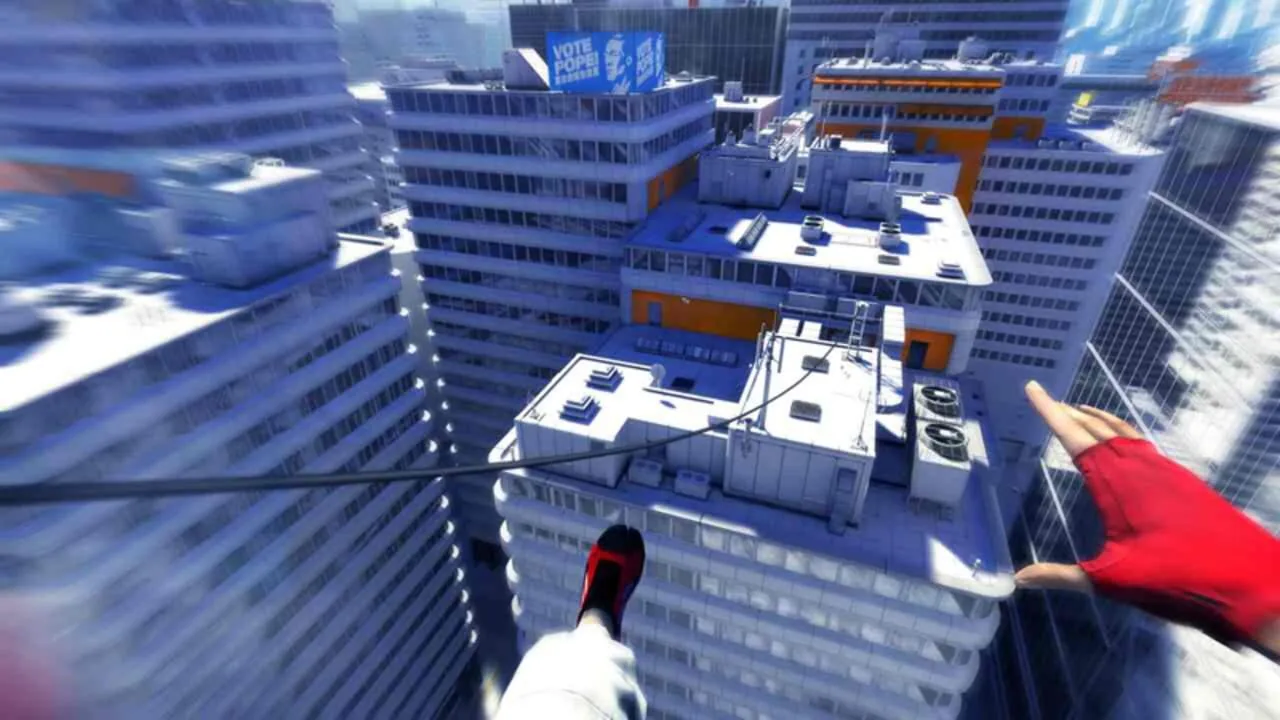
The game was released for PlayStation 3 and Xbox 360 in November 2008. You play Faith, a courier in a heavily surveilled city, and you see it all from a first-person perspective while jumping between rooftops, running across walls. The game is an action-adventure game with platform and first-person shooter mechanics, and there is more jumping in it than in most platformers. It was inspired by chase scenes featured in Casino Royale and the Bourne films. The game was written by Rhianna Pratchett, and the score was composed by electronic music artist Solar Fields.
Upon release, Mirror's Edge received generally positive reviews from critics, who criticized its trial and error gameplay. The game sold around 2.5 million units by June 2013, and won Adventure Game of the Year at the 2009 Interactive Achievement Awards. Retrospectively, Mirror's Edge has grown in esteem, and a reboot, Mirror's Edge Catalyst, was released in 2016.
2. LittleBigPlanet 2 (2011)
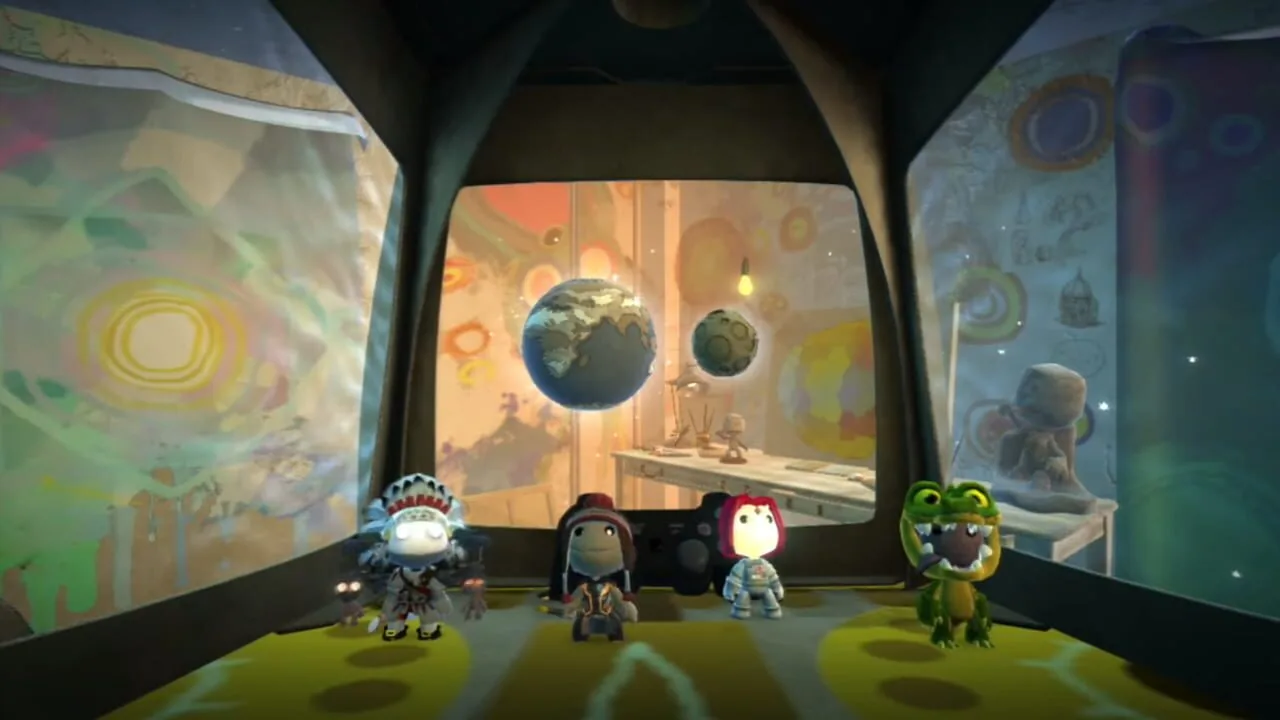
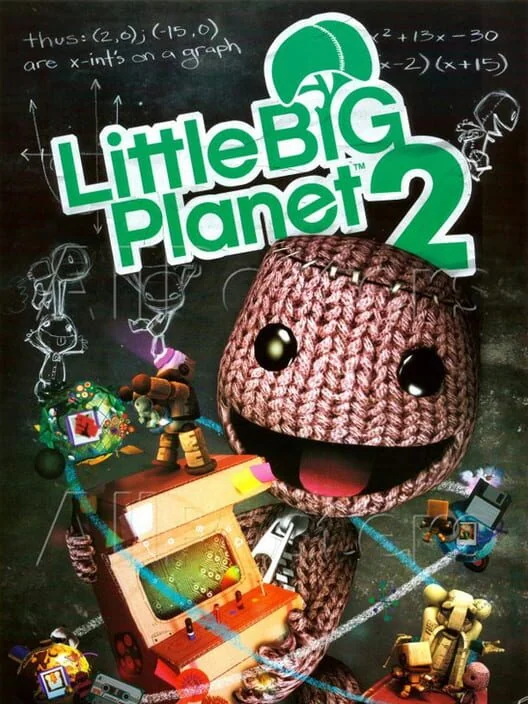
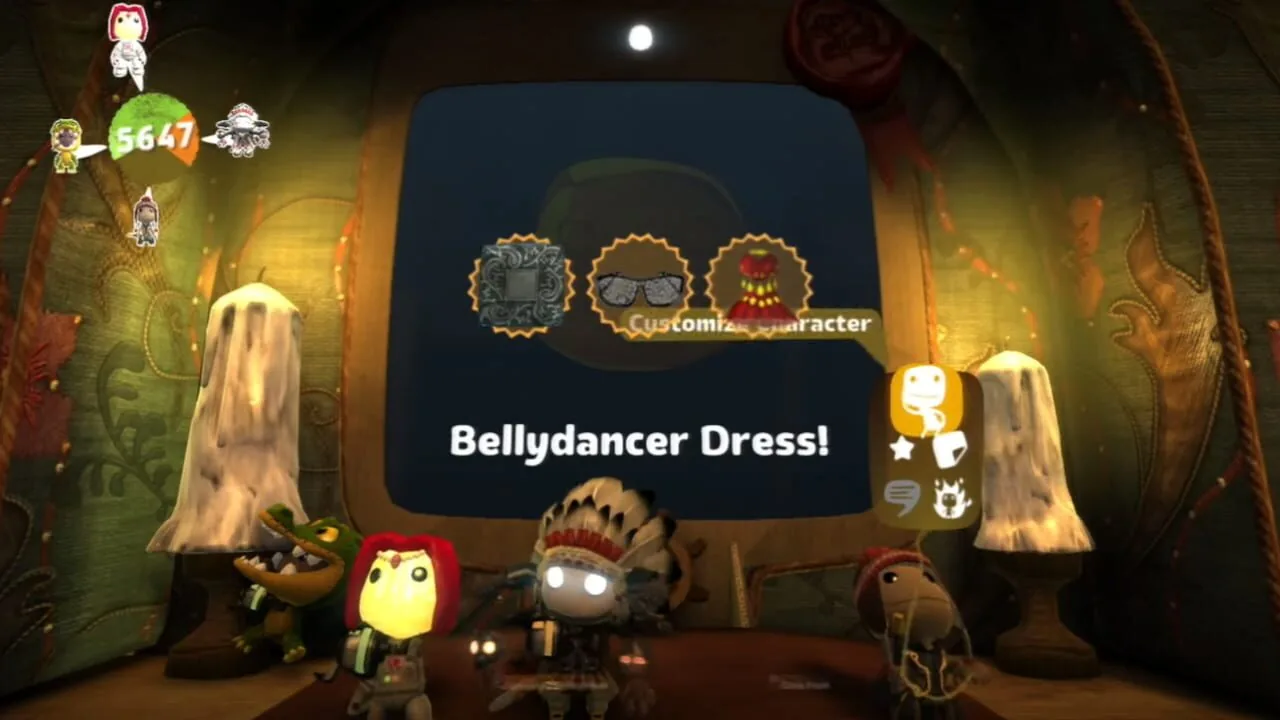
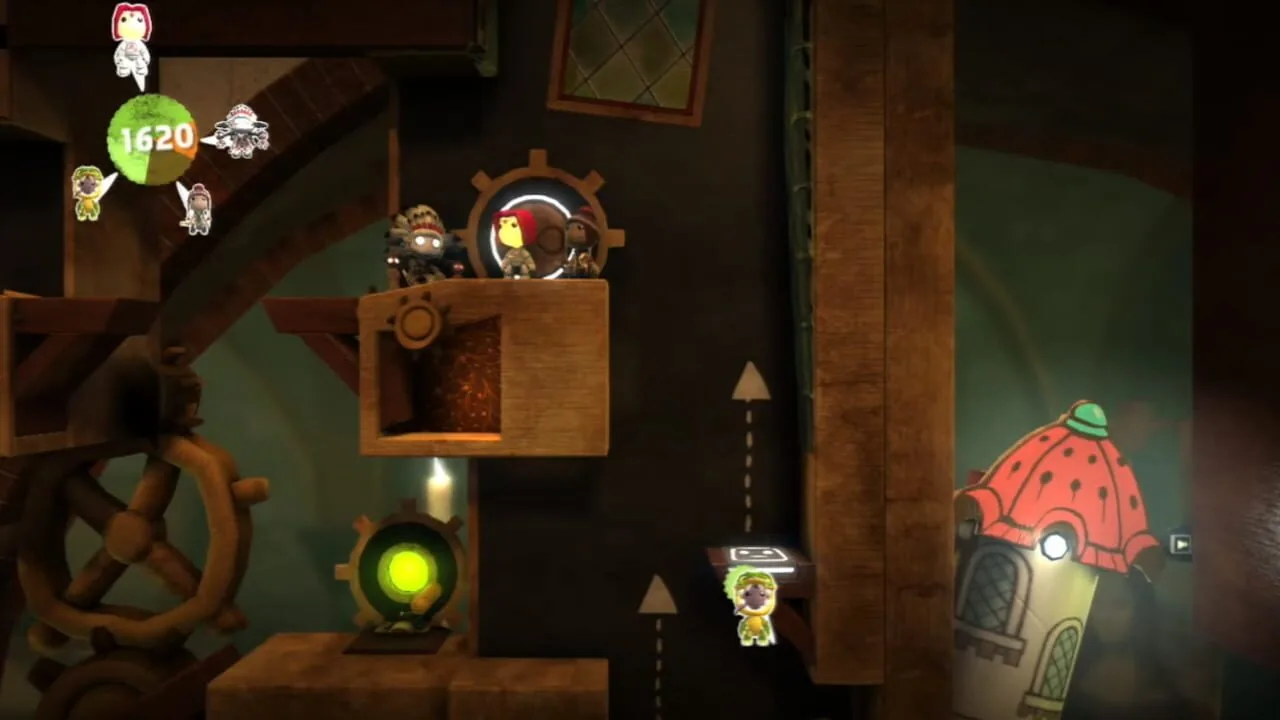
LittleBigPlanet 2 is the last major Little Big Planet game in the series to be produced by Media Molecule. The first game was sold as a platform game, while LittleBigPlanet 2 was marketed as a "Platform for Games", and it meant it. Most of the more than 3 million levels created by users in the first game are playable and editable in the sequel. Players are able to create cut-scenes and record their own sound effects, and the game also includes a robust music sequencer.
It was met with critical acclaim, particularly for its refined content-creation features. A software update allowing users to play the game using PlayStation Move was released in September 2011. Players tend to name the first two games in the same breath, and the sequel is the one with more toys in the box.
1. LittleBigPlanet (2008)
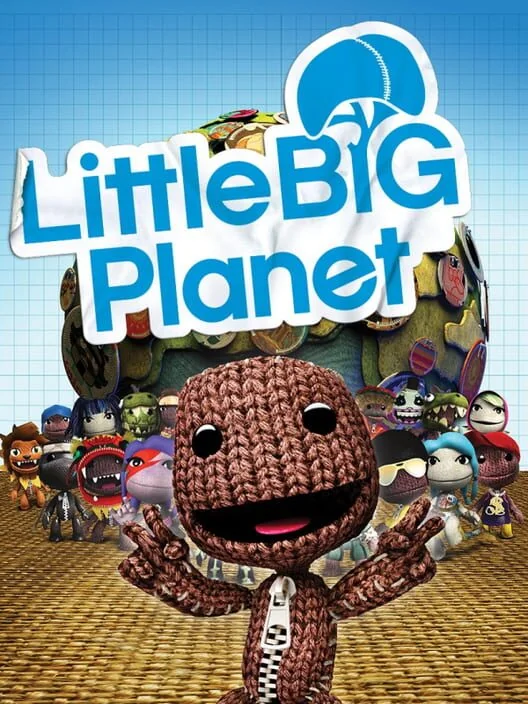
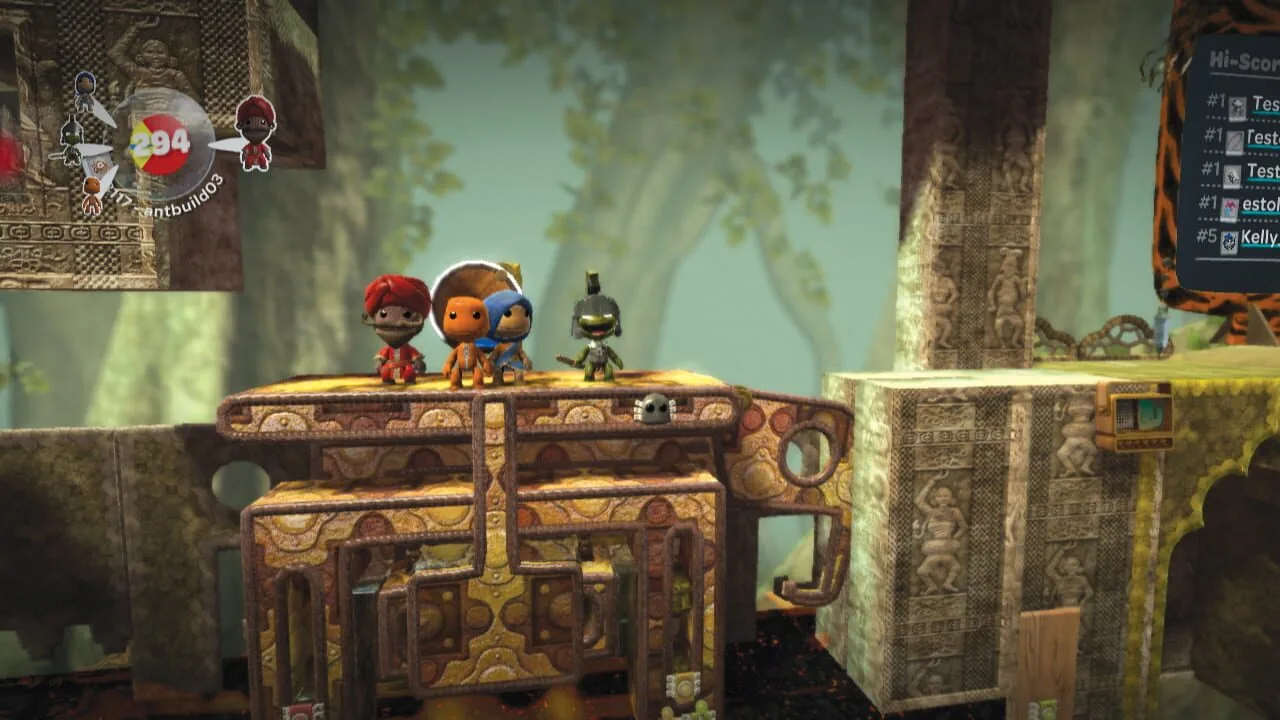
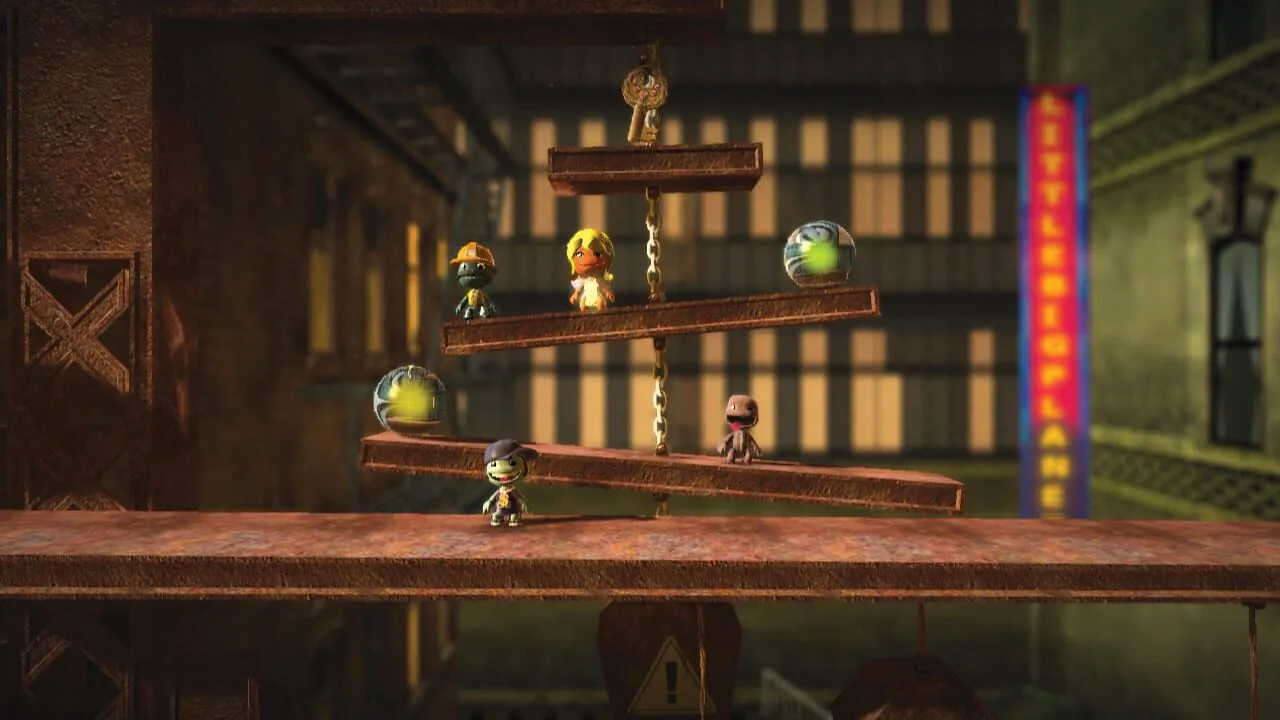
Media Molecule was formed by four former Lionhead Studios employees after the release of Rag Doll Kung Fu in 2005. When they pitched the game, they intentionally toned down the creative aspect of the game for fear of negative reception of their pitch, only briefly mentioning user creation. It was first announced at Game Developers Conference 2007, and after a brief delay to remove controversial lyrics from an in-game licensed song, it released worldwide between October and November 2008. You get over 50 awesome developer levels, and the Popit, a portable menu used for accessing creation tools.
LittleBigPlanet won several Game of the Year awards. After dwindling sales in 2008, it became commercially successful, reaching 4.5 million copies. Players recommend it for playing together on one couch, and players recommend it more than any other PS3 platformer.
Which one to play
There you have it, the whole list of the best PS3 platformers. Even the bottom of this list would top the platformer list on plenty of other consoles.
If you are not sure where to start, play LittleBigPlanet. If you want a traditional 2D platformer, start with Rayman Origins and go straight on to Rayman Legends. Ratchet & Clank fans should play Tools of Destruction and then A Crack in Time. If you want something hard, Spelunky will keep you busy for years. And for a hidden pick, try Outland.