The Super Nintendo was the console where 2D games grew up. It could spin and scale a whole background with Mode 7, and its sound chip made composers show off. A few cartridges even had their own extra chip to draw polygons. Nintendo used all of it. Mario and Zelda both got the game a lot of people still call the best in their series.
Then the RPGs came. Square and Enix turned the SNES into the place to play long stories in English, and smaller studios like Quintet made strange, lovely games nobody else would have. Add Capcom and Konami doing some of their best work, and you get a library that still feels endless. Here are the 53 best SNES games.
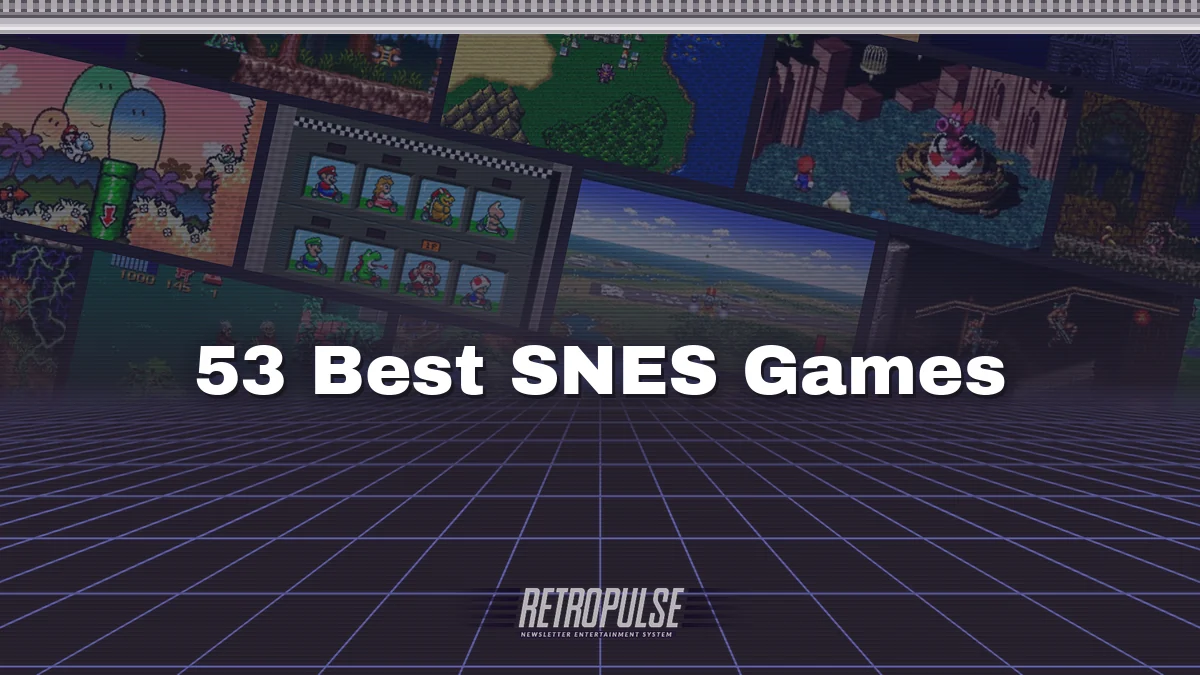
53. Final Fight (1991)
Final Fight was the big Capcom brawler of the arcades, and the SNES got it early. The home version had to make cuts to fit, and the biggest one hurt: no two-player mode. An updated 1992 release, Final Fight Guy, swapped Cody for Guy but still lacked the two-player feature. Capcom then made two sequels for the SNES, Final Fight 2 in 1993 and Final Fight 3 in 1995, built just for home players with no arcade version first.
Even cut down, it was a thrill to see those huge sprites on a home TV. Haggar piledriving thugs in Metro City is the reason a lot of kids wanted a Super Nintendo in the first place. Play it alone and it still holds up as a short, mean afternoon.
52. Super Adventure Island (1992)
Super Adventure Island was the first Adventure Island game on the SNES, and it came out between the NES games Adventure Island II and Adventure Island 3. Master Higgins throws axes through jungles and caves, but this time his dinosaur friends stayed home. The soundtrack is by Yuzo Koshiro, the composer behind Streets of Rage, and it sounds much bigger than a platformer like this needs.
It is a simple game, and that is the appeal. You can pick it up after twenty years and know what to do in a few seconds. It is also tougher than its sunny look suggests. Higgins still loses energy just by standing around, so the game keeps you moving.
51. Shadowrun (1993)
Shadowrun was made by the Australian studio Beam Software and first released in 1993 by Data East. You play Jake Armitage, a man with amnesia who wakes up after being critically wounded by assassins, in a cyberpunk Seattle where magic is real. Its clever trick is the keyword system: when Jake hears a new term, it is highlighted and added to the words he can ask people about. That is the only way the story moves forward.
The game was a critical success, winning a number of industry awards, but was a commercial failure. It is moody and slow, and nothing else on the console plays quite like it. If you like detective stories, give it the first hour and let it pull you in.
50. Demon's Crest (1994)
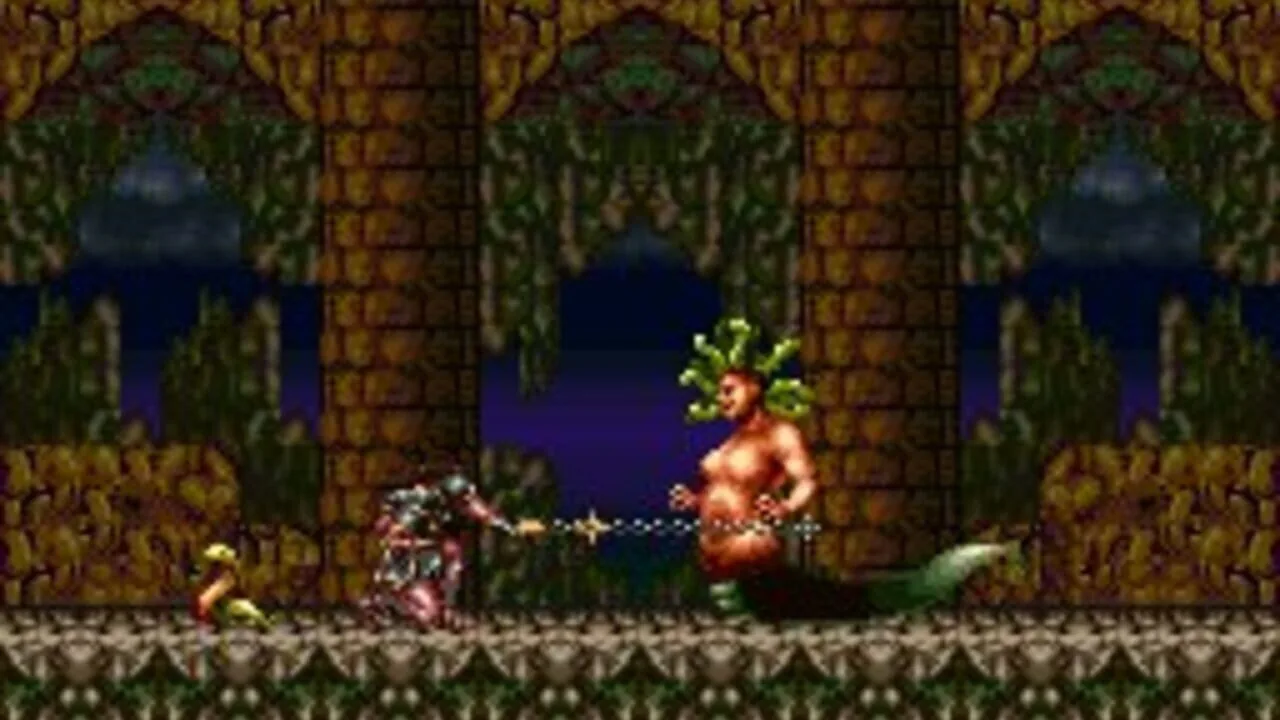
Demon's Crest stars Firebrand, the red gargoyle who spent years killing players in Ghosts 'n Goblins. It is the third game starring him, following Gargoyle's Quest (1990) and Gargoyle's Quest II (1992). This time the art is darker and the world is open: the stages are divided into six areas and can be played multiple times as you find new crests and powers.
It mixes action platforming with mild RPG elements, so finding everything feels a bit like a Metroid hunt. It deserves far more fame than it has, because it is one of the best-looking games on the system. The music is all gothic organs and choirs. It is a short game with a lot of secrets for anyone who digs.
49. Kirby's Dream Land 3 (1997)
Kirby's Dream Land 3 is the fifth game in the Kirby series and the third under the Dream Land name. It looks like a children's book drawn in crayon, with soft colours and wobbly outlines, and Kirby's animal friends from Dream Land 2 come back to help. A second player can join as Gooey, which makes it a nice game to share with a younger sibling.
It was also the last SNES game published by Nintendo in North America, released when most people had already moved on to the N64. Europe did not get it at all until a Virtual Console release in 2009. That is why it is the least known Kirby on the console, and why it is worth finding now.
48. NBA Jam (1994)
NBA Jam started in arcades in April 1993 as a 2-on-2 basketball game with real NBA players and very unreal dunks. Acclaim bought the rights to bring it home, and the SNES version kept the flaming ball and the announcer who yells when a player is on fire. It is the first game in the NBA Jam series, and critics have called it one of the greatest video games of all time.
You do not need to like basketball to like this. Shoving the other team over with no fouls called is pure arcade fun, and a game takes a few minutes. Sports games got more realistic after this, but very few of them got more fun.
47. Disney's Aladdin (1993)
Capcom made Aladdin for the SNES, and it is a different game from the better-known version on the Genesis. Aladdin has no sword here. He jumps on enemies and throws apples, so it plays much more like a Capcom platformer than a movie game. The levels follow the film, from the market chase to the magic carpet escape from the Cave of Wonders.
It is short and on the easy side. It is also gorgeous, with smooth animation and the film's songs turned into very good chip music. If you grew up on the Genesis version, the SNES one feels like a lighter, bouncier cousin. If you grew up on this one, you already know it is better.
46. Mega Man X2 (1994)
Mega Man X2 came out in Japan on December 16, 1994, and in North America and PAL regions in 1995. It is the direct sequel to Mega Man X, released one year earlier, and it keeps everything that worked. X can still dash and scale walls, and hidden armor pieces give him new abilities. The new twist is a hunt for the parts of his old friend Zero.
The presentation and gameplay earned it a mostly positive reception, and some fans like its stages more than the first game's. It is a little less surprising, as sequels usually are. That said, if you finished Mega Man X and wanted more of the same, this is exactly the more of the same you were hoping for.
45. Doom (1995)
Doom on the Super Nintendo should not exist. The 1993 shooter was built by id Software for MS-DOS computers, and the SNES version arrived in North America in September 1995 running on a cartridge. The screen is small and boxed in. Reviewers noted the Super NES version's weaker graphics and unresponsive controls.
It is here because it is Doom on a Super Nintendo, in your living room, years before anyone expected it. Players who rented it still remember how impossible it felt. Today it is more of a curiosity than the best way to play Doom, but it is one of the most impressive tricks anyone pulled on the console, and it is still fun once you get used to it.
44. Mega Man 7 (1995)
Mega Man 7 brought the classic blue bomber to the SNES. It came out in Japan on March 24, 1995, and in North America and Europe later that year. According to its creators, it was only in development for a short time, and you can tell a little. It plays the old NES way: pick a boss, beat the stage, take its weapon.
Reviews were mixed to positive. Many reviewers thought the series formula had gone stale and compared it unfavourably with Mega Man X, which had come out more than a year earlier. Taken on its own, it is a well-made, colourful Mega Man with big sprites and good music. Fans of the NES games will feel right at home.
43. Donkey Kong Country 2: Diddy's Kong Quest (1995)
Donkey Kong Country 2 came out on 21 November 1995 in Japan, 4 December in North America and 14 December in Europe. Donkey Kong has been kidnapped, so Diddy and his girlfriend Dixie go to rescue him. Dixie can twirl her ponytail to glide, which changes how you play many of the jumps. The setting moves to a pirate island full of shipwrecks and haunted rollercoasters.
Its soundtrack is considered one of the greatest of all time, and the bramble stage music is the one people hum. A lot of players will tell you this is the best of the trilogy, and they have a point: it is harder and more inventive than the first game. It just sits lower here because the original got more love.
42. Mortal Kombat II (1994)
Mortal Kombat II was ported from the arcades to almost everything, the Super NES included, and published by Acclaim. It is the sequel to 1992's Mortal Kombat, with a new tournament held in the realm of Outworld. Unlike the first game on the SNES, this one kept the blood. It was an enormous commercial success and is still cited as one of the best games in the series.
The SNES version is a strong port with big, clear sprites and good sound. One player put it simply: it is "probably the best console port of that game." Whether that is true or not, it is the version a lot of us played at a friend's house with the sound turned down so nobody's parents would come in.
41. Street Fighter II Turbo (1993)
Street Fighter II Turbo was the second Street Fighter II on the SNES, and it fixed what fans had complained about. You could now play as the four bosses, and you could turn up the speed. Despite being titled Turbo, this port also contains the Champion Edition version of the game in the form of a "Normal" mode, so you got two arcade versions on one cartridge.
It does lose one small detail: the pitch change in the characters' voices on stronger special moves was removed. Nobody noticed at the time. What people noticed was that the SNES now had the faster game, and that the controller had six face and shoulder buttons that fit Street Fighter perfectly.
40. Secret of Evermore (1995)
Secret of Evermore is a strange one. It was released in North America on October 17, 1995, in Europe in March 1996, and a planned Japanese release was cancelled. It is the only game developed by Square designers in North America. A boy and his dog get pulled into Evermore, a world made of realms that look like prehistory, ancient times, the Middle Ages and an imagined future.
It looks a lot like Secret of Mana, but it is not part of that series. Some reviewers were let down because they expected another Japanese Square RPG. Its North American roots and ambient music have since helped it build a cult following. Your dog changes form in each realm, and he is the real star.
39. Super Punch-Out!! (1994)
Super Punch-Out!! was released on October 24, 1994, in North America and on February 10, 1995, in the United Kingdom. Japan only got it in 1998, through the Nintendo Power flash cartridge service. It is the fourth game in the Punch-Out!! series and takes place after the NES game, but Little Mac is now seen from behind and a little bigger on screen.
It is a game about reading people. Every boxer has a tell, and learning it is the whole joy of it. Bald Bull is back, and so is a lot of that NES pain. It came back in 2017 on the Super NES Classic Edition, which is a cheap way to find out how fast your fingers still are.
38. The Legend of the Mystical Ninja (1992)
The Legend of the Mystical Ninja was the first Ganbare Goemon game released in the West and the fifth main game in the series overall. Goemon and his friend Ebisumaru travel across a cartoon version of old Japan, fighting through towns and side-scrolling stages. In between, you can stop to play mini games or eat. Two players can play the whole thing together.
It is one of the funniest games on the console, and very Japanese in a way Western games of the time were not. Some jokes did not survive translation, and that somehow makes it even better. It later showed up on the Virtual Console of three Nintendo systems, so it is easier to find than you might think.
37. The 7th Saga (1993)
The 7th Saga is an RPG with a mean streak. You pick one of seven apprentices, and the other six are out there hunting the same magic runes you are. They can join you or fight you. A bounty hunter called Pison is after all of you, and the apprentice who hired him is chosen at random in each new game.
The game is known for its unforgiving difficulty, caused by balance changes made in its localization. For some players that difficulty is the whole appeal. A planned sequel, Mystic Ark, was only released in Japan. If you like grinding and do not mind pain, it will keep you busy for weeks.
36. Breath of Fire (1993)
Breath of Fire came out in Japan in April 1993 and in North America in August 1994. Capcom made it, but Square Soft handled the English translation and the promotion. It was Capcom's first traditional RPG, with character designs by Keiji Inafune, the Mega Man artist, and music from Capcom's in-house sound team Alph Lyla. You play Ryu, a boy from a clan that can turn into dragons.
It is a classic turn-based adventure with a big party of animal-people. It is not the most original RPG on the SNES, but it is warm and well made, and Ryu turning into a dragon never stops being cool. A direct sequel, Breath of Fire II, followed in 1994.
35. Killer Instinct (1995)
Killer Instinct was released in arcades by Midway in October 1994, and ported to both the Super Nintendo and the Game Boy the following year. Rare made it, and it was loud. A werewolf and a dinosaur trade blows in combo streaks that run for twenty hits, while the announcer screams over a pounding soundtrack.
The SNES version could not match the arcade's rendered backgrounds, but it kept the speed and the combos. The series later returned with Killer Instinct Gold on the Nintendo 64 and a 2013 reboot on Xbox One.
34. Harvest Moon (1997)
Harvest Moon was first released in Japan in 1996 and in North America in 1997. Director Yasuhiro Wada wanted a slow, quiet country life game, made as a contrast to the fighting games that were popular at the time. You inherit a run-down farm, grow crops and raise animals, and you might even marry someone from the village.
Sales were low at first but grew over time. It is now considered one of the first farm life simulation games, and the start of the long-running Story of Seasons series. Stardew Valley would not exist without it. On the SNES it is very simple, but that first spring of turnips is still a very good feeling.
33. Super Star Wars (1992)
Super Star Wars follows the first film in side-scrolling levels, with short scenes between them telling the story. You start as Luke, and later stages let you play as Han Solo or Chewbacca. Its music is the John Williams score squeezed onto the Super NES sound chip, and its instrument samples came from Ensoniq keyboards. It was followed by Empire Strikes Back (1993) and Return of the Jedi (1994).
It is hard, and not always fair. Even players who call it unfair admit a soft spot for it. Riding the landspeeder in Mode 7 across Tatooine was the closest anyone had come to being in Star Wars.
32. Axelay (1992)
Axelay was produced by Kazumi Kitaue, who also produced Super Castlevania IV, and it was developed by most of the same team that would later form Treasure, the studio behind Gunstar Heroes. It switches between side-scrolling stages and vertical ones, and the vertical ones use Mode 7 to make the ground curve away from you like a rolling drum.
It is regarded as a classic of the shoot 'em up genre, and critics praised its visuals and its choice of weapons. The bosses are huge, and the soundtrack bangs. A sequel, Axelay 2, was planned but never happened.
31. Plok (1993)
Plok! was created by two British brothers, Ste and John Pickford. It started as a project for Rare's hardware, was cancelled in 1990, and later came back as an SNES game at Software Creations. Plok is a little hooded creature who throws his own arms and legs at enemies, then has to wait for them to come back. Lose a limb in the wrong spot and you are hopping.
Critics praised its ideas and its music, but sales were weak because the shelves were full of mascot platformers. People who played it never forgot it, and those who know it push it on anyone who will listen. The soundtrack by Tim and Geoff Follin is the main reason.
30. Sunset Riders (1993)
Sunset Riders started in the arcades in 1991 and came to the Super Nintendo in 1993, a year after the Genesis. You are a bounty hunter in the Old West, shooting your way through towns and stampedes to collect rewards on wanted outlaws. Women throw dynamite that you have to throw back. You can ride horses, and you can shoot from the roof of a moving train.
The SNES version kept a great small joke: if Cormano beats the fifth stage's boss, he catches the boss's sombrero and wears it for the rest of the game. Two players is the way to play it.
29. Illusion of Gaia (1993)
Illusion of Gaia was released in Japan by Enix in 1993 and in North America and PAL territories by Nintendo in 1994 and 1995. Quintet made it, the same studio as Soul Blazer, and it is darker than it looks. You play Will, a boy with psychic powers, and his journey takes him through places inspired by real ruins, the Great Pyramid and the Great Wall of China among them.
Will can turn into the knight Freedan and the shadowy Shadow, and certain areas can only be reached by one of them. There is only one healing item in the whole game, herbs, and they are scarce. That makes it tense. The story deals with slavery and death, and it hits harder than you expect.
28. Soul Blazer (1992)
Soul Blazer was released in 1992 in Japan and North America, but did not come to Europe until 1994. You play the servant of The Master, sent down to a world where the people and animals have been taken by monsters. Each monster lair you clear frees a soul, and the town slowly comes back to life. Talk to everyone: the flowers and dogs have a lot to say.
It is the middle step in Quintet's series, between ActRaiser and Illusion of Gaia, and in Illusion of Gaia the hero is even called "Blazer". The dungeon crawling is simple and the game is short. It is also very sweet, and watching a town fill up again because of you is a lovely loop.
27. Kirby Super Star (1996)
Kirby Super Star is a bundle of Kirby games on one cartridge, some short and some long. Spring Breeze is a quick remake of the first Kirby's Dream Land, and other modes go from a big adventure to a cooking race. Kirby can turn copied enemies into Helpers, who are controlled by the computer or by a second player. That makes it one of the best co-op games on the console.
Kids loved it, and grown-ups who replay it are surprised by how much is in there. The Arena mode, which throws every boss at you in a row, is a real challenge. An enhanced remake, Kirby Super Star Ultra, came to the Nintendo DS in 2008, selling just under 3 million copies.
26. Tetris Attack (1996)
Tetris Attack is not Tetris. It first came out in Japan in October 1995 as Panel de Pon, with fairies as the main characters. For the release outside Japan, Nintendo swapped them for Yoshi and his friends from Super Mario World 2: Yoshi's Island and slapped the Tetris name on the box. Henk Rogers, a co-founder of The Tetris Company, later regretted letting Nintendo use the name.
You swap blocks side to side to match three of a colour, and clever players set up chains that keep falling for ages. It is fast, and it is great with two players. The series continued under the name Puzzle League, but many people still think this one is the best.
25. Zombies Ate My Neighbors (1993)
Zombies Ate My Neighbors was developed by LucasArts and published by Konami in 1993. Zeke and Julie run through the suburbs with water guns, saving neighbours from zombies and chainsaw maniacs. There are 48 stages, including seven optional bonus levels. In Europe and Australia it was censored and sold as just Zombies.
It is a loving joke about B horror movies, with music by Joe McDermott that sounds like a drive-in at midnight. Two players at once is the best way to play. Both it and its sequel, Ghoul Patrol, came back in a 2021 collection for modern consoles, so you do not need a cartridge to try it.
24. Super Ghouls 'n Ghosts (1991)
Super Ghouls 'n Ghosts is the third Ghosts 'n Goblins game and the first one not made for arcades. The knight Arthur goes off to save Princess Guinevere again, and loses his armour at the first hit again. He can now double jump, but you cannot change direction mid-air, so every jump is a promise you have to keep. Chests can hold new armour or a magician who turns you into a baby, a girl, a seal or a wasp.
Players remember it as one of the hardest games on the SNES. When you beat it, the game tells you to do it all over again, harder, to see the real ending. It is fair in its own cruel way, and it will make you shout.
23. Teenage Mutant Ninja Turtles IV: Turtles in Time (1992)
Turtles in Time started in arcades, and it came to the Super Nintendo in 1992 as Teenage Mutant Ninja Turtles IV, continuing the numbering from the NES games. It is based on the 1987 cartoon. The first stage takes place in the streets of New York City, and the rest send the turtles back and forward through history.
The SNES version adds stages and a new boss fight, and it is the one players still reach for. Throwing Foot soldiers at the screen is still the best move in any beat 'em up. Grab a second controller, pick Donatello for his reach, and play it straight through. It takes an hour.
22. ActRaiser (1990)
ActRaiser is two games in one. In the action parts, a statue brought to life by the Master fights through side-scrolling stages full of monsters. In the other parts, you control an angel and help people build towns. You plan roads and use miracles like lightning, rain, sunlight, wind and earthquakes to clear land and help the population grow.
It was a launch-era game, and nobody had seen anything like it. The action is tough while the town building is relaxing, and the music by Yuzo Koshiro is still some of the best on the console. A sequel, ActRaiser 2, came to the Super NES in 1993 but dropped the town building. The 2021 remake, Actraiser Renaissance, brought it back.
21. Street Fighter II: The World Warrior (1992)
Street Fighter II improved almost everything about the first Street Fighter. It added a combo system and special command-based moves, and each fighter has a unique style. On the SNES it was huge. More than 6.3 million SNES cartridges of Street Fighter II were sold, making it the highest-selling third-party game on the SNES and Capcom's best-selling single game for the next 20 years.
This is the first one, with eight fighters and no bosses to play. Later versions are faster and bigger, but this is the cartridge that turned living rooms into arcades. If you had one at your house, you had friends over every weekend.
20. Ogre Battle: The March of the Black Queen (1993)
Ogre Battle was published by Quest in Japan and by Enix America in North America, and it was directed by Yasumi Matsuno, later of Final Fantasy Tactics and Vagrant Story fame. It is a real-time strategy game about a rebel army. You build small units of fighters, send them across the map, and watch them fight on their own. Your choices change your reputation and which of the many endings you get.
It is deep and confusing at first, and it was nothing like the other RPGs on the SNES. Fans who stick with it love it. A successor, Tactics Ogre, followed on the Super NES in 1995, and the game was later ported to the Saturn and PlayStation.
19. Contra III: The Alien Wars (1992)
Contra III was the first Contra directed by Nobuya Nakazato, who went on to direct other games in the series. He wanted a more cinematic soundtrack and tighter stages than before. You run and gun through a ruined city, then hang from rockets in the air. Top-down levels use Mode 7 to spin the whole map around you.
It has been called one of the best Contra games and one of the greatest video games of all time. It sits next to Super Ghouls 'n Ghosts as one of the hardest games on the SNES. Play it with a friend on Normal and you will still get crushed.
18. Pilotwings (1990)
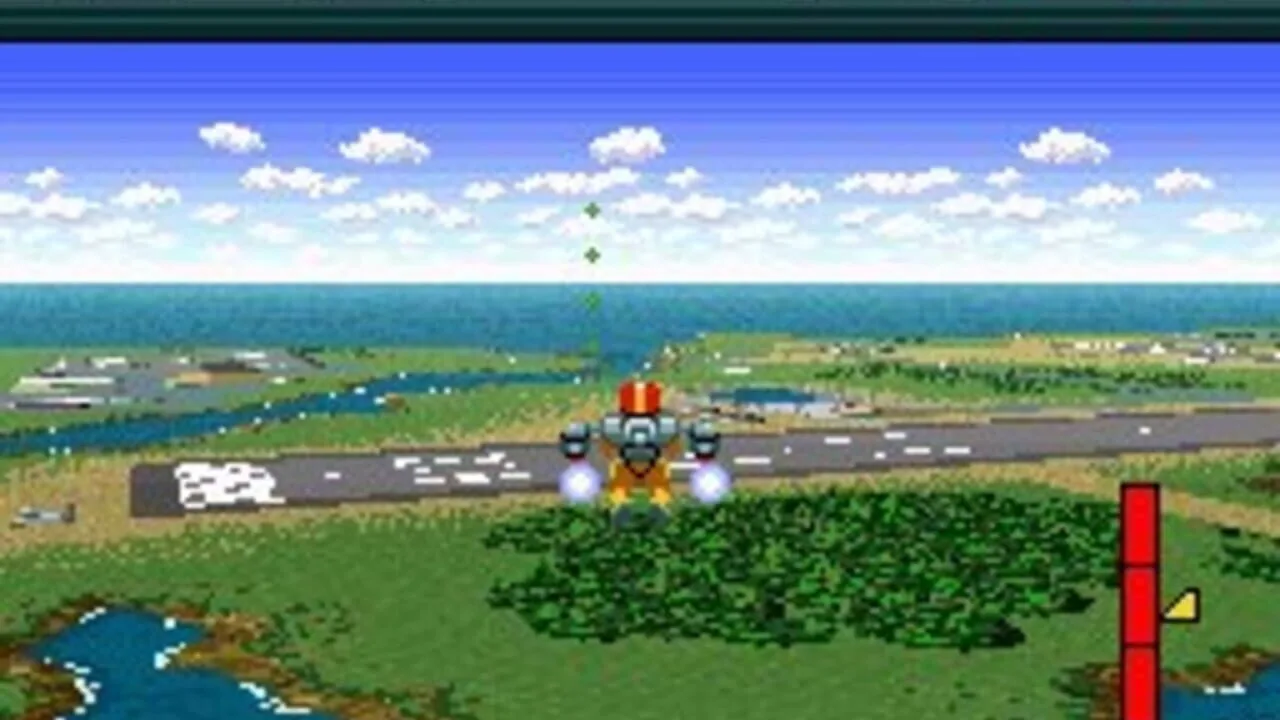
Pilotwings first came out in Japan in December 1990, shortly after the Super Famicom. It was a launch title for the SNES in August 1991 in North America. You go through flight school in light planes and hang gliders, and later with a rocket belt, graded on how cleanly you land. The developers used the SNES's Mode 7 to make the flat ground below you rotate and scale like 3D.
It is calm and very satisfying. Nailing a perfect skydive landing is a quiet little victory. Mastering it opens up a surprise mission that is nothing like the rest of the game. A sequel, Pilotwings 64, came to the Nintendo 64 in 1996.
17. Super Mario Kart (1992)
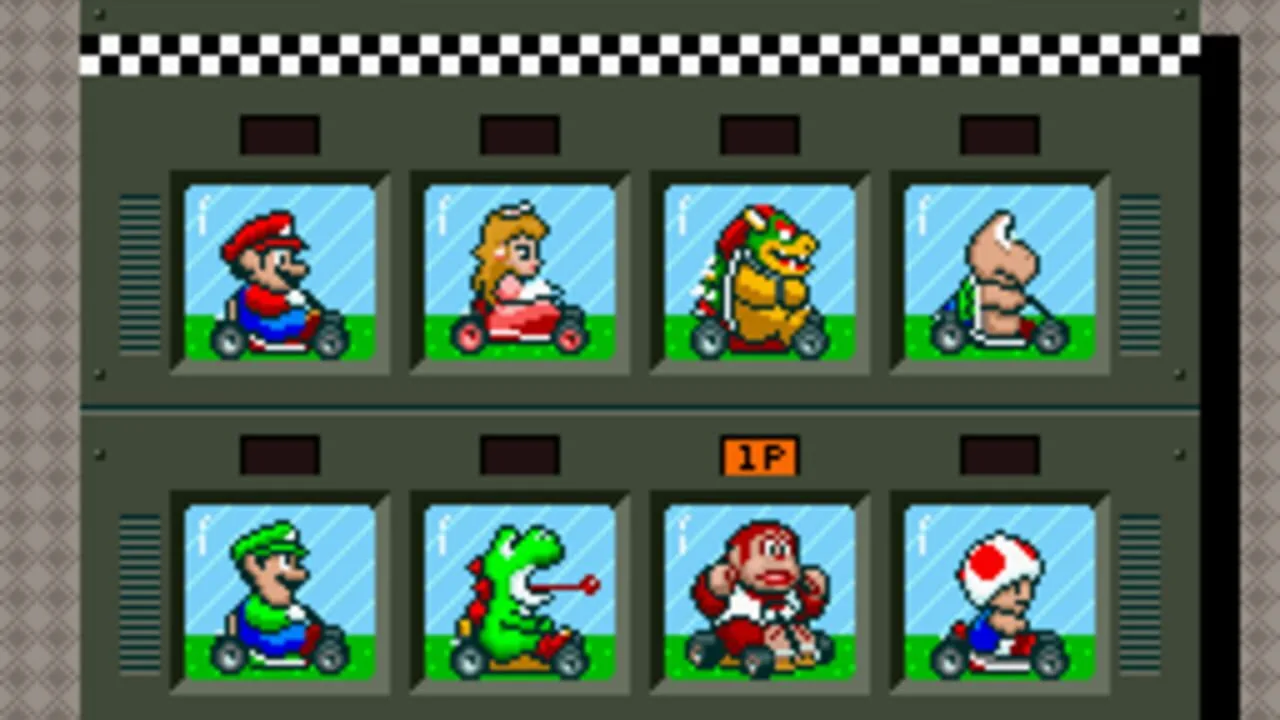
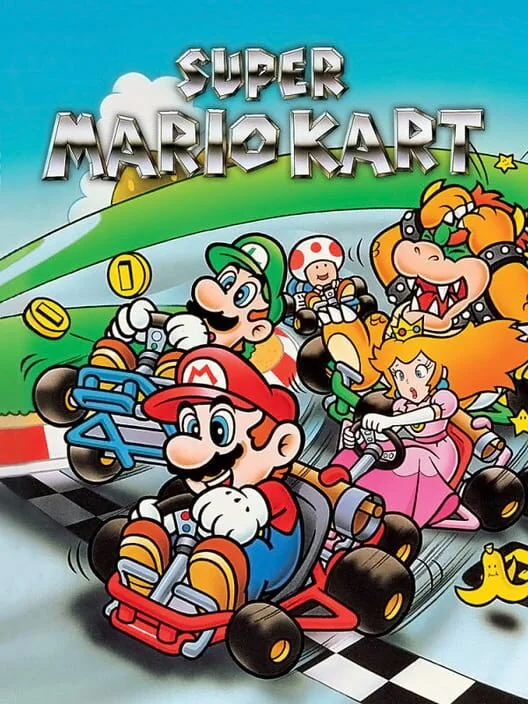
Super Mario Kart was the first Mario Kart. It came out in Japan on August 27, 1992, in North America on September 1, 1992, and in Europe on January 21, 1993. Critics praised its use of Mode 7 to make flat tracks look like roads stretching into the distance. It is often credited with creating the kart-racing subgenre.
The battle mode is where friendships ended. Two players on a split screen with shells bouncing off the walls was the best thing on the console after school. The single-player races are harder than in later games, and the computer drivers cheat. You get used to it. Every Mario Kart since started right here.
16. Super Mario World 2: Yoshi's Island (1995)
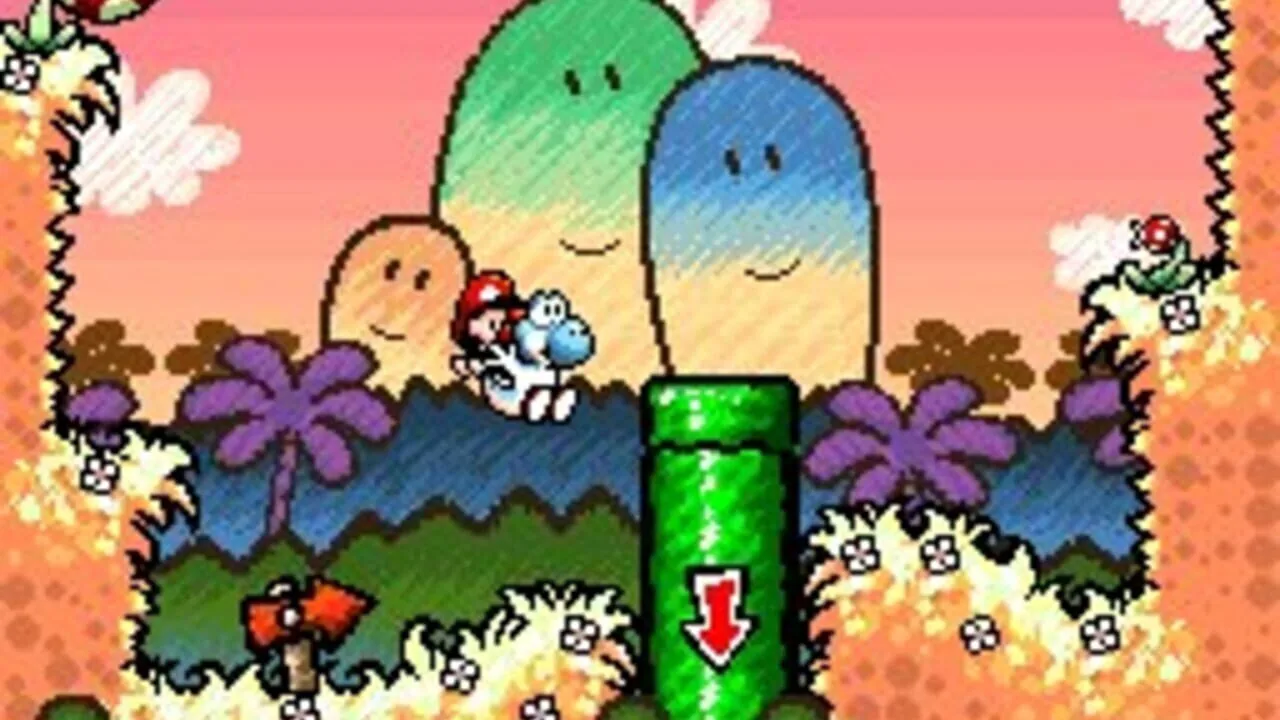
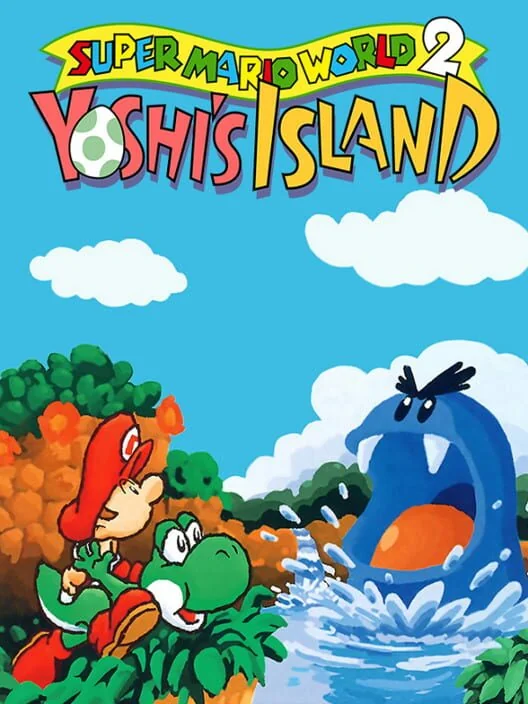
Yoshi's Island took four years to make and came out in Japan in August 1995 and worldwide two months later. Nintendo wanted a more accessible game starring Yoshi, so you carry Baby Mario on Yoshi's back and throw eggs at everything. If you get hit, Baby Mario floats away in a bubble, crying, and you have a few seconds to get him back.
It looks like a drawing in crayon and pastel, and critics call it one of the greatest video games of all time. The level design is clever and full of secrets, and collecting everything in a stage is its own little puzzle. It was later ported to the Game Boy Advance in 2002.
15. Terranigma (1995)
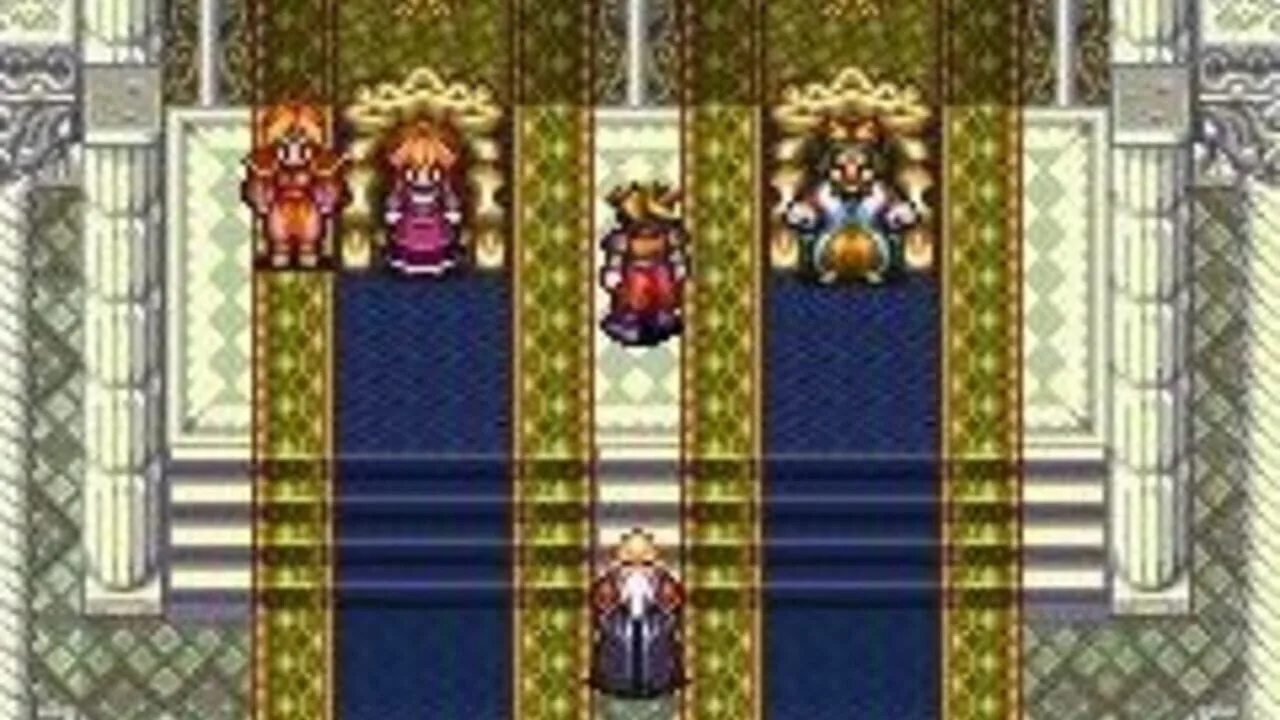
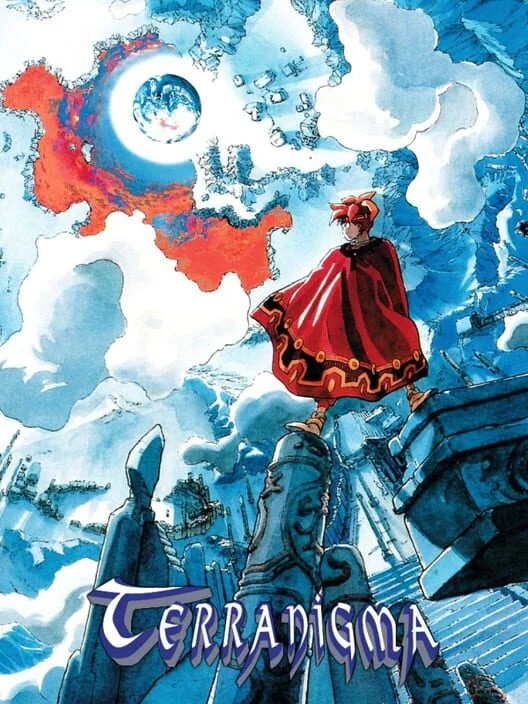
Terranigma is the third game in Quintet's loose trilogy after Soul Blazer and Illusion of Gaia, and it is the biggest. A boy named Ark opens a forbidden door in his underworld village of Crysta and freezes everyone. To fix it, he has to bring the surface world back to life, one continent at a time.
North America never got it. A re-release for modern consoles was announced on August 24, 2026, and it marks the first time the game has been officially available there. Players who came to it late say it holds up, story and all. It is sad and very beautiful.
14. F-Zero (1990)
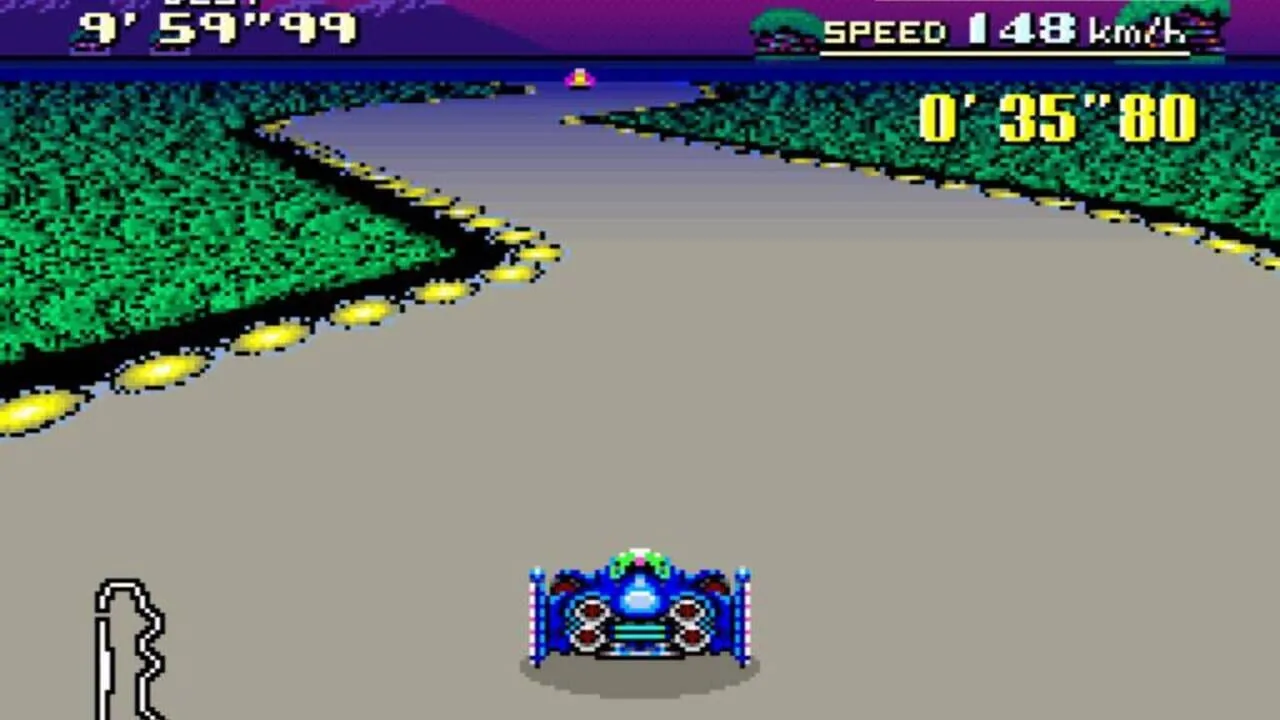
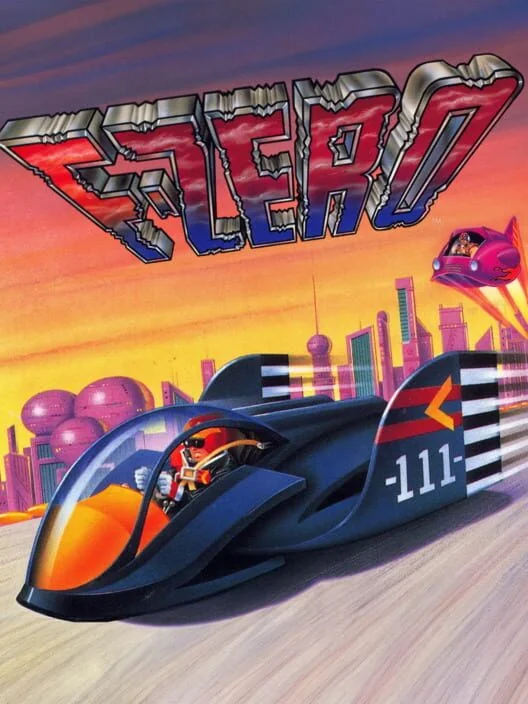
F-Zero was released for the Super Famicom in Japan in 1990 as a launch game. It is a racing game set in the far future, with hovercars flying around tracks at speeds no cartridge should handle. Mode 7 made it look fast, and the music made it feel even faster. Tracks like Big Blue and Mute City keep coming back in later F-Zero games.
There is no multiplayer and only four cars to pick from, which feels thin today. It does not matter. Once you learn the tracks, F-Zero becomes a game about tiny perfect lines. It came back as F-Zero 99, a battle royale for Nintendo Switch Online.
13. Super Castlevania IV (1991)
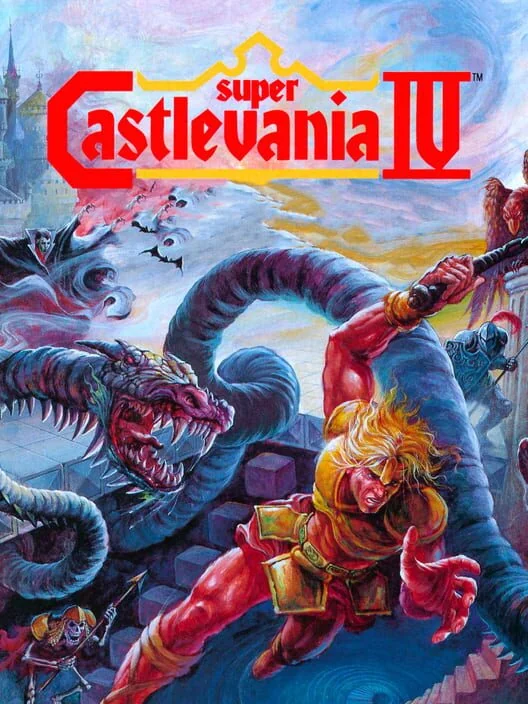
Super Castlevania IV retells the first Castlevania. In 1691 Transylvania, Simon Belmont goes after Dracula. It came out in Japan on October 31, 1991, and in North America in December 1991. Simon can whip in eight directions and swing from his whip, and the game uses Mode 7 to rotate whole rooms. The soundtrack mixes new pieces with arrangements of older Castlevania music.
Critics call it one of the greatest video games ever made, and players keep putting it near the top of their SNES lists. It is spooky, and it does not have a weak stage. If you only know the Castlevania games where you explore a castle, this is the best of the old way.
12. Super Mario RPG: Legend of the Seven Stars (1996)
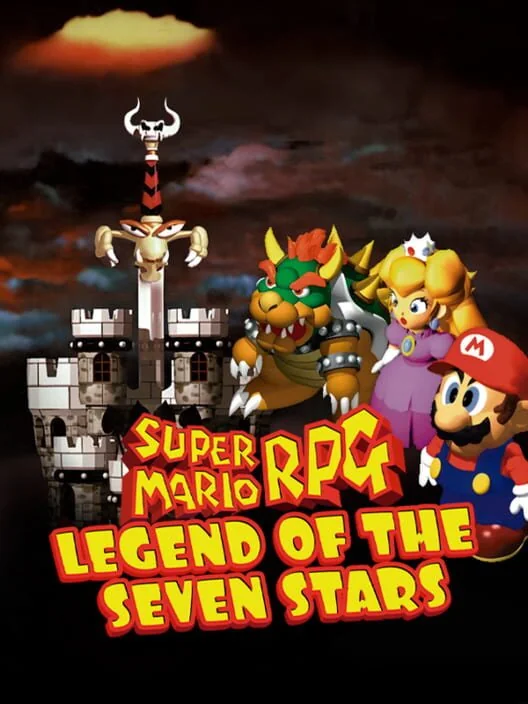
Super Mario RPG was the final Mario game for the SNES. Square made it with Nintendo, with Shigeru Miyamoto producing and Yoko Shimomura writing the music. It is the first RPG in the Mario series, and the first Mario with an isometric 3D world. Mario even teams up with Bowser against a gang of weapons from the sky, and timed button presses make each attack stronger.
It is very funny, and it was a commercial and critical success. Geno and Mallow became fan favourites. It was later on the Virtual Console in 2008, which was its first release in Europe and Australia.
11. Final Fantasy IV (1991)
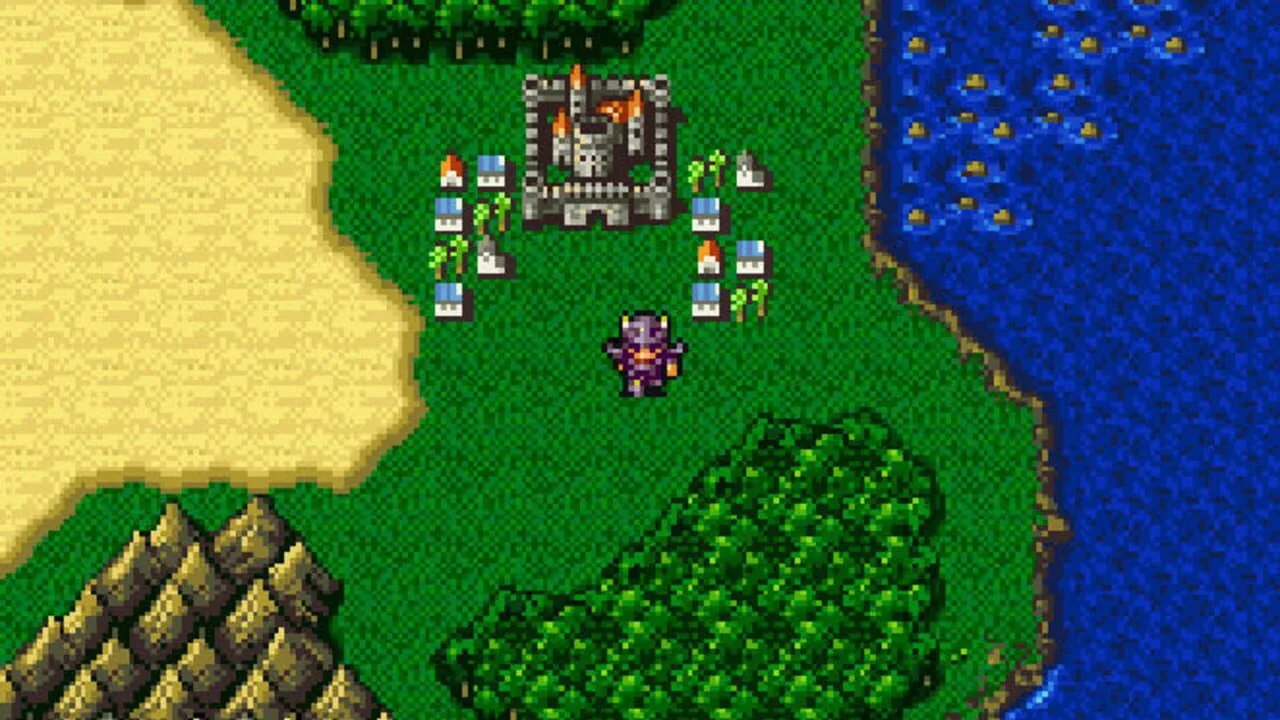
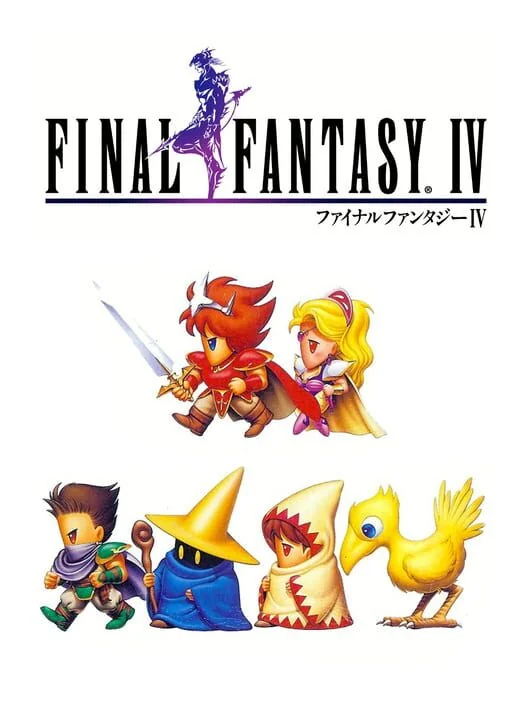
Final Fantasy IV was called Final Fantasy II in North America, because the real second and third games had not come out outside Japan. It follows Cecil, a dark knight who starts to doubt his king. Its Active Time Battle system made fights move in real time, so enemies did not wait for you to choose. The story twists hard and kills off characters all over the place.
The various versions have sold more than four million copies worldwide, including a 3D remake on the Nintendo DS in 2007. A sequel, The After Years, came out in 2008 in Japan. It is the most dramatic Final Fantasy on the SNES, and a great place to start.
10. Mega Man X (1993)
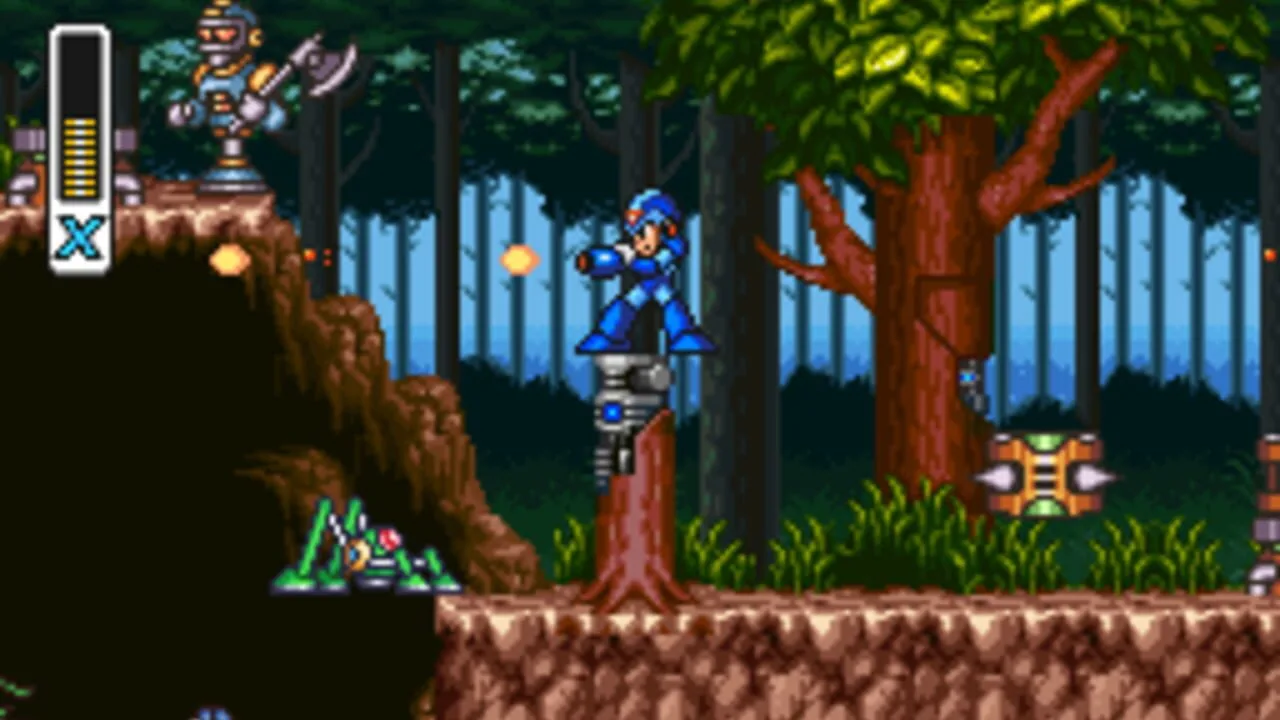
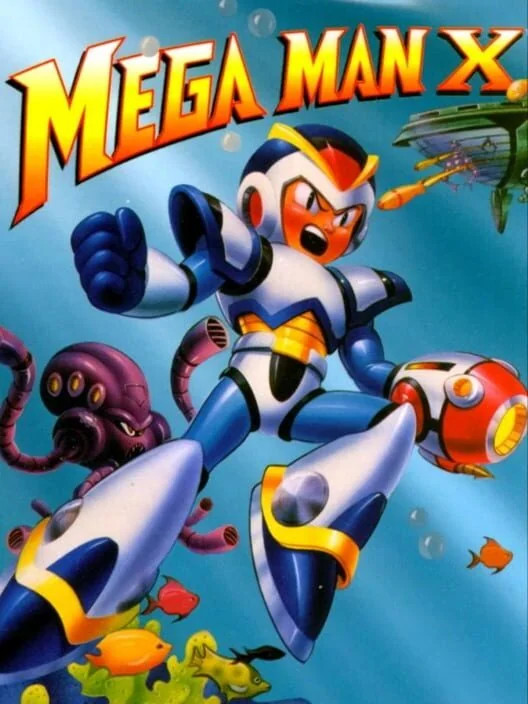
Mega Man X was the first Mega Man game on the 16-bit console and the first in the Mega Man X series. Series artist Keiji Inafune said the idea was to reinvent Mega Man with more gameplay and a more mature story. X can dash, climb walls and find armour parts hidden in the stages, and the opening highway stage teaches you everything without a word of text.
Some critics have called it one of the greatest video games ever made. It later got a remake on the PSP called Mega Man Maverick Hunter X. If you only play one Mega Man game on the SNES, play this one.
9. EarthBound (1994)
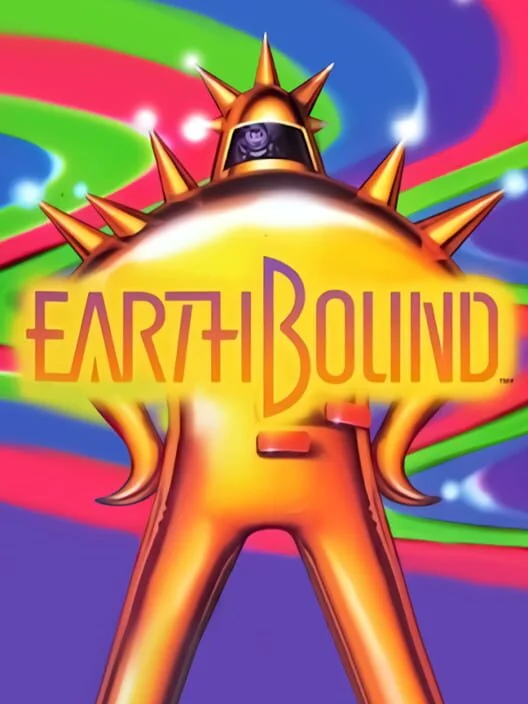
EarthBound took five years to make. Writer and director Shigesato Itoi and lead programmer Satoru Iwata led the team, and the soundtrack mixes styles from salsa to reggae and dub. It first came out in Japan in August 1994 and in North America in June 1995. Itoi wanted it to reach non-gamers, so you fight taxi cabs and piles of vomit in a version of small-town America.
In the US it got a $2 million advertising campaign that told people "This game stinks." That did not help sales much, but the game found its fans later. It is weird and kind, and the ending sneaks up on you.
8. Secret of Mana (1993)
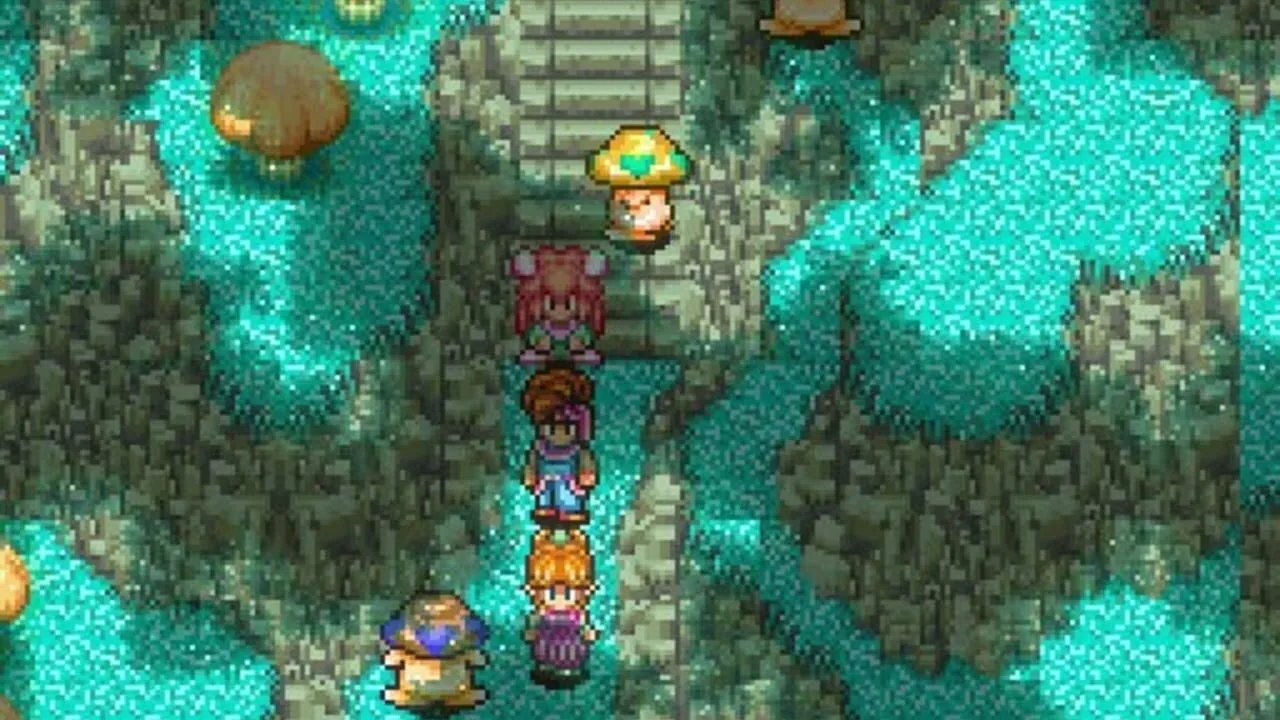
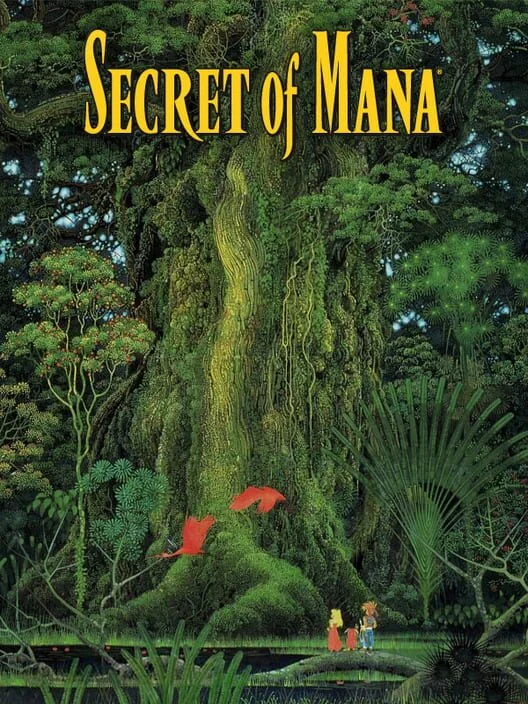
Secret of Mana is the sequel to the 1991 Game Boy game sold in North America as Final Fantasy Adventure. It was directed and designed by Koichi Ishii, and Hiroki Kikuta's soundtrack is one of the most loved on the console. It is an action RPG: you swing weapons in real time, and two friends can join in to play the other party members.
Critics praised its AI settings for computer-controlled allies, and it is now considered one of the greatest games of all time. It was remade in 3D in 2018. Find two friends, plug in a multitap and play it the way it was meant to be played.
7. Star Fox (1993)
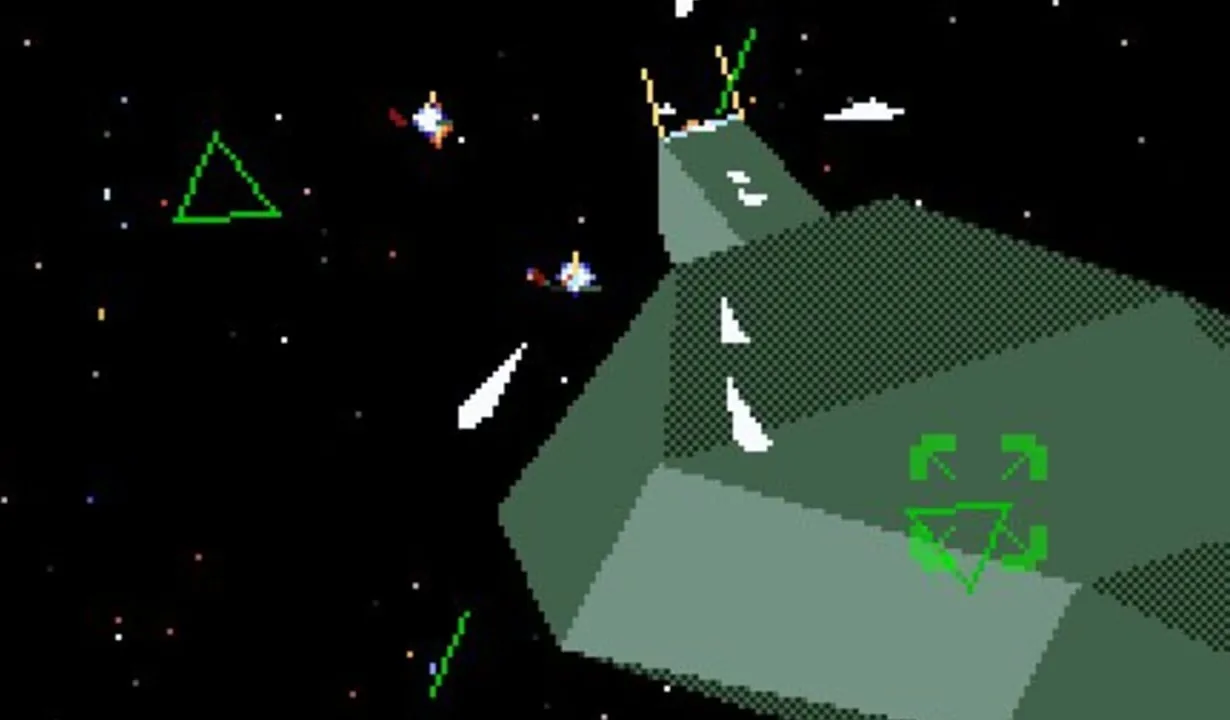
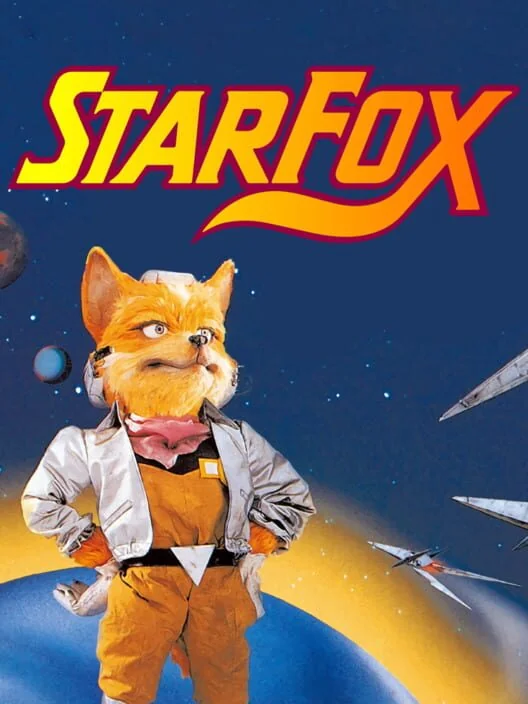
Star Fox was developed by Nintendo EAD and programmed by Argonaut Software. It used the Super FX Chip, built into the cartridge, to create the first hardware-accelerated 3D gaming experience on a home console. You fly Fox McCloud's Arwing through space, shooting down polygon enemies with your teammates calling for help. In Europe it was called Starwing.
The frame rate is low and the graphics are basic by later standards. At the time it was a shock. The idea for the series came from a shrine to the fox god Inari, which Shigeru Miyamoto visited regularly. Pick a different route each time and the game changes. Star Fox 64 later improved it, but this was the first.
6. Donkey Kong Country (1994)
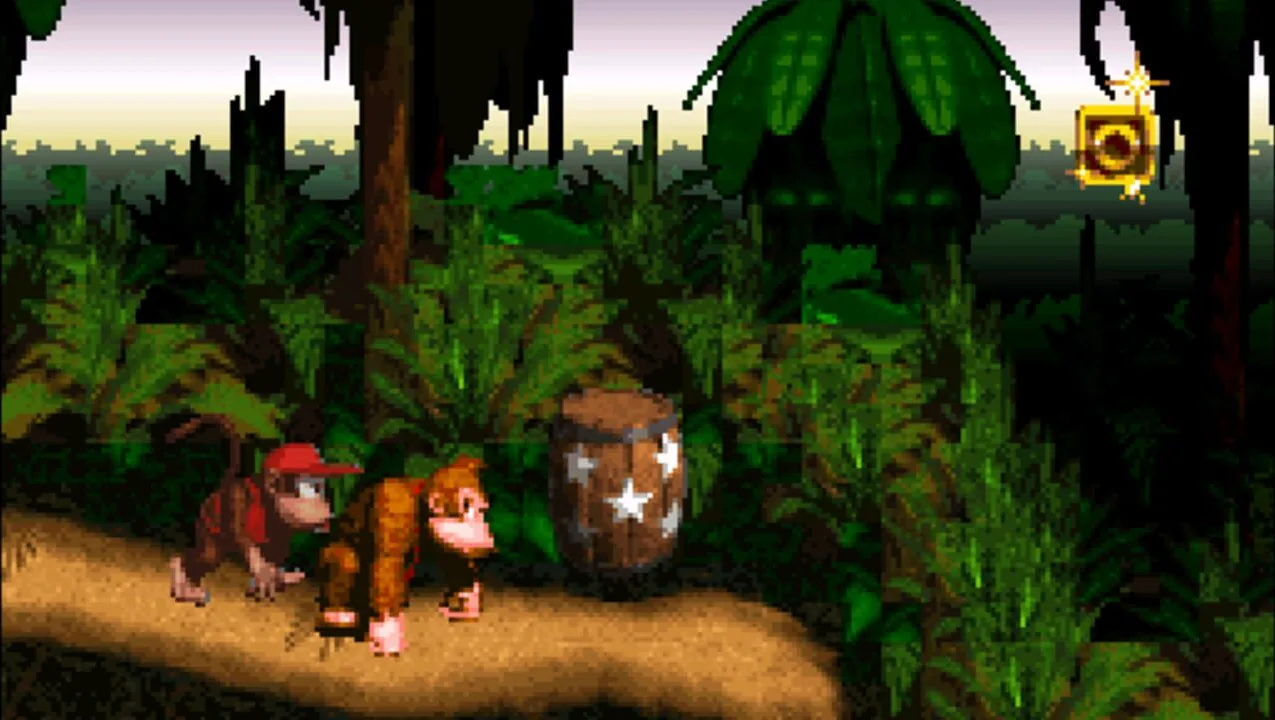
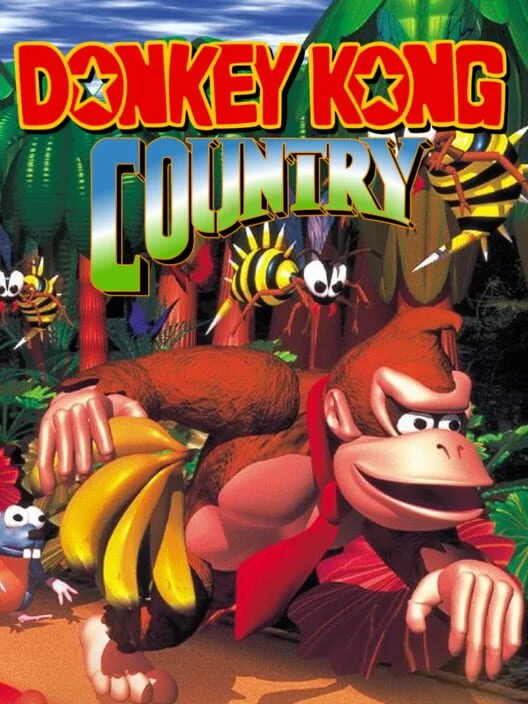
Rare made Donkey Kong Country after buying Silicon Graphics workstations to render 3D models. A team of 12 developers worked on it for 18 months, and it became one of the first home console games with pre-rendered graphics. Nobody had seen a Super Nintendo look like this. It was also the first Donkey Kong game neither produced nor directed by Shigeru Miyamoto.
It was released in November 1994 to acclaim. Critics called its visuals groundbreaking and praised its music. Diddy and Donkey swap places when one gets hit, and minecart levels test your memory. It still looks striking today.
5. Final Fantasy VI (1994)
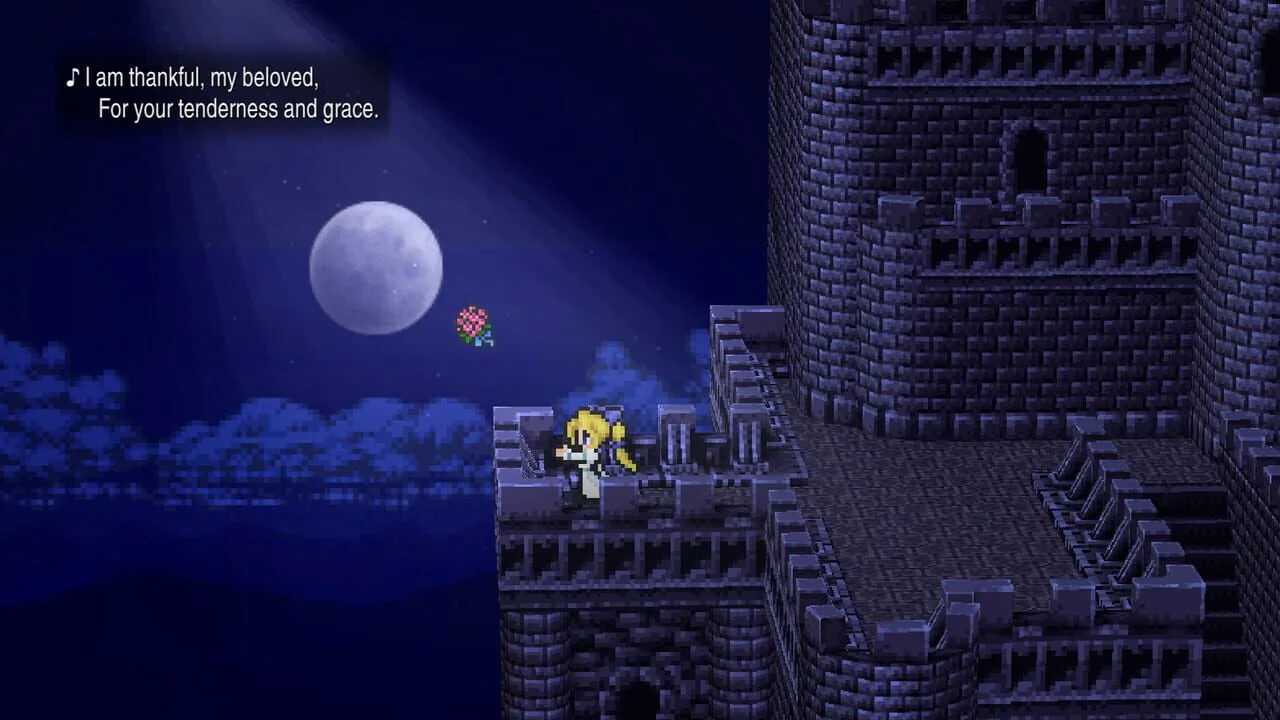
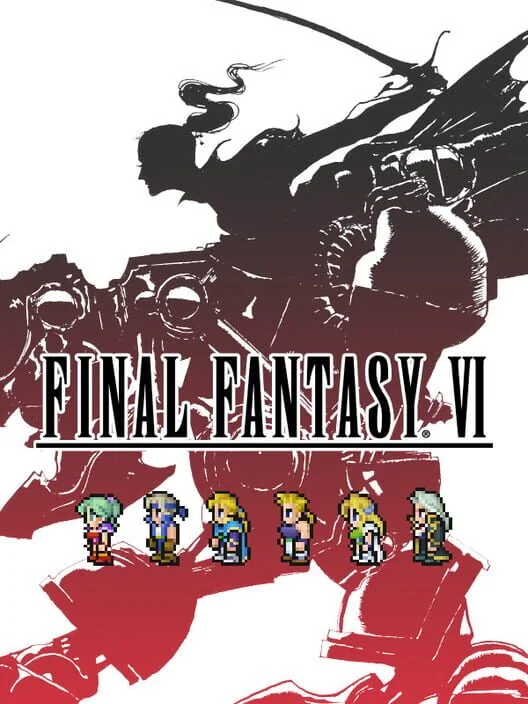
Final Fantasy VI was sold in North America as Final Fantasy III. It is the sixth main Final Fantasy, the last one with 2D sprites, and the first not directed by series creator Hironobu Sakaguchi: Yoshinori Kitase and Hiroyuki Ito directed it. Yoshitaka Amano drew the characters, and composer Nobuo Uematsu wrote a score with an opera scene that nobody forgets.
It has no single main character. Fourteen heroes, each with a story, take on the Empire and Kefka, the cruellest clown in games. Many critics rank it as the best entry in the series and one of the best video games of all time. It was later ported to the PlayStation in 1999 and the Game Boy Advance in 2006.
4. Super Mario World (1990)
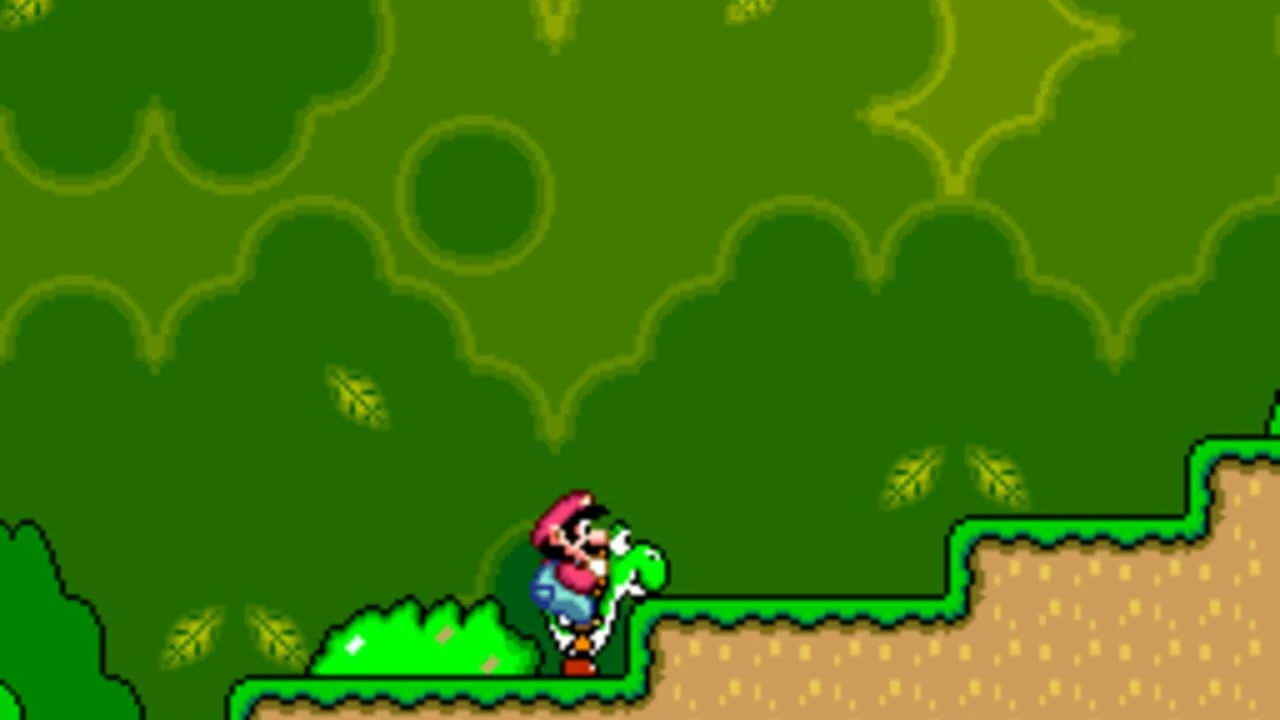
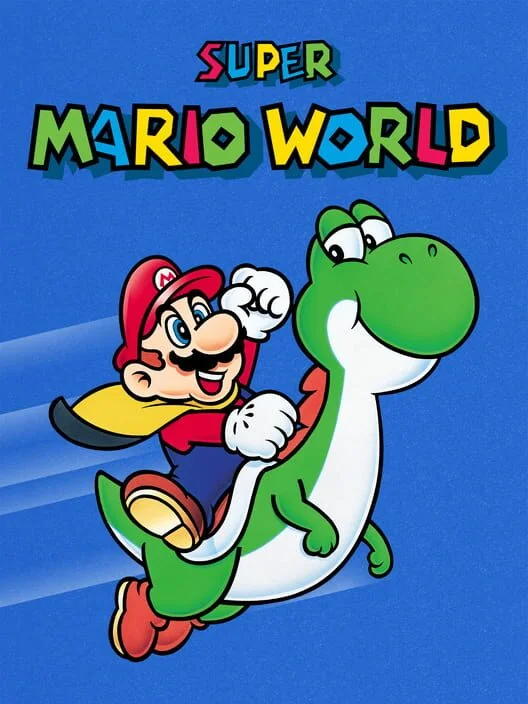
Super Mario World was the first Mario game for the SNES, made to show off what the console could do. It was released in Japan in 1990, in North America in 1991 and in PAL territories in 1992. Takashi Tezuka directed it with Shigeru Miyamoto as producer. Yoshi was first imagined during the NES games, but the hardware could not handle him until here.
It sold more than twenty million copies worldwide, making it the best-selling SNES game. Many people got it in the box with the console. The map is full of secret exits that lead to Star Road and the Special Zone, so finishing it is just the start. It is still one of the best platformers ever made.
3. The Legend of Zelda: A Link to the Past (1991)
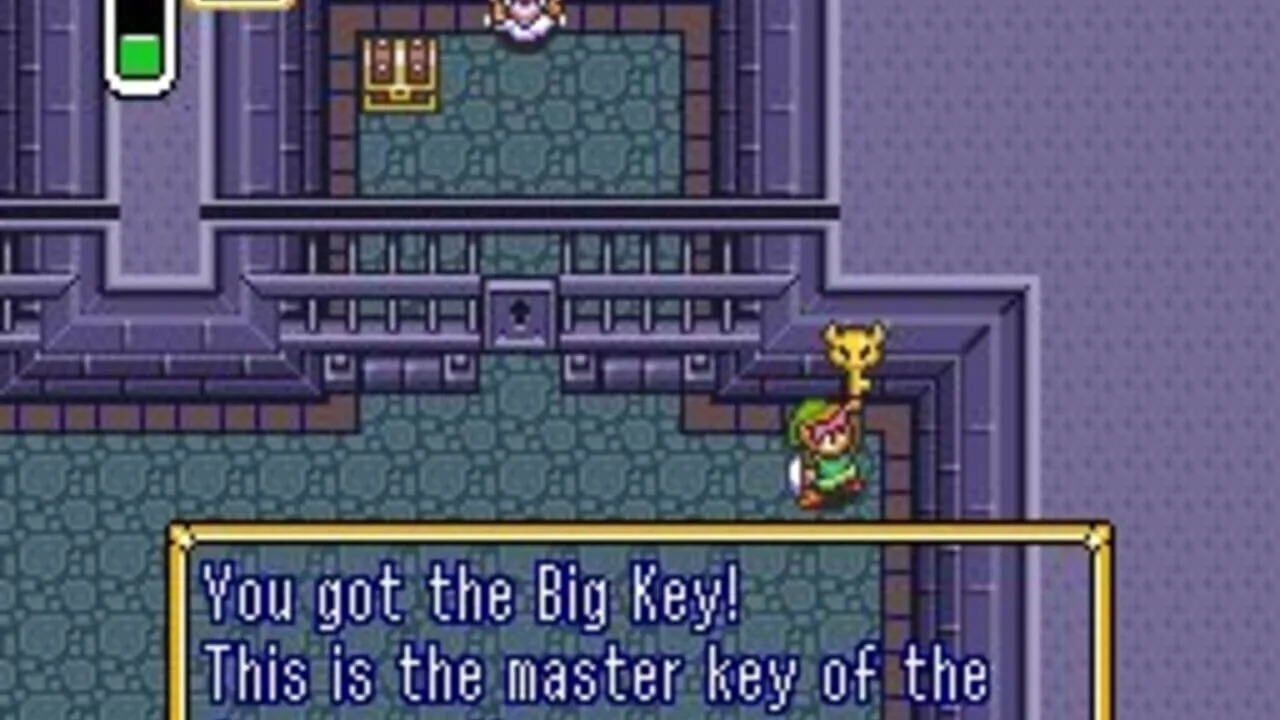
A Link to the Past was released in Japan in 1991, and in North America and Europe in 1992. It is set many years before the first two Zelda games. Link goes from the Light World into the Dark World, a twisted copy of Hyrule, and back again. The Magic Mirror sends him home, and the trick of moving between two worlds is the game's big idea.
A lot of what later Zelda games do started here, the Master Sword included. It was ported to the Game Boy Advance in 2002, and the two versions had sold 6.5 million copies by 2004. It is short by modern standards and perfect in a way few games are.
2. Super Metroid (1994)
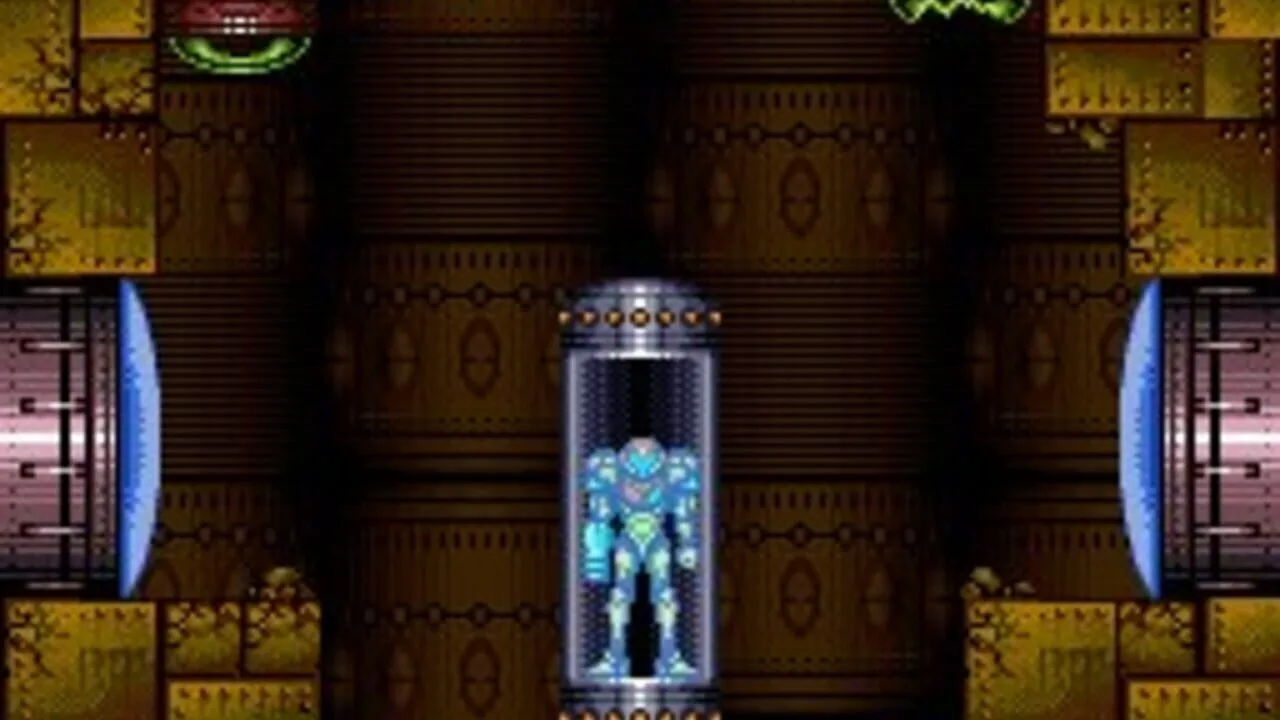
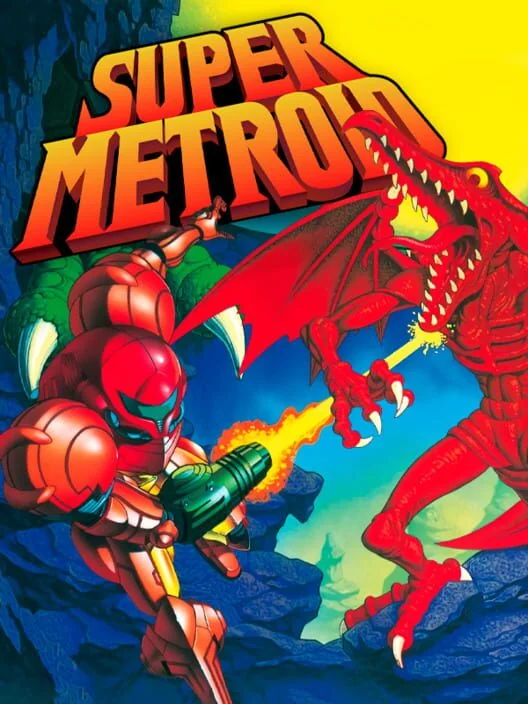
Super Metroid came out in Japan on March 19, 1994, in North America on April 18 and in PAL regions on July 28. The team from the earlier Metroid games returned and worked on it for two years. New features include an inventory screen and an automap, and Samus can now fire in 8 directions. Samus lands on Zebes alone and the game barely tells you anything.
It sold 1.42 million copies by late 2003. Along with Castlevania: Symphony of the Night, it is credited with starting the Metroidvania genre, and even players who prefer Symphony call it essential. It is lonely and quiet, and the controls feel perfect once you learn the wall jump.
1. Chrono Trigger (1995)
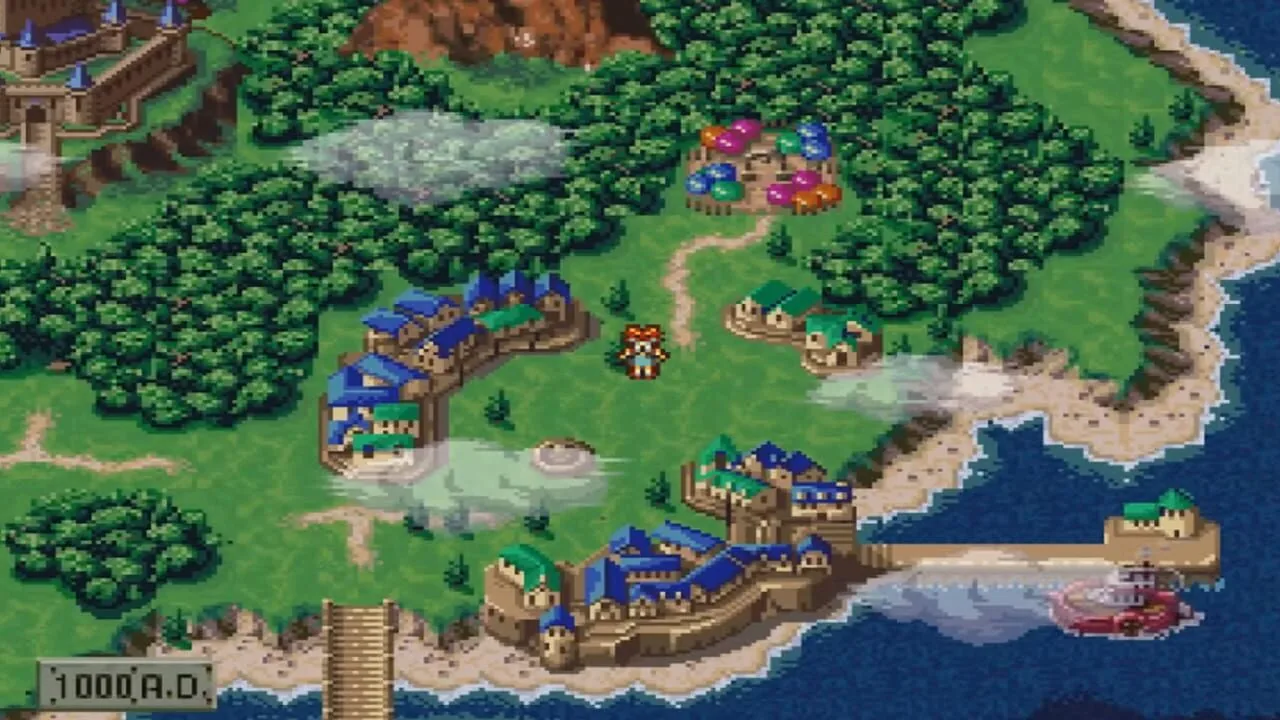
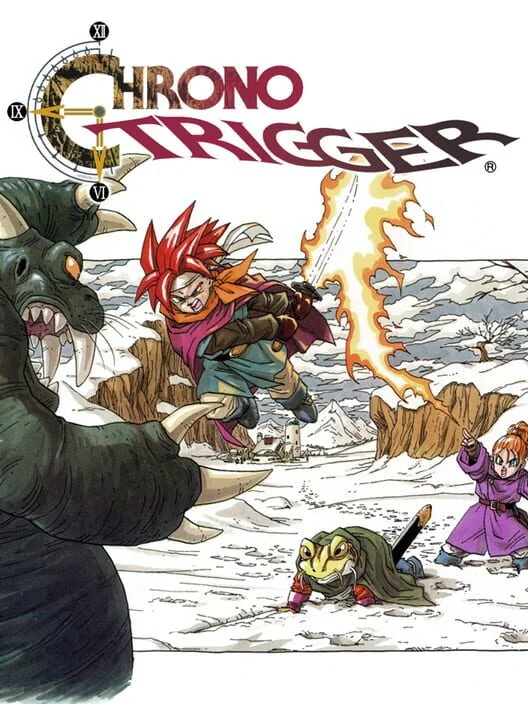
Chrono Trigger is the first game in the Chrono series. Square called its lead designers the Dream Team. Final Fantasy creator Hironobu Sakaguchi worked with Dragon Quest creator Yuji Horii, and Dragon Ball author Akira Toriyama drew the characters. Masato Kato wrote most of the story. A boy named Crono and his friends travel across time to stop the end of the world.
Nintendo Power described parts of it as revolutionary, including its multiple endings. It was a critical and commercial success and is called one of the greatest video games ever made. Players recommend it more than any other SNES game.
Which one to play
There you have it, the whole list of the best SNES games. The top twenty would be the best games on most consoles.
If you are not sure where to start, play Super Mario World. If you want a long story, Final Fantasy VI will take your whole winter. For exploring, Super Metroid is the one. If you want something hard, Contra III will test you. For friends on the couch, Super Mario Kart and Secret of Mana are made for it. And for a hidden pick, try Plok! and its throwing limbs.