Sonic the Hedgehog began in 1990 when Sega ordered its developers to create a mascot, and the game reached the Genesis in June 1991. Its sprite could roll along curved scenery at a speed that made other platformers look like they were standing still. On the Genesis alone it sold over 15 million copies. Since then the series has gone from cartridges to the Dreamcast to a kart racer with blowfish. A comeback or a disaster turns up every few years. Fans still argue over which era was the good one. Here are the 23 best Sonic games.
We surveyed players across the whole series and let the spin-offs in. An expanded version counts with its original, so Sonic Adventure DX and Sonic Adventure 2: Battle sit with the Dreamcast games. Sonic 3 and Sonic & Knuckles share a spot because they were planned as a single game. Sonic the Hedgehog (2006) is missing because players mostly bring it up as a low point of the series.
23. Sonic 3D Blast (1996)
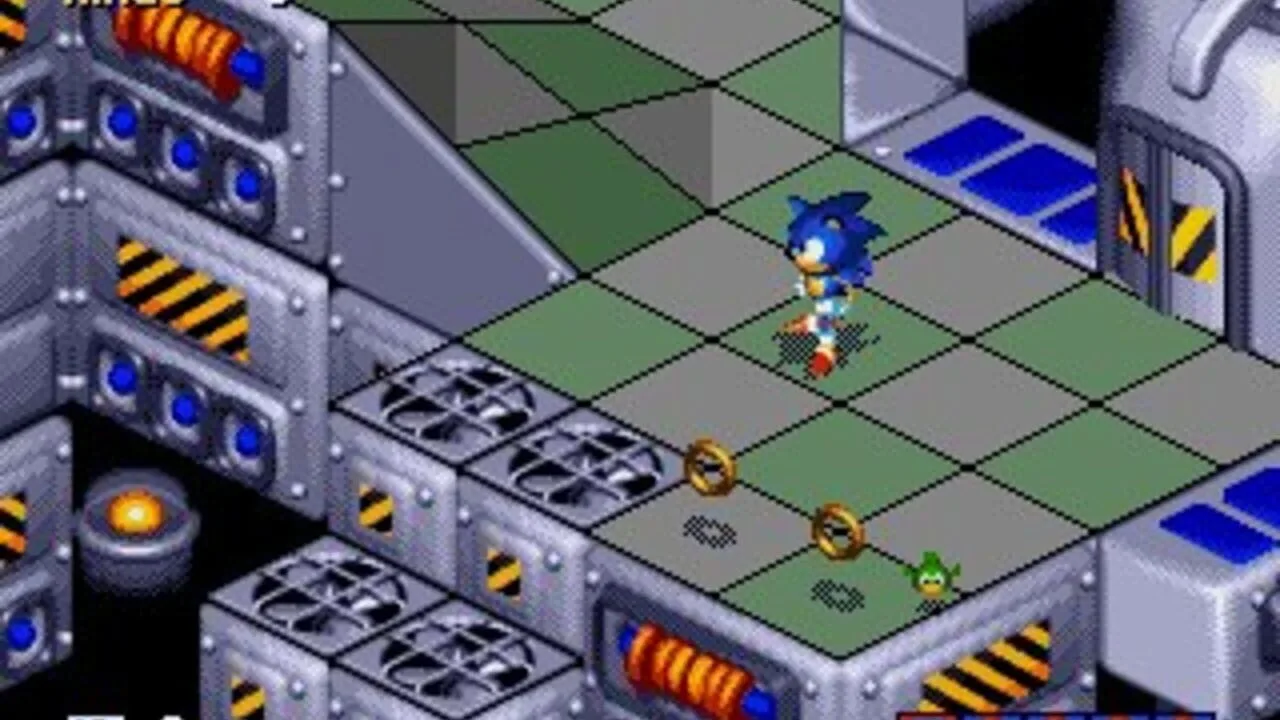
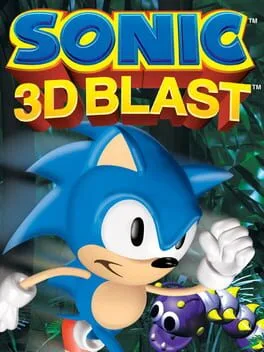
Sonic 3D Blast came out in November 1996 and was the final Sonic game for the Genesis. The concept came up during the development of Sonic the Hedgehog 3, and most of the programming went to the British studio Traveller's Tales because Sonic Team was busy with Nights into Dreams. Development lasted eight months. When the Saturn game Sonic X-treme was canceled, Sega commissioned a Saturn port with improved graphics to fill the gap. The Genesis version got positive reviews, and later releases got more mixed ones.
Players who like it know they are in a small club. It rarely makes anyone's top five, but it has held on to enough fans to edge onto this list.
22. Sonic & All-Stars Racing Transformed (2012)
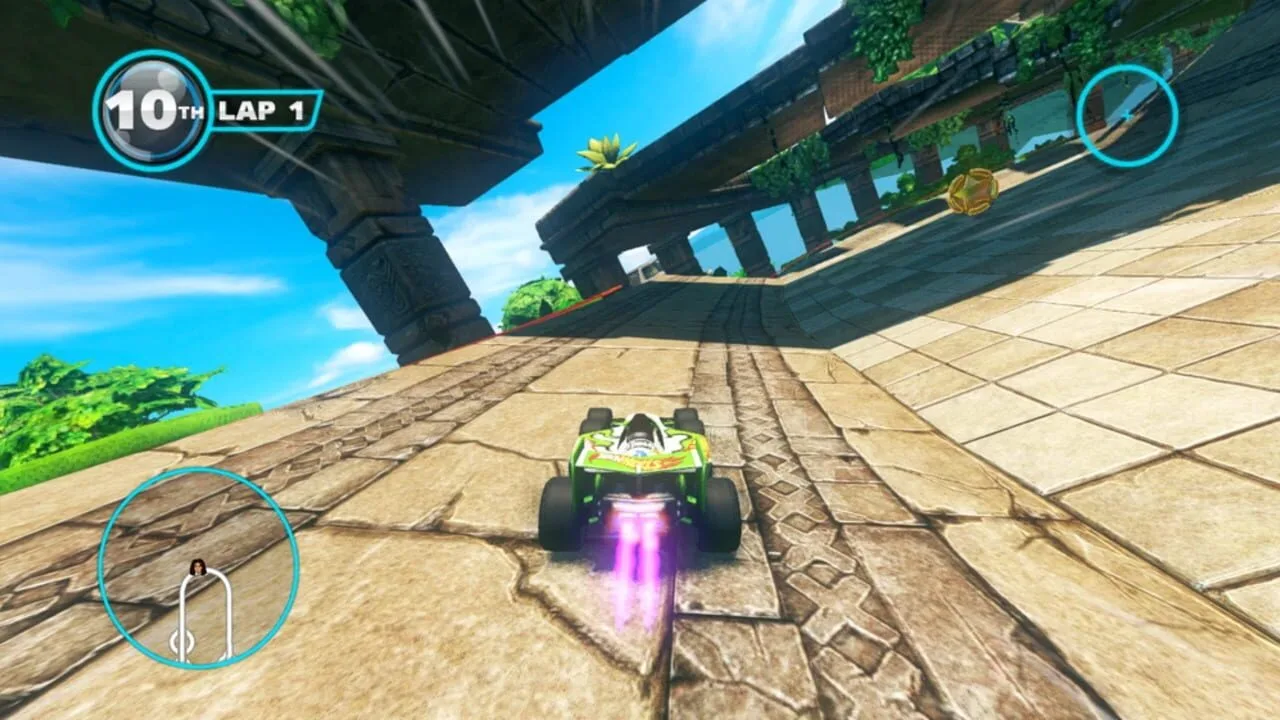
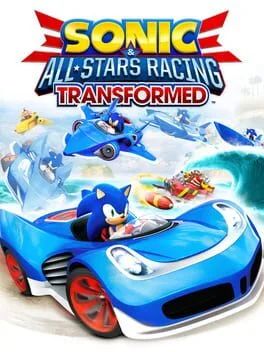
This is the sequel to Sonic & Sega All-Stars Racing, and it was a launch title for the Wii U in North America and Europe. The big idea is in the name: certain tracks terraform as you race through them, so each lap can play differently. Weapons include explosive hot rod engines and swarms of wasps. In the Japanese version the blowfish are replaced with garbage Puyos from the Puyo Puyo series. It got positive reviews, with many critics praising the character roster and the major improvements from its predecessor.
Players call it a fun alternative to Mario Kart, and some say they like it more than Mario Kart. Few other racers let you lose first place to a blowfish.
21. Sonic R (1997)
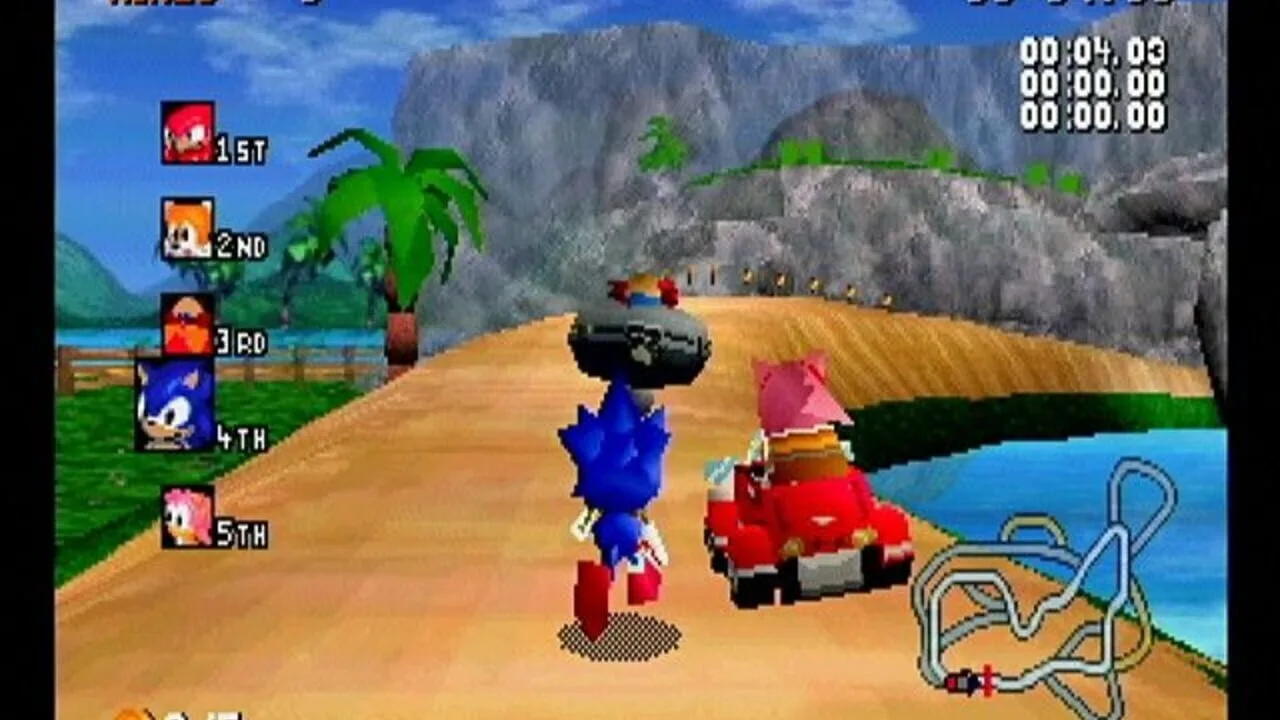
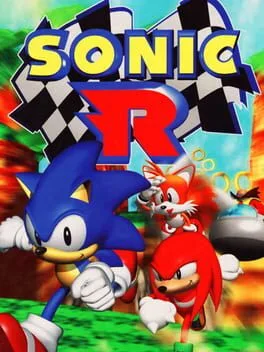
Sonic R was the third racing game in the series and the first with 3D computer graphics. Sonic Team designed the tracks, while Traveller's Tales handled the programming on a custom engine, and development took nine months. It was the only original Sonic game released for the Saturn, reaching stores in late 1997, and it later turned up on Sonic Gems Collection in 2005. Reviews praised its visuals and level design but criticised the poor controls and short length, and later opinion got more negative.
Players remember the music first. Richard Jacques wrote songs with vocals for a racing game, and his tracks have been reused in later Sonic games. Reviewers split over it, and so do fans, some of whom will tell you it is a guilty pleasure.
20. Sonic Spinball (1993)
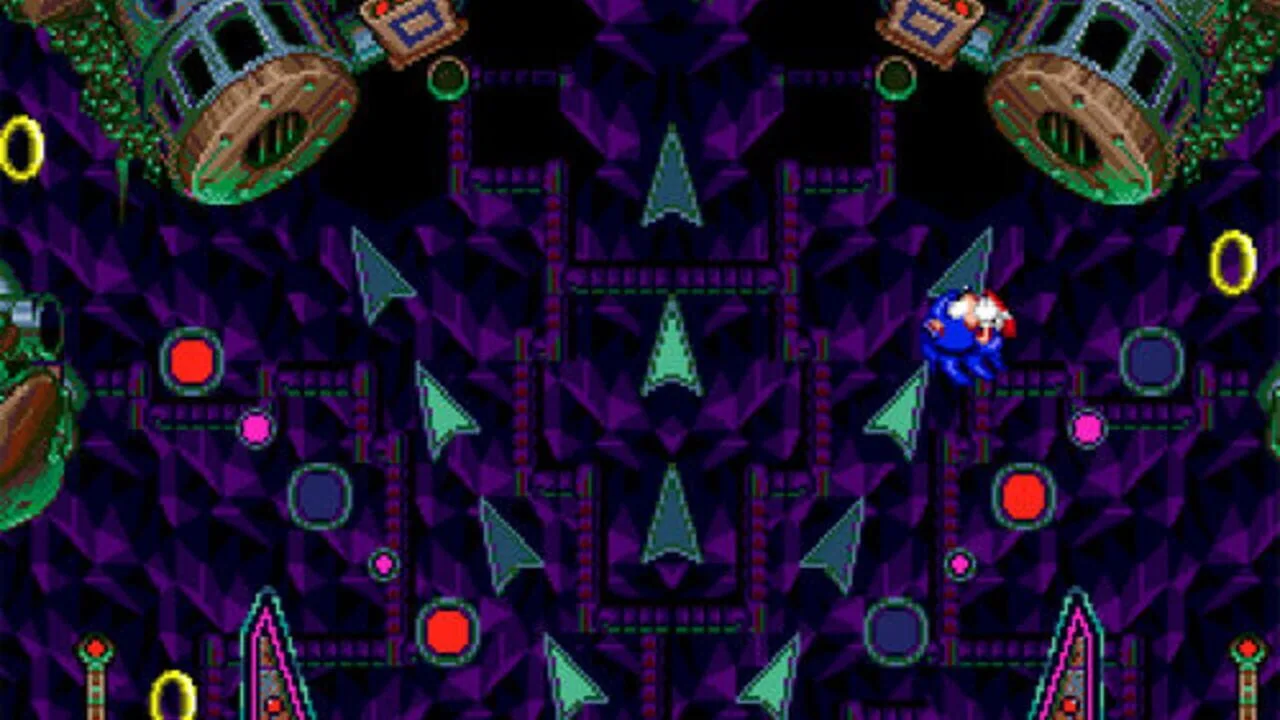
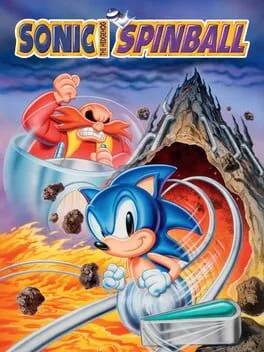
Sonic Spinball exists because the casino levels were among the favorites of the people Sega's marketing team asked. The American staff at Sega Technical Institute built it while the Japanese staff was busy with Sonic 3 and Sonic & Knuckles, and it reached the Genesis in November 1993 after a hasty nine-month development. Critics liked the novelty and graphics but criticized the controls. A Sonic Spinball rollercoaster opened at Alton Towers in 2010.
Players keep going back to it without being able to fully defend it. It is a game people remember fondly from childhood, and they tend to admit it has aged.
19. Sonic and the Secret Rings (2007)
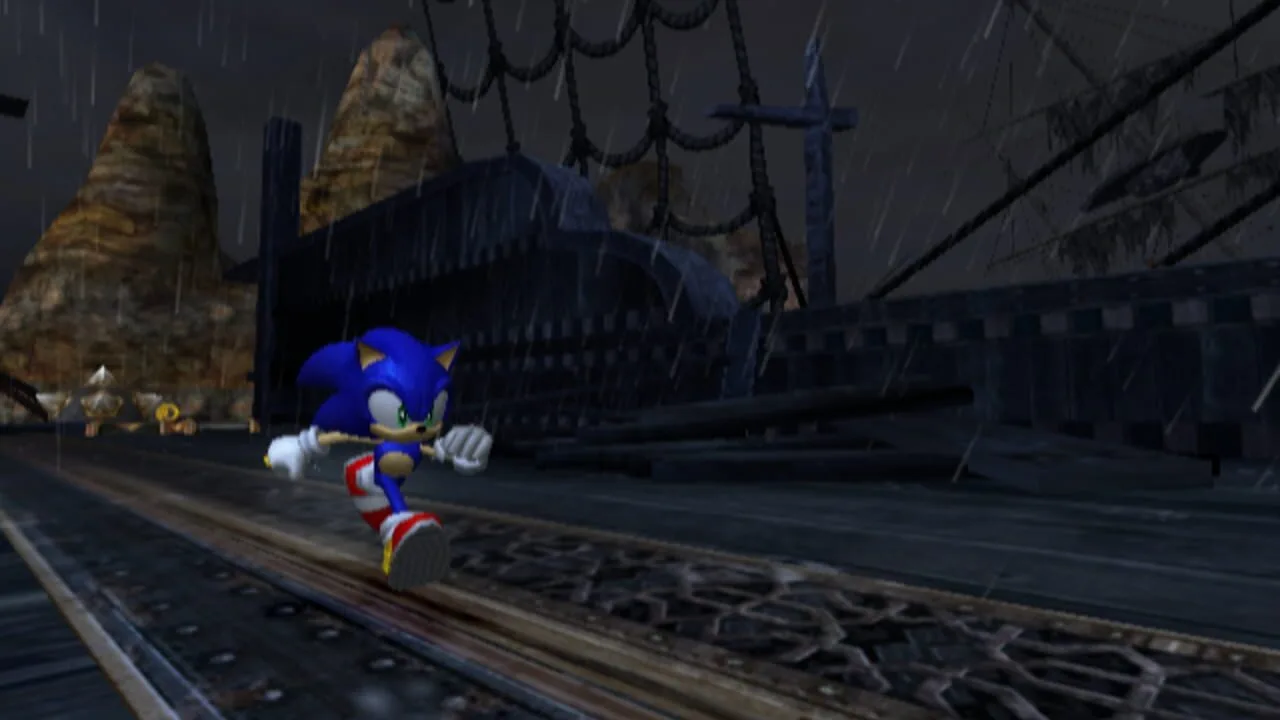
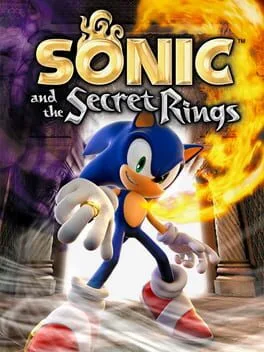
This was the first Sonic game for the Wii, released in place of an aborted port of the 2006 game. Director Yojiro Ogawa built it around the Wii Remote and took its setting from the Arabian Nights, and it was first announced as Sonic Wild Fire. Secret Rings got mixed reviews. Critics liked the visual style but not the controls, which took time to get used to, or the inconsistent difficulty. Sega de-listed it in 2010 along with other Sonic titles that had sub-average Metacritic scores. That is a cold way for a publisher to review its own game.
Players who like it tend to pair it with Black Knight, and they know most people disagree.
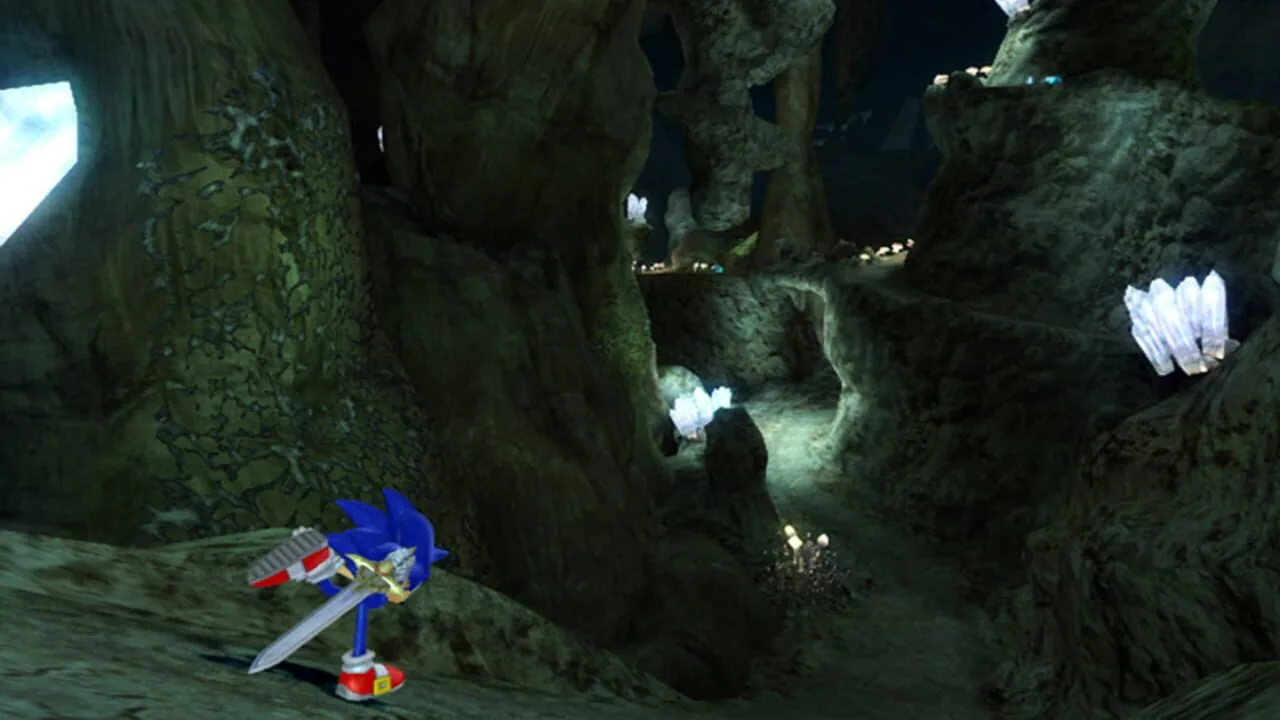
18. Sonic and the Black Knight (2009)
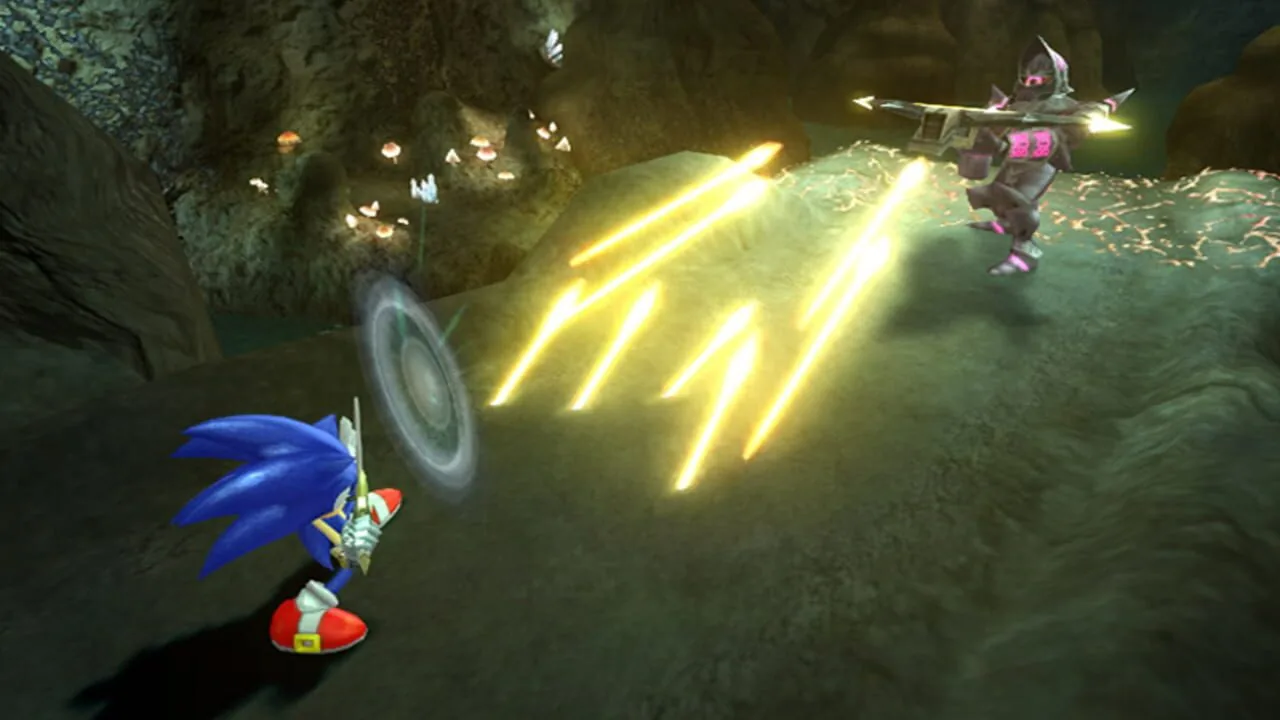
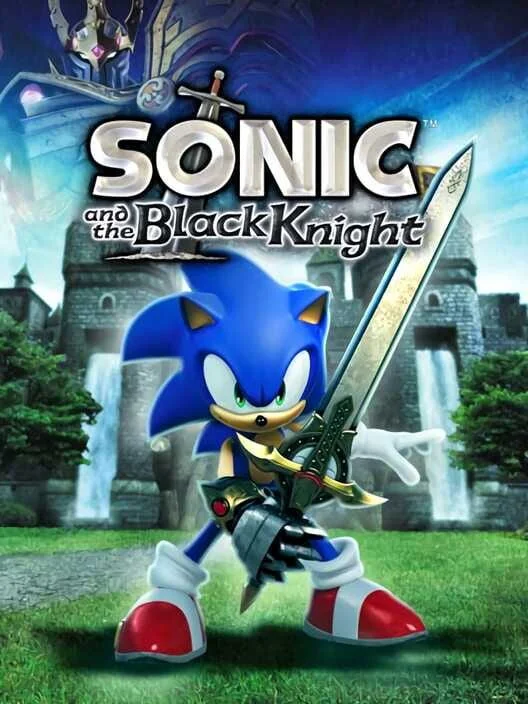
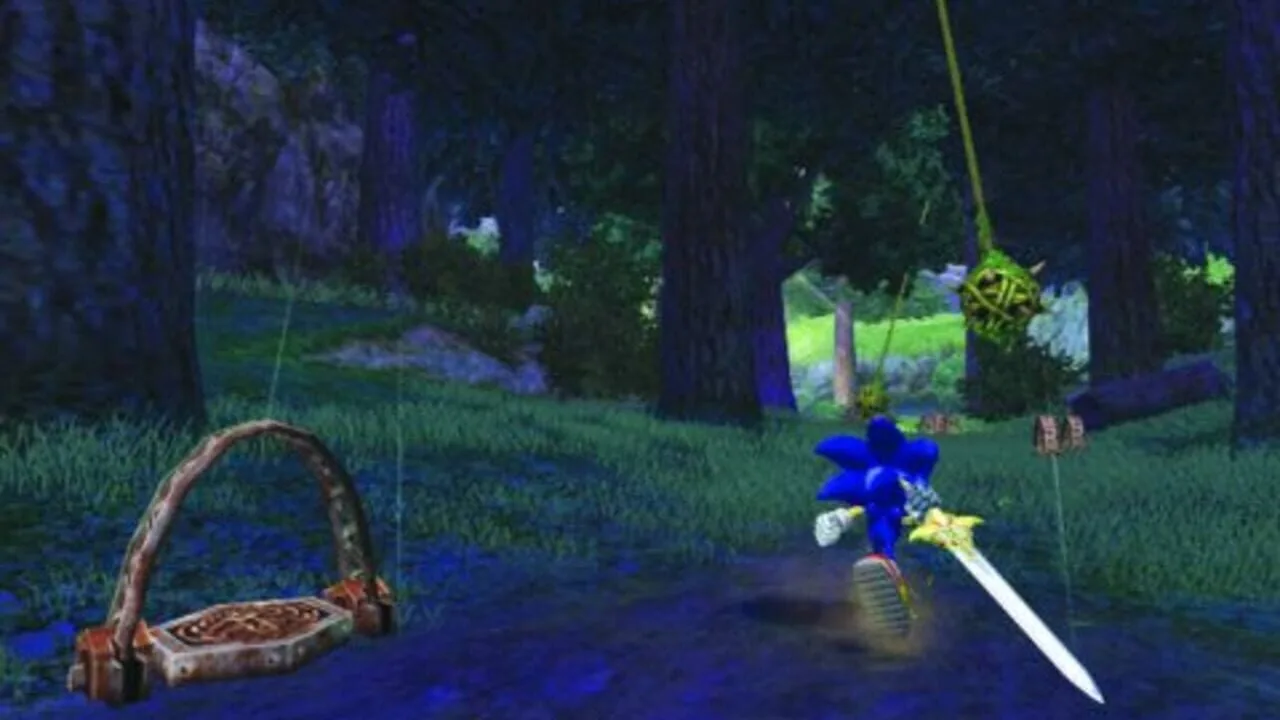
Sega released this sequel to Secret Rings in March 2009, and the two form what is known as the Sonic Storybook series. It is an action-adventure platformer with elements of hack and slash, and it is the first and only Sonic game to leave out Dr. Eggman. The team included designers from Sonic Adventure 2 and Sonic Heroes. Reviews were mixed. Critics liked the story and the large amounts of bonus content. The controls and swordplay mechanics got the blame.
Its fans say they enjoyed it, and they say it a little defensively. Sonic with a sword is exactly as silly as it sounds, and the players who stuck with it seem fine with that.
17. Sonic Rush (2005)
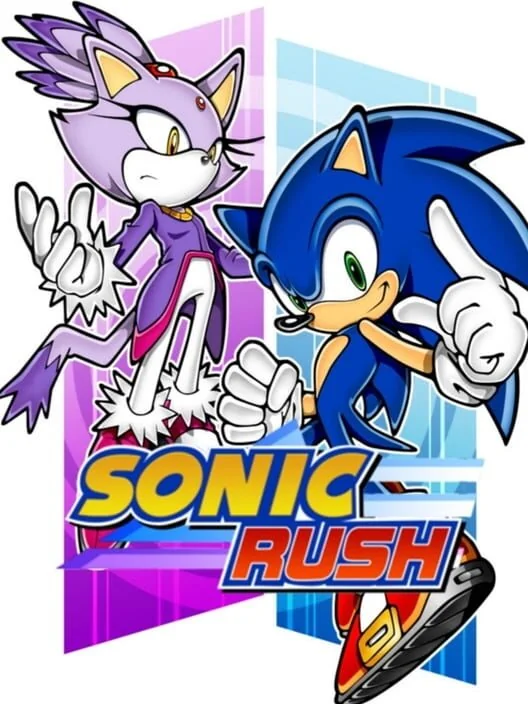
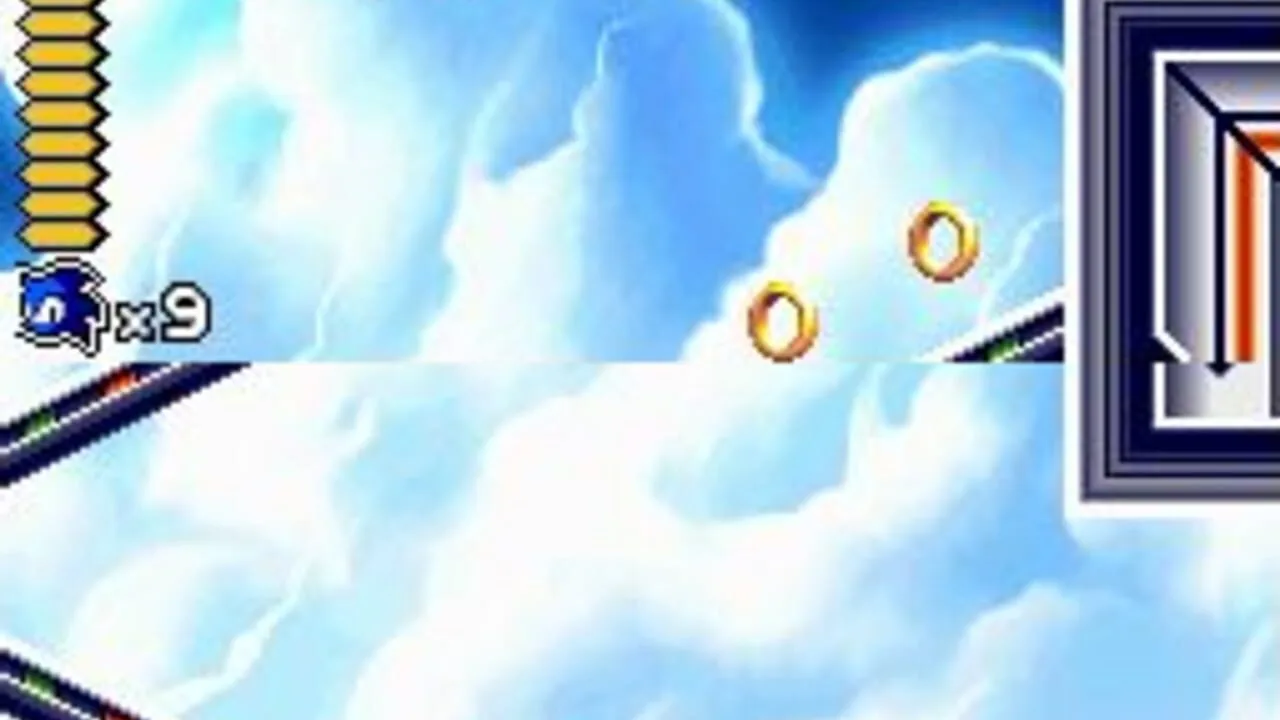
Sonic Rush came out on the Nintendo DS on November 15, 2005 in North America, and it was the final mainline Sonic game produced by Yuji Naka before he left Sega. It is a 2D platformer with side-scrolling levels on both the top and bottom screens, and the 2.5D format came from Sonic Team's idea to combine elements from the 2D and 3D games. Critics praised its visuals and music and its similarity to the older games. A sequel, Sonic Rush Adventure, followed in 2007.
Players point to the soundtrack and to how the game used both DS screens. It is a handheld game that plenty of players still rank above the console Sonic games of its day.
16. Sonic Lost World (2013)
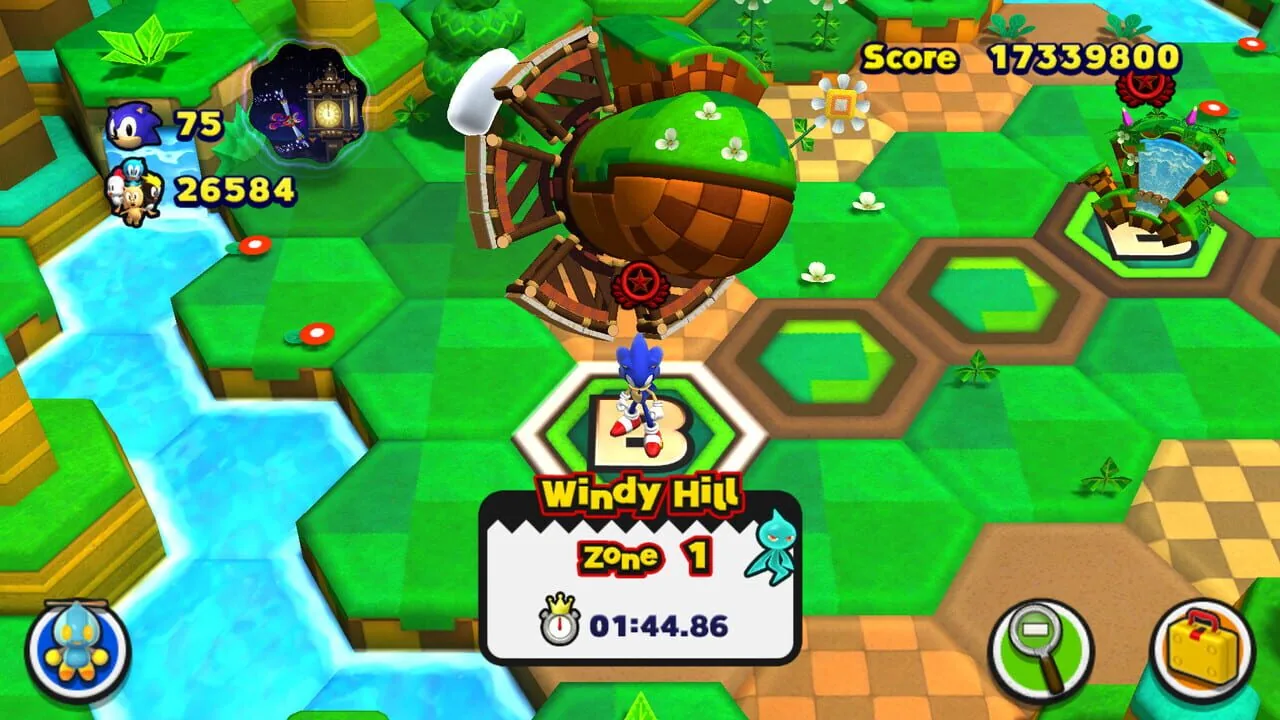
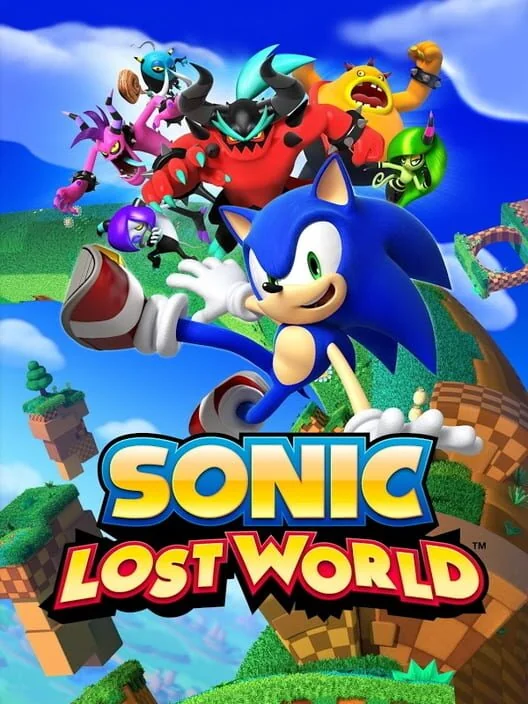
Sonic Lost World was released in October 2013 for the Wii U and Nintendo 3DS, and development began shortly after the 2010 release of Sonic Colors. It came out of a partnership between Sega and Nintendo, with Nintendo helping to distribute it in PAL regions, and a Windows port followed in November 2015. Reviews were mixed. The controls and the Deadly Six were frequently criticized. The visuals and audio went down well.
The players who like it say so as if expecting an argument. Several think it has aged better than its reputation and call it more fun than people say. If you like the Mario Galaxy games, they say, you will find something here.
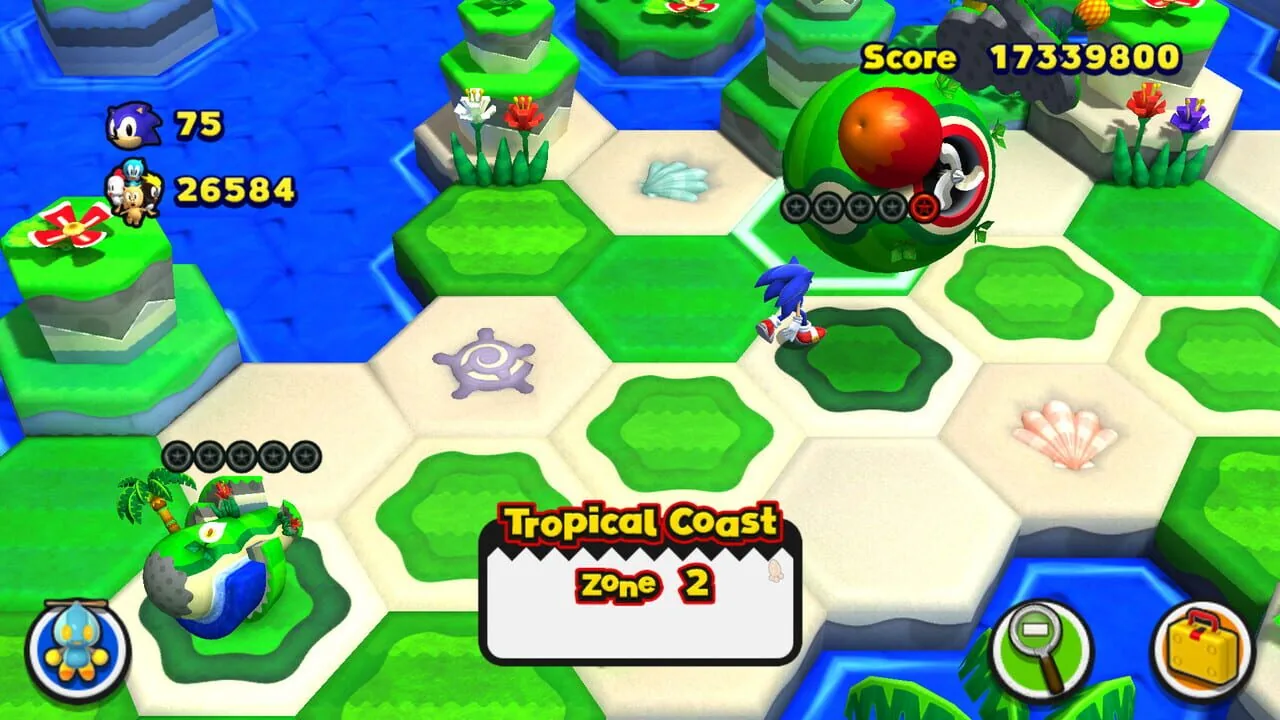
15. Sonic Advance (2001)
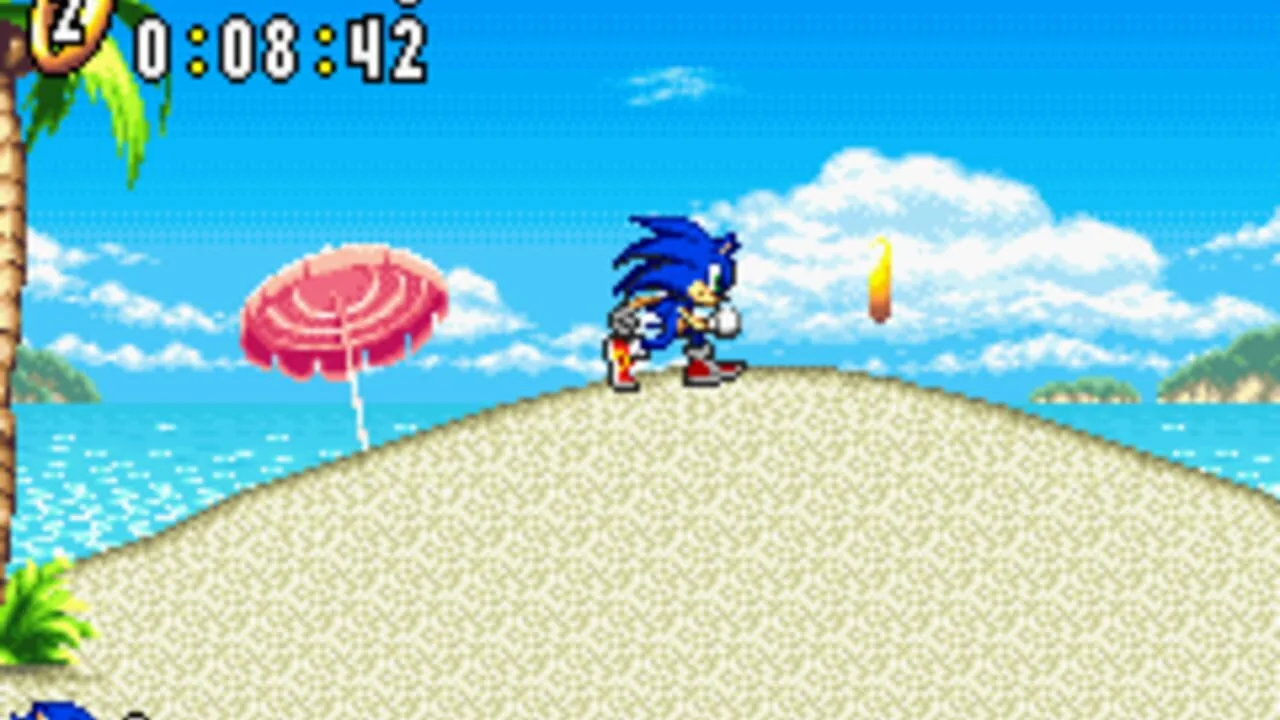
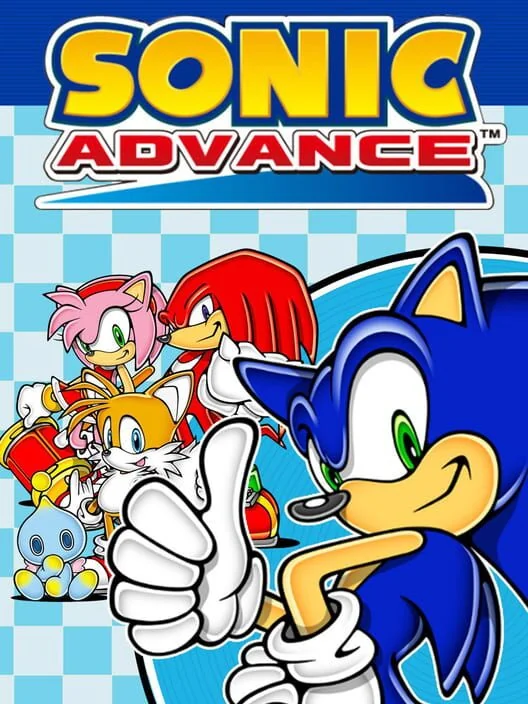
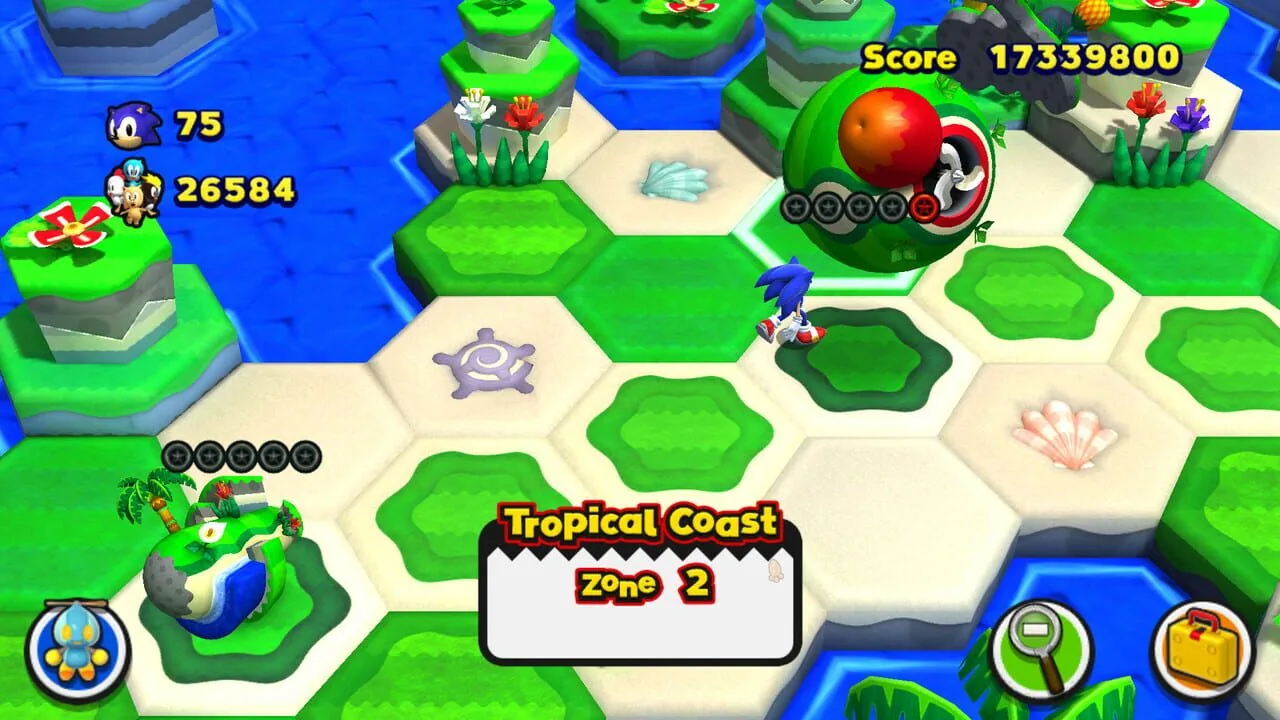
Sonic Advance was one of the first Sonic games on a Nintendo console, alongside Sonic Adventure 2: Battle, and it marked the series' tenth anniversary. Sega had shifted to third-party development after the poor performance of the Dreamcast, and it recruited Dimps to lead the game. It got positive reviews for its graphics and its faithfulness to the original Genesis games, along with criticism for its short length and special stages. Two sequels followed on the Game Boy Advance.
Players who wanted 2D Sonic during the years of awkward 3D ones found it here, and they still recommend it.
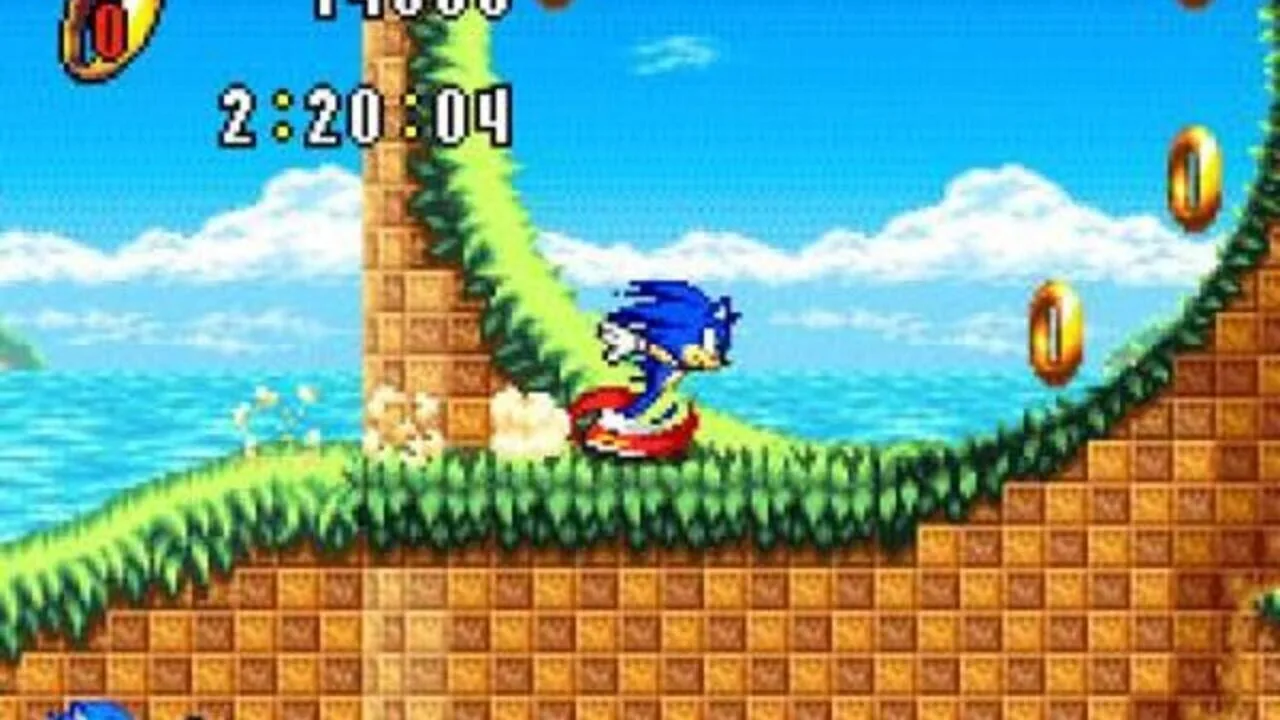
14. Sonic Riders (2006)
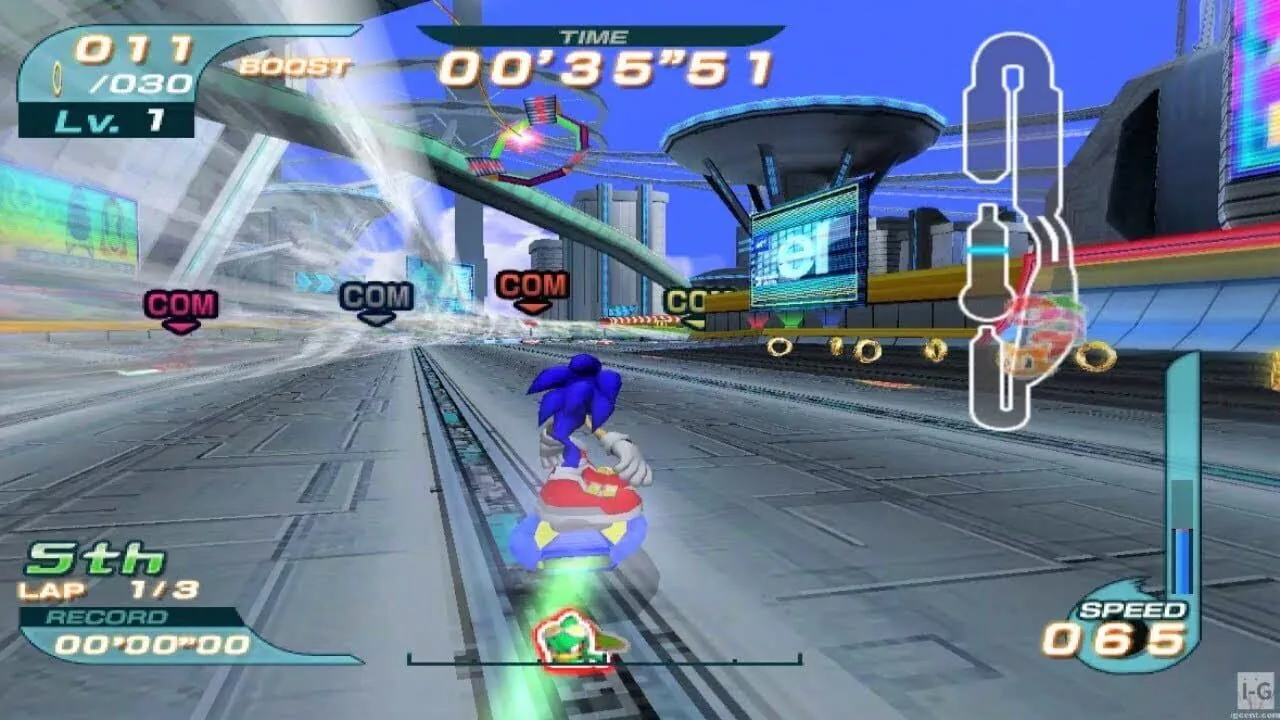
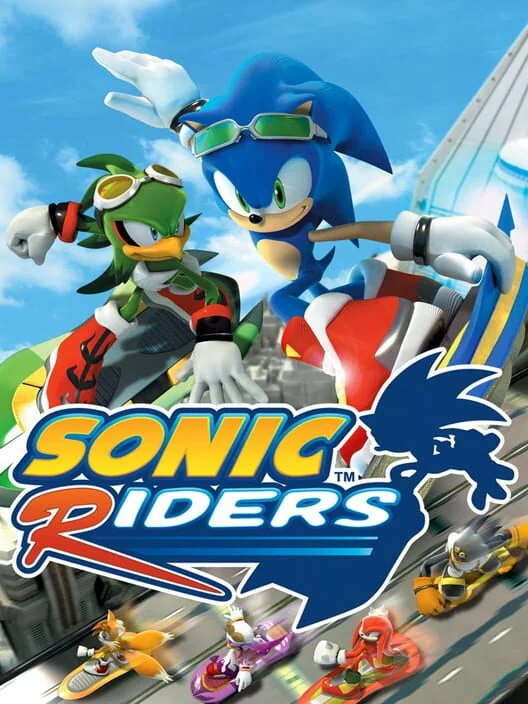
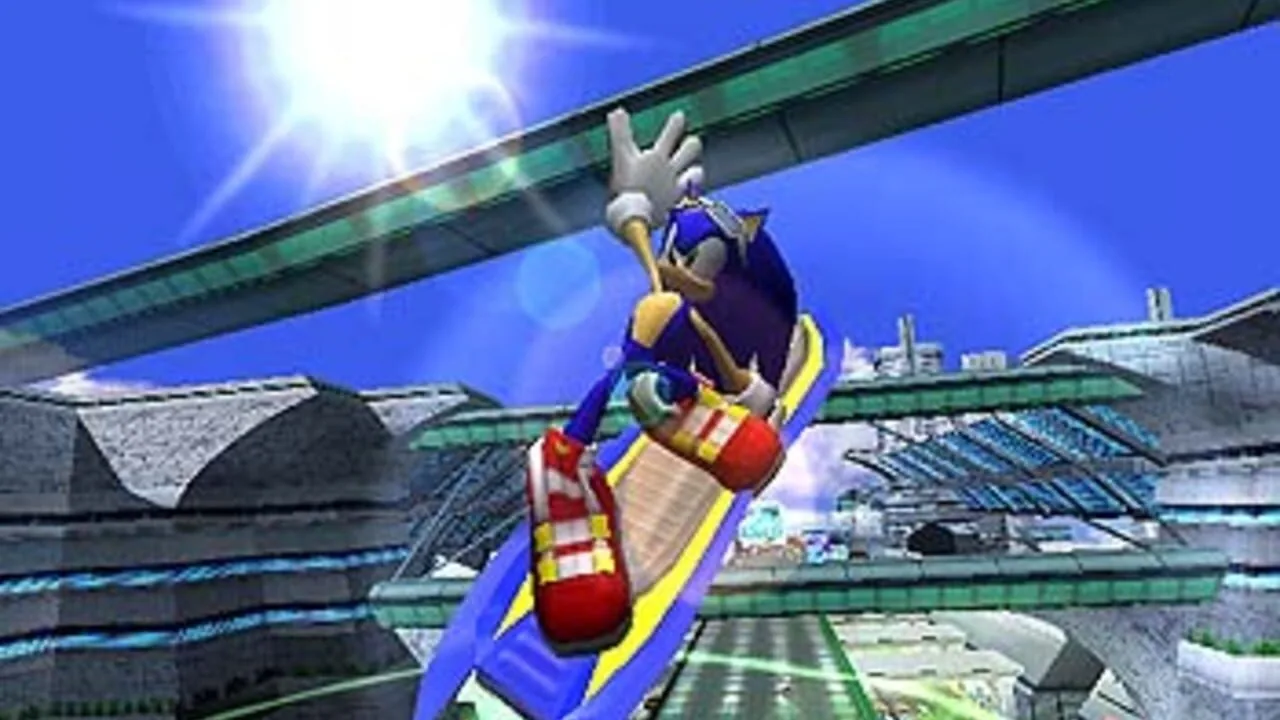
Sonic Riders came out in February 2006 to mark the series' 15th anniversary, and it was the first major Sonic racing game since Sonic R. It was designed to appeal to fans of Sonic as well as extreme sports games. It was also the last Sonic title with franchise co-creator Yuji Naka involved, as executive producer, before he left Sega. Critics gave it mixed reviews. They faulted the controls and praised the sense of speed. It still sold well enough for the GameCube and PlayStation 2 bestseller lines and got two sequels.
Players say it is hard and worth learning, and its fans love the first game far more than what came after.
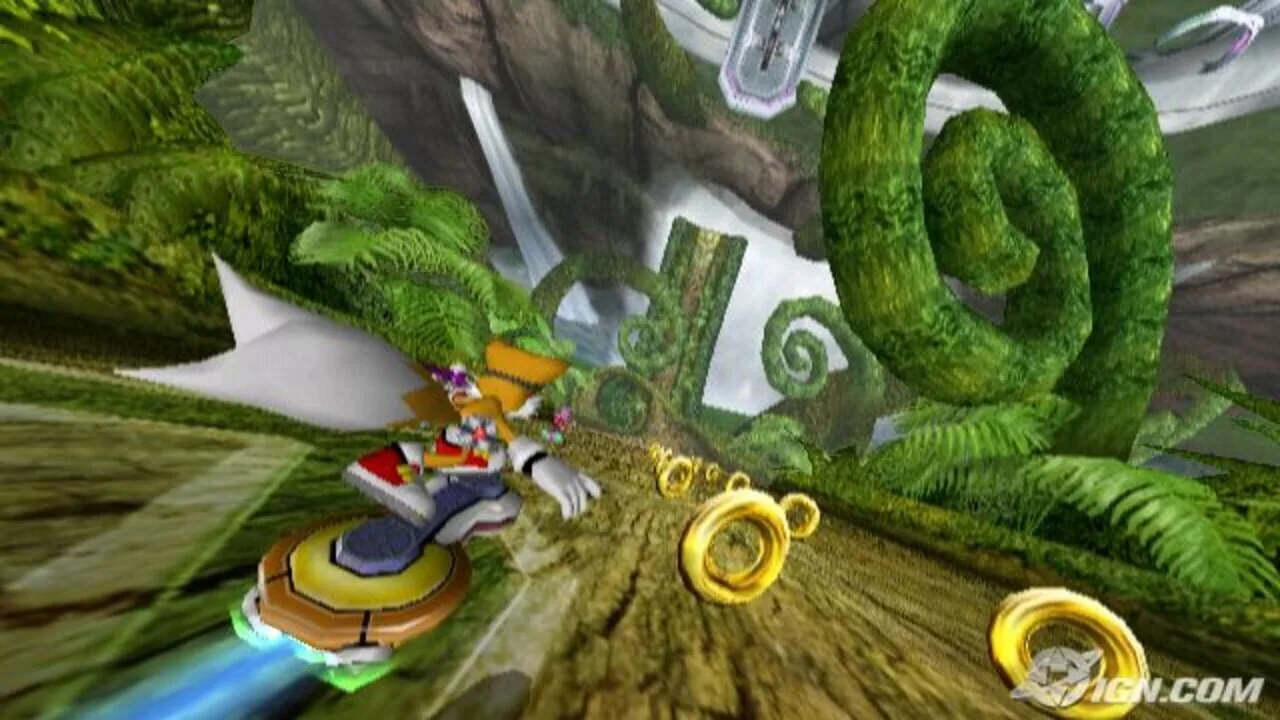
13. Sonic the Hedgehog 4 (2010)
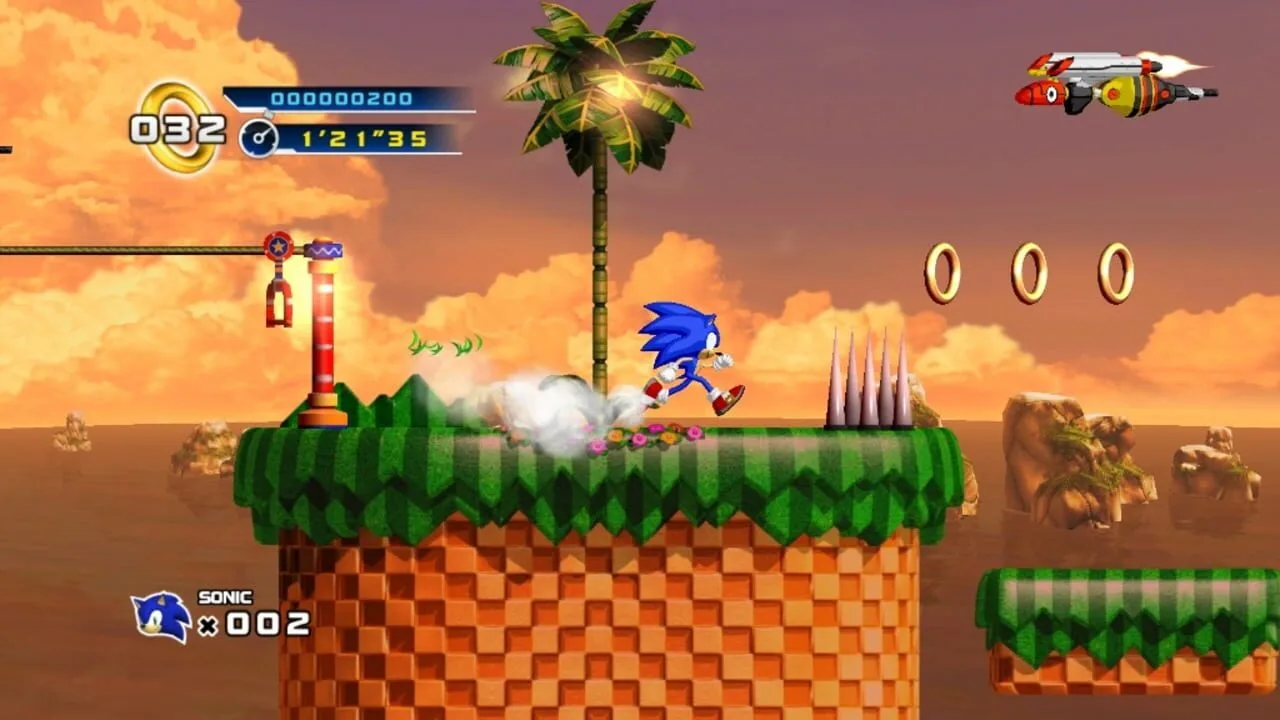
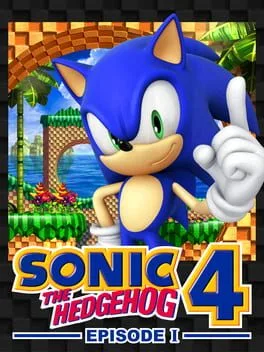
Sonic 4 is a downloadable sequel to Sonic & Knuckles that came out in two episodes. Episode I arrived in October 2010 with side-scrolling gameplay and no player characters besides Sonic. Producer Takashi Iizuka and composer Jun Senoue were the only people on it who had worked on the Genesis games. It sold more than one million copies within a year. The developers altered the gameplay for Episode II after negative feedback, but it sold fewer copies, and Episode III was cancelled shortly after.
Players complain about how Sonic moves here, and they rate Episode II above Episode I. It sits this high because a lot of people wanted it to be good.
12. Sonic CD (1993)
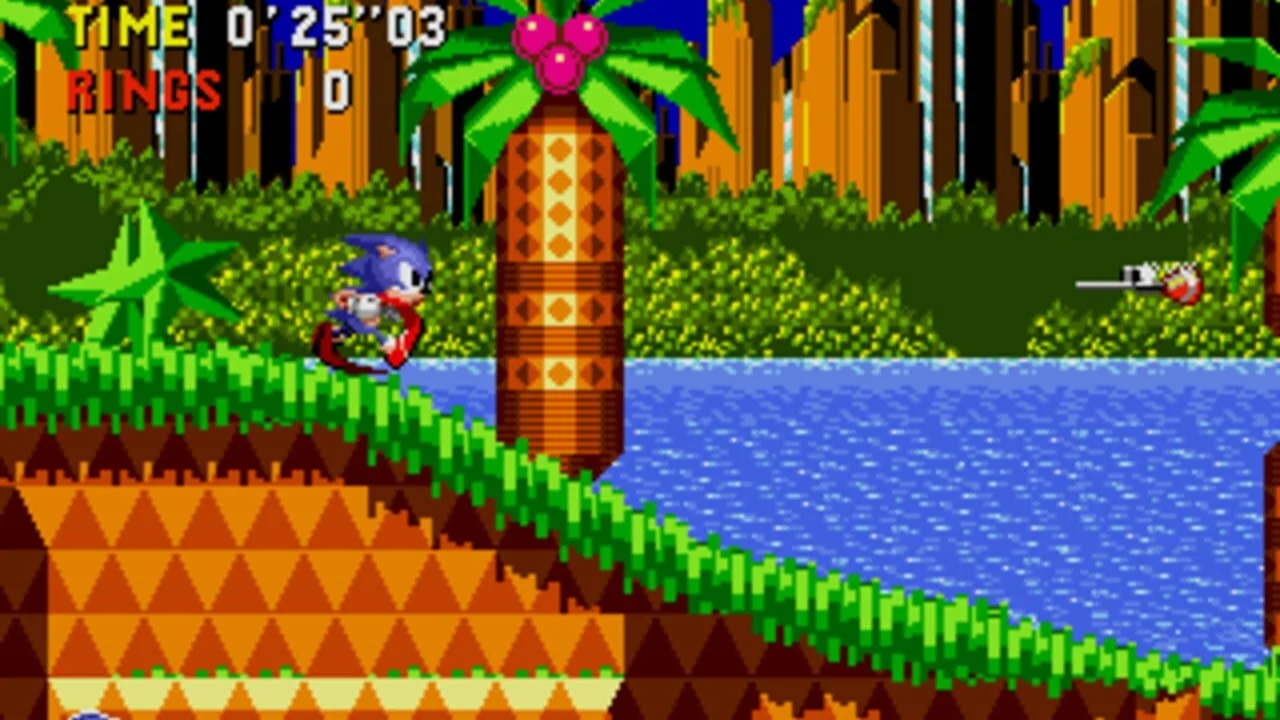
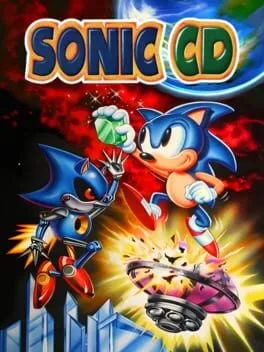
Sonic CD began as a port of the first game and turned into its own project, led by Sonic co-creator Naoto Ohshima to show what the Sega CD could do. Traveling through time gives you different versions of each stage, with alternative layouts and music. It had animated cutscenes by Studio Junio and Toei Animation, and North America got a new soundtrack by Spencer Nilsen, David Young and Sterling Crew. It sold over 1.5 million copies, making it the best-selling Sega CD game.
Players are divided. Its fans go big and call it the best of the 2D games, and the rest find it does not live up to that.
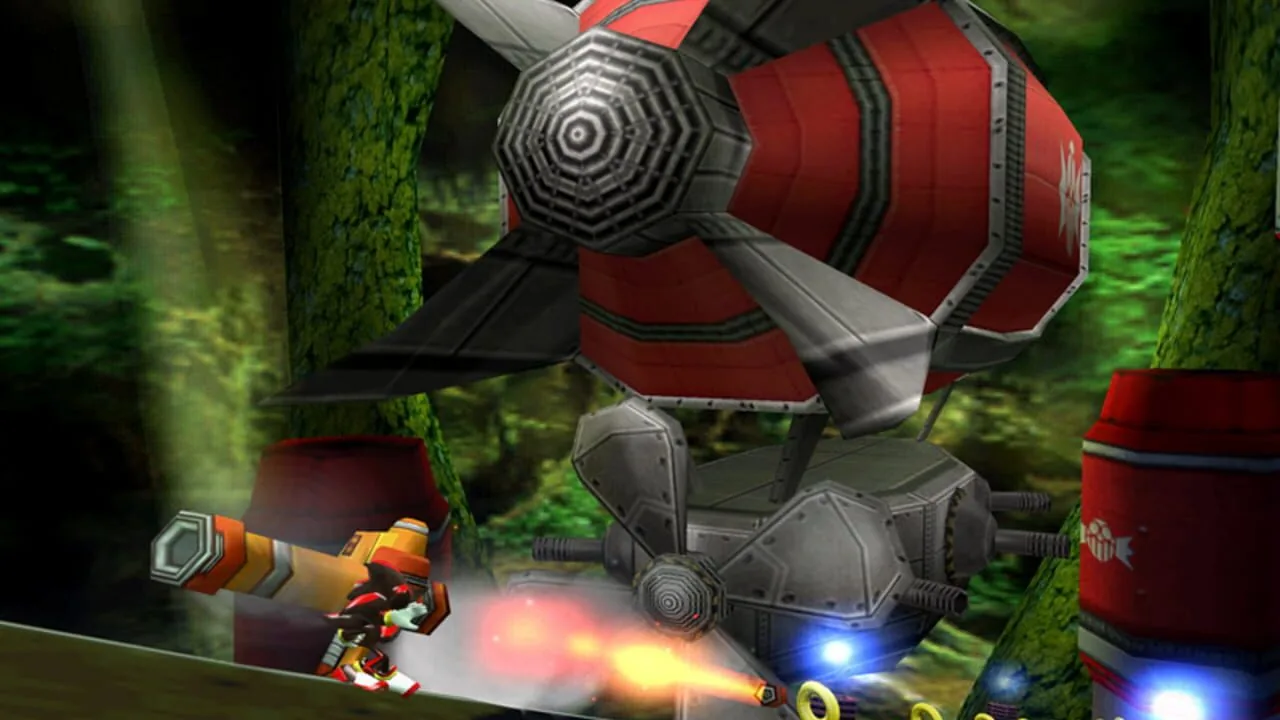
11. Shadow the Hedgehog (2005)
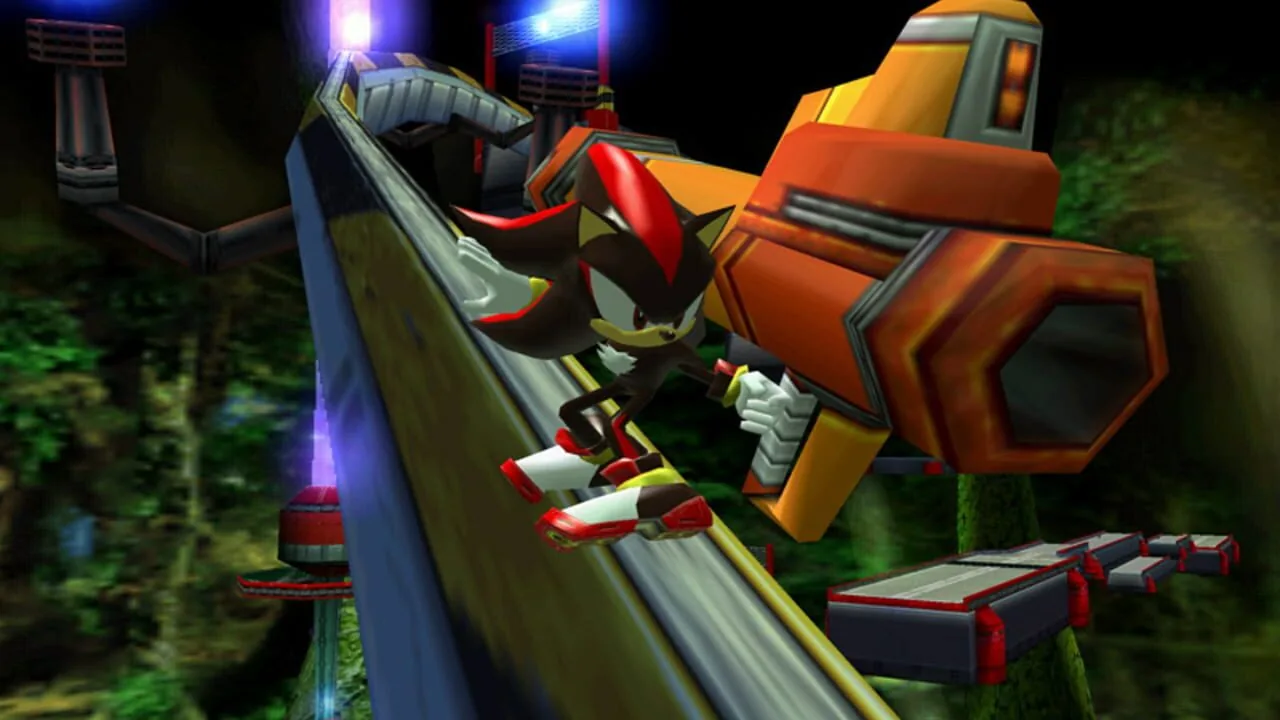
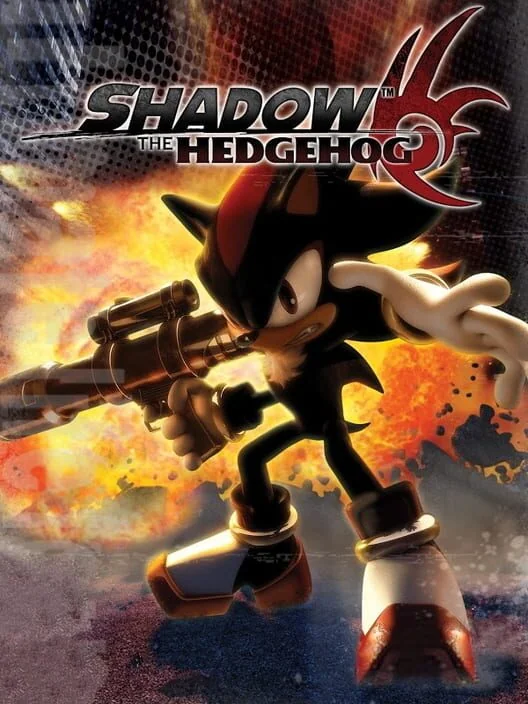
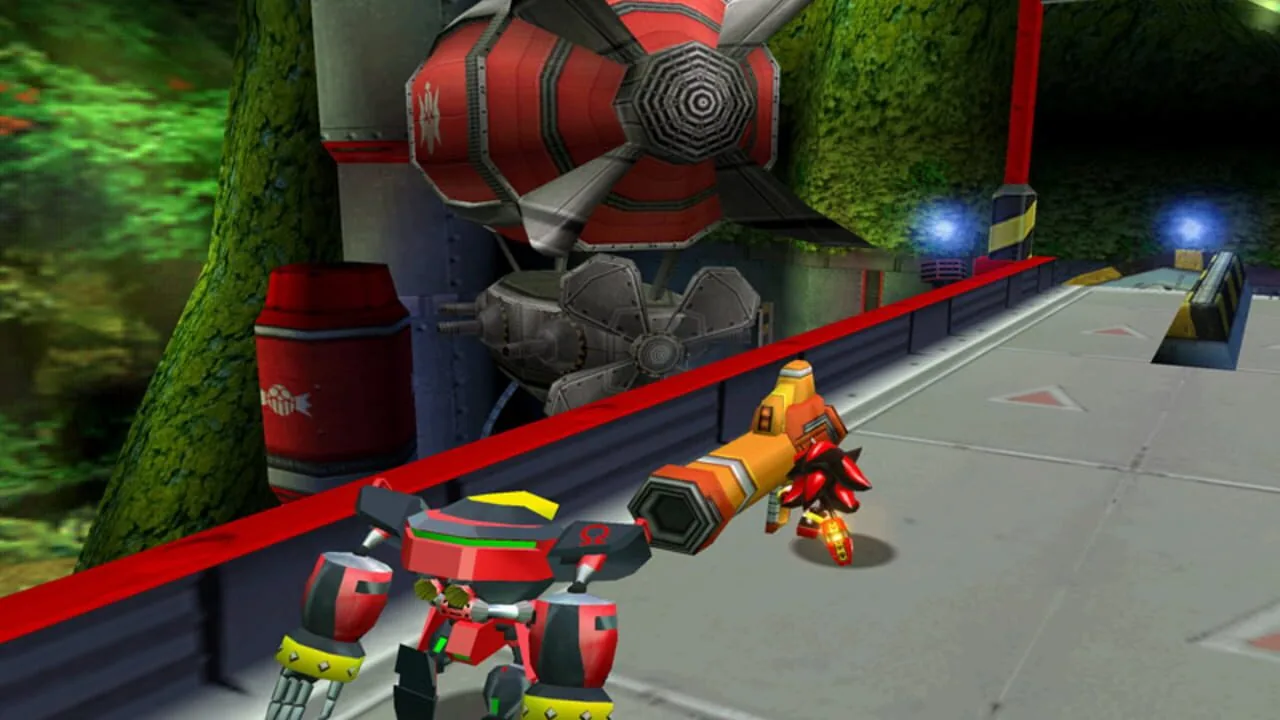
Takashi Iizuka wrote and directed this spin-off, and it came out for the GameCube, PlayStation 2 and Xbox in November 2005. Reviews were generally unfavorable, and critics went after the controls, the level design, the mature themes and the addition of guns to traditional Sonic gameplay. Over time it has developed a cult following. A hedgehog with a rocket launcher was never going to charm the people who wanted another Green Hill.
Players know the gameplay is mediocre and like it anyway, mostly for how seriously it takes itself. A lot of them played it as kids, and that helps.
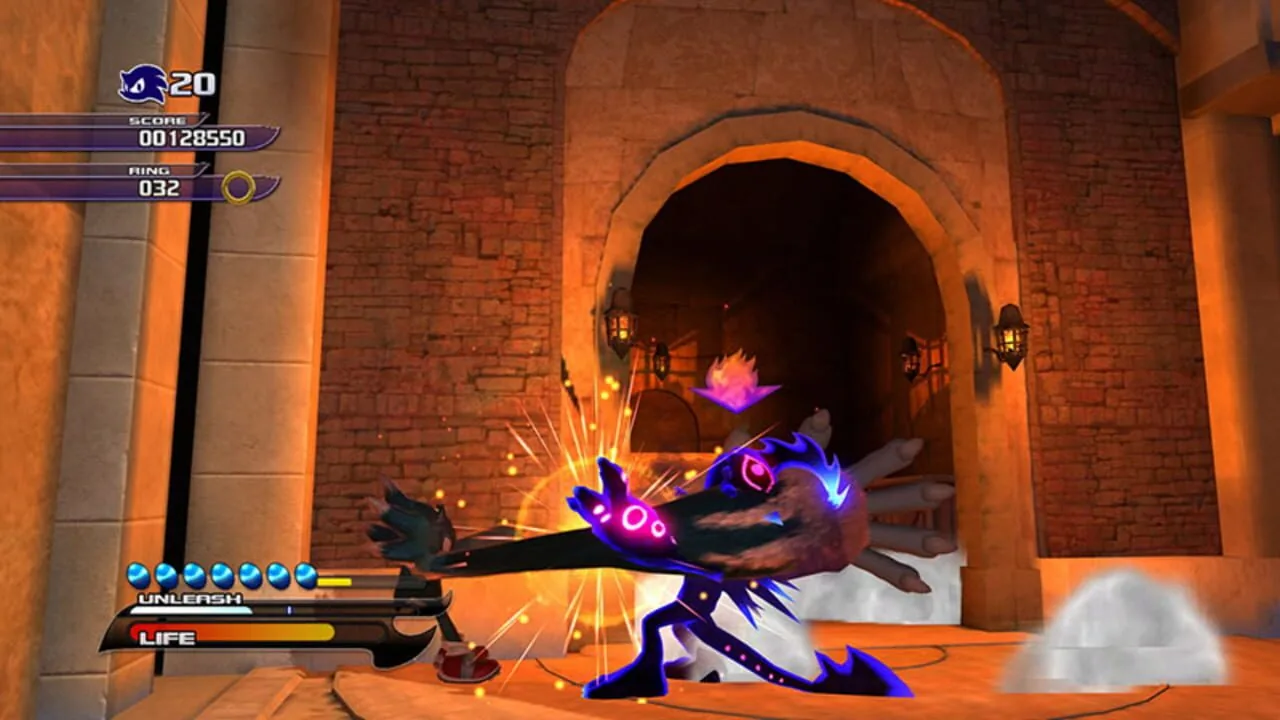
10. Sonic Unleashed (2008)
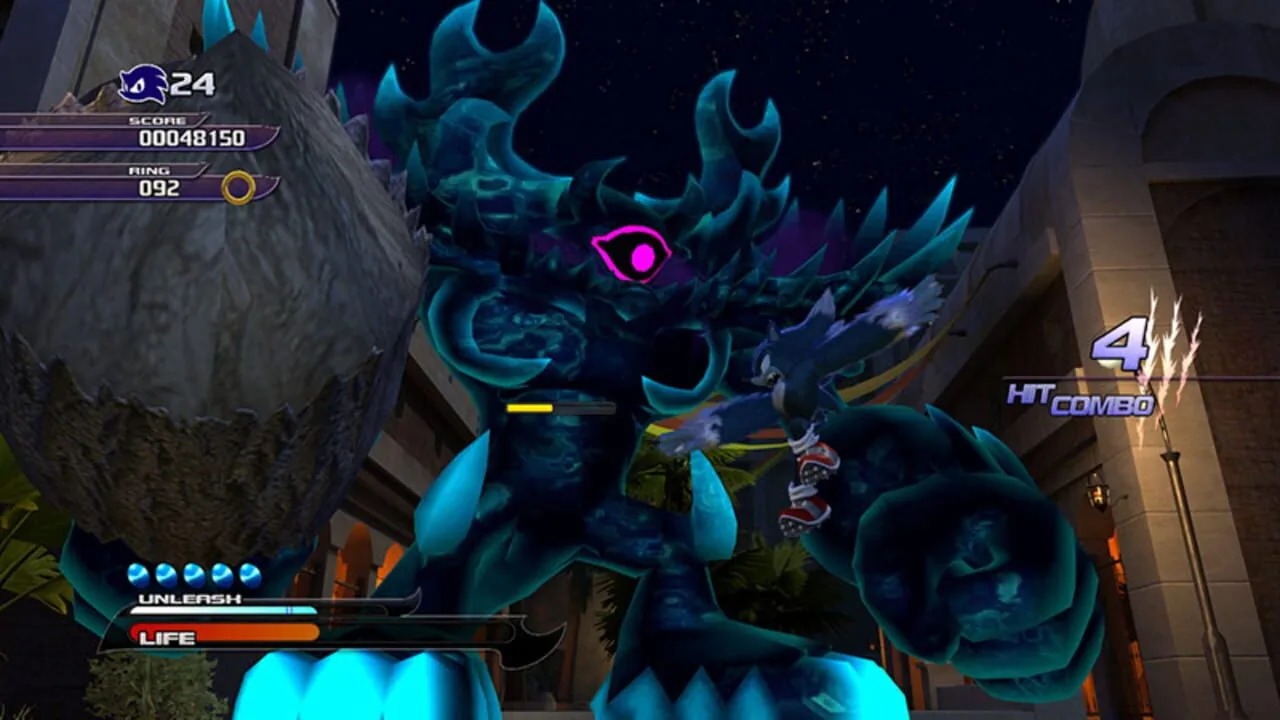
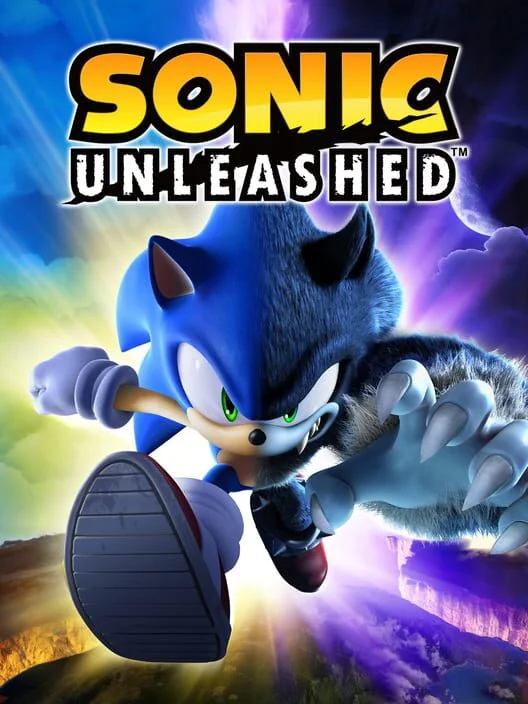
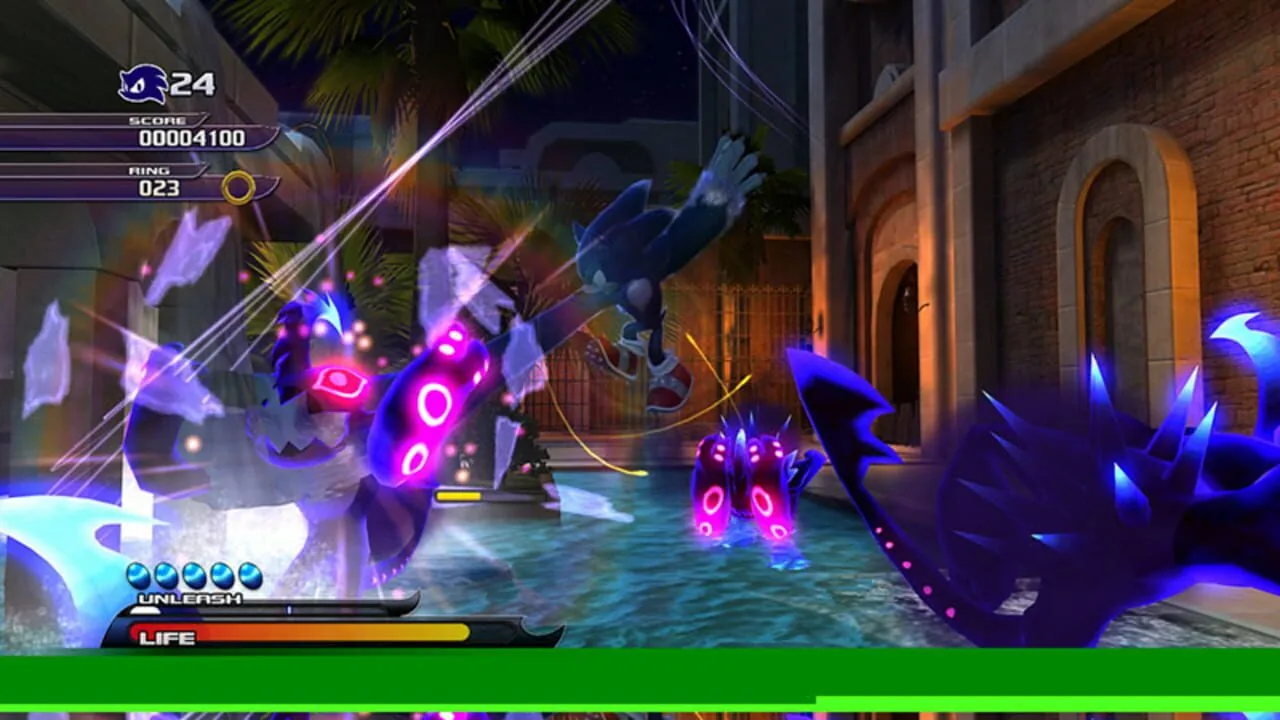
Sonic Unleashed started as a sequel to Sonic Adventure 2, until Sonic Team added enough new ideas to split it off. Development began in 2005 with the Hedgehog Engine, and three versions were made, one for PlayStation 3 and Xbox 360, one for PlayStation 2 and Wii, and one for phones. It sold 2.45 million units. Reviews were mixed: critics liked the sense of speed in daylight stages and criticized the Werehog. An unofficial port to Windows and Linux appeared on March 1, 2025.
Players love the daytime stages and would happily lose the Werehog. Turning your fastest character into a brawler at sundown is a bold plan.
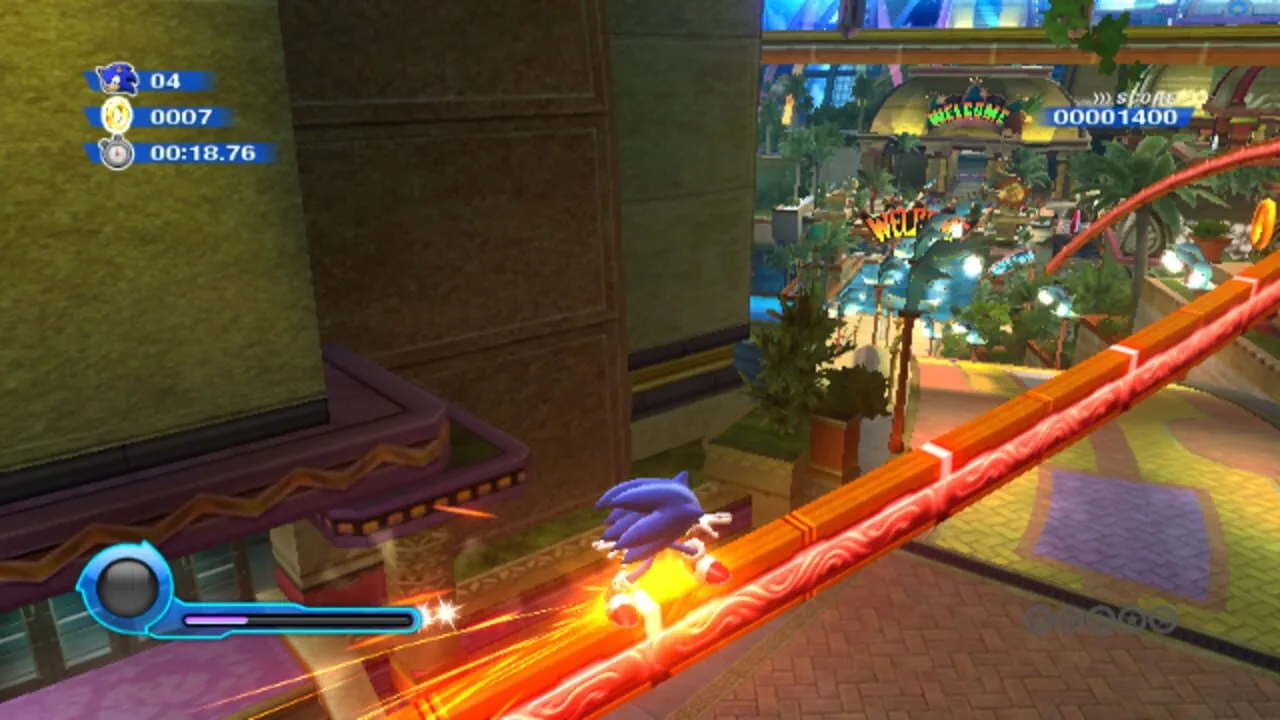
9. Sonic Colors (2010)
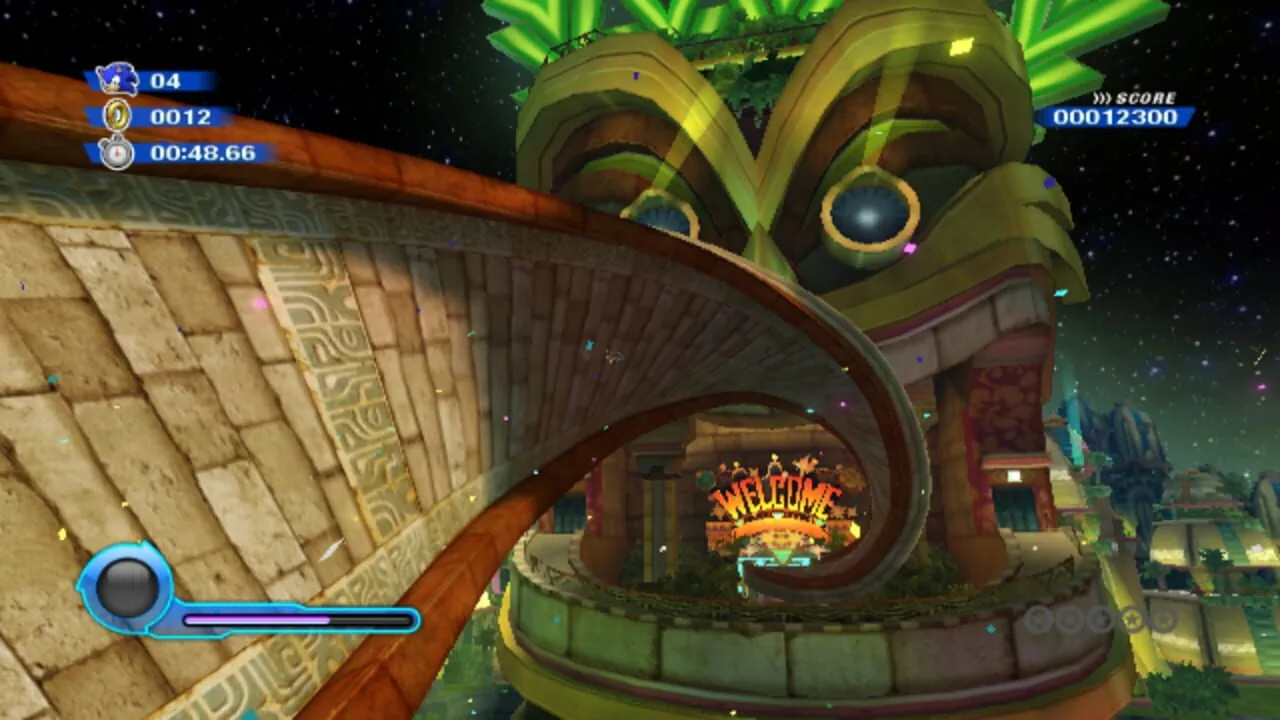
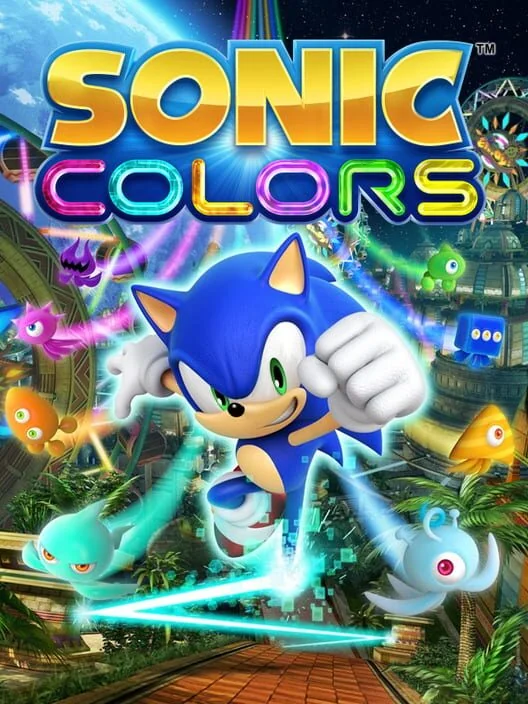
Development of Sonic Colors began in 2008, and the team went through the criticisms of past games first. It made Sonic the only playable character and added the Wisps to vary the gameplay without slowing it down. Sonic Team built the Wii game, and Dimps built a separate one for the DS. Before release, Sega delisted several Sonic games with sub-average Metacritic scores to protect the brand. Reviews were generally positive, with many critics calling it a return to form. A remaster, Sonic Colors: Ultimate, came out on September 7, 2021.
Players rate it the best Sonic game on the Wii, and when it came out many called it the best one in a long time.
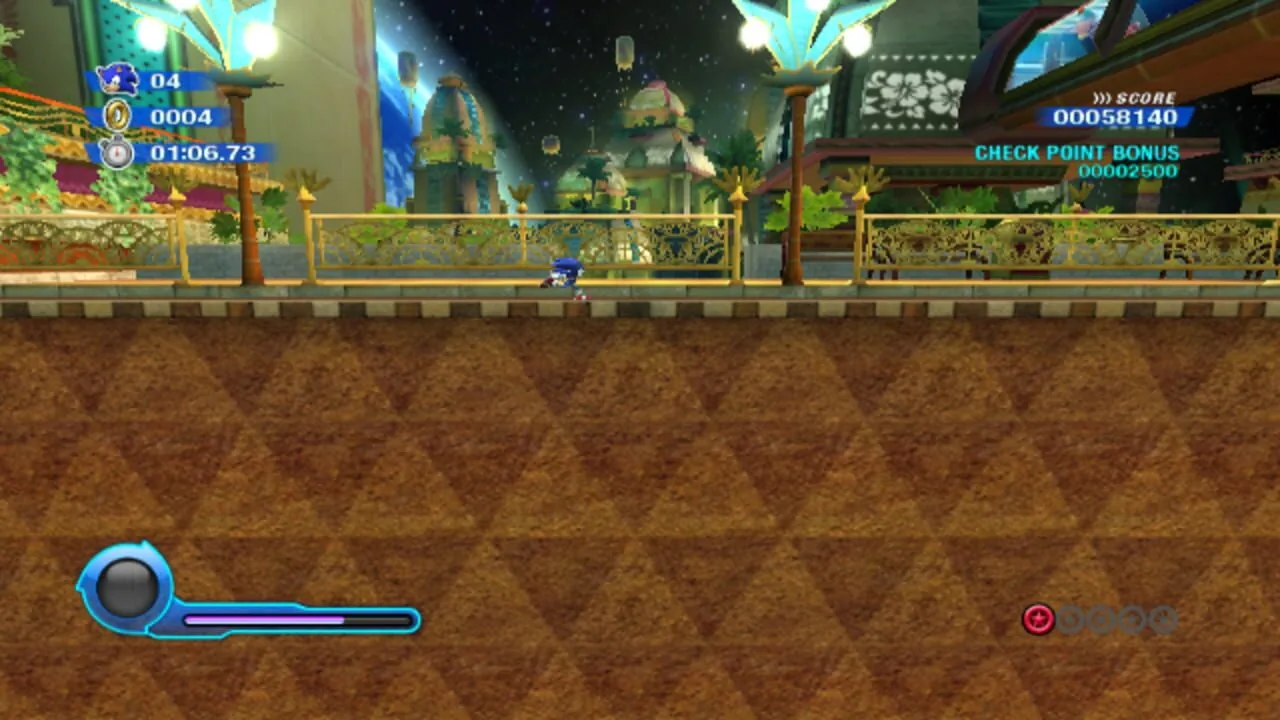
8. Sonic Heroes (2003)
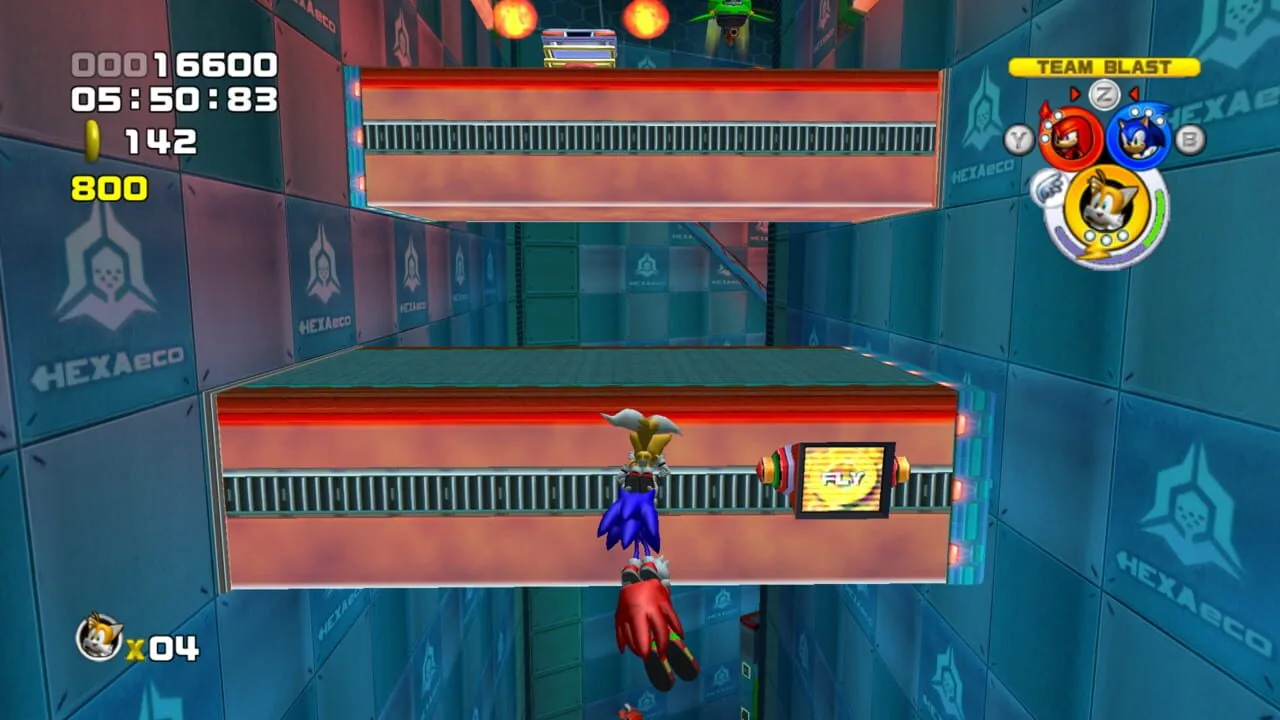
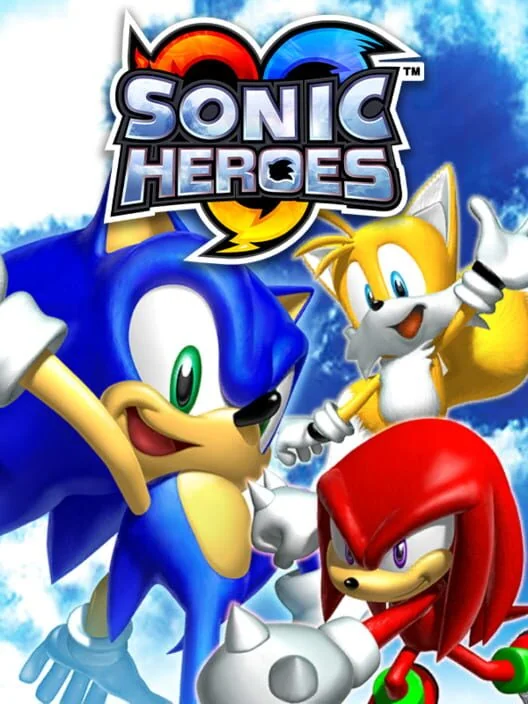
Heroes was the first multi-platform Sonic game, made after Sega dropped the Dreamcast. Takashi Iizuka did not want a sequel to Sonic Adventure 2, because he worried it would only appeal to Sonic fans, so this one stands alone and sends a team of three through each stage. It reached Japan in December 2003 and the rest of the world in early 2004. Critics were divided over the team-based gameplay and criticized the camera and voice acting. It sold 3.41 million copies and stayed the bestselling 3D Sonic game until Sonic Frontiers.
Players rate the soundtrack as one of the best in the series. Others could never get into the game itself, and that argument has been going for two decades.
7. Sonic the Hedgehog 2 (1992)
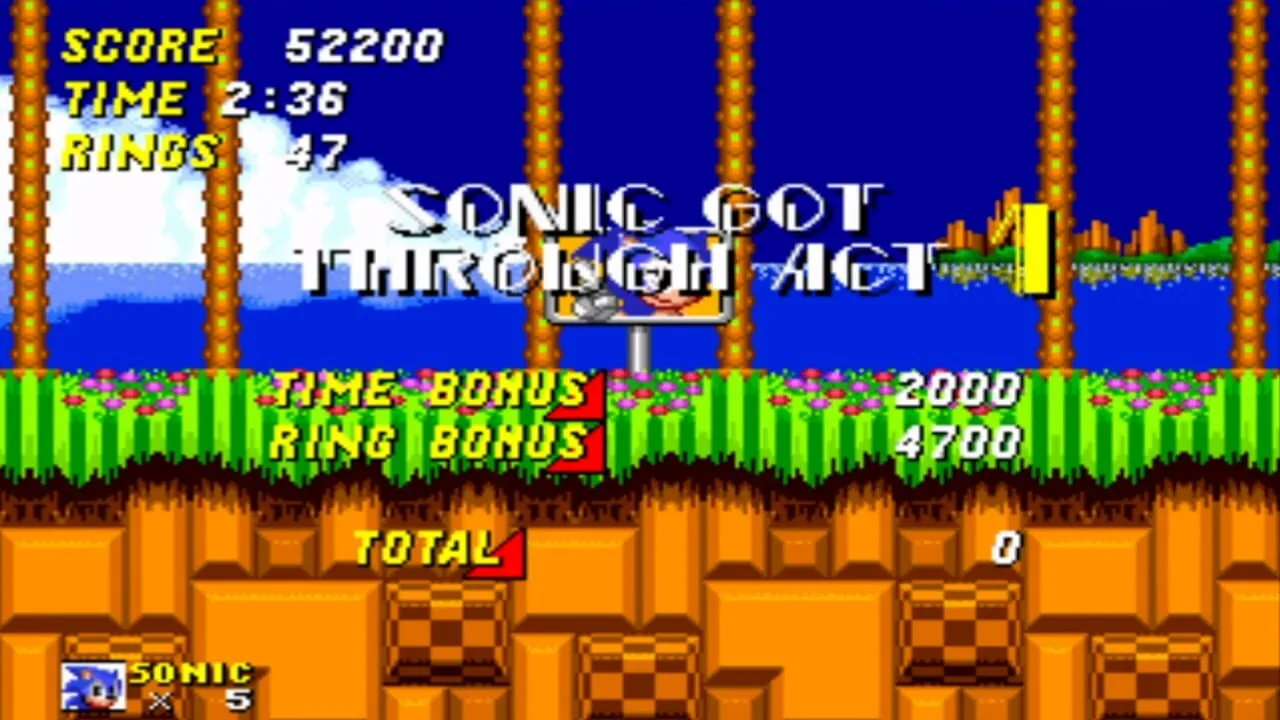
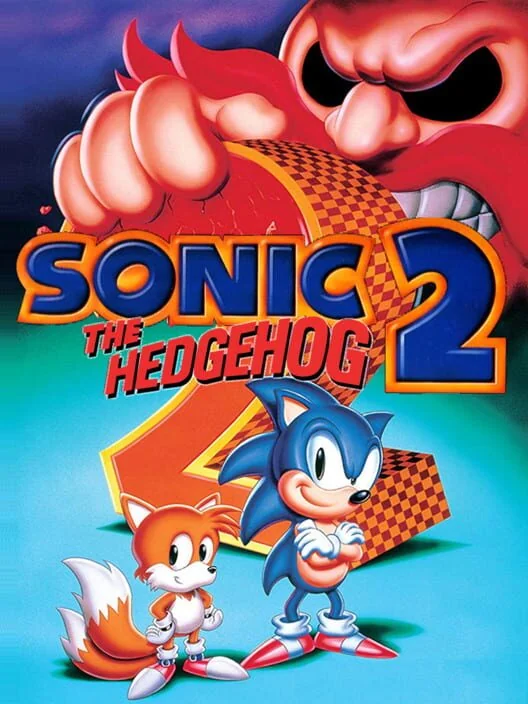
Sega Technical Institute founder Mark Cerny started Sonic 2 in November 1991, and programmer Yuji Naka and designer Hirokazu Yasuhara moved from Japan to California to work on it. Development suffered setbacks, including cultural differences between the staff, and numerous levels were cut. It came out in November 1992 to acclaim and won two Golden Joystick Awards. It grossed over $450 million and sold six million copies by 2006, second only to the first game on the Genesis.
For years many fans called this the best of the series, and plenty of players still do. They bring up the music and the pace.
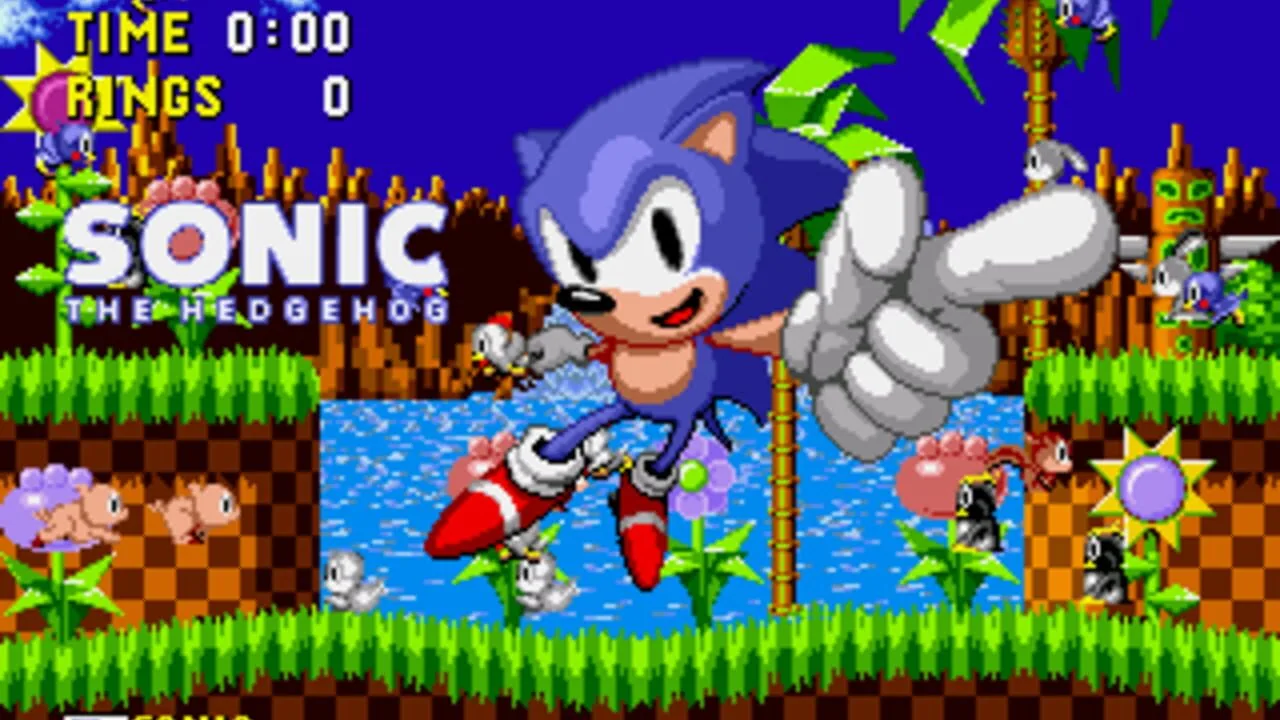
6. Sonic the Hedgehog (1991)
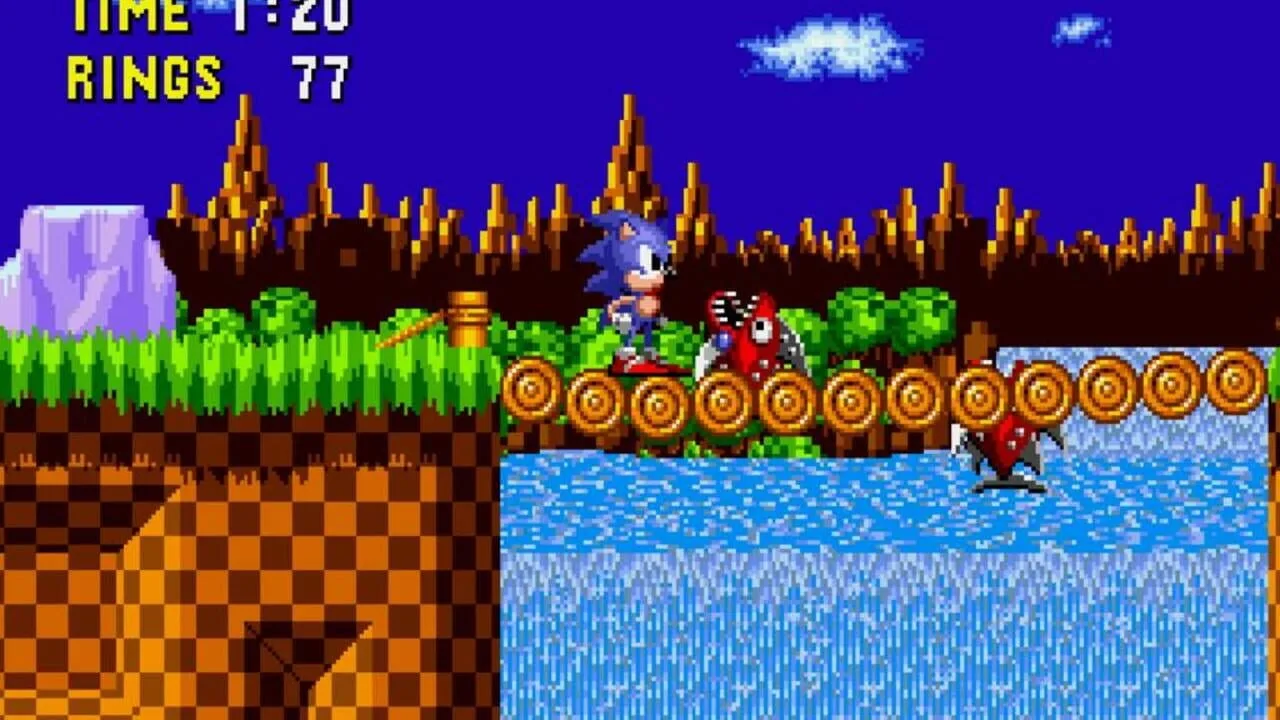
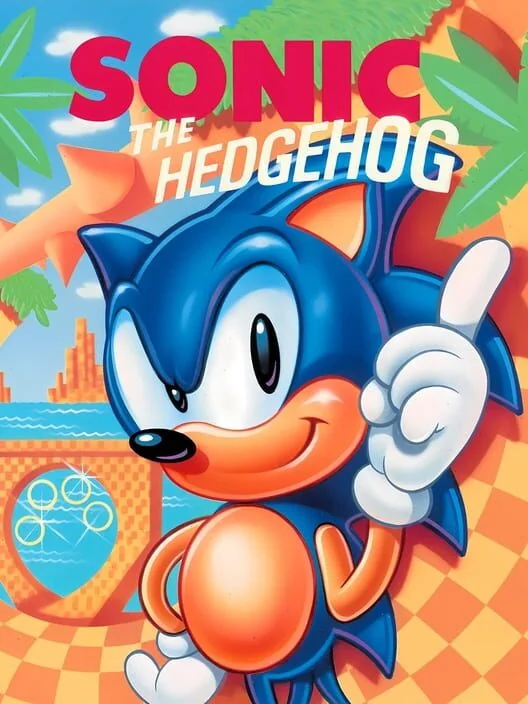
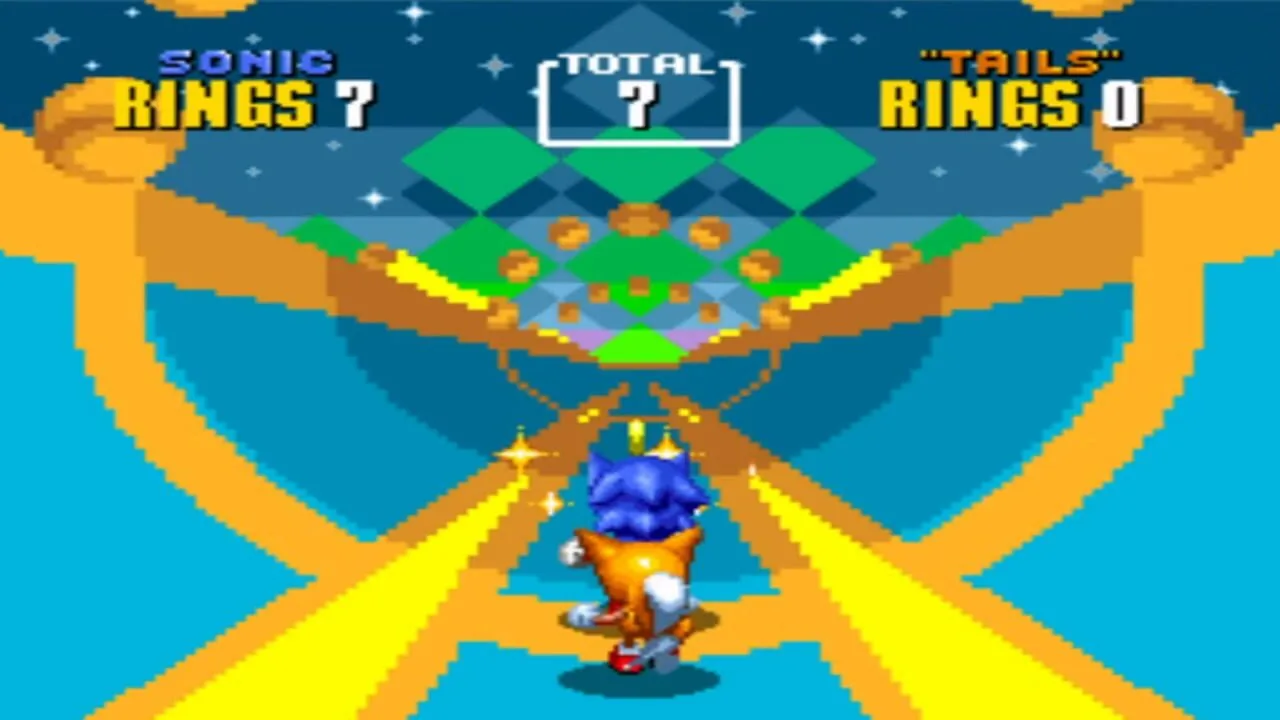
The blue hedgehog came from Naoto Ohshima, who won an internal character design contest, and the developers named themselves Sonic Team to match him. Masato Nakamura, bassist of the J-pop band Dreams Come True, wrote the music. The game was bundled with the Genesis and became the best-selling Genesis game, and across all platforms it has sold over 40 million copies. It is widely considered one of the greatest video games.
Players adore Green Hill Zone and complain about what follows it, especially Marble and Labyrinth, which are slower than the game's image suggests. Everyone remembers the first level. Nobody asked to remember the water one.
5. Sonic 3 & Knuckles (1994)
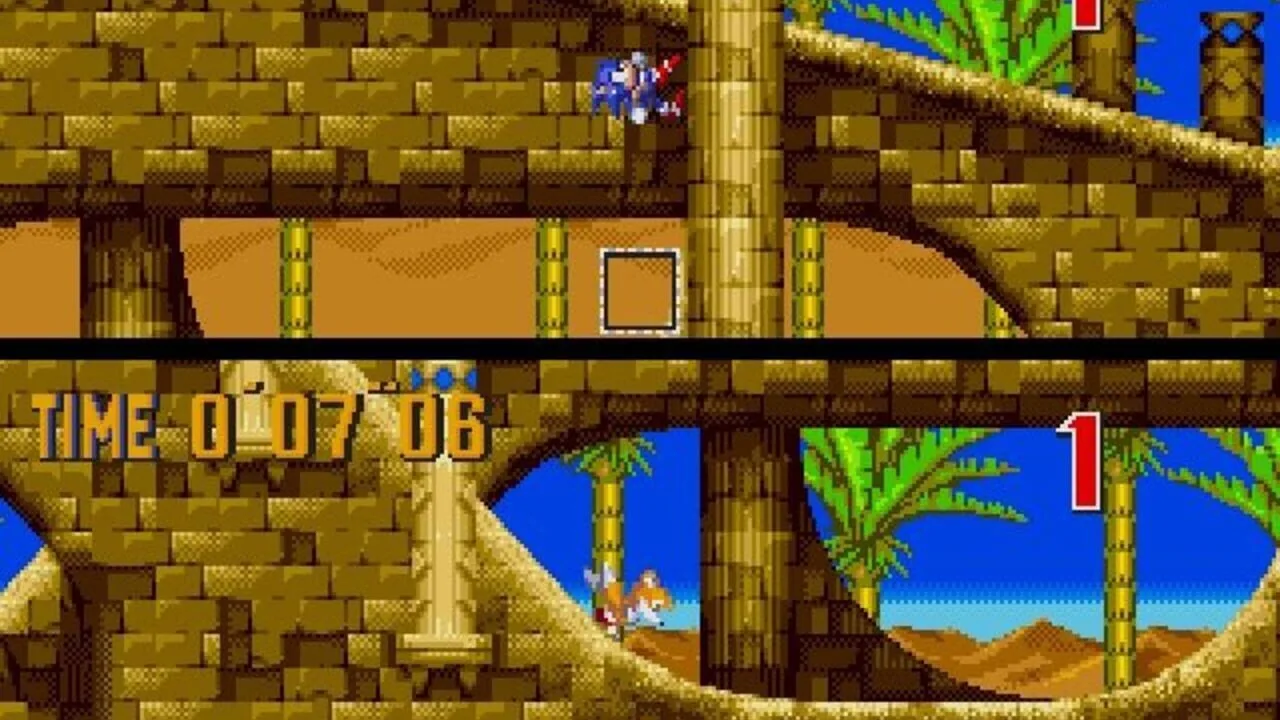
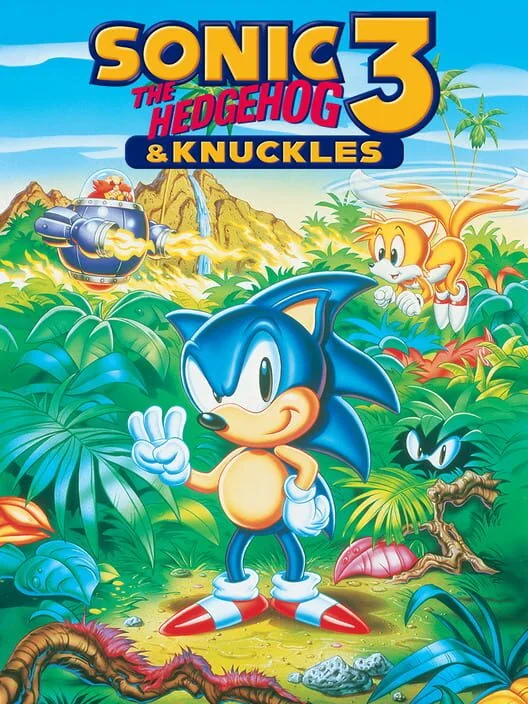
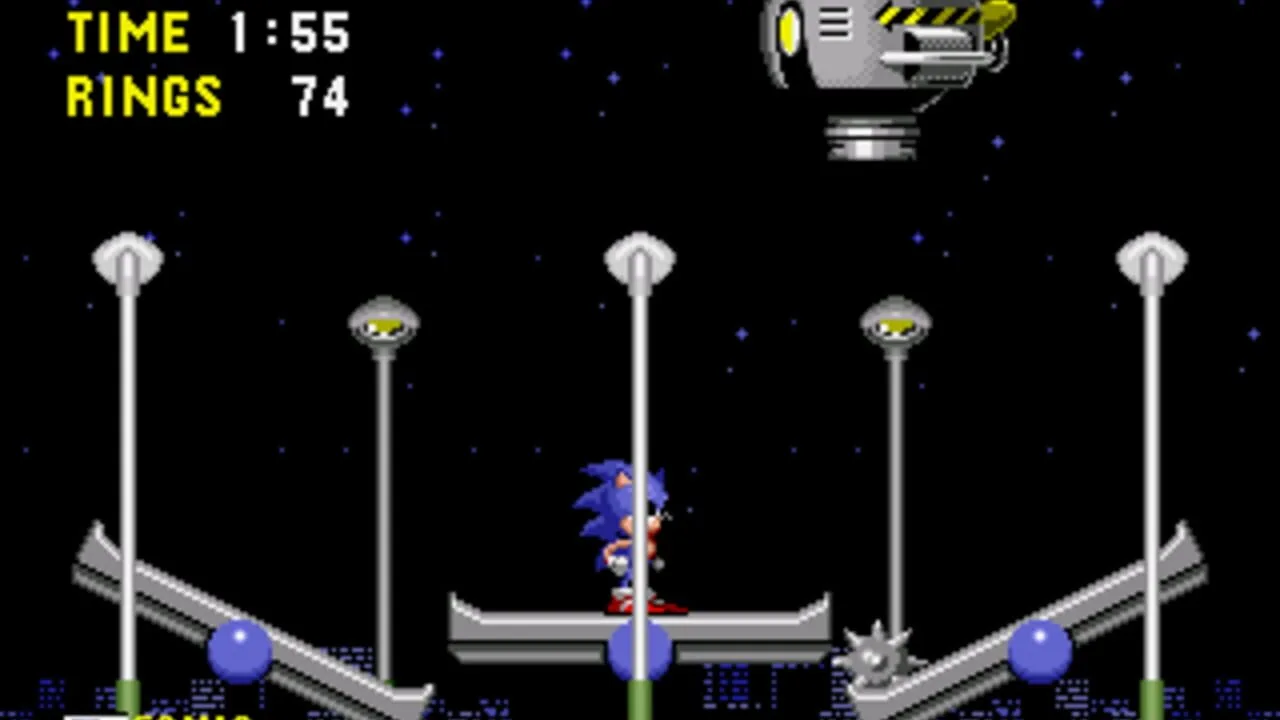
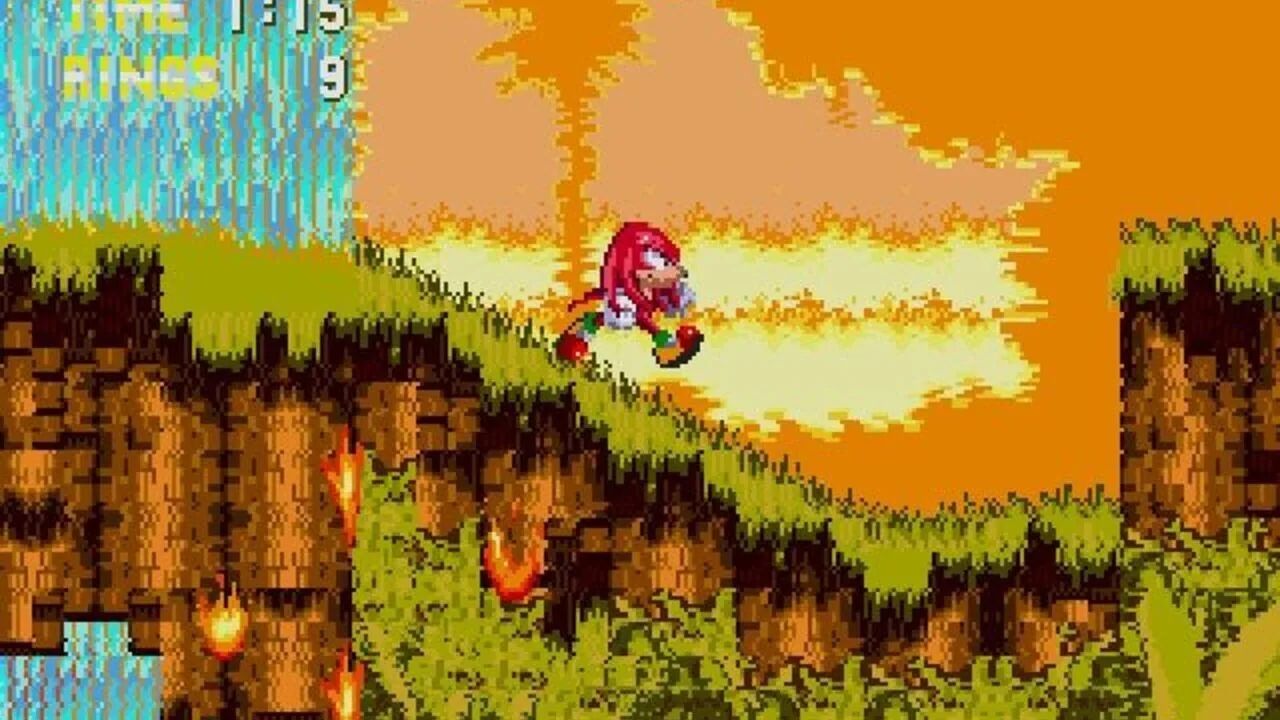
Sonic 3 and Sonic & Knuckles were planned as a single game until time constraints and cartridge costs forced the developers to split it. Sonic 3 came out in North America and Europe in February 1994, and Sonic & Knuckles finished the job later. The first idea was an isometric game, which became a conventional 2D platformer. Michael Jackson composed portions of the soundtrack and left the project uncredited, and how much of his work stayed in is still disputed. Together the two sold four million copies, among the bestselling Genesis games.
Players tell you to play the two joined together, and many of them call the result the peak of the Genesis games.
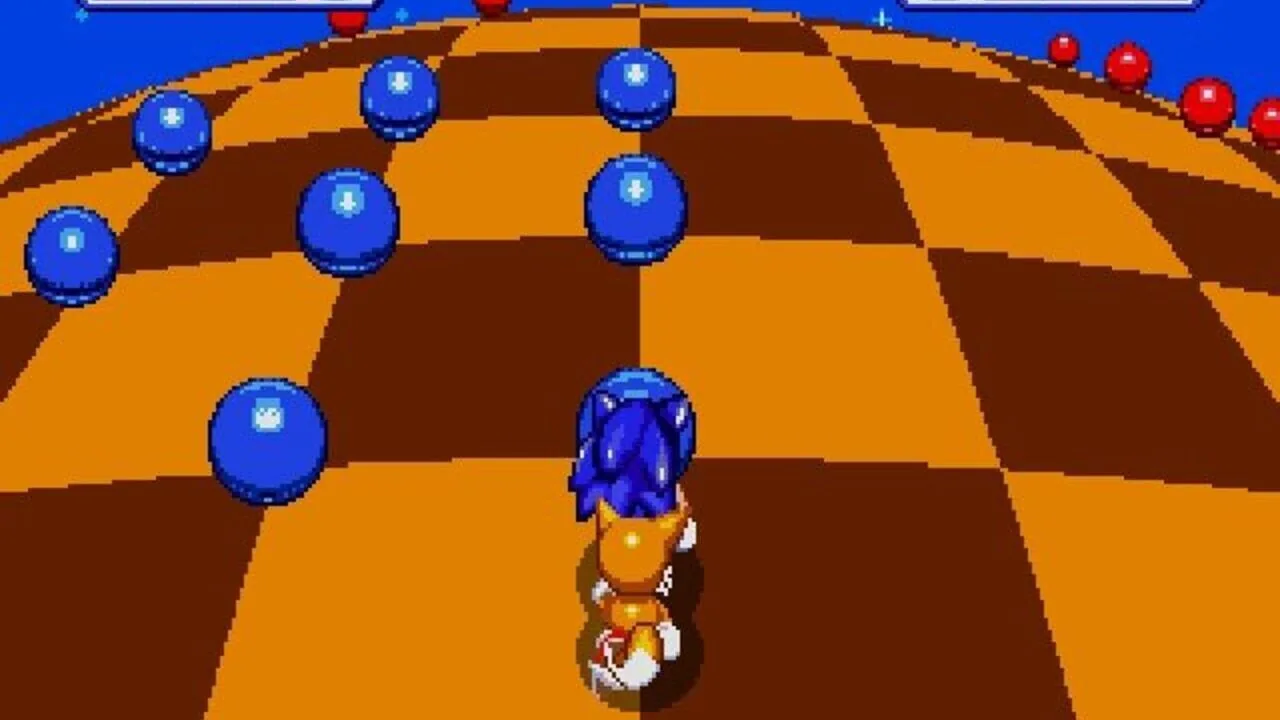
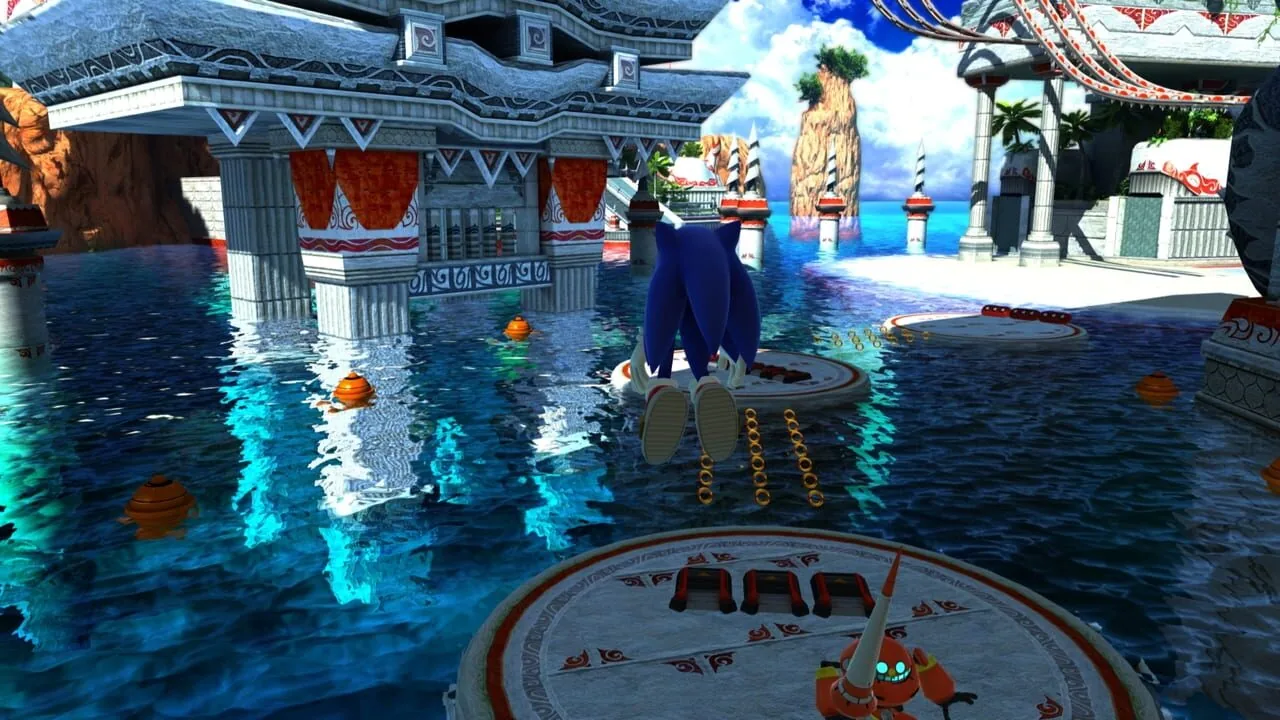
4. Sonic Generations (2011)
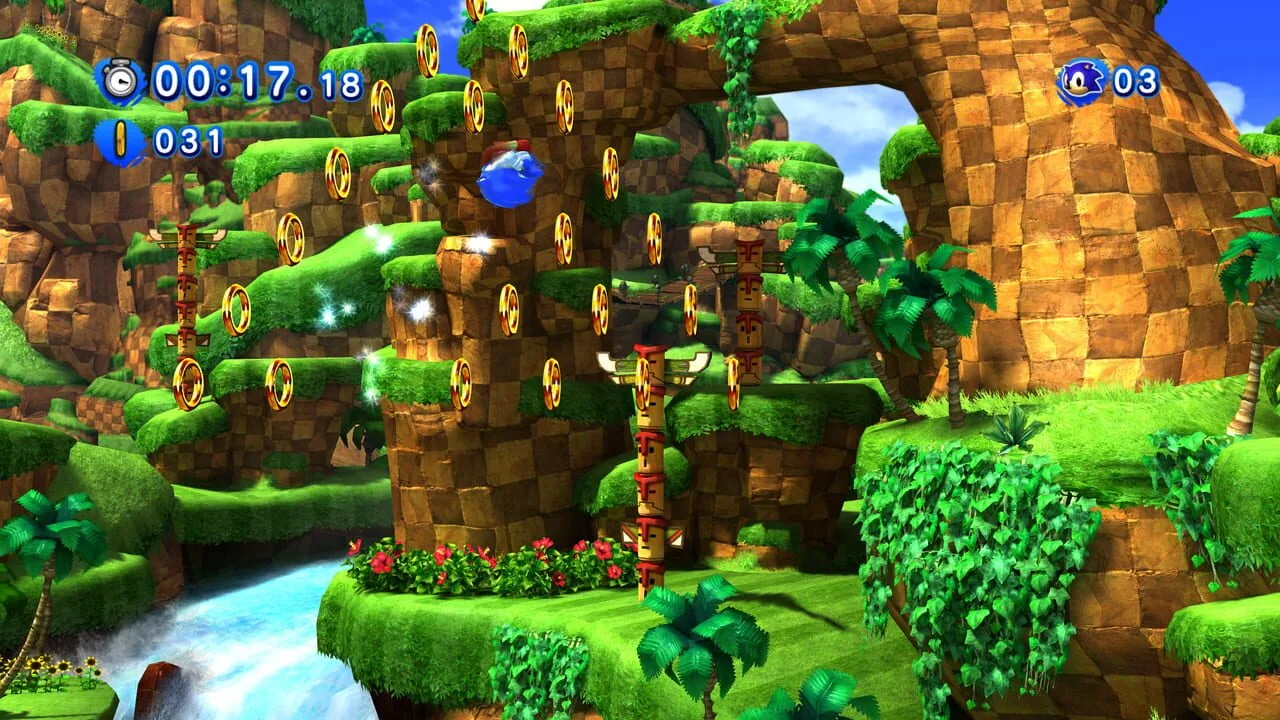
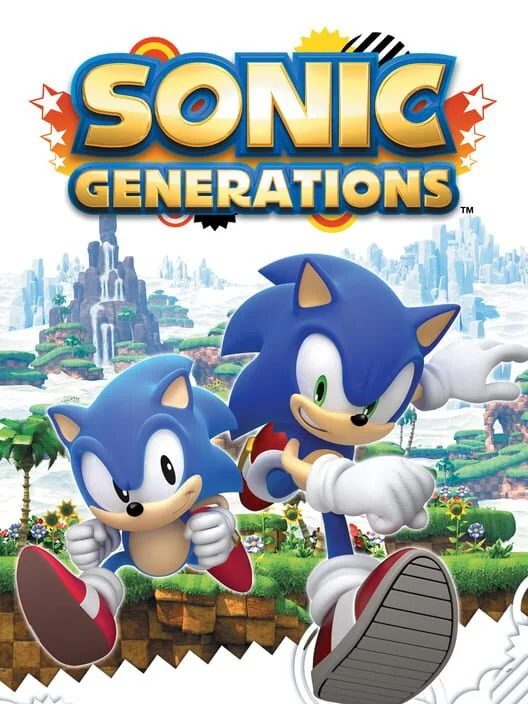
Generations has two styles of play: Classic, which is side-scrolling like the Genesis games, and Modern, 3D levels like those in Sonic Unleashed and Sonic Colors. Sonic Team wanted to re-imagine the most popular aspects of the franchise in high definition, using the Hedgehog Engine. It got positive reviews, sold 1.85 million copies by May 2012, and reviewers called it a good tribute to the franchise, with some complaints about frame rate and controls. The 3DS version is a different and weaker game, so pick the console or PC one.
Many players call it the best 3D Sonic game, and it is the one they recommend to people who have never tried a modern Sonic.
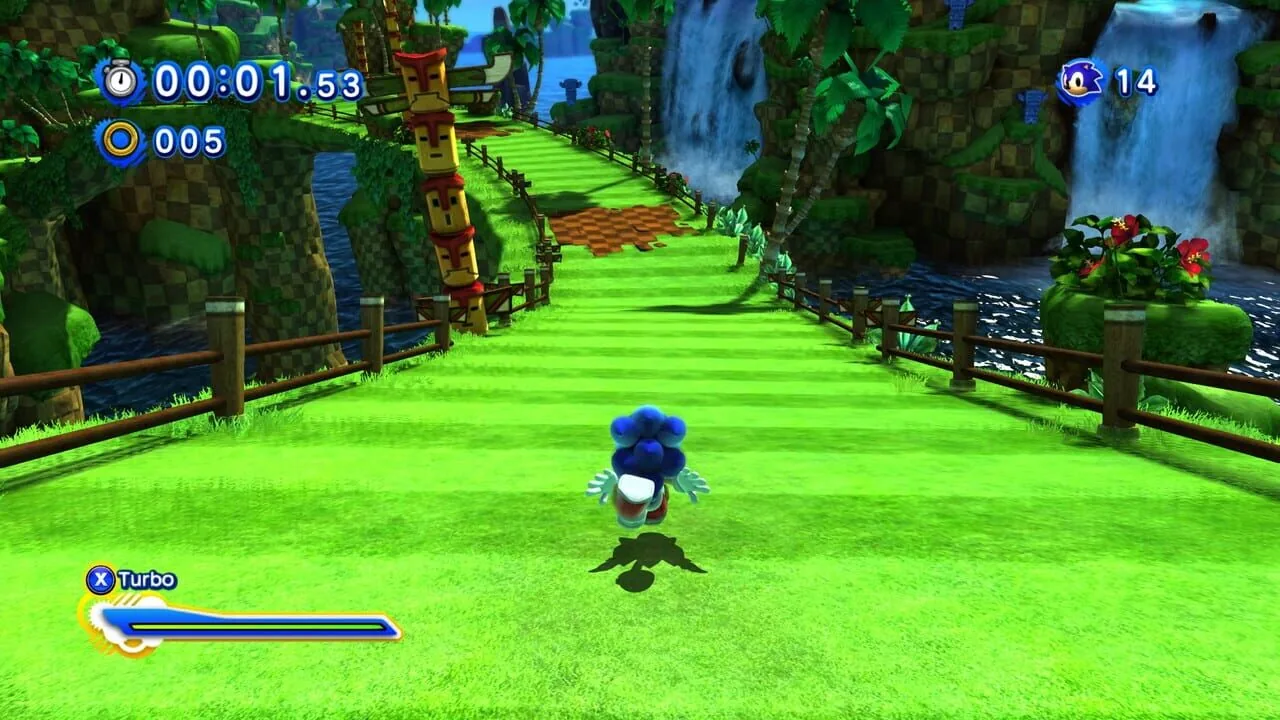
3. Sonic Mania (2017)
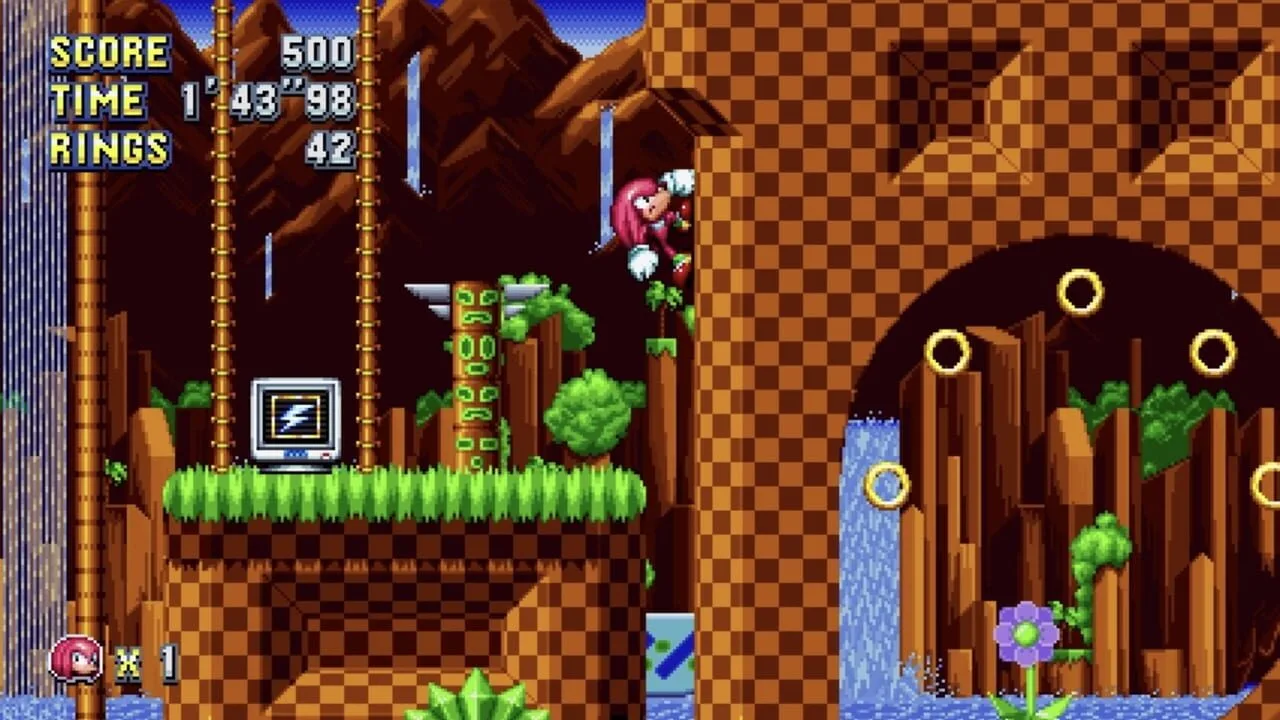
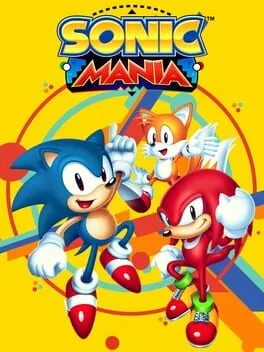
The development team came from the Sonic fangame and ROM hacking community. Lead developer Christian Whitehead had made enhanced mobile ports of the Genesis games for Sega, and he showed a playable prototype to Sonic Team producer Takashi Iizuka. A company hiring the people who took its games apart is a nice plot twist. Sonic Mania came out in August 2017 and became the highest-rated Sonic game in fifteen years, though some critics noted a lack of originality. Sonic Mania Plus added content in July 2018.
Players call it a return to fundamentals and the best Sonic game in years. It is the first game they tell newcomers to try for 2D Sonic.
2. Sonic Adventure (1999)
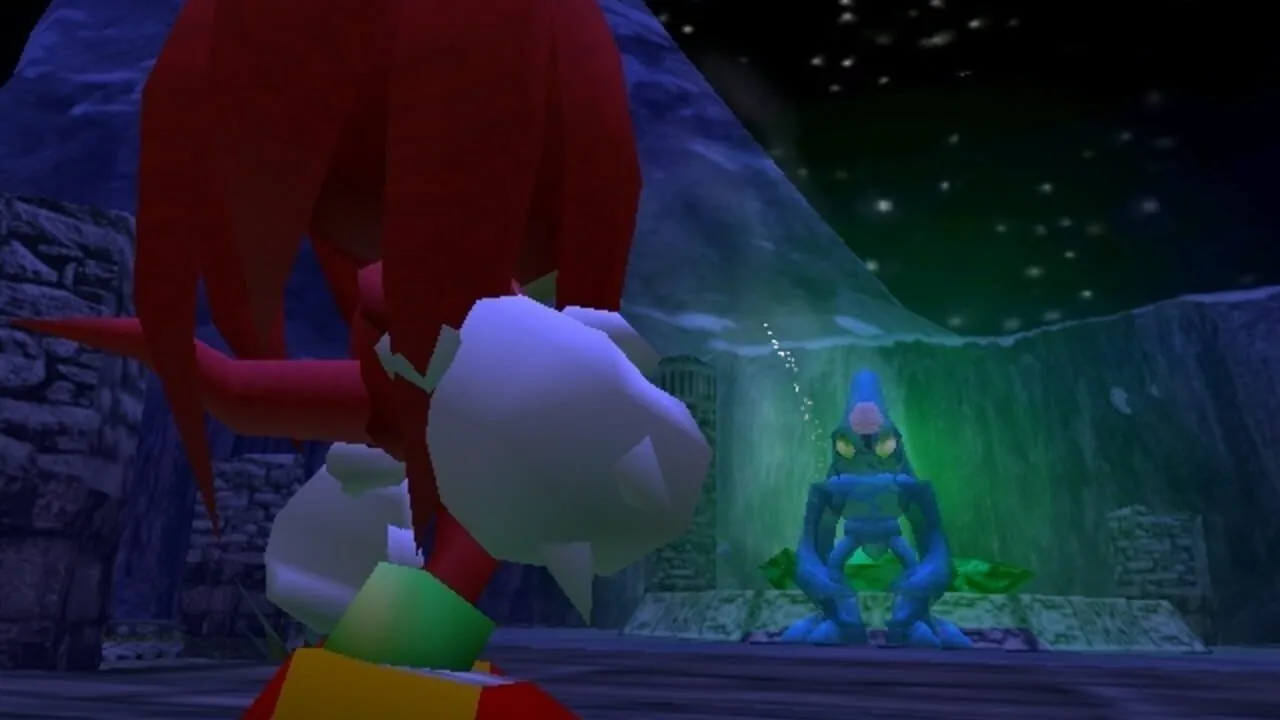
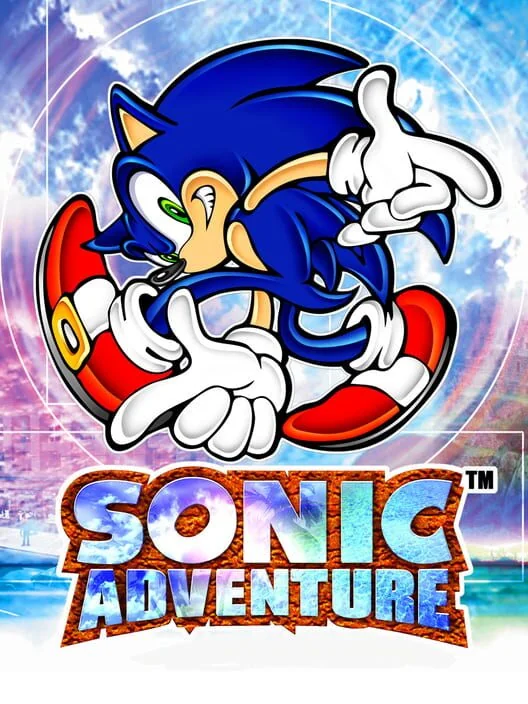
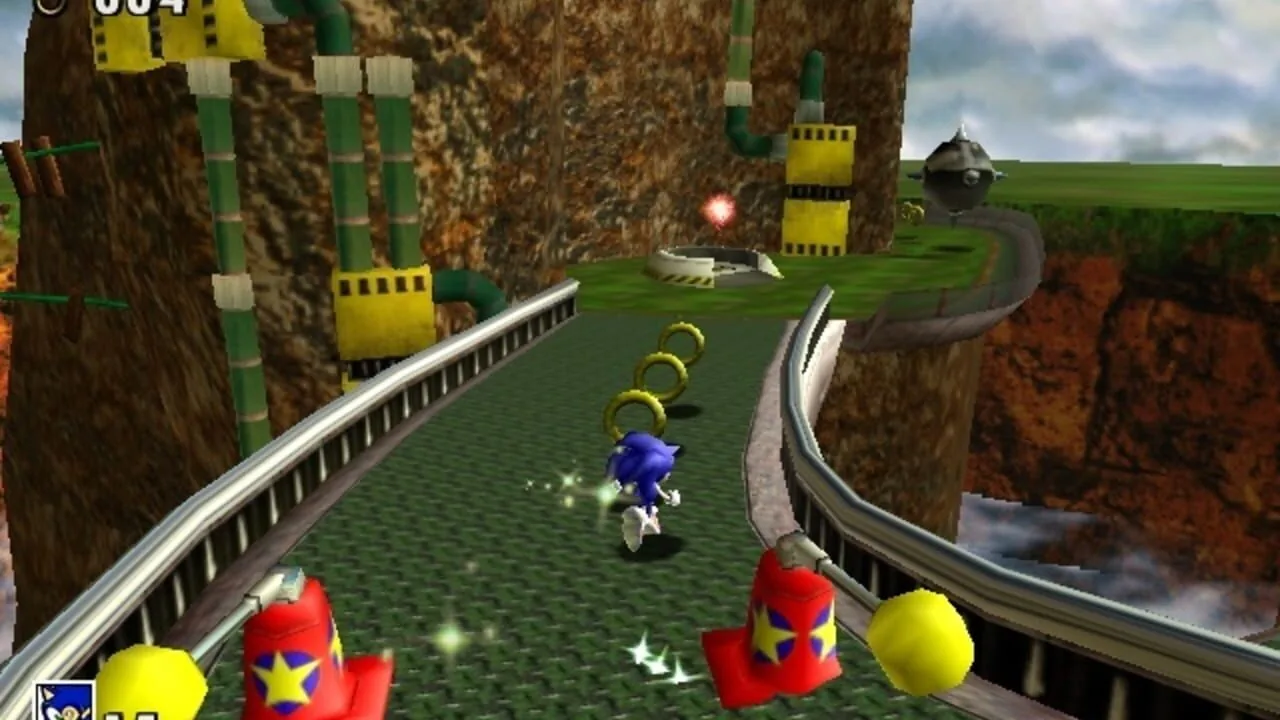
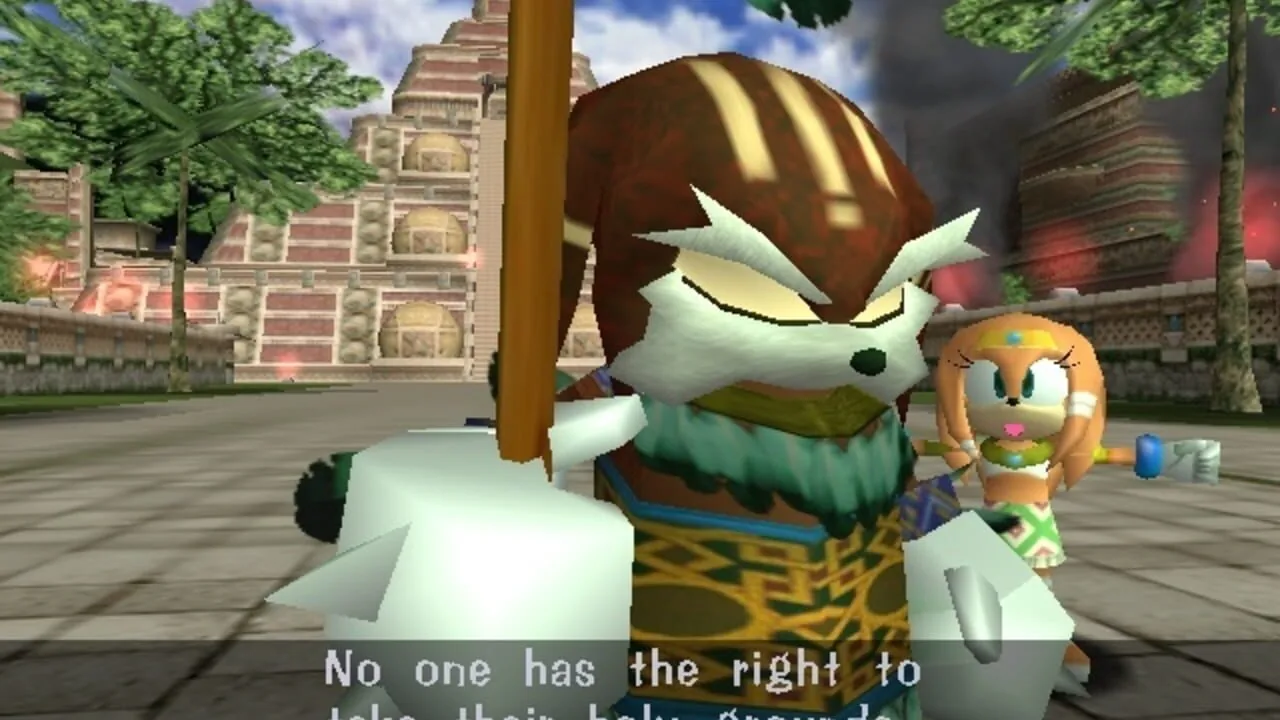
Sonic Adventure was the first main Sonic game with 3D gameplay. Sonic Team started on it in 1997 after the Saturn game Sonic X-treme was canceled, with director Takashi Iizuka and producer Yuji Naka trying to reinvent Sonic for the 3D era. It reached Japan in December 1998 and North America in September 1999, and it became the Dreamcast's bestseller with 2.5 million copies sold by August 2006. Reviewers called it a major technical advancement, while noting glitches and camera problems.
Players miss the hub areas you run around between levels, and a lot of them use mods on the PC version to patch its problems. They also complain about the fishing. Nobody asked for fishing, and it is in the game anyway.
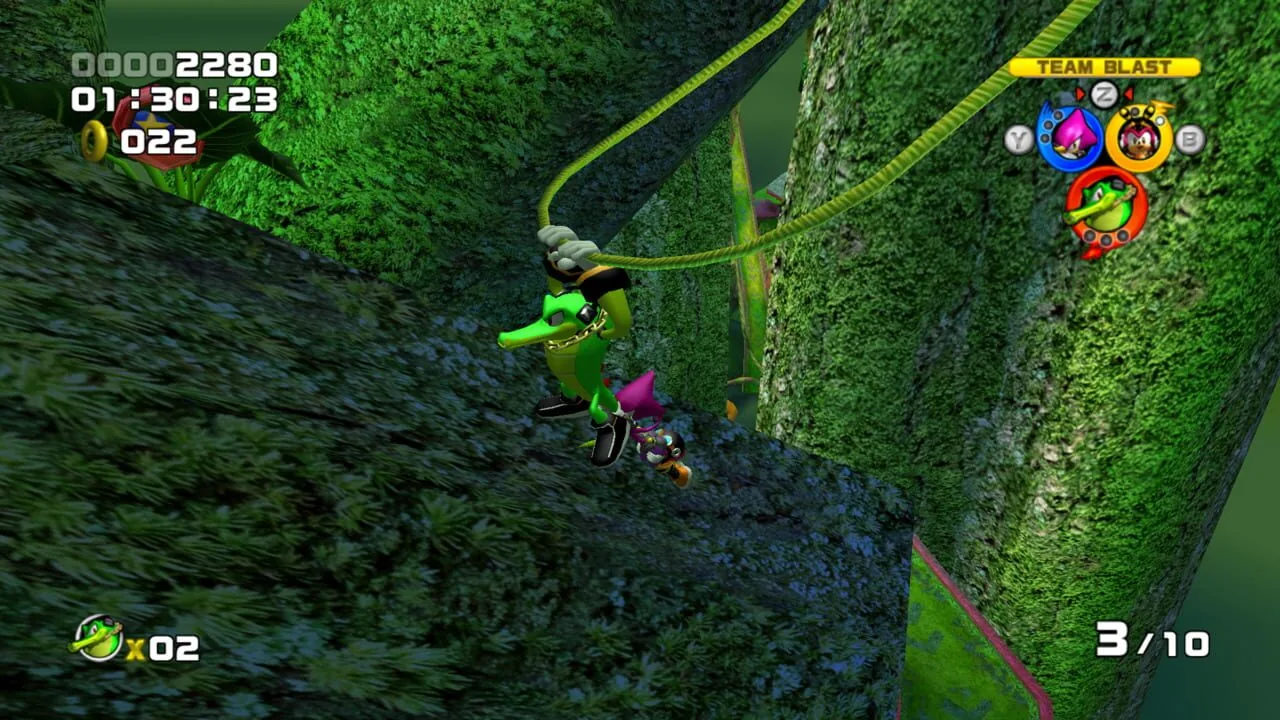
1. Sonic Adventure 2 (2001)
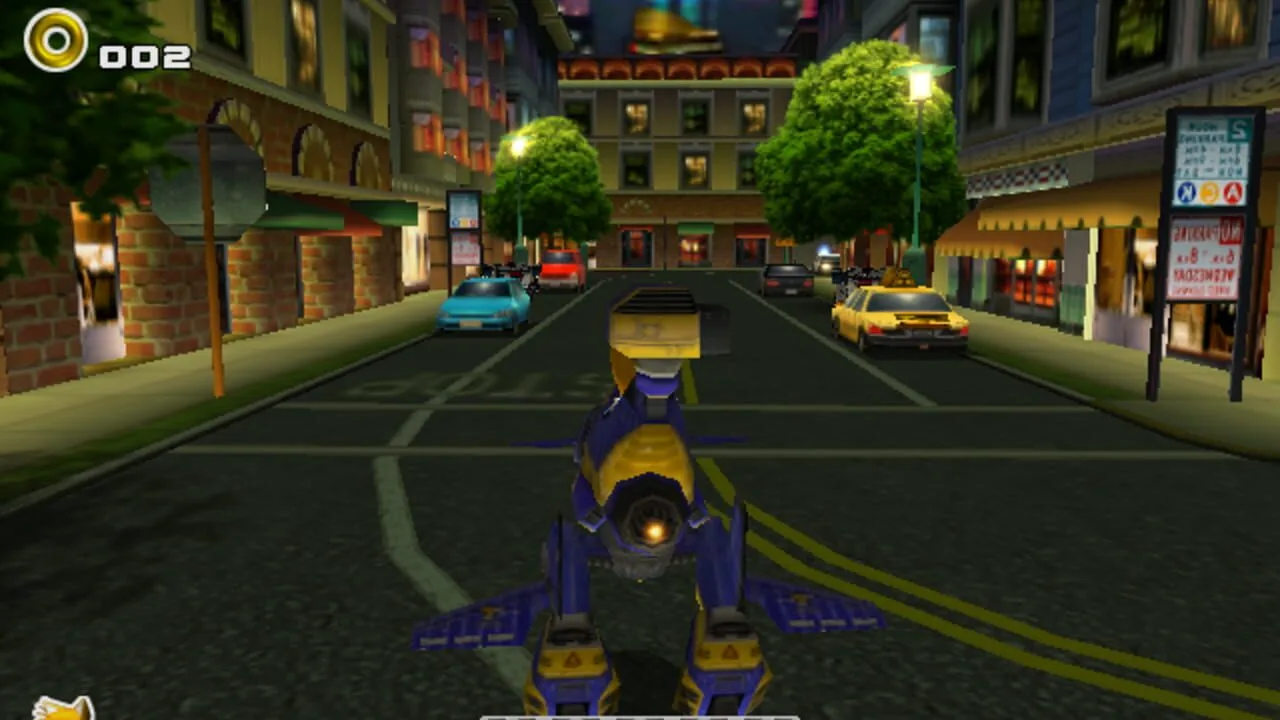
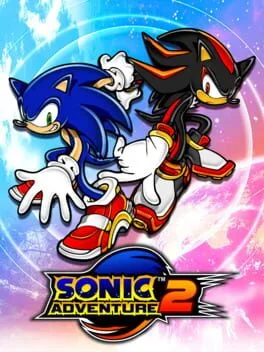
Sonic Adventure 2 came out in June 2001 for the series' tenth anniversary, and it was the final Sonic game for a Sega console. Sonic Team was downsized after the first Adventure, and part of the staff moved to San Francisco to set up Sonic Team USA, where they worked on it for a year and a half. Later in 2001 it was ported to the GameCube as Sonic Adventure 2 Battle, the first Sonic game for a Nintendo console, and Battle became the bestselling third-party GameCube game with 1.7 million copies.
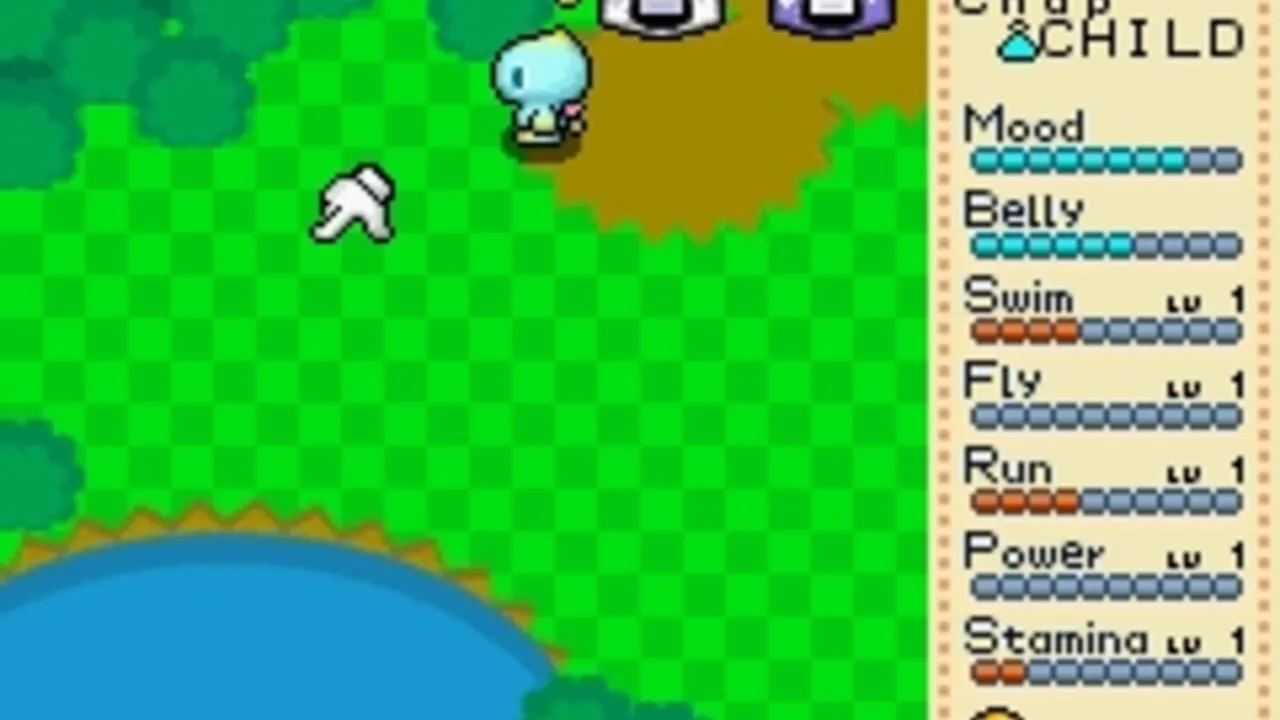
More players named it than any other Sonic game. They bring up the Chao Garden above all, the pet-raising side game that many lost whole afternoons to, and then the music and the speed stages. The treasure hunting and the shooting stages get complaints, and it is still the one they keep coming back to.
Which one to play
There you have it, the whole list of the best Sonic games. Even the awkward ones near the bottom have fans who will defend them.
If you are unsure, start with Sonic Mania, which is what players tell newcomers most often. If you want the traditional style, go with Sonic 3 & Knuckles. If you want modern 3D Sonic, Sonic Generations is the safe pick, and if you want the Dreamcast era, play both Adventure games. If you want to raise Chao between levels, Sonic Adventure 2 is the one. For a hidden pick, find Sonic Rush.