The NES earned its reputation. A lot of its games came from companies that had spent years making arcade machines, and they brought the arcade habit of ending your game as fast as possible. Plenty of cartridges had no save and no password. You got a few lives and maybe a continue or two, and then you were back on the title screen. Kids rented these games for a weekend and spent most of it on the first few stages.
Konami made some of the most famous ones, and Battletoads still comes up whenever anyone calls a game too hard. Not every game here is hard in the same way. Some want perfect reflexes, and others never tell you where to go. Here are the 25 hardest NES games.
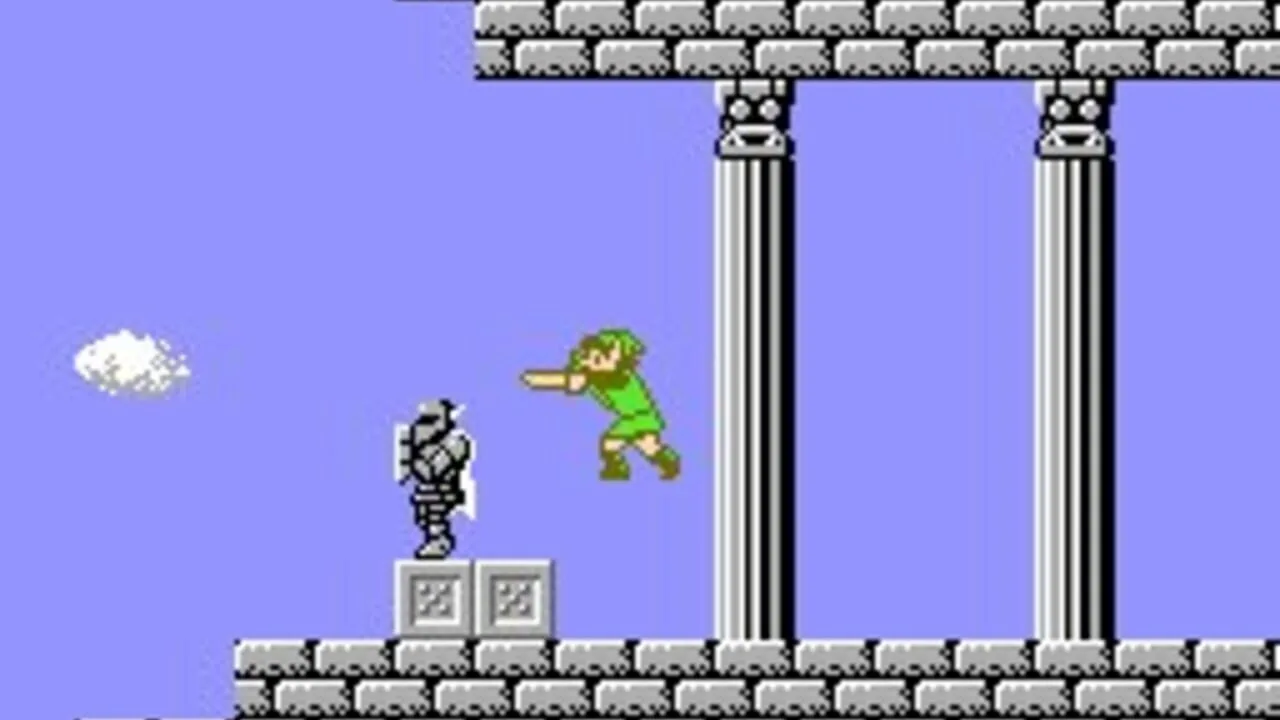
25. Kid Icarus (1986)
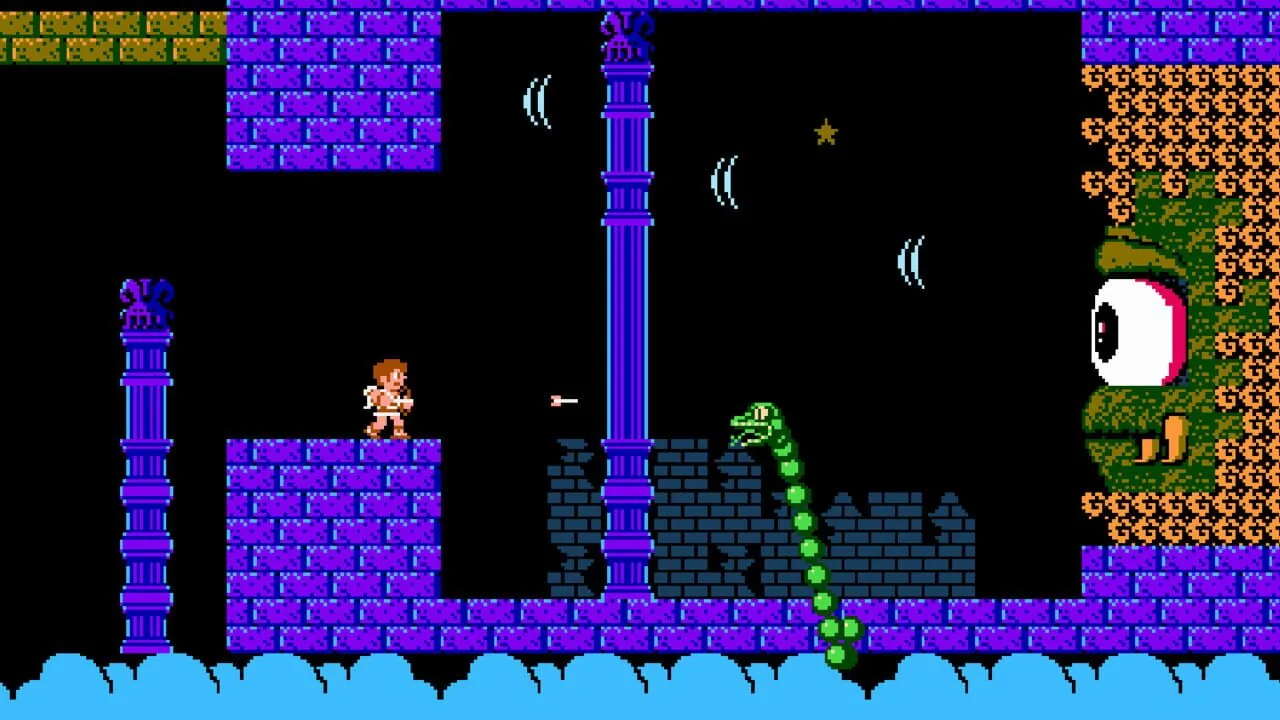
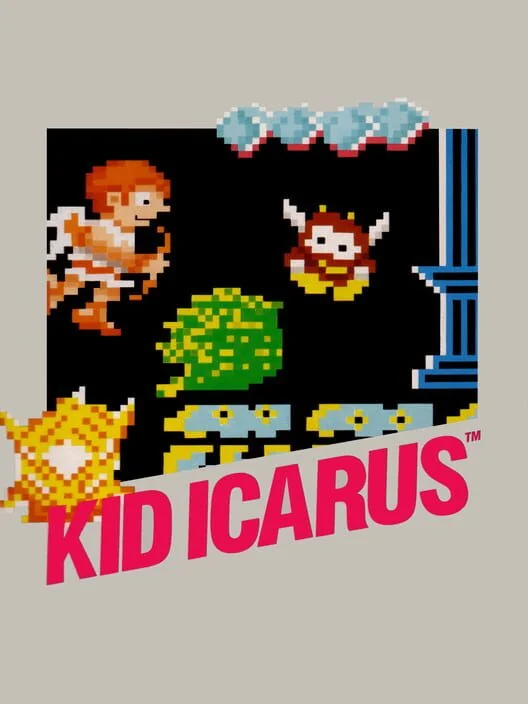
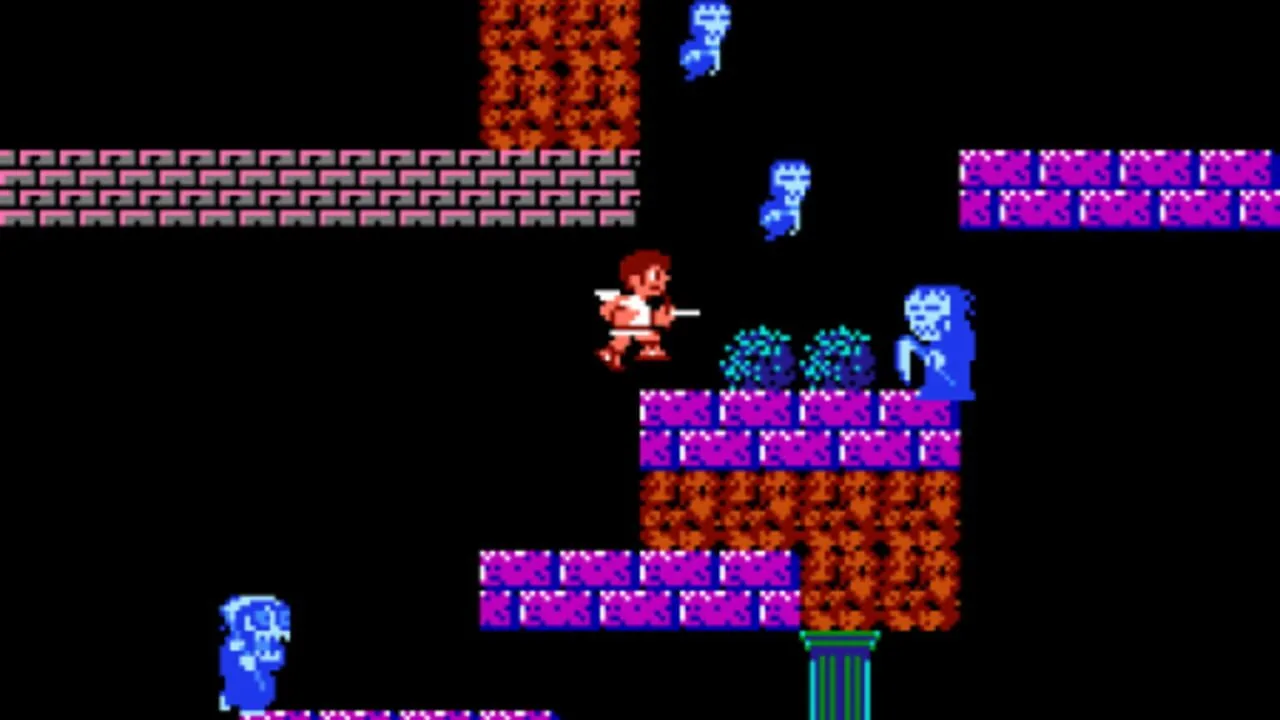
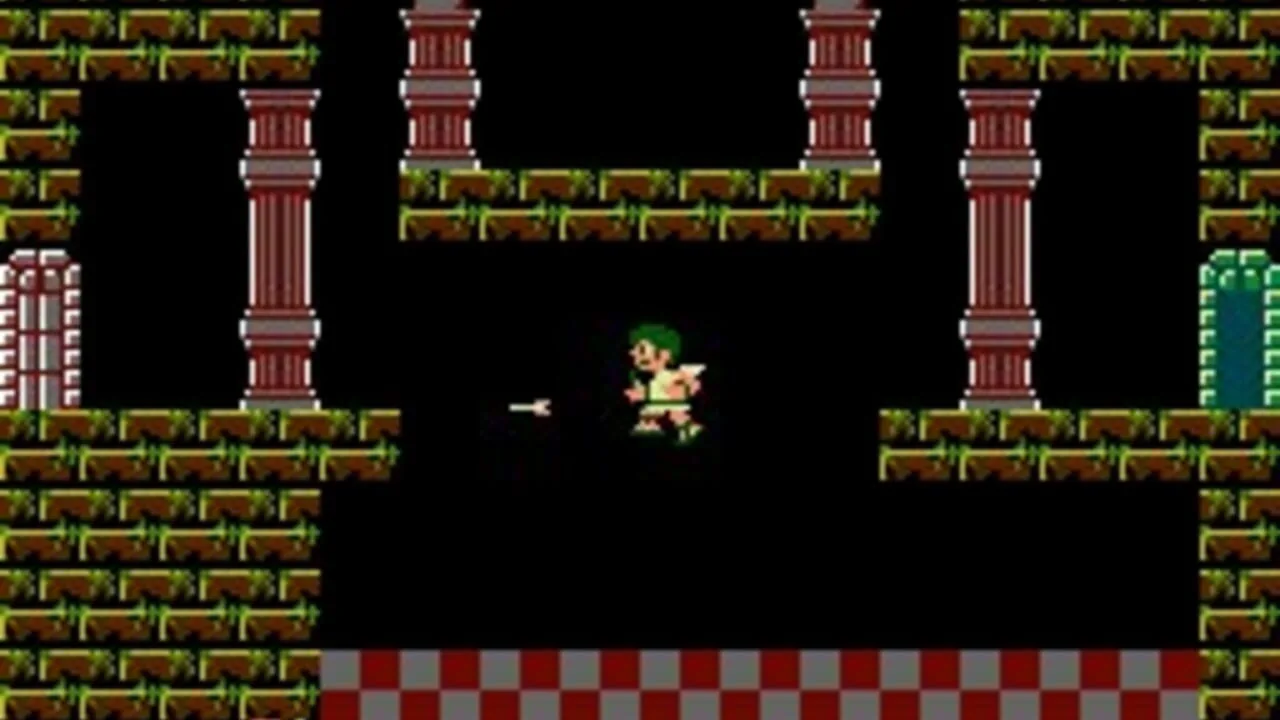
Kid Icarus goes after three sacred treasures to rescue Angel Land and its ruler, the goddess Palutena. It was designed by Toru Osawa and Yoshio Sakamoto and produced by Gunpei Yokoi, the same group of people behind Metroid, and it reached North America in July of the following year. It mixes climbing, shooting and maze-like fortresses on one cartridge, which was a lot to ask of a kid back then.
Reviewers praised its music and its mixture of gameplay elements from different genres, but criticized its graphics and high difficulty level. The difficulty is front-loaded. The first world is the meanest part of the game, and plenty of players put the controller down before it got kinder. Those who pushed on found a game that rewards patience more than most on this list.
24. Batman (1989)
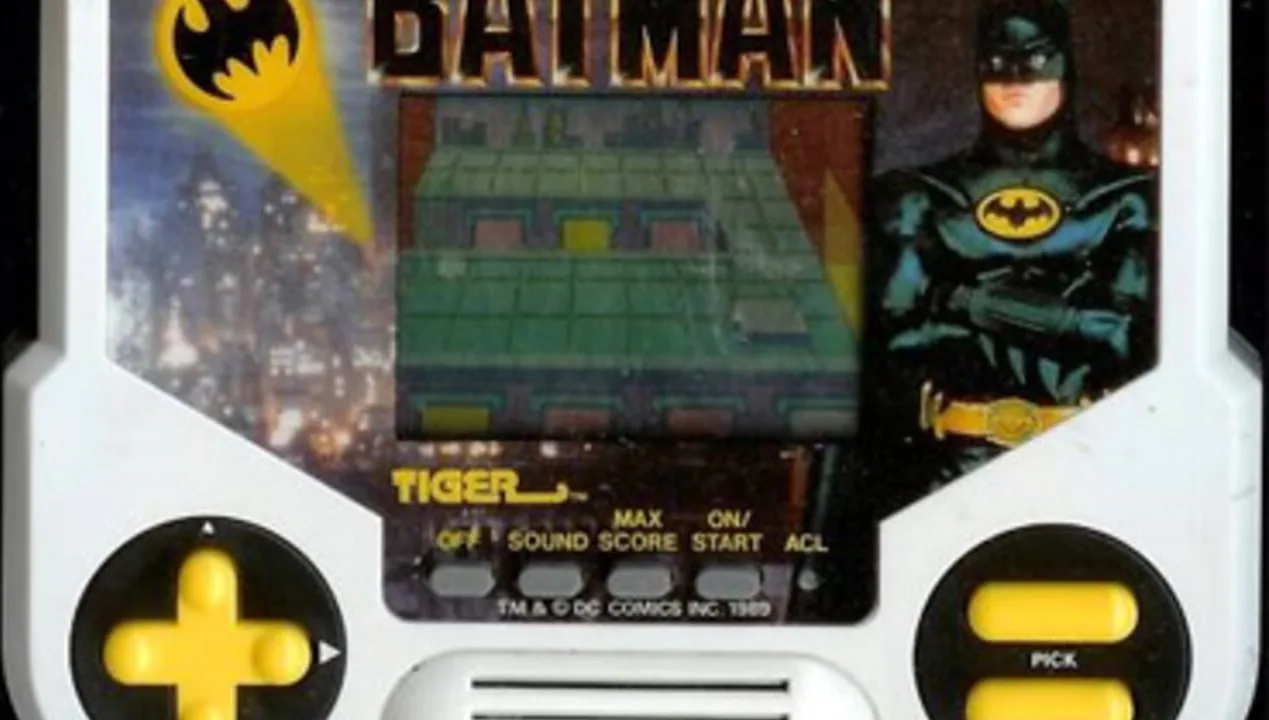
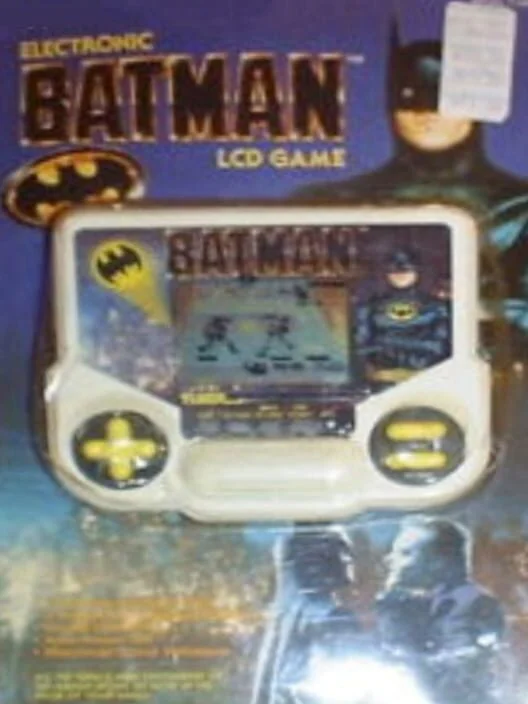
When the Tim Burton film was released in theaters in 1989, it was a massive phenomenon, and Sunsoft got the license. Its first attempt at a Batman game remains its best. Batman can jump off of walls when pressing the button again with the right timing, and the game is built around it, with each of the five levels gradually requiring more and more precision jumping to progress. The music is by Sunsoft regulars Nobuyuki Hara and Naoki Kodaka, and Kodaka also scored Blaster Master.
The Joker is where players hit the wall. Plenty of people who grew up with it say they never beat him, and some only saw the ending years later with invincibility switched on. Everything before him is hard but fair. Once the wall jump clicks, it feels great.
23. Dragon Warrior (1989)
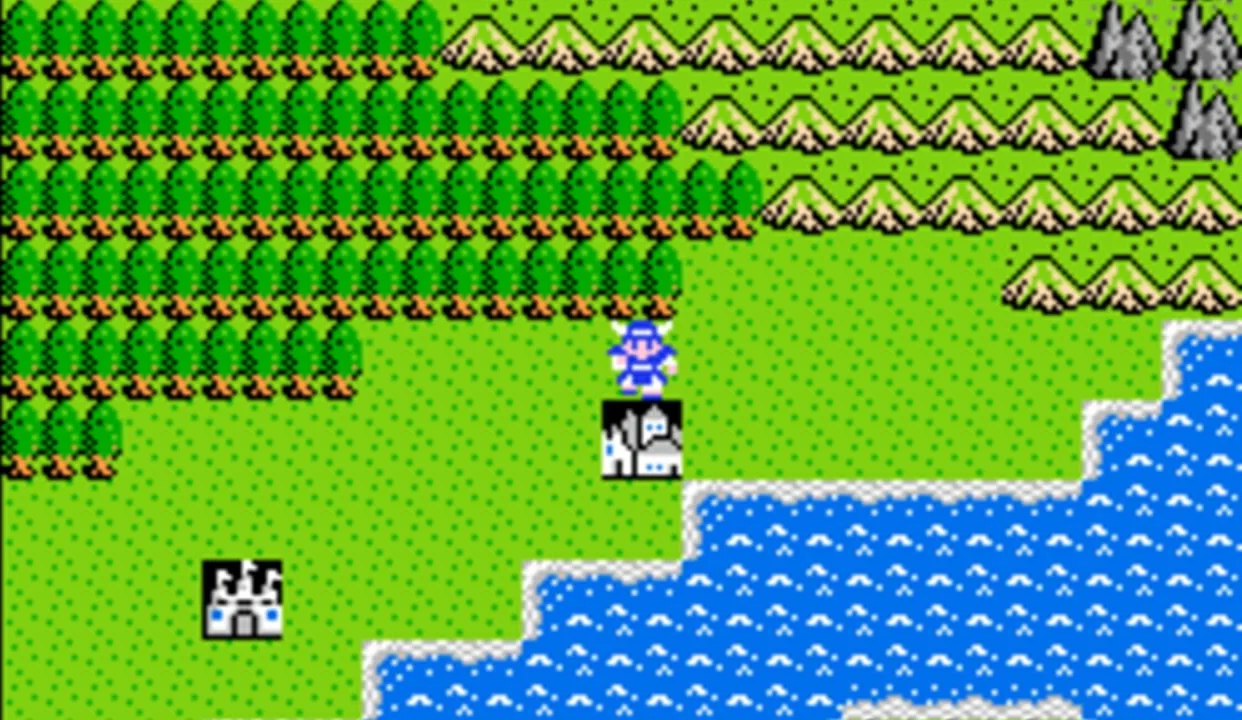
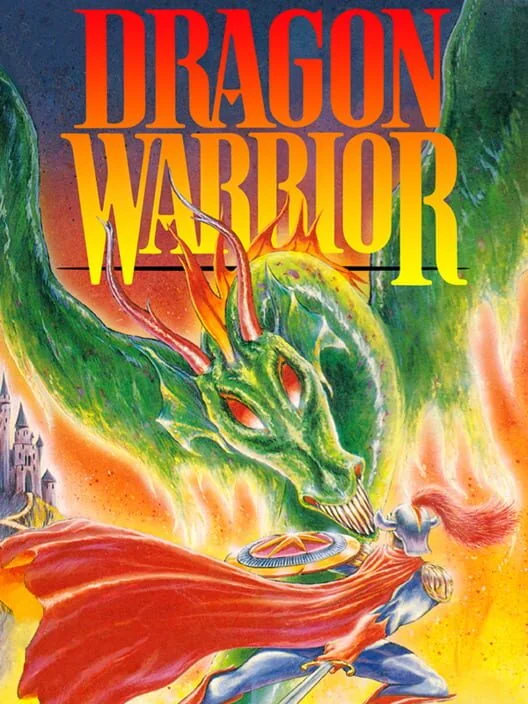
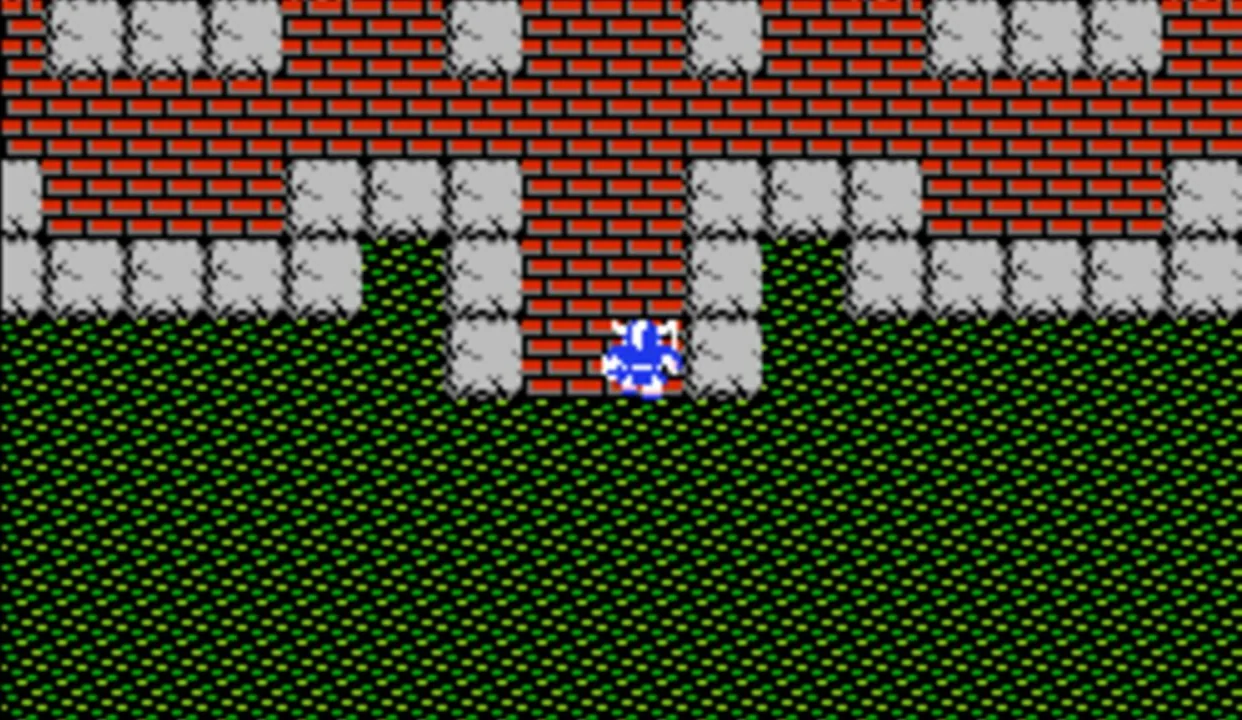
Dragon Warrior is the first Dragon Quest, renamed Dragon Warrior to avoid trademark conflict with the unrelated tabletop role-playing game DragonQuest. Yuji Horii designed it, with art by Dragon Ball creator Akira Toriyama. Nintendo released it in North America in August 1989, with battery-backed RAM save games in place of the Japanese password system.
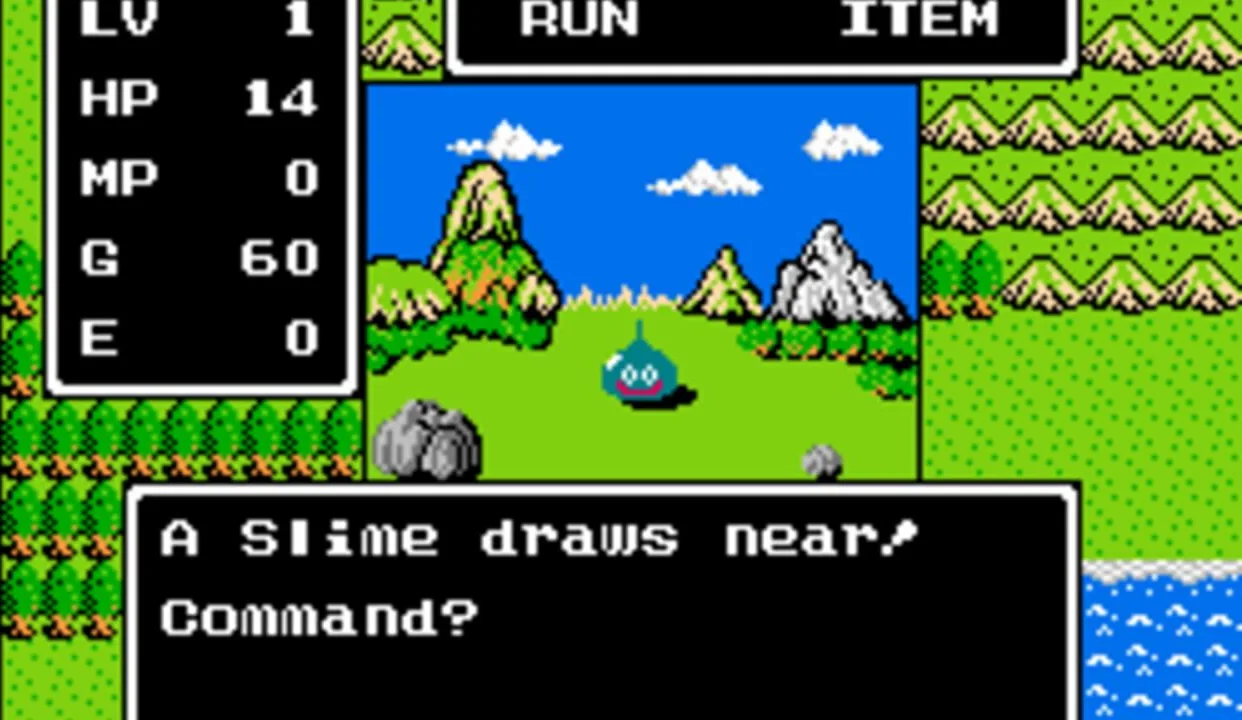
Its difficulty is a different kind from the action games around it. Nothing here needs fast hands. You set out alone, and wandering a little too far from town is enough to get you killed, so most of the game is fighting the same monsters near safety until you are strong enough to take a few more steps. Dragon Quest was commercially successful in Japan, but its later release as Dragon Warrior in North America was less favorably received. A lot of American kids had never seen a game ask for that much patience.
22. Bionic Commando (1988)
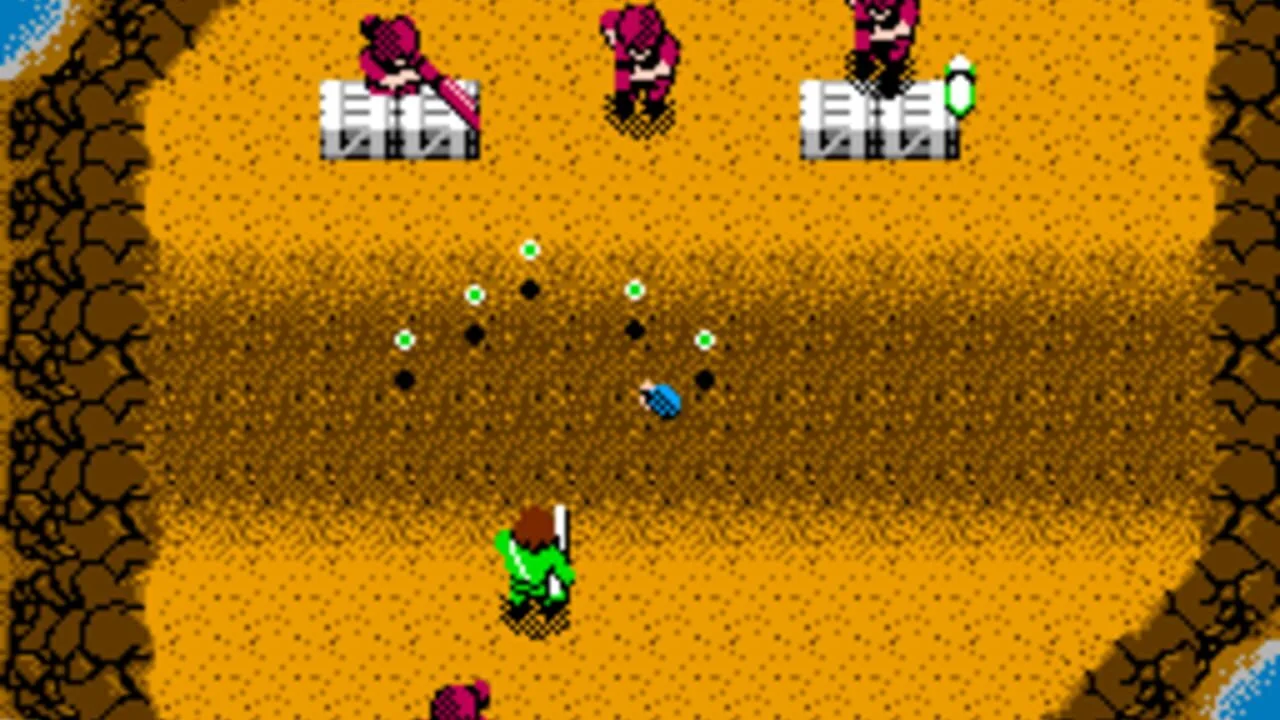
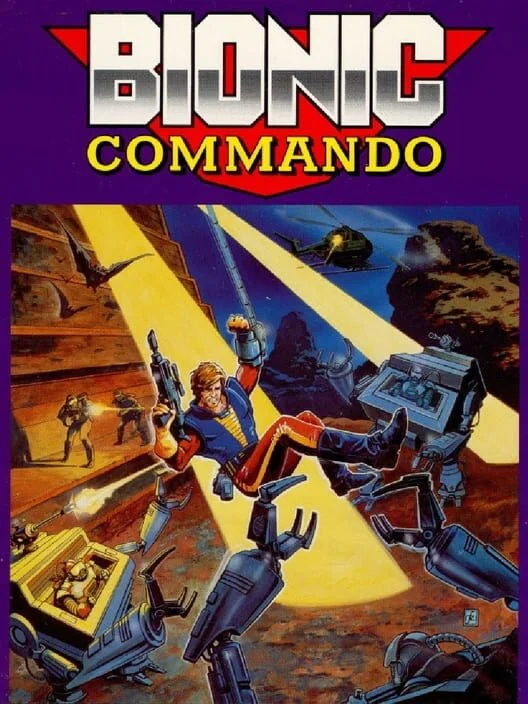
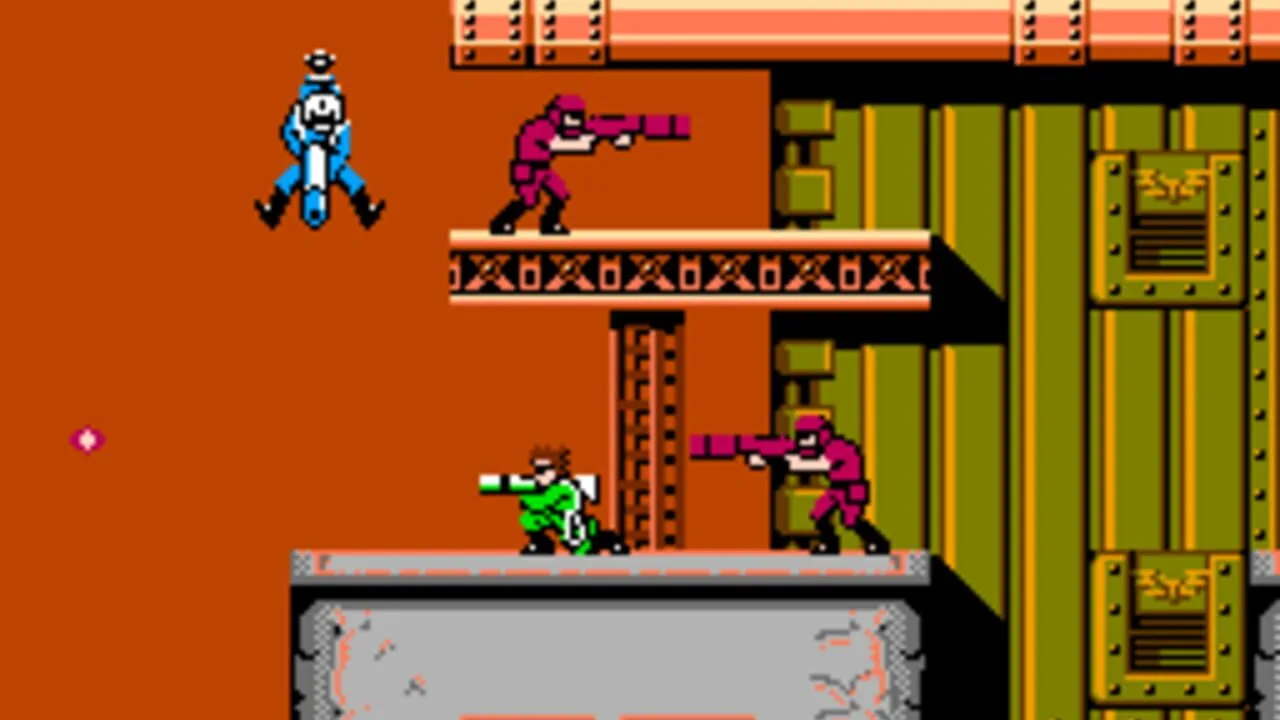
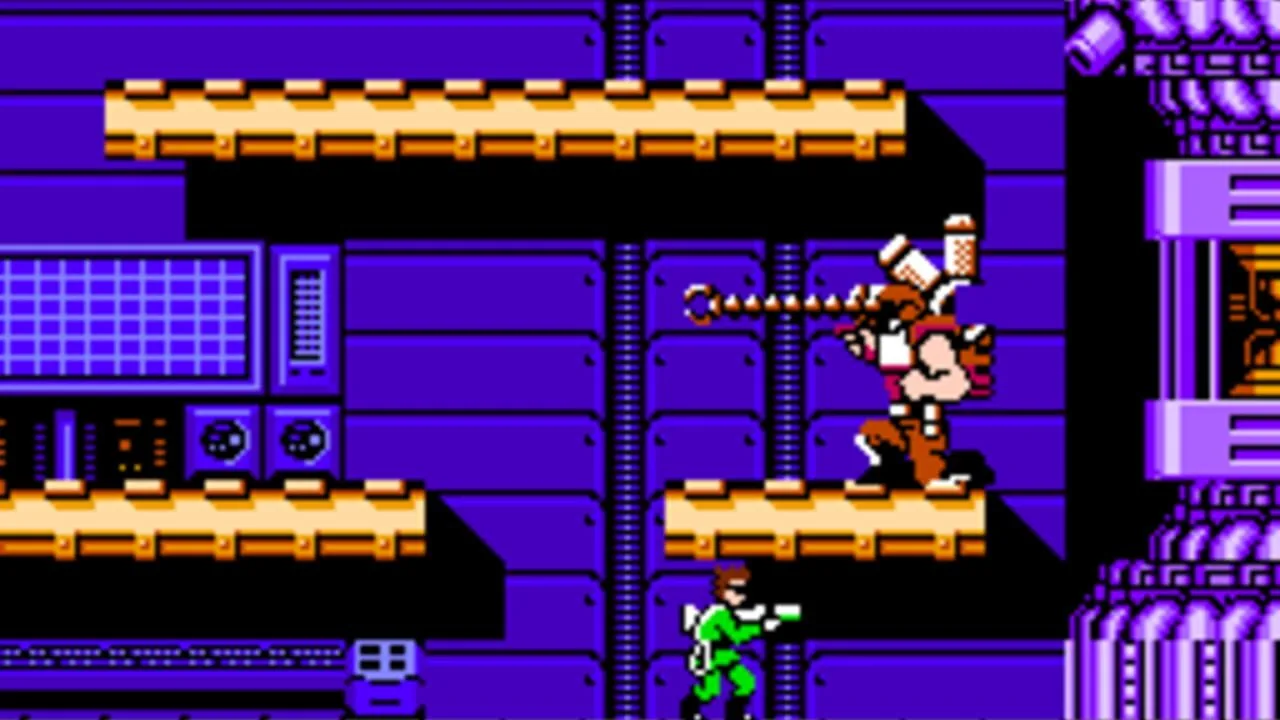
Bionic Commando is the platformer where you cannot jump. Why jump, though, when you can just climb and swing everywhere? You get around with a grappling arm, and there are quite a few points where you have to latch, swing, release, and latch again to another object with damn near split-second timing. Run into an enemy truck on the map and you are tossed into a brief level in a overhead perspective reminiscent of Capcom's Commando.
The main challenge comes from the swings, which become more difficult with each new area. It takes a while before the arm feels like part of you, and until then every pit is a trap. Once it does, it is one of the best-feeling games on the system, and that is why players keep putting up with it.
21. Blaster Master (1988)
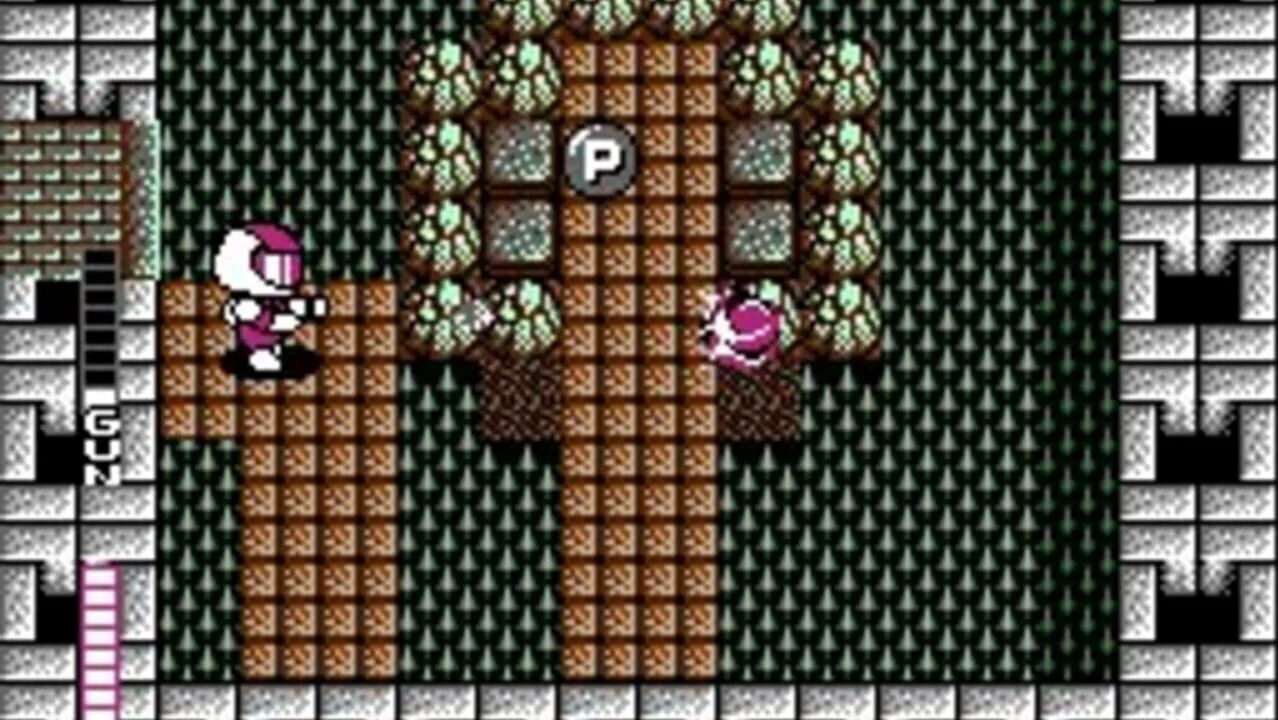
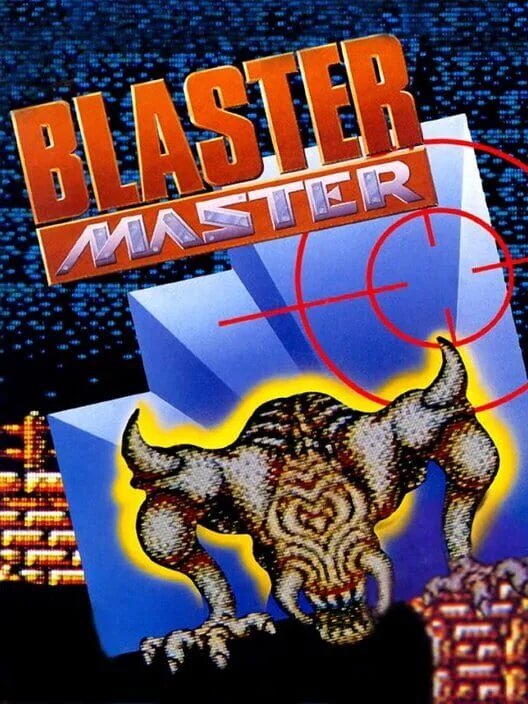
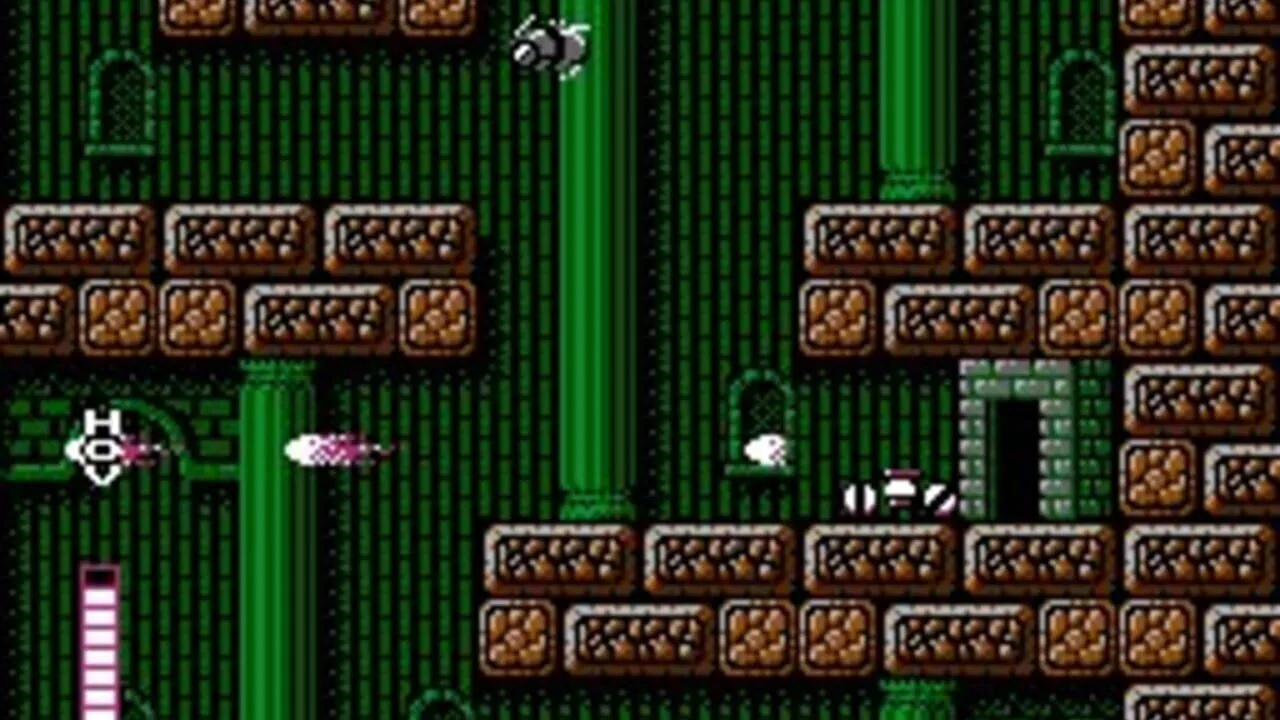
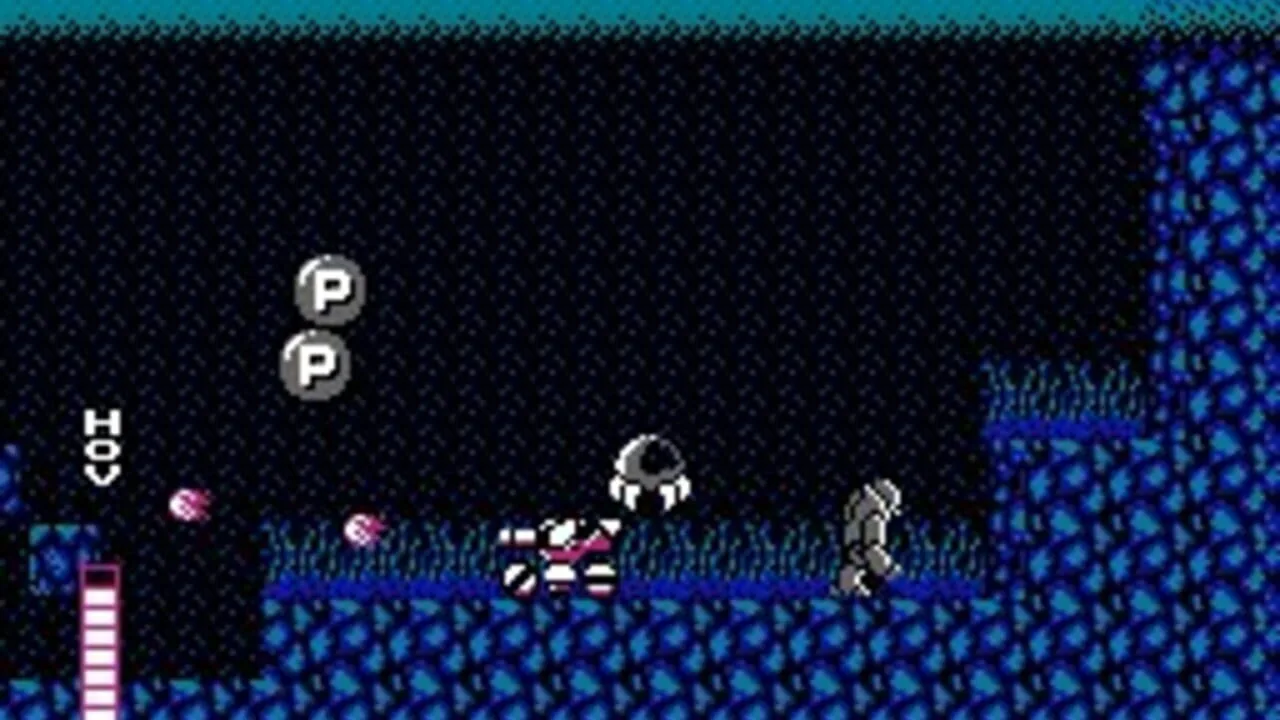
Blaster Master was created by Kenji Sada and made by a part-time development team of about five people. You drive an armored tank through side-scrolling caverns, then climb out and explore on foot in overhead dungeons. Sada created the system of alternating between the 2D platforming and top-down modes, and the bosses fill the screen.
It was praised for how it played, but it was criticized for its high difficulty level and lack of passwords or save points. That is the whole problem. It is a long game, and you have to finish it in one sitting. The overhead dungeons hurt most, because Jason on foot goes down quickly and the bosses wait at the end of them.
20. Metal Gear (1987)
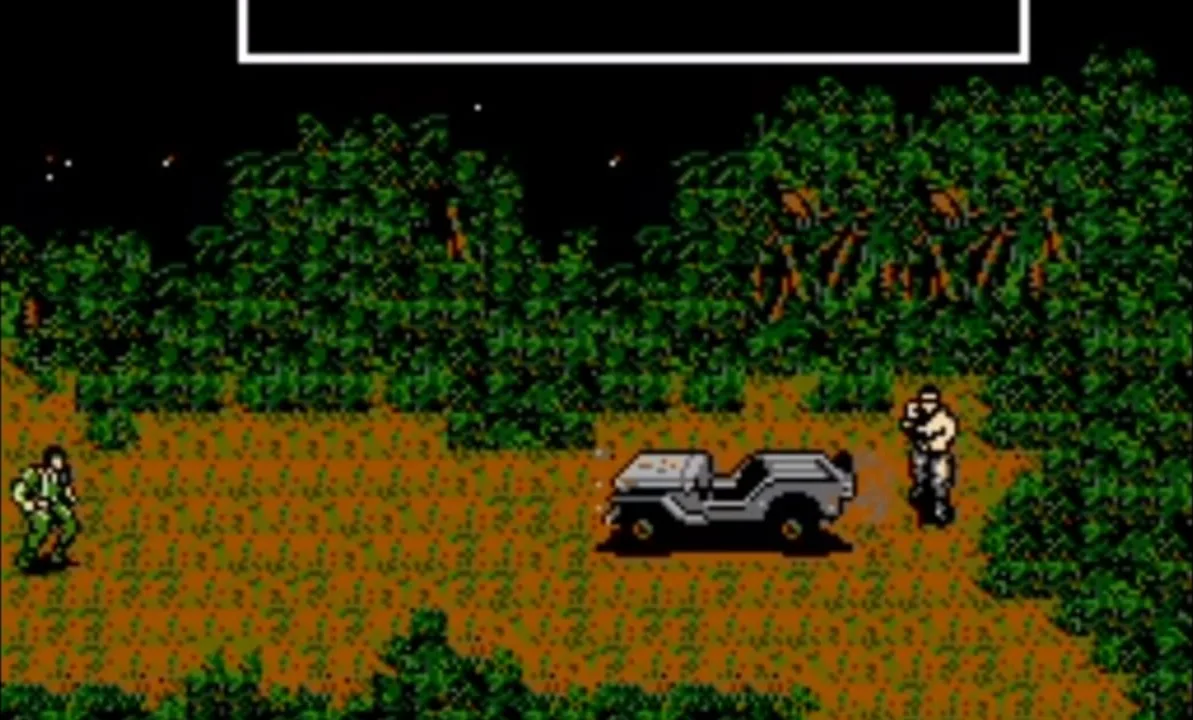
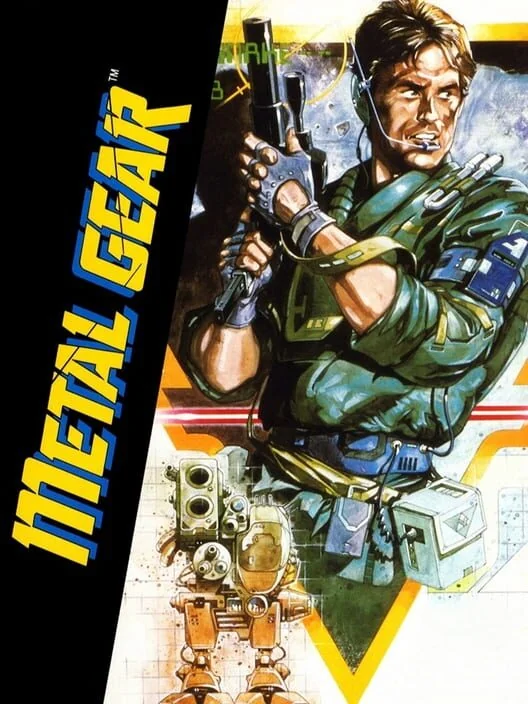
Metal Gear started on the MSX2. Hideo Kojima was brought into Konami to develop for the MSX platform, and his game was released in July 1987 for the MSX2 in Japan. The success inspired the higher ups at Konami to commission a version for Nintendo's console, and the porting team was given three months to make it happen. The NES version has you go through several screens in a jungle before you reach the base, and the NES version adds a new item called the Iron Glove, which lets you break hidden walls.
Its difficulty is about knowing what to do next. Players who had it as kids say it was too hard to work out where to go, and some only finished it with a magazine guide open next to them. Patience and a pencil help more than reflexes.
19. Mega Man (1987)
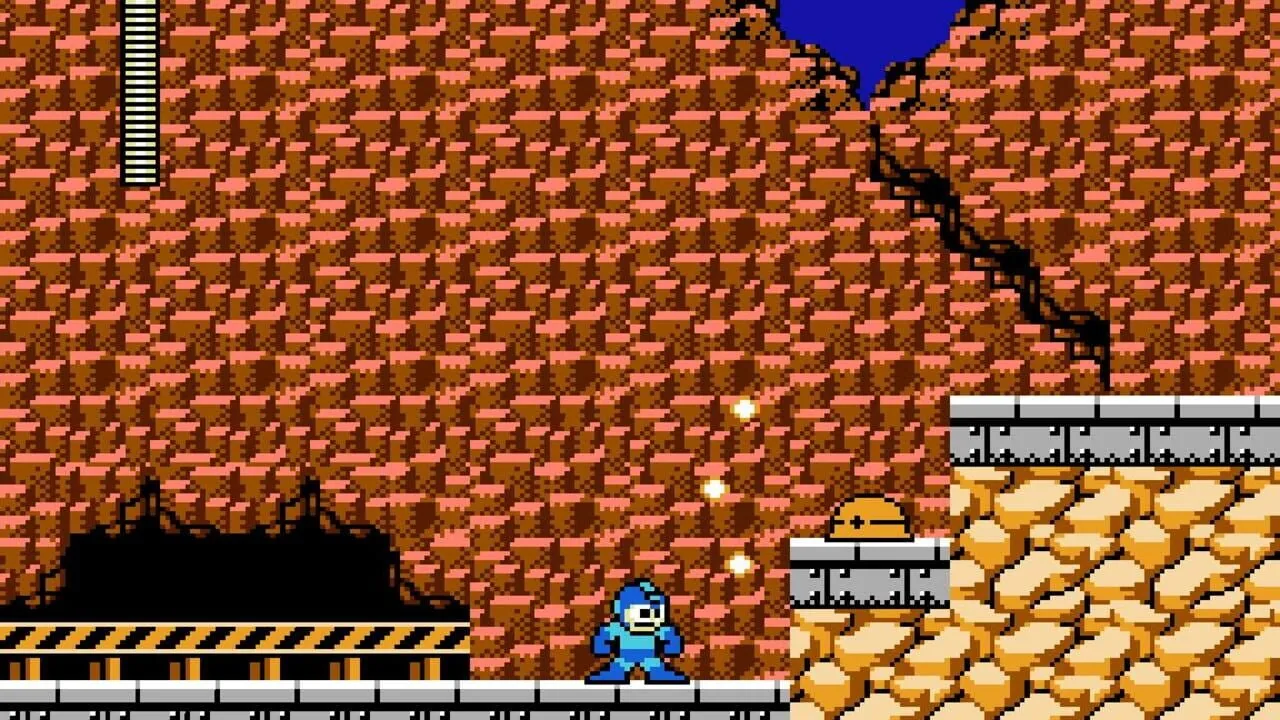
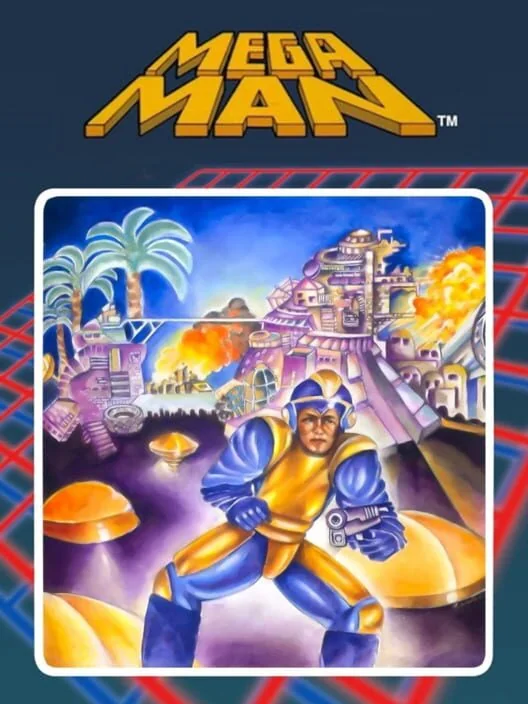
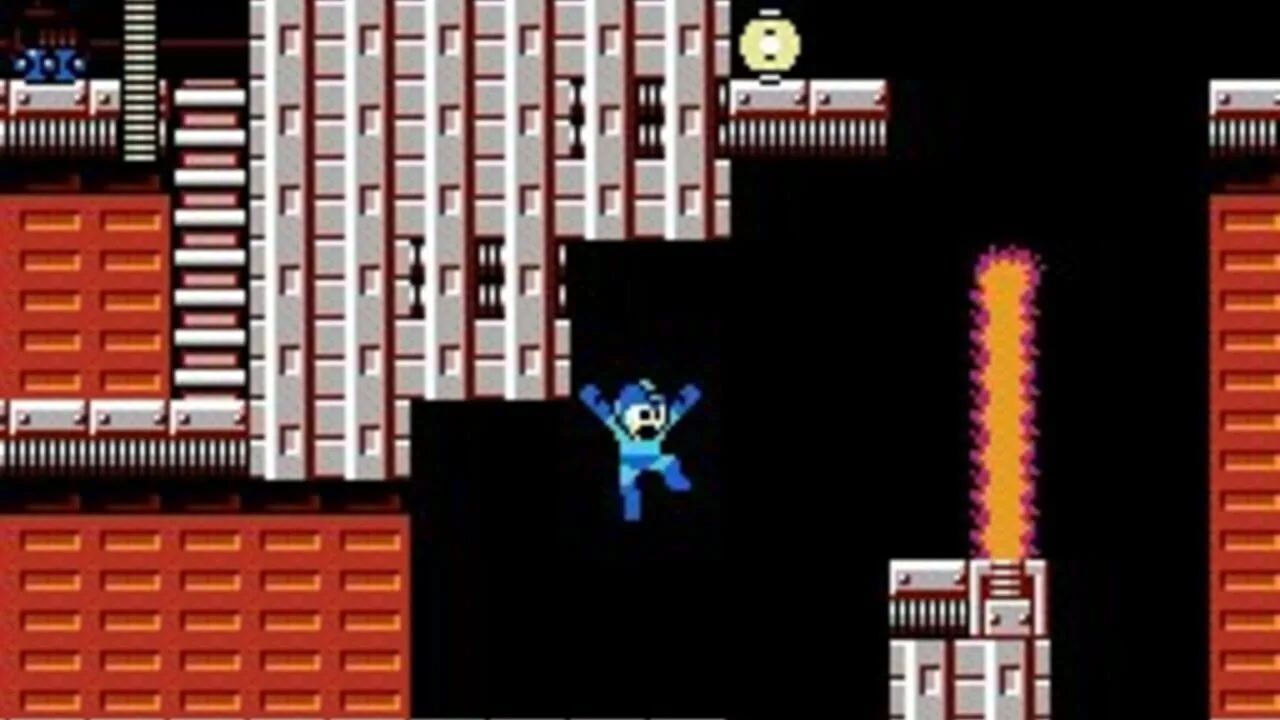
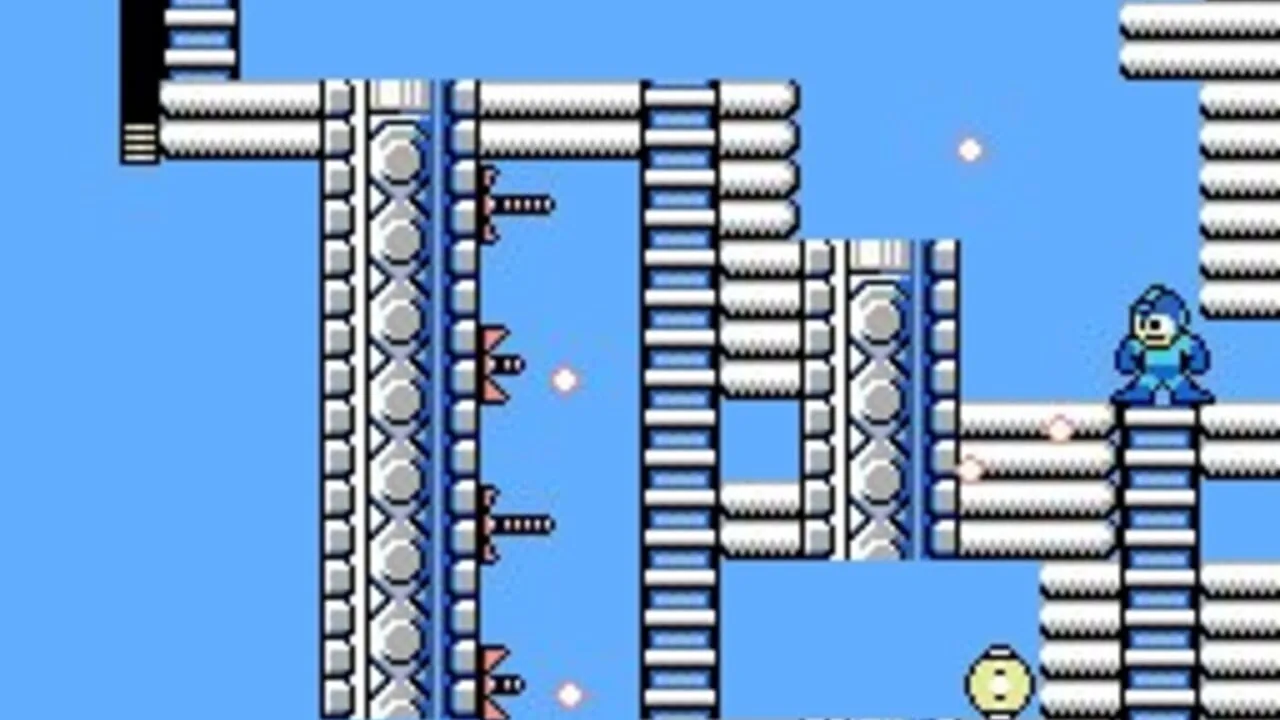
The first Mega Man was produced by a small team specifically for the video game console market, a first for Capcom, which up until that point focused on arcade games. It was directed by Akira Kitamura. You pick from six Robot Masters, Cut Man, Guts Man, Ice Man, Bomb Man, Fire Man and Elec Man, and each stage culminates in a boss fight against one of the Robot Masters that awards the player-character a special weapon. It even has a score counter, a leftover of Capcom's arcade days.
Weapon ammo is not restored between stages, so every action the player takes is consequential. Players who go back to it say the first one is harsher than the sequels people remember, and more than one has given up on it. It is the rough draft of a great series, and rough drafts bite.
18. Mega Man 2 (1988)
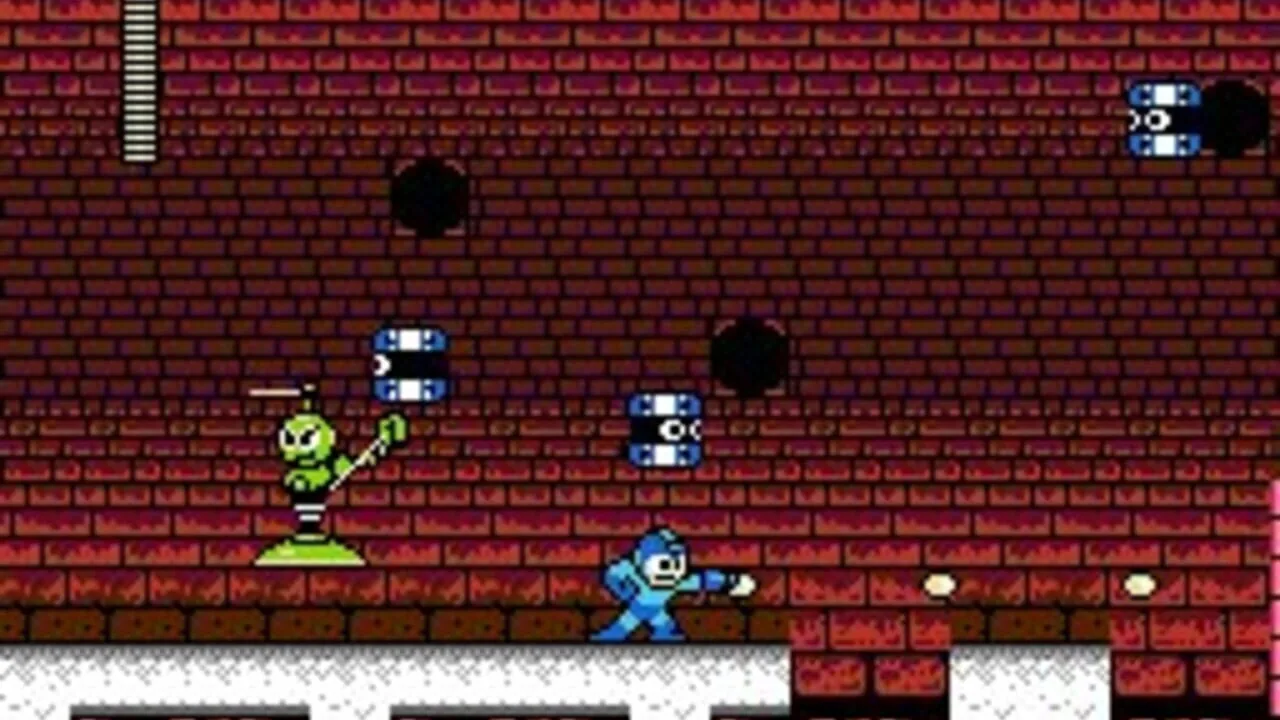
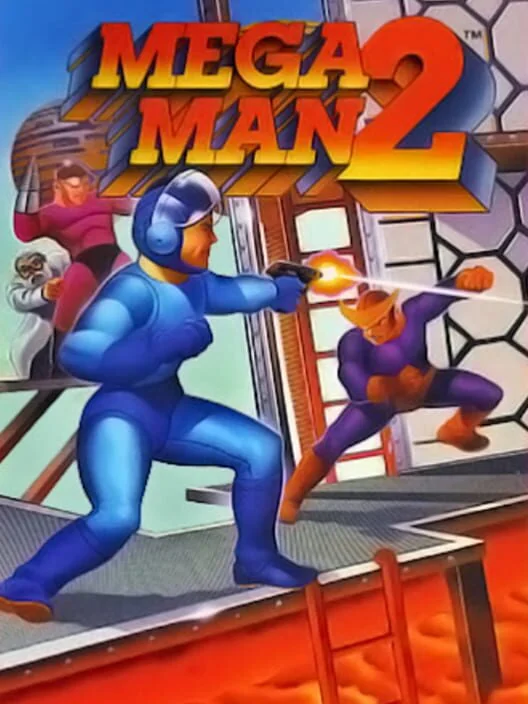
Sales for the original Mega Man were unimpressive, and the team made the sequel in their free time while working on other Capcom projects. Takashi Tateishi composed the soundtrack, and it is considered one of the greatest of all time. It was a commercial success, with more than 1.51 million copies sold.
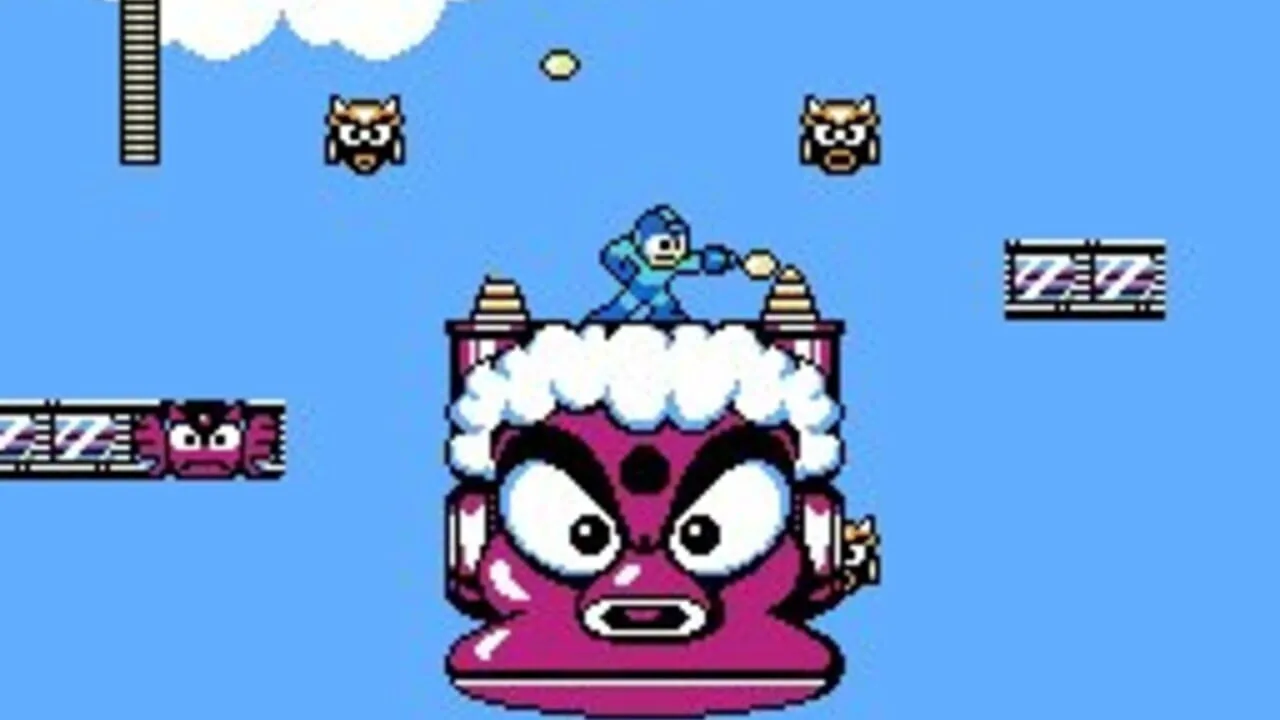
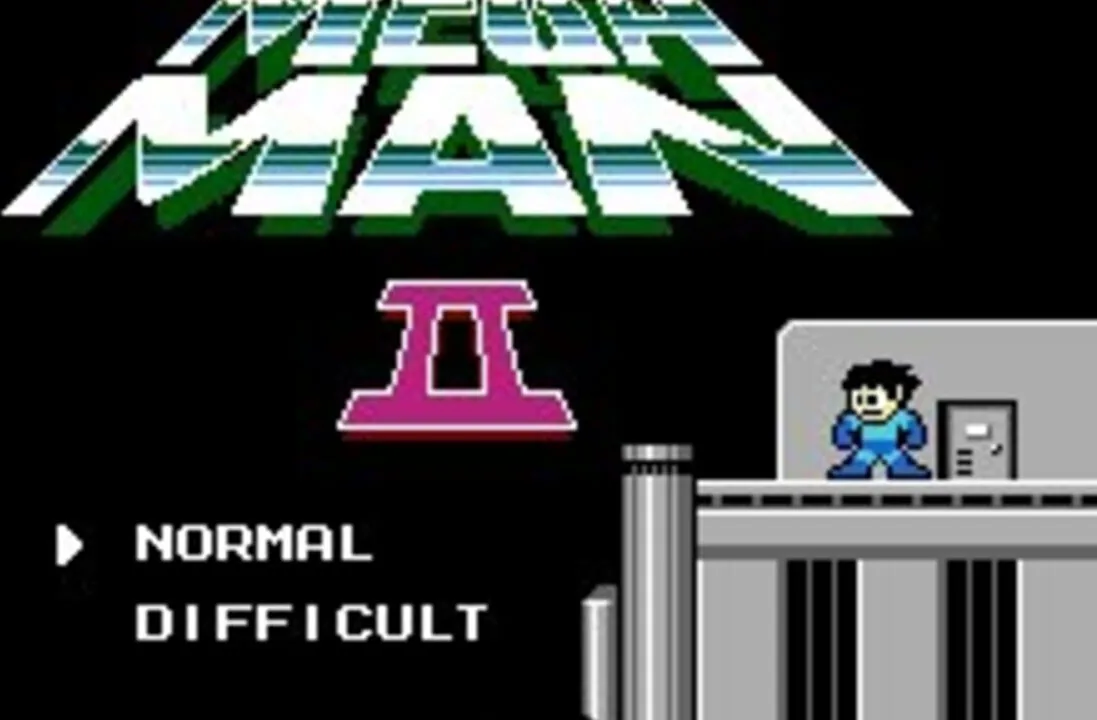
There is a twist in how hard it is. The original version was labeled difficult, and a normal setting was created that made the arm cannon and boss weapons more powerful. American players got the choice, and plenty picked Normal and still struggled. Dr. Wily created eight of his own robots this time, and they are fair once you learn which weapon beats which. Dr. Wily's fortress at the end is the real exam, and it is where most of the stories about this game end.
17. Silver Surfer (1990)
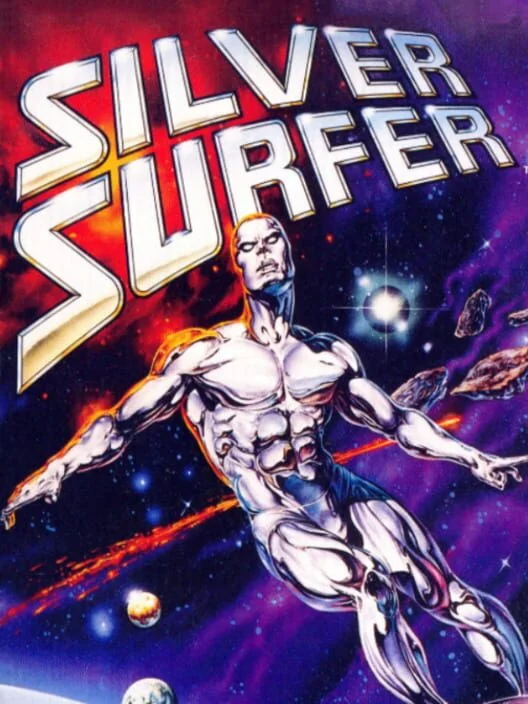
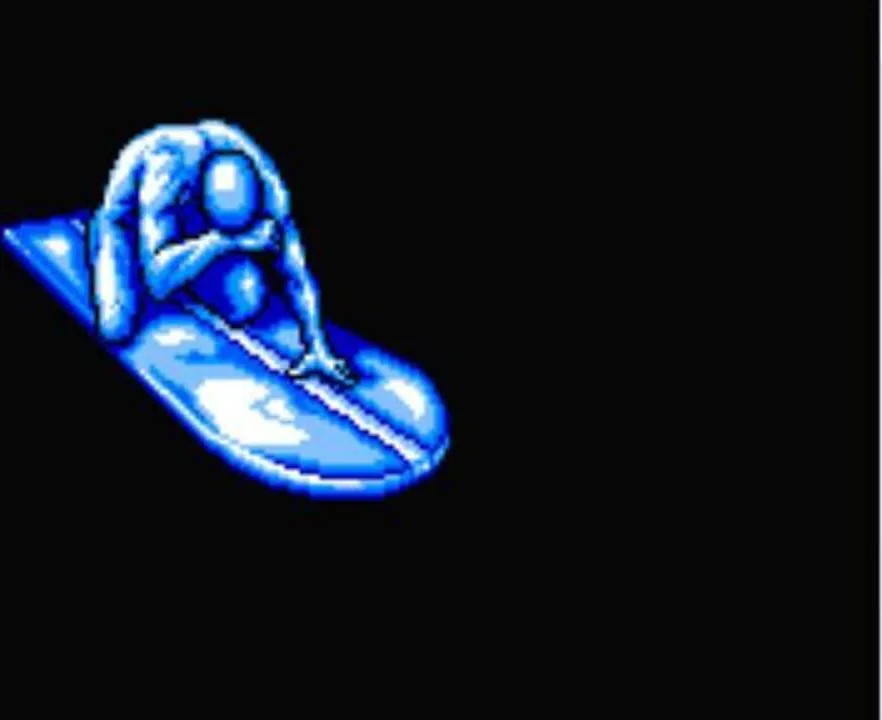
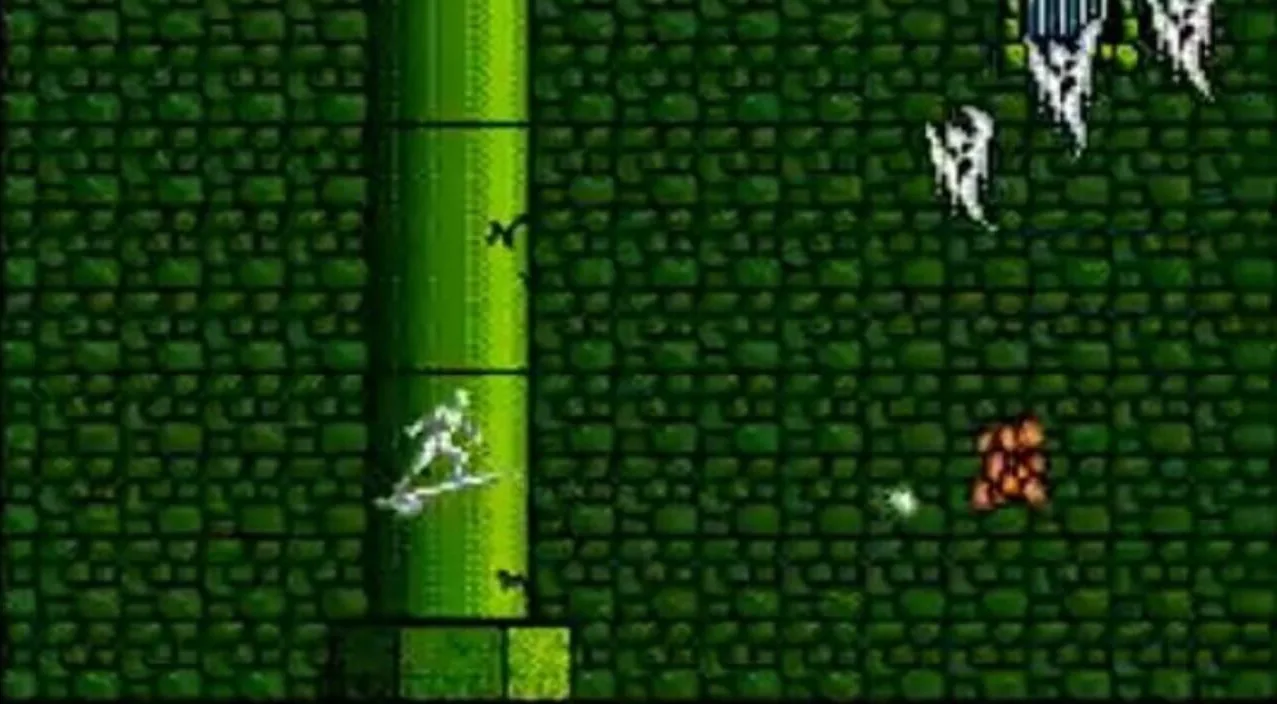
Silver Surfer was released in November 1990 in the United States exclusively for the Nintendo Entertainment System. It is a scrolling shooter that lets you pick the levels in any order, similar to the Mega Man games, with cut-scenes between the levels to move the story along. After the first set of levels, Galactus sends Silver Surfer on a final mission into the Magik Domain.
It is a beautiful game with a mean streak. The Surfer is a cosmic being who rides a board through space, and somehow he is still one of the most fragile heroes on the system. It ranks above both of the Mega Man games on this list. Not many games based on a comic book can say that.
16. Super C (1990)
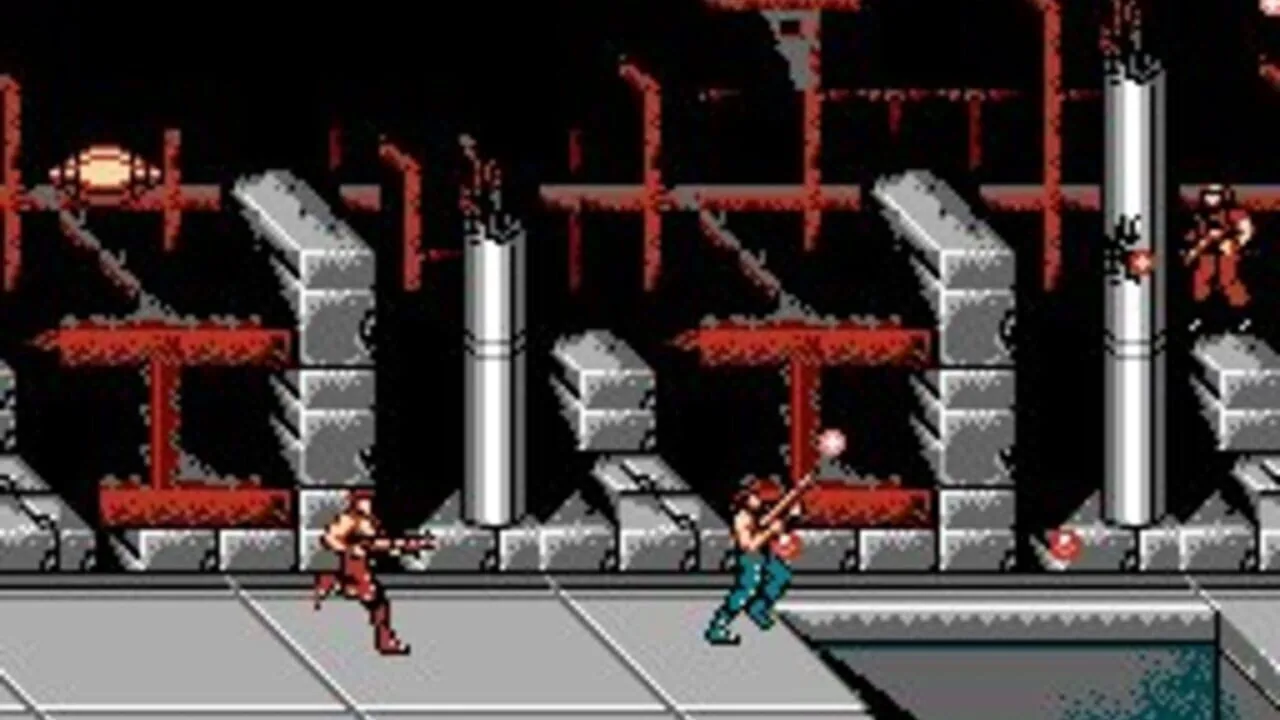
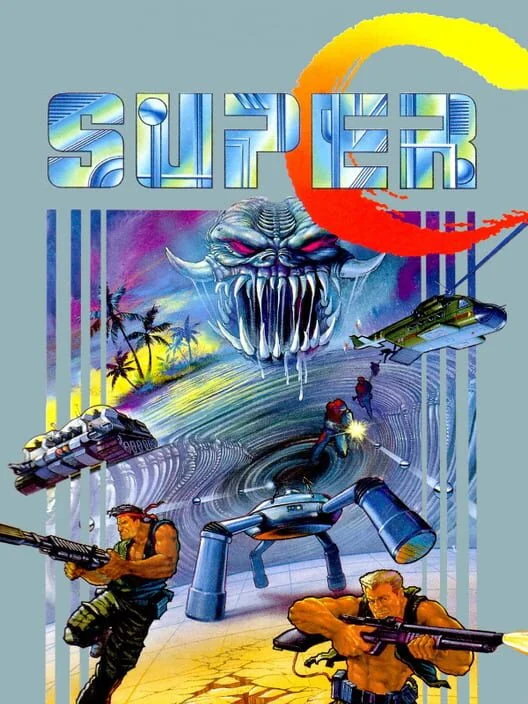
Super C is the sequel to Contra, ported under the shortened title of Super C in North America and as Probotector II: Return of the Evil Forces in Europe. The alien Red Falcon is back. Bill and Lance must not only fight against their former comrades-in-arms, but also a new mutated form of the same alien creatures.
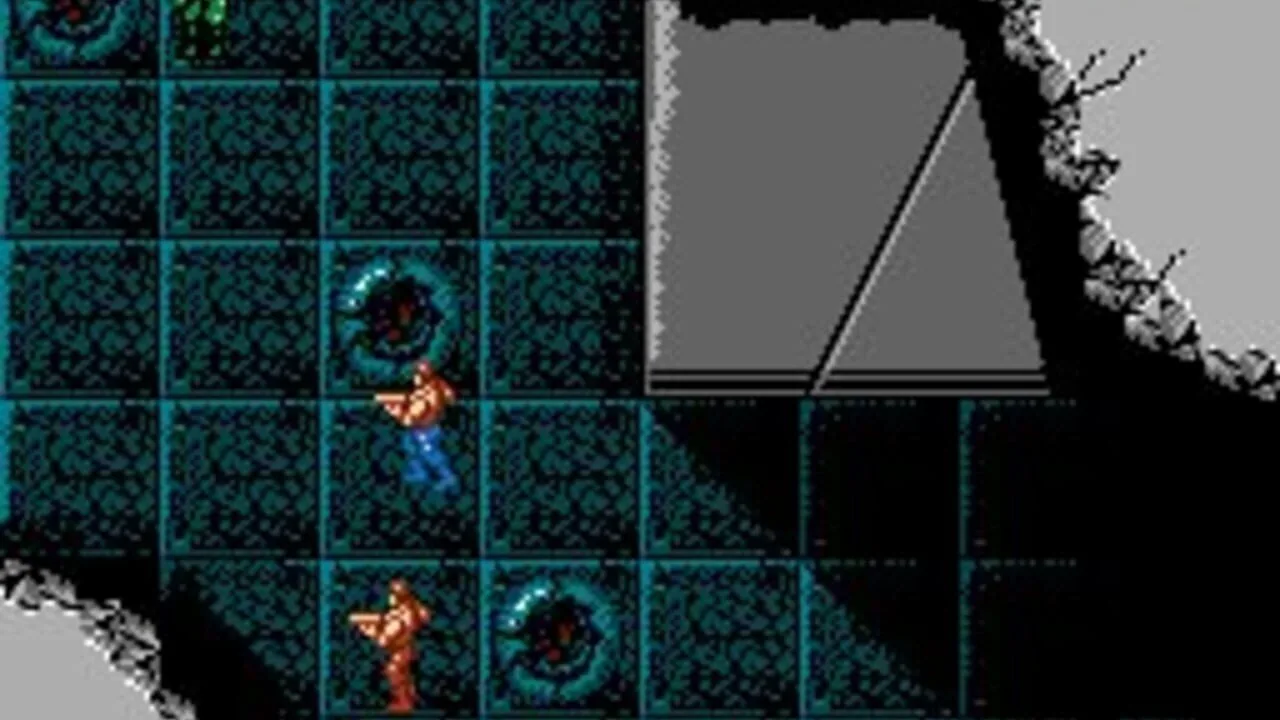
The fake 3D base stages from the first game are gone, replaced by vertically-scrolling stages played from an overhead perspective. It sits well below Contra on this list, mostly because fewer people got far enough to complain about it. It is faster and busier than the first game, and the later stages fill the screen with bullets. Two players make it easier to survive, as long as nobody steals the Spread gun.
15. Castlevania III: Dracula's Curse (1989)
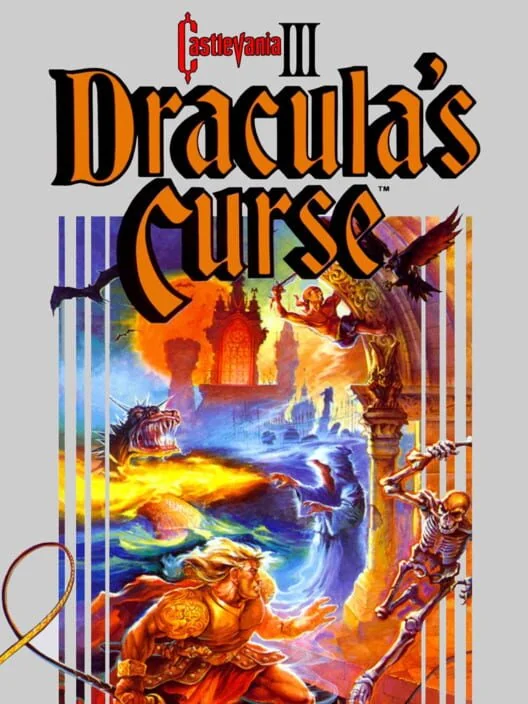
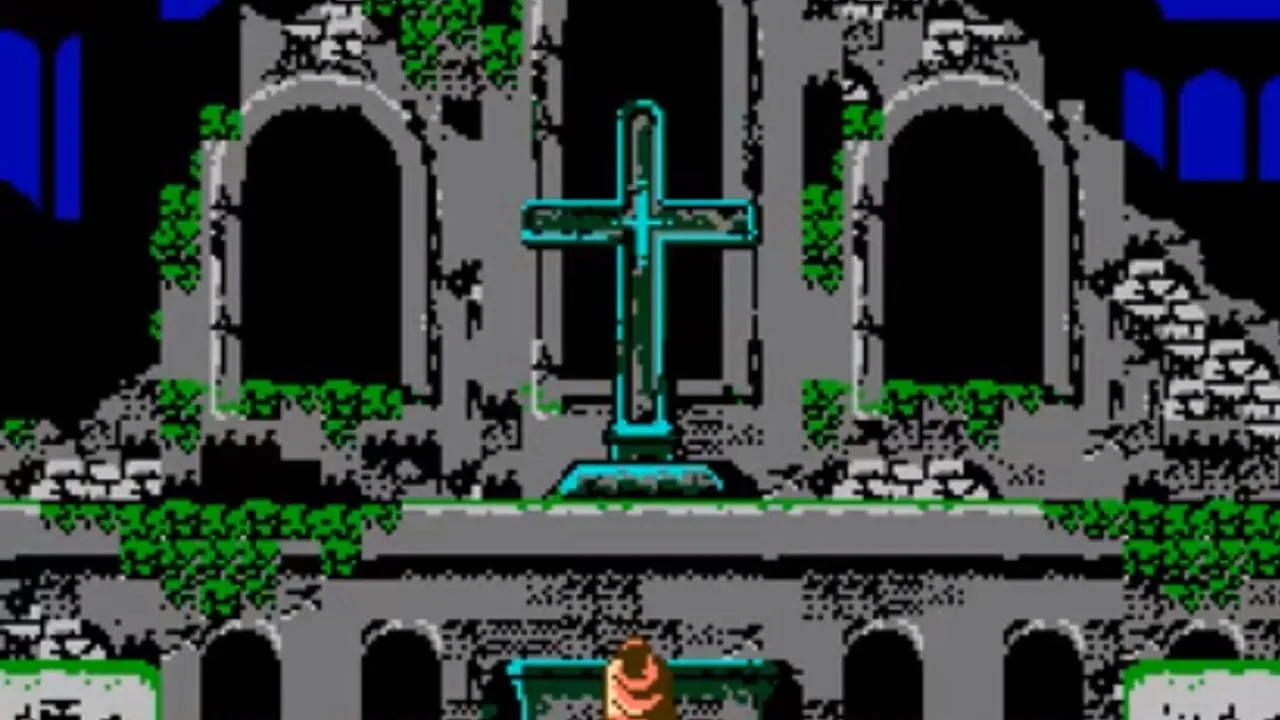
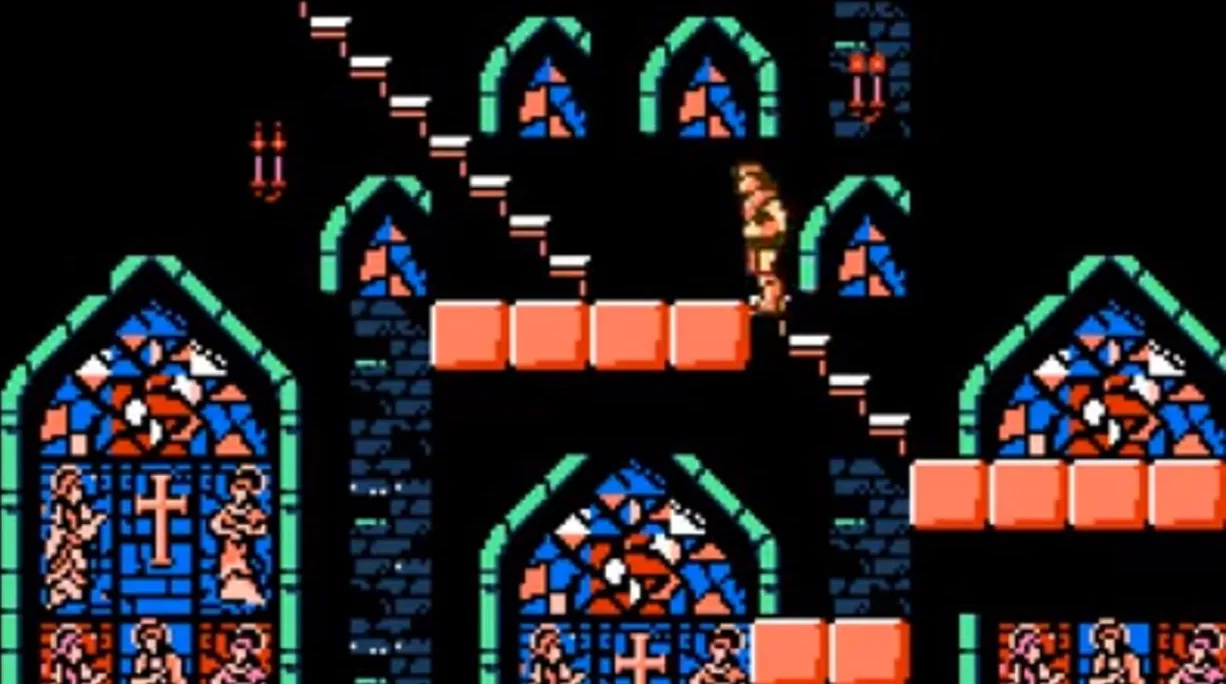
Dracula's Curse is a prequel to the original Castlevania, set a few centuries before its events. You play Trevor Belmont, and Trevor can be assisted by one of three possible companions. You pick between branching paths as you go, and Trevor can be accompanied by only one companion at a time, so every choice changes the trip.
Players call it very hard, and also very impressive. The later stages are long, and there are a lot of them before Dracula. There is one more catch for players in the West: some enemies do less damage in the Japanese version. The American release was the harder one, and nobody told the kids buying it.
14. Castlevania II: Simon's Quest (1987)
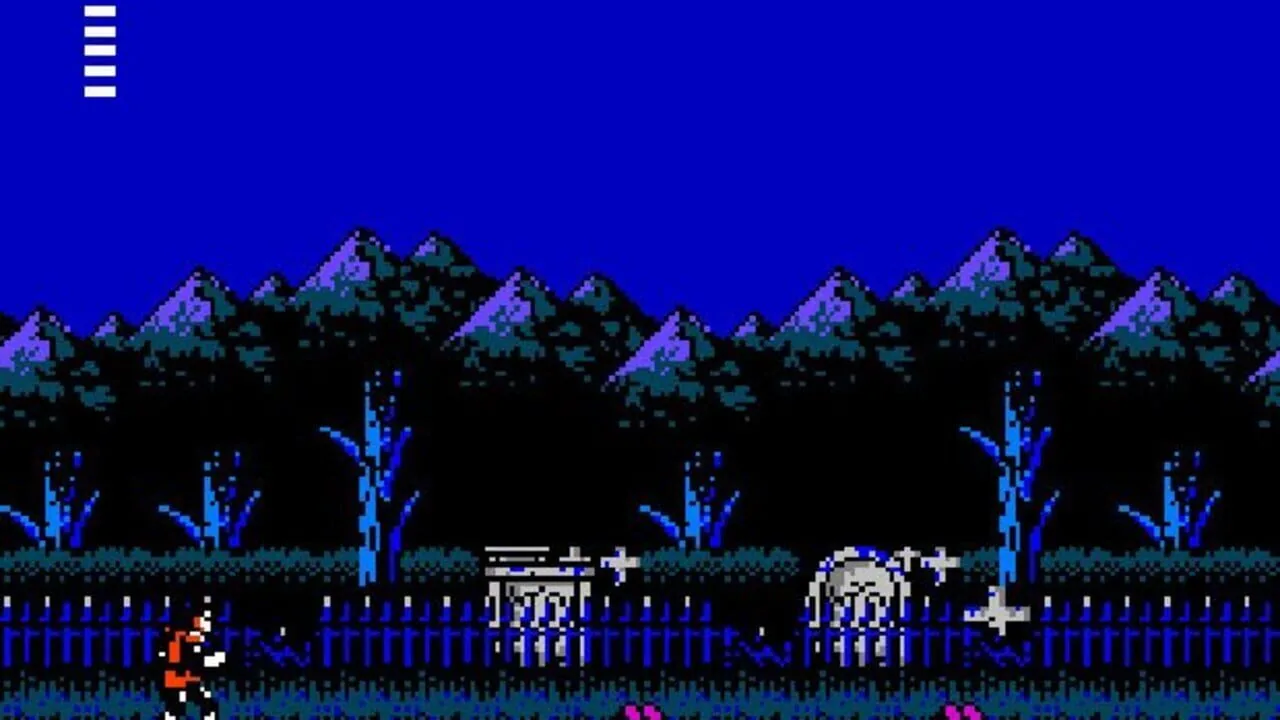
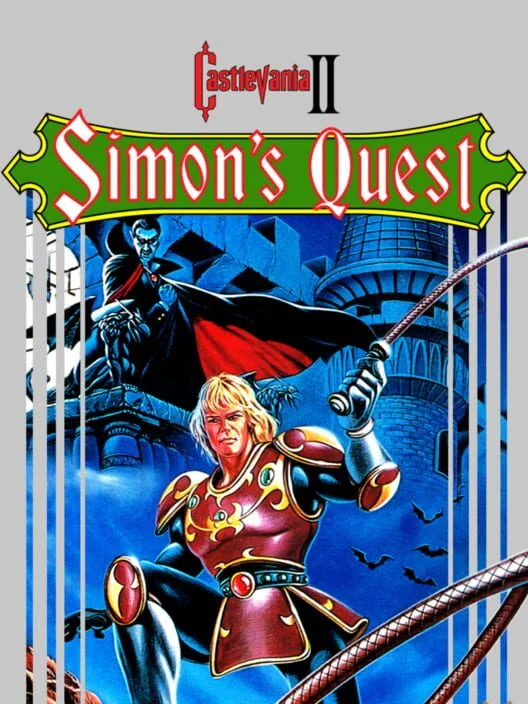
Simon's Quest is set seven years after the events of the first game, with Simon Belmont on a journey to undo a curse placed on him by Dracula. It swaps the stage-by-stage castle for towns, mansions and a day-to-night cycle. Retrospective reviews of Simon's Quest have been more critical, and the easy bosses tell you the difficulty is somewhere else.
The hard part is knowing what to do. Players say you need a guide to finish it, and a lot of kids who had one got it from Nintendo Power. The magazine had its own history with this game. Upon its release, Simon's Quest was briefly the subject of controversy when it received strong publicity in the second issue of Nintendo Power, and Nintendo Power later called that cover its worst.
13. Ghosts 'n Goblins (1986)
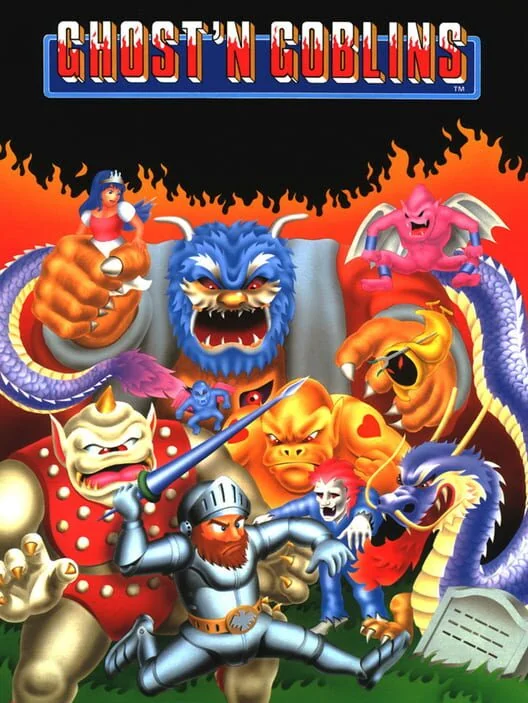
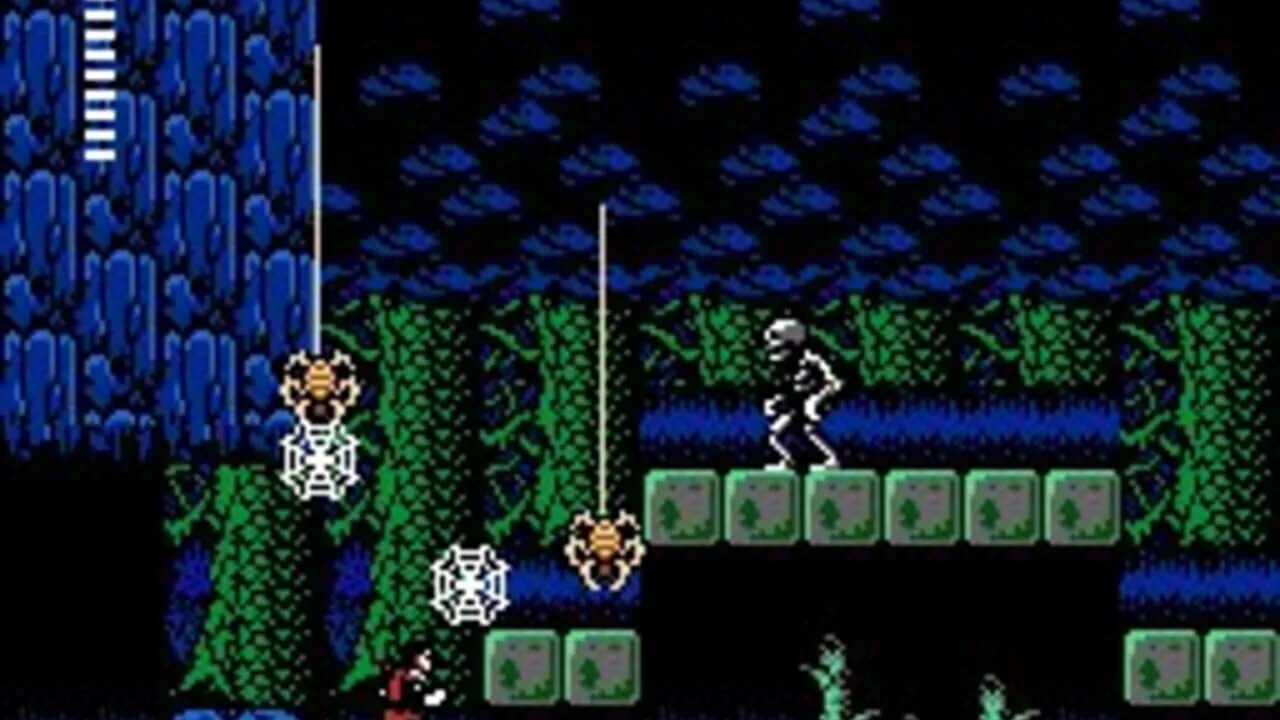
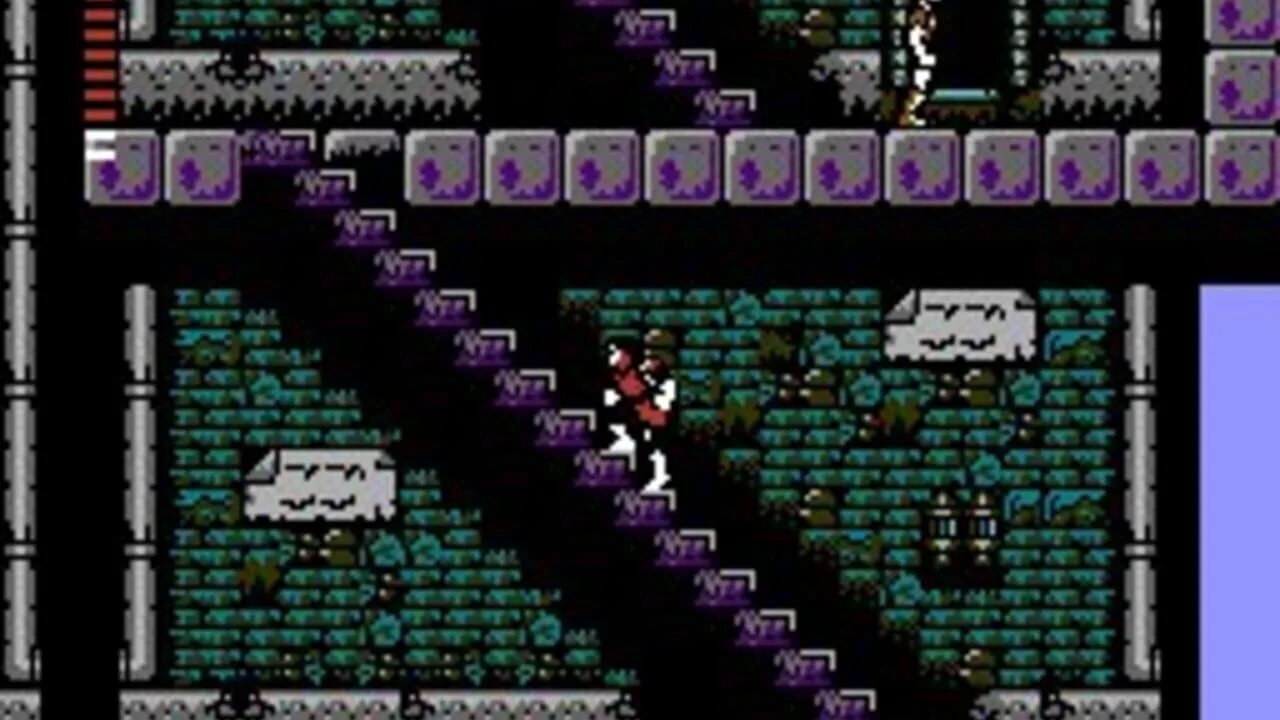
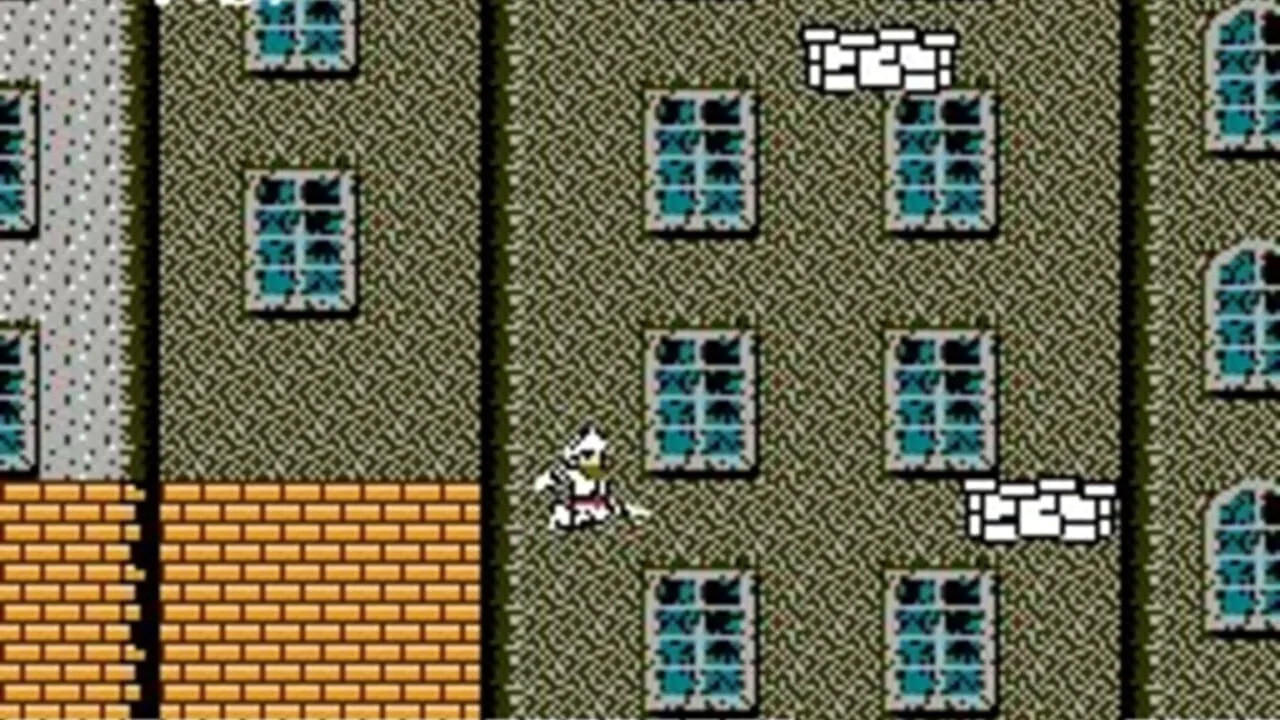
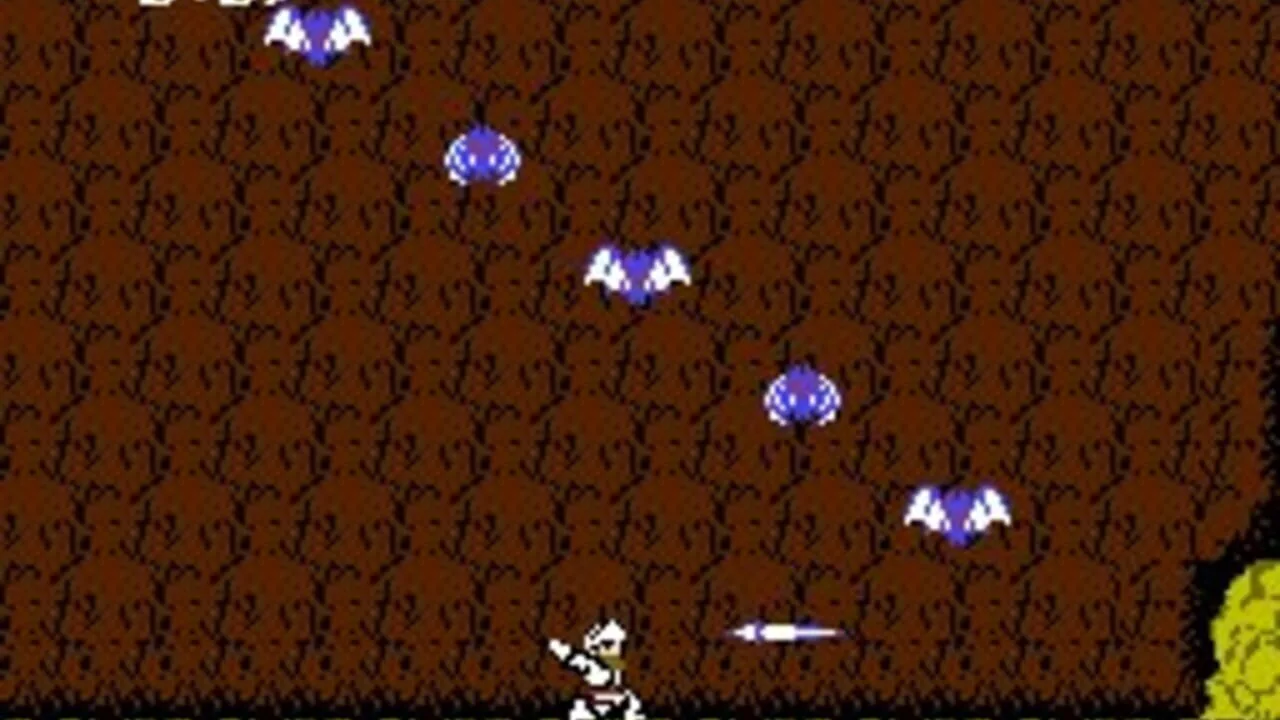
Capcom's Ghosts 'n Goblins was released in arcades on July 7, 1985, and the NES version followed. You play Arthur, a knight in armor. Once losing his armor Arthur is left only wearing his boxers, and one more hit after that ends the life. Beat the game and it tells you the job is not done: the player is forced to re-play the game's stages at a higher difficulty level to see the true ending.
Players call it one tough game, and an addictive one. The jumps are stiff, enemies come from every side, and the continues are the only mercy it shows. Kids who grew up on it thought this was how hard every game was. It is a strong argument for buying a second controller and handing it to someone else.
12. Super Mario Bros. 2 (1988)
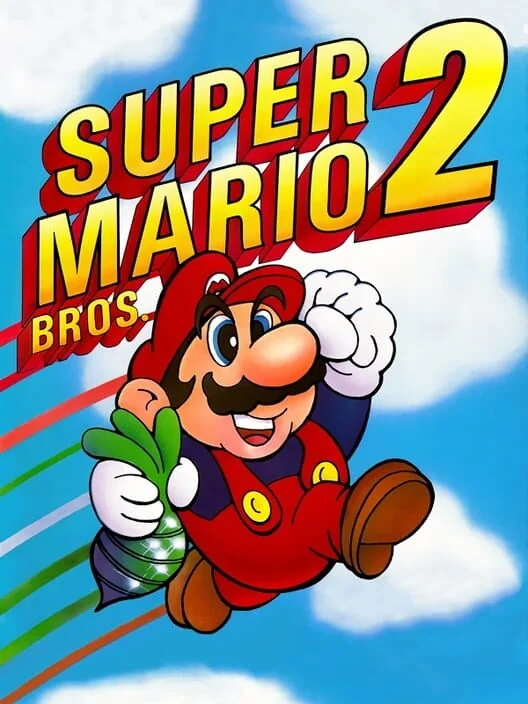
The Japanese sequel to Super Mario Bros. never came to the NES. Nintendo of America found this sequel too similar to its predecessor, and its difficulty too frustrating, so the American Super Mario Bros. 2 is built on Doki Doki Panic, a Famicom Disk System game. Super Mario Bros. 2 was released on October 9, 1988, in North America, and the game was a resounding success, becoming the fifth-best-selling game on the NES.
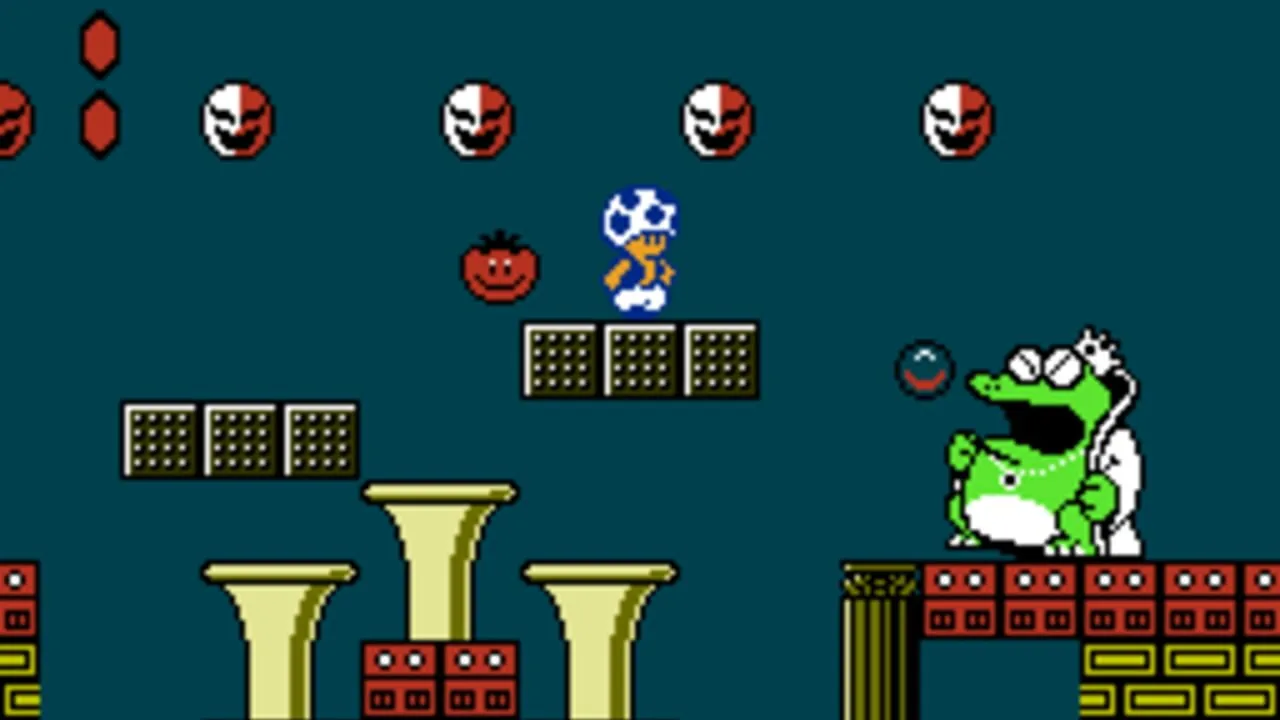
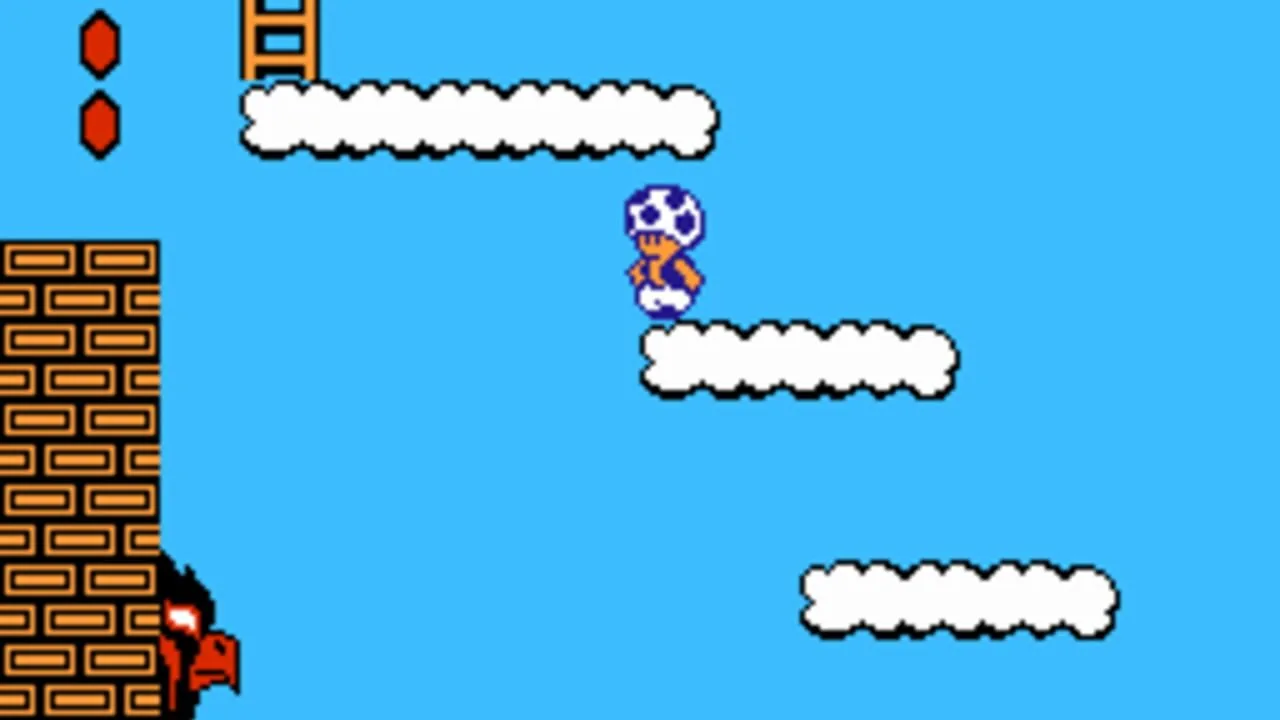
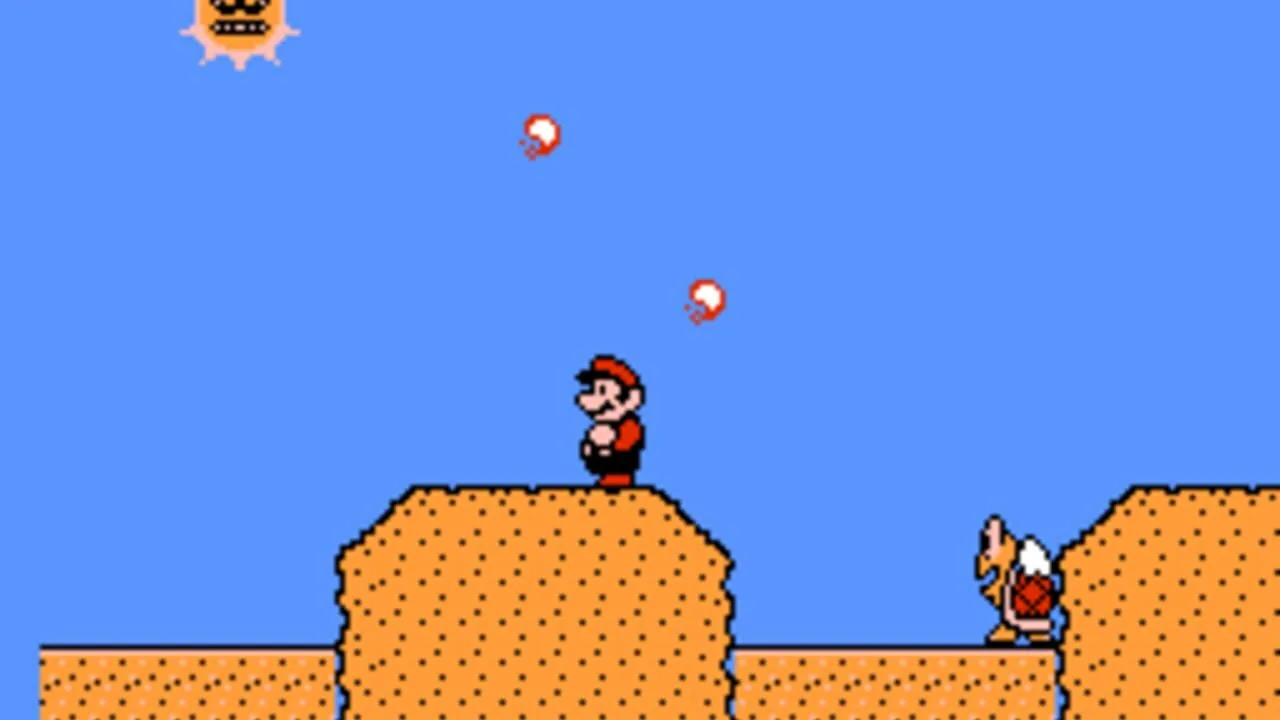
So the game America got because the real sequel was too hard still made this list. Players say it is tougher than the Mario games around it, and some never finished it at all. The magic carpet ride early on is the part people bring up. You pull up vegetables and throw them at the enemies, and Wart at the end hates them.
11. Mike Tyson's Punch-Out!! (1987)
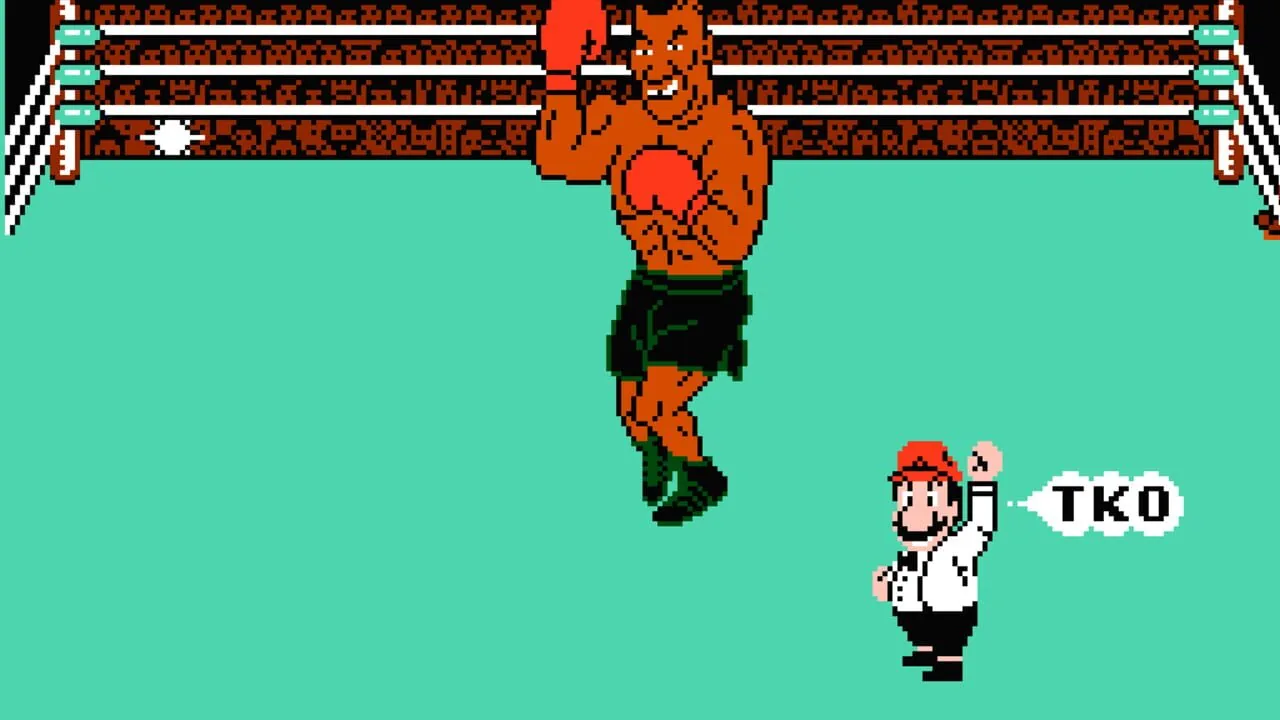
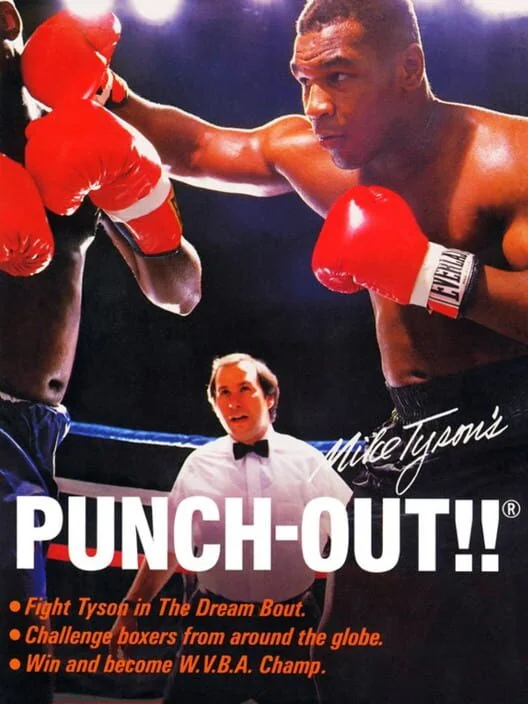
Punch-Out!! is a boxing game Nintendo made for the NES, where Little Mac works his way up the professional circuits. His punches are limited to left and right jabs, left and right body blows, and a powerful uppercut, and the uppercut can only be used once the player earns a star. Mac can only get up three times during any one bout. Against Mike Tyson at the end, a loss automatically results in a game over.
Every fighter has a pattern, and the game is about learning it and reacting in time. Players say the timing gets less forgiving the higher you climb, and Mike himself is the fight most of them never won. Tyson was swapped for Mr. Dream in later releases of the game.
10. The Legend of Zelda (1986)
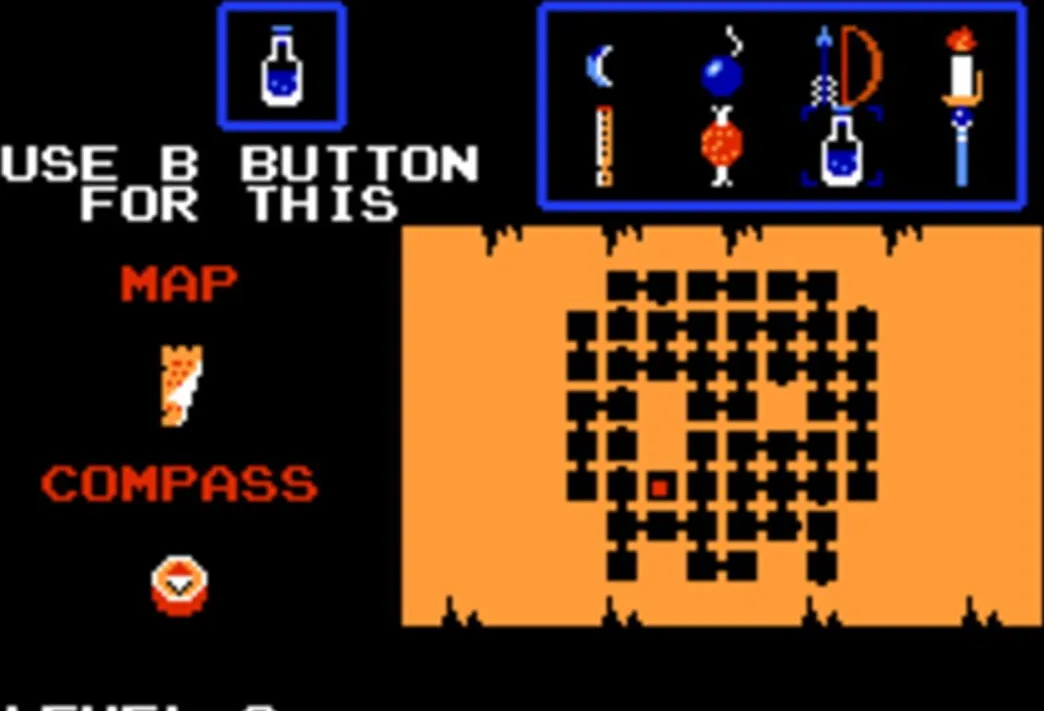
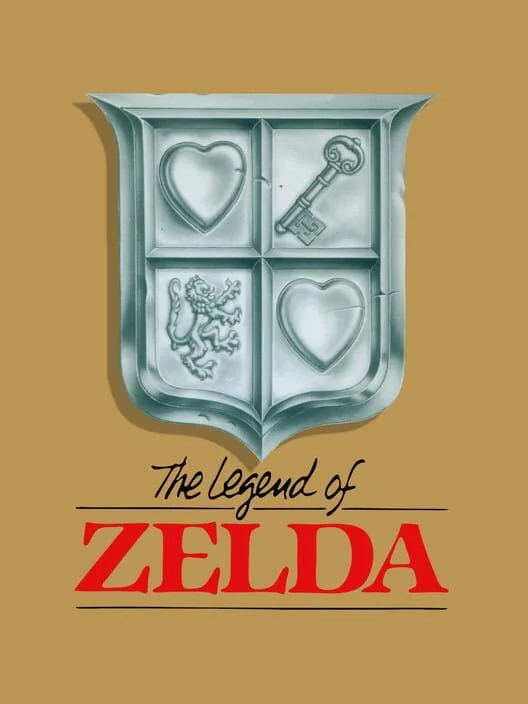
The game was first released in Japan as a disk for the Famicom Disk System, and it was directed and designed by Shigeru Miyamoto and Takashi Tezuka. You search Hyrule for the secret entrances to the eight dungeons. The US version was one of the first games to include an internal battery for saving data, which is the one bit of mercy here. It was a critical and commercial success, selling over 6.5 million copies and launching a major franchise.
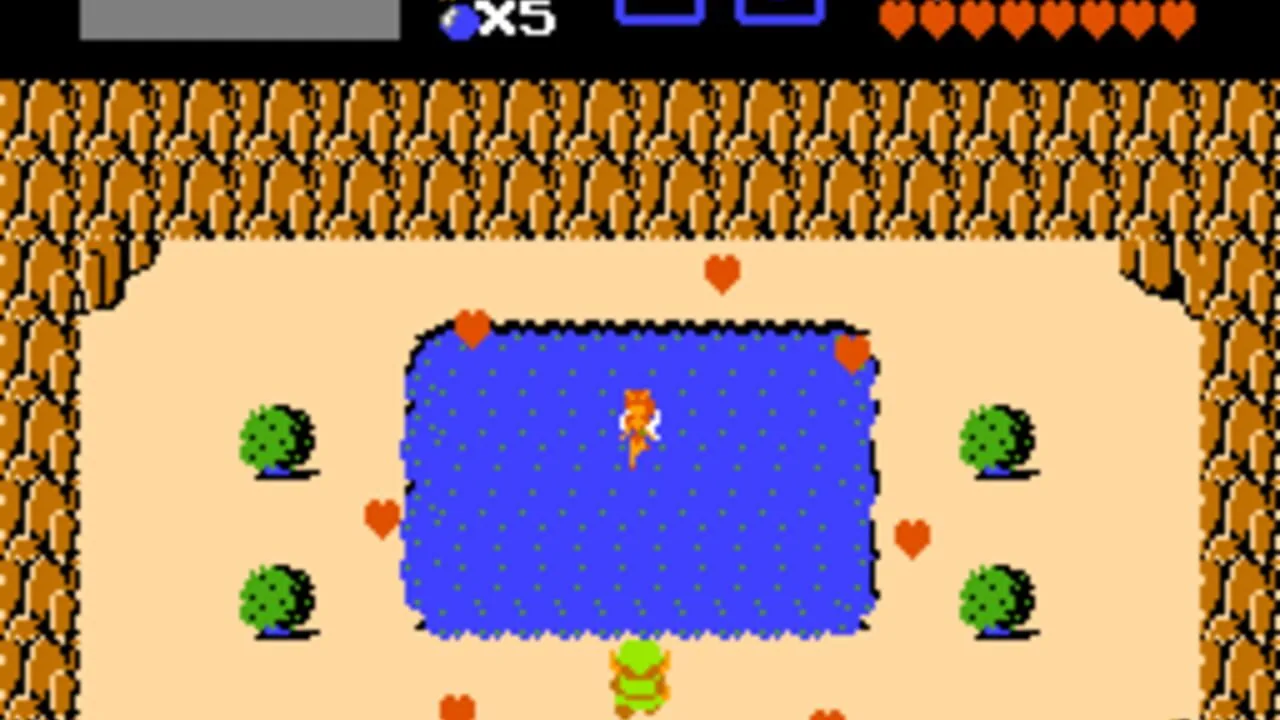
Players who go back to it now call it very hard, and plenty of them never finished it as kids. The game hands you a sword and very little else. Ganon's dungeon at the end feels like a big step up from everything before it. Then the second quest starts and moves everything around.
9. Zelda II: The Adventure of Link (1987)
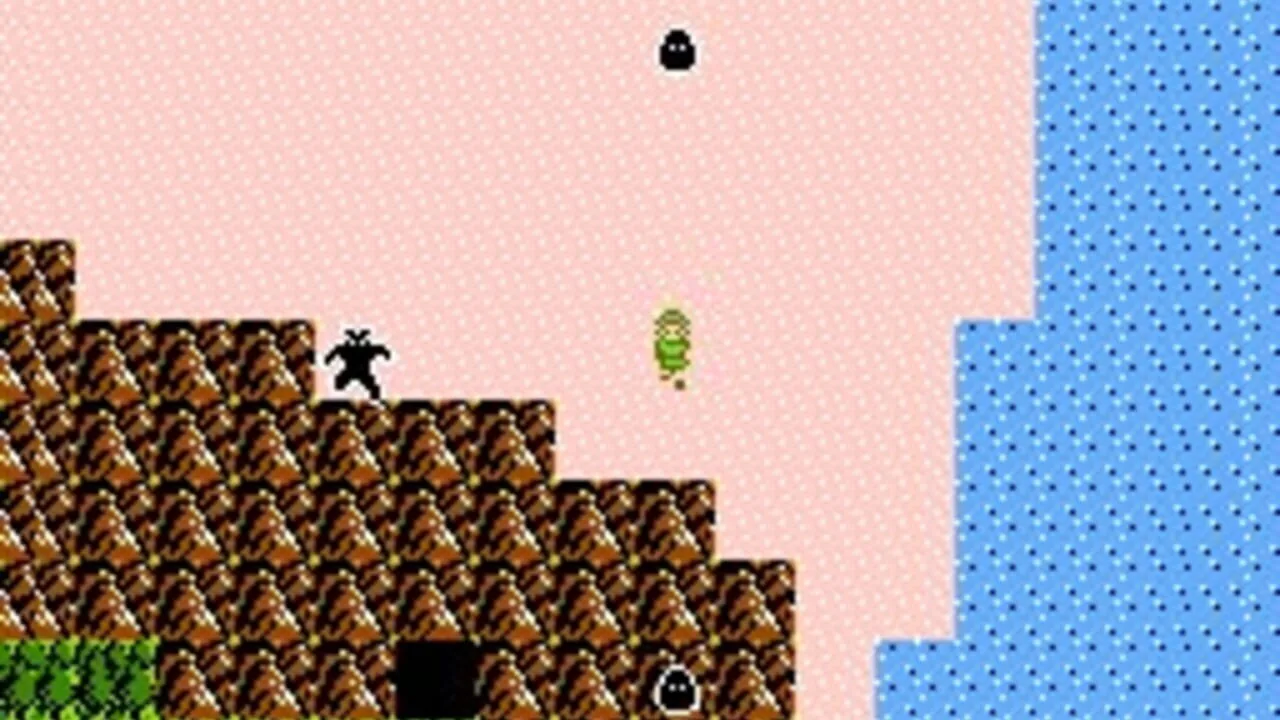
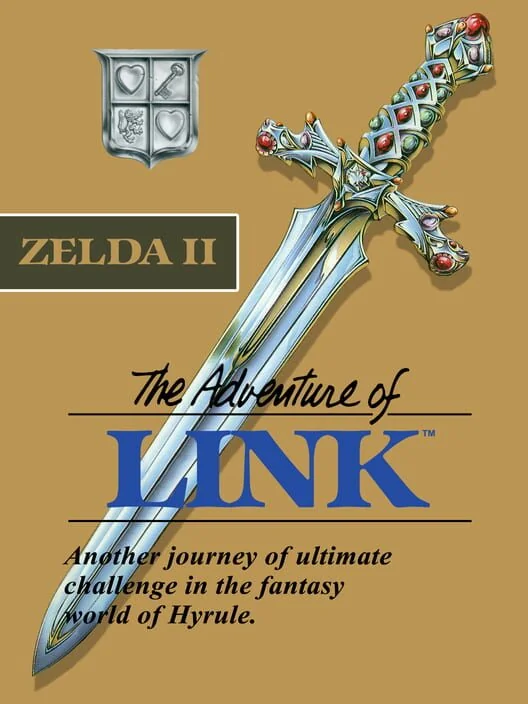
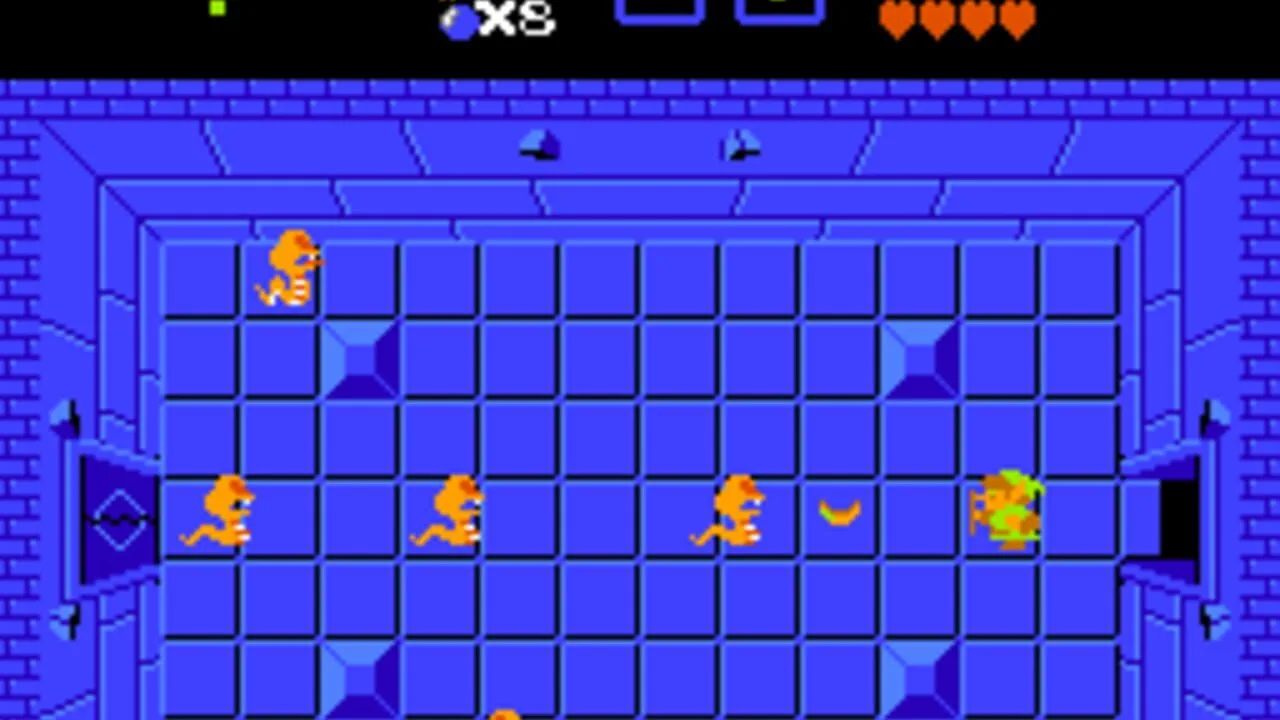
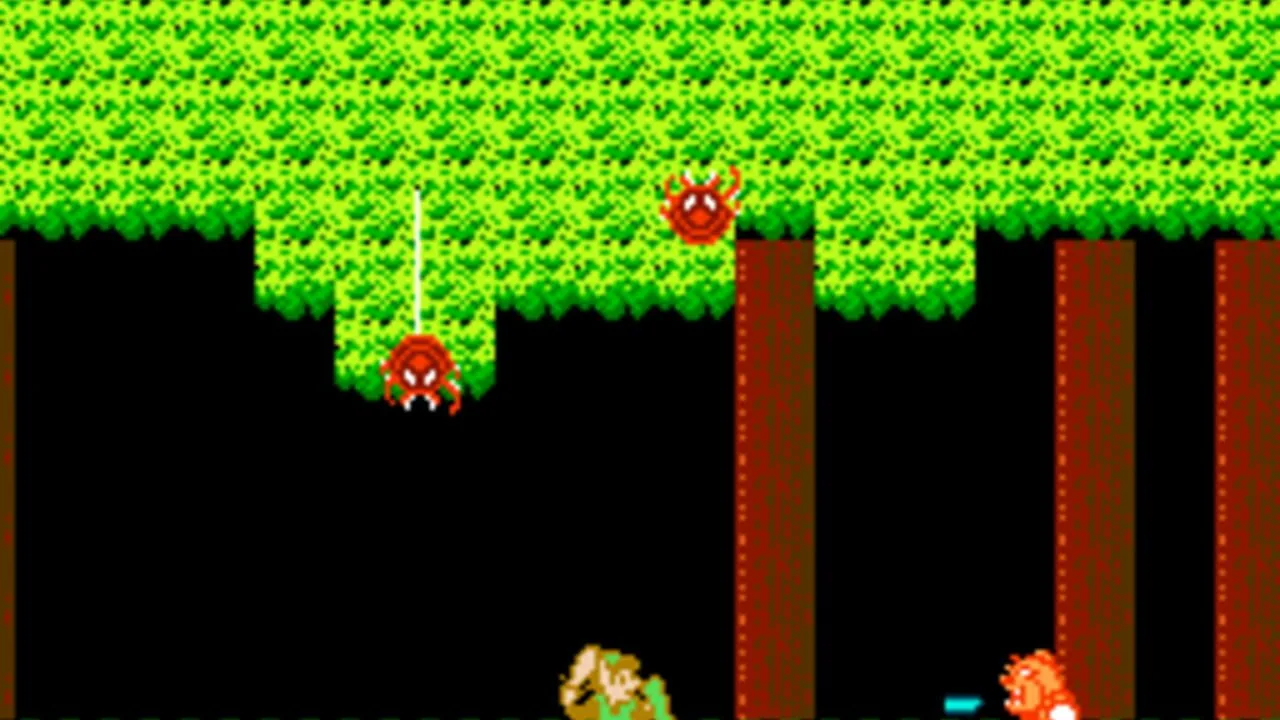
Zelda II was released in Japan for the Famicom Disk System on January 14, 1987, and Zelda II was released in North America for the Nintendo Entertainment System in late 1988. It features side-scrolling areas within a larger top-down world map. It also brought in Link's magic meter and the Dark Link character, while the role-playing elements, such as experience points and limited lives, have not been used since in canonical games.
Players call it the hardest Zelda by a distance, and the one where the combat itself gives you trouble. Some say it is almost impossible to beat without a guide. The Western version was a little kinder than the Japanese one: level upgrades in the Western version are permanent. The palace at the end will still test you.
8. Super Mario Bros. (1985)
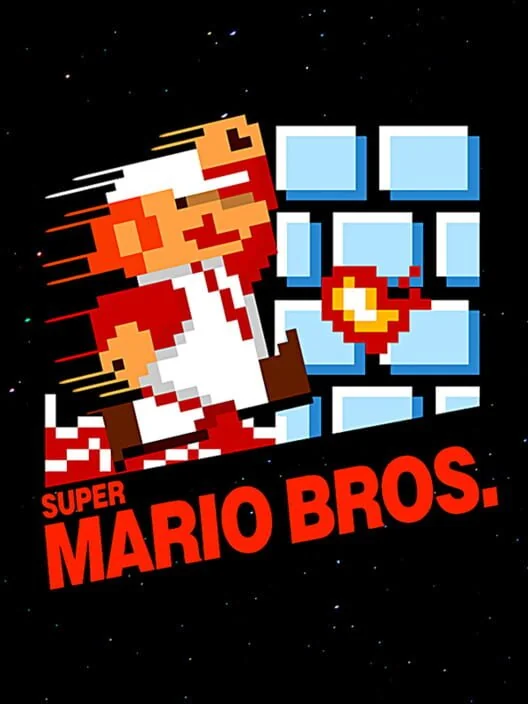
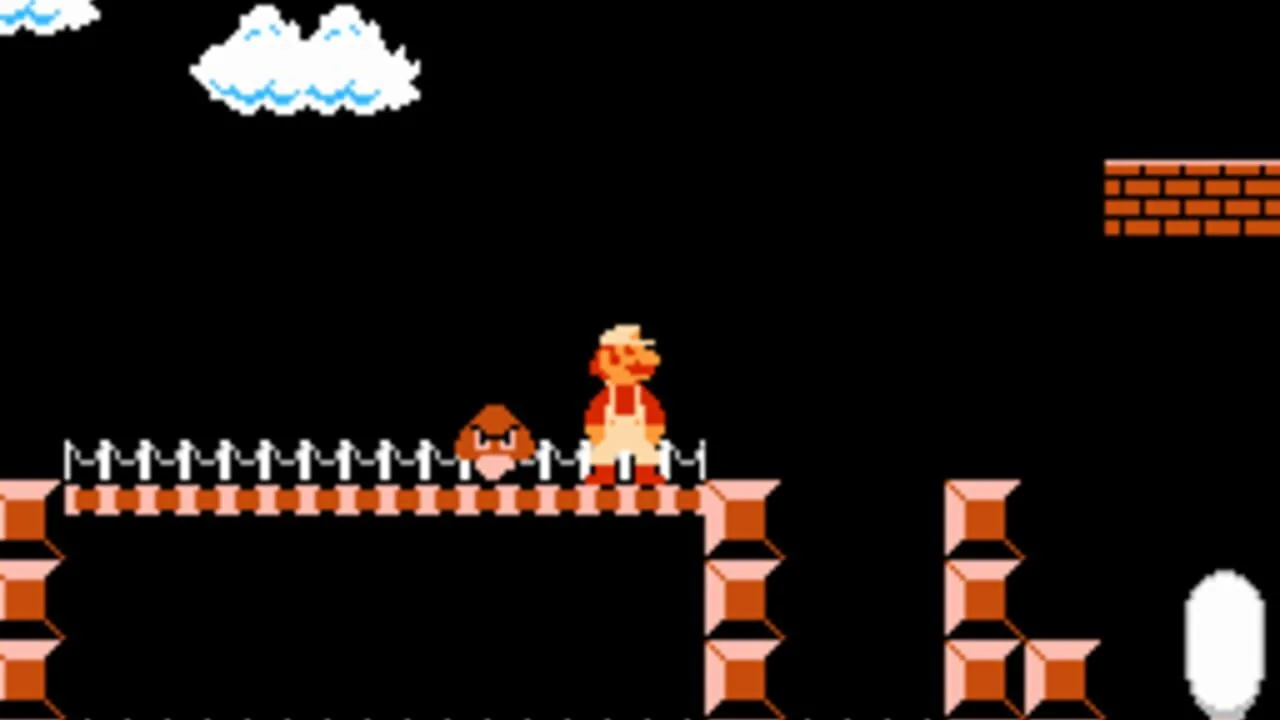
Super Mario Bros. is a 1985 platform game developed and published by Nintendo. Directed and produced by Shigeru Miyamoto, it is the successor to the 1983 arcade game Mario Bros. The team designed the first level, World 1-1, as a tutorial for platform gameplay. It is one of the best-selling games, with more than 58 million copies sold worldwide.
It is on this list because nearly everyone played it, and a lot of those people got stuck before the end. The real Bowser is in the eighth world, and the castles before him loop until you take the right path. There was one secret for losing your last life: holding the A button on the game over screen let you respawn from the first level of the world in which you died. Nobody told you that either.
7. Metroid (1986)
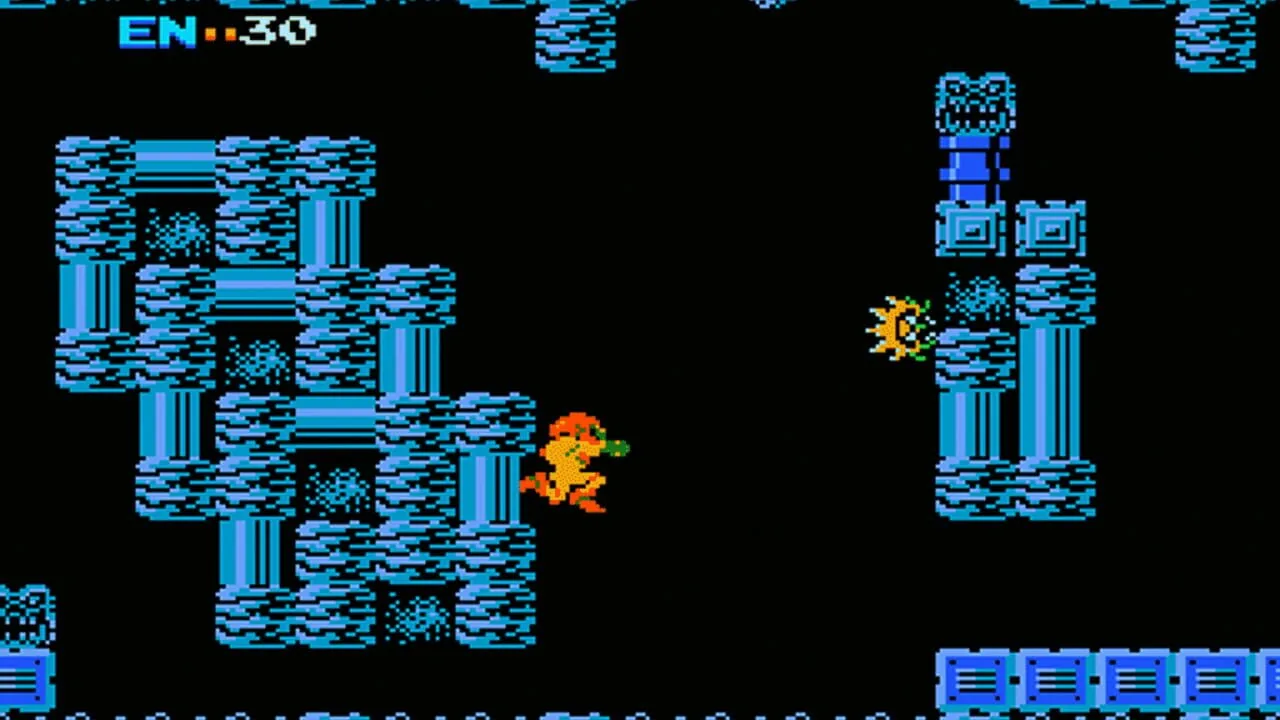
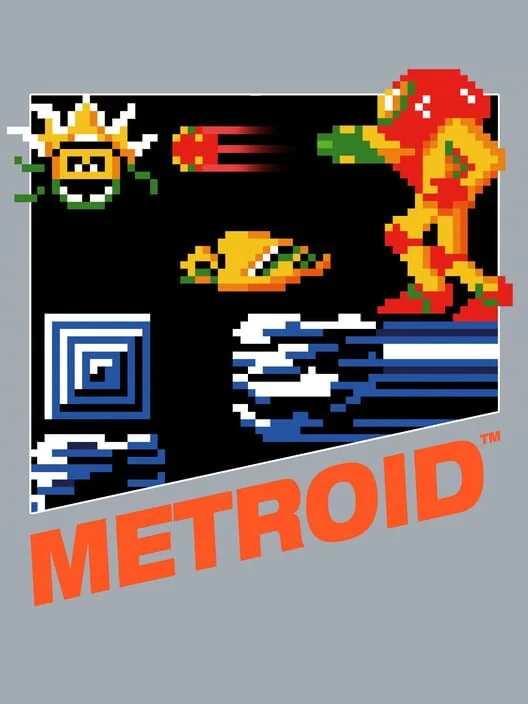
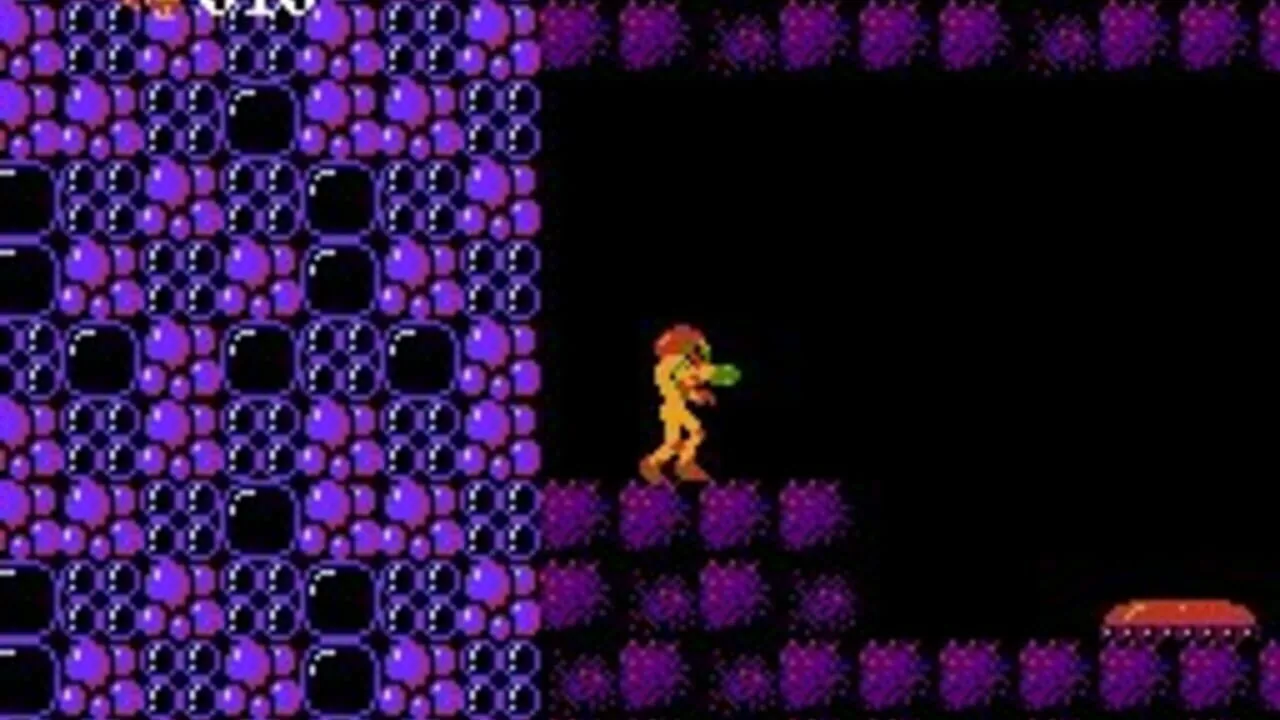
Metroid came out on the Famicom Disk System in August 1986 and reached North America in August 1987. It was developed by Nintendo R&D1 and Intelligent Systems and produced by Gunpei Yokoi. Samus begins with a weak power beam as her only weapon, and with only the ability to jump. It was also lauded for being one of the first video games to showcase a female protagonist.
The game often requires that the player retrace steps to progress, and there is no map on screen to help. Many of the corridors look alike, so getting lost is most of the challenge. Metroid is considered one of the first video games to impress a feeling of desperation and solitude on the player. Draw your own map on paper and the game opens up.
6. Super Mario Bros. 3 (1988)
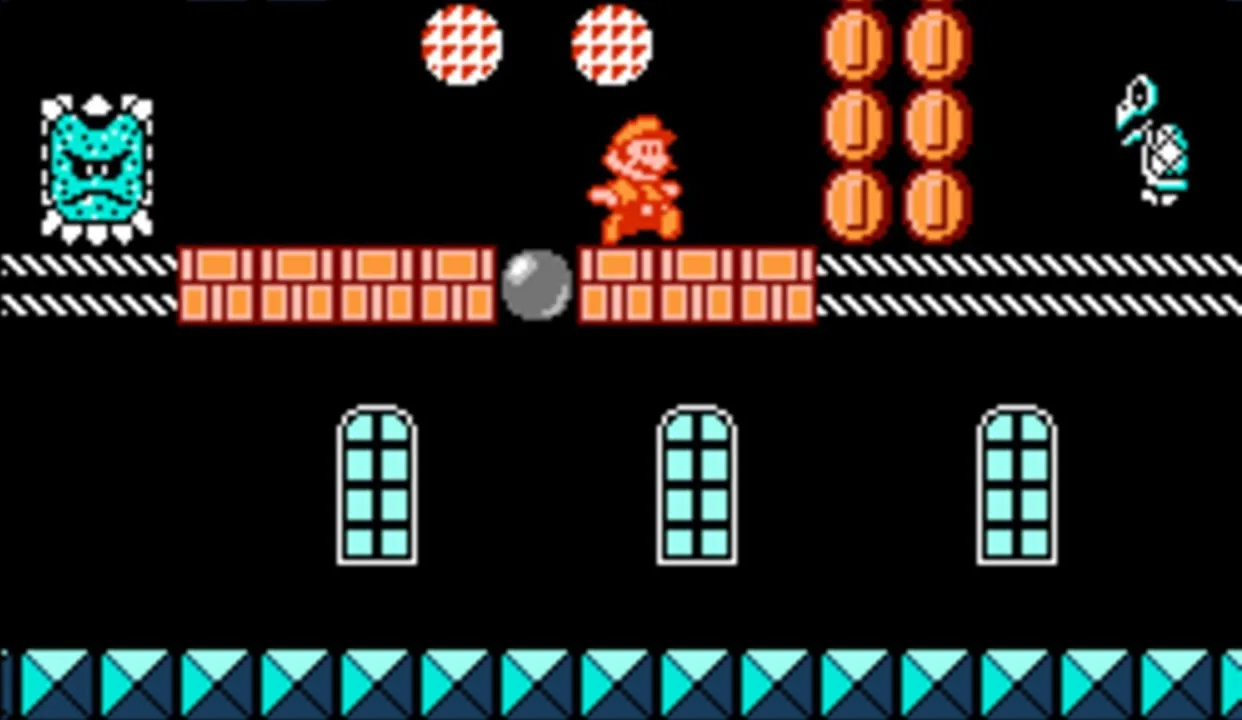
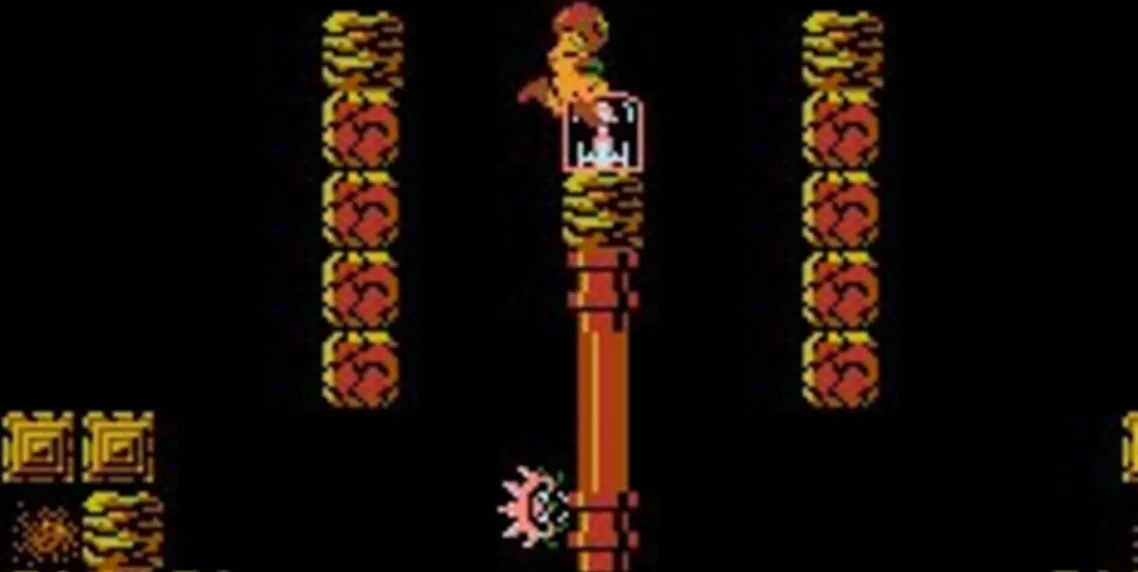
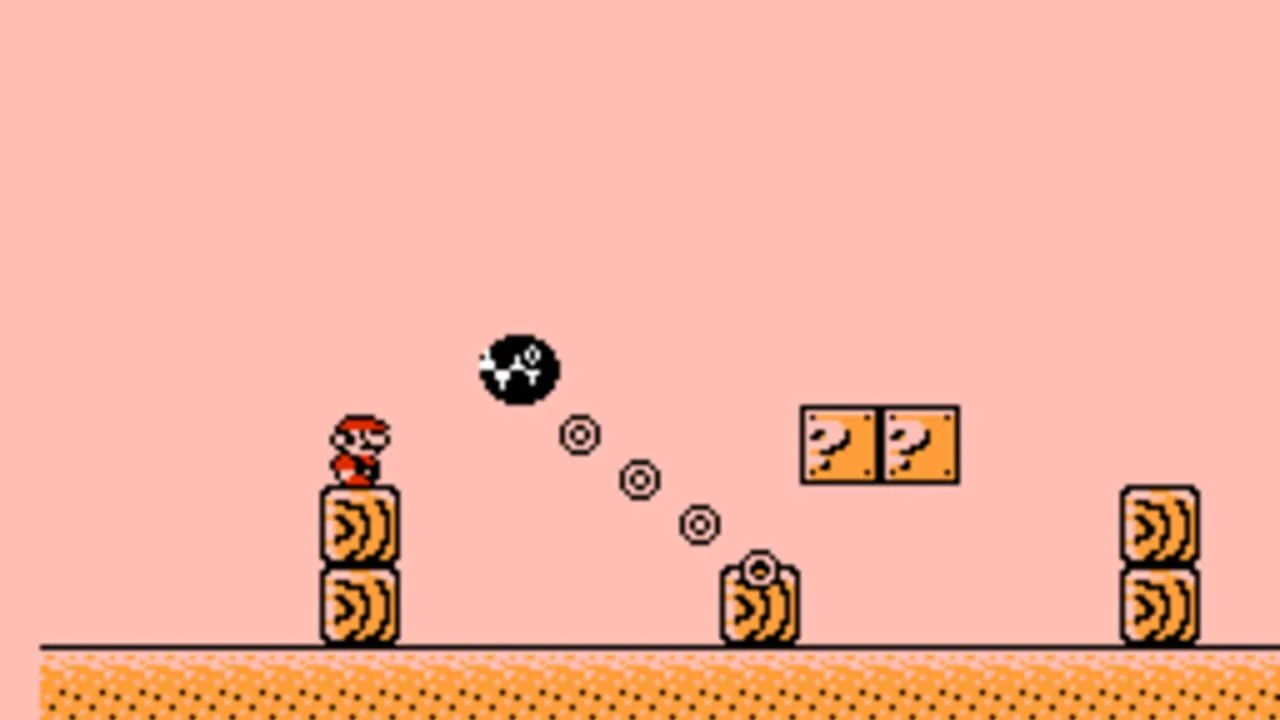
Super Mario Bros. 3 was released in Japan on October 23, 1988, in North America on February 12, 1990. It was developed by Nintendo Entertainment Analysis and Development, led by Shigeru Miyamoto and Takashi Tezuka. Mario crosses a nonlinear world map, and the first seven worlds feature an airship controlled by one of the Koopalings. It is the third best-selling NES game, with more than 17 million copies sold worldwide.
It is regarded as one of the greatest video games and the greatest title ever released on the platform, and it is not easy. Players call it tougher than any Mario Nintendo makes today, and with no save, a lot of kids never saw the last world. The warp whistles are the cheat code Nintendo put in itself.
5. Teenage Mutant Ninja Turtles (1989)
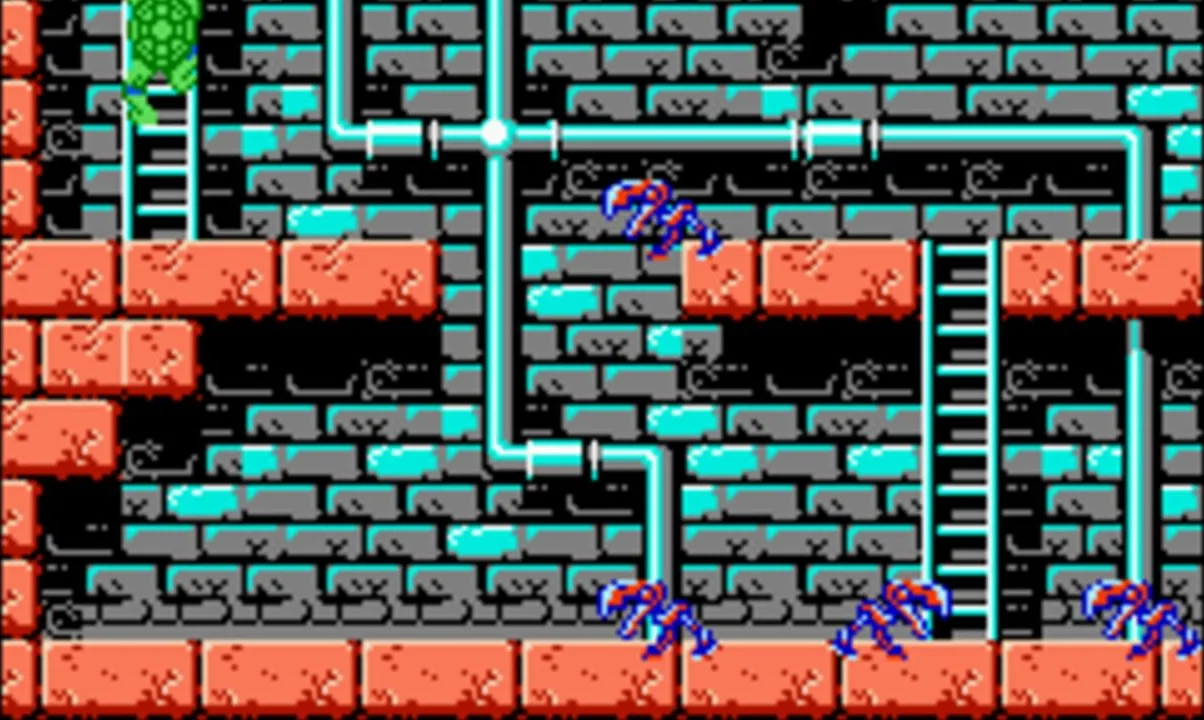
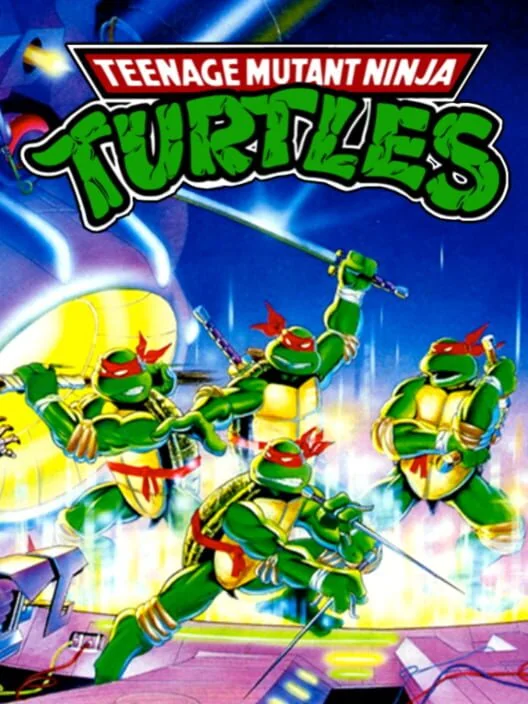
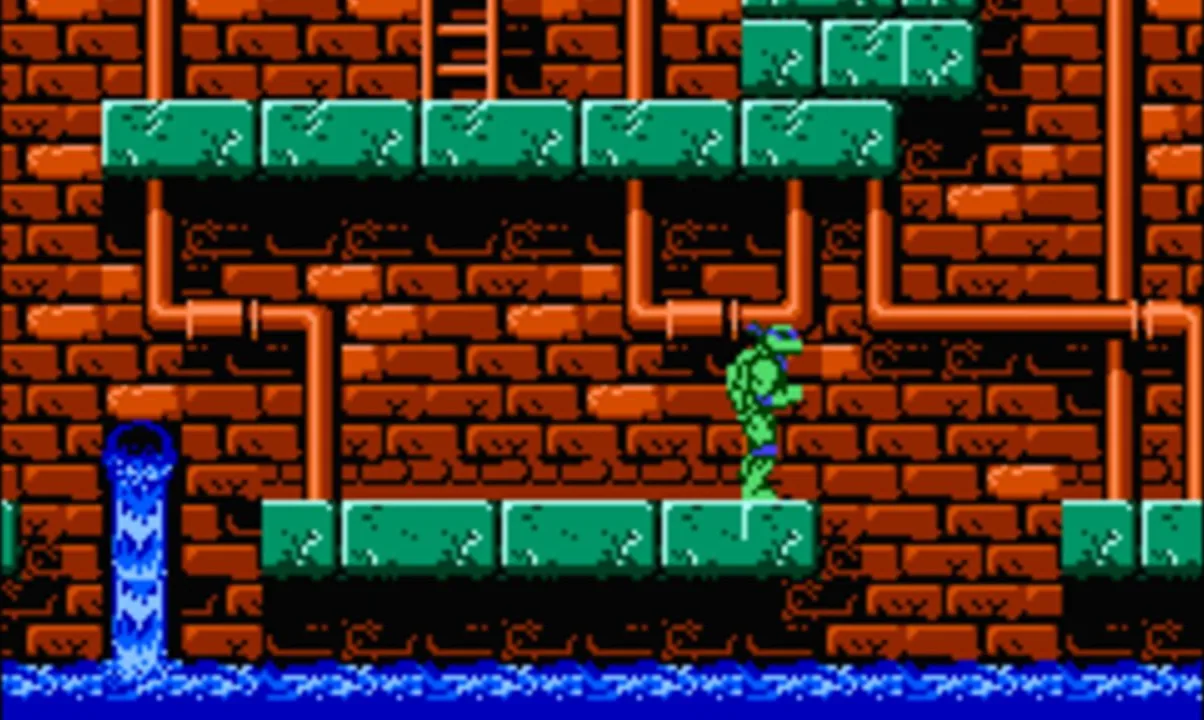
The very first TMNT game came in 1989 on the NES. Nintendo of America had limited all companies publishing games to release only five games per year, so Konami founded Ultra Games in 1988 and put the game out under that name. Shredder has placed bombs all over the Hudson River and will blow up the dam, and the turtles have to disarm them underwater. The game sold more than 4 million cartridges worldwide.
The dam is the level every player names, and many never got past it. A fair critique is that the dam is short once learned, and that the floaty jumps over sewer water later on do more damage. Fall in and you go back to the entrance of that section. Players also call it hard because parts of it feel broken.
4. Battletoads (1991)
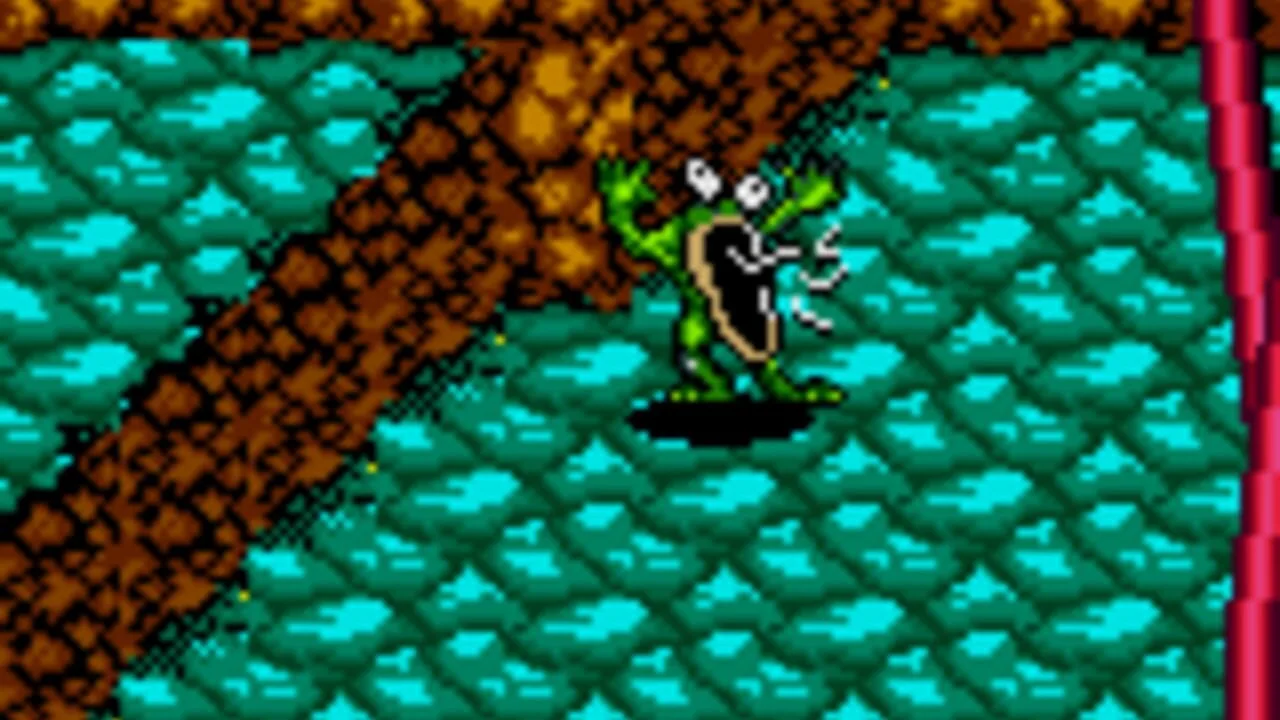
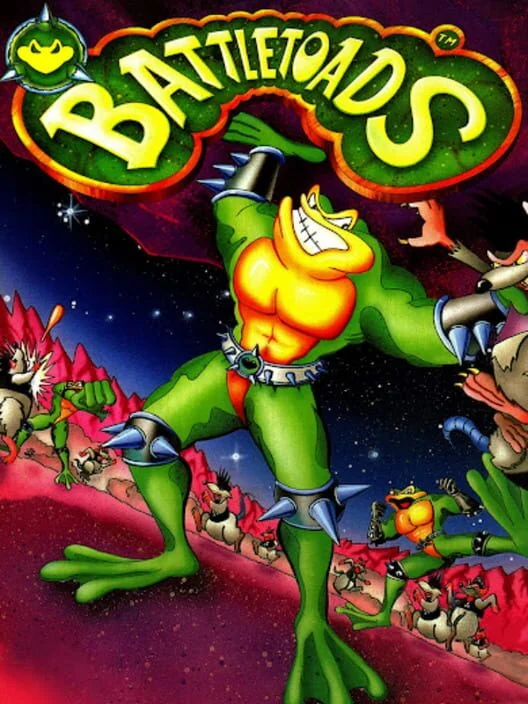
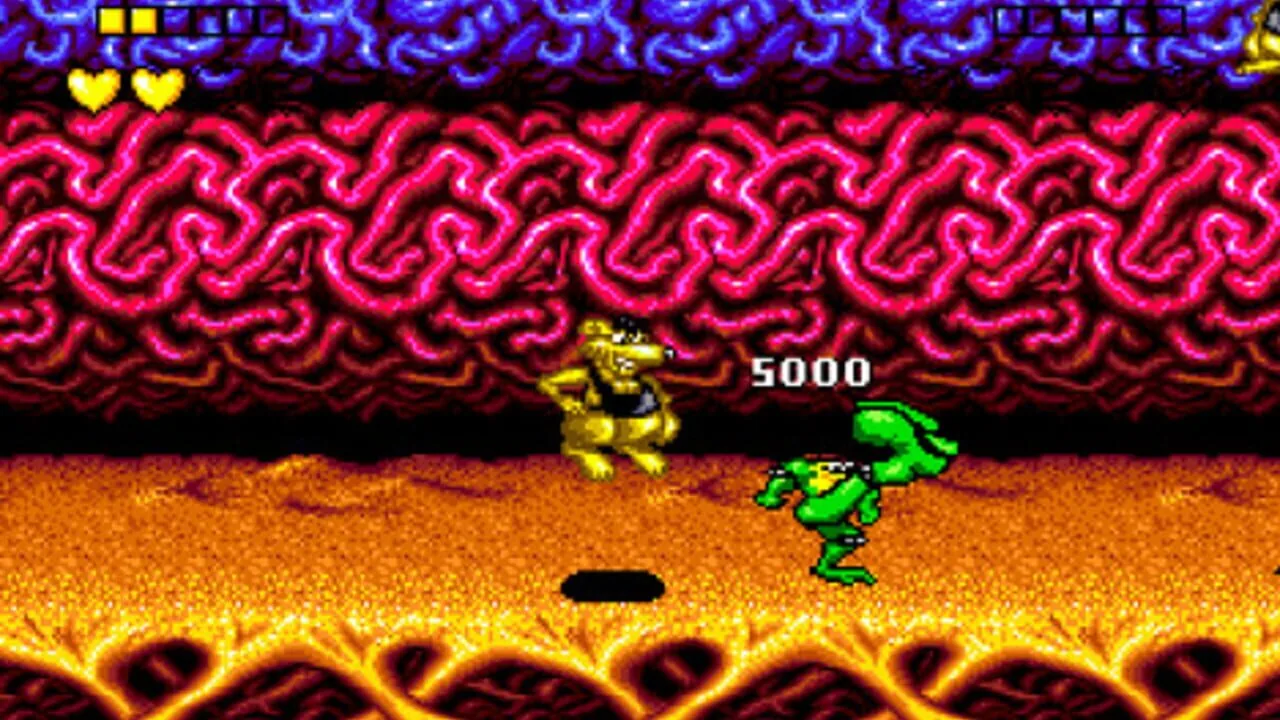
The game was developed in response to the interest in Mirage Studios' Teenage Mutant Ninja Turtles franchise, and it was released in North America and Japan in 1991 and in Europe in 1993. It is a scrolling beat 'em up with racing and vehicle obstacle courses mixed in. The game contains no saving system or password features, and the player has a maximum of six hit points that can be replenished by eating flies.
It is the game players measure every other hard game against, and some did not beat it until they were adults. One player called it "such a frustrating own-goal in game design". Critics praised the graphics and variations of gameplay; however, many critics were divided over the game's difficulty. It was listed at 8th place in IGN's Top 10 Most Difficult Games to Beat.
3. Castlevania (1986)
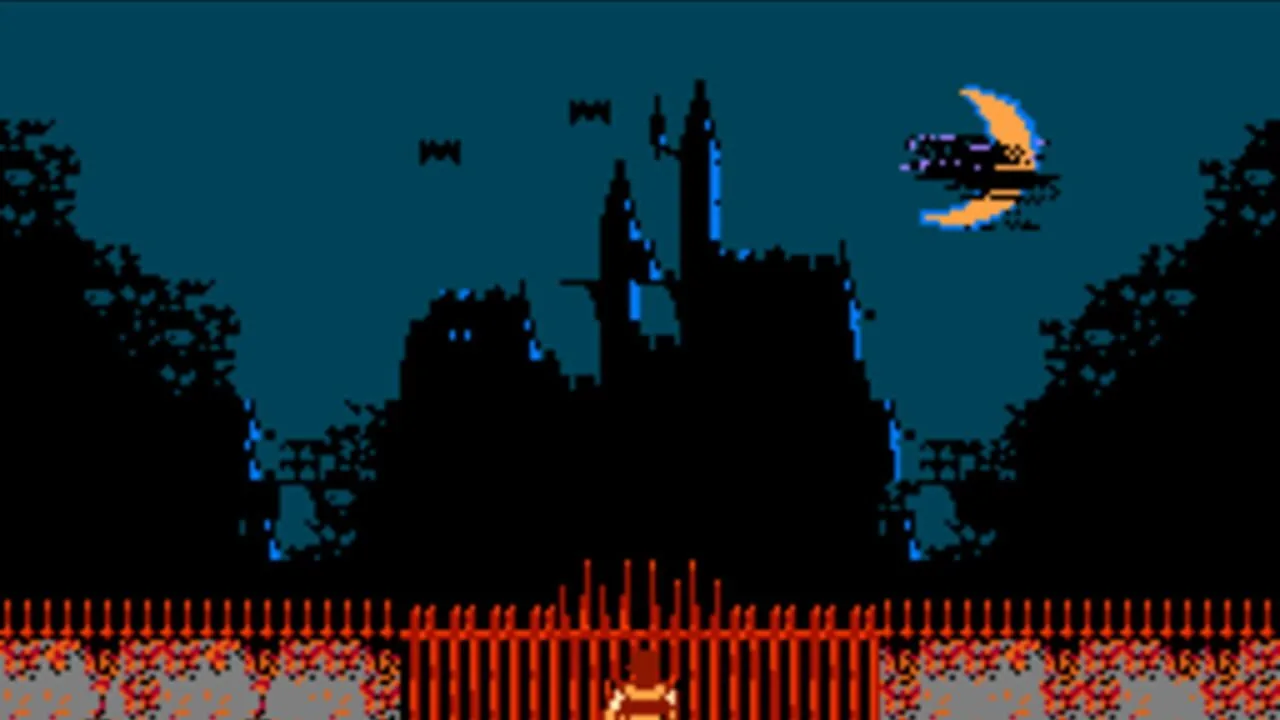
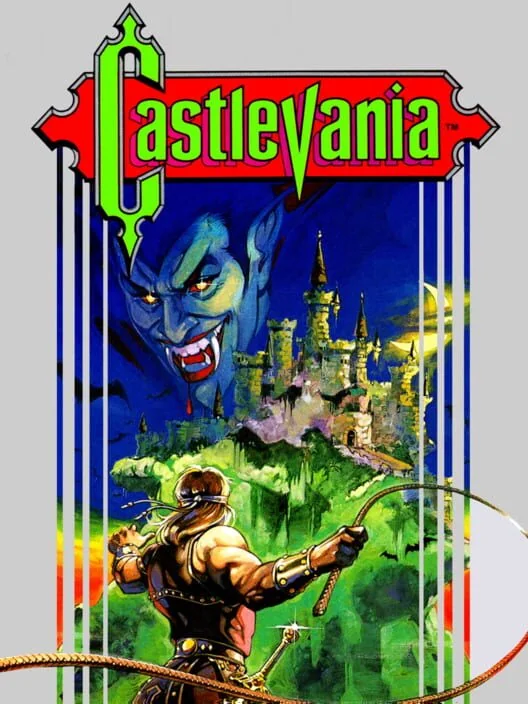
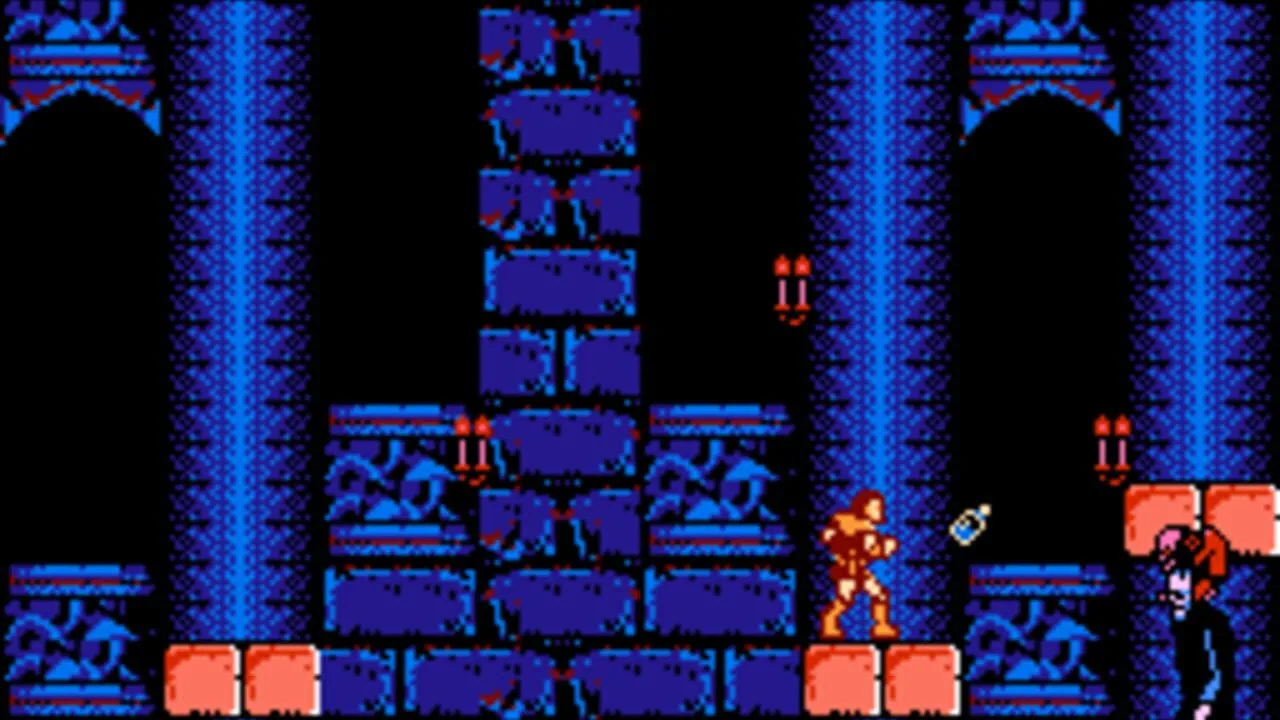
Castlevania is known in Japan as Akumajō Dracula. It came out for the Famicom Disk System in September 1986 and reached the NES in North America in 1987. Each block ends with a boss usually themed after a classic horror movie monster such as Frankenstein's monster or the Grim Reaper. You pick up sub-weapons like holy water along the way, but only one such weapon can be carried at a time, and a lost life takes it with it.
Players call it brutal and unforgiving, one of the harder NES games, and some say they will never even try to get good at it. Simon's jump is stiff, and every hit knocks him backwards, often into a pit. Death and Dracula are the two fights people remember. Super Castlevania IV was released in 1991 for the Super NES and follows the same story, if you want the same castle with better controls.
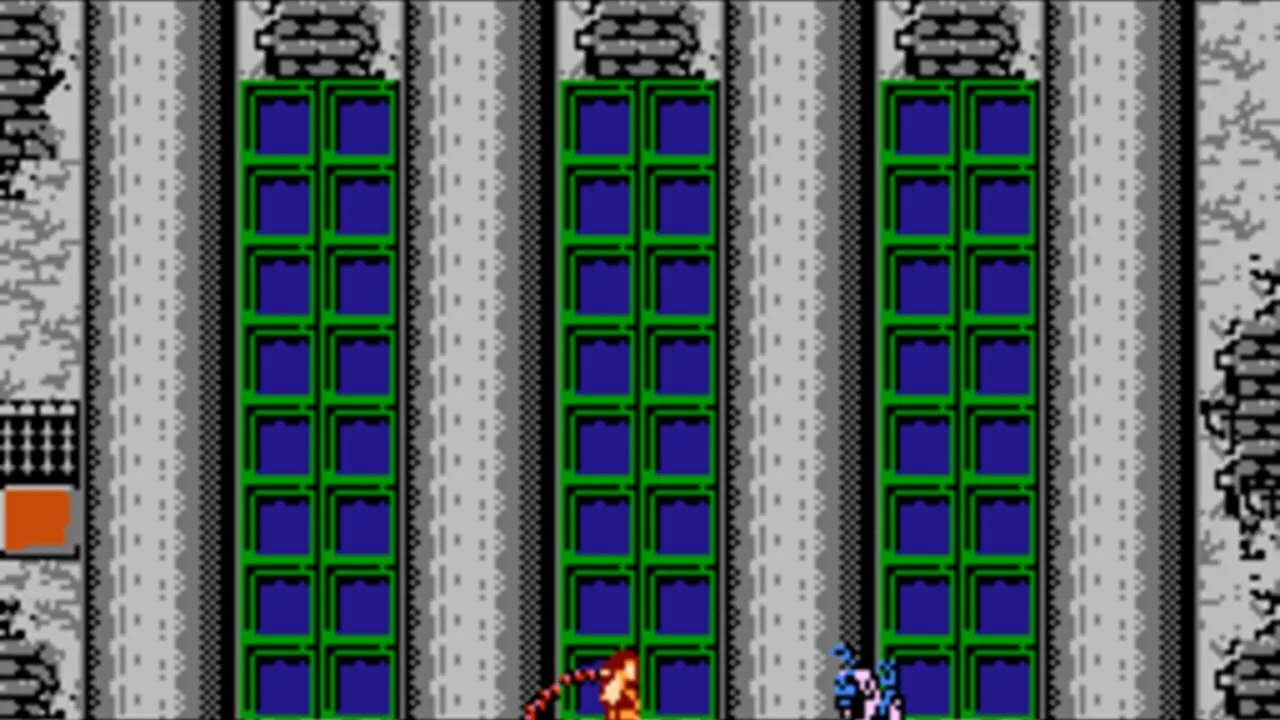
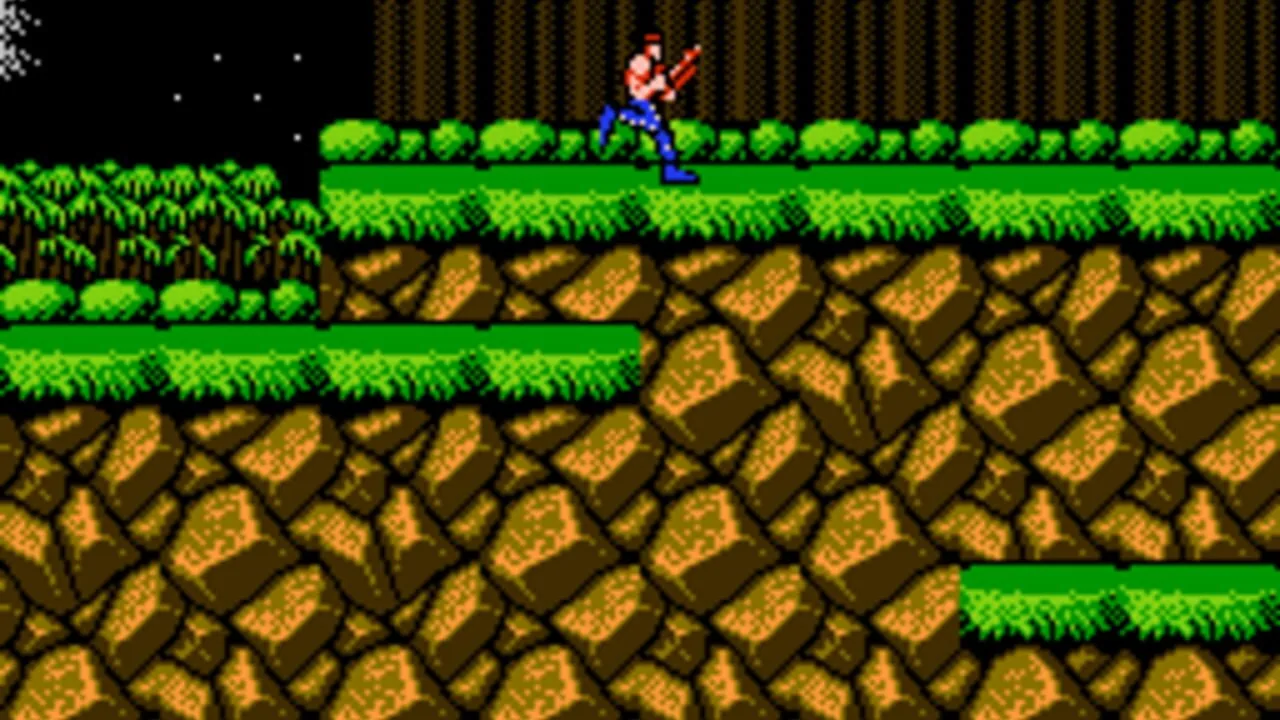
2. Contra (1988)
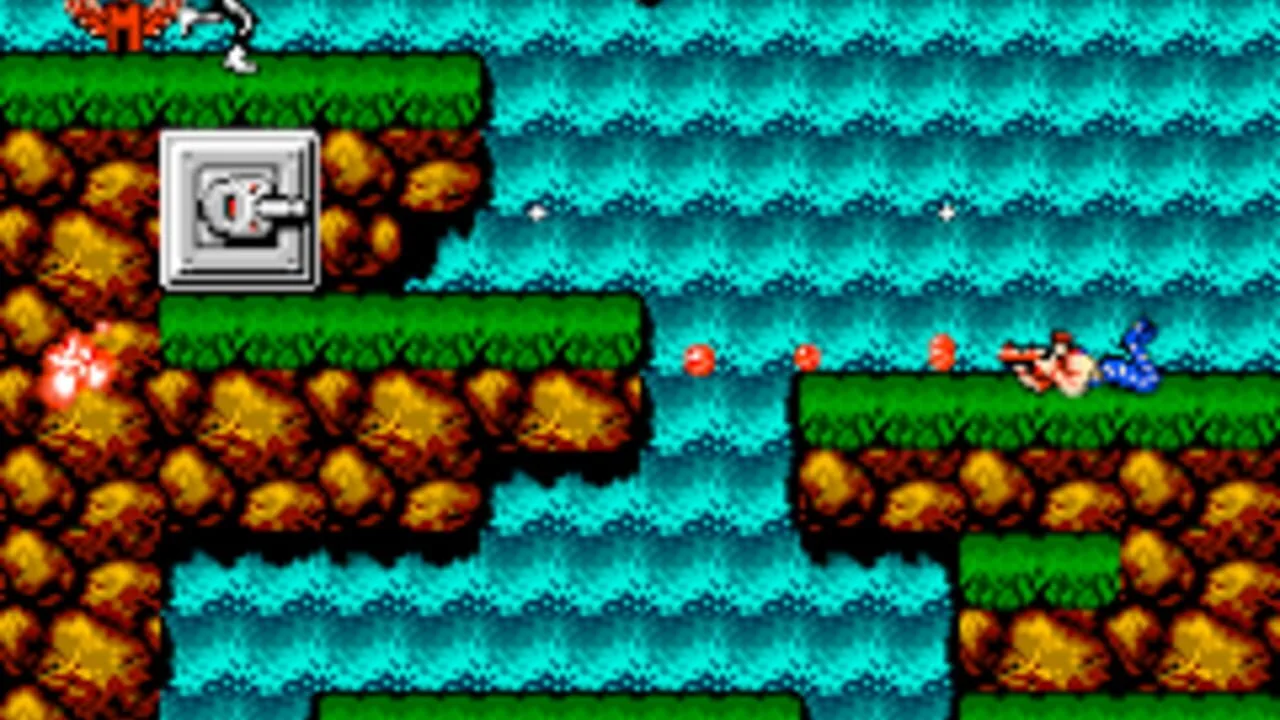
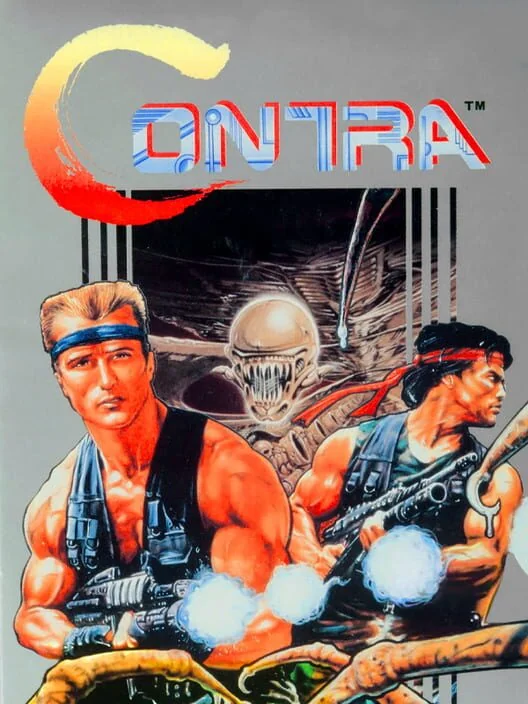
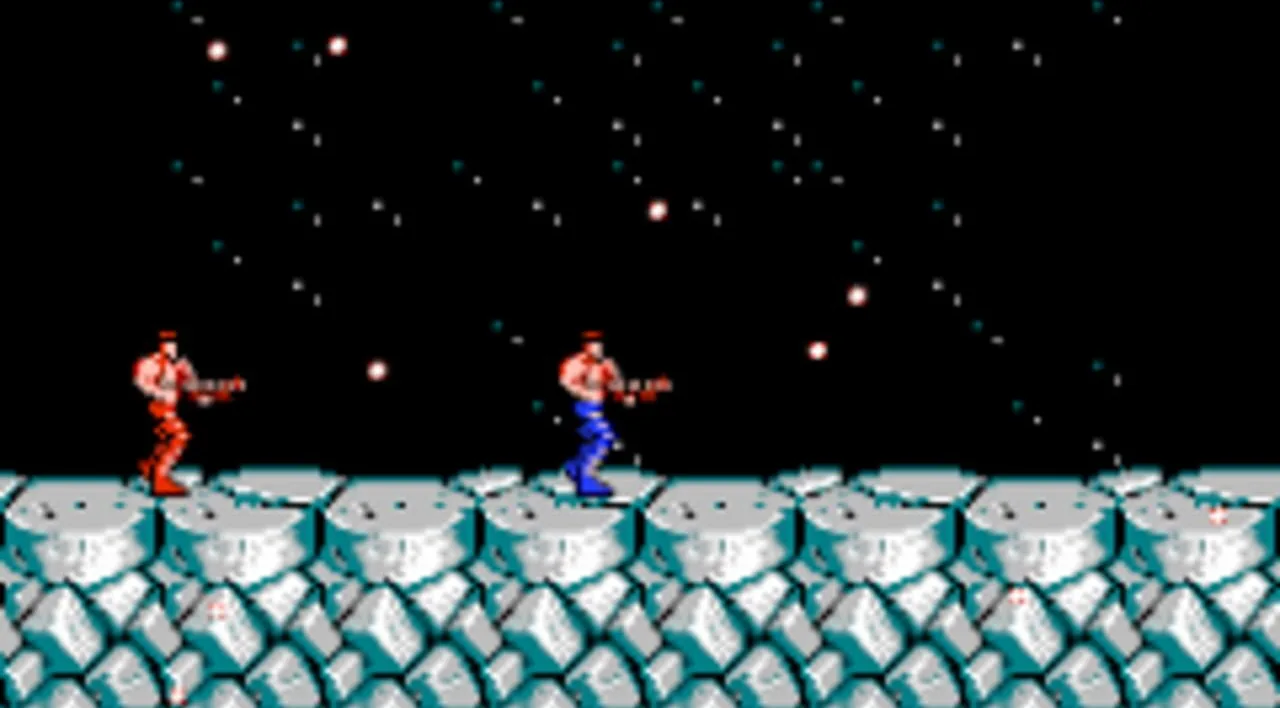
Contra is a 1987 run and gun game Konami made for arcades, and a home version was released for the Nintendo Entertainment System in 1988. In Europe the NES version was called Probotector. The player can also shoot in any of eight directions, including downwards, while jumping, and the best gun is a shotgun that shoots five individual bullets in individual directions.
One hit kills you, and the game sends enemies from both sides of the screen from the first second. Players call it hard and fun at the same time, and a lot of them never beat it without help. The NES version was also a critical and commercial success, with Electronic Gaming Monthly awarding it for being the Best Action Game of 1988. Bring a friend. It is twice the firepower and half the shame.
1. Ninja Gaiden (1988)
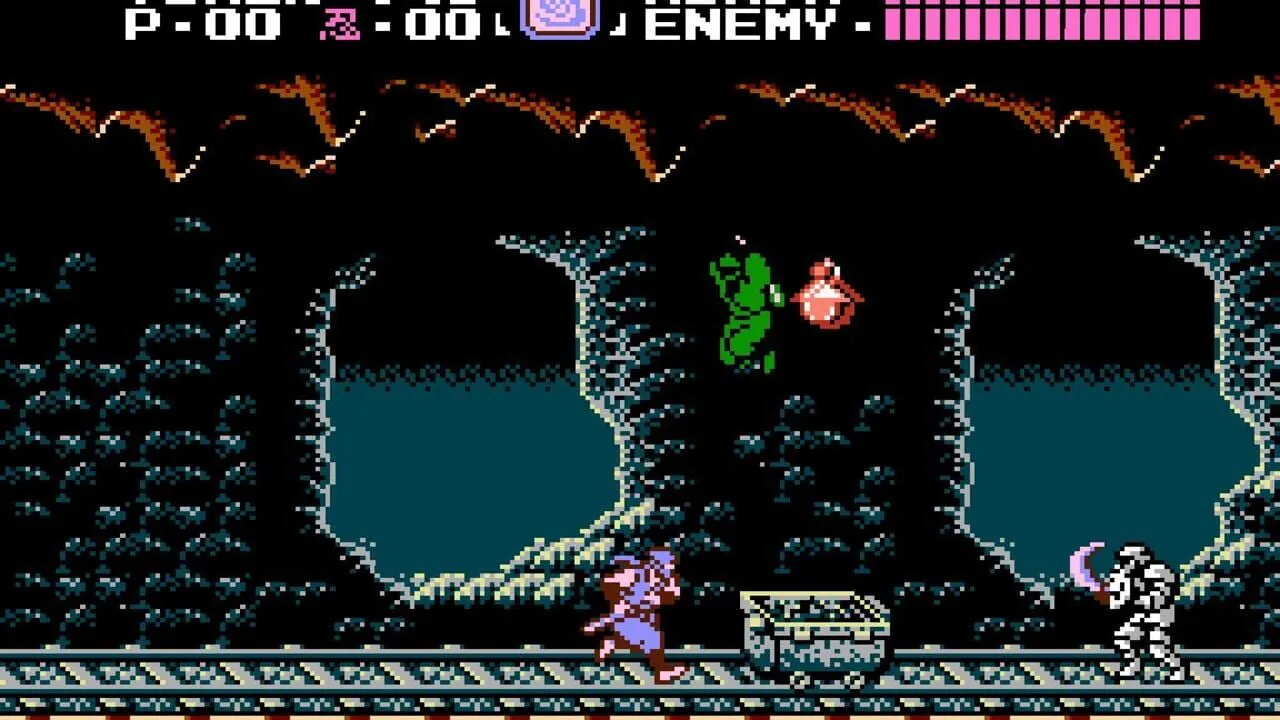
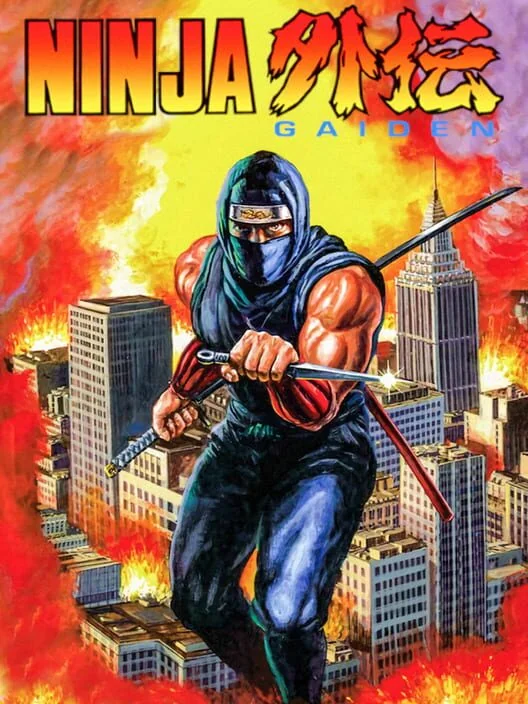
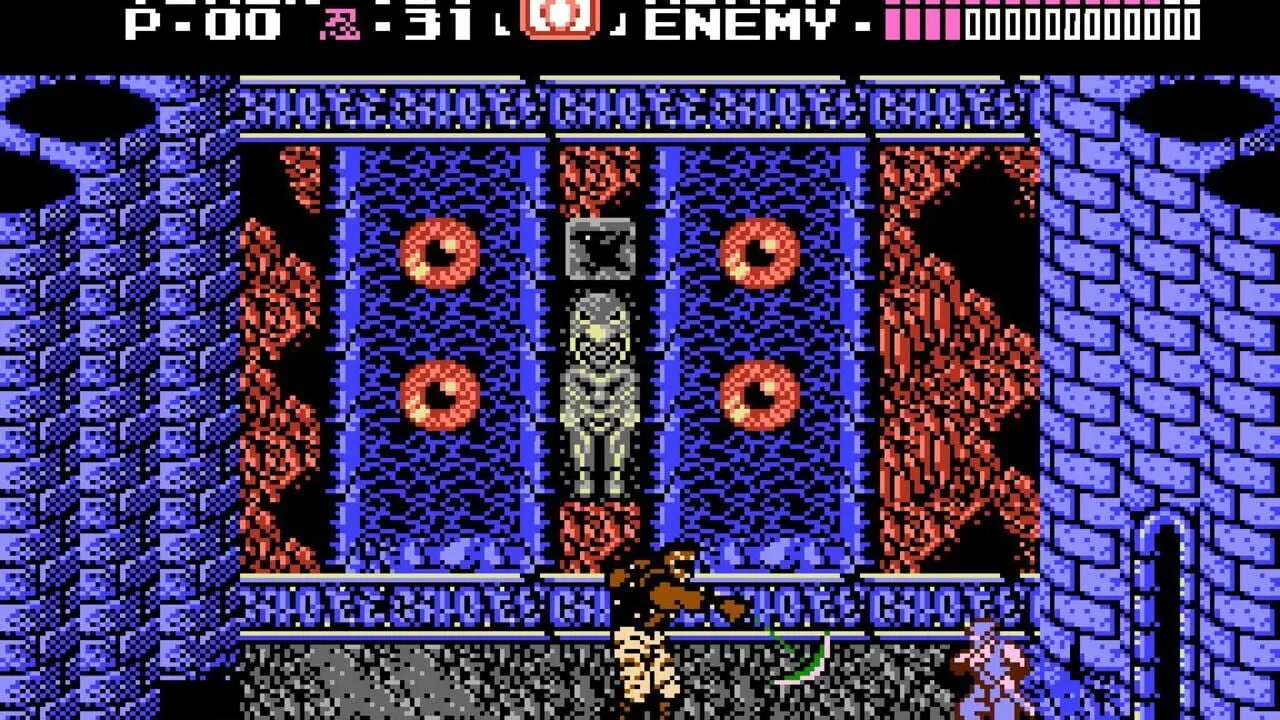
Ninja Gaiden was made at the same time as an arcade beat 'em up of the same name, and the NES game came out in March 1989 in North America. Ninja Gaiden has an elaborate story told through anime-like cinematic cutscenes, starting with Ryu Hayabusa finding a letter from his father. Ryu can spring off walls by holding the directional pad in the opposite direction he is facing and pressing the jump button. Tecmo worked by "the philosophy that the user would throw a game away if it wasn't hard enough".
It received several awards, while criticism focused on its high difficulty, particularly in the later levels. Players name it more than any other NES game when difficulty comes up, and they remember it as hard and frustrating long after the credits. Director Hideo Yoshizawa named Ninja Gaiden as his most commercially successful project, with over 1.8 million cartridges sold worldwide.
Which one to play
There you have it, the whole list of the hardest NES games. Most of them are also great games, which is why players kept going back to them.
If you are not sure where to start, play Castlevania. It is hard, but you always know why you died. If you want the test of reflexes everyone talks about, Ninja Gaiden is the one. For two players on one couch, Contra is made for it. If you would rather be lost than dead, Zelda II and Simon's Quest will keep you busy for weeks. For a hidden pick, try Bionic Commando and its swinging arm.