These are the 10 most expensive TurboGrafx-16 games with enough recent sales to price. Six of them came out in 1992, the year NEC handed the American side of the console to a new company, Turbo Technologies, while the Genesis and Super NES kept most of the market. Prices climbed once more people started buying these games on eBay, and shooters did a lot of the pushing.
Every price below is a real eBay sale made between April 2024 and June 2026, never an asking price. For each game we took the sales of loose cards (the game without its box and manual) from its latest year of sales and used the middle price, so one wild auction can't push a game up the list. You only need the card to play, so the loose price sets the order.
We ranked regular retail games only, with no hardware, which keeps the Turbo Booster and the TurboGrafx-16 Mini off the list. Two big names are missing as well. Magical Chase has no loose sale in our data since September 2021, and a complete copy went for $10,750 in April 2026. Legend of Hero Tonma has no sale newer than July 2024, so it is too old to rank with the rest.
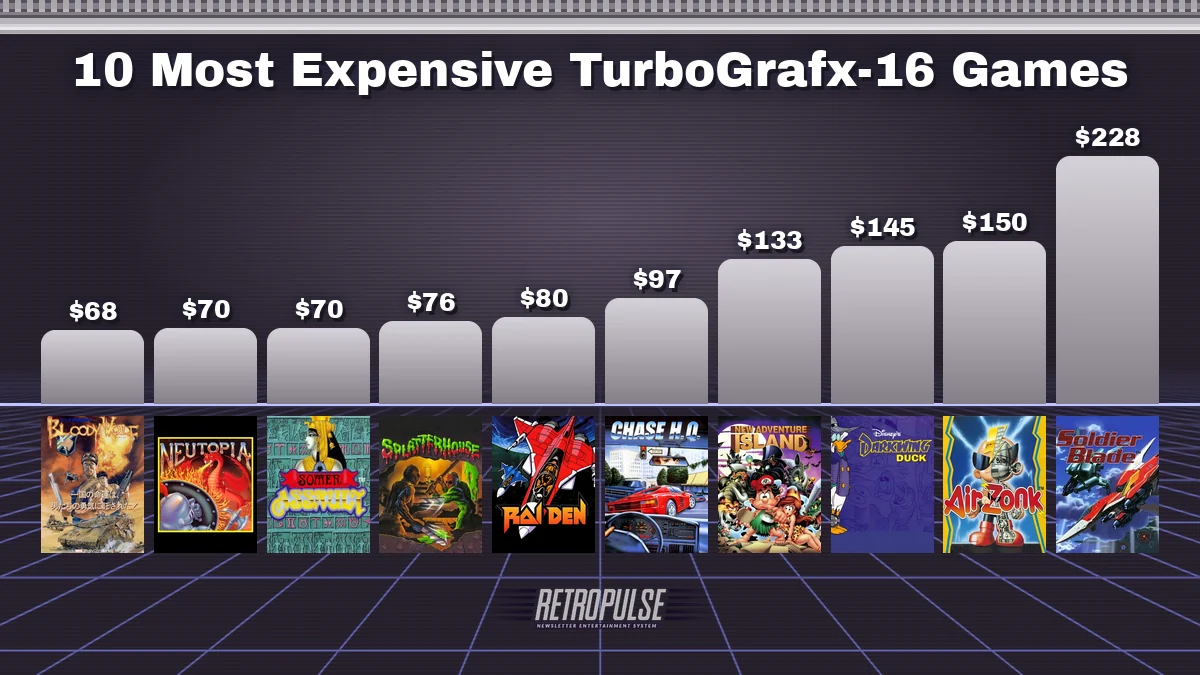
10. Bloody Wolf (1990): $68
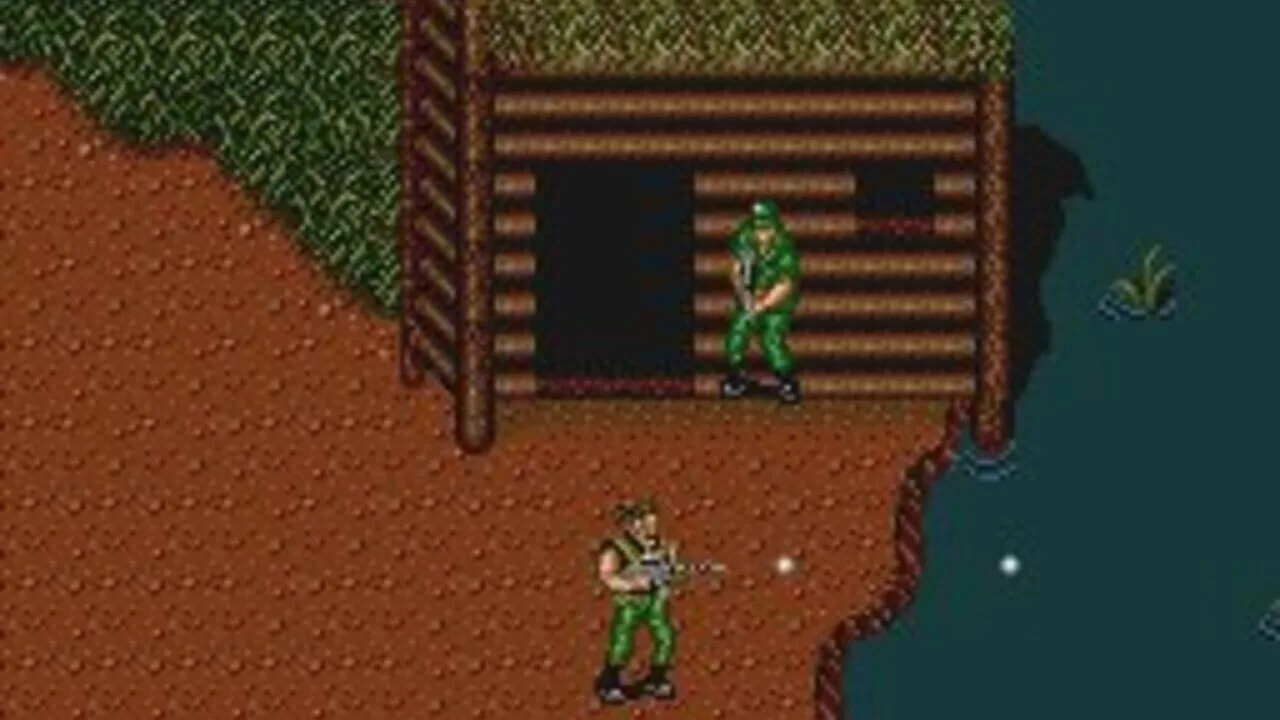
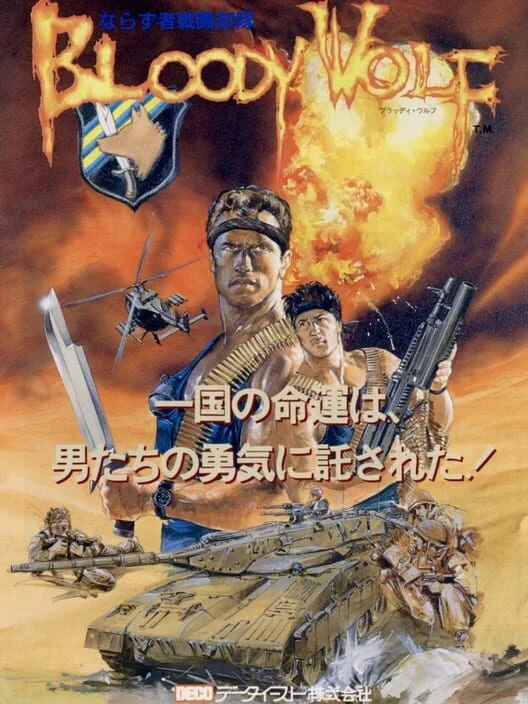
Loose cards of Bloody Wolf sold for a typical $68 across 29 sales between July 2024 and March 2025, and boxed copies went for a typical $90 across 30 sales. Data East made this run-and-gun for arcades, ported it to the PC Engine in 1989, and NEC published it in the US a year later. Two commandos go behind enemy lines to rescue the president, which was a busy job in 1980s video games.
You can jump, which helps you dodge bullets and clear barbed wire. The TurboGrafx version drops the two-player mode, but it adds one level for a total of eight, and the levels are much larger. It looks remarkably faithful to the arcade game, and the soundtrack is completely different. The eighth level's song is a ripoff of Toto's "White Sister".
9. Somer Assault (1992): $70
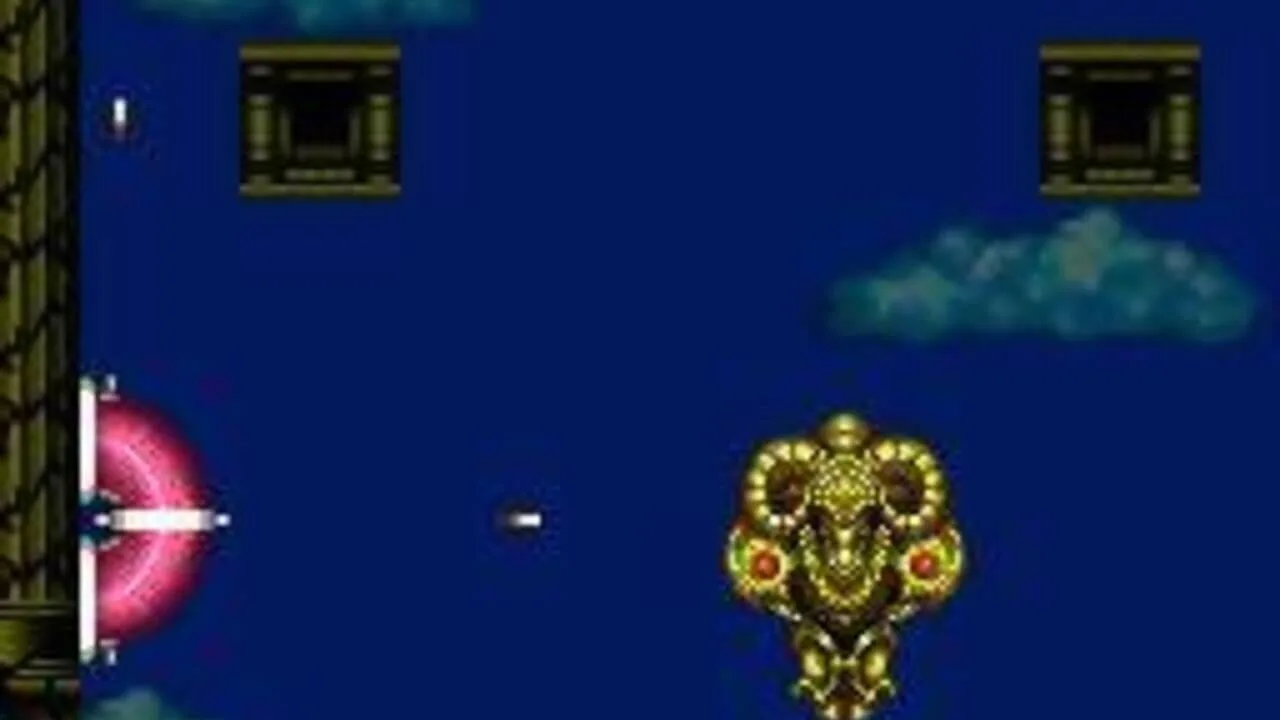
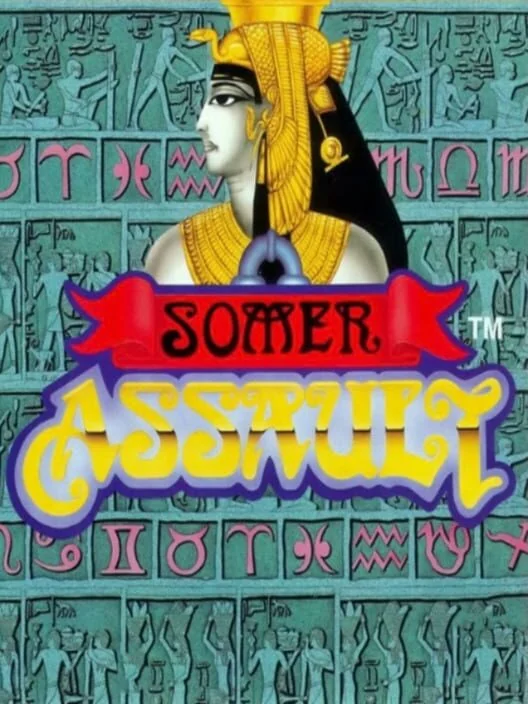
Loose cards of Somer Assault sold for a typical $70 across 10 sales between May 2024 and February 2025, and boxed copies went for a typical $205 across 6 sales. Atlus made it, and the Japanese version is called Mesopotamia. The title is a play on the word somersault, because the hero is a Slinky with a machine gun.
It is a shooter mixed with a platformer. You slink along walls and ceilings to reach bosses based on the Zodiac signs, with no map to tell you where you are. Some teleporters even send you back to the beginning. Critics gave it mixed reviews, and GameSpy put the hero at #9 on its "Top Ten Lame Lead Characters" list. That is a harsh thing to say to a Slinky.
8. Neutopia (1990): $70
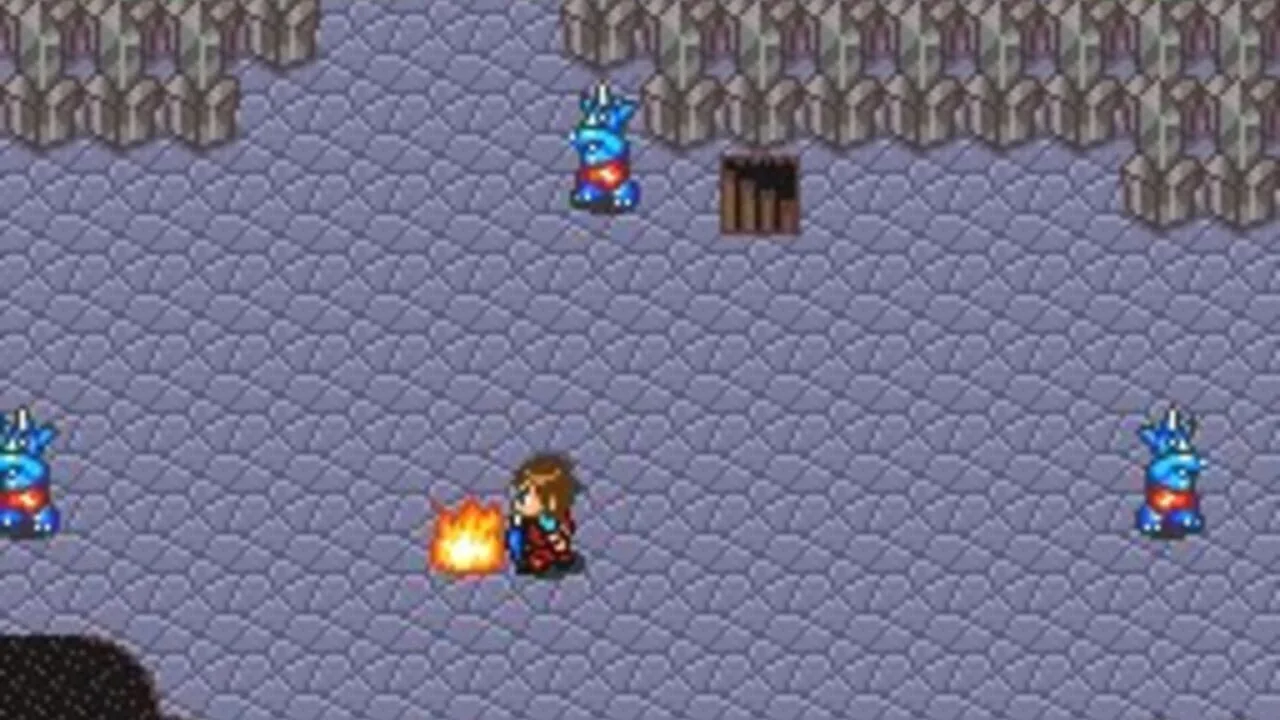
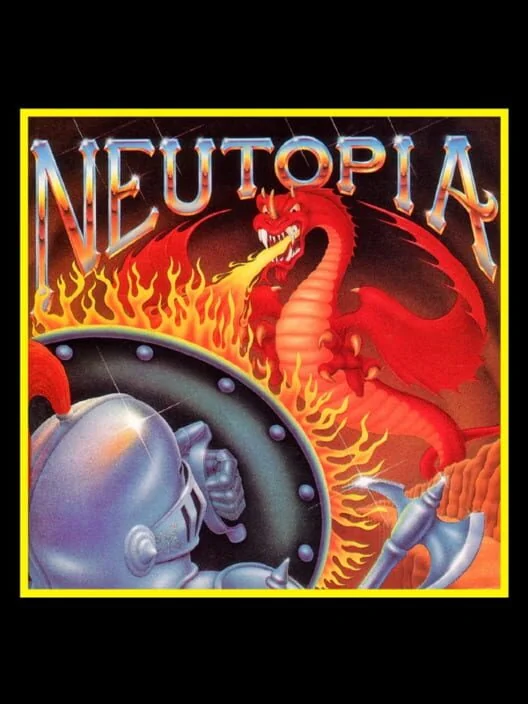
Loose cards of Neutopia sold for a typical $70 across 28 sales between June 2025 and June 2026, and boxed copies went for a typical $124 across 30 sales. That ties it with Somer Assault, and it has far more sales behind the number. Hudson made it, and NEC released it in North America on April 15, 1990. An older guide to the cheapest TurboGrafx games worth playing listed it at $9.
IGN's Lucas Thomas called it "one of the most shameless Legend of Zelda clones ever created", then said it was a good TurboGrafx-16 game anyway. A German magazine said you would need an electron microscope to find the differences between the two. It is one of the games built into the TurboGrafx-16 Mini, and it also came to the Wii Virtual Console in 2007.
7. Splatterhouse (1990): $76
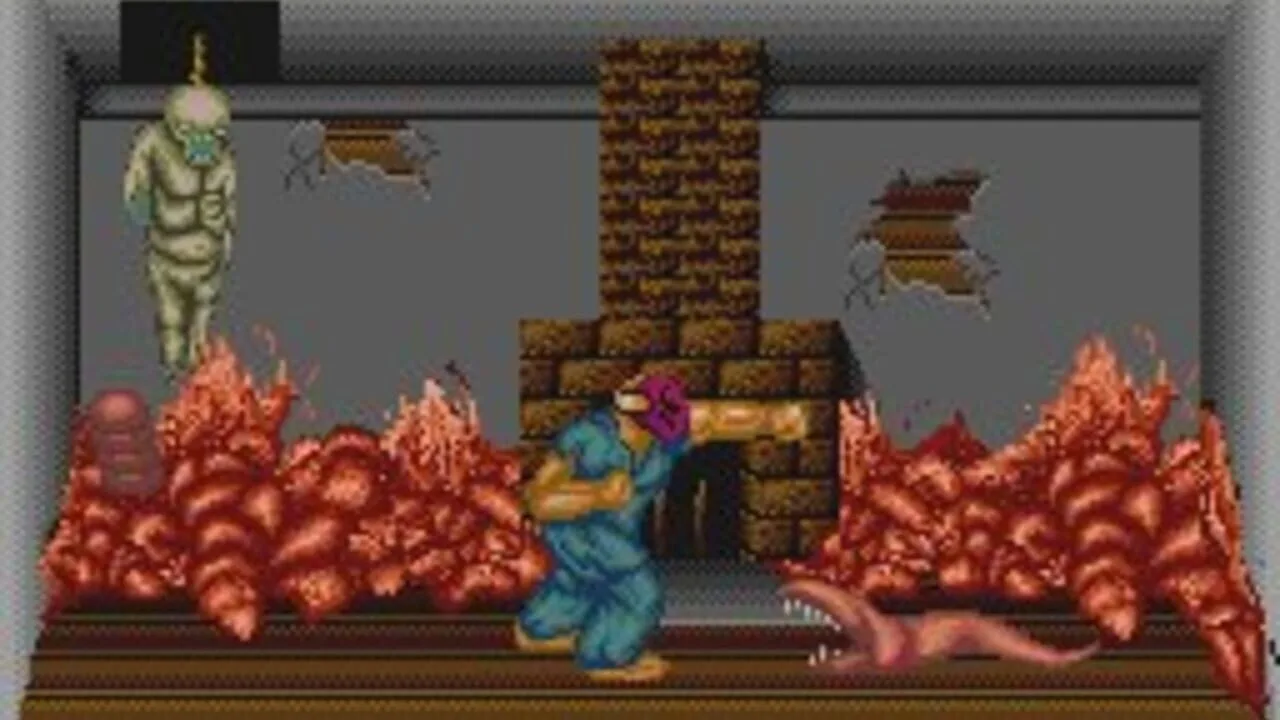
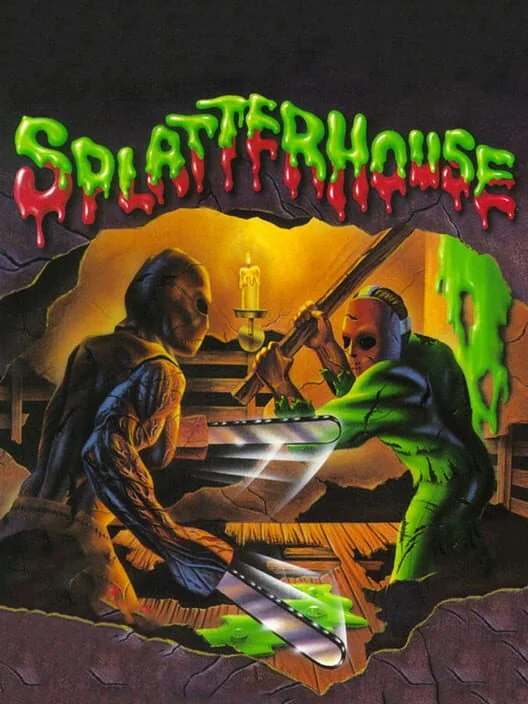
Loose cards of Splatterhouse sold for a typical $76 across 29 sales between August 2024 and May 2025, and boxed copies went for a typical $130 across 30 sales. This Namco arcade game came home on the TurboGrafx-16 with graphics and music close to the original. It is slow and very gory, with a masked man punching zombies, and it was inspired by '80s horror movies.
The American version was changed for the market. The Terror Mask went from white to red with black accents, the cathedral arches came out of the Stage 4 boss room, and that boss's axe became a golden meat cleaver. Apparently the axe was the problem. The Mini has the censored American version outside Japan, and the classic games have been in Namco Museum since 2017.
6. Raiden (1991): $80
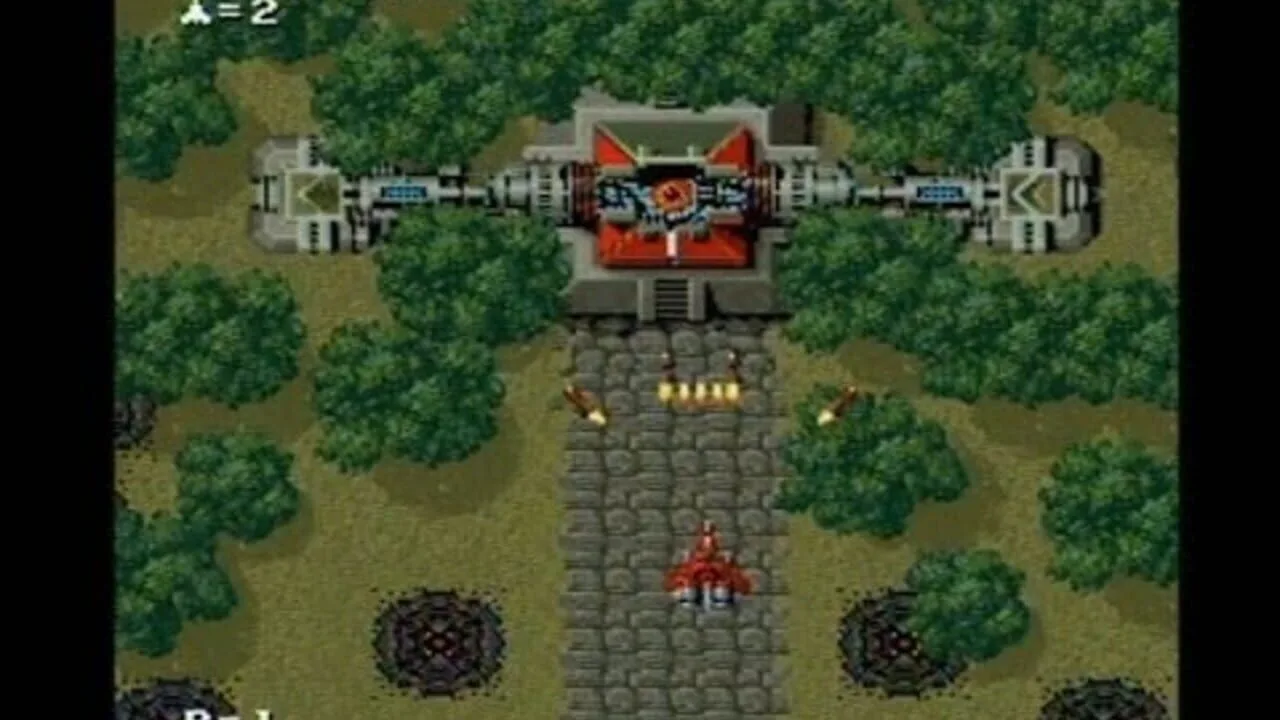
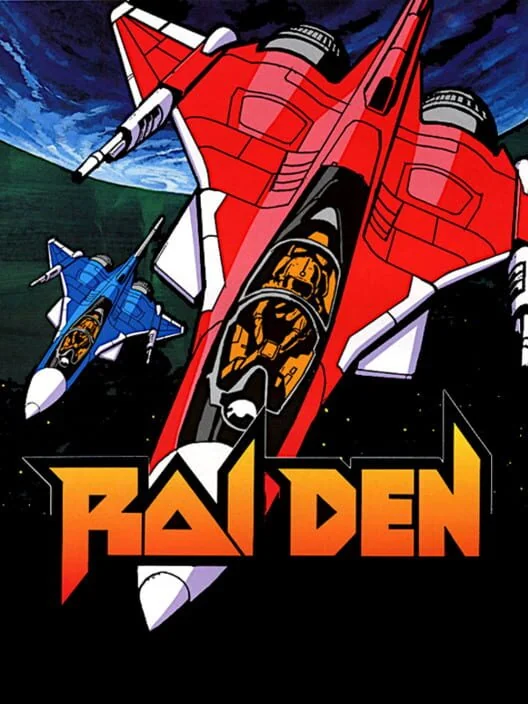
Loose cards of Raiden sold for a typical $80 across 18 sales between April 2024 and March 2025, and boxed copies went for a typical $154 across 20 sales. Seibu Kaihatsu's arcade shooter came out in 1990 and sold 17,000 arcade units worldwide. Hudson published the TurboGrafx-16 port, and AI, the team behind the portable Super Robot Wars games, developed it.
This is a strange one to pay extra for. The port loses the two-player mode, and the new screen size makes enemy shots harder to dodge. You go back to a checkpoint after losing a life and you only get six credits to finish the game, though the overall difficulty is lower than the arcade. The Genesis and SNES versions are called Raiden Trad.
5. Chase H.Q. (1992): $97
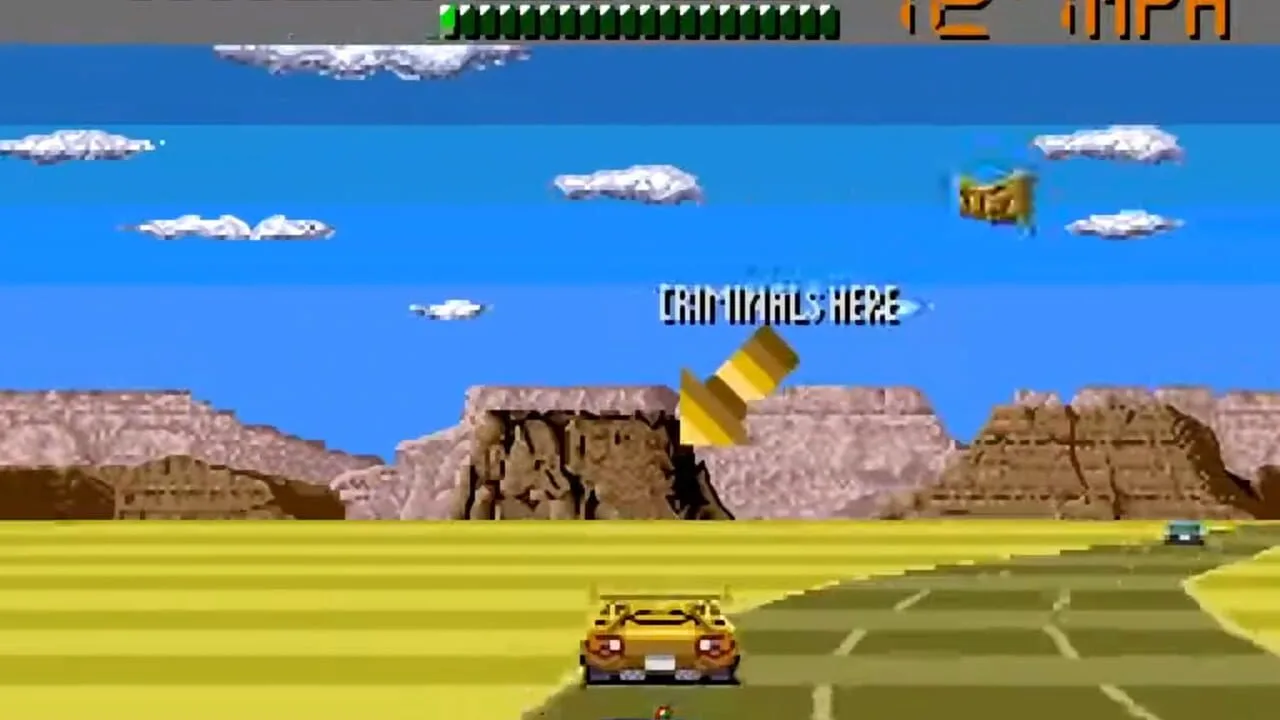
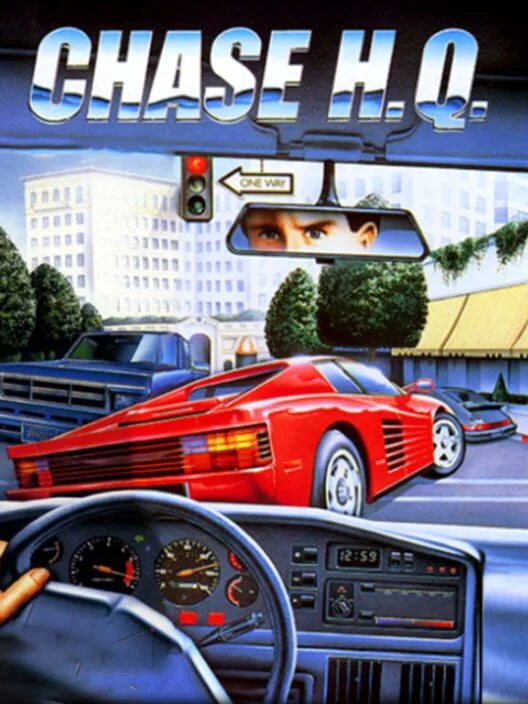
Loose cards of Chase H.Q. sold for a typical $97 across 6 sales between November 2024 and July 2025, and boxed copies went for a typical $200 across 4 sales. Taito's police chase game was Japan's highest-grossing dedicated arcade game of 1989, and it was ported almost everywhere. With so many versions around, most players paid little attention to this one, and copies don't show up often.
That is a shame, because this is probably the best of the console versions. All the main parts of the arcade game made it over, and Nancy speaks at the start of each stage. Score over five million points and you open a hidden sixth stage. Before 2014 it cost $50 to $80. An older guide warned you'd be lucky to get a bare card for under $100, and three dollars of that luck is still available.
4. New Adventure Island (1992): $133
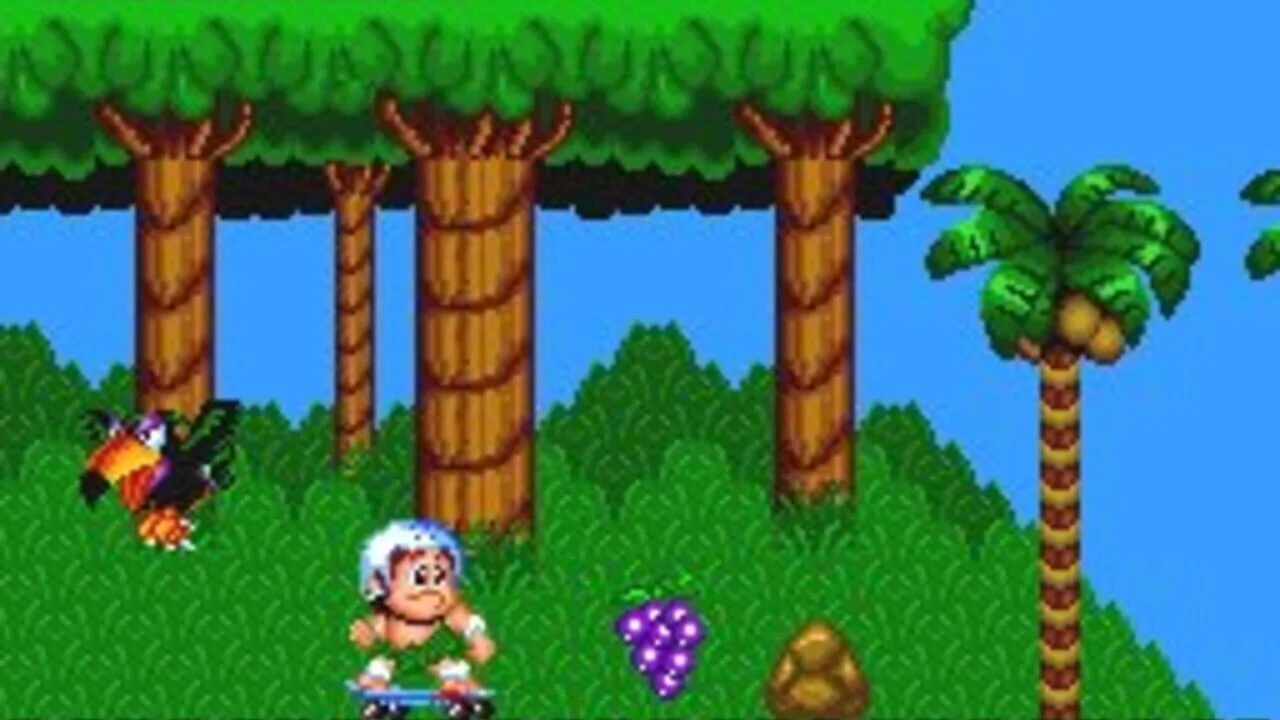
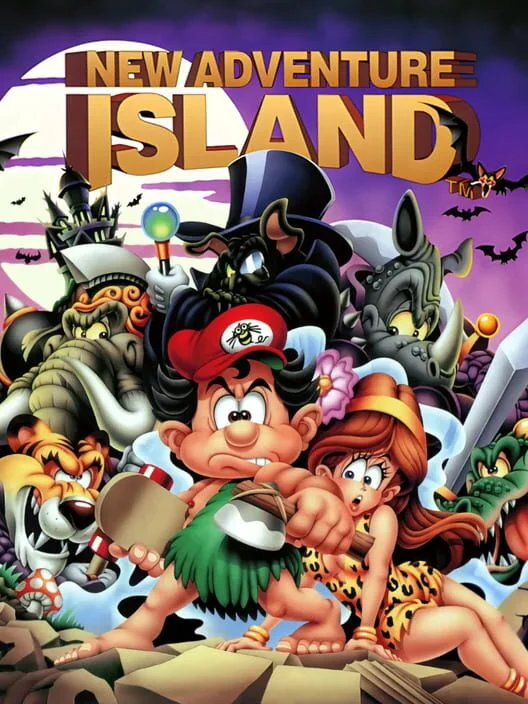
Loose cards of New Adventure Island sold for a typical $133 across 14 sales between May 2024 and April 2025, and boxed copies went for a typical $270 across 7 sales. It is the fourth game in Hudson's Adventure Island series, released shortly after Super Adventure Island for the SNES and before Adventure Island 3 for the NES.
Higgins can pick from four weapons this time: the standard axe, a boomerang, arrows and fireballs, with the fireballs found only in hidden eggs. Some eggs hold a PC Engine controller worth 2000 points, a nice little ad for the console you are already playing on. The game is on the TurboGrafx-16 Mini, and it was re-released on the Wii Virtual Console in 2007 and the PlayStation Network in 2009.
3. Darkwing Duck (1992): $145
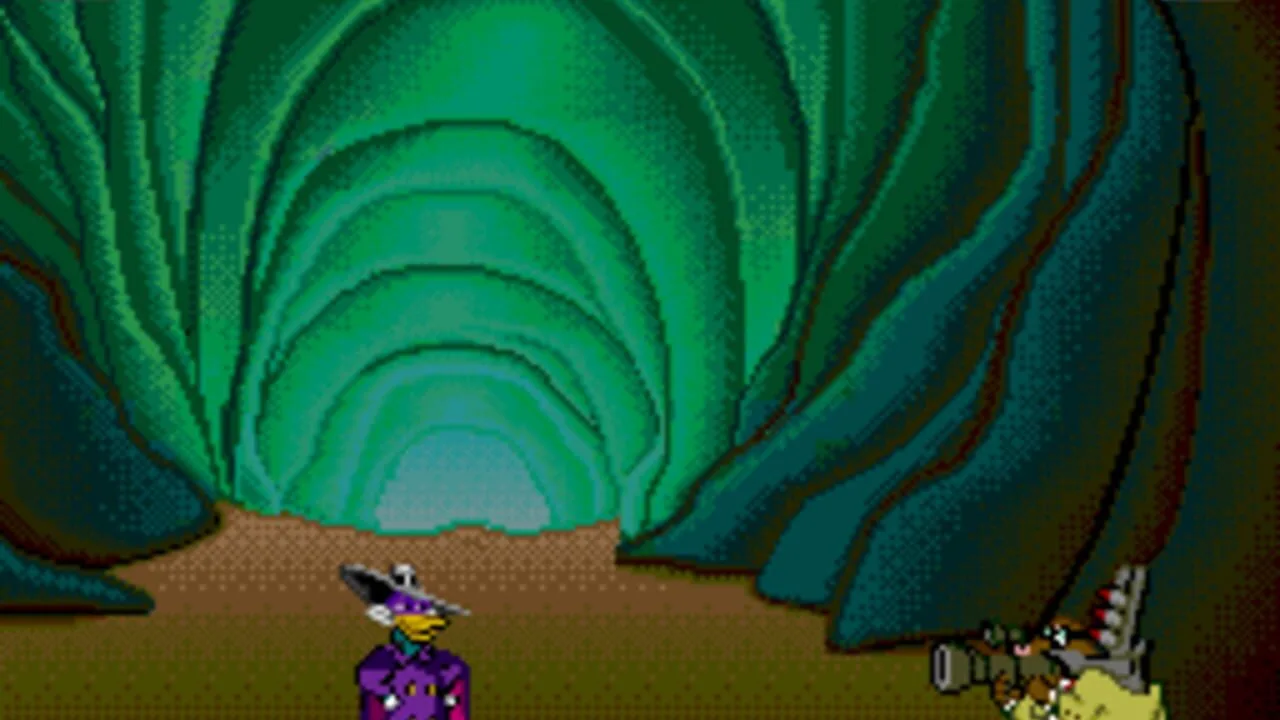
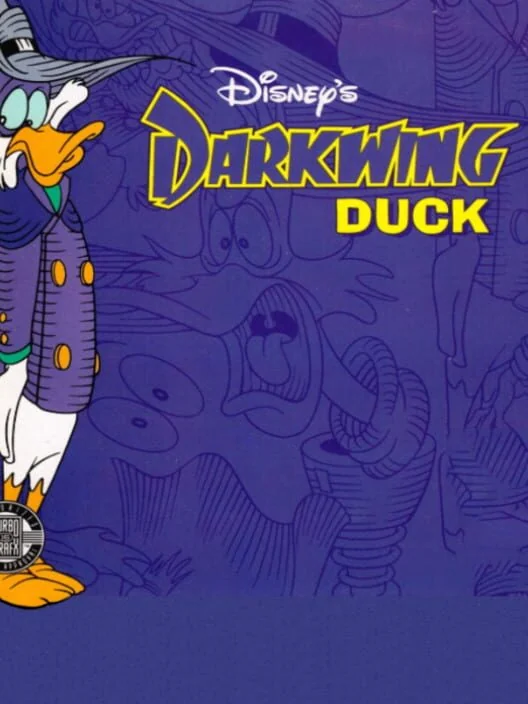
Loose cards of Darkwing Duck sold for a typical $145 across 8 sales between May 2024 and March 2025, and boxed copies went for a typical $512 across 6 sales. Turbo Technologies published this action game in 1992. It is a different game from the Capcom one on the NES, even though it has the same title. Interactive Designs and Radiance Software designed it around the animated series.
You collect puzzle pieces through the first three levels and fire a gas gun when you have gas pellets for it. Critics were not kind. Chris Antista of GamesRadar+ called it "poorly balanced" and its gameplay and music "underwhelming". One seller listed a copy with the words "Yes it's that bad. Buy it for laughs", and it still sold for $161.50.
2. Air Zonk: $150
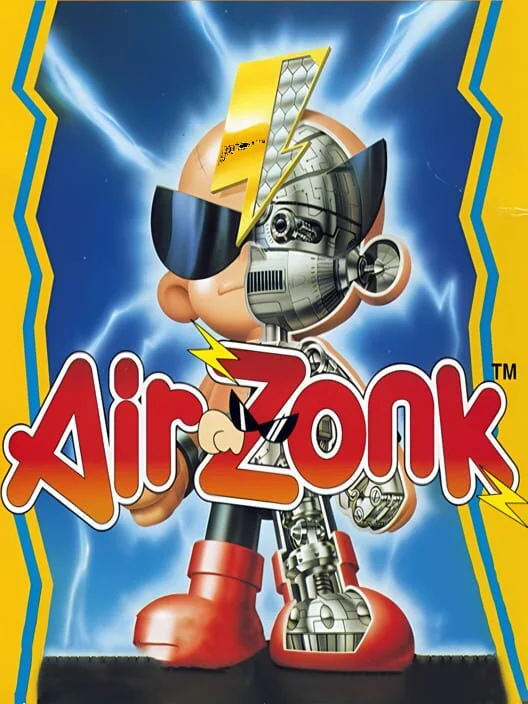
Loose cards of Air Zonk sold for a typical $150 across 29 sales between March 2025 and March 2026, and boxed copies went for a typical $450 across 19 sales. Red Company, the original creators of the Bonk series, made this side-scrolling shooter. Zonk is a descendant of Bonk, rebuilt as a flying cyborg with sunglasses, and for a short time he replaced Bonk as the mascot at Turbo Technologies.
It was built on the engine from Naxat's shooter Coryoon, and it is one of the best shooters on the console. You fight sentient piles of trash on three difficulty settings named sweet, spicy and bitter. Electronic Gaming Monthly named it TurboGrafx-16 Game of the Year for 1992. An older guide had it at $70 to $230. The TurboGrafx-16 Mini includes it.
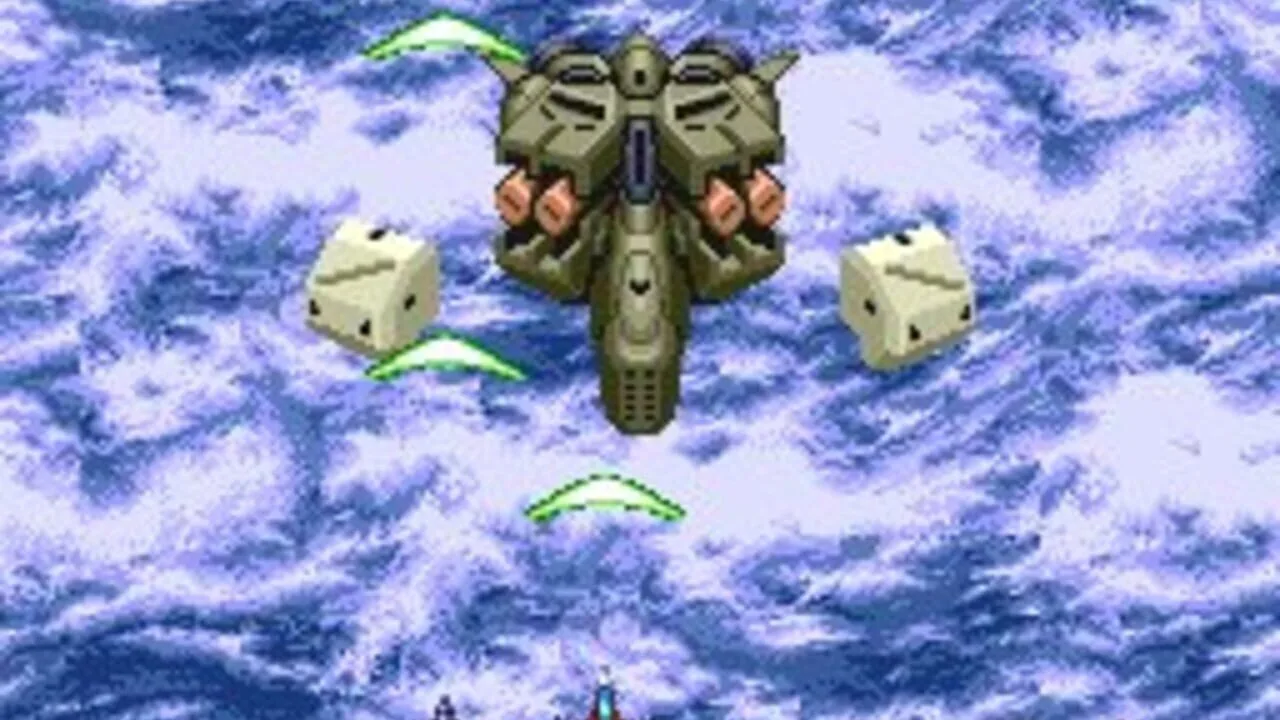
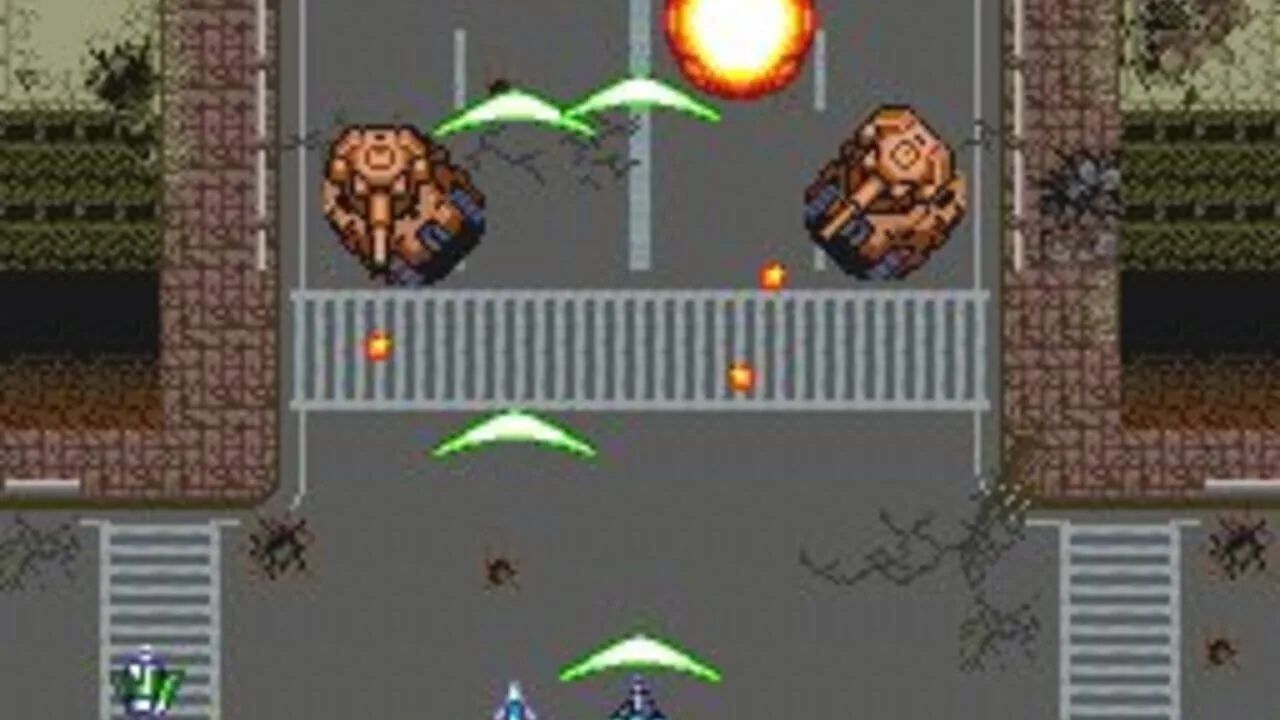
1. Soldier Blade (1992): $228
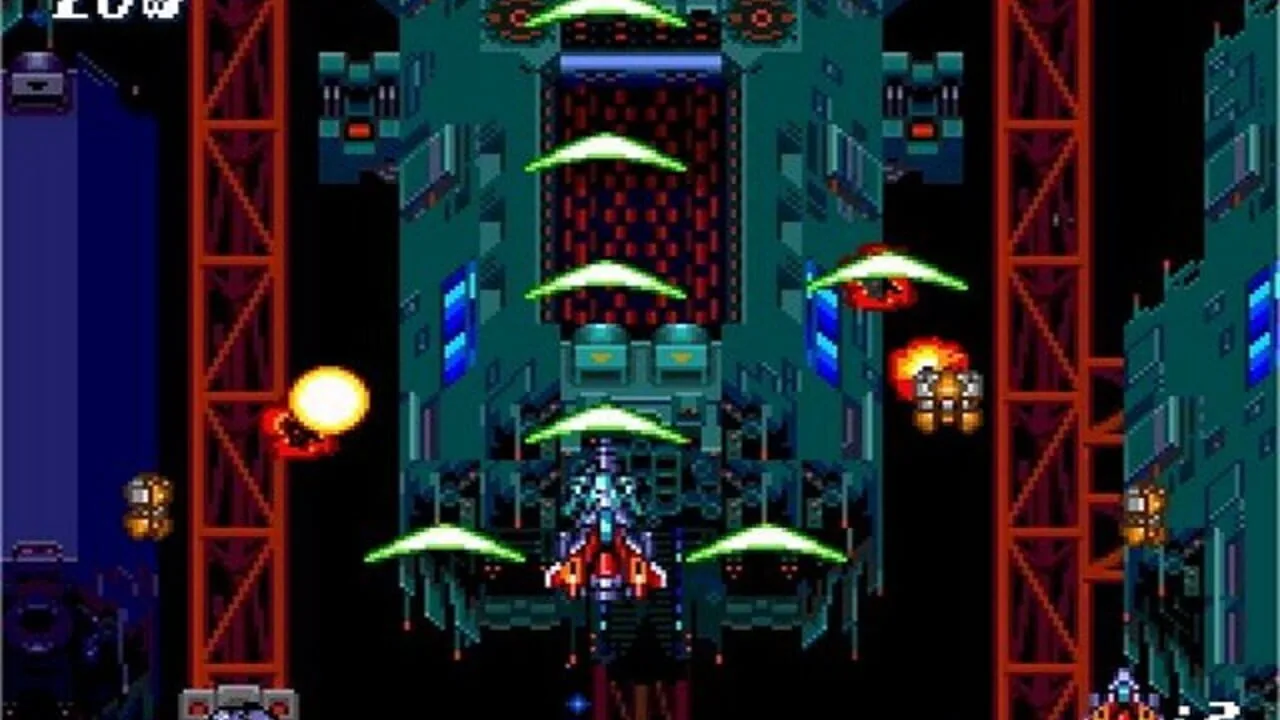
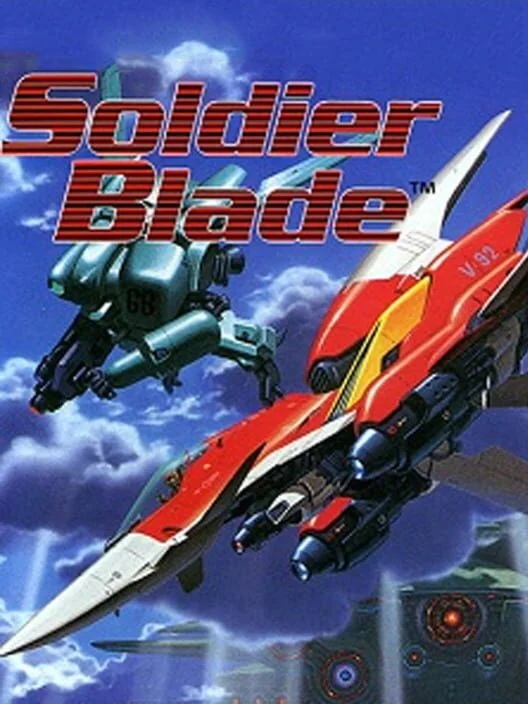
Loose cards of Soldier Blade sold for a typical $228 across 11 sales between January and November 2025, and boxed copies went for a typical $552 across 6 sales. It is the fourth game in Hudson's Star Soldier series, and it came from a tournament deadline. Designer Uriko Uribo had only six months before Hudson's Caravan event, and the game was rushed to make it.
Critics at the time thought it felt inferior to Blazing Lazers, and later reviews were much more positive. You can sacrifice a power-up to set off a special attack, and it has a heavy emphasis on speed. It came out in 1992, so it isn't a late release, and a TurboGrafx exclusive this good stays in demand. Copies have pretty much doubled since 2010, even with the game on download services.