The Game Boy Color never got much time to itself. It arrived in 1998, and the Game Boy Advance replaced it before some of its best games were even out. A lot of good cartridges came and went while everyone was busy with Pokémon. Some never left Japan at all. Others came out in only one region.
That leaves plenty worth digging up, and fans of the handheld have strong opinions about which games those are. A couple of well-known names made it too, because a game can be famous and still get overlooked. Here are the 14 best Game Boy Color hidden gems.
14. Warlocked (2000)
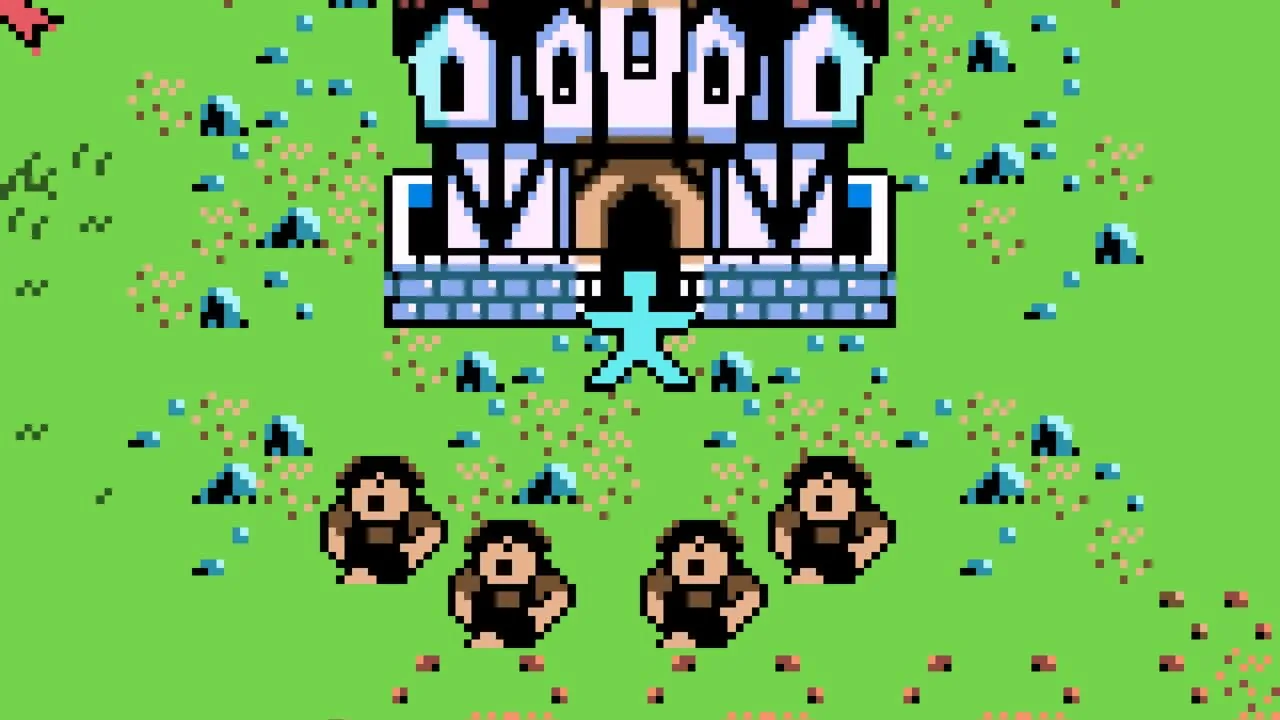
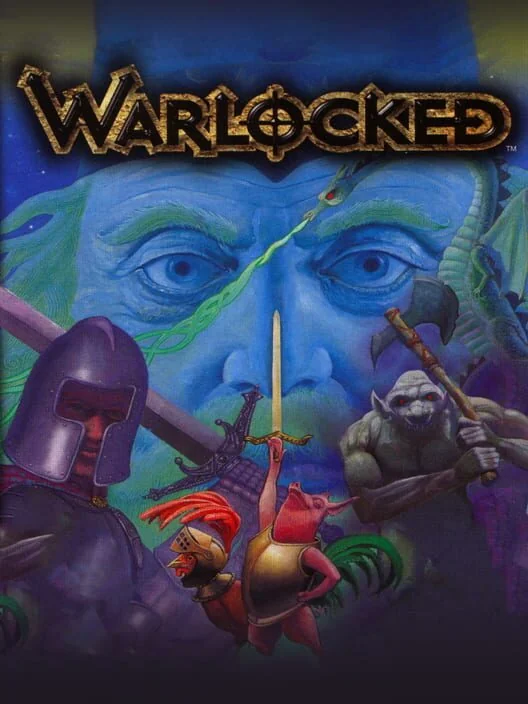
Warlocked is a real-time strategy game, and critics at the time pointed out that it was the only real one on the handheld. You play as either Humans or Beasts. You harvest resources and construct buildings, then raise an army and send it across a map covered in fog of war. Each side has its own wizards, and they can give enemy soldiers the plague or turn them into chickens. Two players can fight over the link cable and trade wizards to collect them all.
Bits Studios made it and Nintendo published it, but it was released only in North America, on July 24, 2000. It still won IGN's "Best Game Boy Strategy" award in 2000. The music is by Jeroen Tel, a name chiptune fans will know. A GBA sequel called Wizards was planned and then cancelled.
13. Dragon Warrior Monsters (1998)
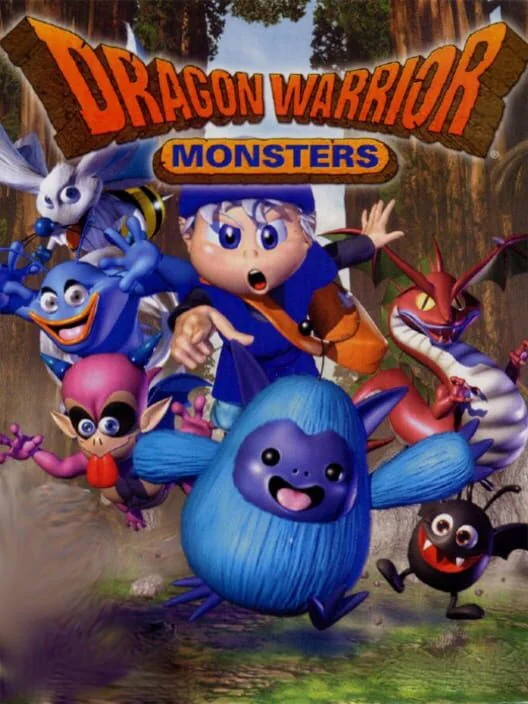
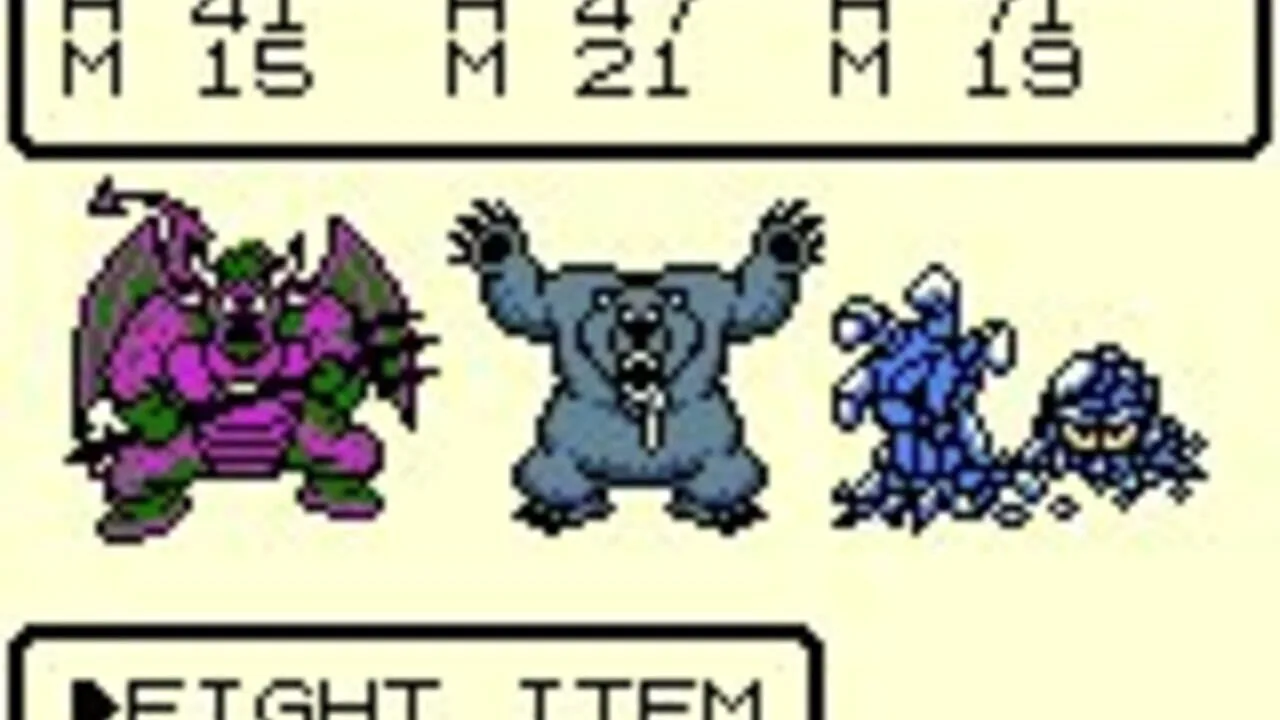
Dragon Warrior Monsters came out in Japan on September 25, 1998, and reached Europe and North America in 2000. It was the first Dragon Quest game released in Europe. It is a turn-based RPG where you recruit monsters in random encounters, then fuse two of them into a better one. That breeding is the heart of the game. Some monsters can only be made that way, and one gate in the Great Tree's library opens only after you befriend over 100 different monsters.
Critics compared it to Pokémon, which was fair, but they singled out the breeding as the thing that set it apart. The cartridge even runs on the black-and-white Game Boy. If you grew up on Pokémon and never touched this one, a much deeper monster game is waiting for you.
12. Pokémon Pinball (1999)
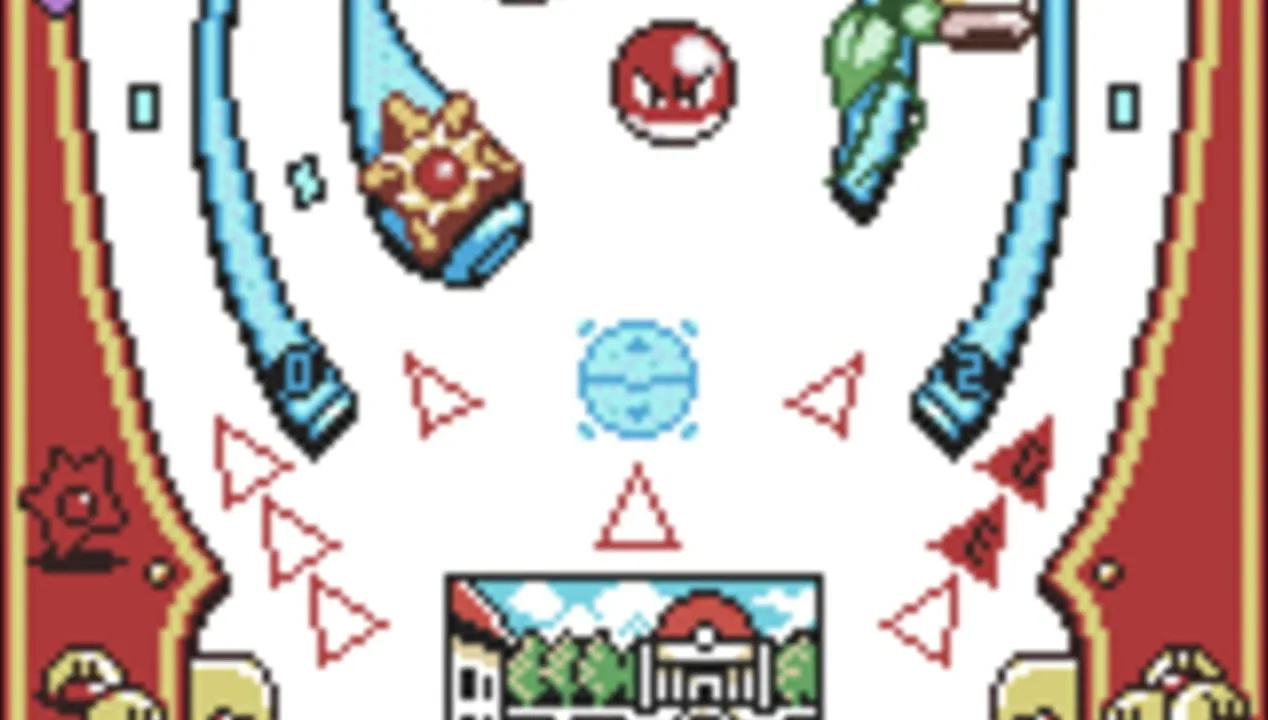
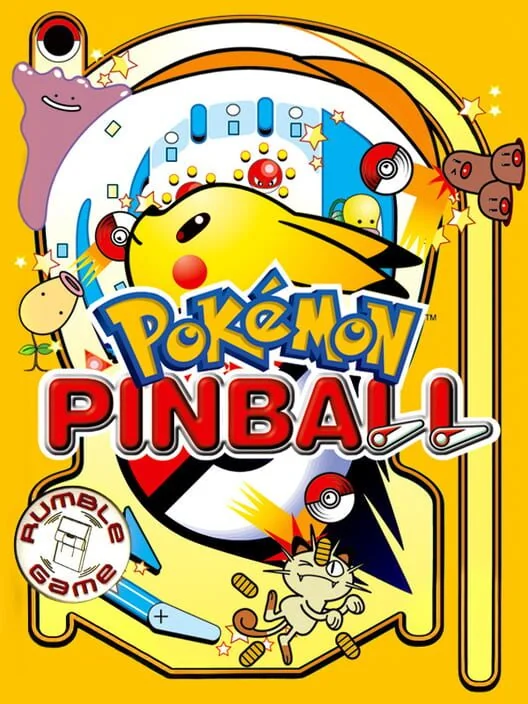
Pokémon Pinball came out in Japan on April 14, 1999, and in North America on June 29, 1999. It has two tables, red and blue, and each one moves you between locations that decide which Pokémon you can catch. Turn on Catch Mode and you have 2 minutes to hit the pop bumpers 6 times, which reveals the Pokémon. Then it must be hit 4 times with the ball to capture it. Evolution Mode works with items you collect on the table, and it is the only way to add evolved forms to your Pokédex.
That turns pinball into a game you keep coming back to, because filling the Pokédex takes a long time. It lives in the shadow of the main Pokémon games. It also set the bar for pinball on a handheld.
11. Dragon Ball Z: Legendary Super Warriors (2002)
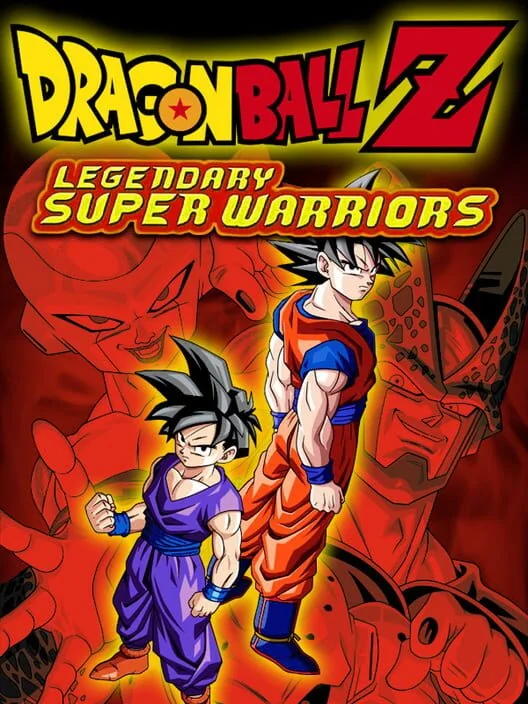
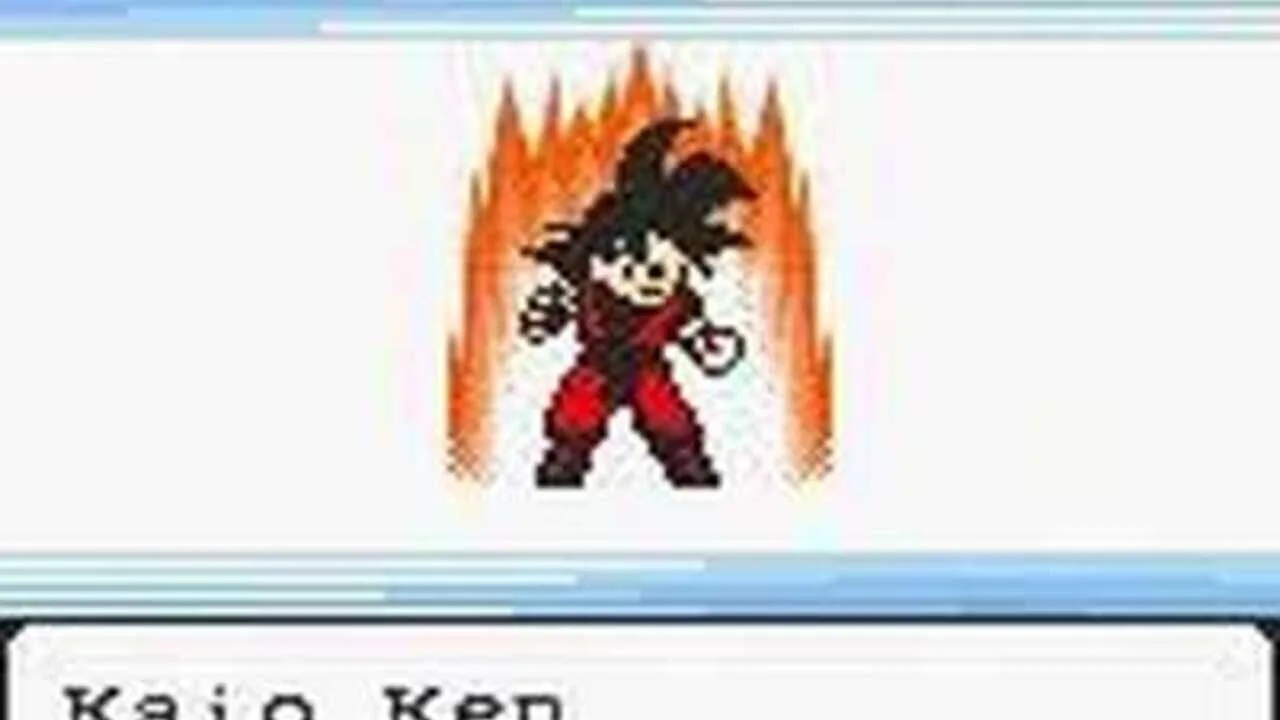
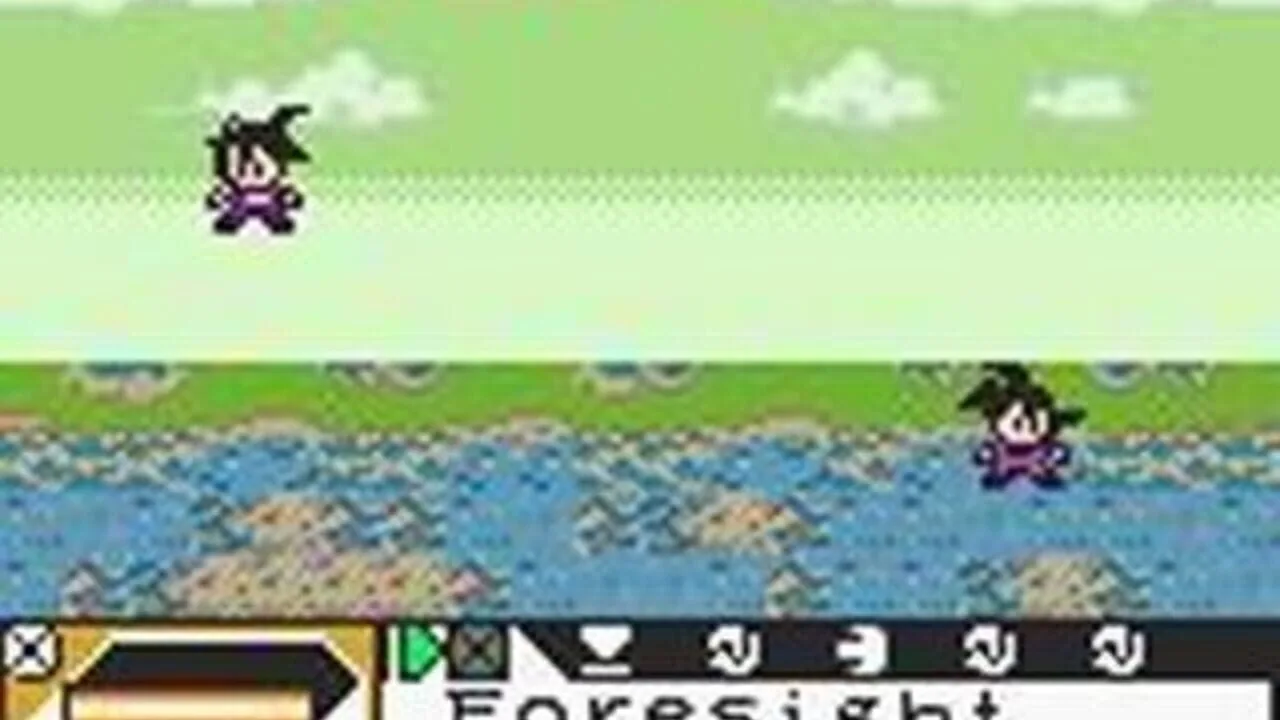
Legendary Super Warriors mixes a card game with a turn-based fighting game. You fight with cards for attacks and techniques, and the story runs from the Saiyan saga to the end of the Buu Saga. There are 30 battles in the story mode, with 2 extra ones to unlock. Each character can only be leveled up 4 times, and since each one has its own stats, picking who to level is a real decision.
On the first playthrough only the heroes can be unlocked. Beat the story and any character can fight in any battle, so you finally get Frieza vs. Cell. It looks like a quick licensed game. There is a lot more strategy in it than the box suggests, and Dragon Ball fans who skipped it missed one of the better ones.
10. Shantae (2002)
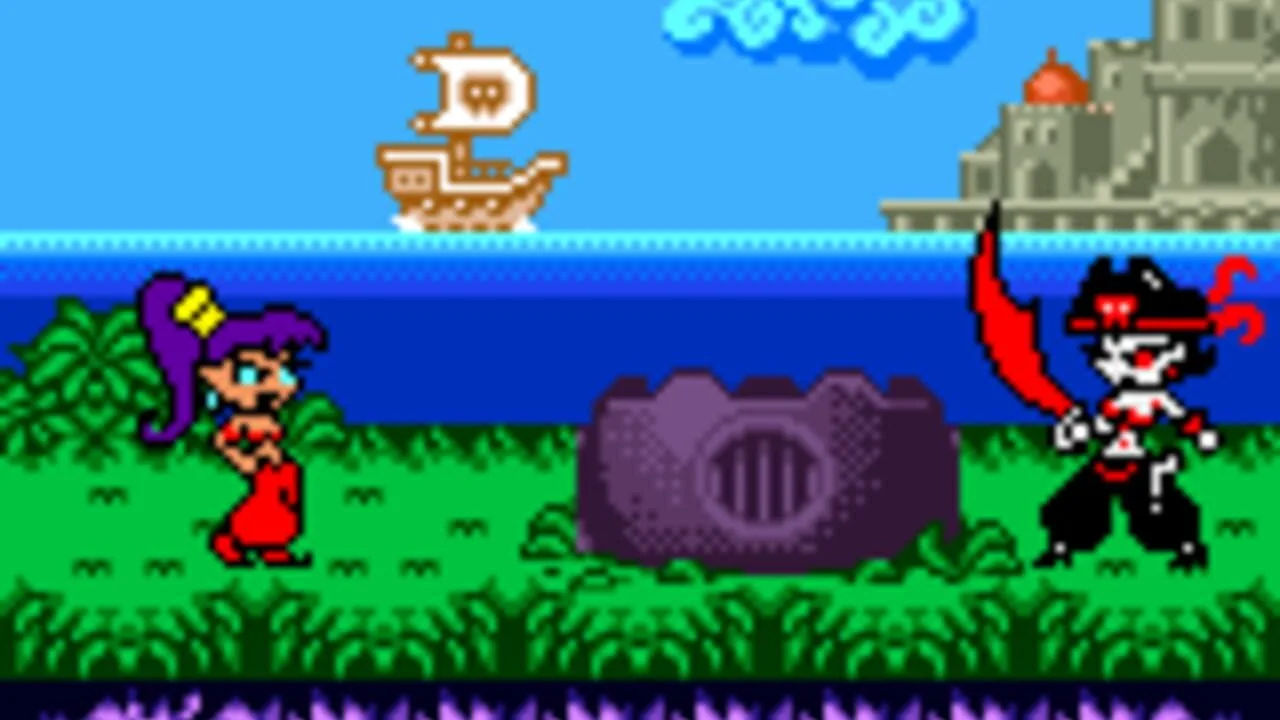
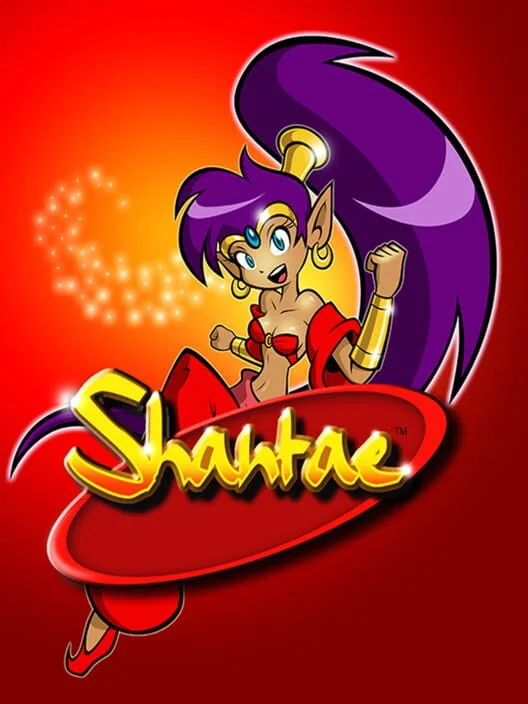
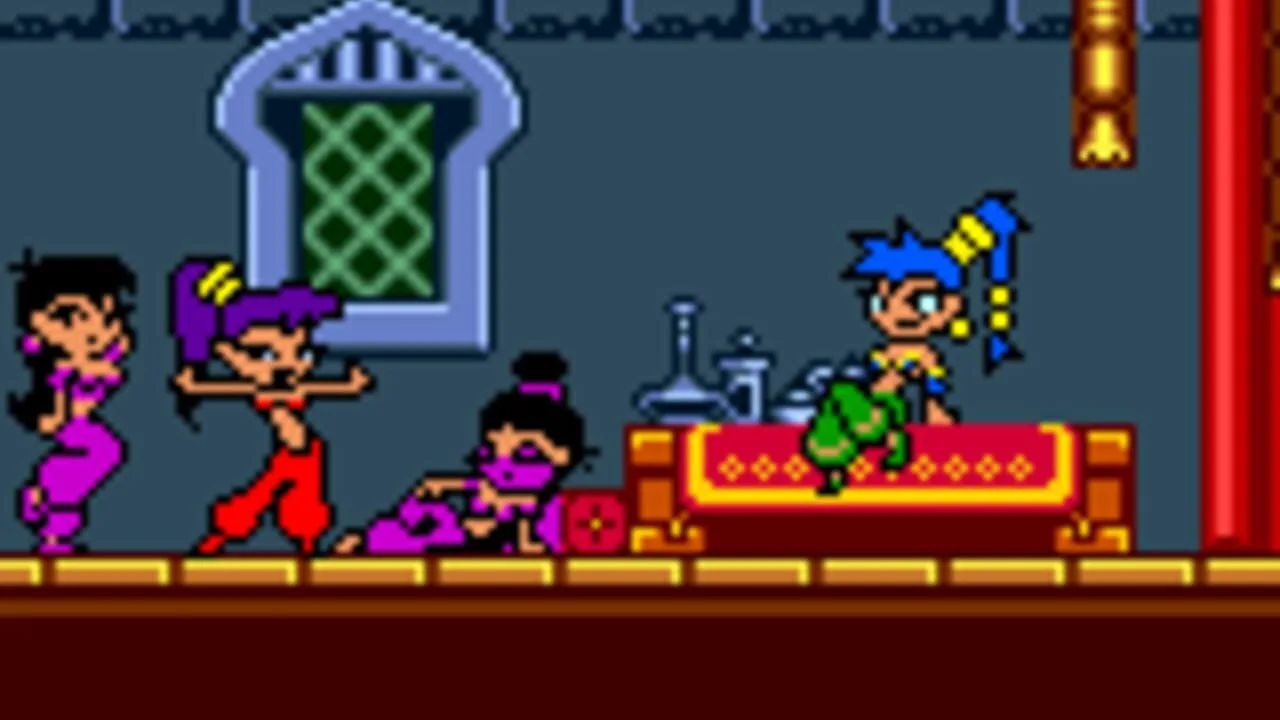
Shantae is a genie girl who guards Scuttle Town, a small fishing village, and she fights by whipping her hair. When the pirate Risky Boots attacks, her crew steals a prototype steam engine from Mimic, Shantae's adoptive uncle. If Risky gets four magical elemental stones, she can turn it into an unstoppable weapon, so Shantae sets off across Sequin Land to stop her.
WayForward first considered making it as far back as 1997. It got favorable reviews but struggled to find an audience, because it launched a year after the Game Boy Advance replaced the Game Boy Color. It is now a cult classic and the start of a successful series. Players still bring it up whenever overlooked Game Boy Color games come up. You do not need an original cartridge to play it, since it came back on the 3DS in 2013 and on Switch in April 2021.
9. Metal Walker (1999)
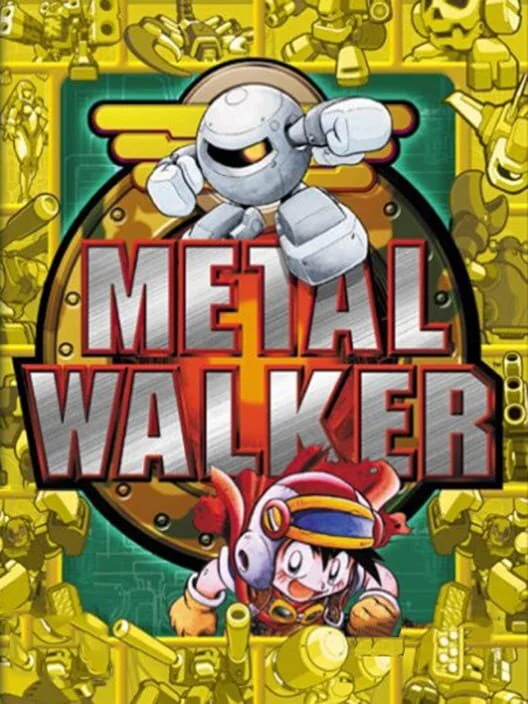
Metal Walker is an RPG with pinball battles. Fights happen in a top-down arena where you choose which way your robot moves and how hard, then watch it bounce. The best turns hit one enemy and carom off a wall into another. You can also throw items onto the field, and attack items only work when an enemy runs into them.
Scrap won in battle builds new Metal Walkers, and beating bosses earns Core Units that evolve your robot into stronger forms. Critics likened it to Pokémon but praised what made it different. In Japan it even had merchandise based on the robots. It keeps coming up when players list the Game Boy Color games that got overlooked, and the billiards fights are the reason.
8. Revelations: The Demon Slayer (1999)
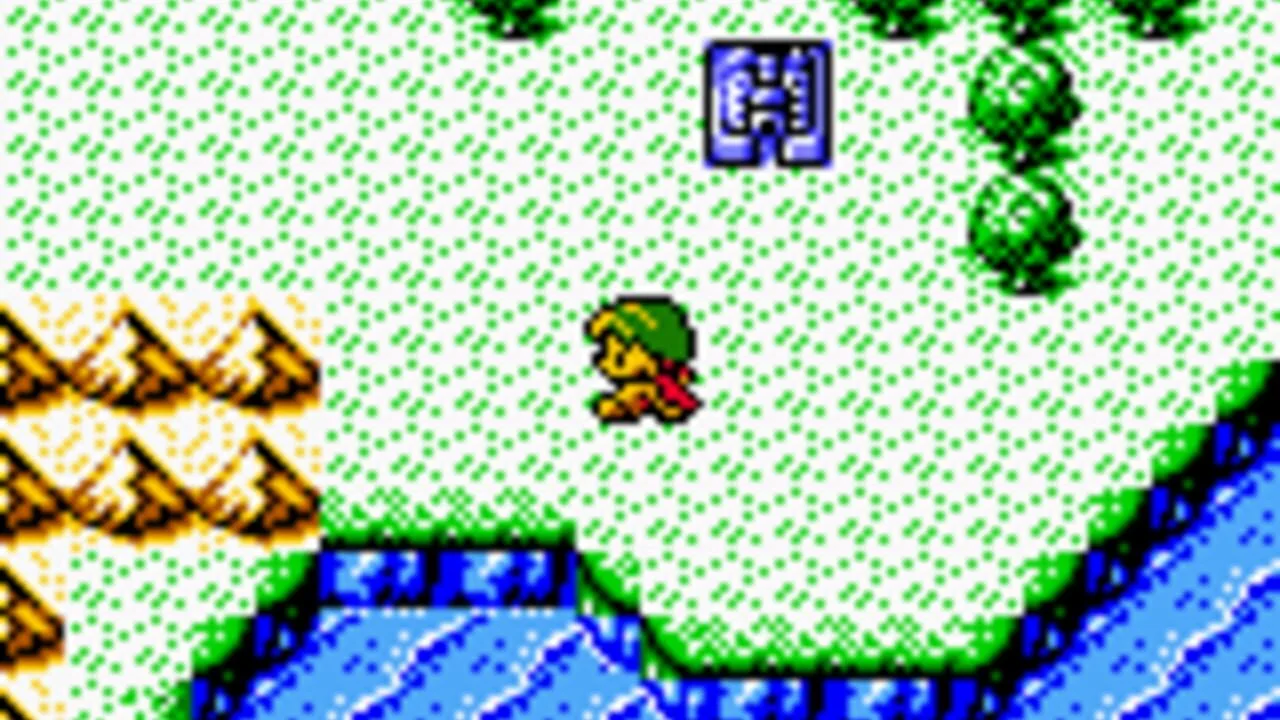
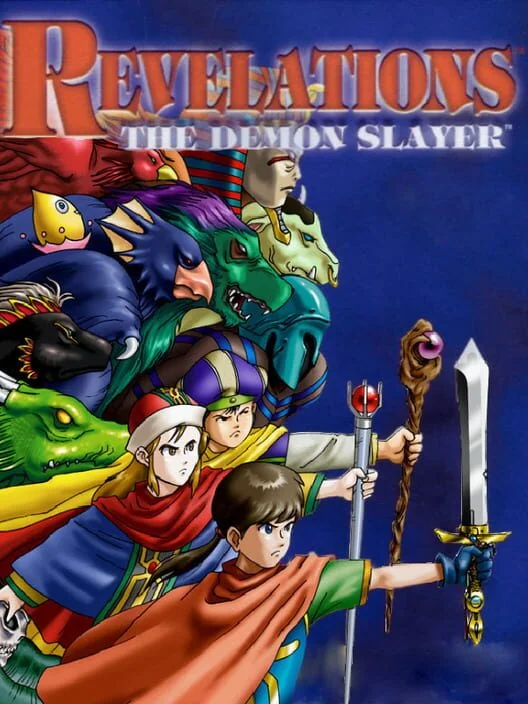
Revelations is the North American release of the Game Boy Color version of Megami Tensei Gaiden: Last Bible, the first game in the Last Bible side series of Megami Tensei. It is based on the original 1992 Game Boy game, now in color, with the story and core gameplay kept as they were. It was also the first color RPG for the Game Boy Color released in North America.
The English name hides where it comes from. Nothing about the title says Megami Tensei, so it passed as one more fantasy RPG on the shelf. Players keep recommending it anyway. If you like old-school dungeon RPGs and want to see where a famous series started on handhelds, this is the one to find.

7. Pokemon Trading Card Game (1998)
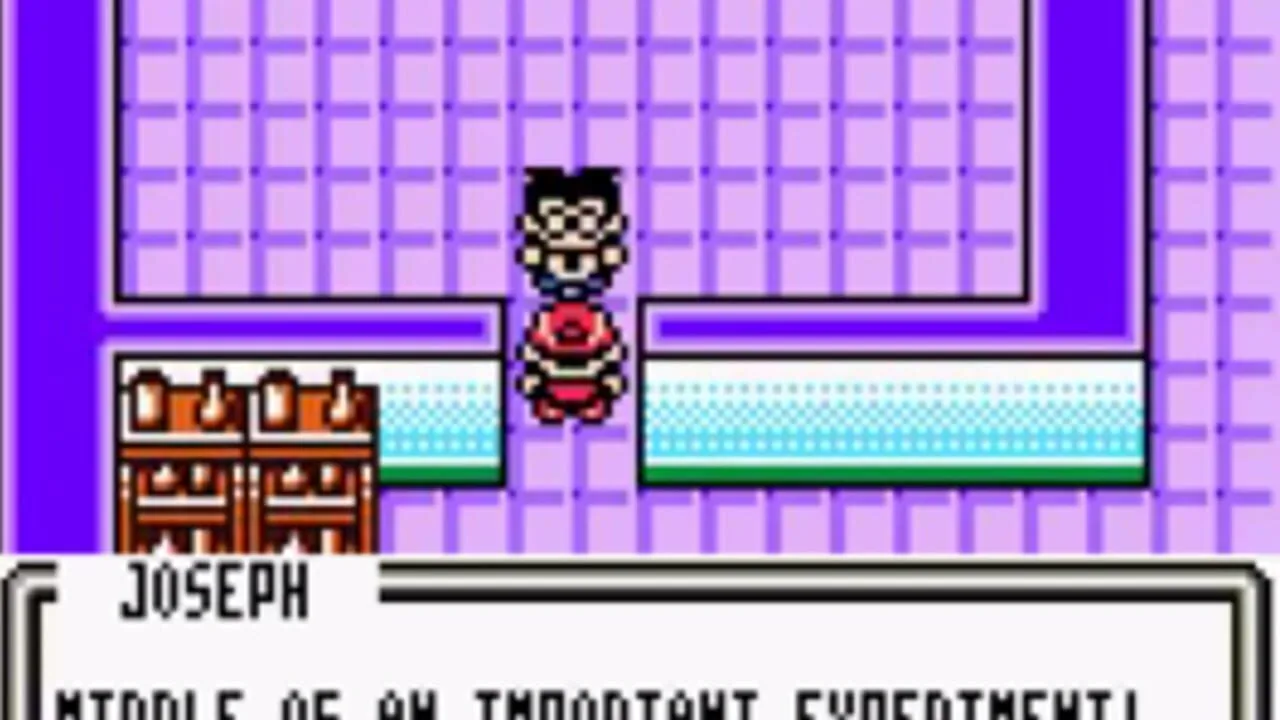
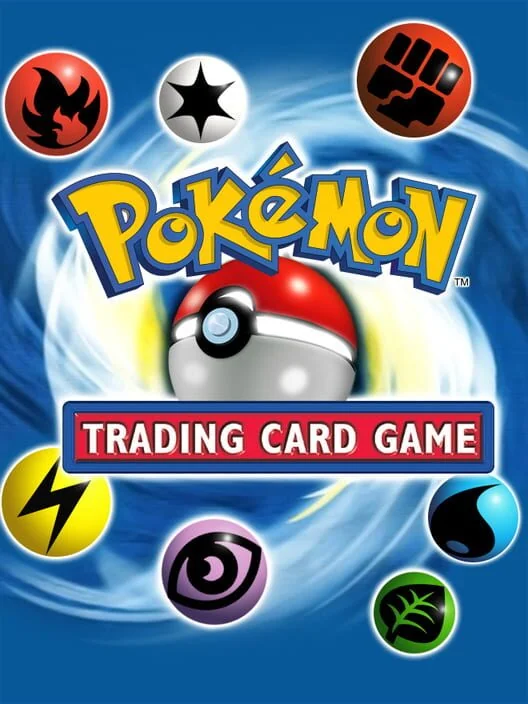
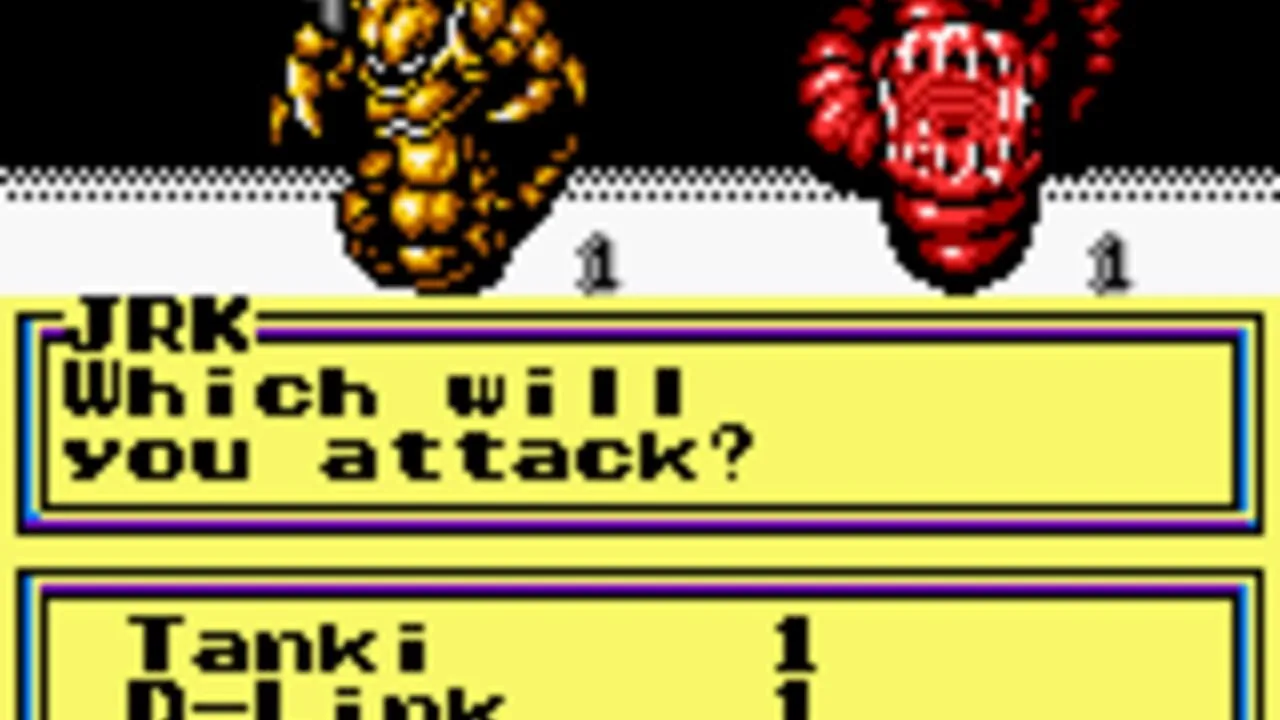
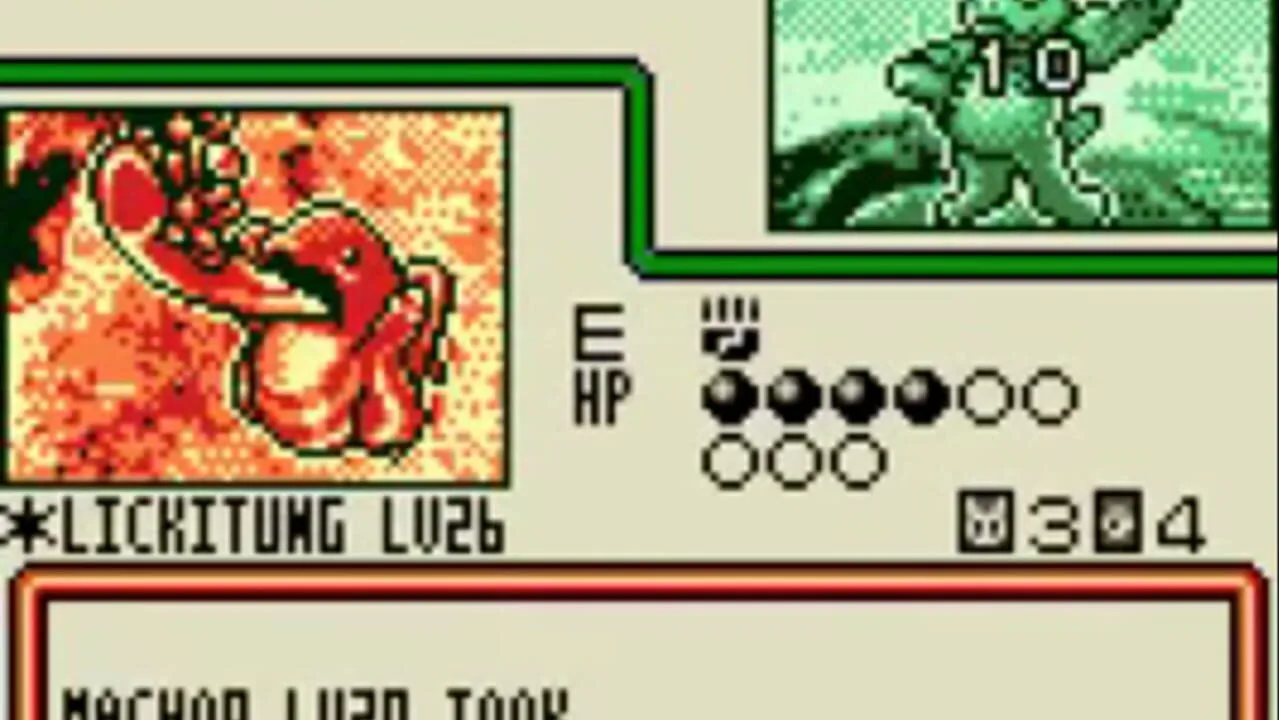
Pokémon Trading Card Game turns the card game into an RPG. It came out in Japan in December 1998, one month before the tabletop version debuted in English, and reached the rest of the world in 2000. Hudson Soft and Creatures made it. You pick one of three starter decks, then travel around beating eight Club Masters, each with a deck built on one elemental type. Winning gets you booster packs, and there are 226 cards to collect, including some you could not get outside the game.
For kids who could not keep up with buying real packs, this was the easy way in. It came back on the 3DS Virtual Console in 2014 and on Nintendo Classics on August 8, 2023. Its Japanese sequel never left Japan, though fans have made unofficial English translations.
6. Azure Dreams (1999)
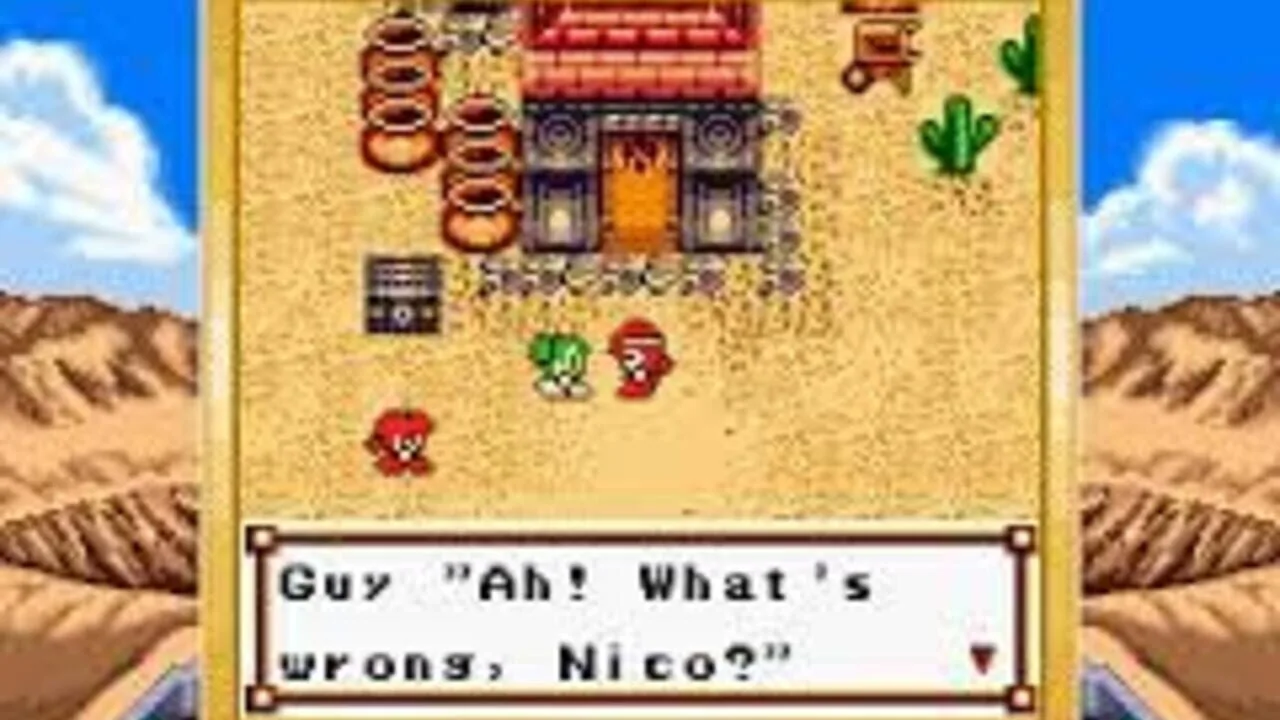
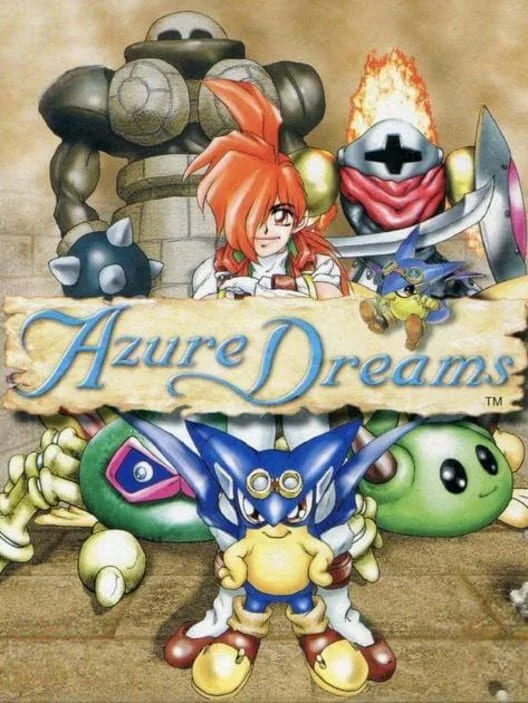
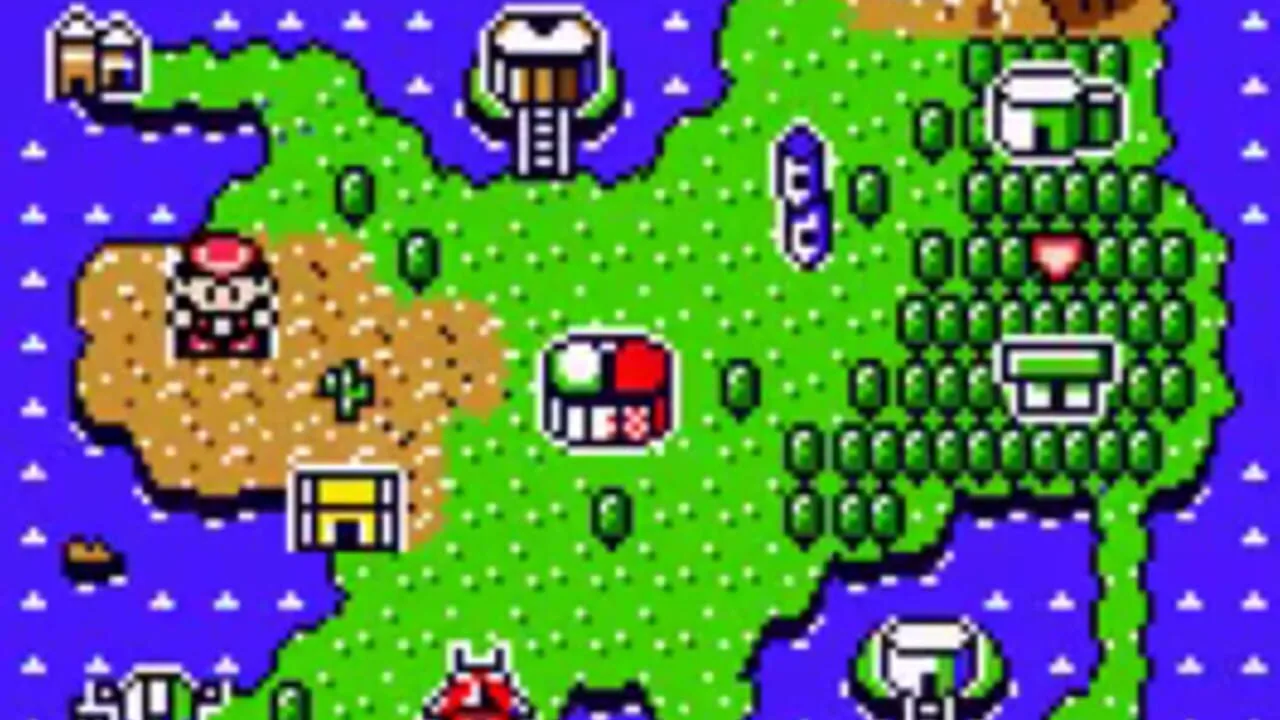
Azure Dreams started on the PlayStation, and the Game Boy Color game with the same name came two years later from Konami Computer Entertainment Nagoya. The idea is a monster tower. A tamer named Guy disappears inside it, and his son Koh goes in when he turns 15 with Kewne, a familiar who can talk. The levels are randomly generated, and Koh returns to level one every time he enters, so your familiars carry the run. You can catch monster eggs and hatch them into new familiars.
The Game Boy Color version drops the relationship-building from the PlayStation game and keeps the tower. Players keep recommending it, mostly to people who want a dungeon crawler with monsters to raise.
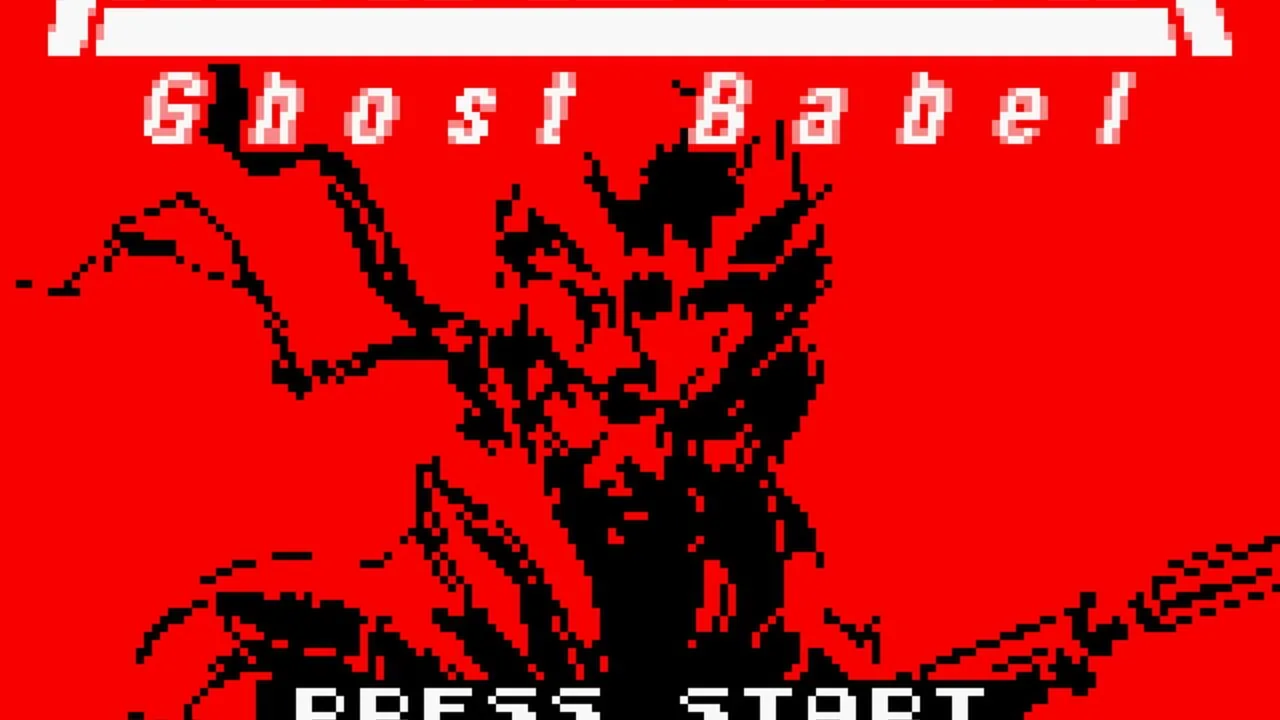
5. Metal Gear: Ghost Babel (2000)
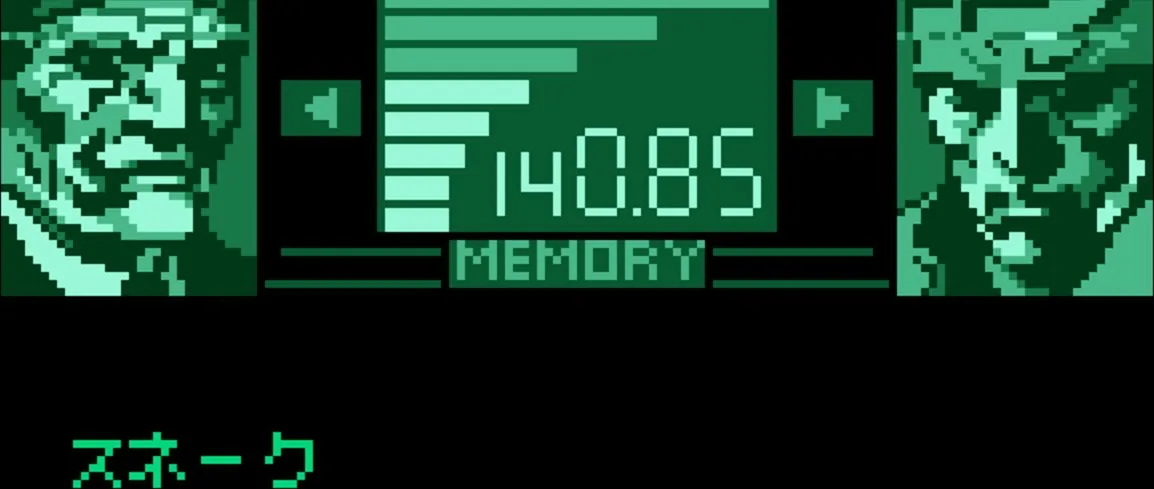
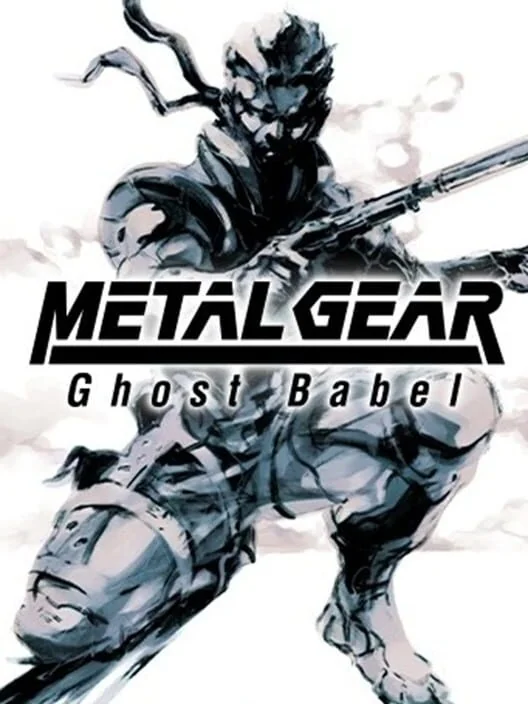
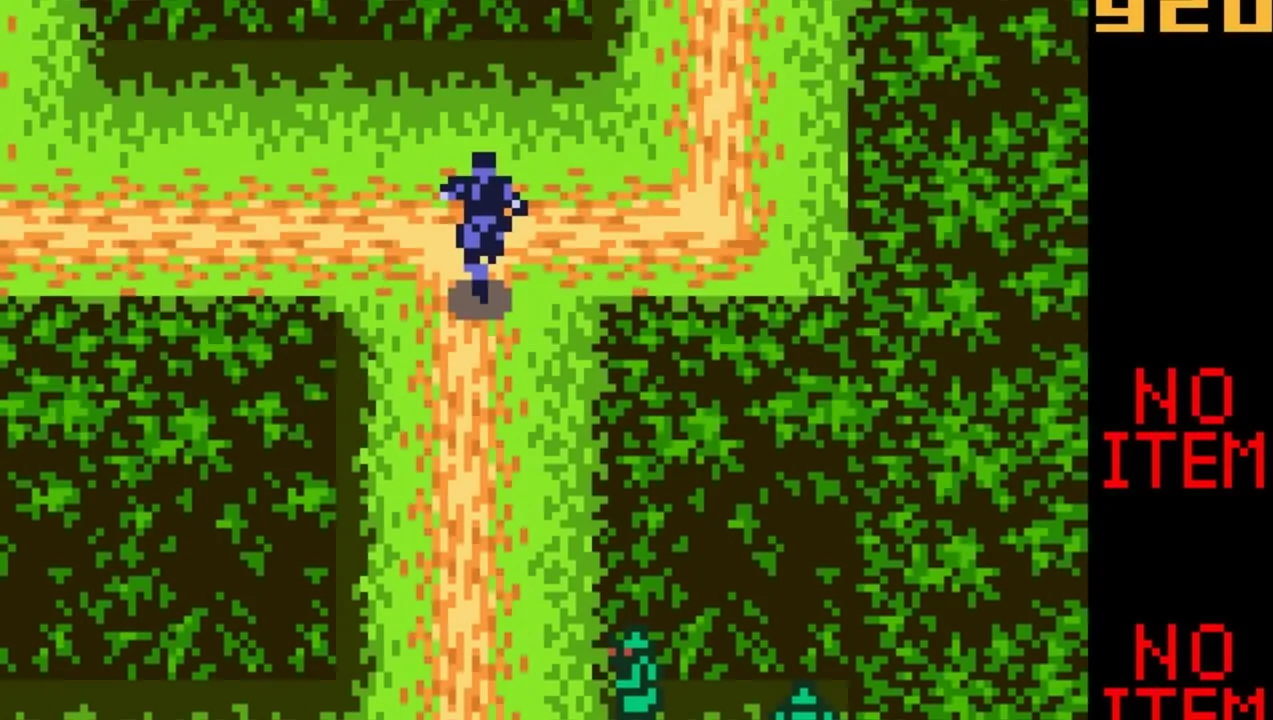
Konami's European branch commissioned Konami Computer Entertainment Japan to make a portable adaptation of Metal Gear Solid. Ghost Babel is not a port of it. It tells its own story, set three years after the MSX2 game Metal Gear 2: Solid Snake. Snake and the guards now move in eight directions, and Snake can flatten himself against a wall to slip through tight passages or knock to lure a guard over.
The Japanese and European versions hid a bonus 13-part story called IdeaSpy 2.5, written by Shuyo Murata. In 2006 it became a radio drama on Hideo Kojima's Japanese podcast, with Kojima himself playing the title role. The game was finally re-released in 2026 in Metal Gear Solid: Master Collection Vol. 2. For a handheld spin-off, it feels like the real thing.
4. Star Ocean: Blue Sphere (2001)
Blue Sphere is a spin-off in the Star Ocean series and a direct sequel to the 1998 PlayStation game Star Ocean: The Second Story. Several core staff from earlier Star Ocean games came back, including series composer Motoi Sakuraba, and tri-Crescendo helped with the sound design. The story was planned with three protagonists and grew to sixteen.
A North American release was tentatively planned. Then, by June 2001, right before the game came out, Enix decided not to localize it. It sold 130,000 copies in Japan and was remade for mobile devices in 2009. That is a lot of Star Ocean for a game most English-speaking fans never saw.
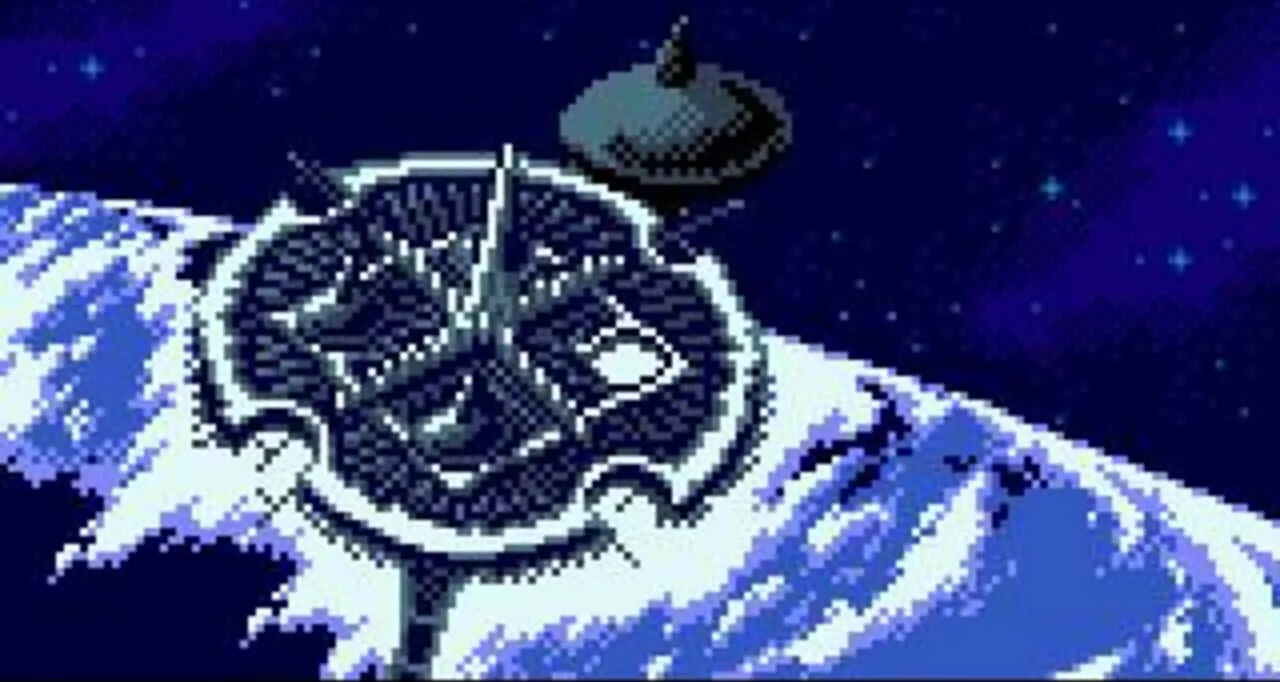
3. Power Quest (1998)
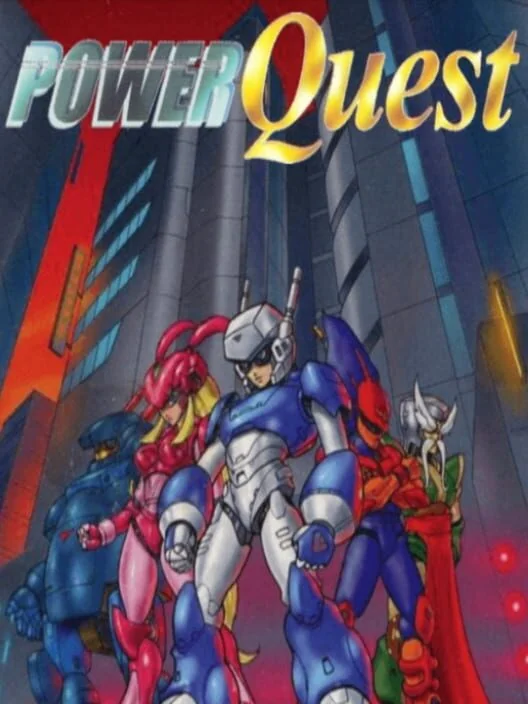
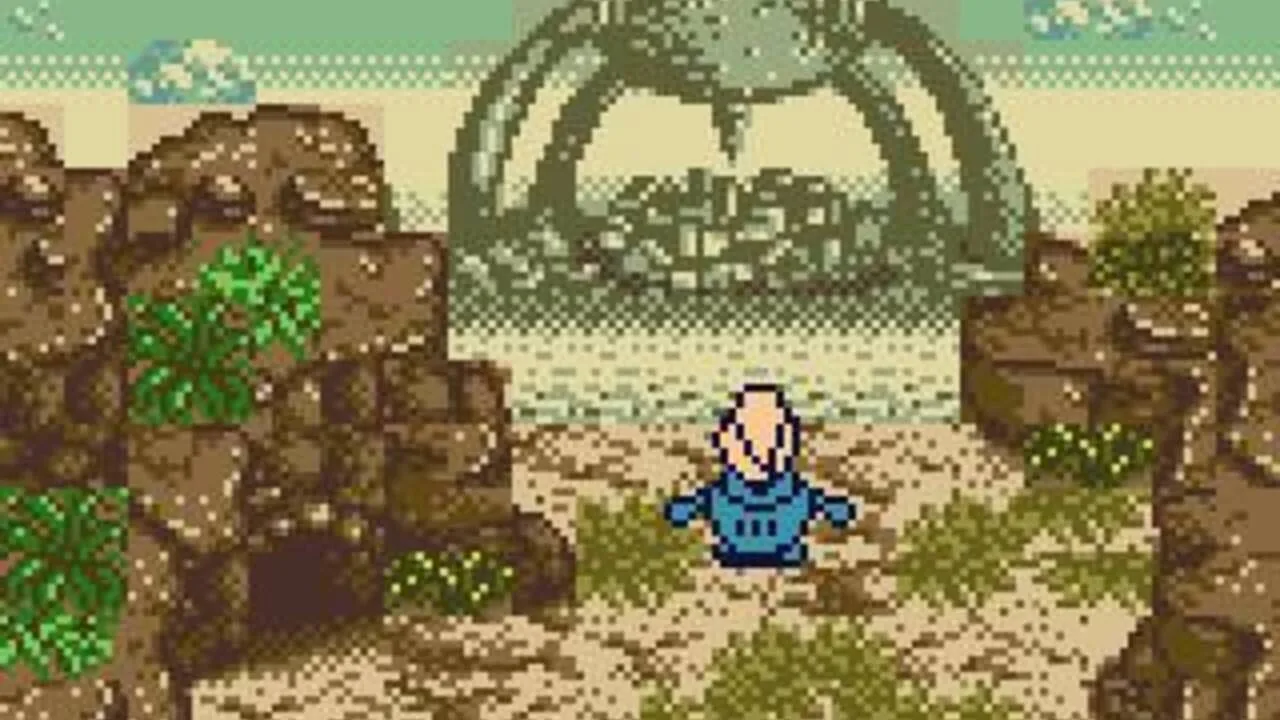
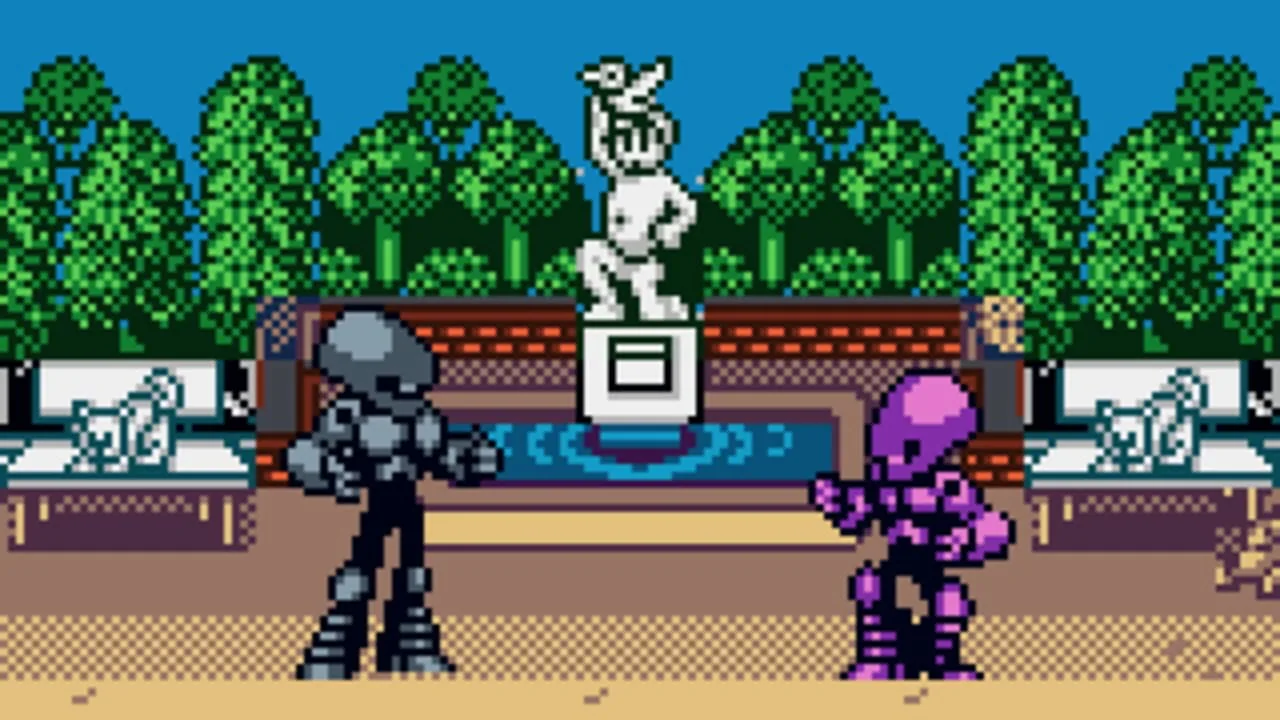
In Power Quest, the new craze in town is fighting with model robots. You walk around like in an RPG, but when another character challenges you, the game switches to a one-on-one fighting game. Players describe it the same way, as an RPG where every fight is a fighting game. One kid in the story, Louis, is the only character in the game who uses Borot, its weakest robot.
Capcom published it in Japan on November 27, 1998, and Sunsoft brought it to North America in December 1998. Europe got a limited release in July 1999. The mix still feels fresh, and the robot fights look great for a Game Boy cartridge.
2. Pocket Bomberman (1997)
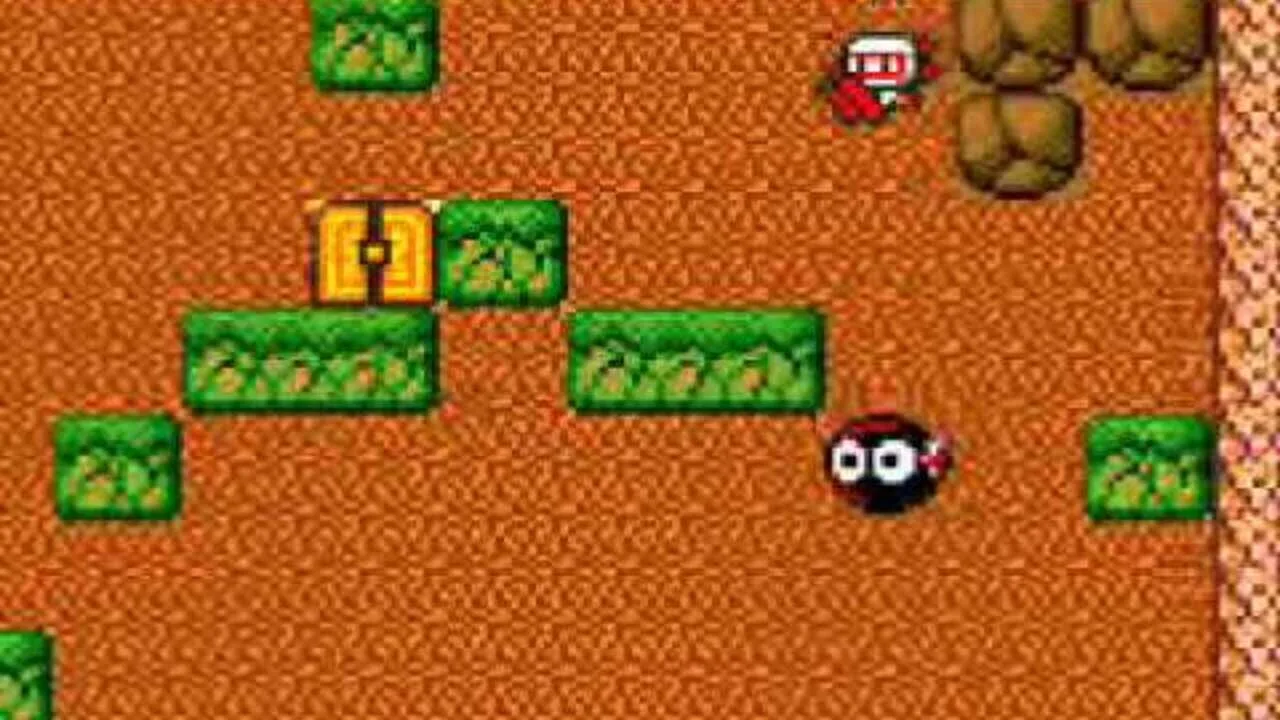
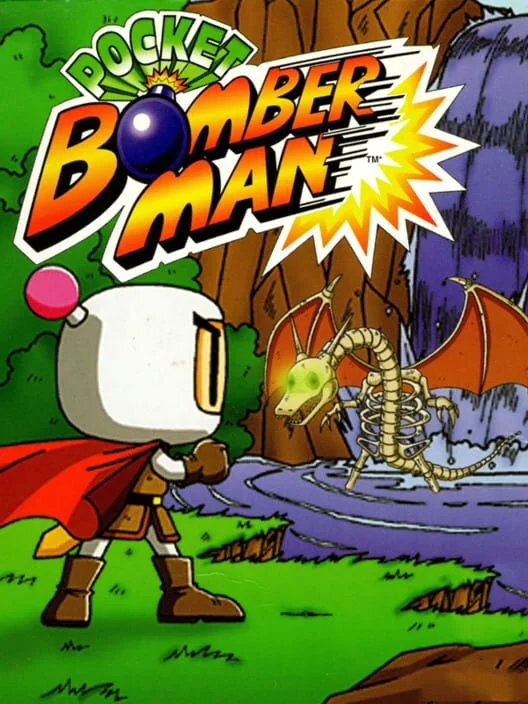
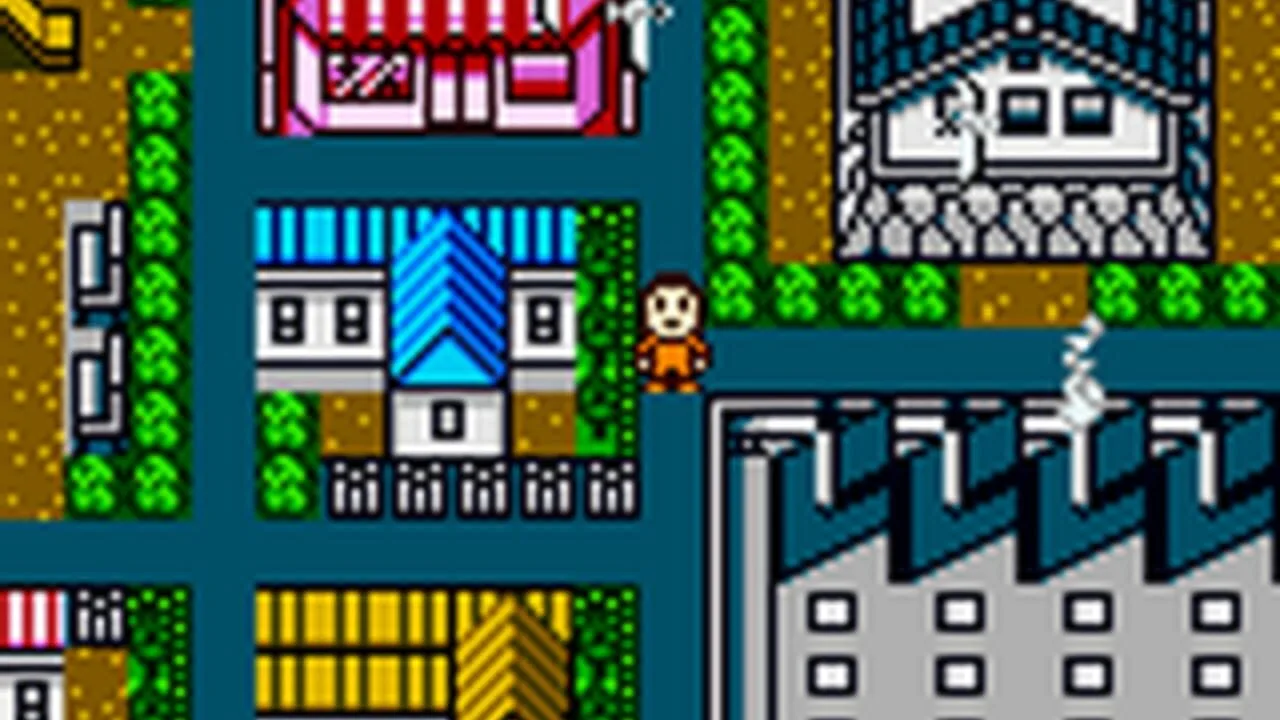
Pocket Bomberman takes Bomberman out of the maze and puts him in a side-view platformer. You blast your way through stages with bombs and face a boss at the end of each zone. Hudson Soft first released it on the Game Boy in 1997, then brought it back as a launch title for the Game Boy Color in 1998. It got generally positive reviews for its gameplay. There is also a mode where Bomberman jumps constantly and you can only place bombs, which turns it into a timing test.
Most people know Bomberman as a party game. This one is a solo adventure, and players keep naming it as a favourite they lost track of.
1. Survival Kids (1999)
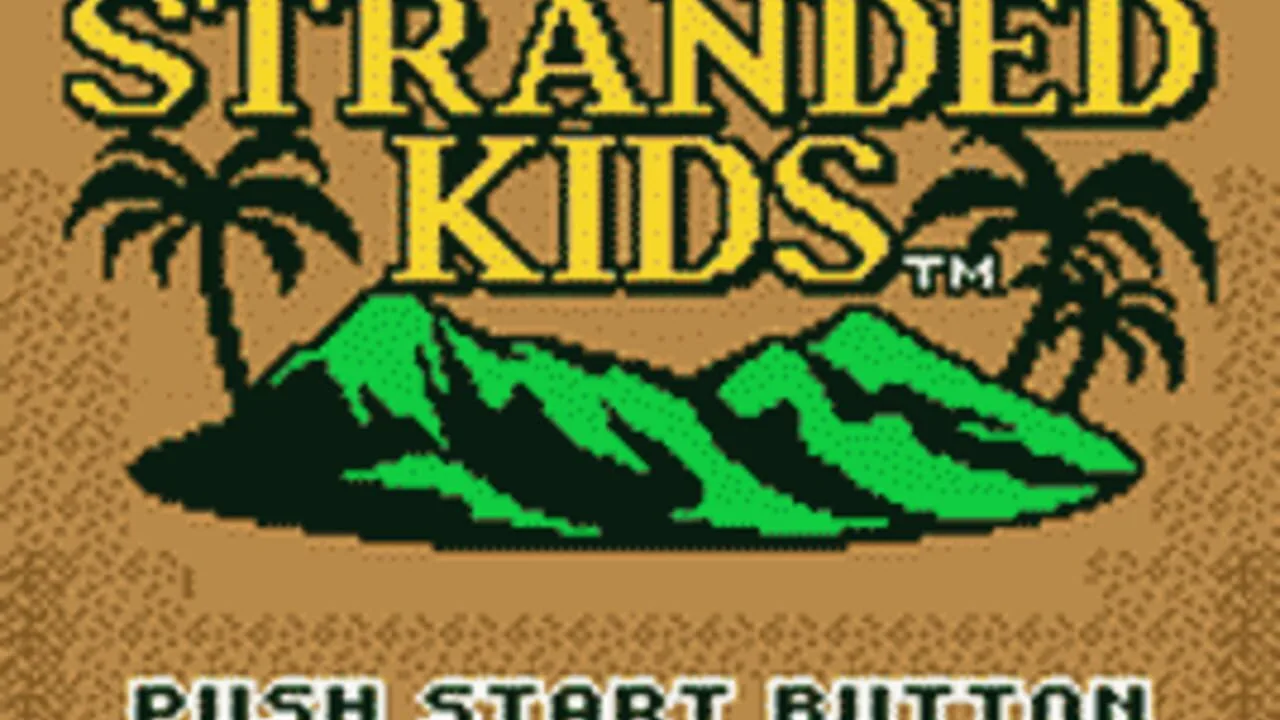
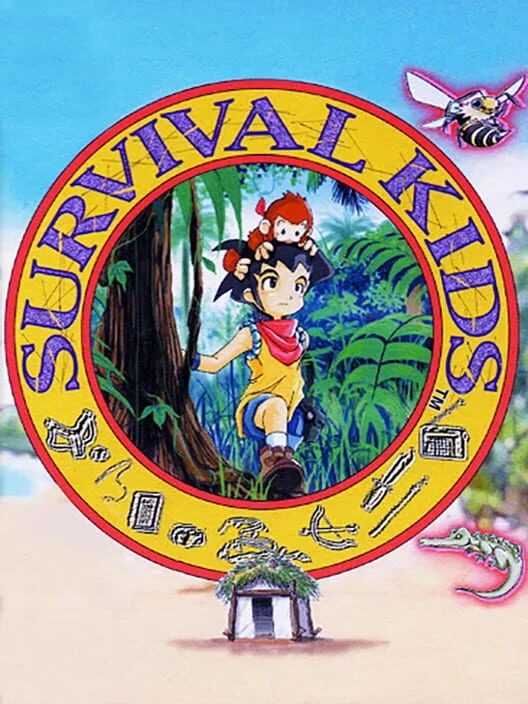
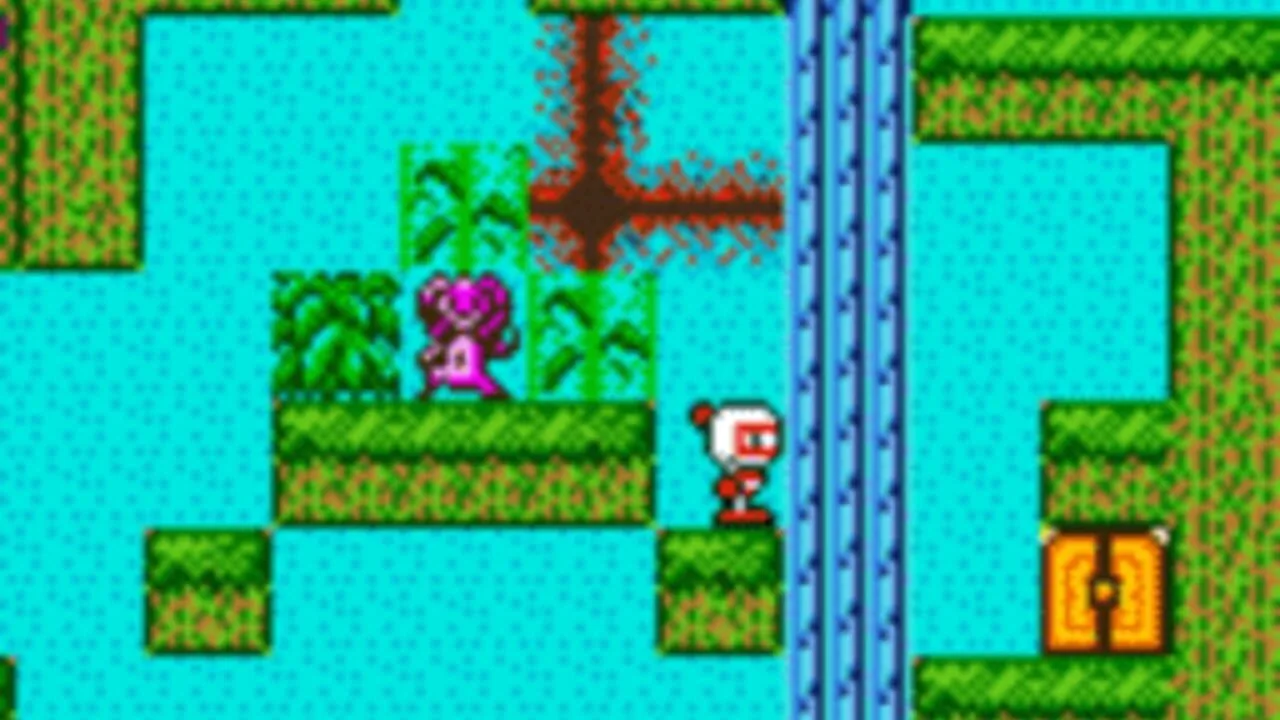
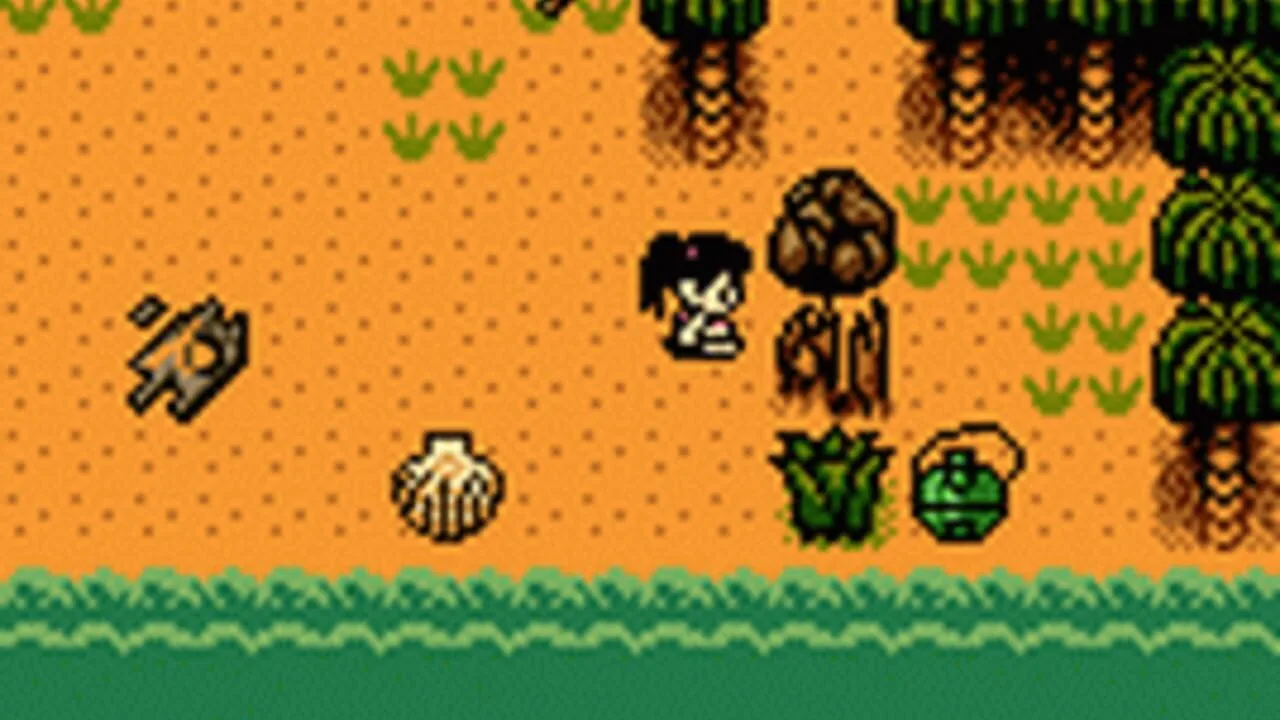
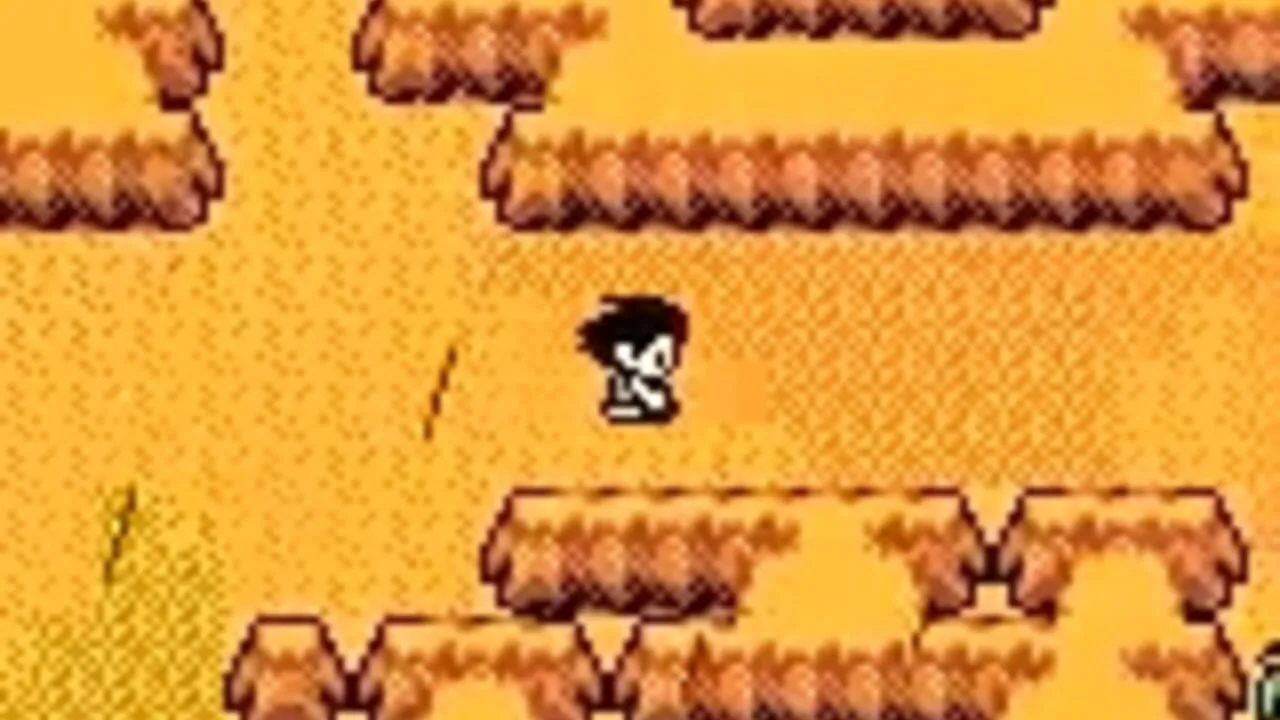
Survival Kids starts with a shipwreck. Your cruise ship sinks in a storm, you wash up on a deserted island, and your parents are nowhere in sight. You begin with only a knife and a broken radio. You need food and water, and hollow trees give you a place to nap. Sticks and stones can be turned into tools that make life on the island easier.
The structure is open-ended, with multiple ways to progress. One player called it "actually very creative and clever", and that is the best short sell. It started the series known in North America and Europe as Lost in Blue, which went on to the DS. It got its first official re-release on Nintendo Classics on May 23, 2025. Players name it more than any other Game Boy Color game when the talk turns to what got missed.
Which one to play
There you have it, the best Game Boy Color hidden gems. A few of them came back on newer systems, so not every one needs a hunt for the cartridge.
If you are not sure where to start, play Survival Kids. If you like strategy, Warlocked is the pick. For an RPG with a twist, Metal Walker turns its fights into pinball. Fans of stealth should play Ghost Babel. If Japanese text does not scare you, try Star Ocean: Blue Sphere. And if you love Pokémon but want something different, Dragon Warrior Monsters goes deeper on breeding.