The most expensive Game Boy Color game came out a year after the Game Boy Color had already been replaced. Shantae struggled to find an audience for exactly that reason, and the rumor is that it only ever had one print run. Today a loose cartridge costs more than twice as much as anything else on this list.
Every price below is a real eBay sale made between June 2024 and April 2026, never an asking price. For each game we took the sales of loose cartridges (the cart alone, no box) from its latest year of sales, or its latest two years when it sold too seldom for one, and used the middle price, so one wild auction can't push a game up the list. You only need the cartridge to play, so the loose price sets the order. Boxed prices only show up where enough boxed copies sold to mean something.
10. Legend of the River King 2 (2001)
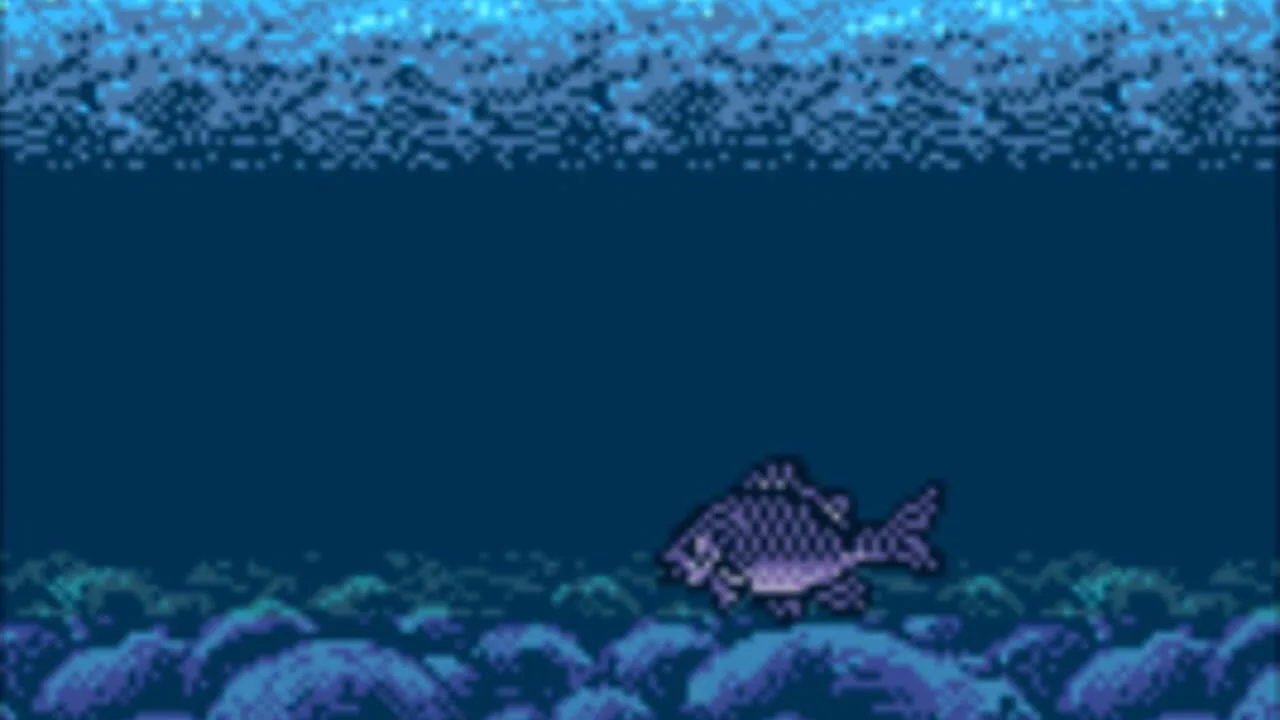
Loose carts of Legend of the River King 2 sold for a typical $95 across 30 sales between May 2025 and April 2026, and boxed copies went for a typical $375 across six sales. It is a fishing role playing game where you travel the world to catch up to 60 kinds of fish, shellfish, plants and insects, while the local wildlife tries to attack you for your catch.
In North America the series was sold as a spin-off of Harvest Moon, even though the fishing games are the older franchise in Japan. The tie goes deeper than the box, too: a trade mode lets you swap your fish for produce with the farmers in Harvest Moon GBC2. The Japanese version came on a special rumble cart powered by a AAA battery, so the game shook while you fished. The English carts are ordinary ones that also work in an original Game Boy.
9. Lufia: The Legend Returns (2001)
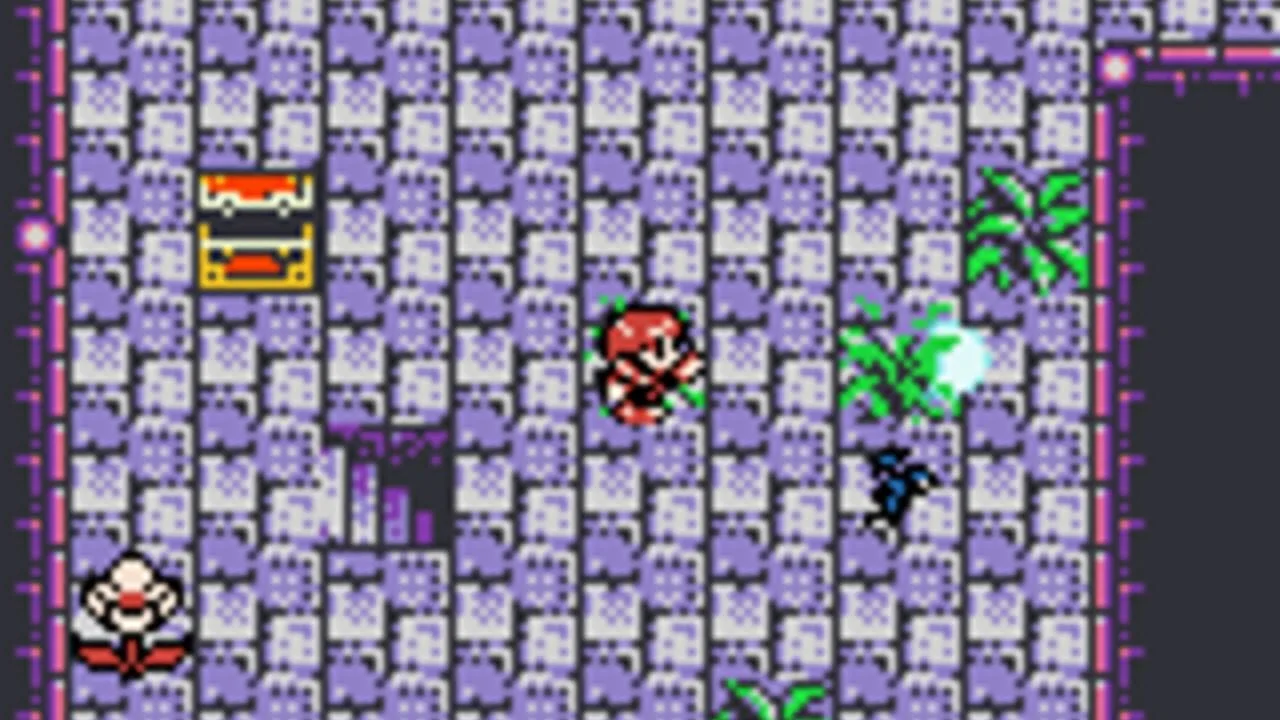
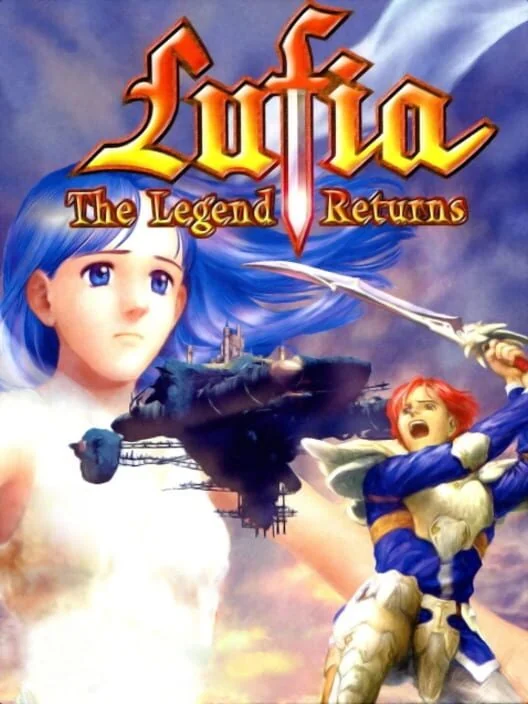
Loose carts of Lufia: The Legend Returns sold for a typical $97 across 30 sales between September 2025 and March 2026, and boxed copies went for a typical $180 across 12 sales. It is the third game in the Lufia series and the first one on a handheld. Taito had teased a third Lufia for the PlayStation, but development moved to the Game Boy Color instead.
The result is a dungeon crawler that drops almost all of the puzzles from the Super Nintendo games. Every floor of a dungeon is randomly generated and changes each time you come back, and you can bring nine characters into a fight, three columns of three, with one character per column acting each turn. Critics praised that party system and complained about the menus. Nine party members and you still can't find anyone to sort the inventory.

8. Return of the Ninja (2001)
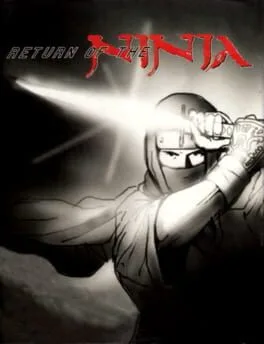
Loose carts of Return of the Ninja sold for a typical $100 across 16 sales between January and November 2025. Natsume published this action platformer with stealth elements just a few months before the Game Boy Advance reached stores, and it was never released in Japan at all, only in North America and Europe.
The title suggests a sequel to Natsume's 1991 NES game Shadow of the Ninja, but the connection is extremely vague, and the two games don't share any staff. What it does have is a pile of ninja gear to find, like a tabi that lets you walk on ceilings or a helmet for breaking bricks with your head. Loose carts are far from abundant, and a complete copy with its box is a real challenge to find.
7. Wendy: Every Witch Way (2001)
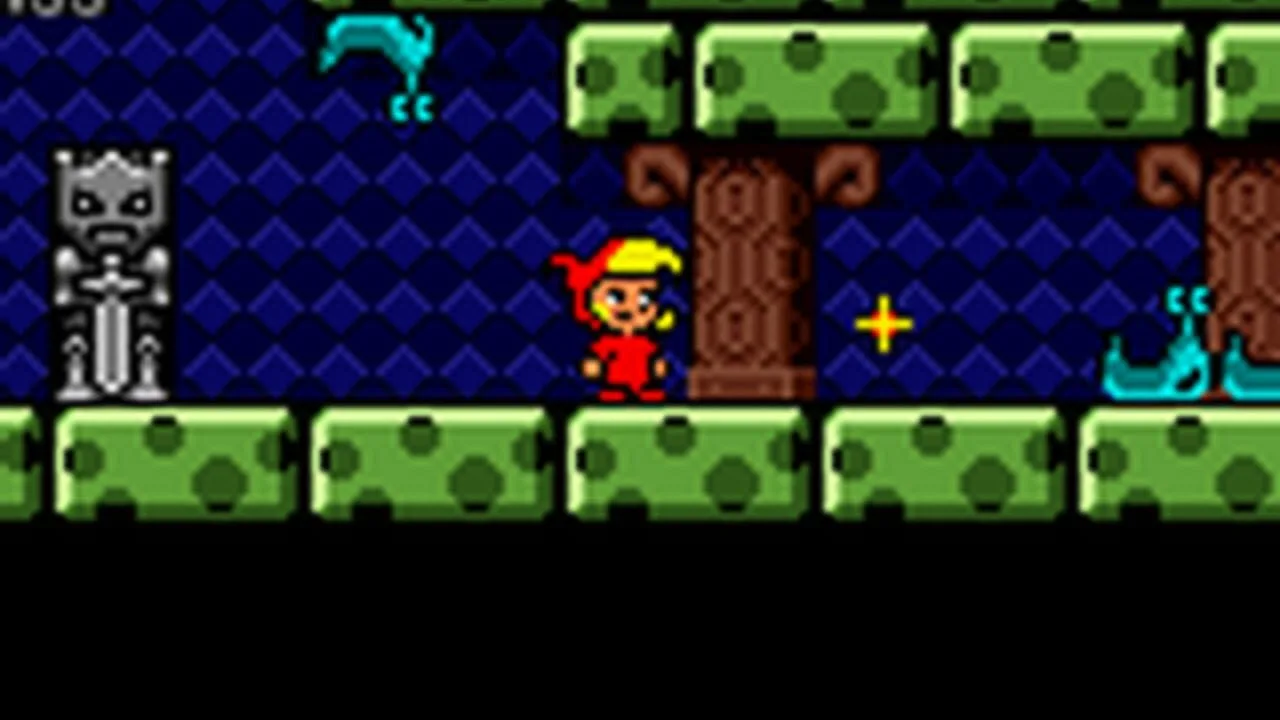
Loose carts of Wendy: Every Witch Way sold for a typical $131 across 30 sales between November 2024 and August 2025. WayForward made it for TDK Mediactive, starring Wendy the Good Little Witch from the Casper the Friendly Ghost series, and it was meant to tie in with a planned reboot cartoon that never happened.
The trick is gravity. Wendy opens a chest of magical Moon Stones and upsets the gravity of a floating castle, so you flip between floor and ceiling across four worlds of sixteen levels. Put the cart in a Game Boy Advance and it unlocks a whole extra world. It reviewed well, and WayForward's Matt Bozon later took inspiration from it for Mighty Flip Champs, but most of its price climb only started in 2018. Before that it sat around $20 to $50 for years.
6. Space Marauder (2000)
Loose carts of Space Marauder sold for a typical $144 across five sales between June and December 2024, the slowest seller on this list. Known as Burai Senshi Color in Japan, it is essentially a colorized version of the Game Boy's Burai Fighter, itself a port of an NES game, with different level layouts. Earth skips the fleet of space destroyers and sends you instead, armed with a jet pack and a laser gun.
It was developed by KID, the studio behind the shooter classic Summer Carnival '92: Recca, and that is roughly why the price moved. These hard to find carts sold for about $10 each until 2016, when shooter fans in particular noticed how few were around.
5. Metal Gear Solid (2000)
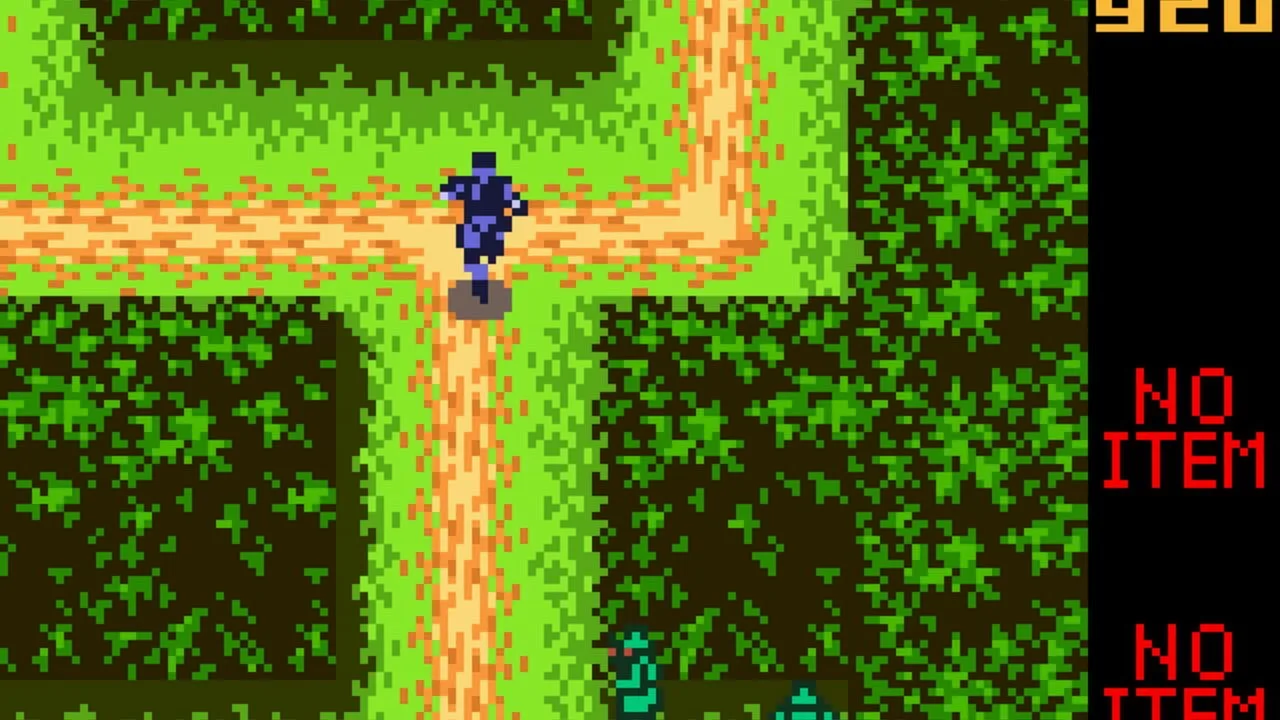
Loose carts of Metal Gear Solid sold for a typical $150 across 30 sales between December 2025 and February 2026, and boxed copies went for a typical $377 across 30 sales. Konami's European branch asked for a portable version of the 1998 PlayStation game, but what came back is not a port at all. Called Metal Gear: Ghost Babel in Japan, it is a new story set three years after the MSX2 game Metal Gear 2: Solid Snake, told across 13 stages.
The big name on a small cart never got a large print run, and the price is mostly people discovering that a Metal Gear Solid exists on the Game Boy Color at all. It earned it, though: the game averaged 95.61% on GameRankings, the best rated Game Boy Color game on the site. If you only want to play it, it came back in 2026 in Metal Gear Solid: Master Collection Vol. 2, under its Japanese name.
4. Survival Kids (1999)
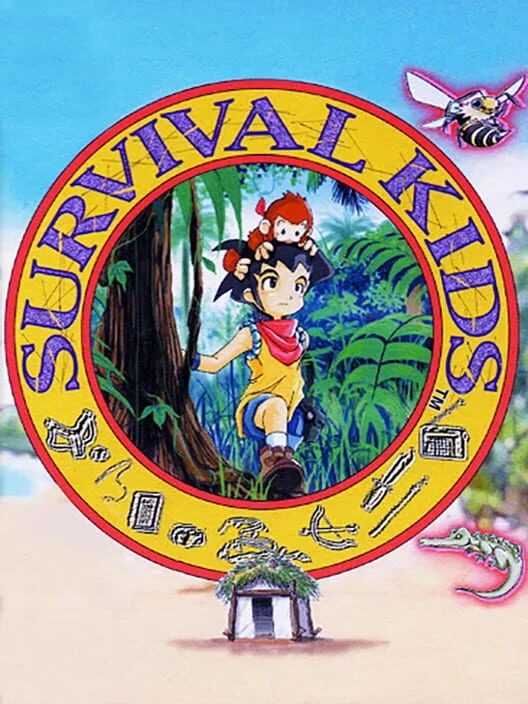
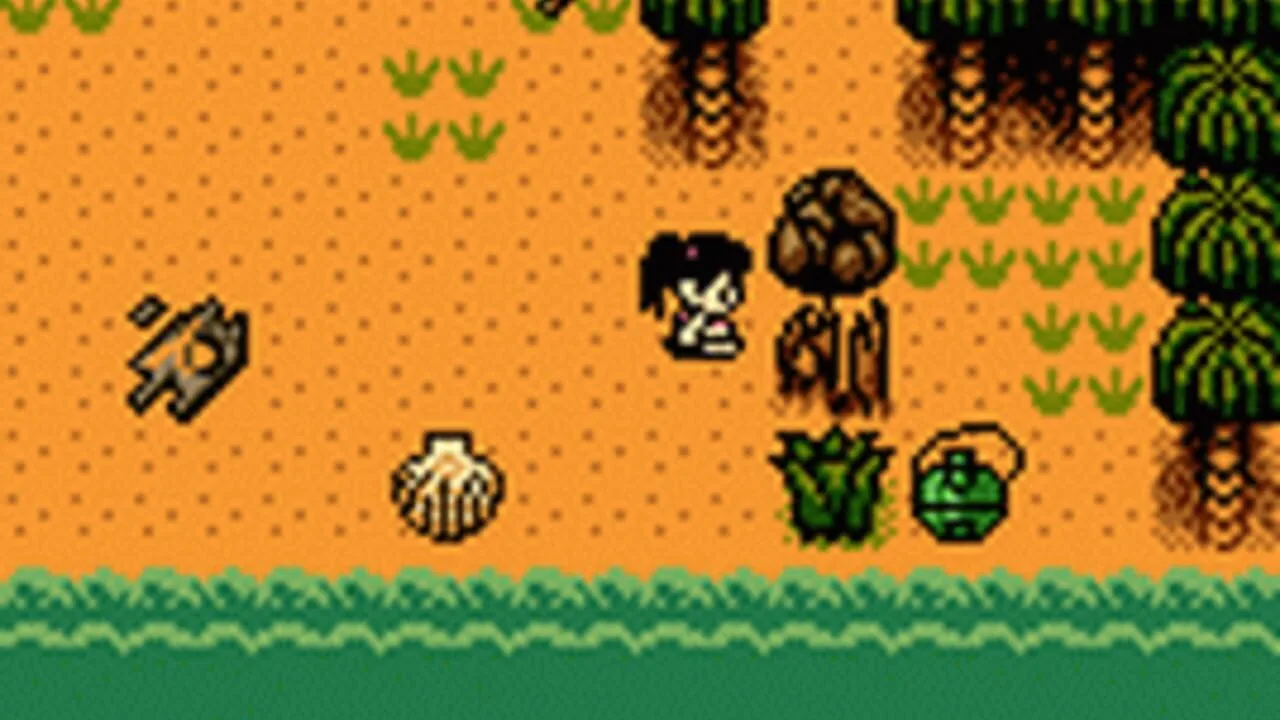
Loose carts of Survival Kids sold for a typical $150 across 30 sales between June and December 2025, and boxed copies went for a typical $555 across six sales. You wash up on a deserted island after your cruise ship sinks in a storm, and you start with a knife and a broken radio. You have to watch your hunger and thirst as well as your health, and you merge whatever you find into tools, so a vine and a flexible piece of tree become a bow.
Konami turned it into a series that North America knows as Lost in Blue on the DS. The cart stayed in a stable $20 to $40 zone until 2015, then climbed steadily. Here is the cheap route: Survival Kids got its first official re-release on Nintendo Classics on May 23, 2025.
3. Pokémon Crystal (2000)
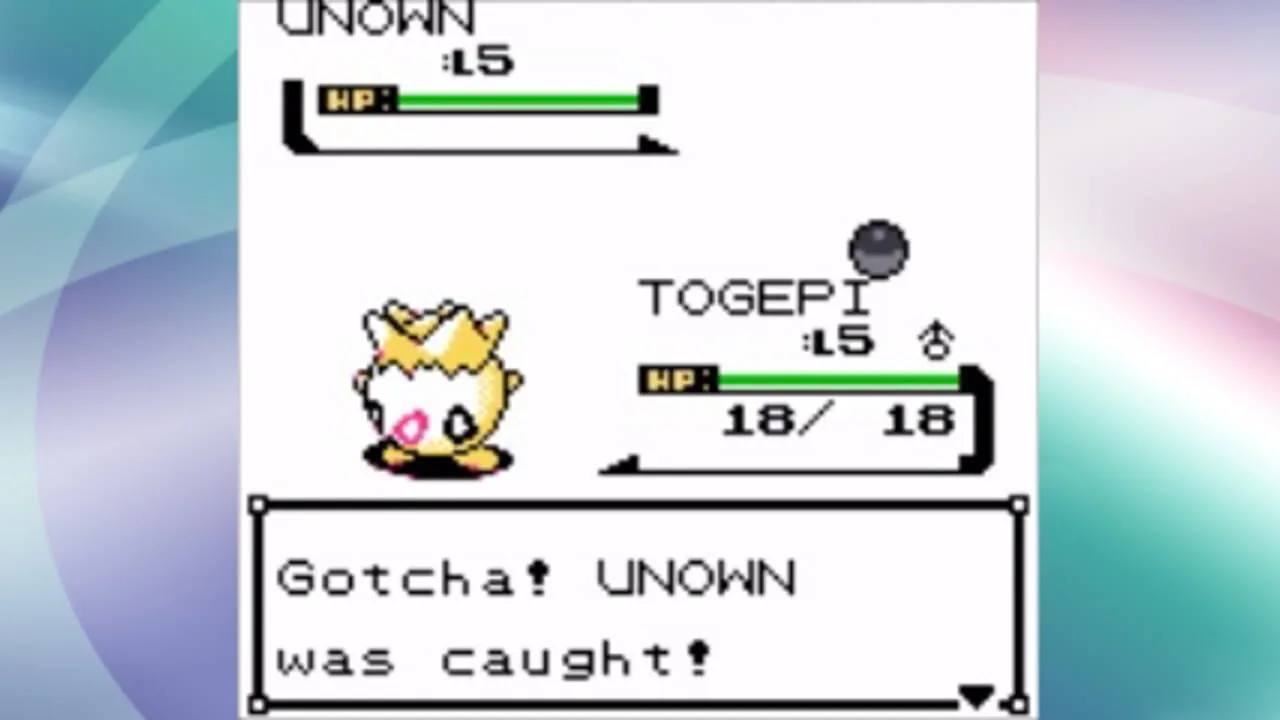
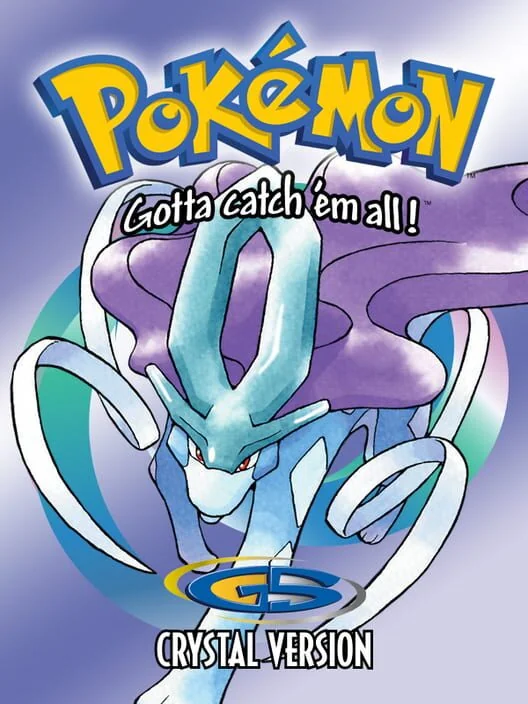
Loose carts of Pokemon Crystal sold for a typical $175 across 30 sales between March and April 2026, and boxed copies went for a typical $795 across 30 sales. It is an enhanced edition of Gold and Silver that added the option to play as a girl and animated Pokemon sprites in battle. It is also the first game in the series that won't run on an original Game Boy.
The Pokemon games were never hard to find, but few franchises are collected this heavily, and Crystal is the lowest selling main series Pokemon game to date. Even so, it sold 6.3 million units. For a cheaper copy, Crystal came to the Nintendo eShop for the 3DS on January 28, 2018, so anyone who bought it there already owns it.
2. Resident Evil Gaiden (2001)
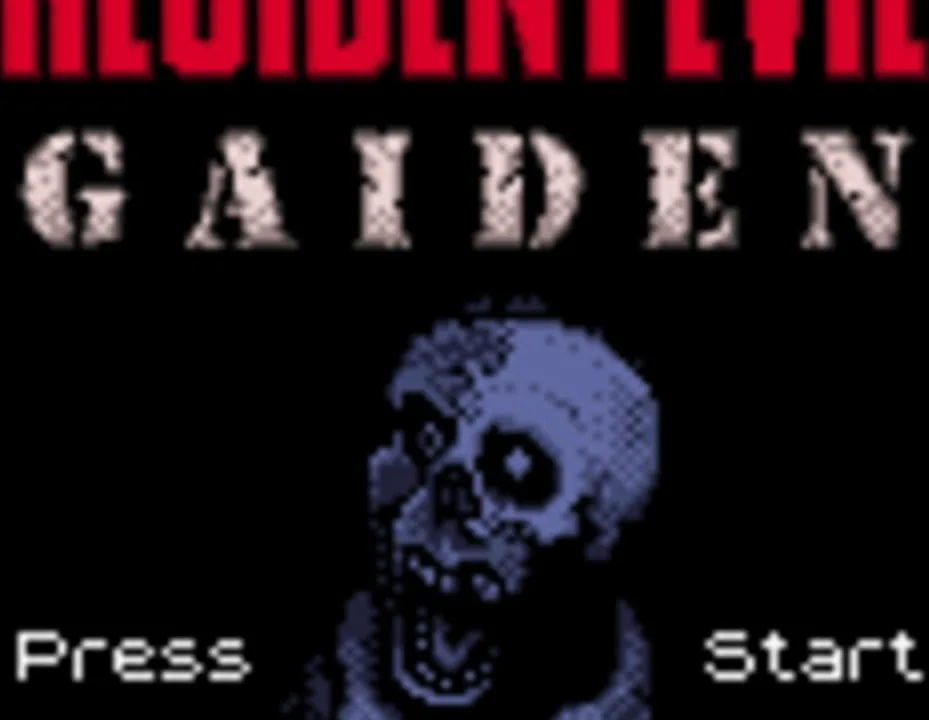
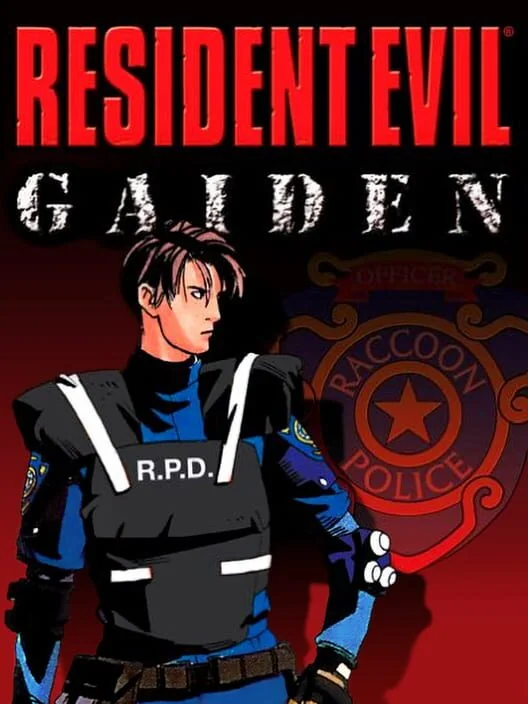
Loose carts of Resident Evil Gaiden sold for a typical $212 across 30 sales between December 2025 and February 2026, and boxed copies went for a typical $710 across 20 sales. Leon S. Kennedy disappears on a cruise ship called the Starlight, and Barry Burton goes in after him. You explore from above, and when an enemy gets close the game switches to a first-person fight with a reticle that swings left and right until you press the button at the right moment.
It started life as a Game Boy Color demo of Dino Crisis made by the British studio M4, and Capcom dropped its own unfinished Resident Evil port for the system when it green lit this one. It reached North America on June 4, 2002, more than a year after the Game Boy Advance came out. Many fans skipped it, since a 2D top-down Resident Evil was a strange sell. The series later struck it from its timeline, too, so even Leon would rather not talk about it.
1. Shantae (2002)
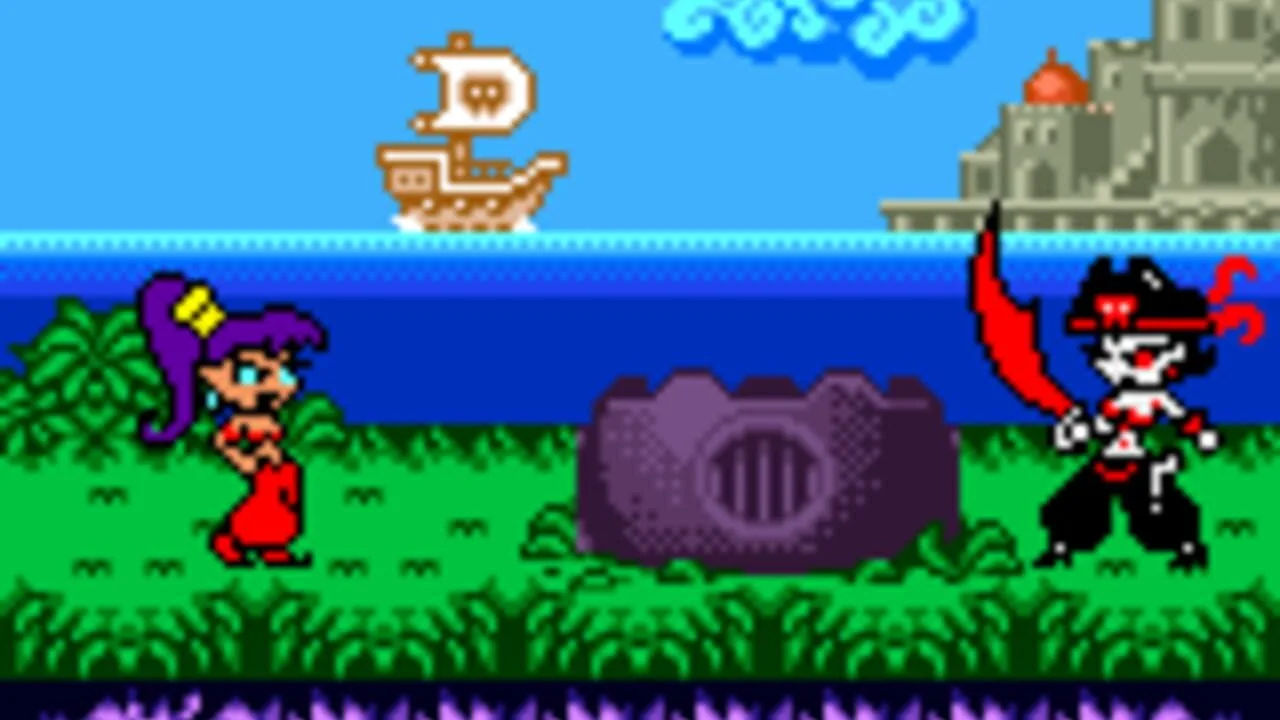
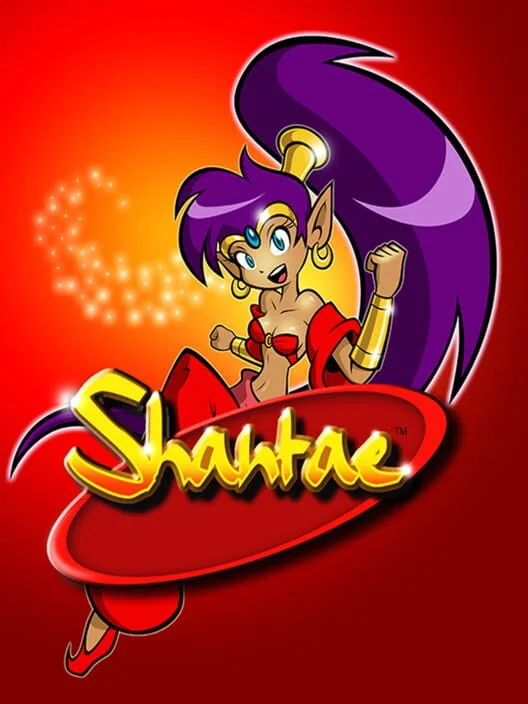
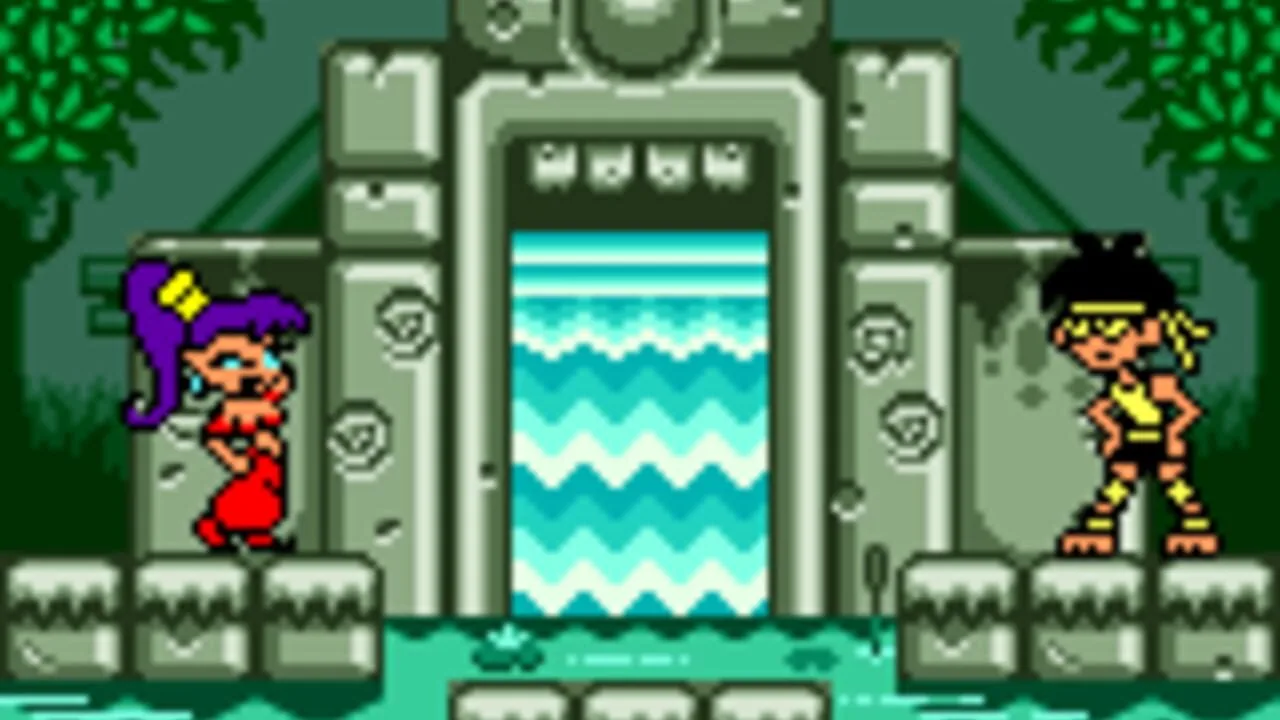
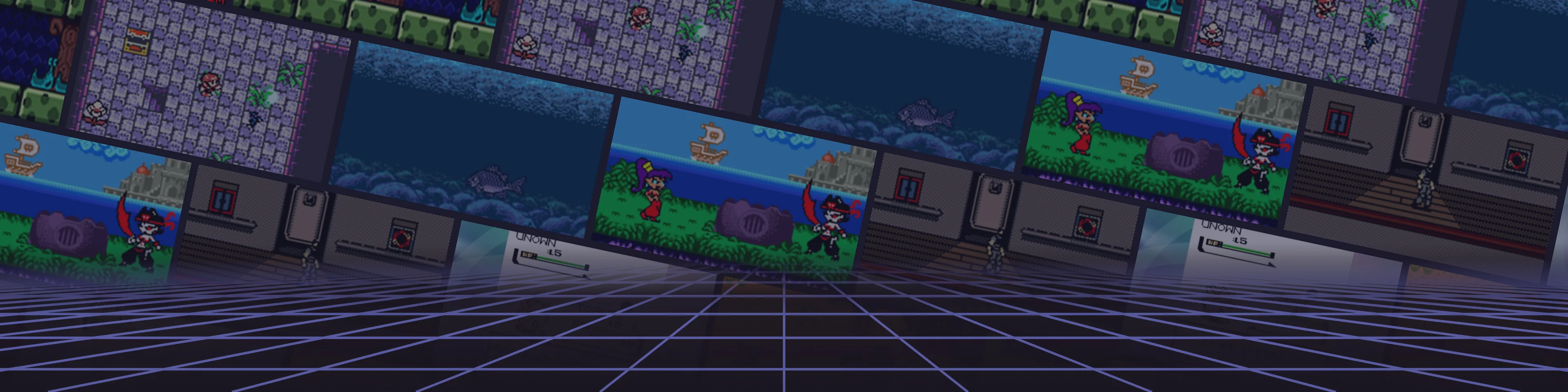
Loose carts of Shantae sold for a typical $530 across 30 sales between March 2025 and February 2026, and boxed copies went for a typical $2,000 across five sales. Shantae, a half-genie, guards the fishing village of Scuttle Town, and when the lady pirate Risky Boots attacks, she sets out to stop her with dancing and hair whipping. It looked so good that it could pass for an early Game Boy Advance game.
WayForward spent years looking for a publisher before Capcom took it, and then Capcom held it back for months, long enough for the Game Boy Advance to come out. It is rumored that it had only one run of 20,000 to 25,000 copies. Back in 2008 a copy went for $27 to $90. Then the sequels arrived and made Shantae a franchise, and the first game's price followed. The good news is that you don't need the cart: the original came to the Nintendo Switch in April 2021, and to the PlayStation 4 and PlayStation 5 in June 2023.