The Game Boy Color was where a lot of kids played their first RPG. Colour made towns and dungeons easier to read, and a long quest could ride along in a backpack for months. Once monster catching became a craze, other publishers wanted a piece of it, and some of their attempts turned out great.
Enix brought its Dragon Warrior games over, including a remake of the third one. Nintendo even dug up an action RPG from the NES days. Some of the best ones arrived near the end, when most people had already moved on to the Game Boy Advance. Here are the 17 best Game Boy Color RPGs.
17. Harry Potter and the Sorcerer's Stone (2001)
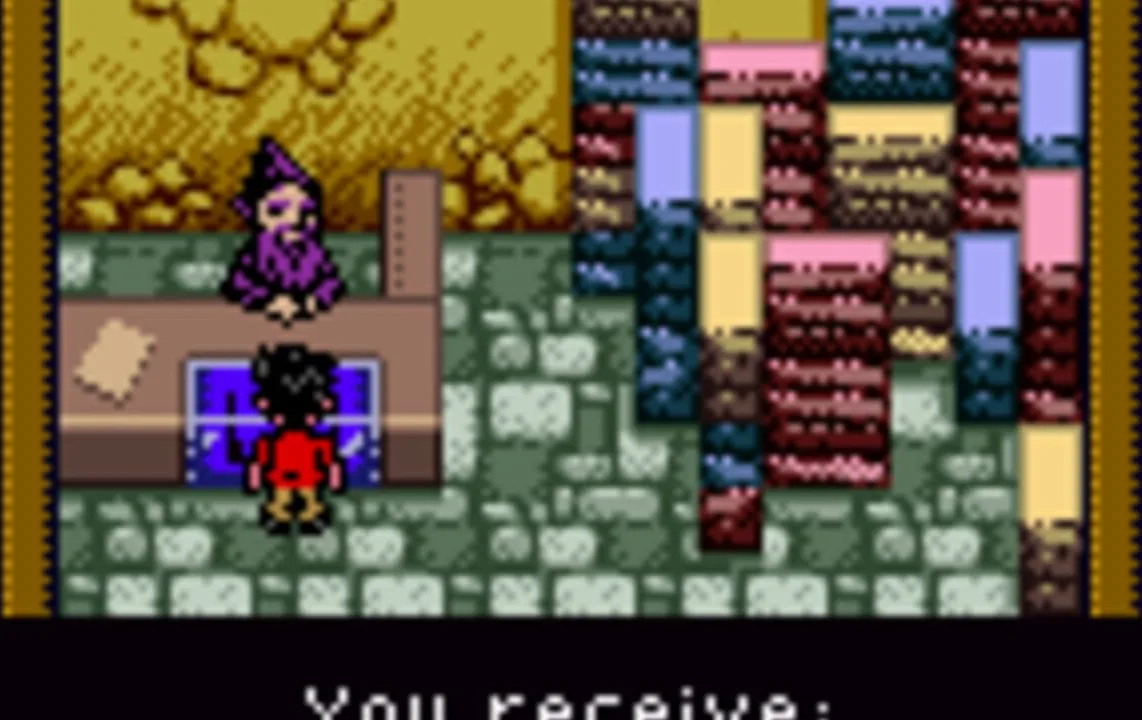
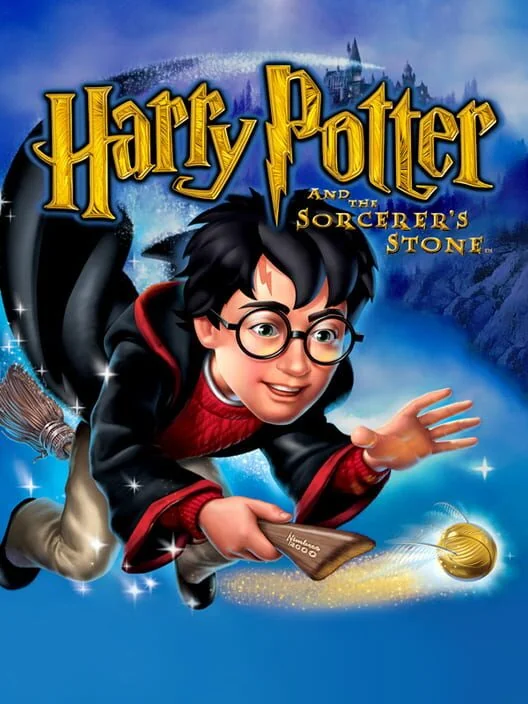
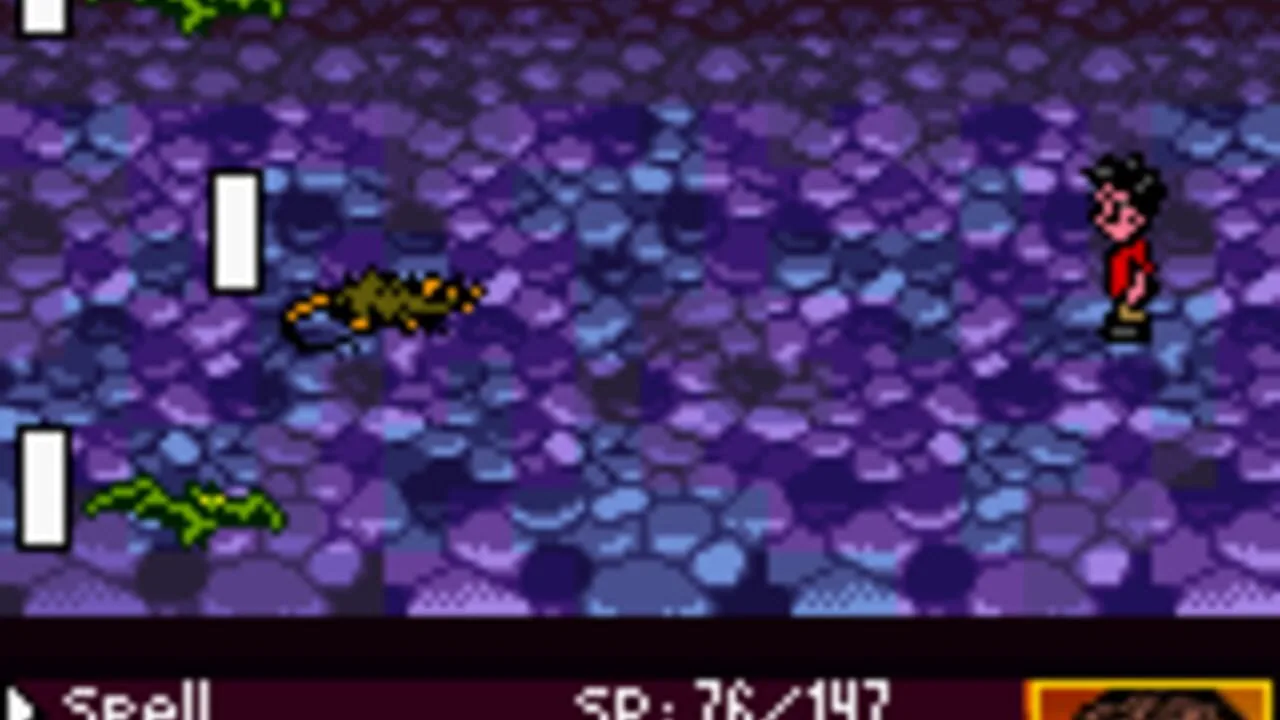
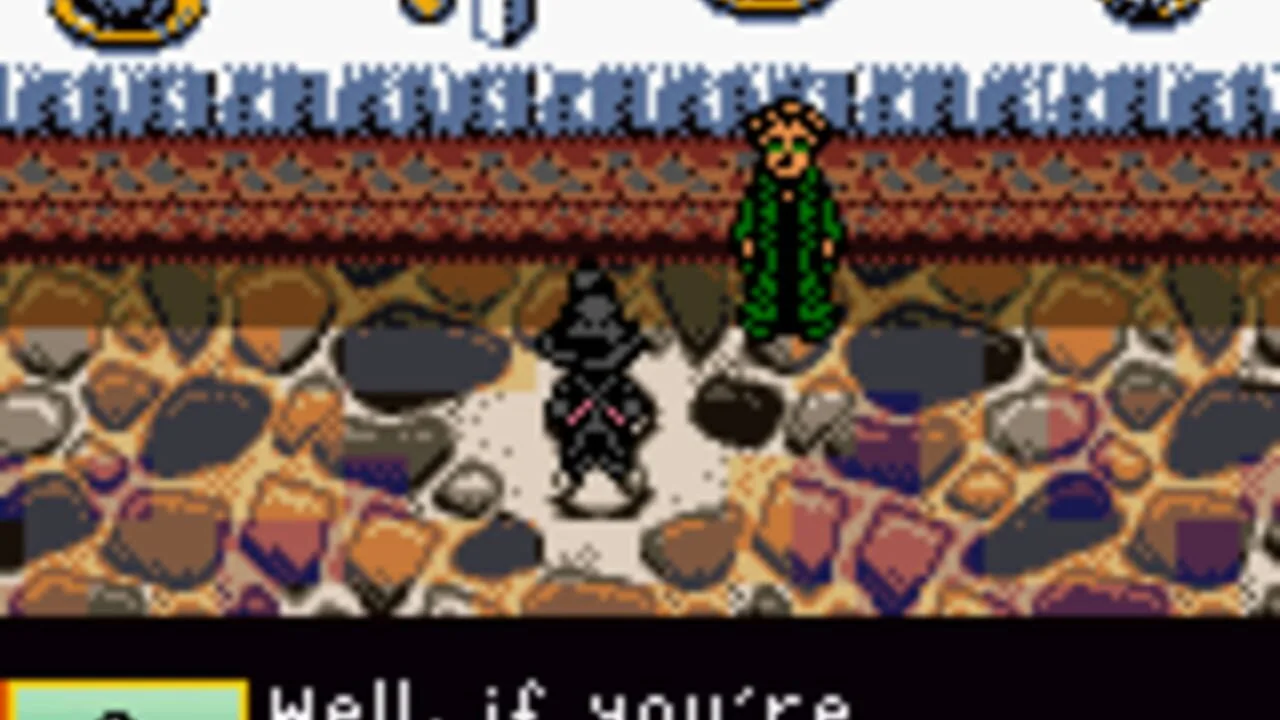
On the Game Boy Color, Sorcerer's Stone is a role-playing game with turn-based combat. You play Harry from the moment Hagrid brings him to Diagon Alley, and the game strictly follows the story of the books. The book never had packs of rats and spiders roaming the halls, but here they are, and Harry fights them with spells instead of using magic on the world around him. Famous Witches and Wizards cards are hidden all over Hogwarts, and the right combinations of them produce powerful magical effects.
Players back its sequel a good deal harder, and it is easy to see why once you play both. Still, this is a gentle first RPG with a story you already know, made by people who clearly read the book.
16. Metal Walker (1999)
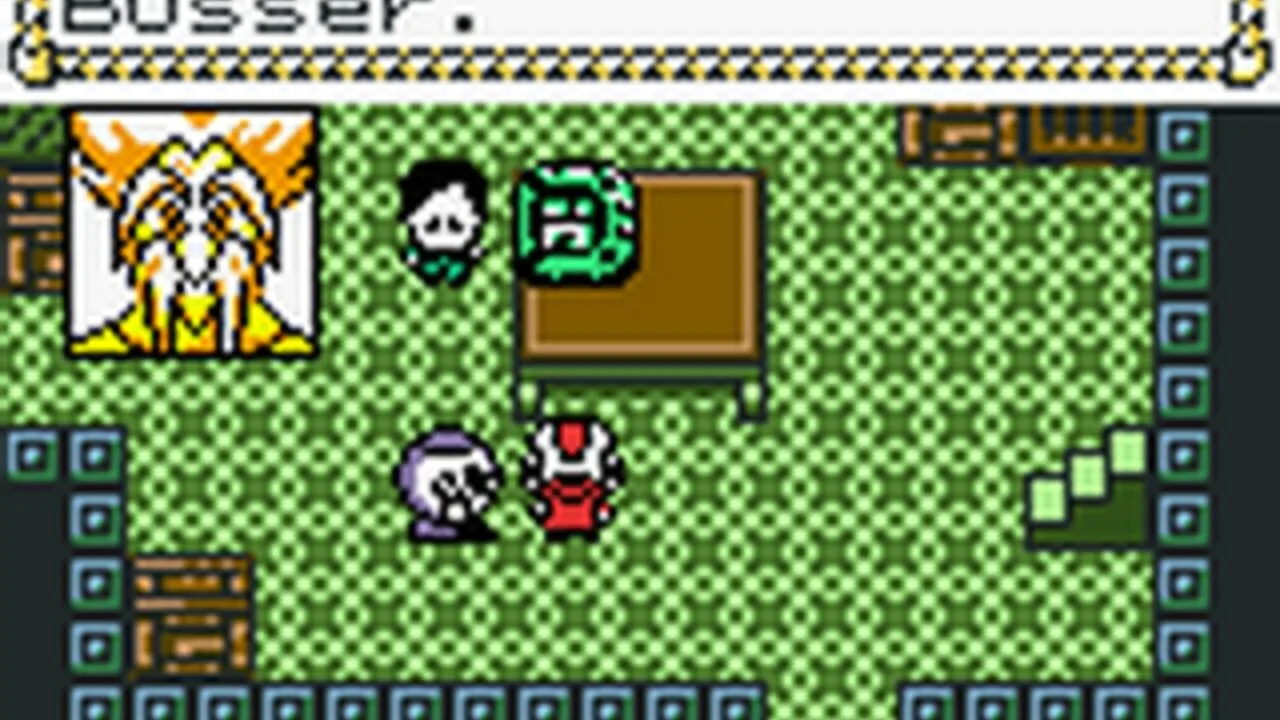
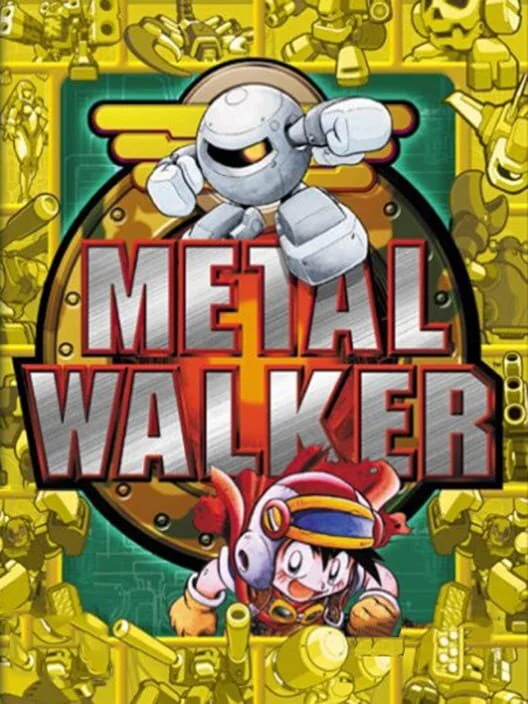
Metal Walker is a console RPG, but its battles are fought like pinball or billiards in a top-down arena. Each turn you choose which direction your robot moves and how hard it moves, and the best shots bounce off a wall to hit a second enemy in the same turn. Outside of battle you explore towns and dungeons with one Metal Walker following you around. Beating bosses earns Core Units, which let your Metal Walker evolve into new, stronger forms.
Many critics likened it to Pokémon but praised what made it different. In Japan, it even inspired merchandise based on the robots. Lose a fight and you drop half the scrap you were carrying, so you learn to line up your shots carefully.
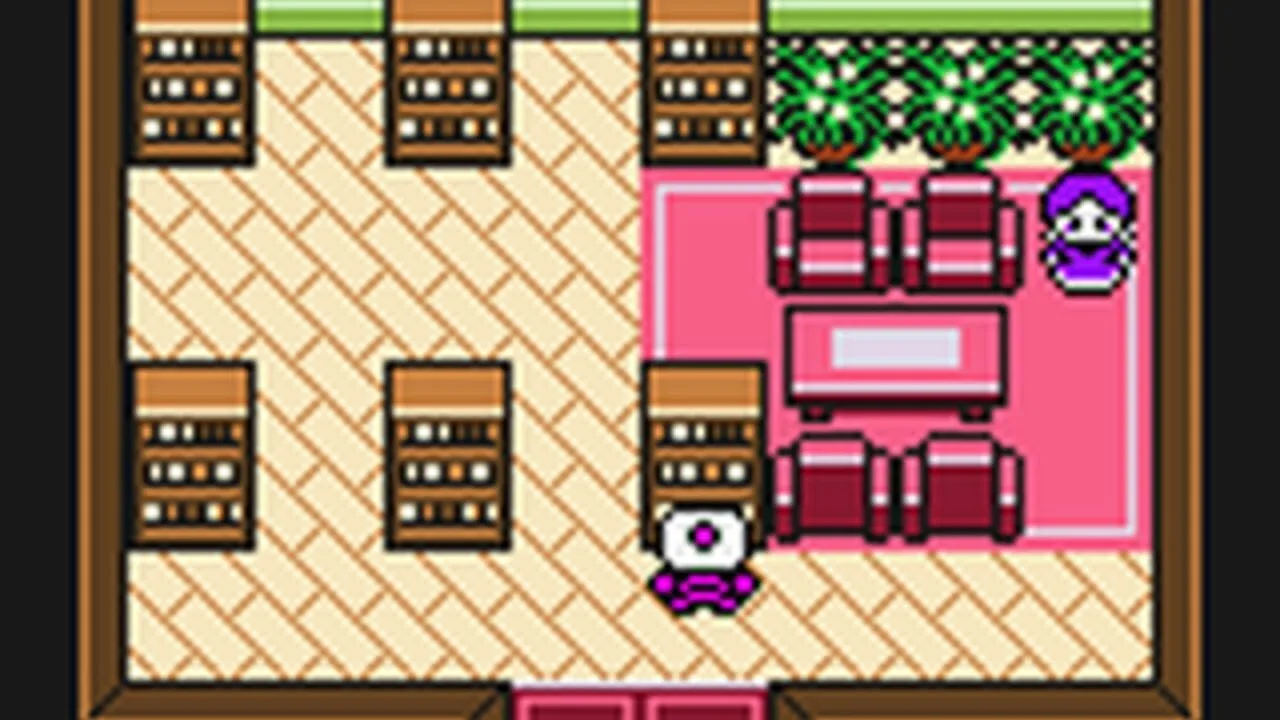
15. Bomberman Quest (1998)
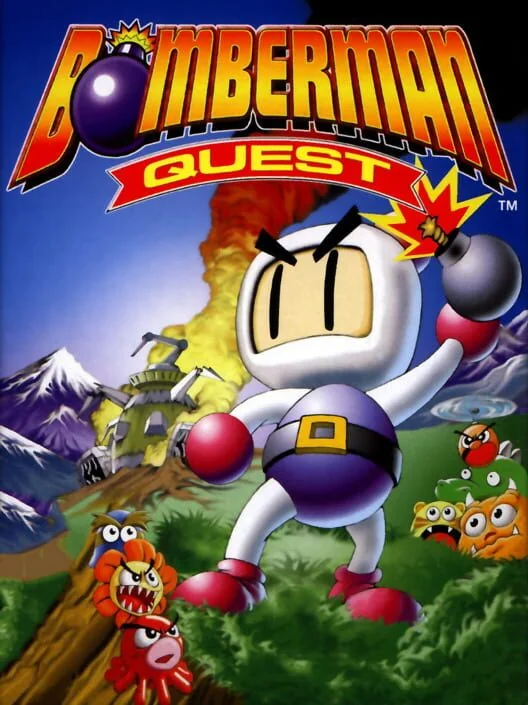
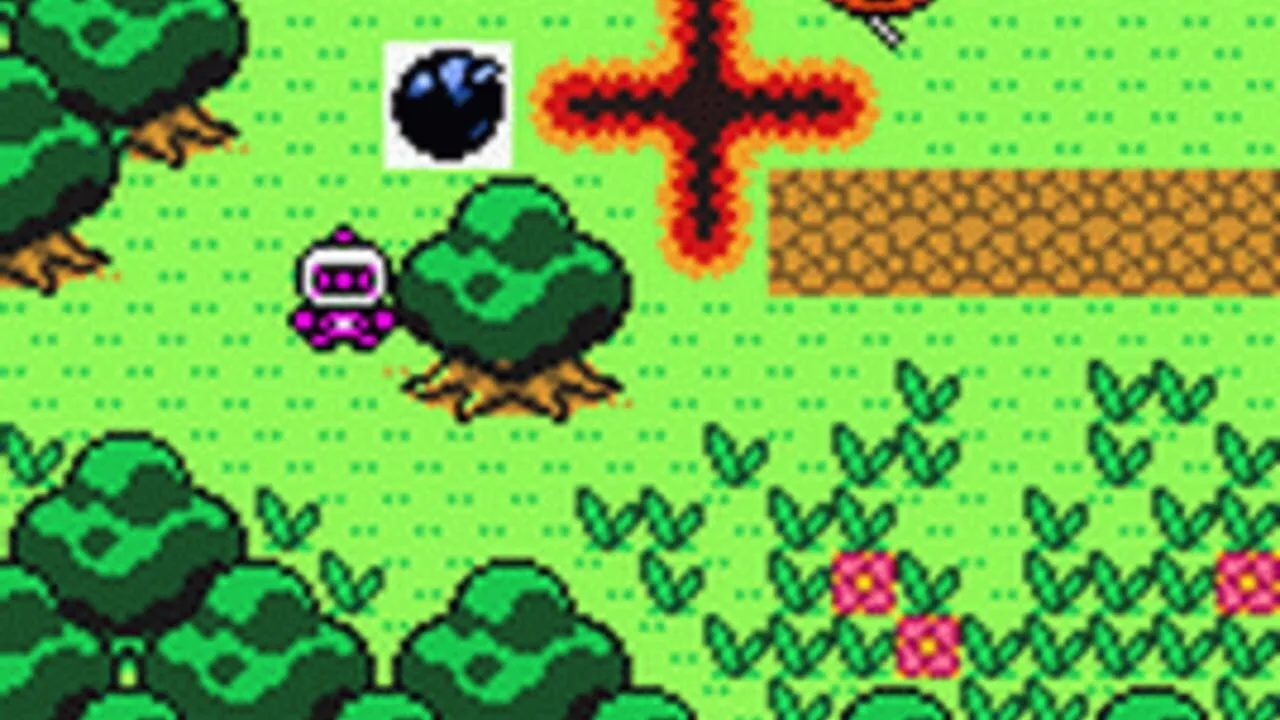
Bomberman is on his way home when the engines of his ship are stolen, and he has to make an emergency landing on a strange planet. Worse, all of the monsters he captured on his adventures were riding with him, and after the crash landing they escape. You help him recapture the monsters and find his engines, travelling to four different regions and collecting new bombs and items as you go. There is also a battle mode where two players fight over the Game Link Cable.
It marks the departure of veteran composer Jun Chikuma from the series, so the music has a slightly different feel. It is a Bomberman game that wants to be a little Zelda, and it mostly pulls that off.
14. Robopon (1998)

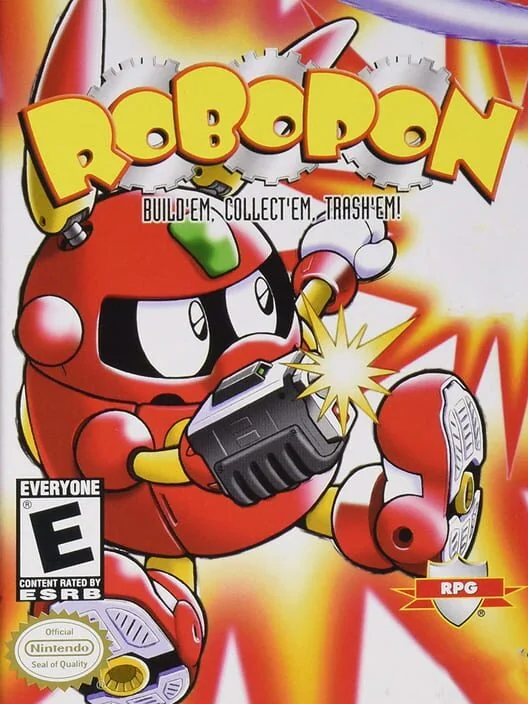
Robopon are robotic creatures that live alongside humans. They can be captured and trained to battle other Robopon. You have just inherited your grandfather's Robopon Dispatching Company, the business is failing, and the way to save it is to become the greatest Robopon master in the world. The cartridge also has an infrared sensor, and shooting remote control beams into it unlocks new attributes.
Hudson Soft released Sun and Star versions in Japan in 1998, and a Moon version followed a year later. Only Sun Version was localized into English, published by Atlus in North America in December 2000. Critics gave it mixed reviews, with several noting its heavy resemblance to Pokémon. Fair enough, but no Pokémon game ever asked you to keep a family business afloat.
13. Harry Potter and the Chamber of Secrets (2002)
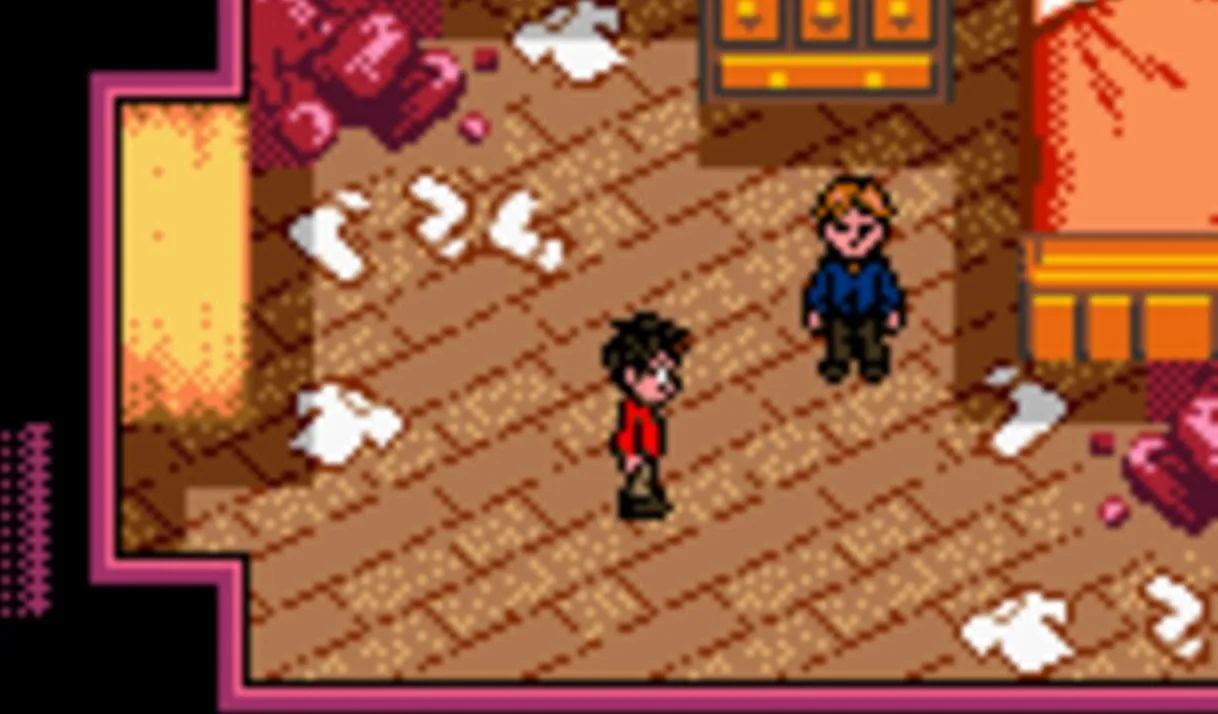
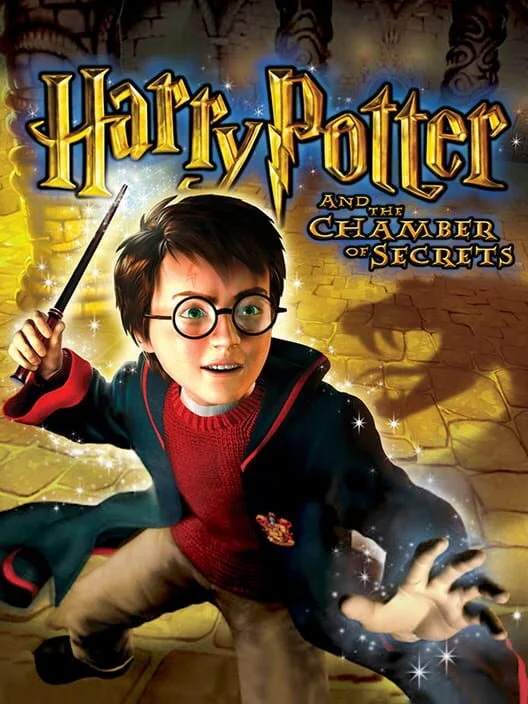
The versions of Chamber of Secrets for each system differ a lot in design. The Game Boy Color one, developed by Griptonite Games, is a role-playing game. It follows directly on from the first, with mostly the same game mechanics, but this time Ron and Hermione join Harry in the battles, each with special attacks of their own. Floor maps help you find your way around Hogwarts, and mini-games like Quidditch can be played from the main menu once you find them.
Players rank it above the first game, and the floor maps alone are a good reason. It is a licensed sequel that got the job right, with the same base and more friends in the fight. If you liked the first one, this is the better version of the same idea.
12. Magi Nation (2001)
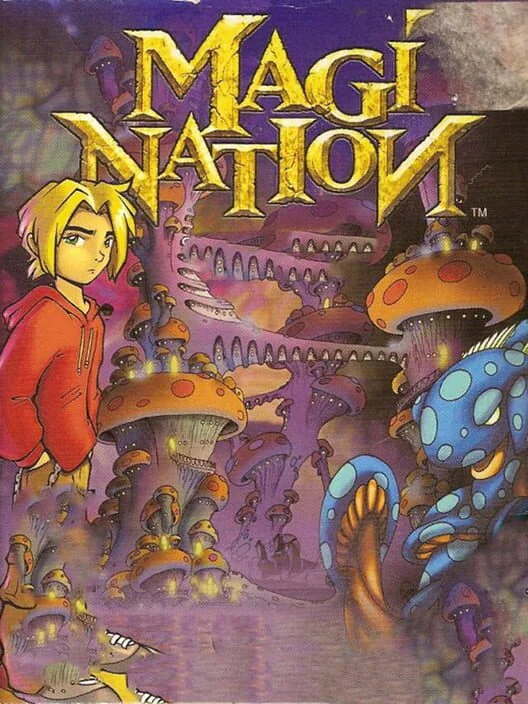
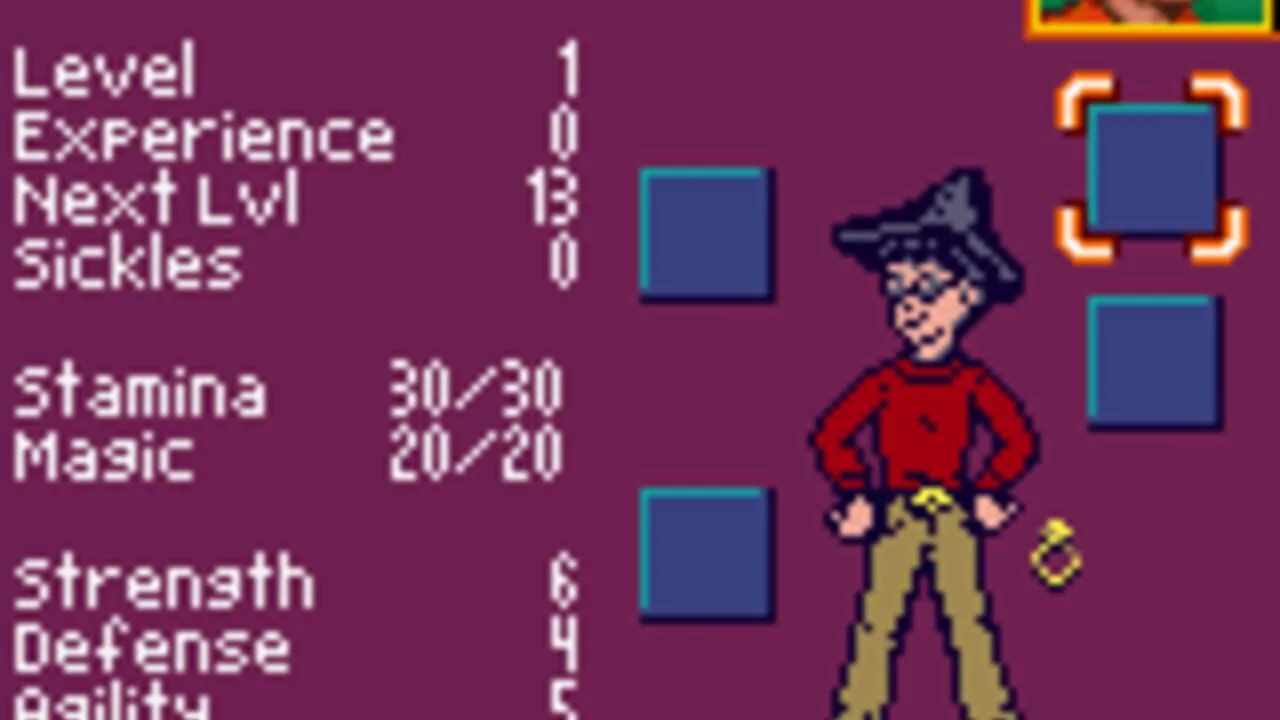
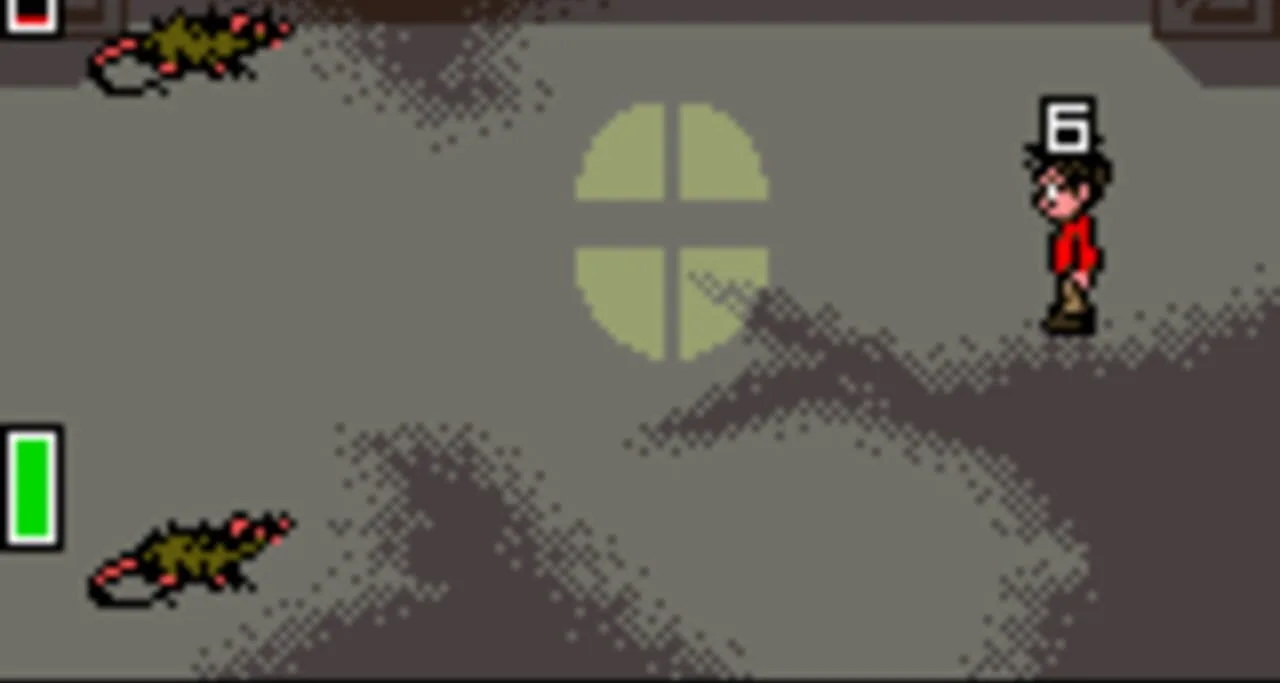
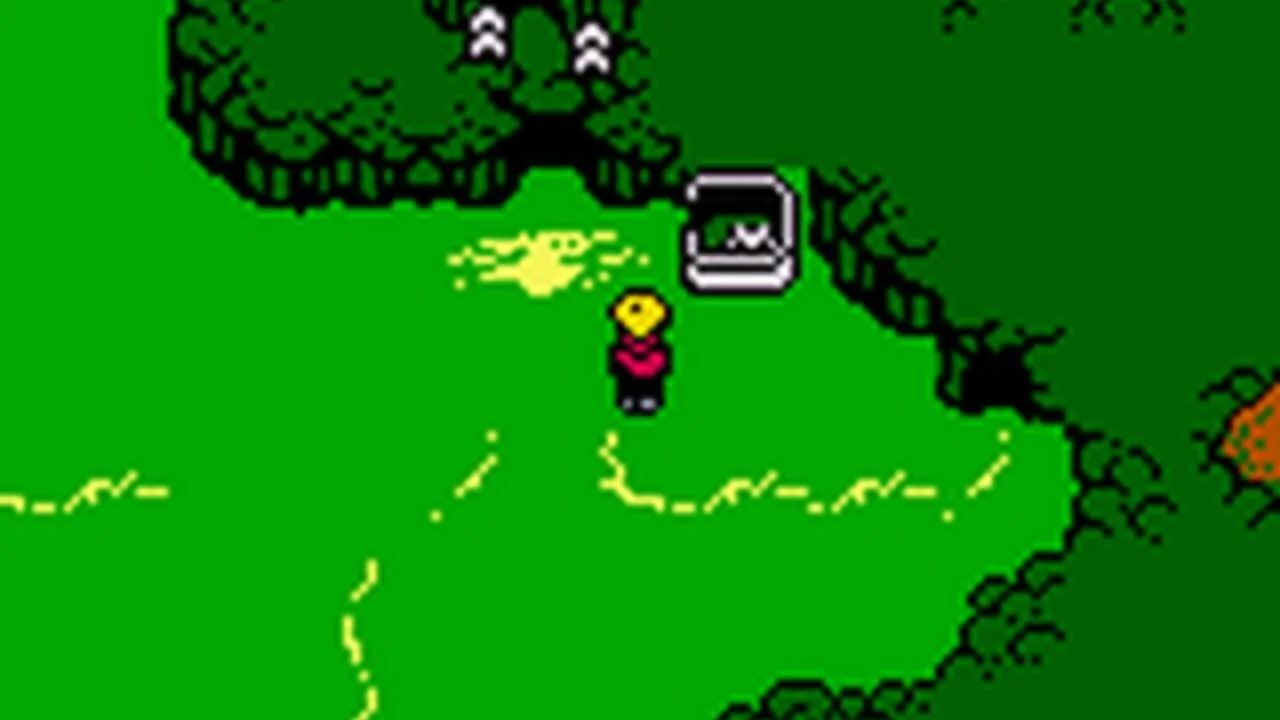
Magi Nation is a 2001 Game Boy Color game from the American studio Interactive Imagination. It is based on the collectible card game Magi-Nation Duel, but on the cartridge it is a role-playing game. Tony finds himself in a strange land, and to save Orwin, his only hope of getting home, he has to find something called the Cloud Frond. Along the way you duel Shadow Magi, and the box promised uses for jellybeans you never thought possible.
It came out in North America on March 2, 2001, and it later reached Japan on the Game Boy Advance in December 2002. Players rank it just behind Lufia, which is good company for a card game spinoff. Its bright, odd world is a big part of the charm.

11. Lufia: The Legend Returns (2001)
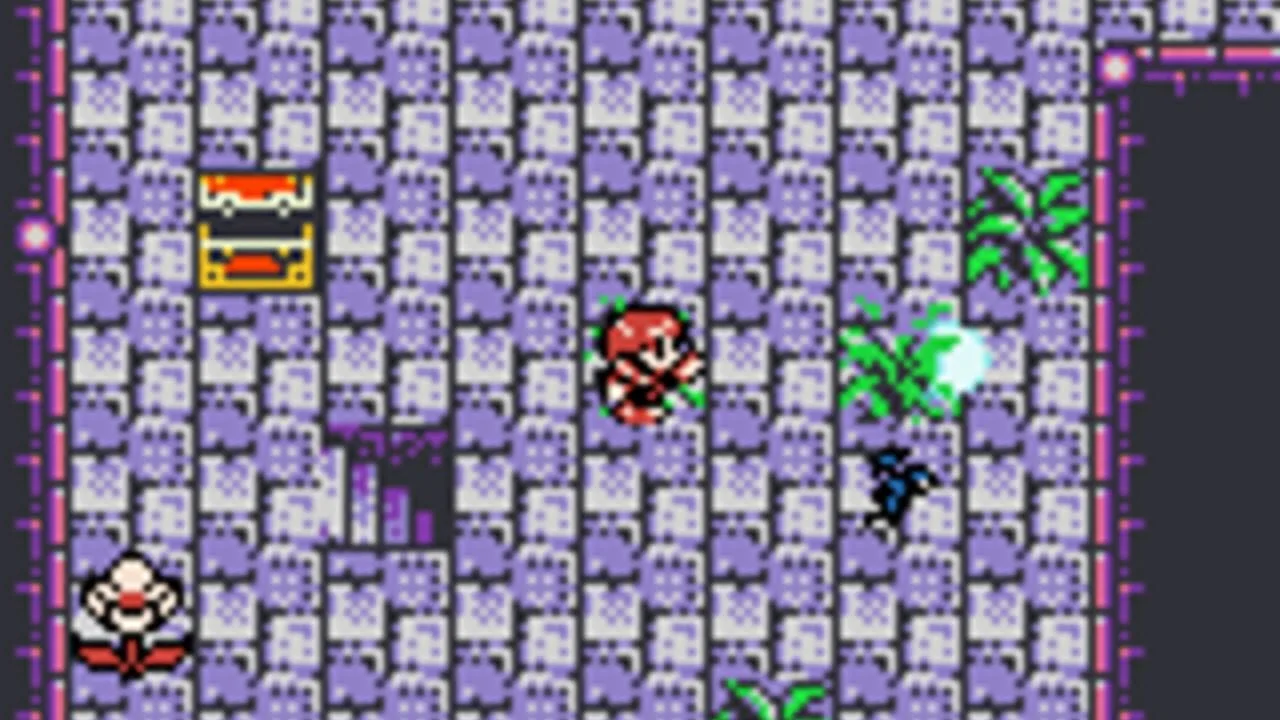
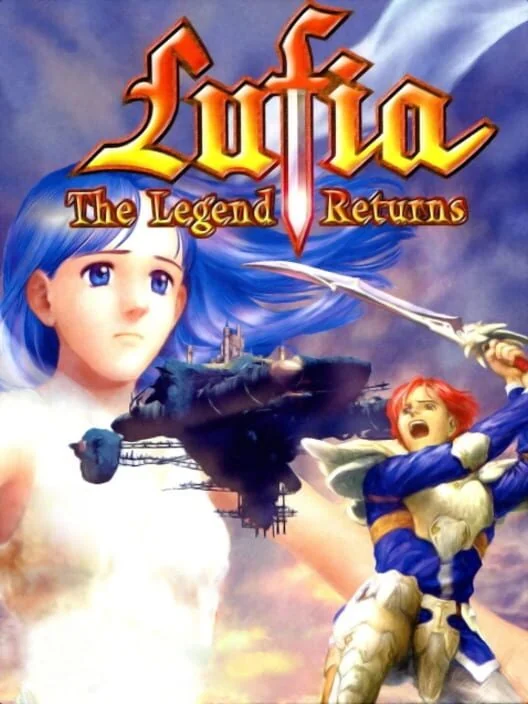
The Legend Returns is the third game in the Lufia series and the first one on a handheld. The evil Sinistrals have been resurrected again, Doom Island is getting ready to rise into the sky for the third time, and you carry Maxim's legendary bloodline. Its battles let nine characters take part, but only three of them can attack per turn, one from each column. Long-time Lufia developer Neverland picked the project up and completely rewrote the story.
Players who played it rate it highly and say it feels like a real Lufia game. That was a big deal for a series that had only lived on the Super Nintendo. If you grew up on those, this one is worth tracking down.

10. Dragon Ball Z: Legendary Super Warriors (2002)
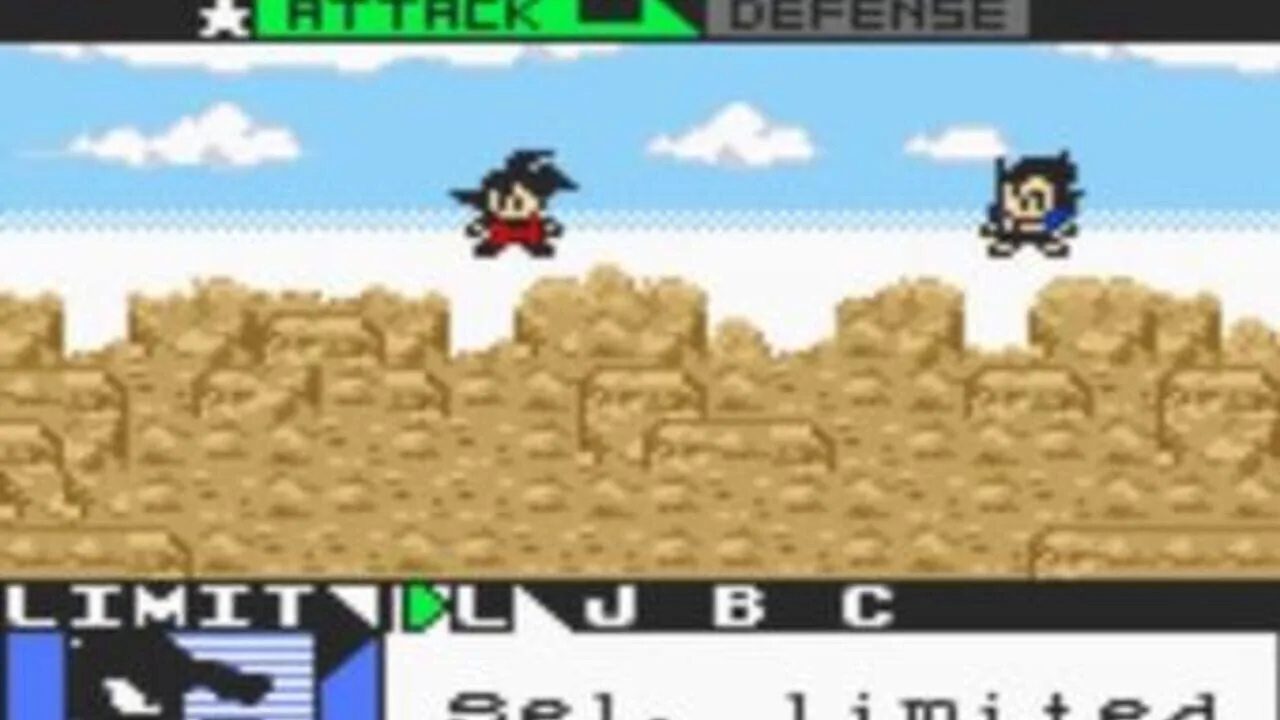
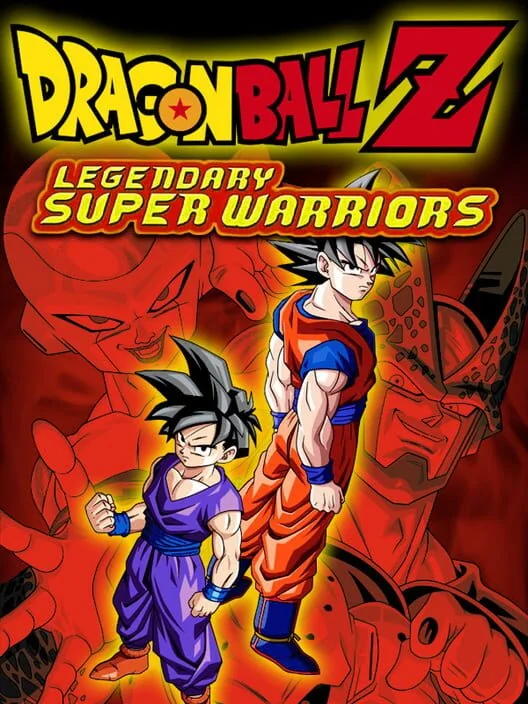
Legendary Super Warriors is a mix of a card game and a turn-based fighting game. Attacks and techniques are cards, and the story runs from the Saiyan saga to the end of the Buu Saga across 30 battles. Each character can only be leveled up 4 times, and each has unique stats, so building a team takes real strategy. Beat the game and any character can be used in any battle, so Frieza vs. Cell finally happens.
During the first play through only heroes can be unlocked, which makes the second run the fun one for villain fans. For a licensed game on a small cartridge, there is a lot of thinking in it. Dragon Ball fans who skipped it because of the cards should give it a go.

9. Azure Dreams (1999)
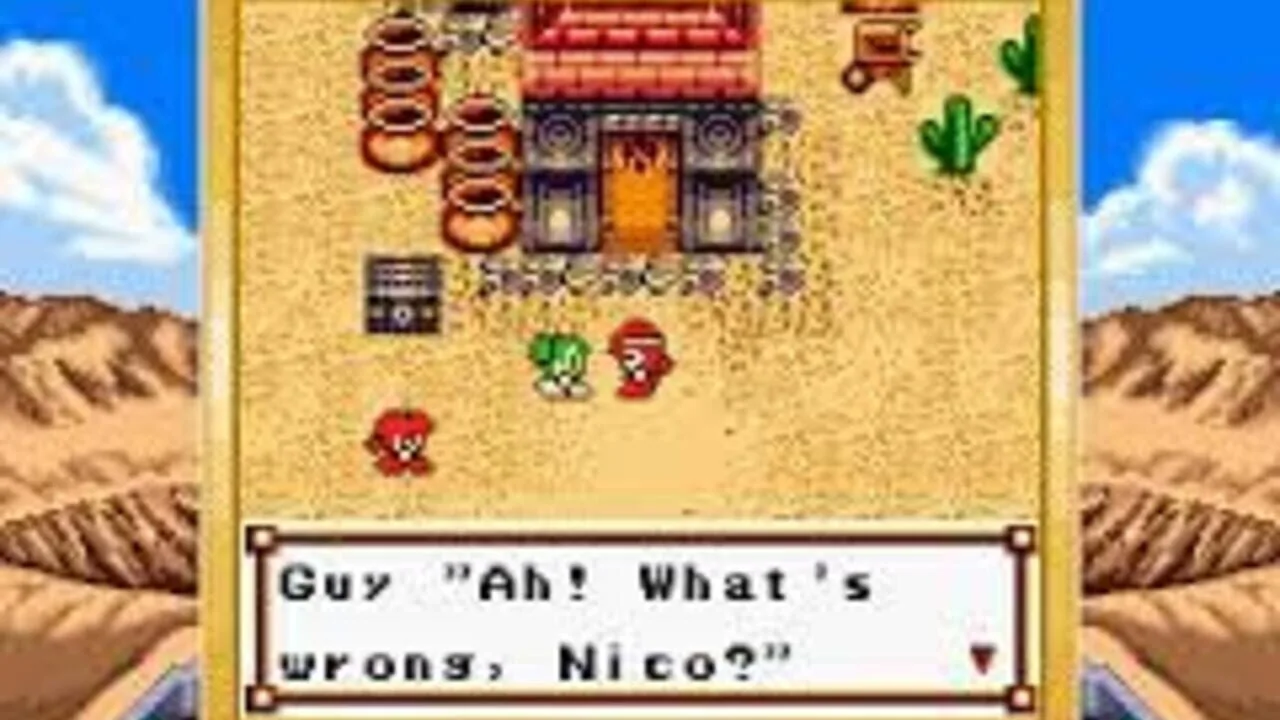
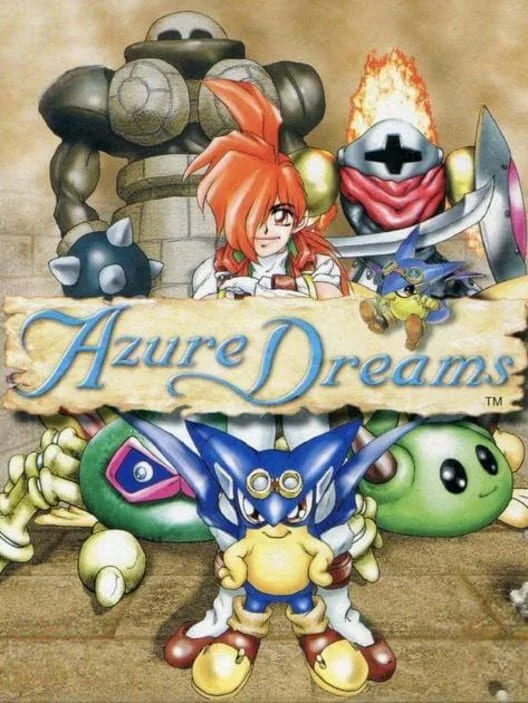
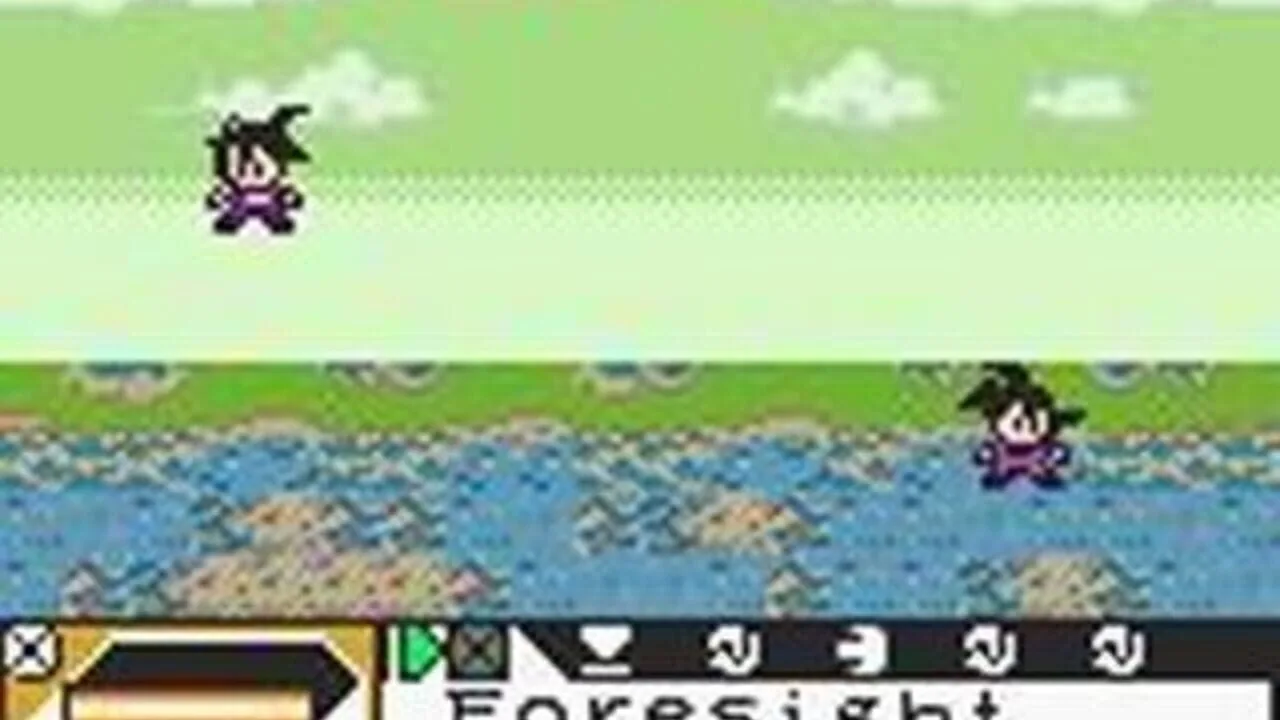
The Game Boy Color Azure Dreams was developed by Konami Computer Entertainment Nagoya and came out two years after the PlayStation game of the same name. The PlayStation original lets the hero build relationships with seven characters, and that part is missing from the Game Boy Color version. A spiritual sequel, Tao's Adventure: Curse of the Demon Seal, came out on the Nintendo DS in 2005.
One player called it an "unbelievable random dungeon generator rpg", and that is the hook. Every trip down is a new layout, and you never quite know what you will walk into. It is a smaller game than the original, but the part that made people lose weekends to it made the trip.
8. Revelations: The Demon Slayer (1999)
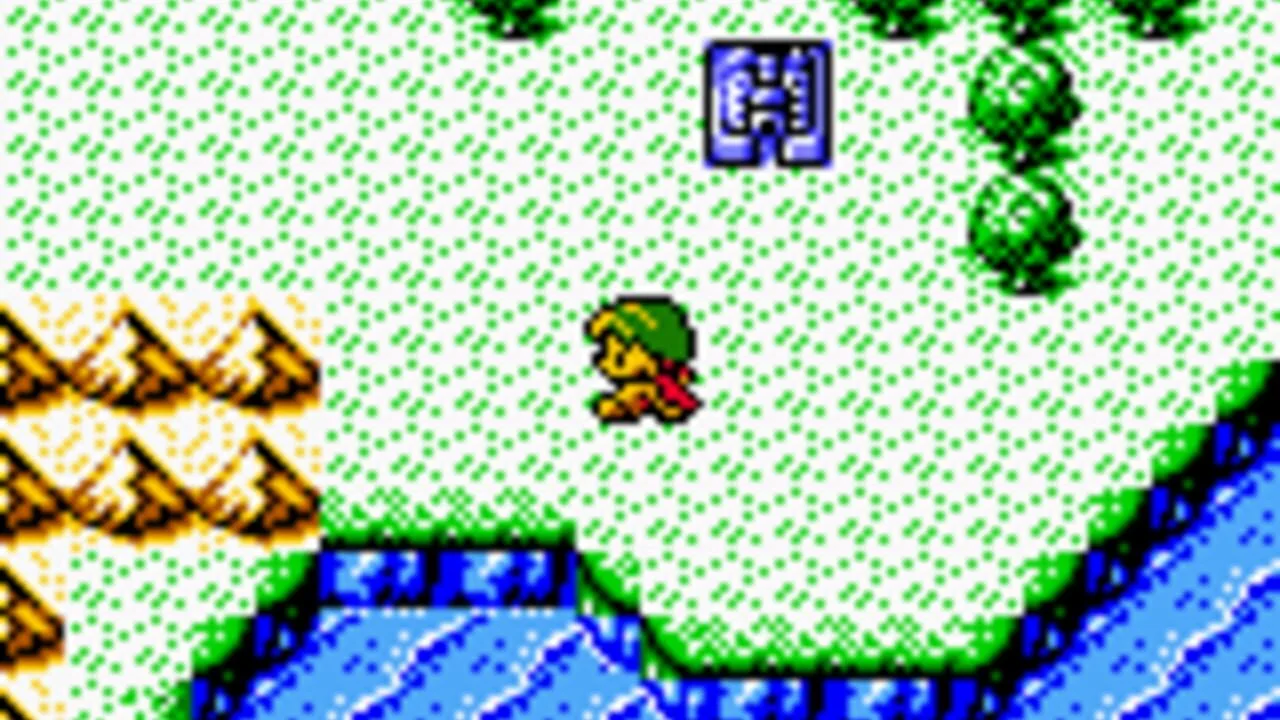
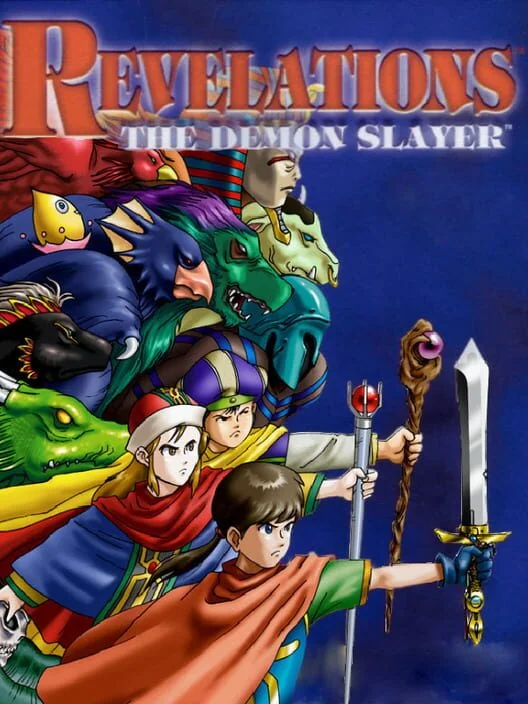
Revelations is the North American release of the Game Boy Color version of Megami Tensei Gaiden: Last Bible, the first entry in the Last Bible side series of Megami Tensei. It is based on the original 1992 Game Boy game, now in colour, with its story and core gameplay kept as they were. The name on the box hides the Megami Tensei connection, which is a fun thing to find out after you have bought it.
Players who go past the big names keep bringing it up as one to look for. It plays like an early 90s Game Boy RPG, because underneath the colour that is what it is. Come for the series history and stay for a tidy, old-fashioned quest.

7. Crystalis (2000)
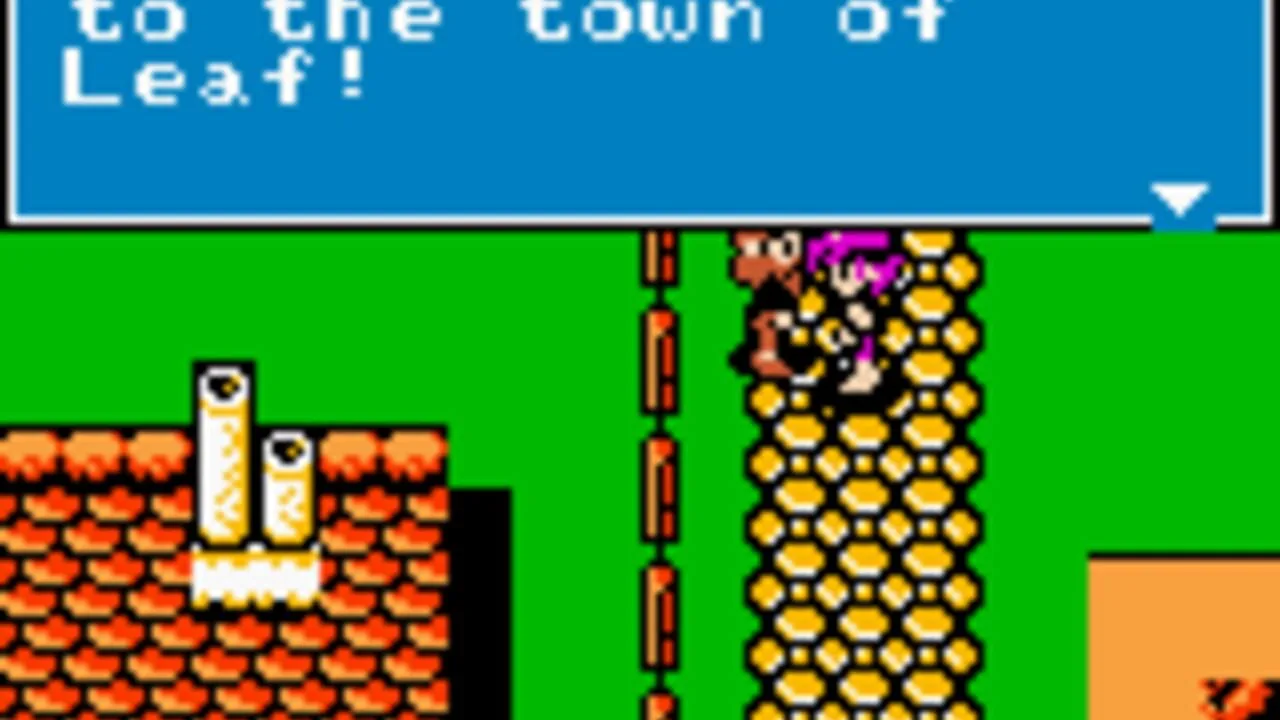
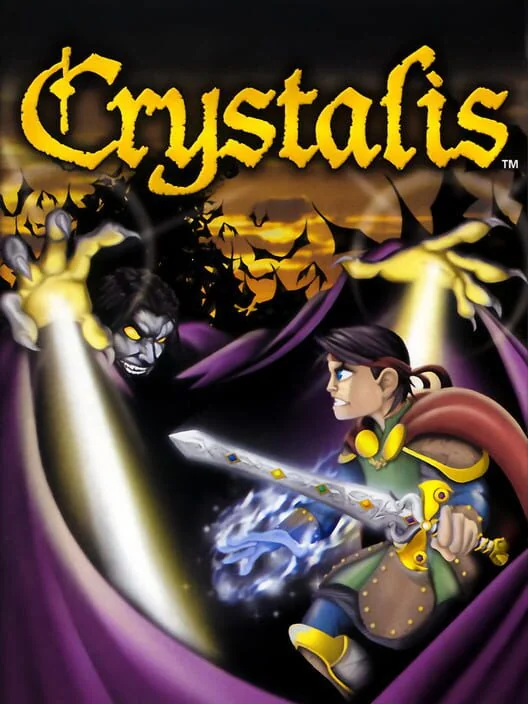
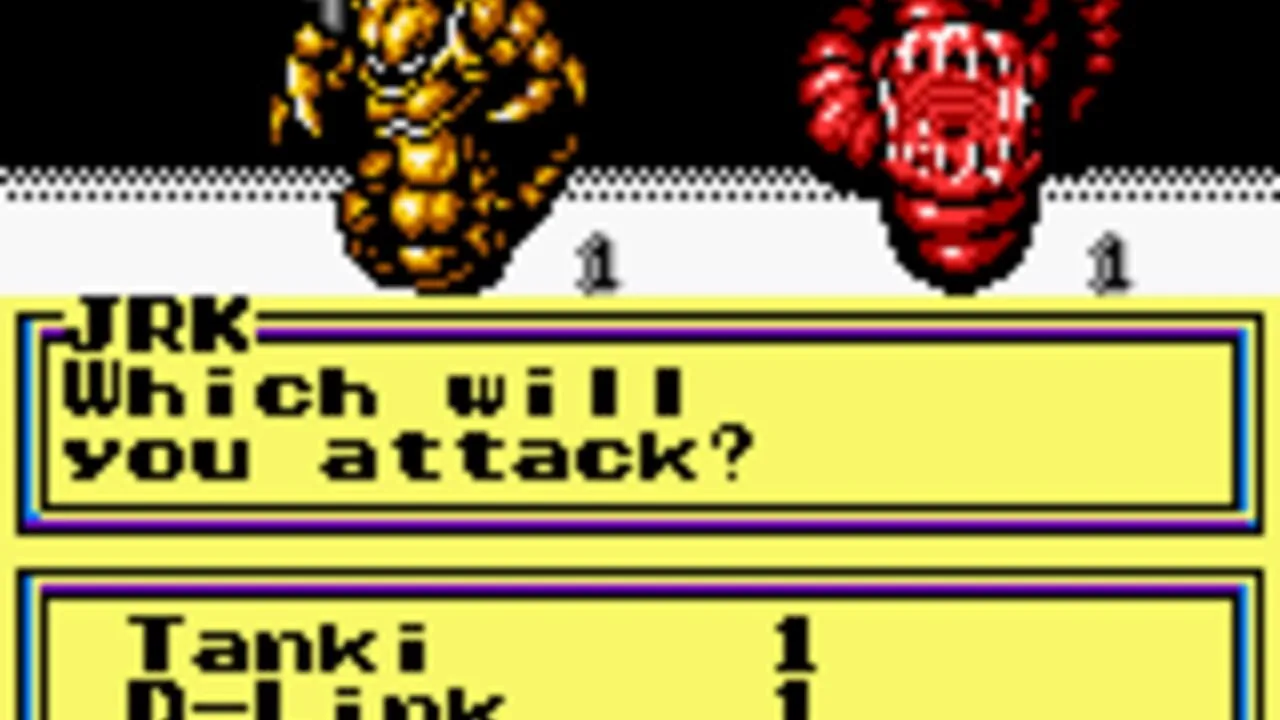
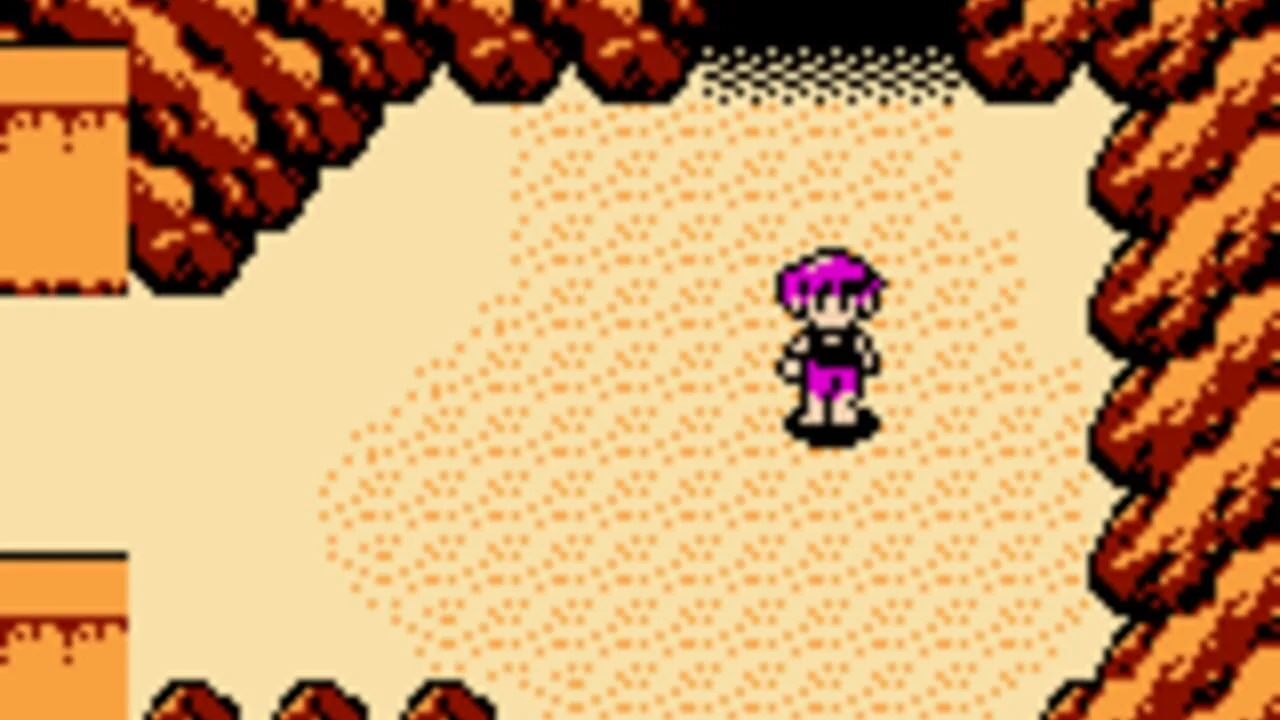
Crystalis first came out in Japan in 1990. Nearly ten years after that first release, Nintendo, with licensing from SNK, re-released Crystalis for the Game Boy Color on June 26, 2000, in a port developed by Nintendo Software Technology. It is an action role-playing game seen from above, and your hero can move in eight directions.
The port has an almost completely new soundtrack and a new translation, so Draygon is now called Dragonia, as in the Japanese version. The flying tower has been shortened too. A digital voice now states the name of each sword when you find it. If you would rather have the original, the NES version has been re-released on the SNK 40th Anniversary Collection.
6. Dragon Warrior III (2000)
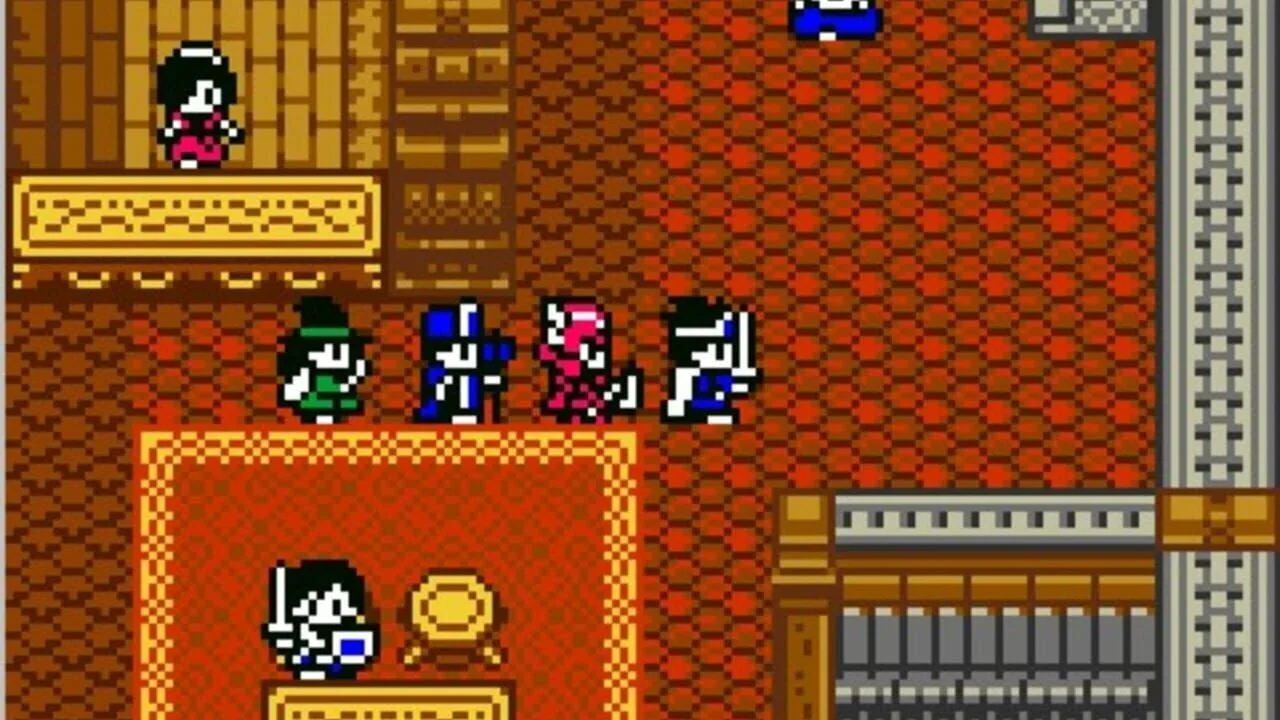
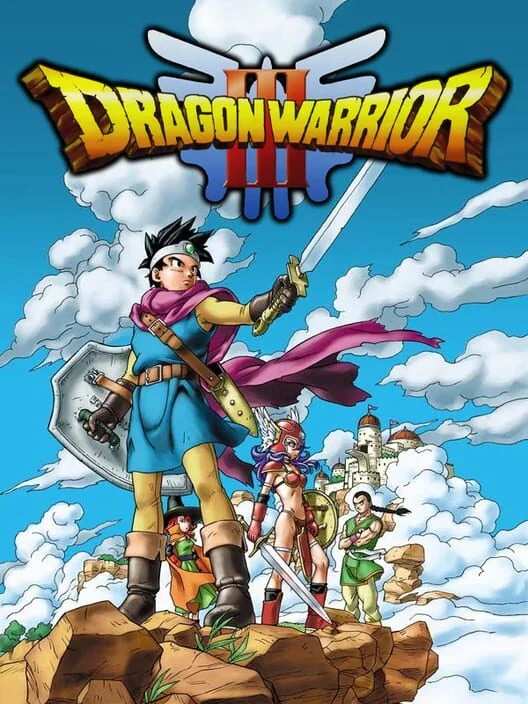
Dragon Warrior III was first released for the Famicom, and the Game Boy Color version is based on the Super Famicom remake. That remake never came west, because by the time Enix of America returned, the SNES had been discontinued in North America. The Game Boy Color version was released in both Japan and the US. The story is a distant prequel to the first two games, the start of what fans call the Erdrick trilogy. Apart from the hero, your party is not made up of characters from the story, and you can build someone who knows Wizard spells but has the defense of a Soldier.
Enix gave the North American box an anime feel because fans asked for it on its message boards. Players rank it as the best classic party RPG on the system, and you could sink a whole summer into it.
5. Dragon Warrior Monsters 2 (2001)
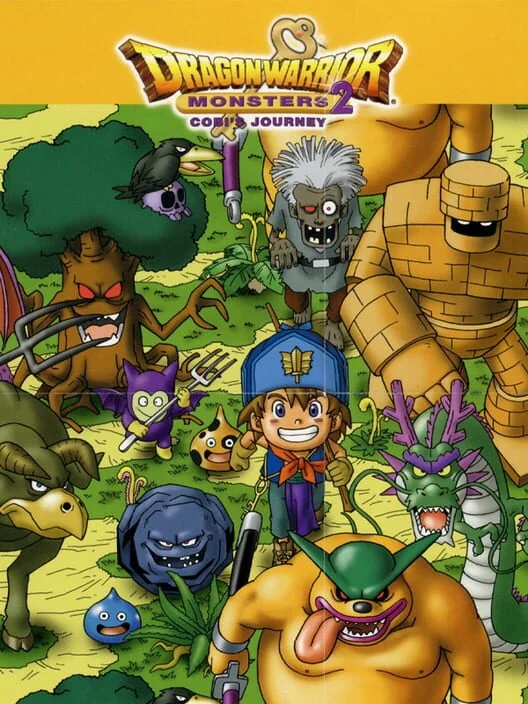
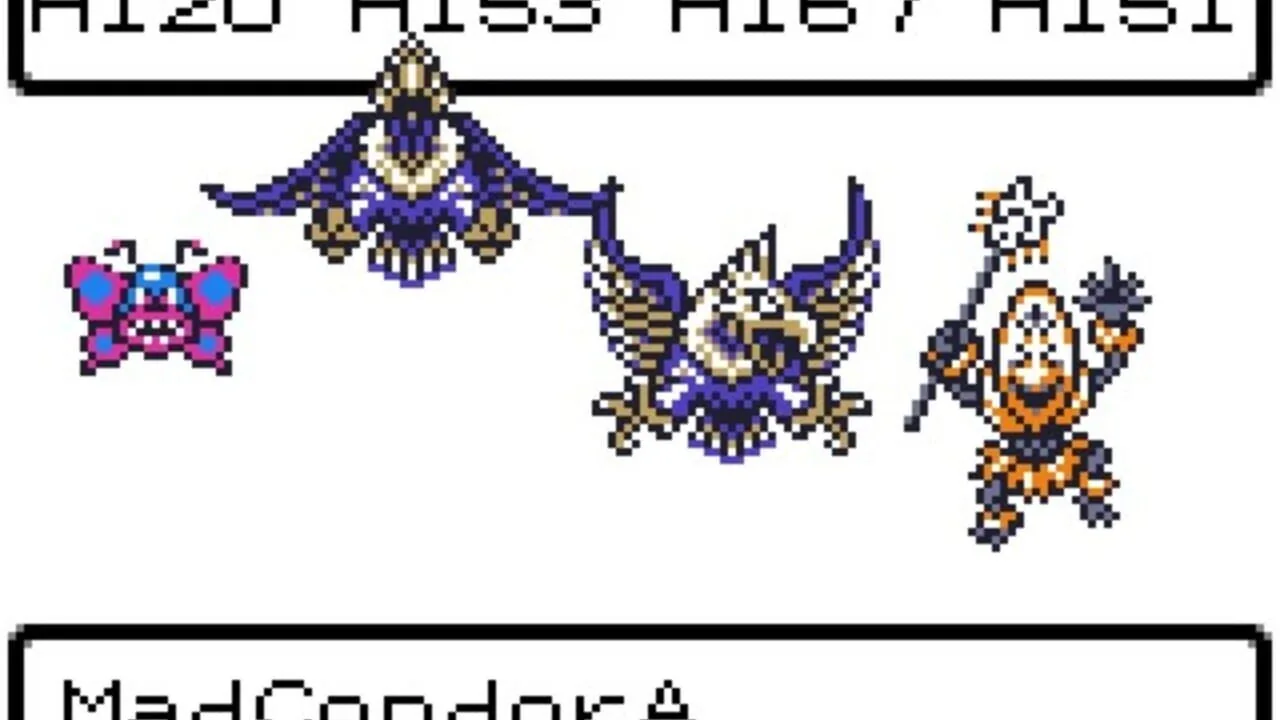
Dragon Warrior Monsters 2 followed the Pokémon plan of releasing 2 games with exclusive monsters that had to be traded between versions to collect them all. Both games were remade in 2002 for the PlayStation as Dragon Quest Monsters 1+2, released only in Japan. A Nintendo 3DS version combined both games into one in 2014, again only in Japan.
Players rank it just below the first game, and the people who get into it tend to fall hard for it. It builds on everything the first one did, so finishing one and starting the other is the natural order. Pick a version, find a friend with the other one, and plan on a lot of trading.
4. Dragon Warrior Monsters (1998)
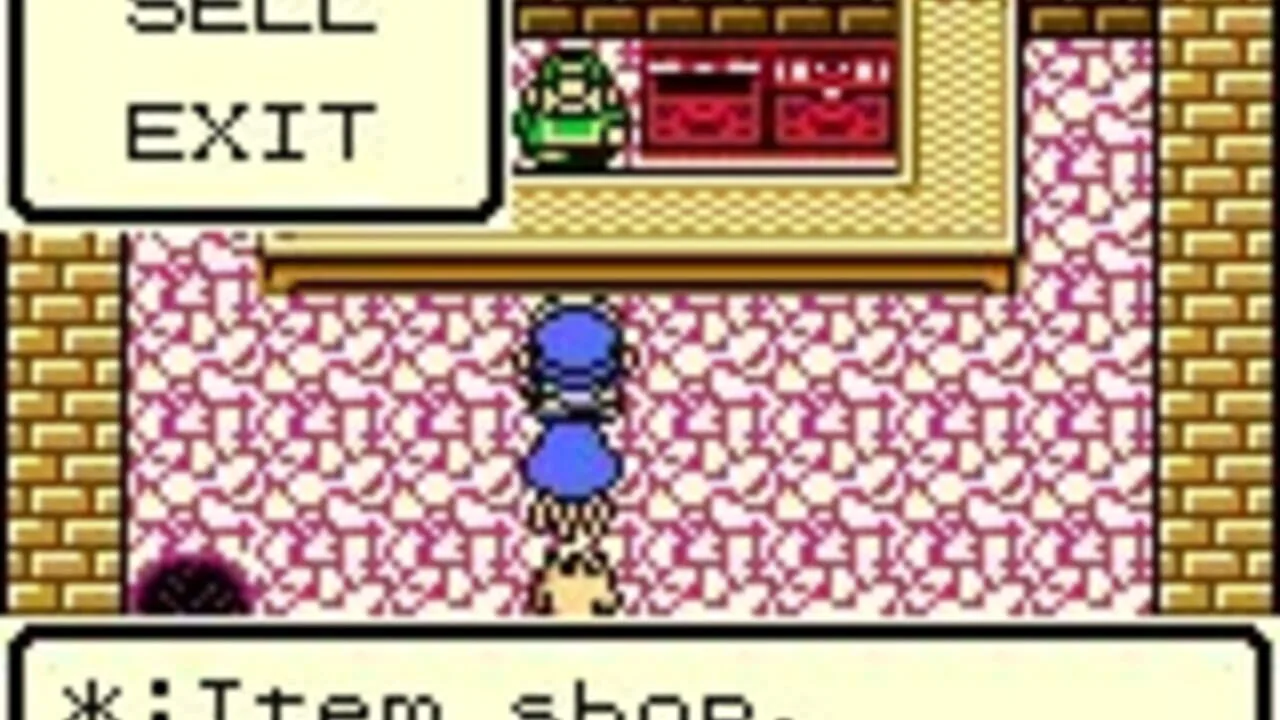
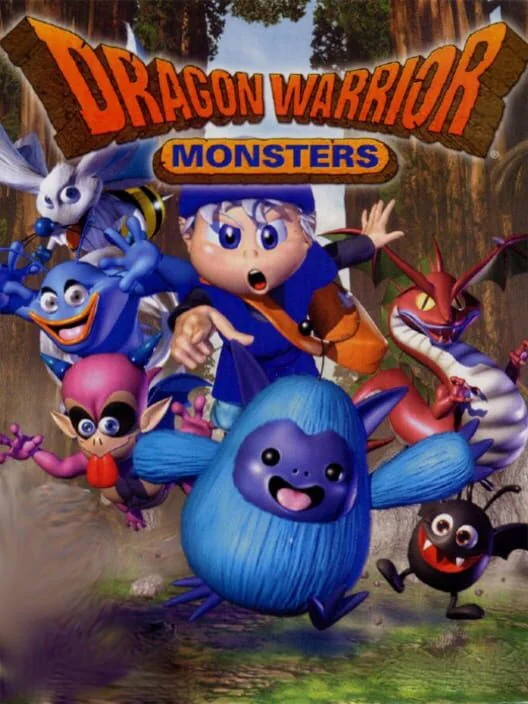
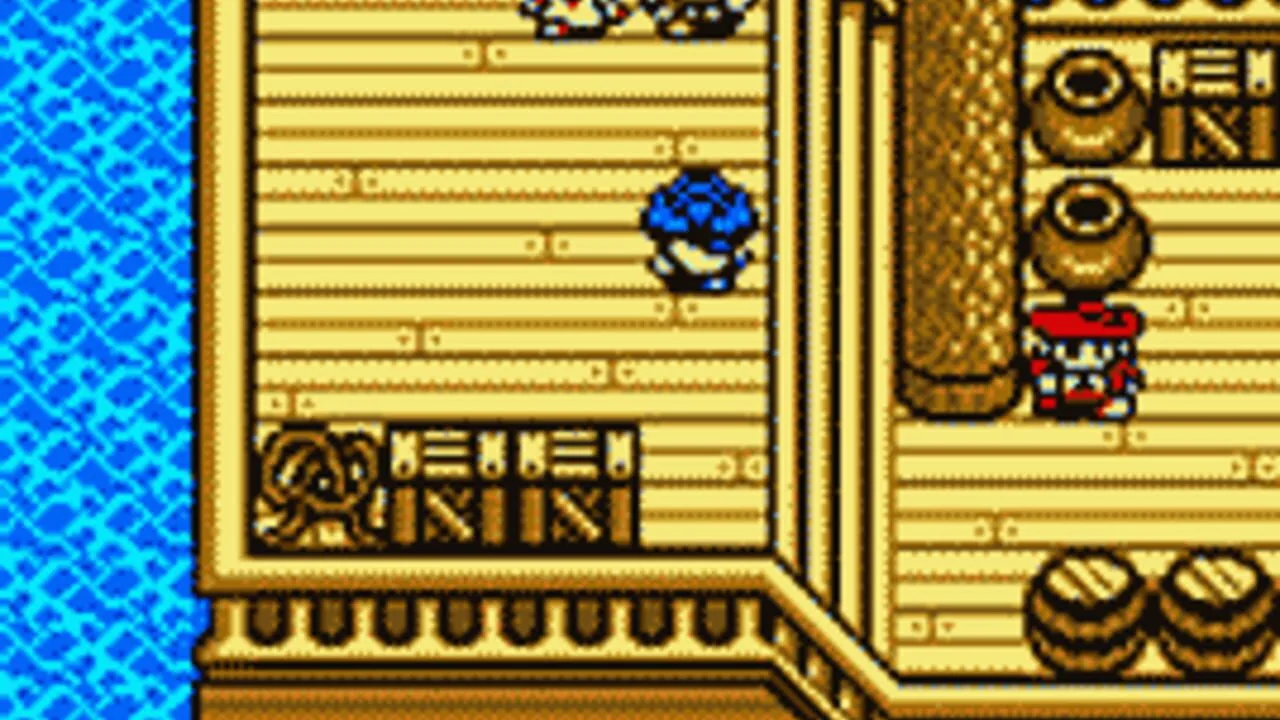
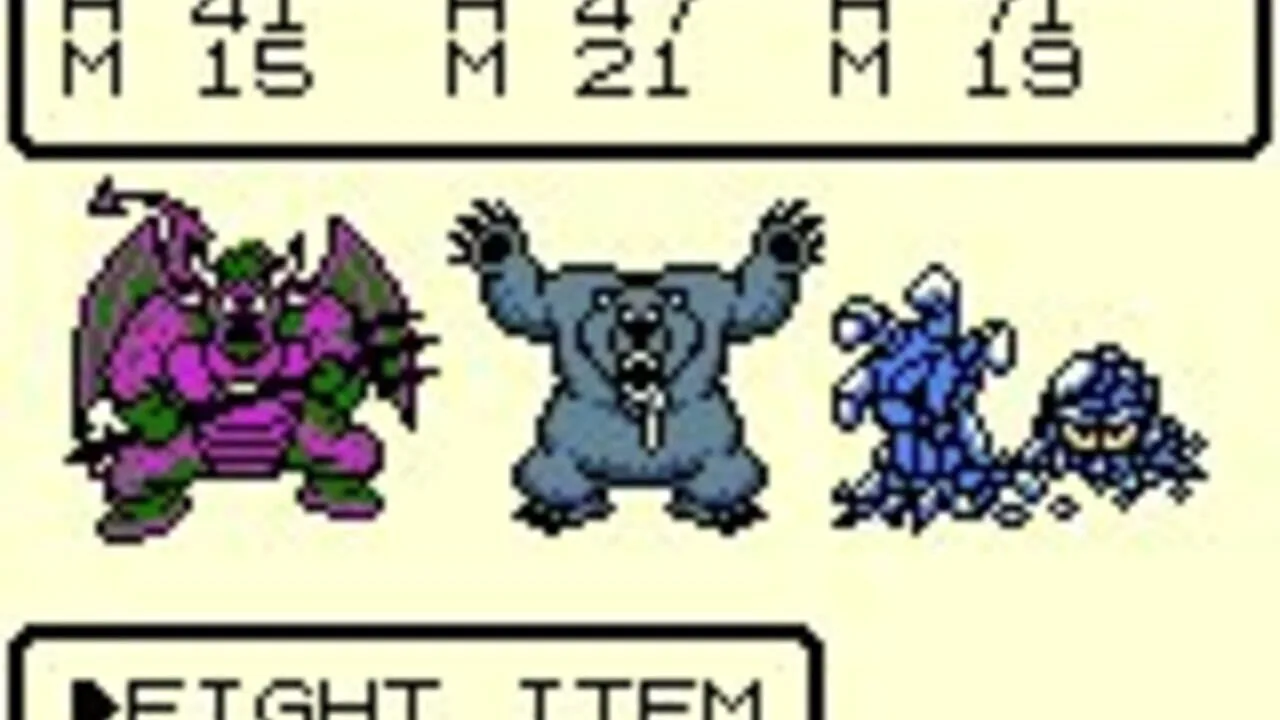
Enix released Dragon Warrior Monsters in Japan on September 25, 1998, and Eidos Interactive co-published it in Europe and North America in 2000. It was the first Dragon Quest game to be released in Europe. You recruit monsters in random battles to fight for you, and two of them can be fused together for a better one. Breeding is the only way to get certain monsters. Terry gets his first monster, Slib the slime, from the King, and the cartridge works on the black-and-white Game Boy too.
Critics compared it to Pokémon but set it apart for its in-depth breeding system. Players still call it great. It is the gentler of the two, a good one to start with before the sequel's bigger world.
3. Pokémon Trading Card Game (1998)
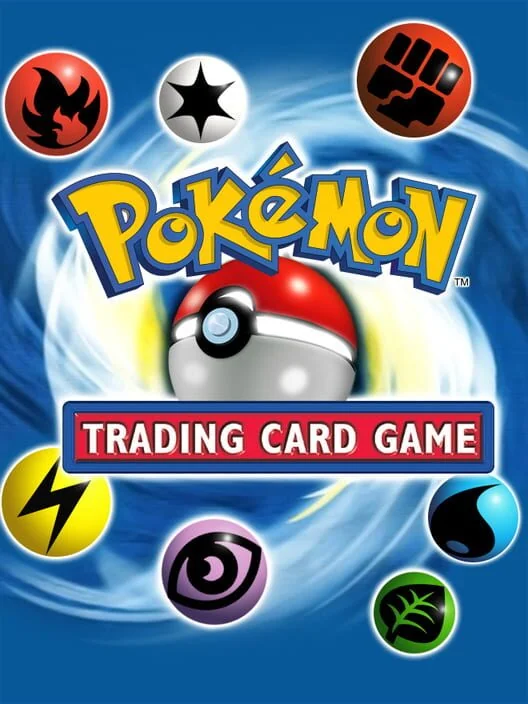
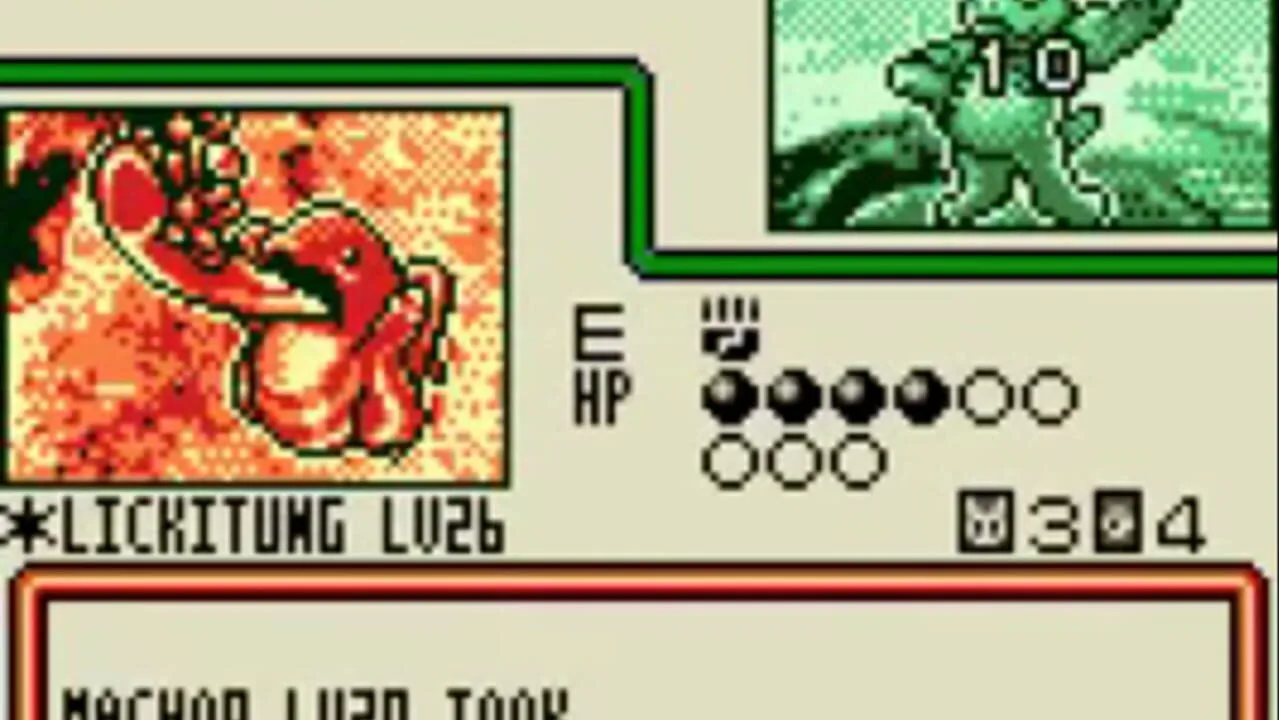
The goal is to become a Pokémon Card Master. You pick a starter deck built around one of the original three starters, then travel to the eight card clubs and defeat their leaders. Professor Mason helps by giving you cards along the way. The real goal of the game is to collect all of the cards, over 200 in all, and playing a human opponent in Pop mode gives you a chance at cards you cannot easily win otherwise.
The card game itself was originally published in Japan by Media Factory in 1996, and in the United States it was licensed to Wizards of the Coast, the makers of Magic: The Gathering. Players put it third. It works for kids who never owned a single card, which is a strange thing to say about a card game.
2. Pokémon Gold Version (1999)
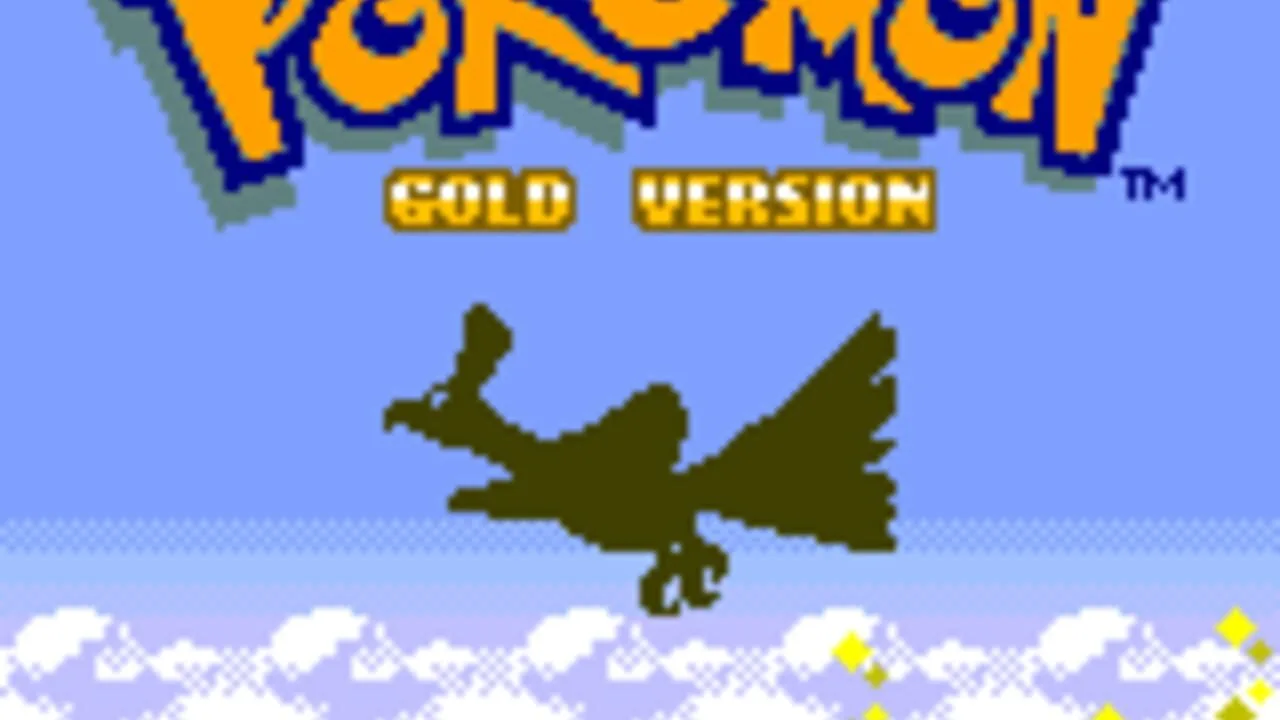
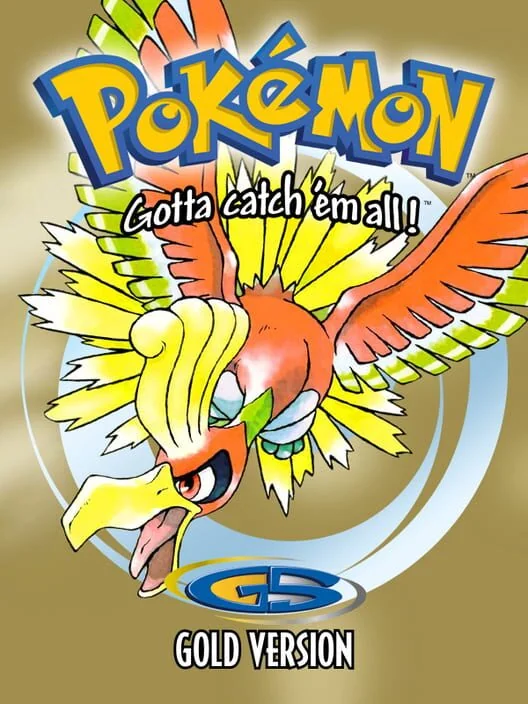
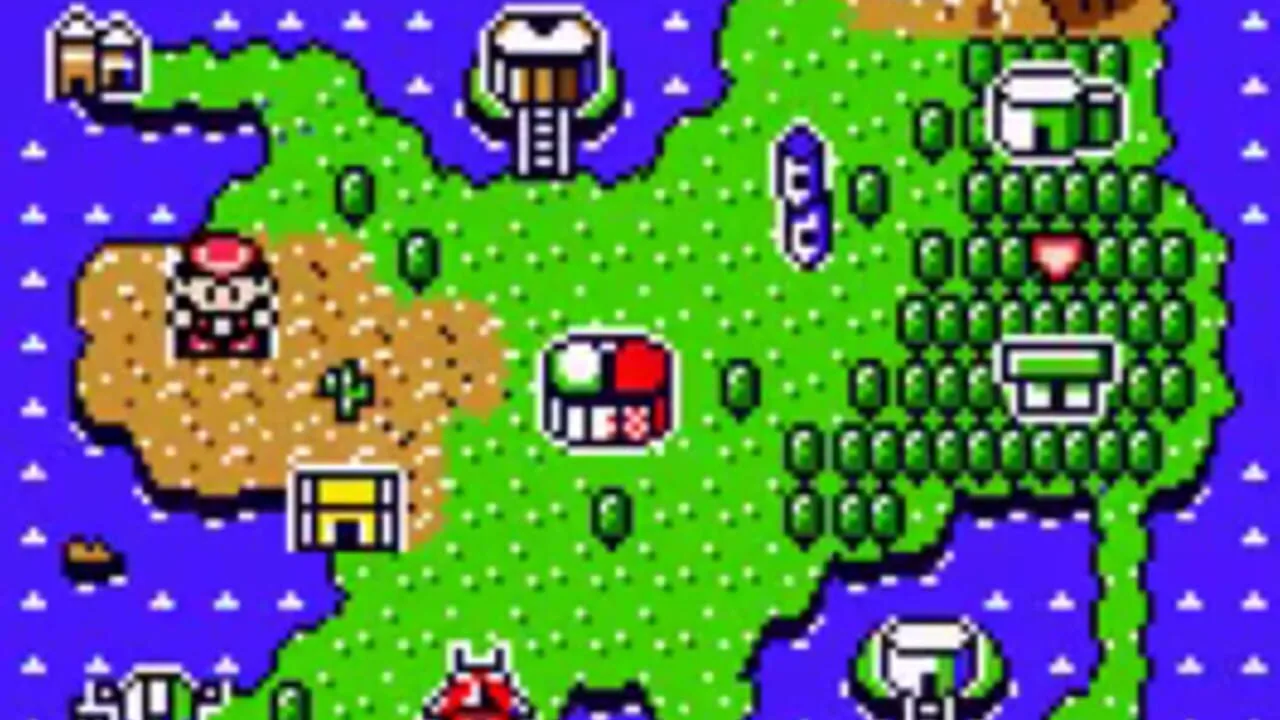
Gold and Silver are the sequels to Pokémon Red and Blue and the first games in the second generation. They came out in Japan on November 21, 1999, and in North America on October 15, 2000. There are 100 new Pokémon to catch, and the new Johto region was inspired by the older architecture of Japan's Kansai and Tōkai regions. An expanded post-game brings back content from the earlier games.
Cinnabar Island has been almost completely taken over by a volcano eruption, and only a Pokémon Center remains. The games continued the success of the series as it began to form into a billion-dollar franchise. In 2009 they were remade as HeartGold and SoulSilver for the Nintendo DS. Players only rank them below the enhanced version that came after.
1. Pokémon Crystal (2000)
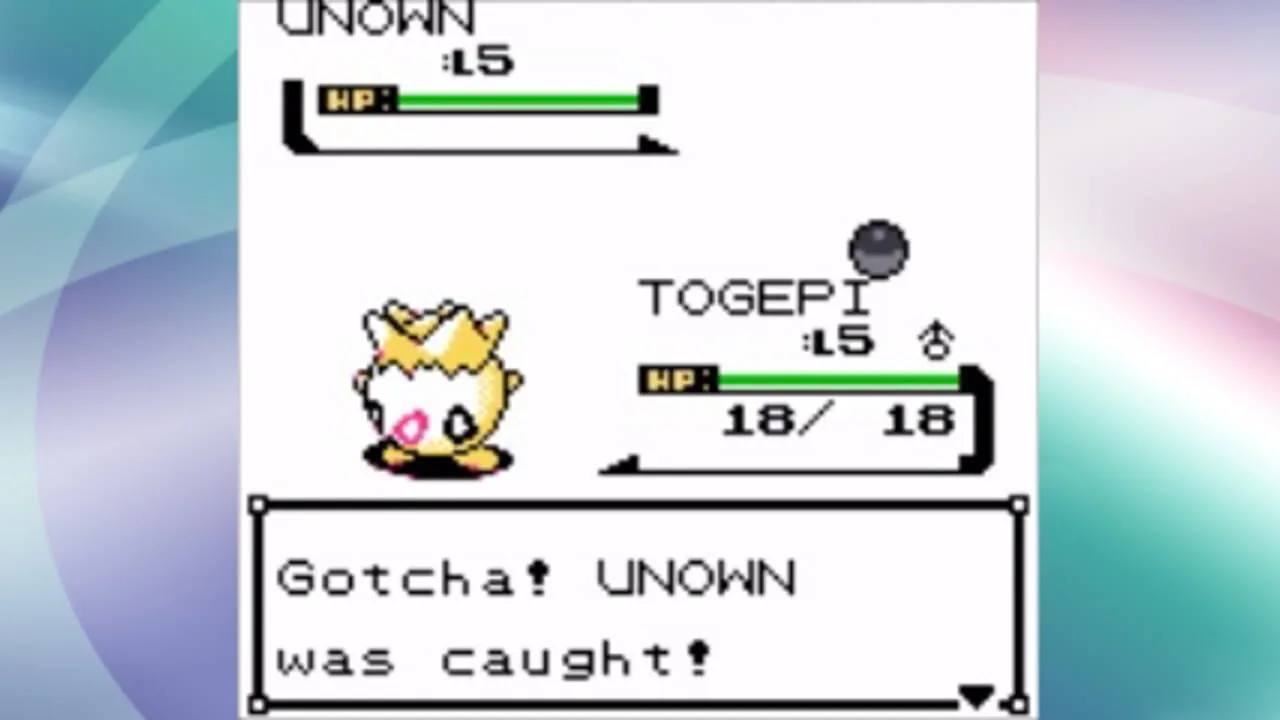
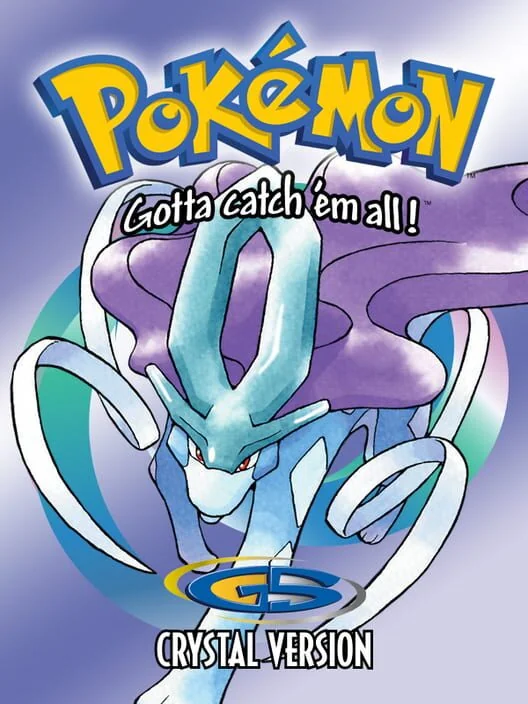
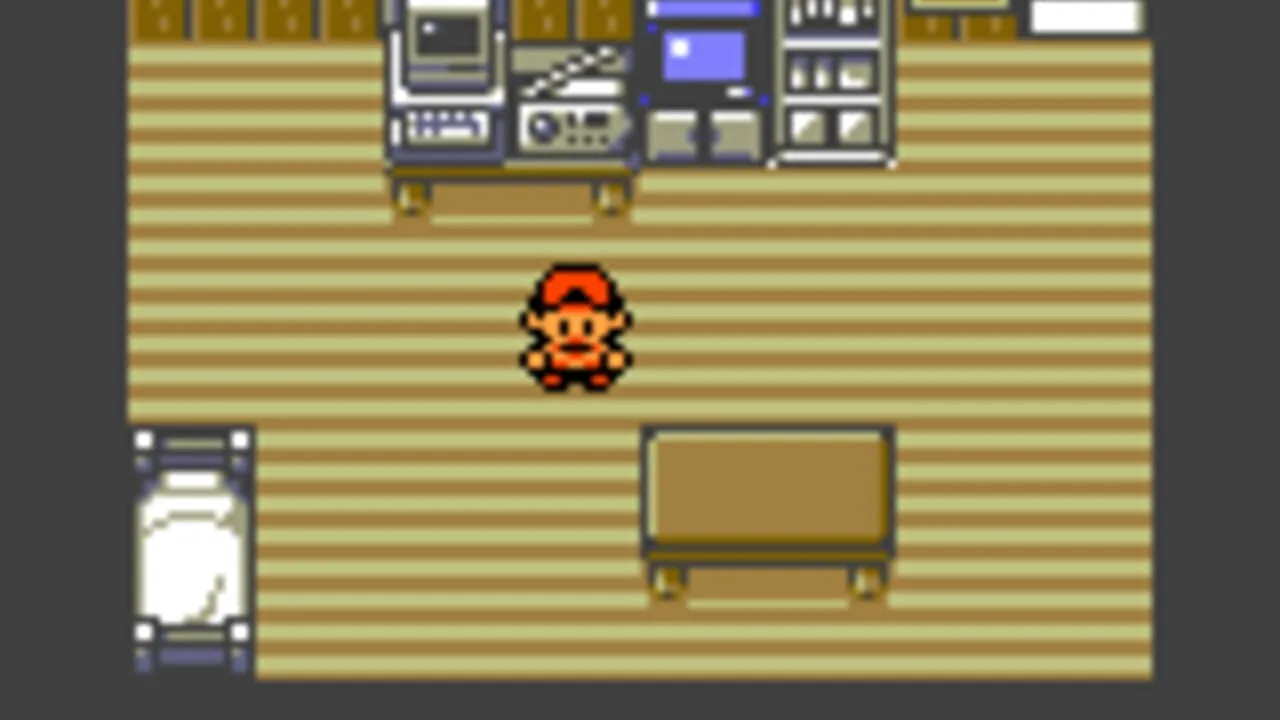
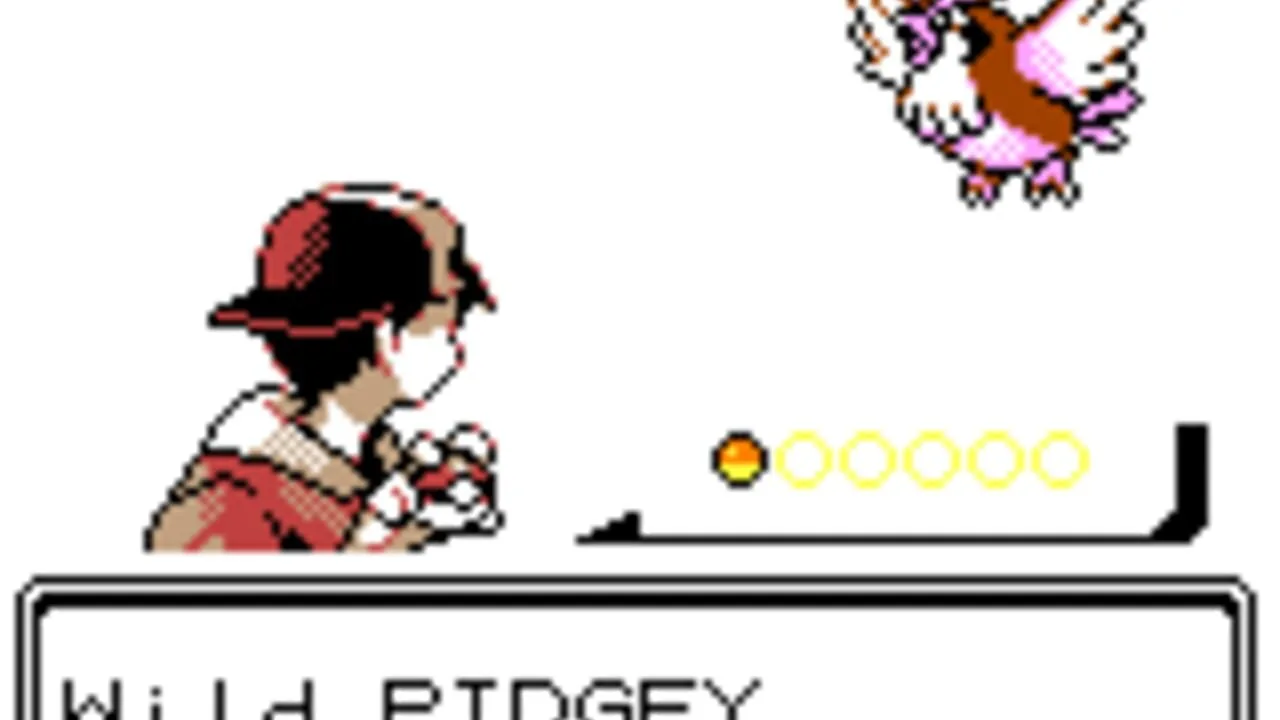
Crystal is an enhanced version of Gold and Silver, and the core adventure in Johto is the same. You can choose to play as a female character, and the Pokémon have animated sprites. These upgrades were made possible by the Game Boy Color's improved hardware, which made Crystal the first game in the series that does not work on the original Game Boy. Breeding and the real-time clock are still here.
In Japan it also worked with the Mobile Adapter GB, which let players trade and battle over cell phones, and artist Ken Sugimori said that service was the main reason Crystal was made. Western versions lacked it, but retrospective reviews have been highly positive, and many of its new features became standard in later Pokémon games. Players recommend it more than any other Game Boy Color RPG.
Which one to play
There you have it, the whole list of the best Game Boy Color RPGs. The top six could each carry a long summer, and a few further down deserve far more players than they got.
If you are not sure where to start, play Pokémon Crystal. If you want a traditional party RPG, Dragon Warrior III is the one. Monster raisers who have played Pokémon to death should try Dragon Warrior Monsters, then the sequel. If you would rather fight in real time, pick Crystalis. And for a hidden pick, try Metal Walker and its billiard battles.