The Genesis is remembered for speed, and plenty of people never think of it as an RPG machine. That is a shame, because there is a lot to dig into here once you look past the blue hedgehog. Sega's own teams kept a science fiction saga going for the whole 16-bit generation, and Climax Entertainment made some of the best-looking adventures of the era on it.
Some of these games put you on a grid with a small army, and one even sends you hacking through a cyberpunk Seattle. A few were late releases that got lost when the 32-bit consoles showed up, which makes them all the more fun to find now. Here are the 9 best Genesis RPGs.
9. Shining in the Darkness (1991)
Shining in the Darkness was developed by Climax Entertainment and published by Sega, and it is the first game in the Shining series. It is a dungeon crawler at heart, the kind of game where every corridor looks like the last one until suddenly it does not. Sega allocated the bare minimum budget it offered to out-of-house developers, which makes how good it looks even more impressive.
The series changed course right after it. The next game, Shining Force, diverged greatly in gameplay, but its music and art still bring this one to mind. Sega came back to the formula on the Saturn with Shining the Holy Ark in 1996. It was re-released on the Wii Virtual Console in 2007. It is the place to find out if old-school dungeon crawling is your thing.
8. Shining Force II (1993)
Shining Force II came out in 1993, made by Sonic! Software Planning and published by Sega. Its storyline is not directly connected to the first Shining Force, so you can start here without any homework. It is a tactical RPG, so you move a small army across a grid one unit at a time. Some characters have two different classes they can be promoted to, and one of them only opens up with a special hidden item. That is exactly the kind of secret that got passed around at school.
Critics cited it as superior to its predecessor for its straightforward storyline and charming characters, and it is often regarded as one of the best RPGs of all time. Sega has kept it around ever since, from the Wii Virtual Console in 2008 to Sega Genesis Classics on modern consoles.
7. Phantasy Star II (1989)
Phantasy Star II came out in Japan in 1989 and in North America and Europe in 1990, as the sequel to the Master System original. It was the first video game to use a 6 mega-bit cartridge, making it the biggest game on a console at the time. Close to a thousand years after the first game, a computer network called Mother Brain runs the Algo system, and biologically engineered creatures called biomonsters start to plague it. You are sent to investigate the biomonster outbreak.
It dropped the first-person view the first game used for dungeons and battles, and the difficulty is extremely brutal, so bring patience and a map. A major player character is killed partway through, long before anyone had ever heard of Aeris. It has been the subject of critical acclaim since its release, and a remake, Phantasy Star Generation 2, came to the PlayStation 2 in Japan in 2005.
6. Beyond Oasis (1994)
Beyond Oasis is a 1994 action RPG, known as Story of Thor outside North America. It arrived near the end of the Genesis's life, when Sega set out to capitalize on the Zelda action RPG formula. It pushed the console's audio and visual capabilities to the max, and Sega showed some innovative thinking in the combat too. This is one of the best-looking games the system ever got.
Its graphics, mechanics, gameplay and control add up to "a stellar total package". The main complaint is that it is too brief by far. It also came out with 32-bit systems knocking on the door, and a lot of quality games got lost in the shuffle. You can find it on the Wii Virtual Console and in Sonic's Ultimate Genesis Collection, and a prequel, The Legend of Oasis, followed on the Sega Saturn in 1996.
5. Crusader of Centy (1994)
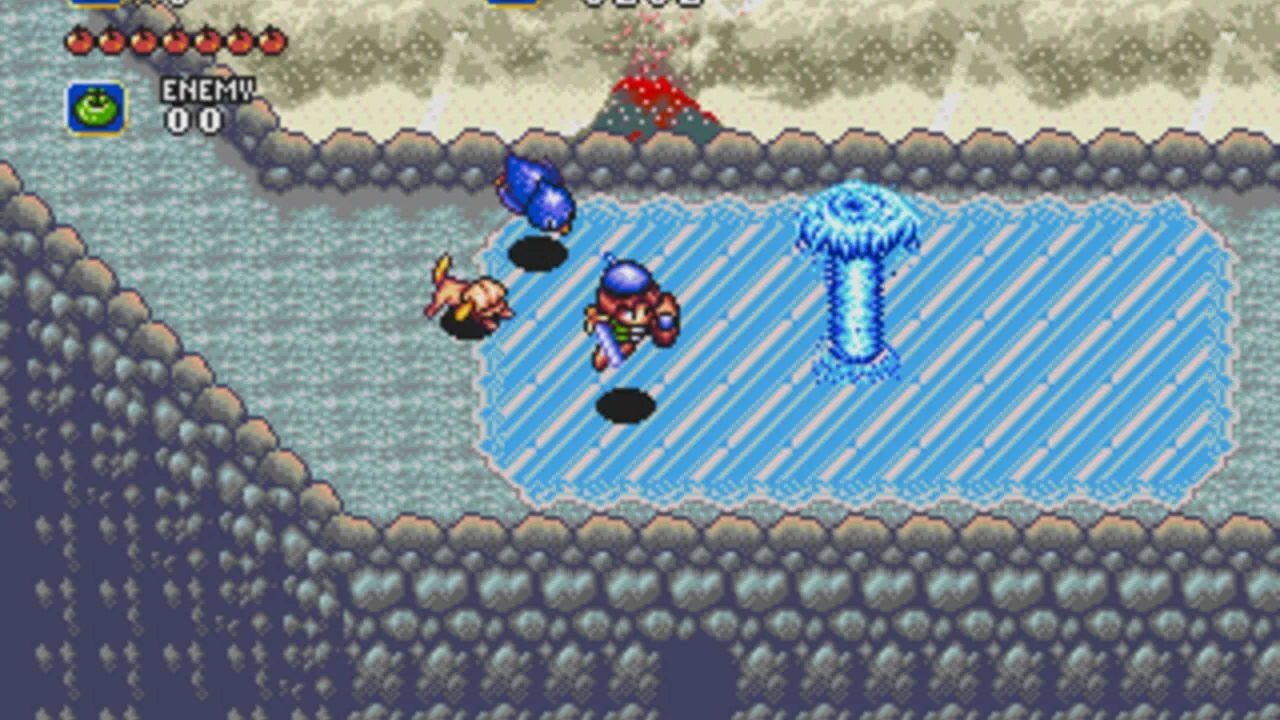
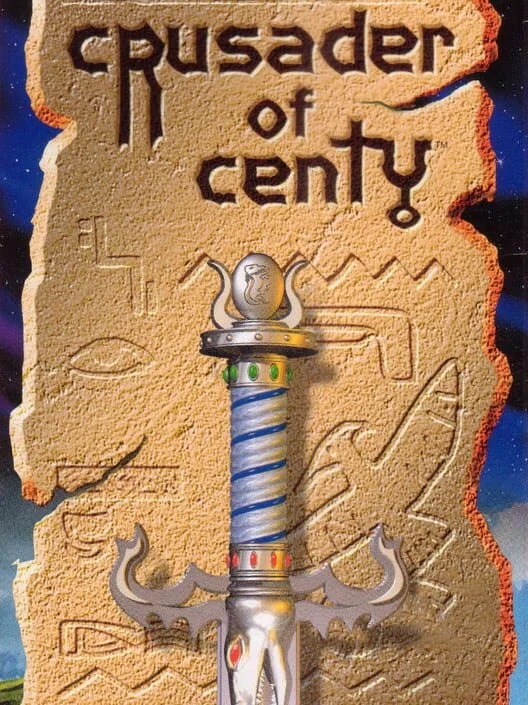
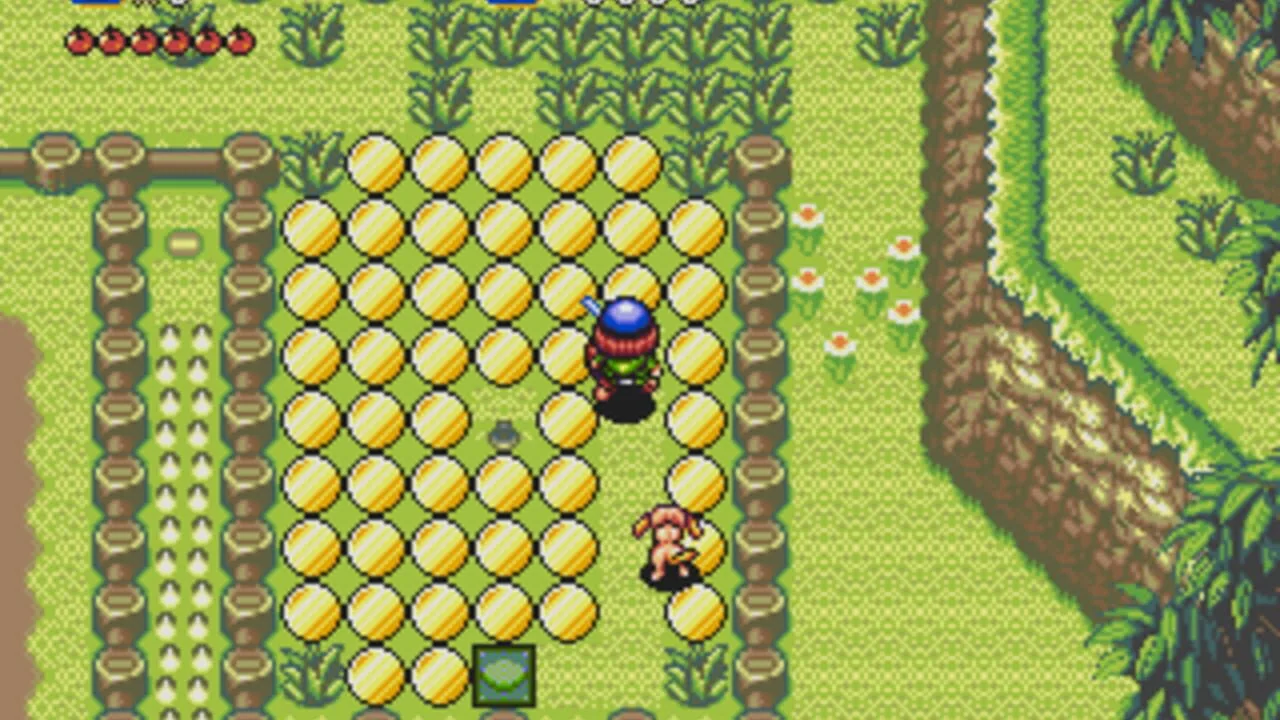
Sega commissioned Crusader of Centy to offer more RPGs on its consoles while the genre was growing fast. It was released in Japan by Sega in 1994, where it is called Soleil, and in Europe the following year. Sega of America passed on it, so Atlus USA brought it over in 1995 with a different English translation.
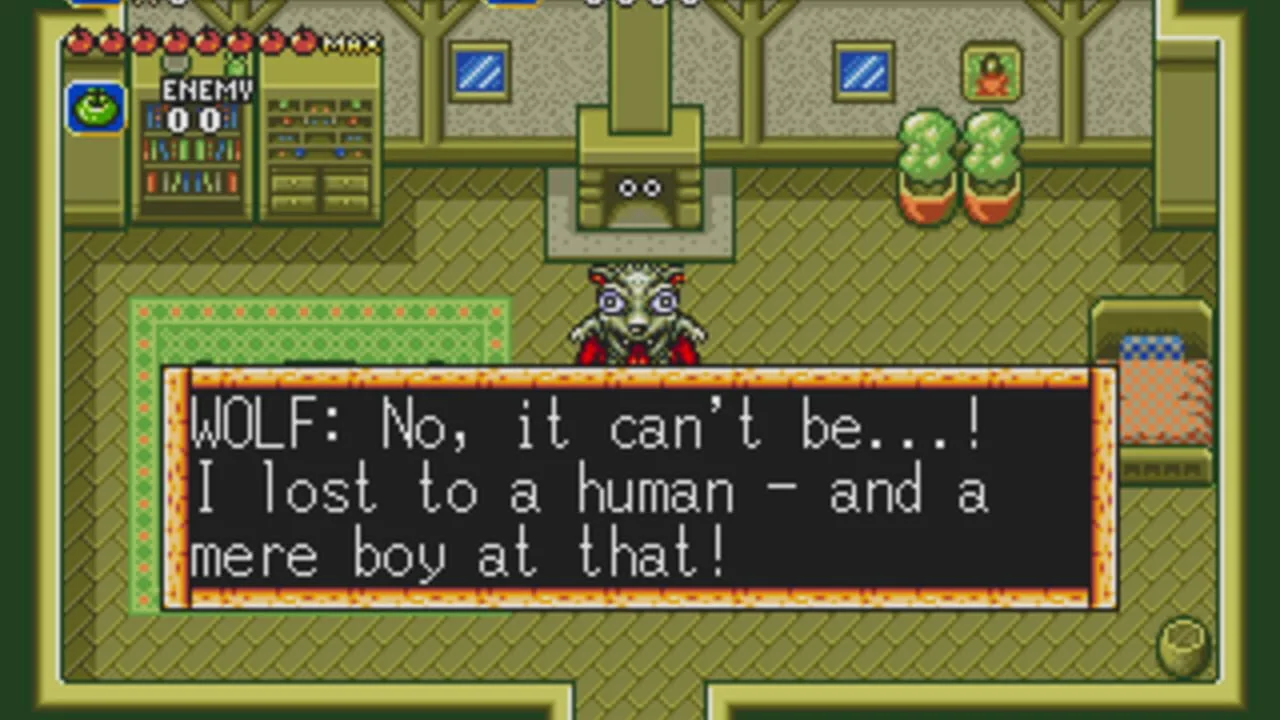
There are no experience points. The hero Corona grows by picking up new abilities, and the animals he befriends are the heart of the game, starting with his pet dog. In the second half he can only speak to animals and plants, not people, which gets stranger the longer you play. Electronic Gaming Monthly called it a worthy Zelda clone, and two of its reviewers said it is as good as the Zelda series. It came to Nintendo Switch Online + Expansion Pack in June 2023.
4. Shadowrun (1994)
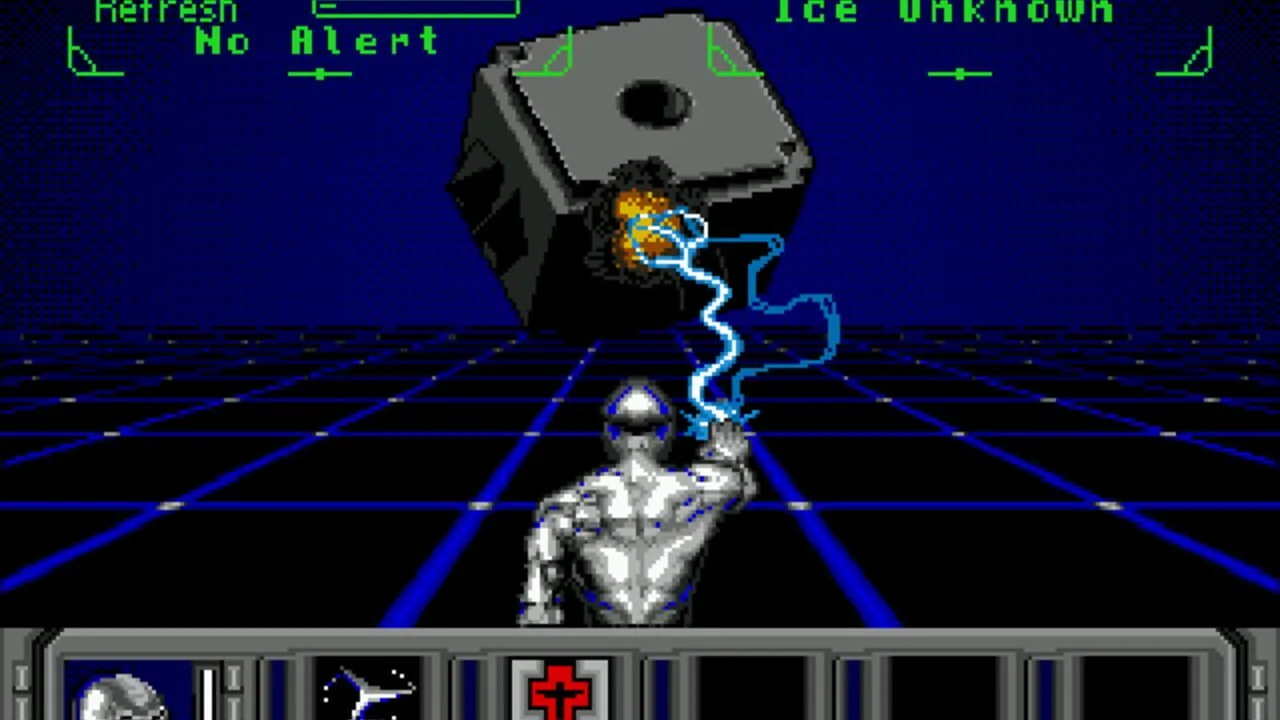
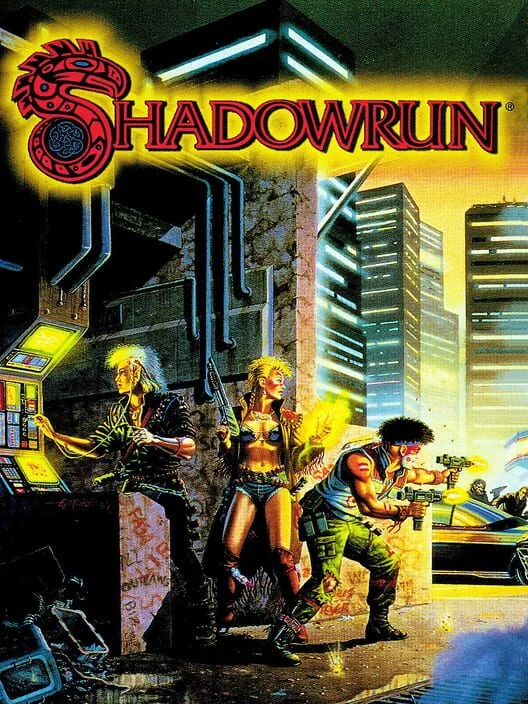
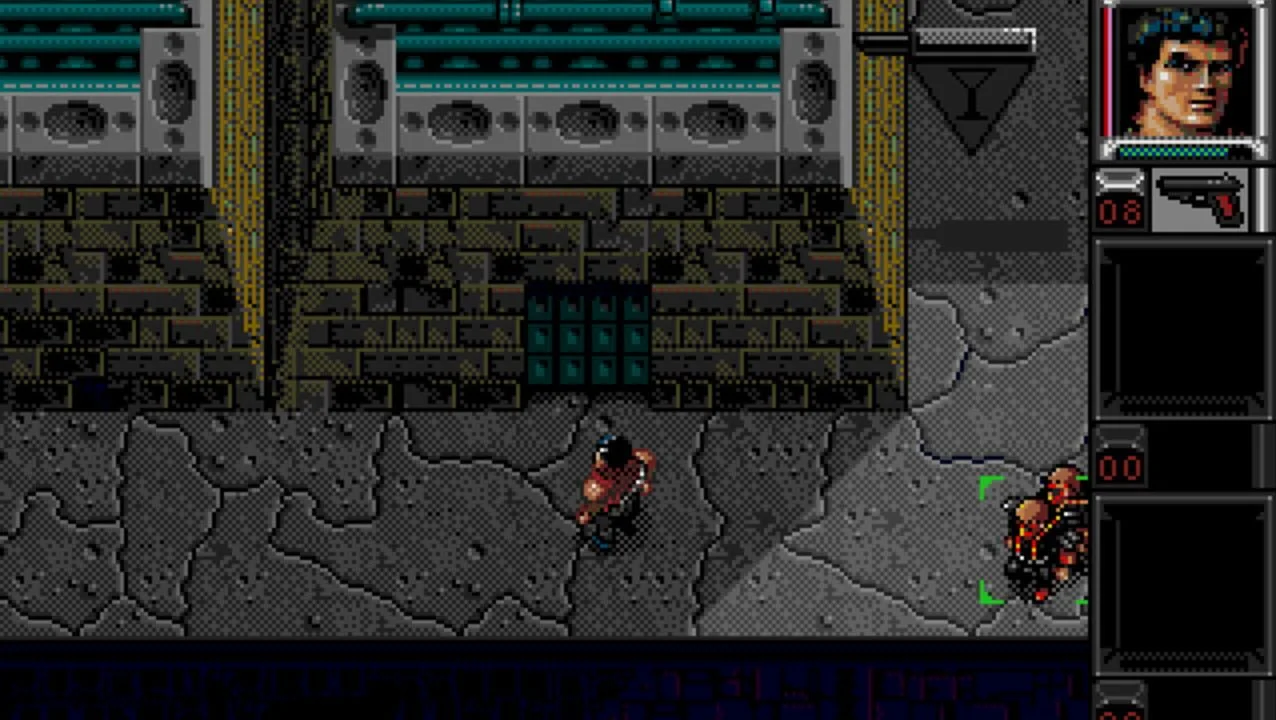
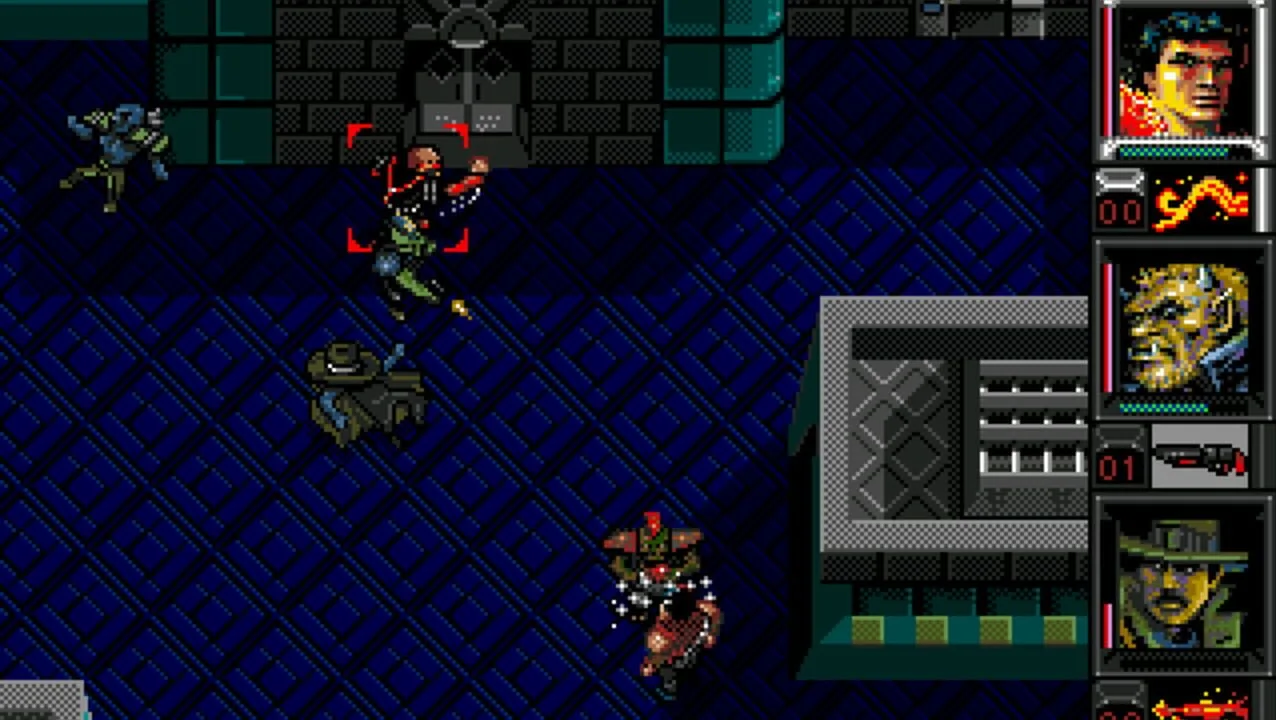
Shadowrun was adapted from FASA's cyberpunk role-playing game and developed by BlueSky Software. You play Joshua, who wants to avenge his brother's death in a future Seattle, and the only way to get answers is to make a name for himself as a shadowrunner. Before you start you pick a class, and it only sets your beginning statistics and equipment. After that you grow him however you like.
It plays much more like a Western PC RPG than the Japanese games around it, which is probably why it stayed under the radar. You can jack into the Matrix and steal data to sell, and a single file can sell for as much as 12,000 nuyen. It stays much truer to the pen-and-paper rules, and it is worth it for anyone who likes a lot of freedom in their RPGs. One player summed it up: "A western RPG that has a lot of depth for being a console game."
3. Phantasy Star IV (1993)
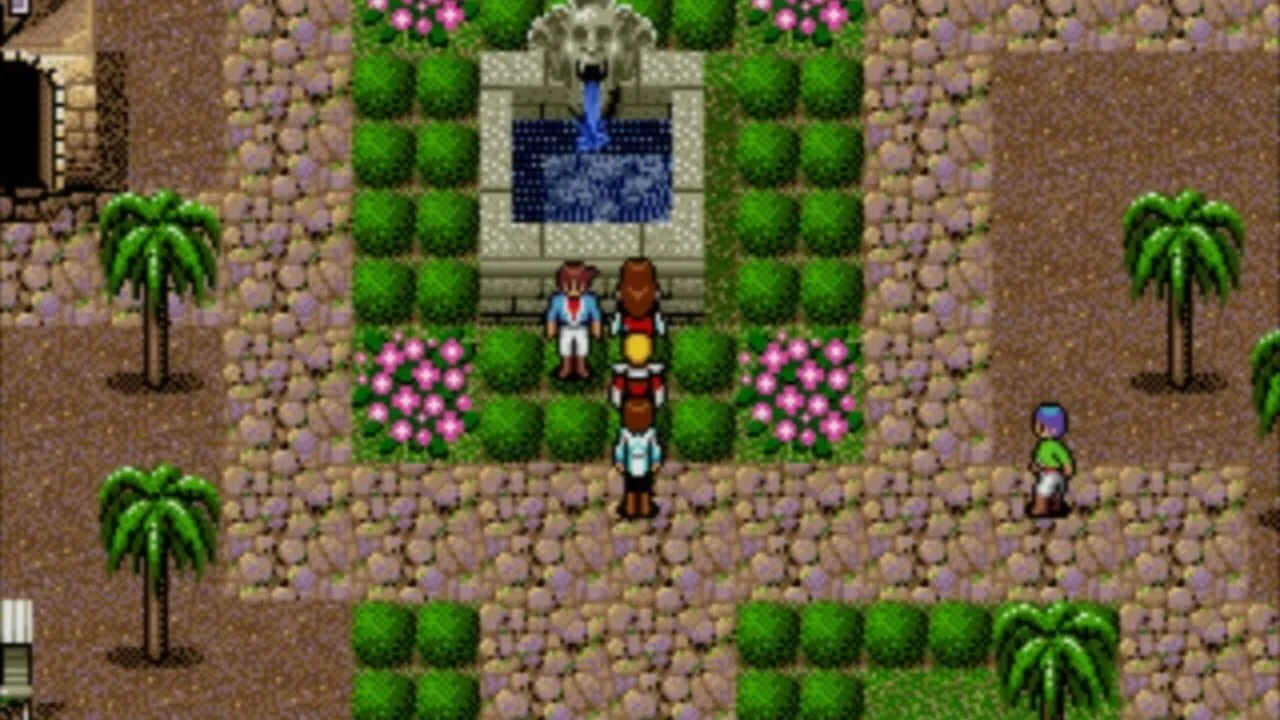
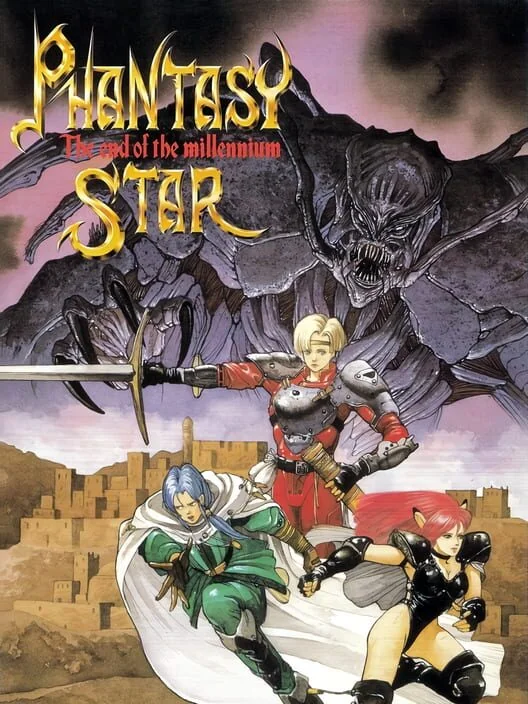
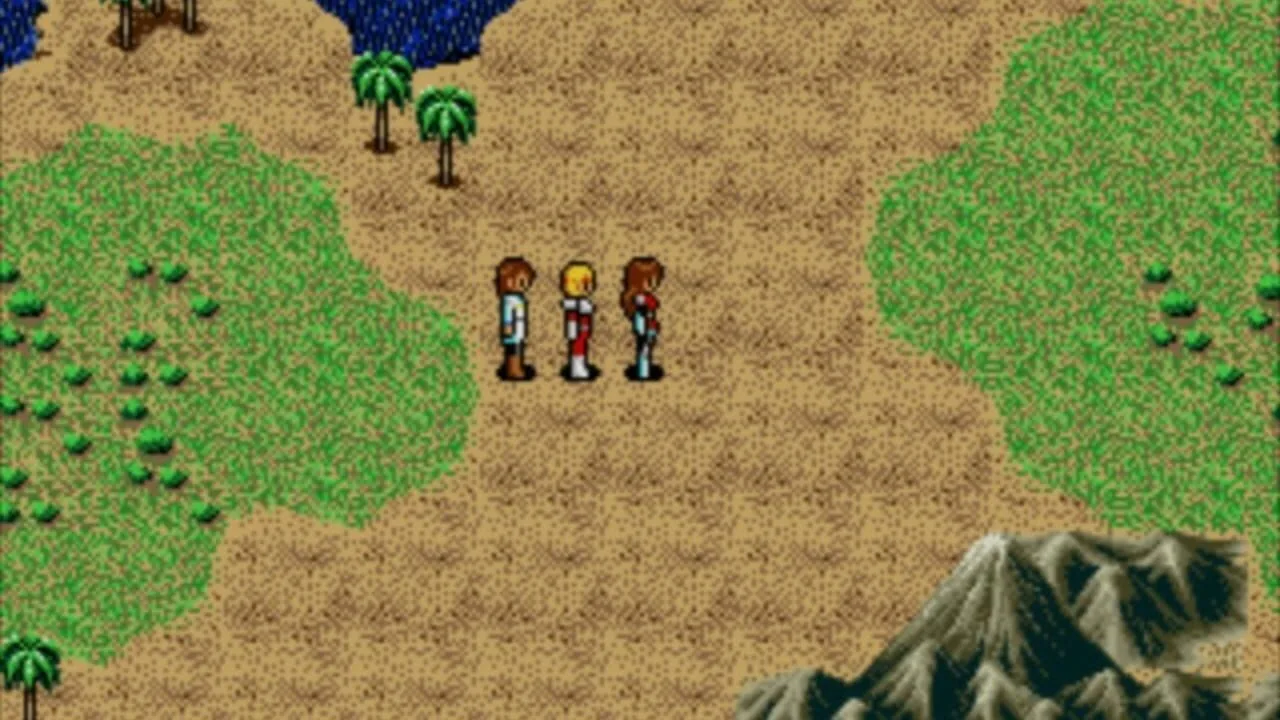
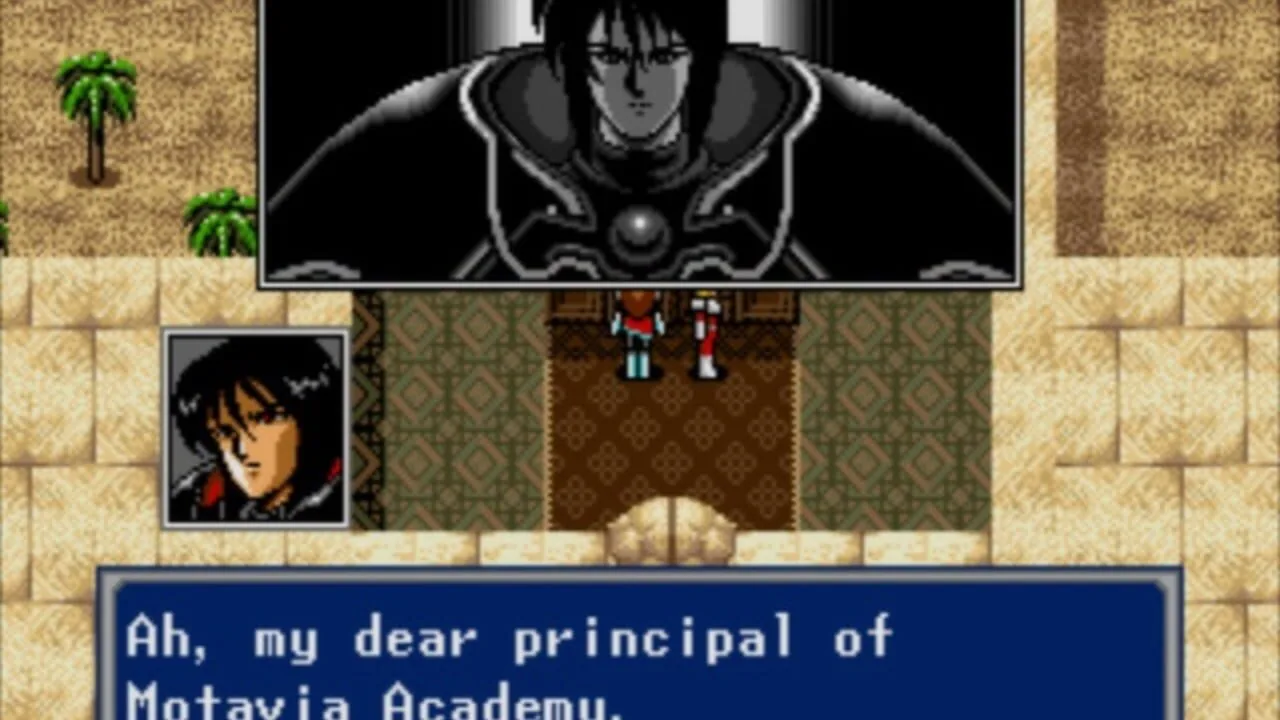
Phantasy Star IV came out in Japan in December 1993 and in North America in February 1995. It arrived over three years after the last mainline game, and this time Sega reunited the original team, with artist Rieko Kodama in charge. In Japan it was renamed Phantasy Star: The End of the Millennium to make clear it followed Phantasy Star II, and the title screen of every version still reads that way. Your party ends up chasing a cult leader called Zio, "The Black Magician", who wants to annihilate the whole Algol solar system.
GamePro praised the macros and the translation. It has been listed among the greatest video games of all time, and it was the last Phantasy Star until Phantasy Star Online in 2000. It is on the Sega Genesis Mini and in Sega Genesis Classics. If you want one RPG on this list for its story, make it this one.
2. Landstalker (1992)
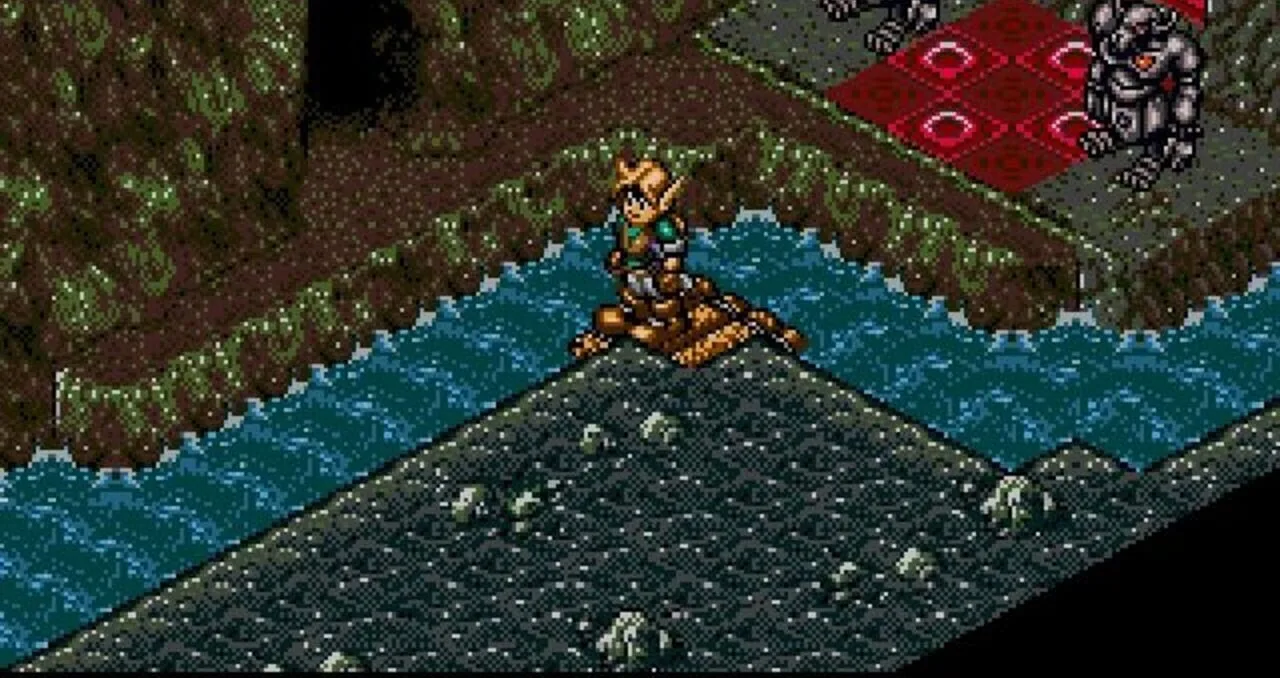
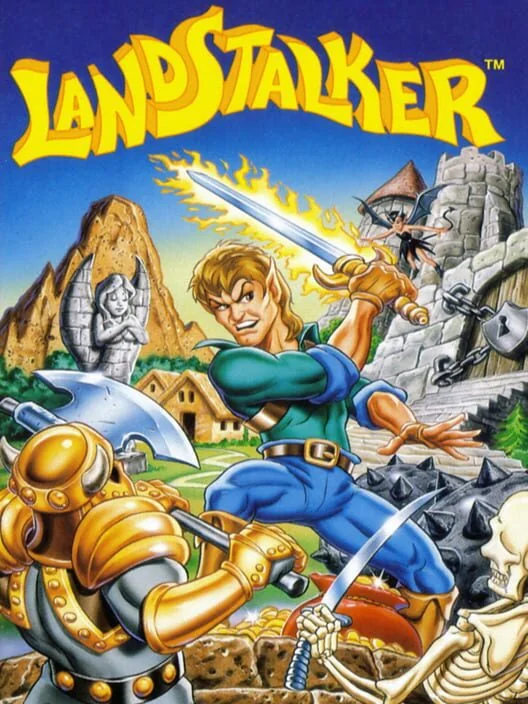
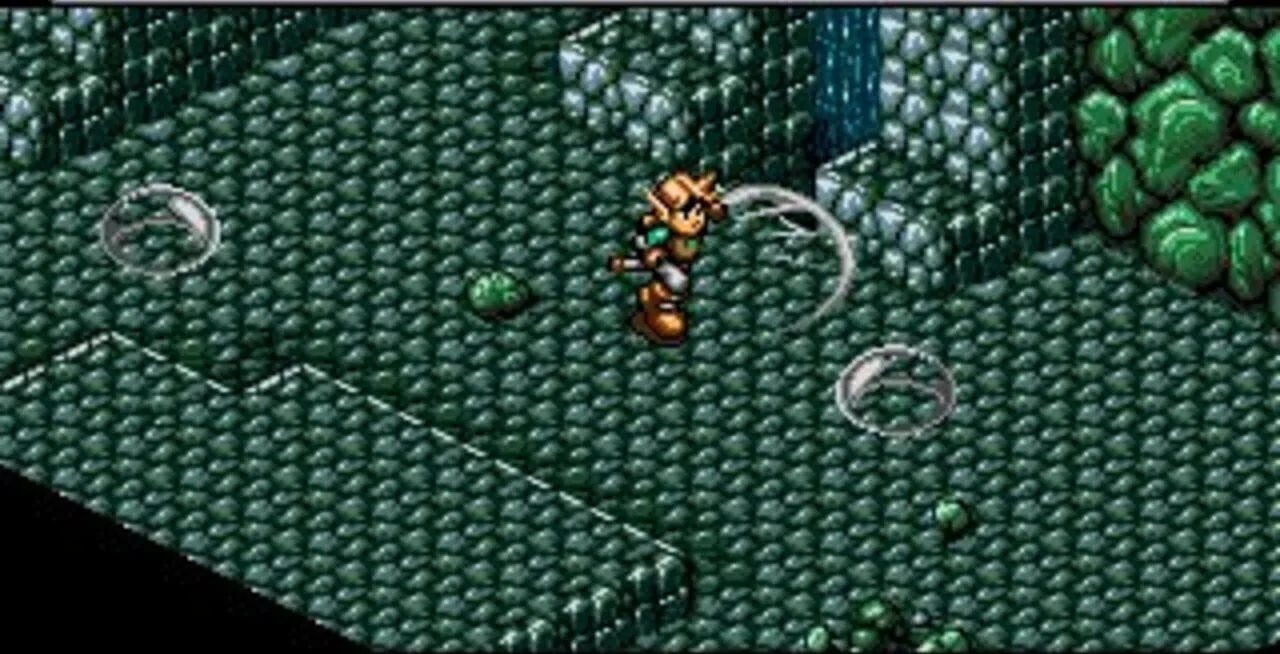
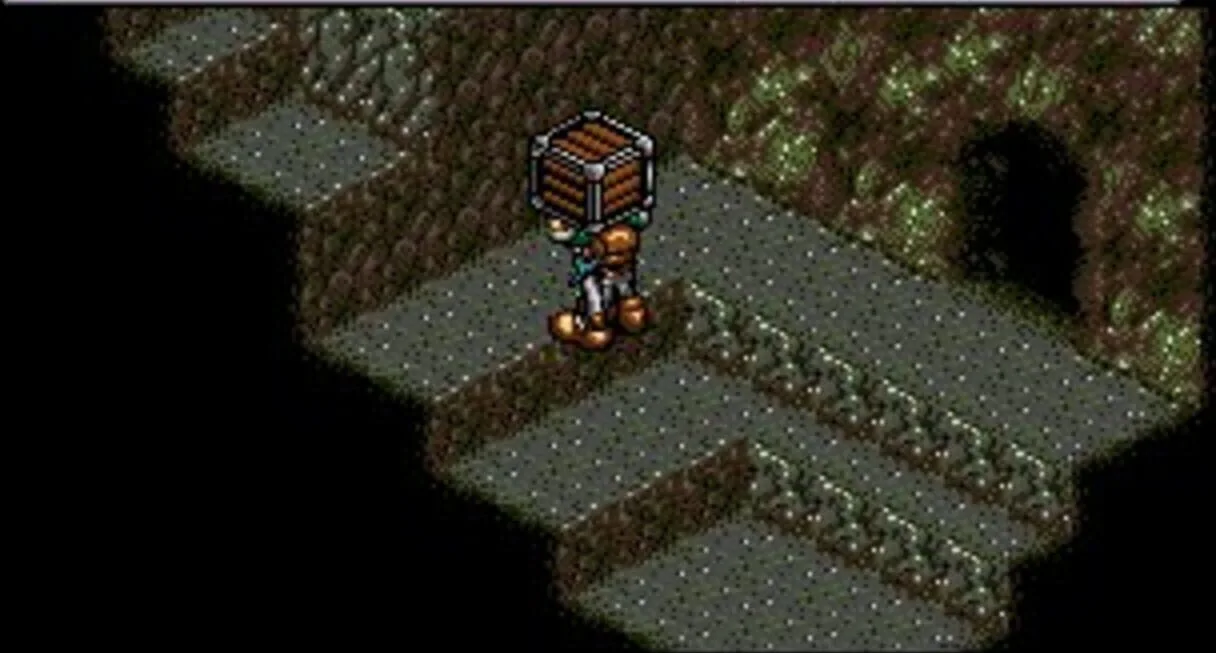
Landstalker is a 1992 action RPG developed by Climax Entertainment and published by Sega. Nigel sells a statue to a shop owner in the port town of Kalva, and right after that he is accosted by a wood nymph named Friday, who stays with him for the entire game. It uses an isometric viewpoint, which set it apart from Zelda and gave Sega fans an alternative to Zelda on the SNES.
The game starts out relatively simple and gradually becomes quite a challenge, because its puzzles and mazes are original and well designed. It was a critical and commercial success. A sequel was in the planning stages but was cancelled, and Dark Savior and Alundra are considered spiritual successors. It has been re-released on the Sega Genesis Mini and on the Nintendo Classics service, so it is easy to play now.
1. Shining Force (1992)
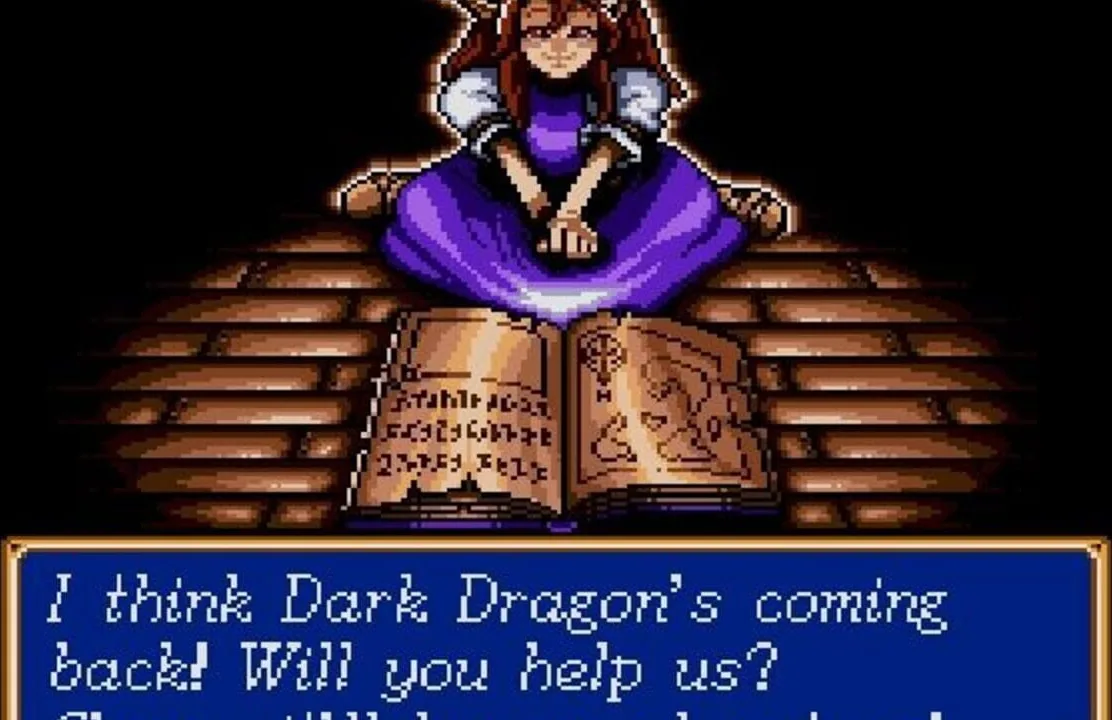
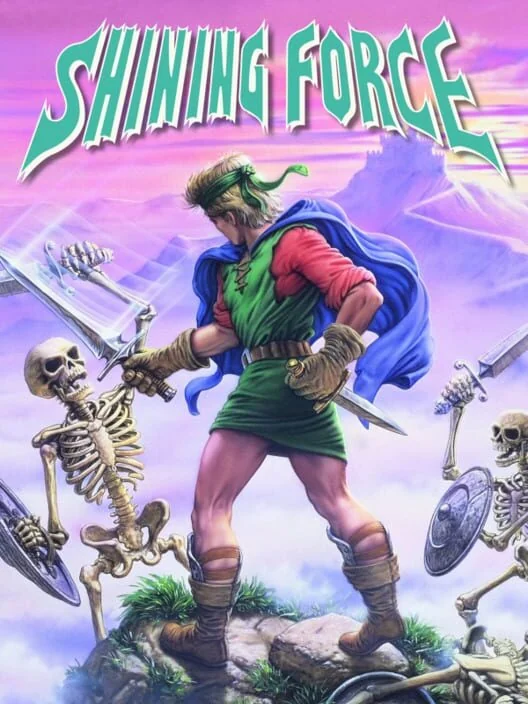
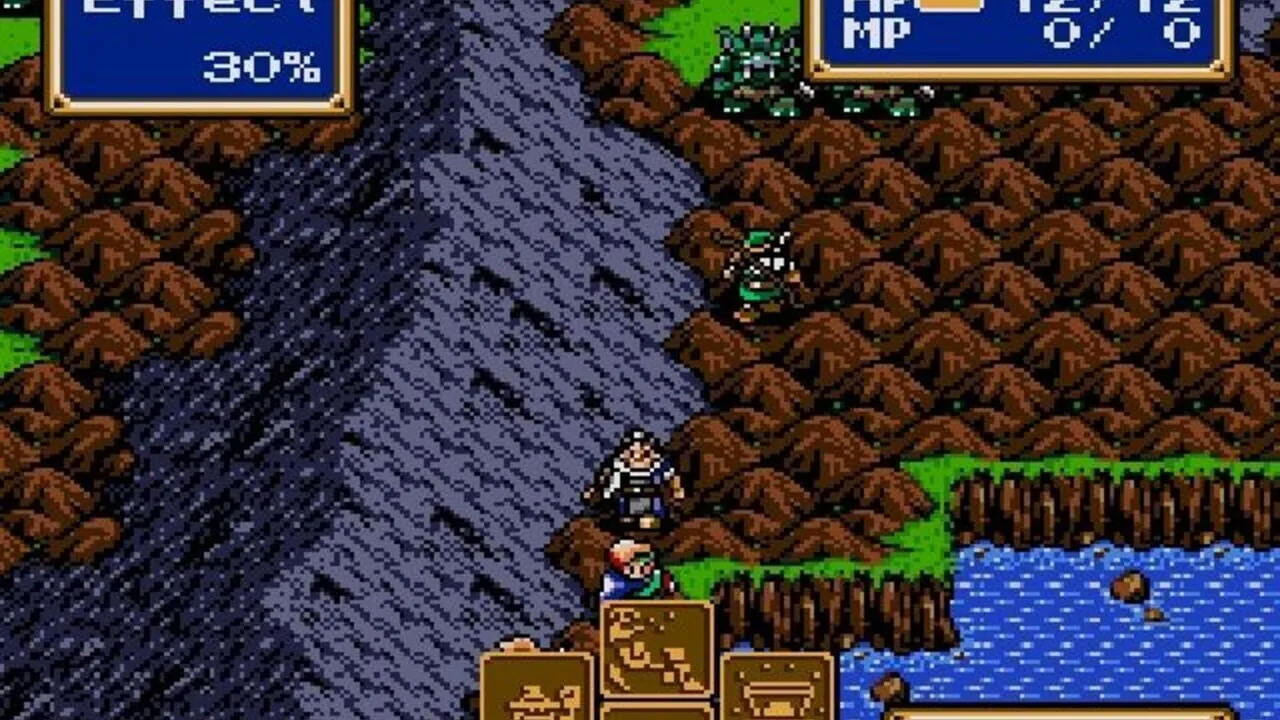
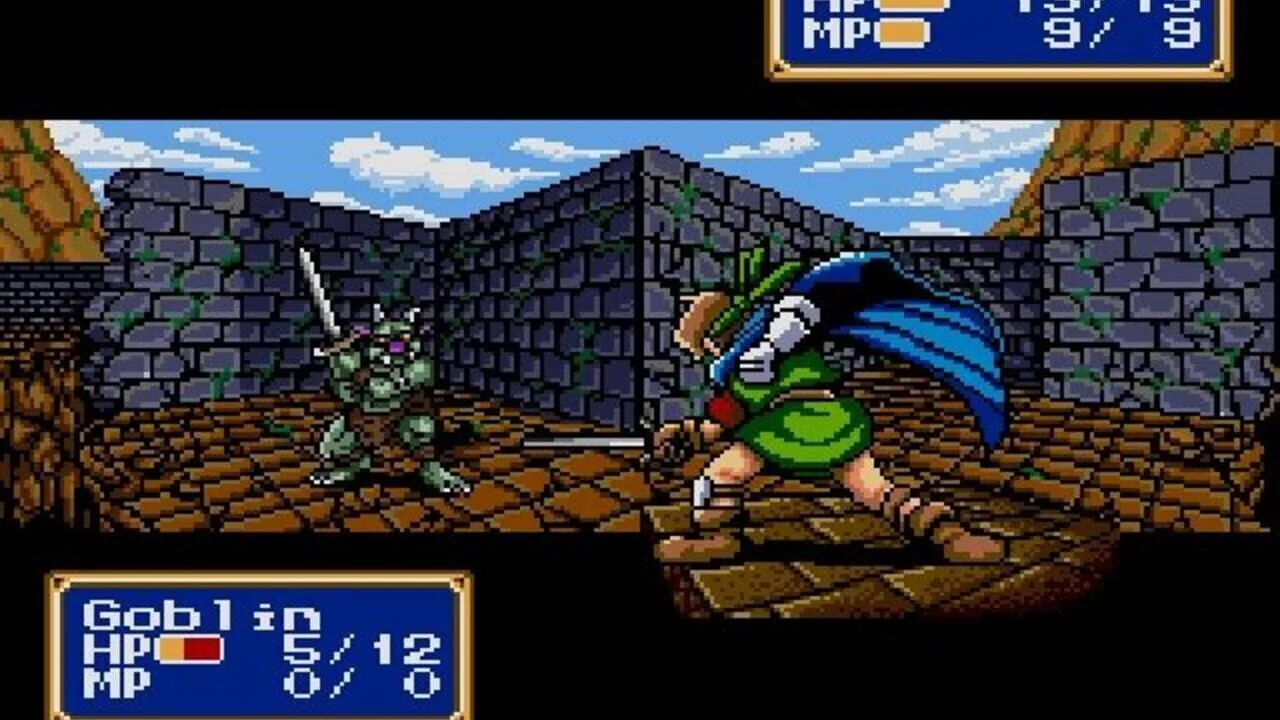
Shining Force is a 1992 turn-based tactical RPG developed by Climax Entertainment and Sonic! Software Planning. It helped lay the foundation for the strategy RPG genre: it blended the conventions of Japanese RPGs with deep strategy, and the result felt like enhanced chess with a fantasy story. Between battles it plays like a traditional Japanese RPG along the lines of Dragon Quest, although there are no labyrinths and only a few puzzles to solve.
Lead developer Hiroyuki Takahashi said it was chiefly inspired by Dragon Quest. It has been re-released all over the place, from Sonic's Ultimate Genesis Collection to Steam, and a Game Boy Advance remake, Shining Force: Resurrection of the Dark Dragon, followed in 2004. Players recommend it more than any other Genesis RPG, and it is still the friendliest way into tactics games.
Which one to play
There you have it, the whole list of the best Genesis RPGs. Every one of them still holds up today.
If you are not sure where to start, play Shining Force. If you want a turn-based RPG with a real story, Phantasy Star IV is the one. For fans of a series, play Phantasy Star II first and then IV, or go from Shining Force straight to Shining Force II. If you grew up on Zelda, Landstalker and Crusader of Centy will feel like home. If you like Western RPGs, Shadowrun is made for you. And for a hidden pick, try Beyond Oasis.