The PS2 was a great place to be a fighting game fan. Anime heroes, rappers, wrestlers, boxers and giant monsters all got their own fighters, and the games looked and moved like nothing before them on a home console. That was a big deal back then, when most people still thought of fighting games as something you played in an arcade with a pocket full of coins.
Dragon Ball takes five of the spots and Mortal Kombat takes three, and there is a lot more besides, from wrestling rappers to monsters smashing cities. Plenty of famous arcade fighters started life somewhere else, so this list only counts games that English-speaking players first got on the PS2, which leaves 24. Here are the 24 best PS2 fighting games.
24. Yu Yu Hakusho: Ghost Files - Dark Tournament (2004)
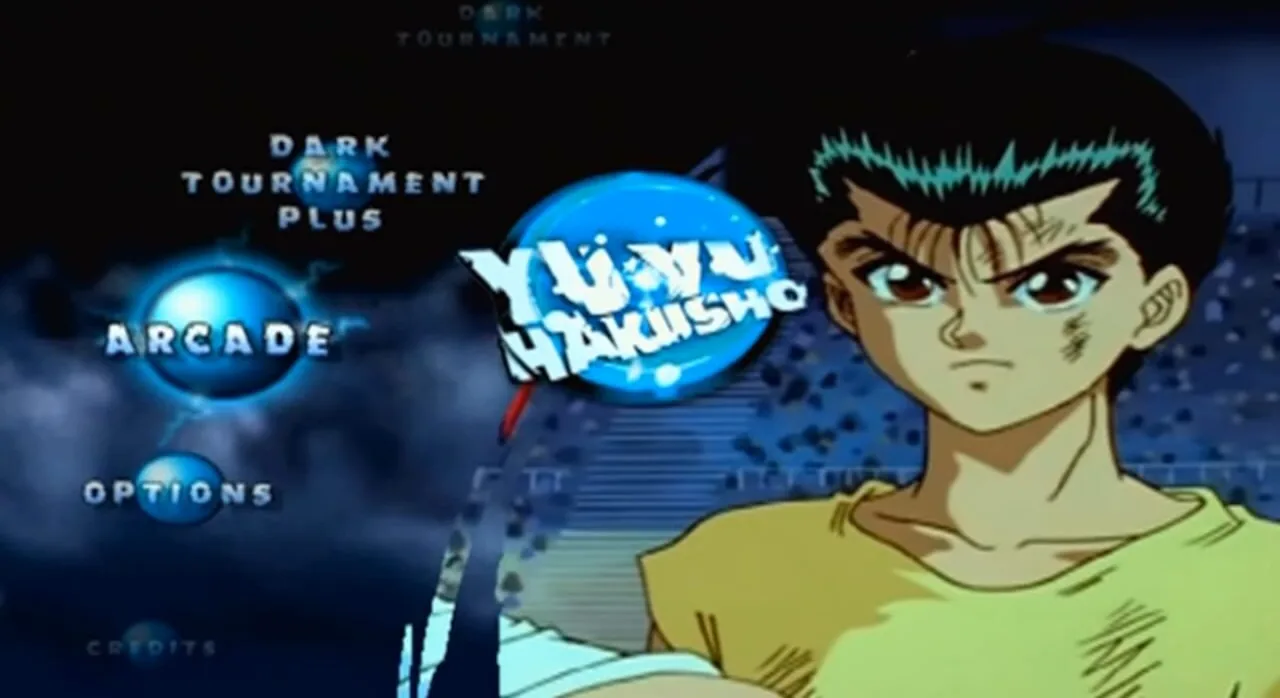
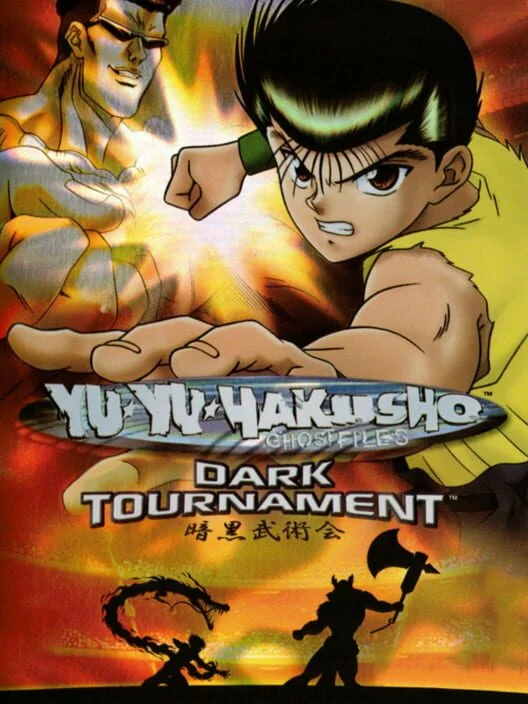
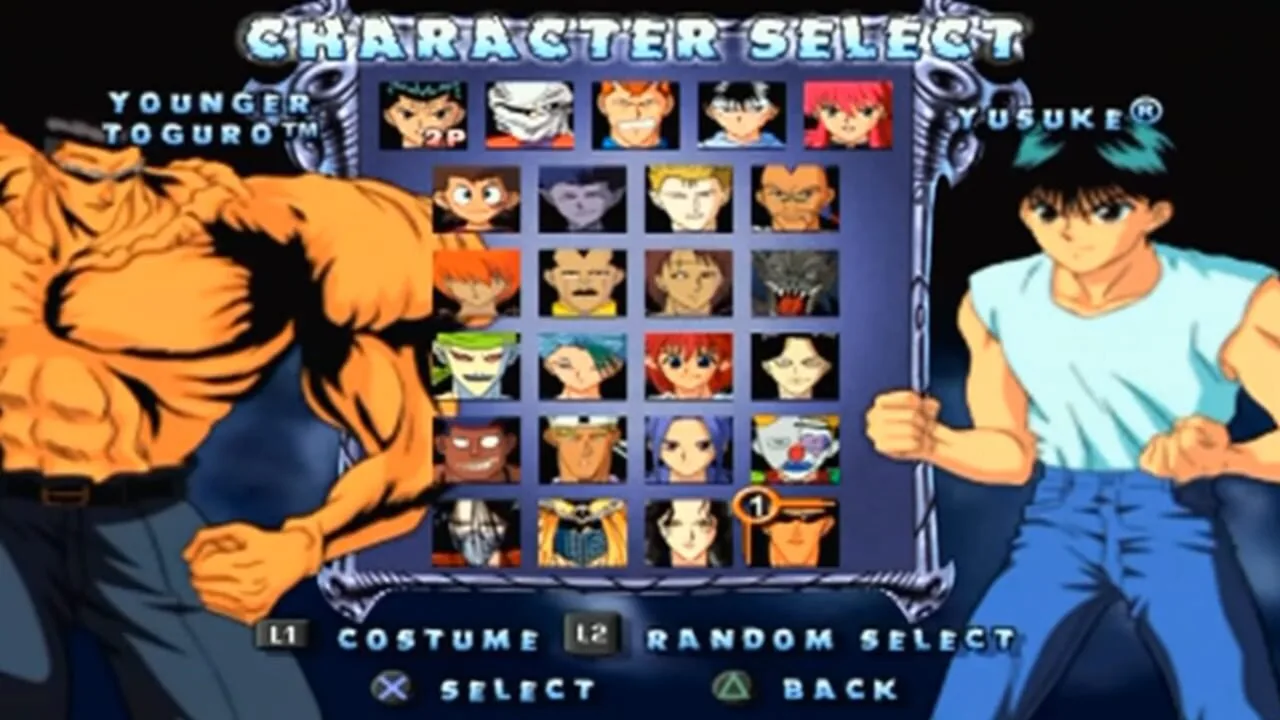
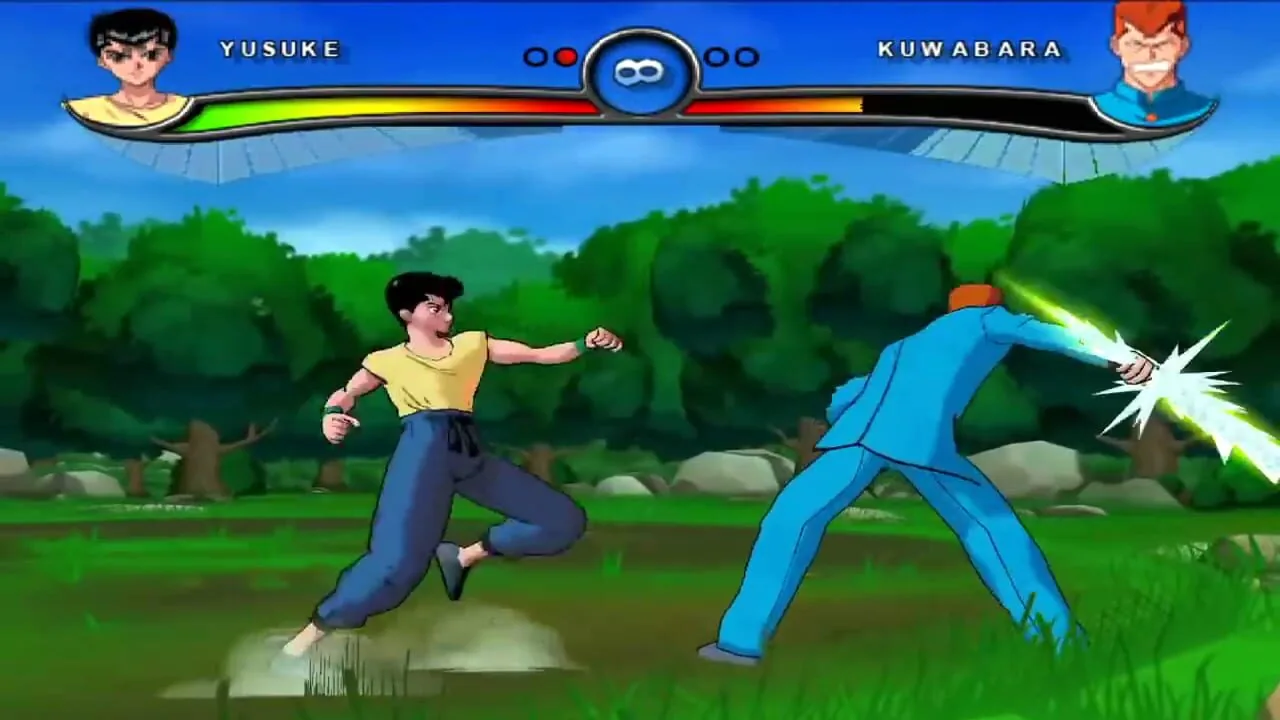
Yu Yu Hakusho: Dark Tournament turns the anime's Dark Tournament saga into a fast-paced 3D fighter. The story mode replays exciting moments from that saga, while arcade and survival modes throw increasingly difficult computer opponents at you. There is even a card game mode, where the cards you earn in battle power a separate strategy game.
Only three games from the franchise ever came out in North America, and this is one of them. It sits at the very bottom of the list, but anime fans who want to fight as Yusuke instead of just watching him will find a lot to like. It is a fine pick if you love the show and want a fighter that follows its biggest tournament closely.
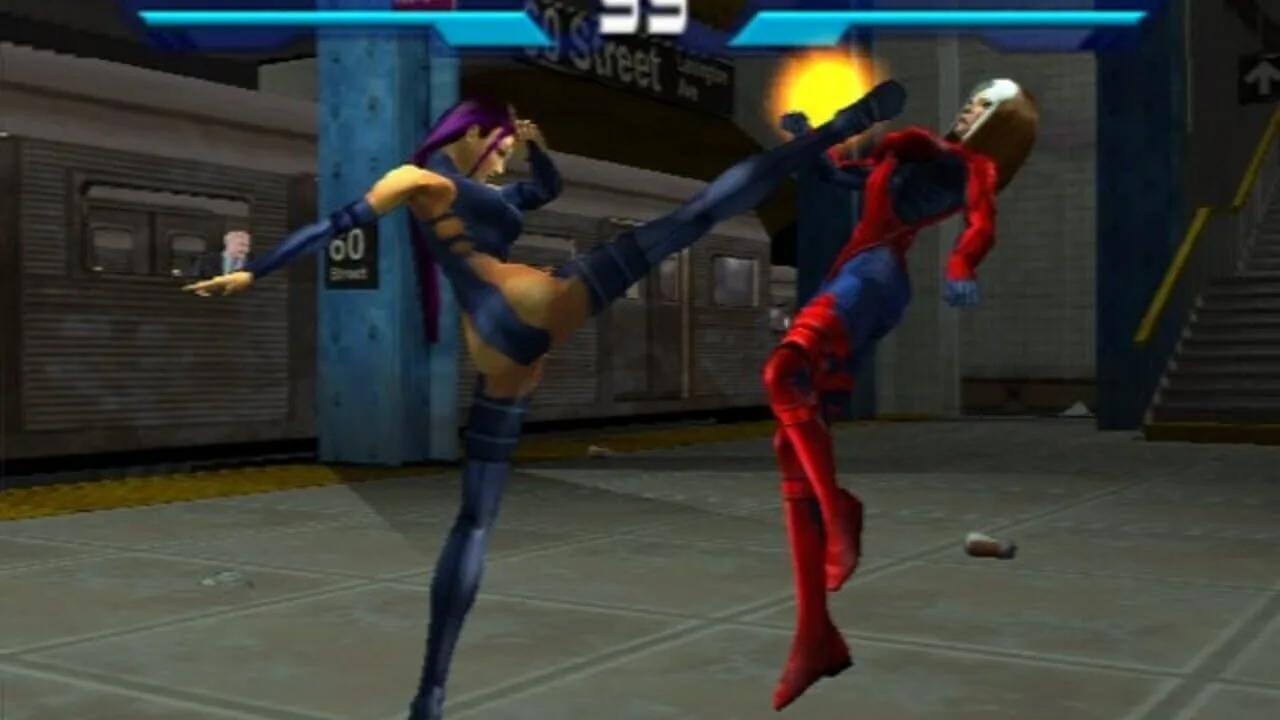
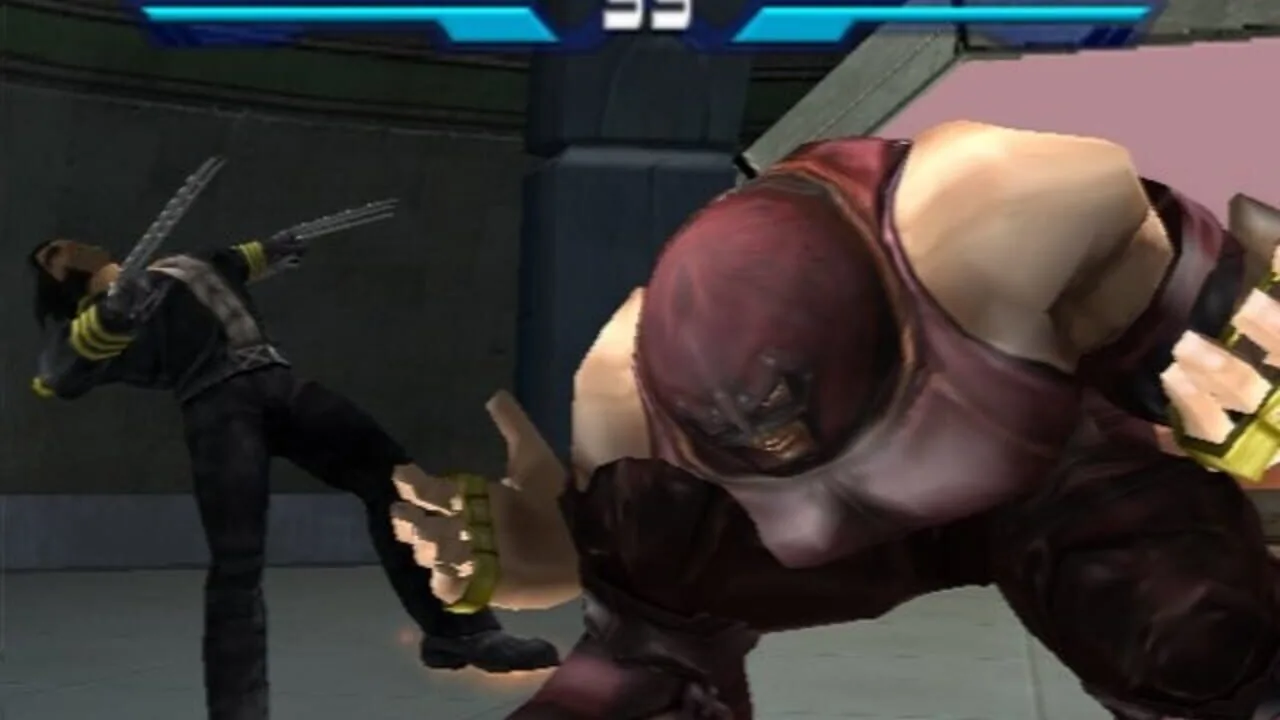
23. X-Men: Next Dimension (2002)
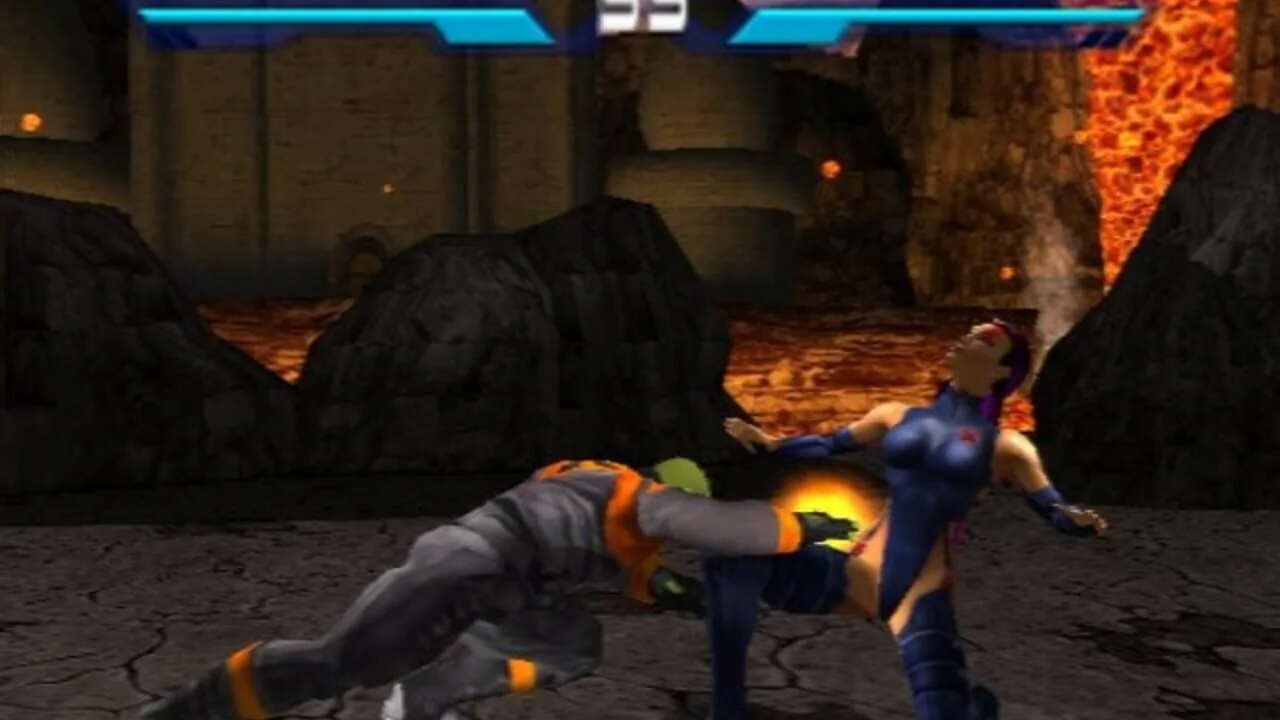
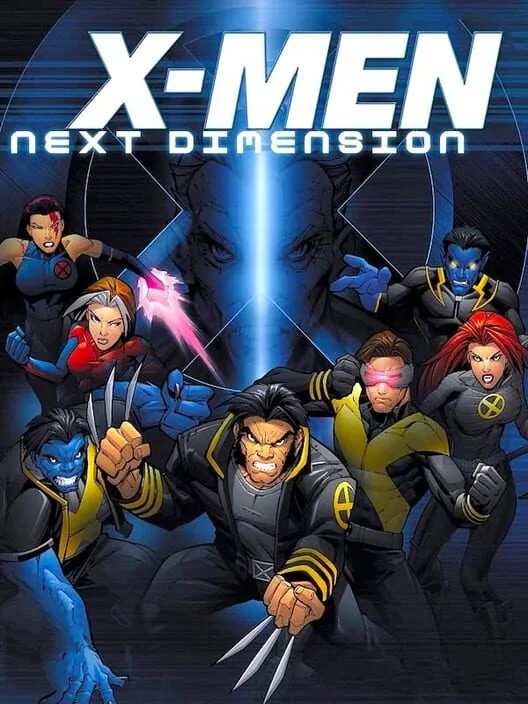
X-Men: Next Dimension is the third game in the X-Men: Mutant Academy series. It adds new characters, 3D maps and a story mode, with short movies between the battles that move the plot along. The plot is a sequel to the comic story Operation: Zero Tolerance. Counterattacks are built in: press the counterattack button and a direction.
The main costumes come from the two X-Men comics running at the time, New X-Men and X-Treme X-Men. Reviews were mixed, but plenty of critics liked the new characters and the improved gameplay. Story Mode limits who you can use in each battle, while Arcade Mode lets you pick anyone in a series of eight battles. It is not the deepest fighter on the console, but the roster is a treat for anyone who grew up with the comics or the cartoon.
22. Dragon Ball Z: Budokai Tenkaichi 2 (2006)
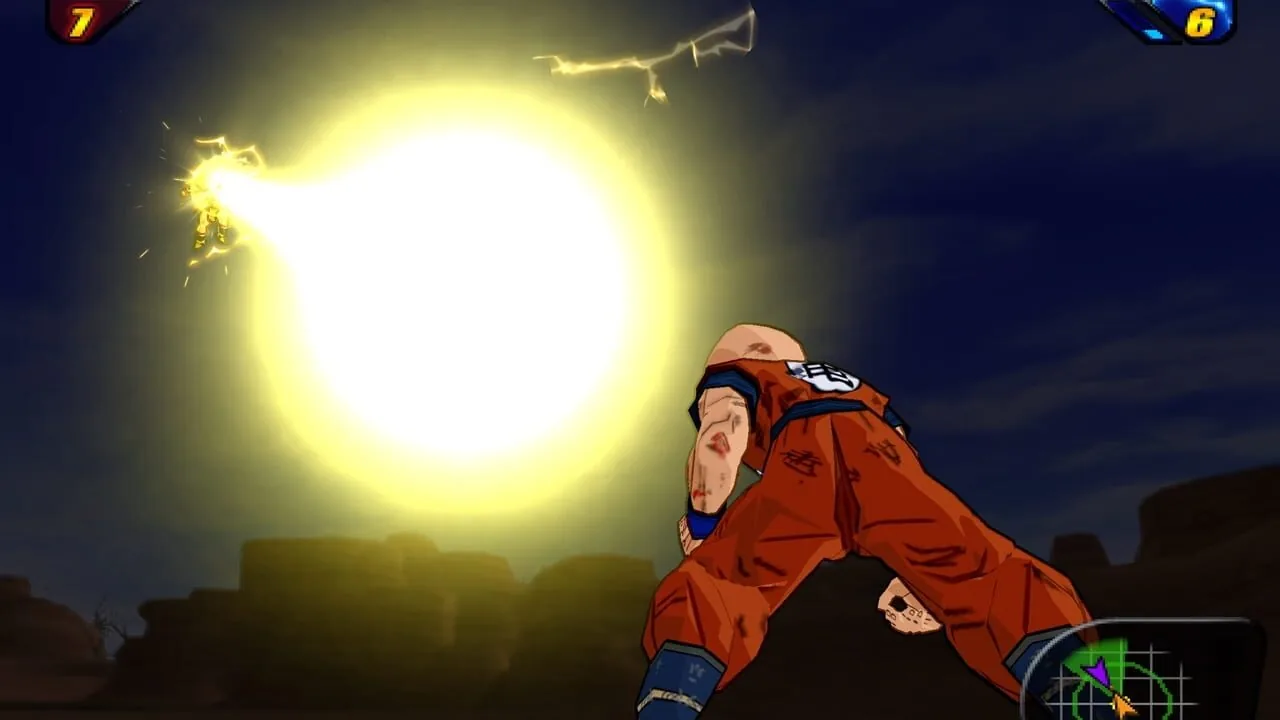
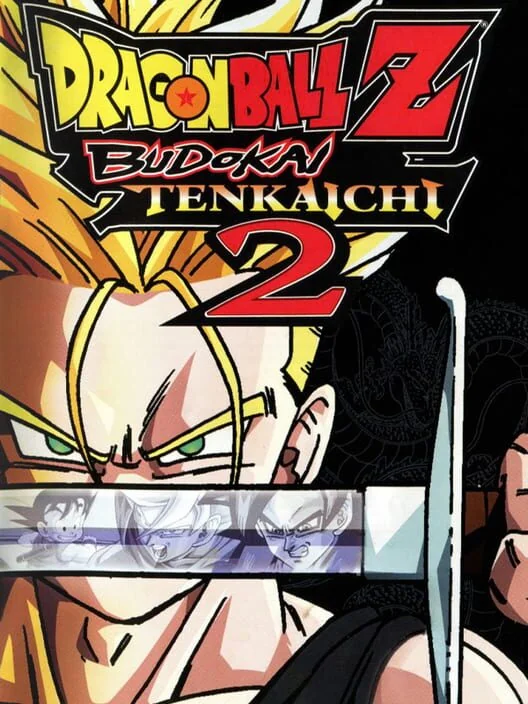
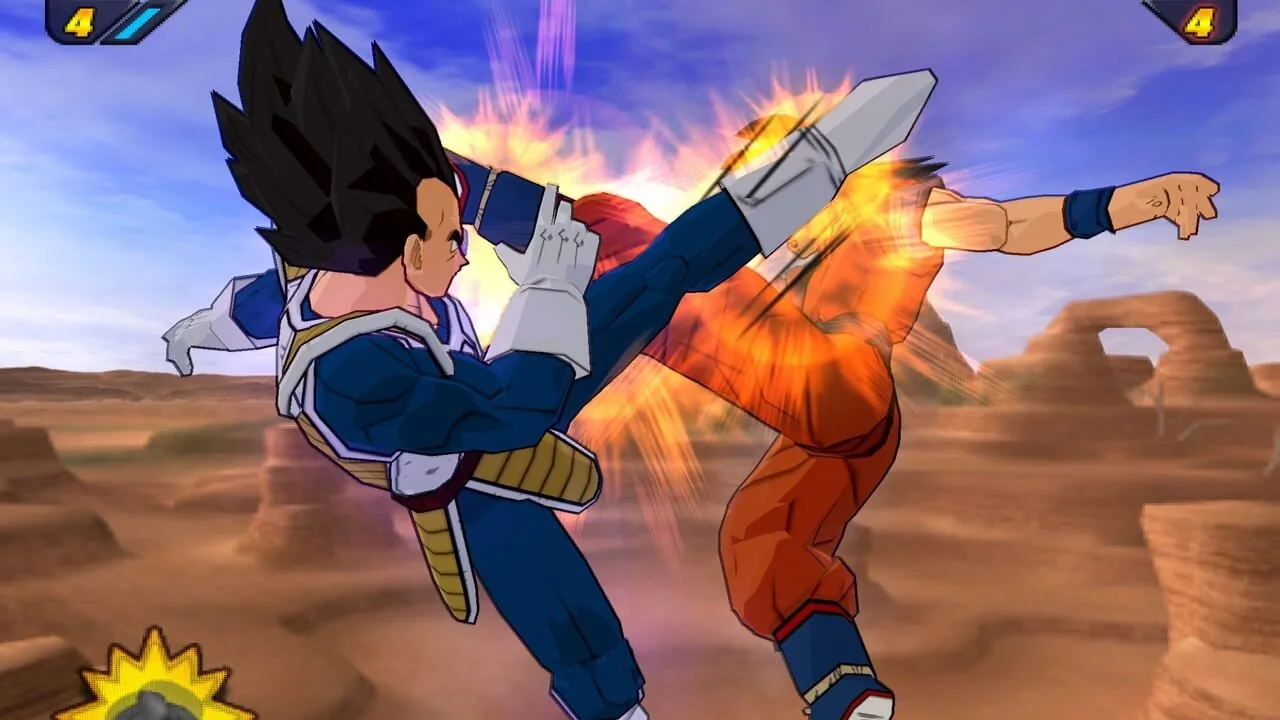
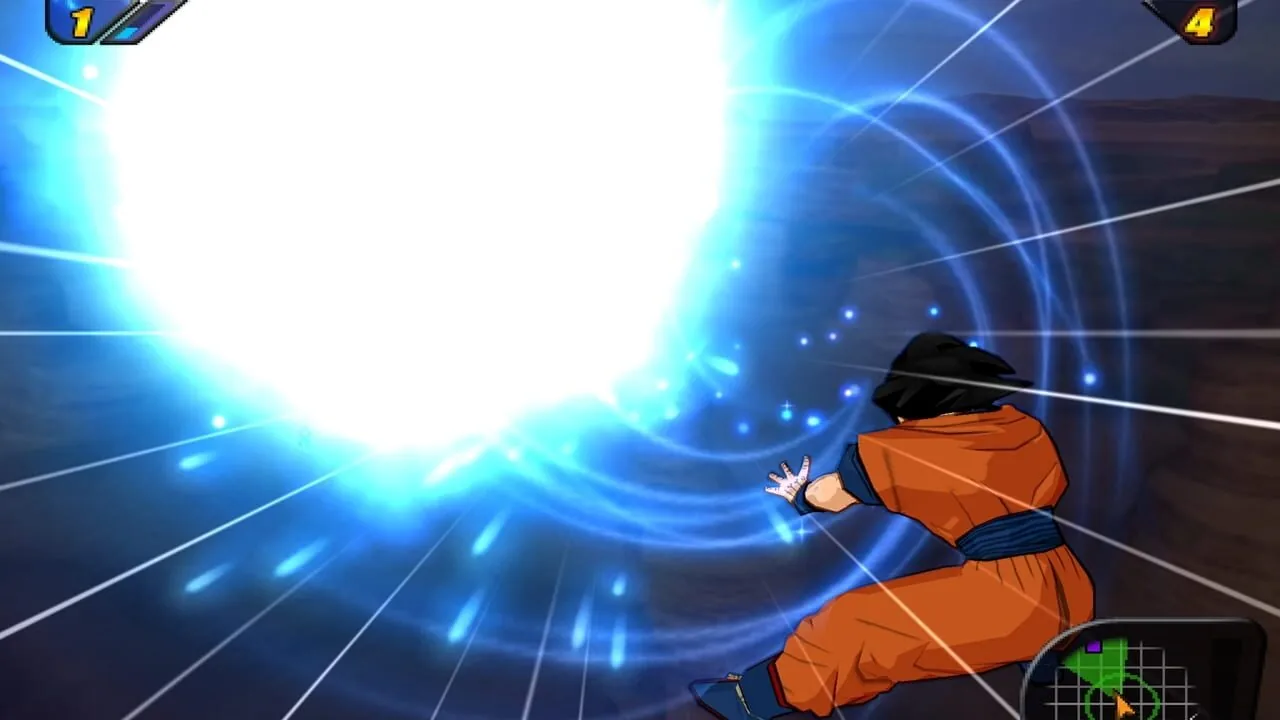
Dragon Ball Z: Budokai Tenkaichi 2 has more than 120 playable characters, the biggest roster ever in a Dragon Ball game when it came out. The Dragon Adventure mode runs from the Saiyan Saga all the way to the last Dragon Ball GT saga.
That makes it one of the most complete Dragon Ball Z stories on the console, with all of the major battles along the way. Its sequel, Dragon Ball Z: Budokai Tenkaichi 3, sits sixteen places higher. If you want the biggest cast, this is where the series starts to get silly in the best way. It is a Dragon Ball game built for fans who know every saga by heart. Fights are loud, fast and over the top, which is exactly what you want from a Dragon Ball game with a roster this big.
21. Melty Blood Act Cadenza (2005)
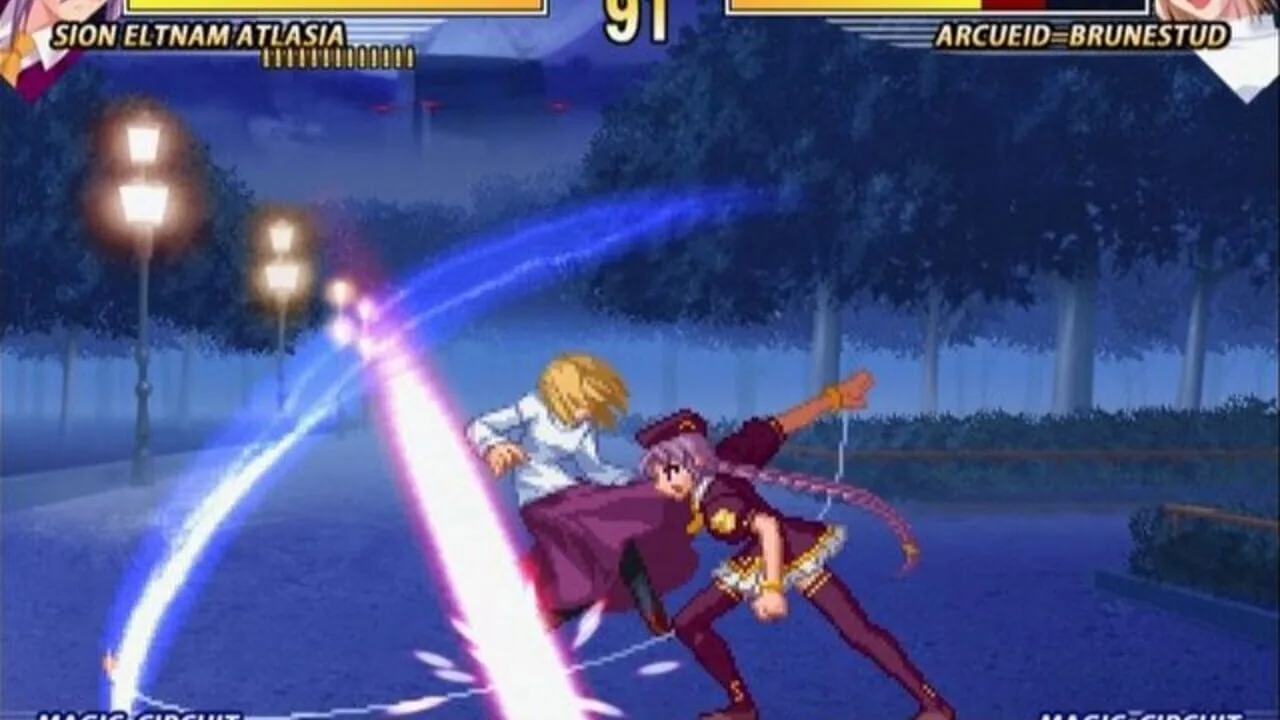
Melty Blood started as a fighting game sold at Comiket in December 2002, and Act Cadenza is the arcade version that reached the PS2. It was the first Type-Moon game on a console. The story picks up a year after Tsukihime, when Shiki Tohno hunts a killer in Misaki Town and runs into Sion Eltnam Atlasia. A defensive technique called Shielding can completely nullify damage from incoming attacks.
Act Cadenza was an unusual port, because it included an option to go back to the older Version A mechanics. Fast, flashy anime fighters were thin on the ground on the PS2, so this one stands out. The arcade version arrived in March 2005 and the PS2 port followed on August 10, 2006. If you are curious about the series, the PS2 is a handy way to try it without a PC.
20. Fight Night Round 2 (2005)

Fight Night Round 2 is EA's boxing sequel to Fight Night 2004. You can create a boxer and start a career as an amateur in a shady gym in Queens, NY, then fight your way to the top. After every round, a cutman mini-game has you use the analog sticks to heal the cuts and bruises on your boxer's face.
The GameCube version got Little Mac from Punch-Out!! as a playable fighter, which the PS2 version never had. The soundtrack is a dozen hip-hop tracks, though sadly they are edited. It is the only boxing game on this list. It is also the only game in the series to feature Mayweather. The punches have real weight, and the slow-motion sweat and blood make every big hit feel like an event.
19. Super Dragon Ball Z (2005)
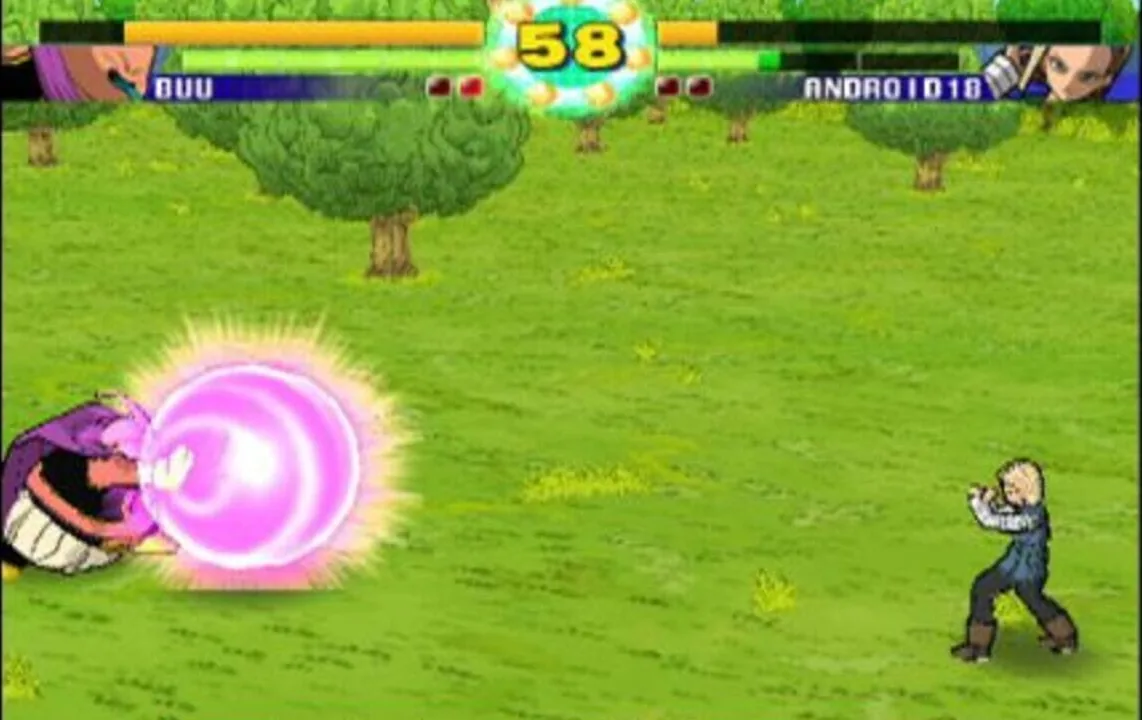
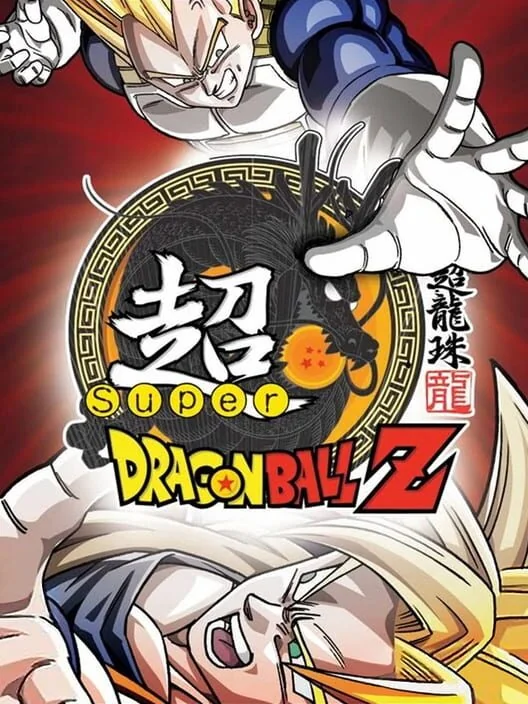
Super Dragon Ball Z is a cell-shaded fighter based on an arcade game. Its team includes former Street Fighter producer Noritaka Funamizu. The PS2 version reached North America on July 18, 2006. Battles take place in the world tournament ring and last a single round.
Frieza warps around the arena while Trunks swings swords up close, and the stages are layered so you can knock the fight into another area. The controls are simple: a four button setup with strong and weak attacks. It plays closer to a traditional fighter than most Dragon Ball games. The color schemes and art styles are nods to the original Weekly Jump manga run. It is short, sharp and a little rough around the edges, but it looks like a manga page come to life.
18. Naruto: Ultimate Ninja (2003)
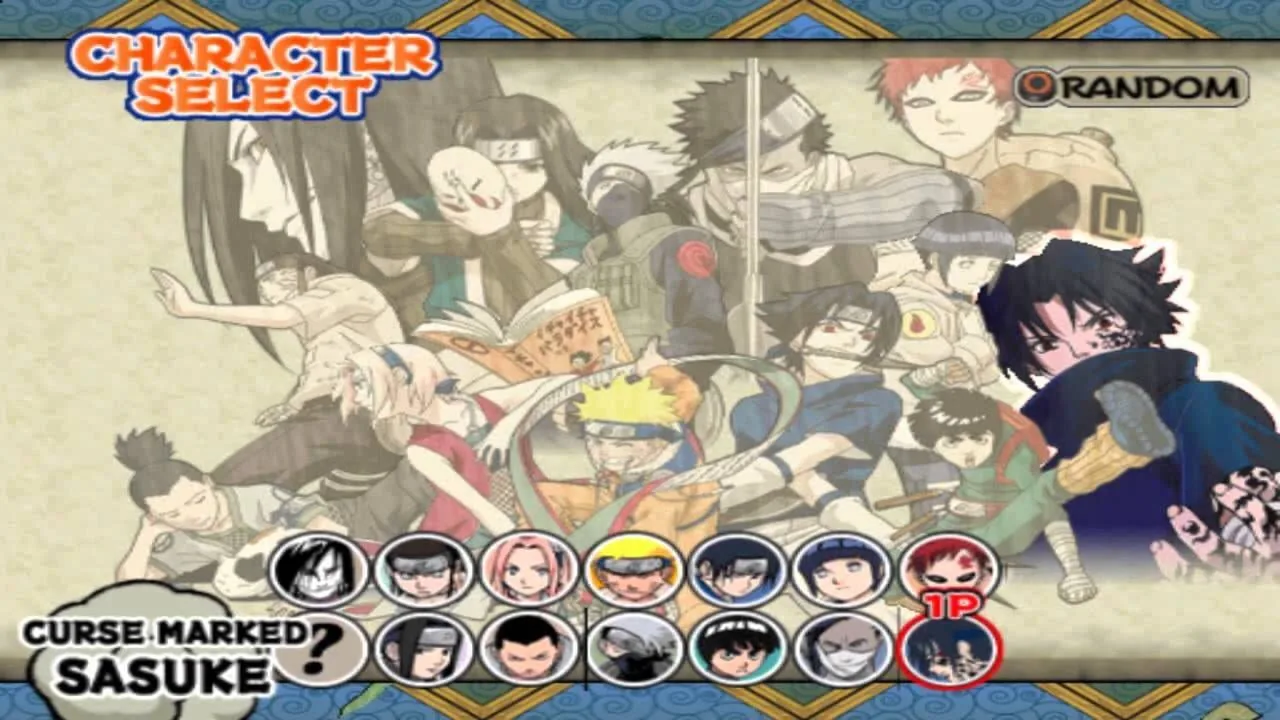
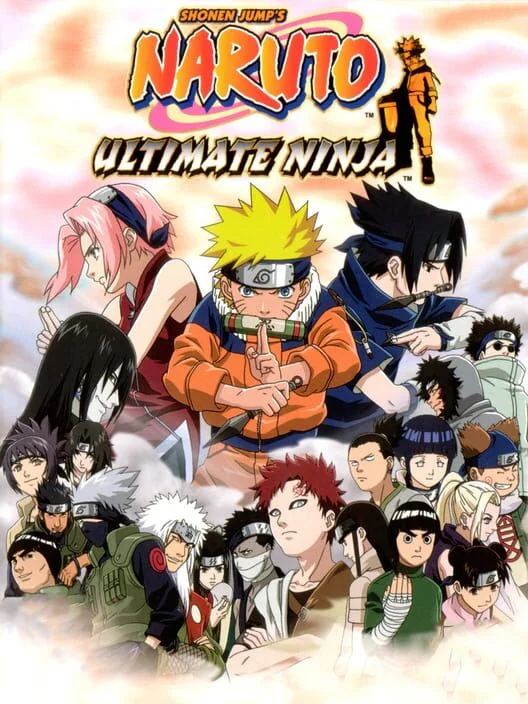
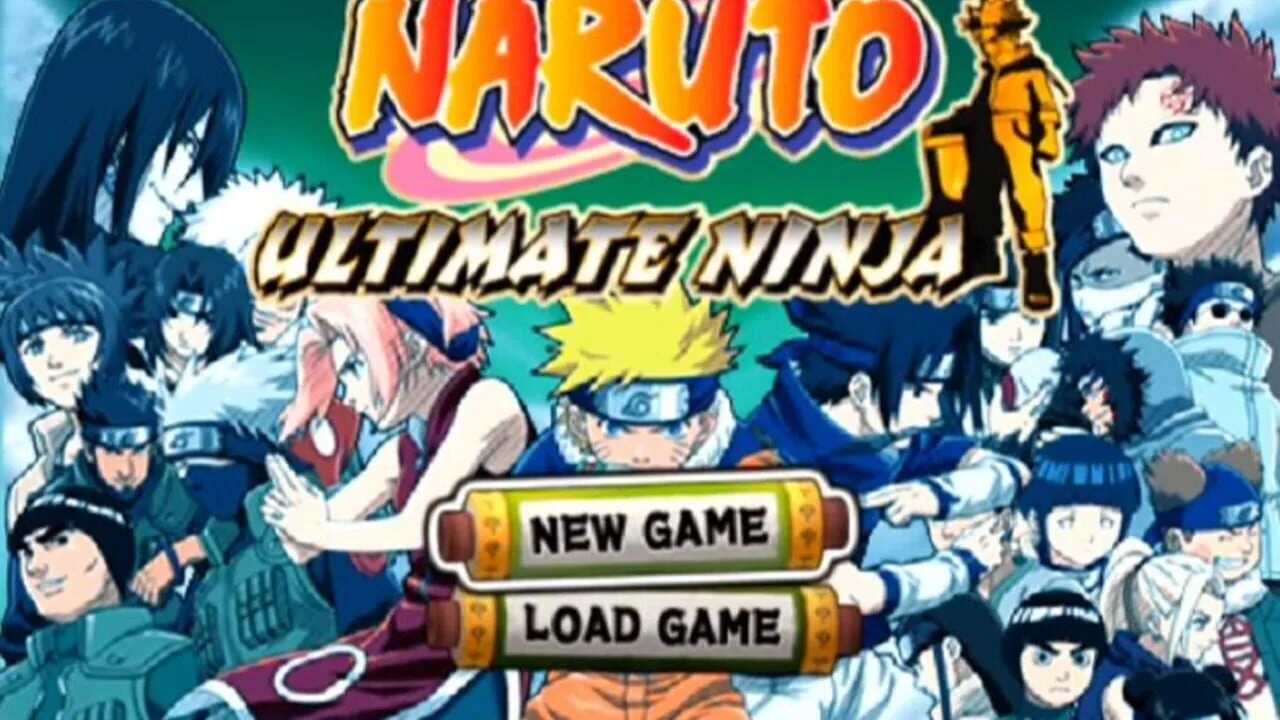
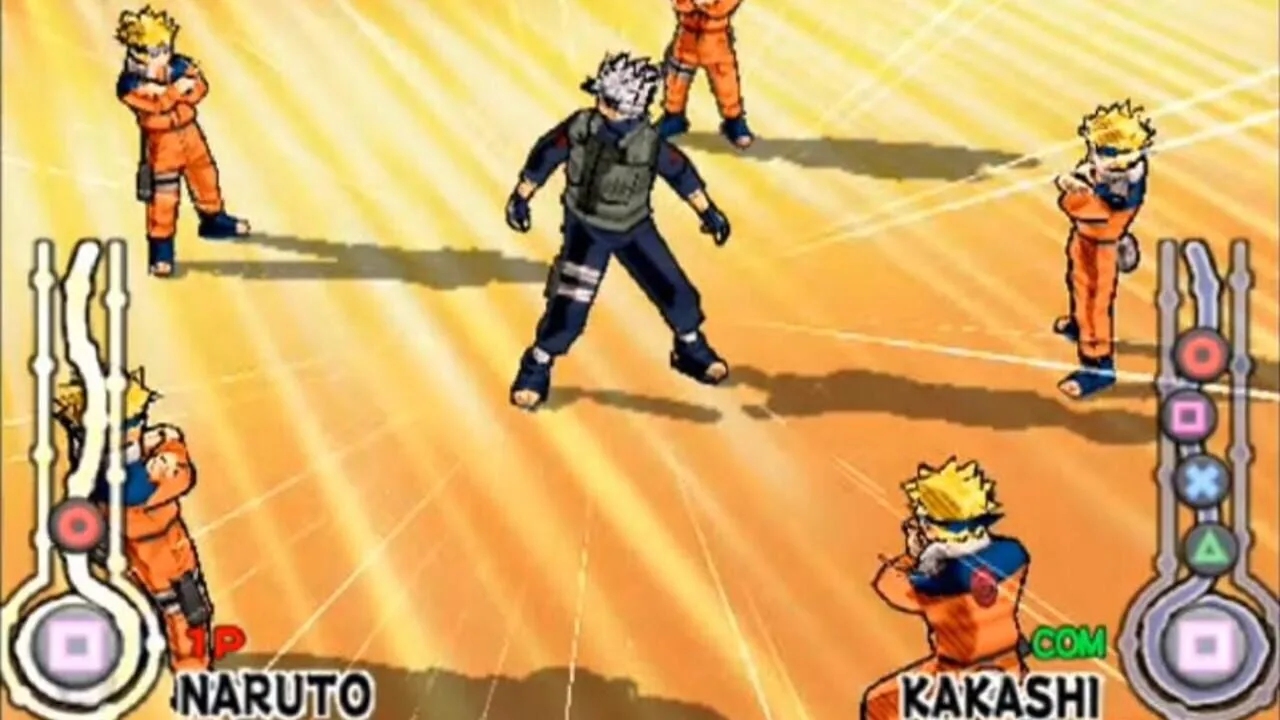
Naruto: Ultimate Ninja was the first time Naruto came to the PS2, with 14 characters taken straight from the anime. CyberConnect2 developed it, and it began a series that got four more PS2 games. In Japan it shipped with two covers, one with Naruto and one with Sasuke.
It came out in Japan in October 2003, but English-speaking players had to wait until June 2006. War of the Monsters sits one place below it. If you only know the later games, this is where it all began. The later Storm games on the PS3 were the first in the series with three-dimensional battles. It is simple and a bit stiff by later standards, but fans of the show will enjoy seeing the ninja world in 3D.
17. War of the Monsters (2003)
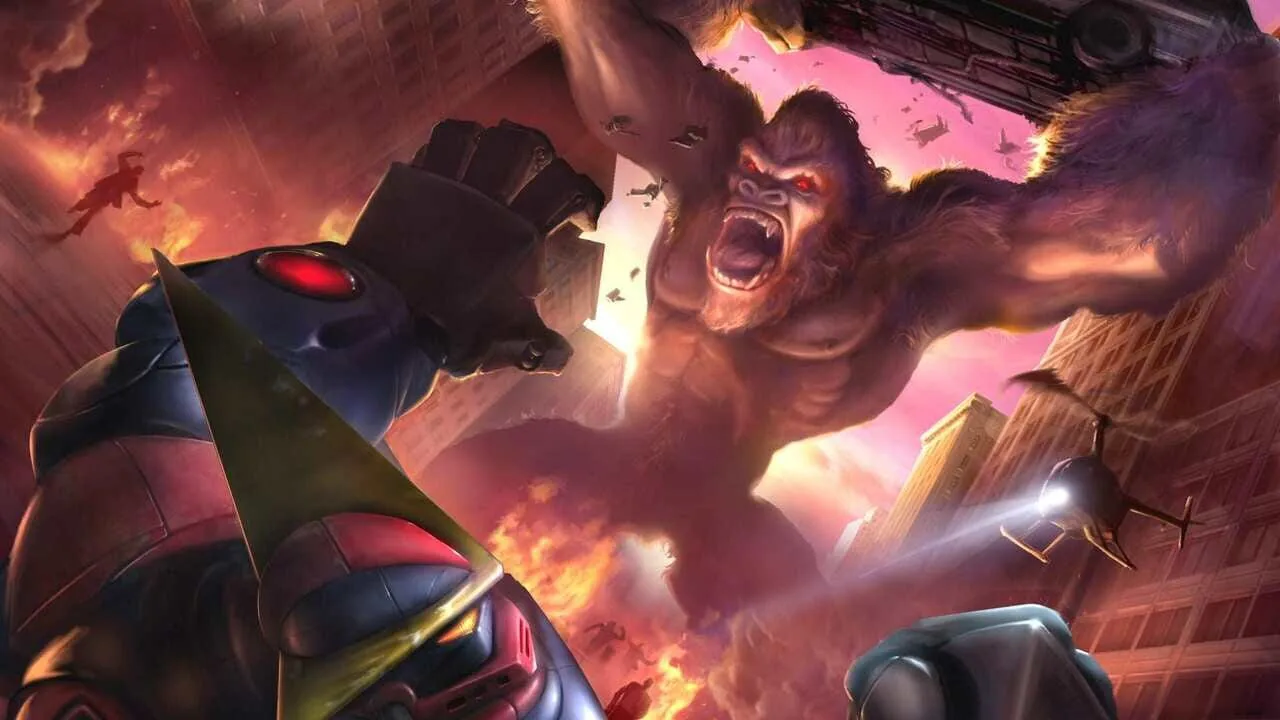
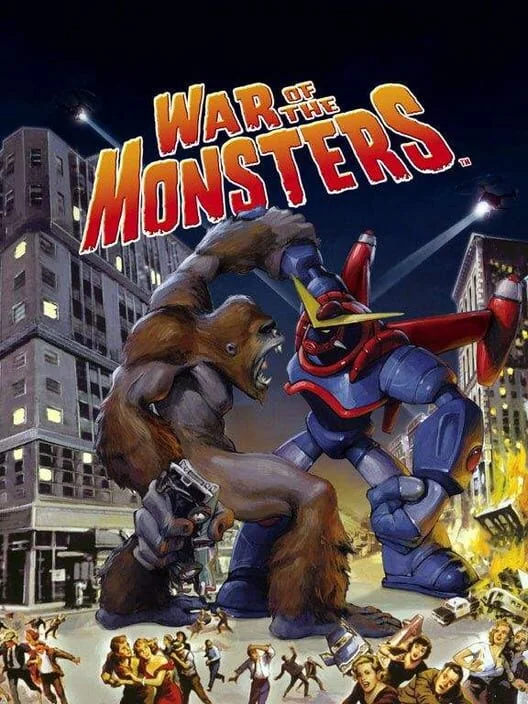
War of the Monsters puts you in the skin of a 100-foot tall monster, wrecking cities and throwing tanker trucks around like toys. There are ten creatures to pick from and ten interactive environments to destroy. Your monster can use huge hunks of debris as a shield or topple buildings onto your foes. Tidal waves and earthquakes can help you win too.
It pays homage to classic 1950s B-movies and kaiju films, and Santa Monica Studio helped develop it. It reached North America on the PS2 in January 2003. It is big, dumb fun in the best way. In the story, your monster has to fend off three Zorgulons before the alien mothership explodes. Pick a giant ape, a robot or a dragon, then smash a city flat with a friend sitting next to you.
16. Guilty Gear X2 (2002)
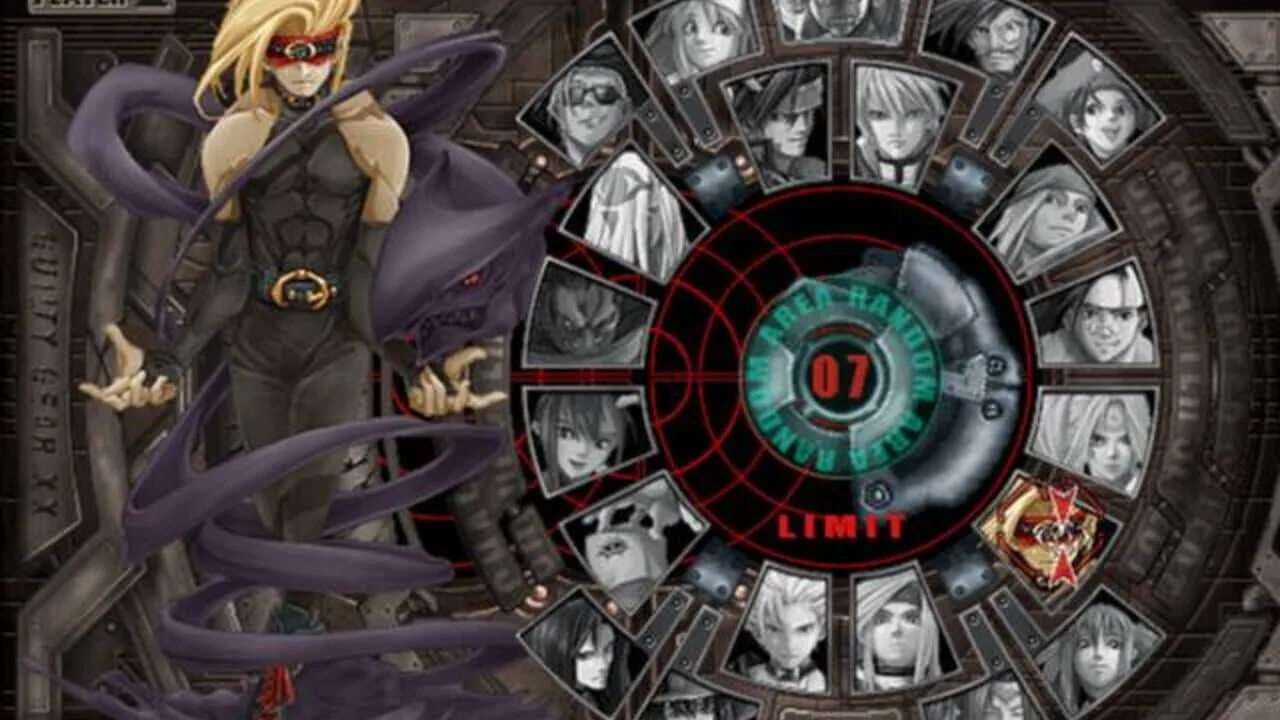
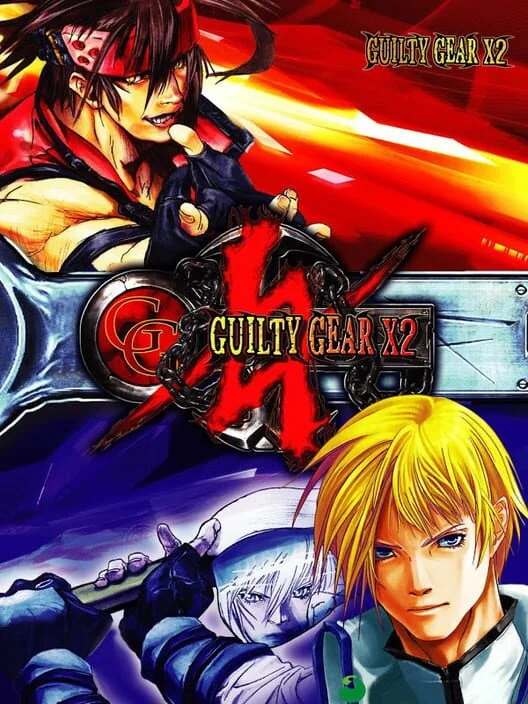
Guilty Gear X2, subtitled The Midnight Carnival in Japan, is a fighter from Arc System Works. It hit Japanese arcades on May 23, 2002, and was later ported to the PS2 and published in North America and Europe. It is a sequel to Guilty Gear X, first announced in January 2002.
Critics praised its gameplay and its music. It has since received five updated versions. One of them, Guilty Gear XX Accent Core Plus, sits one place above it. If you want the original flavour, start here. The PS2 version sold over 140,000 copies in Japan between 2002 and 2004. The art and the speed made it a favorite for fans who wanted a serious 2D fighter on a home console.
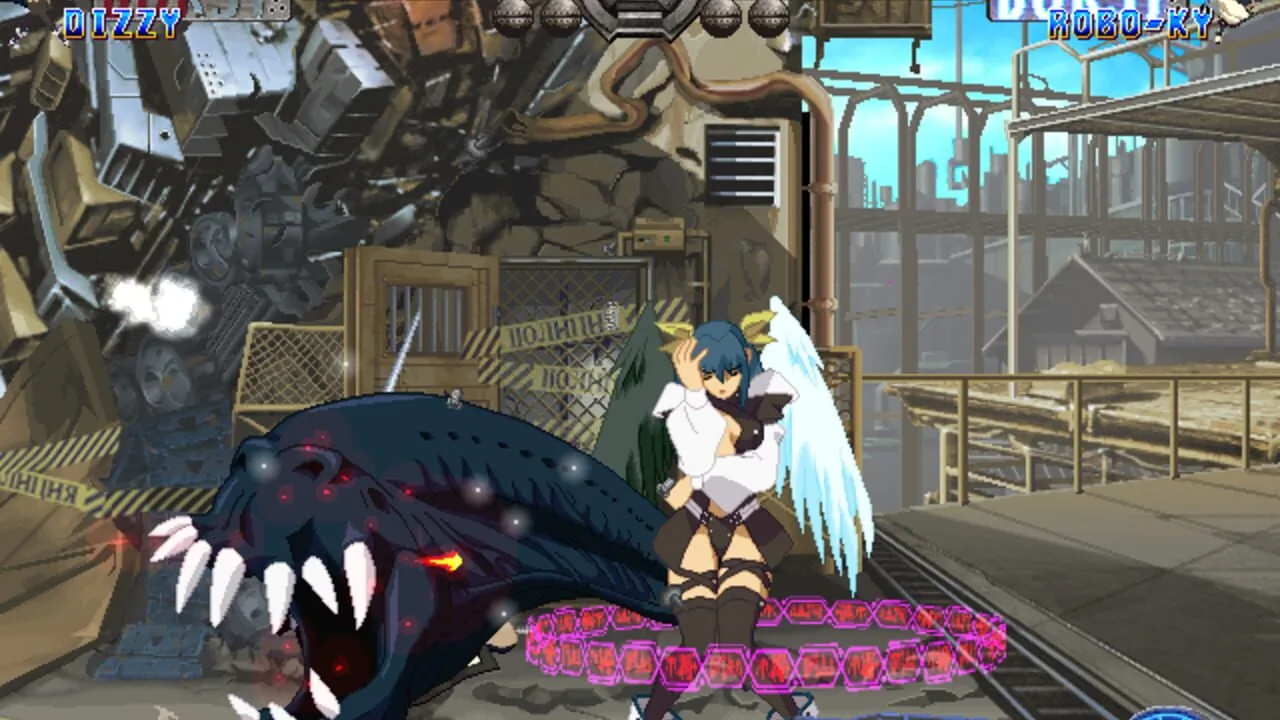
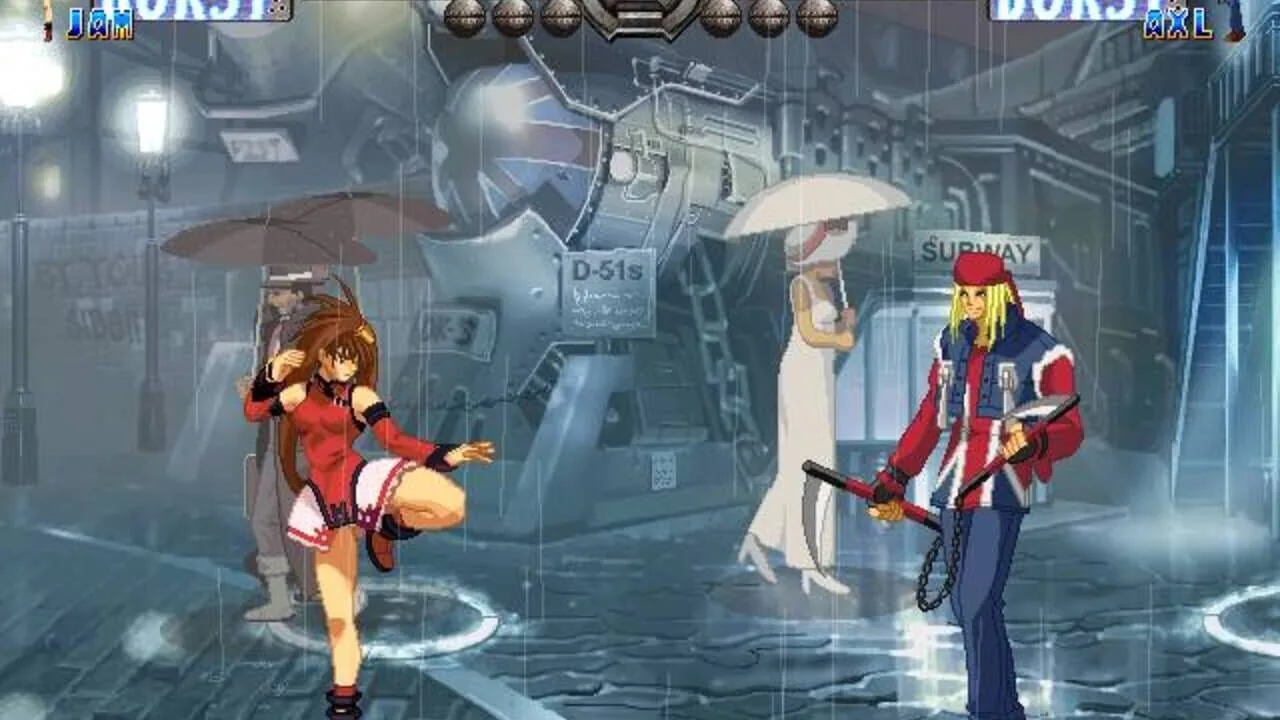
15. Guilty Gear XX Accent Core Plus (2008)
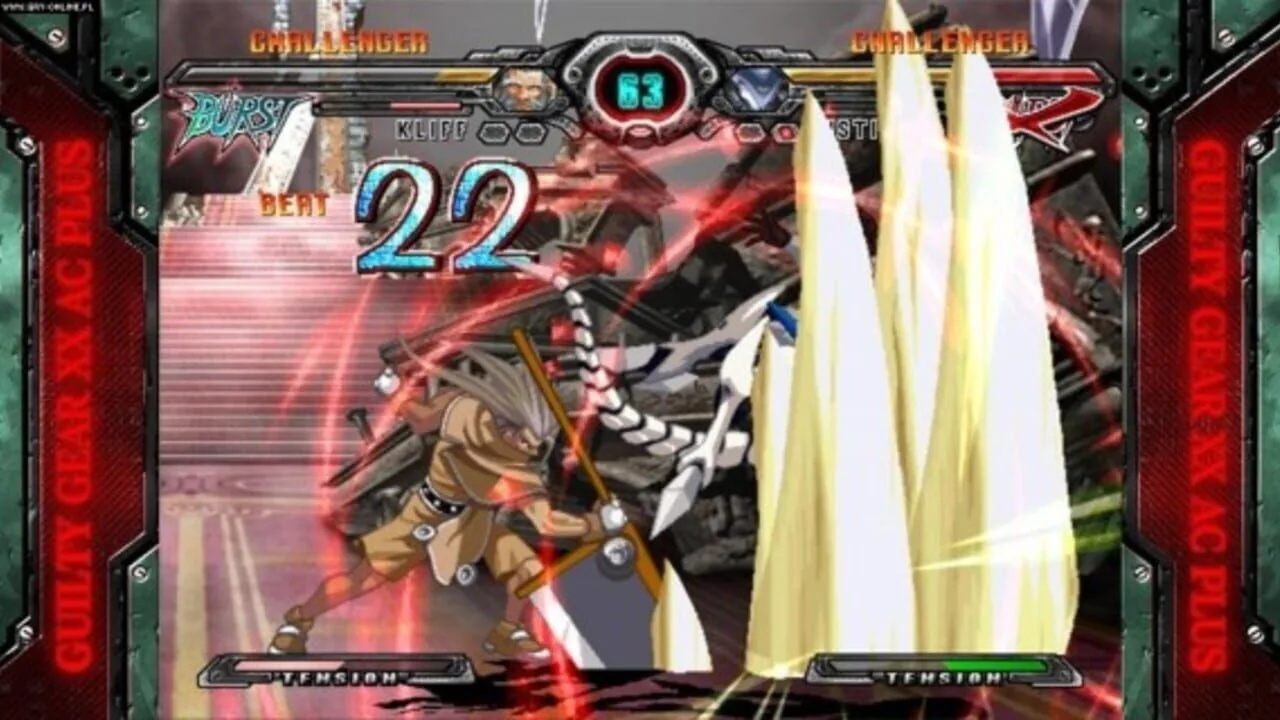
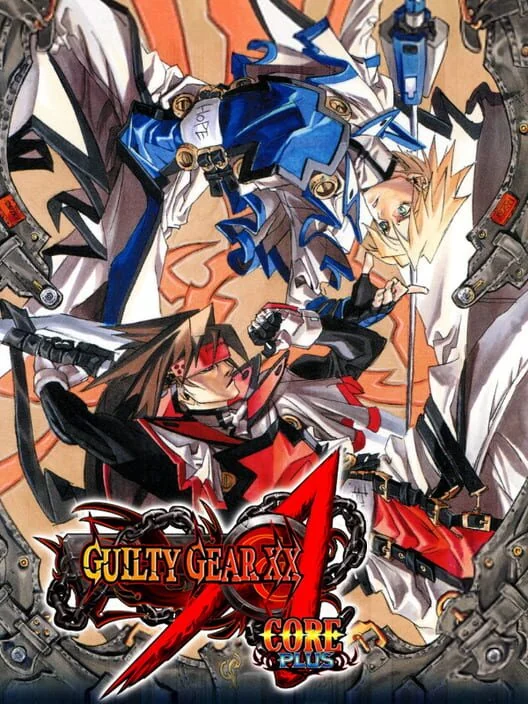
Guilty Gear XX Accent Core Plus adds a new Story mode that continues the storyline from Guilty Gear XX. Every character has a storyline, and the mode branches through 350 scenarios. A new character, the scientist Crow, attacks the cast in Story mode using mindless clones of Justice.
Core Plus drew a lot of praise, although reviewers were not totally satisfied. The rock and metal soundtrack stays, and that is half the fun. This is the pick if you want the most complete version of the game. Fans of Arc System Works can lose a lot of hours in here, and the story mode alone gives you plenty of fights to get through.
14. Street Fighter EX3 (2000)
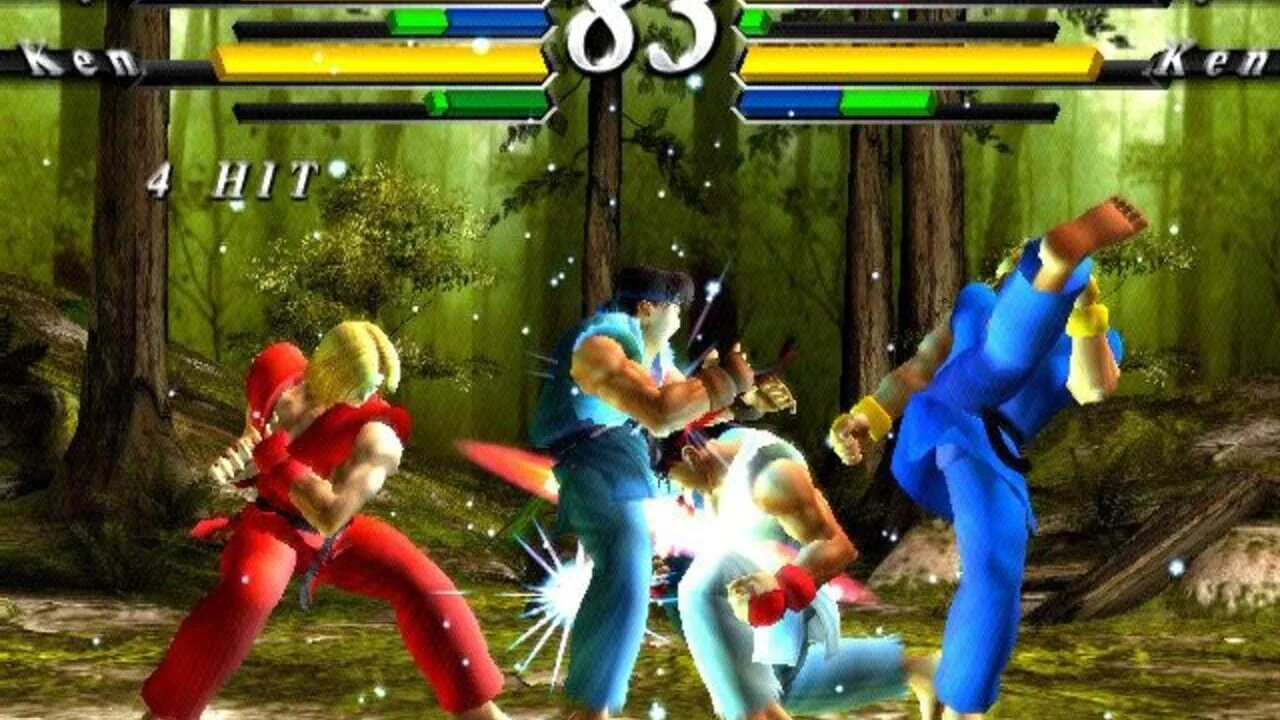
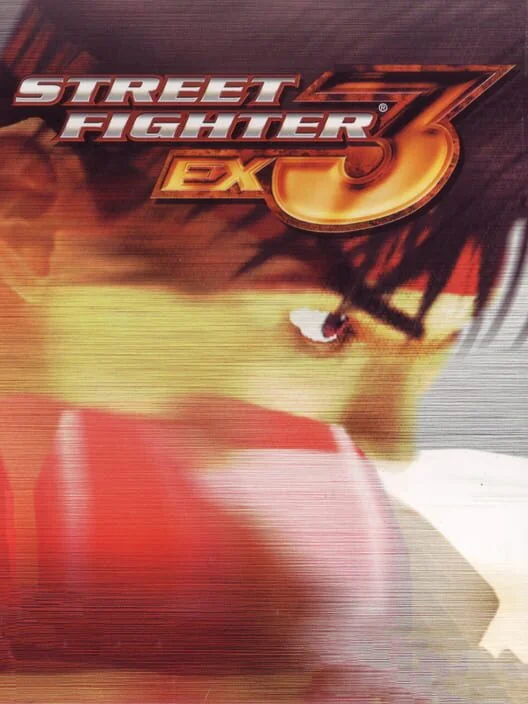
Street Fighter EX3 is the last game in the Street Fighter EX series, taking the moves of EX2 and adding a tag-team element. Street Fighter regulars clash with characters from Arika. It came out in Japan on March 4, 2000 as a PS2 launch title, the first Street Fighter game on the console. Each fighter has multiple costumes, picked by the button you press at the character select screen.
You can call in your tag partner to fight alongside you for a limited time. Arika came back to the idea in 2018 with a spiritual successor called Fighting EX Layer. Original mode uses new music based on the stage. The tag-team twist is the reason to pick it over other Street Fighter games on the console.
13. Marvel Nemesis: Rise of the Imperfects (2005)
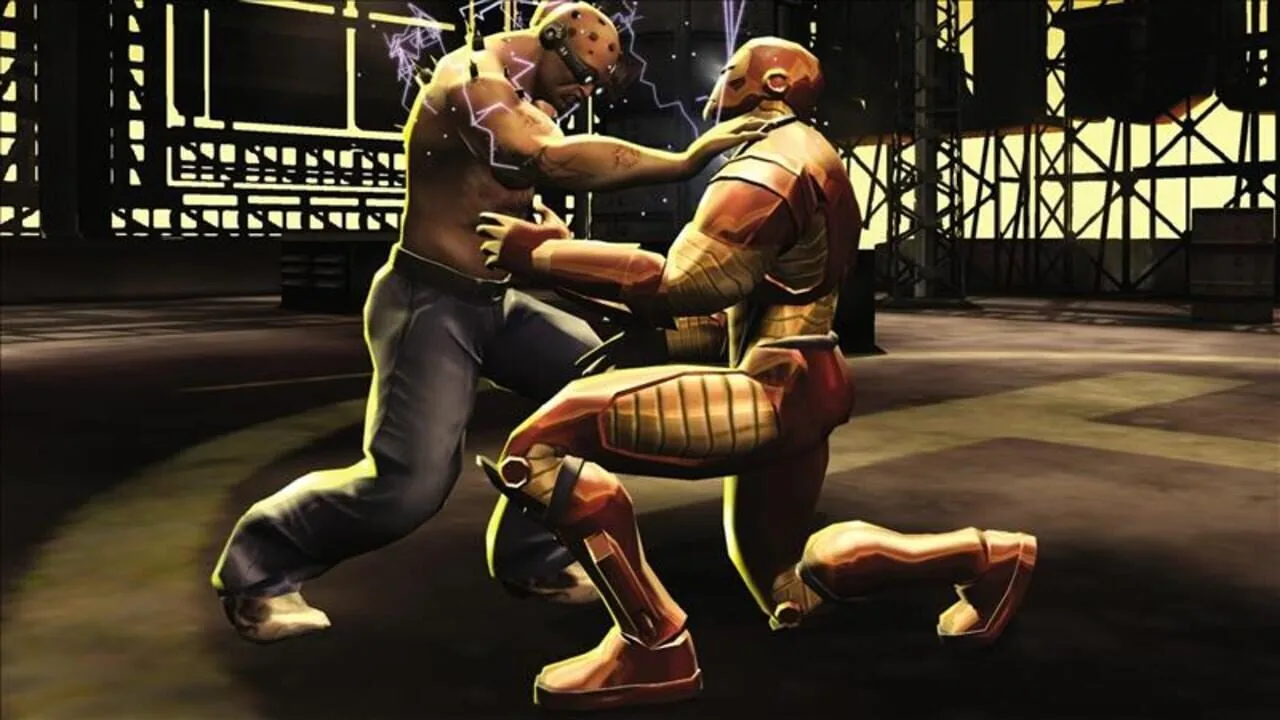
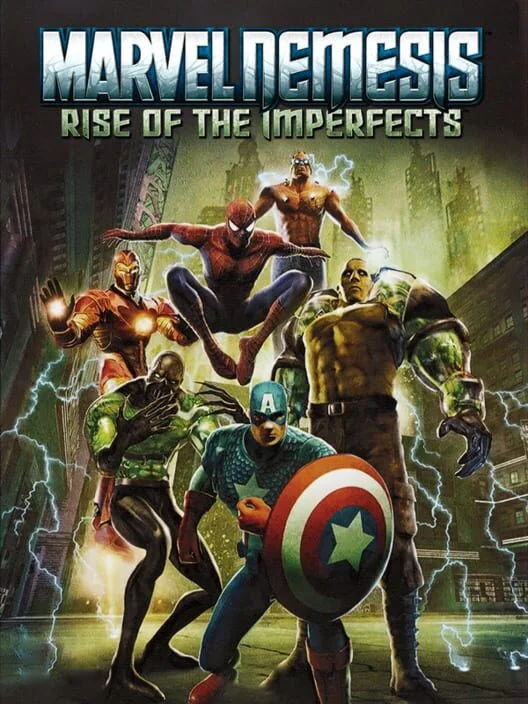
Marvel Nemesis: Rise of the Imperfects pits Marvel heroes like the Punisher and Spider-Man against each other in destructible 3D arenas. A new team called the Imperfects joins the fight. The gameplay took cues from Power Stone and Super Smash Bros.
It came out in North America in September 2005, made by Nihilistic Software and EA Canada. It was the first game from a Marvel and Electronic Arts partnership that ran from 2004 to 2006. Critics were not kind to it, with mixed to negative reviews. Even so, it is a fun fit if you like smashing up a warehouse as the Punisher. Marvel Comics published a six-issue comic book series from July 2005 as a prequel to the game. It is a messy game, but the idea of wrecking a whole city while two heroes slug it out has plenty of charm.
12. Mortal Kombat: Deadly Alliance (2002)
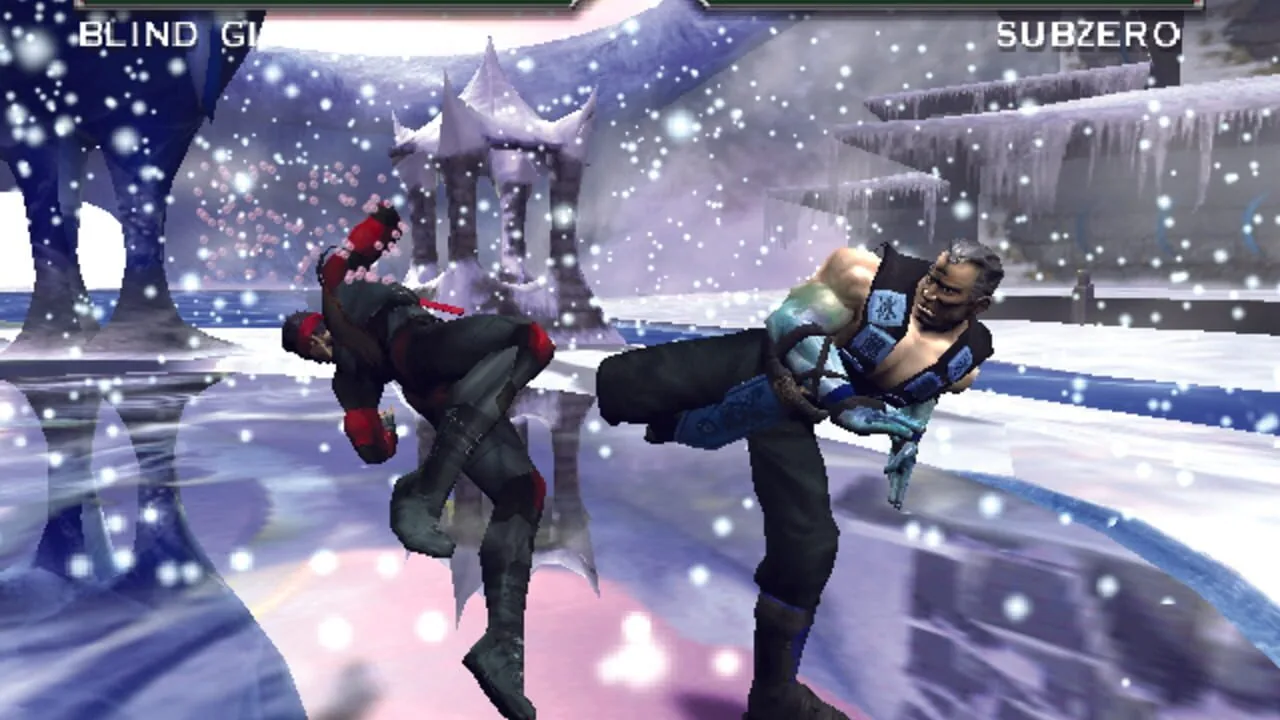
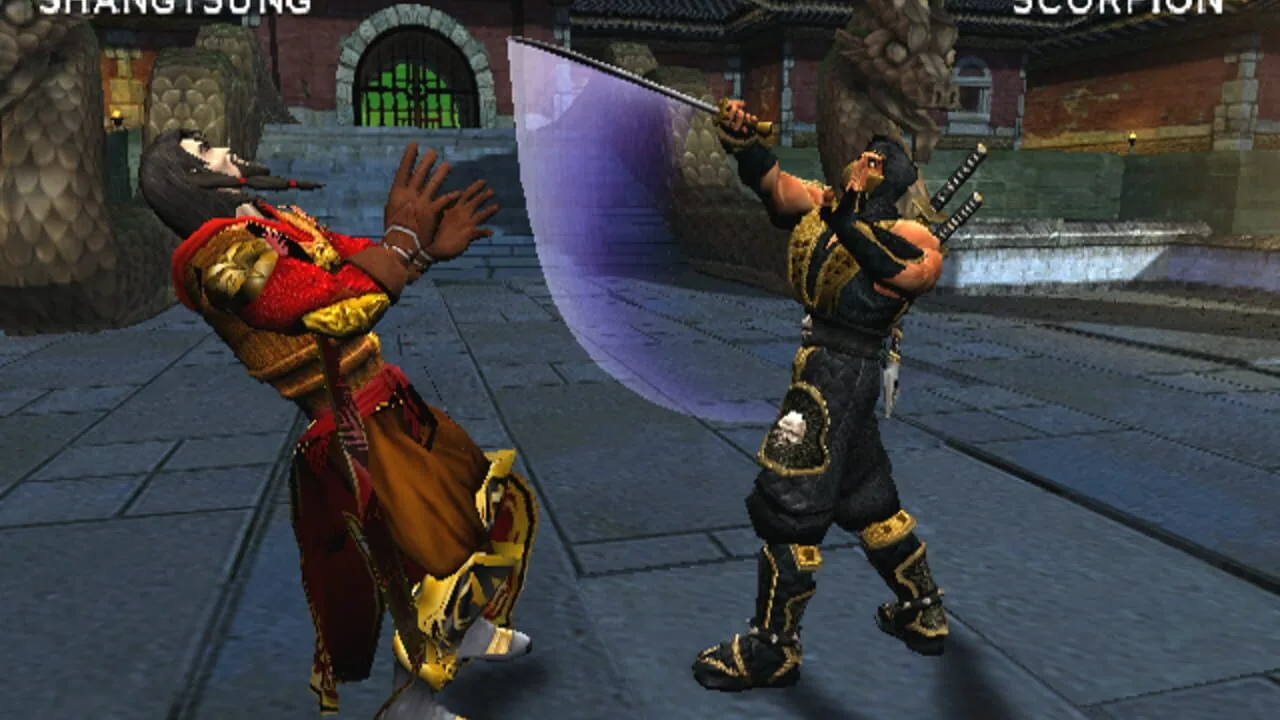
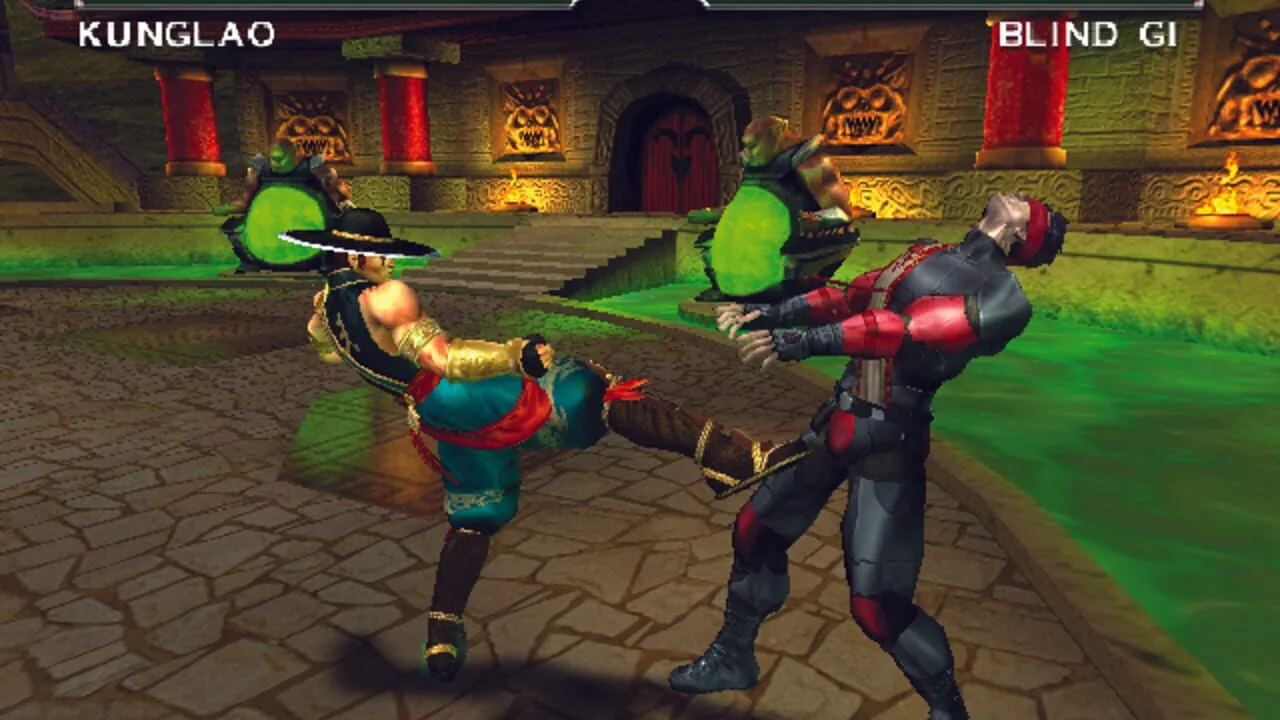
Mortal Kombat: Deadly Alliance was the first all-new Mortal Kombat made only for home consoles, with no arcade release before it. It rebuilt the fight engine in full 3D, and each fighter has different stances, including an offensive one and a fatality one. Special moves per character were cut to between two and four, which pushes you to use the new fighting system.
Johnny Cage and Scorpion return, joined by newcomers like Quan Chi. It is the only main game without Liu Kang as a playable character. Critics were positive, and Mortal Kombat: Deception followed in 2004. Blaze and Mokap can only be unlocked by completing all stages of Konquest. It still feels like a big leap for the series, and the new fighting styles give every character a bit more personality.
11. Rumble Roses (2004)
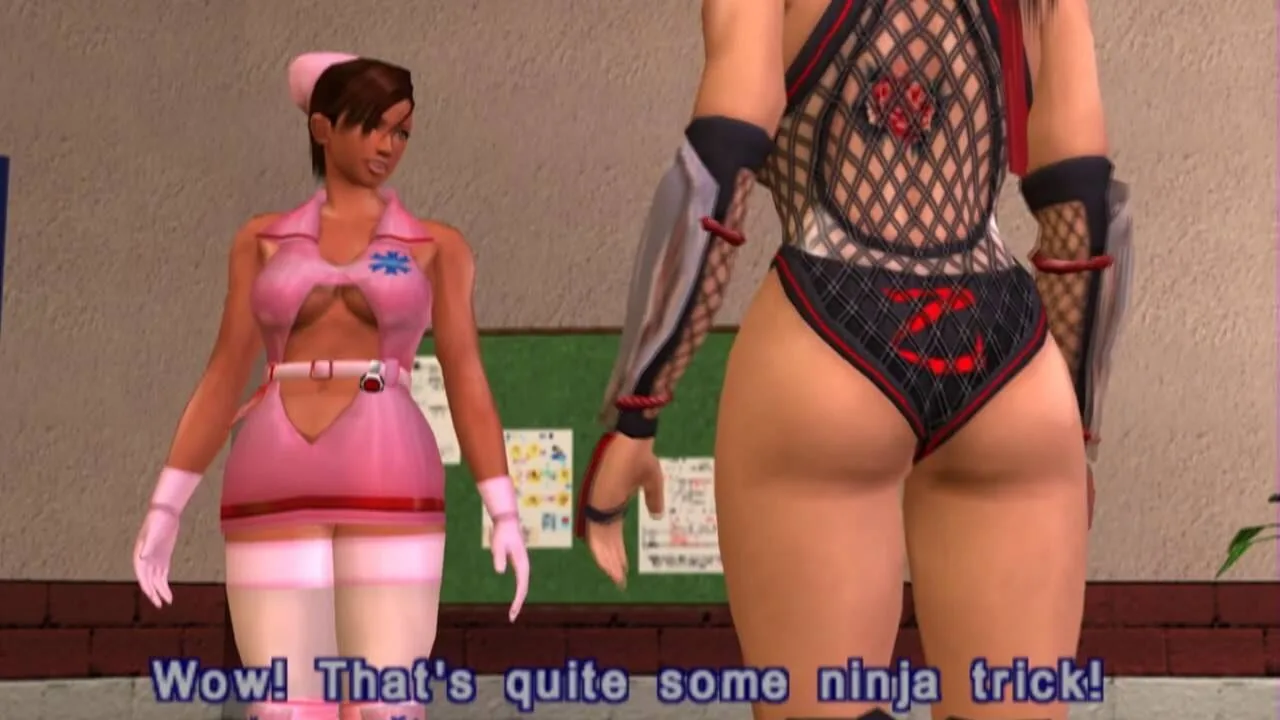
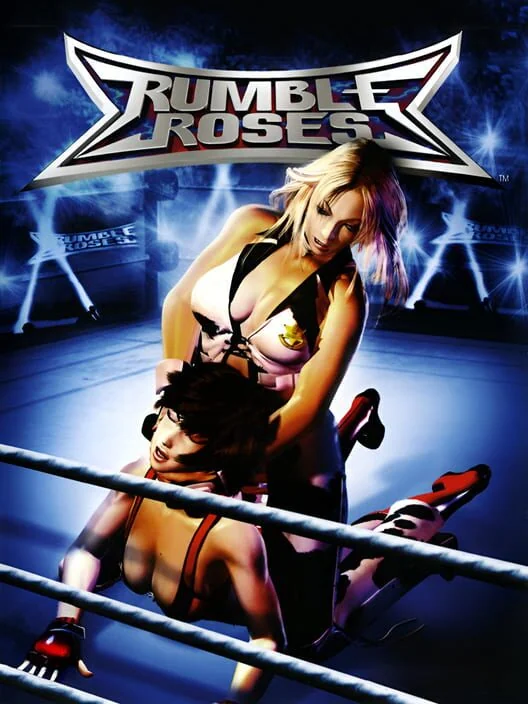
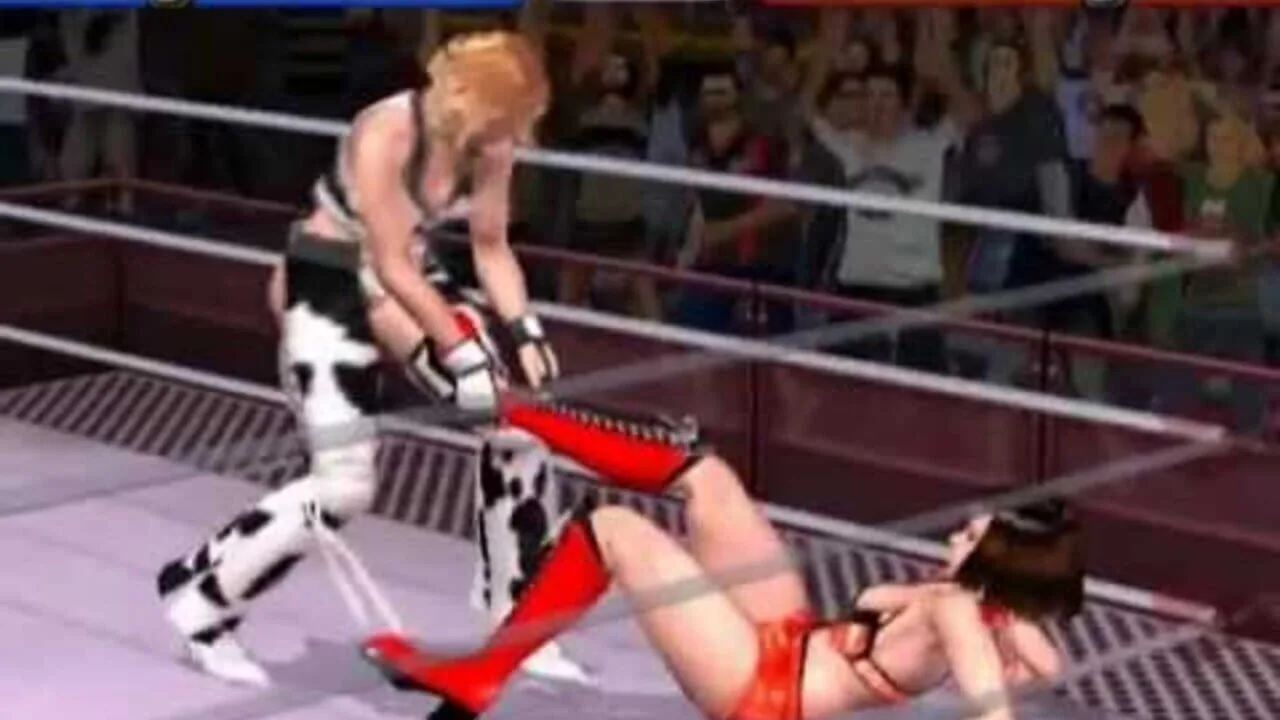
Rumble Roses is a wrestling game with an all-female roster, and every wrestler has her own specialty moves. Your wrestler's look and attitude change depending on whether you fight dirty or fair. There is also a story mode and a watch-only mode where the computer plays both wrestlers.
Each wrestler has a good persona and a bad one, though both versions of the same wrestler cannot fight each other. It runs on the same engine as Yuke's 2003 wrestling game WWE SmackDown! Reviews were indifferent, with most praise going to the graphics. It was followed by Rumble Roses XX on the Xbox 360 in 2006. It is a goofy, over-the-top wrestling game, and it knows exactly what it is.
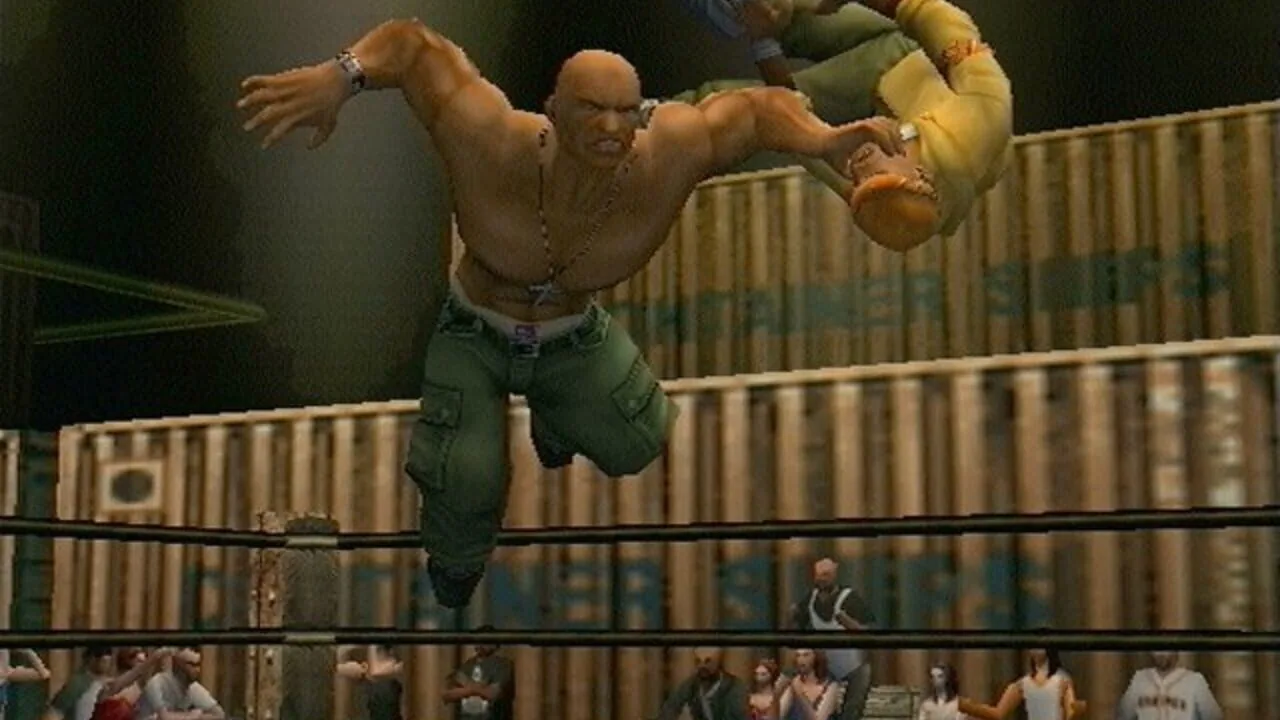
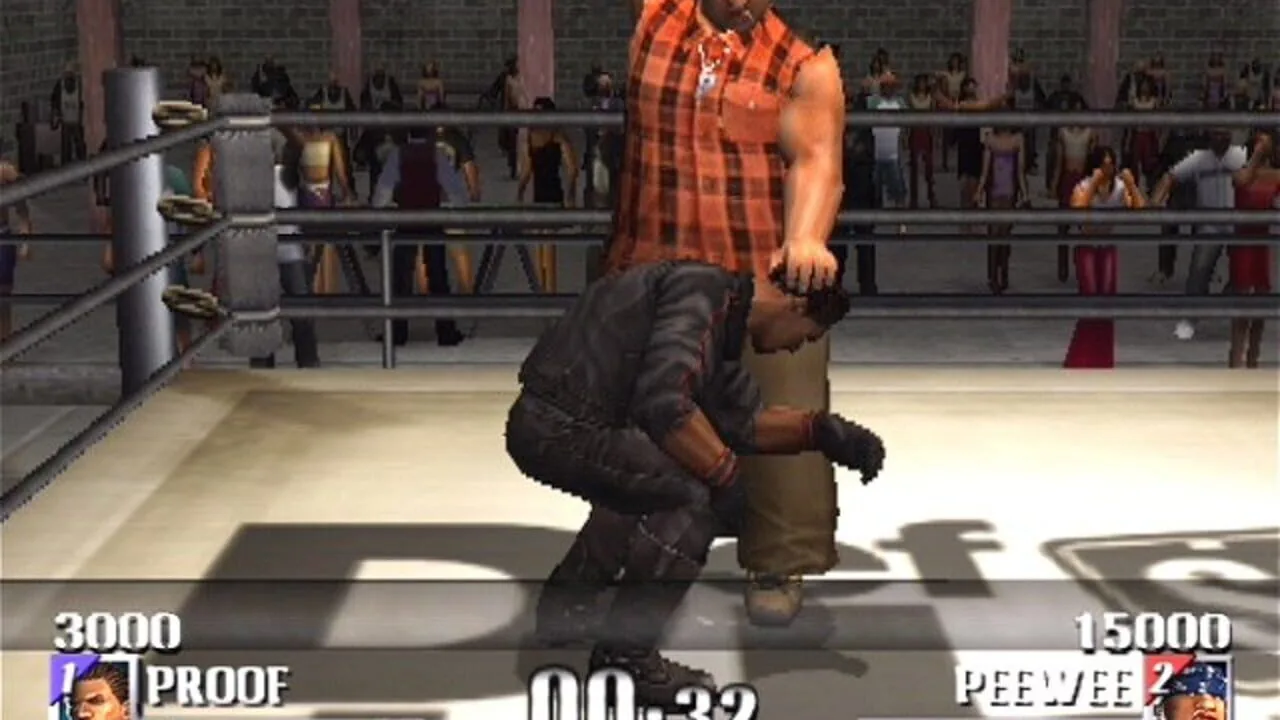
10. Def Jam Vendetta (2003)
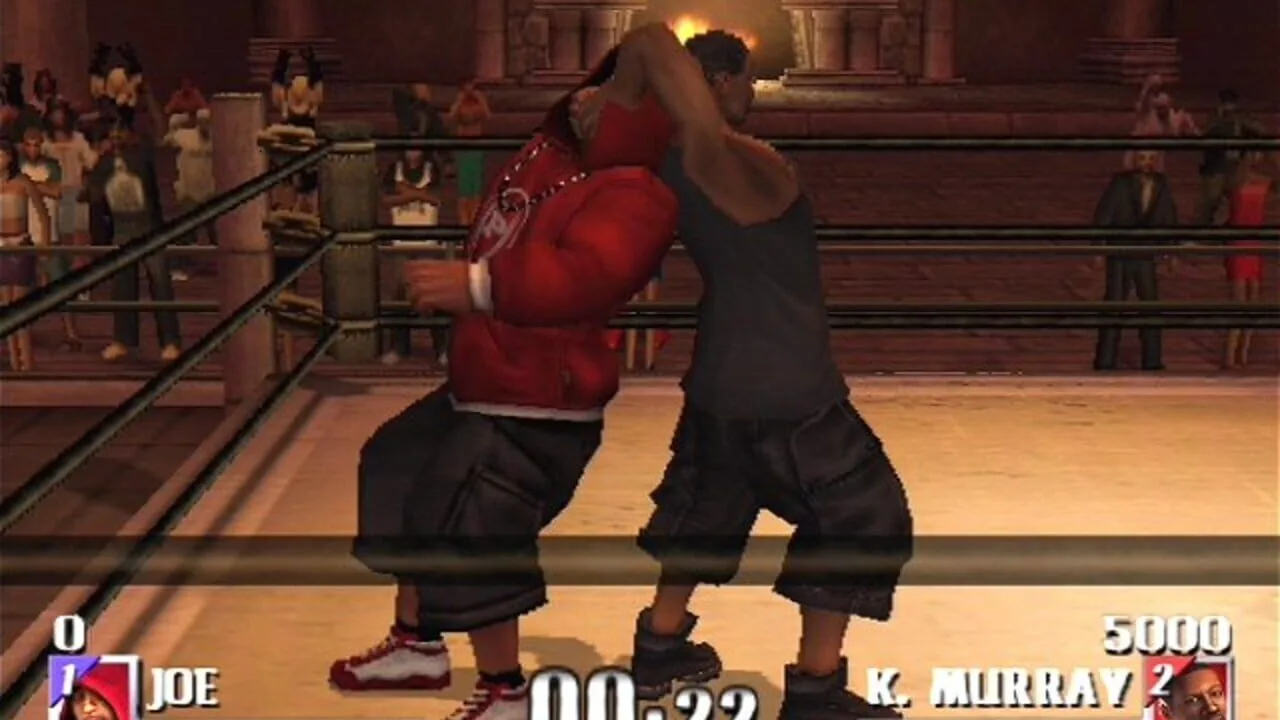
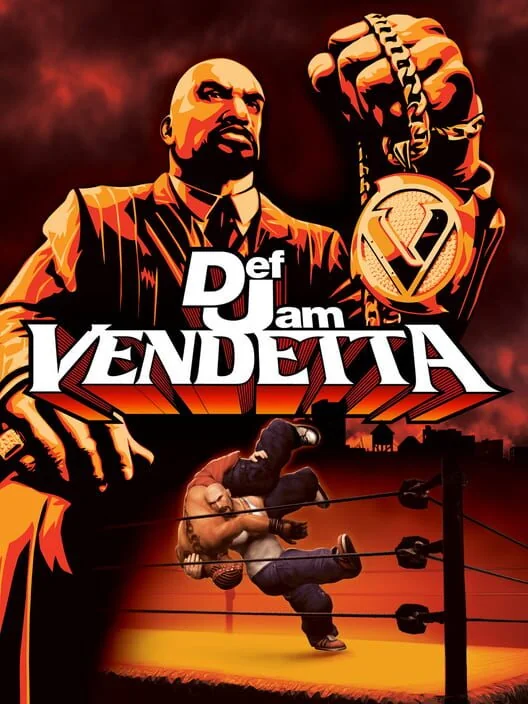
Def Jam Vendetta mixes Def Jam recording artists with underground wrestling, with 3D likenesses of rappers like Ludacris and Method Man as playable characters. AKI Corporation made it, the team behind WWF No Mercy, and it has 45 characters with about 1,500 animations each. The story mode lets you level up one of four player characters. There are ten venues, and up to four players can play tag-team or battle royale matches.
It came out for the GameCube and PS2 in April 2003. A direct sequel followed in 2004, Def Jam: Fight for NY. The PS2 version had sold 750,000 copies by July 2006. It plays like a wrestling game dressed up in a hip-hop outfit, and it is a great party game for friends on the couch.
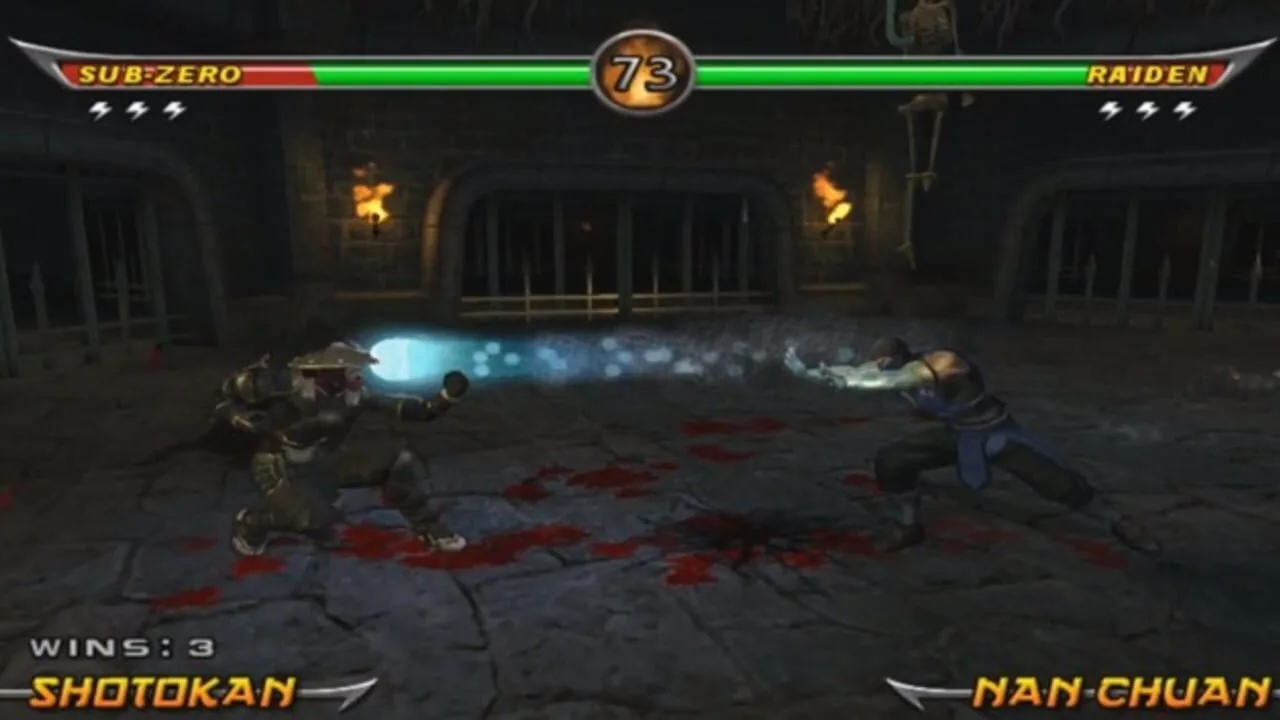
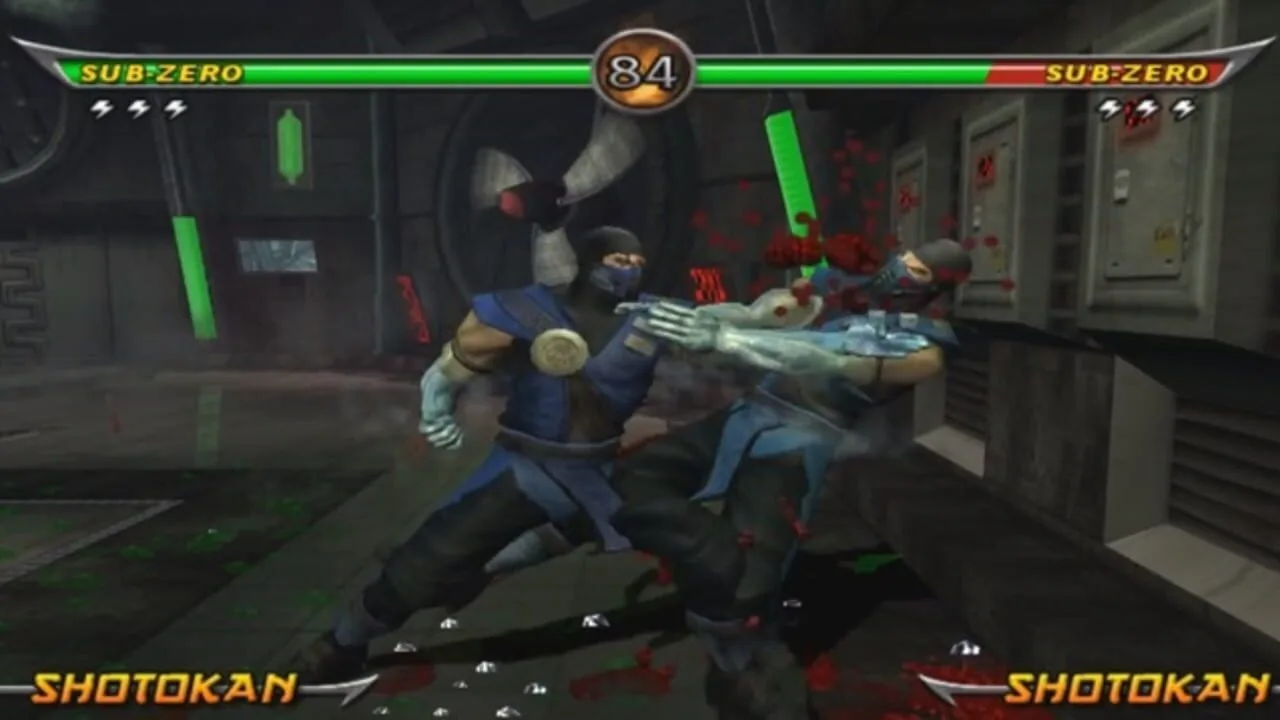
9. Mortal Kombat: Armageddon (2006)
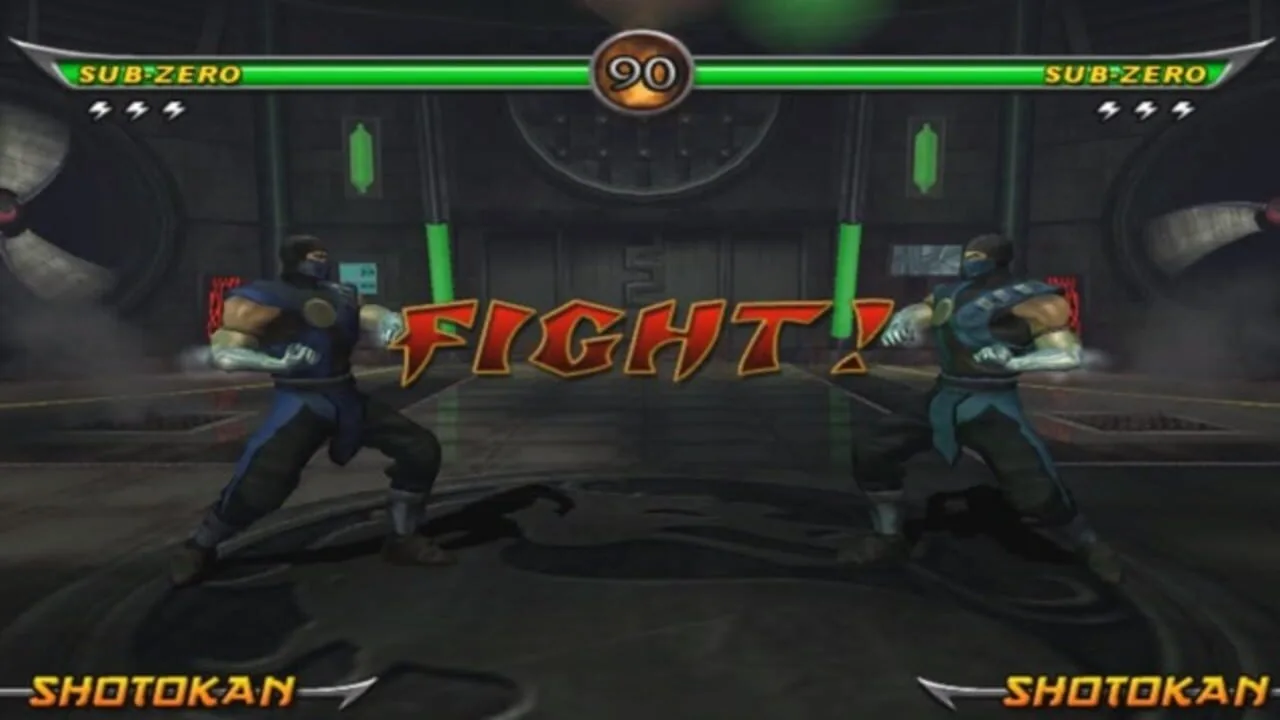
Mortal Kombat: Armageddon has a roster of 62 characters, and classics like Reptile and Goro return from the original Mortal Kombat. There are 64 arenas, many with their own stage fatalities. The Konquest story mode improves on earlier versions, but it is shorter.
It is the seventh main Mortal Kombat game and the last one for sixth-generation consoles. Reviewers criticized the reused engine from the previous two games. Players rank it five places below Mortal Kombat: Deception, the game it follows. Reaction to the custom Fatality feature was mixed. It is a huge send-off for the PS2 era of the series, with a roster big enough to make you lose track of who is who.
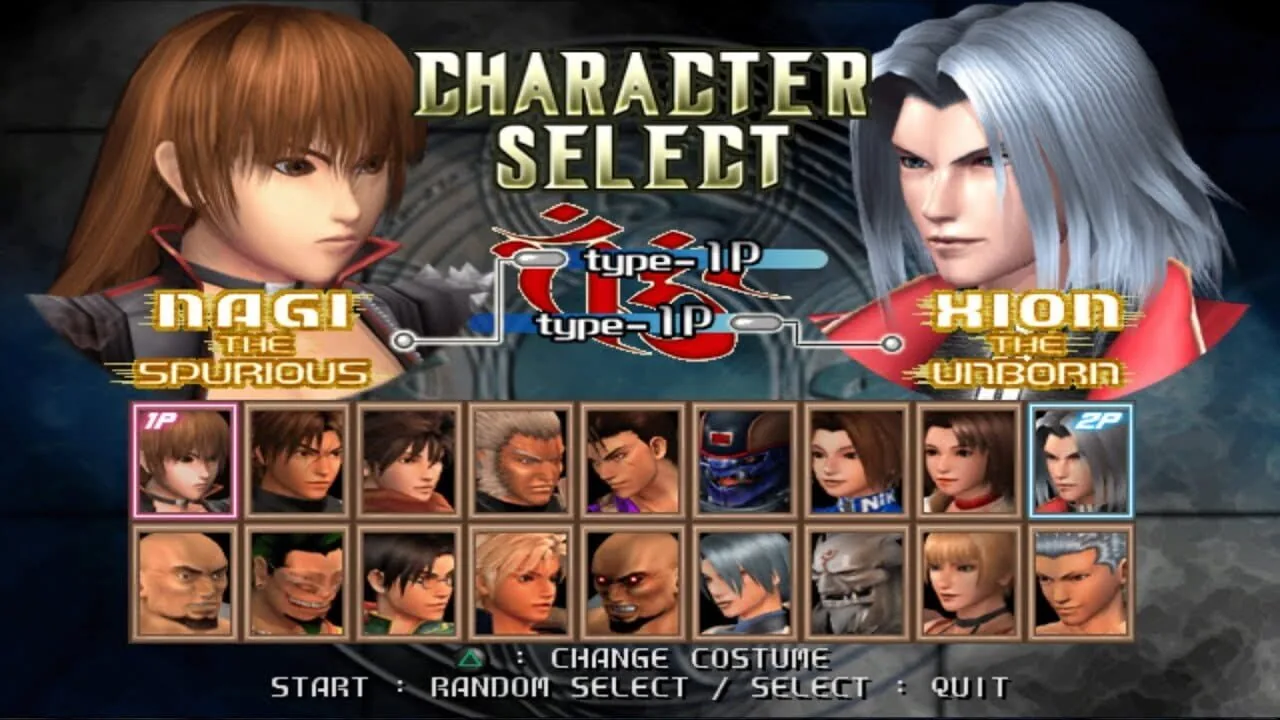
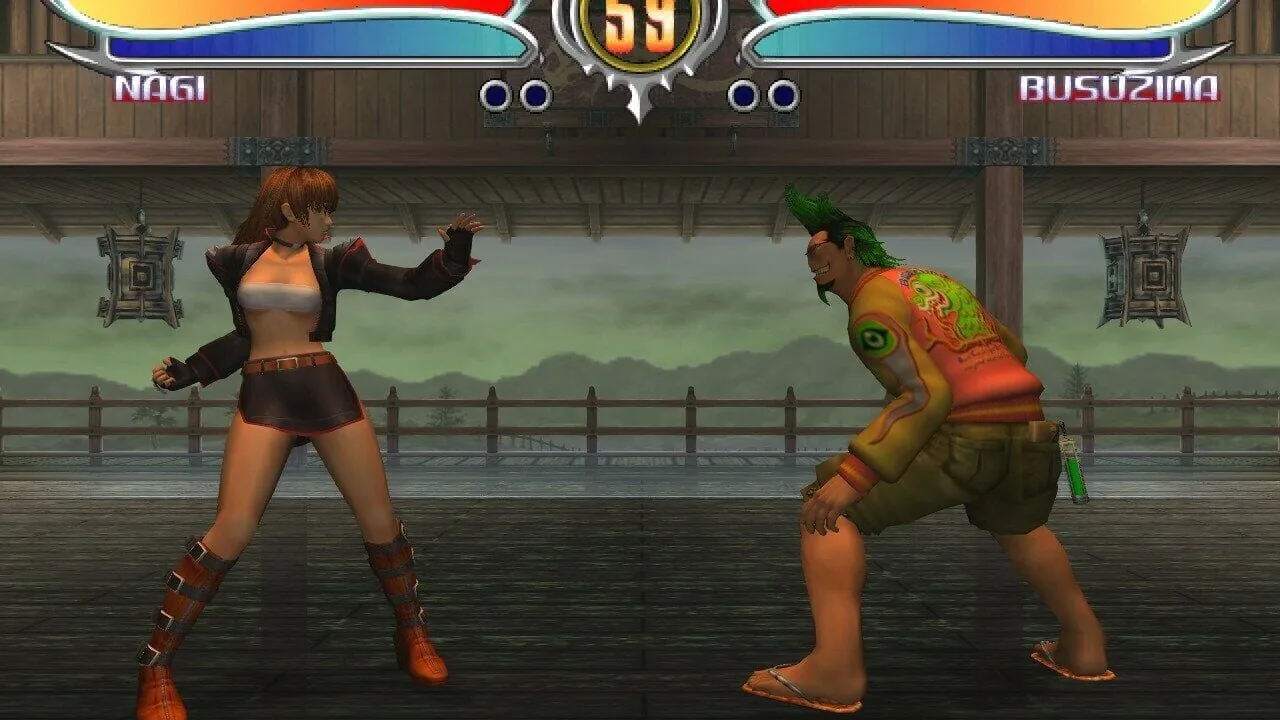
8. Bloody Roar 4 (2003)
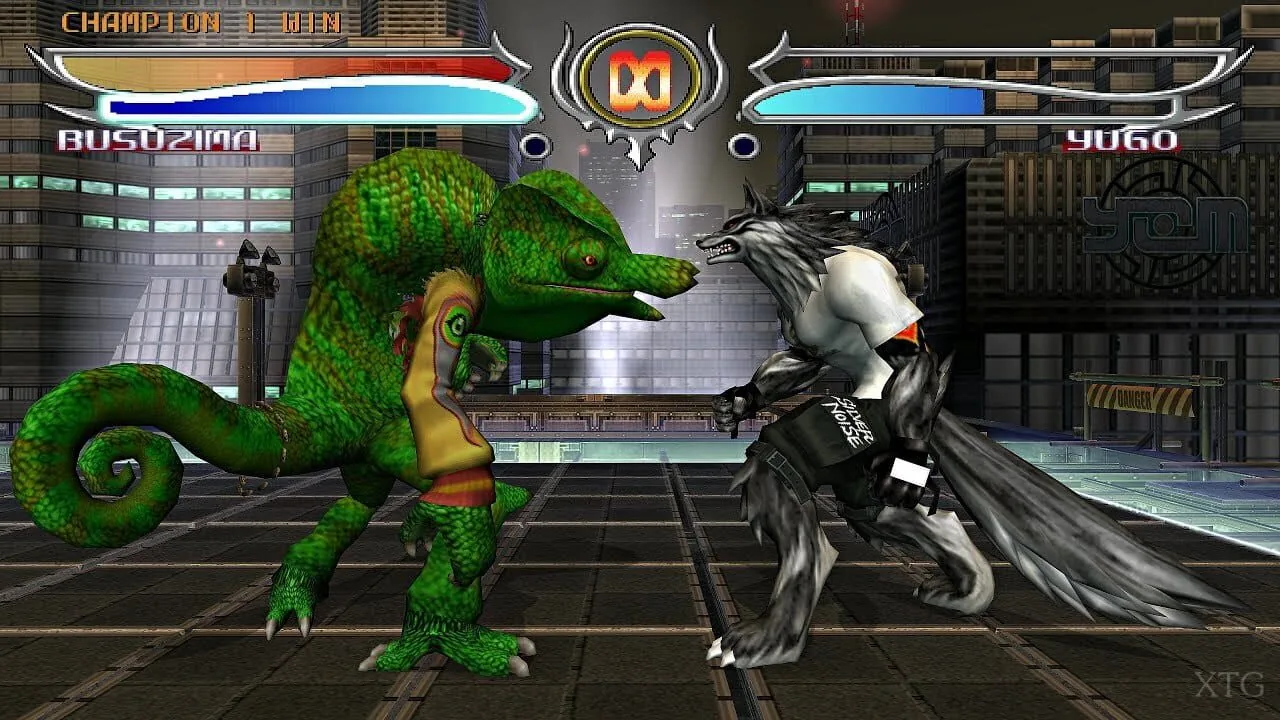
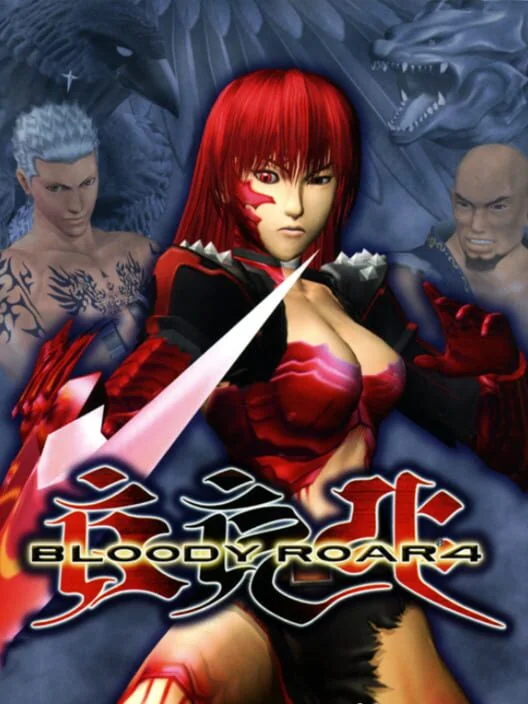
Bloody Roar 4 is the last game in the series, a full 3D fighter with the trademark transformation abilities. The beast gauge now doubles as a health bar, and when your health runs out you transform automatically. There are 18 playable fighters. The Stone Seal gets the blame, and this time the incidents are on a larger scale.
The story starts one year after the XGC Incident, when riots and earthquakes return across the land. Bloody Roar 3 sits three places higher. The transformations are still the reason to play it. It is the end of the road for the series, and a good one if you want the full beast-morphing experience.
7. Dragon Ball Z: Budokai 3 (2004)
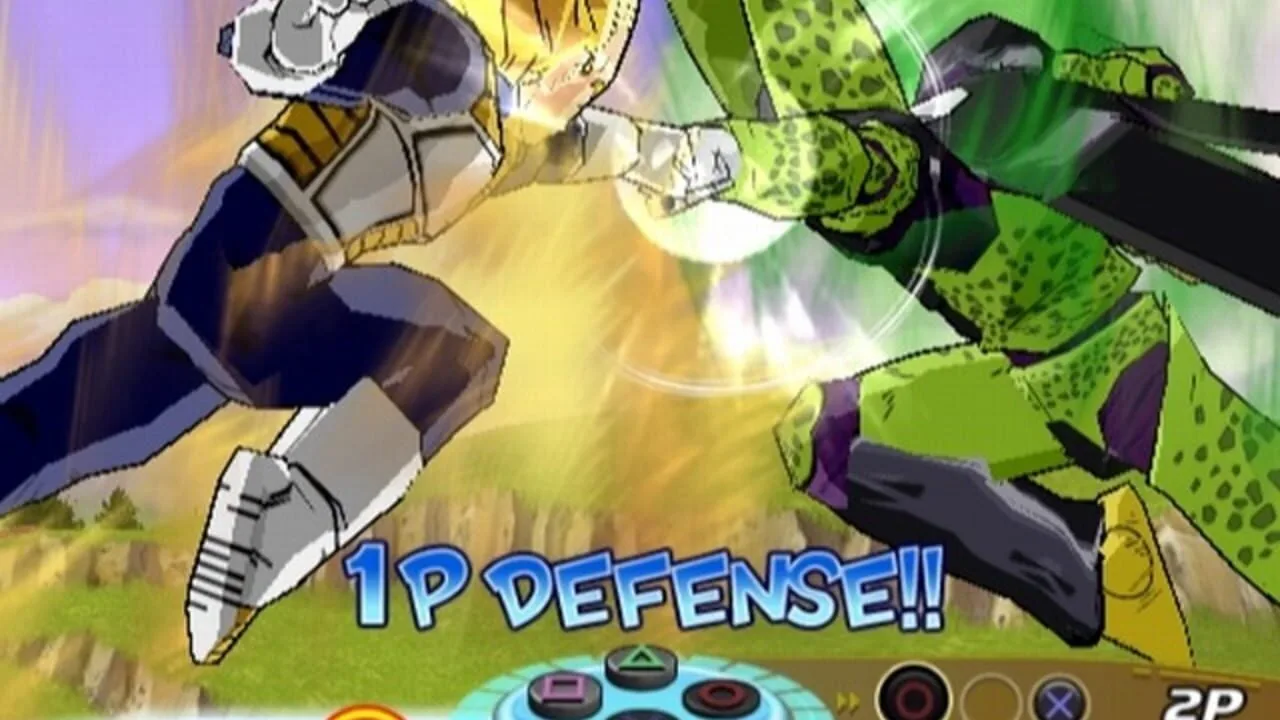
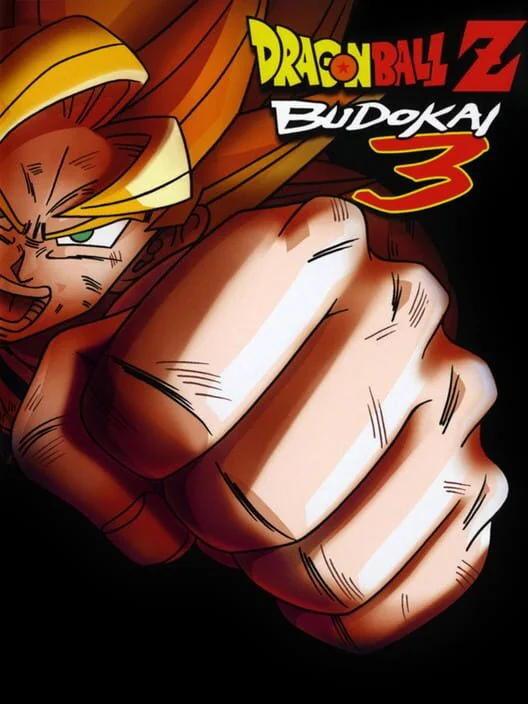
Dragon Ball Z: Budokai 3 is the third game in the Budokai series, with an all-new fighting system that lets you teleport and fly around the arena. You can unlock up to 40 bonus characters. You can also post and retrieve character profiles from the Internet.
Atari published it in North America on November 16, 2004. The Greatest Hits version added the extras the first release lacked, including Japanese voices. It is a good middle ground if you want a Dragon Ball fighter that is deep without being huge. If two beam attacks collide at close range, they cancel out and hurt both fighters. It has a huge cast and a long list of unlockables, so fans get a lot for their money.
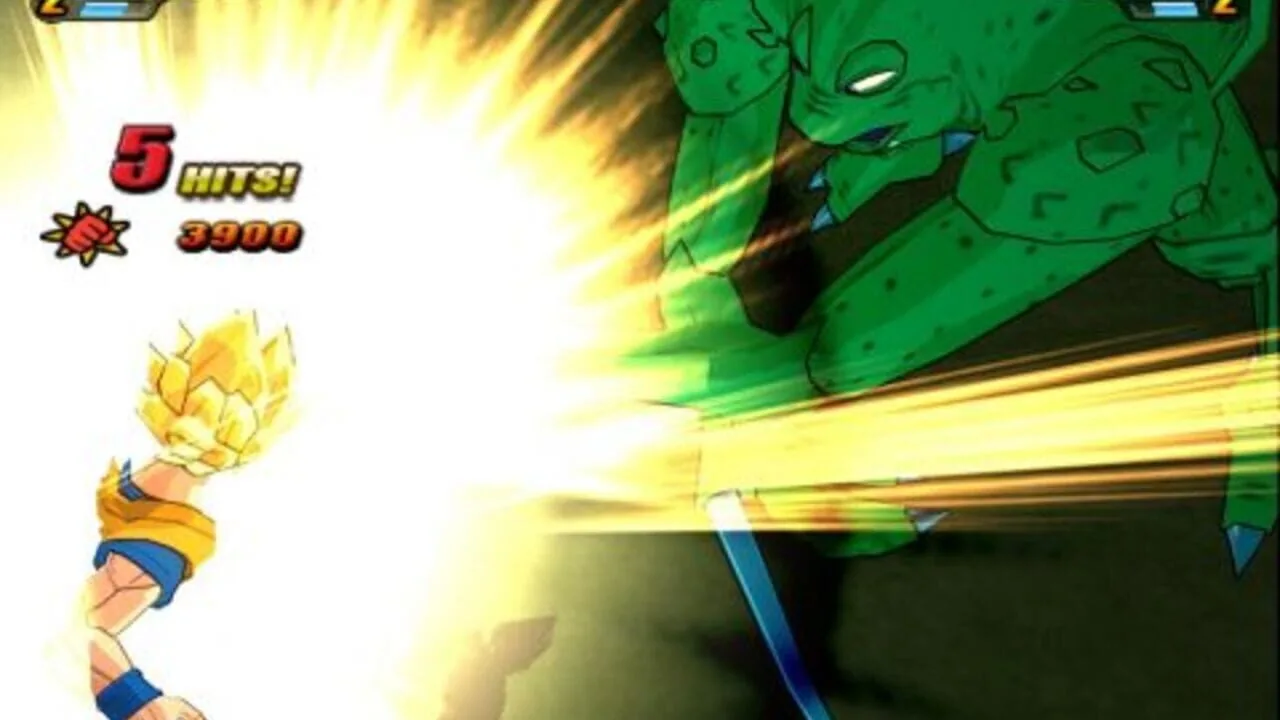
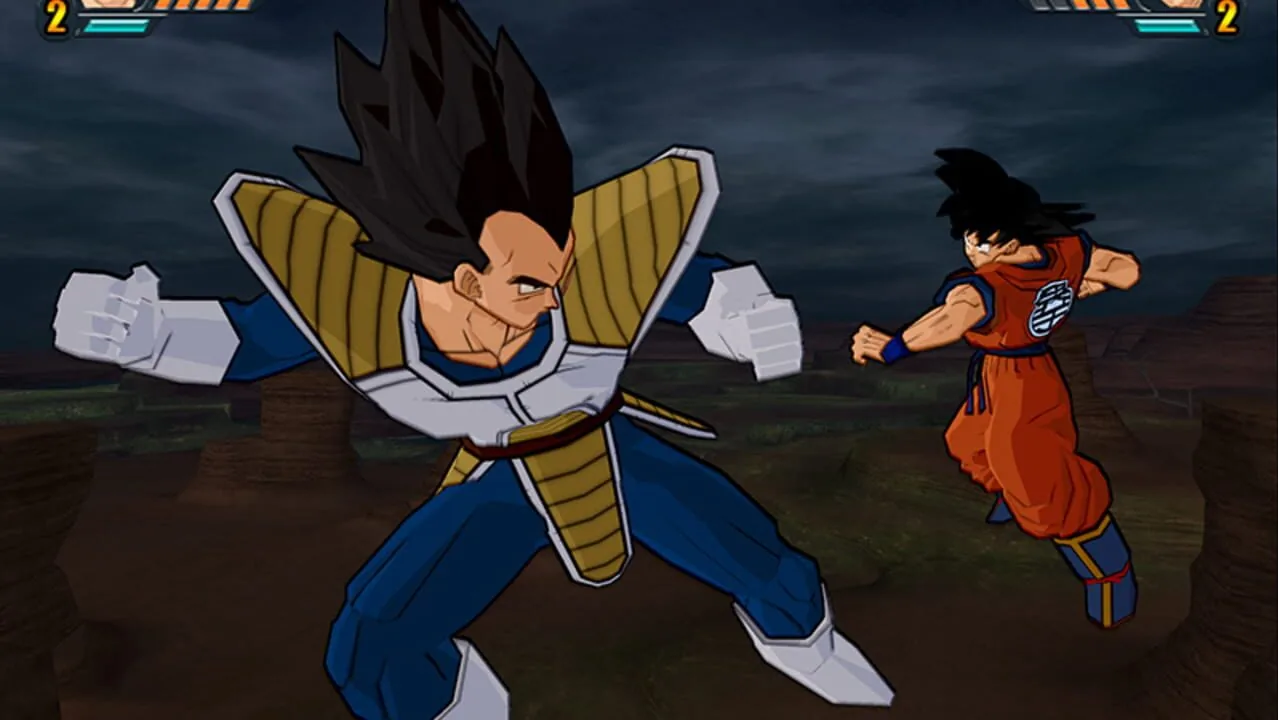
6. Dragon Ball Z: Budokai Tenkaichi 3 (2007)
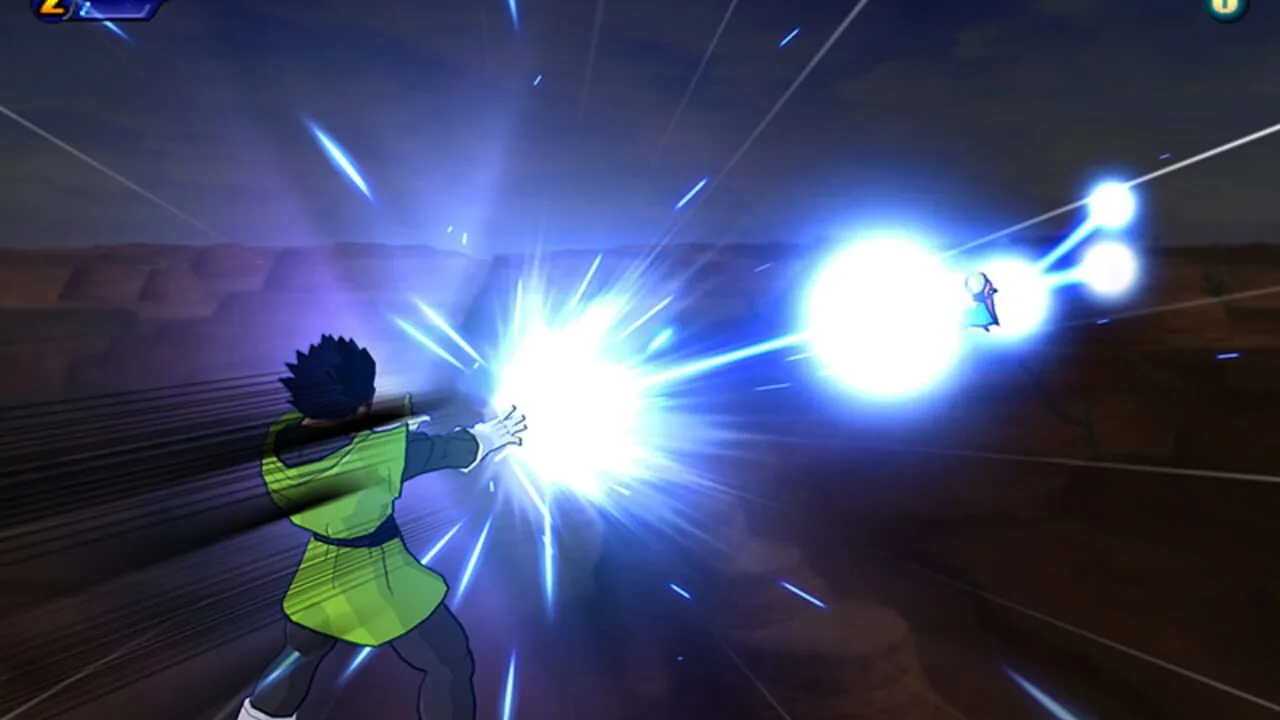
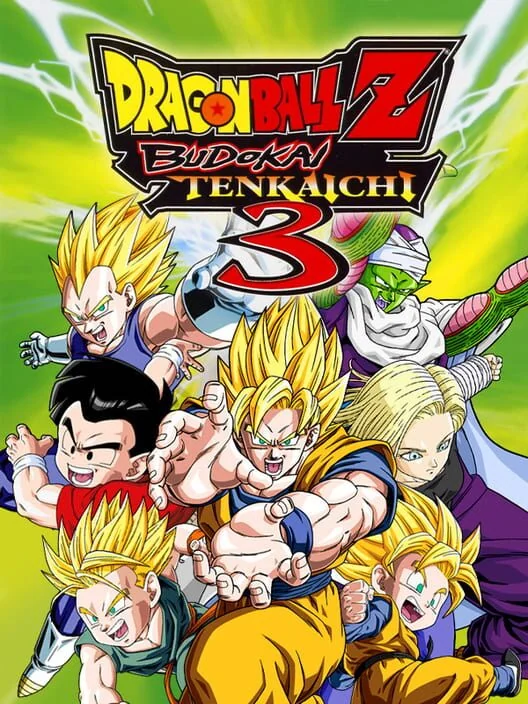
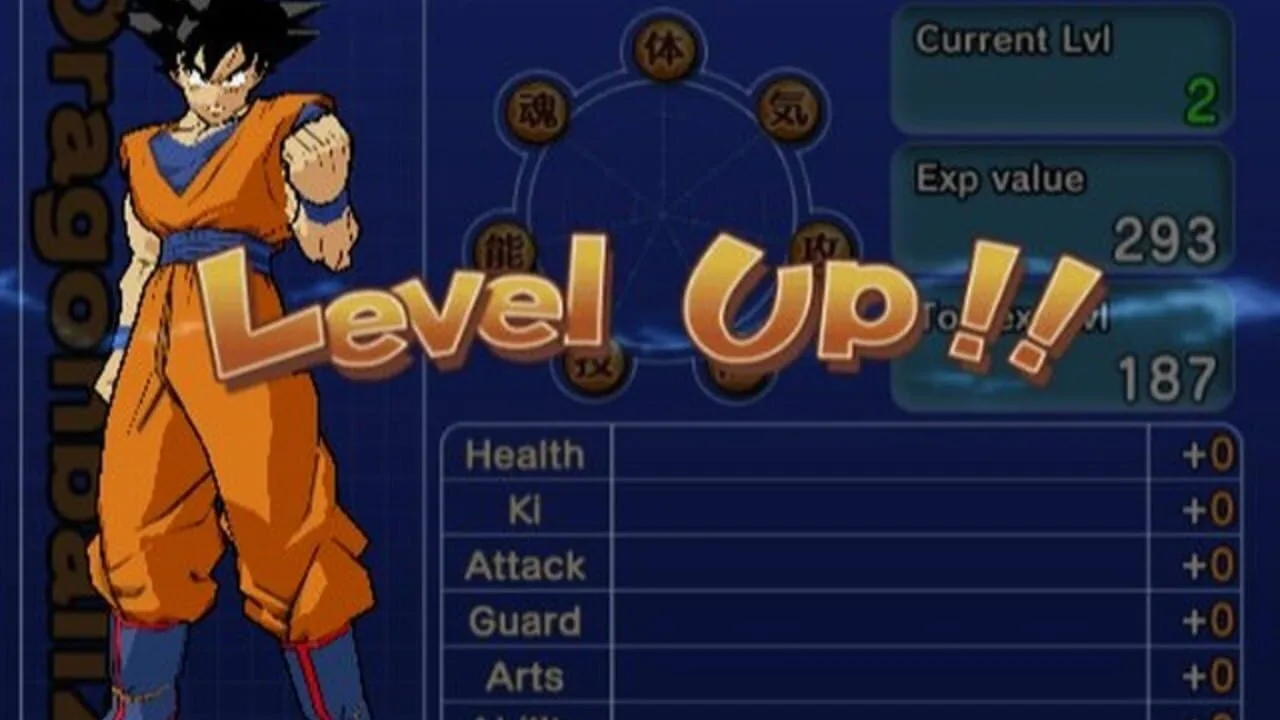
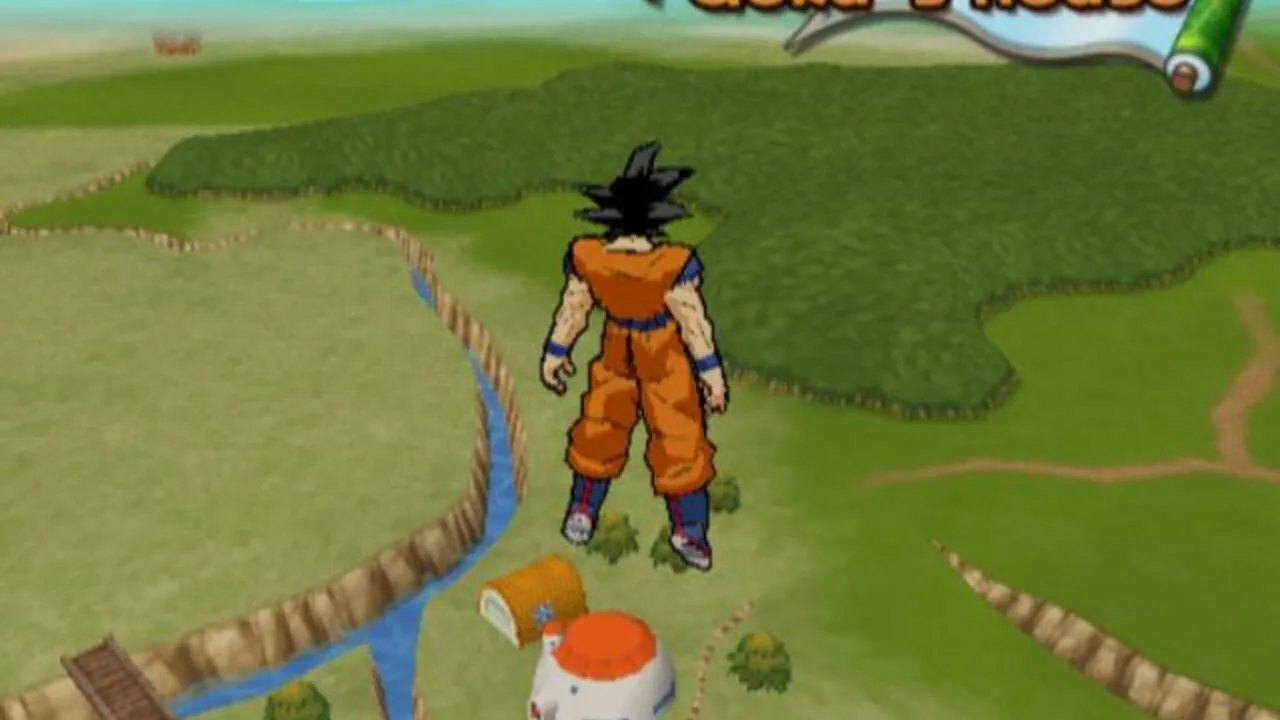
Dragon Ball Z: Budokai Tenkaichi 3 is a 1vs1 fighting game based on Akira Toriyama's Dragon Ball. You pick from over 162 characters, each with their own movements and combos. There are many game modes, with different stages and even weather and time conditions. It includes the apocalyptic battles of the main story, and you can fight a friend or the computer.
It follows the main story of the manga. Dragon Ball Z: Budokai 3 sits one place below it. If you want sheer size, this is the Dragon Ball game to pick. The arenas are big, the characters are everywhere and the whole thing feels like playing through the anime.
5. Bloody Roar 3 (2000)
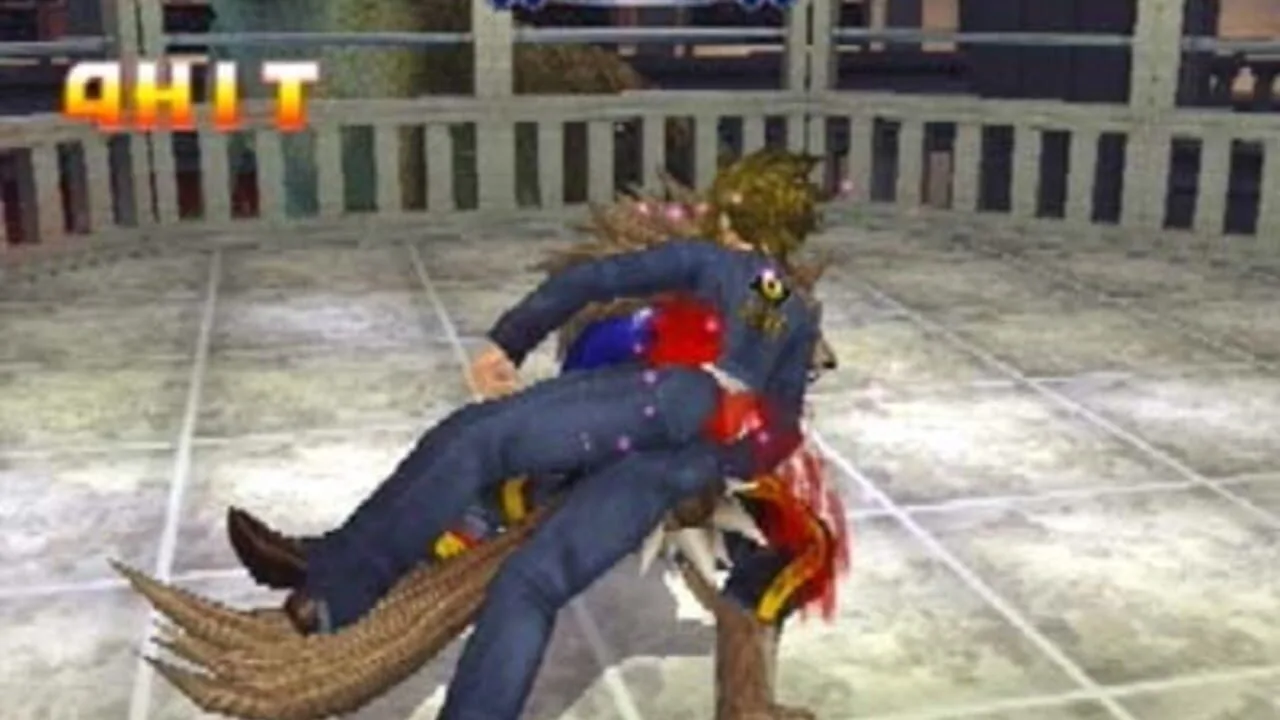
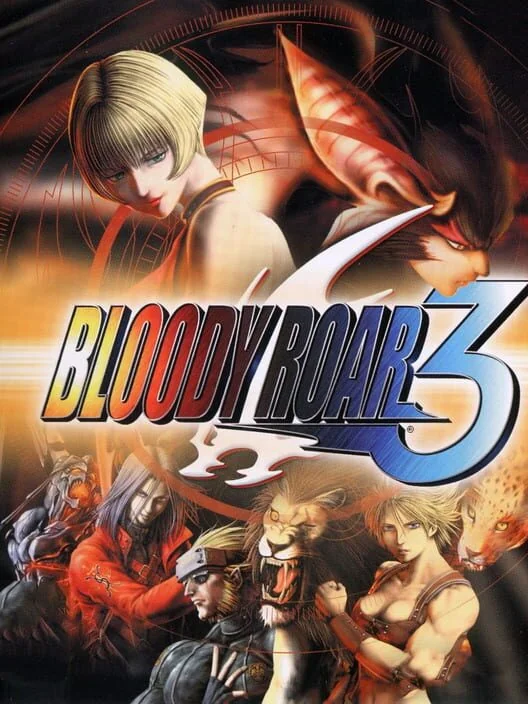
Bloody Roar 3 pits 12 outlandish fighters against each other. Landing kicks and punches fills an energy bar, and when it is full you can morph into a beast, from lions and tigers to moles. Each morph unlocks a second control set, so you get two kinds of fighting in one game.
Stun and Long return from Hudson's PS1 games. It is the sequel to Bloody Roar 2, built on Namco System 246 hardware and ported to the PS2 in 2001. This is the best way to see what the series does differently from every other 3D fighter. It was one of the more ambitious fighters on the console, and it still holds up for quick versus matches with a friend.
4. Mortal Kombat: Deception (2004)
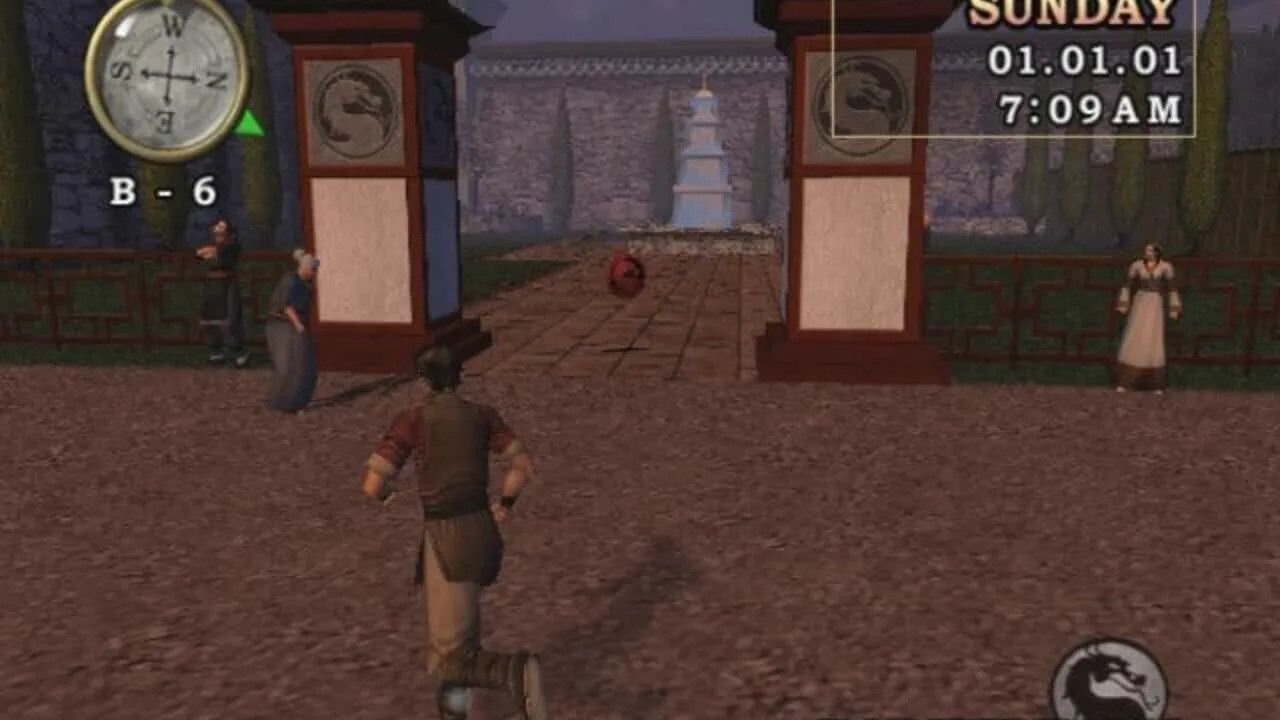
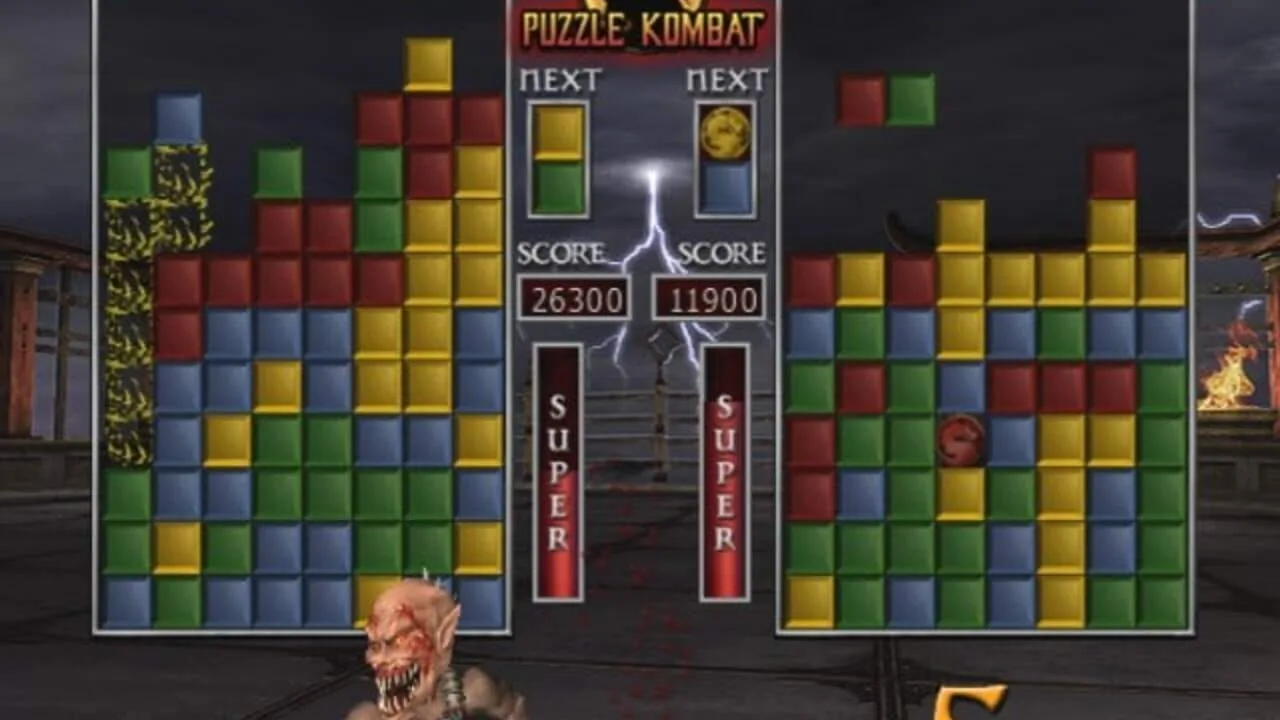
Mortal Kombat: Deception is the sixth main game in the series, built on the Deadly Alliance engine. It adds new mini-games, including Chess Kombat and Puzzle Kombat. New items are hidden in the Krypt, and some koffins need keys that only turn up in Konquest.
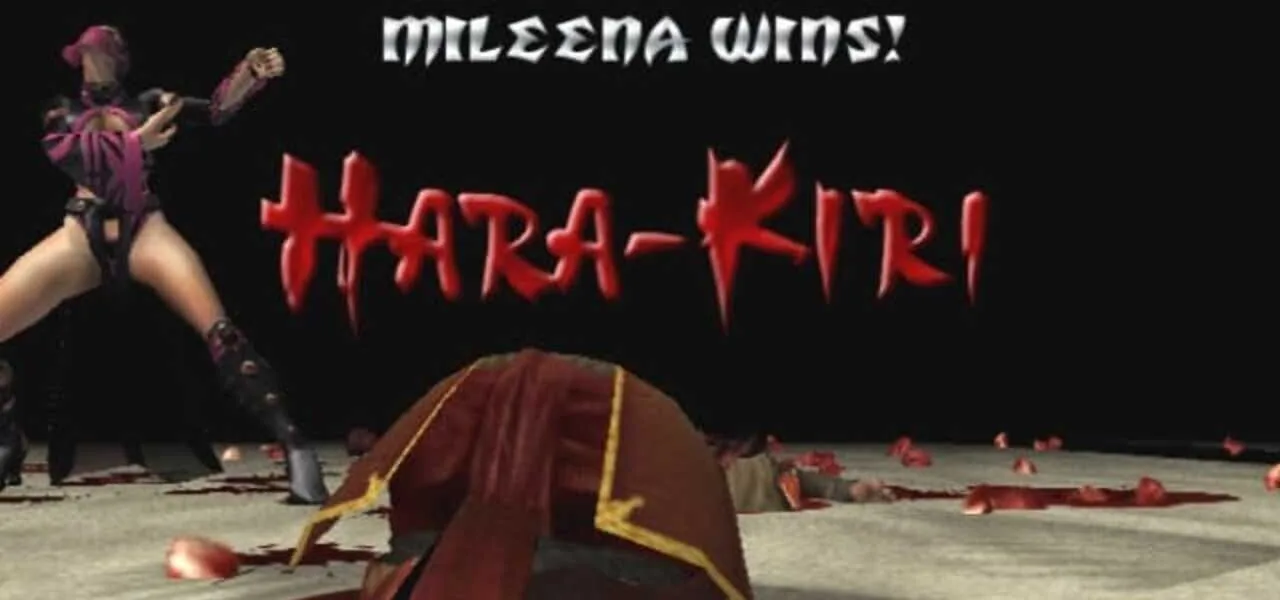
The PS2 version offers online play, and the game is regarded as the first fighting game to include online multiplayer. A Combo Breaker lets you interrupt combos up to three times per match. It is a gory, goofy classic. Every fighter has two Fatalities and a hara-kiri suicide move. The GameCube version skips online play but offers Goro and Shao Kahn as exclusive playable characters. It has more modes than most fighting games of its day, which made it a great value back then.
3. Dragon Ball Z: Budokai (2002)
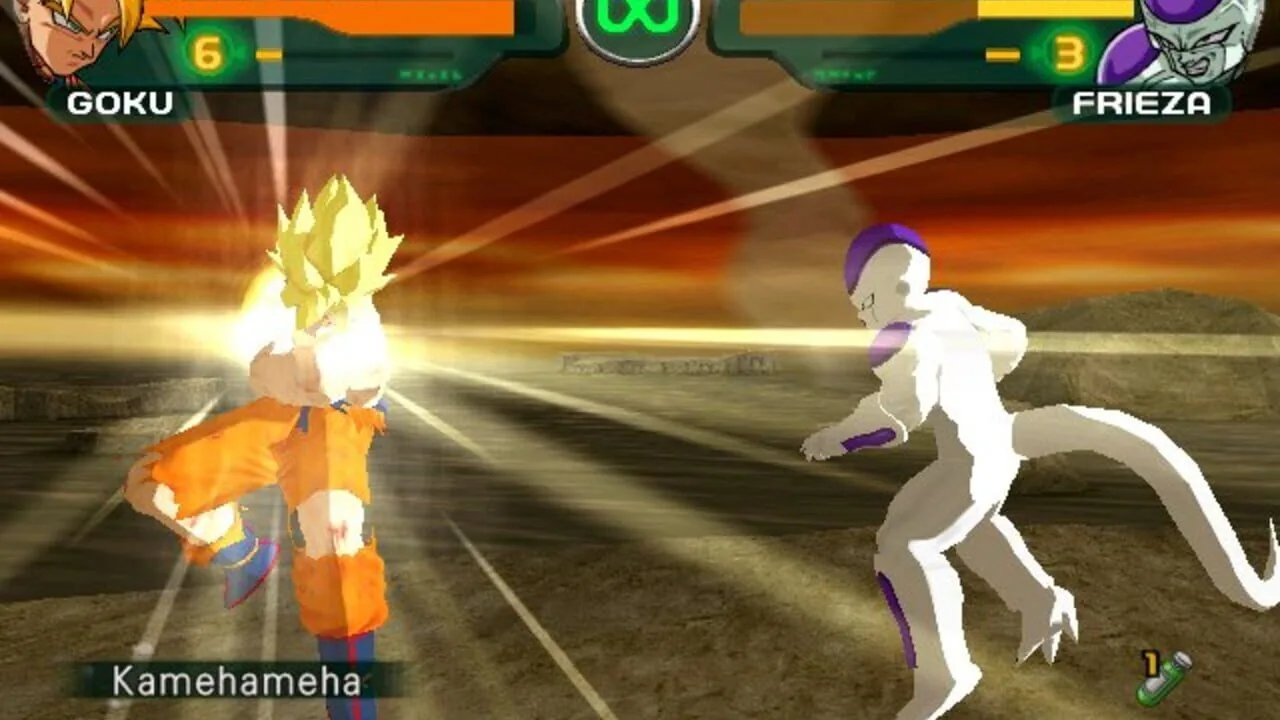
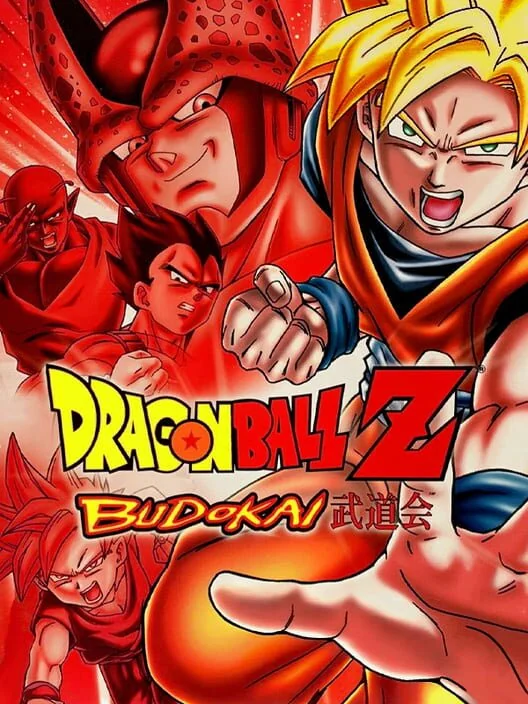
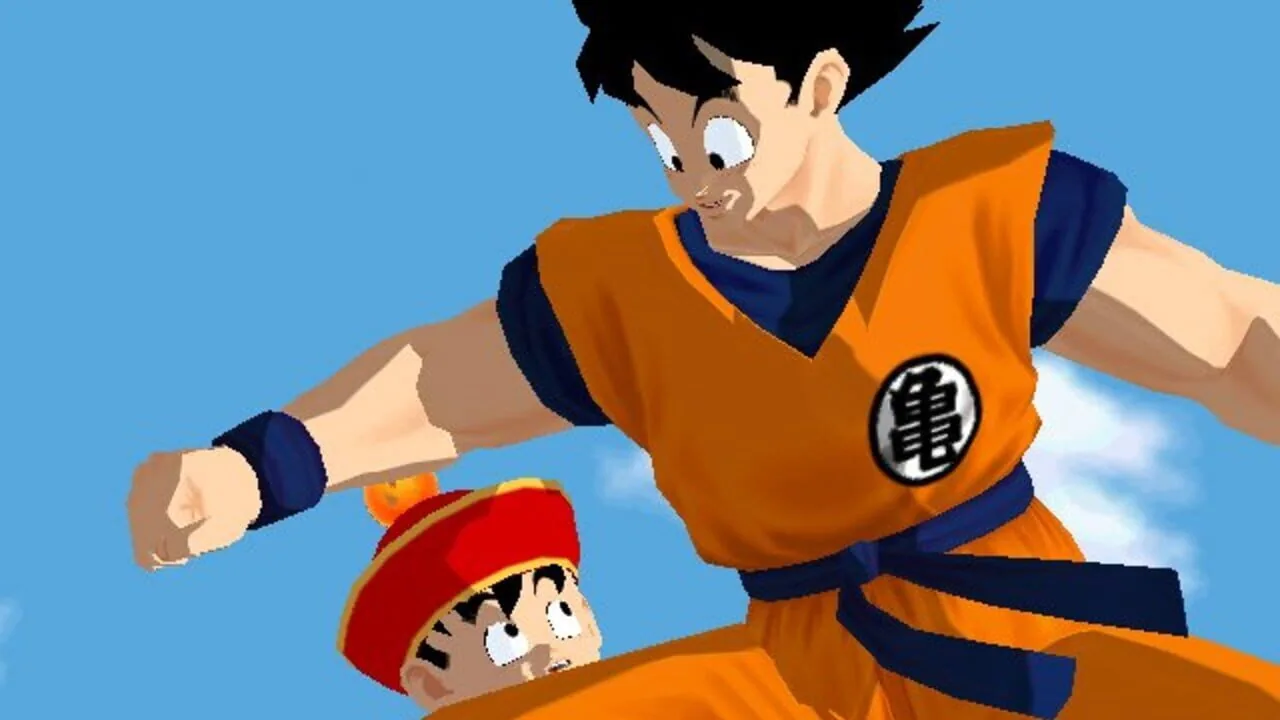
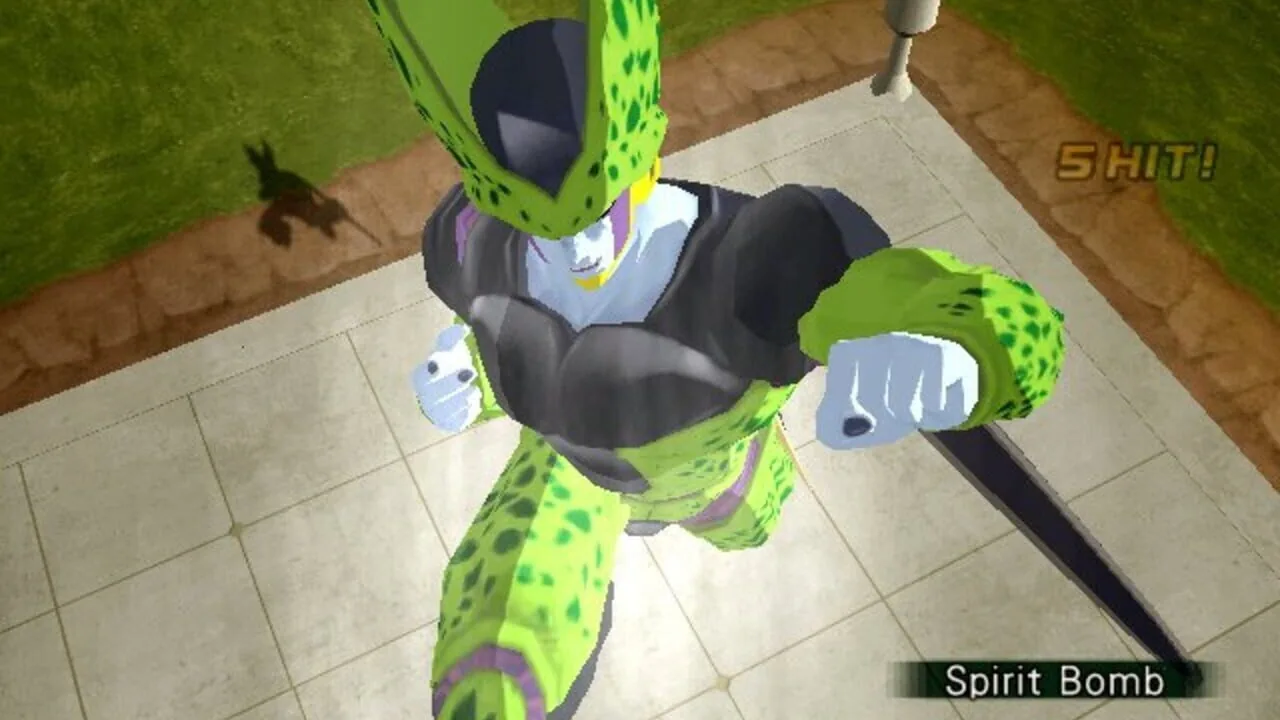
Dragon Ball Z: Budokai takes you from the Saiyan Saga to the Cell Games Saga. A world tournament mode lets you buy new moves, and a practice mode is there to sharpen your skills. Collect all 7 Dragon Balls and you can summon Shenron. The story starts when Goku's brother Raditz kidnaps his son, Gohan.
Dimps developed it and Infogrames published it. There are 23 playable characters. It sits one place above Mortal Kombat: Deception. It is where the whole Budokai run started. Atari later reissued it as a Greatest Hits title. It brought the anime to the PS2 in a polished, fast fighter that fans still remember fondly.
2. Soulcalibur III (2005)
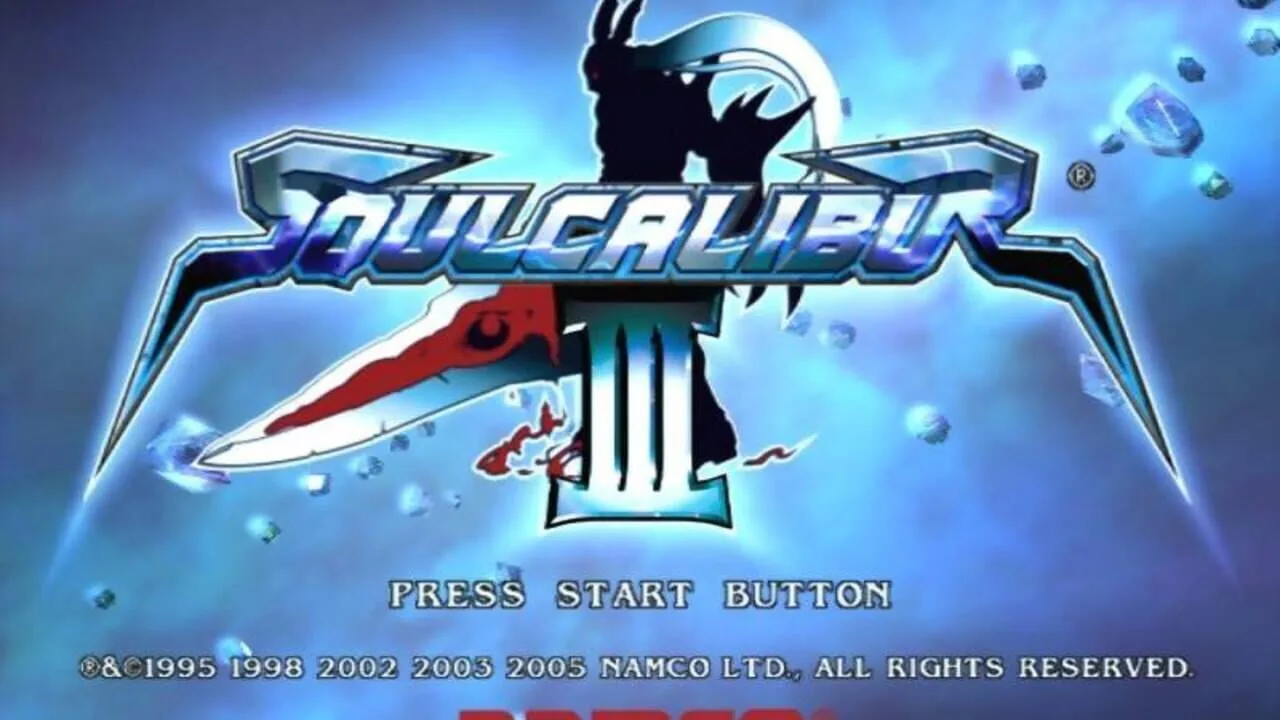
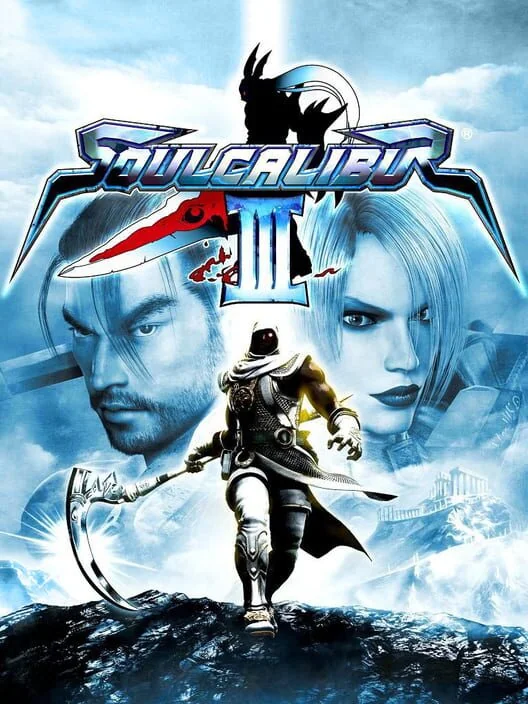
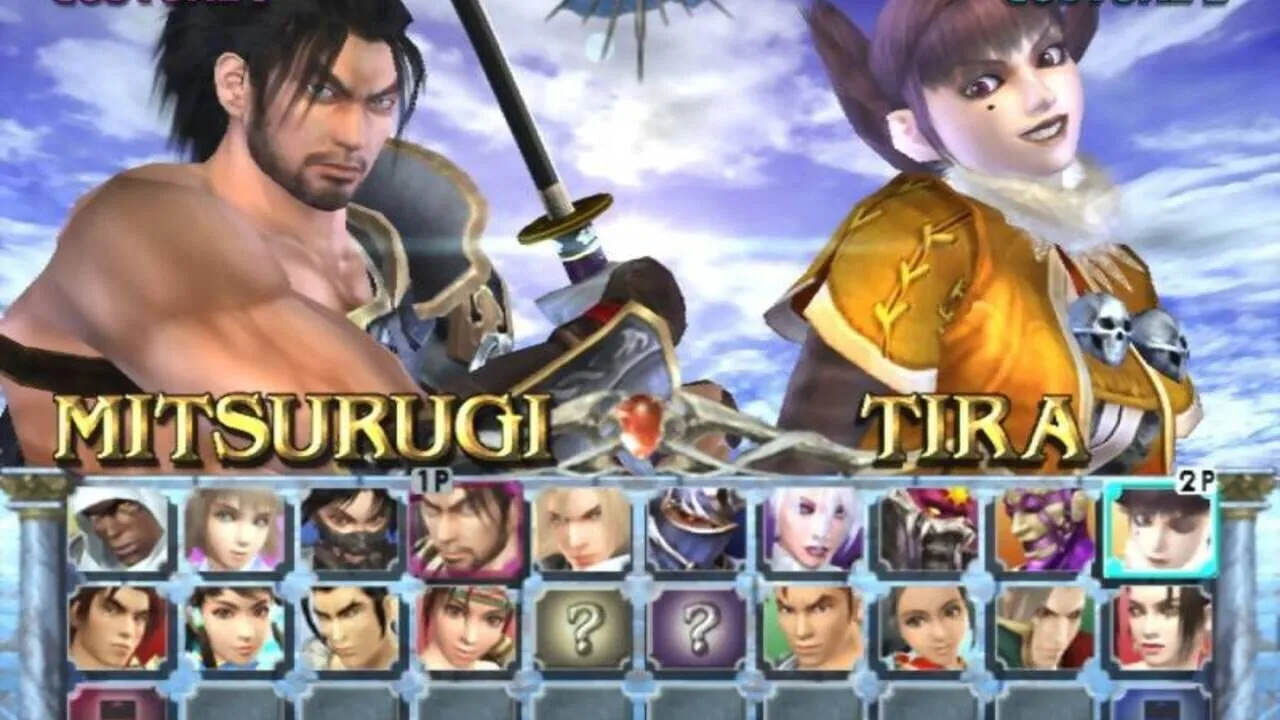
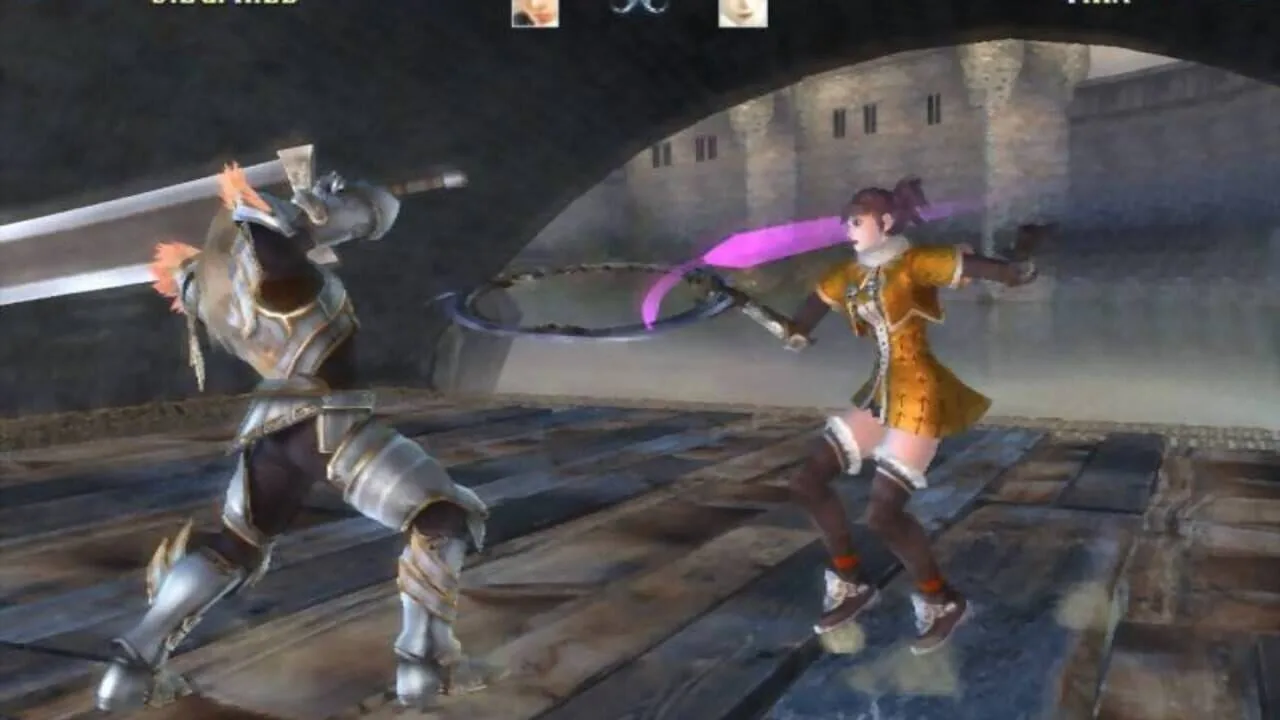
Soulcalibur III reached North America on October 25, 2005. It came out on the PS2 first, and an improved arcade version followed in 2006. It adds three new modes and a bigger roster, with 24 characters in Tales of Souls mode and 18 more in the other modes.
It was the last Soulcalibur with an arcade version, and the last game Namco released as an independent company. Button prompts pop up during cut scenes, and whether you hit them changes the outcome. It sits one place below Def Jam: Fight for NY. It was one of the founding franchises of the Universal Fighting System card game. It is a deep, stylish weapon fighter, and it has the kind of polish that made it a showpiece for the console.
1. Def Jam: Fight for NY (2004)
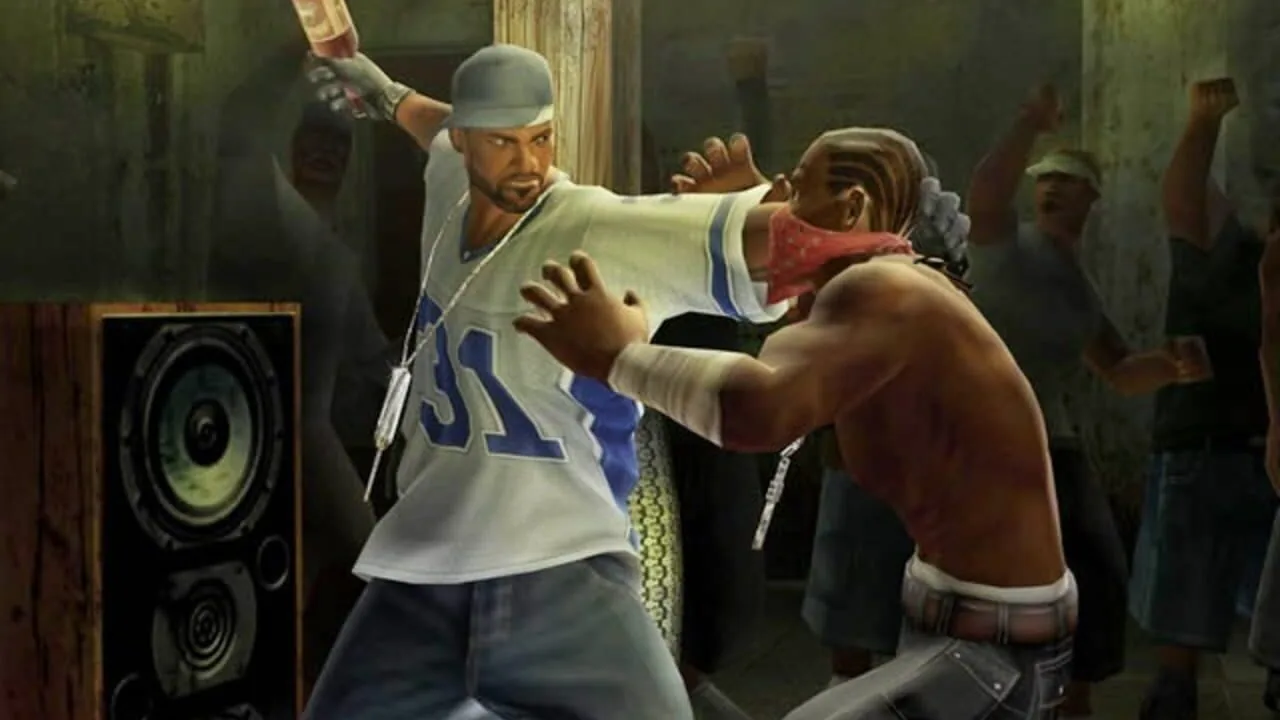
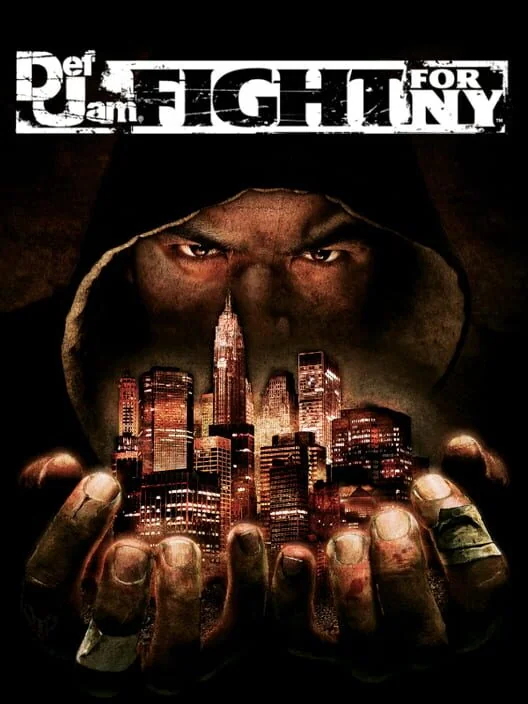
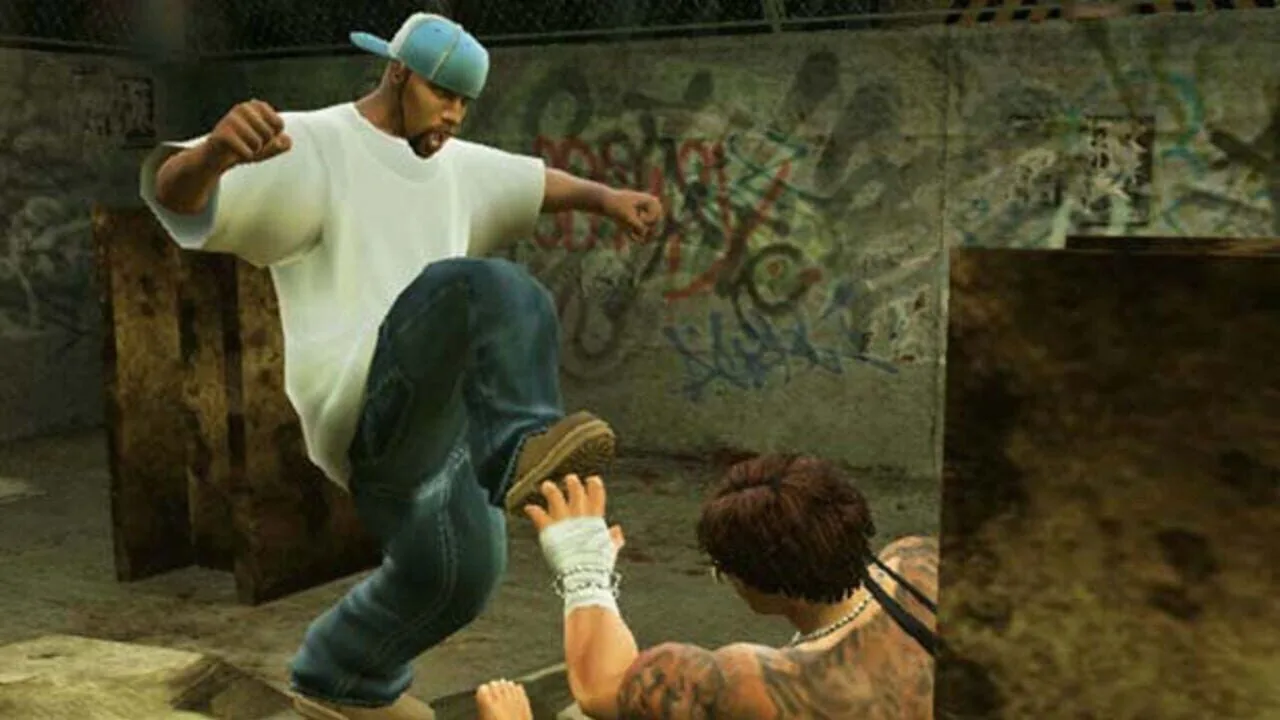
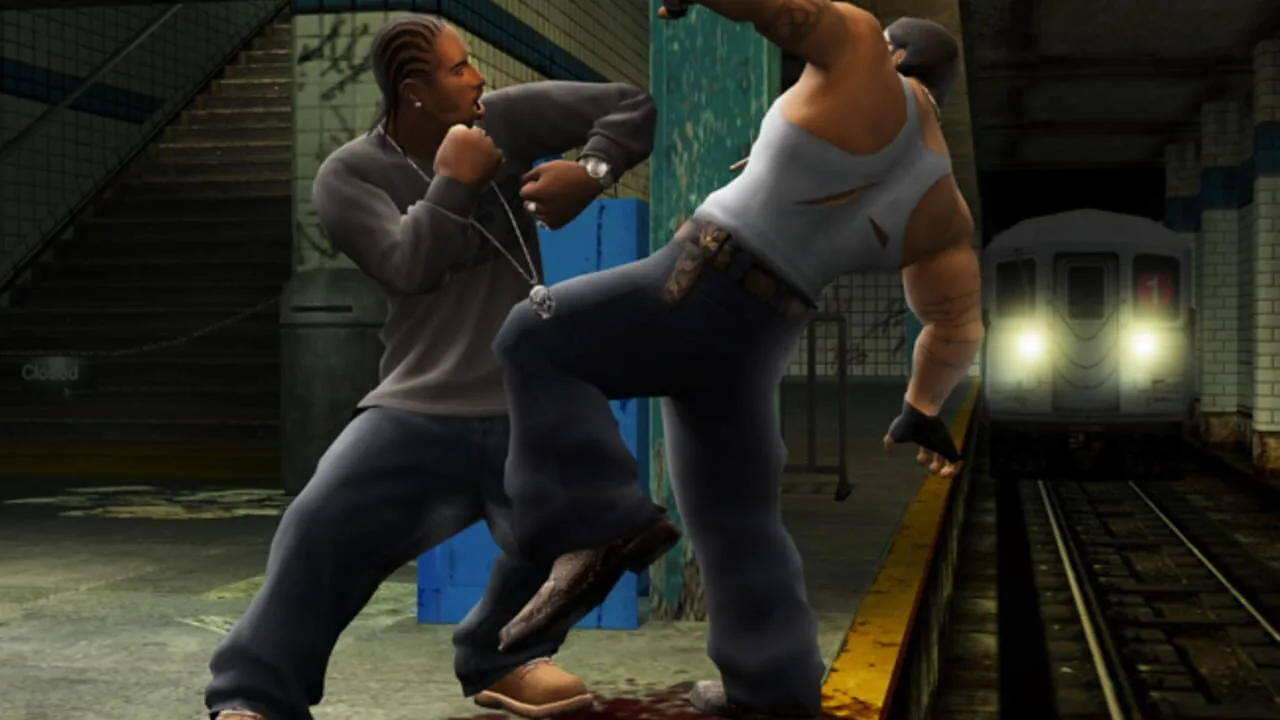
Def Jam: Fight for NY is a hip-hop fighter where you play a street fighter battling for control of the underground. You get weapons and five fighting styles that you can mix into dozens of hybrid styles. More than 40 hip-hop artists and personalities appear, including Busta Rhymes and Snoop Dogg.
It came out for the GameCube, PS2 and Xbox on September 21, 2004, and it is the direct sequel to Def Jam Vendetta. It was ported to the PSP as Def Jam Fight for NY: The Takeover in 2006. Players recommend it more than any other fighting game on the PS2. It lets you pick a style, build a fighter and brawl your way through the city, and it is just as fun in a group today.
Which one to play
There you have it, the whole list of the best PS2 fighting games. These are full fighting games with big rosters and plenty of modes, and most of them are still easy to pick up and enjoy today.
If you are not sure where to start, play Def Jam: Fight for NY. If you want a traditional fighter, go for Soulcalibur III. For the best 2D pick, try Guilty Gear XX Accent Core Plus. If you are a Dragon Ball fan, start with Dragon Ball Z: Budokai 3. And for a hidden pick, try Bloody Roar 3, where your fighter turns into a beast mid-match.