The PS2 was one of the best places there has ever been to play RPGs. Big series moved into full 3D, studios like Level-5 and Atlus found their stride, and there was an adventure for every kind of player. Disney crossovers, tactical games, dungeon crawlers and giant Japanese epics all showed up on the same console.
A lot of these played like nothing before them, and some ran for well over a hundred hours. Here are the 25 best PS2 RPGs.
25. Arc the Lad: Twilight of the Spirits (2003)
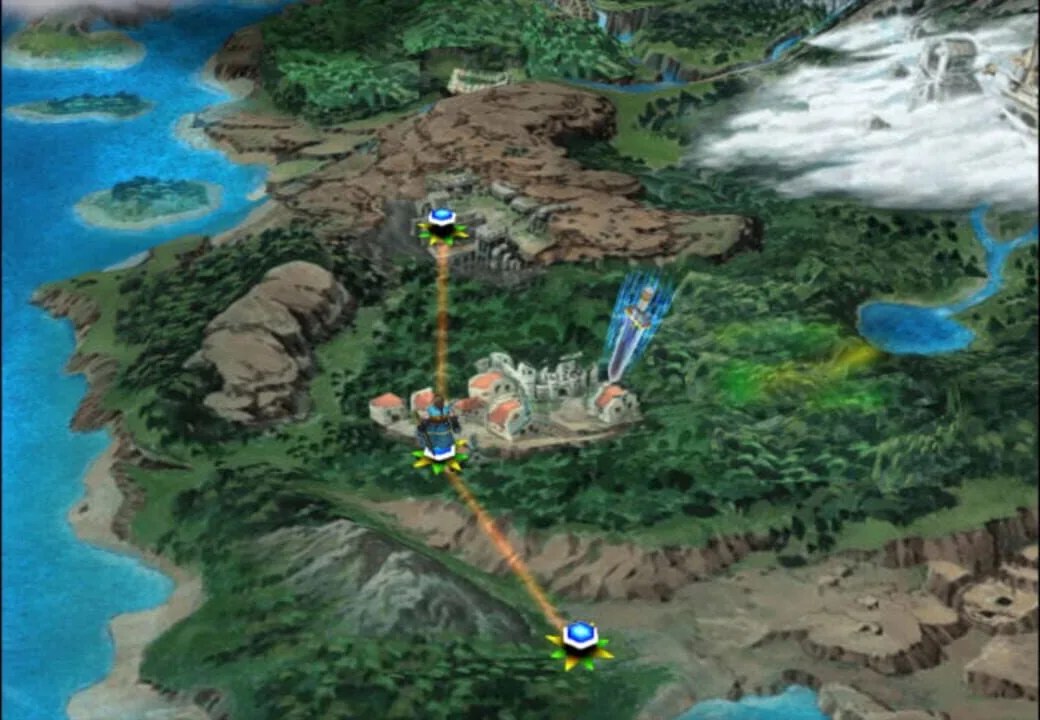
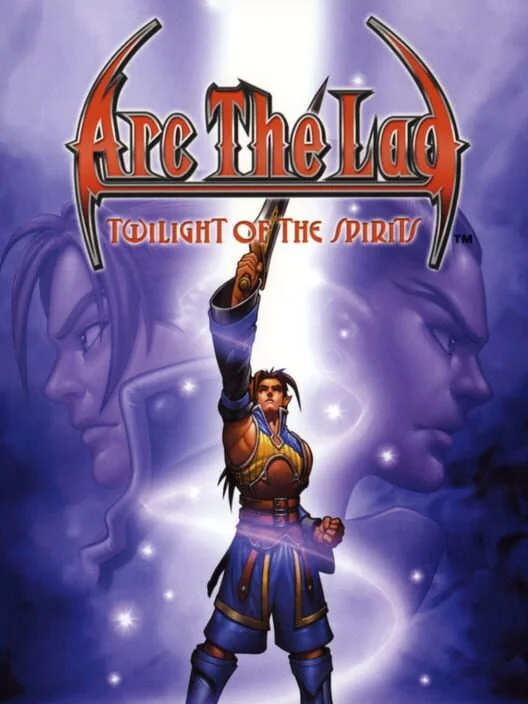
Arc the Lad: Twilight of the Spirits is a tactical RPG from Cattle Call, the sixth Arc the Lad and the first one in 3D on the PS2. It was also the first in the series that Sony published in North America, in June 2003.
It takes place 1,000 years after Arc the Lad III, in a long conflict between humans and the Deimos over the magical Spirit Stones, which humans use to power their machines and the Deimos need as their life force. Tekken creator Seiichi Ishii was its executive producer. Combat is tactical, like the first three Arc the Lad games, though some fights have you using only one character. Critics liked the battle system and the music, but they criticised the voice acting and the lack of side quests. Europe waited until January 2004, and a sequel, Arc the Lad: End of Darkness, followed in 2005.
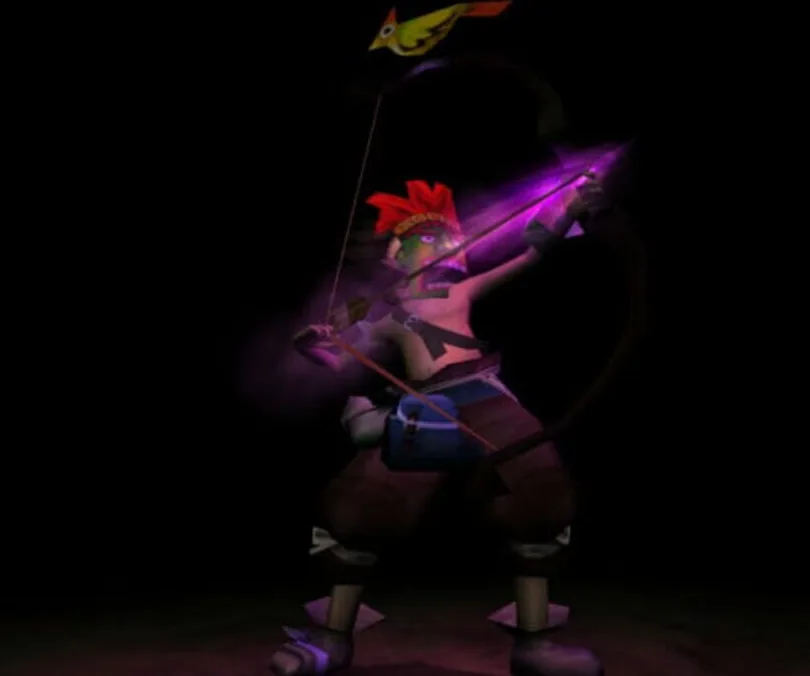
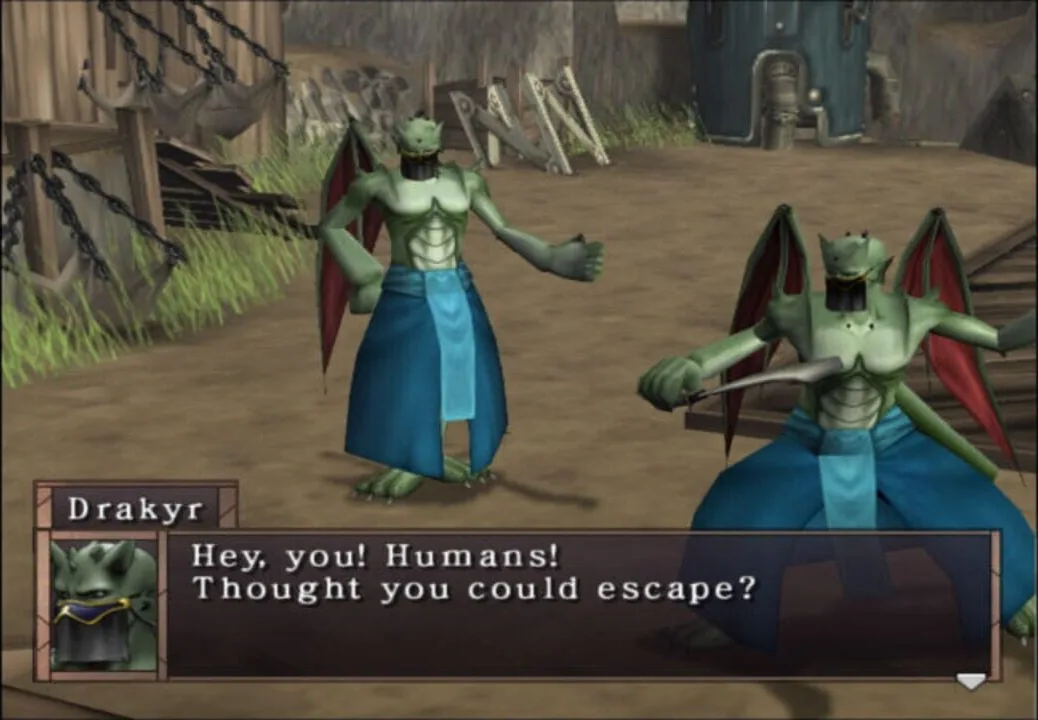
24. Steambot Chronicles (2005)
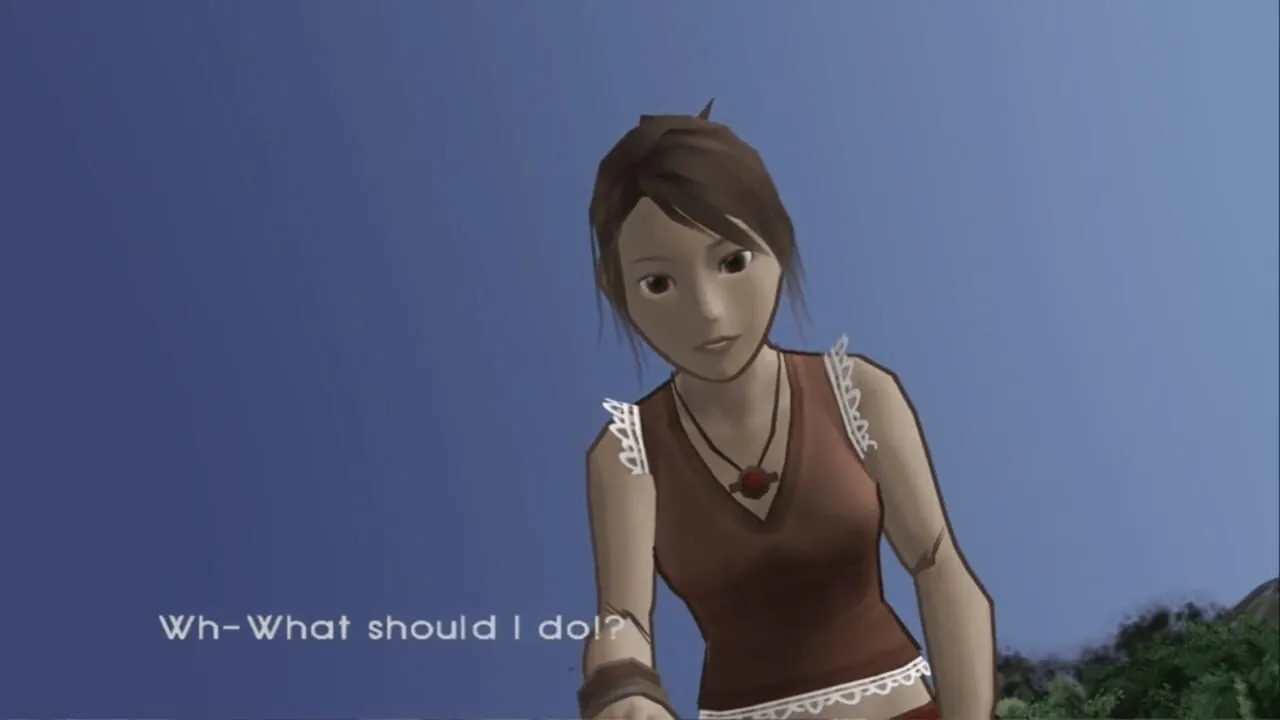
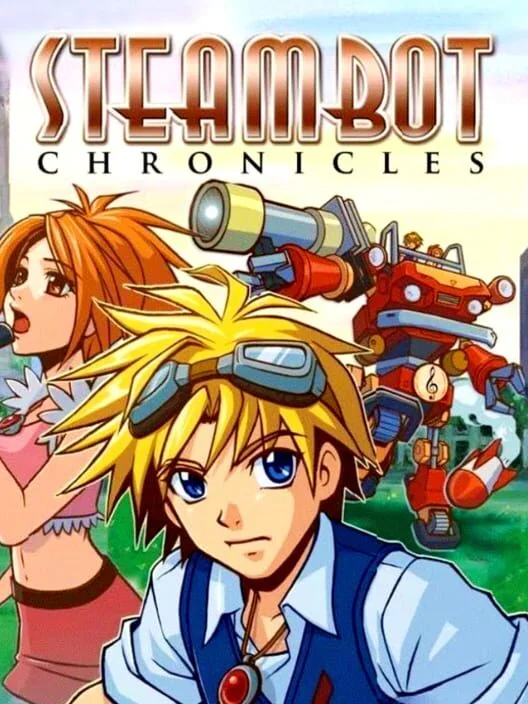
Steambot Chronicles is set during an alternate Industrial Revolution, where machines called Trotmobiles became the standard way to get around. Irem built it as a sandbox, and the mech fights share the game with rhythm games.
It opens with a personality quiz, and your answers shape the hero's personality and how everyone reacts to him. A sequel was shown at the 2006 Tokyo Game Show and officially cancelled in 2011, so this is the only full trip you get. Irem developed it for the PS2 in Japan, and Atlus later brought it to North America. The hero, Beans, was voiced in English by Spike Spencer. A spin-off for the PSP, Steambot Chronicles: Battle Tournament, followed.
23. Suikoden III (2002)
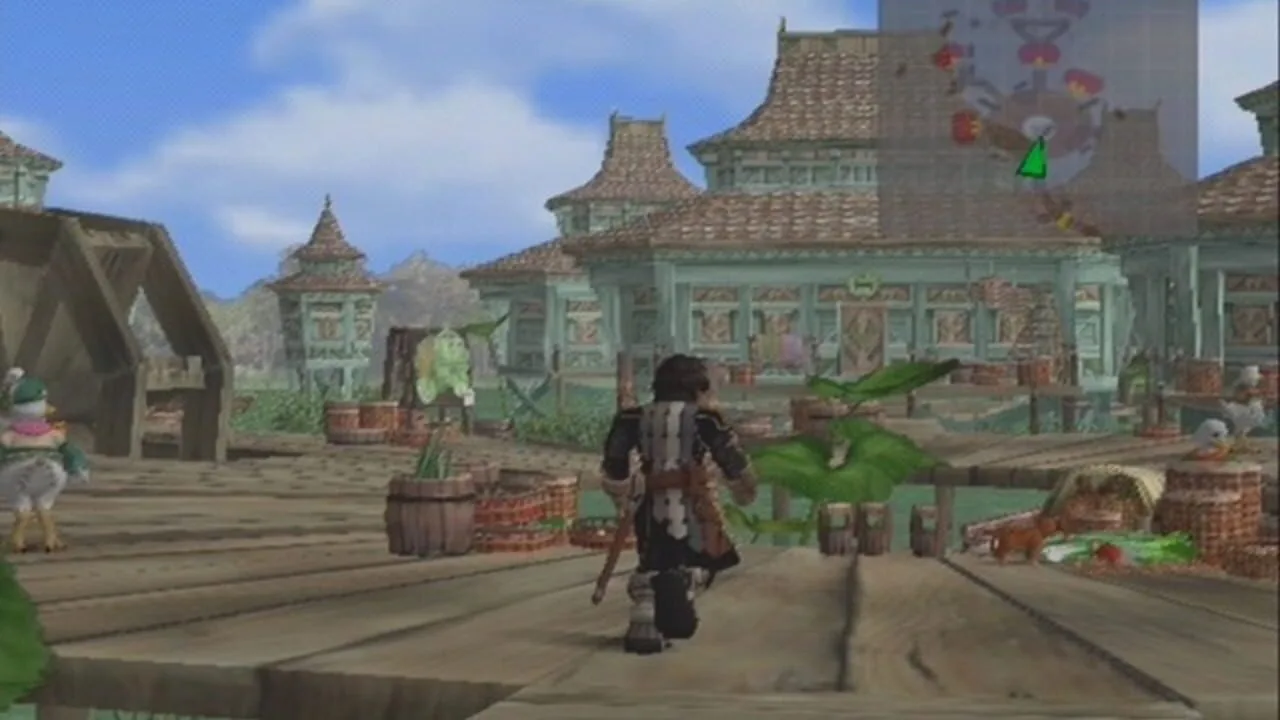
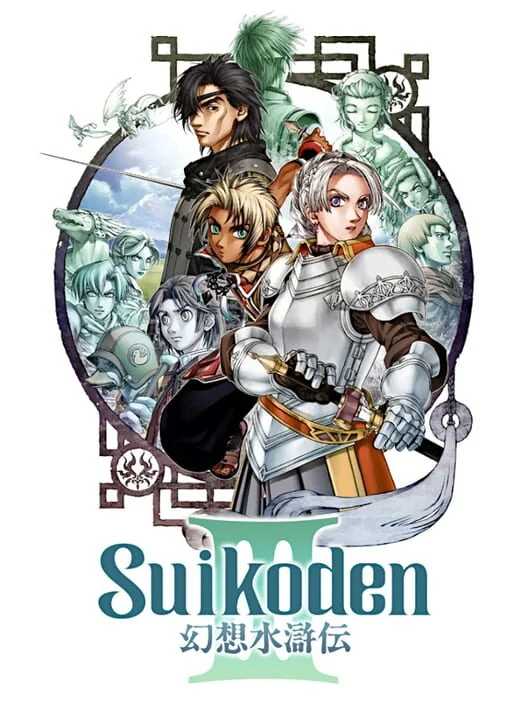
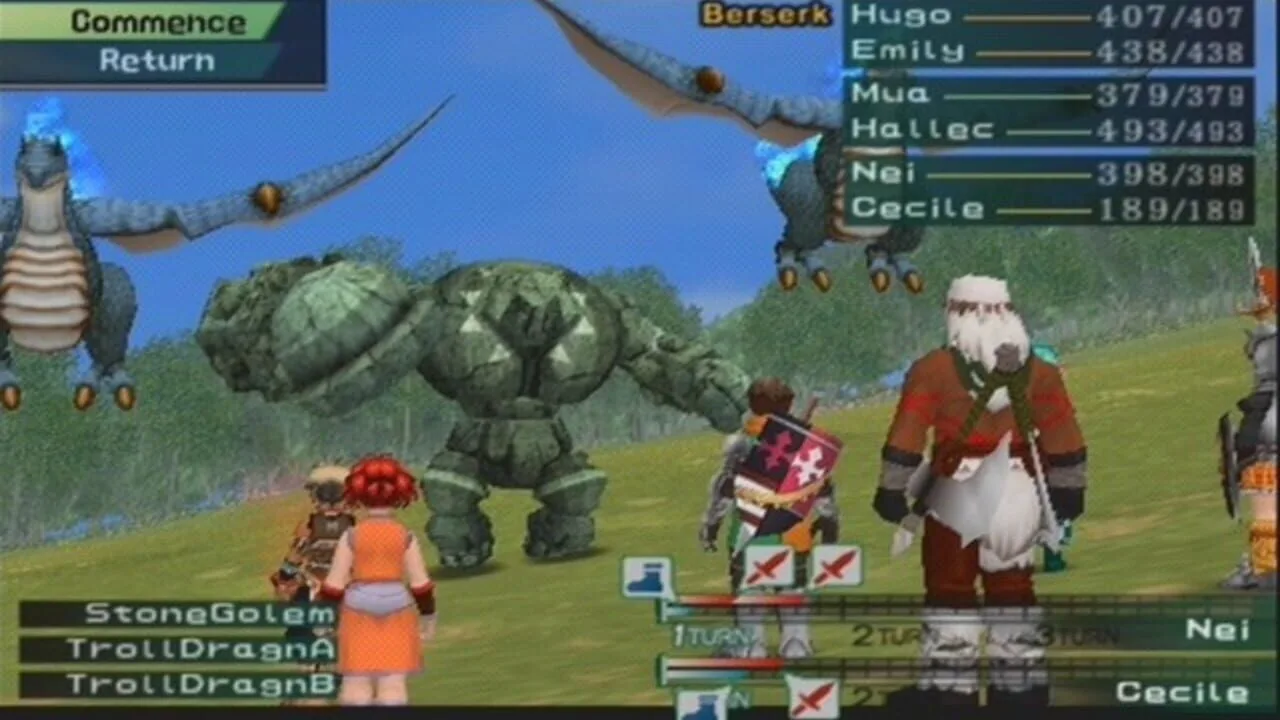
Suikoden III tells its war from more than one camp. The Trinity Sight System splits the story between three heroes, so you watch the same events from several sides, and none of the factions is plainly in the right.
Eventually all three set out to recruit the 108 Stars of Destiny, as series tradition demands. It came out in Japan and North America in the same year, and players named it exactly as often as Suikoden V, one place above it. It is set fifteen years after Suikoden II, and the three heroes include Hugo, a village chief's son, and Chris, the virtuous Knight of Zexen. There are three different battle systems and three styles of combat in a 3D world, and you pair your characters up for combo attacks.
22. Suikoden V (2006)
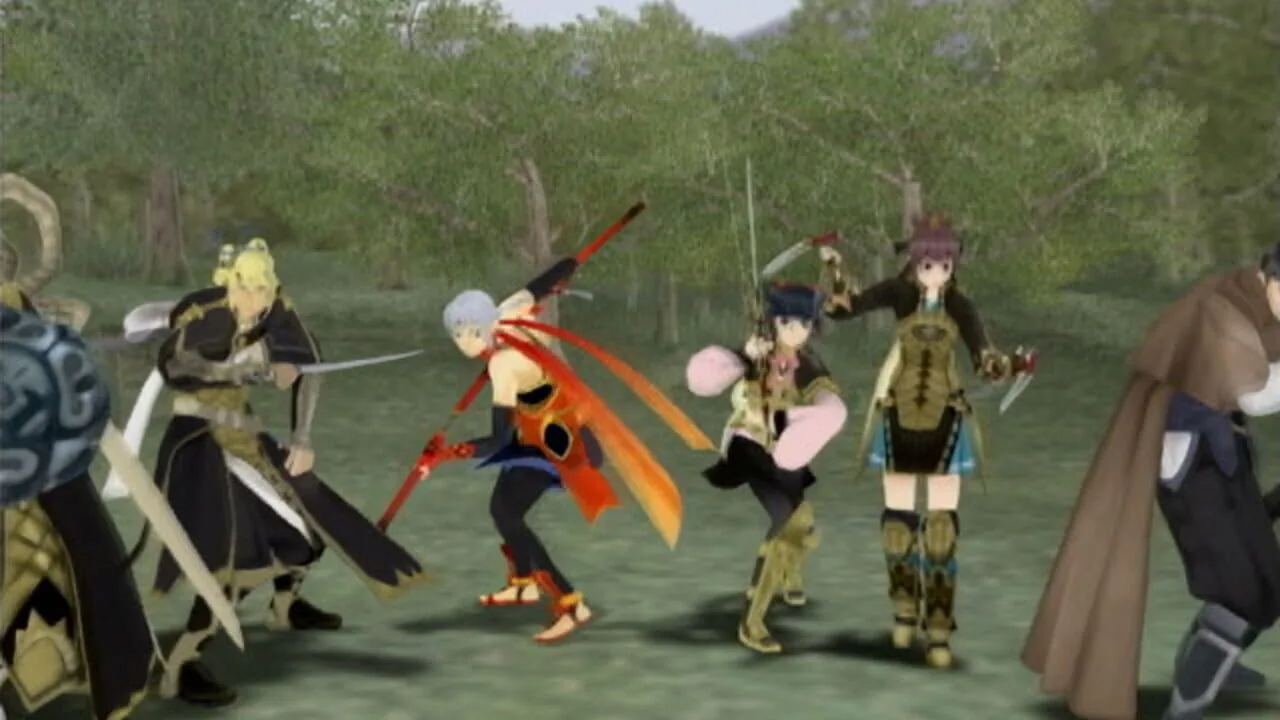
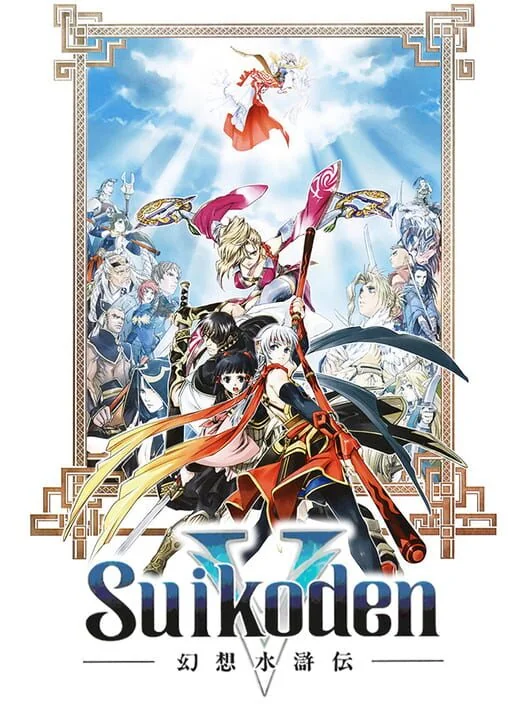
Suikoden V is the fifth and final main game in the series, and it goes back in time, to six years before the first Suikoden. You play the Prince of Falena, caught up in the political struggles of a queendom.
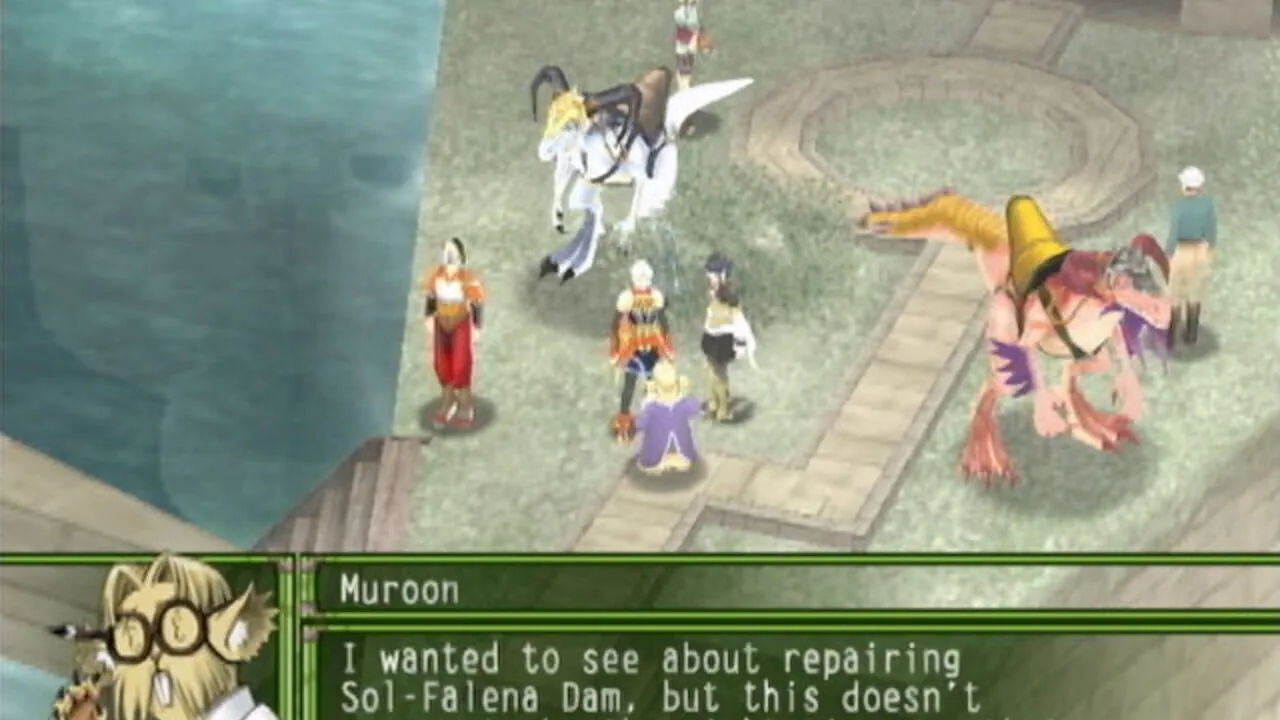
Over sixty characters can fight for you, and plenty more can help or hinder the Prince elsewhere. It sold around 200,000 copies in Japan. It is loosely based on a classical Chinese novel, Shui Hu Zhuan. The game runs at 60 frames per second and brings back the top down camera of the first two games. Characters who stay out of combat run shops or give clues about potential recruits.
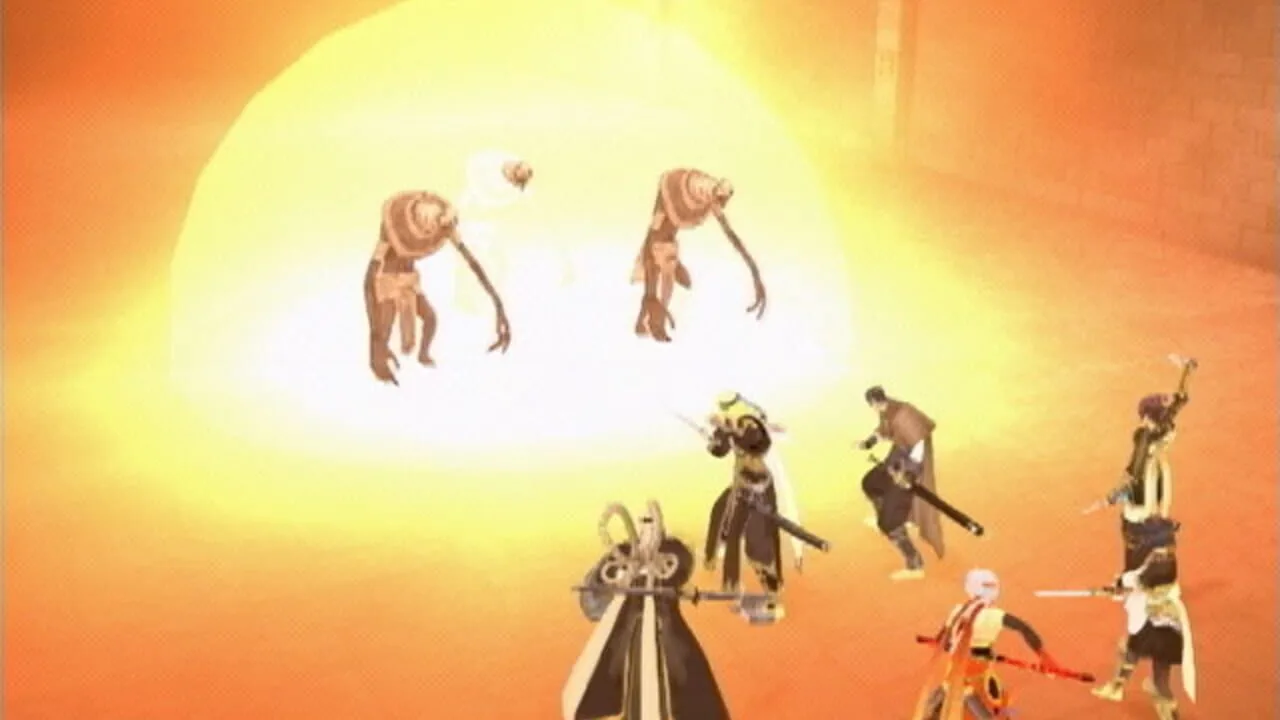
21. The Lord of the Rings: The Third Age (2004)
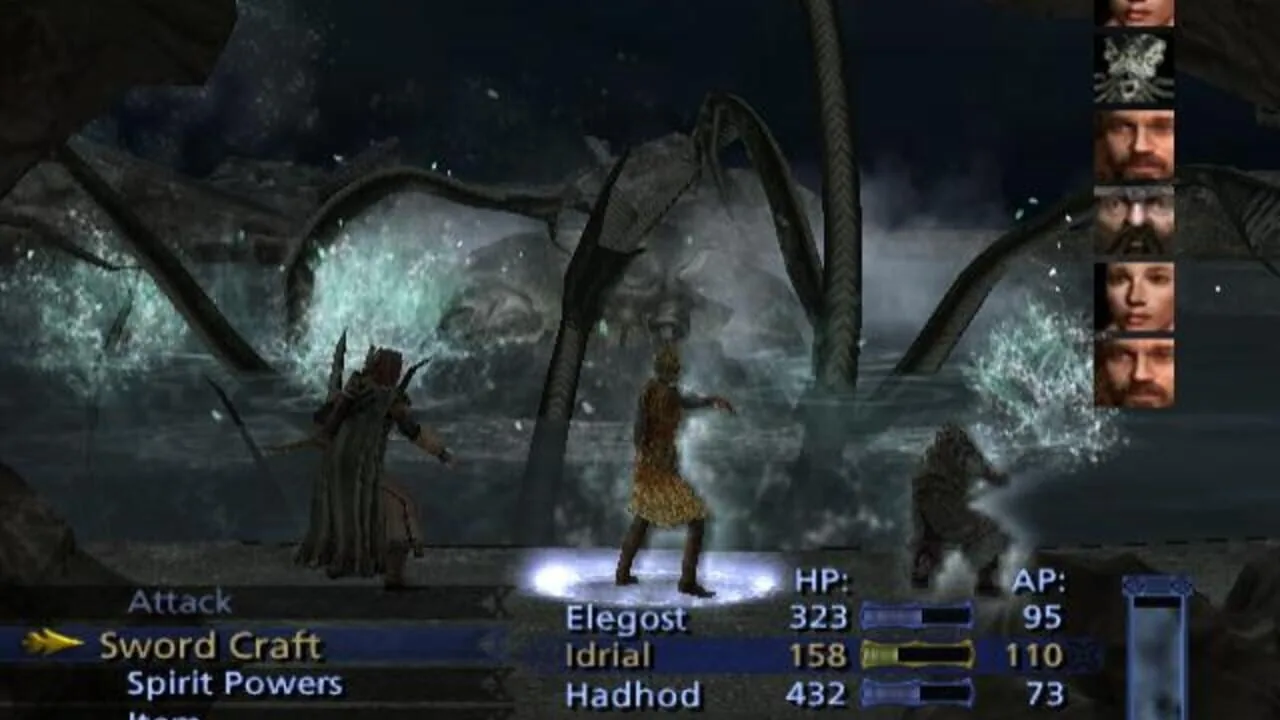
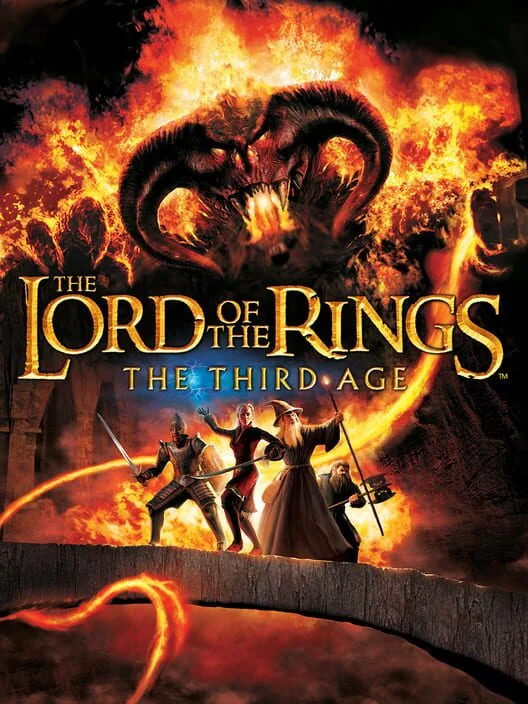
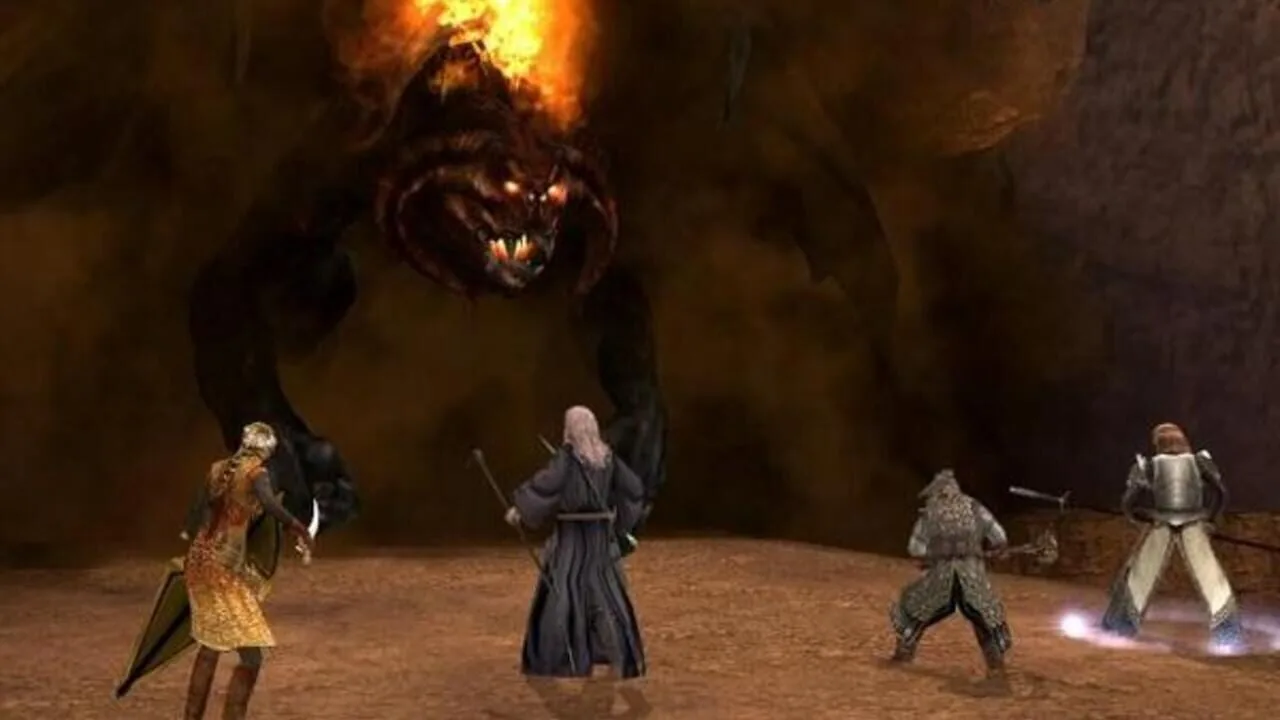
The Lord of the Rings: The Third Age is a turn-based RPG built on Peter Jackson's films rather than Tolkien's books. Its party of original characters walks a road parallel to the Fellowship's and plays a key part in events the films never showed.
That split came from a licensing tangle. Electronic Arts held the rights to games based on the films, while Vivendi held the books, so anything the movies never mentioned or showed could not go in the game. The game covers events from all three films, with new speech recorded by Ian McKellen as Gandalf. Seven playable characters were created just for it. Reviewers praised the graphics, though some felt it borrowed too much from Final Fantasy X.
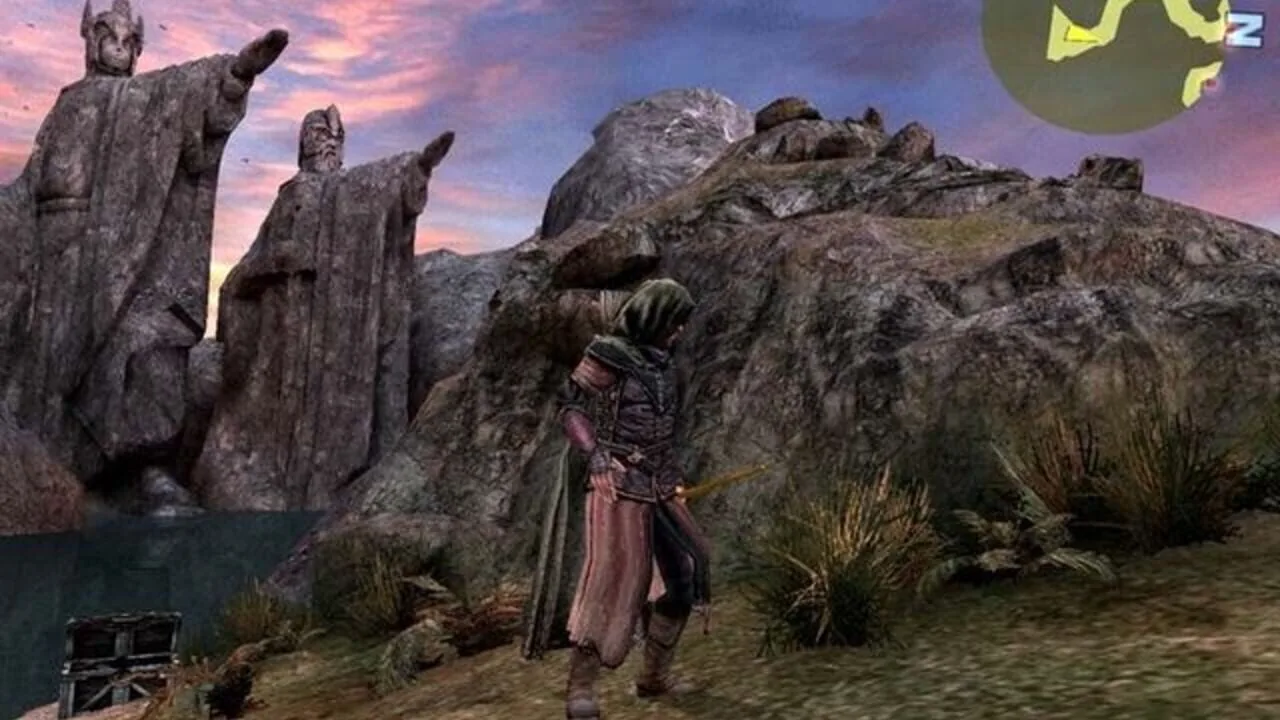
20. Breath of Fire: Dragon Quarter (2002)
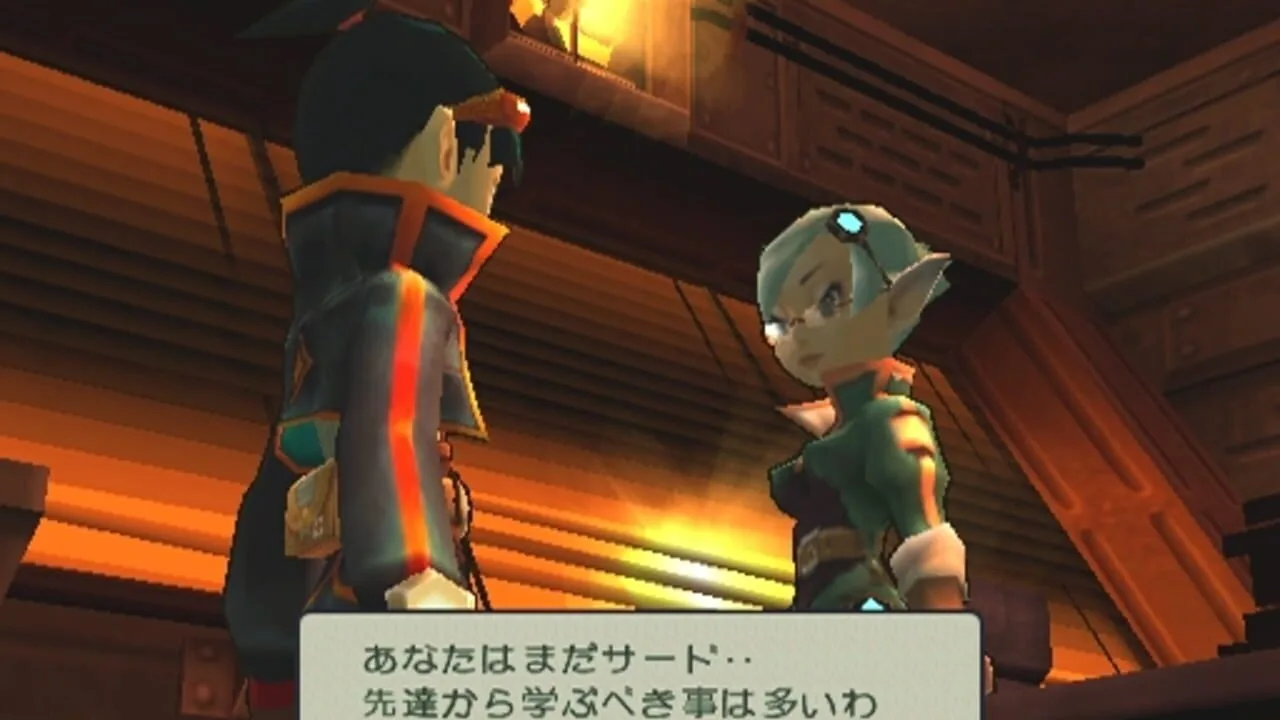
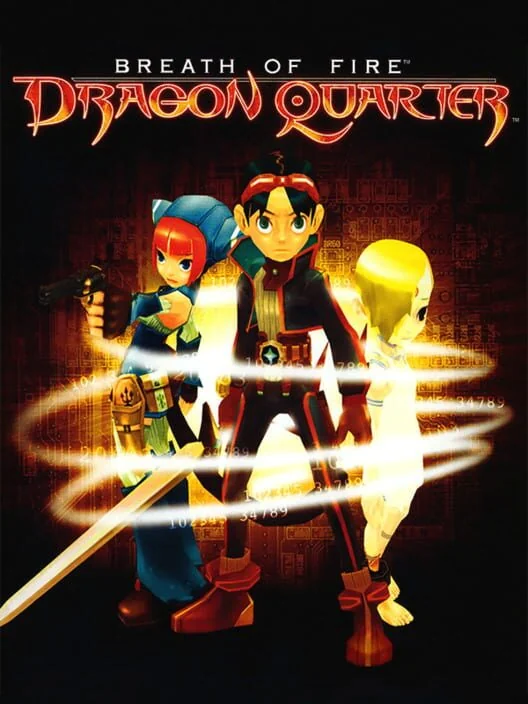
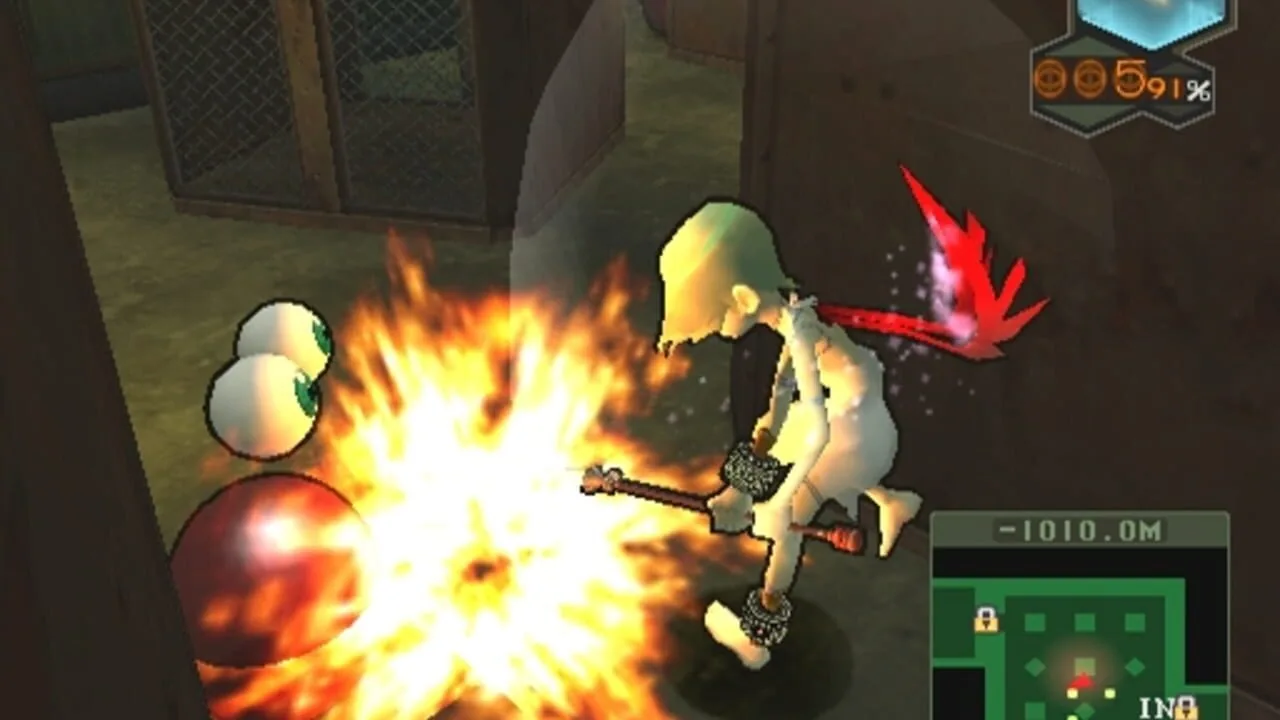
Breath of Fire: Dragon Quarter deviates drastically from the rest of the series. It swaps the open fantasy worlds for a chain of bunkers 1000m below the surface of a post-apocalyptic world, and you spend the game climbing up through the tunnels.
It was also the first in the series with fully 3D characters and environments, and it is designed to be played through more than once. You aren't meant to see the whole story in a single run, which is a polite way of telling you the game expects you to fail. There is no overworld map and no magic, and every enemy is visible on screen. Each character has action points to move around the screen during a fight and chain combo attacks. Tatsuya Yoshikawa, who drew every earlier game in the series, handled the character design.
19. Odin Sphere (2007)
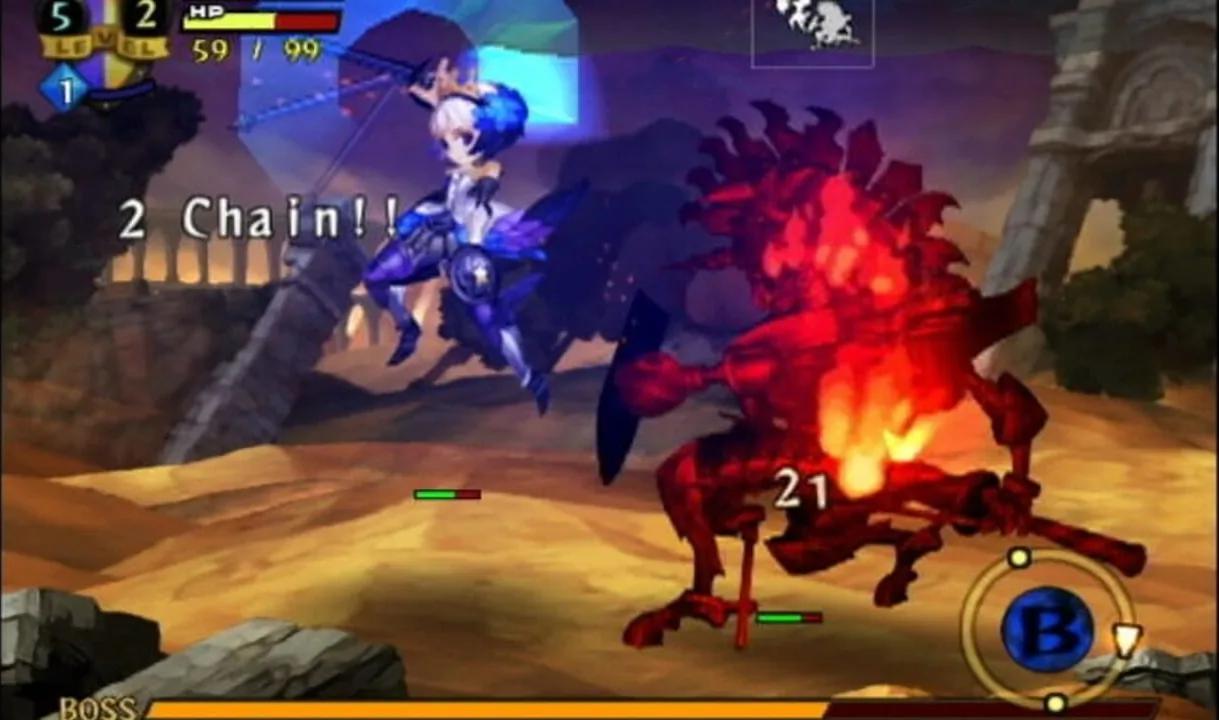
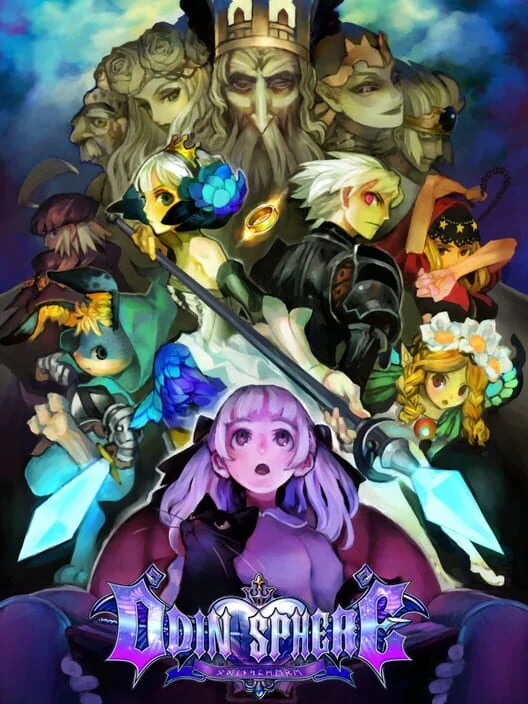
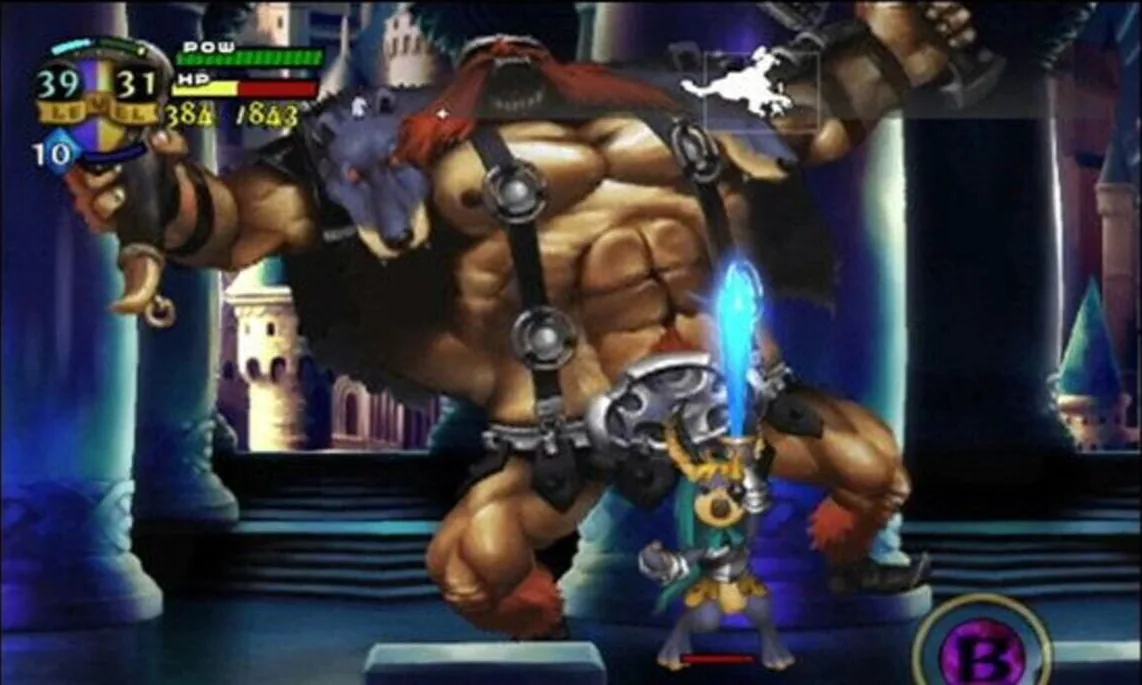
Odin Sphere is a side-scrolling action RPG from Vanillaware, with a beat 'em up fighting system dressed in role-playing clothes. George Kamitani conceived it first as a sequel, then as a spiritual successor, to the Sega Saturn game Princess Crown.
Its story follows five characters through a war over a weapon called the Crystallization Cauldron, all of it heading for an Armageddon that will destroy the continent of Erion. A remake, Odin Sphere Leifthrasir, followed in 2016. The world mixes Norse mythology with the works of Shakespeare, and the cutscenes play out as if on a stage. Kamitani chose 2D over 3D because he felt the 3D style was stagnating. Vanillaware had trouble finding a publisher until Atlus picked it up in 2007.
18. Valkyrie Profile 2: Silmeria (2006)
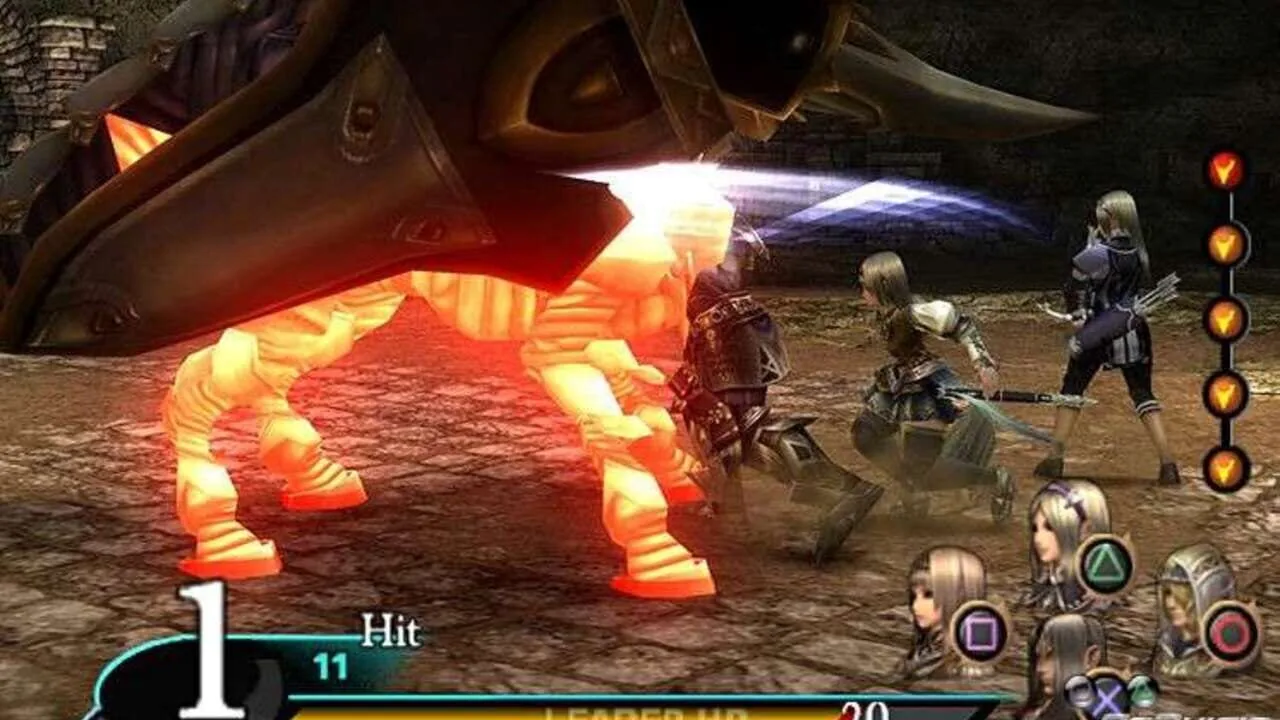
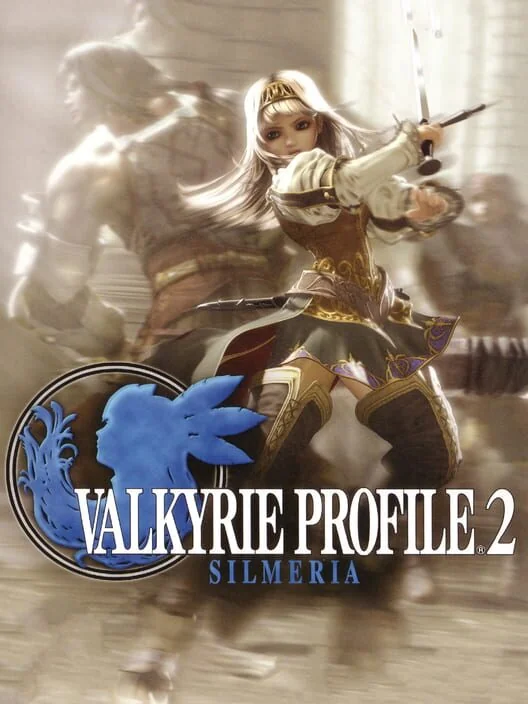
Valkyrie Profile 2: Silmeria takes place hundreds of years before the original game, and its heroine is two people. Silmeria and Alicia share one body, and together they try to stop a catastrophe that could set people and gods at war.
Critics liked its beautiful graphics and how close it stays to the first game, and complained about a convoluted interface and a high degree of difficulty. Players named Baldur's Gate: Dark Alliance, one spot above it, just as often. It came out in 2006 in Japan and North America, and in 2007 in Australia and Europe. Time only flows while you move, so you can stop to plan your path and guess where enemies will strike. Monster parts can be worn as accessories or used to craft weapons and armor.
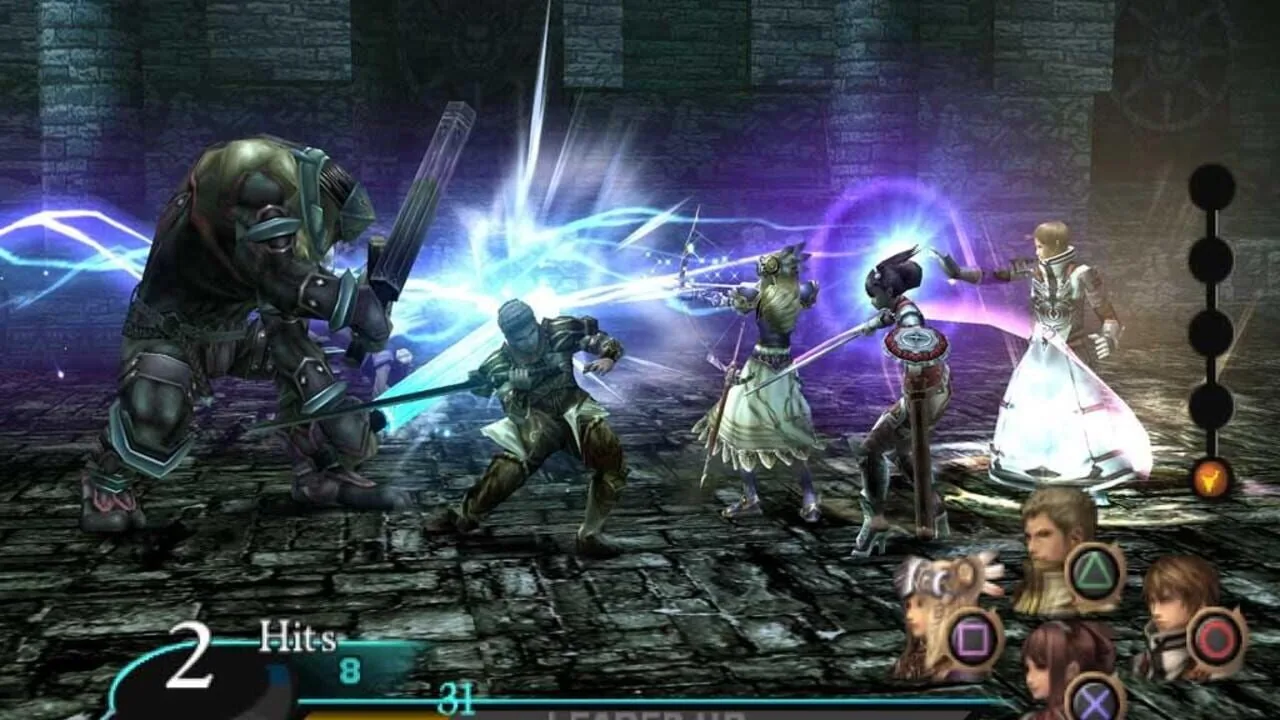
17. Baldur's Gate: Dark Alliance (2001)
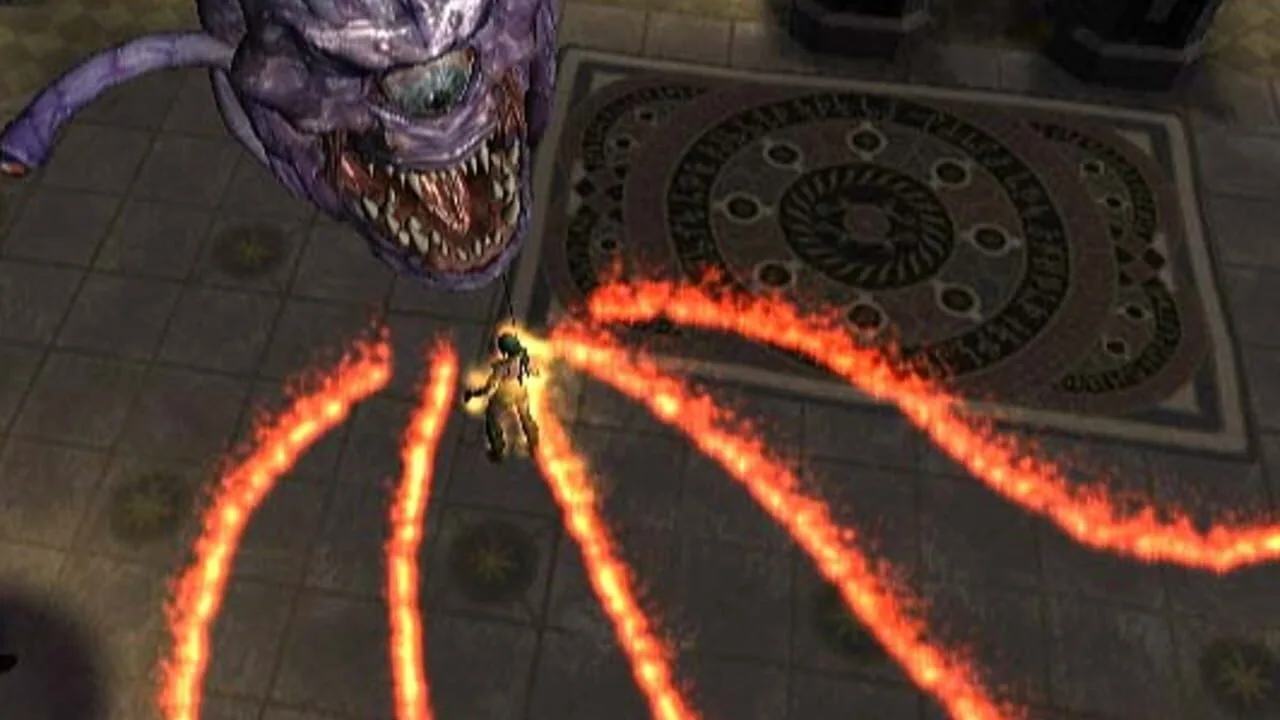
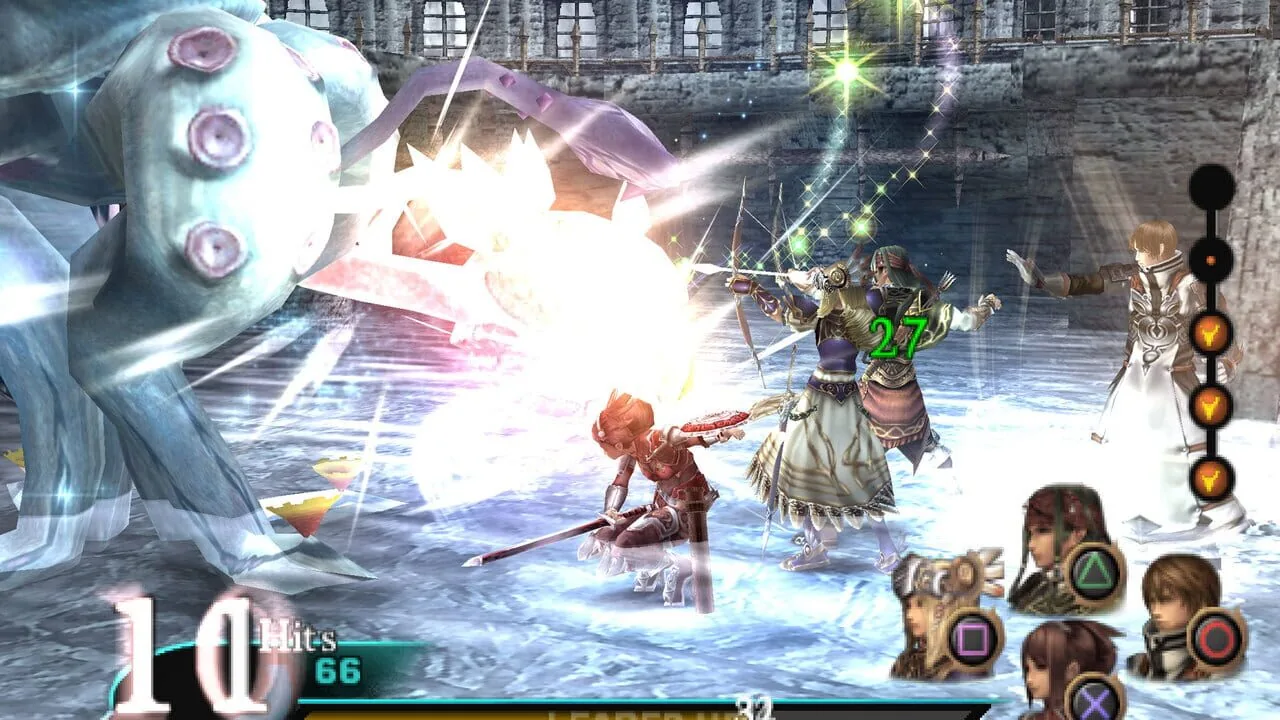
Baldur's Gate: Dark Alliance was the first game in the series released on consoles, and the first video game to use the new Dungeons & Dragons 3rd Edition rules in real time. The PS2 version went on to win Console Role-Playing Game of the Year from the Academy of Interactive Arts & Sciences.
Its engine had a second life, too: Champions of Norrath, further up this list, runs on a reworked and expanded version of it. A third Dark Alliance was planned, then cancelled early in development over legal problems. It is set in the Forgotten Realms, the world of Dungeons & Dragons. CD Projekt worked on a Windows version, but it was cancelled. A sequel, Baldur's Gate: Dark Alliance II, arrived in 2004 on non-Nintendo consoles.
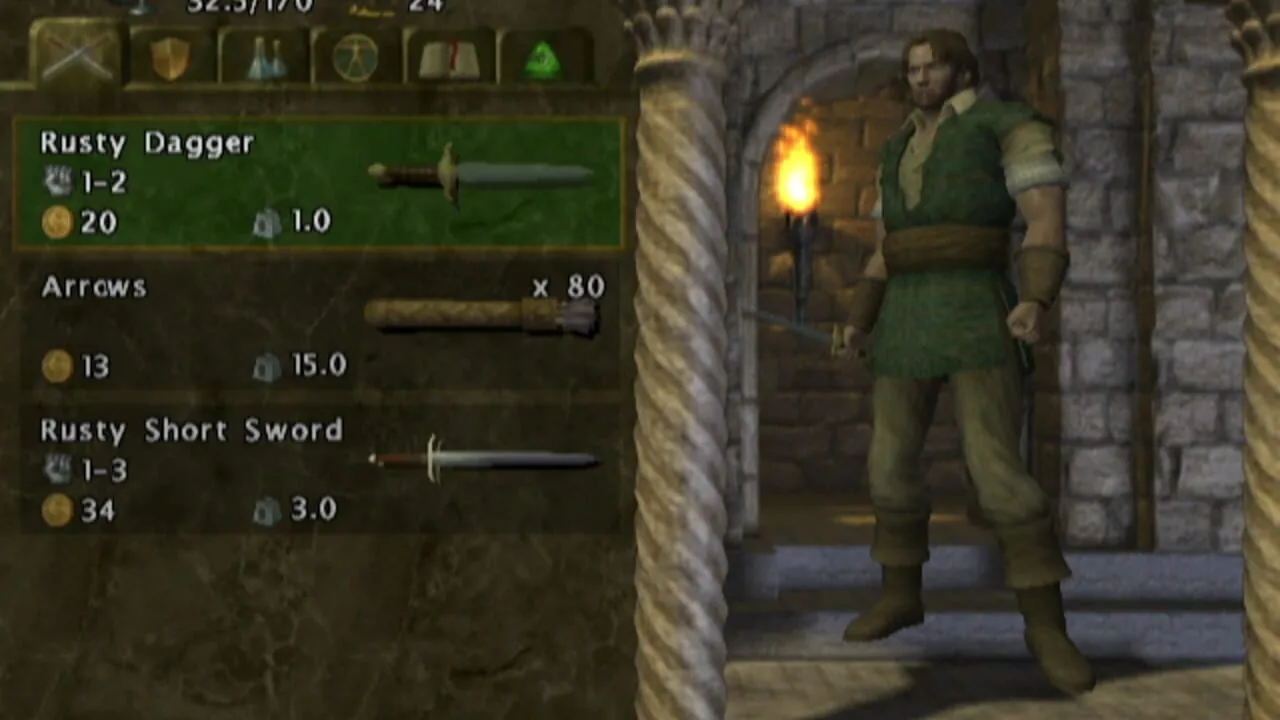
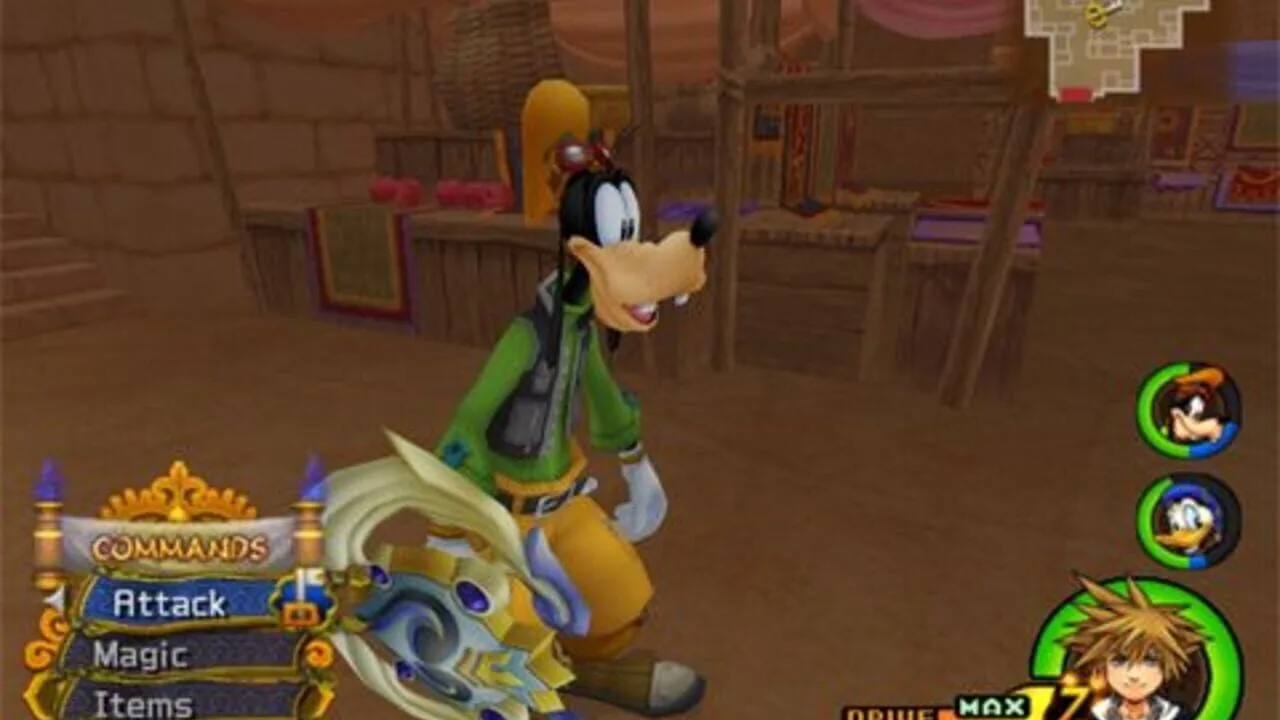
16. Kingdom Hearts II (2005)
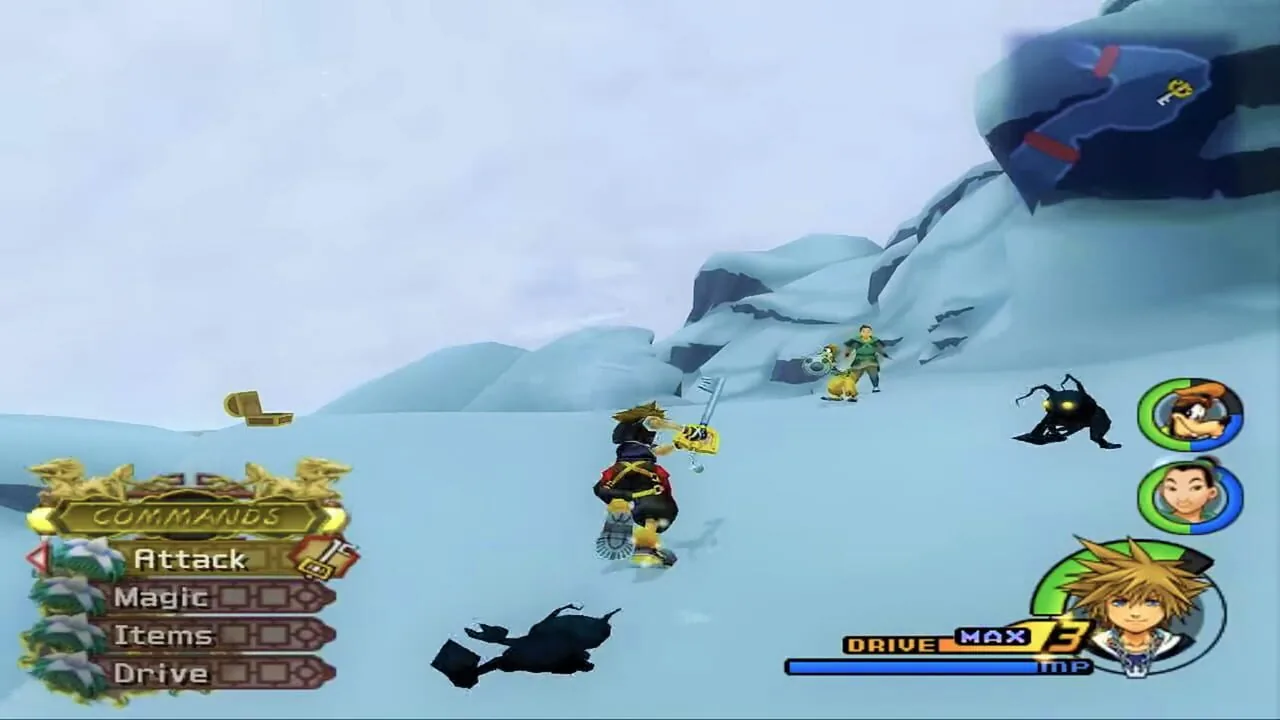
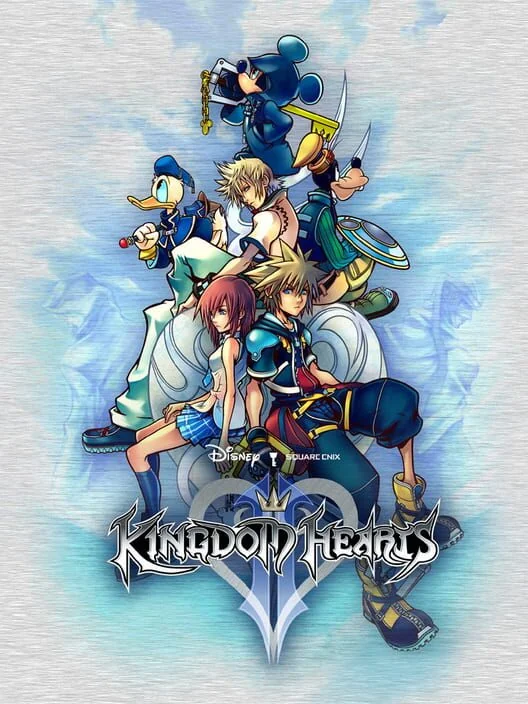
Kingdom Hearts II picks up one year after Chain of Memories, with Sora searching for his lost friends while fighting Organization XIII. Like the first game, it mixes Disney films with Final Fantasy, and Square Enix made it in collaboration with Buena Vista Games.
Japan got an expanded Final Mix in March 2007 that the rest of the world only saw later, remastered in the HD collection on the PS3. Players rank the sequel ten spots below the original. Most of the first game's team came back, including director Tetsuya Nomura. They set out to give you more freedom in combat and a deeper, more mature plot. It shipped more than one million copies within weeks in Japan and North America, and passed four million worldwide by April 2007.
15. Shadow Hearts: Covenant (2004)
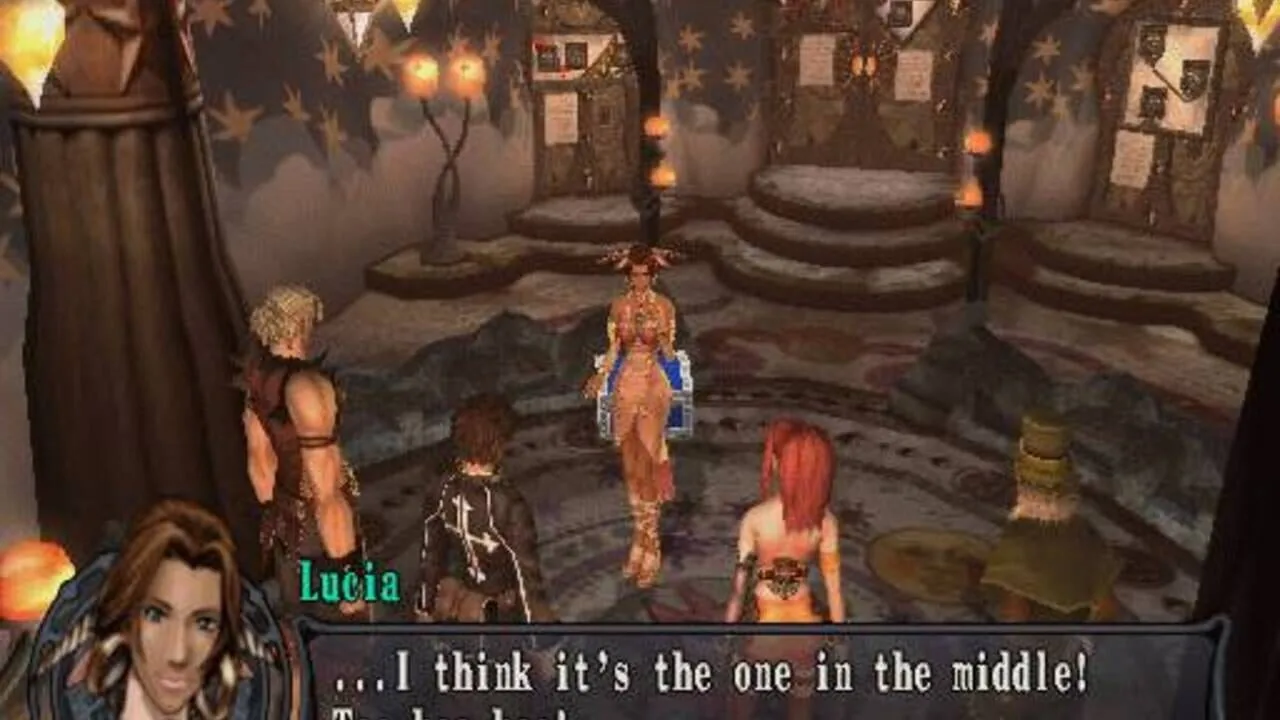
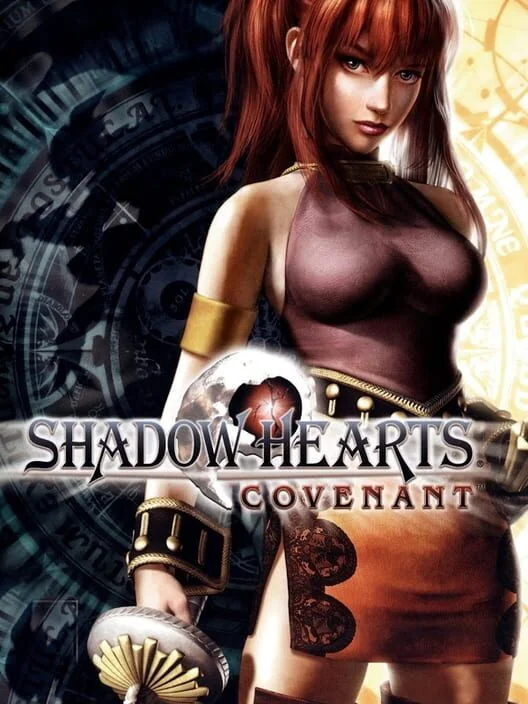
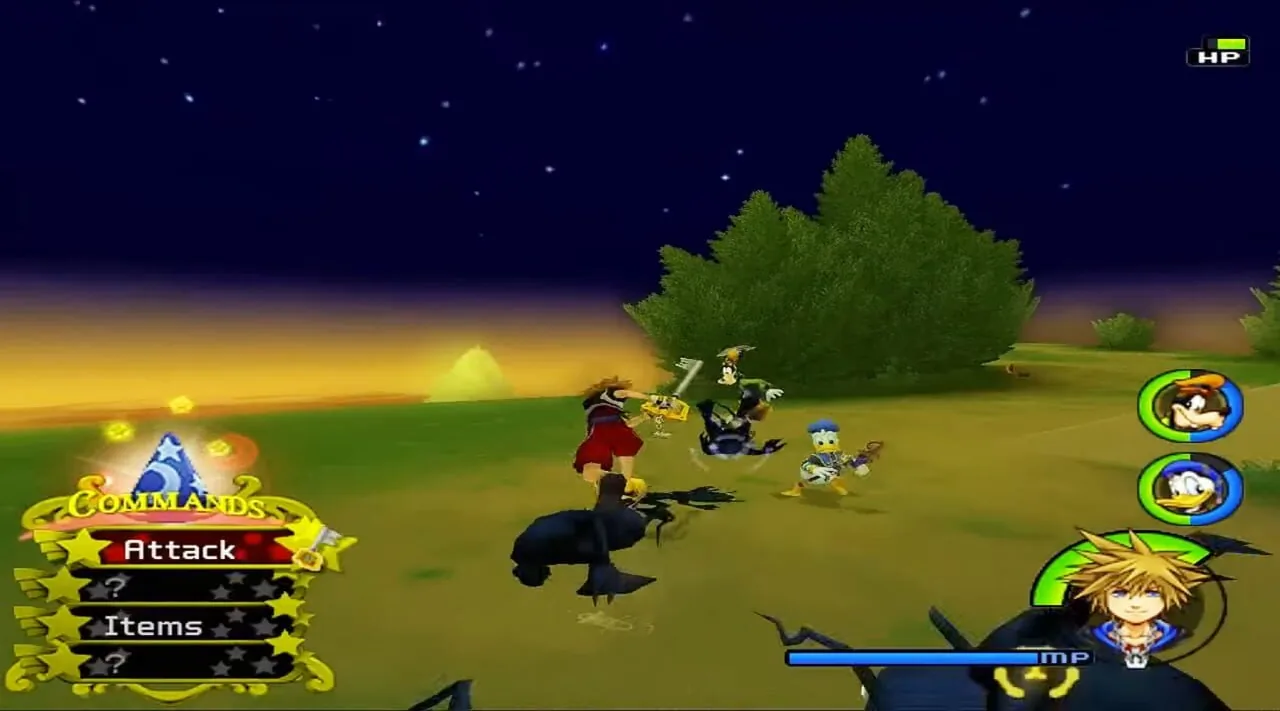
Shadow Hearts: Covenant is set in 1915, six months after the first game, at the height of World War I. German Army lieutenant Karin Koenig gets drawn into a conflict between Yuri Hyuga and a secret society called Sapientes Gladio.
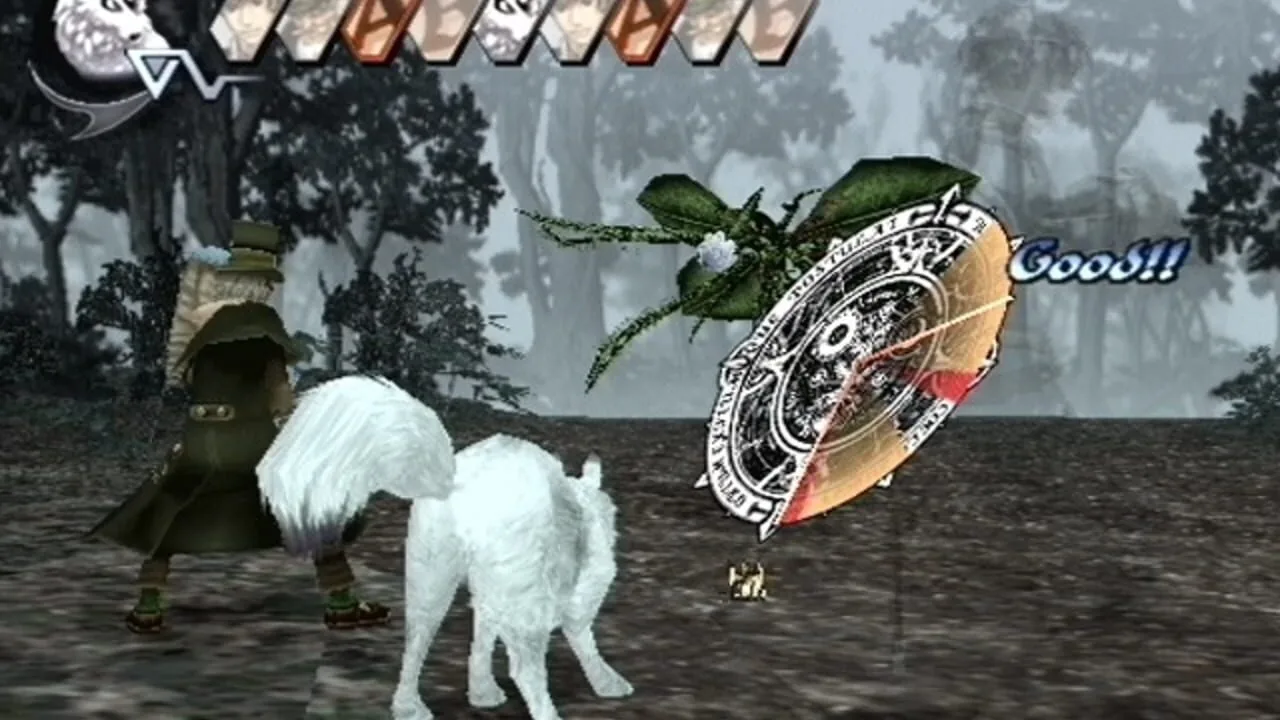
Four characters fight at a time now, and every action still runs through the Judgment Ring, a timing system. The team redesigned the battle system and altered the story's tone based on feedback from the first game's players, some of whom found the original too dark. Development began in the autumn of 2002 with writer and director Matsuzo Machida and composer Yoshitaka Hirota back on board. Jeremy Blaustein handled the localization and remembered it as one of his favorite projects. It sold around 240,000 units in Japan and North America, and reviewers praised it.
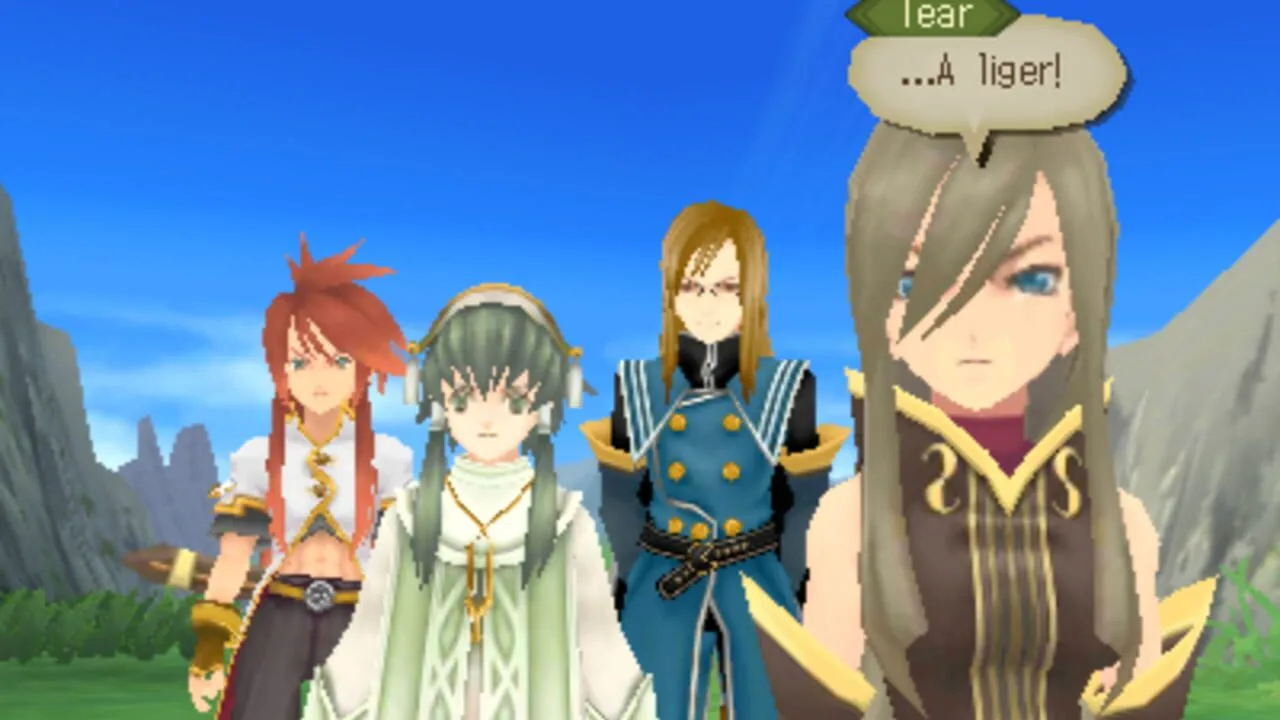
14. Tales of the Abyss (2005)
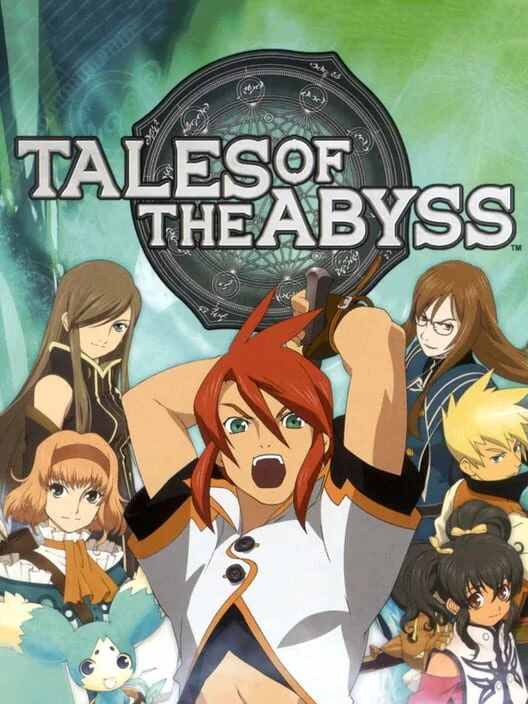
Tales of the Abyss was the eighth main Tales game, made for the series' 10th anniversary. Luke fon Fabre, a pampered young swordsman, sees his life turned upside down when a military-religious order decides he is the key to an ancient prophecy.
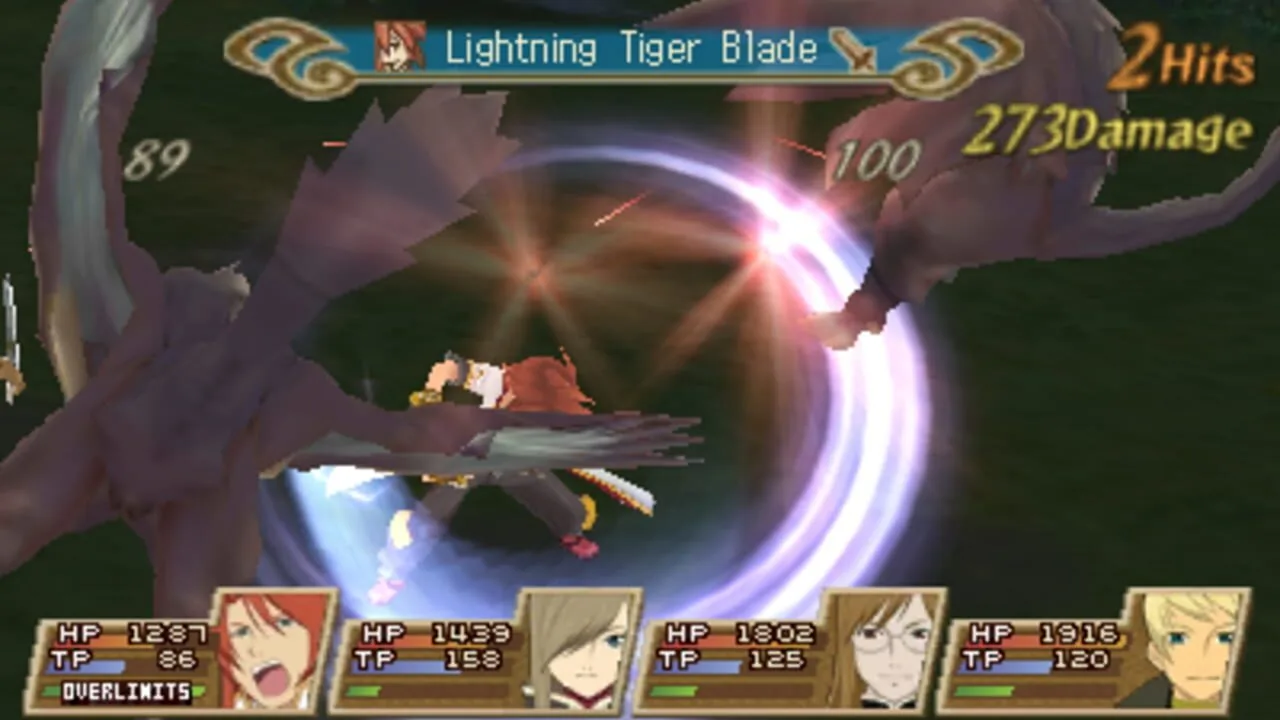
Namco gave it its own genre name, the To Know the Meaning of One's Birth RPG. The Western release also lost its opening theme, Karma by Bump of Chicken, to licensing issues, and got an instrumental version instead. Namco called its battle system a first for the series, because you can move anywhere on the battlefield. Critics praised the combat but found the plot slow, and the PS2 version has sold approximately 734,000 copies worldwide. A Nintendo 3DS port followed in 2011.
13. Radiata Stories (2005)
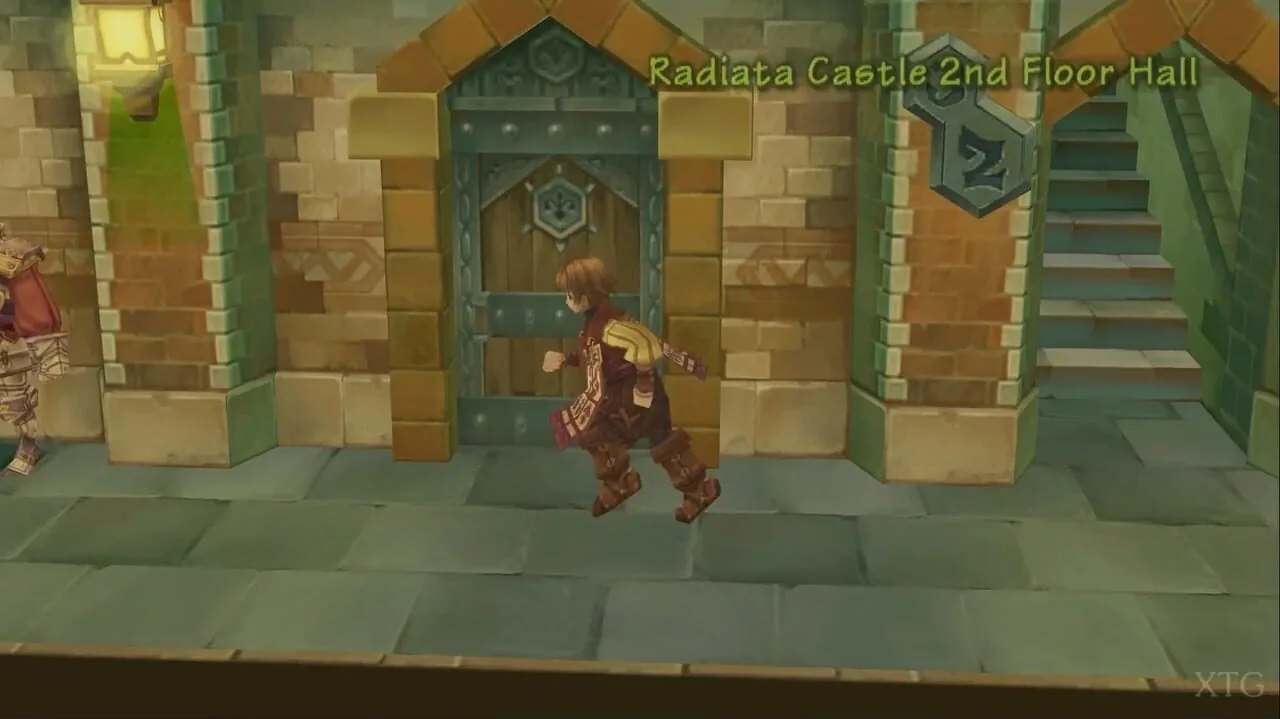
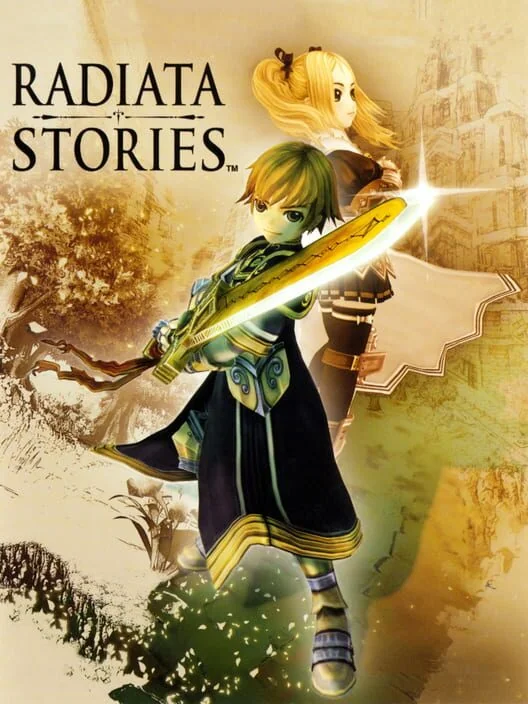
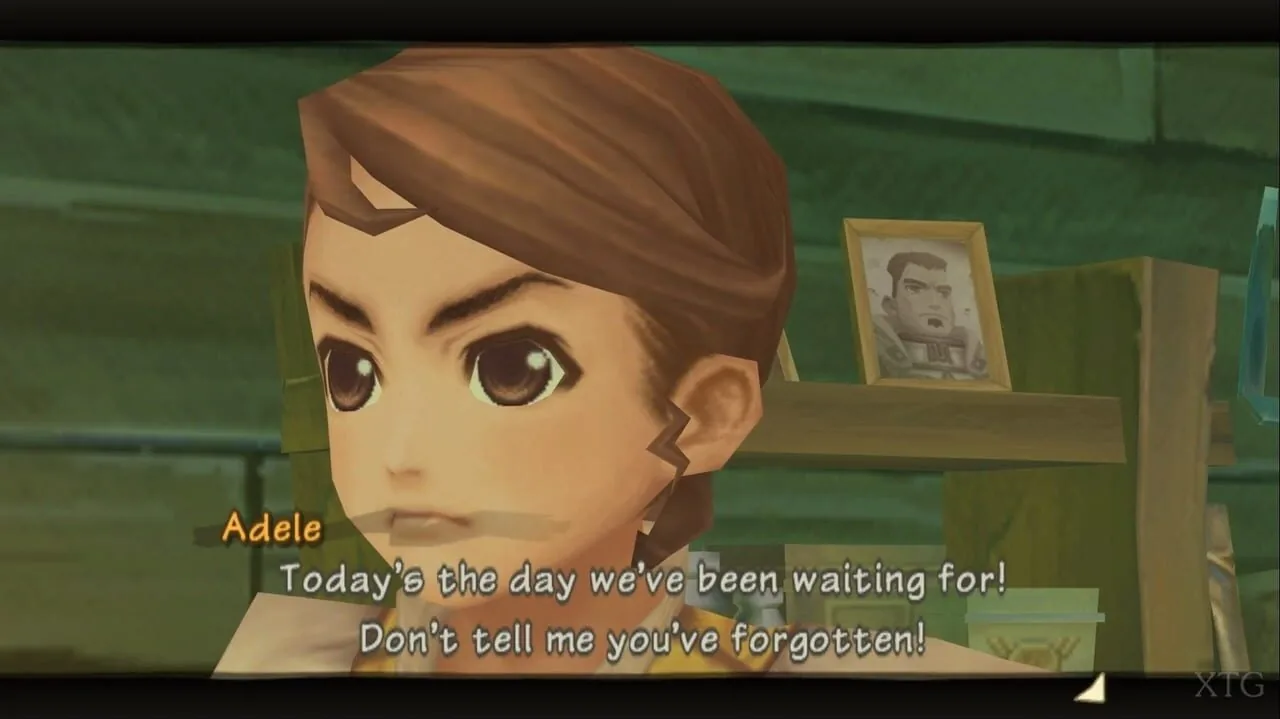
Radiata Stories puts its effort into a persistent world, where every non-player character keeps a home and a daily schedule run by the day and night cycle. tri-Ace also gave you the ability to kick almost anything.
Kick a townsperson enough times and they fight Jack or call the guards on him, and losing those duels doesn't end the game, so the only thing at stake is your dignity. It got a mixed reception on release and has built a loyal fanbase since. More than 175 characters can join your party, and some need only a chat while others have to be won over with fetch quests. Noriyuki Iwadare composed the soundtrack, and the game sold over 413,000 copies worldwide. Jack is the only character you control directly, and the AI runs the rest of the party.
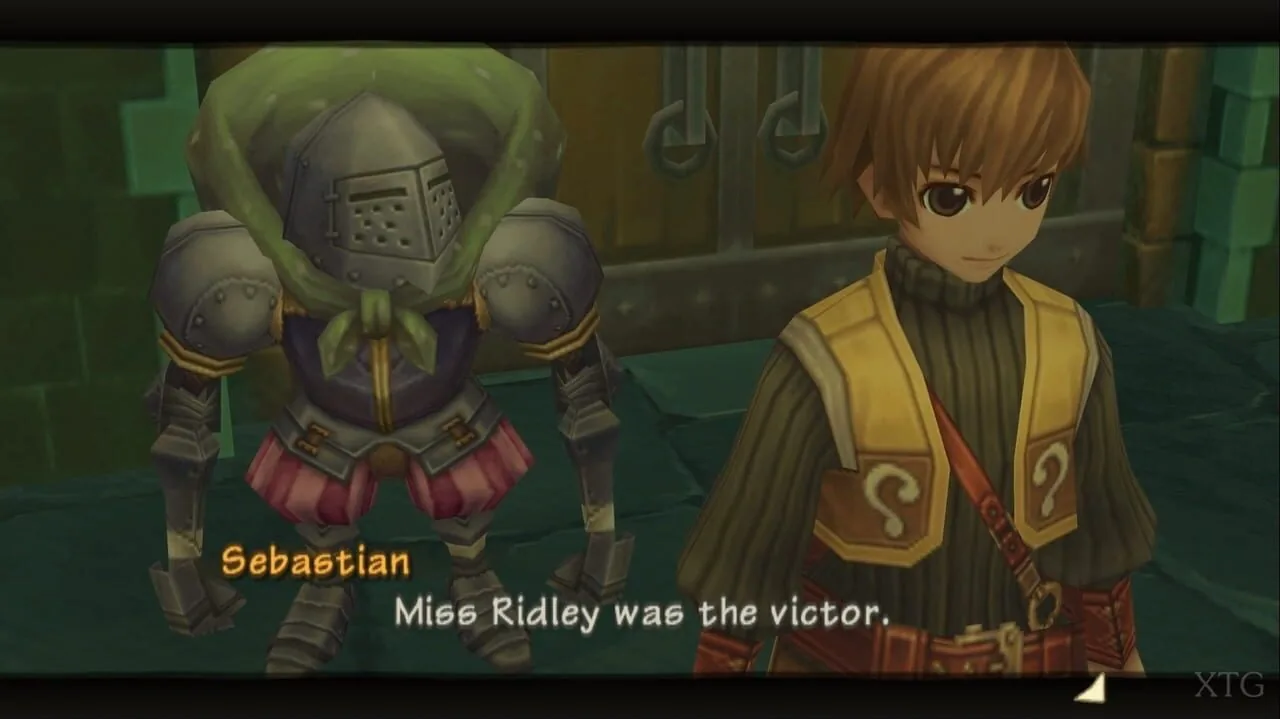
12. Persona 3 FES (2007)
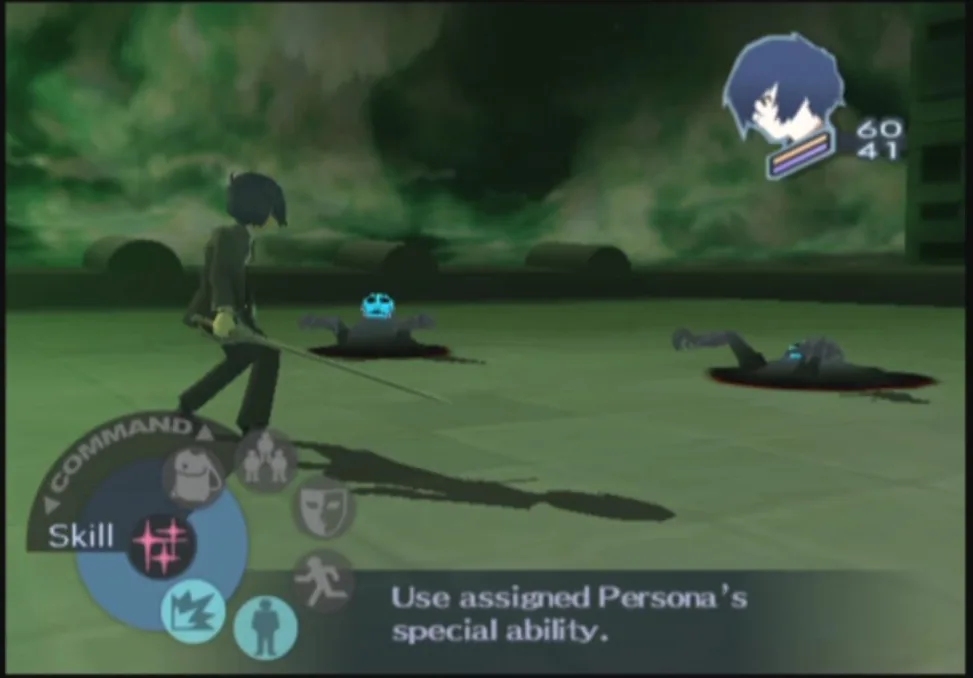
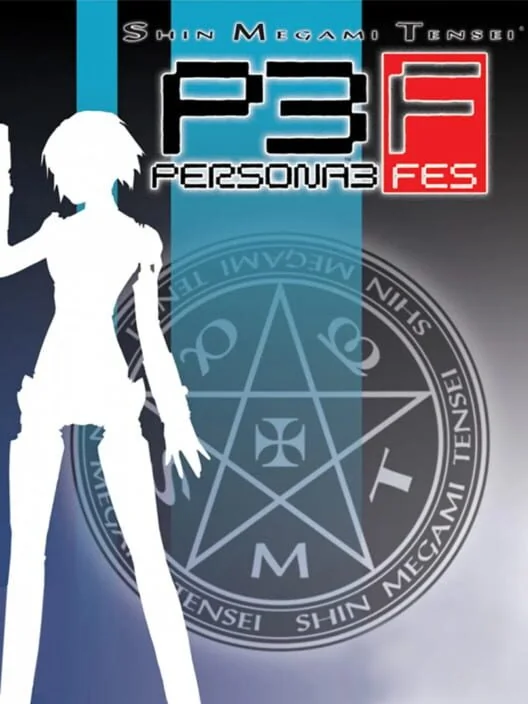
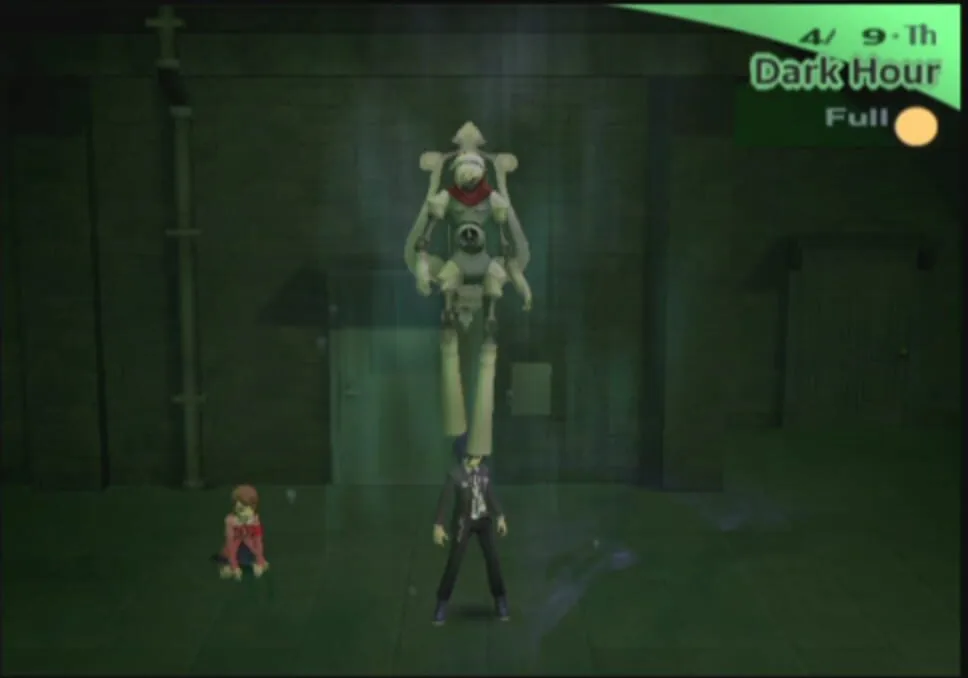
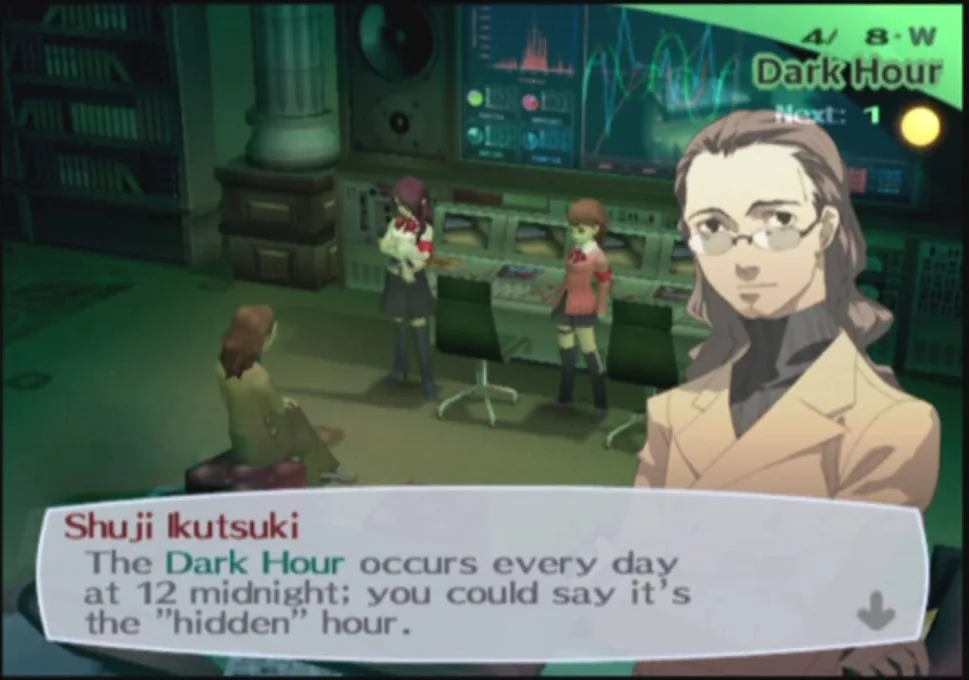
Persona 3 FES is the extended version of Persona 3, with a new playable epilogue and other changes, and it reached the rest of the world in 2008. The game puts you in a high school club with a long name, the Specialized Extracurricular Execution Squad, which investigates the Dark Hour. During that hour its members can enter Tartarus, a tower full of monsters called Shadows.
To summon a Persona, the students fire a gun-like object called an Evoker at their own heads. The epilogue was said to give the story narrative closure, although it was criticized for leaving out the simulation side of the main game. Players name plain Persona 3 too, but FES is the fuller version of the same game, so it gets the one entry. Persona 3 Reload, a remake of the core game and epilogue, followed in February 2024.
11. Star Ocean: Till the End of Time (2003)
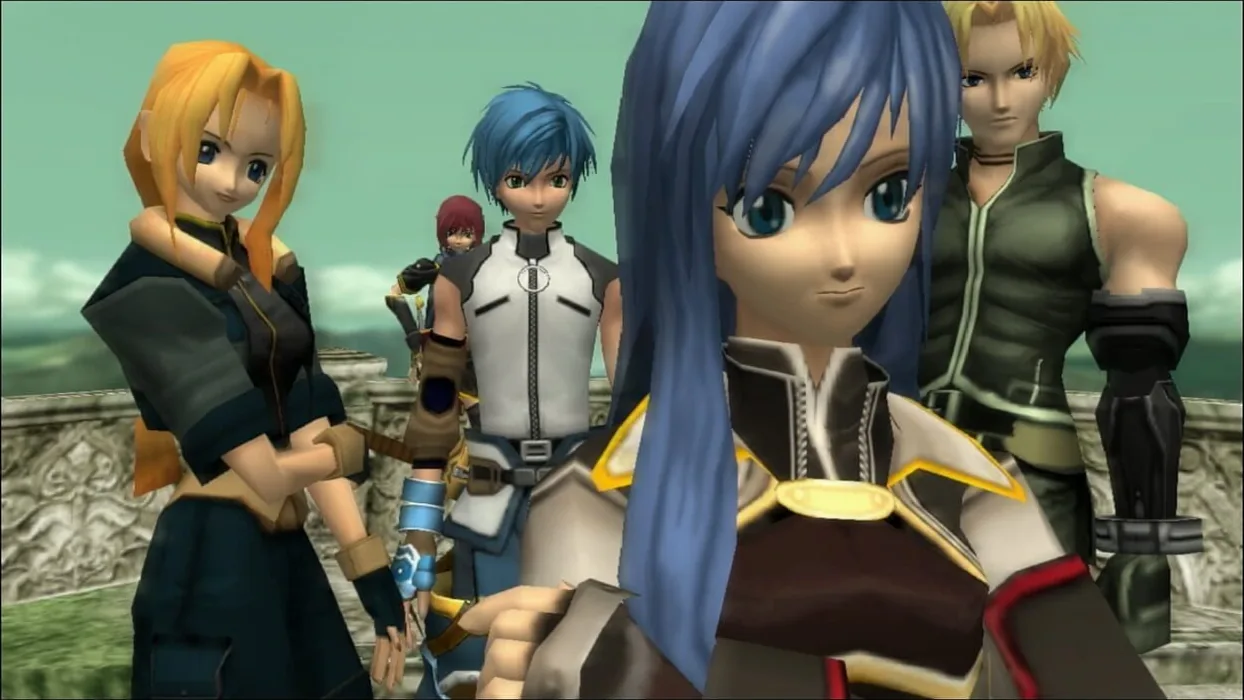
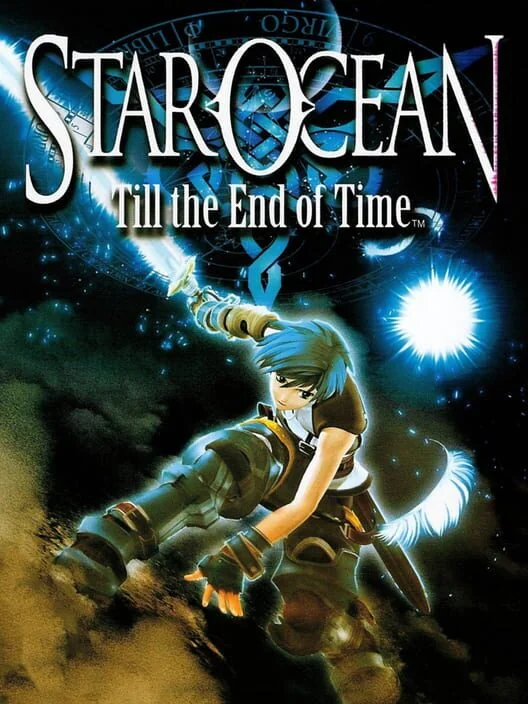
Star Ocean: Till the End of Time is the third main Star Ocean game, set four hundred years after The Second Story. Instead of menus, you fight in real time, a bit like the Tales games.
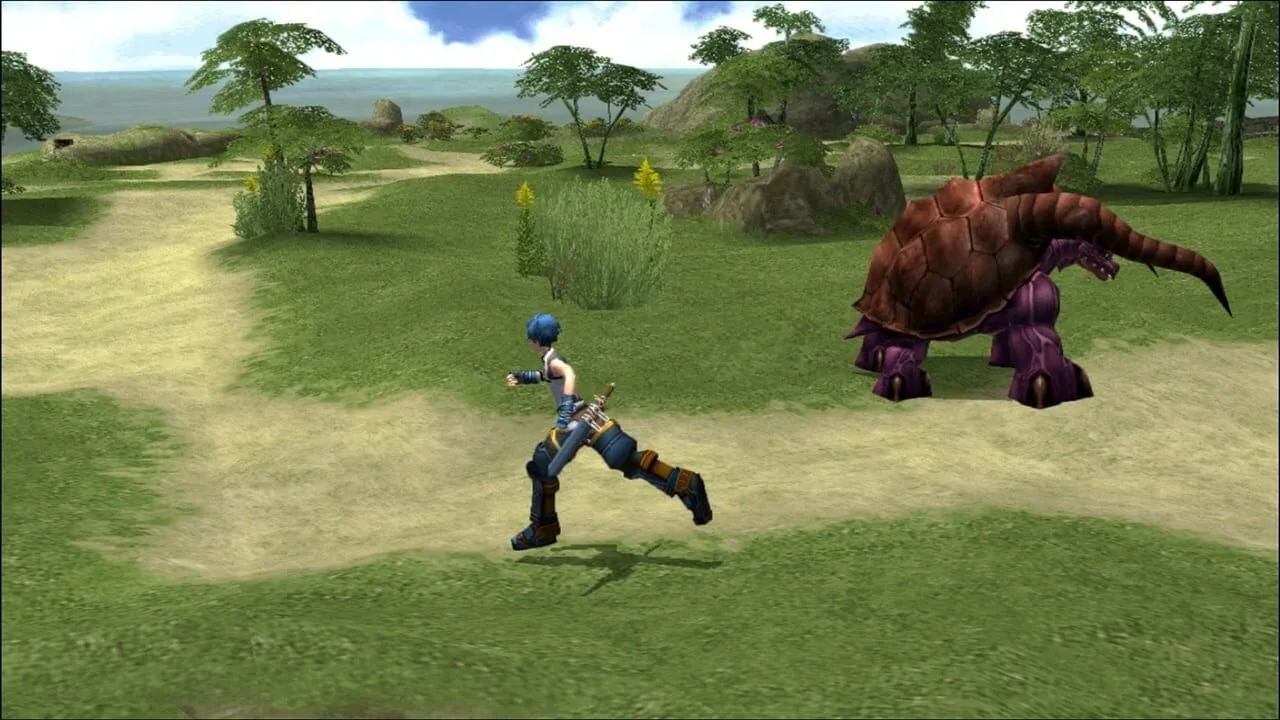
English players got the better version. Japan's original came out in February 2003, but the North American and European releases are based on the two-disc Director's Cut, with new characters and dungeons. It was also one of Enix's last releases before the merger that made Square Enix. Tri-Ace developed it and Square Enix published it, with Ubisoft handling publishing in Europe. In battle you control one character directly while the AI runs the other two, though you can set their tactics or switch characters.
10. Final Fantasy XII (2006)
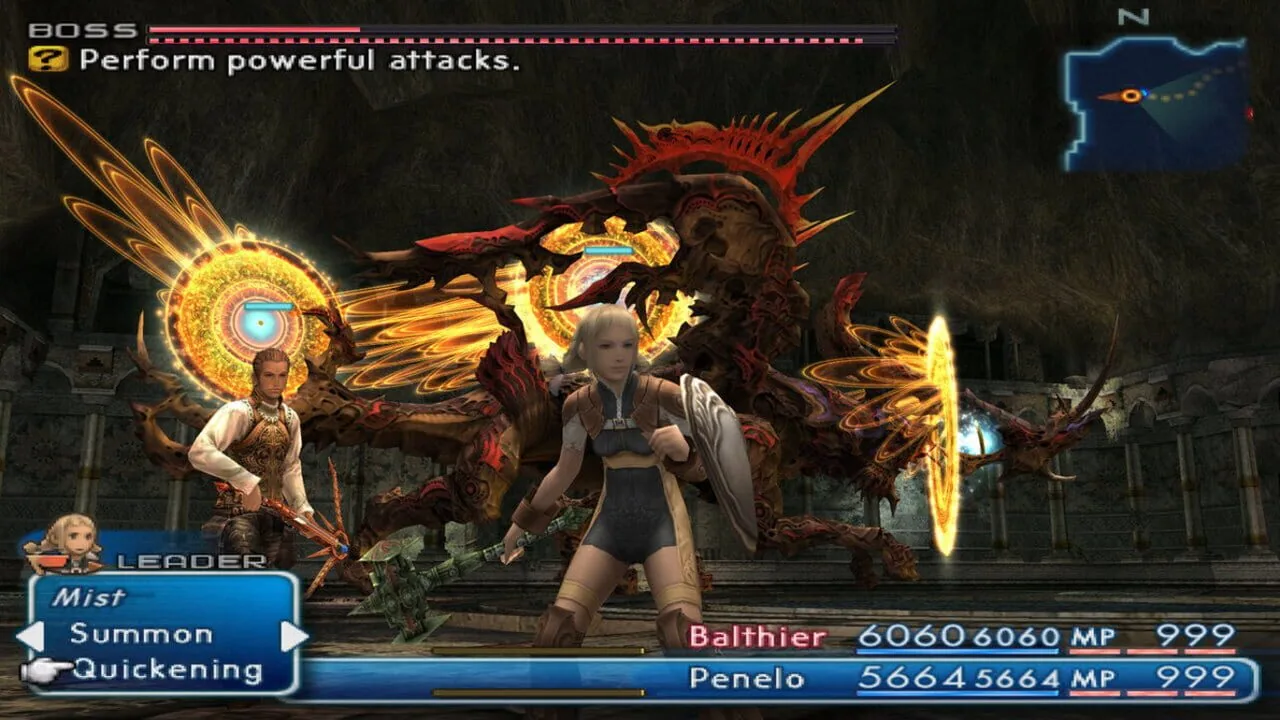
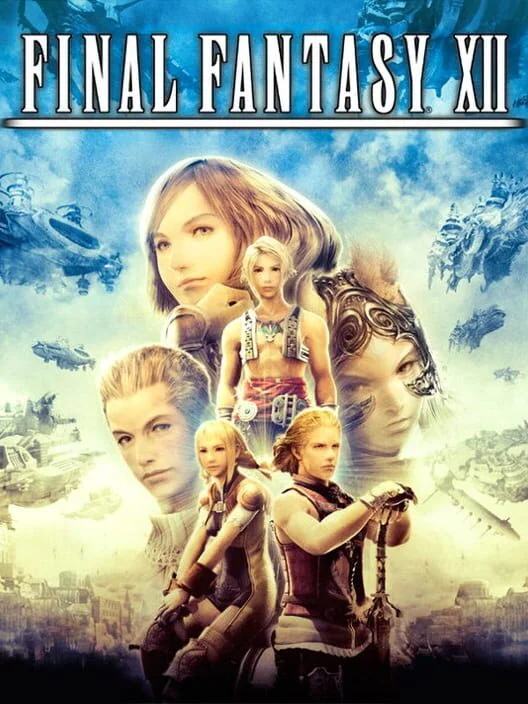
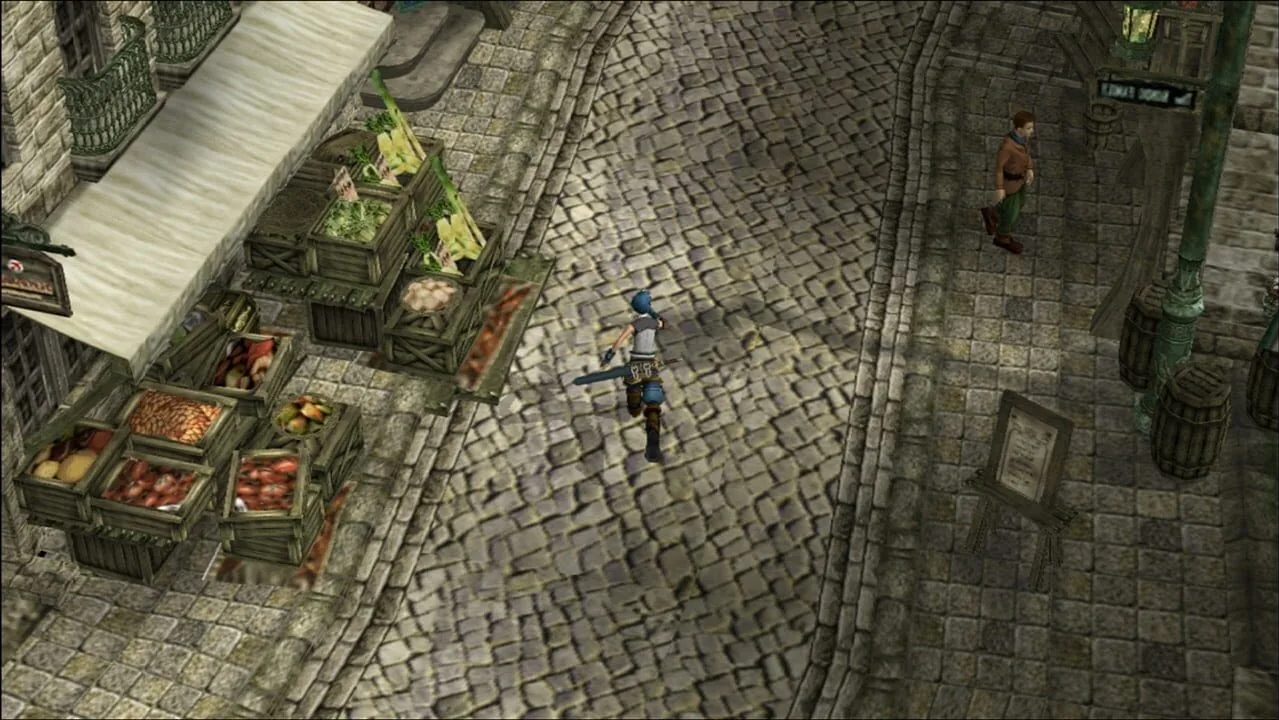
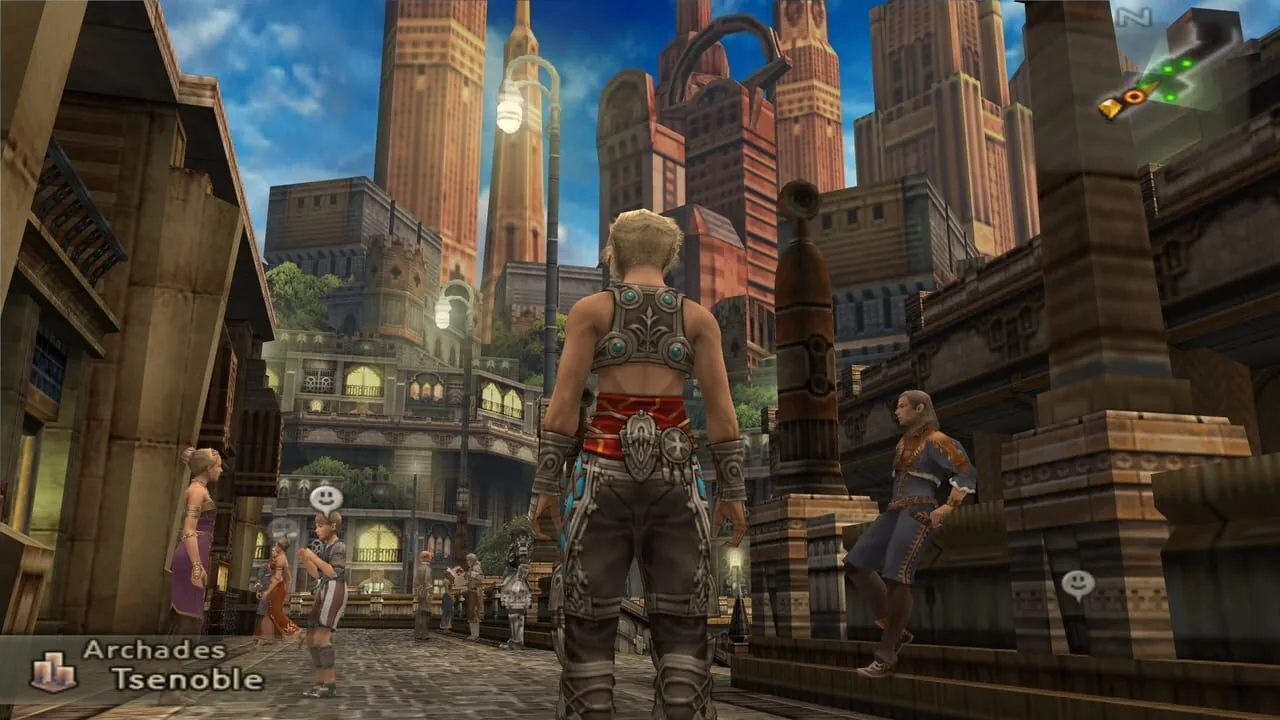
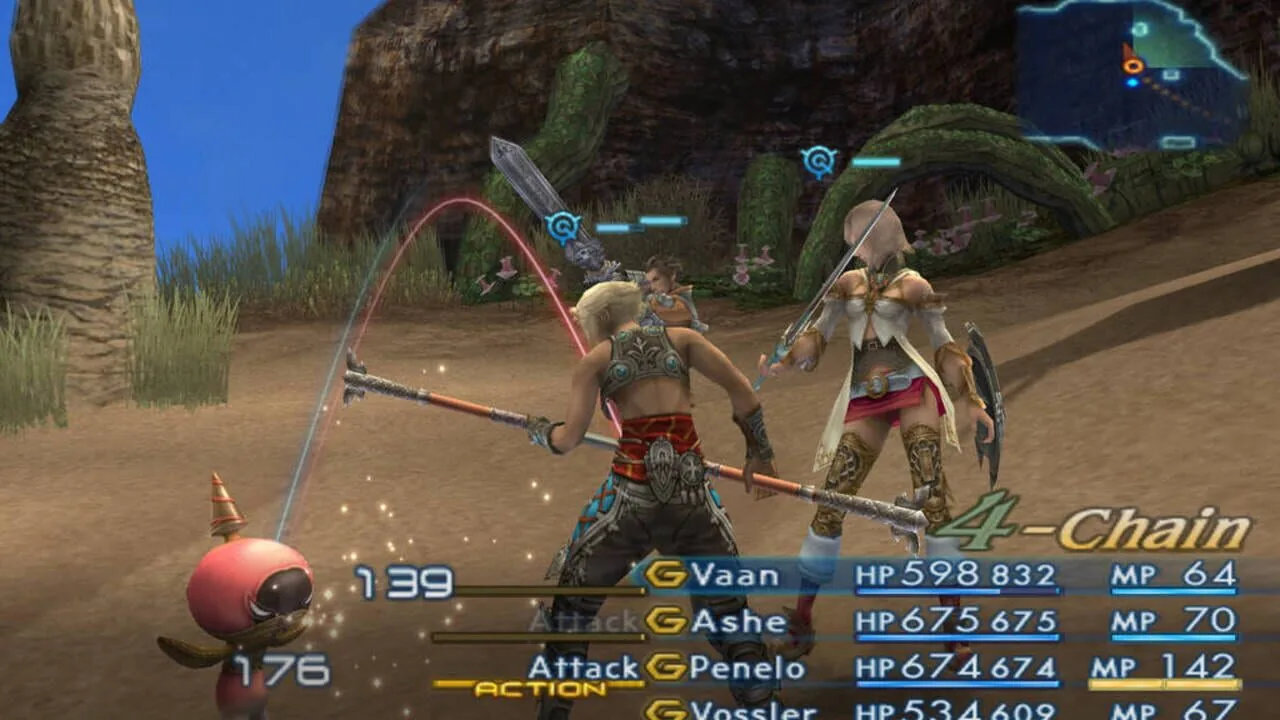
Final Fantasy XII takes place in Ivalice, where the empires of Archadia and Rozarria are waging an endless war and the small kingdom of Dalmasca is caught in the middle. When Archadia annexes it, Princess Ashelia starts a resistance, and Vaan, a young adventurer who dreams of becoming a sky pirate, falls in with her.
The gambit system lets you set how your allies think in battle, and the fights happen right there in the open world. It sold over six million copies on the PS2. Players actually named it more often than Champions of Norrath, but the Norrath picks got more backing, so the dungeon crawler sits one spot higher. It was the first main Final Fantasy without random encounters, so you can see enemies coming and choose whether to fight.
9. Champions of Norrath (2004)
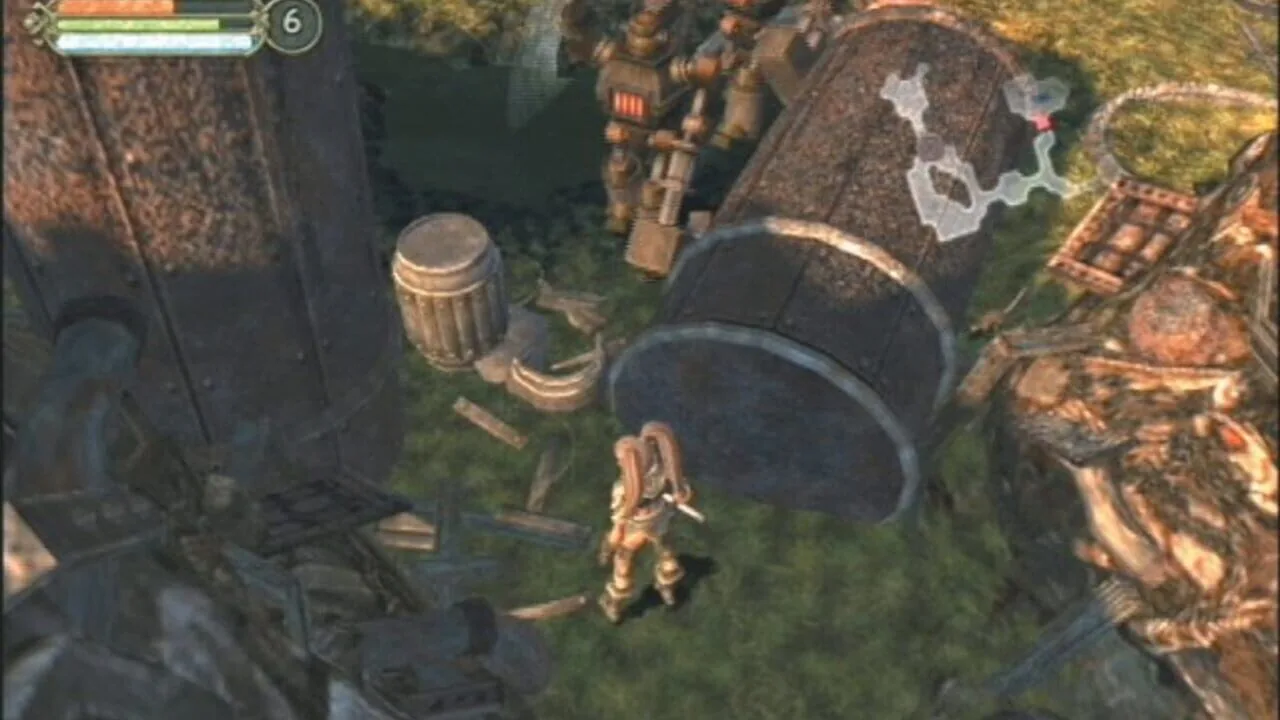
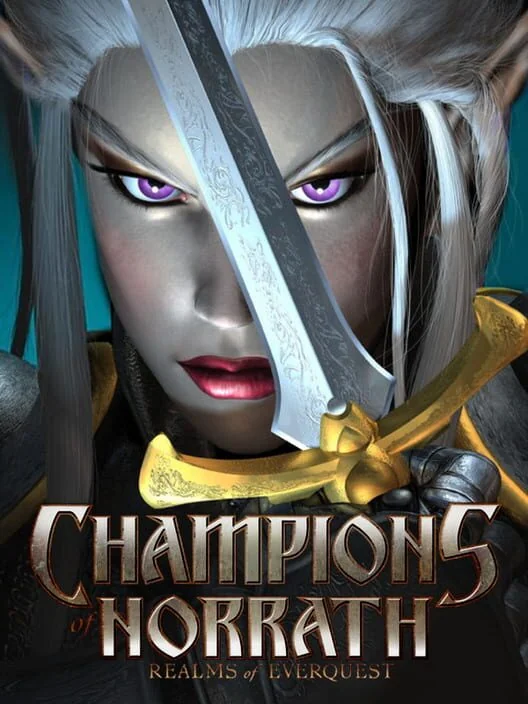
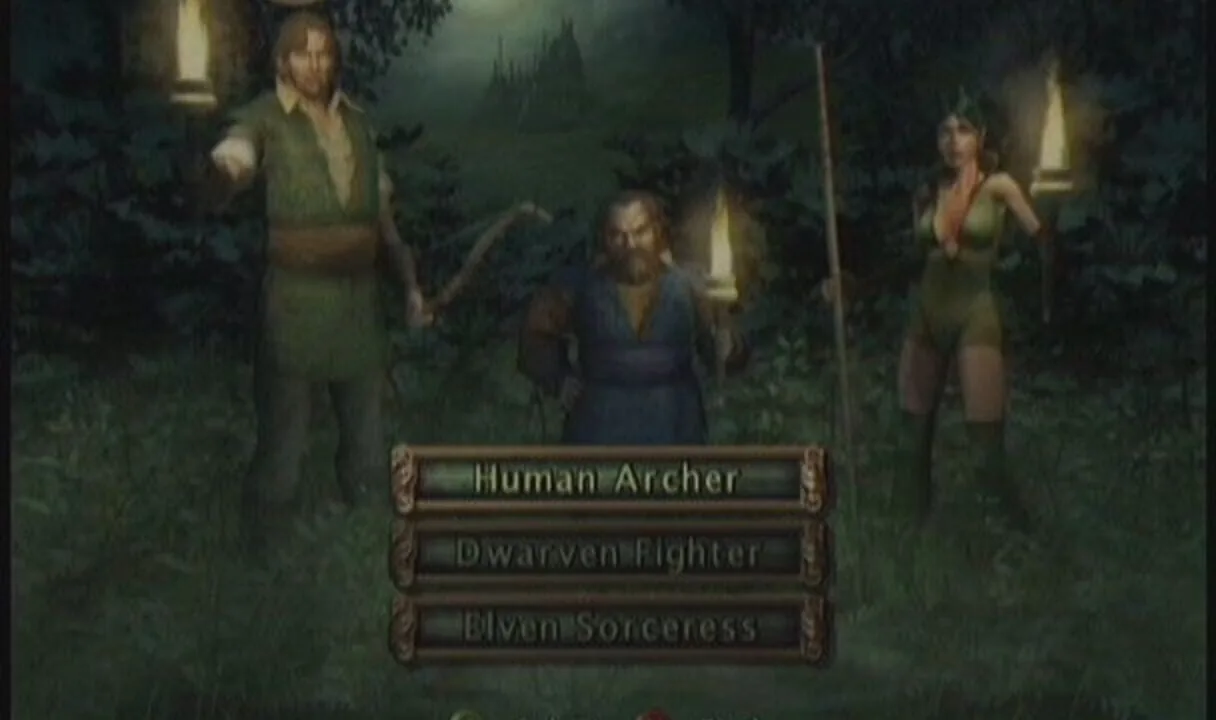
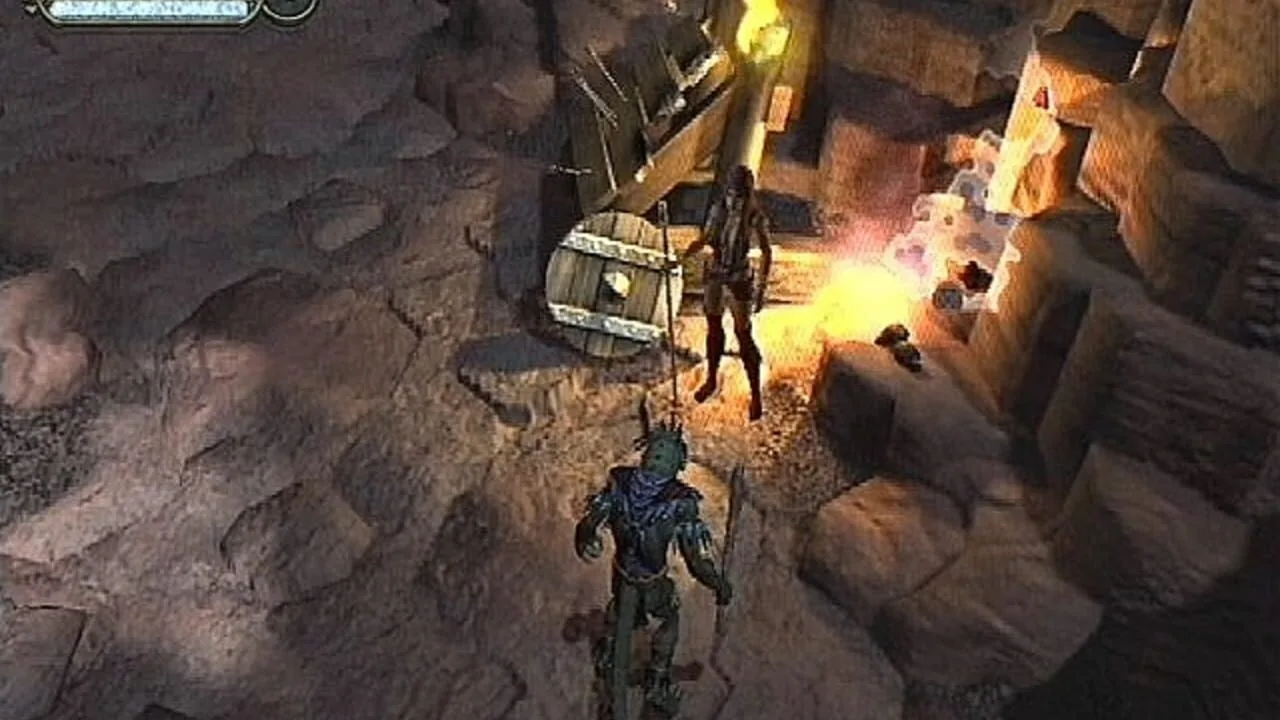
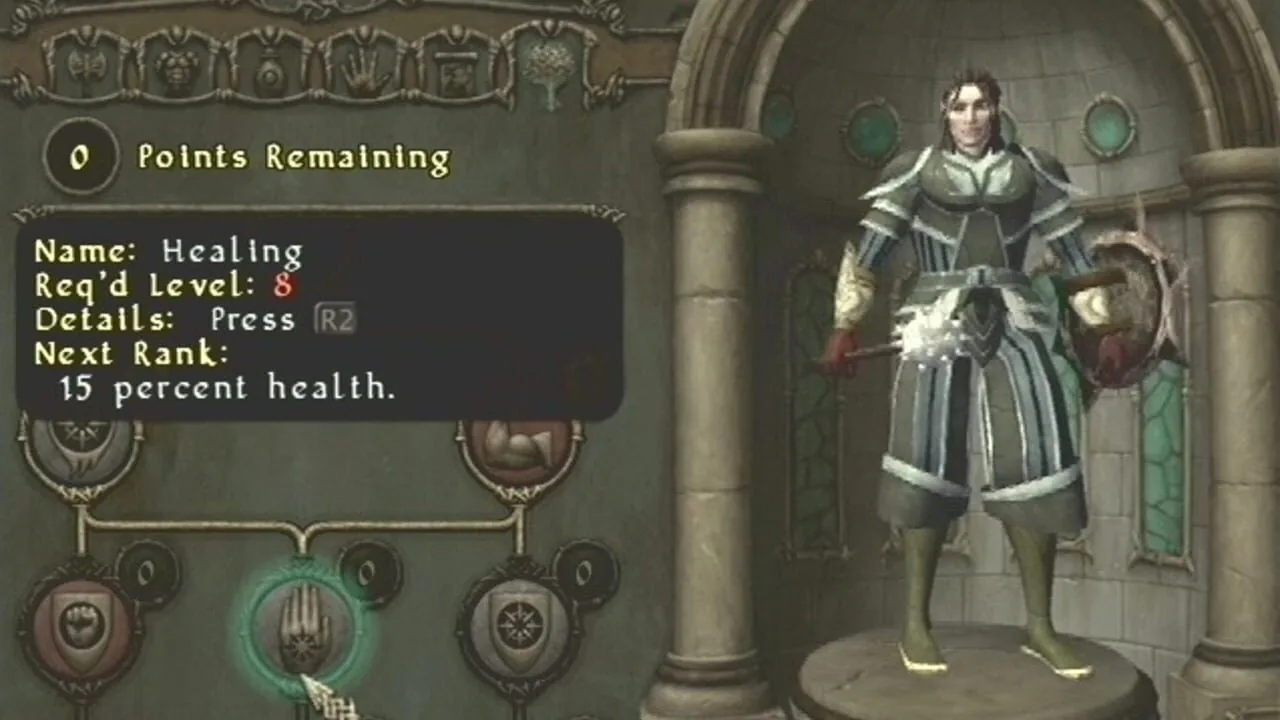
Champions of Norrath: Realms of EverQuest is an action RPG set in the EverQuest universe, before the events of the first EverQuest. Up to four players can play together, and with a Network Adapter you could take it online.
The story opens with you helping the elves against orcs who have formed an alliance with goblins, which strikes the locals as strange. It got a sequel, Champions: Return to Arms, in 2005. It runs on a reworked and expanded version of the engine behind Baldur's Gate: Dark Alliance. You pick from a variety of classes and races, and you level up, find new gear and learn new abilities as you go. Savepoints double as checkpoints if your character dies.
8. Dark Cloud 2 (2002)
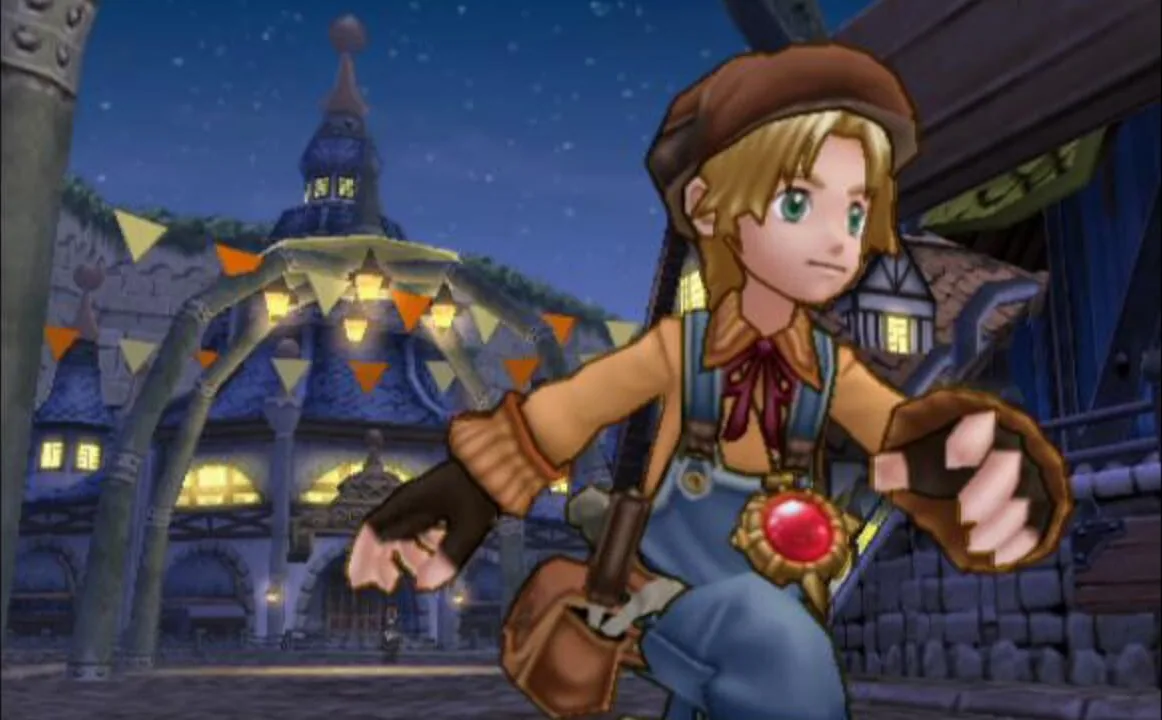
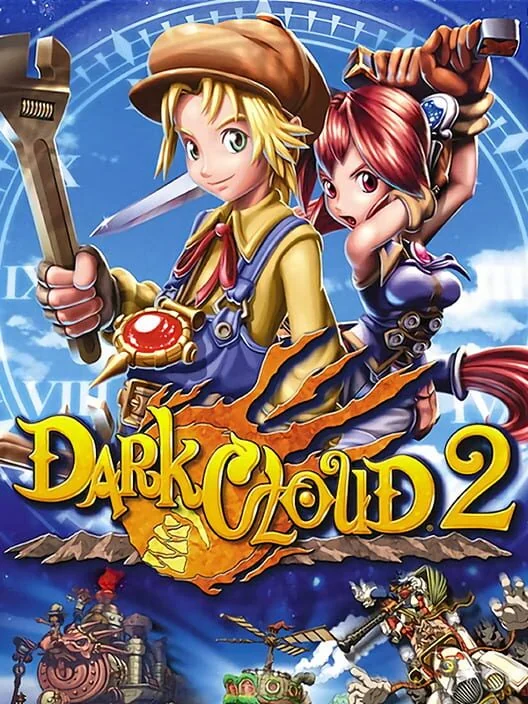
Dark Cloud 2, called Dark Chronicle in Japan, keeps the first game's basic mechanics with new characters and plot. Max and Monica work together to stop Emperor Griffon, altering the past to change the future.
Max fights with a wrench. Critics praised the improvements over the first game, in particular the graphics and the variety of gameplay styles, and it sold roughly 250,000 copies in Japan within a month. Each party member has a different special ability, but only one can be active at a time. Japan got it first, and English players had to wait until 2003. Dark Chronicle won several awards, and an emulated version reached the PS4 in 2016.
7. Shadow Hearts (2001)
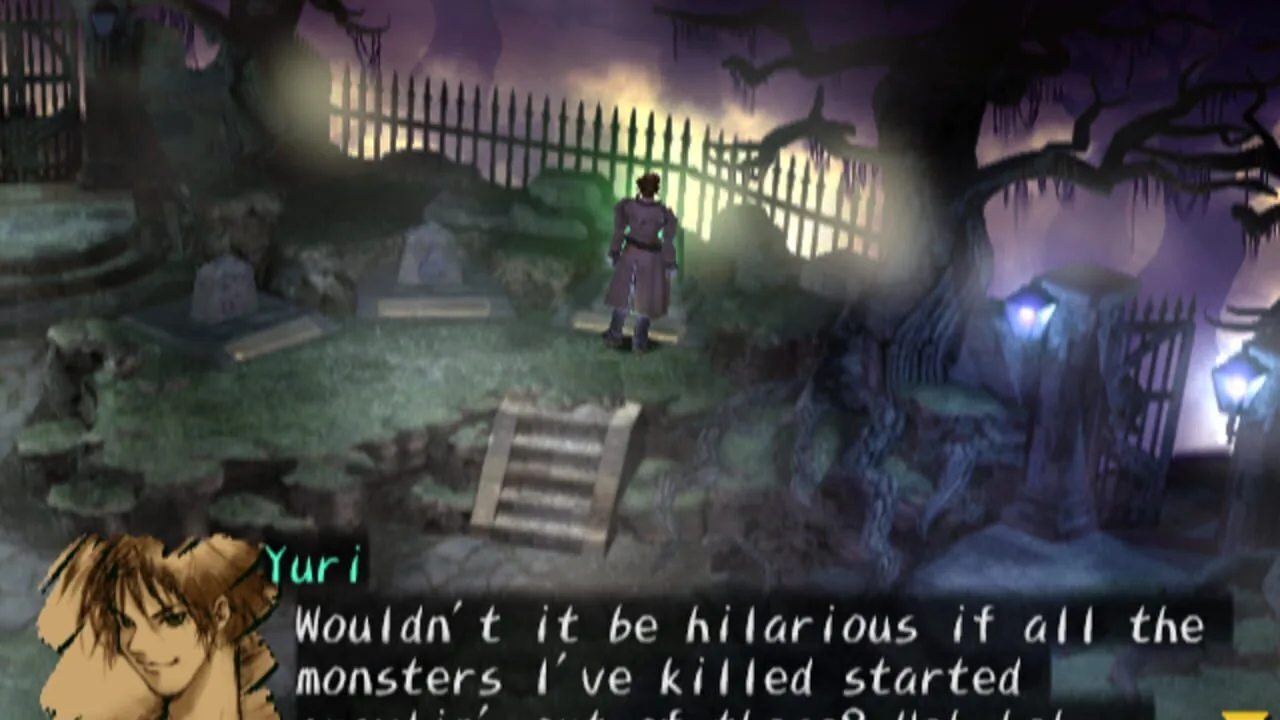
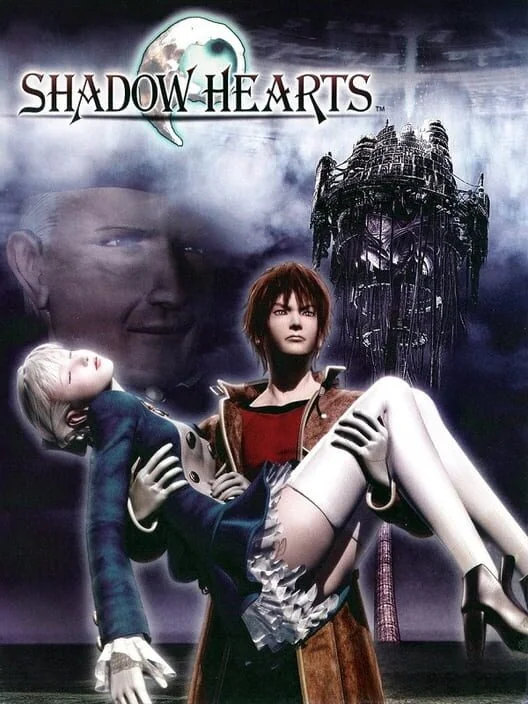
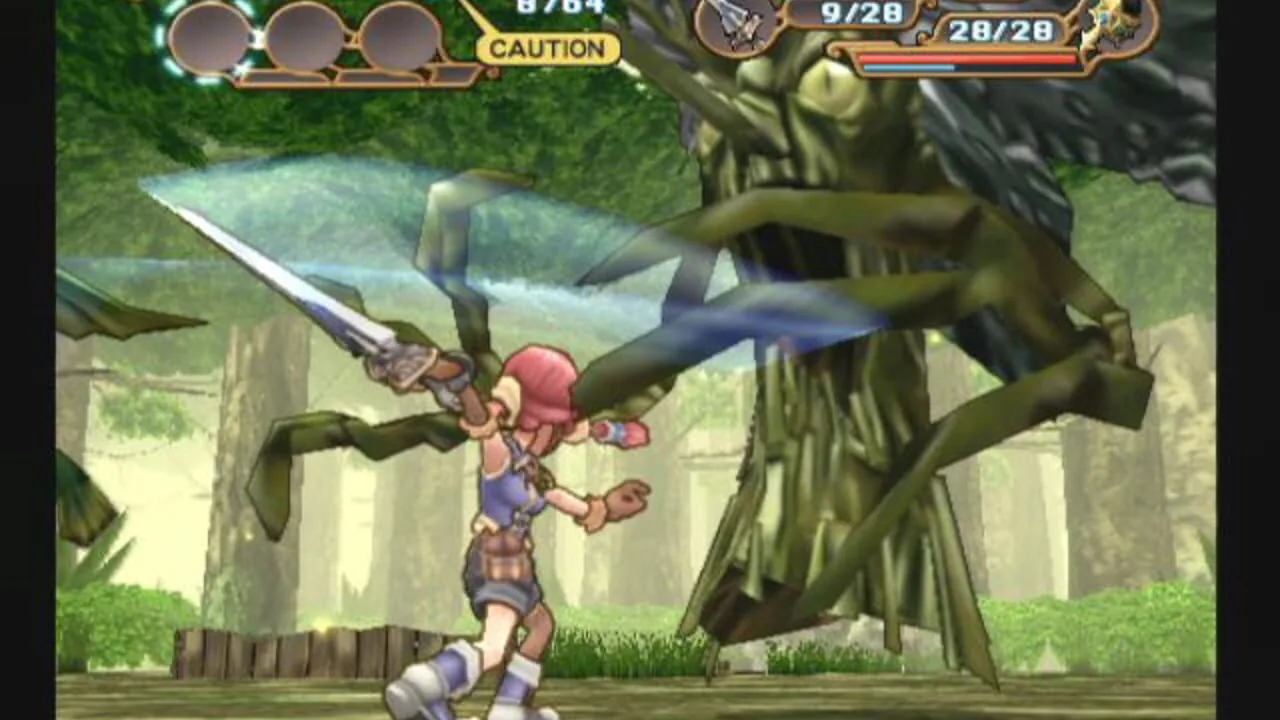
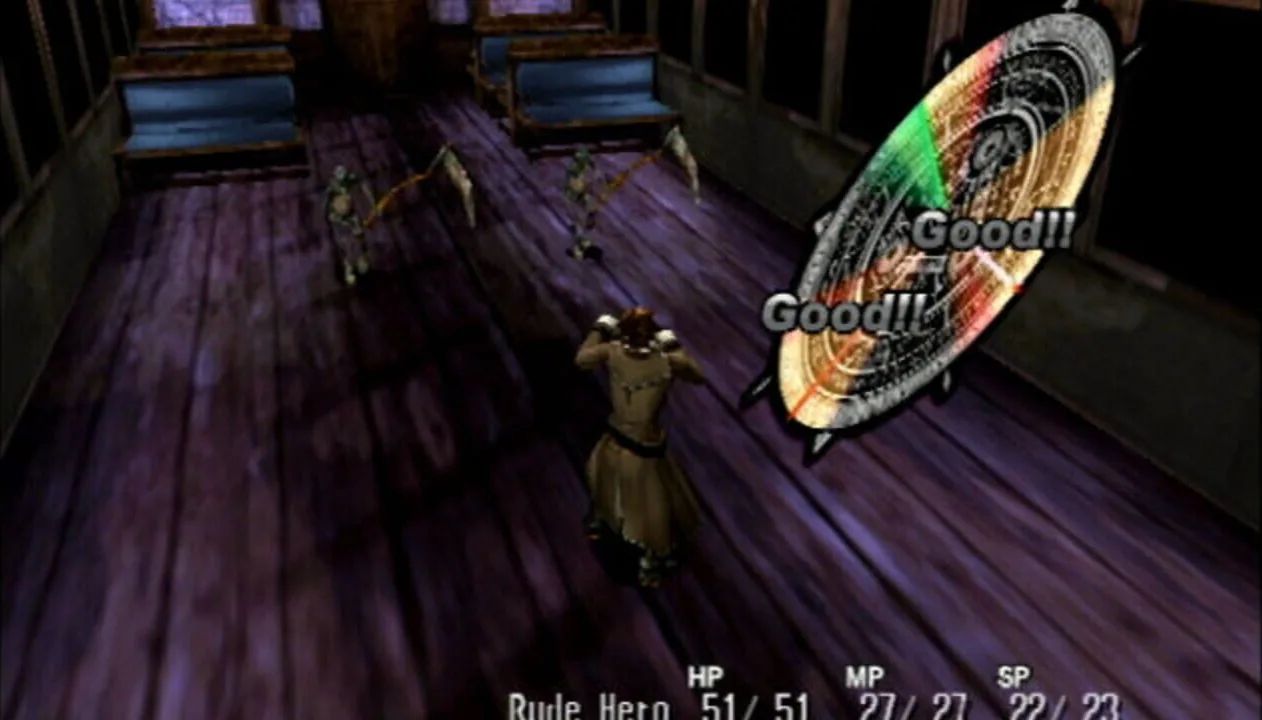
Shadow Hearts is a sequel to Koudelka, set in the same world in 1913. Yuri Hyuga can capture monsters and transform into them, and he spends the game protecting Alice Elliot from an evil magician.
Its battles run on the Judgement Ring, a timing system inspired by fighting games and Aruze's pachinko machines, and director Matsuzo Machida took his cues from H. P. Lovecraft and the manga Devilman. It met with low sales on release, and players have been making up for it since. Journalists praised the story and the Judgement Ring, though many found fault with the balance and the graphics. Composer Yoshitaka Hirota mixed several genres and called his score "beautiful yet destructive". A sequel, Shadow Hearts: Covenant, followed in 2004.
6. Kingdom Hearts (2002)
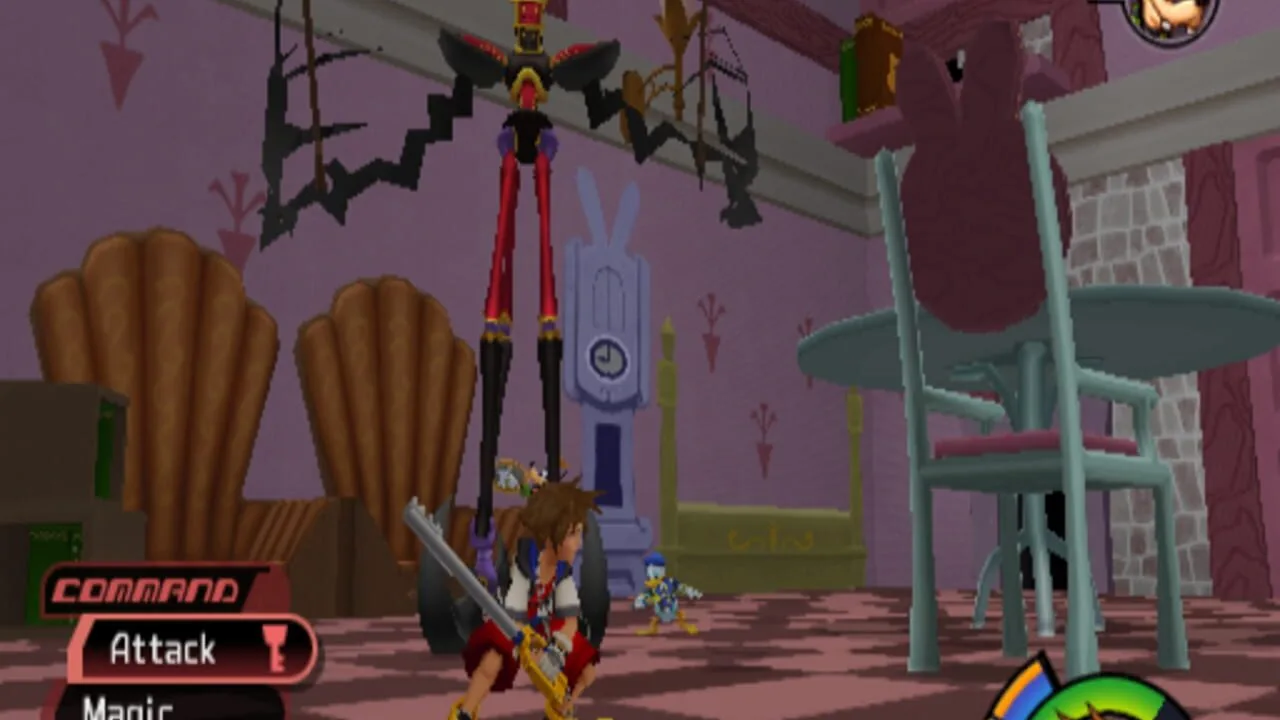
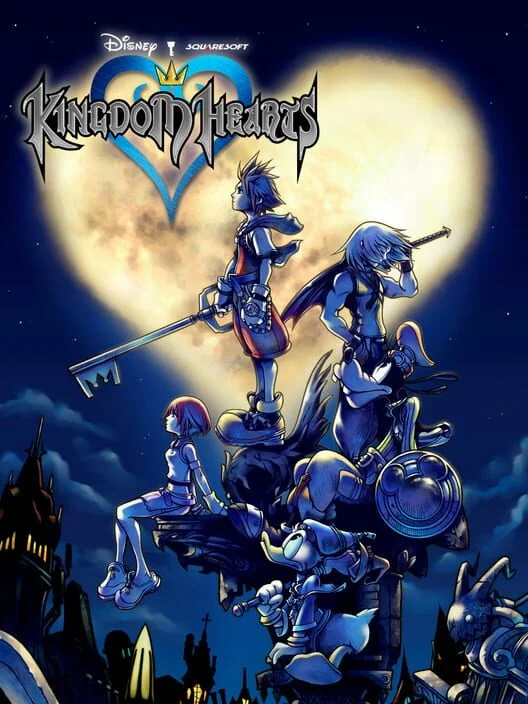
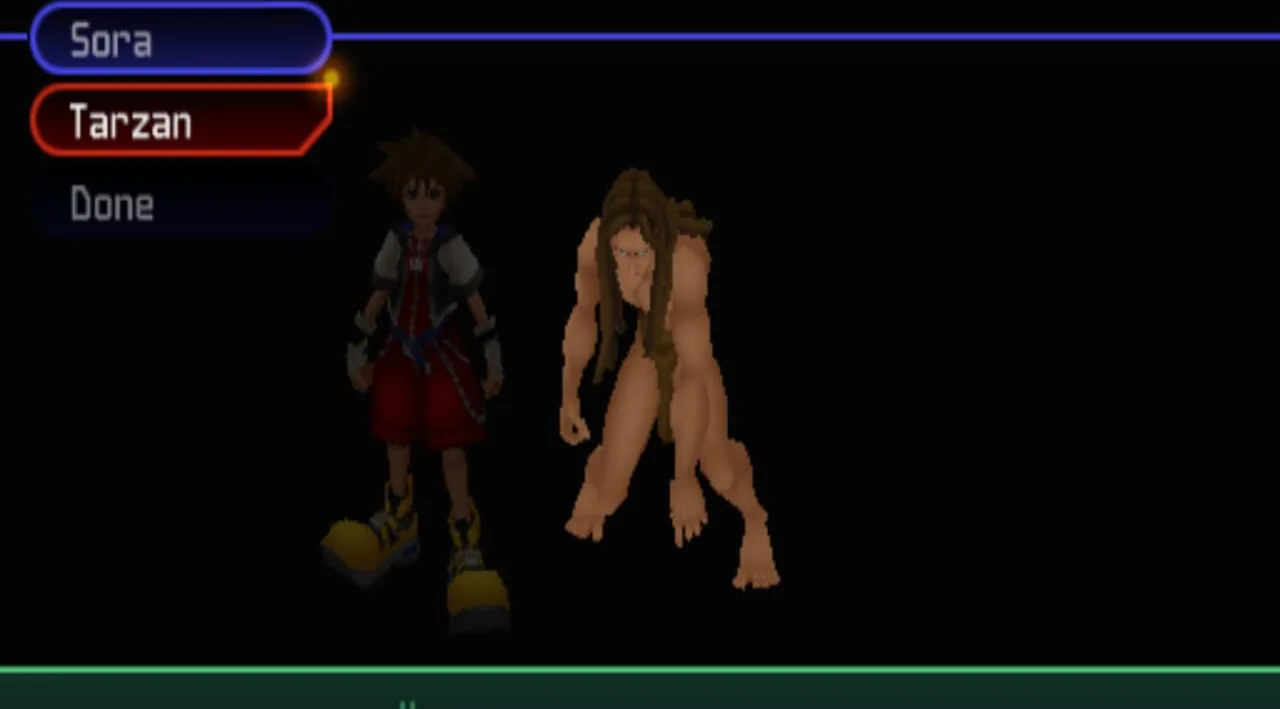
Kingdom Hearts is the result of a collaboration between Square and The Walt Disney Company, and it follows Sora, a cheerful teenager who fights the forces of darkness alongside Donald Duck and Goofy. It was a departure from Square's standard RPGs, with a substantial action and hack and slash side.
Yoko Shimomura composed the score. Japan got an expanded Final Mix in December 2002, which the rest of the world only saw years later in the HD collection on the PS3. Players put it ahead of every Persona game except Persona 4. It has an experience system like any traditional RPG, but a short tutorial at the start lets you shape how your character grows. You build your own Gummi Ship from blueprints found around the worlds. The international release added new superbosses.
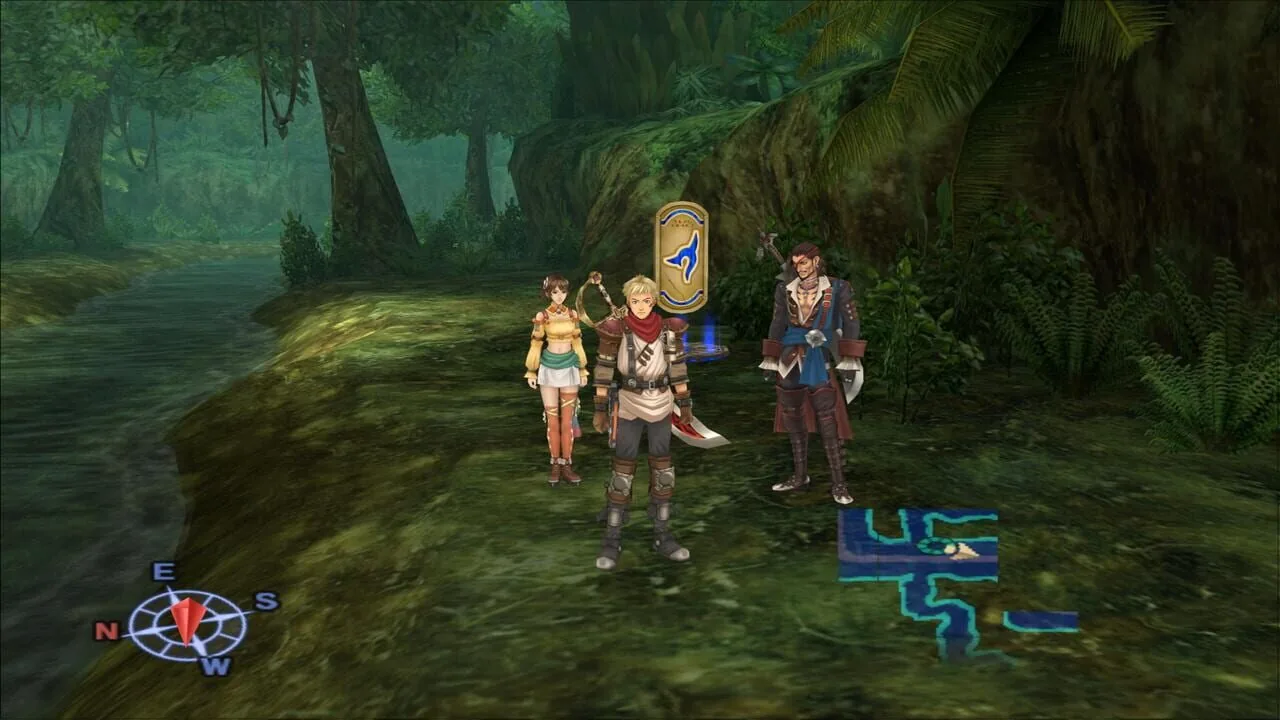
5. Rogue Galaxy (2005)
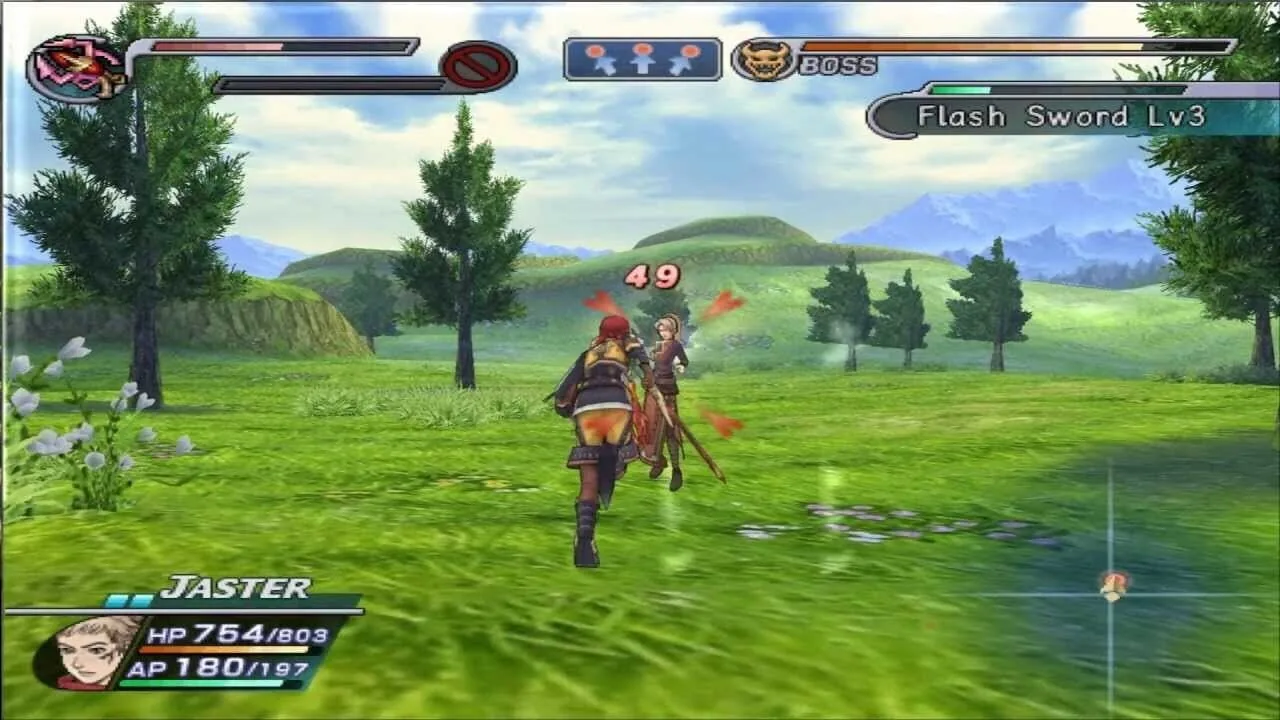
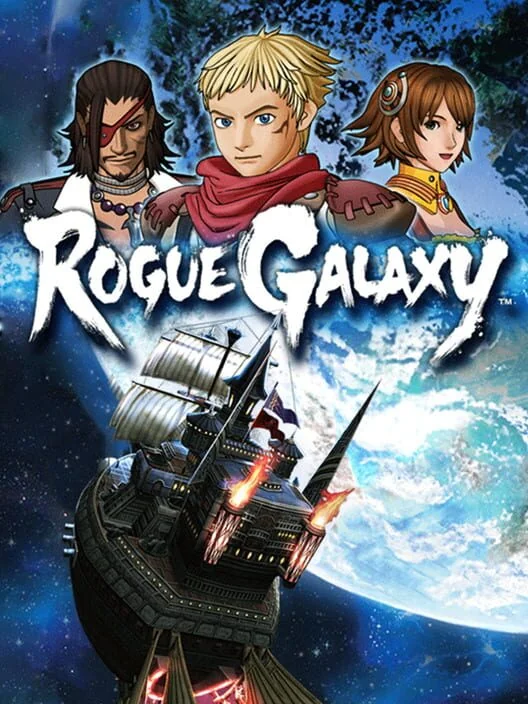
Rogue Galaxy follows Jaster Rogue, a young farm worker on an isolated planet who gets caught up in a galactic conflict. It was the largest game Level-5 had ever made, in staff and in production time, which ran over three years.
English players got the director's cut. Japan's December 2005 original was followed in 2007 by a version with enhancements and changes, released in North America that January. Sony hoped it would challenge Final Fantasy and Dragon Quest, and it fell short of the million copies Sony expected. Players have been kinder: only four PS2 RPGs rank higher. The world is one continuous environment, with no load time between exploring and battles. In battle you fight with a party of three in real time, directly controlling one character while the AI runs the other two.
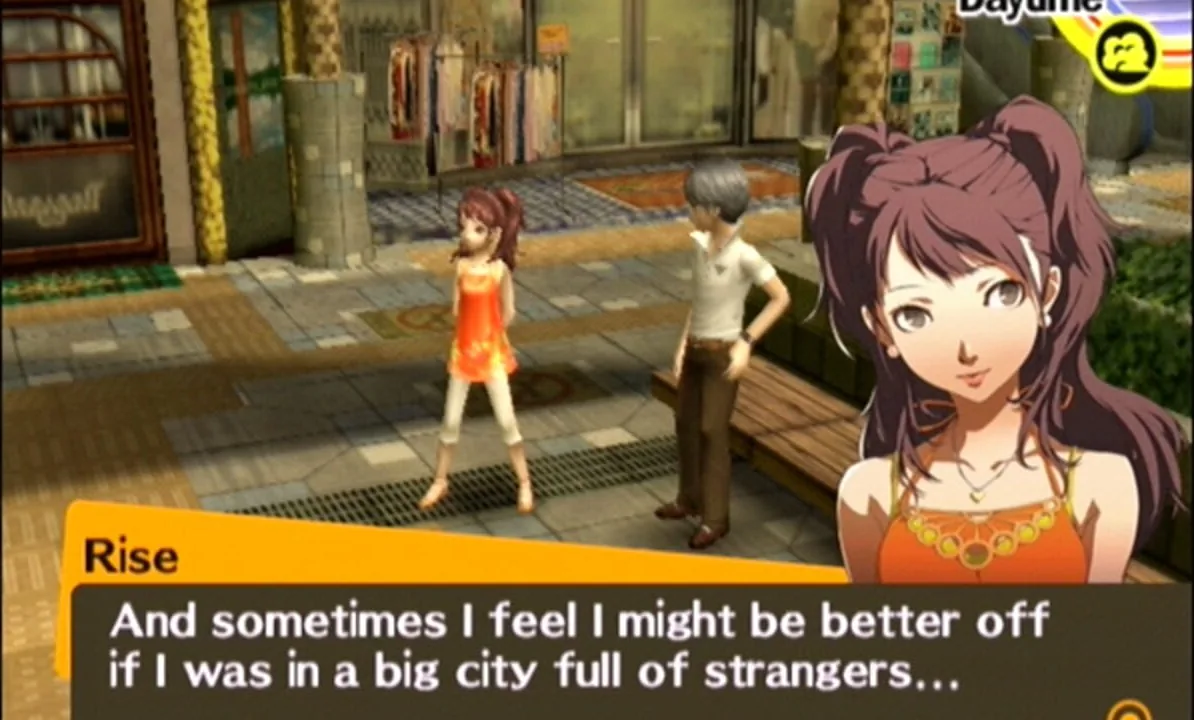
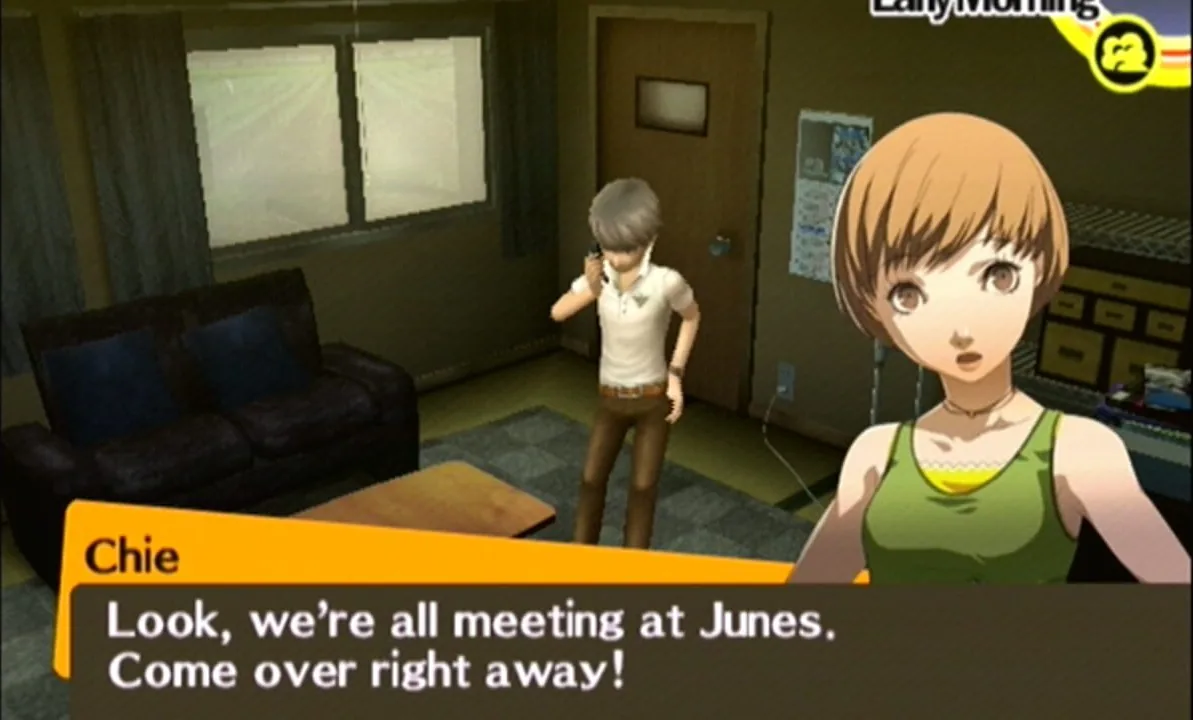
4. Persona 4 (2008)
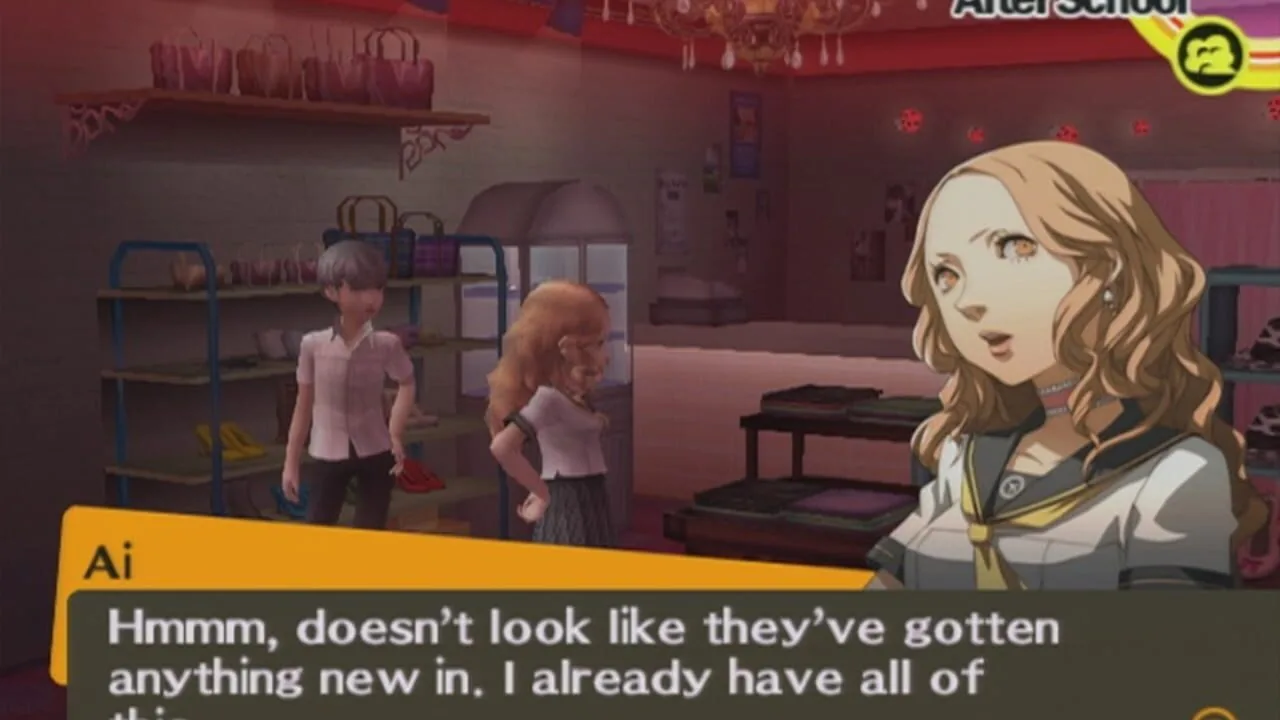
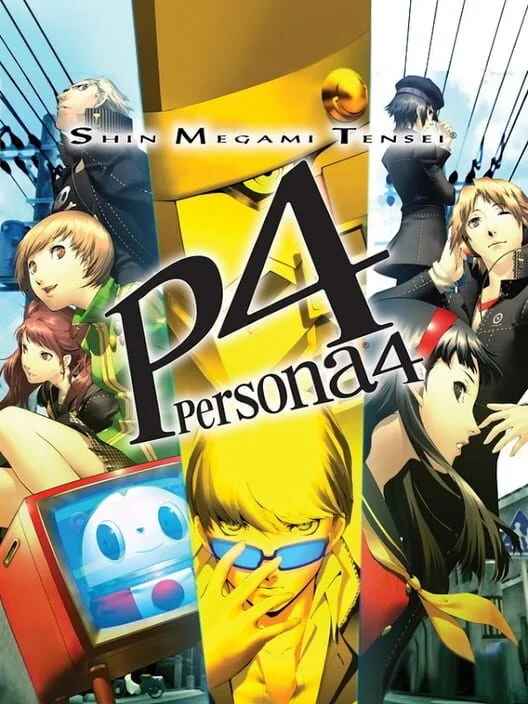
Persona 4 moves to the Japanese countryside in 2011, where the player-named hero spends a year in the town of Inaba and gets drawn into a string of mysterious murders. It was one of the final major exclusives for the PS2, released in North America in December 2008.
Like Persona 3, it splits its days between dungeons and the friendships that make your Personas stronger, and its plot was inspired by the work of mystery novelists. Players named it more often than Dark Cloud, but the Dark Cloud picks earned more backing, so Level-5's game takes third. It reached Japan in July 2008 and Europe and Australia in March 2009. The town of Inaba was based on a town on the outskirts of Mount Fuji, and the developers added many in-game events to keep things from going stale. An enhanced version, Persona 4 Golden, reached the PlayStation Vita in 2012.
3. Dark Cloud (2000)
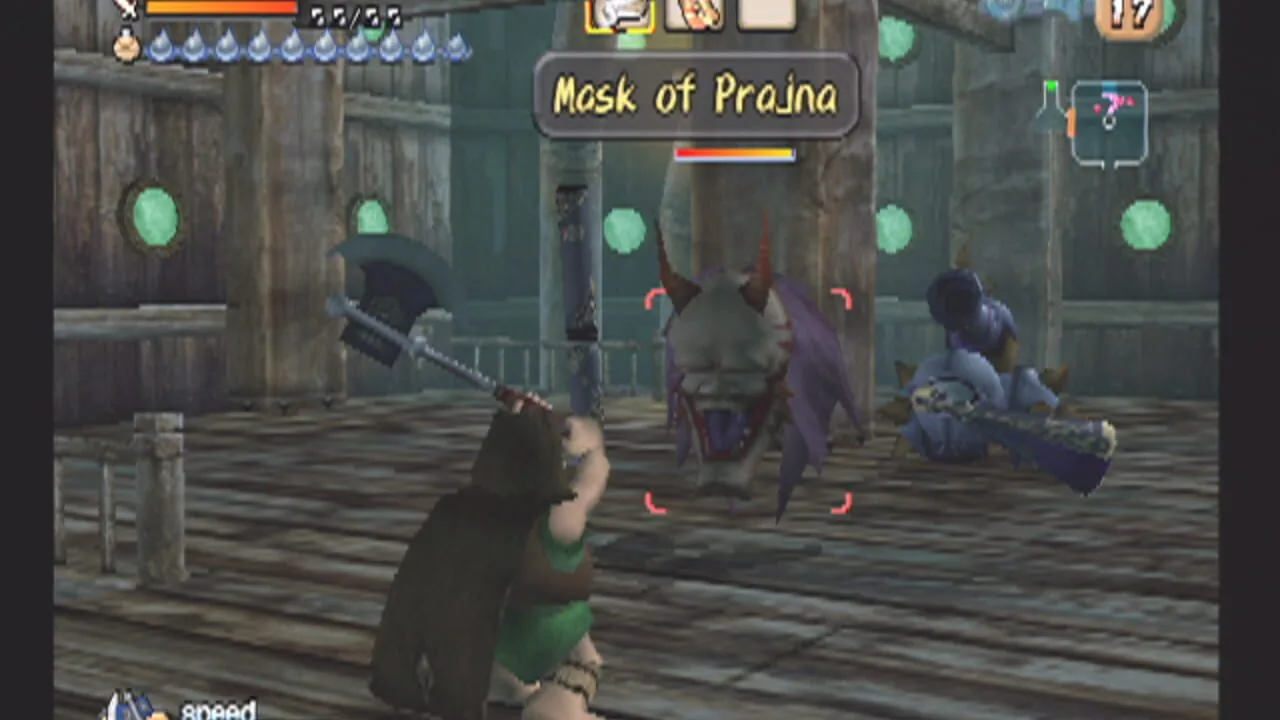
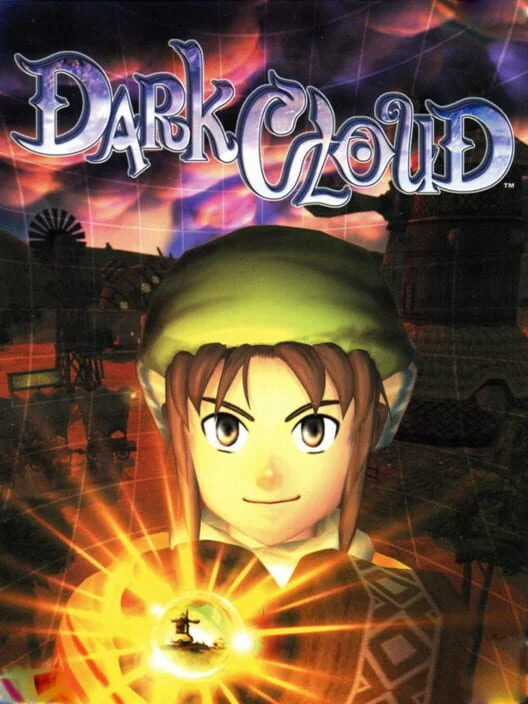
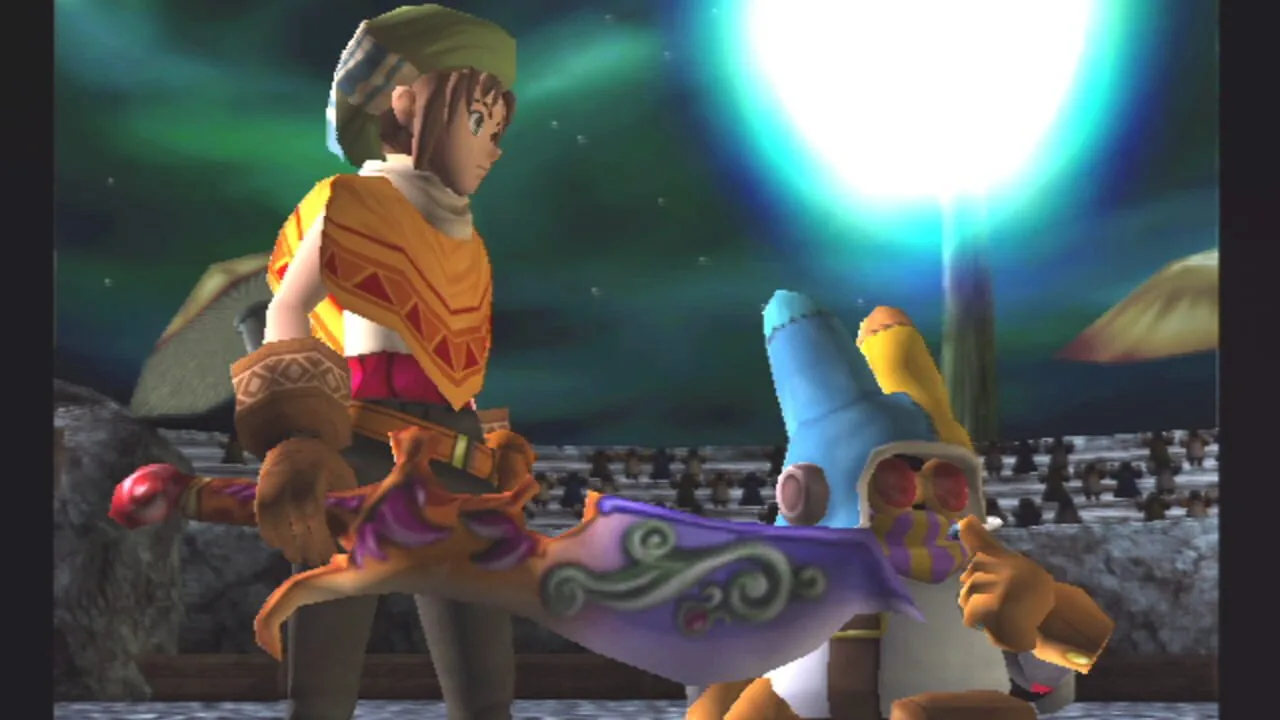
Dark Cloud was Level-5's first full-scale production, and it was meant to be a PS2 launch title before it slipped to December 2000 in Japan. It mixes an action RPG with a city-building game: Toan, given a magical stone called the Atlamillia by the fairy king Simba, rebuilds the villages the Dark Genie destroyed.
Critics praised the blend and grumbled about repetitive combat, and it sold over a million copies worldwide by 2014. Only Final Fantasy X and Dragon Quest VIII rank higher. The Georama system lets you build whole villages and even control the weather. Your characters do not level up, your weapons do. It reached North America in May 2001 and Europe in September 2001.
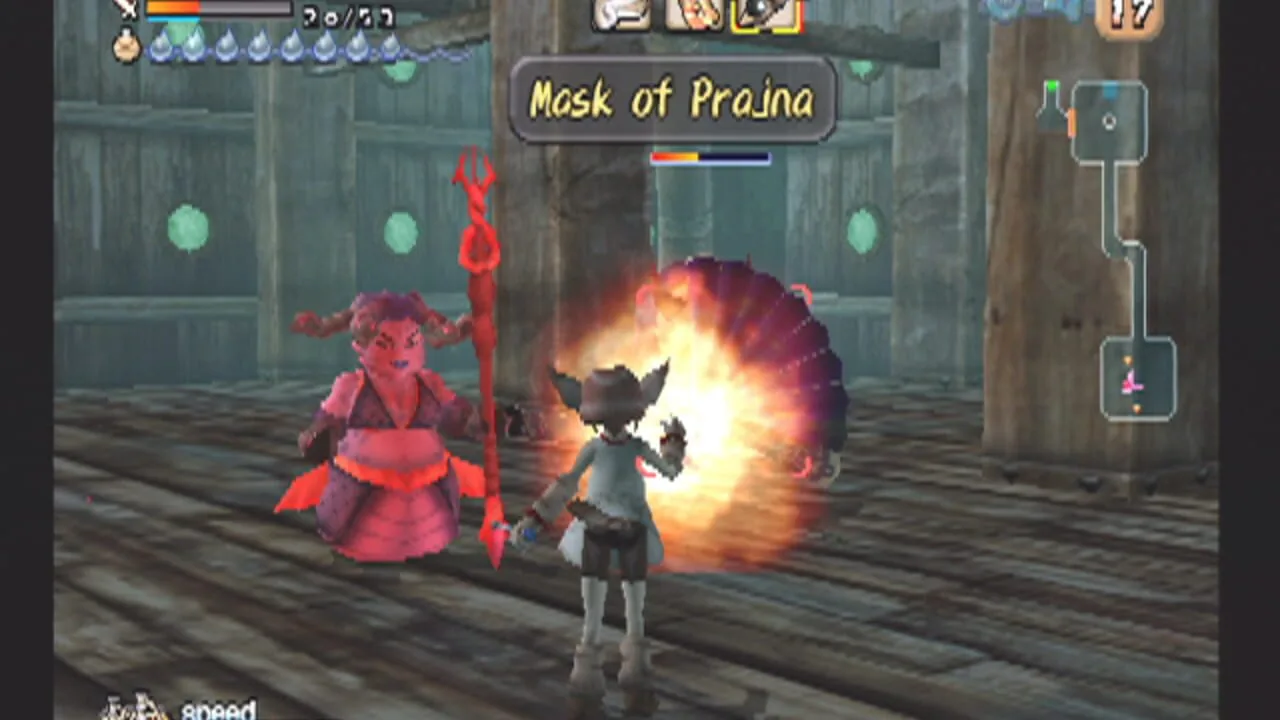
2. Dragon Quest VIII (2004)
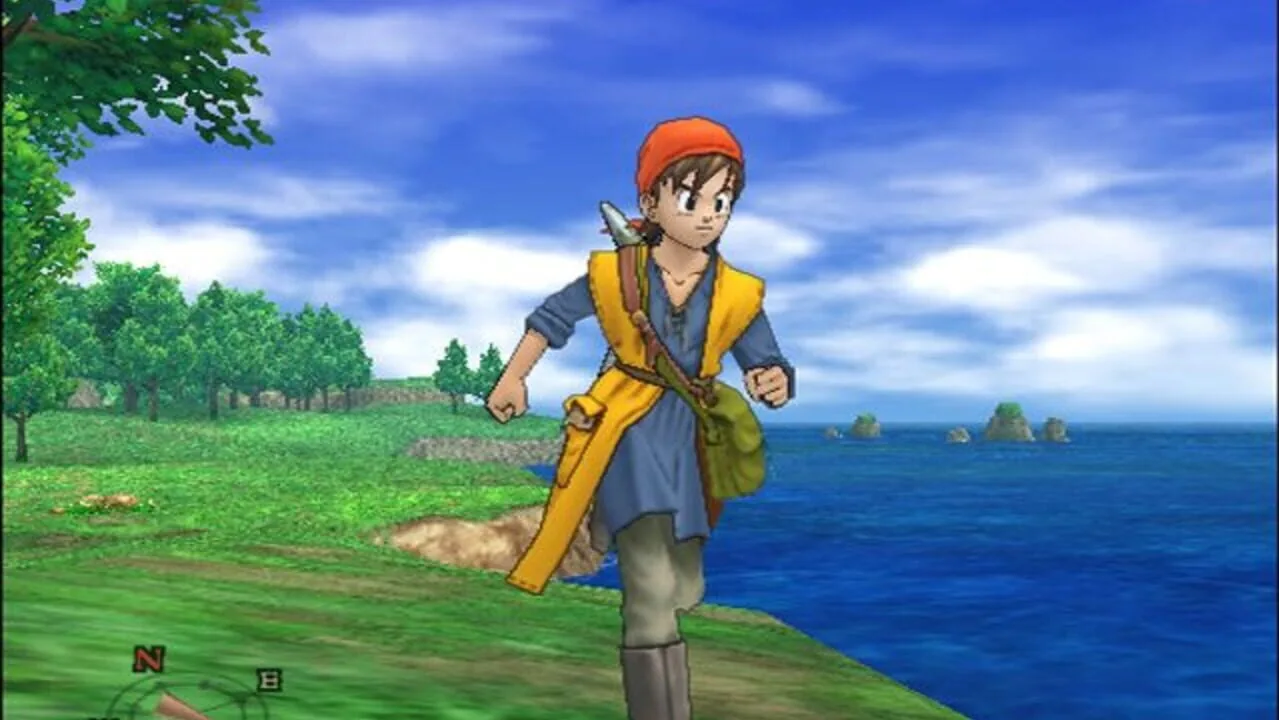
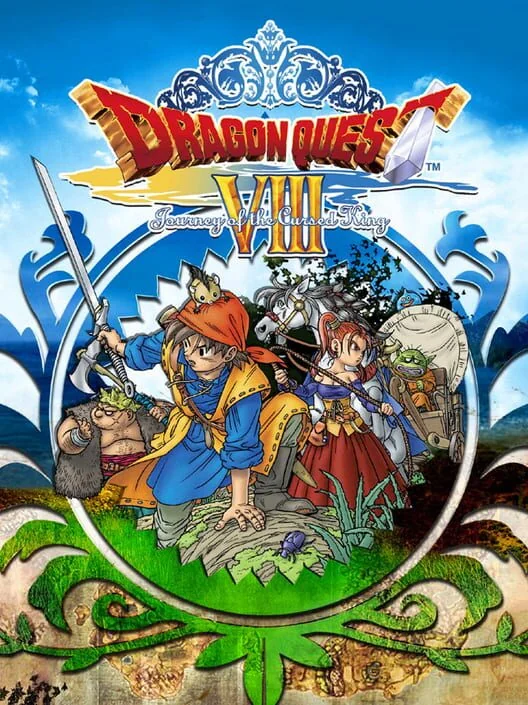
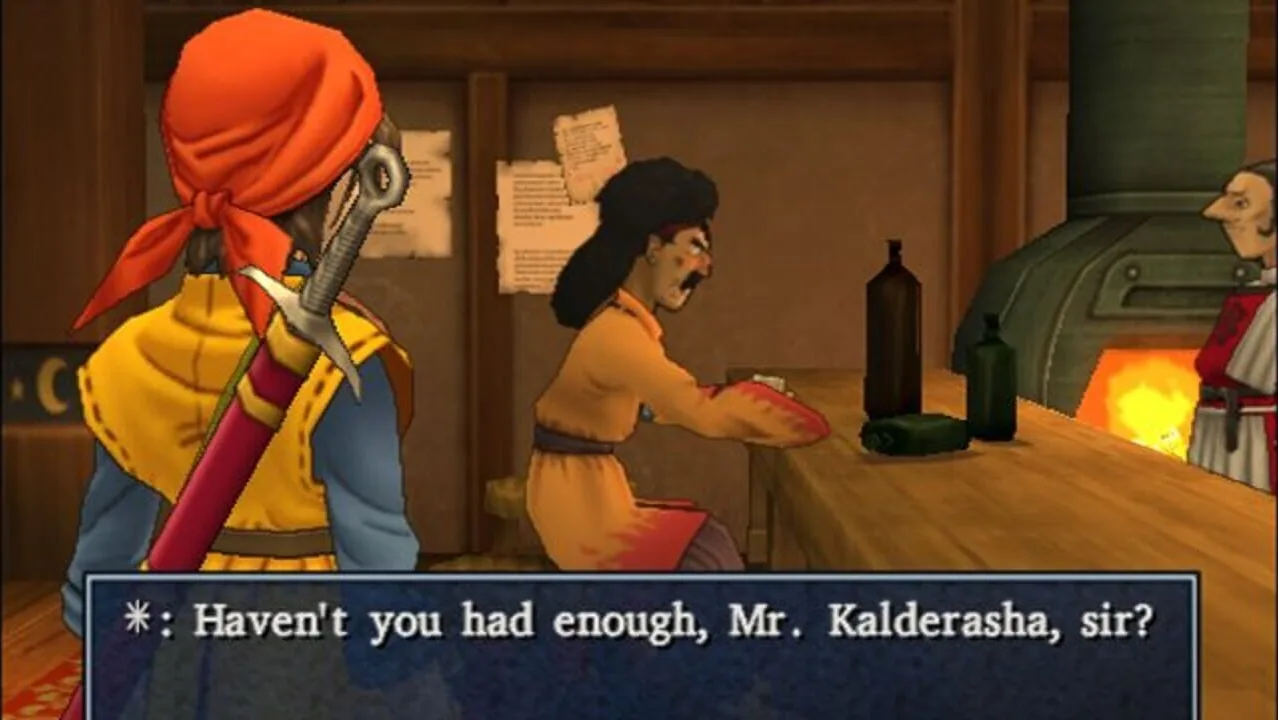
Dragon Quest VIII was developed by Level-5, and it is the first game in the series with fully 3D environments and character models, all of it cel-shaded. It was also the first English Dragon Quest to drop the Dragon Warrior title.
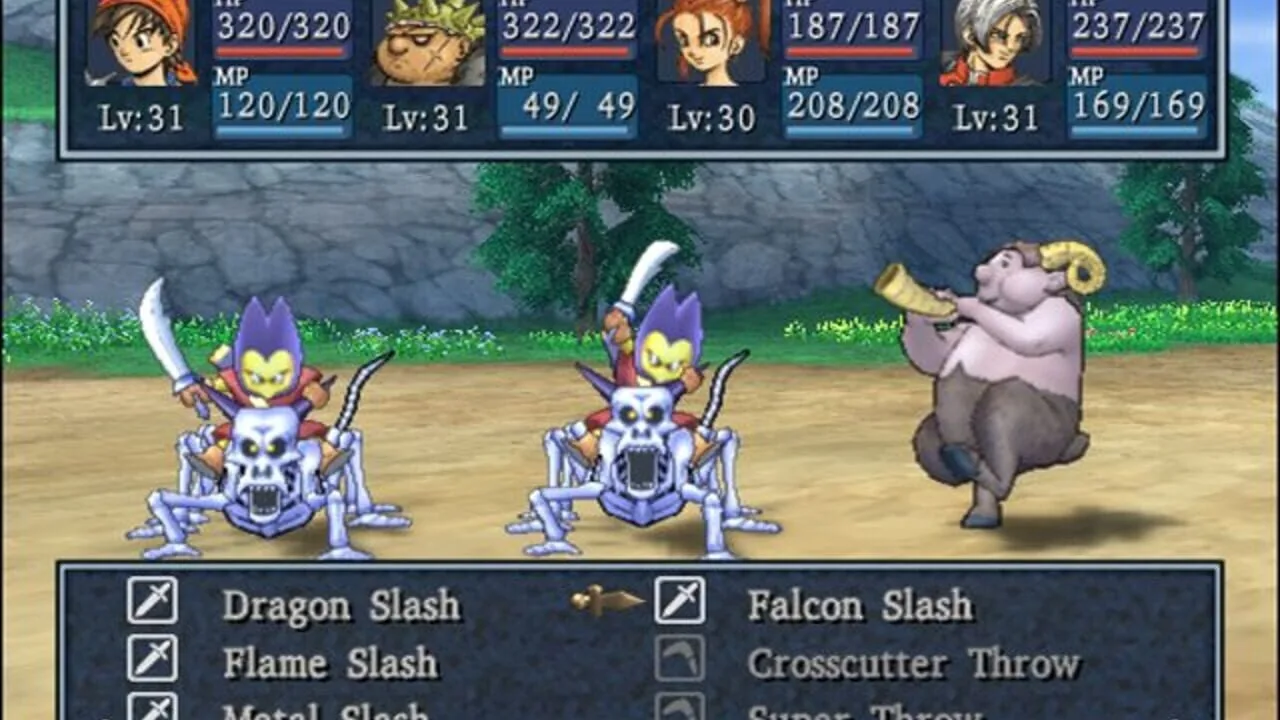
Under the new look it keeps the series' turn-based combat and experience levels, as the silent hero and his friends chase the wicked Dhoulmagus, who cursed the kingdom of Trodain. North America waited a year for it, until November 2005. The camera pans a full 360 degrees around the character, and there is a first-person mode too. The silent hero is an eighteen-year-old royal guard of Trodain, and you name him yourself. It was a critical and commercial success, and a Nintendo 3DS version followed in 2015.
1. Final Fantasy X (2001)
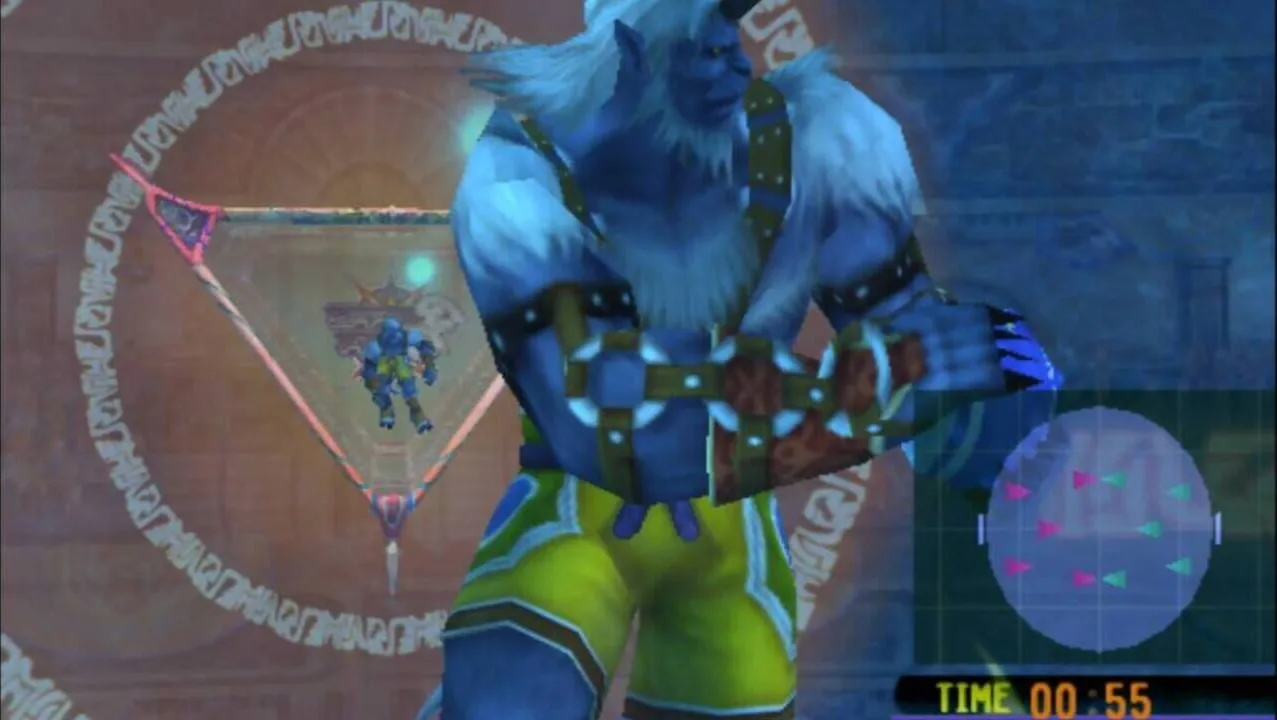
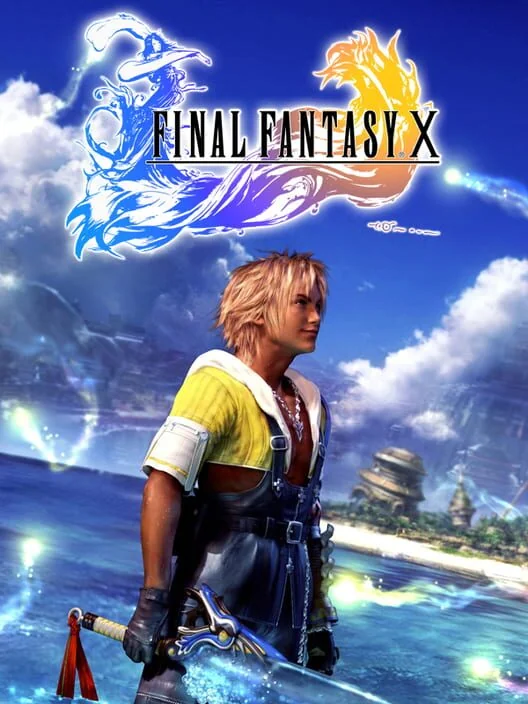
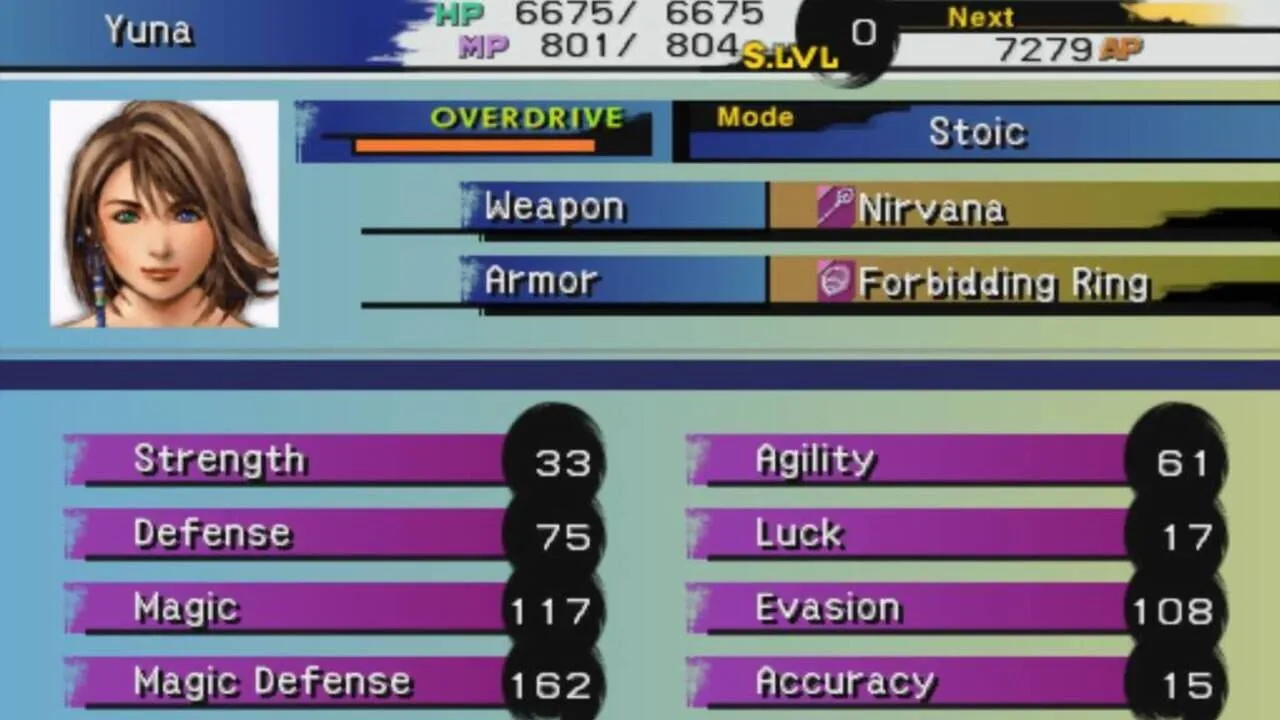
Final Fantasy X was the first game in the series with fully three-dimensional areas and voice acting, and it replaced the Active Time Battle system with turn-based battles and a new leveling system called the Sphere Grid. Tidus, a star athlete in the sport of blitzball, finds himself in Spira after a monster called Sin destroys his home city of Zanarkand.
The quest to destroy Sin turns personal once Tidus learns it is his missing father, Jecht. Spoiler, but you've had since 2001. It was also the first main Final Fantasy not scored entirely by Nobuo Uematsu, with Masashi Hamauzu and Junya Nakano signed on beside him. It shipped over 8.5 million units worldwide on the PS2.
Which one to play
There you have it, the whole list of the best PS2 RPGs. They are full-sized adventures, and plenty of them still hold up today.
If you are not sure where to start, play Final Fantasy X. If you want a classic turn-based adventure, Dragon Quest VIII is the one. If you like your RPGs full of action, go for Kingdom Hearts. If you want a story about friends and a murder mystery, try Persona 4. And for a hidden pick, Radiata Stories lets you recruit more than 175 characters.