The PS3 had games that never got the credit they deserve. These are the 22 most underrated PS3 games. 3D Dot Game Heroes, The Saboteur and Binary Domain are among them, and so is The Last of Us.
22. Alice: Madness Returns (2011)
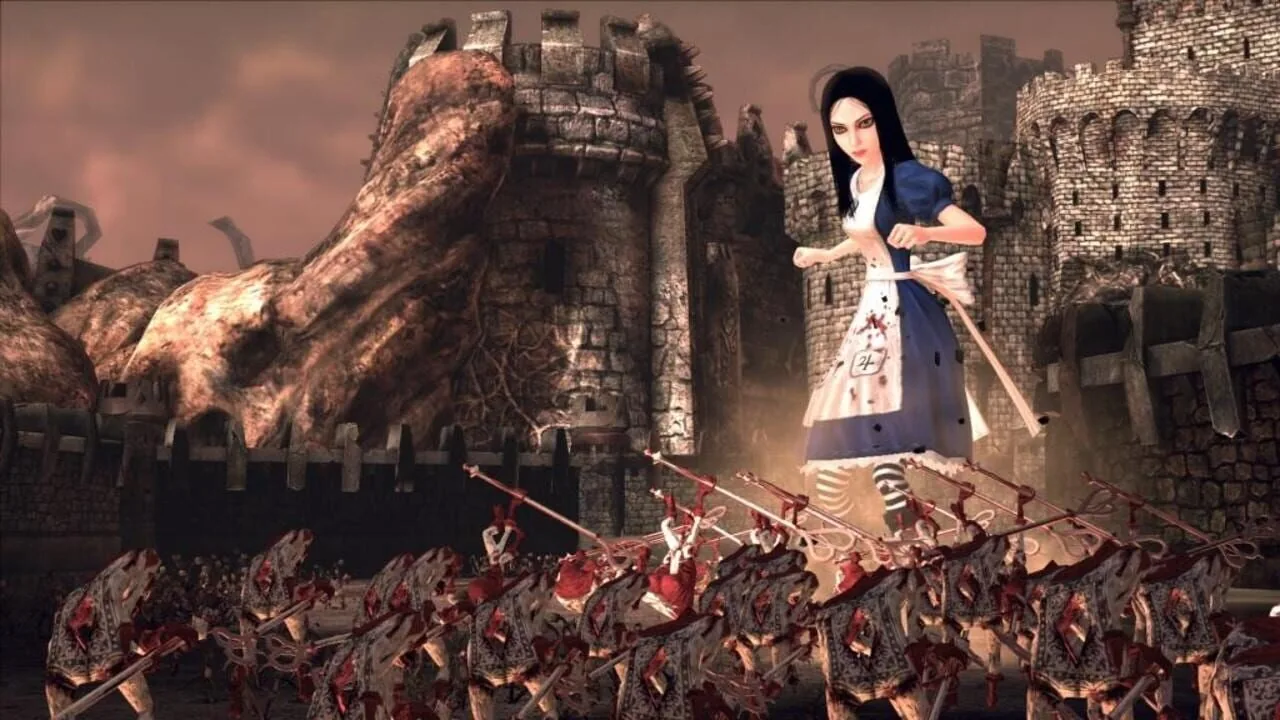
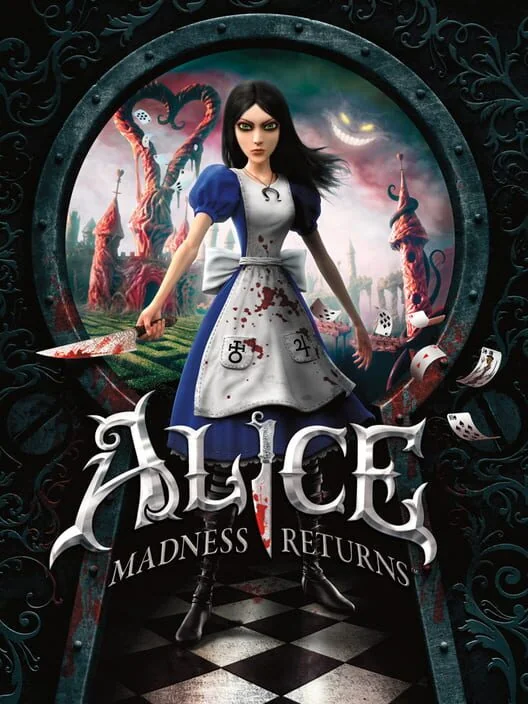
Alice: Madness Returns is a third-person hack and slash puzzle platformer and the sequel to American McGee's Alice. Alice has left a psychiatric clinic and lives in an orphanage, and she falls back into a Wonderland that a new evil force has corrupted. Her main weapon is the Vorpal Blade, a decorated kitchen knife, and a shrinking potion lets her slip through keyholes and reveal hidden platforms.
Reviews were mixed to positive, and the PlayStation 3 version scored 70 out of 100 on Metacritic. GamesRadar put it on a list of the 100 most overlooked games of its generation, and online it has a cult following that calls it an underrated masterpiece. A kitchen knife is a bold choice for a hero, but Wonderland never did have sensible cutlery.
21. Asura's Wrath (2012)
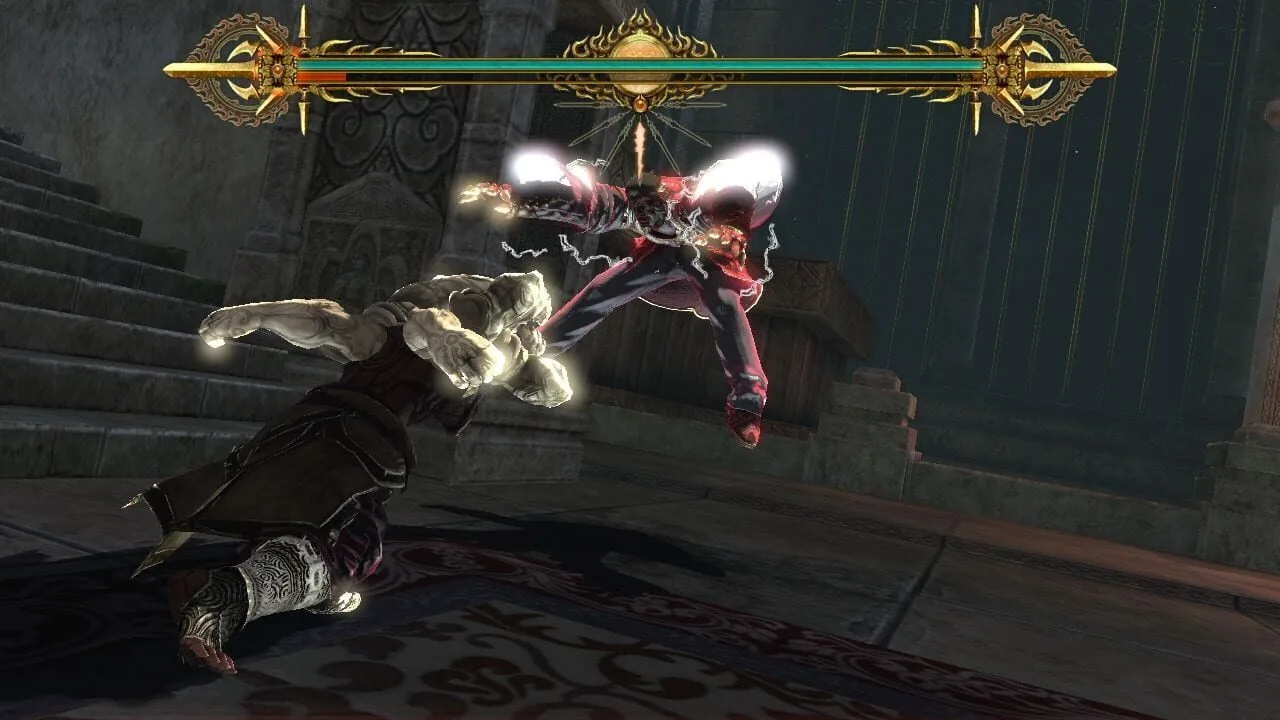
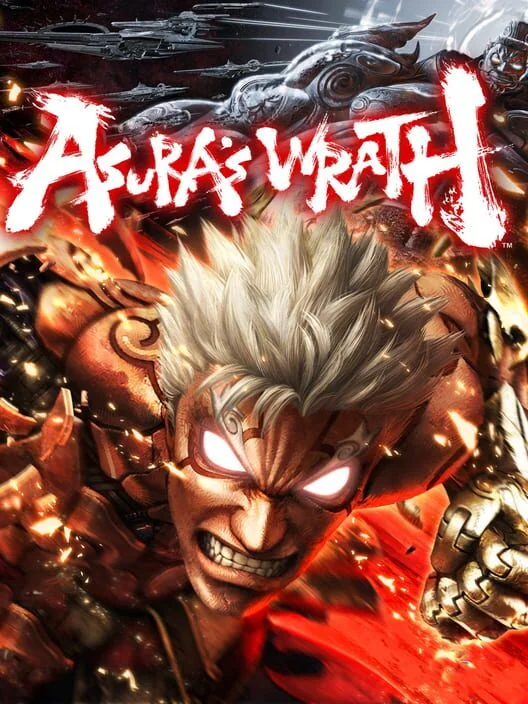
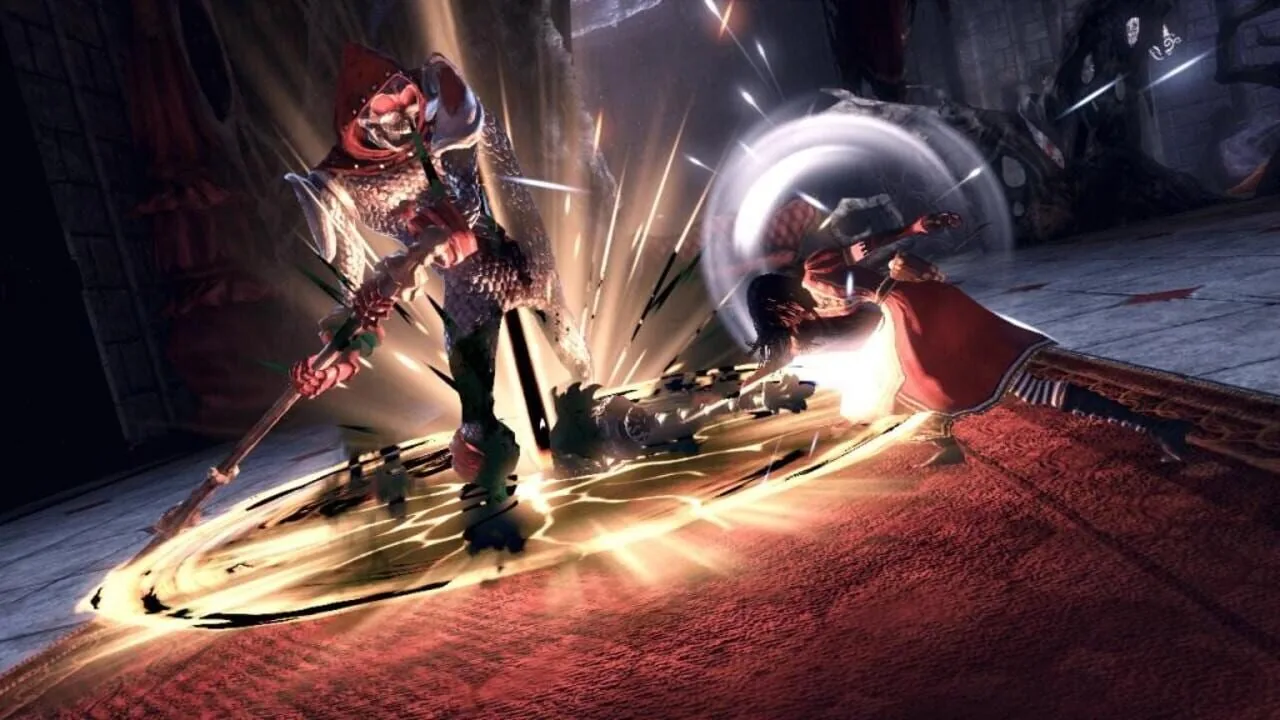
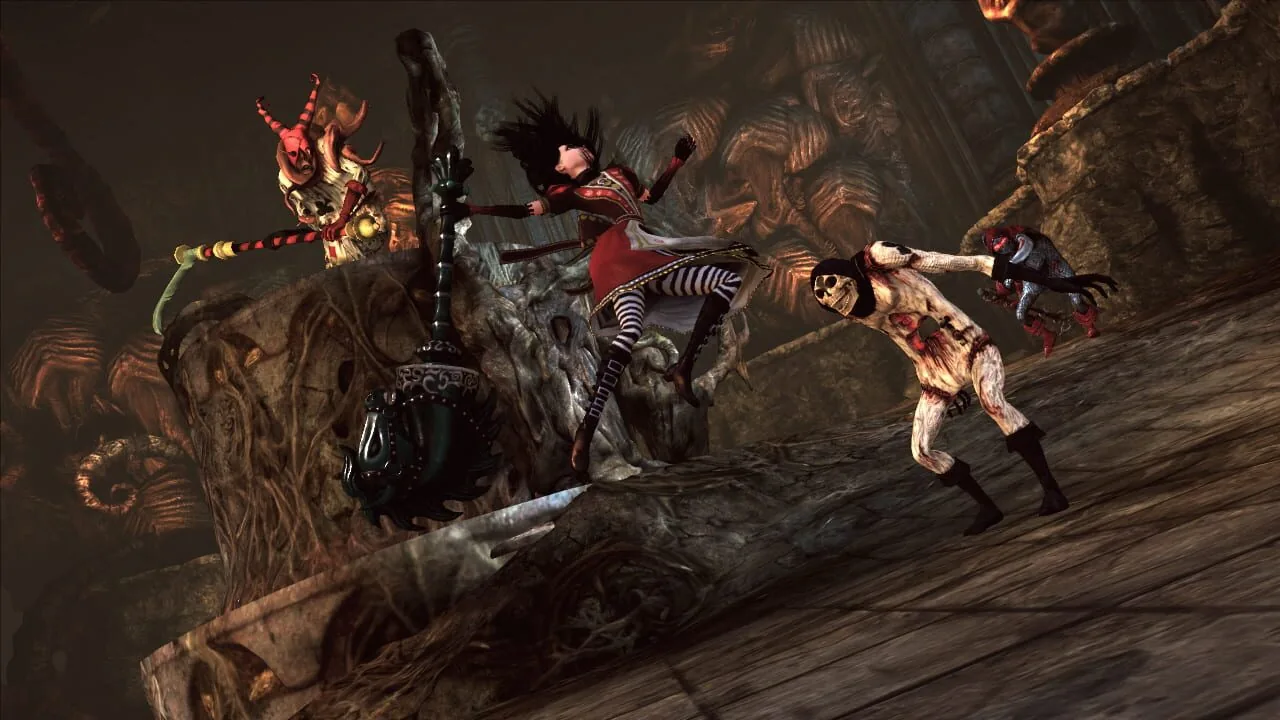
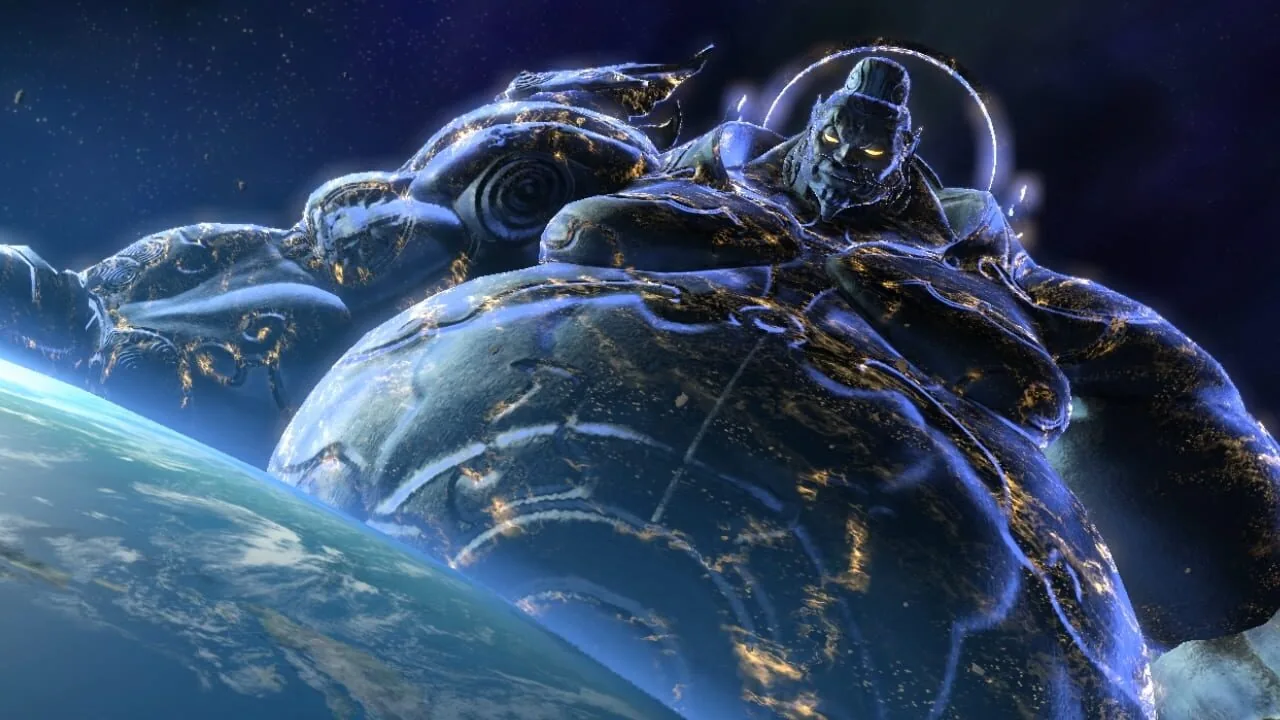
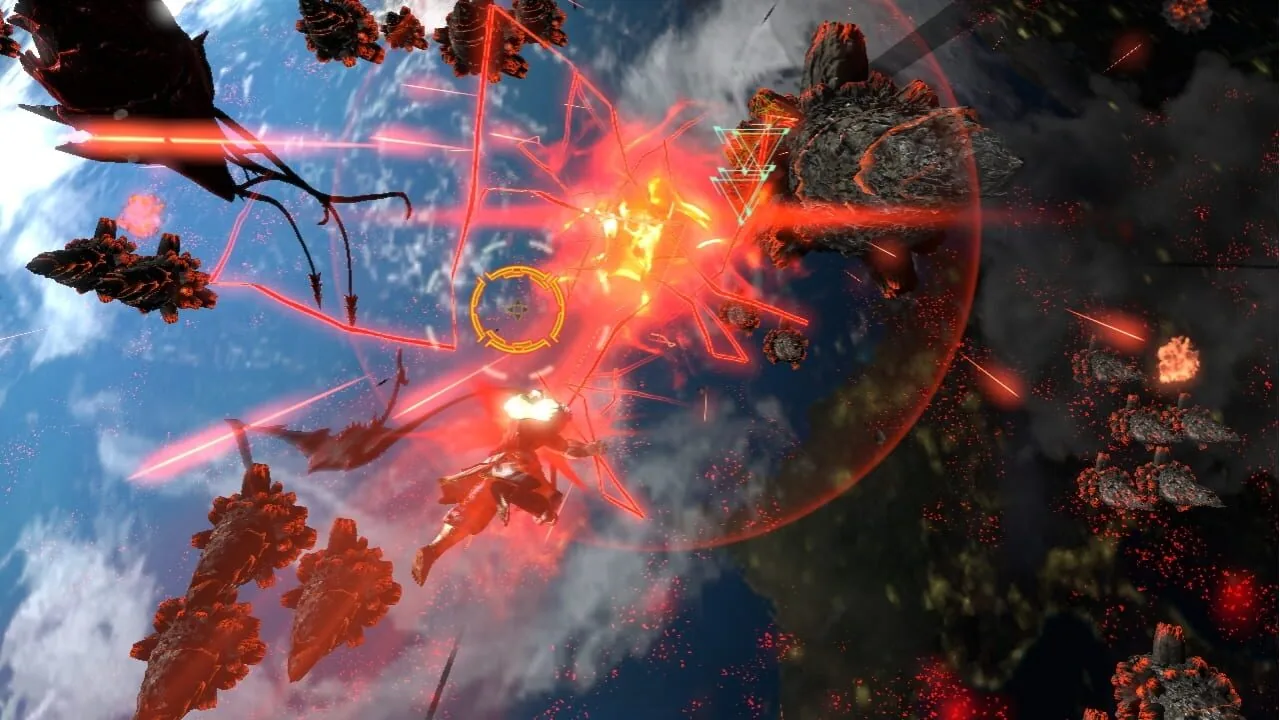
Asura's Wrath plays like an anime series. The demigod Asura goes after the gods who betrayed him, and the story arrives as episodes with opening and closing credits. The action moves between third-person brawling and a rail shooter, with quick-time prompts carrying the plot forward. CyberConnect2 built the whole game around one emotion, wrath, because anyone can relate to it.
Famitsu scored it 38 out of 40, but Western reviews came out as average, since critics split over whether the interactive anime style helped or hurt the play. The fans of a good story are the ones who get the most from it. Many reviewers praised the story and the sheer craziness of its twists.
20. Dragon's Crown (2013)
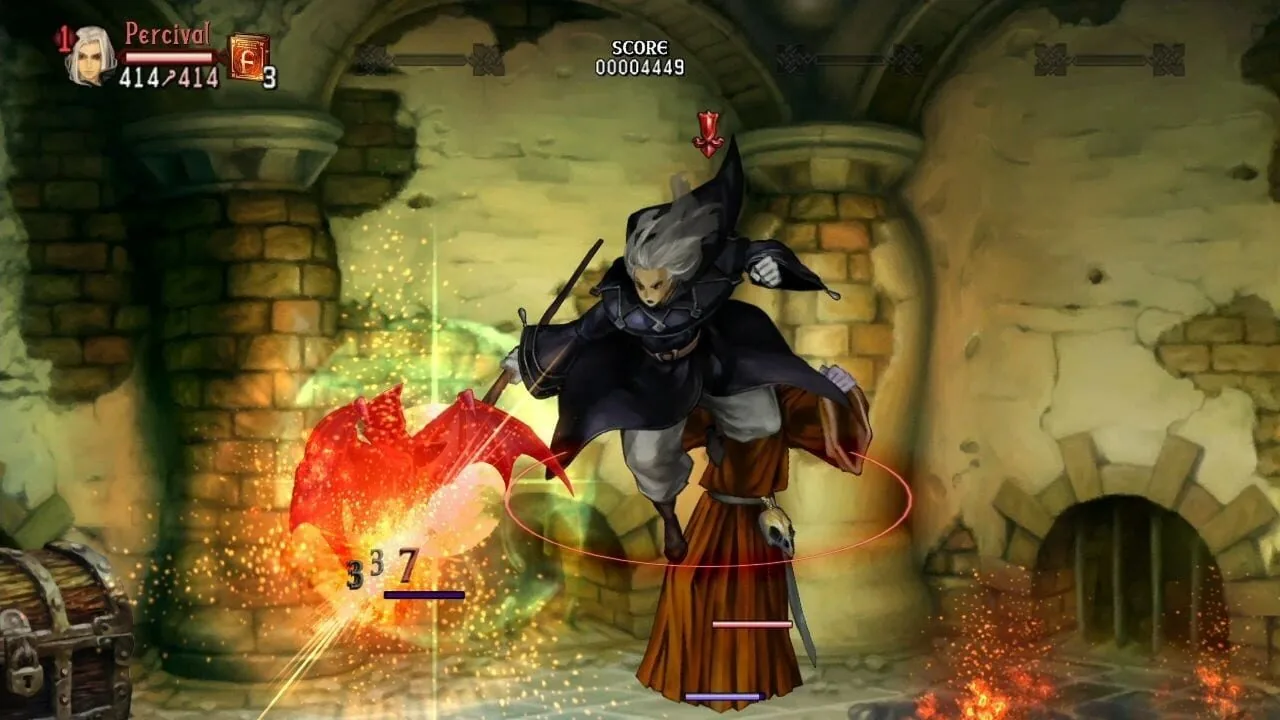
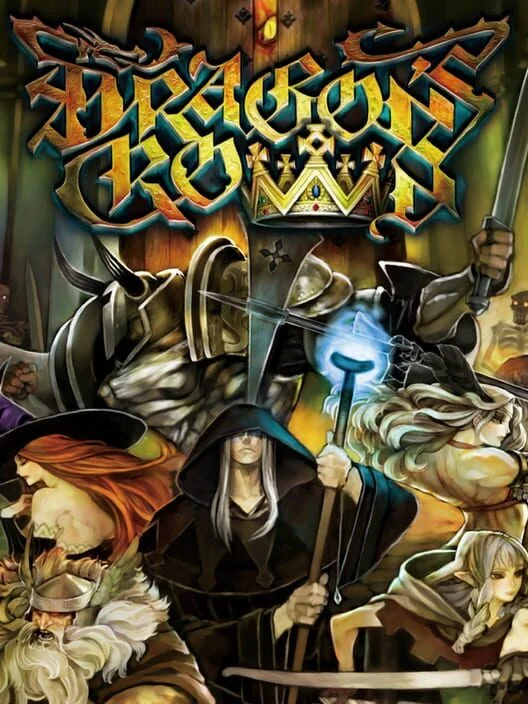
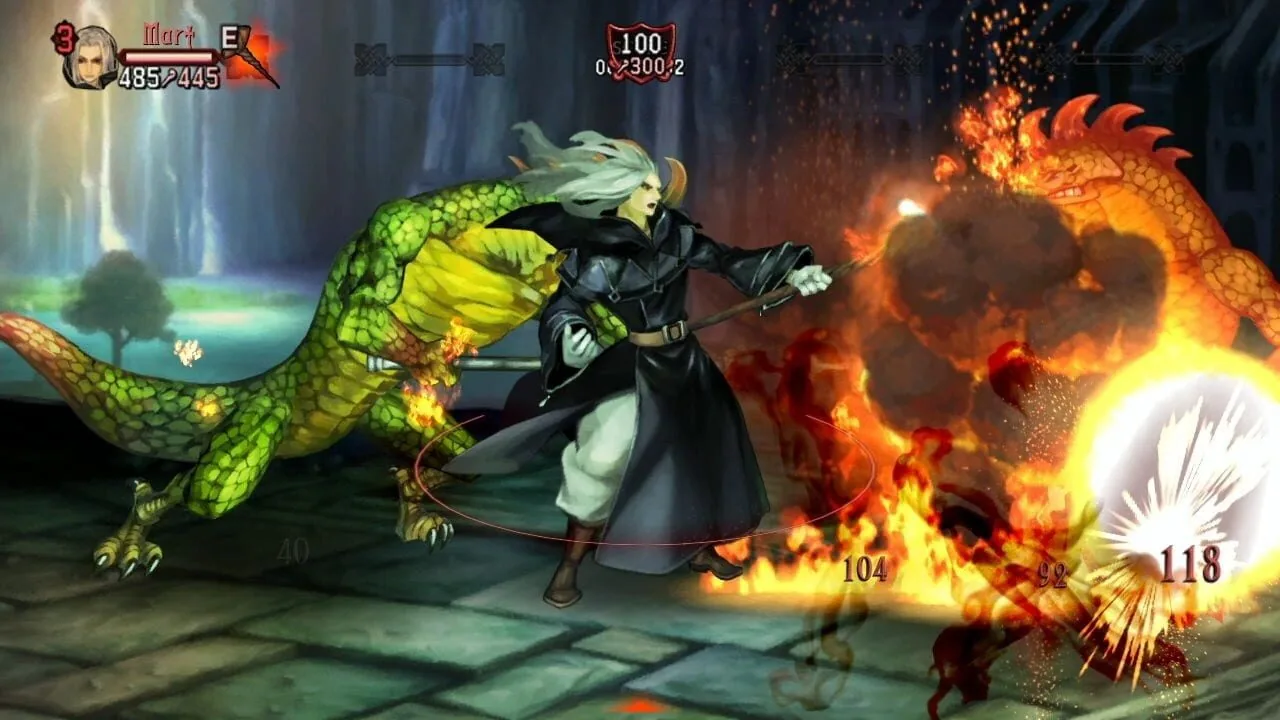
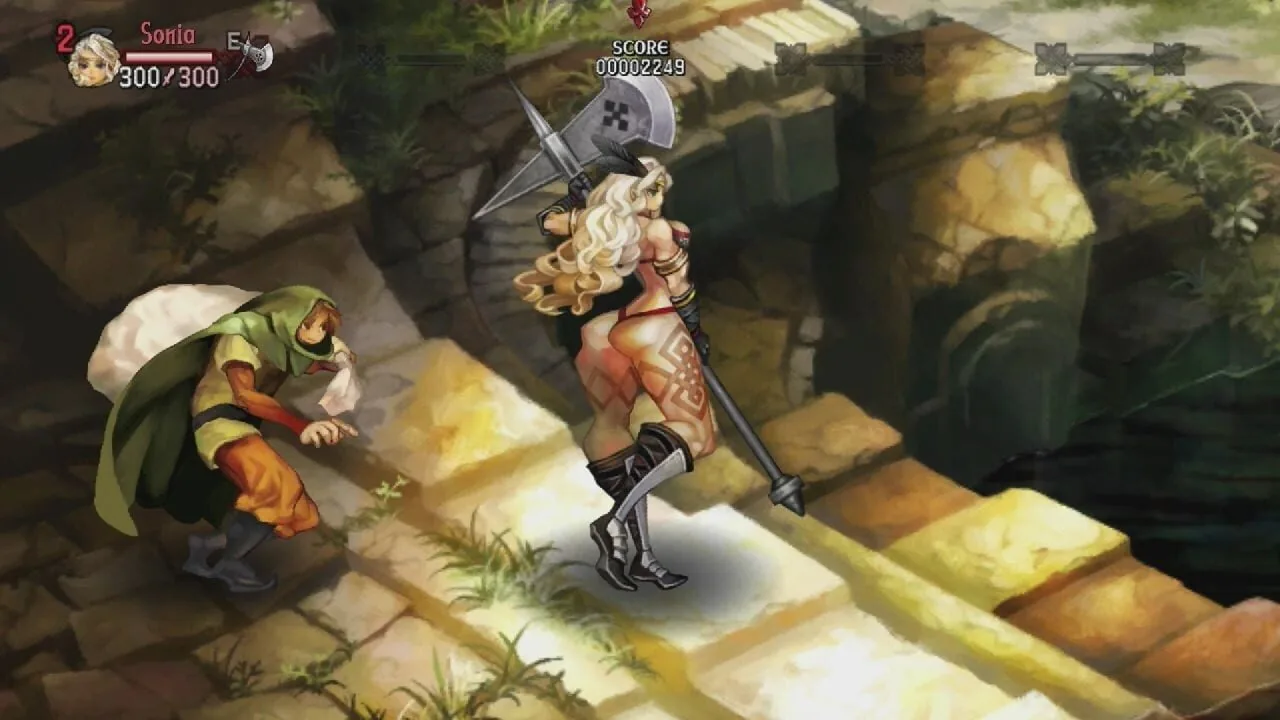
Dragon's Crown is a side-scrolling action role-playing game from Vanillaware that plays like a classic beat 'em up. You choose from six character classes, fight through nine dungeons and keep going back for better loot, with every piece of gear graded from S to E. Director George Kamitani first planned it as a Dreamcast sequel to Princess Crown, then spent about a decade pitching it to publishers who turned it down.
Critics gave it favorable reviews and praised the gameplay and art style, and it passed one million sales by September 2017. The exaggerated character designs also drew controversy, and the argument often crowded out talk of the combat. It is a better brawler than that argument suggests.
19. X-Men Origins: Wolverine Uncaged Edition (2009)
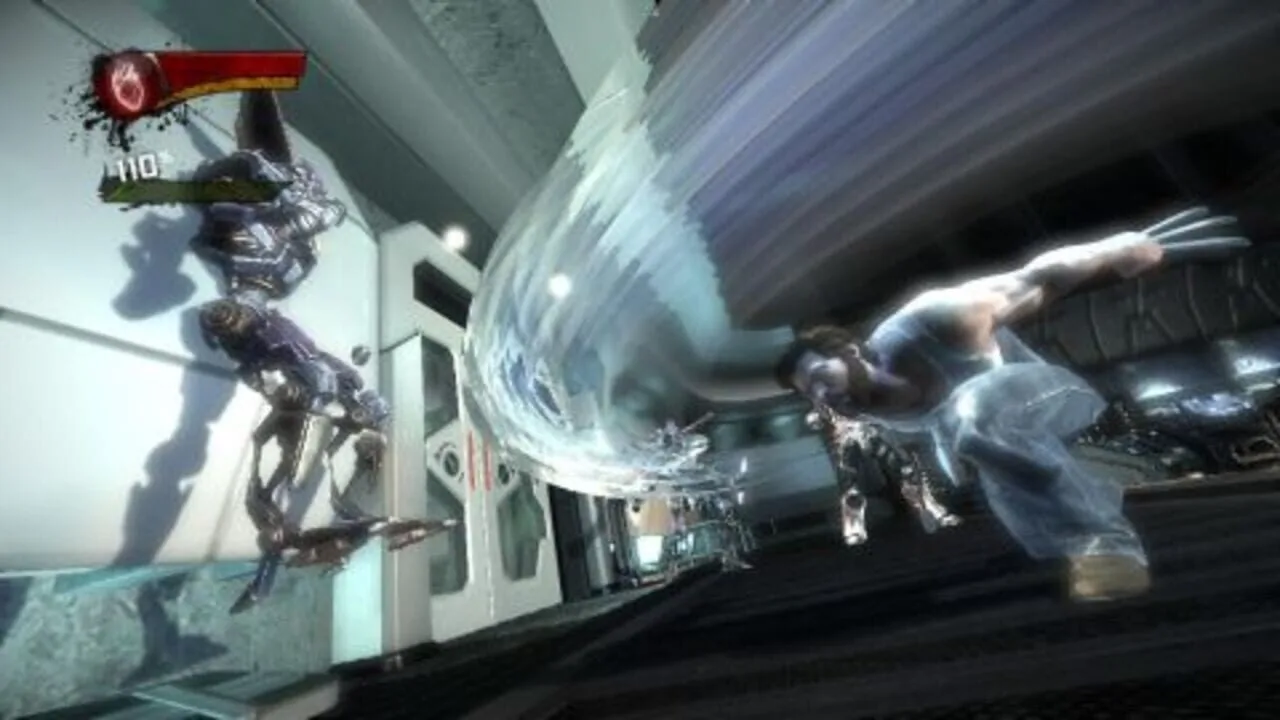
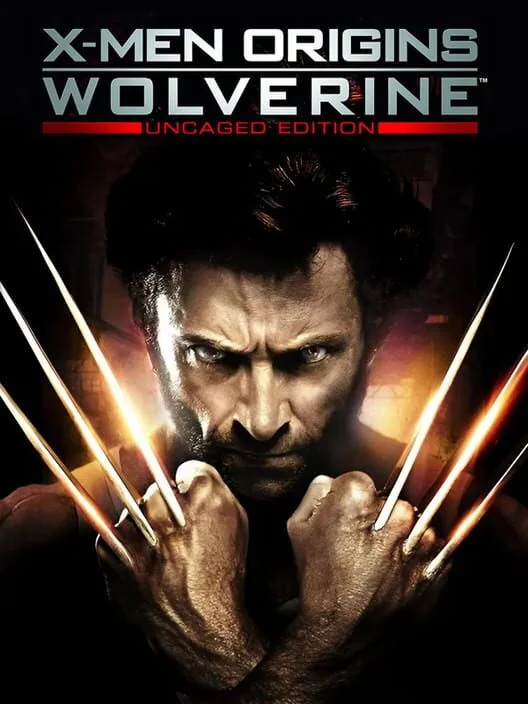
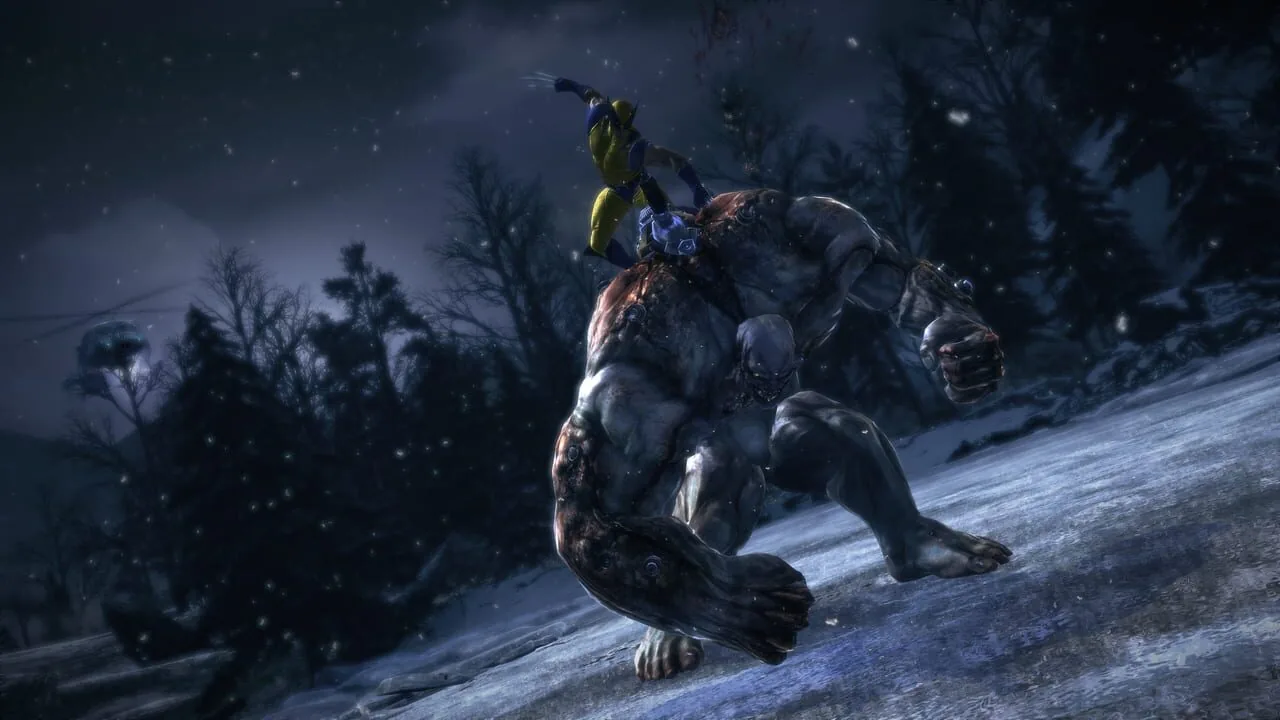
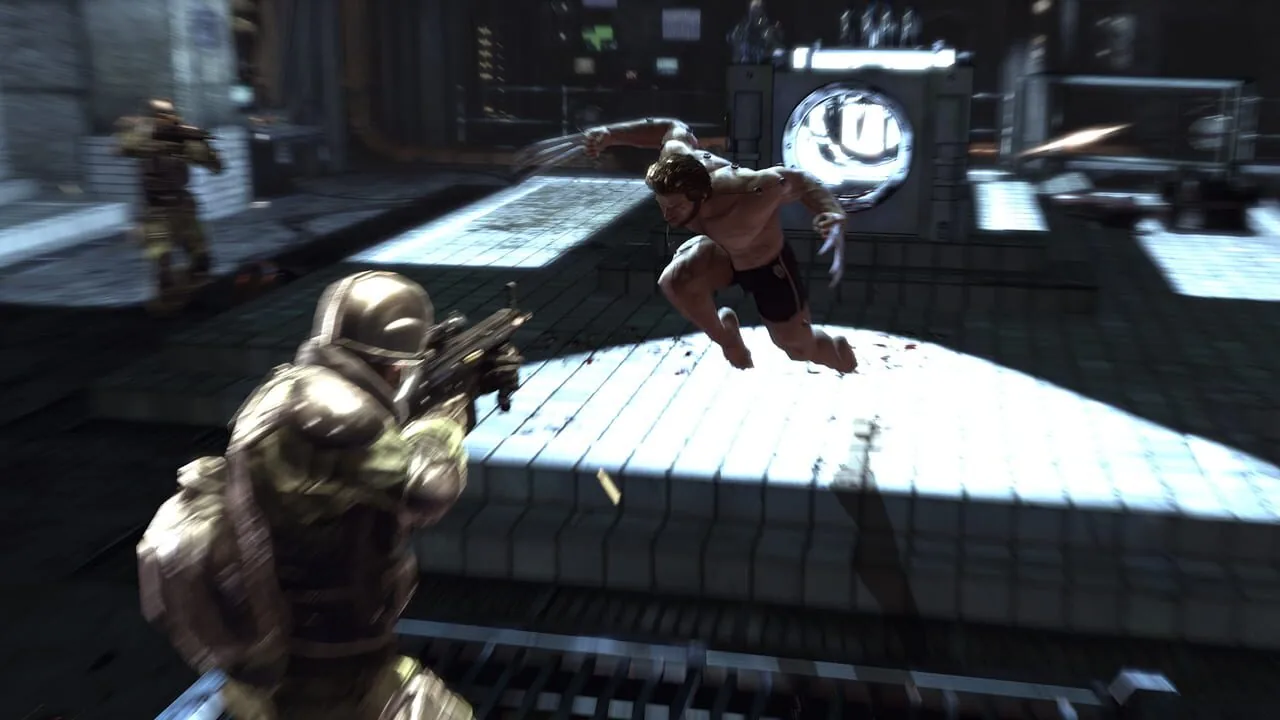
This is the 2009 movie tie-in, and the Uncaged Edition is the uncensored version for the big consoles and PC. Raven Software built it on Unreal Engine 3, and Hugh Jackman voiced Wolverine. It borrows from God of War and Devil May Cry, and a rage meter unlocks a berserker mode that makes his claws stronger until the meter runs out.
Movie games have a bad name, and that is why this one slipped past people. The Uncaged Edition got generally positive reviews while the other versions got mixed to negative ones, and IGN called it an awesome guilty pleasure. Activision removed it from digital stores on January 1, 2014, after its Marvel license ran out. Does a Wolverine game need to be this bloody? Apparently so.
18. Heavy Rain (2010)
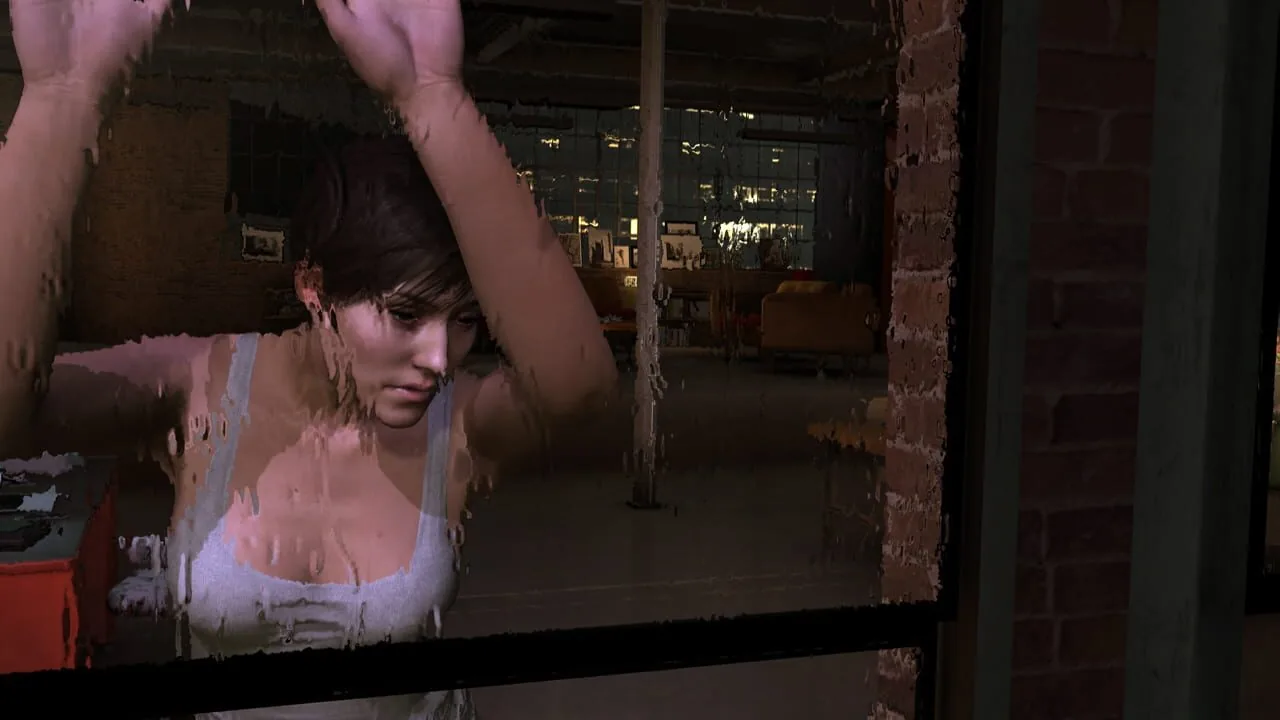
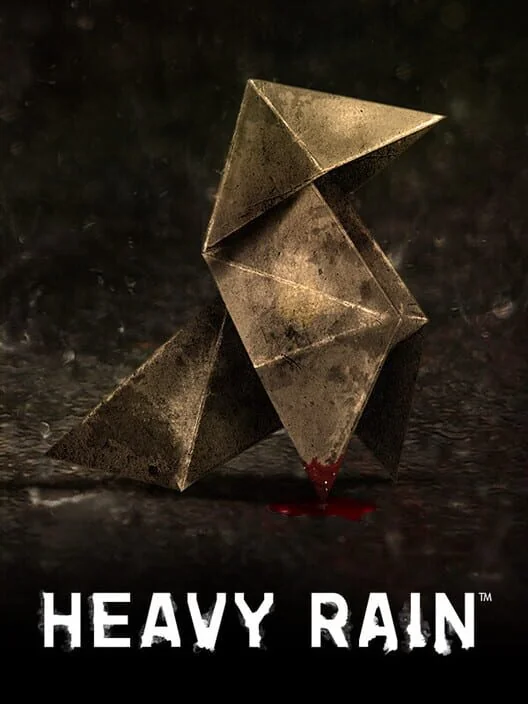
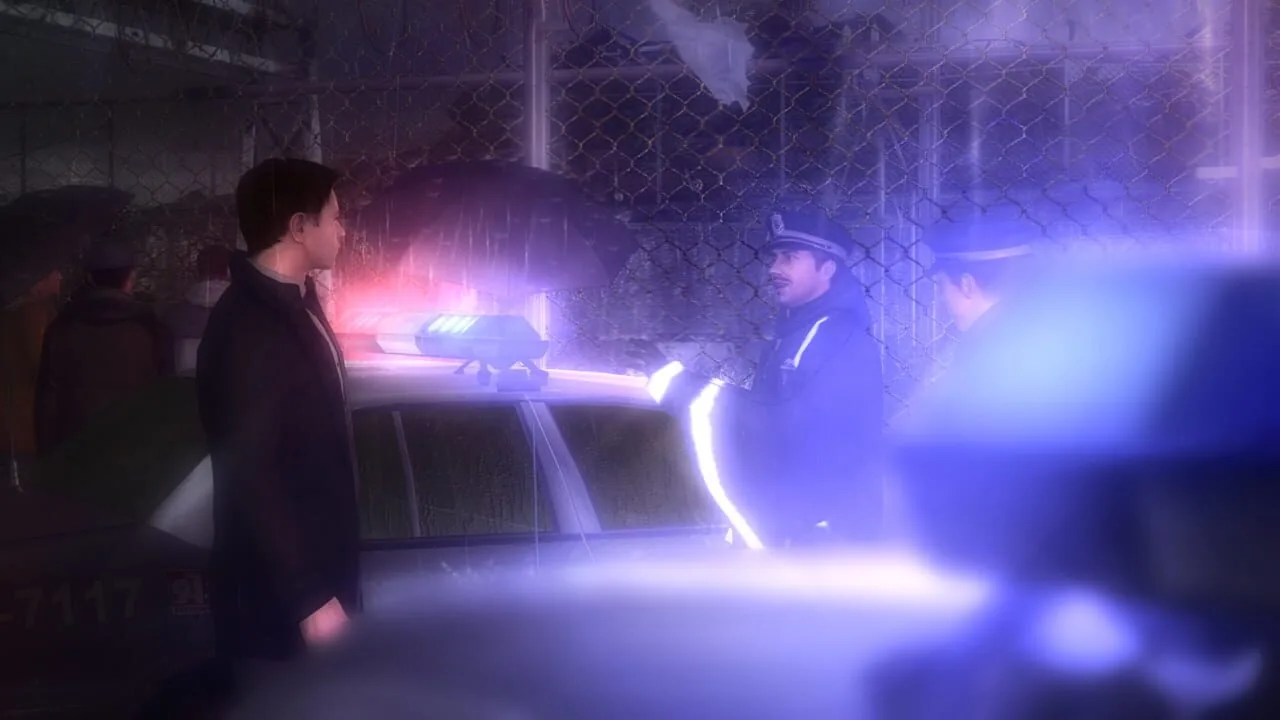
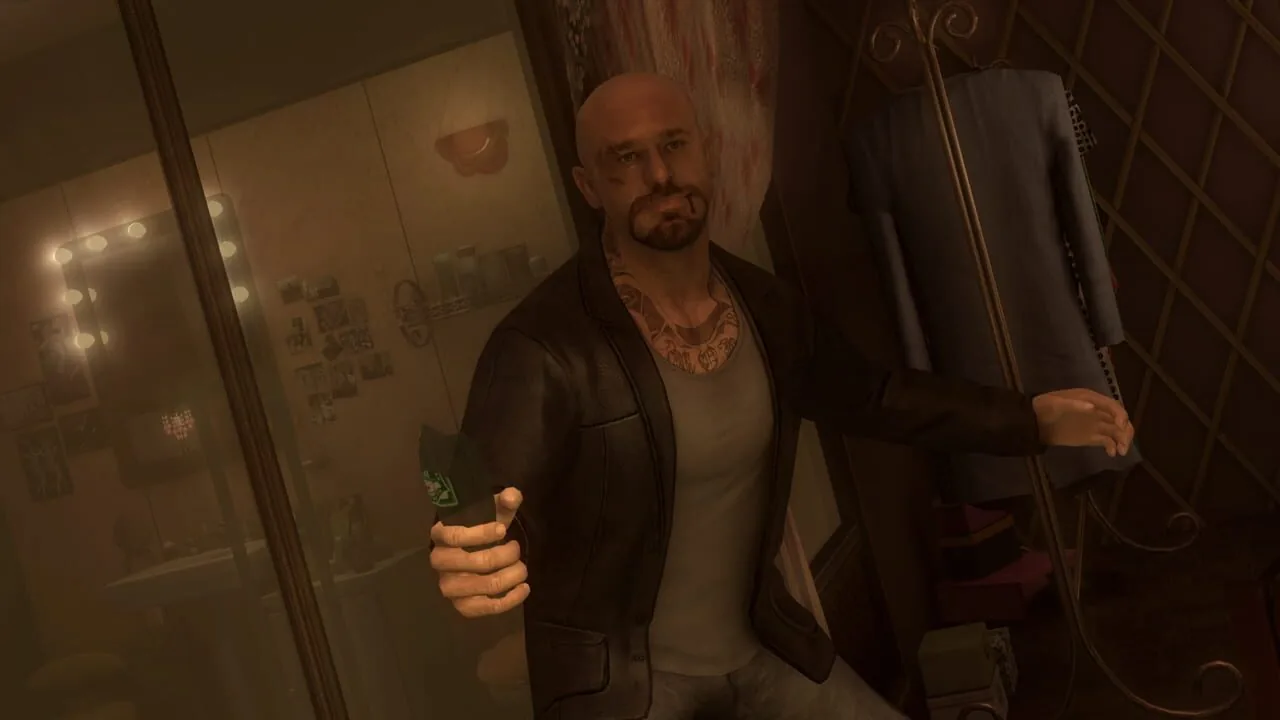
Heavy Rain is a cinematic thriller from Quantic Dream, and David Cage wrote a 2,000-page script for it and directed through four years of development. Composer Normand Corbeil gave the four leads their own sound, with a piano for Ethan Mars and a chamber orchestra for Madison Paige. You steer the story with controls that critics said helped build the characters' emotional states.
It sold 5.3 million copies by January 2018, so this one is not a secret. What gets overlooked is the game itself, because many people wave it off as a movie you press buttons for. Critics called it emotional and well written, and some faulted the voice acting and plot inconsistencies. If you skipped it for that reason, play it as a story you steer.
17. Enslaved: Odyssey to the West (2010)
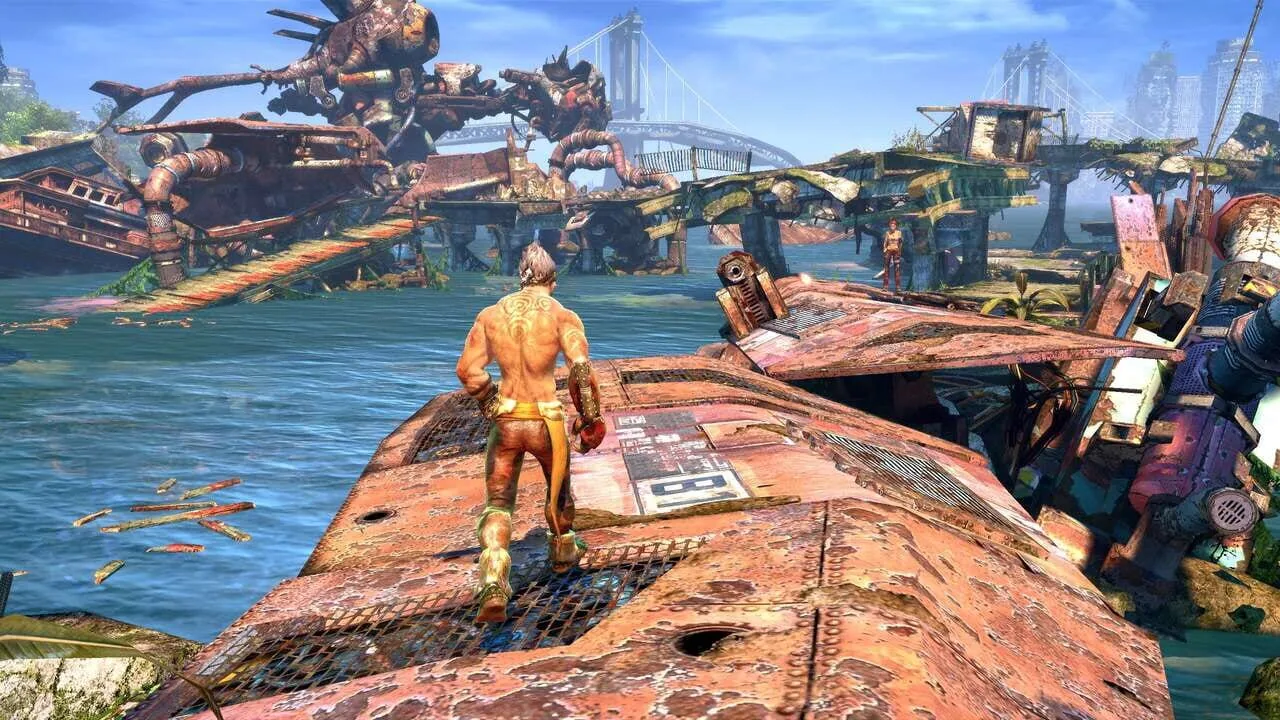
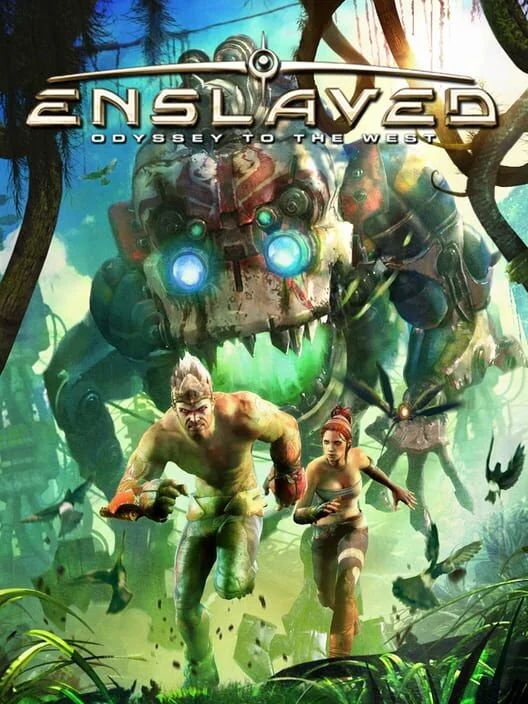
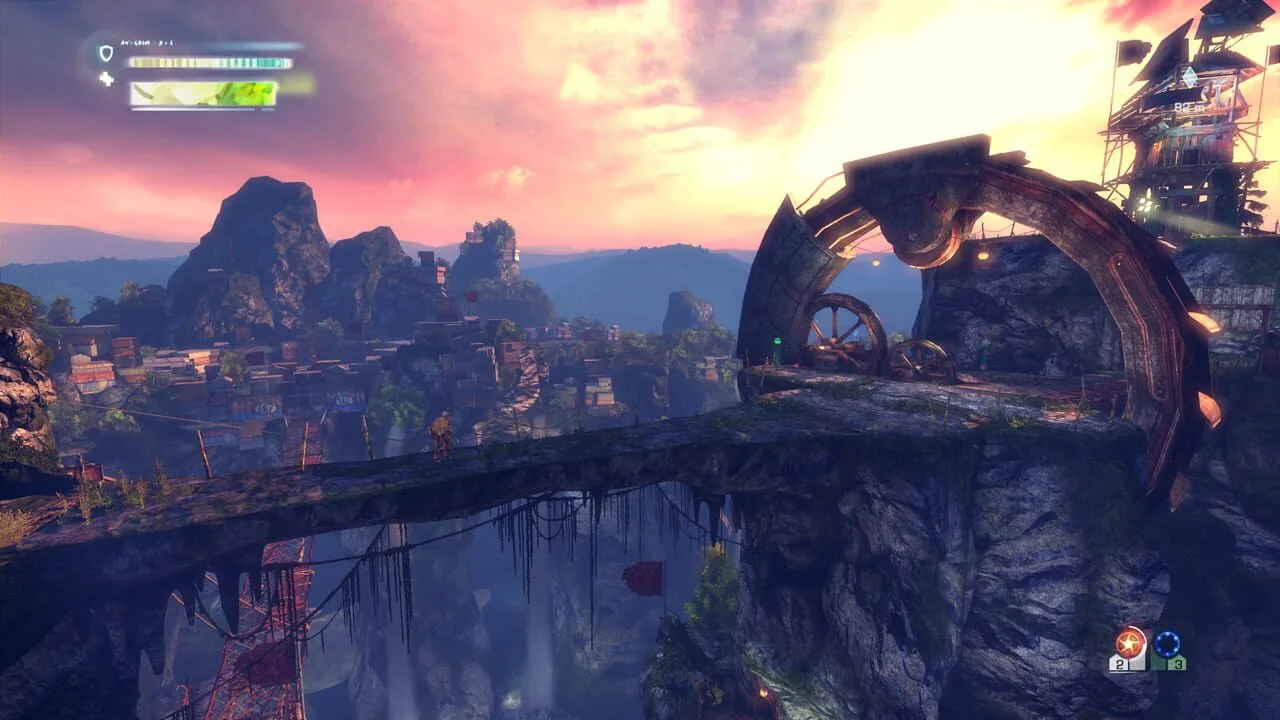
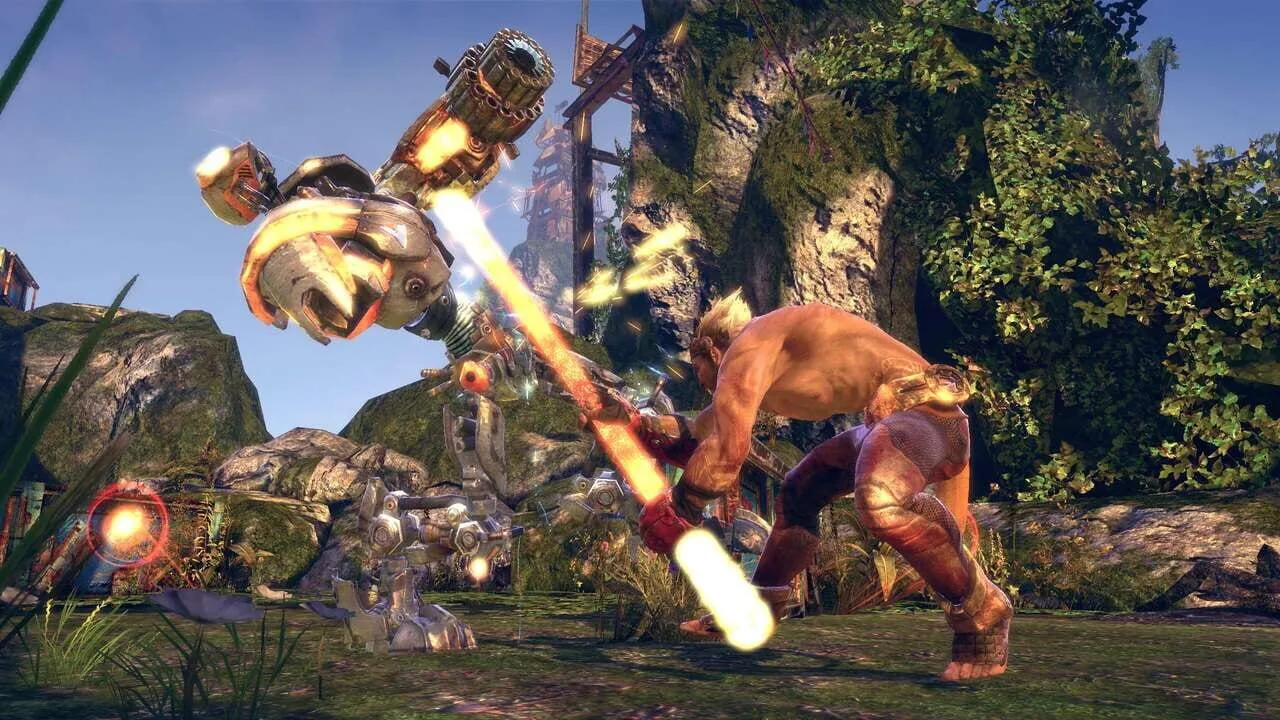
Enslaved is a post-apocalyptic adventure set 150 years after a war, in ruins that still have active war machines. Monkey climbs and leaps across them with Trip, and the game takes its tone from Ico, which inspired how the two leads relate. Andy Serkis did the performance capture, and Alex Garland worked on the script.
Reviews were generally positive, with praise for the world design and Serkis' performance, though critics marked down the gameplay and some technical problems. It still failed commercially. Sales missed what Namco Bandai expected, and a planned sequel was cancelled. A complete version with all the downloadable content came out in October 2013. The result is a game with a fine script that never found enough buyers.
16. Afro Samurai (2009)
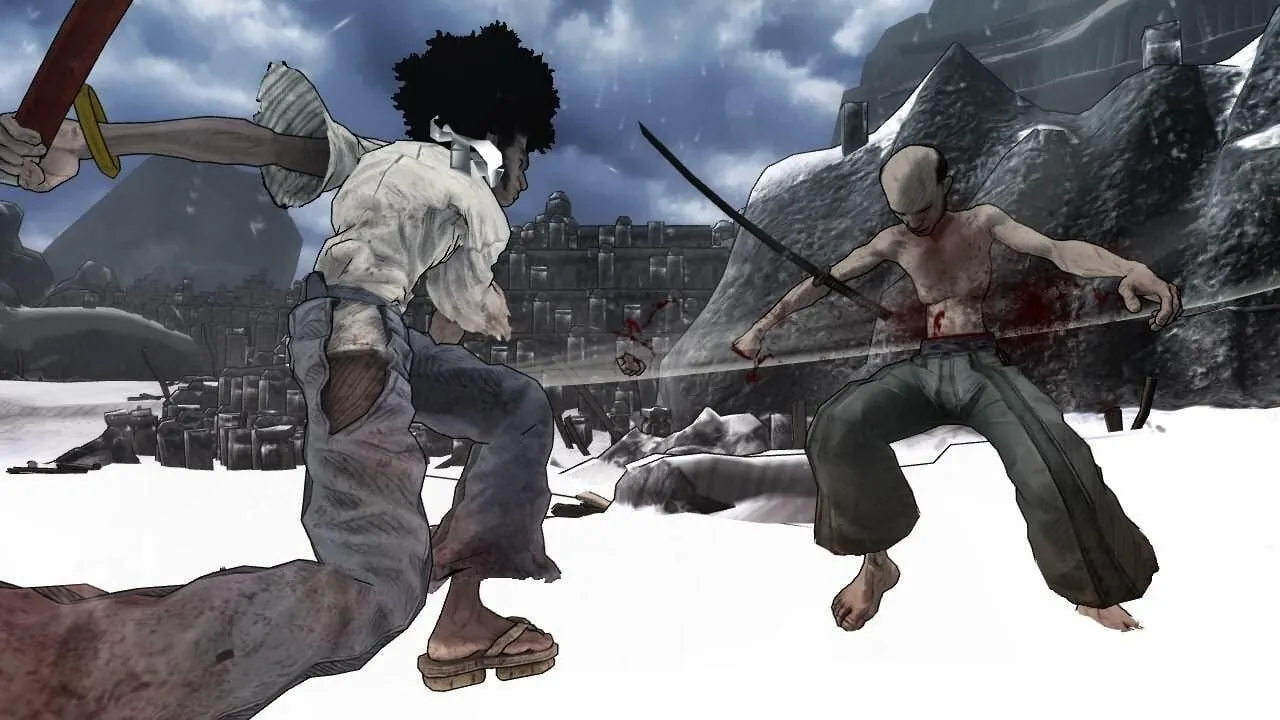
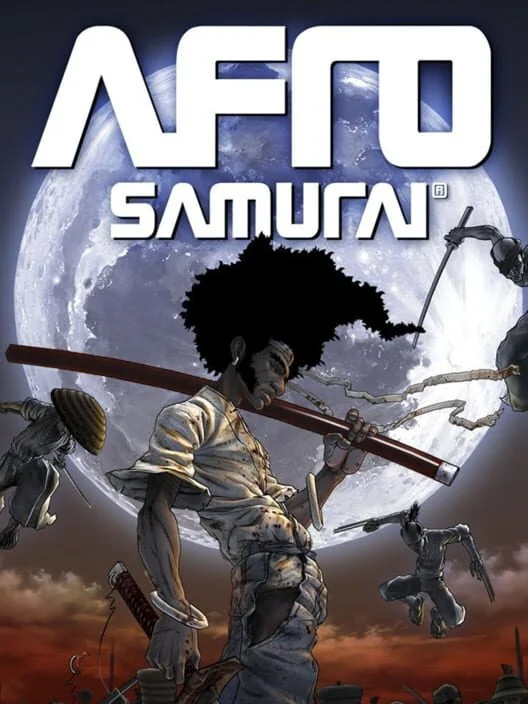
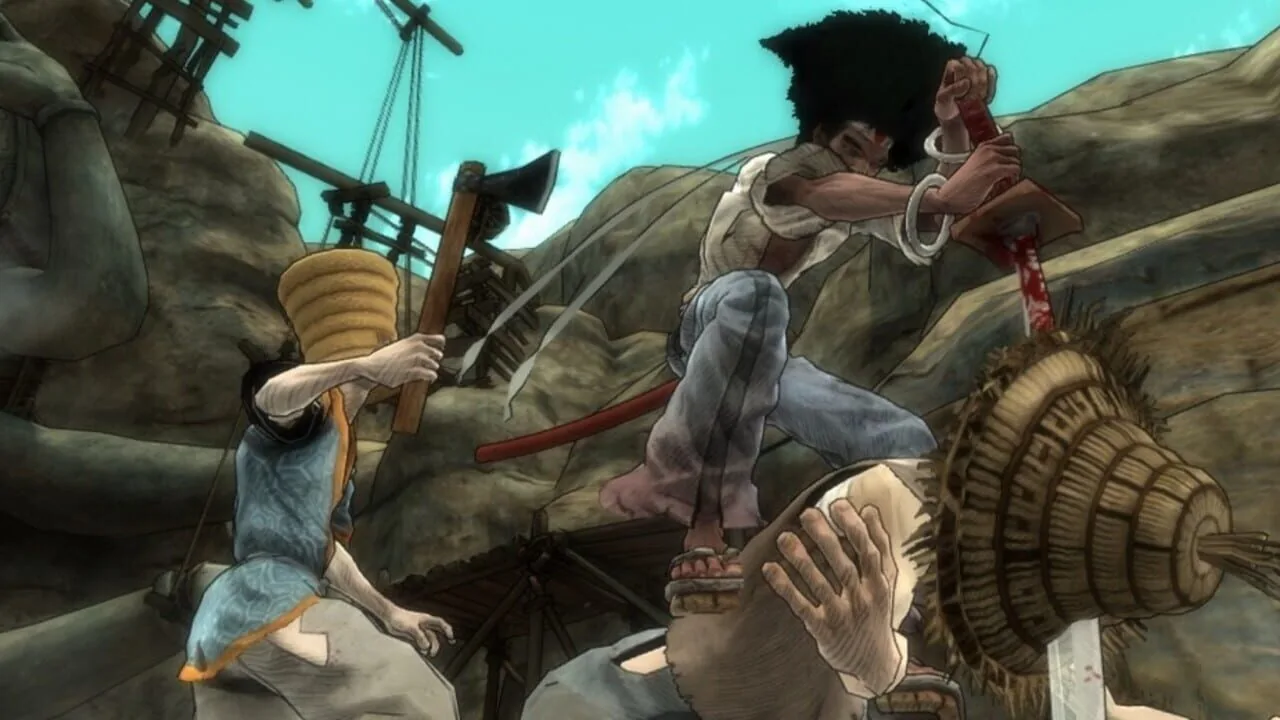
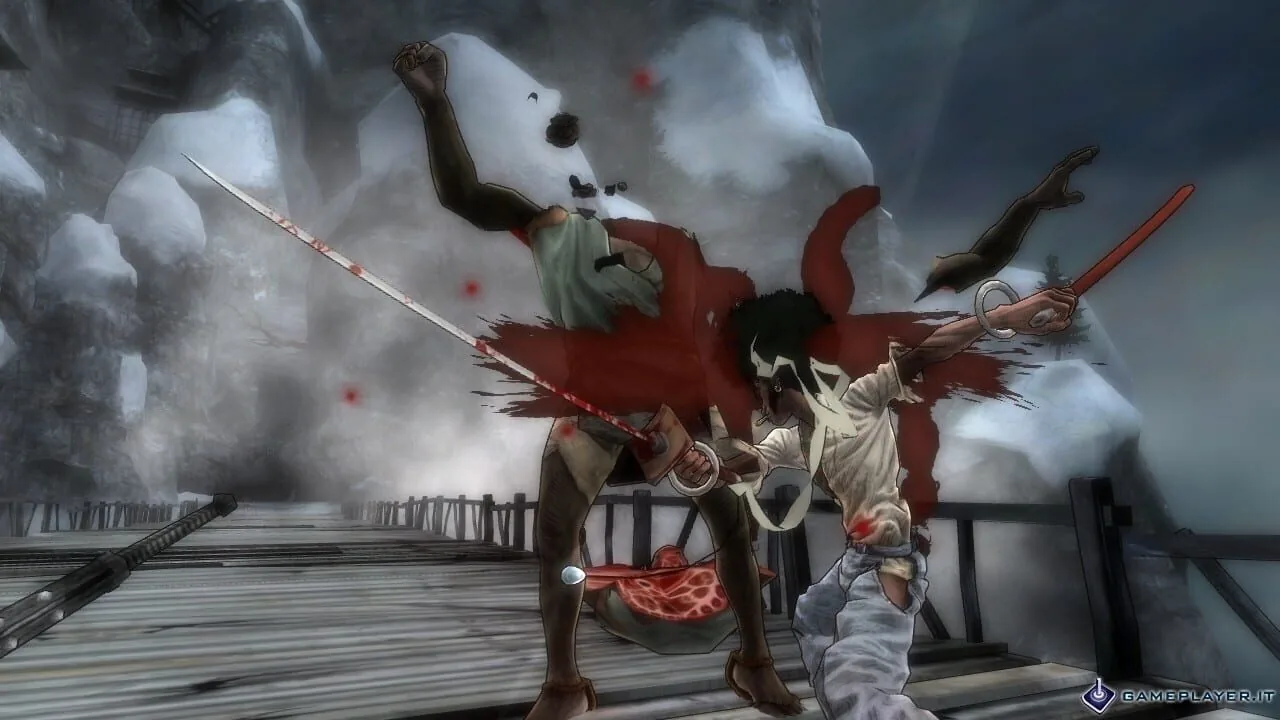
Afro Samurai is a 3D brawler with some platforming, loosely based on the manga and anime of the same name. You fight with light hits, power hits, kicks and blocks, and most levels end in a boss fight. The anime's voice actors play their own characters, and hip hop producer RZA made the soundtrack. For some players that is the whole pitch.
Namco Bandai pulled it from the PlayStation Store and Steam in November 2015, and the planned volumes 2 and 3 were cancelled after negative reception. That history explains why the game is hard to find talked about. It has rough stretches, but the voice cast and the sound set it apart from the other brawlers on the system.
15. Resonance of Fate (2010)
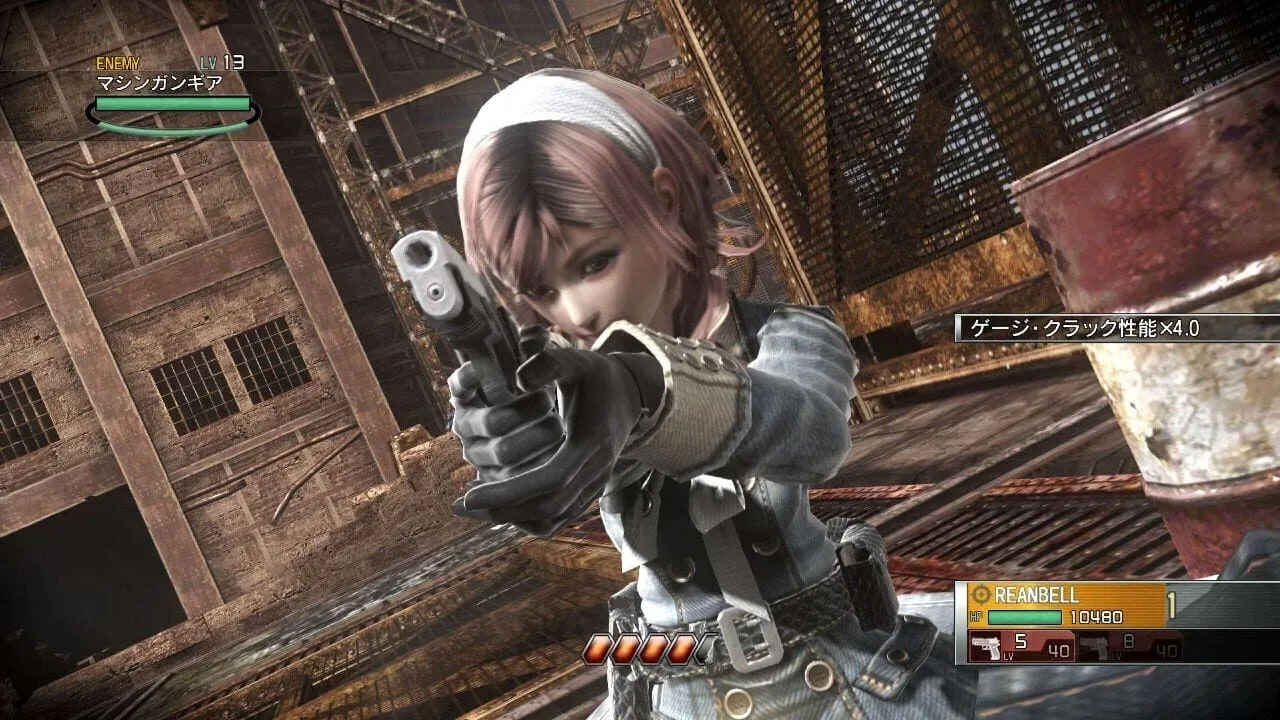
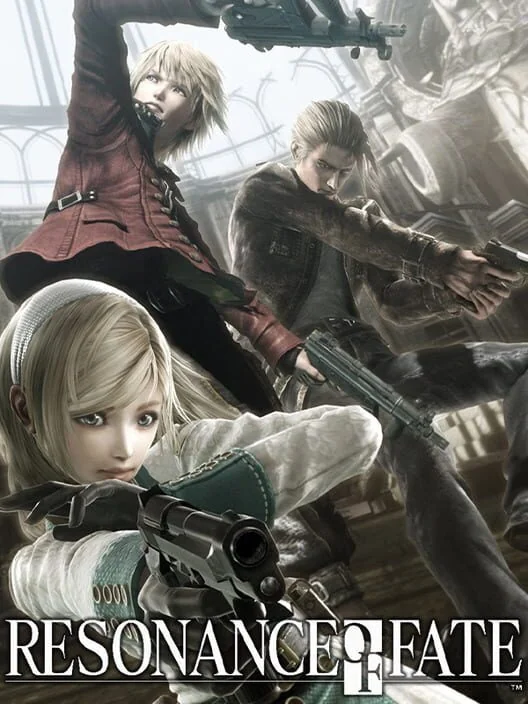
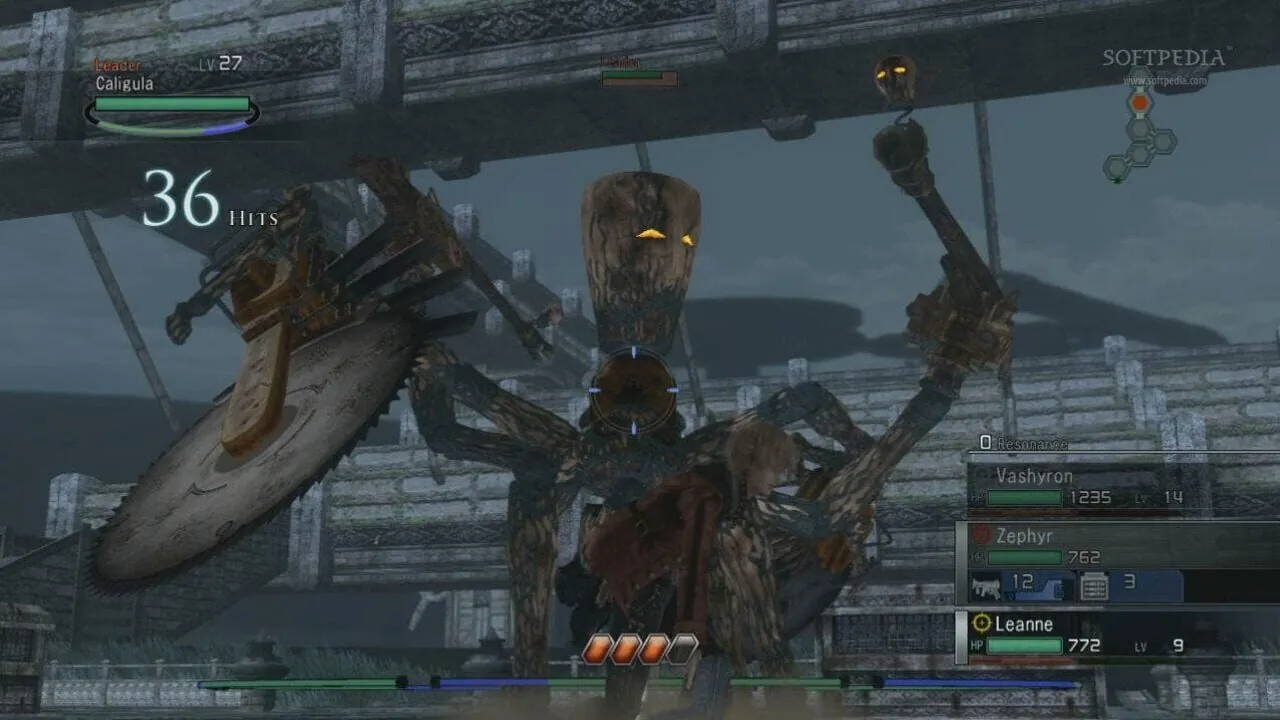
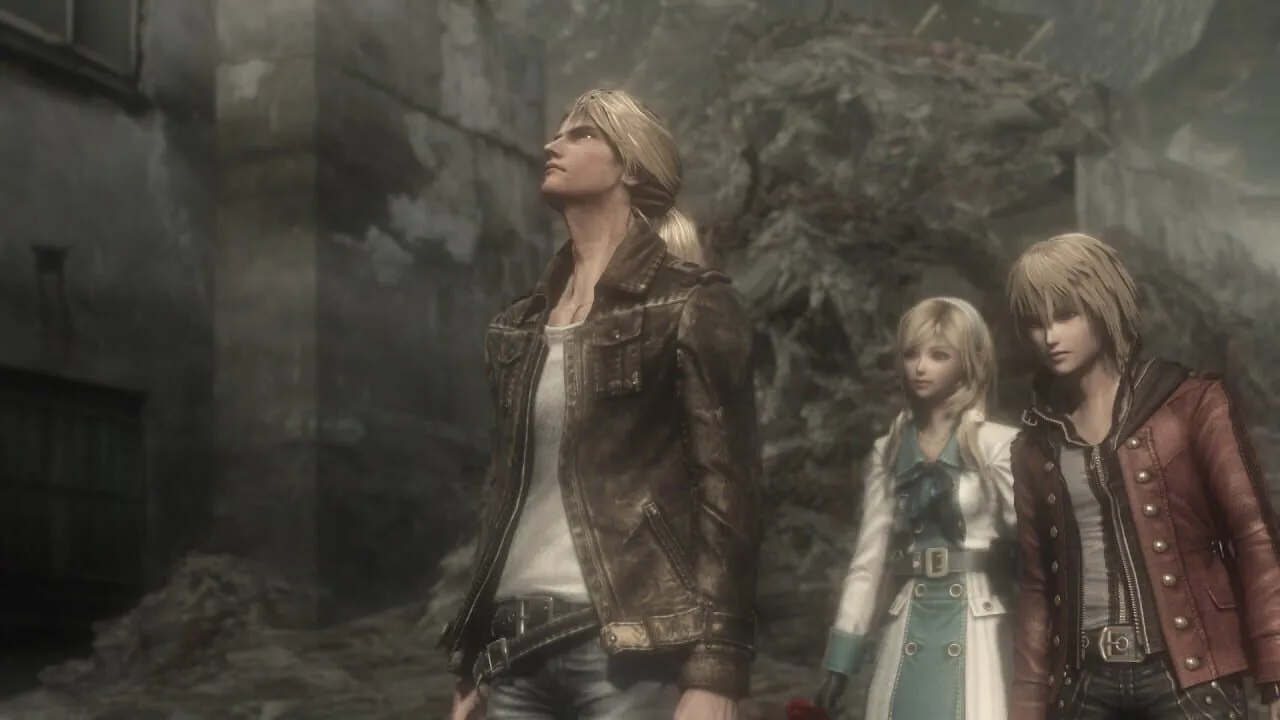
Resonance of Fate is a science fiction role-playing game from tri-Ace and Sega about three mercenaries who take odd jobs in the city of Basel. Its battle system is built on two kinds of damage. Sub-machine guns only deal scratch damage, which pistols and grenades have to convert into direct damage before an enemy goes down. You can also move freely around the battlefield or set paths for your characters to follow.
It was made with a Western audience in mind and was the first project tri-Ace and Sega worked on together. Players keep calling its battle system unusual, and that is also why it took patience. It was remastered for PlayStation 4 and PC in October 2018, which gave new players a second way in.
14. Remember Me (2013)
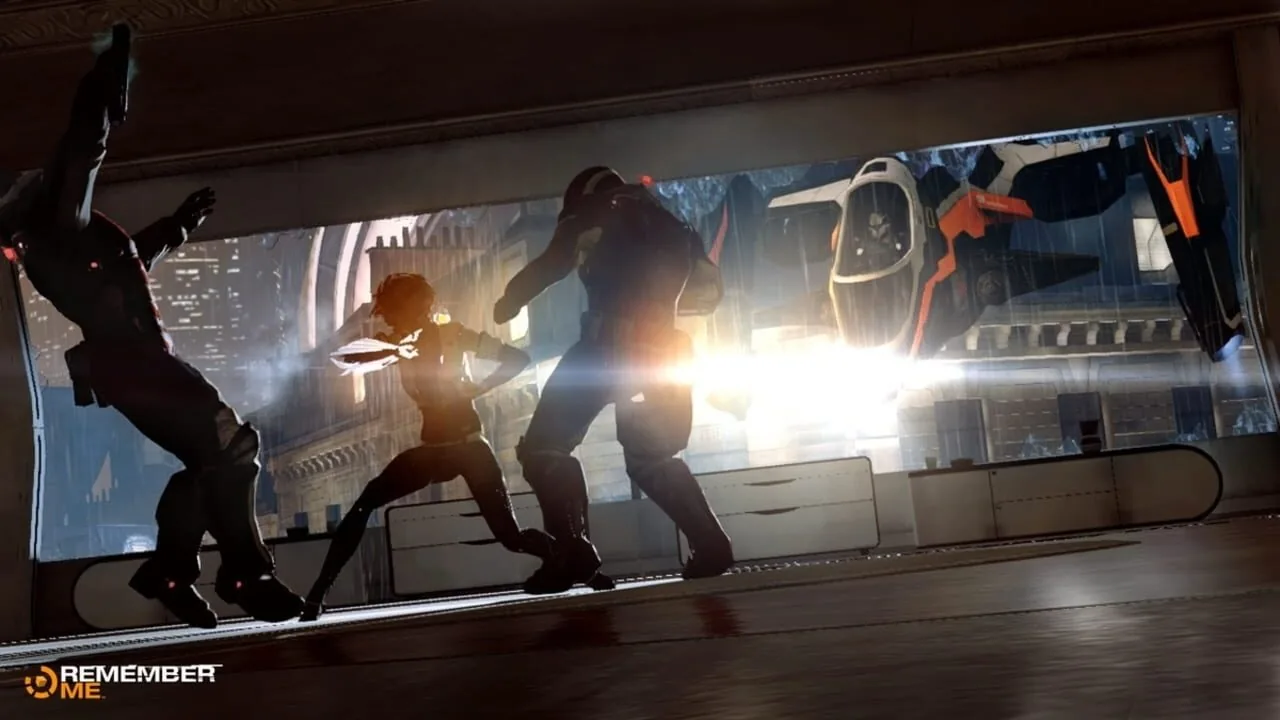
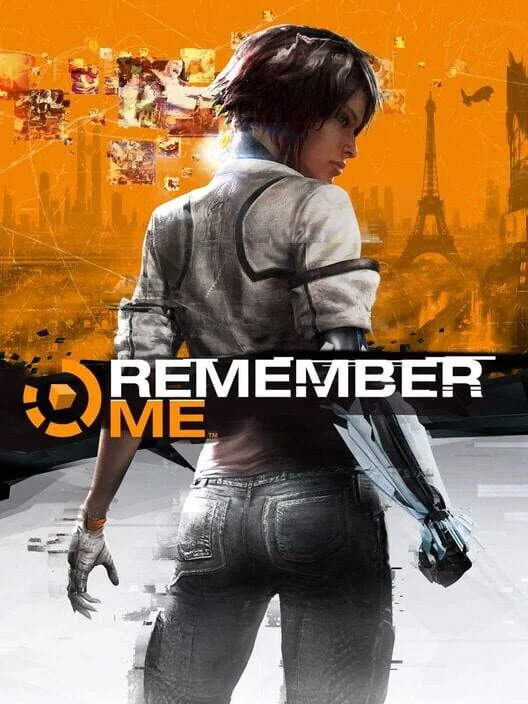
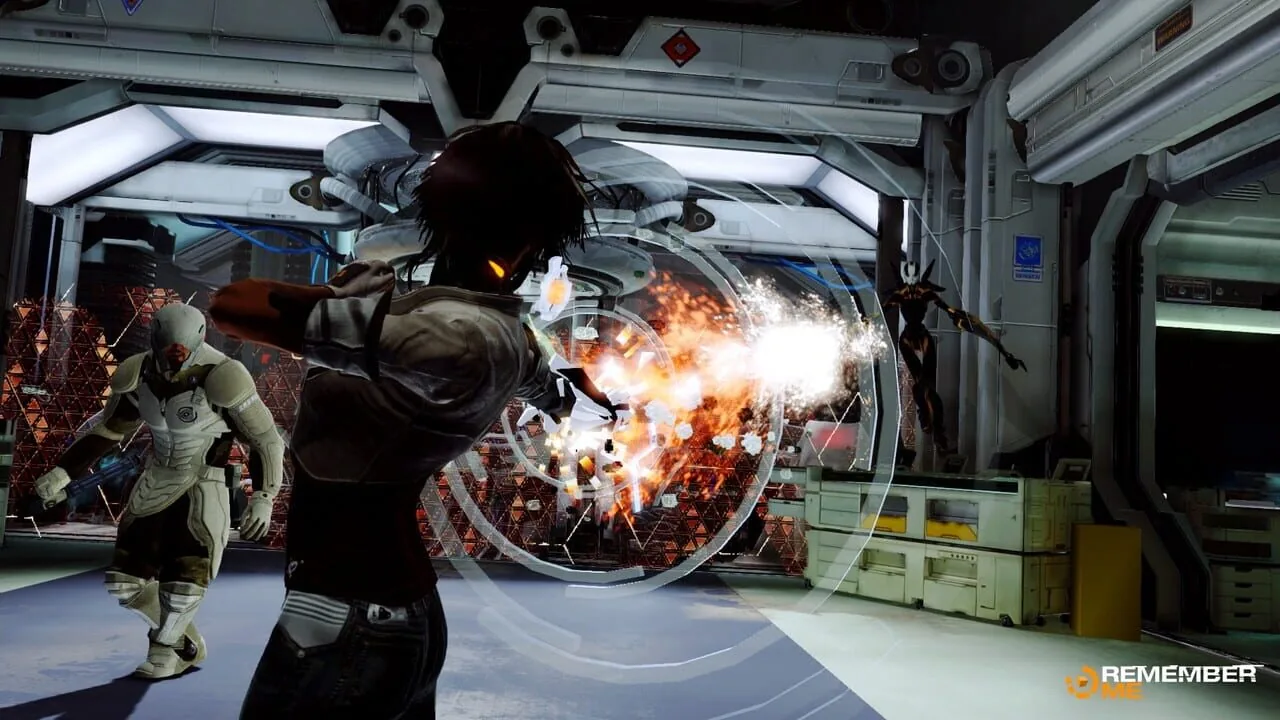
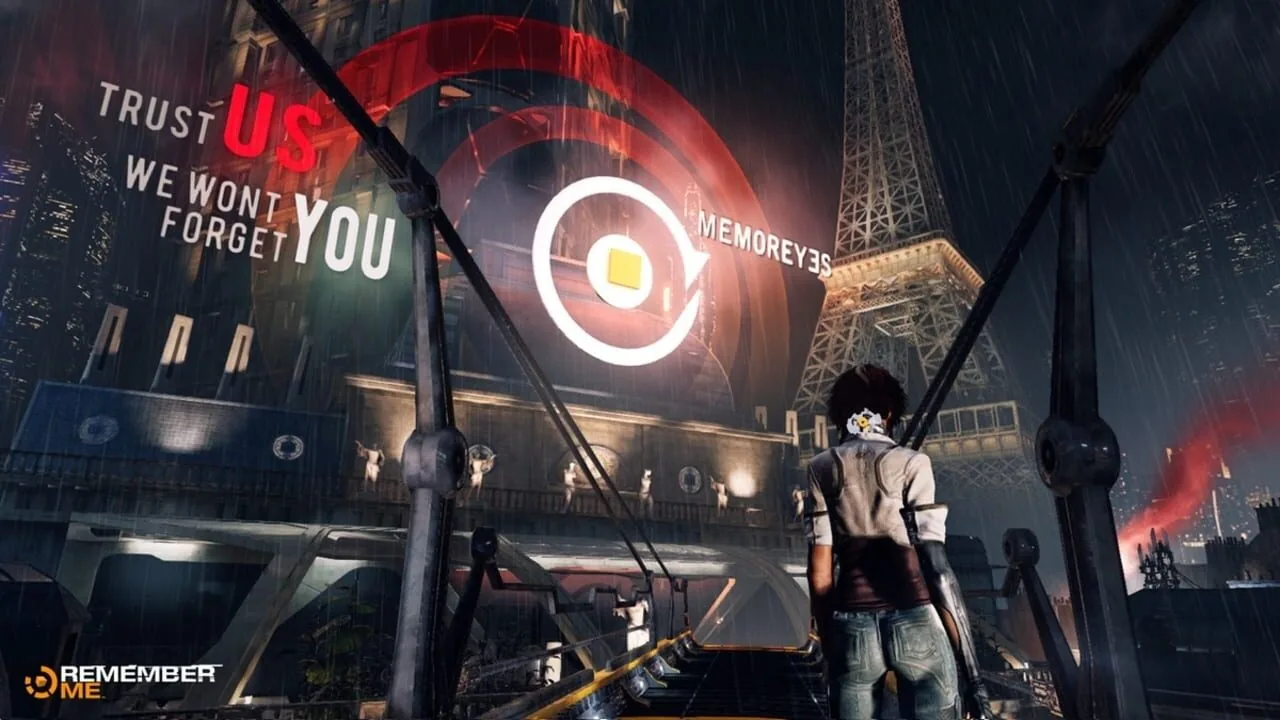
Remember Me was the first game from Dontnod Entertainment, an action adventure about Nilin, a memory hunter who can steal and even rewrite people's memories. It started as a PlayStation 3 exclusive called Adrift, was cancelled in 2011, and then Capcom bought it and turned it into a multiplatform release.
Reviews were mixed. Critics praised the Memory Remix segments and Olivier Deriviere's soundtrack, but they disliked the dialogue and thought the combos unlocked too slowly to matter until the last hours. Players keep recommending it anyway when the talk turns to games that deserved a better reception. It is easy to see the flaws, and just as easy to see why people want a second look.
13. Lollipop Chainsaw (2012)
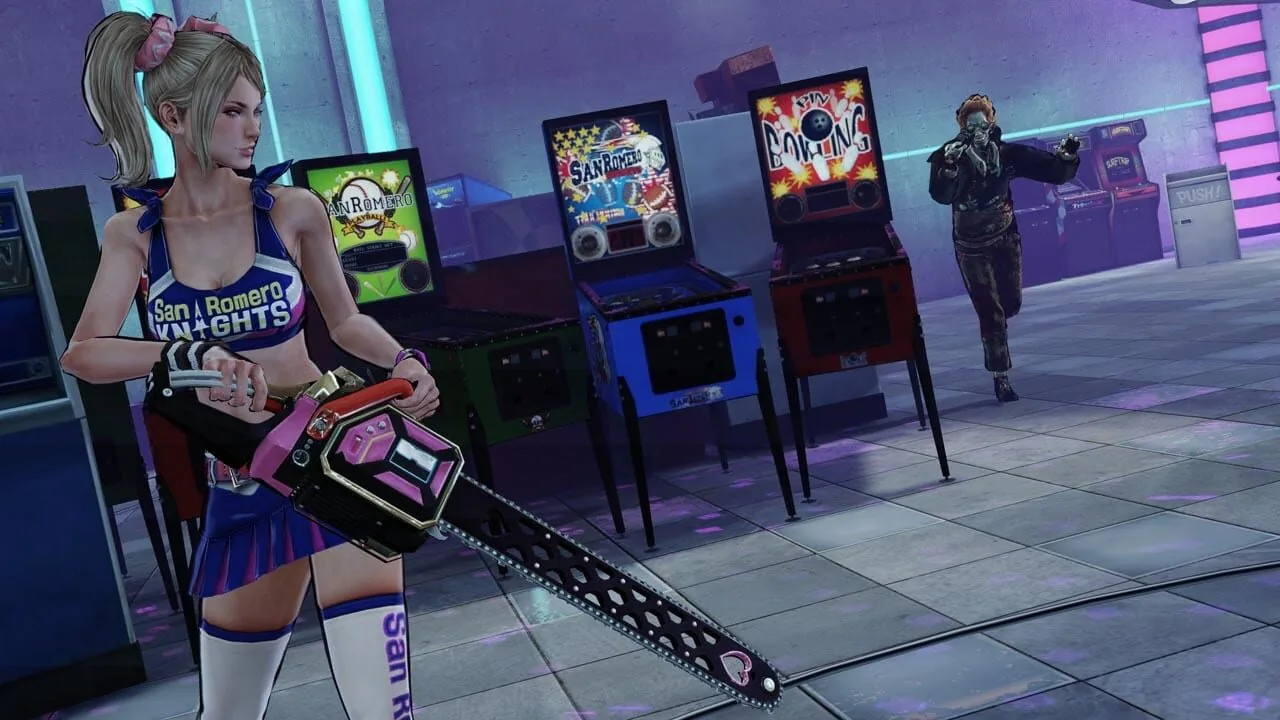
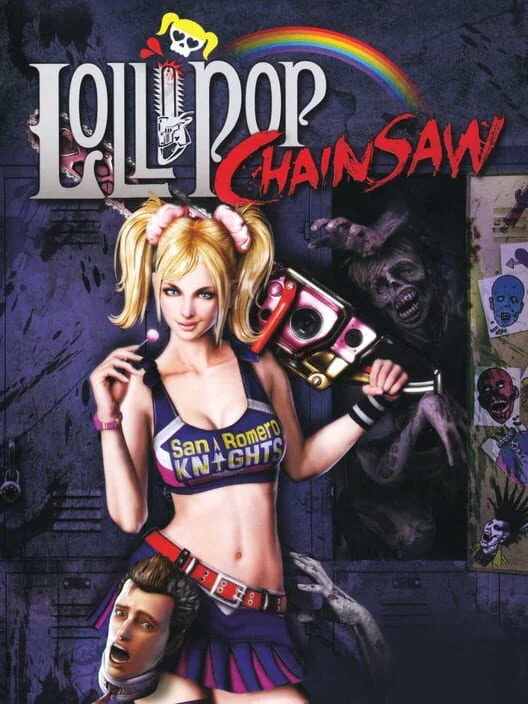
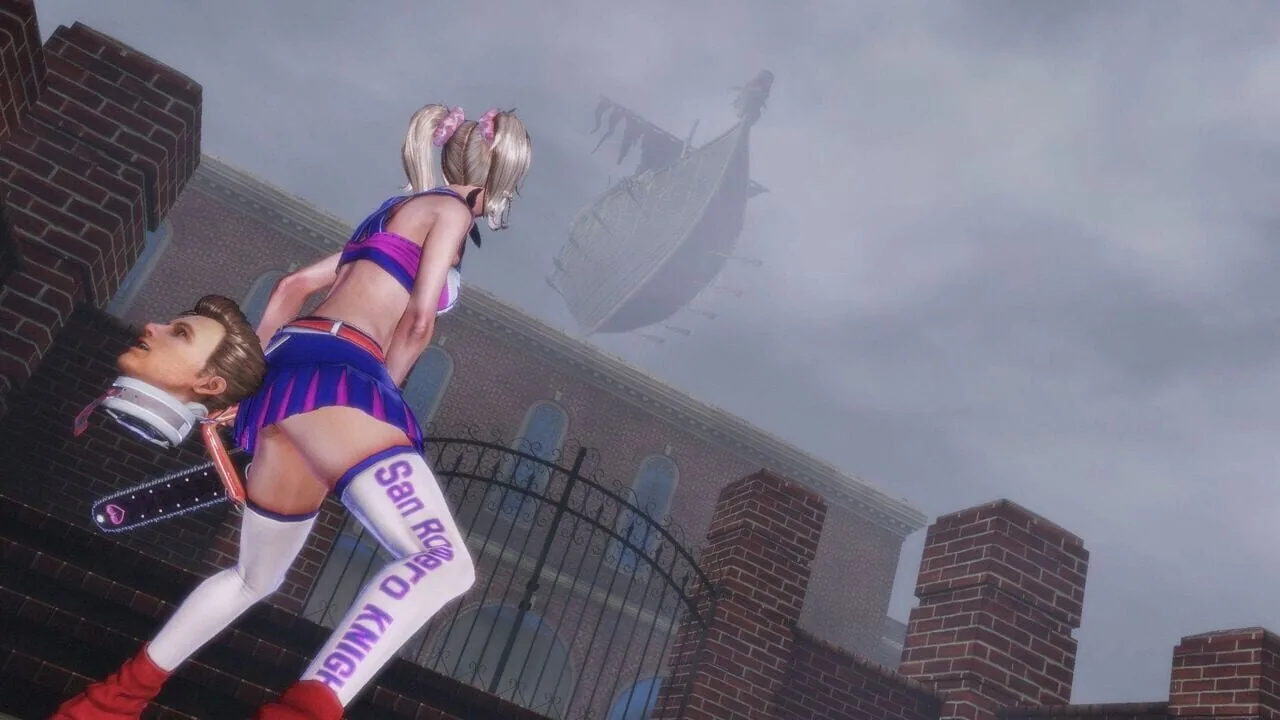
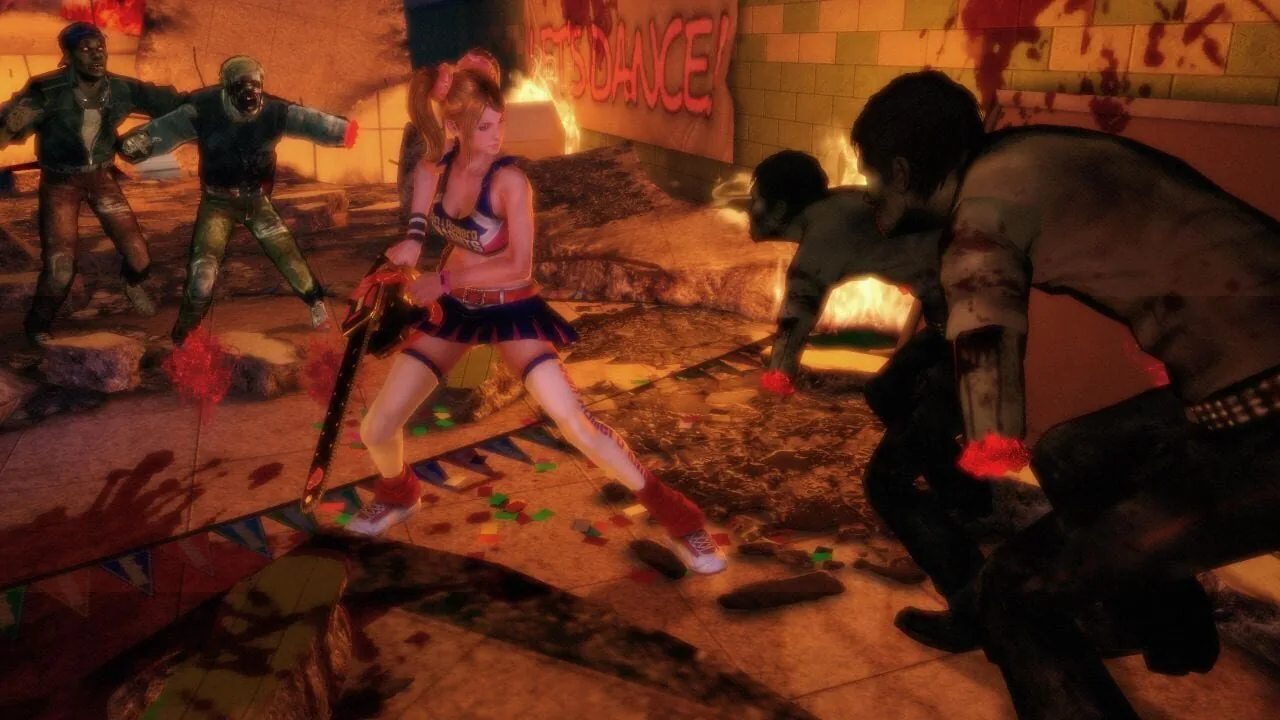
Lollipop Chainsaw follows Juliet Starling, a zombie hunter with a chainsaw, through a colossal outbreak. Suda51 and filmmaker James Gunn made it together. Kill three or more zombies in quick succession and you trigger Sparkle Hunting, the only combo system that sounds like a craft store. Platinum medals from those kills pay for unlockable costumes and music.
Japanese critics praised the combo-focused play and the satire, while Western critics found it repetitive with a crude story. That split is a good guide to who will enjoy it. Jimmy Urine of Mindless Self Indulgence composed the music for the boss segments, and a remaster called RePOP came out in 2024.
12. Shadows of the Damned (2011)
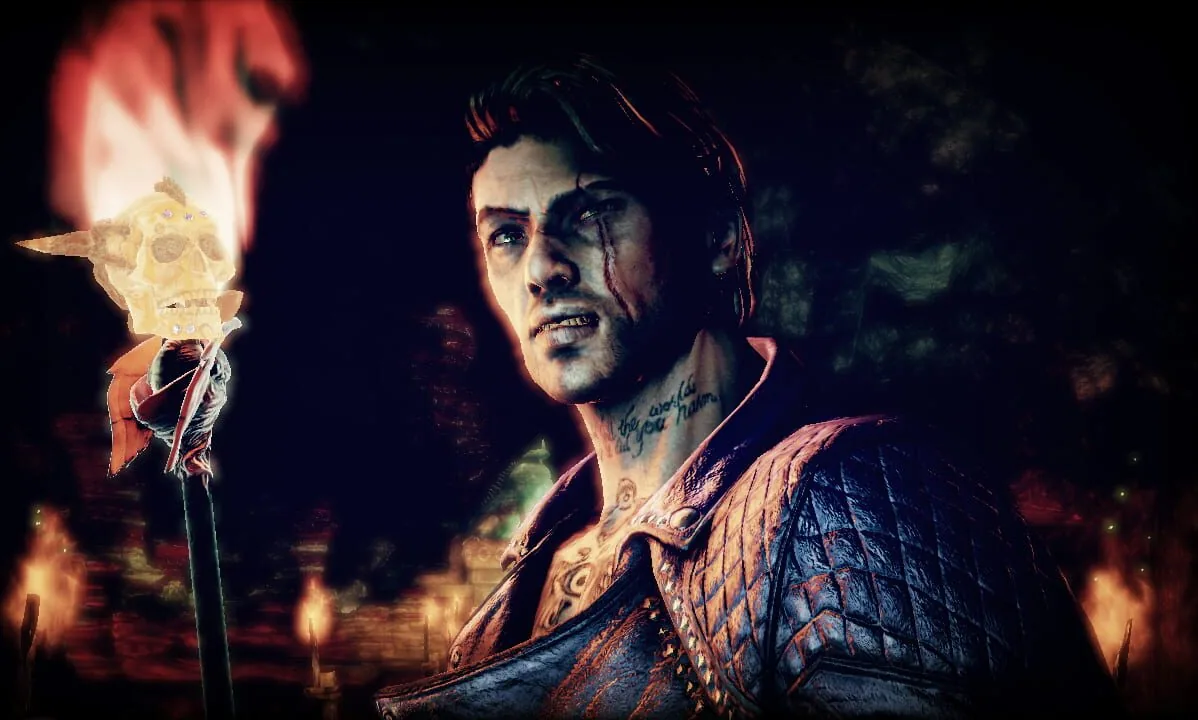
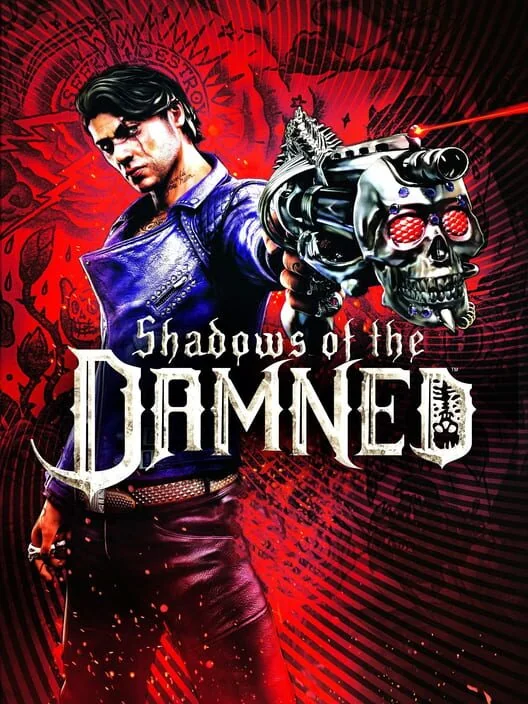
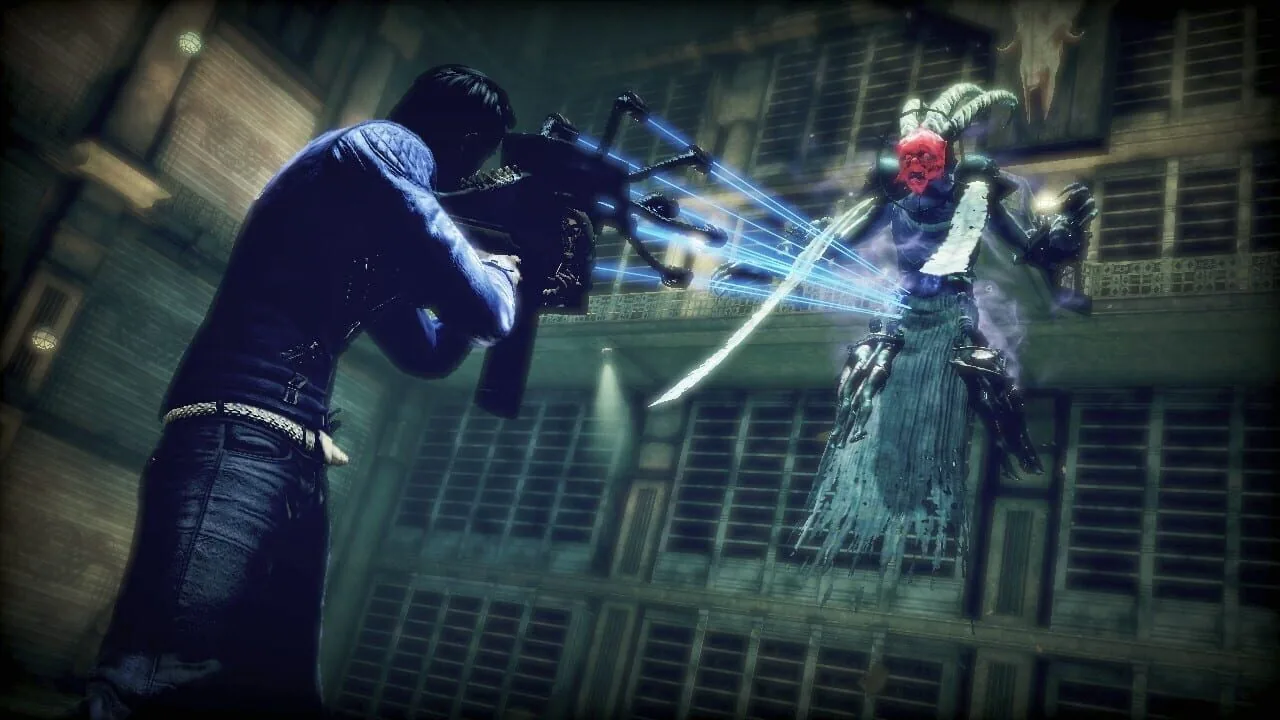
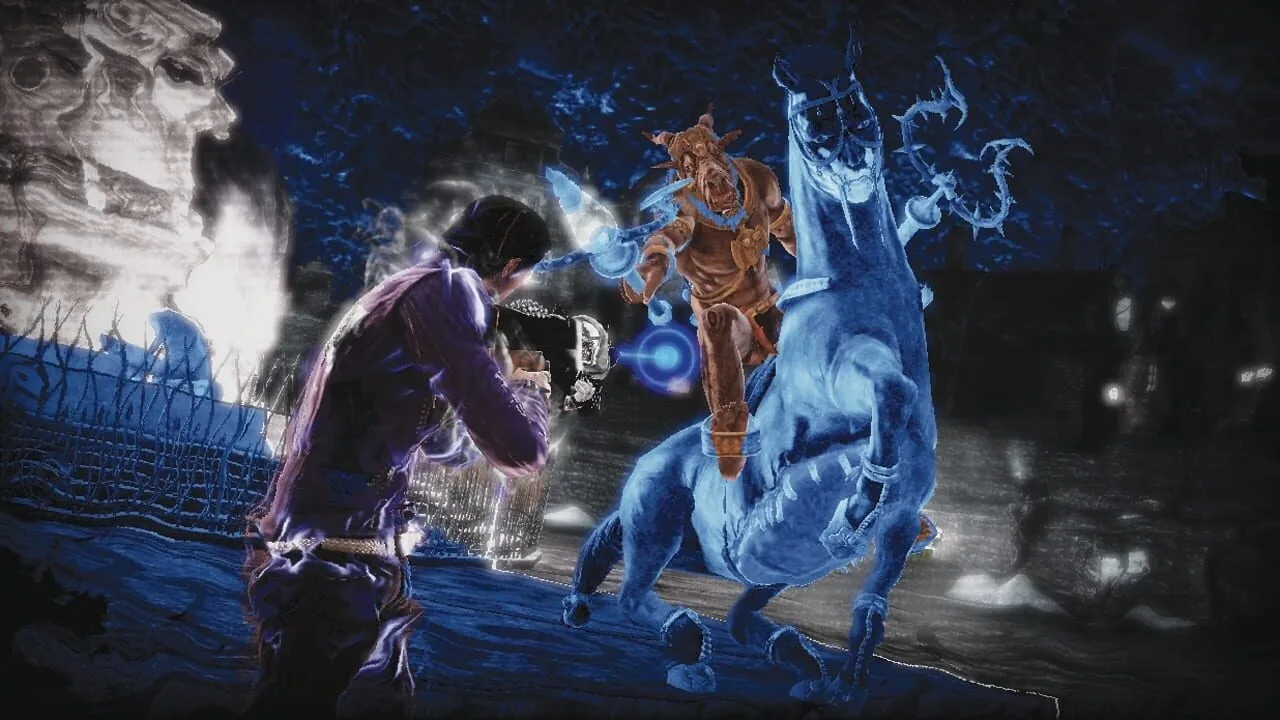
Shadows of the Damned is a third-person shooter set in hell, written by Suda51, produced by Shinji Mikami and directed by Massimo Guarini. Some chapters turn into mini-games, like a sidescroller, and a few puzzles can only be solved while Garcia stands in the darkness. The original plan had him starting shirtless and without a gun.
Development was hard on everyone involved. Suda later said it had been a huge challenge, and Mikami thought he was never comfortable making it. One critic found the characters, storybooks and music more memorable than the action, which is a fair summary of why it divides people. A remaster called Hella Remastered came out in October 2024 and gave the game a new audience.
11. El Shaddai: Ascension of the Metatron (2011)
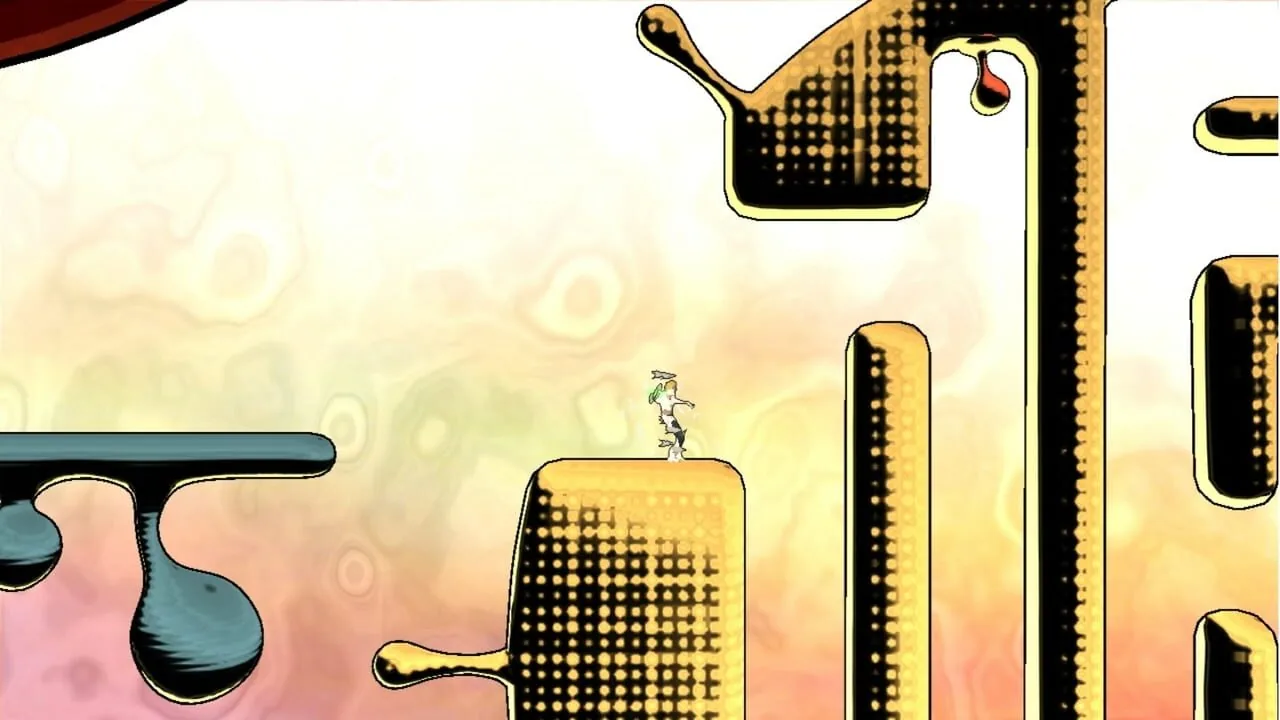
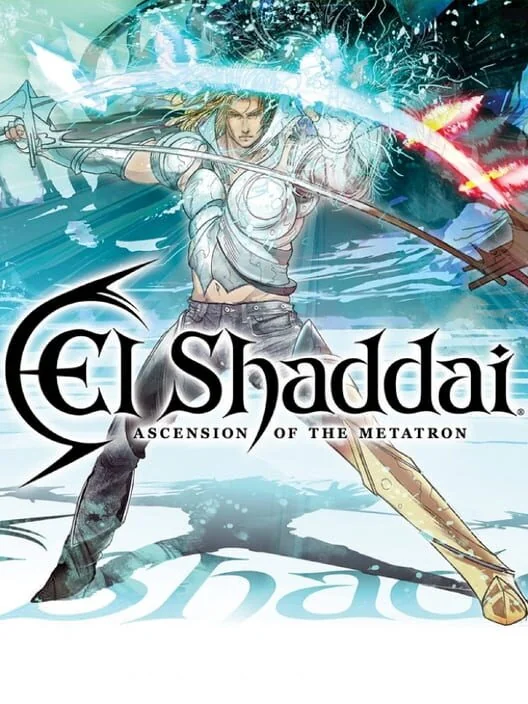
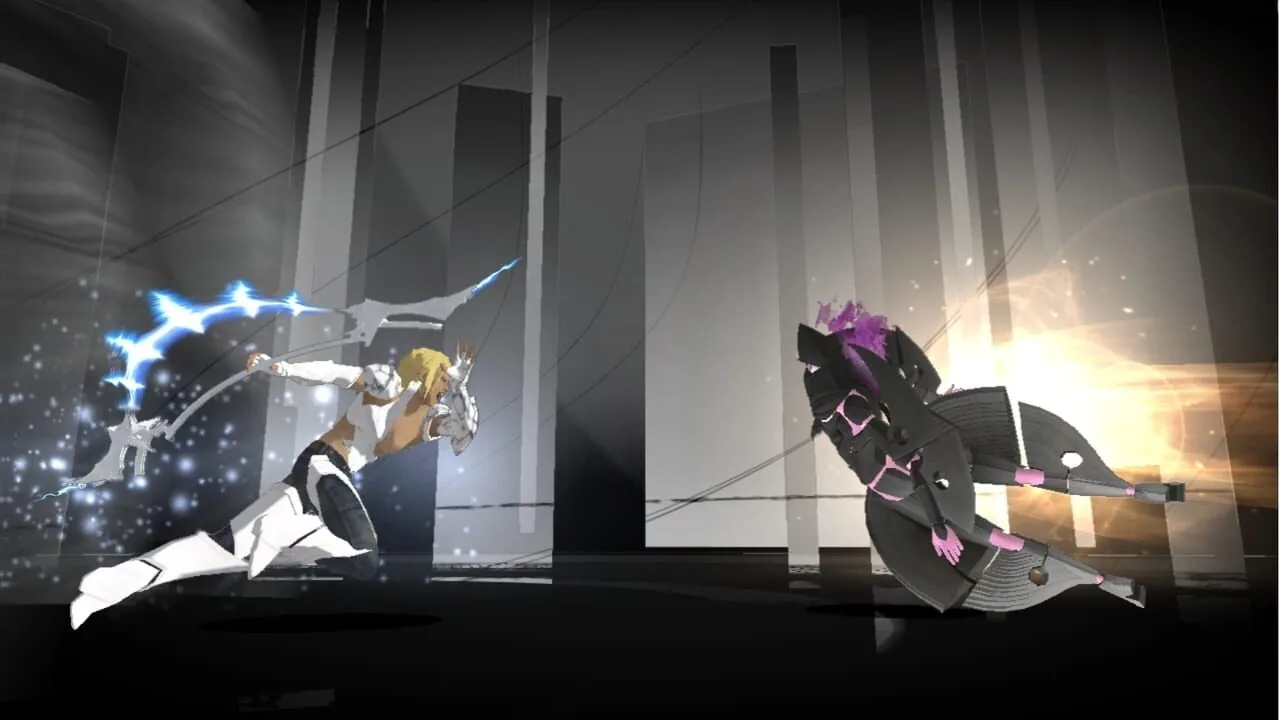
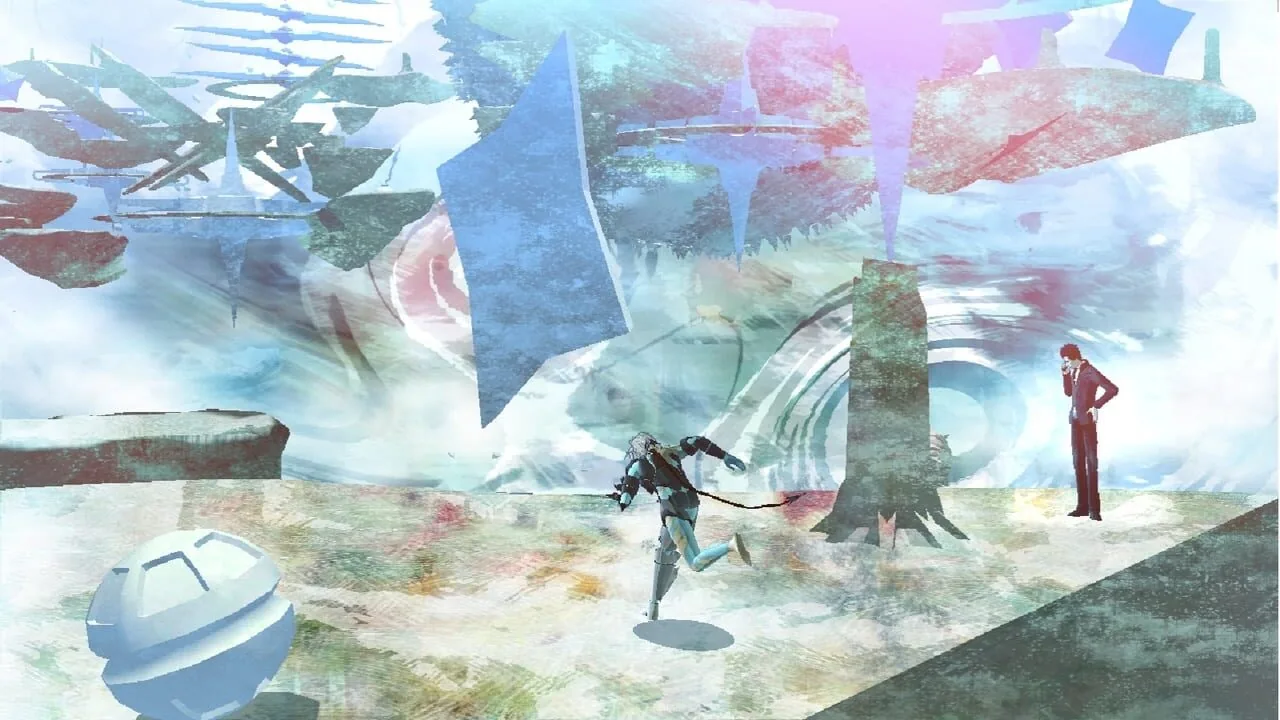
El Shaddai retells the apocryphal Book of Enoch. God sends the scribe Enoch to Earth to find seven fallen angels before the Council of Heaven floods the world. The look is the draw. Its simple contrasting colors were inspired by iPad advertisements, and the director had creative freedom to build the game around art and music.
Journalists praised the art design and music, but sales were low. Ignition Tokyo, the studio behind it, closed in 2011 shortly before release, and the planned sequels were dropped. The director later bought the rights in 2013 and followed up with The Lost Child in 2017 and Starnaut in 2025. A game that stubborn about being beautiful does not stay forgotten.
10. Spec Ops: The Line (2012)
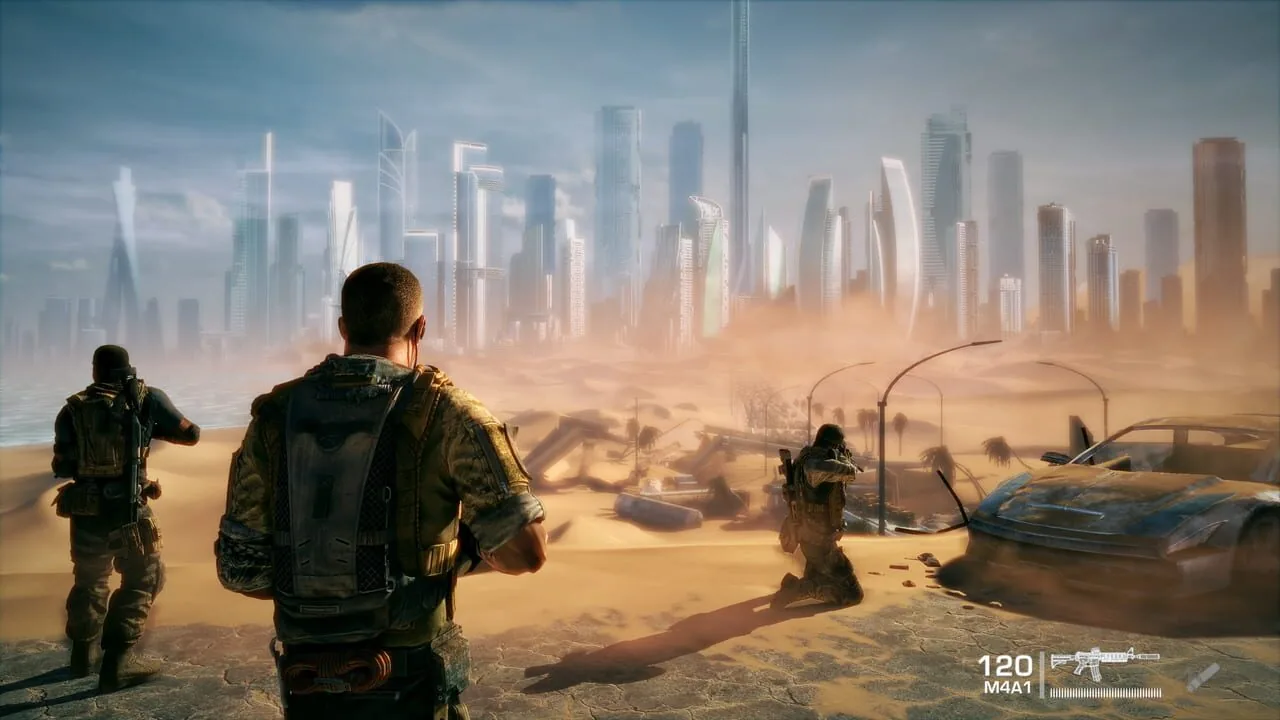
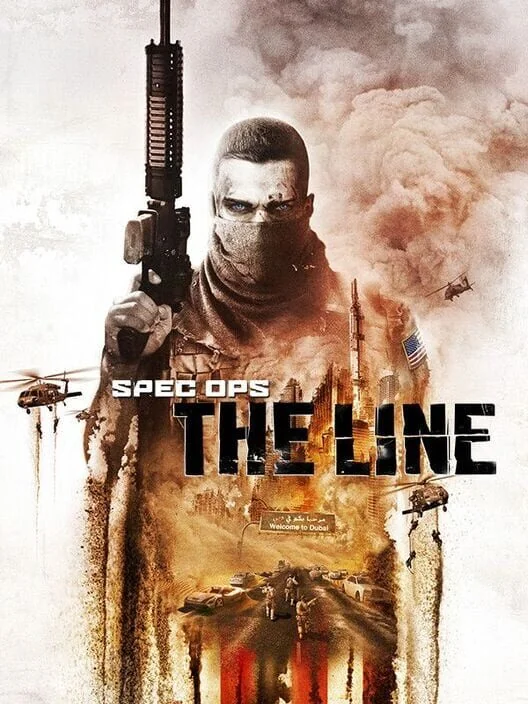
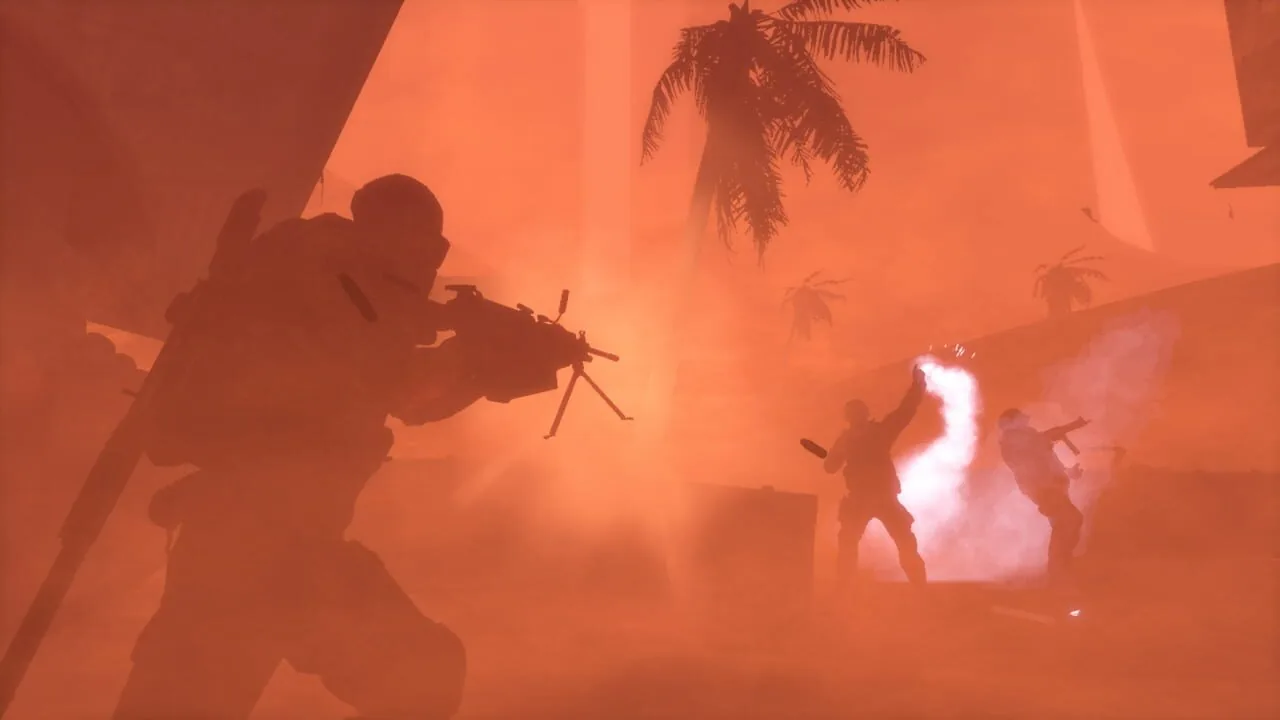
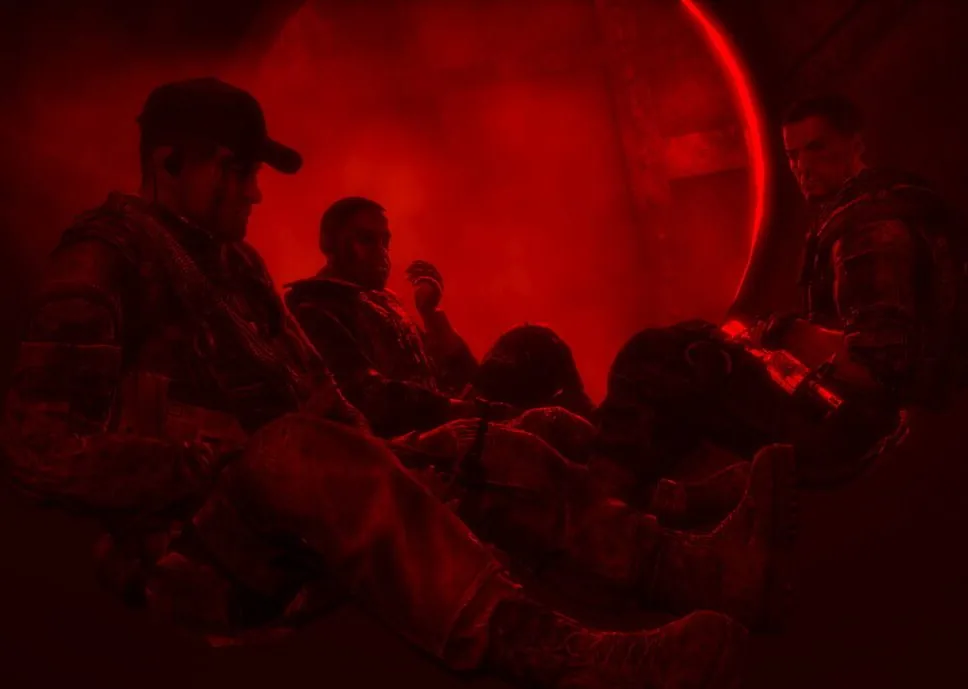
Spec Ops: The Line sends Captain Walker and two soldiers into Dubai to find survivors of the 33rd Battalion. Yager took inspiration for the setting and story from Joseph Conrad's Heart of Darkness and the film Apocalypse Now. Nolan North voices Walker. The game was delayed more than once, and the team used that time to refine the story.
Critics praised the narrative and its themes and faulted the multiplayer and parts of the gameplay. It was a commercial failure, and that ended the series. A cult following has grown in the years since, and licensing problems with its music got it delisted in January 2024. Players point to the story as the reason to play it. Fair warning: the game is not trying to cheer you up.
9. Vanquish (2010)
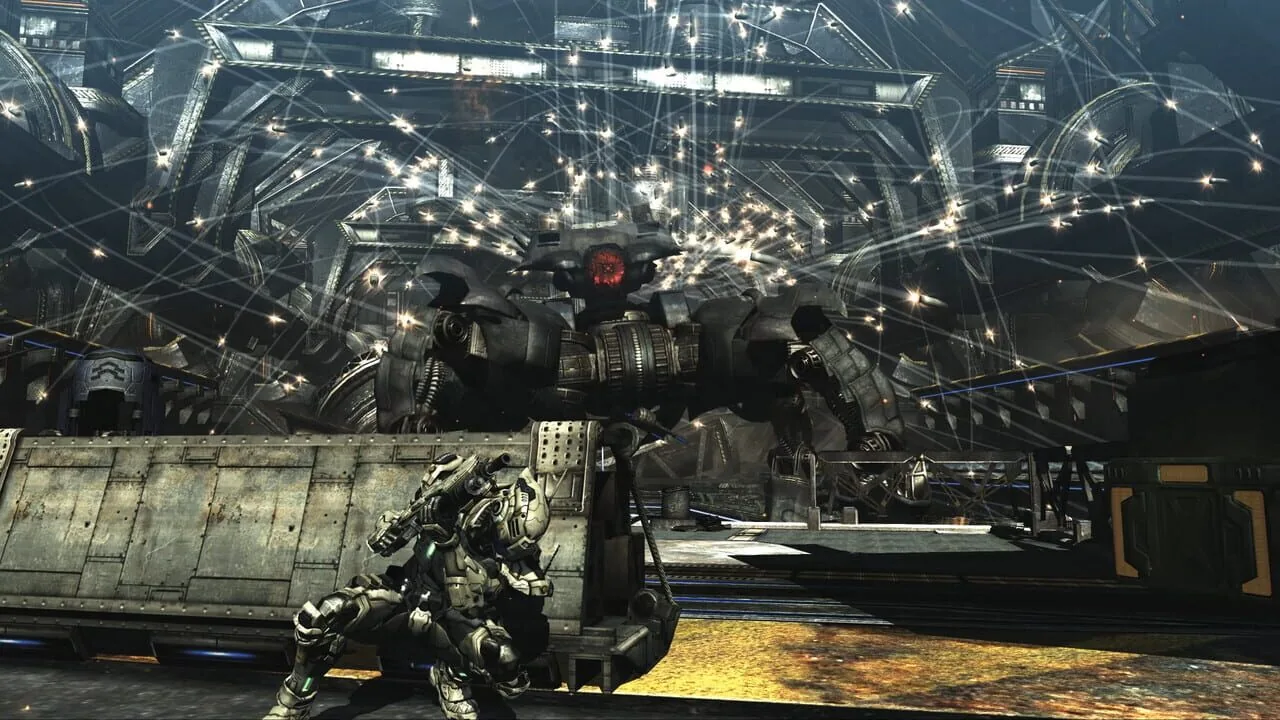
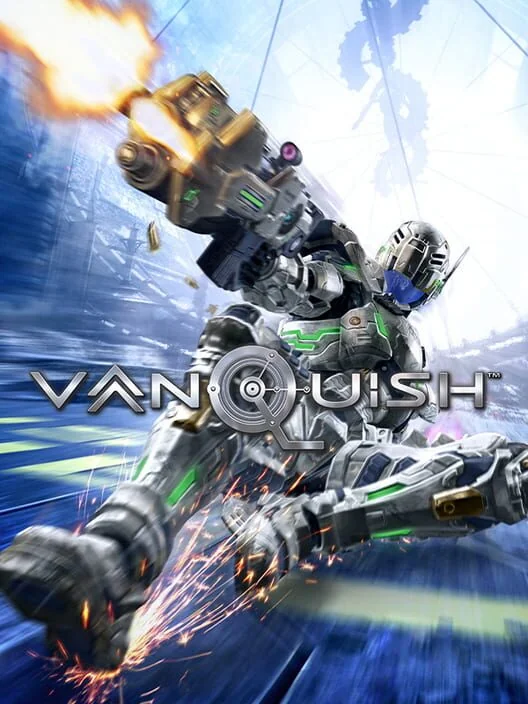
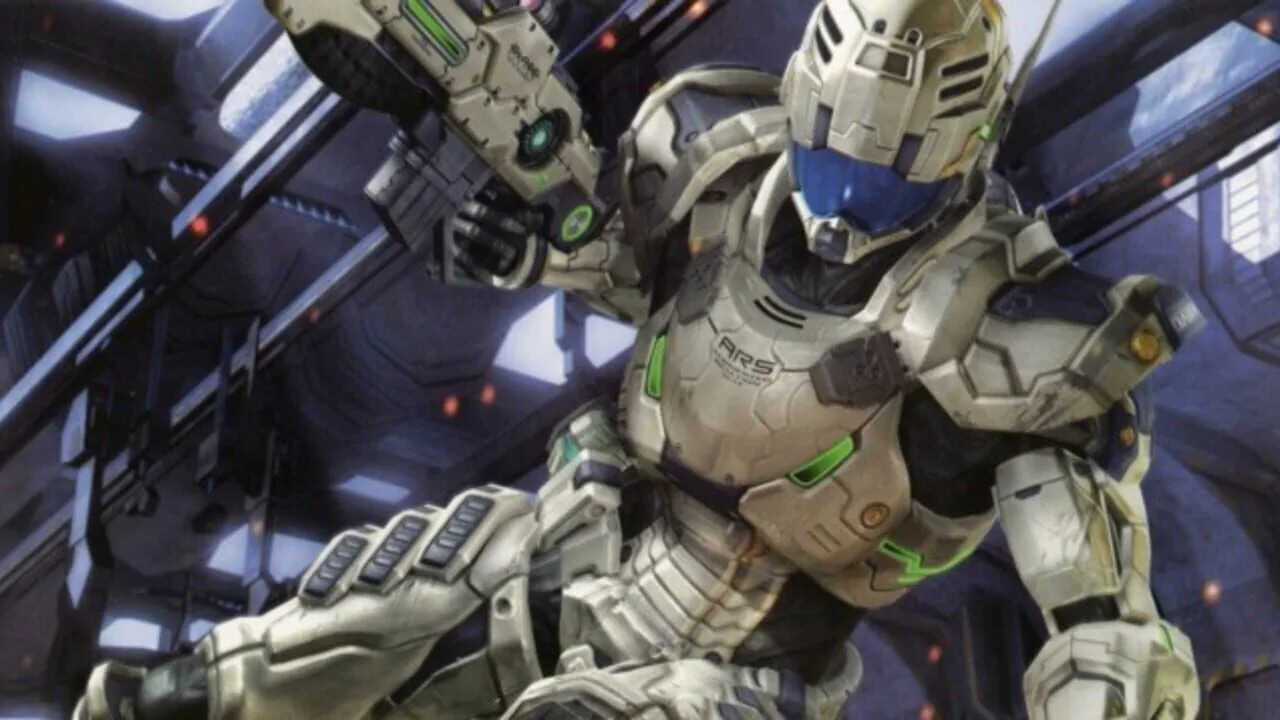
Vanquish is a shooter from Shinji Mikami and PlatinumGames. Sam Gideon wears a prototype Augmented Reaction Suit with jet boosters on his thighs. Mikami wanted the sense of speed of the 1970s anime Casshern, so he added a sliding boost. Bullets and missiles fly in from all directions like a bullet hell shooter, which keeps you moving from cover to cover.
It is estimated to have sold over a million copies worldwide, a decent number that still left it off most people's radar. The cover system is credited with taking the genre to the next level. It is short and single-player only. That works in its favor, because a game this fast is better at six hours than at twenty.
8. Folklore (2007)
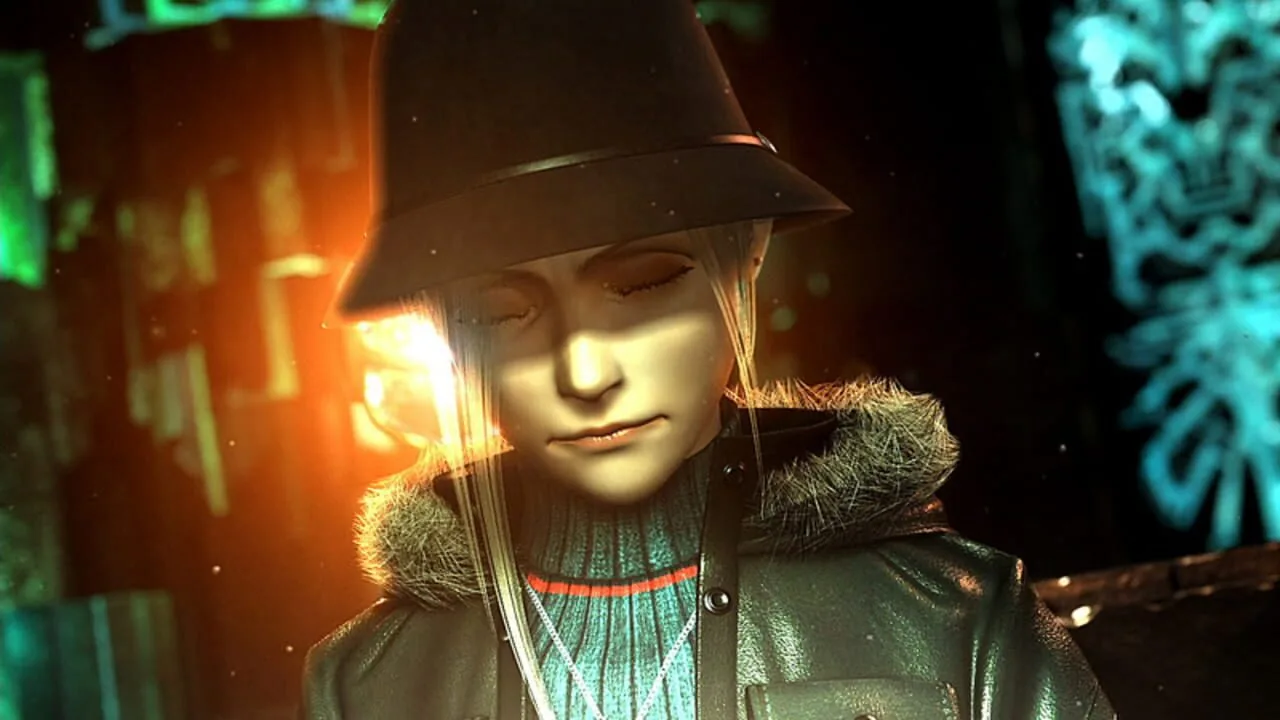
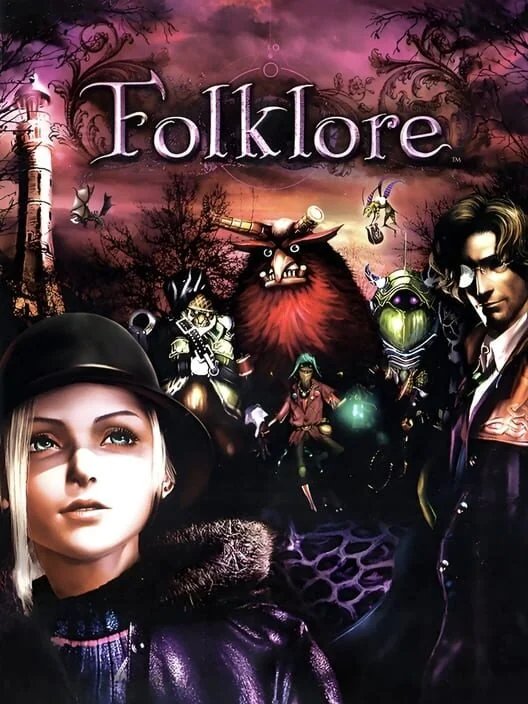
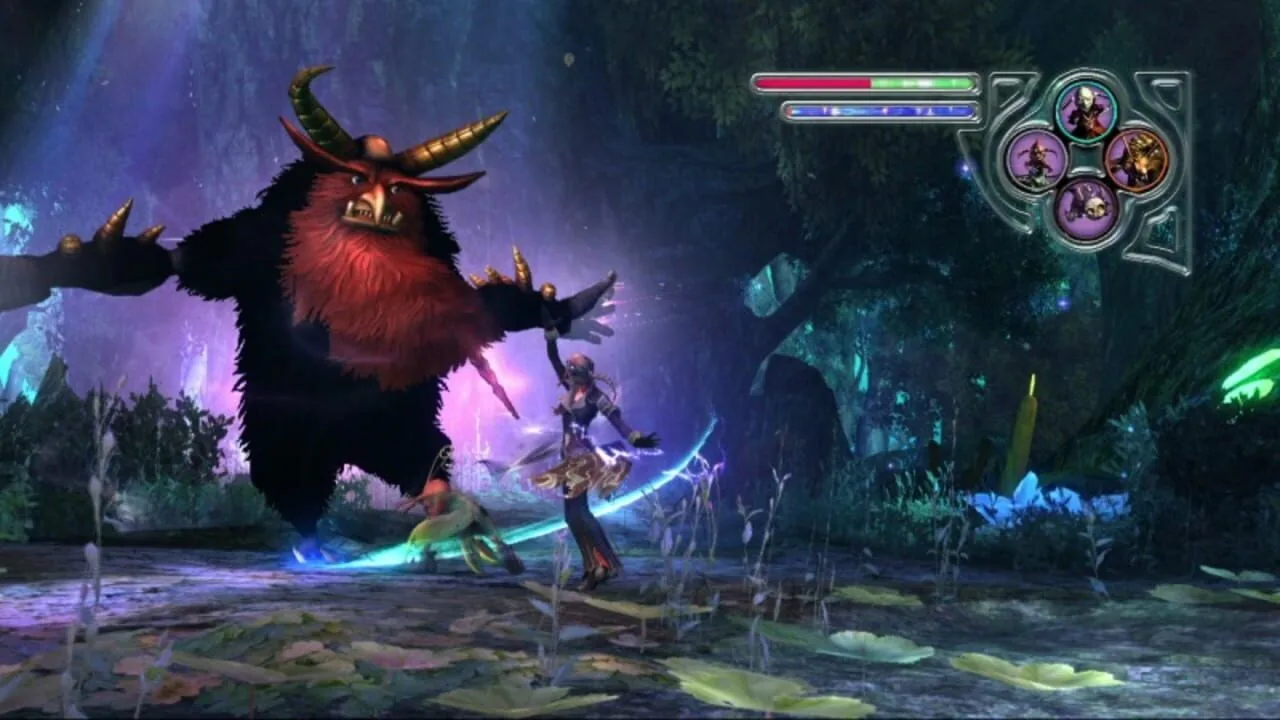
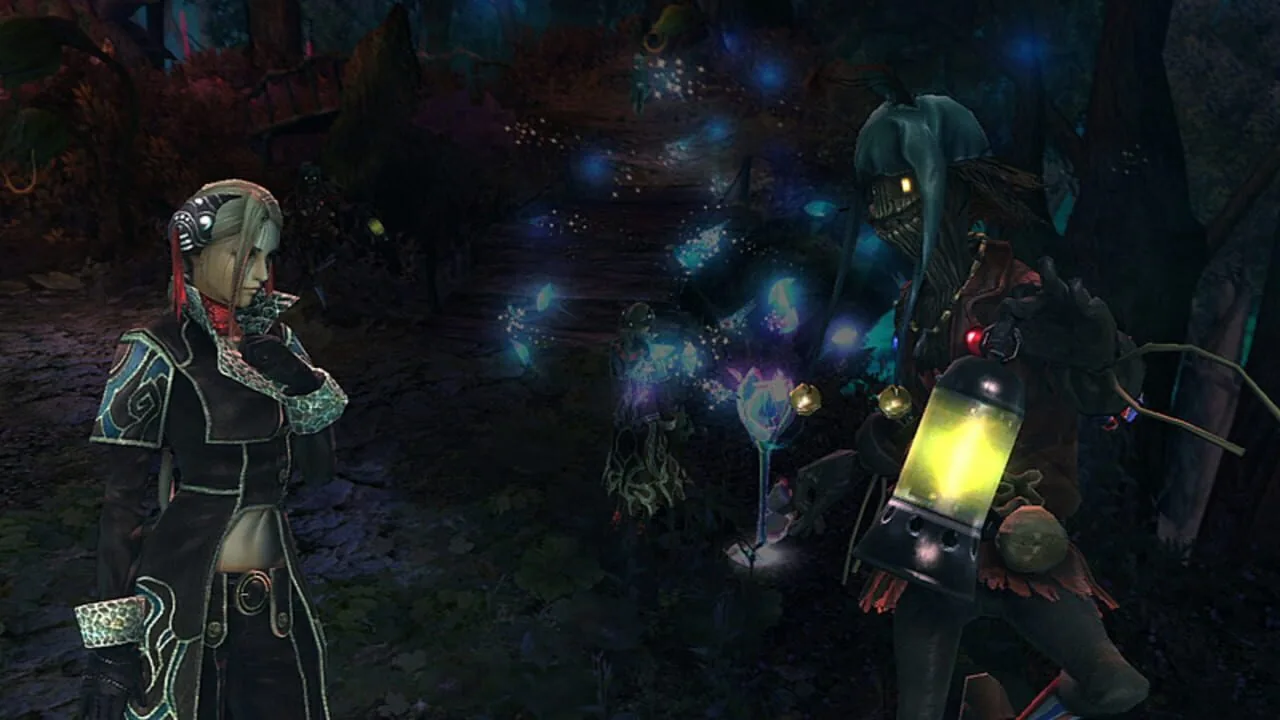
Folklore is a dark fantasy action RPG from Game Republic that only came out on PlayStation 3. It takes place in Doolin, an Irish village. On the night of Samhain, Ellen and Keats enter the Netherworld through portals and gain power over monsters called the Folk. Only four Folk can be assigned to the controller's four buttons at a time, so you pick your monsters carefully. Ellen specializes in defense and Keats in offense.
Reviews were generally positive, but sales were poor, and Sony did not green-light the two sequels Game Republic proposed. The game started as Monster Kingdom: Unknown Realms, a companion to another Game Republic title, and a month after the demo the soundtrack by Kenji Kawai and Shinji Hosoe came out.
7. Tokyo Jungle (2012)
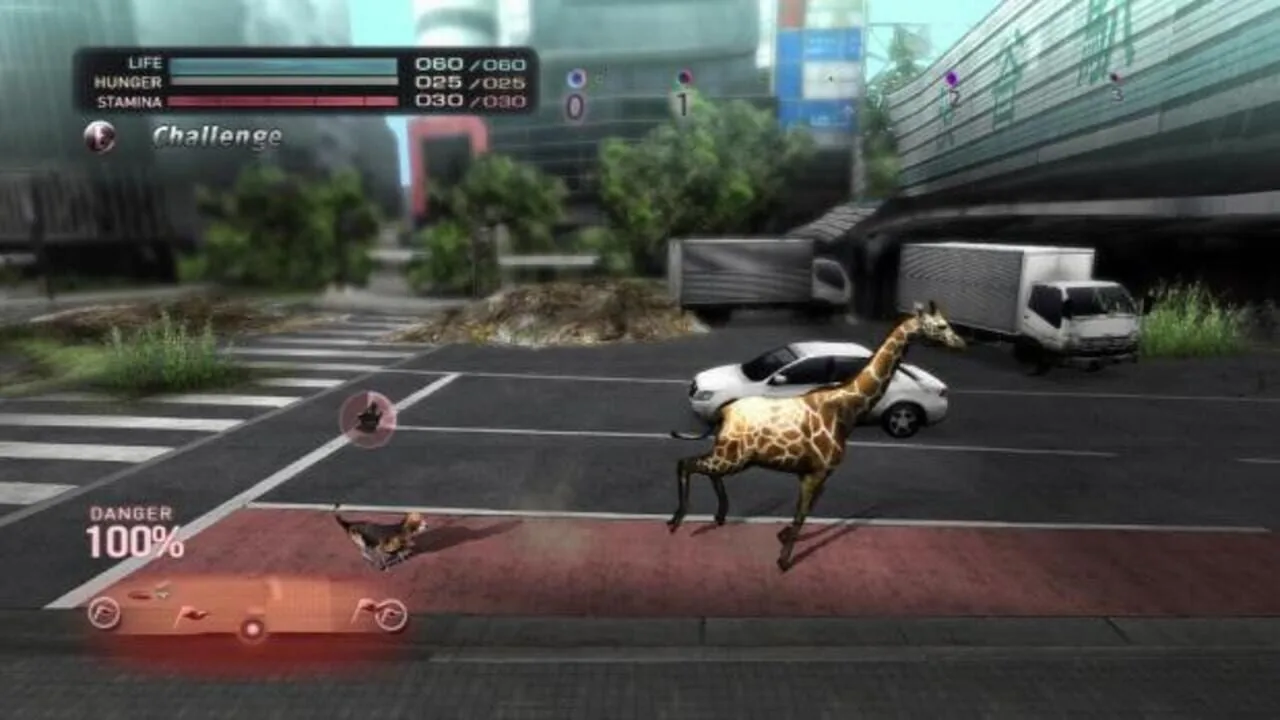
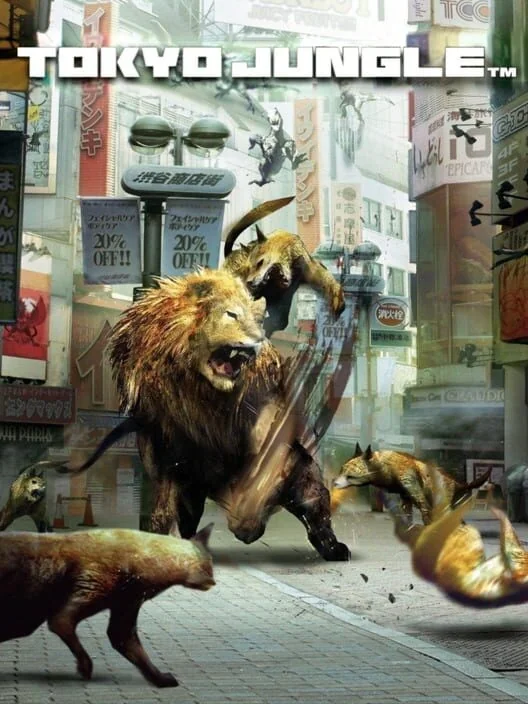
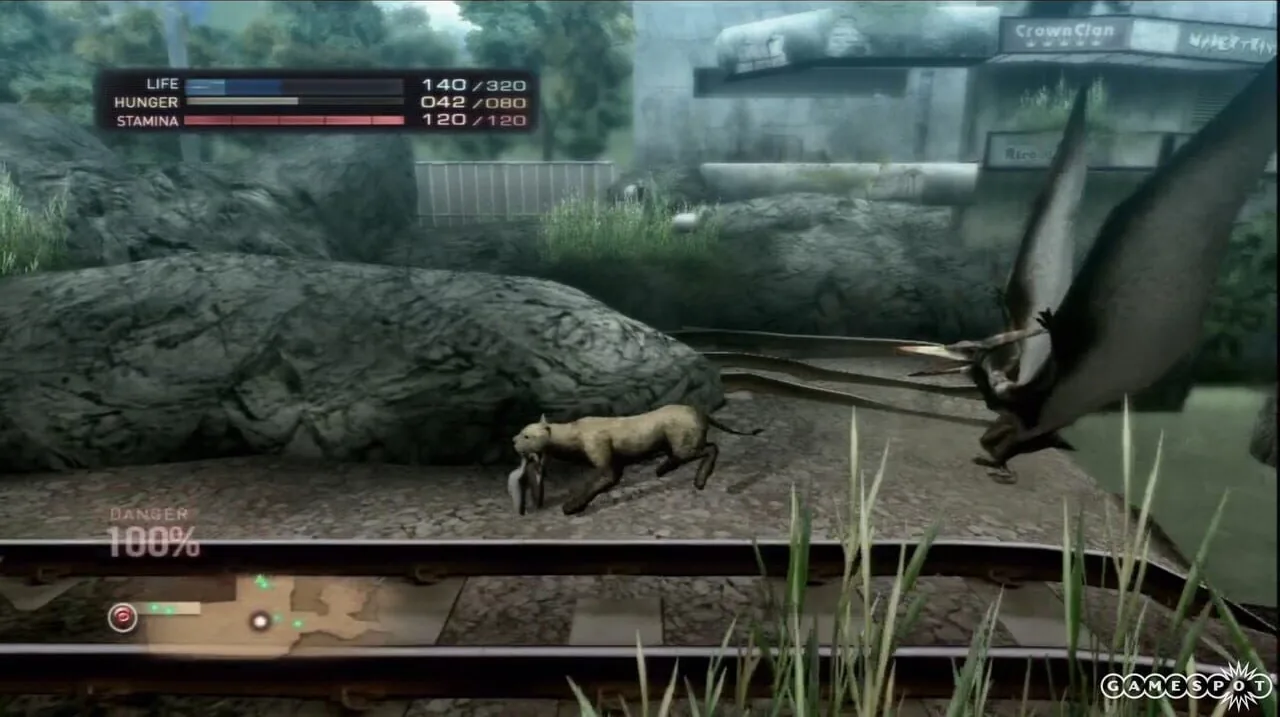
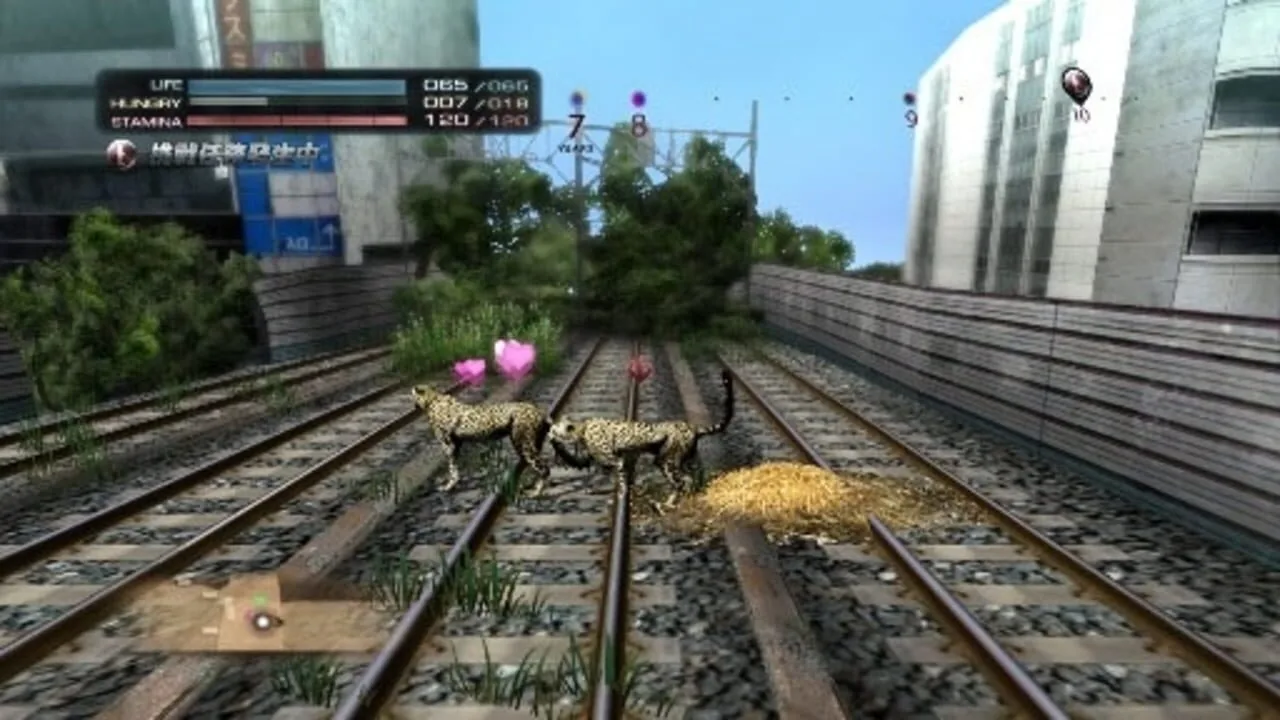
Tokyo Jungle is a survival game set in a deserted Tokyo that has turned into a wildlife wasteland. Story mode sends you on missions as different animals, and Survival mode asks you to last as long as you can, with online leaderboards and local multiplayer. With over 50 playable animals, you can start the day as a chicken and end it as lunch.
A team of two people grew to 24 and worked out of a 1,000 square foot home. Critics gave it average reviews, but Eurogamer described it as basically Grand Theft Auto with lions, which is the most accurate pitch anyone has written. It reached the West as a PSN download in September 2012. Players keep calling it unusual, and it is.
6. Heavenly Sword (2007)
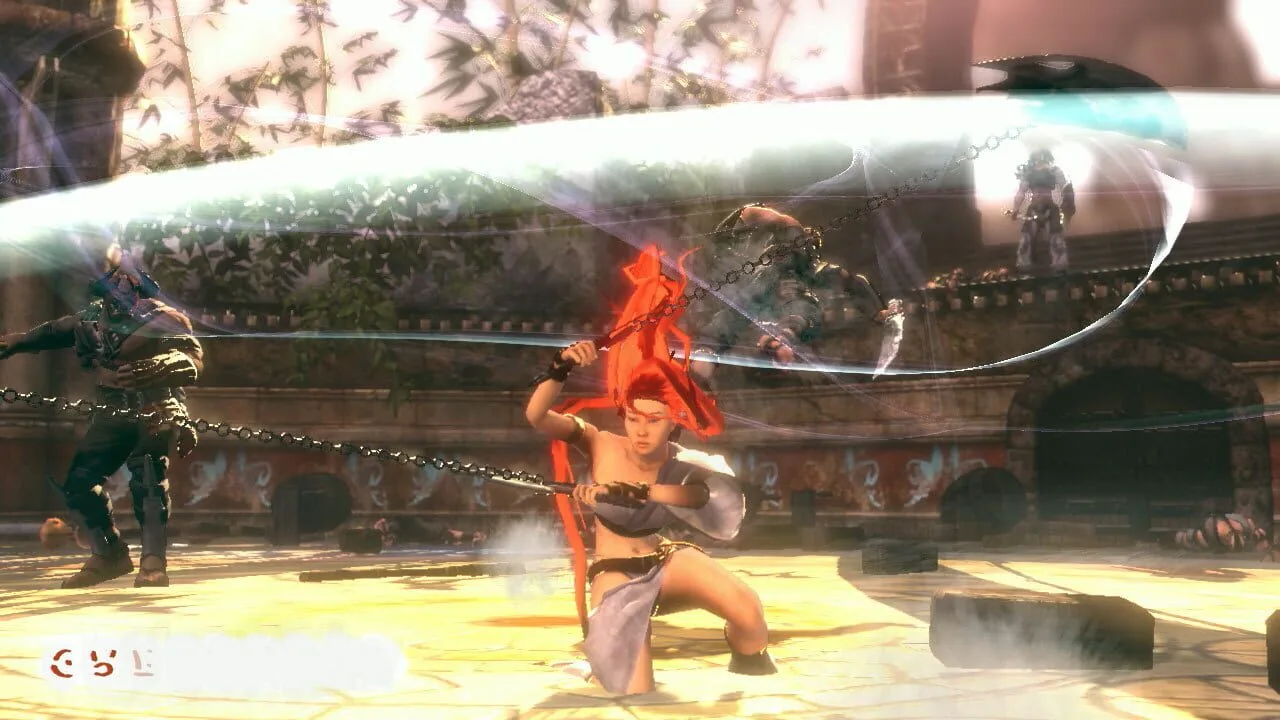
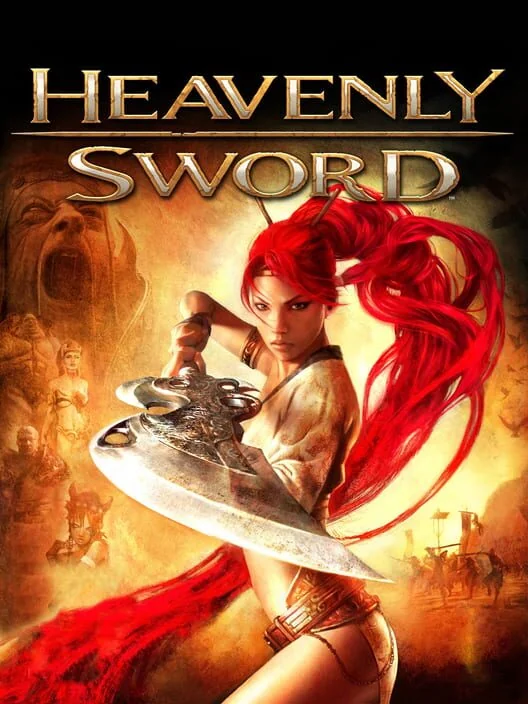
Heavenly Sword is a martial arts action game from Ninja Theory, which began development in 2002. Nariko is voiced by the Australian actress Anna Torv. Kai's movements were based partly on cats and on San from Princess Mononoke. Nitin Sawhney wrote the music and blended a big orchestral score with an ethnic element.
It had a mainly positive reception and sold over a million copies. Critics praised the graphics and the combat, and they criticized the short length and the lack of online play. It also arrived early in the console's life, so it never got the long tail of recommendations that later games enjoyed. If you want a good-looking brawl that finishes before you get bored, this one fits.
5. Valkyria Chronicles (2008)
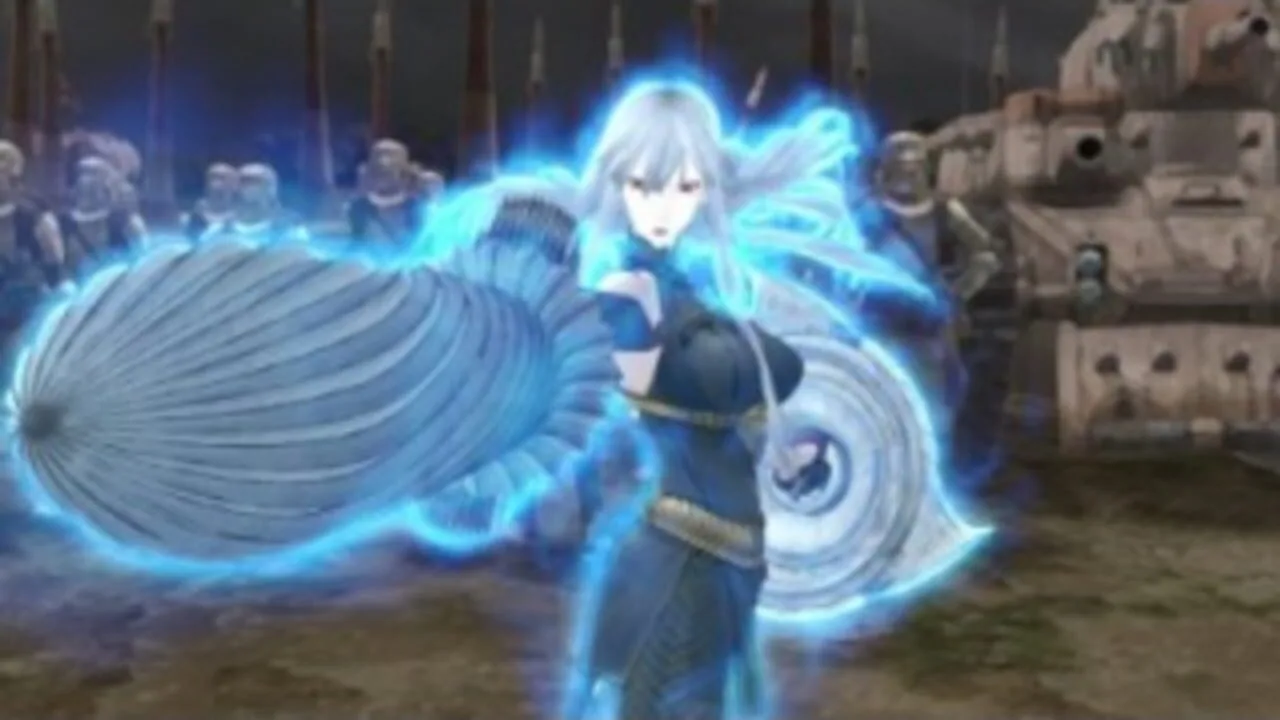
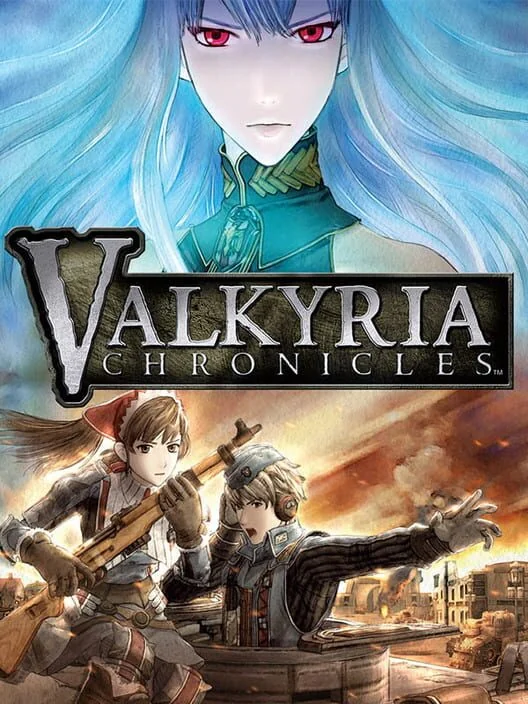
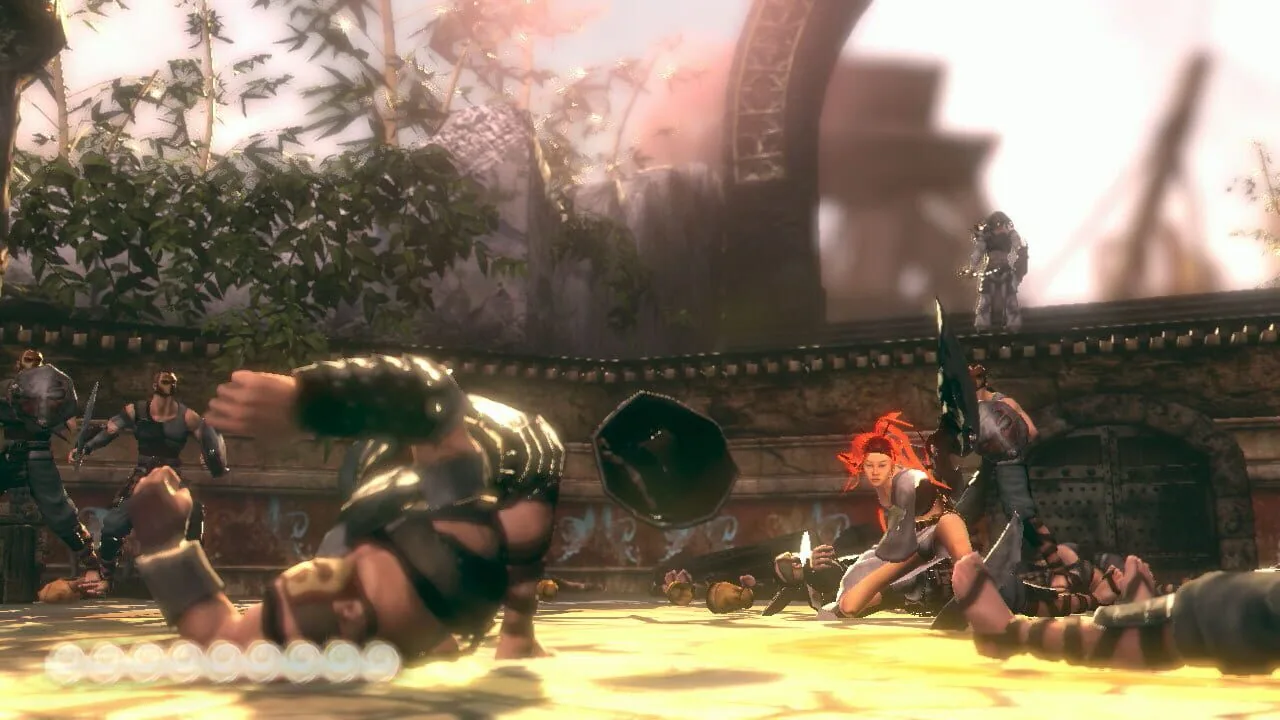
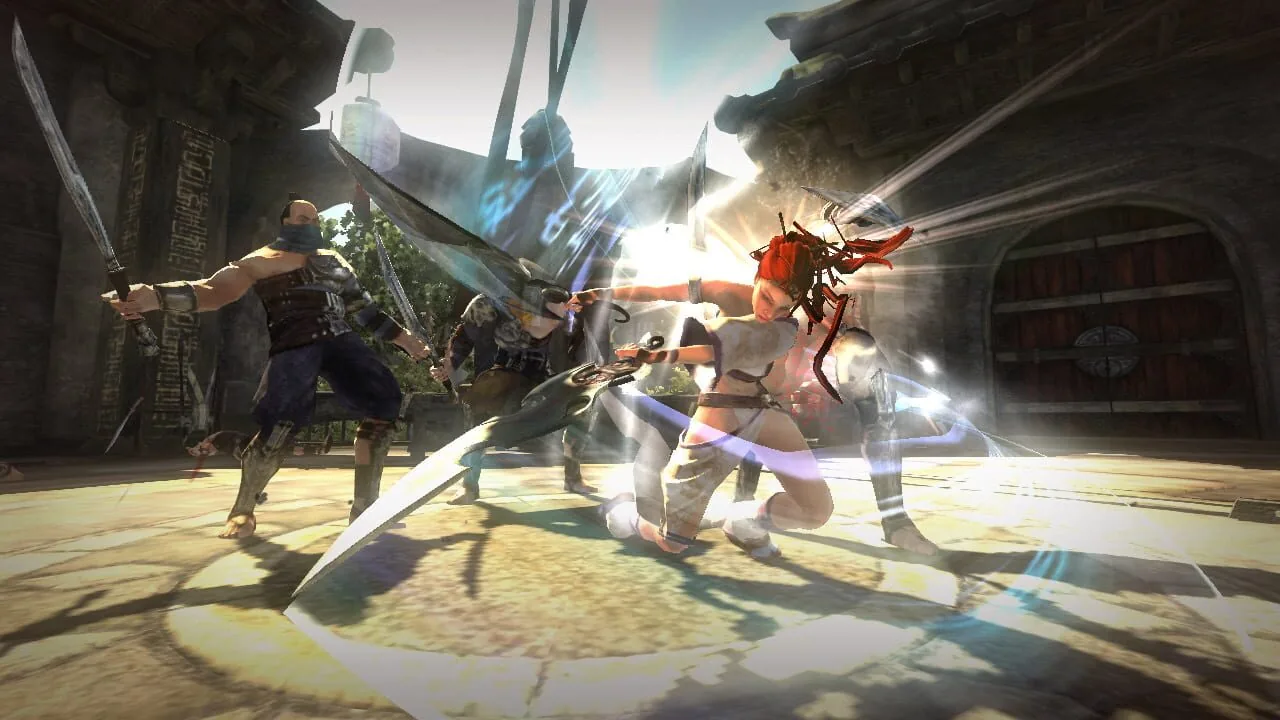
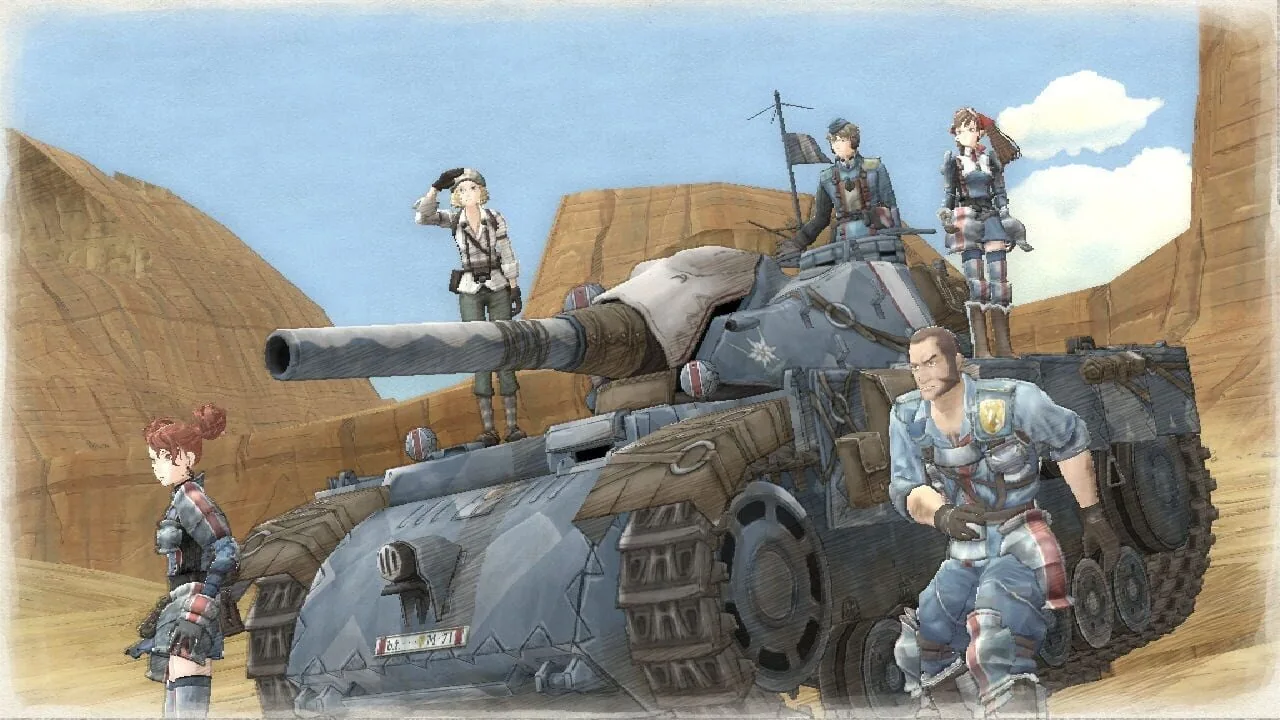
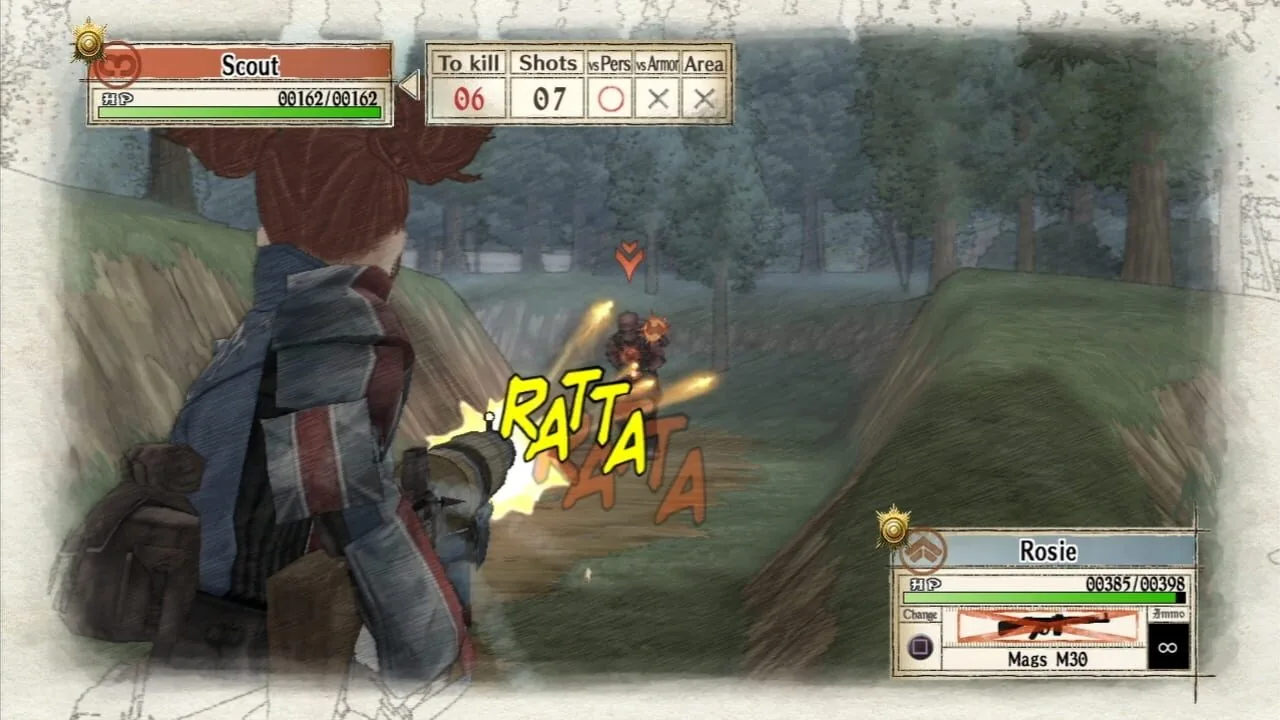
Valkyria Chronicles takes place in Europa, a fictional region loosely based on Europe in the early years of World War II. The Empire is invading a small neutral country called Gallia, and you command its militia. Sega's CANVAS engine makes the visuals look like pencil drawings in motion. Foot soldiers, anti-tank units and tanks each counter one another, so every squad choice matters.
It has won numerous awards and is cited as one of the greatest video games of all time. Even so, players call it a favorite that few people actually played. Two sequels went to the PlayStation Portable, so PS3 owners never saw another one on their console. A remaster came out for PlayStation 4 in 2016.
4. Binary Domain (2012)
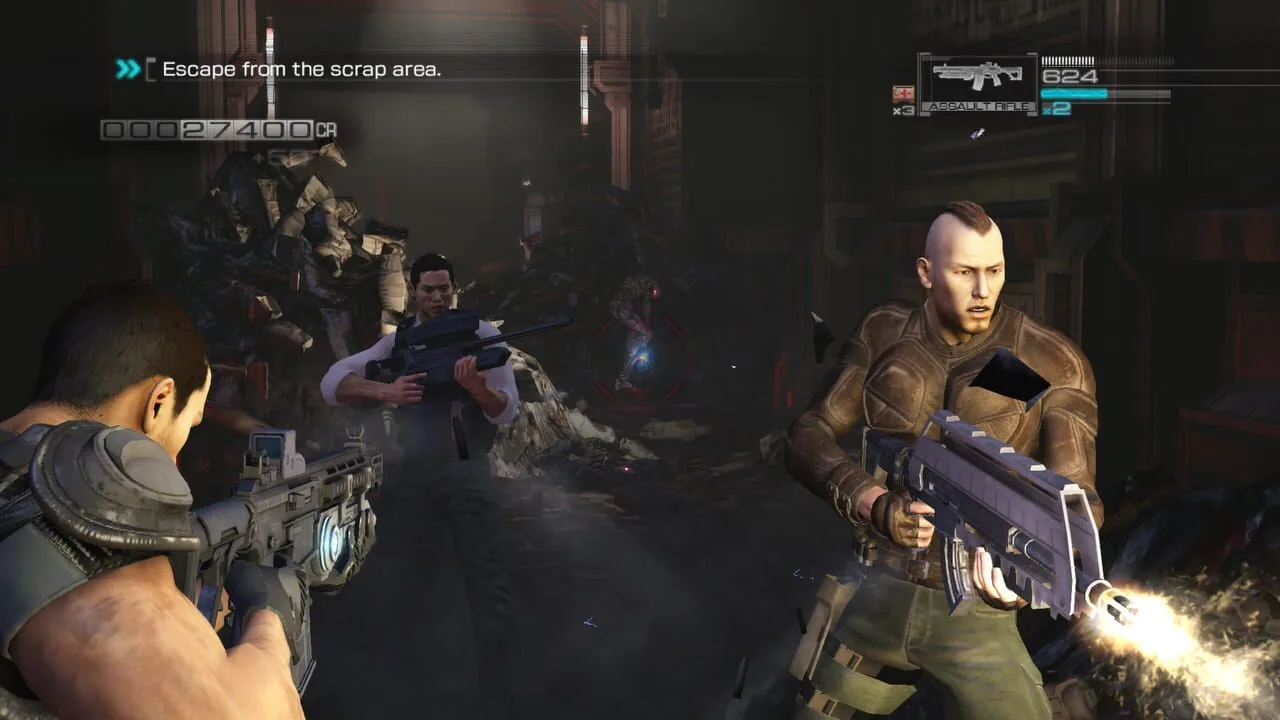
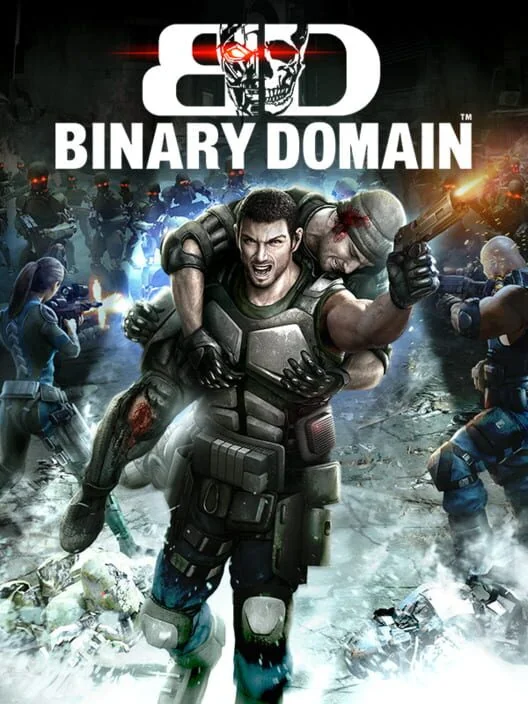
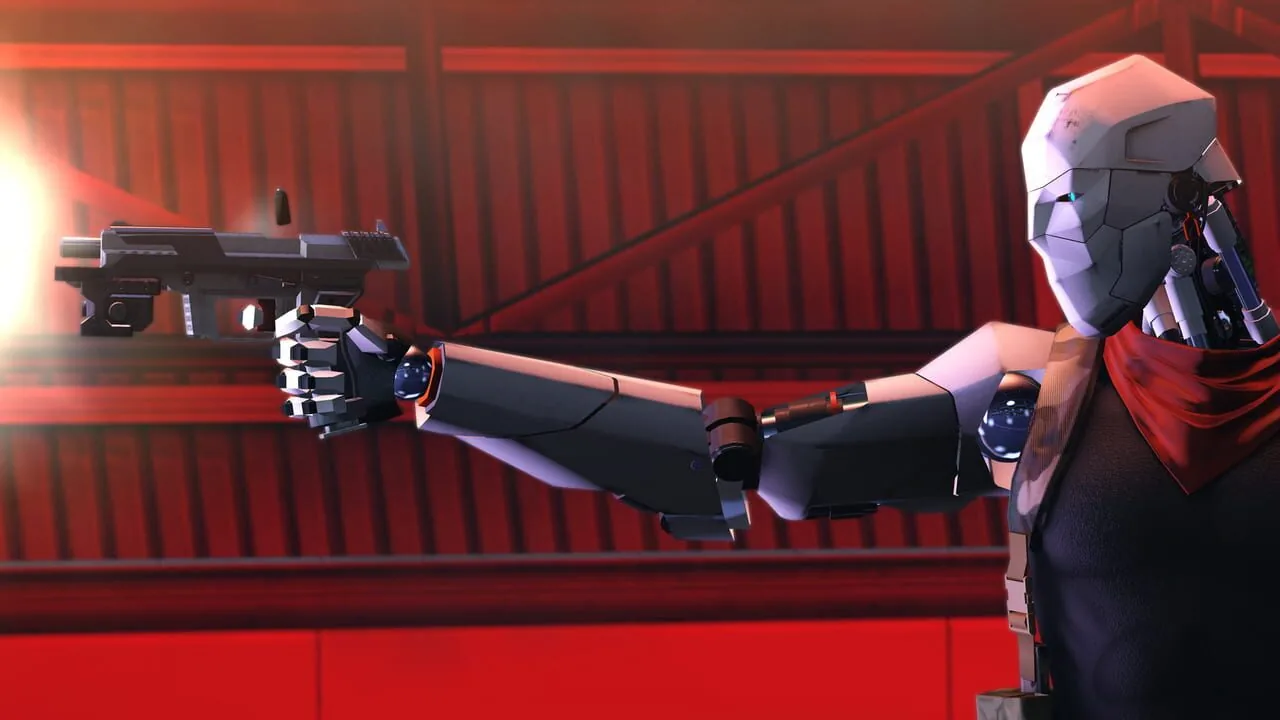
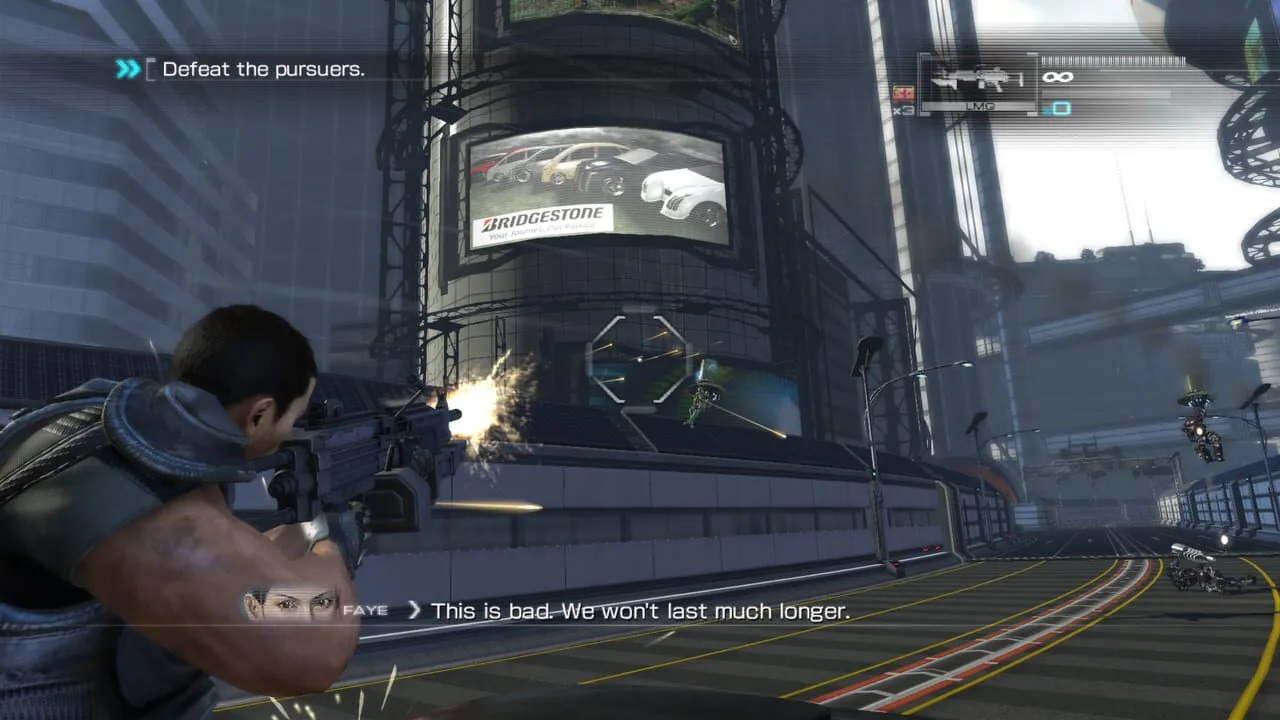
Binary Domain is a squad-based shooter set in Tokyo in the year 2080, where Dan Marshall and his team are sent to bring a robotic threat under control. Critics praised the story and its Consequence System, and they criticized the voice recognition system that lets you shout orders at your squad. Shouting at your squad works about as well as shouting at anyone else.
It was released in February 2012 and sold only 20,000 copies in North America by April. Reviews were mixed to positive, which was not enough to lift it. Players keep bringing it up when someone asks for overlooked shooters. If the idea of robots in a future Tokyo with a bit of squad drama appeals, it holds up well.
3. The Saboteur (2009)
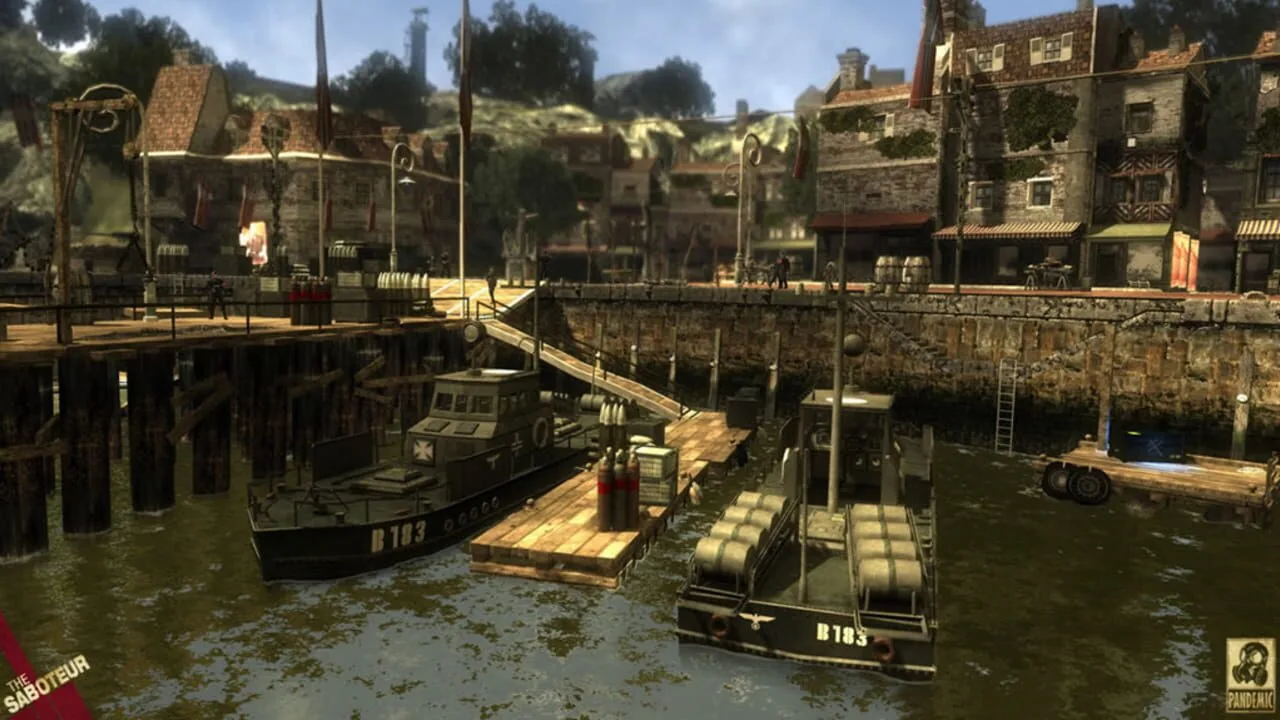
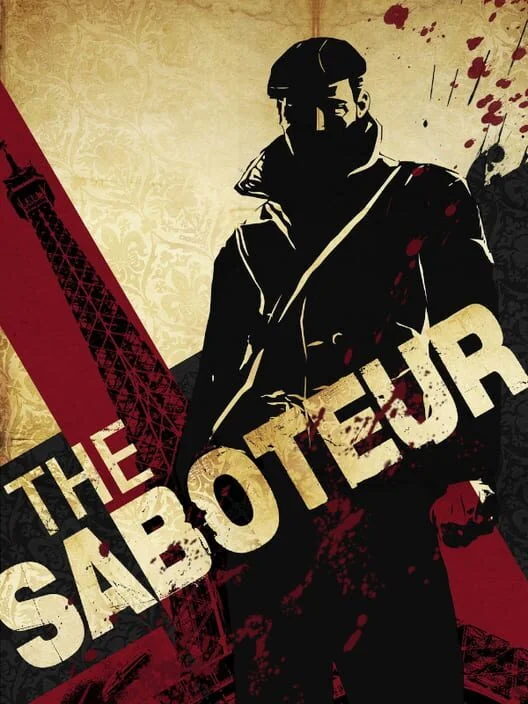
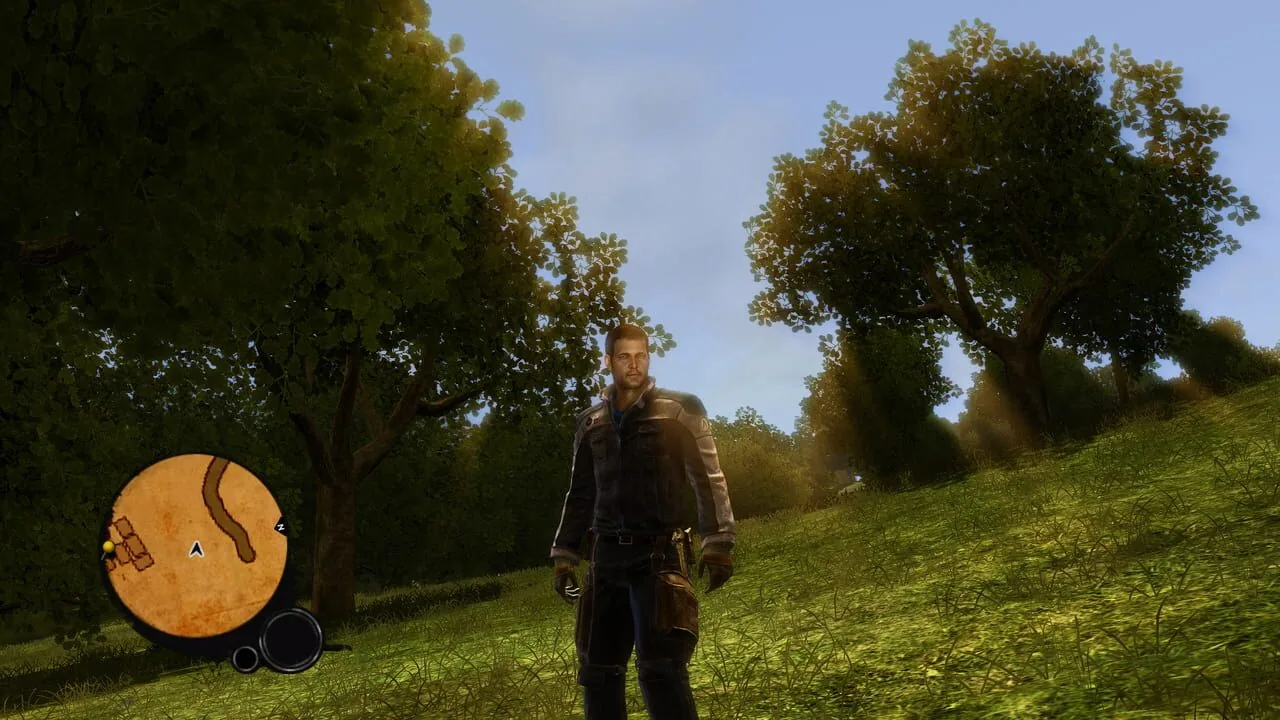
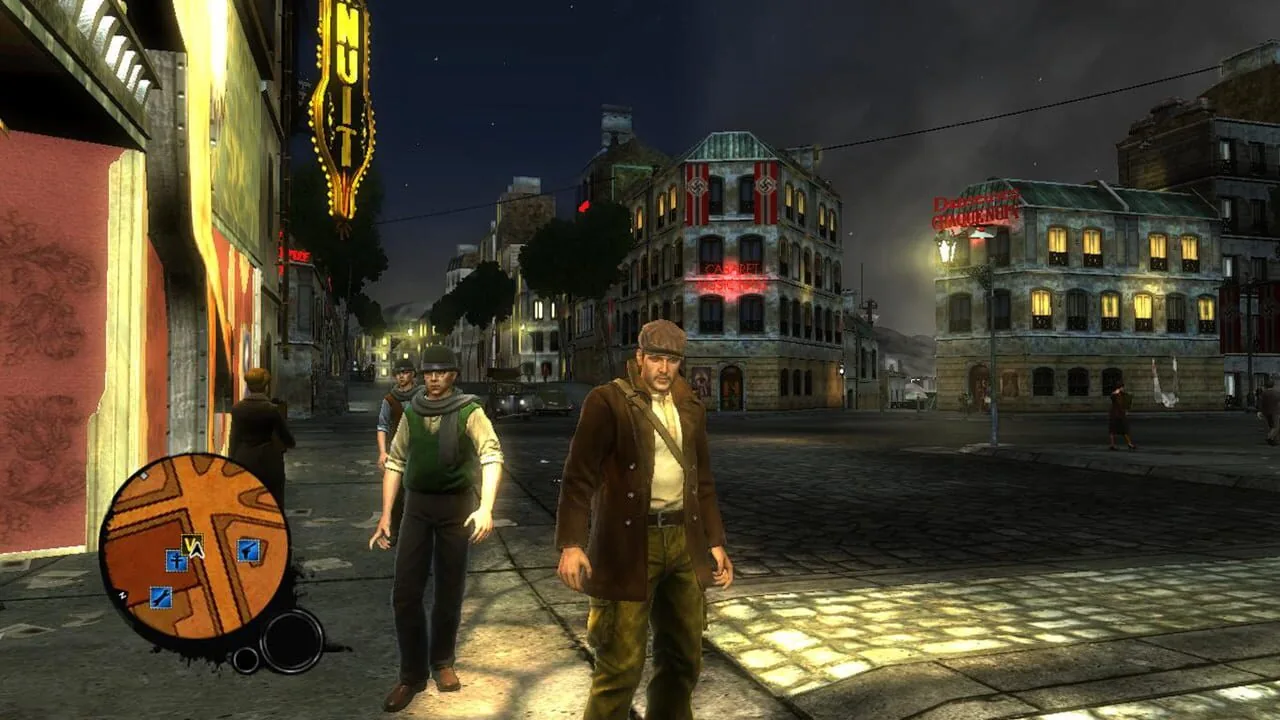
The Saboteur is an open-world action game set in a stylized Nazi-occupied France of the 1940s. Where German soldiers are present in large numbers, Sean is far more likely to be spotted. Fight in a colored area and the French Resistance and even passing civilians step in against the occupiers.
It came out in December 2009 and was the last game developed by Pandemic Studios before the studio closed. Reviews were mixed to positive, with praise for its visuals and setting, and complaints about repetition and technical issues. It drew comparisons to Assassin's Creed and Grand Theft Auto. The rough edges are real, but the open world gives you a lot to do.
2. 3D Dot Game Heroes (2009)
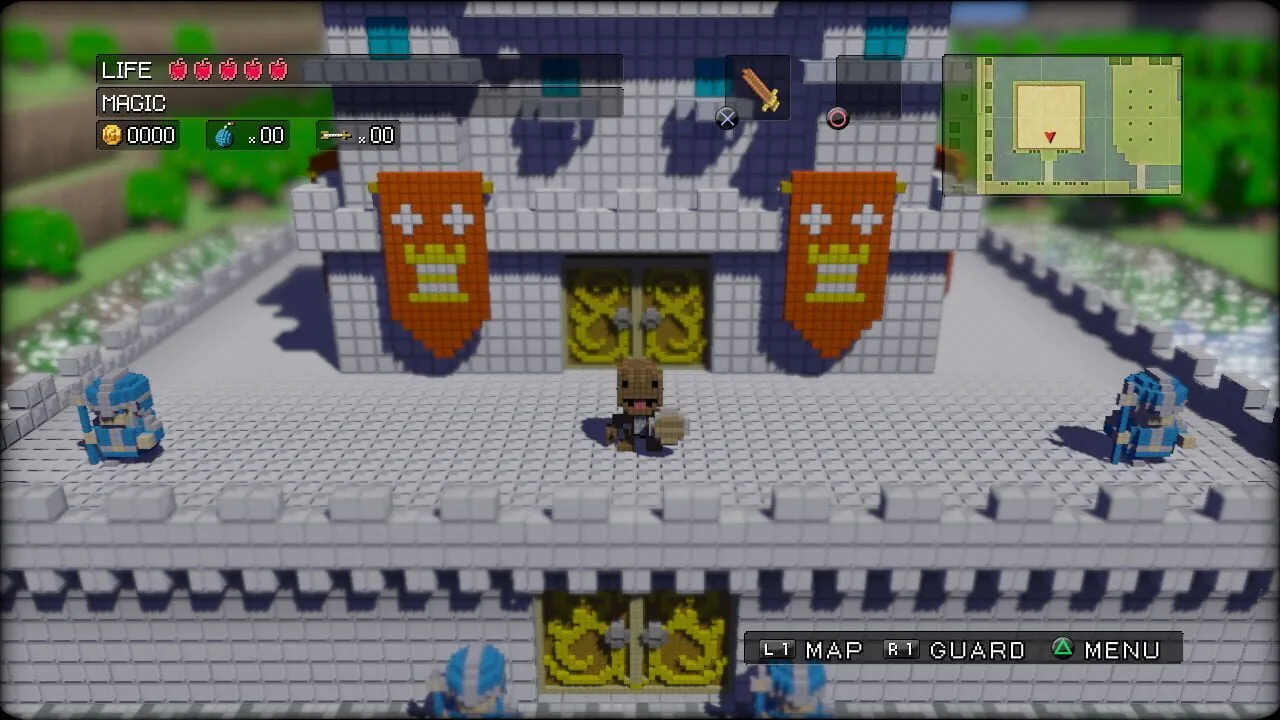
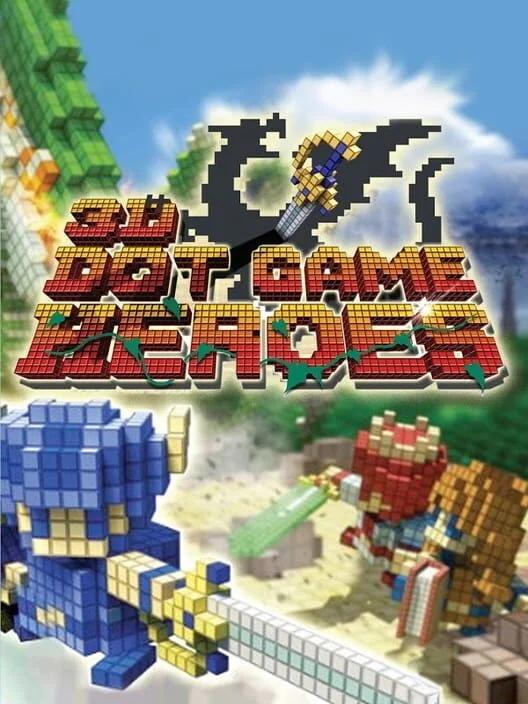
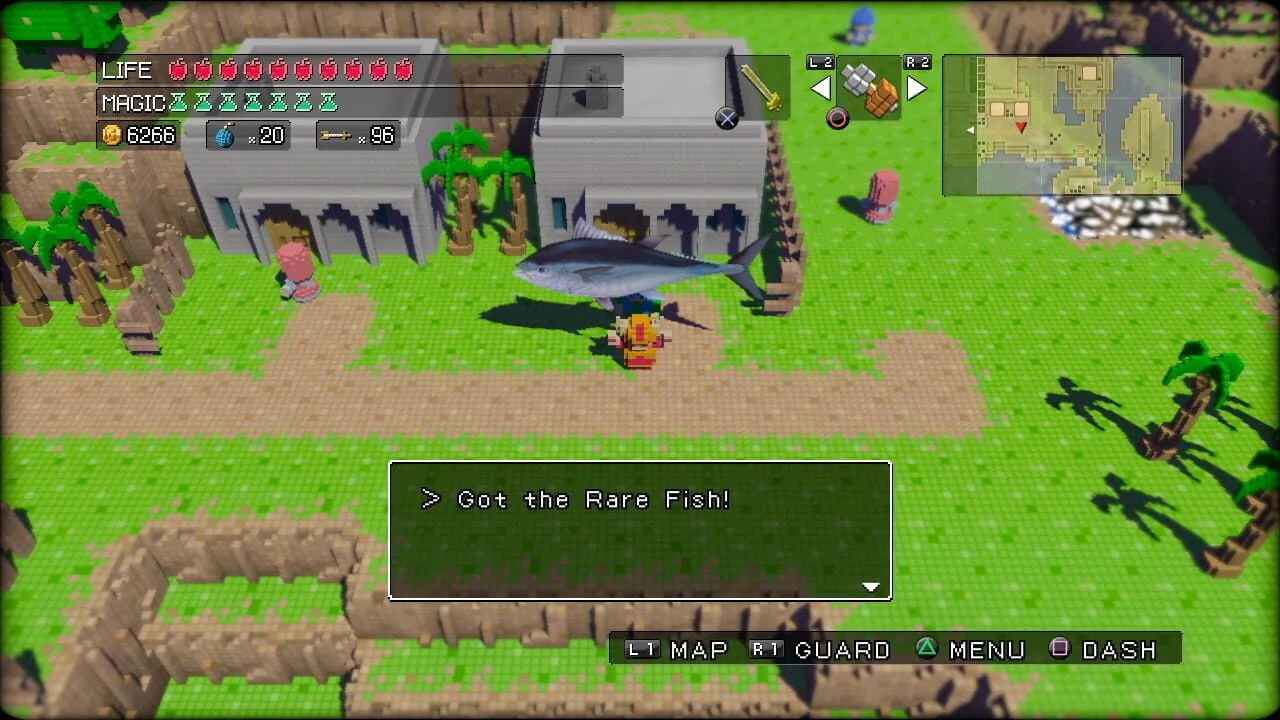
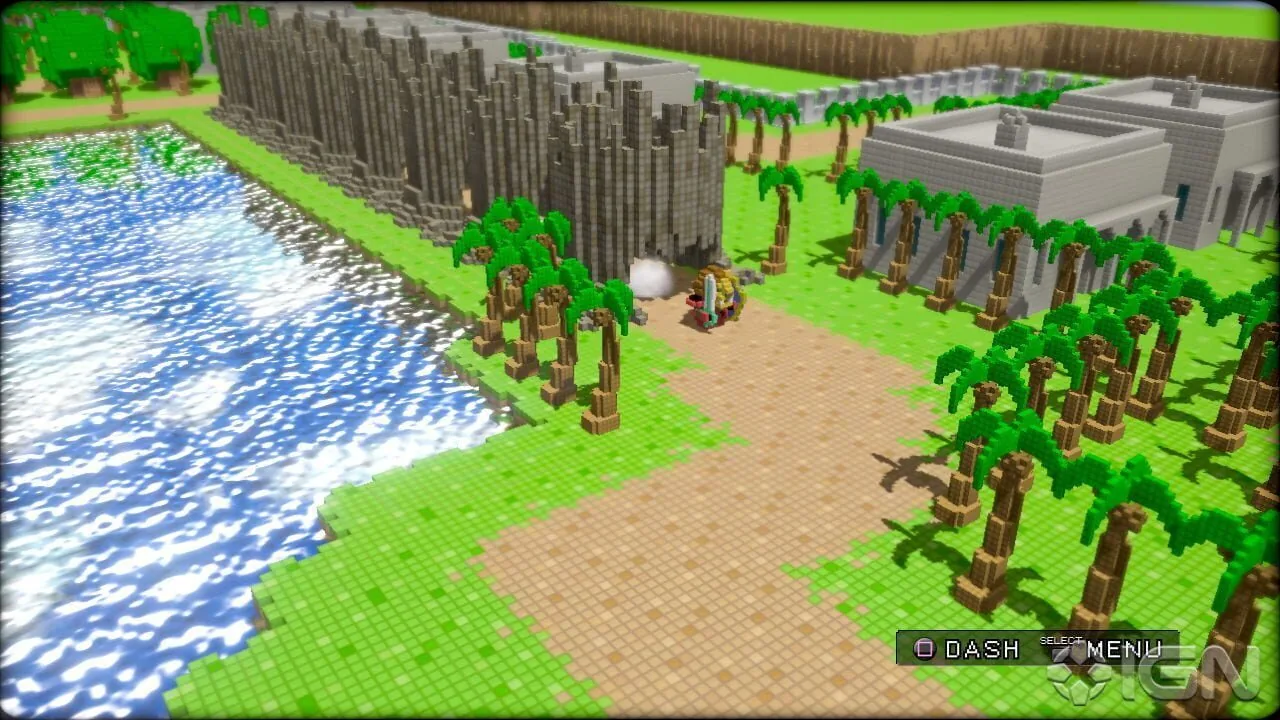
3D Dot Game Heroes uses voxel graphics in a 3D world to look like the 2D games of the 1980s, and it plays like The Legend of Zelda and Final Fantasy Adventure. When your health bar is full, your sword grows to a tremendous size. You can also build your own character model with the built-in sprite editor, and the loading screens show recreated box art of classic games.
Silicon Studio made it in just 10 months, with a team that had no PS3 experience. Famitsu gave it 30 out of 40 and called it a nostalgia-laden trip, though it noted that the game is not new or original. It reached North America in May 2010 through Atlus USA and the game never became a household name.
1. Nier (2010)
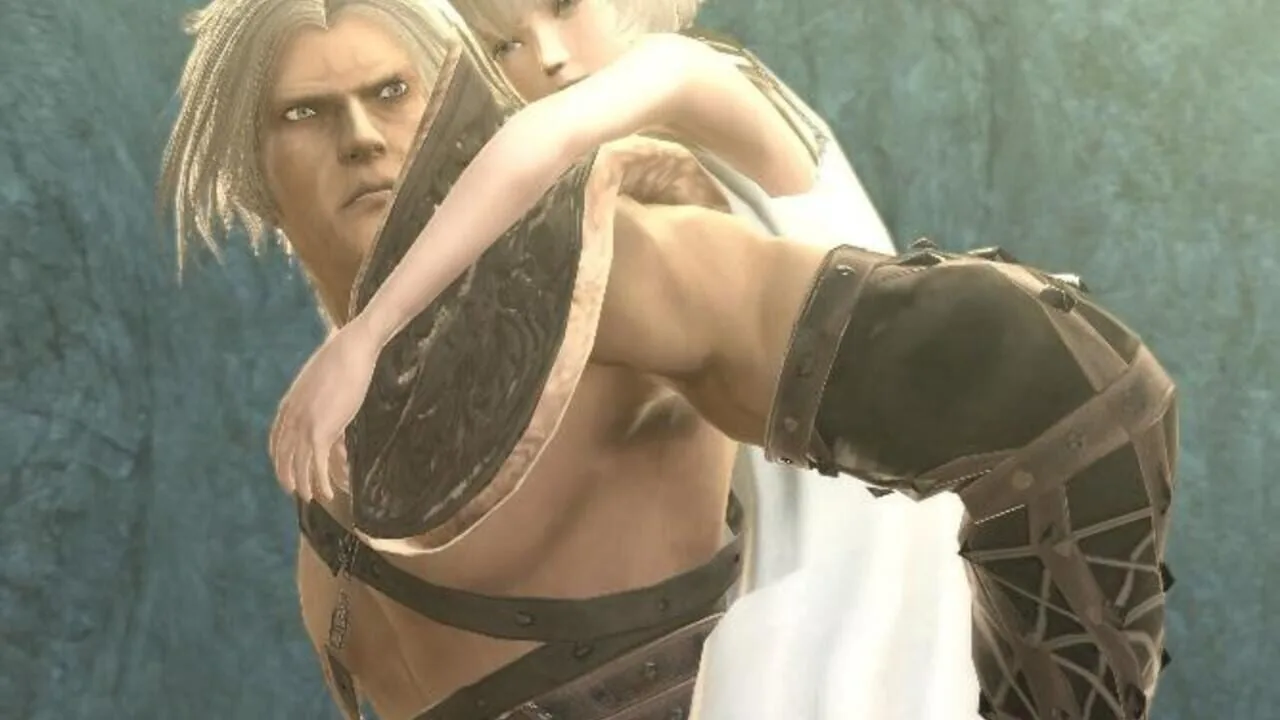
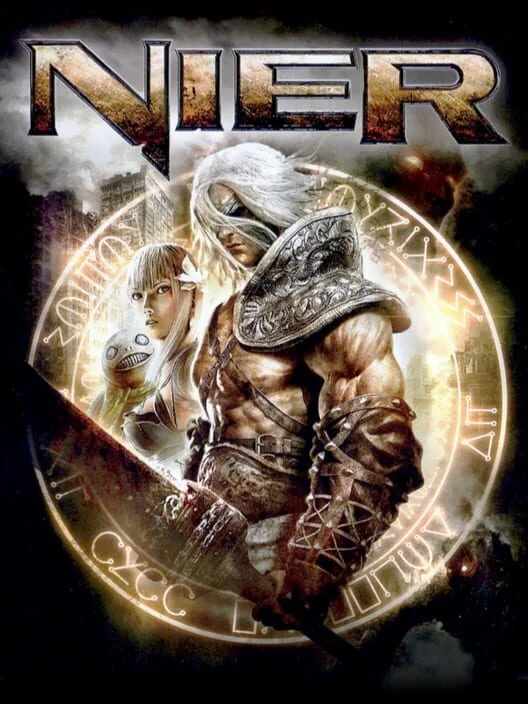
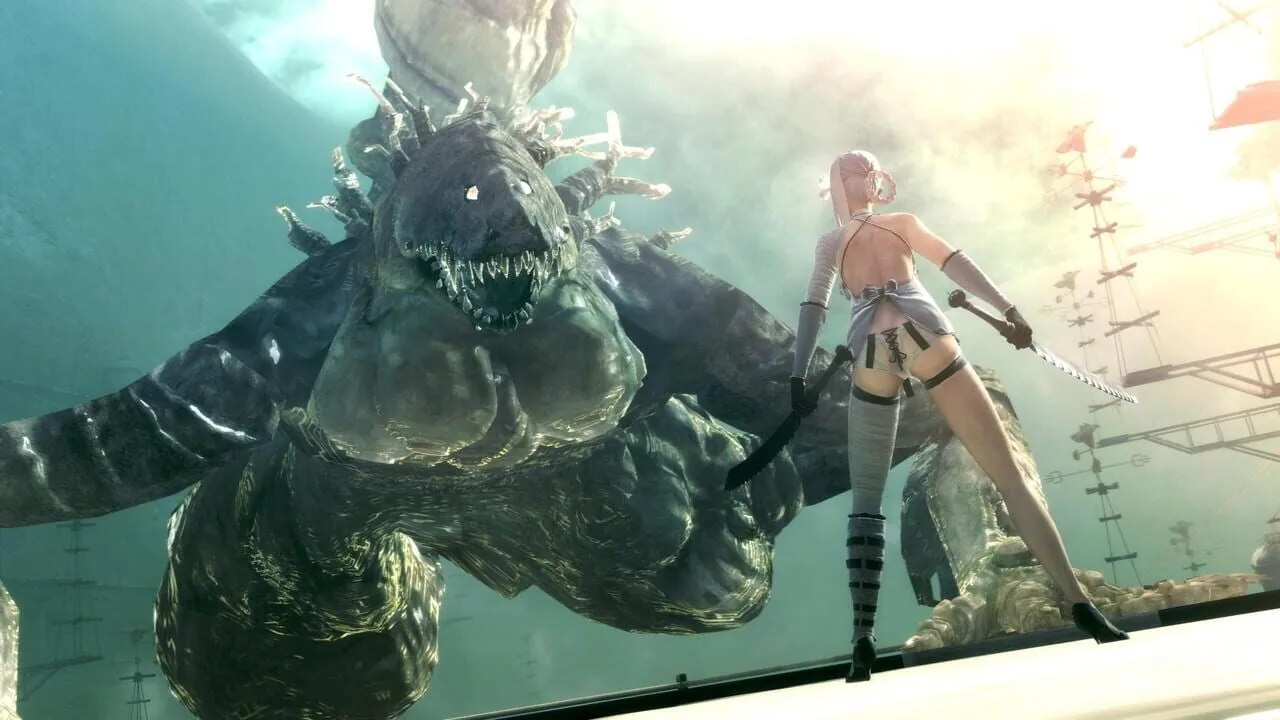
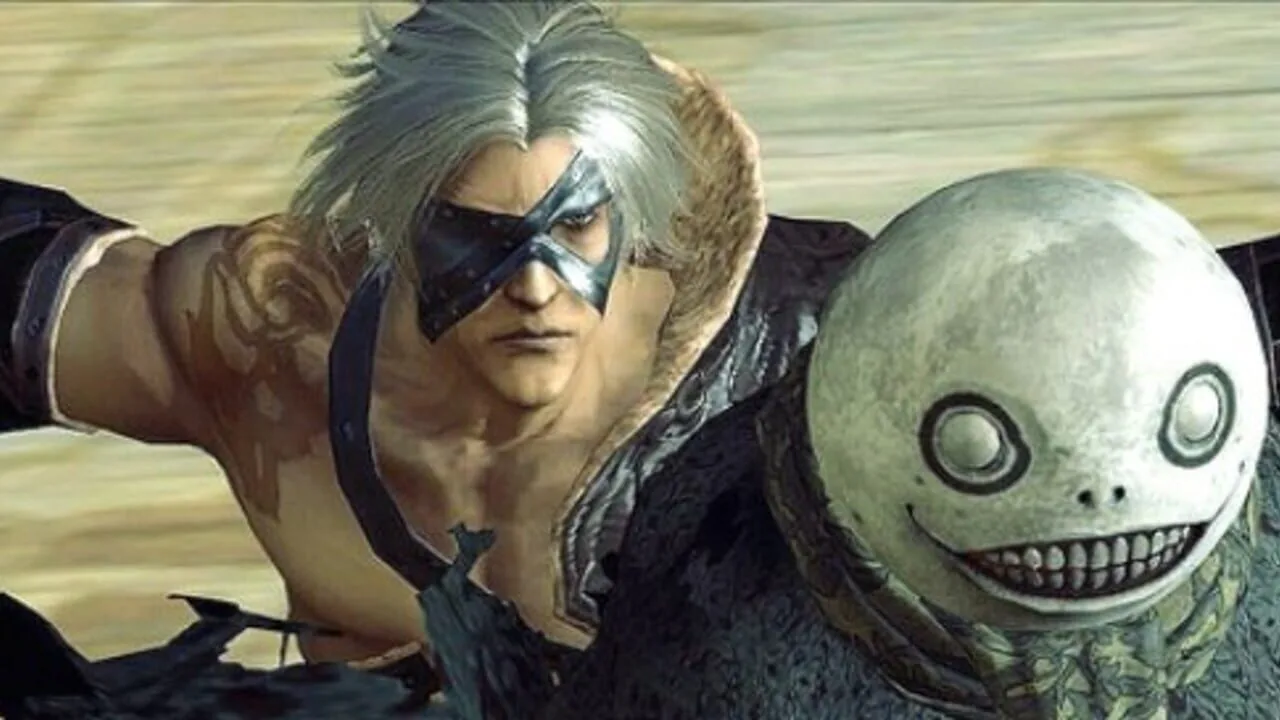
Nier is a spin-off of the Drakengard series, directed by Yoko Taro, who was given a lot of creative freedom. Its story takes some inspiration from the September 11 attacks and the war on terror, and the combat borrows from God of War. Nier is a father hunting for a way to save his sick daughter in a collapsing world. Monaca wrote the music.
Reviews were mixed at launch. Critics praised the story and the soundtrack, but they marked down the side quests and the graphics. It became a cult classic anyway. The original sold 500,000 copies, and the 2021 remaster sold over 2 million, with Nier: Automata following in 2017. Players name it more than any other overlooked PS3 game, and the story is the reason.
Every issue features one game worth playing, plus the latest retro news.