The PS3 had a better puzzle library than it gets credit for. Most of it came through the PlayStation Network, where small studios could sell a strange idea without a box or a shelf. Echochrome got there in 2008 with levels that look like an Escher drawing. Braid followed in November 2009, after a year on Xbox Live Arcade, and the indie games kept coming.
The big publishers joined in too. Atlus let the studio behind the Persona series make a block-climbing game about a man who cannot make up his mind, and it shipped on a disc. Here are the 18 best PS3 puzzle games.
18. Closure (2012)
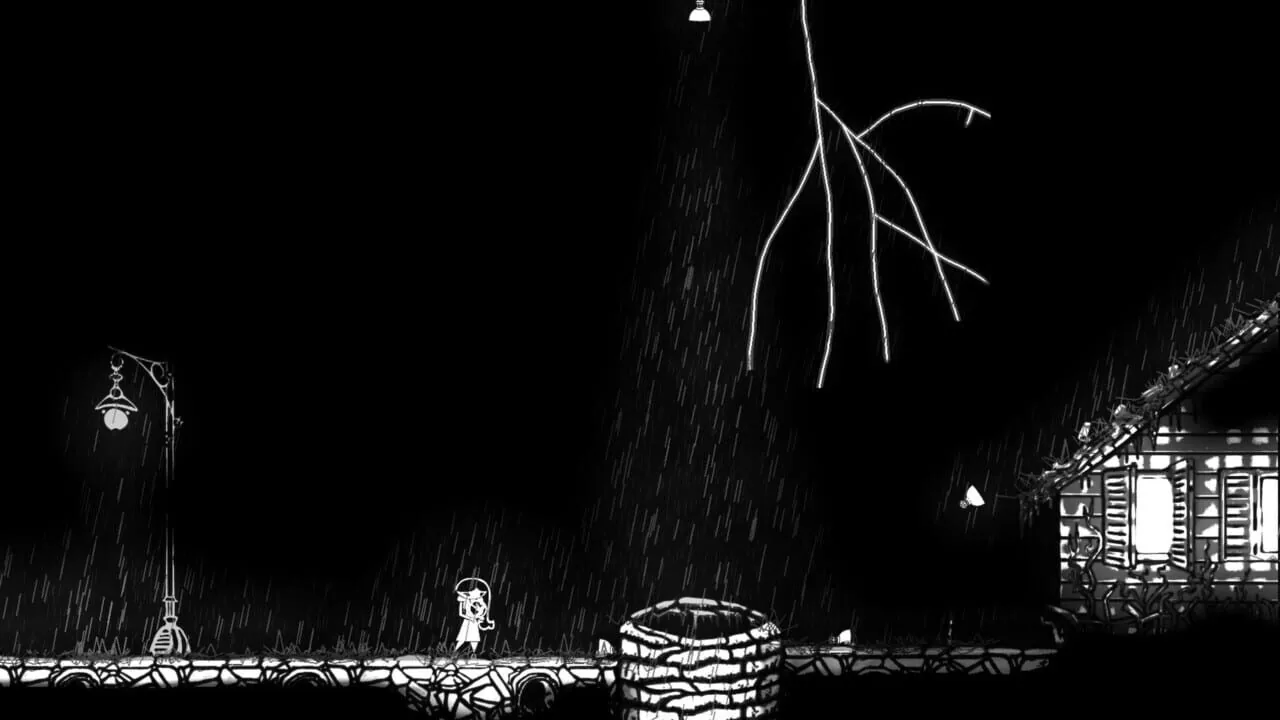
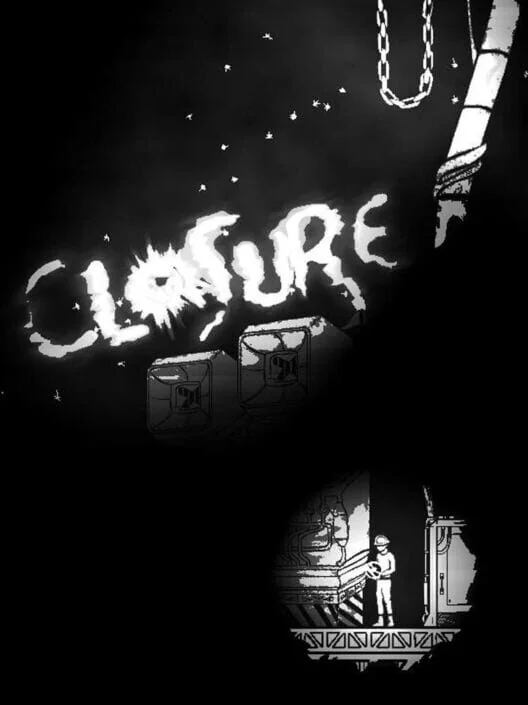
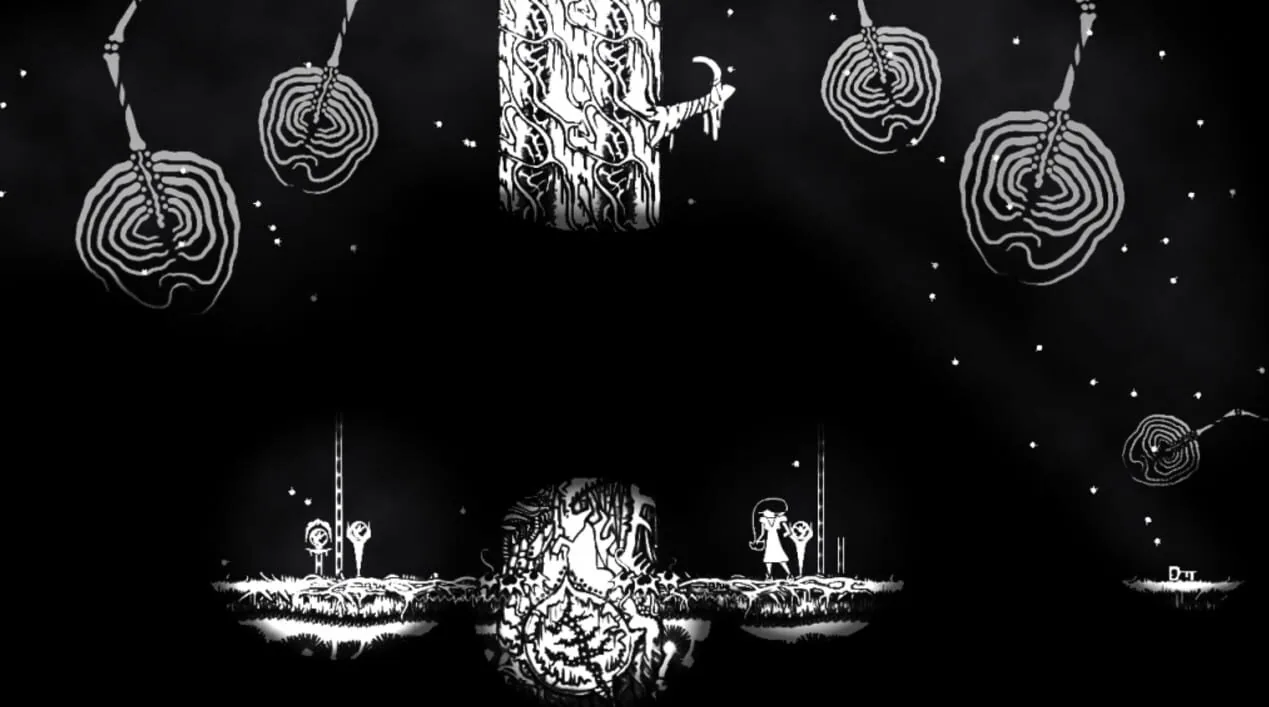
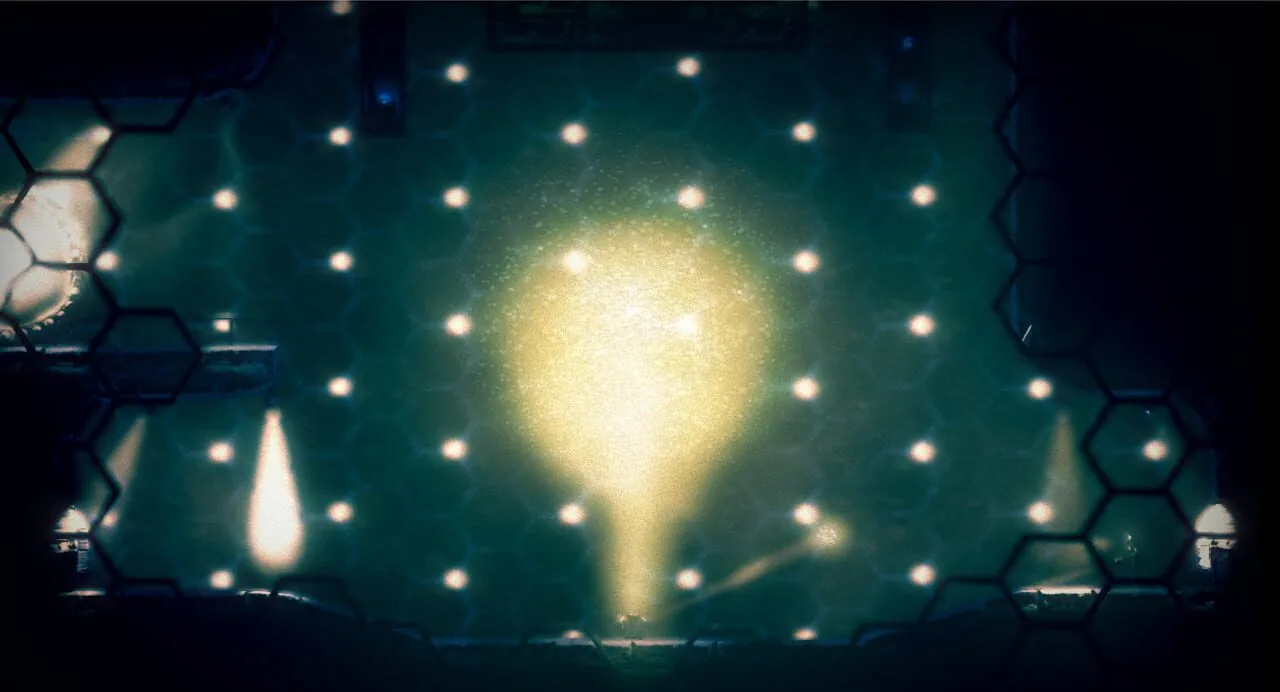
Closure is built on one rule, and it is a strange one. Only platforms and walls lit by lightbulbs, or by orbs of light you carry, can be touched. Step out of the light and the floor is gone. Carry the orb away from a wall and you can walk straight through it.
Every level comes down to where you put the light, and the answer is often the opposite of what you want. Closure won the Innovation Award at Indiecade and the award for Excellence in Audio at the 2010 Independent Games Festival. It then took the Grand Prize at the 2012 Indie Game Challenge. Few puzzle games make darkness this dangerous.

17. Bejeweled 3 (2011)
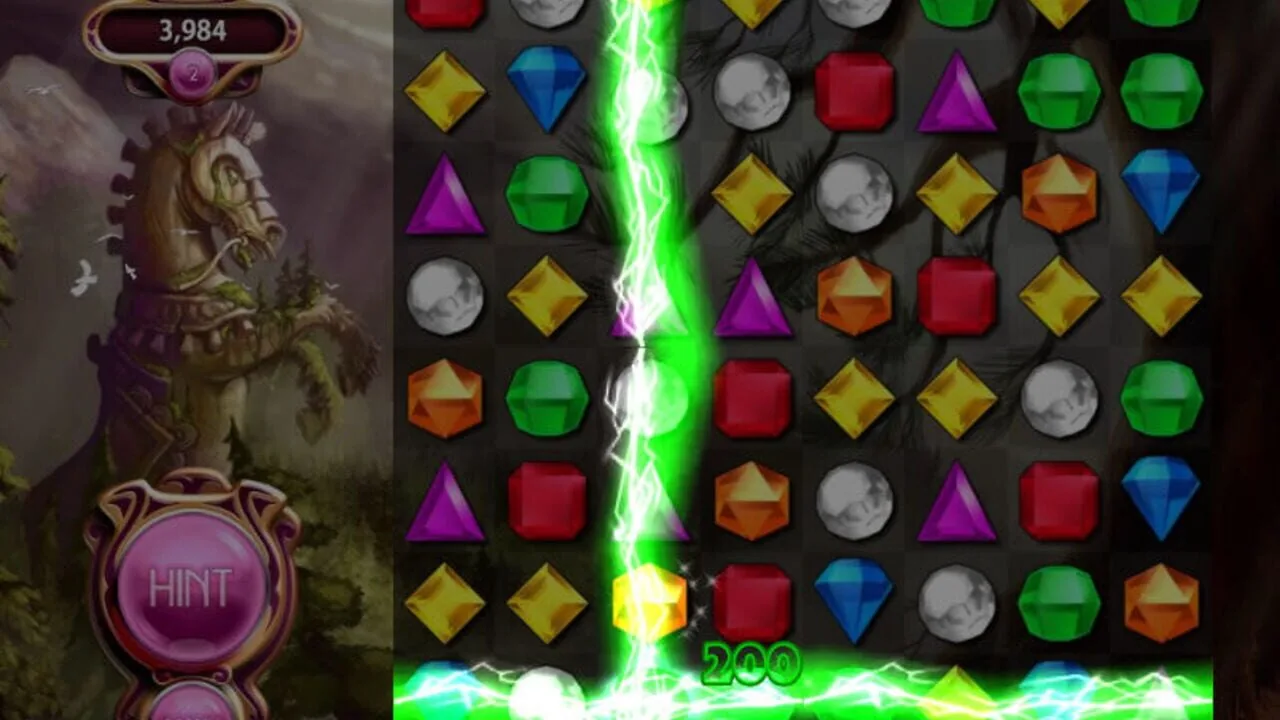
Bejeweled 3 came out on Windows and Mac on December 7, 2010, to celebrate 10 years of Bejeweled, and it was ported to several consoles afterward. You swap gems to make lines of three, the way you always have. A match of six or more, which only happens through a chain reaction, makes a Supernova Gem that clears its whole row and column.
The modes are where it earns its spot. Zen is endless, and you can never run out of moves. Poker has you fill hands with gems for points. Diamond Mine makes you dig through dirt for treasure, and clearing all of it at once gives you 90 extra seconds. Butterflies is a secret mode you unlock later. It is the one game here you can play half asleep.
16. Stealth Inc: A Clone in the Dark (2013)
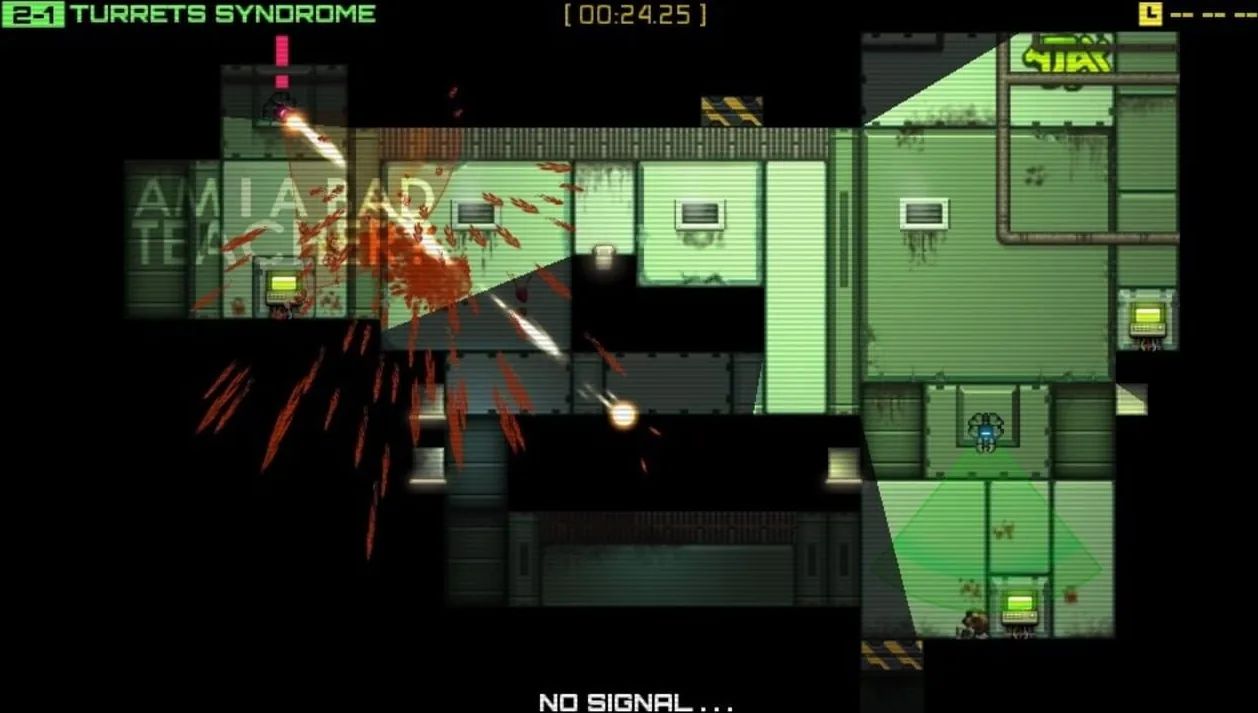
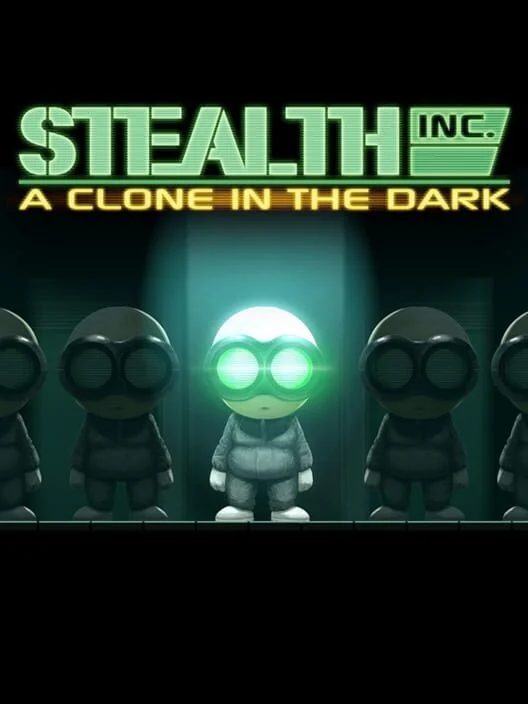
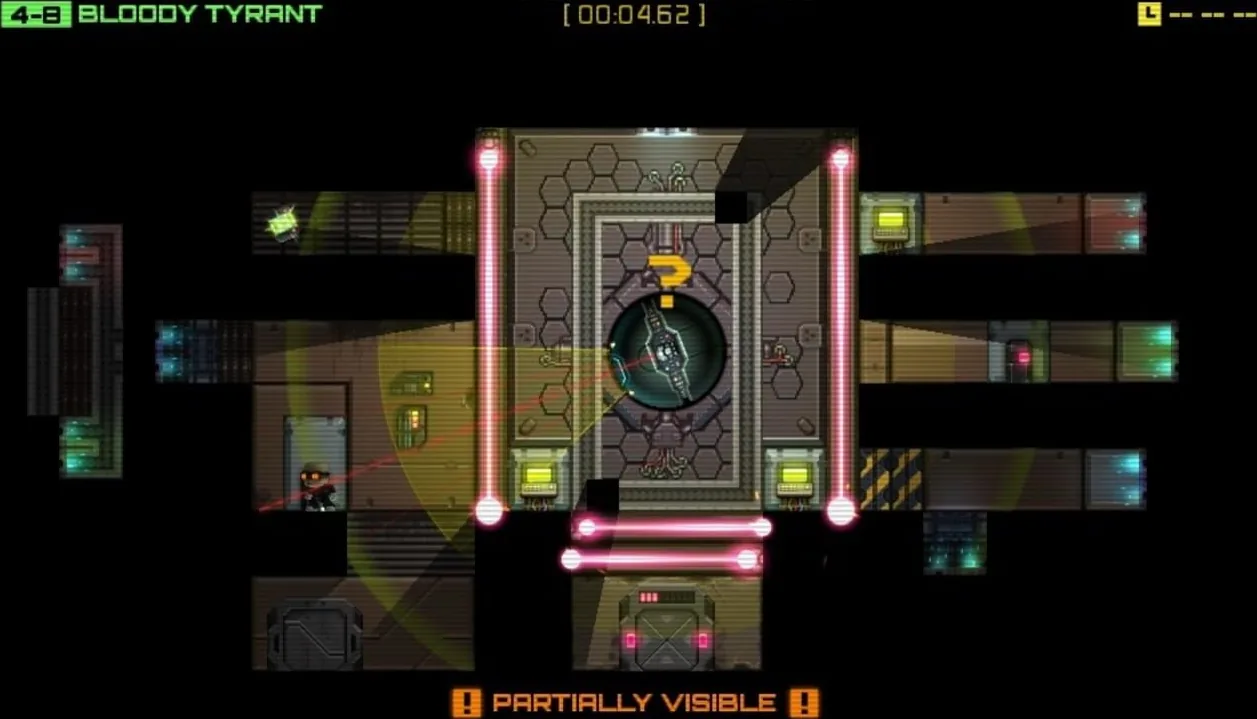
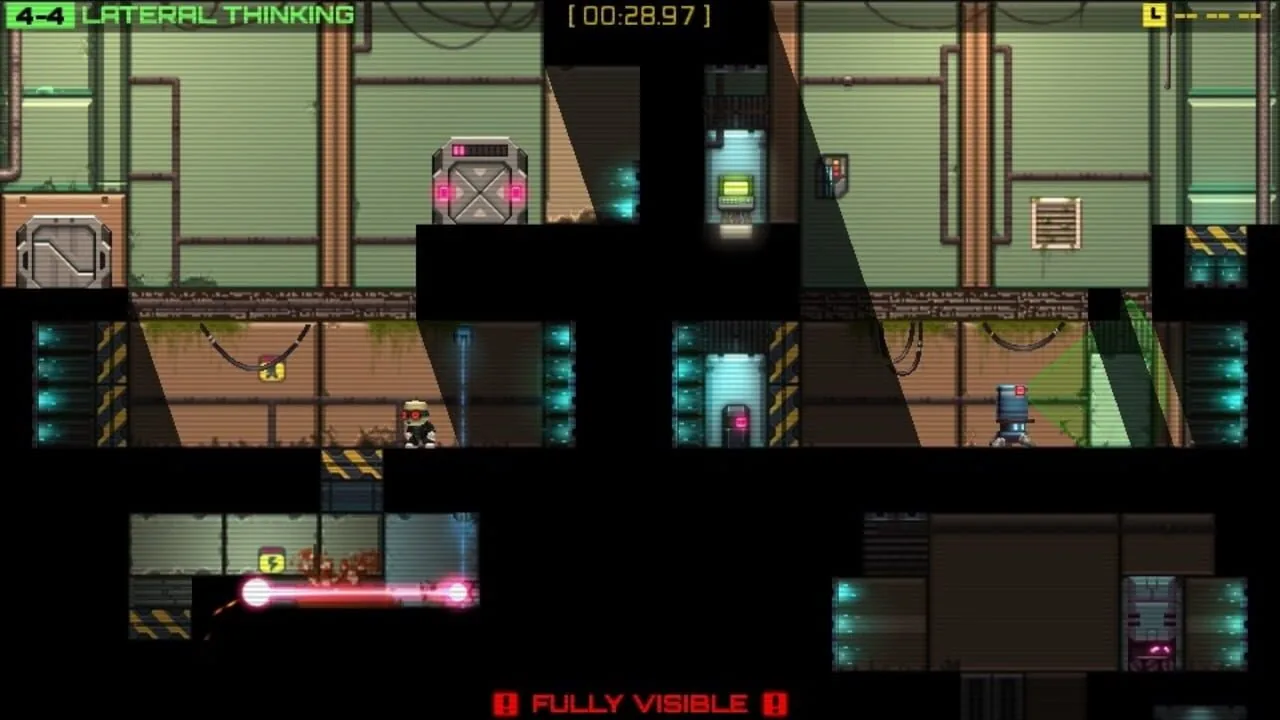
Stealth Inc started out on Windows as Stealth Bastard, a free download released on 4 November 2011. The PS3 got it under a name that could go on a store page. Its mechanics revolve around stealth, and it has been likened to Metal Gear Solid and Super Meat Boy. That mix is a good way to picture it: short, deadly levels where hiding is the puzzle and failing sends you straight back to try again.
Two expansions, The Teleporter Chambers and The Lost Clones, were released in March 2014. A sequel, Stealth Inc 2: A Game of Clones, followed on the Wii U on 30 October 2014. The first game is still the place to start, because its levels are built for quick retries.
15. The Swapper (2013)
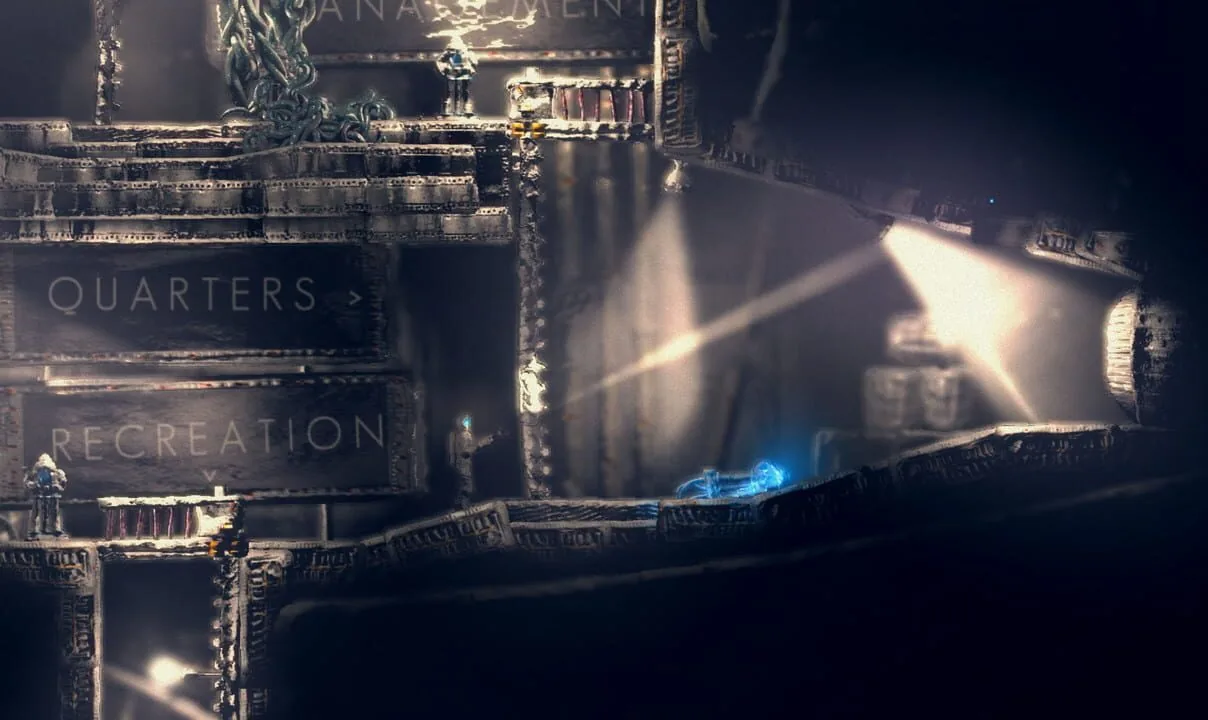
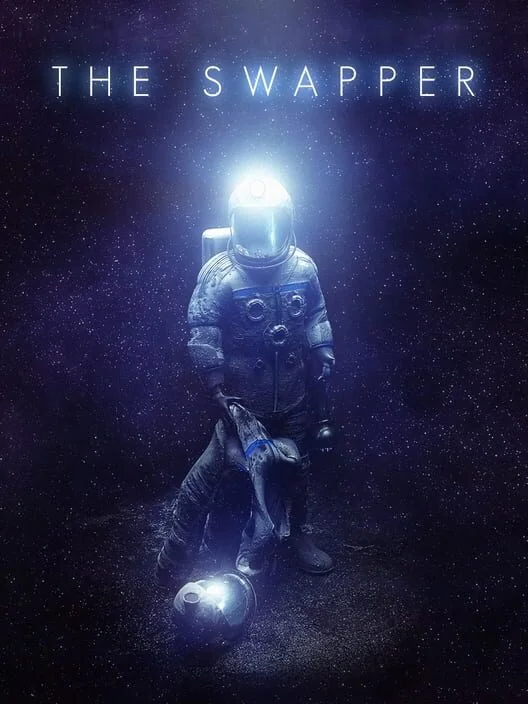
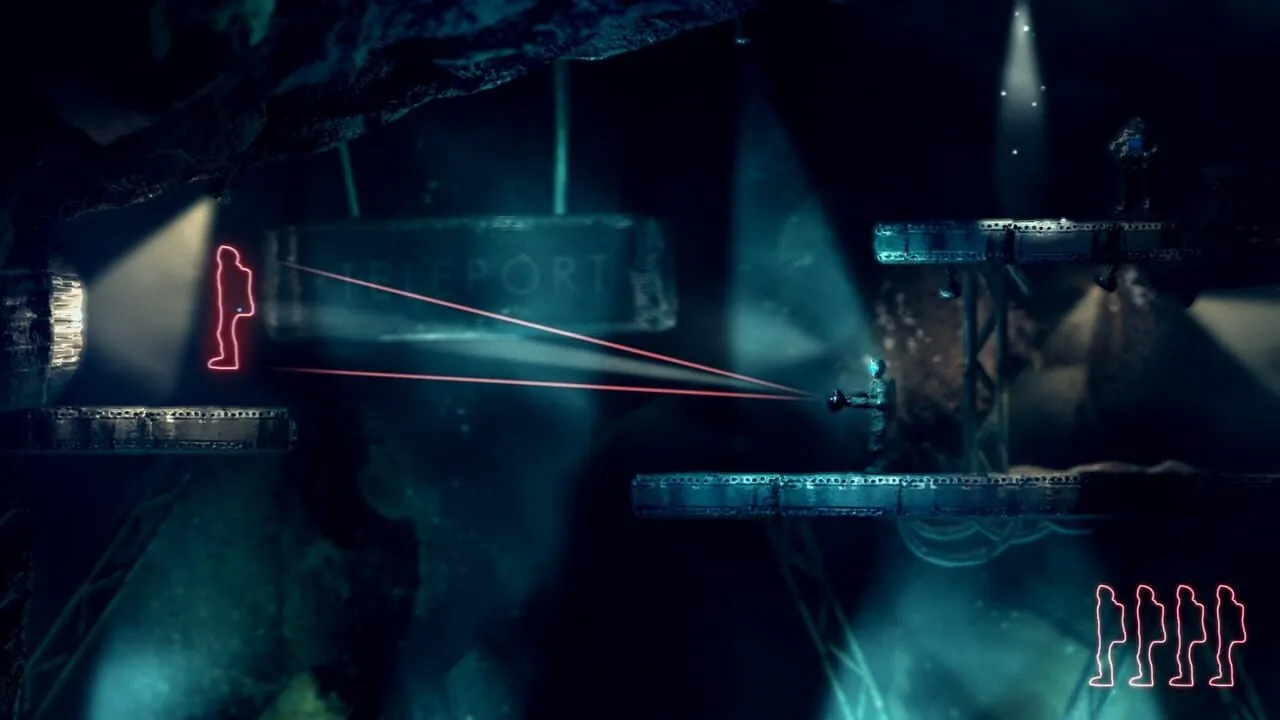
The Swapper was made by Facepalm Games, an independent developer in Helsinki, and released on PC on May 30, 2013. Curve Studios ported it to PlayStation in 2014. The device in the title can swap a person's consciousness into a body, and the puzzles are built around moving yourself from one body to another to reach places one person could not.
The story takes place on a space station that is falling apart. Station 7 has already lost orbit and burned up in its closest sun, and the stations around it are going dark. The first Watcher you find has the shape of a human face, and it is far from the last unsettling thing out there. The Swapper has 87/100 on Metacritic, and reviewers praised its atmosphere and its puzzles.
14. Quantum Conundrum (2012)
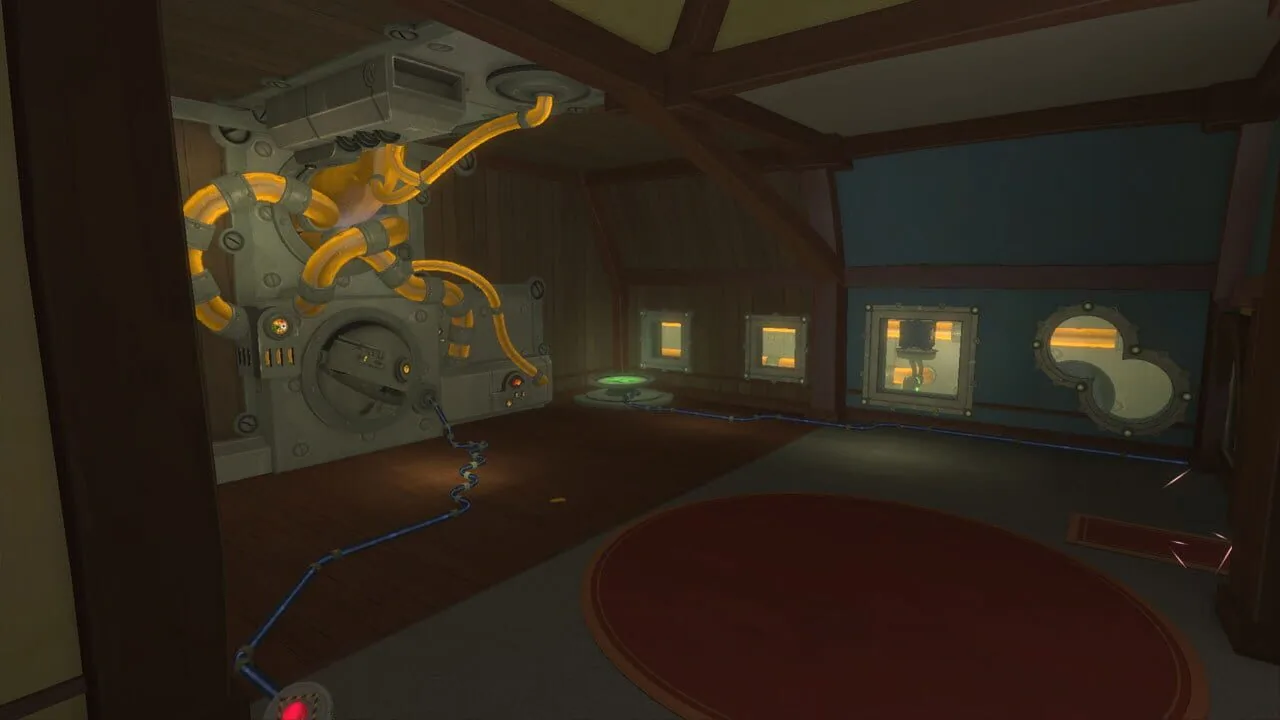
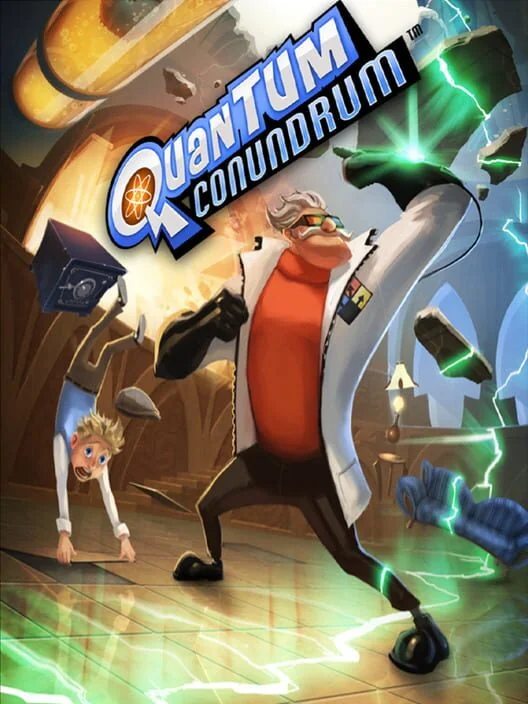
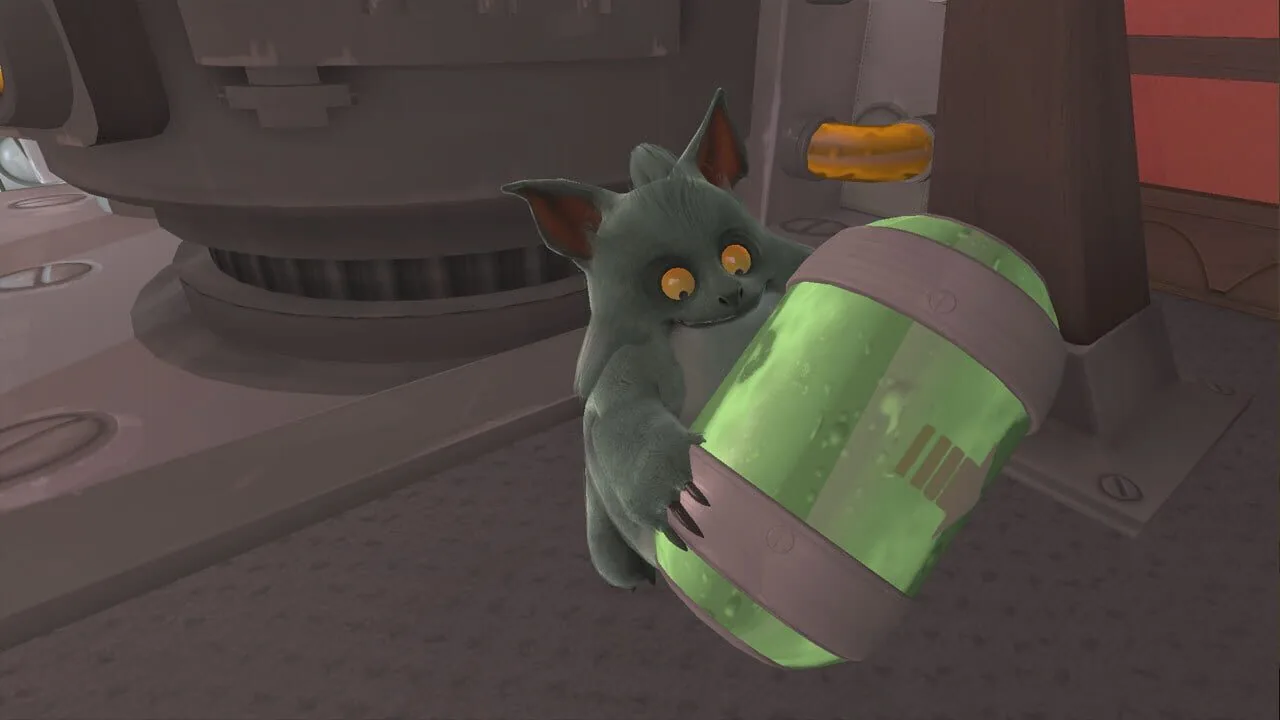
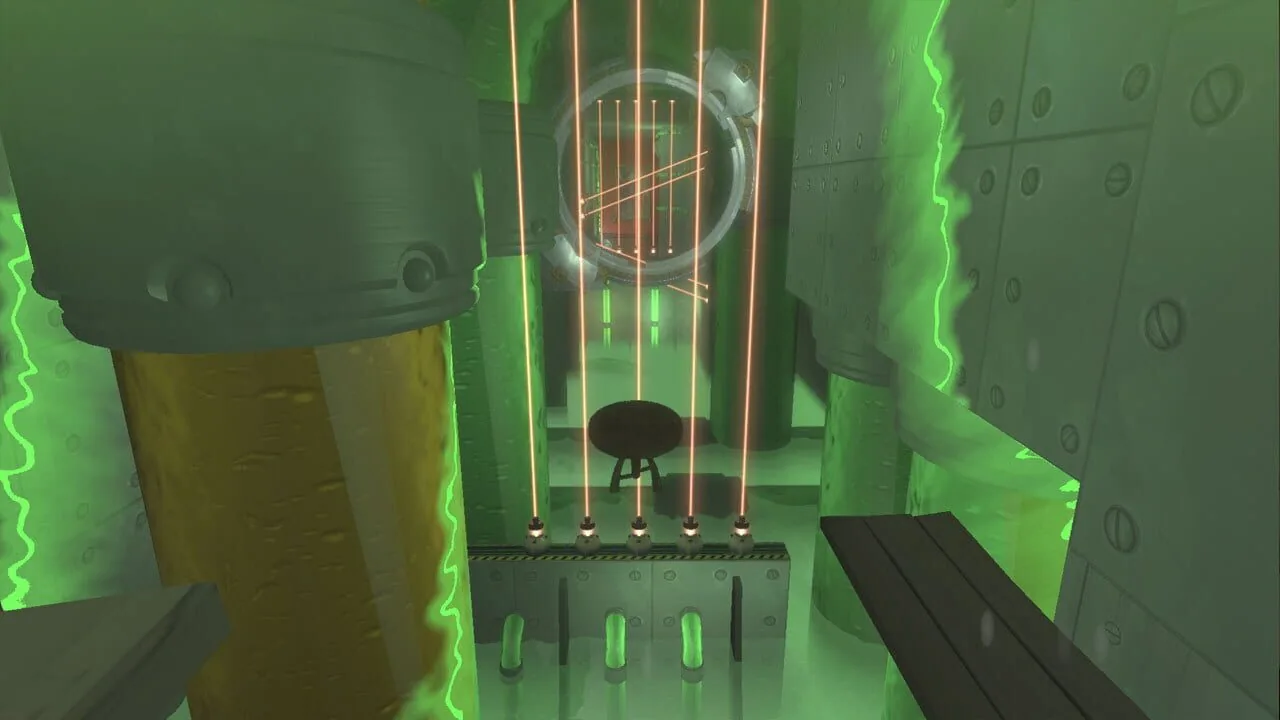
Quantum Conundrum came to the PlayStation Network in July 2012, a month after its PC release. It comes from Kim Swift, one of the developers of Portal, and you can tell. It is a first-person puzzle-platformer, and the rooms of the house work like test chambers.
You play the twelve-year-old nephew of Professor Fitz Quadwrangle, voiced by John de Lancie. One of his experiments leaves parts of the mansion in flux between four dimensions with different properties, and switching between them is how you get through each room. It is lighter and sillier than Portal, which suits a game about a boy left alone in his uncle's house.
13. Fez (2012)
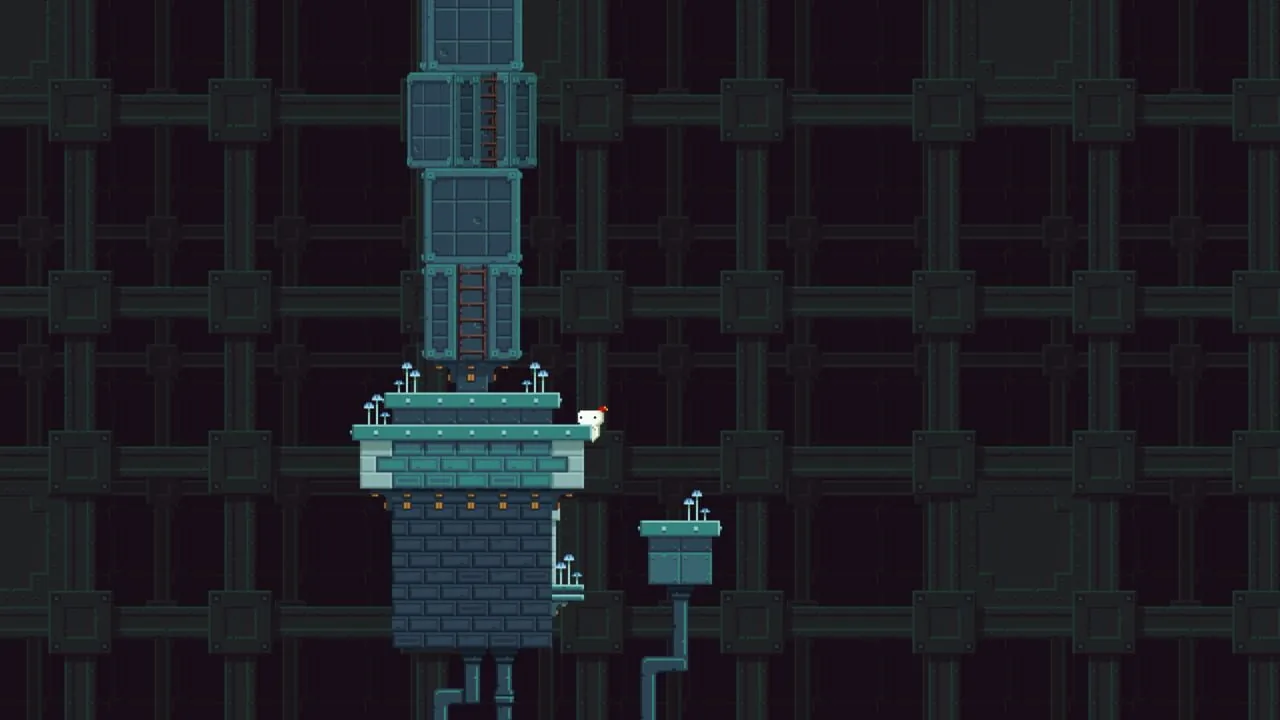
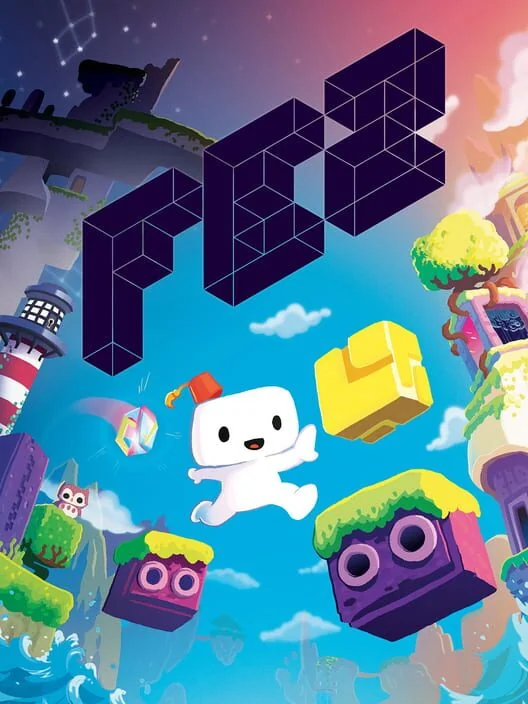
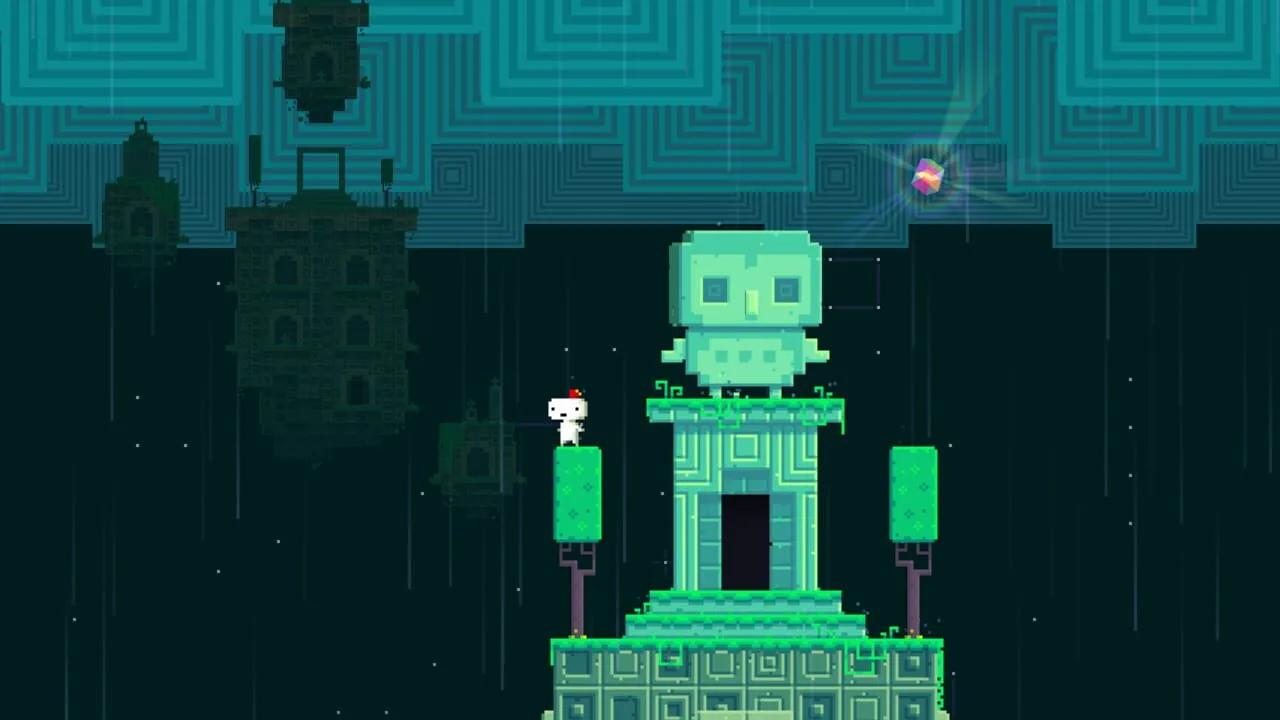
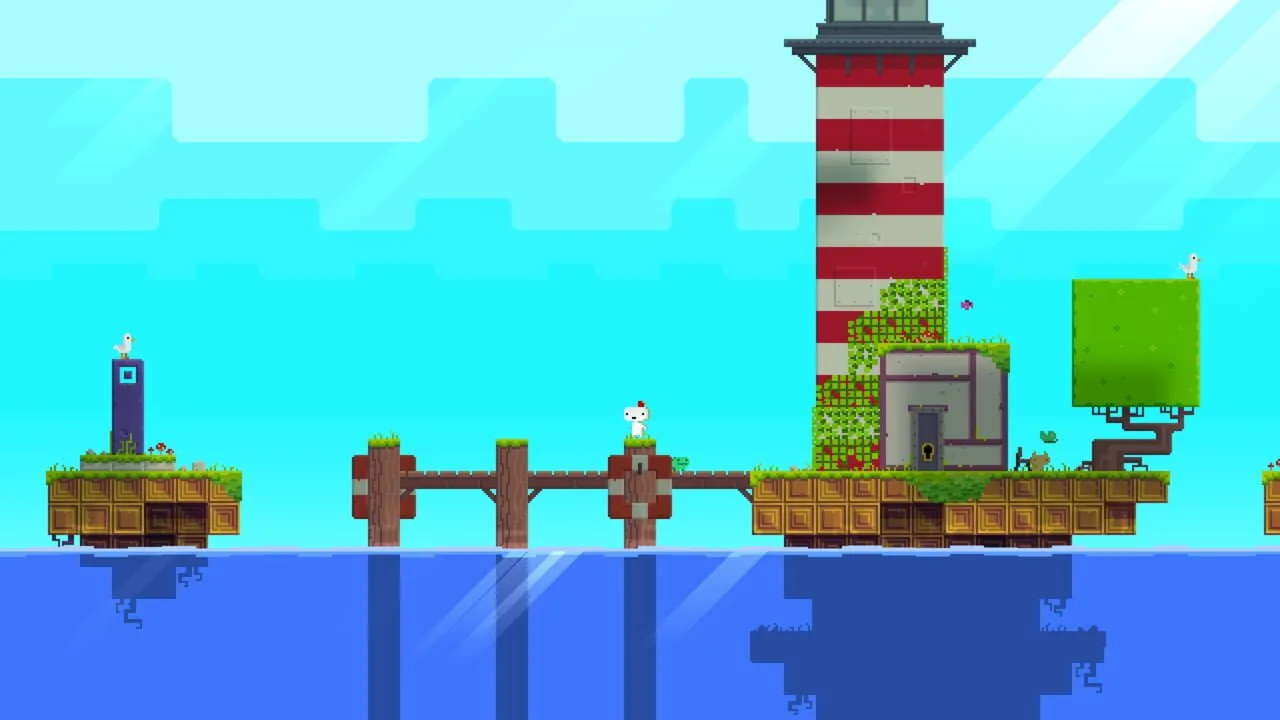
Fez came out on Xbox Live Arcade in April 2012 after a five-year development, and it was ported to other platforms once a yearlong exclusivity deal ran out. Its designer, Phil Fish, became famous for his outspoken public persona and his part in the 2012 documentary Indie Game: The Movie. The game is much calmer than its maker. Fish wanted the nostalgic, lonely feeling of Ico.
Reviewers loved its focus on discovery and freedom, and complained about the backtracking near the end. Fez won the Seumas McNally Grand Prize and Eurogamer's 2012 Game of the Year. It sold one million copies by the end of 2013 and went on to influence Monument Valley and Crossy Road.
12. Papo & Yo (2012)
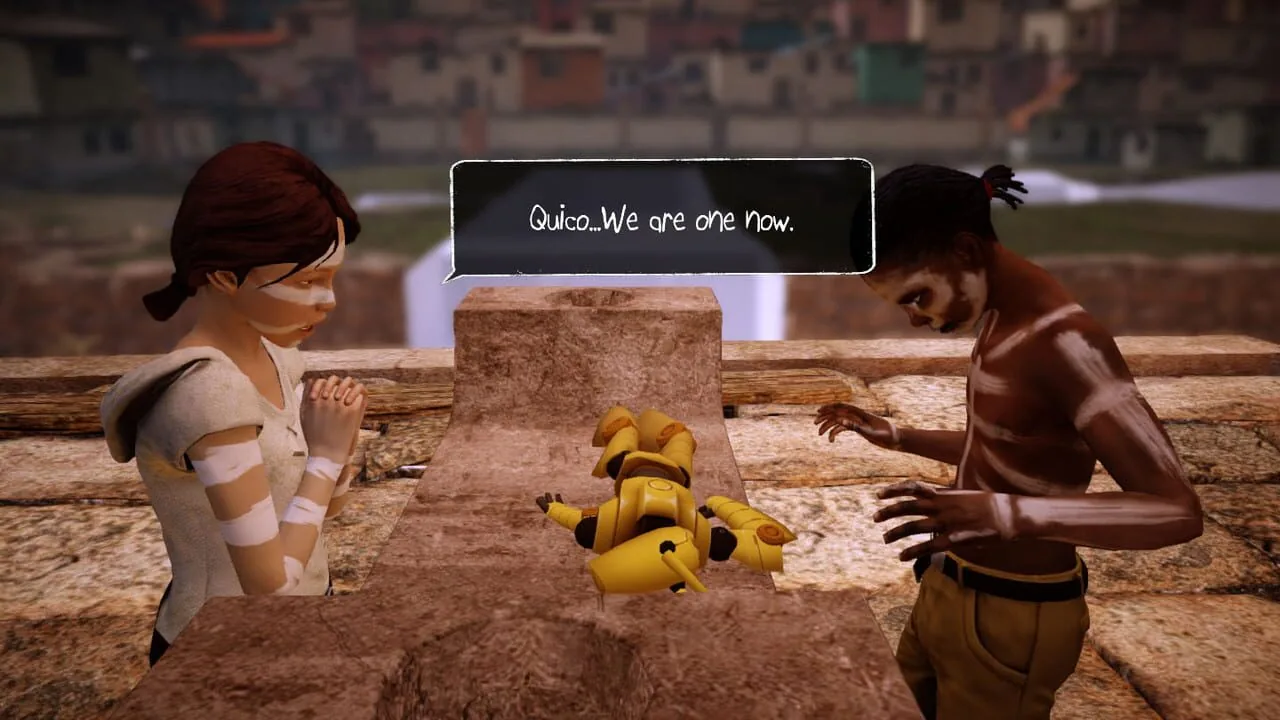
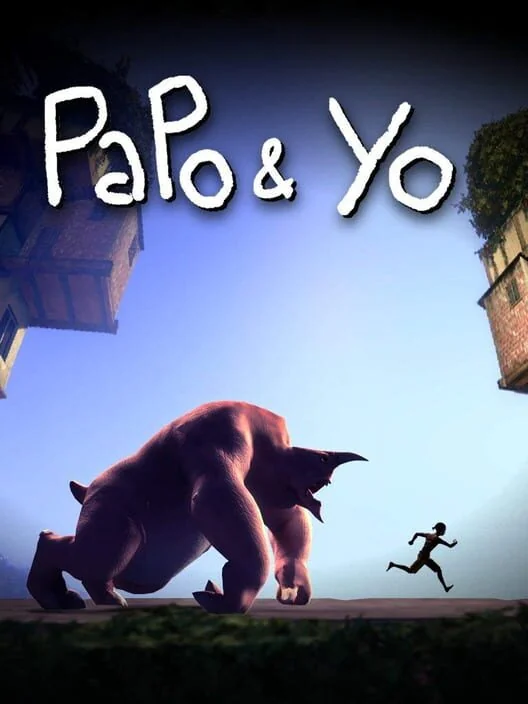
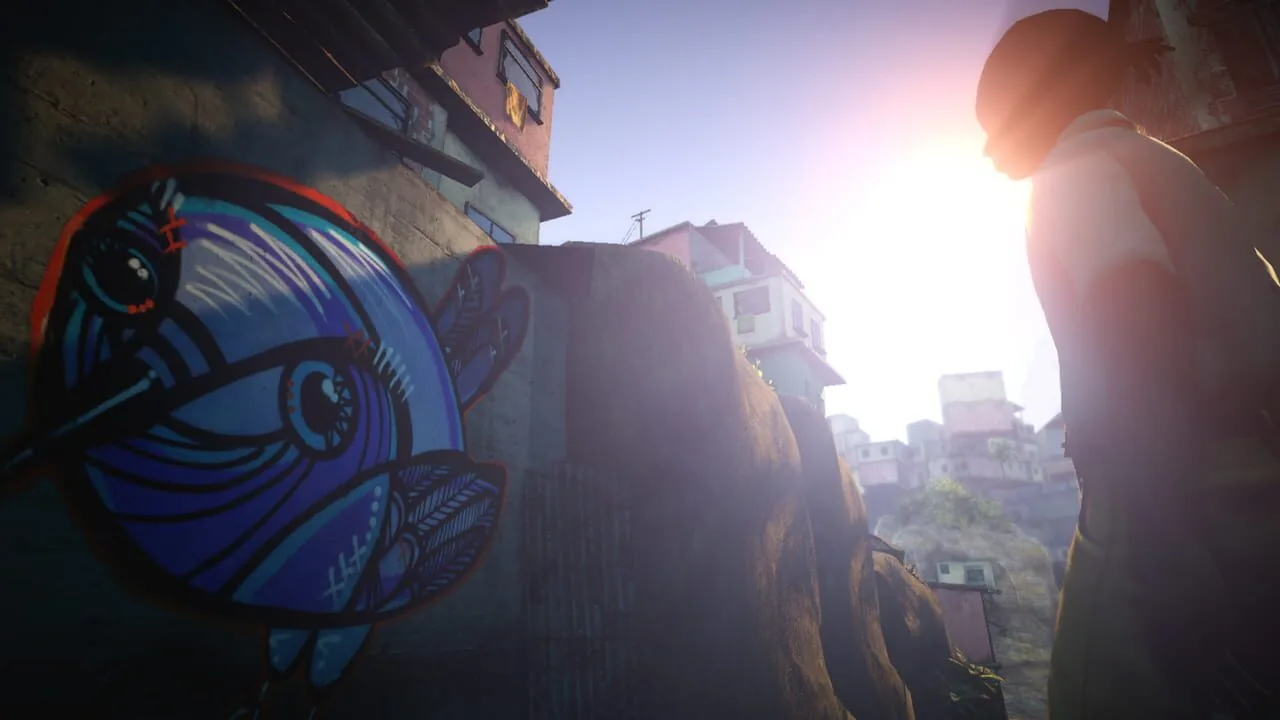
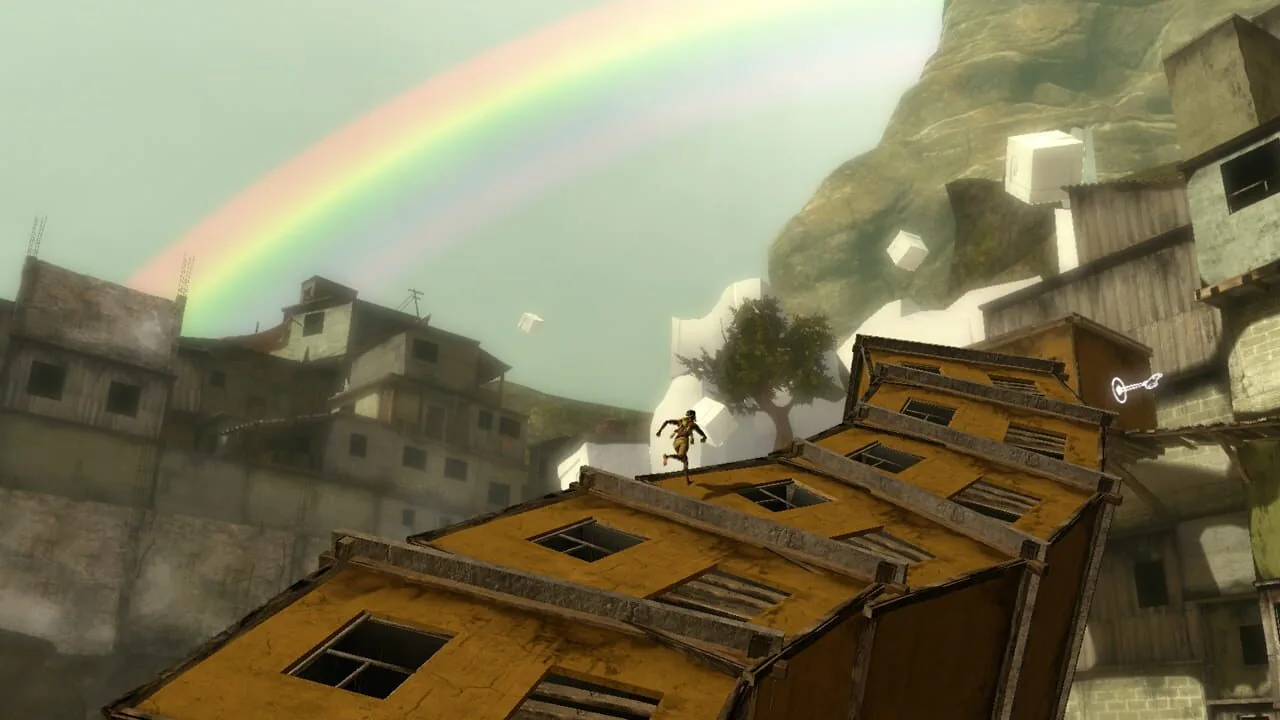
Papo & Yo was released on the PlayStation Network on August 14, 2012, and reached PC through Steam the next April. Vander Caballero designed it around his own past with an abusive, alcoholic father. You play Quico, a boy whose huge friend Monster at first seems very kind and helpful.
Monster has a weakness for frogs, and the frogs stand in for the father's drinking. Late in the game you have to lure Monster into giant traps meant to hurt it, which is as hard to do as it sounds. Of all the games on this list, this is the one most likely to make you put the controller down for a minute.
11. Machinarium (2009)
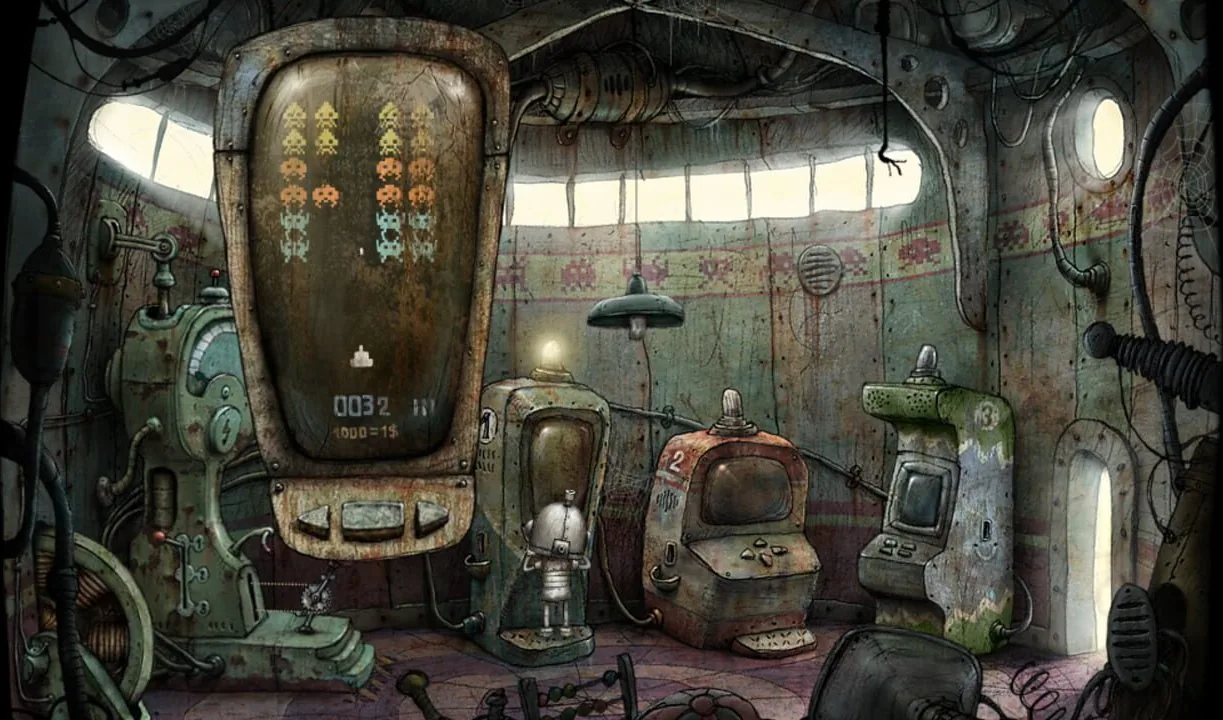
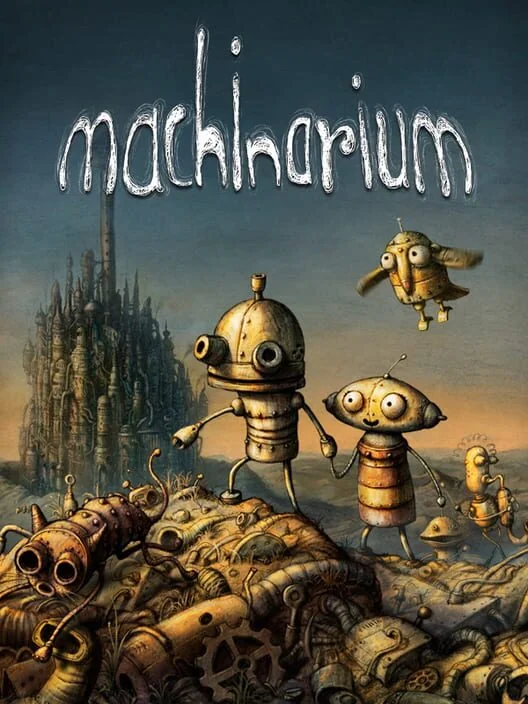
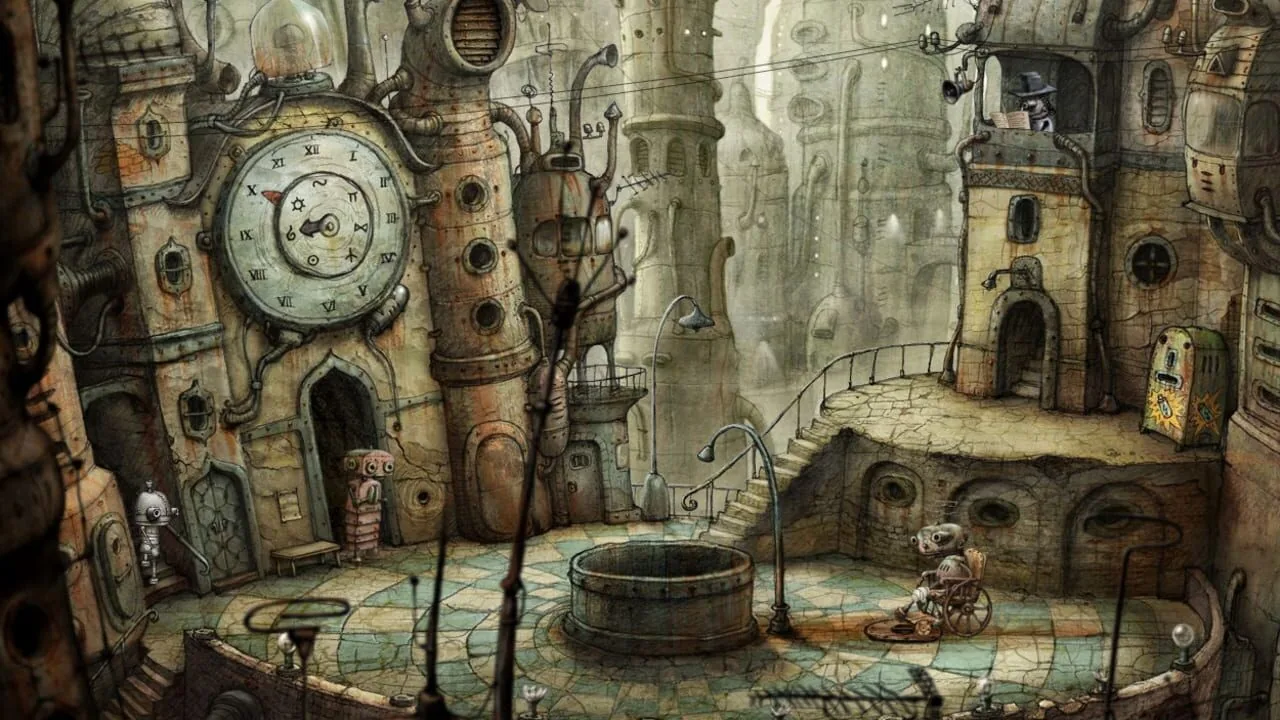
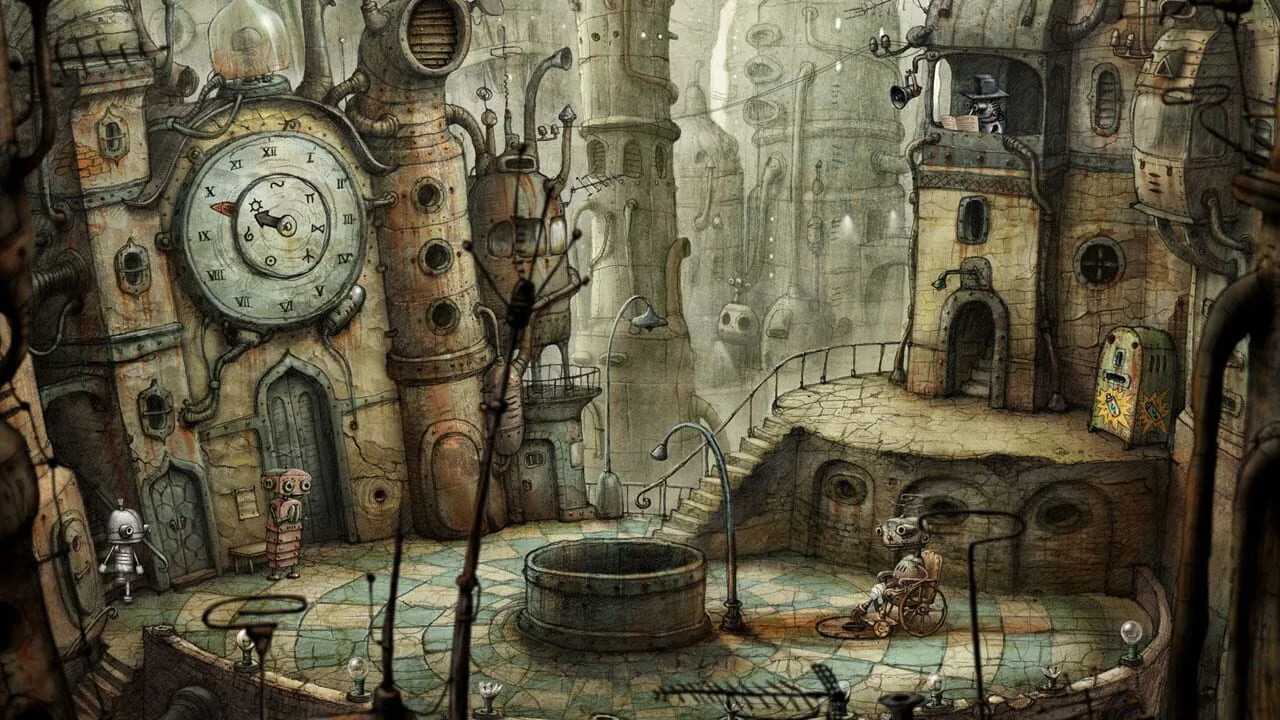
Machinarium is a point-and-click puzzle adventure made over three years by seven Czech developers, who paid for it with their own savings. It has no dialogue, spoken or written, and apart from a few tutorial prompts on the first screen it uses no language you can read. Only objects within your character's reach can be clicked on.
It nearly went to the Xbox 360. The team spent six months on that version, but Microsoft decided not to publish it on Xbox Live Arcade. The marketing budget was $1,000. Stuck players can open the walkthrough, but it only shows what must be done in that area, so you still have to work out how.
10. Thomas Was Alone (2012)
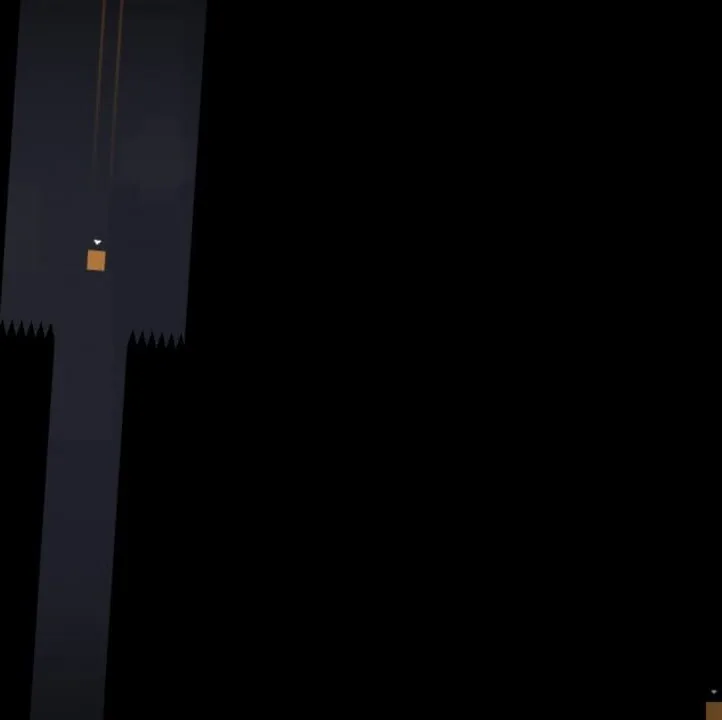
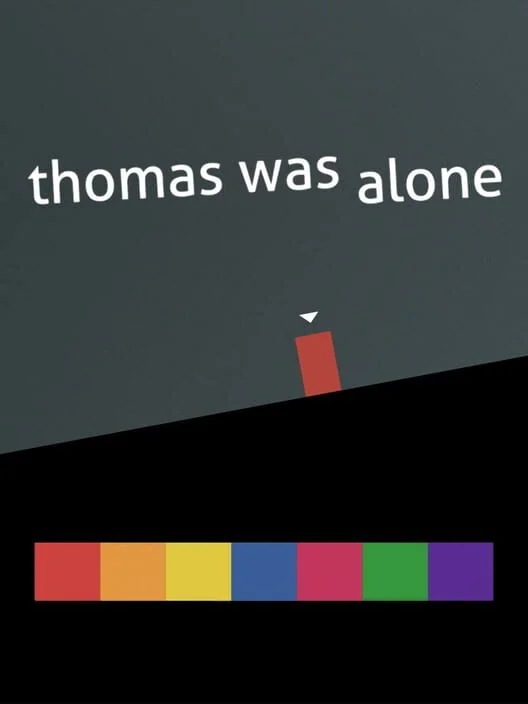
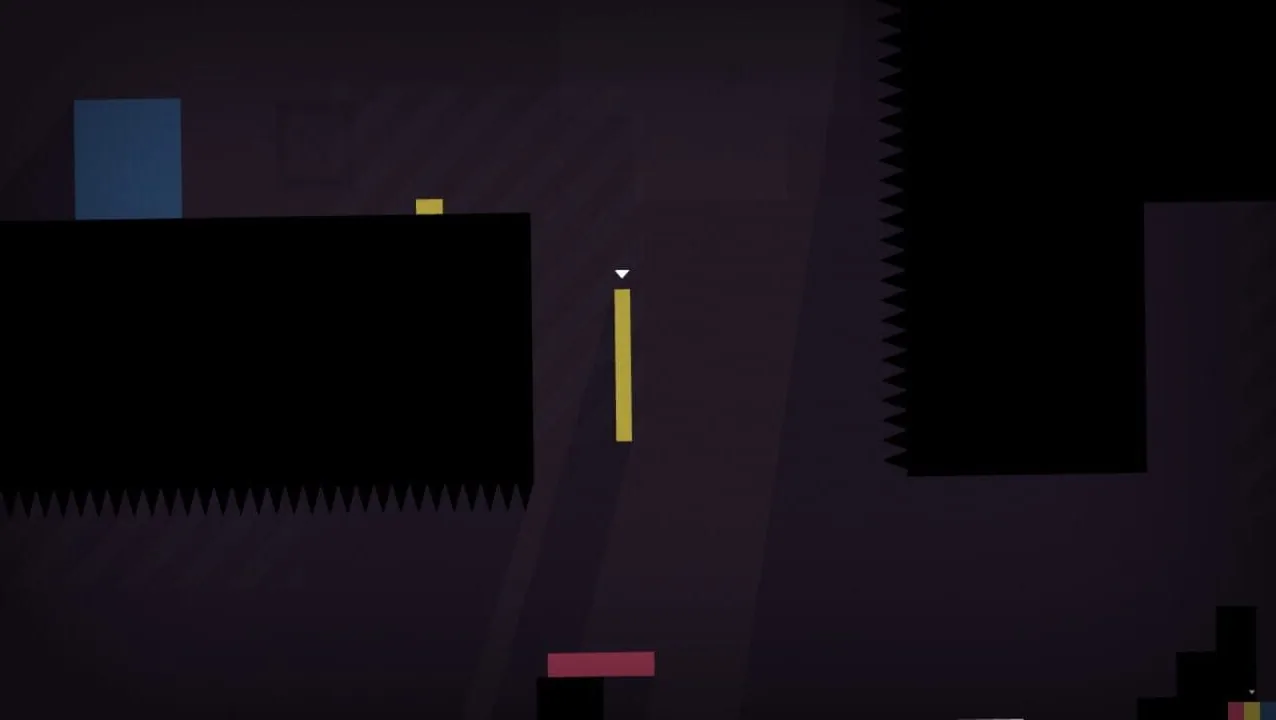
Thomas Was Alone is a puzzle-platformer about rectangles, and it will make you care about them. Each shape has its own name and personality, Thomas included, and a narrator voiced by Danny Wallace tells you what they are thinking. His performance won a BAFTA Games Award. In each level you guide the shapes to their own exits, and all of them have to be standing in an exit at the same time.
Mike Bithell made it, and he credits Shahid Ahmad at Sony UK for helping bring it to the PlayStation consoles. A later release added new levels and a new character named Benjamin, who has jetpack-like abilities. No other game here can make you sad about a rectangle.
9. Braid (2008)
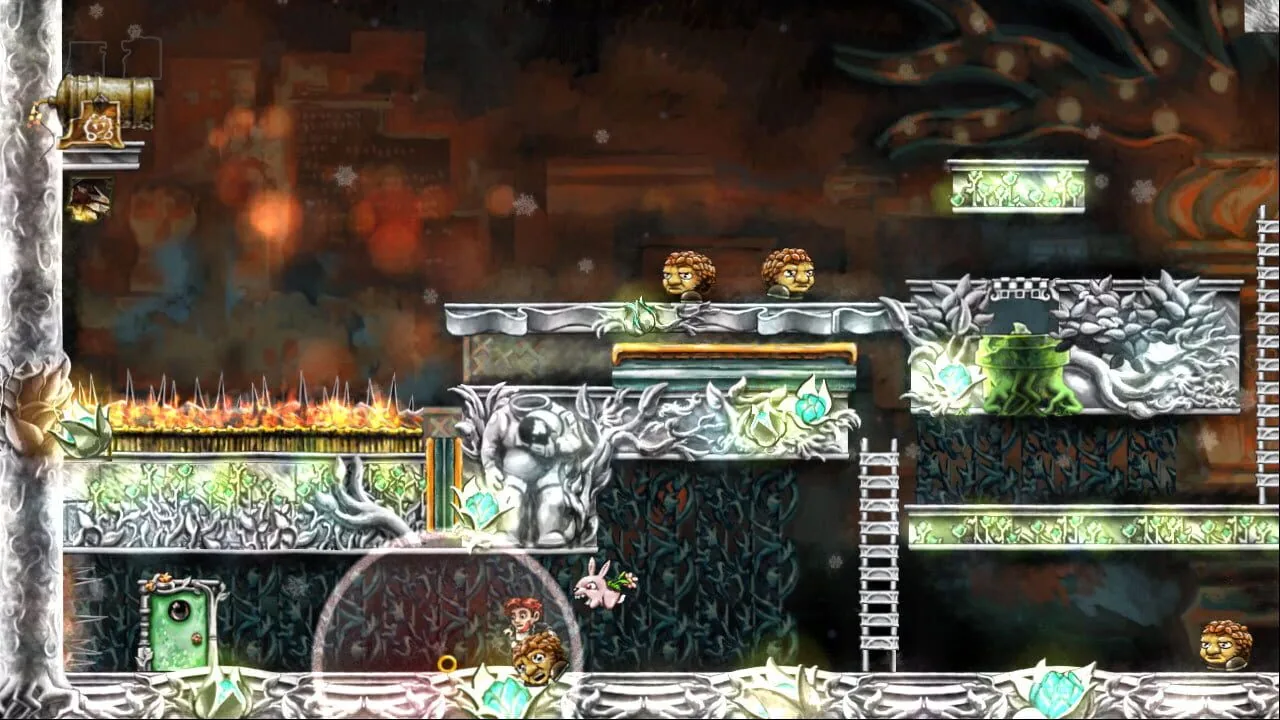
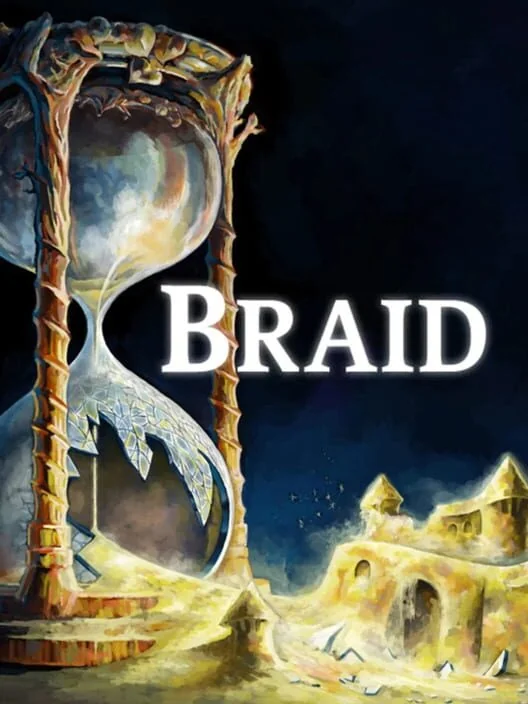
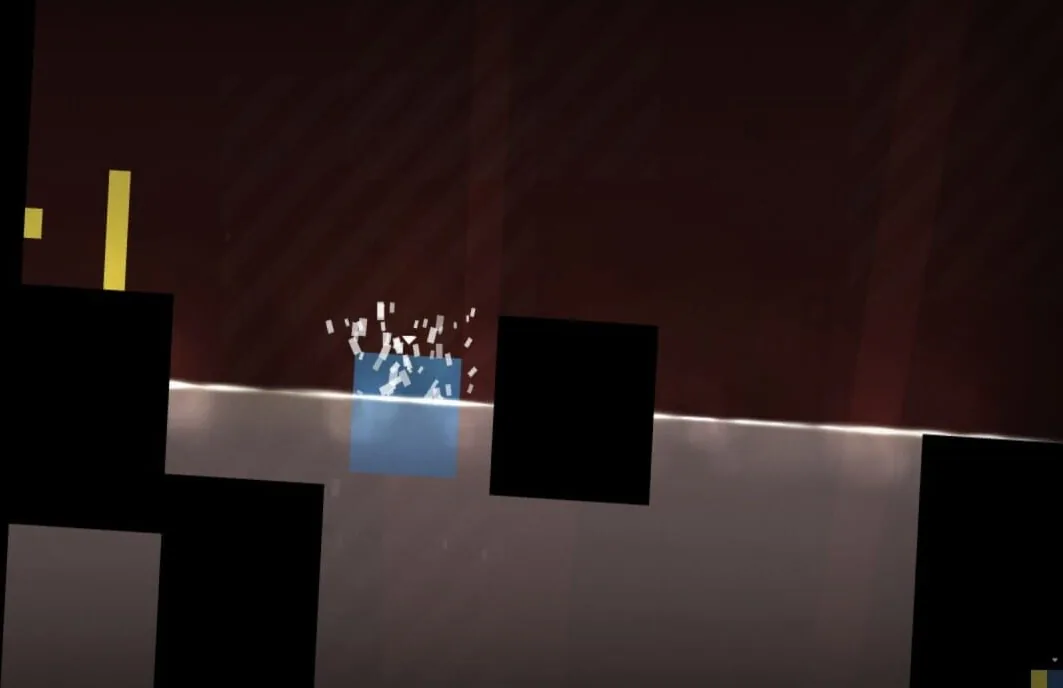
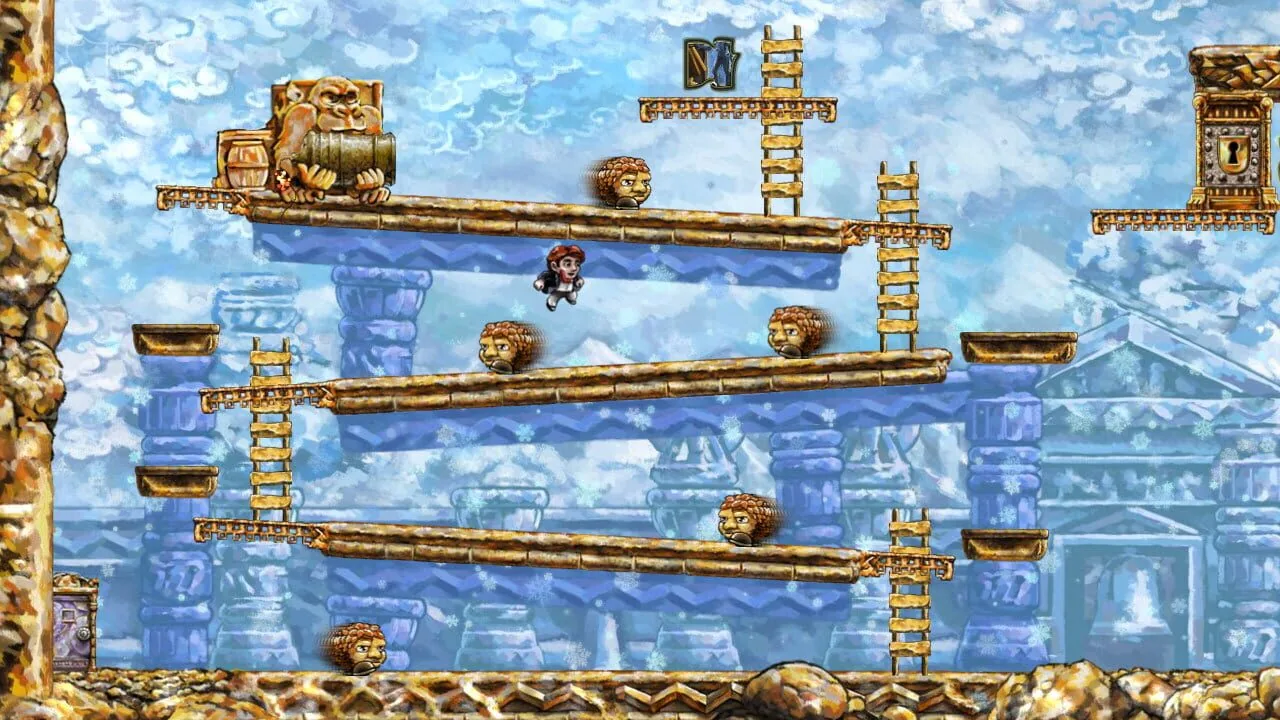
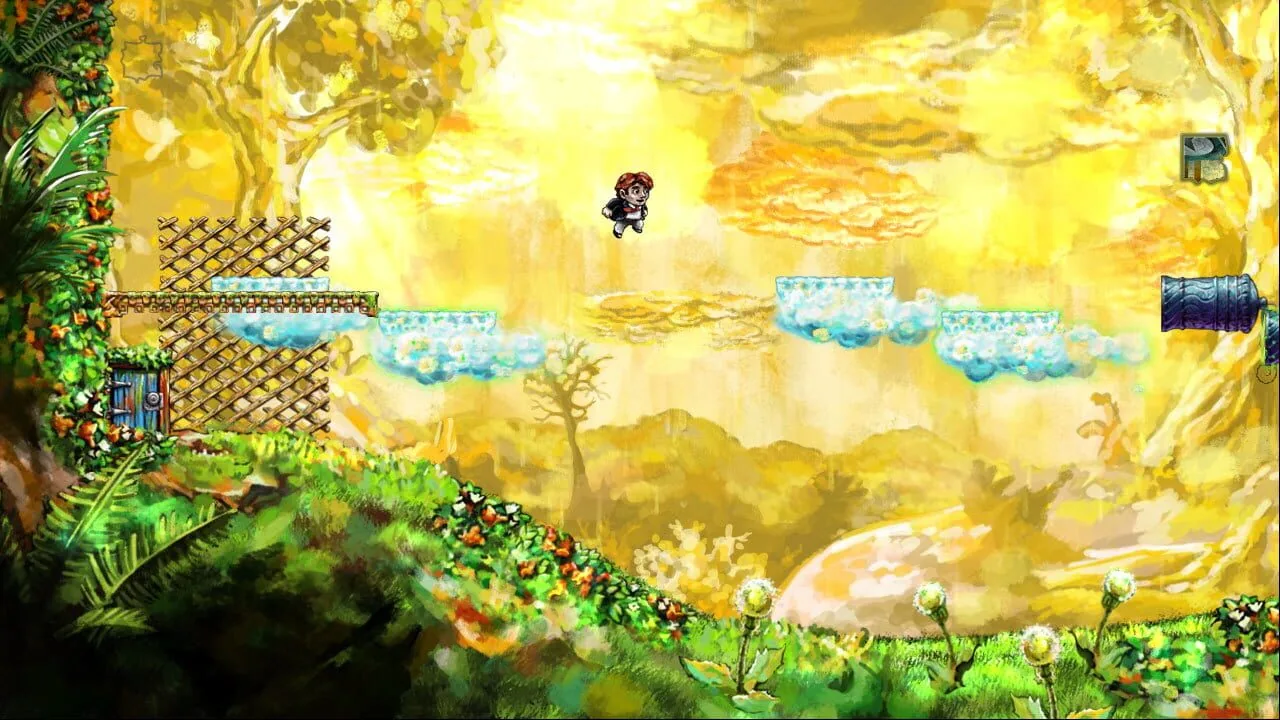
Braid reached the PS3 in November 2009, a little over a year after its Xbox Live Arcade debut. Jonathan Blow designed it and paid for the three years of work himself, with webcomic artist David Hellman on the art. It looks like a platformer, and its puzzles are built on time mechanics that change from world to world.
A preliminary version won the Innovation in Game Design award at the 2006 Independent Games Festival, before the final artwork was in. Braid is seen as a keystone title in the growth of indie games, and it is considered one of the greatest video games ever made. Its revenue, nearing $6 million by 2015, paid for Blow's next game, The Witness.
8. Limbo (2010)
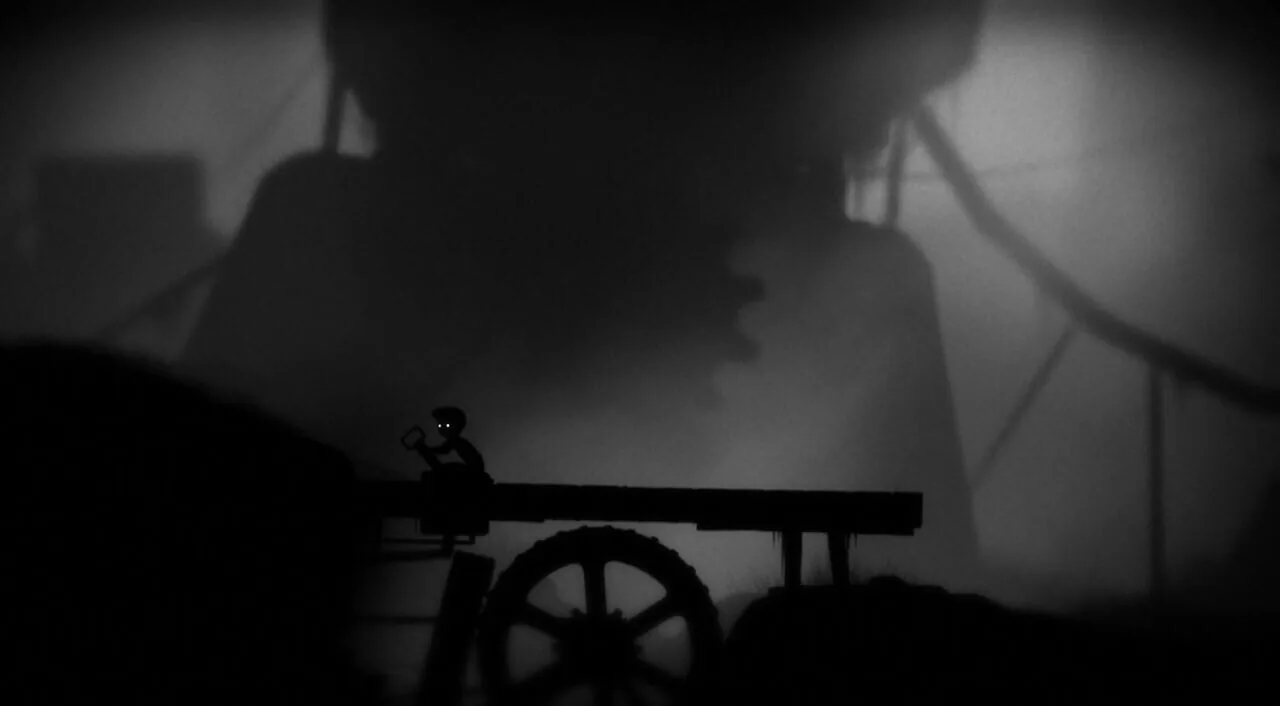
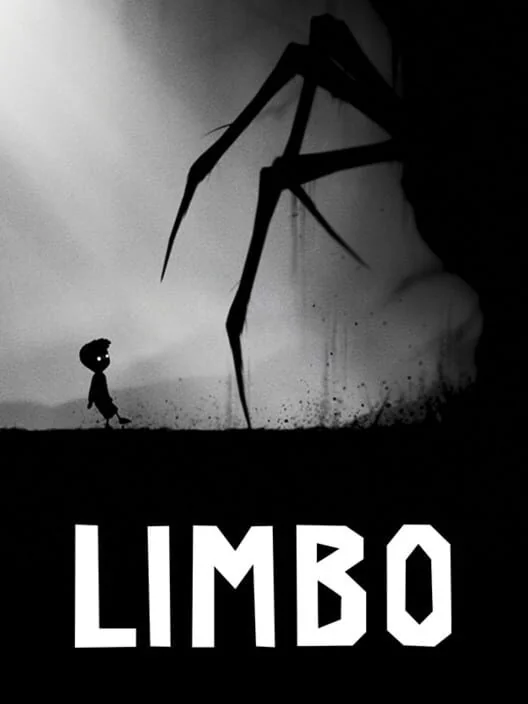
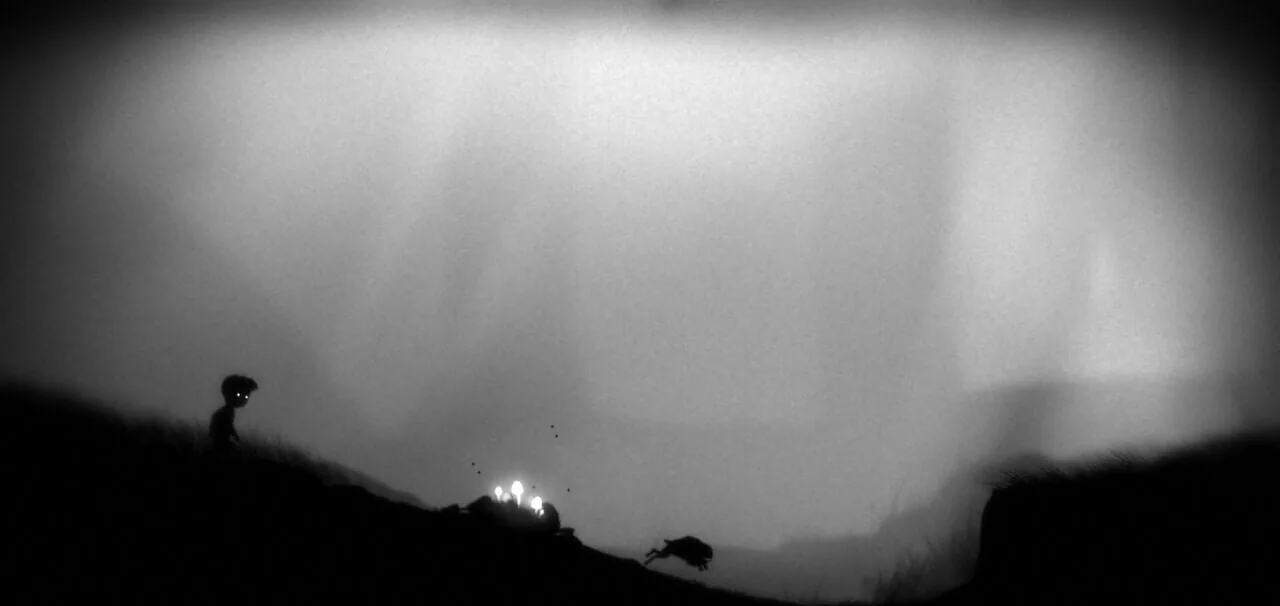
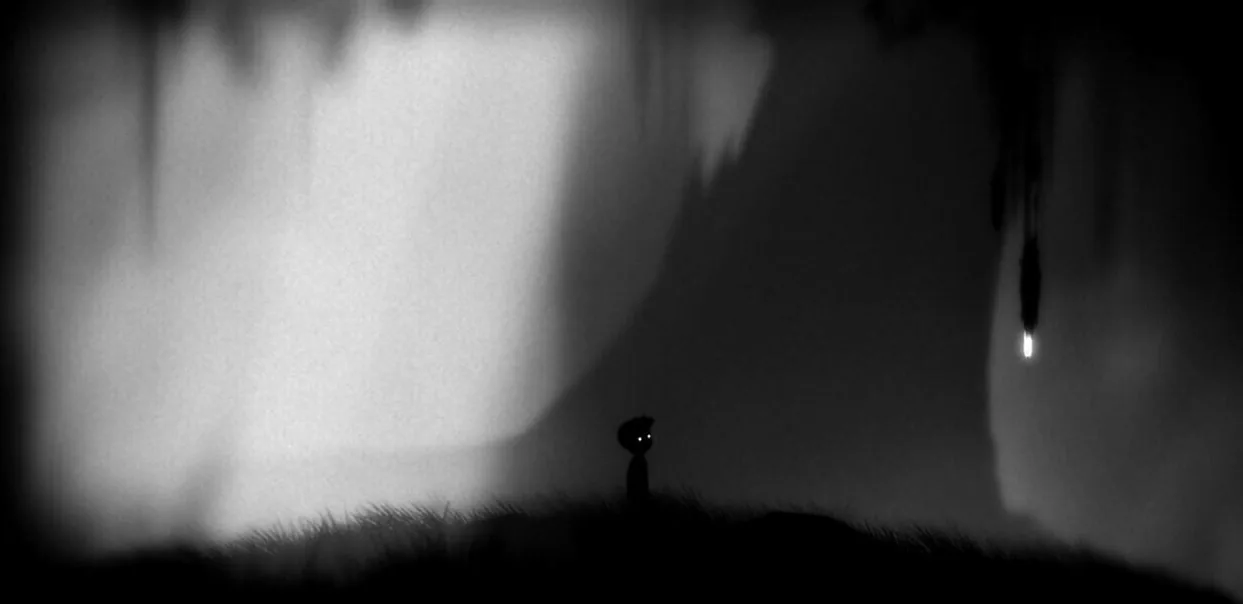
Limbo came out on Xbox Live Arcade in July 2010, and Playdead later ported it to the PlayStation 3 and several other systems. You guide a boy through a dark world full of traps. Playdead built its puzzles expecting you to fail before you find the solution, so you will die a lot, usually in ways that make you wince.
The early part is a forest with a giant spider in it. The second half turns to mechanical puzzles and traps built on machinery, electromagnets and gravity. Some critics thought it was too short for the price, and others thought the length was ideal. The abrupt ending still splits people. Playdead's next game, Inside, came back to many of the same themes.
7. Peggle (2007)
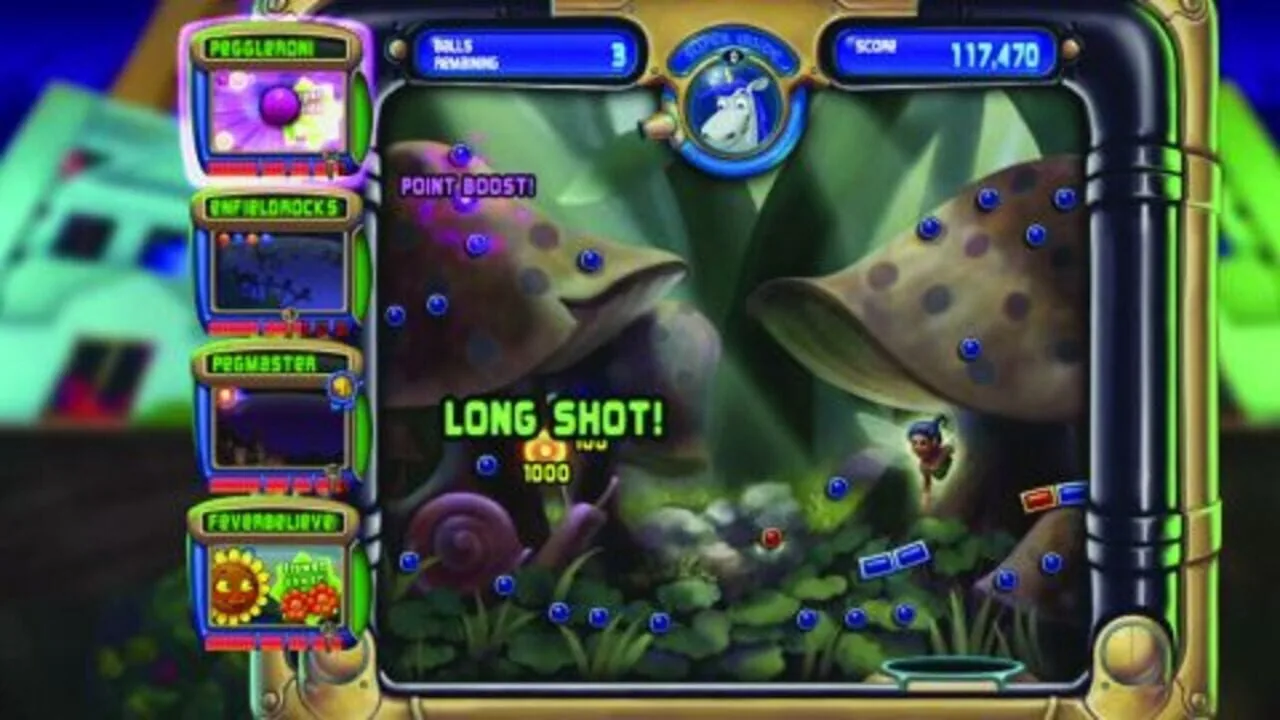
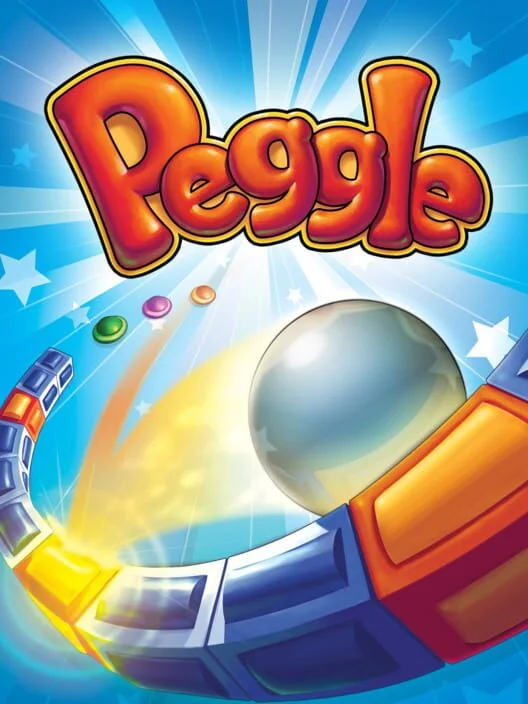
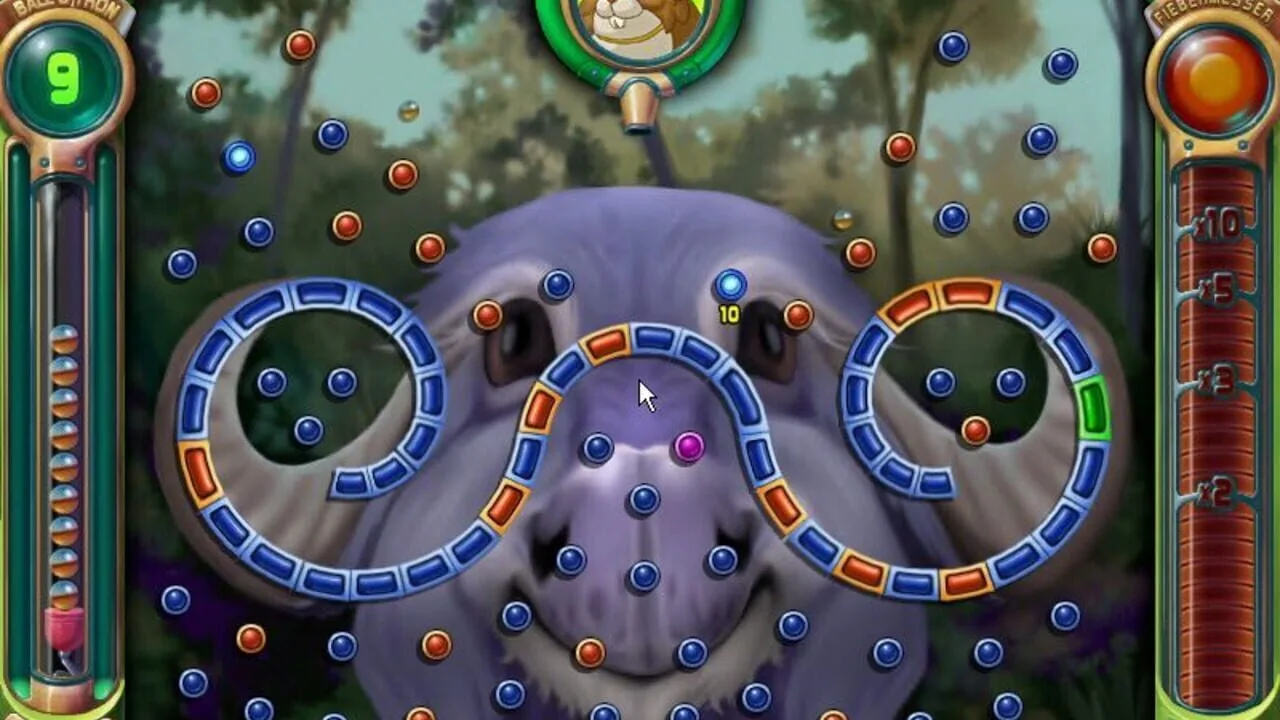
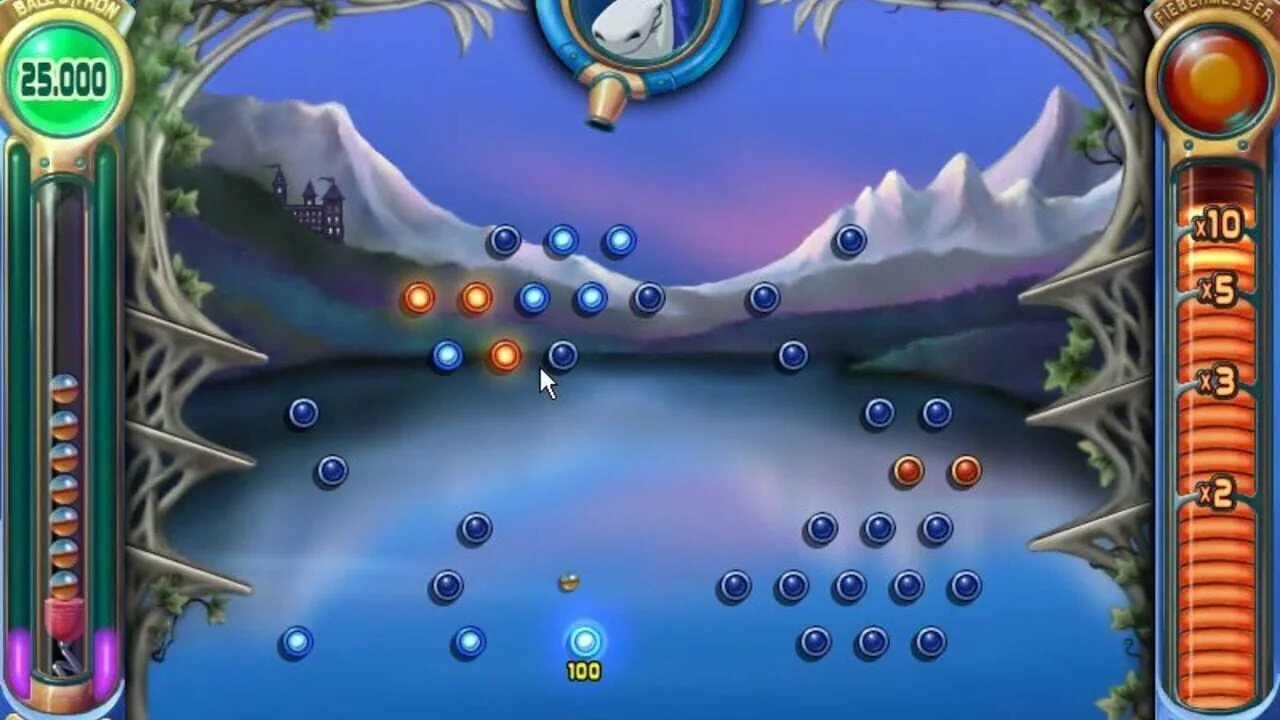
Peggle takes its ideas from pachinko and bagatelle. Each level gives you a limited supply of balls to shoot at a field of colored pegs, and you have to clear the specially marked ones. Half of each shot is planning, and the other half is watching the ball bounce wherever it likes.
It sold slowly at first, until a specially designed demo turned up in Valve's The Orange Box, and it has since been downloaded over 50 million times. Hit the last marked peg and the game plays "Ode to Joy" at you. That music began as a placeholder, and PopCap was smart enough to keep it.
6. Trine 2 (2011)
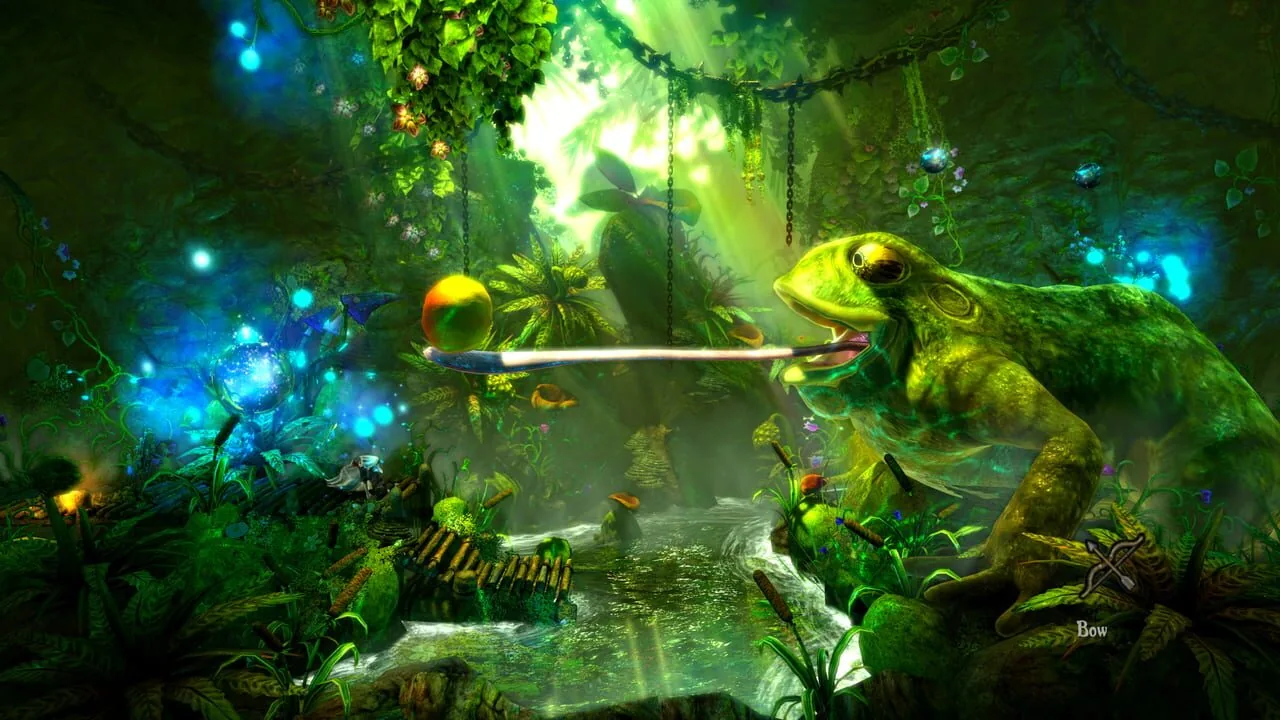
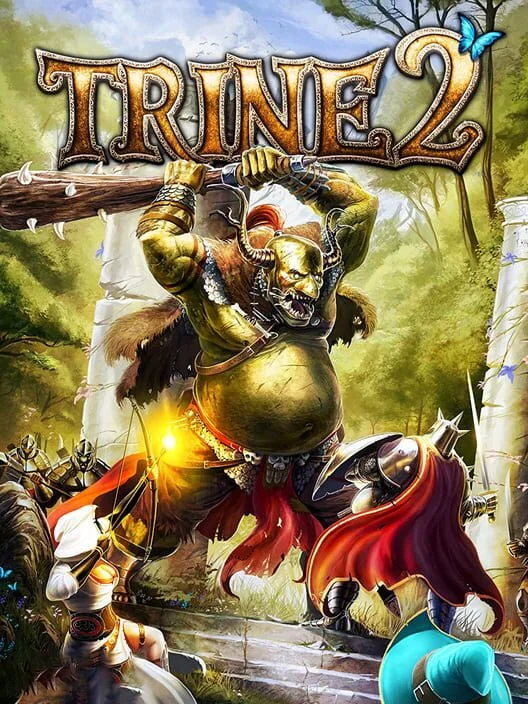
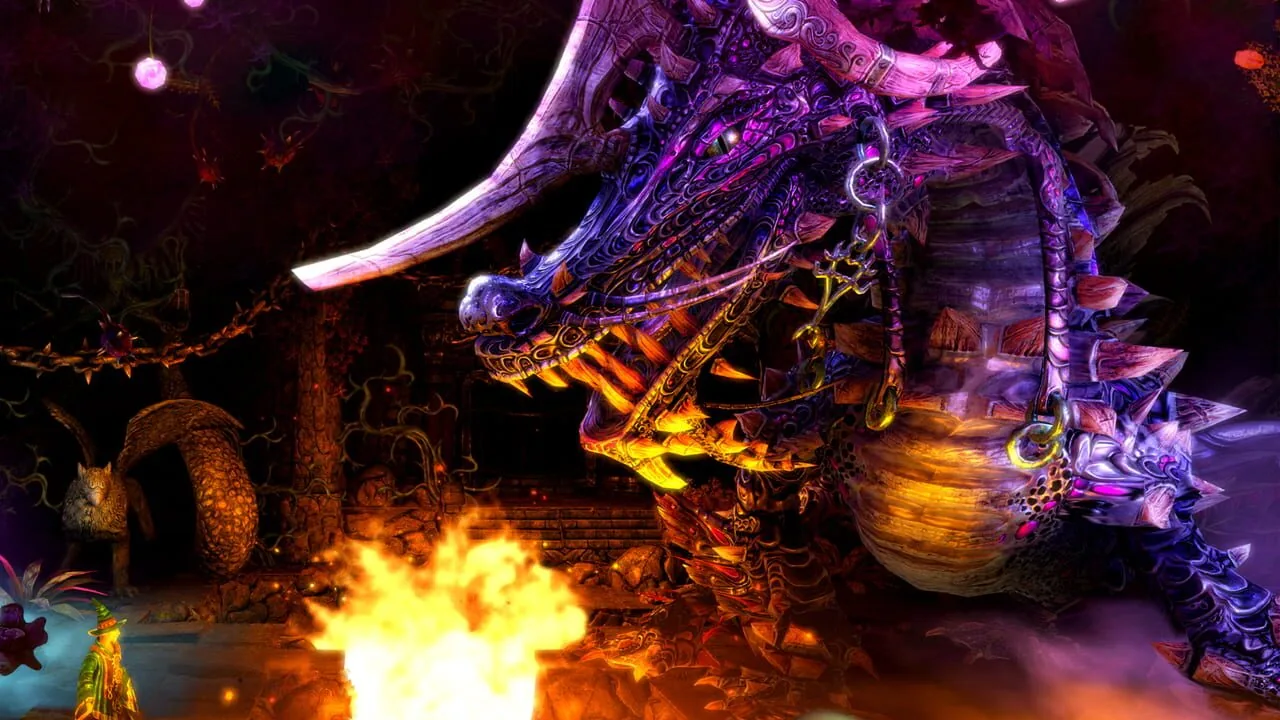
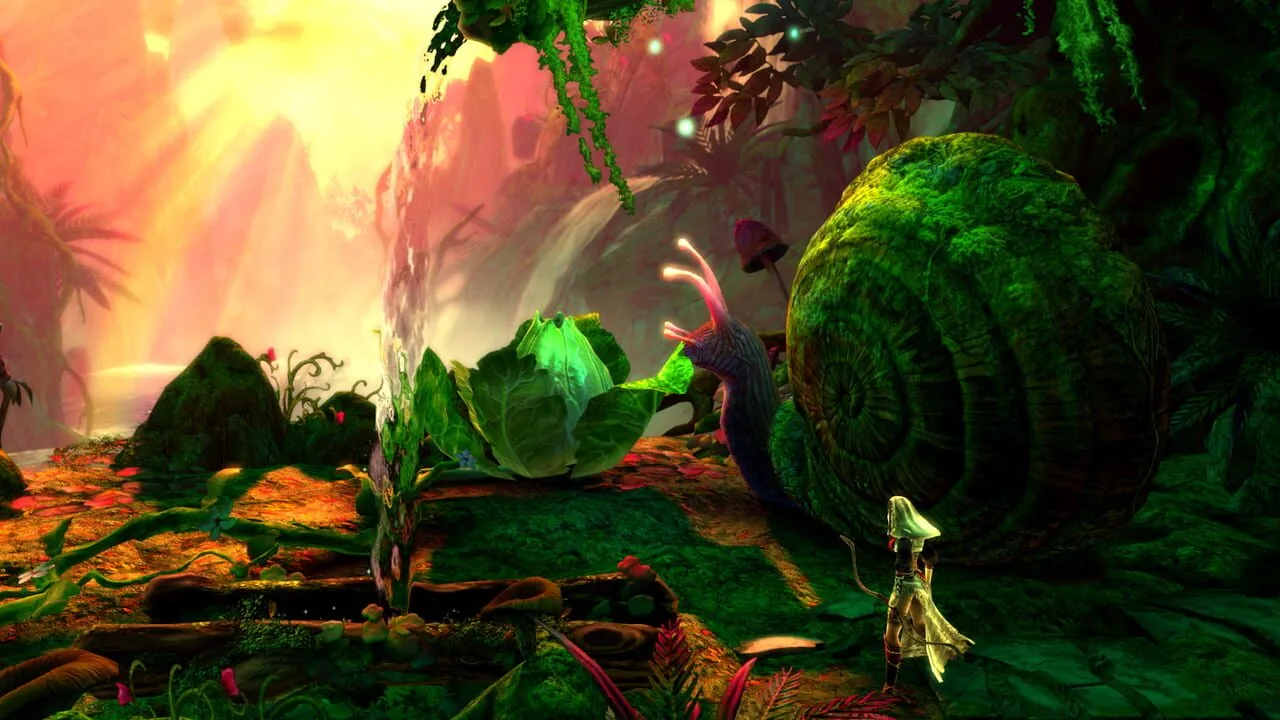
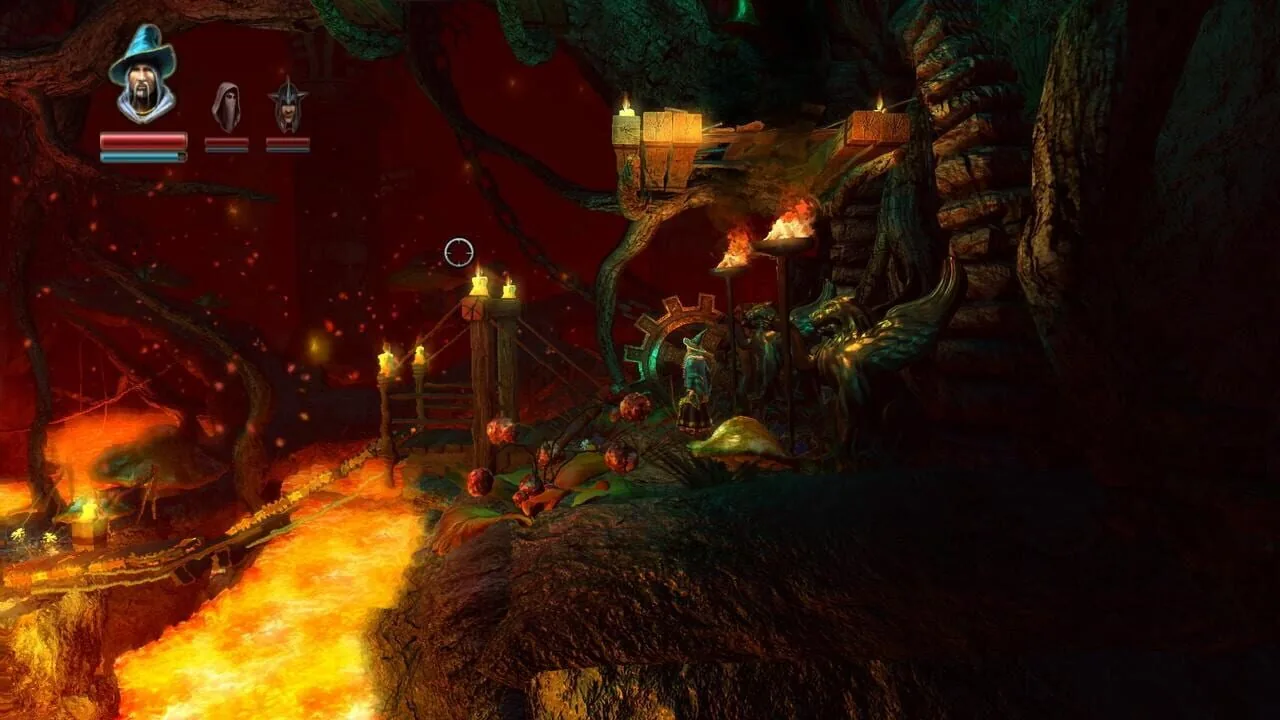
Trine 2 takes place several years after the first game. The Trine has bound the three heroes together again, so you control one at a time and can switch to the other two whenever you like. The puzzles are physics-based, and the best of them can be solved more than one way if you get creative with a plank or a box.
It added cooperative online play, and the skill tree is shared by all three characters. The Goblin Menace expansion sends the heroes home to find the goblins they fought in the forest attacking their own kingdom. It is the prettiest game on this list, a fairy-tale world with some of the best scenery on the PS3.
5. Echochrome (2008)
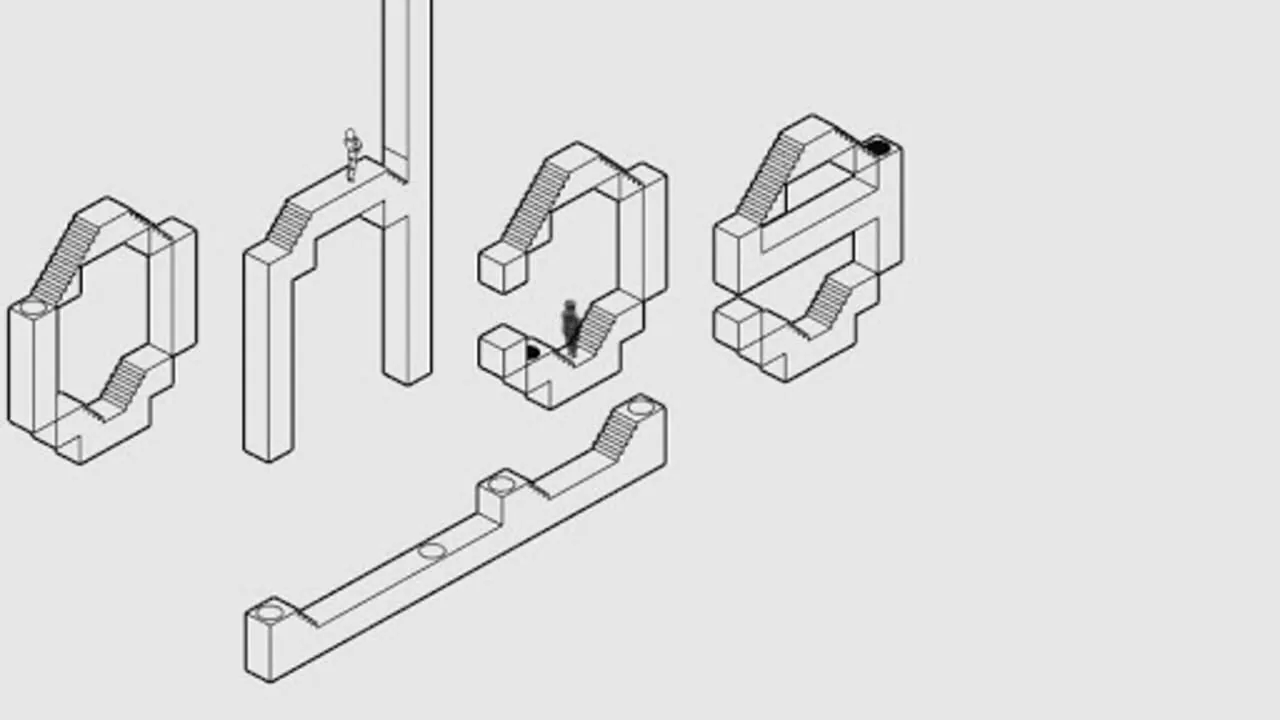
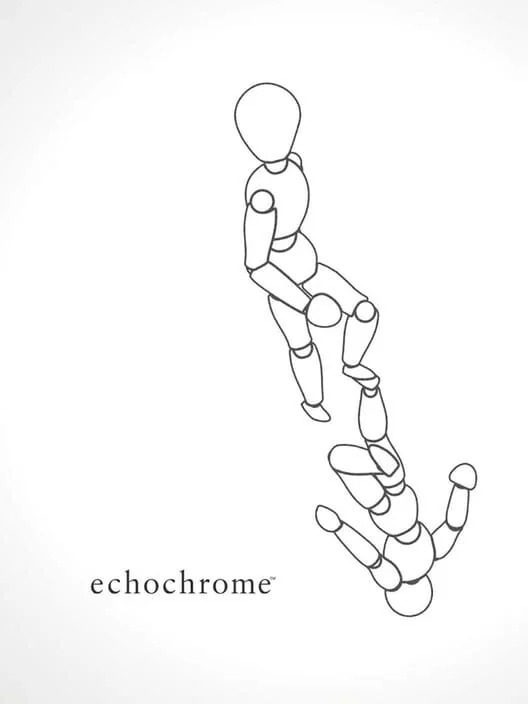
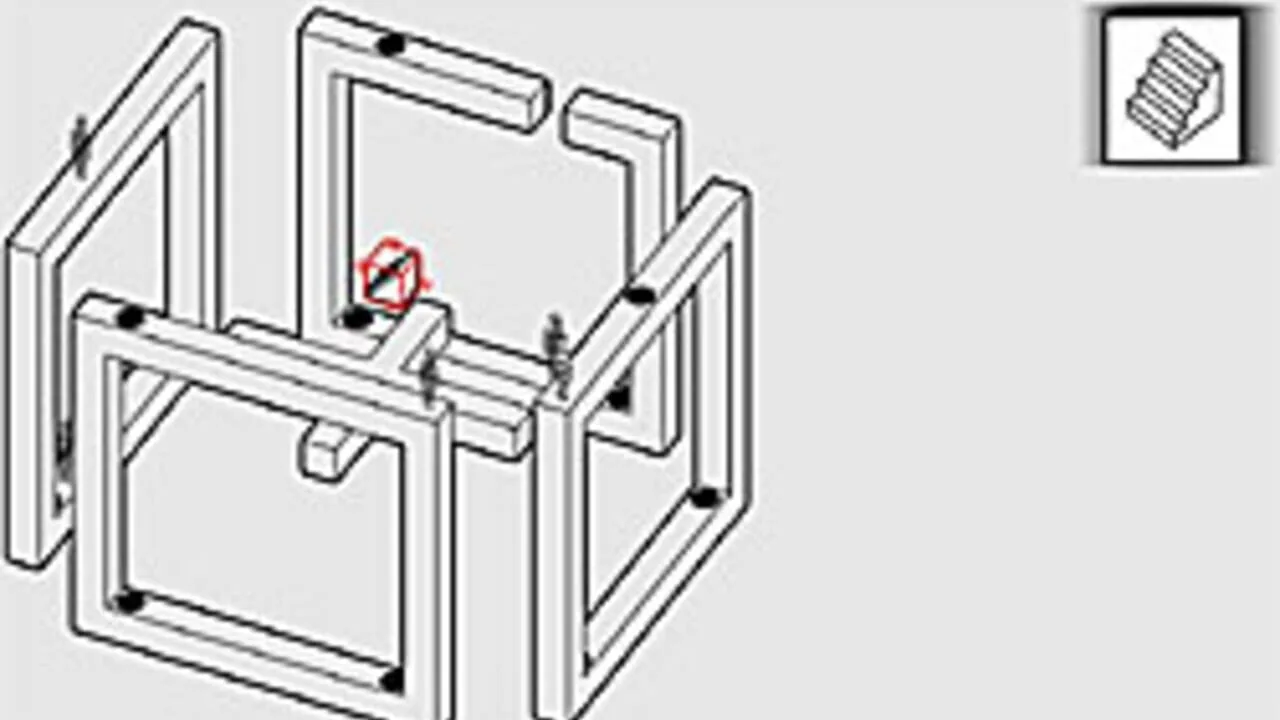
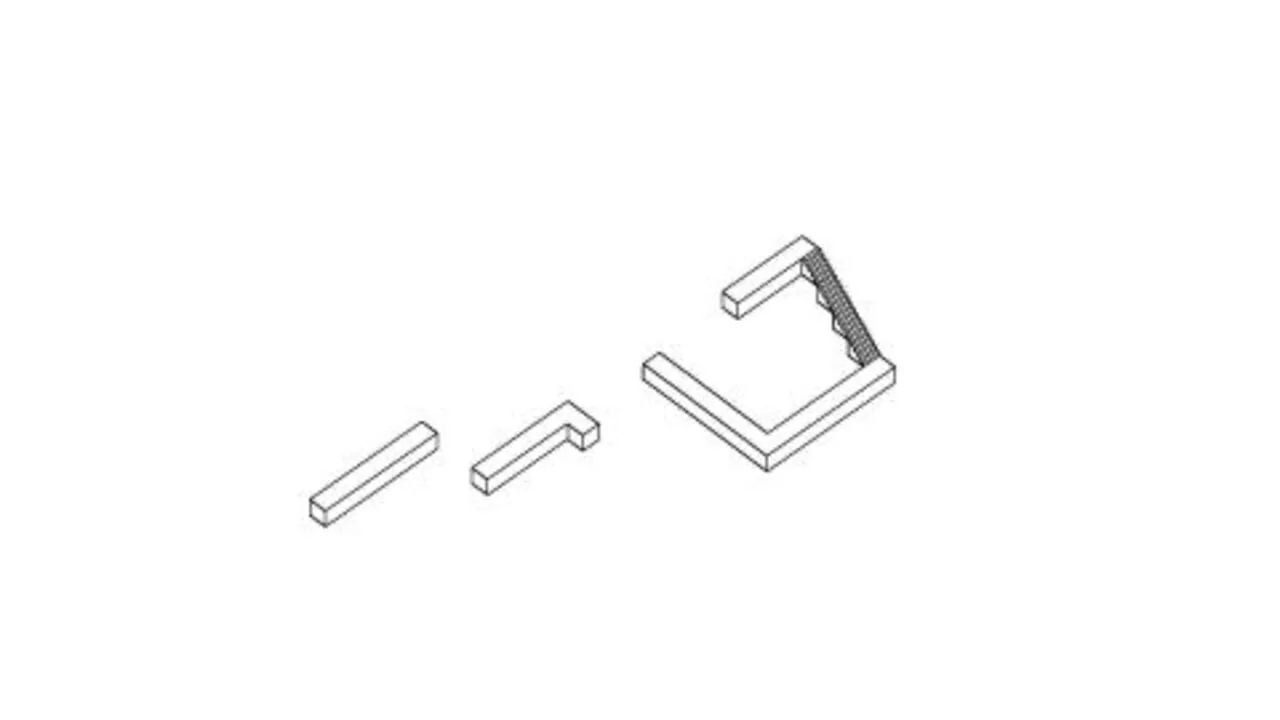
Echochrome looks like an M. C. Escher drawing, and that is on purpose. It draws on Escher's work, such as "Relativity", and it runs on the Object Locative Environment Coordinate System developed by Jun Fujiki. That long name covers one rule: the game decides what is happening based on the camera's perspective. If a gap is hidden behind a pillar from where you are looking, the gap is not there.
In North America it was only available on the PlayStation Network, with a demo on April 24, 2008 and the full game on May 1. A patch on December 11, 2008 added 10 trophies. Updates rotated in new sets of user-created levels, which kept the supply of brain-benders going.
4. Trine (2009)
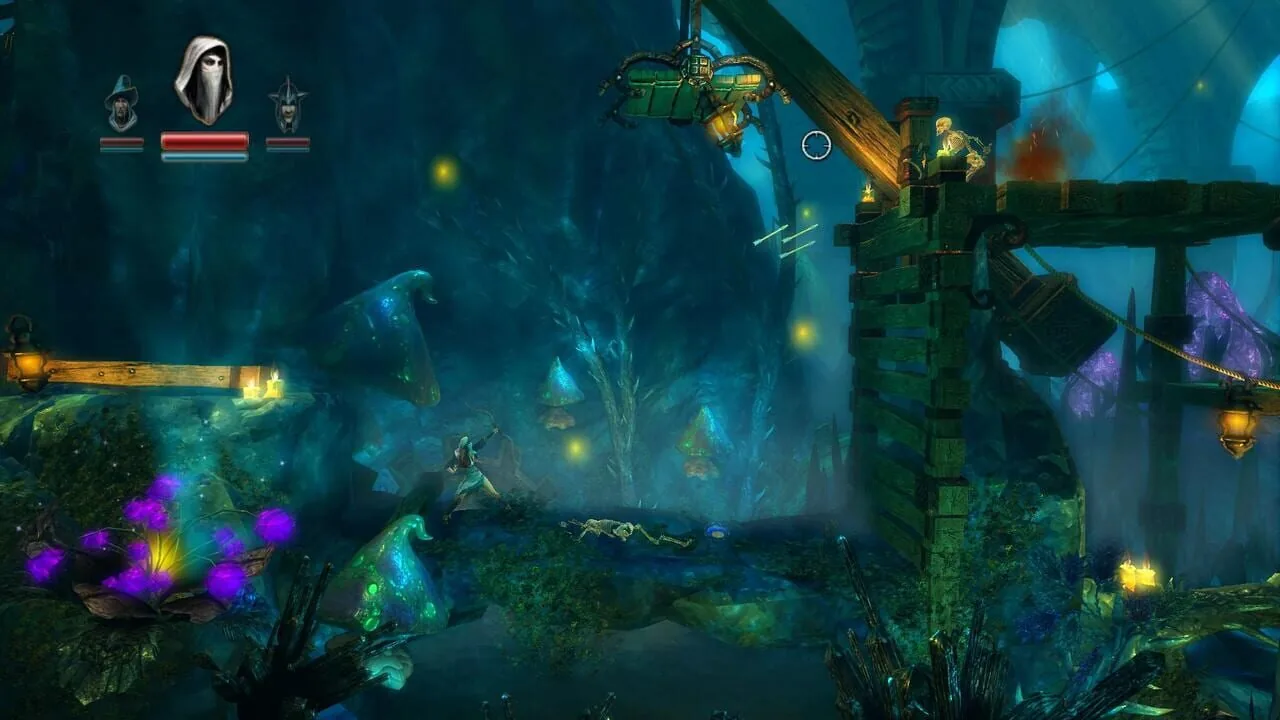
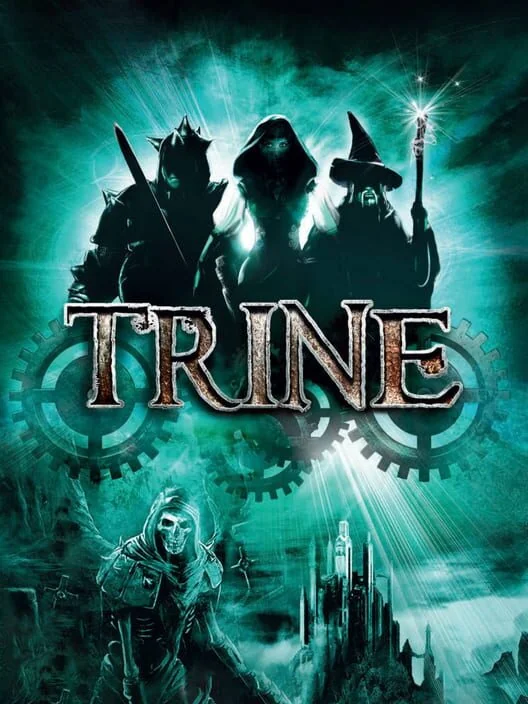
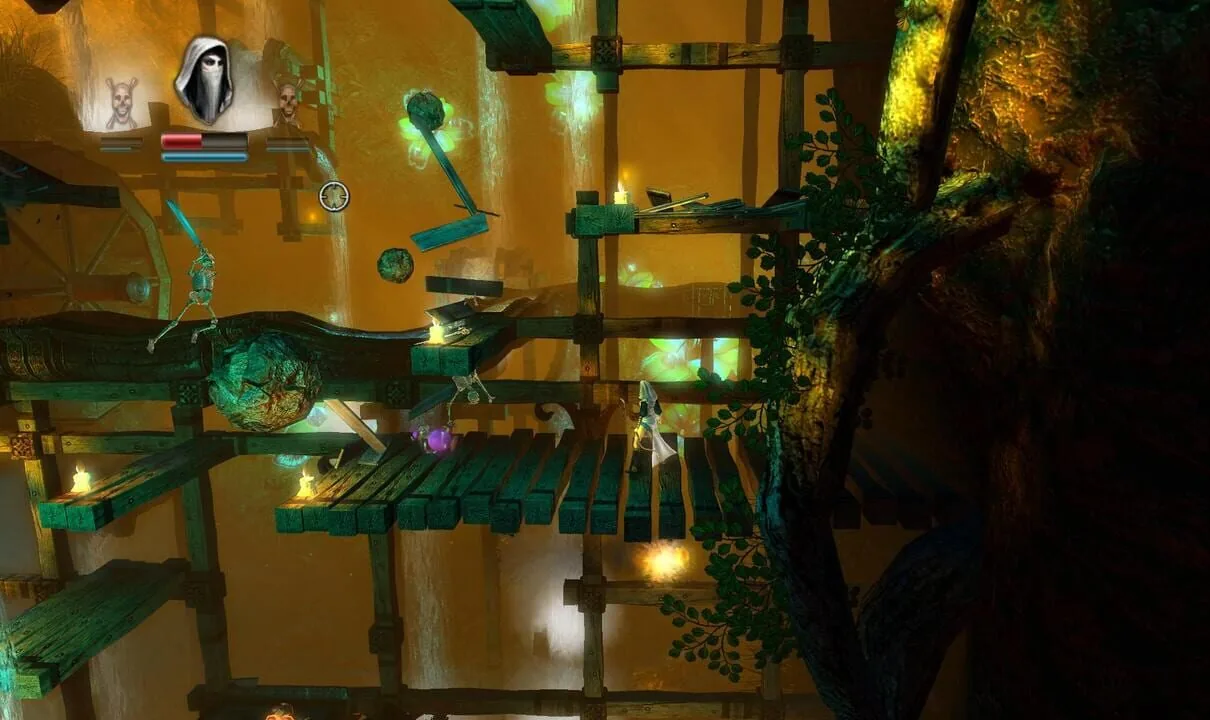
Trine began as a side project by Jukka Kokkonen, Frozenbyte's senior programmer, while the rest of the team was working on another project. It came out on Windows in 2009 and was later ported to consoles. Only one of the three heroes can physically exist at a time, and you switch between them to get past hazardous puzzles and enemies. Every object runs on Nvidia's PhysX engine, so things fall and swing the way you expect.
Zoya the Thief has a bow that shoots farther the longer you charge it. Amadeus the Wizard moves objects with sorcery and conjures new ones, though at first he can only make a cube. Pontius the Knight is not that bright and has a strong love of food and drink. Players rank it above its prettier sequel.
3. The Unfinished Swan (2012)
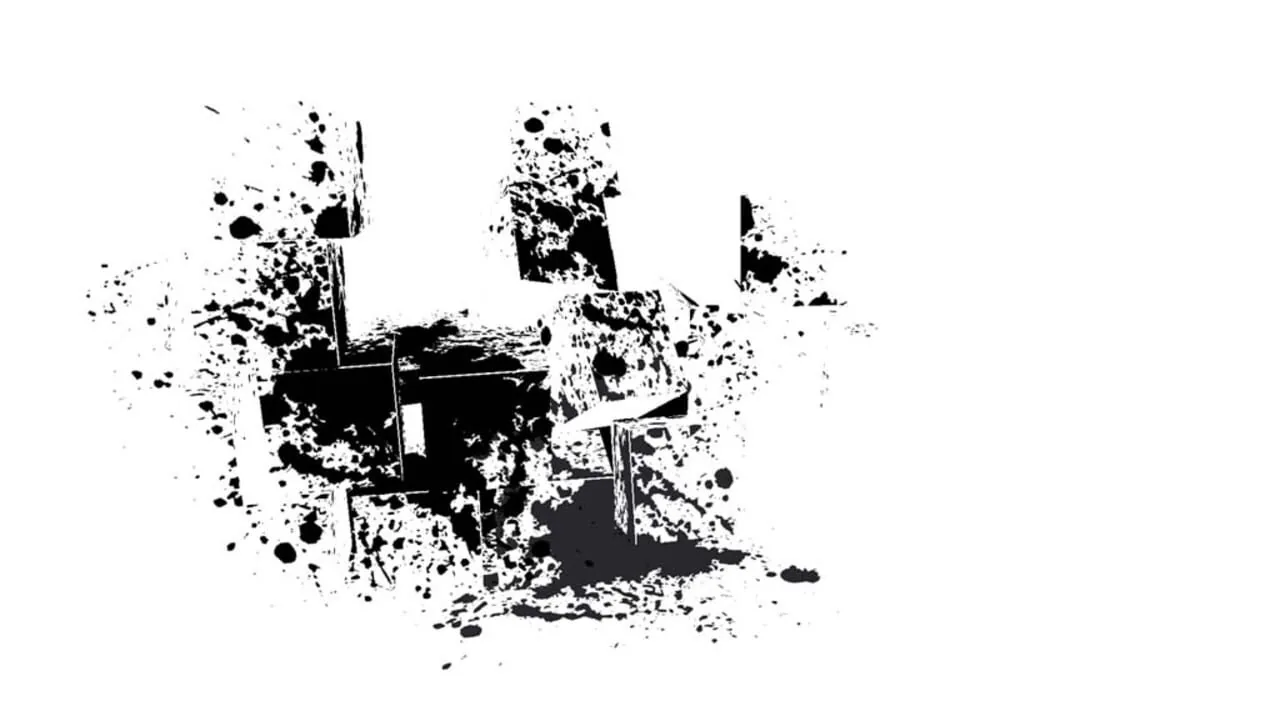
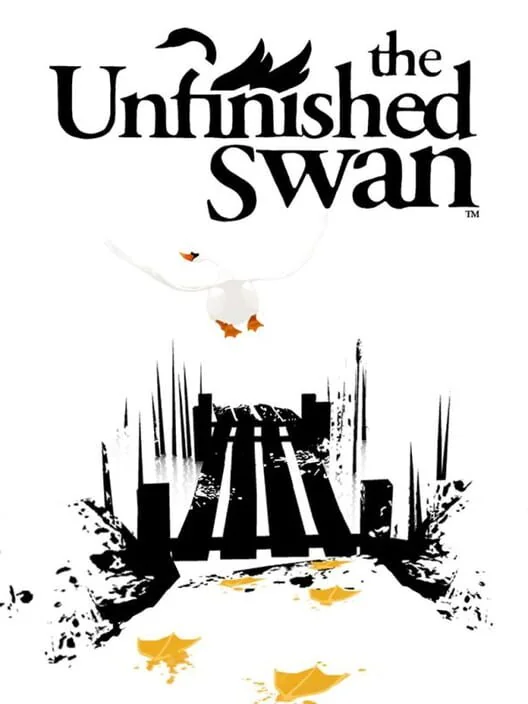
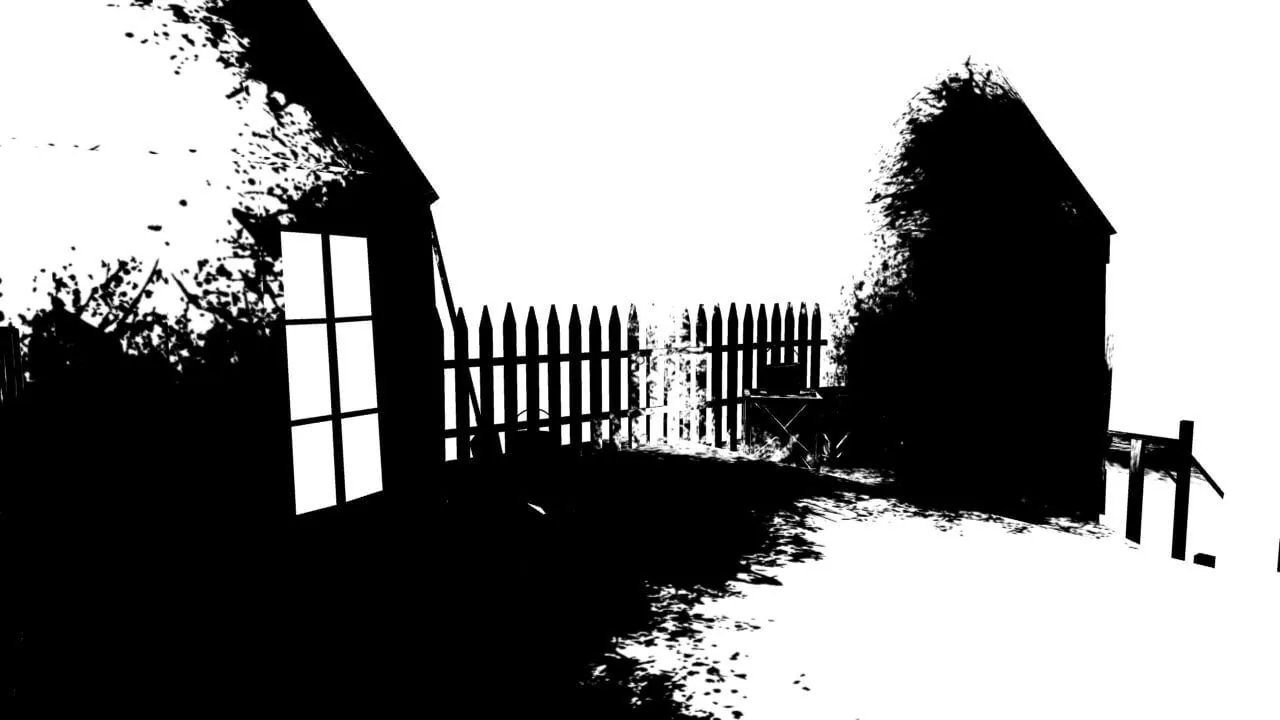
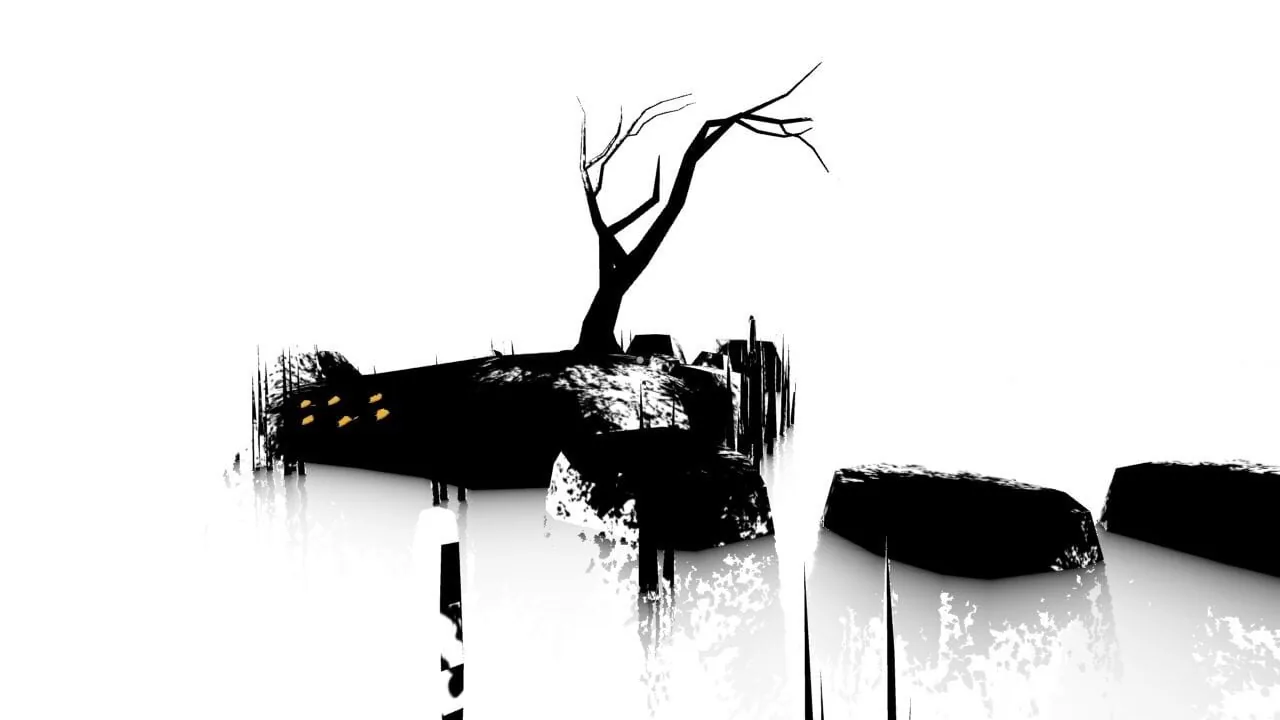
The Unfinished Swan opens on a completely white space. There is nothing to see until you throw paint, and each splatter reveals a little more of the world around you. You play Monroe, a boy chasing a swan that has escaped a painting, and along the way you learn the story of a lonely king voiced by Terry Gilliam.
His orphanage let Monroe keep only one of his mother's paintings, and he chose her favorite, a swan missing its neck. Joel Corelitz's score mixes electronic music with a string orchestra, and it changes style as you make progress through the puzzles, which makes it a hint system in disguise. The Academy of Interactive Arts & Sciences nominated it for Downloadable Game of the Year.
2. Catherine (2011)
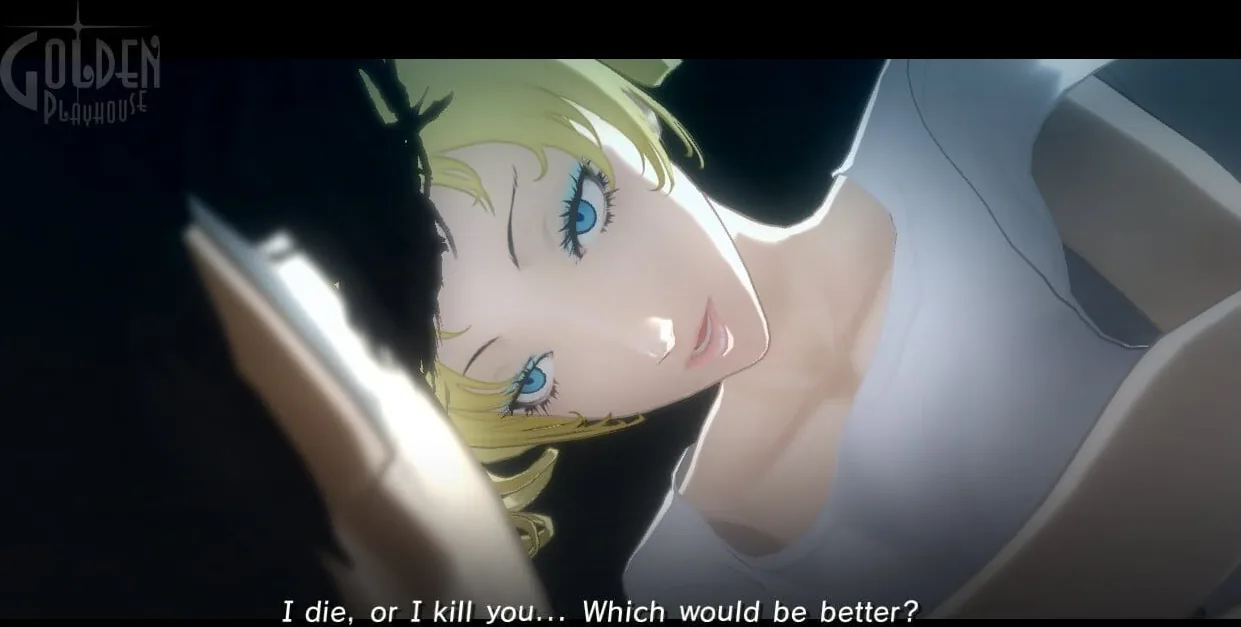
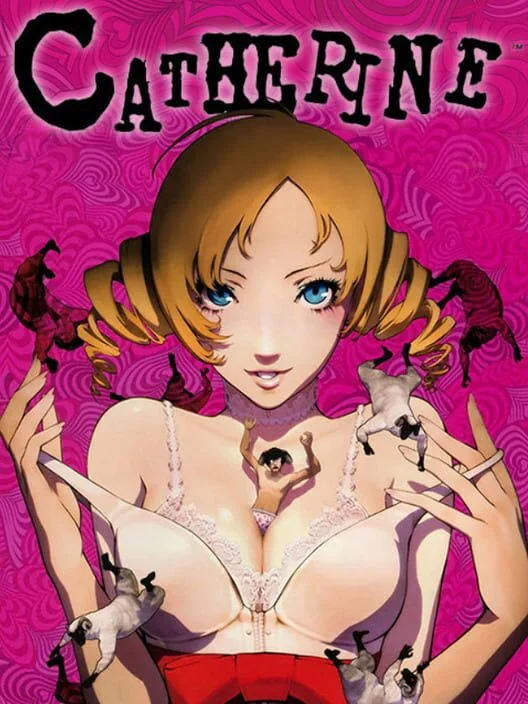
Catherine was made by the studio behind the Persona series, with Katsura Hashino as producer and director and Shigenori Soejima on character design. Work began near the end of Persona 4's development in 2008, with the aim of making something for a more adult audience. It came out on the PS3 in Japan and North America in 2011.
Katherine wants to marry Vincent, and his indecisiveness drives her up the wall. In his nightmares he has to climb towers of blocks, pushing and pulling them into steps before the bottom falls away. Between stages you can pick up spare blocks and energy drinks that let him climb more steps at a time. It was hard enough that Atlus patched in an "Easy" mode. As one player put it, "It's pure puzzle, not much on the adventure side." Catherine sold over one million copies worldwide by 2017.


1. Portal 2 (2011)
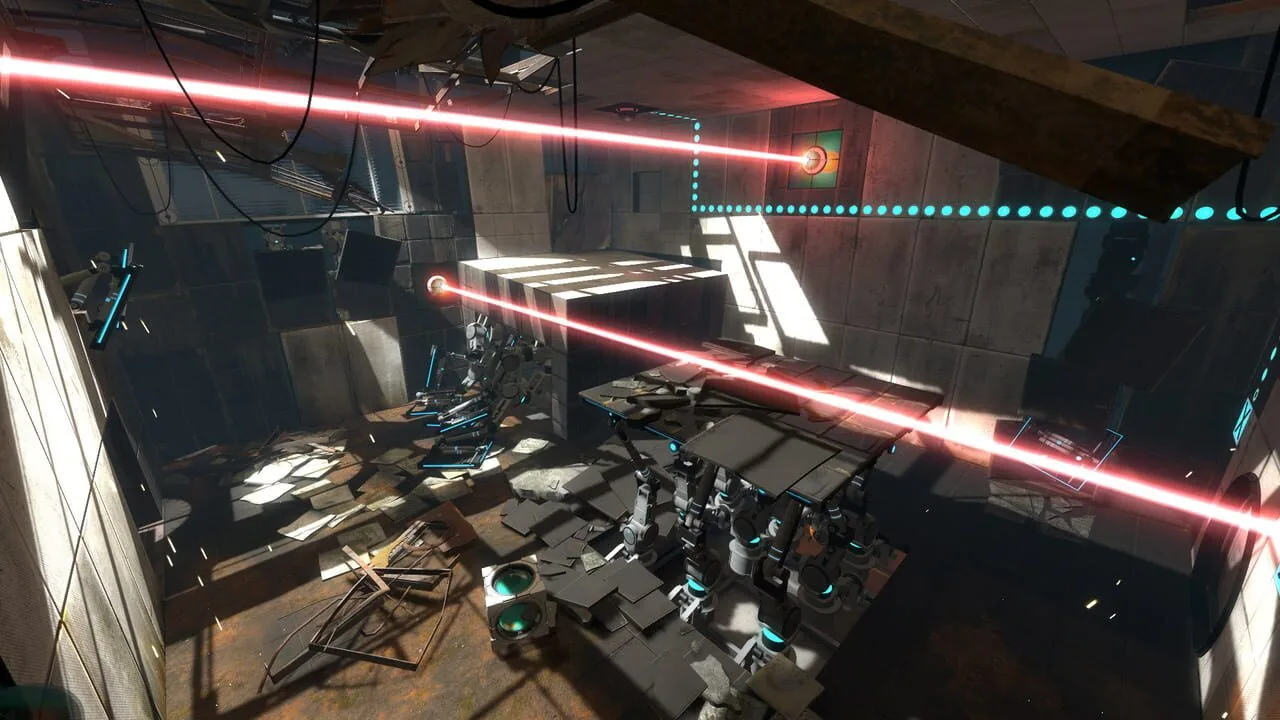
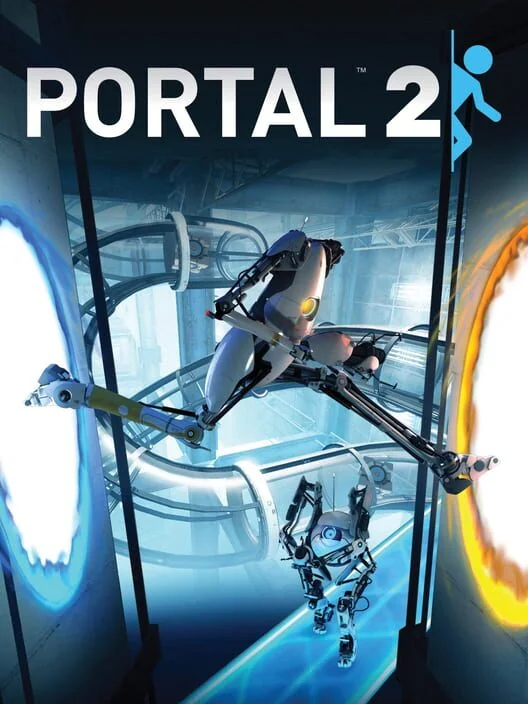
Portal 2 sends Chell back into Aperture Science Labs with a new robot friend, Wheatley, against GLaDOS, an A.I. out for revenge after the events of Portal. You still solve puzzles by placing two portals and passing through them. This time the rooms also have excursion funnels, lasers and light bridges, plus paint-like gels that alter how you move or let you put portals on any surface.
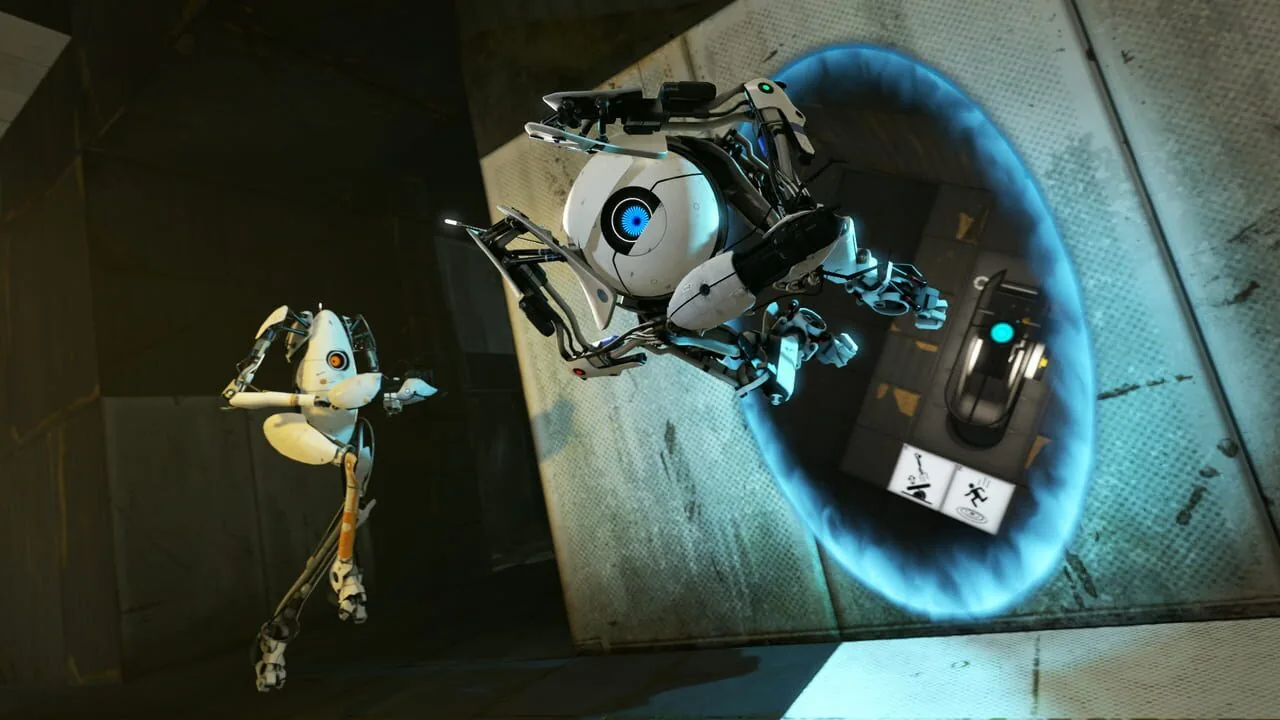
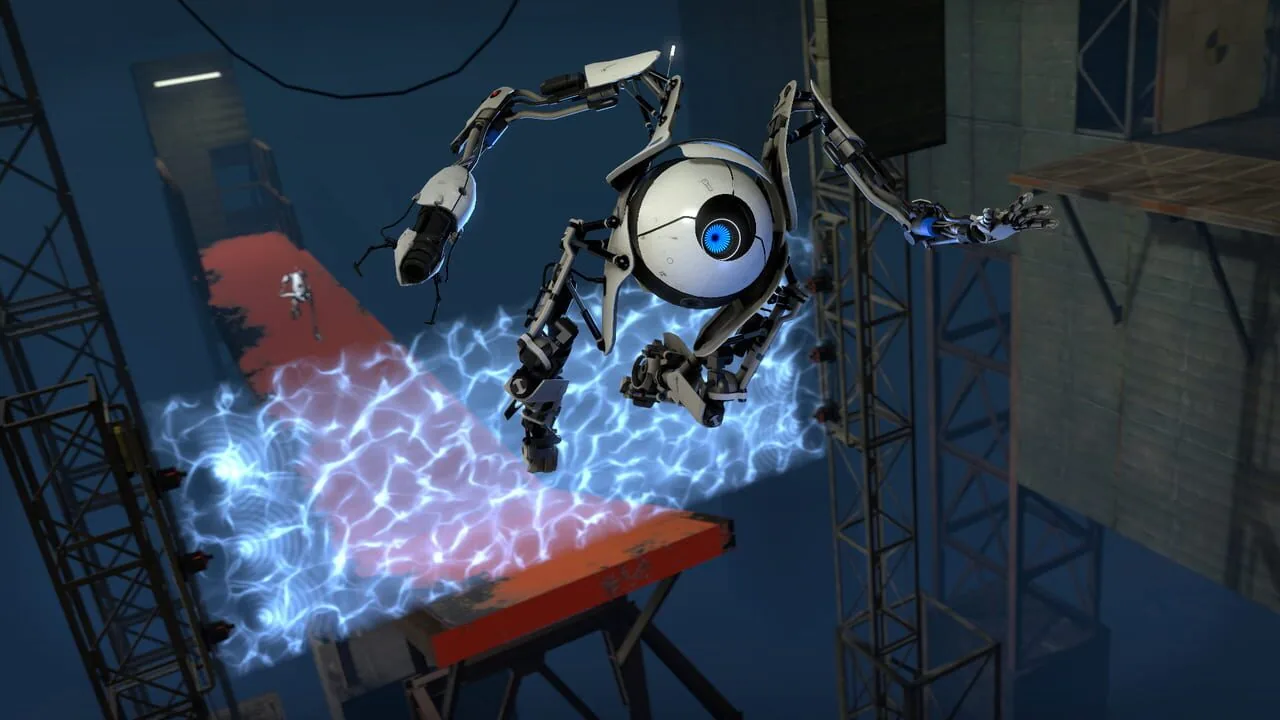
The cooperative campaign is a second game in its own right, with two players as the robots Atlas and P-Body, both voiced by Dee Bradley Baker. Critics praised its pacing and its dark humor, and it has been described as one of the greatest video games ever made. Players recommend it nearly four times as often as the game in second place.
Which one to play
There you have it, the whole list of the best PS3 puzzle games. The top five would be worth owning a PS3 for on their own.
If you are not sure where to start, play Portal 2, and bring a friend for the co-op. If you want a puzzle game with a story that gets under your skin, Catherine is the pick. For something calm and beautiful, try The Unfinished Swan. If you like physics puzzles, start with Trine and move on to Trine 2. For a game you can play half asleep, there is Bejeweled 3. And for a hidden pick, try Closure, where the light decides where the floor is.