The Saturn was a strange and wonderful place to play role-playing games. In the West it lost the war to the PlayStation early, and a lot of its best RPGs either came out late in its life or never left Japan at all. In Japan it was a different story, and Japanese Saturn owners were generally in their late-teens or early-twenties. Studios wrote for that older crowd.
Sega's own teams went big. Camelot kept the Shining series going in three very different styles, and Sega directed Team Andromeda to create an RPG to compete against the PlayStation and Final Fantasy VII. Working Designs brought a handful of the Japanese games over, with translations that took creative liberties. Here are the 12 best Saturn RPGs.
12. Mystaria: The Realms of Lore (1995)
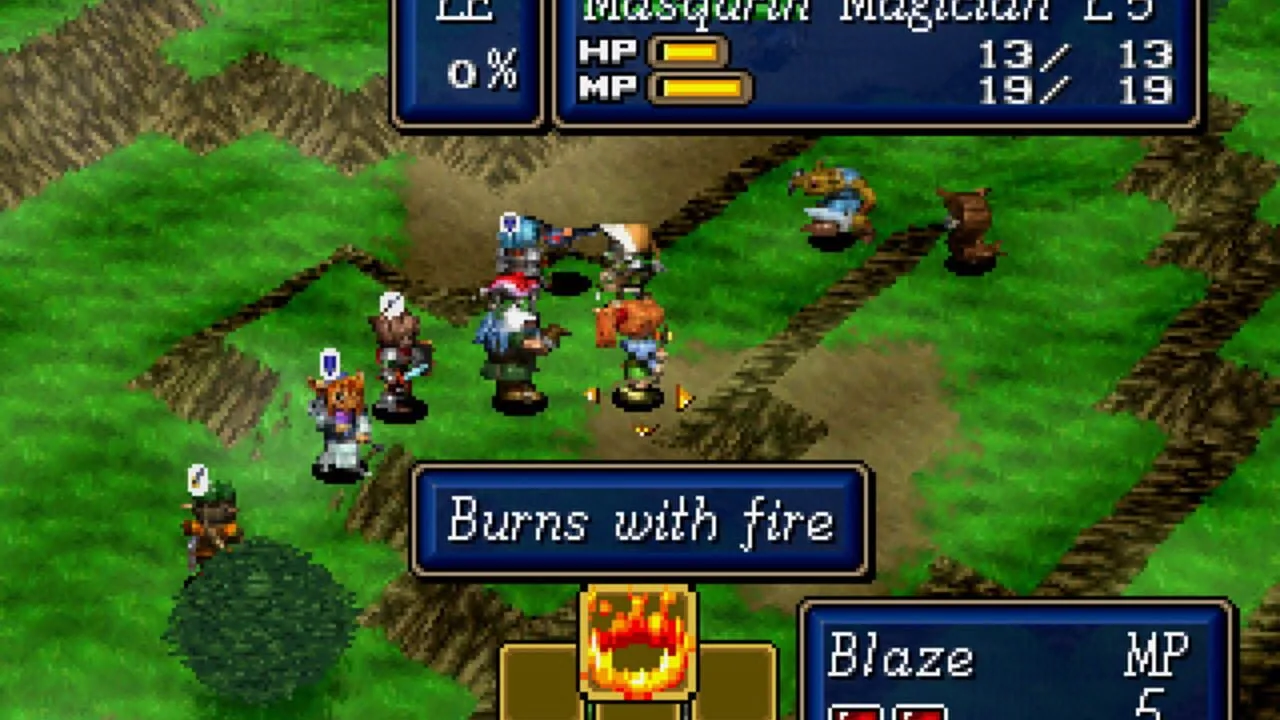
Mystaria is a turn-based tactics RPG. You control Aragon and his party as they try to reclaim the land and free its people. Battles go by side: you move all of your party members, then the enemy moves all of its units, then it is your turn again. Each character has specific fighting techniques and develops new ones with practice. The next technique you learn depends on which ones you keep using, so two players can end up with very different parties.
In May 1996 it was re-released in North America as Blazing Heroes, which is why you may know it by the other name. Reviewers felt some battles went on too long, but they all praised the high level of strategy it demands. Players who grew up with it still call it one of their favorite games on the console. A sequel, Riglord Saga 2, came out in Japan on November 8, 1996.
11. Princess Crown (1997)
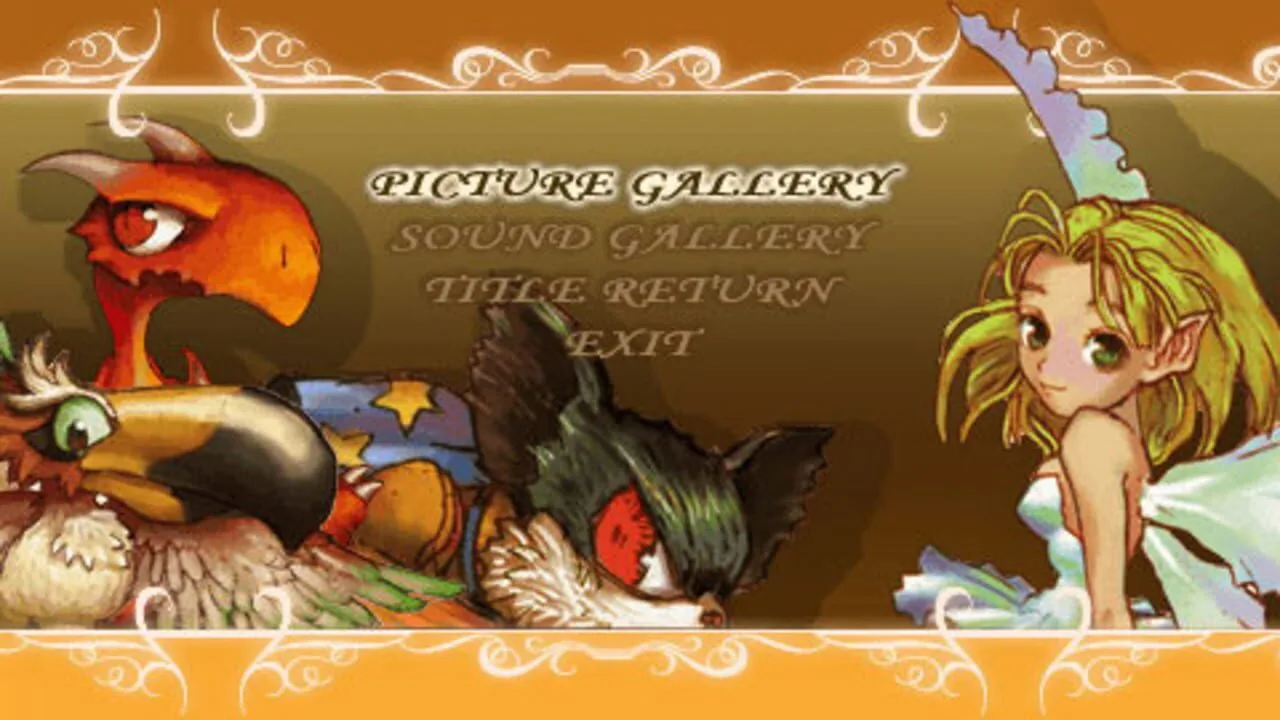
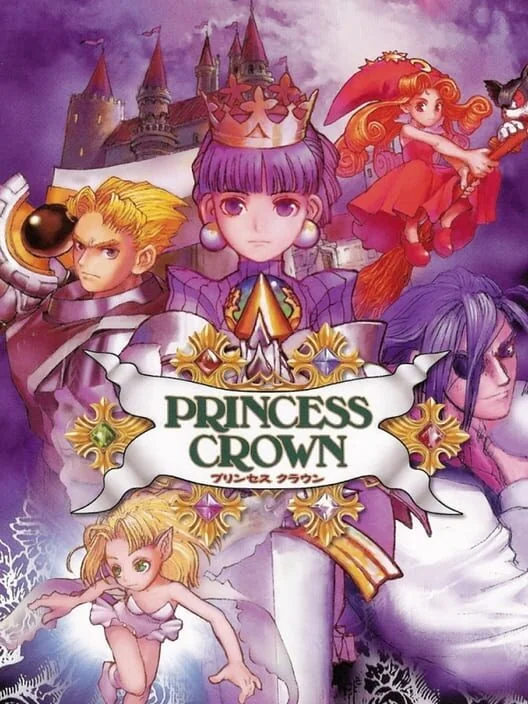
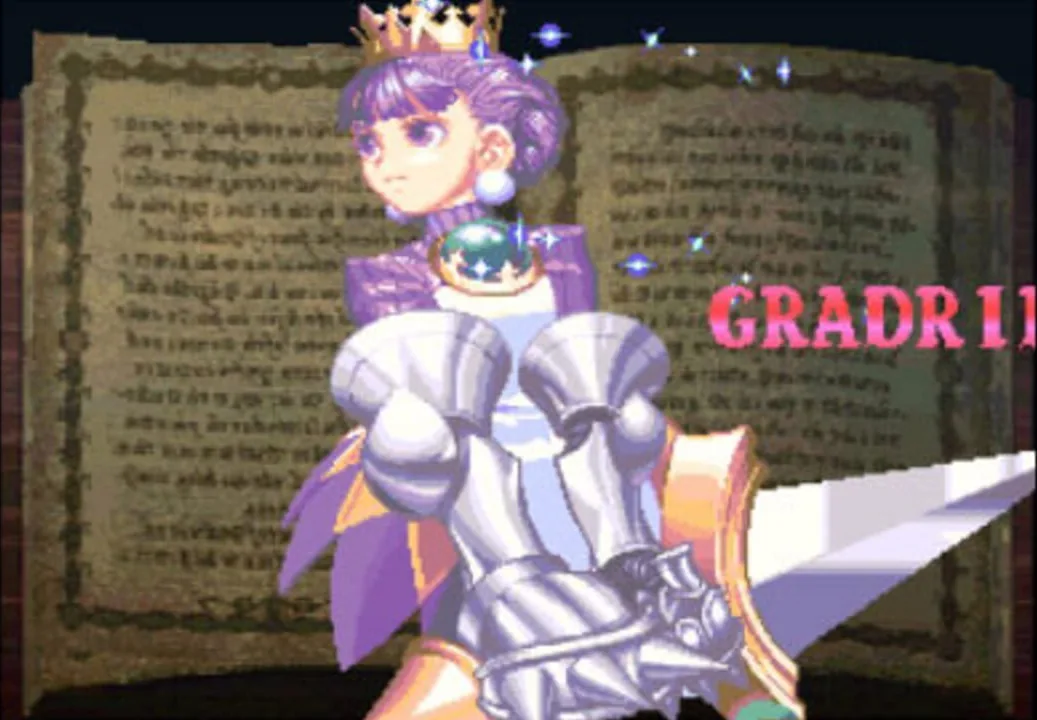
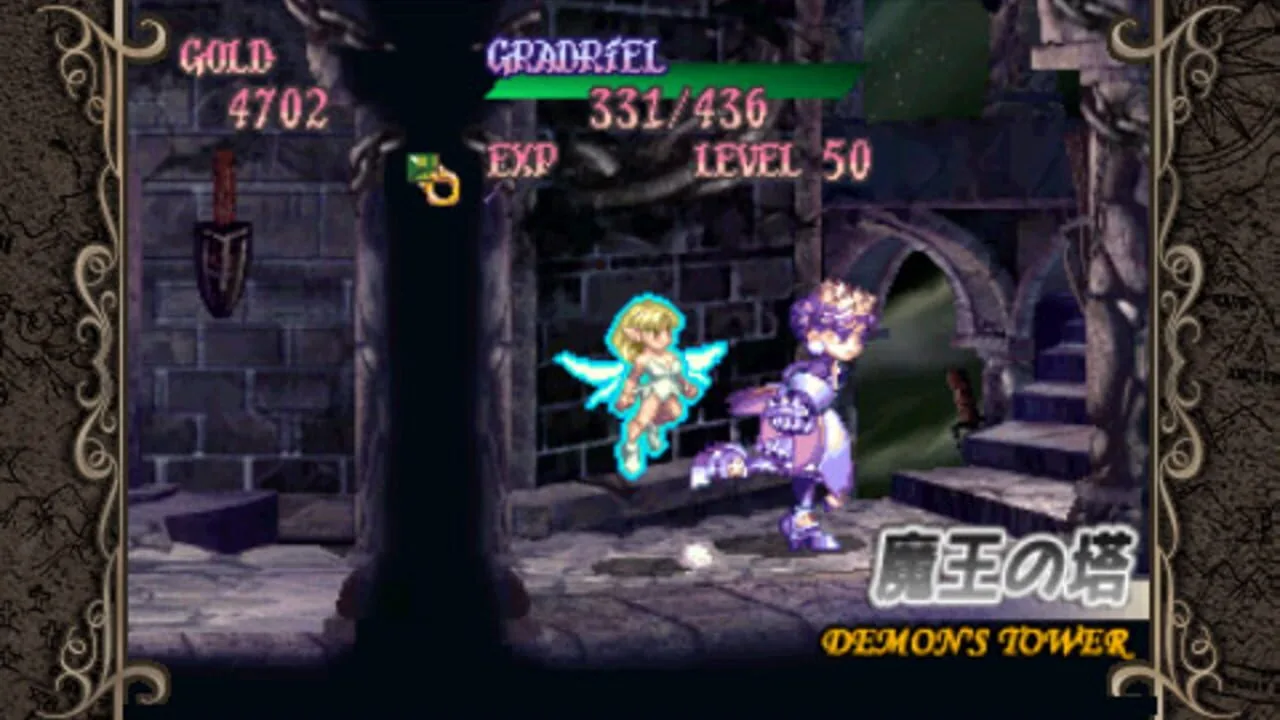
Princess Crown is a 2D action RPG directed by George Kamitani, a Capcom veteran. It began development in 1995 at an unnamed company based in Osaka. After the company went bankrupt the following year, the team were absorbed into Atlus' Osaka studio to finish it. It was first planned as a life simulation in the style of Princess Maker 2, with a girl to raise and several endings. You play Gradriel, who runs into demons and new friends on her journey. Finish her quest and three more scenarios open up, each one following a friend she met.
It was a commercial failure, though reviews were positive and its art design gets praised even more today. Kamitani went on to found Vanillaware, and Princess Crown led straight to the spiritual successor Odin Sphere. A planned Dreamcast sequel was cancelled and later revived as Dragon's Crown. If you love those games, this is where that hand-painted look started.
10. Lunar 2: Eternal Blue Complete (1998)
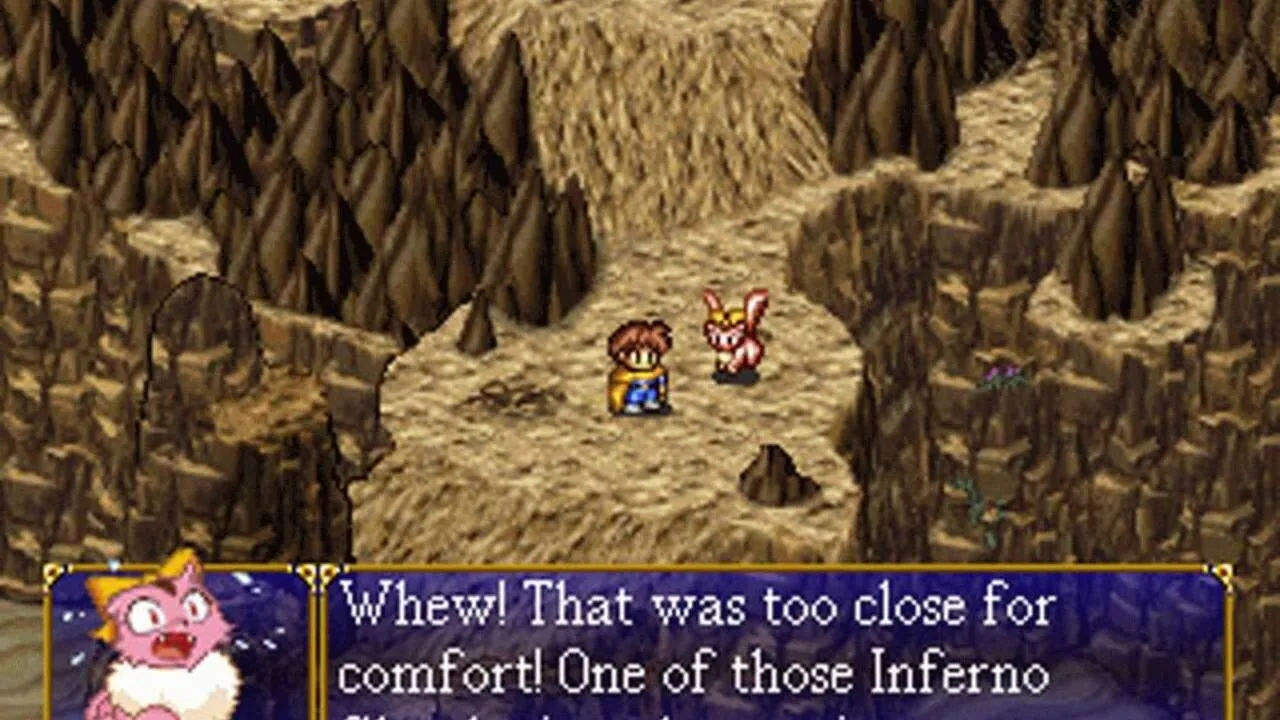
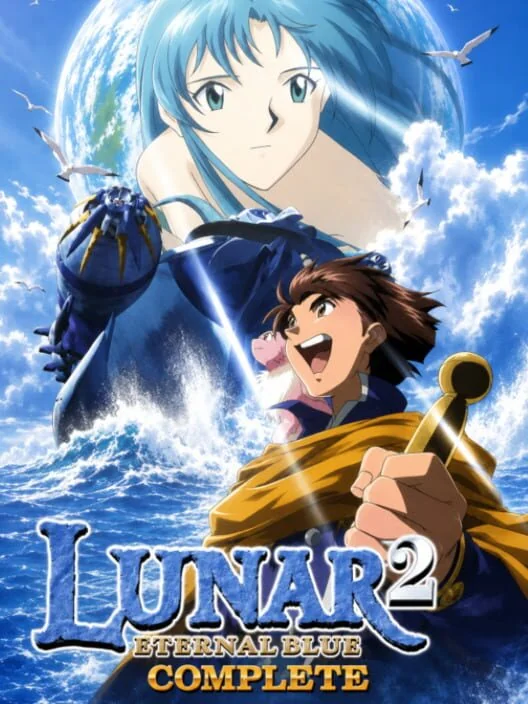
Eternal Blue first came out on the Sega CD in December 1994 in Japan. In 1998 Kadokawa Shoten remade it as Lunar 2: Eternal Blue Complete for the Saturn and PlayStation, with the PlayStation version localized and published in North America by Working Designs. The Saturn version stayed in Japan. You follow Hiro and Ruby, who explore an ancient ruin and find a large gem called the Dragon's Eye. After each fight you earn magic points that make your spells stronger and unlock new skills.
The Sega CD original already had nearly fifty minutes of fully voiced video, against ten minutes of partly voiced animation in The Silver Star. Toshiyuki Kubooka designed the characters and Noriyuki Iwadare wrote the music. If you have played the PlayStation release, the Saturn one is the same remake.
9. Baroque (1998)
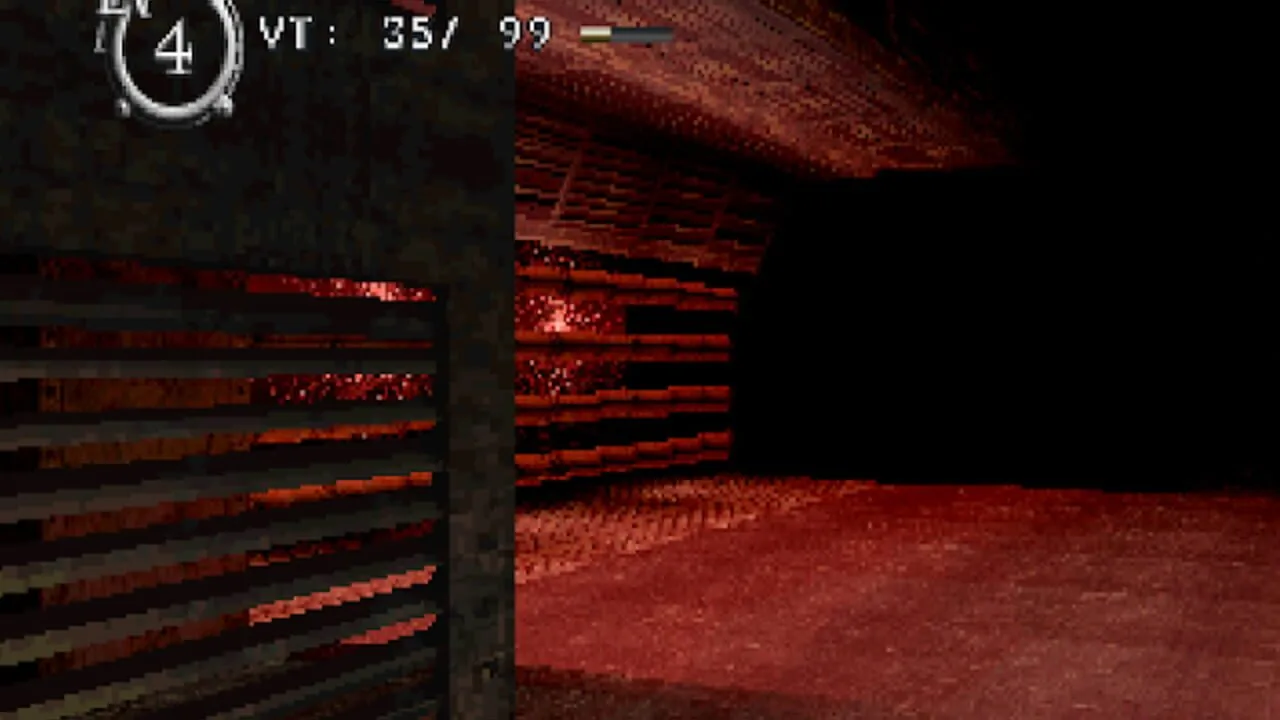
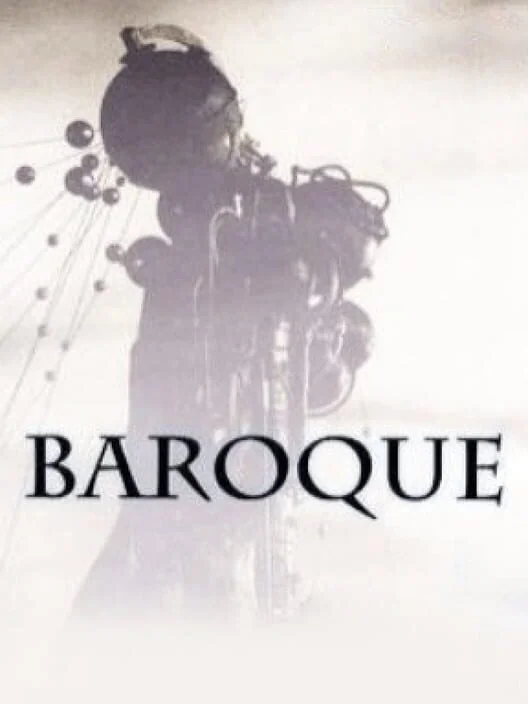
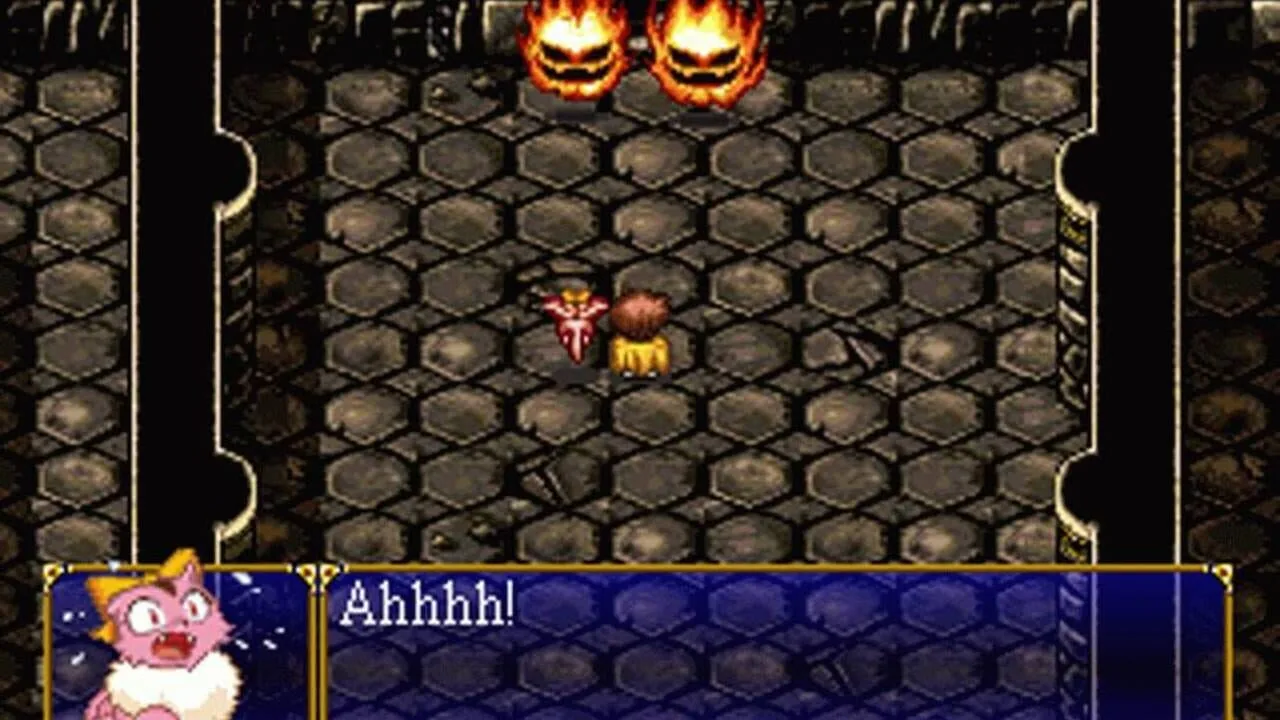
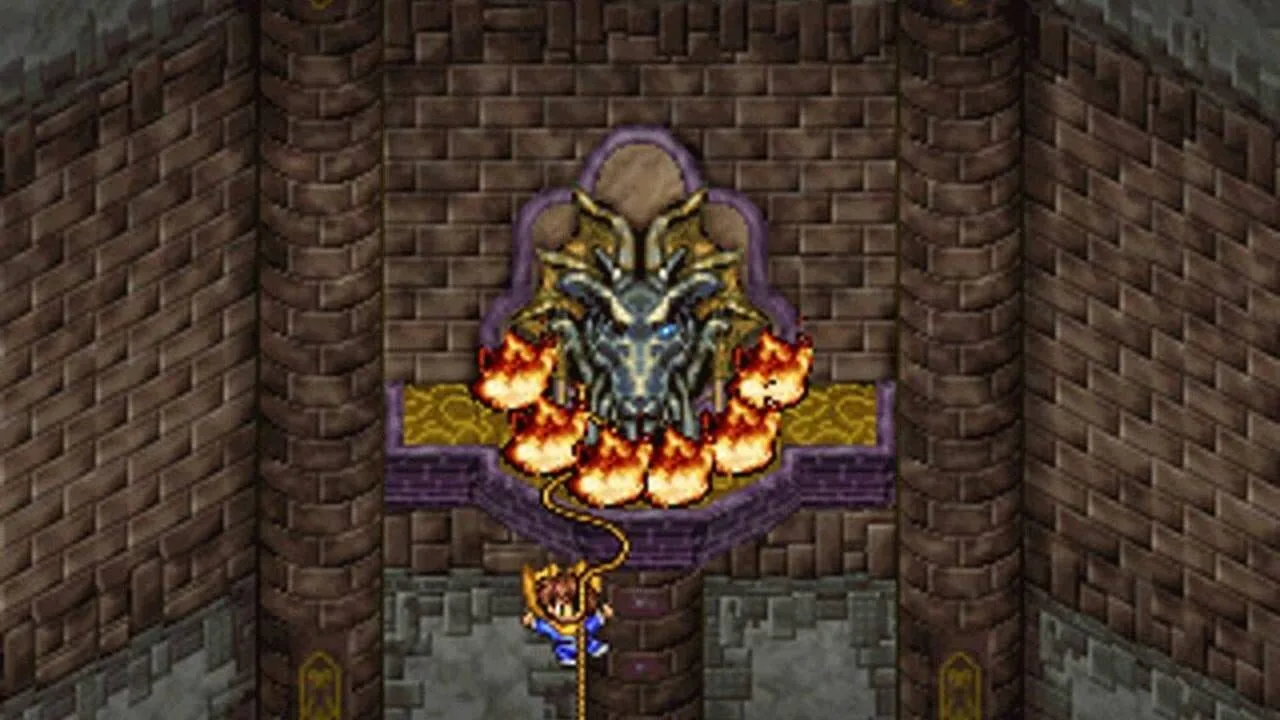
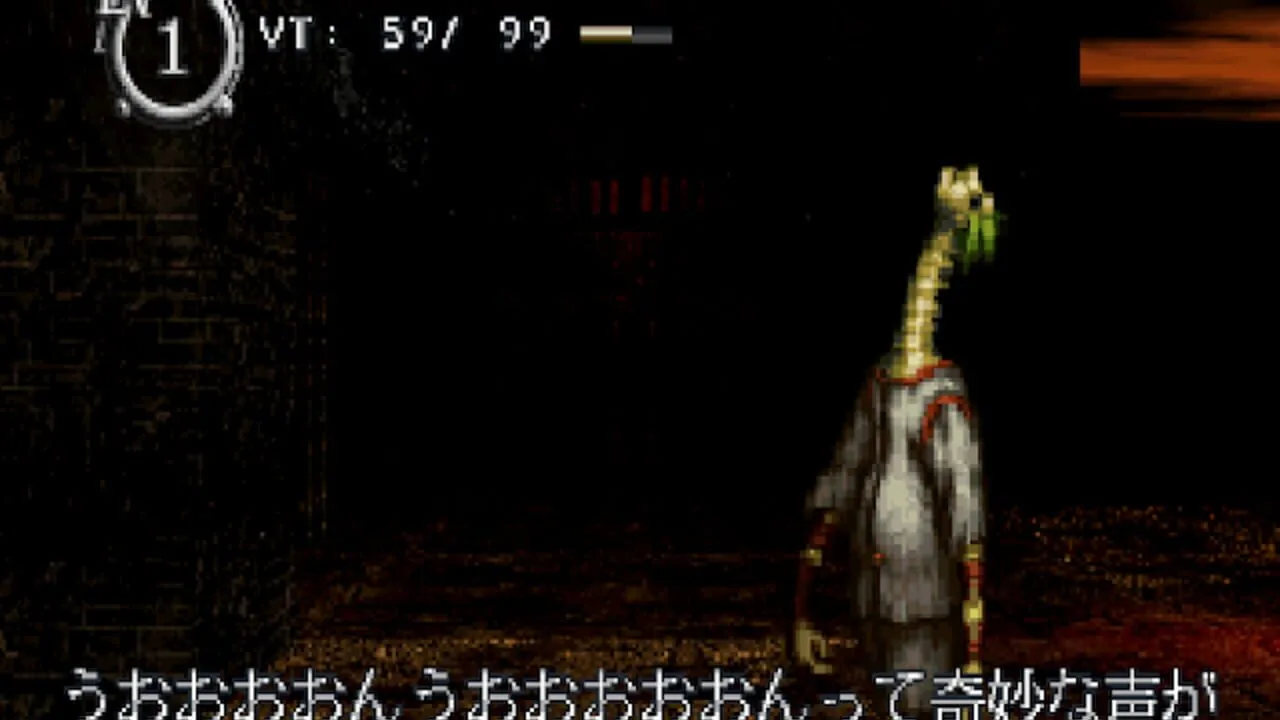
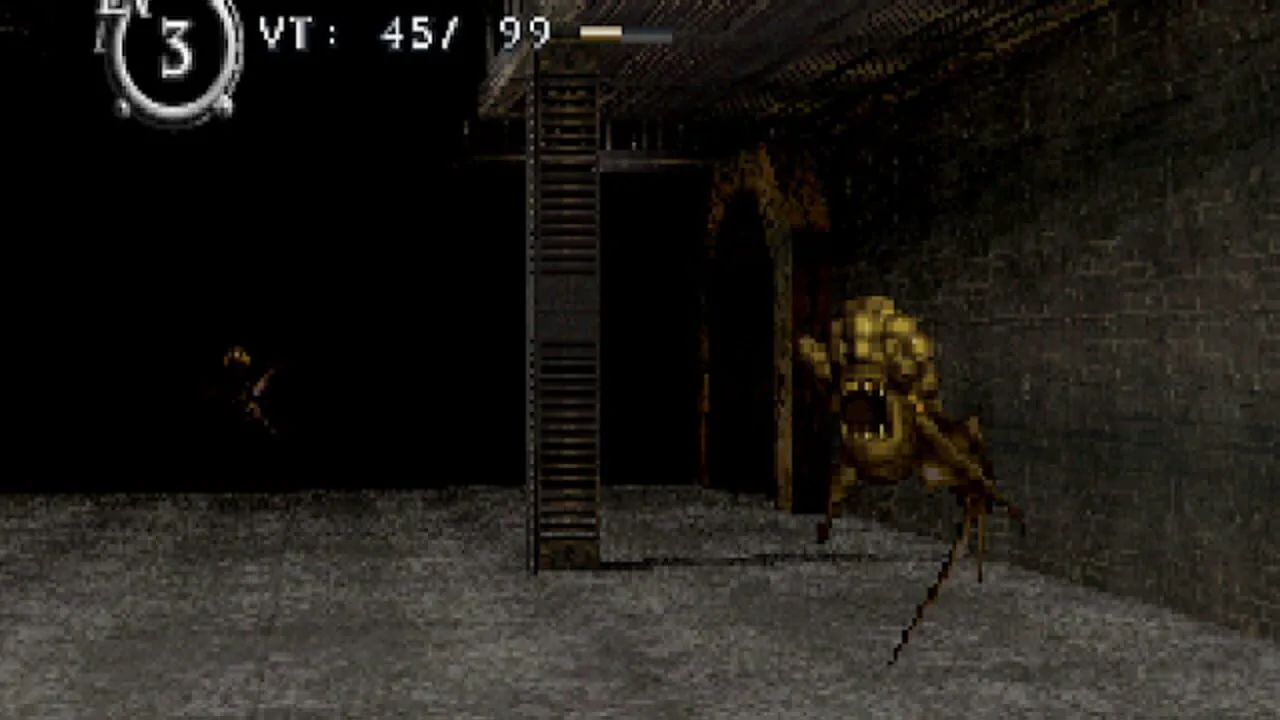
Baroque is a first-person dungeon crawler with randomly generated floors. Entertainment Software Publishing released it for the Saturn in 1998 and ported it to the PlayStation the following year. It began on the PC-9800 series, but Yonemitsu wanted 3D graphics, and the PC couldn't handle them, so it moved to the Saturn. Its dark tone was a reaction to Yonemitsu's previous work, and it was influenced by European cinema and film noir. Masaharu Iwata's music mixes ambient noise and sound samples into the tracks.
This world has creatures called Littles, "the embodiment of pain", which can only live inside "ampules". It is not a cheerful game. Critics gave it mixed reviews. A remake for PlayStation 2 and Wii added a third-person camera, yet players agree that the Saturn original is the one to play.
8. Sakura Wars (1996)
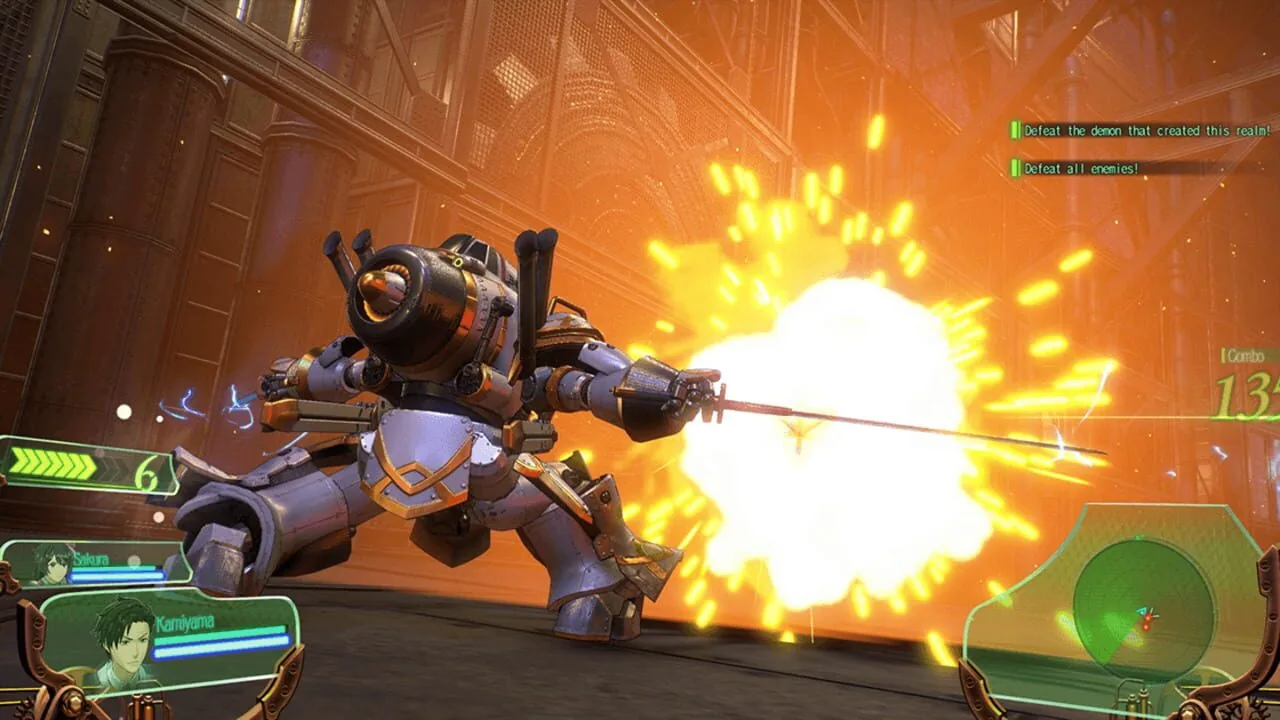
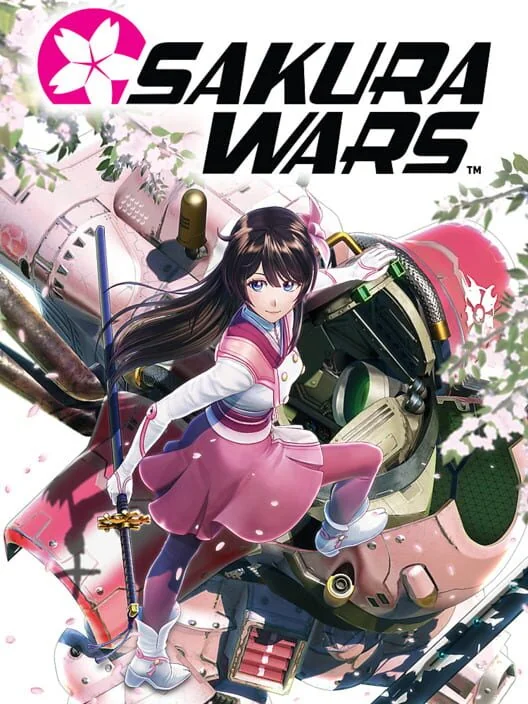
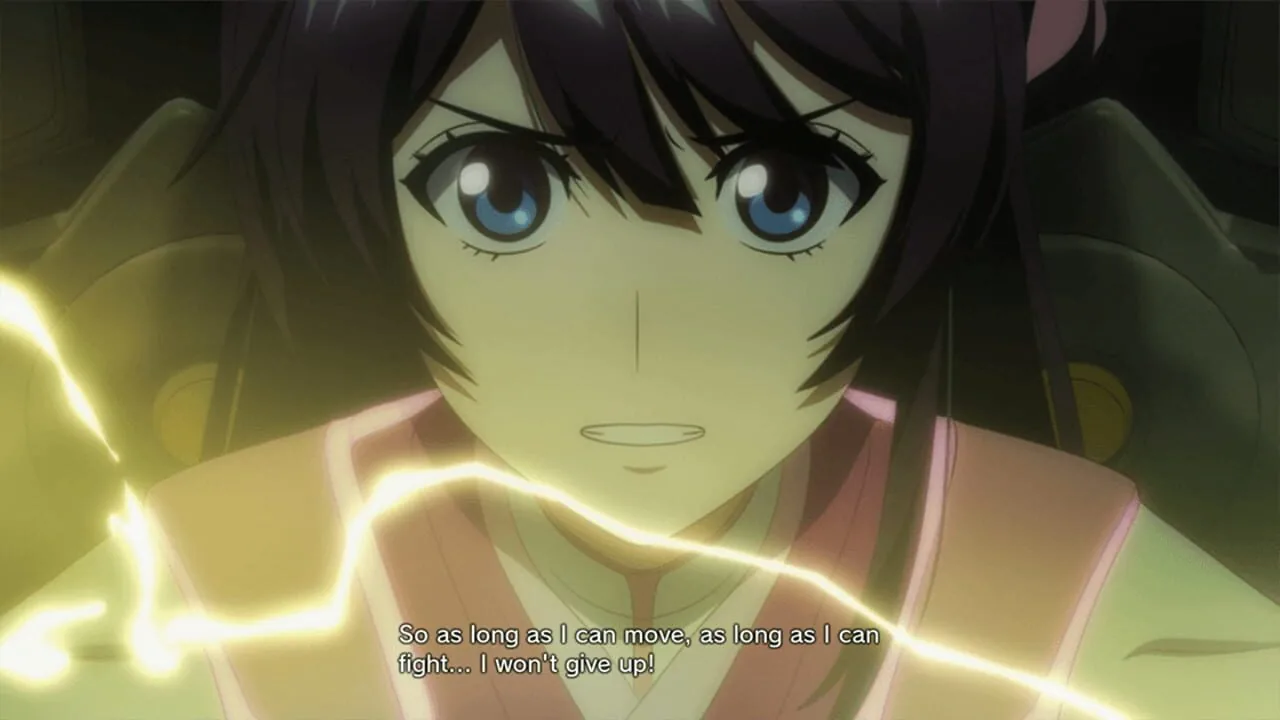
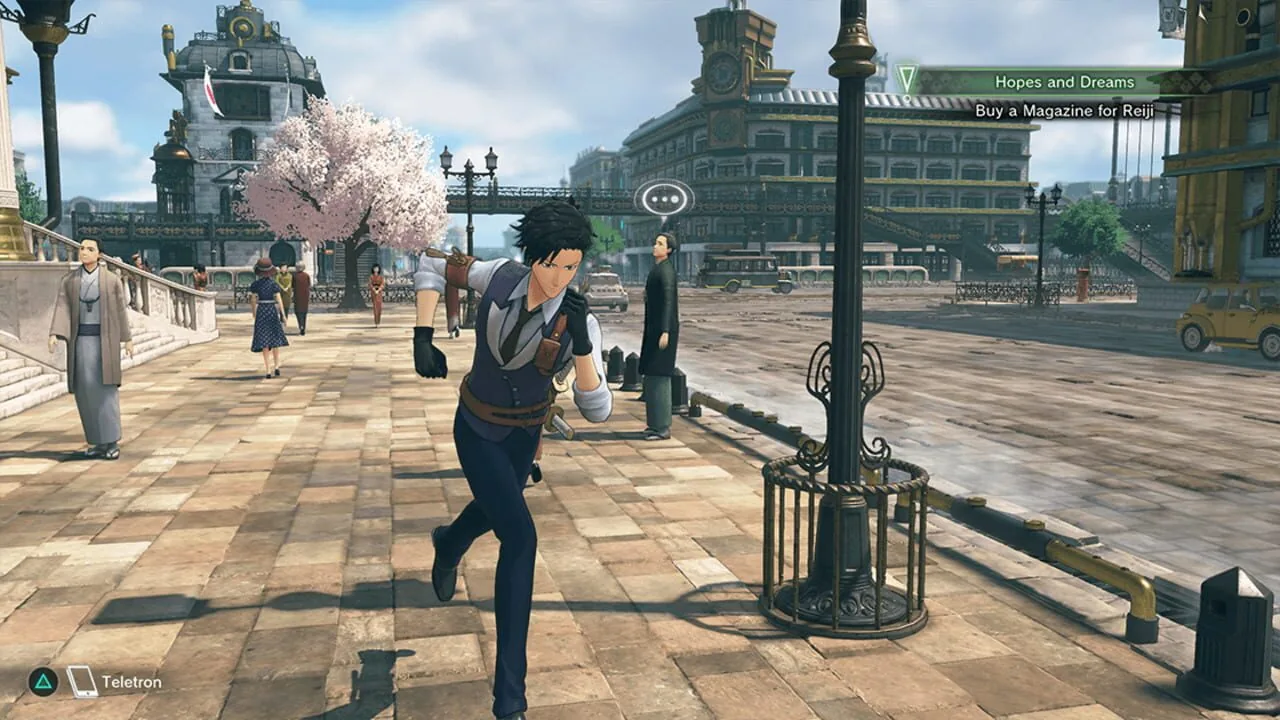
Sakura Wars is the first game in Sega's steampunk franchise created by Oji Hiroi. It came out in 1996, and five sequels and a pile of spin-offs followed. It is part tactical RPG and part dating sim, and the mix was unusual enough that Sega called it a "dramatic adventure". The series still uses that label. The anime cutscenes come from studios including Production I.G, and composer Kohei Tanaka wrote the music.
The series has sold over 5.8 million copies as of 2022, yet none of the Saturn games came out in English. Only So Long, My Love and Shin Sakura Wars did. Players describe the first game as an interactive anime with easy tactics battles between the story scenes. That is a fair warning and a fair sales pitch at the same time.
7. Shining the Holy Ark (1997)
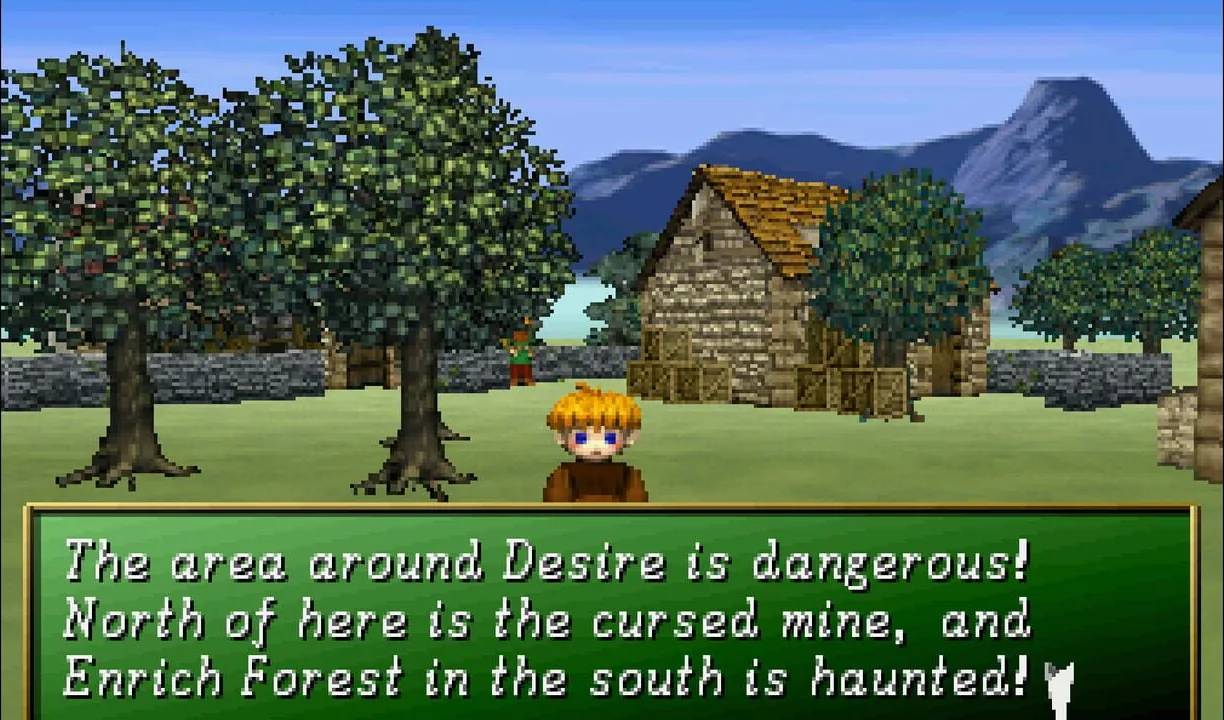
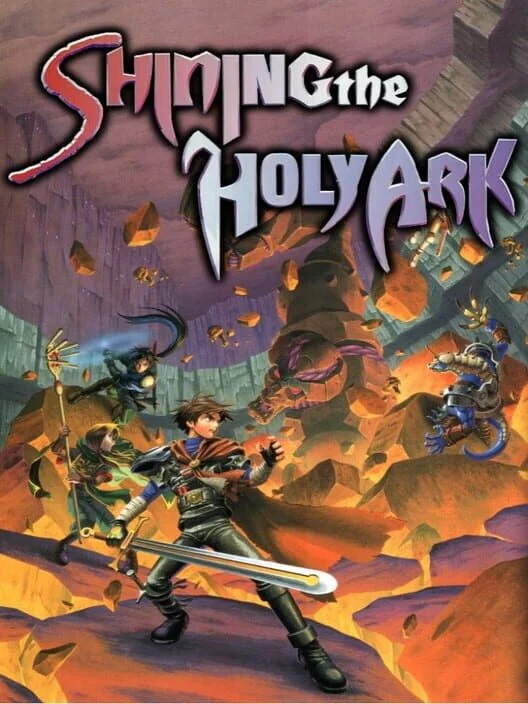
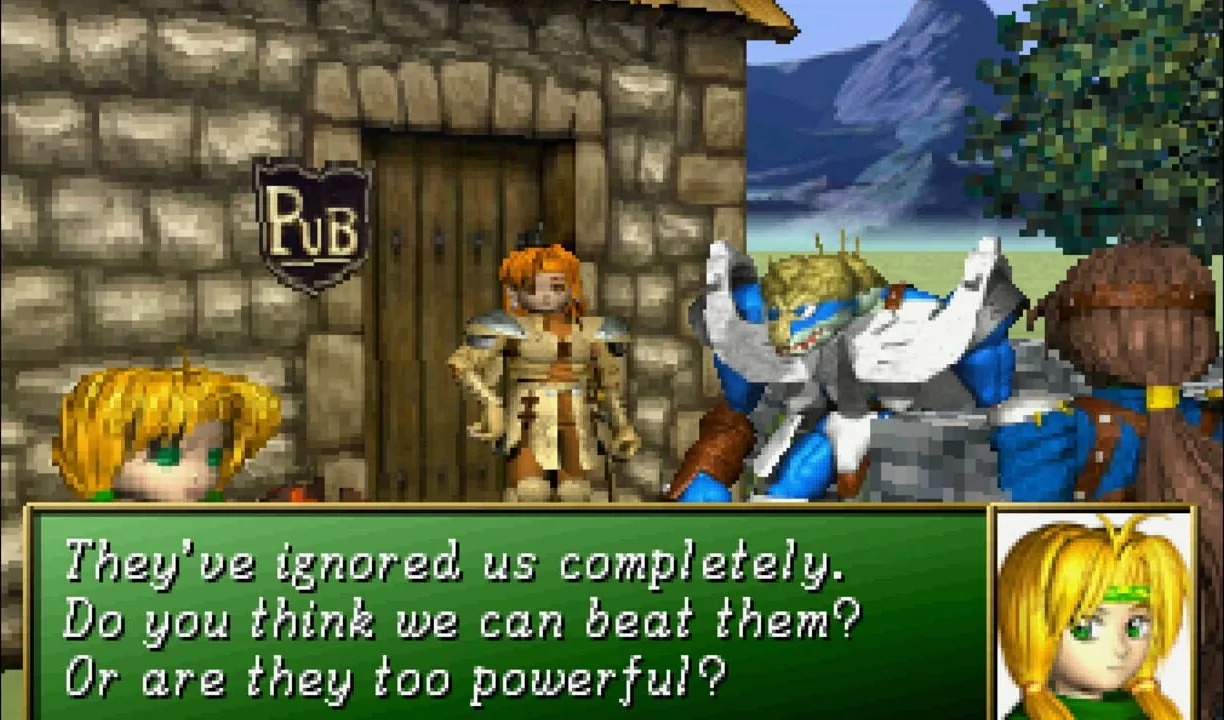
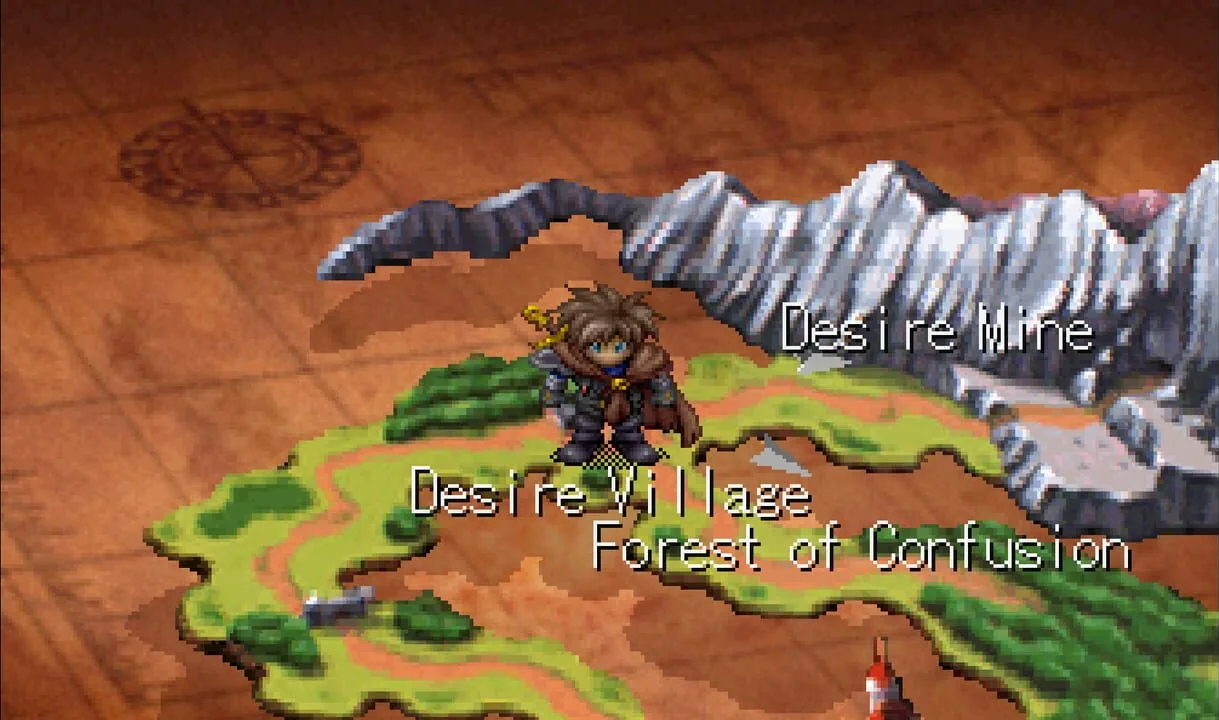
Shining the Holy Ark marked a new direction for Sega's Shining series. It mixed polygons and sprites, and its story was aimed at an older audience. The gameplay is most similar to Shining in the Darkness: you explore towns and dungeons in first-person view, and fights happen almost only in the dungeons. It also has pixies, in five types. When an enemy appears you get a few seconds to pick the right pixie for the direction it is coming from.
Shining Wisdom, the first Shining game on the Saturn, was an action-adventure. Holy Ark went back to dungeon crawling and turn-based combat. It had greater critical success than its predecessor, with praise for its graphical style and its battles. Motoi Sakuraba composed the soundtrack, and he later wrote the music for Shining Force III. Work on Shining Force III began while Holy Ark was still in development.
6. Albert Odyssey: Legend of Eldean (1996)
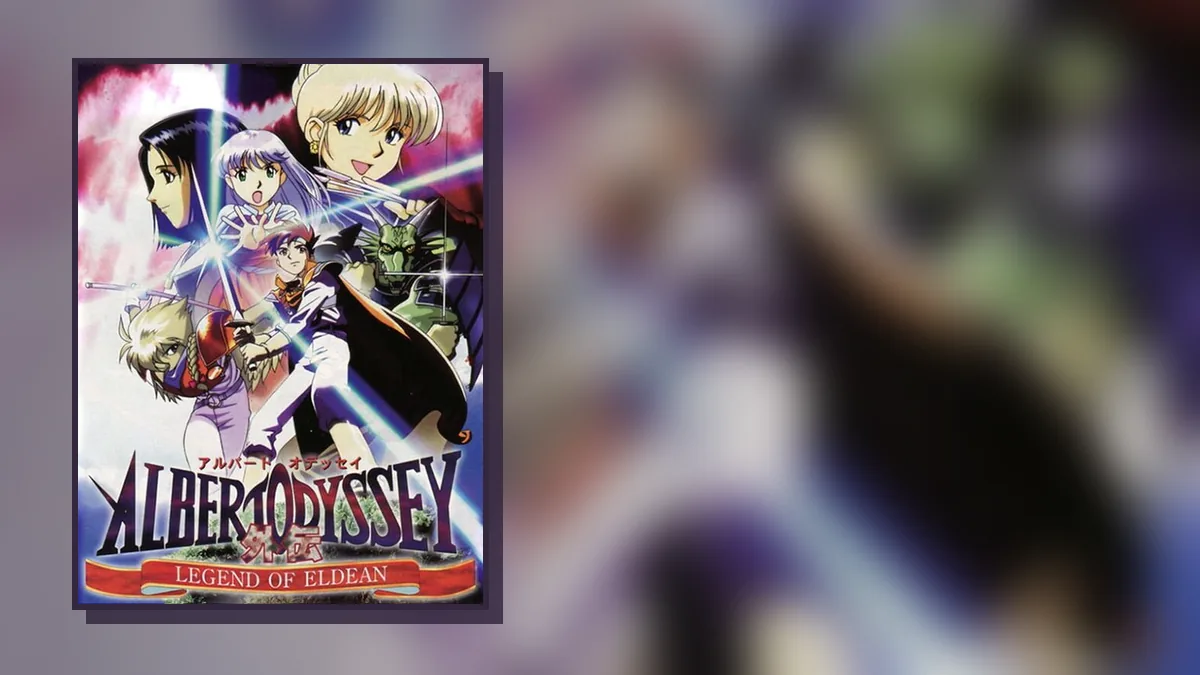
Albert Odyssey: Legend of Eldean was first developed for the Super NES before it moved to the Saturn. The characters were designed by Toshiyuki Kubooka, the same artist behind the Lunar cast, and you can see it in the faces. It plays like a 16-bit RPG, which makes sense given where it started, and that kind of game was getting rare on a console busy with polygons.
The North American version, translated by Working Designs, received mixed reviews. Next Generation stated that "The magic spells and combat engine are not just slow and unimpressive, but downright painful to look at." Another review was kinder about the writing: "The laughs you'll get out of it are worth more than a couple of bucks." Players still rank it above both Shining the Holy Ark and Sakura Wars, so the jokes must have landed.
5. Magic Knight Rayearth (1998)
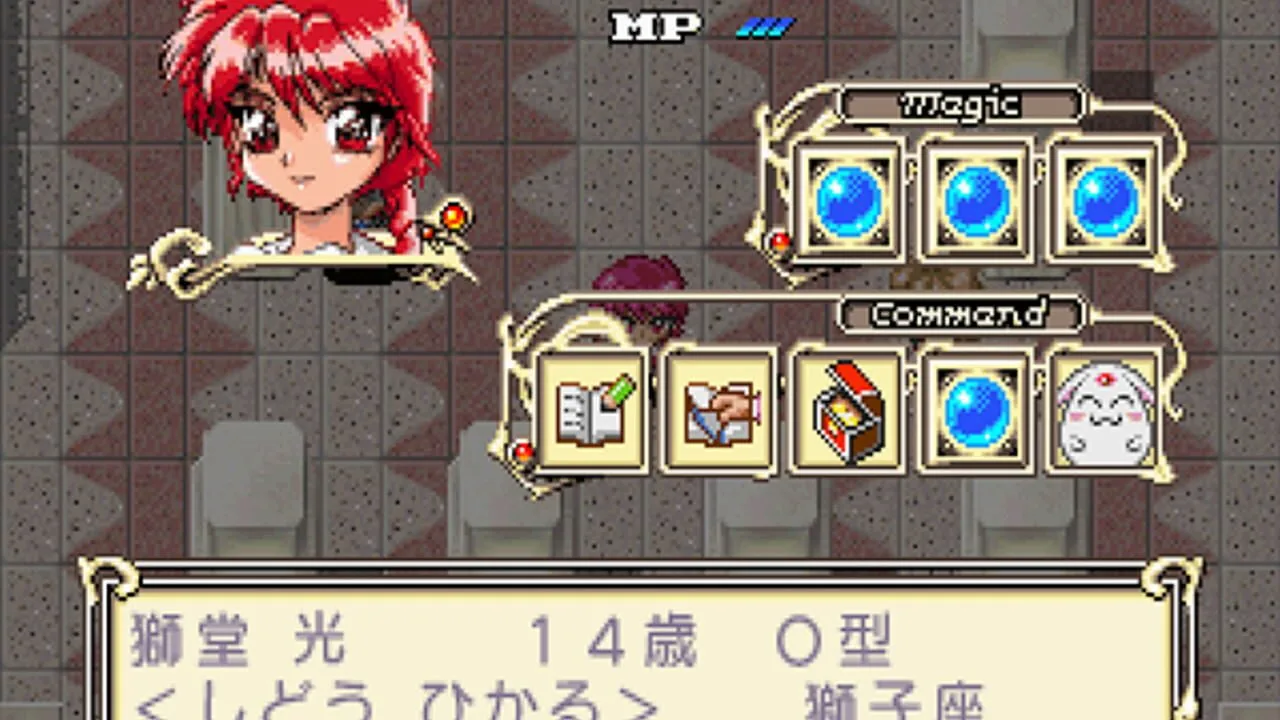
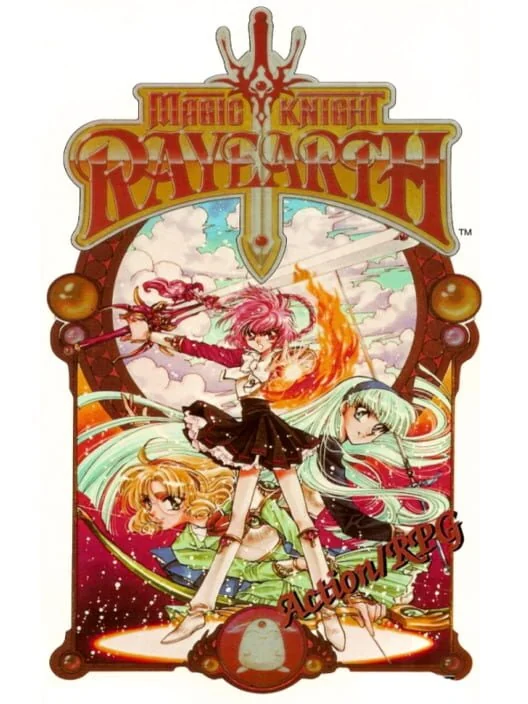
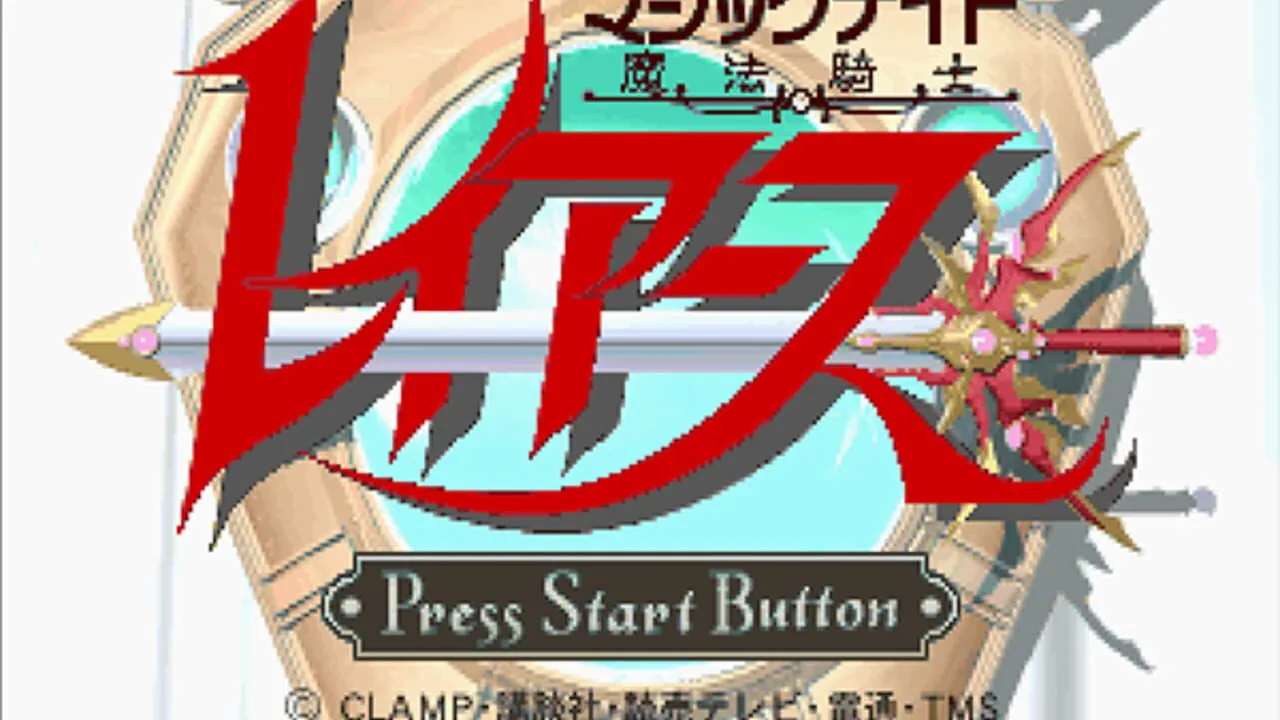
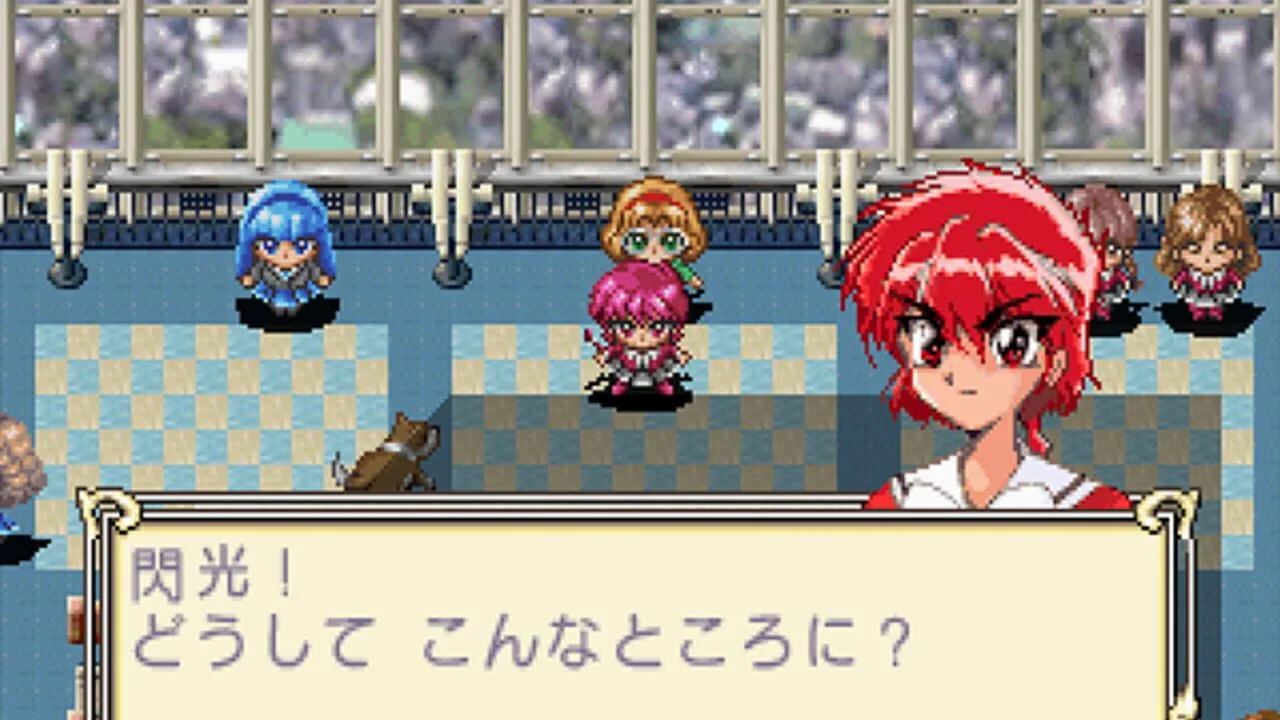
Magic Knight Rayearth is an action RPG based on the anime by Clamp. Its three characters travel the world of Cephiro to rescue an abducted princess named Emerald. Only one character can battle at a time, and the other two follow behind. Hikaru is the only one with a sword. Umi fights with a foil, and Fuu uses a bow and arrow. The bow works at long range but needs precise aim, while the sword slices with broad strokes up close.
It was one of 12 Saturn games announced when the system was first unveiled at the June 1994 Tokyo Toy Show. It also became the last Saturn game released in North America, mostly because Working Designs took so long to localize it. The company said it was one of the biggest localization projects it had ever taken on. Four years from announcement to the shelf is a long walk. Players rank it above every other action RPG on this list.
4. Grandia (1997)
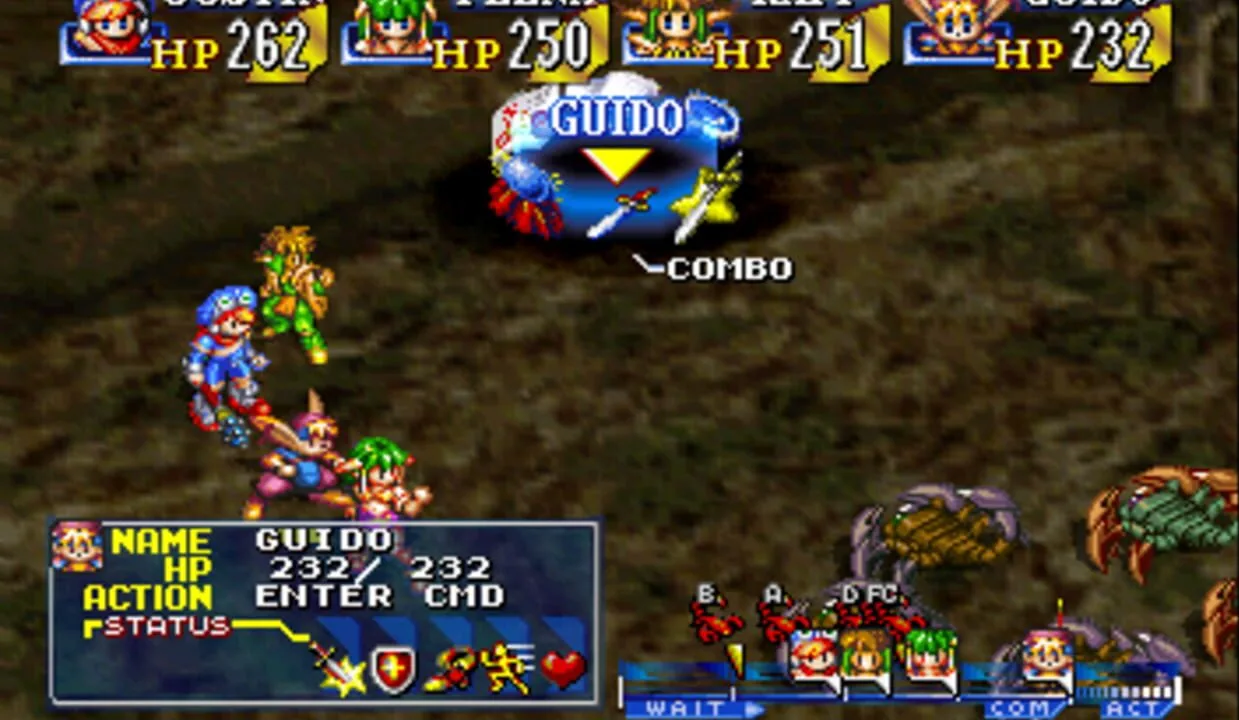
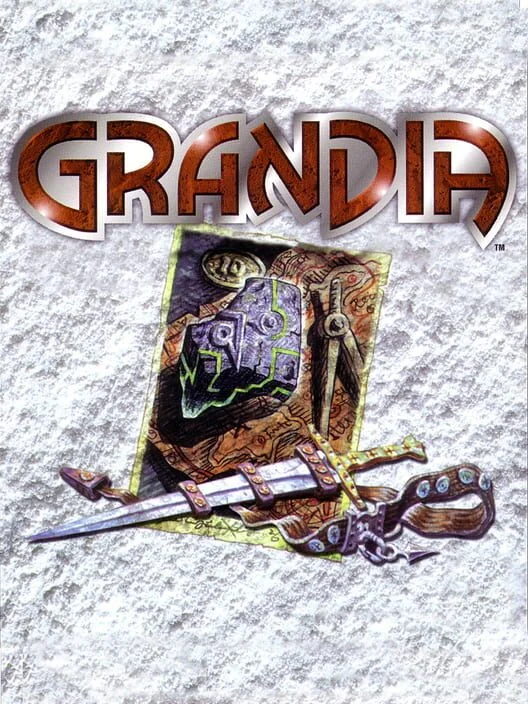
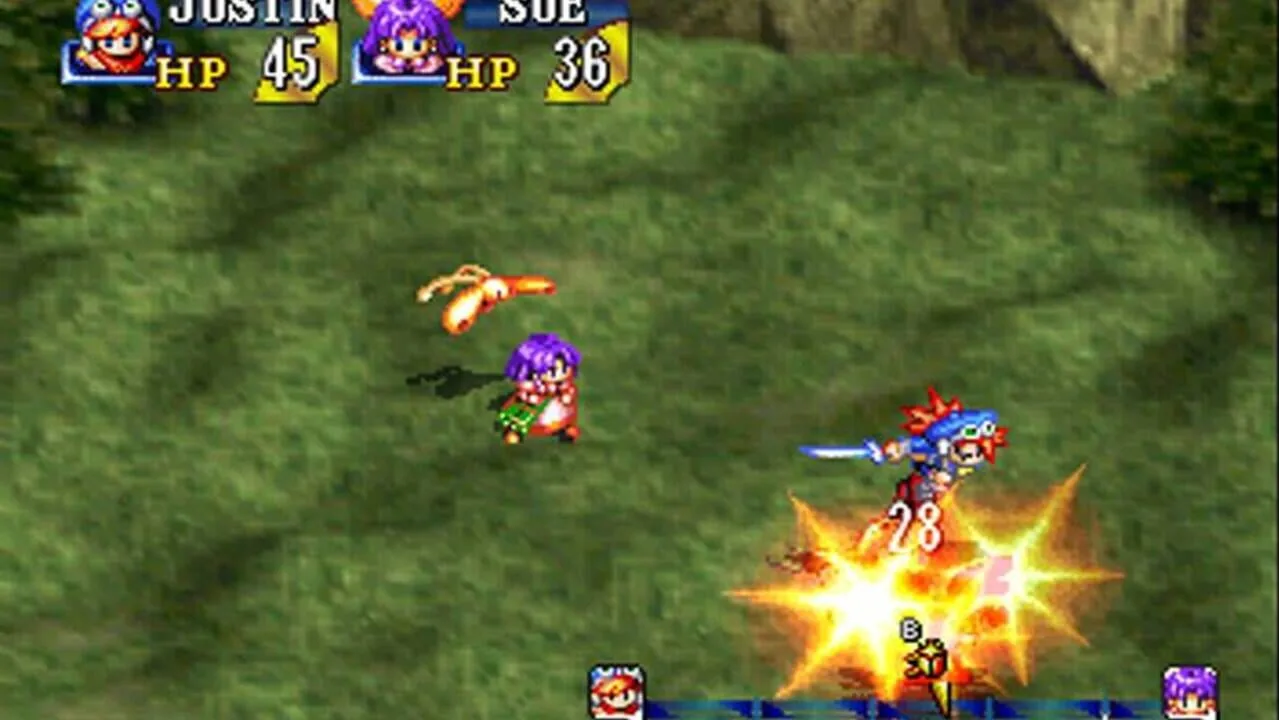
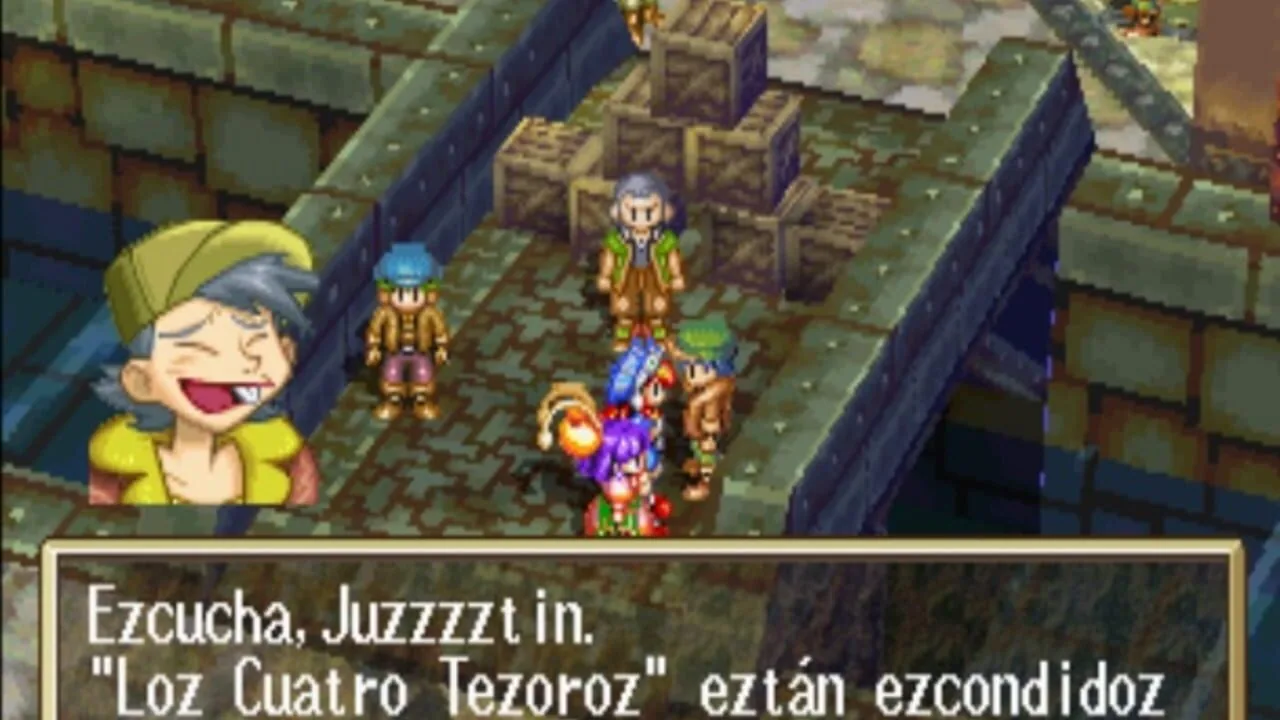
Grandia is the first game in Game Arts' Grandia series, made by much of the same staff as Lunar, including producer Yoichi Miyagi and composer Noriyuki Iwadare. It came out on the Saturn in Japan in 1997 and was ported to the PlayStation in 1999, which is how most English players first got it. Justin, a young boy keen on adventure, sets out with his friend Sue to learn the secret of the Spirit Stone his missing father left behind.
The combat is what made its name, and it carried over into every Grandia after it. Sneak up on an enemy from behind and you get a preemptive strike. Let one touch you from behind and it strikes first. Players who know both versions still connect it with the Saturn, and it ranks fourth on our list even though the Saturn release stayed in Japan.
3. Panzer Dragoon Saga (1998)
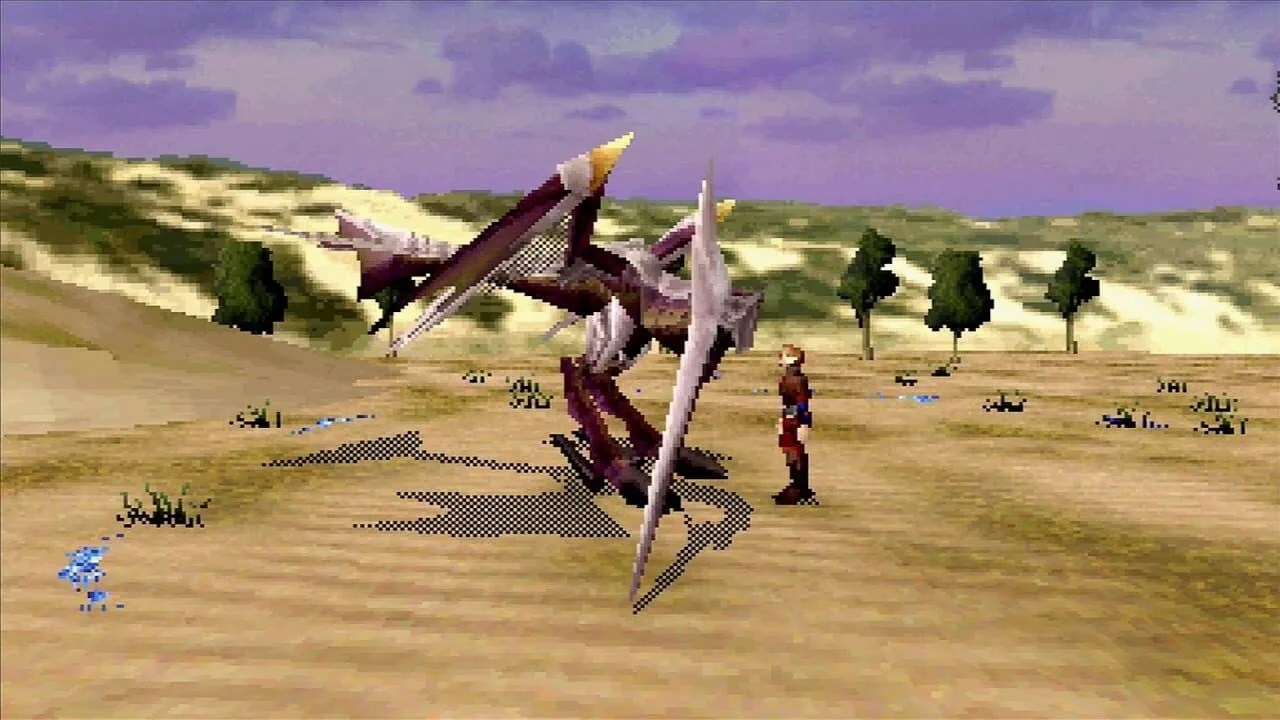
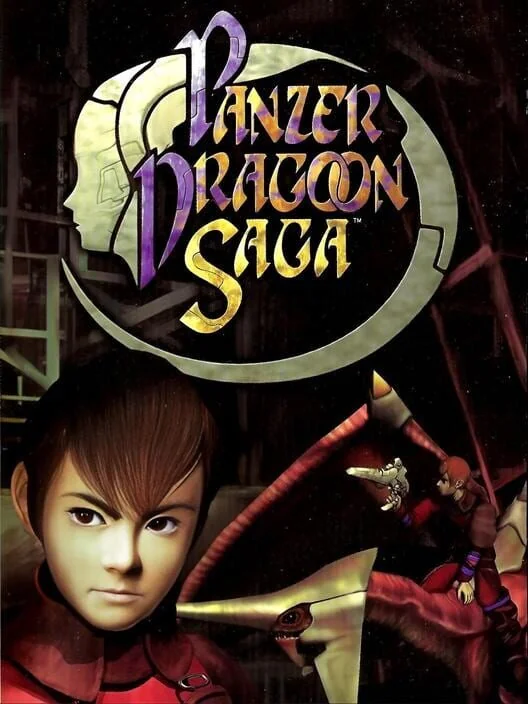
Sega directed Team Andromeda to create an RPG to compete against the PlayStation and Final Fantasy VII, and Panzer Dragoon Saga is what came out. Development began in early 1995 alongside Panzer Dragoon II Zwei. Mixing the series' shooting with full 3D graphics and voice acting pushed the Saturn to its technical limits. You play Edge, the only playable character, who rides his dragon after the Black Fleet. There are few side quests and very little inventory to manage, so the story keeps moving.
The project was hard on its team, and the director, Yukio Futatsugi, linked the deaths of two staff members during development to stressful working conditions. Sega released it in Japan in January 1998 and in the West in April, with little marketing and only a few thousand copies. Sales were low, and Sega disbanded Team Andromeda afterwards. It has never been rereleased, which only made it more of a cult classic.
2. Shining Force III (1998)
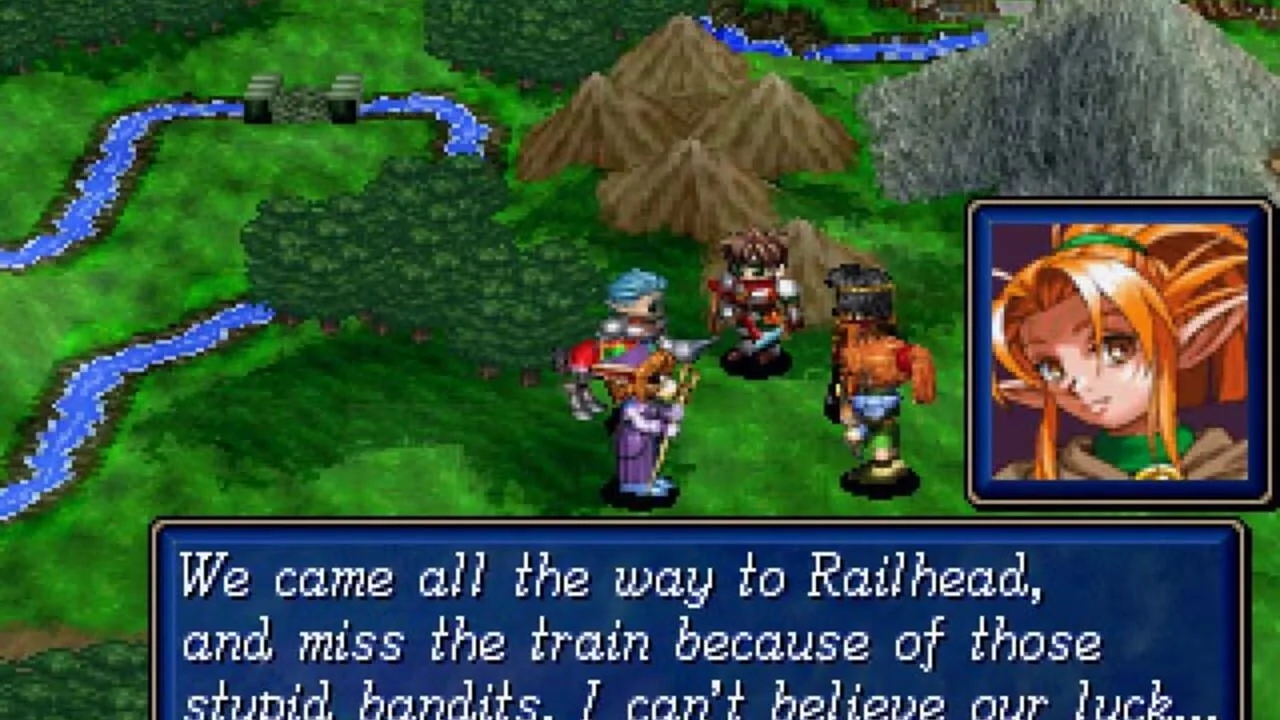
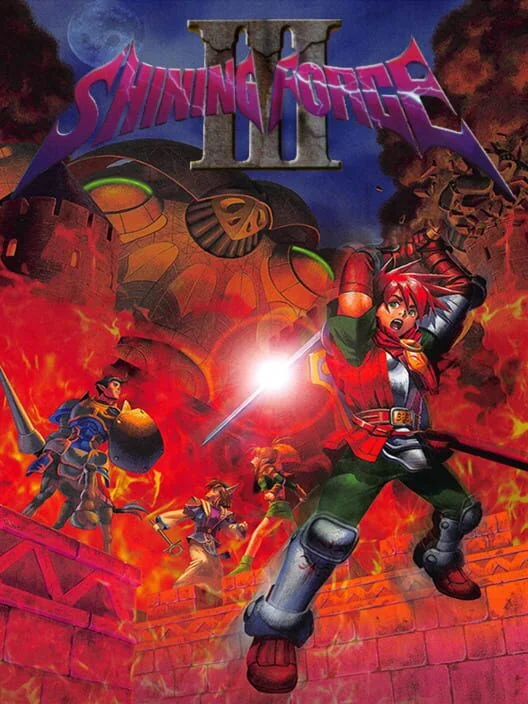
Shining Force III is a turn-based tactics RPG made by Camelot Software Planning for the Saturn. In Japan it came out in three parts, Scenario 1, Scenario 2 and Scenario 3, released one by one across late 1997 and 1998. Each one tells one of three overlapping storylines. The real ending can only be seen after you finish all of them. Camelot even sent a Premium Disk to Japanese players who sent in proof of purchase for the full trilogy.
In North America and Europe only Scenario 1 was translated, under the plain name Shining Force III. It was well received, with limited sales because it arrived late in the Saturn's life. Fan translations for Scenario 2 and Scenario 3 were later produced, and players say to play all three scenarios with them. Do that and you get the whole story Camelot meant to tell.
1. Dragon Force (1996)
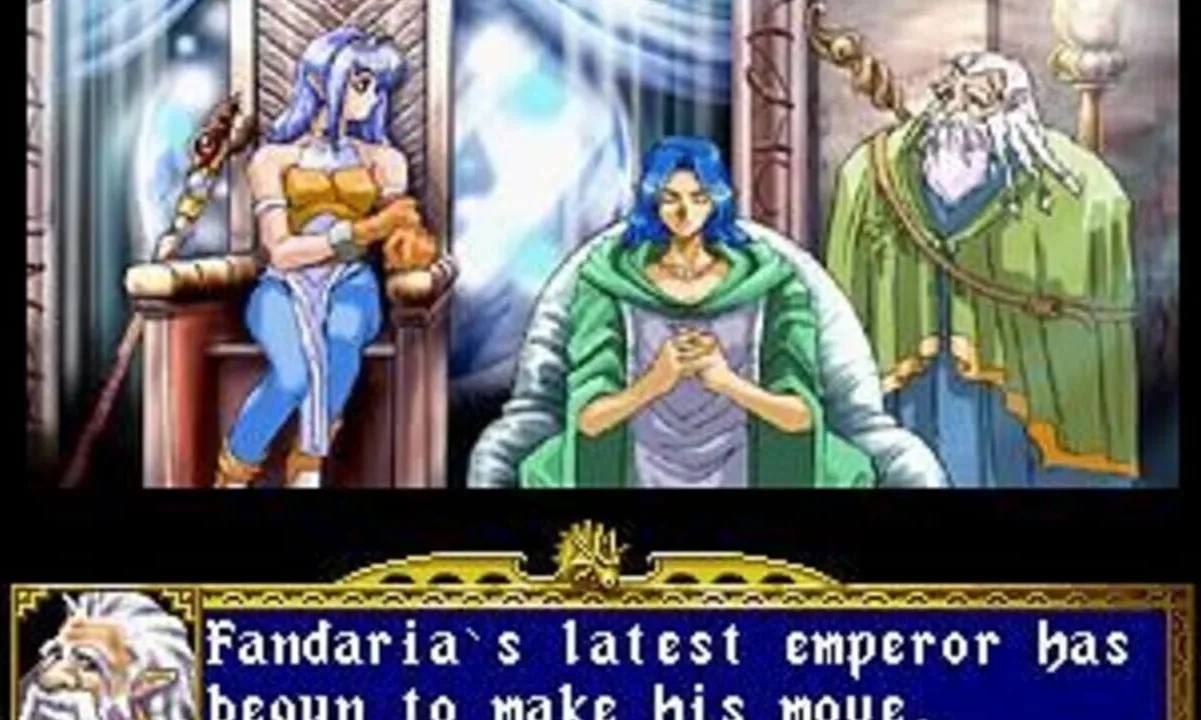
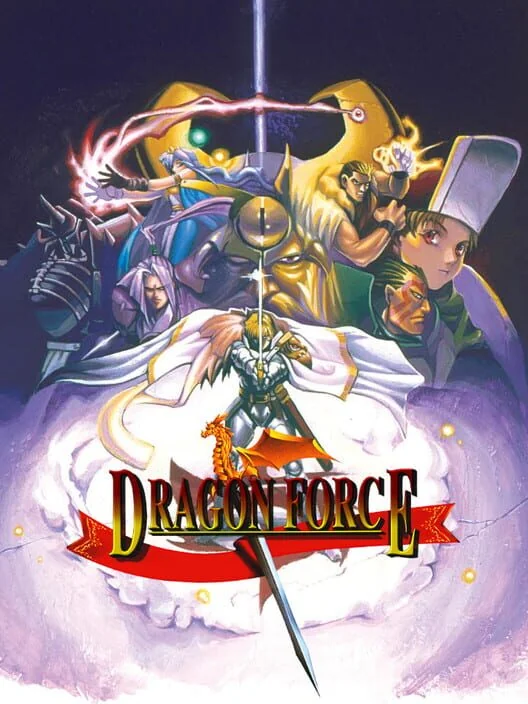
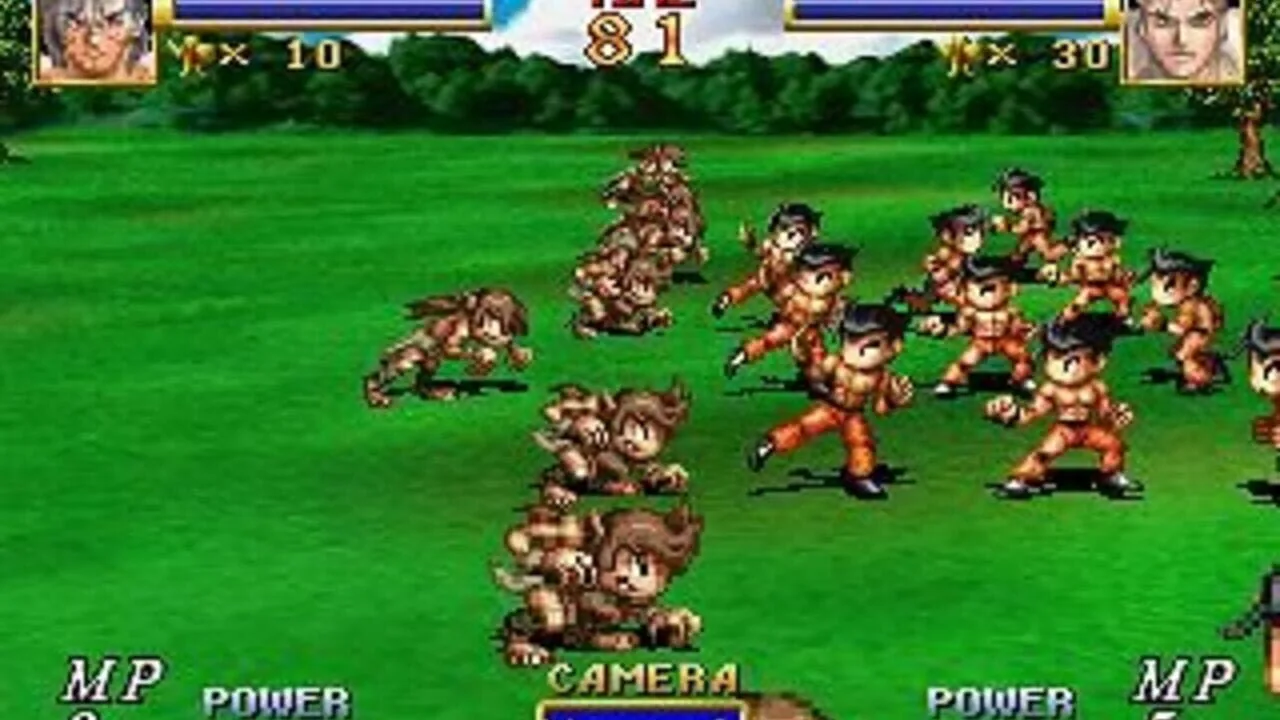
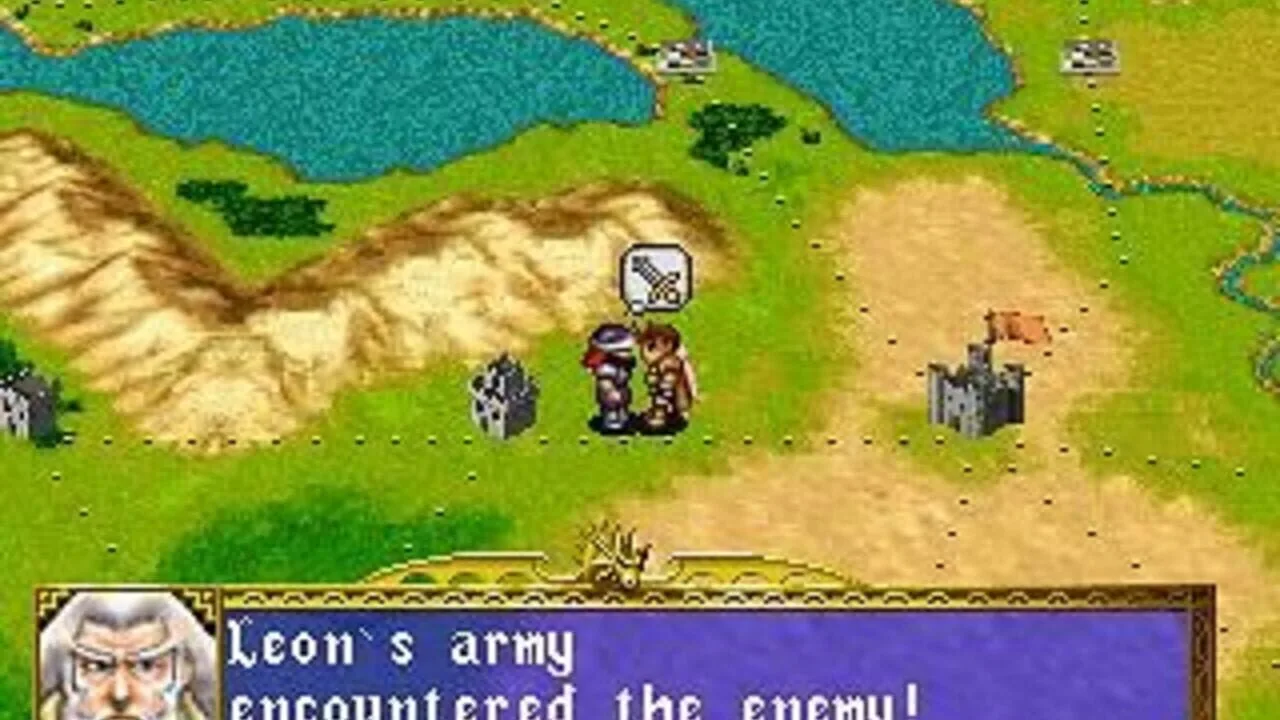
Dragon Force is a real-time strategy RPG. You choose one of eight rulers and try to unite the continent of Legendra against the revived evil god Madruk. Battles have up to 100 soldiers per side, and the enemy always chooses first, so you can pick a counter-strategy. Between fights you give awards to generals, persuade captured enemy generals to join you and fortify your castles. Each of the eight monarchs has a storyline of their own, and two of them only open after you beat the game.
That much replay value is why players keep coming back to it. They call it one of their favorite games on the console, and players recommend it more than any other Saturn RPG. A sequel was released for the Saturn in Japan in 1998, and fans later translated it. The first game was also enhanced for the PlayStation 2 as part of the Sega Ages series.
Which one to play
There you have it, the whole list of the best Saturn RPGs. Even the bottom of this list holds up better than a lot of what the bigger consoles had.
If you are not sure where to start, play Dragon Force. If you want a classic turn-based tactics game, pick Shining Force III and keep going through all three scenarios. For a story that feels like nothing else from the 90s, Panzer Dragoon Saga is the one. Lunar fans should go straight to Grandia. And for a hidden pick, try Mystaria, a tactics game that lets you grow every character your own way.