The Super Nintendo is where console RPGs grew up. Square put three Final Fantasy games on it in four years, and the cartridges finally had room for long stories with a cast you cared about. Enix brought over Quintet's action RPGs and a strategy game about running a whole rebel army. Even Capcom made its first traditional RPG for it.
A lot of the best ones never left Japan at the time, and fan translations are how English-speaking players found many of them. They are on this list too, because players recommend them right next to the famous ones. Here are the 21 best SNES RPGs.
21. Bahamut Lagoon (1996)
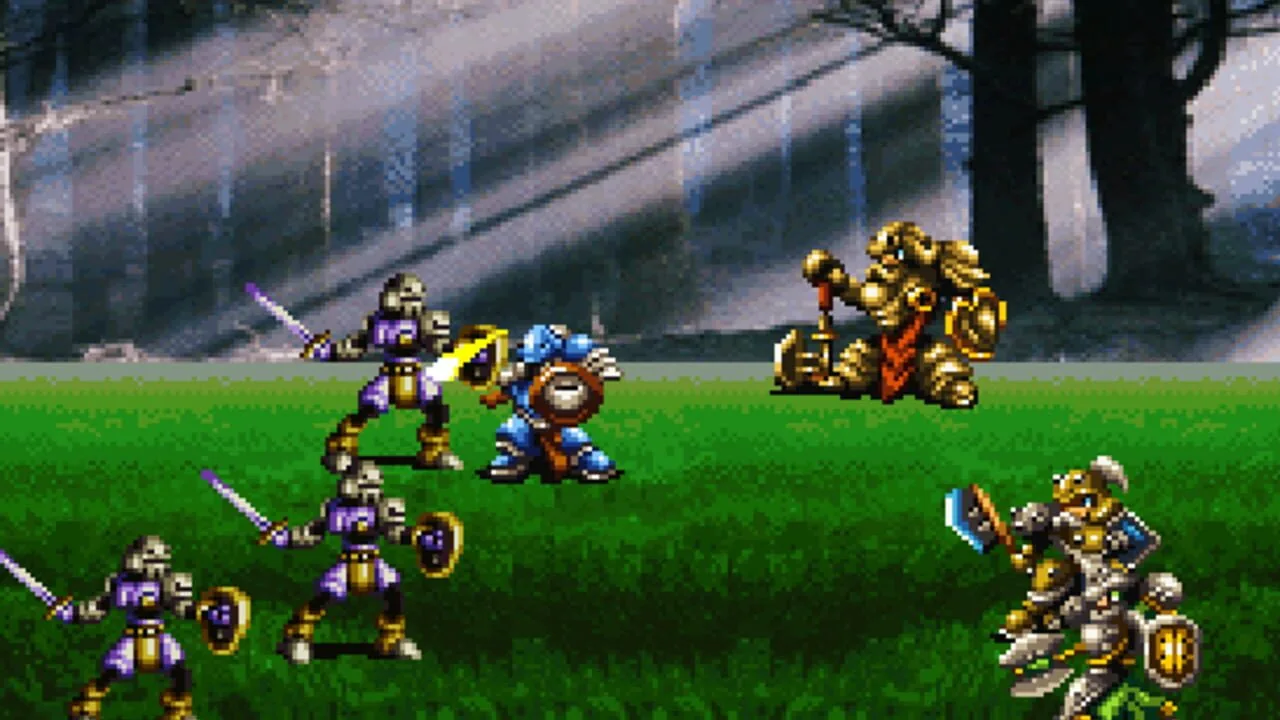
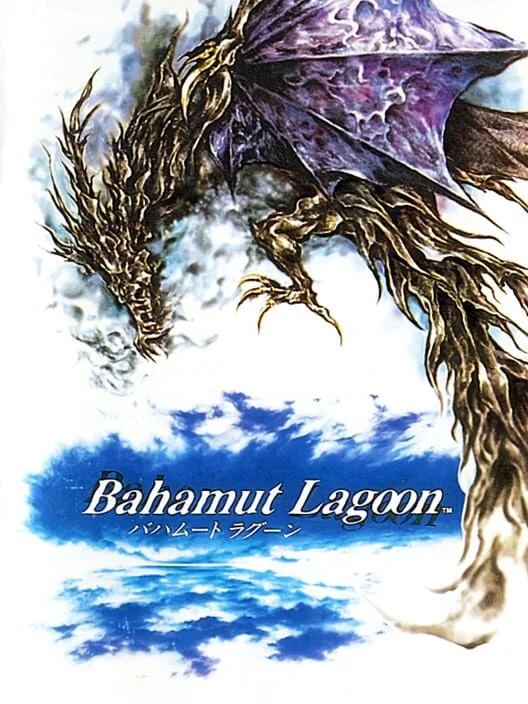
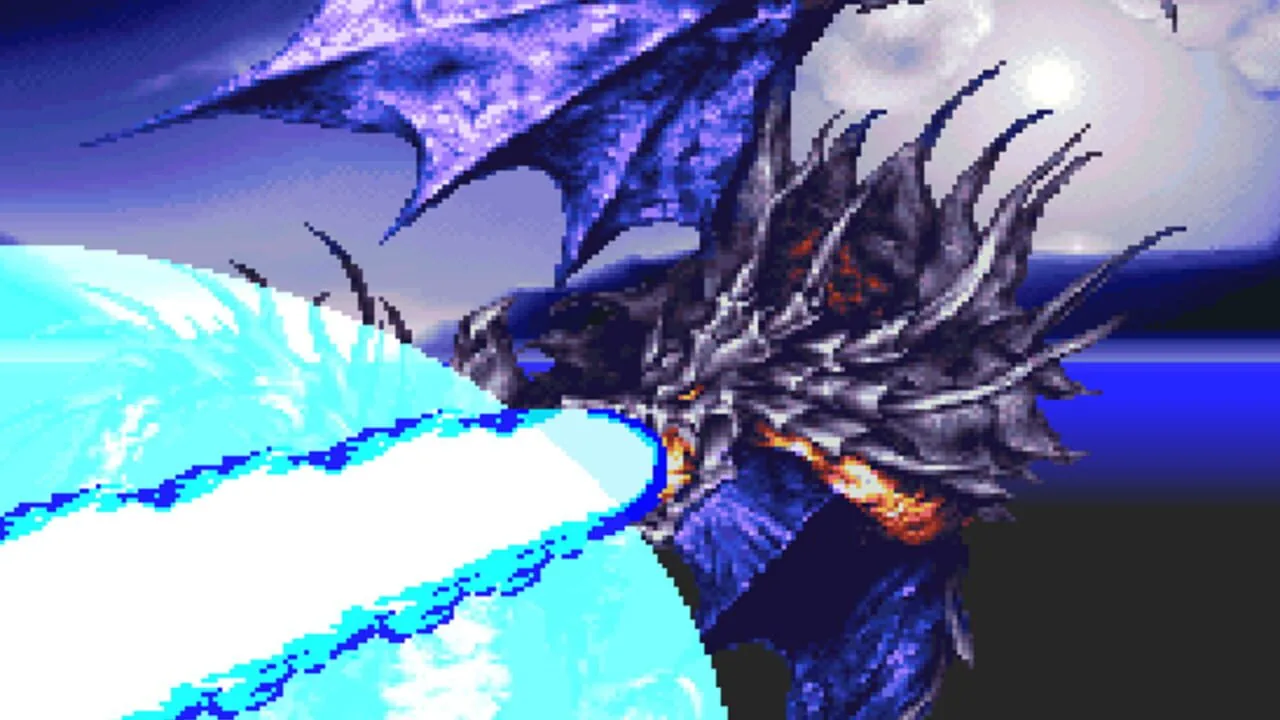
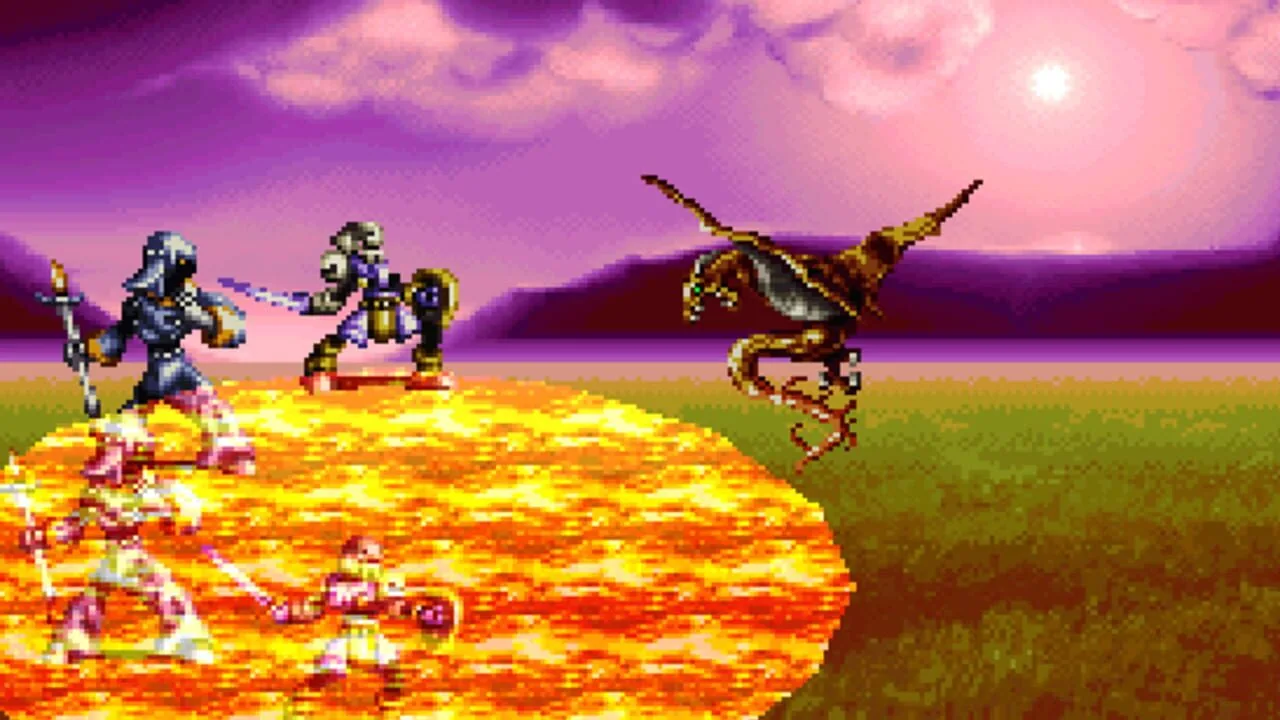
Bahamut Lagoon is a tactical RPG from a team of new Square developers, and it came out in Japan on February 9, 1996. You play Byuu, a soldier of the kingdom of Kahna who leads a campaign against the Granbelos Empire across the floating lands of Orelus. The twist is the dragons. Each squad leader has one, and you raise it by feeding it weapons and armor, which changes what it evolves into. Feed it food it hates and it still gets stronger, it just likes you a little less.
The game started out as a traditional RPG with random encounters before the team turned it into a tactics game. It has never been officially released outside Japan. A fan translation patch by a three-person team including Clyde Mandelin came out in 2002, and that patch is how English-speaking players know it.
20. Shadowrun (1993)
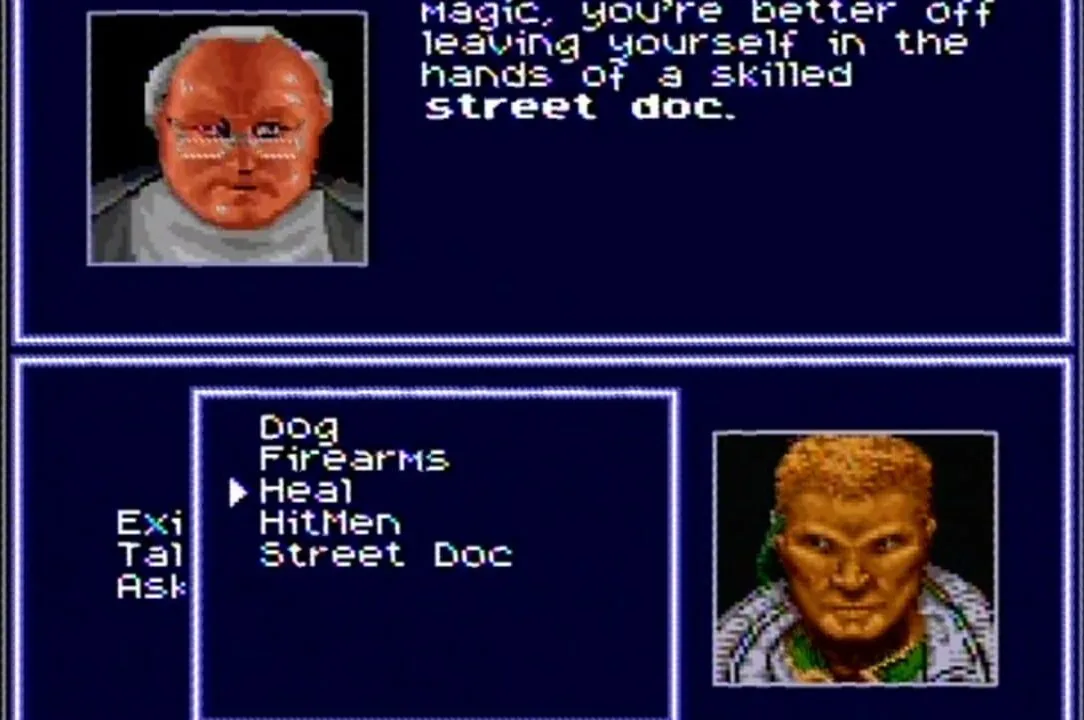
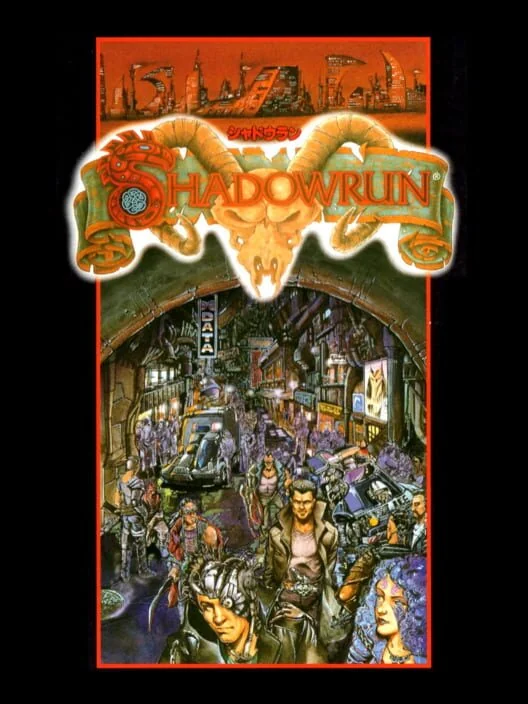
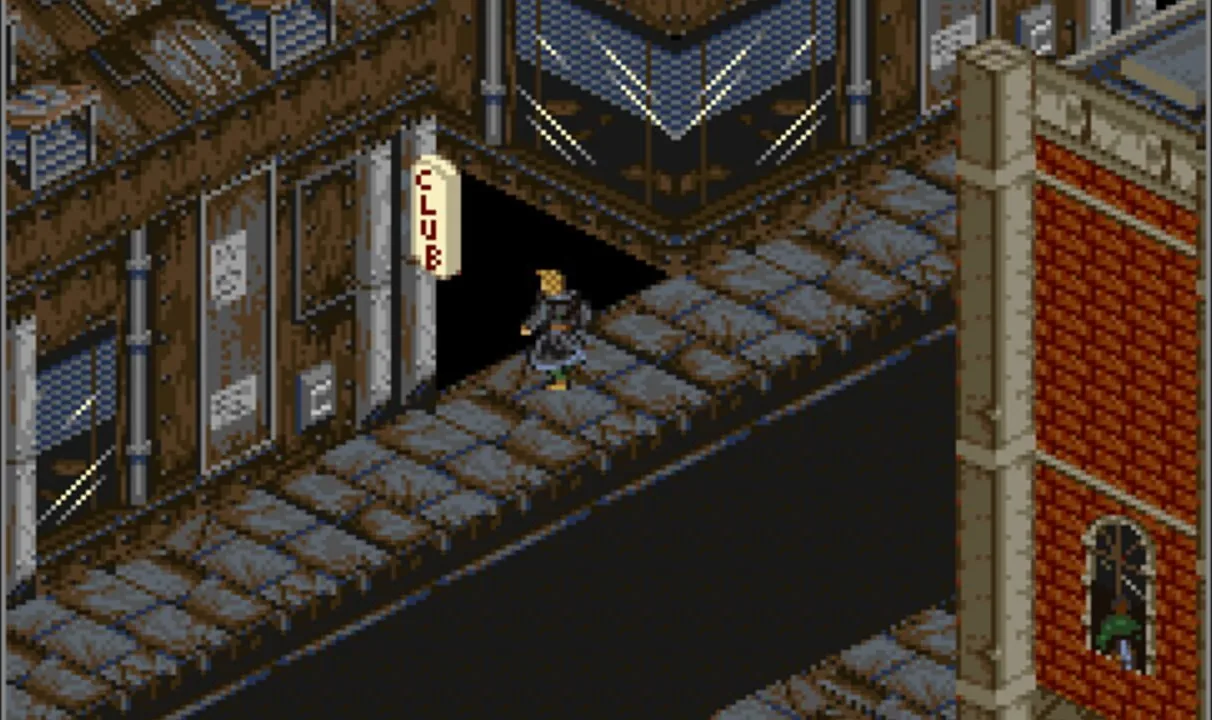
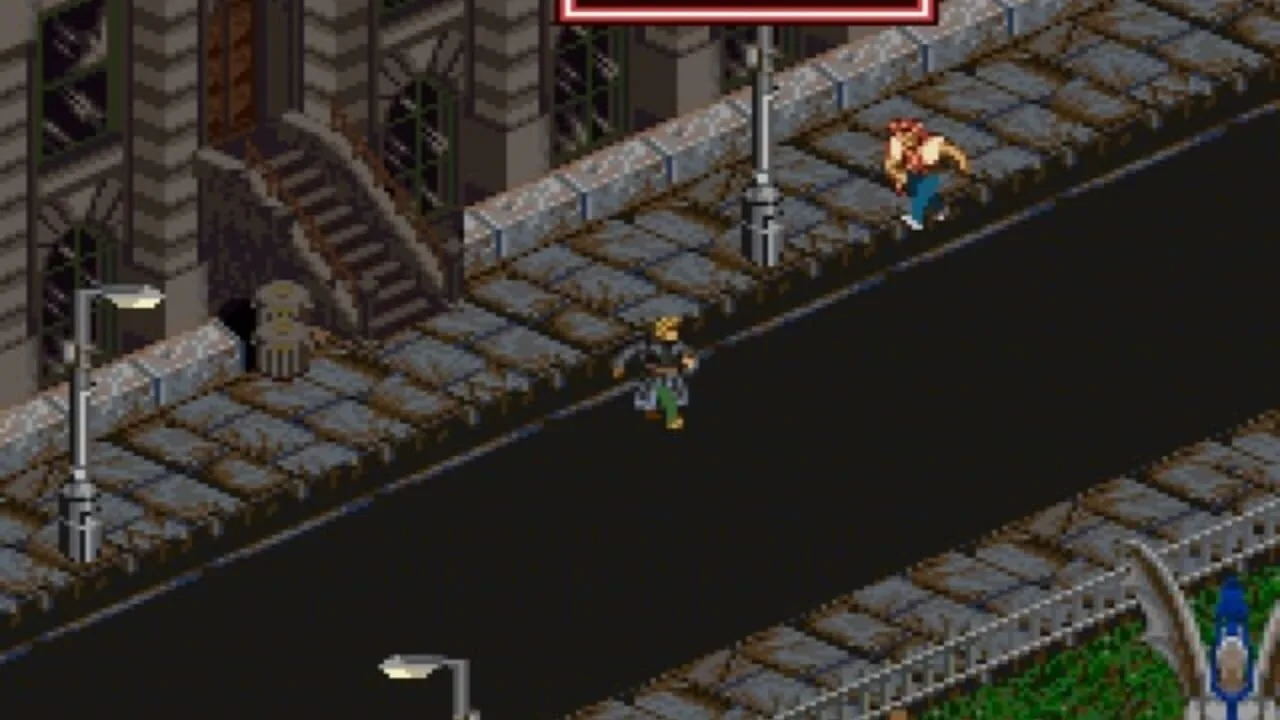
Shadowrun is based on FASA's pen-and-paper RPG of the same name, and the Australian studio Beam Software made it for the Super NES. It opens in Seattle in 2050 with Jake Armitage being gunned down in the street. He wakes up in a morgue with complete memory loss, and the rest of the game is him finding out who wanted him dead. Spoiler: it is a dragon.
It plays like no other console RPG of its time. When Jake hears a new word, it goes into a bank you can ask people about, and that is the only way to move the story forward. 1UP.com later put it on a list of games "ahead of their time" for that keyword system. It won industry awards and still sold poorly, which is how a lot of cult classics start out.
19. Breath of Fire II (1994)
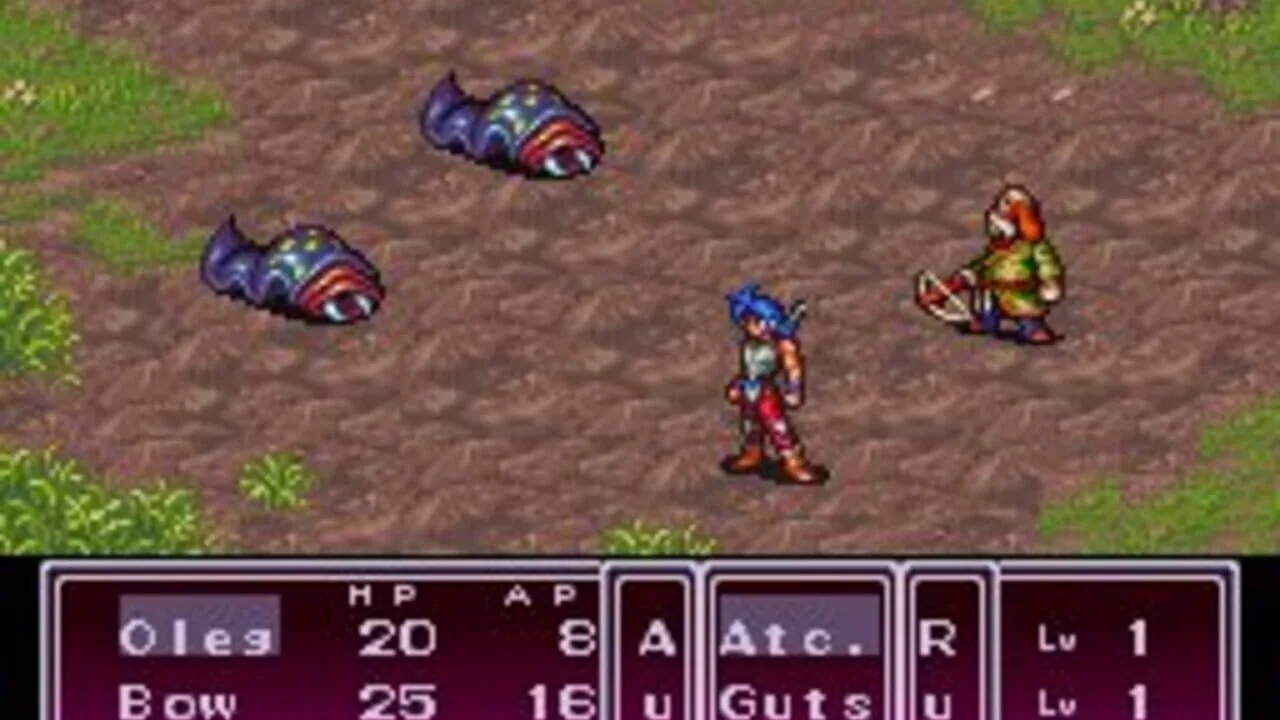
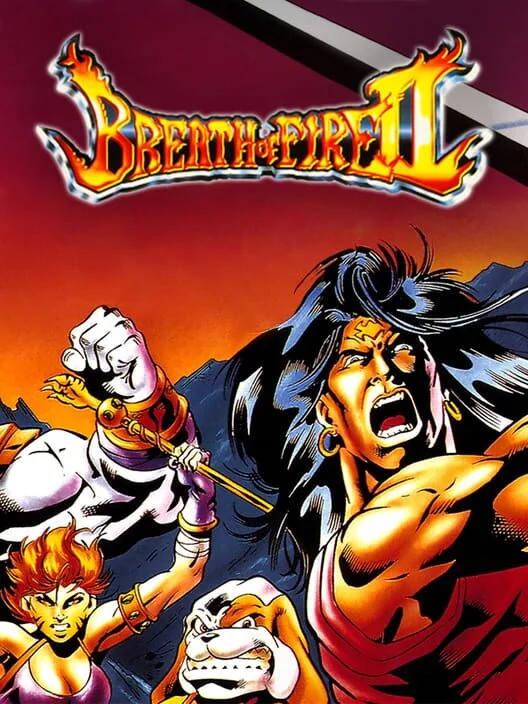
Breath of Fire II is a direct sequel to the first game, which none of the later Breath of Fire games are. Ryu is back, and so is Nina, who has to win the "mark of the wing" so she can turn into the Great Bird and fly the group across the world. The plot gets darker as it goes, with demons hiding in disguise. Only four characters can be in your party at a time, and you cannot freely switch them outside of certain areas.
It came out in 1994 and reached Europe in 1996 through Laguna. A Game Boy Advance port followed, and it has been on the Wii, Wii U and 3DS Virtual Console and the Switch SNES library since. It is one of the easiest games on this list to play today.
18. Final Fantasy V (1992)
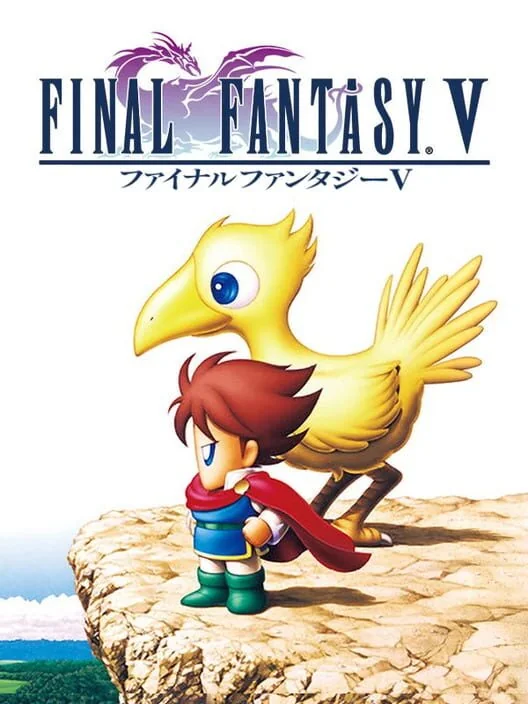
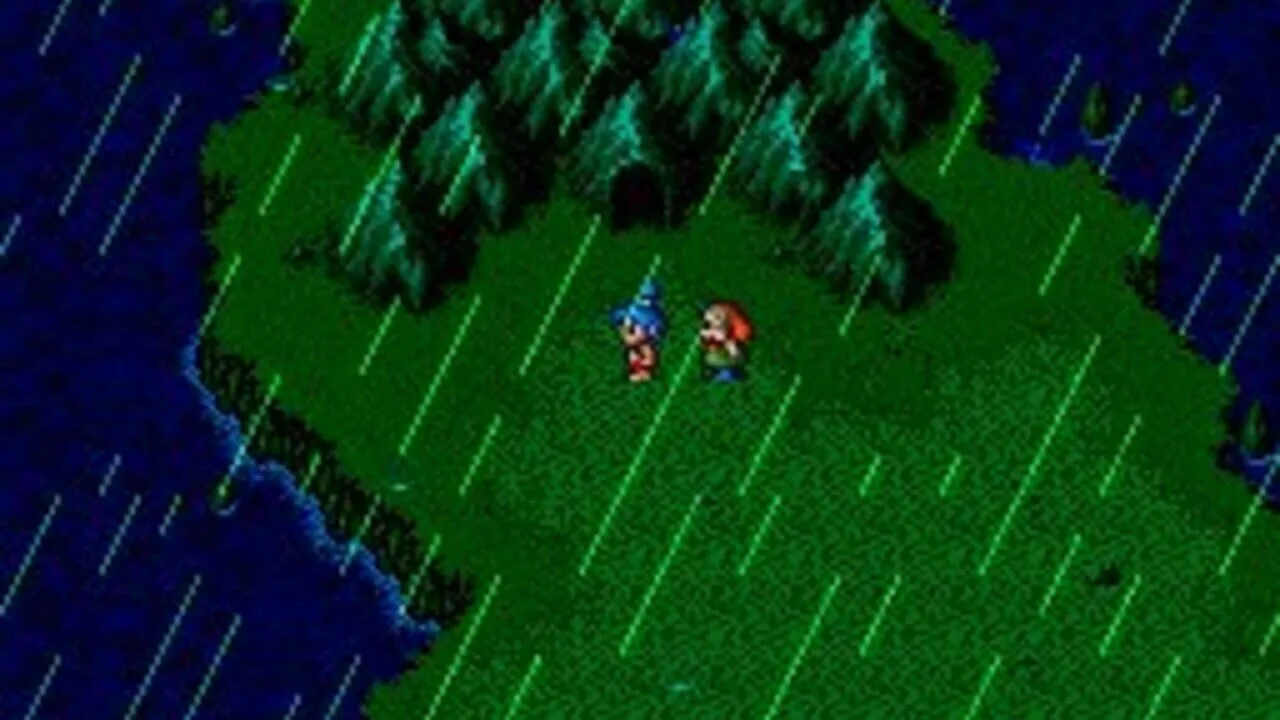
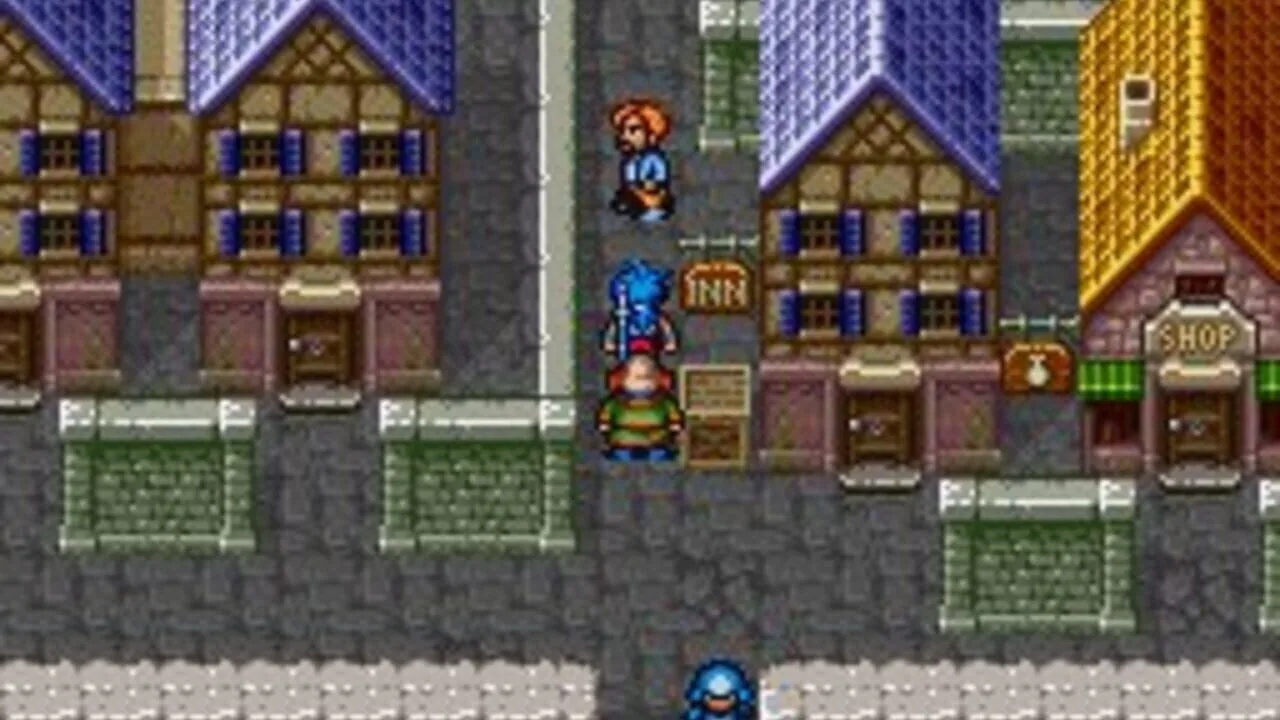
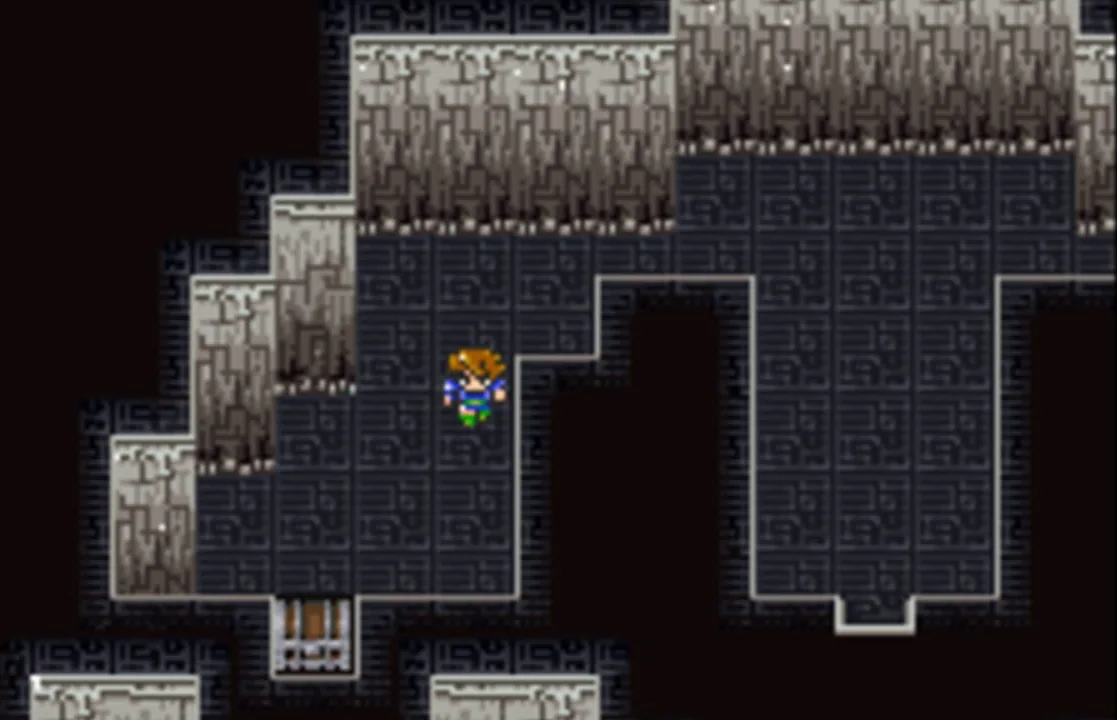
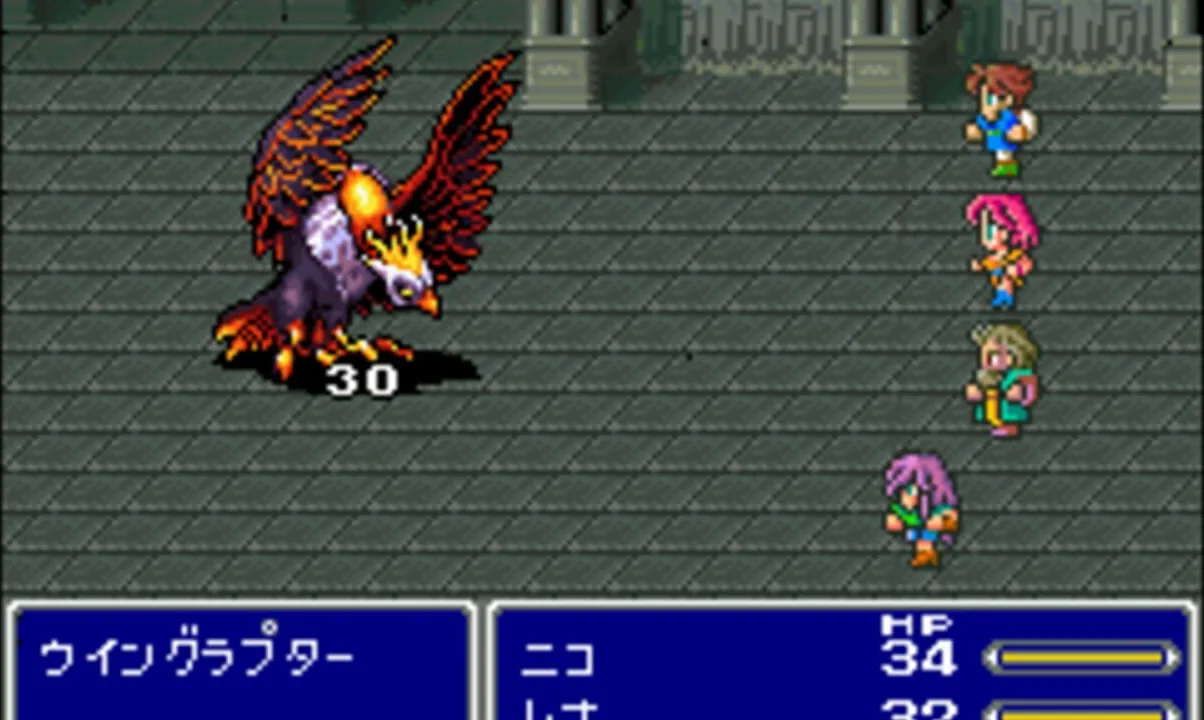
Final Fantasy V stayed in Japan on the Super Famicom, and it sold more than two million copies there anyway. Its big idea is the job system. Every character starts as a Freelancer, and new jobs open up as you collect crystal shards, with old favorites like the Black Mage and Thief back in improved form. Bartz, a wandering adventurer with a Chocobo named Boko, leads the party against Exdeath. Jobs are where the hours go.
GamePro reported that Japanese authorities asked Square not to release it on a school day, because kids would skip class to wait in line. An English version was started and then cancelled. Translator Ted Woolsey said it was "just not accessible enough to the average gamer". Today the Pixel Remaster is on Switch, PlayStation 4 and Xbox.
17. Lufia II: Rise of the Sinistrals (1995)
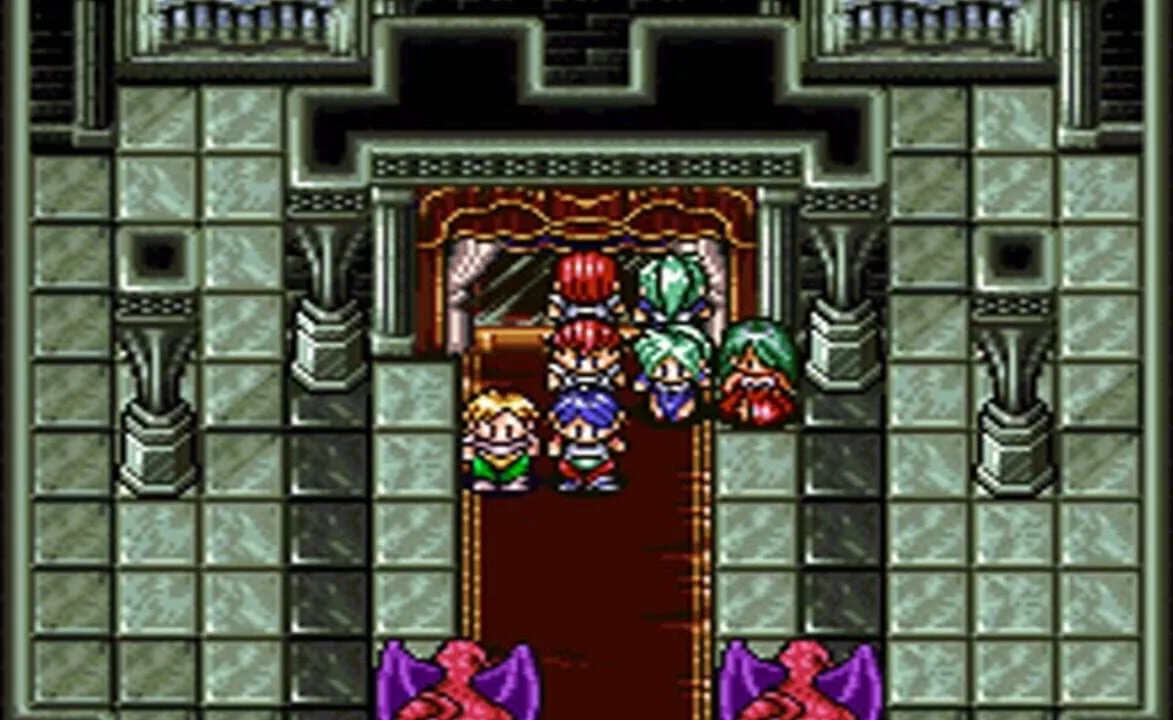
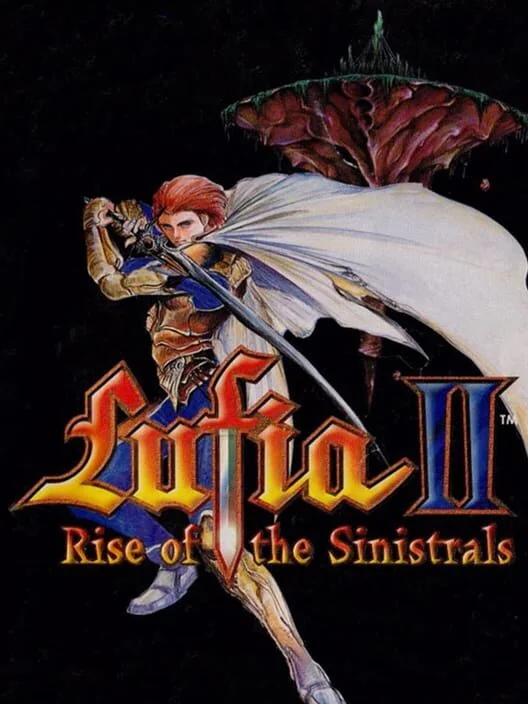
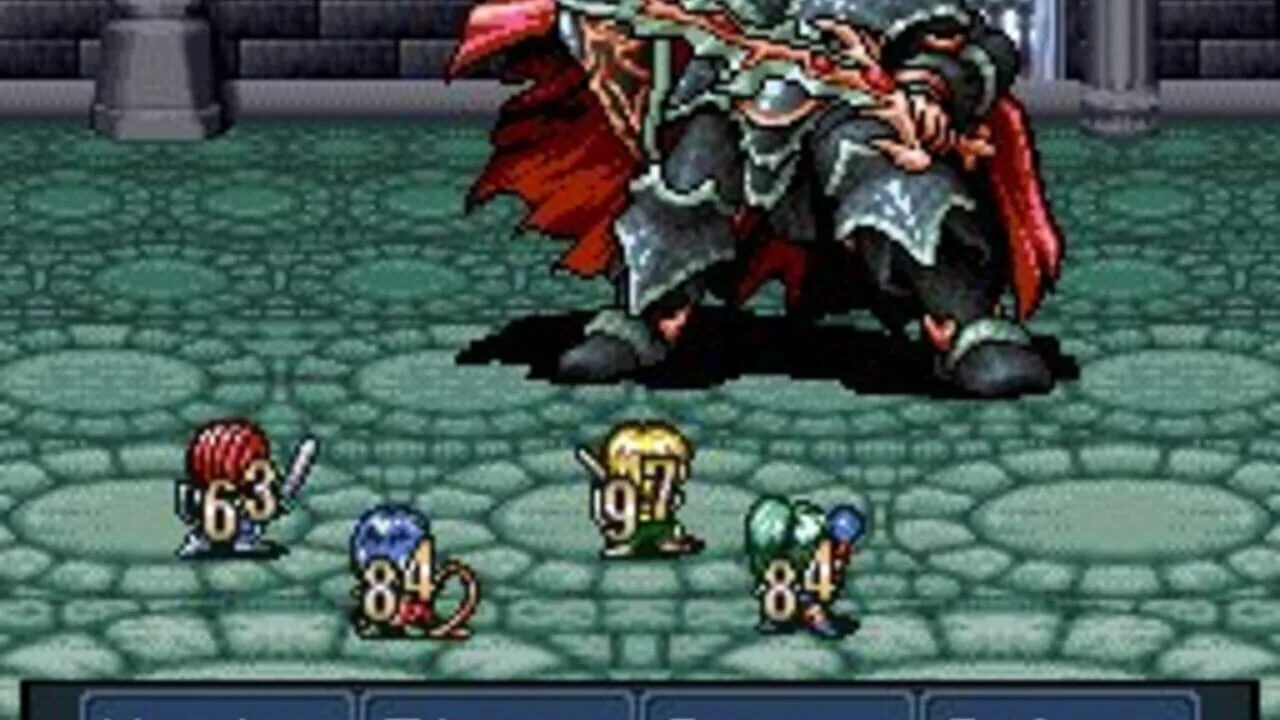
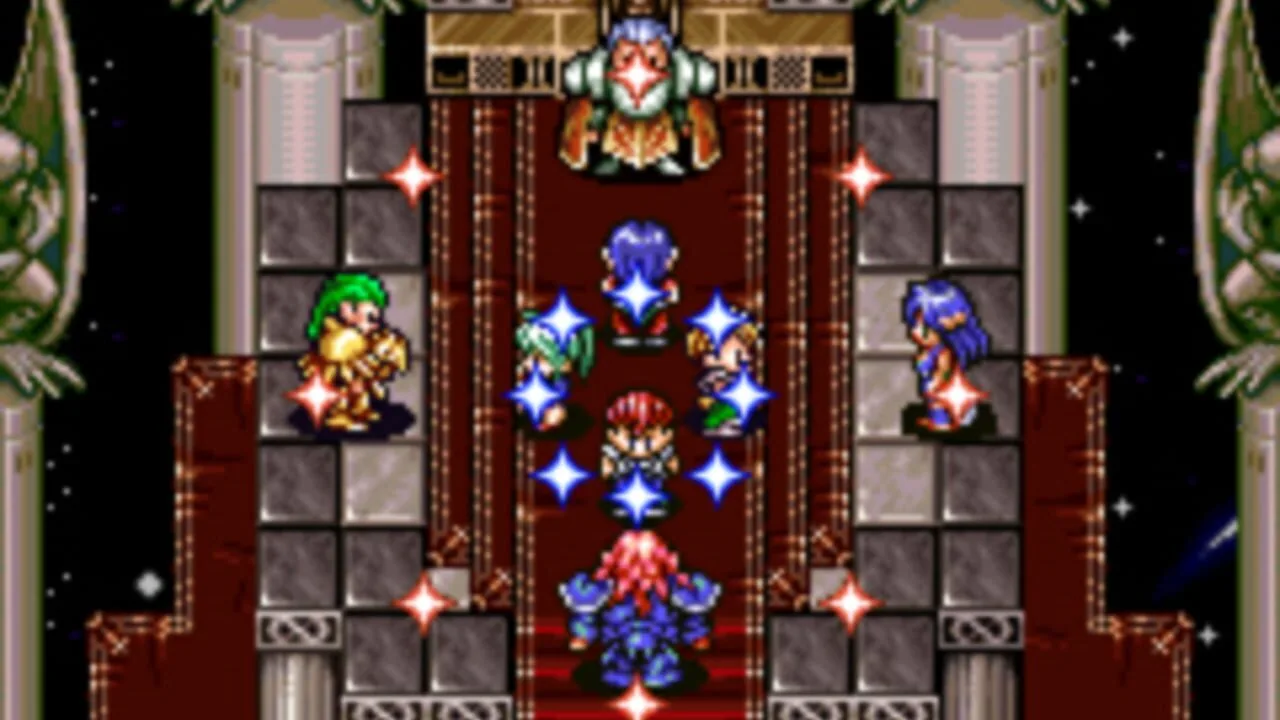
Lufia II is a prequel, set 99 years before Lufia & the Fortress of Doom. It tells the story of Maxim, the first game's hero's ancestor, and the war between mankind and the Sinistrals, a group of gods. Maxim picks up tools that only work in dungeons, like bombs and a hookshot, so the dungeons play a bit like Zelda puzzle rooms. Capsule monsters can be found in set places around the world.
Then there is the Ancient Cave, a randomly generated dungeon of 99 floors that you find as a side quest in the town of Gruberik. Items from red chests only work inside the cave and disappear when you leave, except the Iris Treasures. It is very easy to lose a weekend in there. In Europe and Australia the game was just called "Lufia", since the first one never came out there.
16. Secret of Evermore (1995)
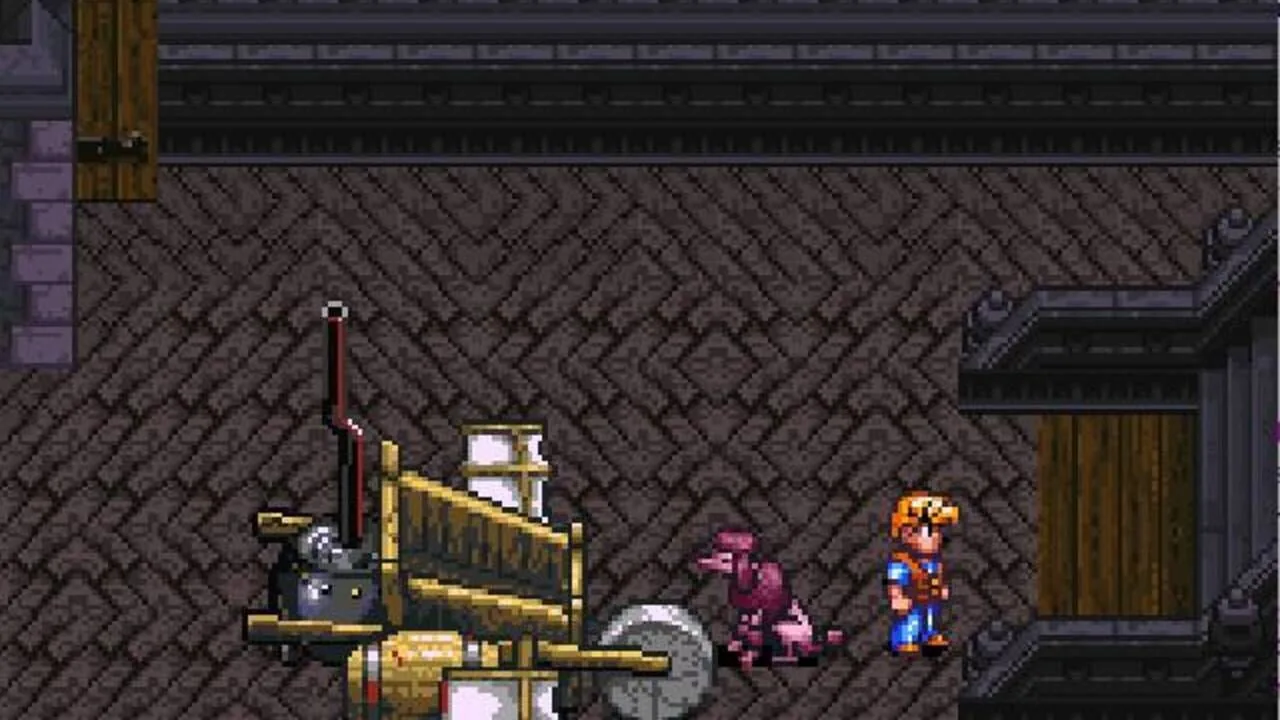
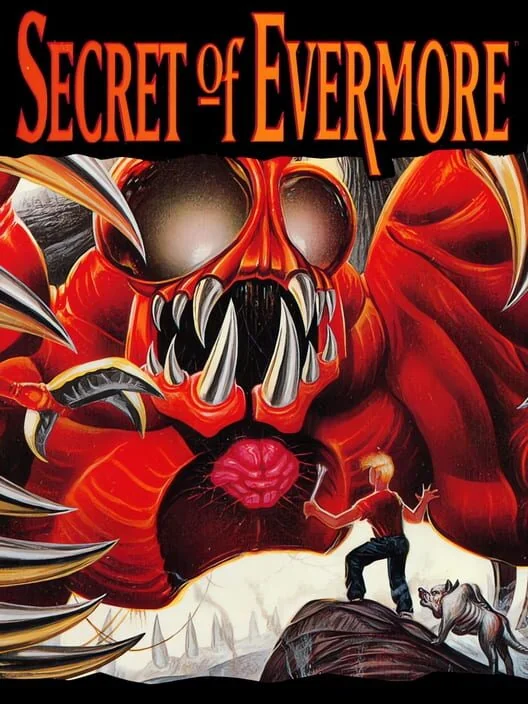
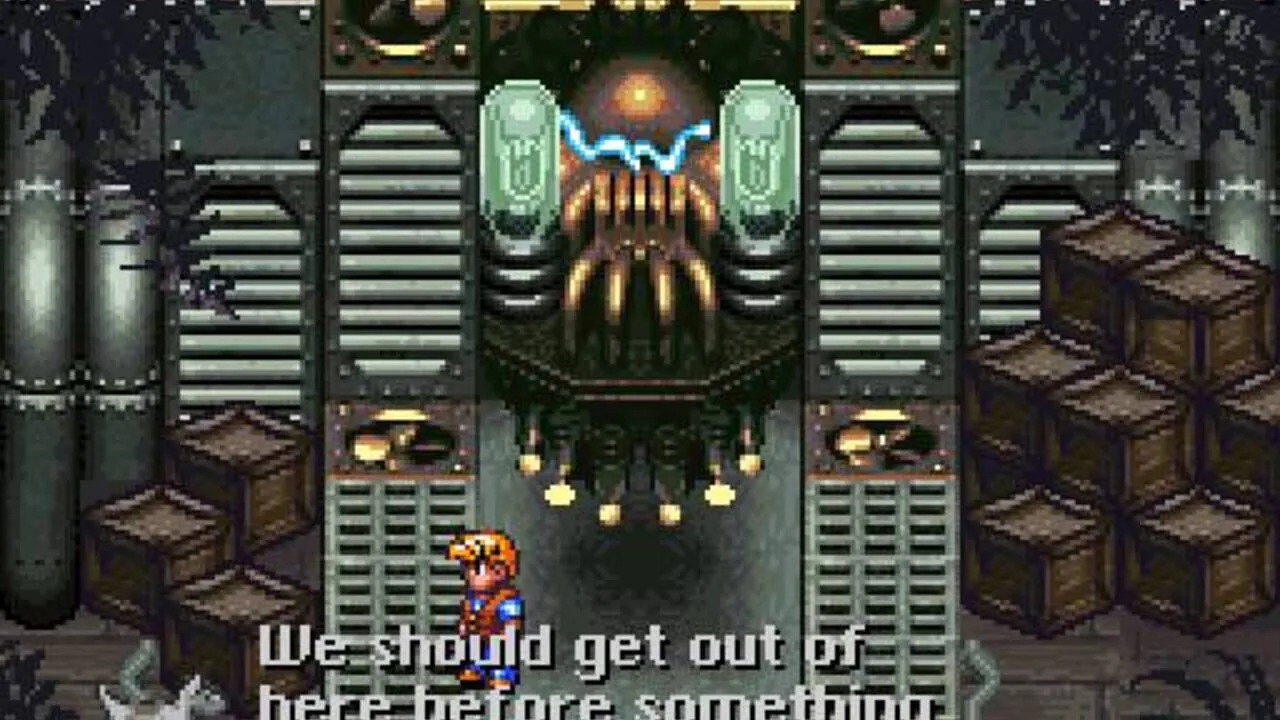
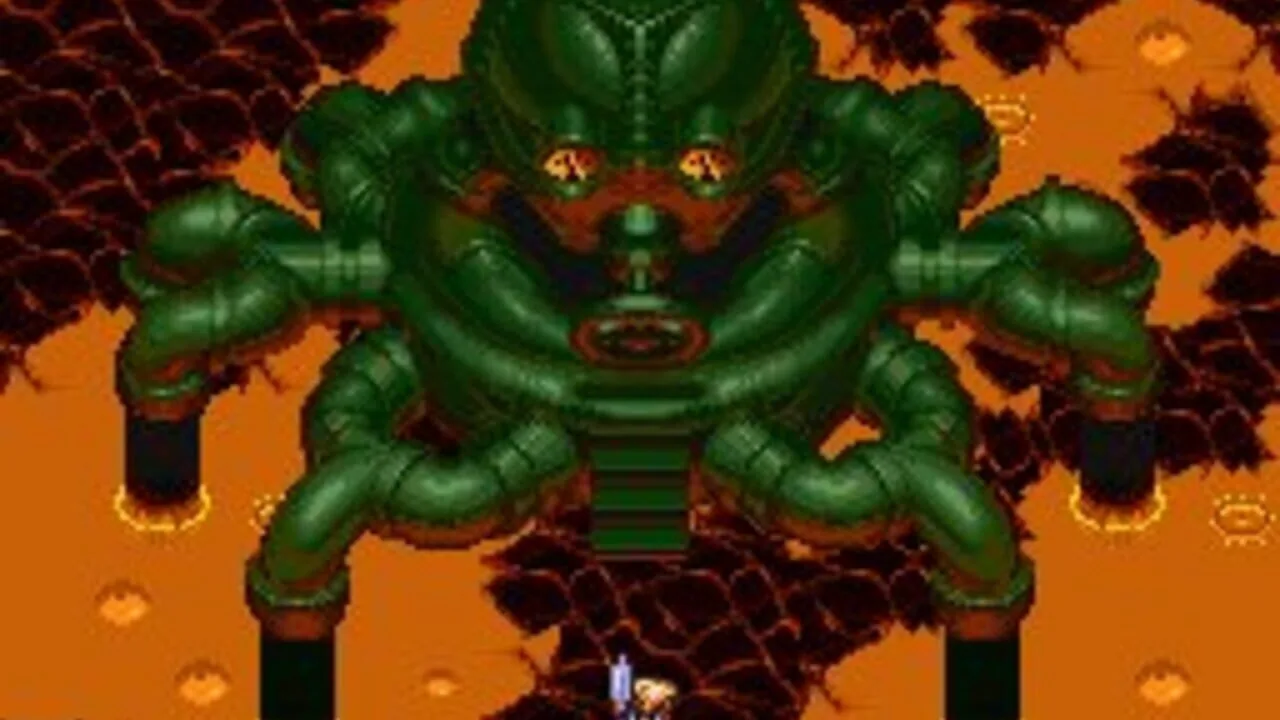
Secret of Evermore is the only game developed by Square designers in North America. A day at the movies turns into an adventure for a young boy and his dog, who end up in Evermore, a world made of realms based on periods of real history, from Prehistoria to a future city called Omnitopia. You guide both of them, and the boy casts Alchemy, formulas that need pairs of ingredients. Only nine formulas can be equipped at a time.
It came out in North America on October 17, 1995, and the Japanese release was cancelled. It looks and plays a lot like Secret of Mana, but it is not part of the Mana series, and reviewers who expected another Square classic held that against it. The soundtrack was the first major work by Jeremy Soule, who later scored The Elder Scrolls. It has a real cult following now.
15. Trials of Mana (1995)
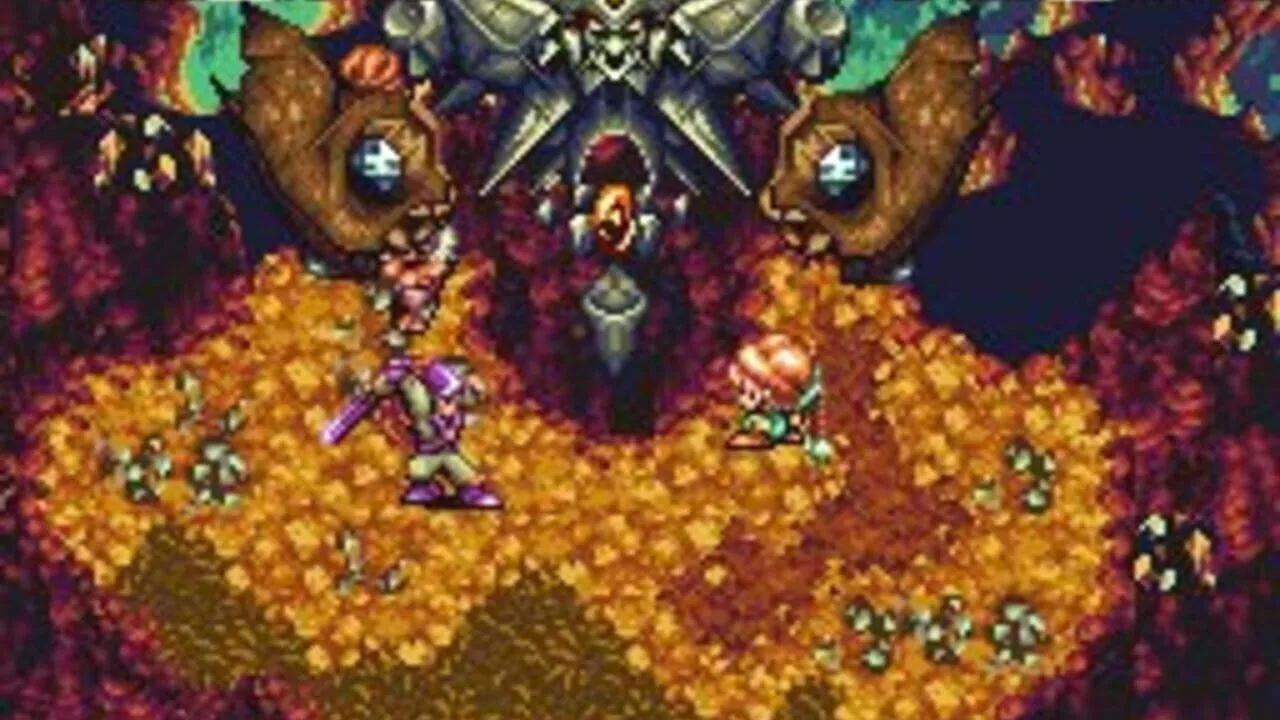
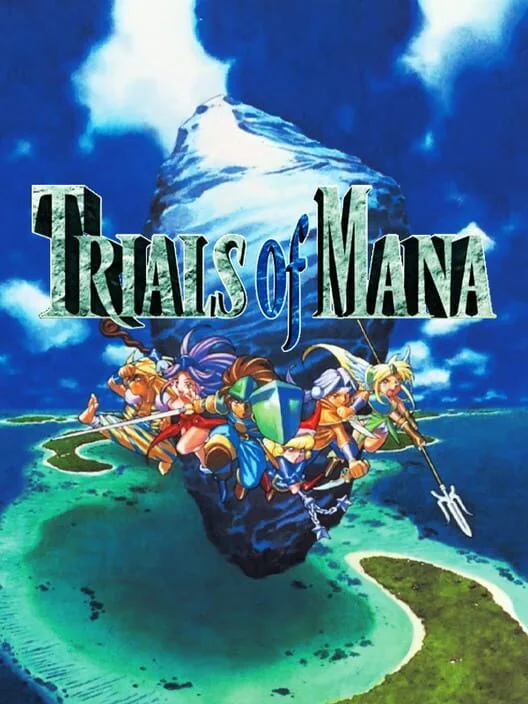
Trials of Mana is the sequel to Secret of Mana and the third game in the Mana series. Series creator Koichi Ishii designed it, and Hiroki Kikuta came back for the music. It was only released in Japan at the time, and an unofficial English fan translation in 1999 is how English-speaking players got to it. Critics praised the graphics as among the best ever made for the Super Famicom.
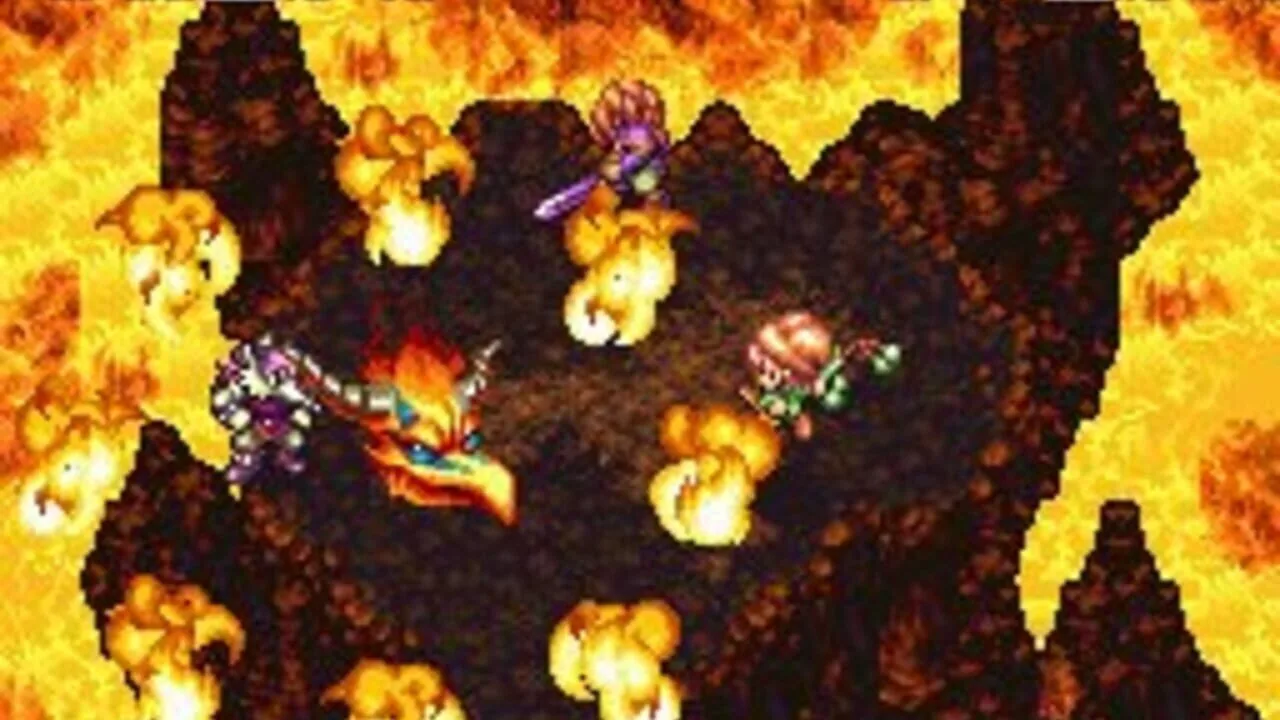
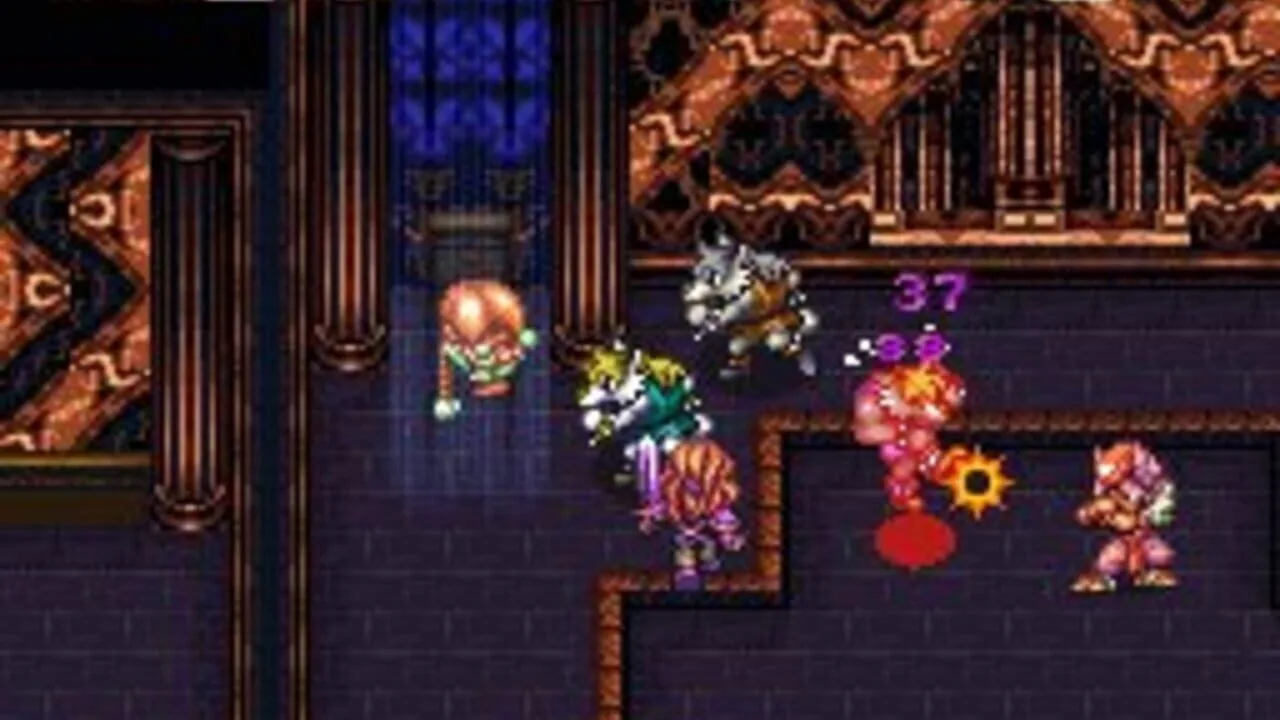
Class changes alter how your characters fight without touching the story. There is also a calendar, and some events only happen at certain times of day, like a black market that only opens at night. English players got an official release in June 2019 in Collection of Mana. A 3D remake came out in April 2020, but the original is the one people mean when they call it a Super Famicom classic.
14. The 7th Saga (1993)
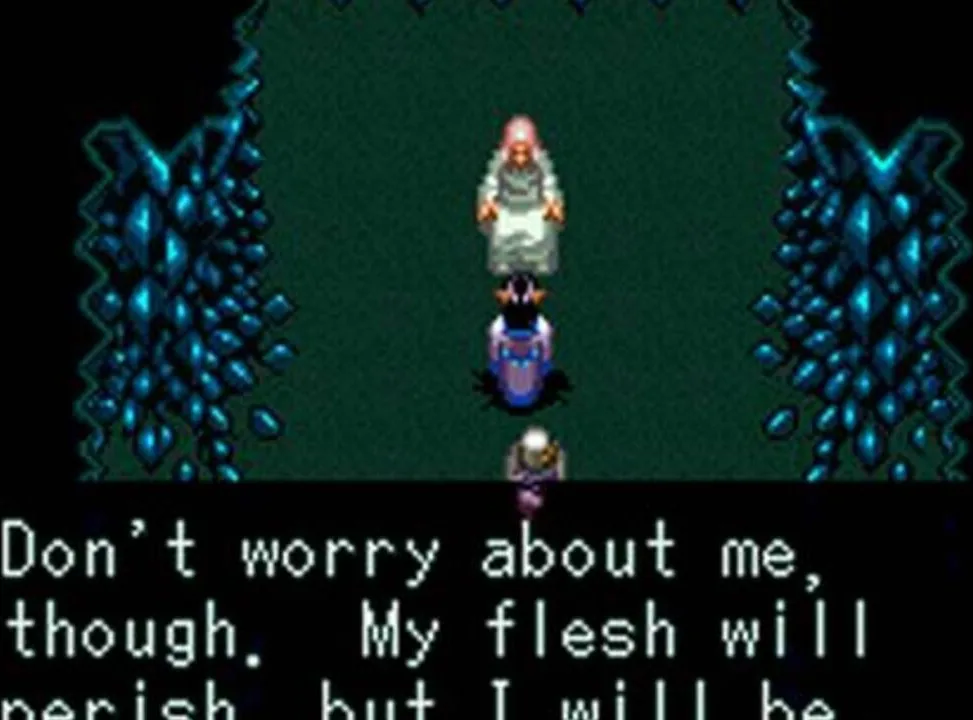
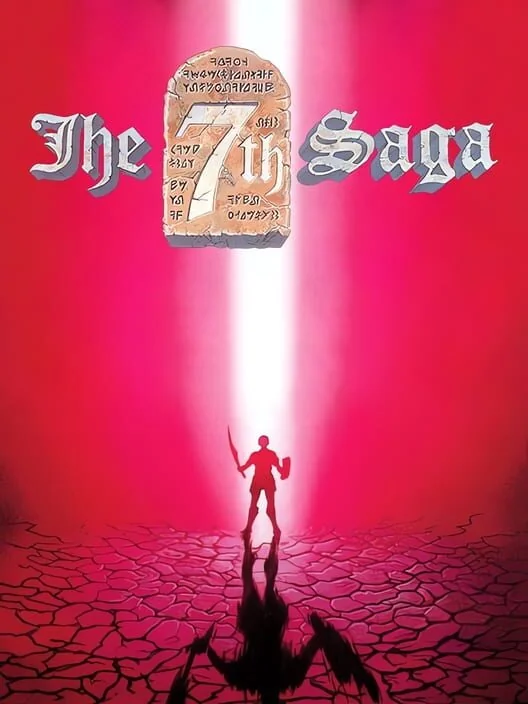
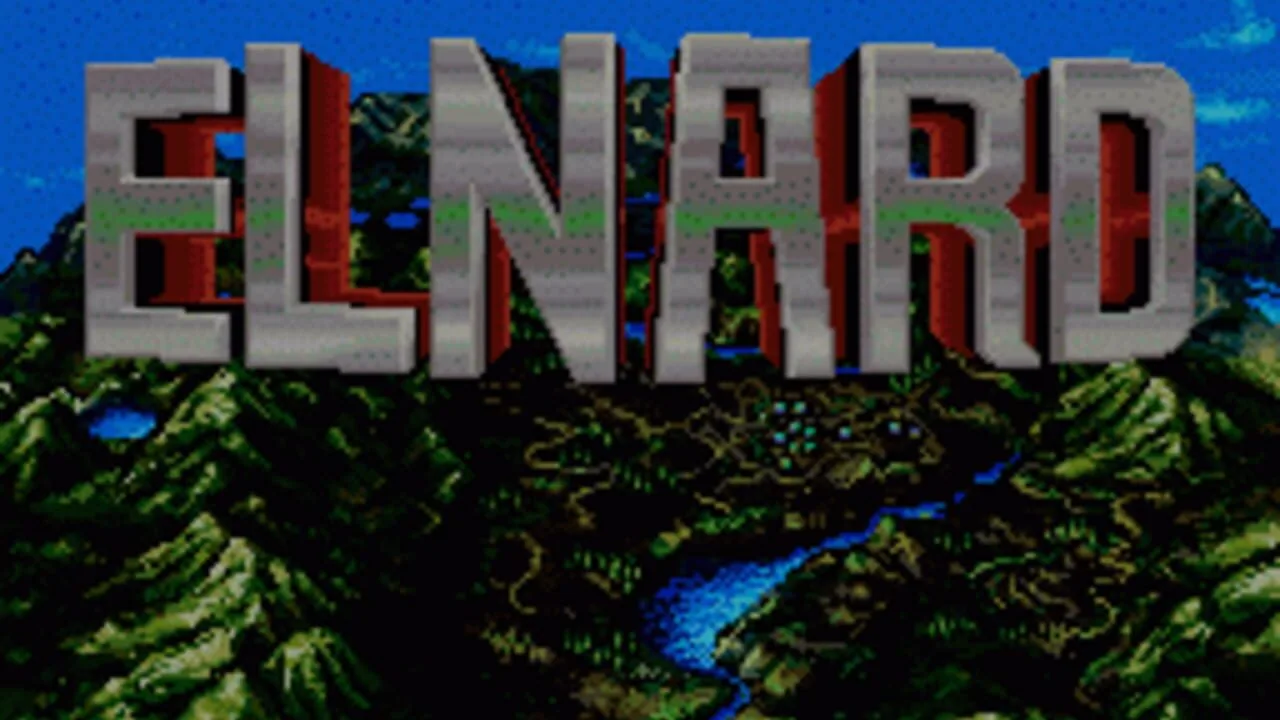
The 7th Saga is the English version of a Super Famicom game called Elnard. It is set on a world called Ticondera, where the runes that once defeated an evil entity have been scattered across the globe, and you are one of the apprentices sent to find them. A bounty hunter named Pison is chasing all of you. He was hired by one of the other apprentices, and which one is the traitor changes with every new game.
The game is known for its unforgiving difficulty, and that is mostly the localization's fault. Balance changes made the English release much harder than Elnard, which is far easier. One critic complained that the enemies are too alike and show up too often, so fights become a chore. If you like an RPG that fights back, this is still the one.
13. Breath of Fire (1993)
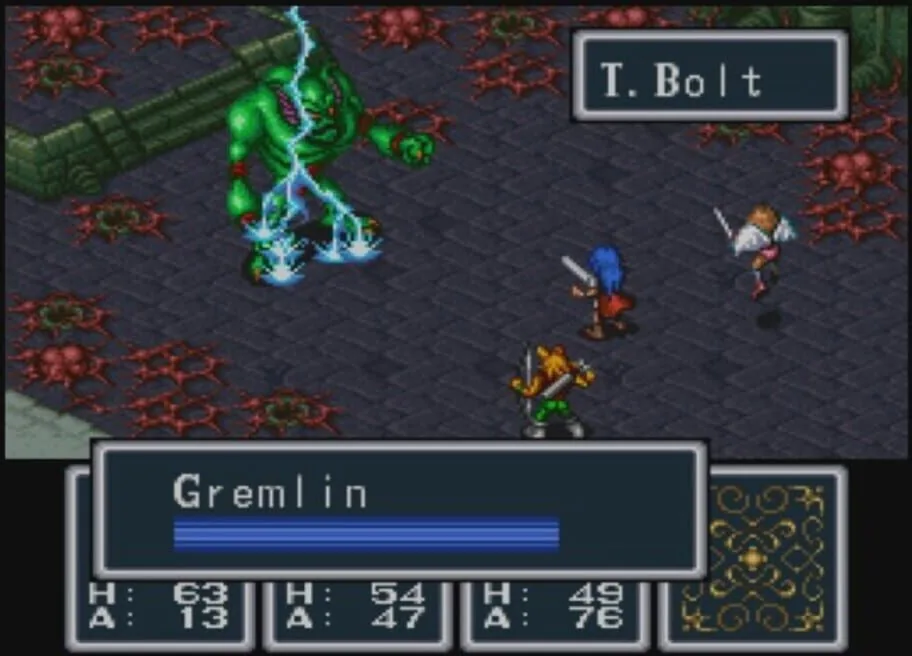
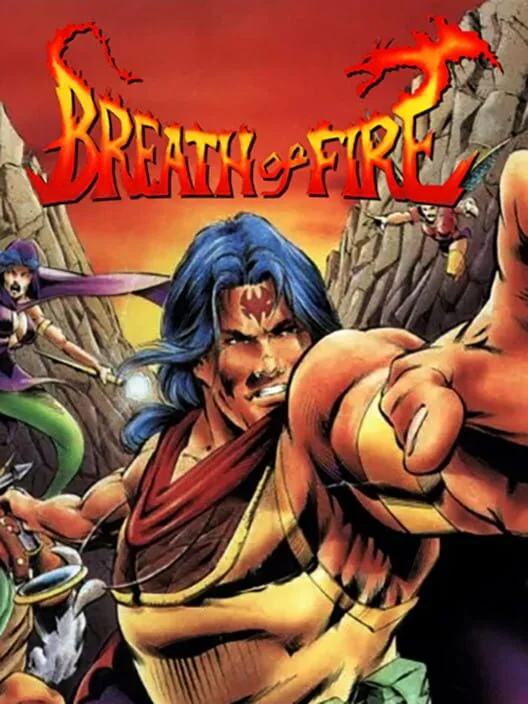
Capcom calls Breath of Fire its first traditional role-playing game. Keiji Inafune designed the characters, and Capcom's in-house sound team Alph Lyla wrote the music. You play Ryu, one of the last members of an ancient race that can turn into mighty dragons, and he is searching the world for his sister. Standing in his way is the Dark Dragon Clan, an empire trying to revive a mad goddess.
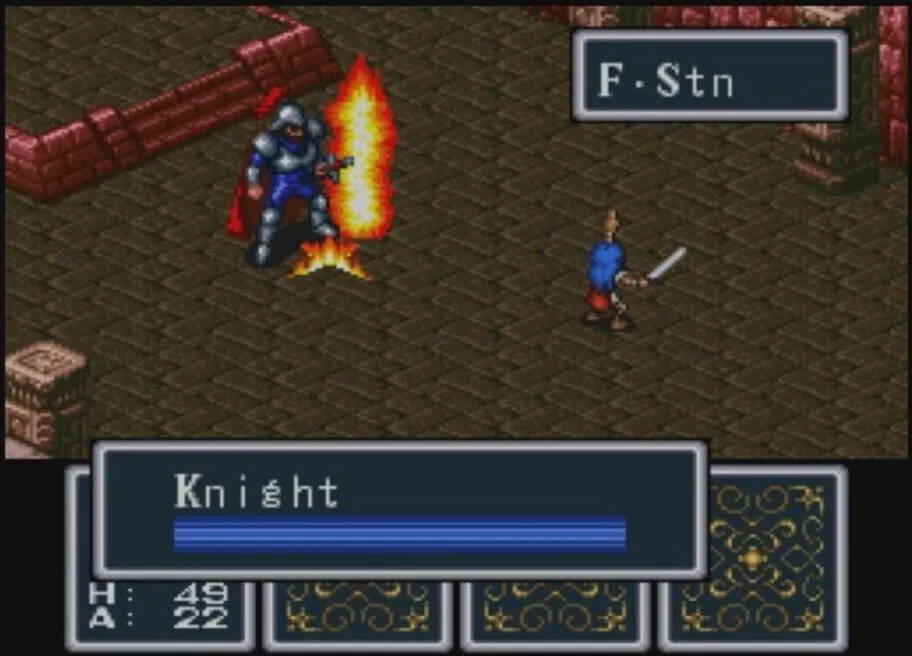
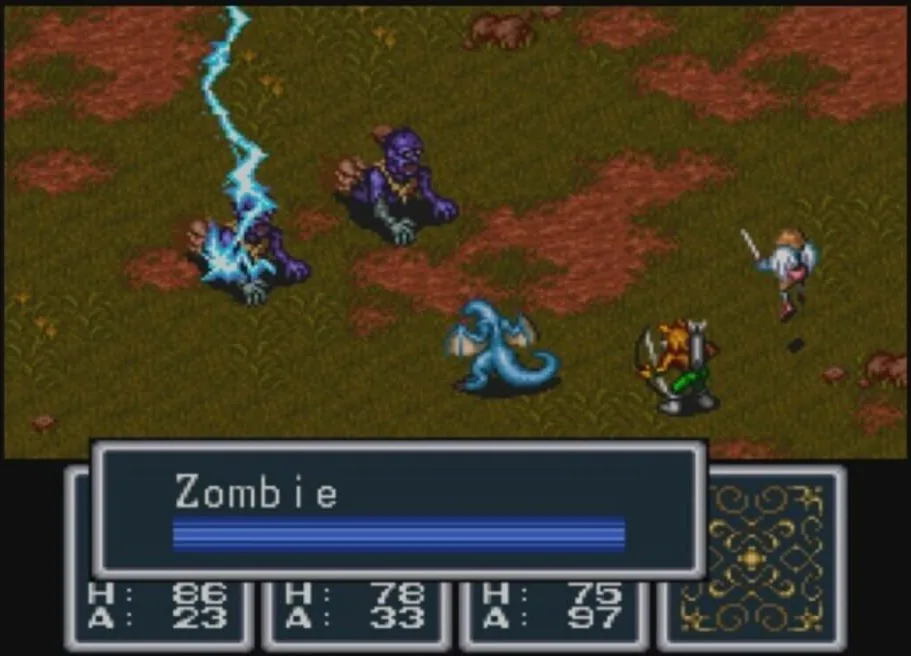
Square Soft handled the English version and released it in North America in August 1994. Early on, Ryu meets Nina, the princess of Windia, and has to rescue her from the tower of Karma. The game was well received and set the pattern for the whole series. A Game Boy Advance version in 2001 added new save features and gave Europe its first English release.
12. Illusion of Gaia (1993)
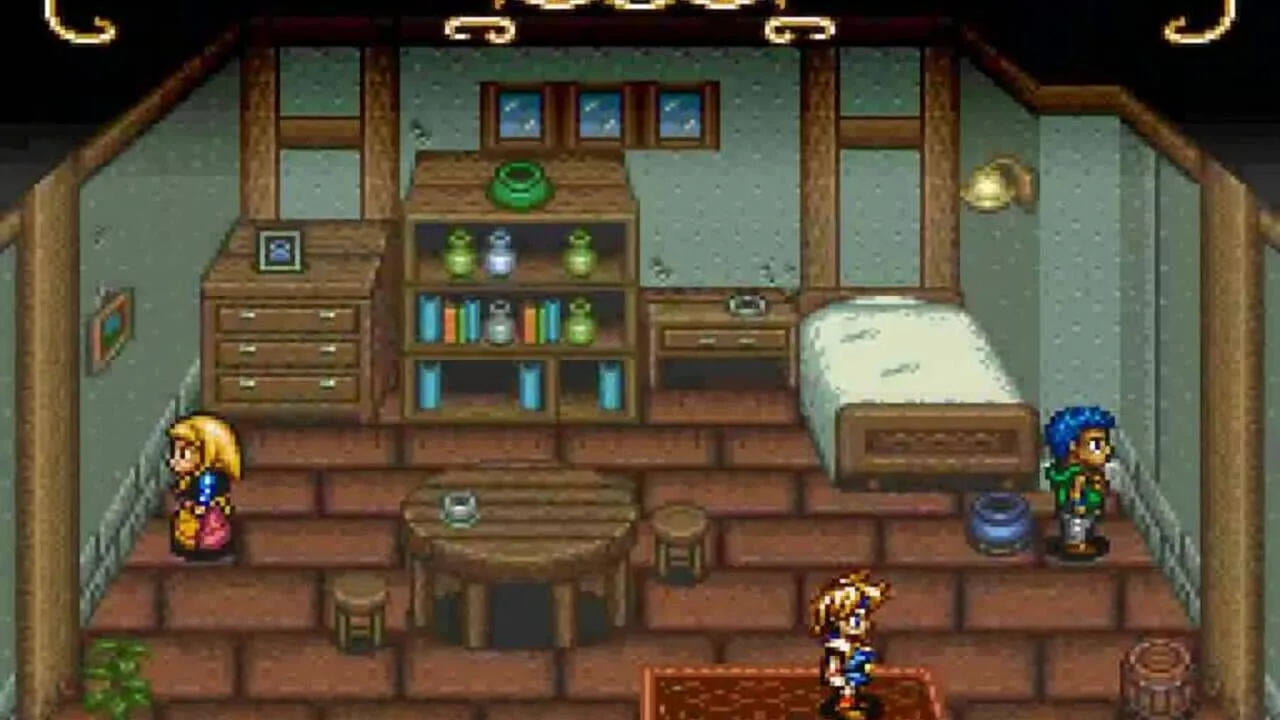
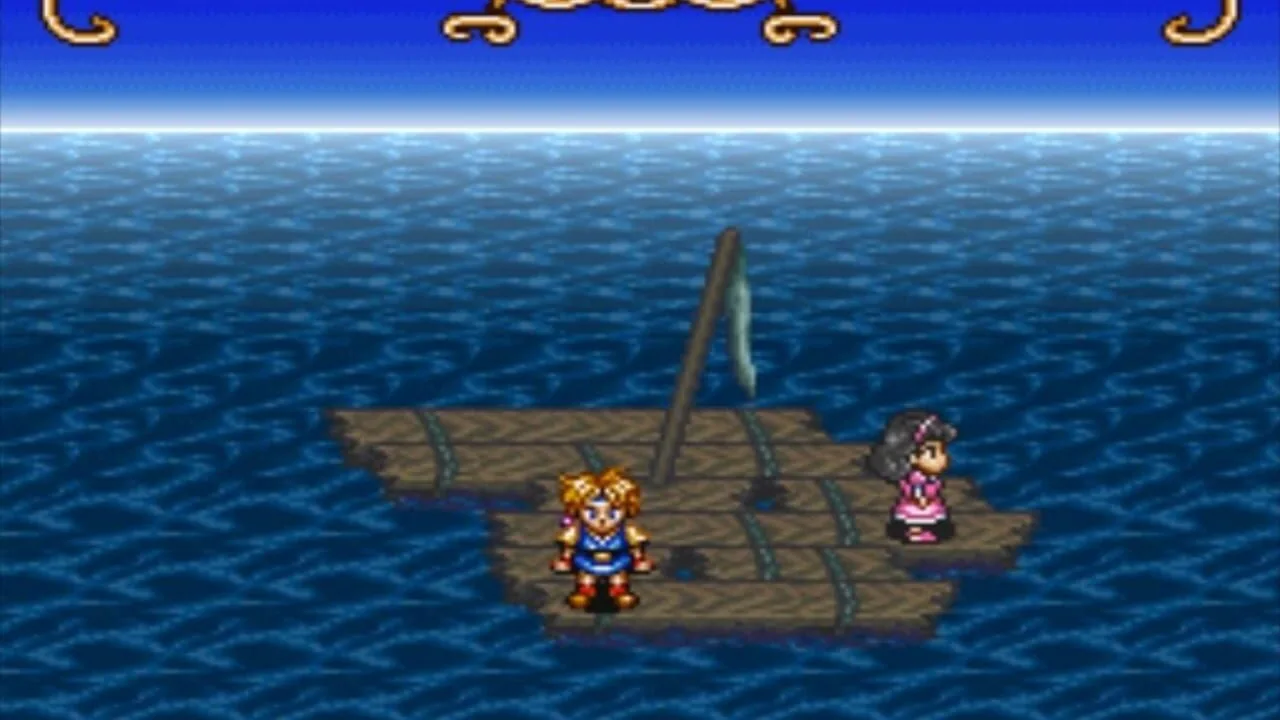
Illusion of Gaia is a Quintet game, published by Enix in Japan and by Nintendo in North America, where it came out on September 26, 1994. You play Will, a boy who was separated from his father on an expedition to the Tower of Babel. His levels are inspired by real ruins and Wonders of the World, including the Great Pyramid and the Great Wall of China. Will can also turn into two warriors, Freedan and Shadow, and some areas need a specific one.
It does not go easy on you. Herbs are the only healing item and they are scarce, bosses cannot be revisited, and if you miss some Red Jewels before the story moves on, that side quest is gone for good. A leaked prototype even had the title "SoulBlazer: Illusion of GAIA", and the two games are related in more than name.
11. Lufia & the Fortress of Doom (1993)
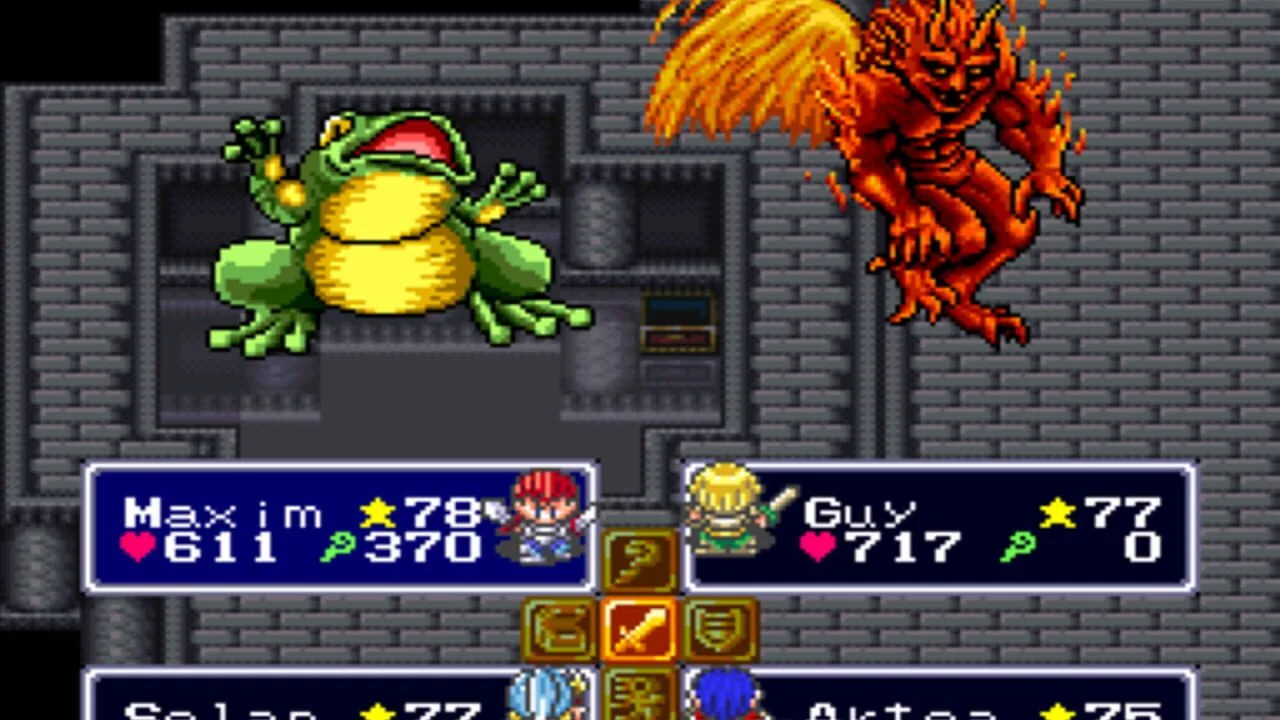
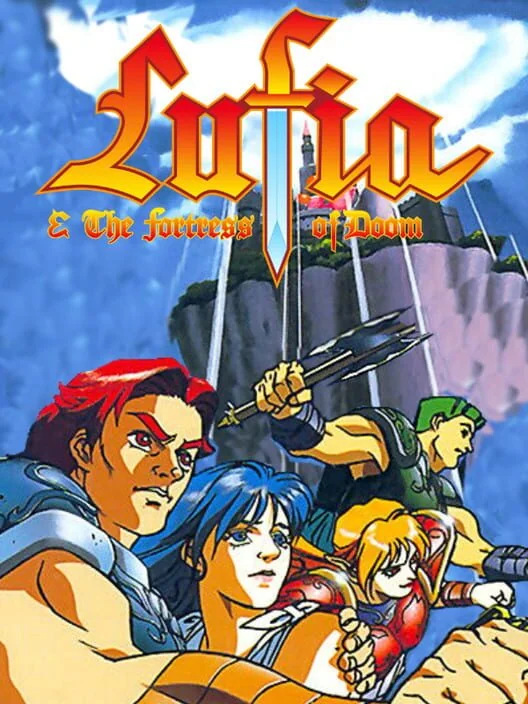
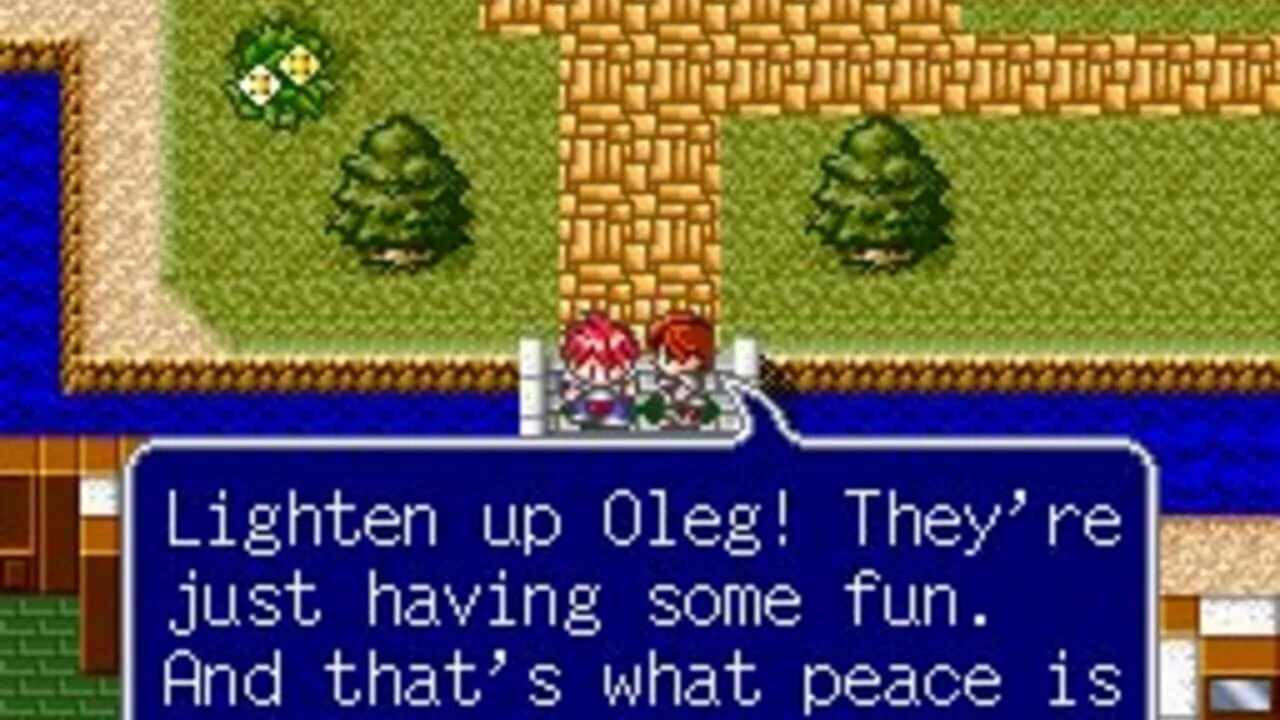
Lufia & the Fortress of Doom is the first game in the Lufia series and the only one released under the Taito label in North America. The Sinistrals once ruled from their floating Fortress of Doom until Maxim and his friends beat them, and now they are coming back. Battles are seen in first person, the way early Dragon Quest games did it. That includes a quirk where two characters attack the same enemy, the first one kills it, and the second one swings at thin air.
It is an early SNES RPG and it plays like one, which is part of the charm. Taito started a Genesis port that was never released, because Taito America closed in 1995. The series went on to sequels on the Super Nintendo, the Game Boy Color, the Game Boy Advance and the Nintendo DS.
10. Soul Blazer (1992)
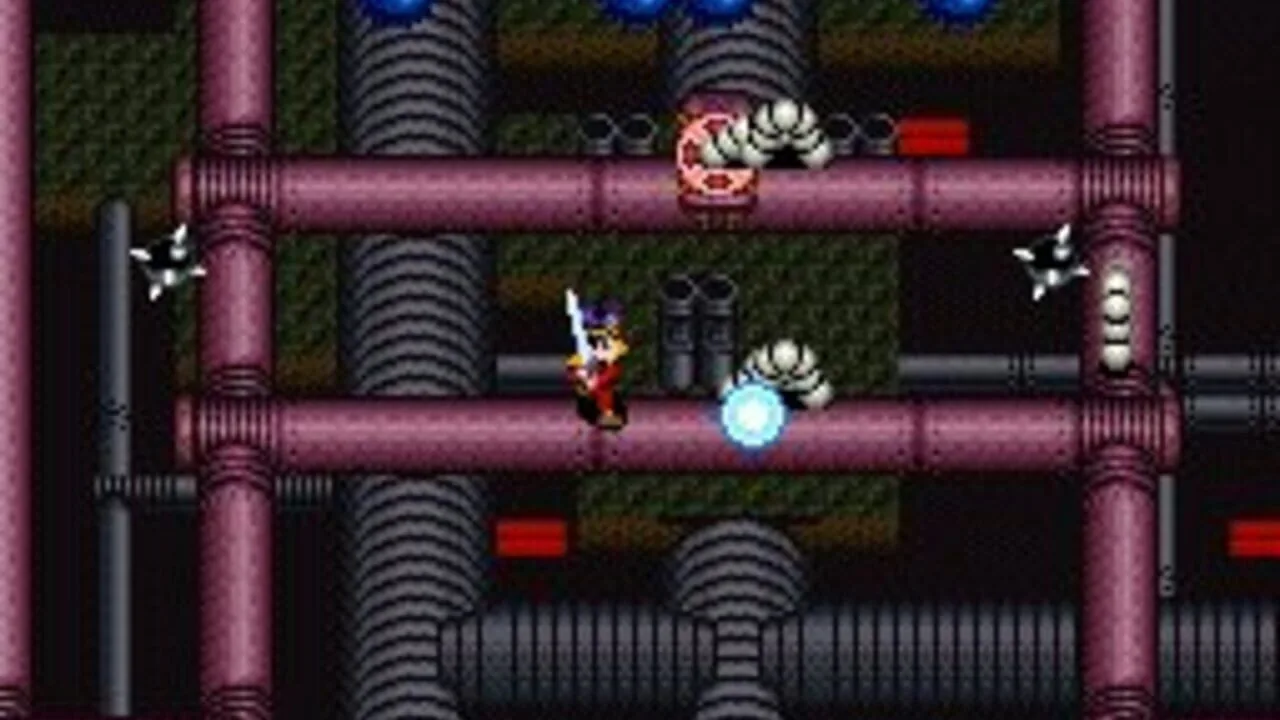
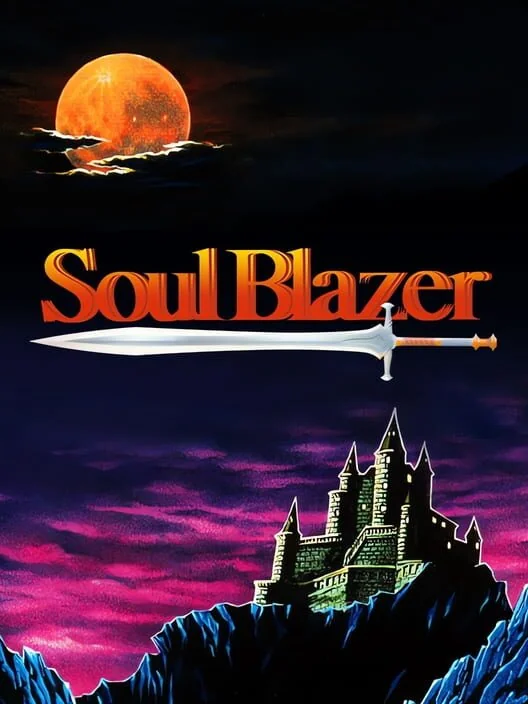
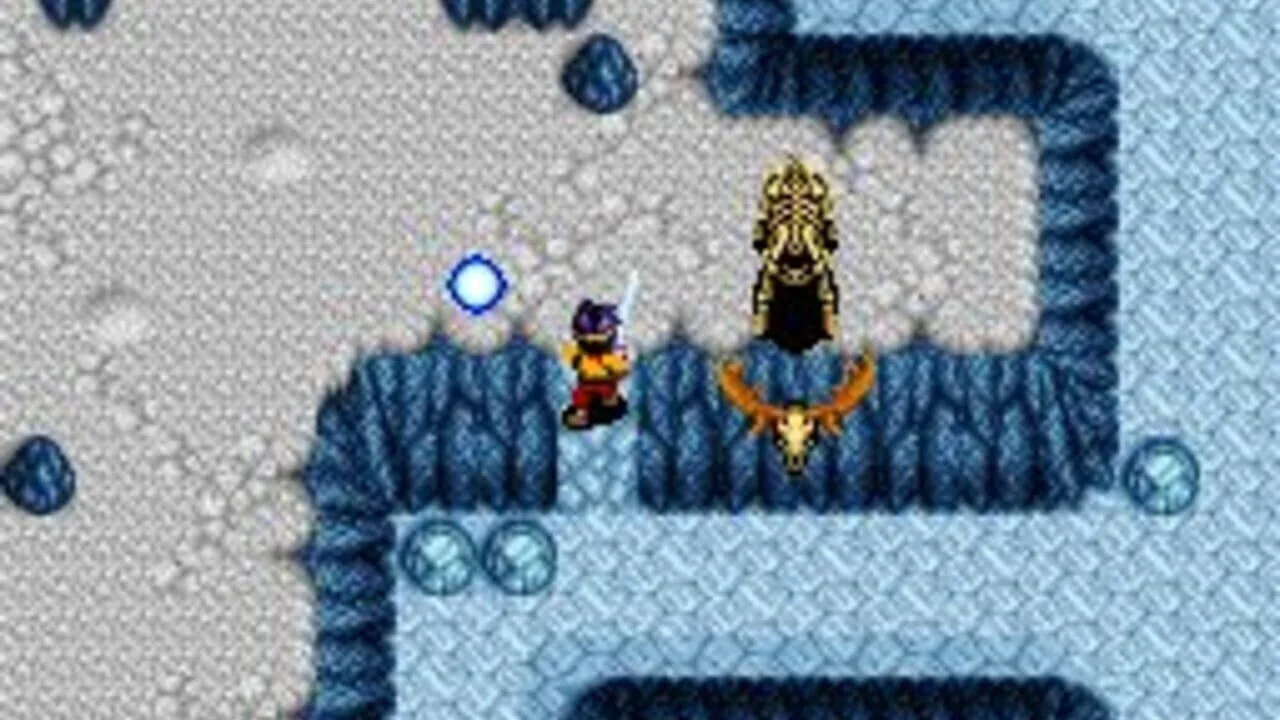
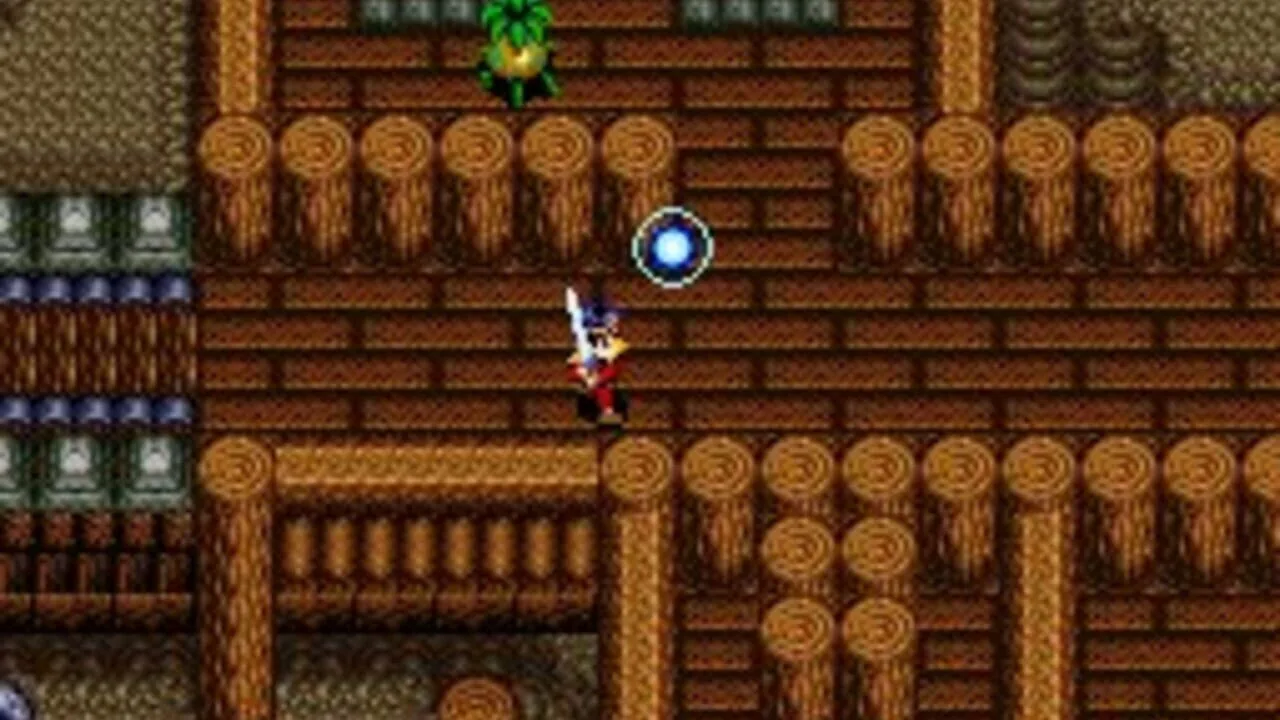
Soul Blazer is an action RPG developed by Quintet and published by Enix. It came out in Japan on January 31, 1992 and in North America on November 27 that year, and Europe waited until 1994. Like the company's earlier ActRaiser, it casts you as a servant of a god called The Master. Your job is to destroy monsters and release the captured souls of the world's people, one town at a time.
You free each town by fighting through traditional dungeon crawl battles. Once the first six villages are free, the game opens the "World of Evil", where the final villain is waiting. Yukihide Takekawa wrote the soundtrack. Quintet's next game, Illusion of Gaia, refers to its hero as "Blazer", and The Granstream Saga was later made as a spiritual successor.
9. Star Ocean (1996)
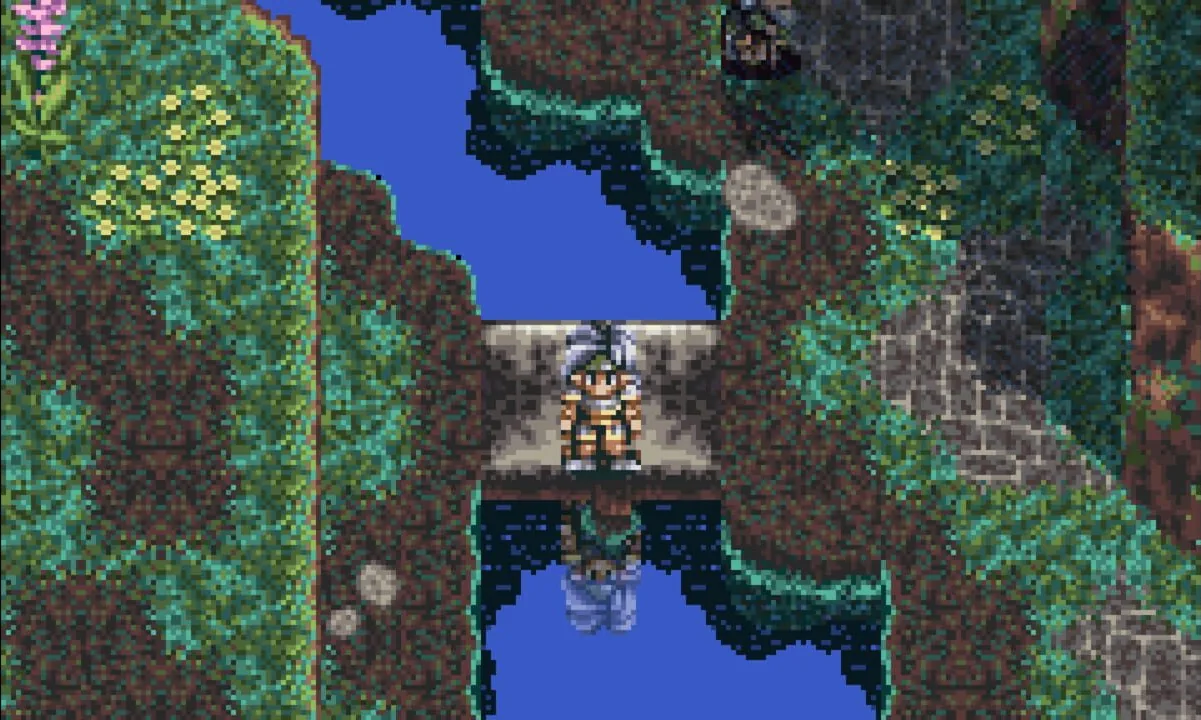
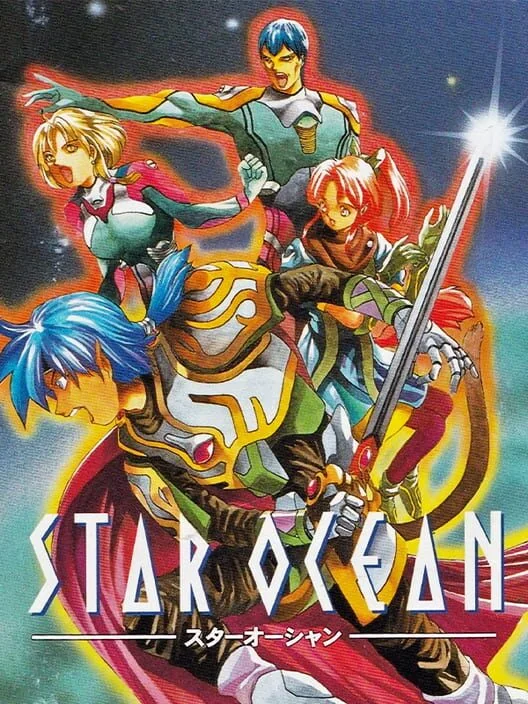
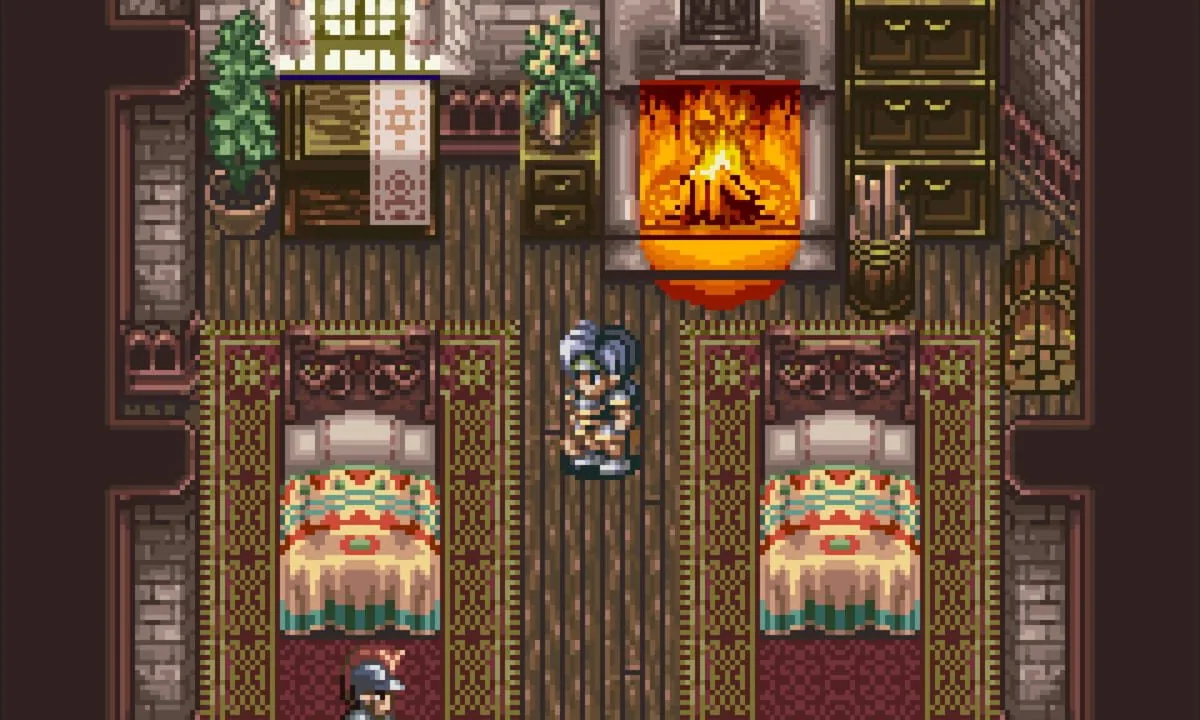
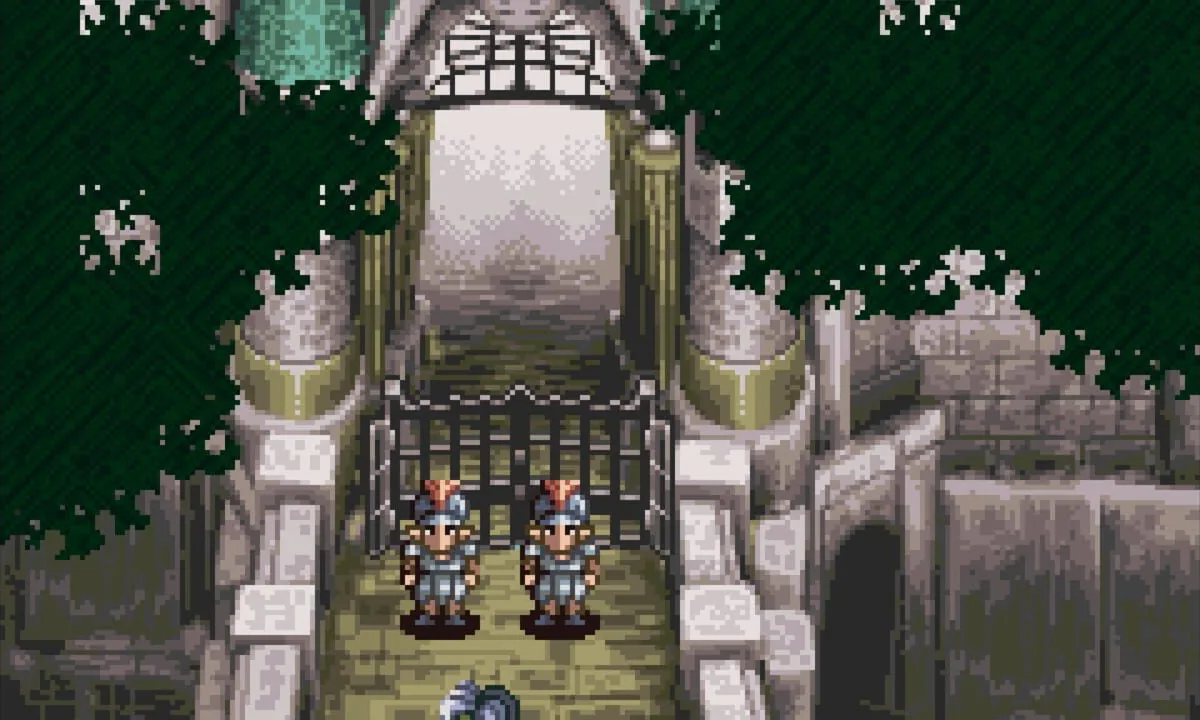
Star Ocean was the first game by tri-Ace, a studio made of staff who had left Wolf Team after being unhappy with how Tales of Phantasia was developed. It came out only in Japan in July 1996. It had voice acting for the intro and voice clips during battle, a rarity for games on the system. The Super Famicom version never left Japan because Enix closed its American branch shortly before the game was finished.
English players had to wait for Star Ocean: First Departure, a PSP remake by Tose that came out in North America, Europe and Australia in October 2008. A remastered version, First Departure R, followed on Switch and PlayStation 4 in December 2019. The series that started here now has six main games.
8. Ogre Battle: The March of the Black Queen (1993)
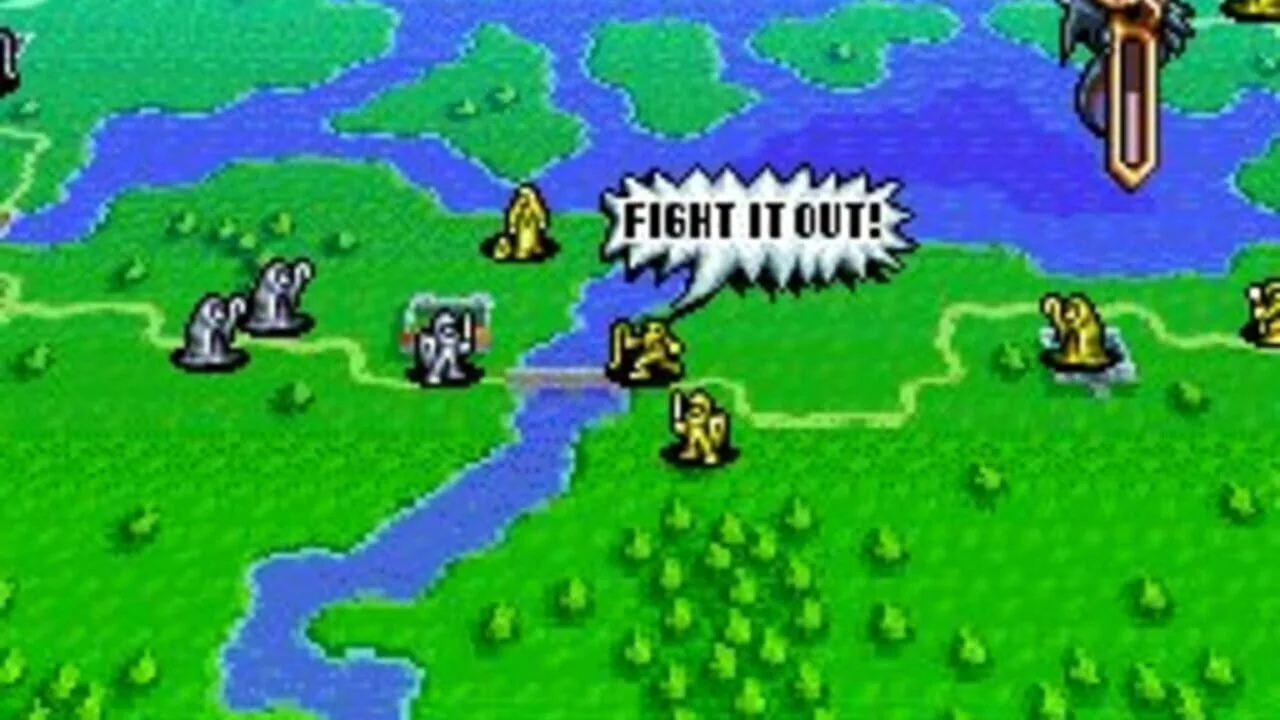
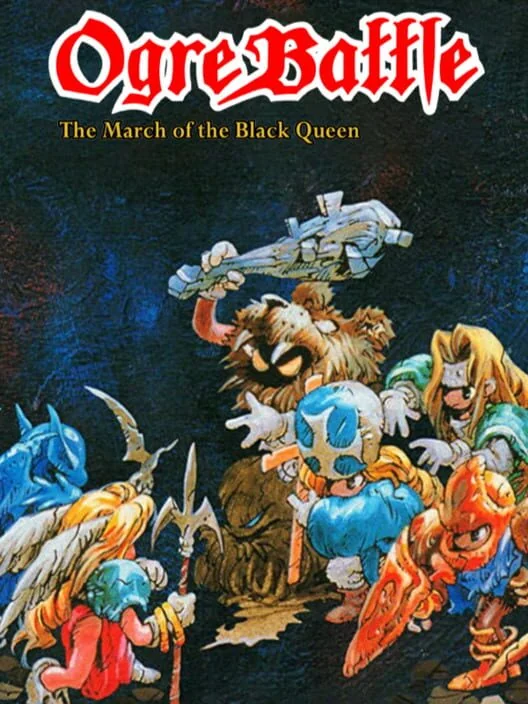
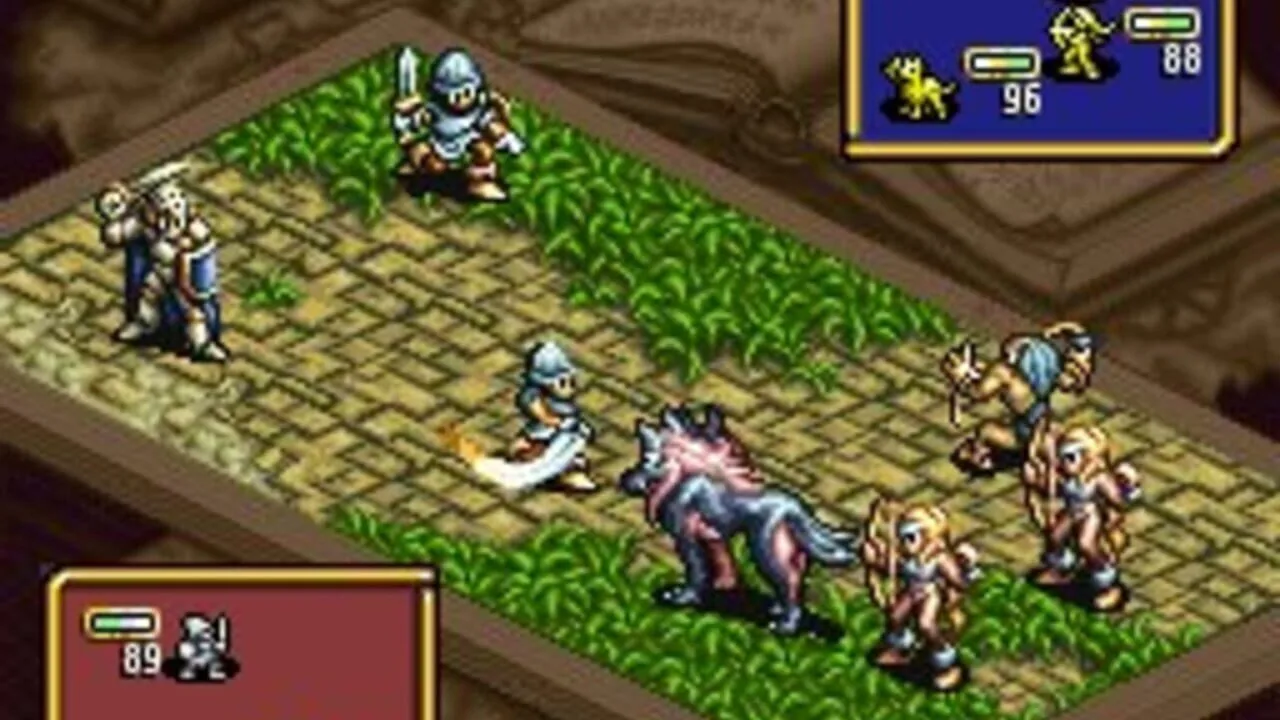
Ogre Battle was directed by Yasumi Matsuno, who designed it with Akihiko Yoshida, and Enix America published it in North America. You lead a band of rebels against the Zetegenian Empire, managing a full army of characters along with magic items and Tarot cards. It mixes real-time tactics on the map with role-playing combat. In a fight you do not control your units directly. You pick a tactic, such as Best, Strong, Weak or Leader, and they follow it.
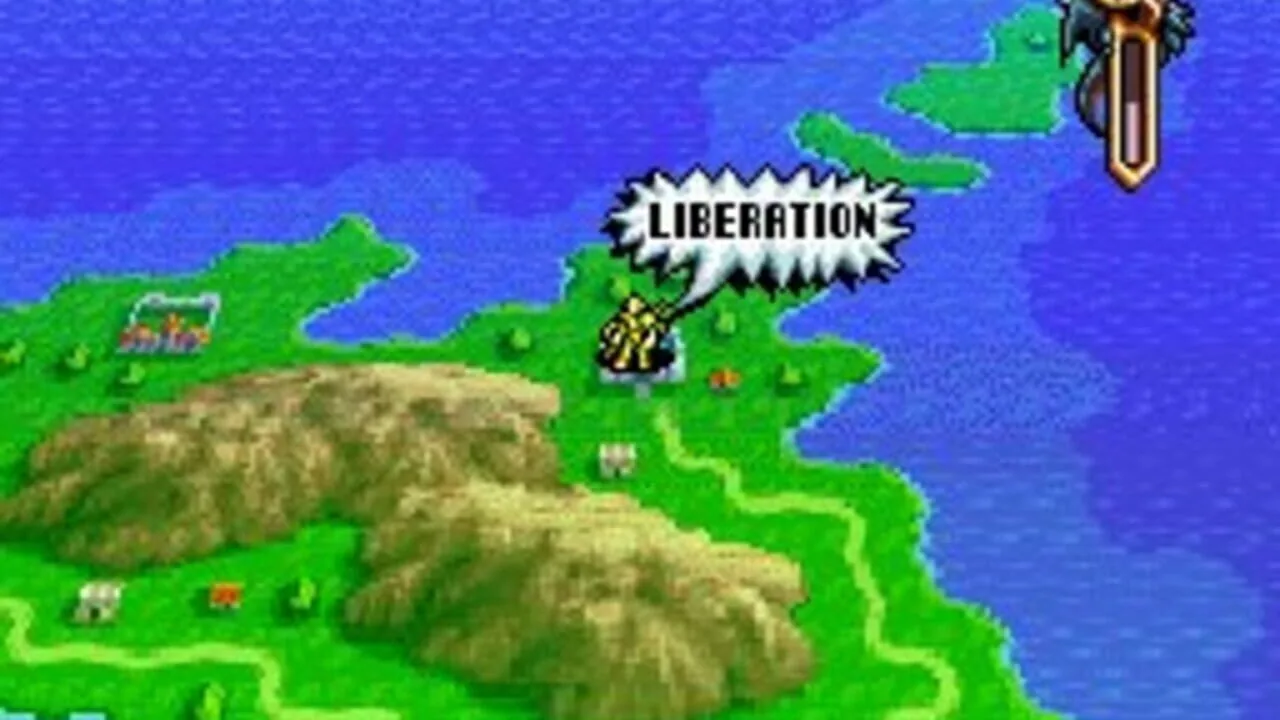
The clever part is alignment. Keep your low-alignment units for killing enemies and send the high-alignment ones to liberate towns, and you can still see the best ending. Time of day matters too: werewolves only fight in the evening. Its successor, Tactics Ogre, came out on the Super NES in 1995.
7. Terranigma (1995)
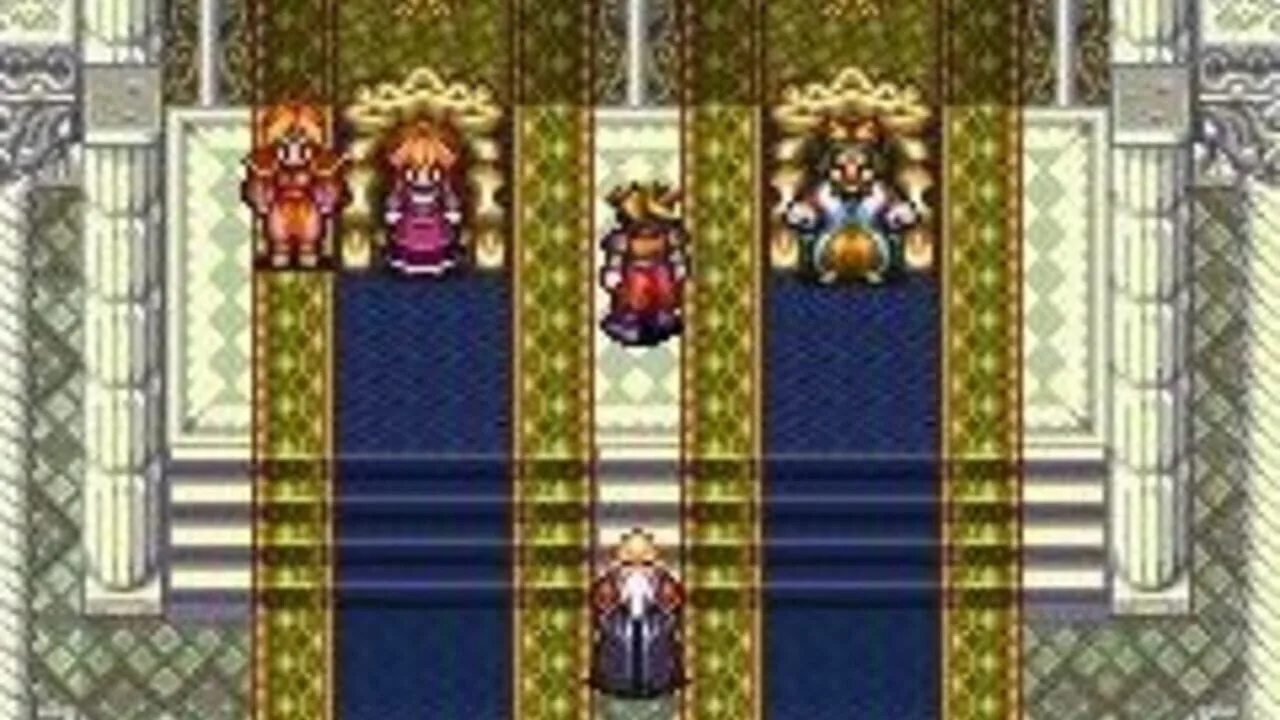
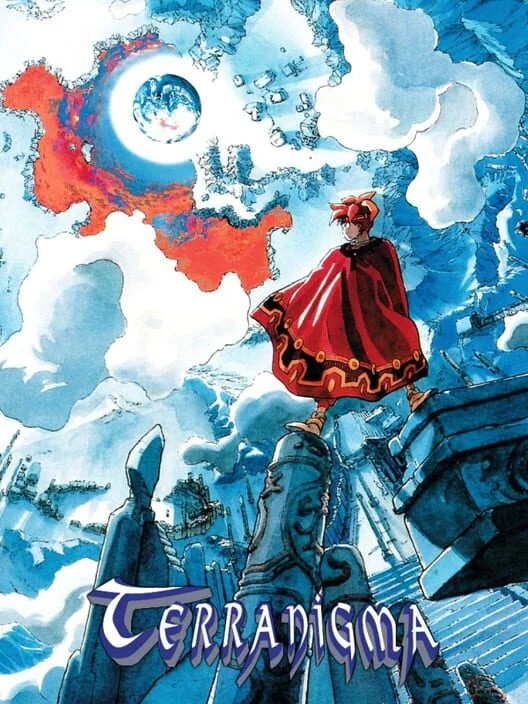
Terranigma is an action RPG that never came out in North America on the SNES. Ark is a boy from Crysta, the only village in the underworld. He opens a forbidden door, finds a box with a demon named Yomi in it, and every person in the village freezes. To free them he has to bring the continents of the surface world back to life, and from there the evolution of life itself.
Critics praised its story and presentation, and criticized its difficulty. A Spanish reviewer at Hobby Consolas said it surpasses Zelda while capturing its spirit. One player called it "A solid and mature plot, with a high emphasis on ethical, ecological and even philosophical subjects." A re-release for Switch, PlayStation, Xbox and Windows was announced on August 24, 2026, the first official release in North America.
6. Super Mario RPG: Legend of the Seven Stars (1996)
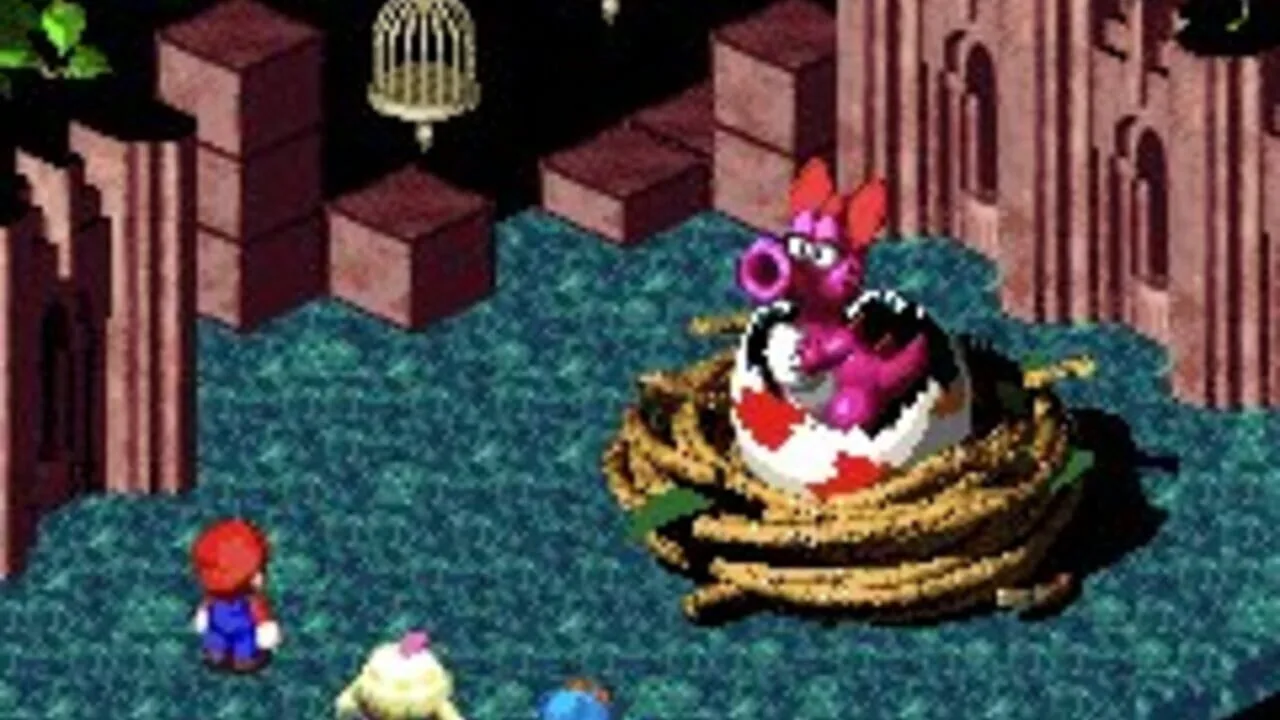
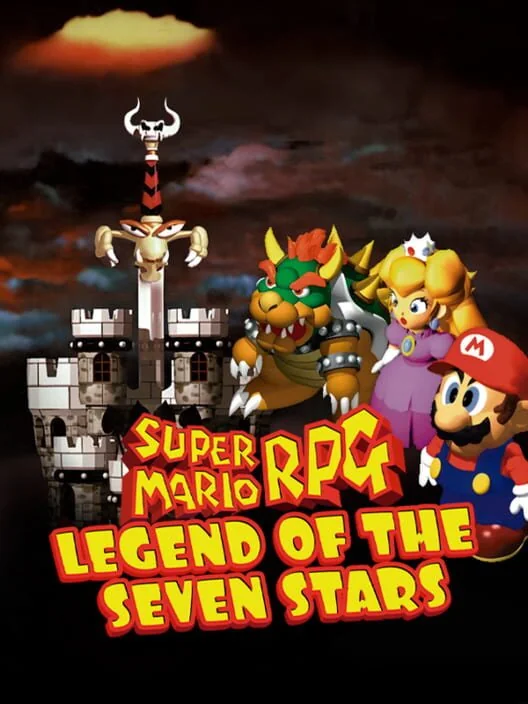
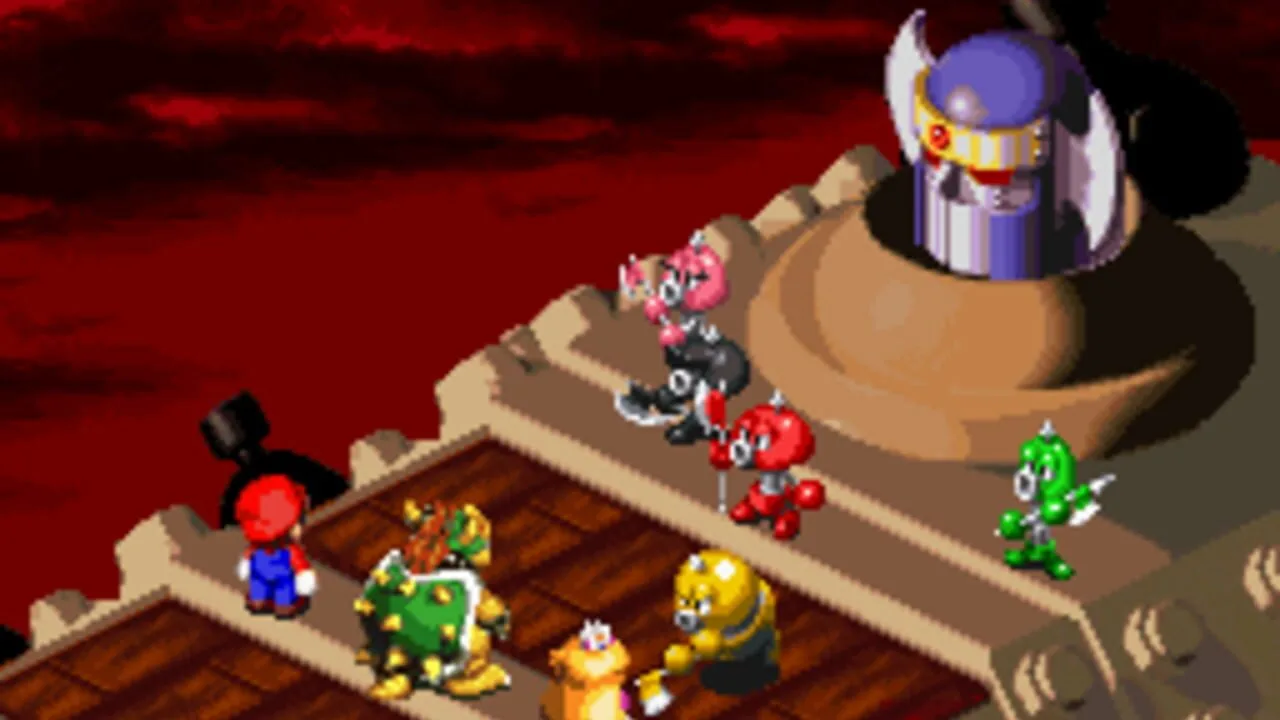
Super Mario RPG was the first RPG in the Mario franchise and the final Mario game for the SNES. Shigeru Miyamoto produced it and Yoko Shimomura wrote the music. Smithy hijacks Bowser's castle and breaks the Star Road, the path that grants people's wishes, so Mario has to collect the stars and fix it. On the way he teams up with some very unlikely allies, Bowser included.
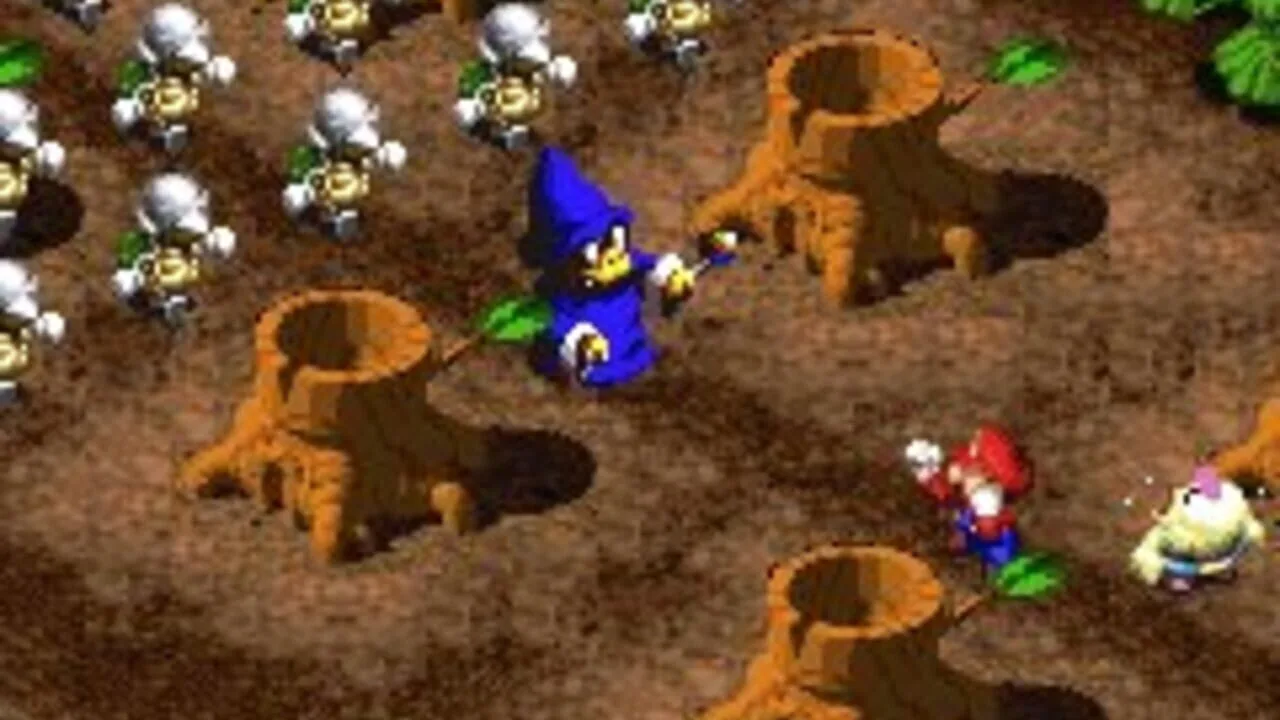
There are no random encounters, since enemies are visible and a fight starts only when Mario touches one. Battles are turn-based with action commands that make a move hit harder if you time a button press. The team did not want a "normal RPG that simply substituted in Mario characters", so they kept jumping and dashing in. A Switch remake by ArtePiazza came out in 2023 and was well reviewed.
5. Final Fantasy IV (1991)
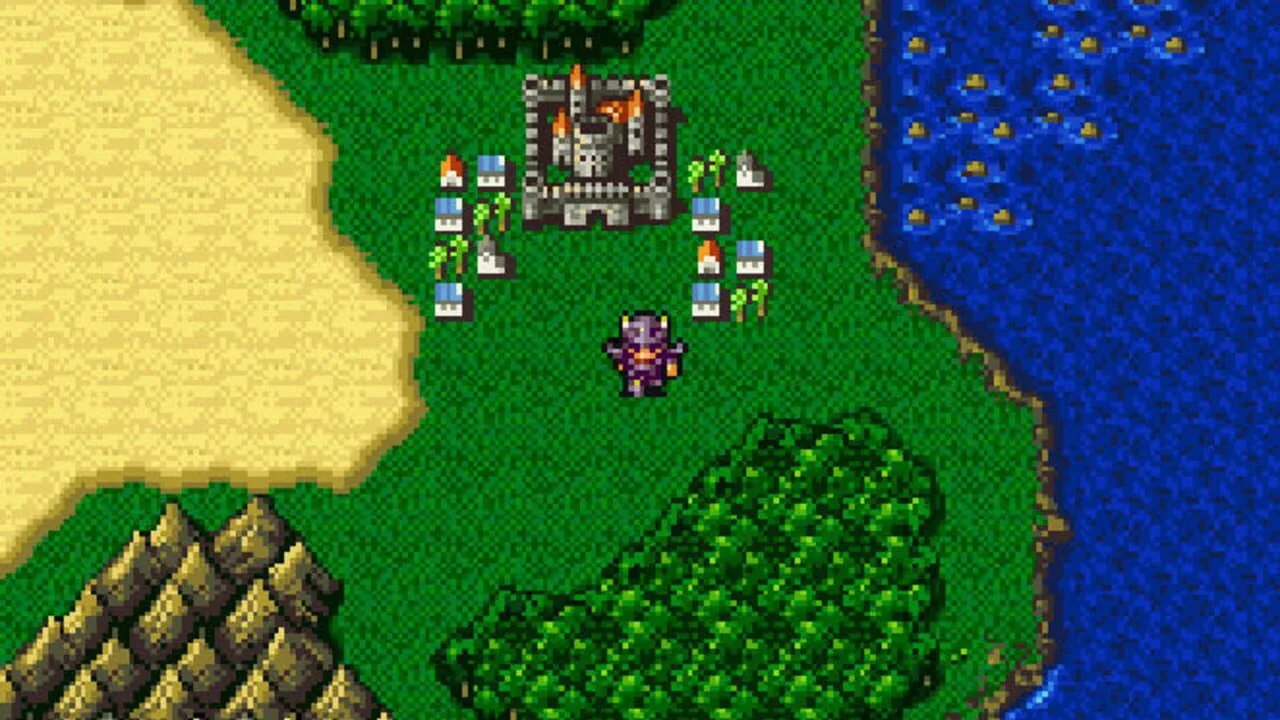
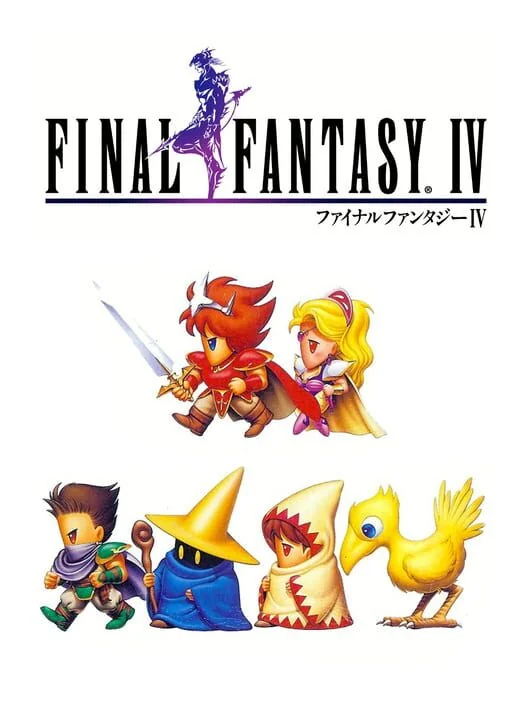
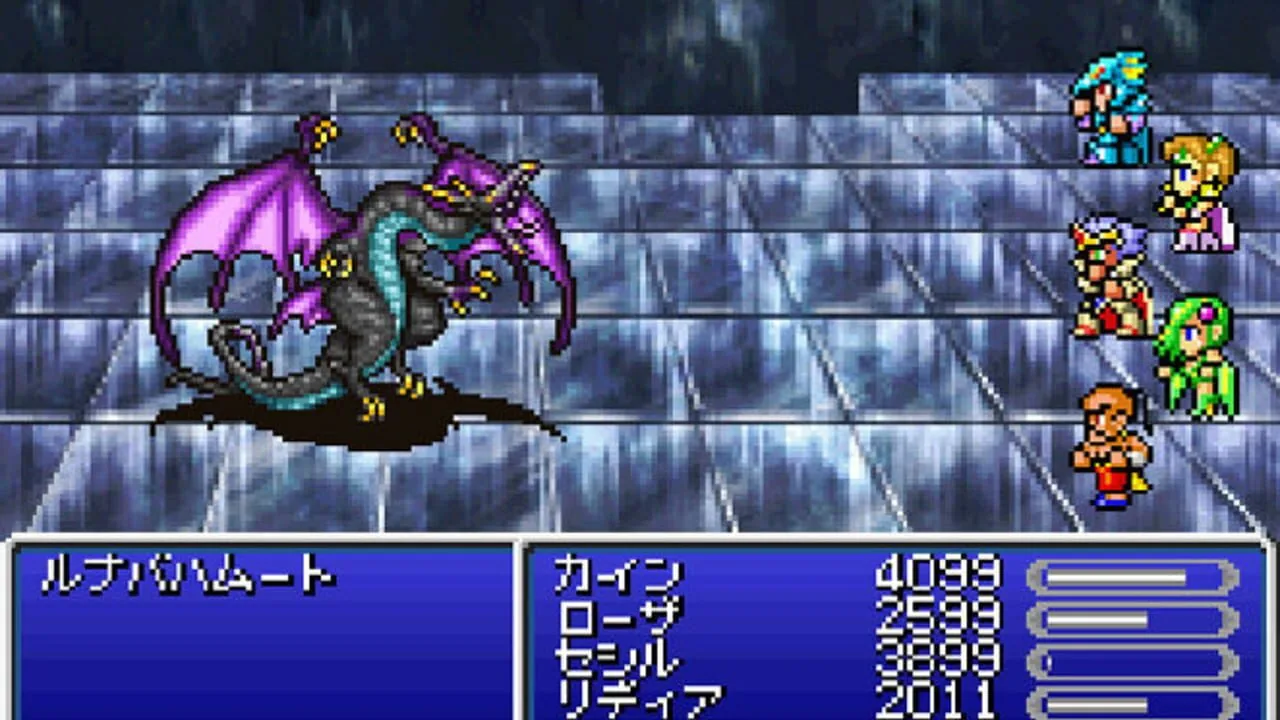
Final Fantasy IV came out in Japan in July 1991 and in North America that October as Final Fantasy II, since the real II and III had not been released outside Japan. It was the first game with the Active Time Battle system, which the series used for years. Magic is split into White for healing, Black for attacks and Summon for calling monsters. The game was balanced to cut out long sessions of grinding.
Many critics say it pioneered dramatic storytelling in console RPGs, and it was praised for its graphics, story, characters and soundtrack. The versions of it have sold more than four million copies. A 3D remake came to the Nintendo DS in 2007, and there is a Pixel Remaster too. Players who come back to it today say it holds up as well as Final Fantasy VI.
4. EarthBound (1994)
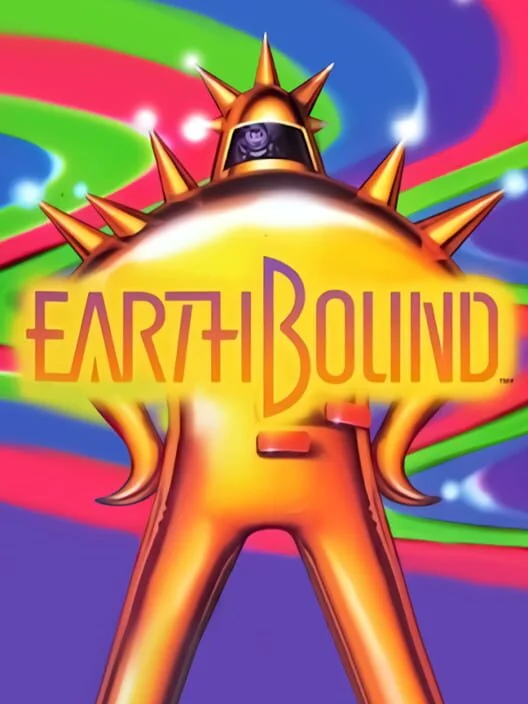
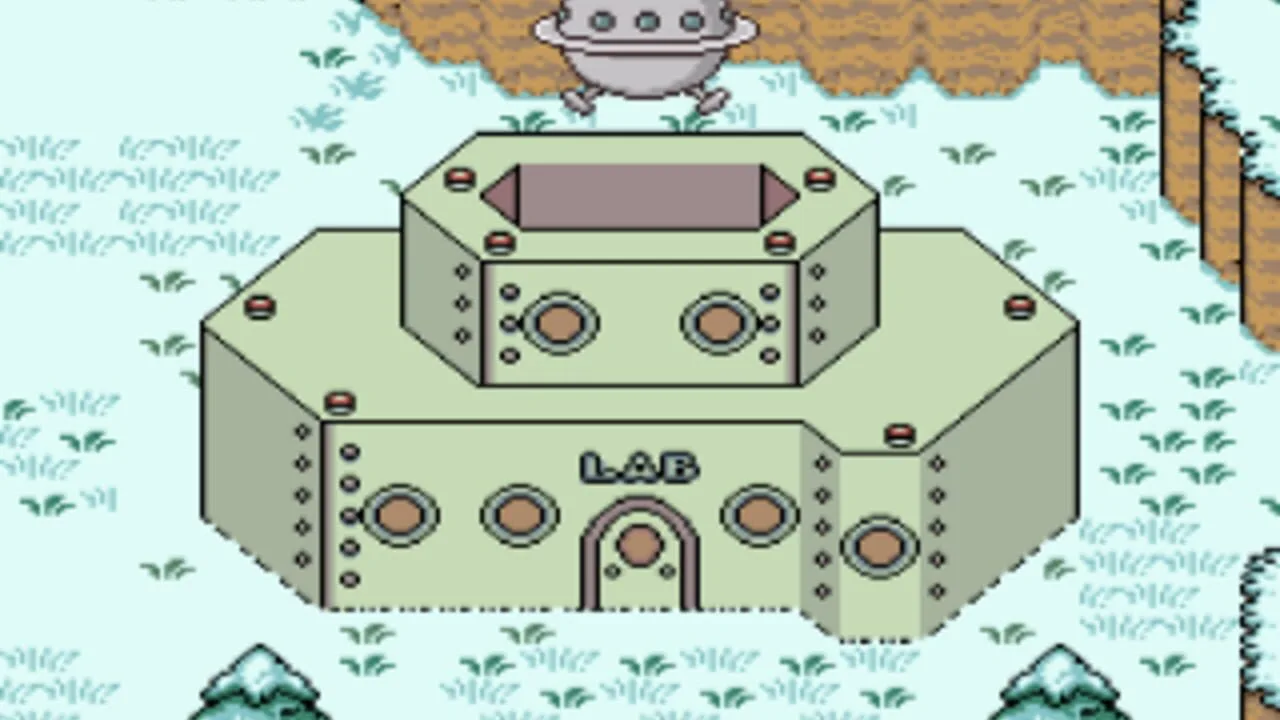
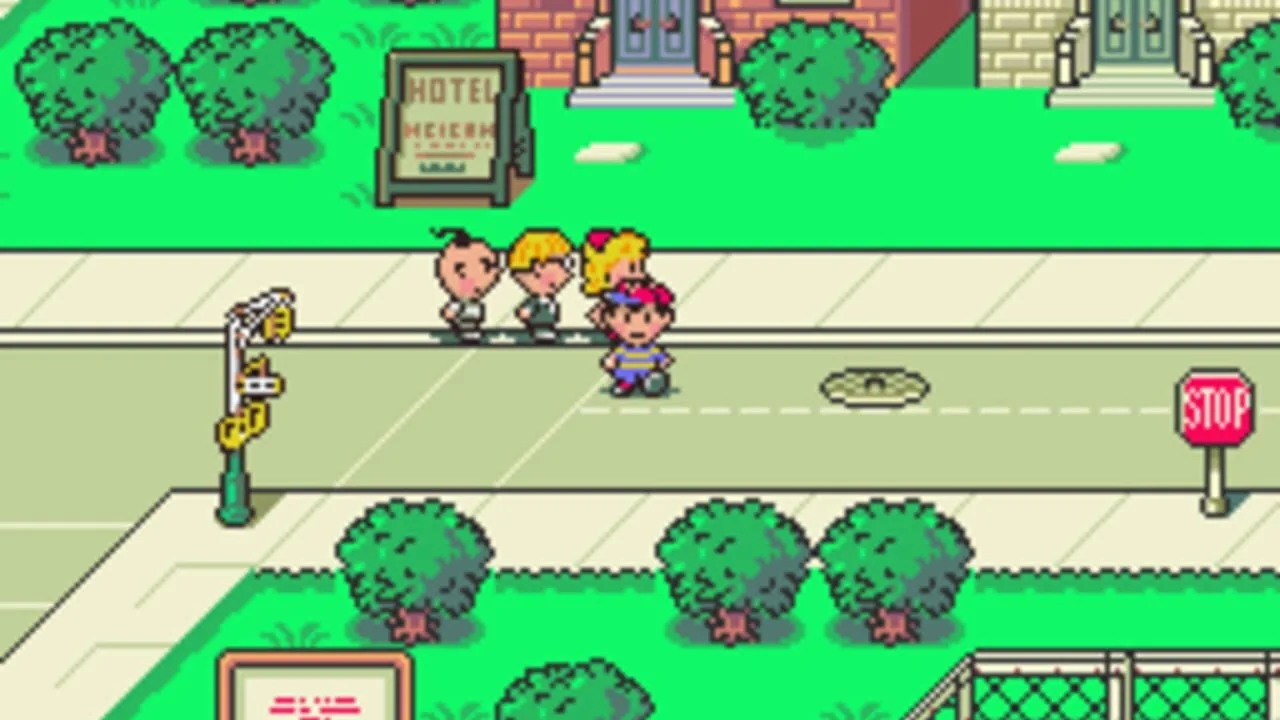
EarthBound is called Mother 2 in Japan. Ness, a young boy living in a land based on the USA, leaves home to fight an alien threat called Giygas. It took five years to make, and the game came under repeated threats of cancellation until Satoru Iwata joined the team. Writer and director Shigesato Itoi wanted to reach people who did not play games, so you fight piles of vomit and walking nooses.
The music mixes in salsa, reggae and dub. In North America it came with a $2 million ad campaign that said "This game stinks", and it sold quite poorly there. By the 2000s, reader polls and critics had named it one of the greatest games of all time. It is now on the Nintendo Classics service, so playing it costs a lot less than it used to.
3. Secret of Mana (1993)
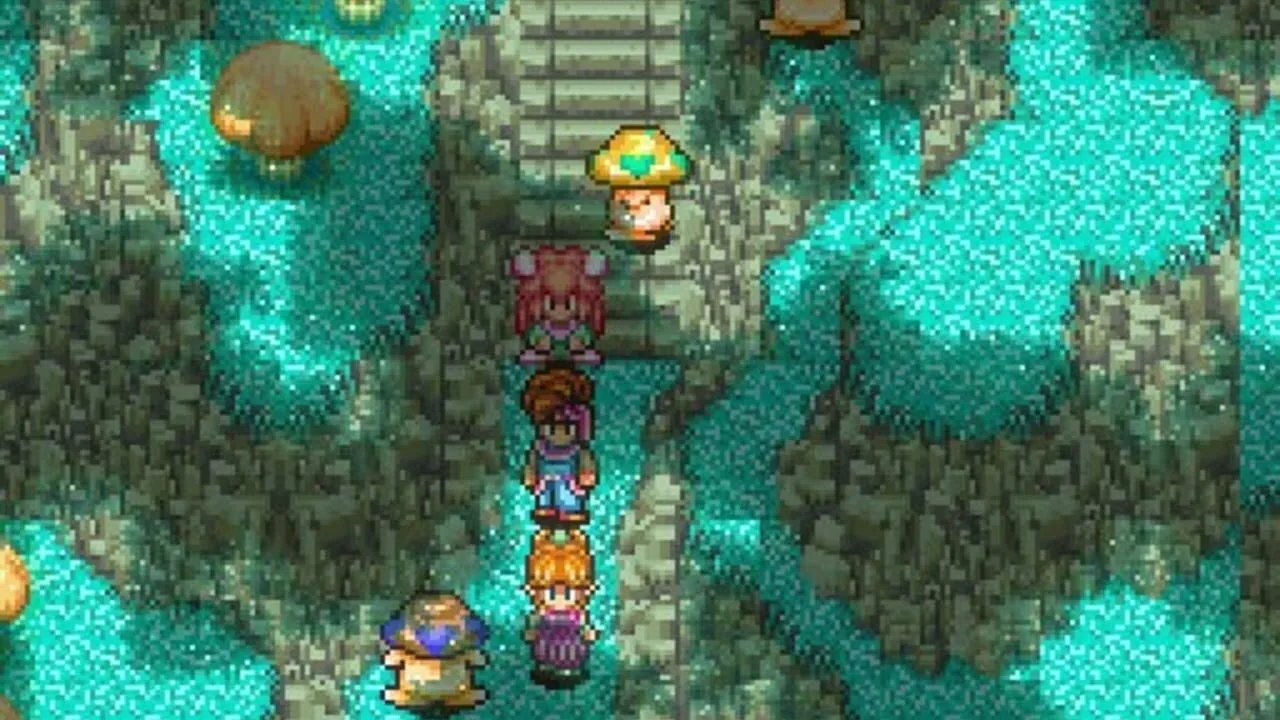
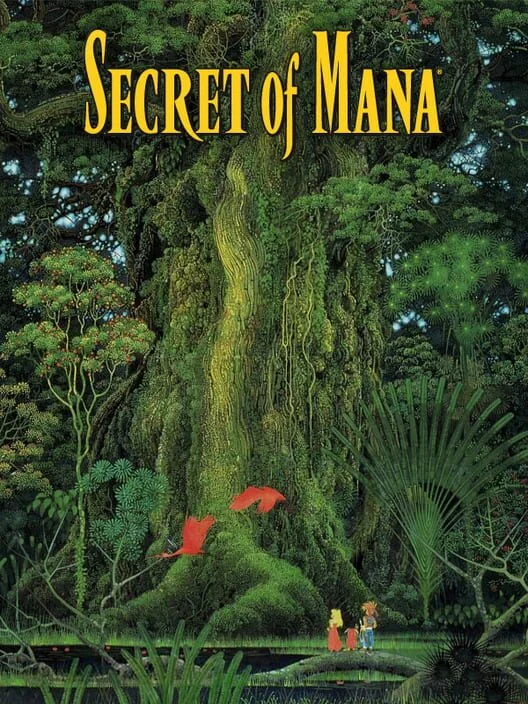
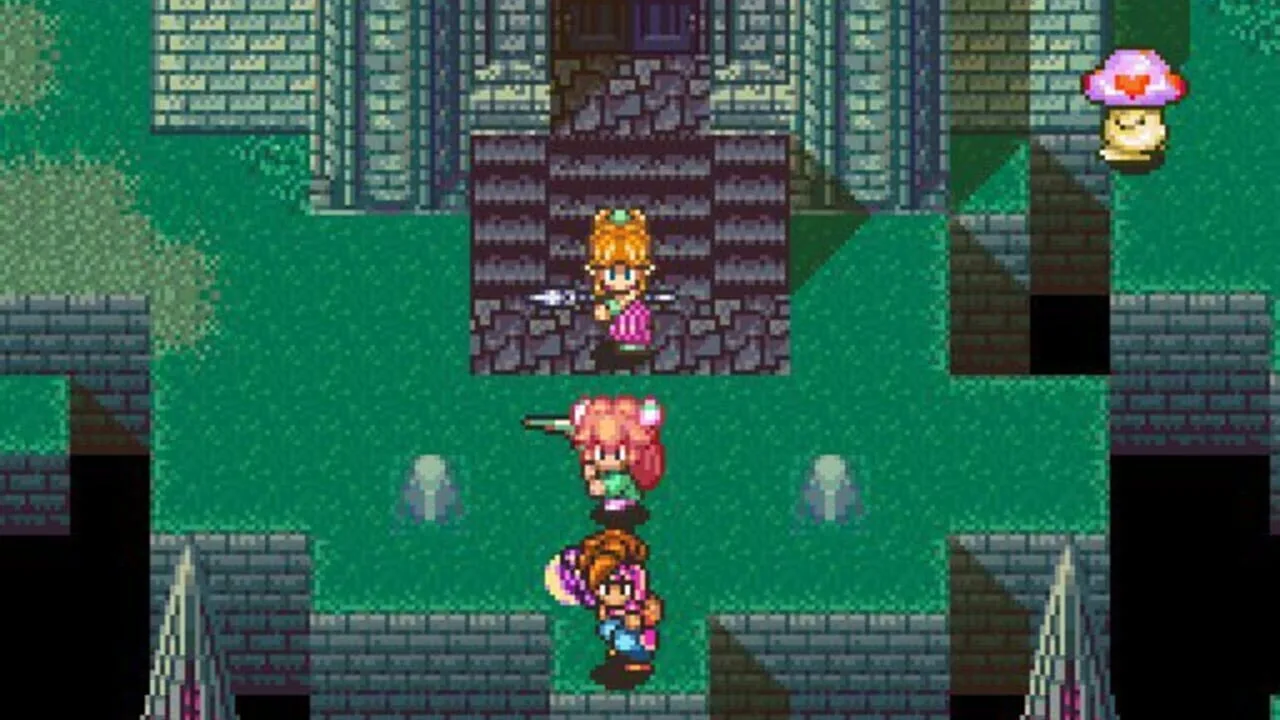
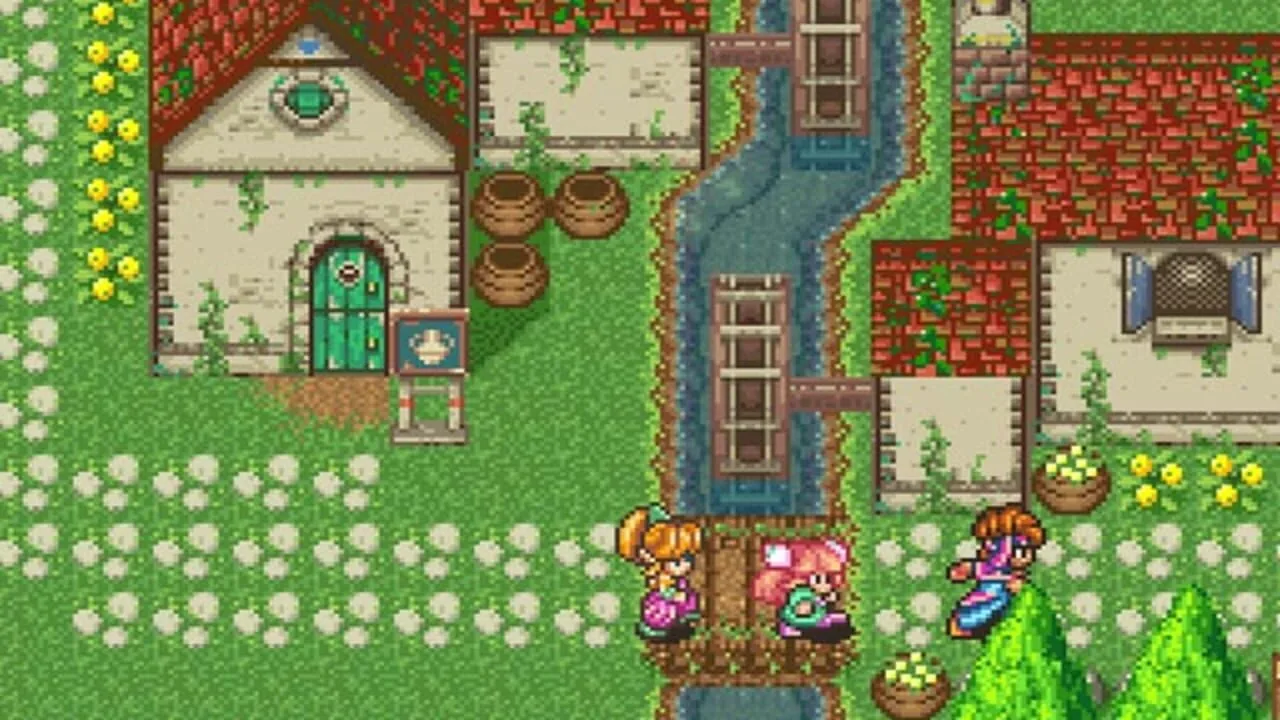
Secret of Mana is the sequel to Seiken Densetsu, which North America got as Final Fantasy Adventure. Koichi Ishii directed it, Nasir Gebelli did most of the programming, and the fights happen in real time. Its Ring Command menu pops up with one button press, so you can use items and change weapons without leaving the screen. Randi, Primm and Popoi set out to stop an empire from taking control of Mana.
It was first meant to be Final Fantasy IV, with a more action-based overworld, and some unused features went to the Chrono Trigger team. Critics praised Hiroki Kikuta's soundtrack and the settings for how your computer-controlled allies behave. A 3D remake in 2018 got mixed reviews, so the SNES version, also in Collection of Mana on Switch, is still the one to play.
2. Final Fantasy VI (1994)
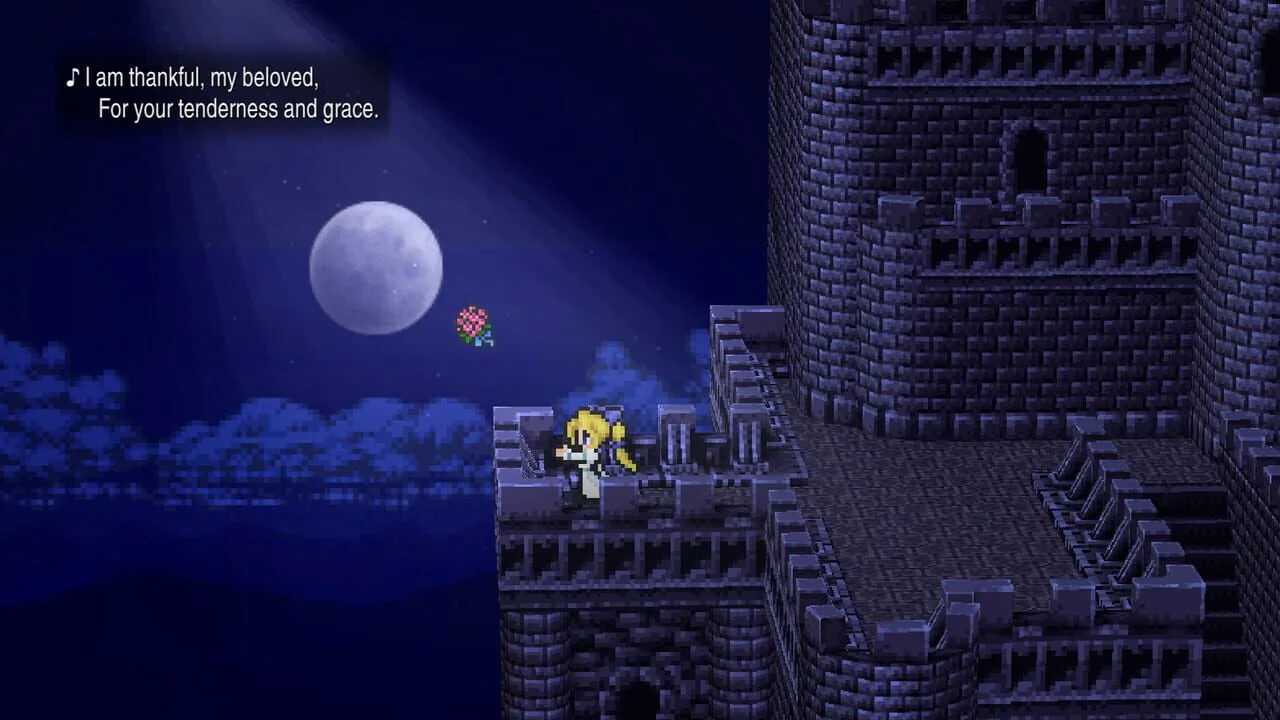
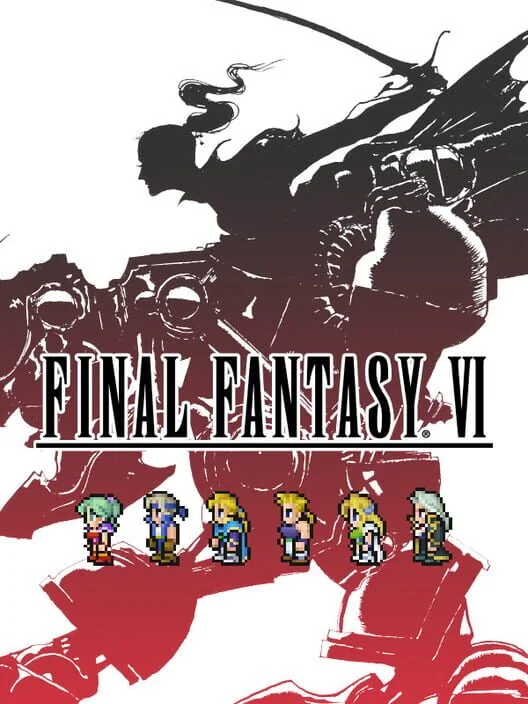
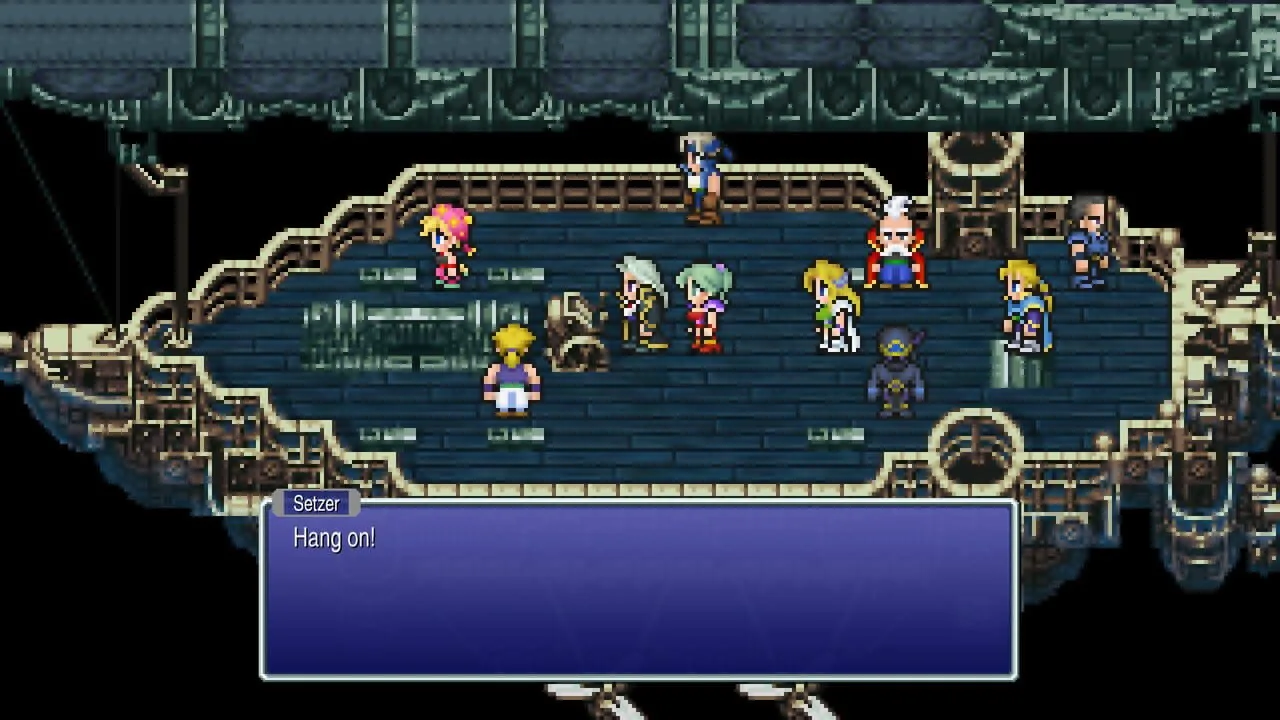
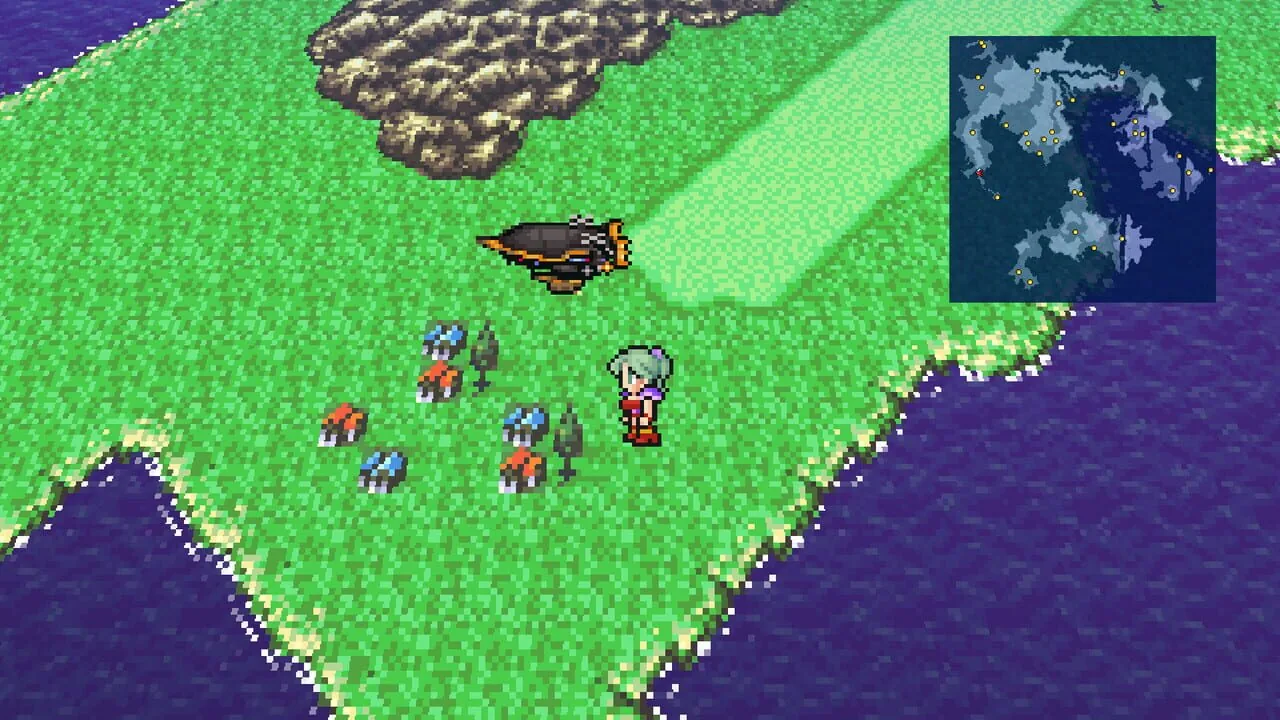
Final Fantasy VI was the last main Final Fantasy with 2D sprites, and the first one not directed by series creator Hironobu Sakaguchi. Yoshinori Kitase and Hiroyuki Ito took over, with Yoshitaka Amano on character design and Nobuo Uematsu on music. It has fourteen permanent playable characters, more than any other main game in the series. Its villain is Kefka, the first Magitek Knight, whose experiment left him insane.
Many critics rank it the best Final Fantasy and one of the best games ever made. The Super NES and PlayStation versions sold over 3.48 million copies by 2003. It was ported to the PlayStation in 1999 and the Game Boy Advance in 2006. Players agree that it still holds up.
1. Chrono Trigger (1995)
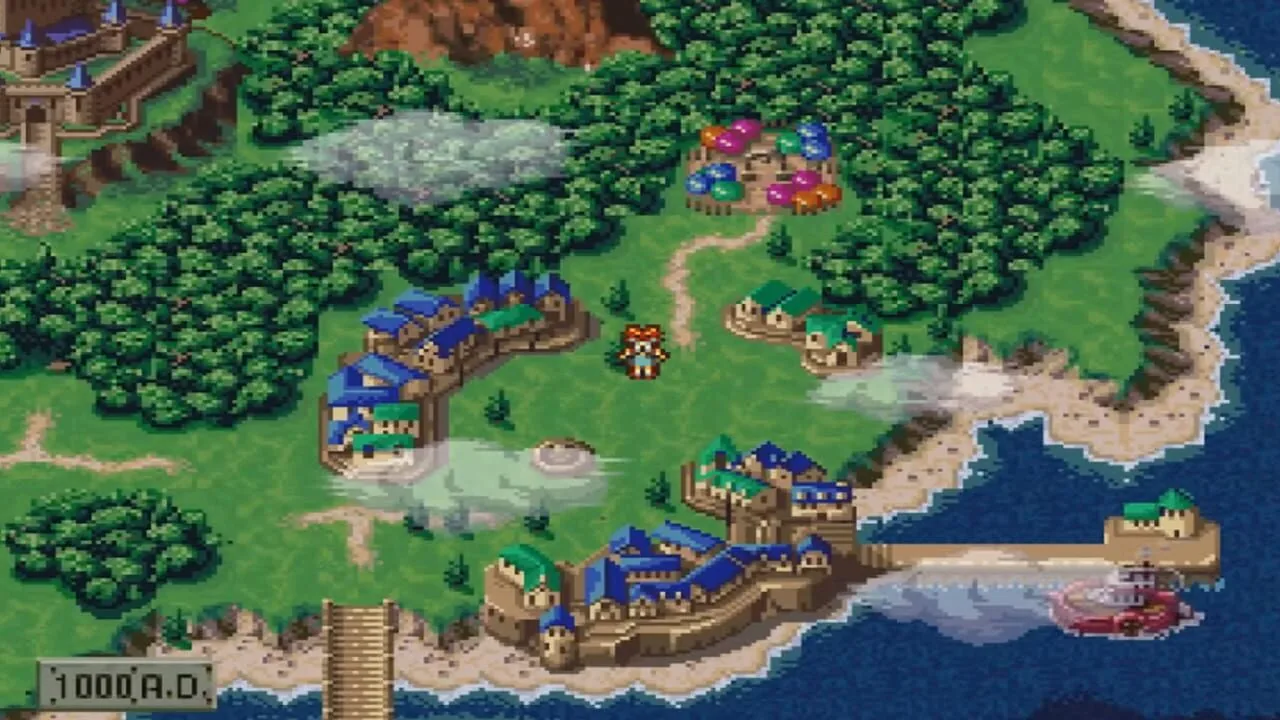
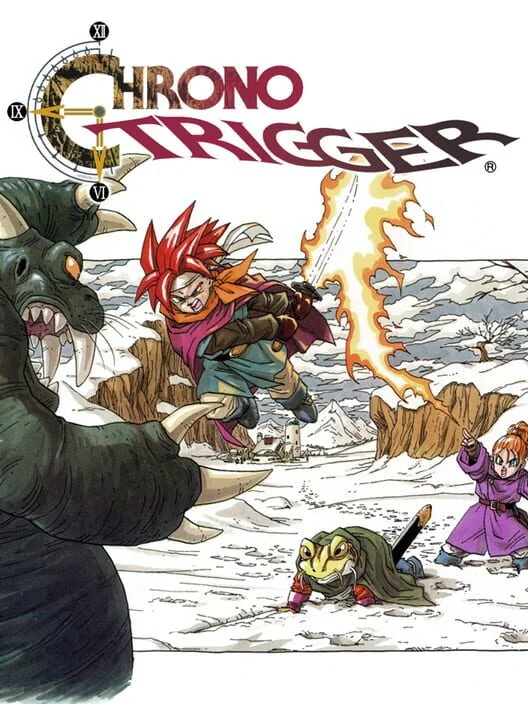
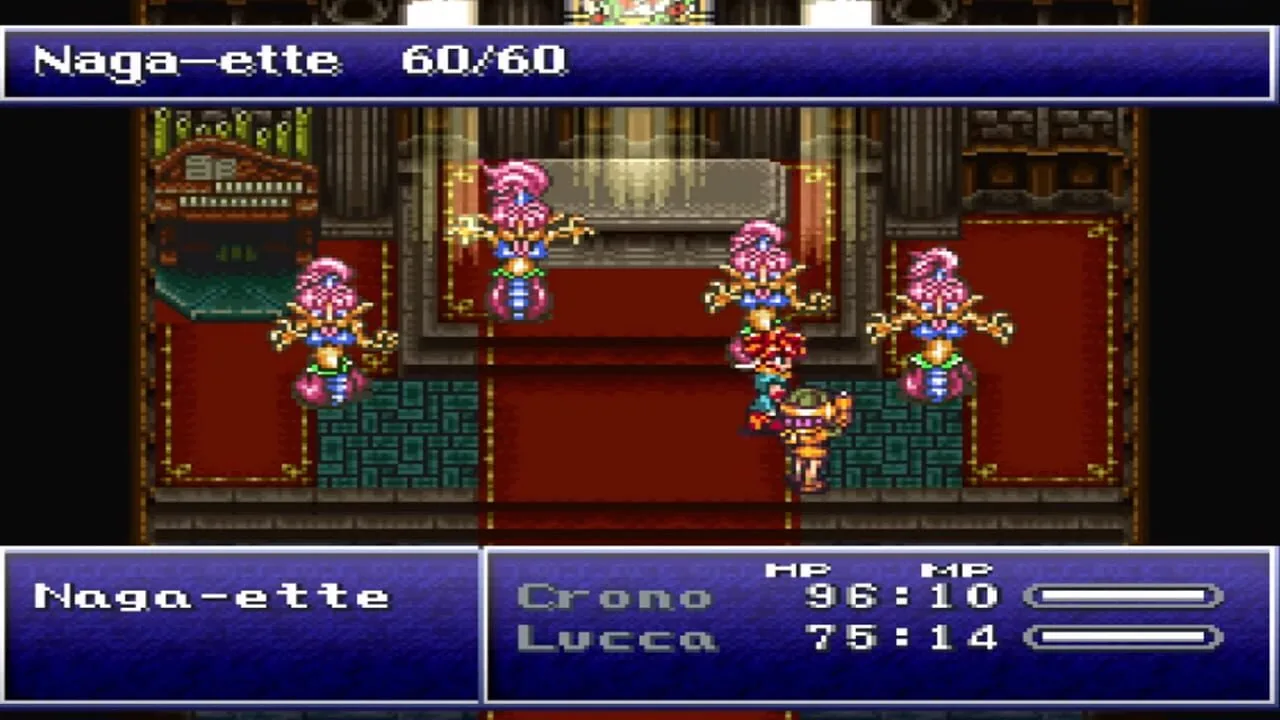
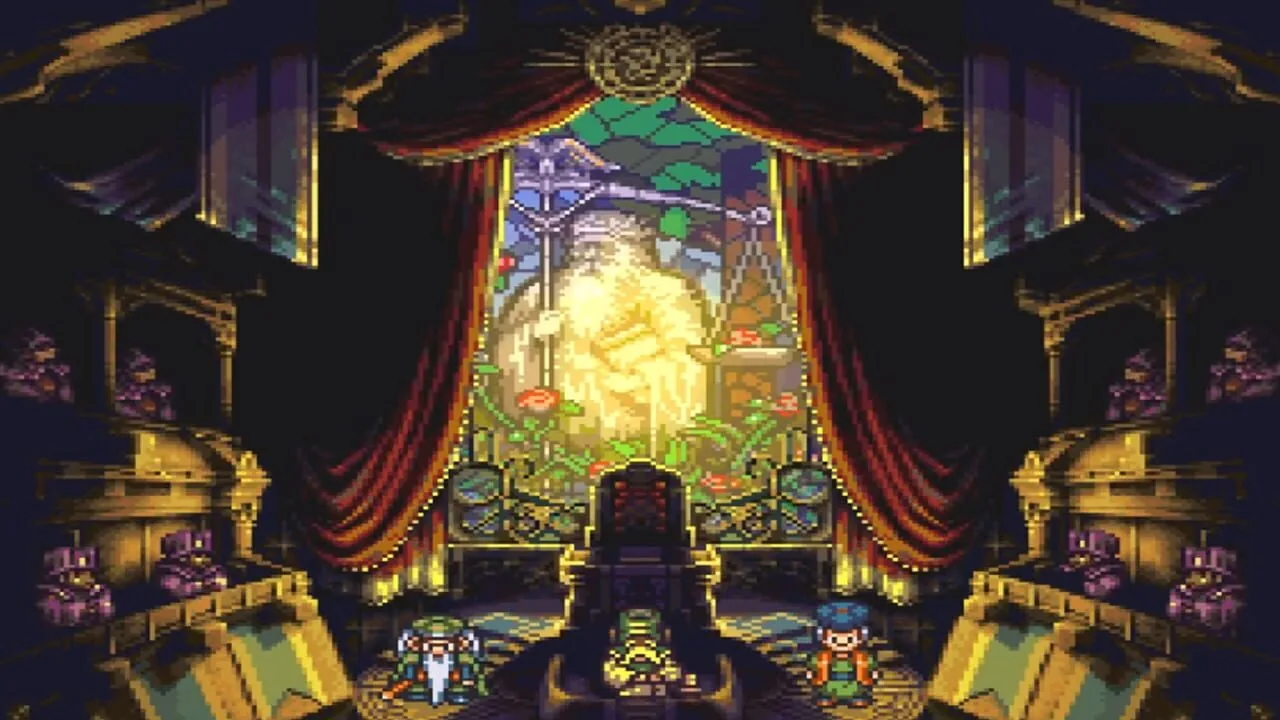
Chrono Trigger was made by what Square called the "Dream Team": Hironobu Sakaguchi of Final Fantasy, Yuji Horii of Dragon Quest and Dragon Ball artist Akira Toriyama. Young Crono travels through time through a misfunctioning teleporter to rescue a friend, and ends up trying to stop an evil force set to destroy the world. Enemies are visible on the map instead of jumping out in random encounters. Nintendo Power called its multiple endings revolutionary.
Yasunori Mitsuda scored it with help from Nobuo Uematsu, and the soundtrack is hailed as one of the best ever. It was the second best-selling game of 1995 in Japan. You can play it on the DS or on Steam, but players say the SNES version beats the PlayStation port because of the loading before battles. Players recommend it more than twice as often as any other SNES RPG.
Which one to play
There you have it, the whole list of the best SNES RPGs. The top ten would be the best RPGs on almost any other console.
If you are not sure where to start, play Chrono Trigger. If you like a traditional party RPG with a big story, go to Final Fantasy VI and then Final Fantasy IV. For an action RPG, Secret of Mana is the classic, and the Quintet games from Soul Blazer to Terranigma make a great run. If you want strategy, start with Ogre Battle. For something funny and strange, EarthBound has no equal. If you want to suffer, The 7th Saga is waiting. And for a hidden pick, try Shadowrun.