The Wii was not built to be an RPG machine. Motion controls and party games sold the console, and most of the big role-playing names stayed on other systems. A small group of RPGs showed up anyway, and they are stranger and more interesting than you would expect. You can farm between dungeon crawls, play a whole adventure with one hand, or watch your mechs turn into jets mid-battle.
Fans even campaigned to bring some of the best of them out of Japan. That campaign worked, and it is a big reason this list is worth reading. Here are the 21 best Wii RPGs.
21. Monster Hunter Tri (2009)
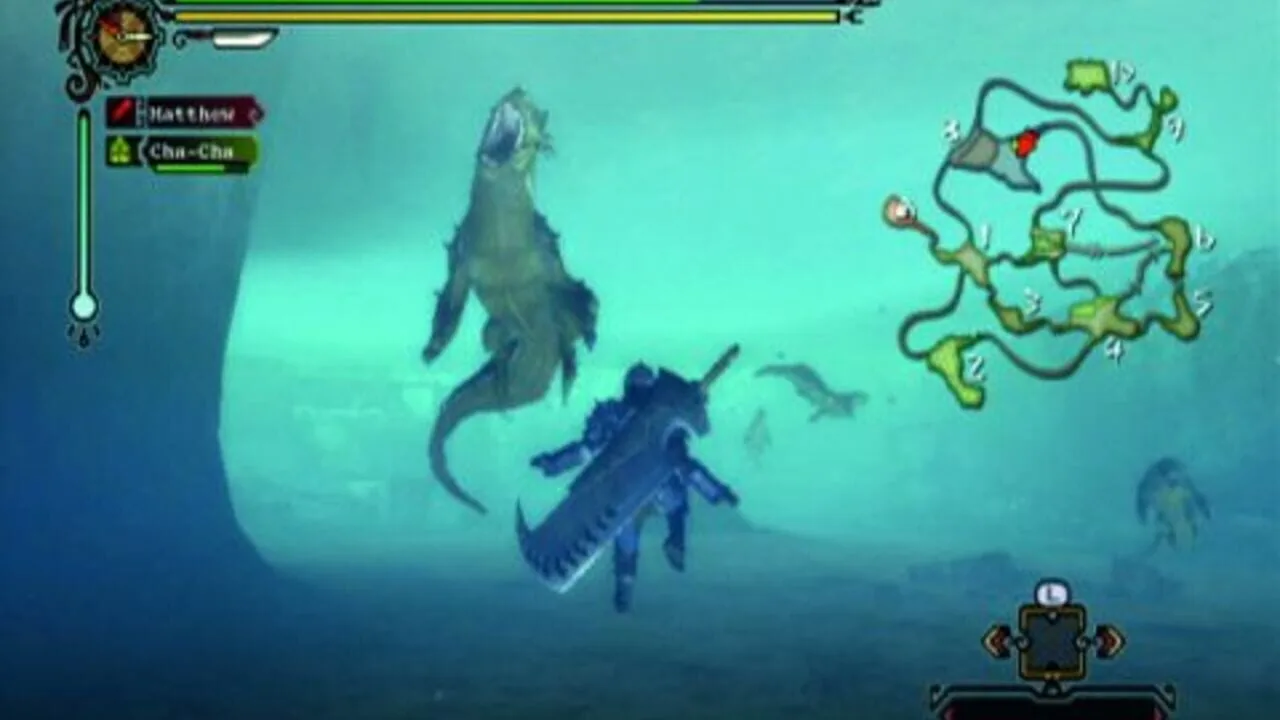
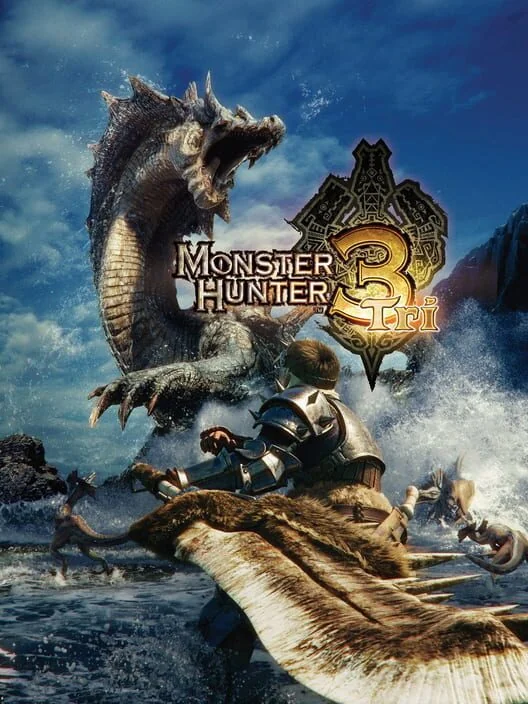
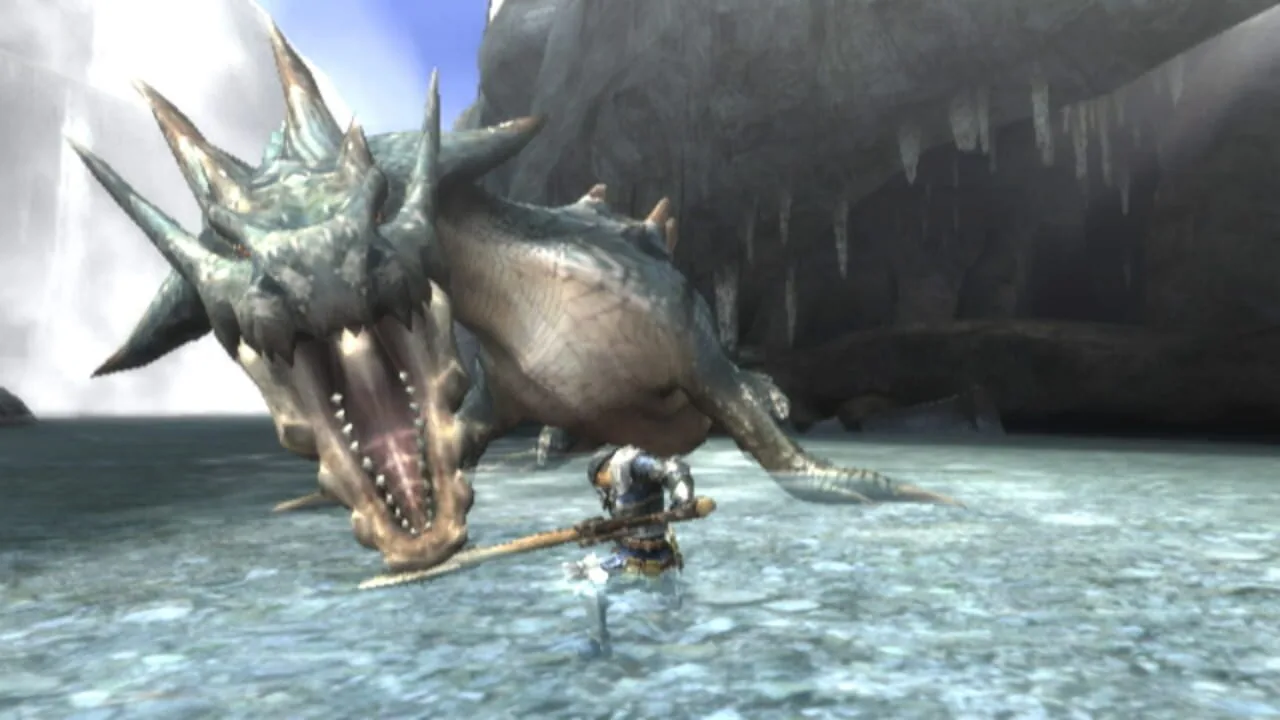
Monster Hunter Tri is set in an ecosystem where people live alongside fantastic beasts on land and in the sea. You can join online hunting parties of up to four players, or play select quests with two players on one TV. Capcom first planned it as a PlayStation 3 game, then moved it to the Wii when the costs got too high.
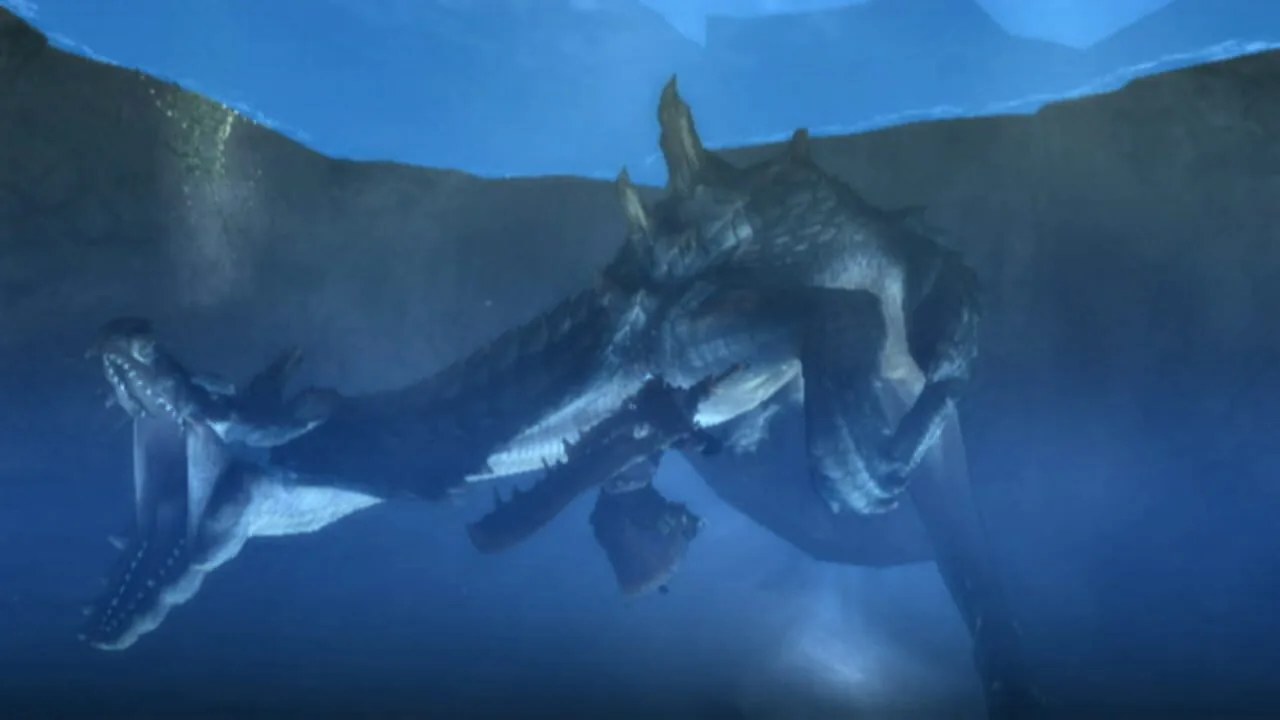
Playing alone, you get Cha-Cha, an AI partner whose tracking and trapping skills are a real help. The ecosystems were expanded to include underwater environments, and the sea fights are what everyone remembers. The online servers for the Wii version shut down in April 2013, which is a sad thing for a game built around hunting together.
20. Dragon Quest Swords (2007)
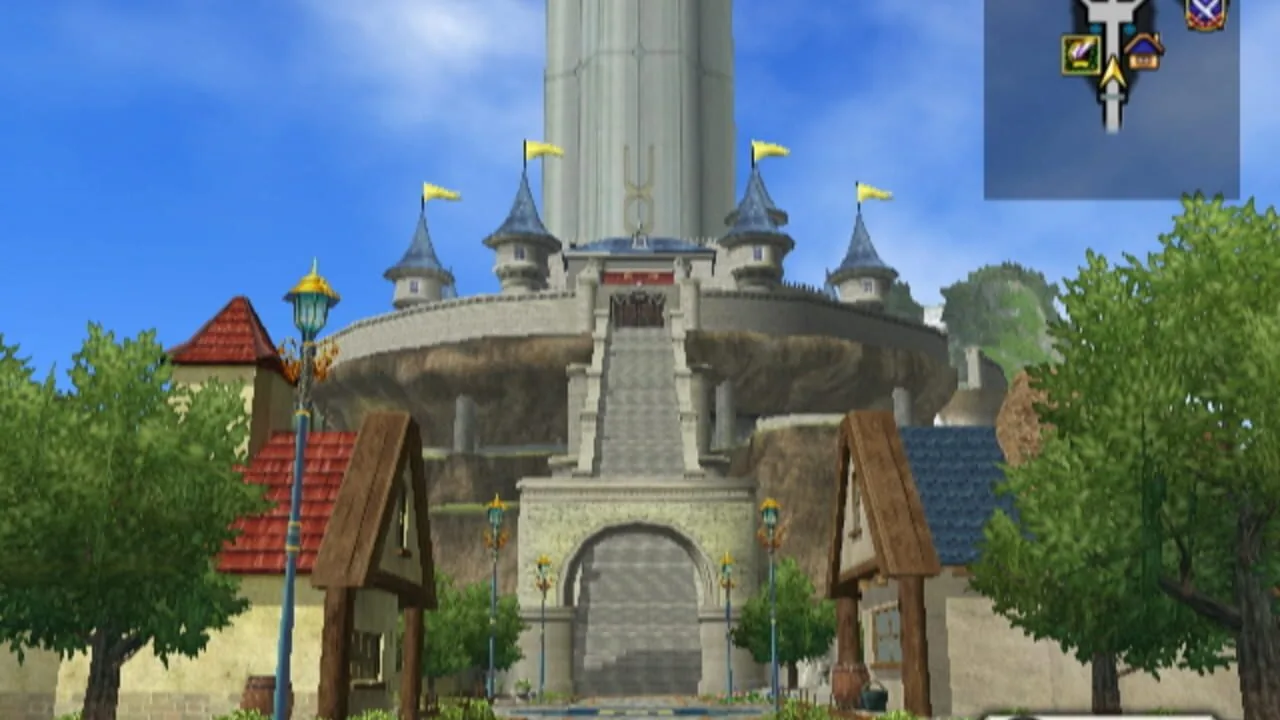
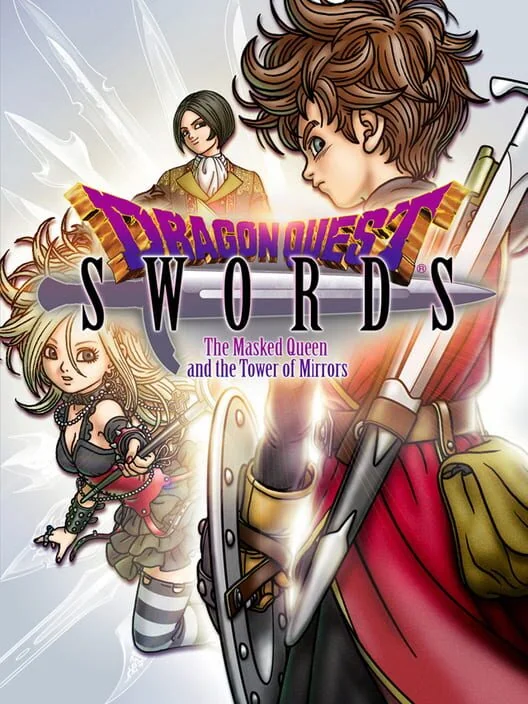
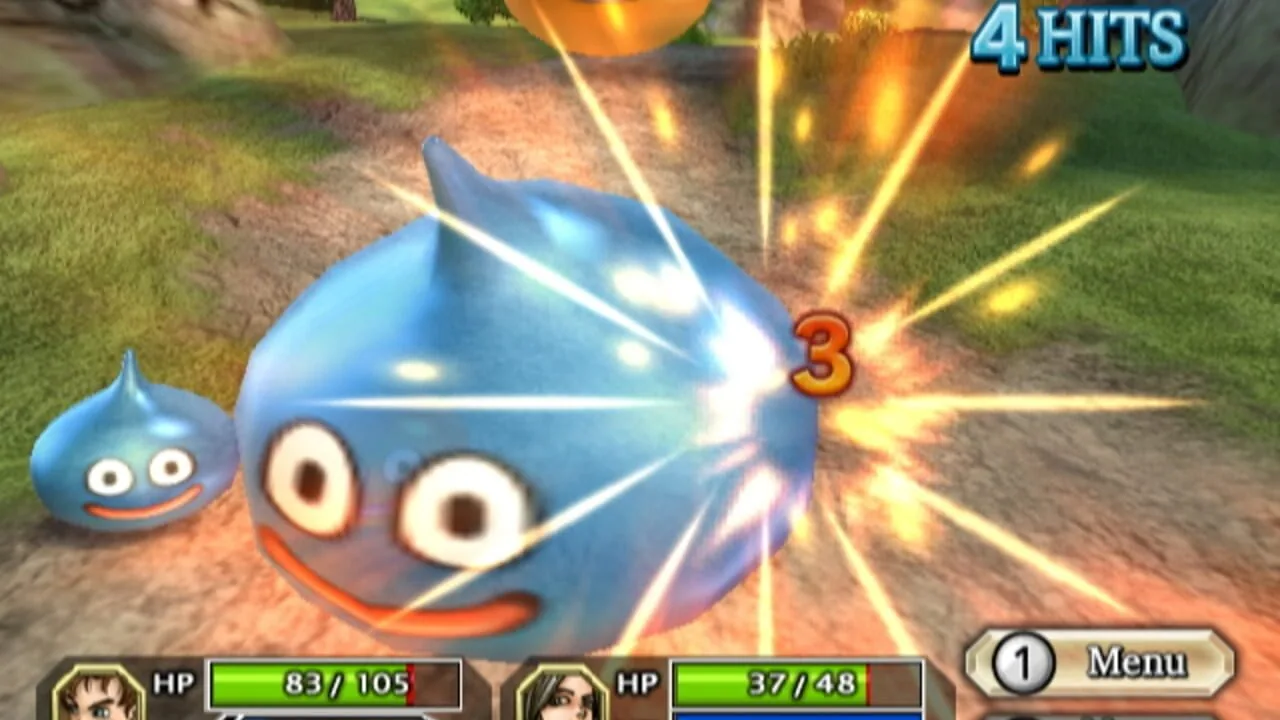
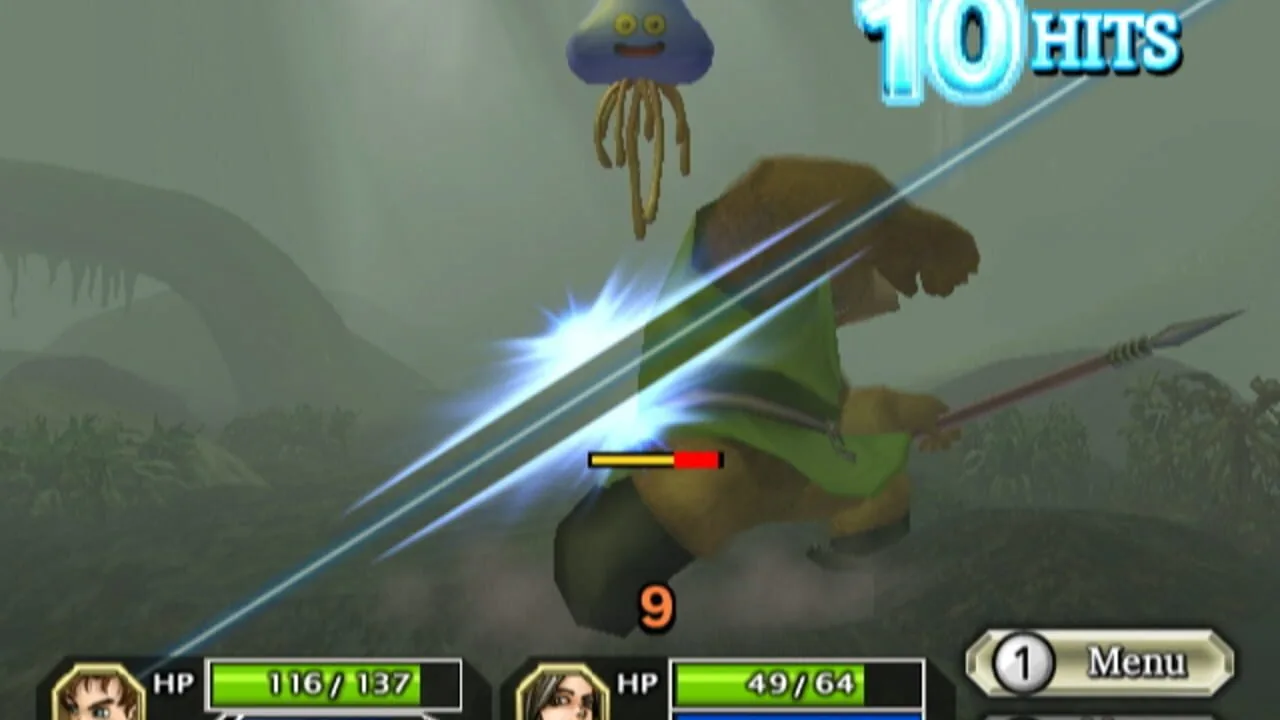
Dragon Quest Swords was built from the ground up for the Wii's motion controls. You use the Wii Remote to slash and parry through a land filled with trademark Dragon Quest monsters. The battles run on rails in a first-person view.
The direction you swing the Wii Remote sets the direction of the slash or thrust. Only the hero's allies can cast magic, and only one of them can come along at a time. It was made with longtime fans and casual players in mind. Treat it as an arcade ride with a sword and it is a good time. There are also minigames that hand out prizes based on how many points you score. It is short on depth and long on swing.
19. Valhalla Knights: Eldar Saga (2009)
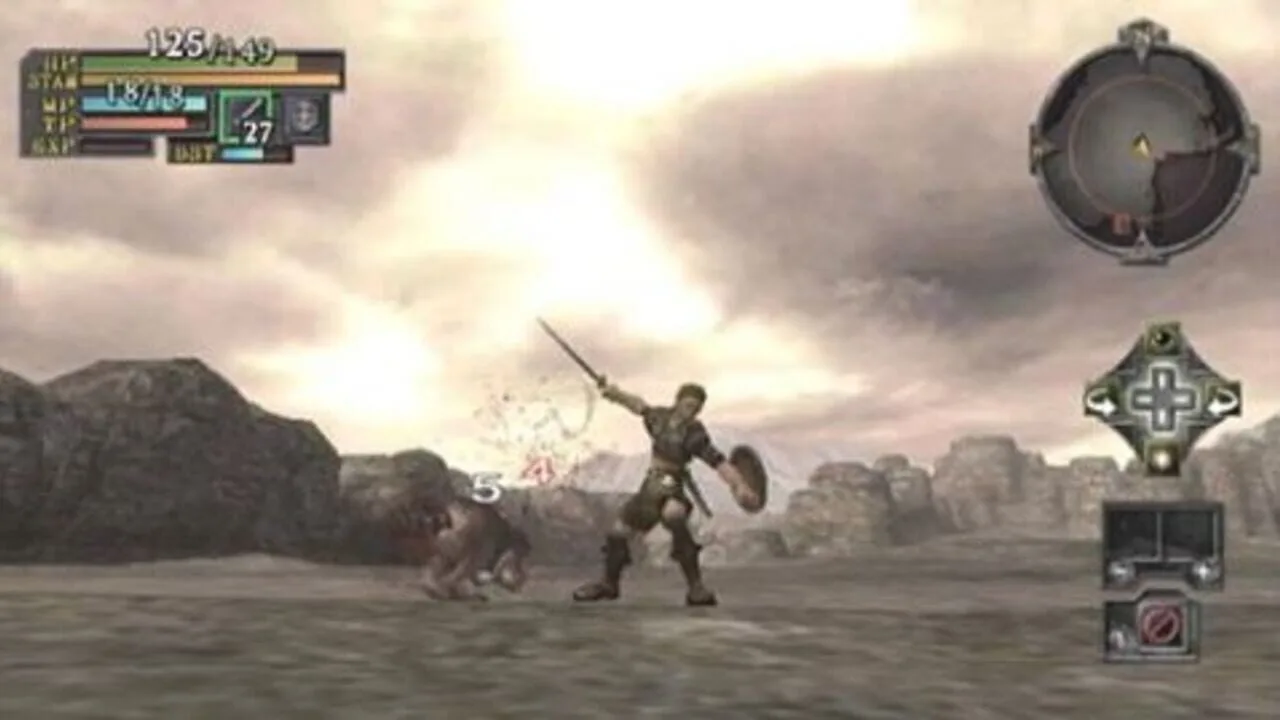
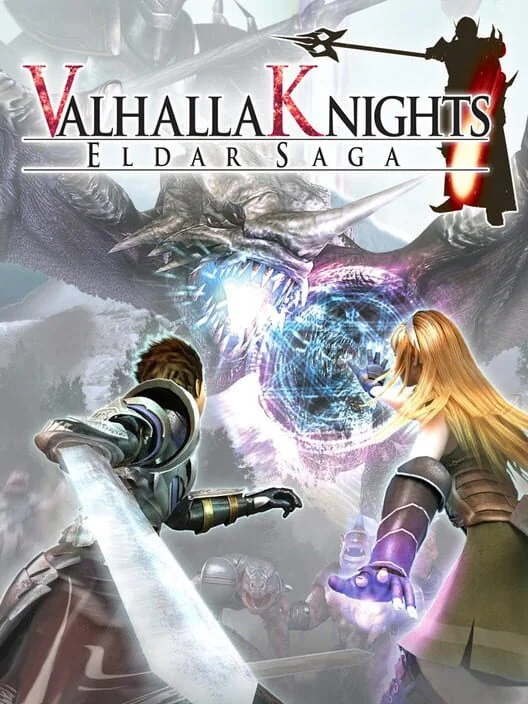
The lands of Eldar have long been known as the origin of chaos, a place where monsters and demons wreak havoc. Legend says the Spirit King took control of the creatures and waged war on civilization, until an alliance of the four races drove them back and sealed the evil away. Centuries later the monsters are slowly taking over again, with no known cause.
It is a fantasy RPG of the old school, and it wears that proudly. It came out in North America in September 2009, and Europe had to wait another year. Wii owners who wanted something that felt like a dungeon crawl from another era did not have many places to go, so this one found its audience.
18. Rune Factory: Tides of Destiny (2011)
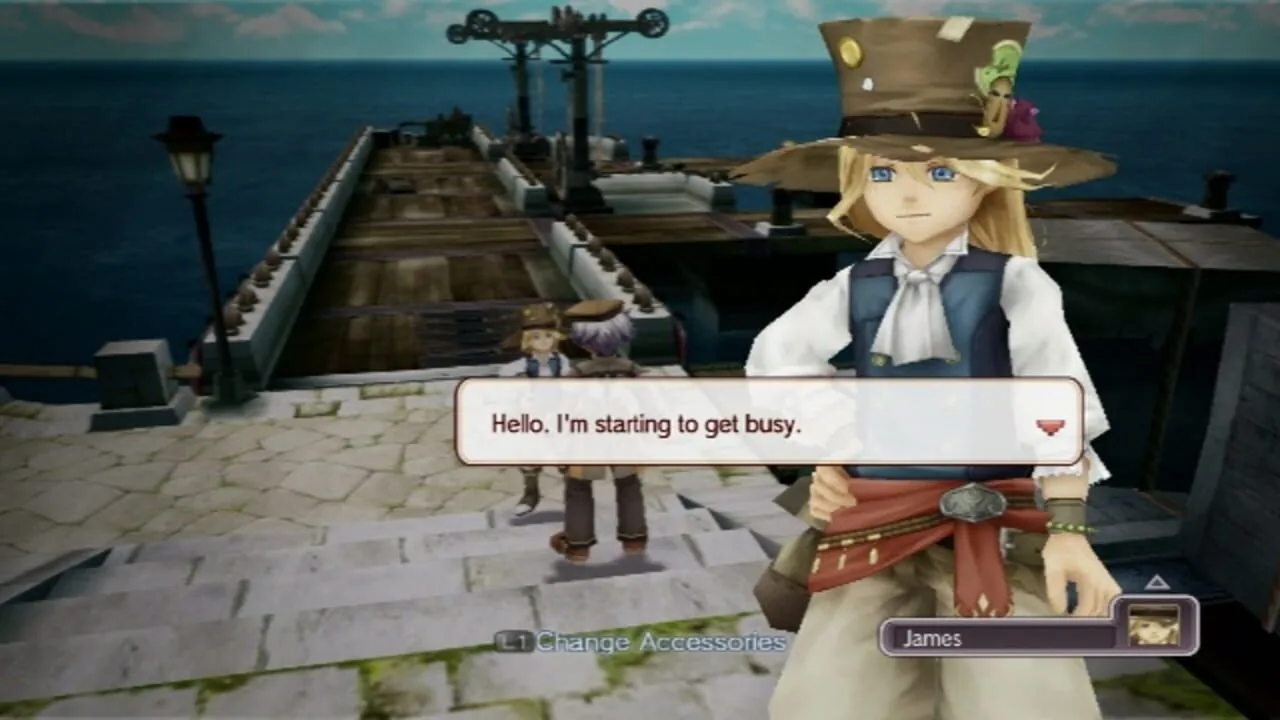
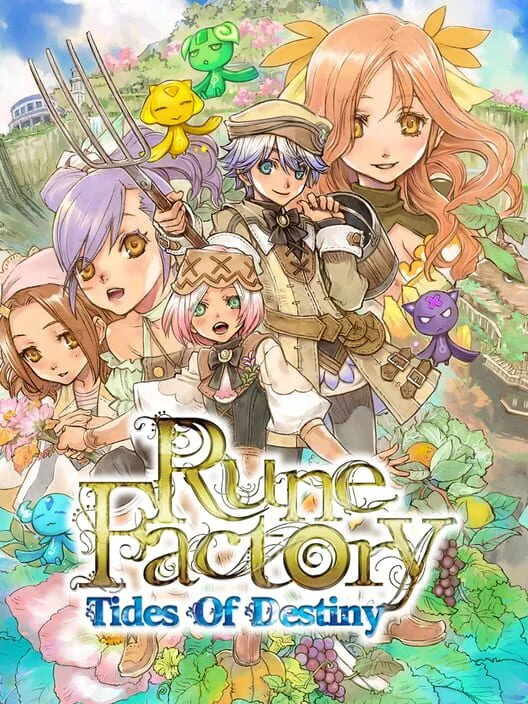
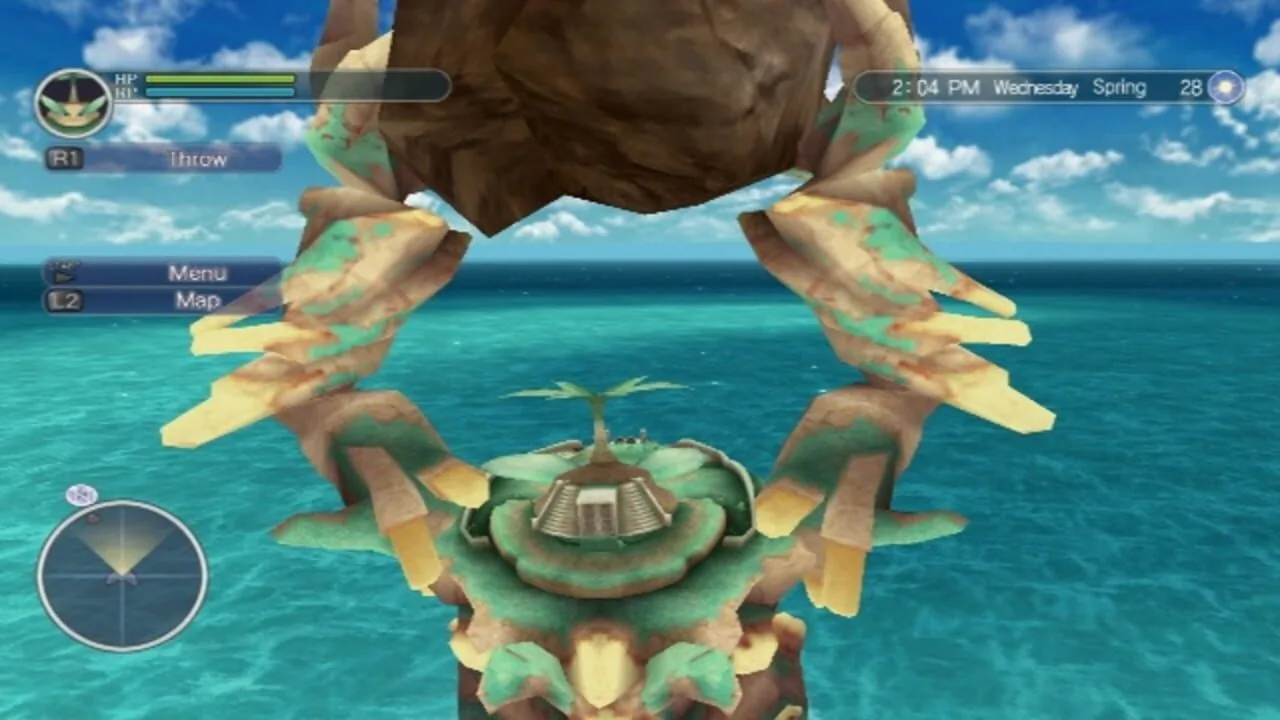
Aden and Sonja are lifelong friends living a quiet life on Fenith Island until a curse leaves both of their souls trapped in one body. Their island is gone too, replaced by a strange one full of unfamiliar faces. To fix it, they take command of a towering golem called Ymir.
With Ymir they cross vast seas and find hidden islands and dungeons. It is a spin-off in the Rune Factory series, released on both the Wii and the PlayStation 3. Natsume published it in North America. Sharing a body with your best friend is one thing. Sharing it while steering a giant is another. Marvelous published it in Japan and Rising Star Games in Europe and Australia.
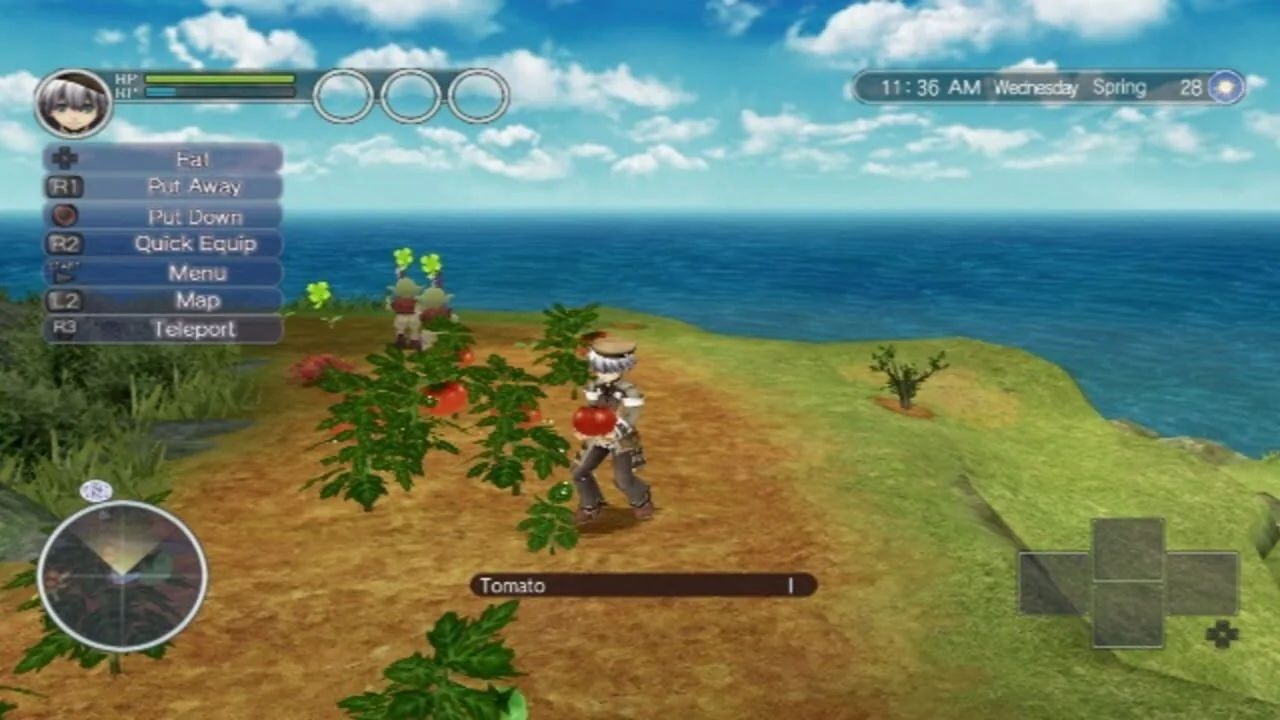
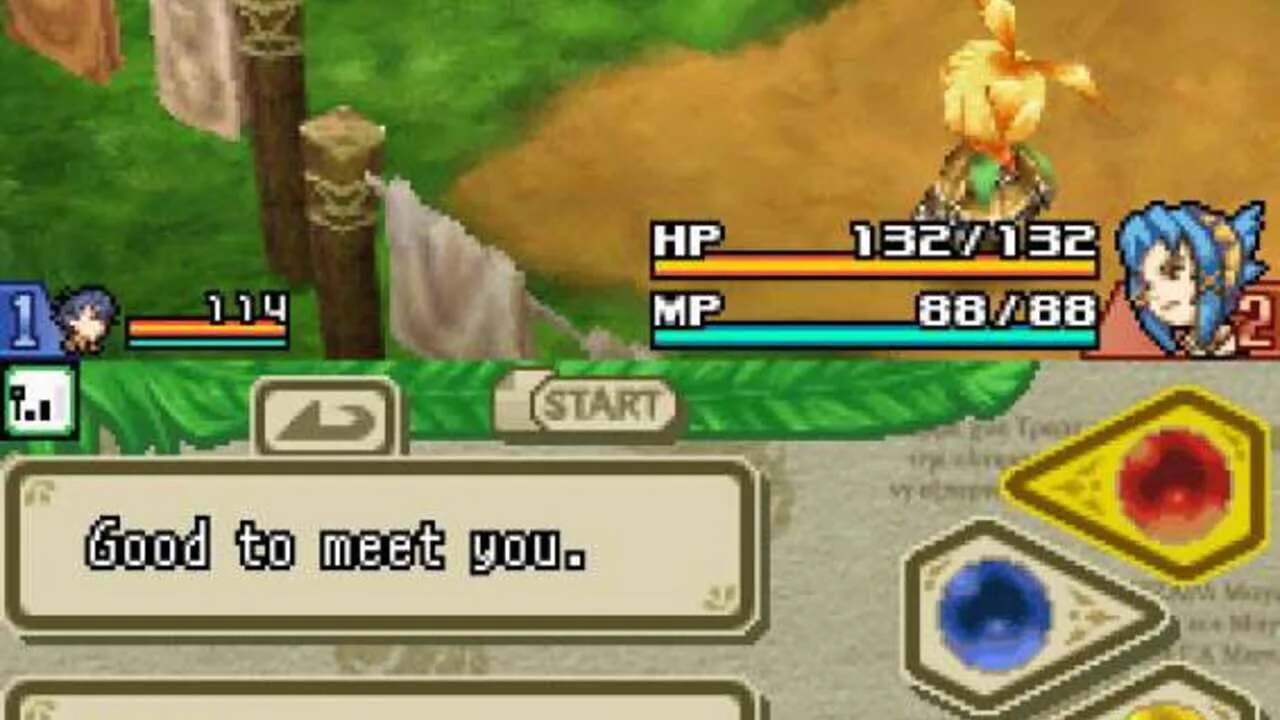
17. Final Fantasy: Crystal Chronicles - Echoes of Time (2009)
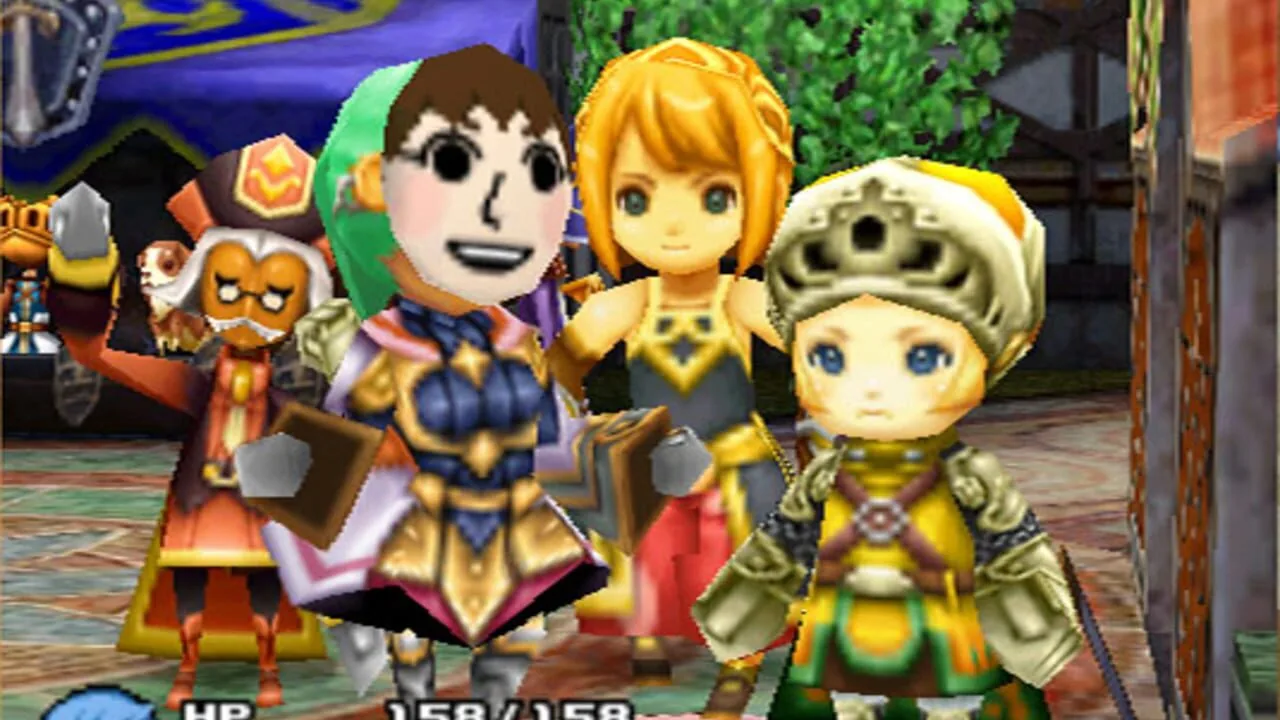
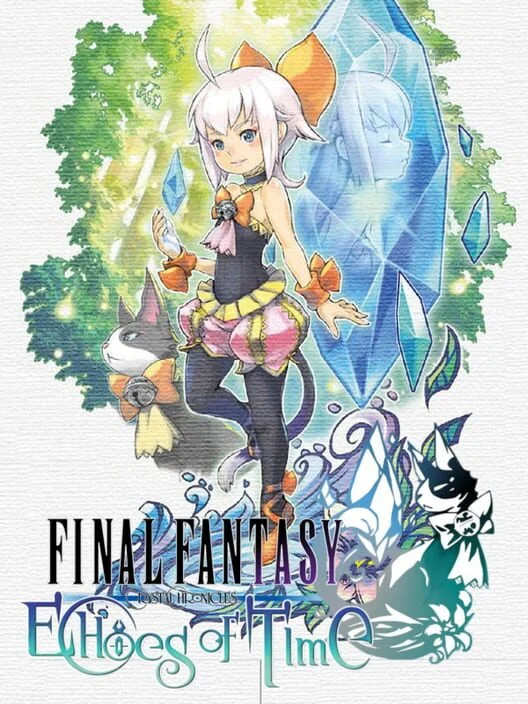
Echoes of Time is the first Crystal Chronicles game that lets players team up online. Wii and DS owners can play together at the same time. Square Enix built a new engine for it, called the Pollux Engine, to link the two versions together.
It was revealed at the Tokyo Game Show in 2008. An outside studio, Shirogumi, made the CGI cutscenes. Cross-play between a home console and a handheld was a clever trick for its day. It is a fine pick if you have a friend with a DS and a free evening. Playing together across two very different screens is the whole pitch, and it works. Few RPGs of this era let two different consoles share one party.
16. Final Fantasy IV: The After Years (2008)
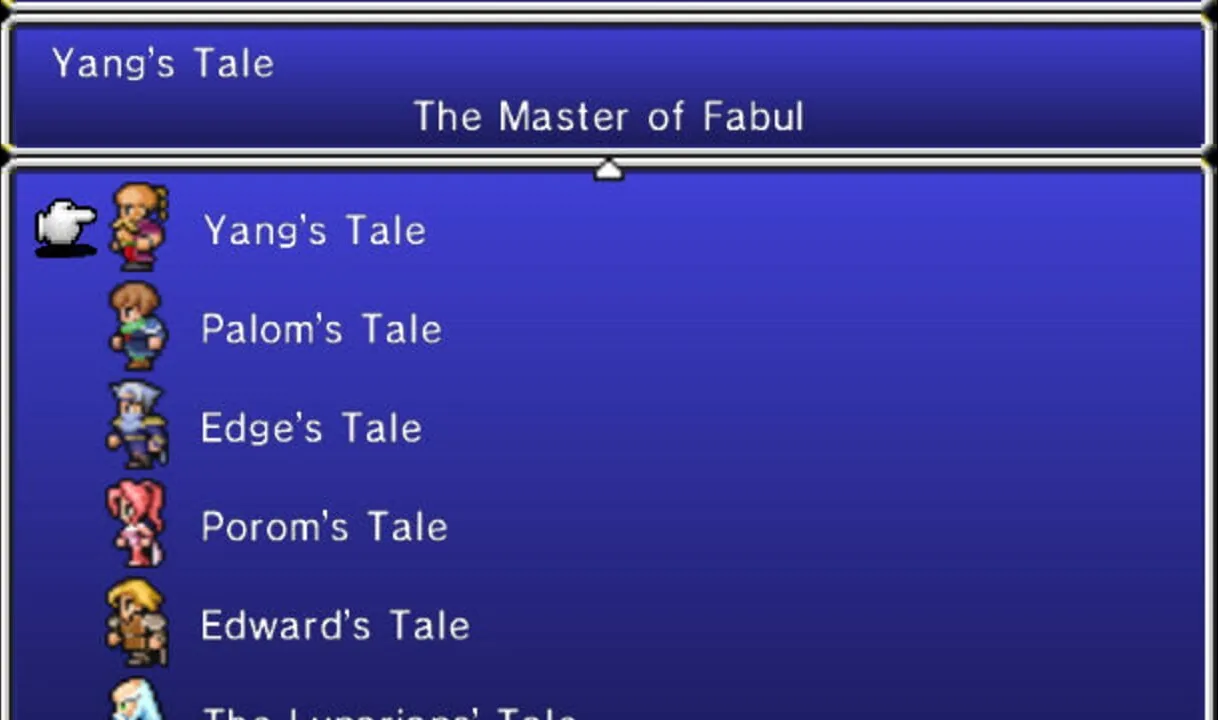
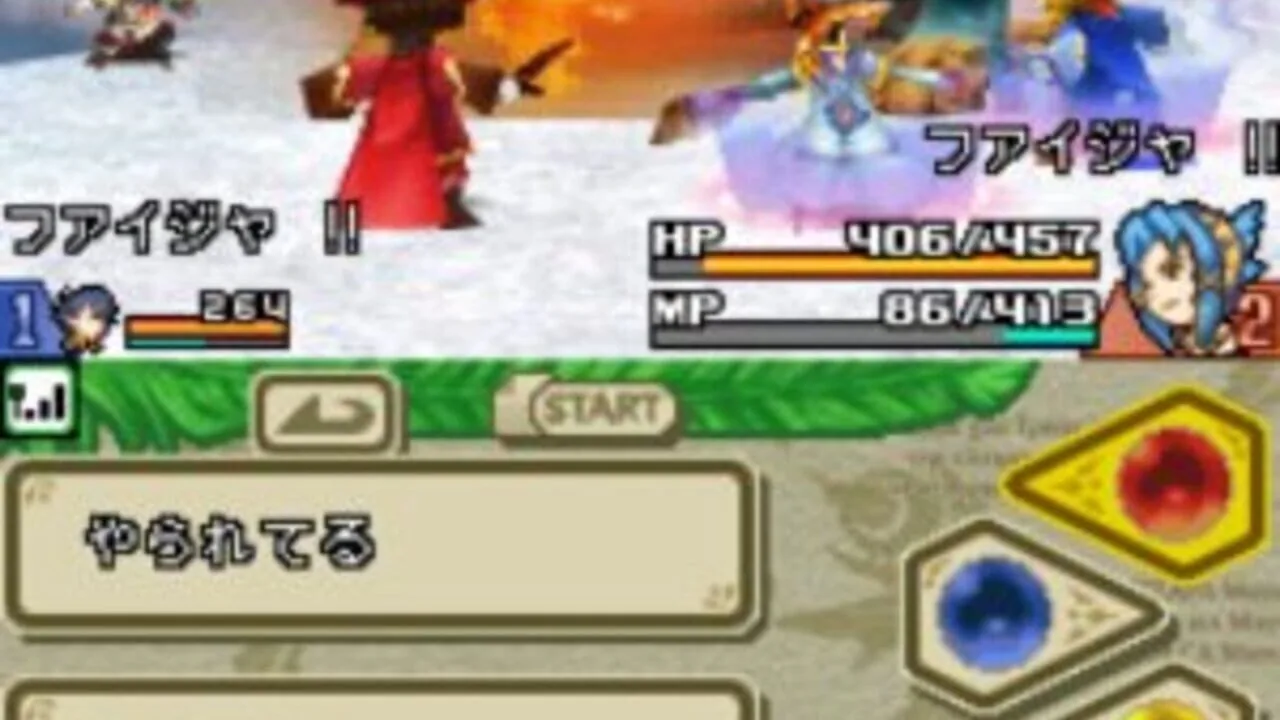
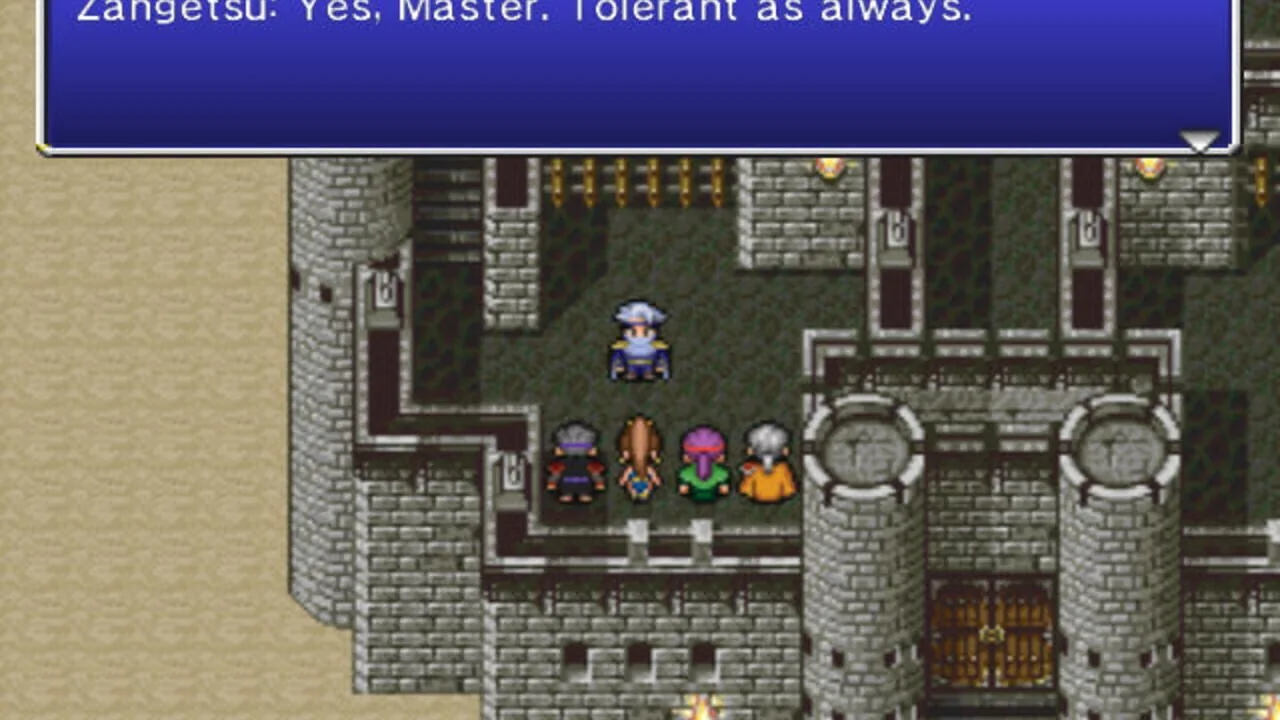
The After Years is a direct sequel to Final Fantasy IV, released in episodes. Each chapter focuses on a specific character and came out roughly once a month. It uses the same Active Time Battle system, improved in several ways.
It adds a combination attack called a Band ability. Certain rare monsters only appear during certain lunar phases. The WiiWare version looks sharper than the mobile original, with a larger screen resolution. Critics gave it mixed or average reviews. It is the rare sequel that knows exactly which game it is following. It is for people who finished Final Fantasy IV and wanted more time with the same cast. The chapters are short, so it suits a quick session.
15. Dokapon Kingdom (2007)
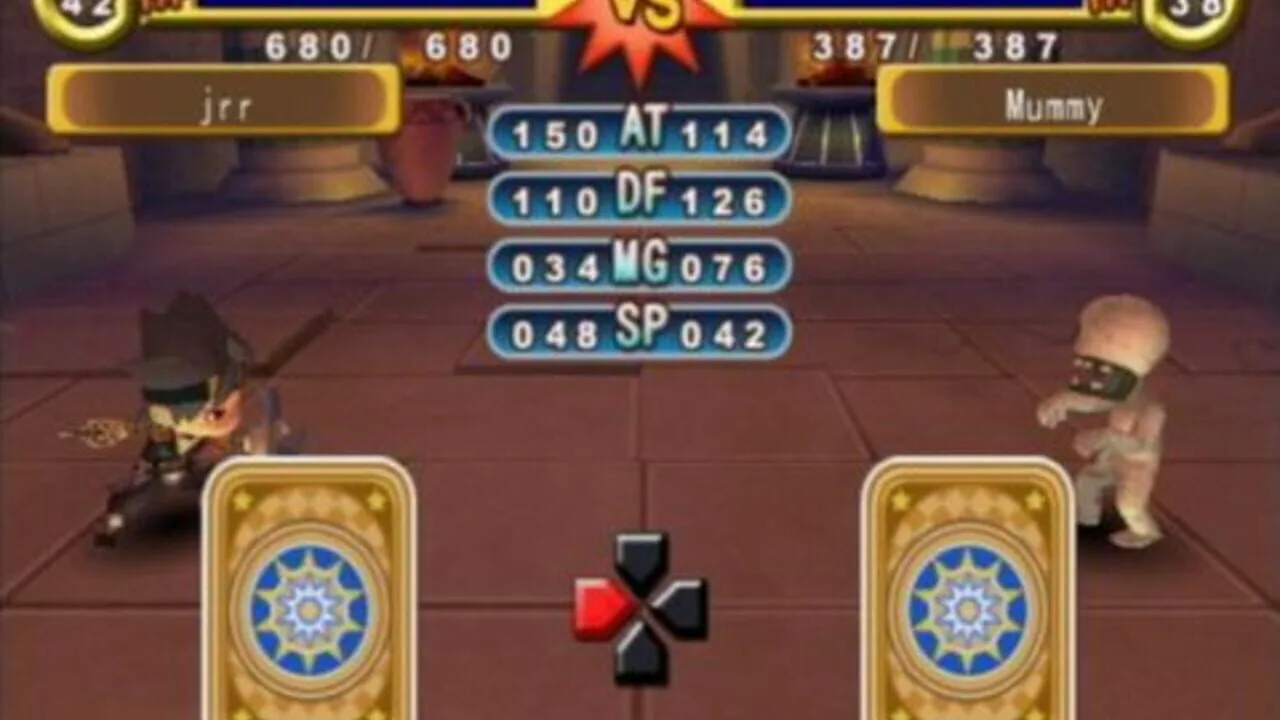
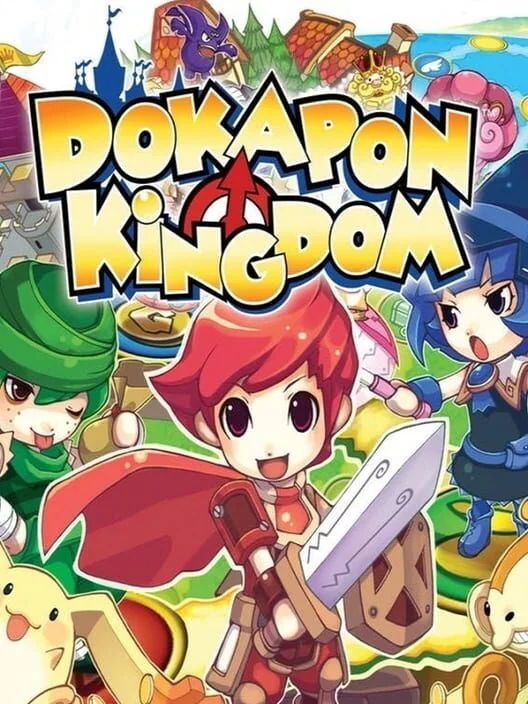
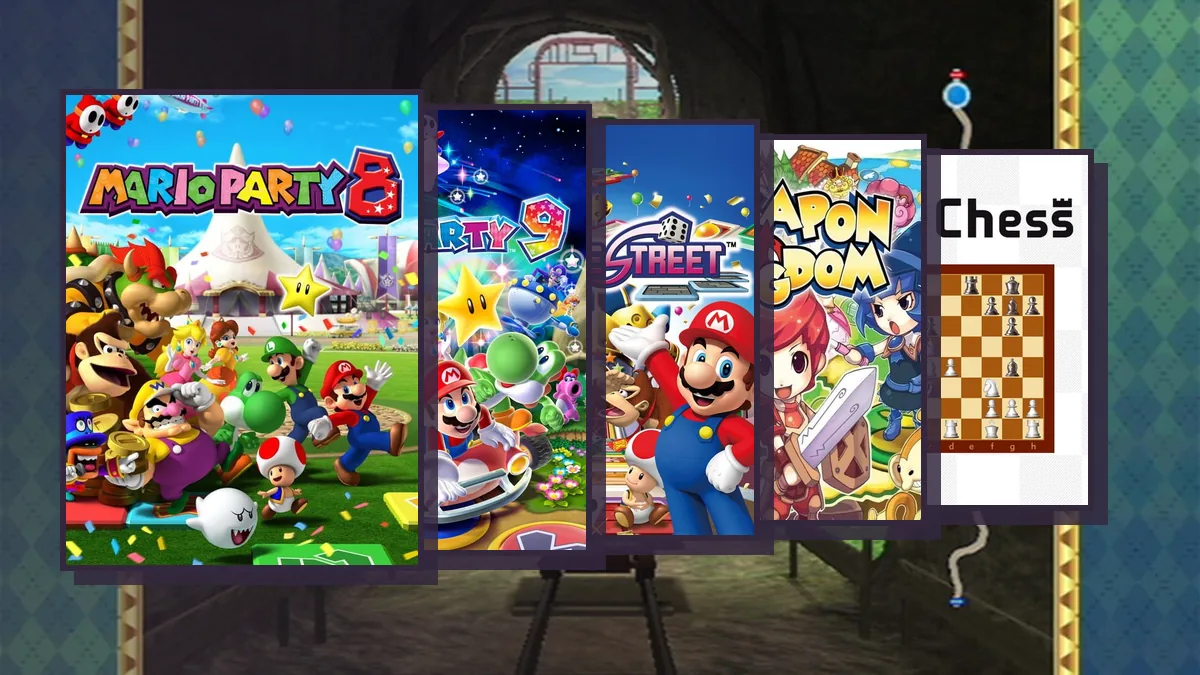
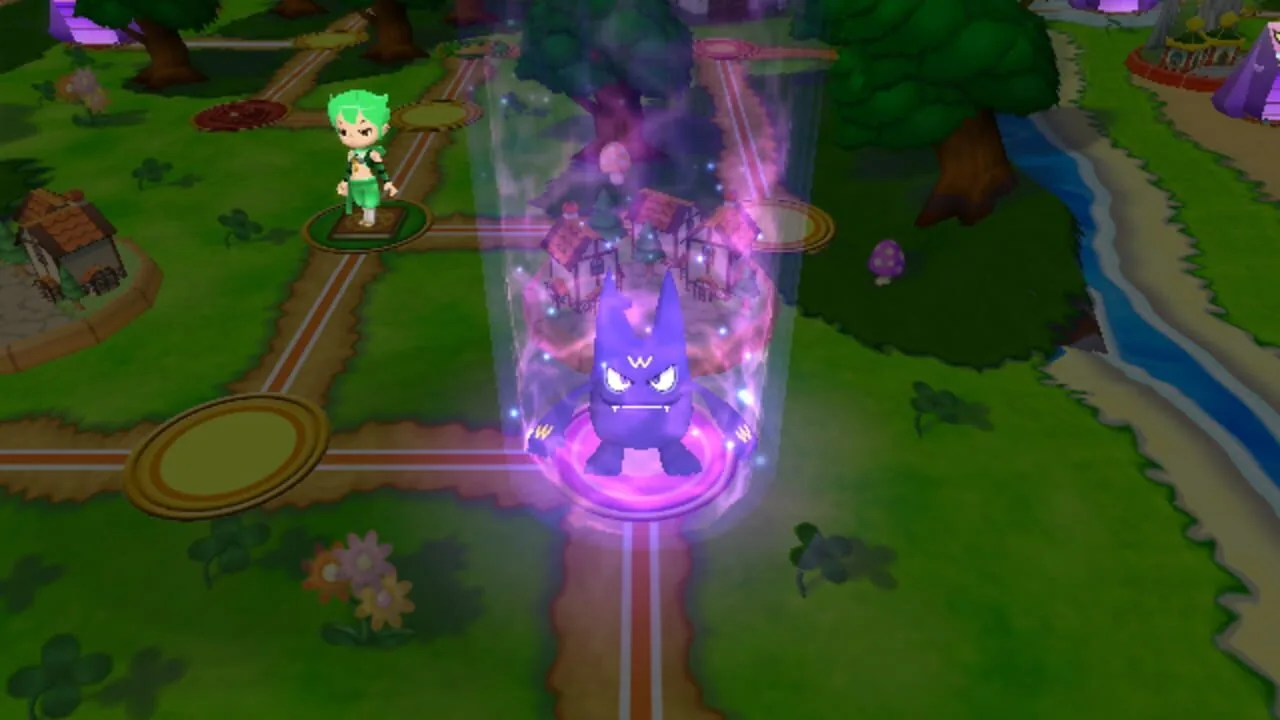
Dokapon Kingdom tells you to grab your soon-to-be-ex-friends, and then up to four players race to win a kingdom. It is a party RPG, and the party part is mostly about beating each other senseless. The Wii version is a port of the PlayStation 2 game, released in July 2008.
Players have the freedom to choose which direction they want to go. That freedom includes the freedom to wreck your friends, and the board gives everyone plenty of ways to do it. Friendships have ended over less. Four players take turns on a board where every turn can flip the lead, and the winner is whoever picks the right moment for revenge. Never play it with anyone who holds a grudge.
14. Spectrobes: Origins (2009)
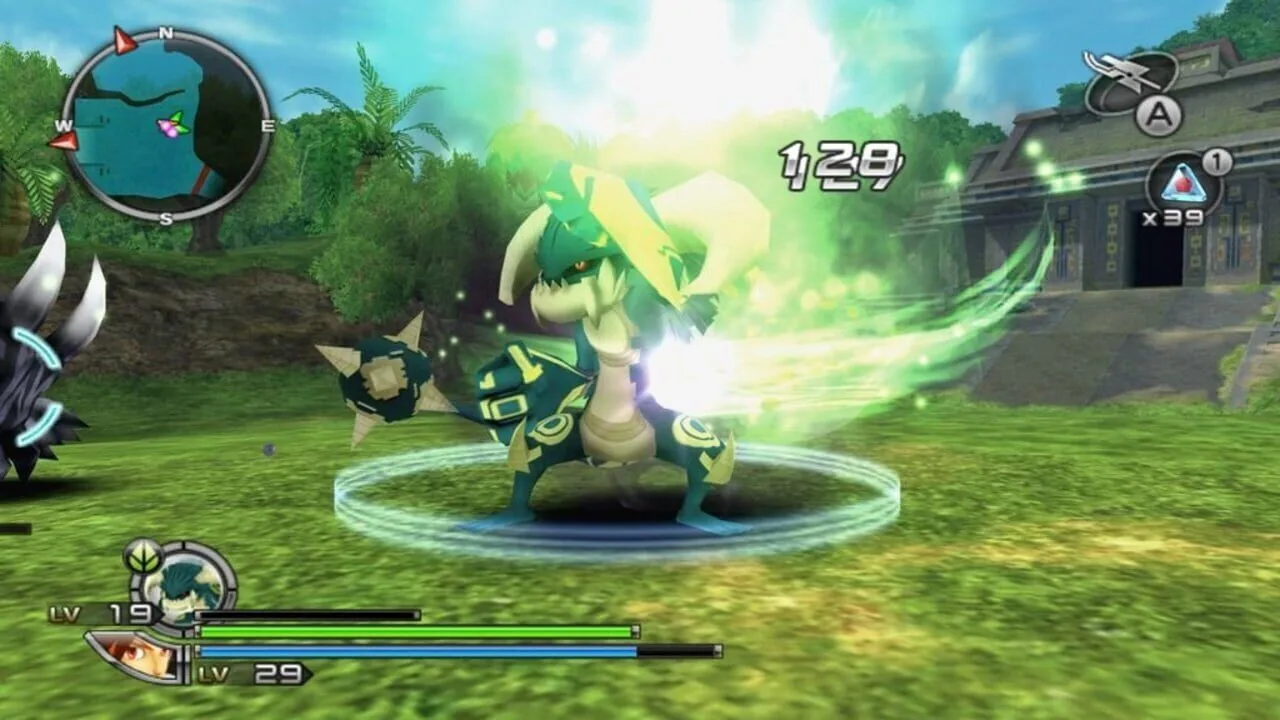
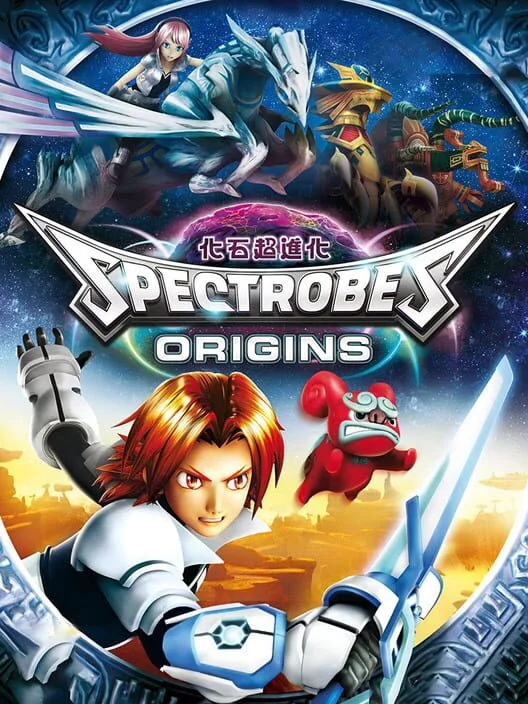
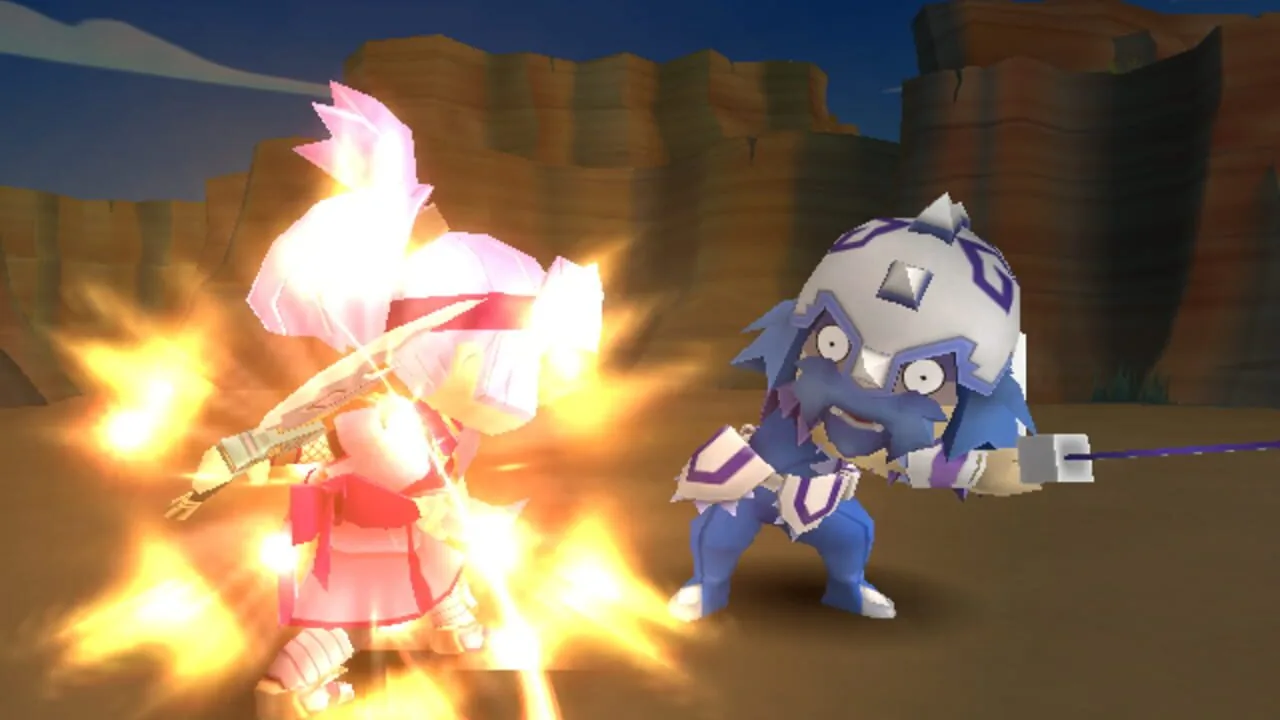
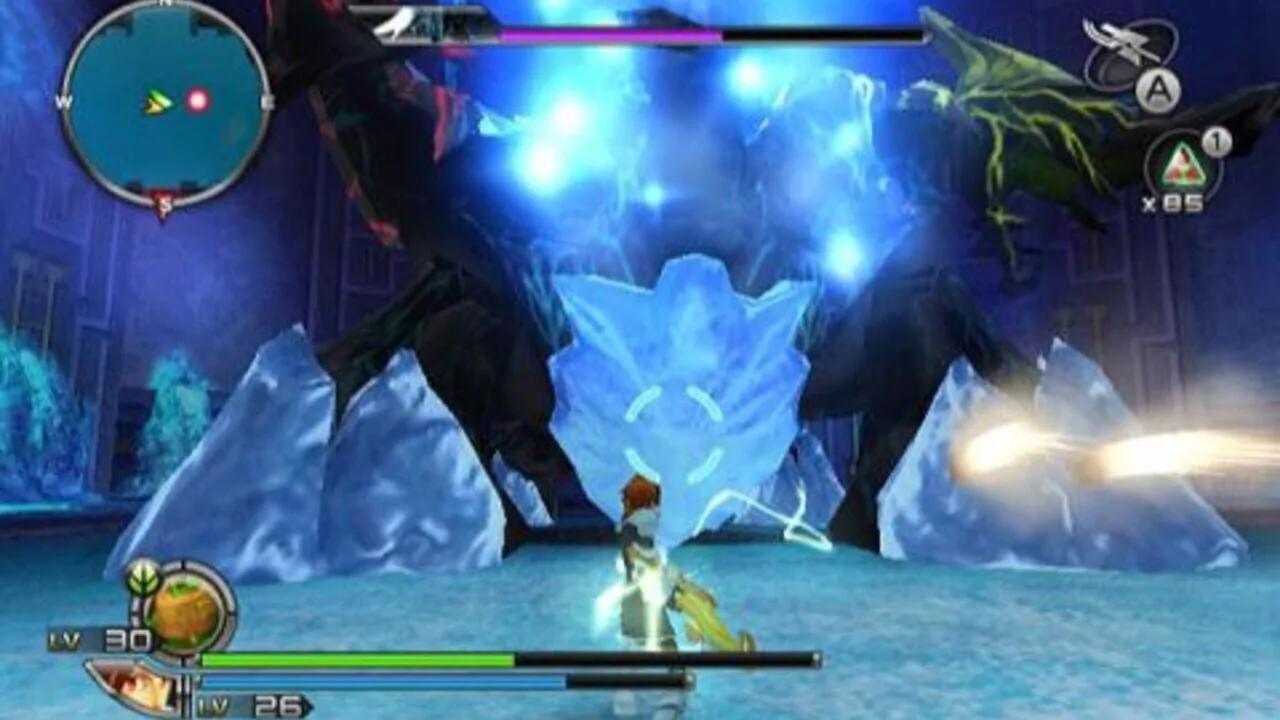
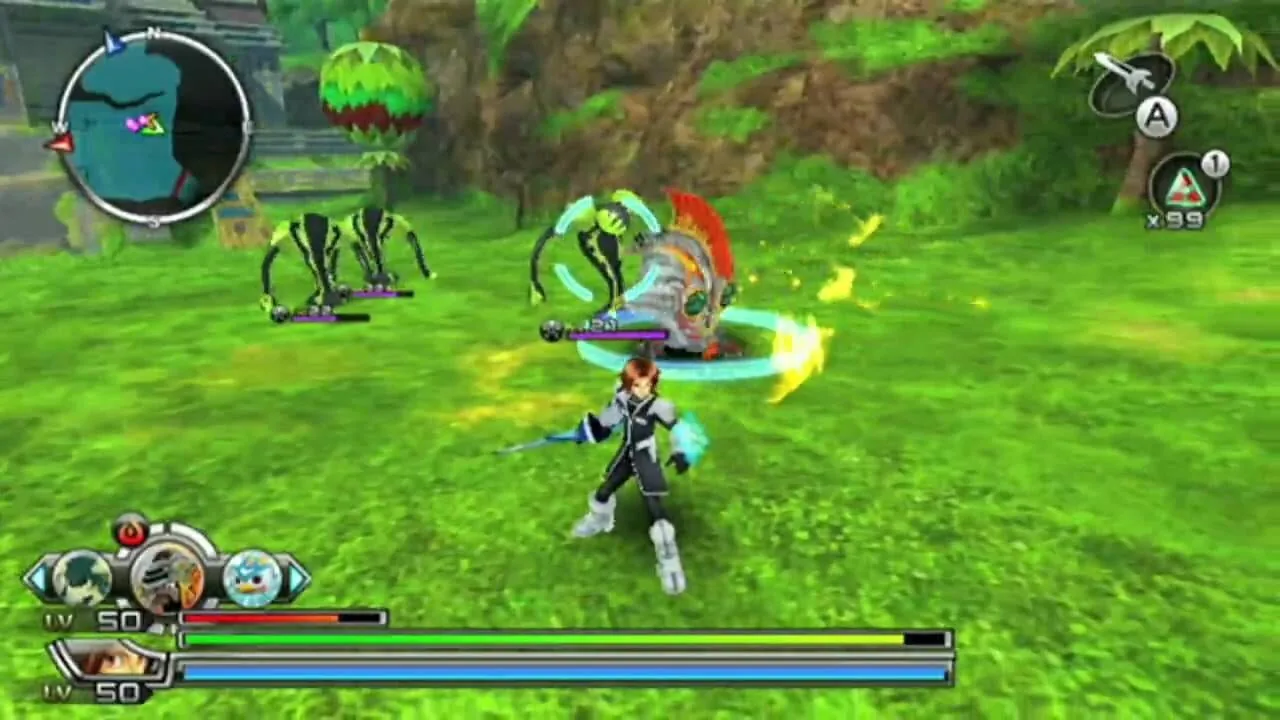
Spectrobes: Origins mixes monster battling with real-time action. You manage which creature is out and fighting while you run your own character around, in combat that feels like Monster Hunter lite. Different weapons let the human leads change styles, from a leaf-based blade to an electric gauntlet.
Your monsters and your humans both level up. Digging up fossils for new Spectrobes keeps the loop moving. It is the only Spectrobes game made by Genki and the only one exclusive to the Wii. Rallen and Jeena are sent through a portal to a star system that a massive army of Krawl is invading. It came out in the US in August 2009. Collecting creatures is a habit, and this game knows it.
13. Super Paper Mario (2007)
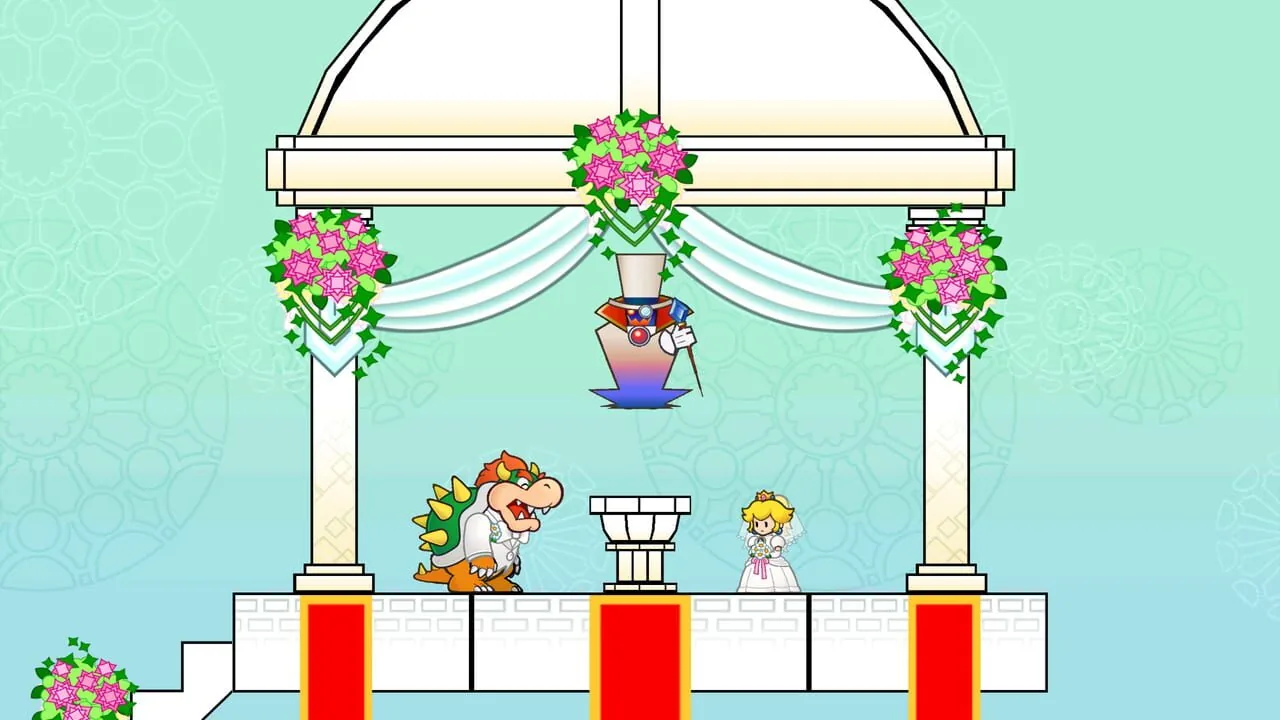
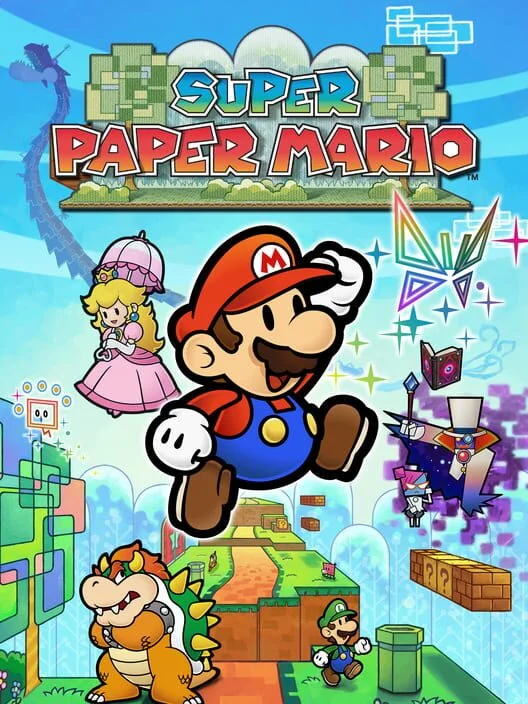
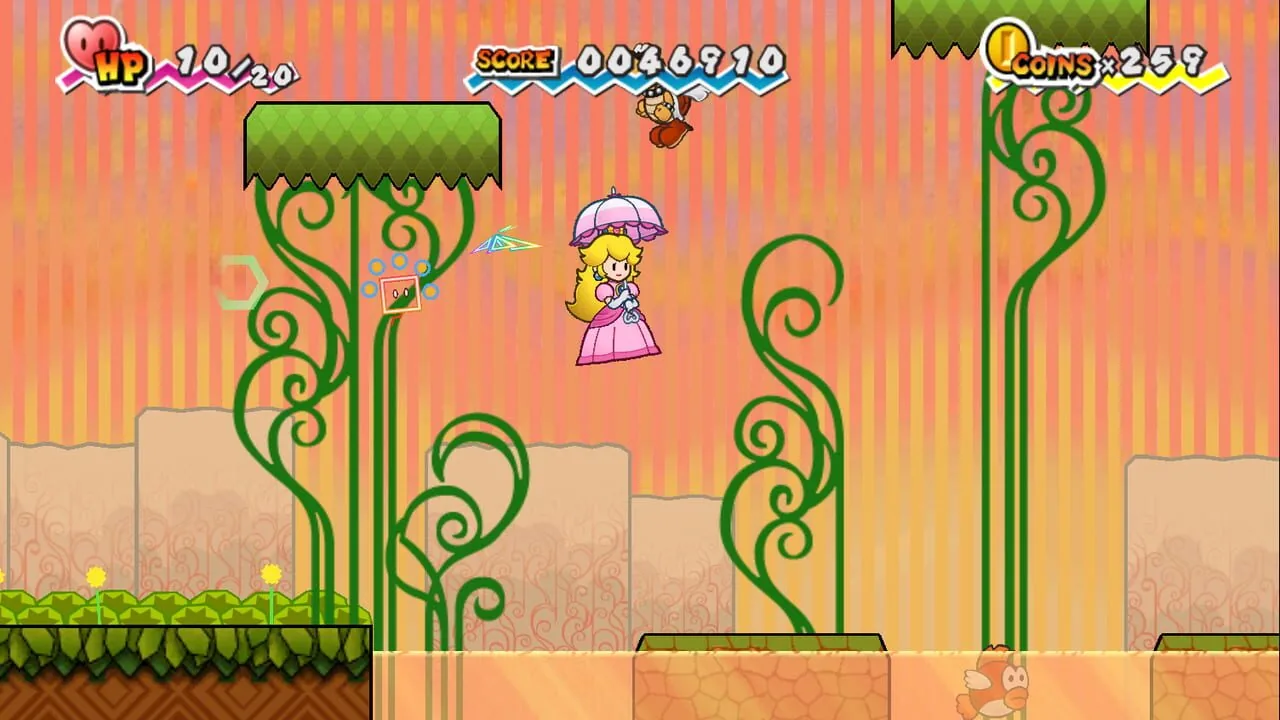
Super Paper Mario looks at first like a 2D side-scroller ripped from the pages of the Paper Mario universe, and then it turns into a dimension-shifting platformer. It is the third Paper Mario game and the first Mario game on the Wii. Earlier Paper Mario games were turn-based, but this one mixes RPG ideas with side-scrolling platforming.
Critics praised the gameplay and the dimension-flipping mechanic, though the large amount of text drew some criticism. It sold more than four million copies, which makes it the best-selling game in the series. It is the strangest Paper Mario, and it's still a Paper Mario, which means the writing is the best reason to play. You flip between 2D and 3D to find hidden paths, and the jokes keep coming.
12. Rune Factory Frontier (2008)
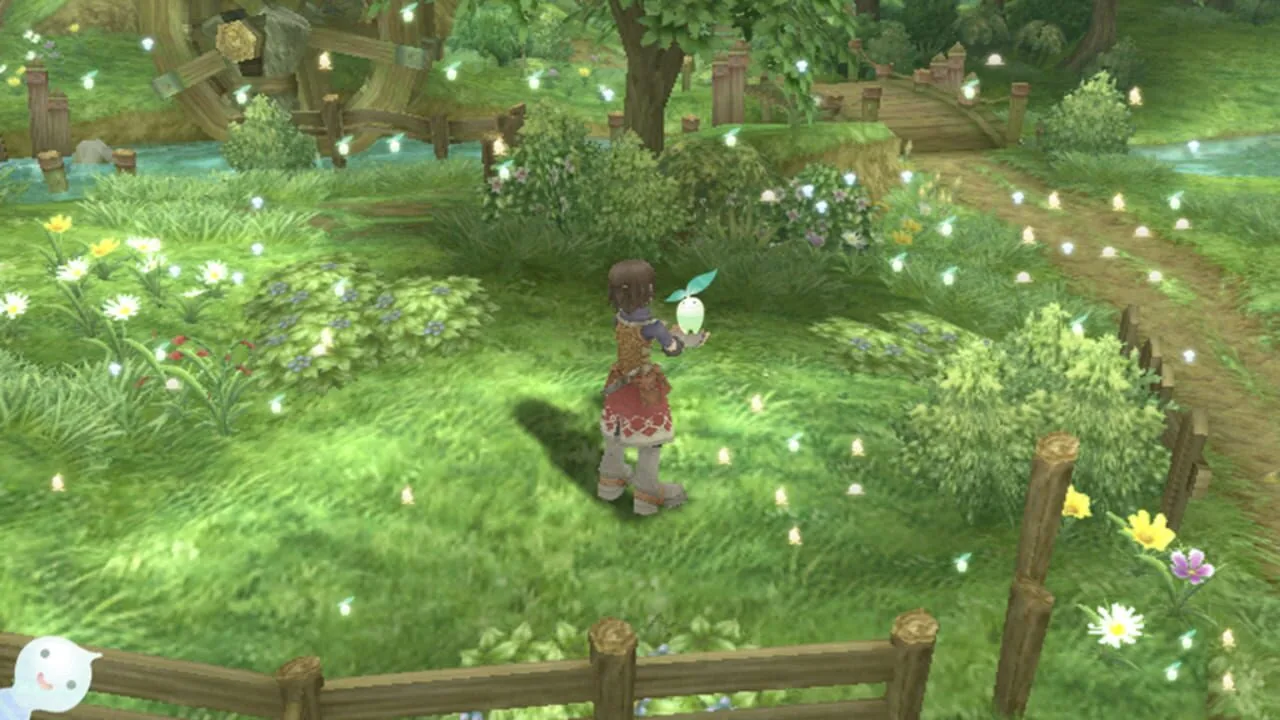
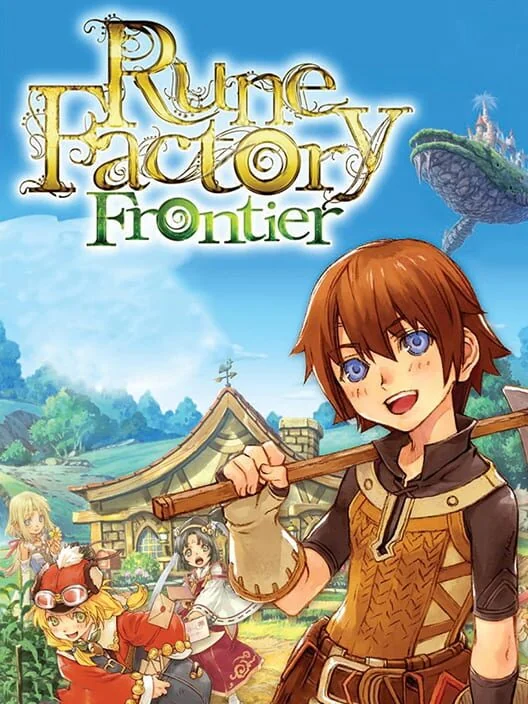
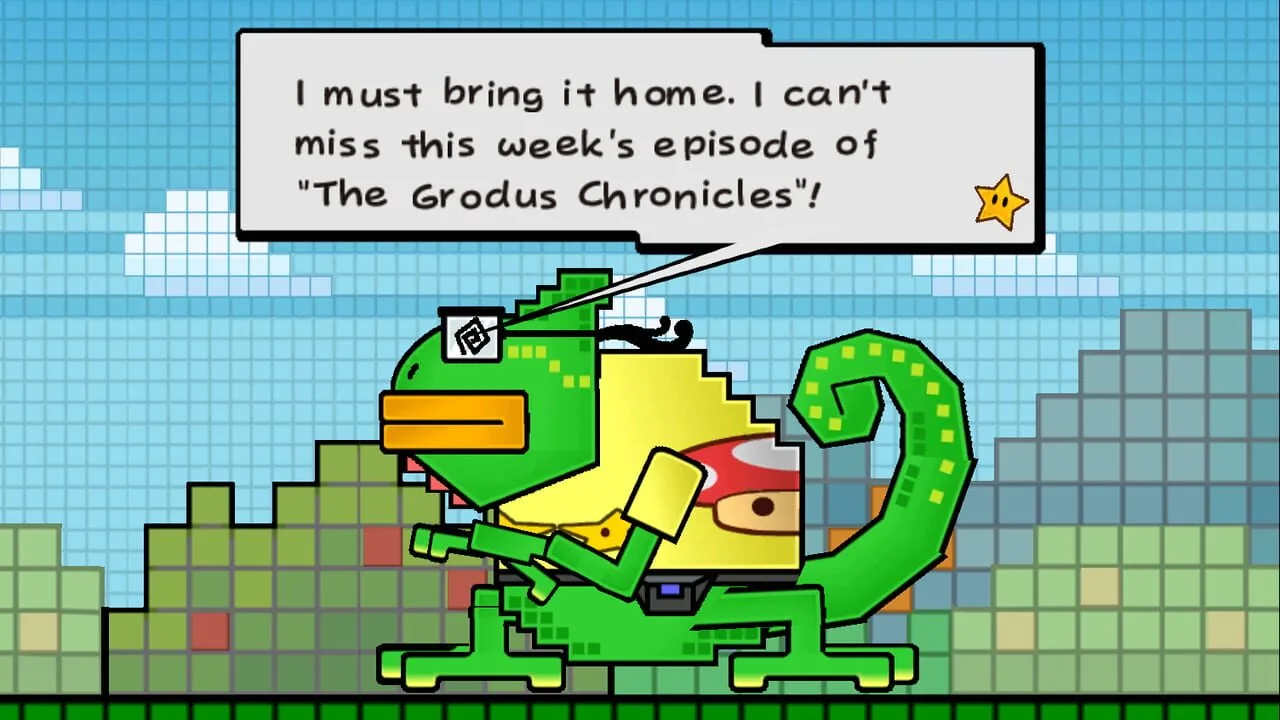
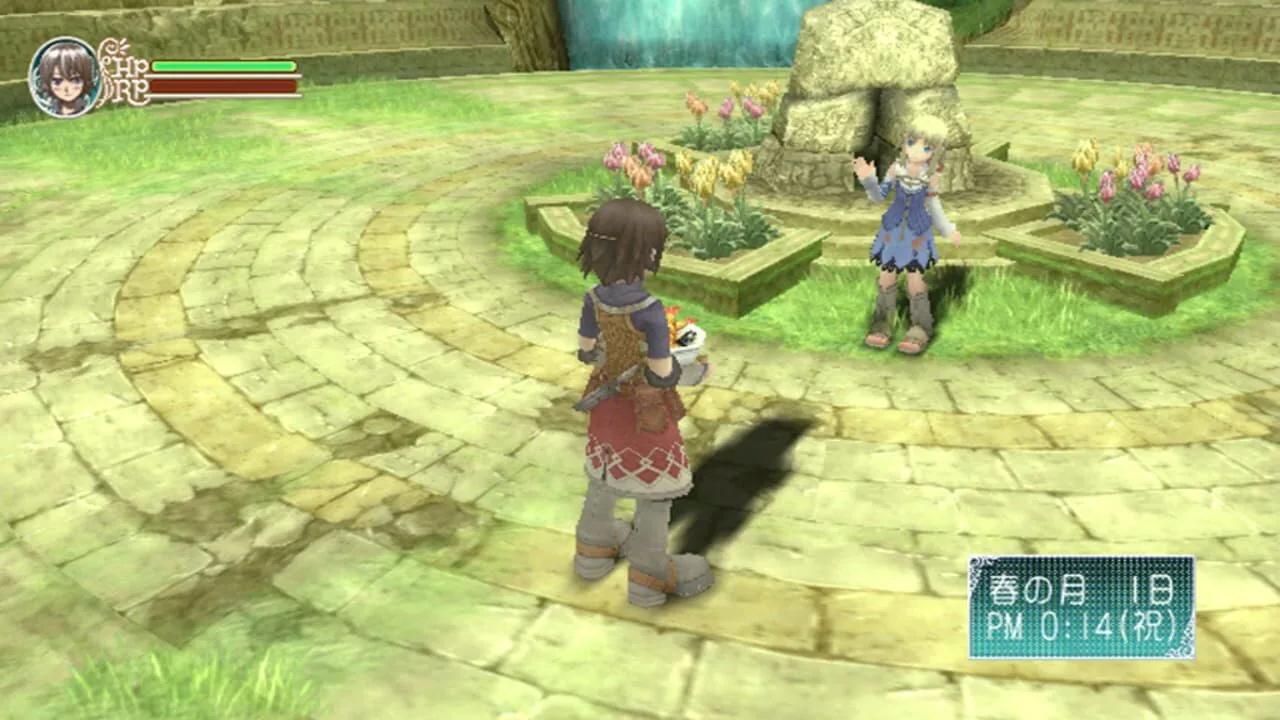
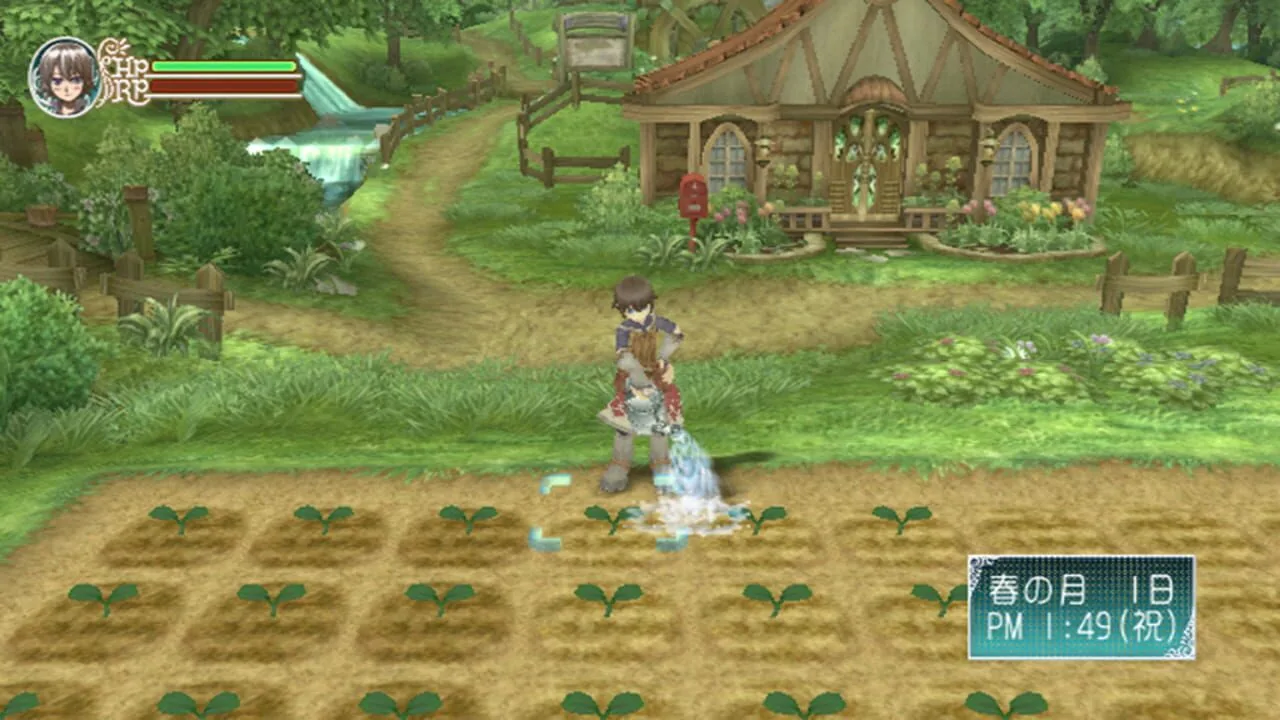
Rune Factory Frontier gives you a farm with four seasons, and crops you can sell for gold. Farming is only half of the game, though. The other half is dungeon crawling. You can even grow crops inside the dungeons.
The fourth dungeon, Whale Island, works in every season, so you can grow anything there at any time. You can also win affection by taking part in festival competitions. It is a farming sim with dungeons, or a dungeon crawler with a farm, and players happily argue about which half is the fun part. Fans of farming sims will know the daily routine, and the dungeons give it teeth. It is cozy, until a boss shows up.
11. Shiren the Wanderer (2008)
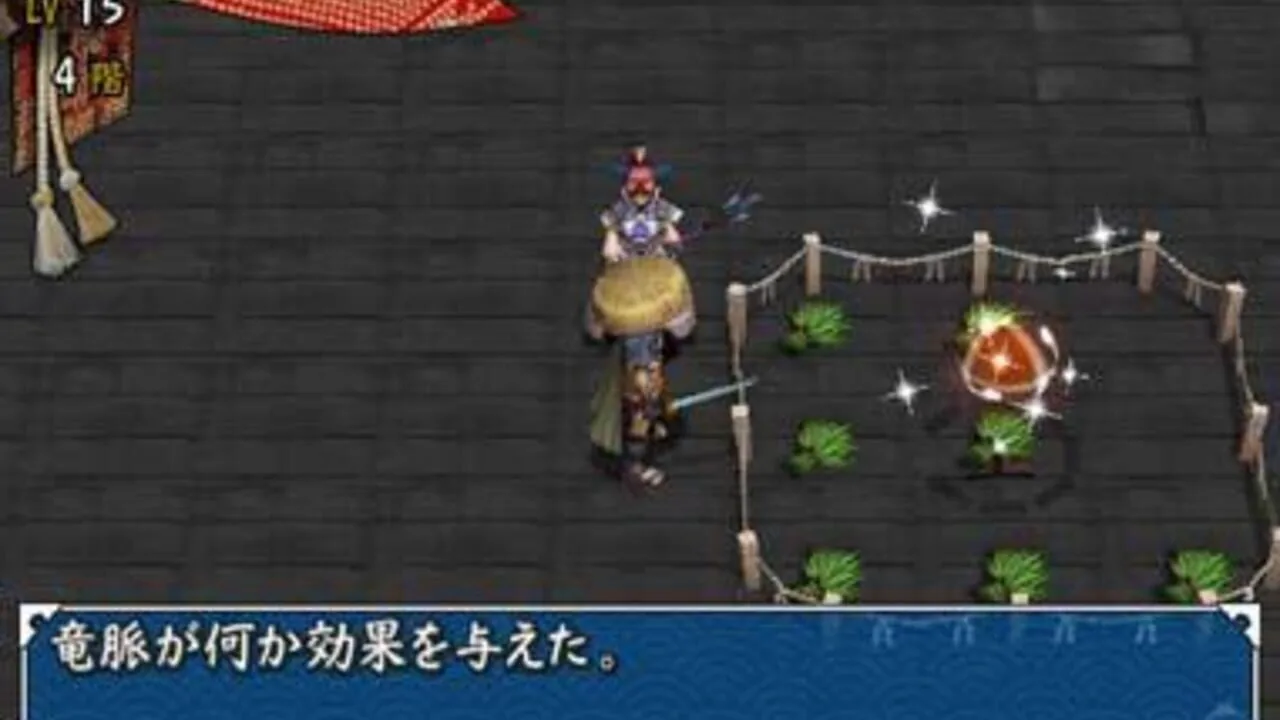
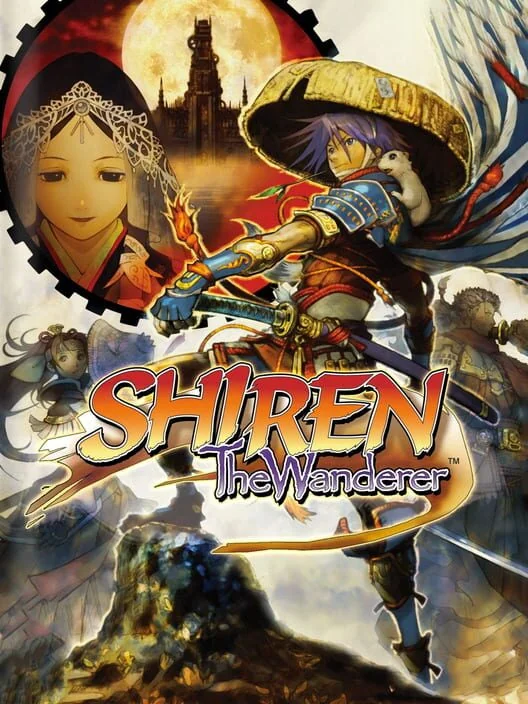
Shiren the Wanderer and his sidekick Koppa run into an old friend they call Sensei, who is both Shiren's uncle and his master. Sensei hands over a key said to unlock the legendary Karakuri Mansion, a labyrinth of traps and treasure. It is the third main game in the Shiren series, which is part of the larger Mystery Dungeon family.
The Japanese release slipped from February to June for quality assurance and bug fixes. North America got it in February 2010, nearly two years after Japan. It is a dungeon crawler that punishes every mistake, and it is very proud of that. Expect to lose your gear and start over, and expect to keep coming back. It is not a game that forgives.
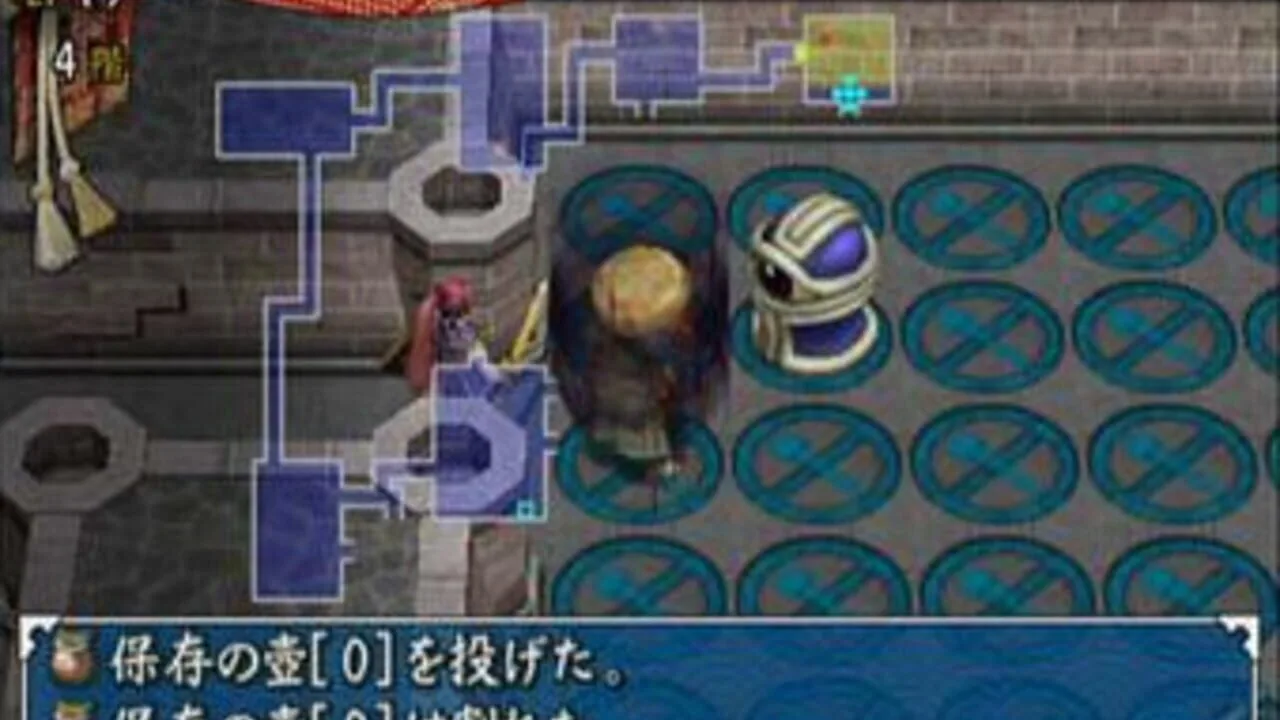
10. Fragile Dreams: Farewell Ruins of the Moon (2009)
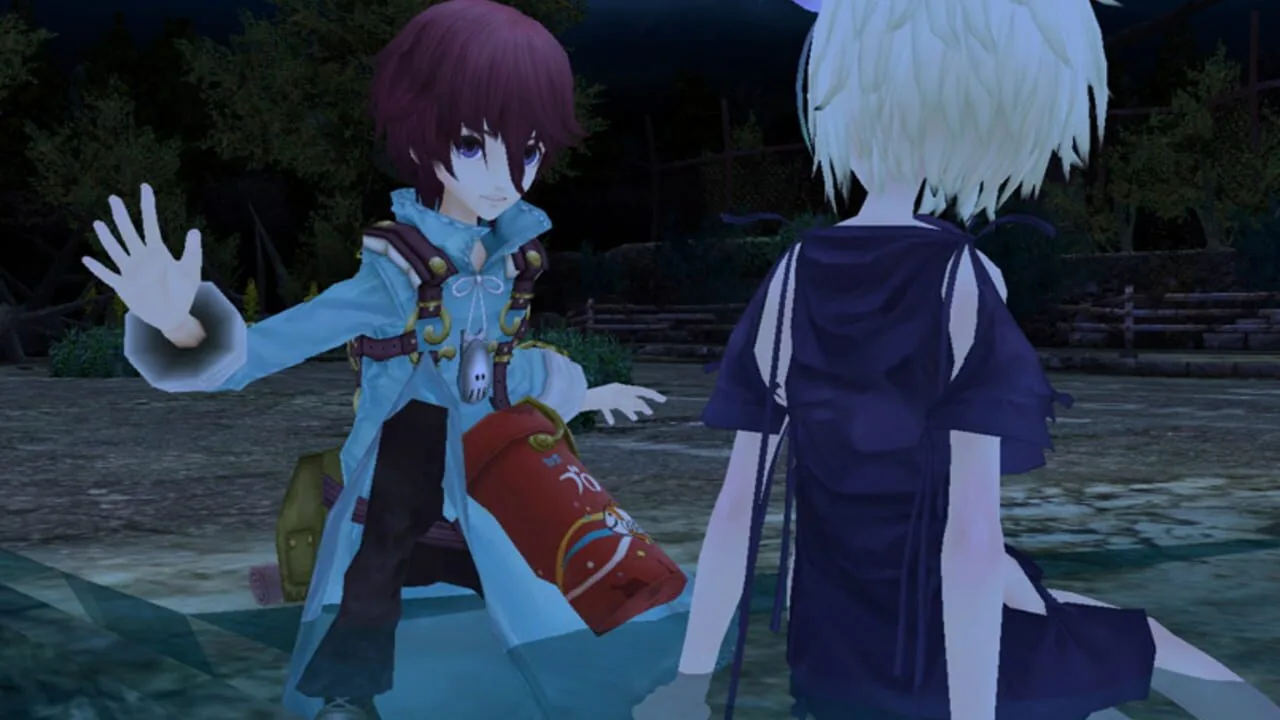
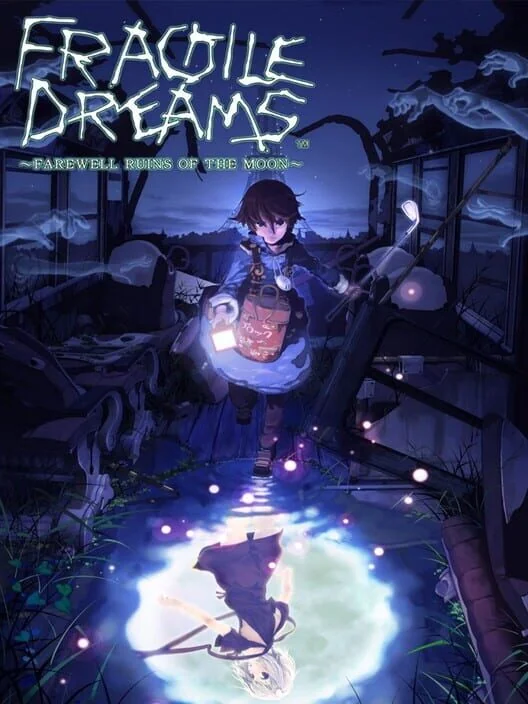
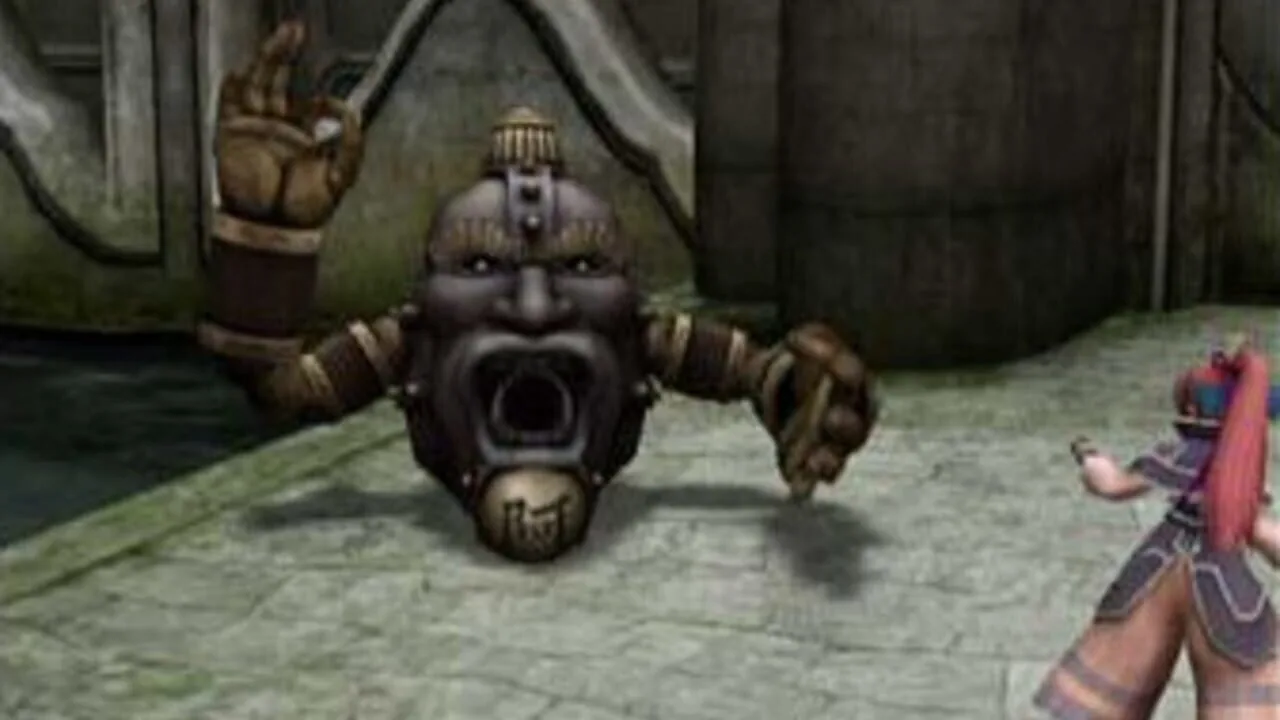
Fragile Dreams is set after an apocalyptic event that wiped out most of mankind. Young Seto finds a note from his late grandfather telling him to travel to the red tower that lights up the night sky. Pointing Seto's flashlight at something plays its sounds through the Wii Remote's speaker.
Objects such as origami, cell phones and books hold the memories of their former owners. The Nunchuk moves Seto, who can crouch to hide and crawl through small spaces. It is an action-adventure game with light RPG elements, built around exploring desolate surroundings. It is one of the saddest games on the Wii. Namco Bandai released it in Japan in January 2009.
9. Sakura Wars: So Long, My Love (2005)
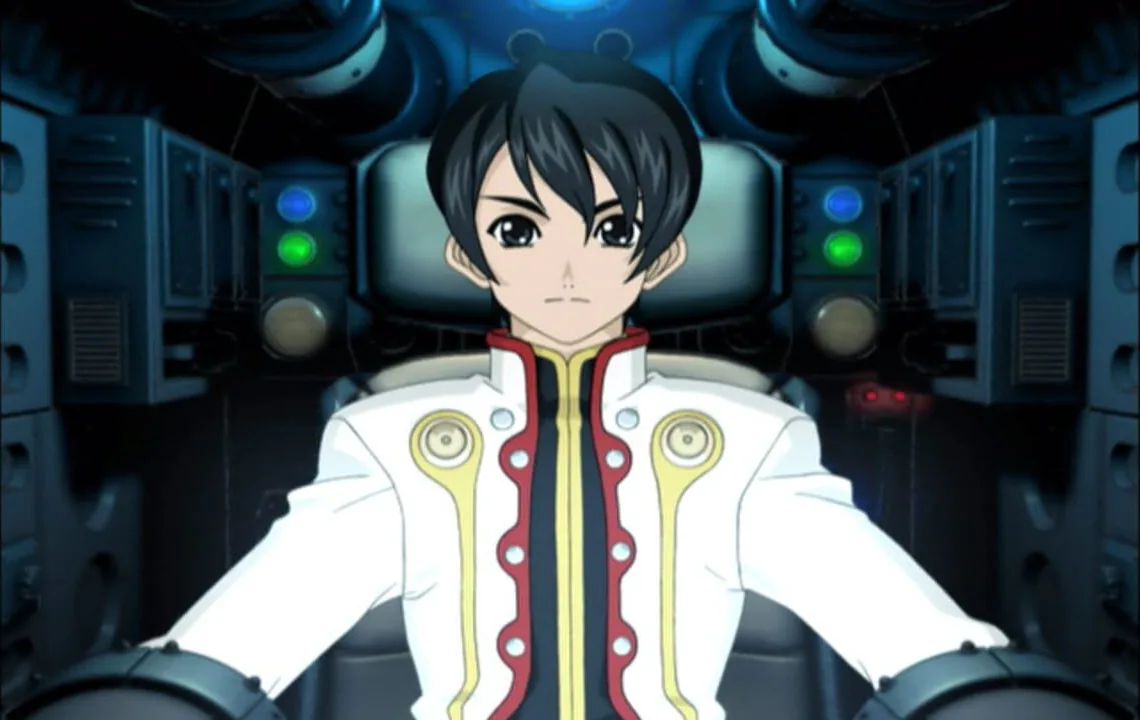
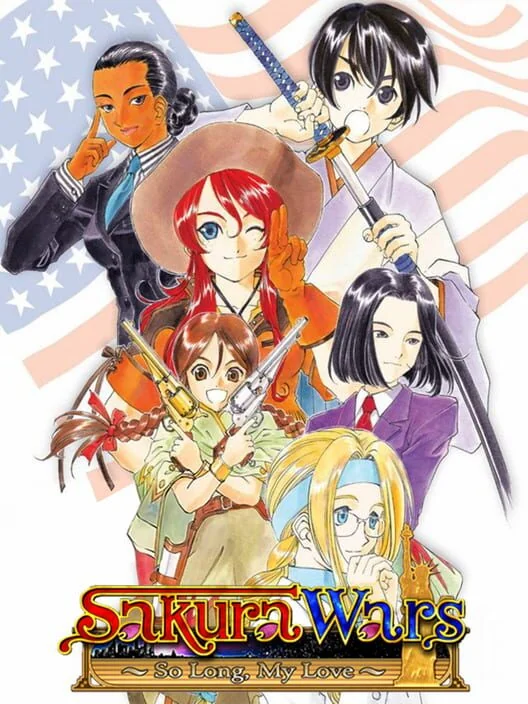
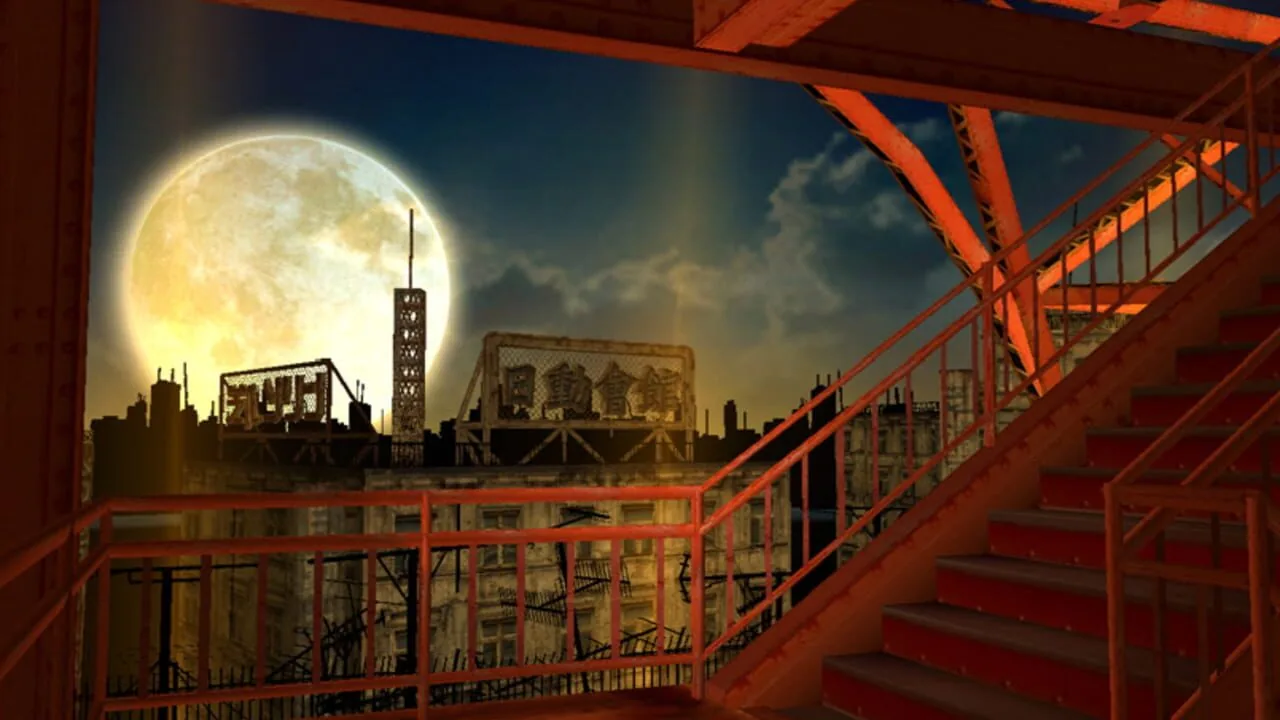
Sakura Wars is a strategy RPG with a sim-style story: how you answer the other characters can change the story and even the ending. Battles happen on the ground and in the air, because every mech can transform into a jet fighter mid-fight. It follows Shinjiro Taiga, a Japanese naval lieutenant sent to New York City to train with the New York Combat Revue.
It is the fifth main game in the series, and the first Sakura Wars game to be localized in English. The localization took NIS America two years, its largest project at the time. That is a lot of work for a niche game, and it paid off for fans who had waited years for it in English.
8. Opoona (2007)
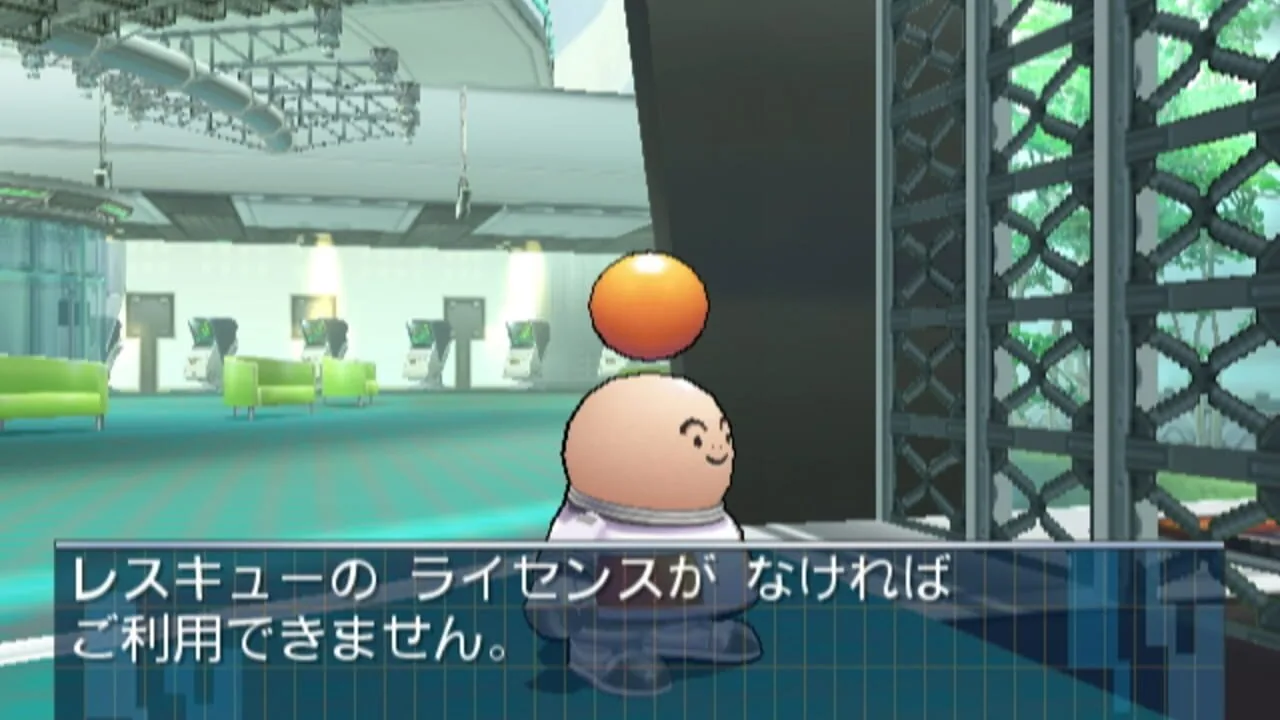
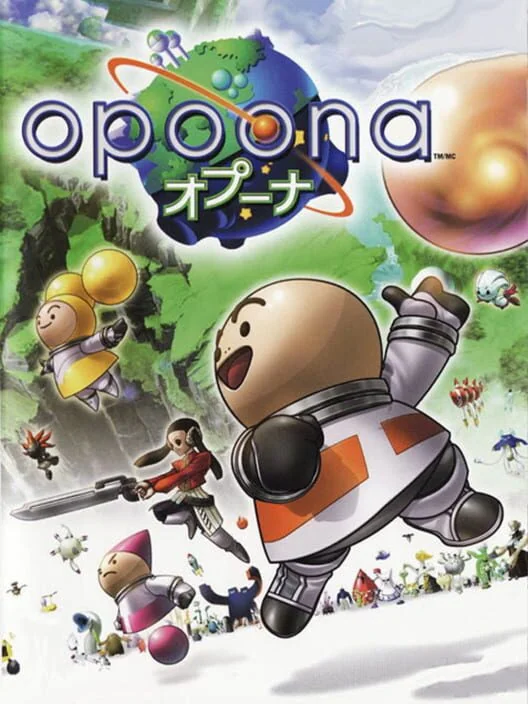
During a family vacation in space, young Opoona crash lands on Planet Landroll and gets separated from his family. He has to find a job and look for his siblings while the Dark Rogues menace the planet. The game can be played one-handed using just the Nunchuk.
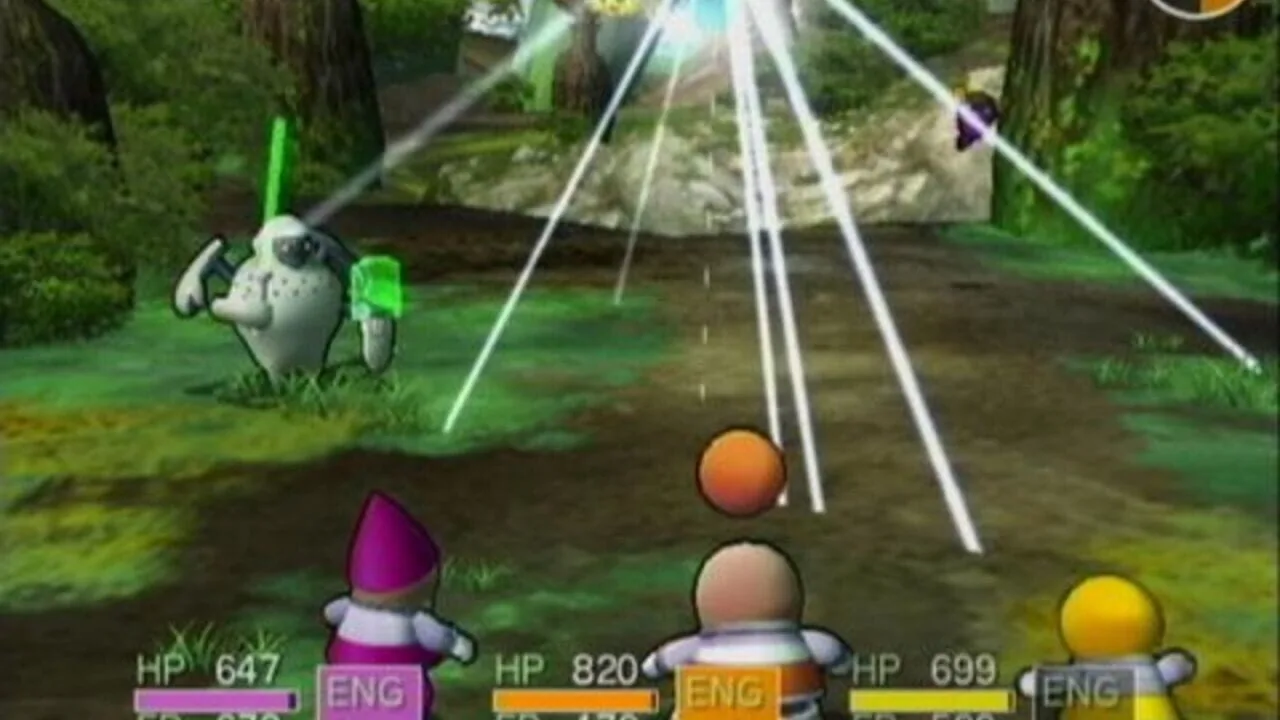
He fights with Energy Bonbons in an action-oriented battle system. Former Dragon Quest art designer Shintaro Majima was the lead artist. Hitoshi Sakimoto, best known for Final Fantasy XII, produced the soundtrack. It is the only RPG on this list you can play while eating a sandwich. ArtePiazza made it, a company that has worked on Dragon Quest games. It starts slowly, but the adventure gets bigger the longer you stay.
7. Fire Emblem: Radiant Dawn (2007)
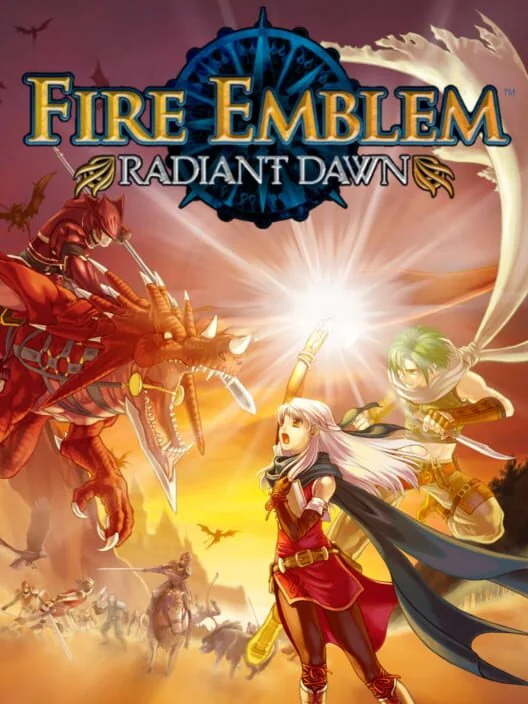
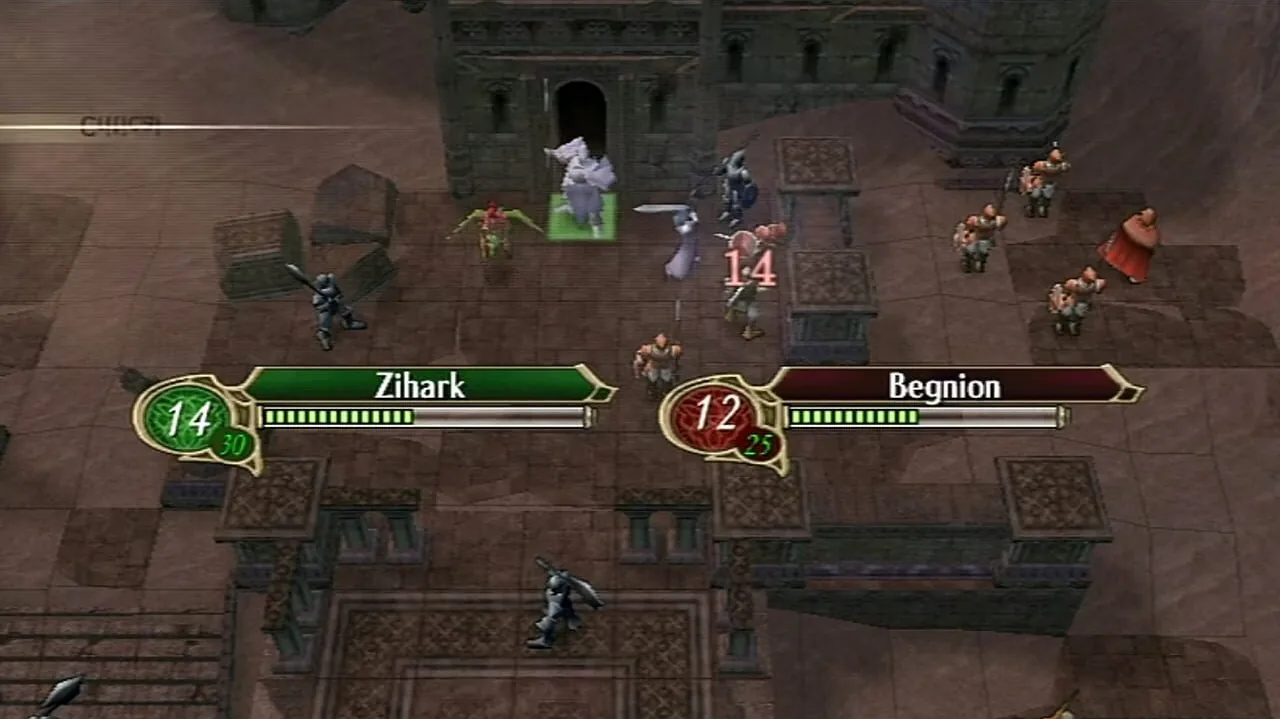
Radiant Dawn is a turn-based tactics RPG and a direct sequel to Path of Radiance on the GameCube, set three years later. It adds new magic and class upgrades, and reworks the forging system. You can carry over data from the GameCube game, but only from a normal or hard save, because a bug freezes the Wii if an easy mode save is on the memory card.
Development began in 2005, after the success of Path of Radiance. Critics praised the core gameplay, though the high difficulty and the lack of motion controls drew complaints. The support system changed so that a unit can support any other unit, but each unit gets only one support relationship.
6. Arc Rise Fantasia (2009)
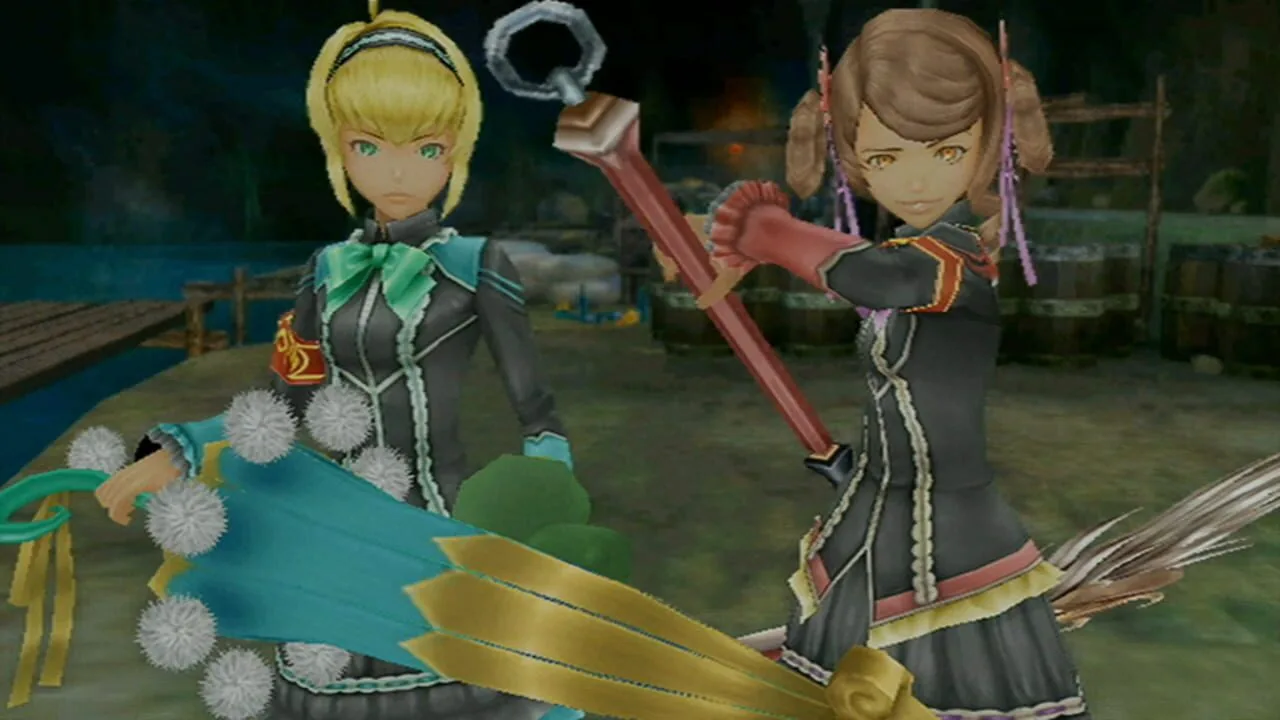
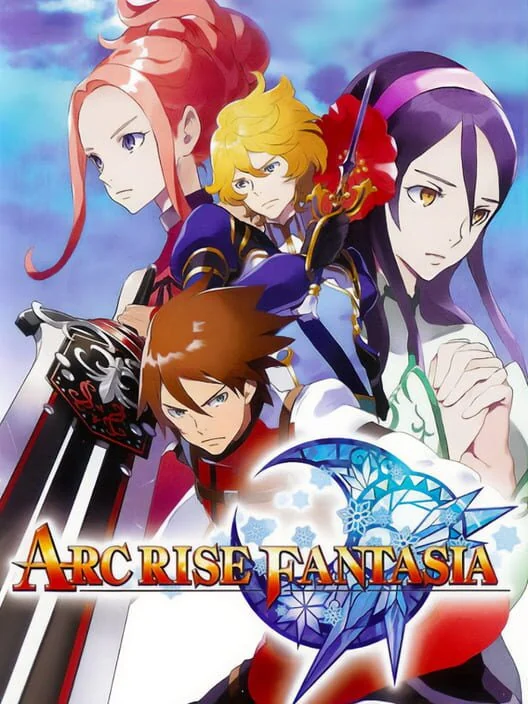
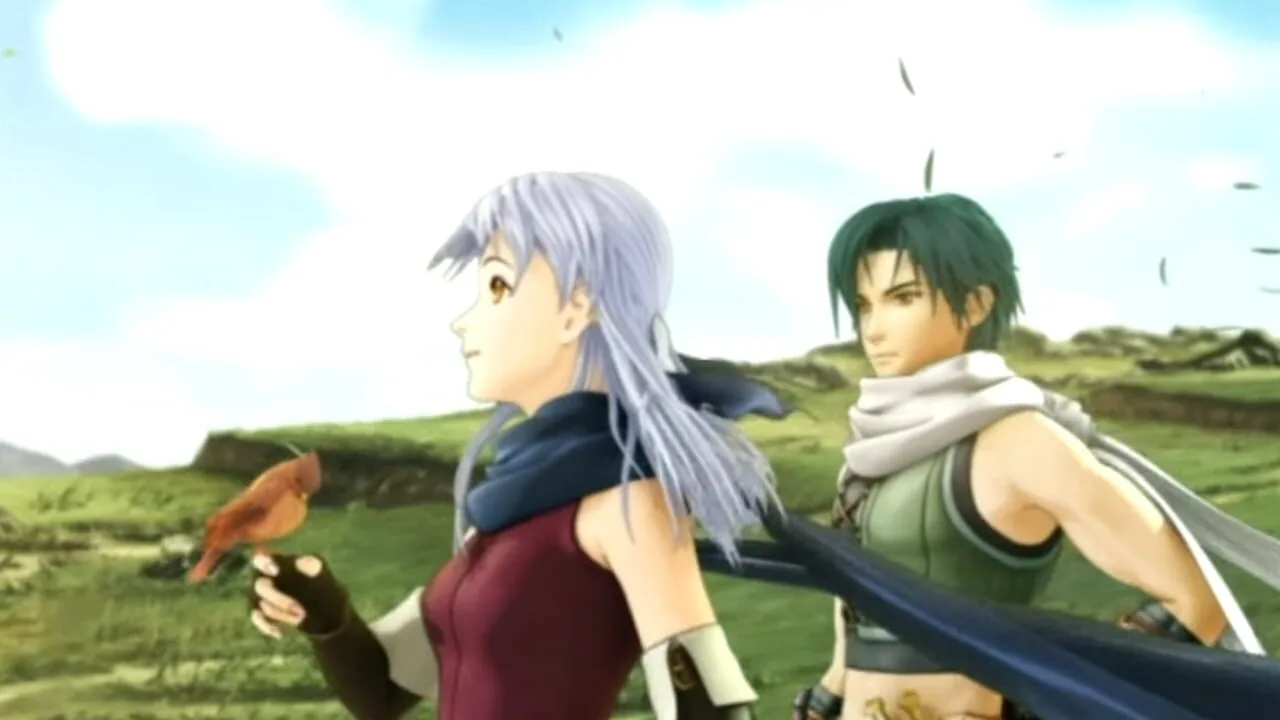
Arc Rise Fantasia comes from Image Epoch, the team behind the strategy RPG Luminous Arc, and it was made only for the Wii. It is classic Japanese high fantasy, with airships and dragons. Nintendo approached the developers about making an RPG for the Wii, and production lasted three years.
Yasunori Mitsuda worked on the music alongside two other composers. It sold poorly and critics were mixed, but most of the praise went to the battle system. The English dub was the recurring complaint, and the publisher later admitted its poor quality. It is the most traditional RPG near the top of this list, and on the Wii that alone made it stand out. A planned European release was cancelled.
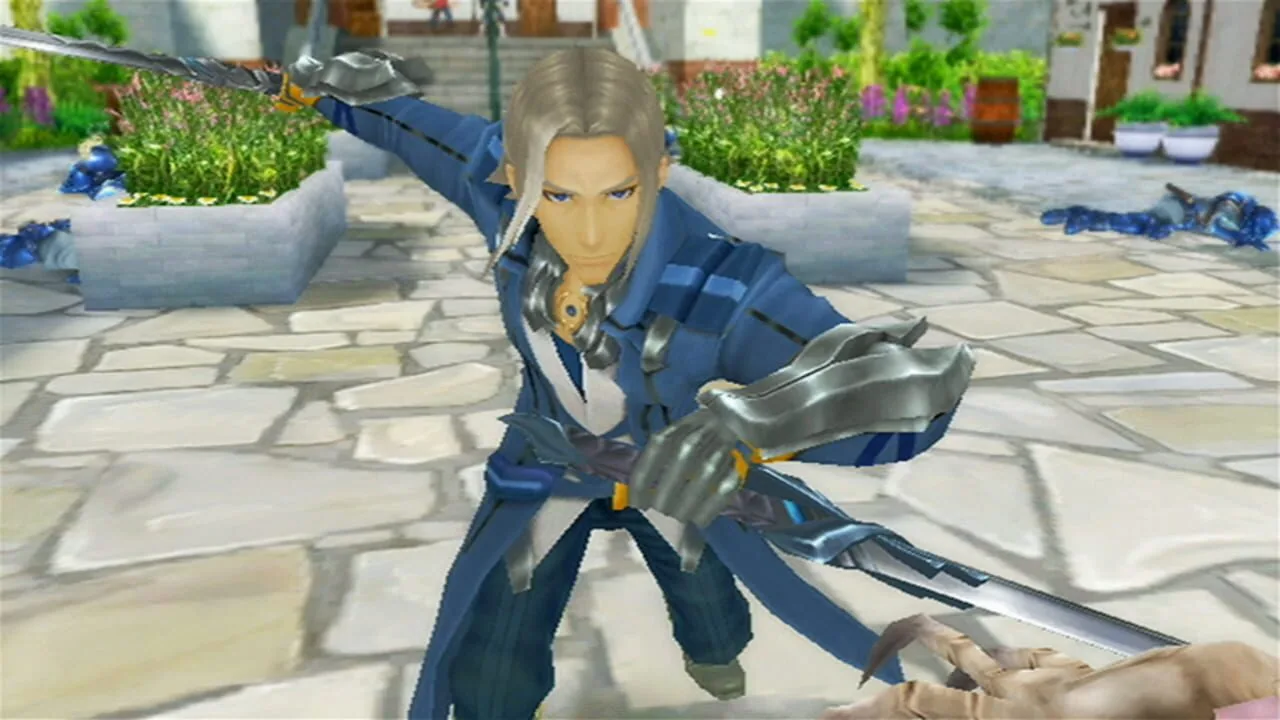
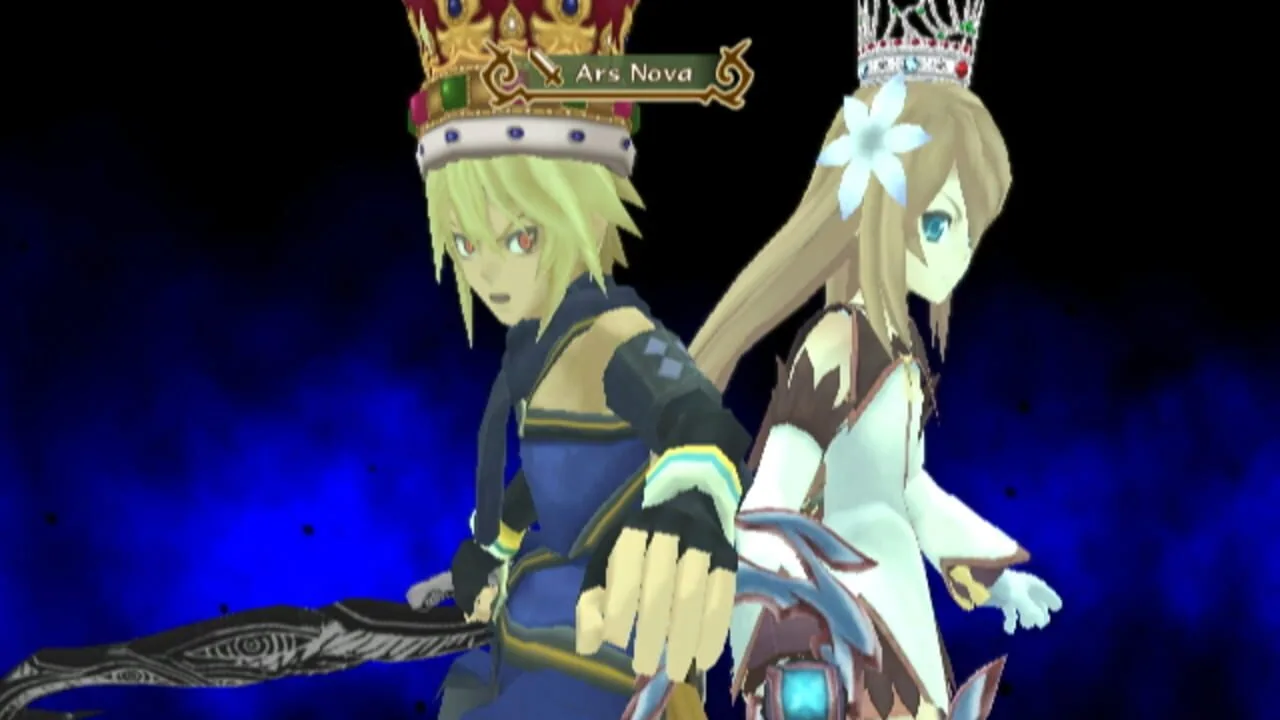
5. Tales of Symphonia: Dawn of the New World (2008)
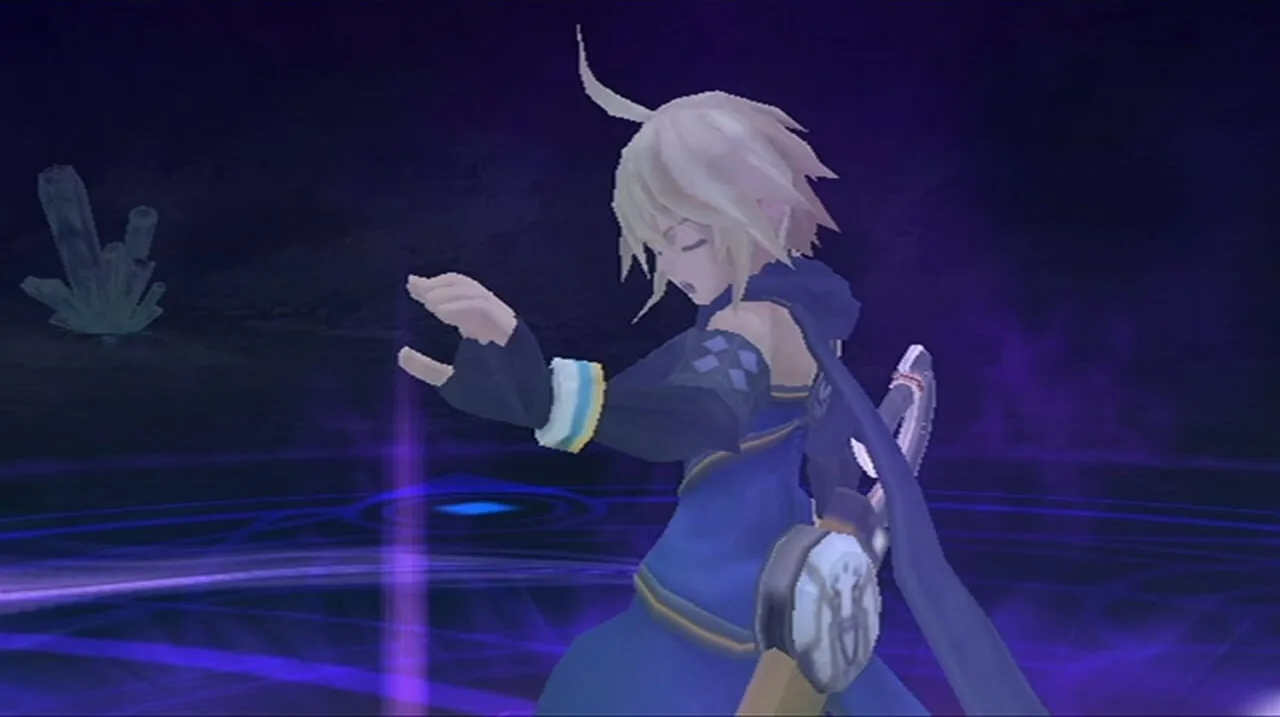
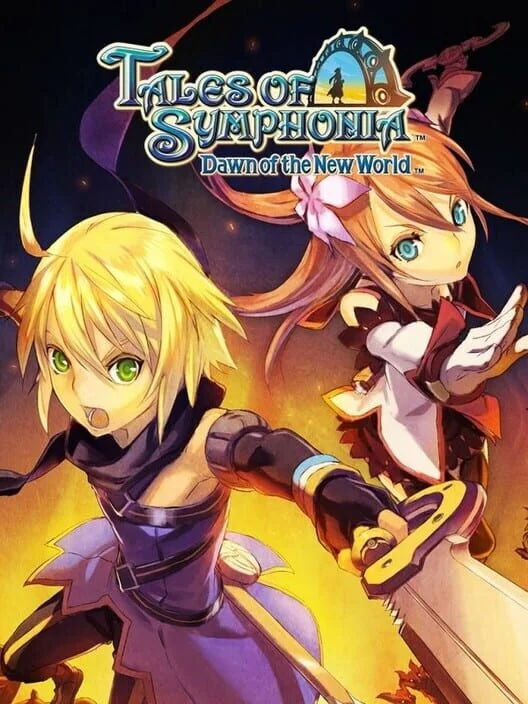
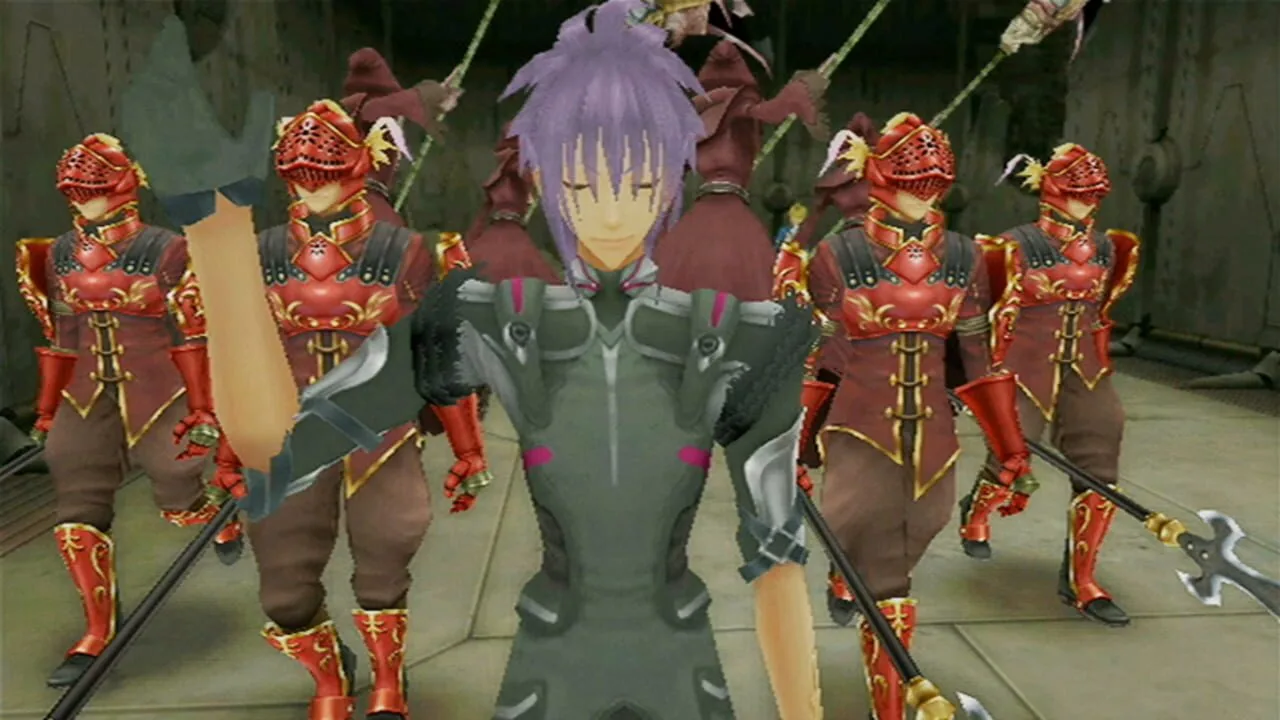
Dawn of the New World is set two years after Tales of Symphonia on the GameCube. Two new heroes, Emil Castagnier and Marta Lualdi, try to find out why their world has fallen into ruin. Along the way they run into Lloyd and Colette from the original cast.
It adds monster recruiting, with more than 200 enemies you can capture and train to fight alongside you. Ratatosk, a summon spirit who claims to be the lord of all monsters, presumably has opinions about that. It is the eighteenth main Tales game, as well as a spin-off and sequel to Tales of Symphonia. The only animated segment in the game is its opening sequence. In 2013 Bandai Namco announced a PlayStation 3 remaster of it.
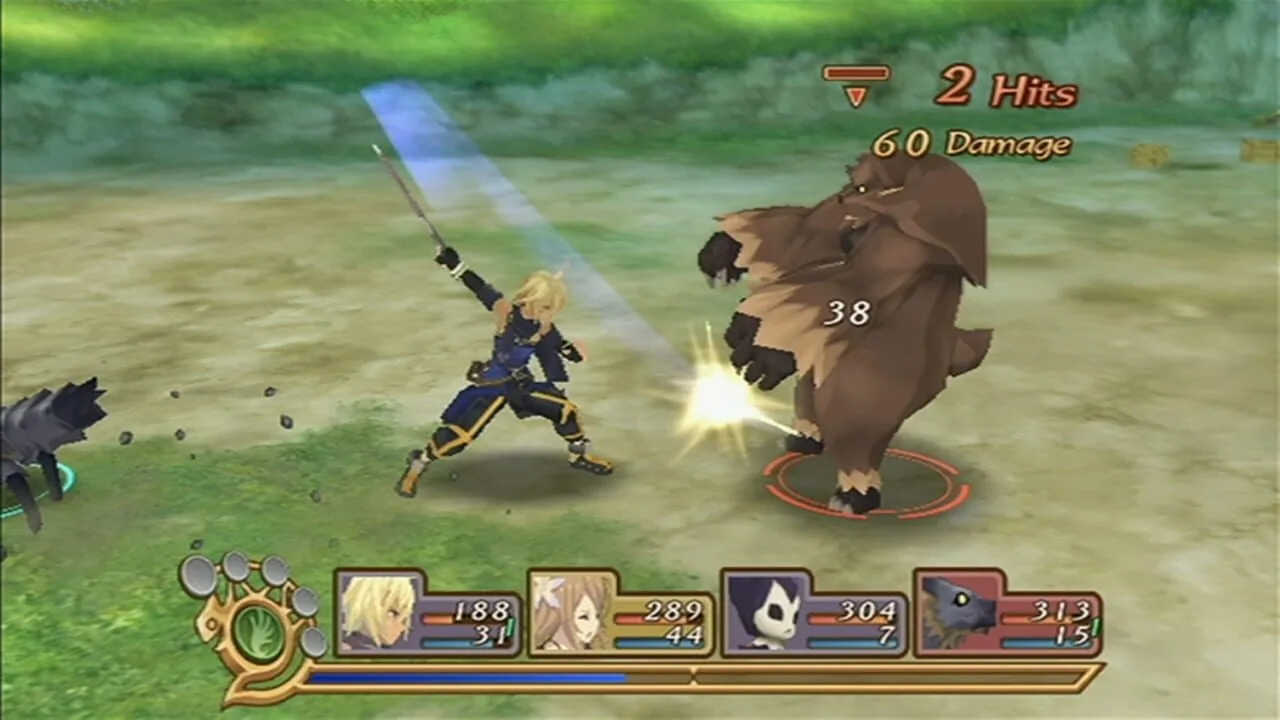
4. Muramasa: The Demon Blade (2009)
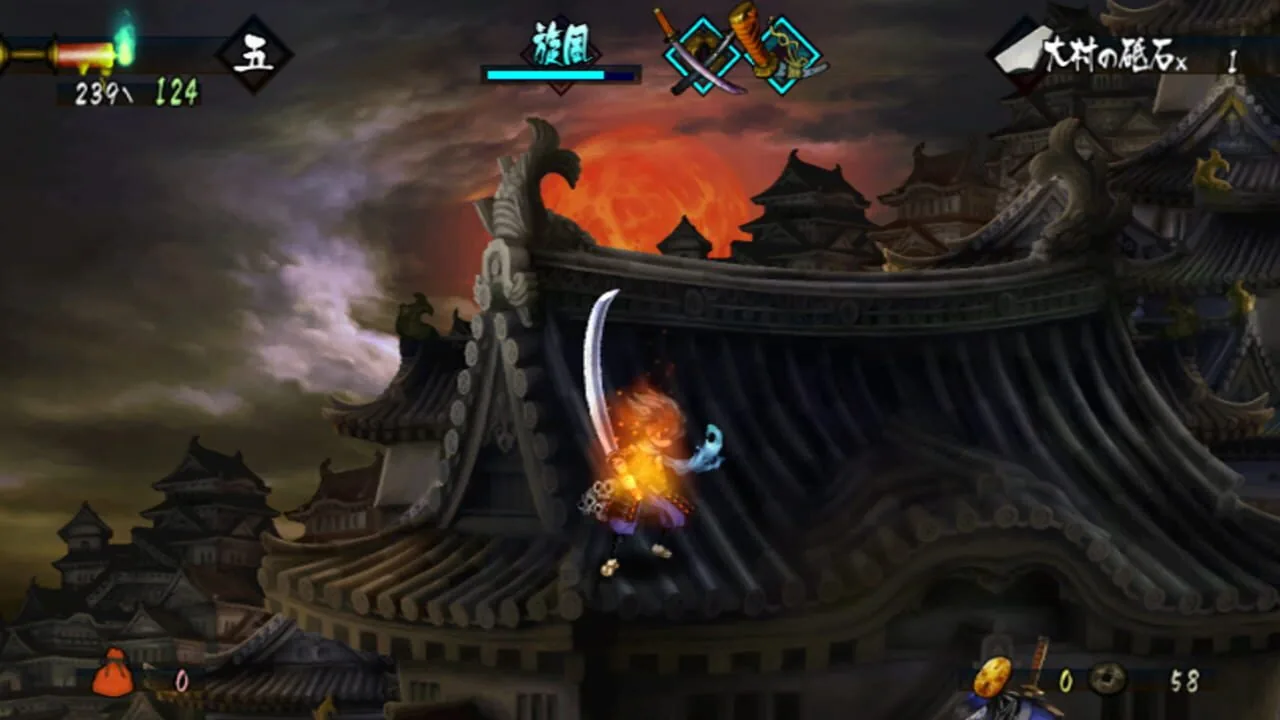
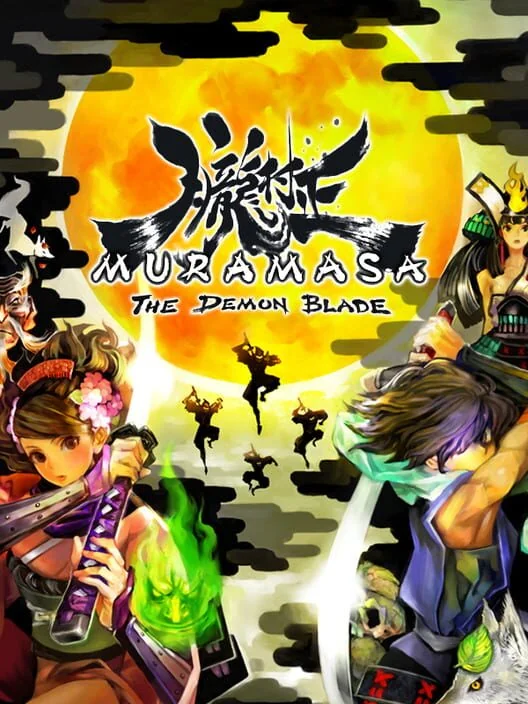
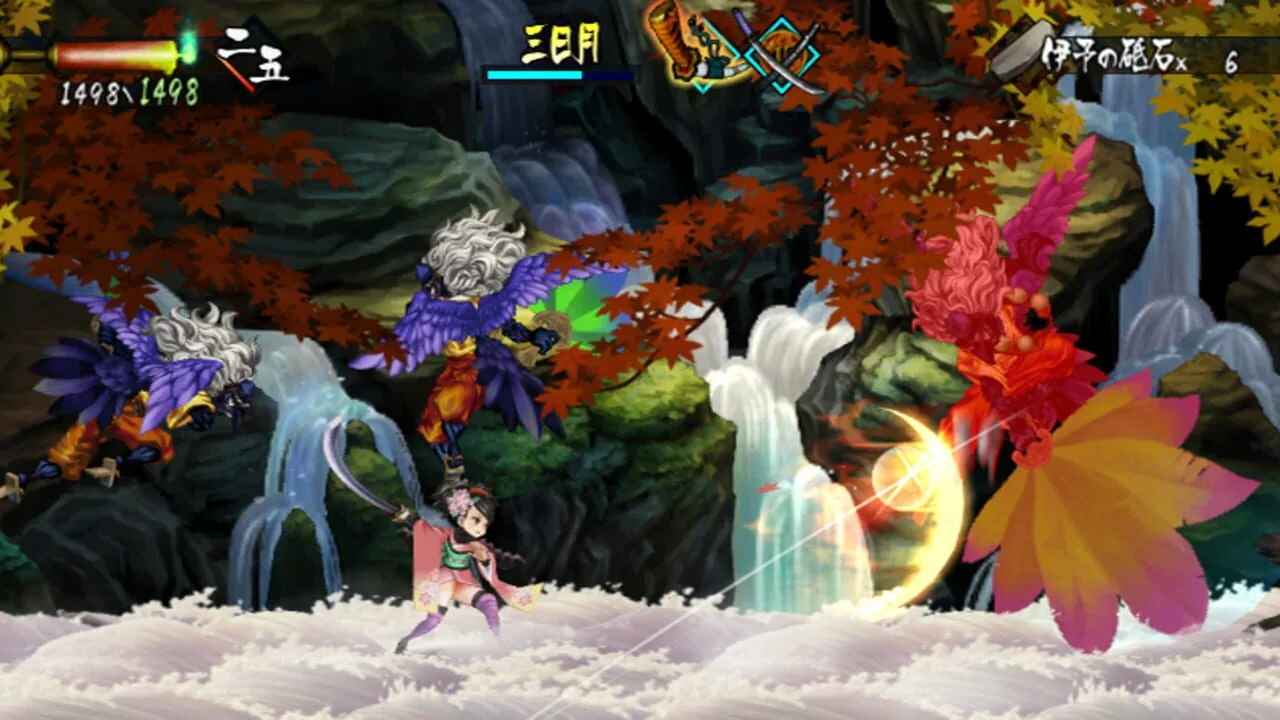
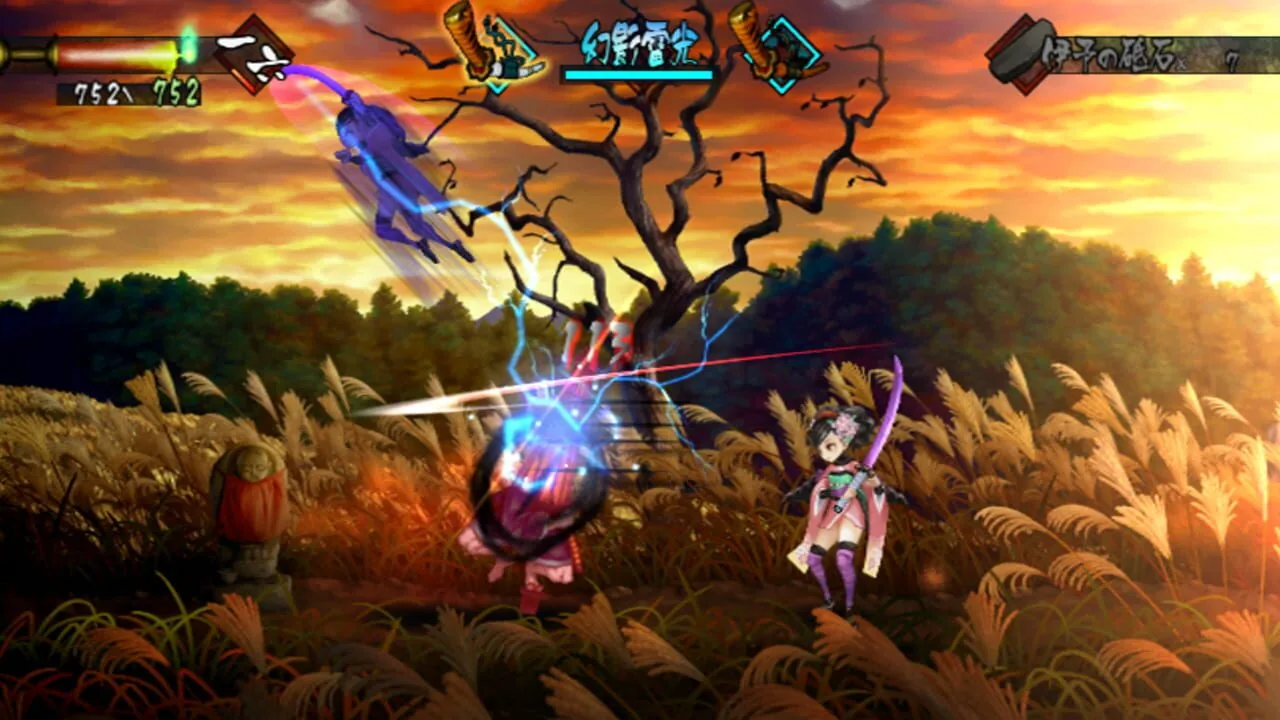
Muramasa is set in Japan's Genroku era, where the shogun's thirst for power sparks a fight over the cursed Demon Blades. Director George Kamitani based the story on kabuki theatre, mixing in Japanese folklore and Buddhist theology. It comes from the creators of Odin Sphere, and its hand-drawn 2D art reflects the heritage of the story. You play a male ninja or a female kunoichi.
It is a side-scrolling action RPG, and battles start only when enemies are near. In the West it kept its Japanese voice track to preserve the atmosphere. Praise focused on the art design and music, while the gameplay was often described as fun but shallow. Players argue over whether it counts as an RPG at all. It is one of the best looking games on the console.
3. Xenoblade Chronicles (2010)
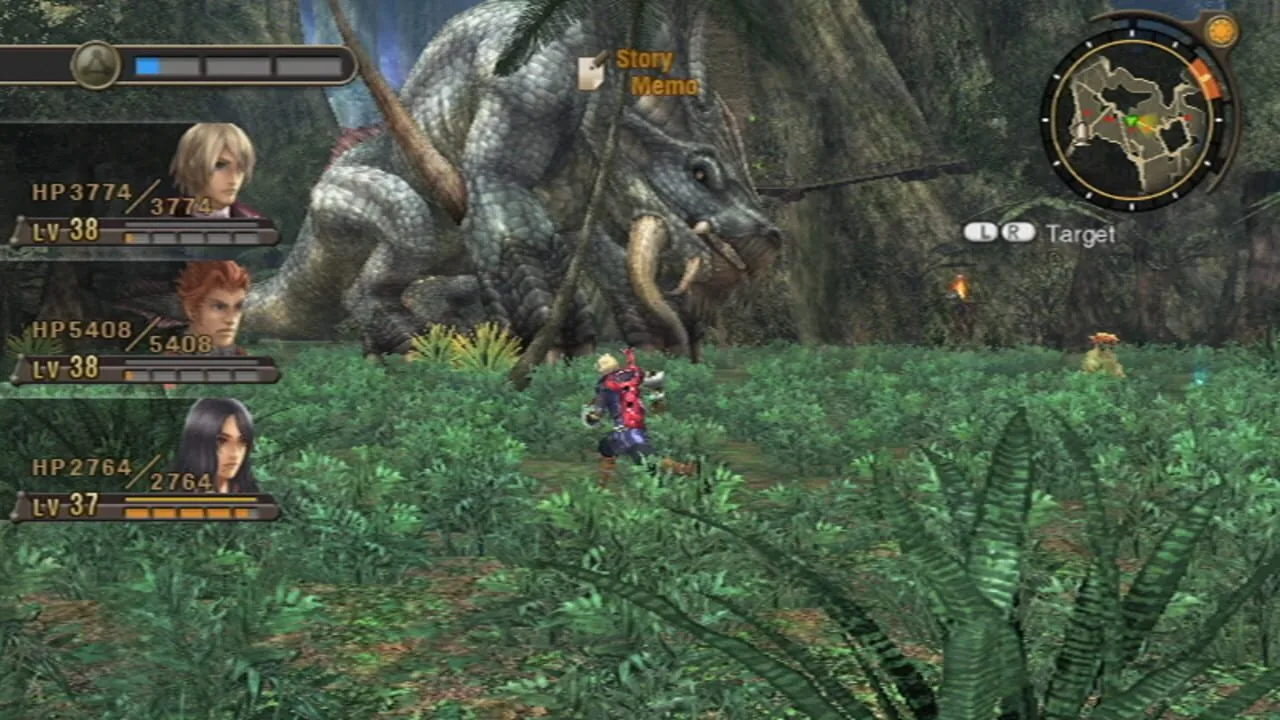
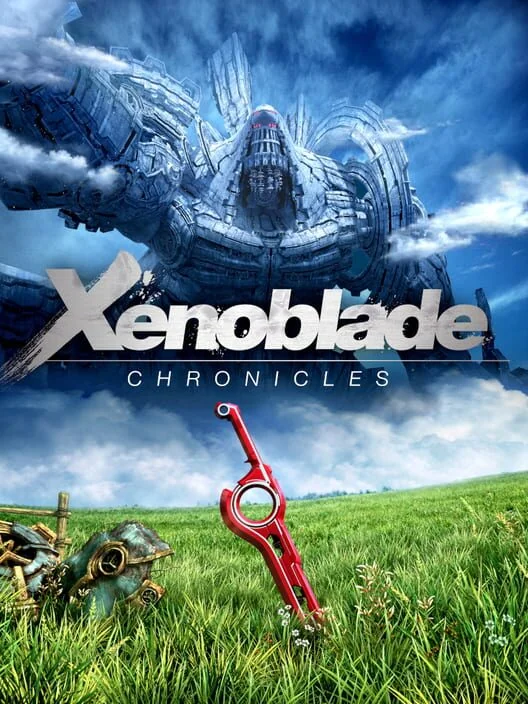
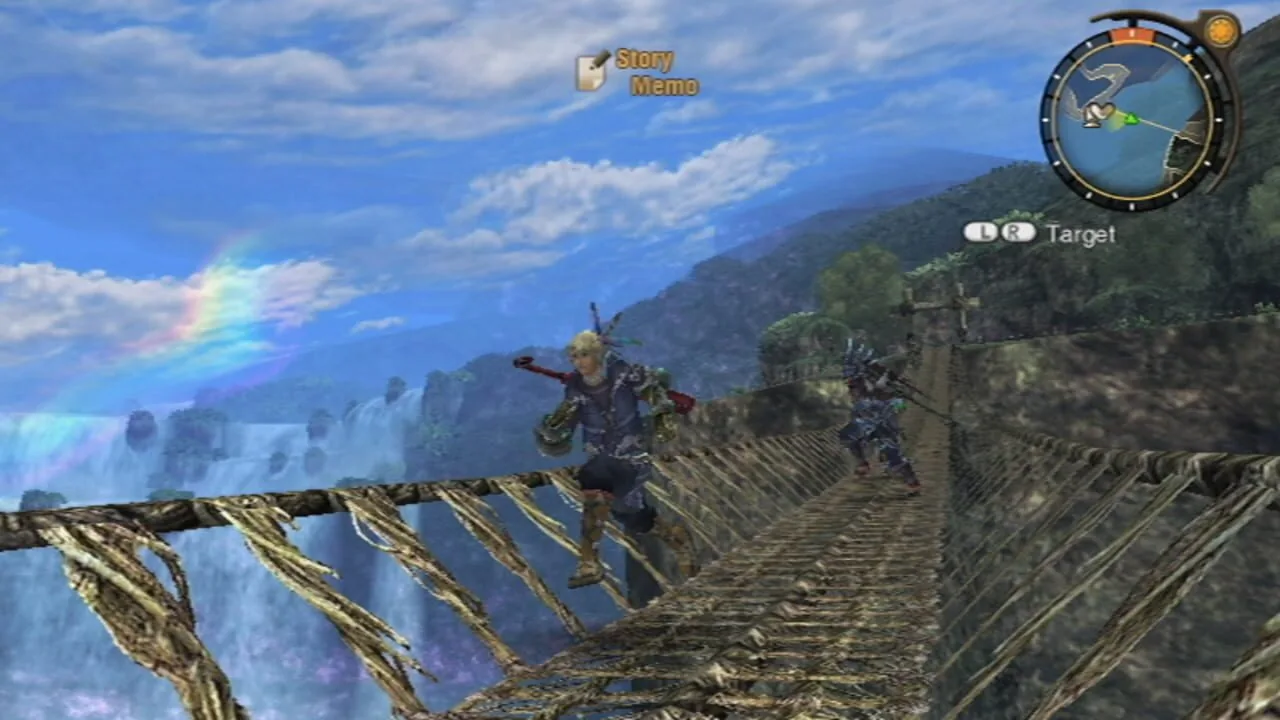
Xenoblade Chronicles follows Shulk and his friends as they search for answers about the mysterious Monado sword and defend their homeland from the robotic Mechon. Its open world is so large that exploration becomes the point. Director Tetsuya Takahashi built a model of two giant titans frozen in place, with people living on their bodies, and the world grew out of that.
Its North American release stayed unconfirmed until December 2011, when a fan campaign called Operation Rainfall drew attention to the game. Critics called the story innovative and surprisingly complex. It spawned a sub-series of its own, with Xenoblade Chronicles X on the Wii U and Xenoblade Chronicles 2 on the Switch. It has since been ported to the New Nintendo 3DS and remastered for the Switch.
2. Pandora's Tower (2011)
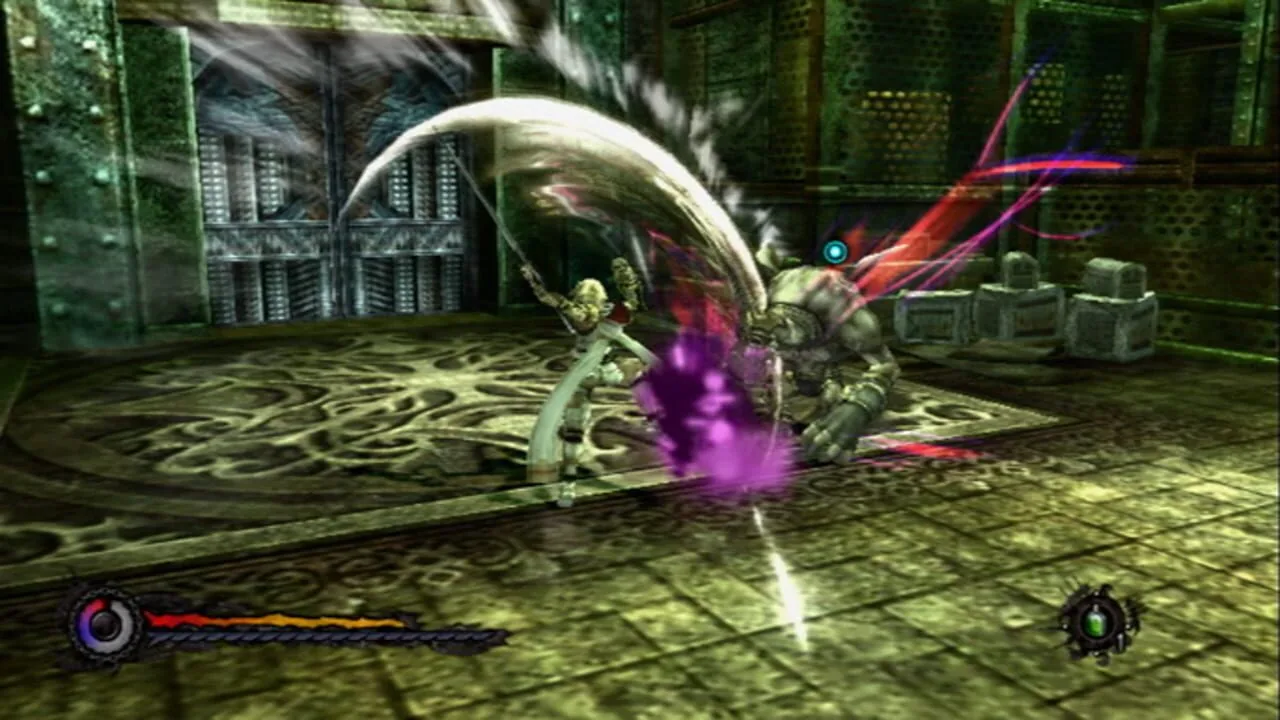
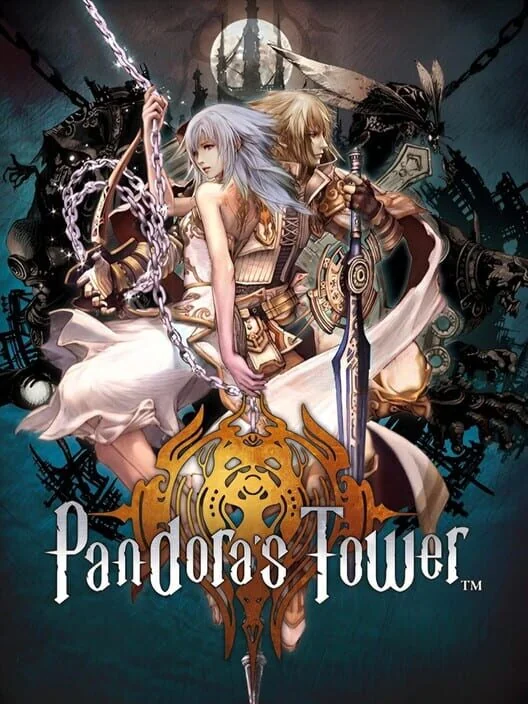
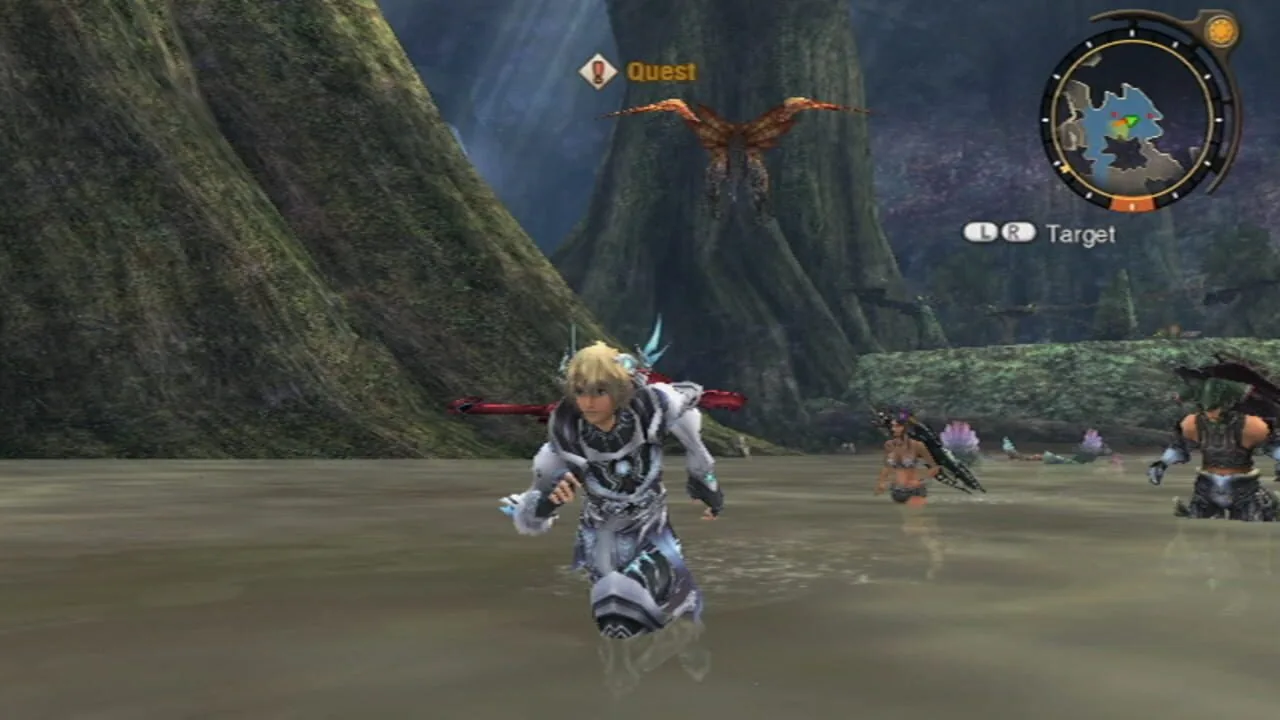
Aeron climbs thirteen towers to break a curse that is turning Elena into a beast, armed with a magical sword and a chain. The clock is always running. A meter shows Elena's curse getting worse, and when it fills you have to leave the tower and bring her flesh, so learning the shortcuts matters as much as the fighting. The studio, Ganbarion, had only ever worked on licensed games, and wanted to do something original.
Problems with the relationship mechanics and the Wii Remote stretched development out. Nintendo did not announce a North American release, and Xseed Games later picked it up. There is no original music, only samples of western classical music chosen to fit the concept.
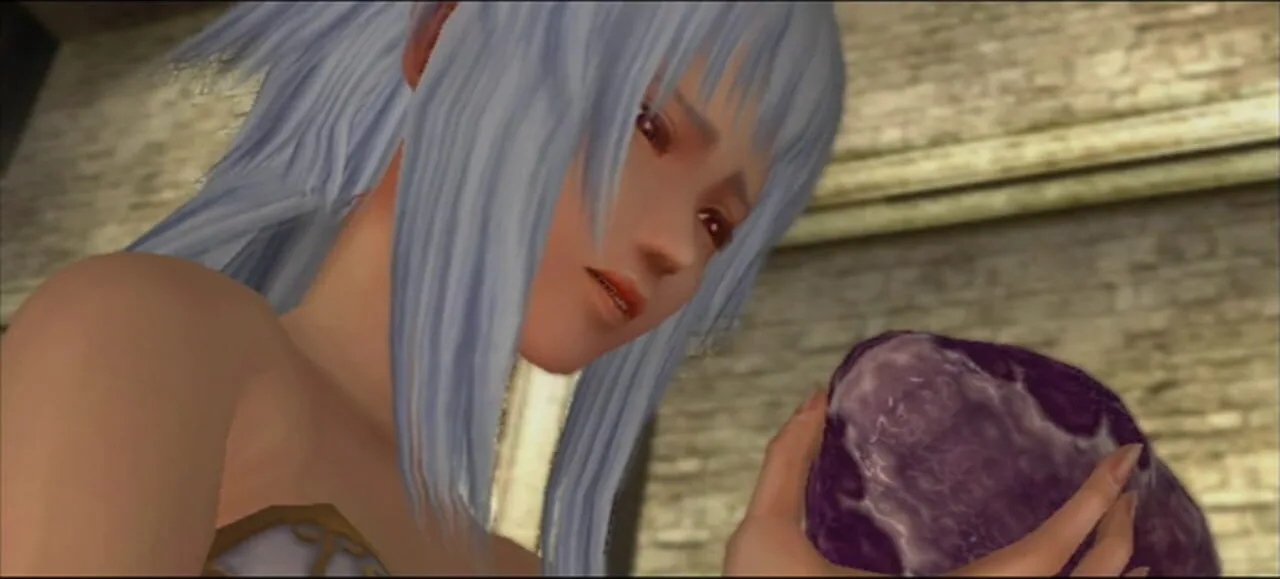
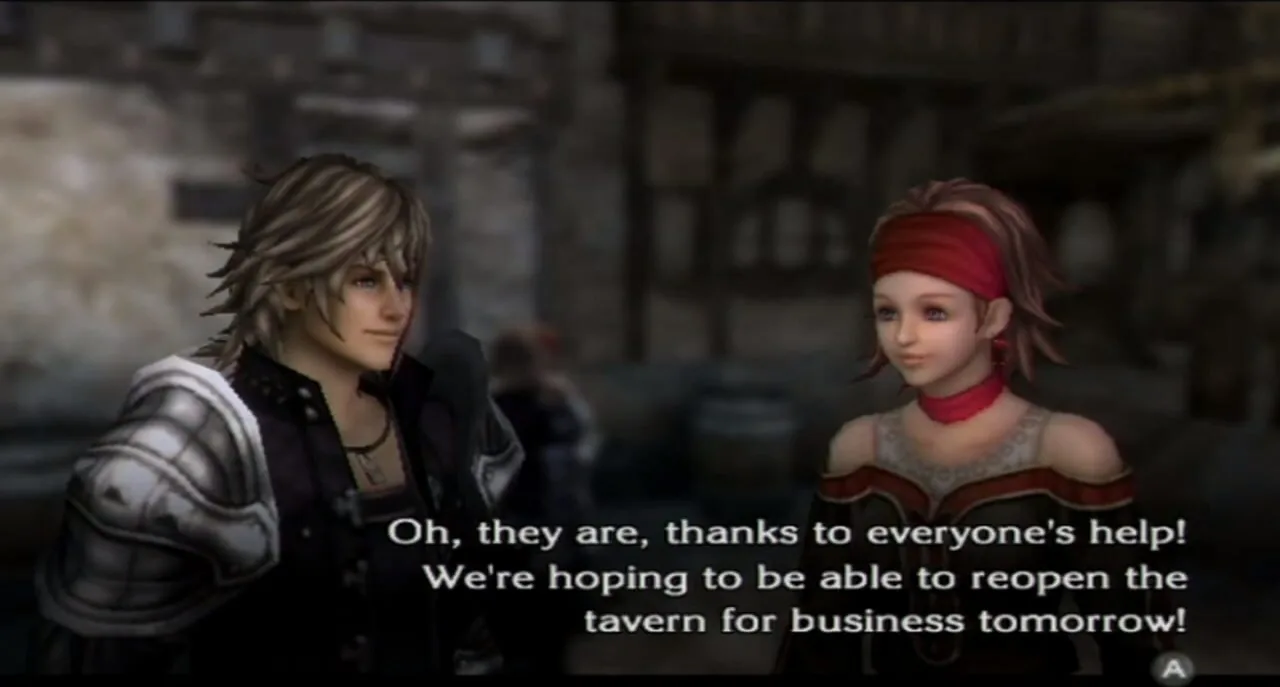
1. The Last Story (2011)
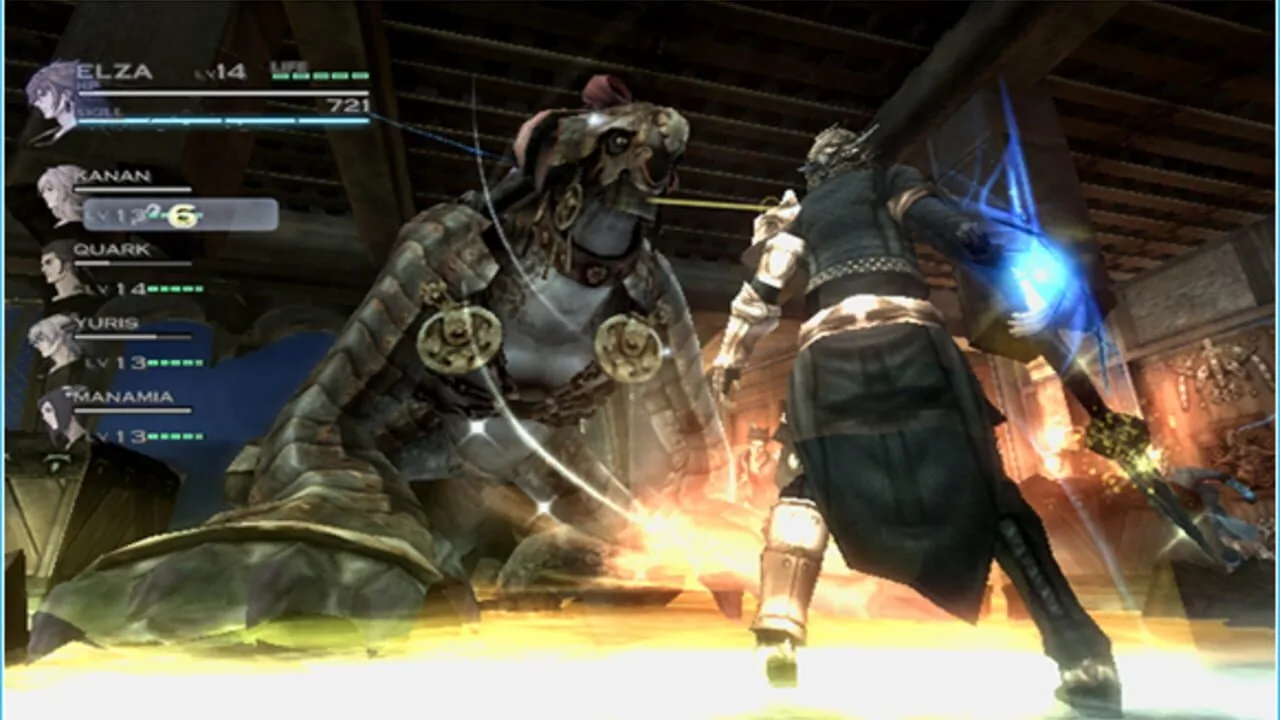
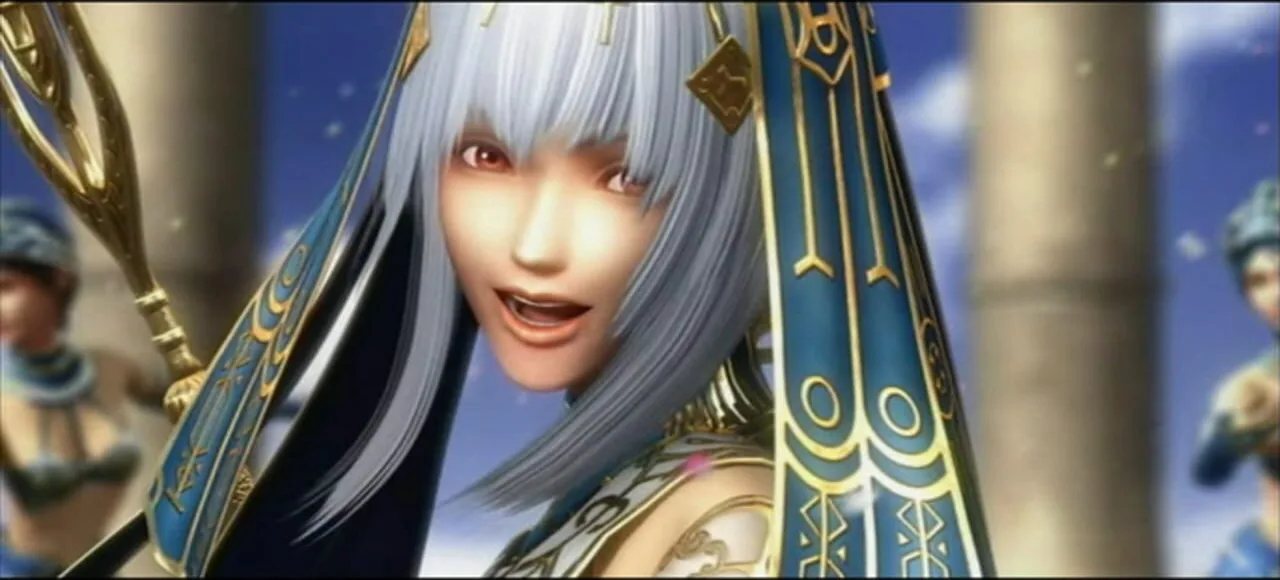
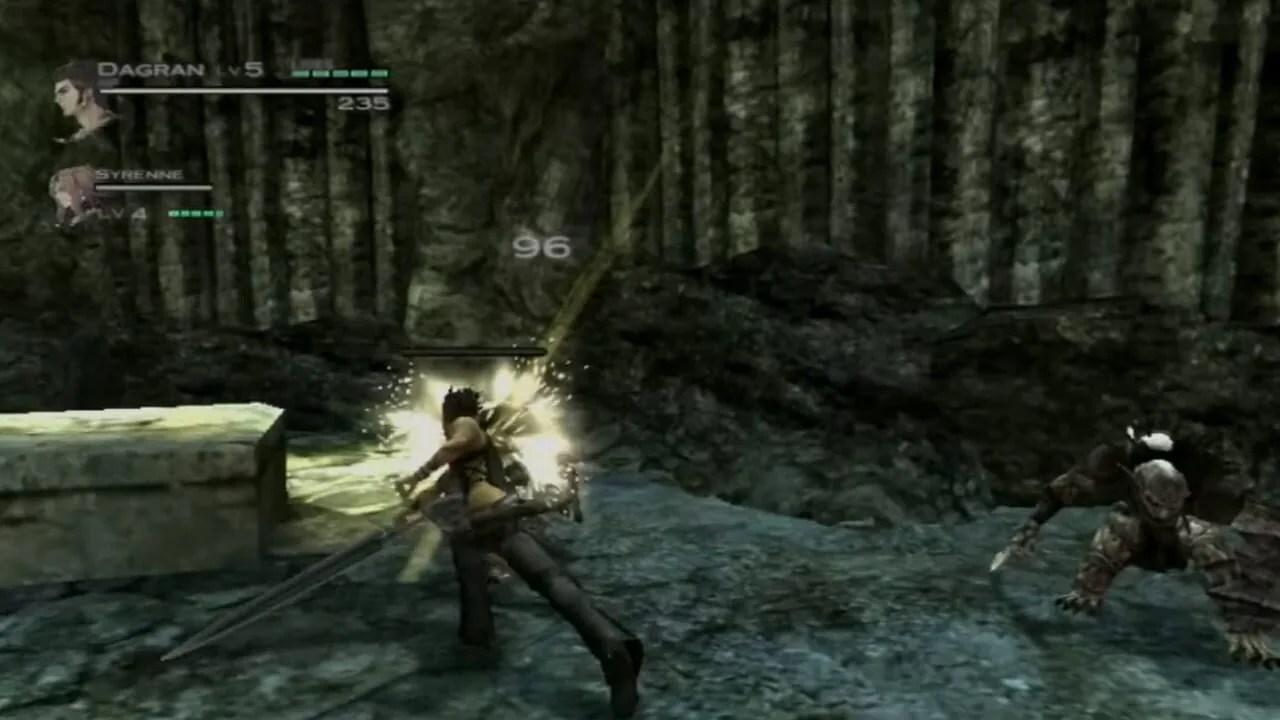
The Last Story takes place on the island fortress of Lazulis, in a world being slowly drained of life by an unknown force. A group of mercenaries is looking for work there, and one of them, Zael, dreams of becoming a knight.
Hironobu Sakaguchi, the creator of Final Fantasy, directed and co-wrote it. The story began as science fiction and was changed to fantasy at Nintendo's insistence. You play Zael and command the rest of the squad on missions, in battles that are part action and part stealth. Nobuo Uematsu, the Final Fantasy composer, wrote the music. It was originally going to be exclusive to Japan. Players call the Operation Rainfall games a must-play for anyone who likes Japanese RPGs.
Which one to play
There you have it, the whole list of the best Wii RPGs. It is a small shelf, but almost every game on it was trying something nobody else was doing.
If you are not sure where to start, play The Last Story, then Xenoblade Chronicles and Pandora's Tower. If you want the most traditional fantasy RPG on the list, go for Arc Rise Fantasia. If you want the best 2D game, Muramasa: The Demon Blade is the one. If you loved Path of Radiance on the GameCube, Fire Emblem: Radiant Dawn picks up right where it left off. And for a hidden pick, try Fragile Dreams: Farewell Ruins of the Moon, a quiet and sad walk through a dead world.