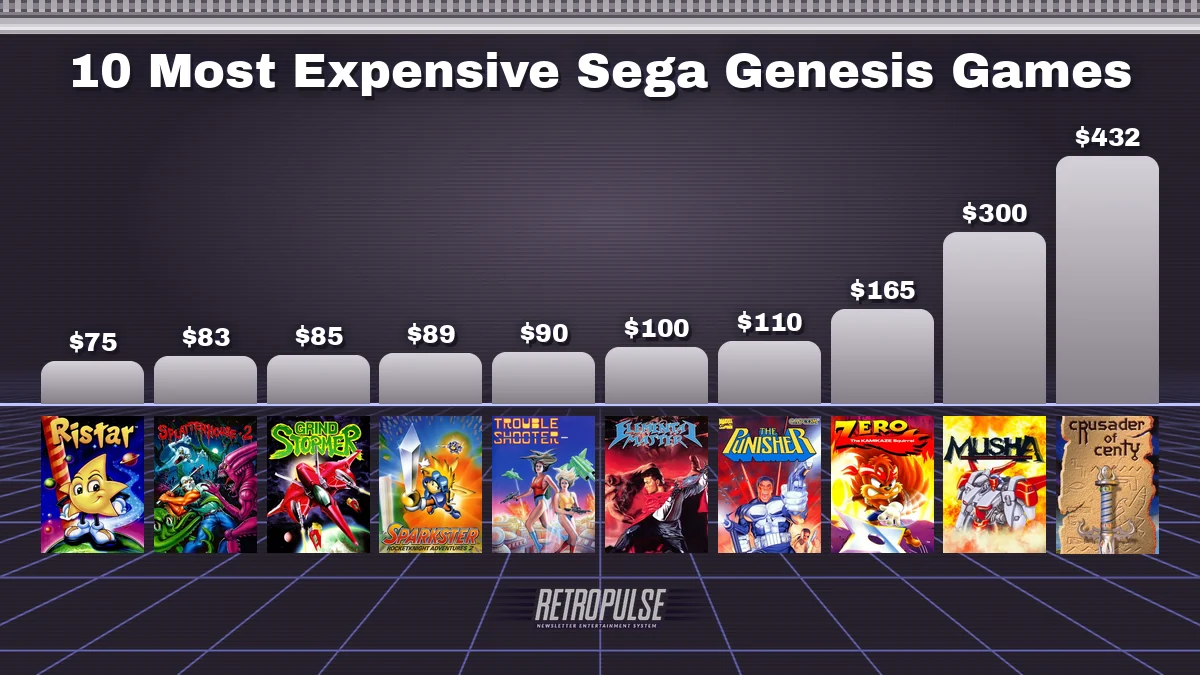
These are the 10 most expensive Sega Genesis games. The Genesis sold in huge numbers, so most of its carts stay cheap, and four of the ten here are shooters, because fans of the genre will pay good money for a quality one.
Every price below is a real eBay sale made between September 2024 and August 2026, never an asking price. For each game we took the sales of loose carts (the cartridge alone, no box) from its latest year of sales and used the middle price, so one wild auction can't push a game up the list. You only need the cart to play, so the loose price sets the order.
We ranked regular retail games only, with no hardware, flash carts or homebrew. Some other games have no sales recent enough to use.
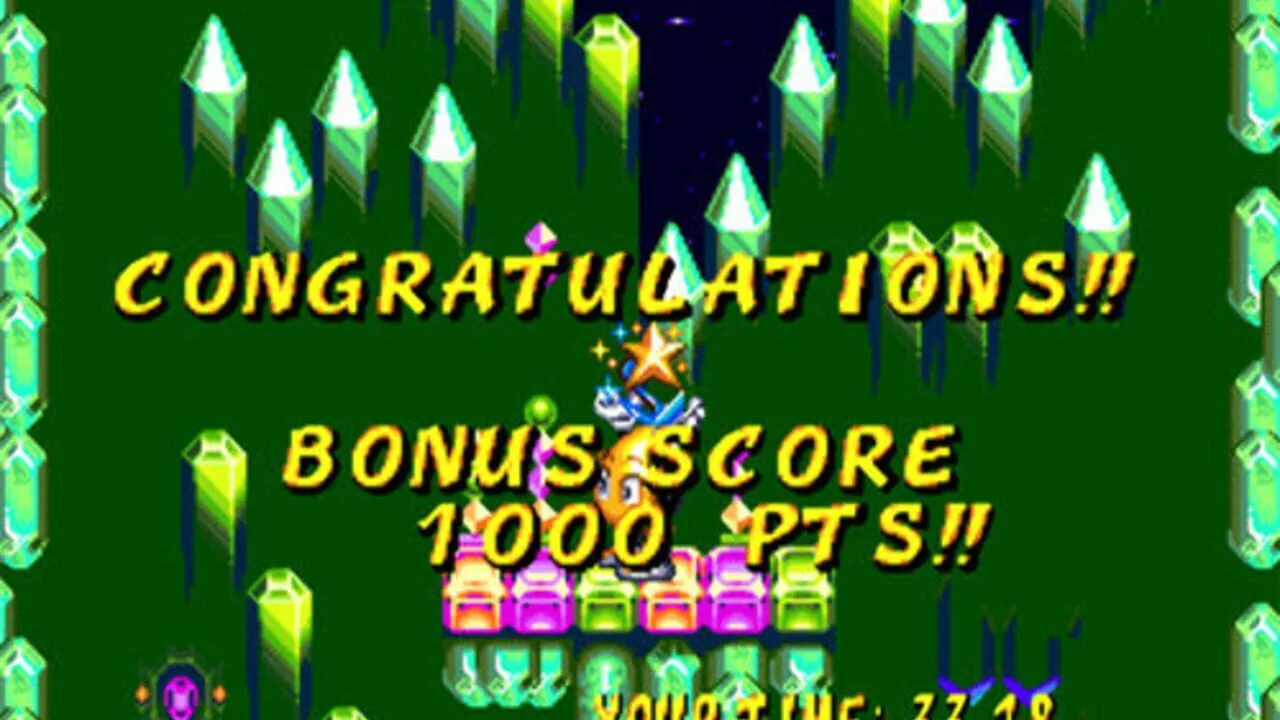
10. Ristar (1995): $75
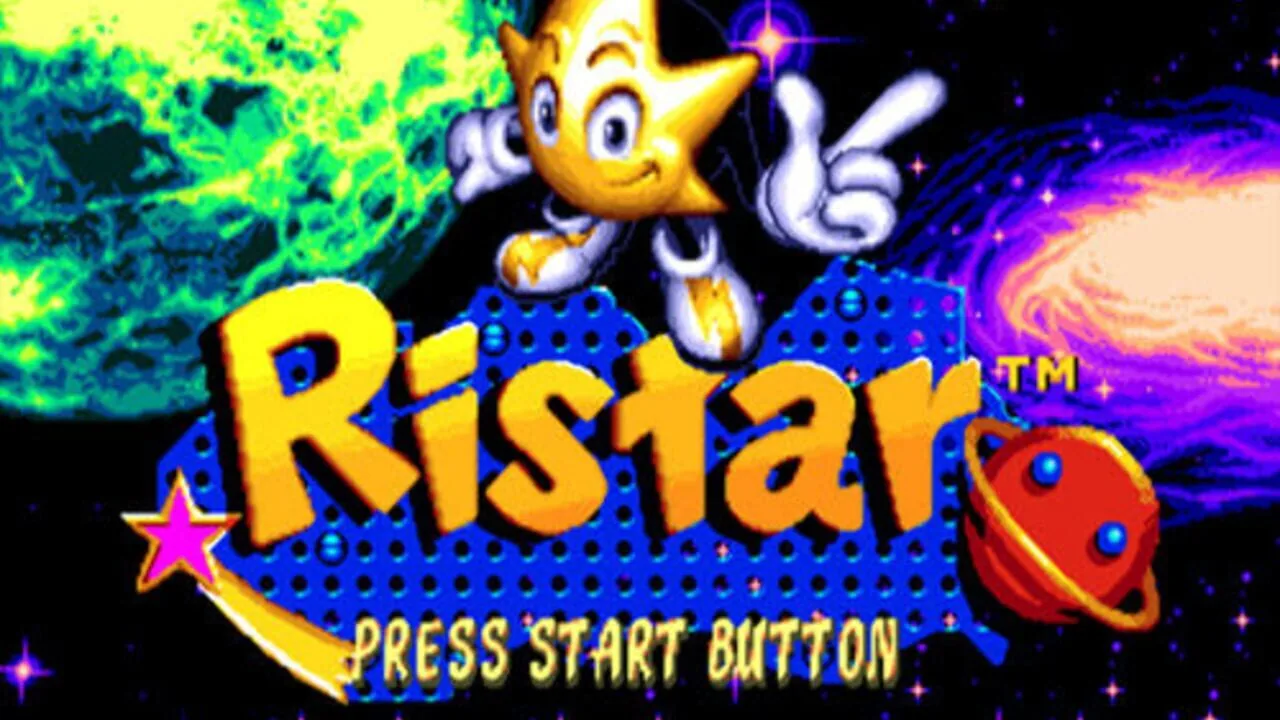
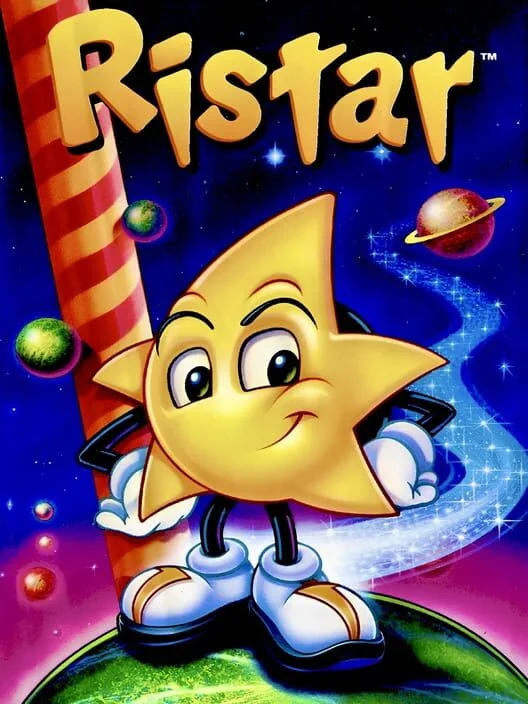
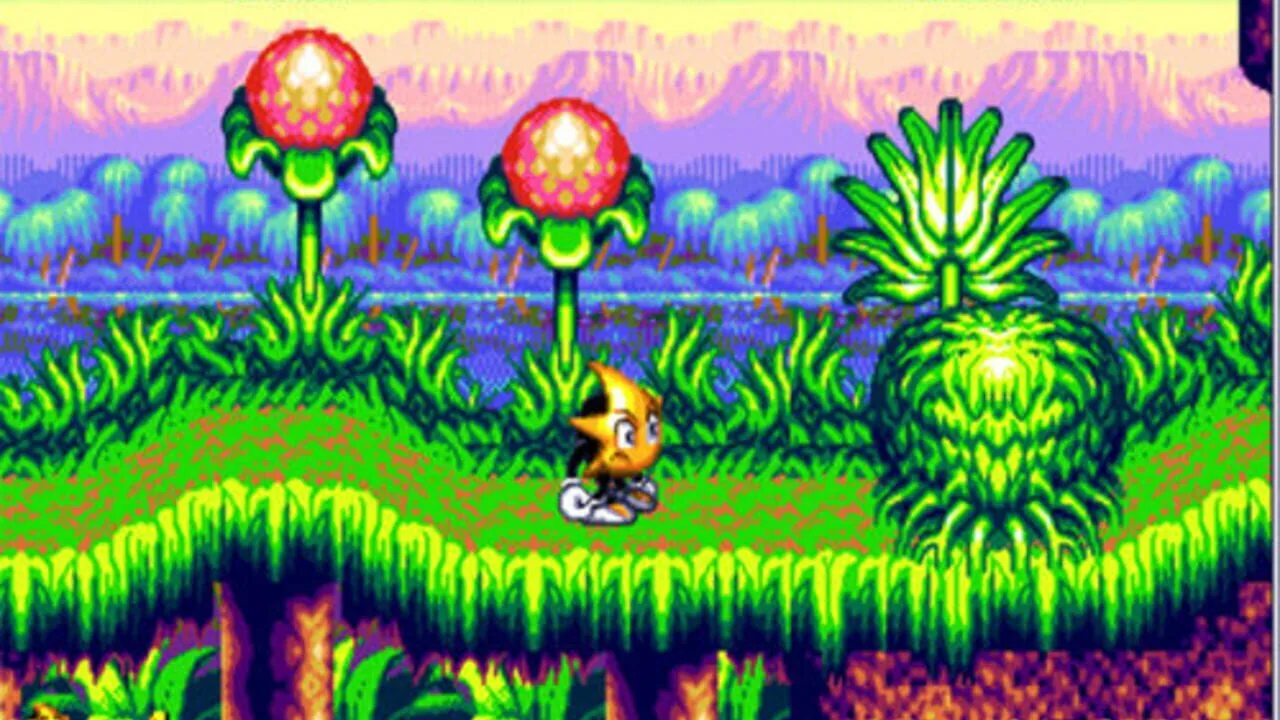
Loose carts of Ristar sold for a typical $75 across 30 sales between May and August 2025, and boxed copies went for a typical $194 across 30 sales. It came out in early 1995, when players were moving on to the next generation of hardware. Sega was concentrating on the Saturn, and Sonic was still a huge success, so Ristar got overshadowed. The cardboard box is hard to find in good condition, which helps the boxed price.
Its best move is the Meteor Strike: build up enough momentum and Ristar turns invincible and defeats any enemy he touches. Most of the same staff went on to make NiGHTS Into Dreams, including composer Tomoko Sasaki. Sega has re-released Ristar several times digitally and on its compilations, and that is the cheaper way to play.
9. Splatterhouse 2 (1992): $83
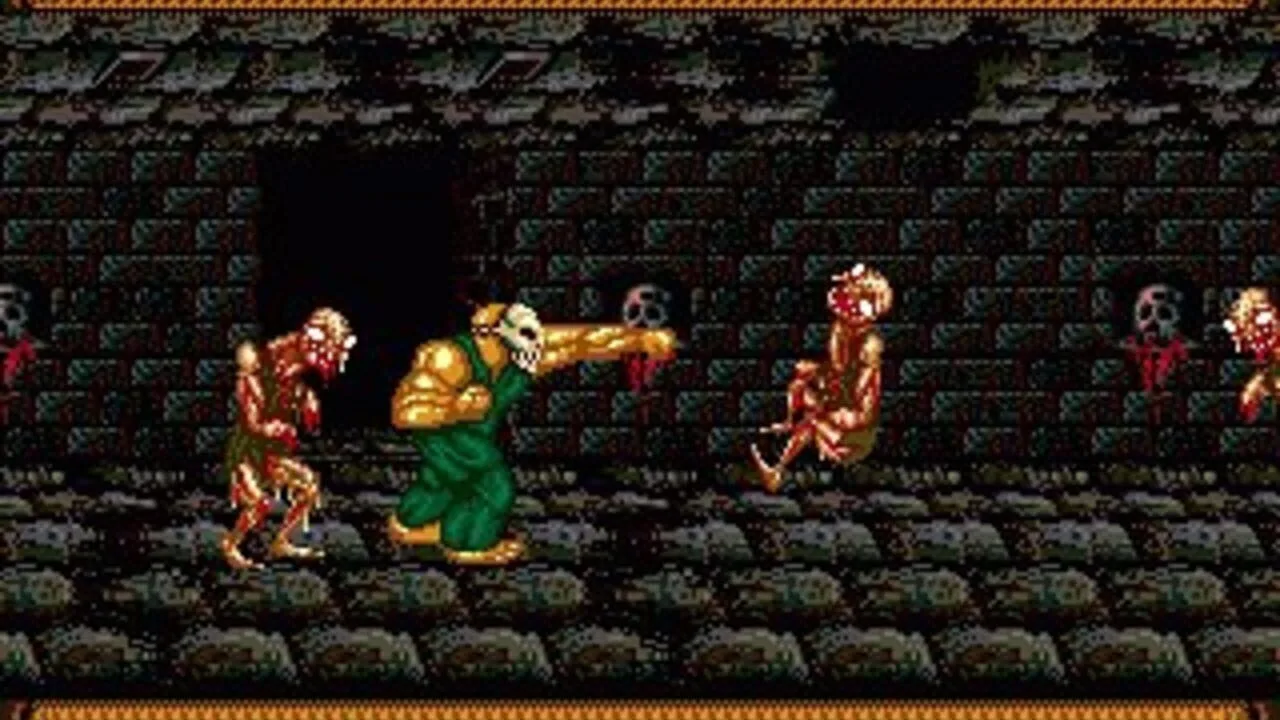
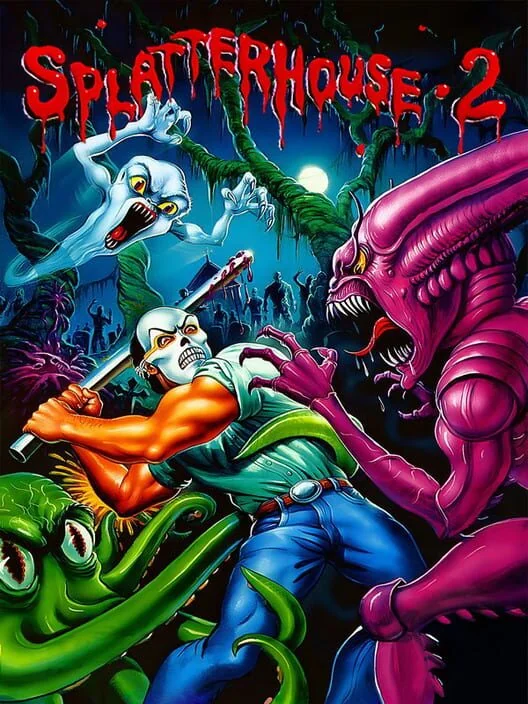
Loose carts of Splatterhouse 2 sold for a typical $83 across 29 sales between November 2025 and March 2026, and boxed copies went for a typical $250 across 29 sales. Splatterhouse 3 used to cost more than this one, then Splatterhouse 2 doubled in value between 2013 and 2017. The series was an early example of a gory game with solid gameplay to back it up.
You control Rick through eight stages, three months after the first game, with the Terror Mask back and the nightmares that came with it. The western versions make the mask look like a skull, and the English version added a password system that Japan never got. In 2008 it reached the Wii's Virtual Console as the first and only M-rated game there, an odd neighbor for all those Mario games. The cheaper way to play is the 2010 remake, which has it as an unlockable extra.
8. Grind Stormer (1994): $85
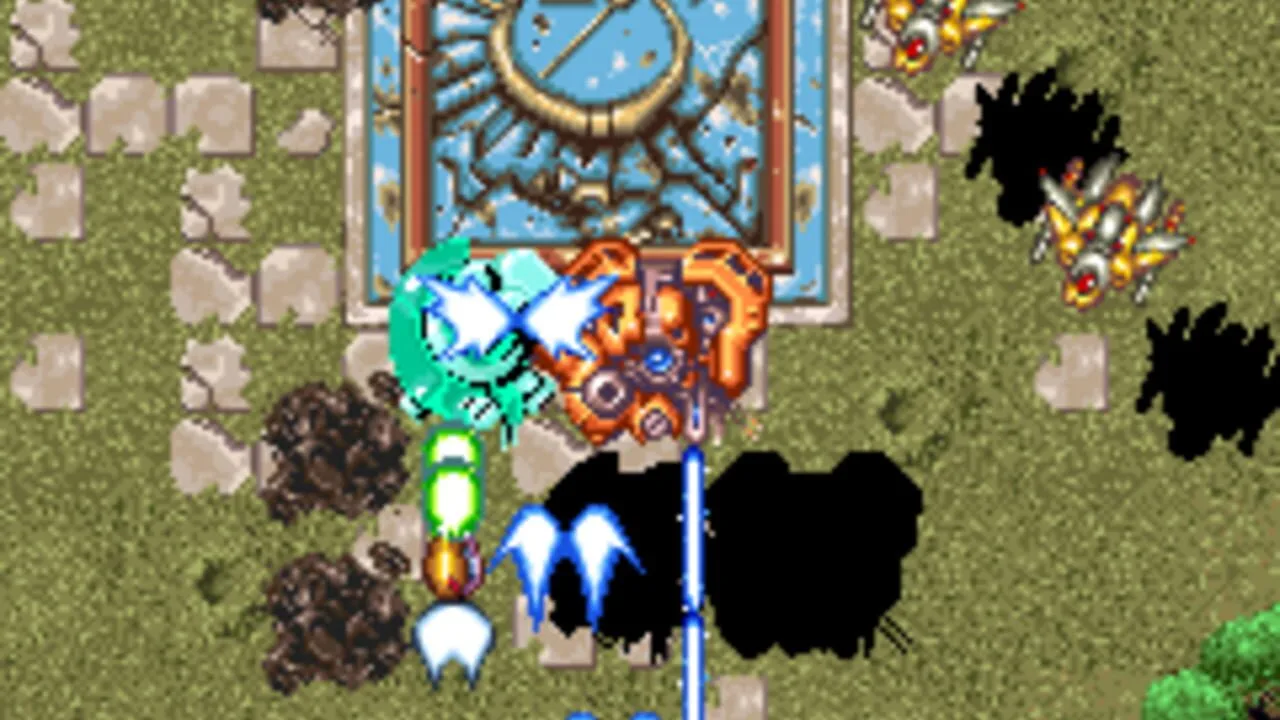
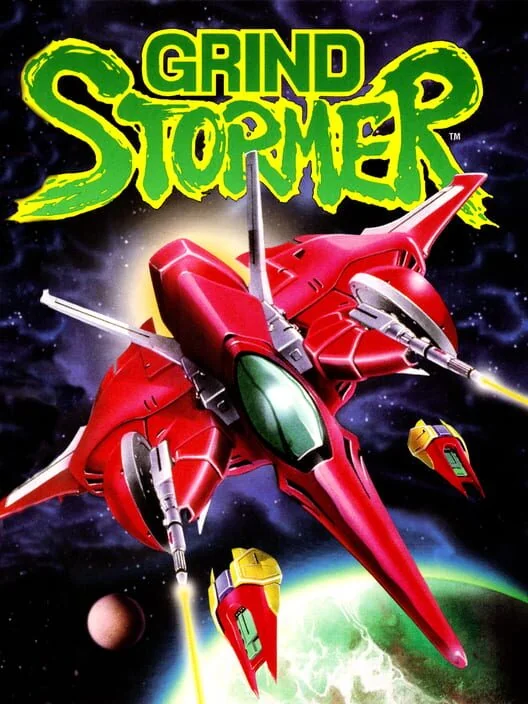
Loose carts of Grind Stormer sold for a typical $85 across 30 sales between March 2025 and February 2026, and boxed copies went for a typical $217 across 18 sales. Toaplan's arcade shooter had a limited release on the North American Genesis, and many carts are faulty, a known problem with certain Tengen Genesis releases. Working copies cost more because of it. In 2017 it sold for $40 to $160.
The screen can hold up to 80 bullets at once, which works out at about a dollar a bullet. Tengen's cart has both the V-V and Grind Stormer versions as modes, so you get the original and the overseas game together. It looks muddy and sounds rather poor next to the arcade board. It was also the debut of programmer Tsuneki Ikeda, who went on to co-found Cave.
7. Sparkster (1994): $89
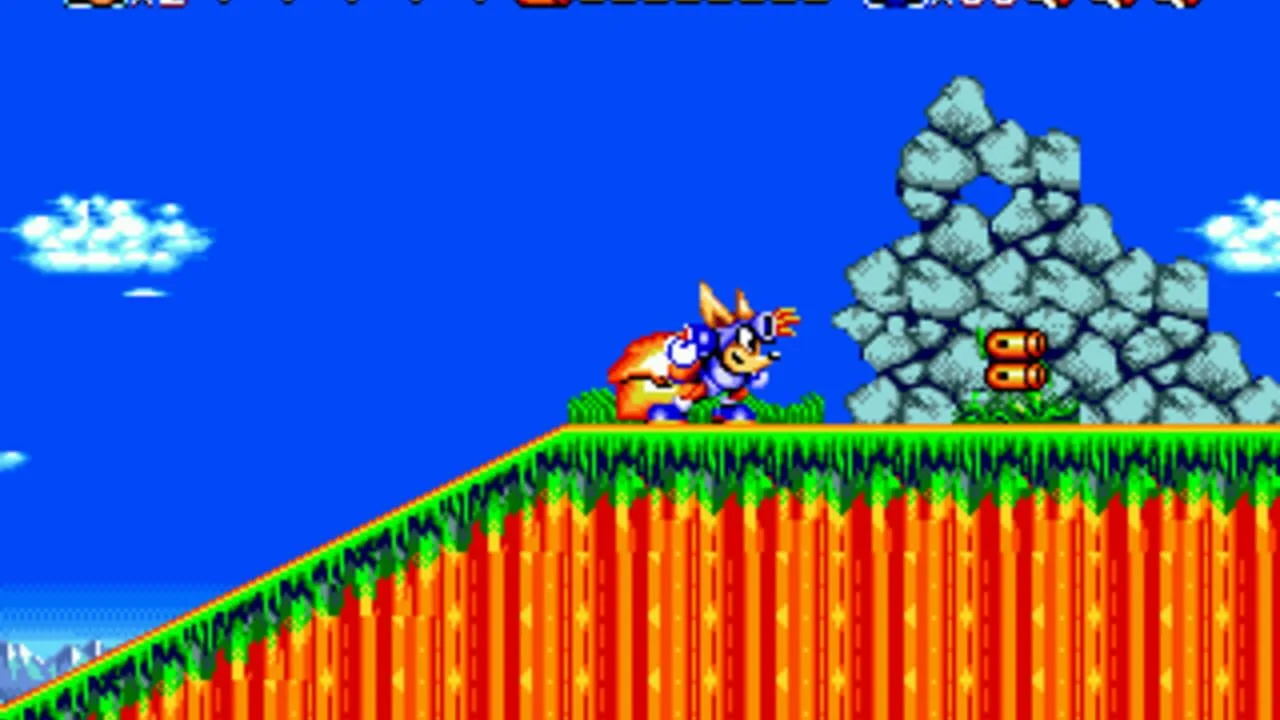
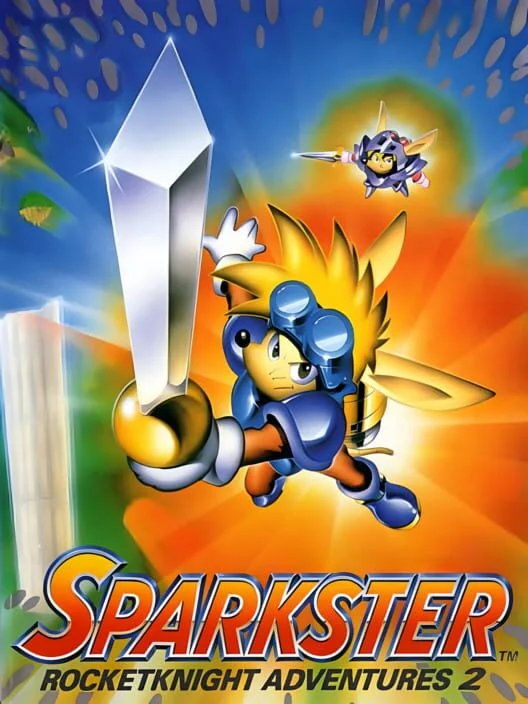
Loose carts of Sparkster sold for a typical $89 across 30 sales between February and November 2025, and boxed copies went for a typical $310 across 21 sales. This is Konami's Genesis sequel to Rocket Knight Adventures, sold as Sparkster: Rocket Knight Adventures 2. It was a late release of modest popularity, and even in its most affordable years a bare cart cost $15 to $30.
It is easy to mix up with the Super Nintendo game called Sparkster, which is a different game with the same hero. Rocket Knight Adventures got lost in the flood of 2D platformers, and its sequel got even less exposure. If you want the series for less, the first game sold for a typical $25 across 30 sales between June and August 2026.
6. Trouble Shooter (1991): $90
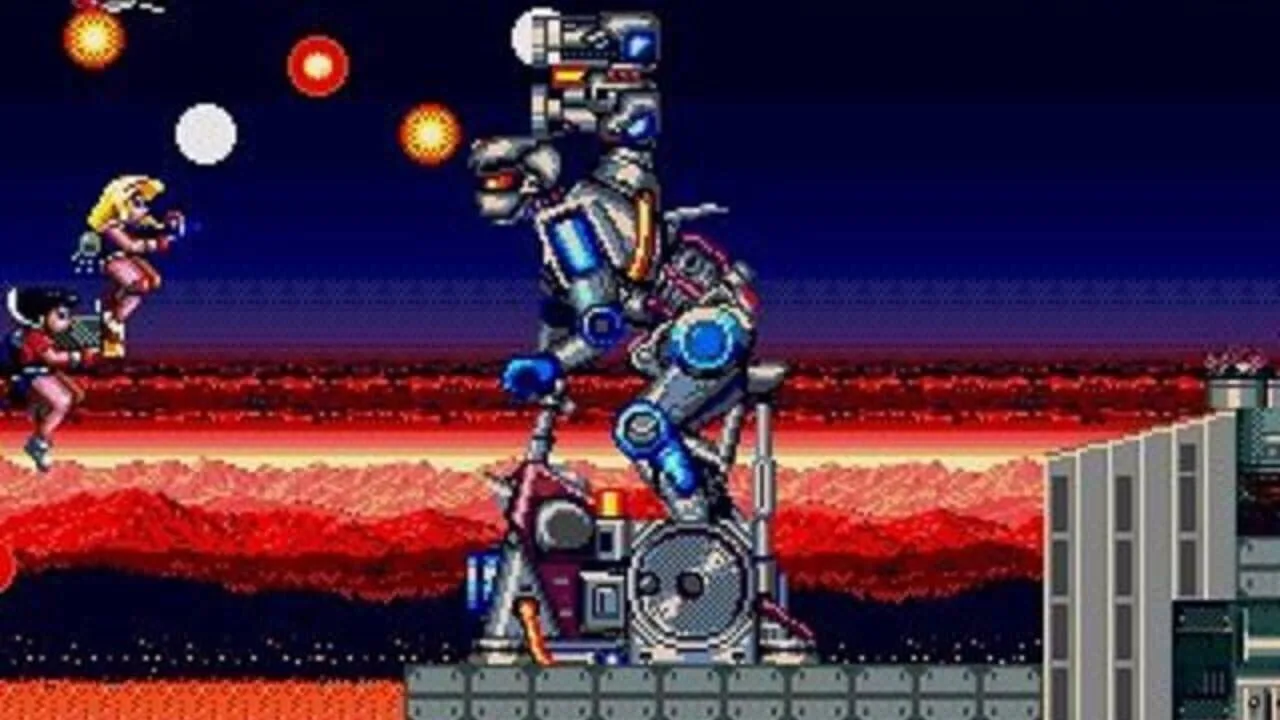
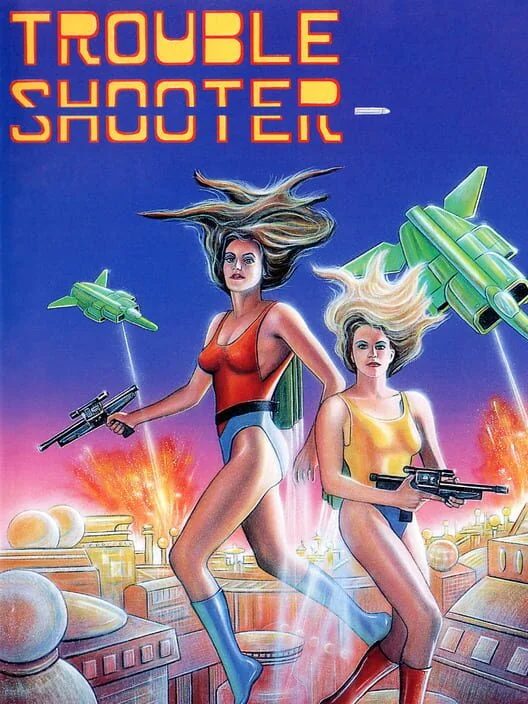
Loose carts of Trouble Shooter sold for a typical $90 across 29 sales between November 2024 and August 2025, and boxed copies went for a typical $325 across 21 sales. Most players never noticed it in the 90s. Shooter fans filling out their Genesis shelves found it hard to come across, and it slowly became a cult classic.
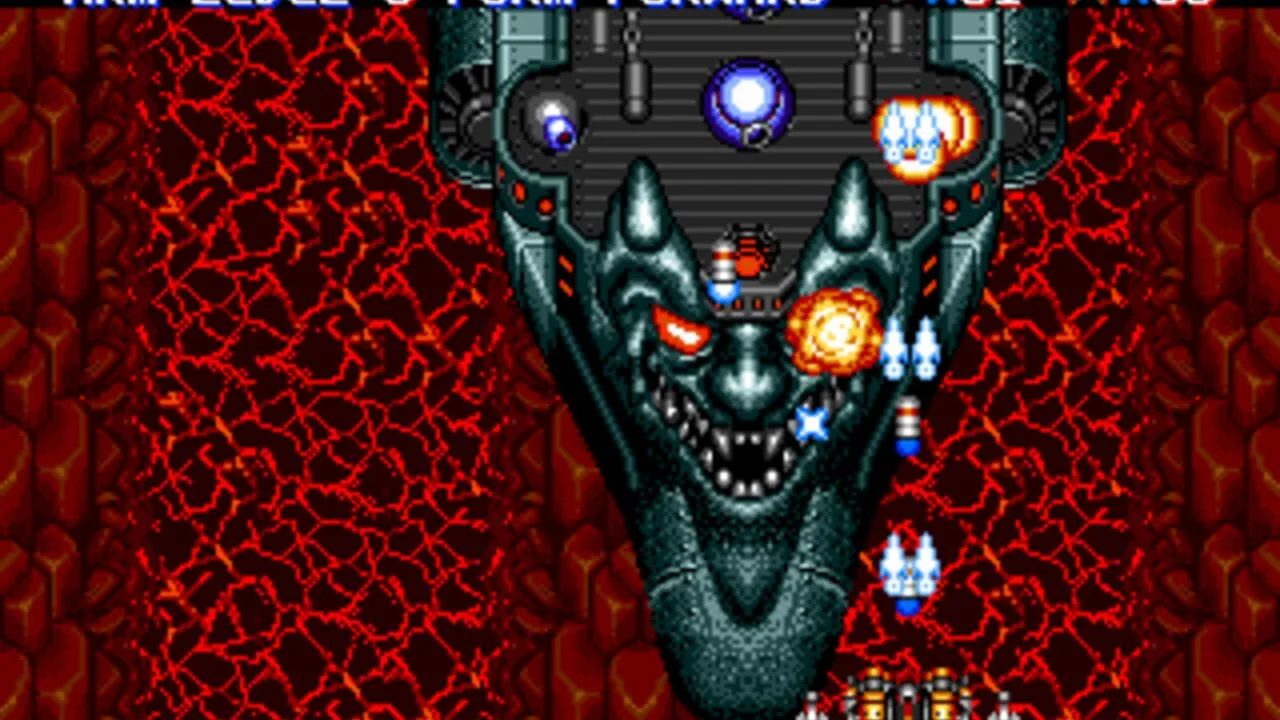
Vic Tokai's shooter swaps the usual space ship for two jet pack heroines, Madison and Crystal, in an anime style heavily influenced by Dirty Pair. You get no lives system and only three continues. Designer Fujito Takada was annoyed by the budgets Super Famicom games got, so he added a scene where the hero stomps on a Super Famicom. He thinks he got away with it because Sega did not like Nintendo much at the time.
5. Elemental Master (1990): $100
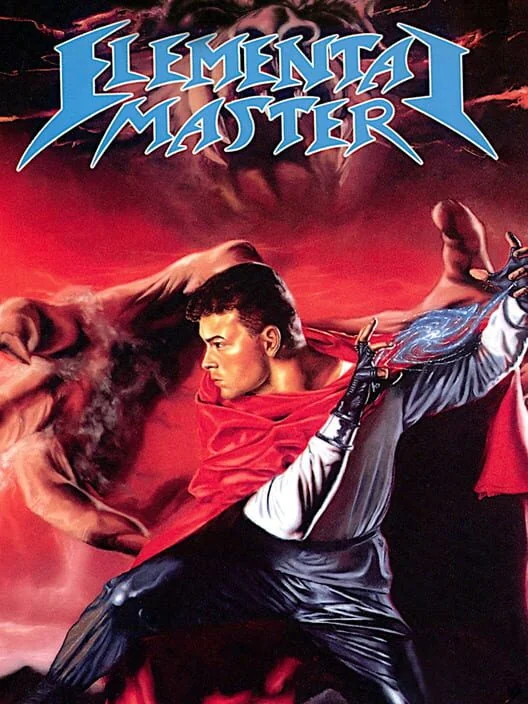
Loose carts of Elemental Master sold for a typical $100 across 30 sales between April 2025 and February 2026, and boxed copies went for a typical $377 across 18 sales. Technosoft made it between Thunder Force III and Thunder Force IV, and it is easy to see why it may have been passed over at the time, sitting next to games that famous.
You play a wizard named Laden in a fantasy shooter with an overhead view. You fire forwards and backwards with separate buttons, and you can pick the order of the first four levels. Each one you finish gives you a new type of magic, and you never lose it. Toshiharu Yamanishi, who also worked on both of those Thunder Force games, wrote the soundtrack.
4. The Punisher (1995): $110
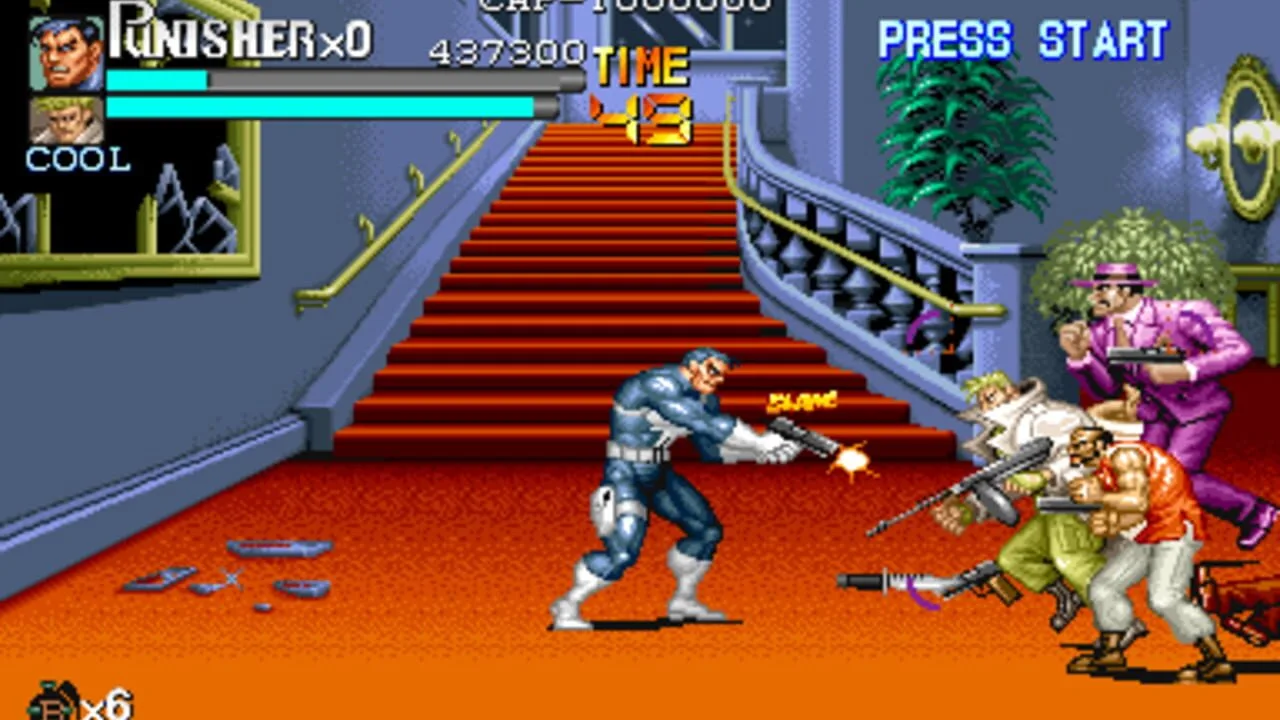
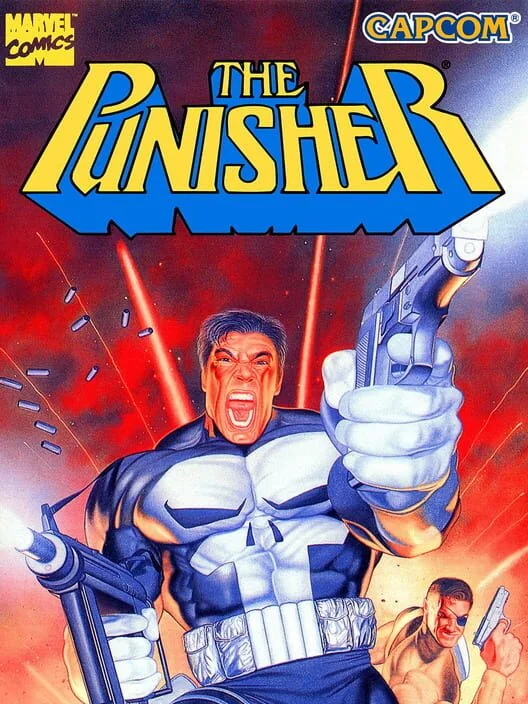
Loose carts of The Punisher sold for a typical $110 across 30 sales between June and December 2025, and boxed copies went for a typical $303 across 30 sales. It was a late release for the console and did not sell well. It is one of the few games Capcom published on the Genesis, and Capcom handed the port to Sculptured Software. A complete copy needs its temporary tattoo, which was never built to outlast the 1990s.
This is the only console port of Capcom's arcade beat 'em up, with Nick Fury as player two. A lot of graphics were cut to fit, and reviews were mixed, but it plays fine. Fans of the arcade game have no other console version to buy.
3. Zero the Kamikaze Squirrel (1994): $165
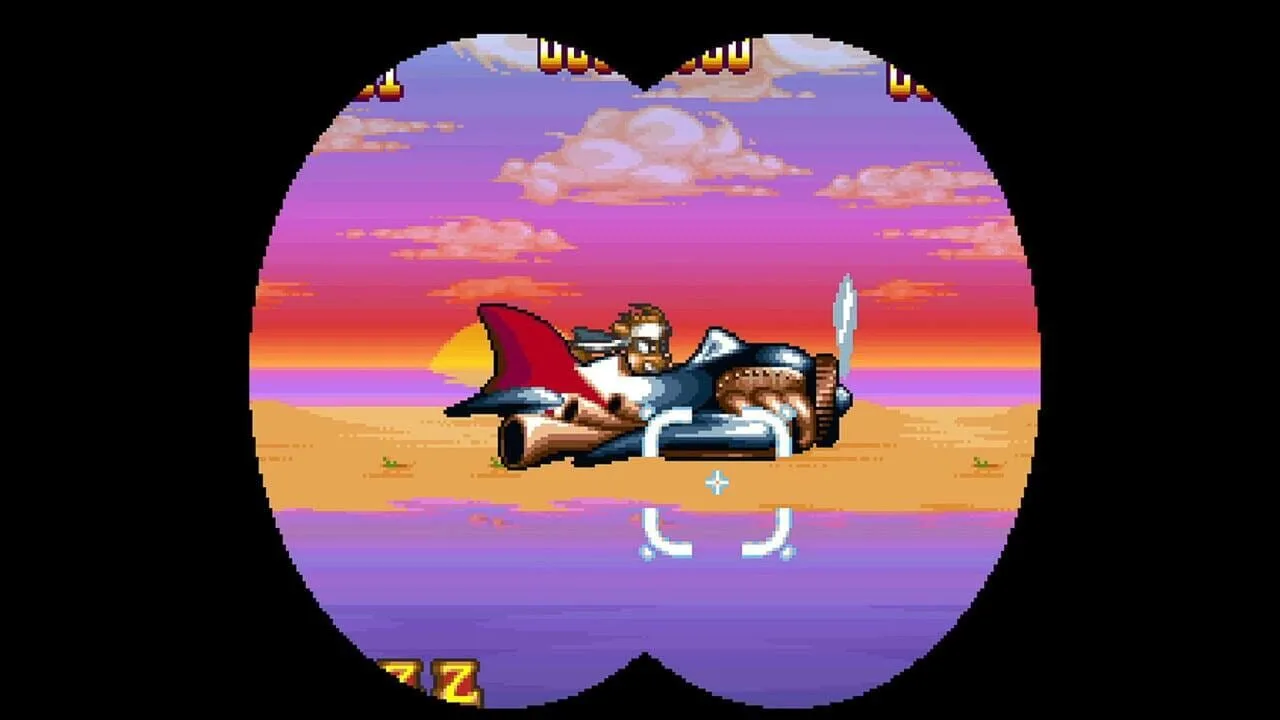
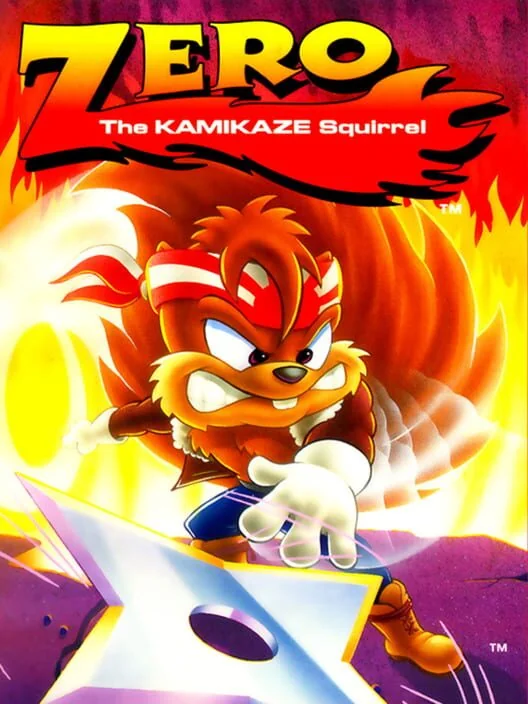
Loose carts of Zero the Kamikaze Squirrel sold for a typical $165 across 11 sales between February 2025 and January 2026, and boxed copies went for a typical $574 across five sales. Sunsoft made it as a spin-off of Aero the Acro-Bat and put it out in October 1994. It came out alongside Aero the Acro-Bat 2, in a year full of mascot platformers.
Zero has shurikens and nunchucks, plus diving and swooping moves, and the Genesis cover has an MA-13 rating that feels a long way from a smiling circus bat. Aero himself shows up only on the Sunsoft logo. This version is a little less colorful and slower than the Super Nintendo one, though it adds an extra cutscene where Zero interrogates a boss. The Super Nintendo cart won't save you money: loose ones sold for a typical $229 across 25 sales between April 2025 and April 2026.
2. M.U.S.H.A. (1990): $300
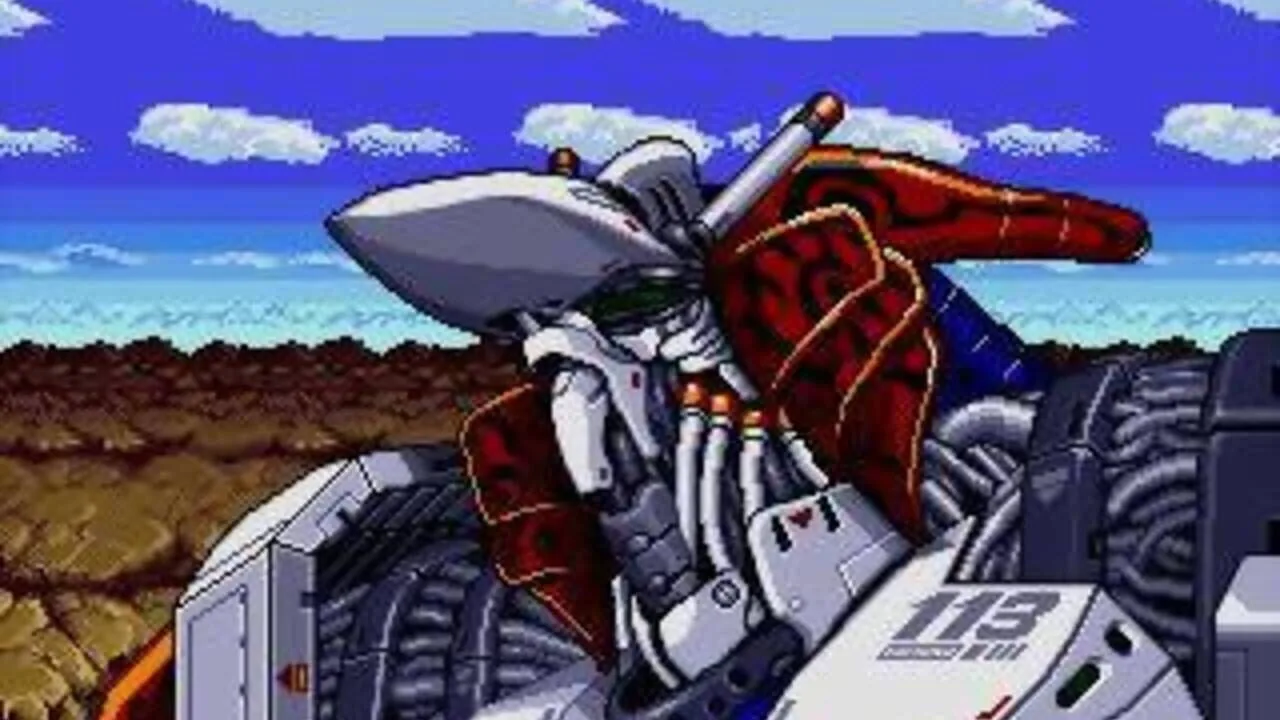
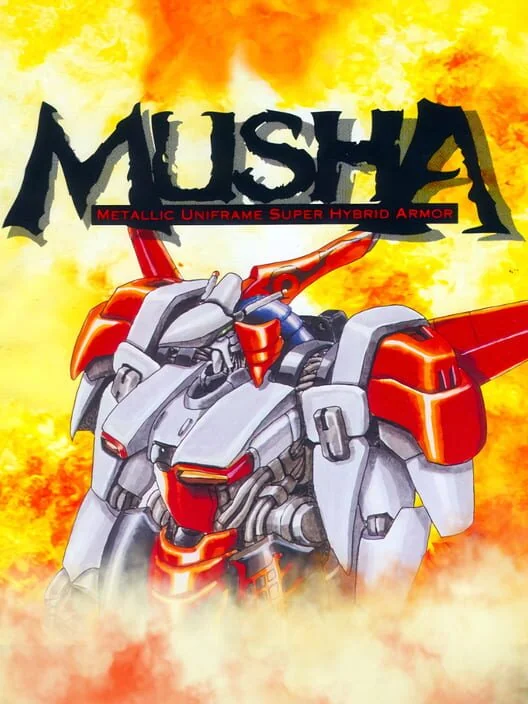
Loose carts of MUSHA sold for a typical $300 across 29 sales between April 2025 and February 2026, and boxed copies went for a typical $850 across 30 sales. Bare carts were around $25 in 2008 and reached about $100 between 2012 and 2014. It was relatively popular in Japan but never caught on in the US until well after the 16-bit era, and it never came out in Europe.
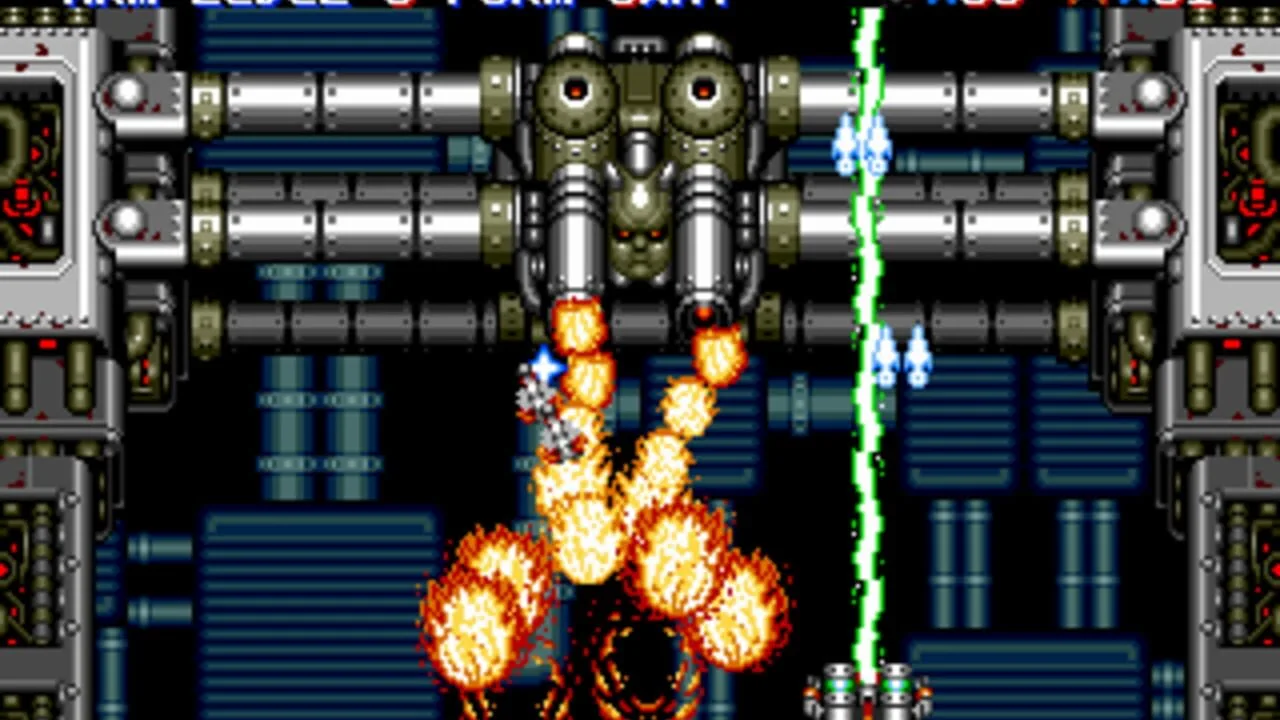
A young team at Compile built it in less than a year as part of the Aleste series, and you fly a mech with up to two drones that fight beside you. The team dropped the series' old look for a Japanese style, including a boss with a Noh mask, and composer Toshiaki Sakoda wrote a speed metal soundtrack to match the fast scrolling. Critics at the time mostly shrugged. The cheaper way to play is the Nintendo Classics service, where Sega re-released it in 2021.
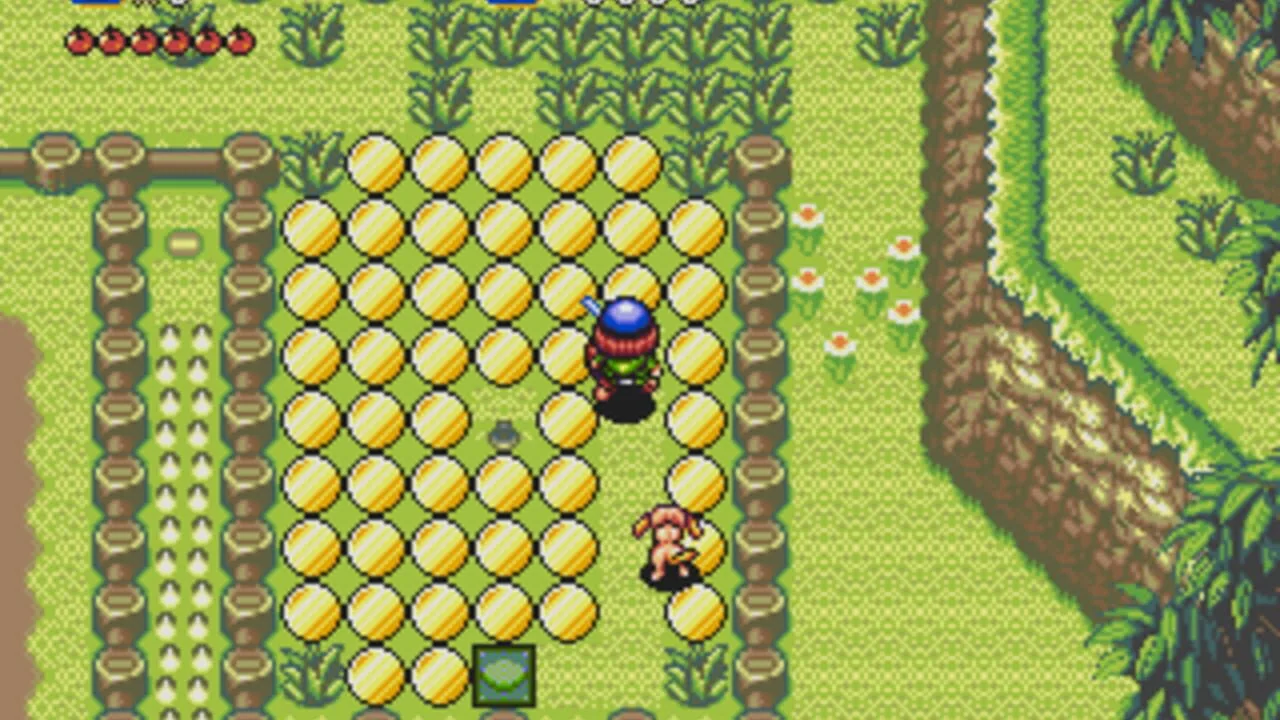
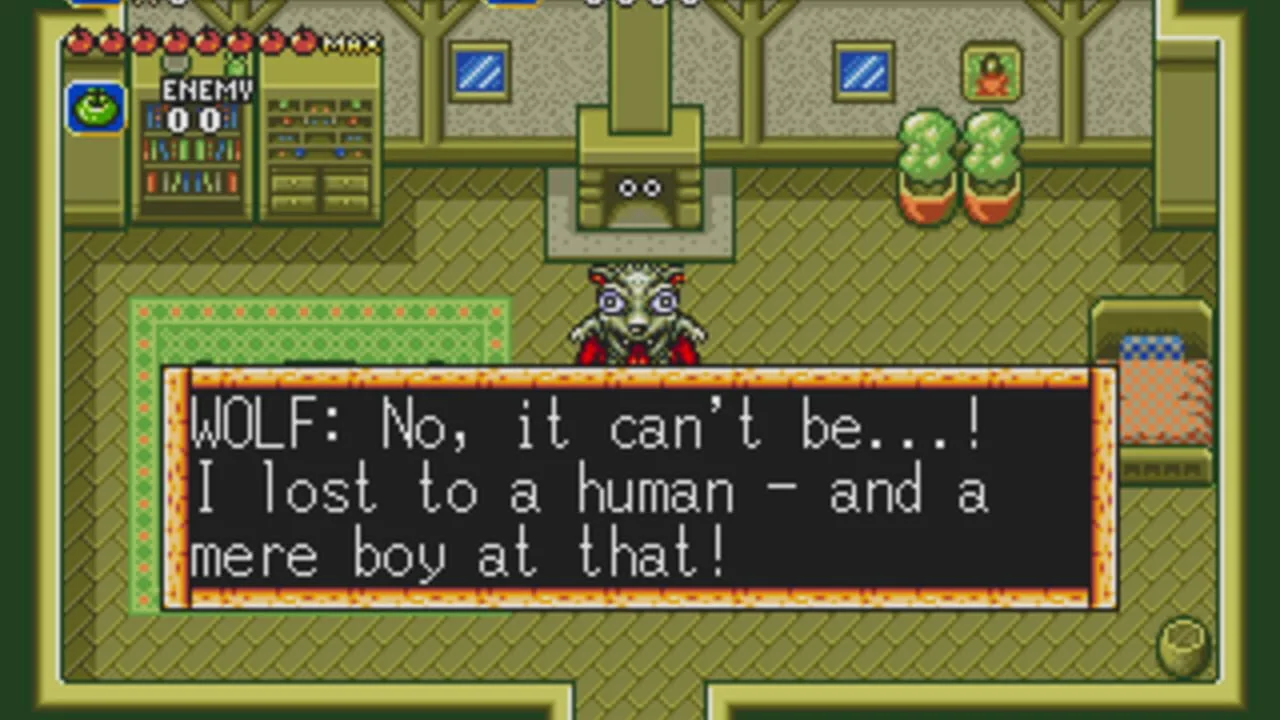
1. Crusader of Centy (1994): $432
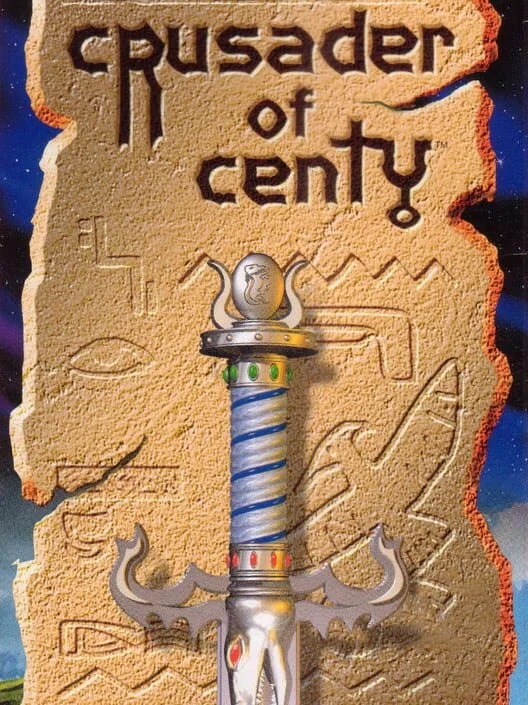
Loose carts of Crusader of Centy sold for a typical $432 across 30 sales between February 2025 and February 2026, and boxed copies went for a typical $1,850 across 14 sales. Sega's North American branch passed on it, so Atlus USA picked it up for a 1995 release, and Atlus was known for smaller print runs on its early games. It came in the fragile cardboard box of the late Genesis years, and a manual on its own has been worth a few hundred dollars. The price rose almost 400% between 2013 and 2017, then another 375% by 2021.
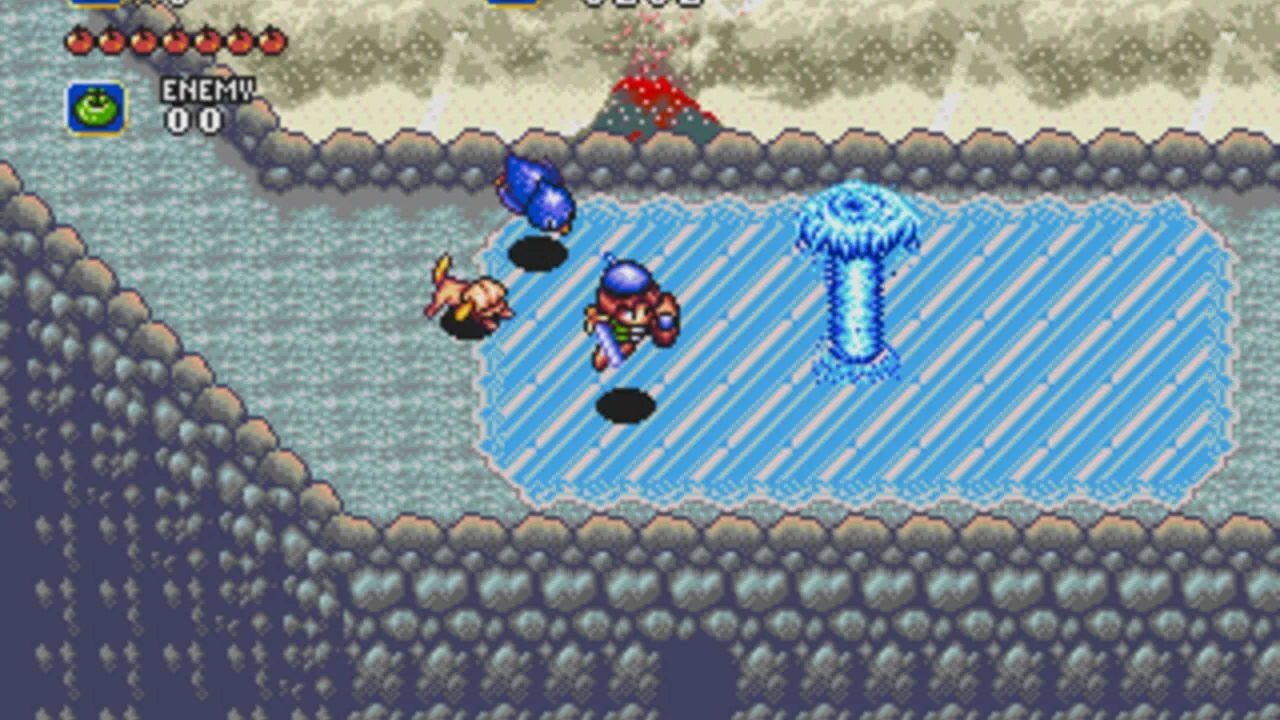
It is an action RPG with the look of an old-school Zelda. You play a 14-year-old boy who can talk to animals but can no longer talk to people, and there are no items to collect. You befriend animals and take two along at a time, and certain pairs unlock stronger abilities. Electronic Gaming Monthly's reviewers called it a worthy Zelda clone. It came to Nintendo Switch Online + Expansion Pack on June 27, 2023, by far the cheaper way to play.