The Nintendo 64 was a platformer machine. Super Mario 64 was the first Super Mario game in 3D, and it set the pattern for everything that came after. Rare ran with it, and smaller studios kept trying odd ideas, from a robot on a unicycle driven by realistic physics to a 2D side-scroller from Treasure.
There is a lot more here than the famous names, from a glove with four fingers to a janitor who mutates the whole planet. Here are the 18 best N64 platformers.
18. Tonic Trouble (1999)
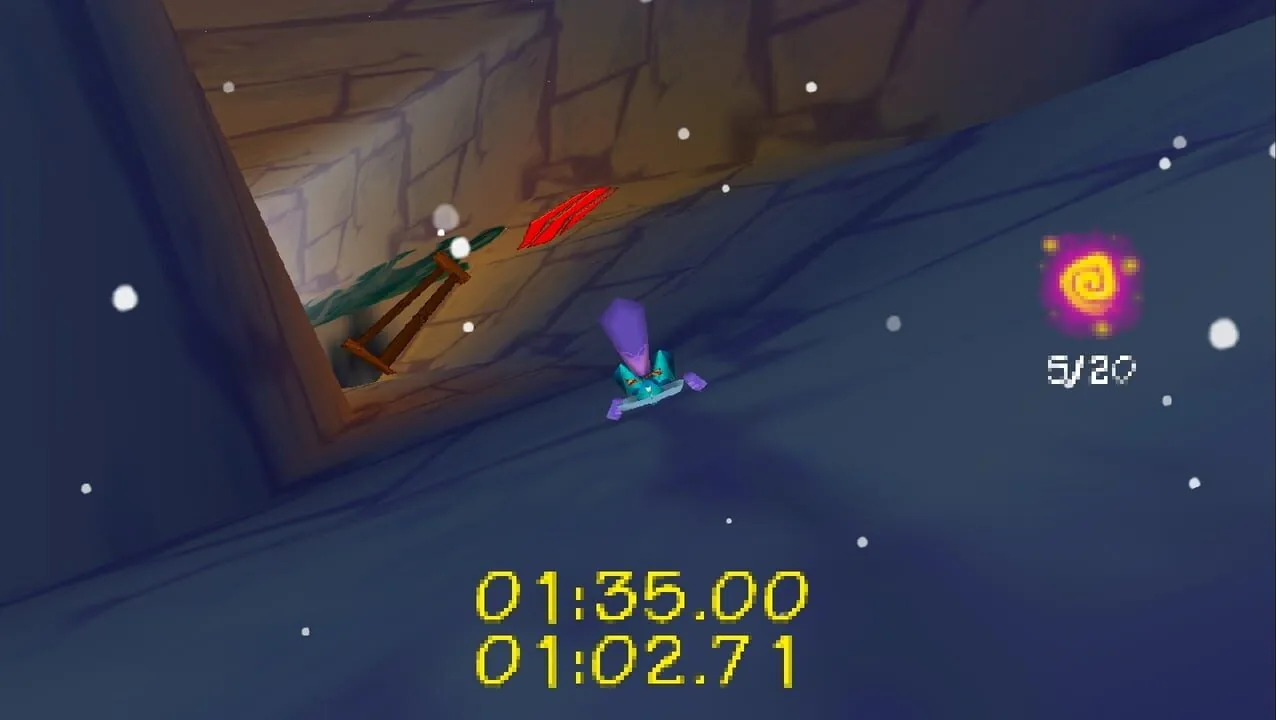
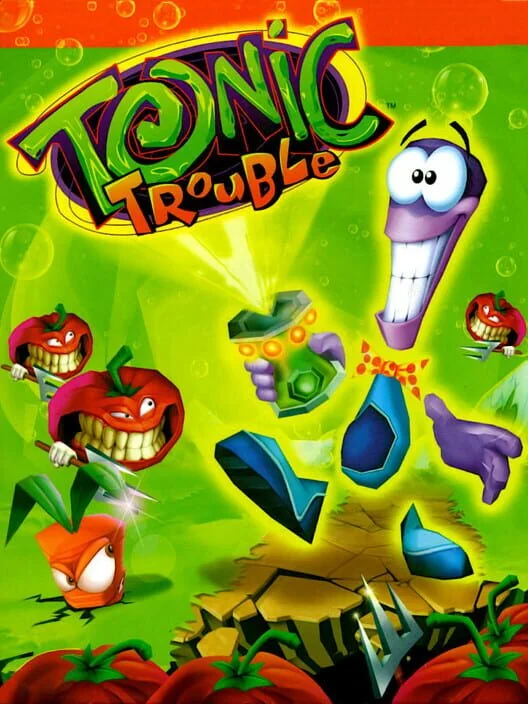
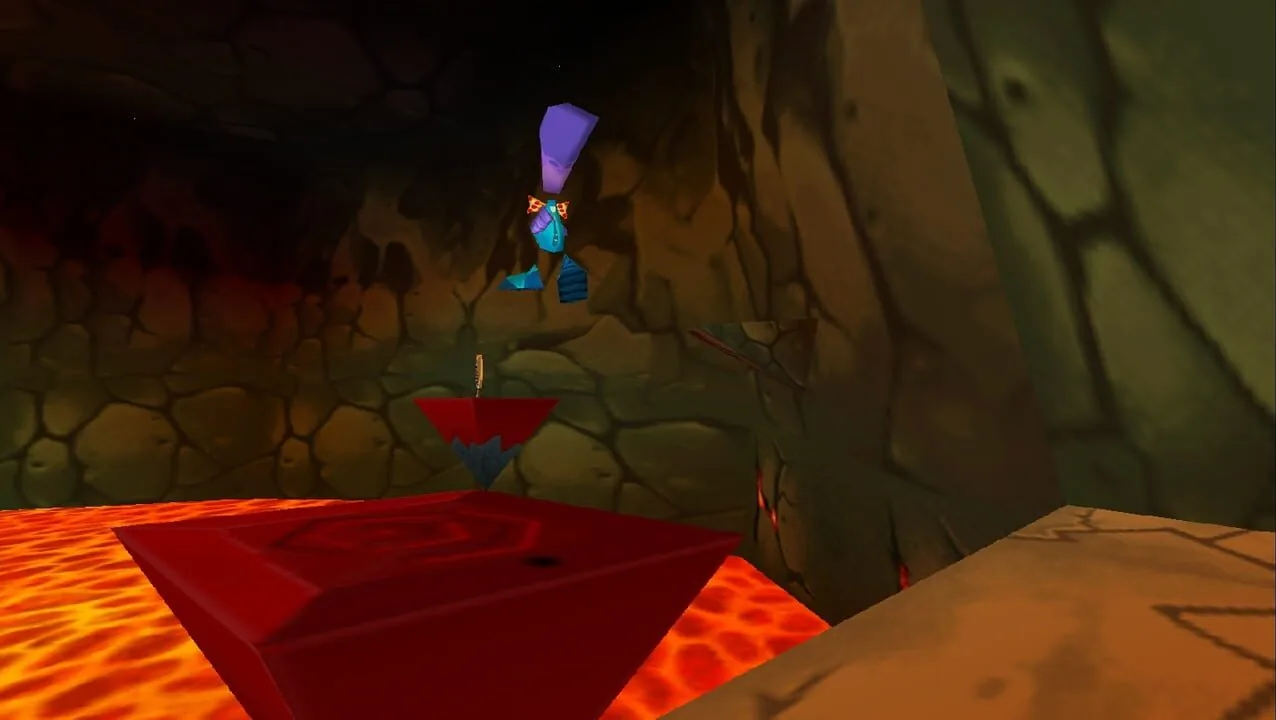
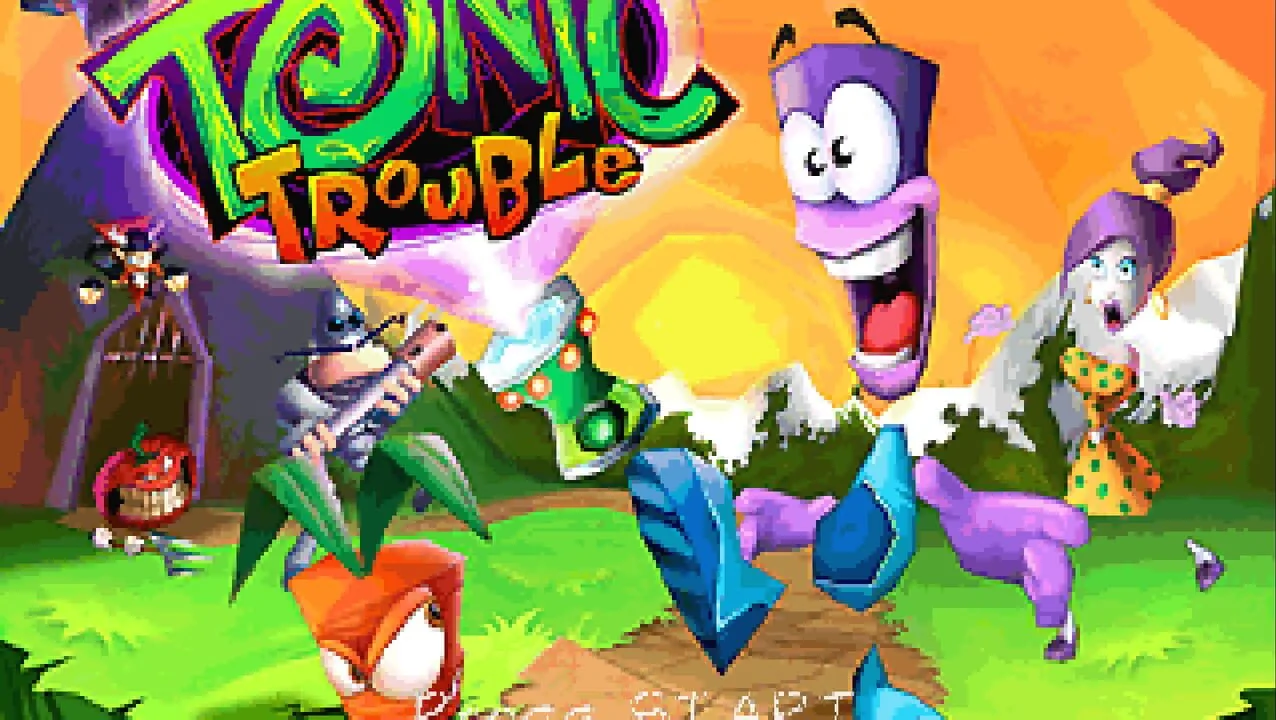
Tonic Trouble started as a game made to test the engine for Rayman 2. Michel Ancel came up with it, and a team of around 120 people made it. Pre-production began in June 1996, and after several delays it reached the N64 in August 1999. The hero is Ed, a janitor who drops a container of mystery fluid from his spaceship and mutates the whole Earth.
A drunk called Grögh drinks from it and uses the powers to take over the planet. The name changed about eight times during development, and the final one was picked in a vote on IGN's website. Critics were split, with some liking the controls and the level design and others pointing at the camera. It sold 1.1 million copies by 2001 and came back on Nintendo Classics in 2025.
17. Mystical Ninja Starring Goemon (1997)
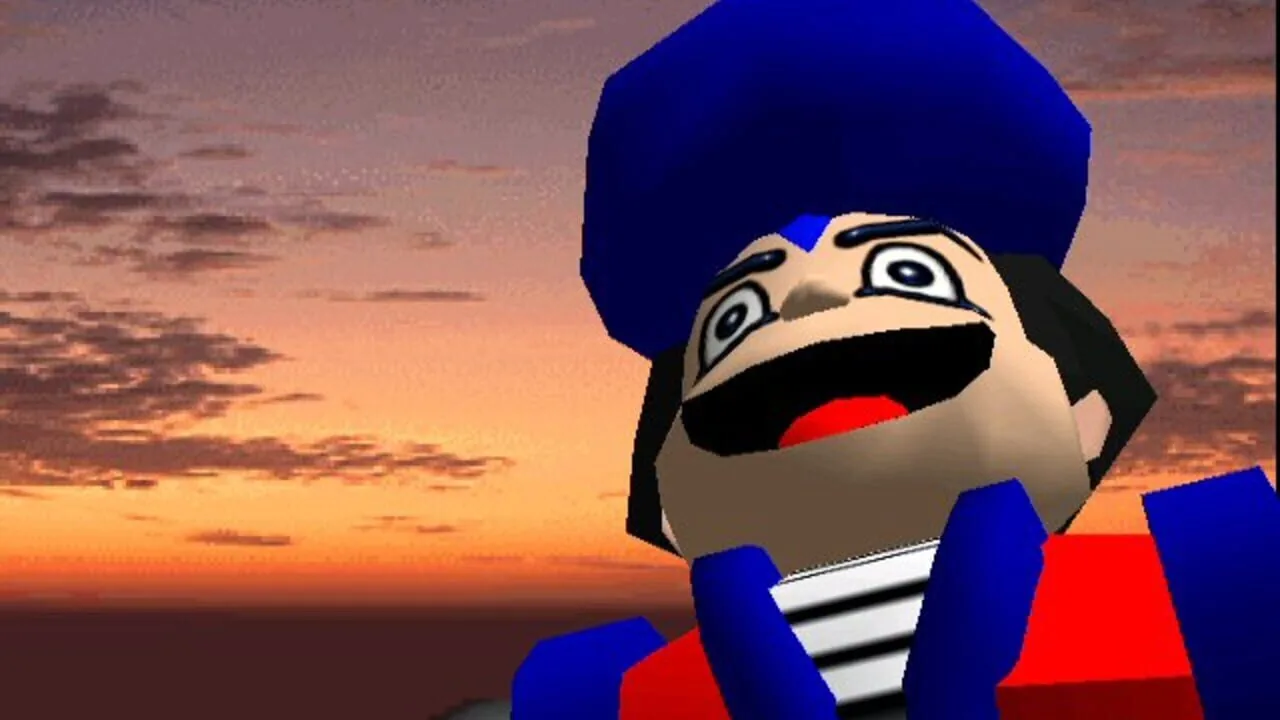
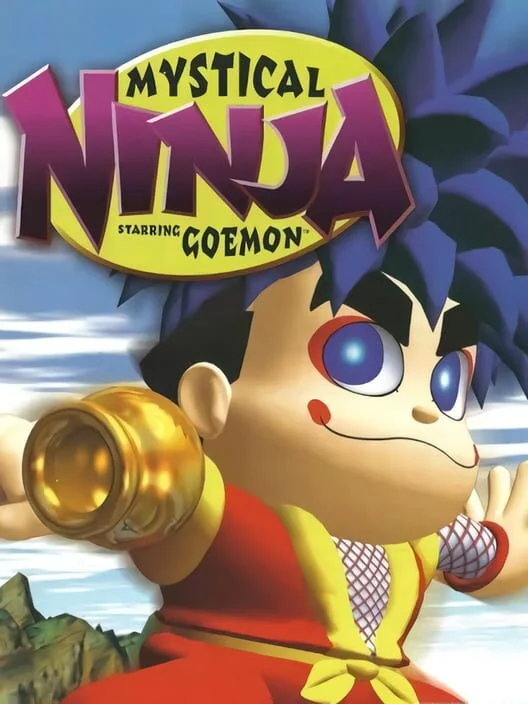
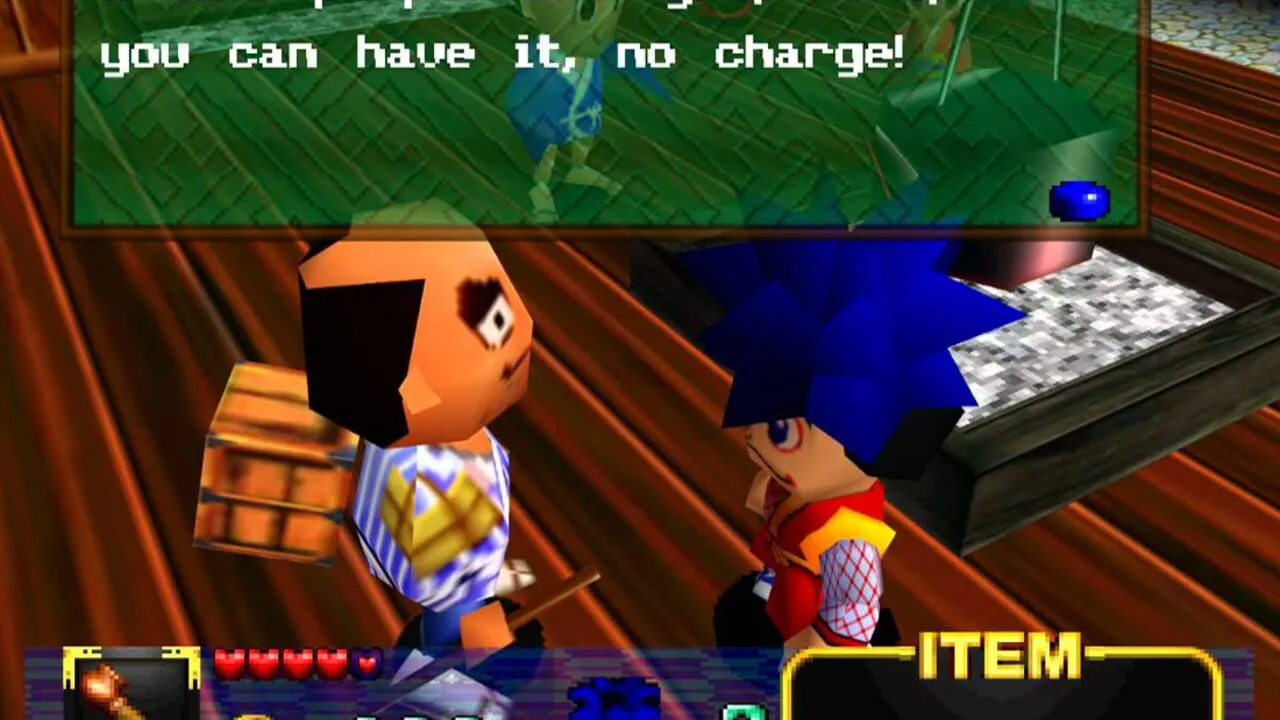
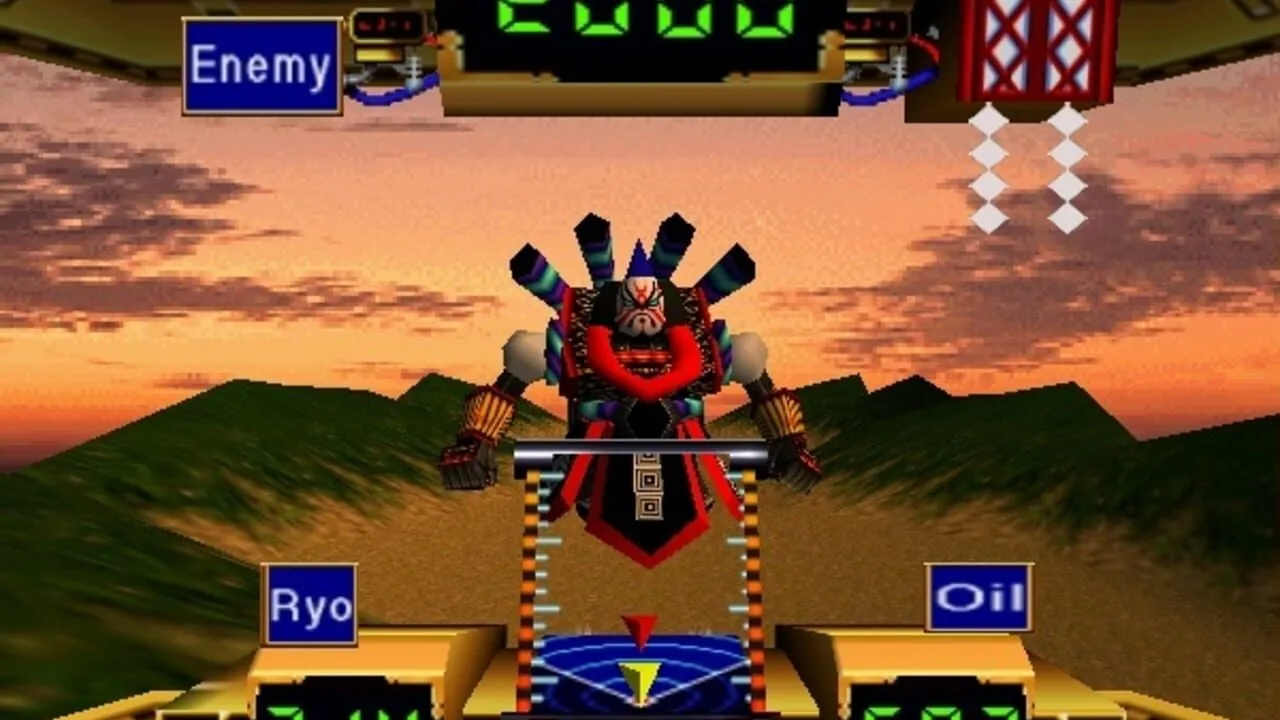
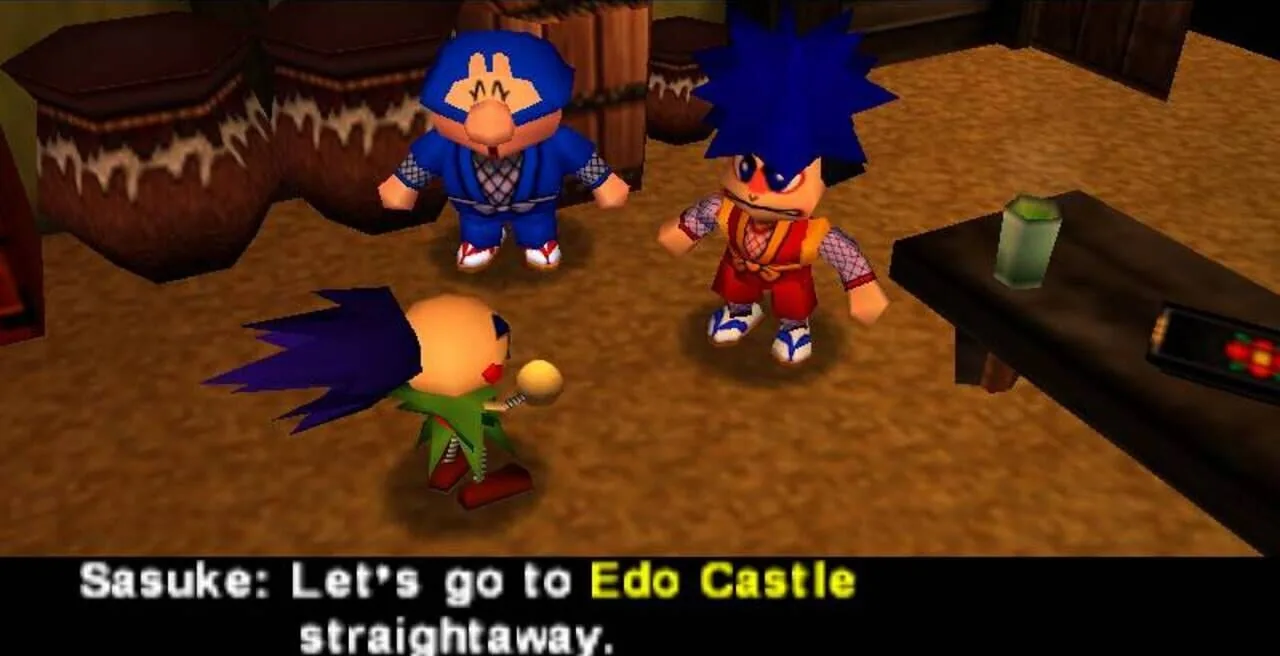
Mystical Ninja Starring Goemon was the second Ganbare Goemon game released in North America and Europe, and it mixes platforming with action-adventure. Goemon has to stop the Peach Mountain Shoguns from turning Japan into a Westernized fine arts theater, and the plot makes room for musical numbers and giant robot battles. Goemon himself is a hot-blooded ninja with blue, bushy hair, based loosely on the legendary thief Ishikawa Goemon.
Like other Ganbare Goemon games, it is peppered with surrealist humor and anachronisms. His friend Sasuke is a mechanical ninja made by the Wise Man of Iga, and he throws kunai alongside him. The theme song was composed by Hironobu Kageyama, best known for singing "Cha-La Head Cha-La", the first Dragon Ball Z opening. It sold nearly 200,000 units worldwide.
16. Castlevania (1999)
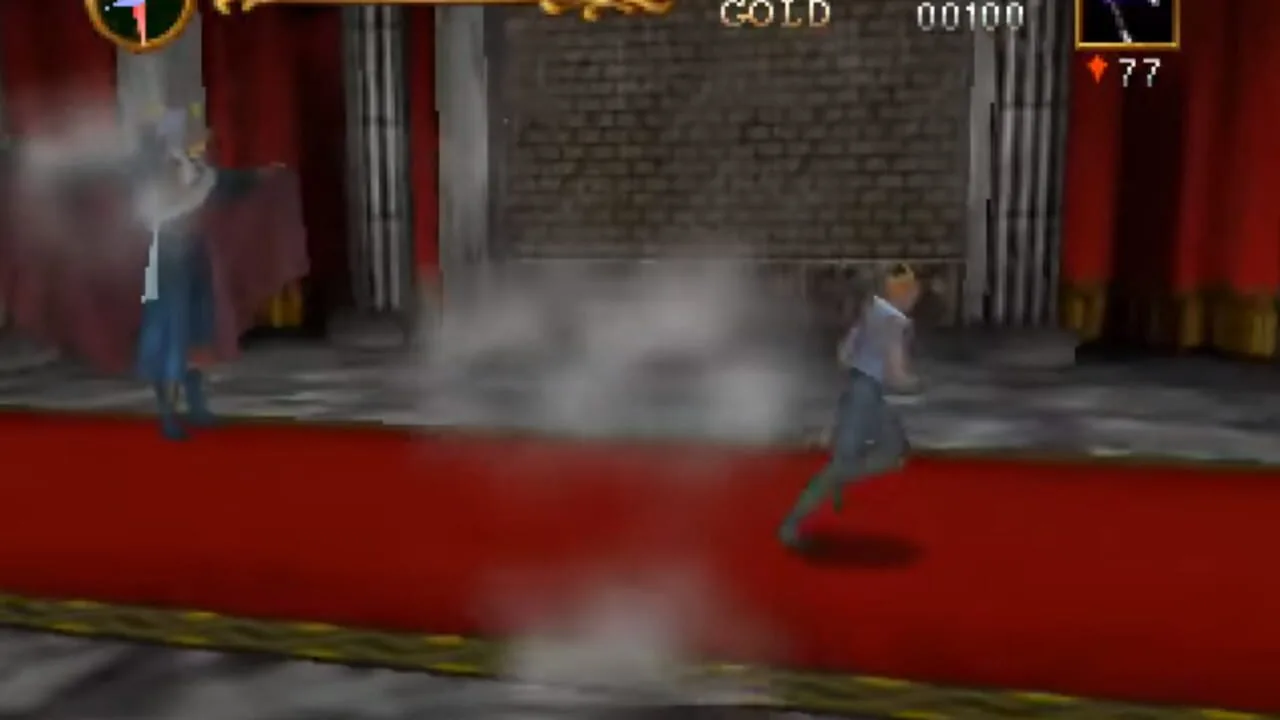
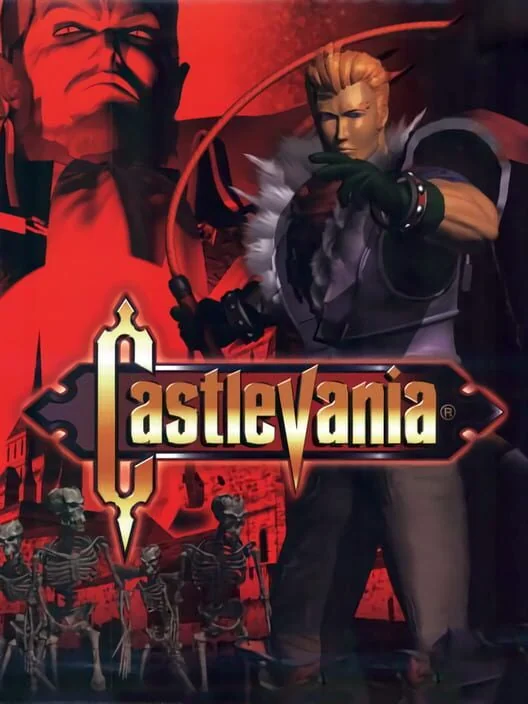
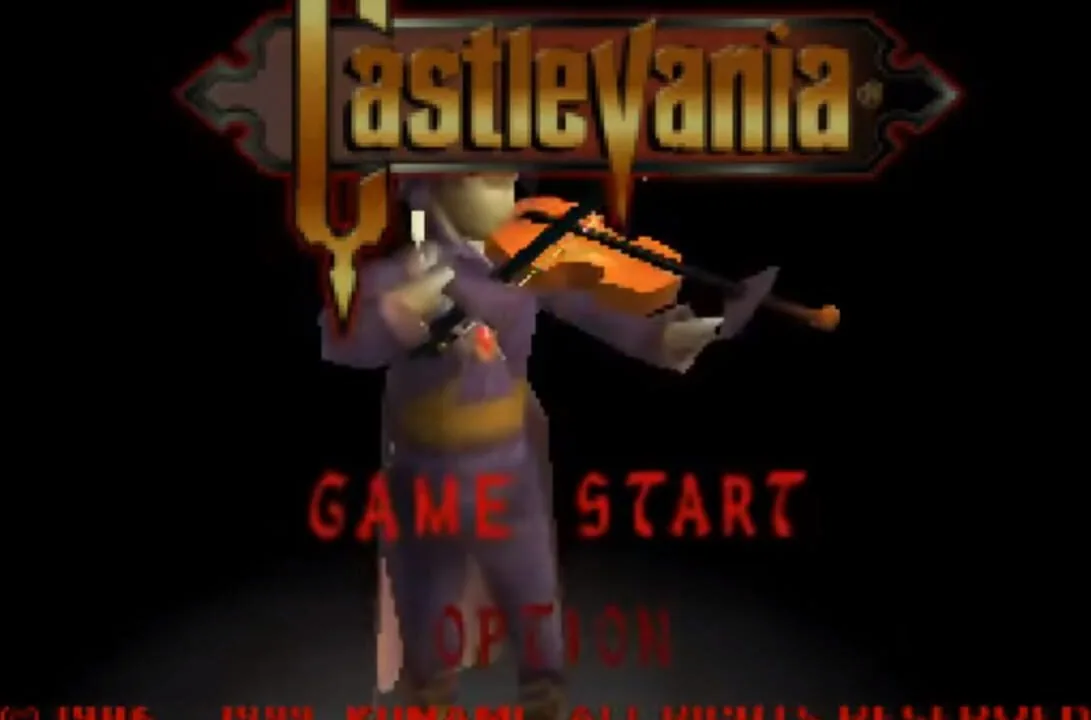
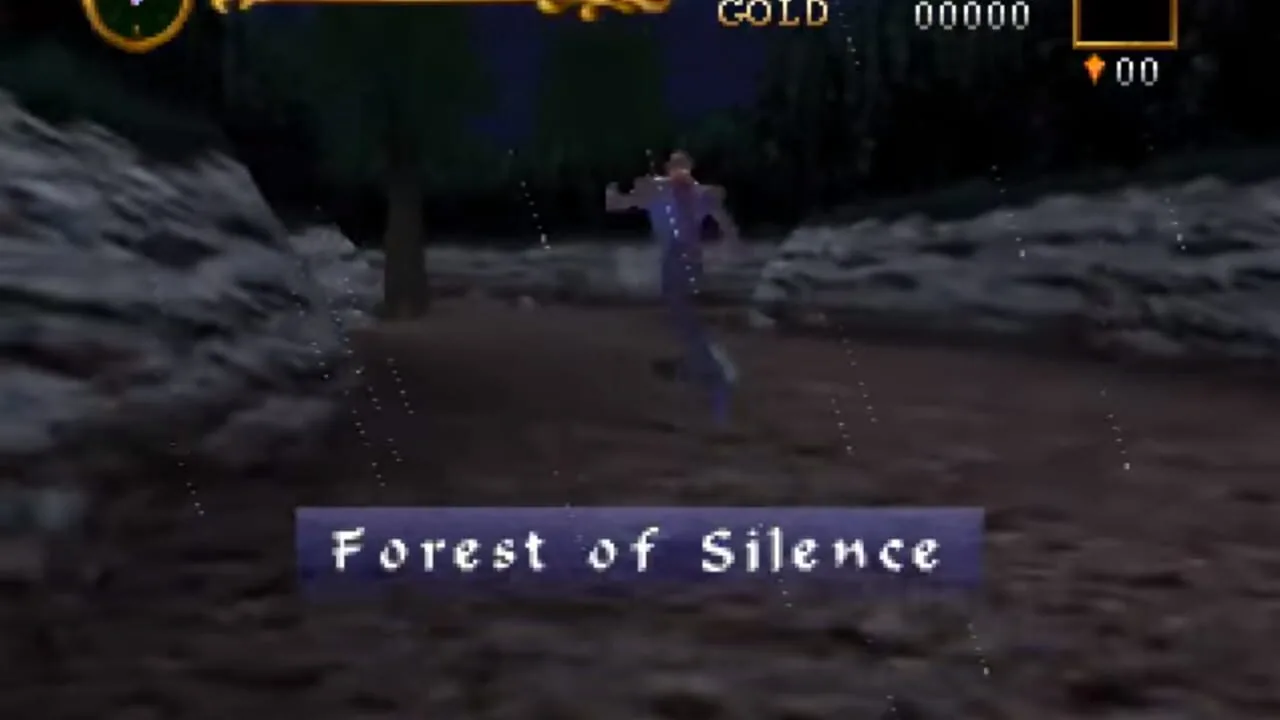
Castlevania on the N64 was the first 3D game in the series. You pick Carrie Fernandez, a young orphan with magic powers, or Reinhardt Schneider, the whip-wielding heir to the Belmont clan. An expanded version, Legacy of Darkness, followed later the same year.
A large part of the challenge is jumping from platform to platform past enemies and traps, and the Duel Tower level is nothing but boss battles. The screen tracks the time of day, and the time changes how the game plays. Doors sealed with a sun or moon crest only open at the matching time of day. The names in the end credits are parodies of people tied to classic horror films, so Bram Stoker becomes Vran Stoker.
15. Glover (1998)
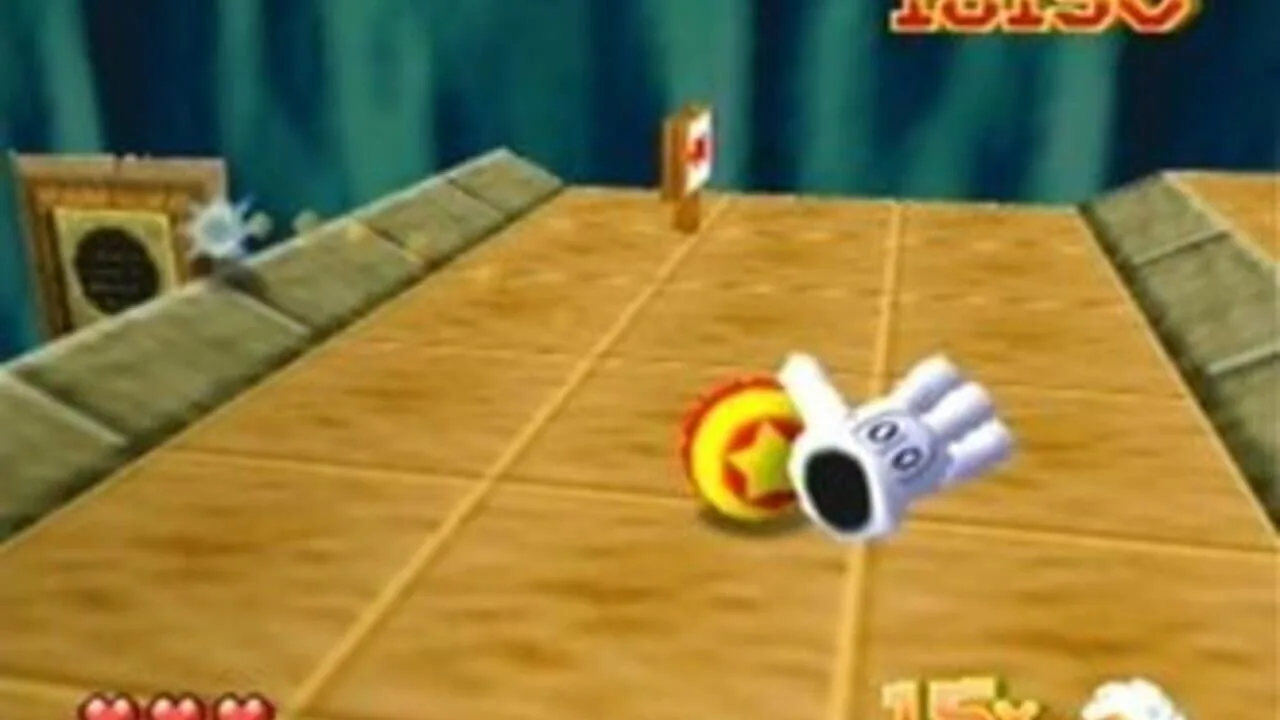
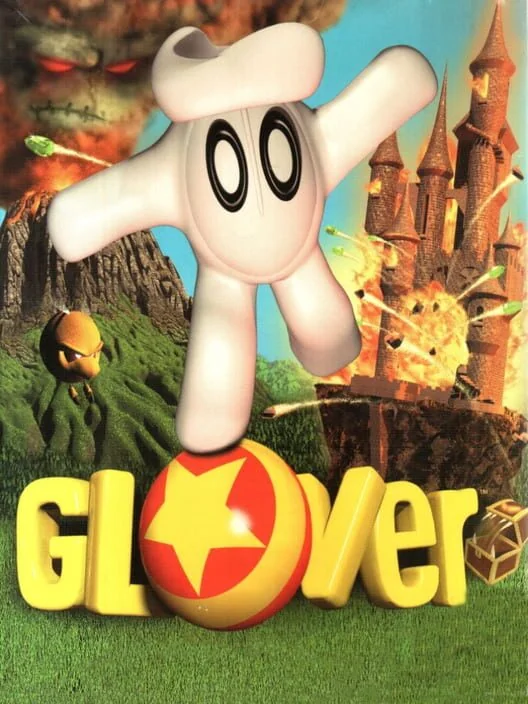
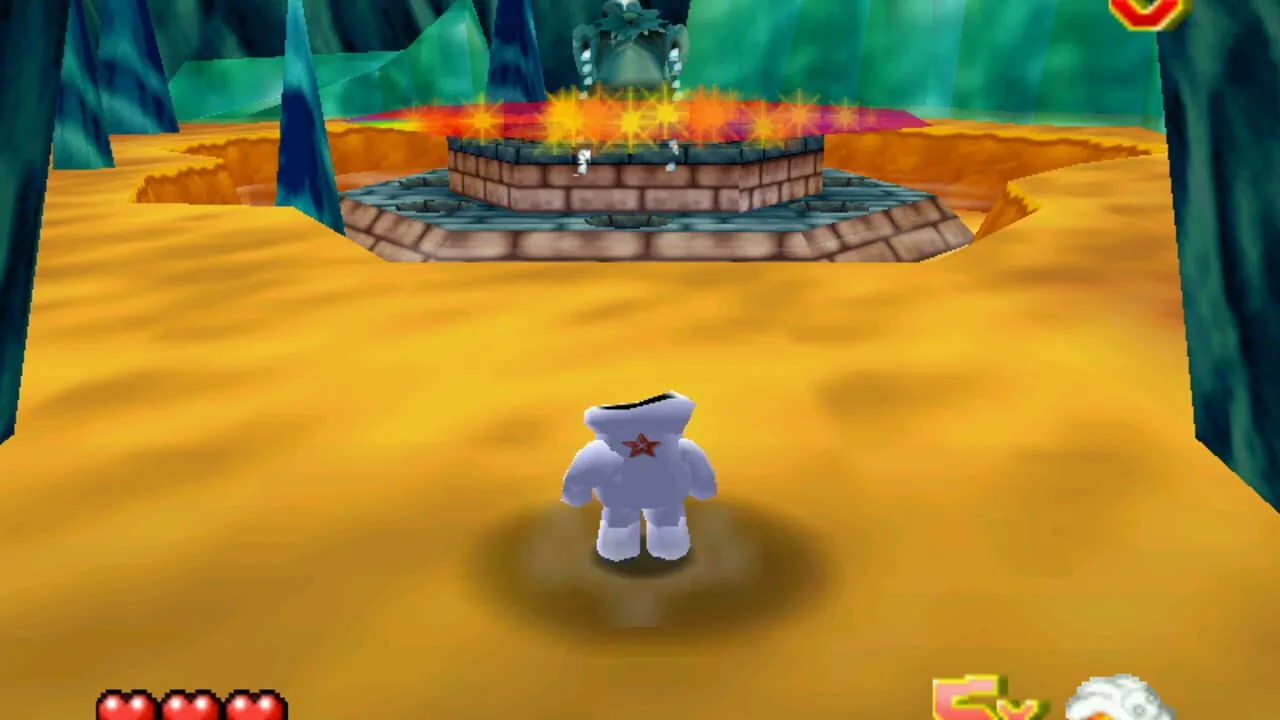
Glover is a puzzle-platformer from Interactive Studios starring a magical four-fingered glove, who has to restore the Crystal Kingdom by finding its lost crystals. Hasbro Interactive published it, and it was announced at E3 1998. The N64 and Windows versions reviewed well, and the PlayStation one did not.
Nintendo was interested in publishing it, and Shigeru Miyamoto even made suggestions. Anything on the team without a name got called a Garib, and it became an office meme. A sequel, Glover 2, was planned and then cancelled, but the first game came back in 2025 on the Switch, PS4, PS5 and two generations of Xbox.
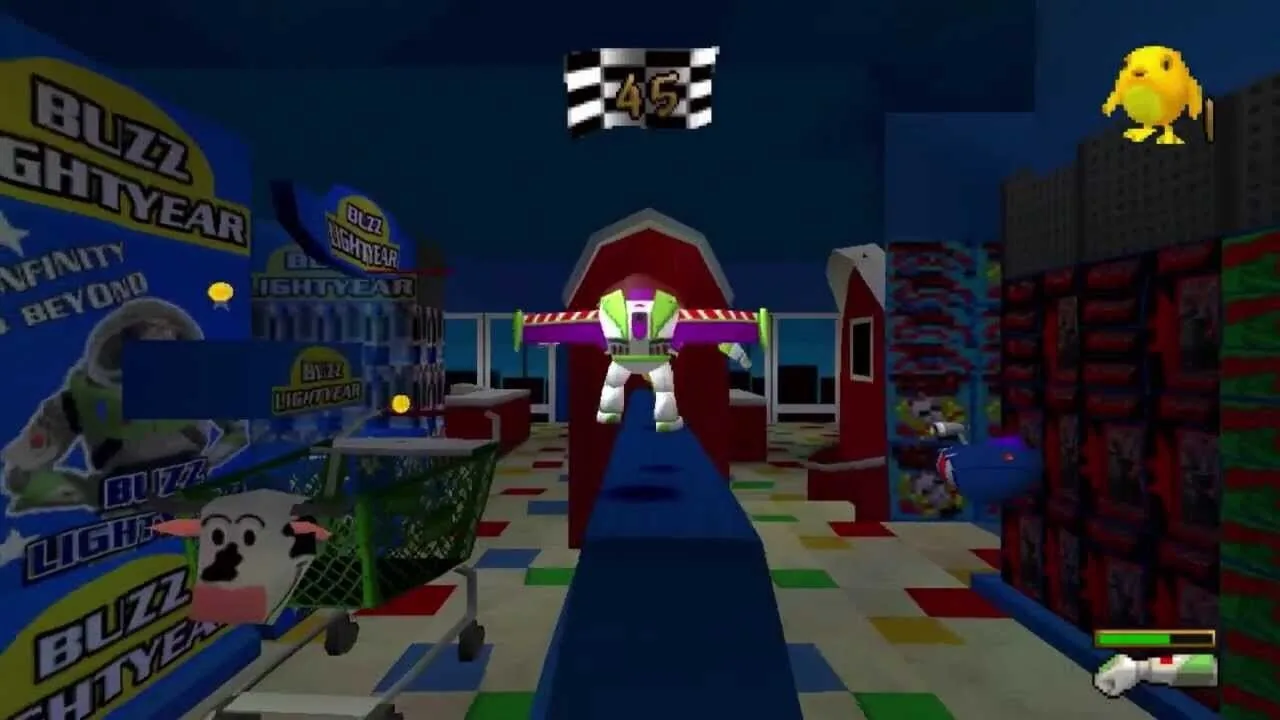
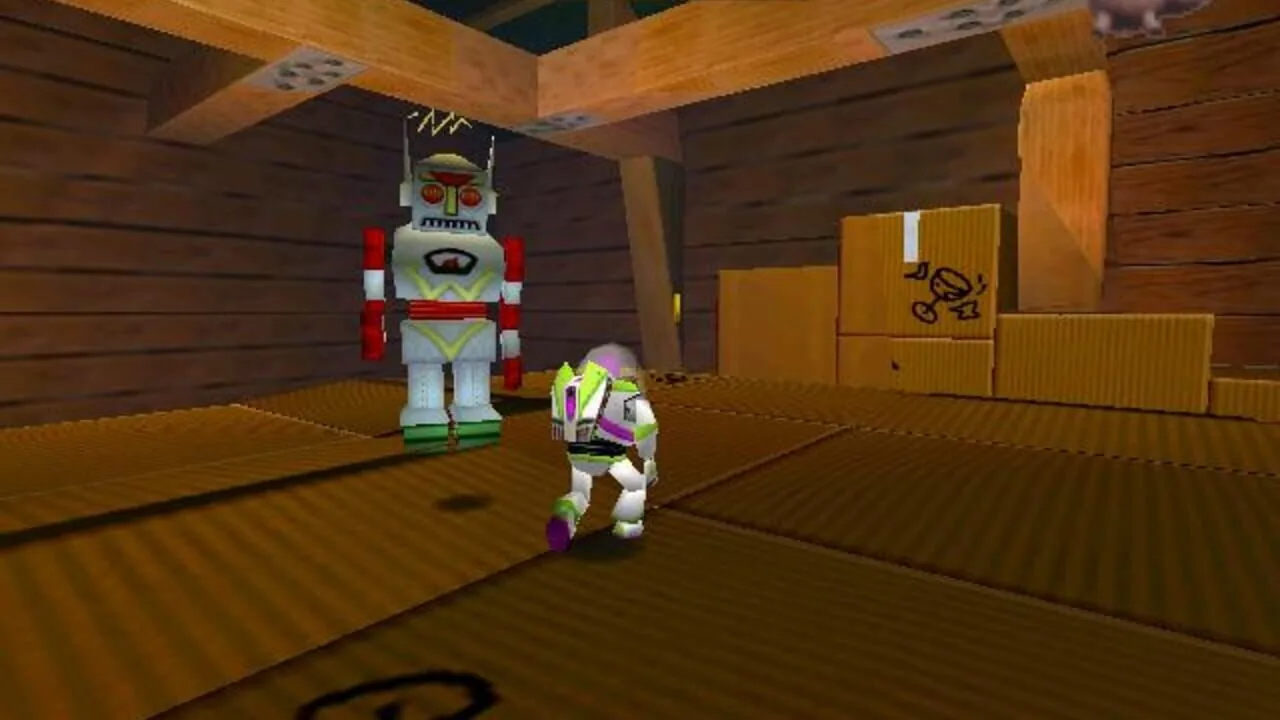
14. Toy Story 2: Buzz Lightyear to the Rescue! (1999)
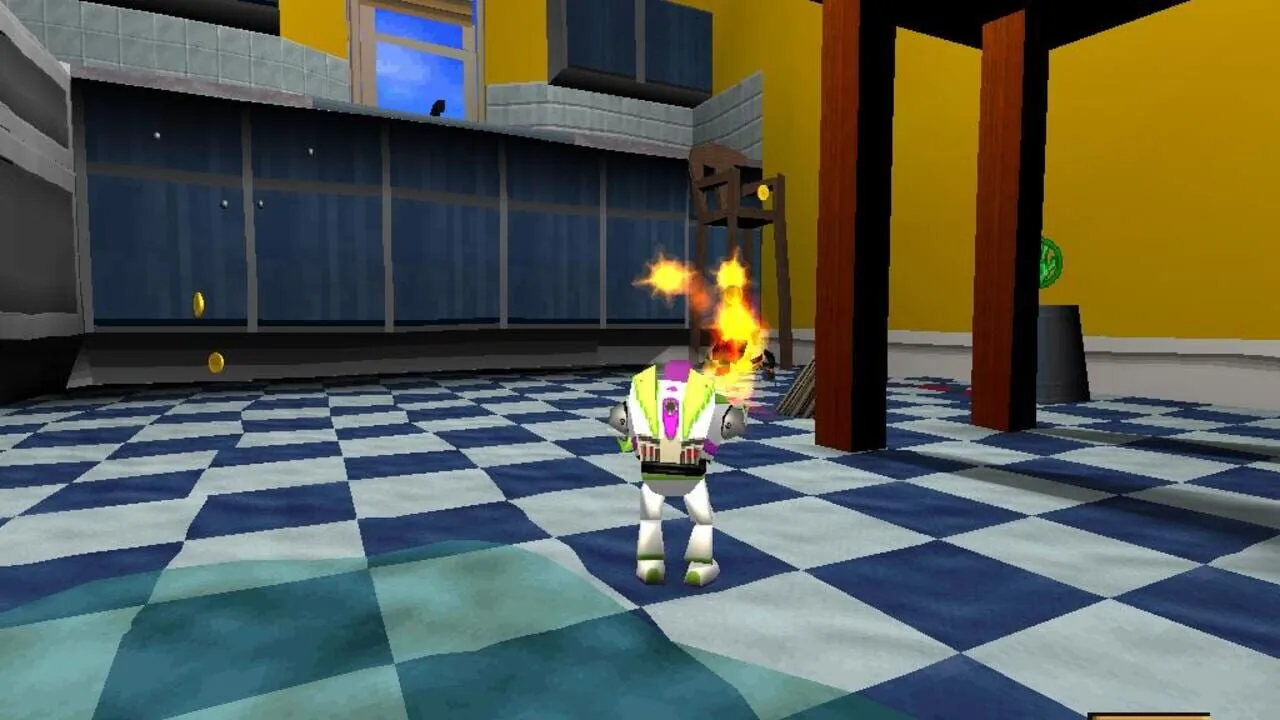
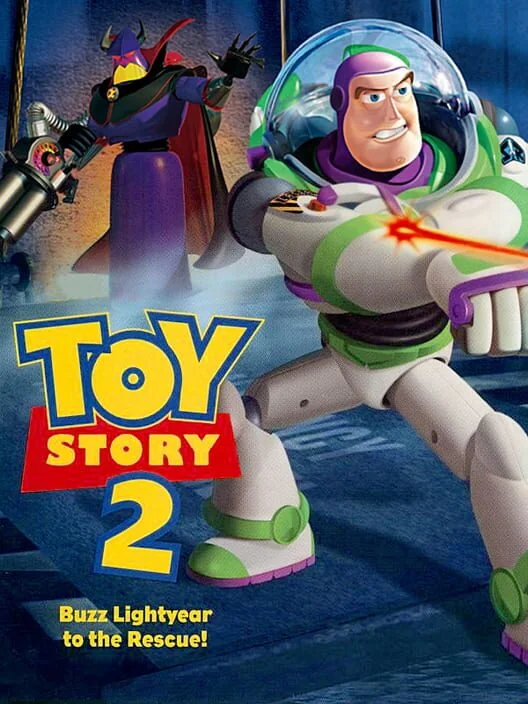
Traveller's Tales made it from the Pixar film, and Buzz Lightyear explores fifteen levels to rescue Woody. It came out on the N64, PlayStation, Windows and Mac in late 1999. Ten are main levels and five are boss fights, and Buzz has a wrist laser that can be charged up or aimed in first person.
Board game boxes in Andy's room read TT-Games and More Tales, nods to the developer. Hidden coins open bonus levels, which gives you a reason to poke into corners. One reviewer called it not worth a second replay but enough to make a first adventure worthwhile. Players rate it as a good 3D platformer in its own right, not just a film tie-in.
13. Goemon's Great Adventure (1998)
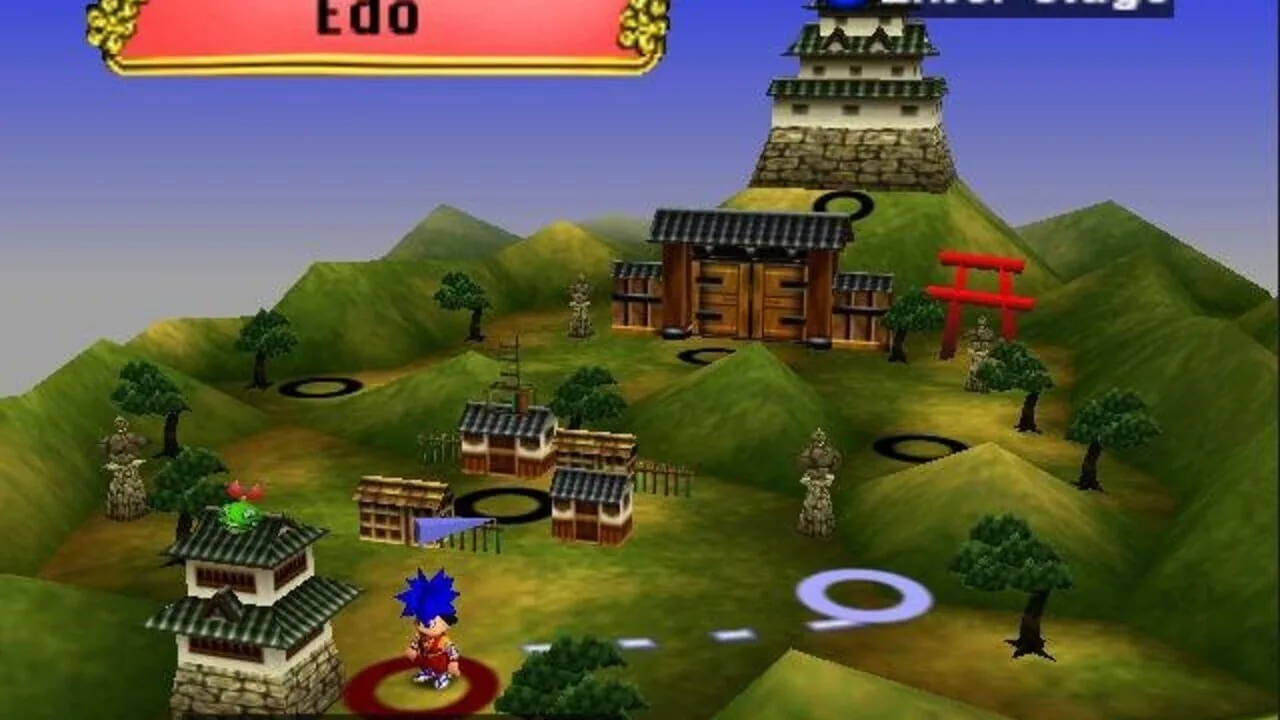
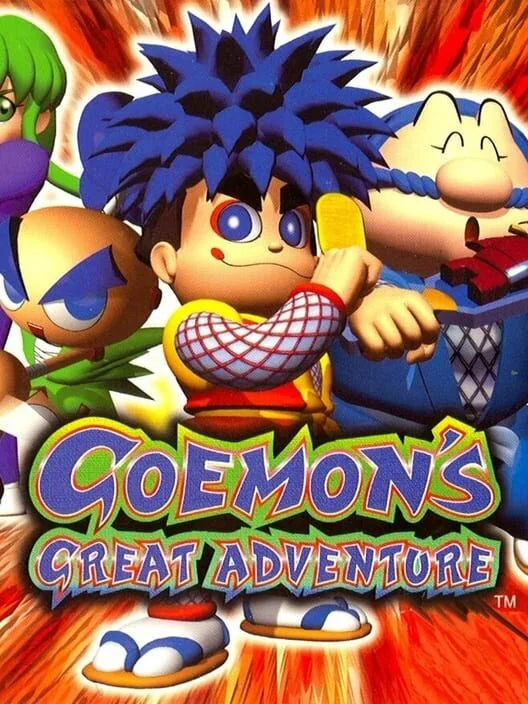
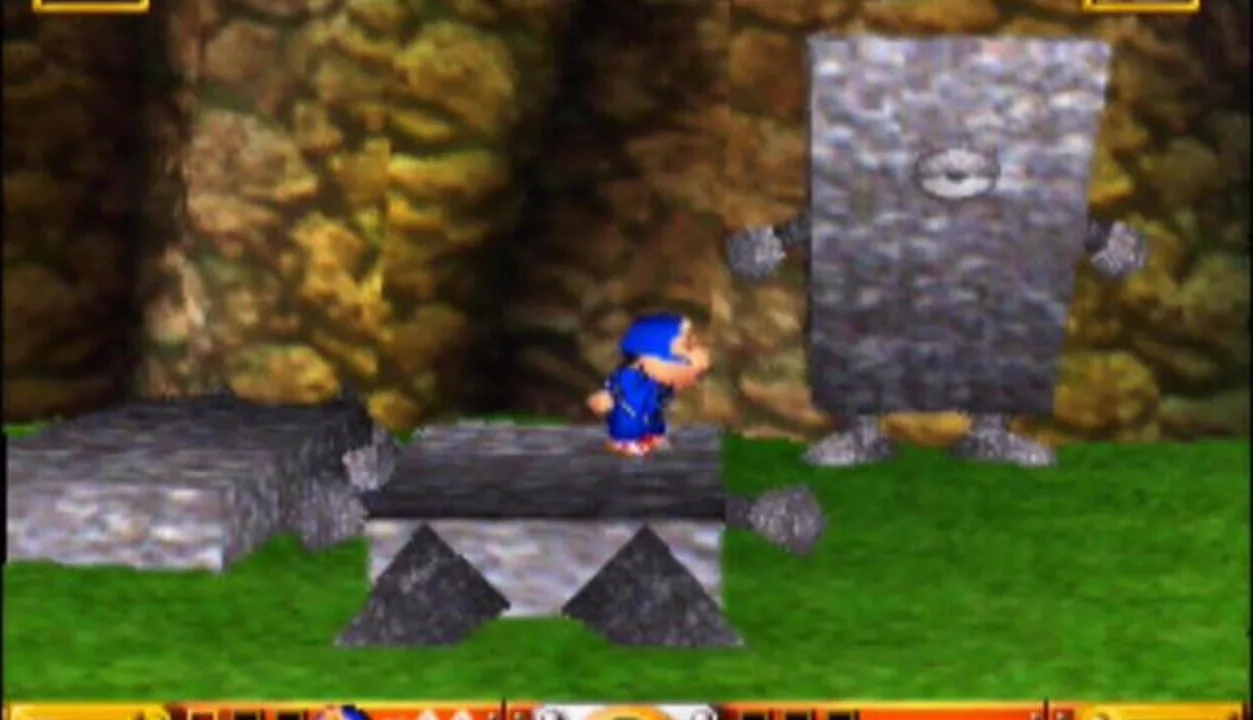
Goemon's Great Adventure takes the series back to side-scrolling, with platforming in 2.5D. The villain is Bismaru, an evil time-travelling nun who has stolen Wise Man's resurrection machine to revive a demon prince. She also wants to marry him. Reviewers have considered it one of the best side-scrollers on the N64.
In Europe it was sold as Mystical Ninja 2 Starring Goemon, even though it plays nothing like the first one. Two players can play at once as long as both stay on screen, and every two to three minutes the sky in the background slides toward sunset or sunrise. Kenzo's house in Edo has a poster for Goetanic, a parody of Titanic.
12. Space Station Silicon Valley (1998)
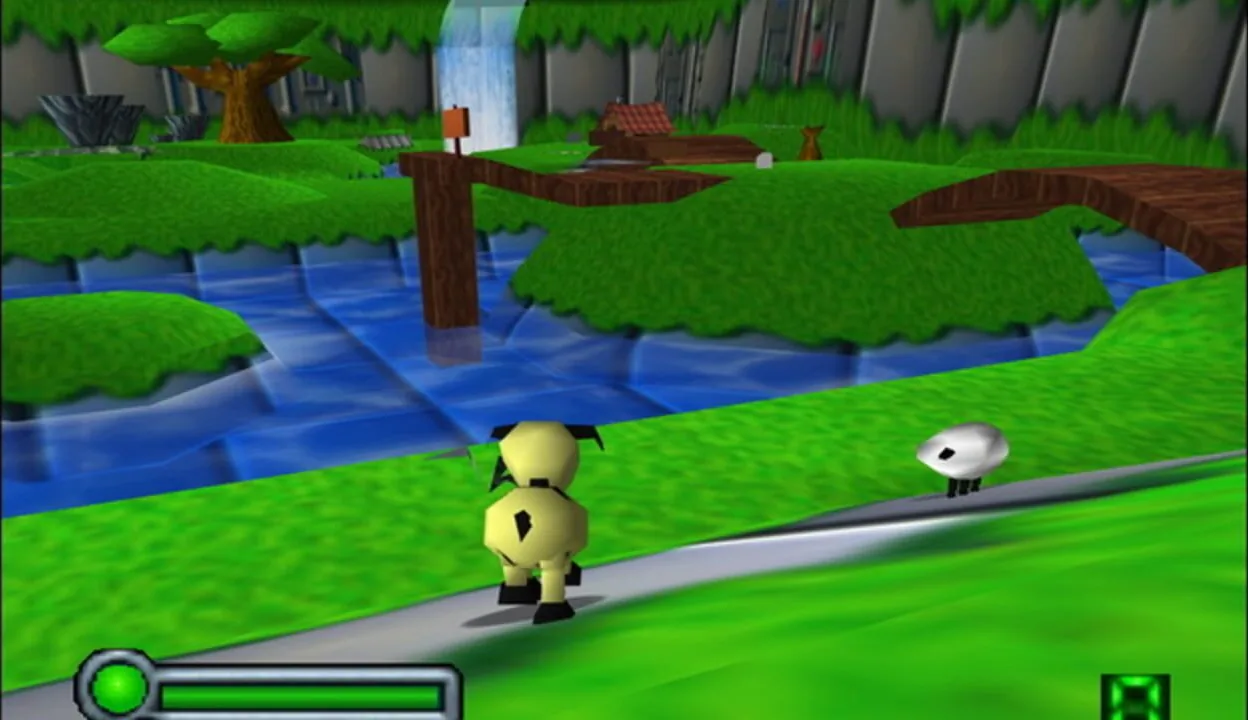
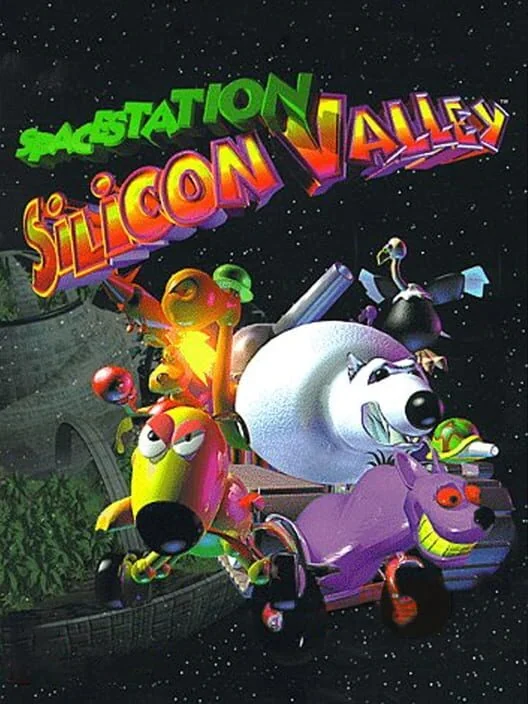
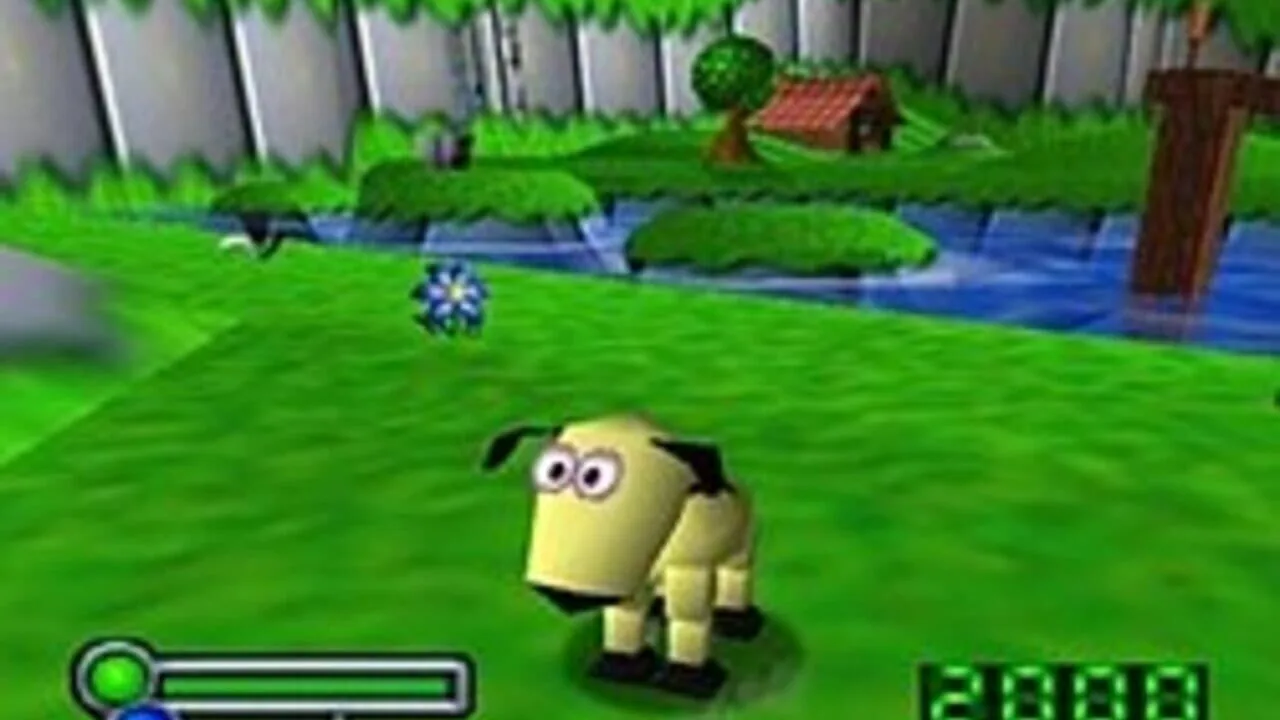
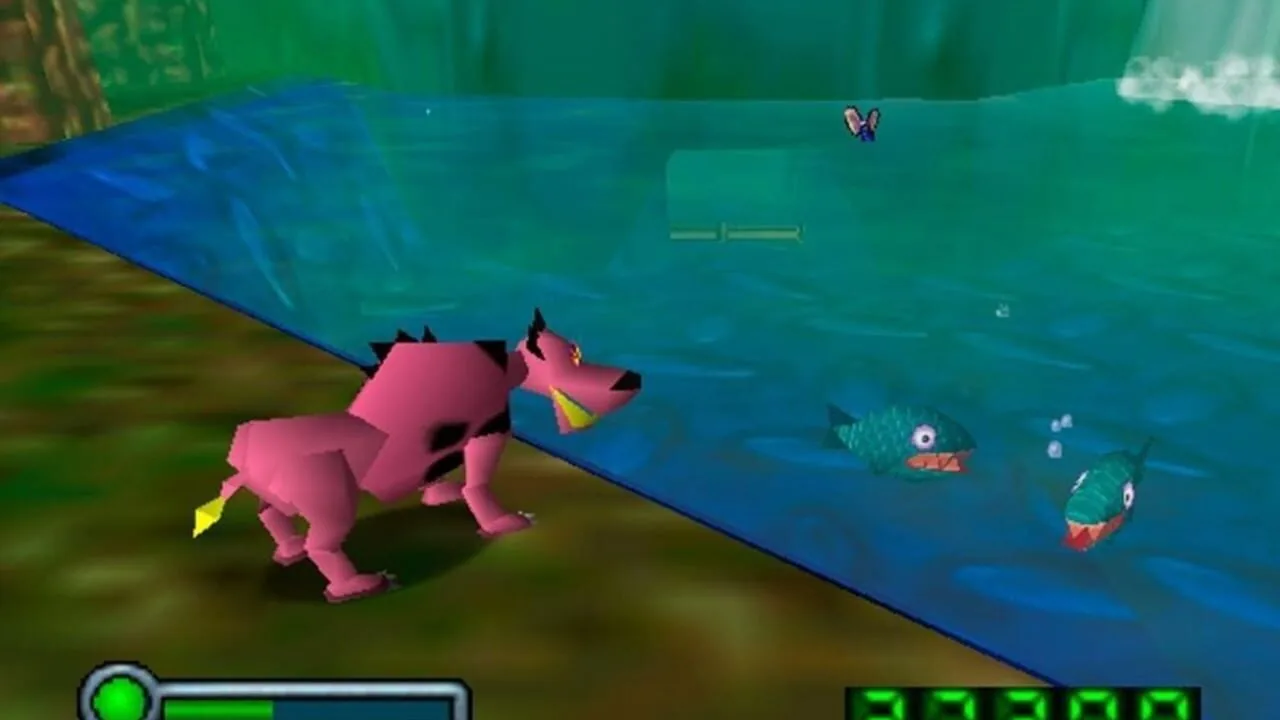
DMA Design made it, and you play Evo, a robot reduced to a crawling microchip after a crash, who takes over animals to solve puzzles and fight. The N64 hardware shaped its soft-focus look, which ended up a lot like Plasticine models. The British humour set it apart from other platformers, and the music was made to sound like B movies.
It won Game of the Month and Most Innovative Game from IGN, though it sold too poorly to earn a sequel. A programming bug makes one golden collectable in Fat Bear Mountain impossible to get, so the final level can't be reached without cheating. Even so, players keep putting it forward for anyone after a platformer off the usual path.
11. Bomberman 64 (1997)
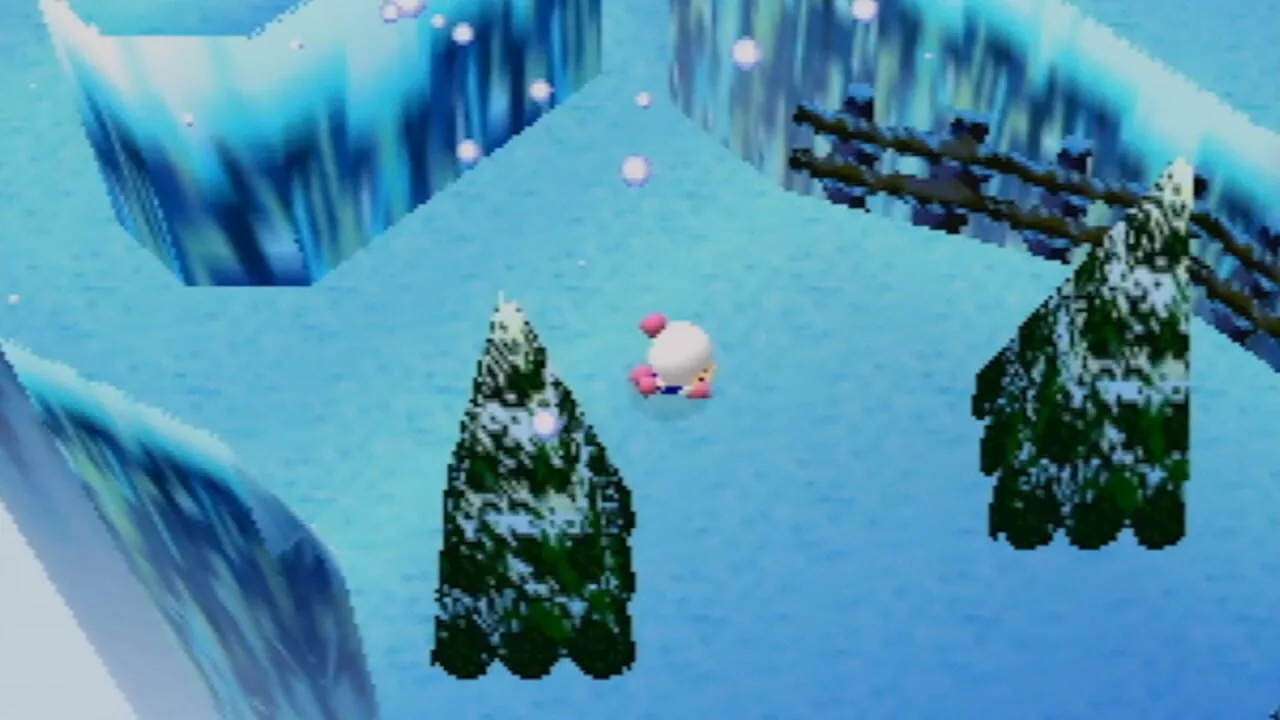
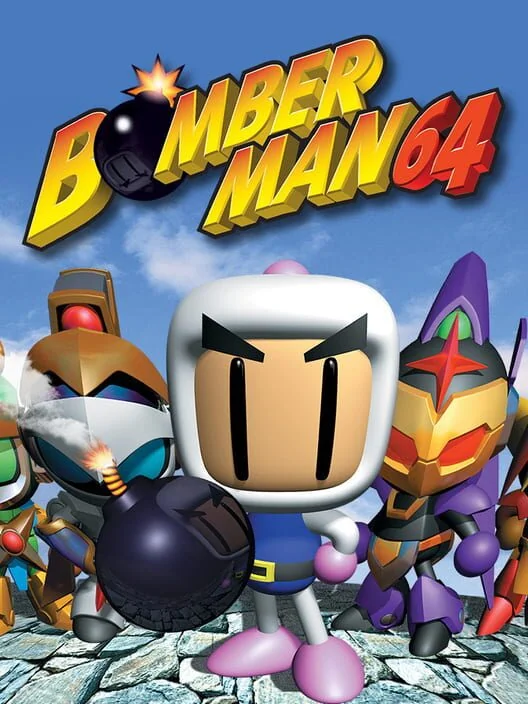
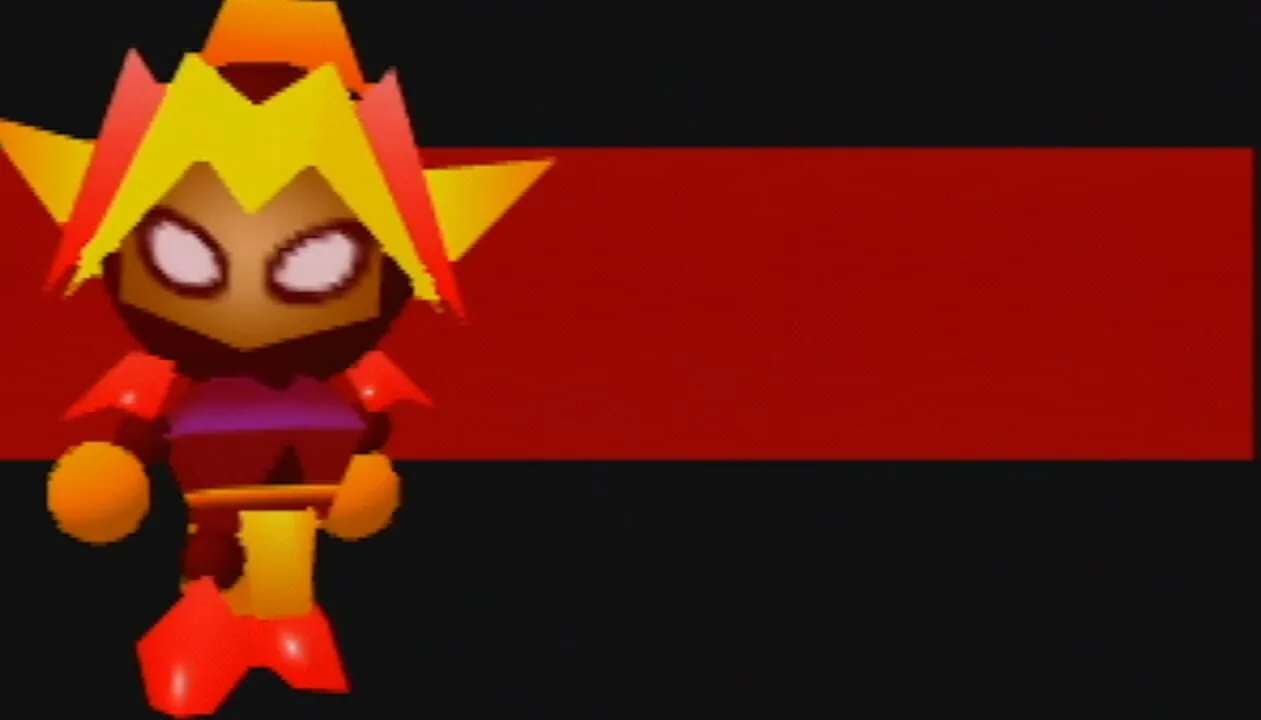
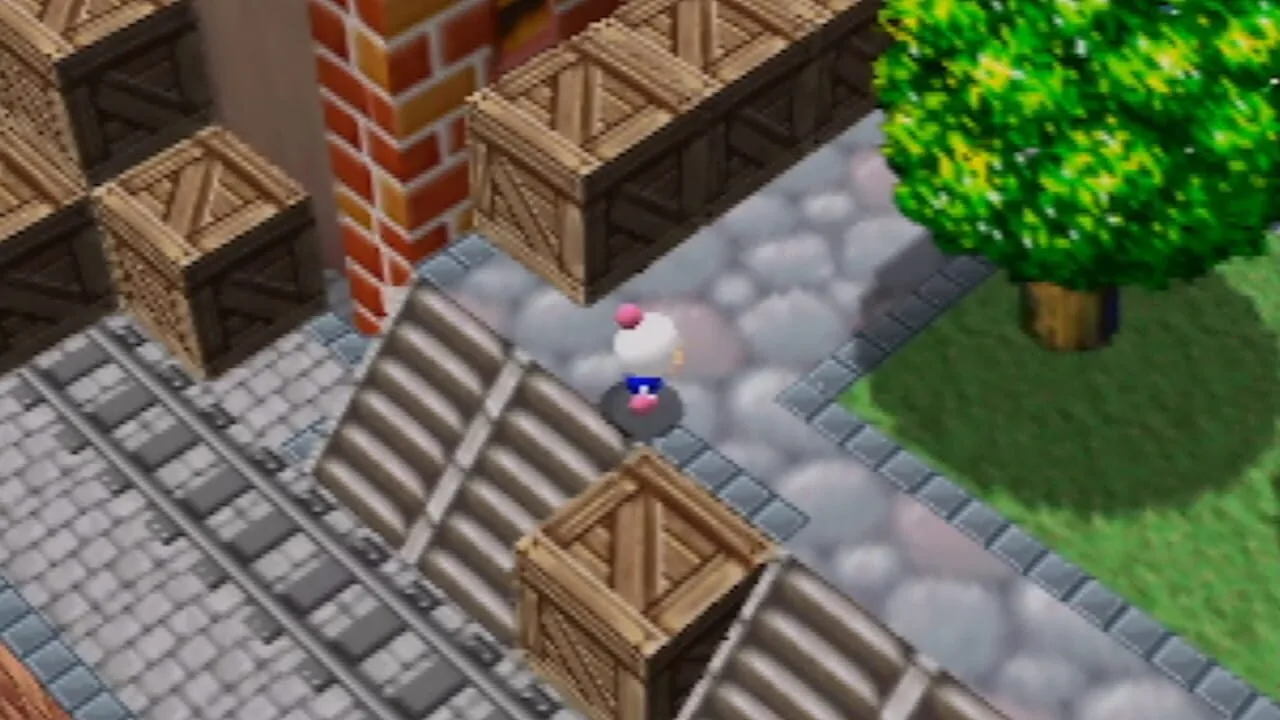
Bomberman 64 was the first 3D Bomberman, and its single-player mode swaps the old arenas for action-adventure and platforming stages. Altair is draining the energy from Planet Bomber with the Omni Cube, and Adventure mode sends you through 24 areas to stop him. In Japan it was called Baku Bomberman, because the Bomberman 64 name went to a different game there.
The Battle mode lets you build a custom Bomberman and save it to a Controller Pak. It never came to the Wii's Virtual Console, but it reached the Wii U's in 2017. Hudson followed it a year later with Bomberman Hero, which went even further into platforming. Players call it a great puzzle platformer and a great multiplayer game.
10. Rocket: Robot on Wheels (1999)
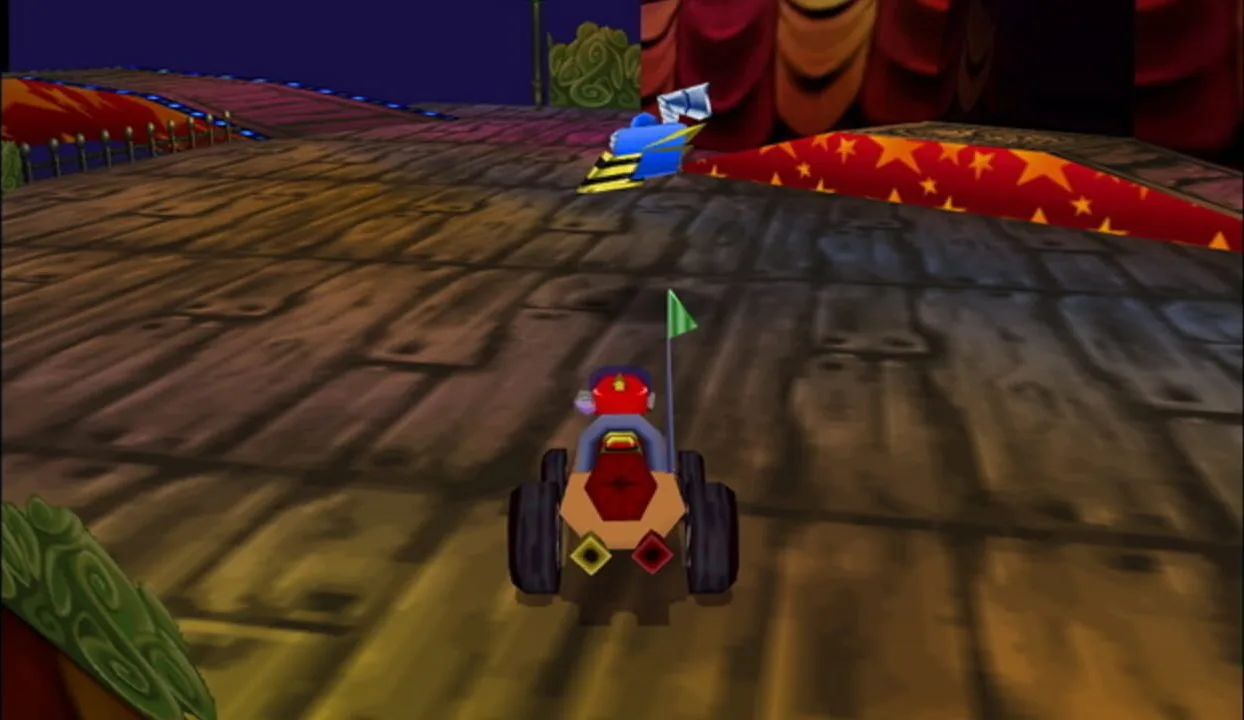
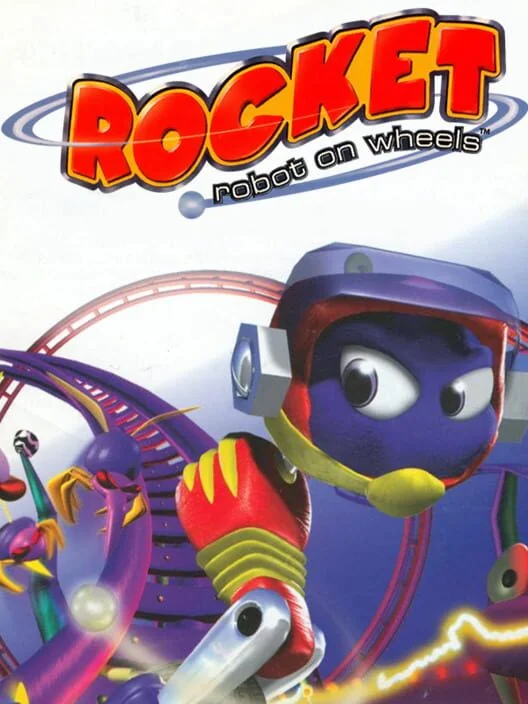
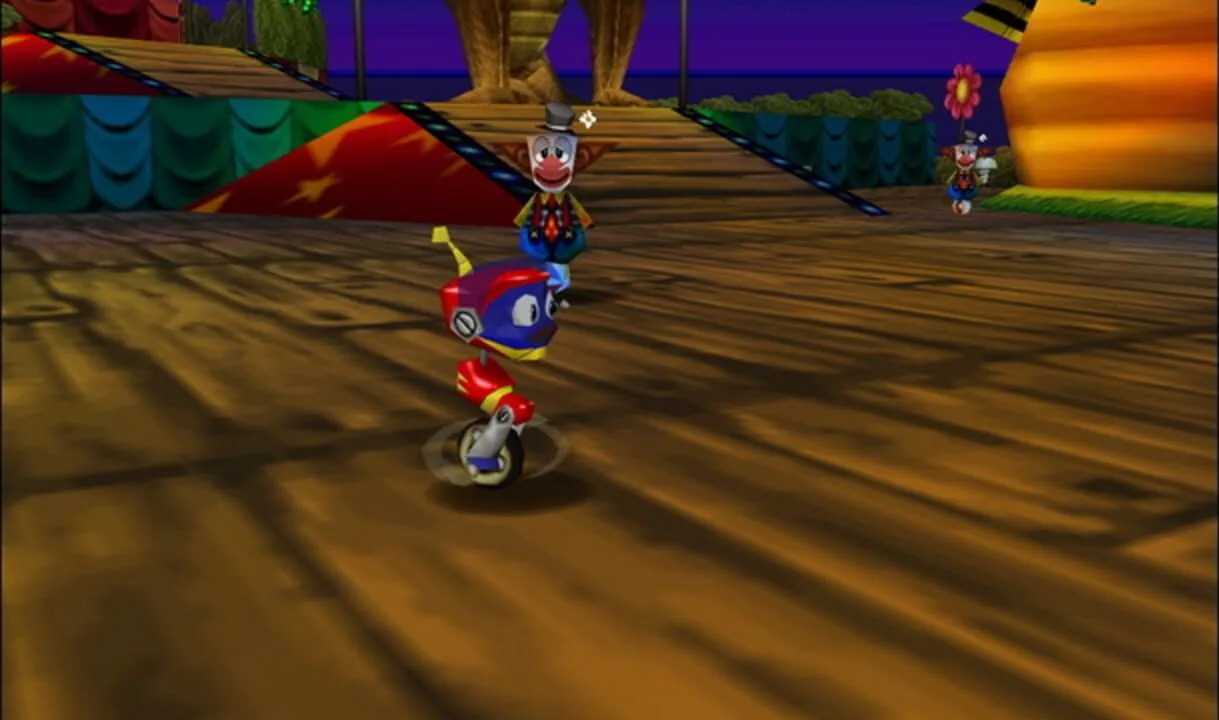
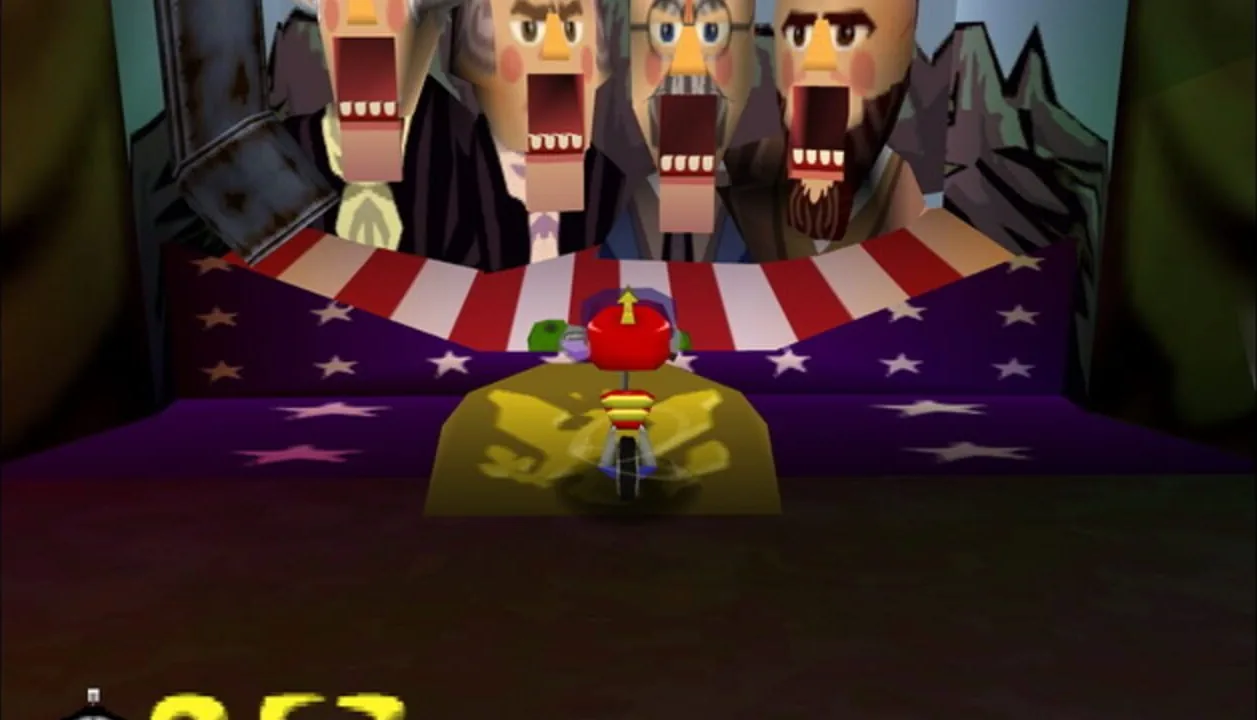
Sucker Punch made Rocket as a first-time N64 developer, and it was the first home console game to drive its gameplay with a realistic physics engine. Every object has its own lifelike properties that you have to weigh up when solving puzzles. The founders built a prototype on a PC without development kits or tool libraries, then spent around a year on the first level, entirely self-funded.
Nintendo gave them development kits but refused to publish the game. It was called Sprocket until three months before release, when copyright got in the way. It lost an S and kept the wheels. Players who found it still recommend it.
9. Bomberman Hero (1998)
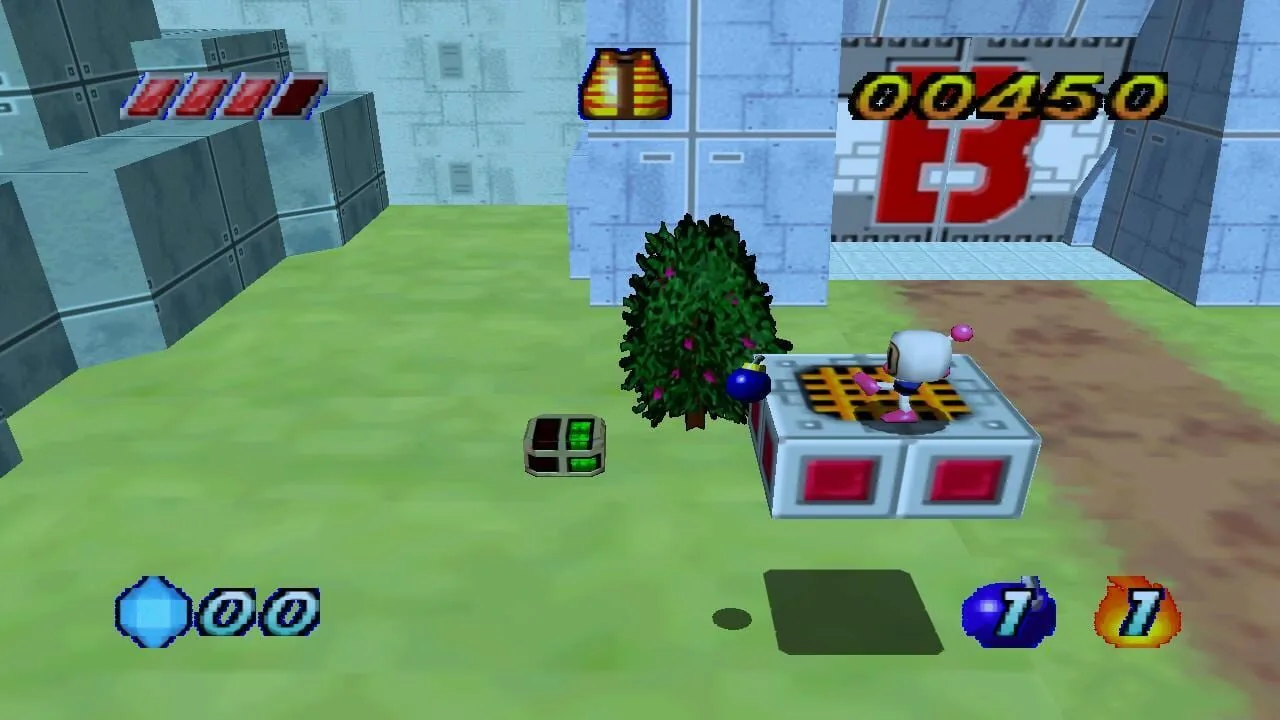
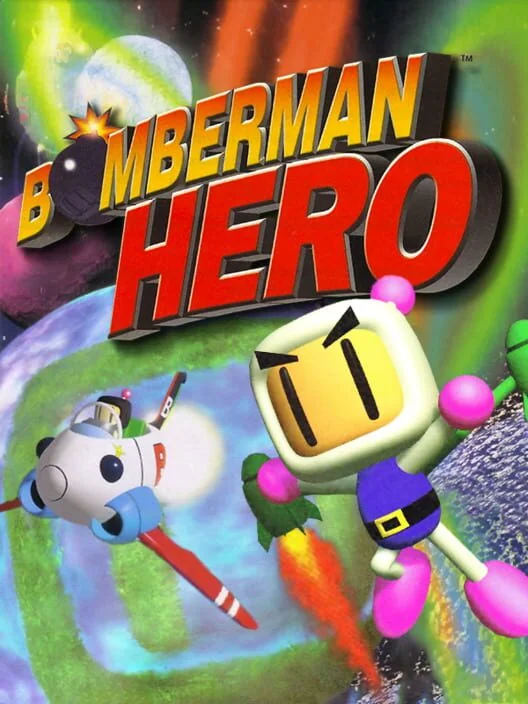
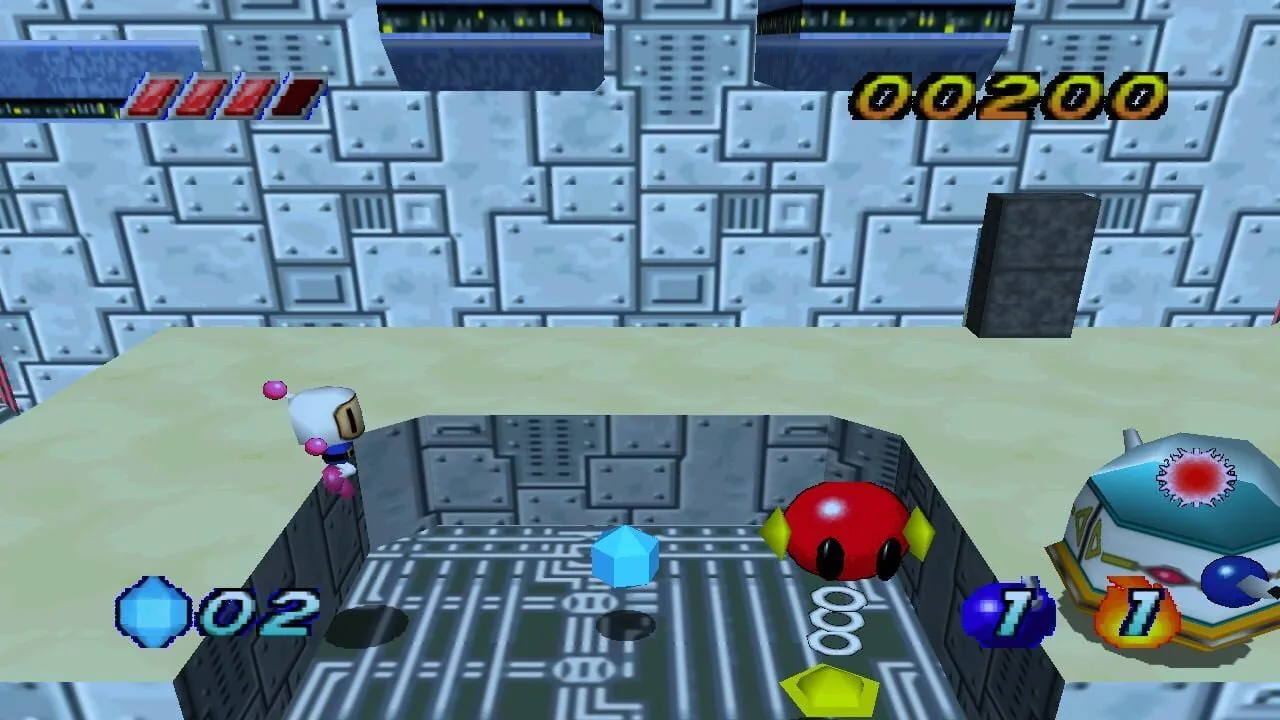
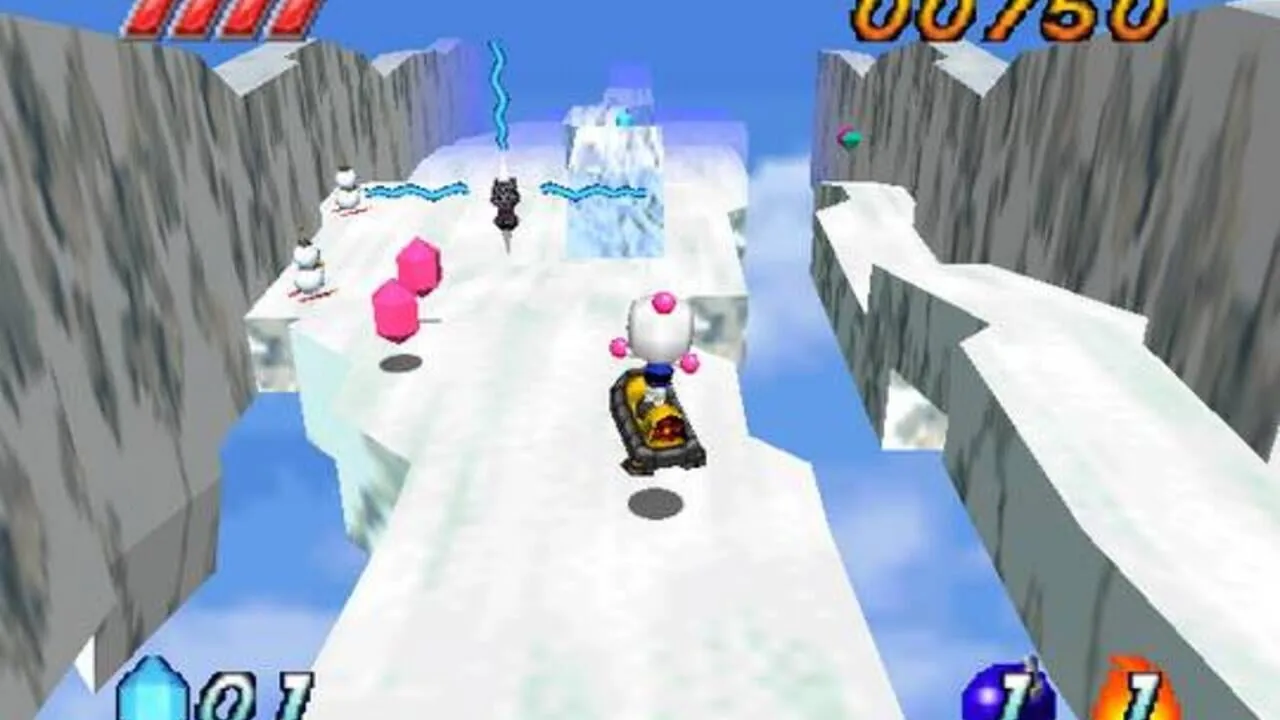
Bomberman Hero followed Bomberman 64 and swapped the series' top-down strategy for mostly platforming. Bomberman can jump this time and has a life meter. He crosses worlds of ice and fire to rescue Princess Millian from the Garaden Empire, with help from vehicles like the Bomber Copter and Bomber Marine.
Critics knocked its graphics and its lack of a multiplayer mode. Its drum and bass and acid techno soundtrack was composed by Jun Chikuma. Its plot has a lot in common with the first Star Wars film, a princess captured on her spaceship included, though nobody knows if that was on purpose. It has a small and loyal fan club among players.
8. Chameleon Twist (1997)
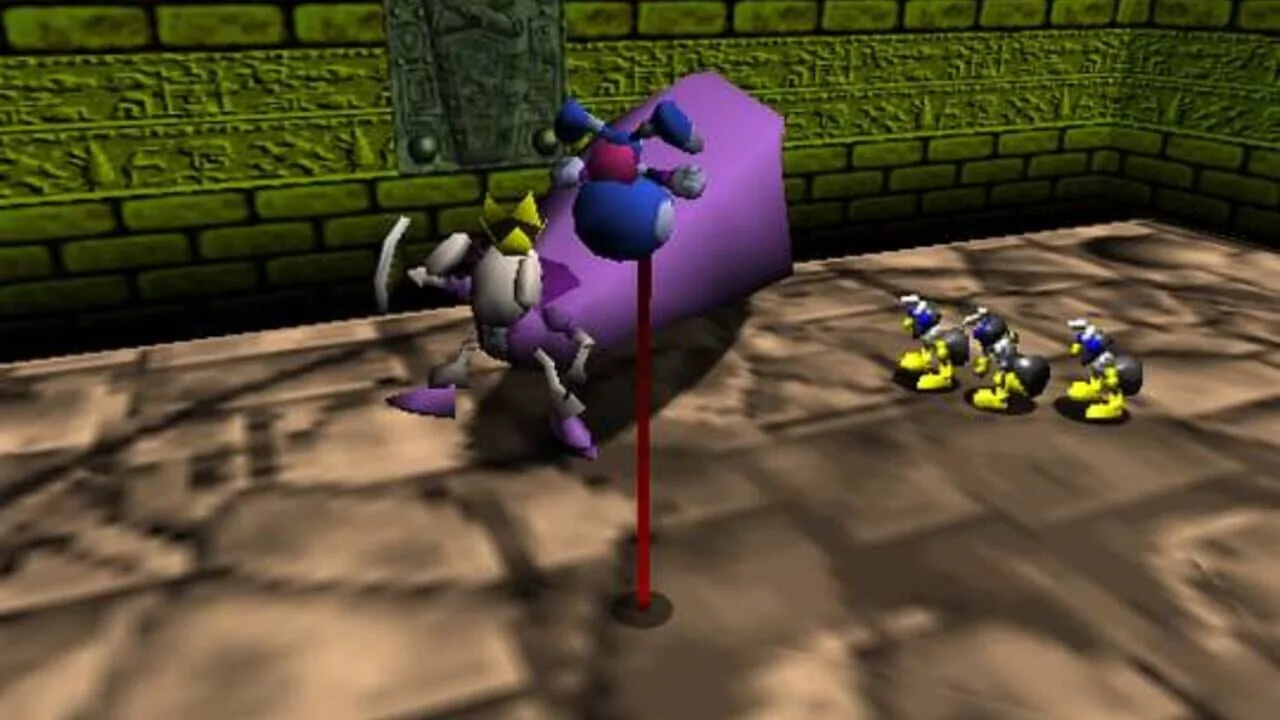
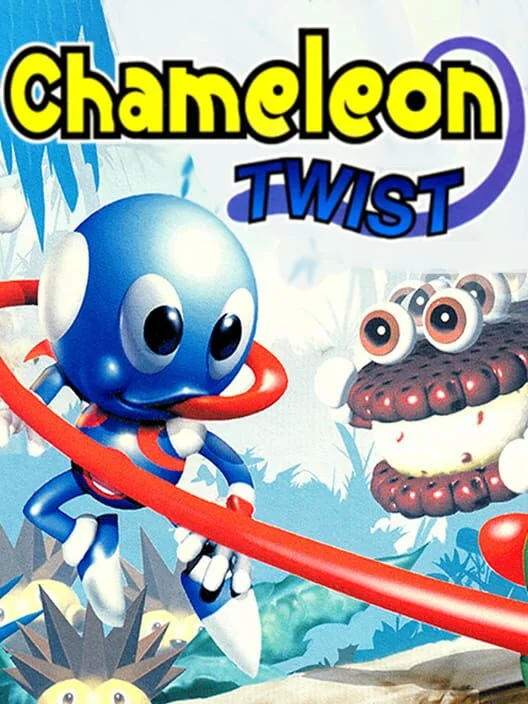
Japan System Supply made Chameleon Twist, and you play one of four chameleons across six themed worlds, from Jungle Land and Ant Land to Ghost Castle. The tongue does most of the work: it is your weapon, and it also carries you over gaps and onto platforms, steered in any direction with the analog stick. Use it while moving and the jump gets more height, like pole vaulting.
Critics found it too easy and griped about the camera, but it still got a sequel. Players remember it more fondly than the critics did. They call it simple but fun.
7. Mischief Makers (1997)
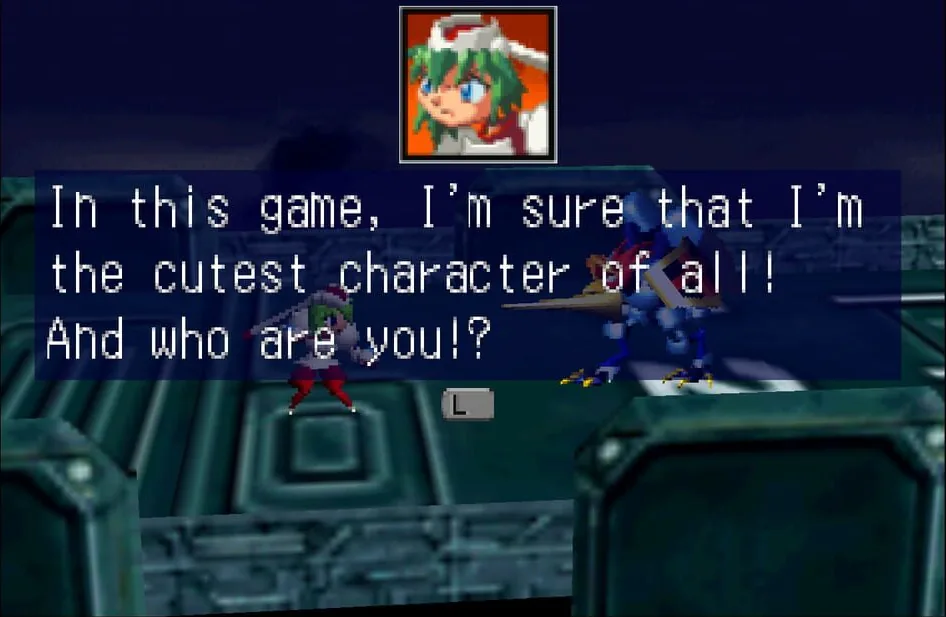
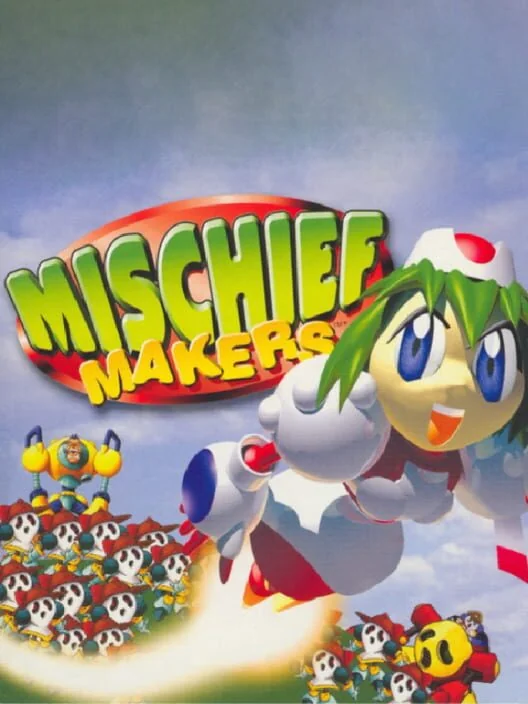
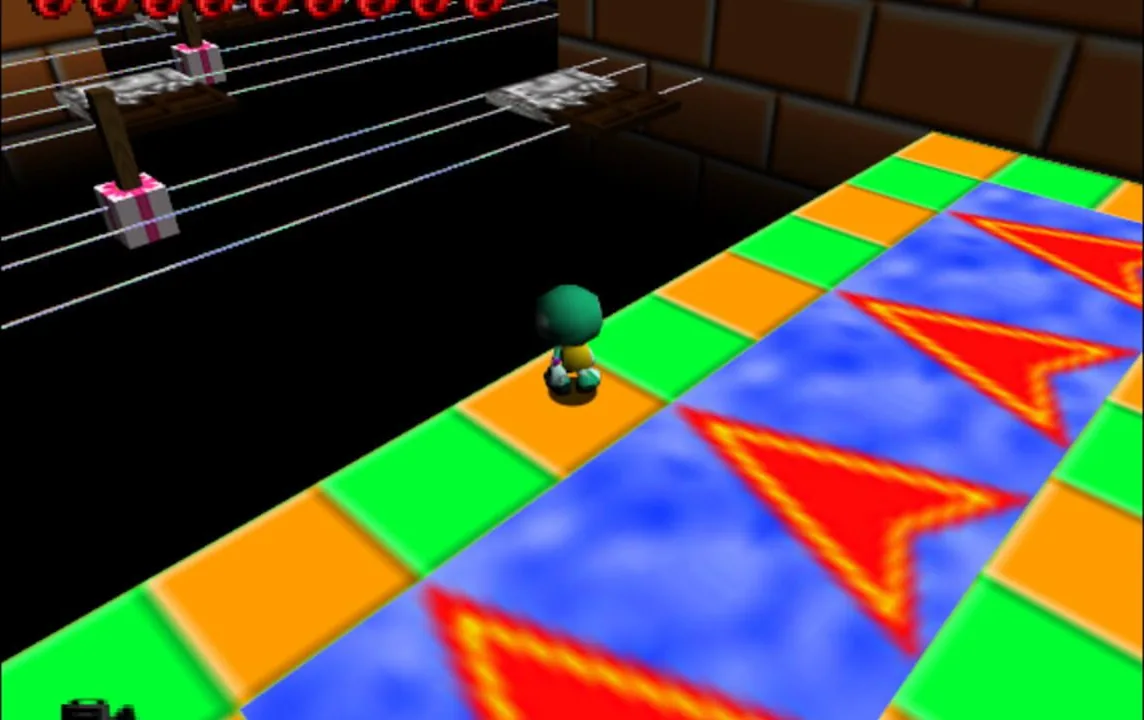
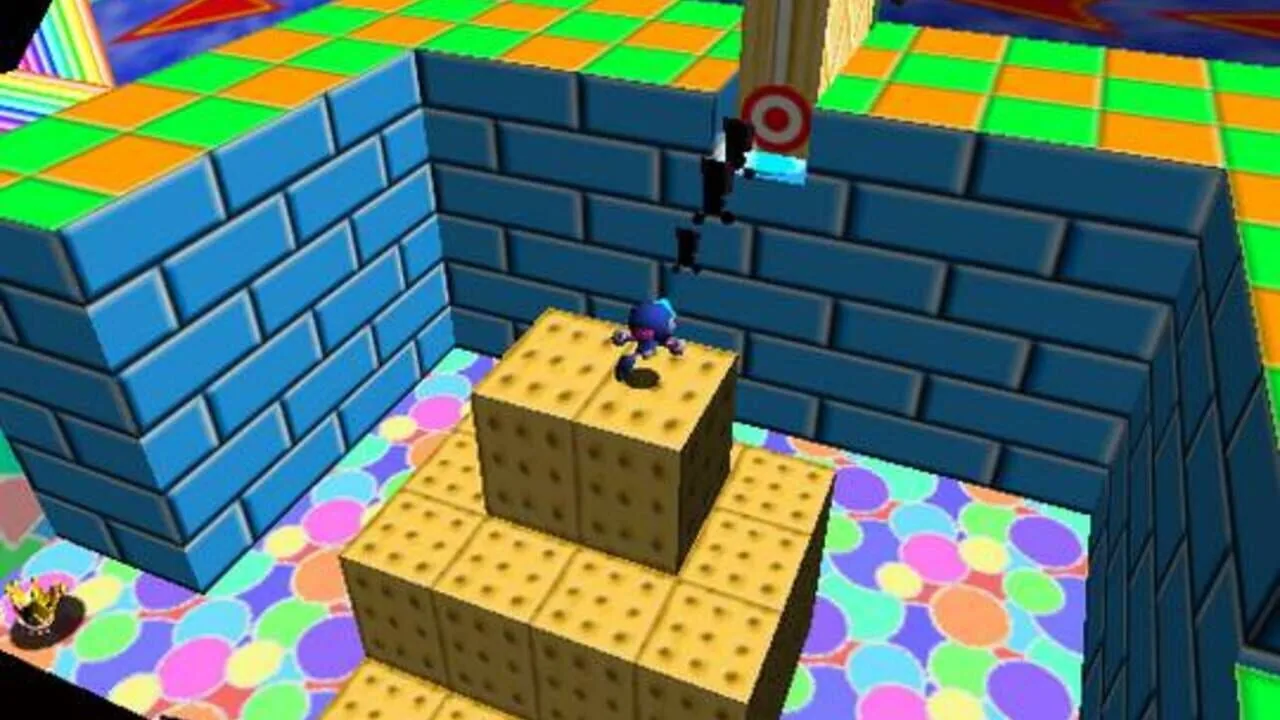
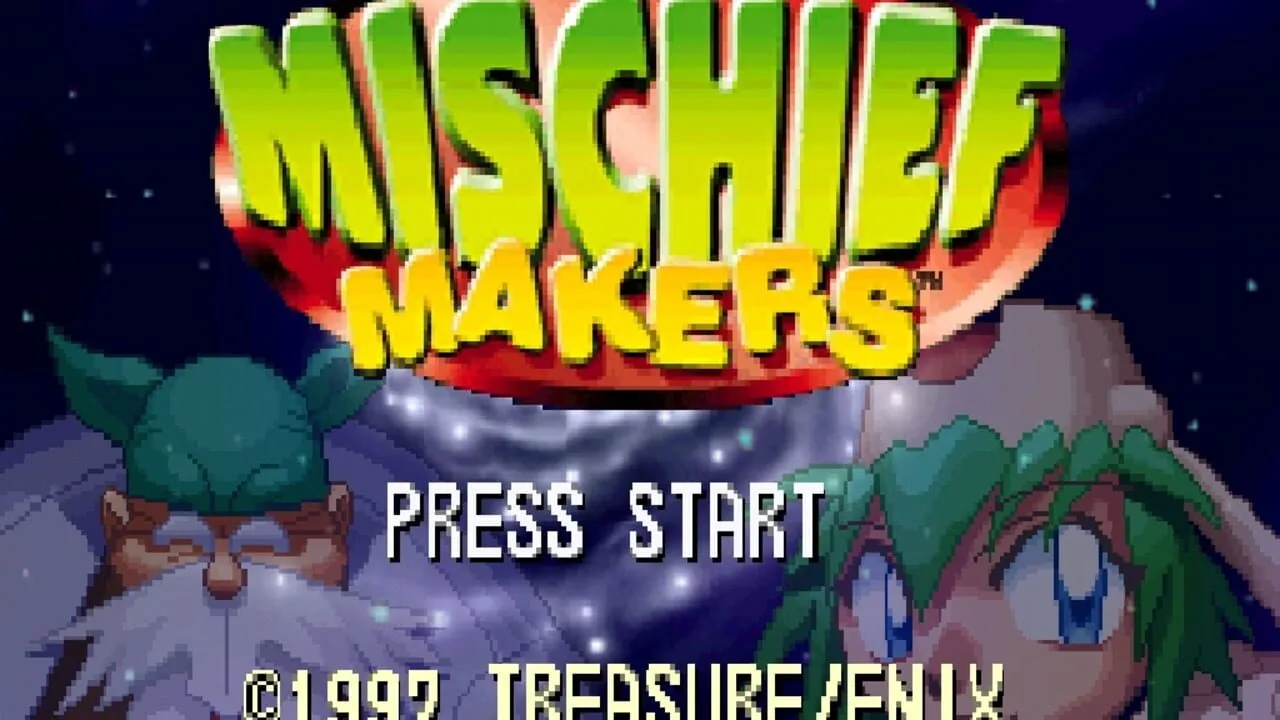
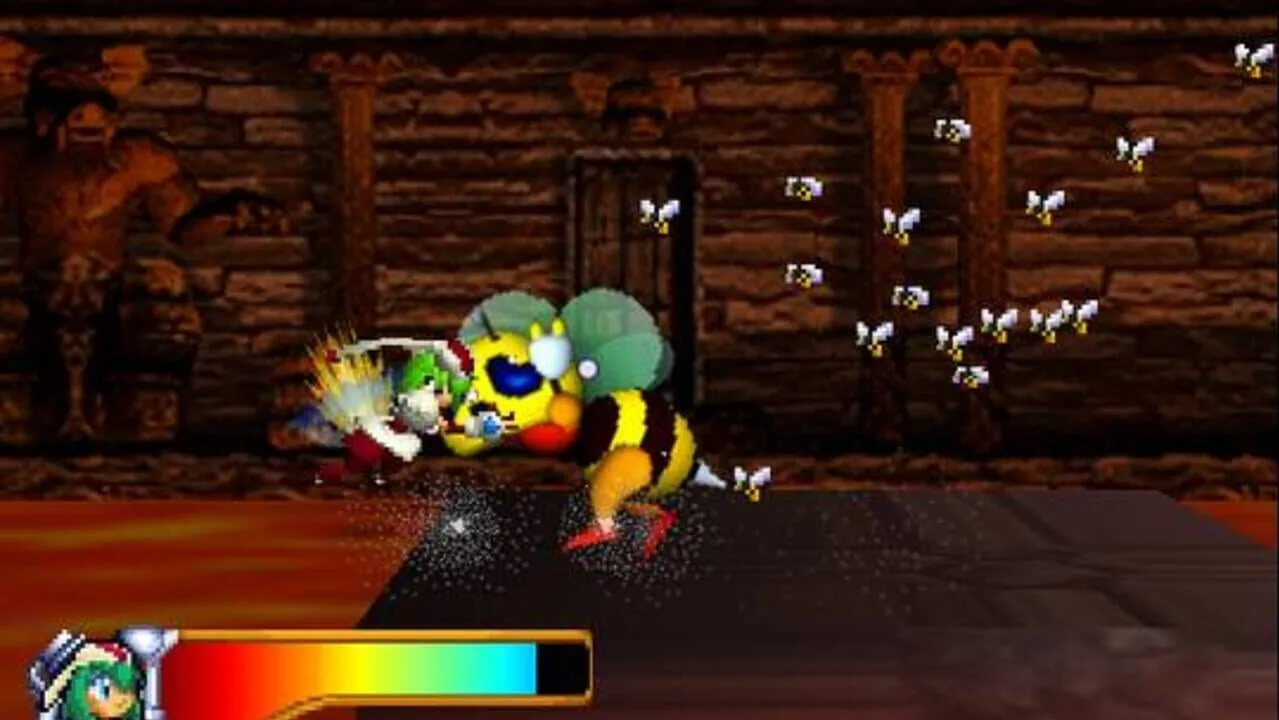
Mischief Makers was Treasure's first game for a Nintendo console and the first 2D side-scroller on the N64. You play Marina Liteyears, a robot maid out to rescue her creator, Professor Theo, and nearly everything comes down to grabbing things and shaking them. To reach 100 percent you collect a golden gem in each stage and chase fast completion ranks.
A team of 12 started work in mid-1995 knowing little about the prototype console. One mini-boss, Calina, takes a whole minute to transform, a parody of Sailor Moon. Reviews were mixed at first, but retrospective reviewers disagreed, and Marina's "Shake, shake!" sound bite became a highlight. Players point anyone after a 2D platformer on the N64 straight at it.
6. Banjo-Tooie (2000)
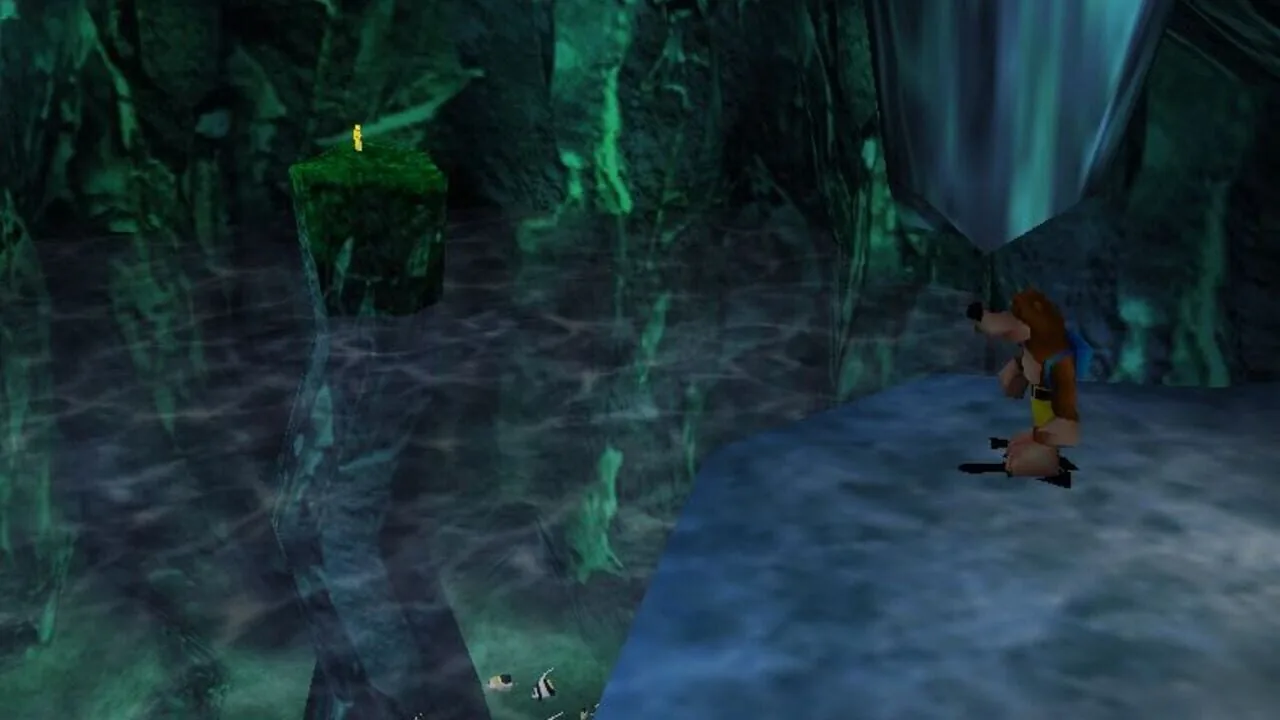
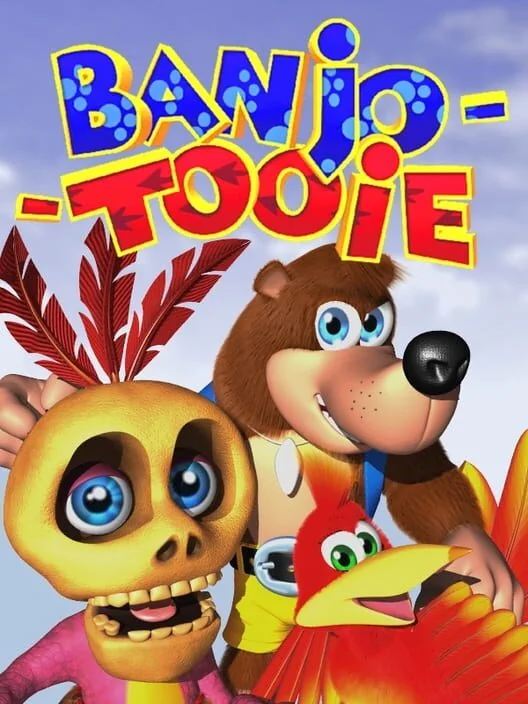
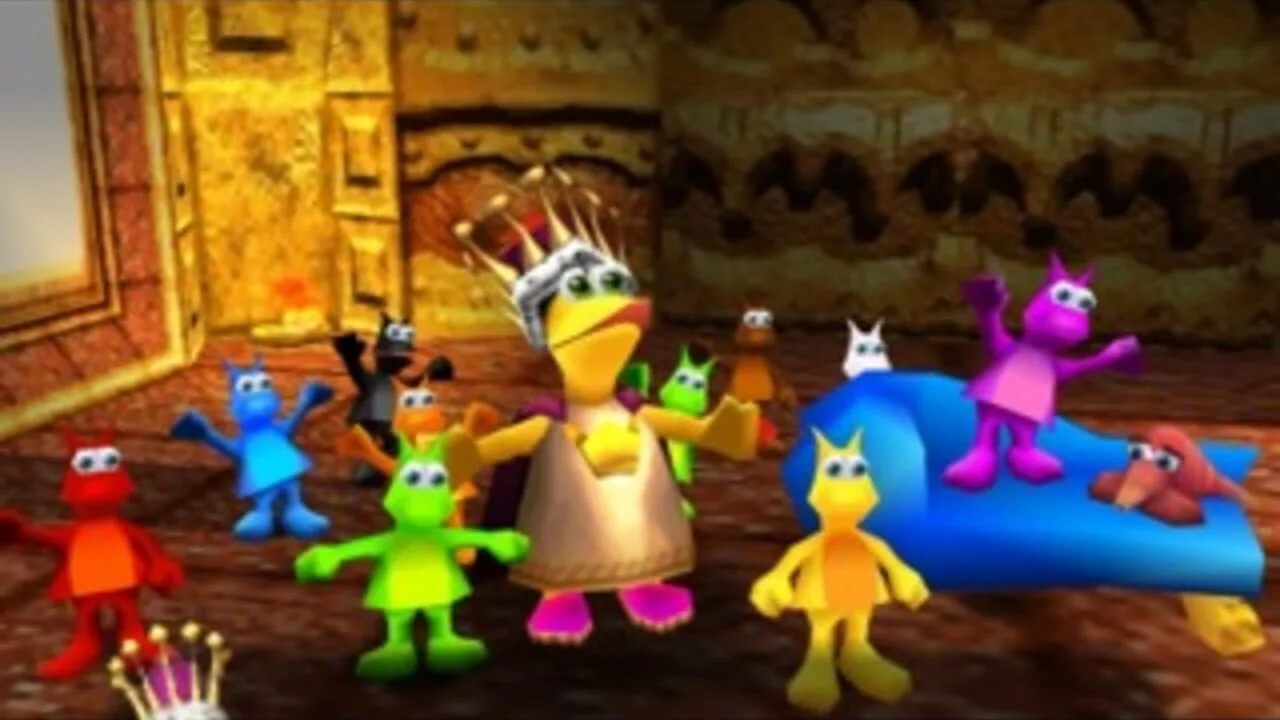
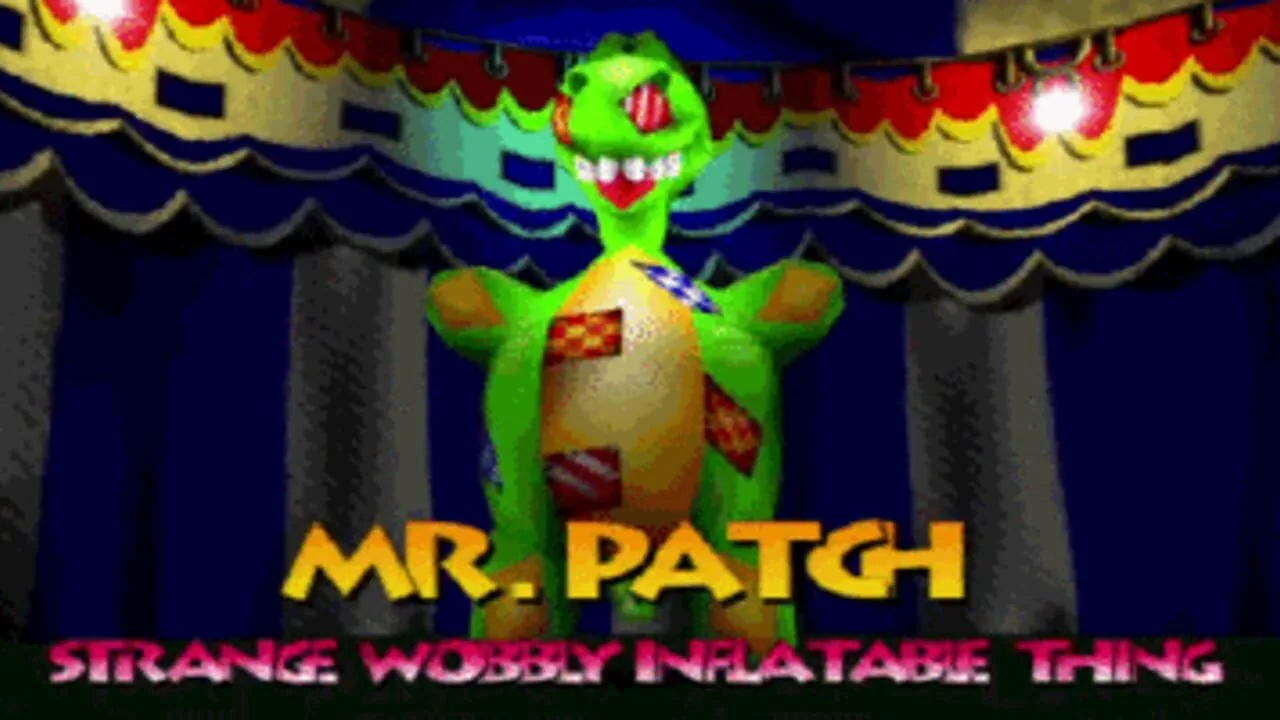
Banjo-Tooie is Rare's sequel, and this time Gruntilda and two of her sisters plan to vaporise everyone on the island. Its worlds are much bigger than the first game's, and up to four players can fight it out in minigames taken from the campaign. You can also play Banjo and Kazooie separately, each with moves only they can use.
The worlds link together, and sometimes you have to finish tasks in several of them to solve a single puzzle. Cauldron Keep was meant to be a full final world with its own set of 10 Jiggies. Donkey Kong turns up as a plush doll held by one of Bottles' children. Players hold it up as one of the best platformers on the system.
5. Banjo-Kazooie (1998)
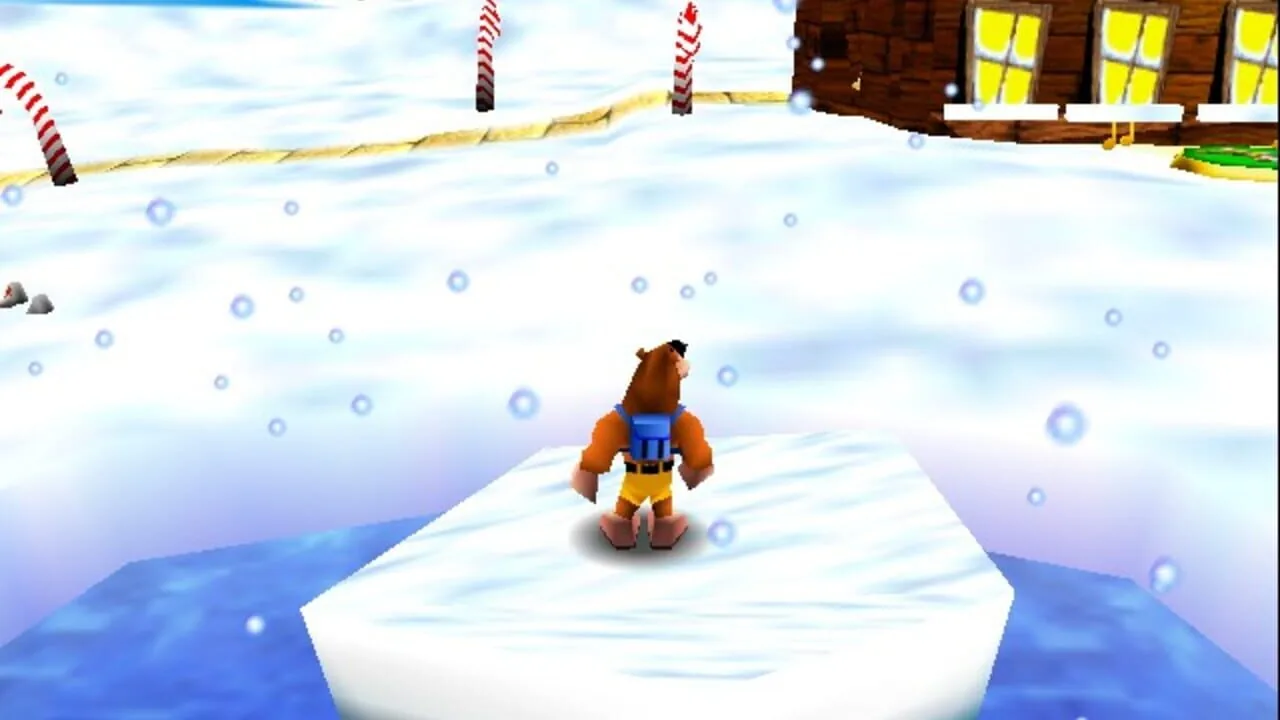
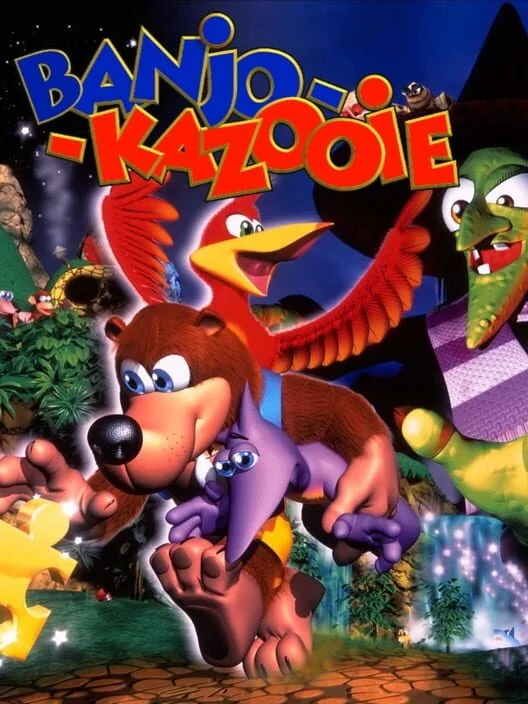
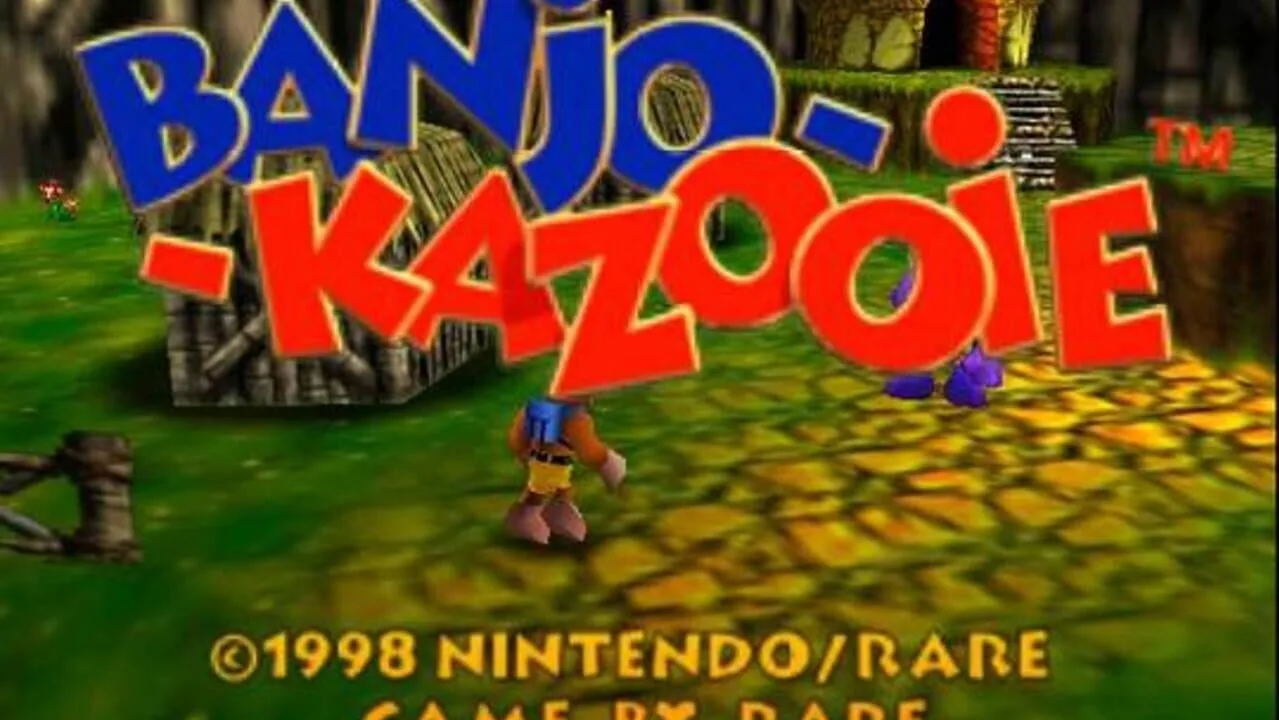
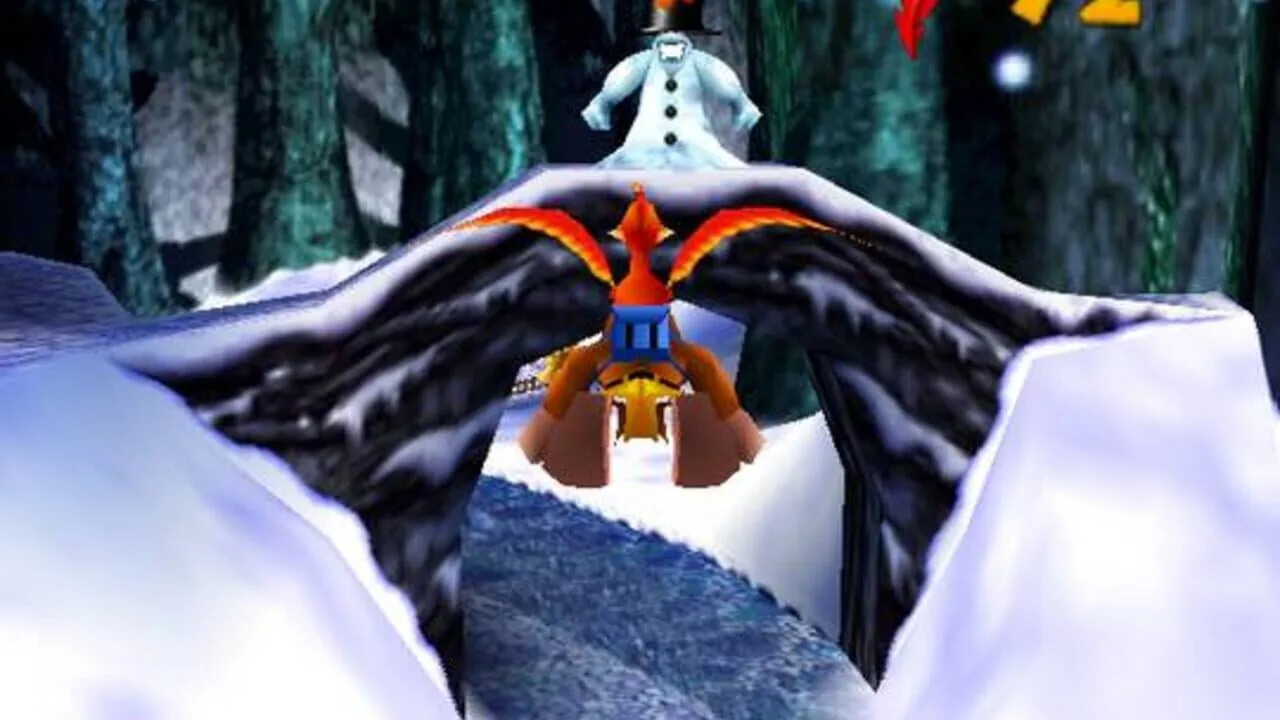
Banjo-Kazooie started as Dream, a role-playing game for the Super Nintendo, and Rare's 15-member team retooled it as an N64 platformer when the RPG proved too complex. The bear and the bird set out to save Banjo's sister Tooty from the witch Gruntilda, across nine nonlinear worlds. Grant Kirkhope's soundtrack was one of the first to use vertical remixing, where layers fade in and out depending on where you are.
Rare wanted the hero to be a rabbit before Banjo got the job. It sold over three million copies, and critics said it surpassed Super Mario 64 as the best 3D platform and adventure game. Players often name it as the first platformer to try on the console.
4. Donkey Kong 64 (1999)
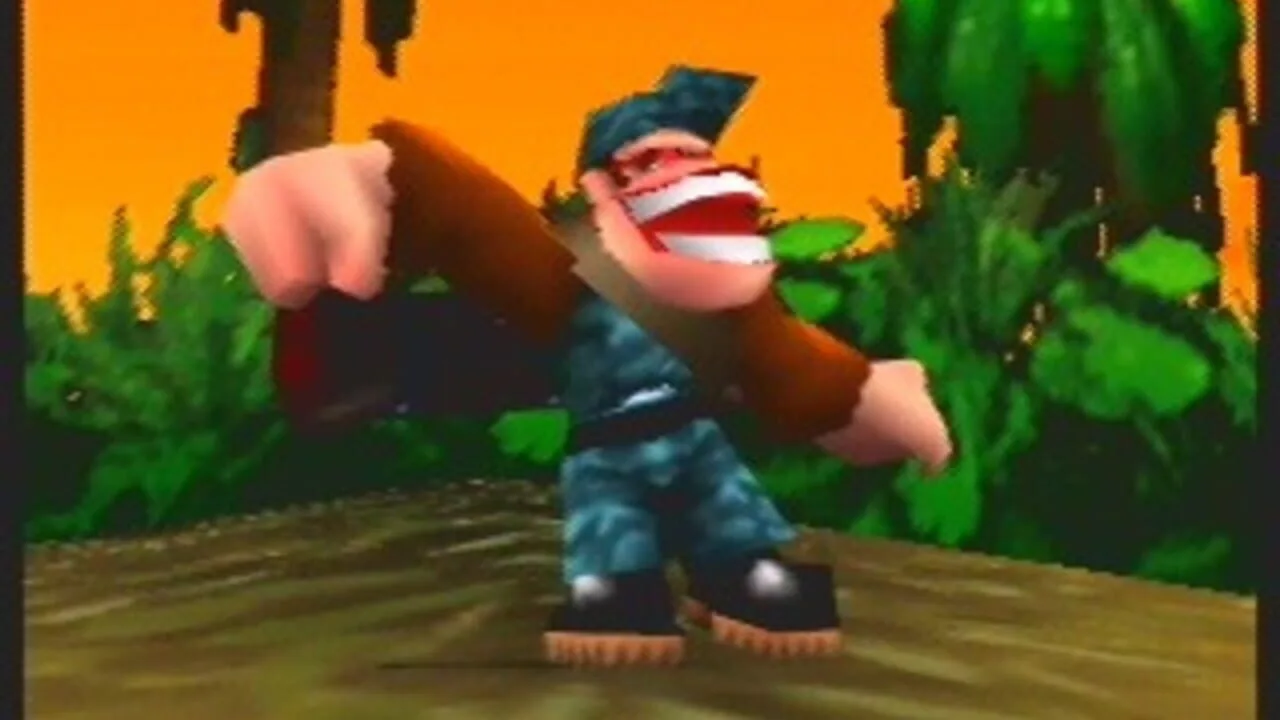
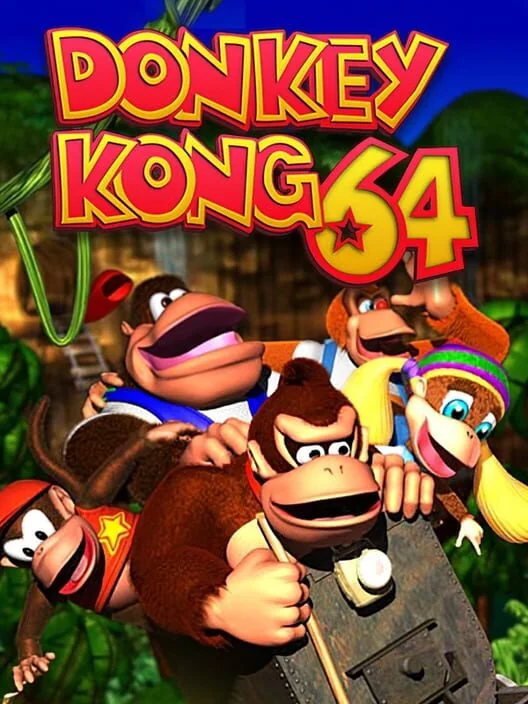
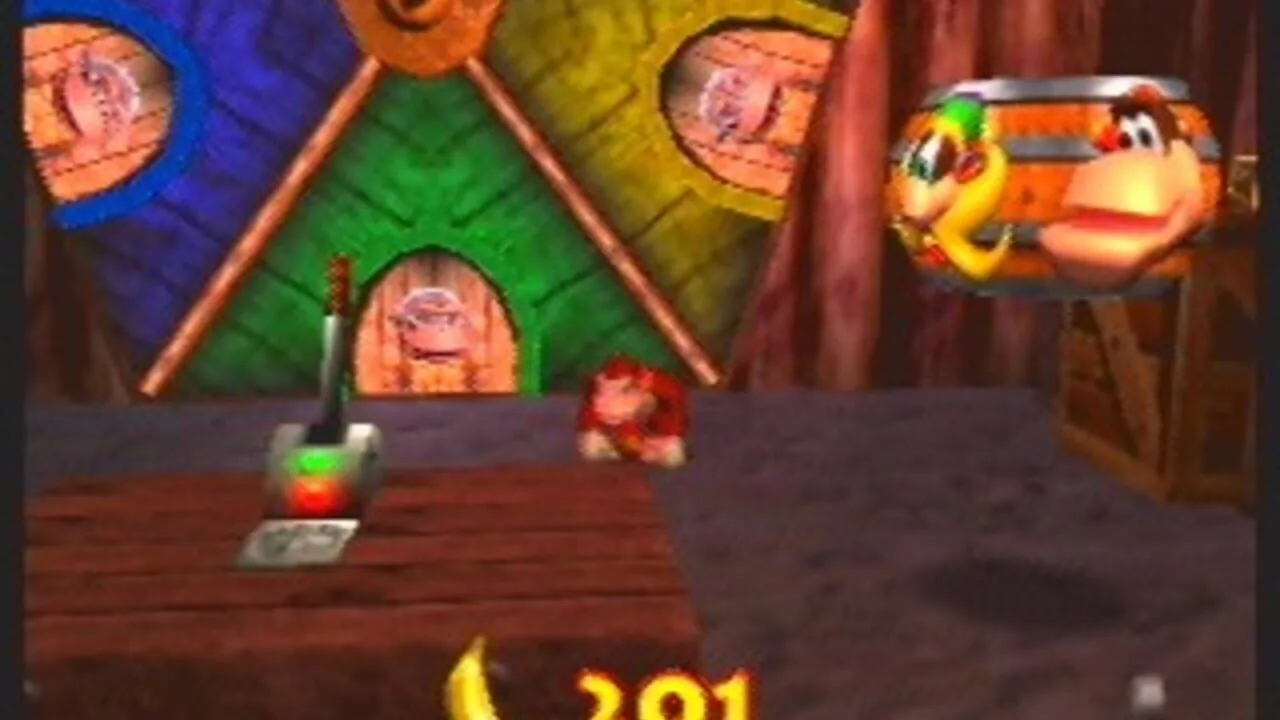
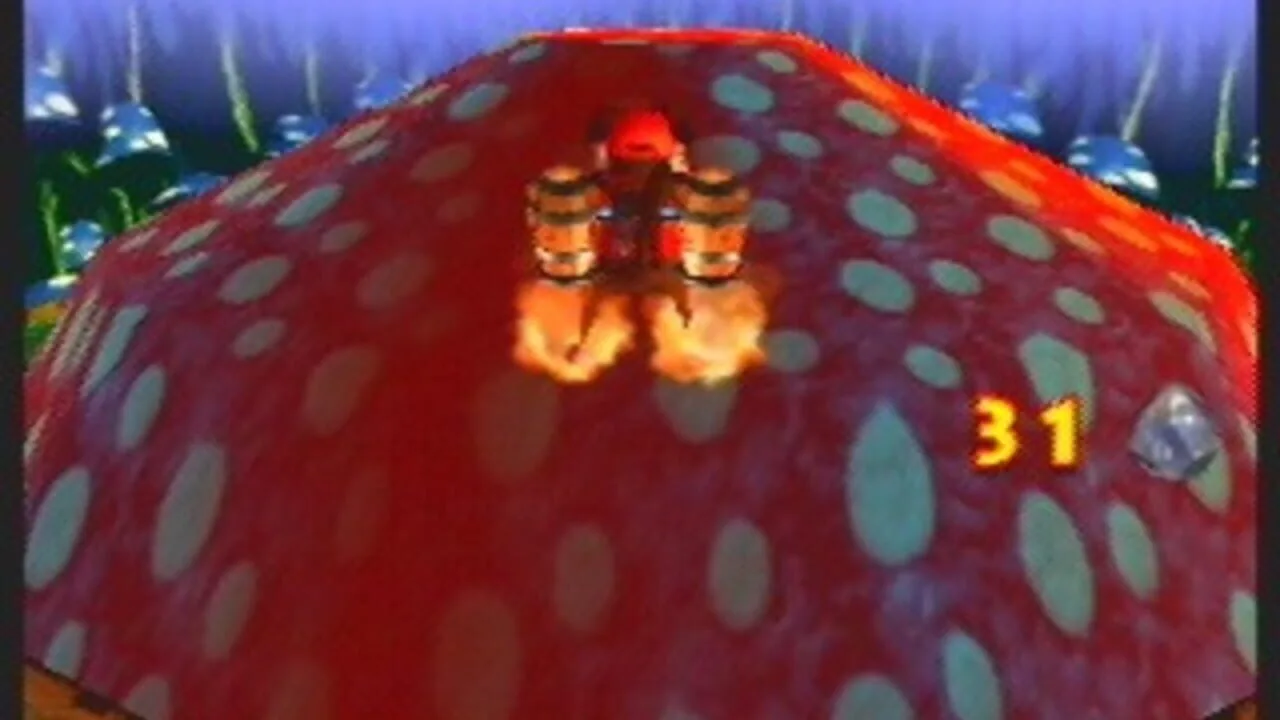
Donkey Kong 64 was the first 3D Donkey Kong, and you switch between five Kongs, each with their own abilities, to rescue the family from King K. Rool. A 16-member team at Rare built it over three years, many of them from Banjo-Kazooie. It was the first of two games to require the Expansion Pak.
Composer Grant Kirkhope wrote the DK Rap as a joke, and was confused when people took it as a serious attempt at hip-hop. A speedrunner found an undocumented 5-Banana Coin hidden in Fungi Forest as late as January 2017. Reviewers praised its size and visuals but disliked the camera and the amount of item collecting. Plenty of players still call it a favourite.
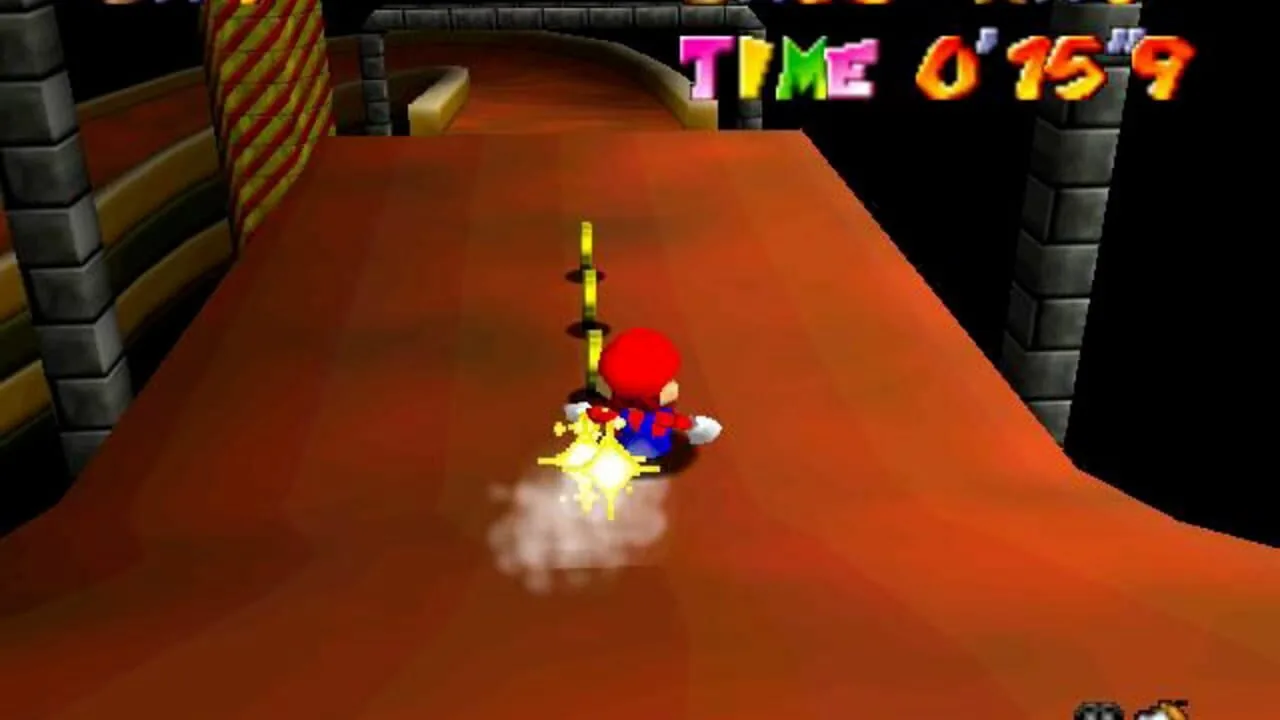
3. Super Mario 64 (1996)
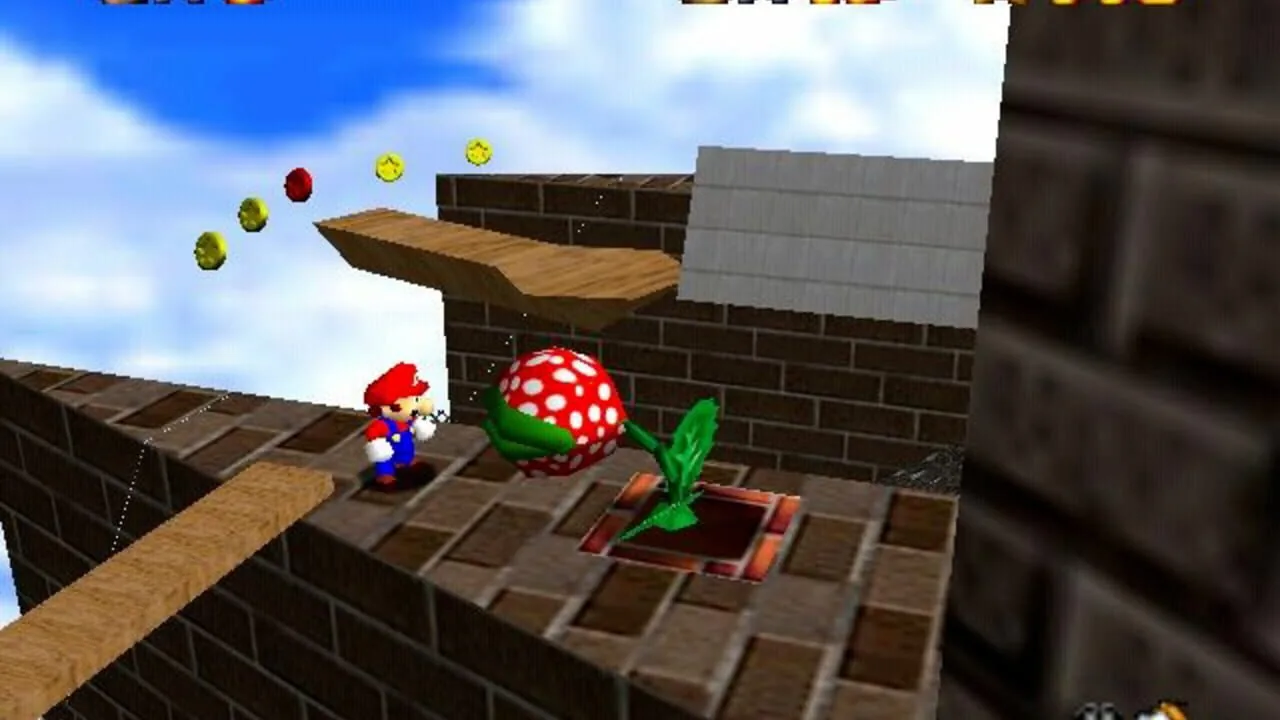
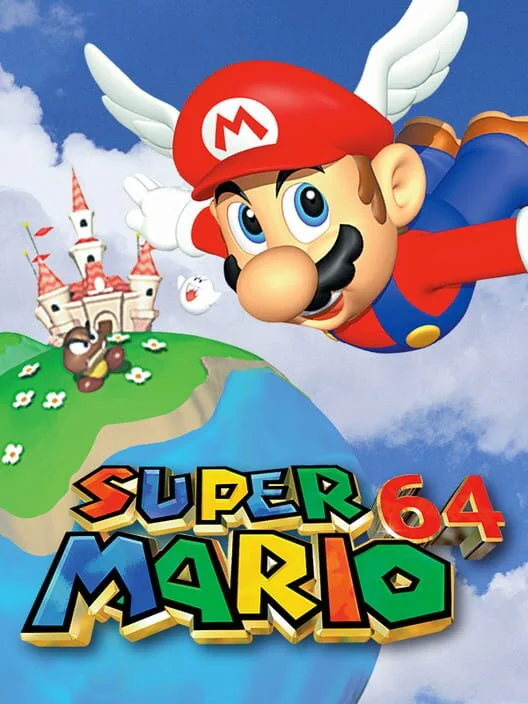
Super Mario 64 was the first Super Mario game in 3D, and Mario collects Power Stars hidden in worlds inside the magical paintings of Peach's castle. Director Shigeru Miyamoto first conceived a 3D Mario while making Star Fox. The team spent about a year on design and twenty months on production, starting with the camera.
It is the best-selling N64 game, with nearly twelve million copies sold by 2015. Goombas and Bob-ombs in later games make their noises with pitch-shifted bits of Mario saying "Here we go". And despite its reputation, it was not the first 3D platformer. Players treat it as the obvious place to start, and it sits at #3 only because Rayman 2 and Conker drew a few more picks.
2. Rayman 2: The Great Escape (1999)
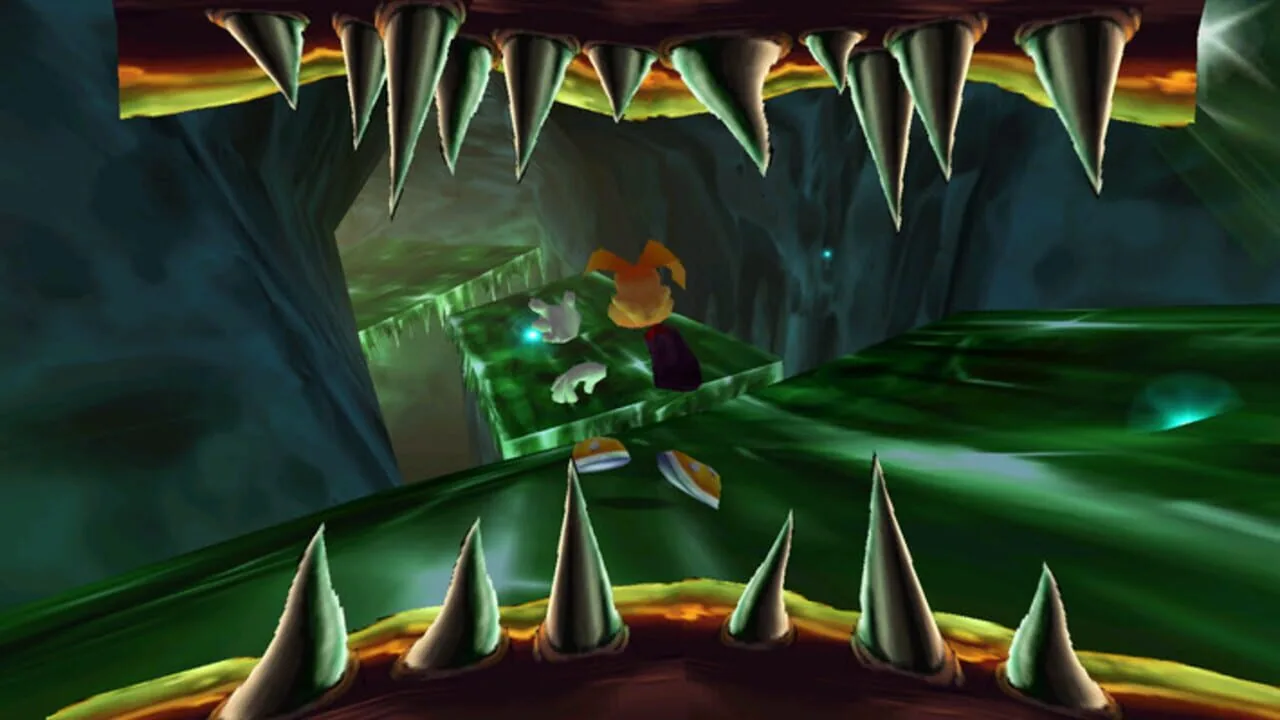
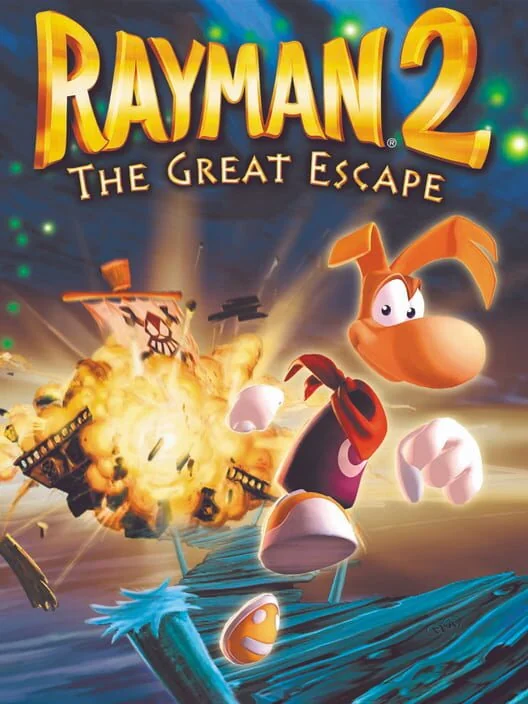
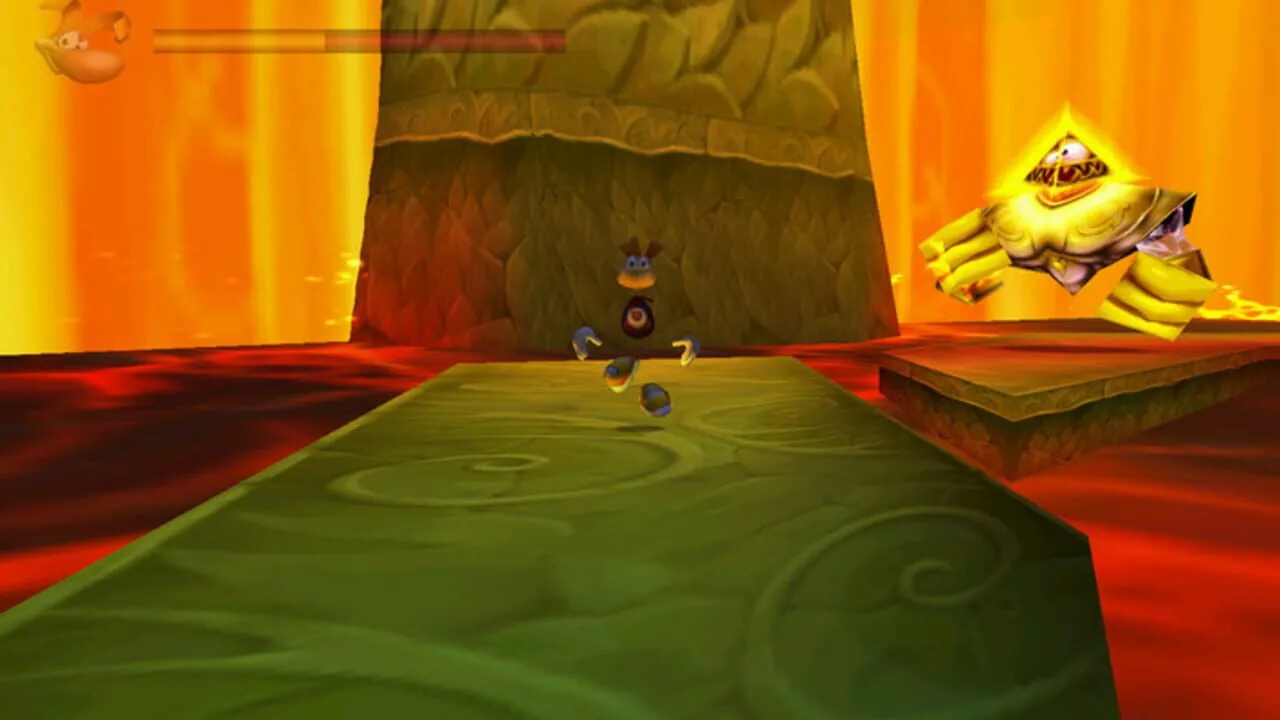
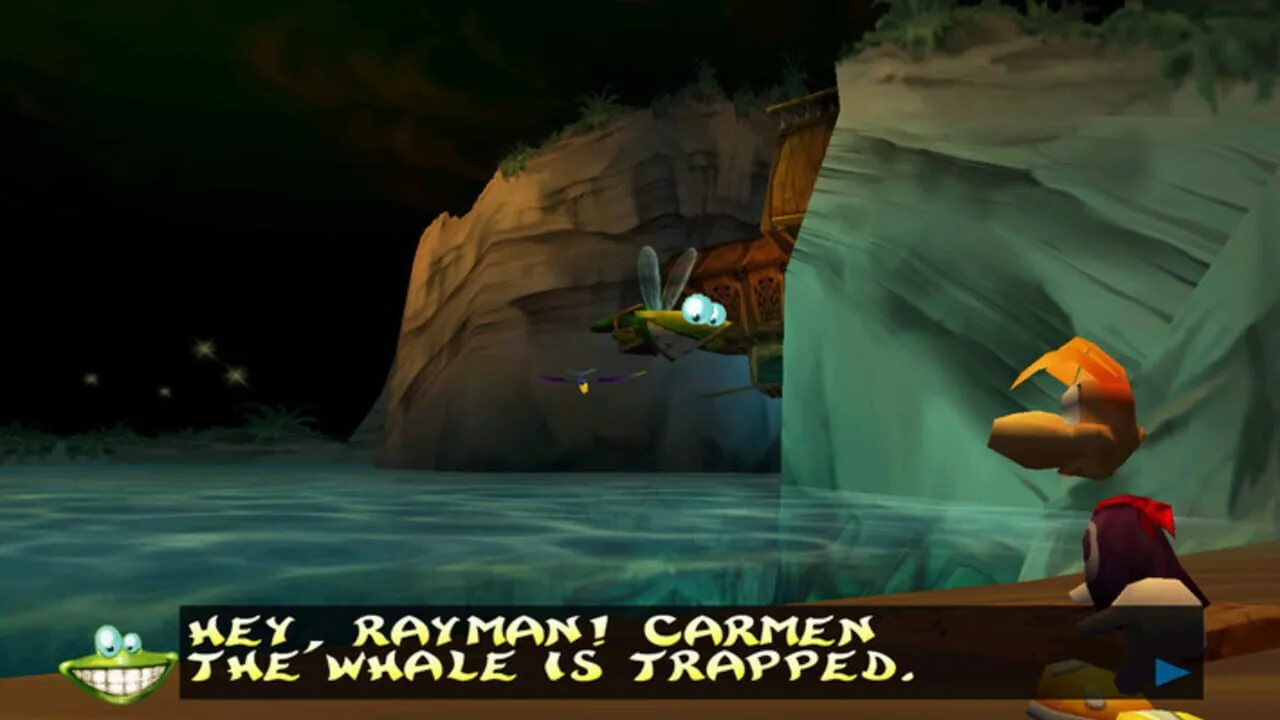
Ubi Pictures made Rayman 2, and Rayman has to save the Fairy Glade from an army of robotic pirates led by Admiral Razorbeard. The N64 and PC versions hide a minigame called Menezis, a 2D space shooter. The N64 version supports the Expansion Pak for a higher resolution.
Critics praised its gameplay, graphics and accessibility, and it later got a Dreamcast conversion and an enhanced PlayStation 2 version called Rayman Revolution. Choose riches and wealth in the Cave of Bad Dreams and you get a bad ending, with a fat Rayman sitting on an island. Players call it beautiful, and still great fun.
1. Conker's Bad Fur Day (2001)
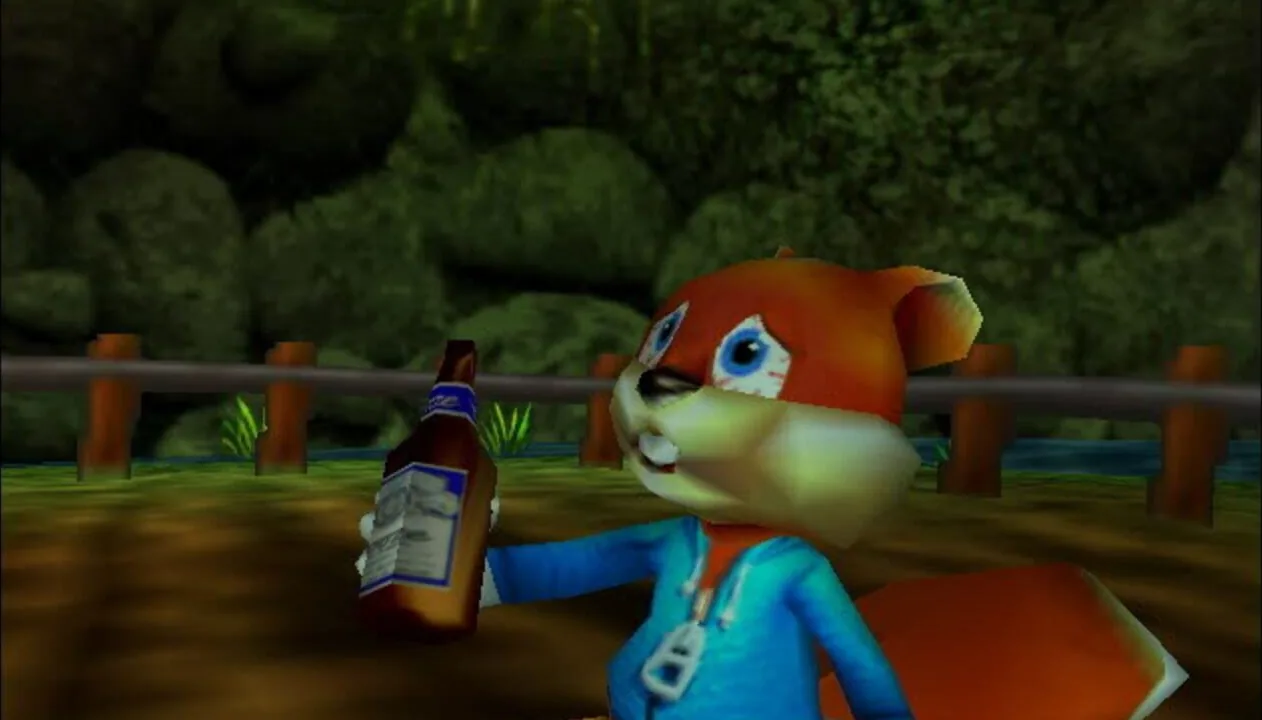
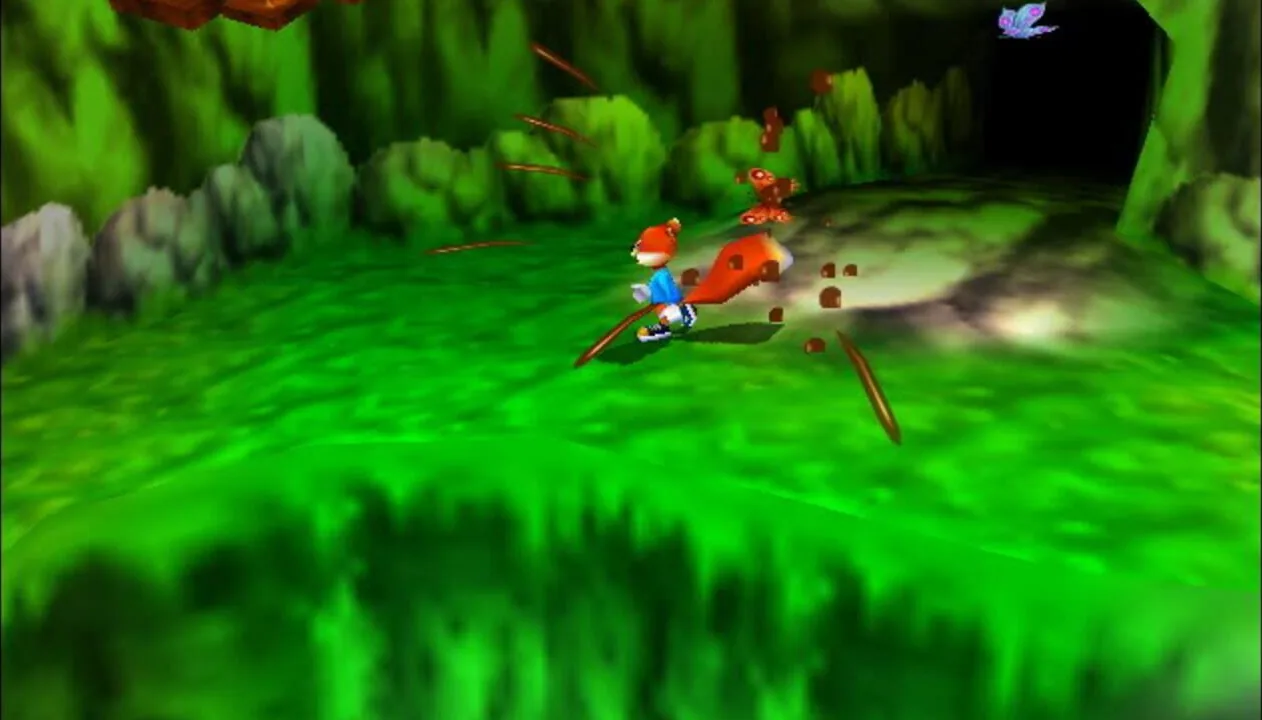
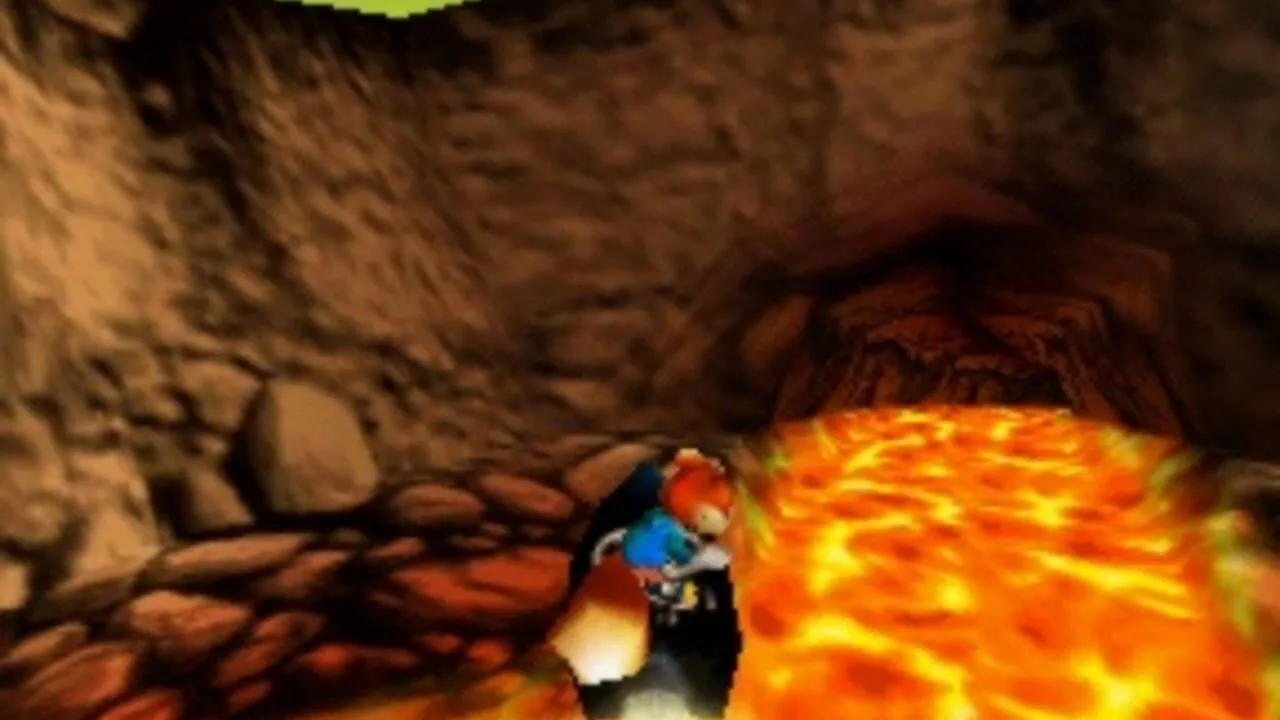
Conker's Bad Fur Day is a Rare platformer about a greedy, hard-drinking red squirrel who has to get home to his girlfriend, Berri, after a night at the pub. It looks like Rare's other N64 games, but it was made for mature audiences, graphic violence and toilet humour included.
It also drops the usual item collecting in favour of context-sensitive gags and actions. The music for its vampire count began life as the stage theme for a vampire character cut from Killer Instinct 2. Up to four players can go at each other in seven multiplayer modes. It sold well below expectations, thanks to limited advertising and a release late in the console's life, but it has built a cult following since.
Which one to play
There you have it, the whole list of the best N64 platformers. Between them they cover sprawling 3D adventures and a few oddball 2D ones, and plenty of them still play well today.
If you are not sure where to start, play Super Mario 64, then Banjo-Kazooie. If you want a bigger, stranger sequel, go for Banjo-Tooie. If you like a side-scroller, try Mischief Makers. And for a hidden pick, Space Station Silicon Valley lets you take over robot animals, and it is as charming as players say.