The N64 was a surprisingly good home for video game music. Composers had to fit everything onto a cartridge, so every track had to earn its place, and they still wrote themes that people hum thirty years later. Rare and Nintendo made most of the big ones, with a few Japanese oddities mixed in.
Some of these soundtracks only got an official album in the last few years, and one famous game still has none. Here are the 20 best N64 soundtracks.
20. Blast Corps (1997)
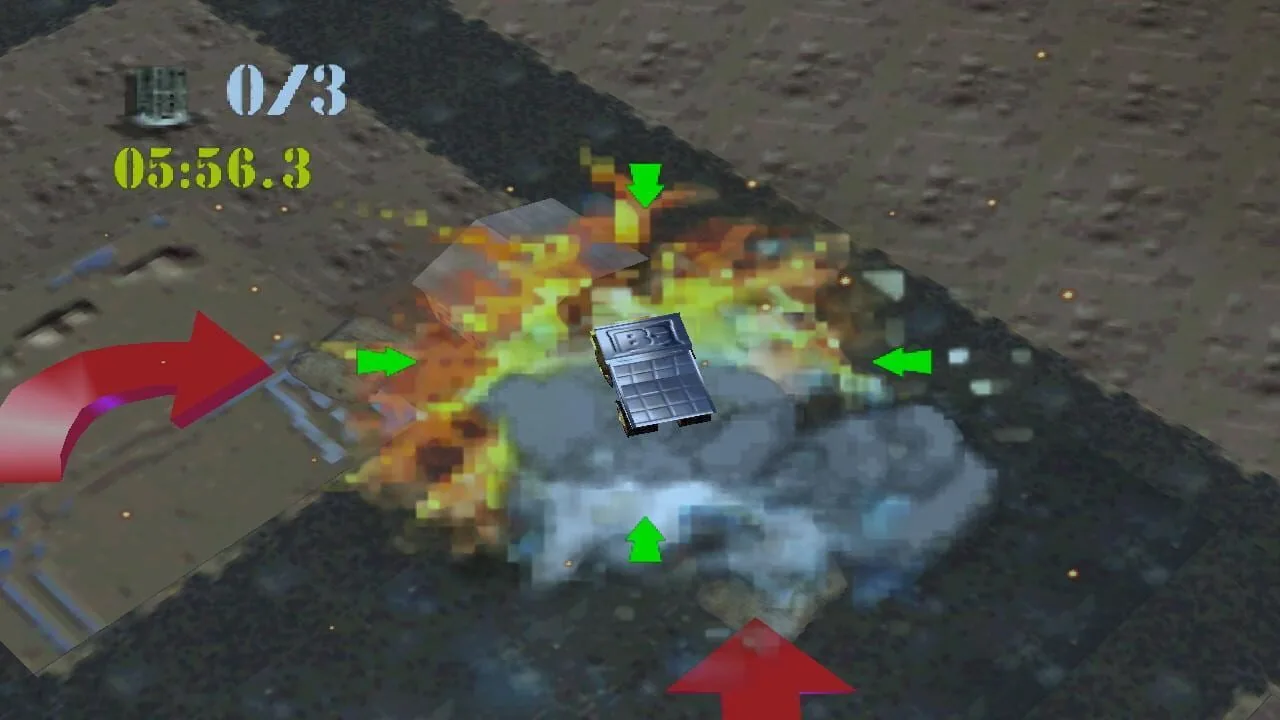
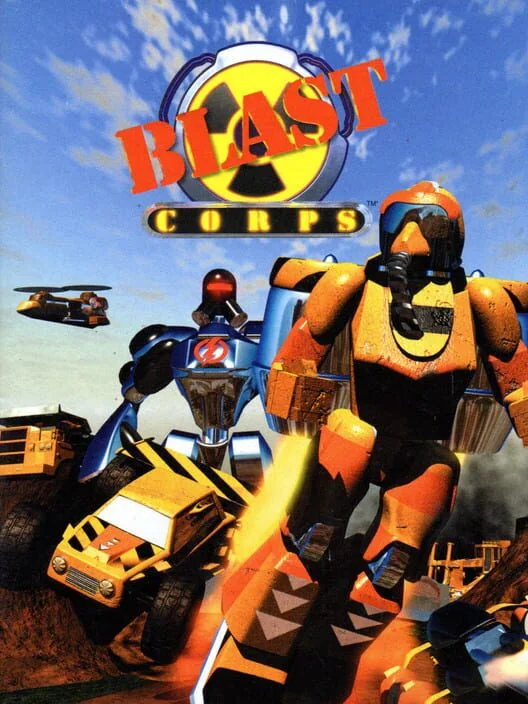
Graeme Norgate wrote the music for Blast Corps before he and Grant Kirkhope scored GoldenEye 007, and its cheery soundtrack speeds up as a level's timer runs low. The game had to wait until 2024 for a vinyl album, which has Kirkhope on live guitar. Some reviewers did not enjoy its country tracks with a jaw harp, but that twang is half the charm.
Players pick different favourites from it, Simian Acres and Cromlech Court among them. Only 62 collectors own the album so far, but the few who rated it gave it 5 out of 5. A bright, bouncy score suits a game about flattening buildings.
19. Wave Race 64 (1996)
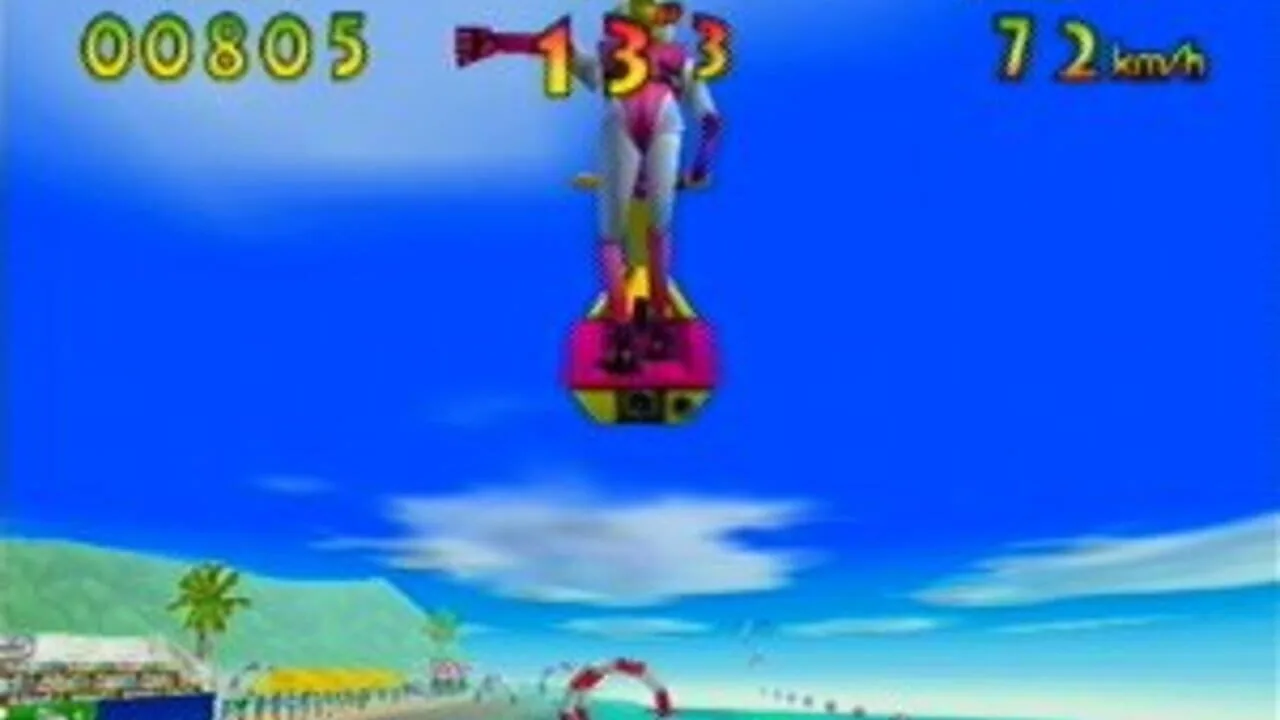
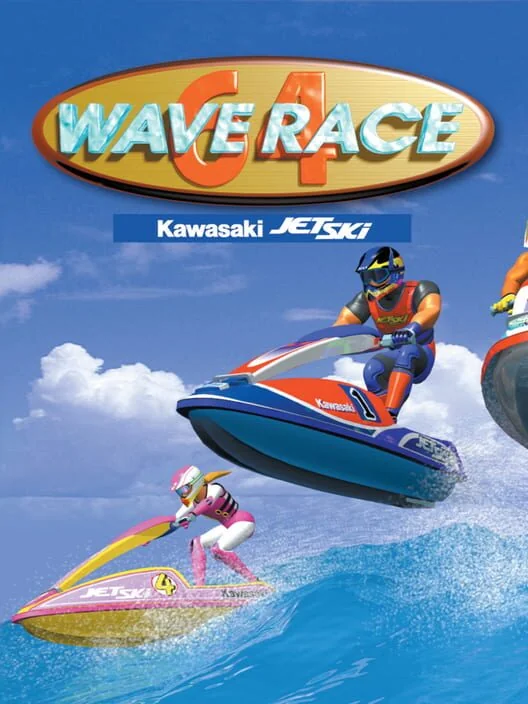
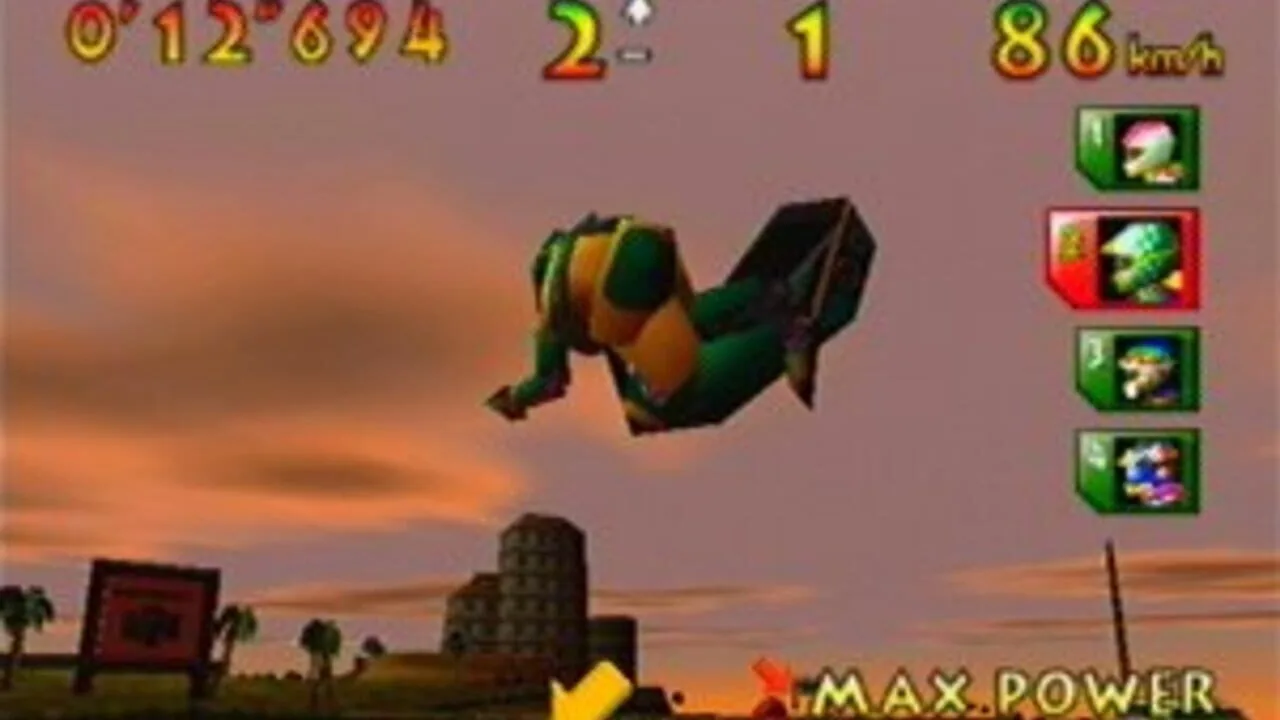
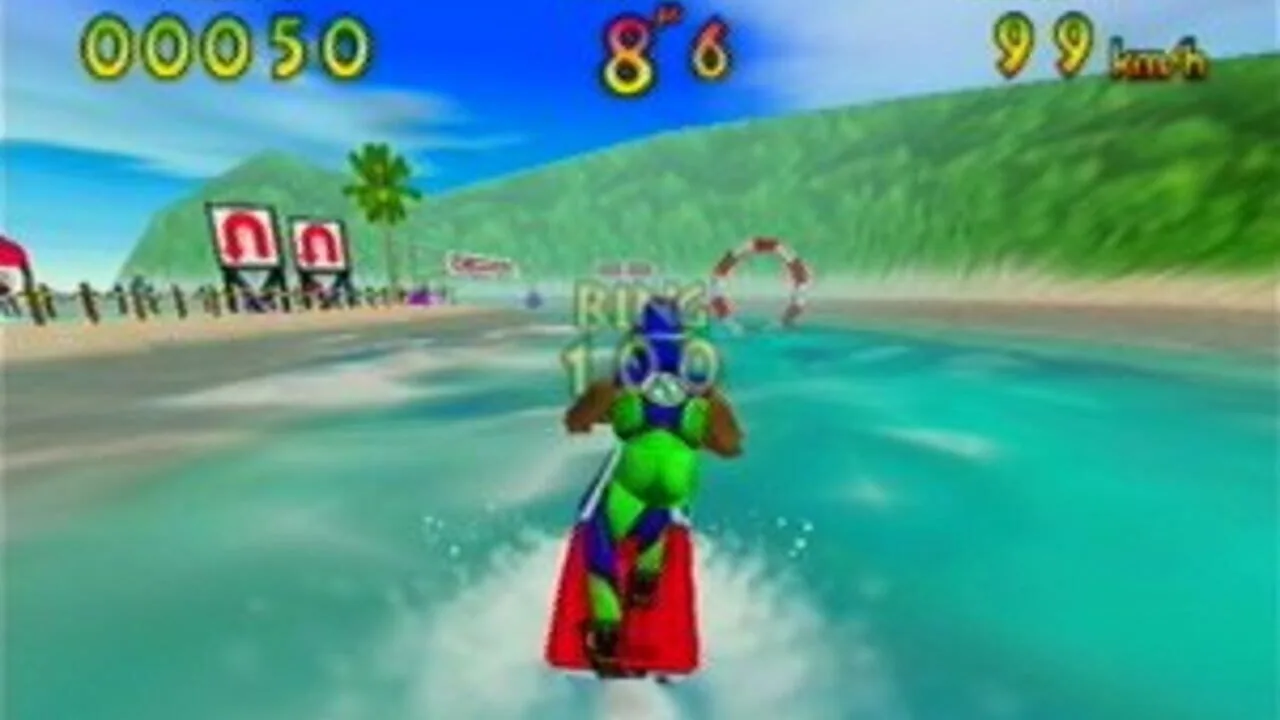
Kazumi Totaka composed Wave Race 64, and the critics of the day could not agree on his music. GamePro called it juvenile, while AllGame felt its cheesy '80s sound gave the game a light arcade feel. The soundtrack album came out in Japan in 1997. One review gave high marks to the satisfying sound effects when you submerge under the waves. That same review felt the music was shallow.
Players who name it tend to praise all of it, from start to finish. Collectors have barely caught up: 6 own the album and 78 want it. It is cheerful, slightly cheesy music, and that is exactly why it works for a jet ski race.
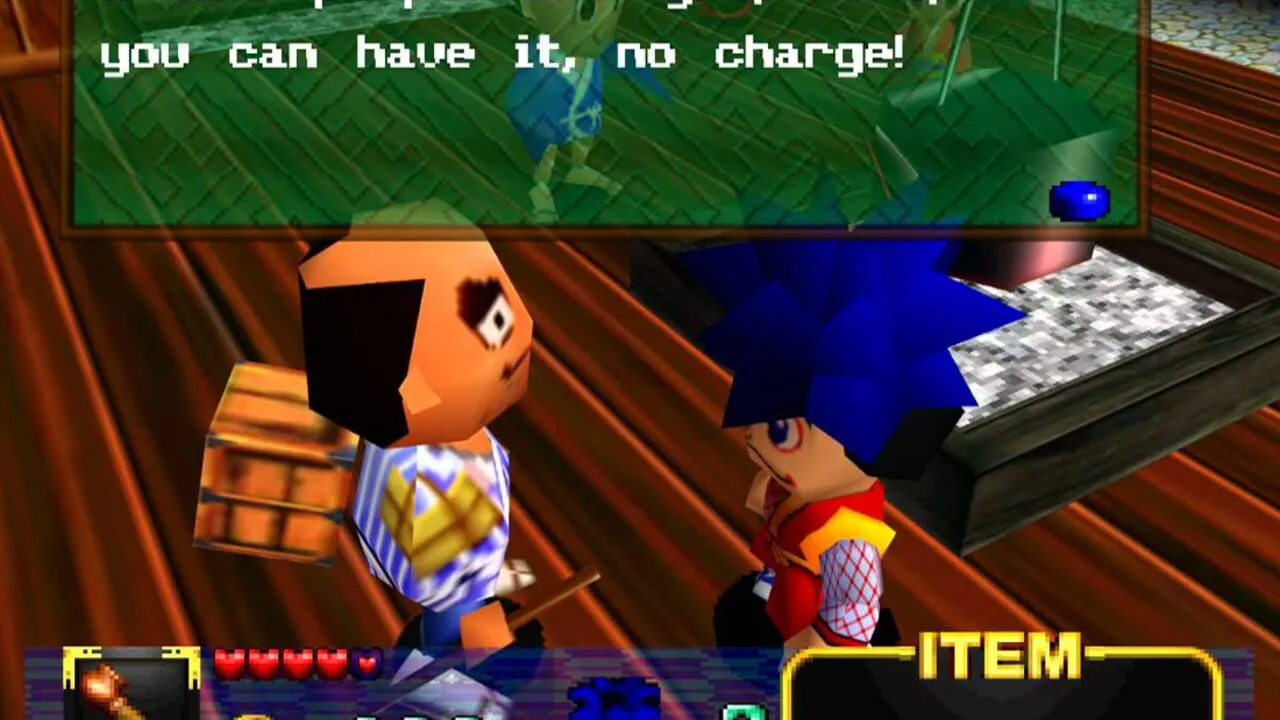
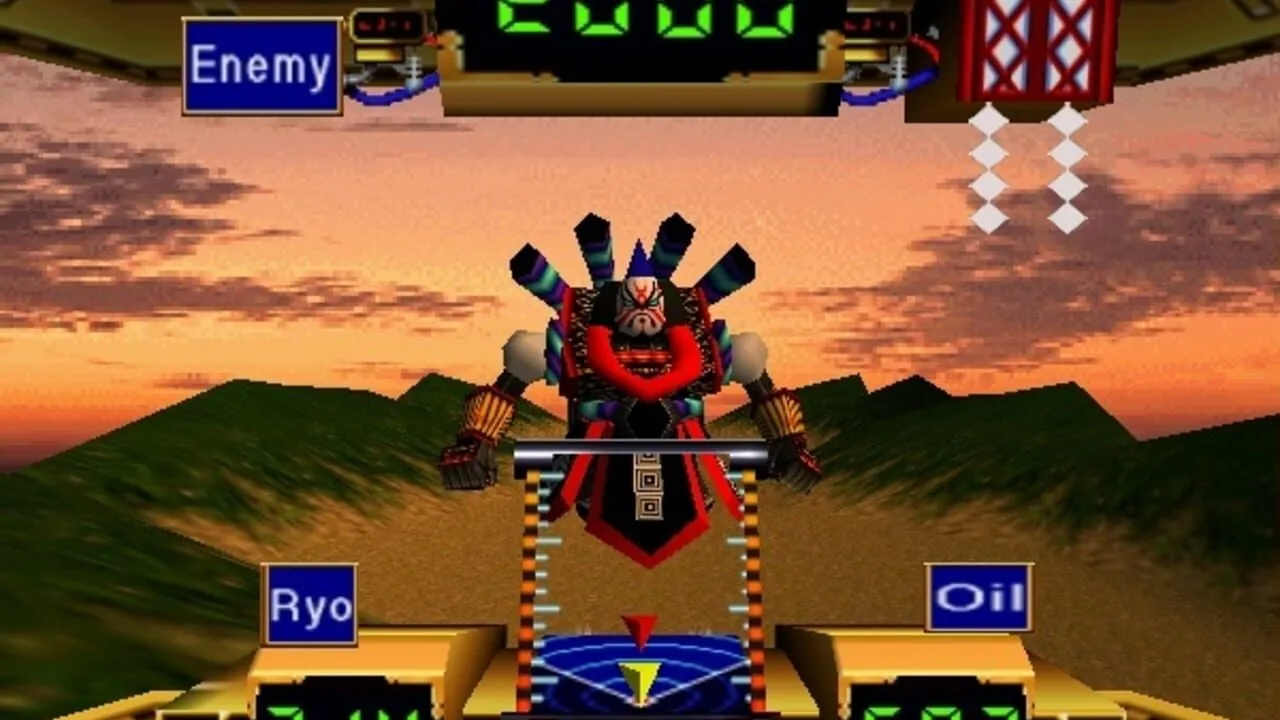
18. Mystical Ninja Starring Goemon (1997)
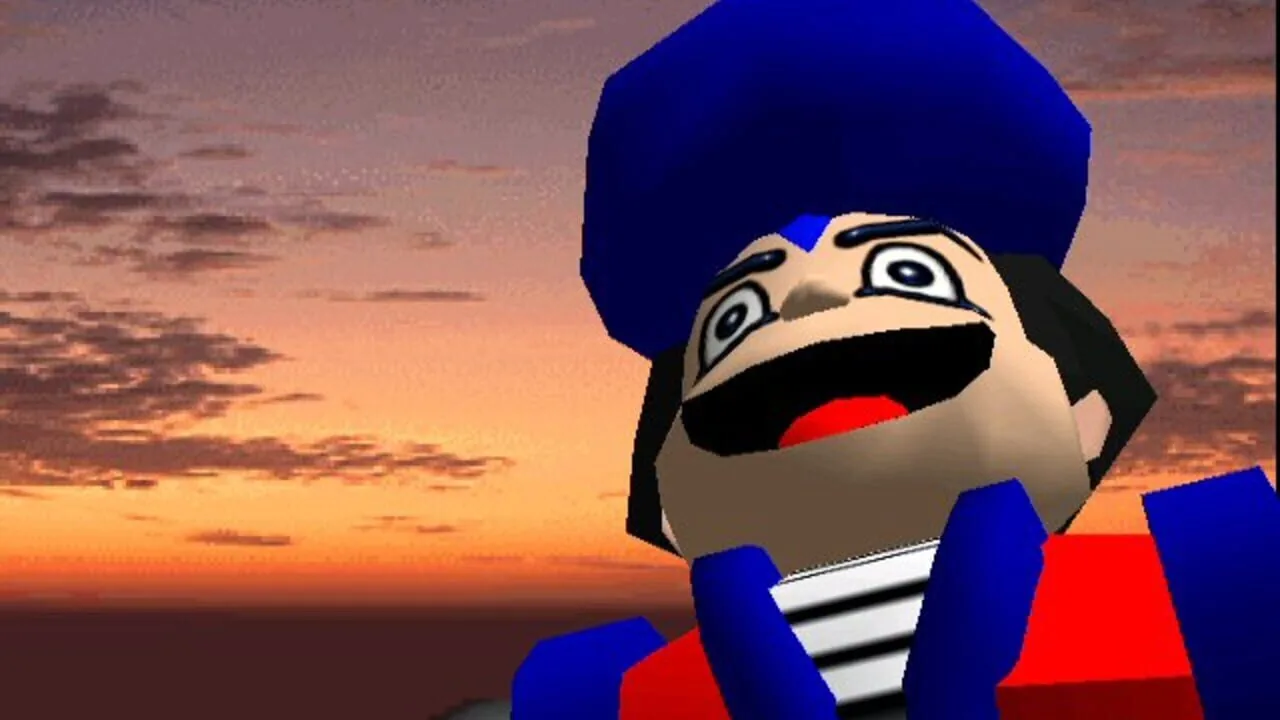
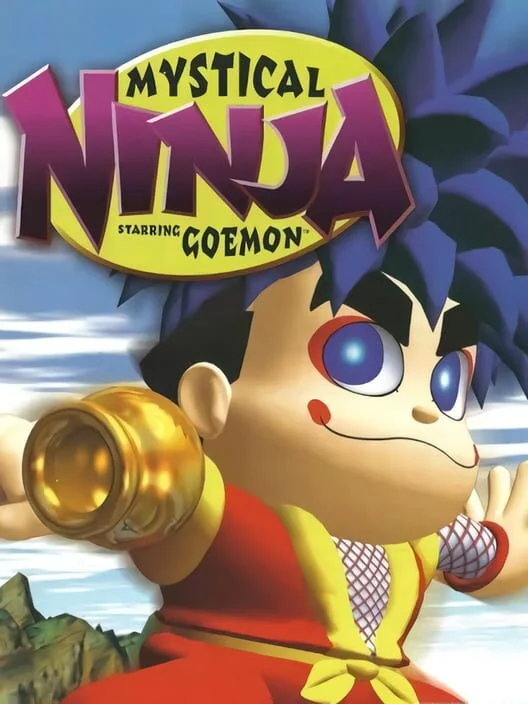
Mystical Ninja Starring Goemon brought in anime royalty. Hironobu Kageyama, the singer of Dragon Ball Z's Cha-La Head Cha-La, composed the theme song, and Ichirou Mizuki, the voice of the Mazinger Z intro, composed the Goemon Impact theme. Four composers worked on the score, and a CD with forty tunes from the game and a remix of I Am Impact came out in October 1997. The music mixes traditional Japanese and modern instruments. Critics enjoyed how it blends pop with shamisen-laden traditional Japanese music, and IGN said the songs would permanently burn themselves into your brain.
Players remember the giant robot song above everything else. Collectors rate the album 5 out of 5, though only 3 have rated it, and 53 want a copy.
17. Snowboard Kids (1997)
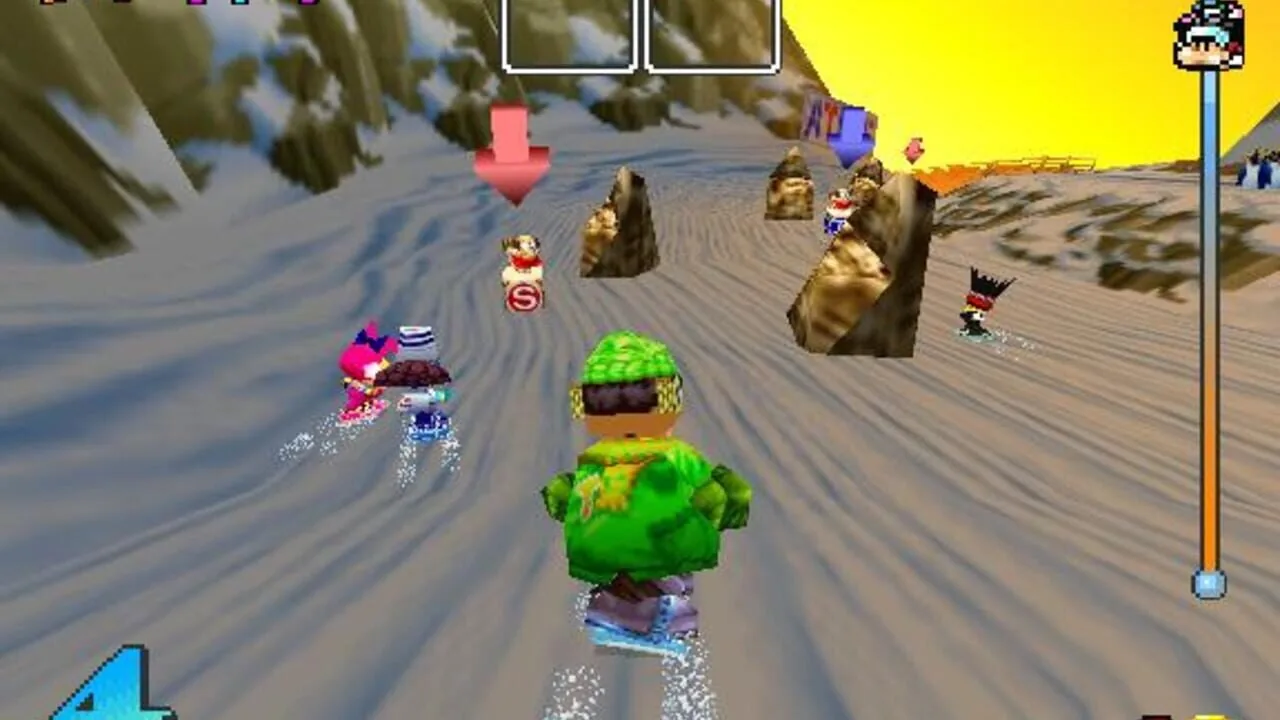
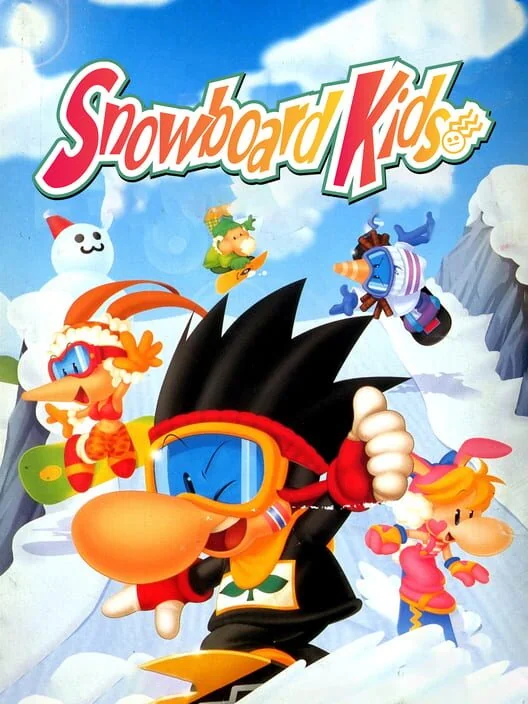
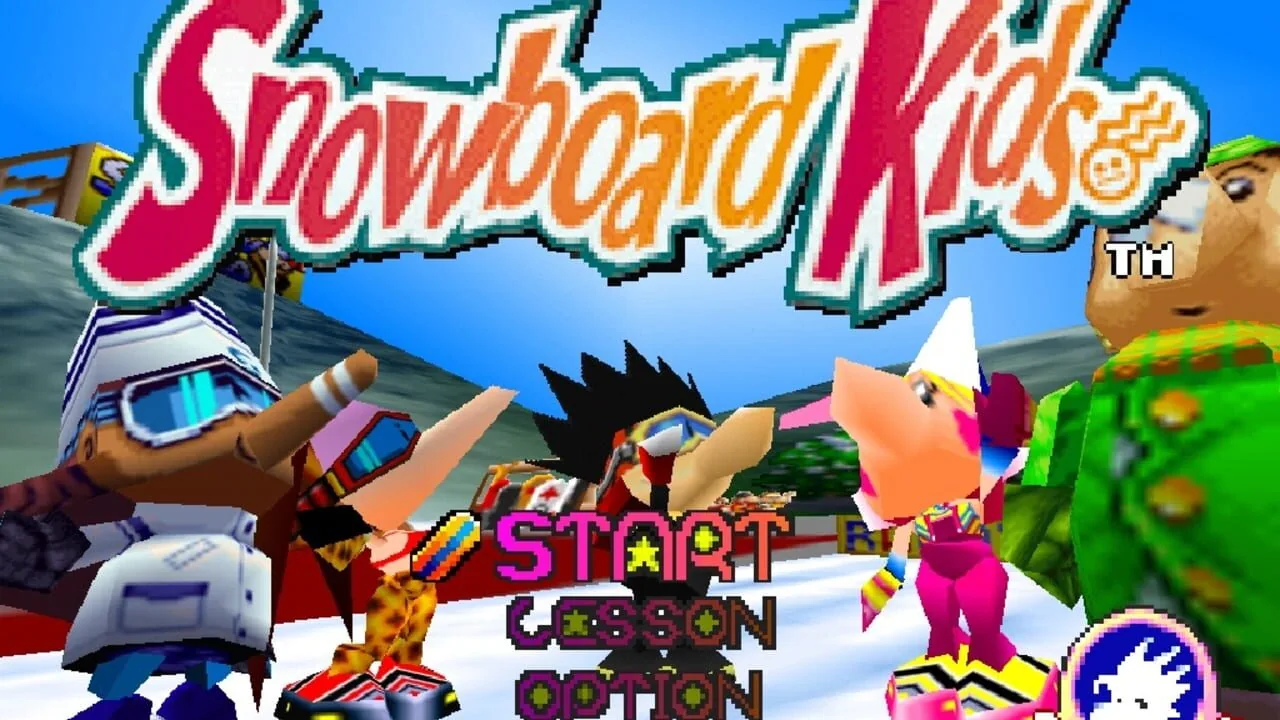
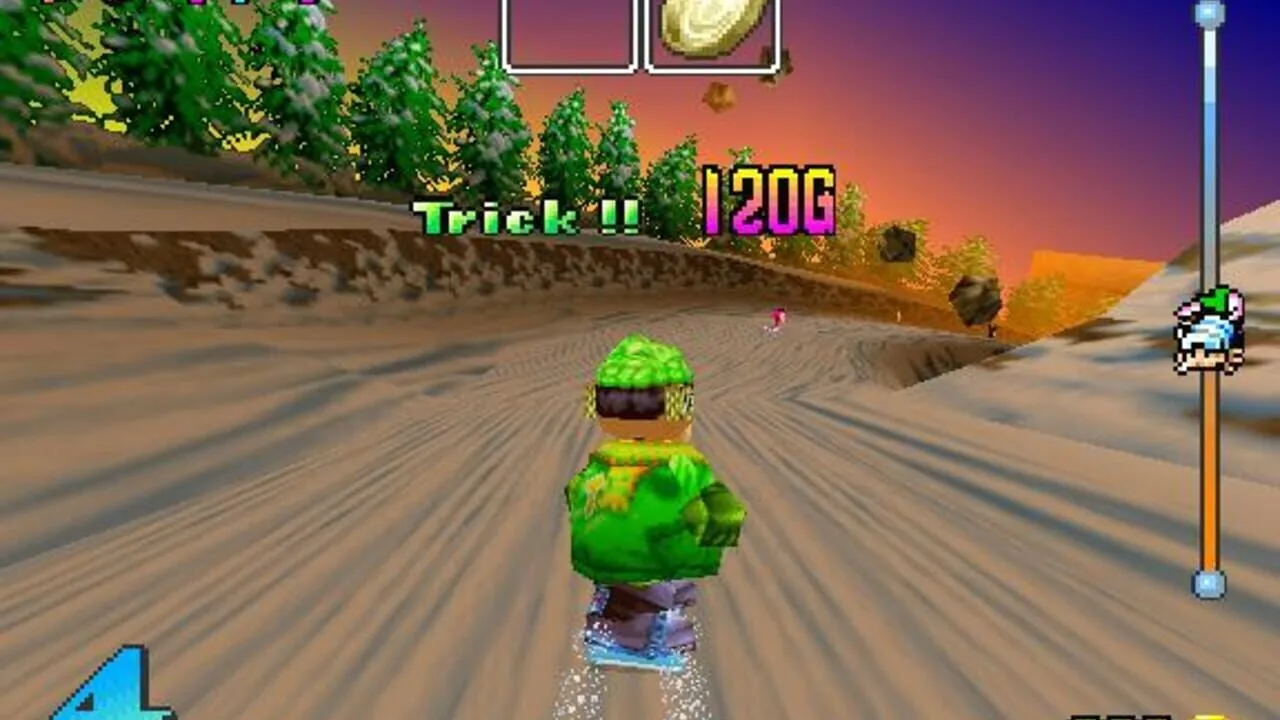
Isao Kasai and Tomohiko Sato wrote the music for Snowboard Kids, the snowboard racer Racdym developed and Atlus published. Snowboard Kids 2 later sampled the Dizzy Land music for its Turtle Island course, and the original score finally reached vinyl in 2024. The vinyl was pressed by Fangamer and has 17 tracks, from the menu music to Sunset Rock.
Its fans rate it very highly and wish more people talked about it. The 2024 vinyl has 240 owners, and they rate it 4.73 out of 5. It is a soundtrack that sounds like a kid's idea of the perfect winter holiday.
16. F-Zero X (1998)
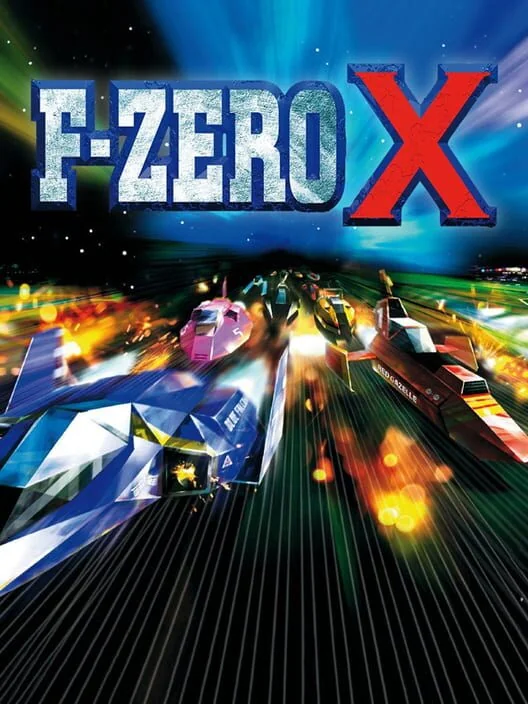
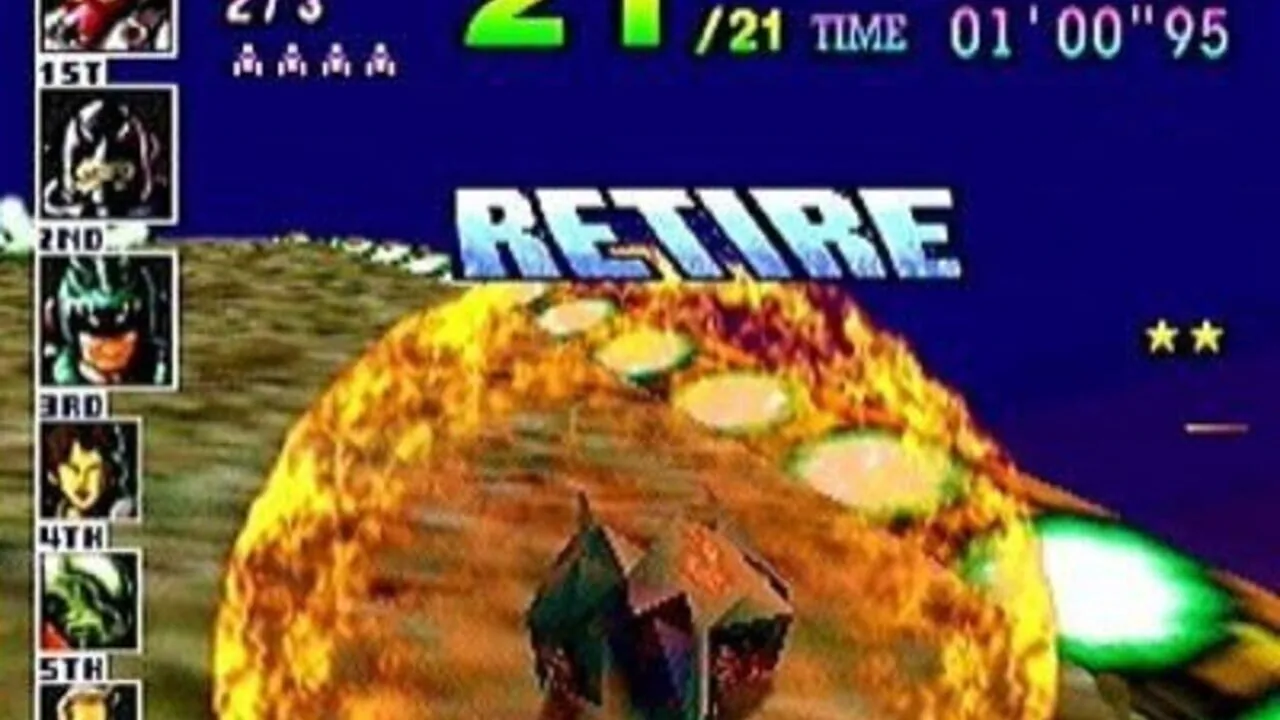
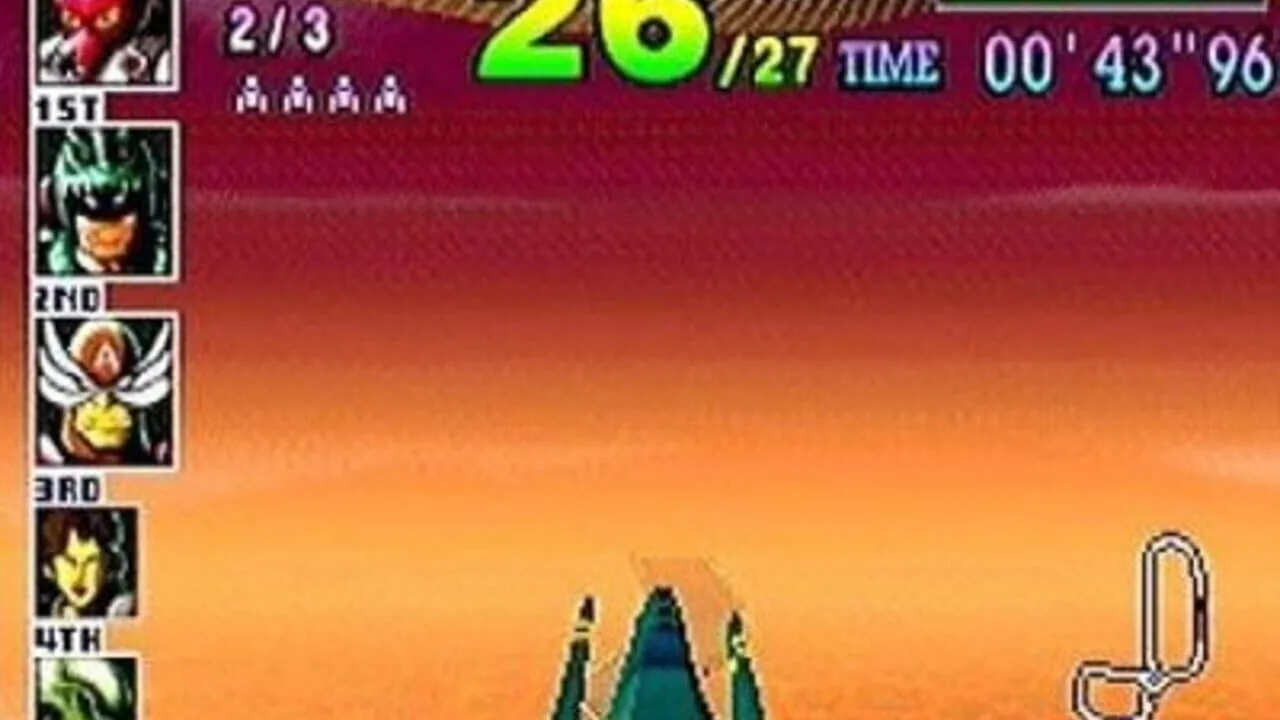
Taro Bando and Hajime Wakai composed F-Zero X, and the soundtrack album credits Sou Kimura on guitar. The music remixes tracks from the first F-Zero, and to fit the cartridge it was squeezed into mono, with ambient sound effects layered on top for a stereo feel. One track, Big Foot, opens exactly like At Doom's Gate from Doom. The F-Zero X Original Soundtrack came out on September 18, 1998, with 29 musical tracks. EGM called the music really good, with some excellent remixes of the old F-Zero tunes.
Players hear it as the N64's metal record, and for some it was their first taste of the genre. Collectors are cooler: they rate the album 3.44 out of 5, the lowest of any rated album in this top 20.
15. Star Fox 64 (1997)
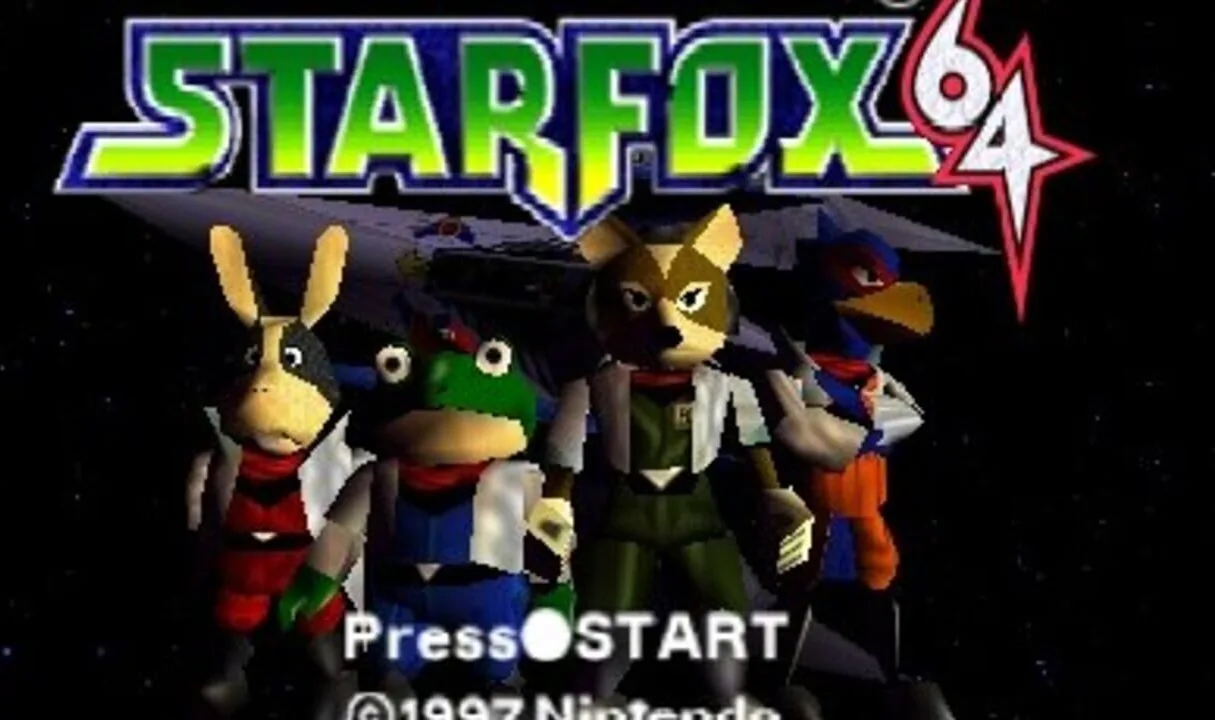
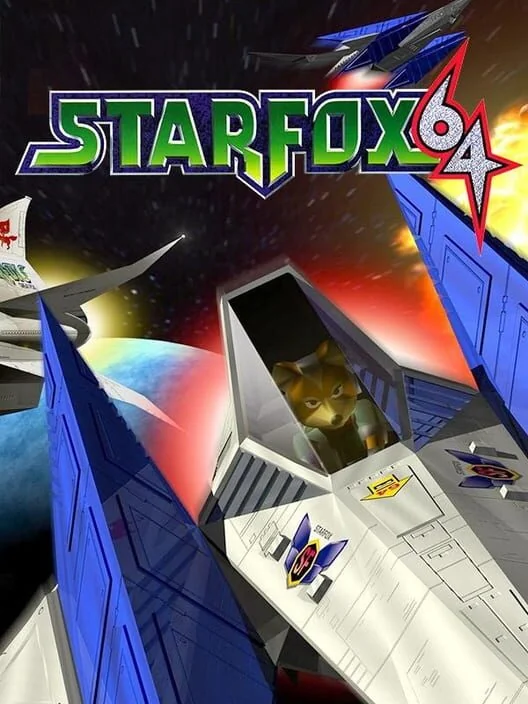
Koji Kondo and Hajime Wakai composed Star Fox 64. Art director Takaya Imamura did far more than art, down to instructing the composers on what kind of music he wanted. Nintendo released the soundtrack CD in the US in 1997. The CD opens with the Opening Theme and the Title Theme, and it has the Corneria music too.
Fewer players named it than any other game in this top 20, but collectors lift it here: 270 want the soundtrack CD and 46 own it. That is an easy album to love and a hard one to find.
14. Paper Mario (2000)
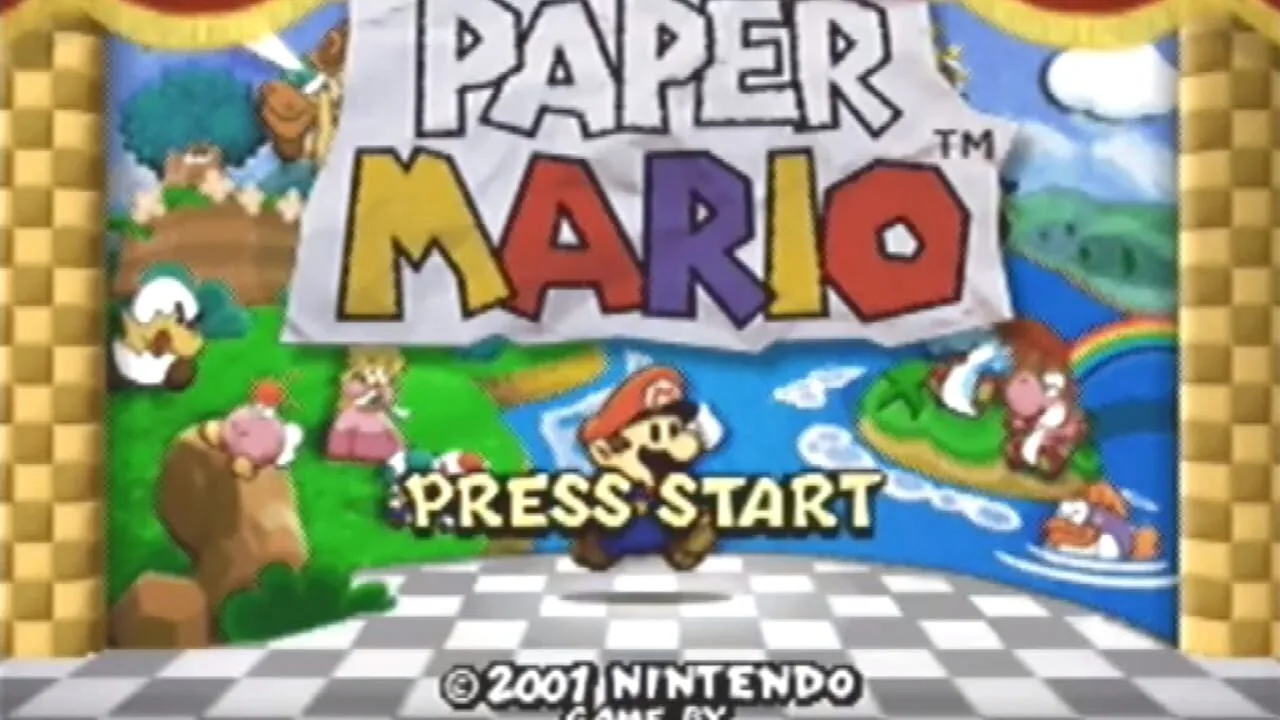
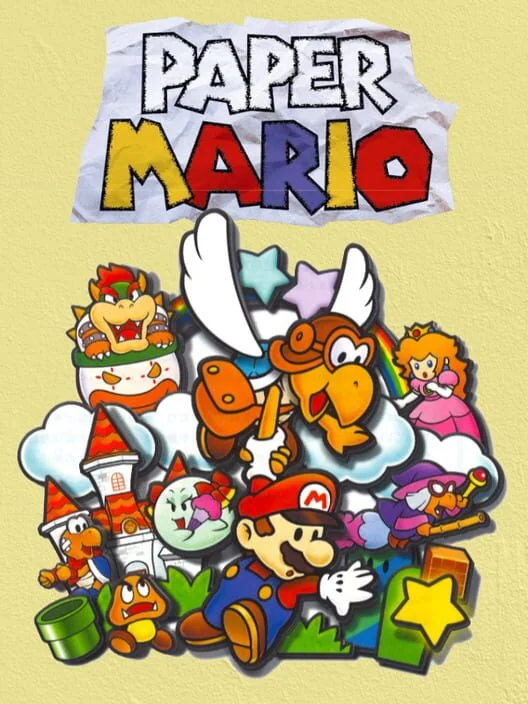
Yuka Tsujiyoko wrote Paper Mario's music, with a reprised arrangement of Koji Kondo's earlier Super Mario themes, and Taishi Senda composed the event music and sound effects. The soundtrack came out in Japan first, and the American version was a Nintendo Power exclusive with 78 tracks on two discs. The Nintendo Music service now has the same 78 tracks plus seventy more.
Players still rate the whole soundtrack, and some call it underrated. No collector has rated the album yet, but 190 want it and 29 own it.
13. Banjo-Tooie (2000)
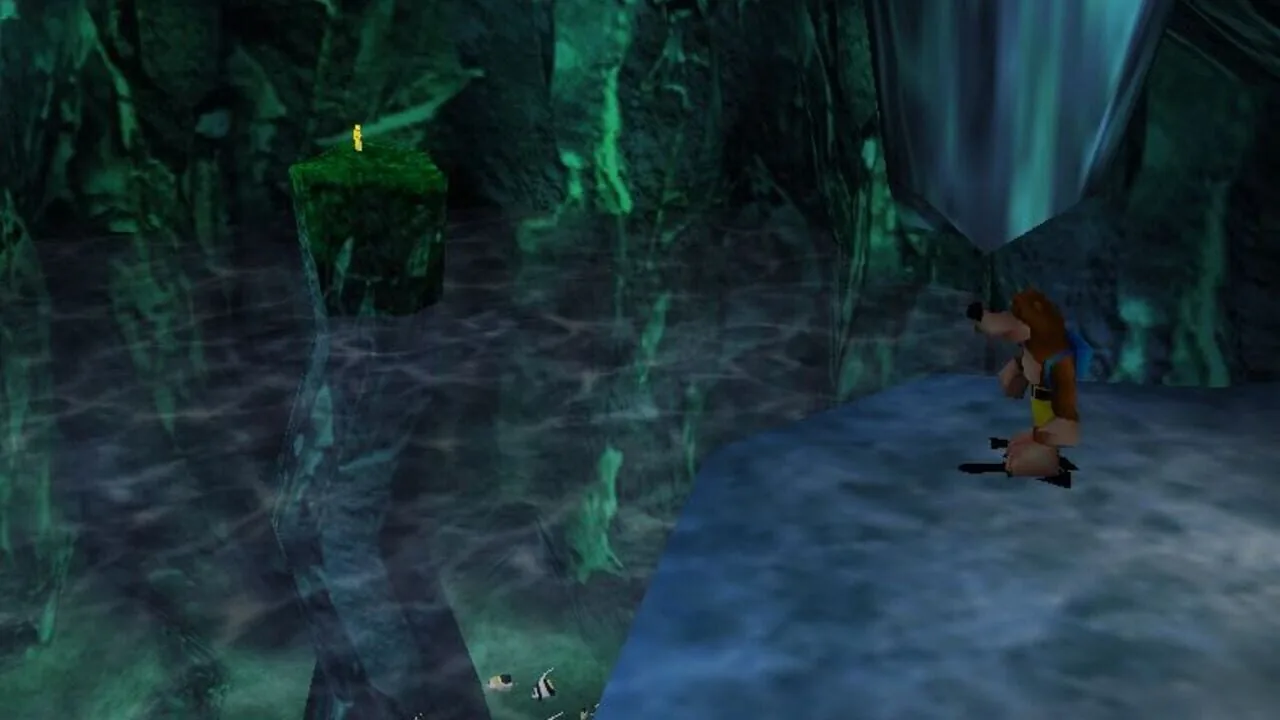
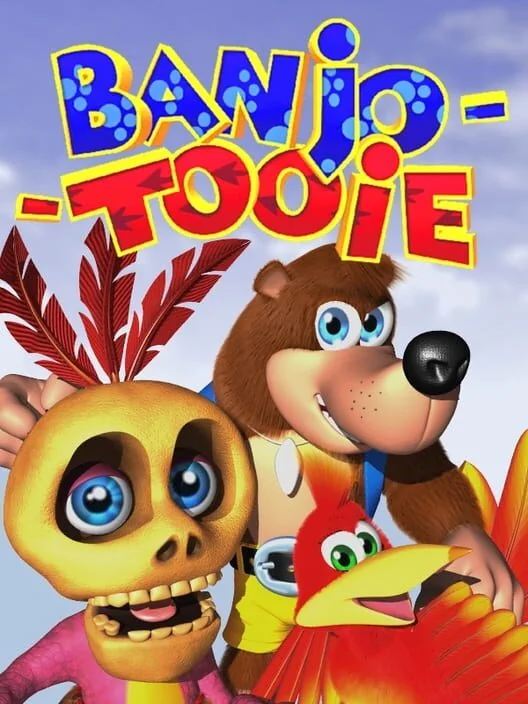
Grant Kirkhope returned from Banjo-Kazooie to compose the sequel, and its official album took until 2022 to appear. Banjo-Tooie was a larger game, so Kirkhope had twice the memory space on the cartridge for music and effects. He used it to combine two MIDI files, which lets the music fade between different moods as you move to new places. Several of the tracks are based on Banjo-Kazooie themes that went unused.
Players remember it level by level, from the mine music to Atlantis. Nobody has rated the album yet, but 423 collectors own it, more than own Ocarina of Time's.
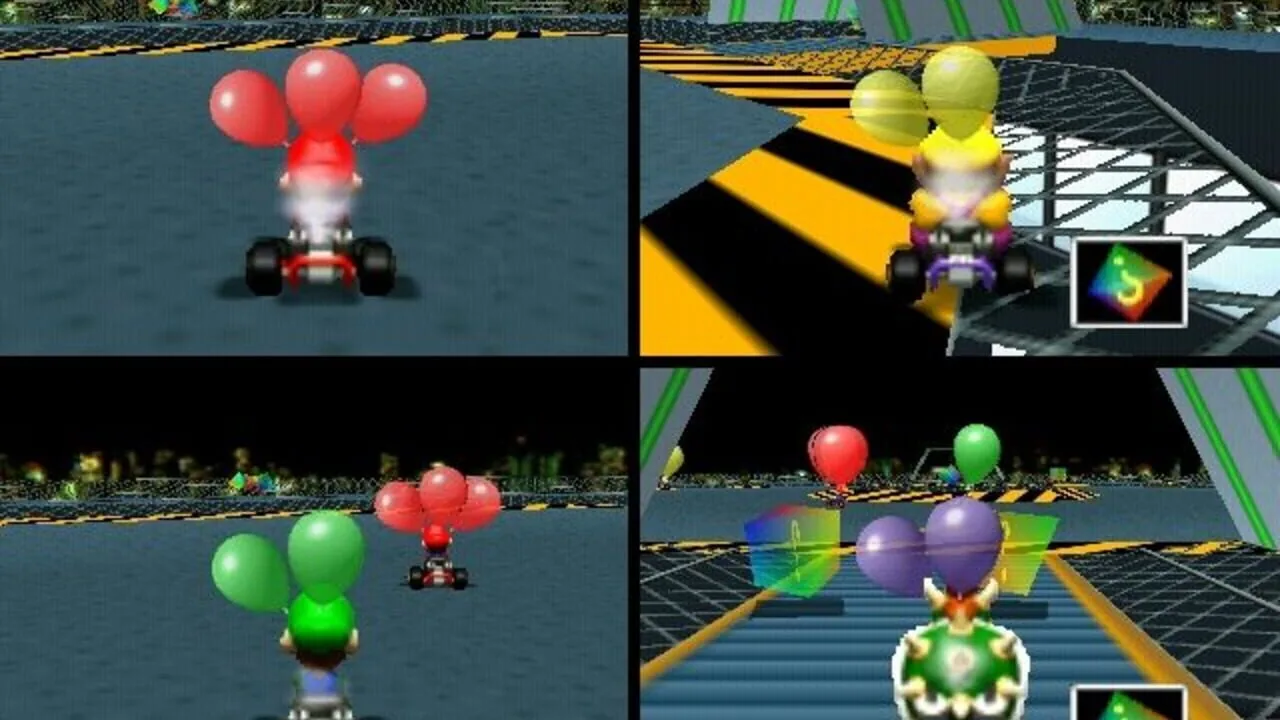
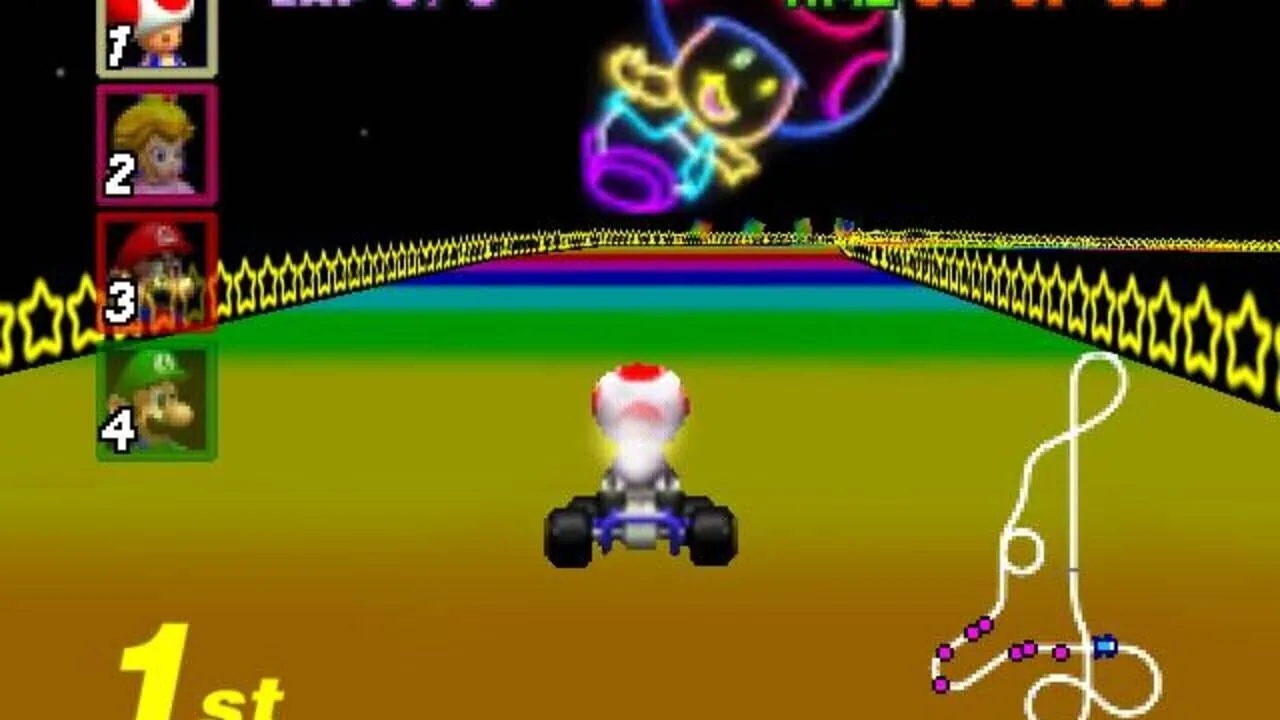
12. Mario Kart 64 (1996)
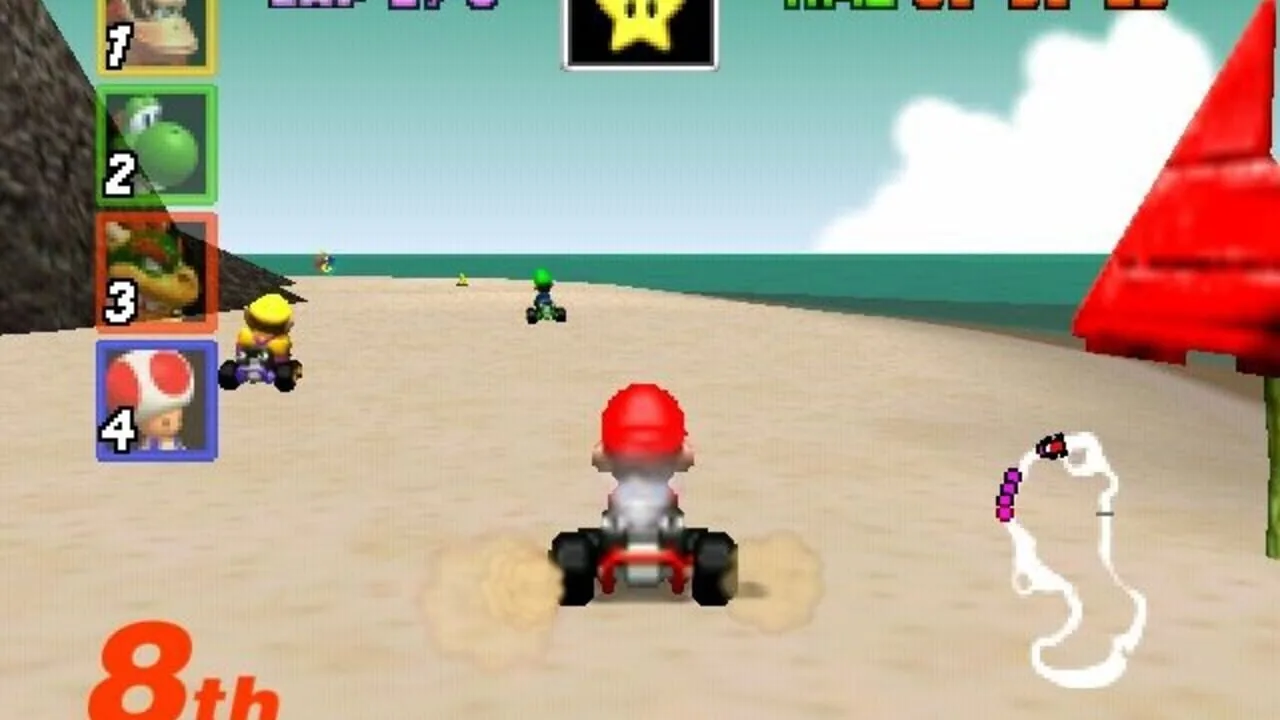
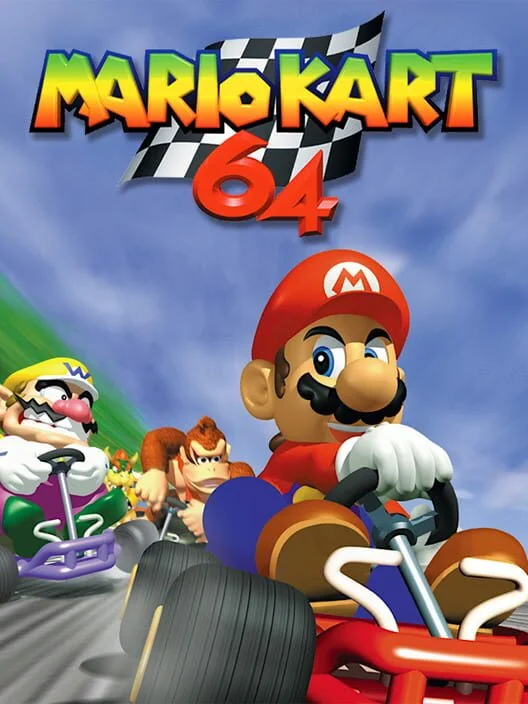
Kenta Nagata composed the Mario Kart 64 soundtrack on his own, and it was released on CD several times across 1997 in Japan and the United States. Leave the results screen running and the music hides one more trick: after looping 64 times, roughly 50 minutes, it switches to an alternate hidden version. Somebody had to find that out the long way. A club remix album, Mario Kart 64 on Club Circuit, followed on December 26, 1997, and the soundtrack reached the Nintendo Music app in July 2025.
Players named it far less often than Super Mario 64 or the Zelda games, but collectors carry it: 448 want the Japanese soundtrack and only 39 own it, and the four who rated it gave it 5 out of 5.
11. Jet Force Gemini (1999)
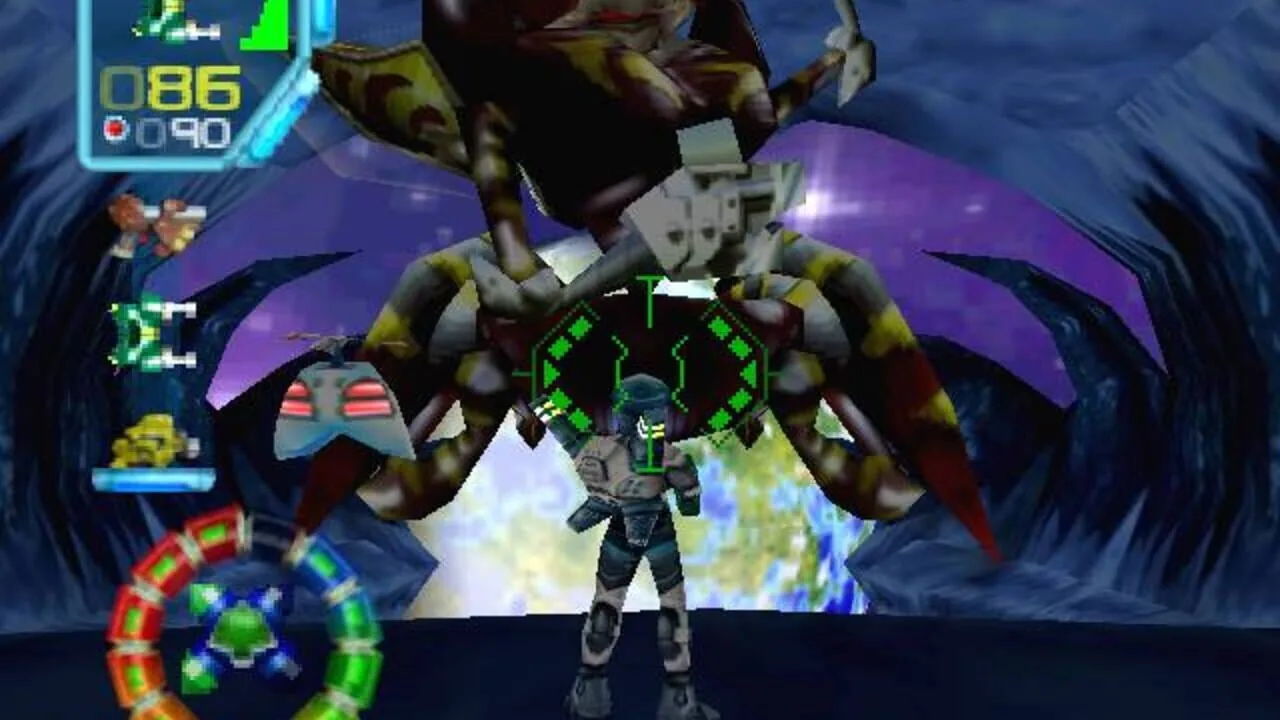
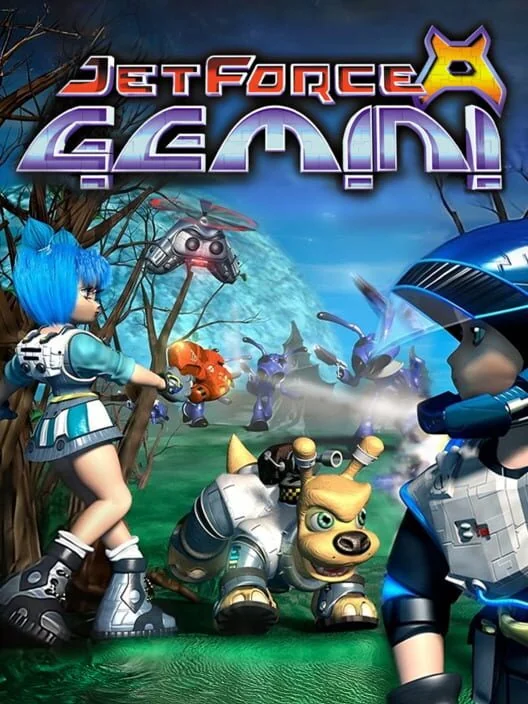
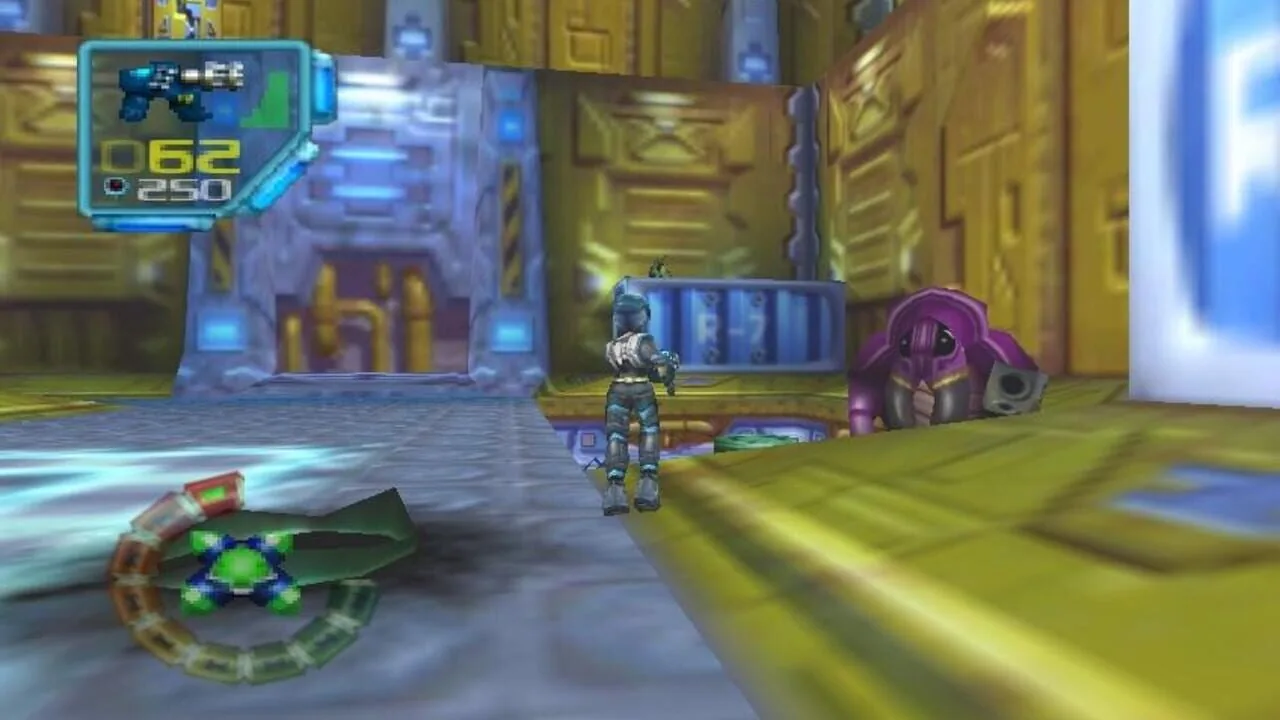
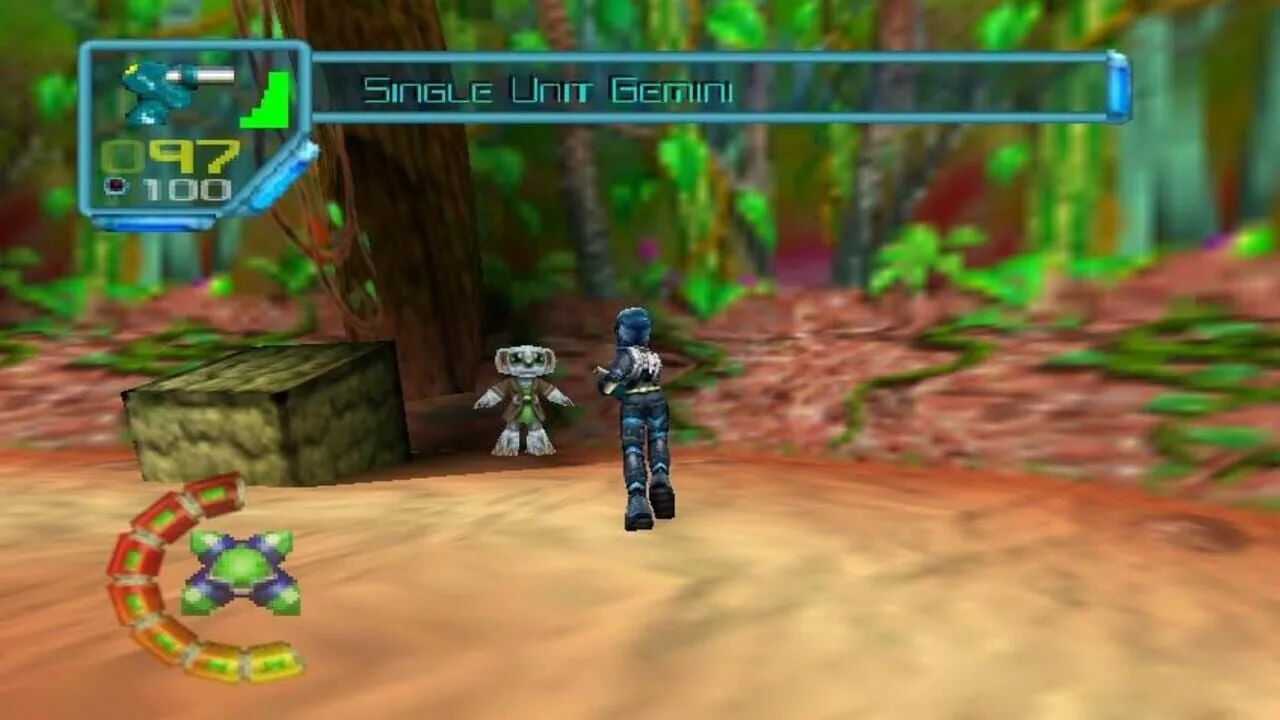
Robin Beanland and Alistair Lindsay composed Jet Force Gemini with Graeme Norgate, who also wrote music for other Rare games such as Diddy Kong Racing. The score waited until 2021 for its first official album, a double vinyl with liner notes by Beanland. The vinyl is a gatefold, pressed on transparent blue vinyl with blue swirls, and Fangamer put it out.
Its fans are firm about it, and several call it the best on the console without a second thought. No collector has rated the album yet, and 185 own it. Few shooters of the era sound this much like a pulp sci-fi adventure.
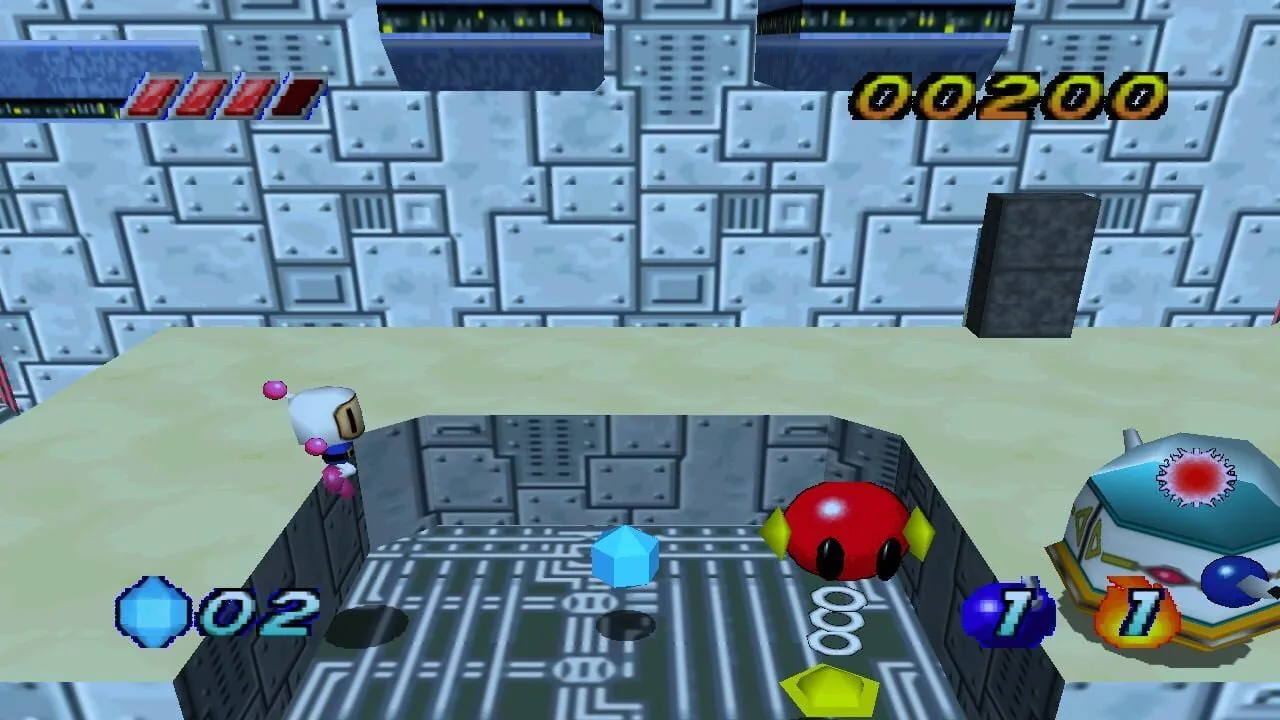
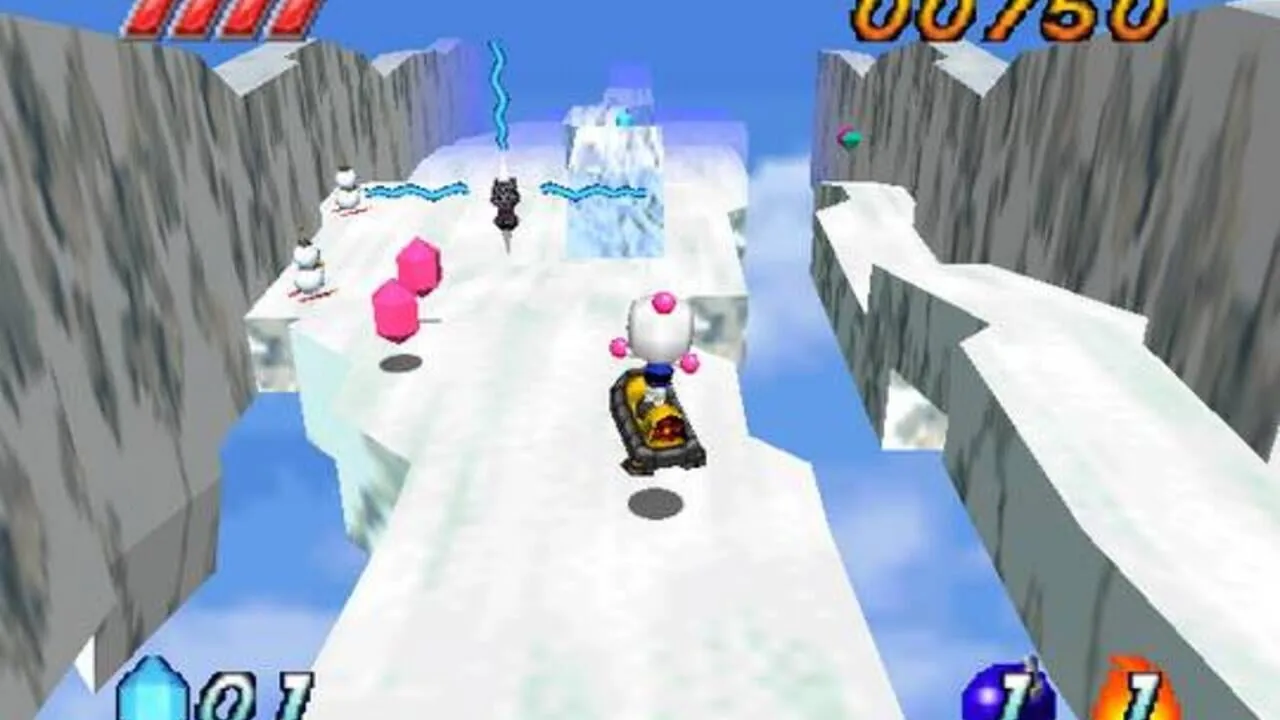
10. Bomberman Hero (1998)
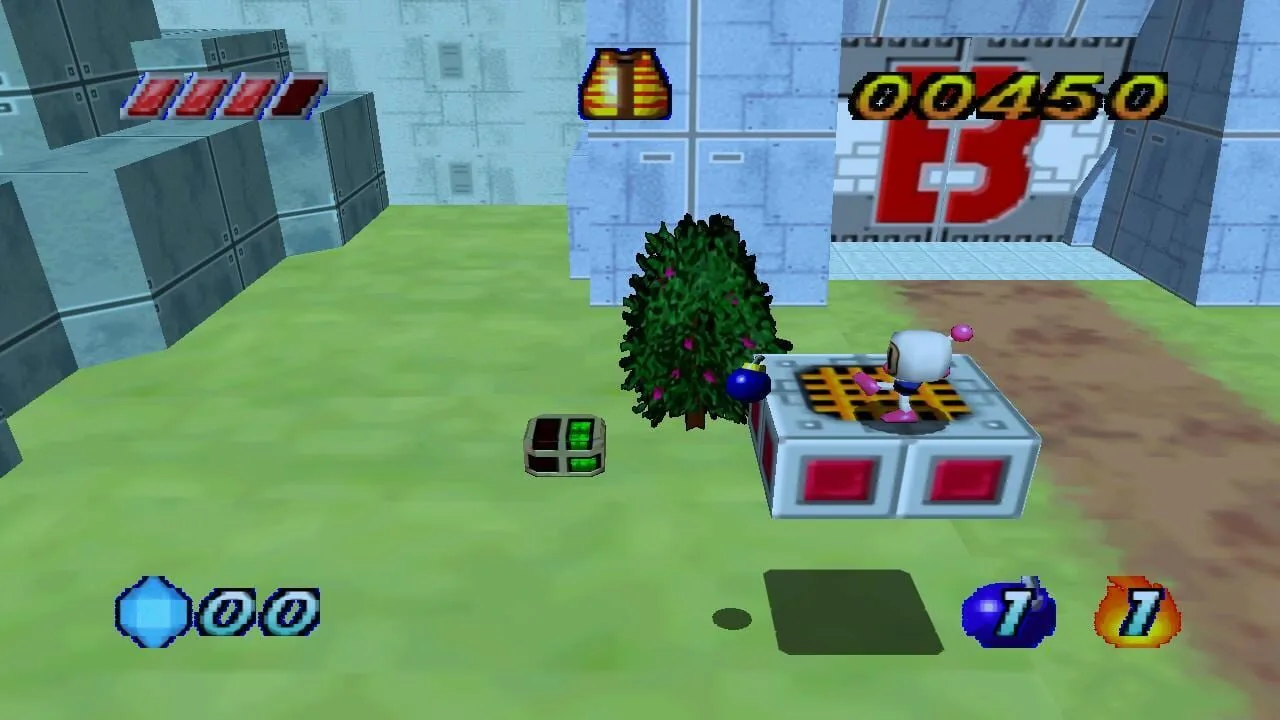
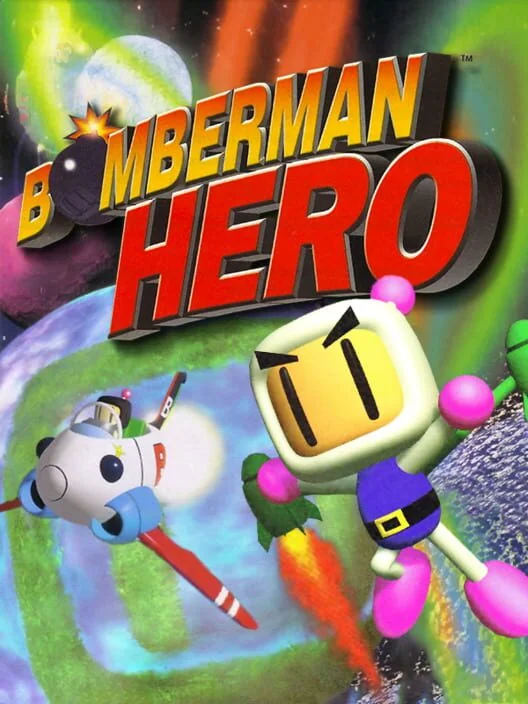
Bomberman Hero was first planned as Ultra Genjin, a game in the Bonk series, before it was turned into a Bomberman game. Jun Chikuma had shaped the sound of the series all through the 90s, and her work peaked here, with a drum and bass and acid techno score. She went on to say it was the most remarkable title in terms of music among the Bomberman series.
Players still call it one of the best soundtracks on the console. The 2023 vinyl has 640 owners, and they rate it 4.58 out of 5.
9. Conker's Bad Fur Day (2001)
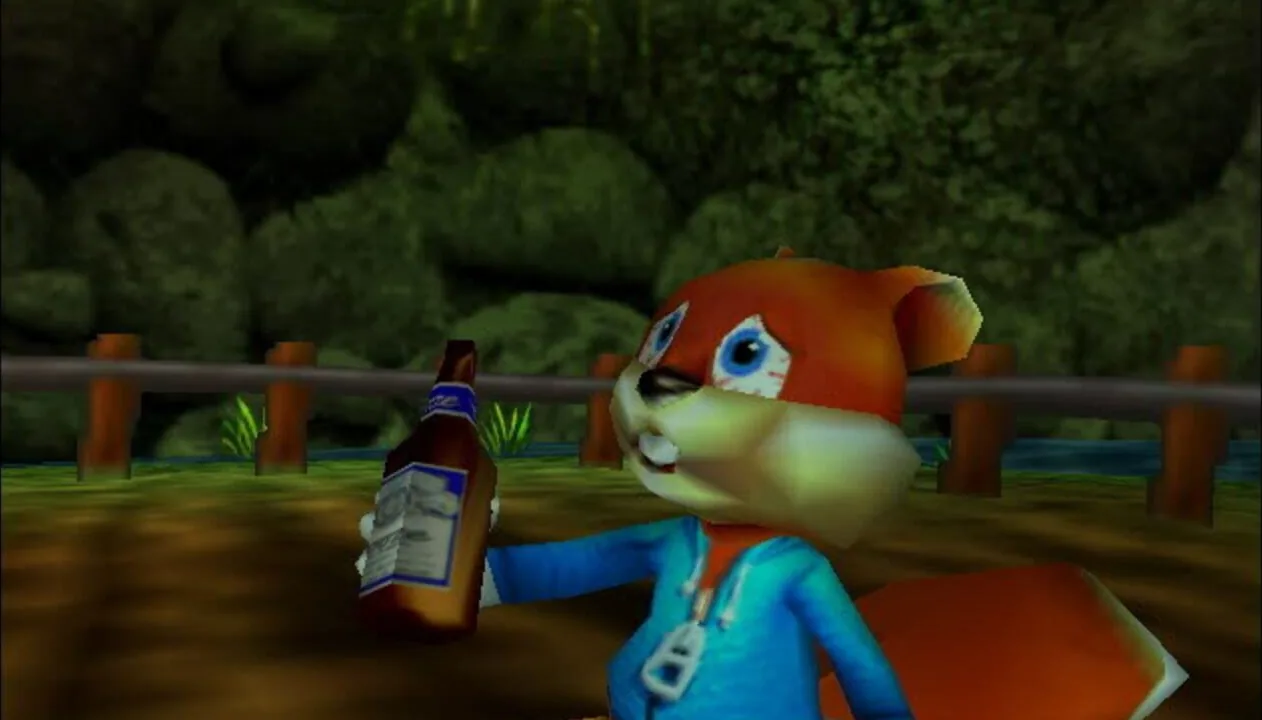
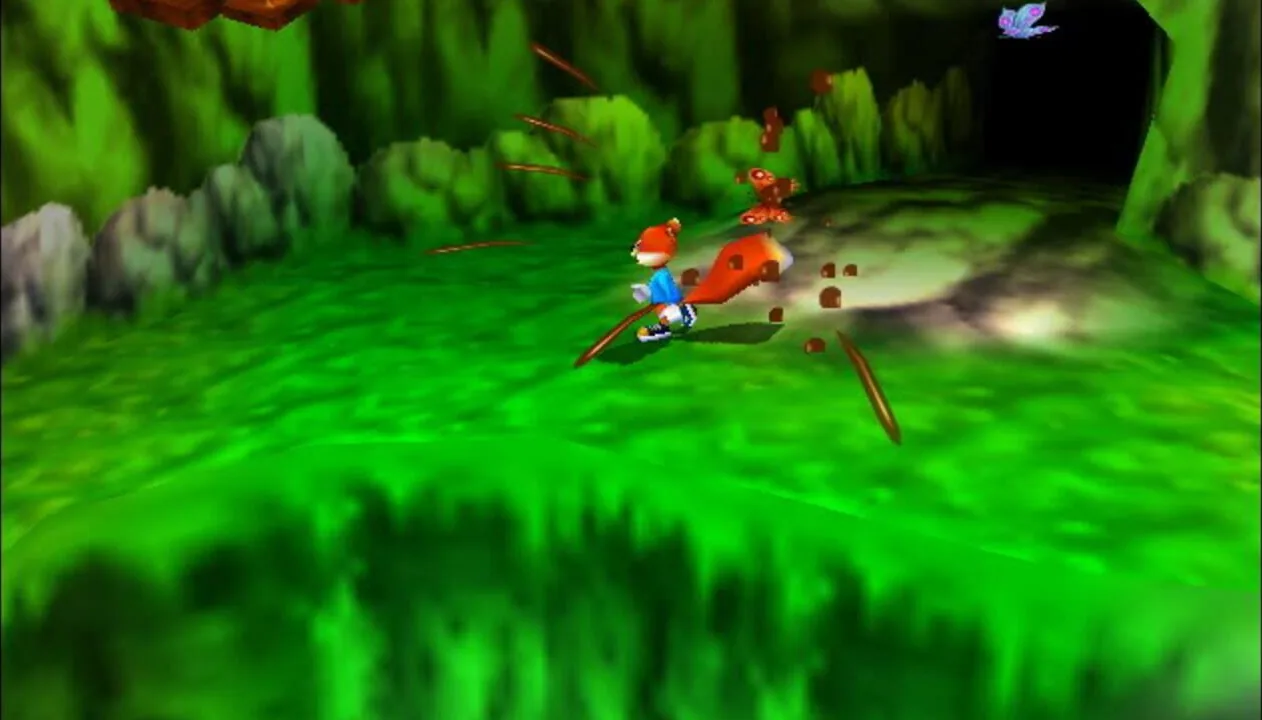
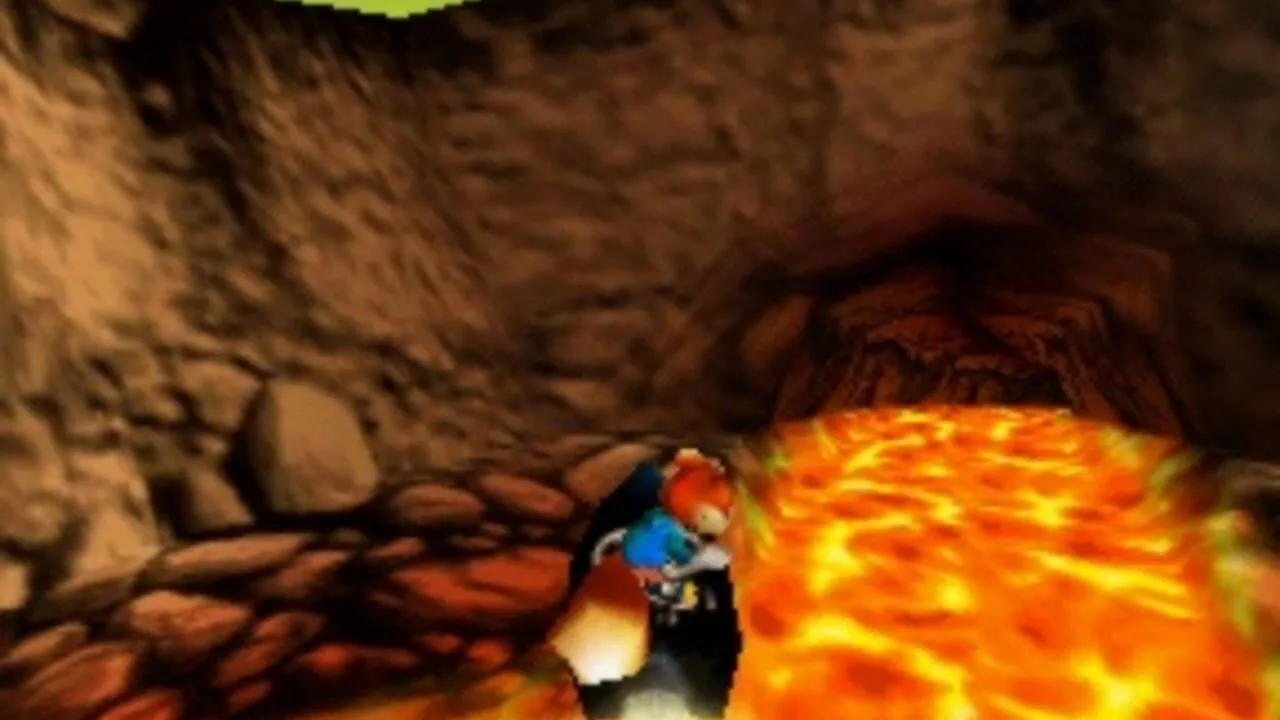
Robin Beanland composed Conker's Bad Fur Day, and the game's film parodies fed his ideas. The Matrix lobby chase gave him interactive music, where firing bullets fades the upbeat channels into something more downtempo. Sloprano, the song the Great Mighty Poo sings, was written by Beanland and Chris Seavor to suit Chris Marlow's operatic voice, and it was recorded in a single afternoon. The It's War intro copies the chaotic audio of Saving Private Ryan, with bullet hits programmed as MIDI notes panned across the surround mix. The shark-bulldog Brute even gets music cues similar to those of Jaws.
Players split between the Great Mighty Poo's opera and Windy and Co., and both camps are right. Collectors back it too: 745 own the 2018 vinyl, rated 4.6 out of 5 across 43 ratings.
8. Donkey Kong 64 (1999)
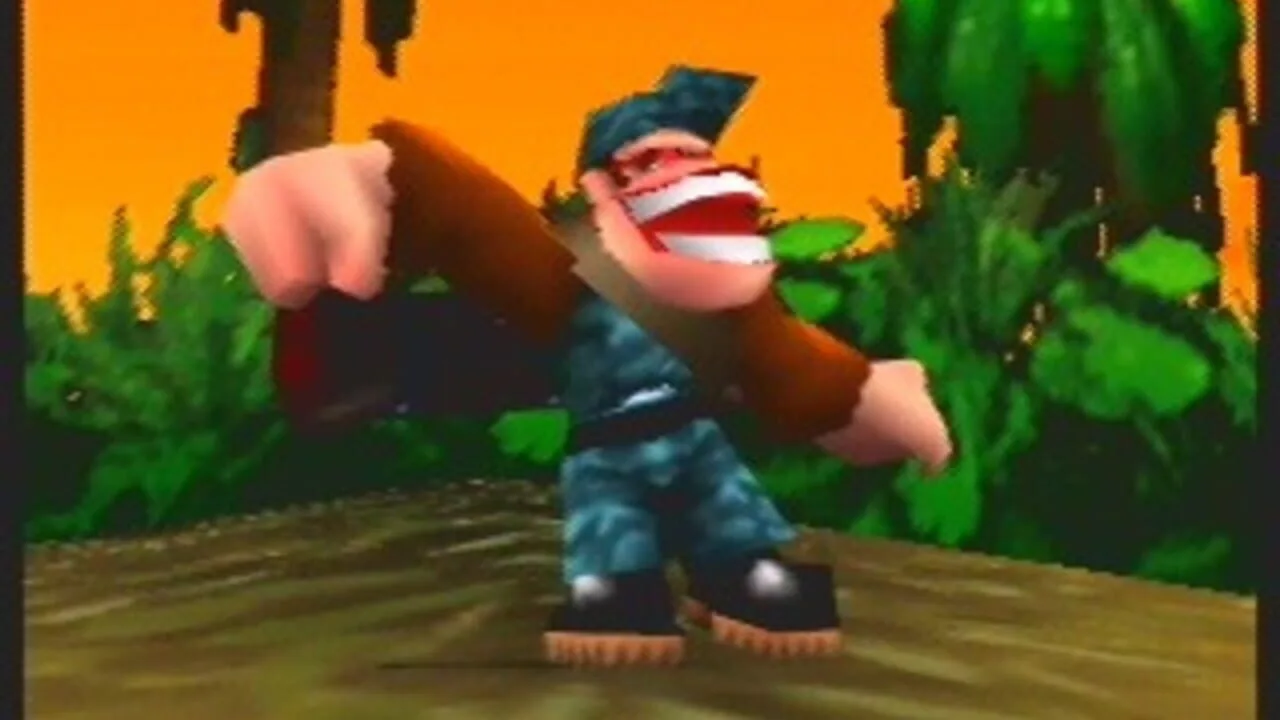
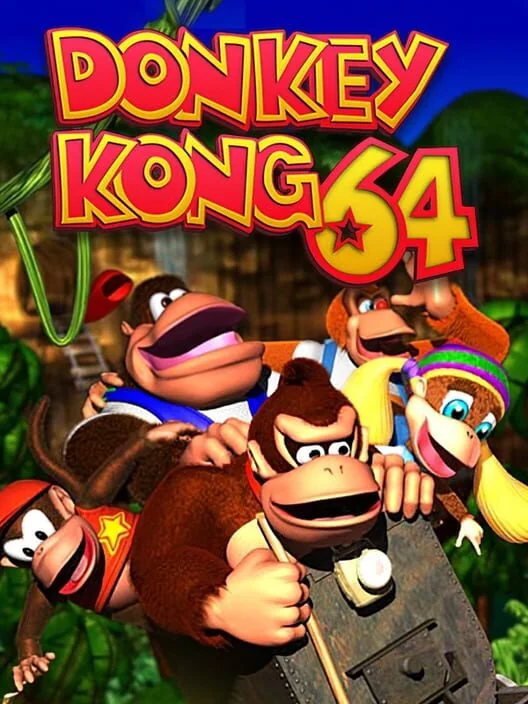
Grant Kirkhope scored Donkey Kong 64 and wrote the DK Rap for its intro as a joke, which did not stop Seth Rogen calling it "objectively one of the worst rap songs of all time" before the 2023 Super Mario Bros. film used it. The Gloomy Galleon music is older than the game: it comes from Dream: Land of Giants, the project that became Banjo-Kazooie. Nintendo Life described the music as closer in spirit to Banjo-Kazooie than to David Wise's Donkey Kong Country soundtracks. IGN said it was less clever than Banjo-Kazooie's, but still delivered a variety of moods.
Players treat Grant Kirkhope's name on a soundtrack as a promise. Collectors want the soundtrack CD far more than they own it, 330 against 81.
7. The Legend of Zelda: Majora's Mask (2000)
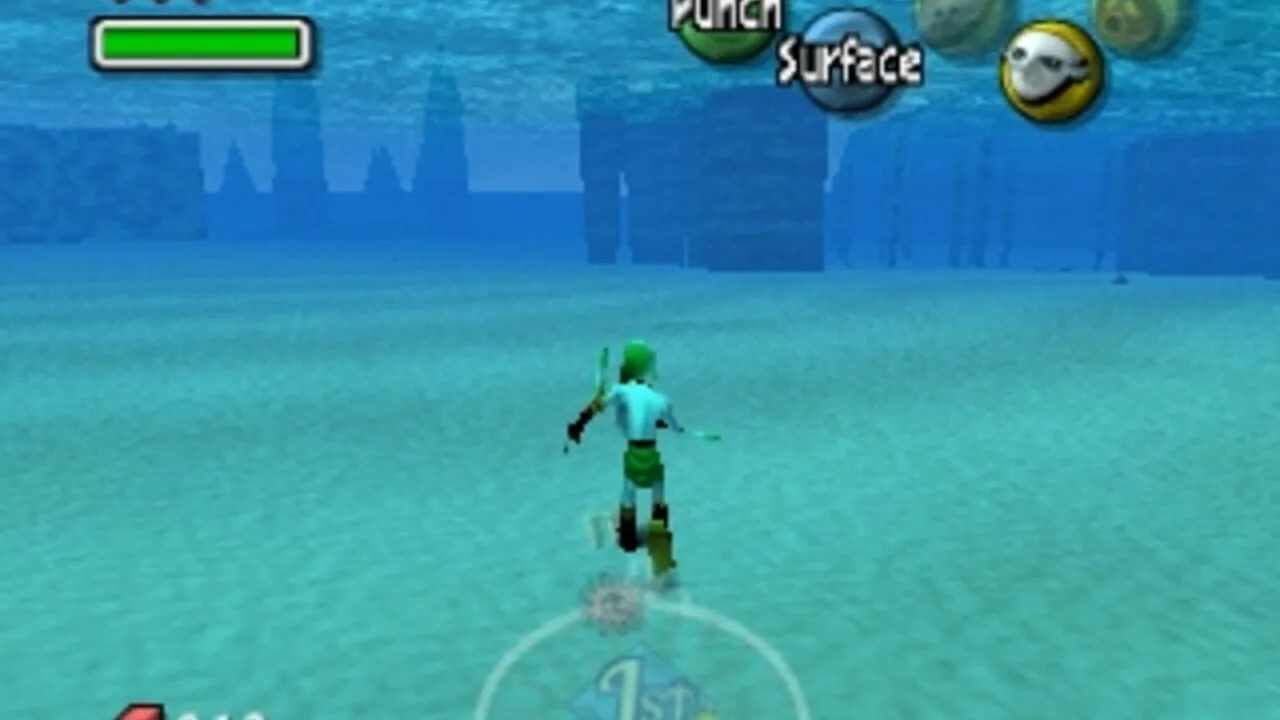
Koji Kondo and Toru Minegishi composed Majora's Mask, and the score keeps glancing back at Ocarina of Time. The Song of Healing has the same first six notes as Saria's Song, played backwards with a different rhythm, and each piece of music in Zora Hall is taken from an earlier game in the series. Kondo described the score as having an exotic Chinese opera sound. As the three-day cycle goes on, the Clock Town theme changes between three variations, one for each day. IGN heard the quickened tempo on the second day as time passing quickly.
Players single out Clock Town, and the way its music turns as the final hours arrive. They named the game less than half as often as Ocarina of Time, but collectors push it into the top ten: 709 own the Japanese soundtrack and 1,279 want it.
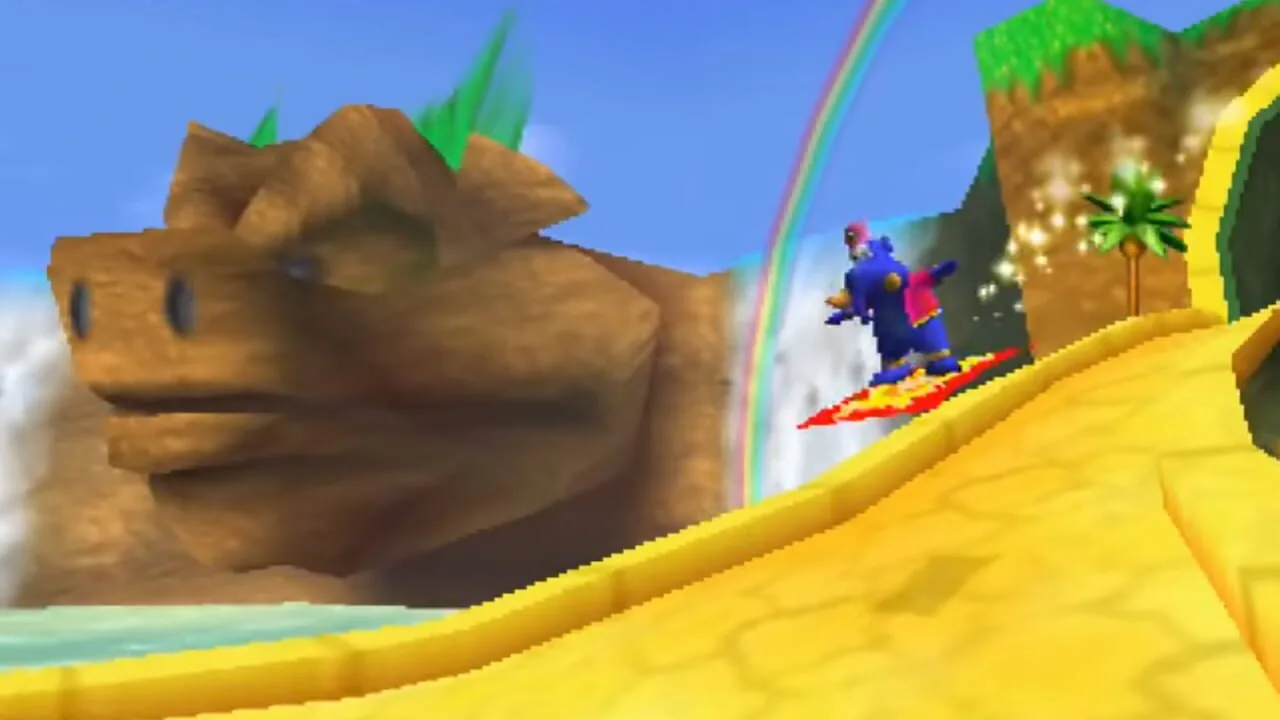
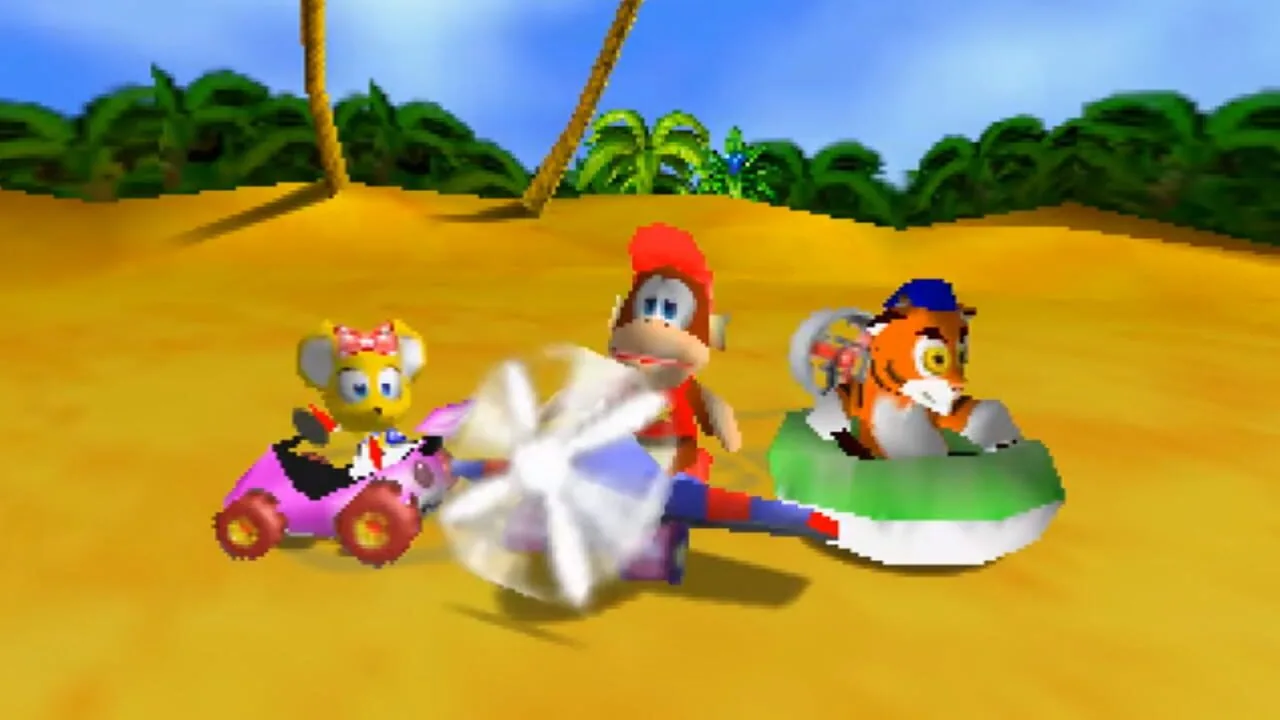
6. Diddy Kong Racing (1997)
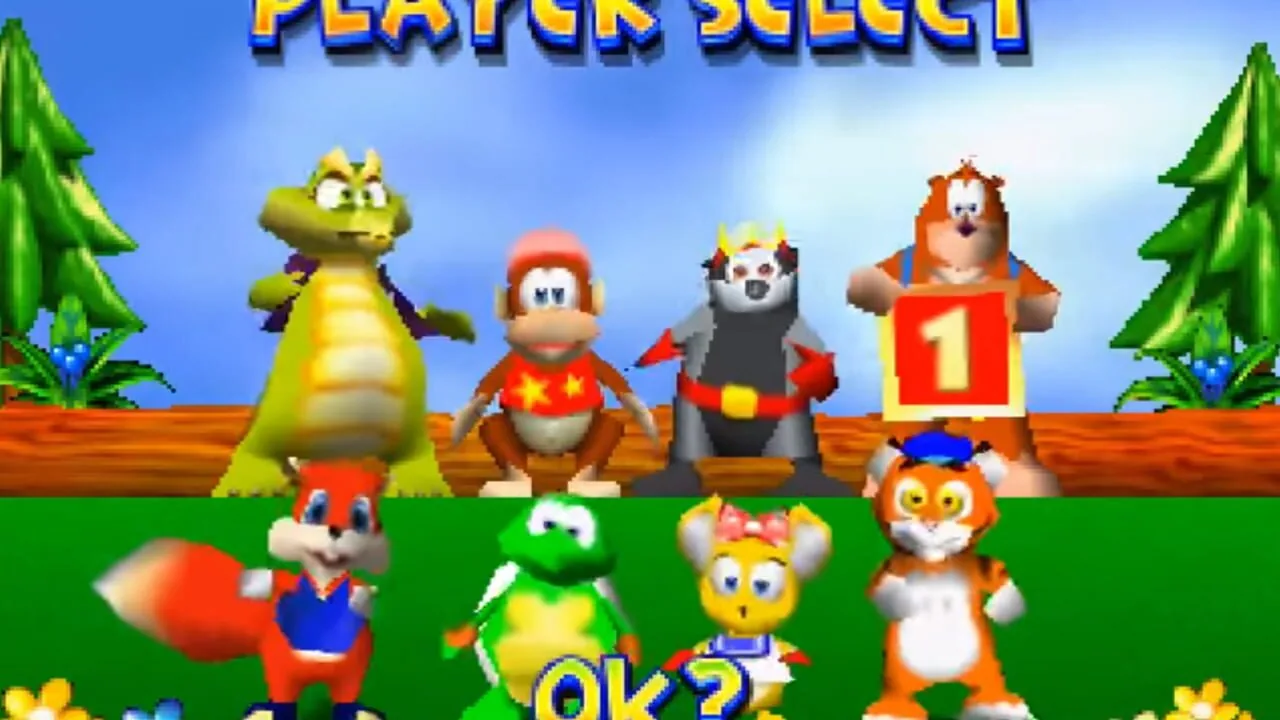
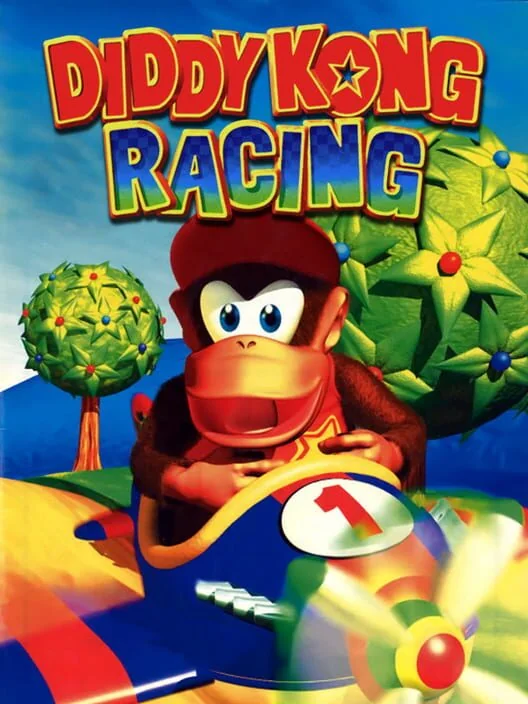
David Wise composed Diddy Kong Racing, and its soundtrack album first came out in Japan in April 1998 with 42 tracks. The American release cut that to 16. Frosty Village sounds a lot like a faster Winter Wonderland with the serial numbers filed off. Graeme Norgate created the sound effects. One reviewer called the music interesting and fitting for its race tracks, and thought it better than Mario Kart 64's.
Players often put it right next to Banjo-Kazooie, and Haunted Woods is the track they keep naming. Collectors rate the Japanese album only 3.67 out of 5, so players do most of the lifting here.
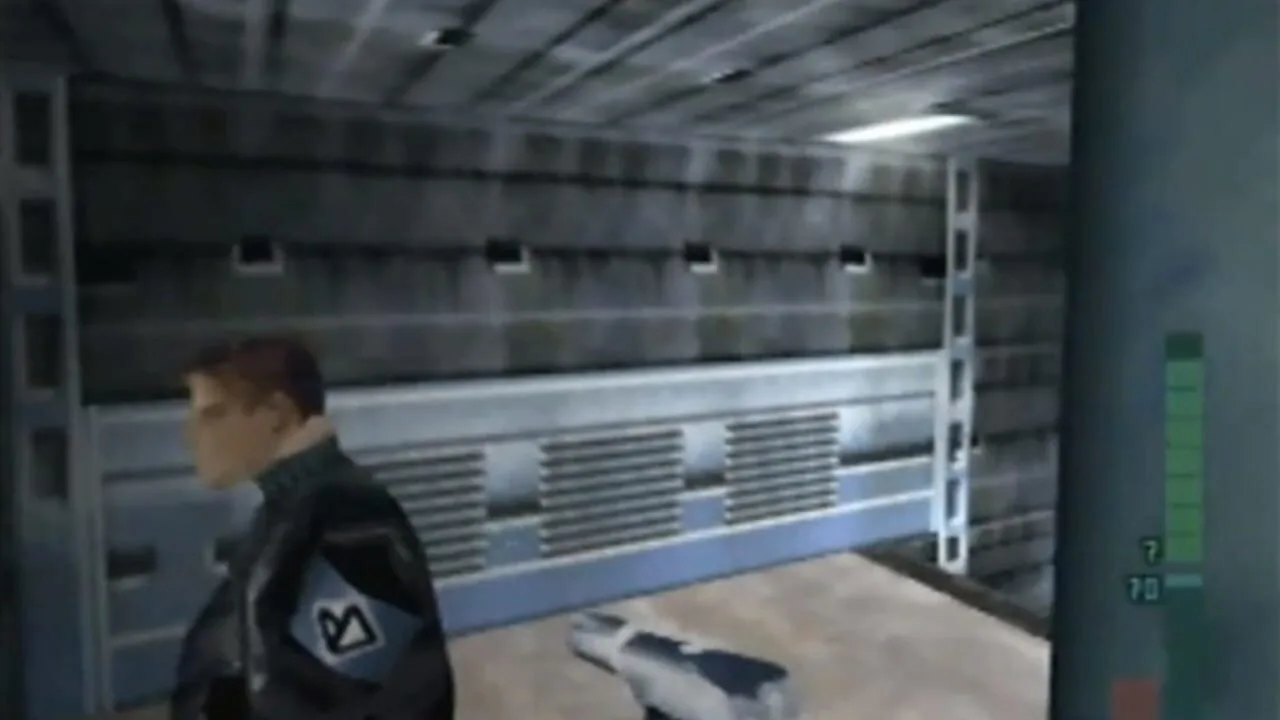
5. GoldenEye 007 (1997)
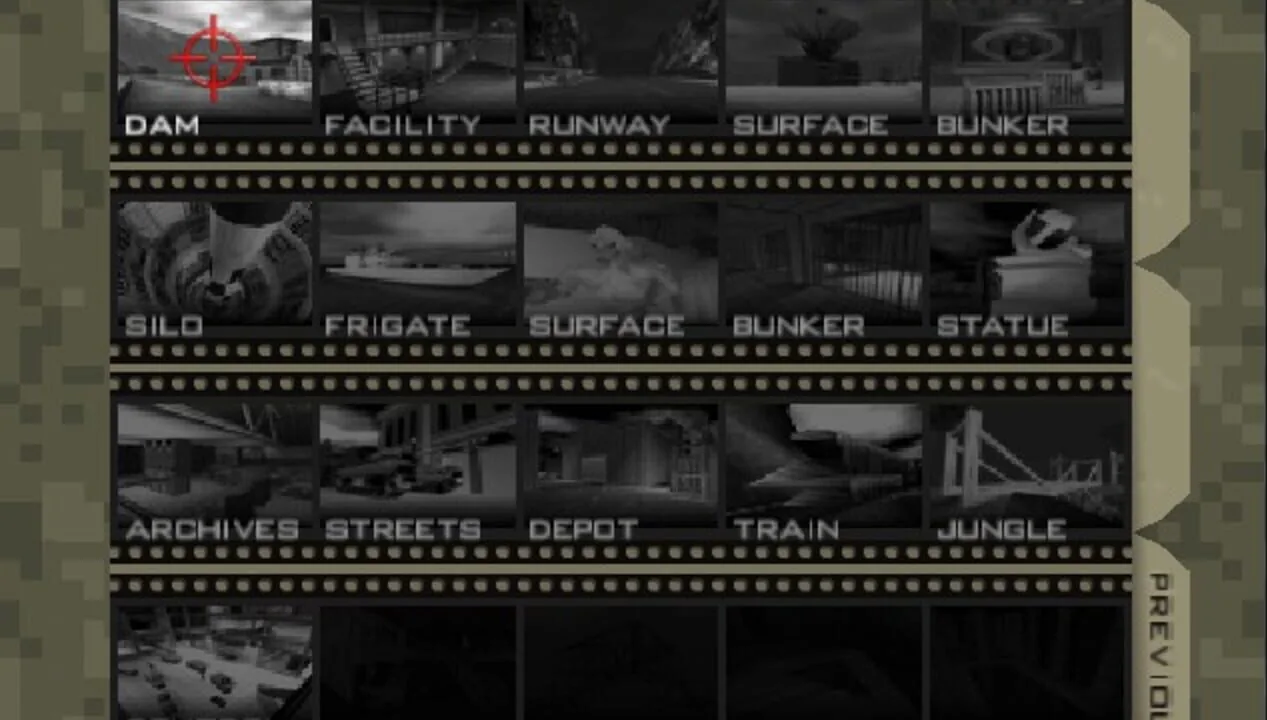
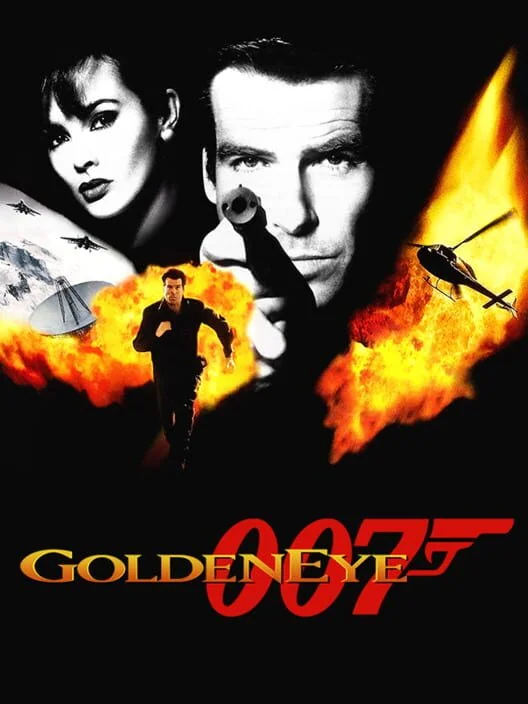
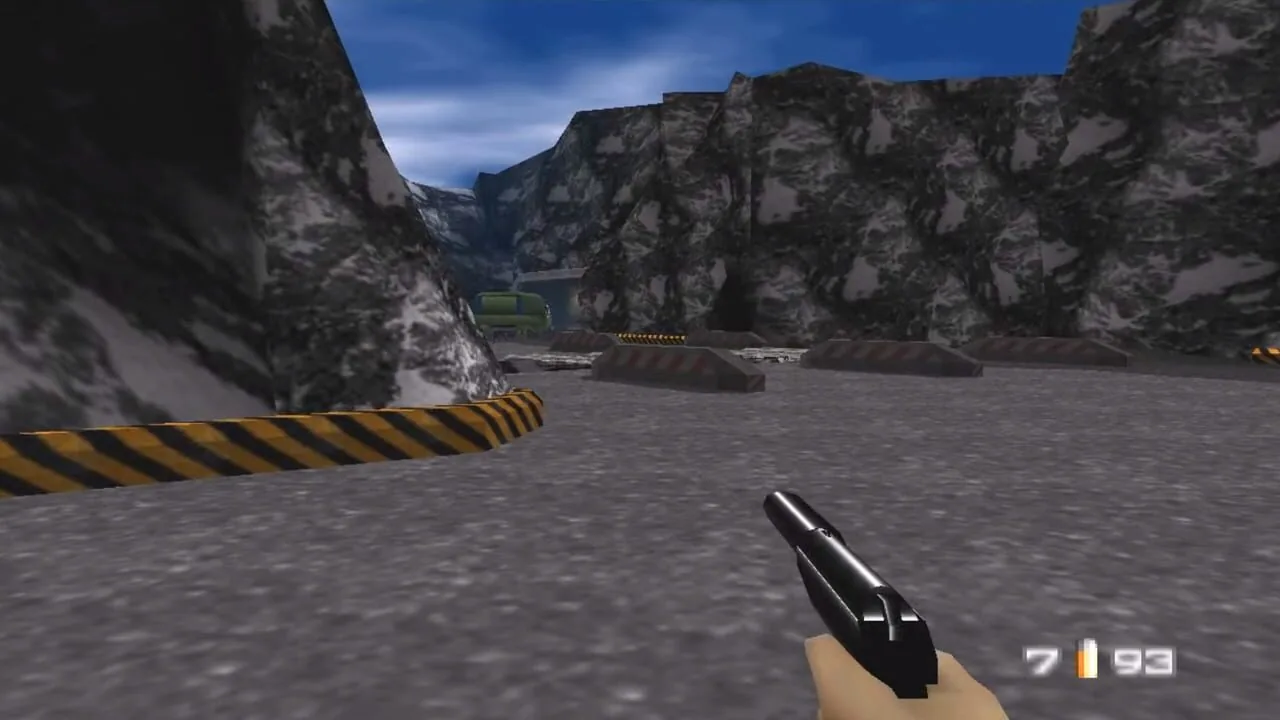
Graeme Norgate and Grant Kirkhope wrote most of GoldenEye 007's music, while Robin Beanland, the game's third composer, only wrote the elevator music heard in some levels. The Frigate theme takes parts from Duran Duran's A View to a Kill, and other parts are inspired by Faith No More's We Care A Lot. Critics praised the music for the James Bond Theme and for adding ambience. Some levels start in a lift with elevator music before the full soundtrack takes over, which one reviewer cited as proof of the attention to detail.
Players named it more than any other N64 game, and its pause menu music gets more love than most whole soundtracks. As one player put it, "Goldeneye is worth the purchase simply for the pause music." There has never been an official album, though, so the collector half of the score is empty and the most named game lands at 5.
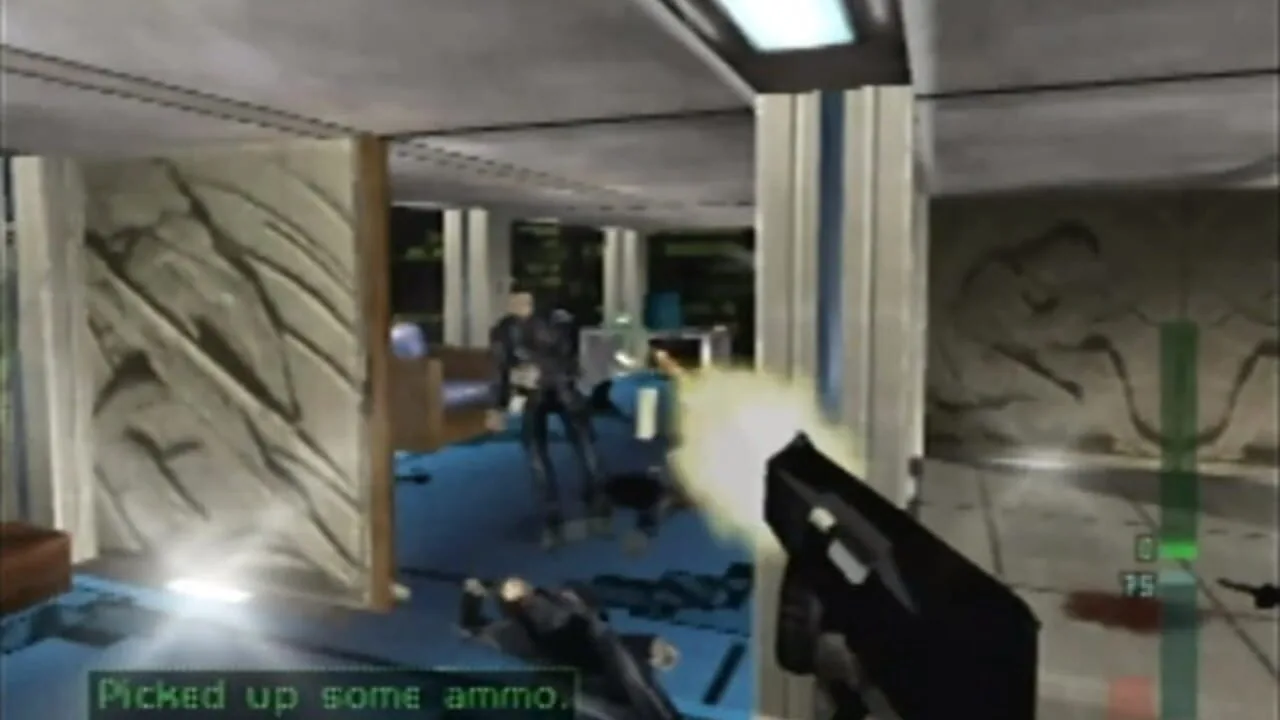
4. Perfect Dark (2000)
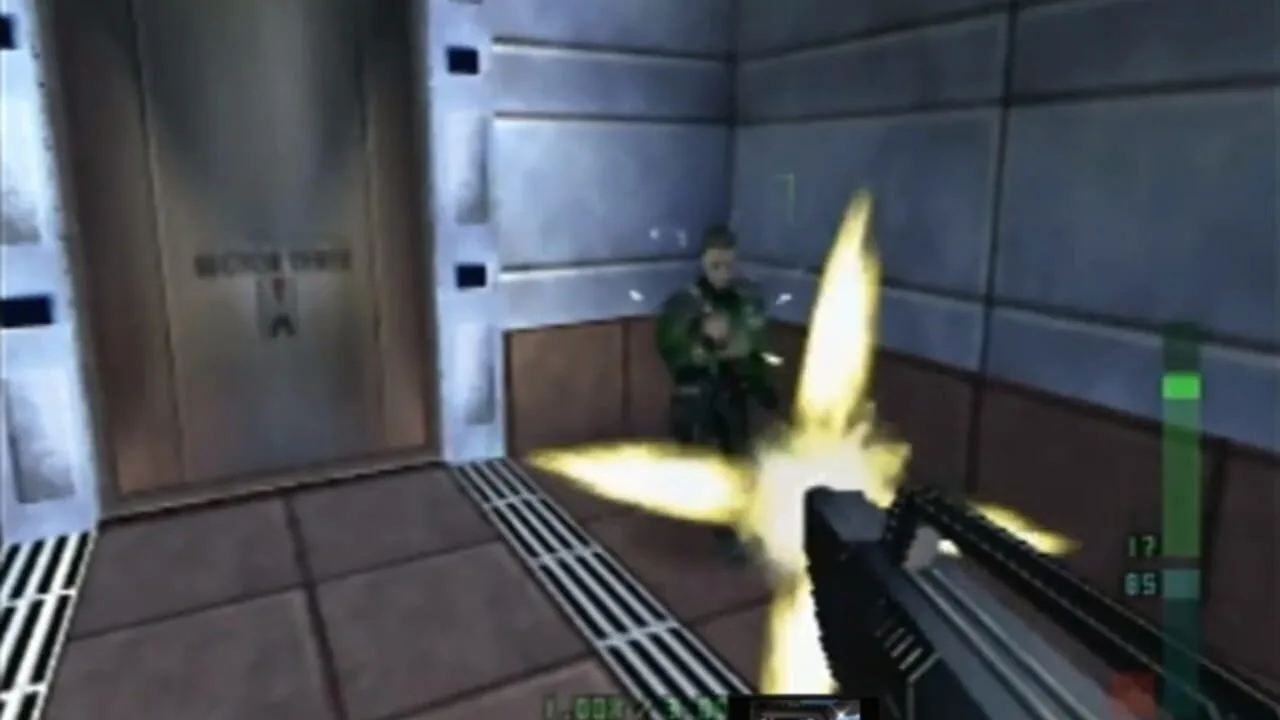
Graeme Norgate left Rare to form Free Radical Design while Perfect Dark was being made, and Grant Kirkhope, who replaced him, wrote most of the score. Kirkhope took inspiration from Blade Runner and the whistling in The X-Files theme, and he reused much of Norgate's sample set. One of Norgate's few contributions to the final game is the theme of the first level, and David Clynick composed the cinematic sequence. Writing sci-fi music was a new and enjoyable experience for Kirkhope, who had mainly worked on Banjo-Kazooie until then. Clynick wrote the cinematic sequence while Kirkhope was busy with Donkey Kong 64 and Banjo-Tooie.
Players often rank it beside GoldenEye, and Defection and Chicago Stealth are the levels they name. Collectors want the Dual CD Soundtrack more than they own it, 766 against 499, and rate it 4.7 out of 5.
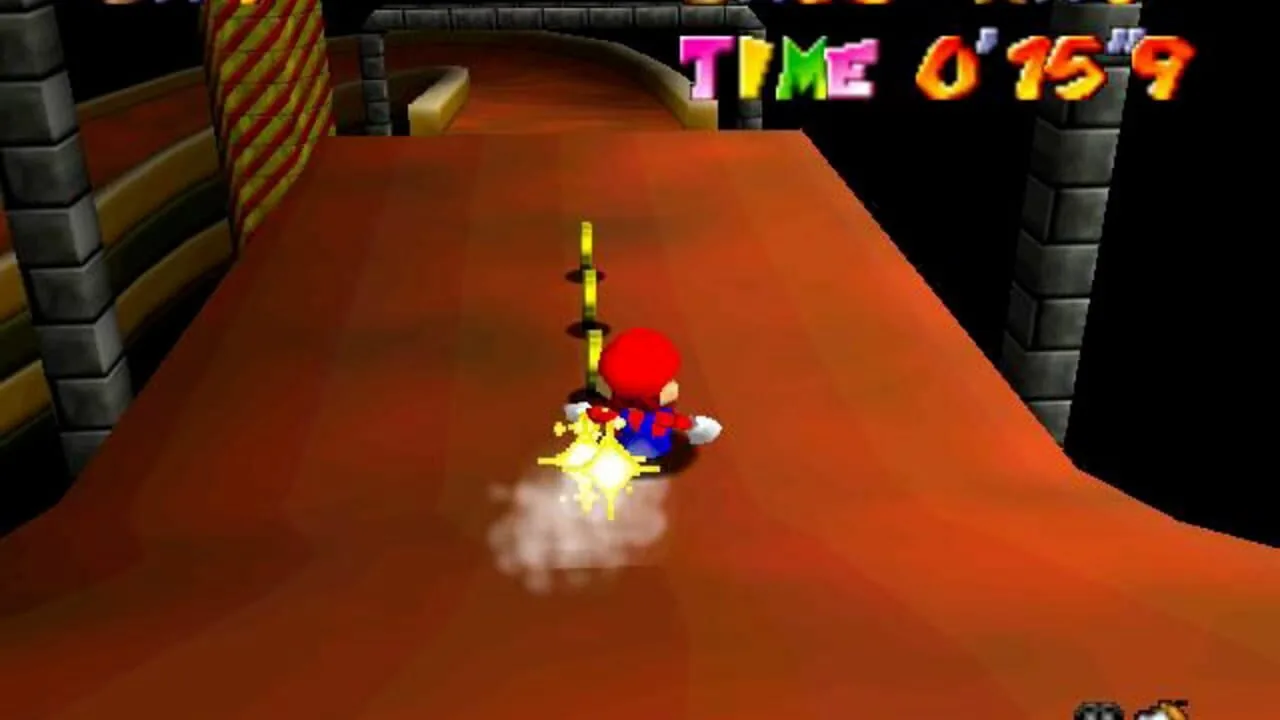
3. Super Mario 64 (1996)
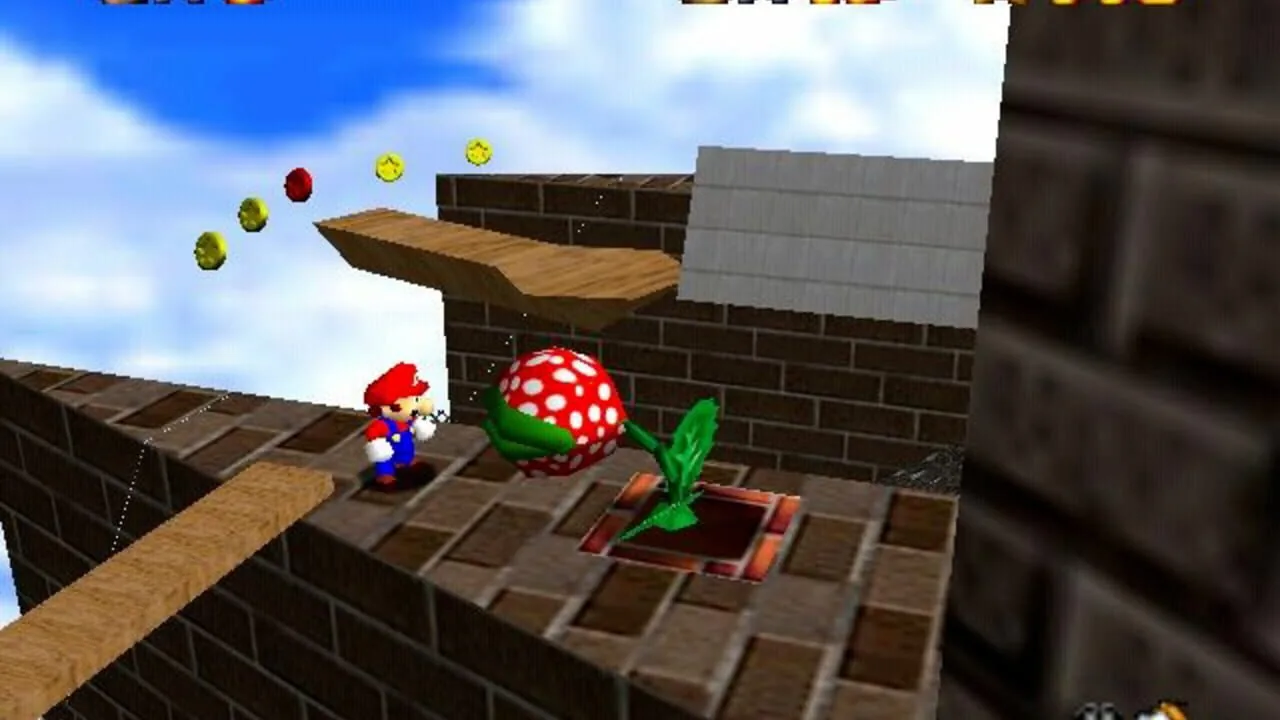
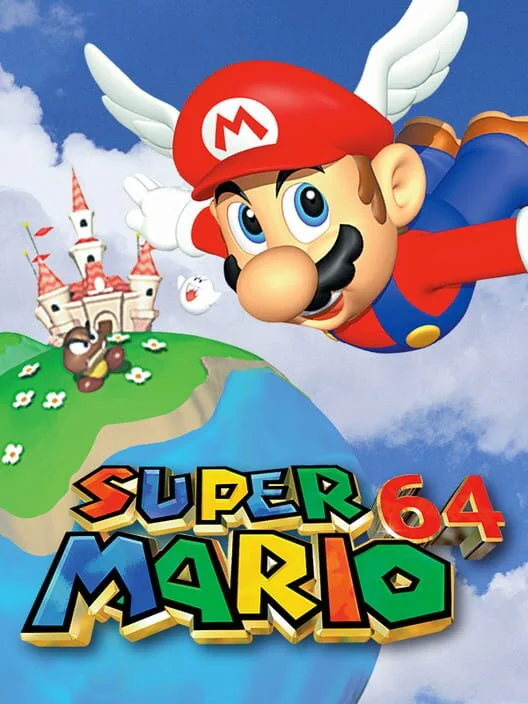
Koji Kondo composed Super Mario 64, with new interpretations of familiar Mario melodies next to new material, and Yoji Inagaki recorded the sound effects. The music on the endless stairs, before you have 70 Power Stars, resembles a Shepard scale, the trick that sounds like it climbs forever. Software Creations was brought in to handle the audio programming, and its sound driver became the standard one on the Nintendo 64. Inagaki said the average N64 game had about 500 sound effects.
The water levels are what players bring up most, Dire, Dire Docks above all. Collectors want this album more than any other here: 1,743 want the 1996 Japanese soundtrack, and the people who own it rate it 4.82 out of 5.
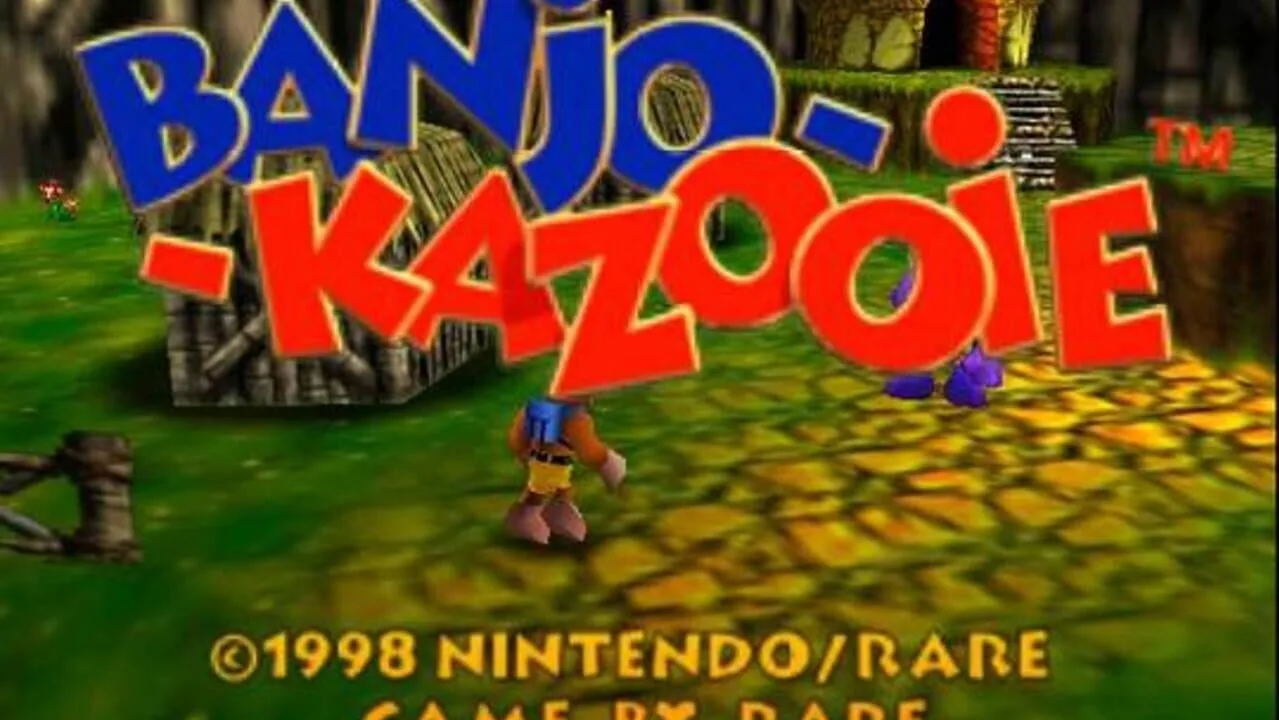
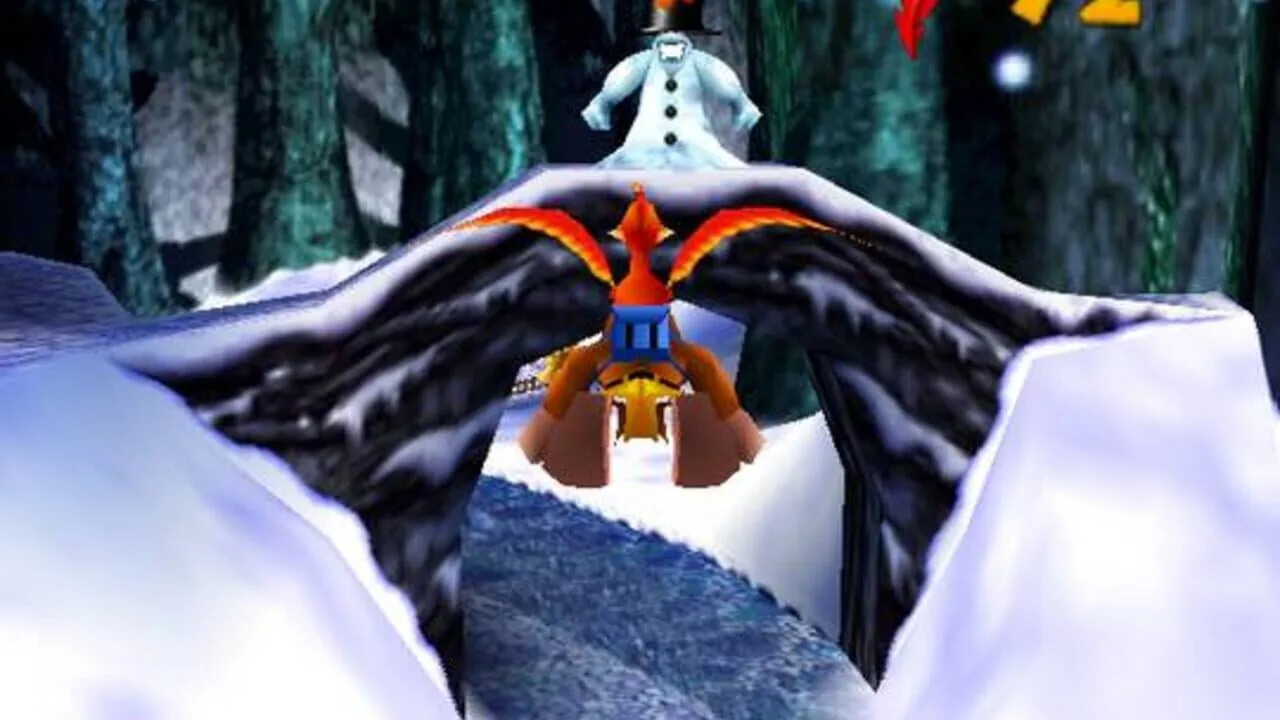
2. Banjo-Kazooie (1998)
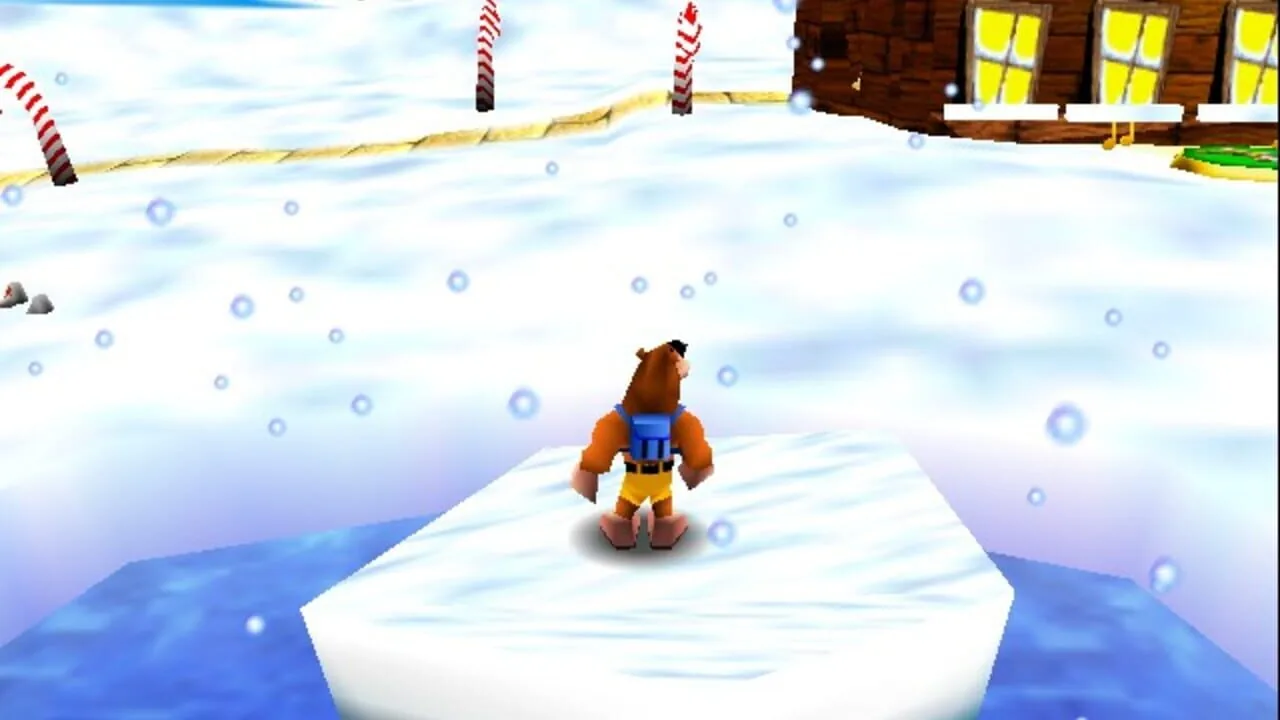
Grant Kirkhope wrote Treasure Trove Cove twice: the theme in the game is his second version, written after Project Dream turned into Banjo-Kazooie. He also admits Gruntilda's Lair probably owes something to Teddy Bear's Picnic, though he doesn't remember it being a conscious decision. When Banjo and Kazooie joined a fighting game in 2019, it came with arrangements of the music, one of them by Kirkhope himself. A later port also hides a music player with several previously unused tracks.
Players keep putting it at the top of their personal lists, and they still whistle Click Clock Wood in its different seasons. More collectors own the 2019 vinyl box than any other album here, 1,385 of them, and they rate it 4.62 out of 5 across 103 ratings.
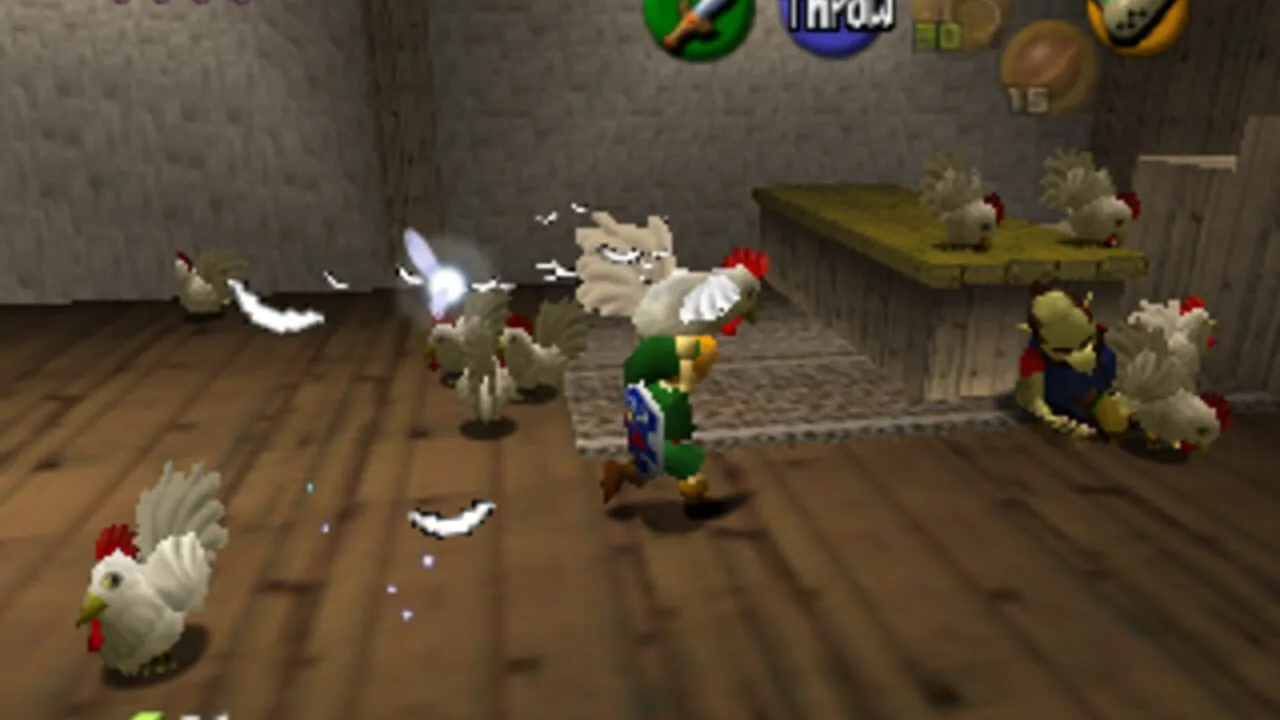
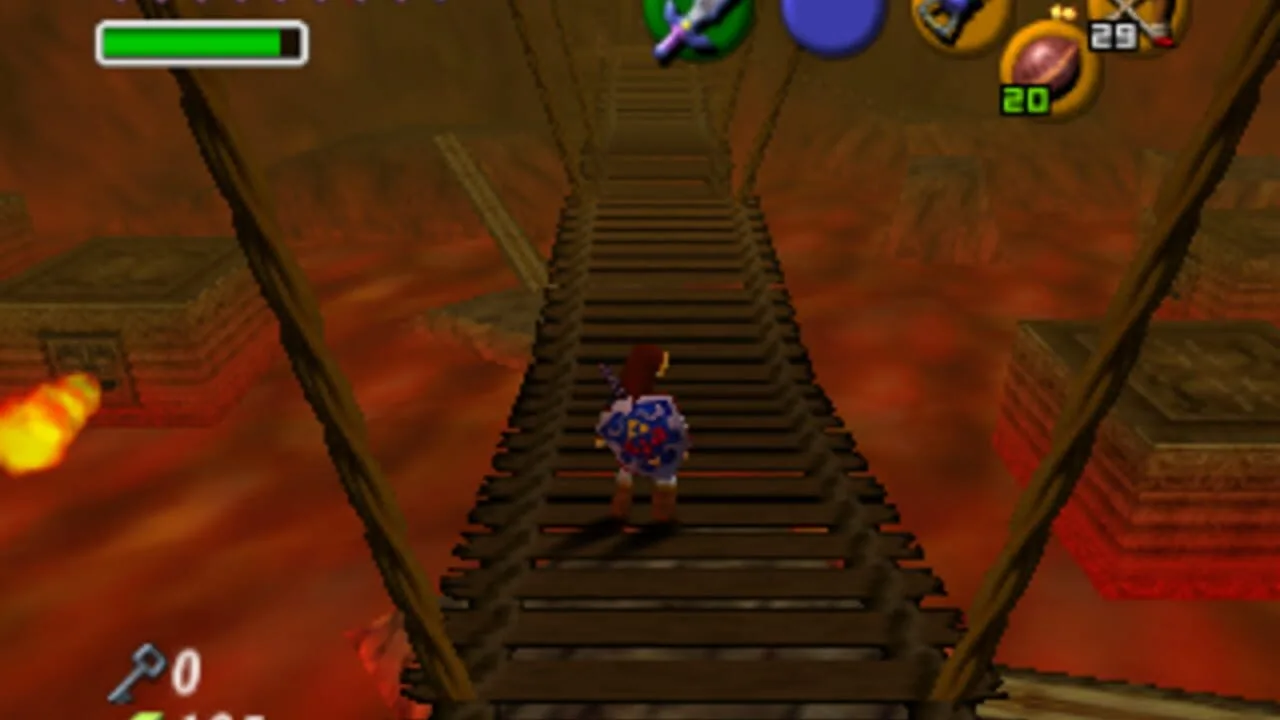
1. The Legend of Zelda: Ocarina of Time (1998)
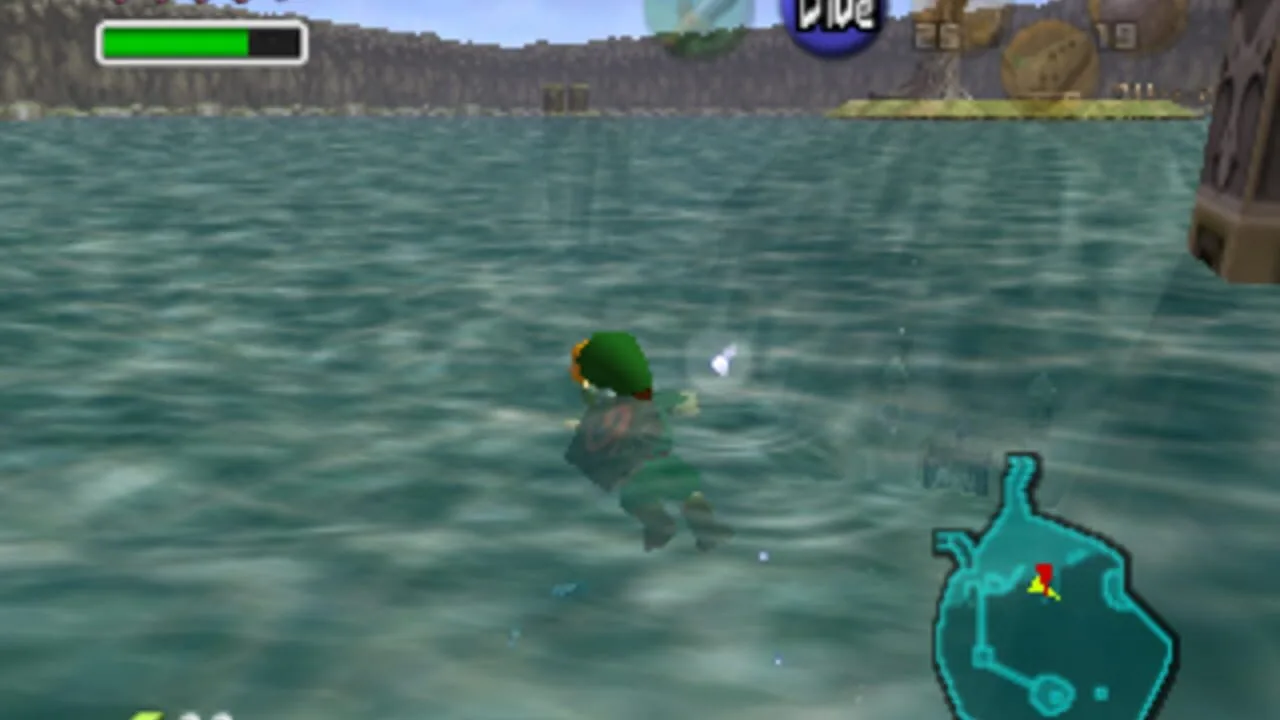
Koji Kondo built Ocarina of Time's music around the instrument in its title. The ocarina only has five notes to play, so he wrote the background themes in different genres, bolero and serenade among them, each built on a catchy three-note ocarina melody. The Fire Temple music once had an Islamic prayer chant in it, until Nintendo replaced the chanting with the wails and moans from the Shadow Temple's music, and GameSpot named it one of the top ten video game soundtracks in 2001. Kondo's score works like leitmotif in reverse: instead of music announcing a character who enters, it introduces a stationary place as you approach. The official soundtrack was published by Pony Canyon and released in Japan on December 18, 1998.
Gerudo Valley is the track players name most, and only GoldenEye 007 was named more often in our survey. Collectors settle it: 877 want the 1998 soundtrack, and it rates 4.47 out of 5 across 36 ratings.