The PlayStation 2 was the console where music games moved into the living room. Dance Dance Revolution came home with a mat you laid on the carpet, and Sony brought its rapping dog back for a second round. Japan also sent over some truly odd ideas, like a game about conducting an orchestra to save a concert hall.
Then the plastic instruments arrived. A studio called Harmonix had been making music games on the console since 2001, and by the end of the PS2's life there was a toy guitar or a drum kit in a lot of closets. This list has both sides of that story, the strange Japanese games and the big band games. Here are the 23 best PS2 rhythm games.
23. Guitar Hero: Aerosmith (2008)
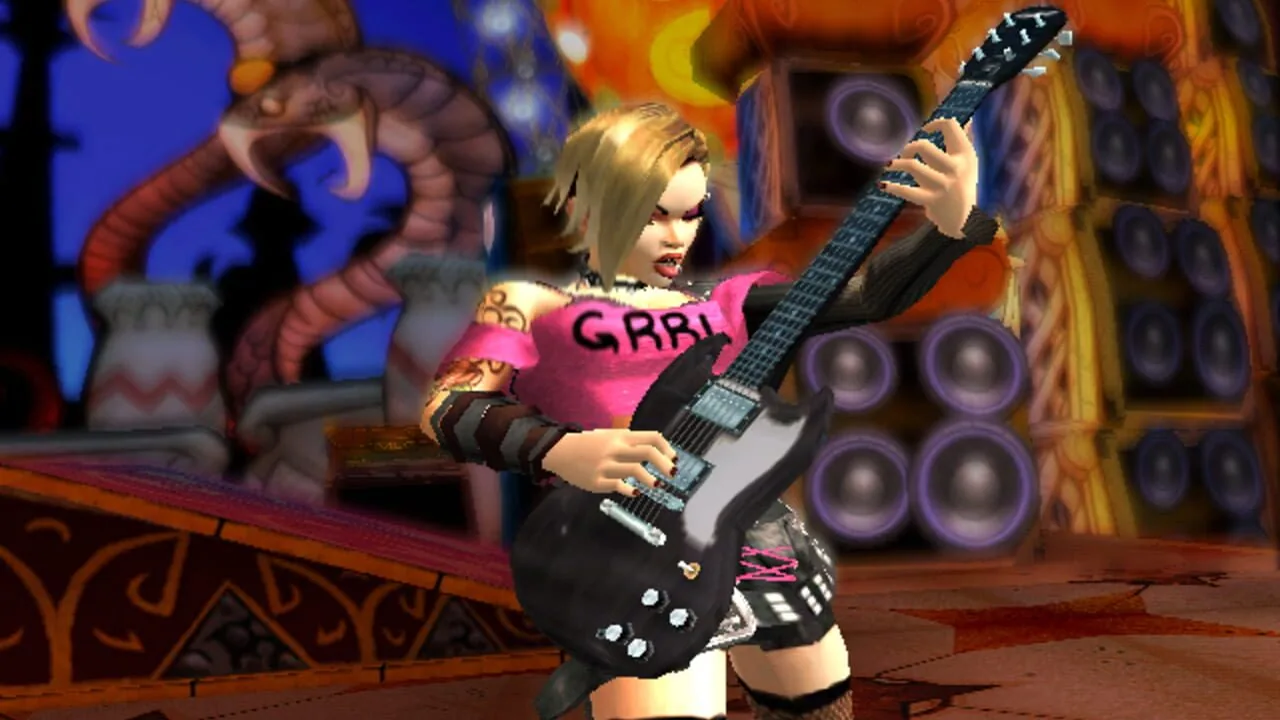
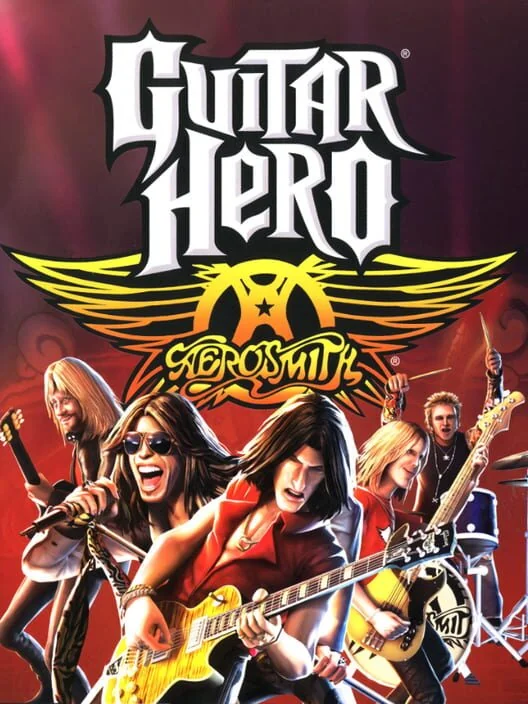
Guitar Hero: Aerosmith was the first game in the series built around the career and songs of one rock band. It came out in North America on June 29, 2008, on the PS2 and the newer consoles at the same time. Aerosmith songs make up about 70% of the soundtrack, and the rest come from bands that were influenced by the group or opened for it. The Career mode follows the band's history through venues inspired by real ones, with interviews from the band members along the way.
It plays like Guitar Hero III, and it was the last game in the series with only guitar and bass to choose from. If you love Aerosmith, this is a full evening with the band. If you don't, the earlier games give you more variety for the same plastic guitar.
22. DJ Hero (2009)
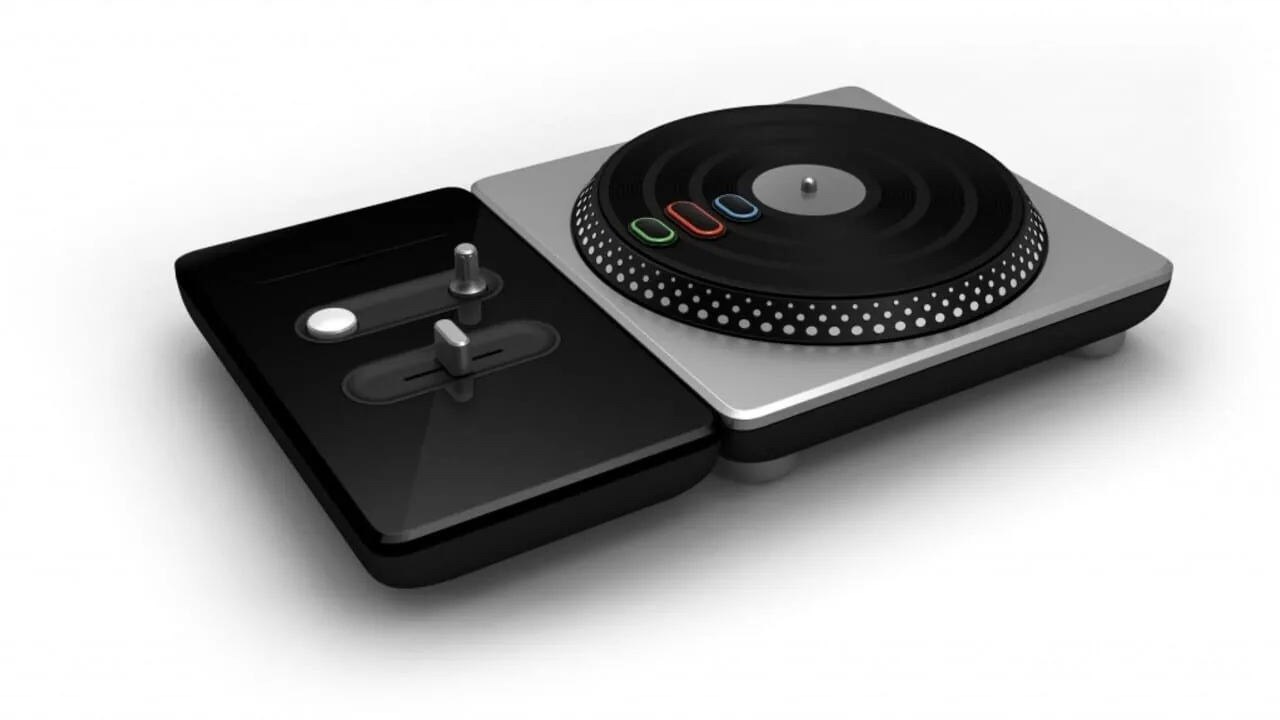
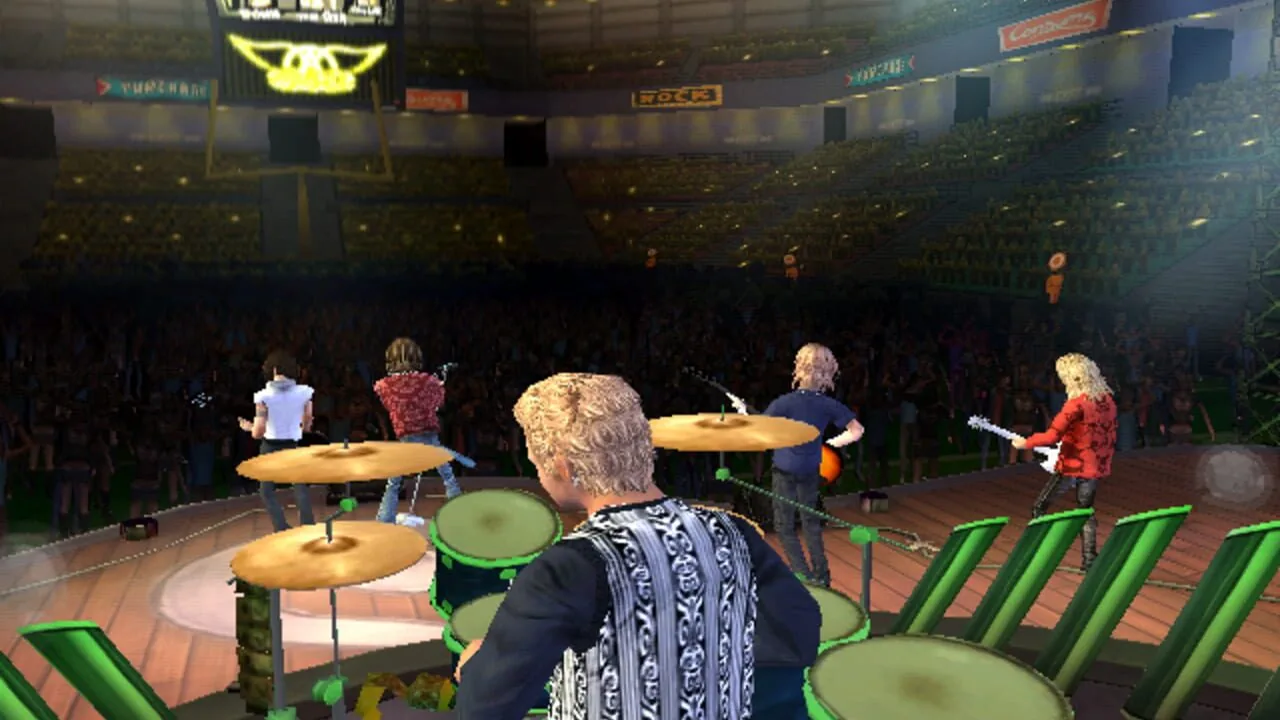
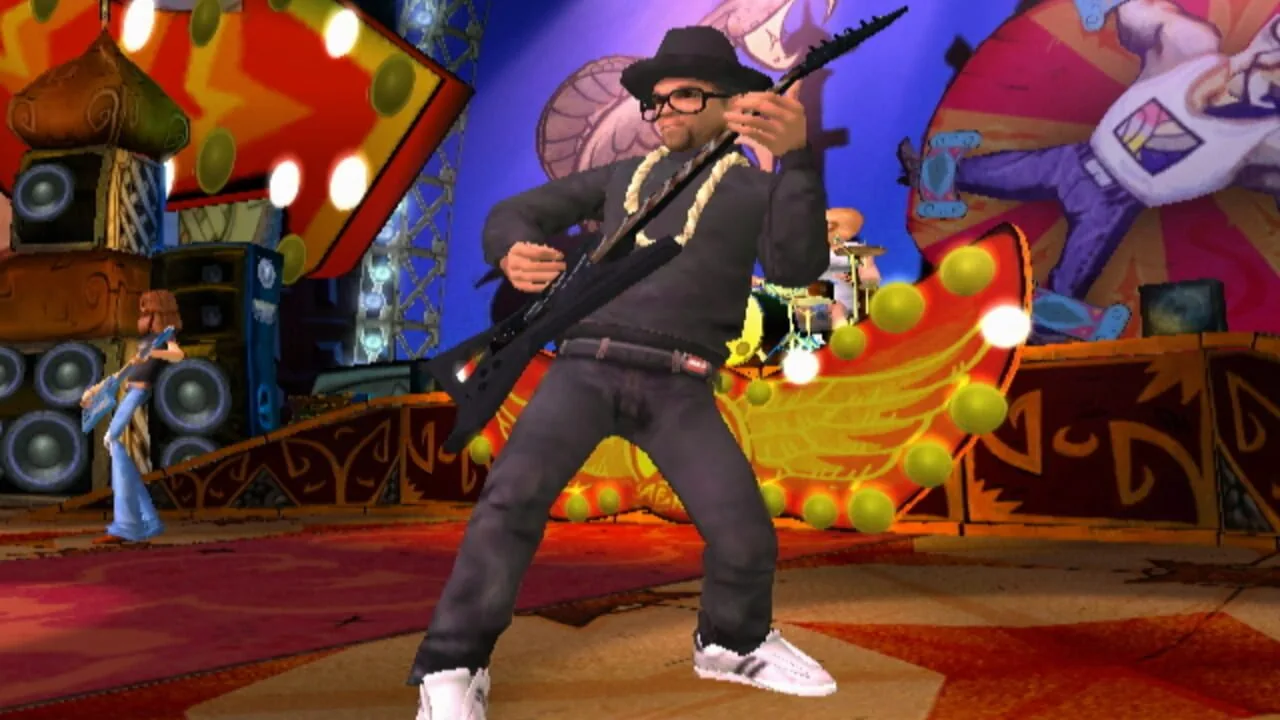
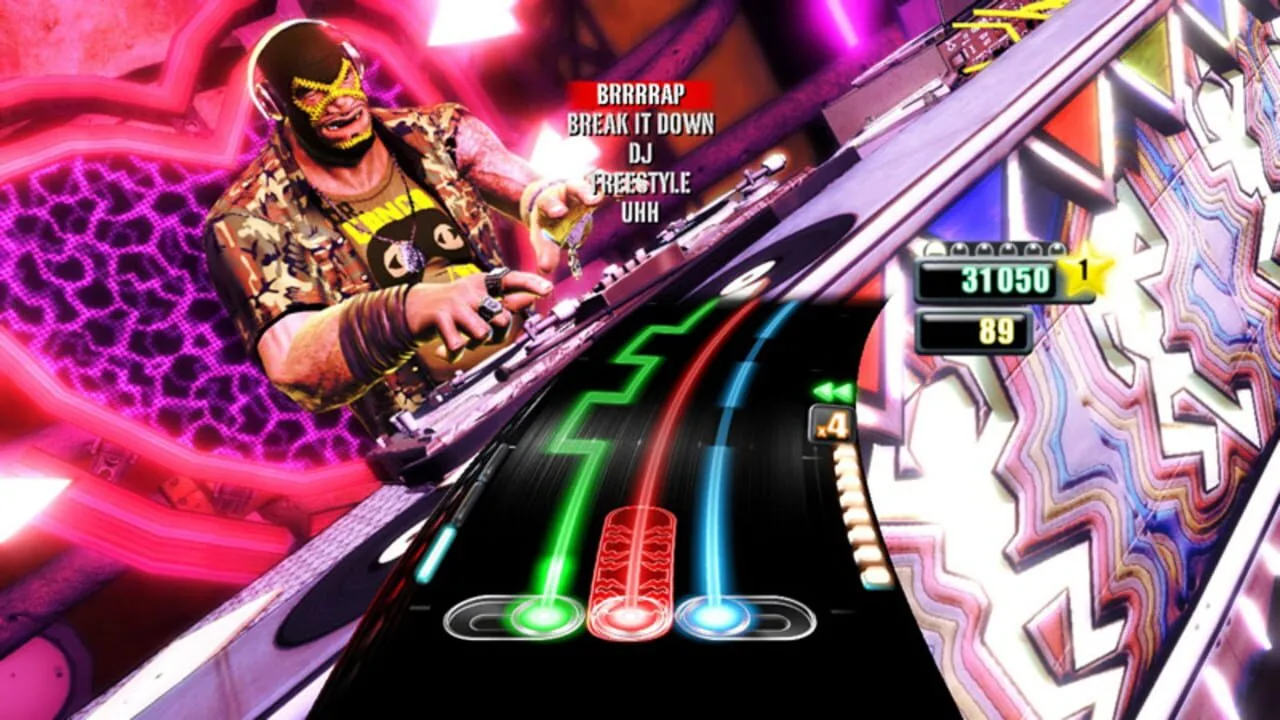
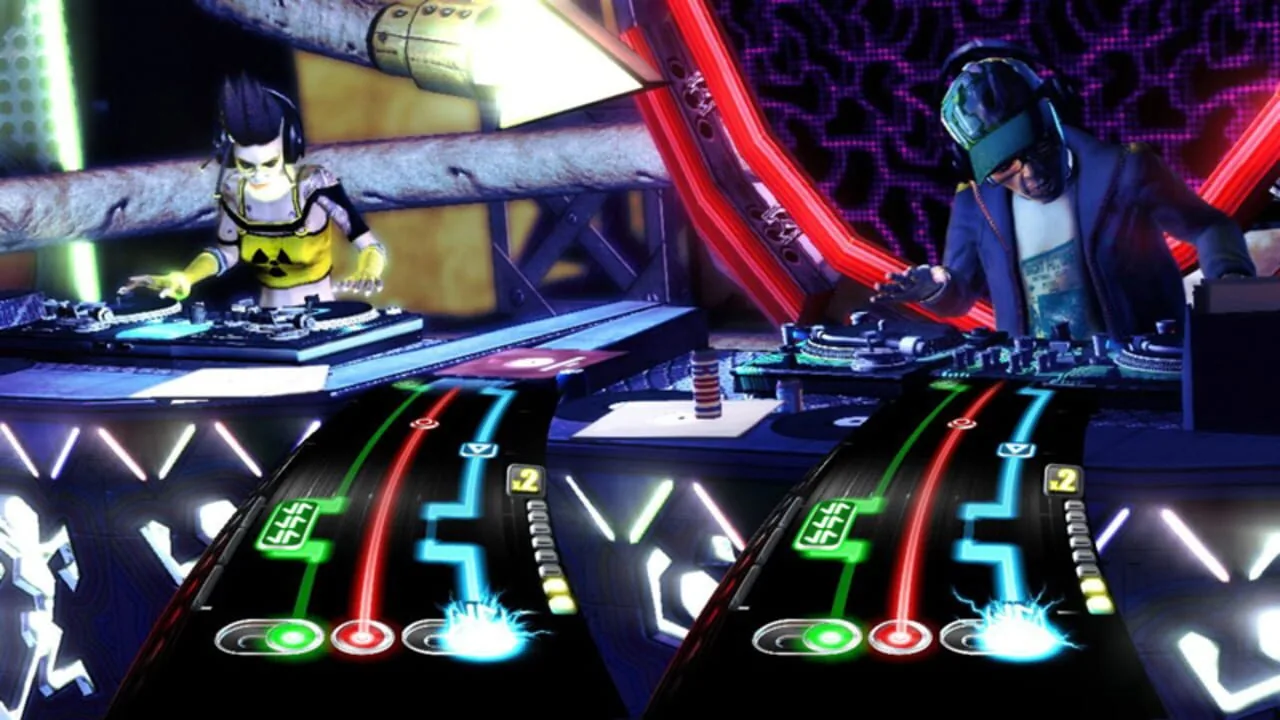
DJ Hero was the first spin-off of the Guitar Hero series, and it swapped the guitar for a turntable. It came out in North America on October 27, 2009. The game is built on turntablism, the art of making a new piece of music out of records that already exist, and it features 94 remixes, each one made from two different songs. Real DJs worked on it and appear in it as playable avatars, including Grandmaster Flash and Daft Punk.
It did not sell as well as industry analysts expected, which was blamed on people losing interest in music games by 2009. Even so, the NPD Group named it the highest-grossing new intellectual property of 2009 in North America. Scratching a plastic record with one hand while working a crossfader with the other turned out to be a great idea that simply arrived late to the party.
21. Taiko Drum Master (2004)
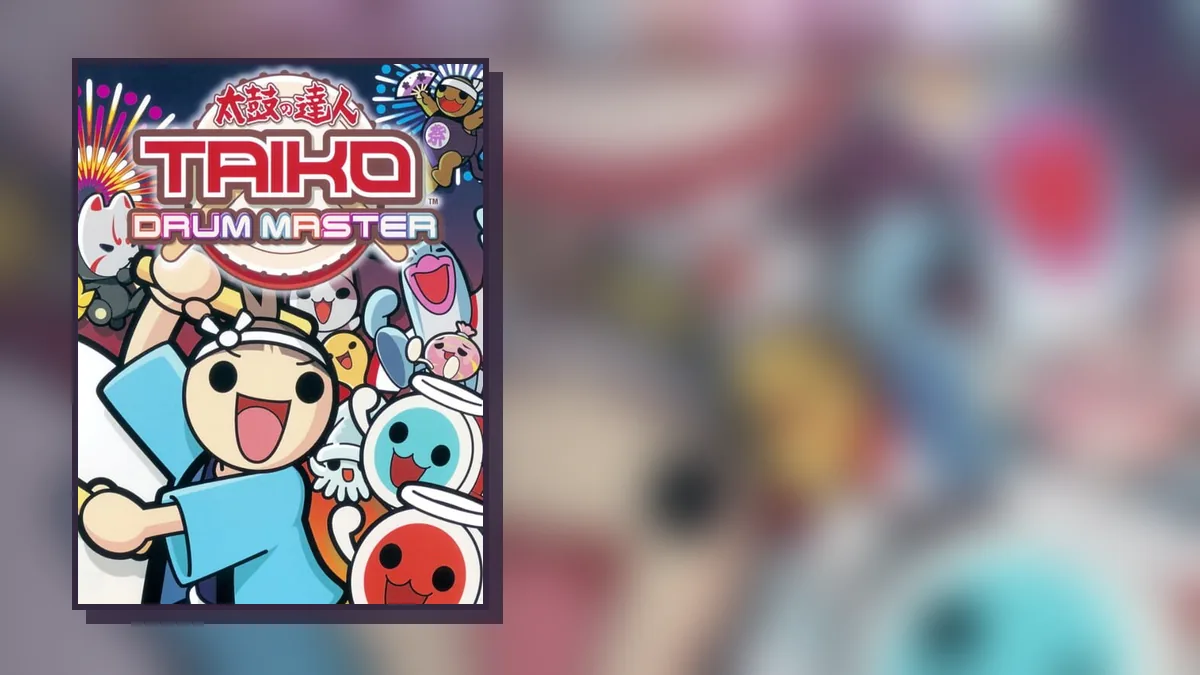
Taiko Drum Master came out in North America in 2004, and Japan got it the following year. You play a drum built to feel like a taiko, hitting it in time with the music as the notes roll toward you. For years it was the only Taiko no Tatsujin game released in North America, until two new ones arrived in 2018. Its songs were all in English and mostly taken from Western artists, even in the Japanese release, which makes it an odd little piece of the series.
Banging a drum with two sticks is about as simple as a rhythm game gets, and that is the whole charm. Players who owned it still list it among their favourites. It is also the friendliest game on this list for a younger player, since nobody needs to read anything to start drumming.
20. Dance Dance Revolution Supernova (2006)
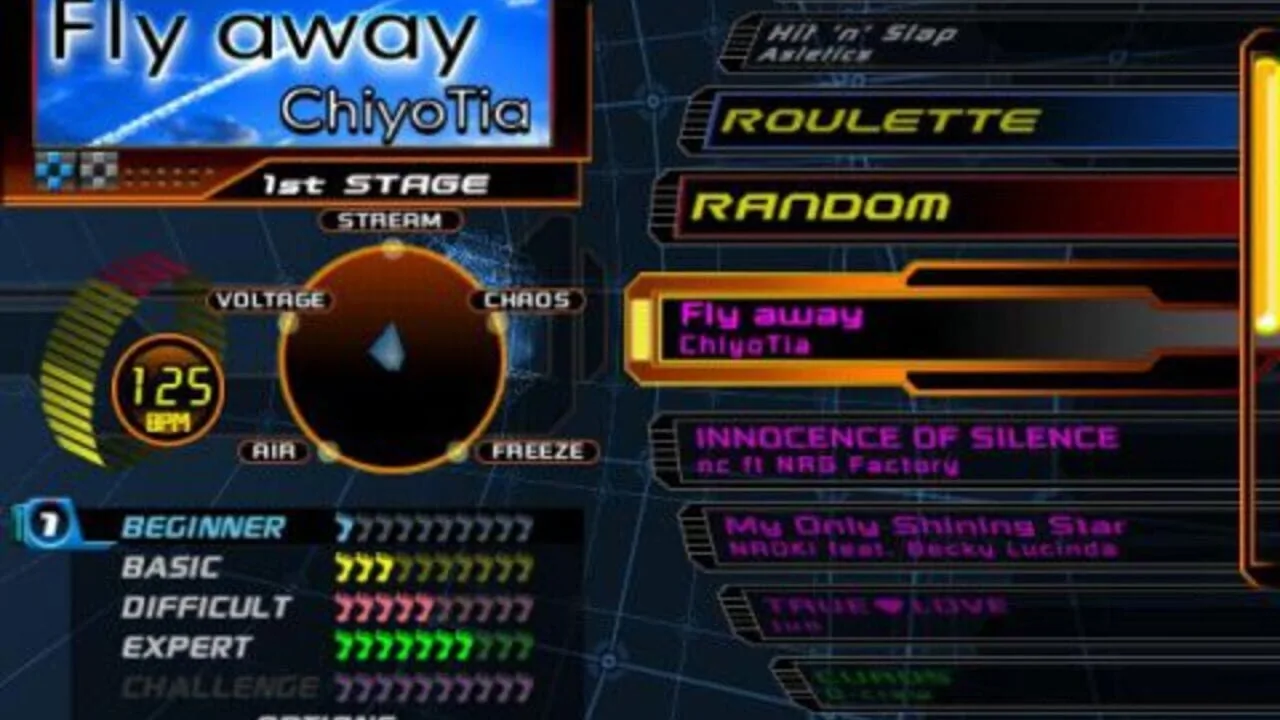
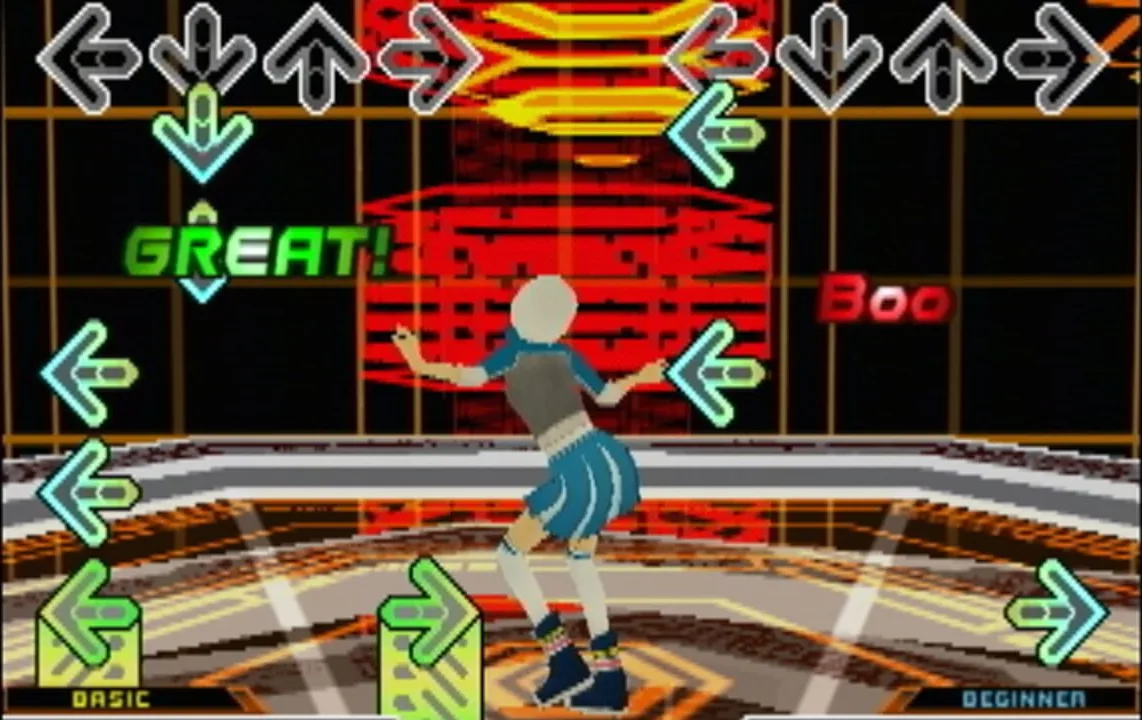
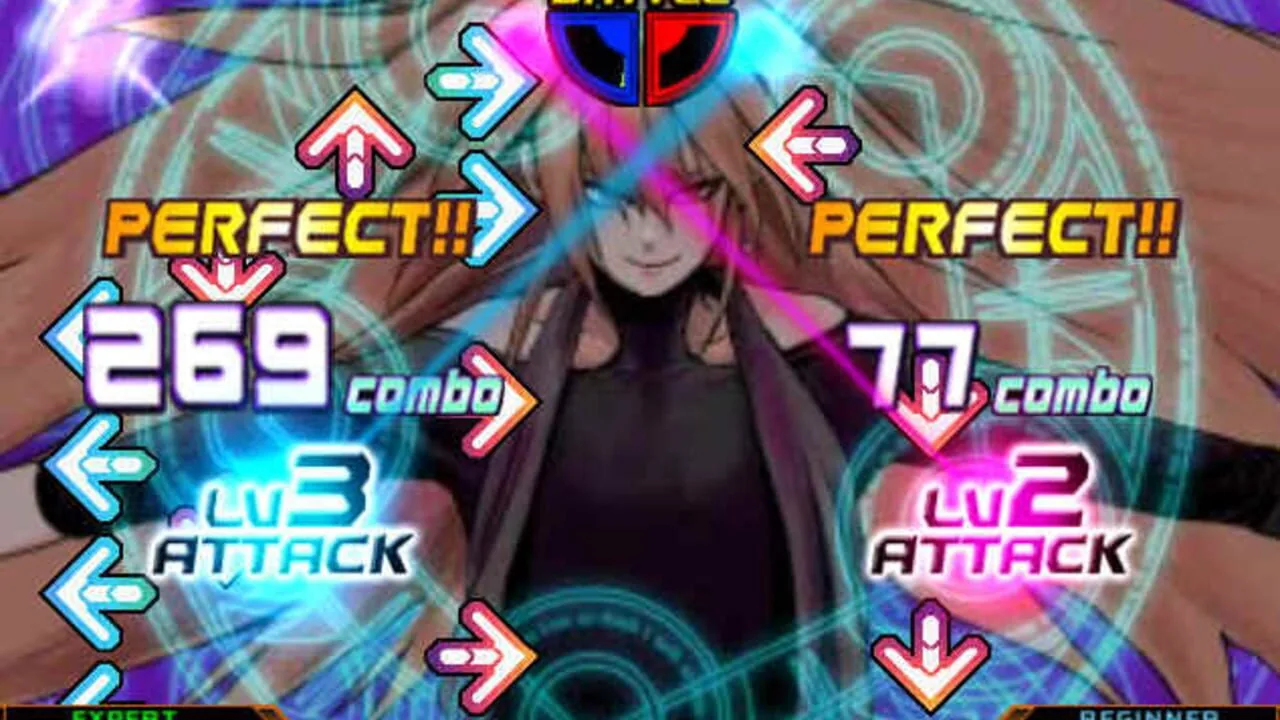
SuperNova started in arcades as the first new DDR arcade release since Extreme three years before. It came out in Europe on April 28, 2006, followed shortly by North America in May. Unlike earlier DDR arcade releases, every version had the same features and the same song list. It also added a Tutorial mode that teaches first-time players the basics before letting them try a song on Beginner, which is a kindness the series had needed for a long time.
The PS2 game brought it home for the mat in front of the TV. It is a good DDR to start with if you have never stood on a dance pad before, because it eases you in instead of throwing you at the hardest songs. If you already own a mat, it is a fine way to get a fresh batch of songs out of it.
19. Band Hero (2009)
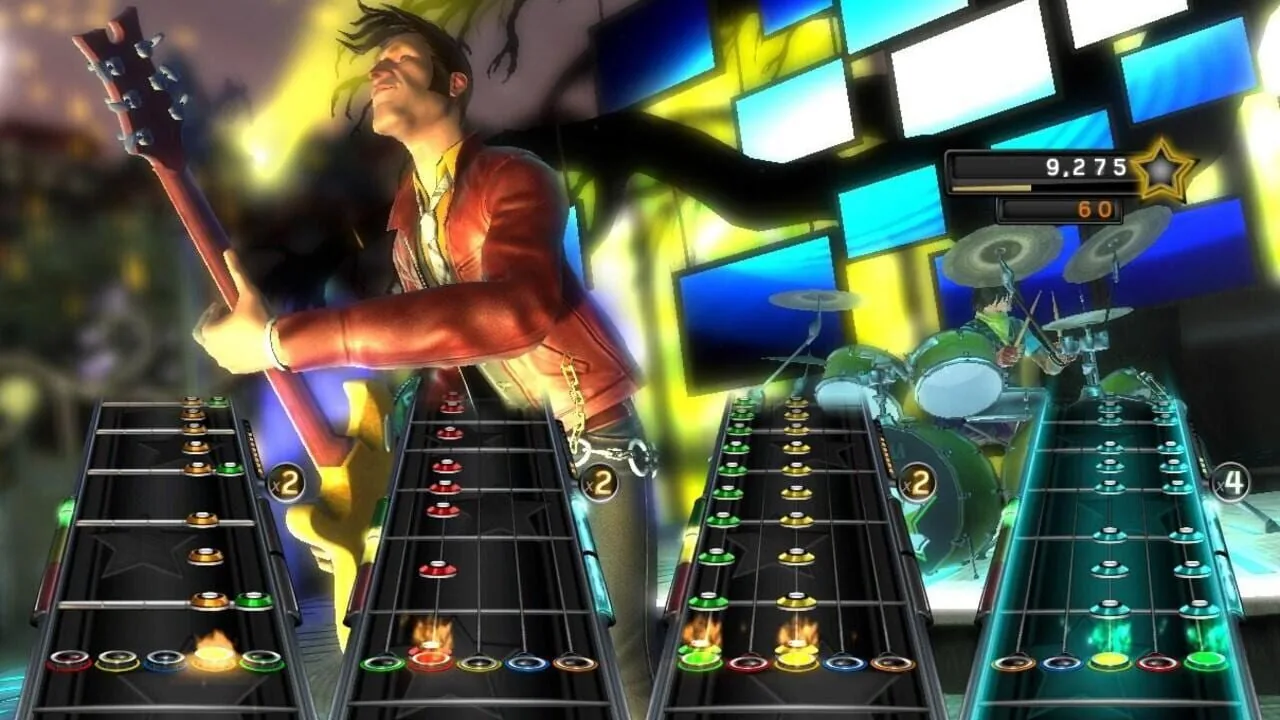
Band Hero came out on November 3, 2009, and it was the Guitar Hero series trying its hand at pop. Taylor Swift and the band No Doubt appear in it as playable avatars. The PS2 version keeps the game engine from Guitar Hero World Tour, so it plays and looks a lot like the other late Guitar Hero games on the console, with the full band of guitar, bass, drums and vocals.
It got mixed reviews. Critics questioned the price of a full game with only 65 songs when Guitar Hero 5 had 85, and wondered whether the songs would have worked better as downloads. Then, a day after release, No Doubt sued Activision over how their avatars were used. Lawsuit aside, it is a decent party game for anyone whose taste runs more to pop than to metal.
18. Guitar Hero 5 (2009)
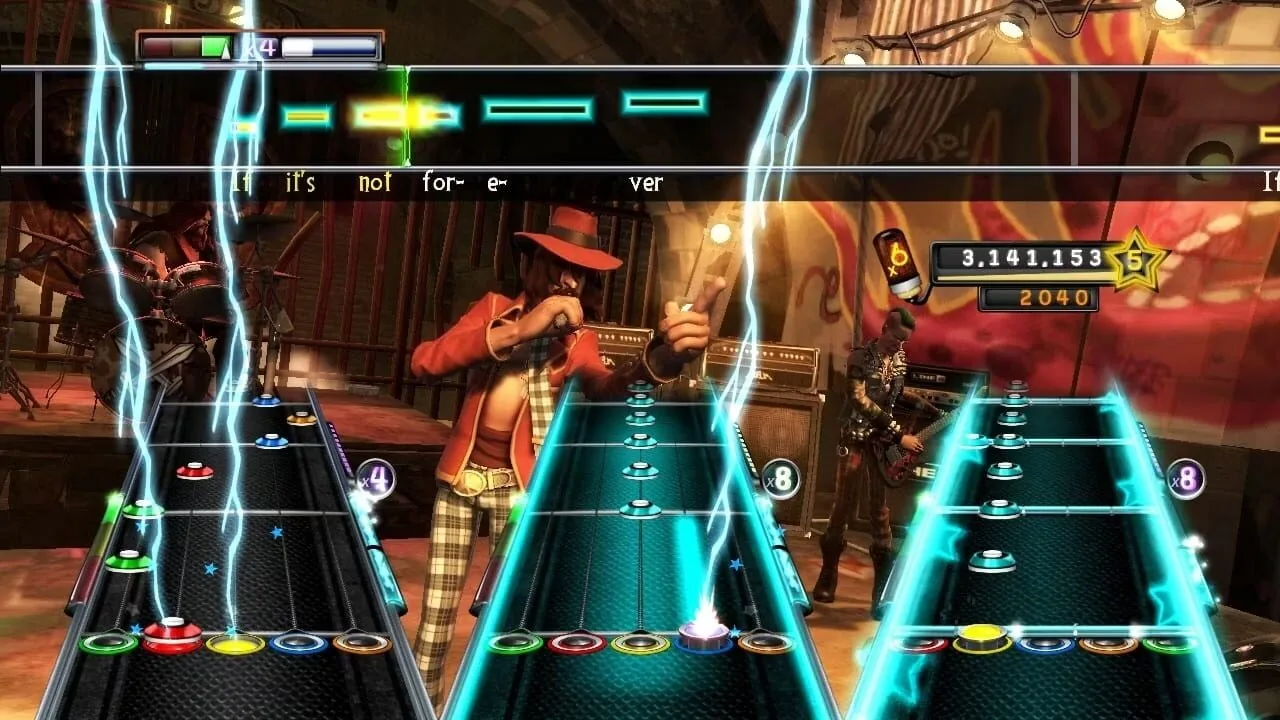
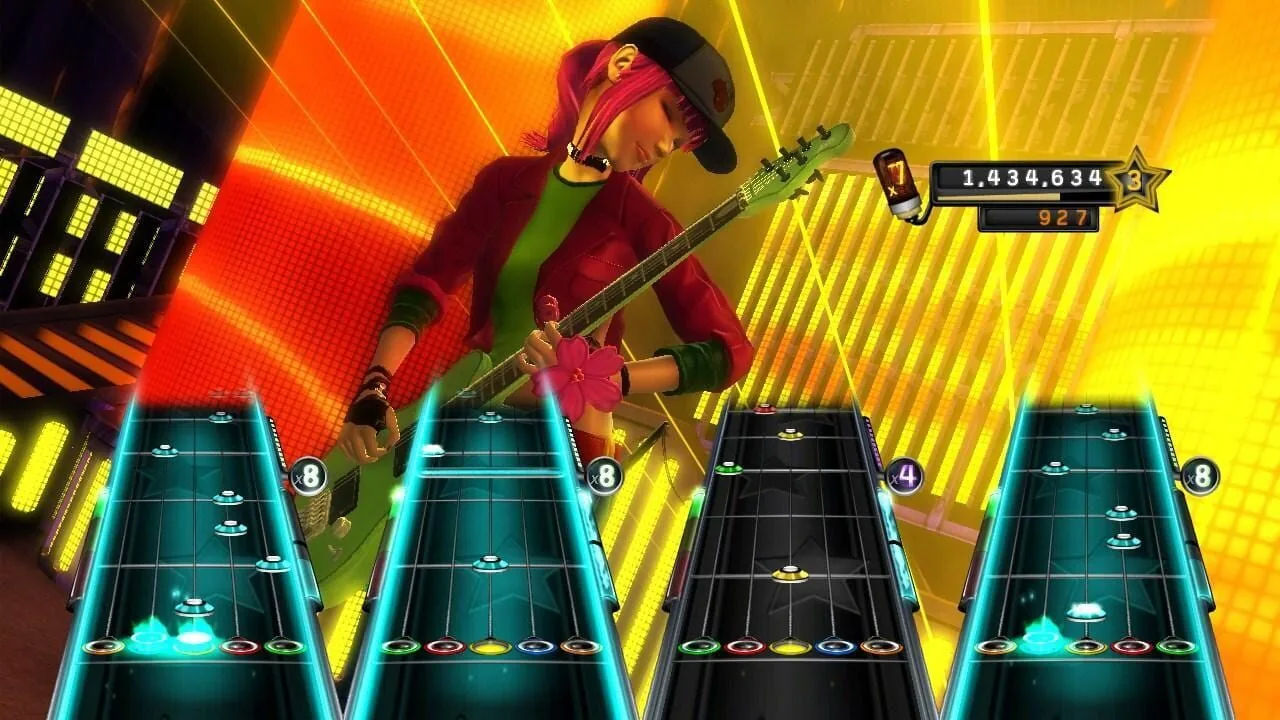
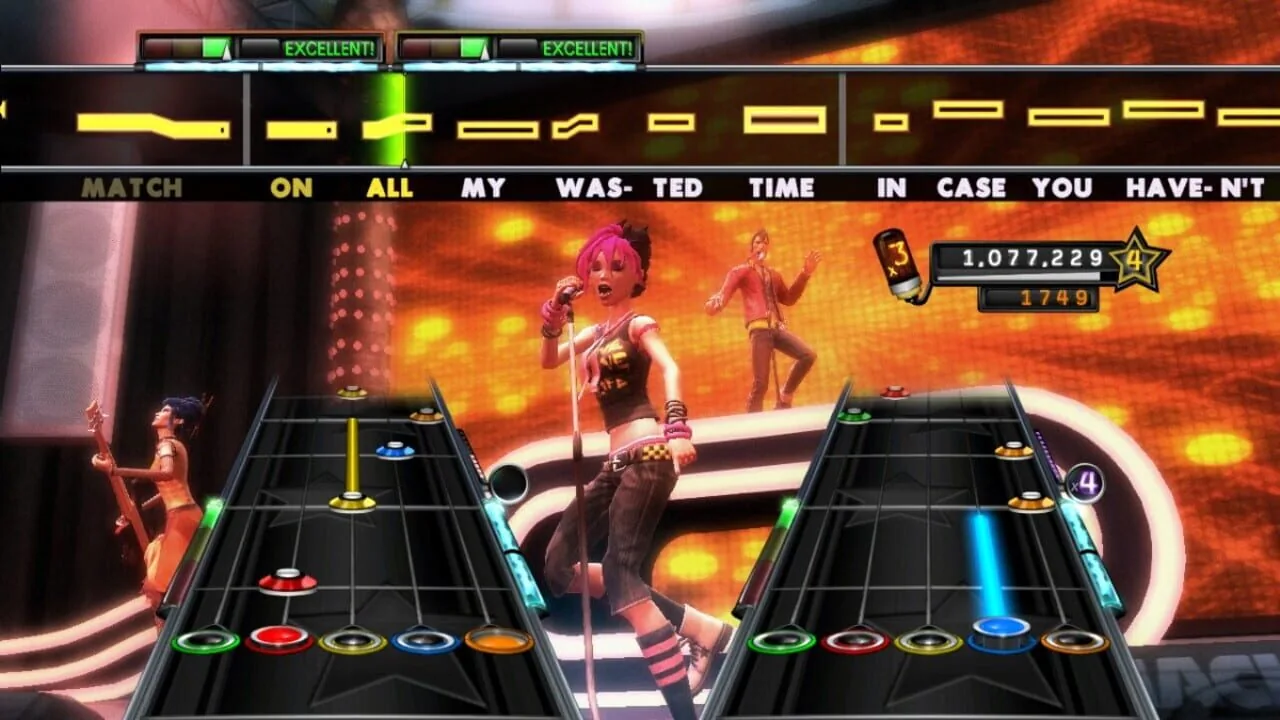
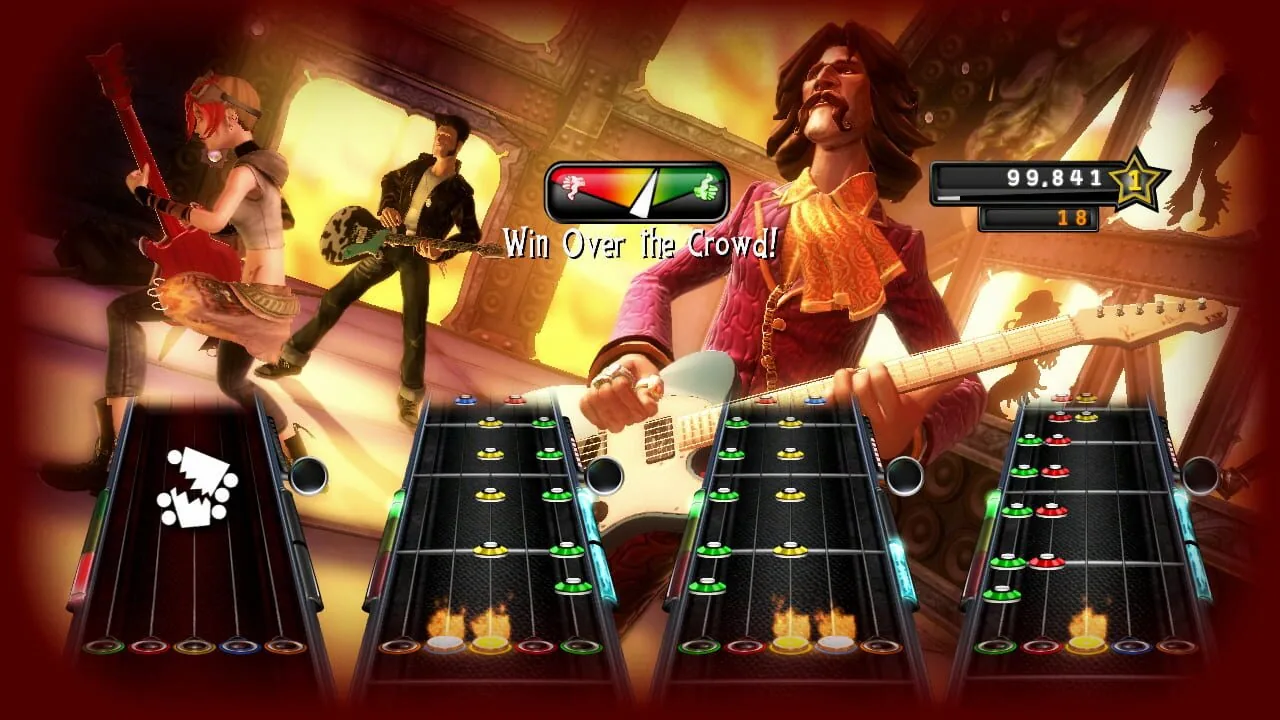
Guitar Hero 5 came out in September 2009, and the PS2 got it alongside the newer consoles. Its big idea was drop-in, drop-out play: friends could join or leave in the middle of a session, and a band could be any mix of instruments. The game even starts in a Party Play mode the moment you switch it on. The PS2 version is based on Guitar Hero World Tour and uses the same look as Guitar Hero: Metallica.
The track list has 85 songs by 83 separate artists, and some musicians were motion captured as playable characters, Johnny Cash and Kurt Cobain among them. Reviewers liked how quickly you could jump in and play without spending ages in menus. It sold 1.2 million copies across all platforms, less than half of what World Tour managed, a sign that the plastic guitar boom was cooling off.
17. Dance Dance Revolution Extreme 2 (2005)
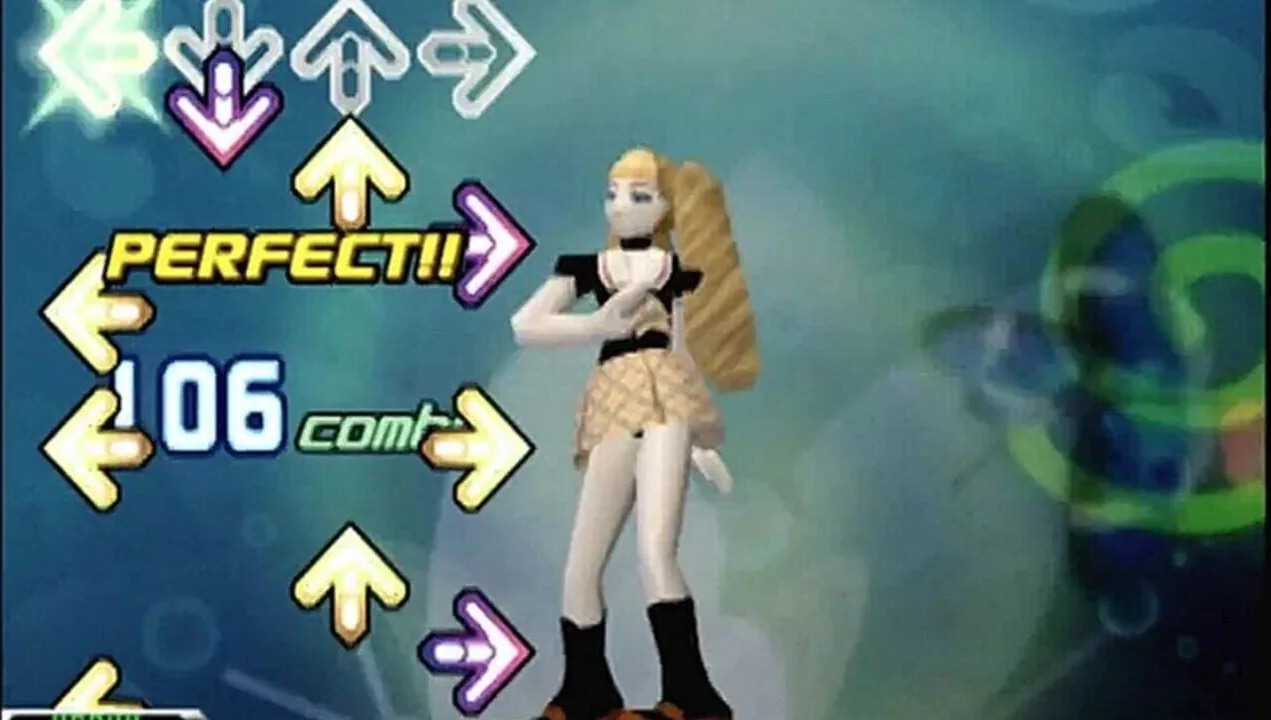
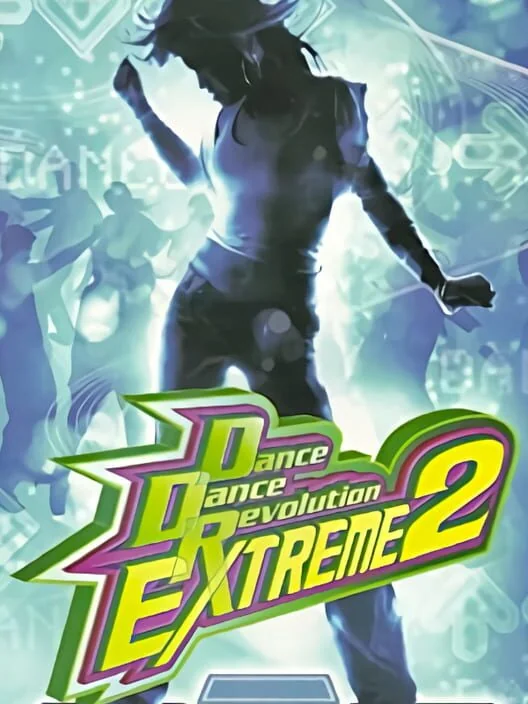
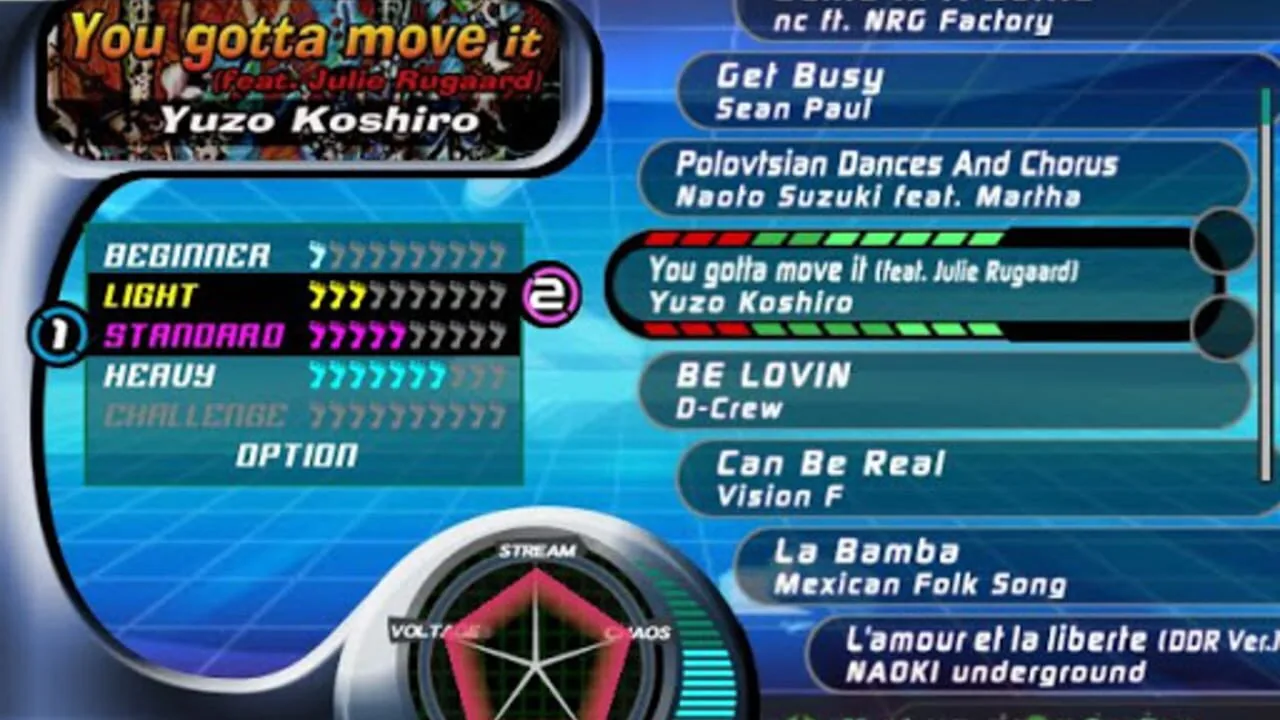
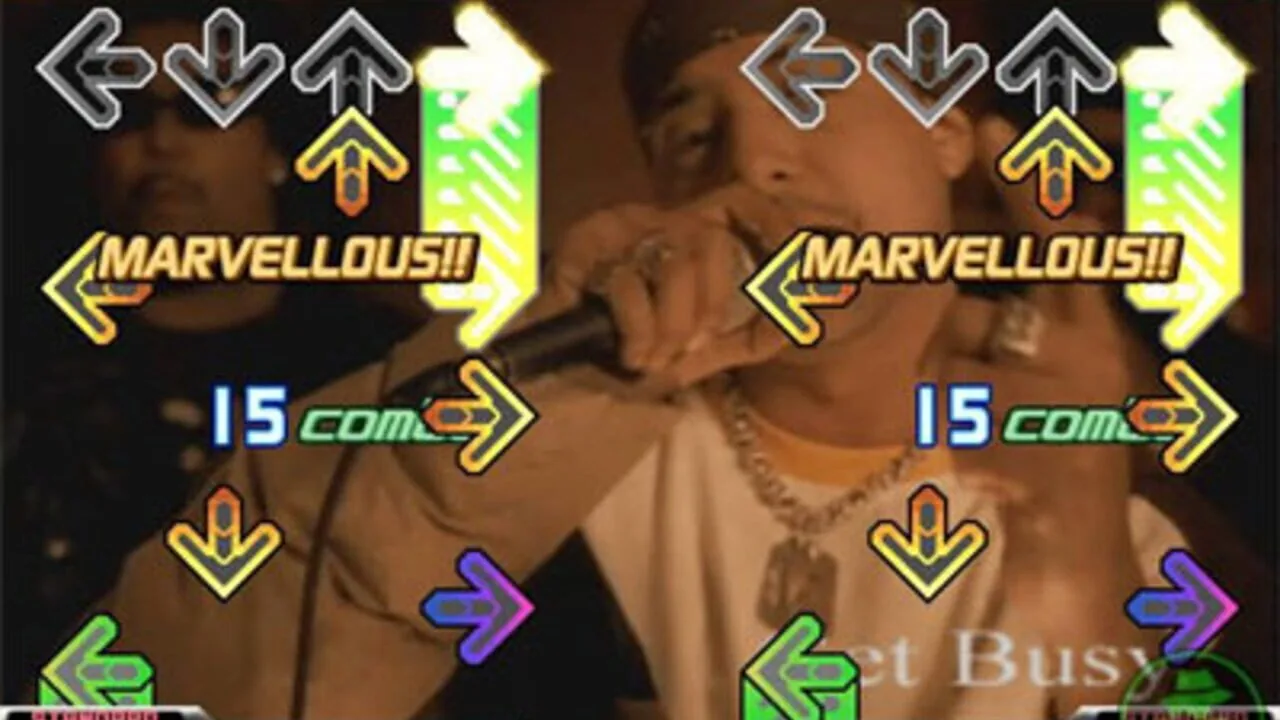
Konami released Extreme 2 for the PlayStation 2 on September 27, 2005, after unveiling it at E3 that May. It has 74 songs, and 50 of them are unlocked through normal play or with points earned in Dance Master Mode. Most of the songs are Konami originals composed by Naoki Maeda, and every song has its own video made for this game, with one exception: "Get Busy" by Sean Paul plays a shorter version of its real music video.
It was also the first PlayStation DDR game with online multiplayer, so you could dance against someone who was not standing in your living room. The long unlock list gives you a reason to keep coming back to the mat for weeks, and that is exactly how a DDR game should work.
16. Guitar Hero: Metallica (2009)
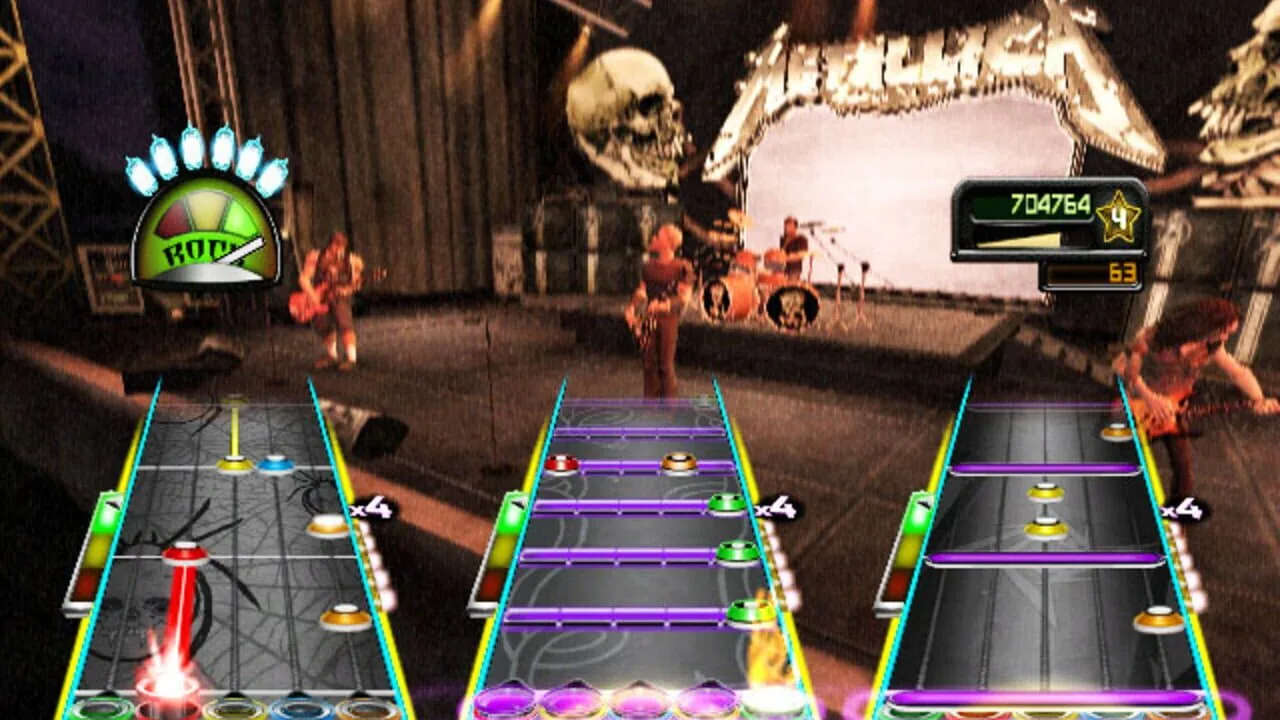
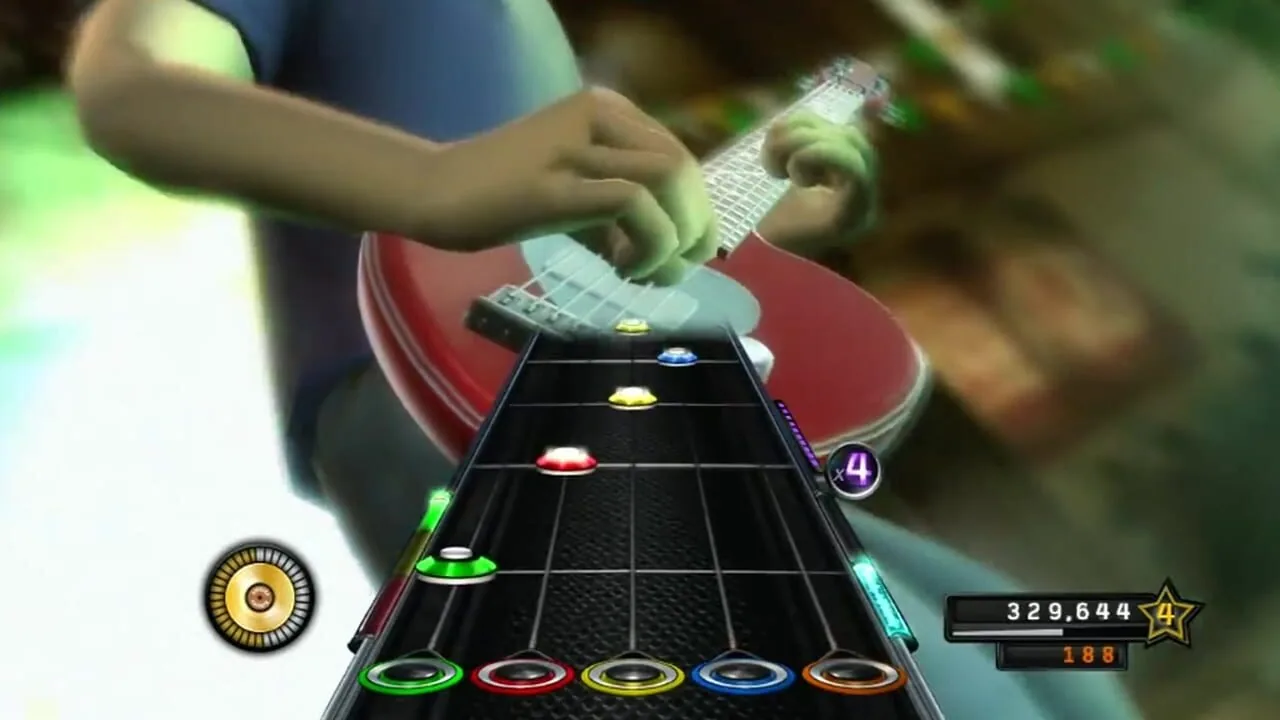
Guitar Hero: Metallica reached the PS2 on April 14, 2009, a couple of weeks after the other consoles. It is based on Guitar Hero World Tour, so the whole band is here: lead and bass guitar, drums and vocals. Some of the venues are based on the covers of Metallica's albums, which is a nice touch for anyone who wore out their copy of Master of Puppets. You play notes as they scroll on screen and build Star Power for a bigger score multiplier.
It got positive reviews, and critics called it a strong tribute to the band and Neversoft's best work on the series up to that point. The complaints were about the cartoonish storyline in Career mode and the overall value of the package. If you want one single-band Guitar Hero on the PS2, this is the one to get.
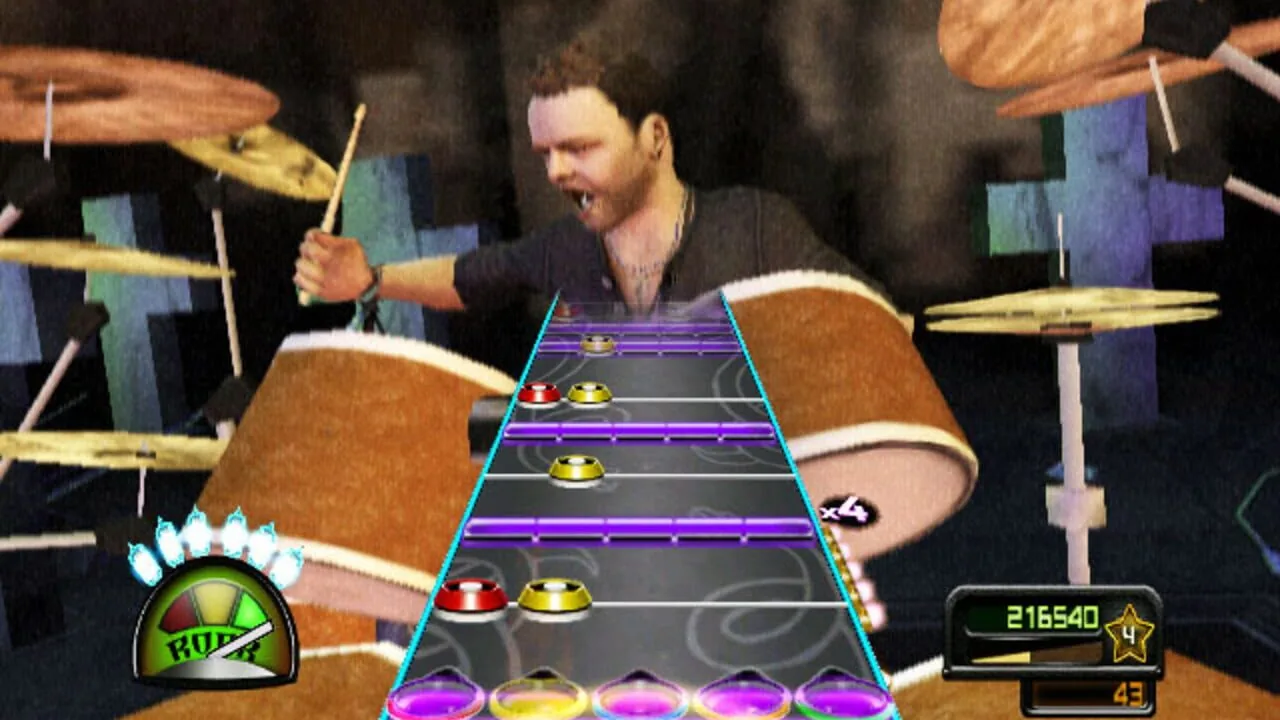
15. Mad Maestro! (2001)
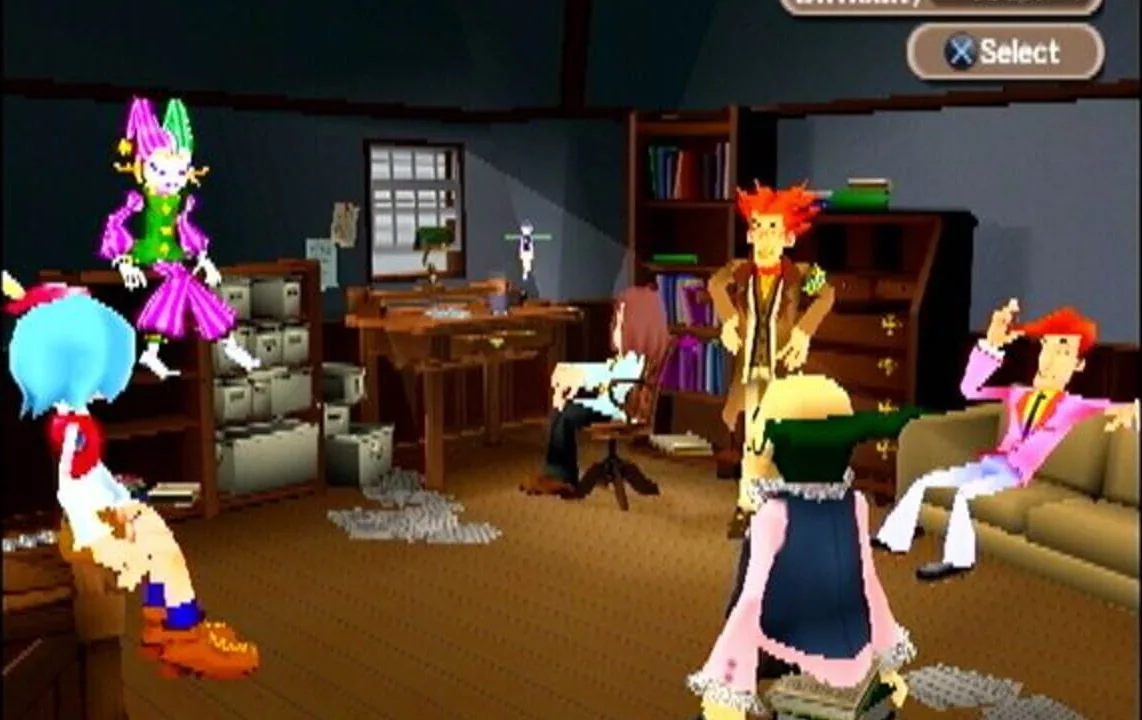
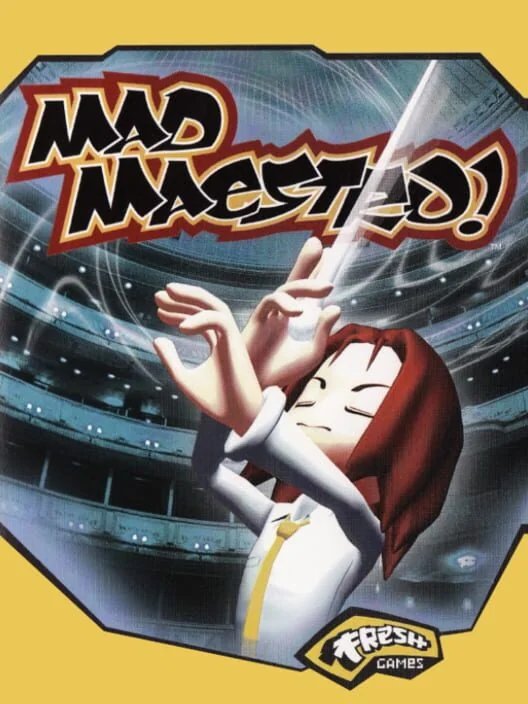
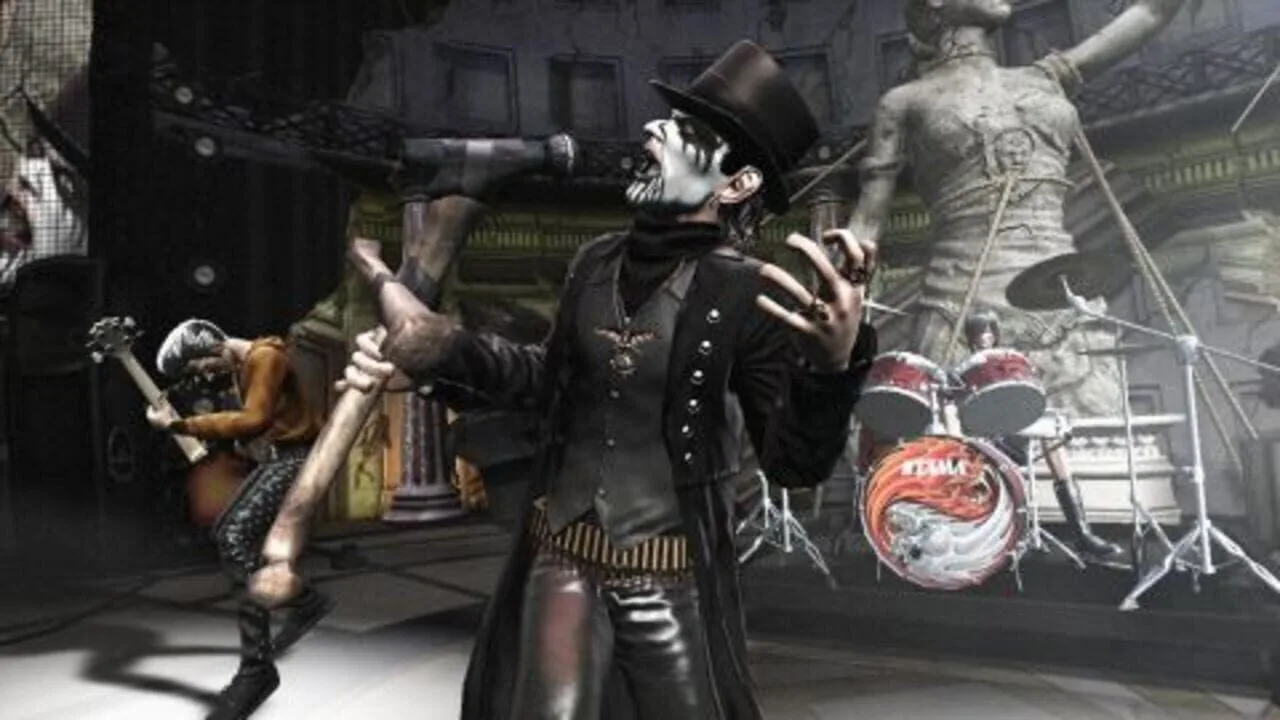
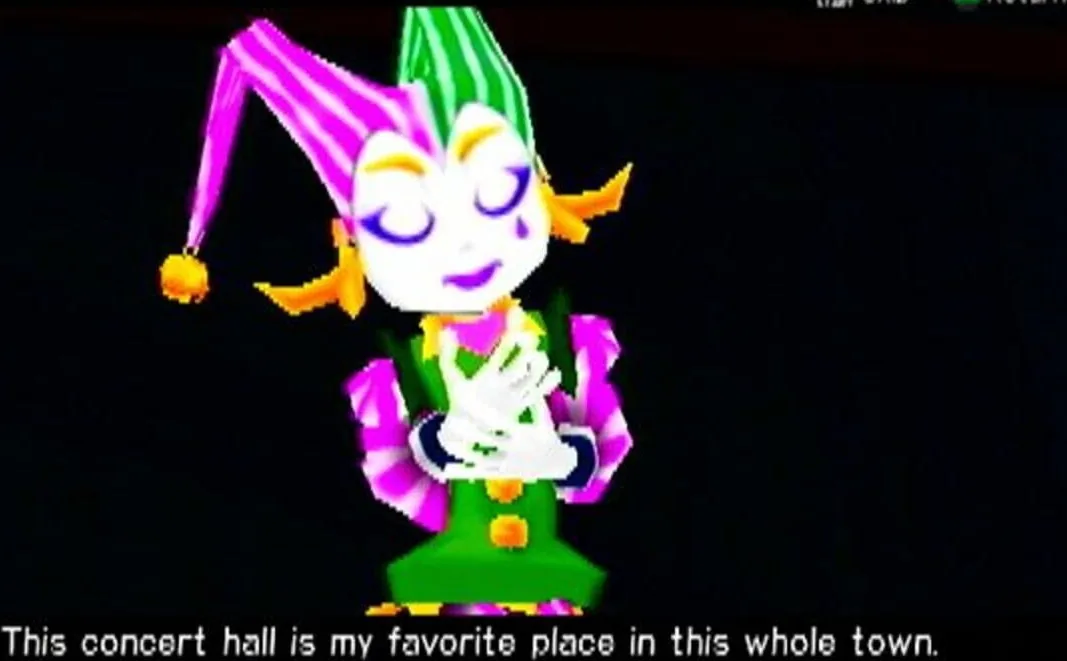
Mad Maestro! came out in Japan in October 2001, and Fresh Games brought it to the rest of the world in 2002. You play Takt, a young composer who leads the Bravo Youth Orchestra. A magical fairy called Symphony tells him the town's Concert Hall is about to be demolished, so he recruits the people of Bravo Town to save it with his music. The soundtrack is made entirely of classical music by composers like Beethoven and Tchaikovsky.
Its original title was Shake It Bravoes!, which is honestly better. Critics in the West were mixed on it, but it sold well and reviewed well in Japan, where it got three Japan-only follow-ups. It is a strange and gentle game, and the only one here where a fight gets stopped by making both sides dance to Brahms.
14. Dance Dance Revolution Extreme (2002)
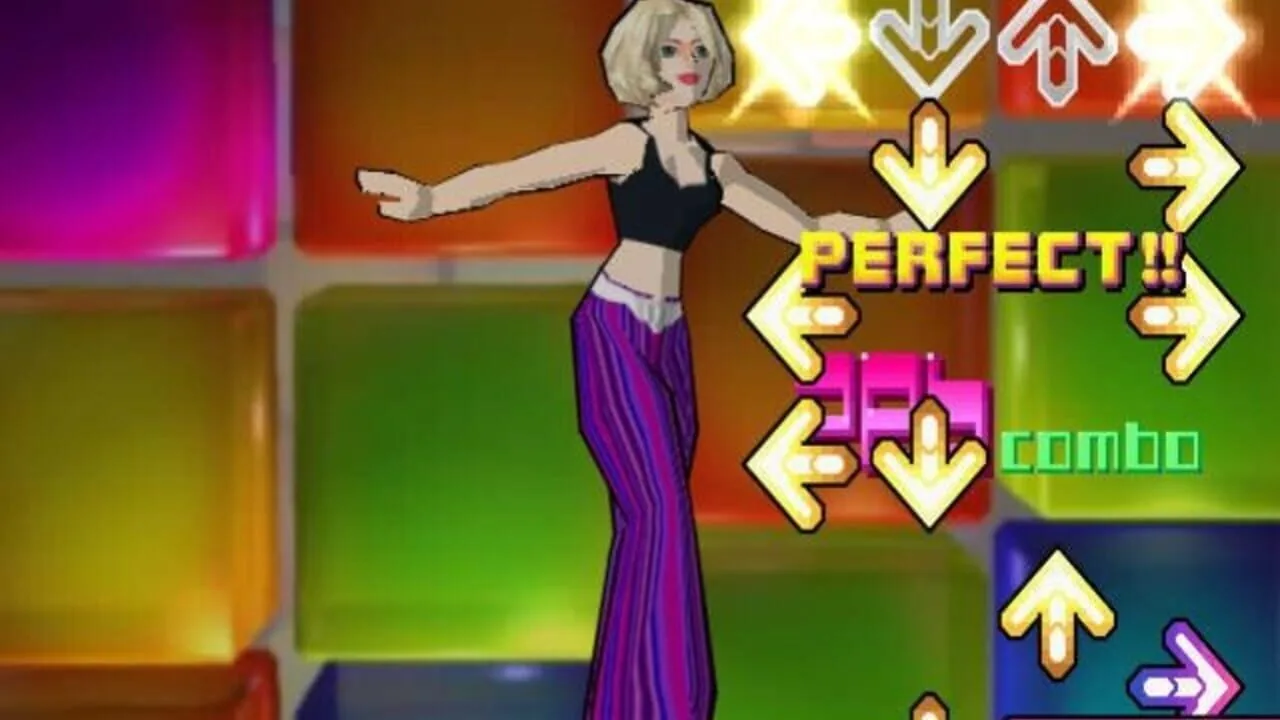
Extreme started as a Japanese arcade game on Christmas Day 2002, and the North American PlayStation 2 version arrived on September 21, 2004. Despite the shared name, the American release has a very different soundtrack and different gameplay from its Japanese counterpart. It has 71 songs, and it won Best Video Game Soundtrack at the 2005 MTV Video Music Awards, which is not an award most dance mats get to put on their résumé.
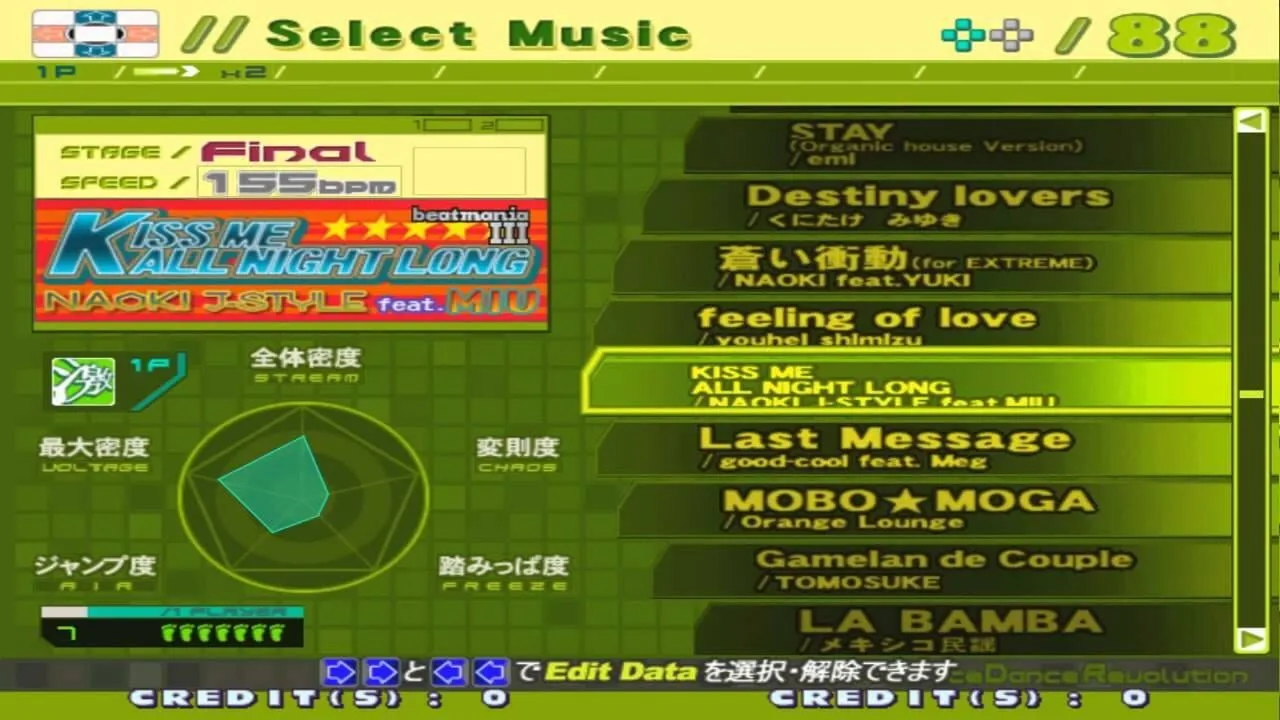
It also added a Party Mode full of minigames, and some of them need the EyeToy camera. On the song list, icons light up for each difficulty a song offers, including Beginner and Challenge, so you always know what you are getting into. Players still name it when they list their PS2 favourites, mat and all.
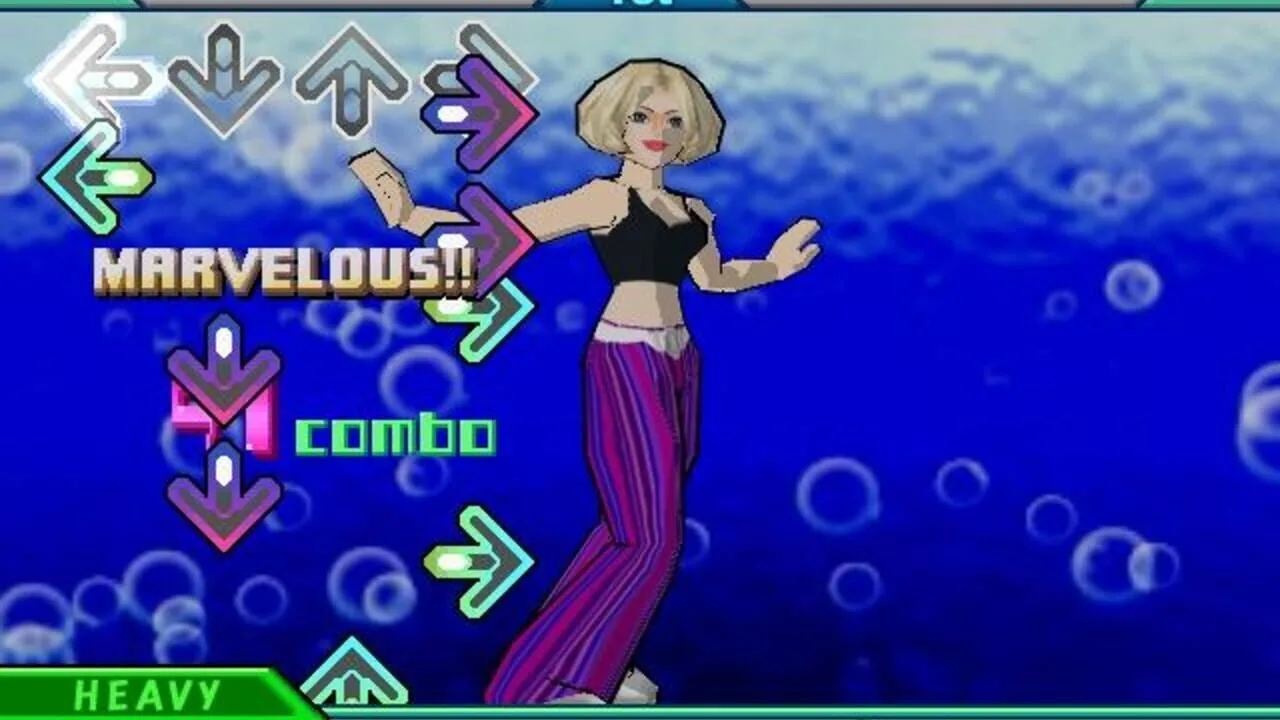
13. Guitar Hero World Tour (2008)
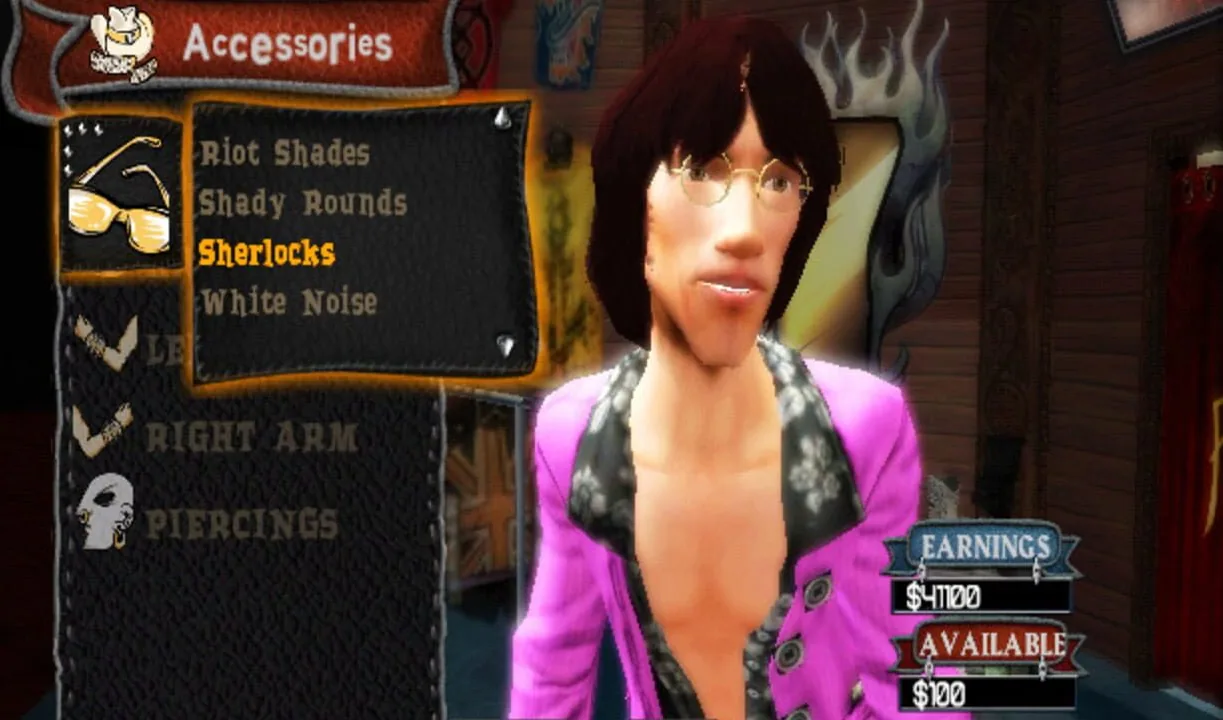
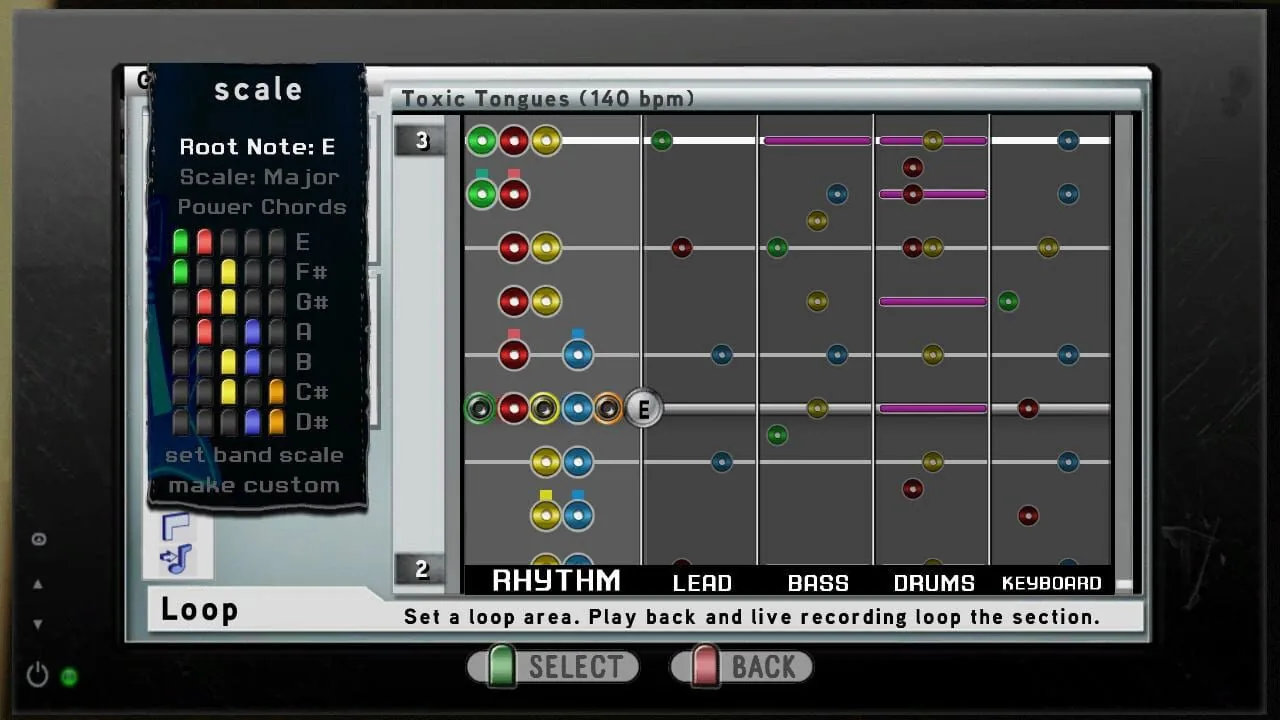
World Tour launched in North America in October 2008 on the PS2 and the newer consoles at once. It turned Guitar Hero into a full band game, with vocals along the top of the screen and tracks for bass, drums and guitar underneath. A Music Studio mode lets you write your own songs and share them through a service called GHTunes. The Create-a-Rocker mode is based on the Create-a-Skater mode from Neversoft's Tony Hawk games.
Critics liked the instrument controllers and the customization, and found the difficulty better judged than in Guitar Hero III. RedOctane also made a new guitar for it, about 25% larger than the old ones and closer to the size of a real guitar. It still turns up when players list their PS2 favourites.
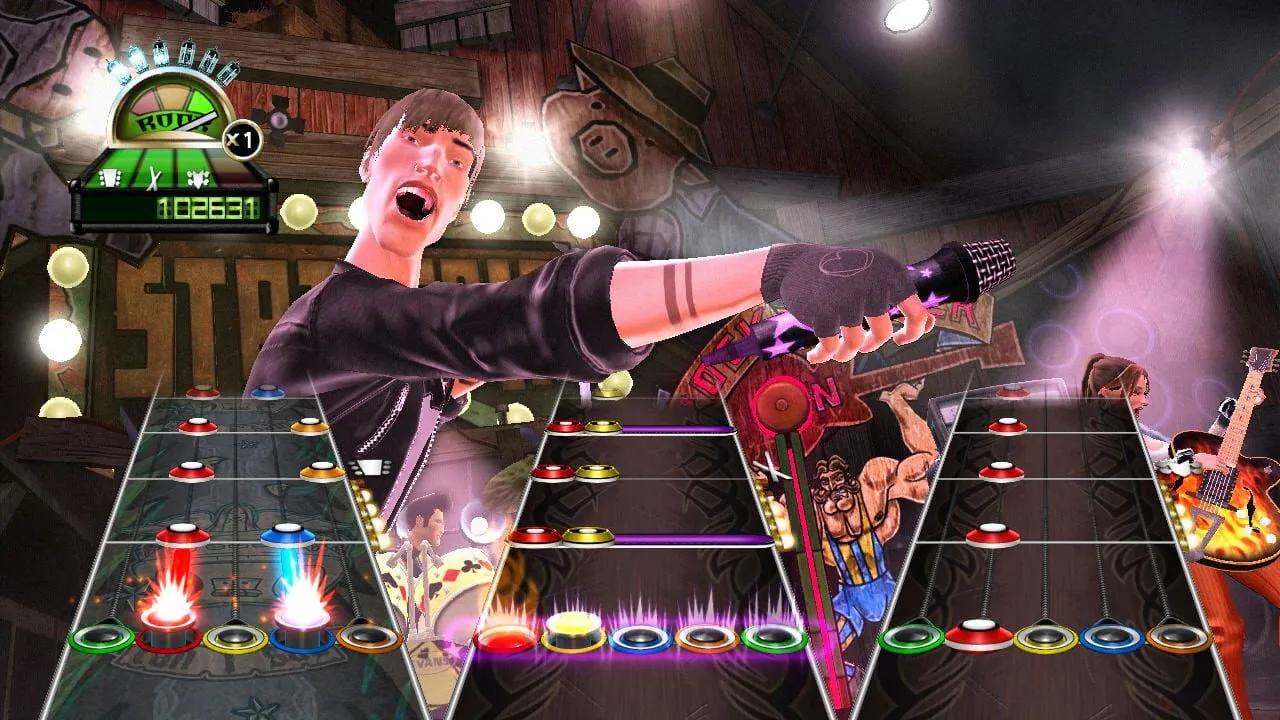
12. Rock Band 2 (2008)
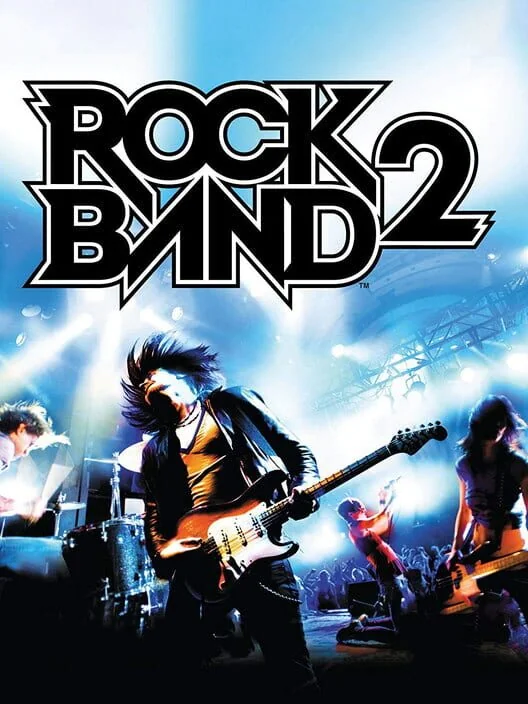
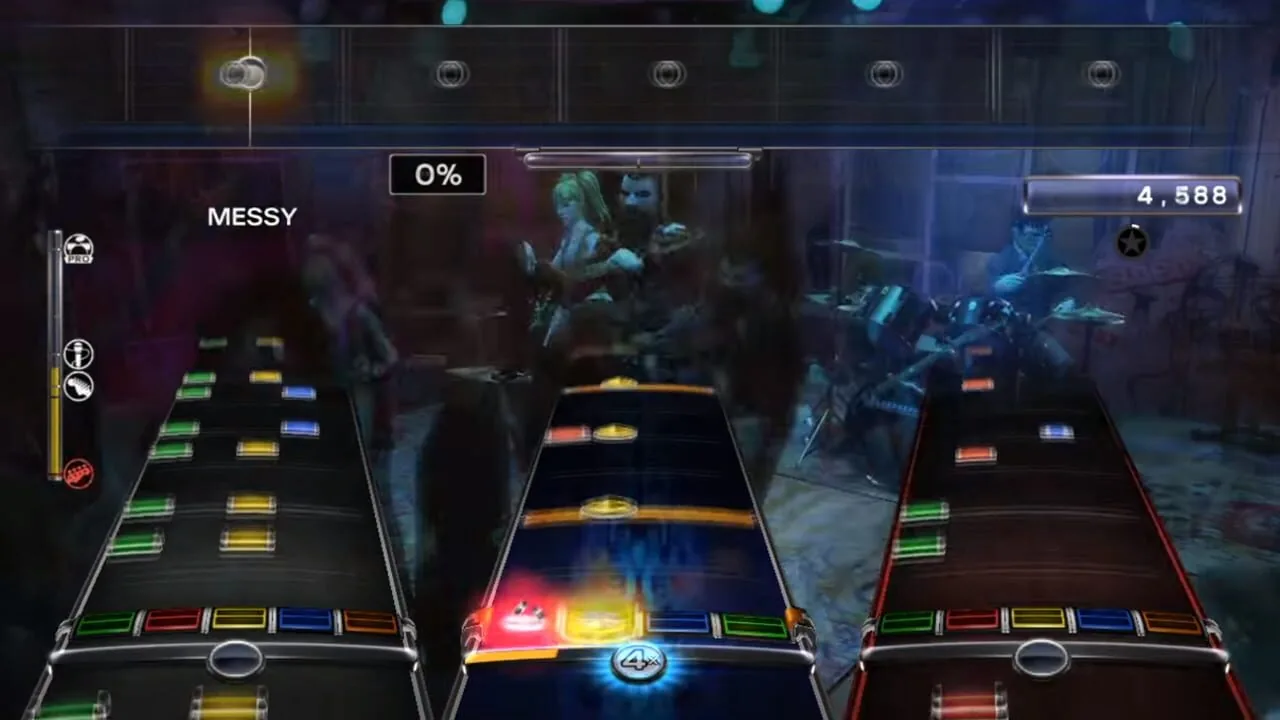
Rock Band 2 came out on the Xbox 360 on September 14, 2008, and the PS2 got its own version too. Up to four players form a band, and you are scored on hitting the scrolling notes on your instrument or matching the singer's pitch on vocals. The game disc holds 84 songs, and during a song the screen shows up to three tracks of notes, one each for lead guitar, drums and bass.
Overdrive is still the clever part. You build it by nailing the white notes, then spend it to raise the Band Meter and get through parts of a song you might otherwise fail. A bandmate who fails can be brought back, but only twice per song, so the weakest singer in the room needs to pull their weight. Players still recommend this one for the PS2.
11. Guitar Hero Encore: Rocks the 80s (2007)
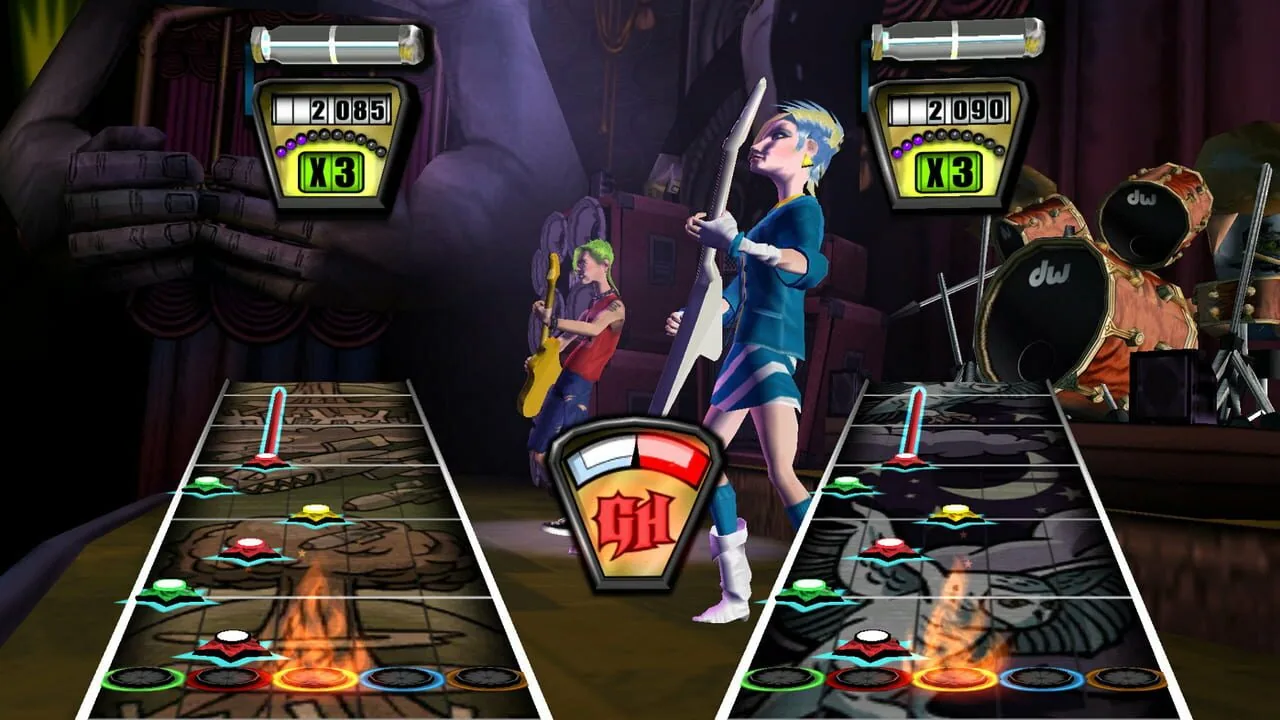
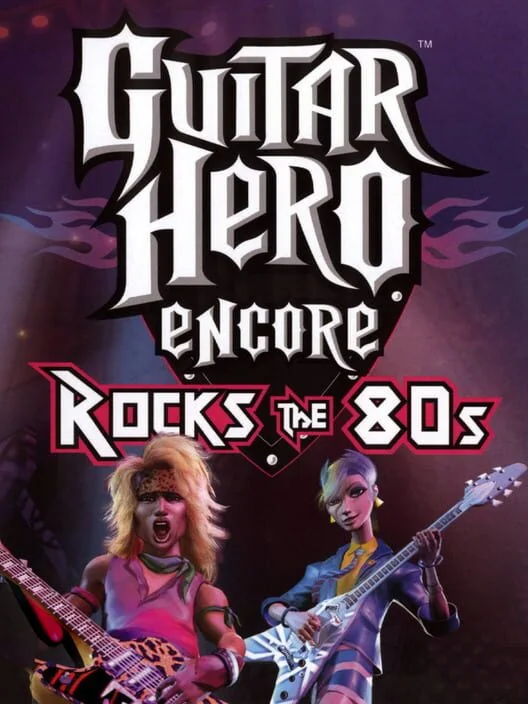
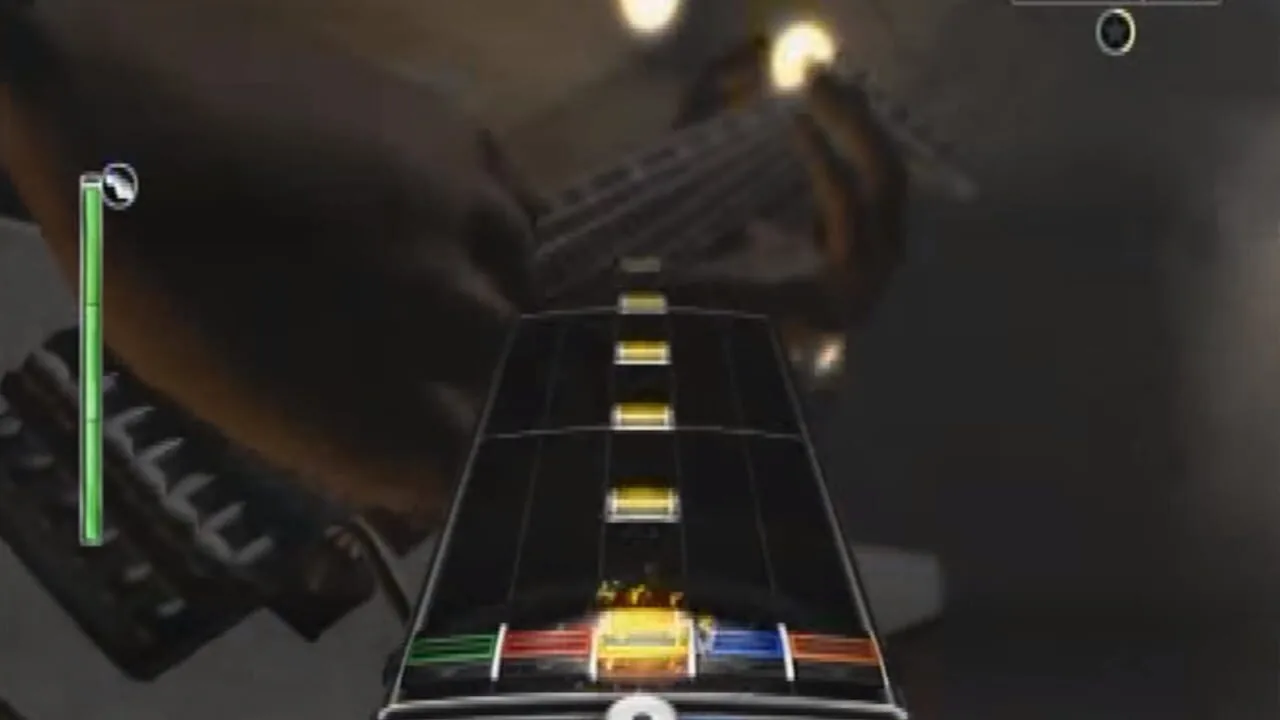
Rocks the 80s came out in July 2007, and it is an incremental title in the series rather than a full sequel. It was first announced as Guitar Hero II: 1980s Edition, then renamed twice before release, and Europe dropped the word Encore from the title altogether. The songs come from the 1980s, and two of them were originally written in the 1970s and covered by bands in the 80s.
It was not as well received as the two games before it, because it added no new gameplay and had a smaller song list. Most critics agreed the $49.99 price was too high for what you got. The Romantics even claimed its cover of their song was "virtually indistinguishable from the authentic version". If you love the decade, it is still a fun companion to Guitar Hero II.
10. Frequency (2001)
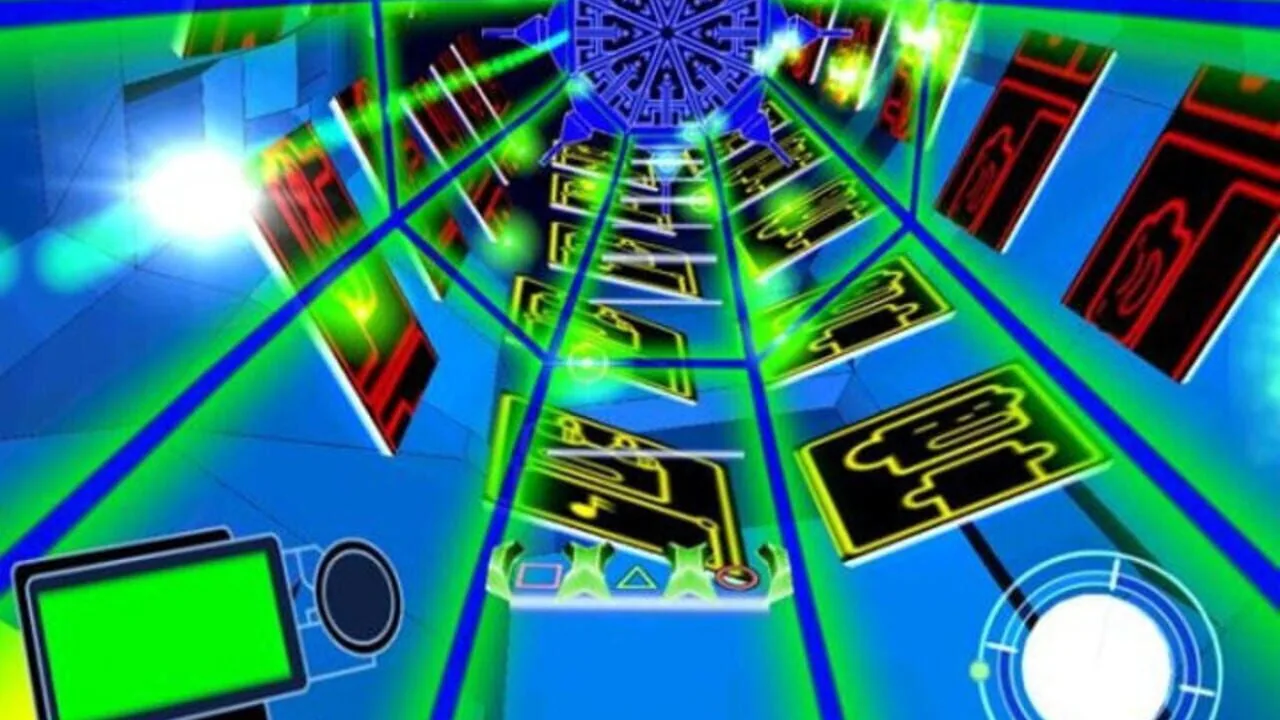
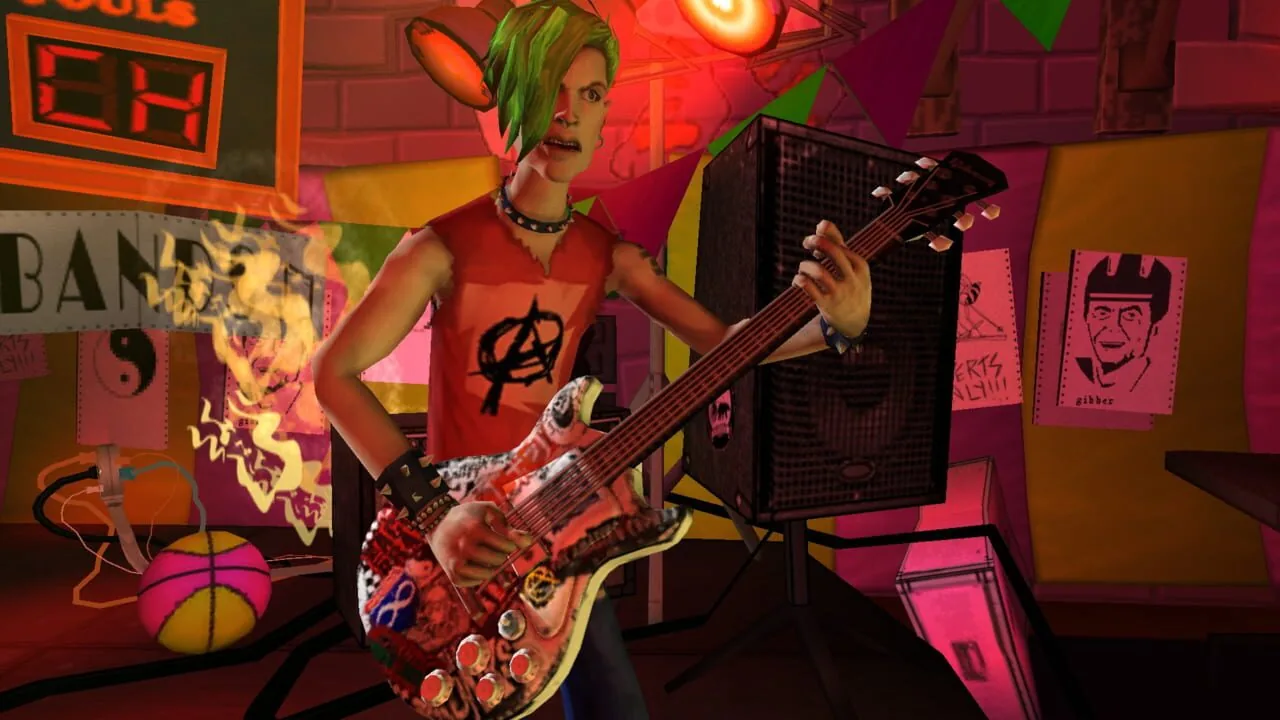
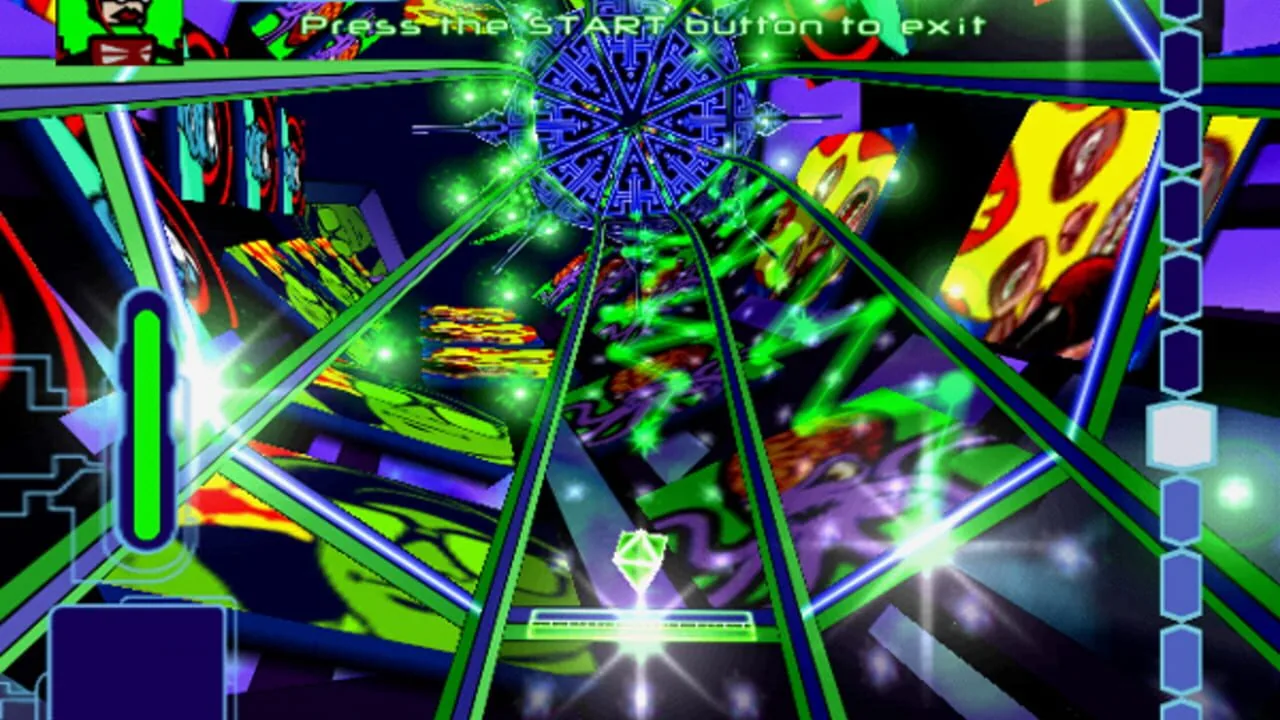
Frequency was the first game Harmonix ever made. You play a virtual avatar called a FreQ who travels down an octagonal tunnel, and each wall of the tunnel holds one musical track. Play two measures of a track without a mistake and it is captured, so it plays by itself while you move on to the next wall. You can also make your own remixes of the songs, then save them and play them like any other song.
Harmonix first pitched it to Microsoft, where Ed Fries told them that no music-rhythm game would succeed without a custom hardware controller. Hold that thought. Frequency was one of the first games to support the PS2 Network Adapter, with up to four players online, and Next Generation called it "America's first homegrown rhythm action game".
9. Space Channel 5: Part 2 (2002)
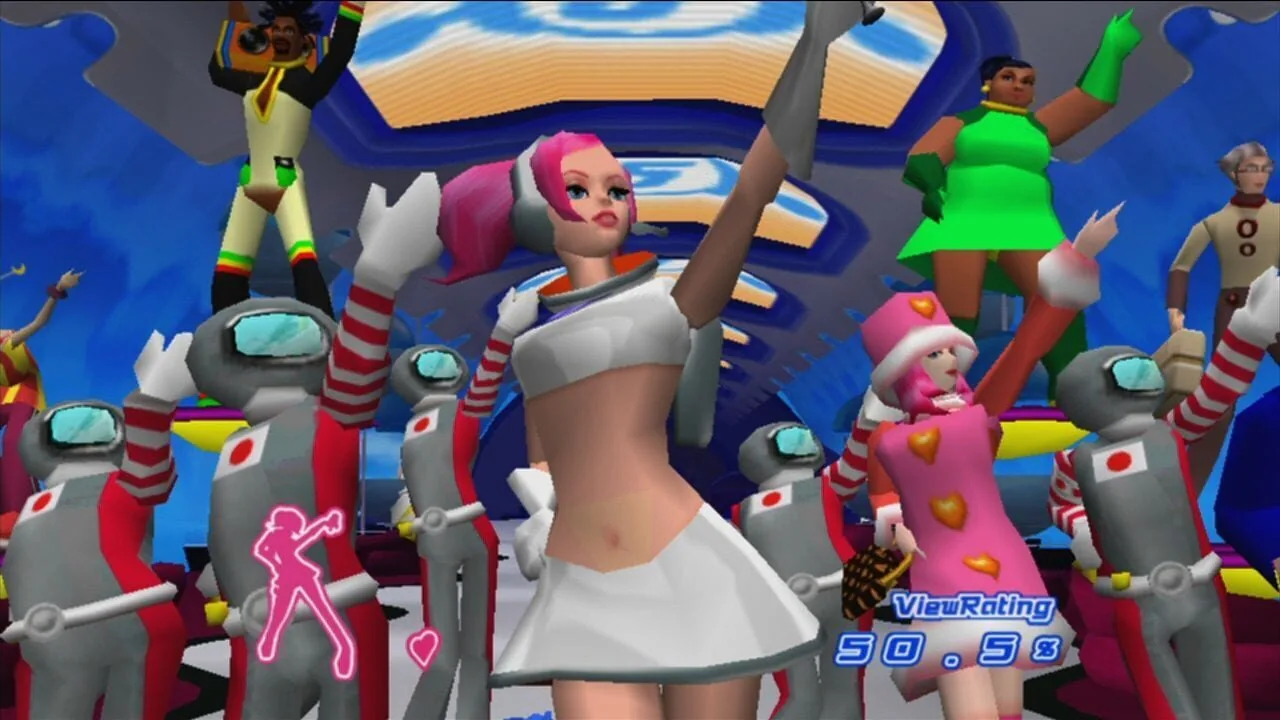
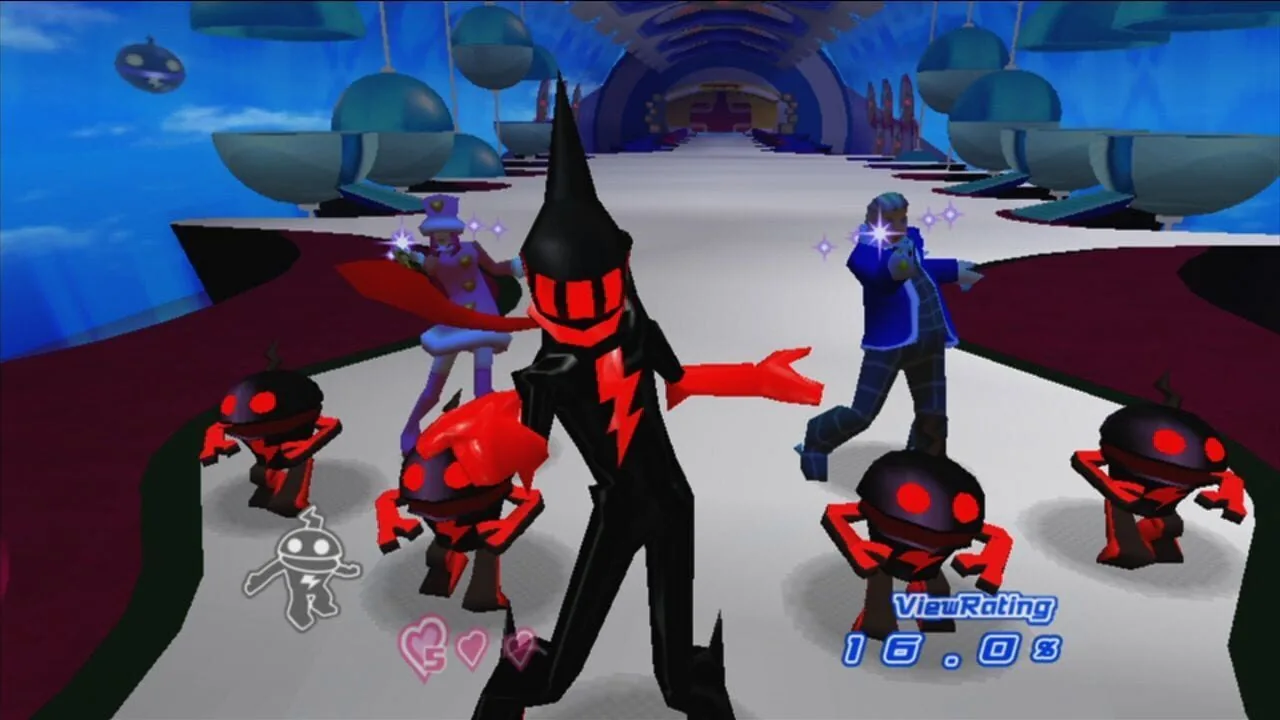
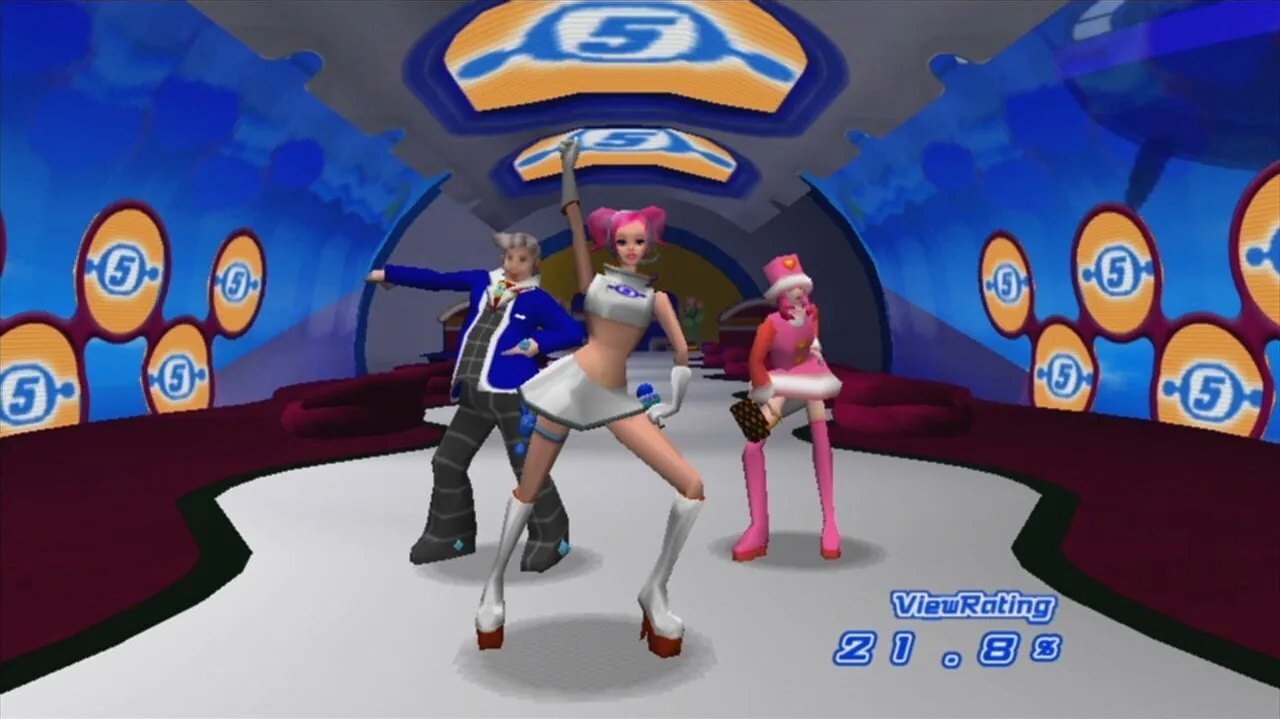
Part 2 is the sequel to the 1999 game Space Channel 5, and it moved the series from pre-rendered video to 3D graphics. You play Ulala, and the fights are rhythm battles where she copies her rivals' moves in time with the music. The first rhythm battle the team built was against rival reporter Pudding, who fights with a guitar.
Michael Jackson shows up as himself, as a character called Space Michael, and he is voiced only in English in both the Japanese and English versions. The game was a critical and commercial success, and many critics said it was better than the original thanks to its improved gameplay and more varied soundtrack. It is still a player favourite, and it is the most stylish game on this list by a long way.
8. Amplitude (2003)
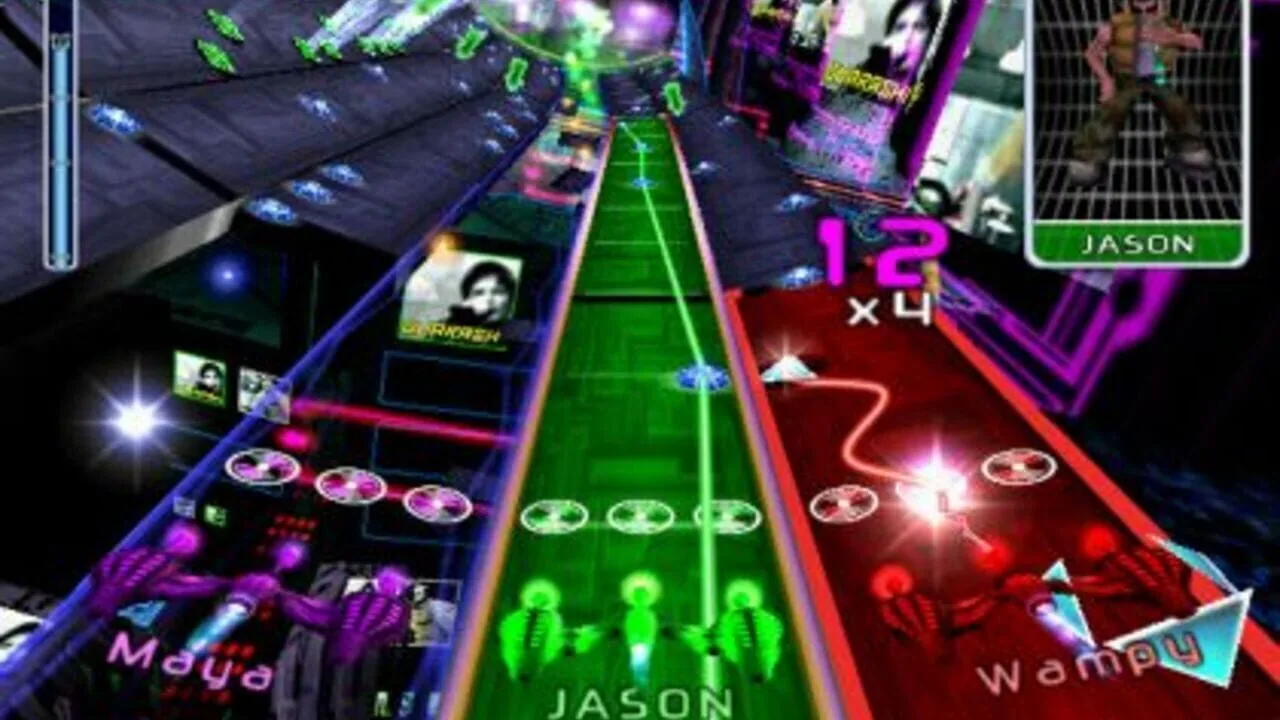
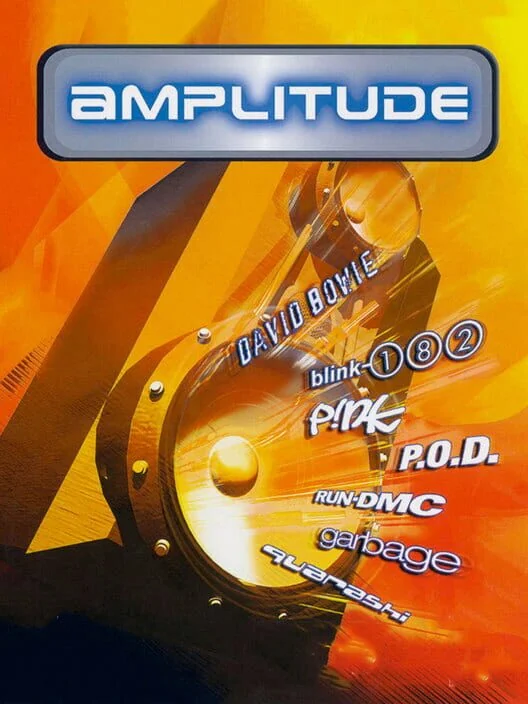
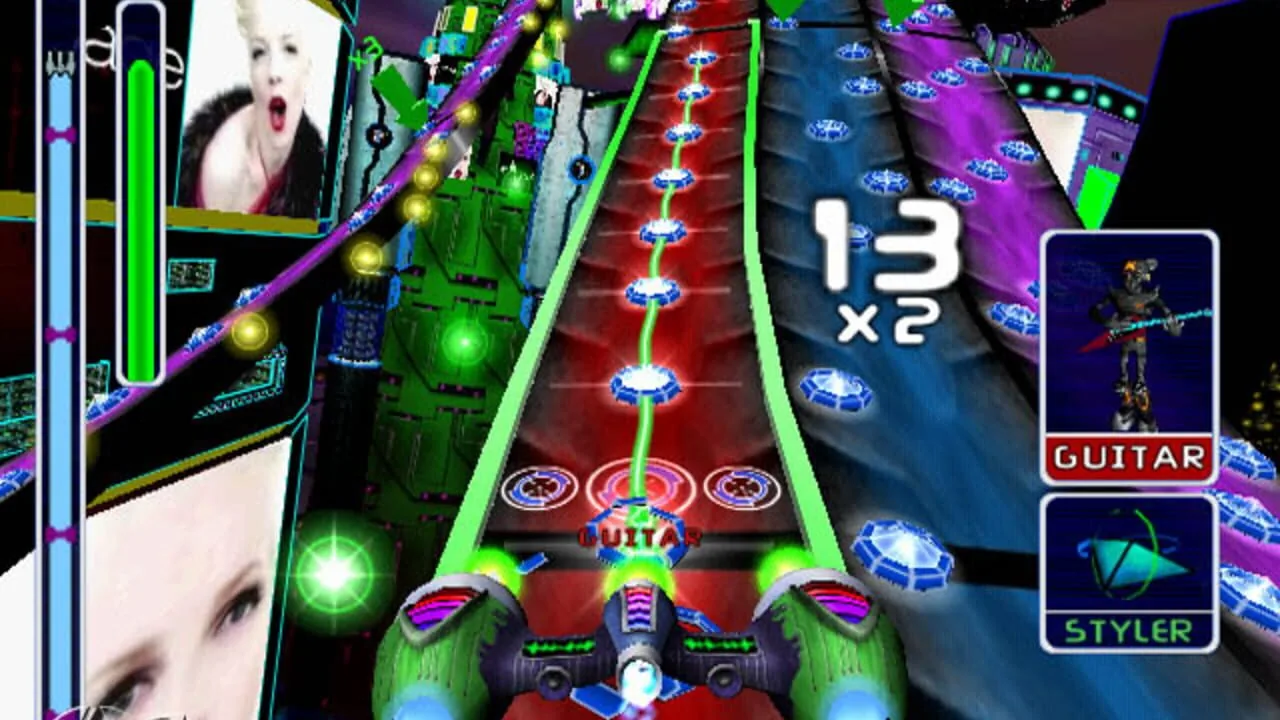
Amplitude is the sequel to Frequency, and it opened the tunnel up into a long, flat track. You steer a beat blaster ship across six tracks, each one a different instrument, and shoot the note gems in time with the music. Harmonix found the old tunnel limiting, so it went for bigger landscapes here, though some fans of Frequency did not like the change. The soundtrack also adds more pop rock than the electronica and trance of the first game.
It was a decent financial success, and it turned Harmonix into a major studio for music games. In 2014 a Kickstarter raised over $840,000 for a new Amplitude, released in 2016. One player called the original "Best musical game I've ever played", and plenty of others still put it on their lists of PS2 favourites.
7. Rock Band (2007)
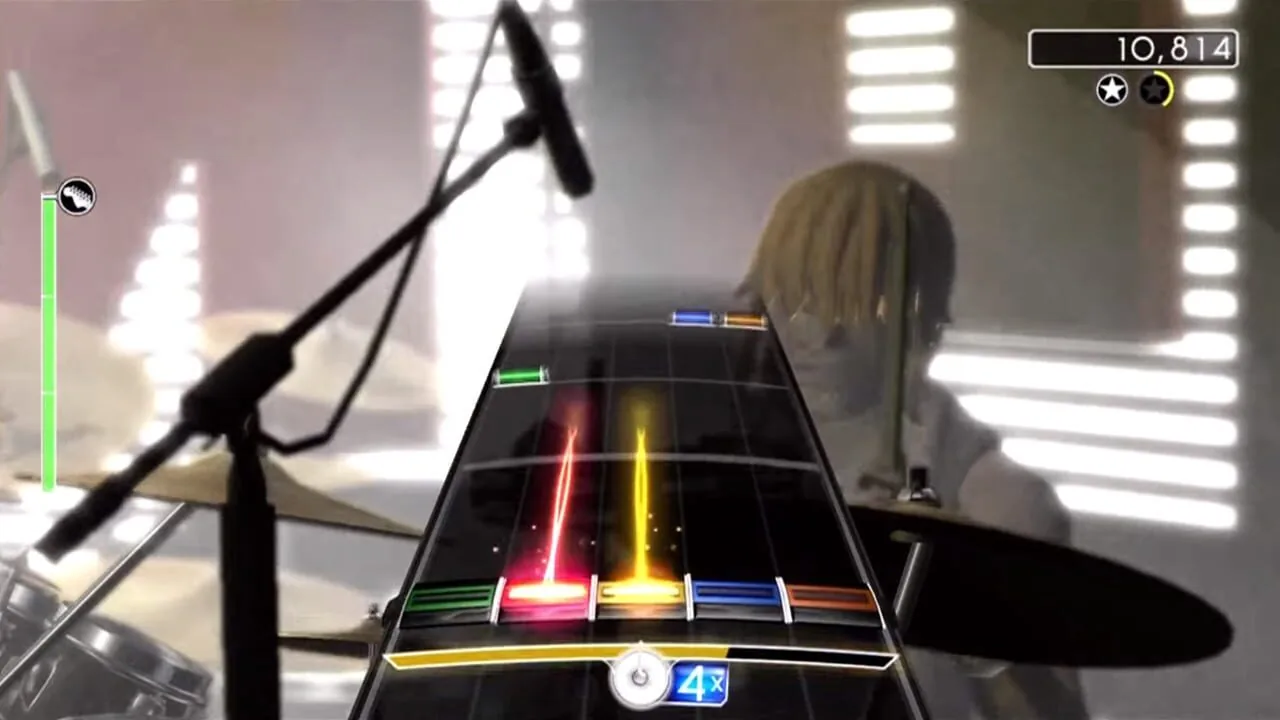
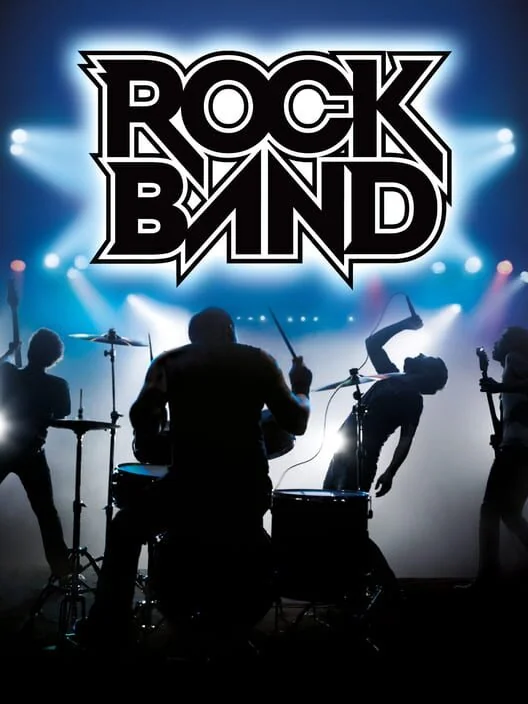
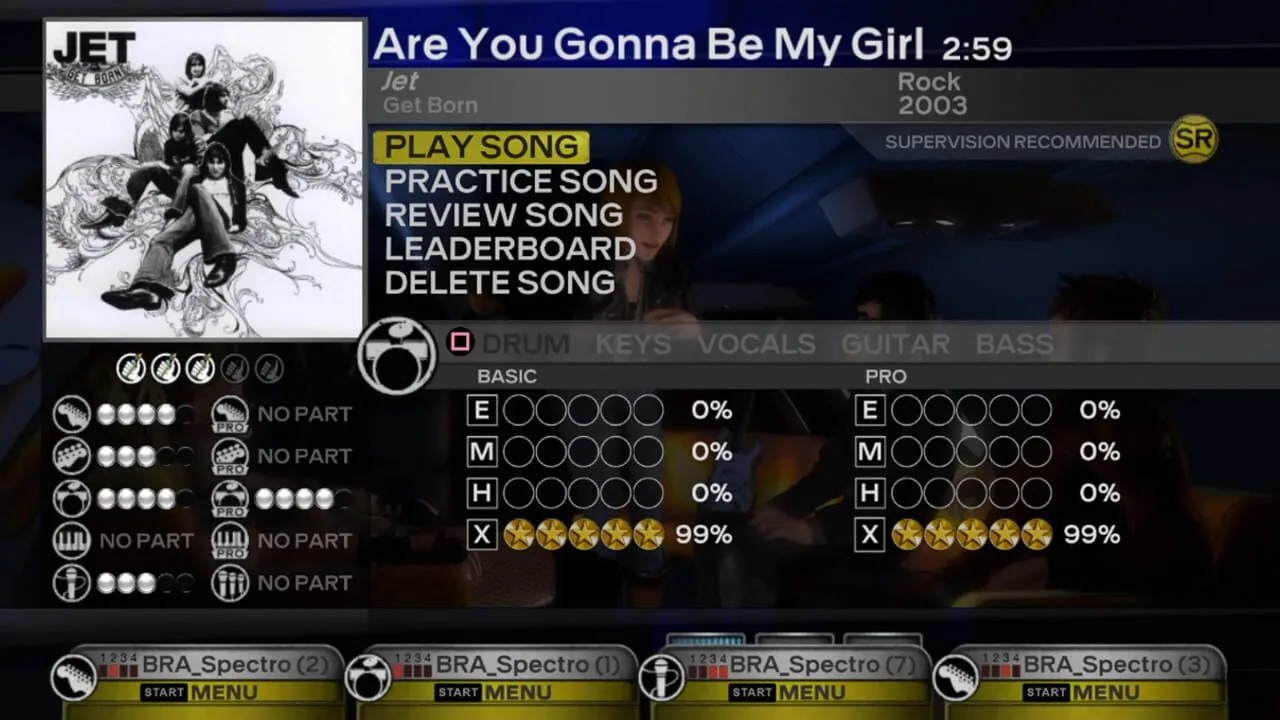
Harmonix made the first two Guitar Hero games, and when that series moved to Neversoft, it came up with Rock Band, a game for multiple instruments. Up to four players can play together with controllers shaped like real instruments. The PS2 version arrived on December 18, 2007, about a month after the Xbox 360 and PS3 versions, and the disc holds 58 core songs.
You score by matching the scrolling notes on your instrument or the singer's pitch on vocals, and Overdrive lets the band push through the hard parts of a song. It is the full-band party game of the era, and it plays best with three friends crowding one TV. Players tend to name it in the same breath as Guitar Hero.
6. DDRMax2: Dance Dance Revolution (2002)
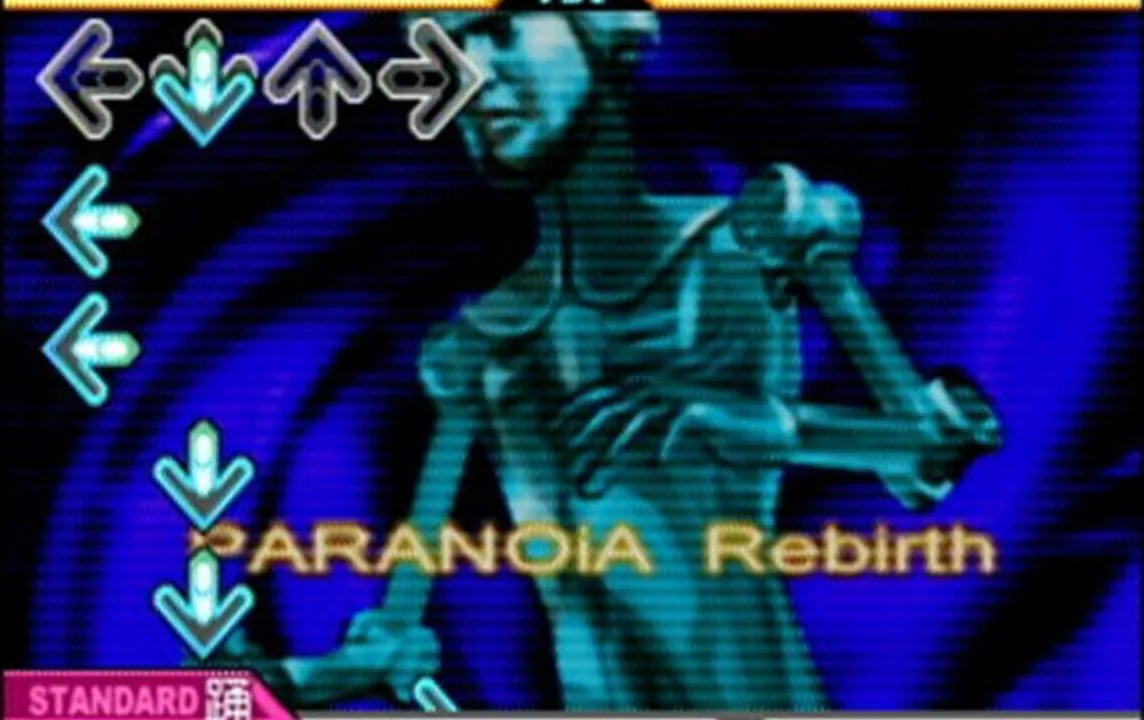
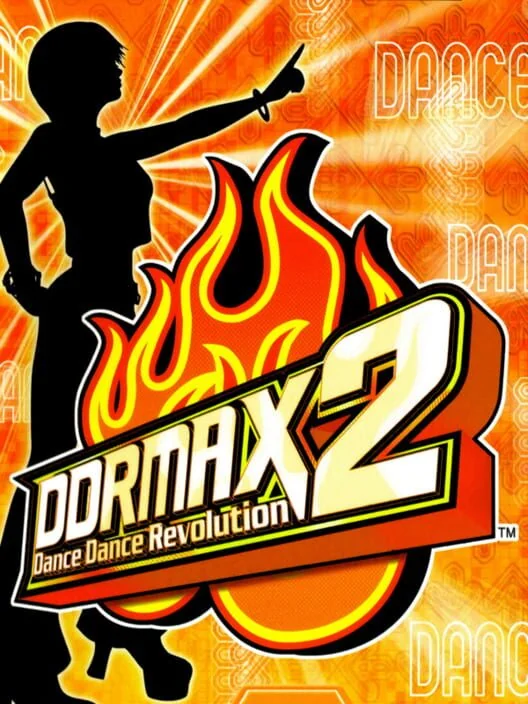
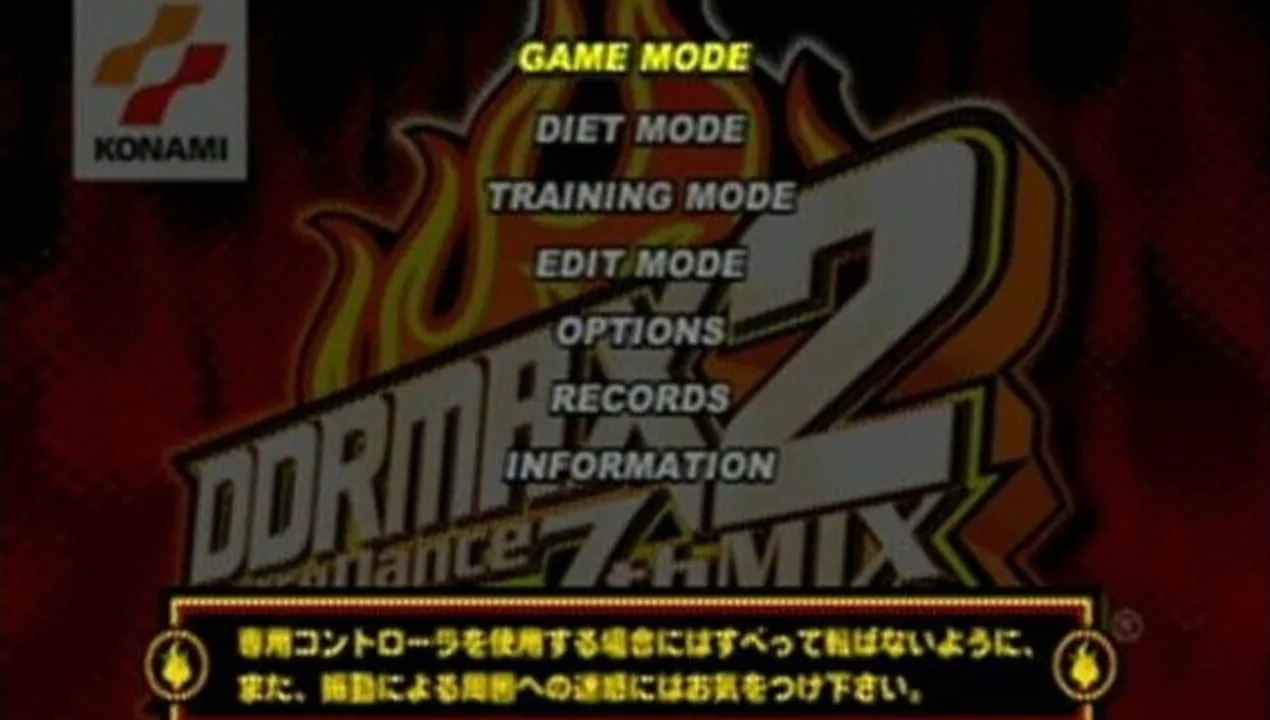
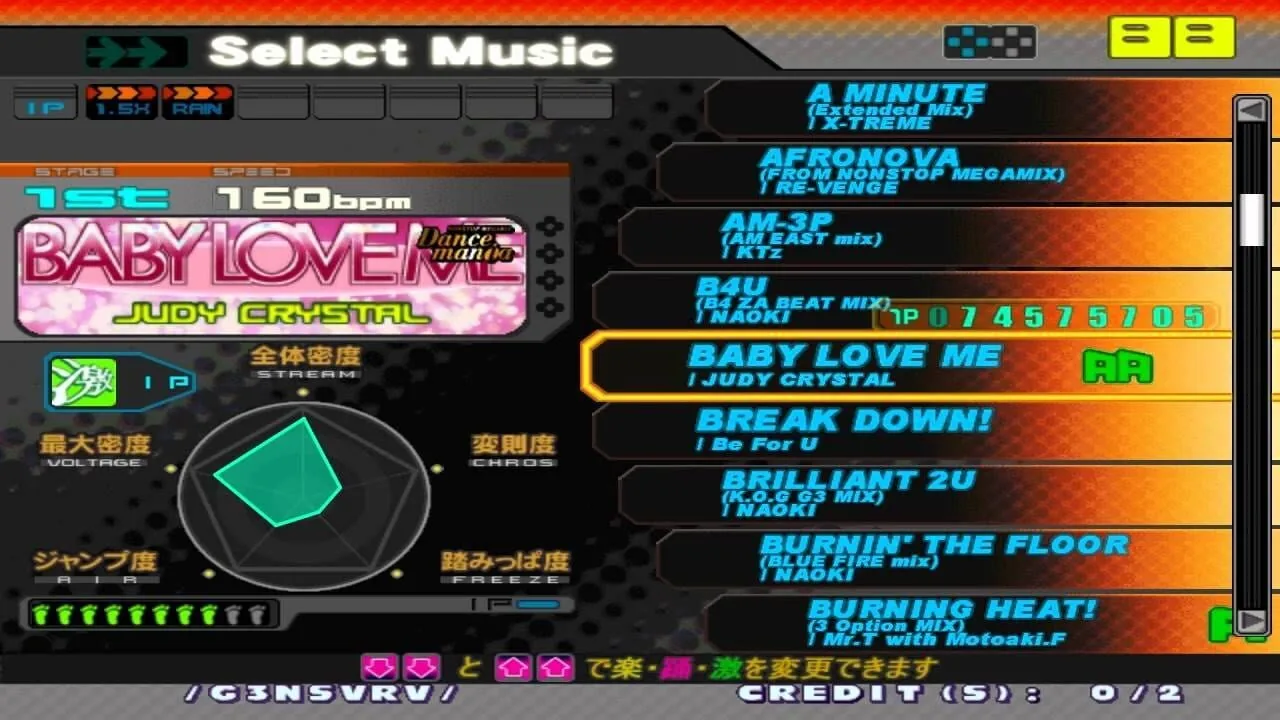
DDRMAX2 started in Japanese arcades on March 27, 2002, and the North American PlayStation 2 game carries the same name. You stand on a dance pad and step on the arrows as they scroll up the screen in time with the music. The arcade version introduced Nonstop Challenge, a set of courses that string songs together, and the Japanese PS2 release has 74 songs.
Of all the DDR games on the PS2, this is the one players recommend most, so it is the place to start. Lay down the mat, pick a song you know, and you will find out very quickly how out of shape you are. That is the real reason DDR caught on: it is a workout that never feels like one.
5. PaRappa the Rapper 2 (2001)
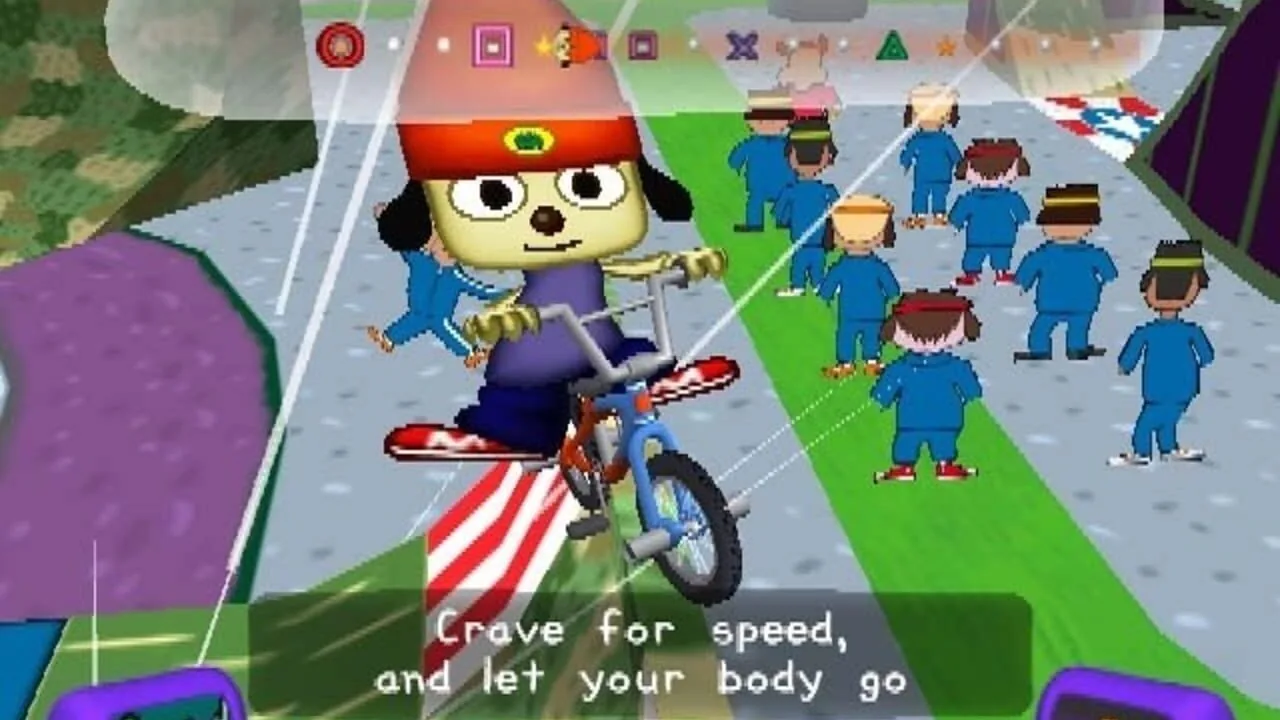
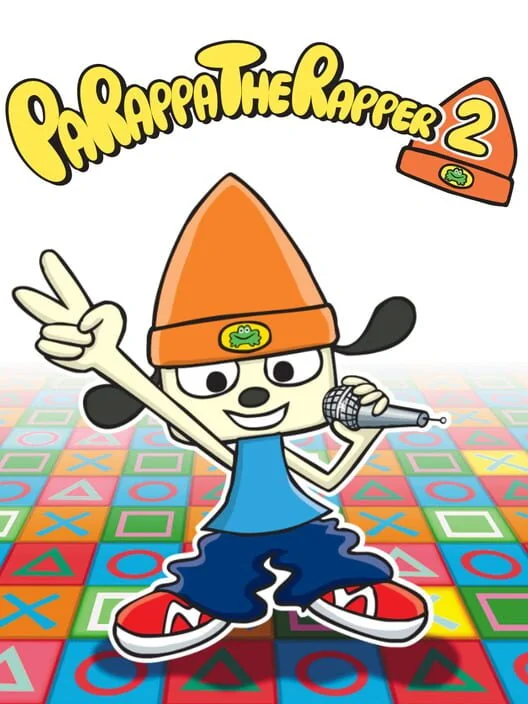
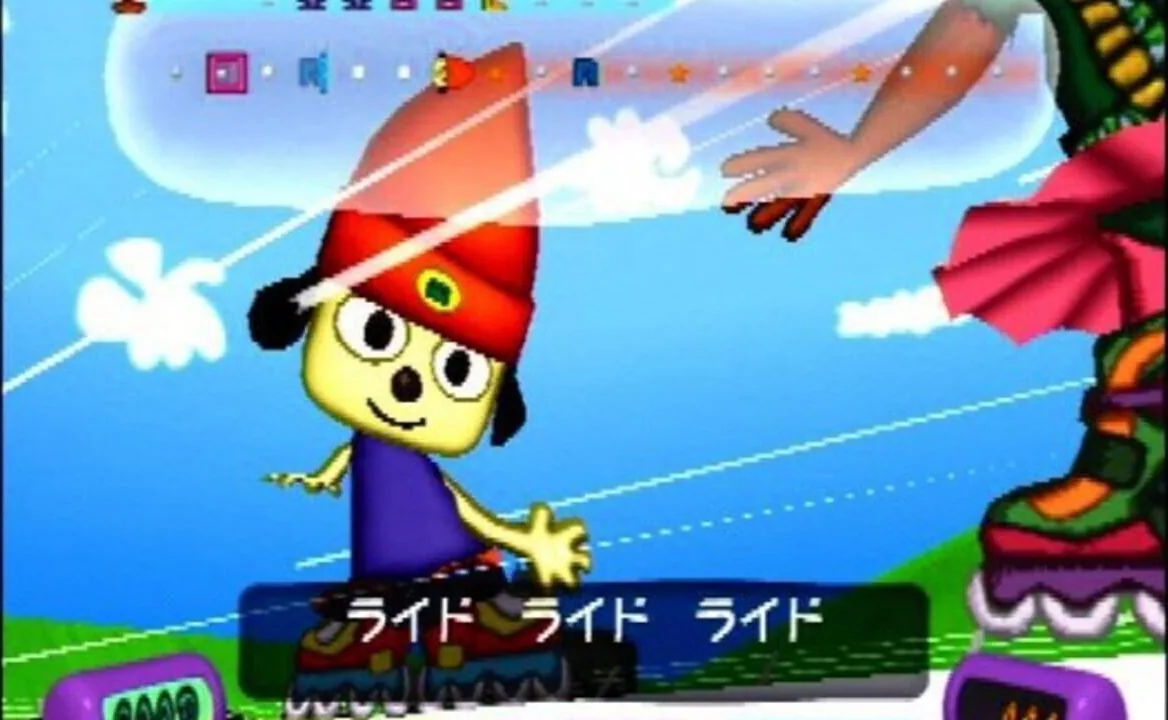
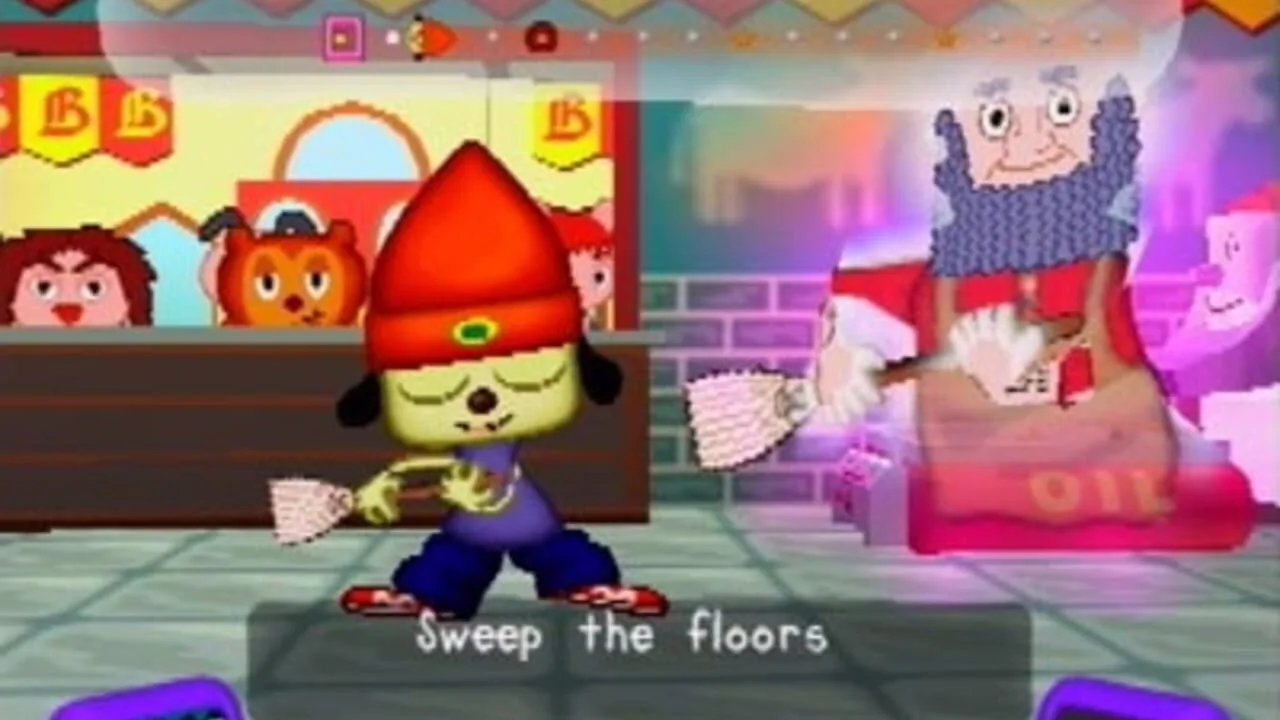
PaRappa the Rapper 2 brings the rapping dog back on the PS2. You earn points by rapping in time with the music and keeping a Good rating through to the end of each level, and some of the teachers' lyrics now change based on how well you are doing. The plot is about noodles. The fathers of PaRappa and Sunny try to build an invention that can stop the "noodlization", and they shrink themselves by accident.
A promo video for the song "Say 'I Gotta Believe!'" featured members of De La Soul as chefs. One reviewer wished the developers had made better use of the PlayStation 2's higher specs, which is fair. Players do not care, and they still talk about it as a joy to play. It came back on the PlayStation 4 in December 2015.
4. Gitaroo Man (2001)
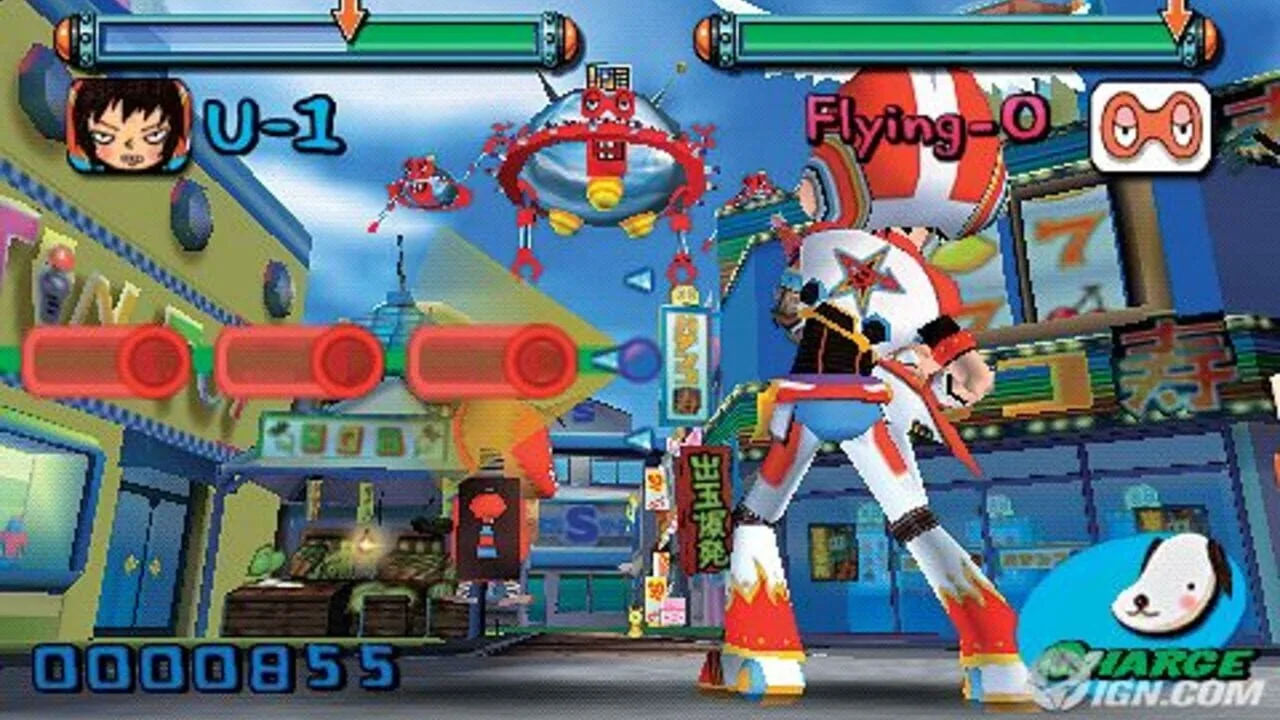
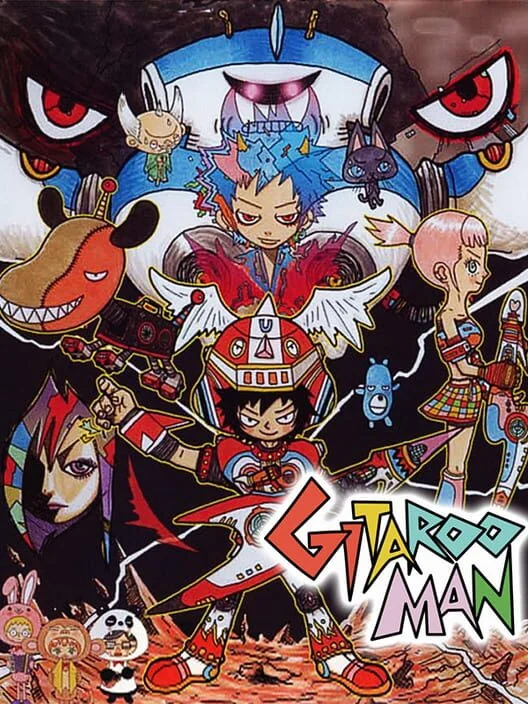
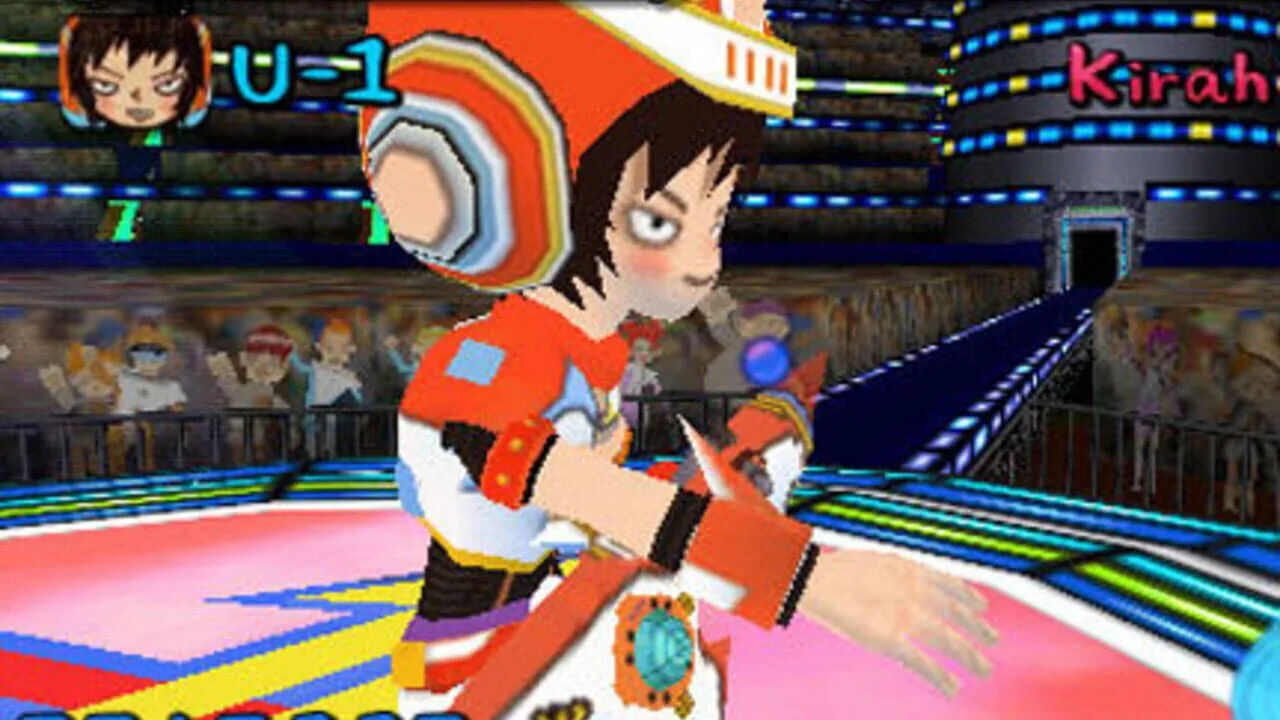
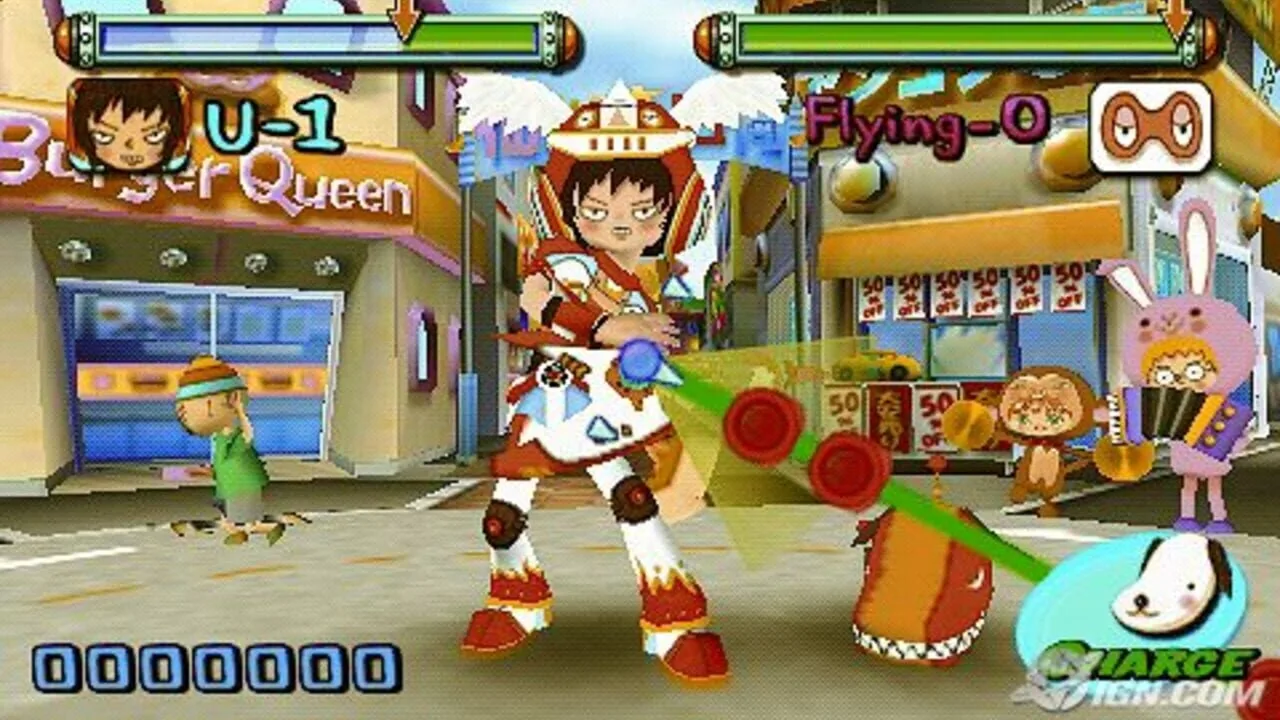
Gitaroo Man came out in Japan on June 21, 2001, and reached North America on February 18, 2002. You play U-1, who faces a run of opponents in musical battles. You play the music by holding the button down at the start of a phase and letting go at the end, timing it as the notes reach the centre of the screen. The original soundtrack is by the Japanese band COIL, and it jumps between styles with real confidence.
One battle has U-1 meeting a girl called Kirah, who turns out to be Zowie's gladiator, and he uses the power of music to talk her into standing up to Zowie. That is the kind of game this is. Players adore it, and it keeps turning up on their lists of PS2 favourites next to much bigger names. A PSP port, Gitaroo Man Lives!, followed in 2006.
3. Guitar Hero II (2006)
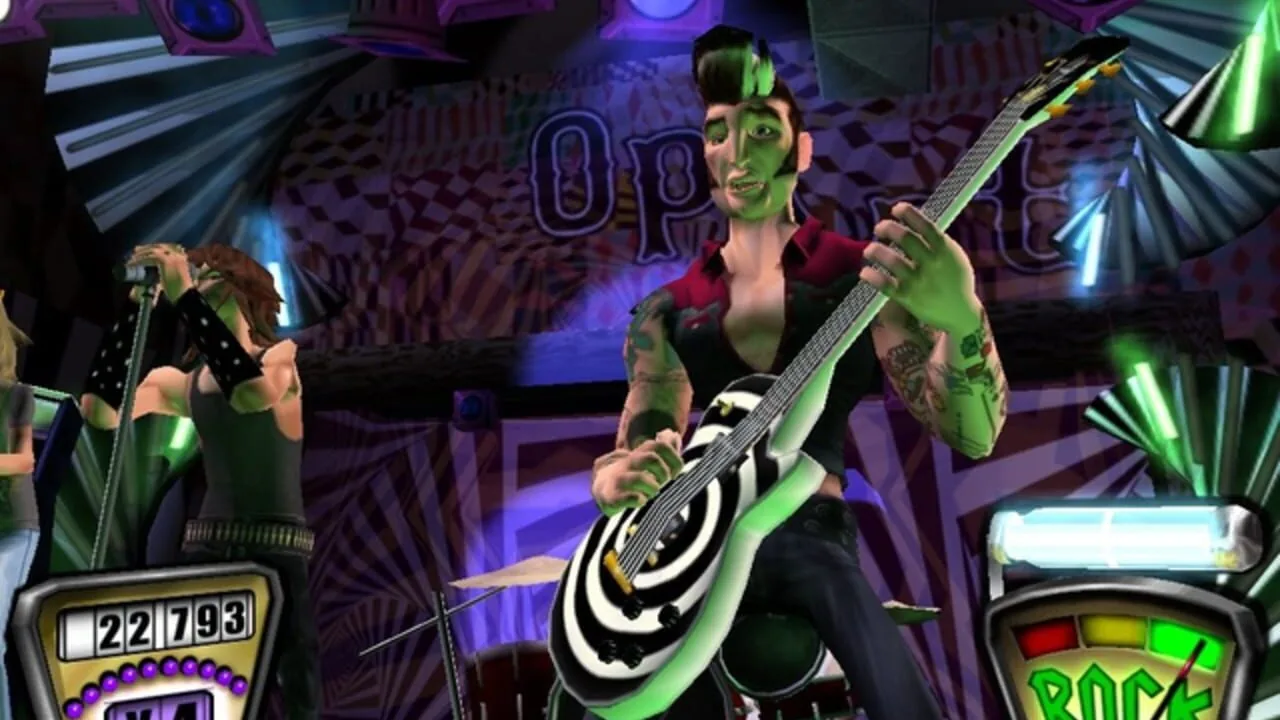
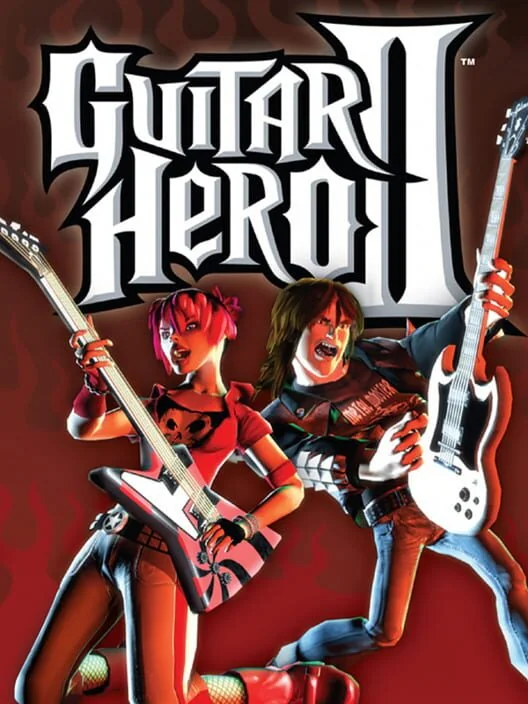
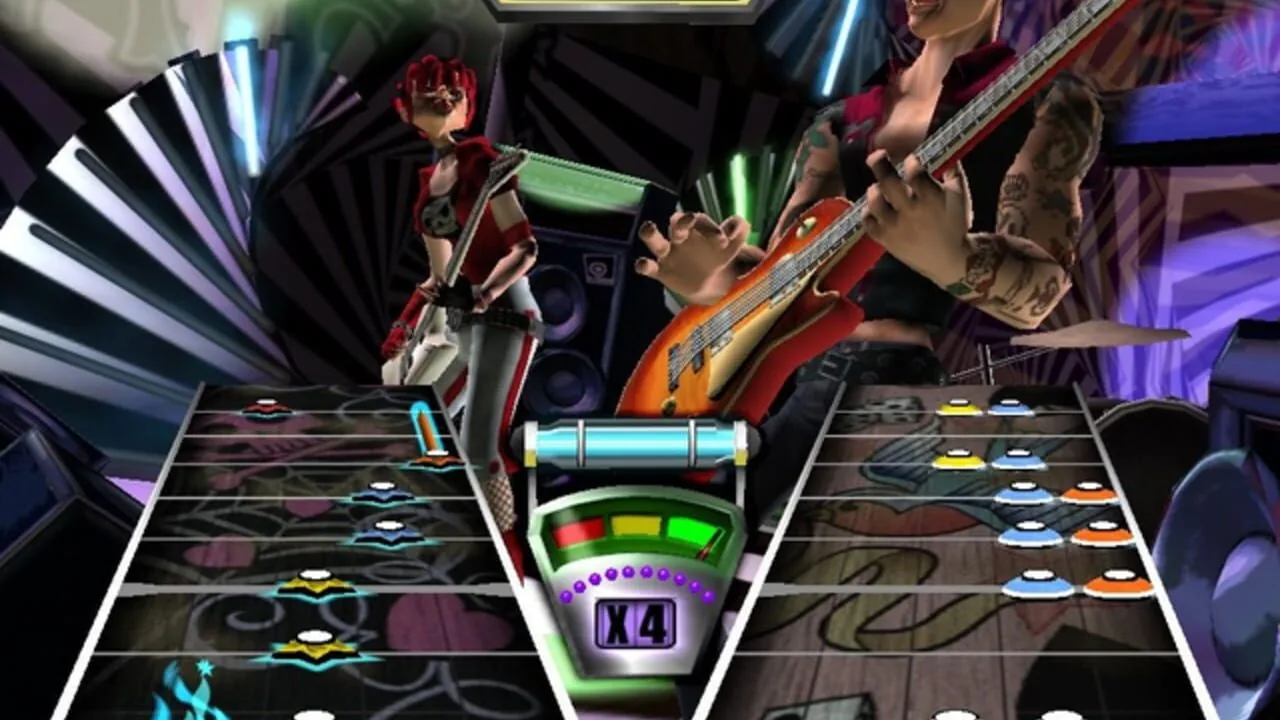
Guitar Hero II came out first on the PlayStation 2 in November 2006, and the Xbox 360 only got it in April 2007. It keeps the formula of the first game: hold the fret buttons on the guitar neck and hit the strum bar in time with the scrolling notes. The cooperative mode lets a second player join on bass, and it is the only multiplayer mode in which a song can be failed.
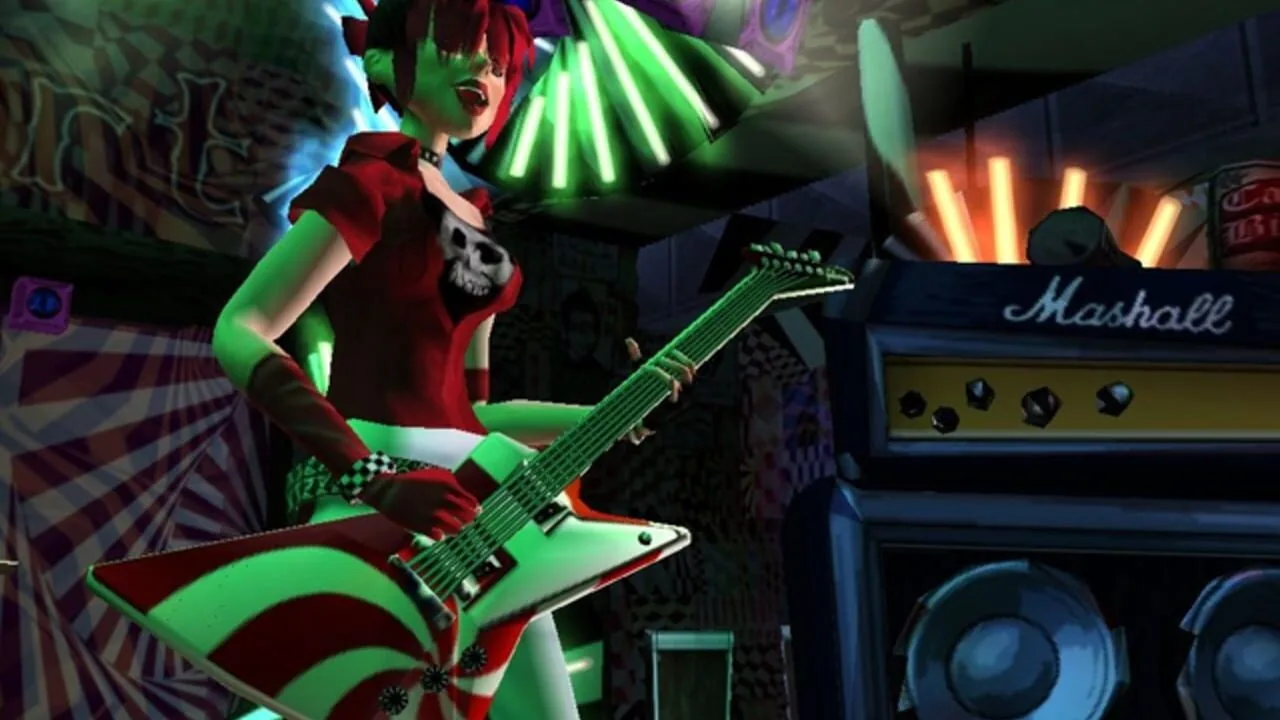
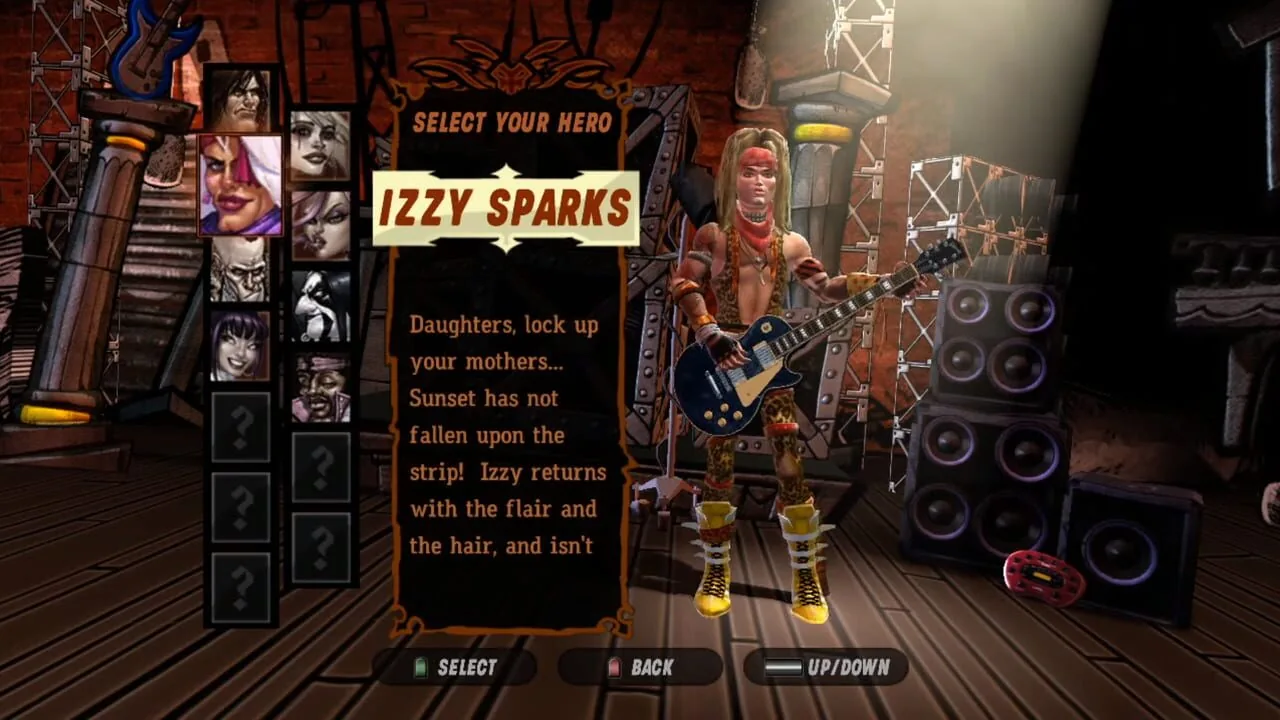
Eight characters are there from the start, each one a style of rock, from Axel Steel's heavy metal to Judy Nails' alternative. It was a critical and commercial success that helped the series become a cultural phenomenon, and it had sold 3.1 million copies by December 1, 2007. Players still name it among their PS2 favourites.
2. Guitar Hero III: Legends of Rock (2007)
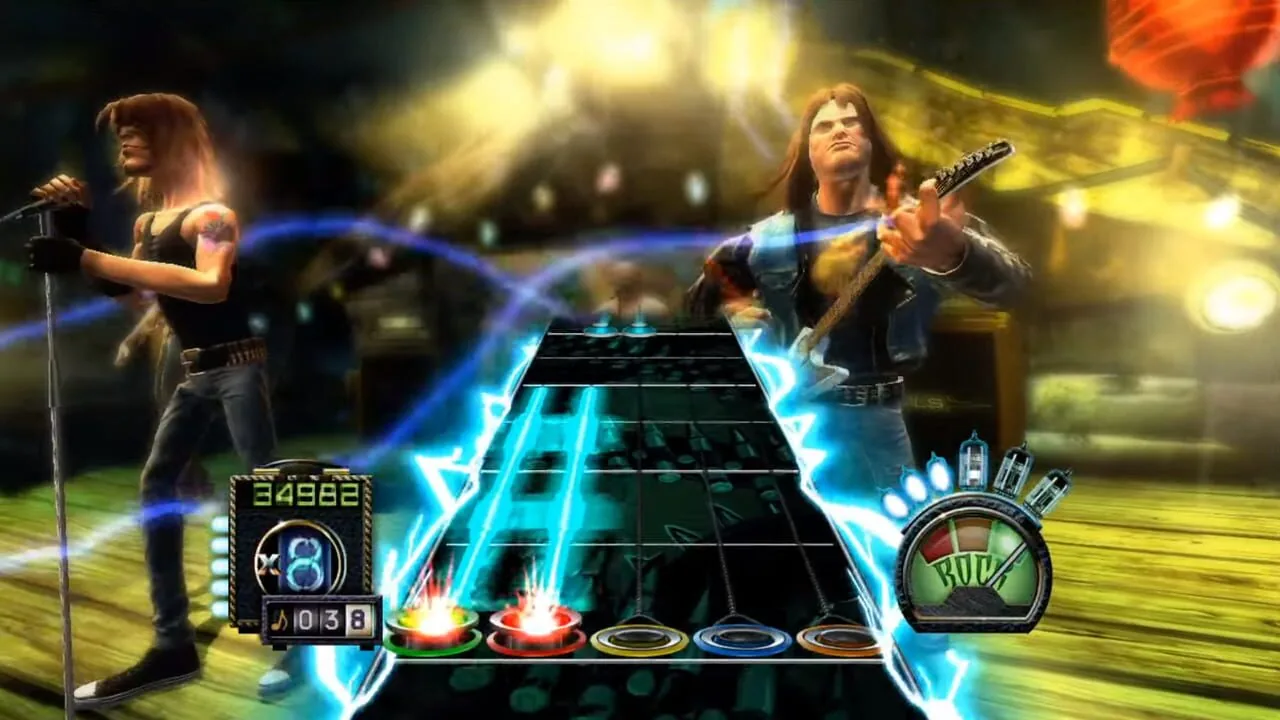
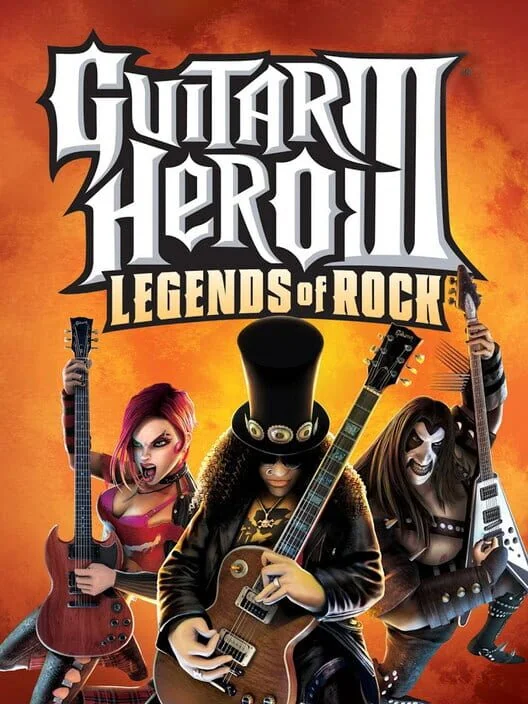
Guitar Hero III was the first game in the series made by Neversoft, after Activision bought RedOctane and MTV Games bought Harmonix. It came out worldwide in October 2007 for the PlayStation 2, PlayStation 3, Xbox 360 and Wii. It was also the first in the series with a story in Career mode, told through animated cartoon scenes by Titmouse, Inc. You face guitar battles against Tom Morello and Slash, who are playable characters too.
Critics and fans praised it, though reviewers noticed a difference in style from the earlier games. The online multiplayer stayed on the newer consoles and skipped the PS2. According to Activision, it was the best-selling video game of 2007, and it was the first retail video game to make more than one billion dollars. Players still put it on their lists of the console's best.
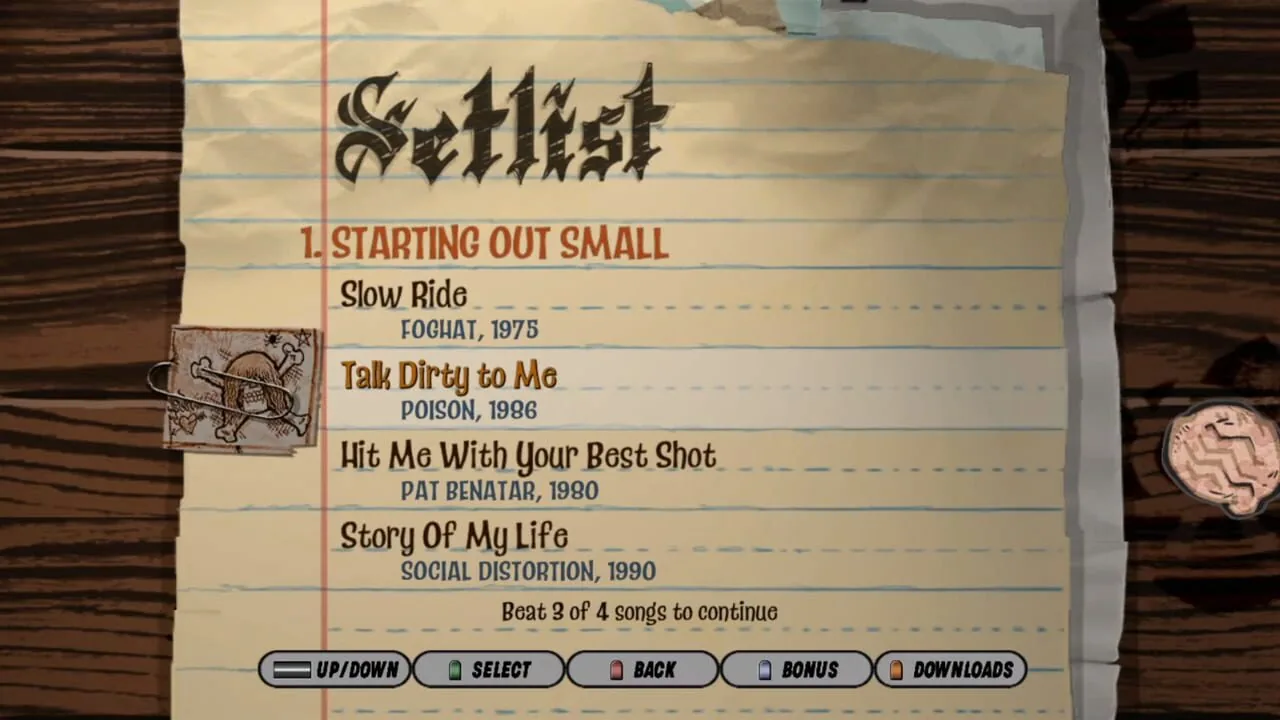
1. Guitar Hero (2005)
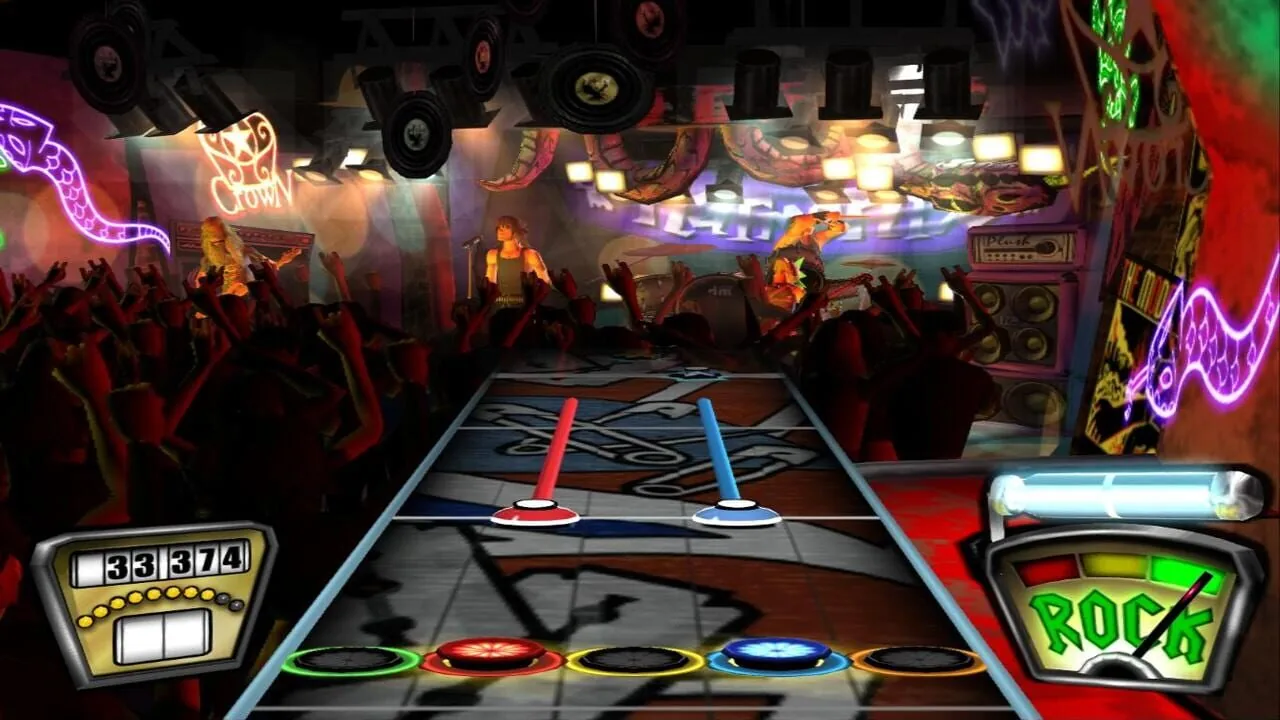
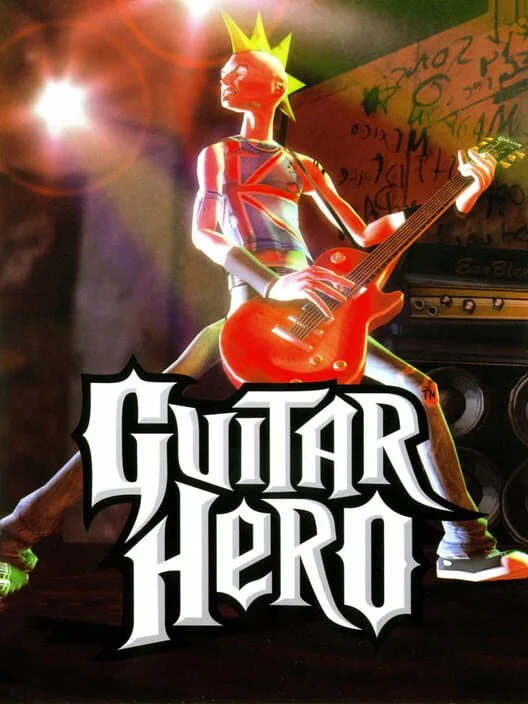
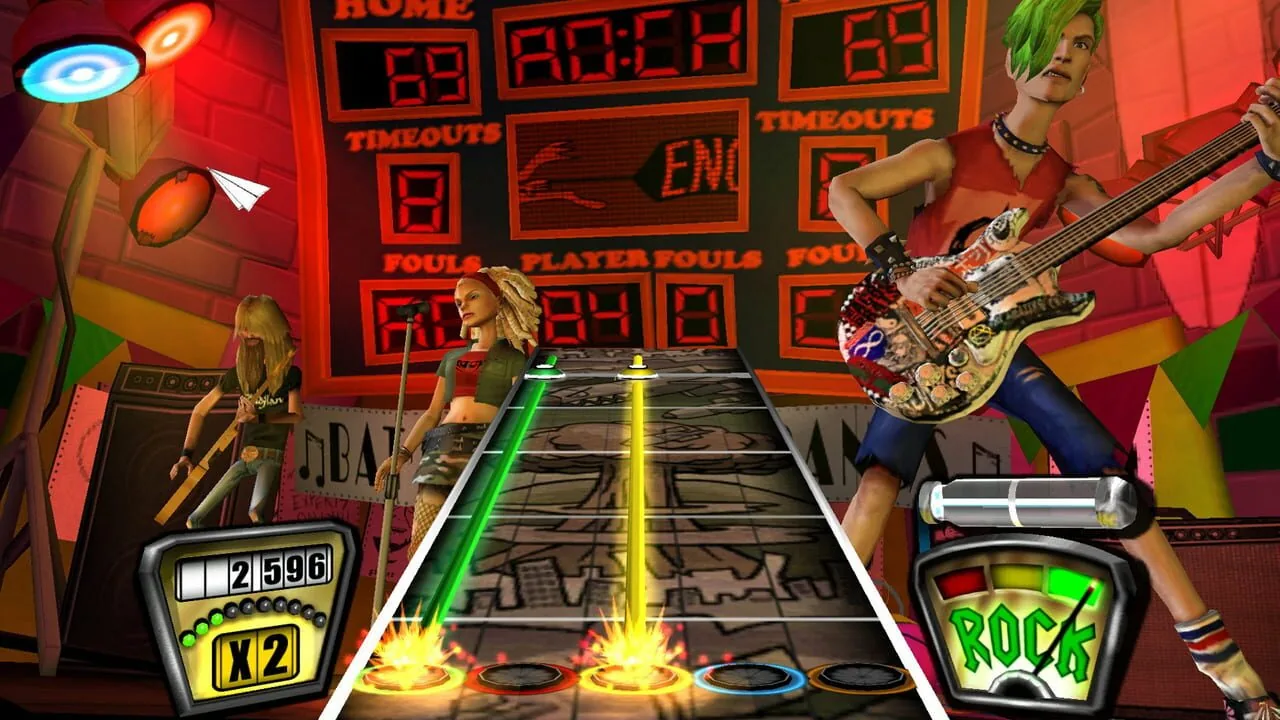
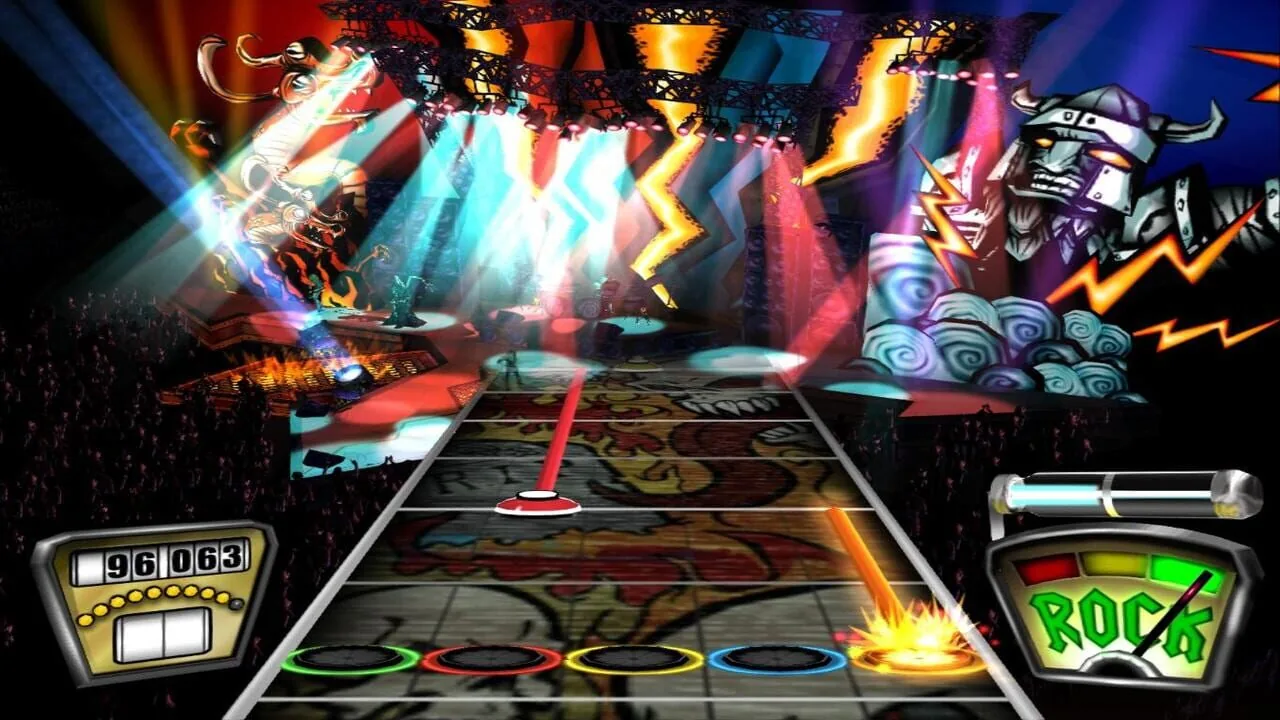
Guitar Hero came out in North America in November 2005. RedOctane, which was making dance pads for games like Dance Dance Revolution, worked with Harmonix to bring a game like GuitarFreaks to the United States, where GuitarFreaks had not seen much exposure. The controller looks like a miniature Gibson SG, and you press its buttons in time with the notes scrolling down the screen. Miss too many and the Rock Meter drops until the song ends in failure.
It was made on a budget of about one million dollars, which one of its makers called "pretty tiny for a video game". It became a surprise hit, it is considered one of the most influential games of its decade, and it launched a franchise that has earned more than $2 billion. Remember Ed Fries and the custom controller? He was right, just not for Microsoft. Players recommend it more than any other PS2 rhythm game.
Which one to play
There you have it, the whole list of the best PS2 rhythm games. The top five still hold up today, plastic guitar or not.
If you are not sure where to start, play Guitar Hero and then Guitar Hero II. If you want the strange Japanese side of the genre, pick Gitaroo Man first and PaRappa the Rapper 2 after it. For dancing, DDRMAX2 is the one to put under the mat. If you have friends coming over, Rock Band gets everyone on an instrument. If you only have a normal controller, Amplitude and Frequency need nothing else. And for a hidden pick, try Mad Maestro! and its orchestra.