The PSP had a deep library, and some of its best games came and went without much noise. Jeanne d'Arc, Patapon, Black Rock Shooter: The Game and The 3rd Birthday are the kind of games that deserve a second look. Here are 37 PSP hidden gems worth tracking down, counted down from 25 to 1.
37. Killzone: Liberation (2006)
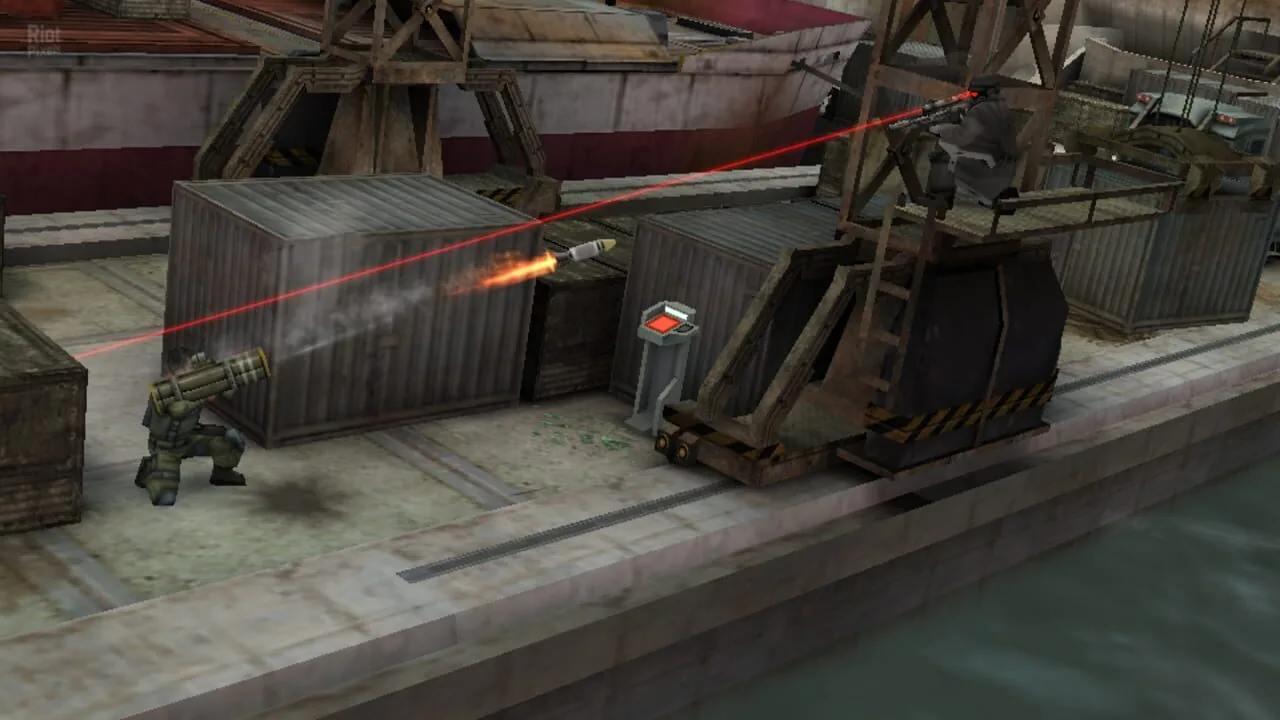
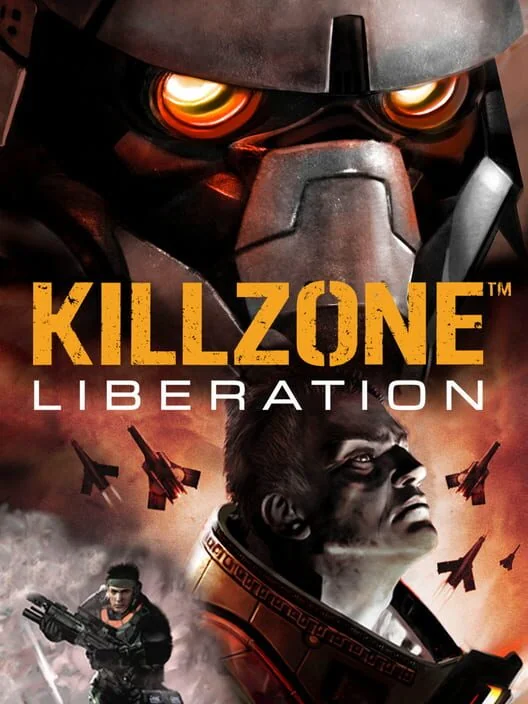
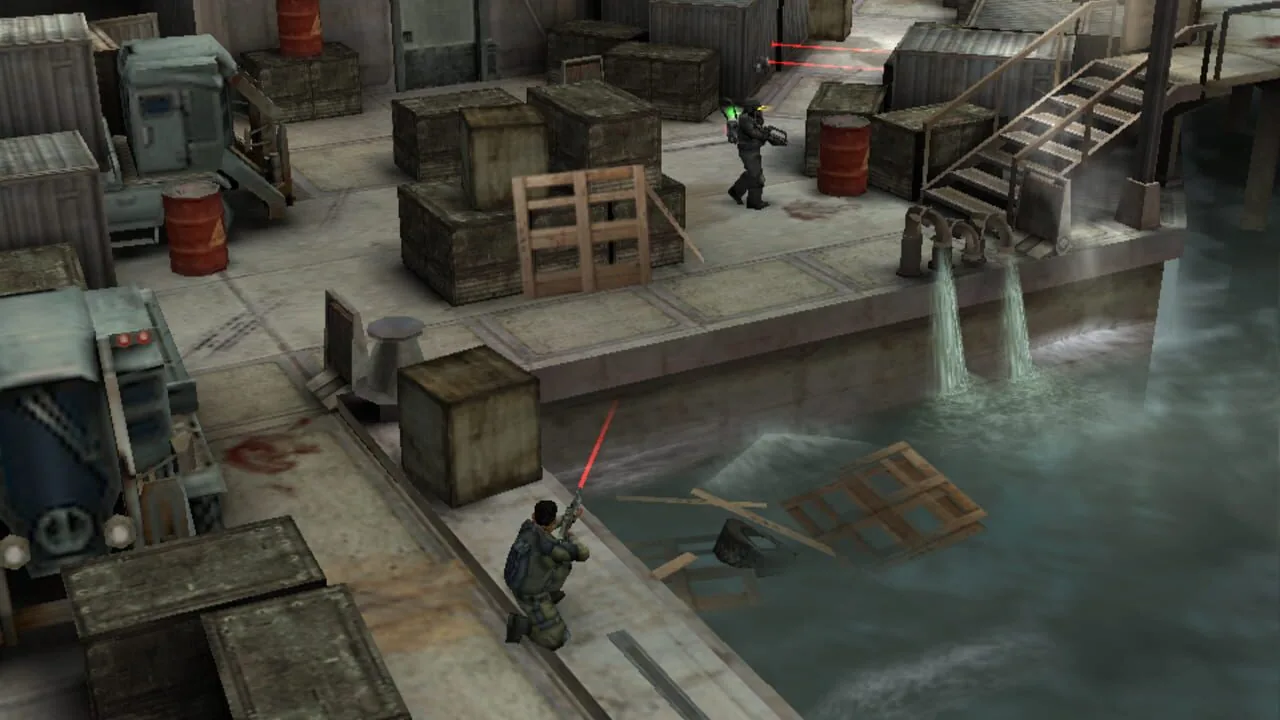
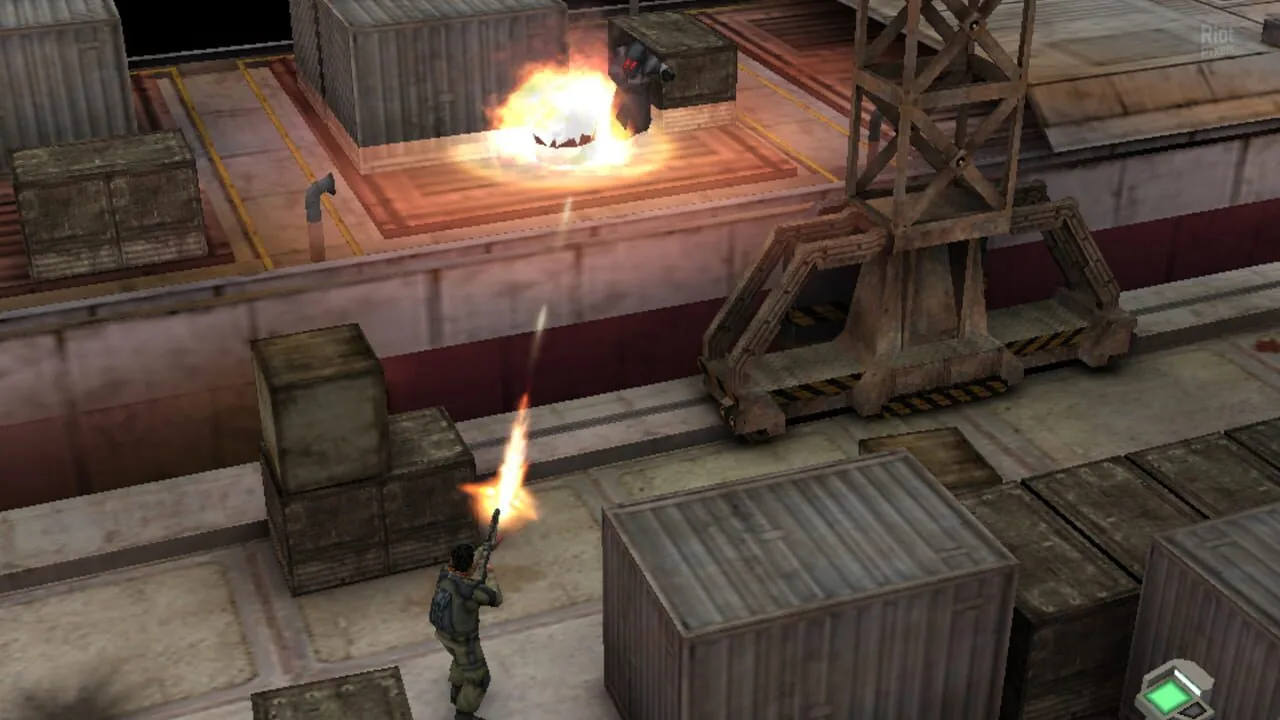
Killzone: Liberation is the only Killzone game on the PSP, made by Guerrilla Games and published by Sony. It is the sequel to the PS2 game, but it swaps the first-person view for a top-down, isometric one. You play Templar, a soldier in the Interplanetary Strategic Alliance, fighting the Helghast. You can switch to a tactical overview, where the screen zooms out and the action slows.
It got generally positive reviews, and many praised the solid controls and the engaging story. It reached the PS4 and PS5 as an emulated version on June 20, 2023. Players expect a first-person shooter from this name, so a top-down game got passed over. It is a different, satisfying twist on the series.
36. Manhunt 2 (2007)
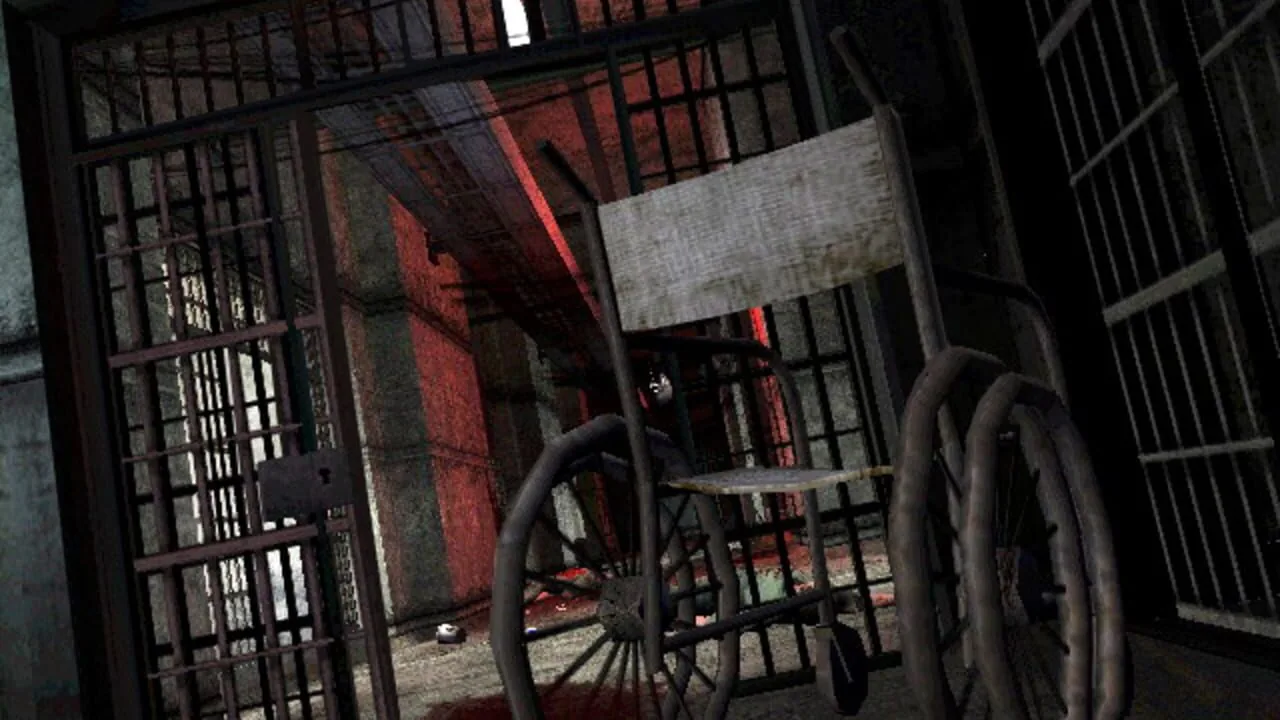
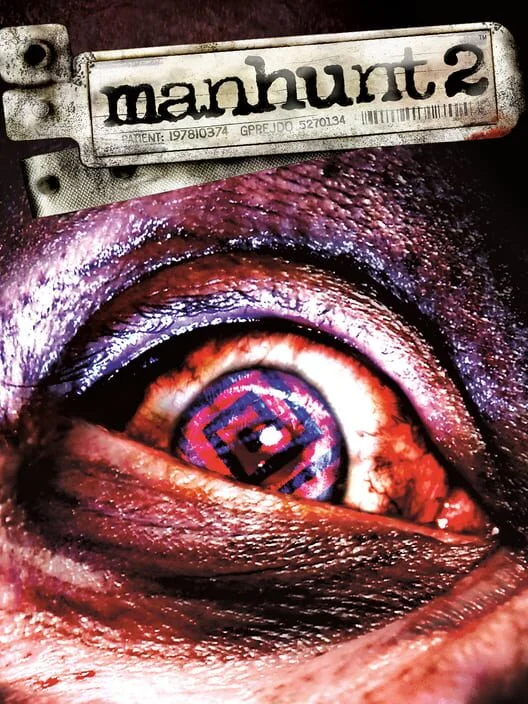
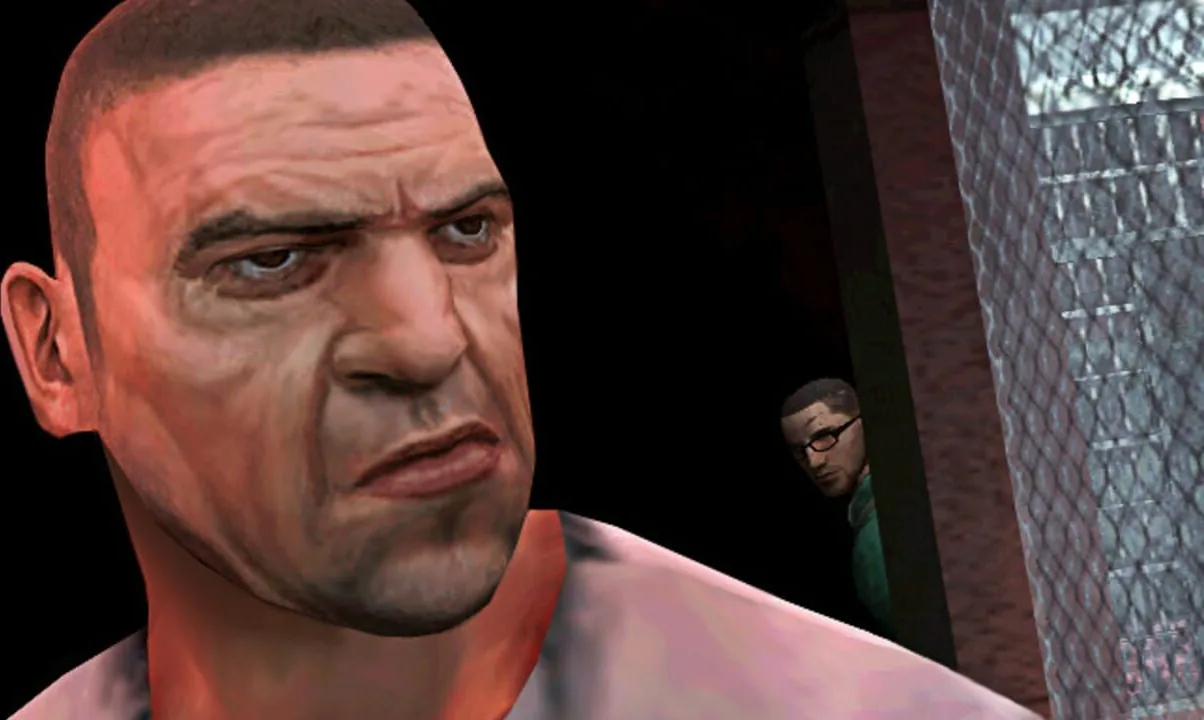
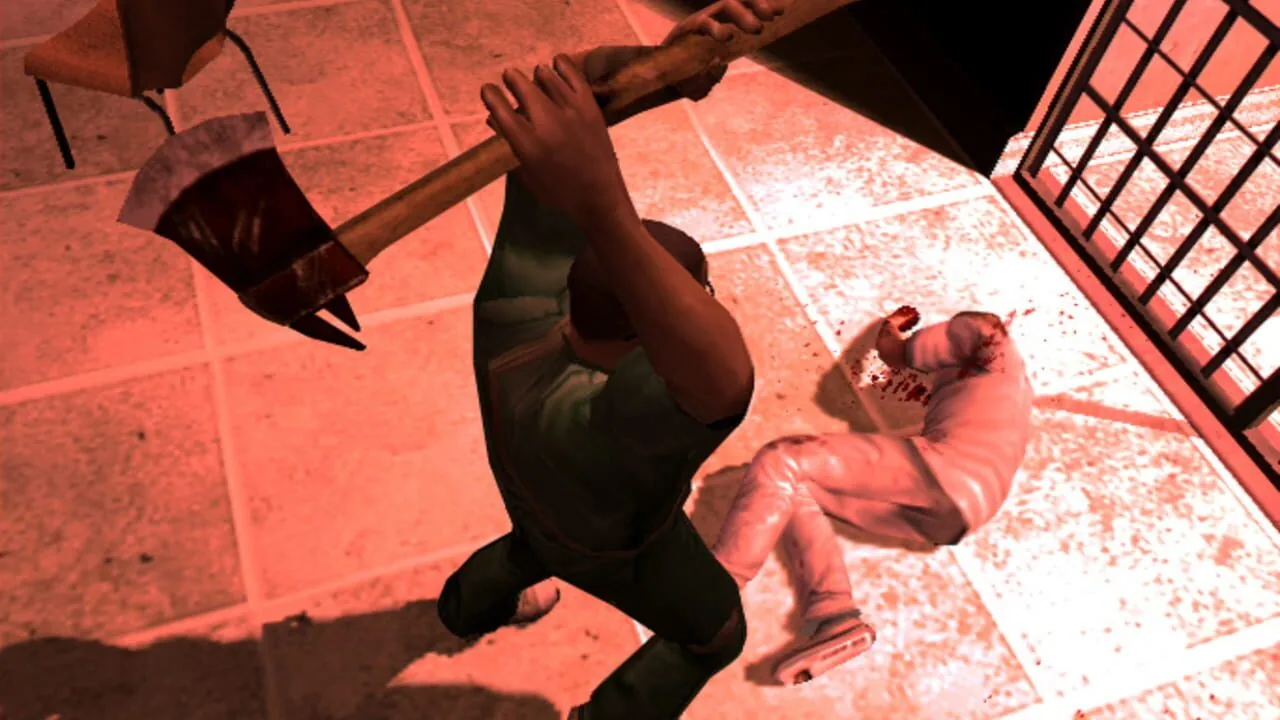
Manhunt 2 is a controversial game, and Rockstar Leeds made the PSP version. You are Daniel Lamb, a mental patient with amnesia who wakes in an asylum with no idea who he is or how he got there. A secret project called the Pickman Project wants him back, and Daniel hears the voice of a killer called Leo Kasper in his head.
The game stirred controversy before and after release, drawing the attention of a British member of parliament, an American activist and several US senators. It came out in North America in October 2007, and Europe waited until October 2008. The fuss is the main reason it hid in the shadows. It is violent and unpleasant on purpose, so it is not for everyone.
35. Gangs of London (2006)
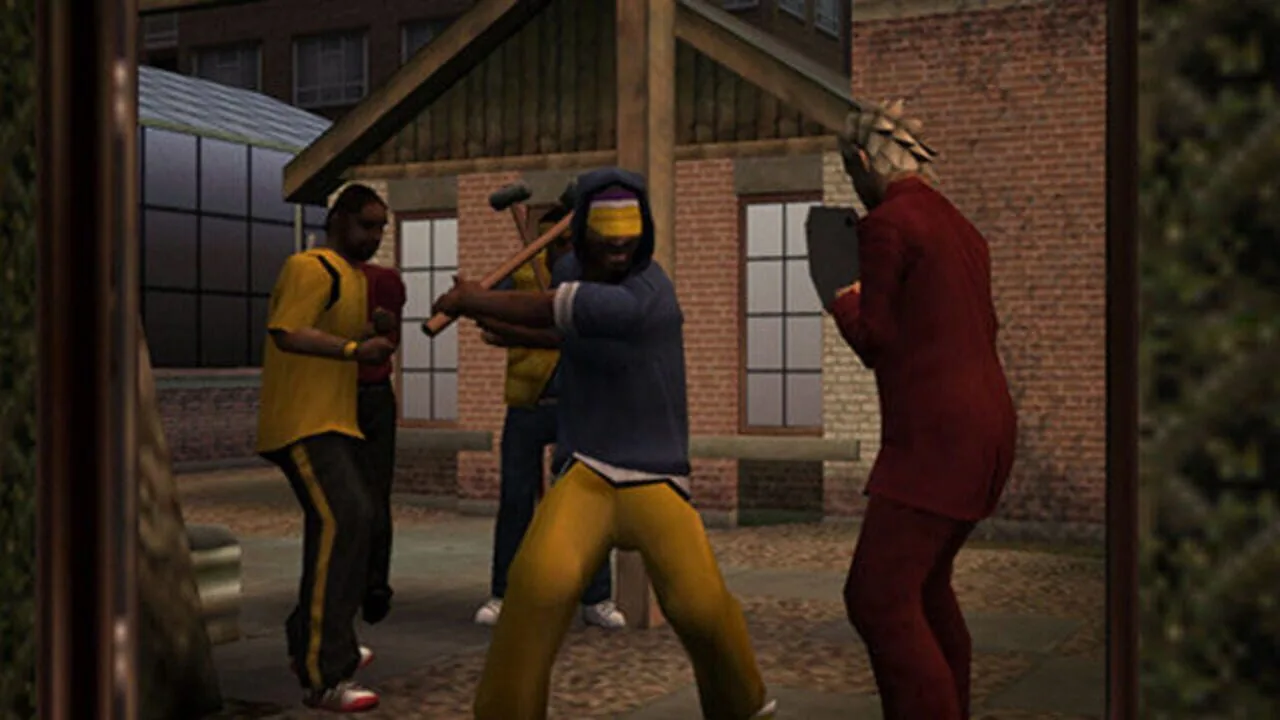
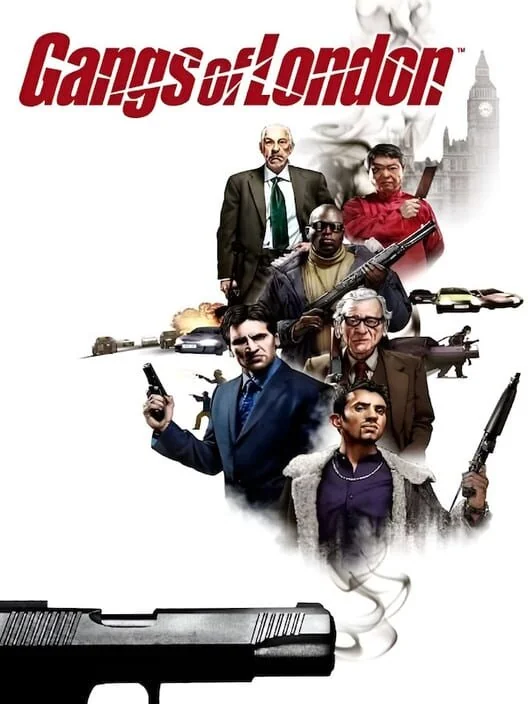
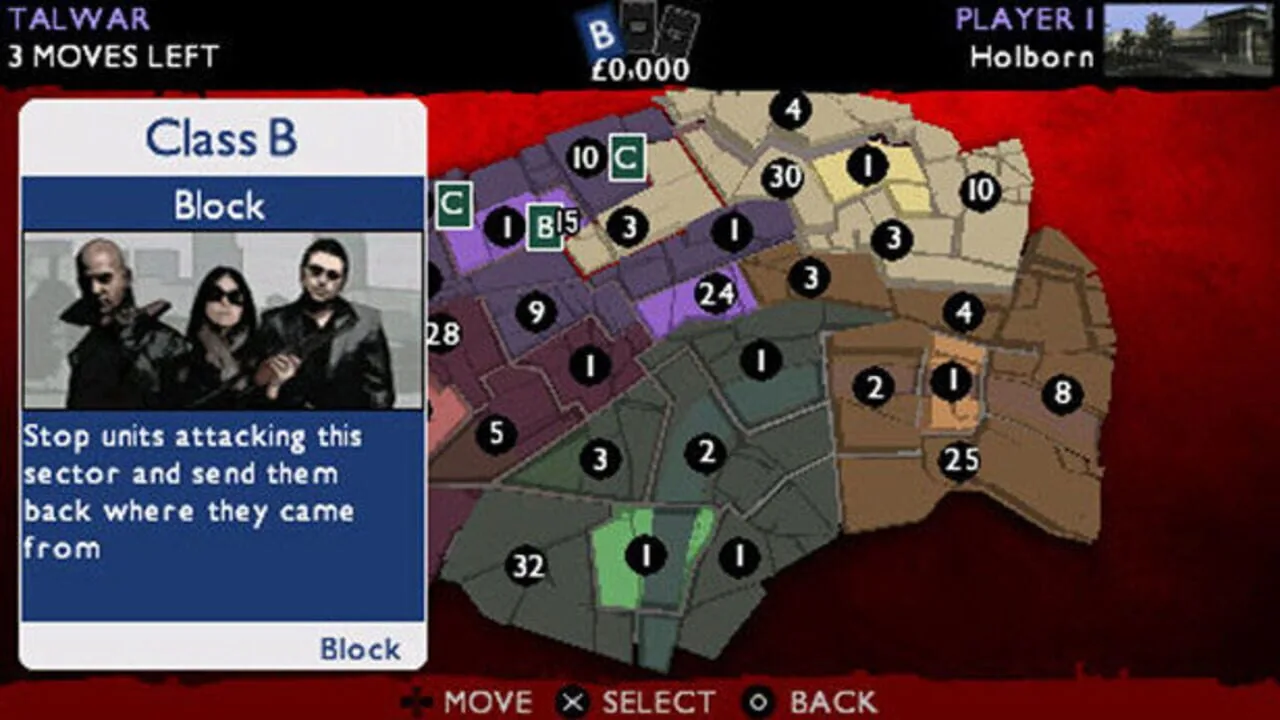
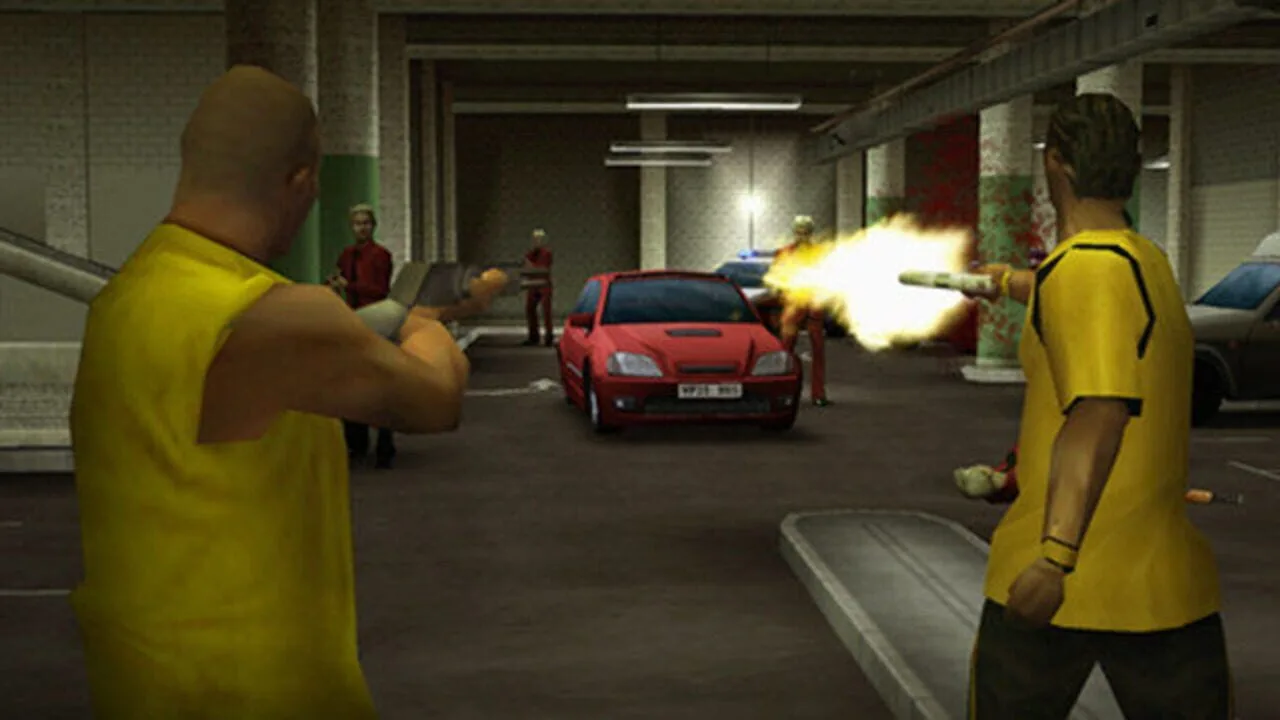
Gangs of London is an action-adventure game from London Studio, and the third in the Getaway series. You pick one of five gangs in London, each with its own ethnicity and outfits. Missions vary a lot. One may send you into a nightclub with a jackhammer, while another has an enemy trying to run you off the road. There are also kidnapping missions, stealth missions and race missions.
Outside missions you can roam the city and take photos of landmarks or run over pedestrians. It came out in Europe in September 2006 and in North America in October. The story was good enough to inspire a television series in 2020. If you want a crime game in handheld form, it deserves more love than it got.
34. Chili Con Carnage (2007)
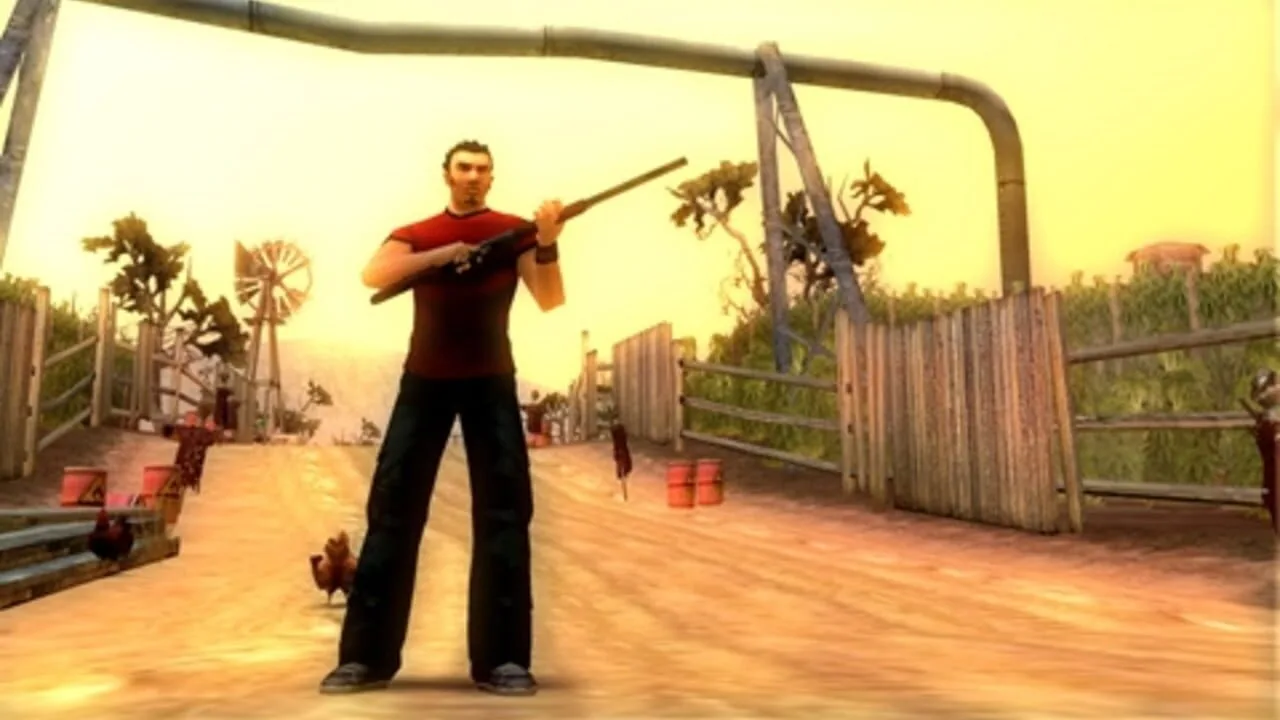
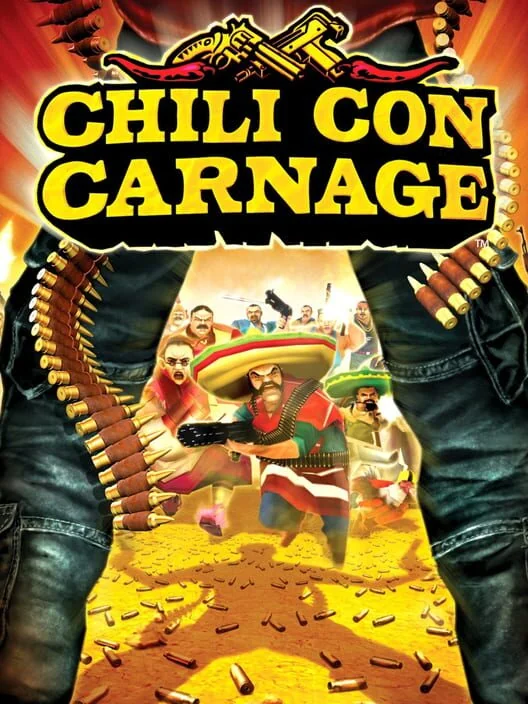
Chili Con Carnage is a semi-sequel to Total Overdose, a Latin-style action game, built by Deadline Games for the handheld. The single-player mode, El Macho, is a set of mini challenges that unlock different characters with different gameplay. Multiplayer has Hangman for up to four players on one PSP and Fiesta for Wi-Fi play. The weapons are exotic, the action is over the top, and bullet time is built in.
Eidos published it in North America and Sci Entertainment in Europe. Many reviews called it both a sequel and a remake, which made the game hard to explain to buyers. The structure is tuned for handheld play, so missions are short. It is a loud, silly shooter that never asks you to take anything seriously.
33. Assassin's Creed: Bloodlines (2009)
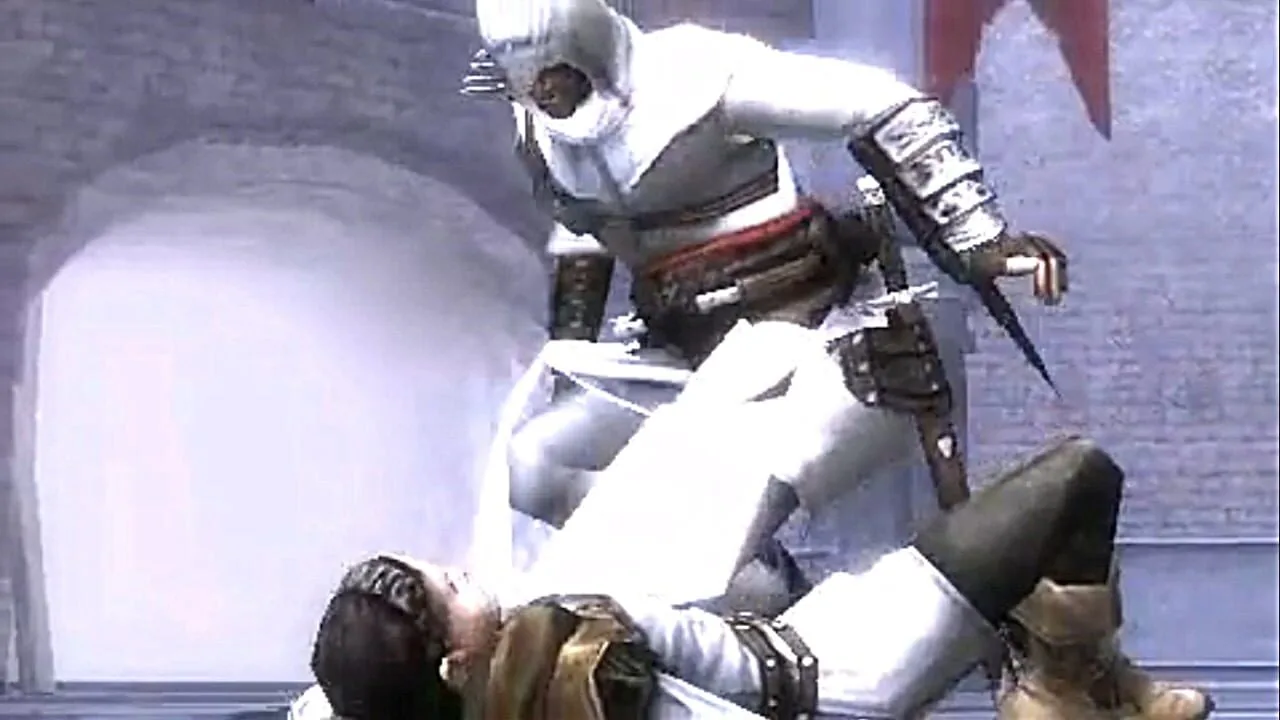
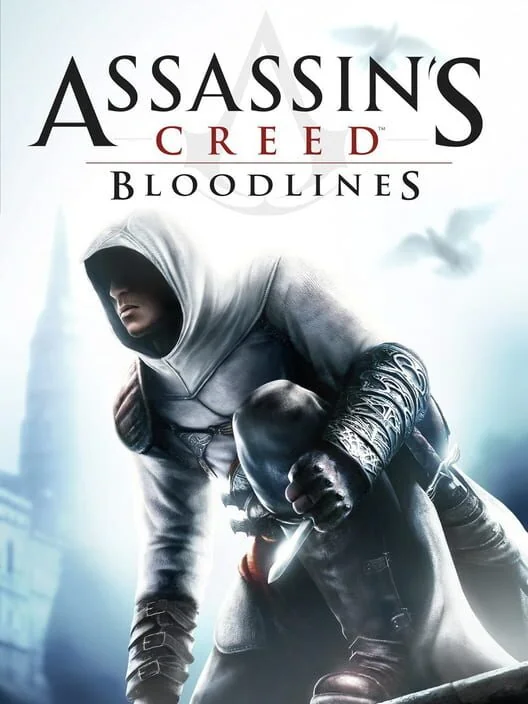
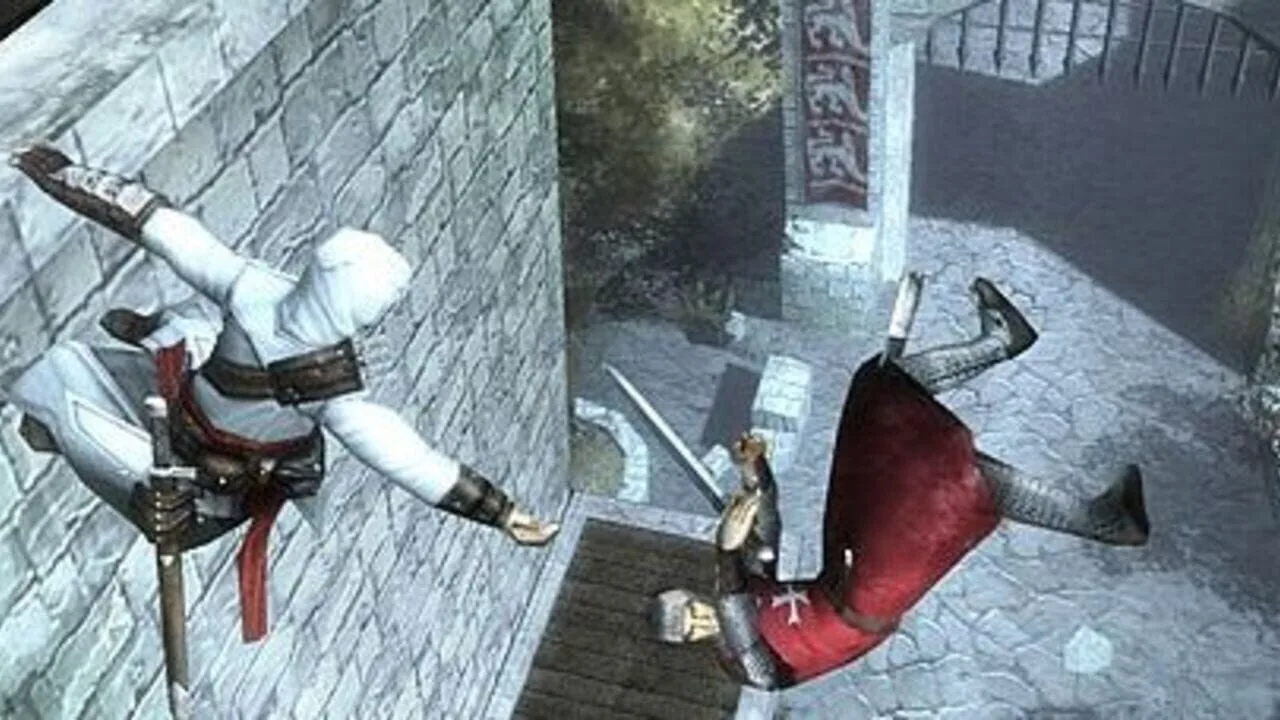
Assassin's Creed: Bloodlines was the first Assassin's Creed game on the PSP. It follows Altair right after the first game as he tracks down the last Templars who fled to the island of Cyprus. It also looks at his relationship with Maria Thorpe, a Templar agent whose life he spared and who would become his wife.
The controls are nearly identical to the first game, with small changes to fit the missing buttons. A new move lets Altair pull enemies off a ledge. It was announced in June 2009 and came out in November, alongside two other games in the series, and it got mixed reviews. A game released the same month as a bigger sequel was easy to miss. It is the PSP's best attempt at the series.
32. Corpse Party (2010)
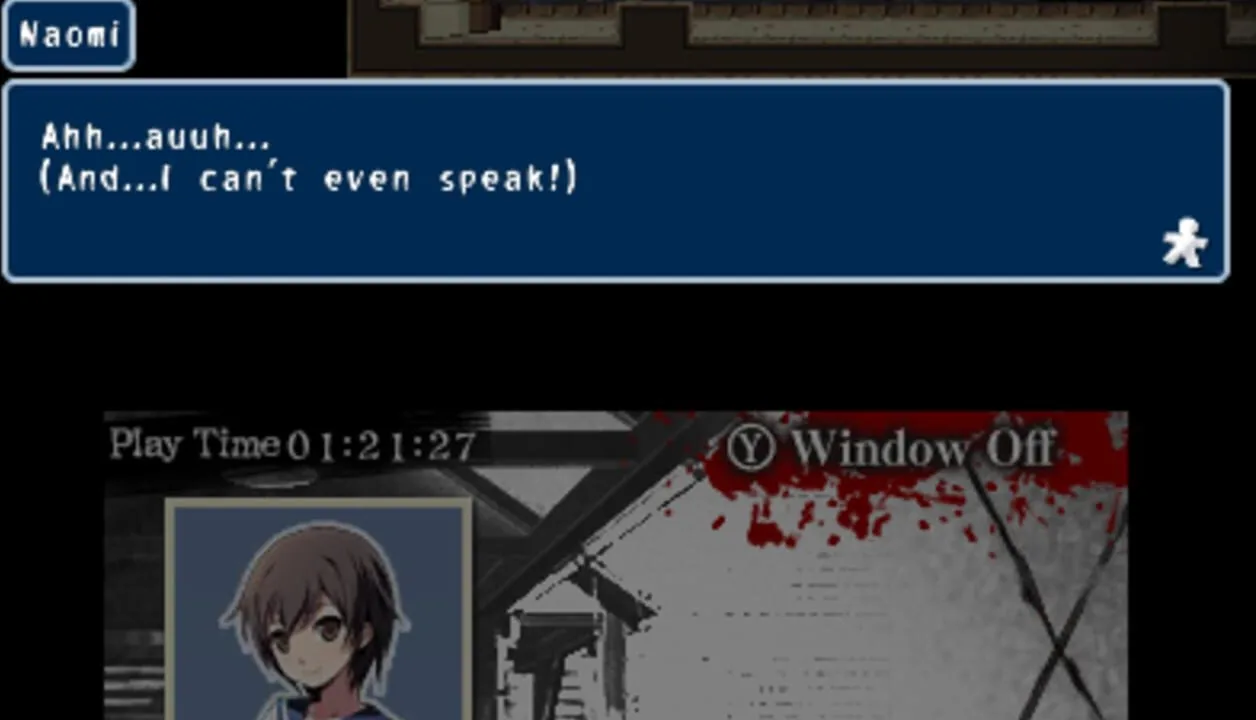
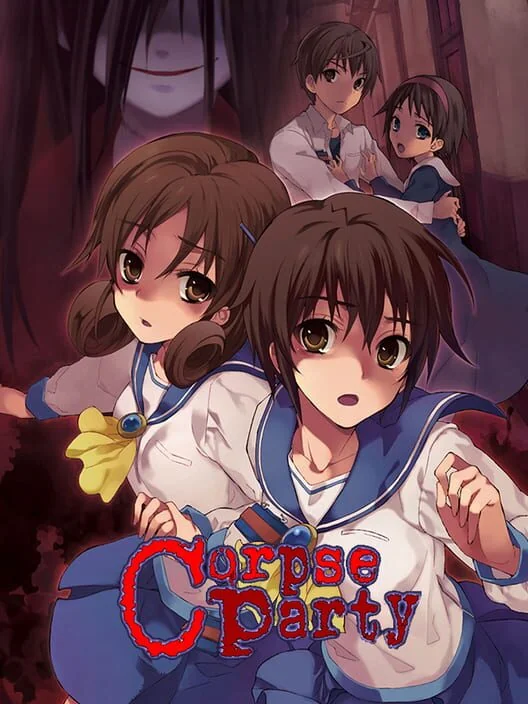
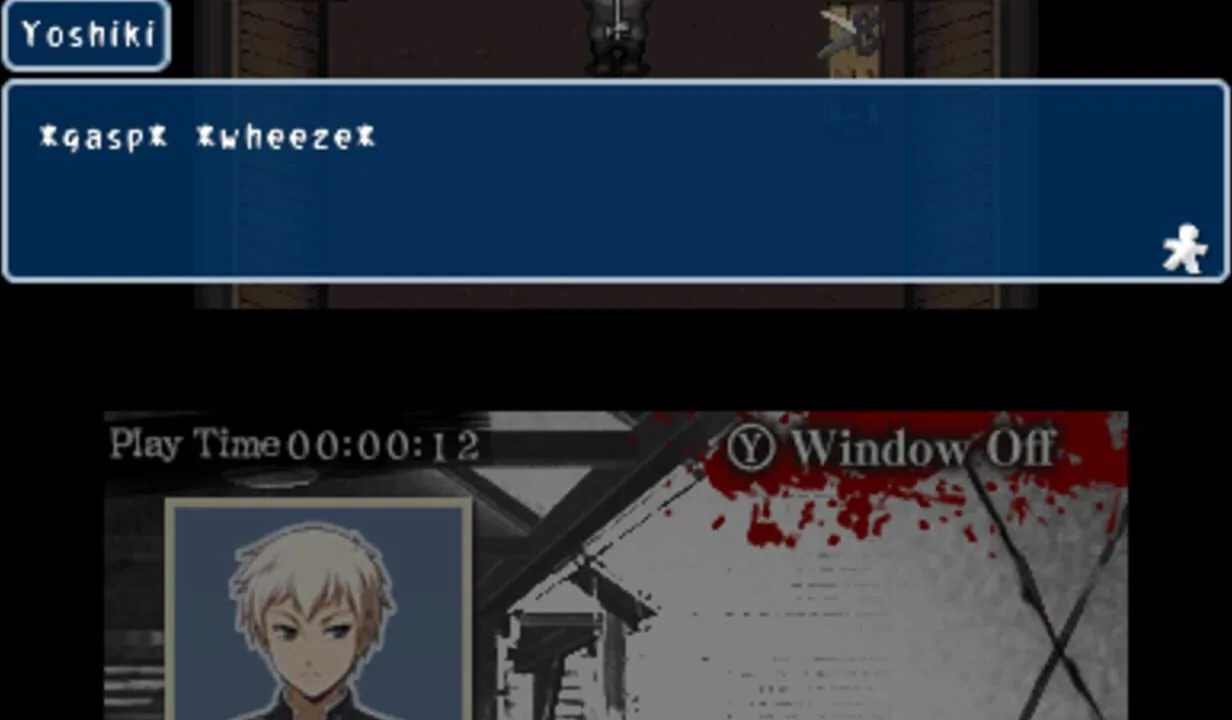
Corpse Party is a horror adventure about friends who try an occult ritual and end up trapped in an elementary school from another world. Vengeful child spirits threaten both their lives and their sanity. The first game in the franchise was made with RPG Maker for the PC-9801 in April 1996, and the PSP version in August 2010 is one of its remakes.
The PSP version was released in North America and Europe by Xseed Games and Marvelous Europe under the title Corpse Party. It is a niche pick, since horror adventures with pixel art and a lot of reading are not for everybody. The story is grim, and the school is the main character. Keep a friend close while you play.
31. Metal Gear Acid (2004)
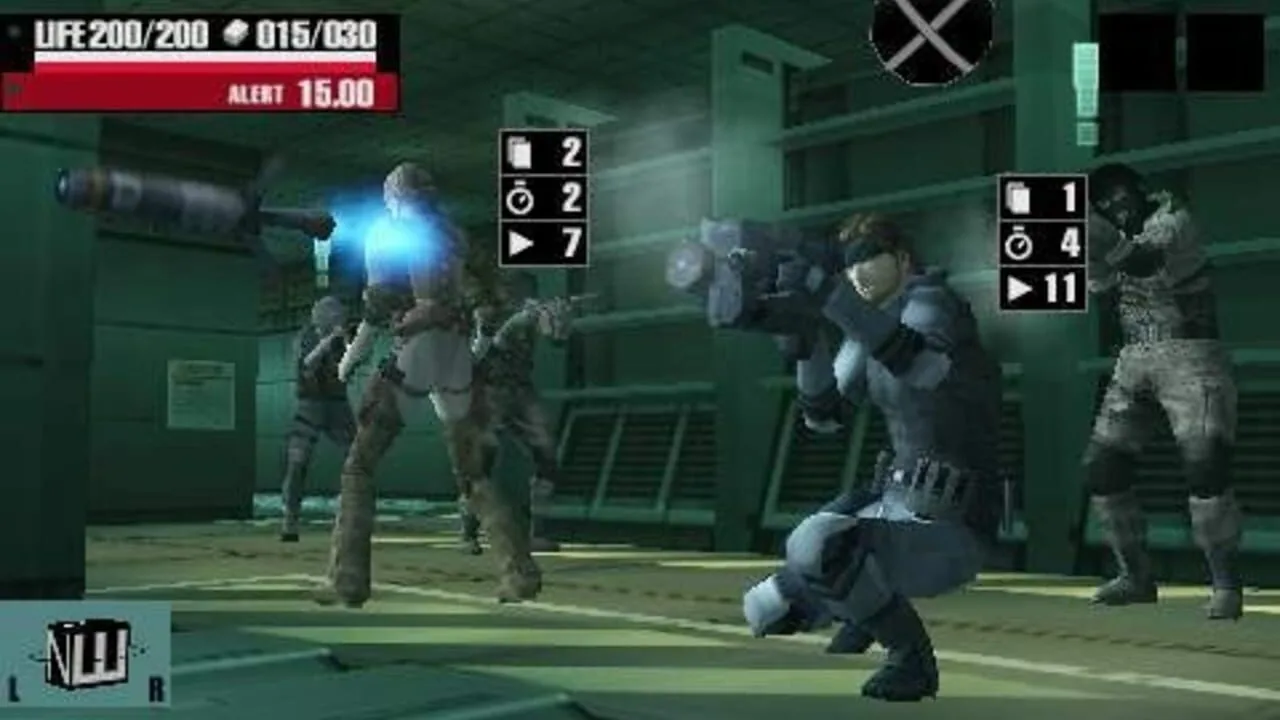
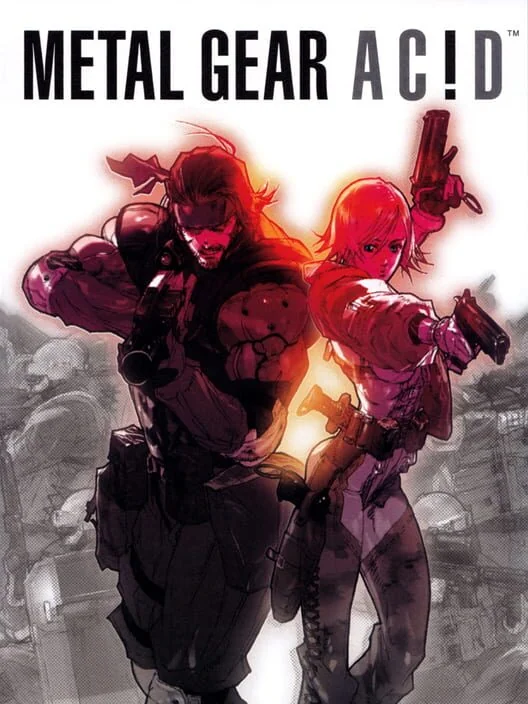
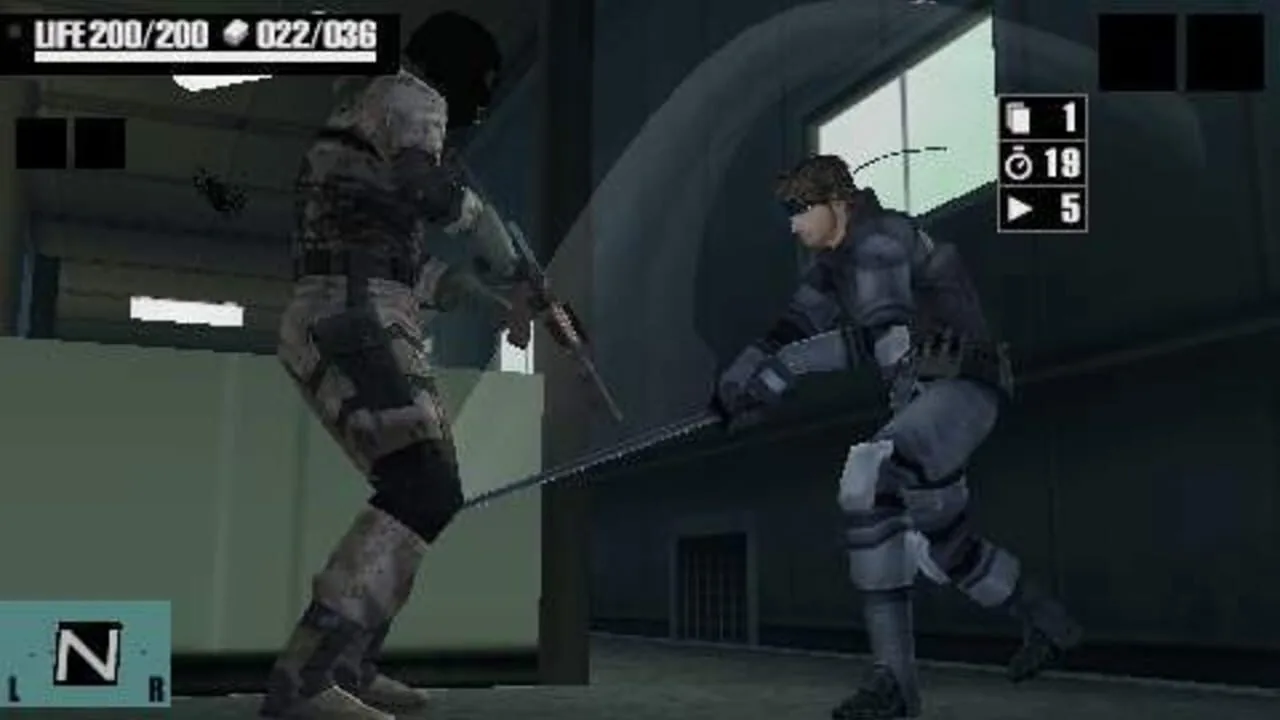
Metal Gear Acid is a turn-based card game, and it was the first Metal Gear on the PSP. Instead of sneaking in real time, you use cards to move and act, and each card changes what Snake can do on his turn. The game has deck building, and two PSPs can battle over a wireless link.
The cards are not truly collectible, because the game is complete with a single purchase. It arrived in Japan in December 2004, in North America in March 2005 and in Europe in September 2005. Fans of the series expected another stealth game and got a puzzle of cards instead, which is how it lost them. It is an odd experiment, and it is worth a look.
30. Prinny: Can I Really Be the Hero? (2008)
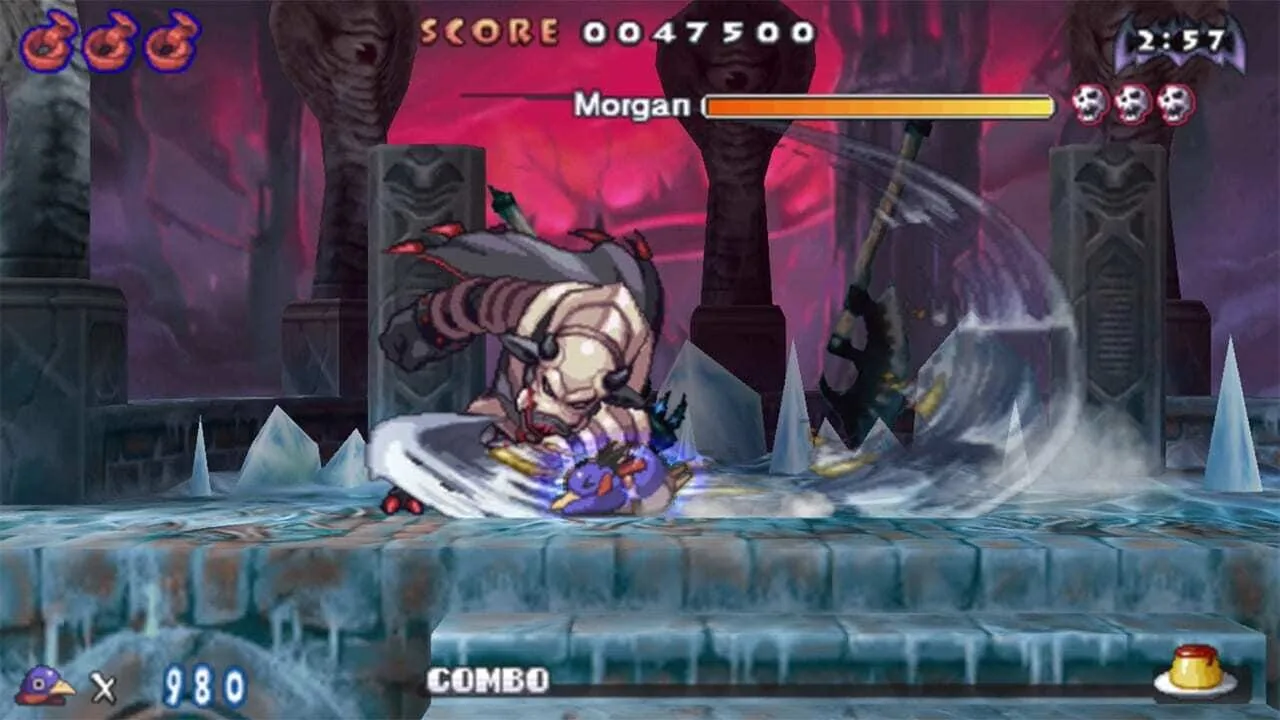
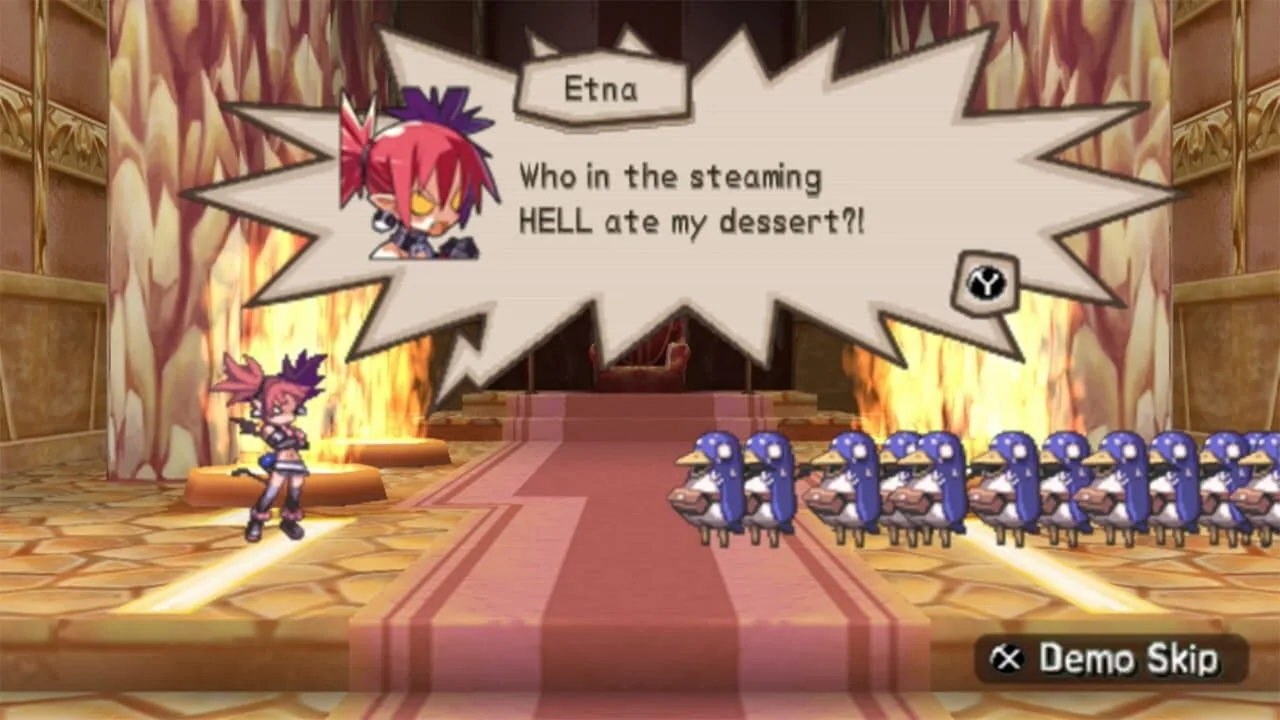
Prinny: Can I Really Be the Hero? is a side-scrolling action game where you play an unlucky penguin called a Prinny. You slash through Netherworlds, stomp enemies and even pilot tanks and planes. You are given 1000 Prinnies to finish the mission, and only one scarf stops each from exploding, so when the hero dies, another is tossed in wearing the same one.
It is tough as nails, and that is why plenty of players gave up on it. Collect 100 Lucky Dolls and you earn a fight against the demon lord Etna herself. A re-release called Prinny 1•2: Exploded and Reloaded reached the Nintendo Switch in October 2020. If you like hard platform games with a sense of humor, the pain is part of the fun.
29. Wipeout Pure (2005)
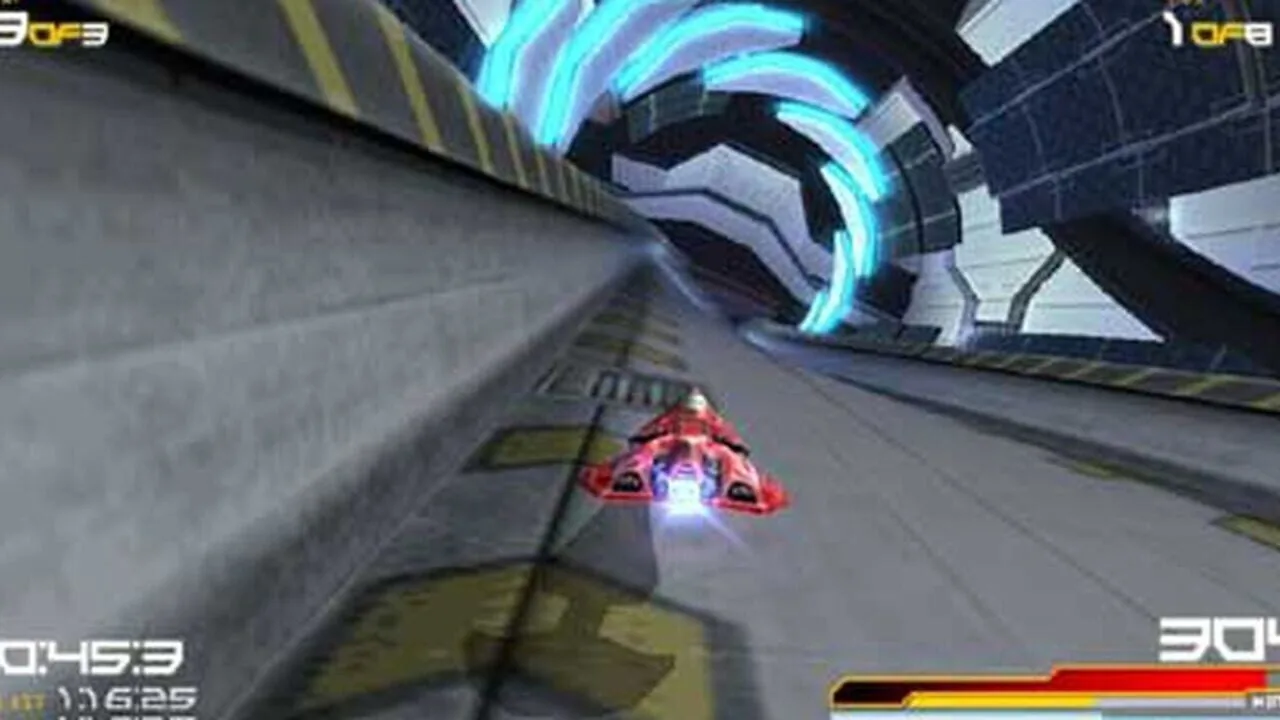
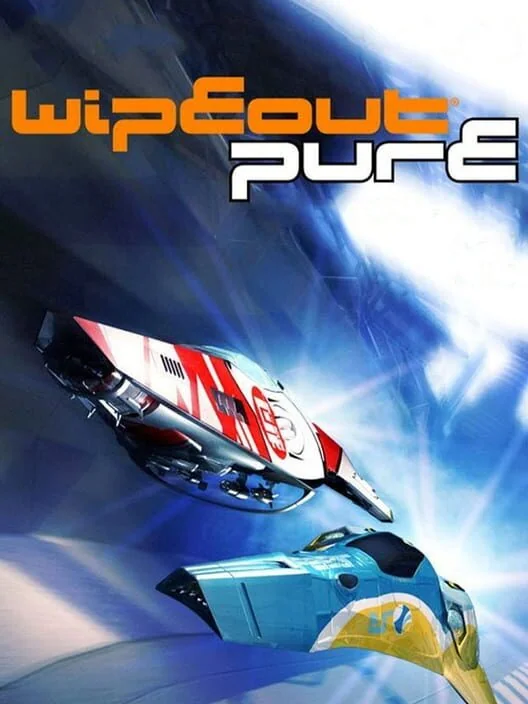
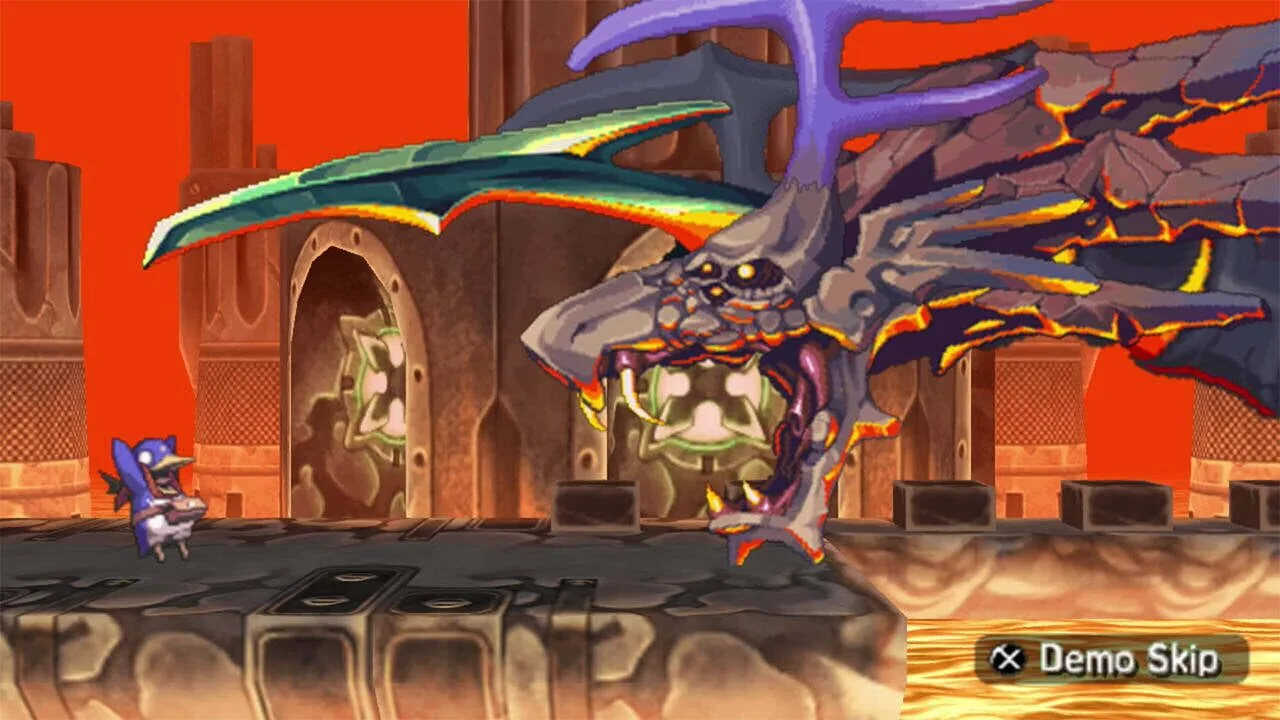
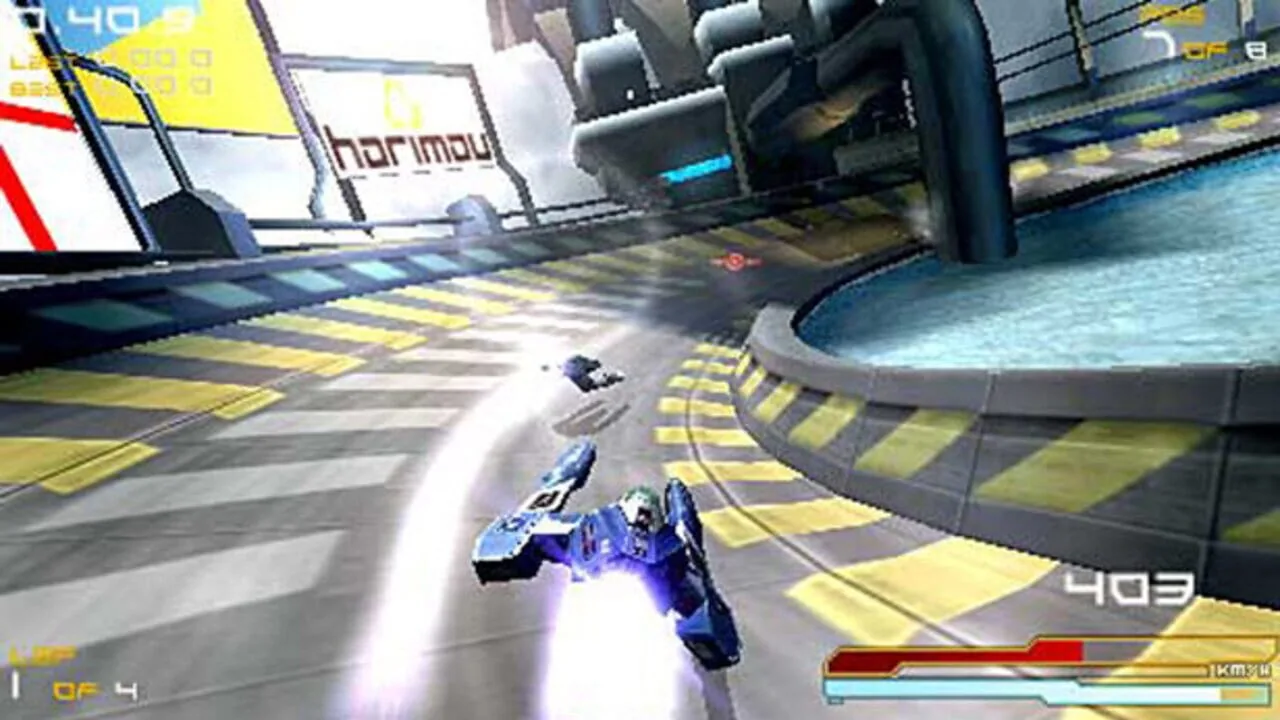
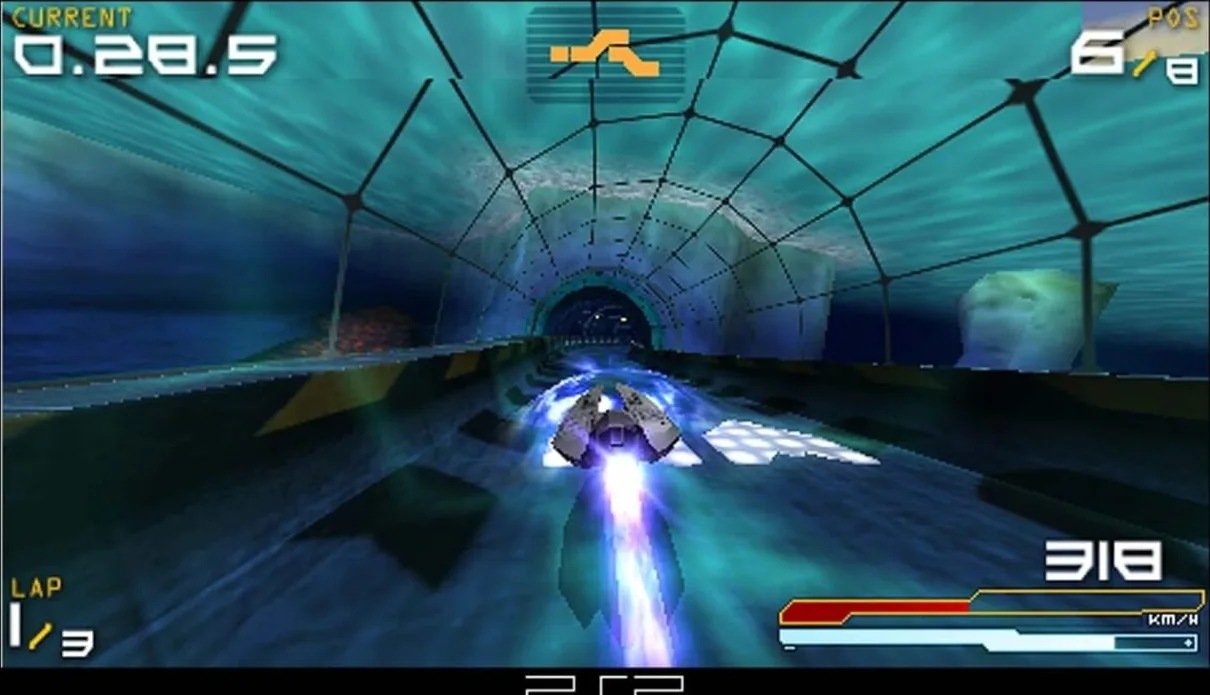
Wipeout Pure was a launch title for the PSP, and it was the first game in the long-running series for the system. You join a futuristic anti-gravity racing league, steering fast hovercraft around tight, cornering tracks. There are ten vehicles, and two have to be unlocked, each with its own speed, handling and acceleration.
Studio Liverpool spent from August 2003 until early 2005 making it, and reviewers praised the graphics and the track designs, though some noticed occasional frame rate dips. Wipeout is an old name that casual players often skip, because it looks hard. It is hard, and that is the point of it, since a launch title that still rewards you after hours of practice is rare.
28. Crimson Gem Saga (2008)
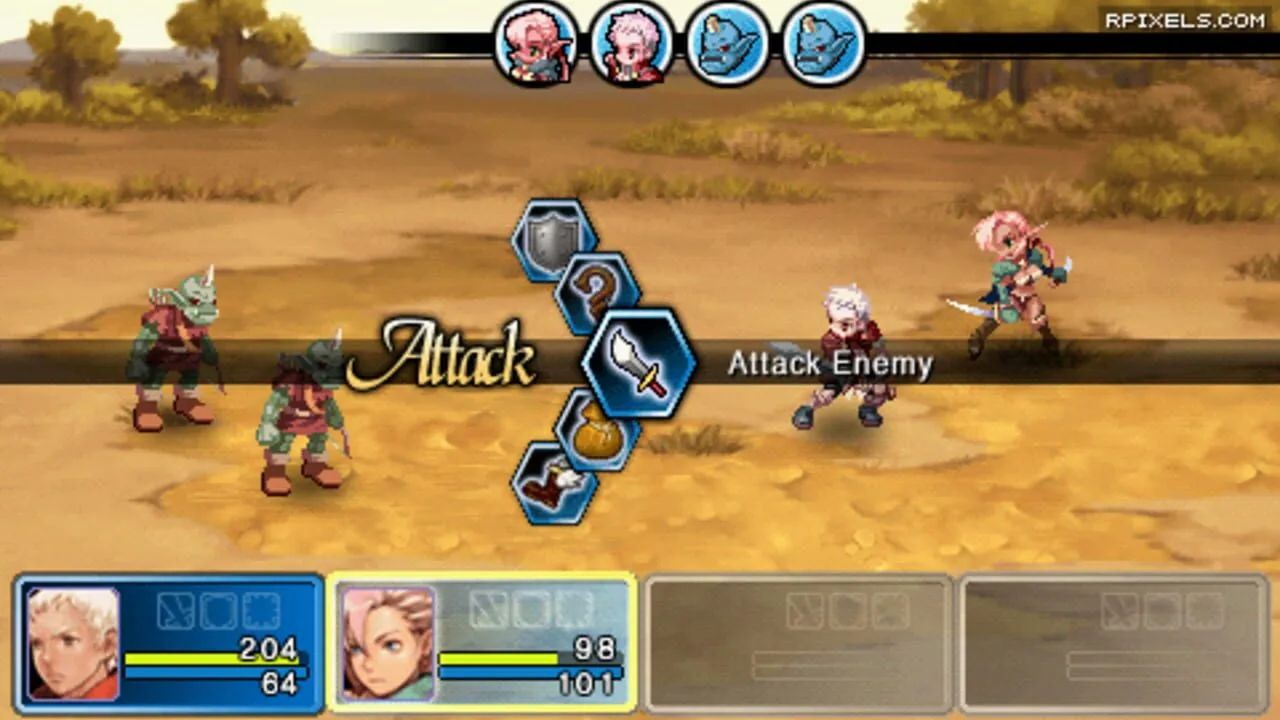
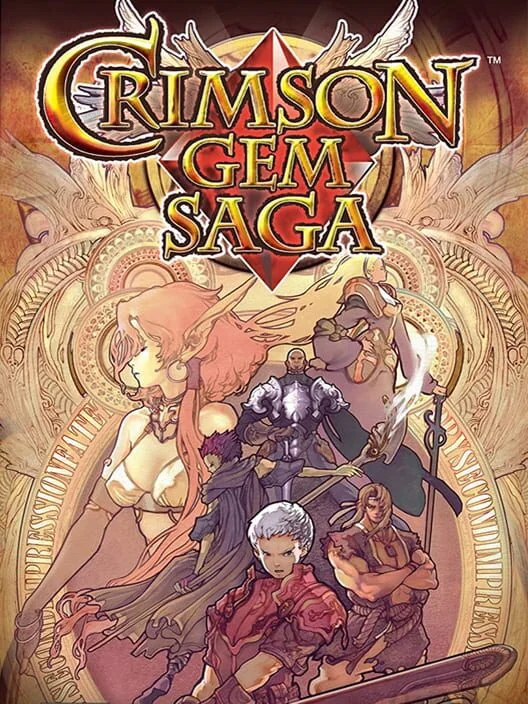
Crimson Gem Saga comes from the South Korean studio IRONNOS, and in Korea it was published as Astonishia Story 2. Atlus brought it to North America in May 2009, and Sega released it in Japan as Garnet Chronicle. The story continues the first Astonishia Story, but so many mechanics changed that every region got a new title.
Most reviewers noted that it does not do anything particularly innovative, but early reviews praised the writing and the voice acting. The PSP version scored 78 out of 100 on Metacritic. A Korean role-playing game on a Western handheld was easy to overlook, and with the name changes nobody could tell it was part of a series. Think of it as comfort food for fans of old-school role-playing games.
27. Space Invaders Extreme (2008)
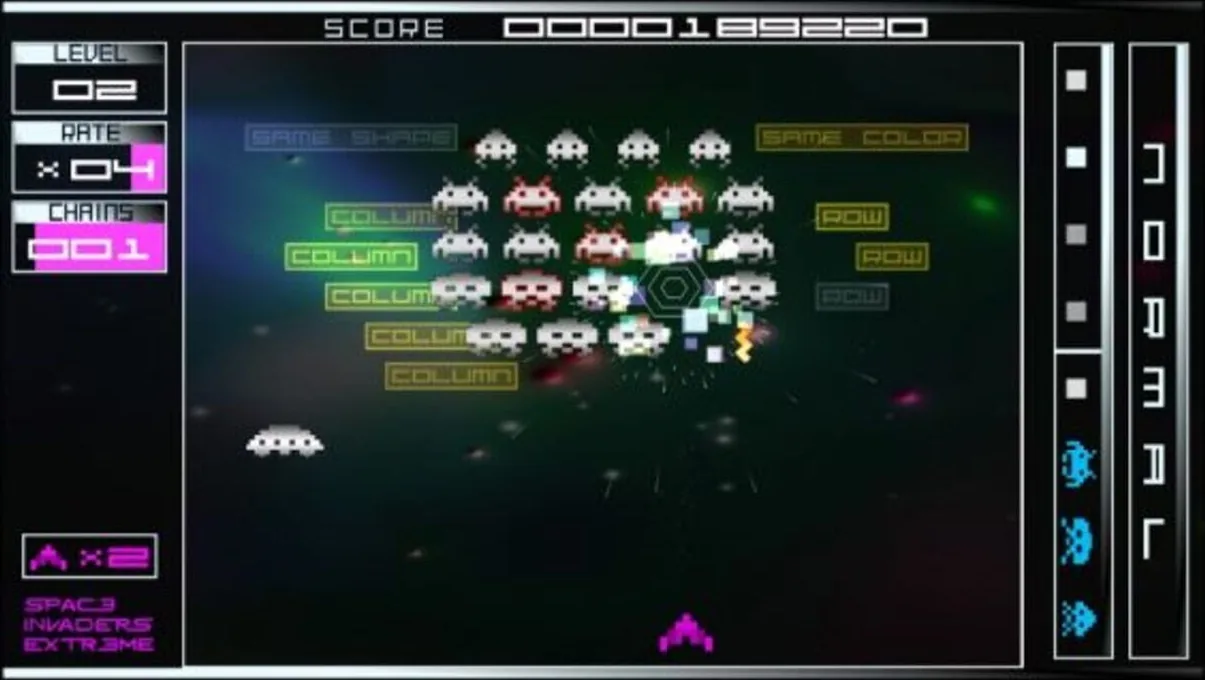
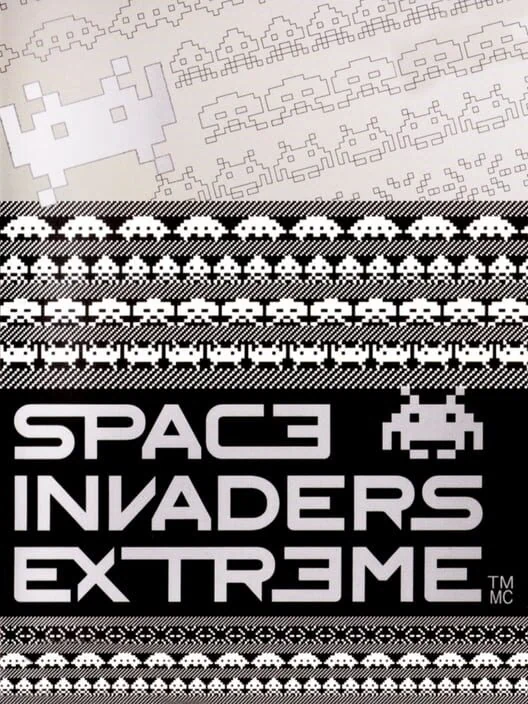
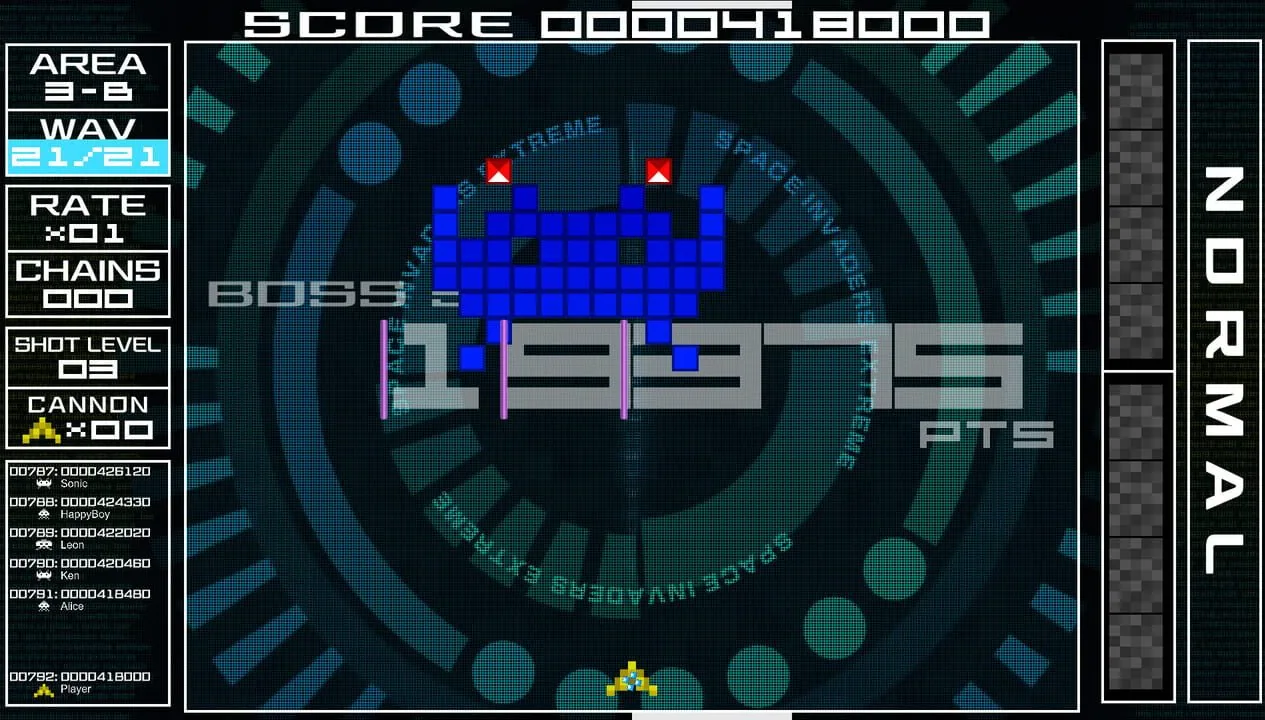
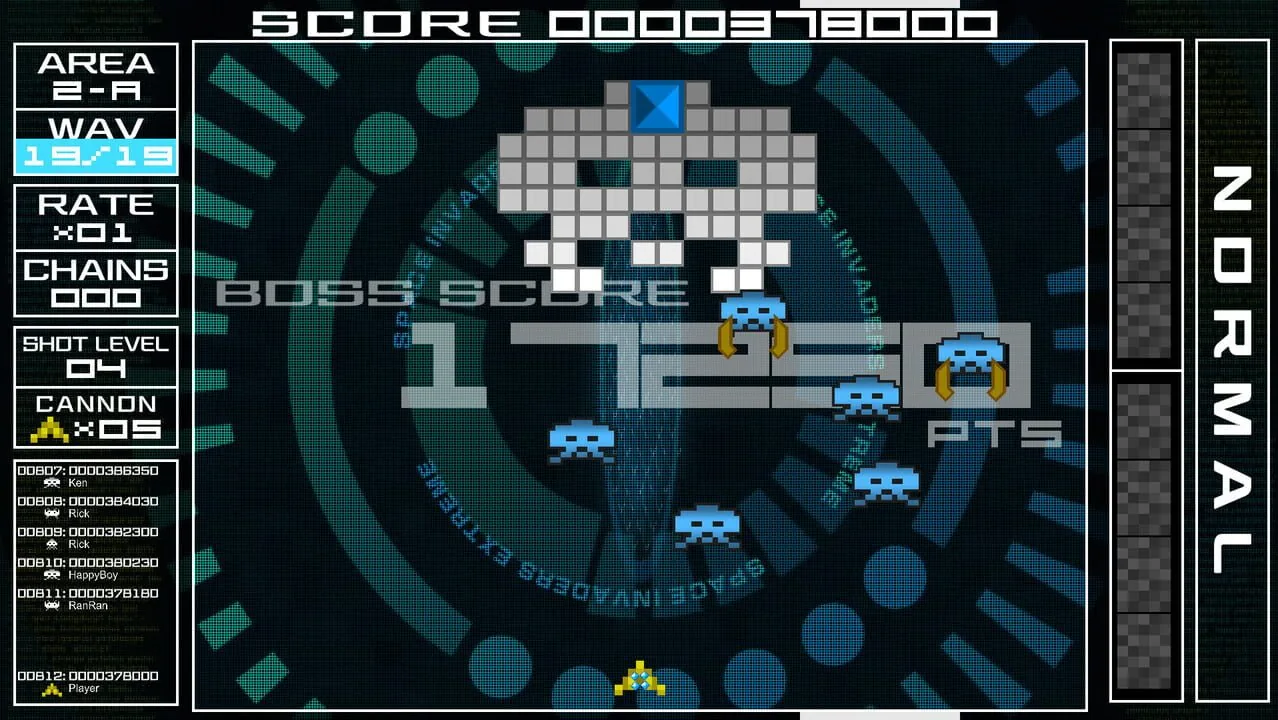
Space Invaders Extreme came out on the PSP and the DS to mark the 30th anniversary of the 1978 arcade game. The pace is fast and the soundtrack is electronic. Shooting four invaders of the same color in a row earns a power-up, and if you finish the task, the game enters Fever Time, a short spell of extra firepower.
Extreme mode has only five stages and no branching paths, since the stages are harder than the regular ones. Space Invaders sounds like a game everybody has already played, so few people gave a remix a chance. It is more of a rhythm shooter than a museum piece. If you think the original is too plain, this one will change your mind.
26. LocoRoco (2006)
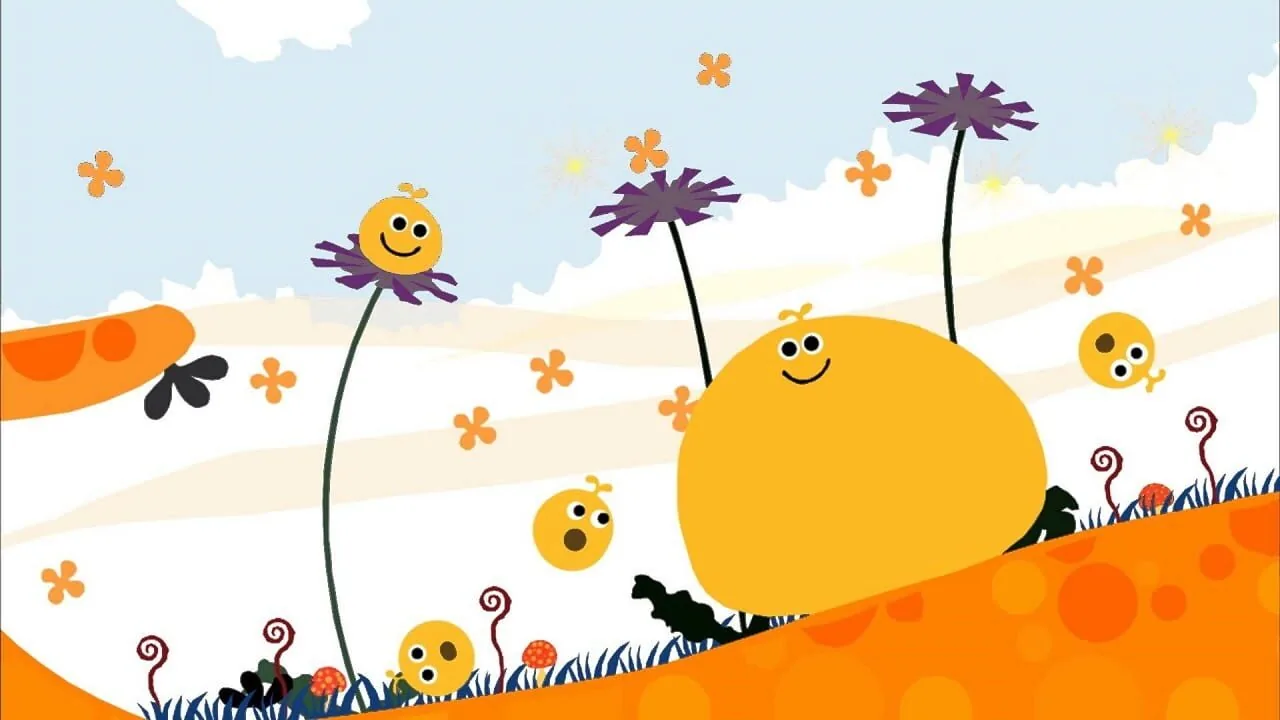
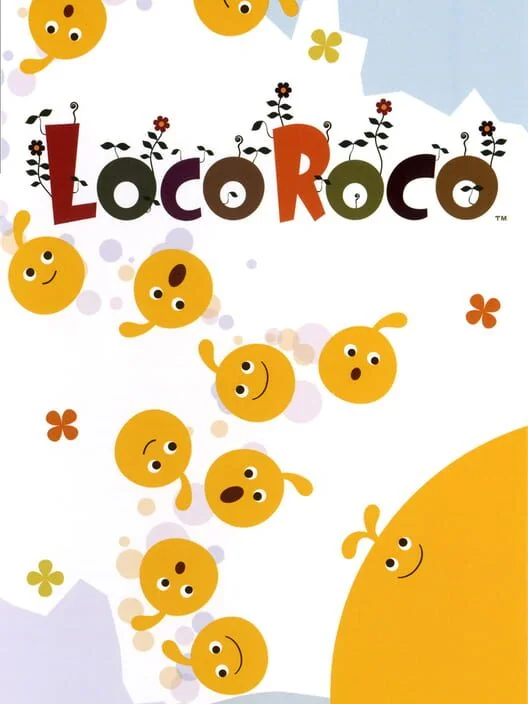
LocoRoco was conceived by Tsutomu Kouno, who wanted a game unlike any other title for the PSP at the time. You do not control the blobs directly. You tilt the planet itself with the shoulder buttons, and the blobs roll and bounce through more than 40 levels.
The bright visuals and the bouncy soundtrack earned several awards from the gaming press in 2006, and a sequel followed. It is not a secret, but many PSP owners walked past it for the louder action games on the shelf. A Loco Editor can be unlocked, and it lets you build your own course from parts you collect. It is one of the most original ideas on the system, and the music stays with you for days.
25. Street Supremacy (2005)
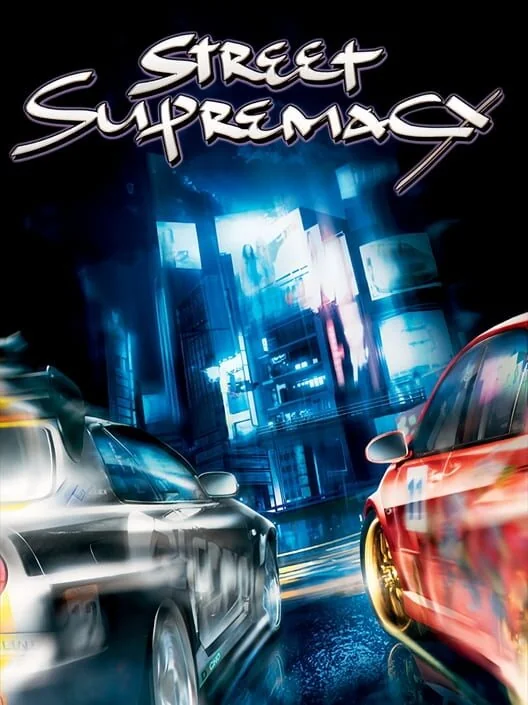
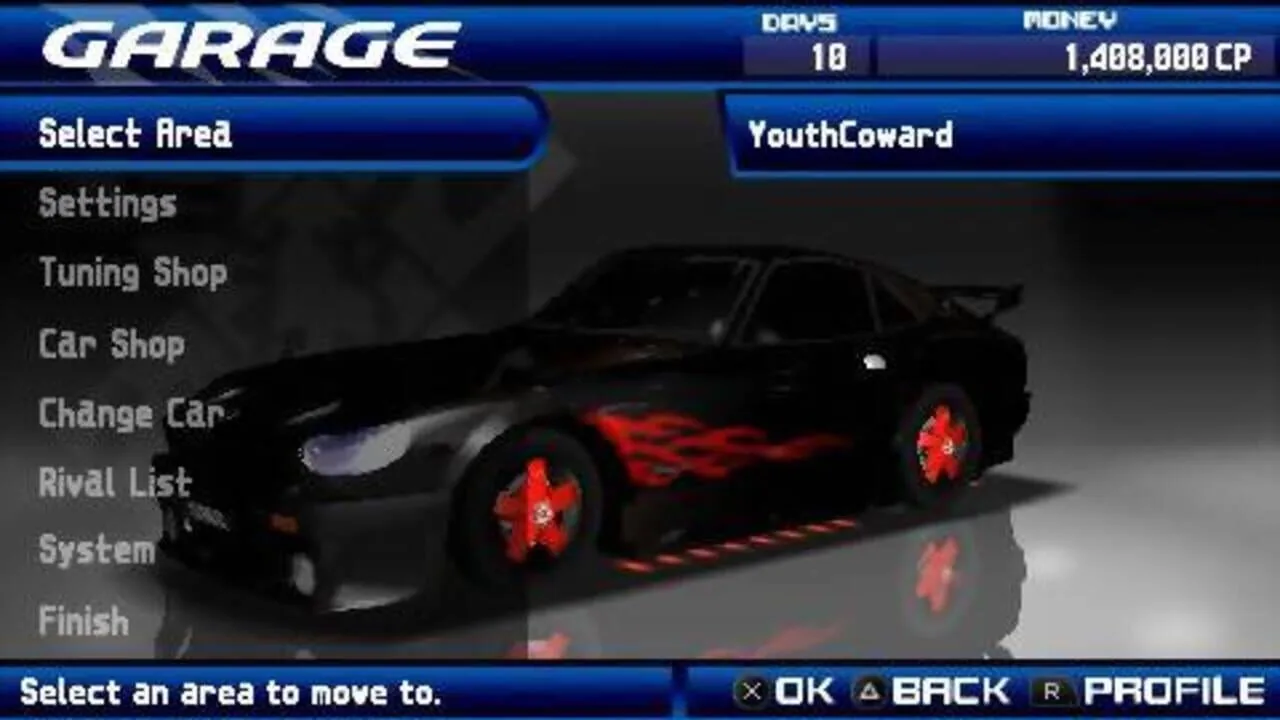
Street Supremacy is a street racing game from Genki, and Konami published it outside Japan. It belongs to the Tokyo Xtreme Racer series even though the name does not say so. Here you join a team, level up until you lead it, recruit rivals and take control of the highways of Tokyo, one zone at a time.
Critics were harsh, citing the loading times and the driving. The game came out in Japan in April 2005 and in North America in February 2006, so it reached players late. If you can forgive the waits, it offers a mode of racing with more purpose than a plain race. It is not the best choice for a first game, and it is a good second one.
24. Untold Legends: Brotherhood of the Blade (2005)
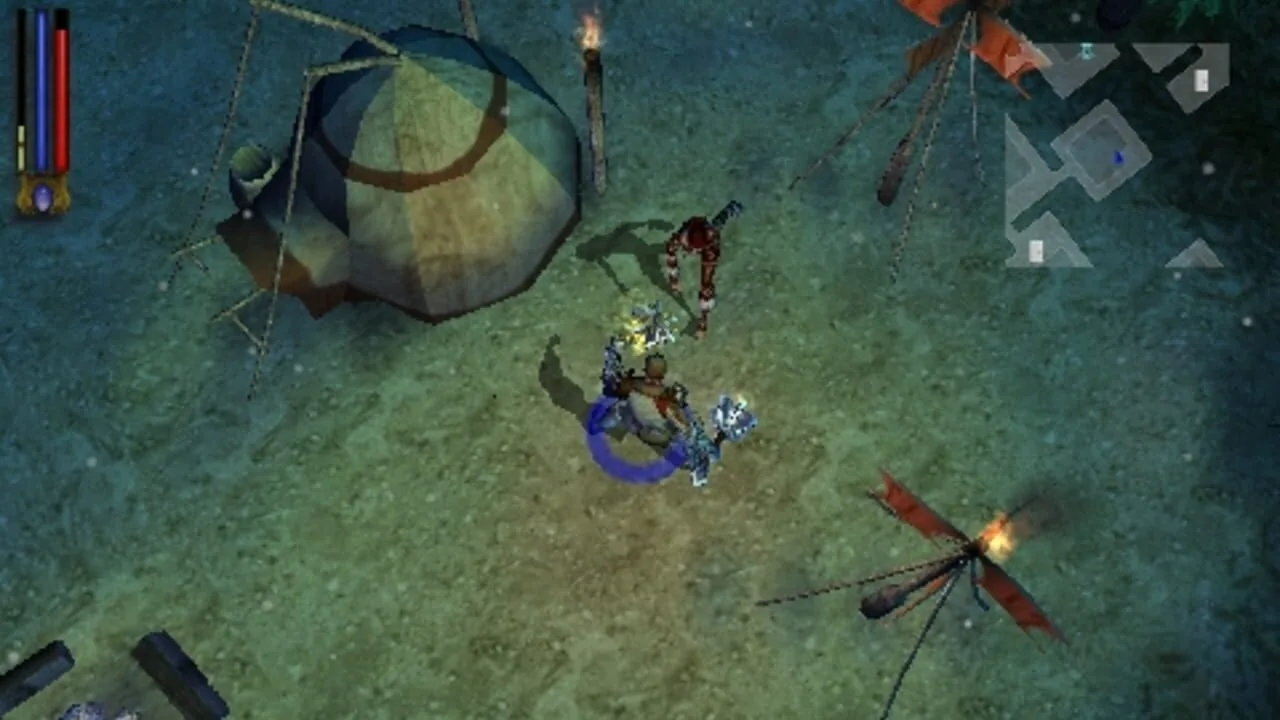
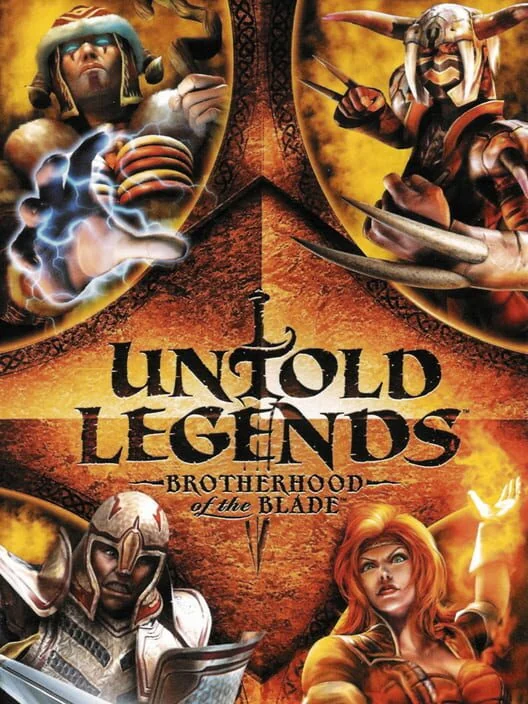
Untold Legends was a launch game for the PSP, made by Sony Online Entertainment. It is a third-person action role-playing game where you take quests for money and items. You pick one of four classes, and the goal is to save Aven, a city so high in the mountains that it looks like it floats in the clouds. Up to four other players can join you over a wireless connection.
Launch games rarely stay in anyone's memory once better ones arrive, and this one faded fast. The quests are simple, and the combat is easy to pick up, which suits short sessions. Treat it as a comfort game from the early days of the system. Few of us remember the plot, but the loot still feels good.
23. God Eater (2010)
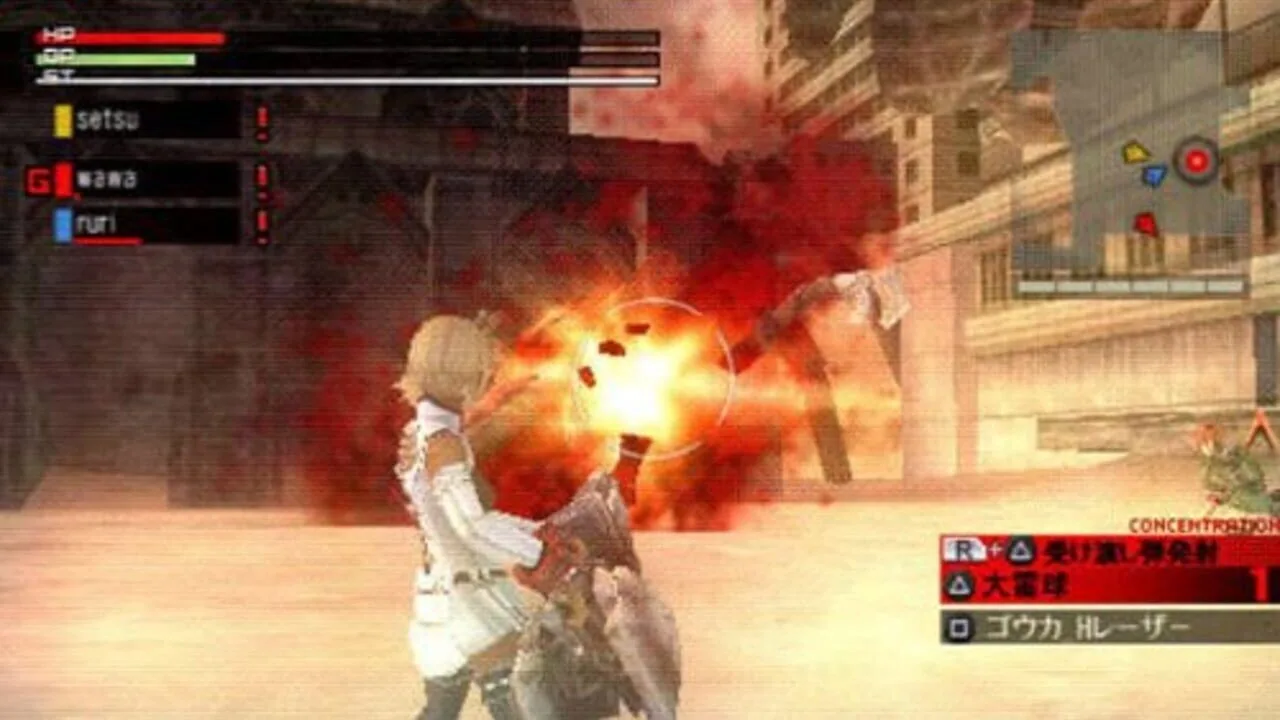
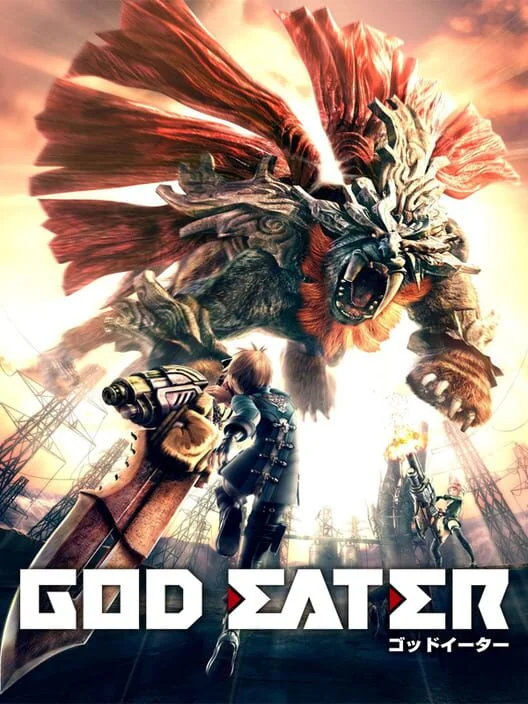
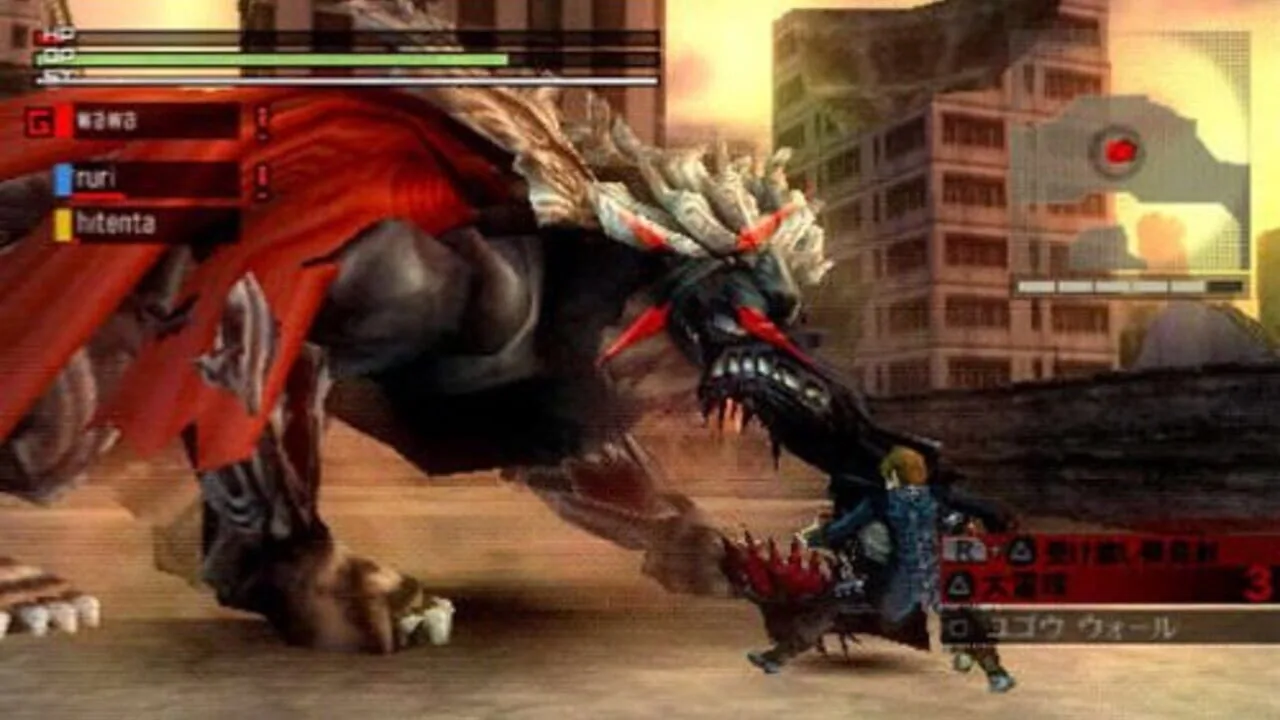
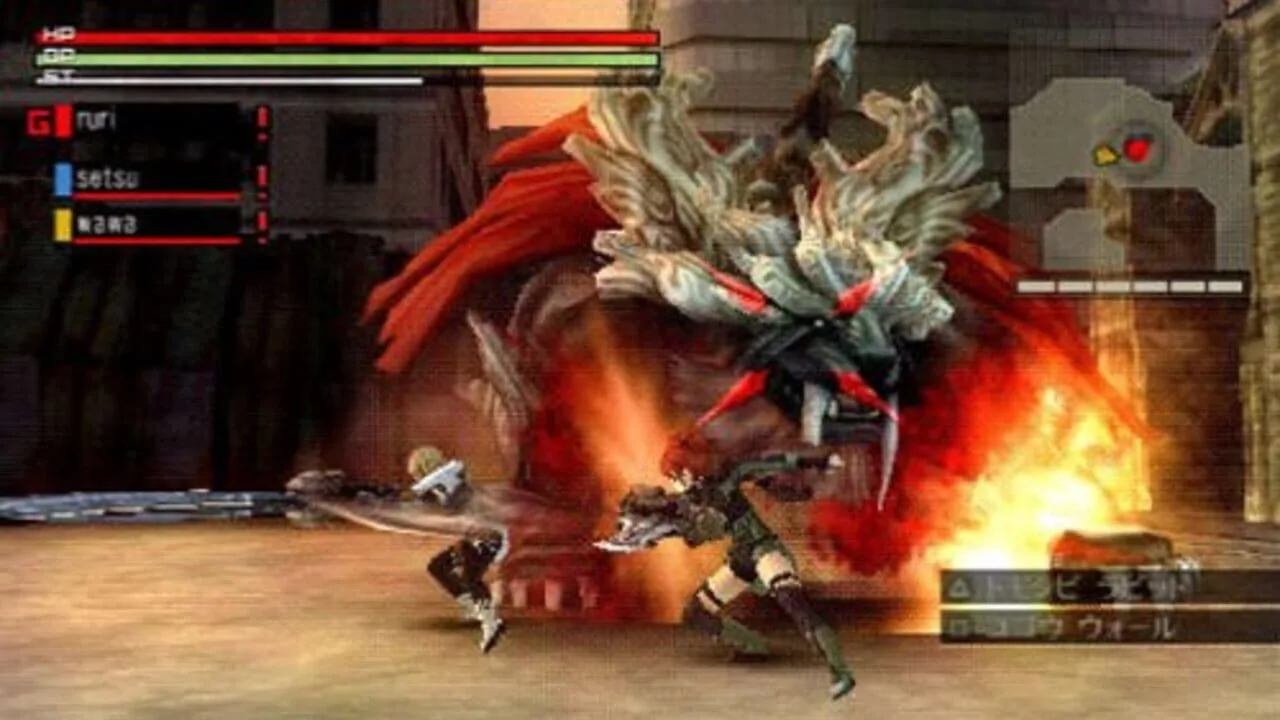
God Eater is where a Japanese action role-playing series began. You are a member of the Far East Branch's first unit, part of an anti-Aragami group called Fenrir. The single-player game has more than 100 missions, and you can team up with up to three AI or local wireless partners. New-type fighters can switch their God Arc between gun and blade form, which makes every fight a choice.
The 2010 release stayed in Japan. The expanded Burst version was the one that D3 Publisher localized, with North America getting it in March 2011 and Europe three days later. Plenty of players only found the series late, and many are still catching up.
22. GripShift (2005)
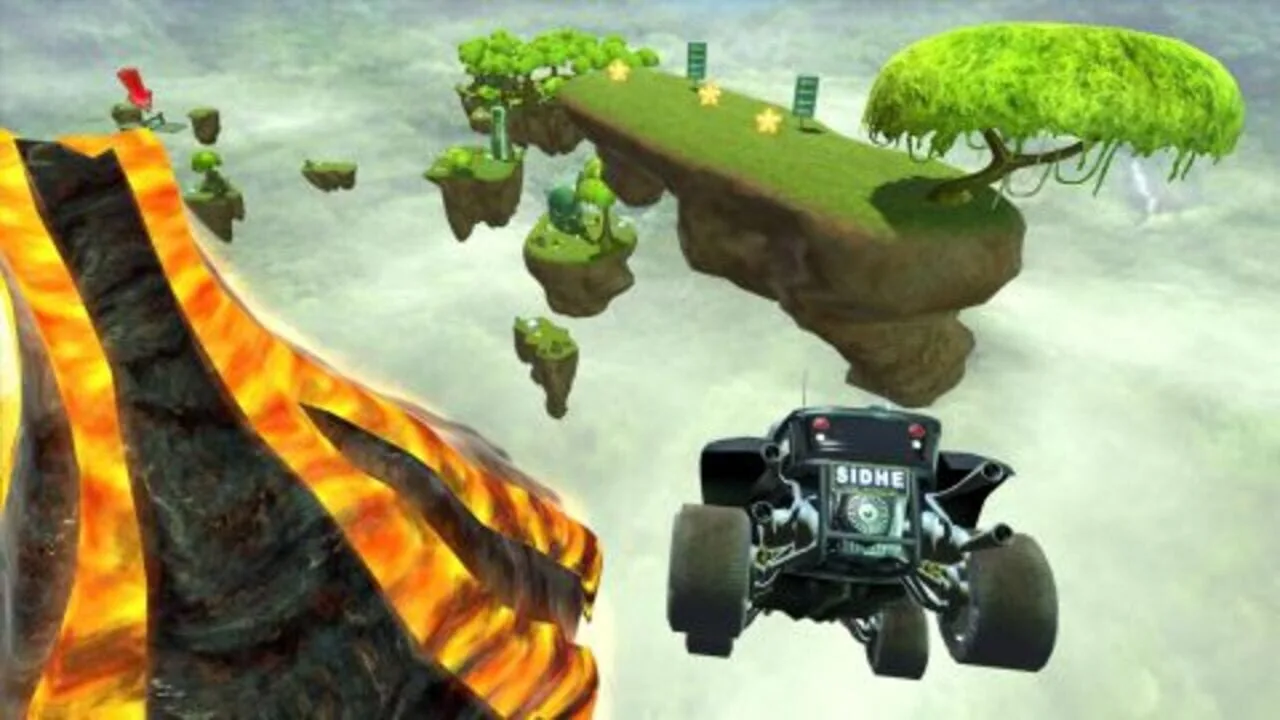
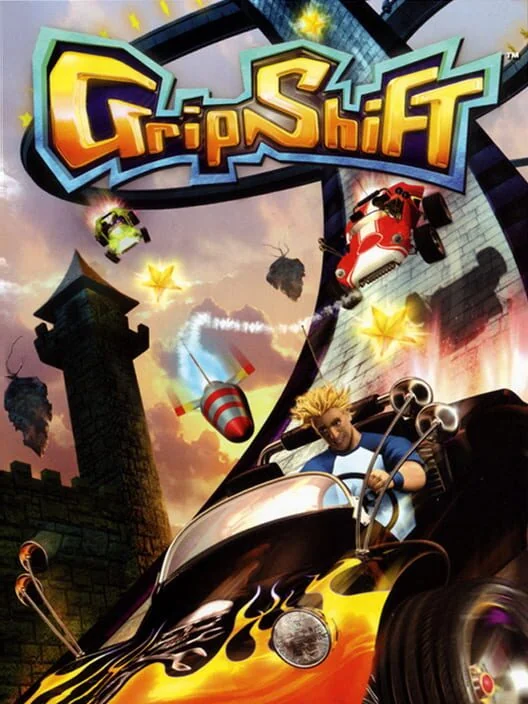
GripShift is a racing game from the studio Sidhe, and it is a cross between a puzzle-platform game and a driving game. You speed through wild courses, collect stars and use nitrous to get over gaps that look impossible. The PSP version also had extra tracks to download from the official website, and the game later came to the PlayStation 3 and Xbox 360.
It came out in North America from Platform Publishing and in Europe from Ubisoft, neither a giant of the PSP shelf. If you liked tilting a ball through a maze or pulling off a crazy jump in a car, this is the one to find. It rewards patience and repeat runs.
21. Hexyz Force (2010)
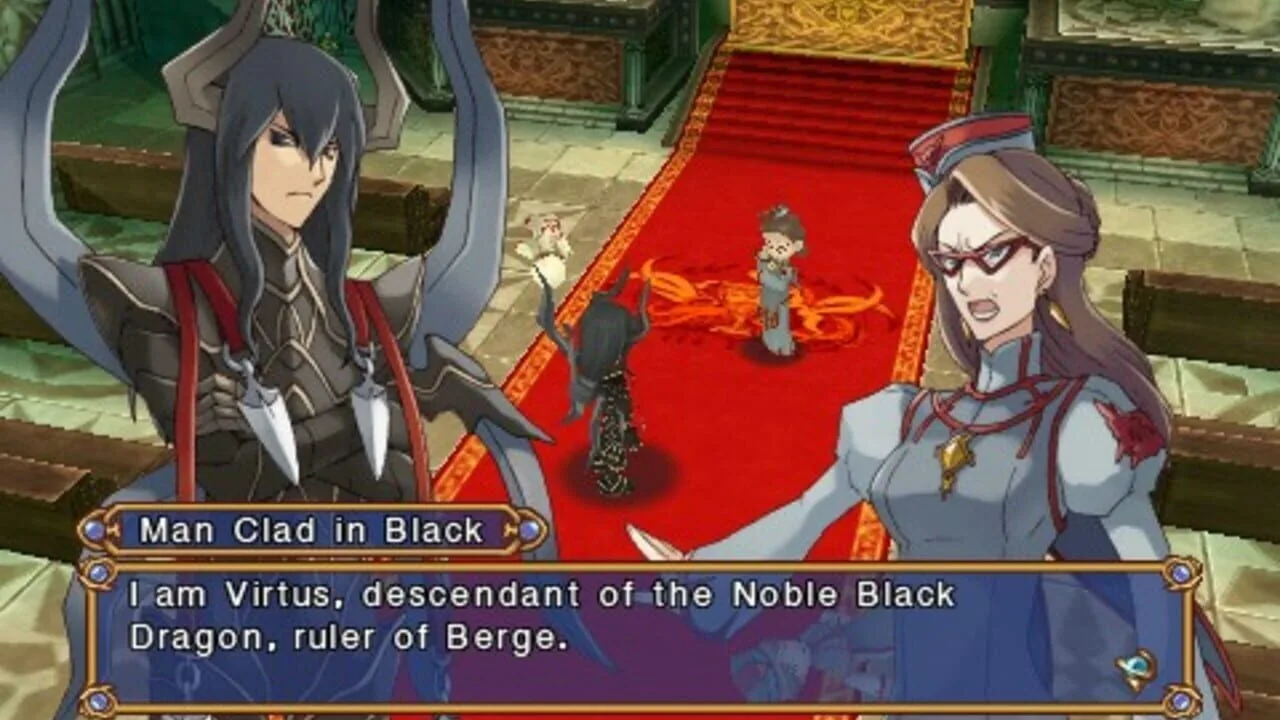
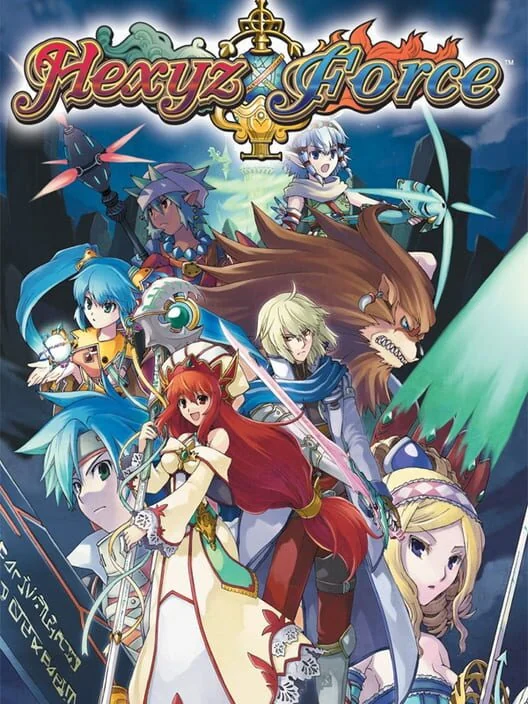
Hexyz Force is a traditional role-playing game set in the world of Berge, which has a light side and a dark side. At the start you pick one of two heroes: Cecilia, a shrine maiden, or Leevan, a knight. That choice changes the setting and the story, so one disc holds two different adventures.
Reviews were average, and some critics said it was easy enough to finish in a day or two. That complaint is fair. It still hardly ever comes up when people list the best role-playing games on the system, and the two-hero setup gives you a good reason to play it twice. Check it after you have burned through the famous ones.
20. Burnout Legends (2005)
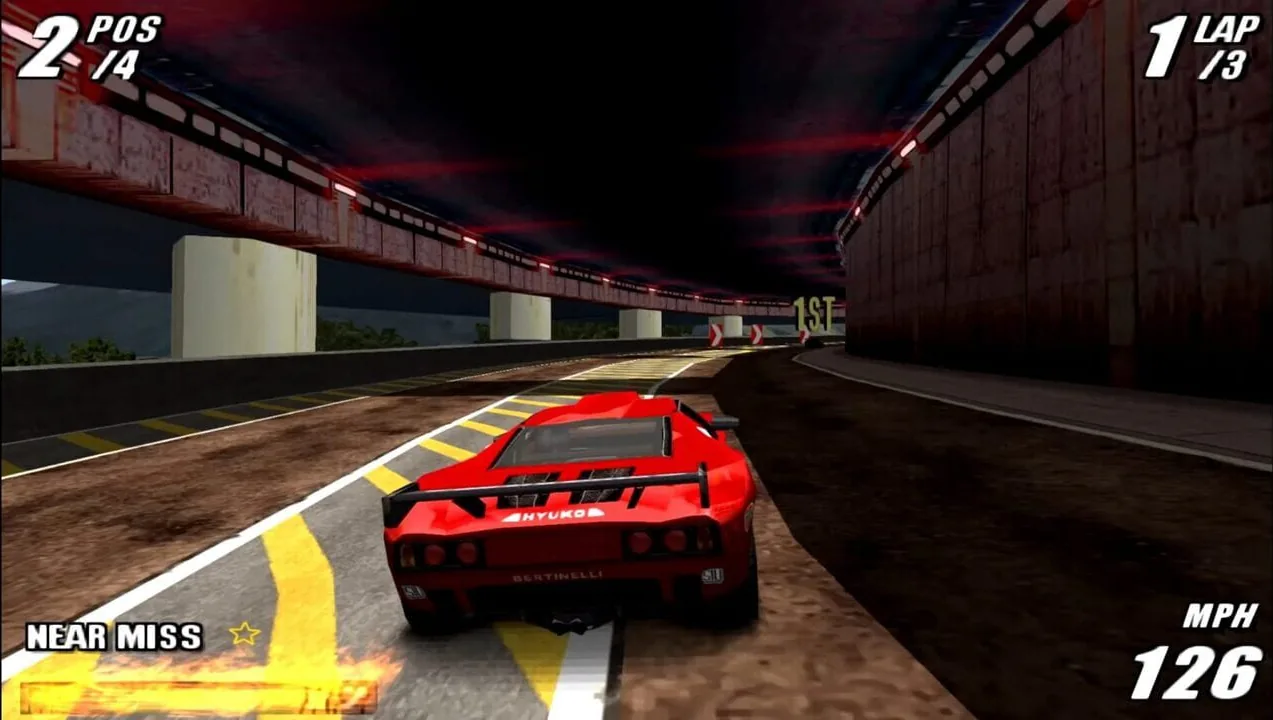
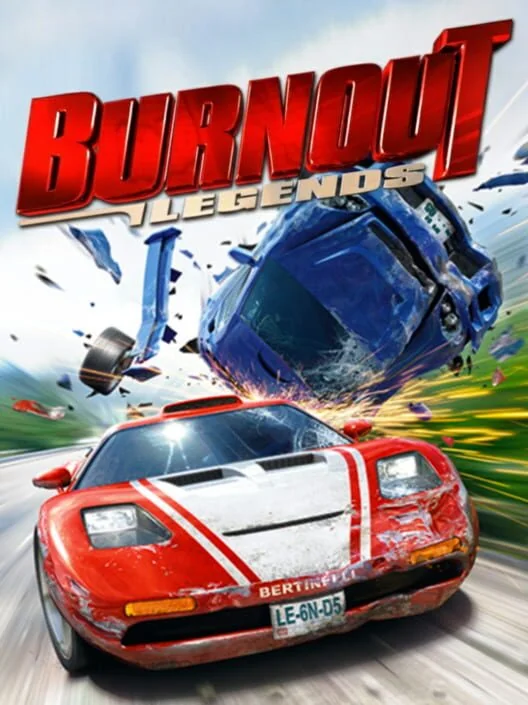
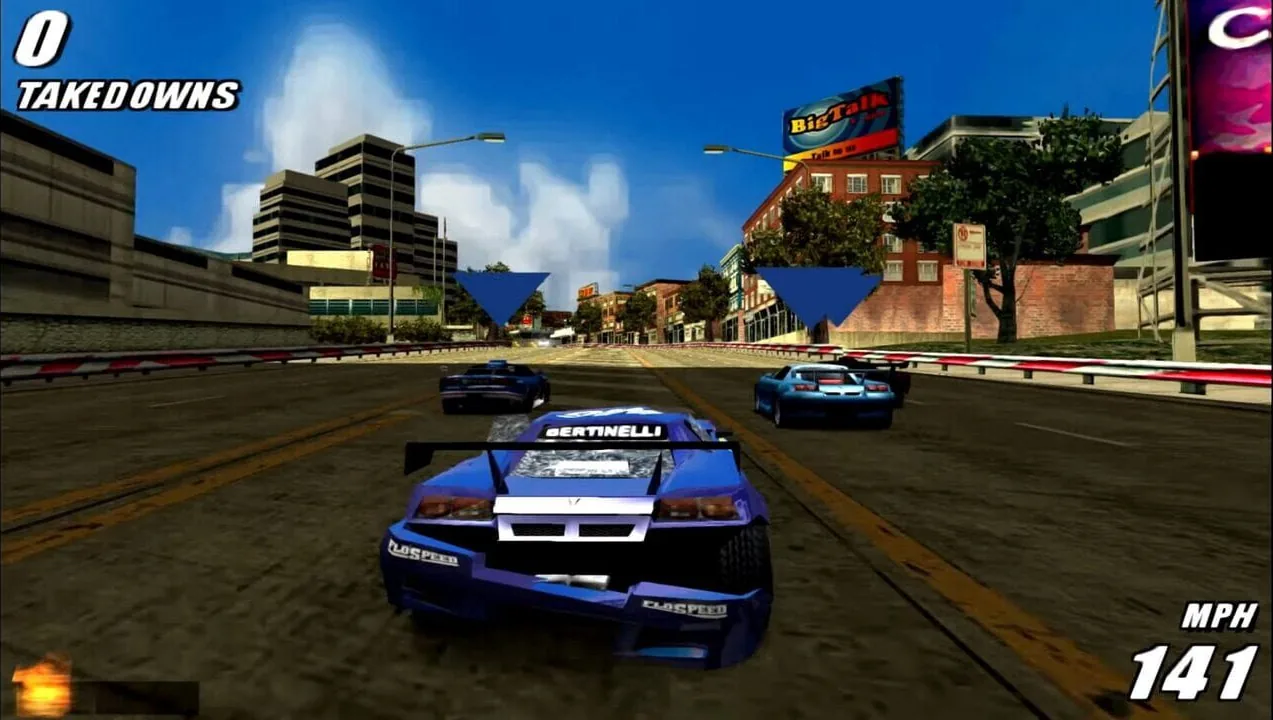
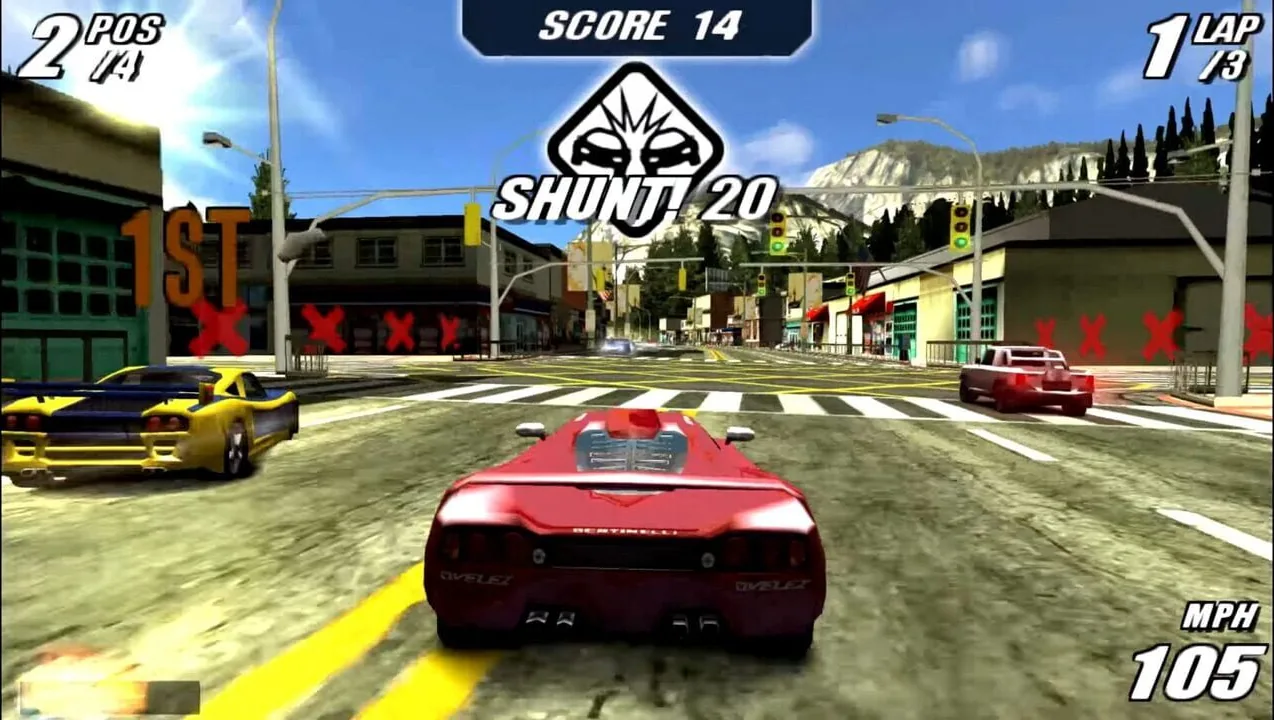
Burnout Legends packs tracks and modes from the first three Burnout games into a handheld. You use your car as a weapon, ramming rivals into walls and cheering when the wreck looks as bad as it sounds. Eliminator mode drops the last car on every lap, which makes the final stretch of a race tense in a way plain racing is not.
The PSP version got mostly positive reviews. Most racing fans remember the home console games of the series and forget this one, so it never got the attention its speed deserved. It is a very fast game on a small screen, and a crash that would fill a television feels just as loud here. Pick it up if you want a racer that runs on short sessions.
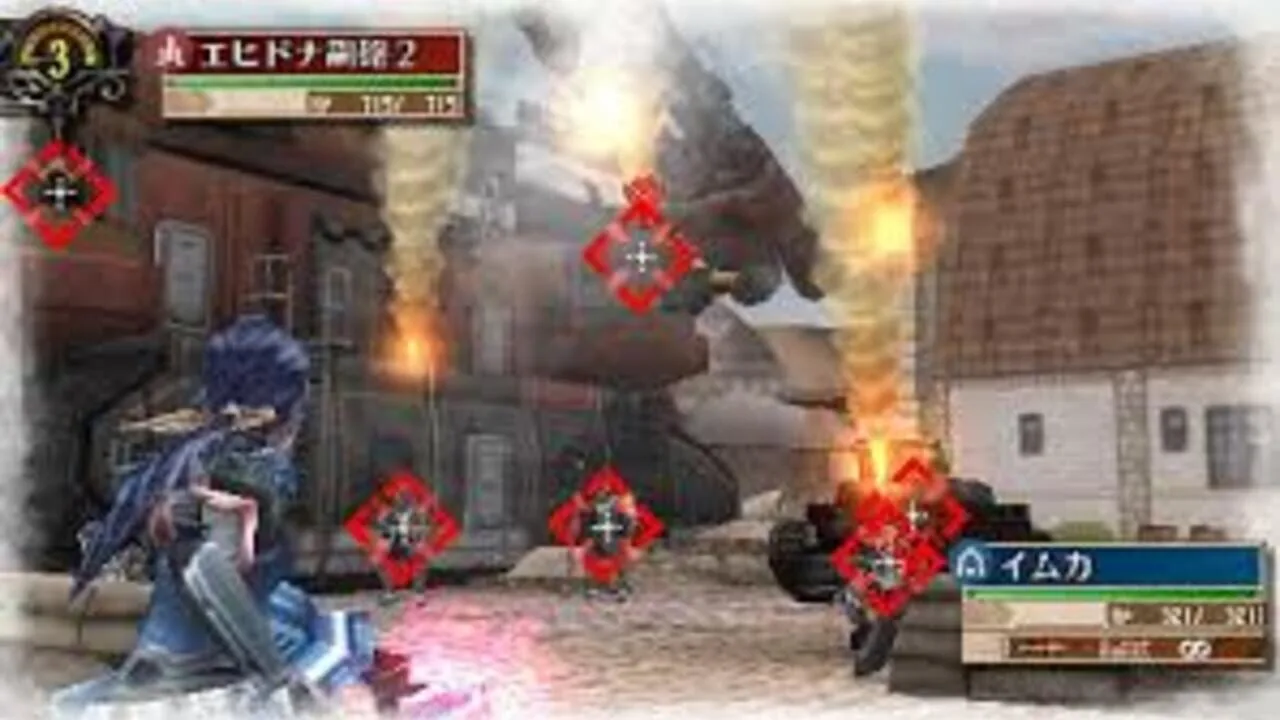
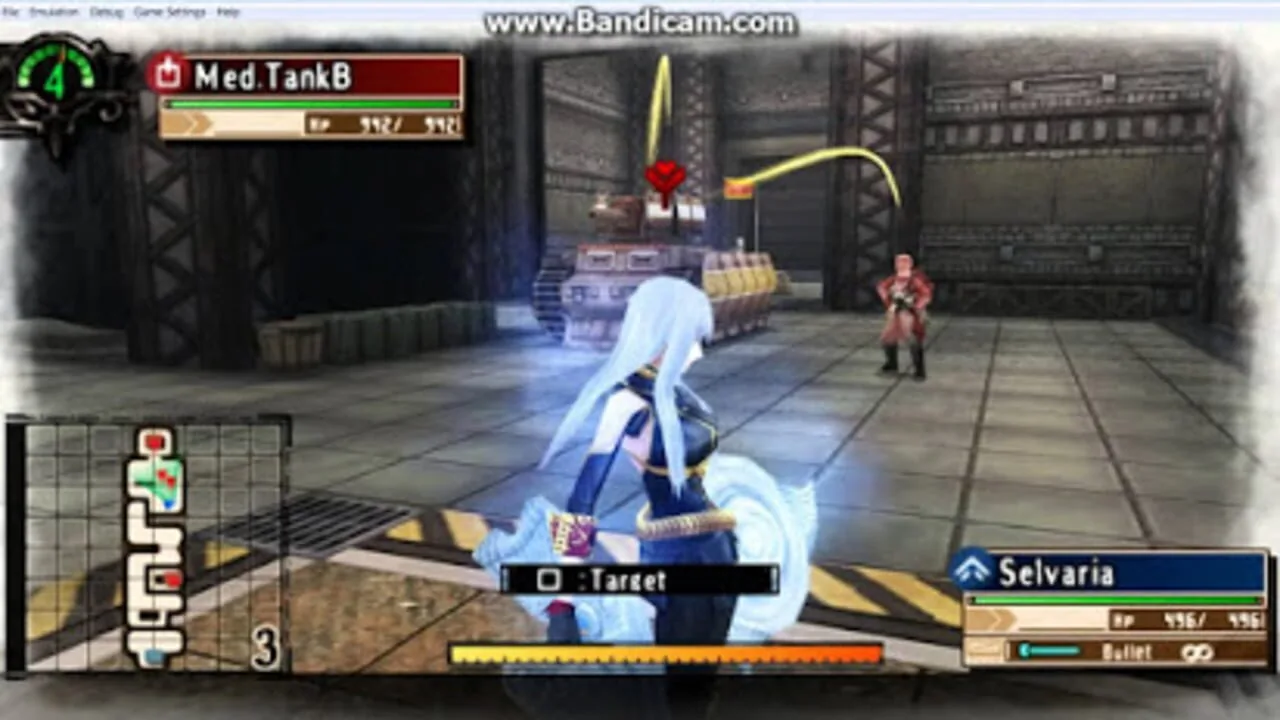
19. Valkyria Chronicles 3: Unrecorded Chronicles (2011)
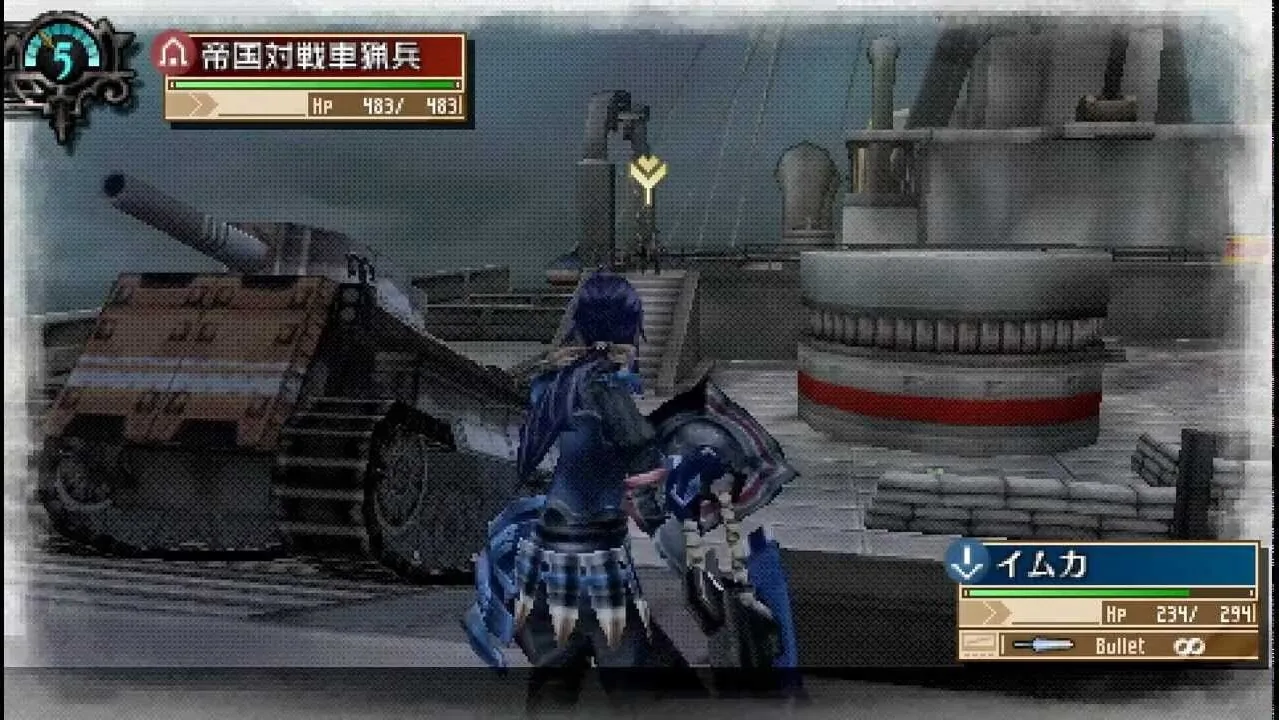
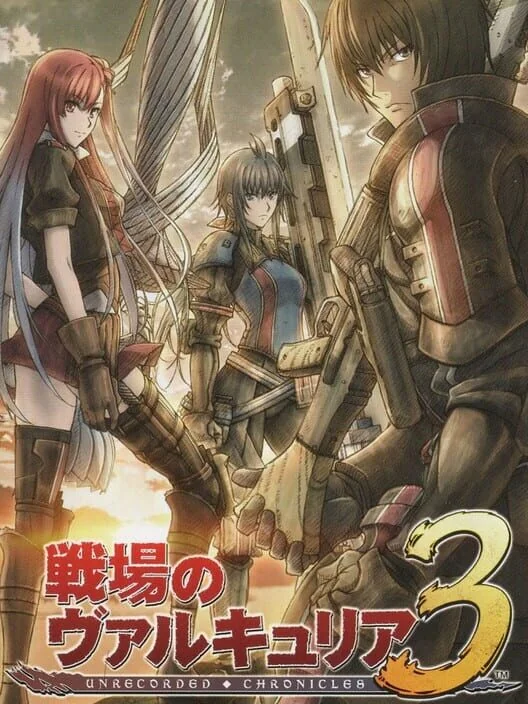
Valkyria Chronicles III is a tactical role-playing game from Sega that never left Japan. It is a side story about the Nameless, a penal squad of outcasts whose real names are erased from the records. The game mixes turn-based tactics with real-time movement, and it keeps the blitz battle system of the first game.
Sega skipped a Western release after the second game sold poorly, so the only way to play it in English is a fan translation of the expanded edition. That is why so few people did. Players who patch it keep recommending it, and it is hard to find a handheld strategy game with a bigger sense of purpose. It is the clearest case on this list of a great game stuck behind a language wall.
18. Dungeon Siege: Throne of Agony (2006)
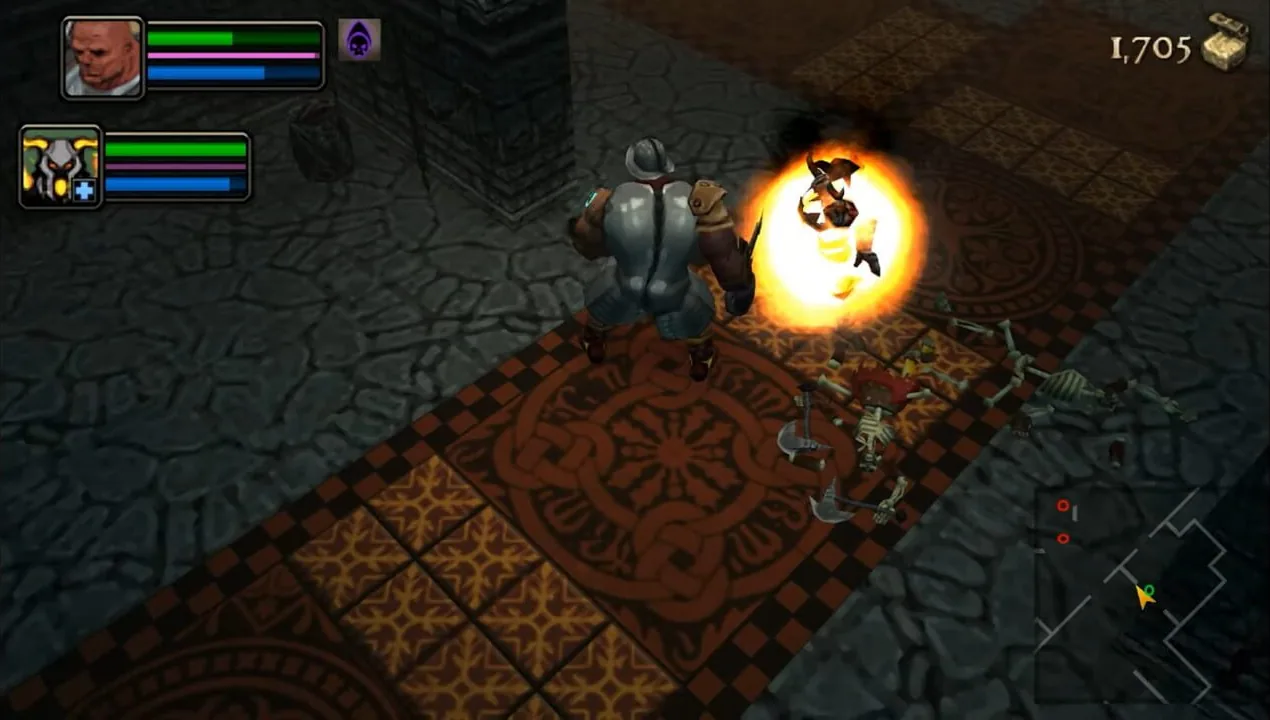
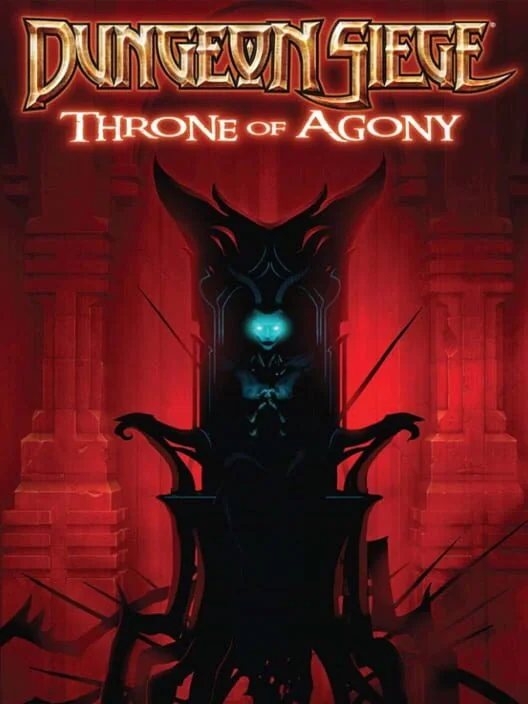
Dungeon Siege: Throne of Agony is a role-playing game made for the PSP by SuperVillain Studios, with 2K Games as the publisher. The PC games used a mouse, so this version lets you move the hero directly with the analog stick. A friend can join over local wireless play, and the party can grow to four characters, two of them followers.
Console versions of a PC series usually get a cold welcome, and this one was always going to be a hard sell on a handheld. It is a plain dungeon crawler with loot and levels, built for the kind of short sessions a handheld suits, and its multiplayer is the best reason to find a second PSP.
17. Patchwork Heroes (2010)
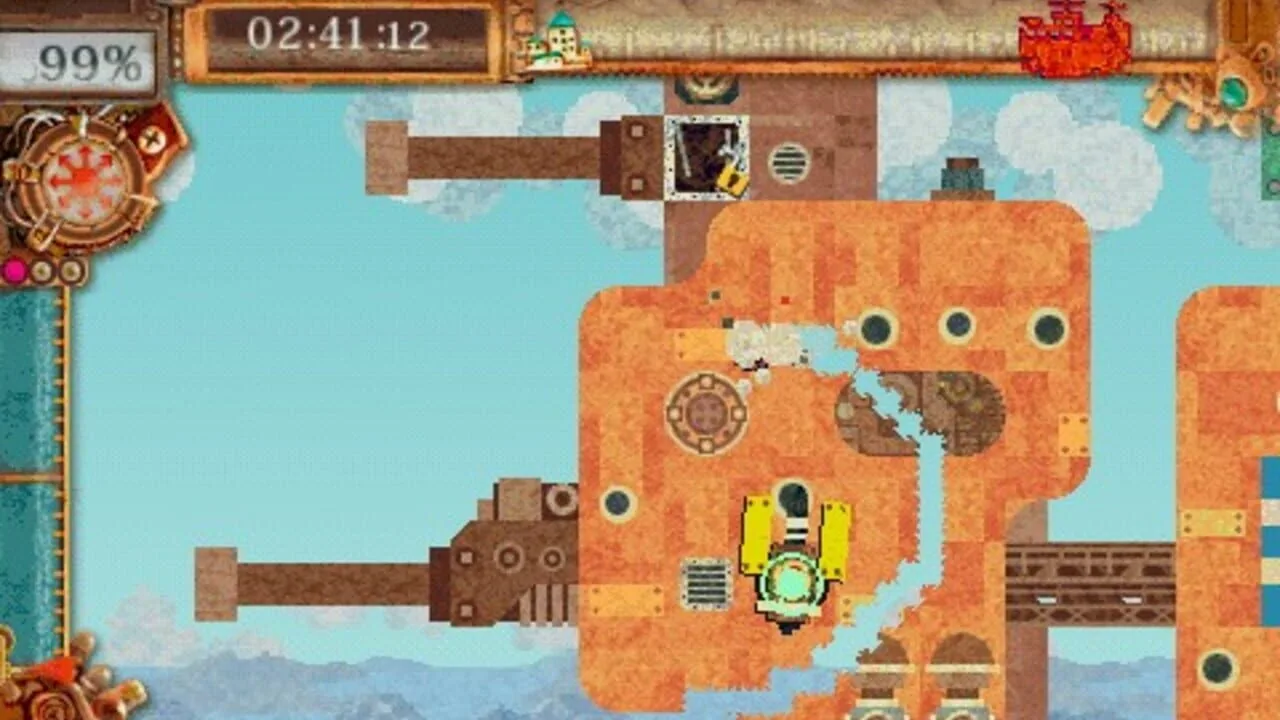
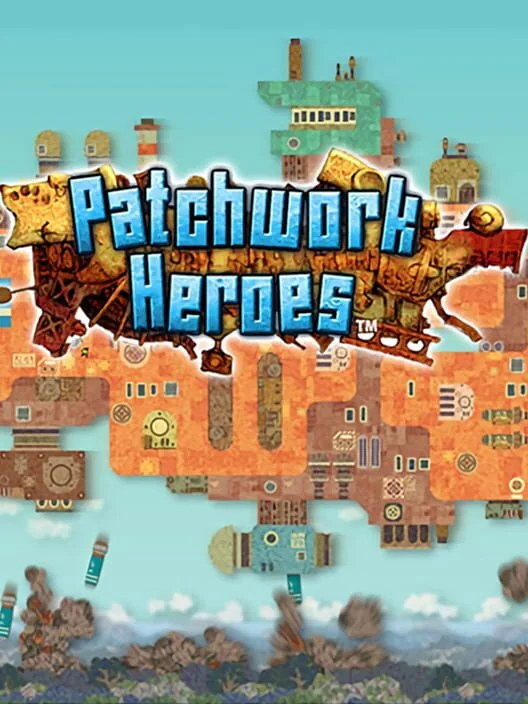
Patchwork Heroes was made by Acquire and published in North America by Sony. You play a flying cutter who slices enemy warships into pieces by holding the circle button while you move. Every cut drops the smaller half off the ship. The warships are huge. A timer runs the whole time, and cutting away parts of the ship stops it for a moment.
Its Japanese title translates as A Million Tons of Pieces, which is also the state of every warship you meet. It plays like a puzzle, since where you cut matters as much as how fast you do it. It is short, odd and unlike anything else on the system.
16. Daxter (2006)
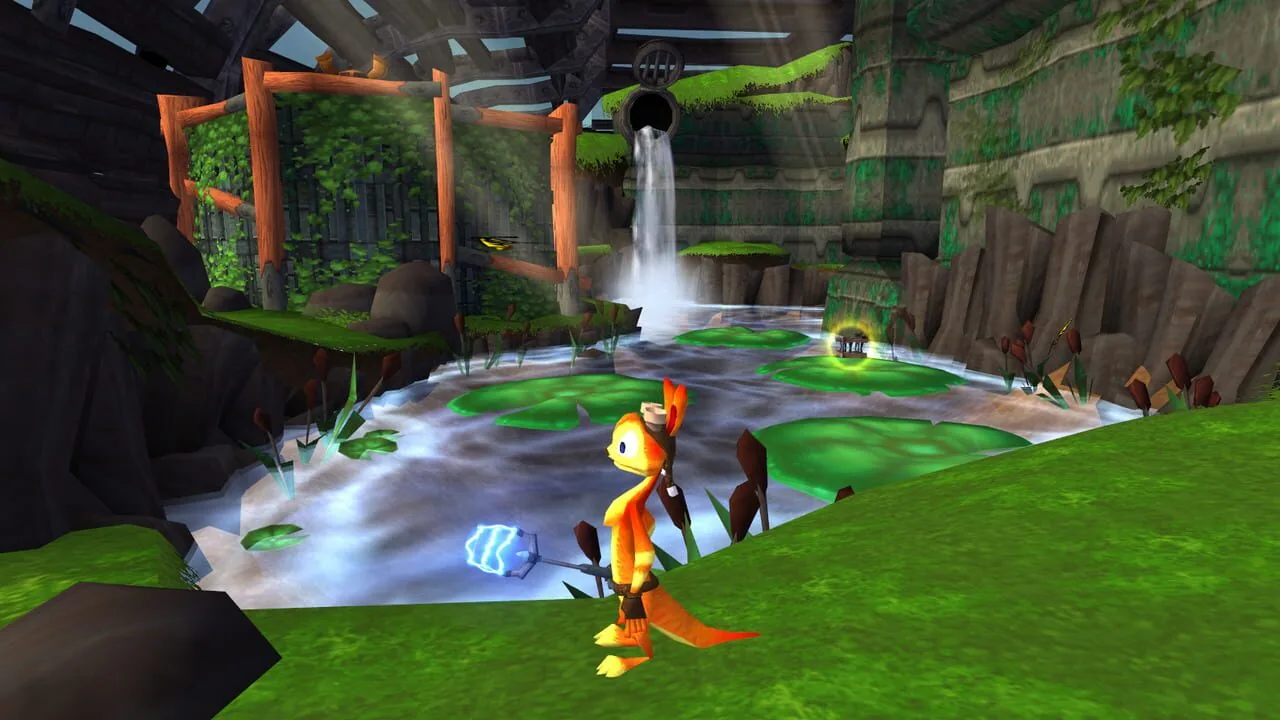
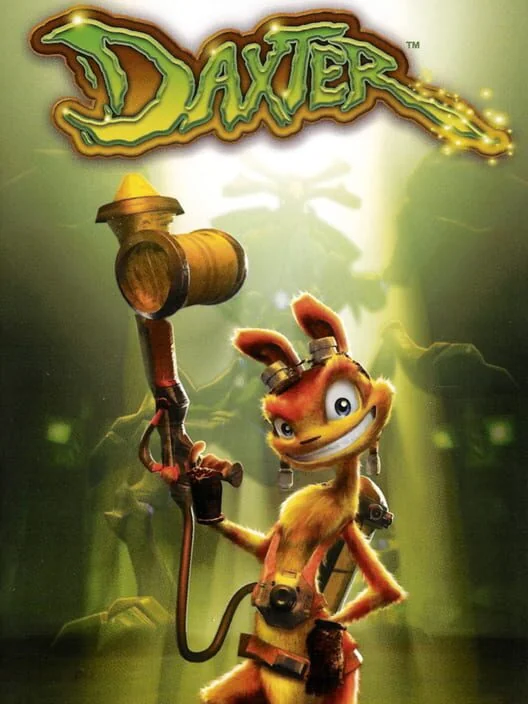
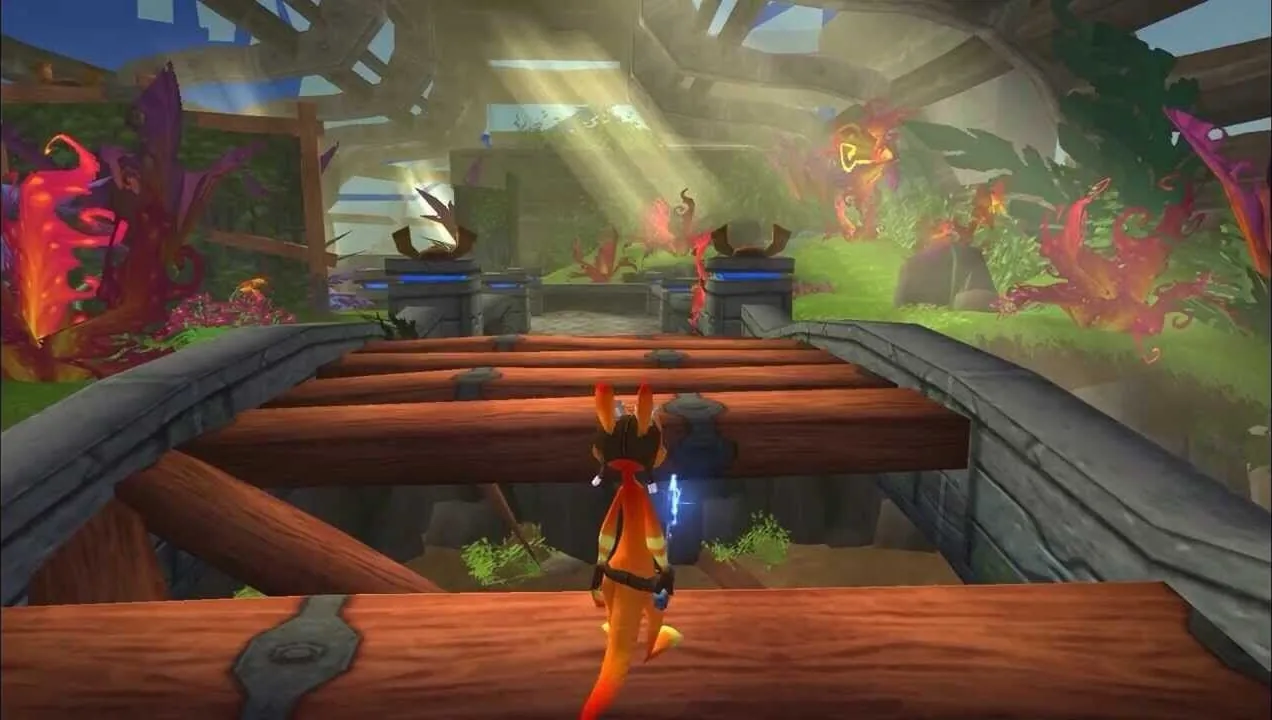
Daxter is the Jak series sidekick on his own, and Ready at Dawn made it for the PSP. Daxter takes a job exterminating pests in Haven City and searches for his captured friend, Jak. He fights with a bug swatter and a spray gun, and the game mixes platforming with gadget puzzles.
It was a hit by handheld standards, with more than 2.3 million copies sold by June 2008, and critics liked it. Still, most people who loved the series played it on a home console, so the handheld spin-off slipped past them. It came back on newer consoles in 2024, which gives you an easy way to catch up. Daxter is a loudmouth, and the writing leans into that.
15. Tactics Ogre (2010)
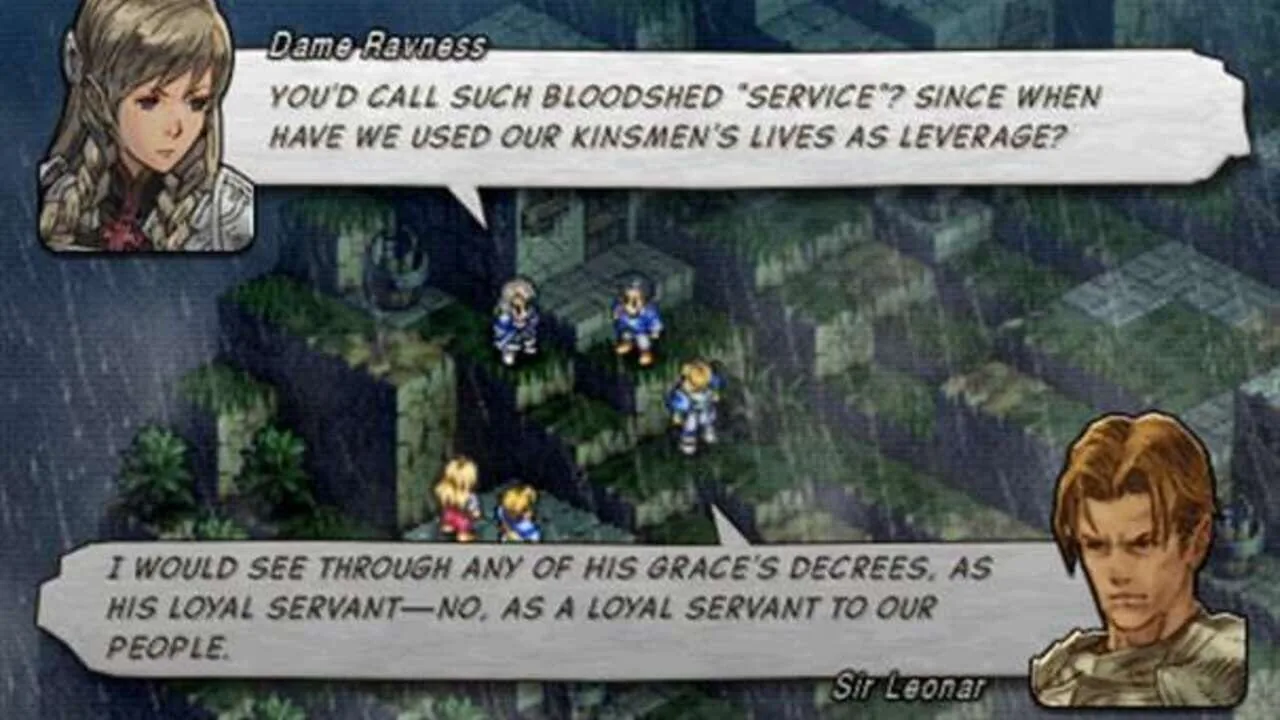
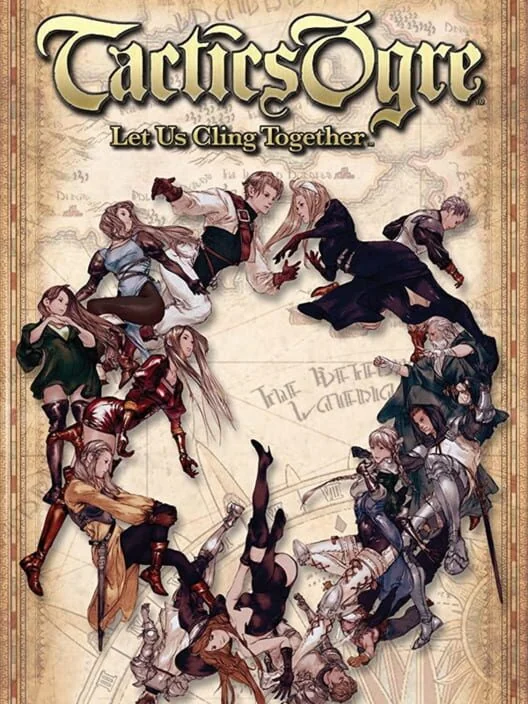
Tactics Ogre on the PSP is a remake of a Super Famicom strategy game, directed and written by Yasumi Matsuno. The story is about politics and personal drama more than monsters, and battles play out on a grid like chess. The remake adds new characters and events, and it softens what happens when a character falls in battle, so one bad turn no longer costs you a party member for good.
The original sold well in Japan, and the PlayStation port reached North America in the late 1990s, but most players only heard about it second hand. Its music is by Hitoshi Sakimoto and Masaharu Iwata, and it is still fondly remembered.
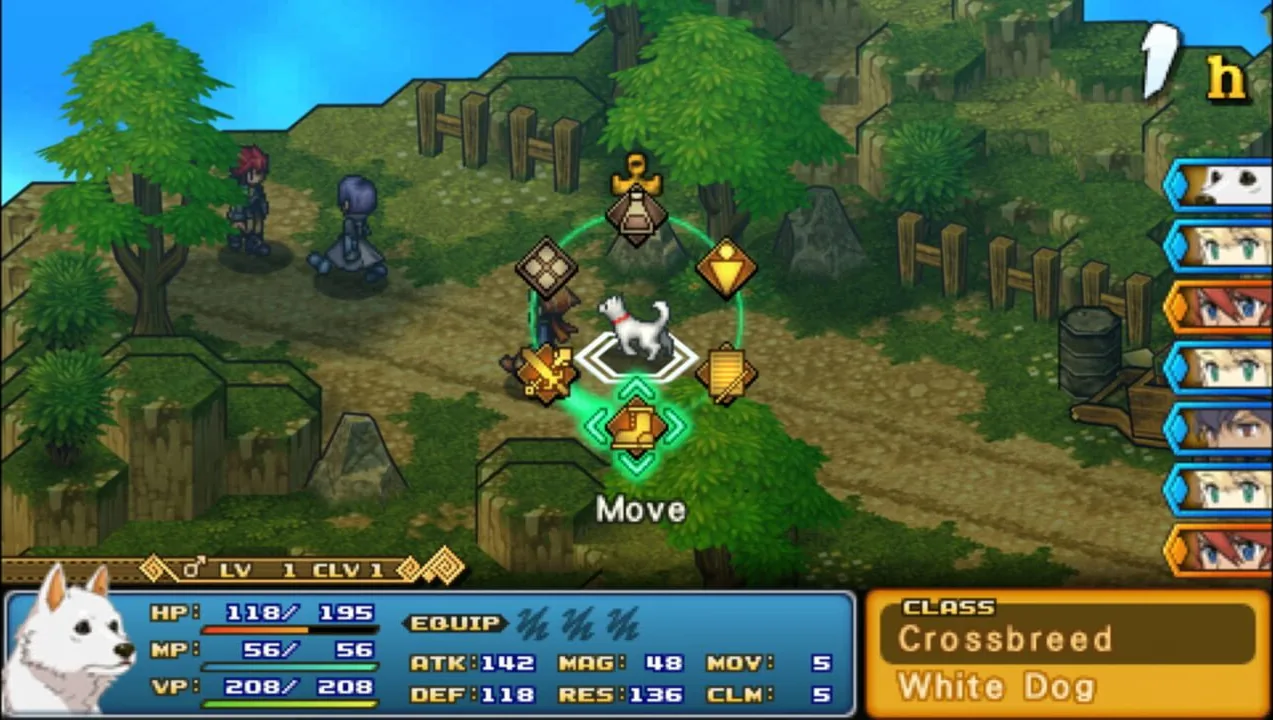
14. Wild Arms XF (2007)
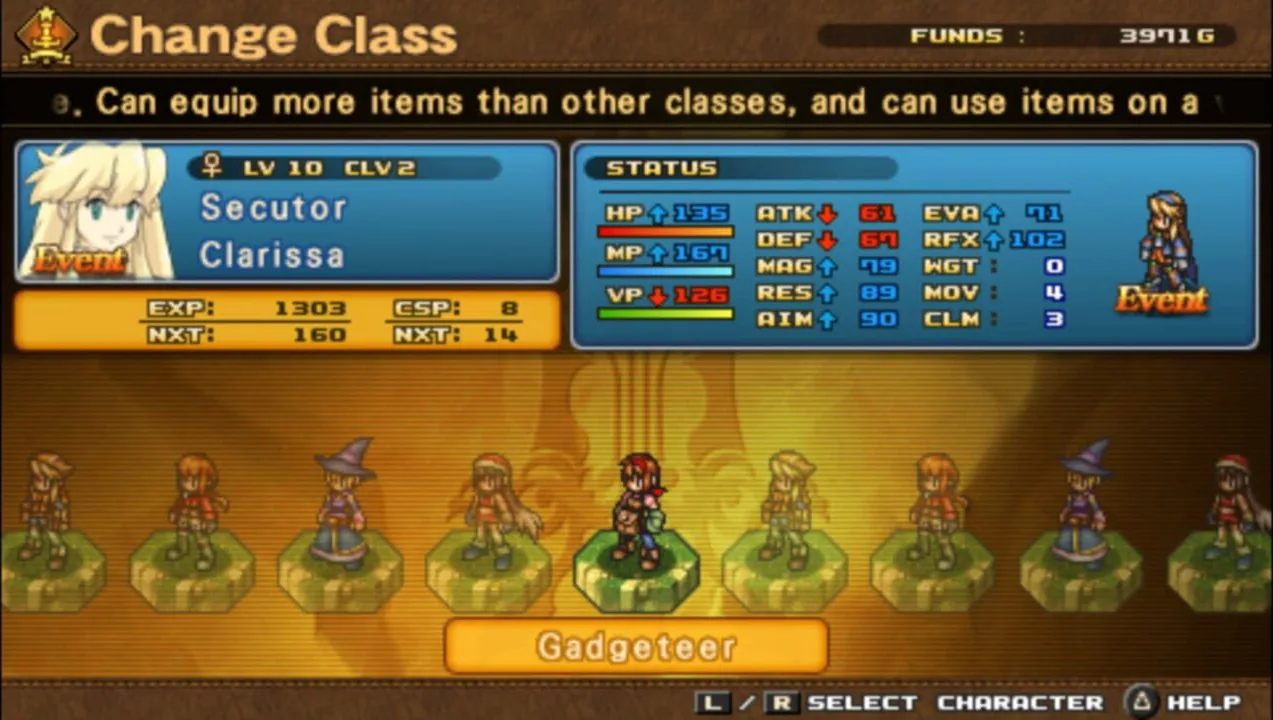
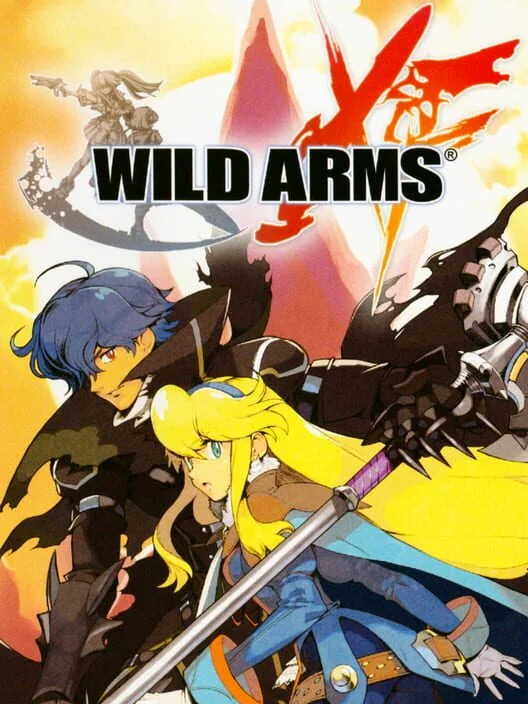
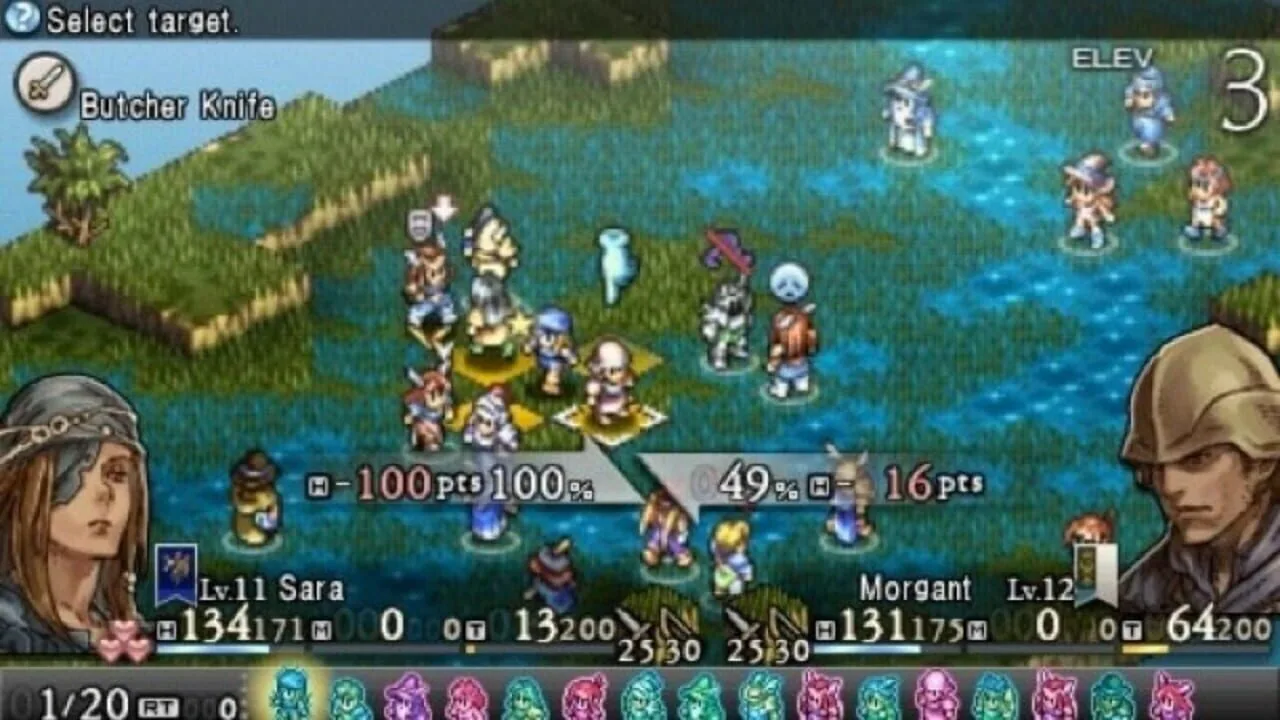
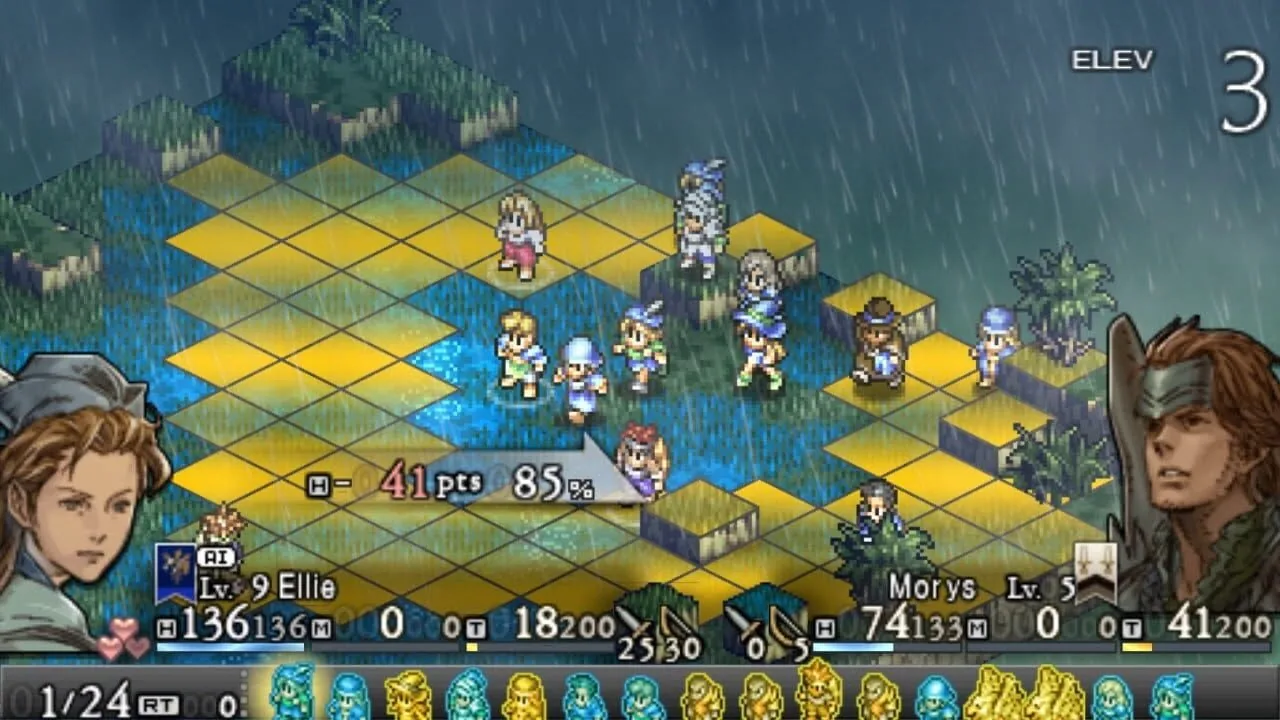
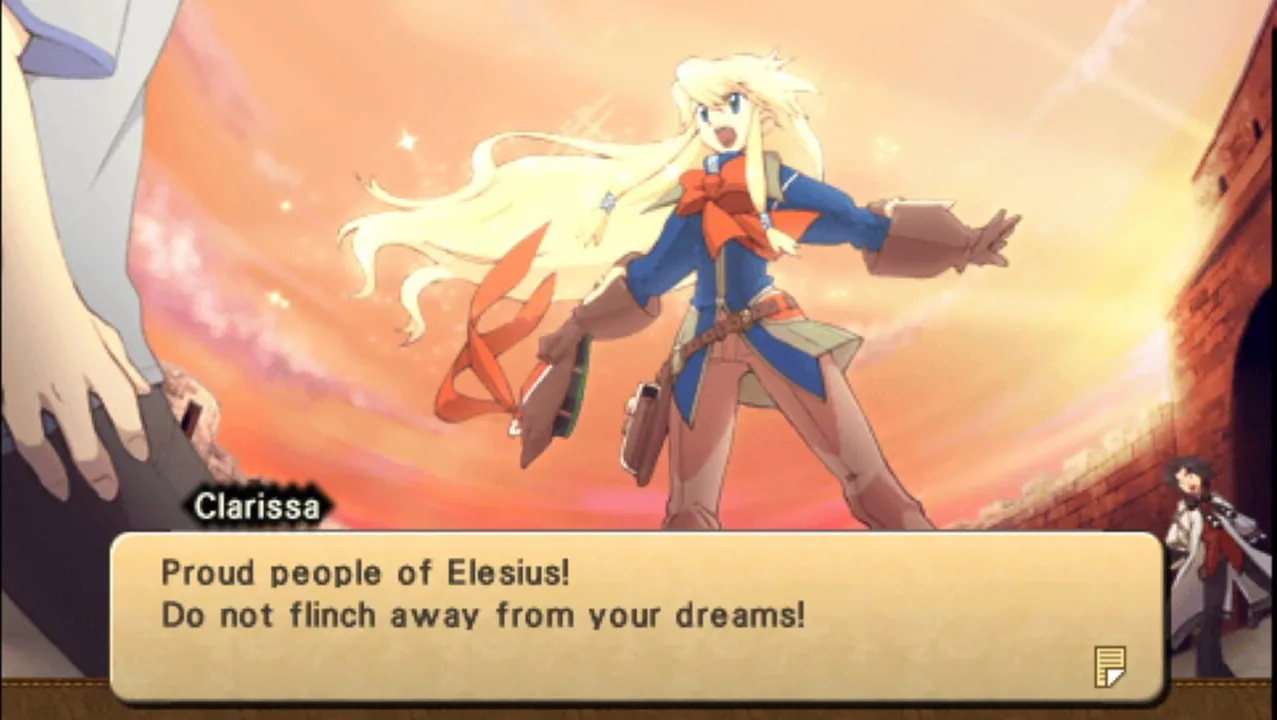
Wild Arms XF is a turn-based tactical role-playing game that sits somewhere between Dungeons & Dragons and chess. You lead a small squad across grid maps shaped like swamps, towns and rivers. Formation Arts reward smart positioning, and a New Game Plus mode lets you carry your money and gear into a second run.
Most fans of the series know it for its console role-playing games, so a handheld tactics spin-off got little attention when it came out in Japan in 2007 and in the West in 2008. The combat rewards planning, since you can hire drifters to fill out the squad and there are many classes to build around. Think of it as a chess match where everybody has a sword.
13. Half-Minute Hero (2009)
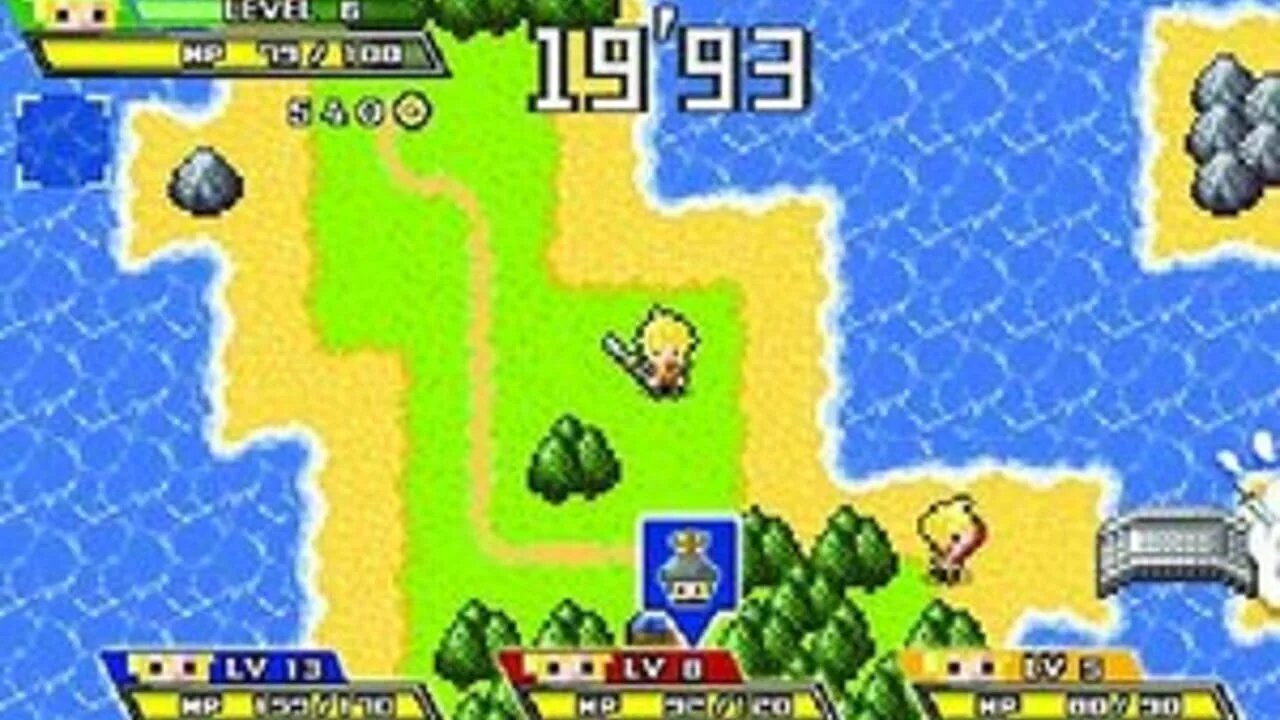
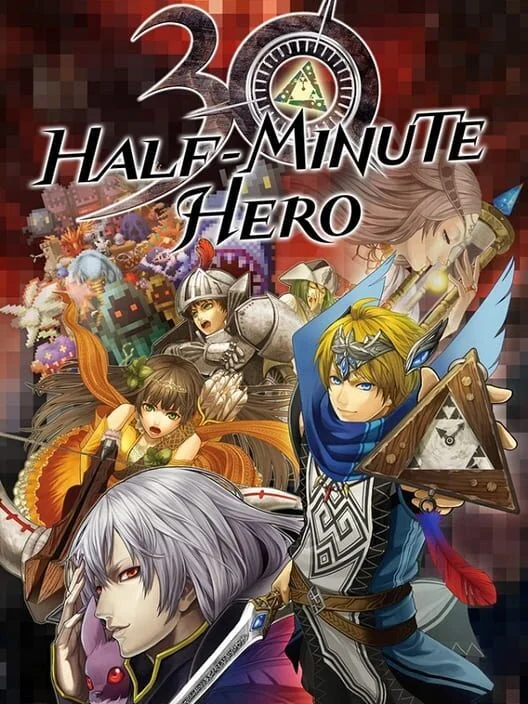
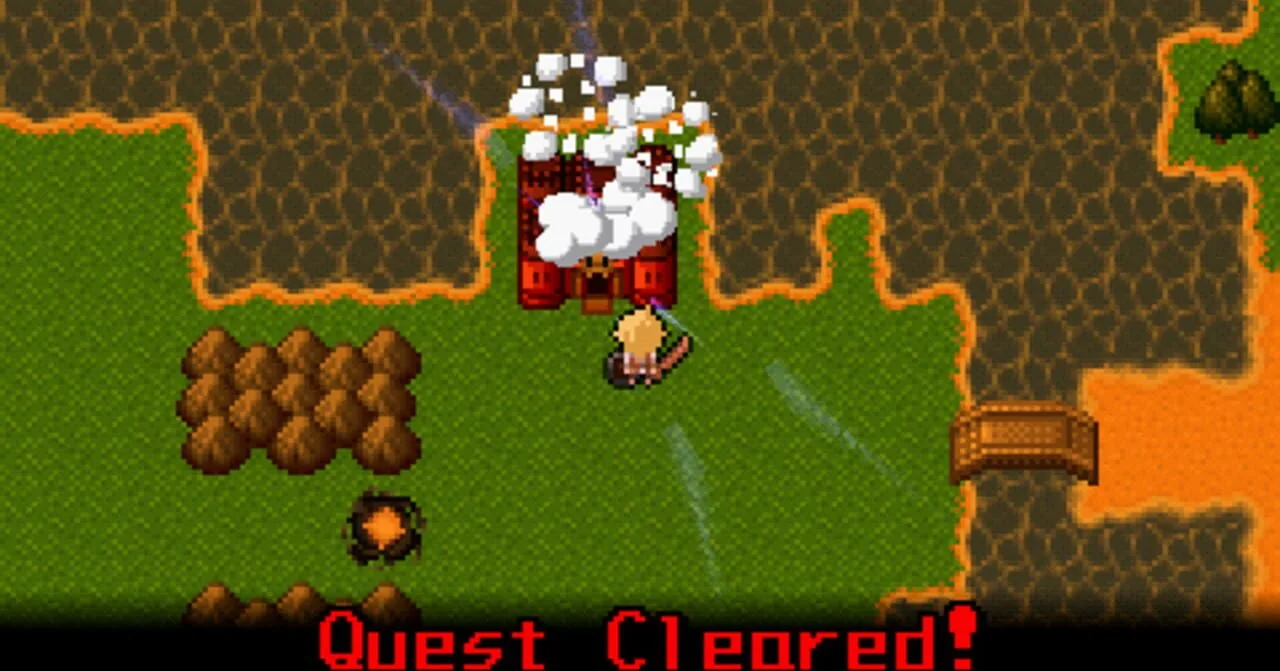
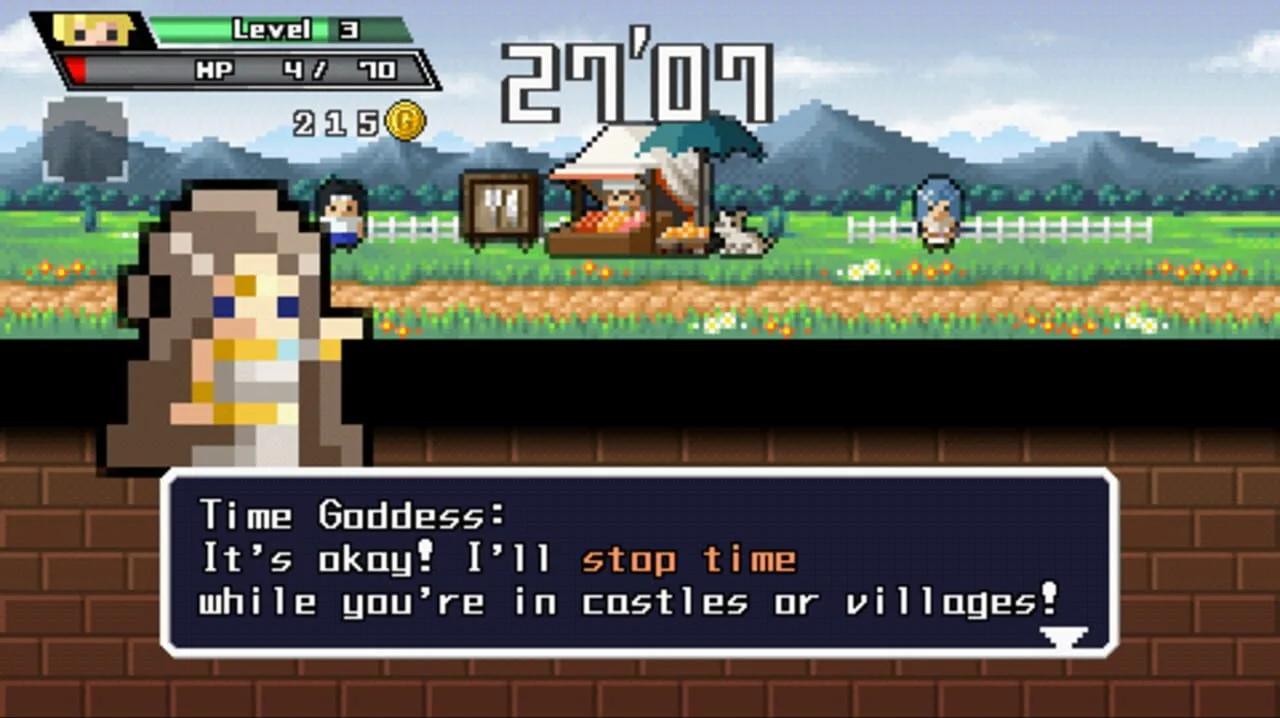
Half-Minute Hero gives you 30 seconds to save the world, and it means it. Each mode builds on a timer, and the main one plays like a tiny role-playing game where you run, fight and level up before the clock ends. Another mode has an Evil Lord who can only leave his castle for 30 seconds at a time. There are more than 100 levels.
Paying the Time Goddess lets you buy more time, so a hopeless-looking level can still be won. It looks like a joke, and it is one, but it is built carefully enough to keep you playing for hours. A game this strange never had a chance with the crowd that buys big role-playing games.
12. Pursuit Force (2005)
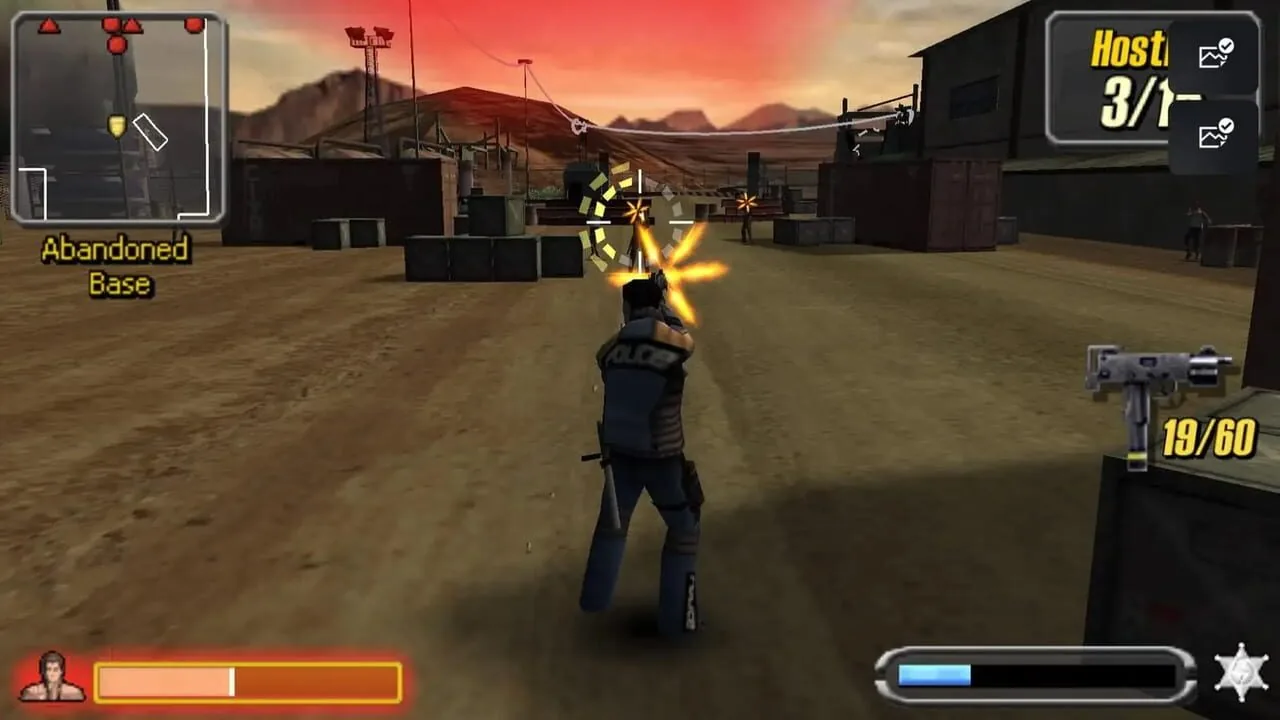
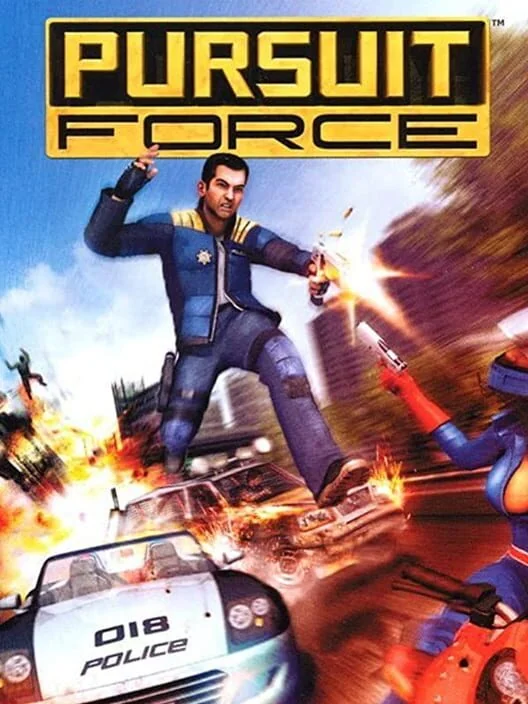
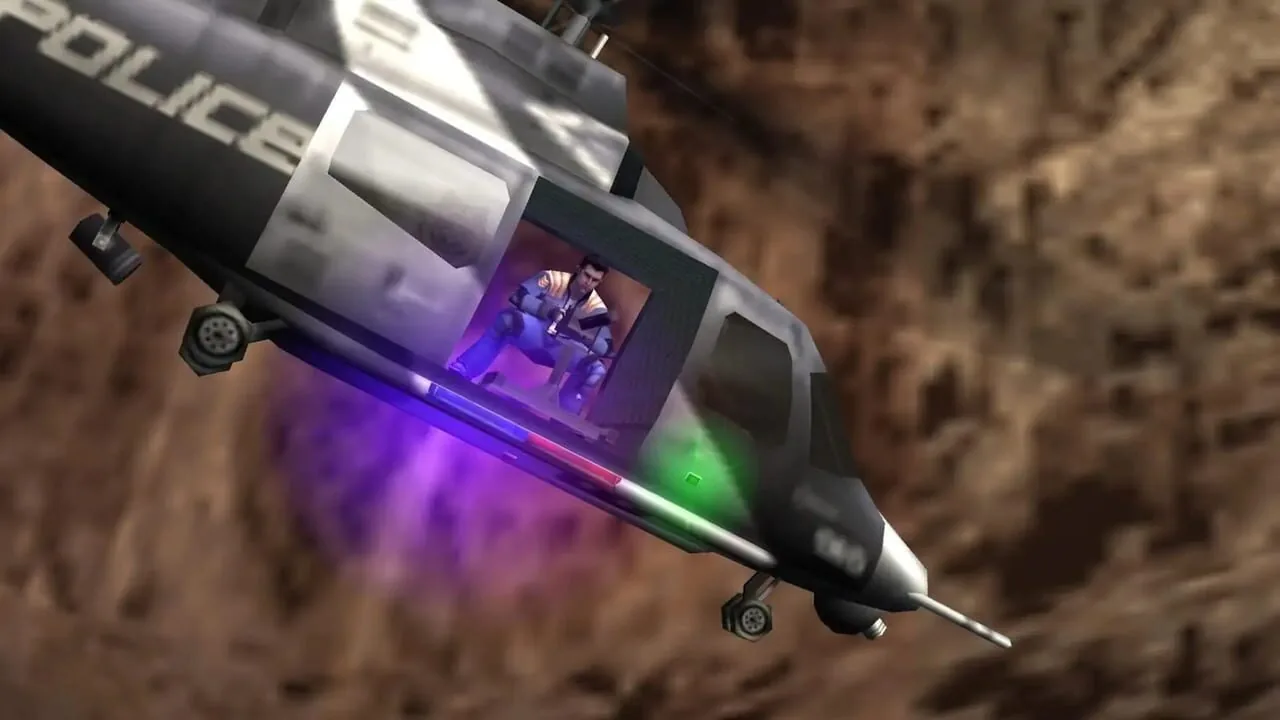
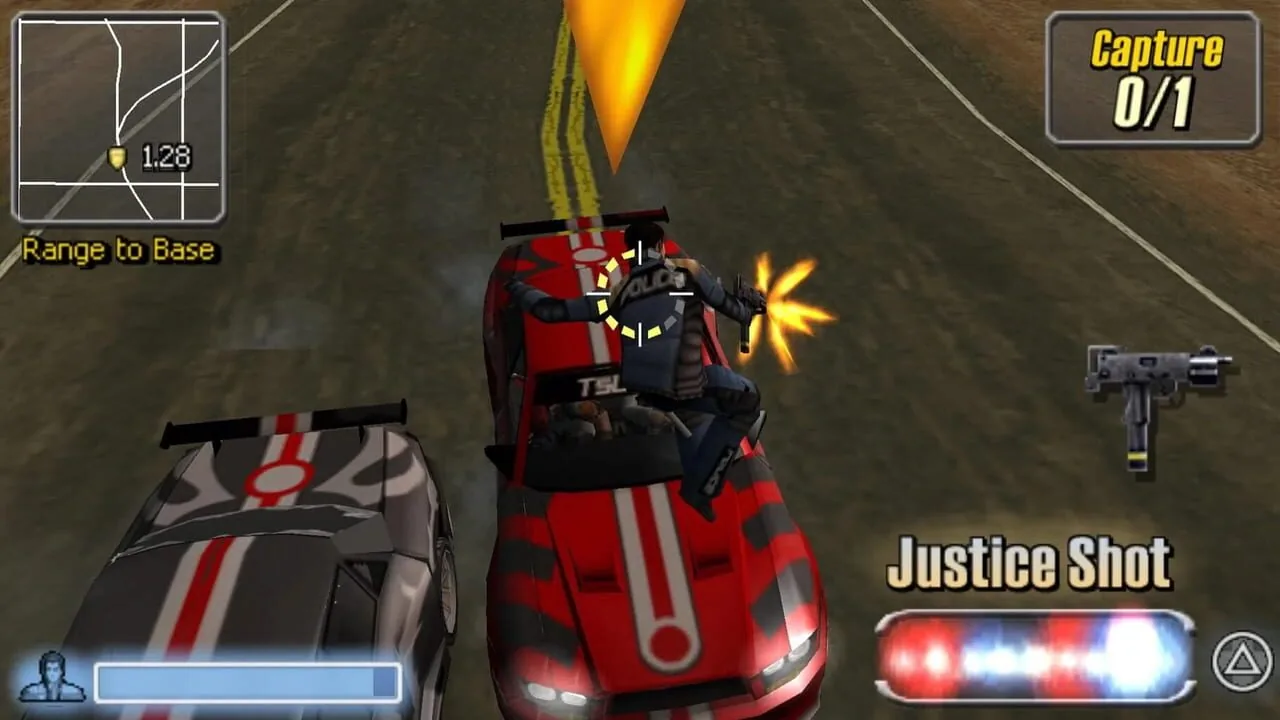
Pursuit Force makes you a rookie cop who takes on five gangs in Capital City. Missions are car chases and gunfights built like an action movie, and the big trick is leaping from your own vehicle onto the one you are chasing. Every gang has its own boss and lieutenant, and its own vehicles and missions. Taking down gangs fills a justice bar, and you spend it to slow time during a stunt.
It got positive reviews, and a sequel followed in 2007. It came out in Europe in November of that year and in North America in March 2006, and many players only found it later. It reached the PS4 and PS5 in May 2023 as a classic. Fans call the chases ridiculous, and they mean it as praise.
11. Kenka Bancho: Badass Rumble (2008)

Kenka Bancho is a brawler about a delinquent, called a bancho, who wants to be the toughest kid in Japan. He is dragged along on a school trip to the fictional city of Kyouto, where all the schools are visiting and 47 banchos are fighting to be the best. You name your bancho, pick a hometown, and each hometown gives you a different starting special move.
A school trip where the main event is beating up the other schools is a field trip in the loosest sense. Atlus brought this one over to the West, but it did not plan to localize the rest of the series. It is a funny, rough little game, and its sense of humor is the main reason to try it.
10. Brave Story (2006)
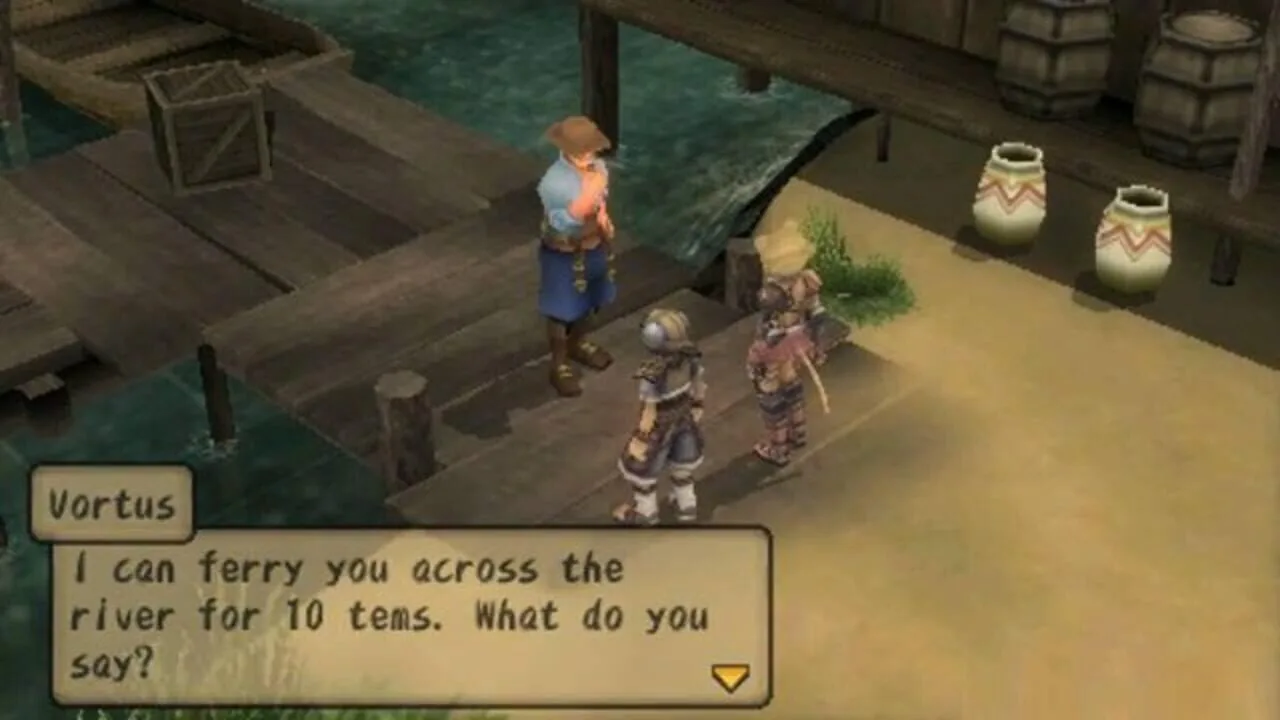
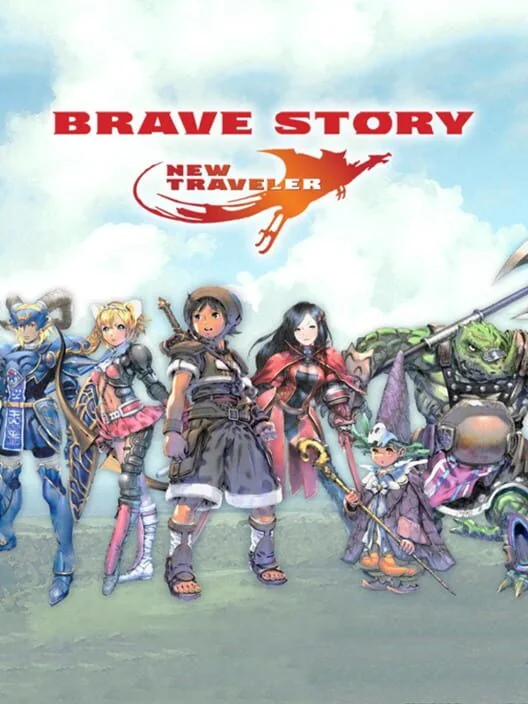
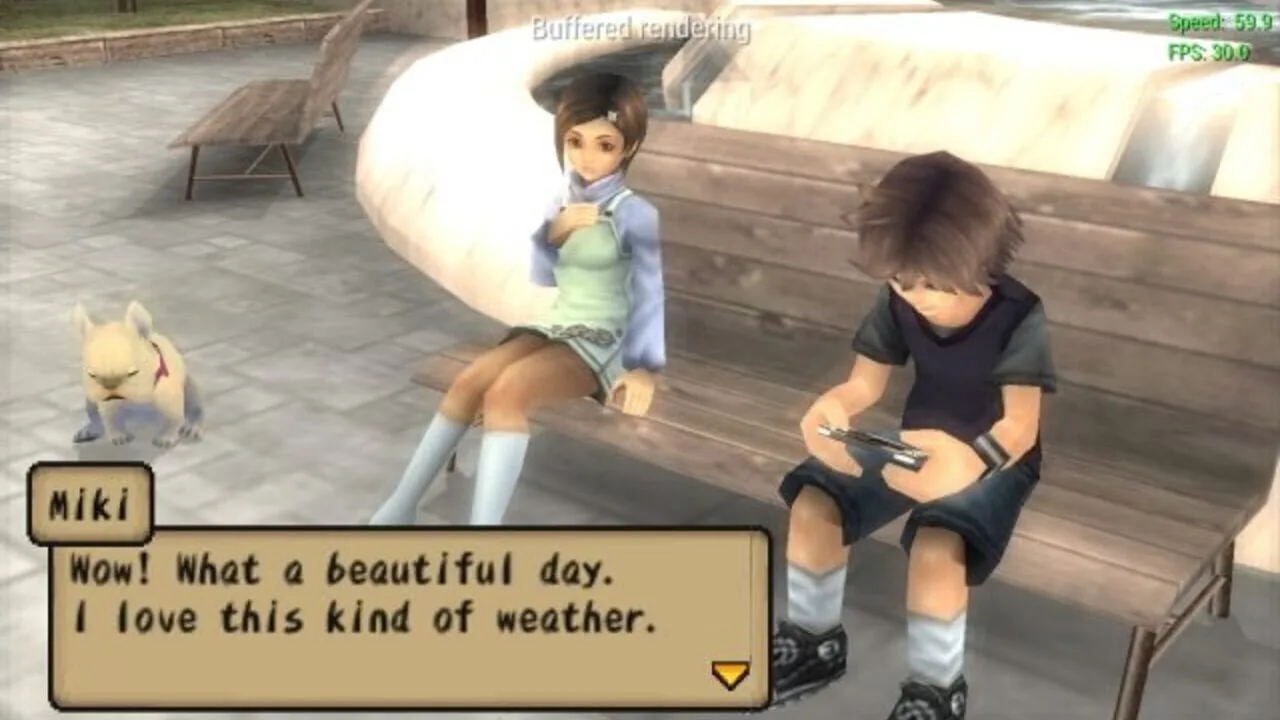
Brave Story: New Traveler starts with an 11-year-old boy watching his friend Miki collapse from an unknown illness. A strange voice tells him a door can change his destiny, and he steps through into the world of Vision. There he becomes a novice Traveler, surmounts a long run of ordeals and hopes to meet the Goddess of Fortune, who can grant a single wish.
The story began as a Japanese novel that was later made into an animated film, so it has a real story behind it. It is a classic role-playing game with a young hero, and most players overlooked it because it was never marketed as a big name. The story hits harder than its soft, storybook look suggests.
9. Final Fantasy Type-0 (2011)
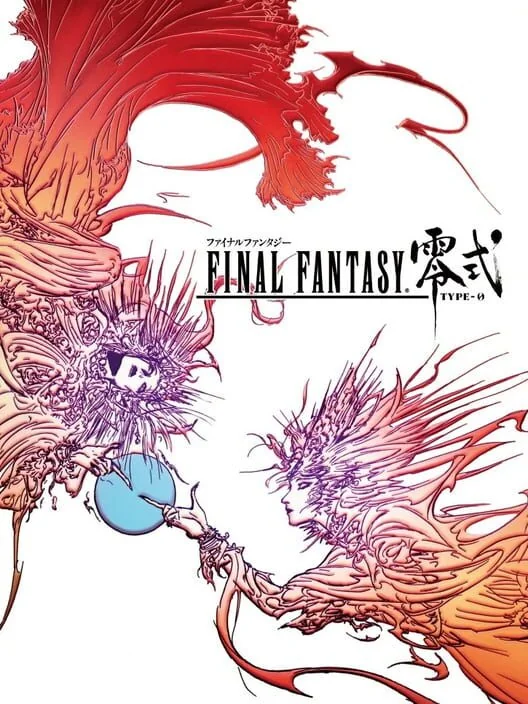
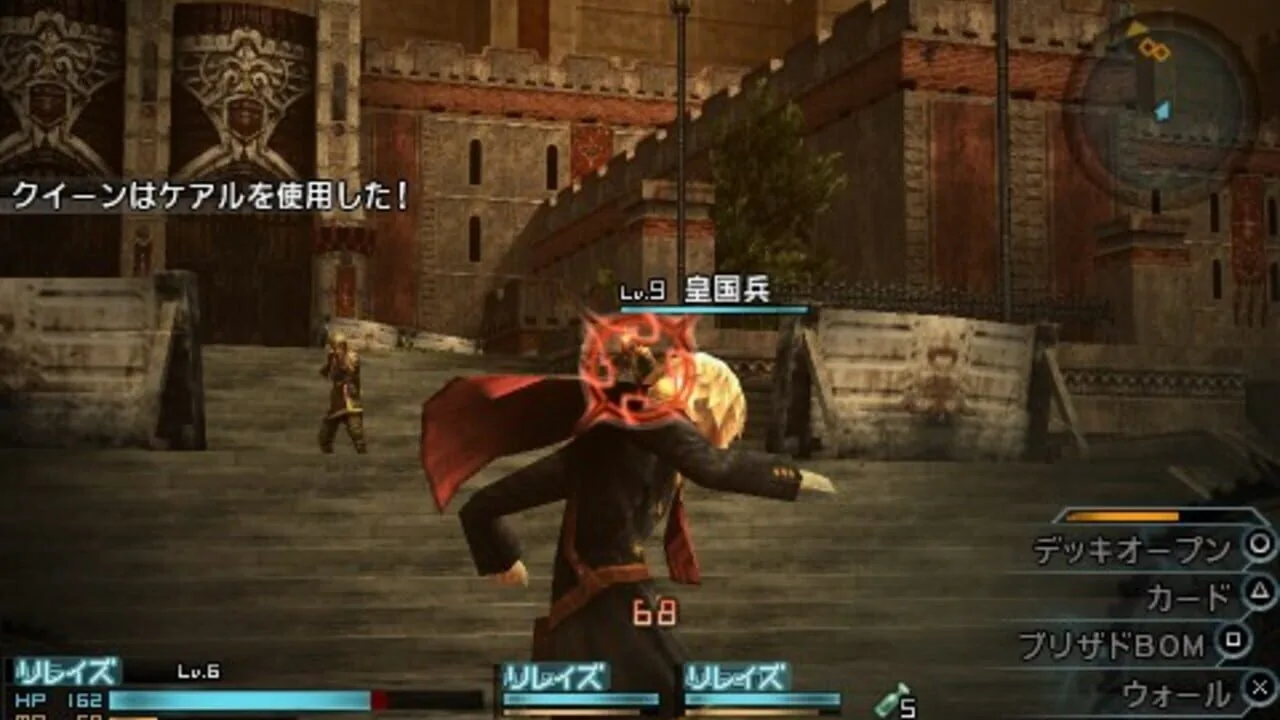
Final Fantasy Type-0 is set in Orience, a land split between four nations that each have a crystal and an academy. It began as a mobile and PSP project called Final Fantasy Agito XIII and was directed by Hajime Tabata. The story is darker than other entries, and it was inspired by historical documentaries. It is the dark war story that Final Fantasy fans on the system were waiting for.
It came out in Japan on October 27, 2011, and the world only got an HD remaster in March 2015. For years, Western fans could play it only with a fan translation. It sold strongly, and reviewers praised its story and gameplay but criticized the camera and the artificial intelligence.
8. Coded Arms (2005)
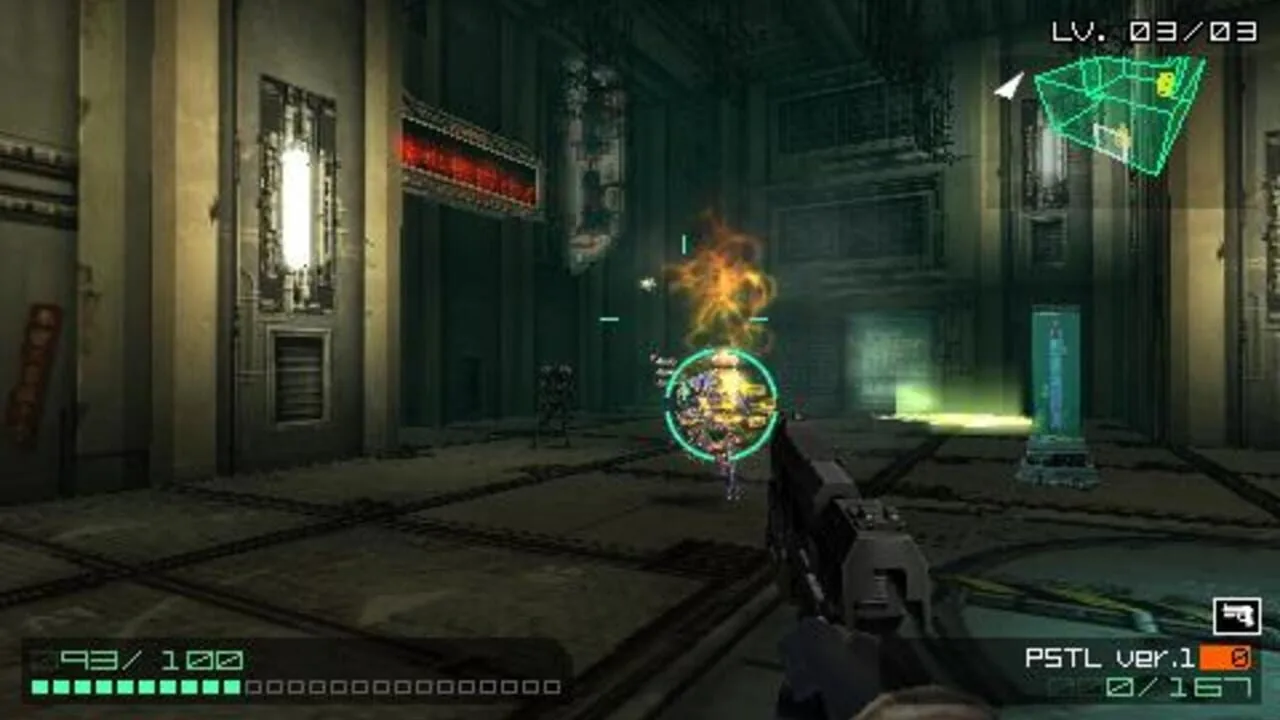
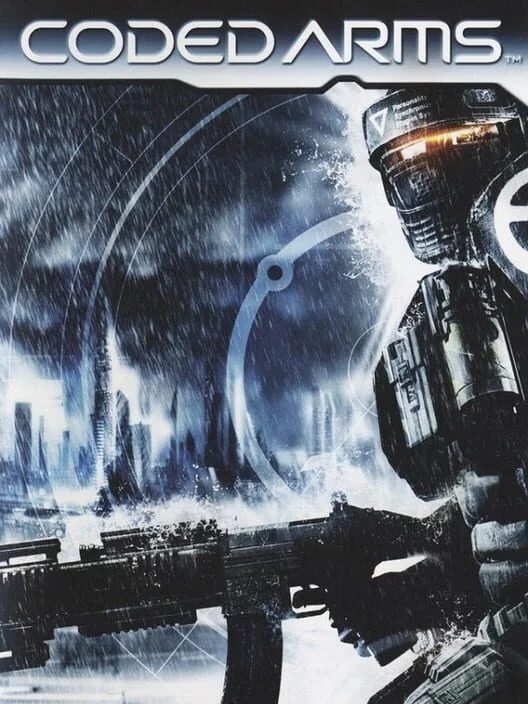
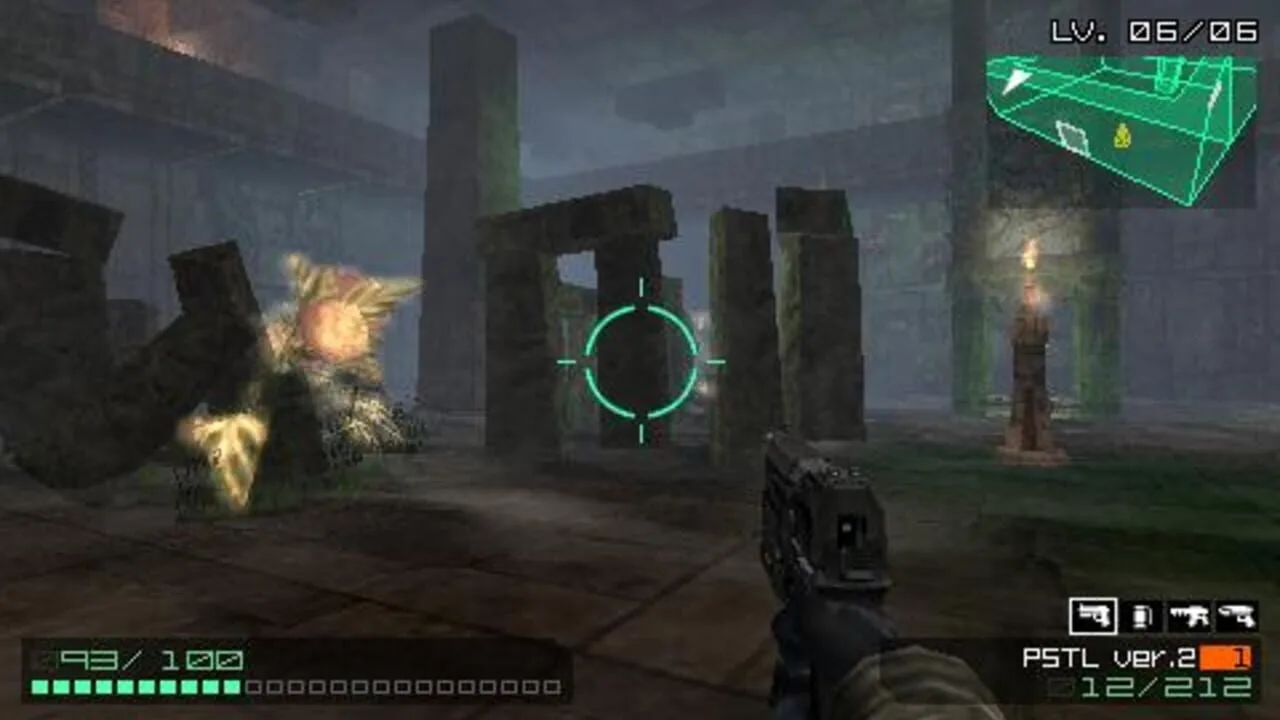
Coded Arms is a first-person shooter where you play a hacker who breaks into an abandoned virtual reality system. The system was built as a combat simulator to prepare for an alien invasion, but it kept running on its own after the project was shut down. It now fills sectors with soldiers, security bots and giant bugs, and the only way out is to destroy the bosses and reach the Kernel database.
Critics were not kind. Electronic Gaming Monthly gave it some low scores, and that reputation kept many players away. Players who gave it a chance found a straightforward shooter with a strange premise and plenty of sectors to clear. Treat it as a rough but fun game, the kind that looks better on a second visit.
7. Gladiator Begins (2010)
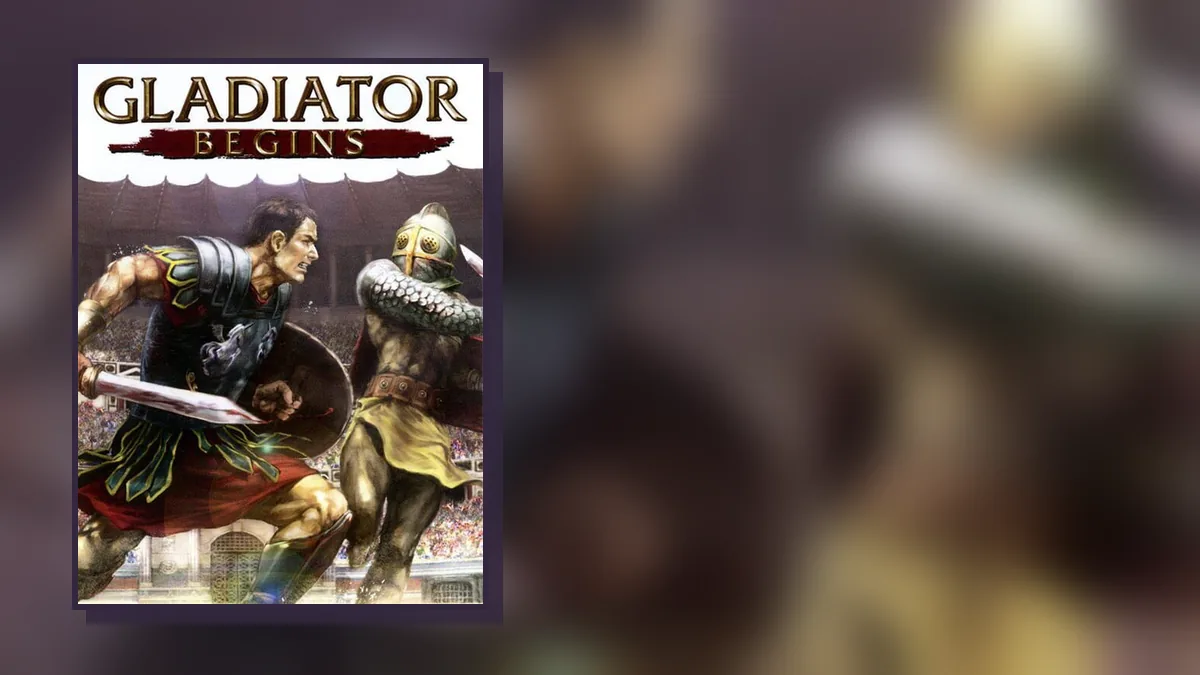
Gladiator Begins is a prequel to Colosseum: Road to Freedom, and it throws you into the Roman Colosseum. You start by building your own gladiator, choosing male or female, body size, skin color and facial details. In the story, a feud between supporters of Commodus and supporters of General Cassius grows more desperate and less secret with every passing day. Special skills can be set to the buttons you like.
The series started on the PS2 in Japan. Acquire bought the rights from the earlier publisher in 2008 and the game was delayed from its planned date in November 2009. Fans of the character-building side say you could play it forever.
6. The 3rd Birthday (2010)
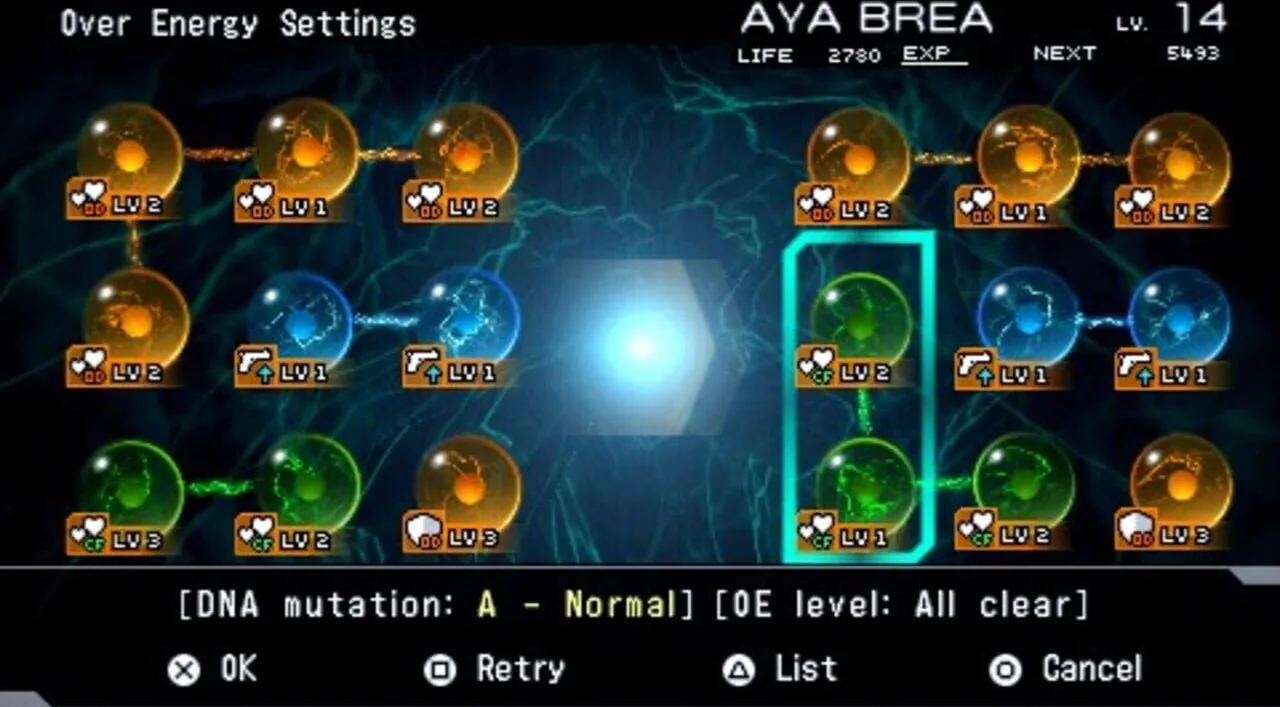
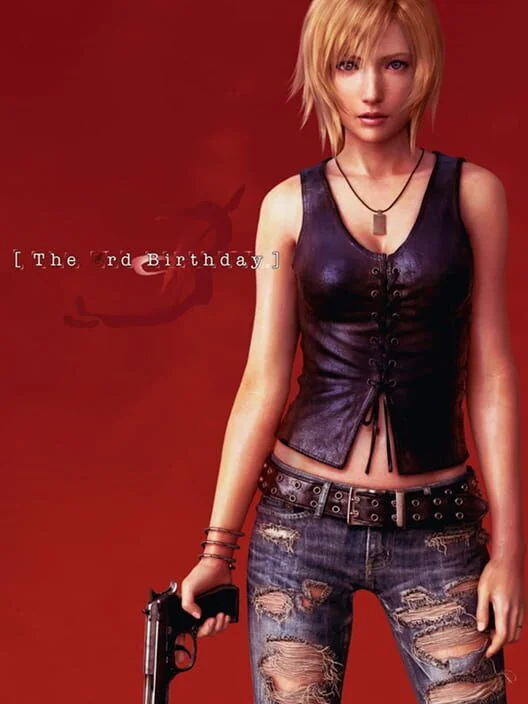
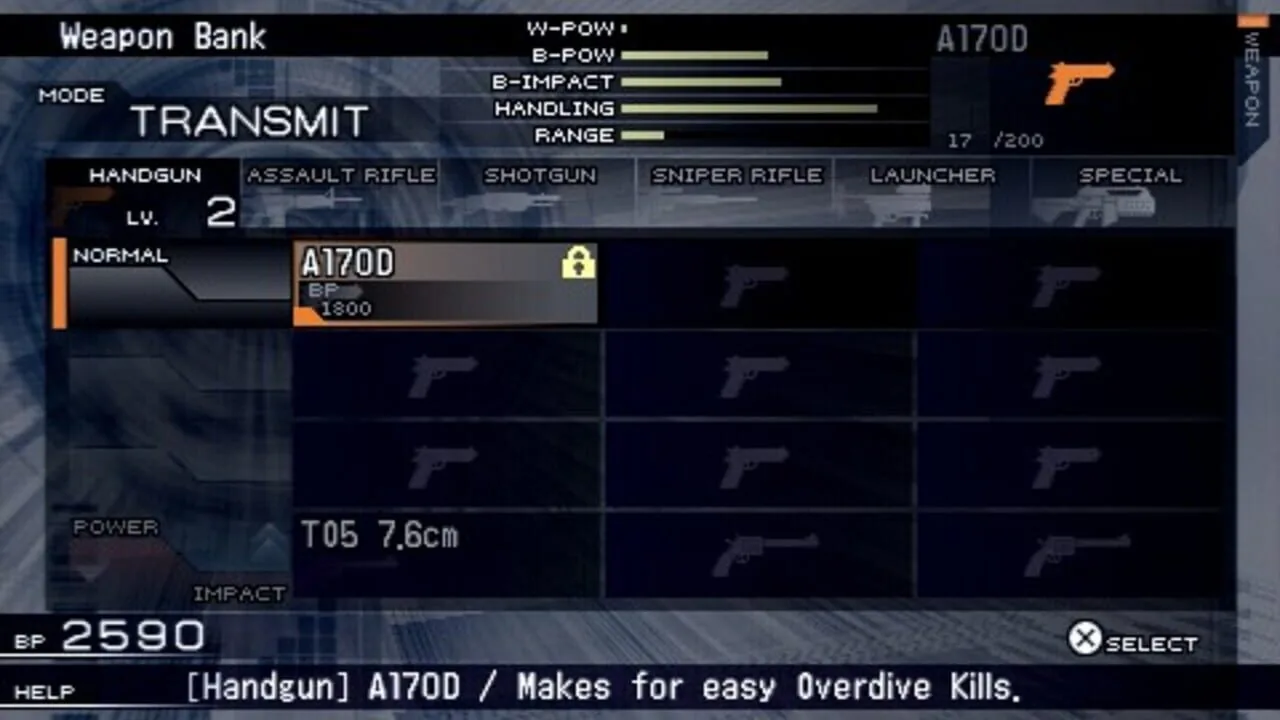
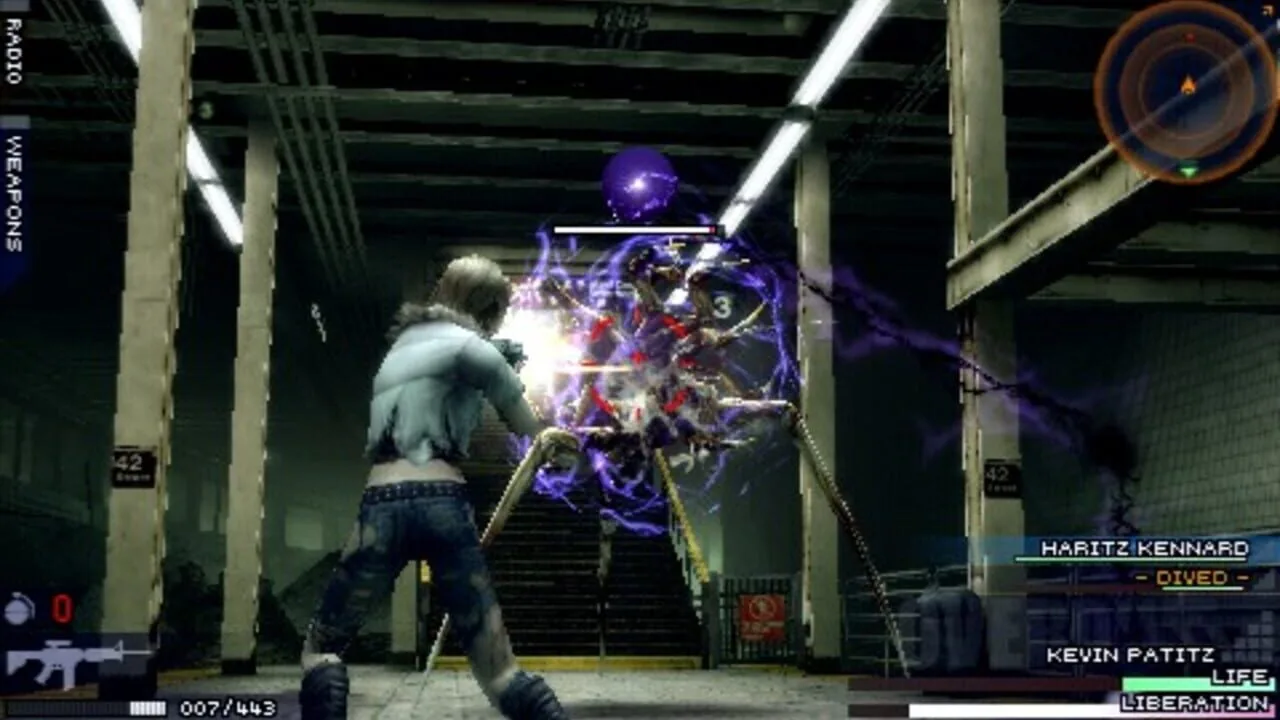
The 3rd Birthday is the third game in the Parasite Eve series, but it only has a loose connection to the earlier games. It started life as an episodic mobile title and ended up a PSP exclusive. You play Aya from over the shoulder, and a trick called Overdive lets you jump into the bodies of your teammates and control them in real time.
Square Enix called it a cinematic action role-playing game. It was a hit at launch, with sales in the top five in North America and the UK, but reviews were mixed. Critics liked the presentation and split on the story, and many complained about the camera. Players who forgive that find a shooter with a very odd, very ambitious idea about how to fight.
5. Gurumin: A Monstrous Adventure (2004)
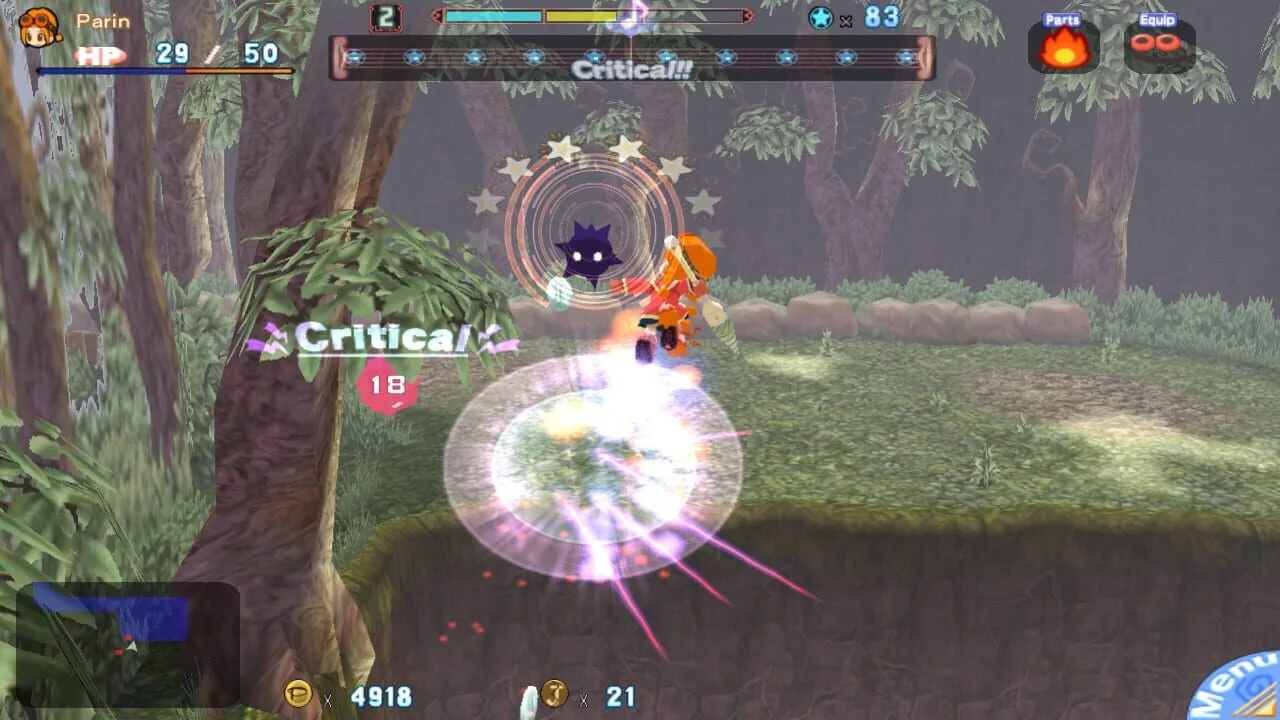
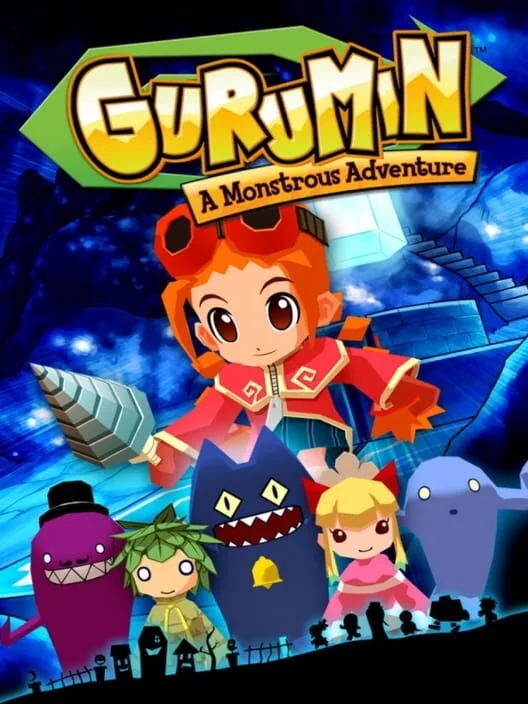
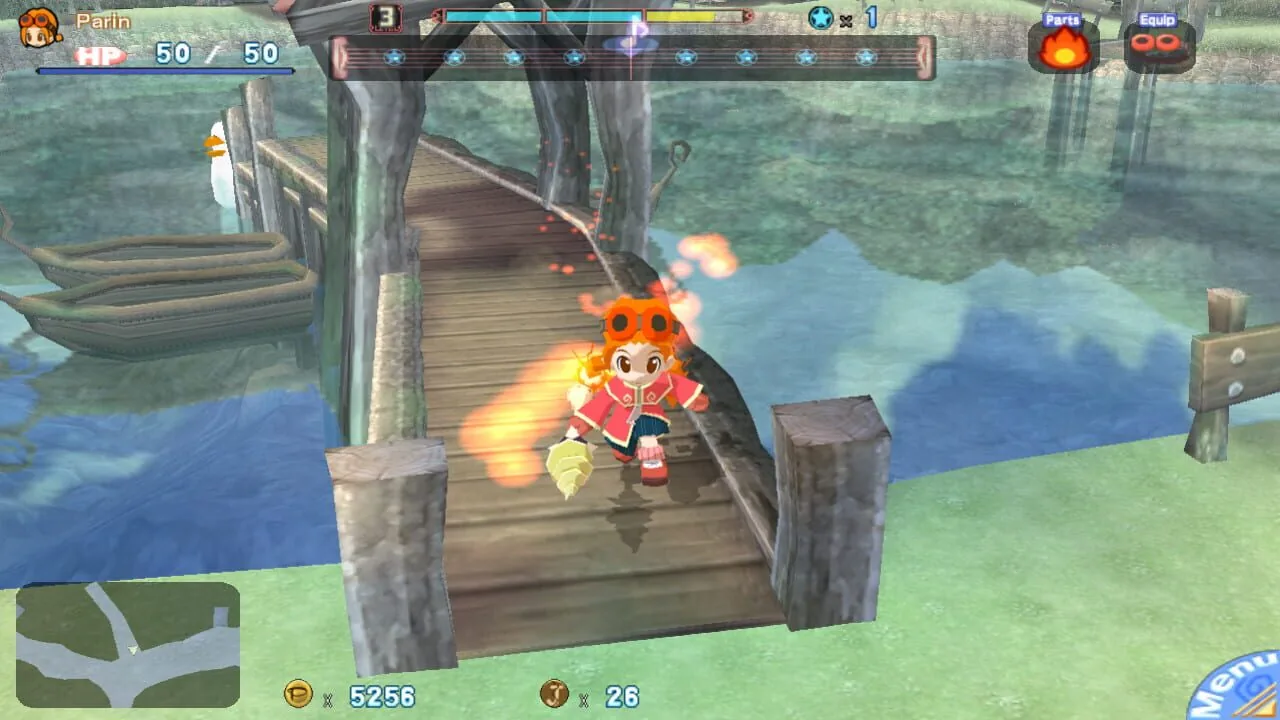
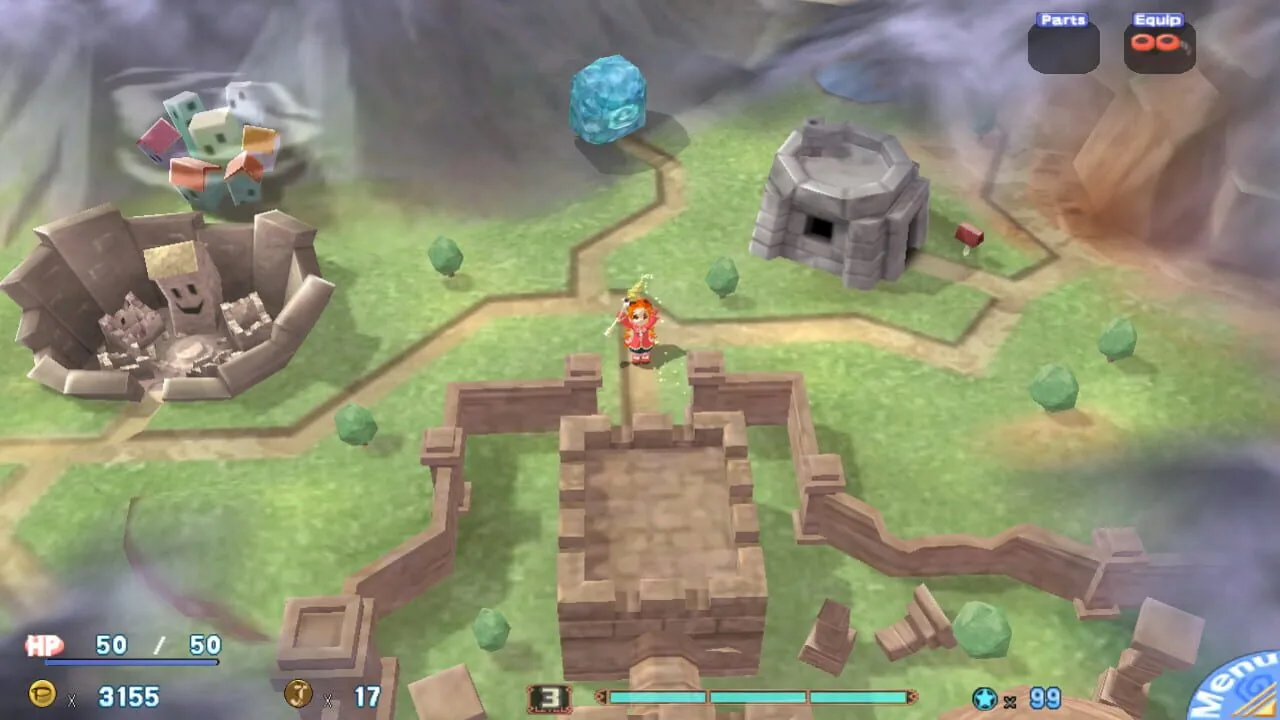
Gurumin is an action role-playing game from the Japanese developer Falcom, and it follows a girl named Parin. She rescues a girl who turns out to be a monster that only children can see. To say thanks, the monster takes Parin through a crack in a wall into the monster world. The cast is fully voiced, and you can choose how hard the game is.
The game began as a Windows release in Japan in December 2004. The PSP port arrived in Japan in June 2006 and in North America in 2007 from Mastiff, so it sat in a quiet corner of the market. A version for the 3DS followed in 2016. It is a cozy, friendly adventure, and the kind of game you could hand to a younger player.
4. Black Rock Shooter: The Game (2011)
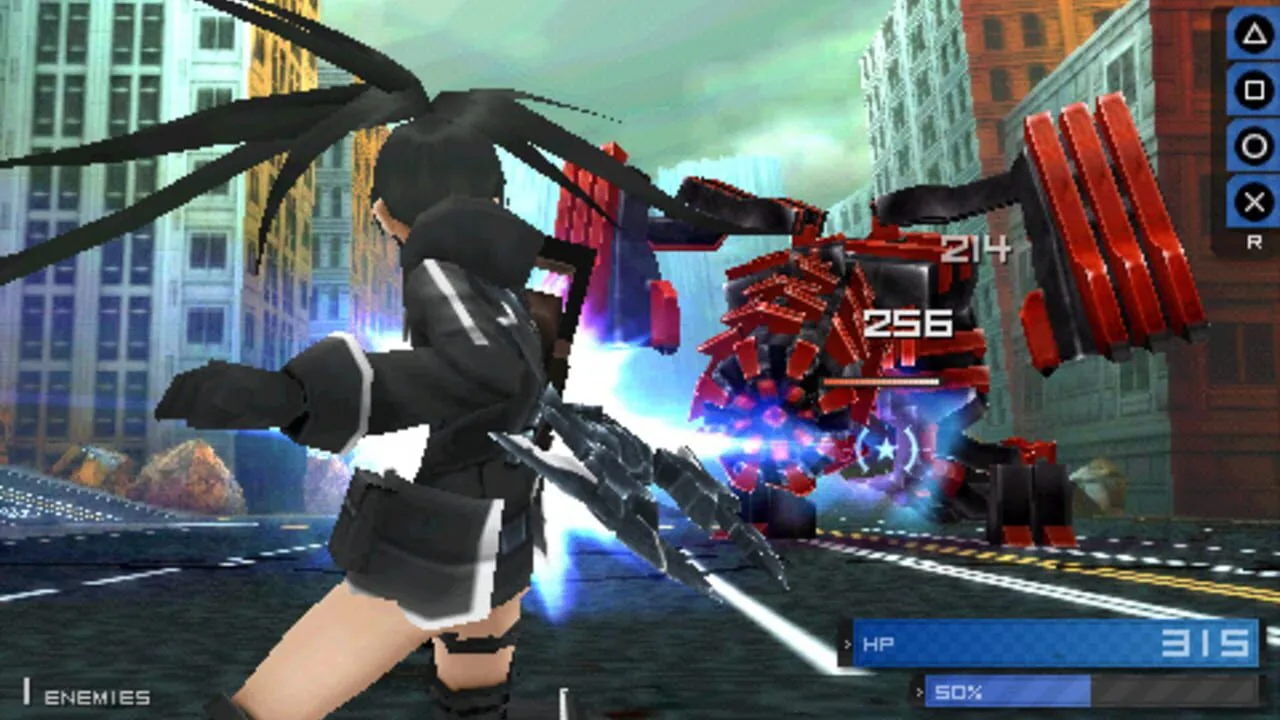
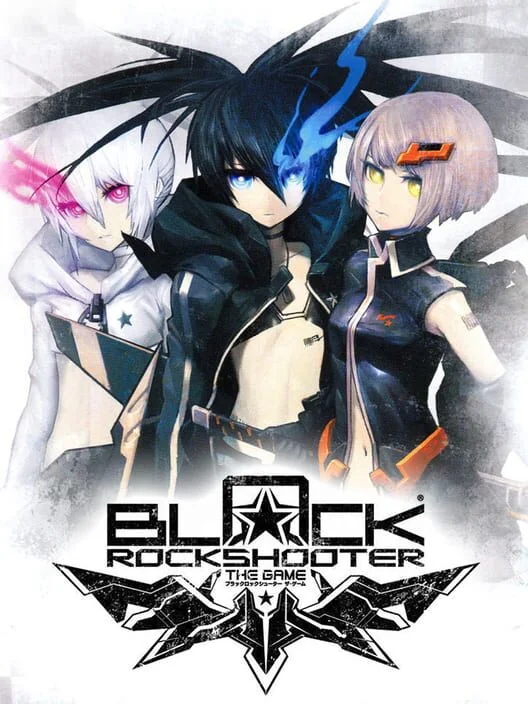
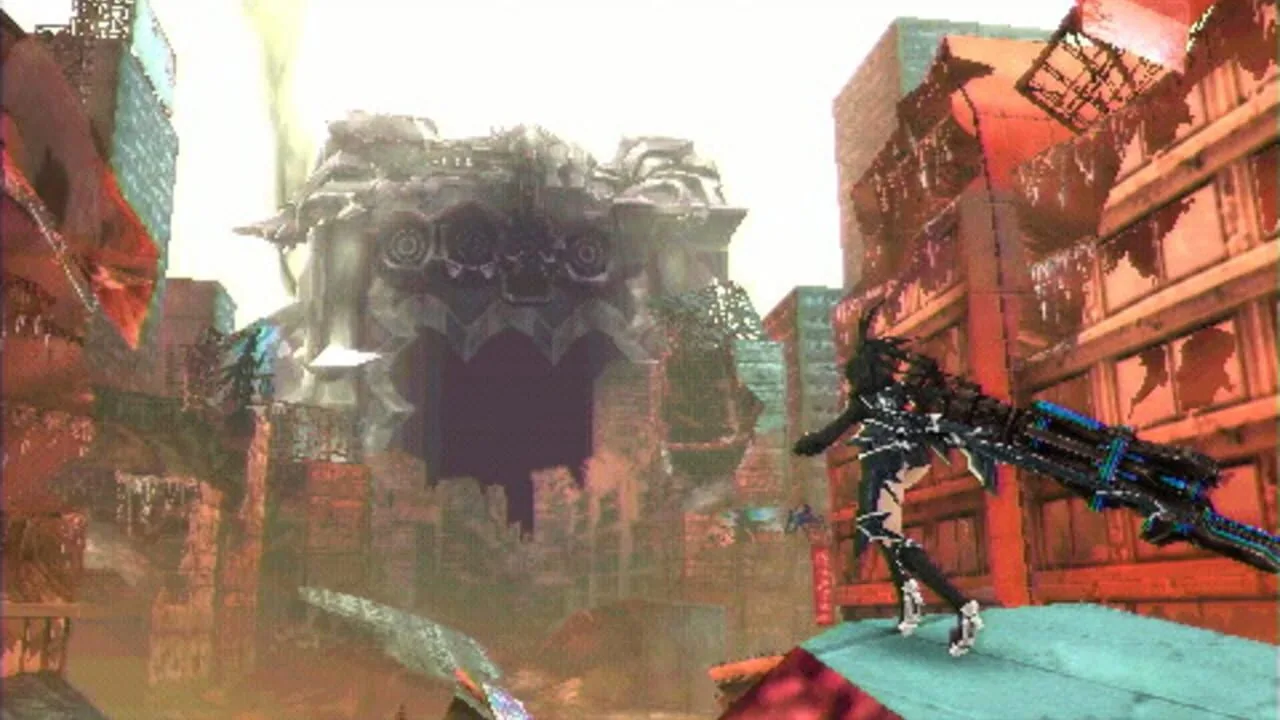
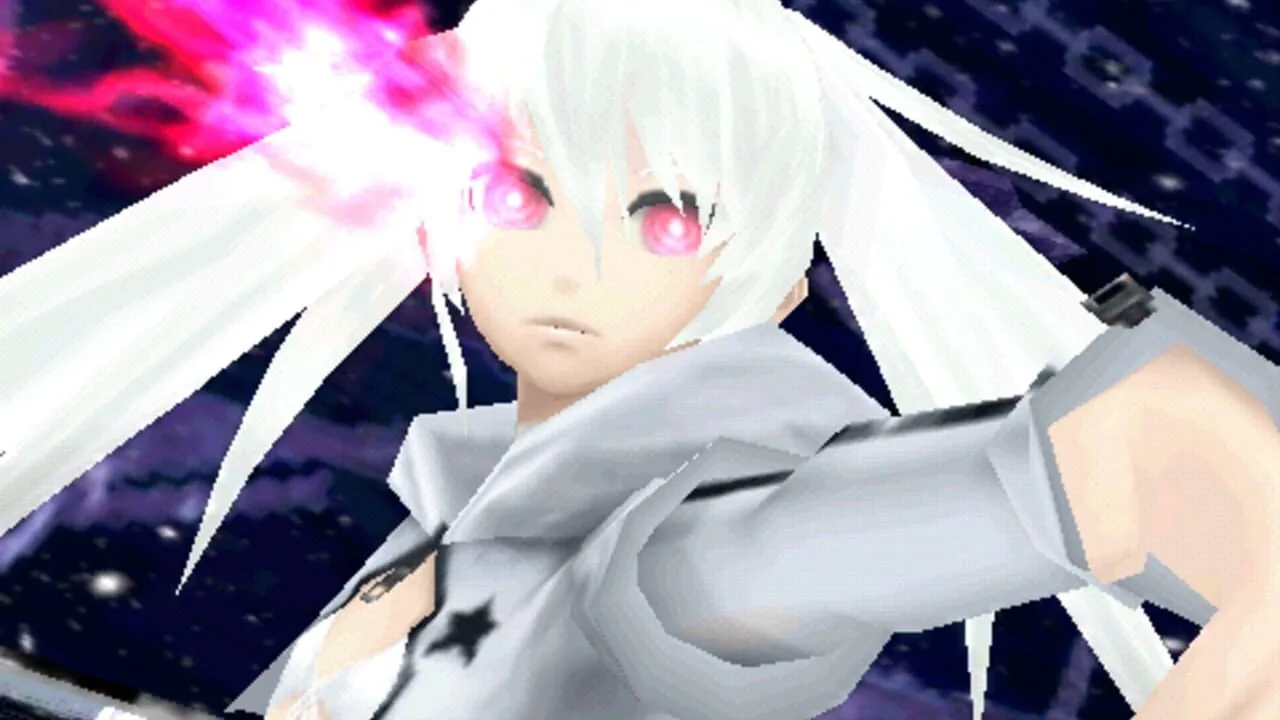
Black Rock Shooter: The Game is an action game with role-playing elements, built on the franchise Huke created, Black Rock Shooter. You play the title character in missions with set objectives, exploring an overworld and hunting for items. Battles begin when you touch an enemy on the map. In a fight she aims and shoots her rock cannon, blocks attacks and sidesteps them completely.
It came out in Japan on August 25, 2011, and it never got a boxed release elsewhere. NIS America published it digitally on the PlayStation Store in the United States and Europe in April 2013. That makes it a rare case of a game that many fans only know from a download list. It is a good fit for anyone who likes anime action.
3. Patapon (2007)
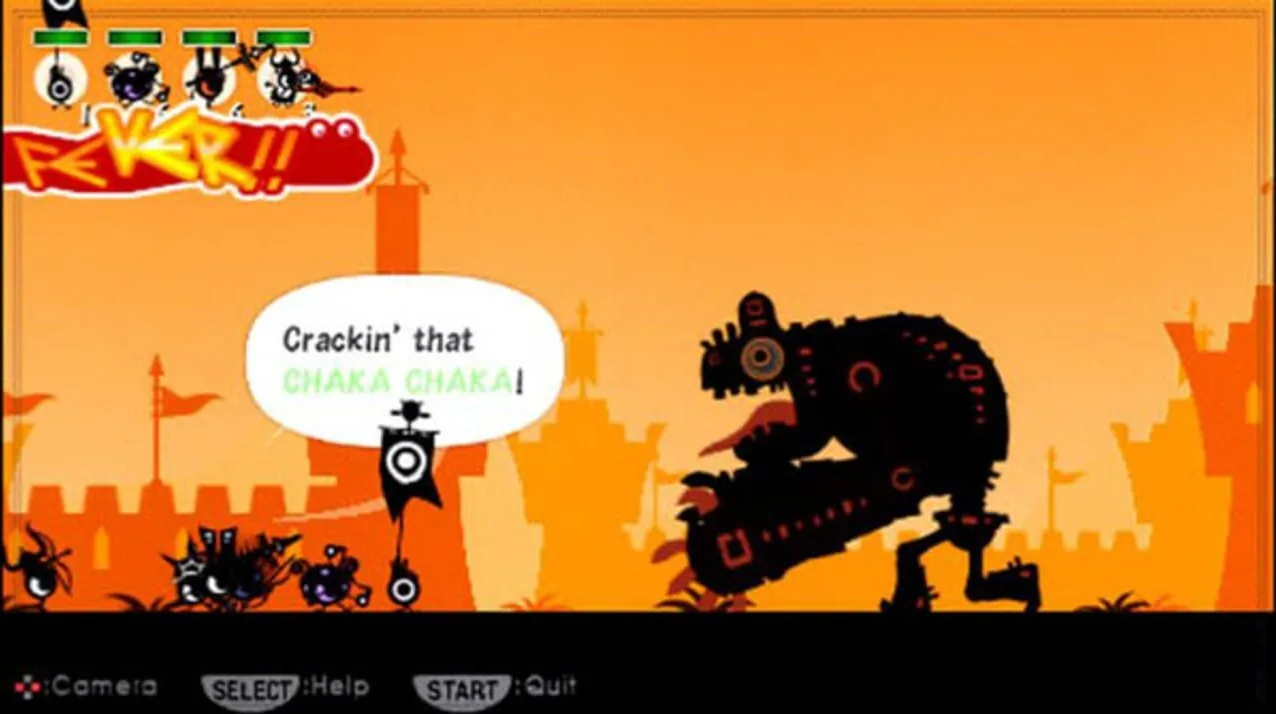
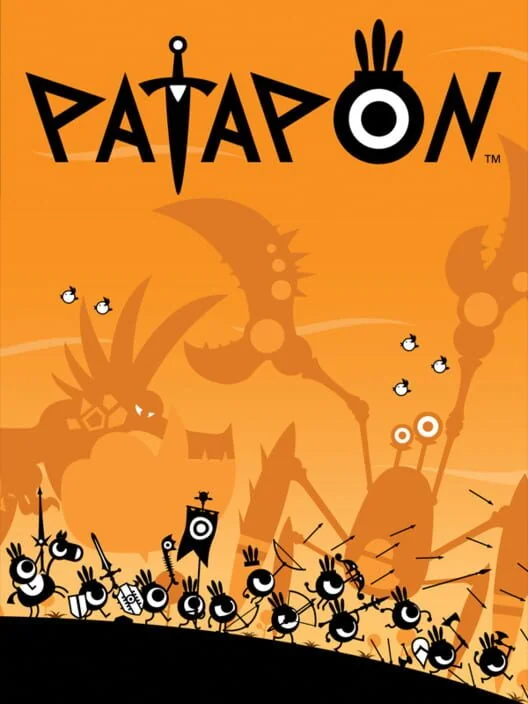
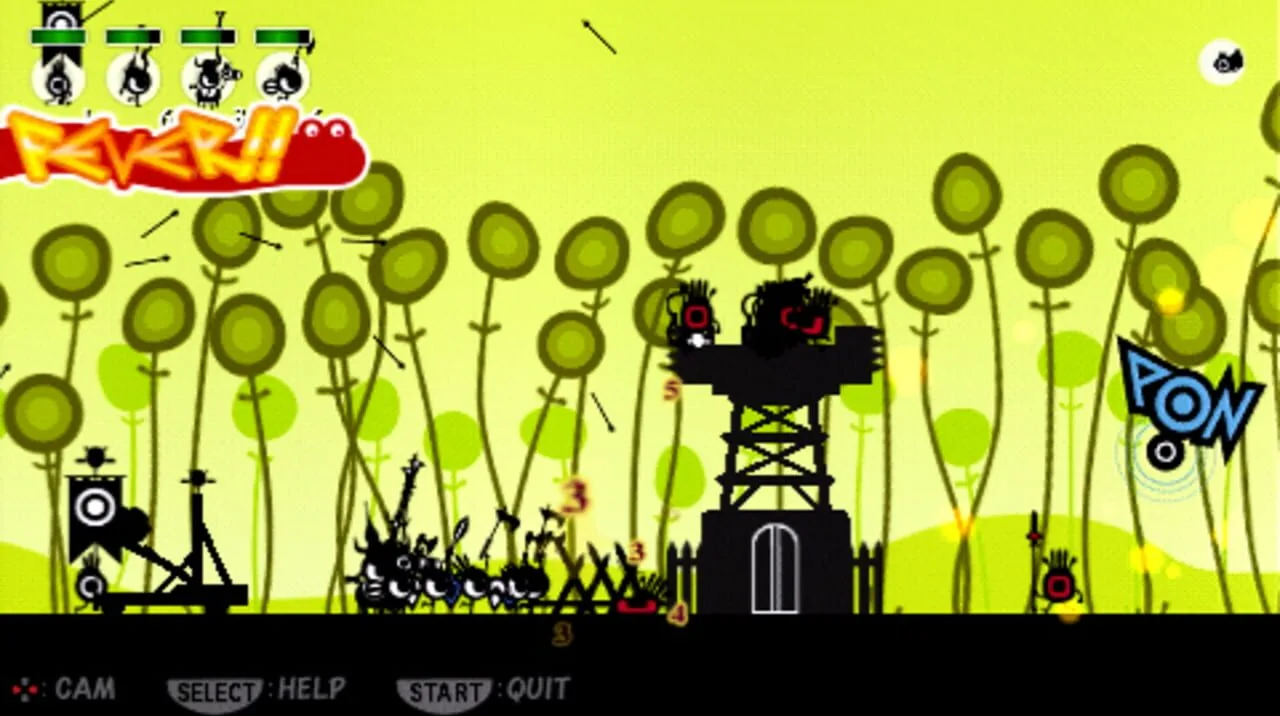
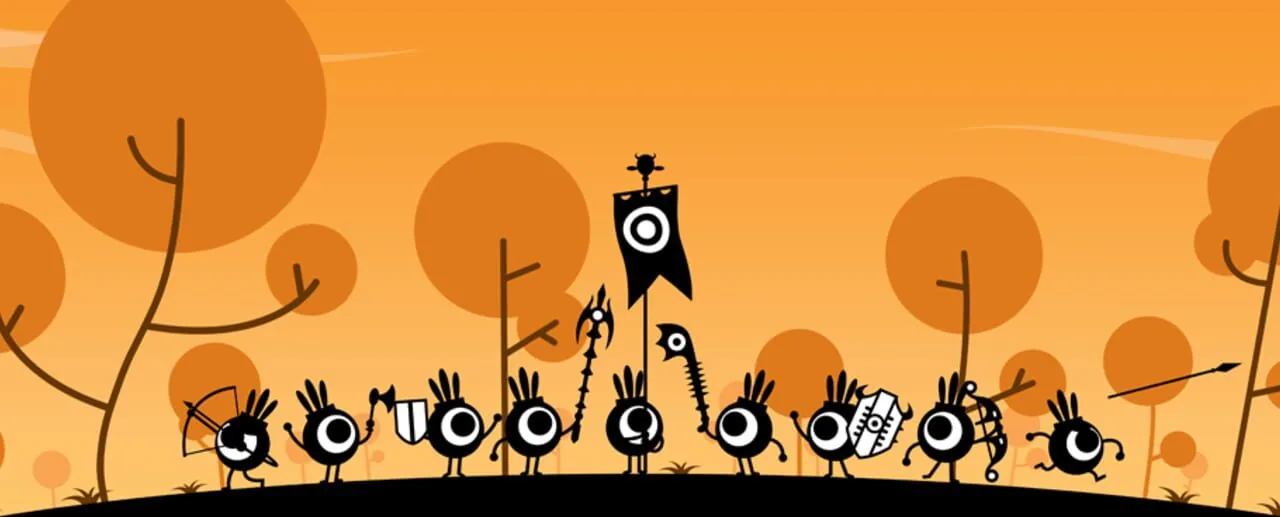
Patapon is a rhythm game and a strategy game at once. It unfolds over more than 30 missions in more than 20 environments, and you control your army with button-timed drumbeats in real time. Between missions you outfit the army and collect resources. The name was created by Rolito and was inspired by an old French song for children.
Critics praised the art style and the music, and the game was nominated for a BAFTA. Some reviewers found it repetitive and missed a pause option. It got two sequels, so it is not exactly a secret. It earns its place here because many casual players have still never heard of it, which is a shame. The drum chants are very catchy, and you will hum them at work.
2. Jeanne d'Arc (2006)
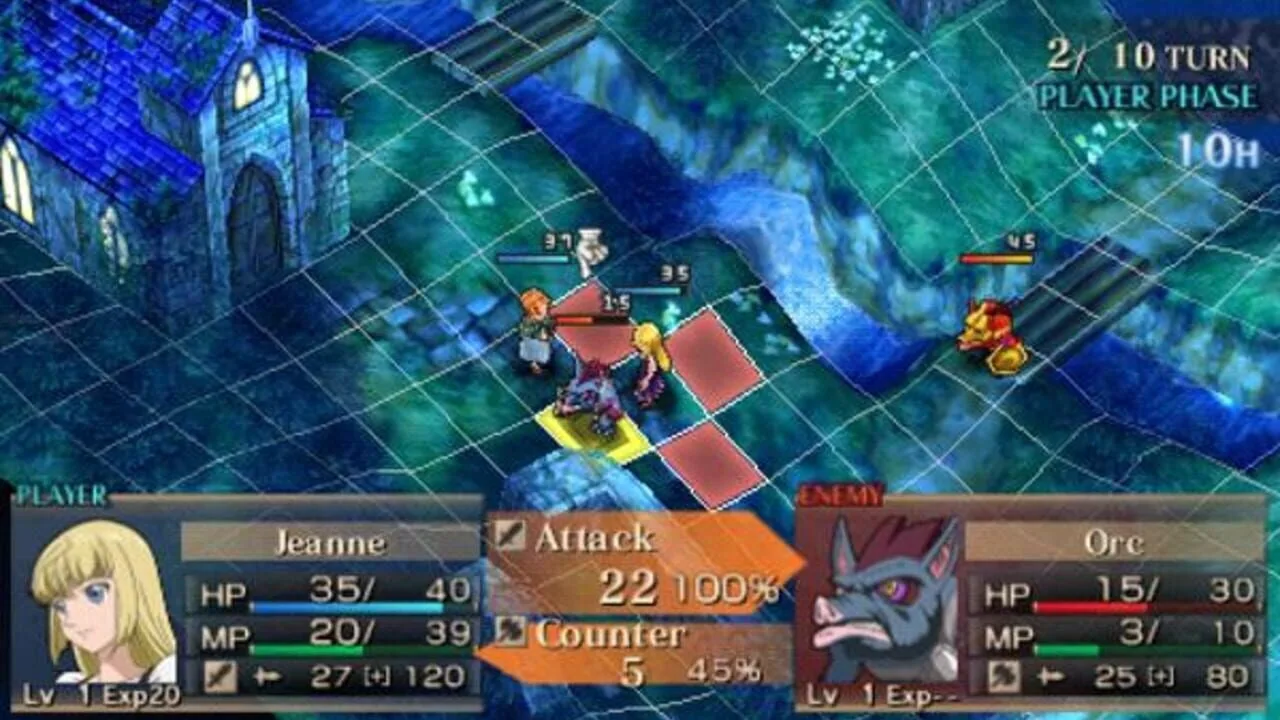
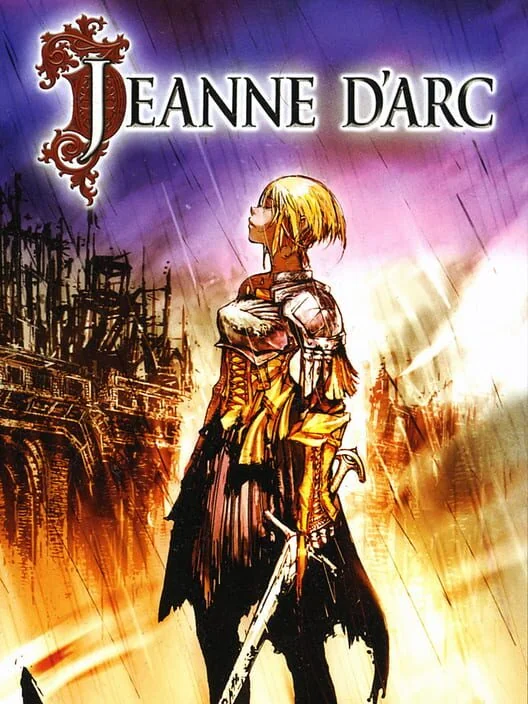
Jeanne d'Arc is a tactical role-playing game in which Joan of Arc fights the English occupation of France in the Hundred Years' War, though the history is loose. It mixes real history with fantasy, so the characters wear magical armlets that give them special powers. It was Level-5's first role-playing game of this kind, and the studio's first game for the PSP.
The game was released in Japan in November 2006 and in North America in August 2007. Critics praised the storyline and the historic significance of its events. Europe had to wait until July 2024, when it was re-released on newer consoles. Joan of Arc with demons and magic jewelry sounds like a bad history class, but it is far more fun.
1. Dead Head Fred (2007)
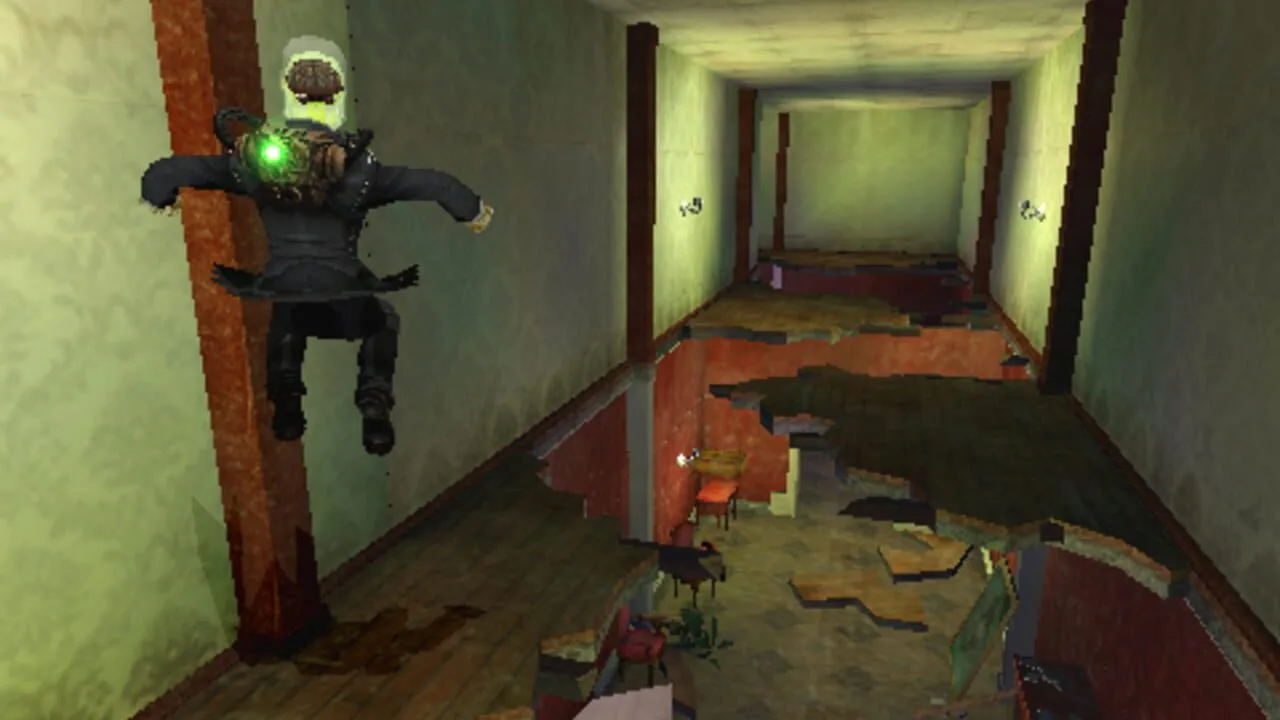
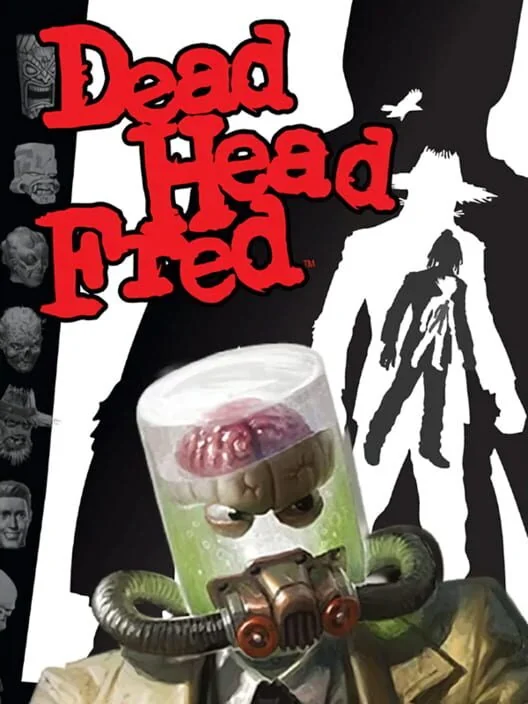
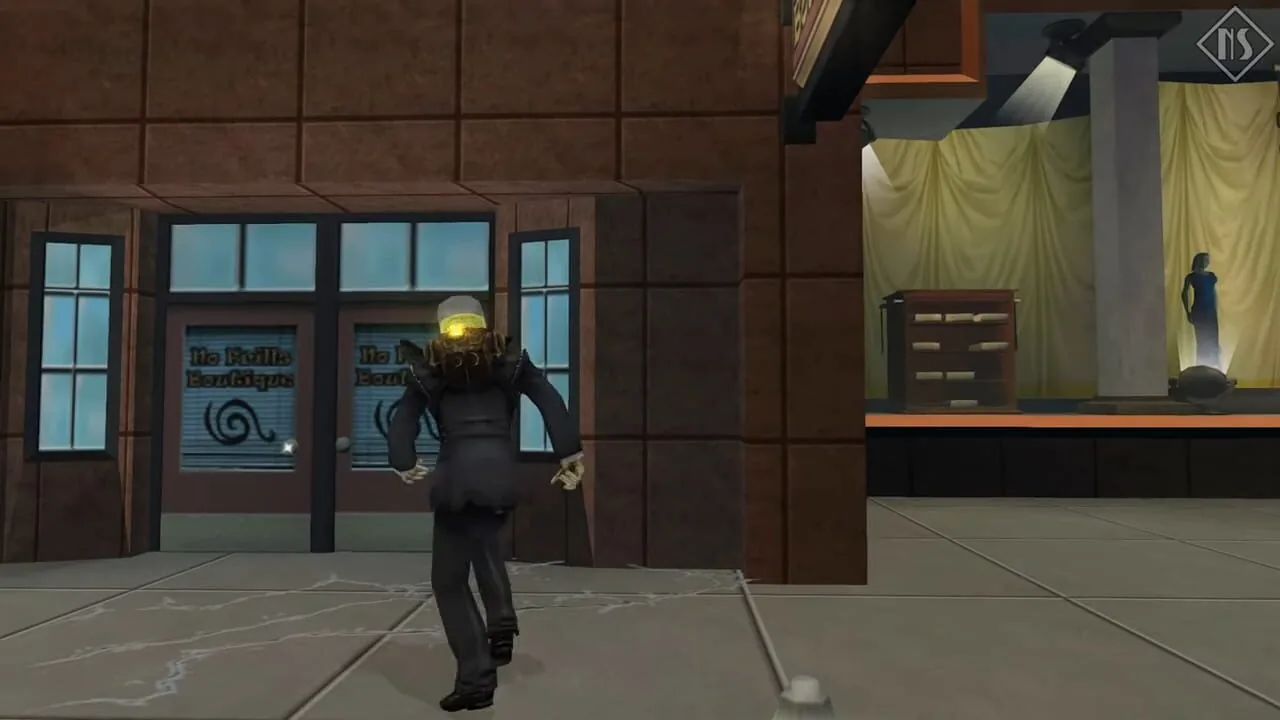
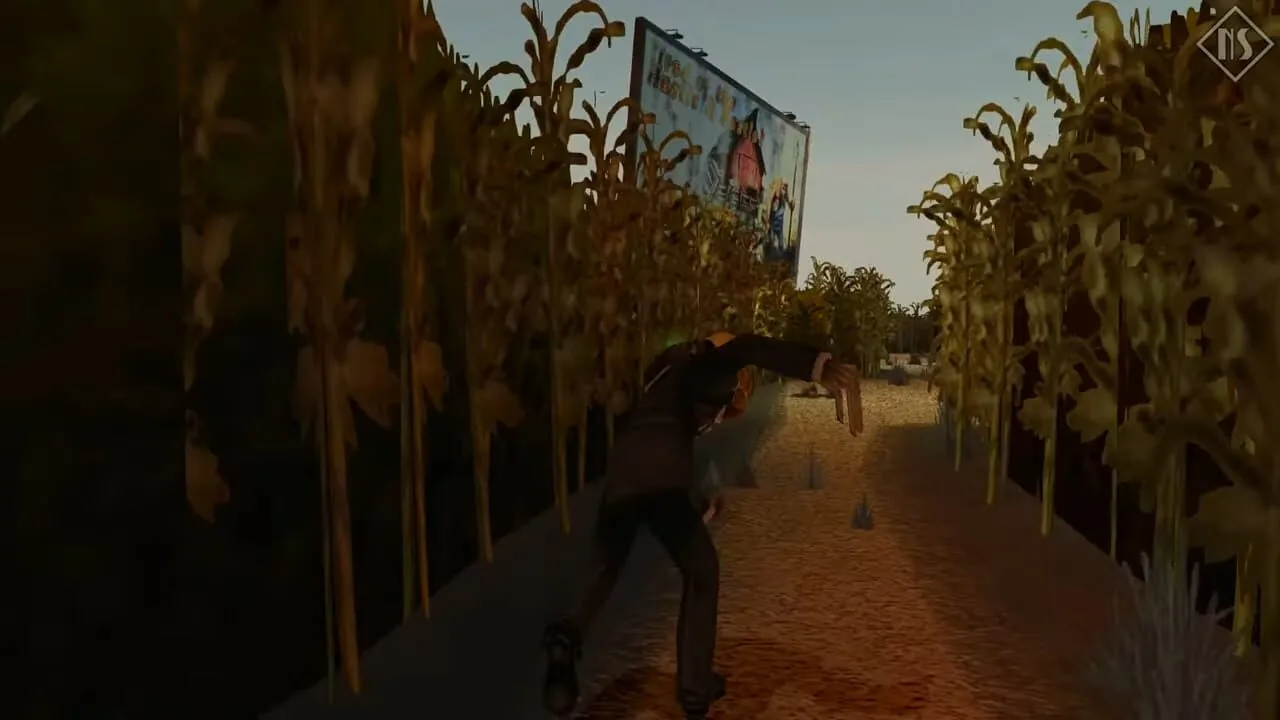
Dead Head Fred puts you in the shoes of Fred Neuman, a private detective who was murdered and then brought back by a strange scientific experiment, minus his memory and his head. You collect, upgrade and switch heads on the fly to fight mutants and gangsters. Each area has manhole covers that work as teleporters between parts of Hope Falls.
It came out in North America on August 28, 2007, and critics liked its dark humor and noir look. In 2008 it won the Writers Guild of America's first video game writing award. Reviews mentioned the weak controls and shallow combat, and the voice acting by John C. McGinley was the highlight. The game is a perfect example of a hidden gem, and it is too good to stay hidden.
Every issue features one game worth playing, plus the latest retro news.