The Wii had plenty of games that never got the credit they deserve. These are the 24 most underrated Wii games. Deadly Creatures, Excite Truck and Zack & Wiki: Quest for Barbaros' Treasure are among them, and so is Wii Sports.

24. Rhythm Heaven Fever (2011)
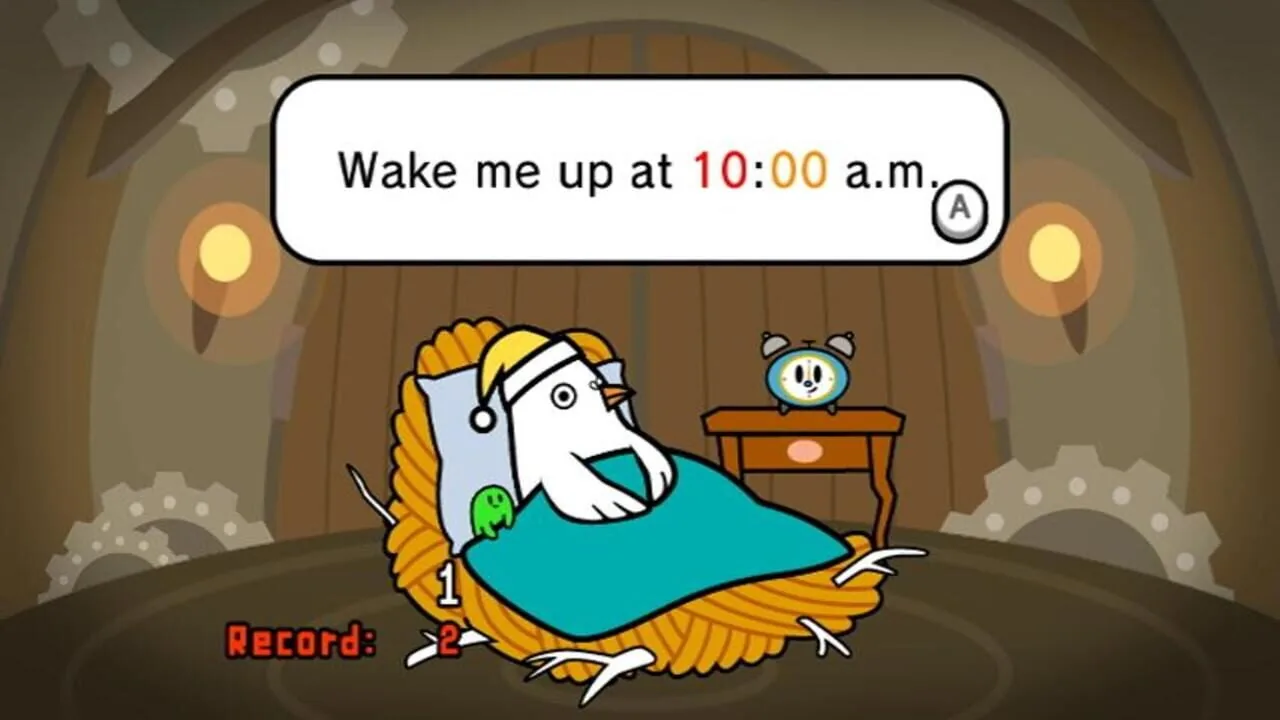
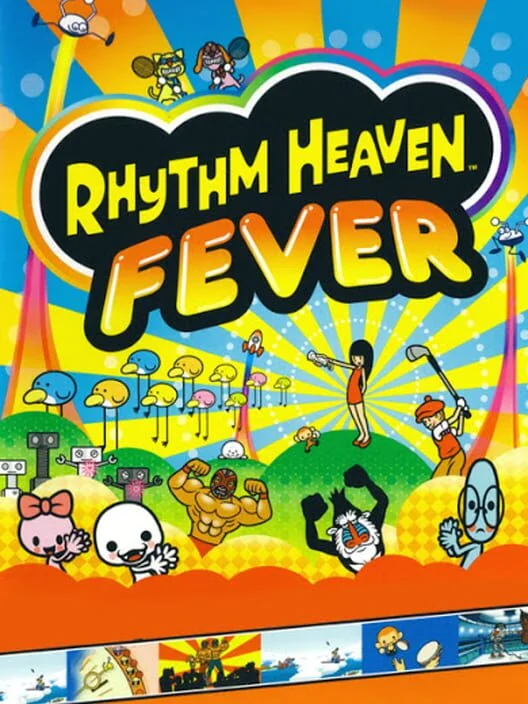
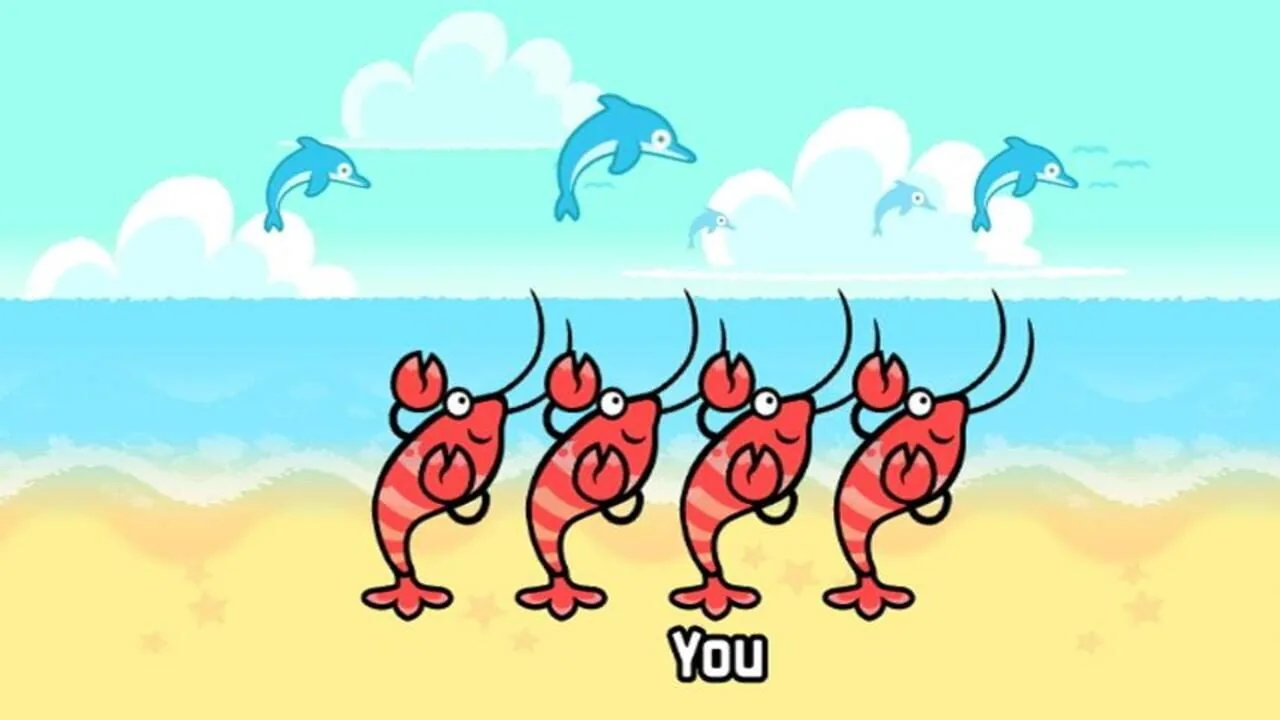
Rhythm Heaven Fever has 40 mini-games that you play with just the A and B buttons. Japan got it in July 2011 and the West in 2012. It came to the Wii U eShop in 2016. It has 40 mini-games, and some are sequels to older ones. You follow the rhythm mainly by sound.
Reviews were generally favourable, and the soundtrack and art style drew praise. It arrived at the end of the console's life, a year after Japan, when most people had moved on. It is the last game here, and one of the best to play with a friend next to you. Each round is short, so a bad stage never lasts long.
23. Fortune Street (2011)
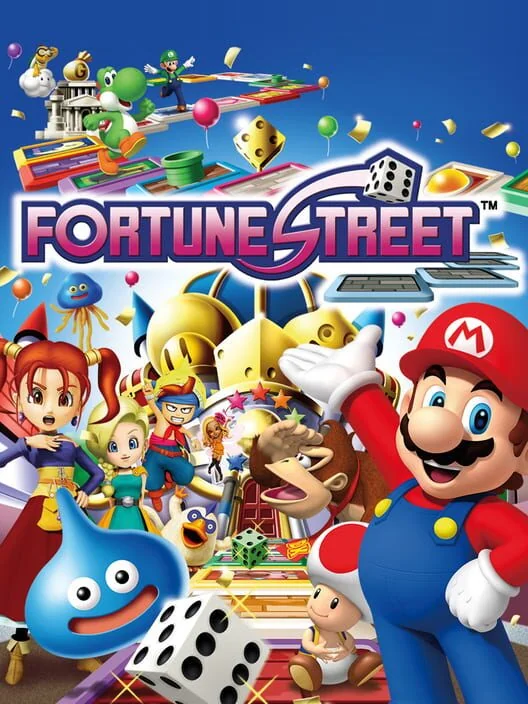
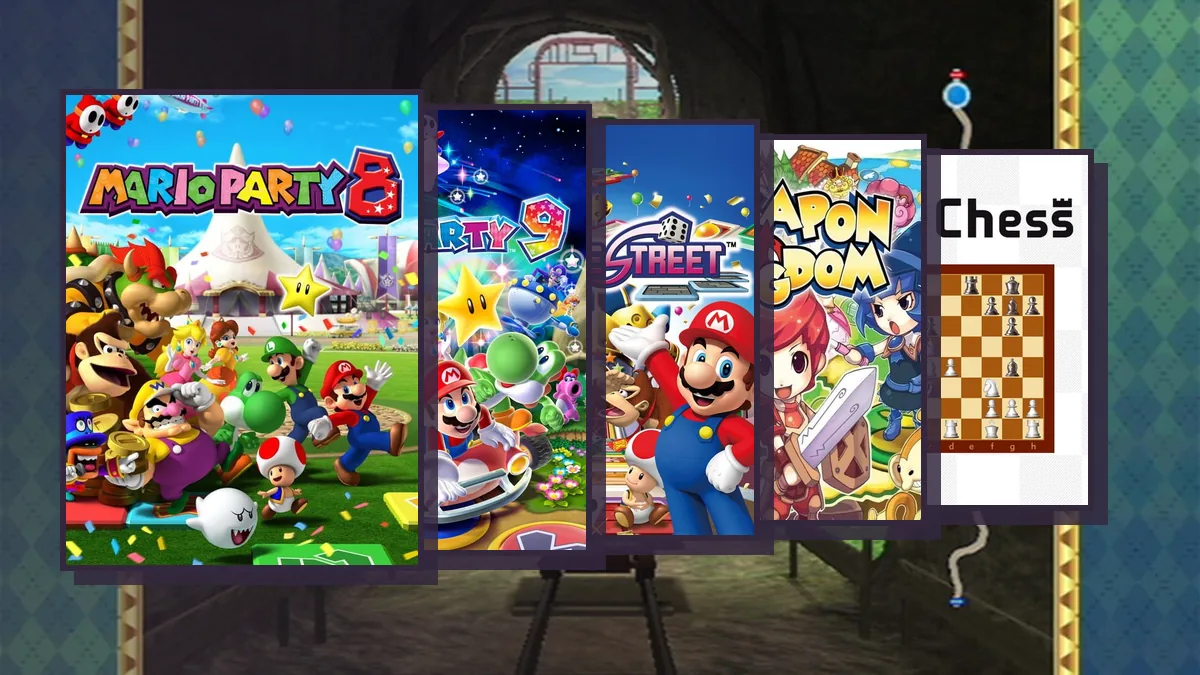
Fortune Street is a board game about buying and selling property and stocks with Mario and Dragon Quest characters. It is an Itadaki Street game, a series that began in Japan in 1991. The series was Japan-only until this Wii release. It was called Boom Street in Europe. You do not need a whole block to build on a property, though more properties mean bigger buildings. The game gives advice at important moments.
A property-trading board game with a sound business brain does not make a good trailer. Players say it is more fun than Monopoly, though better with other people. It plays best with a full table of friends who enjoy a little bluffing.
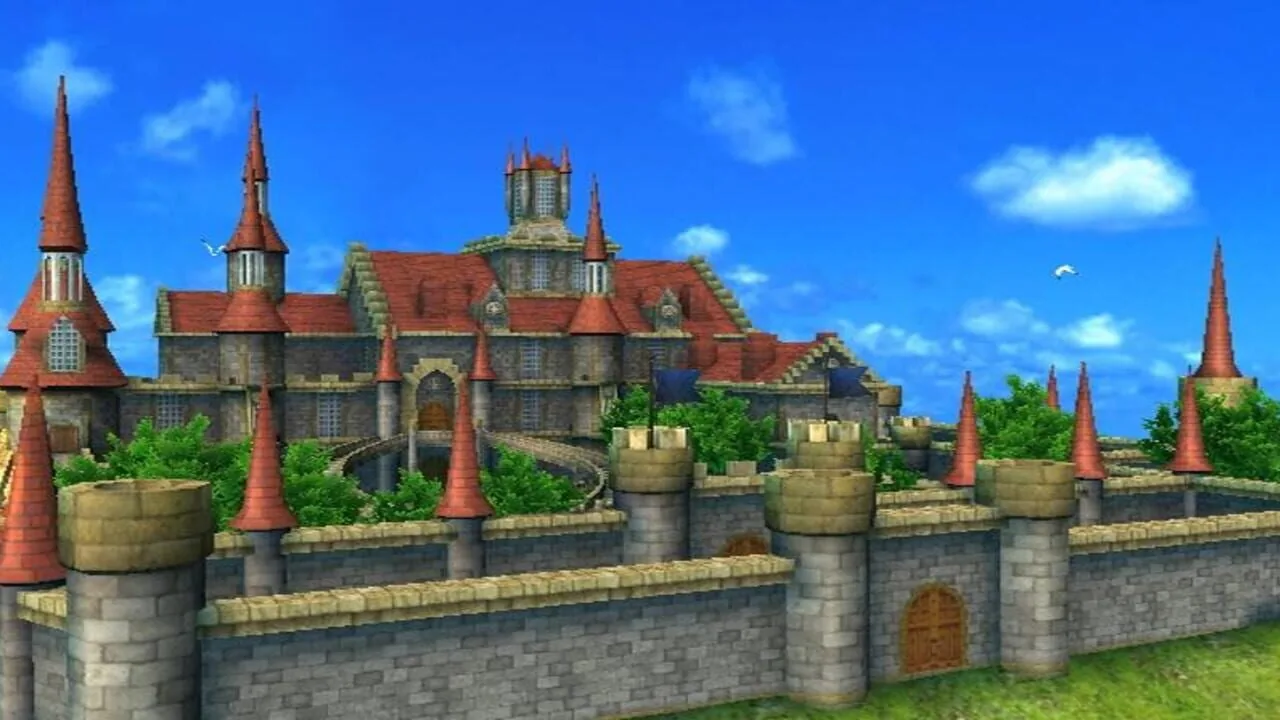
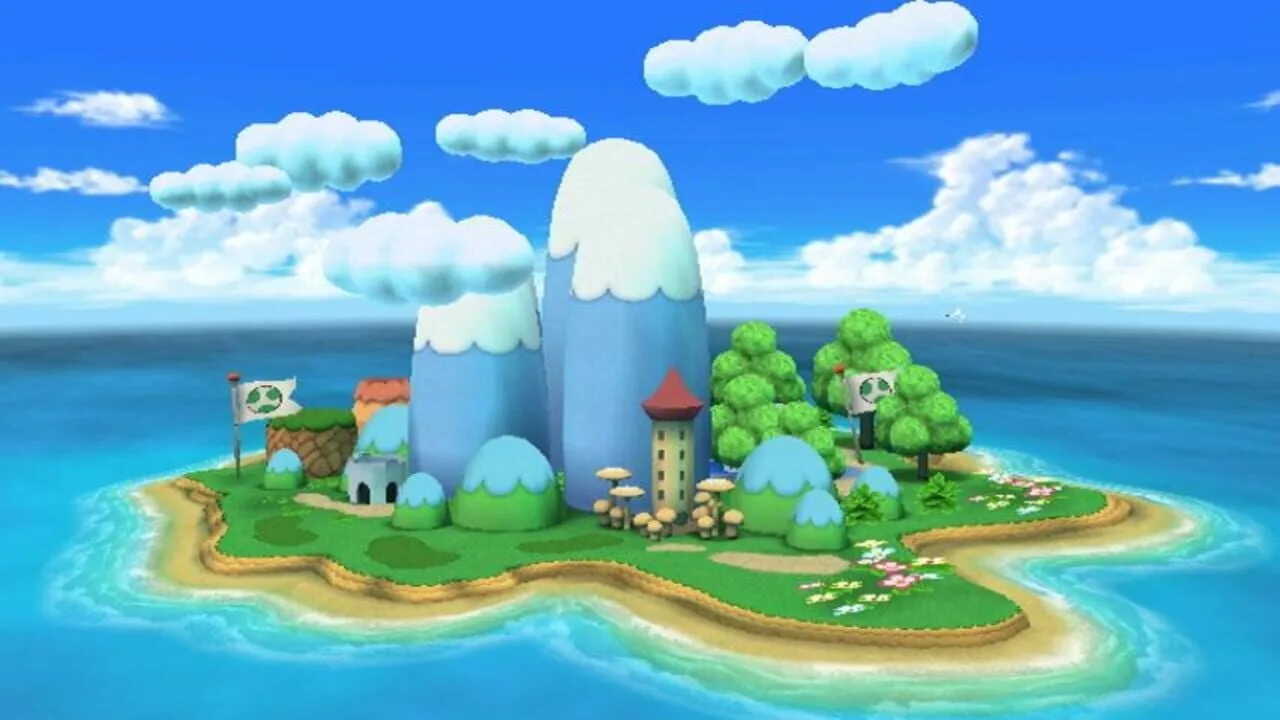
22. Tatsunoko vs. Capcom (2010)
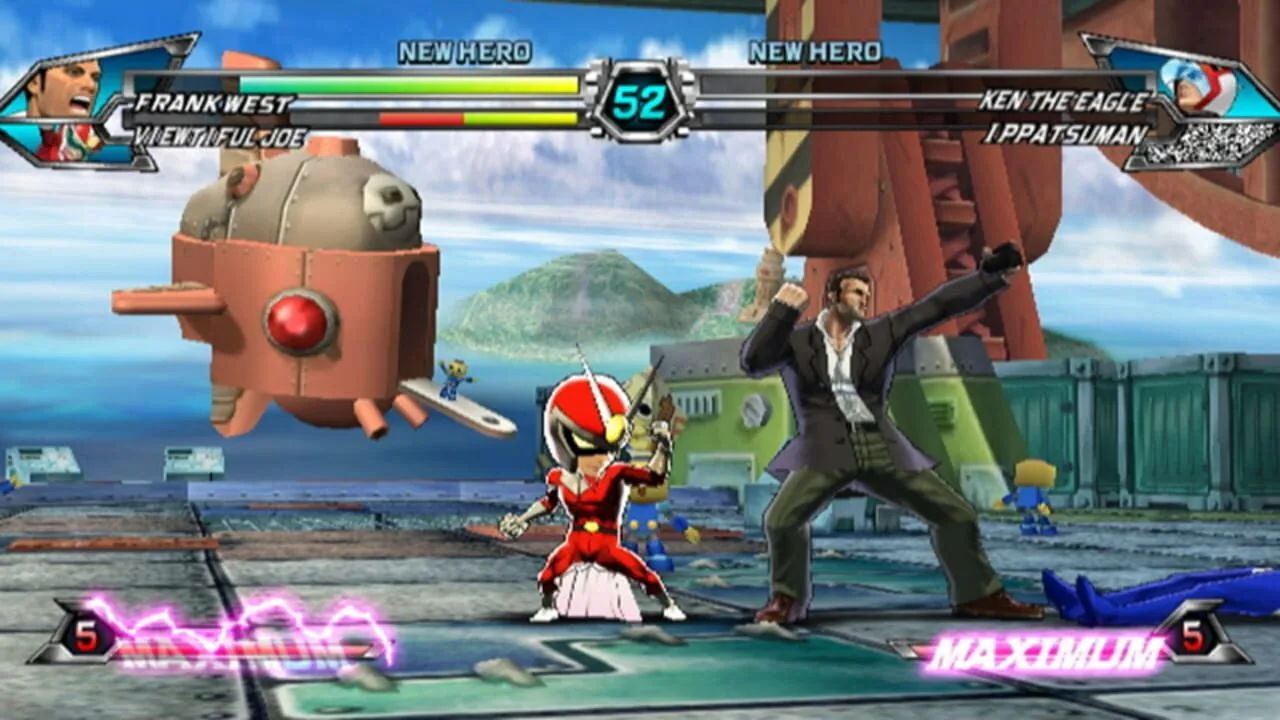
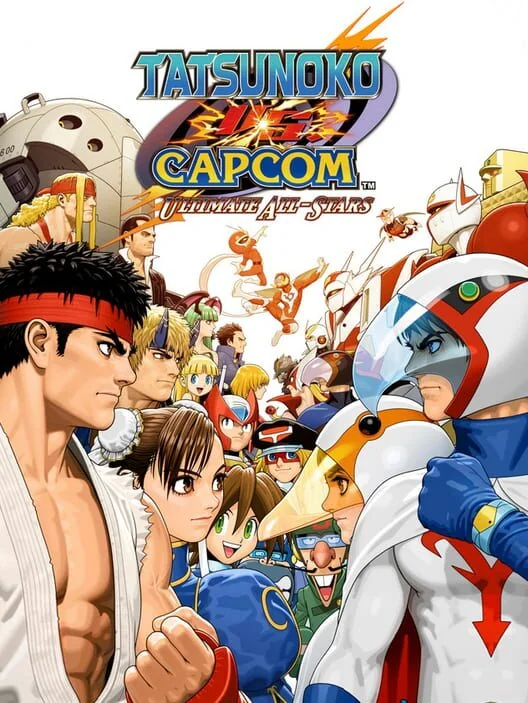
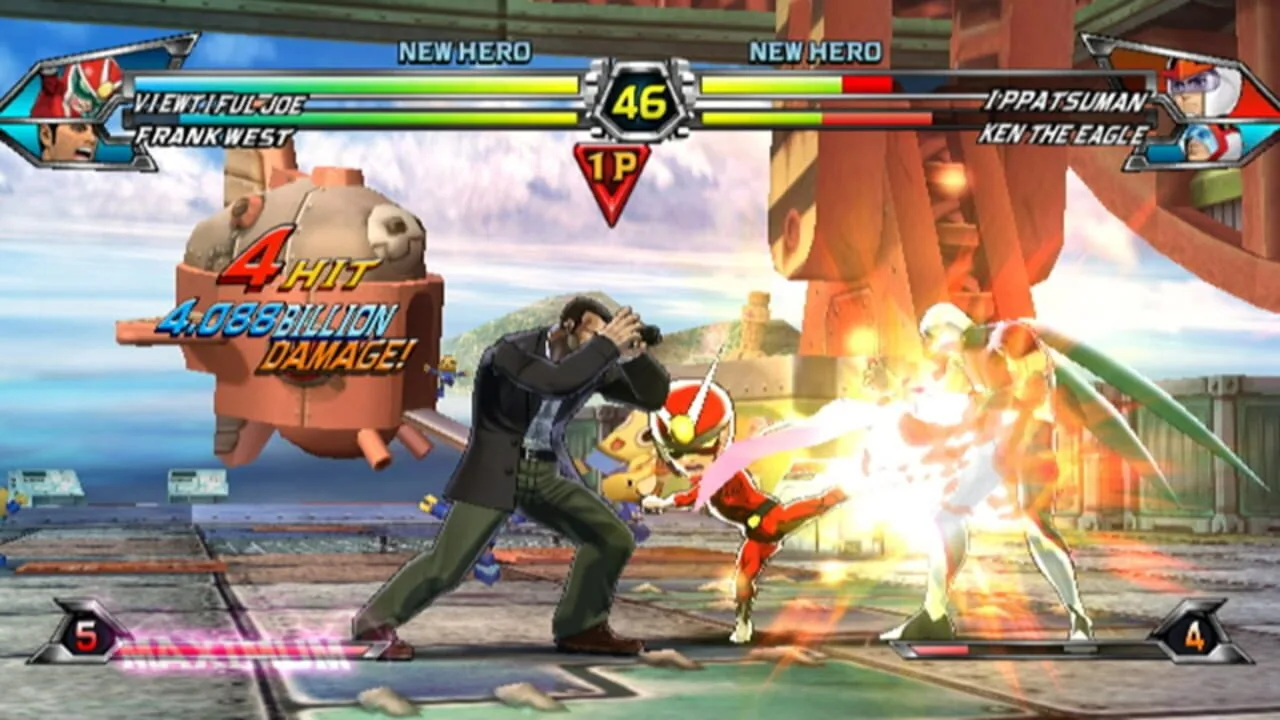
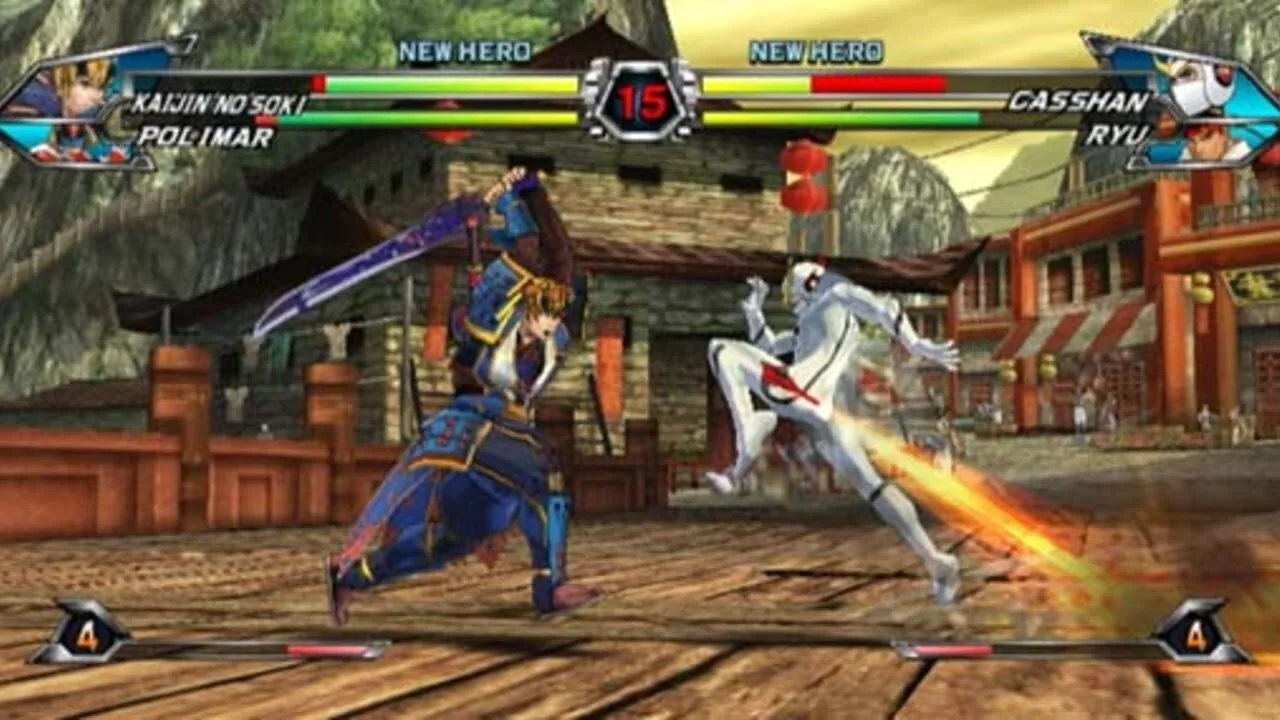
Tatsunoko vs. Capcom is a crossover fighting game made by Eighting. Two-character teams fight on a 2D plane with 3D models. The control scheme uses three attack buttons. The Western version added more characters and online multiplayer. It first came out in December 2008 in Japan, in arcades and on the Wii.
Critics liked it, praising how easy it is for newcomers while keeping depth for veterans. Players say it is an overlooked fighter that few people know exists. Half the cast was from an anime studio most Western players had never heard of. It is the only fighter where a Capcom veteran fights a cartoon hero in a poster for a show you missed.
21. Rabbids Go Home (2009)
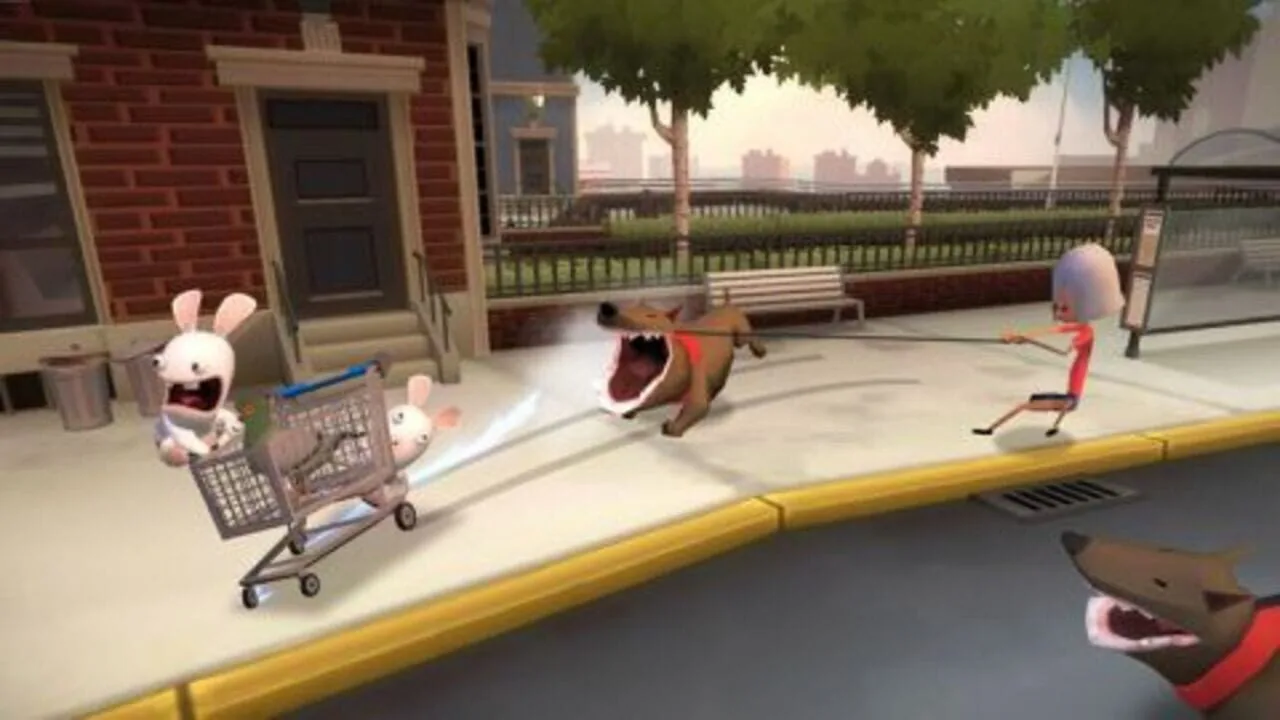
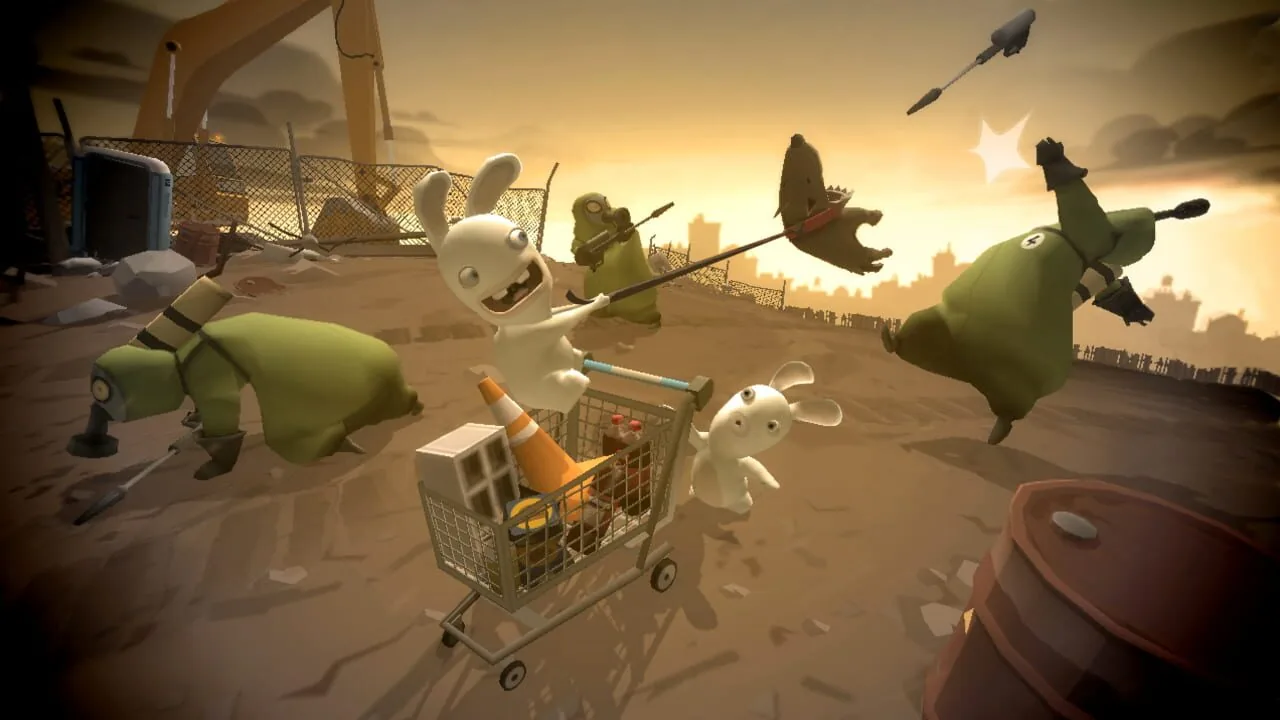
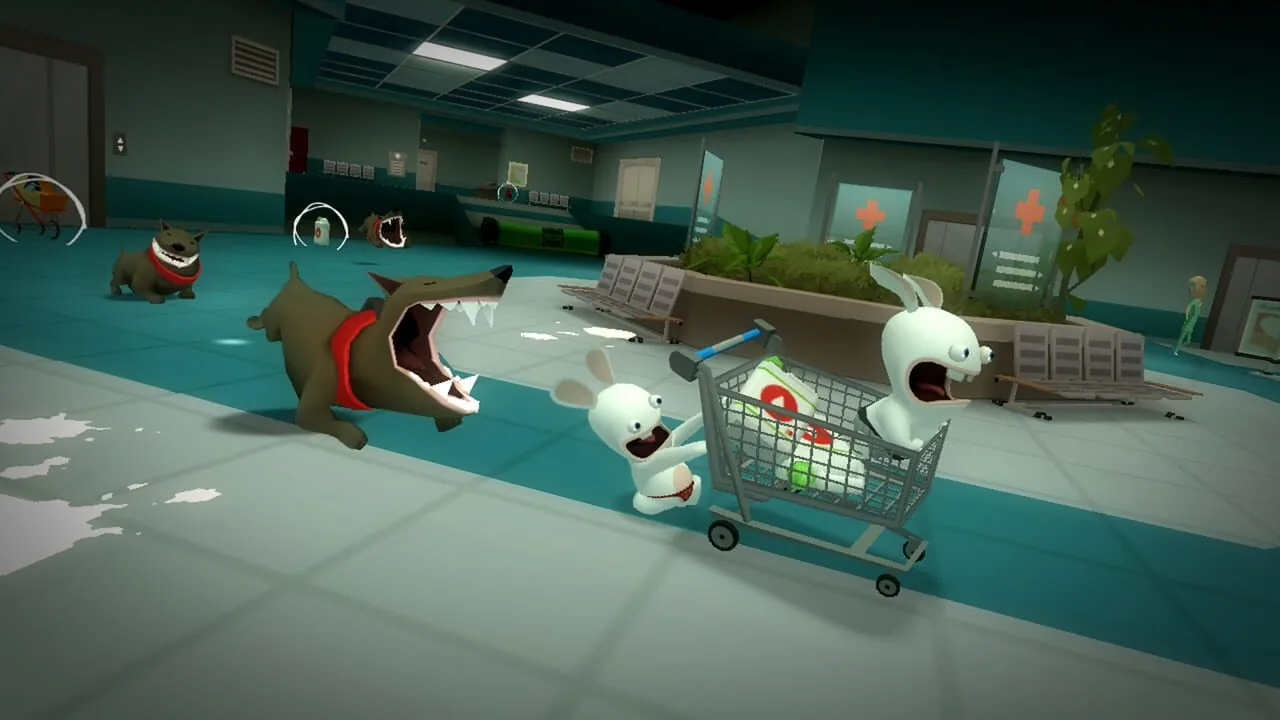
Rabbids Go Home has the Rabbids pile up stuff in a shopping cart in order to reach the moon. The setting was inspired by the mass consumption boom between 1945 and 1975. Development took three years. A jet engine makes the cart three times faster. A sick patient's quarantine bed lets it glide.
A shorter version was ported to PC in Russia and Poland. Critics praised the humour and soundtrack, though some found it too easy. The Rabbids had a reputation for loud mini-game collections, so an actual adventure surprised people. Players call it odd, chaotic and a lot of fun. The pile of junk gets funnier the larger it grows.
20. The Last Story (2011)
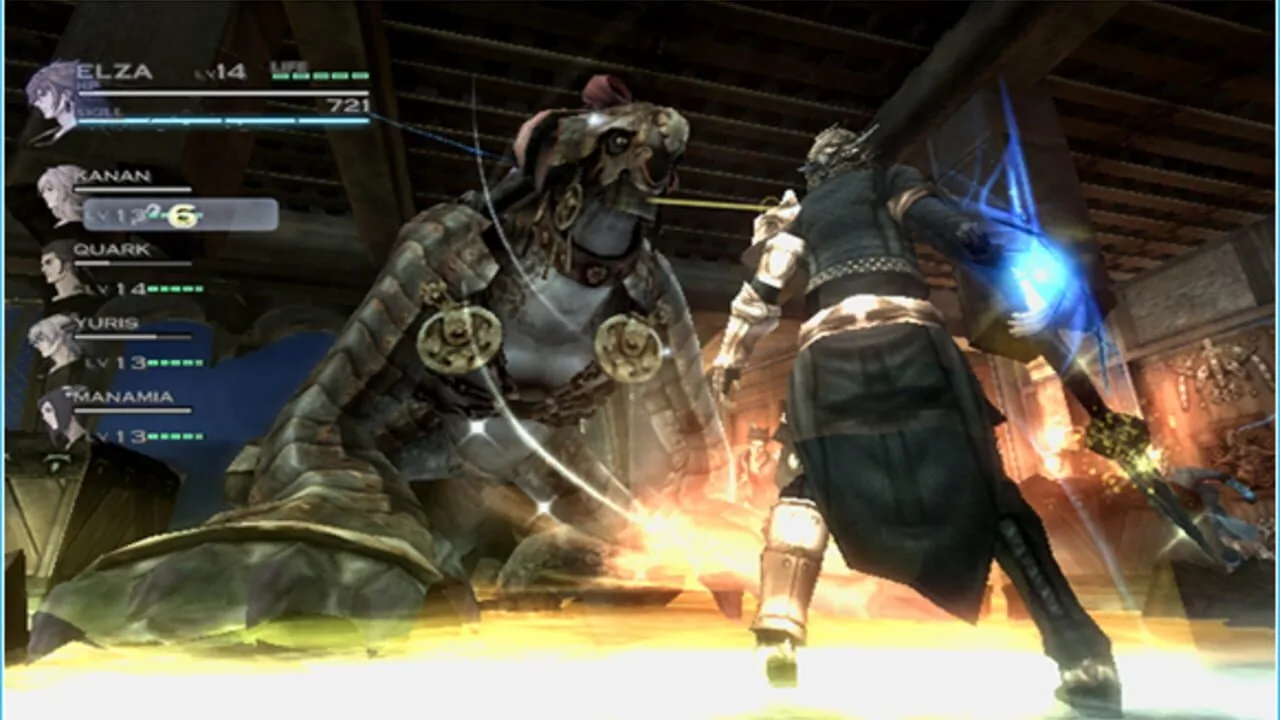
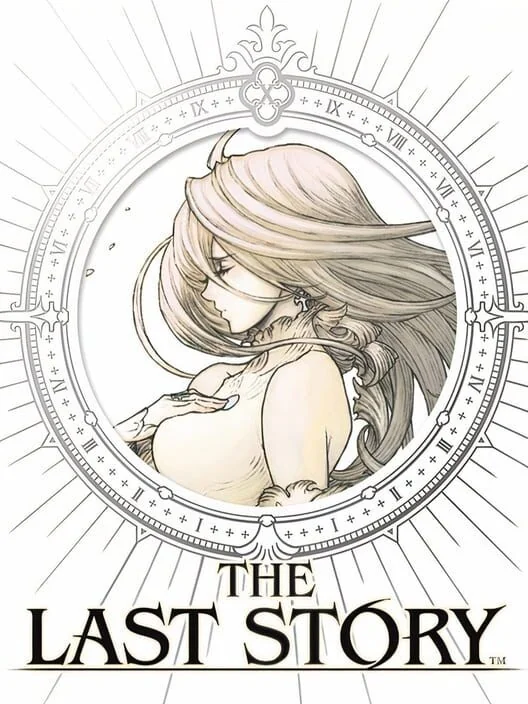
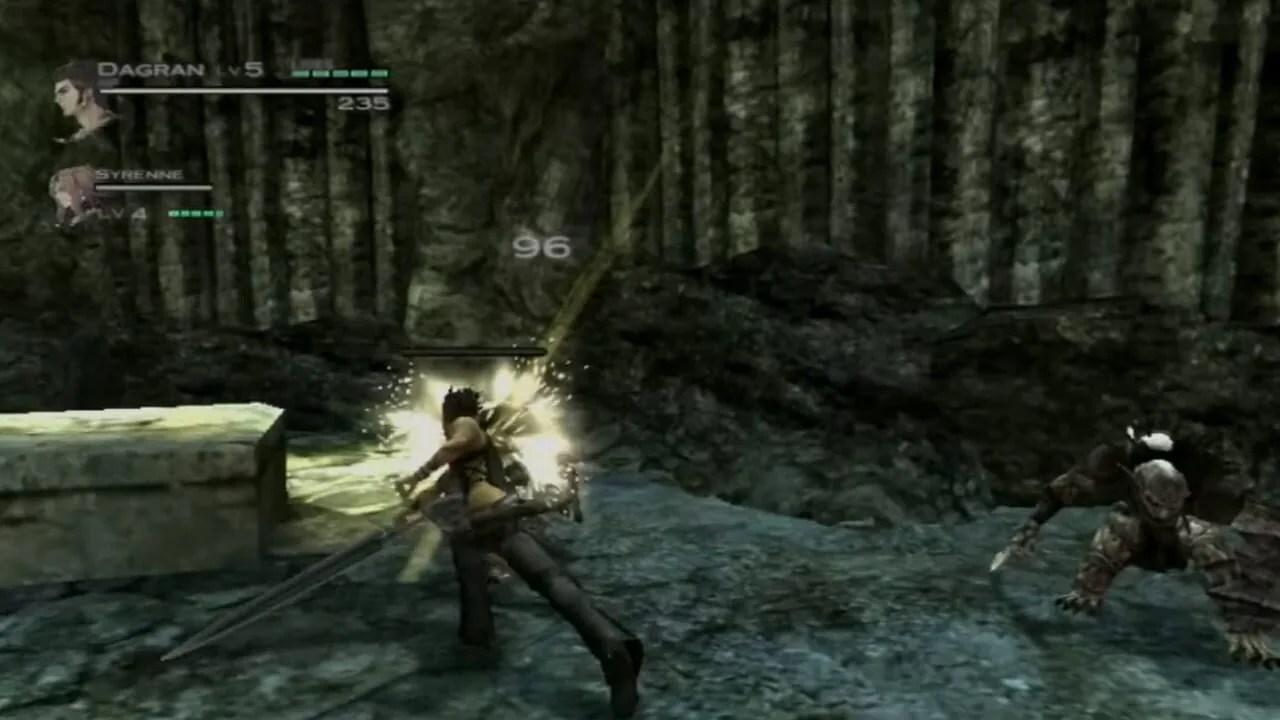
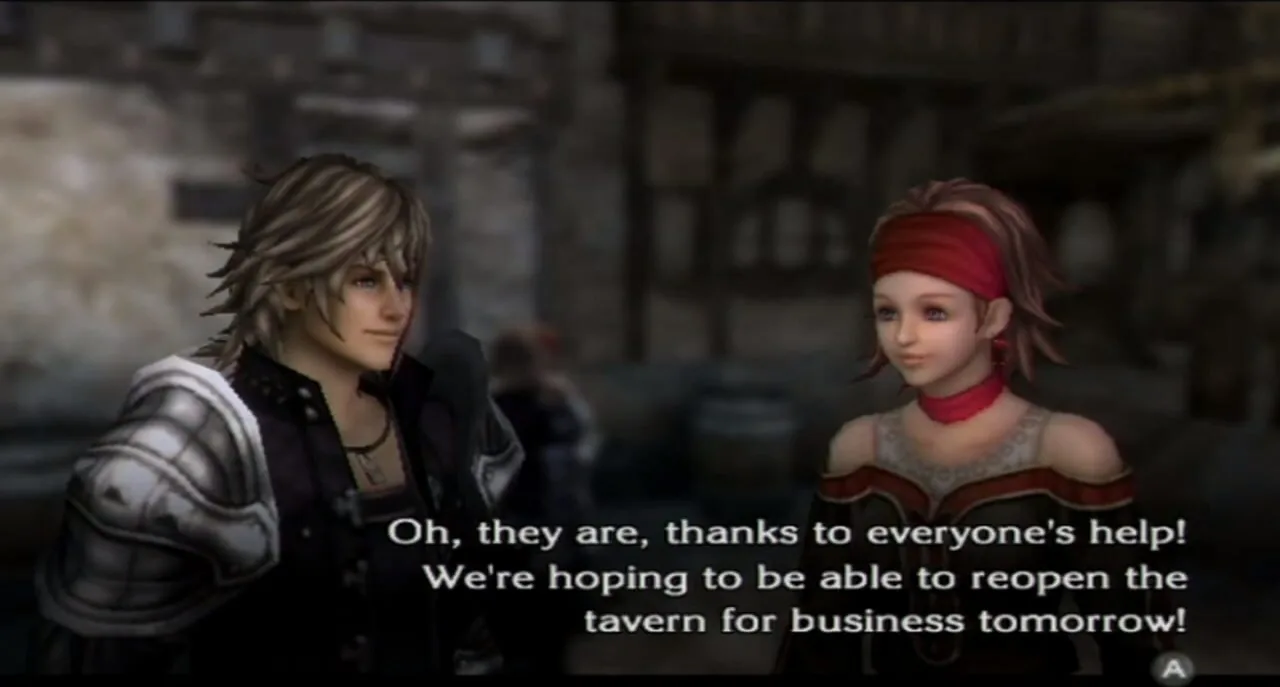
Hironobu Sakaguchi, the creator of Final Fantasy, directed and co-wrote The Last Story. Nobuo Uematsu wrote the music. It came out in Japan in January 2011, and North America had to wait until August 2012. The release in North America was in doubt for a while. Its story started as science fiction, but Nintendo insisted on fantasy. Illustrator Kimihiko Fujisaka also worked on it.
Development took between three and four years. It was a commercial success with generally positive reviews. A year-long gap between regions meant many Western players had moved on to newer consoles. Players say it looks more like a PS3 game than a Wii one. The real-time fights with a mercenary crew feel different from most RPGs.
19. A Boy and His Blob (2009)
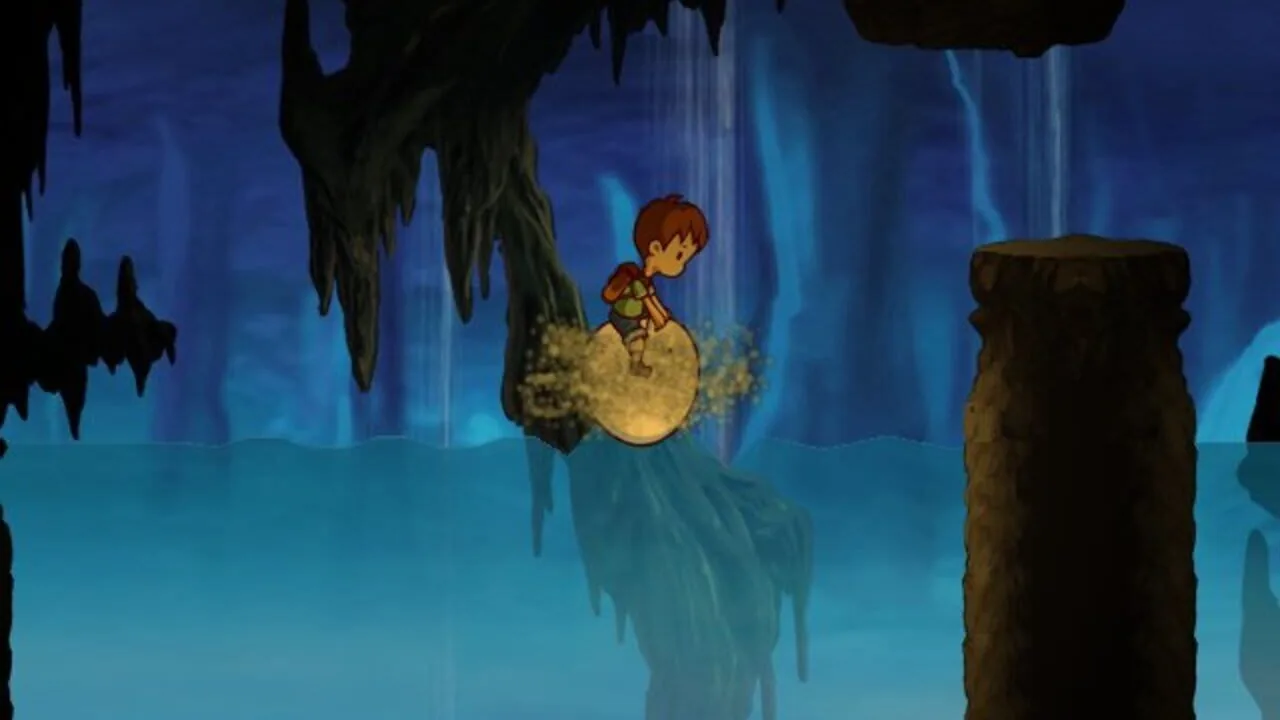
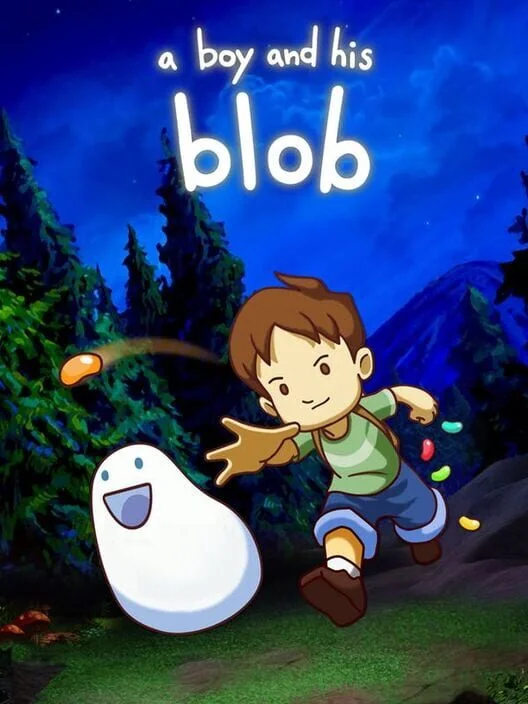
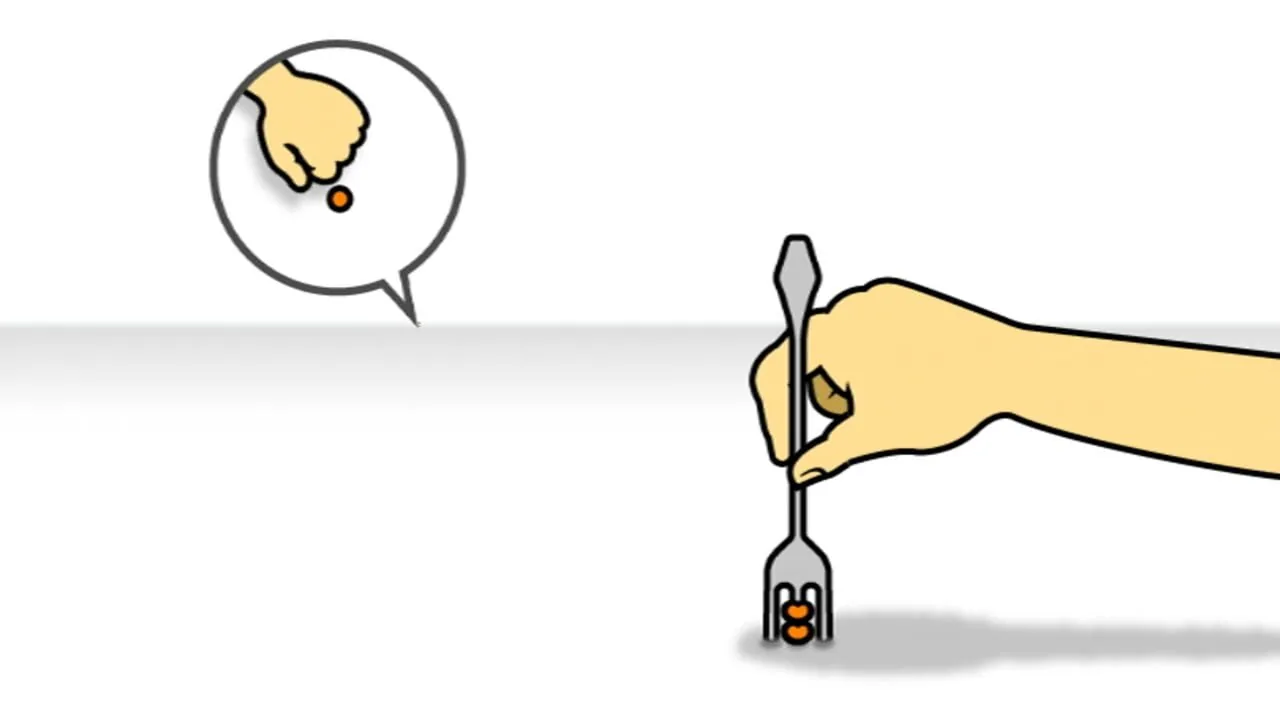
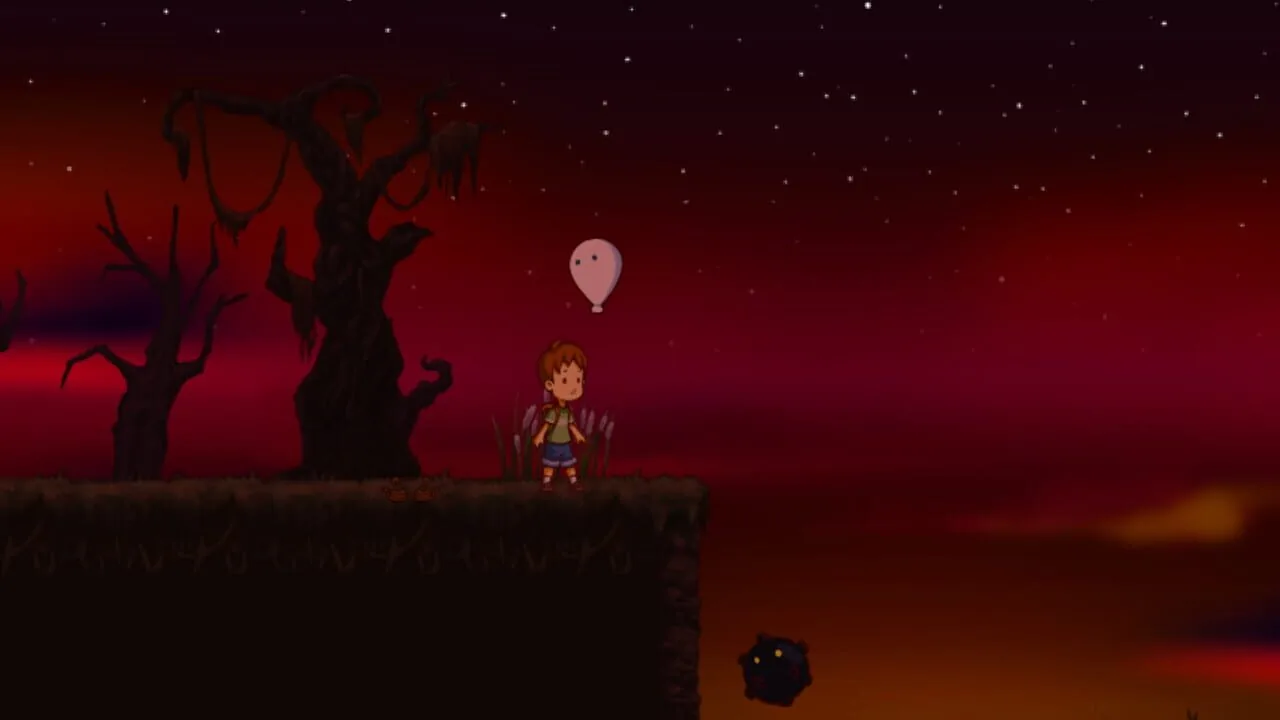
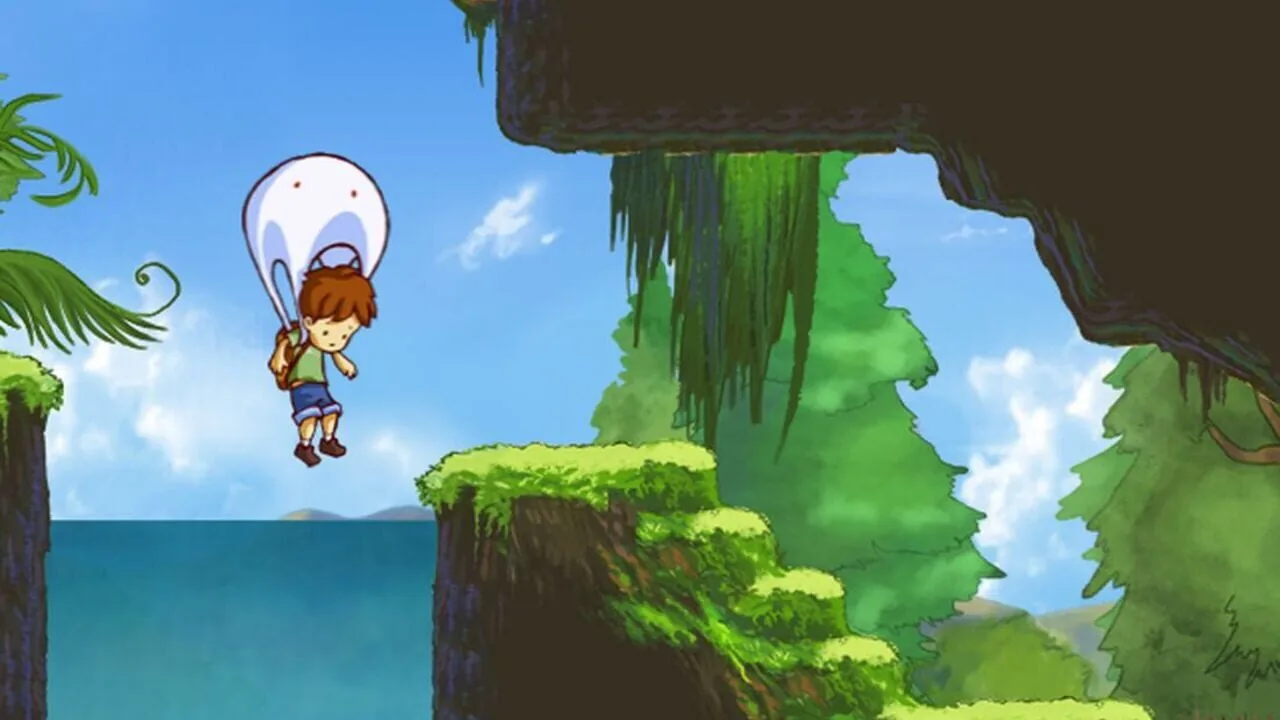
A Boy and His Blob is a remake of the 1989 NES game. It came out in North America in October 2009. You pick jelly beans from a wheel that tells you what each one does. The blob turns into a ladder, a hole and a trampoline, and it never complains about the work. The boy can hug and scold his blob. Europe got it on November 6, 2009.
Imagineering made the original NES game, Trouble on Blobolonia. It looks like a kids' game and is gentler than most, which is why shoppers ignored it. Players call it a good platformer and puzzle game worth checking out. It will not change your life, but it is a warm game that earns its place.
18. Go Vacation (2011)
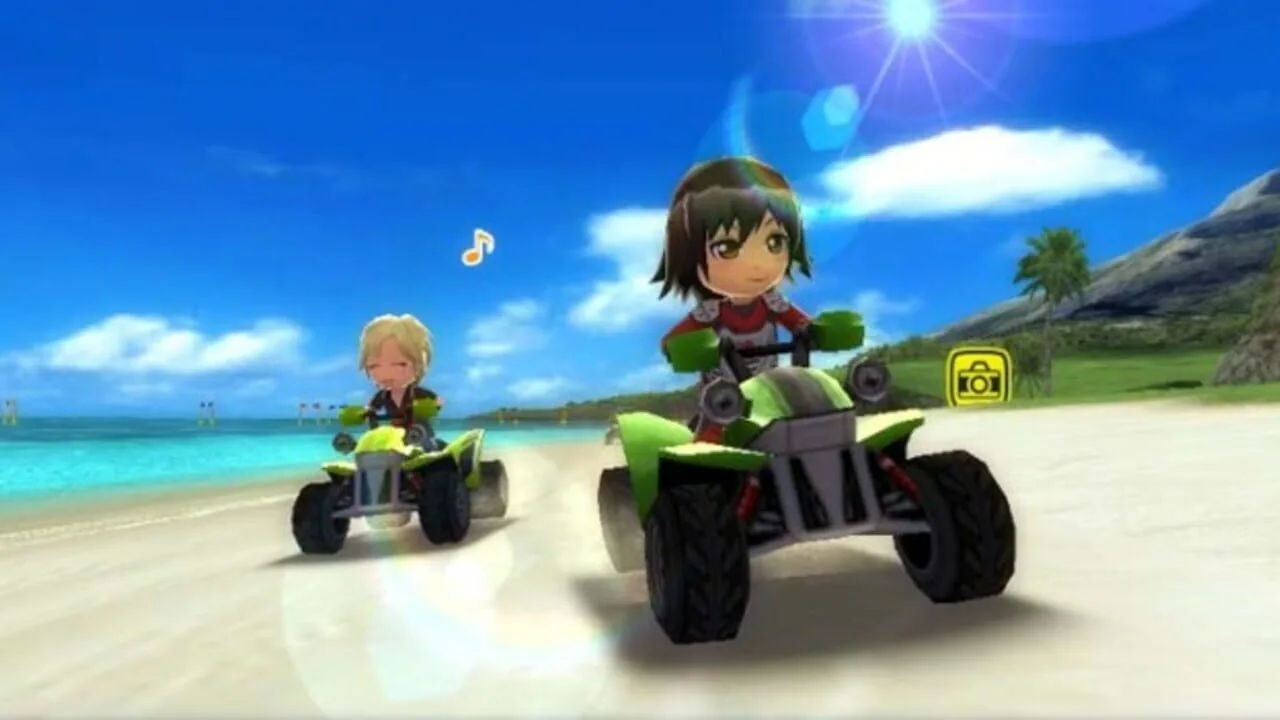
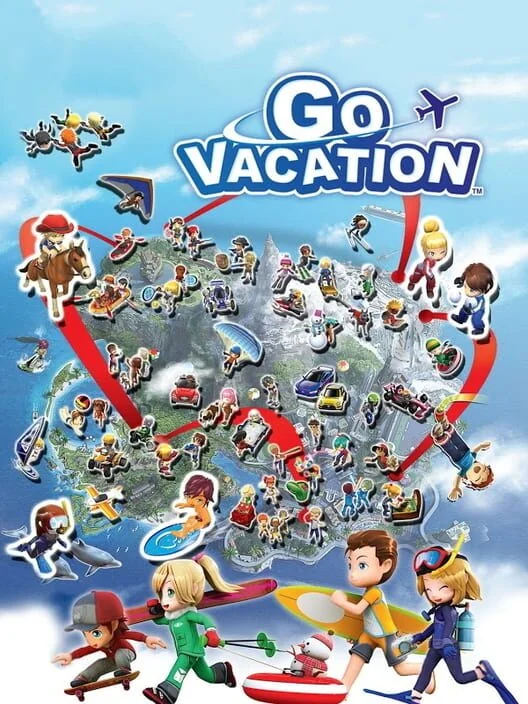
Go Vacation sends you to Kawawii Island with four resorts. Developers surveyed players in the United States, Europe and Japan to pick the activities. It reached the Switch in 2018 with a photo mode. It was the third best-selling game in Japan the week it came out. Development began in 2009 and lasted two and a half years. It was shown at E3 2011 as an entry in the We Ski series.
Reviews were mixed, with praise for multiplayer and complaints about the soundtrack and the quality of the mini-games. Players say it is under-rated and tell stories of hours of play. It came late in the Wii's run, when most people had stopped buying.
17. De Blob (2008)
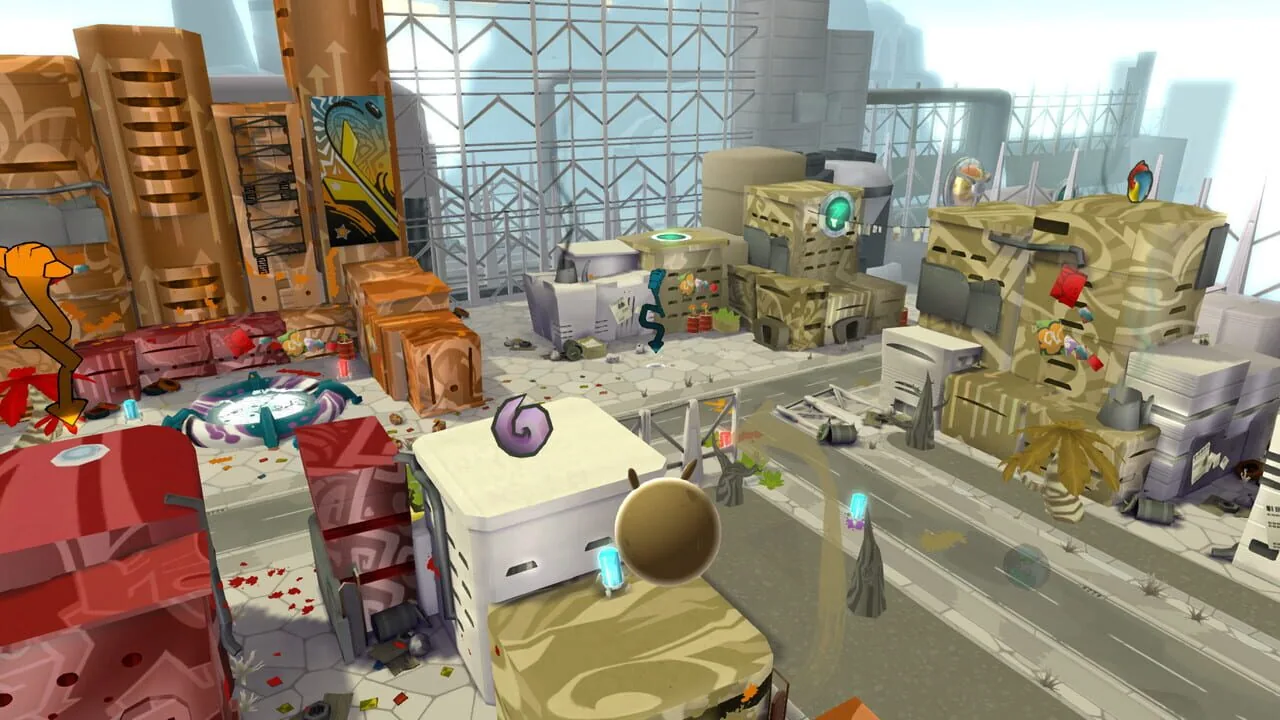
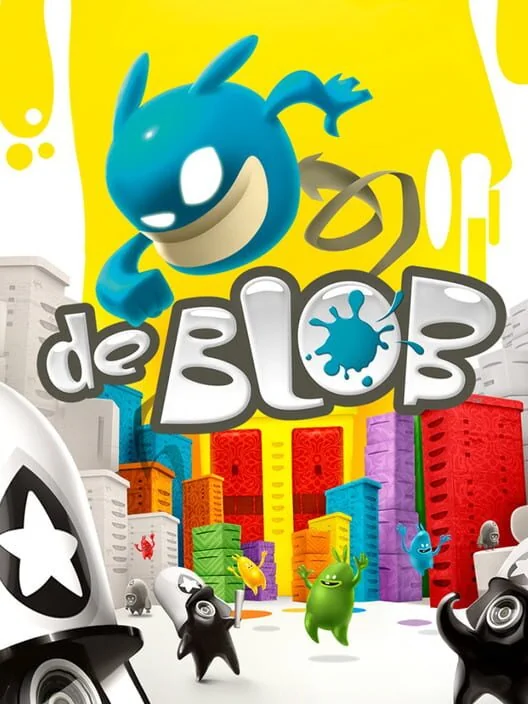
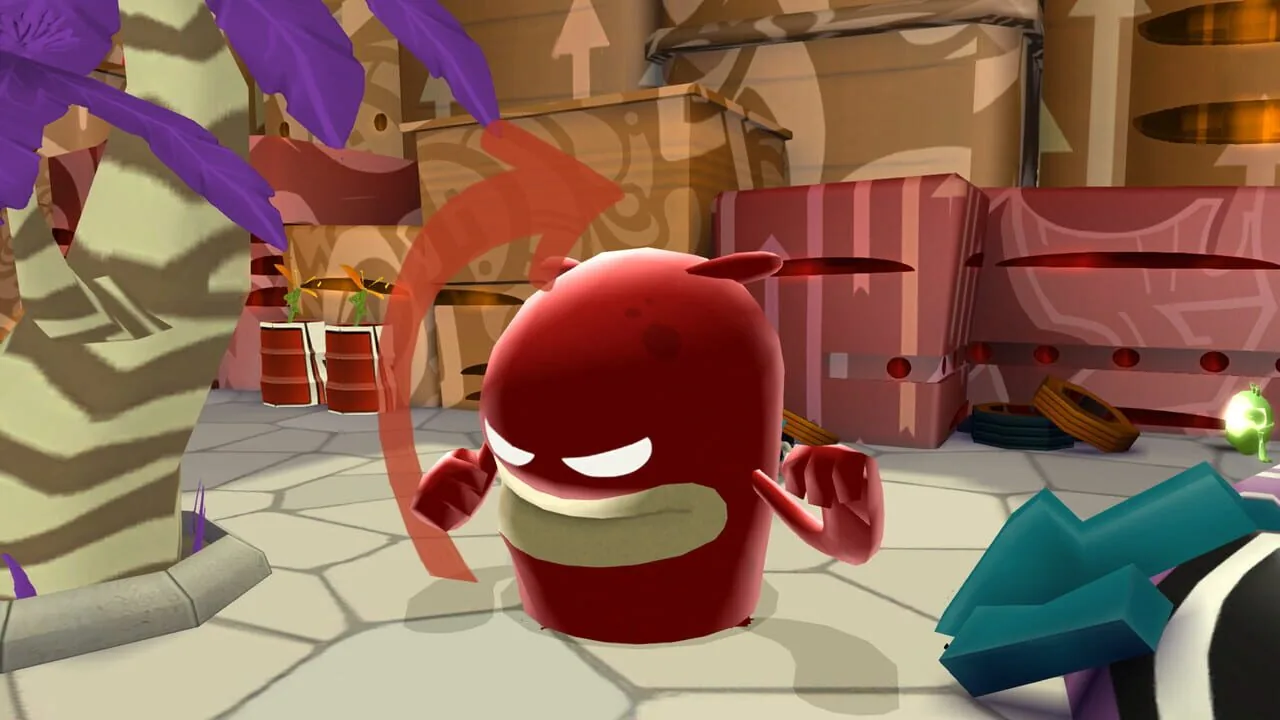
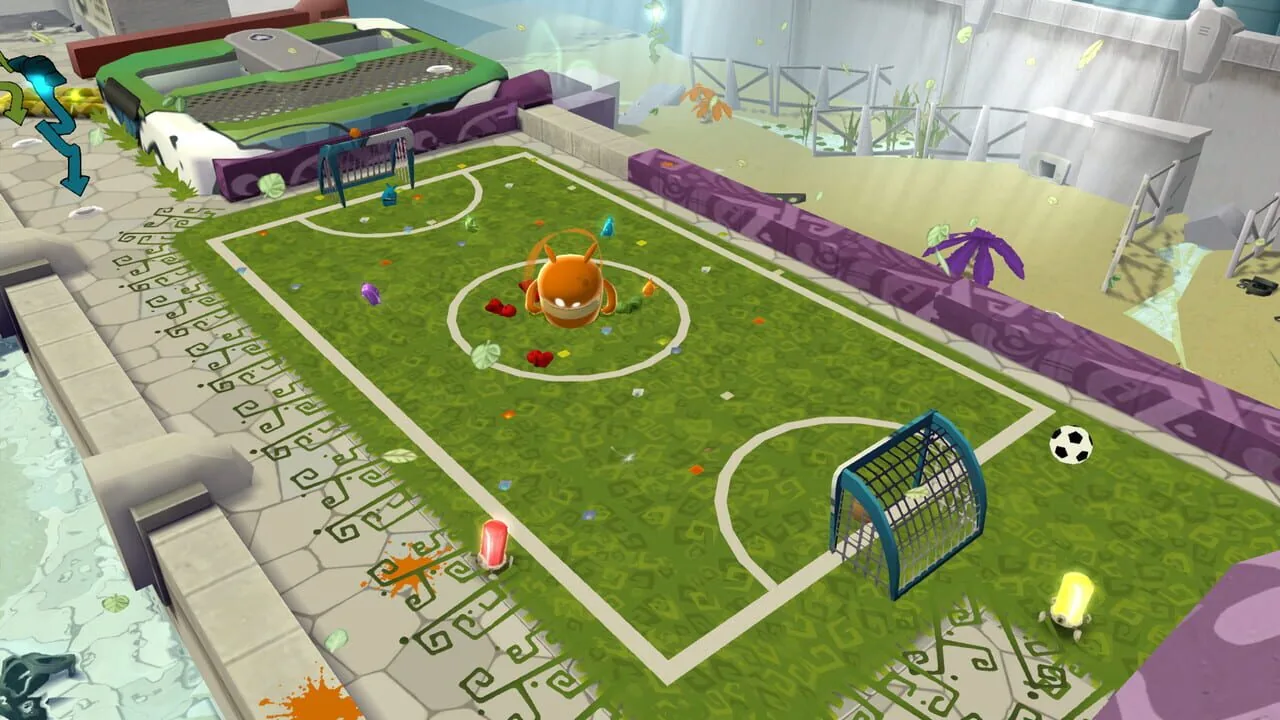
De Blob is a 3D platformer where a blob of paint recolours a grey city. The soundtrack changes as the level gets coloured in. It began as a student project at the Utrecht School of the Arts. The grey enemies belong to the I.N.K.T. Corporation. Citizens are rounded up and dressed in grey prison suits with a bar code. You beat enemies by slamming them with Paint Points.
A post-credit scene leaves the villain stranded on a tiny island. It looks like a child's game, which hid a smart, playful design. Players call it a fun platformer. Its strongest idea is that making the world prettier is the whole game.
16. Wii Party (2010)
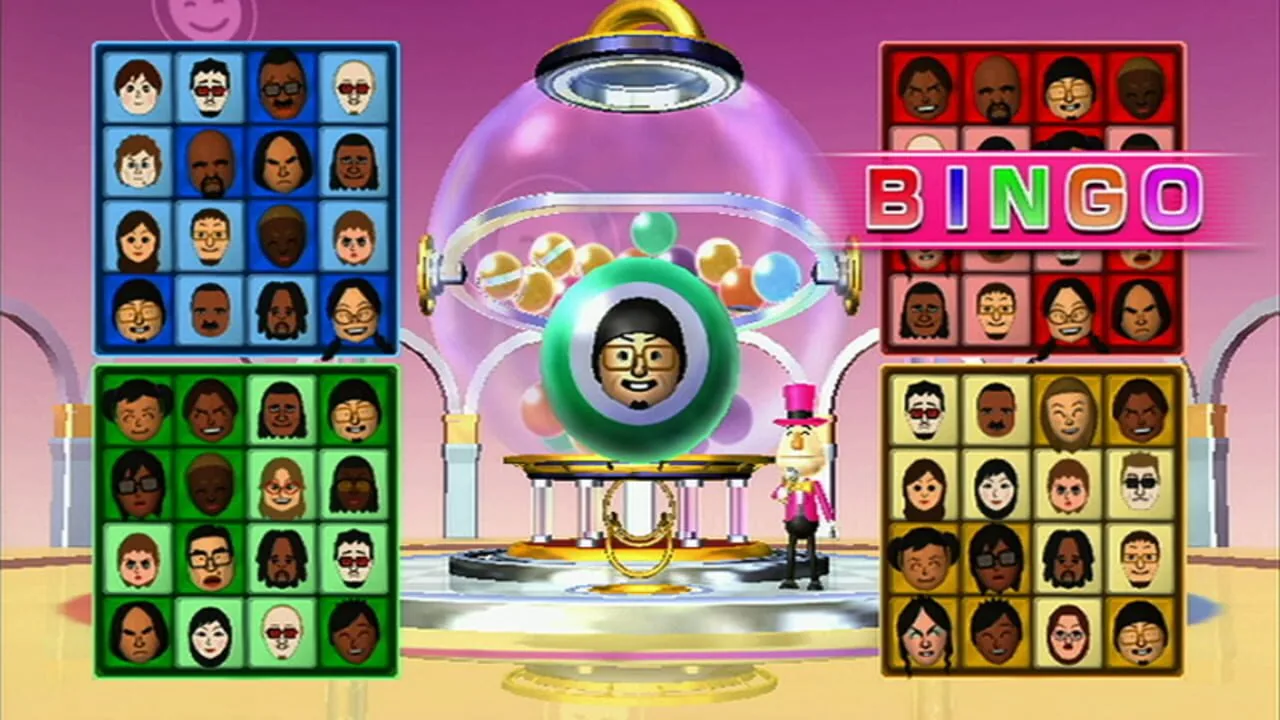
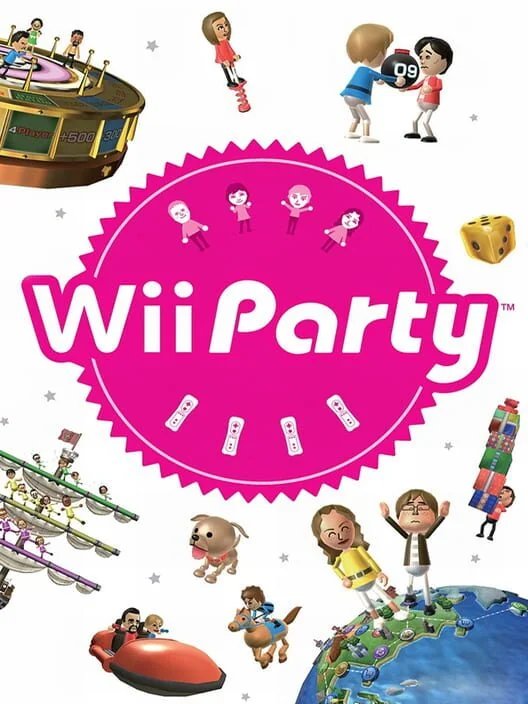
Wii Party has 13 game modes and 80 mini-games. It is the first Wii series game that Shigeru Miyamoto did not produce. It sold 9.35 million copies worldwide. Critics gave it mixed reviews. Satoru Iwata revealed it in May 2010. A sequel, Wii Party U, came out for the Wii U in 2013.
It sold far better than the other games here, yet it gets little love from critics. Players say it is one of the best multiplayer games on the system. It is simple enough for a grandmother to join, and that is the point. It suits a mixed group where nobody wants to read rules first, and the rounds go fast.
15. Lost in Shadow (2010)
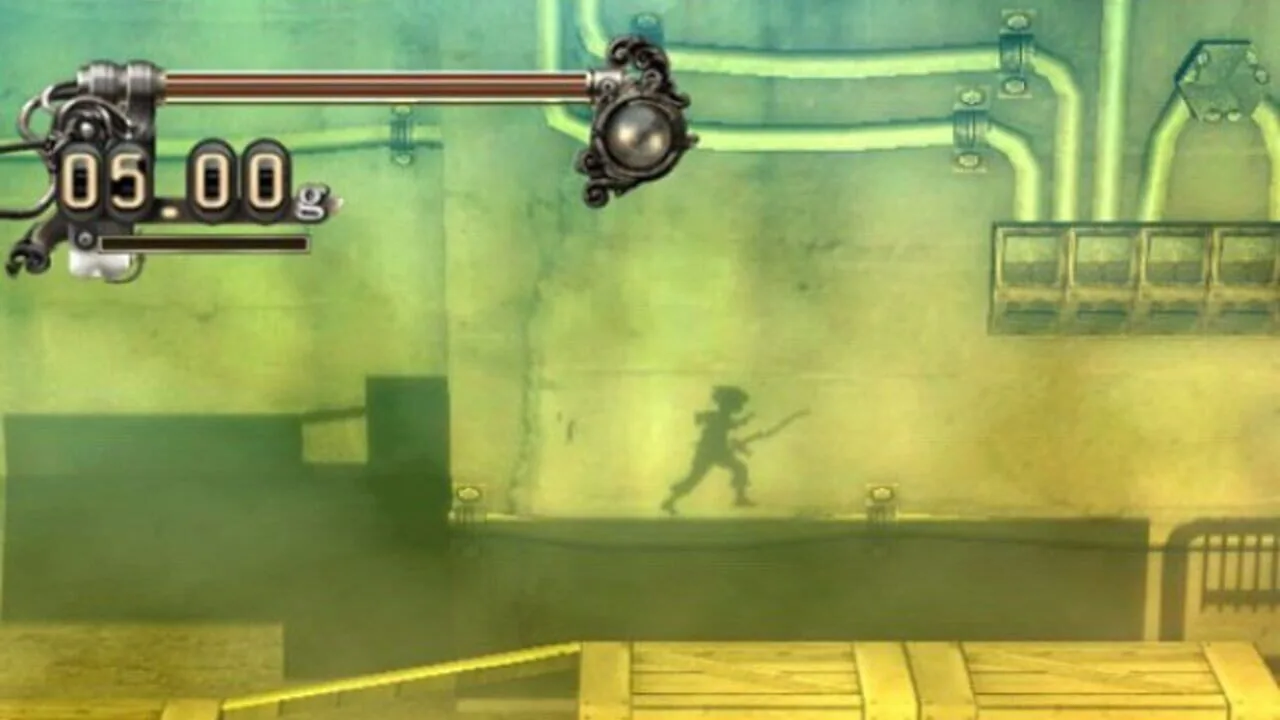
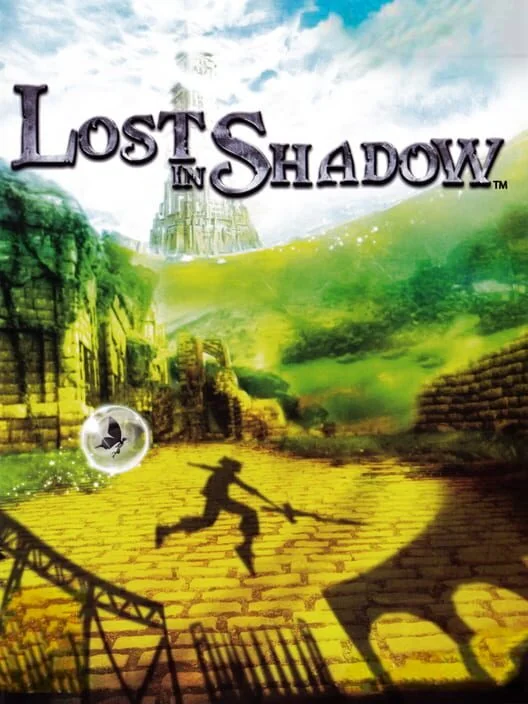
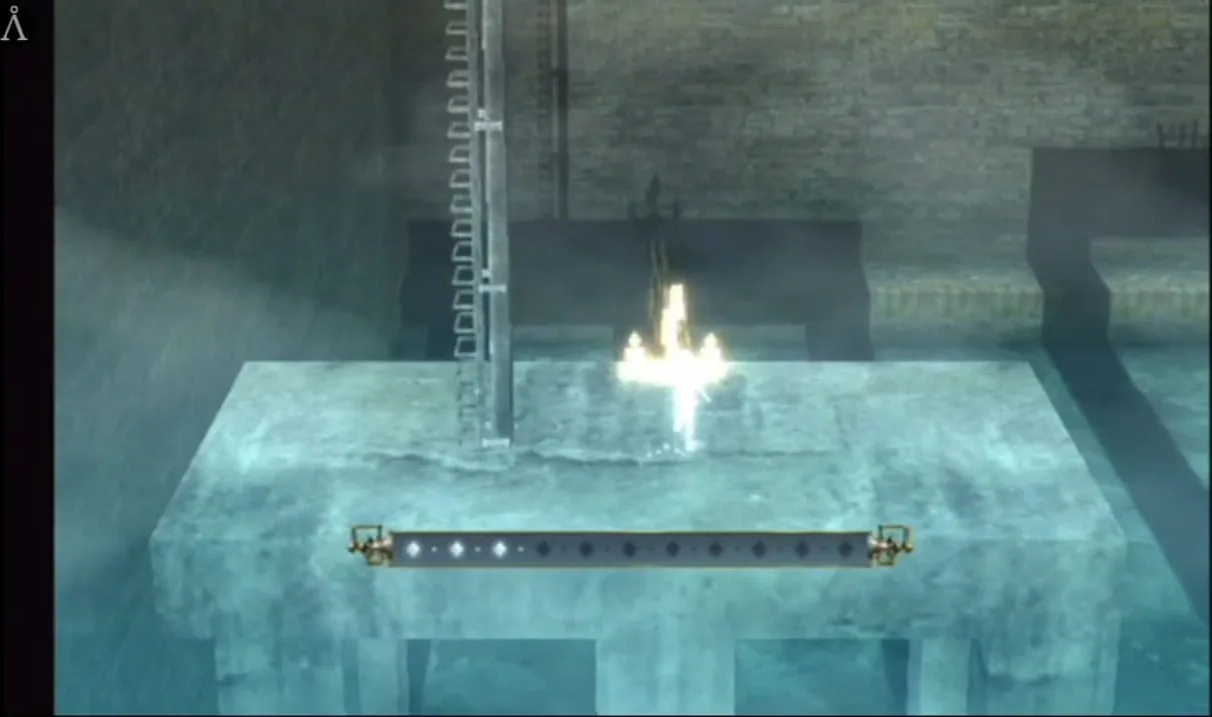
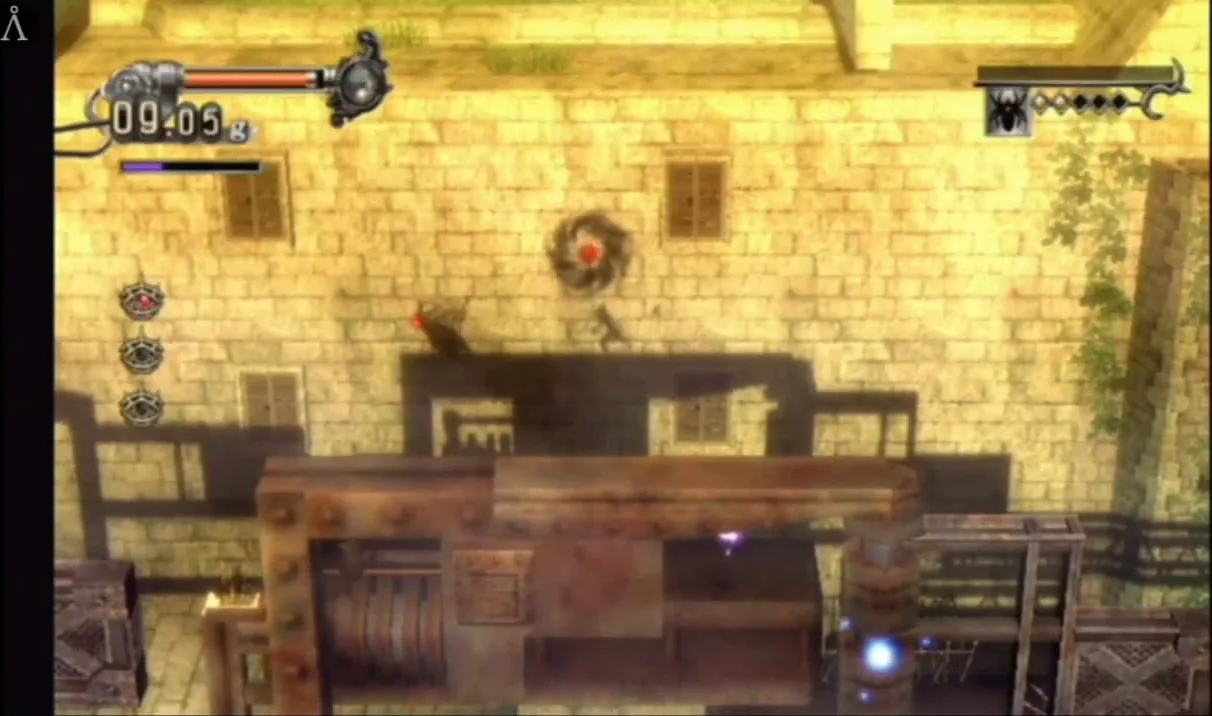
Lost in Shadow is a puzzle platformer played largely in the shadows on the background wall. Hudson Soft made it. A sylph companion shifts the light so the shadows line up for you to climb. North America got it in January 2011, months after Japan and Europe. In Europe and Australia it is called A Shadow's Tale. A Wii U eShop release followed in 2016.
An old racing track in Negishi shaped the mood of the game. Konami absorbed Hudson Soft, and the Wii was fading when it finally came out. Players call it a brilliant platformer and puzzle game. The hero spends the whole game walking on shadows, and he has still never had his own spotlight.
14. Sin & Punishment: Star Successor (2009)
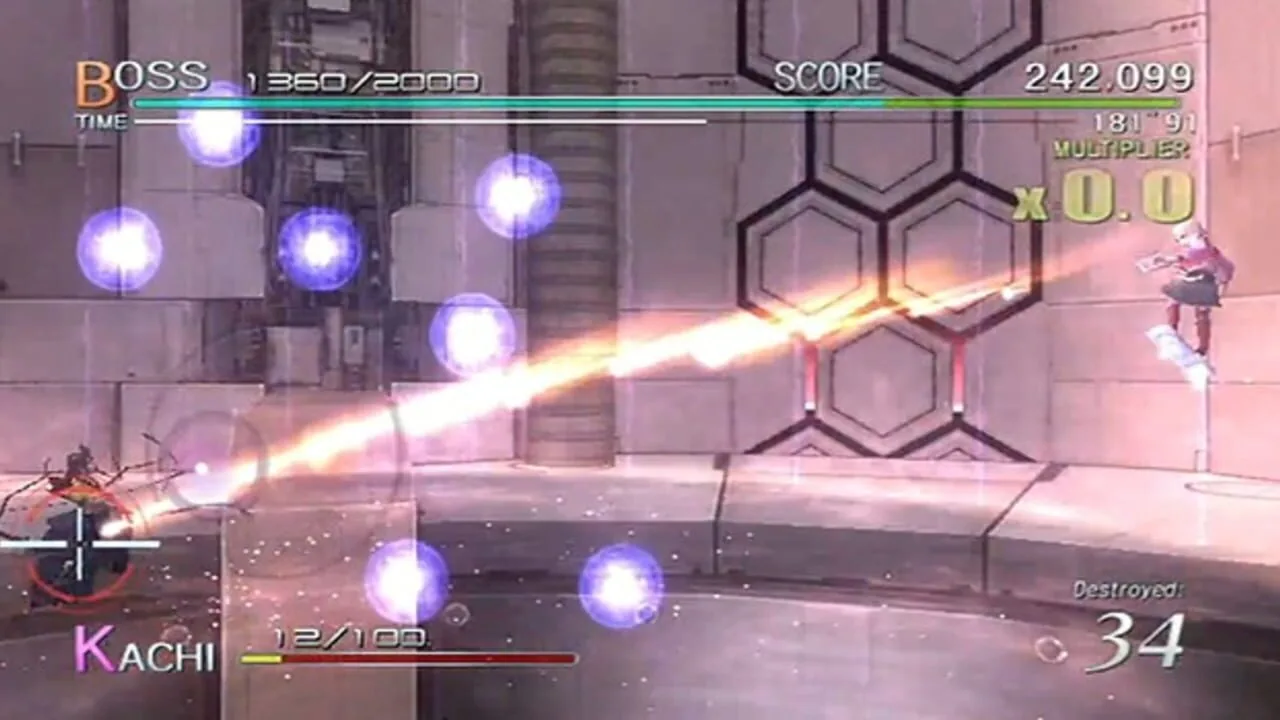
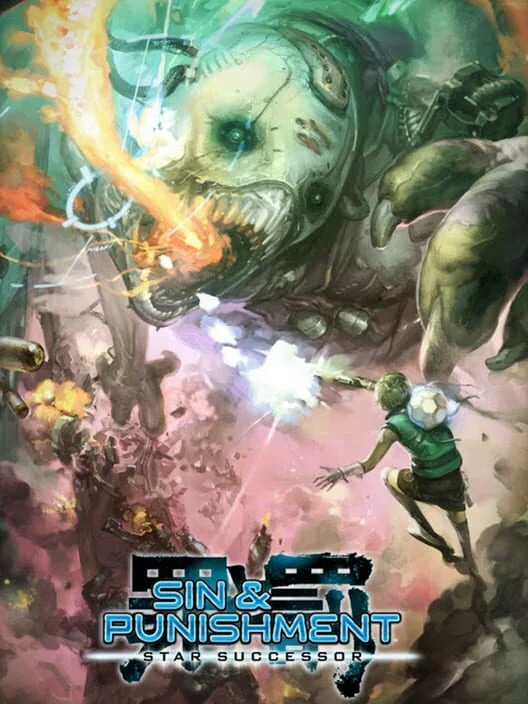
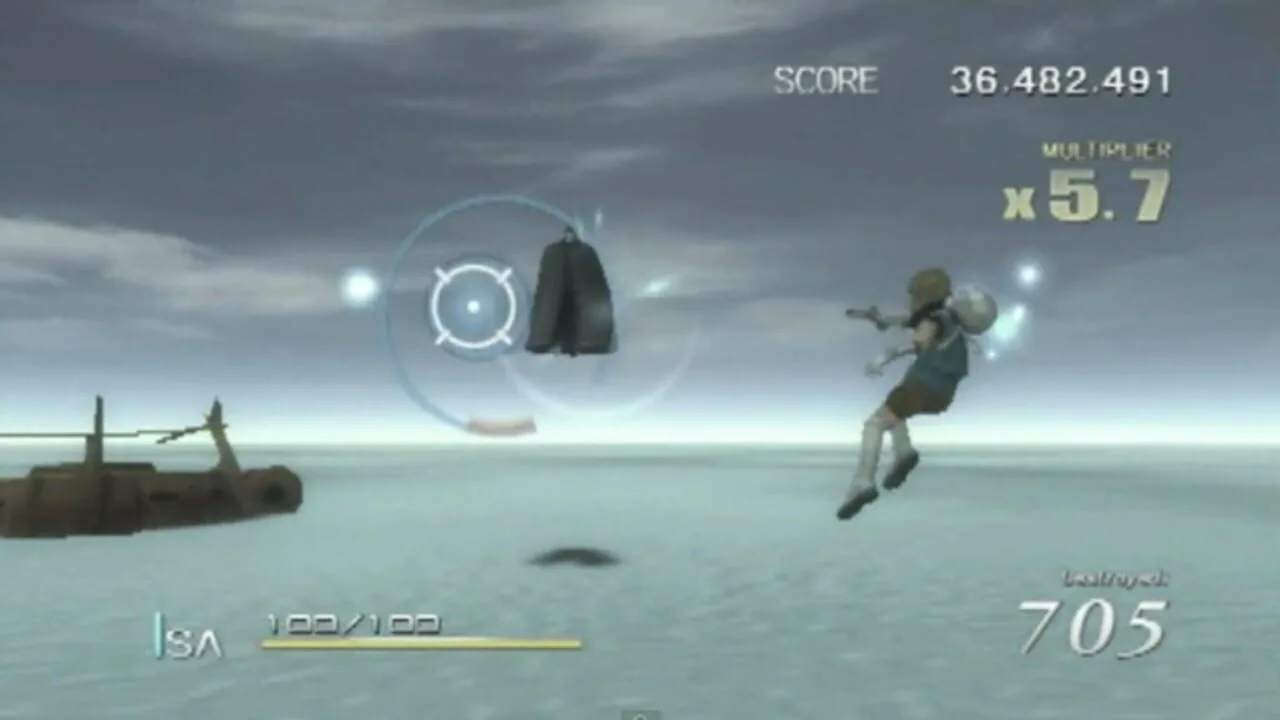
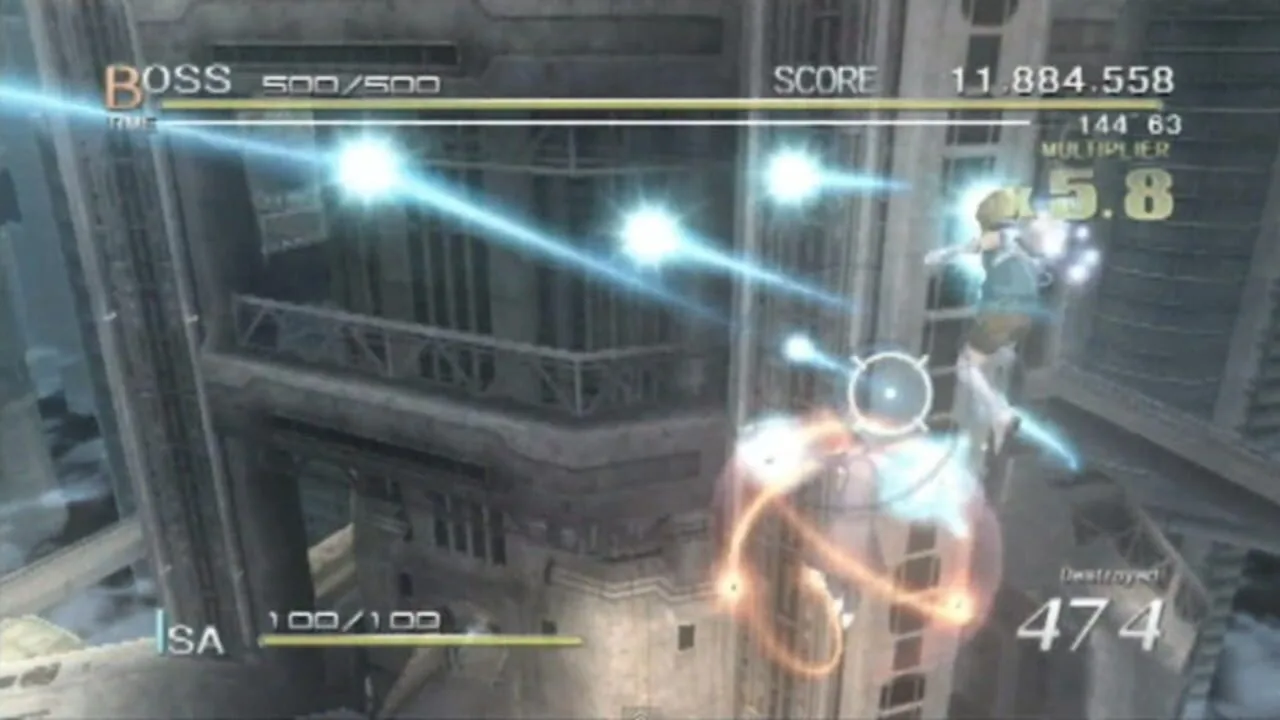
It is the sequel to the Nintendo 64 game Sin and Punishment. The story follows Isa Jo, the son of the heroes of the first game, and a woman named Kachi. You can roll in any direction to dodge. You can switch between Japanese and English voices. Each hero can fight on the ground or in the sky. The first game had English voices in both its Japanese and English versions.
The first game was a Japan-only N64 title, so the sequel arrived with few Western fans waiting. Fast arcade shooters were already a niche taste by 2009. Fans of arcade shooters call it amazing. It is quick, loud and demanding, and it rewards players who learn the dodge.
13. Mushroom Men (2008)
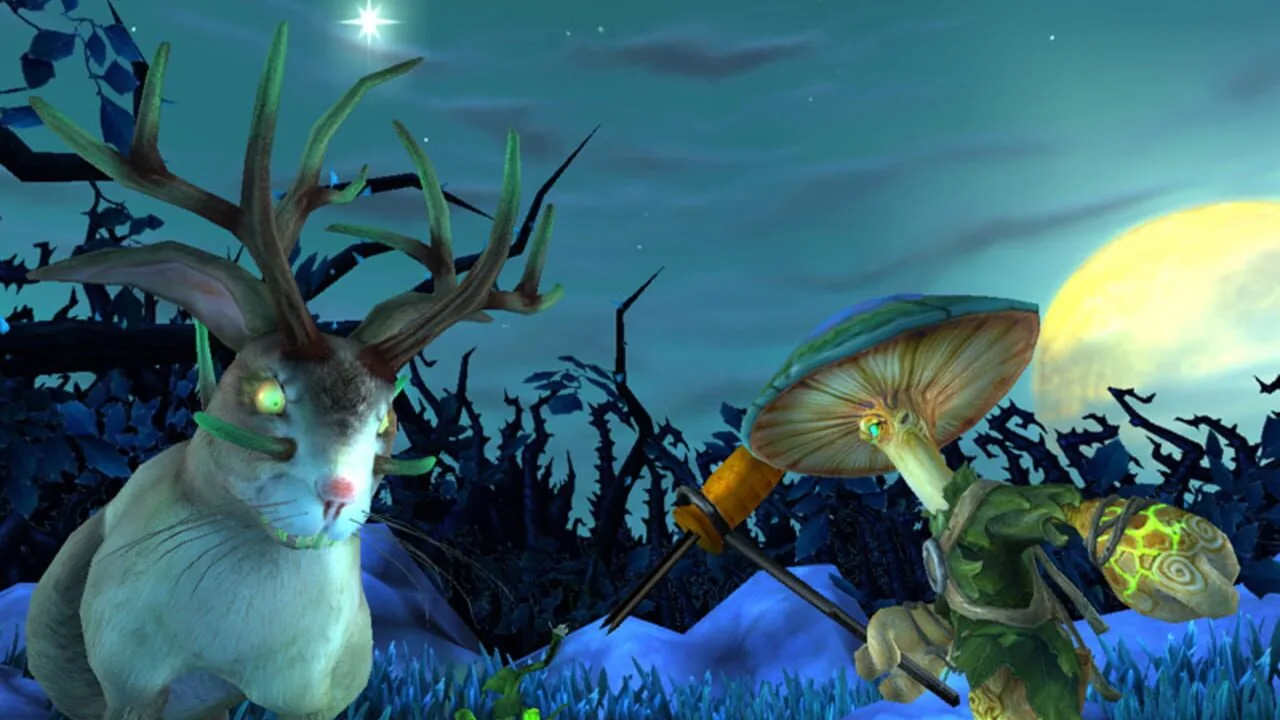
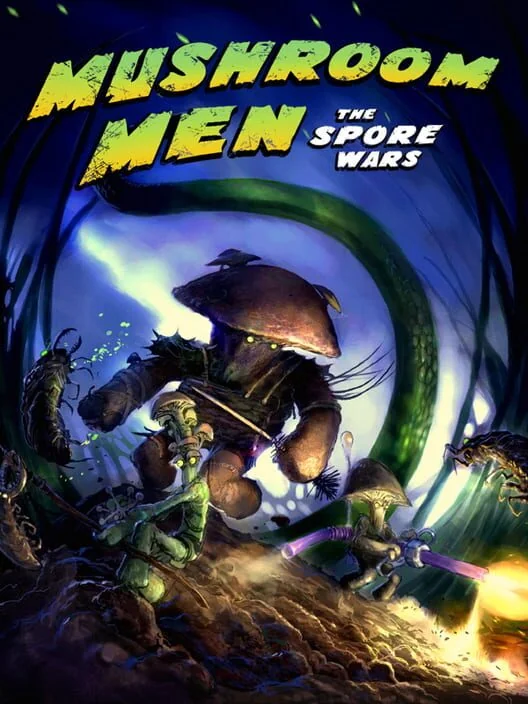
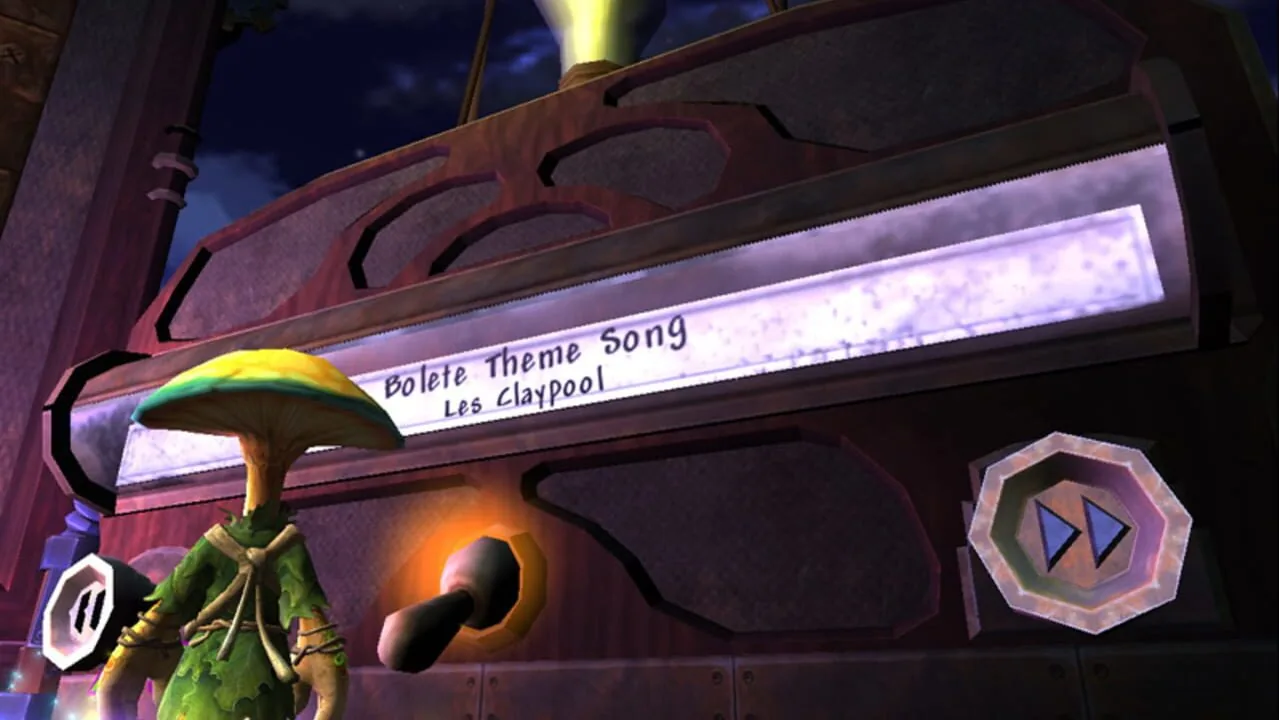
Mushroom Men: The Spore Wars is a 3D platformer on the Wii. Red Fly Studio made it. Les Claypool of Primus wrote the theme song. A DS prequel called Rise of the Fungi is a side-scrolling platformer. That DS game got generally unfavorable reviews.
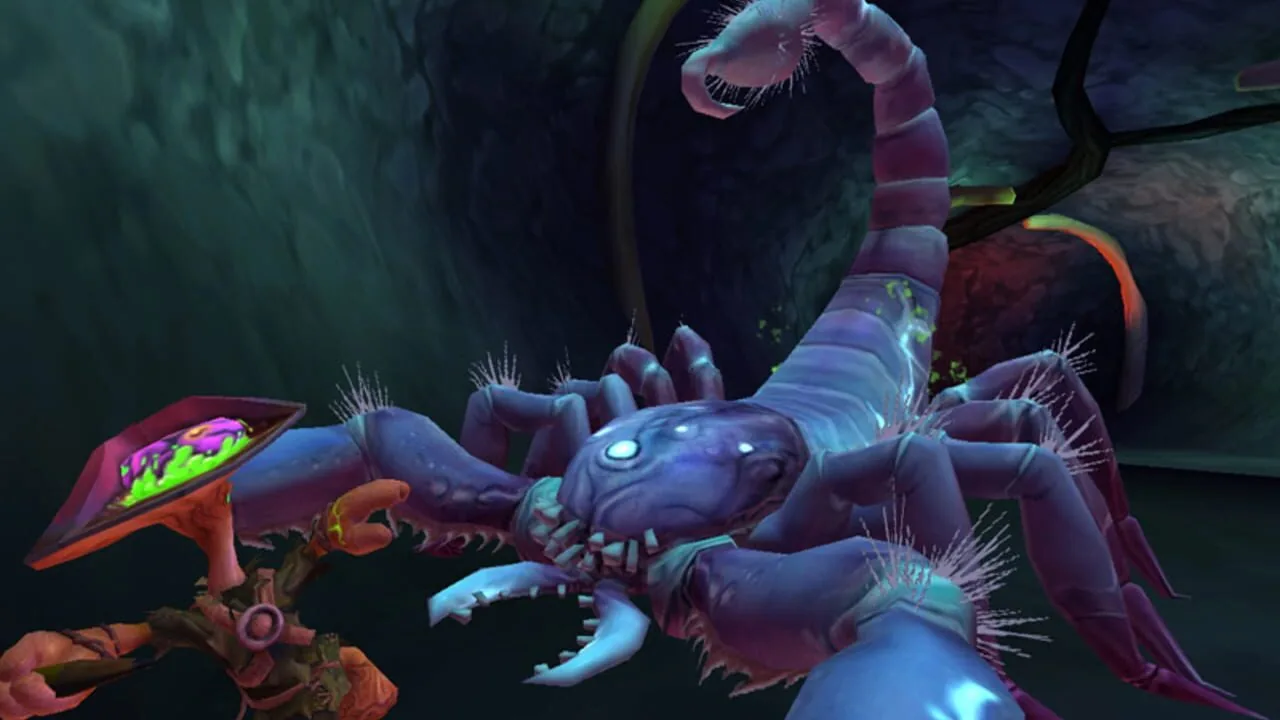
The fan-funded sequel came out on Steam in March 2015 as Truffle Trouble. It received average reviews. The studio later tried to crowdfund a sequel. A weird, rough-edged game from a small studio was easy to miss. Players name it as a personal favourite. The backyard setting gives everyday objects a second life as weapons, and the tiny scale makes even a bottle cap feel huge to the hero.
12. Dead Space: Extraction (2009)
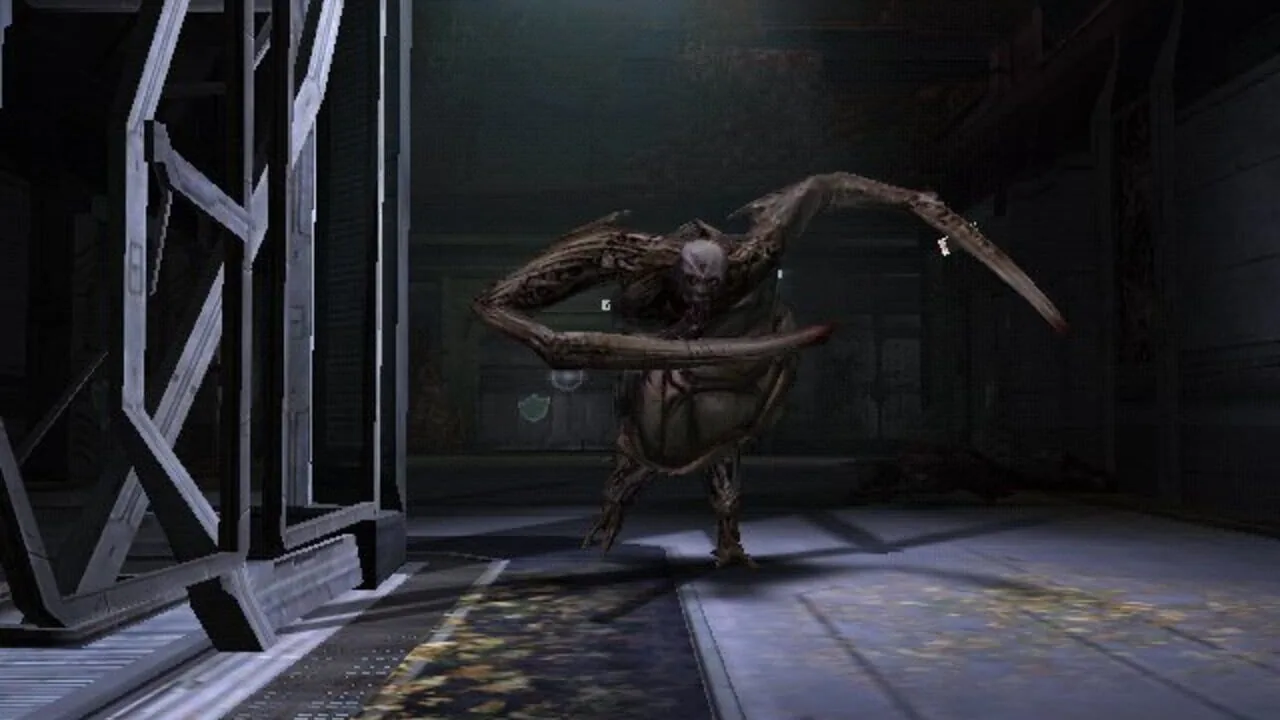
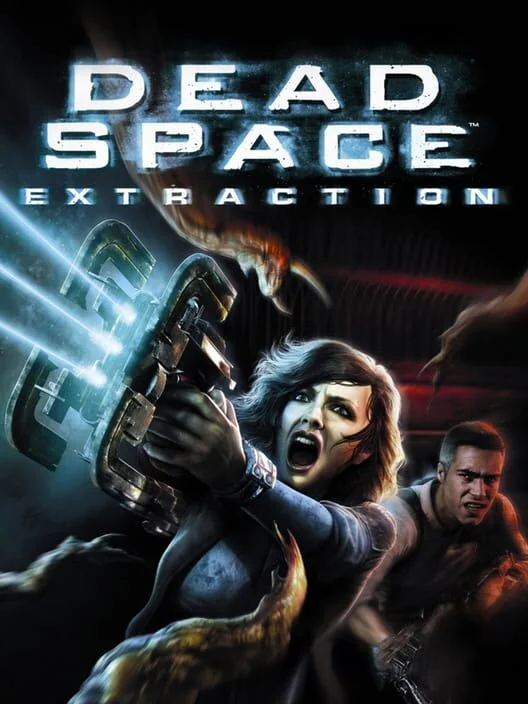
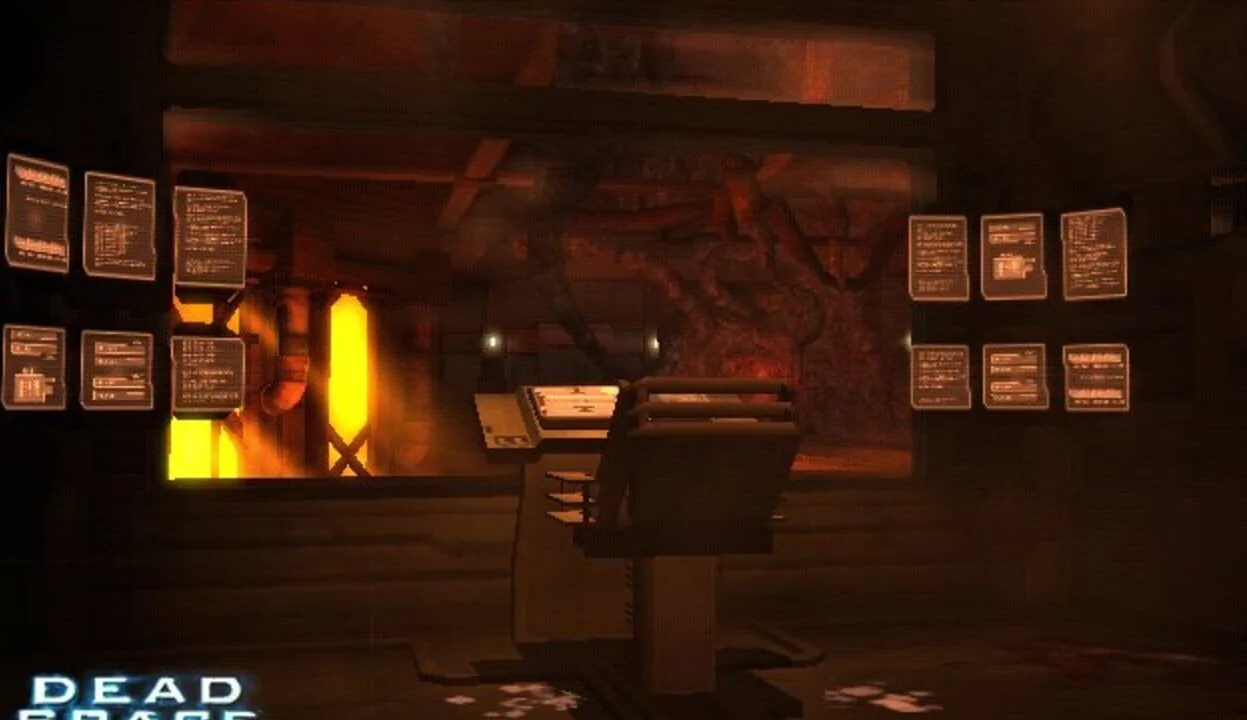
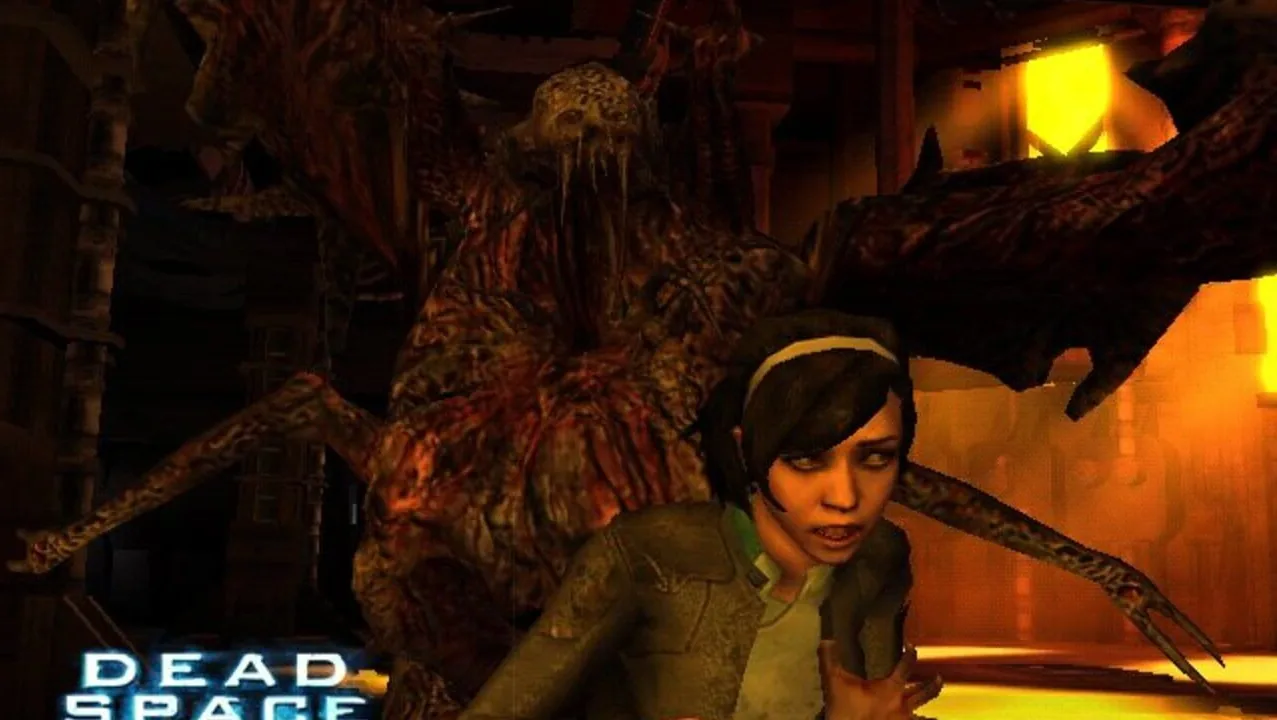
Dead Space: Extraction is a first-person rail shooter. It is a prequel to the first Dead Space. The story follows survivors of the Aegis VII colony. The same composer and audio director returned. A PlayStation 3 port followed in 2011 with Move support. Production began in 2008 on Eurocom's EngineX engine. Critics faulted the pacing and the lack of content.
The PS3 port was praised for its Move support and faulted for low graphical quality. Sales were poor but reviews were good, with critics praising the use of the setting. A horror shooter on the Wii looked like an odd fit, so the horror crowd stayed away. Players say it deserves more attention than it gets.
11. Wii Music (2008)
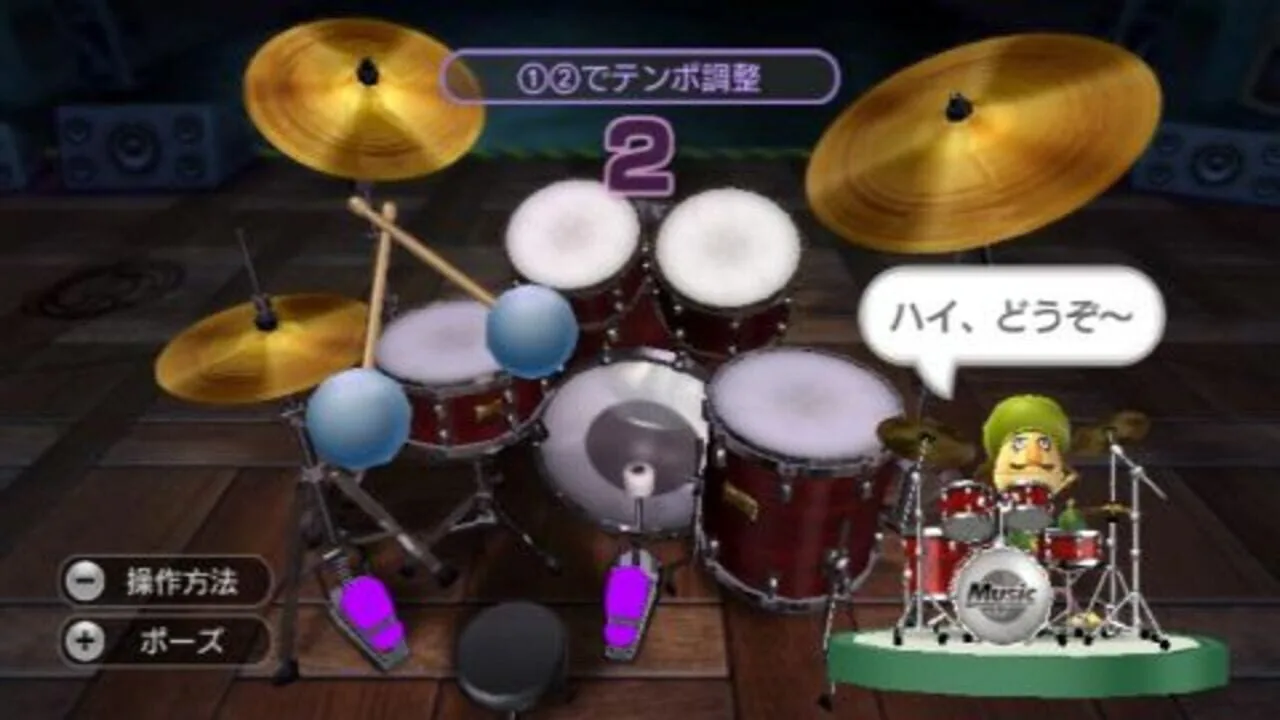
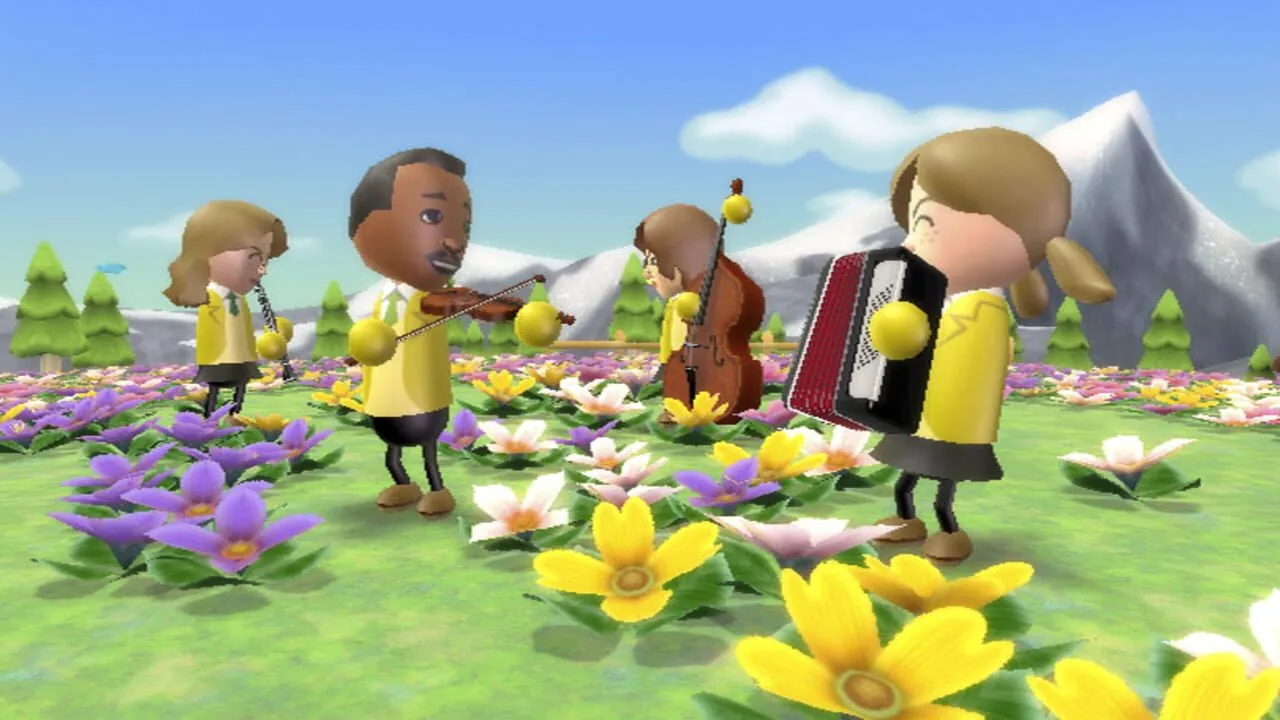
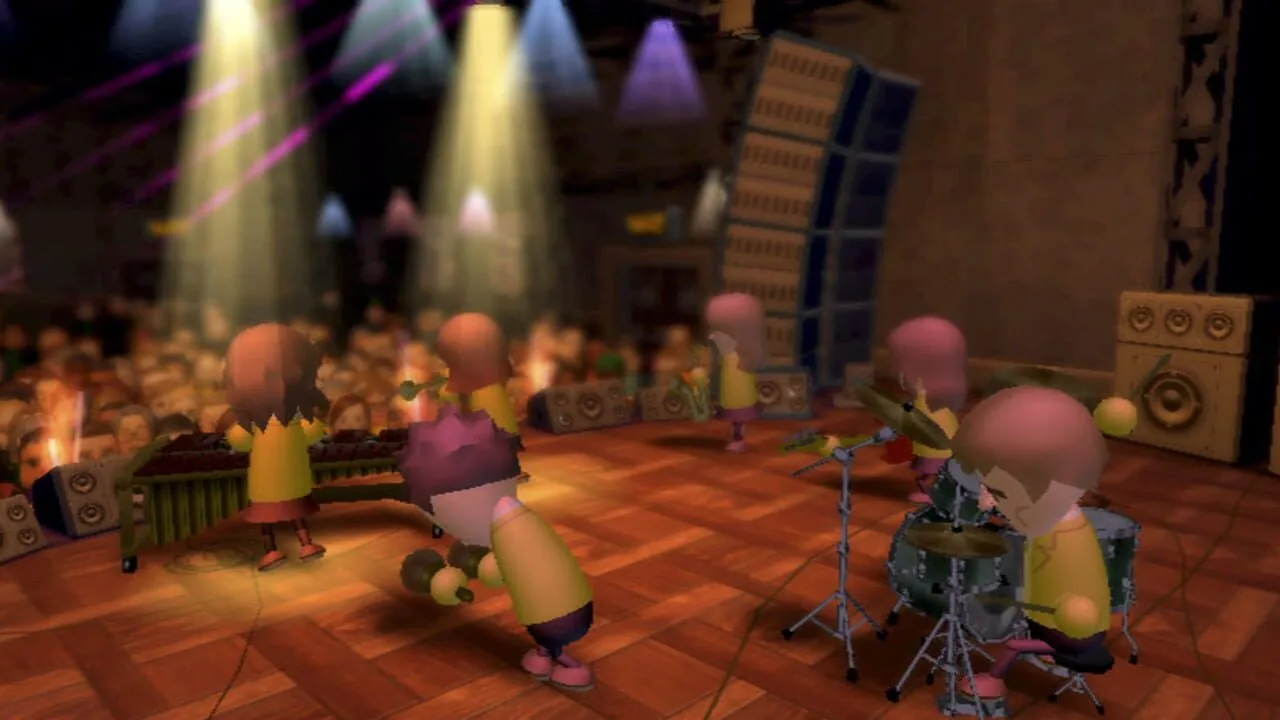
Wii Music lets you play instruments by mimicking the motions with the remote and Nunchuk. You arrange songs by choosing what each member of an on-screen band plays. It sold 2.65 million copies by March 2009, which made it one of the weaker sellers in the Wii series.
Reviews were mixed, and critics blamed the simple gameplay and imprecise controls. It is seen as the black sheep of the Wii series. It was sold as a game when it works better as a toy, and that is where it deserves more credit. Jam with friends for ten minutes and the mood is hard to beat. It is the one title where nobody can lose and some people still manage to.
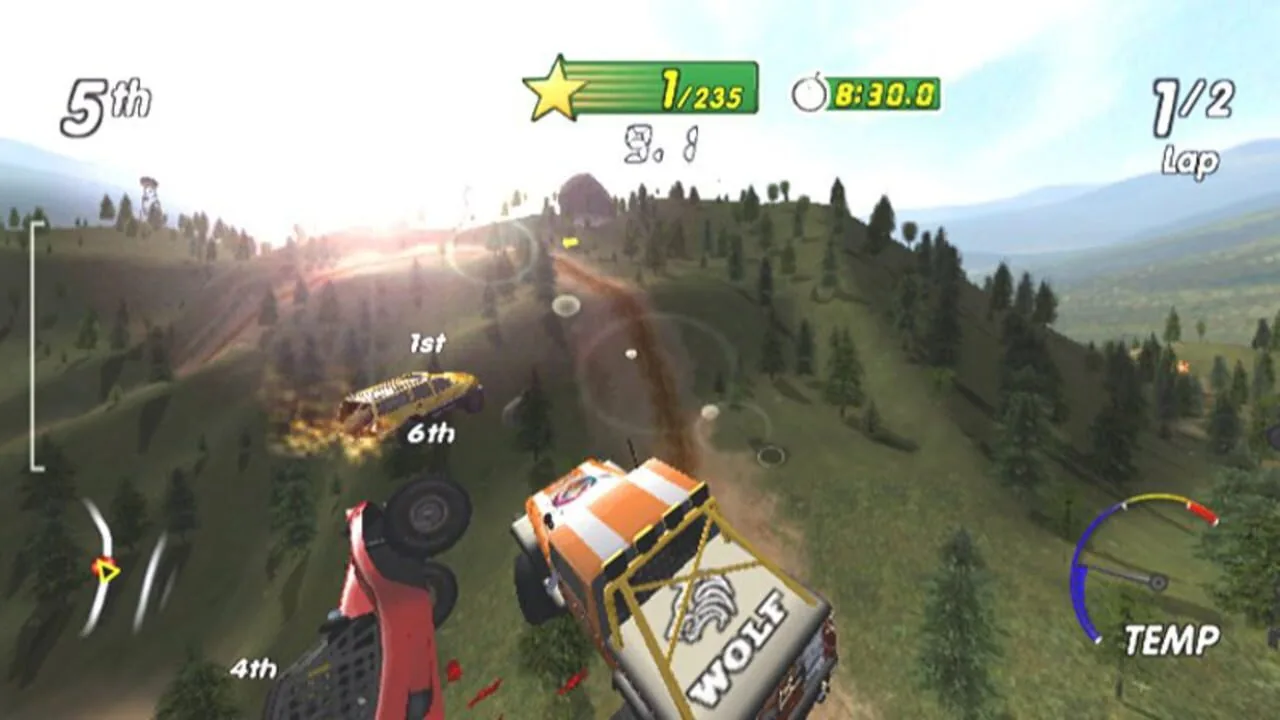
10. Excitebots: Trick Racing (2009)
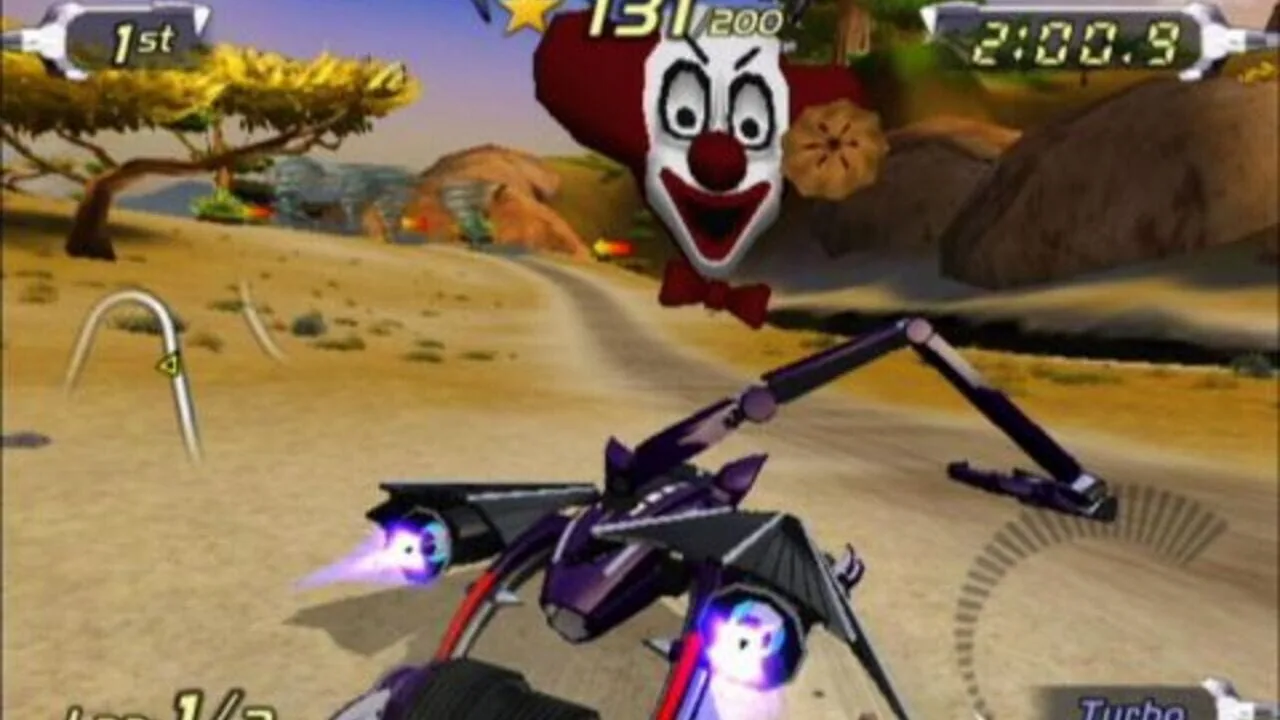
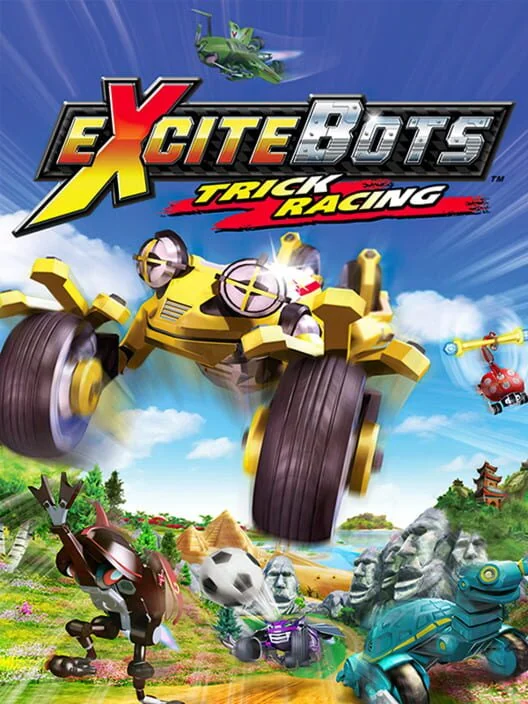
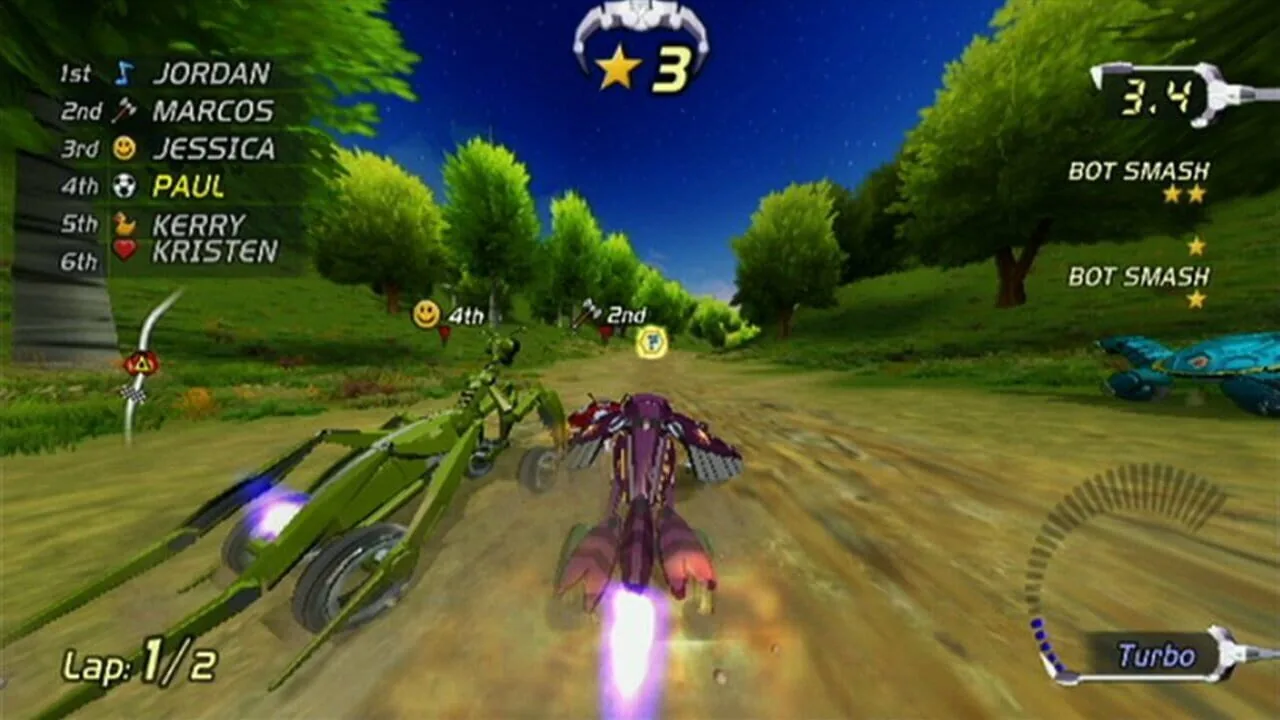
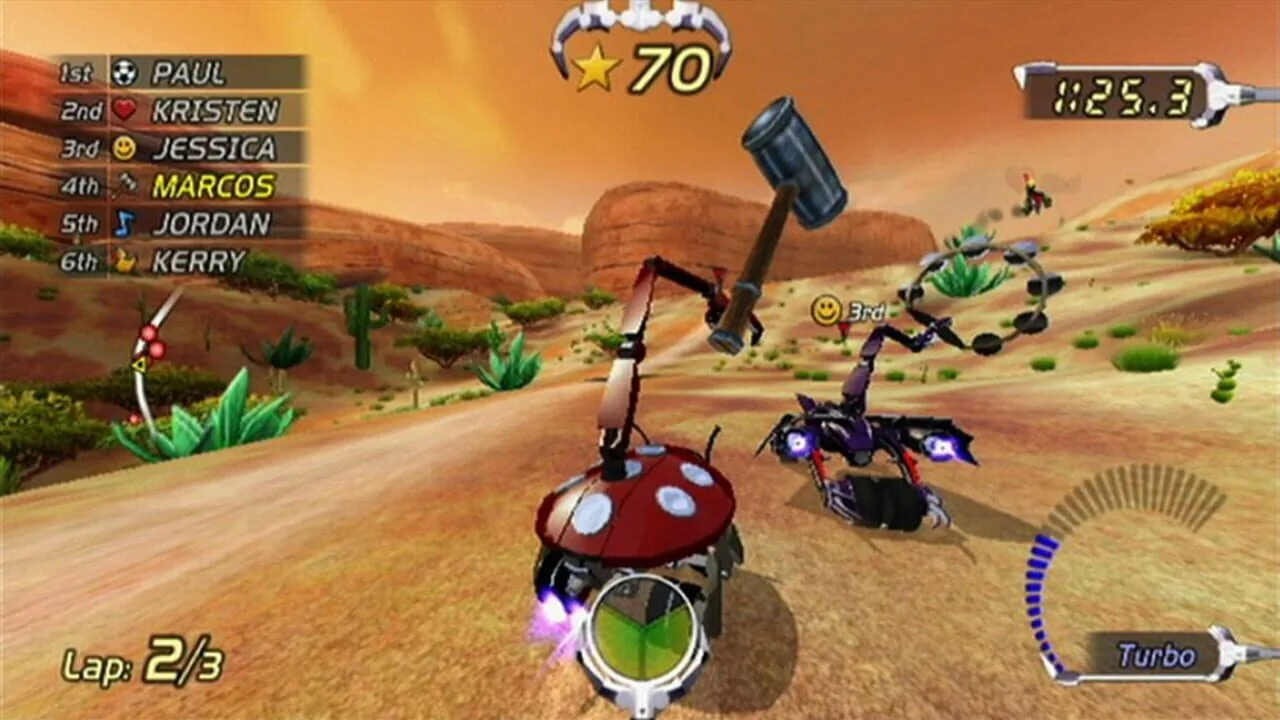
Excitebots came out in April 2009 as the fourth Excite game. It never reached stores outside North America. The courses are modelled on real places around the world. You can save replays and send ghosts to other consoles. Because the courses are large, most races last two laps. Crystal Nebula, the one course that is not based on a real place, is regarded as the hardest.
Nintendo Power gave it 8 out of 10. IGN called it pure fun and gave it an 8.4. Being sold in one region made it easy to miss. Players call it more fun than its sibling and say it is talked about less. Pick it up for the tricks, which reward bold driving.
9. Little King's Story (2009)
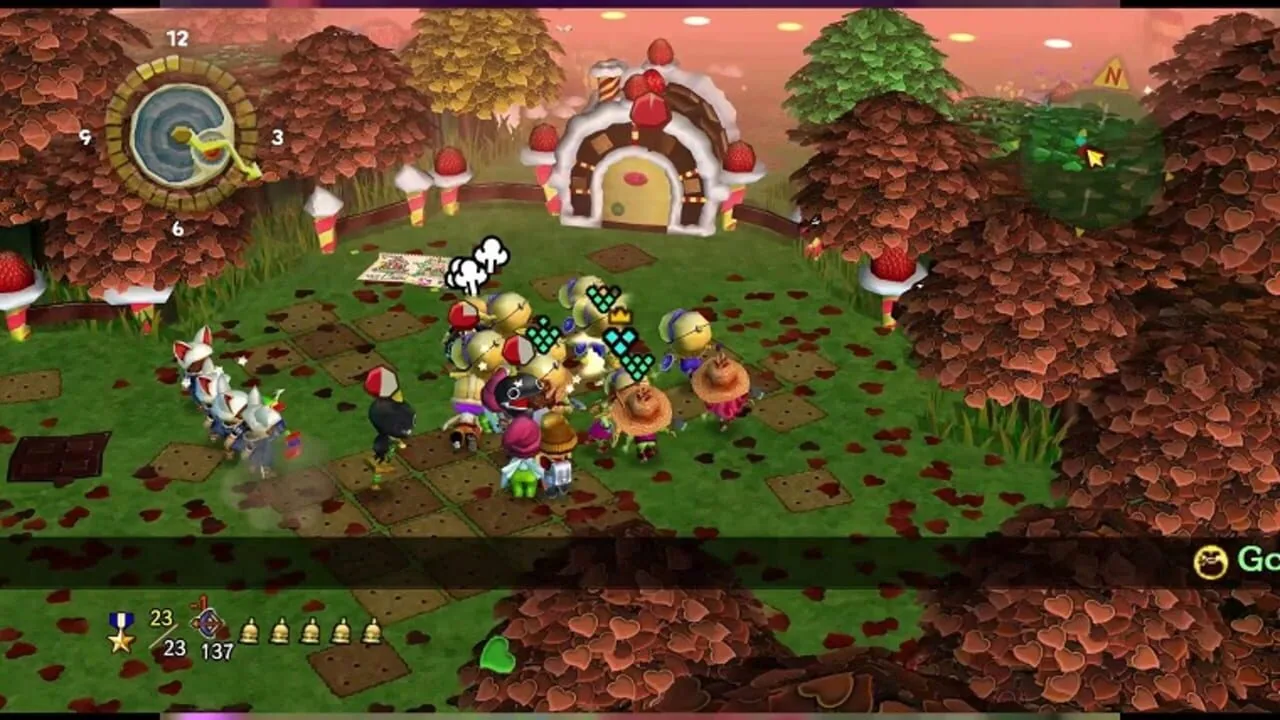
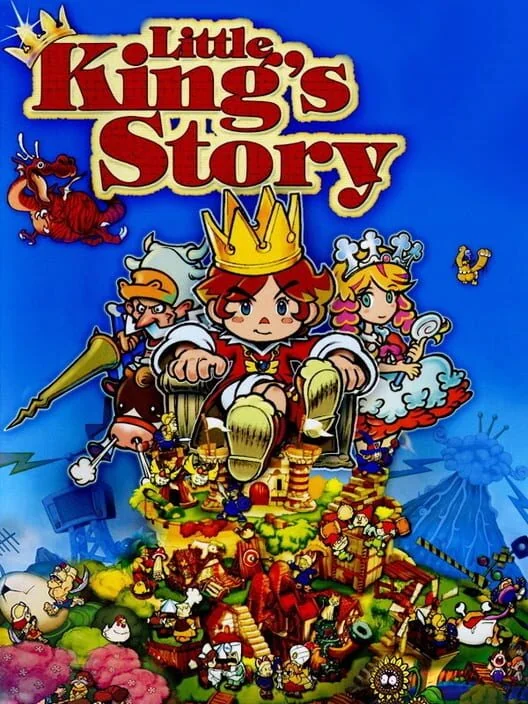
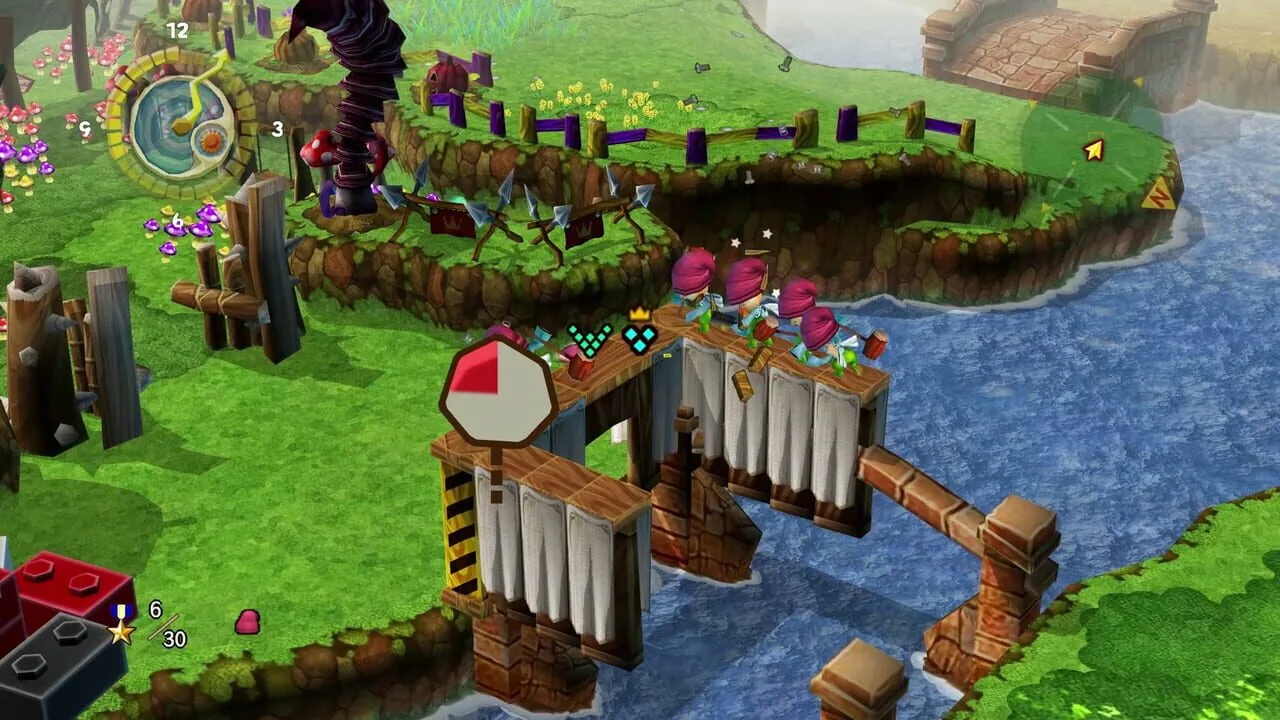
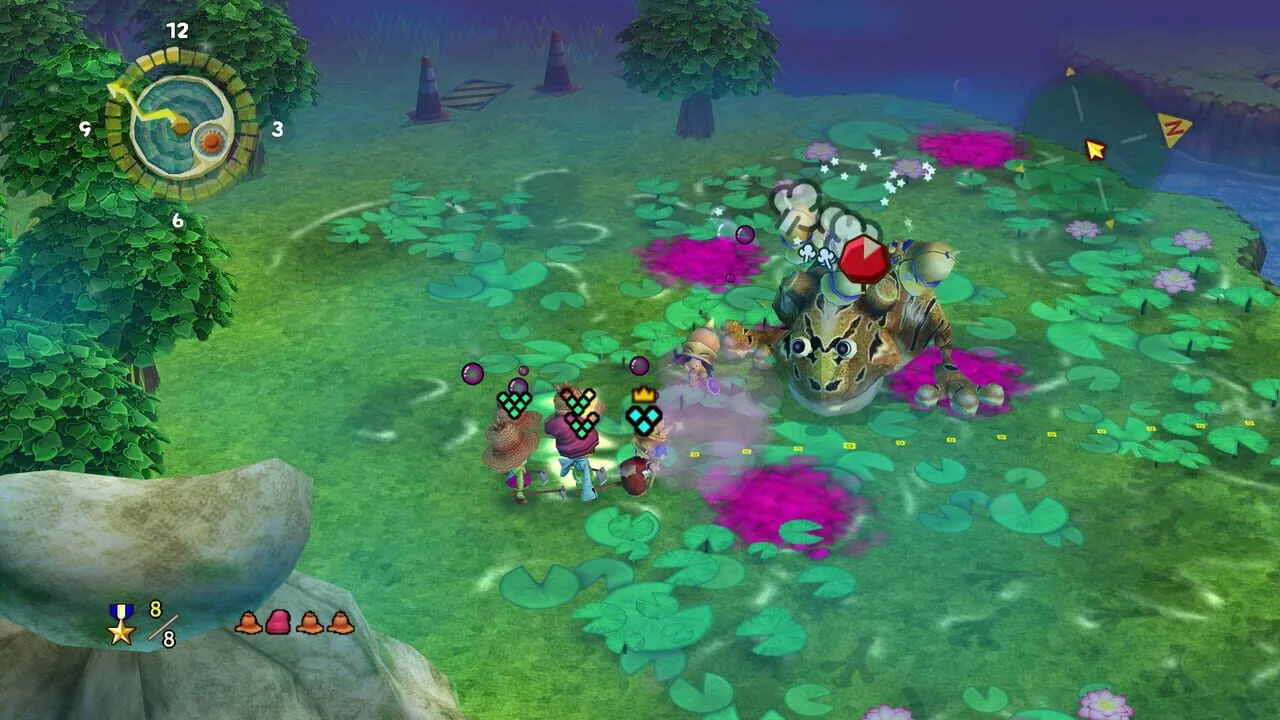
Little King's Story has you play the new king, Corobo. Citizens take jobs such as soldier, carpenter or farmer, and each job suits different tasks. A farmer is good at digging but a poor fighter, while soldiers are strong but cannot climb obstacles. A PC version followed in 2016. You can only give orders to one citizen at a time. Corobo can chat with his followers, though it is usually small talk.
It is often compared with Pikmin, and next to Nintendo's own series it was easy to pass over. Players say it is more than a Pikmin copy and tell each other not to sleep on it. It is odd, funny and well worth hunting down.
8. MadWorld (2009)
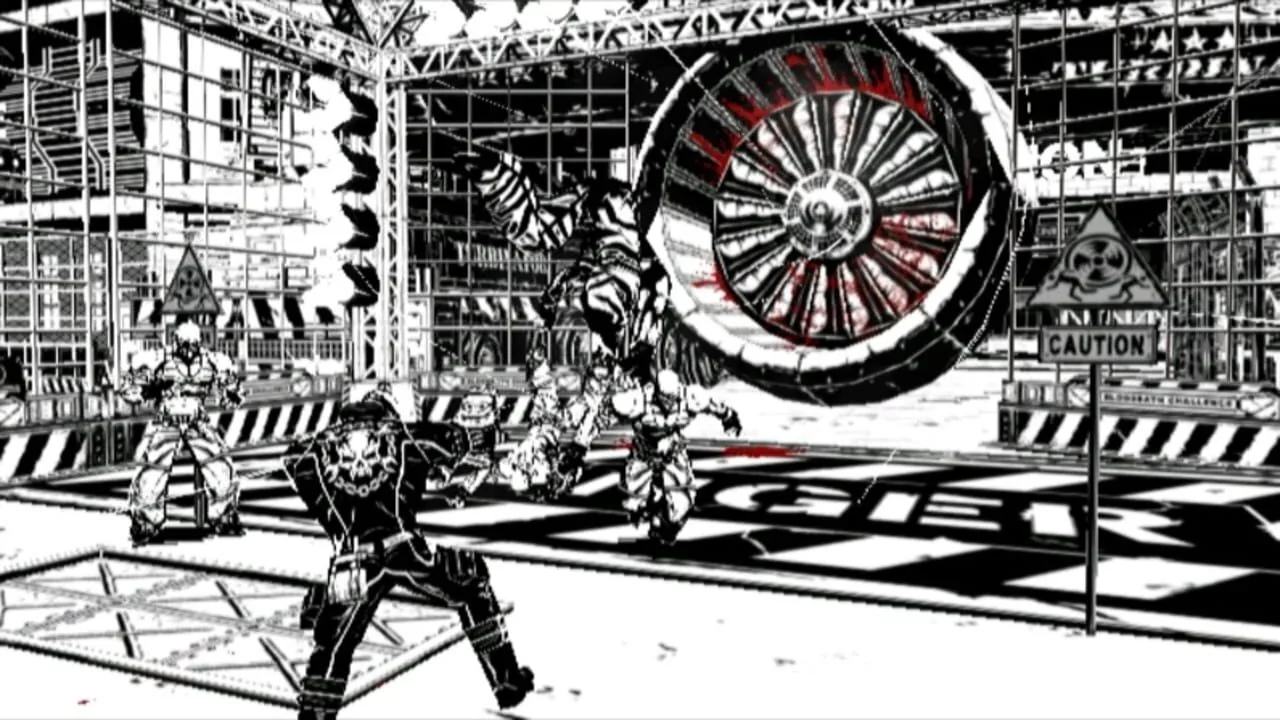
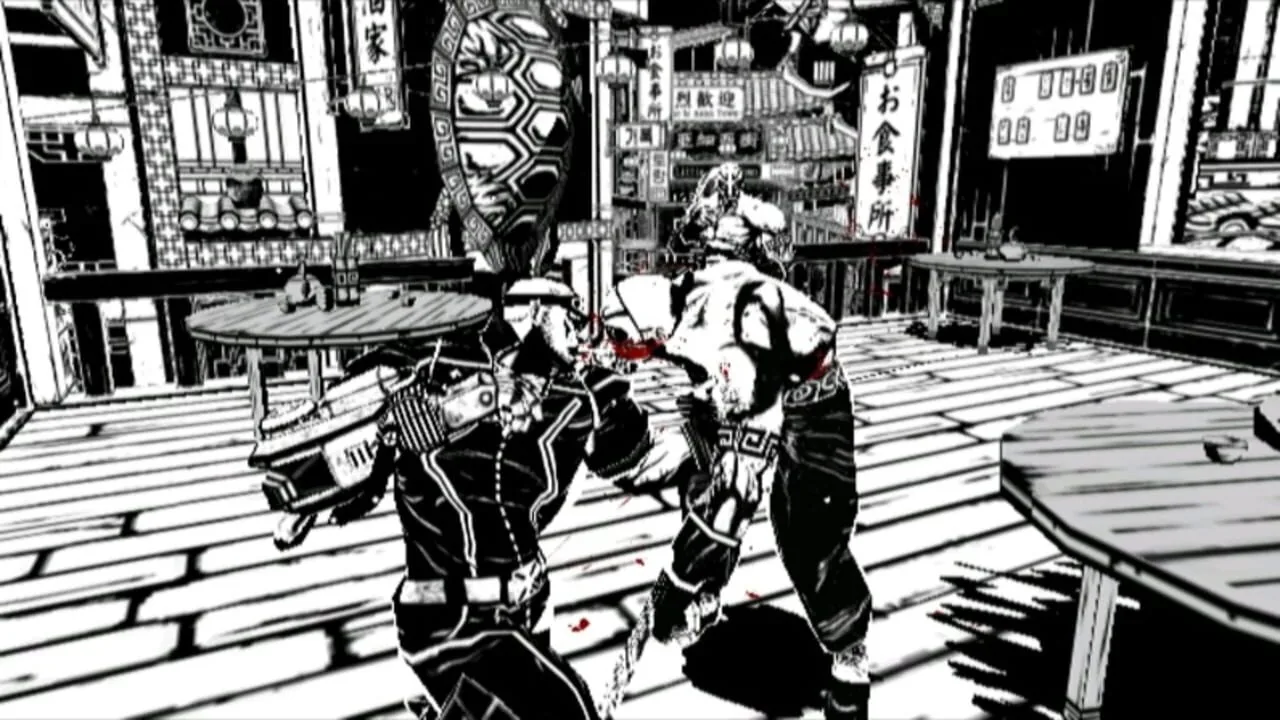
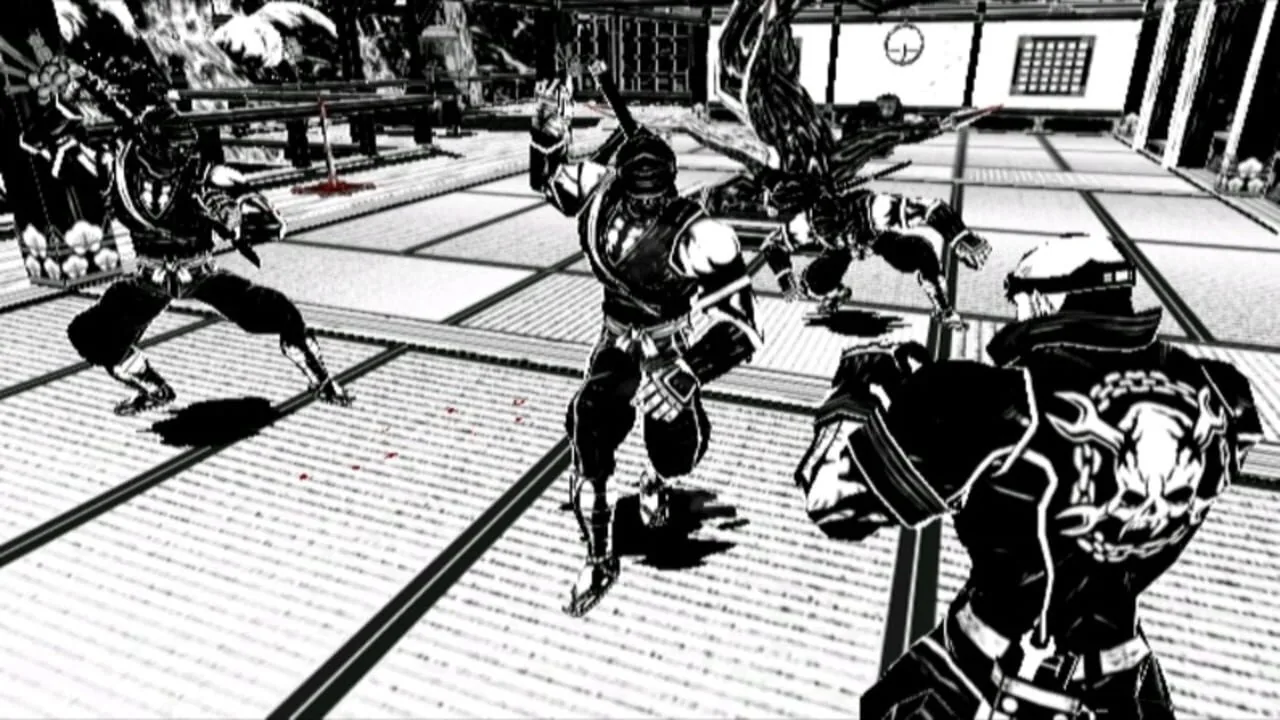
MadWorld was the first game from PlatinumGames after its formation. Its black-and-white look was inspired by Frank Miller's Sin City. You earn points for every foe you defeat and can revisit levels for a higher score. The violence is so over the top that the black-and-white filter feels like a courtesy. A spiritual successor, Anarchy Reigns, came out in 2012 on the Xbox 360 and PlayStation 3. The first run through goes in a straight line.
Critics were positive, but the game was a commercial failure. A gory game on a family console never found the crowd it was made for. Players still name it as a favourite and say the combos and motion controls are fun.
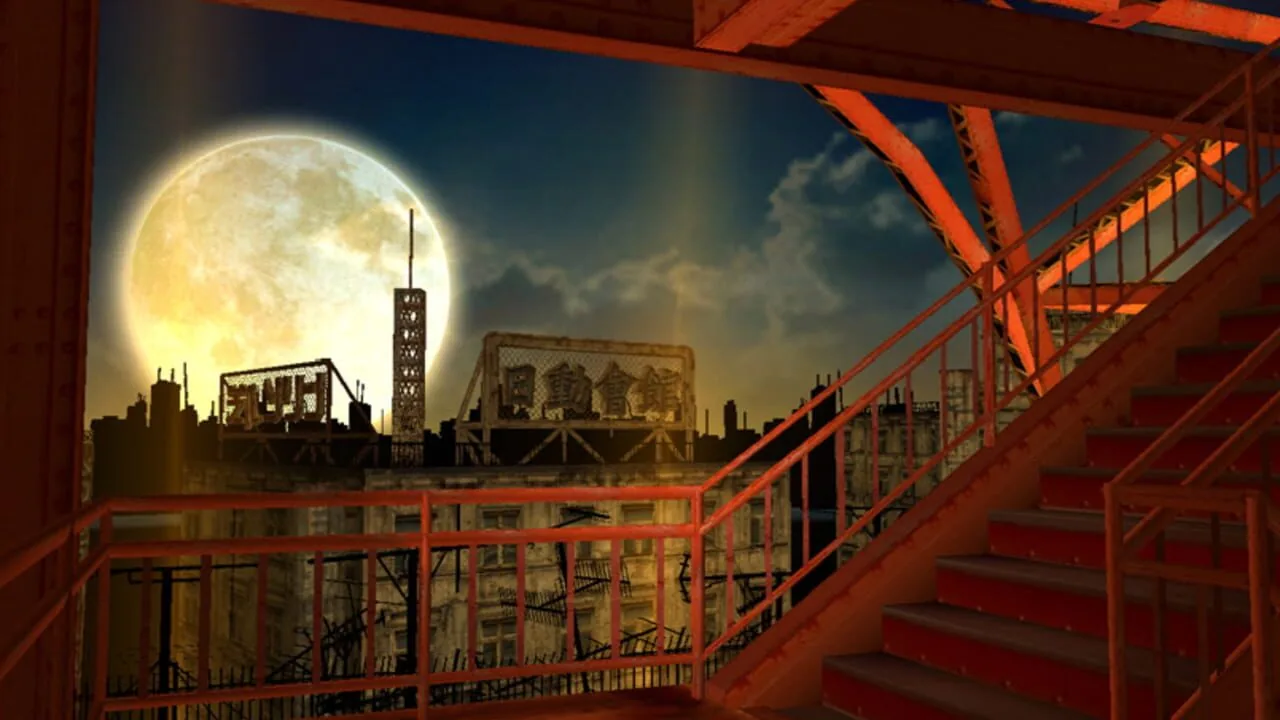
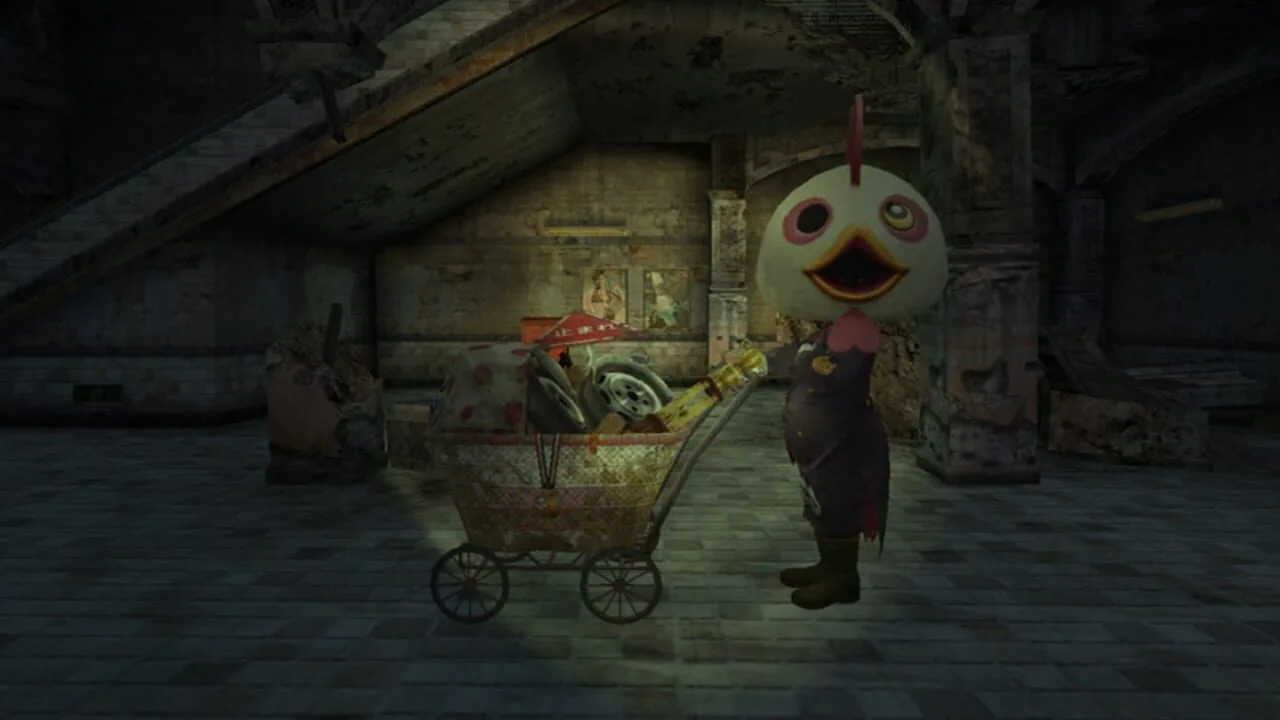
7. Fragile Dreams: Farewell Ruins of the Moon (2009)
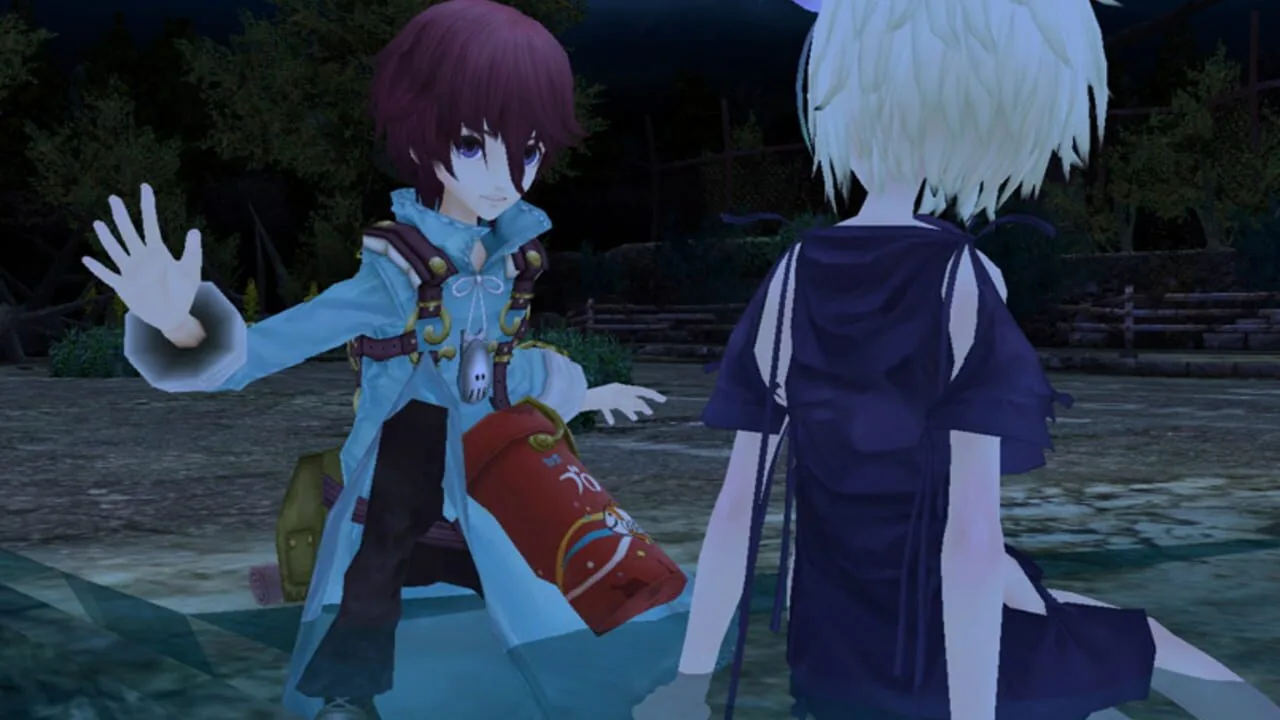
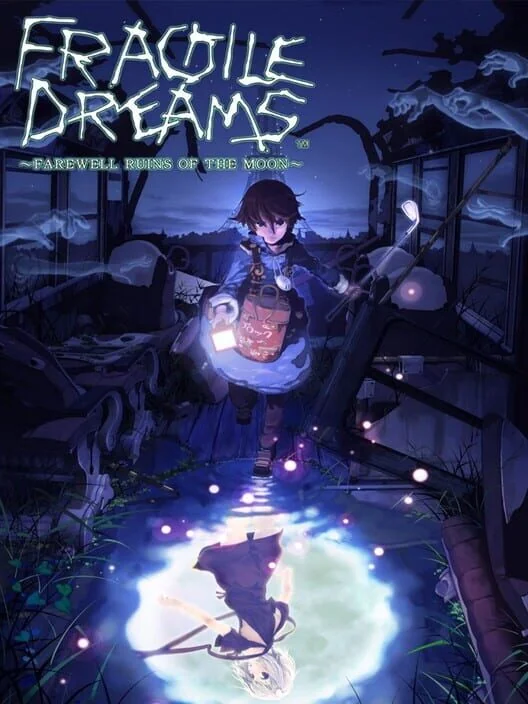
Fragile Dreams follows a 15-year-old boy named Seto, who searches the ruins of Tokyo for other living humans. Point his flashlight at hidden things and their sounds play through the remote's small speaker. Objects hold the memories of their former owners. It reached Japan in January 2009. You can crouch to hide and crawl through small spaces. Graffiti messages only appear when you point at them in first-person.
It is slow, lonely and sad, which is a hard sell next to a shelf of party games. Players recommend it to each other, some with a warning that it is not for everybody. Those who like quiet, sad worlds will find one of the best on the console.
6. Boom Blox (2008)
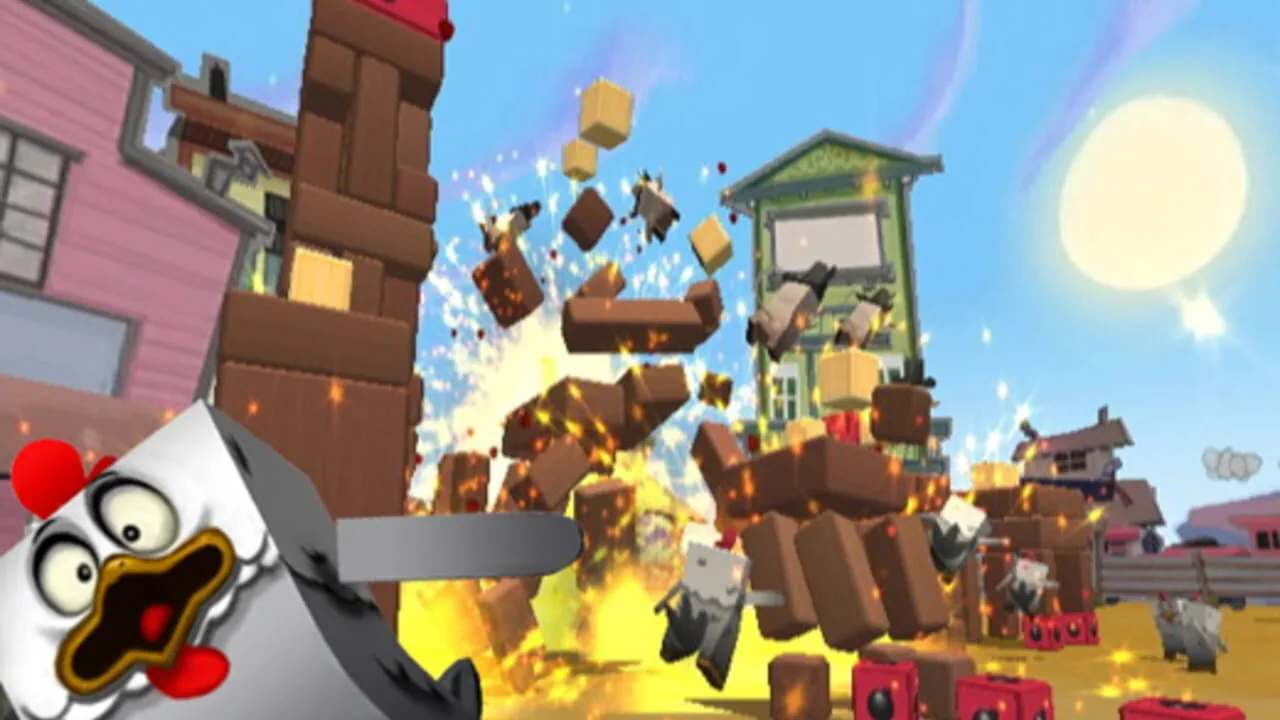
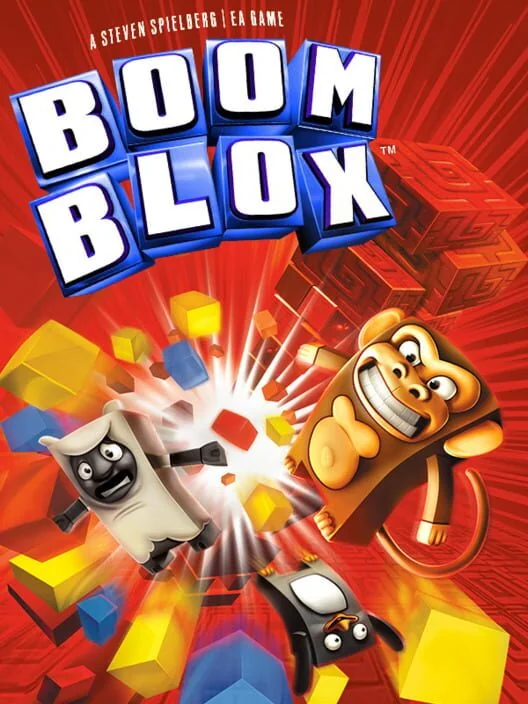
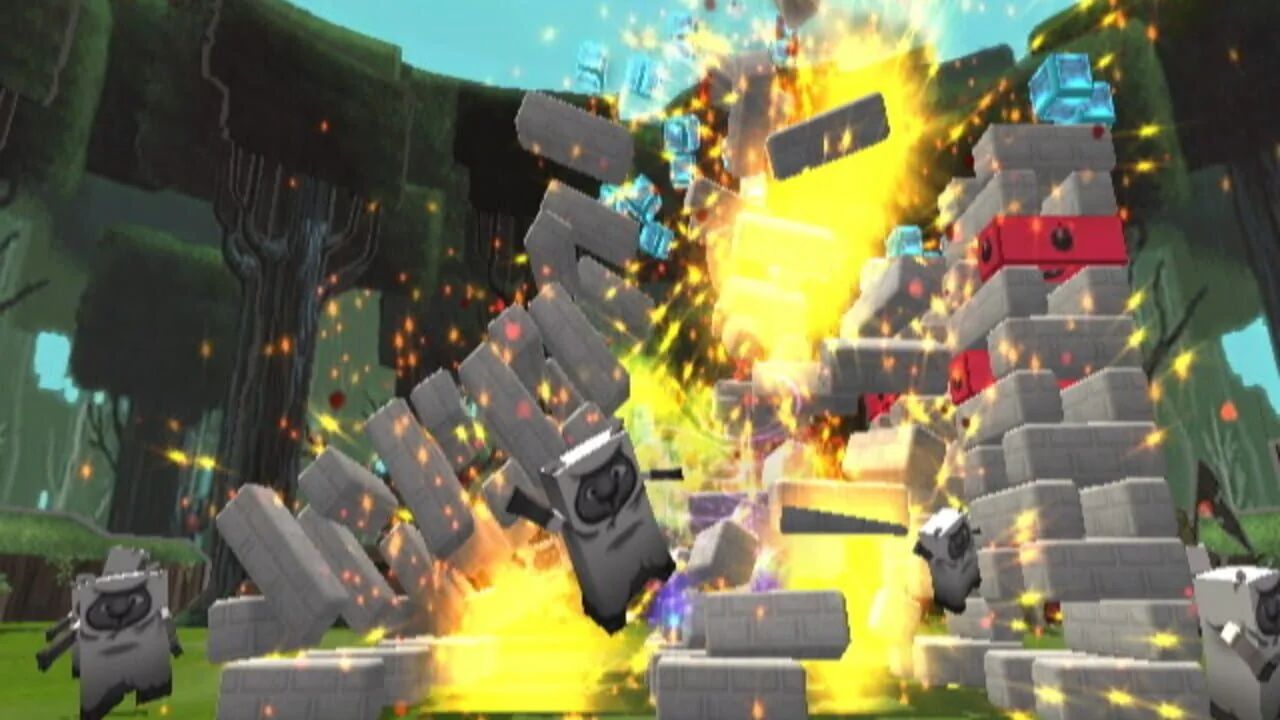
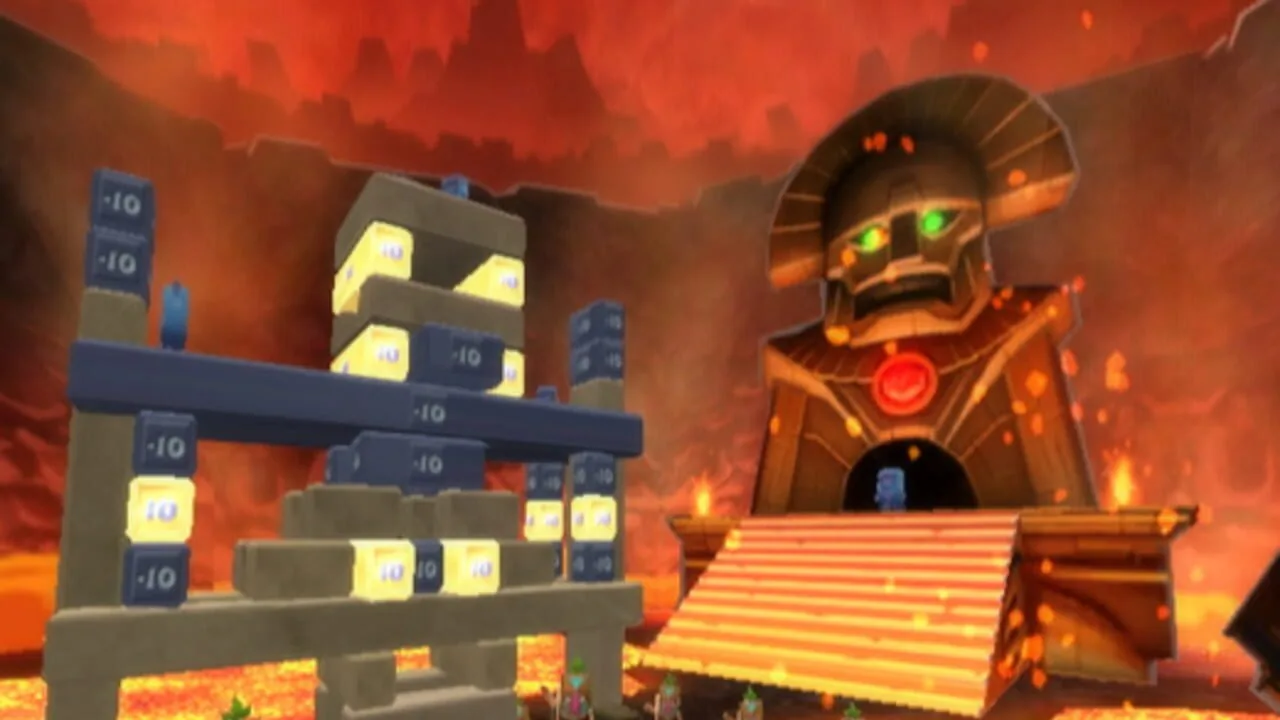
Boom Blox was made in conjunction with Steven Spielberg. You throw, shoot or grab blocks to knock down or protect a structure. It has 300 levels over five worlds. In one world the gems are guarded by sheep dressed like knights. A second world sets a beaver named Boots mining for gold in the Old West. The first world is set in medieval times.
The look is cartoon-bright, so people filed it with children's games and moved on. The physics are the real hook, and a stack of blocks falling the right way feels great. Players call the Boom Blox games clever and still recommend them. Every level asks a new question about how things fall.
5. Red Steel 2 (2010)
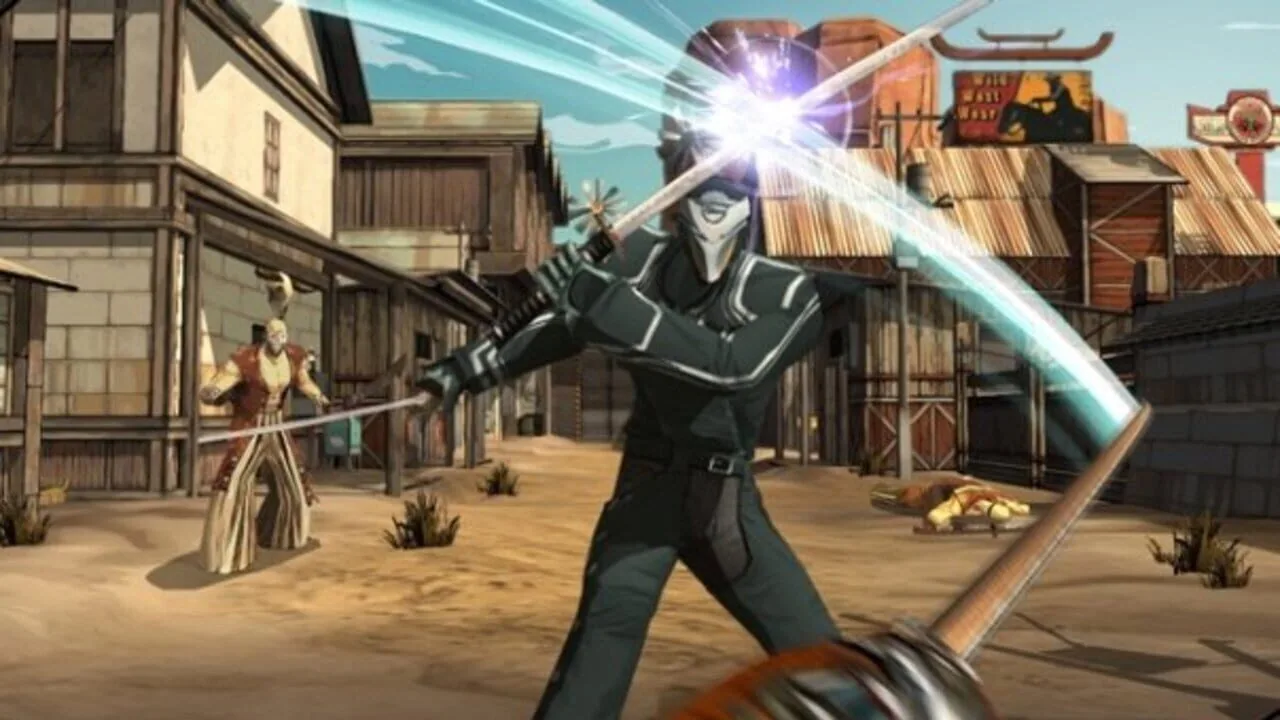
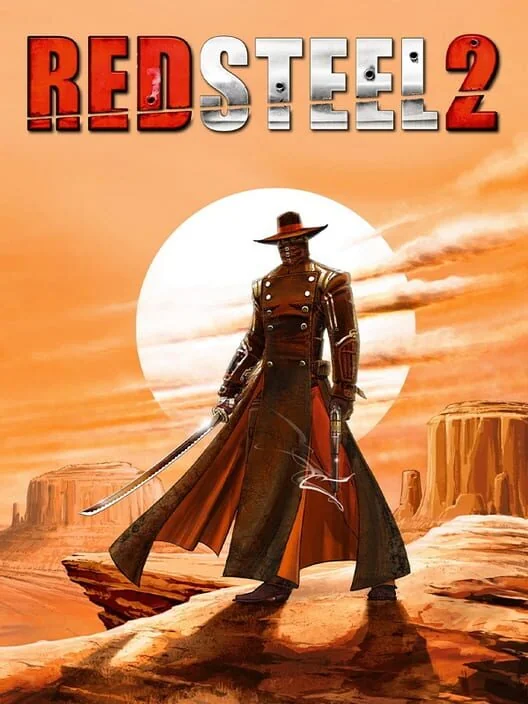
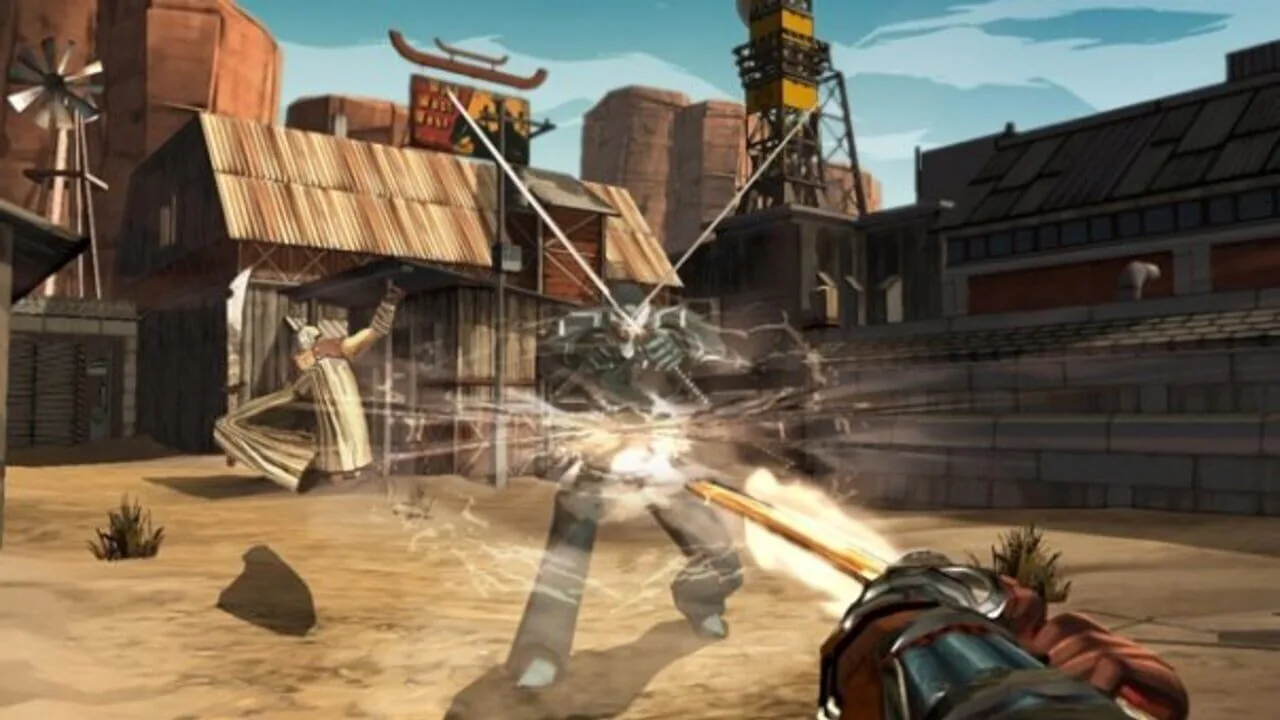
Red Steel 2 is a standalone sequel that mixes sword fighting with shooting from a first-person view. It came out worldwide in March 2010 to generally positive reviews. The world blends samurai with cowboys. The hero is the last of the Kusagari clan. Payne, the leader of the Jackals, steals the Hero's katana. It is the first game besides Wii Sports Resort to use the MotionPlus add-on.
It needs the Wii MotionPlus add-on, and only three third-party games on the system do. That requirement cut off players without the add-on, which helps explain why it was missed. Players who list overlooked shooters tend to agree it deserved more. Once the add-on is in your hand, the sword fights feel quick and sharp.
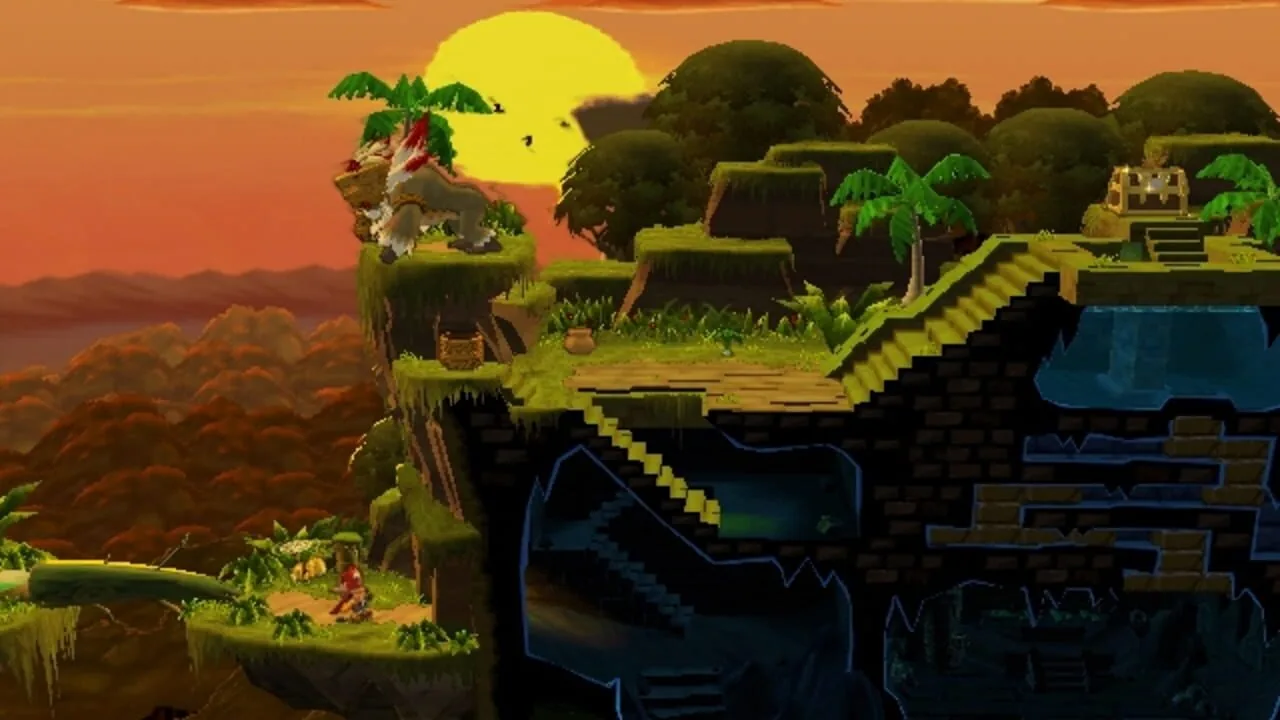
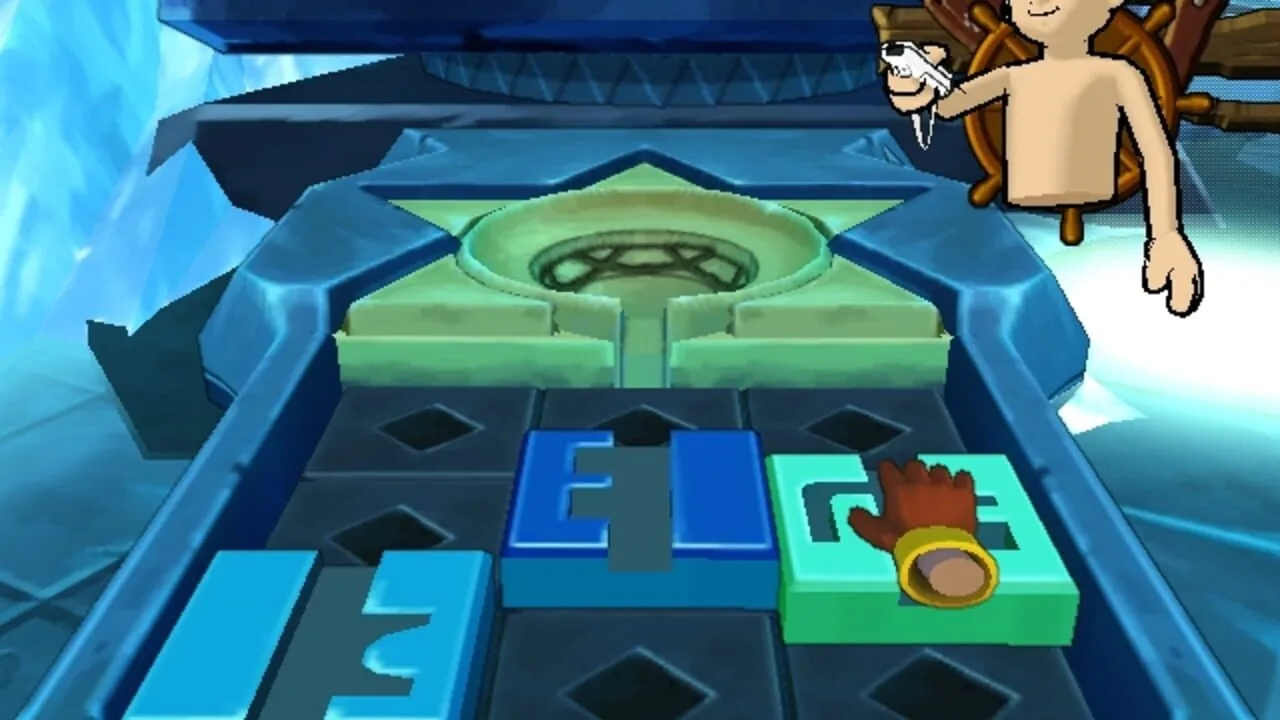
4. Zack & Wiki: Quest for Barbaros' Treasure (2007)
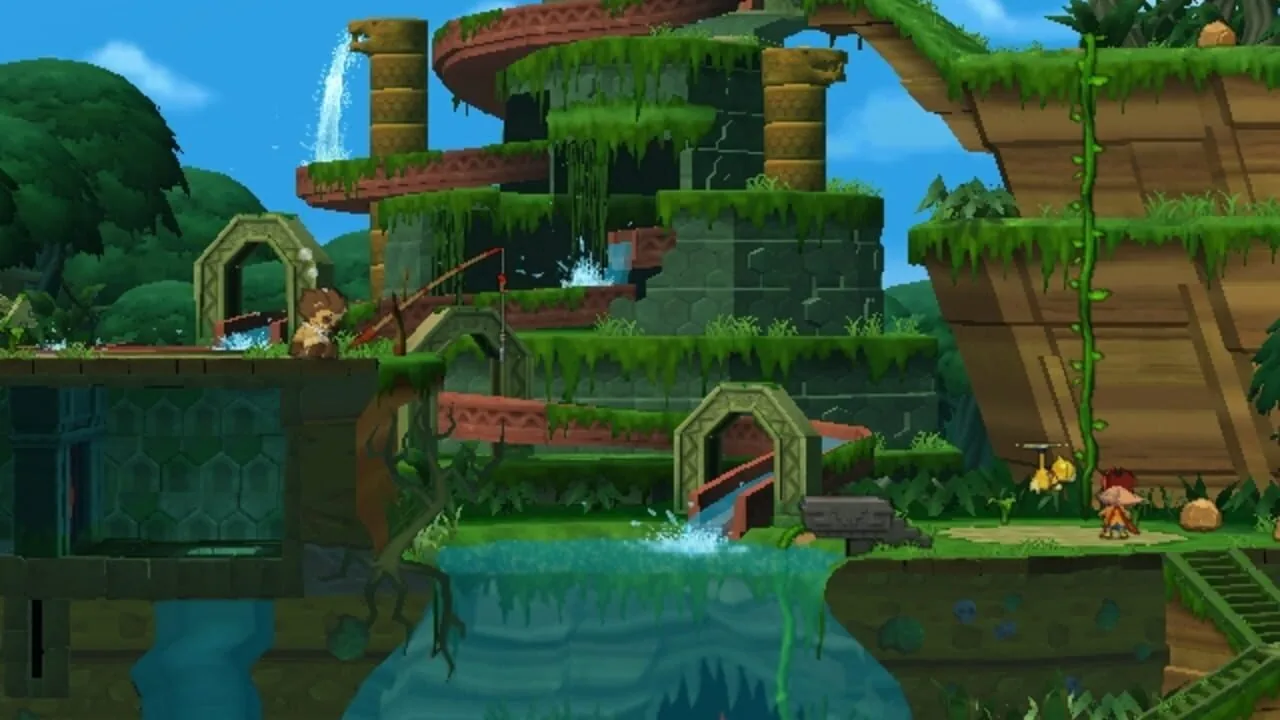
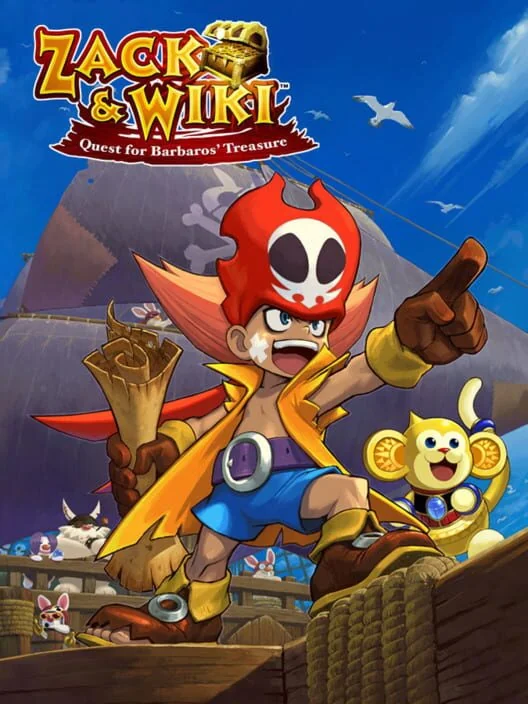
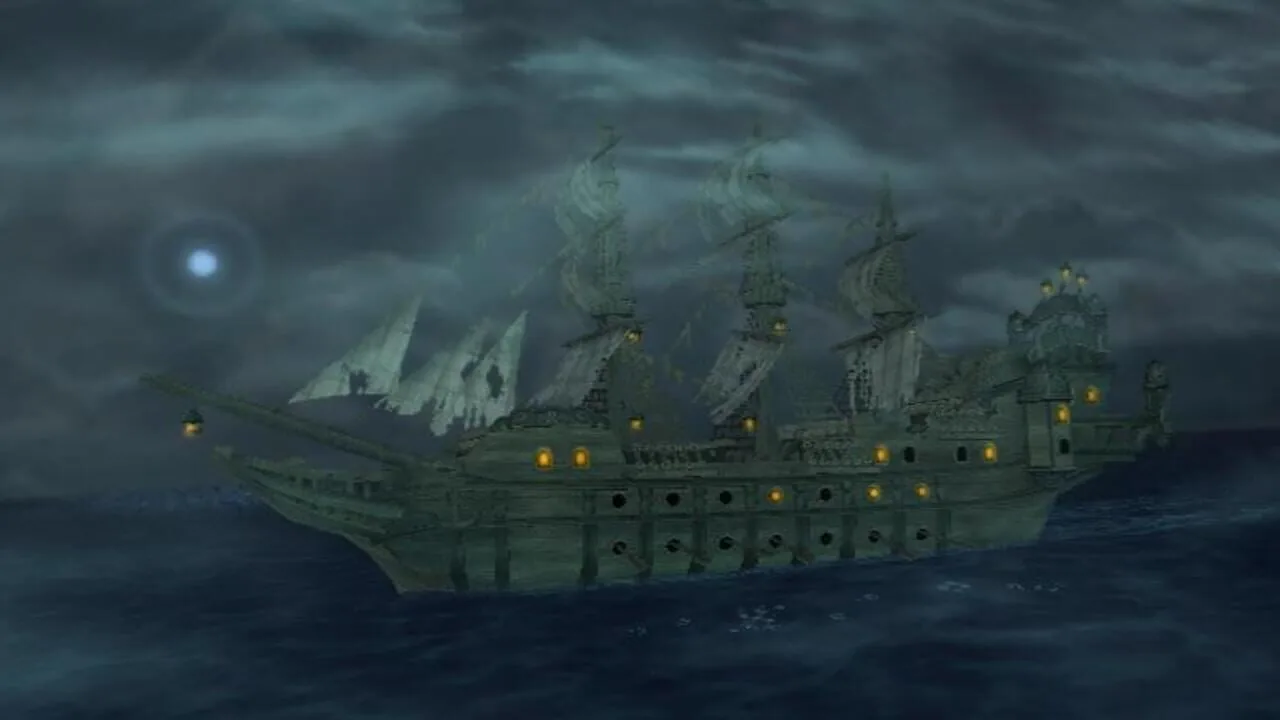
Zack is a rookie pirate who hunts treasure with a magical monkey sidekick. The game mixes point-and-click puzzles with Wii Remote gestures. To saw a tree, you hold the remote flat and move it back and forth. You turn a monkey into a saw by ringing him, which is not a sentence you get to write often. It first came out in North America on October 23, 2007. In South Korea it was one of eight Wii launch games.
Reviews were highly positive and praised the controls and originality. It was nominated for numerous awards. Even so, a puzzle game about pirates did not look like a system seller. Players still put it on their lists of overlooked picks.
3. Excite Truck (2006)
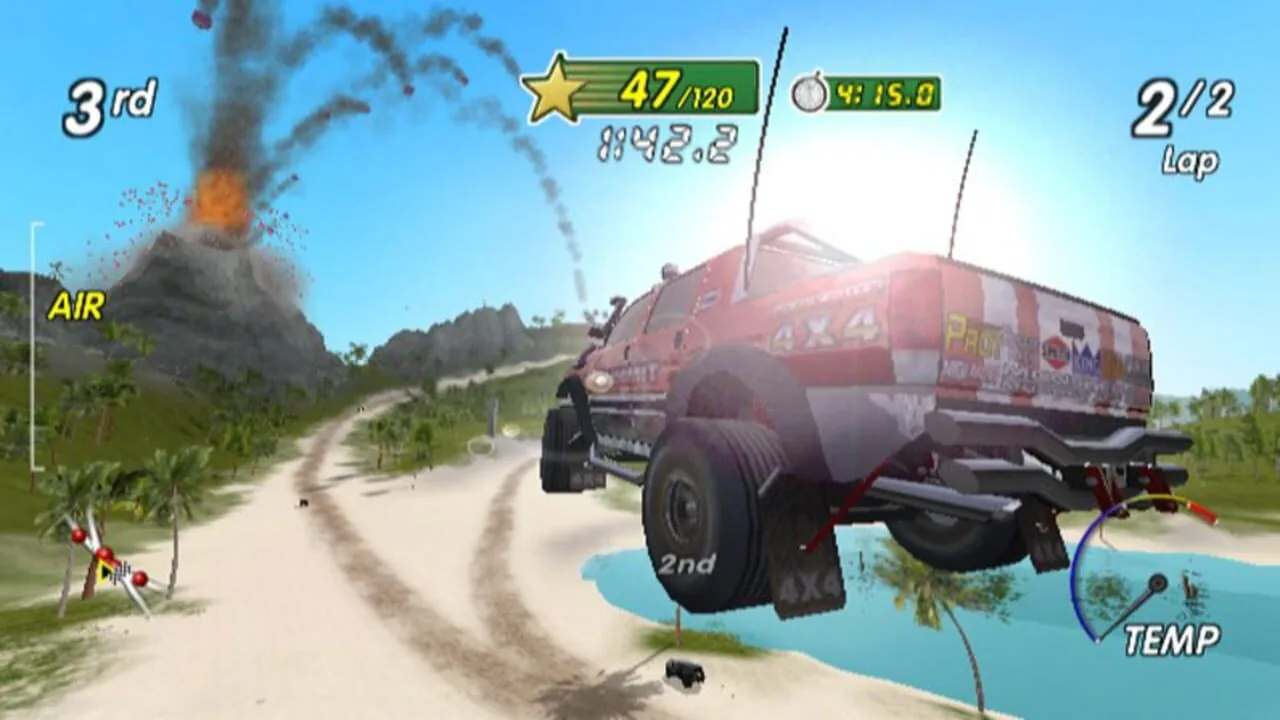
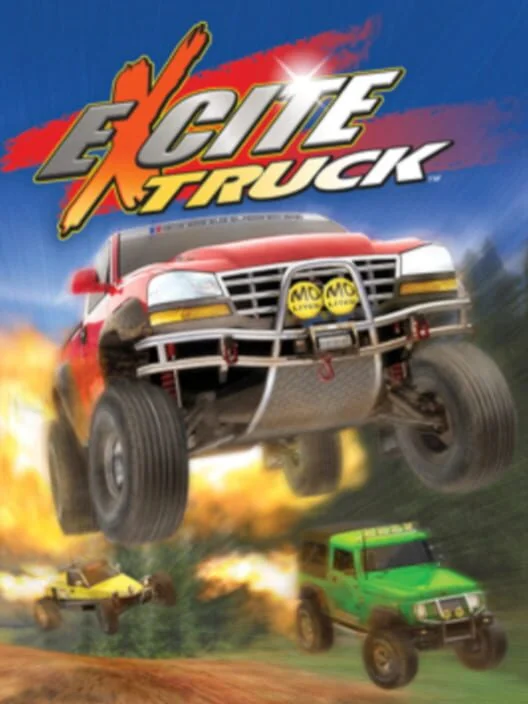
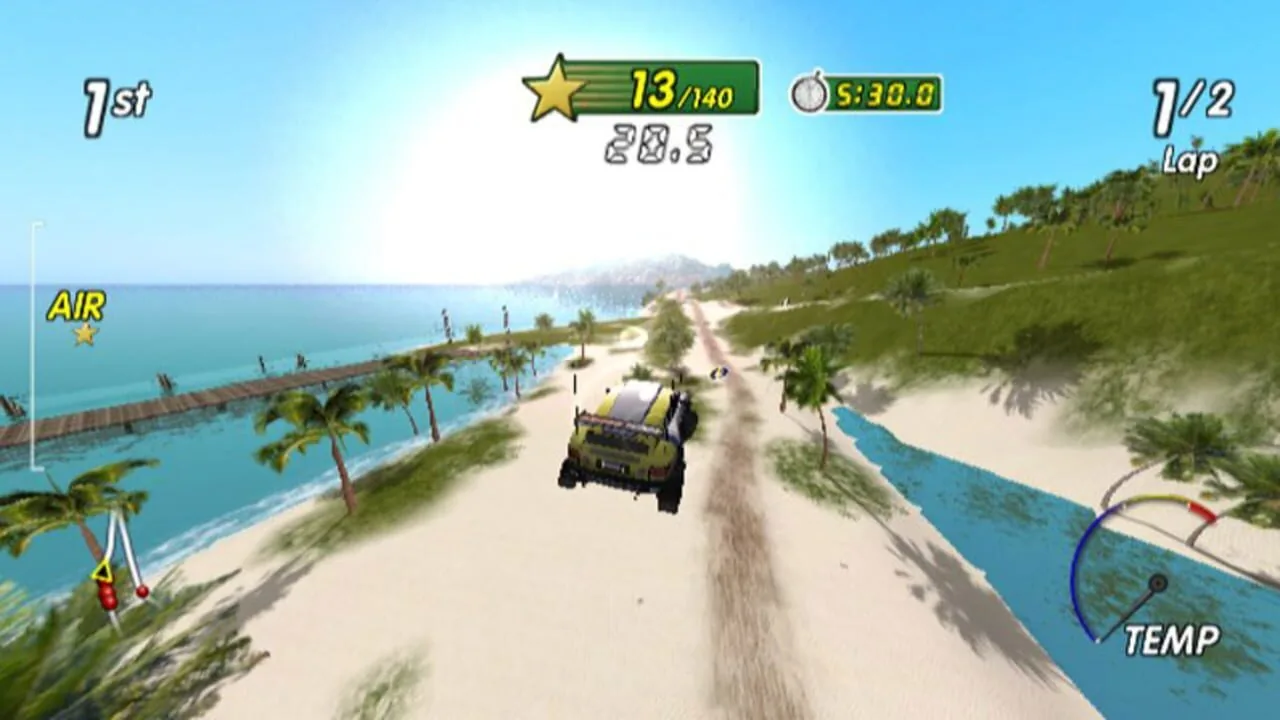
Excite Truck was one of the Wii launch titles in North America. It is the third main Excite game and the first one with vehicles other than motorbikes. Turn the remote on its side and it works as a steering wheel. It was also the first Wii game to let you play your own MP3s from an SD card. A series of tutorials has to be cleared before the full game opens up. You begin with three trucks and unlock more by hitting benchmarks.
Critics gave it generally positive reviews. A launch window full of Wii Sports and Zelda left little attention for a racer. Players who love the Excite series keep coming back to it.
2. Deadly Creatures (2009)
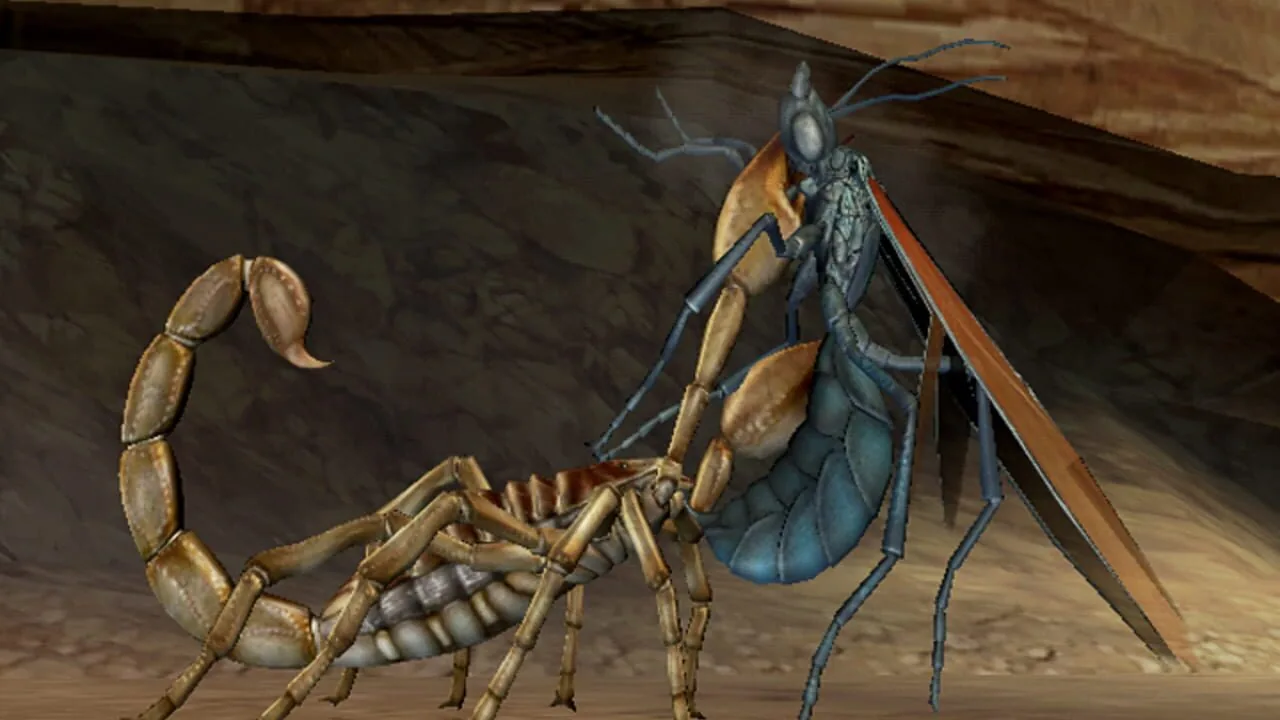
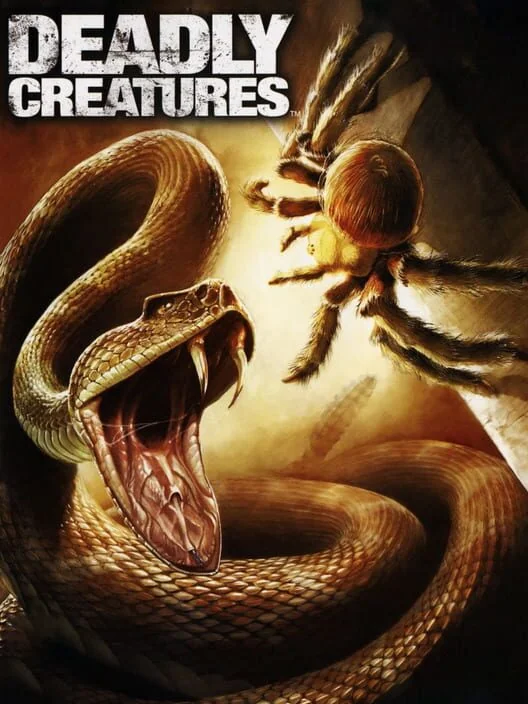
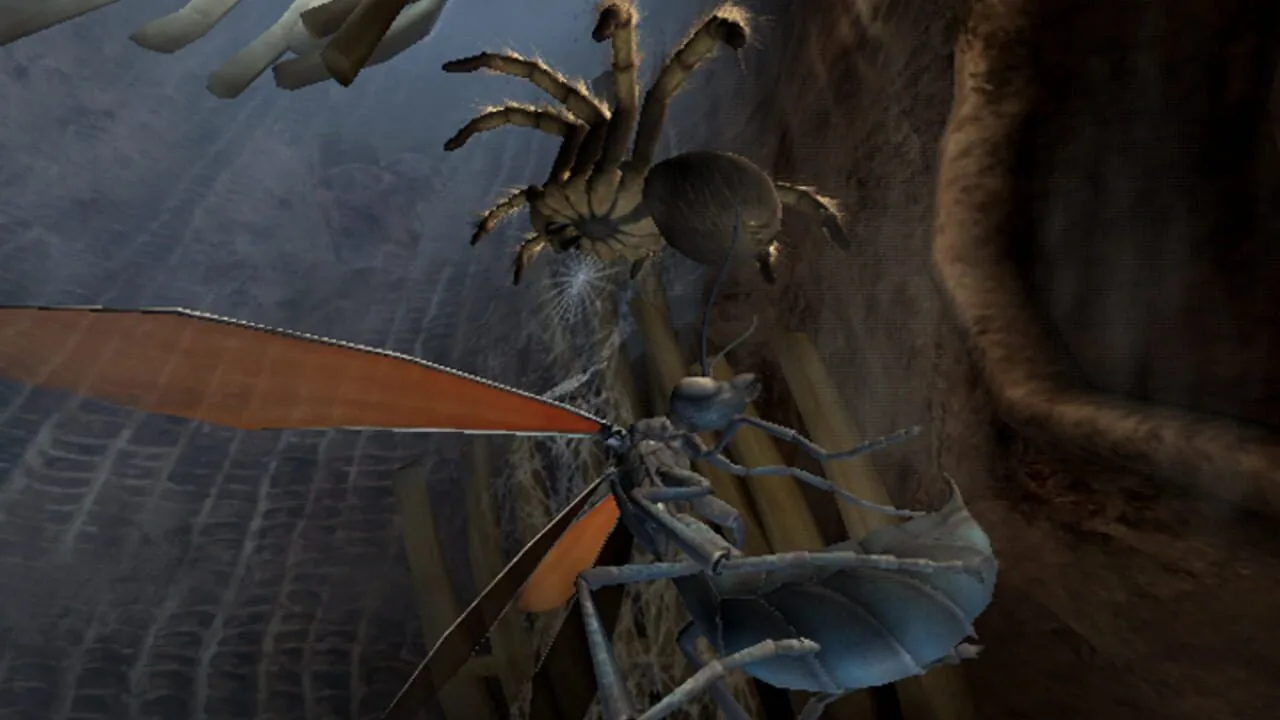
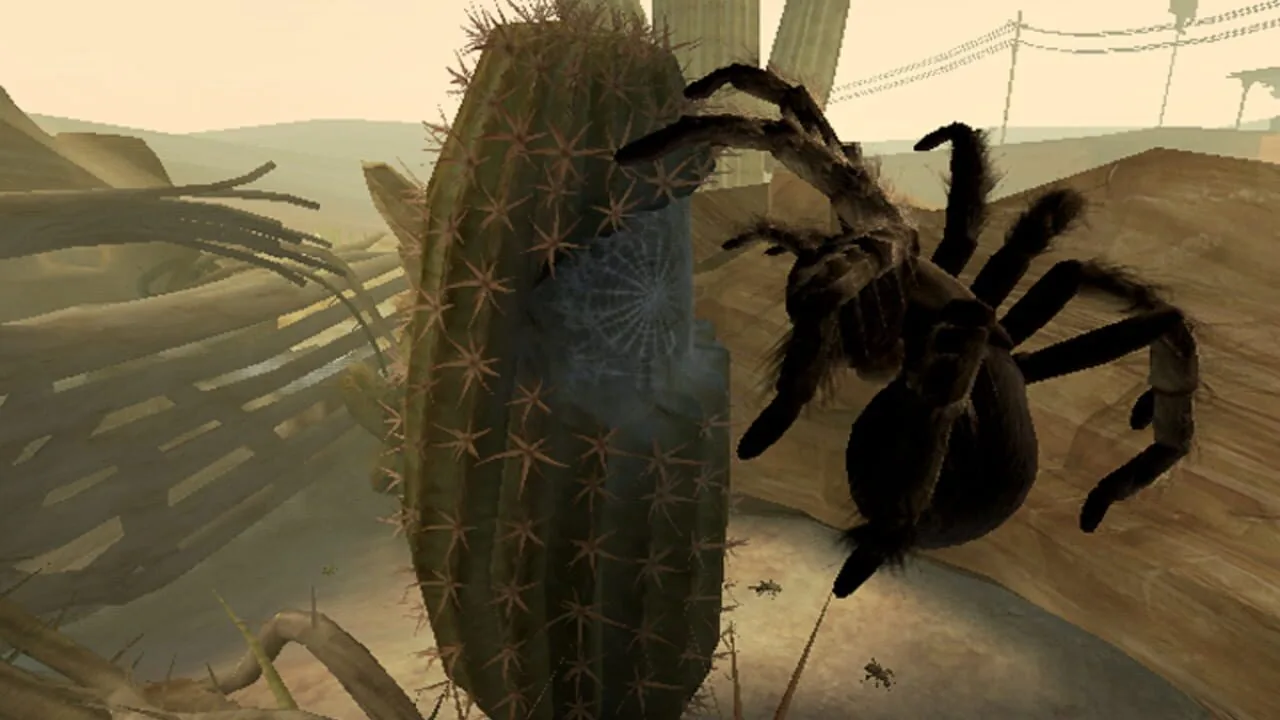
Deadly Creatures puts you in the shells of a tarantula and a scorpion. Rainbow Studios made it and THQ published it. The scorpion levels lean toward action, while the tarantula levels reward stealth. The Wii Remote and Nunchuk handle both movement and attacks. Your two creatures are a young male scorpion and a grown female tarantula. Your enemies range from other arachnids to reptiles.
A game about bugs from a licence-heavy publisher looked like shovelware, so many players skipped it. Players who find it say they were surprised by how good it is. Few games make you the thing everyone else wants to step on, and then ask you to enjoy it.
1. Muramasa: The Demon Blade (2009)
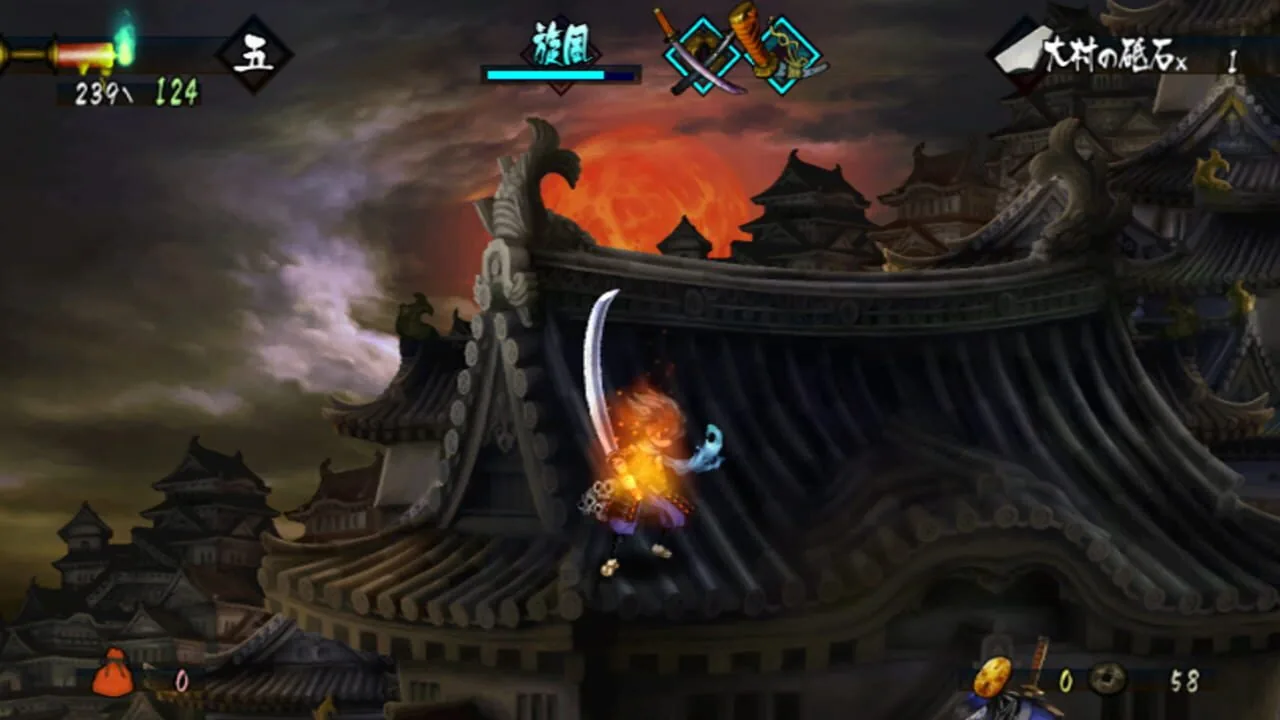
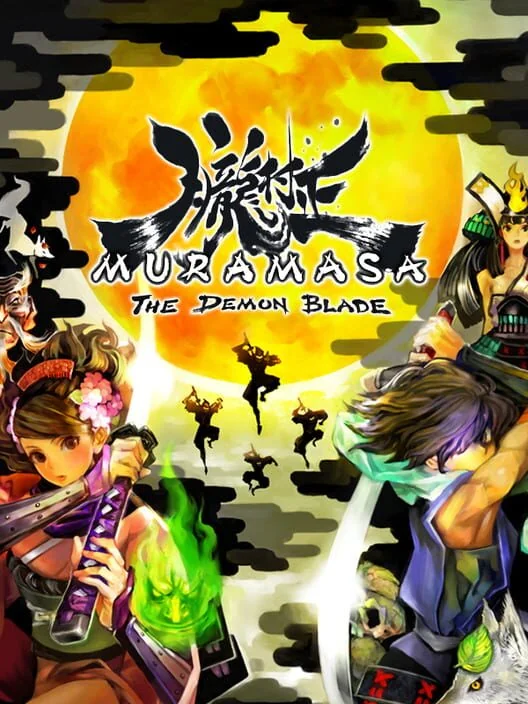
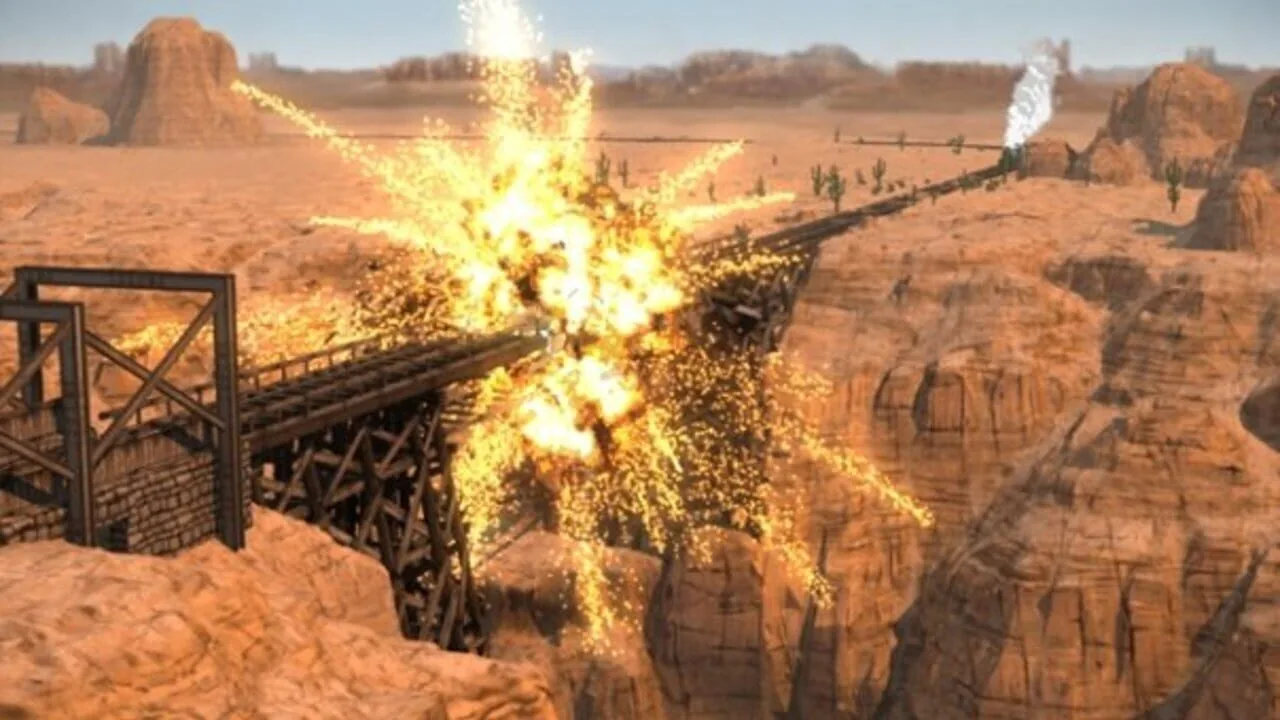
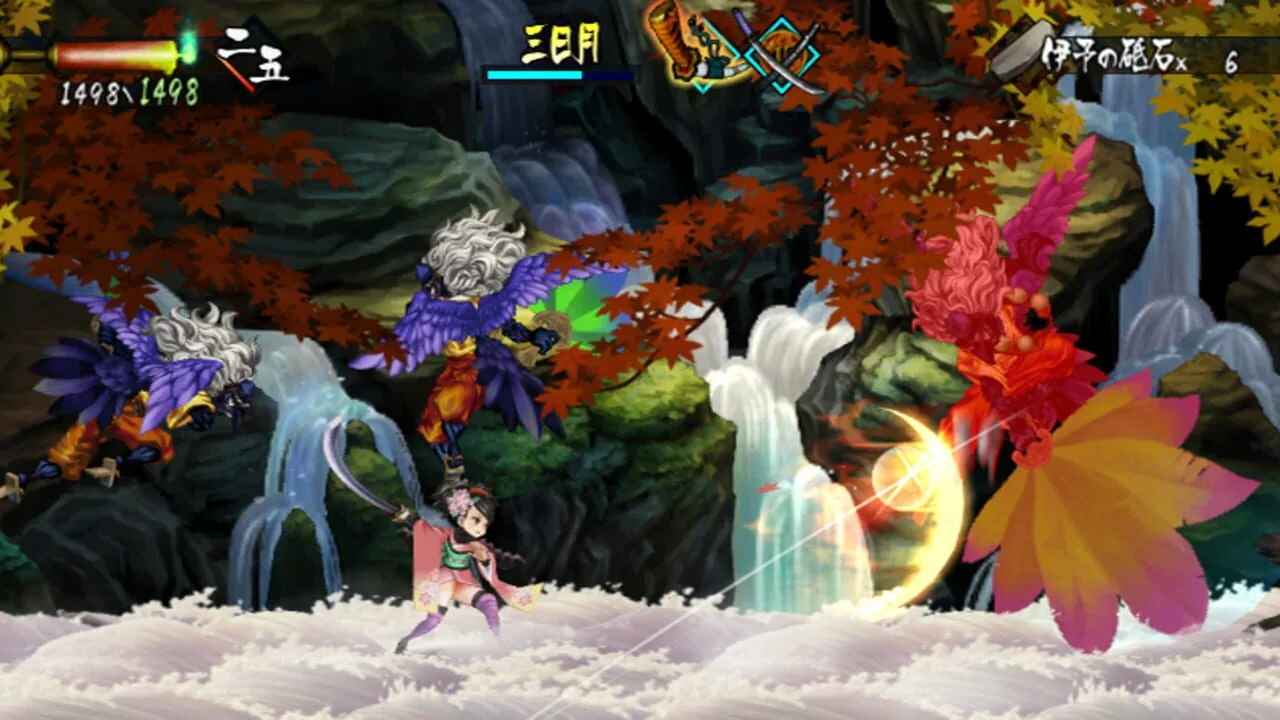
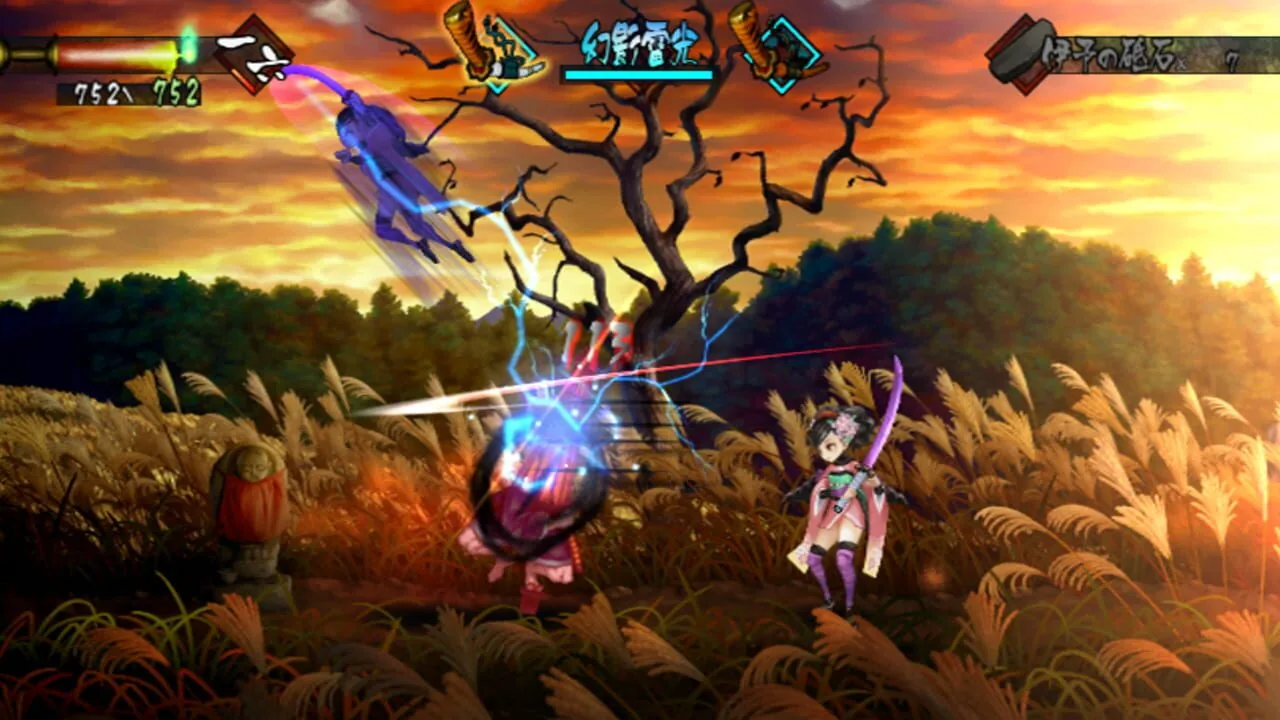
Muramasa is a side-scrolling action RPG set on the island of Honshu during the Edo period. The director built the story on kabuki theatre. The Western release kept the Japanese voices to preserve the atmosphere. The first ideas for it appeared in the middle of work on Odin Sphere. A PlayStation Vita version called Muramasa Rebirth followed in 2013. Fights start only when enemies are near, and your sword stays sheathed the rest of the time.
It sold moderately and got positive reviews. Critics praised the art and music, but called the fighting fun yet shallow. That left it as a quiet favourite on a console crowded with party games. Players still call it a favourite and point to the hand-drawn scenery.
Every issue features one game worth playing, plus the latest retro news.