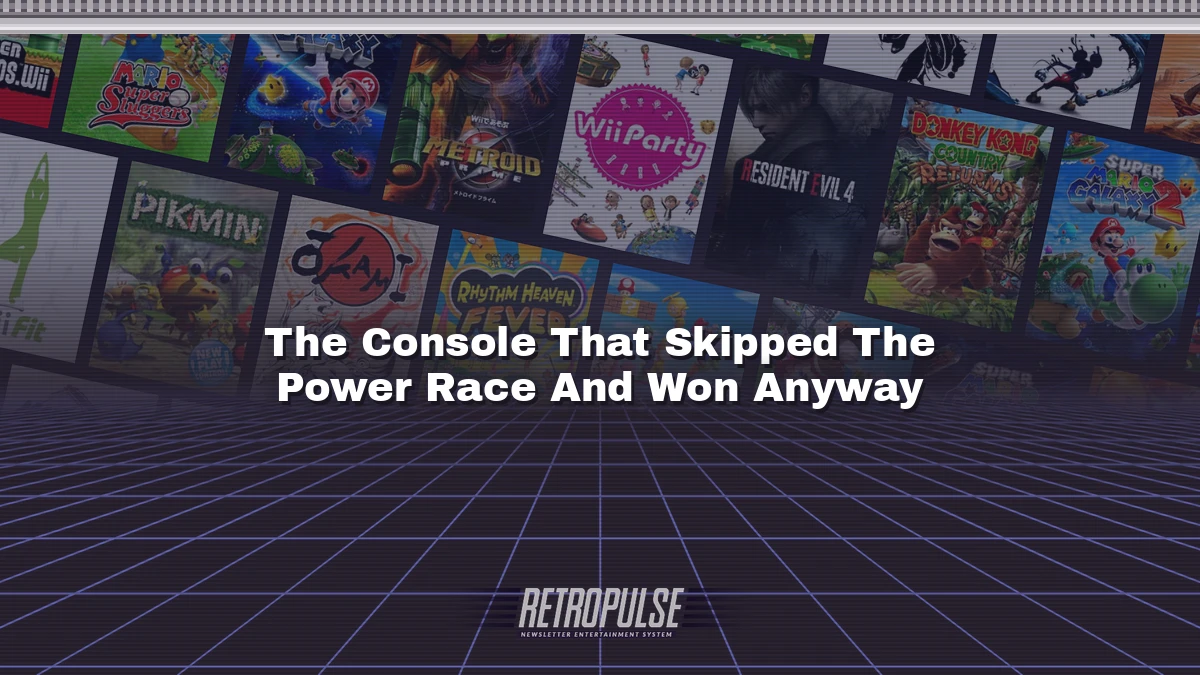
The Wii skipped the power race on purpose. Nintendo's president Satoru Iwata chose to chase a broader audience with new kinds of play instead of competing with Microsoft and Sony on raw computing power. So he told hardware lead Genyo Takeda to "go off the tech roadmap" and build a console that people who did not usually play games, including mothers, would find easy to use.
It worked spectacularly. The Wii was in short supply in some markets at launch, and Wii Sports, the game in the box, became its killer app. Within a year it was the best-selling console of its generation, and it went on to ship 101.63 million units.
Key facts
- Released
- November 19, 2006 in North America, December 2, 2006 in Japan, December 8, 2006 in EuropeSource
- Launch price
- US$249.99 in North America, €249.99 in Europe, ¥25,000 in JapanSource
- Units sold
- 101.63 million shippedSource
- Best-selling game
- Wii Sports, 82.9 million copies as the pack-in gameSource
- Best-selling game sold separately
- Mario Kart Wii, 37.3 million copiesSource
- Codename
- RevolutionSource
- Development led by
- Shigeru Miyamoto and Genyo TakedaSource
- Discontinued
- October 2013Source
How Nintendo built a console for people who did not play games
Conceptual work began shortly after the GameCube came out, and according to Shigeru Miyamoto, Nintendo decided early not to compete on hardware power. The project's placeholder name was GameCube Next, which undersold it slightly, and Nintendo first imagined a price of around US$100. Meanwhile, from September 24, 2001, it worked with Gyration Inc. on motion-sensing prototypes built on that company's patents.
The Nintendo DS shaped the rest. It had pulled in non-traditional players, so Nintendo wanted the same on its home console, and the team even built a prototype that copied the DS's touch panel before dropping the idea. As Miyamoto put it later, "If the DS had flopped, we might have taken the Wii back to the drawing board." Instead the new controller, the Wii Remote, used motion controls and doubled as a pointing device, and the Wii became Nintendo's first console with built-in internet access.
The success changed the business. Microsoft and Sony answered its motion games with the Kinect and PlayStation Move. However, the focus on casual games alienated core players, and the Wii U that followed in 2012 failed to win them back. The Wii itself was discontinued in October 2013, although the Wii Mini stayed in production for a few years more.
The best Wii games
Ranked by how often players recommend them, with picks other players backed counting extra. Super Mario Galaxy takes #1, and Super Mario Galaxy 2 sits fifth.
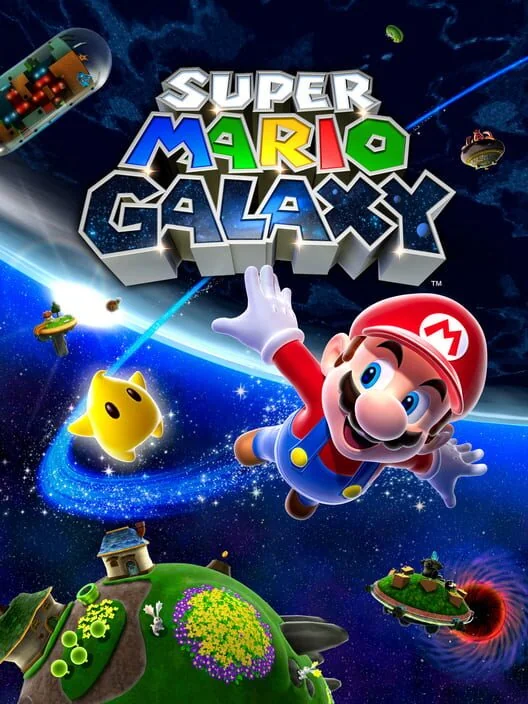 1Super Mario Galaxy (2007)
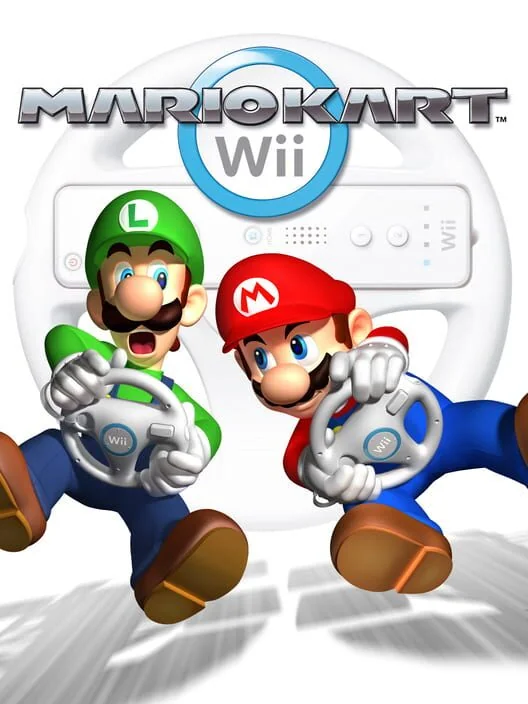 2Mario Kart Wii (2008)
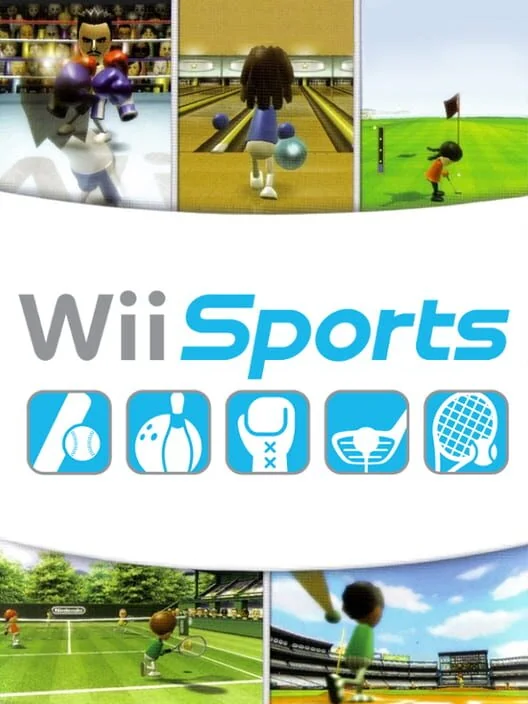 3Wii Sports (2006)
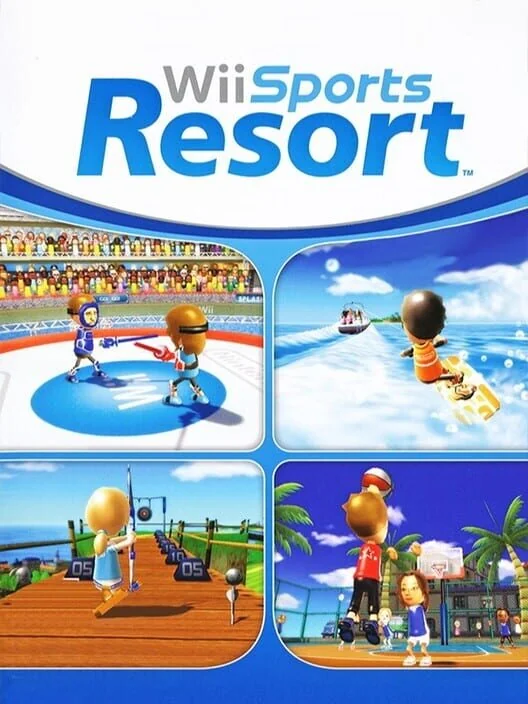 4Wii Sports Resort (2009)
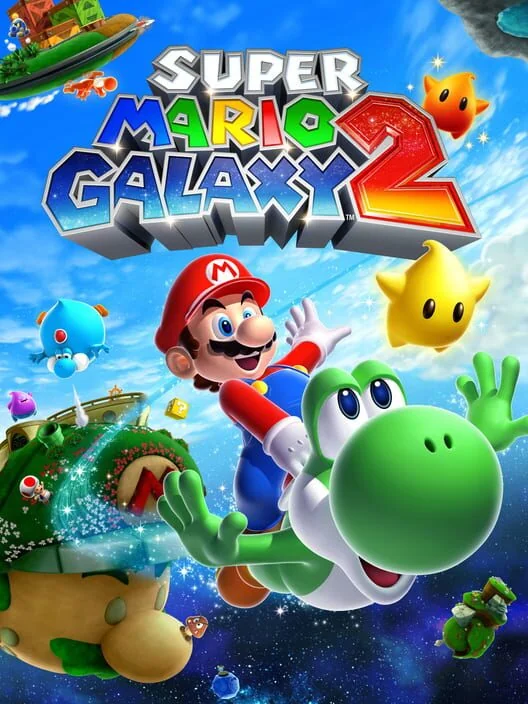 5Super Mario Galaxy 2 (2010)
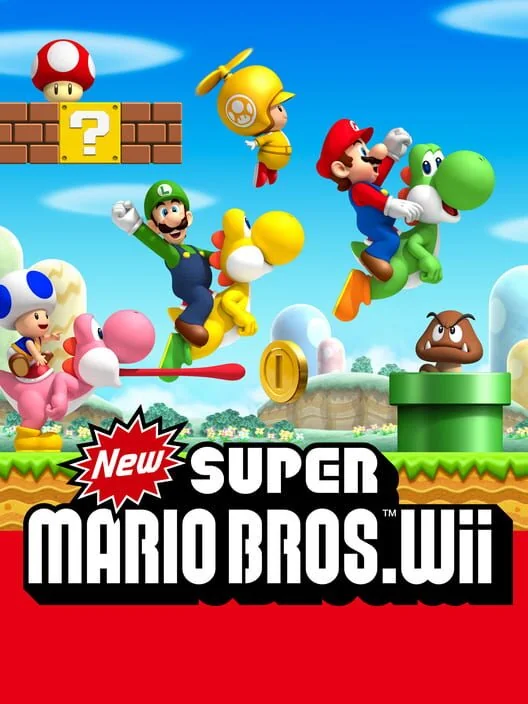 6New Super Mario Bros. Wii (2009)
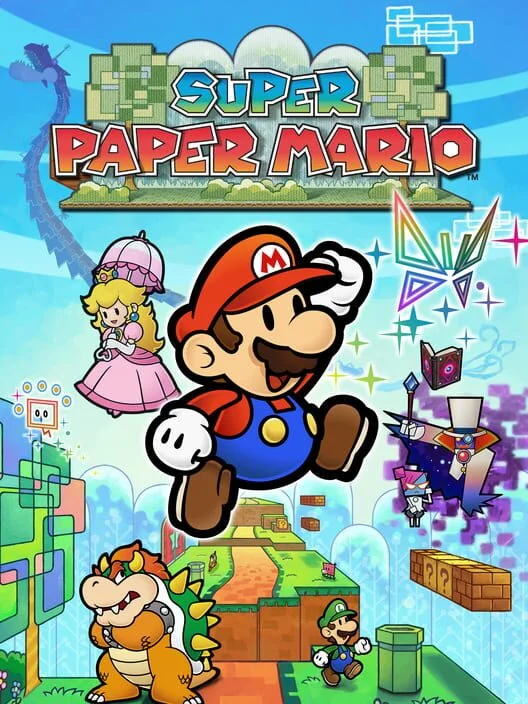 7Super Paper Mario (2007)
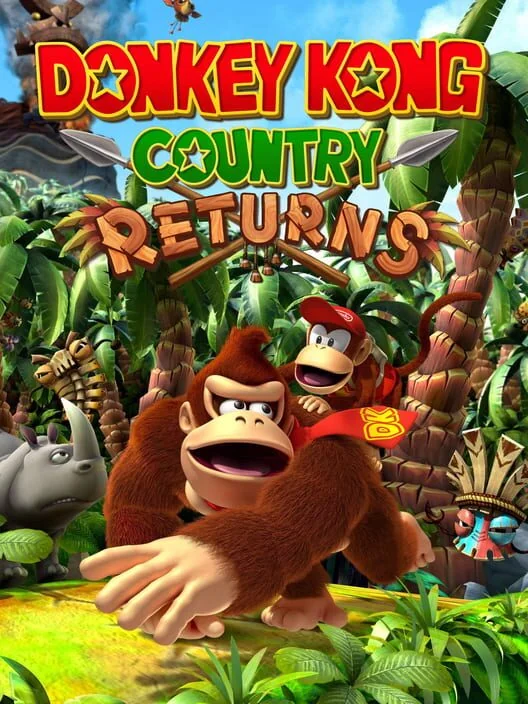 8Donkey Kong Country Returns (2010)
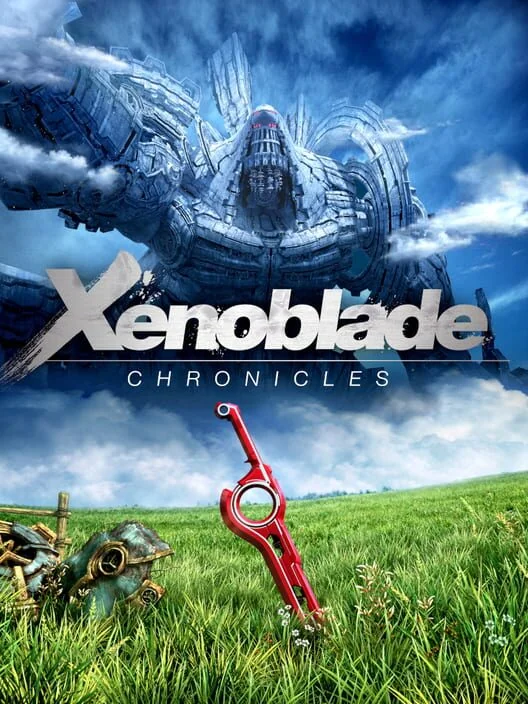 9Xenoblade Chronicles (2010)
 10The Last Story (2011)
Every Wii list
Best games




Handhelds for Wii games
Wii games need strong hardware, and many of them were built around motion controls, so fewer than half of the handhelds in our database play them well.
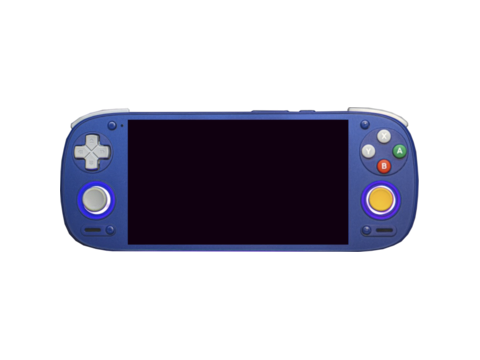 Retroid Pocket 5Nov 2024 · $200
- ThorOct 2025 · $290
- Retroid Pocket NovaJul 2026 · $229
- AYN Odin 3Dec 2025 · $330
122 of 279 handhelds in our database play Wii games well (80 or more out of 100). Best under $100 →