The N64 had so many famous games that good ones got buried. These are the 21 most underrated N64 games. Jet Force Gemini and Body Harvest are here, and so is GoldenEye 007, which is also one of the best-known games on the system.
21. Wetrix (1998)
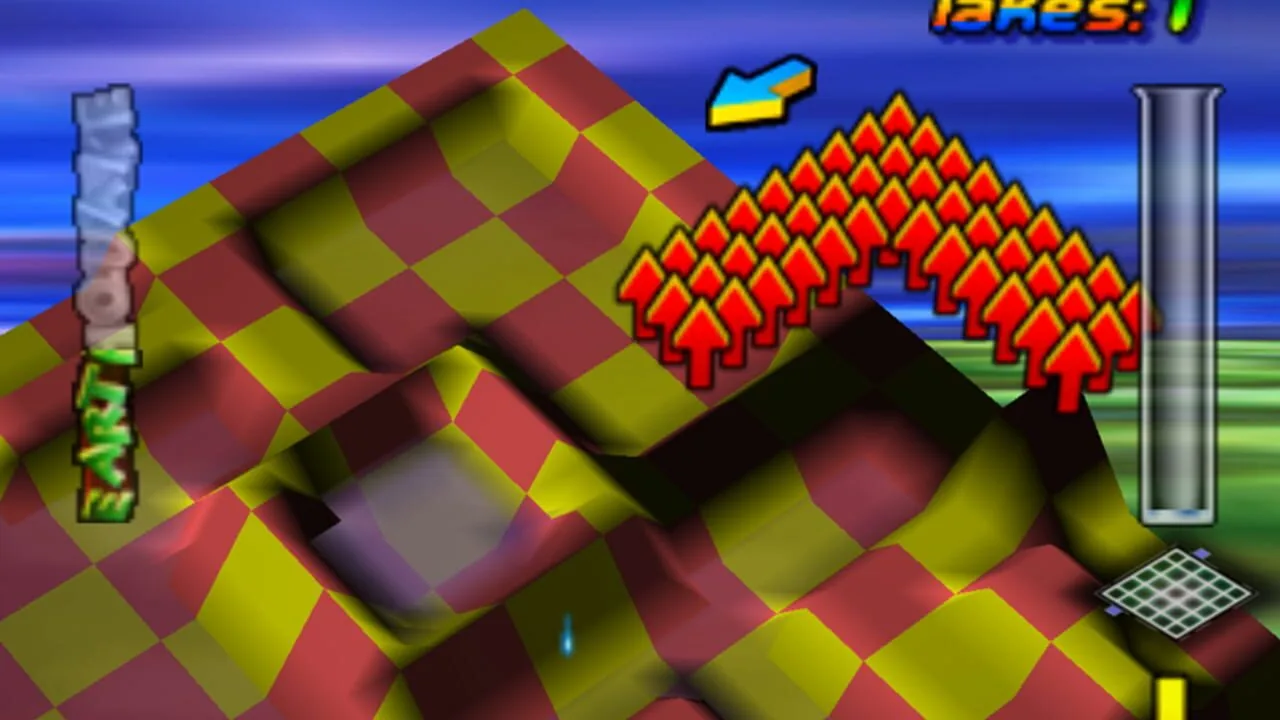
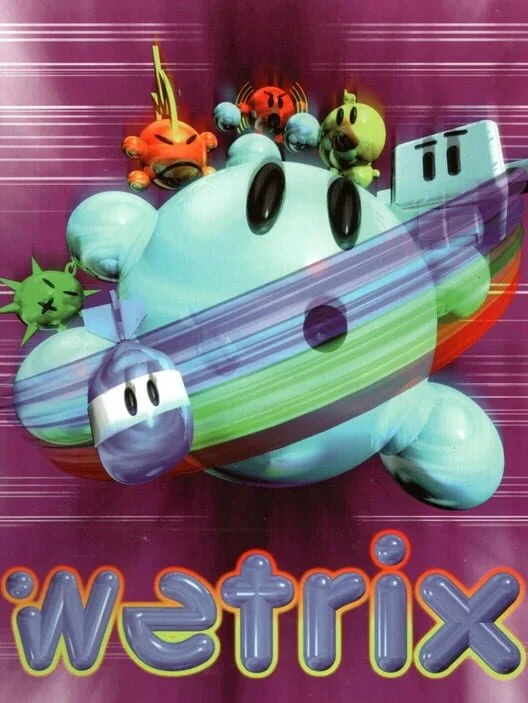
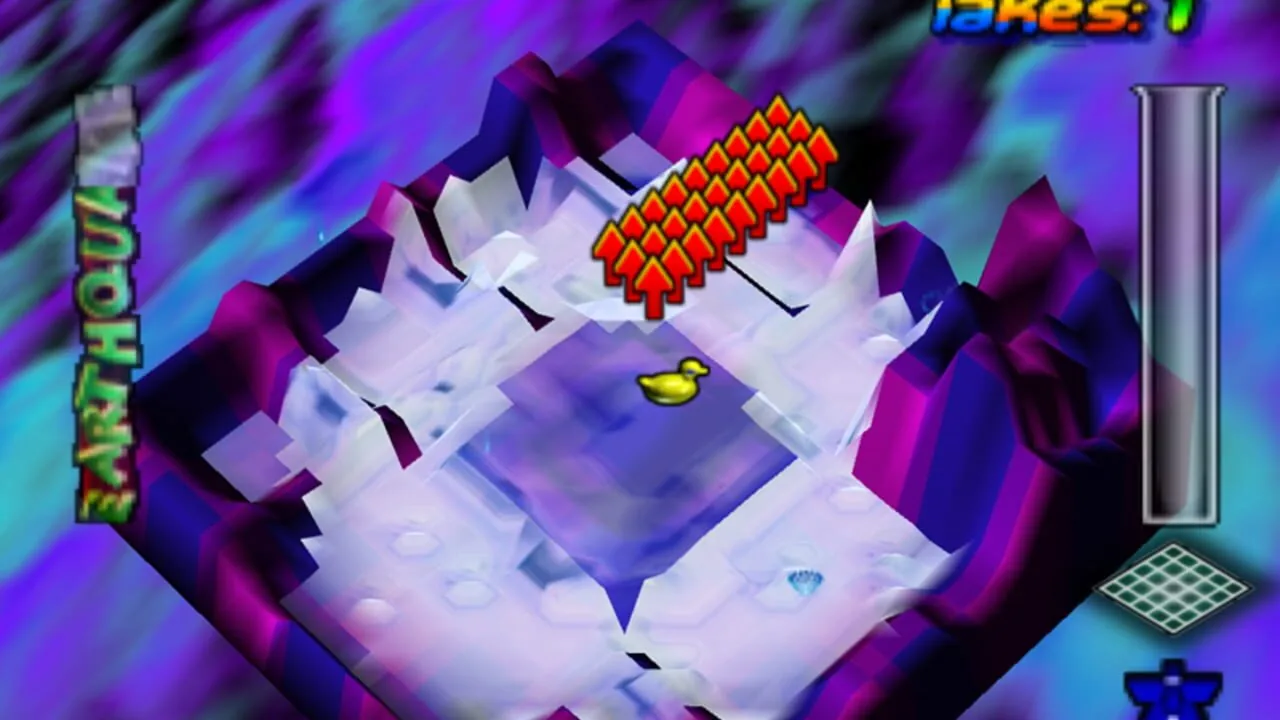
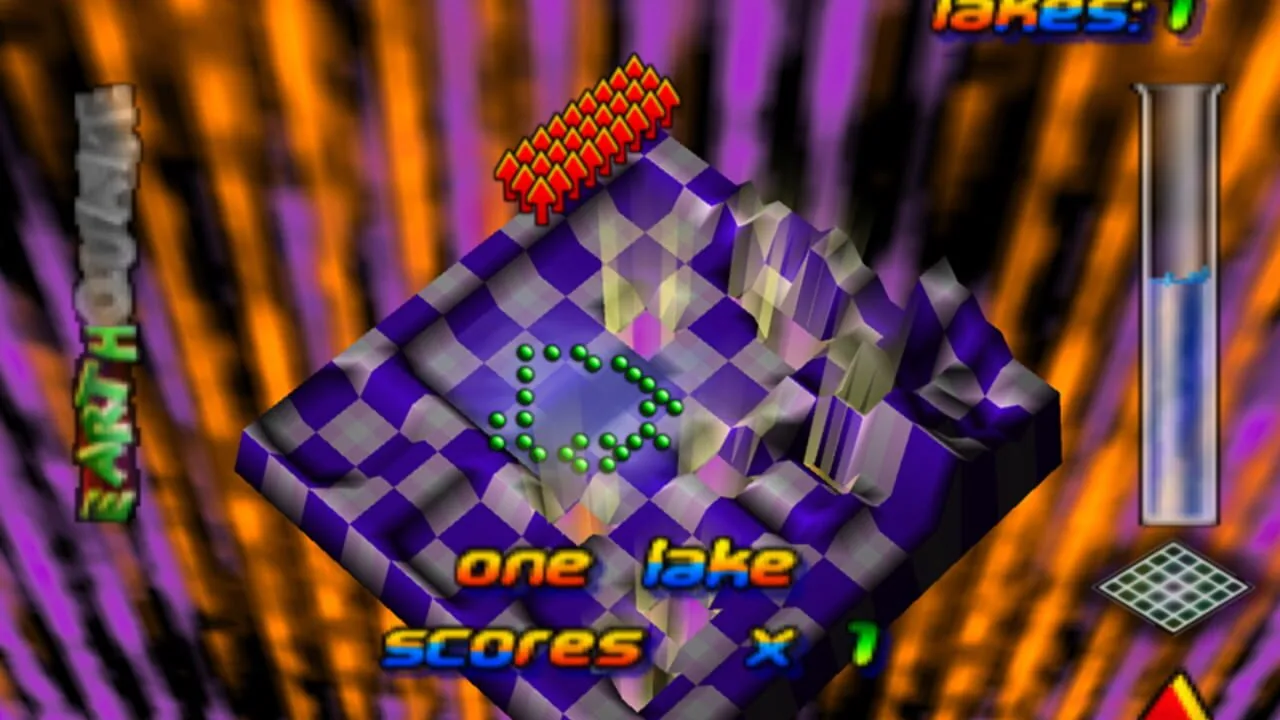
Wetrix is a 3D puzzle game developed by Zed Two, the studio of brothers Ste and John Pickford. You hold water bubbles falling on an isometric landscape by raising the ground, while Mines, Ice Cubes and earthquakes try to ruin your work.
It was generally well received, and critics applauded its addictiveness and original concept. It also won the highest rating for a Western-developed title from Famitsu Weekly in years. The brothers conceived it out of a water demo they worked on for another game, and its success led to a sequel on PlayStation 2. A puzzle game with this much invention is rare, and it is easy to see why it earned such a loyal following.
20. Doom 64 (1997)
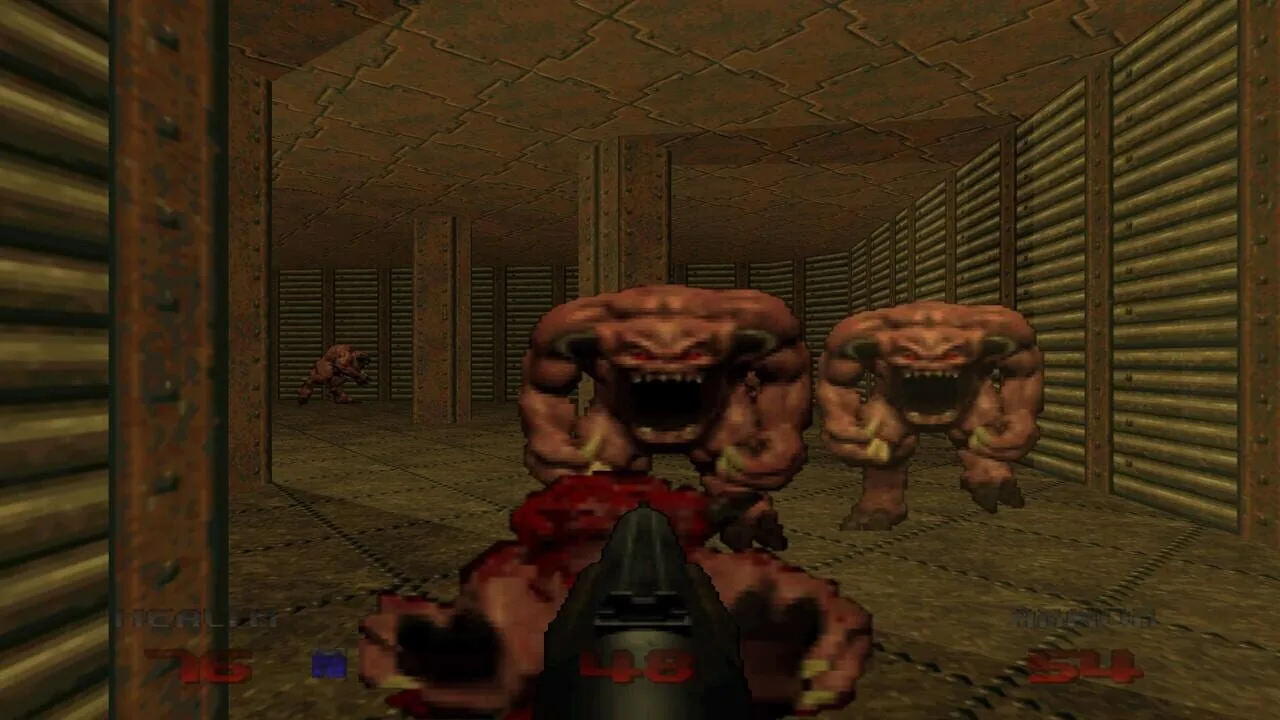
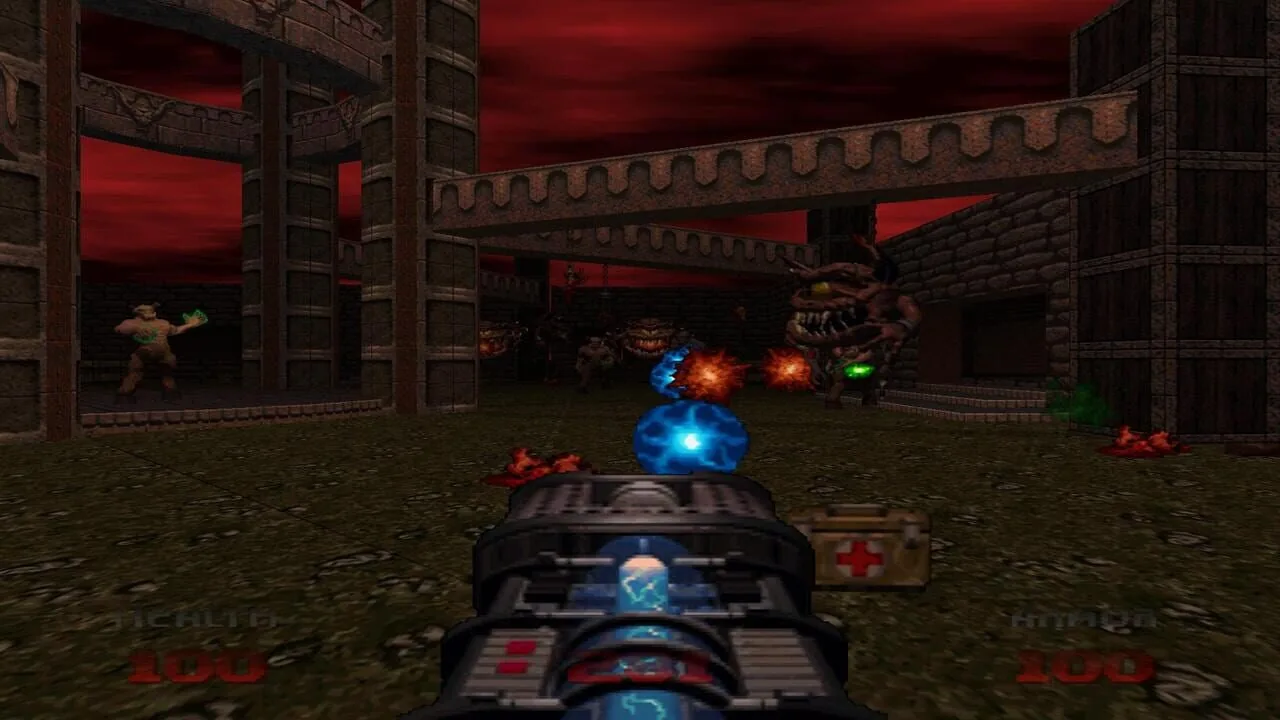
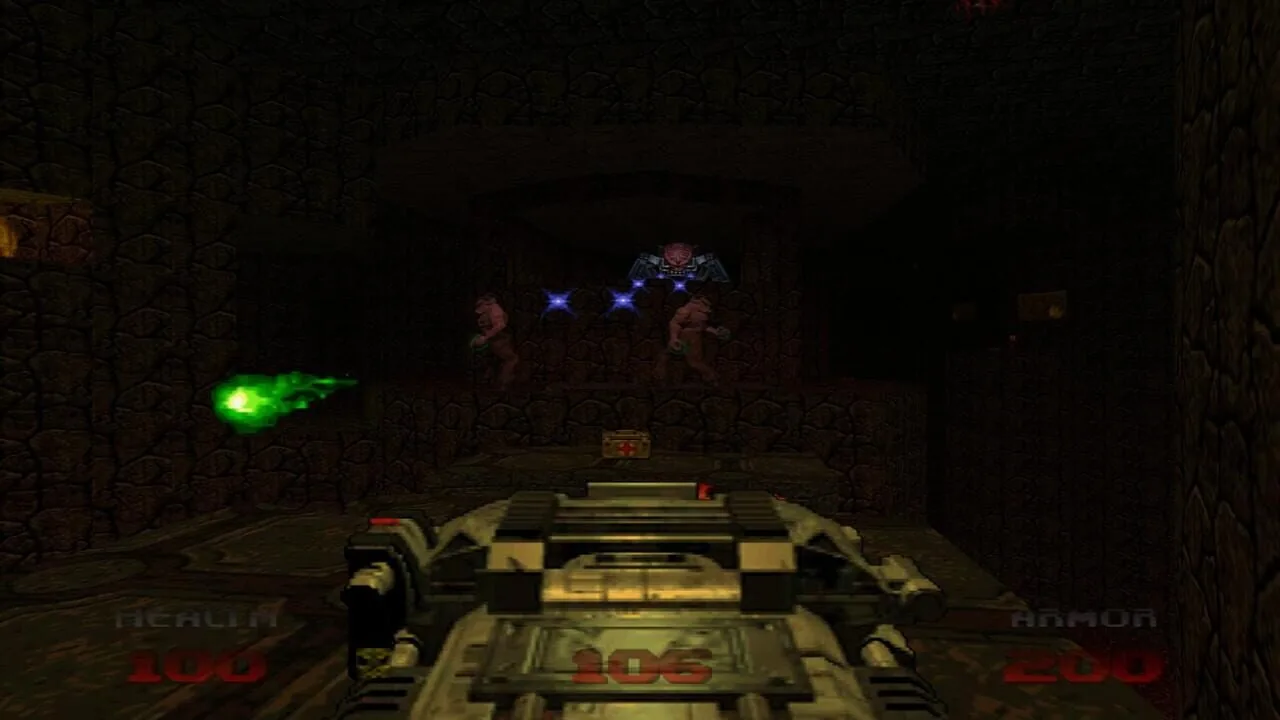
Doom 64 was developed by Midway Studios San Diego under supervision of id Software and uses a customized version of the Doom engine. All visual assets such as weapon and monster graphics are unique to the game. Demons are still demons, but they are new demons.
It received positive reviews and gained a cult following, with fan-made PC source ports and mods. Nightdive Studios later released a remaster for Switch, PlayStation 4, Windows and Xbox One. It was one of the few ways to play Doom on a console that got its own art, and it deserves its fans. Fans of old-school shooters will find a moody, atmospheric game that stands apart from the PC originals.
19. Goemon's Great Adventure (1998)
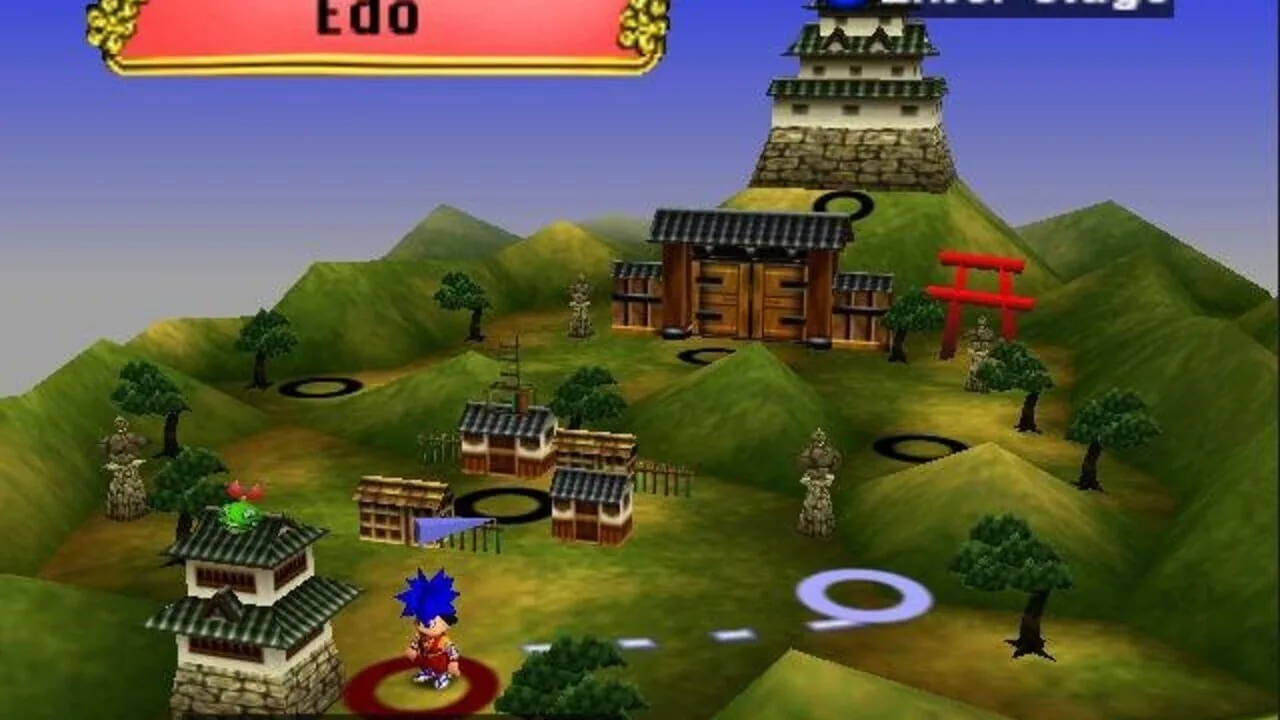
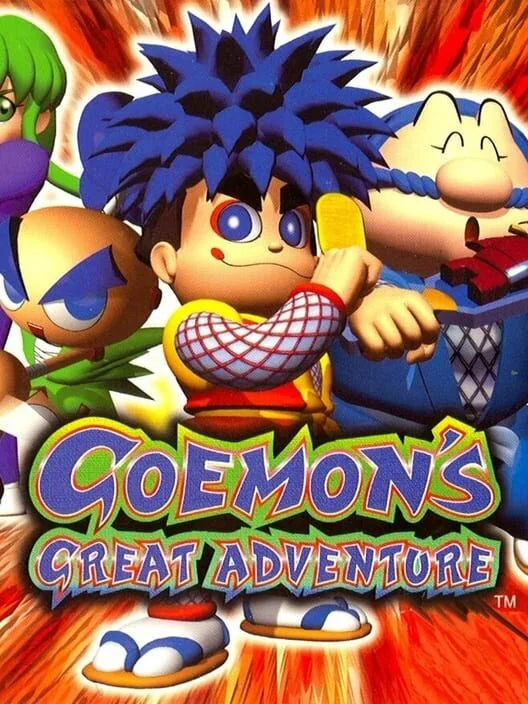
Goemon's Great Adventure is a side-scrolling platformer where the hero moves through a three-dimensional landscape. Bismaru, a cross-dressing nun, steals the Wise Man's resurrection machine to revive Dochuki, an ancient prince of the underworld.
Reviewers have considered it one of the best side-scrollers for the Nintendo 64. Two players can play at the same time, though one cannot advance if the other runs off screen. The music mixes modern synthesizers and traditional Japanese instruments, and the stage skies slowly change from morning to evening. For a quick, colorful platformer to share with a friend, it is one of the system's best-kept secrets. Its fans keep recommending it because nothing else on the console plays quite like it.
18. Mystical Ninja Starring Goemon (1997)
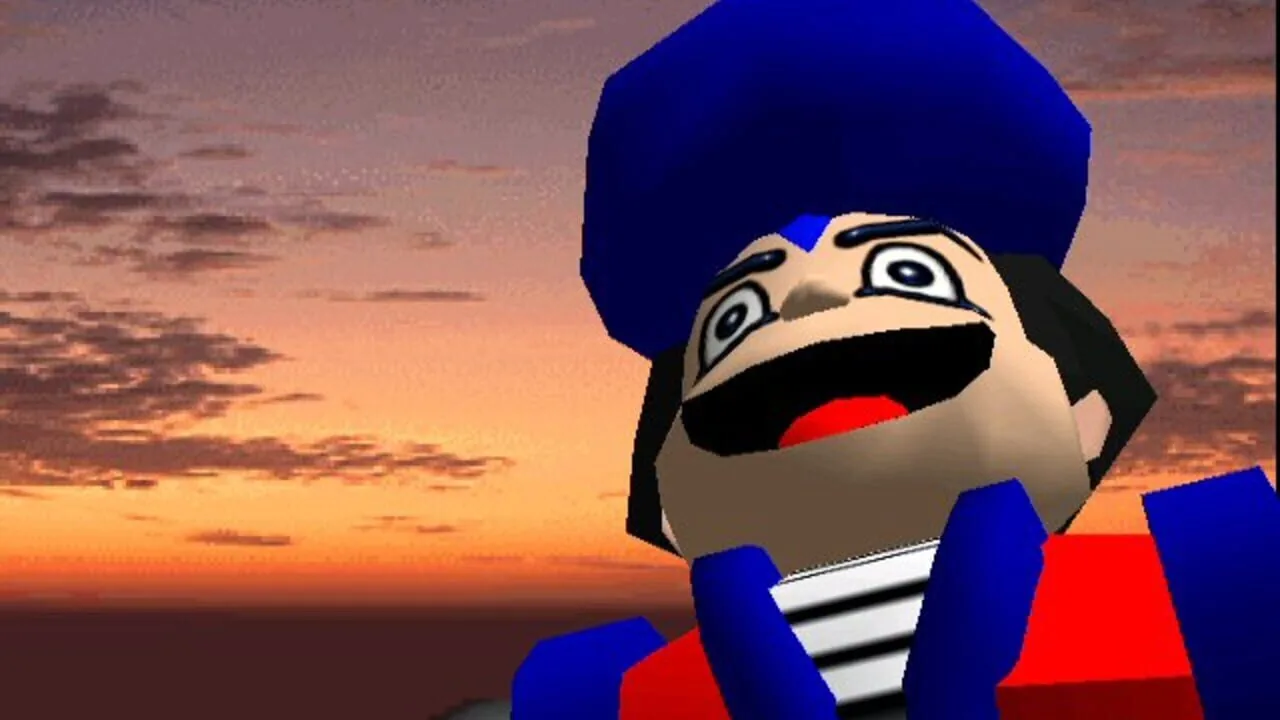
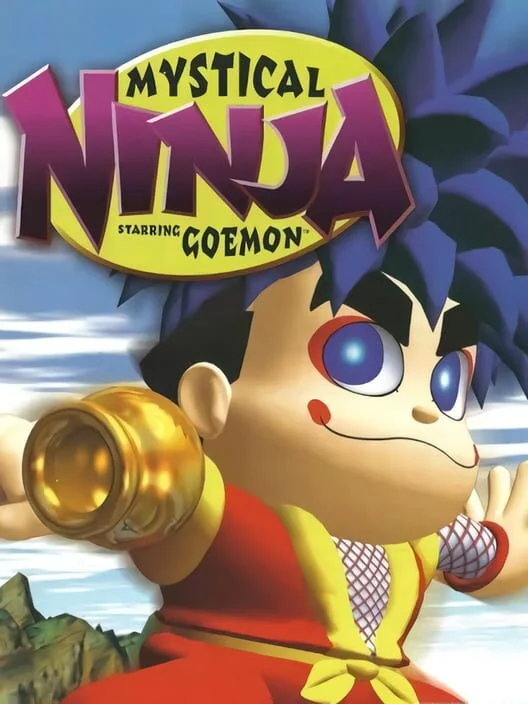
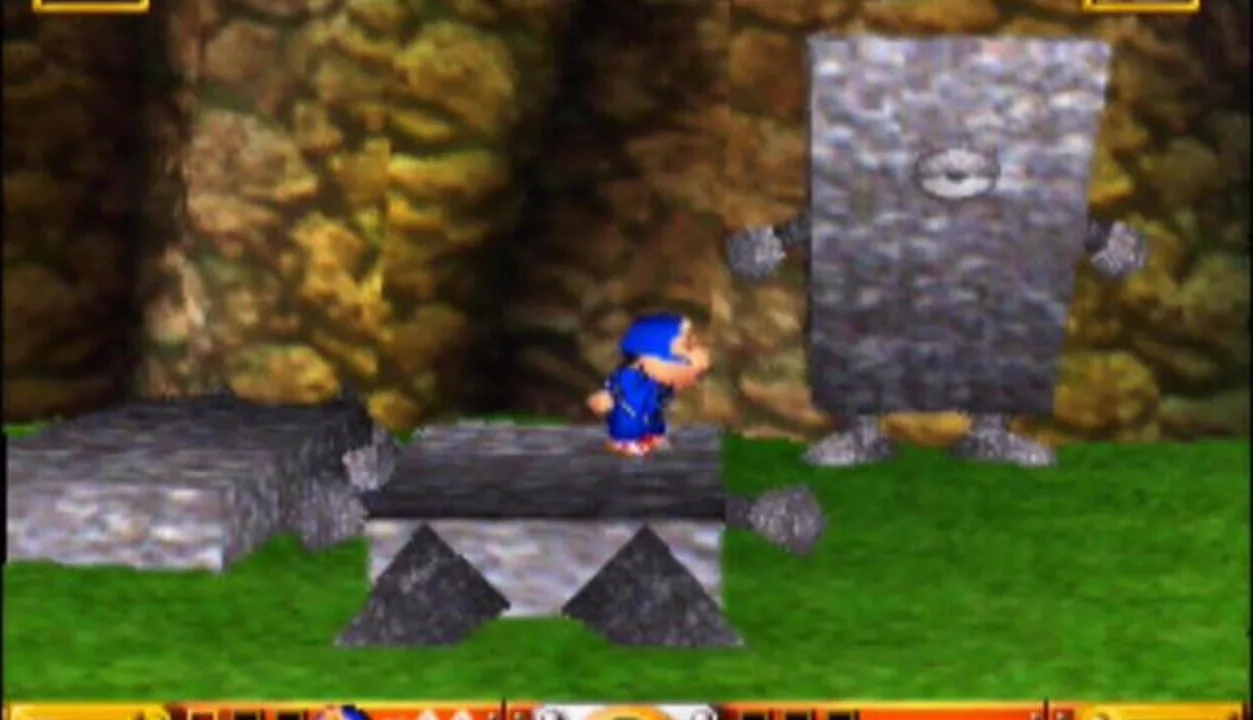
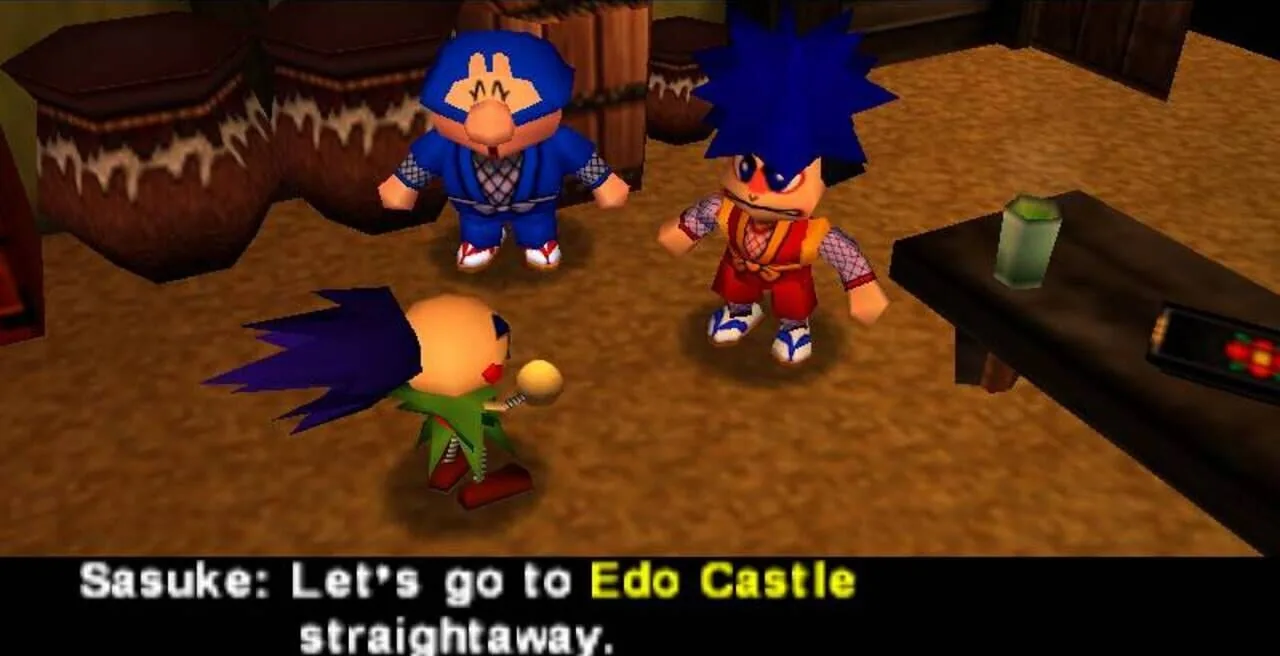
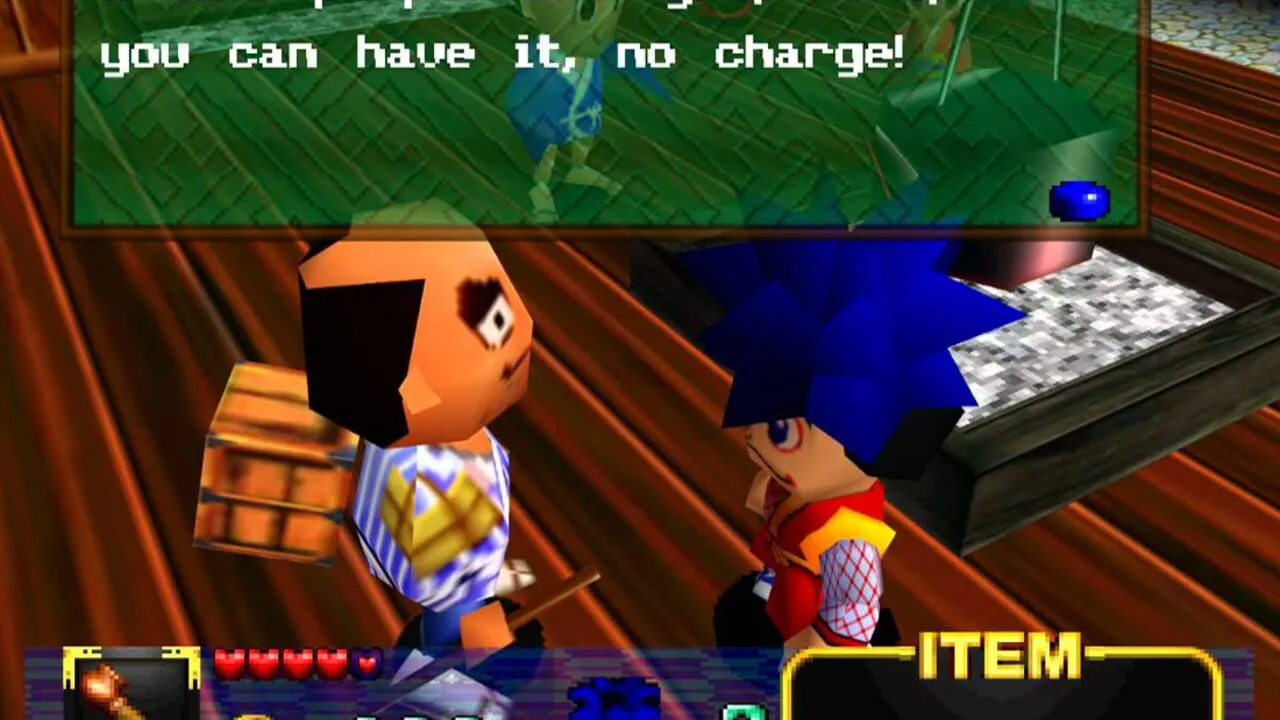
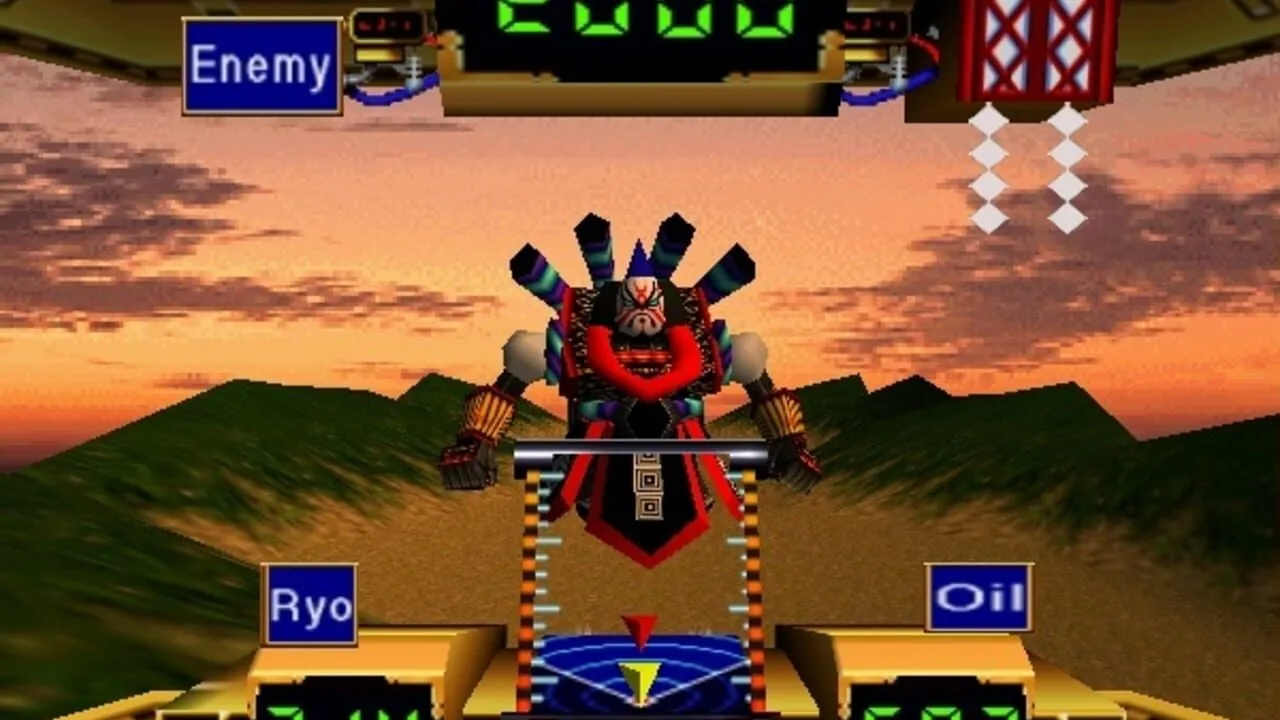
Mystical Ninja Starring Goemon follows Goemon as he tries to keep the Peach Mountain Shoguns from turning Japan into a Westernized theater of fine arts. It mixes platform and action-adventure play, and the plot calls for song-and-dance numbers and fights between giant robots.
It sold nearly 200,000 units worldwide. Reviewers praised its graphics, gameplay and humorous plot, though they questioned how accessible its references and jokes would be to Western audiences. The game has developed a cult following that is still actively developing mods for the game. That is the best proof that it deserves more love. Few games on the system mix silliness and adventure so well, and no other game feels like it.
17. Bomberman 64 (1997)
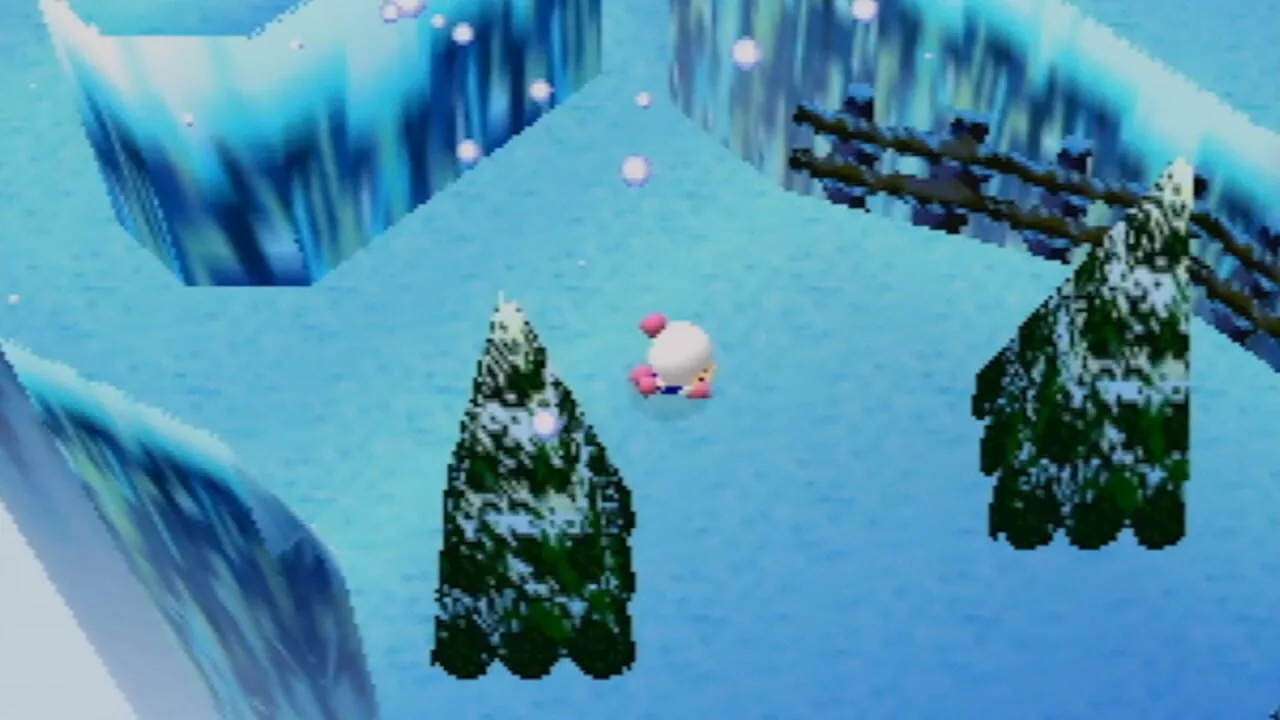
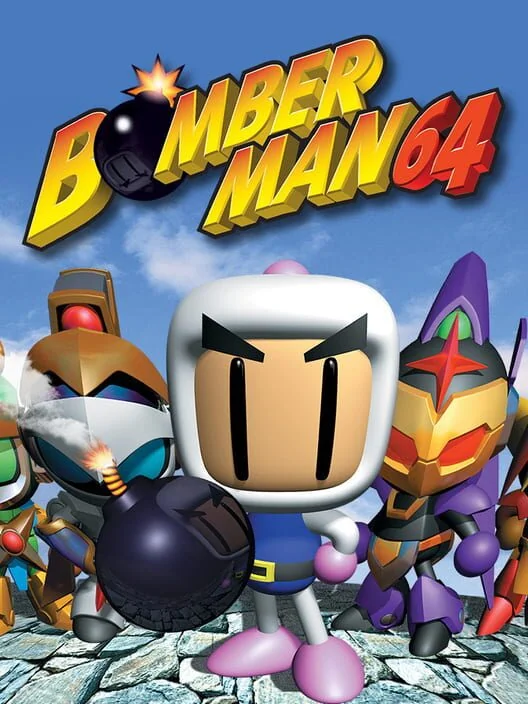
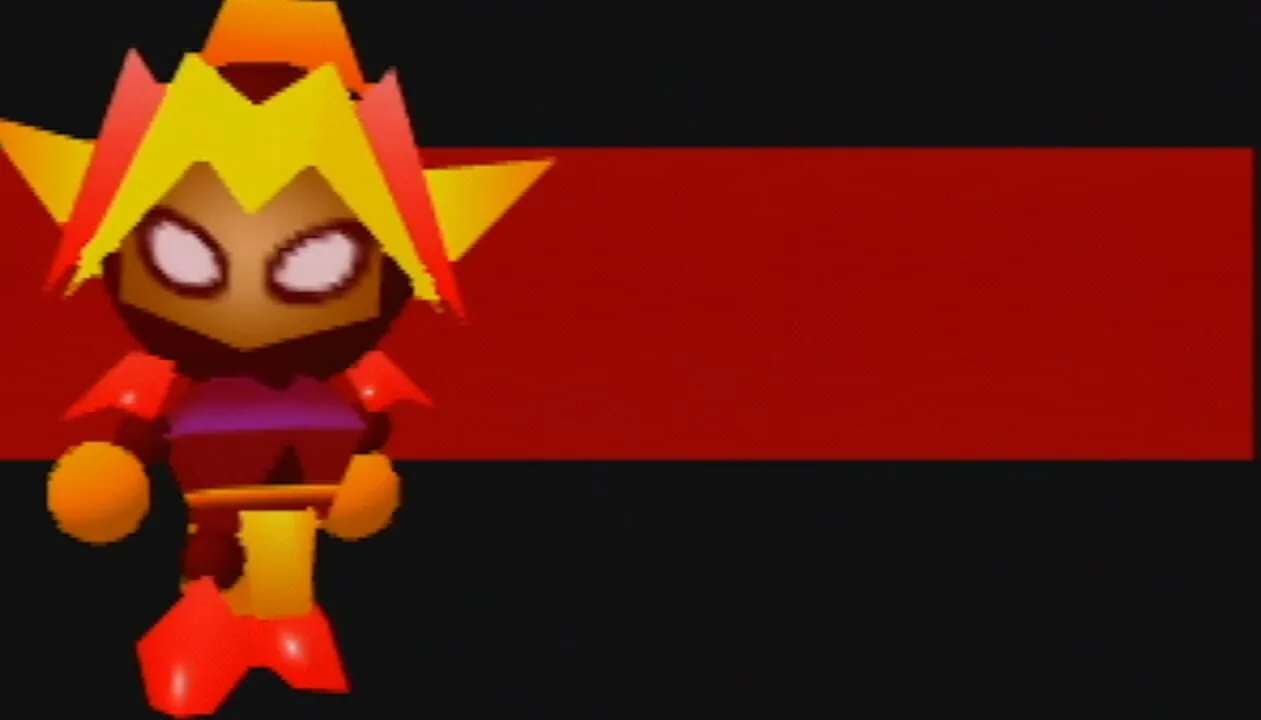
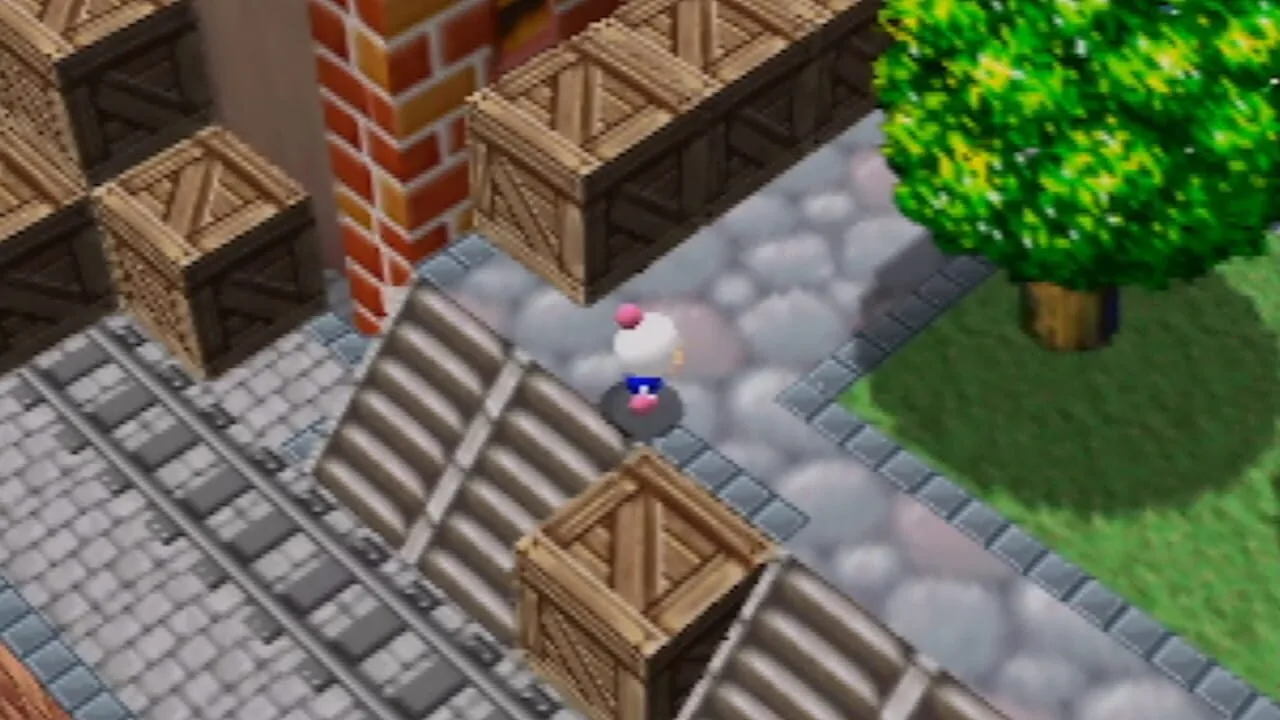
The villain Altair is draining the energy from Planet Bomber with the Omni Cube, and Bomberman has to stop him. A planet called Bomber is a bold choice for a place that is regularly blown up. With the aid of a mysterious helper, the adventure mode sends him to restore peace to the planet.
It moved the series into full 3D, and long-time fans were not always sure about it. That uncertainty is why it is often overlooked compared to the classic Super Bomberman games. Even so, it works well as both a single-player adventure and a party game. The classic blast rules are still there, and the party modes keep the game fun for groups of friends.
16. Quest 64 (1998)
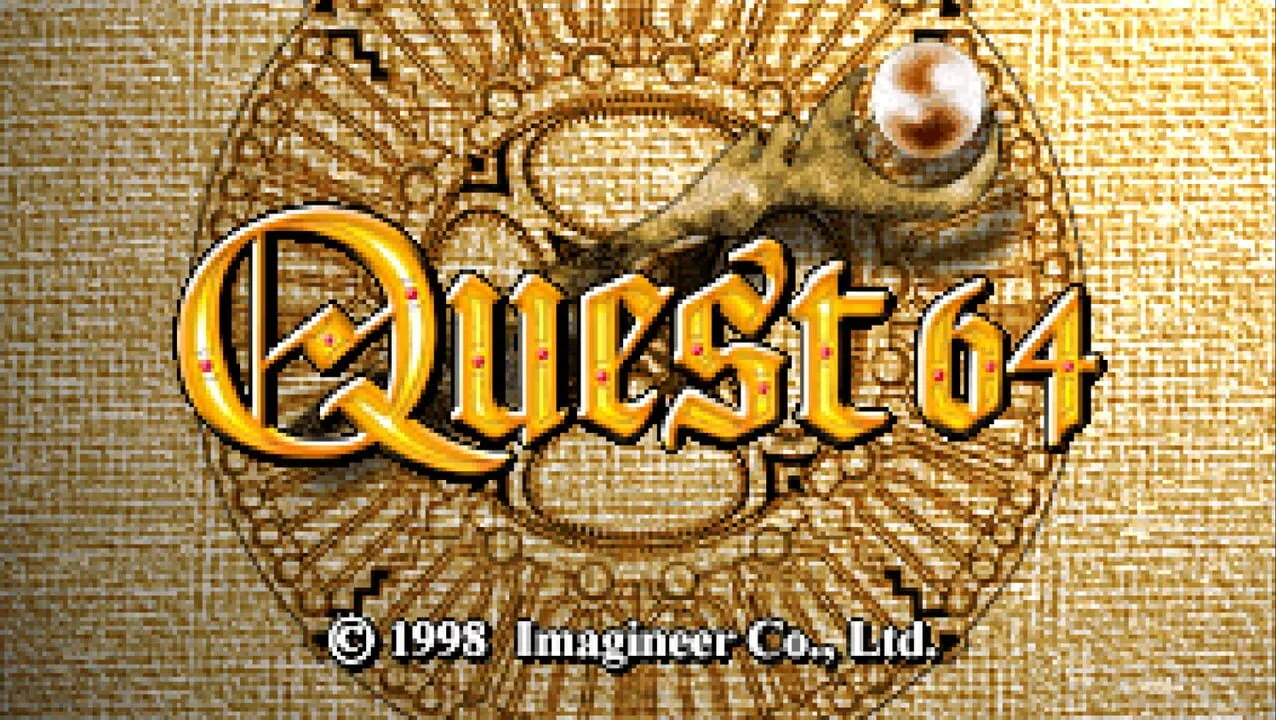
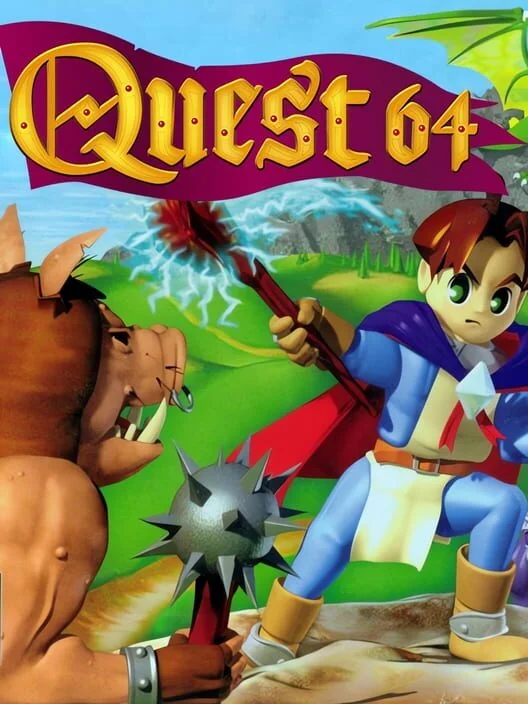
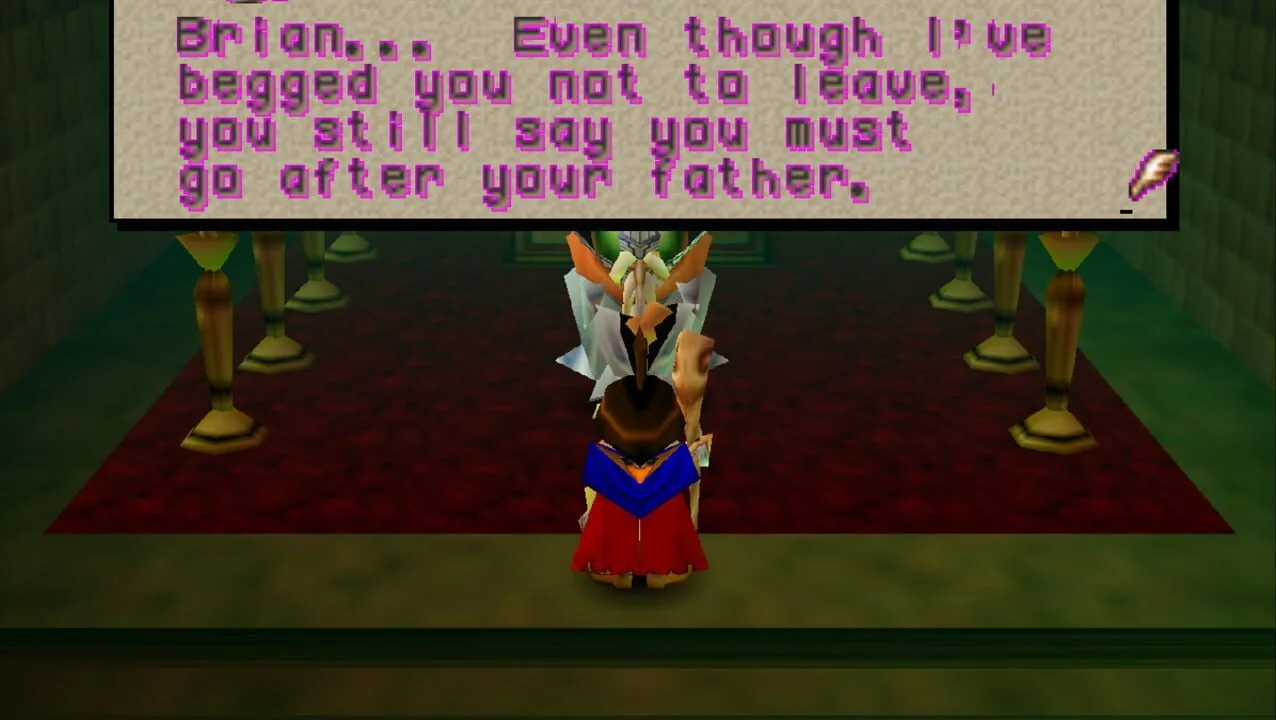
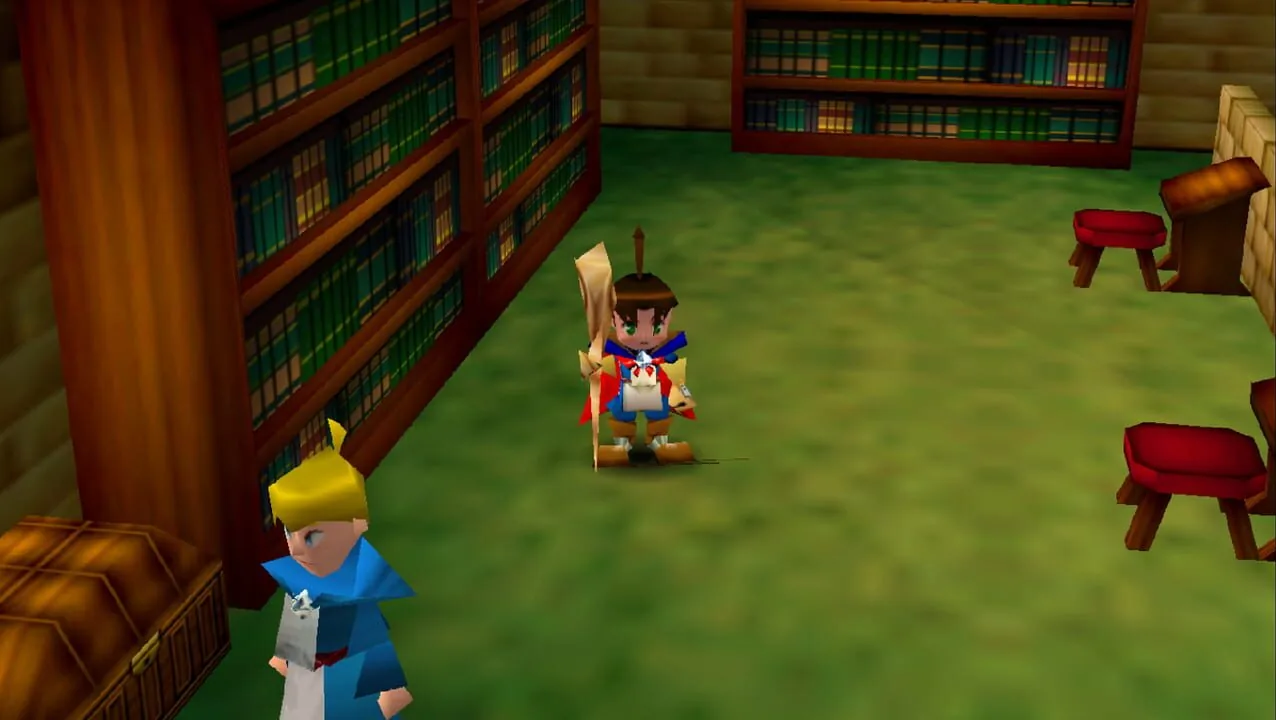
Quest 64 was the first role-playing game released for the system in North America. You play Brian, a magician's apprentice, and instead of ordinary levels, experience is gained for specific stats based on how you perform in battle.
THQ published it, and the North American and PAL releases were considered too short and easy. Imagineer added new events and tightened some of the repetitive gameplay for the Japanese localization. A sequel was in consideration, but the story was revealed before it was ultimately cancelled. It is a rough but charming RPG and the only real option on the system at launch. Players looking for a slow fantasy adventure will find a game with a clear identity, even if it is rough around the edges.
15. The World Is Not Enough (2000)
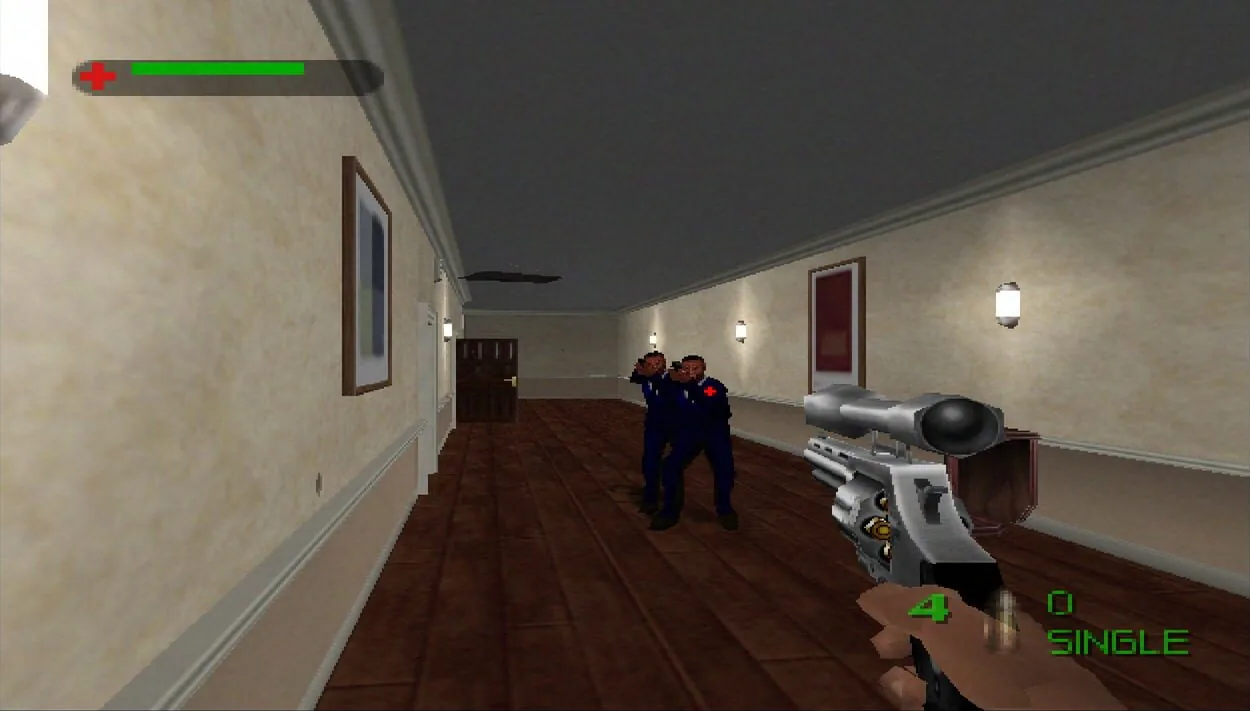
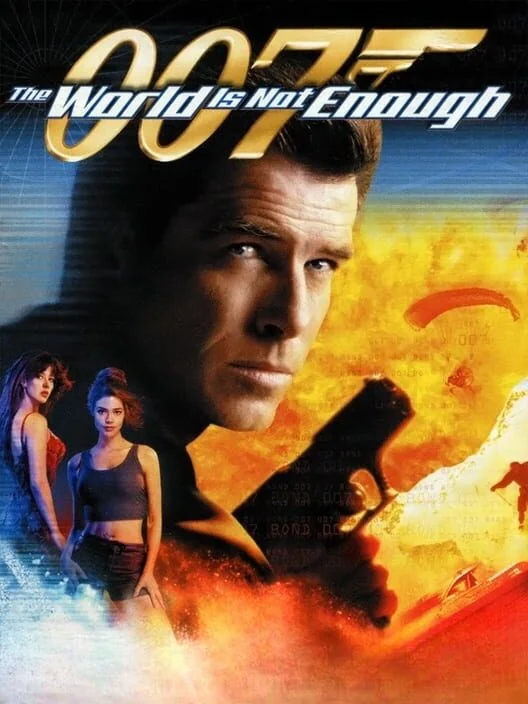
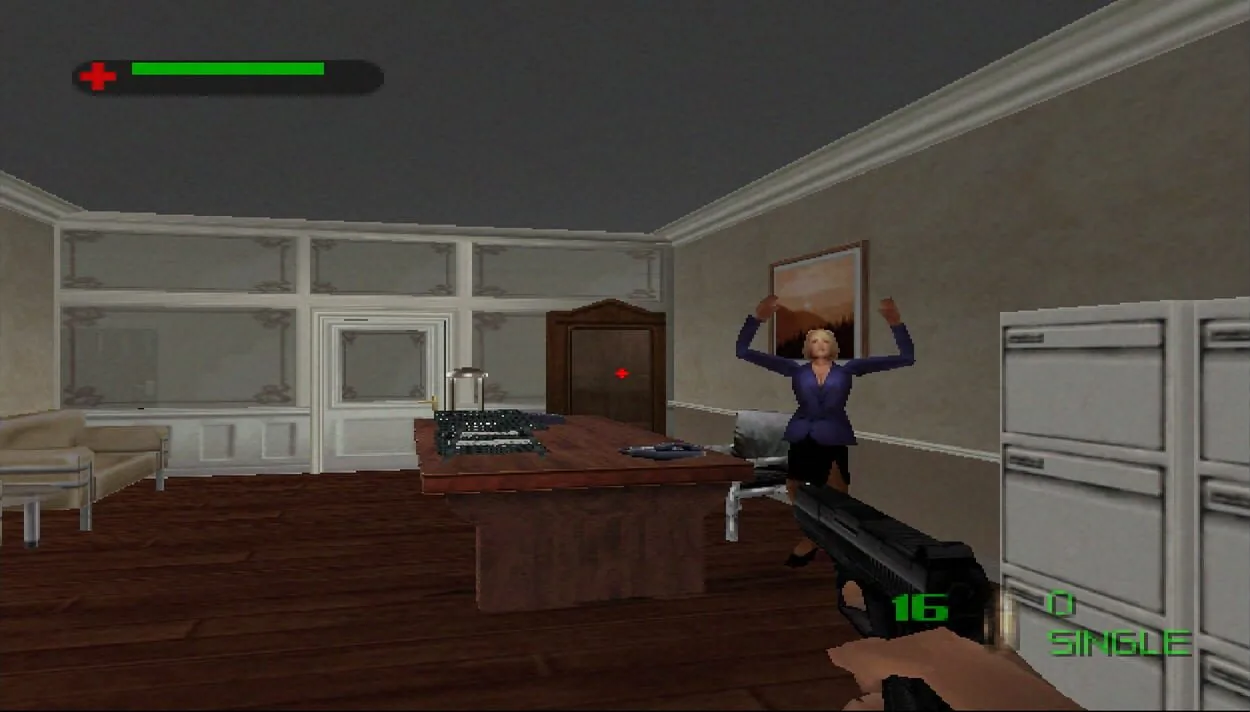
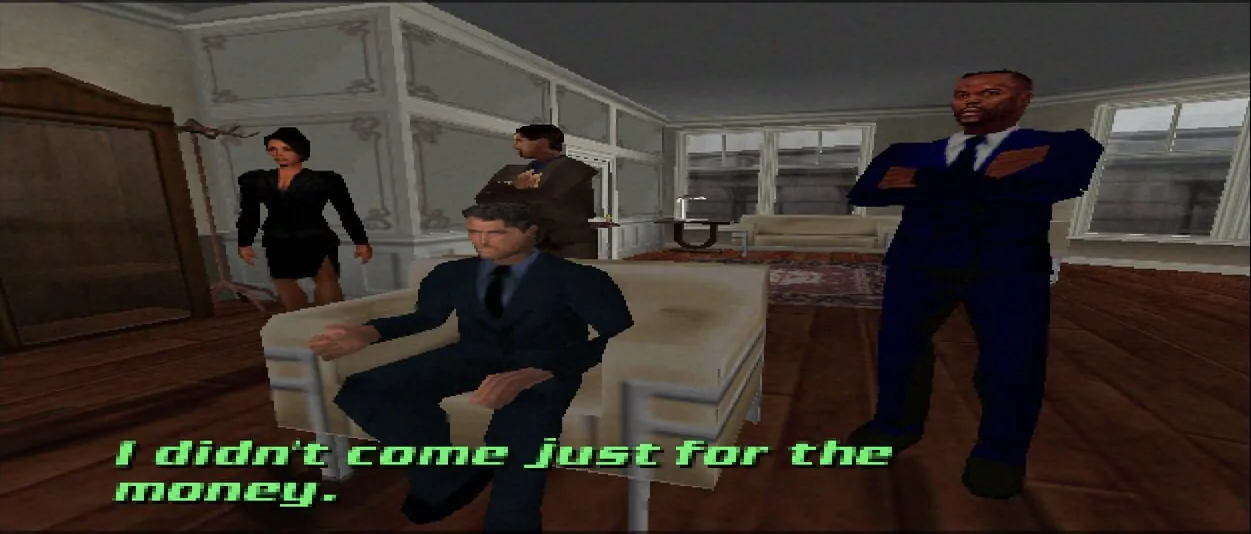
Eurocom built this Bond shooter in the first person, adapting the film of the same name. Electronic Arts released it late in the console's life. Missions lean on gadgets and set pieces, so it plays like an action movie.
It followed a very famous Bond shooter on the same console, and comparisons were hard to escape. That is the main reason it feels underrated, since few shooters could stand next to that one. Played by itself, it is a solid Bond game that gets more credit from the players who stuck with it than from the wider crowd. The campaign is built around the film and uses gadgets and missions to keep the pace moving, which suits fans of spy games.
14. Extreme-G (1997)
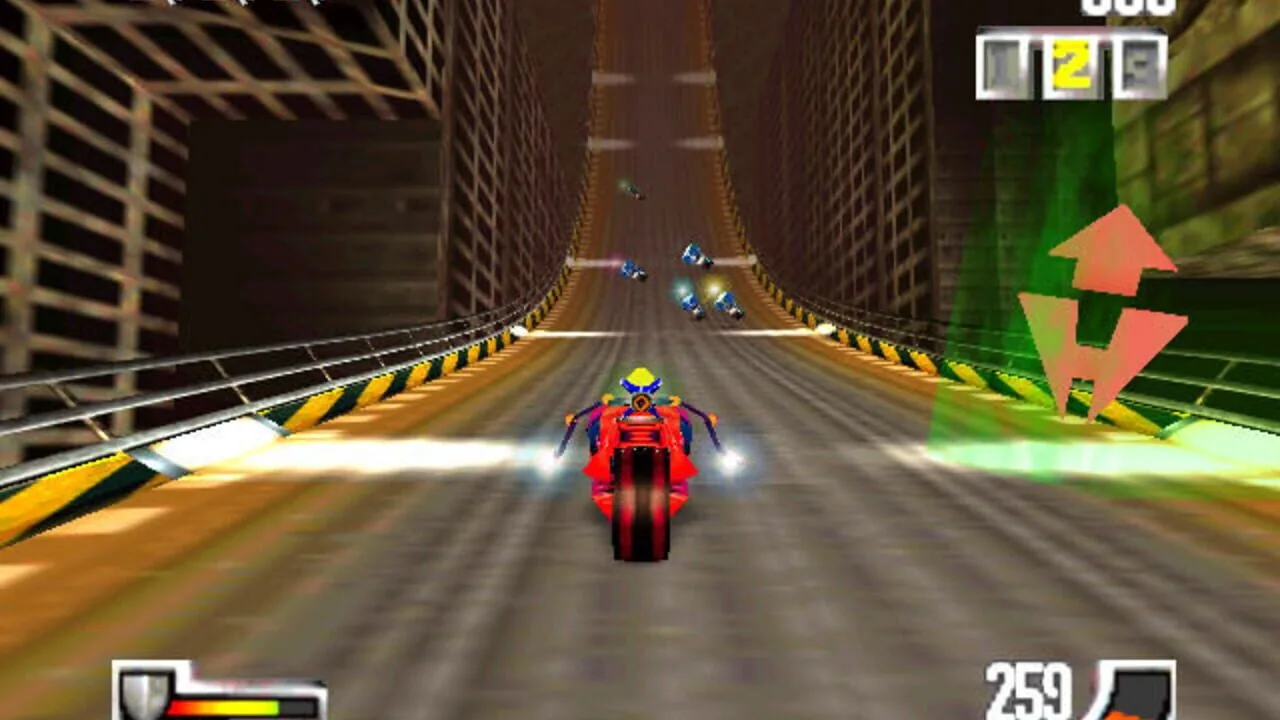
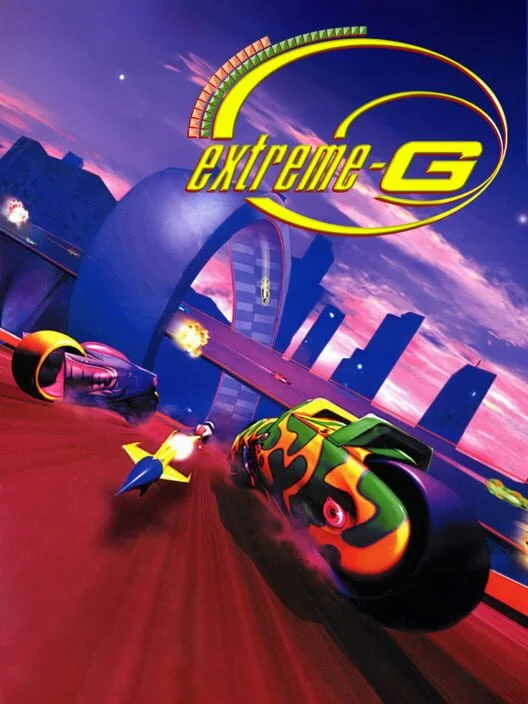
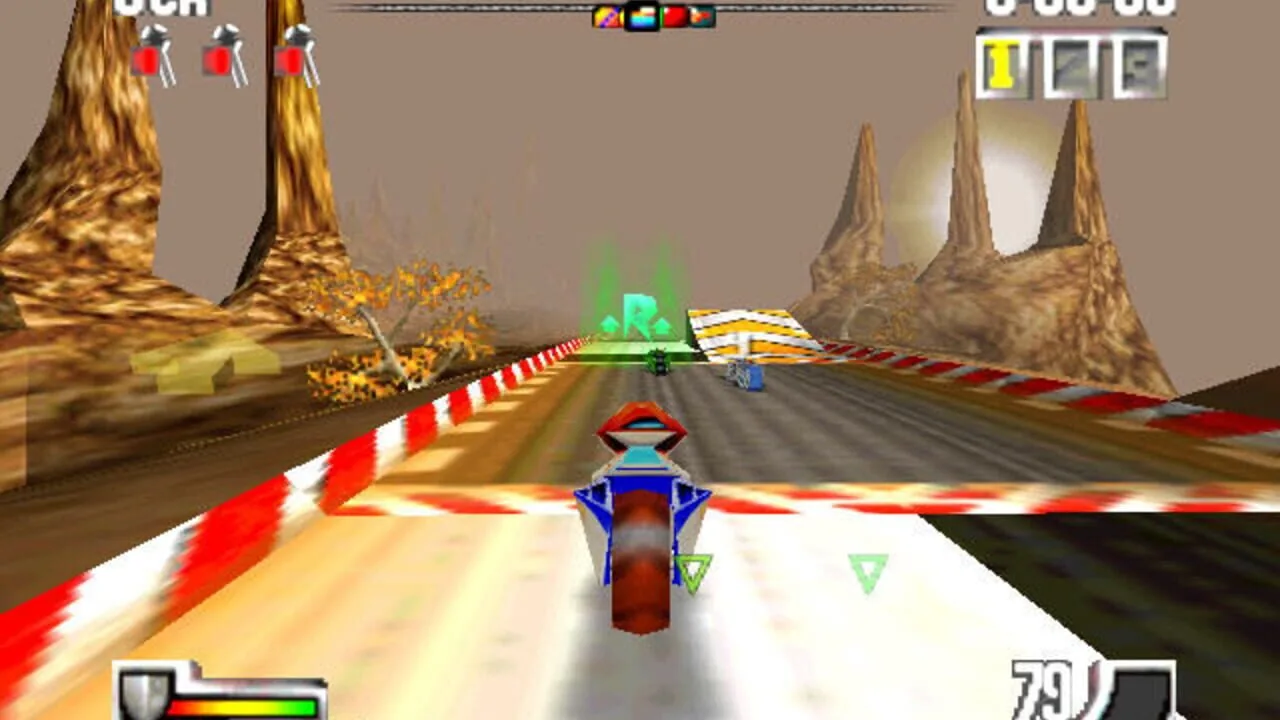
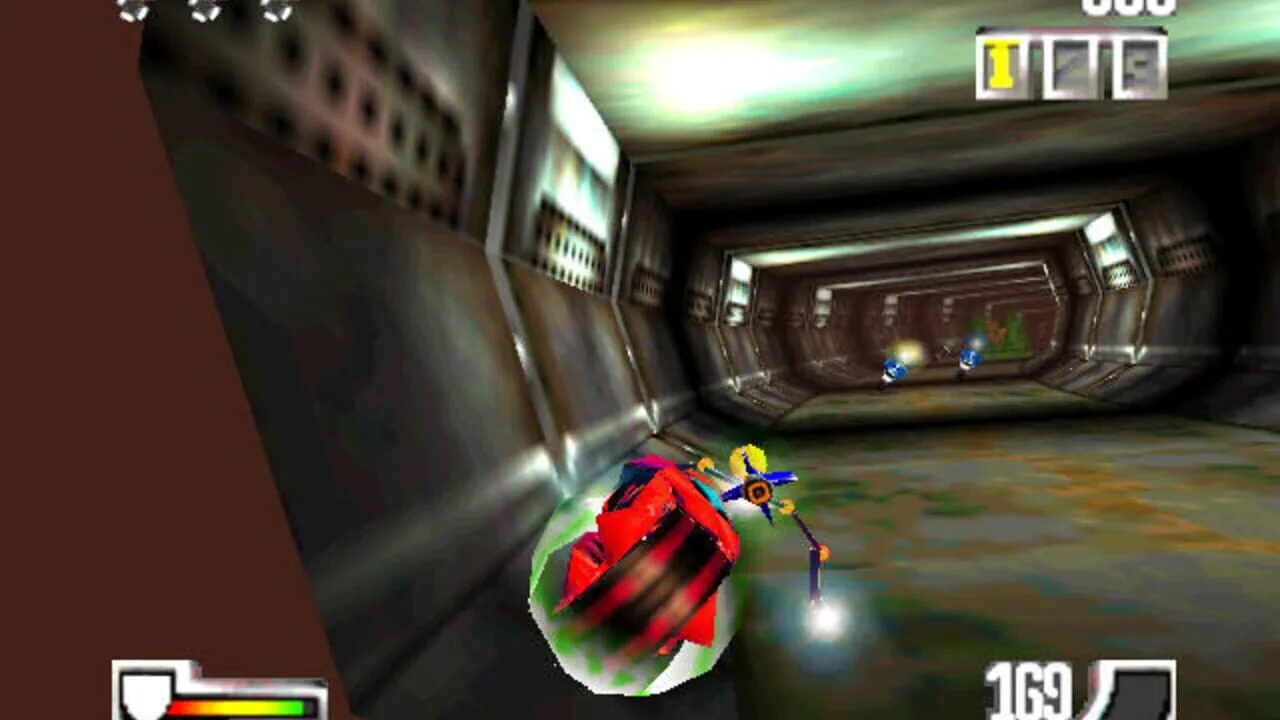
Extreme-G is a futuristic racer built around speed. It has many weapons and an energy shield with regeneration in the style of F-Zero, so you fight the other riders as much as you race them.
It received moderately positive reviews and achieved commercial success, yet few people list it among the best N64 racers. That is the odd part of its story, since it got a sequel and two more games after that. The N64 had plenty of racers with famous mascots, and a fast and aggressive one slipped under the radar. Racing fans who want speed and weapons together should take a look, because the pace still holds up.
13. Buck Bumble (1998)
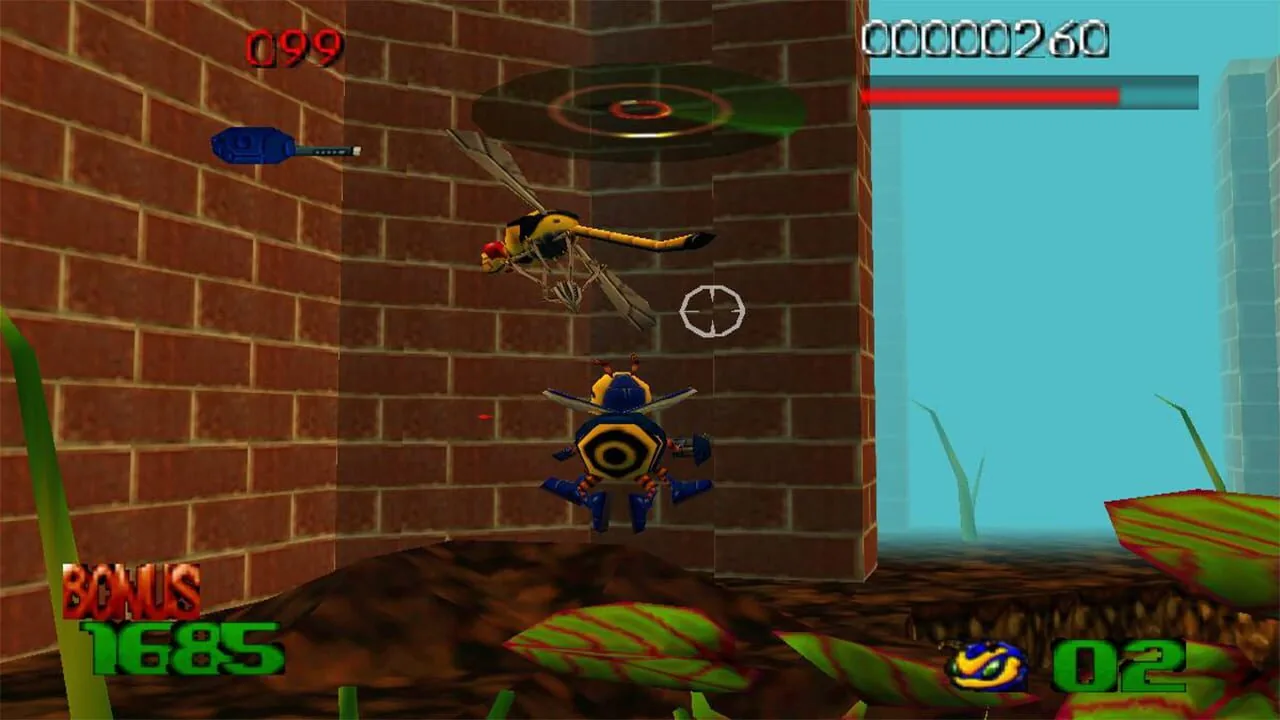
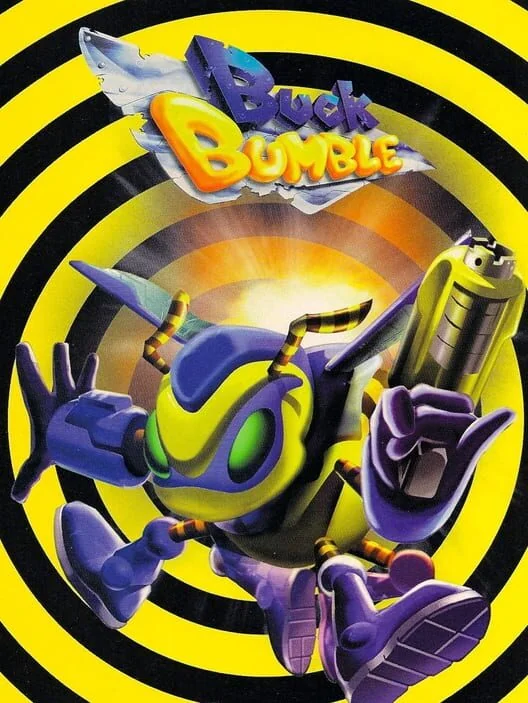
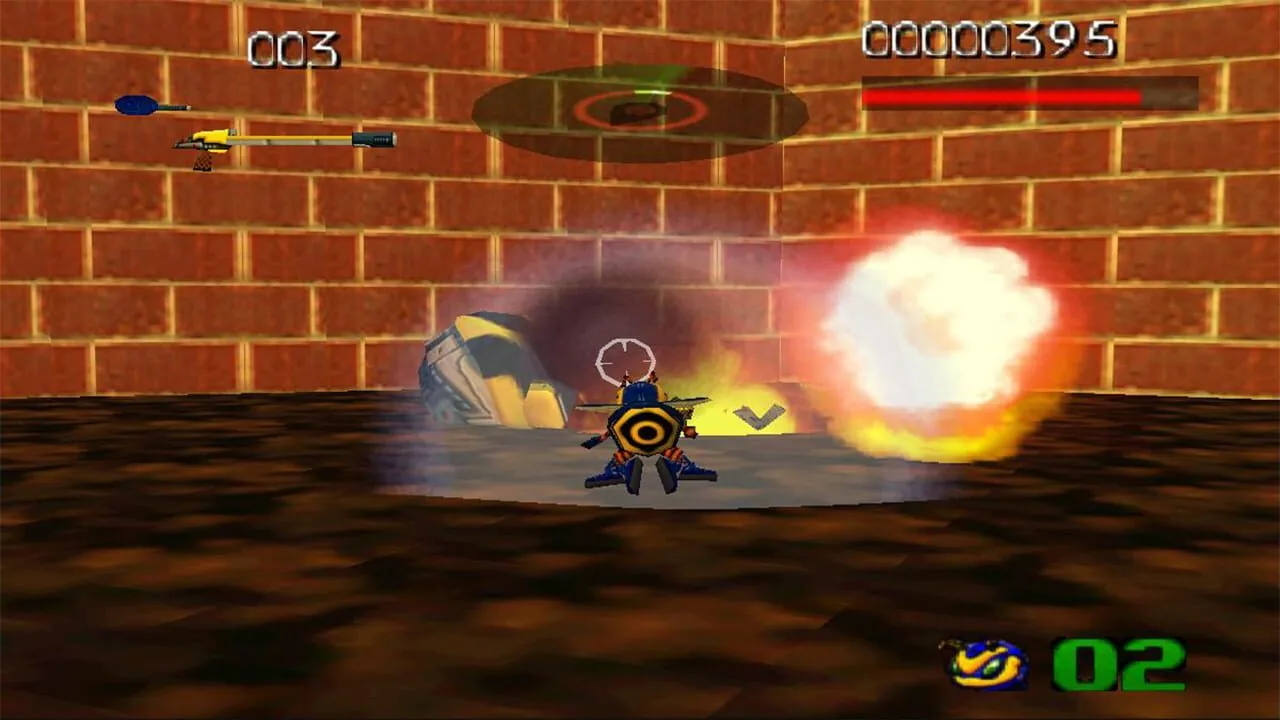
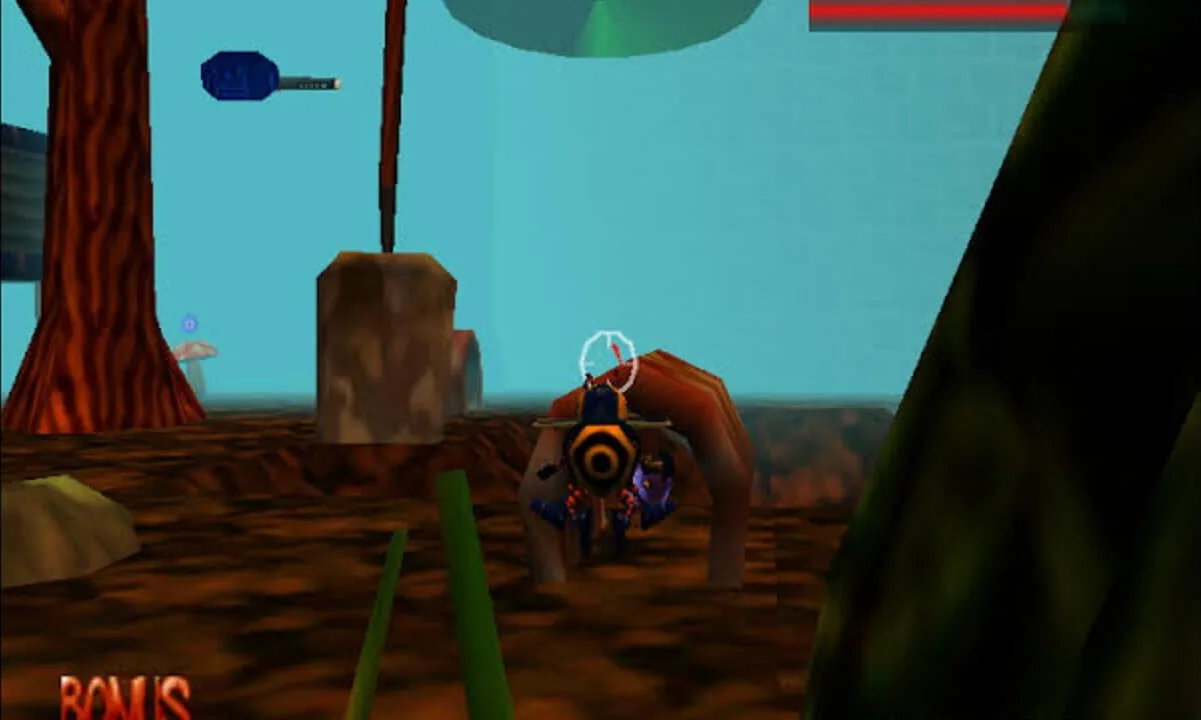
A chemical spill in the English countryside has turned a swarm of bees into killers, and Buck Bumble is the bee who fights back. The hero is a bee sent to fight bees, which has to make for awkward office parties. You can fly freely or walk around the premade levels.
Reviews at release were lukewarm, but the soundtrack, composed by Justin Scharvona, was praised after release. The theme has gained a large cult following, and that is a big part of why people still bring the game up. If you only know its music from the internet, the game is worth a try. Even players who never touch the game tend to know the tune, which is a rare fate for an N64 shooter.
12. Road Rash 64 (1999)
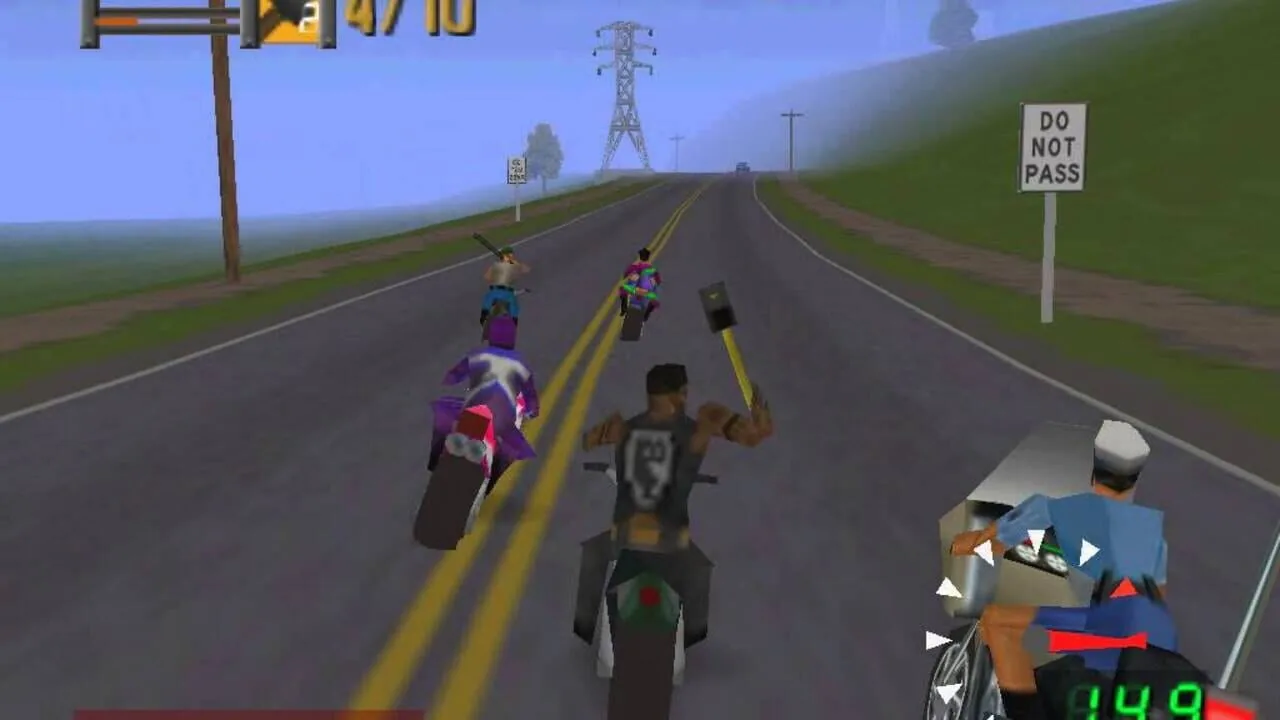
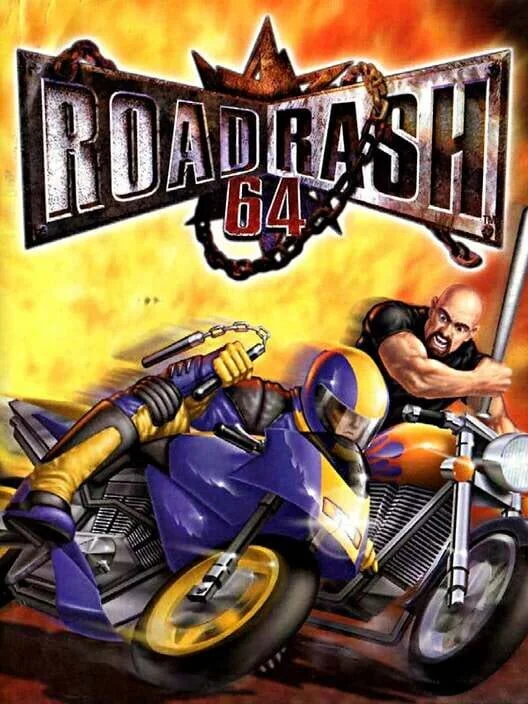
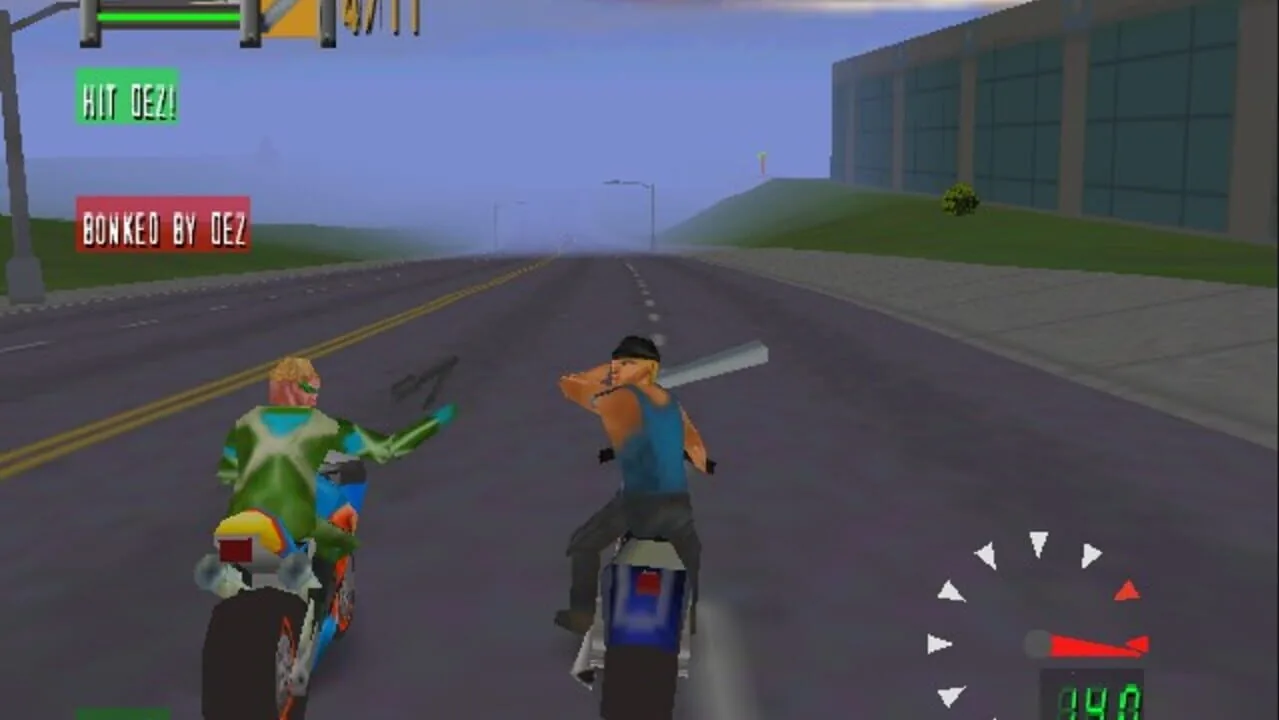
Road Rash 64 is the motorcycle brawler where winning means hitting the other riders. It adds a spoke jam to the weapon list and pack fights where grudges and alliances form between riders. Up to four people can play together, with modes such as Cop Mode and Tag.
The N64 had plenty of friendly racers, so a loud and rough one was an outlier. Most people have only heard of the series from other consoles, and that is why this version gets skipped. Anyone who wants a rowdy party game with a mean streak should give it a try. Bring three friends and the races turn into a loud brawl that the better known racers never match.
11. Hybrid Heaven (1999)
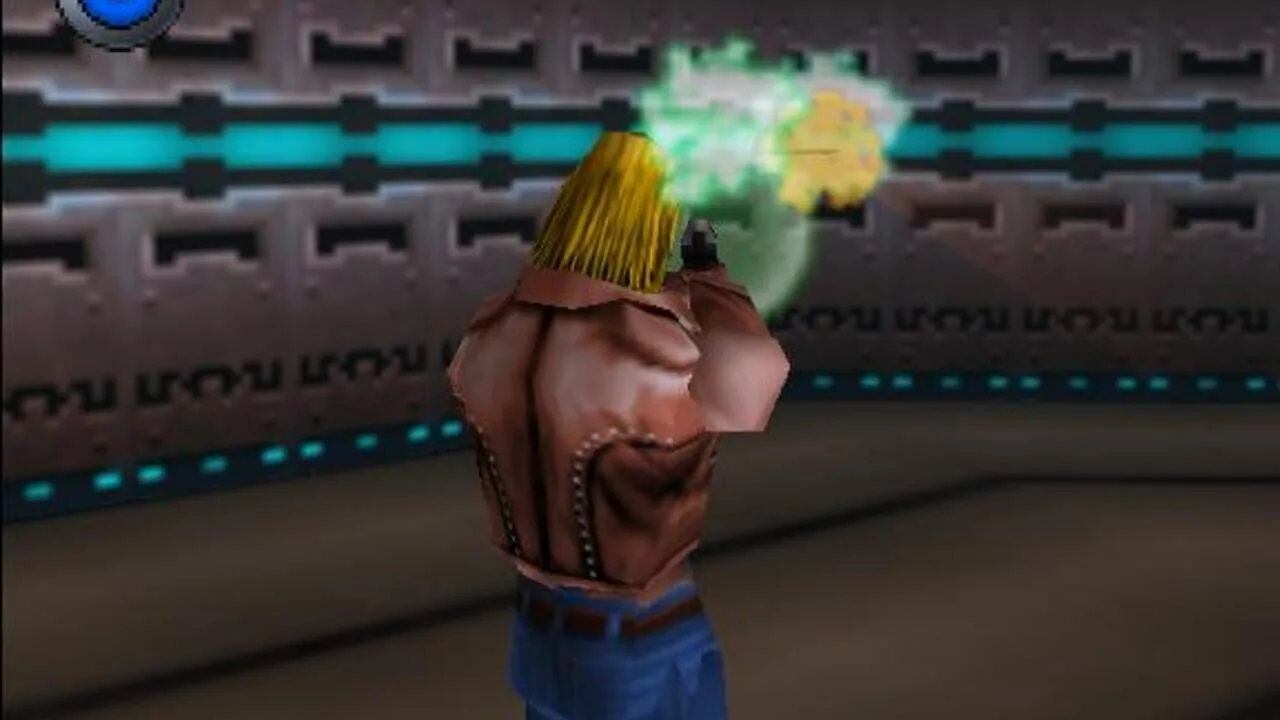
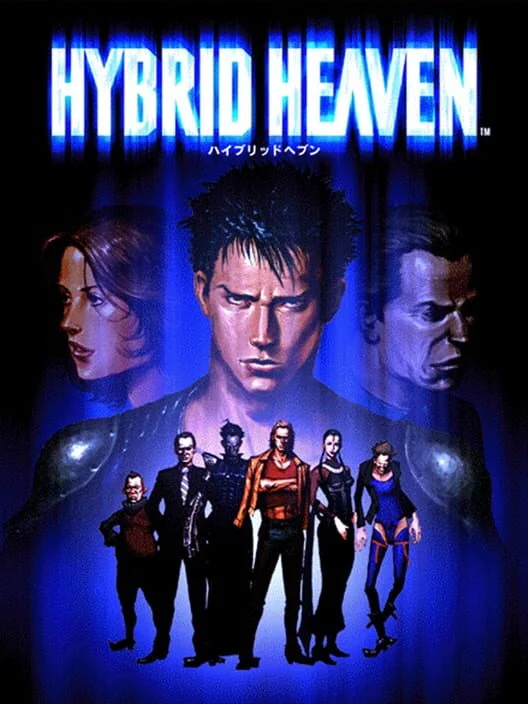
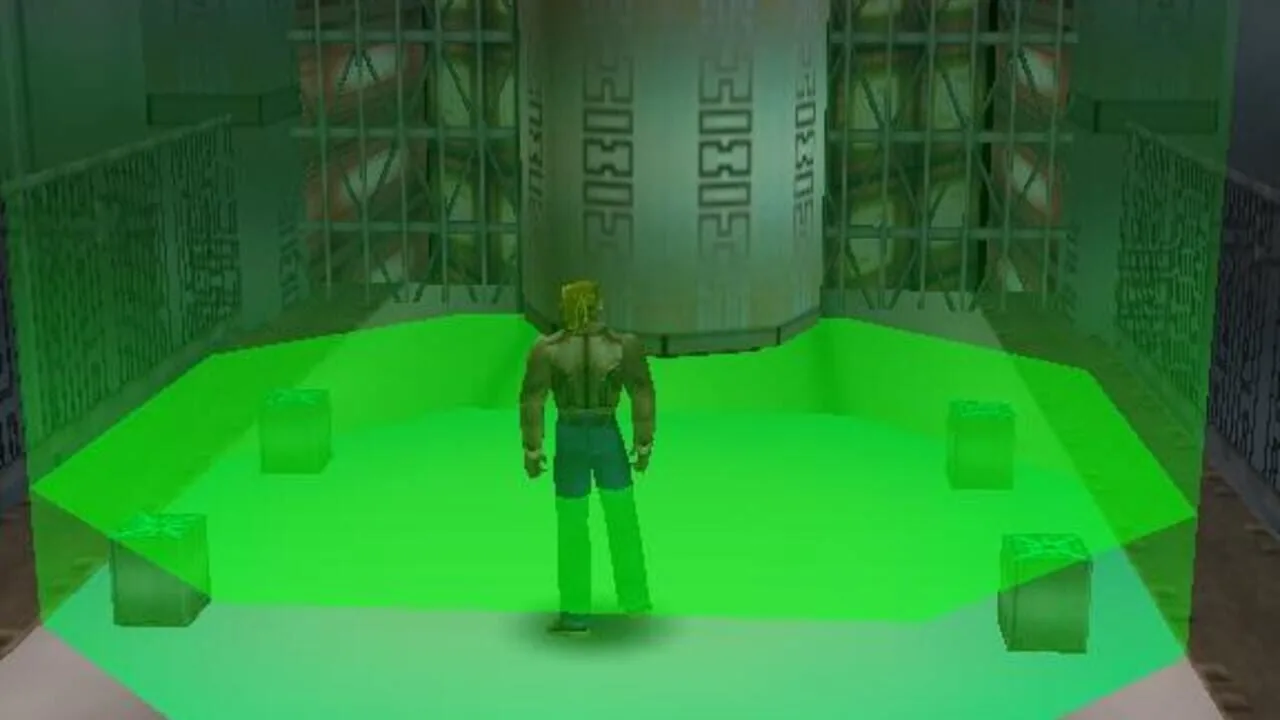
Hybrid Heaven opens with a gunshot in the New York subway system, and Diaz ends up in a strange underground world run by a secret society of hybrids bred in a lab. You can move in any direction, jump, crawl, climb and shoot, which is a lot for the era.
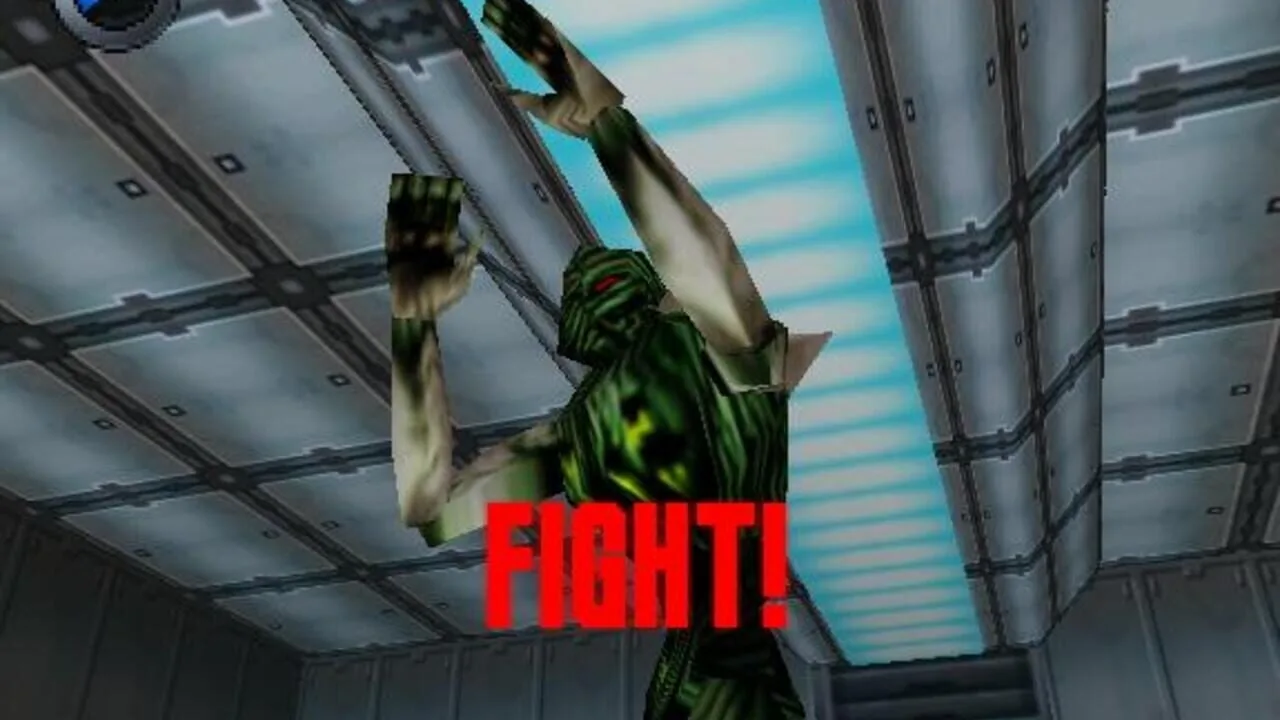
The fights improve your skill with whatever move you use, with separate statistics for each part of the body. Action games with role-playing stats were a strange sell on the N64, so many players never looked twice. Anyone curious about a pulp conspiracy story with some depth should hunt it down. It rewards players who like to experiment, because every fight teaches the game what you are good at.
10. Chameleon Twist (1997)
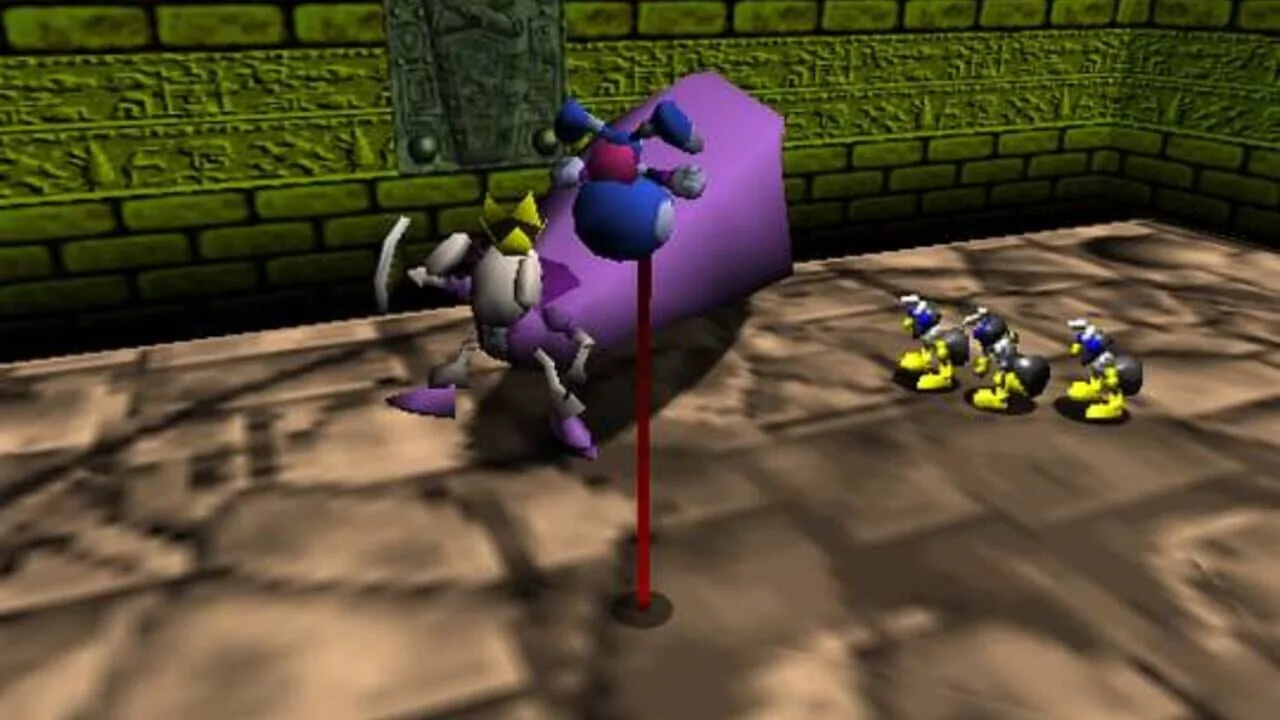
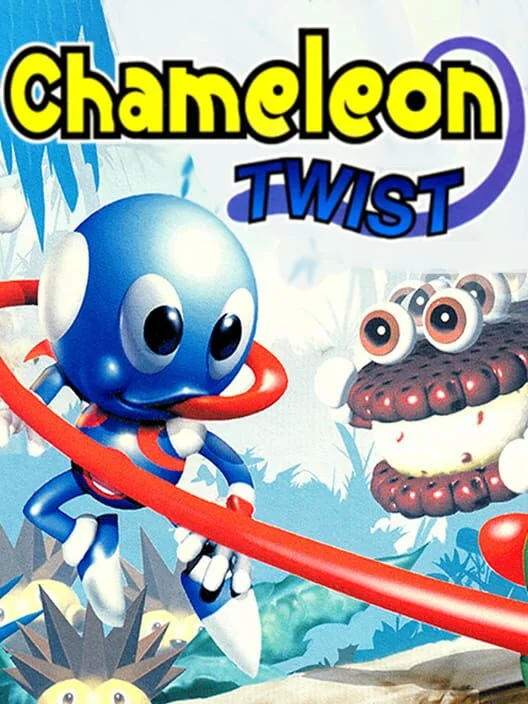
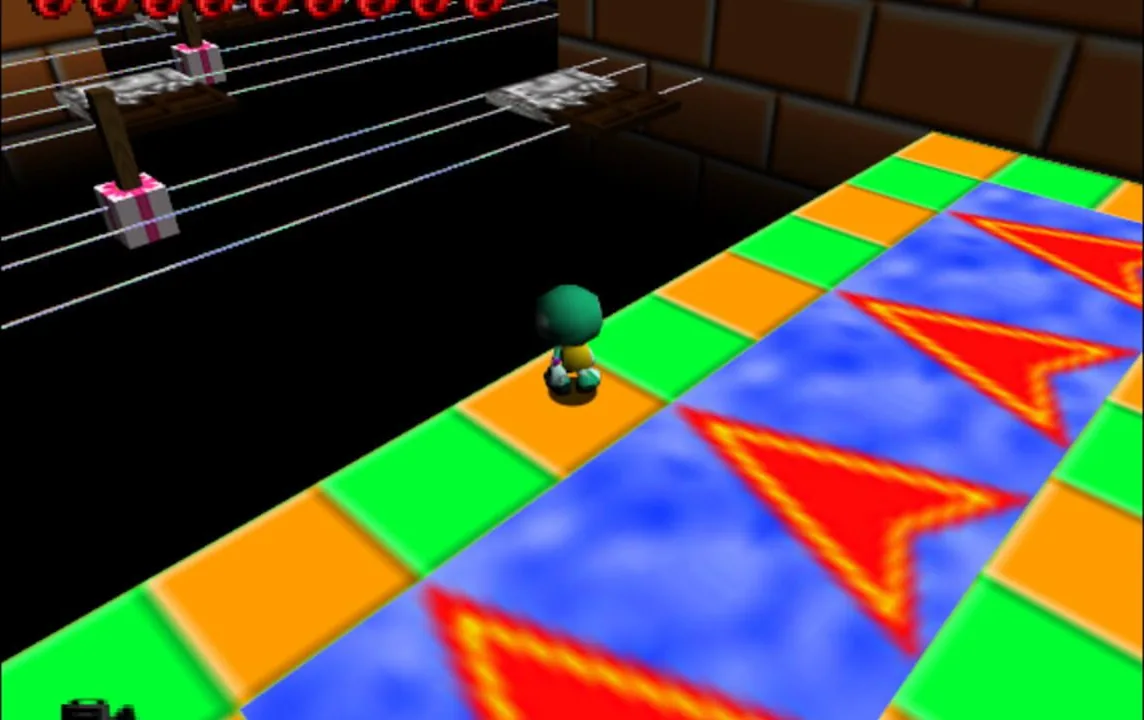
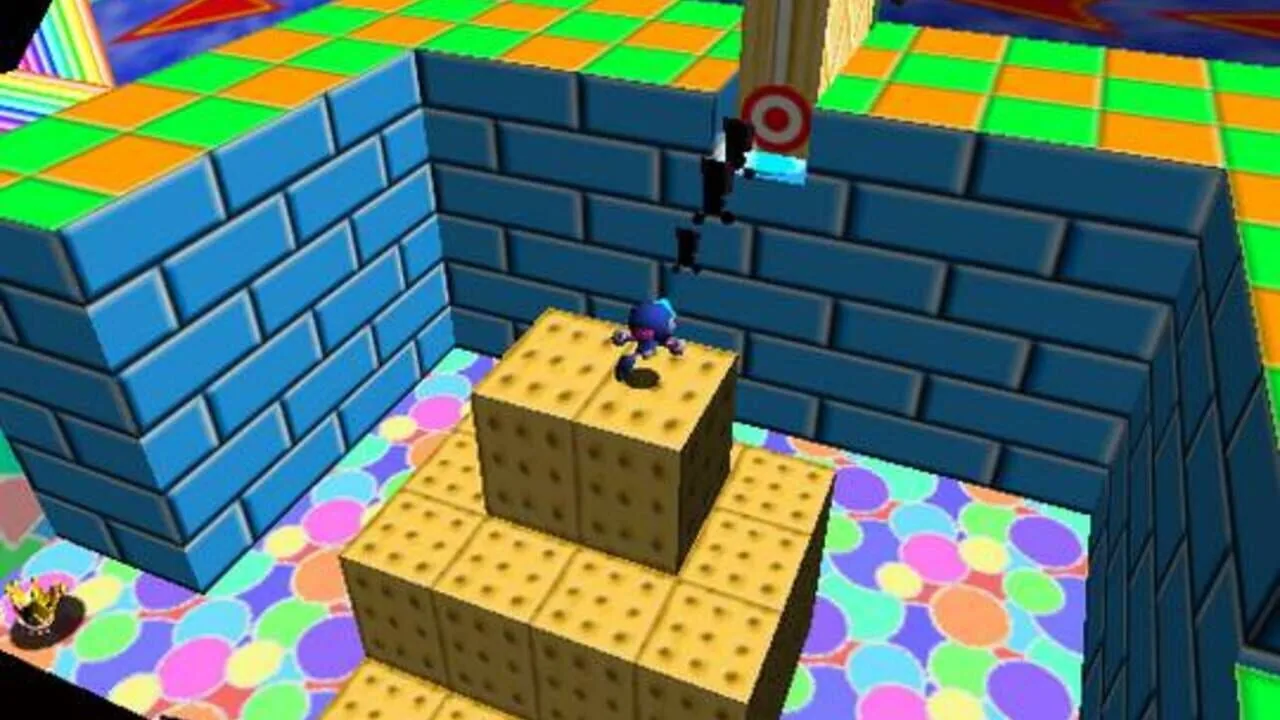
Chameleon Twist is a 3D platformer made by Japan System Supply and put out by Sunsoft. Davy, a blue chameleon in a humanoid form, uses his tongue for everything. Once it is unrolled you can guide it in any direction with the analog stick, and it can launch you higher, like pole vaulting.
Critics disliked its easy gameplay and awkward camera angles, and the repetitive music did not help. Fans of the game say that easy pace is a feature when you play it with friends. It was good enough to get a sequel, Chameleon Twist 2, which says more about its fans than about its reviews. It is a short, cheerful platformer, and it suits anyone who wants a relaxed game with a clever hook.
9. Rocket: Robot on Wheels (1999)
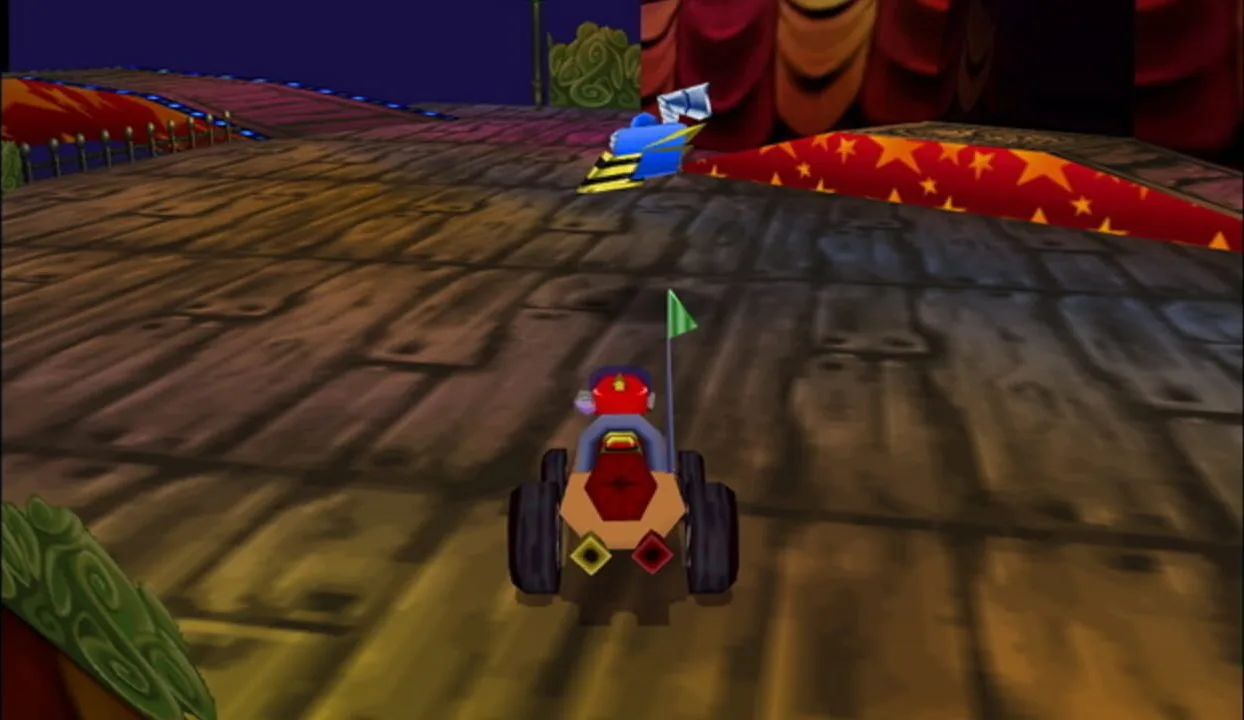
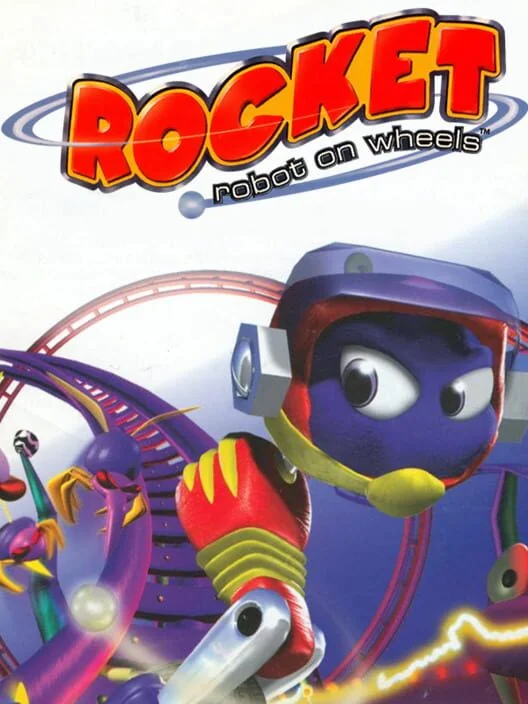
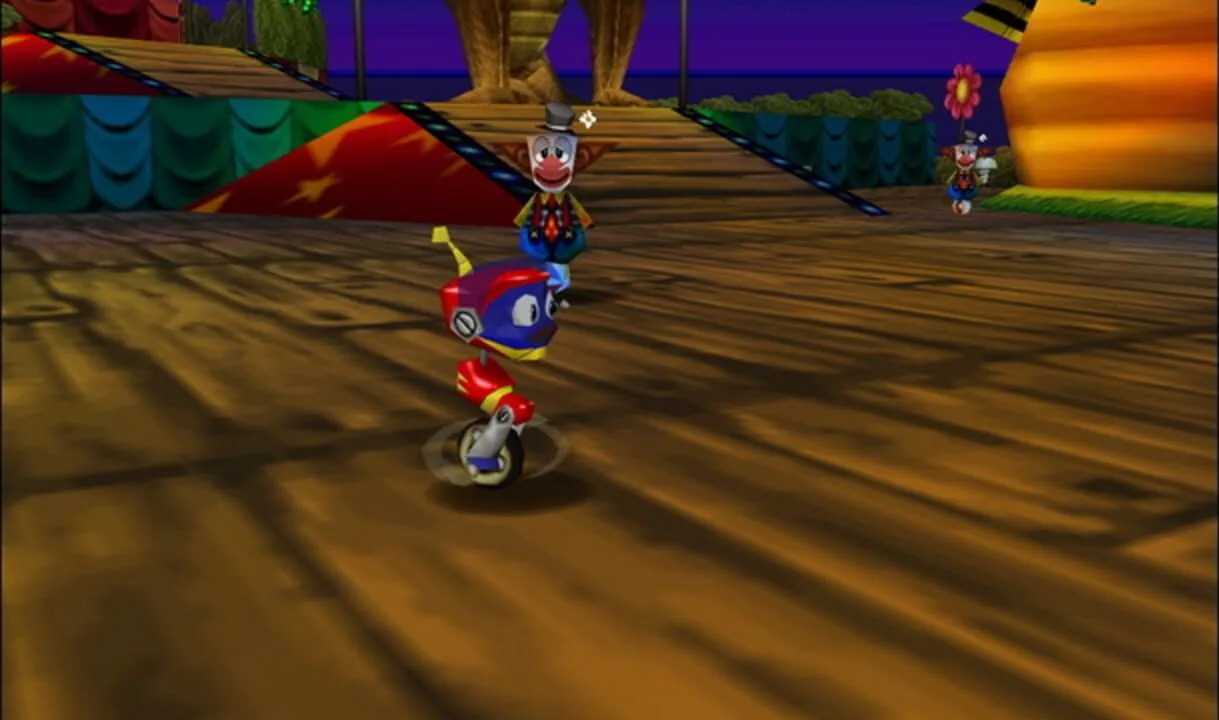
Rocket: Robot on Wheels was the first game on a home console to use a realistic physics engine to drive the gameplay. Sucker Punch pitched it as Super Mario 64 meets The Incredible Machine, and the levels are built around things you can push, pull and carry.
As first-time N64 developers without development kits, they built a prototype on a PC. Nintendo refused to publish the game, and the studio spent around a year on the first level, entirely self-funded. A year on one level is either dedication or a very long loading screen. Few platformers feel as hands-on, and almost nobody talks about it. Few platformers feel as hands-on, and almost nobody talks about it. That gap is exactly why it earns a place here.
8. Beetle Adventure Racing! (1999)
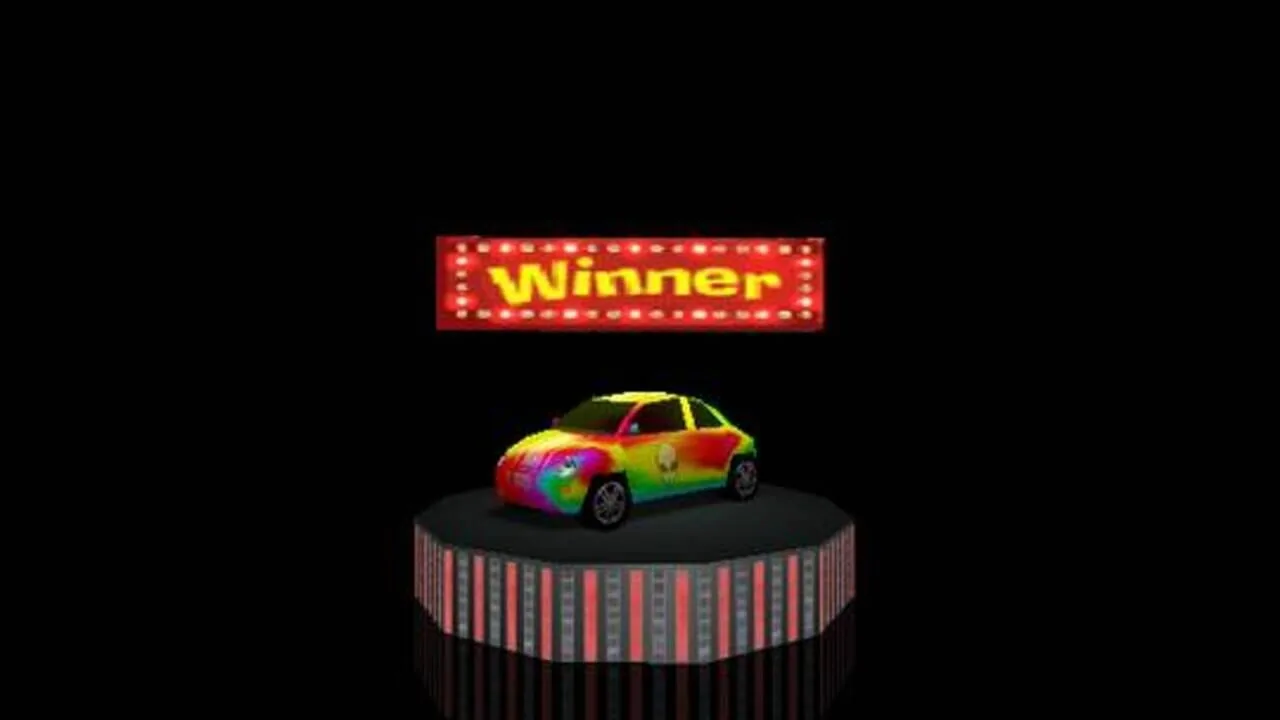
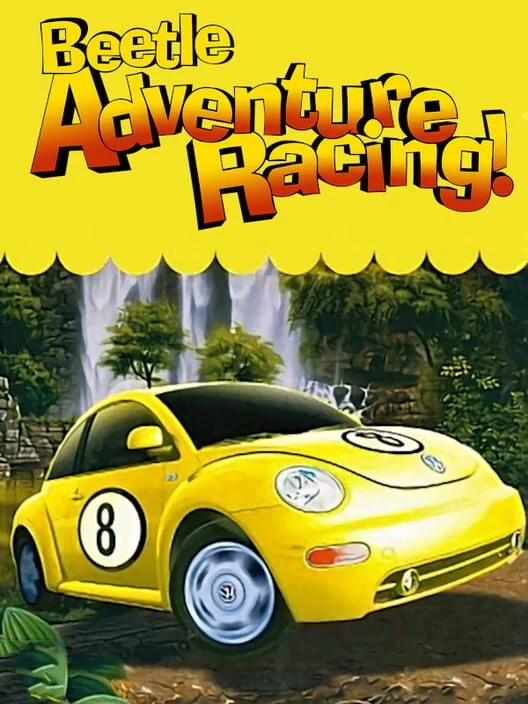
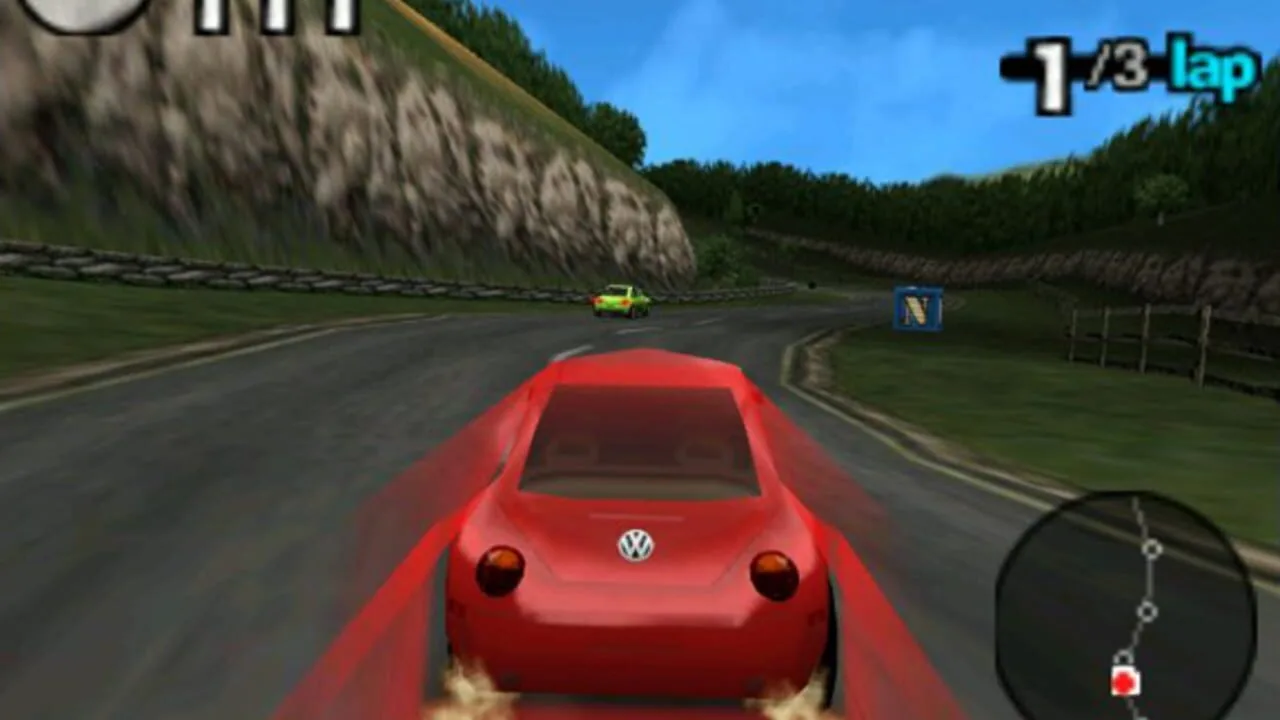
Every car in Beetle Adventure Racing! is a Volkswagen New Beetle, and the game began when EA Canada and Paradigm partnered on a Need for Speed entry for the Nintendo 64. The result is a racer with shortcuts and nitro boosts, far from the usual sports-car fantasy.
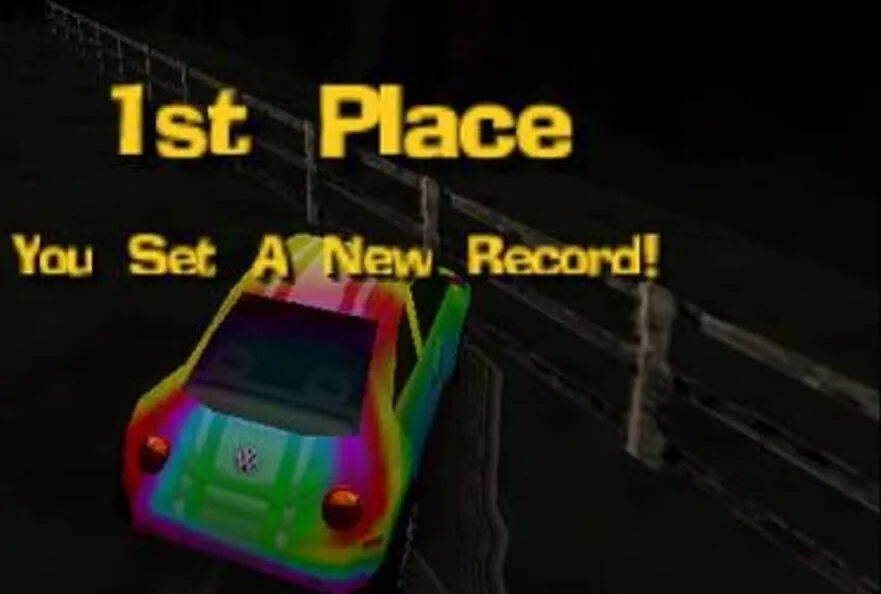
Critics gave it acclaim for its graphics and level design, though they wanted more tracks and cars. The extras are charming: the Alien Beetle's horn says we come in peace in an alien voice, and the cheat menu hides the faces of the game's developers. A racer about Beetles never sounded exciting, and that is probably why it got skipped. The tracks hide plenty of shortcuts, and finding them is the real hook of the game.
7. WinBack (1999)
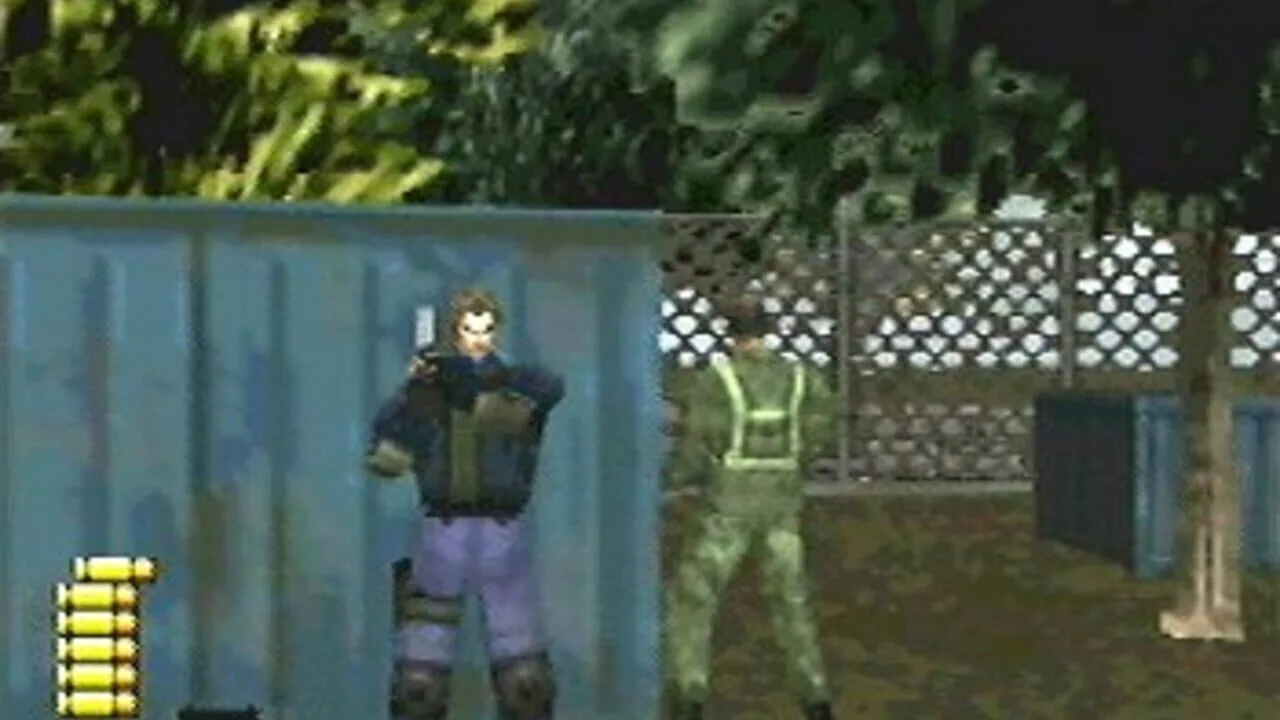
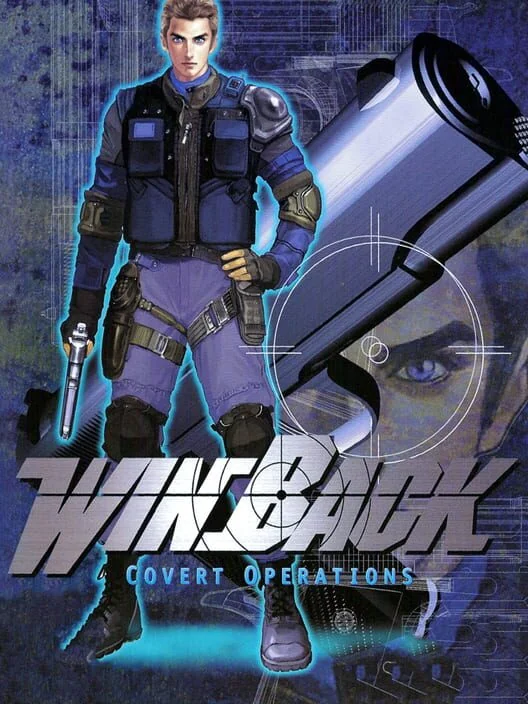
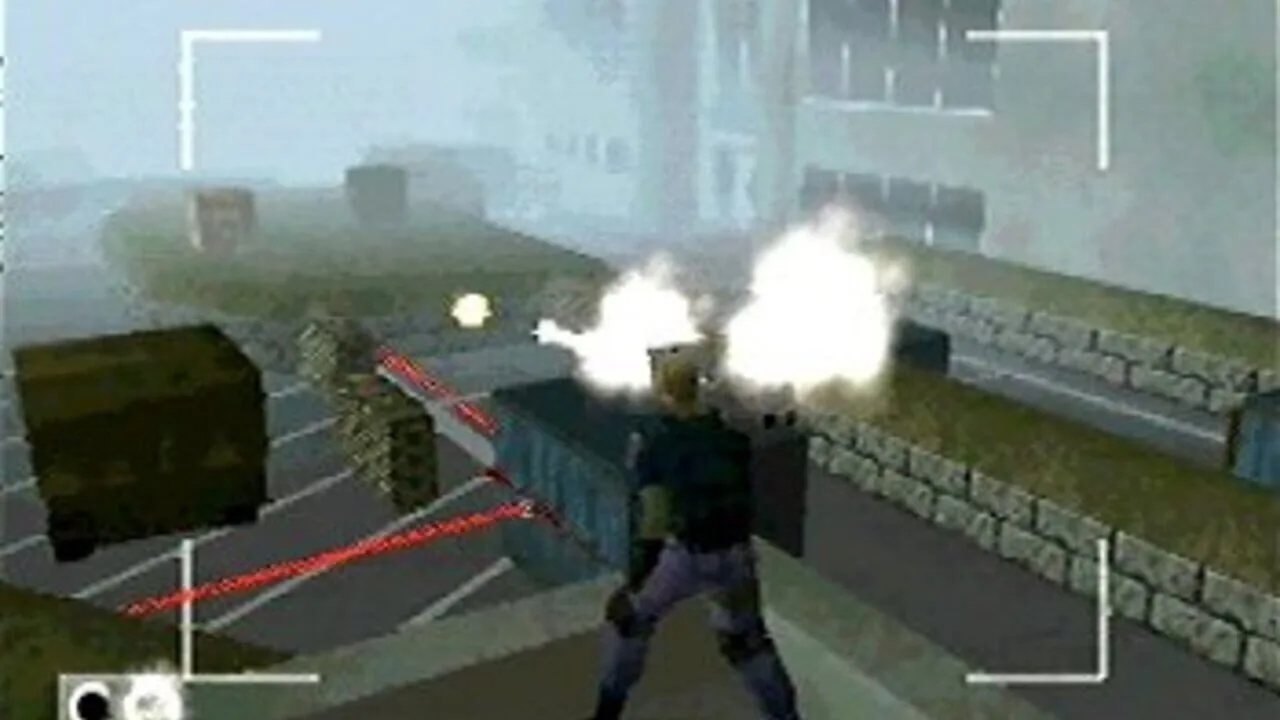
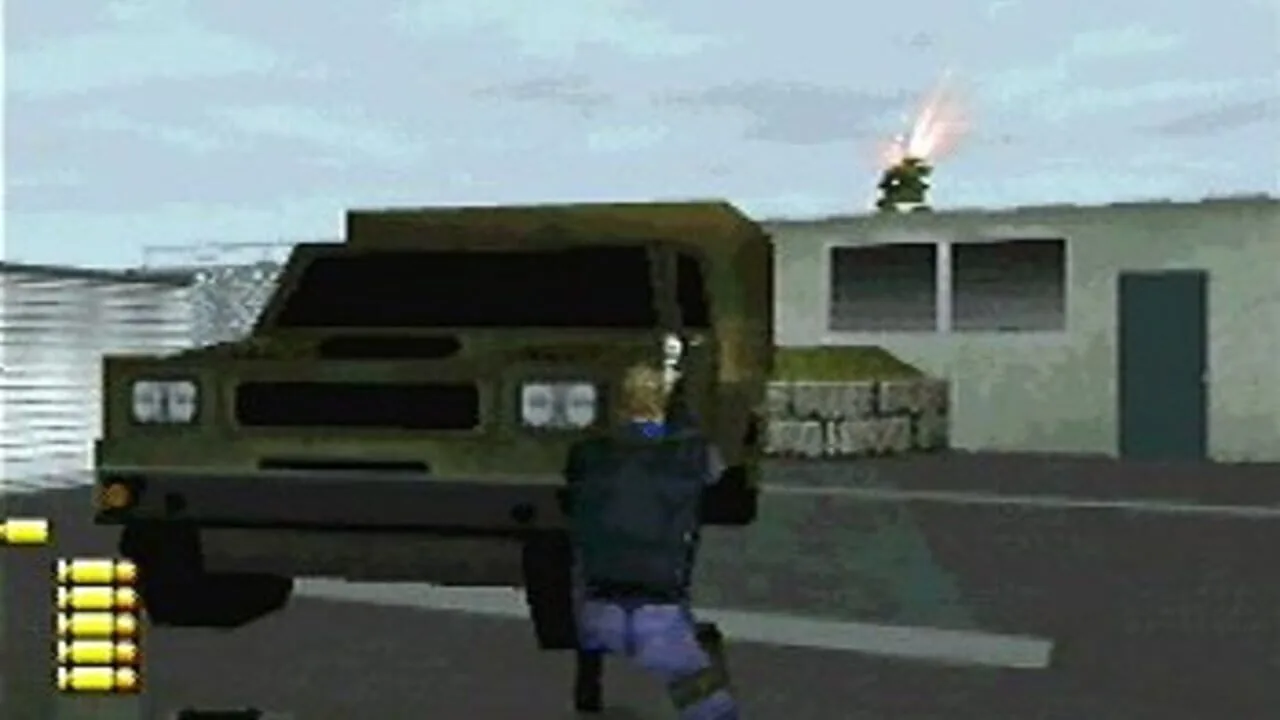
WinBack puts you in the boots of Jean-Luc Cougar, an operative for the Strategic Covert Actions Team who has to stop a terrorist group called the Crying Lions from taking over the world with a satellite. Hits show different colors, and red marks a critical headshot.
Reviews were mixed, and the voice-acting was criticized. One review said it is no Metal Gear, but it stands on its own merits, and that is the fair way to see it. Anyone who expects a masterpiece will be let down, while players who like a tense shooter with some stealth will find more here than its reputation suggests. It later got a standalone sequel on PlayStation 2 and Xbox.
6. Blast Corps (1997)
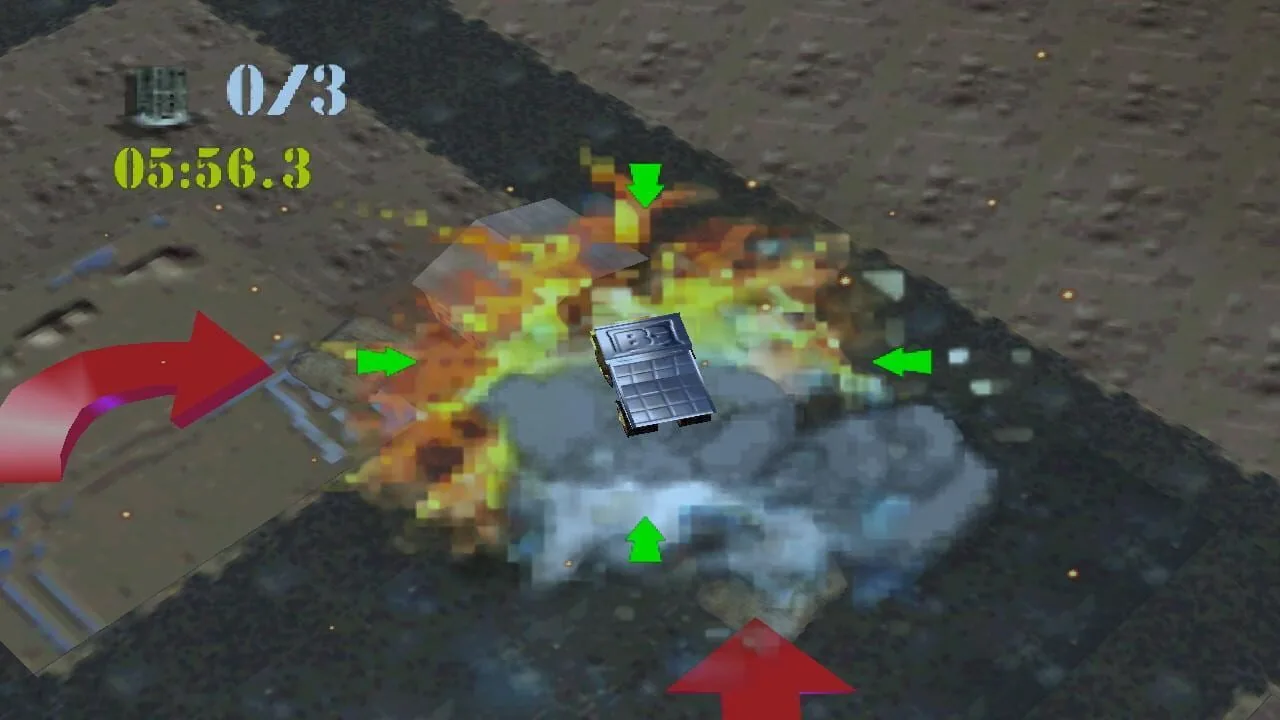
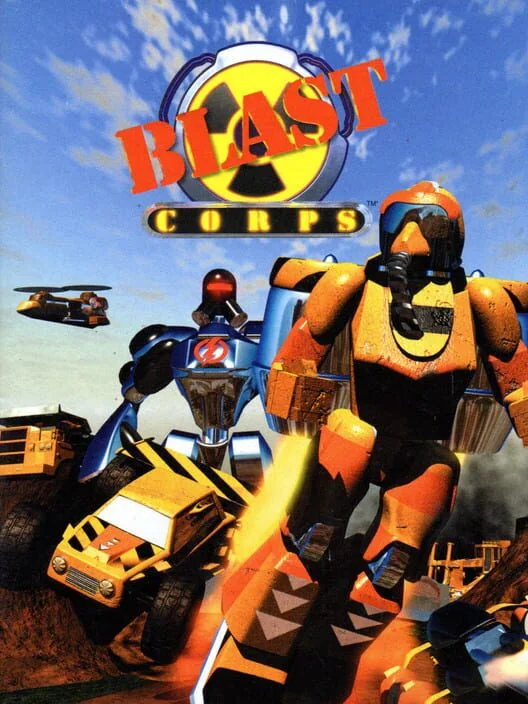
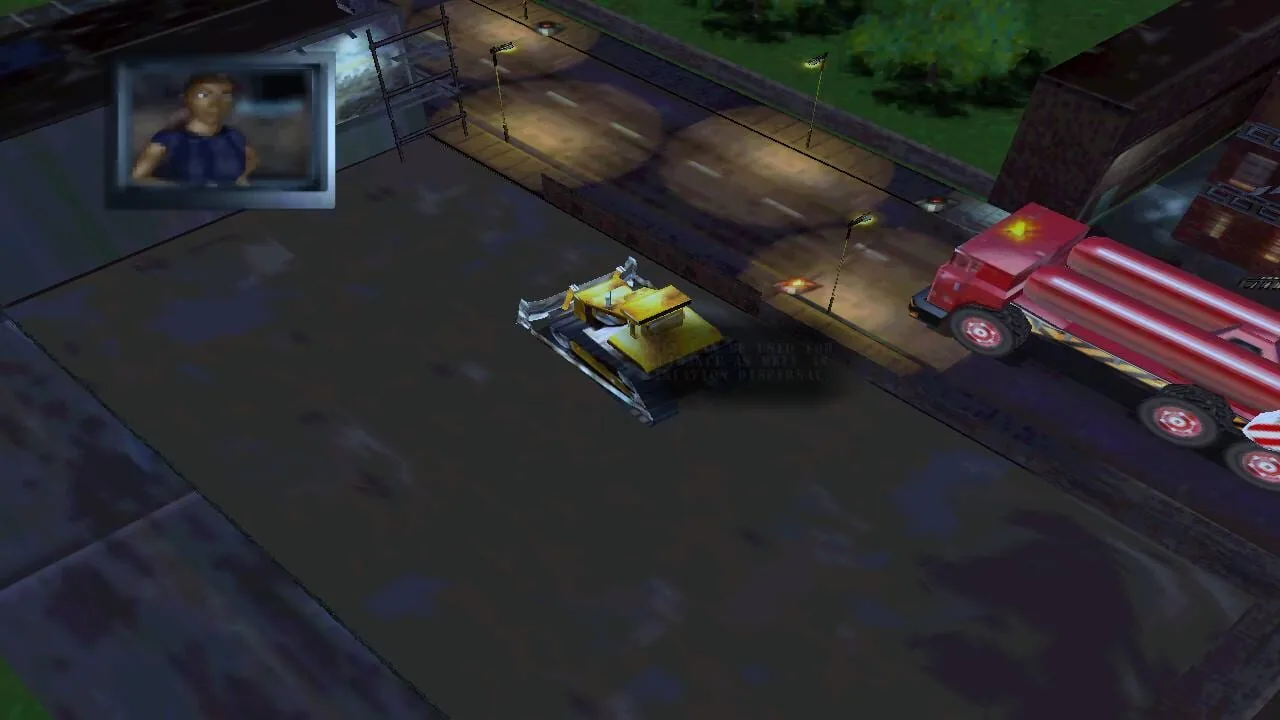
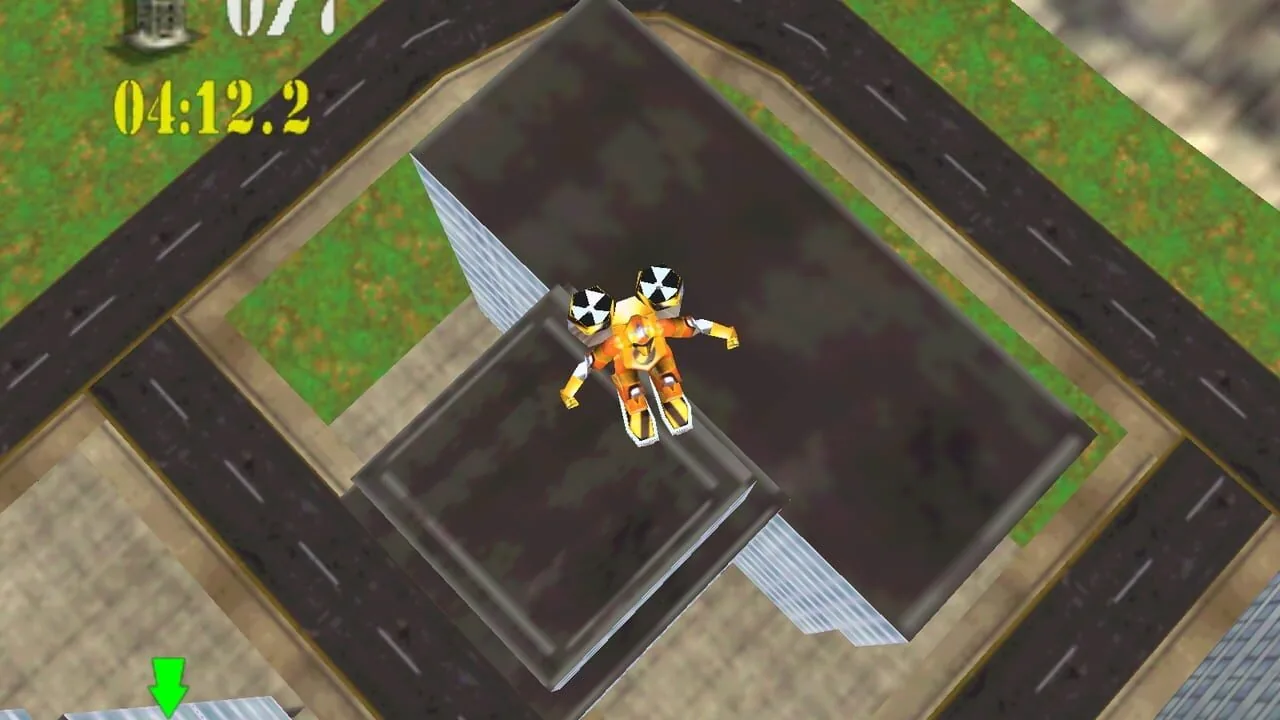
Blast Corps has you flatten buildings with a fleet of demolition vehicles so that trucks hauling faulty nuclear missiles can roll through. It was Rare's first Nintendo 64 game, and its team ranged between four and seven members, many of whom were recent graduates.
It was released to critical acclaim and had plenty of editor's choice awards, yet it sold one million copies, lower than the team's expectations. Next to Rare's platformers, a puzzle game about knocking things down was easy to overlook. Anyone who likes figuring out the quickest route through a mess should give it a go. The ideas are clever and the levels are short, so it works well for an evening of puzzling.
5. Space Station Silicon Valley (1998)
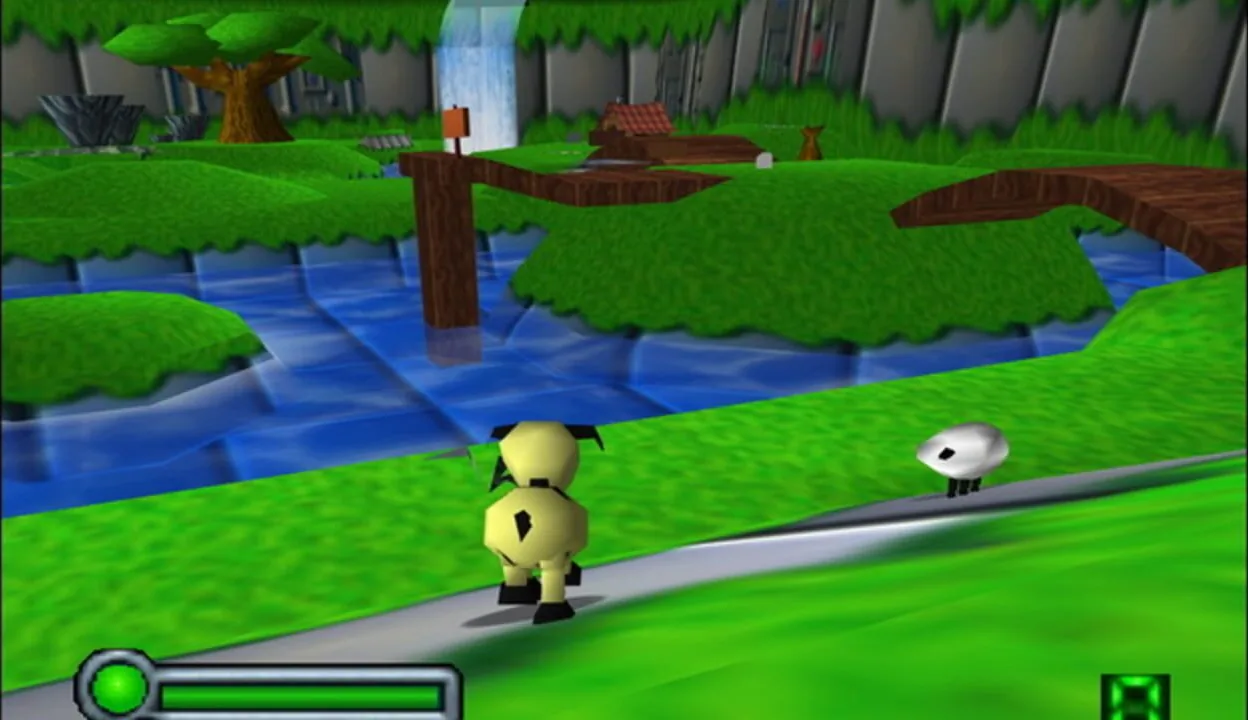
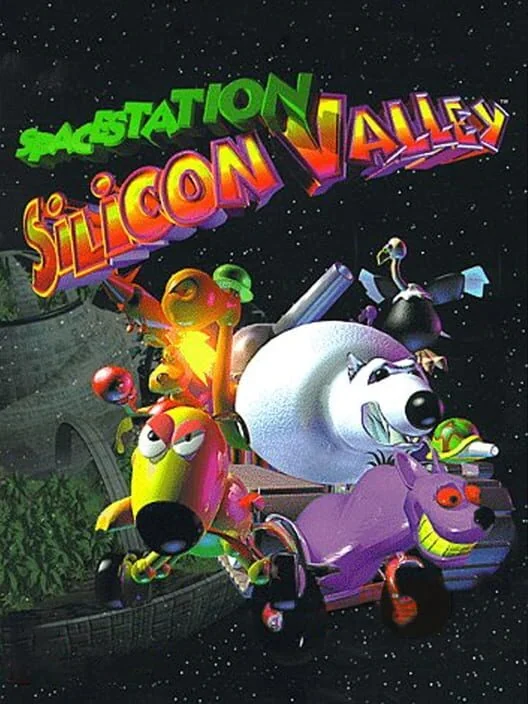
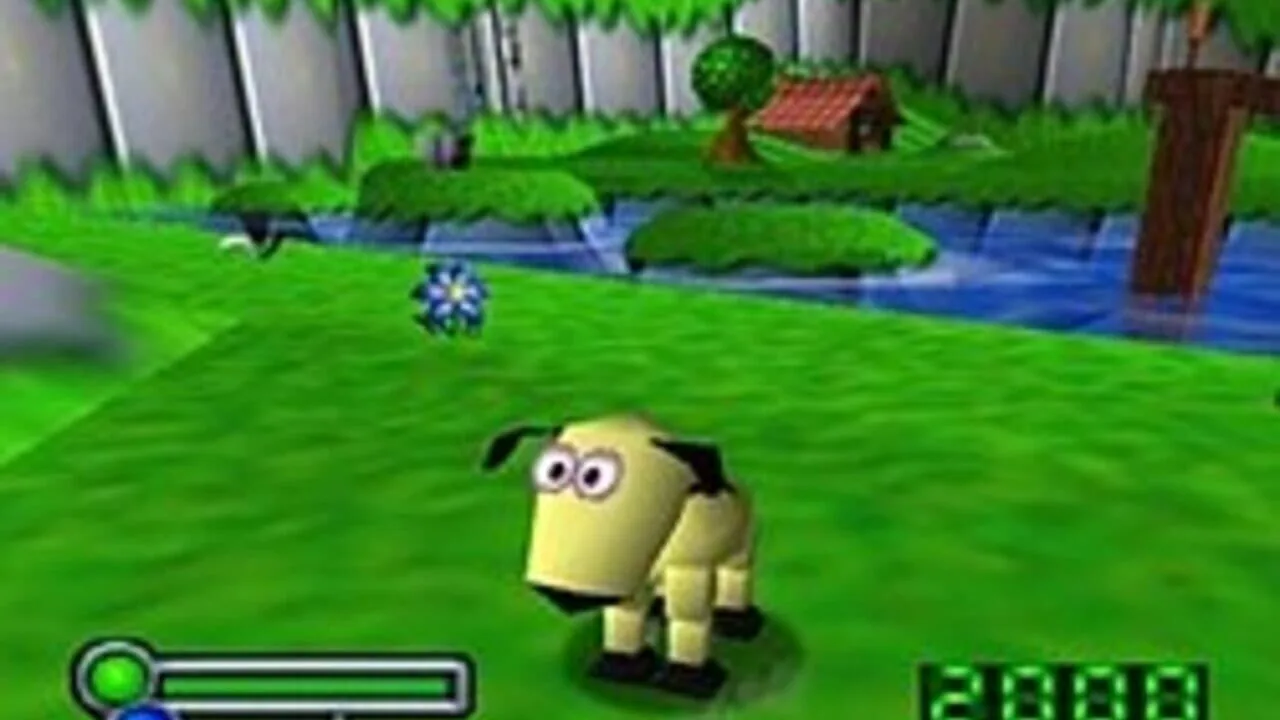
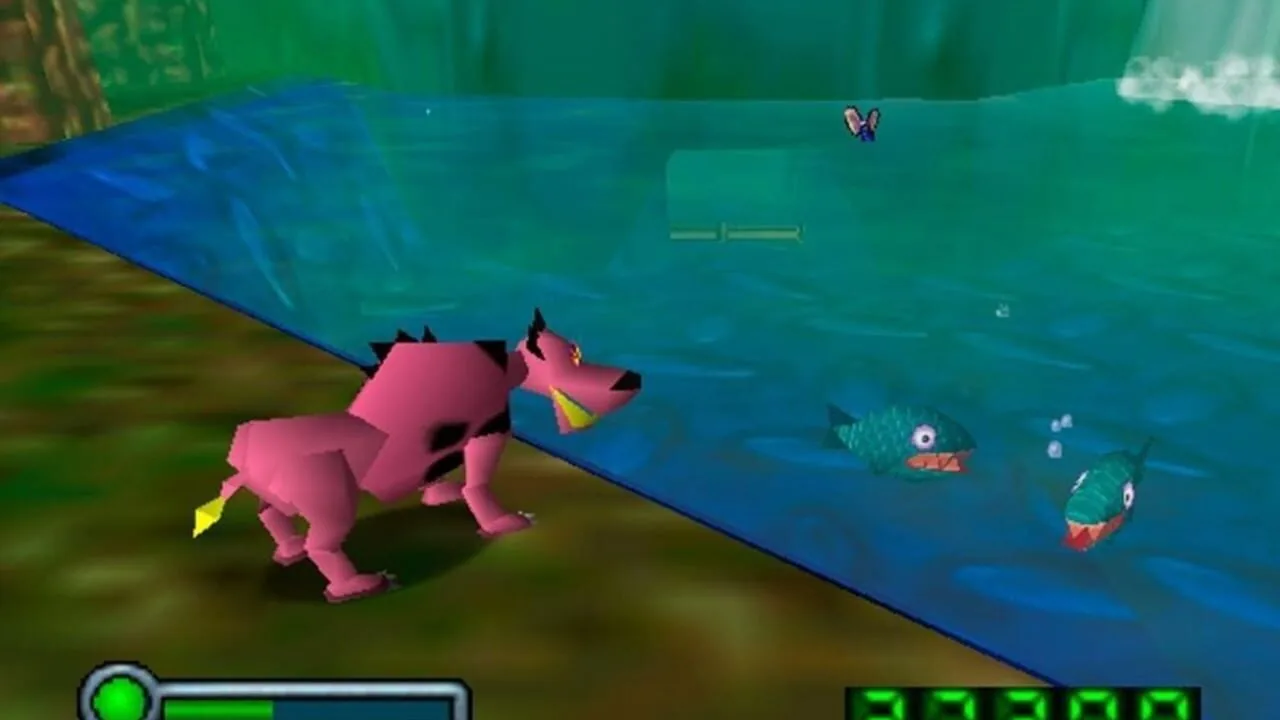
Space Station Silicon Valley has a station on a collision course with Earth and two characters, Dan and Evo, who have to stop it. A space station on a collision course with Earth is a rough day at the office, even by game standards. The British humour and a soundtrack styled after B movies give it a voice few N64 games had.
Reviewers acclaimed its intuitive mechanics and innovative level design, and it won awards that included Most Innovative Game. It still gets mentioned less than platformers from bigger studios, which is why it belongs on this list. It later got a Game Boy Color version and a PlayStation port.
4. Snowboard Kids (1997)
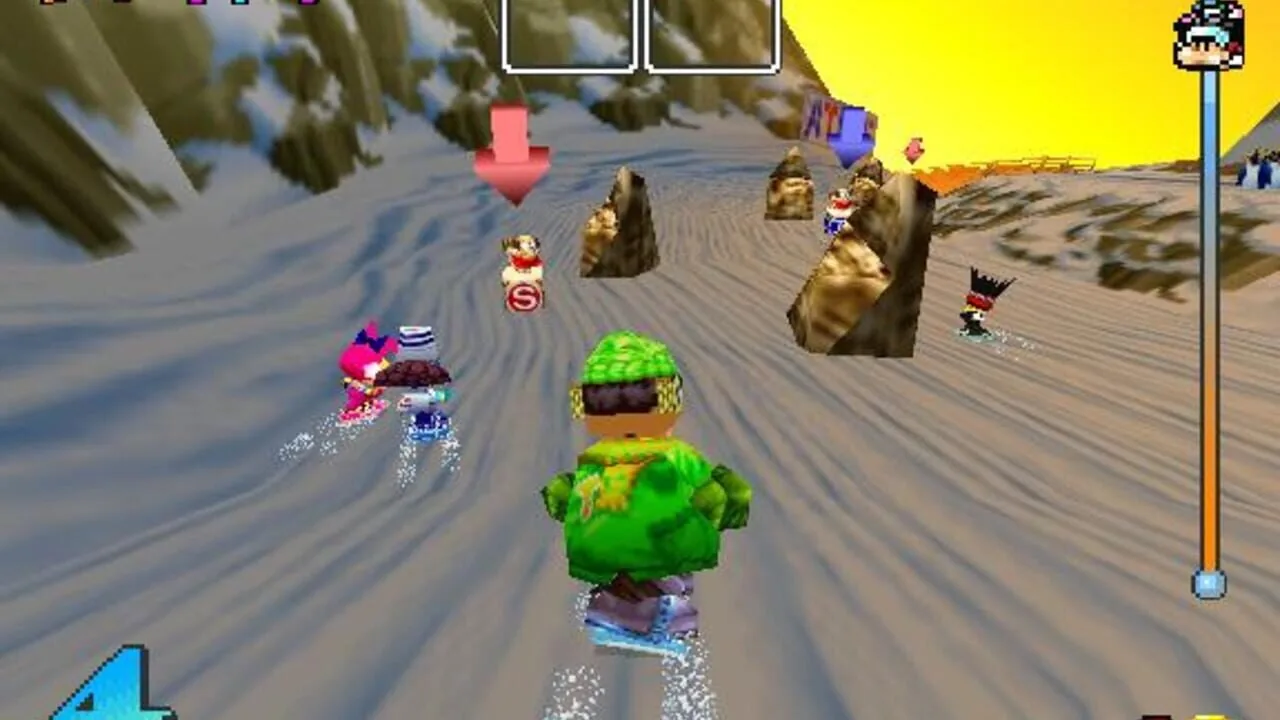
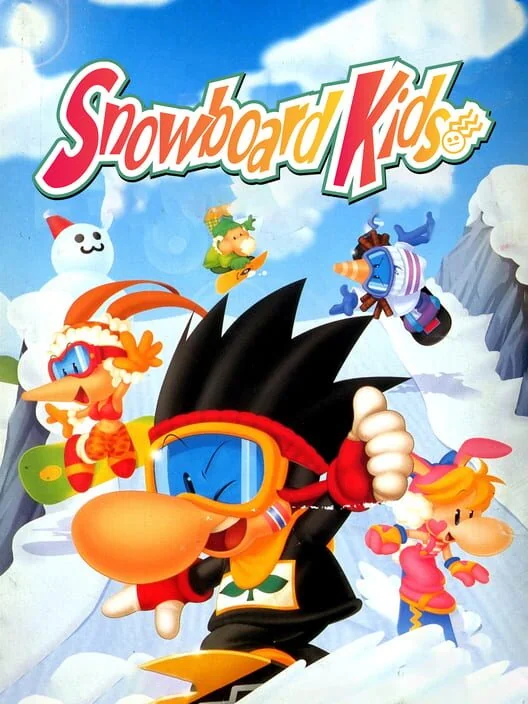
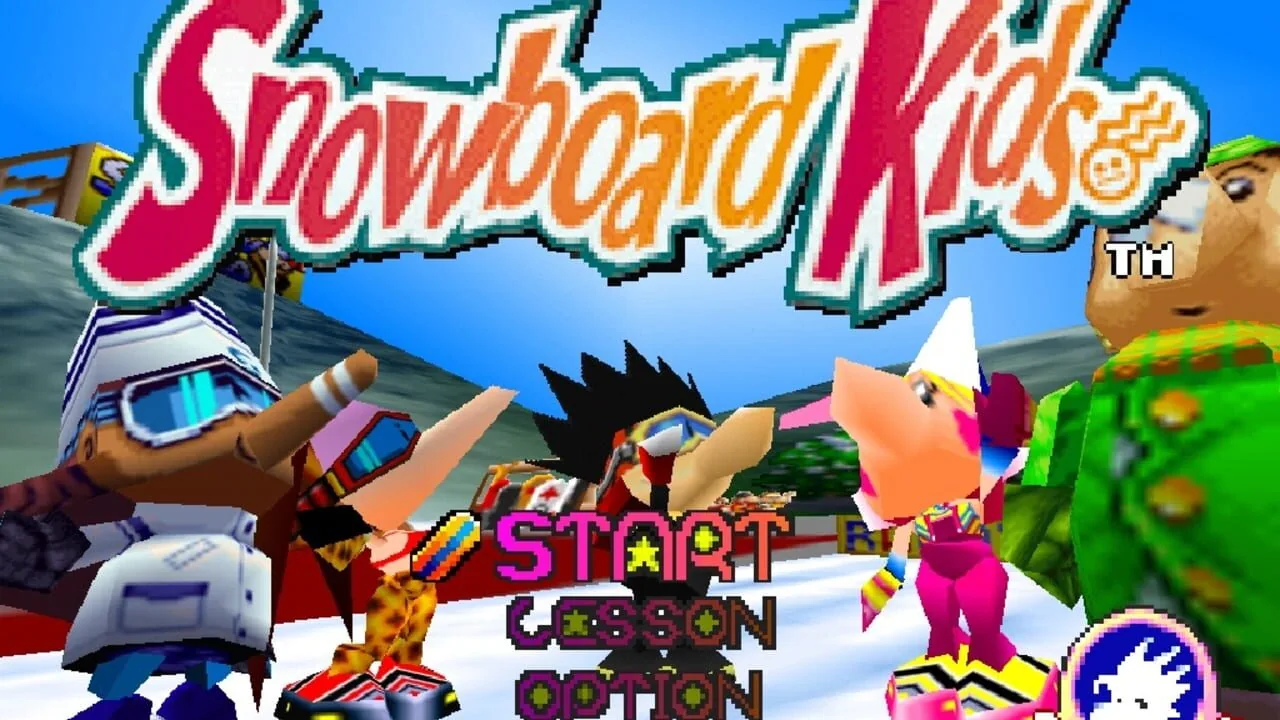
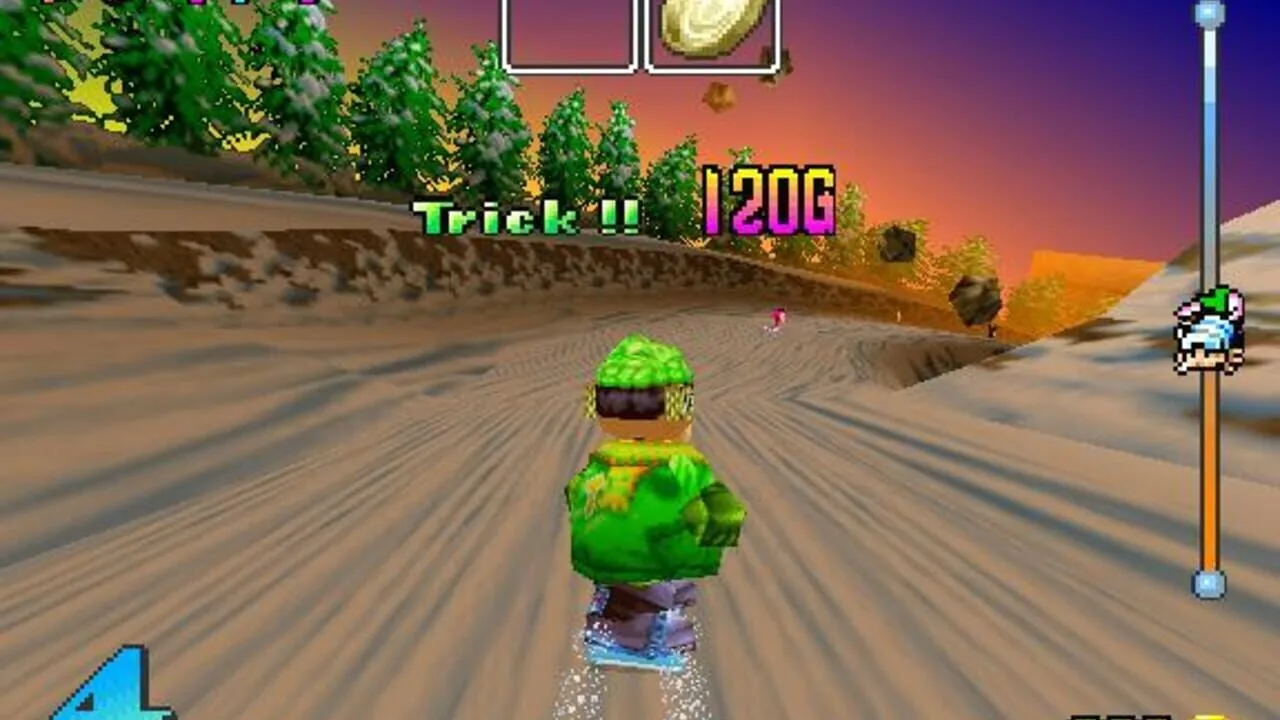
Snowboard Kids is a cute snow racer with six playable kids who settle an argument about who is best with a tournament. Every track has a unique shape and the courses include an amusement park and a desert, so the races feel like a theme park ride more than a sports sim.
Many reviewers compared it to Mario Kart, and that comparison hurt it. One review called it entertaining despite its lack of originality, and another called it a satisfyingly cute snow racer. Players who want simple shredding with friends over a serious snowboarding game tend to love it, even if few remember it. Races stay fast and loose, and the item fights keep the last place player in the game right up to the finish.
3. Body Harvest (1998)
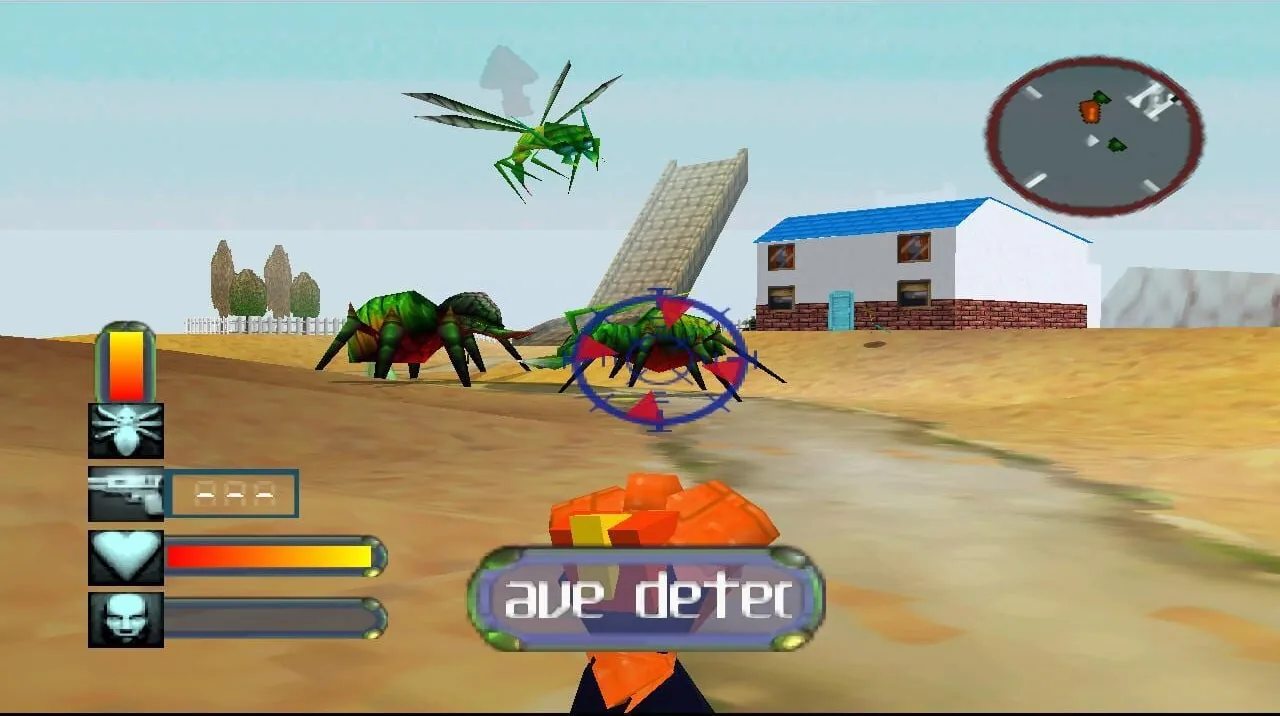
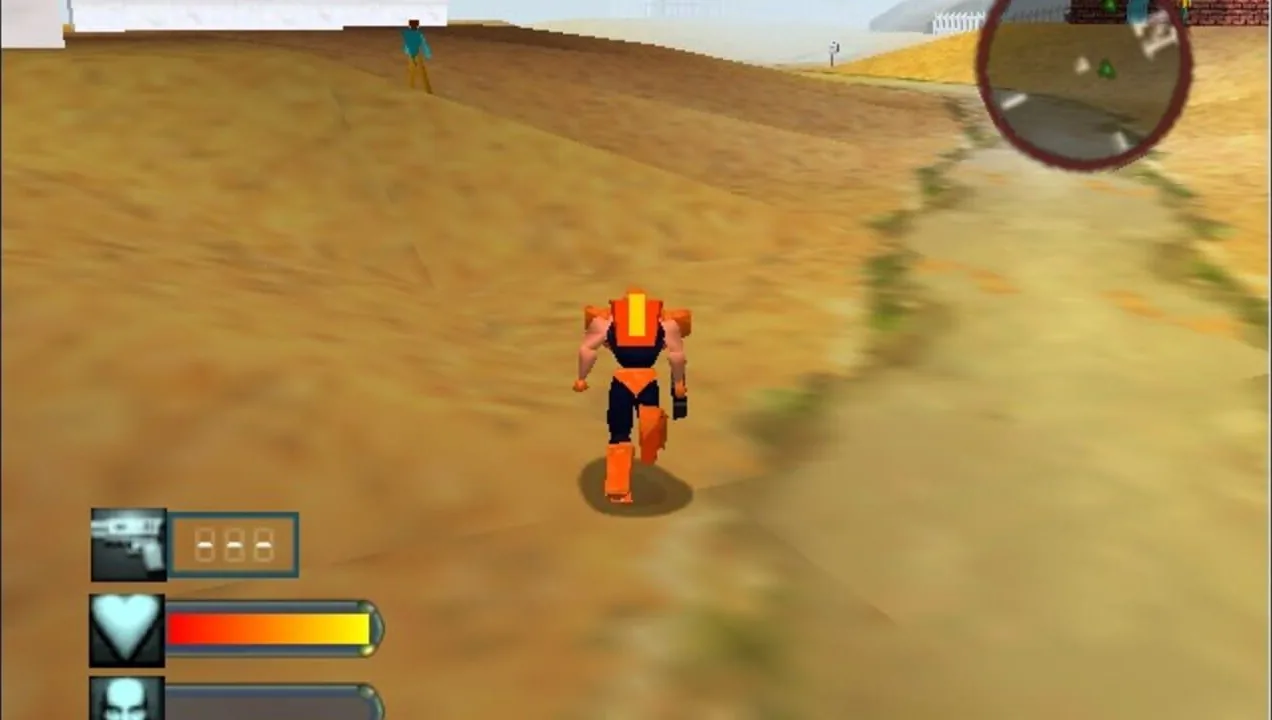
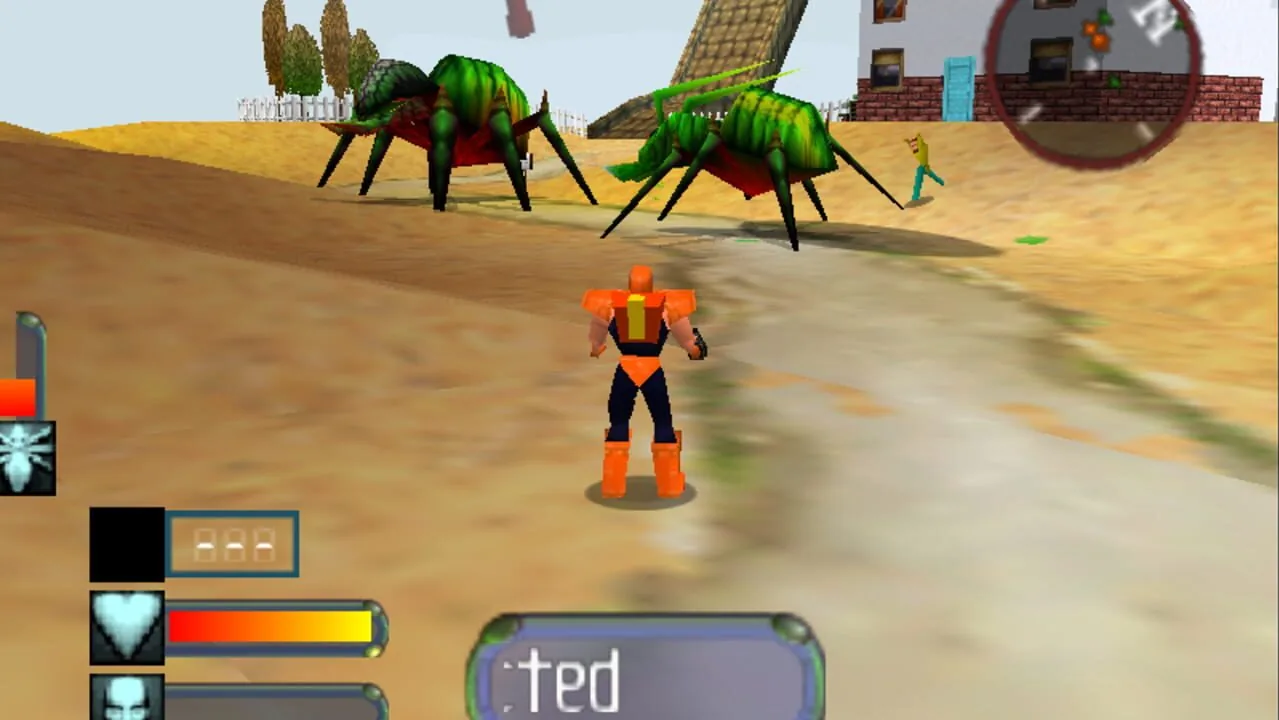
Body Harvest sends Adam Drake into the past to stop an alien force that returns every twenty-five years to harvest the human population. The adventure starts in Greece and works its way across the decades, so the world keeps changing around you.
Nintendo was meant to publish it as a launch game, then dropped it over its violent themes and left the developer to find new publishers. Gremlin took it in Europe and Midway in North America, and a game that changed hands that late rarely gets much marketing. That messy start explains why it is remembered as a footnote, and it was re-released on the Polymega years later. Players who like big open maps and stolen vehicles will see where later games found their ideas.
2. Jet Force Gemini (1999)
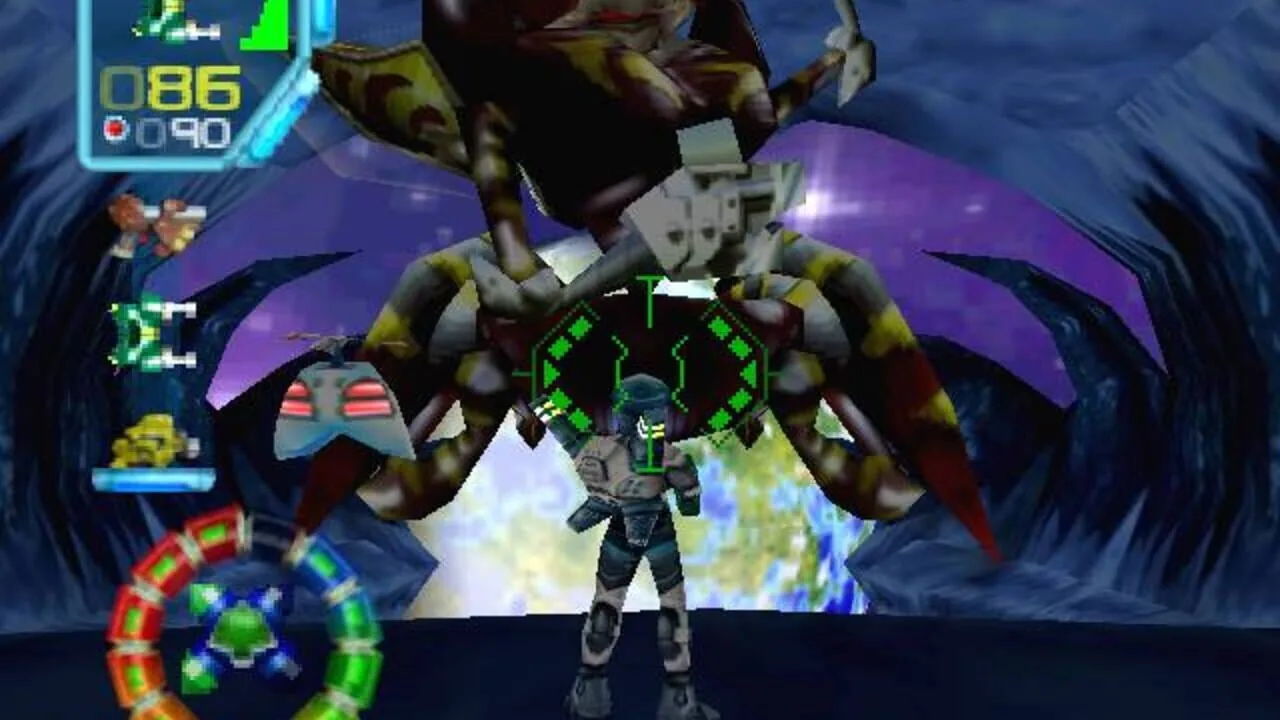
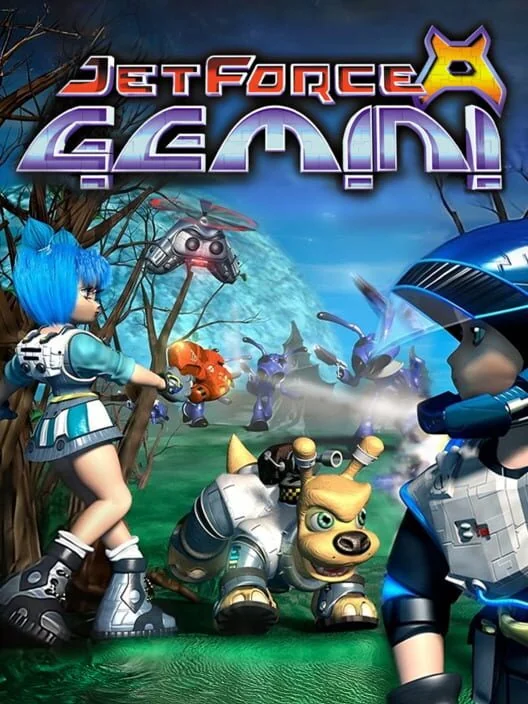
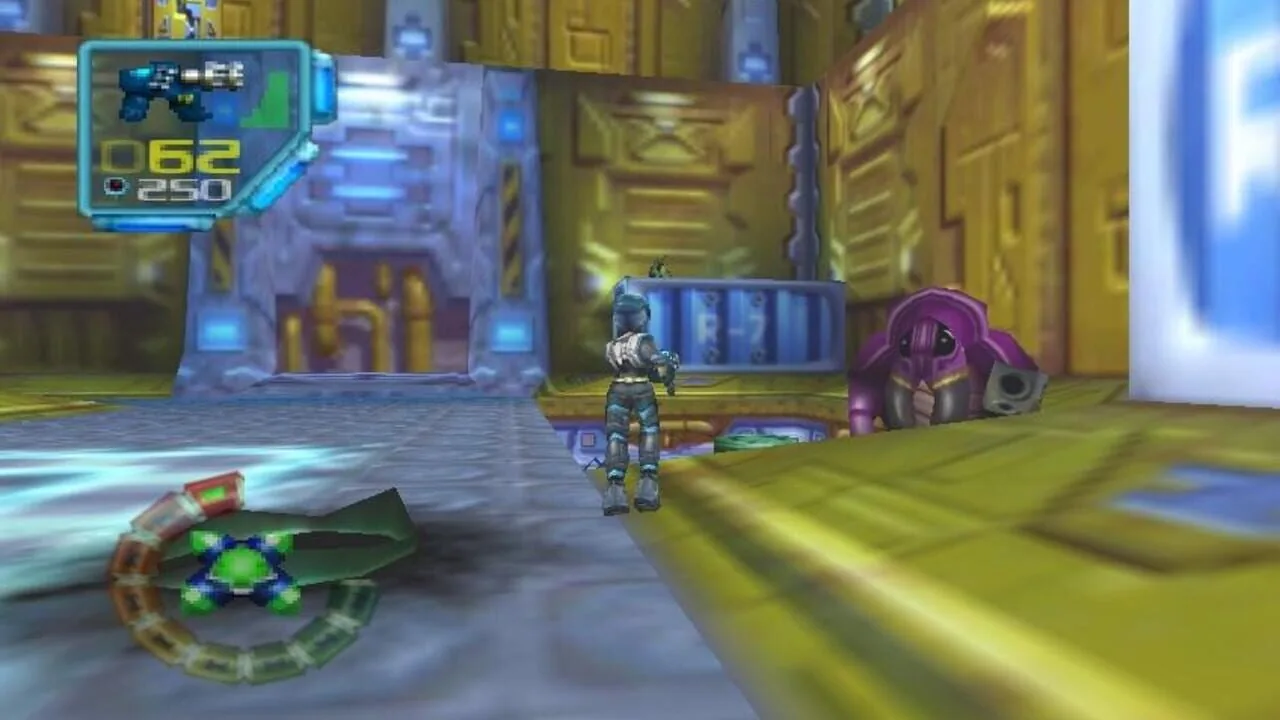
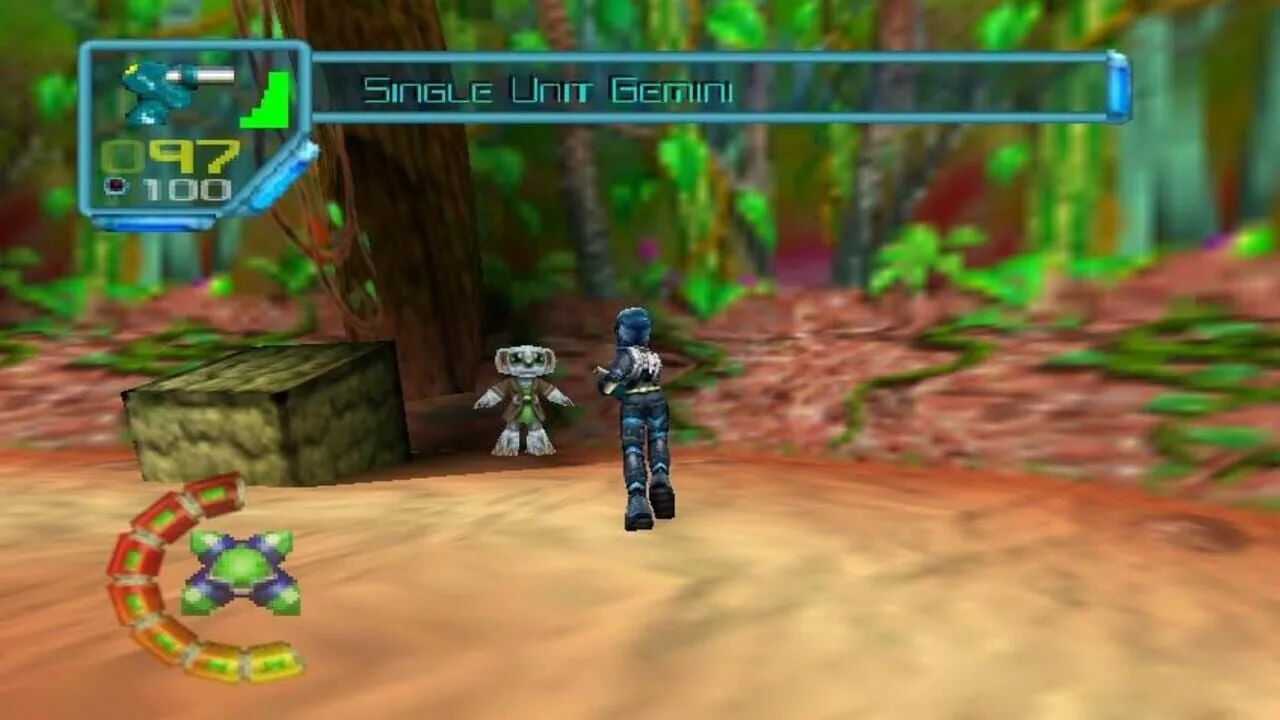
Jet Force Gemini is a Rare shooter that blends shoot 'em up action with action-adventure exploring. Its three heroes fight an insect army, and it borrows ideas from Super Metroid and Super Mario 64 instead of copying one formula.
Critics liked its detailed graphics and long life, and disliked its confusing controls and the demand that you rescue every Tribal to finish the game. Those controls are the usual reason players skipped it, and the game rewards anyone patient enough to get past them. It came back on Nintendo Classics, so a second chance is easy to give. Give it an hour and the shooting settles into a rhythm that few other games on the console can match.
1. Mischief Makers (1997)
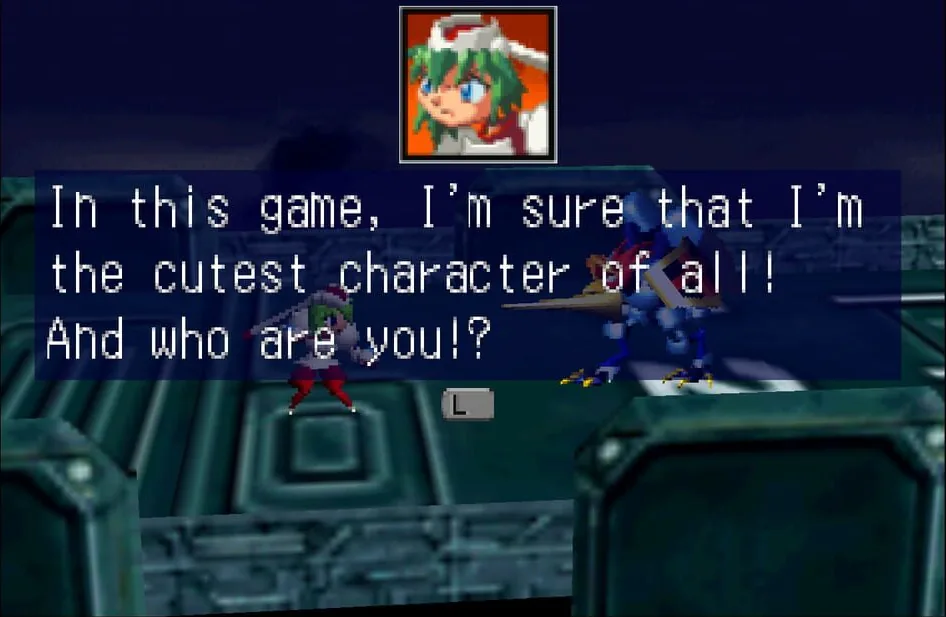
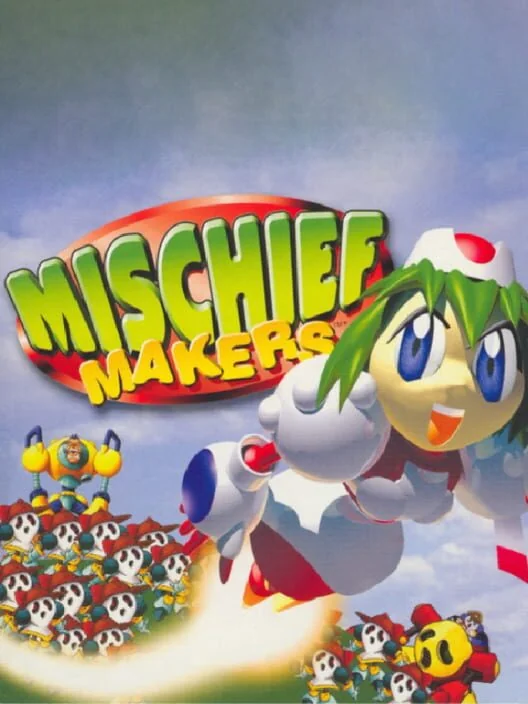
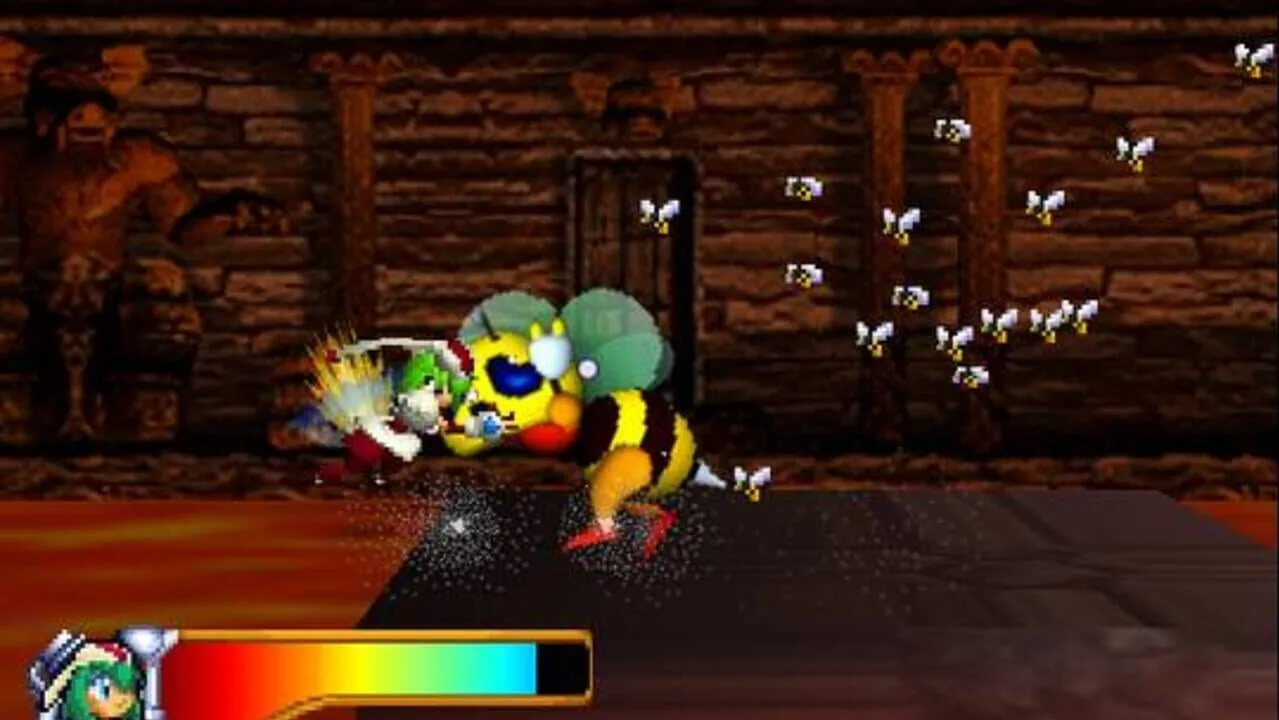
Mischief Makers is a side-scroller where you play Marina Liteyears, a cybot who solves nearly everything by grabbing it and shaking it. It was Treasure's first game on a Nintendo console, and it landed on a system busy filling up with fully 3D worlds, which made a 2D game easy to wave off.
Reviewers at launch called it short and easy. Later reviewers disagreed with that first reaction and praised its personality and boss fights, and Marina's cry of "Shake, shake!" became what people remember. Marina solves most of her problems by shaking them, which is more than most of us manage. Few games on the system feel this quick and playful, and it asks for a second look from anyone who bounced off it the first time.
Every issue features one game worth playing, plus the latest retro news.