The PSP was the handheld a lot of us used as a music player, so it makes sense that music games felt at home on it. It had a wide screen for notes to fly across and a headphone jack everyone actually used. Developers noticed, and some of the strangest and best rhythm games of the 2000s ended up on that little black slab.
Rock Band came to it, in a version made only for a handheld. Gitaroo Man got a second life with new stages, and Sega built the very first Hatsune Miku game for it. A couple of the best ones never left Asia, but import fans will tell you they are worth the trouble. Here are the 9 best PSP rhythm games.
9. Michael Jackson: The Experience (2010)
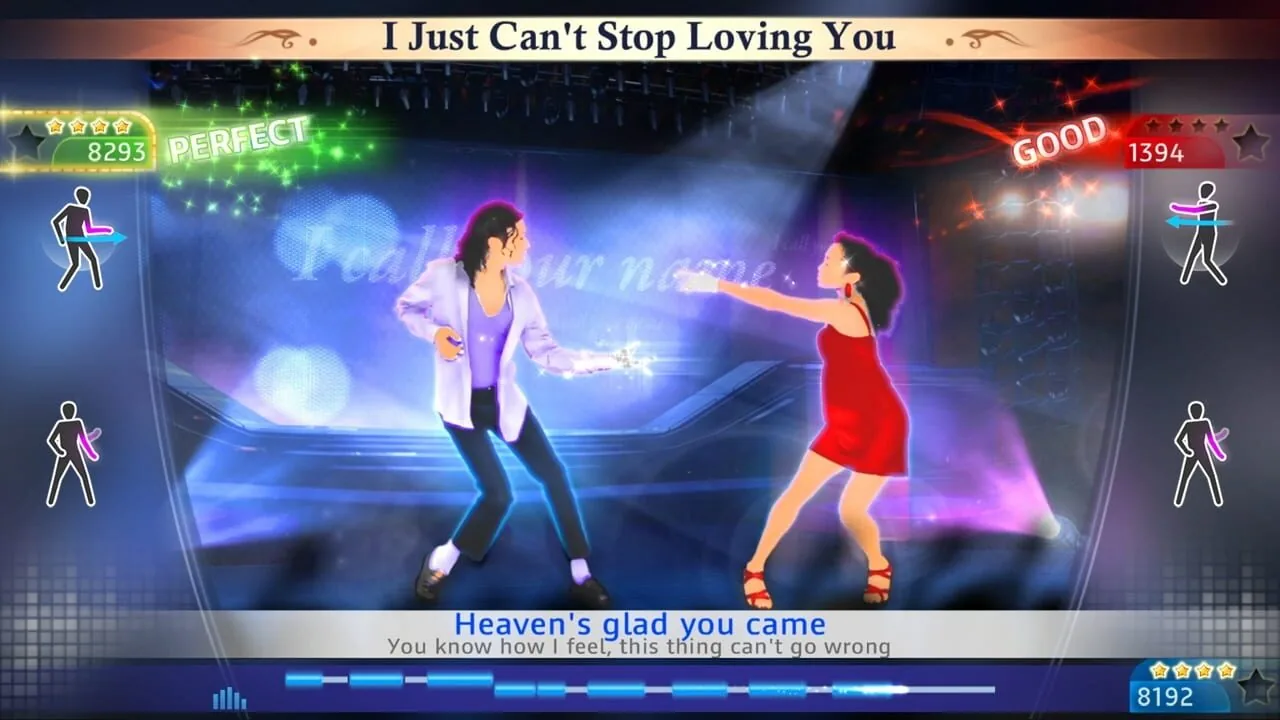
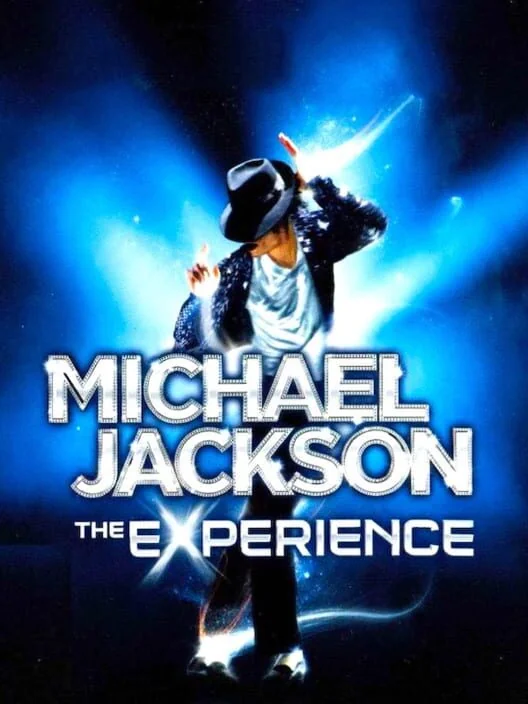
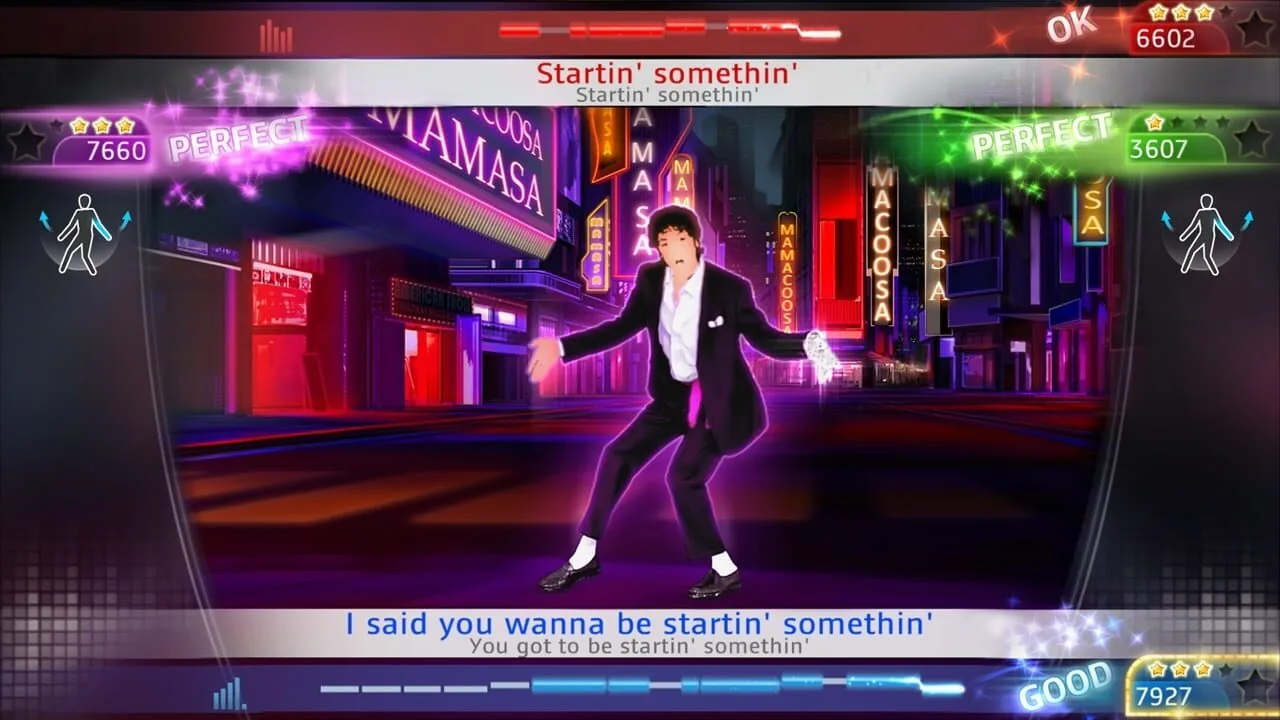
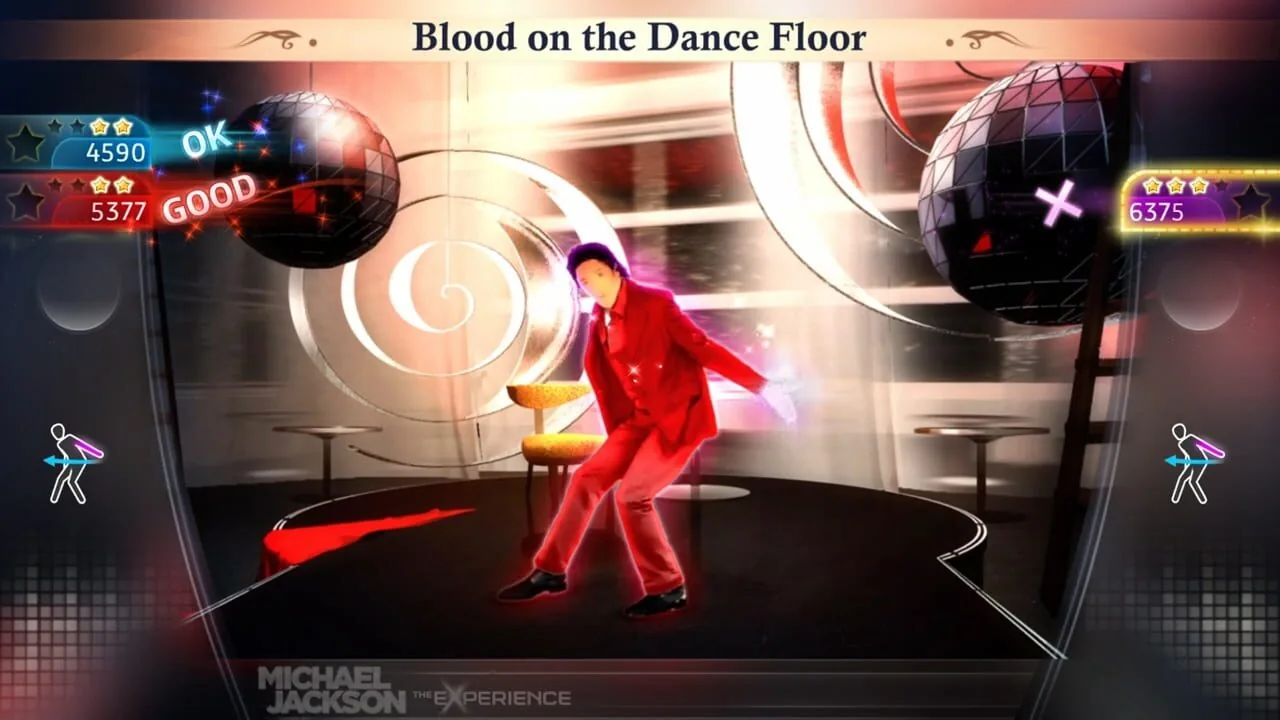
Michael Jackson: The Experience was announced roughly two weeks after Jackson's death in 2009, when MJ Productions said it had already been in development for several months. On the PSP there is no dancing in front of a camera. You follow Jackson by pressing the action buttons when each one hits the circle. The songs and style match the DS version, but the PSP gets more songs, such as "Will You Be There" and "Rock with You". Some tracks have no moves at all and turn into "Singing Only" songs.
The reviews were mixed, and IGN gave the PSP version 5.5 out of 10, a little lower than the DS one. Still, it made the list with no hype behind it, because the players who found it keep recommending it. If you grew up with Thriller on the radio, it is a fun way to spend an afternoon.
8. Hatsune Miku: Project Diva 2nd (2010)
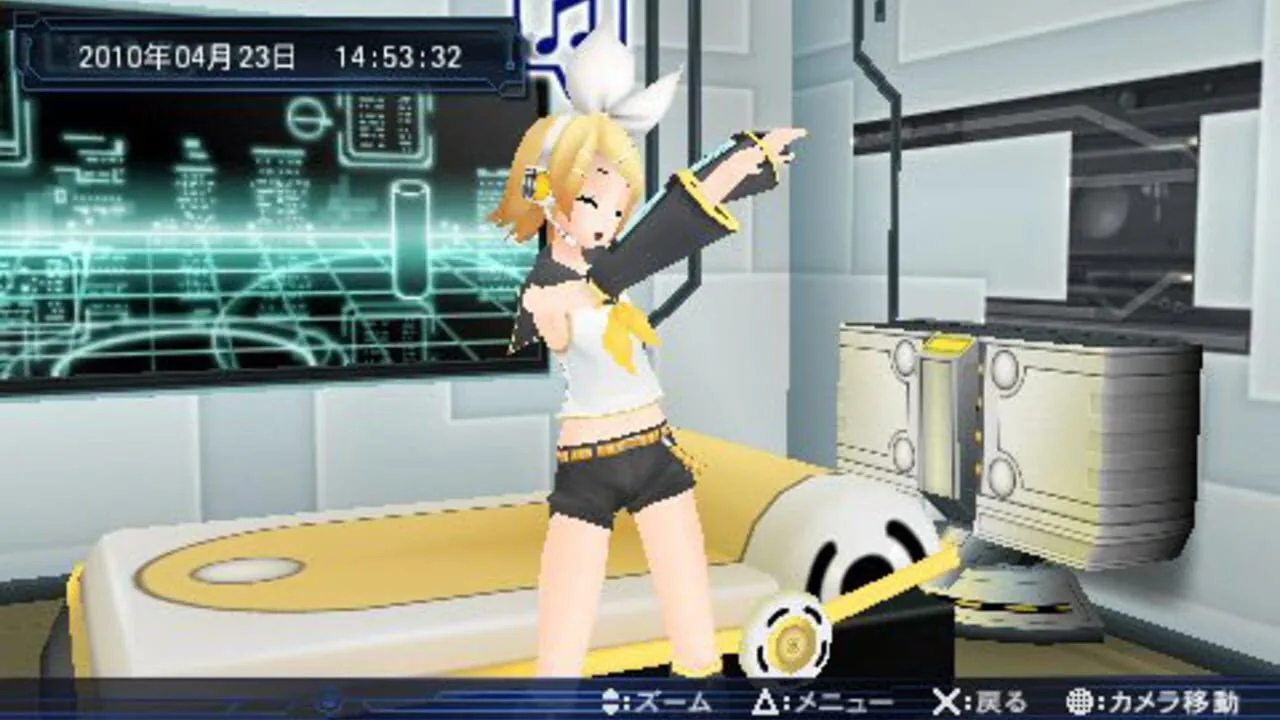
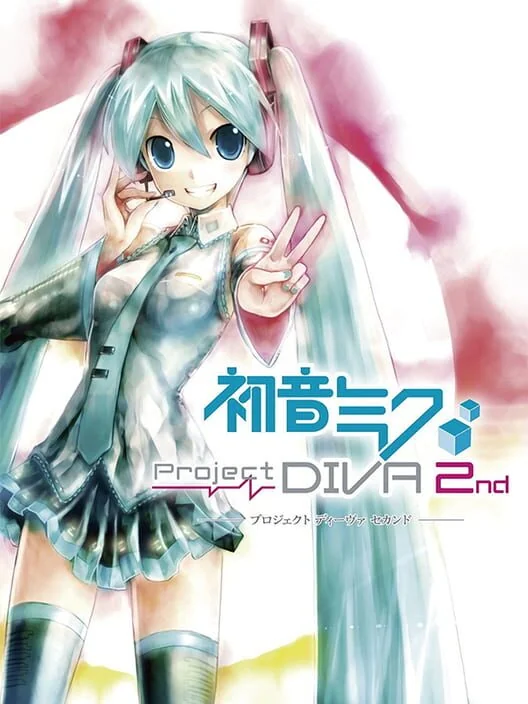
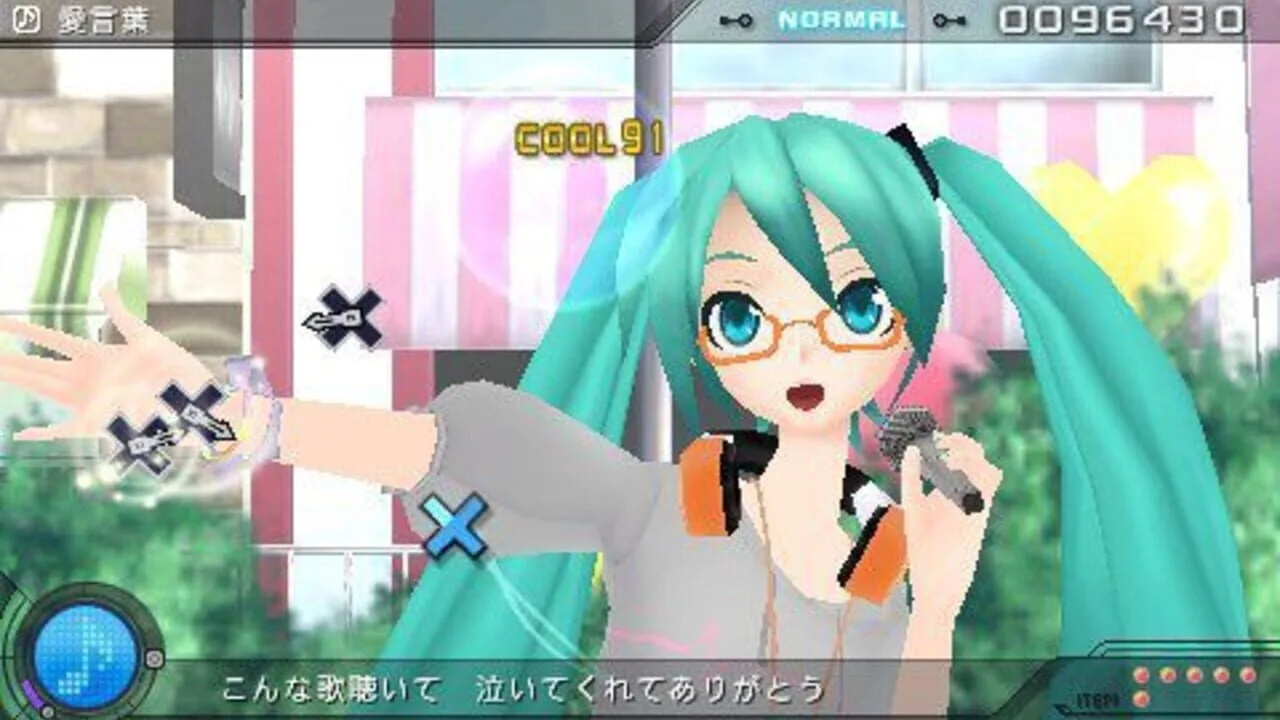
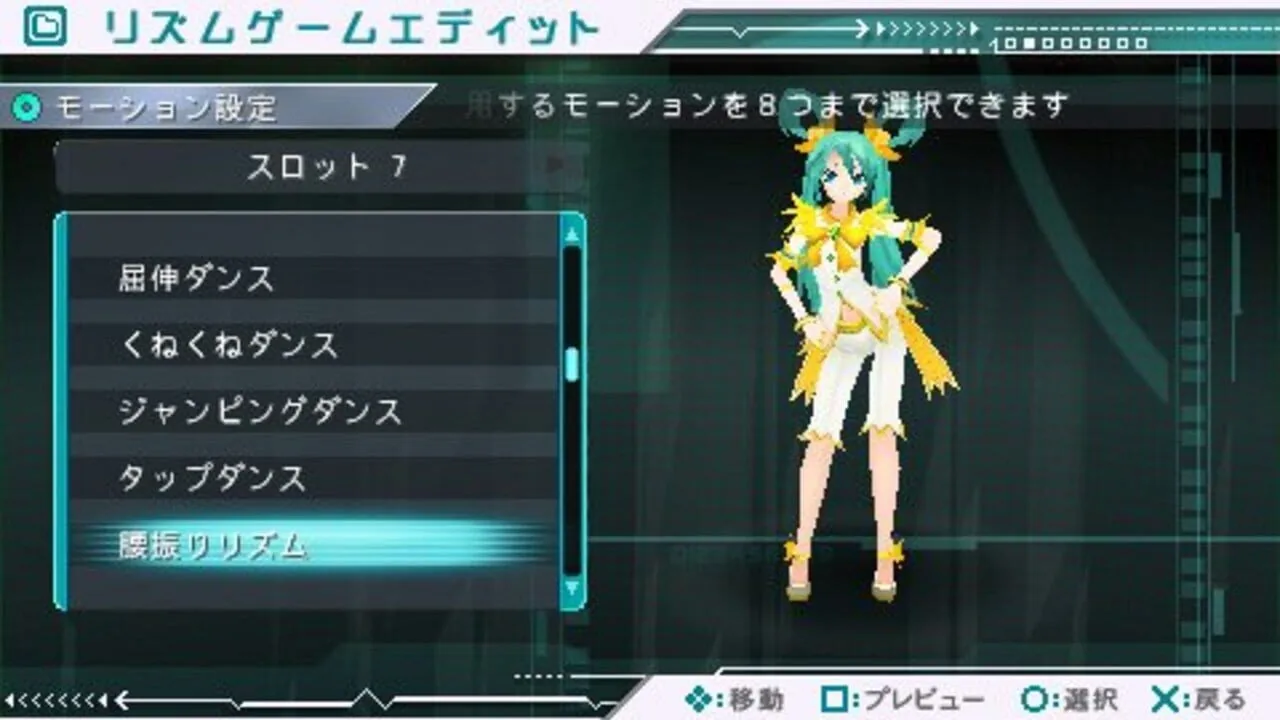
Project Diva 2nd came out in Japan on July 29, 2010, a year after the first game, and like it, it never got an international release. It is a big step up. Notes now use the D-pad as well as the face buttons, so a blue arrow pointing down means pressing down and Cross at the same time, and some notes have to be held and released. A fourth difficulty, Extreme, sits above Hard, and duets let two singers share a song.
There are 72 songs in all, and 52 of them unlock just by playing, 30 of those new. The downloads kept coming through 2010, from "The Disappearance of Hatsune Miku" in September to a crossover pack with The Idolmaster SP. If the first game clicks with you, this is the next import to buy. It is harder, and it is harder in all the right ways.
7. DJMax Portable 2 (2007)
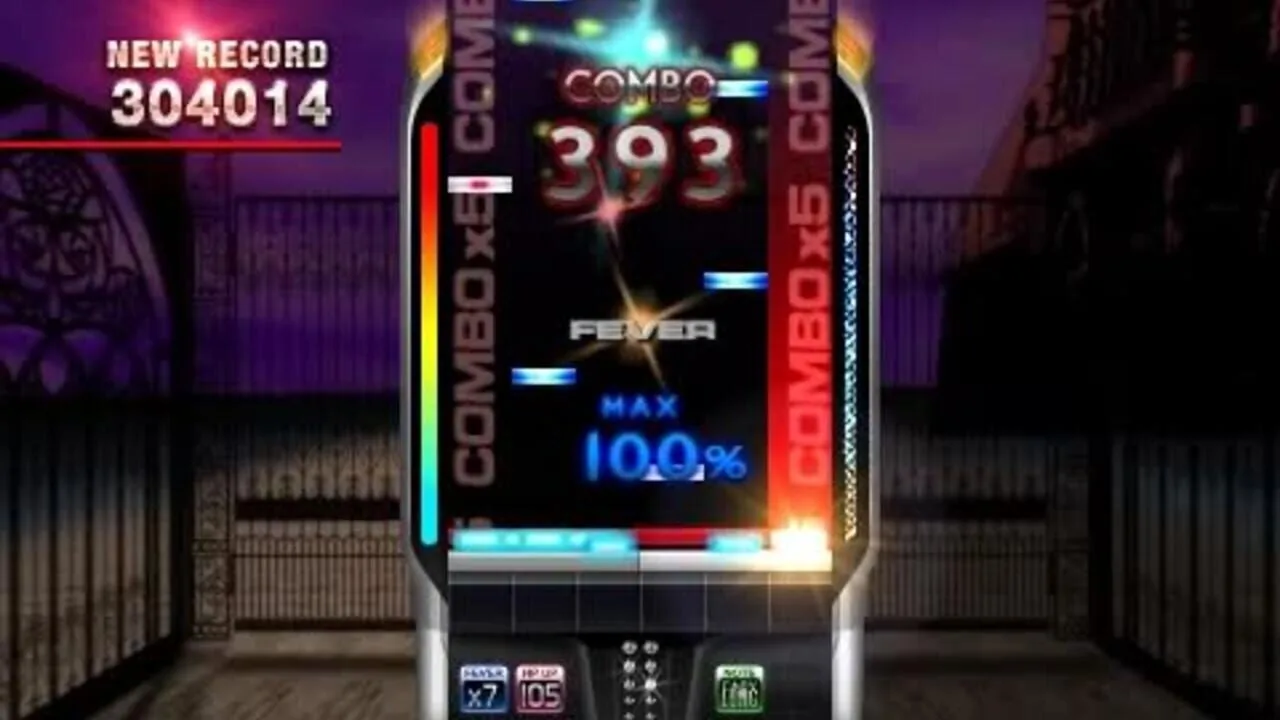
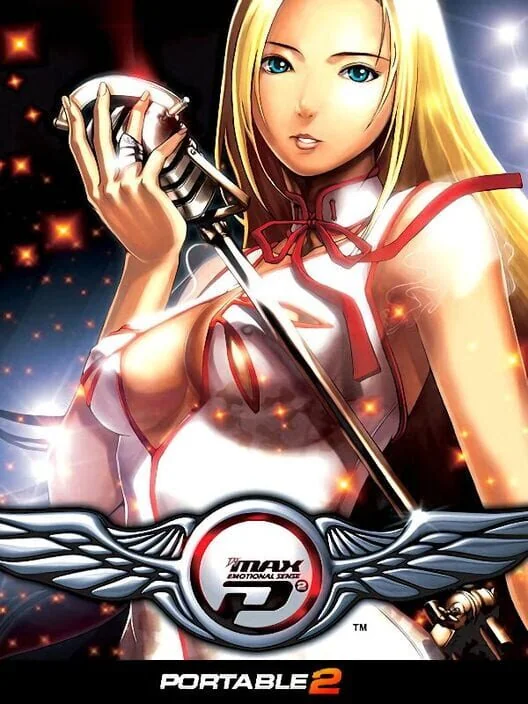
DJMax Portable 2 is the second game in the DJMax Portable series. The first one never left South Korea for years, but this one was released in Japan with English packaging and manuals, which made it an easy import for the rest of us. It has 61 playable songs, 45 of them open from the start. The last one, Your Own Miracle, is the title song, and it is only playable under certain circumstances. You can even pull in songs from the first game through a mode called Link Disk.
This is the one for players who want a rhythm game that fights back. The notes come thick and fast, and you can change what every button does until the layout suits your hands. There is also a soundtrack mode, which you can run from the remote on the official PSP headphones. It turns your PSP into a very loud Korean music player.
6. Hatsune Miku: Project Diva (2009)
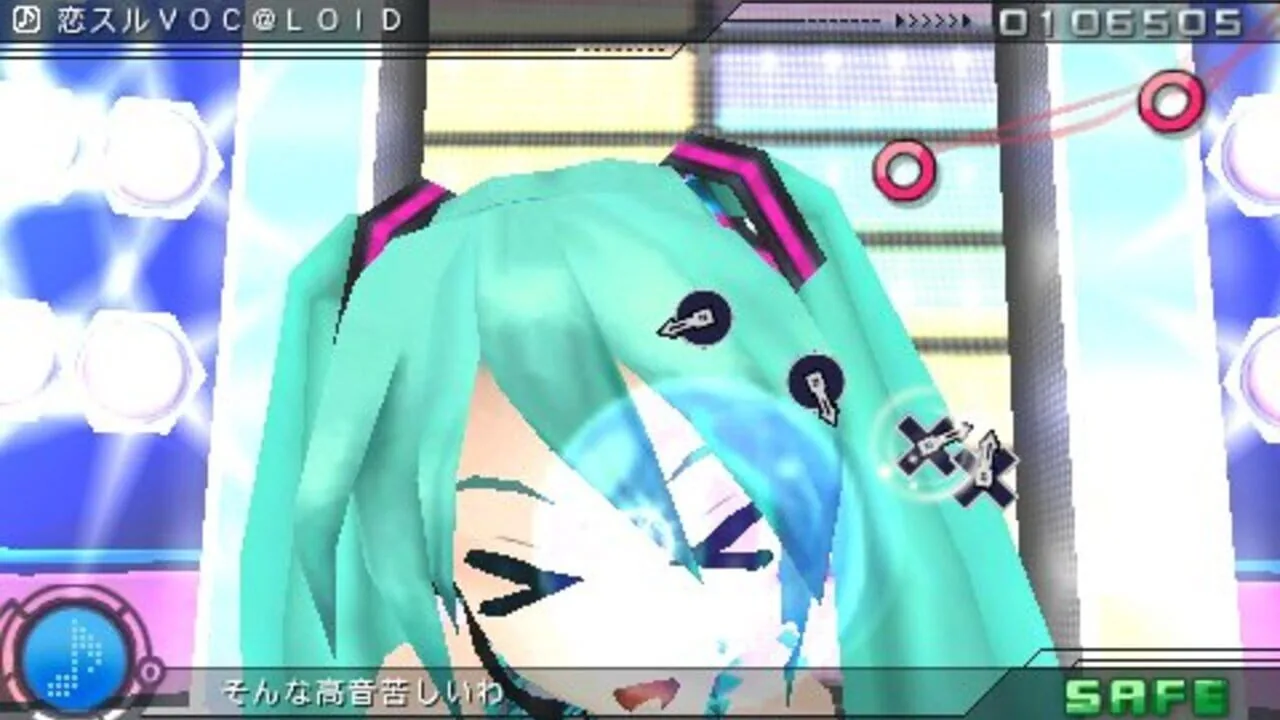
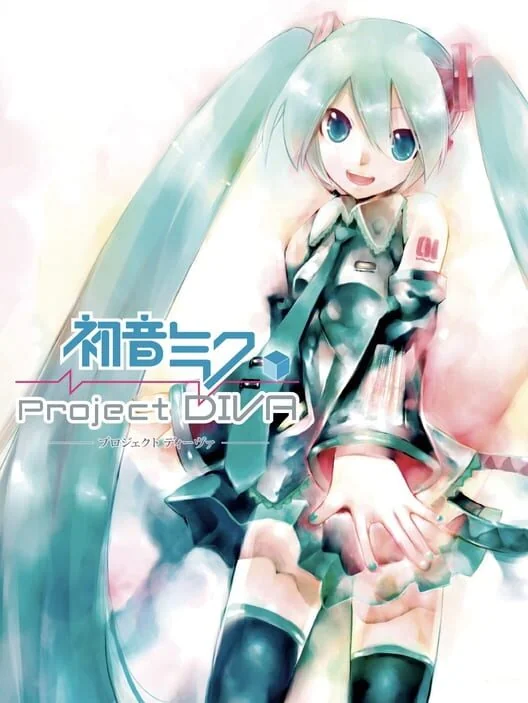
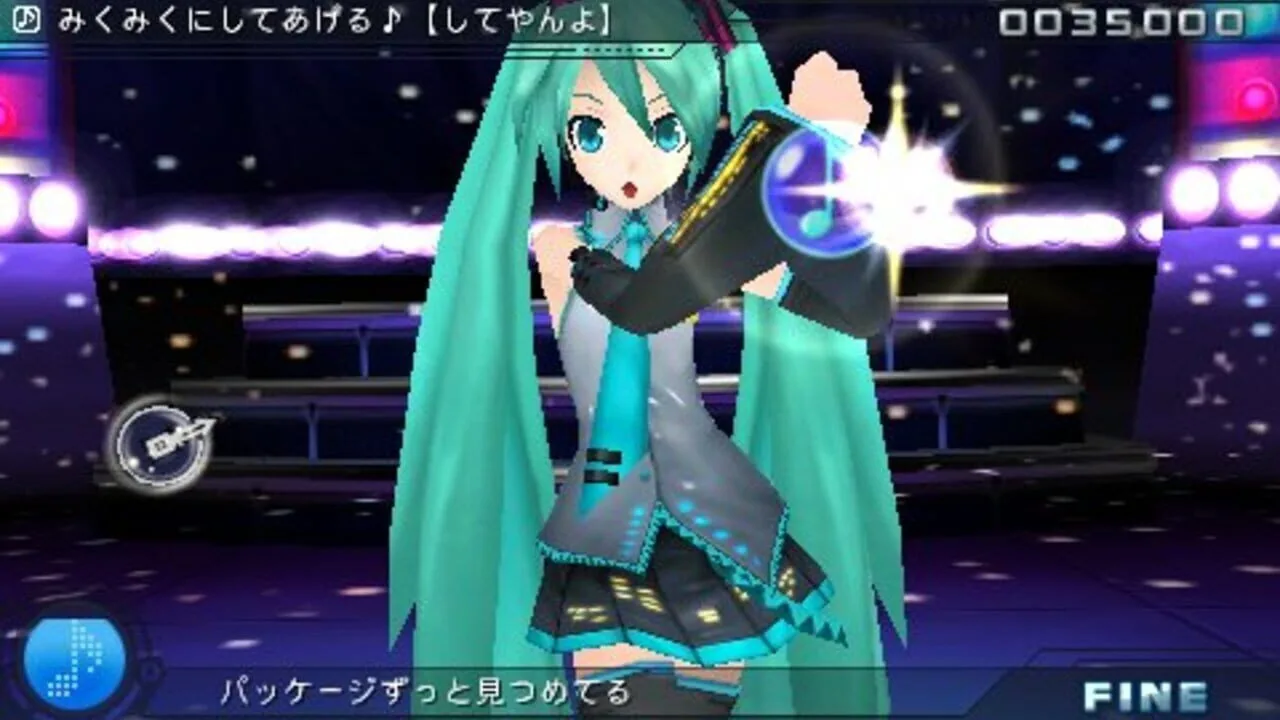
Hatsune Miku: Project Diva was released in Japan on July 2, 2009, with no international release. It was the first video game to use the Vocaloid software developed by Yamaha, a singing synthesizer, and Miku is the voice it made famous. You press buttons in time with Vocaloid songs, and there is no Extreme mode yet, so it tops out at Hard. It has 77 songs in total, 27 of them sold as downloads from the PlayStation Network.
Sega also put out Dreamy Theater on the PS3, a download that runs the same game with much better graphics, as long as it is installed on both the PS3 and the PSP. The menus are in Japanese, but you hardly need to read anything to hit notes on time. This is the game that started a whole series, and the reason number eight exists.
5. Gitaroo Man Lives! (2006)
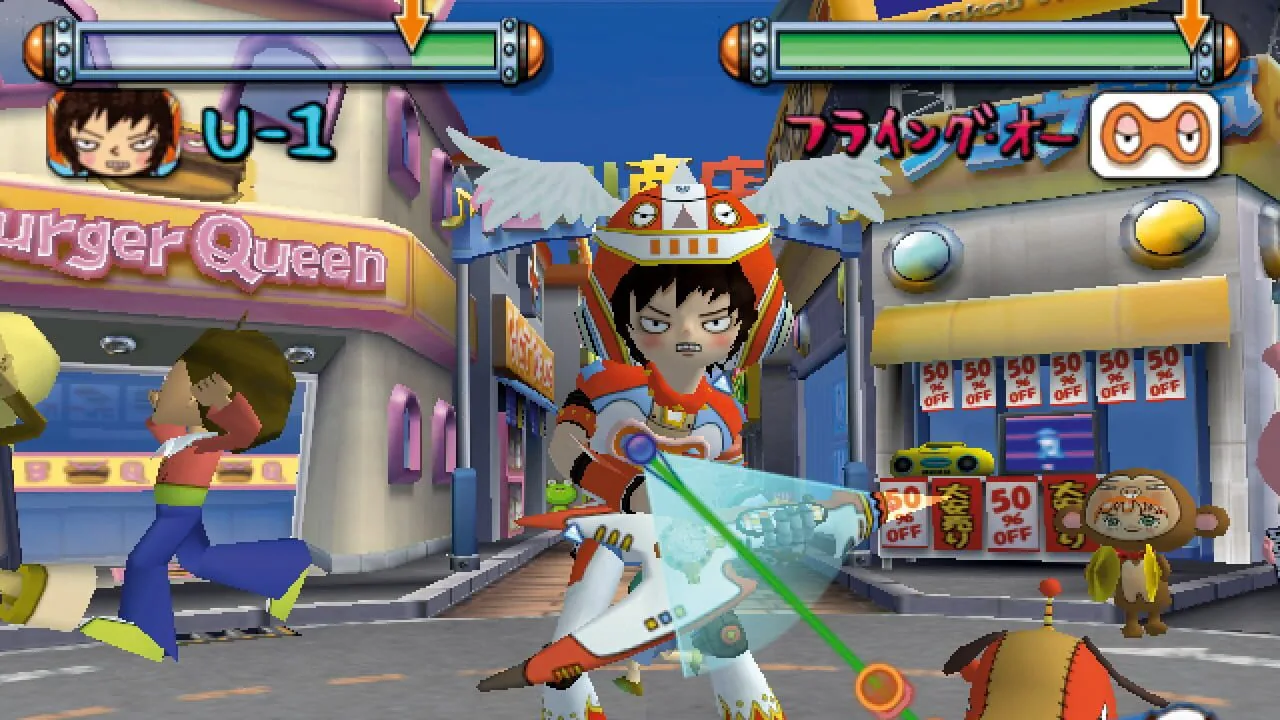
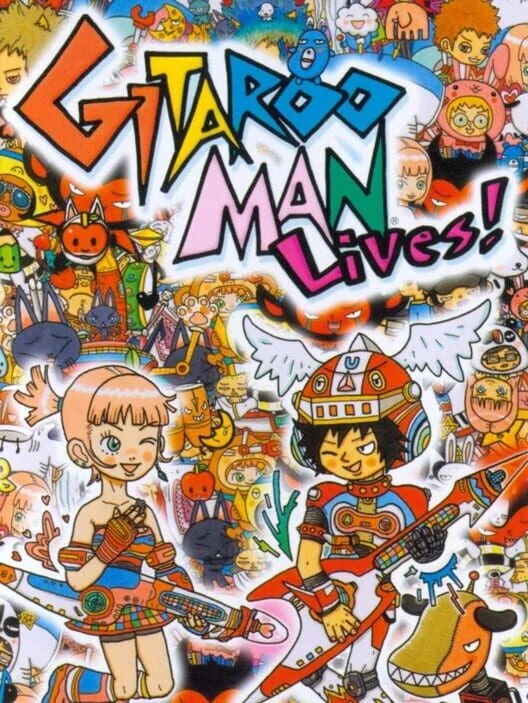
Gitaroo Man first came out in 2001, with visuals by Mitsuru Nakamura and an original soundtrack by the Japanese band COIL. The PSP port, Gitaroo Man Lives!, reached North America on November 14, 2006. You play U-1, who faces opponents in musical battles. You play the music by pressing and holding the button at the start of a phase and letting go at the end. Along the way U-1 befriends Kirah, finds out she fights for the villain Zowie, and uses the power of music to turn her against him.
The PSP version adds Duet Mode, where two players control Gitaroo Man and Kirah in two new stages, "Metal Header" and "Toda Pasión". IGN gave it its award for Best PSP Music Game of 2006. One player summed it up as "a fantastic wacky rhythm game with fantastic music", and that is exactly right. Its songs will stay in your head for years.
4. Rock Band Unplugged (2009)
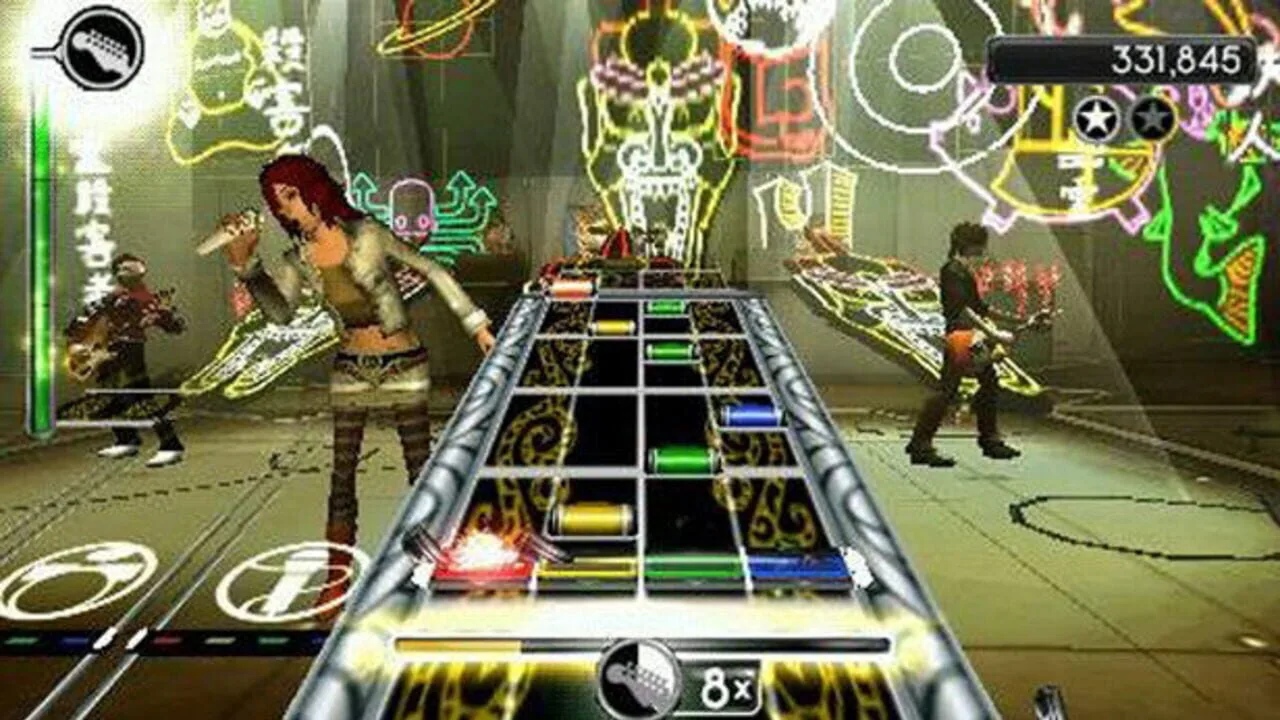
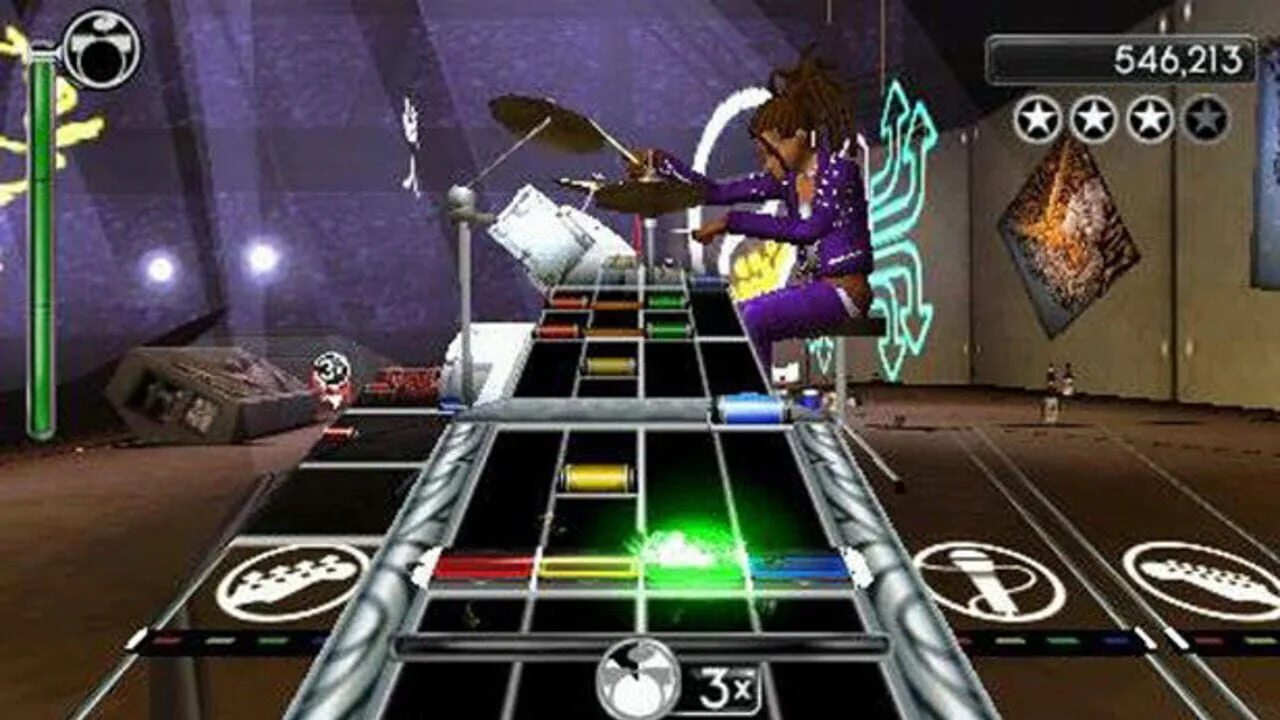
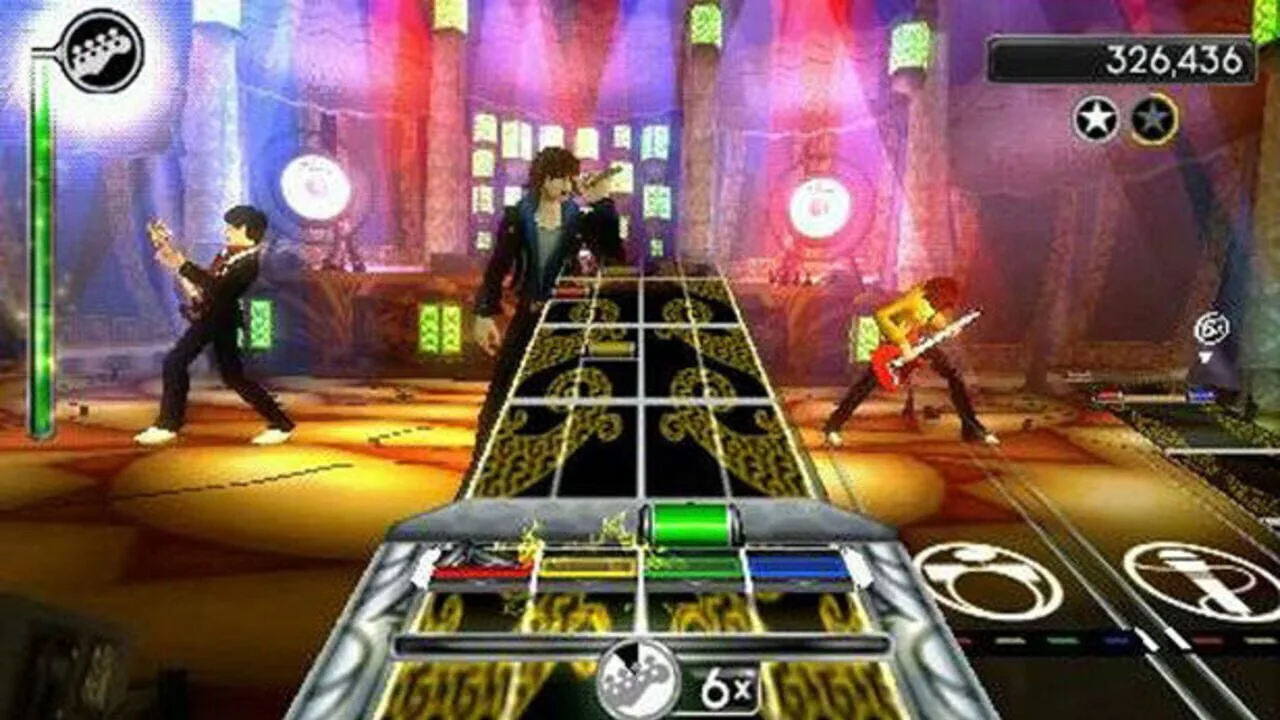
Rock Band Unplugged is the third game in the Rock Band series and the first made only for a handheld. It came out in North America and Europe in June 2009. With no plastic guitar to hold, it plays like Harmonix's older Frequency and Amplitude. You handle all four instruments, lead and bass guitar plus drums and vocals, and switch between them with the shoulder buttons. Clear a phrase without missing a note and that instrument plays itself for a while, so you jump to the next one.
It has 41 tracks, all of them master recordings, and you could buy more songs through the PlayStation Store. In Tour mode you build a band and play sets at venues around the world, though reviewers noted that without extra songs you end up playing the same song several times over. One review called it an "unexpectedly nostalgic pleasure". On a long train ride with headphones in, it really is.
3. Patapon 3 (2011)
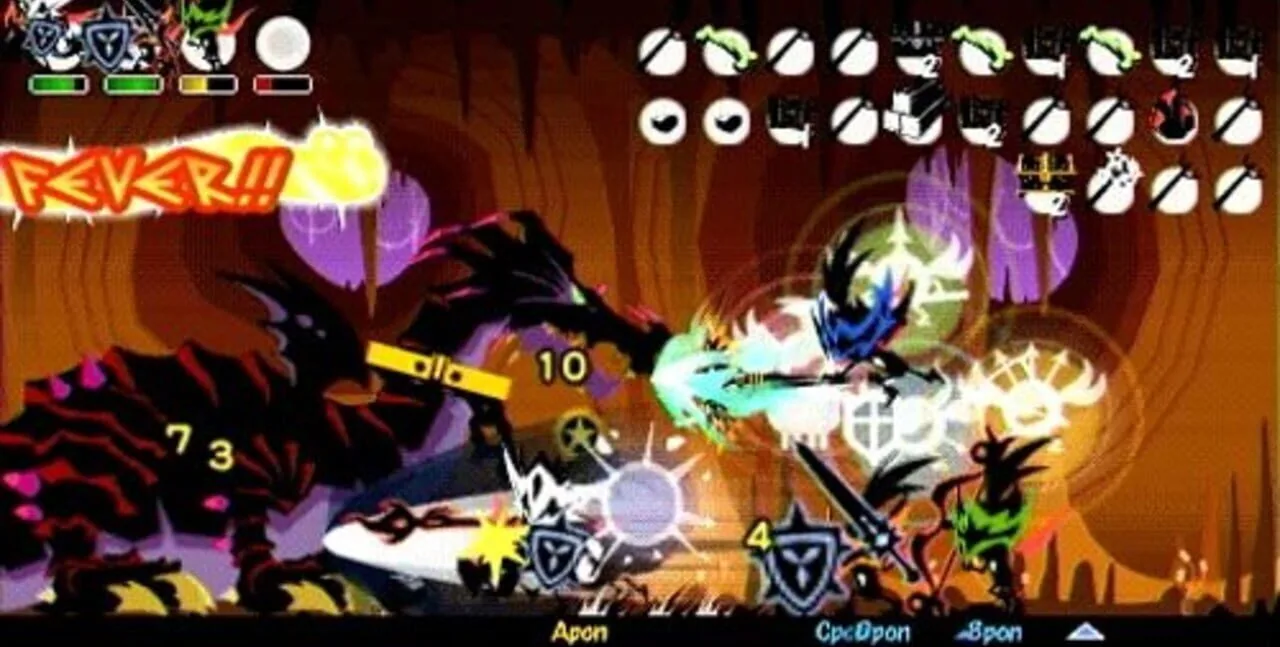
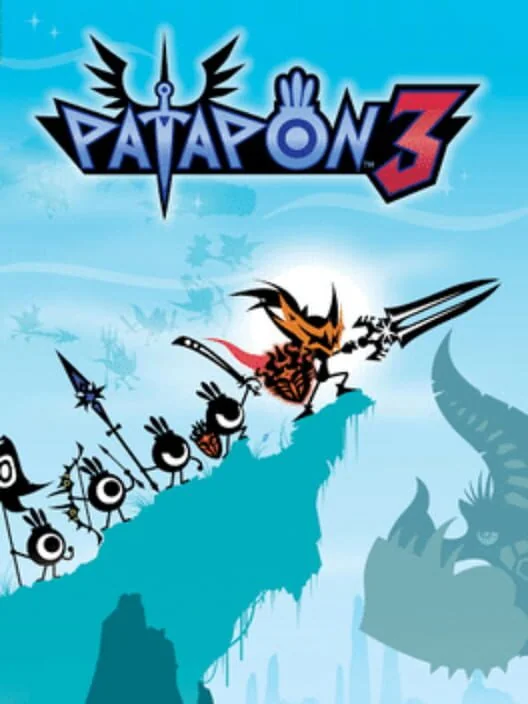
Patapon 3 came out in North America on April 12, 2011, and it is the final game in the series. The big change is the Uberhero, a character who acts as your avatar and beats the drums himself, instead of you playing an unseen god like before. It also puts much more weight on multiplayer. Every level can be played alone or with up to eight players, and there is a competitive mode with four-way battles next to the co-op. Players talk to each other through a chat system called "Pata-Text".
One review headline called it "Pata-Pata-Pata-Punishing", which says plenty about the difficulty. Even so, players rank it right behind the first two games. It is the most social Patapon by a long way, and a fourth one never came, so this is where the march ends.
2. Patapon 2 (2008)
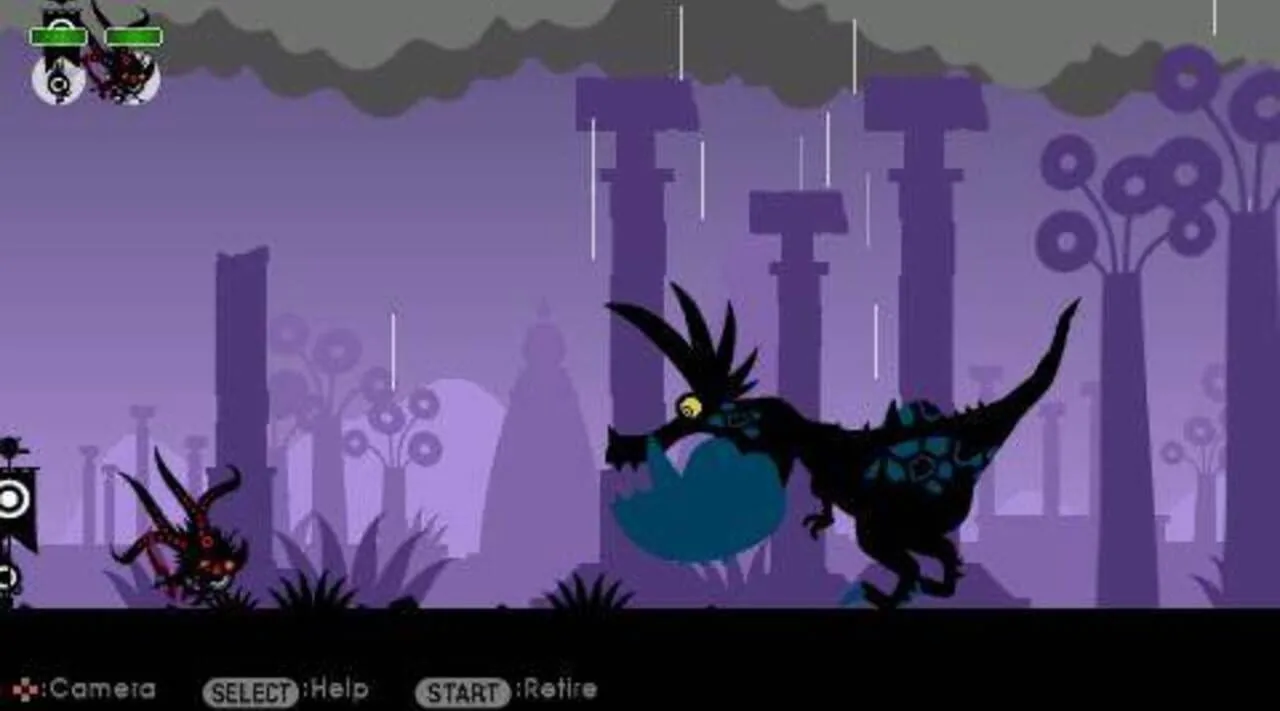
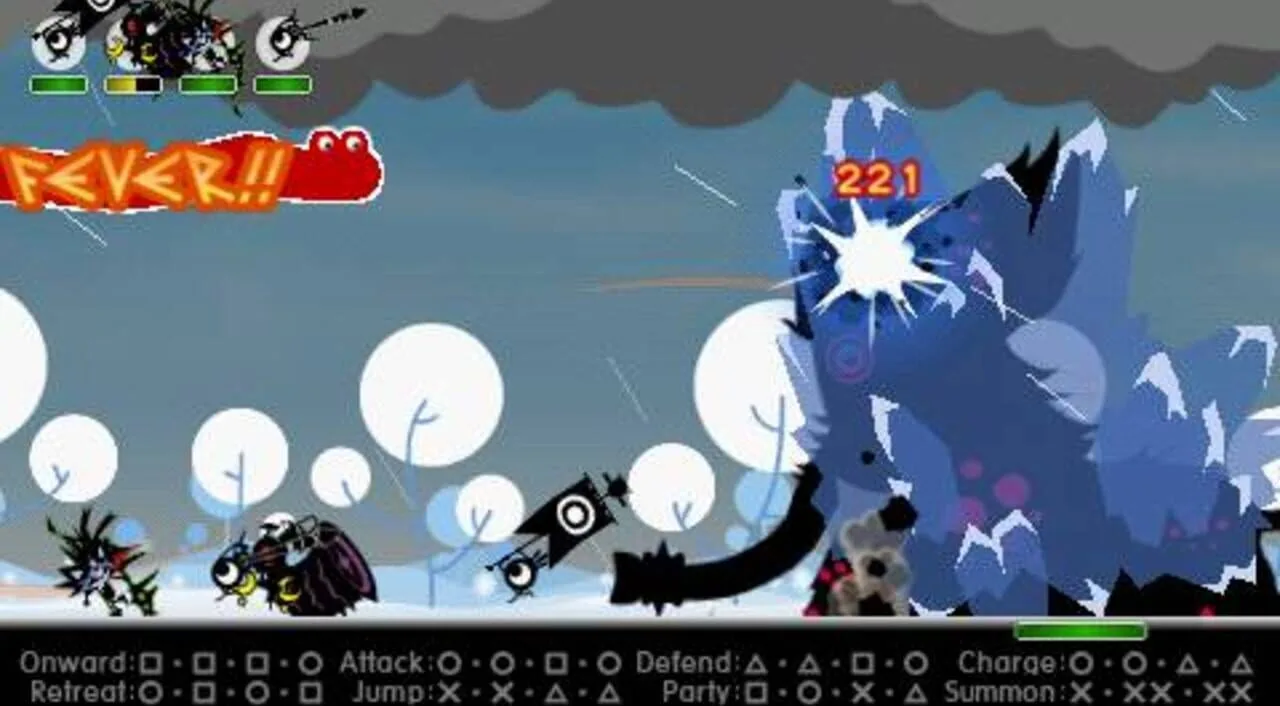
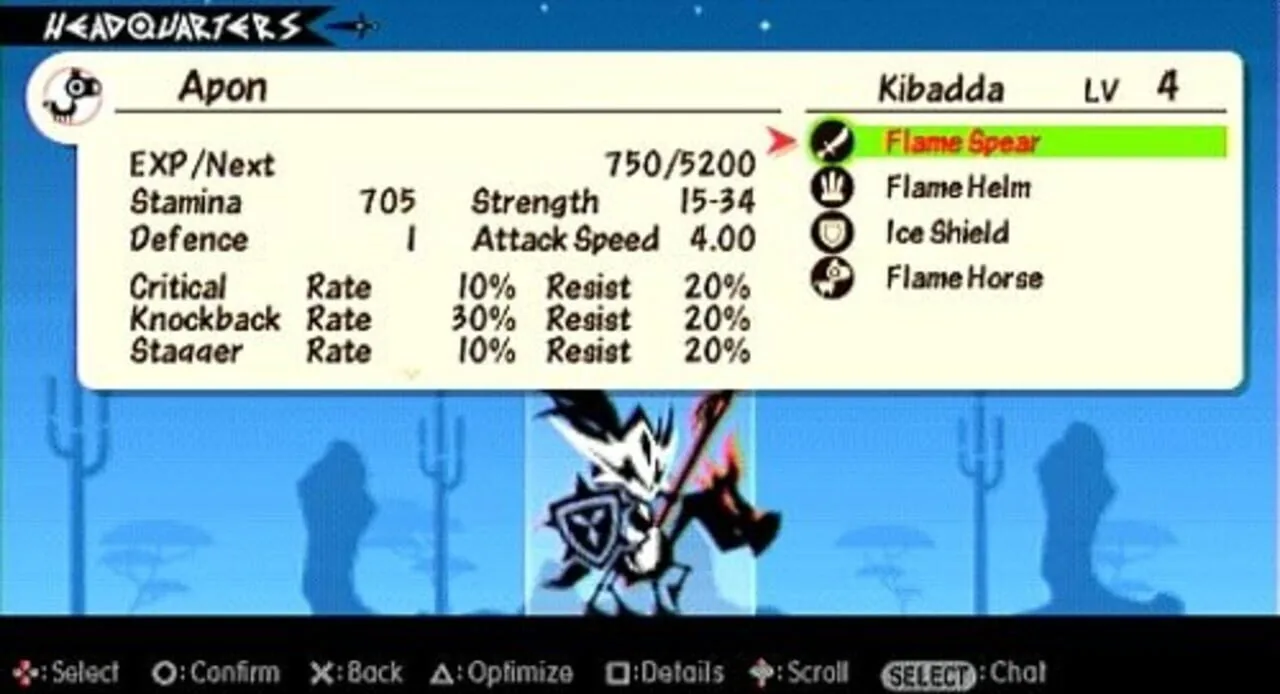
Patapon 2 is a direct sequel, and it keeps the mix of rhythm and strategy that made the first game. It reached Japan in November 2008 and North America in May 2009. You still command a tribe of Patapon warriors by entering sequences on the face buttons, each one a talking drum, in time with a drum rhythm. New is the Hero, whose special move only works in Fever mode with a perfect beat. The story picks up where the first game ended: a Kraken sends the tribe into the ocean, and they wash ashore in a strange land that turns out to be their real home.
PlayStation Official Magazine Australia compared it to downloadable content, since it changes so little of the core game. That is fair, and also beside the point when the core game is this good. Some fans would even put it ahead of the first one. It got a PS4 port in 2020 and a remaster in Patapon 1+2 Replay in 2025.
1. Patapon (2007)
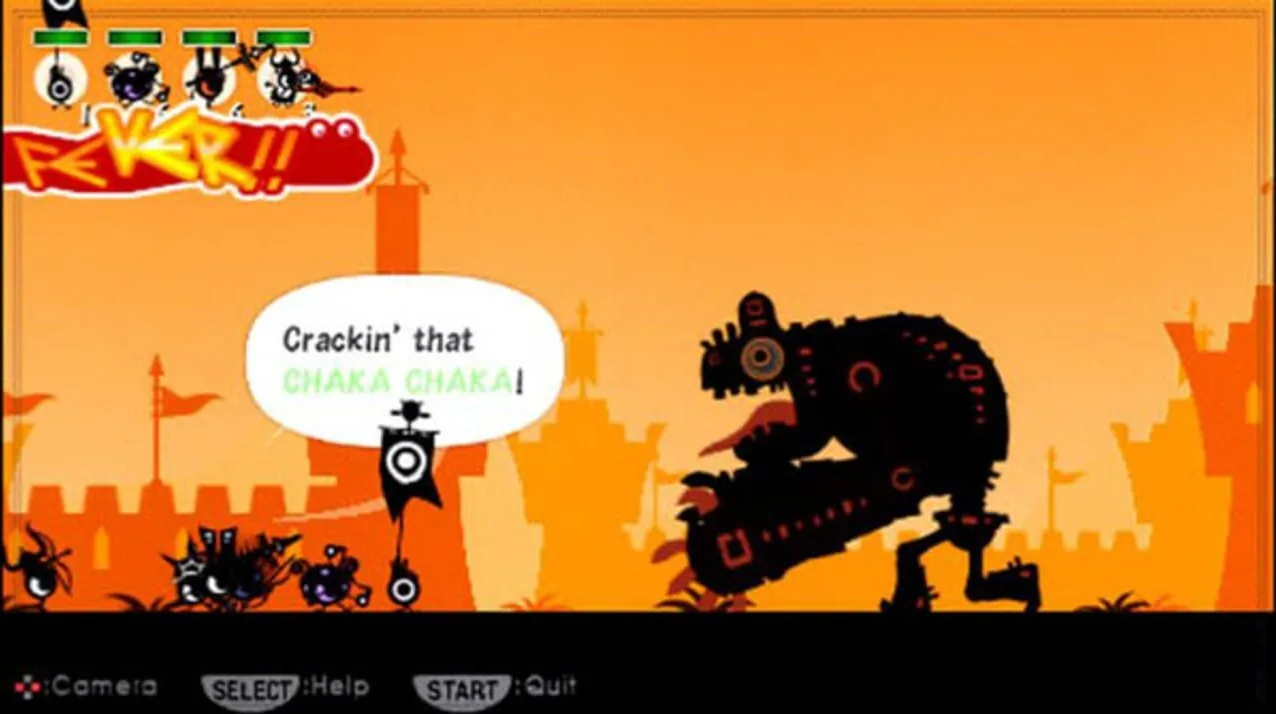
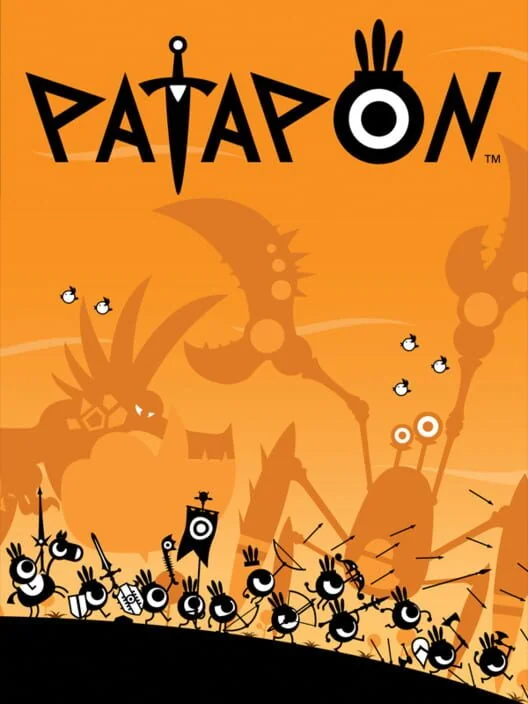
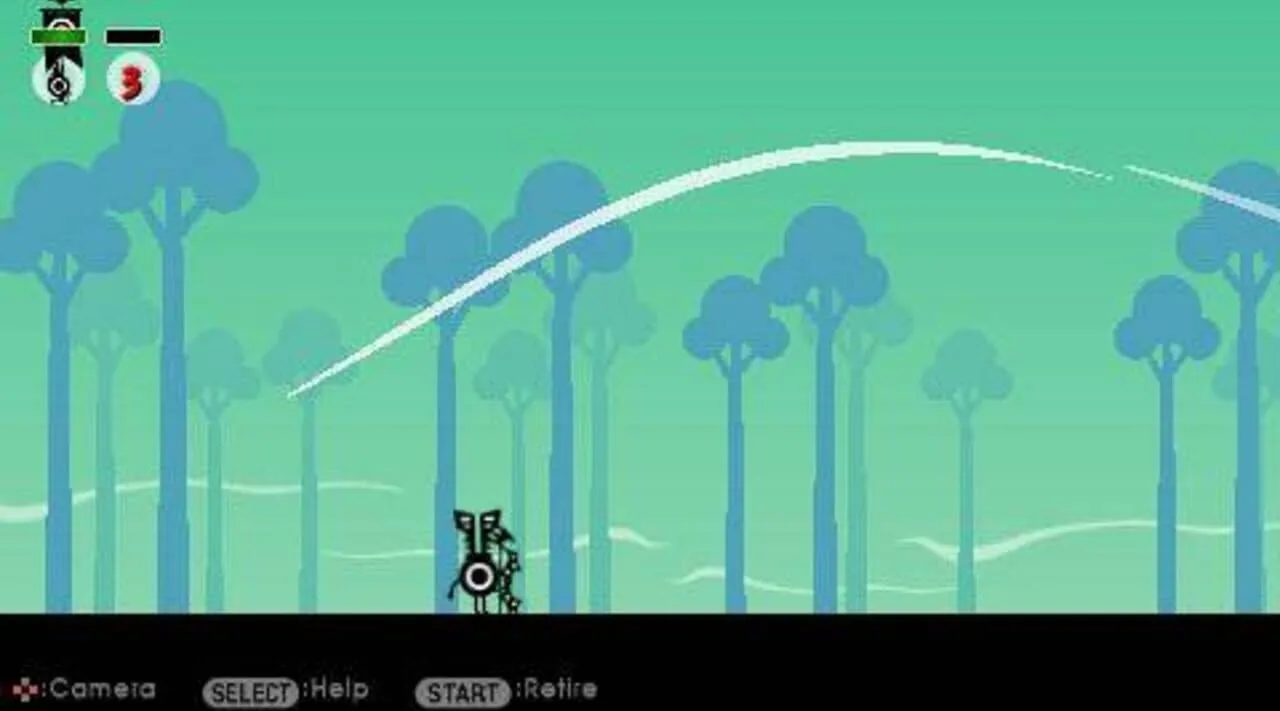
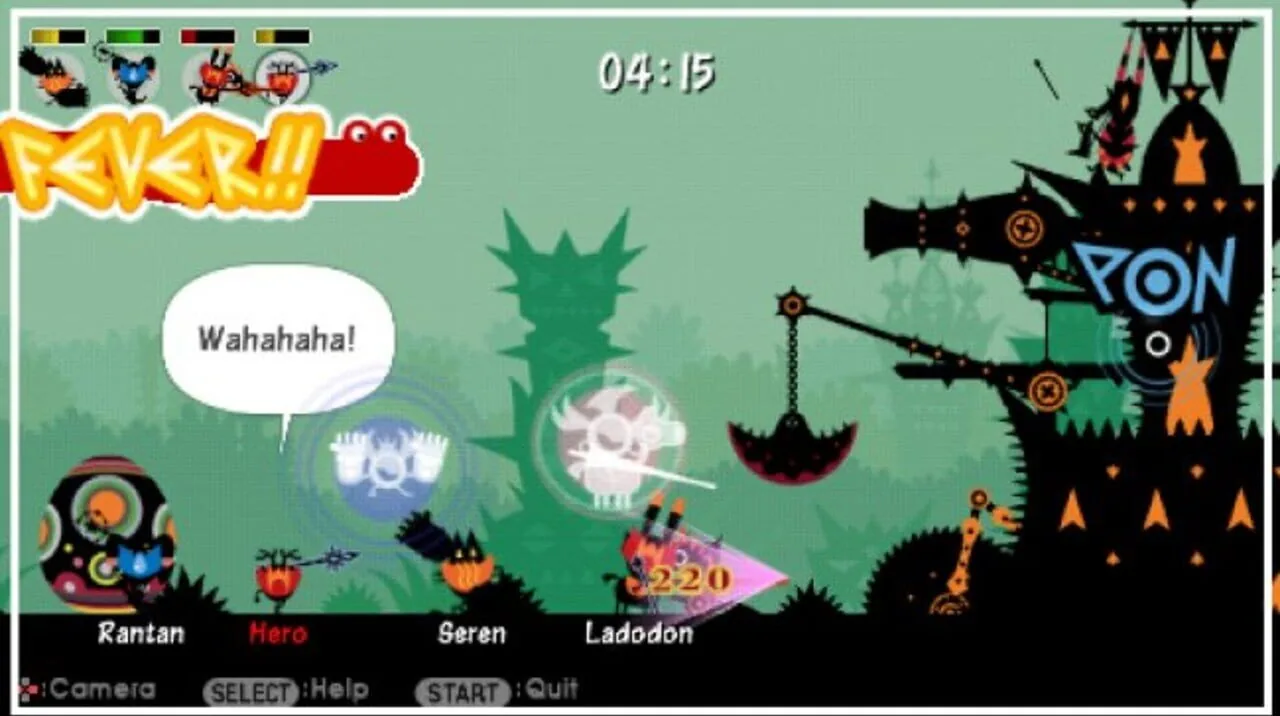
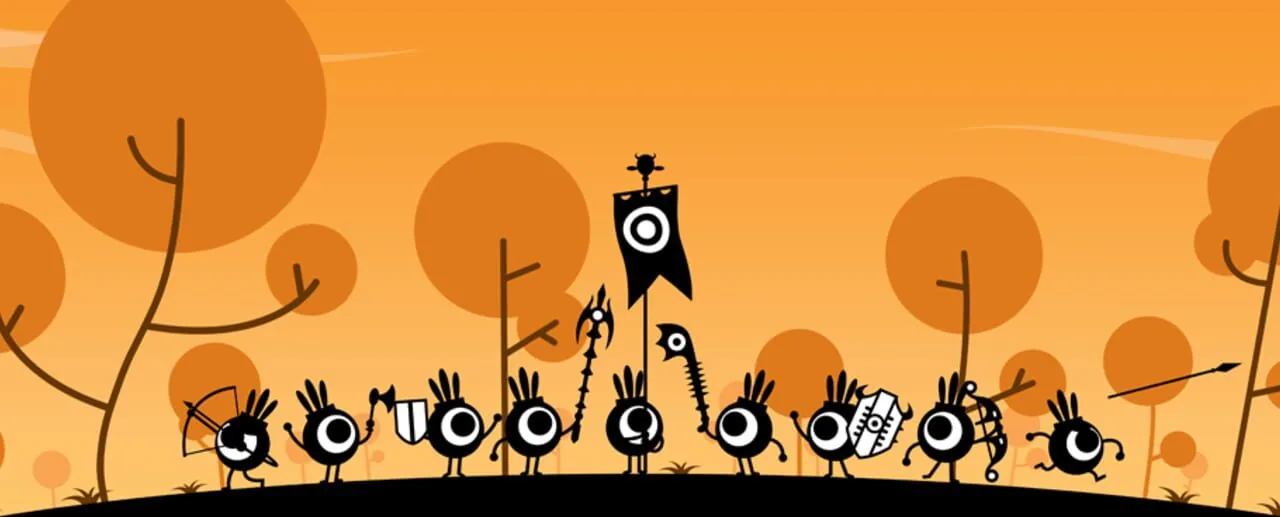
Patapon began when designer Hiroyuki Kotani found French artist Rolito's Patapon designs on his personal website. Rolito came up with the name, inspired by an old French song for children. You are an invisible deity, and your tribe of eyeballs marches, attacks, defends and retreats only when you play the right sequence of drum beats. Keep the rhythm and they go into Fever, which raises their attack and defense. It came out in Japan in December 2007 and in North America in February 2008.
Critics praised the art style and the music, though some knocked the repetition and the missing pause option. It won Best PSP Game of 2008 from IGN and was nominated for a BAFTA. Players recommend it more than its two sequels put together, and across every PSP game only Crisis Core comes up more often. When players name the PSP classics, it sits right next to LocoRoco.
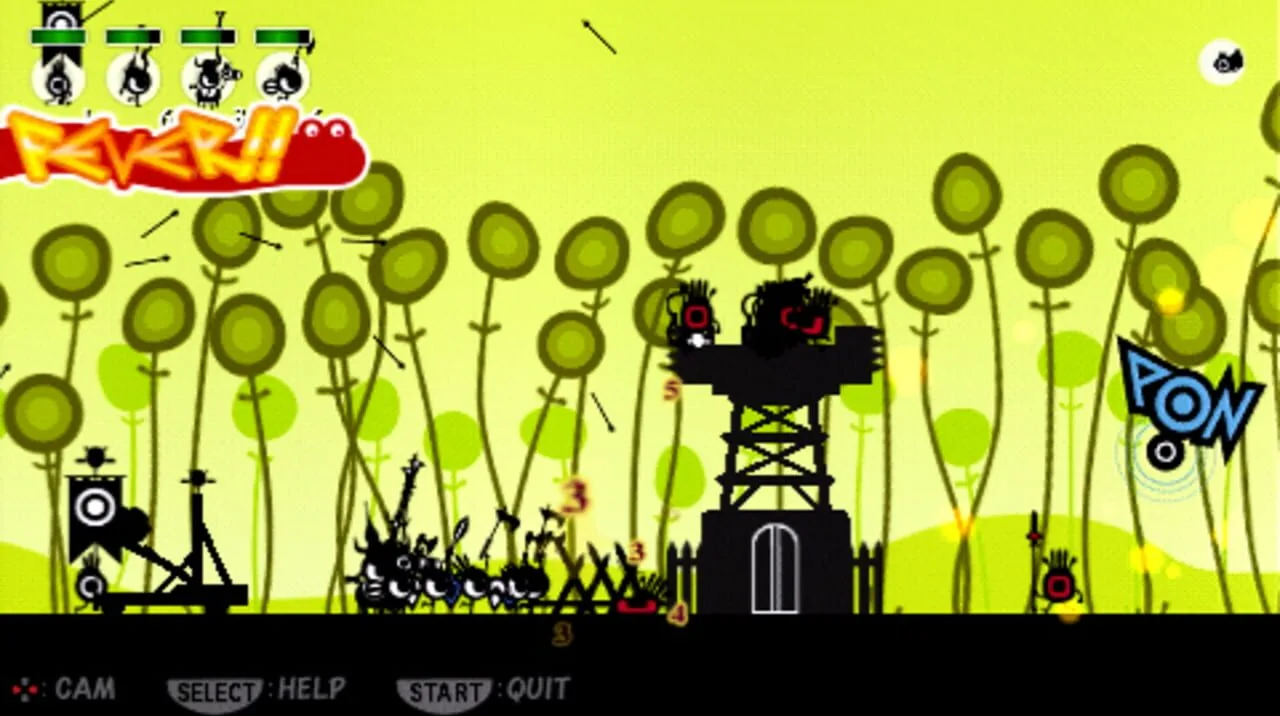
Which one to play
There you have it, the whole list of the best PSP rhythm games. The top five are worth owning a PSP for on their own.
If you are not sure where to start, play Patapon. If you want a traditional rhythm game where you just hit notes on time, Rock Band Unplugged is the one. Fans of the series can go straight on to Patapon 2 and then Patapon 3. If you want something hard, DJMax Portable 2 will keep you busy, and if you do not mind importing, Hatsune Miku: Project Diva is where Miku starts. And for a hidden pick, try Gitaroo Man Lives! with a friend in Duet Mode.