The PSP got called a PS2 you could carry, and plenty of its biggest games were home console series shrunk down to fit. That is why its strange games stood out so much. Sony's own Japan Studio made a puzzle game out of impossible architecture, and one of the launch titles treated its music as part of the puzzle. Final Fantasy heroes ended up in an arena fighter, and Invizimals turned the console into an augmented reality monster hunt.
Some of these came out as cheap downloads, and some came on a UMD with a big name on the box. All of them play like nothing else on the system. Here are the 13 most unique PSP games.
13. Metal Gear Acid 2 (2005)
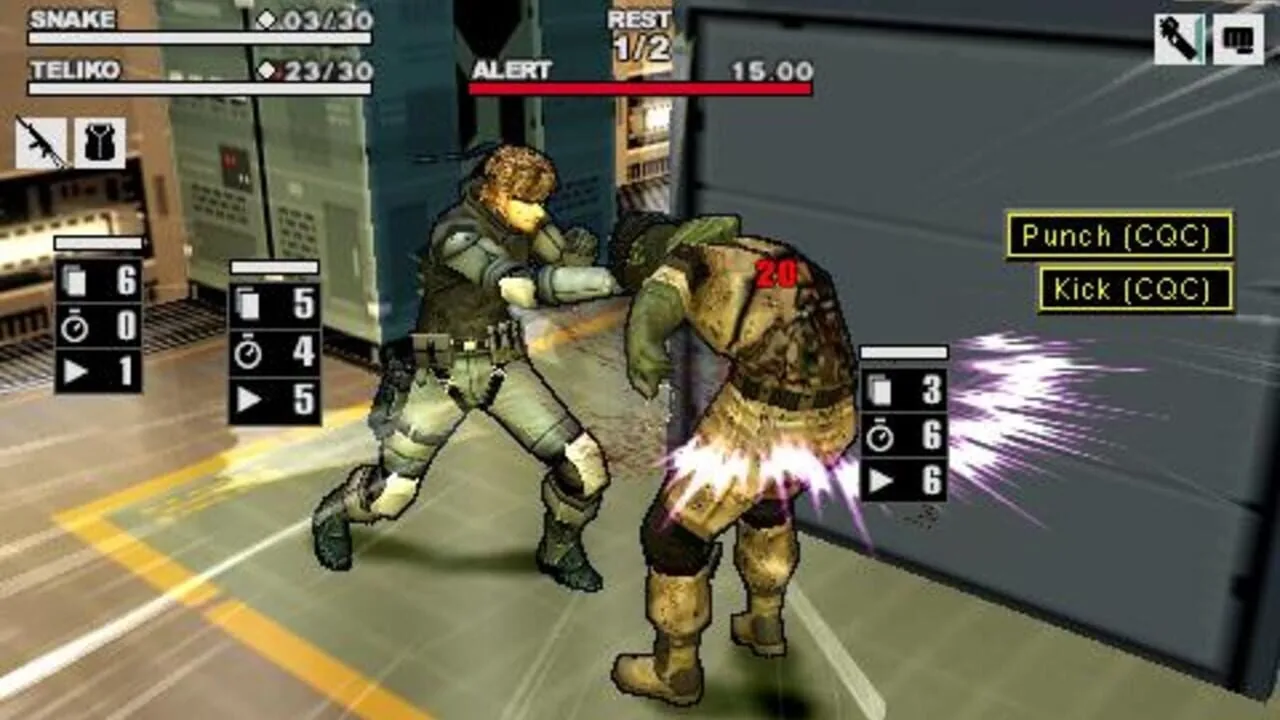
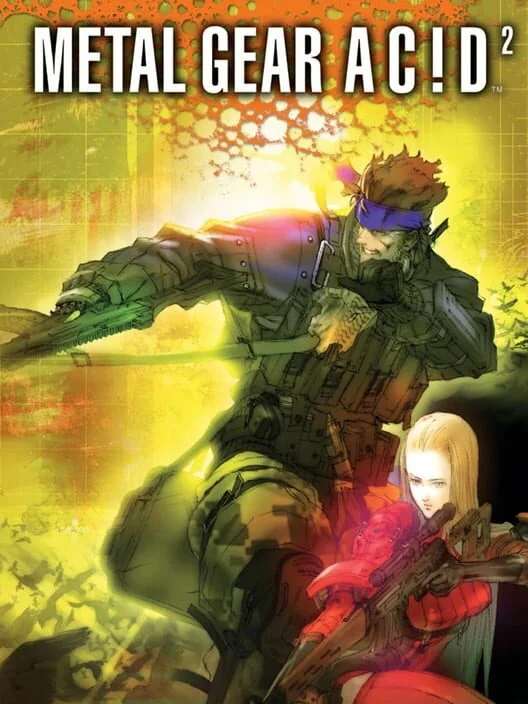
Metal Gear Acid 2 is a Metal Gear game you play with cards. You build a deck of collectible trading cards based on the other Metal Gear games, and most cards can move Snake three blocks. It runs on a completely new cel-shaded engine that replaced the darker graphics of the first Acid. The mission starts with Snake infiltrating a research facility run by SaintLogic, an arms maker, on an isolated North American island.
The box promised "An All New Acid Trip!", and the game delivers with over-the-top visual effects. There is also a Solid Eye Theater mode built around the Solid Eye attachment. Players looking for something unusual on the PSP keep pointing to this one. The bright stages look like nothing else in the series, and the card system makes Snake plan every step.
12. Echochrome (2008)
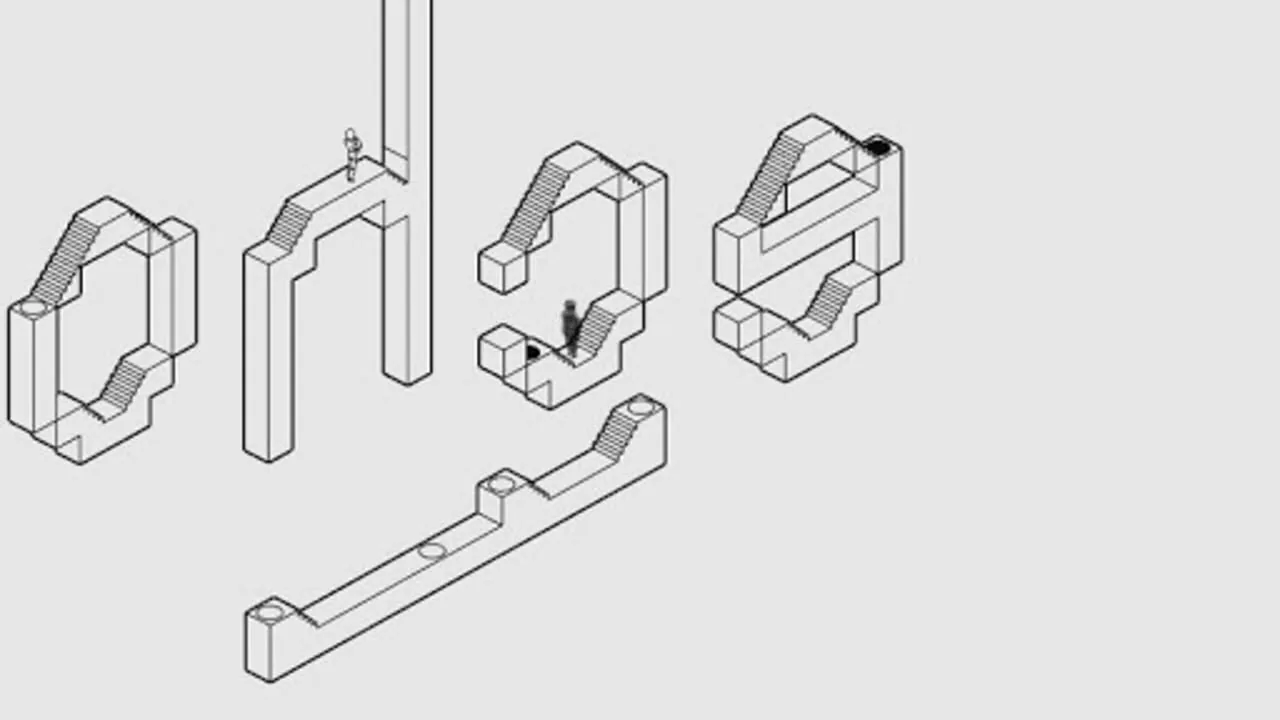
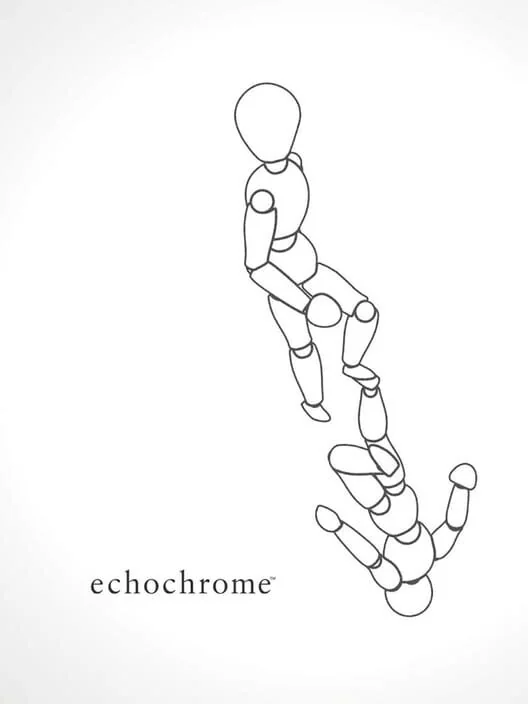
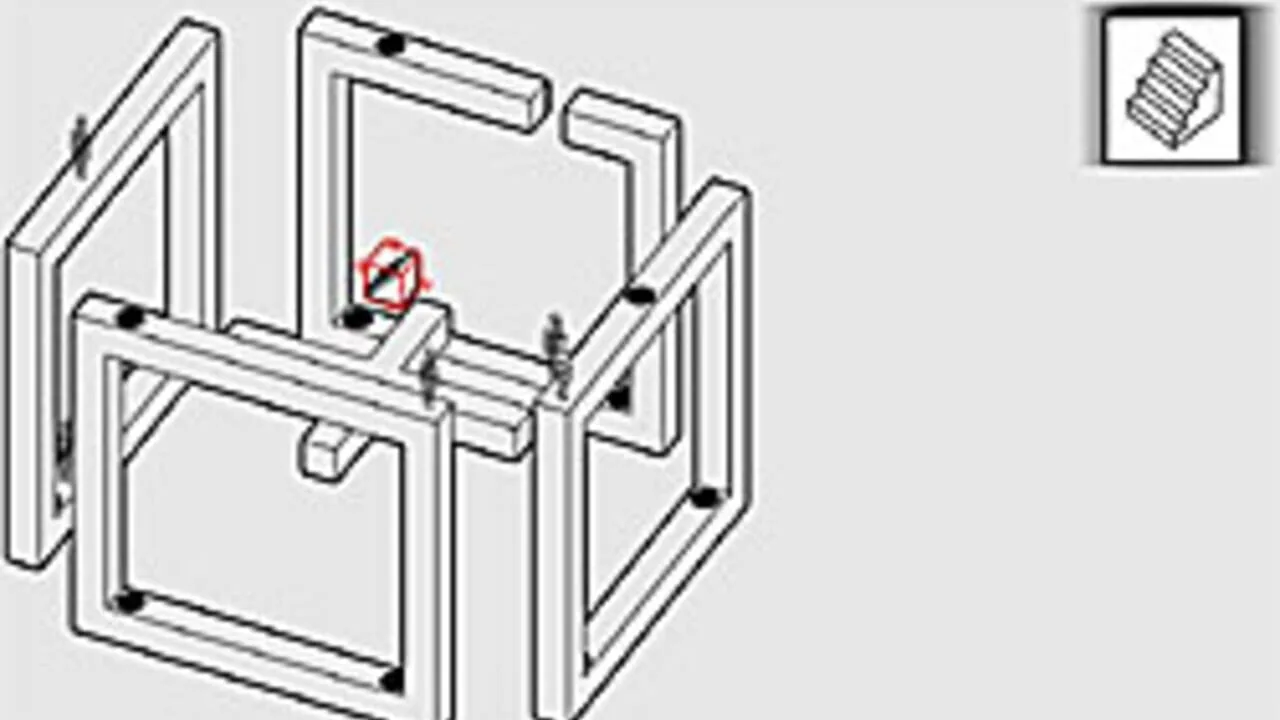
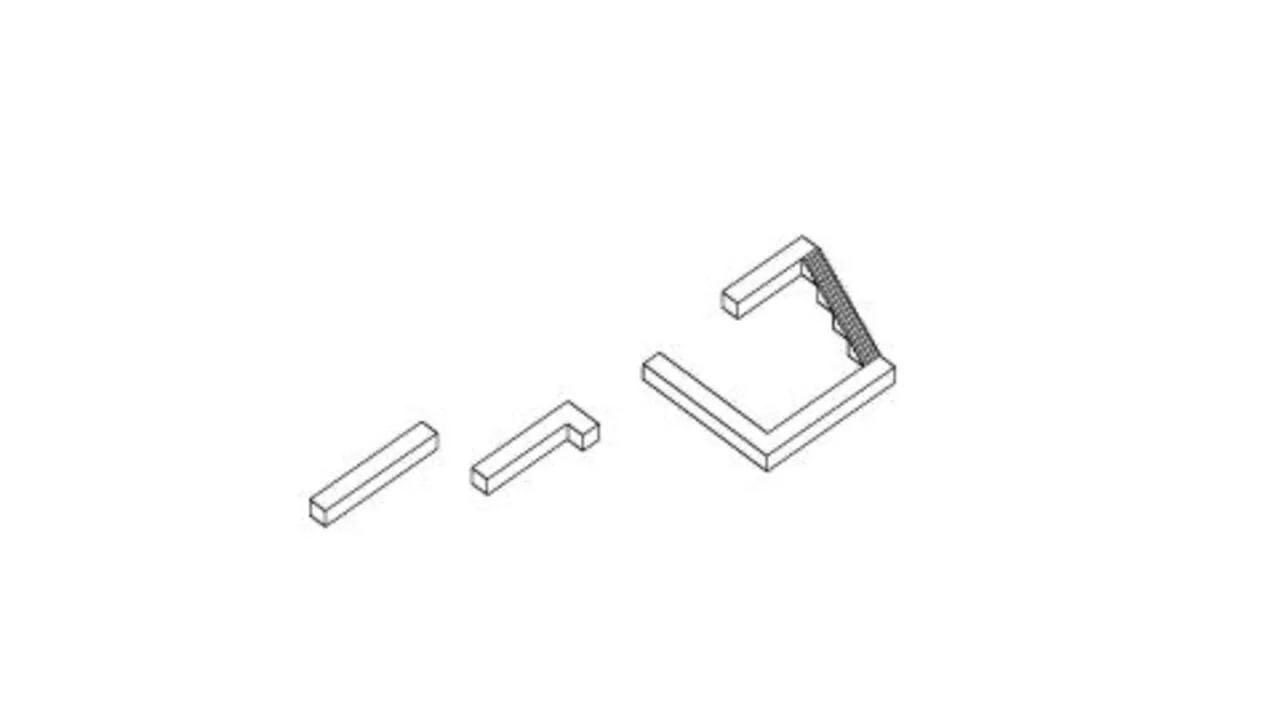
In Echochrome you guide a mannequin figure across a rotatable world where physics and reality depend on perspective. Sony's Japan Studio made it with Game Yarouze, and the world is built from Oscar Reutersvärd's impossible constructions, with the idea taken from M. C. Escher's artwork such as "Relativity". It runs on the Object Locative Environment Coordinate System by Jun Fujiki, an engine that decides what is happening based on the camera's perspective. If two paths look connected from where you stand, they are connected.
In North America it was a download only, and that version has the first 56 levels of Echochrome Micro. Europe got a UMD on July 4, 2008. A PlayStation 3 version was released the same year, with different levels from the PSP one. Players call it unusual and experimental, and it is still the oddest puzzle game on the system.
11. Lumines (2004)
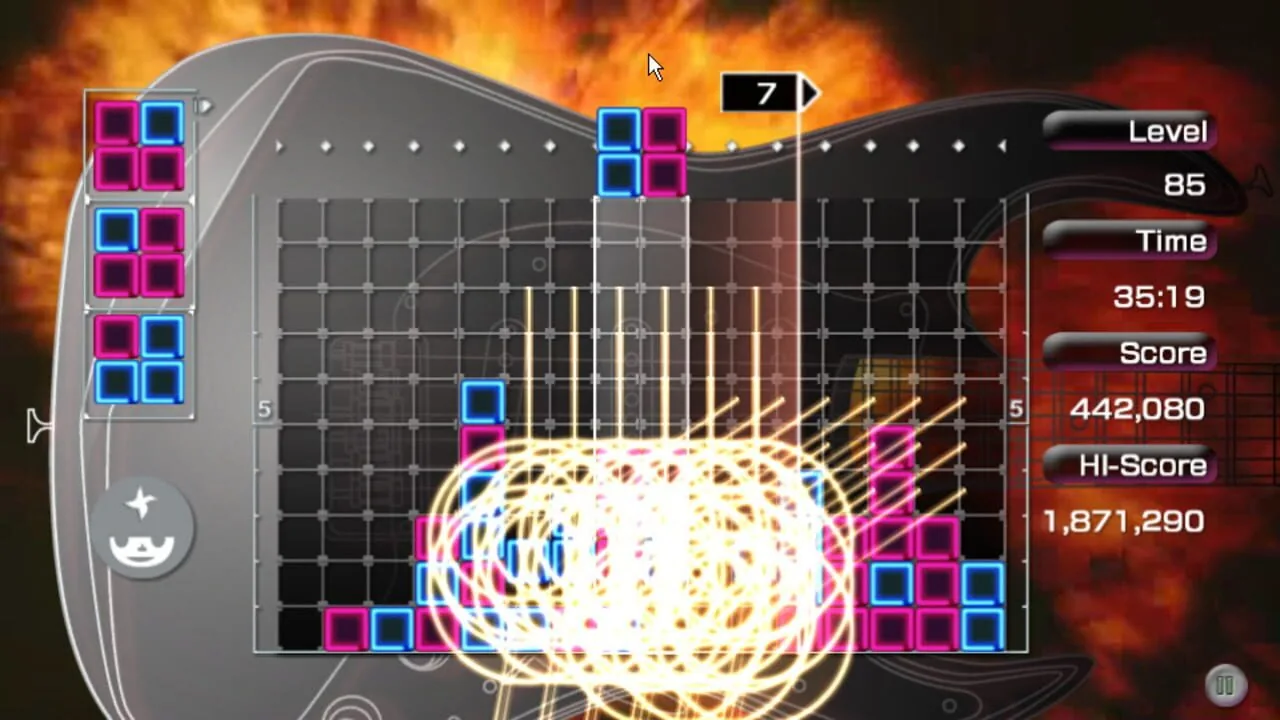
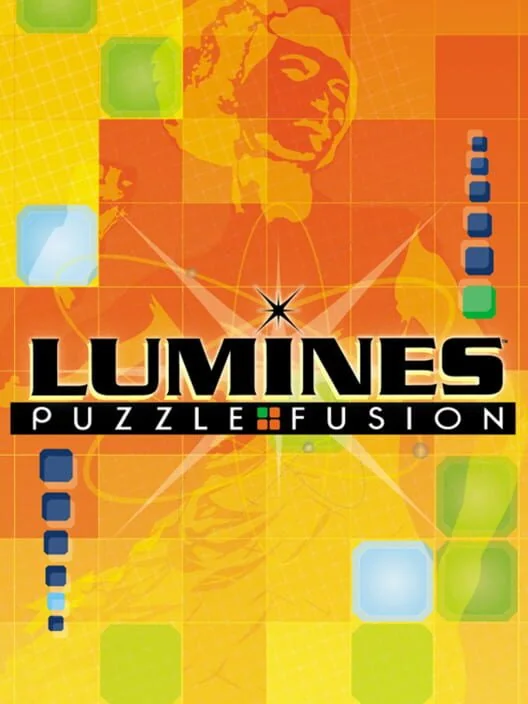
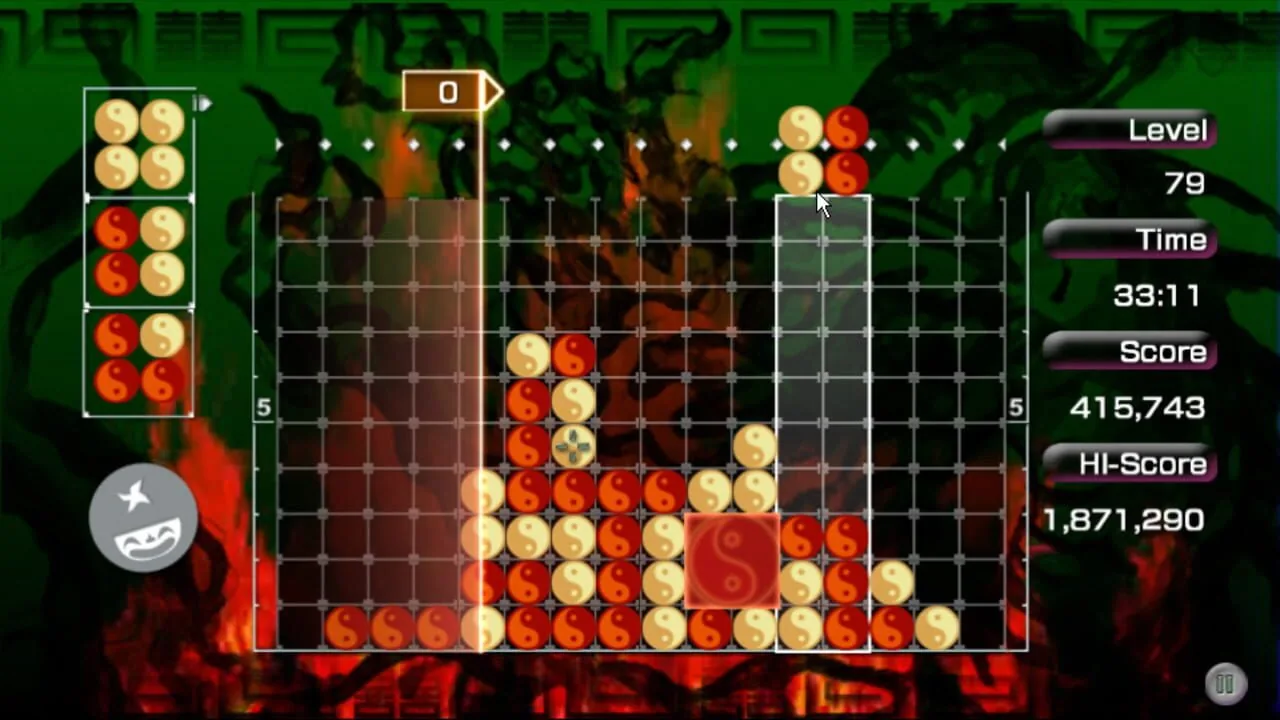
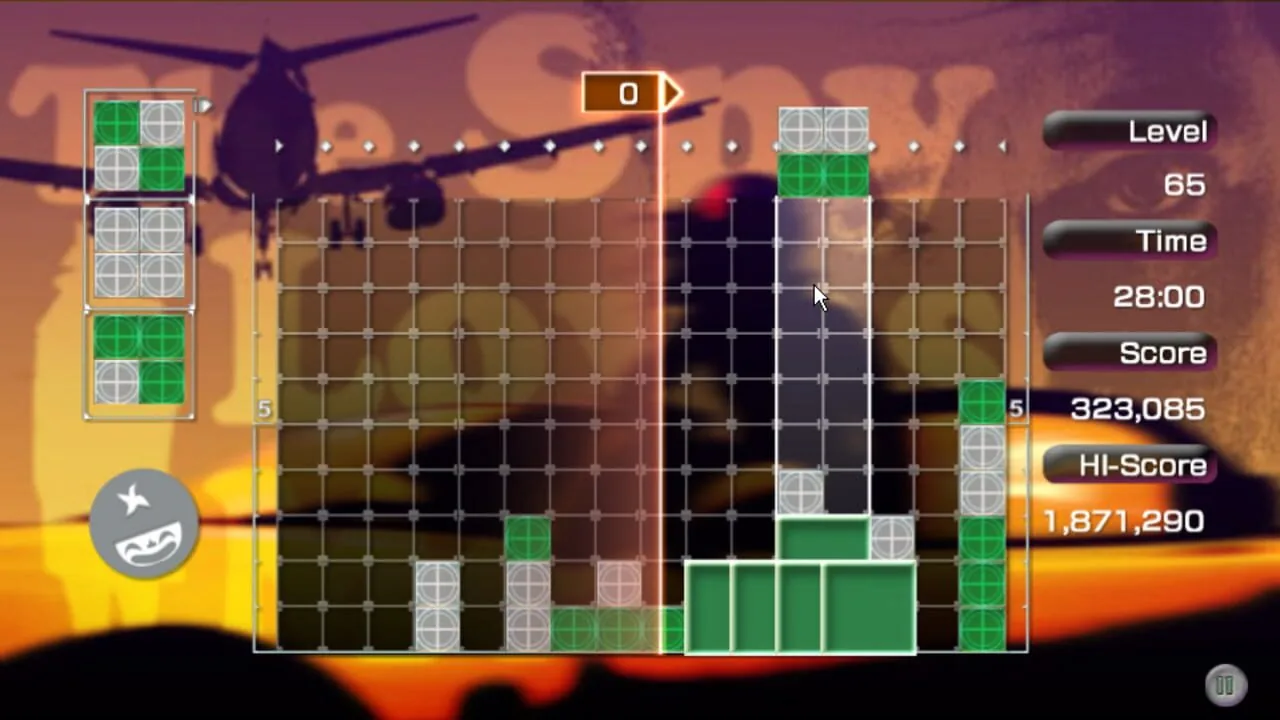
Lumines started when Tetsuya Mizuguchi heard about the PlayStation Portable and wanted to develop a game for it. It was the first game developed by Q Entertainment and a launch title for the PSP, made by an estimated 4 or 5 people over more than a year. Blocks drop as 2 x 2 squares in two colors, and you line up squares of the same color. A timeline synchronized to the music sweeps across the field and clears them.
Each skin changes the look of the blocks and brings a different music track and sound effects. Katsumi Yokota set strict rules that the songs follow 4/4 time, with "Big Elpaso" as the only exception, and the subtitle "Puzzle Fusion" says the music is essential to the game. Players still list it among the games that set the PSP apart, and the music and colors are why it feels so different from Tetris.
10. Pursuit Force (2005)
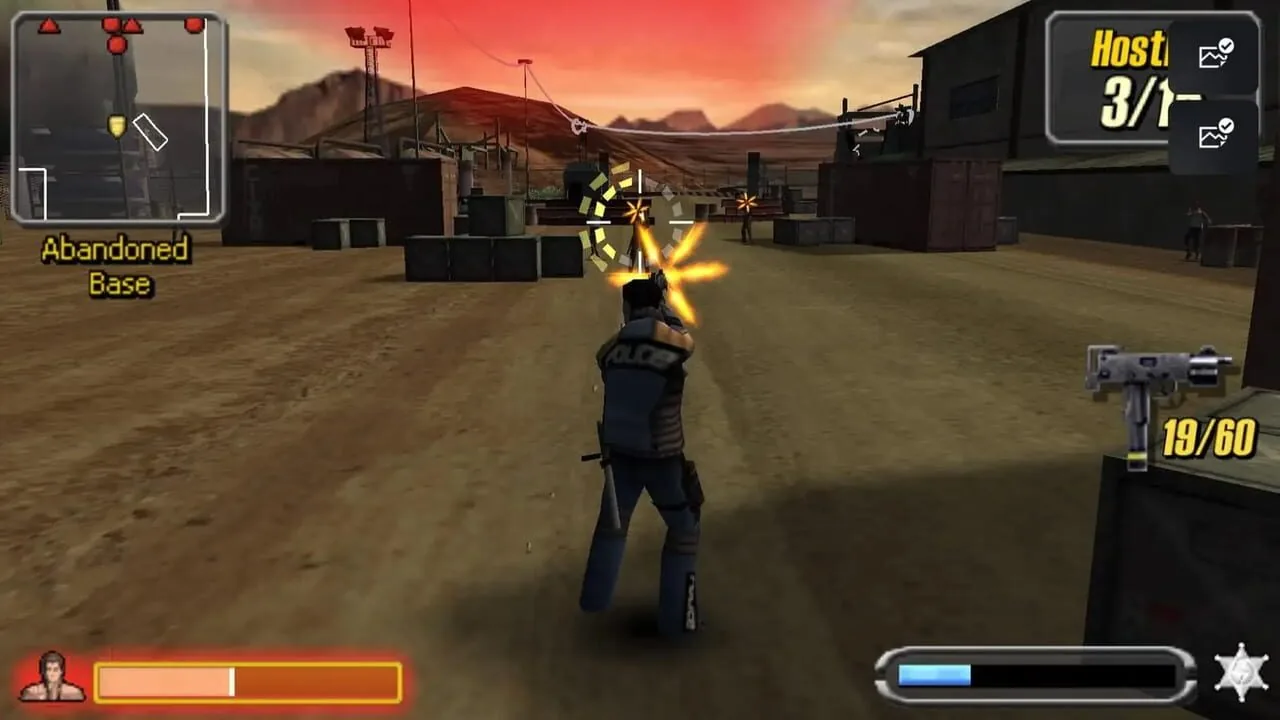
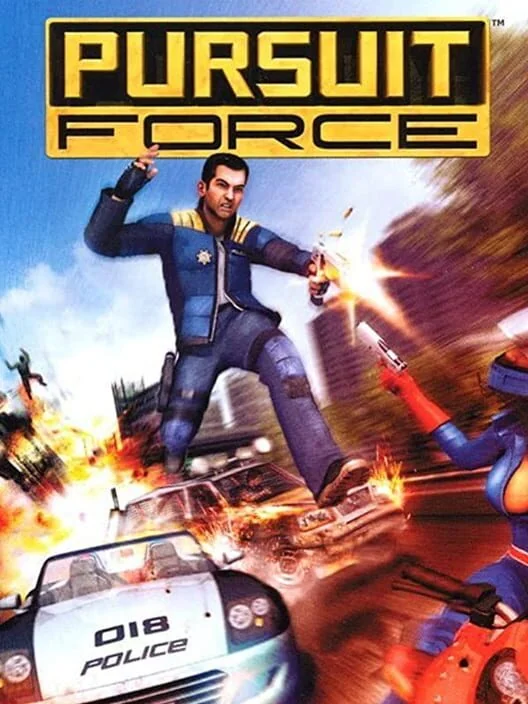
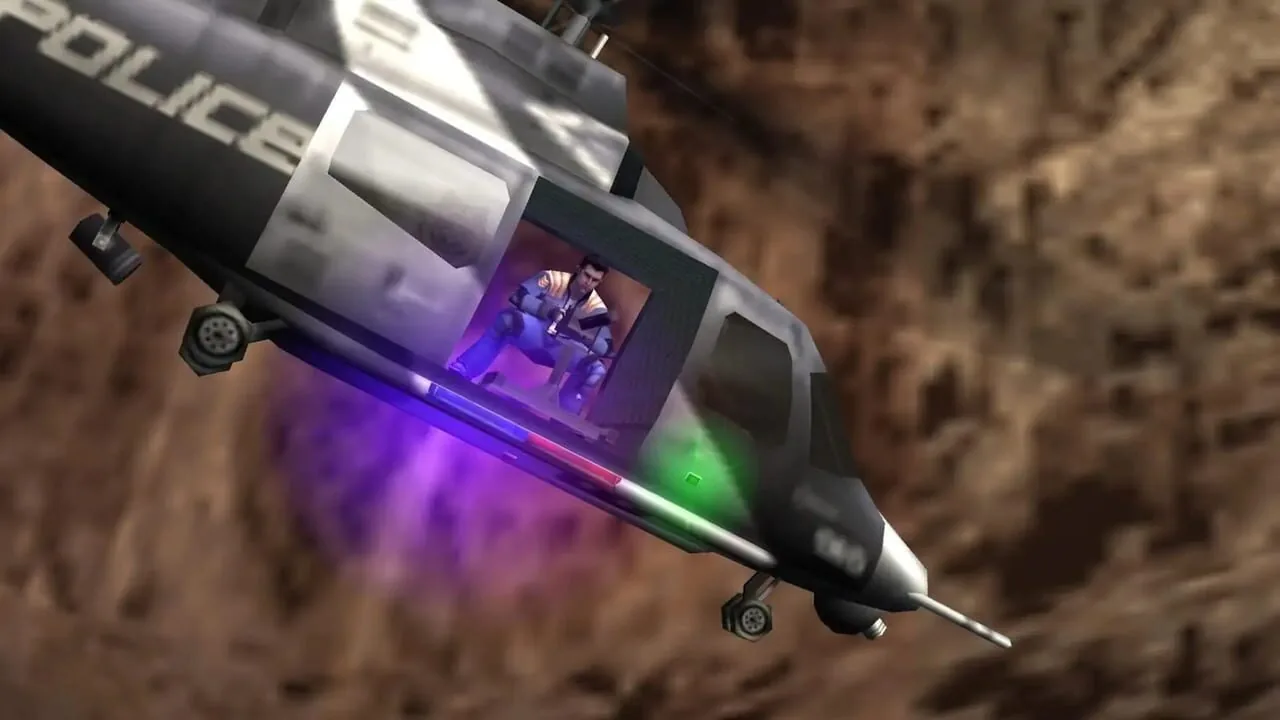
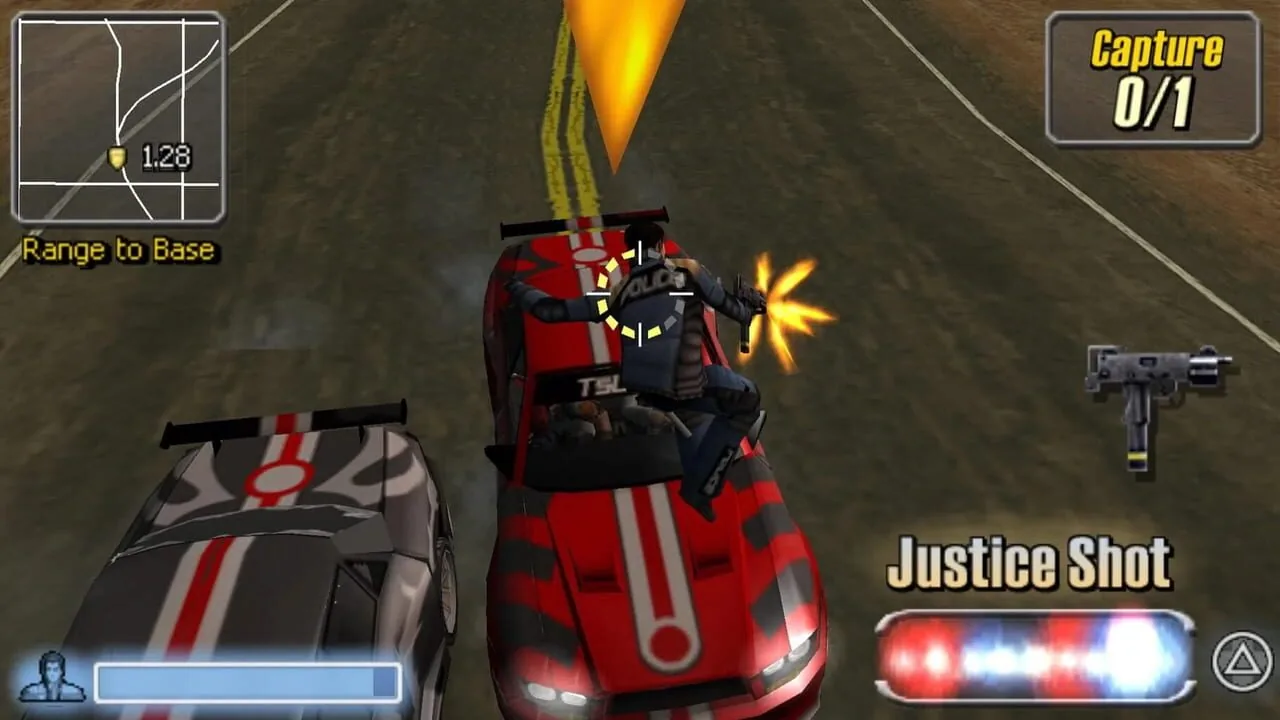
Pursuit Force makes you a rookie cop in an elite police unit that fights criminals on foot or on the hood of a speeding car. Capital City has five gangs, with 30 cases to close, 55 different vehicles and 25 types of weapons. Missions switch from speedboats to car and motorcycle chases, and some put you in a helicopter on a minigun. Taking down gangs fills a justice bar, which you can spend to slow down time for big stunts or repair your vehicle.
The gangs are pure cartoon. The Warlords are mercenaries and rogue soldiers who feel betrayed by the military, and the Convicts answer to a gigantic criminal known only as "Hard Balls". A sequel, Pursuit Force: Extreme Justice, came out on PSP in 2007. Players call it a unique twist on driving games, and in May 2023 the original came back on PS4 and PS5 in the Classics Catalogue.
9. Crush (2007)
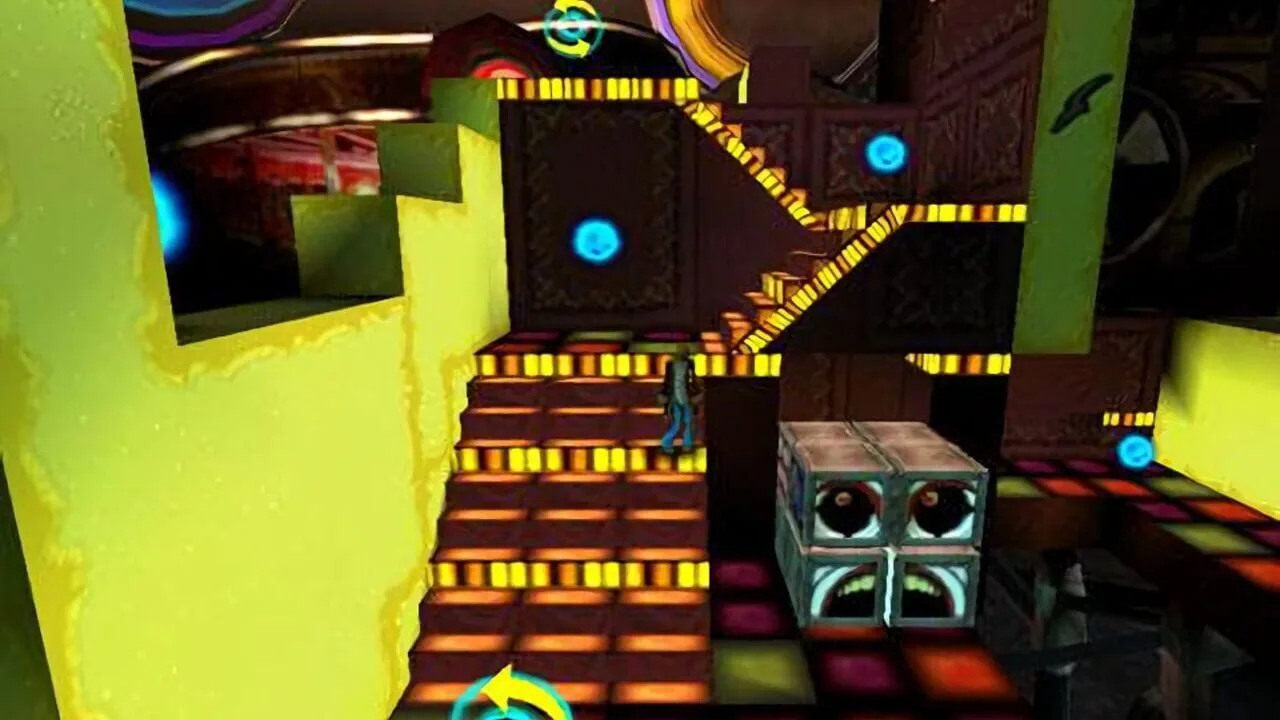
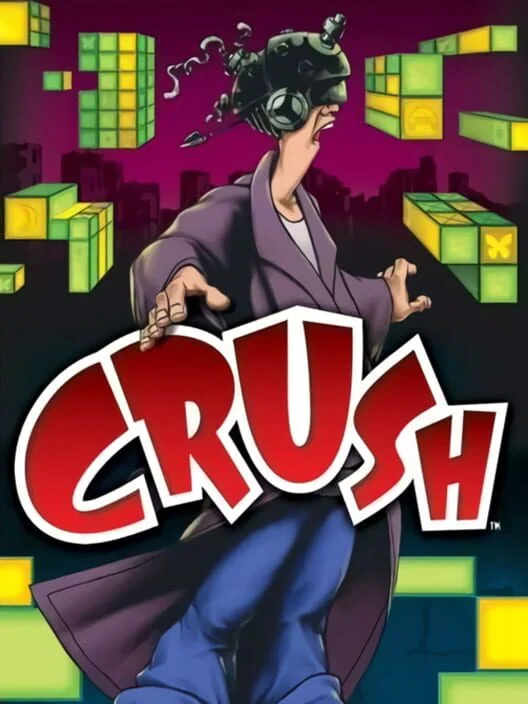
Crush stars Danny, a young man with insomnia who uses an experimental device to explore his own mind. Each level stands for an event from his life, and the look takes after artists such as Tim Burton and M.C. Escher. You collect his "lost marbles" while you flip the camera between four side views and a top-down view. The big trick is crushing the 3D level flat, and some of Danny's thoughts only switch on if you crush it without covering them up.
Critics compared it to Super Paper Mario, also released in 2007, but the Zoë Mode team had the concept five years before. Crush won several awards, including PSP game of the month, and still failed to meet the developer's sales expectations. A 3DS port, CRUSH3D, came out in 2012 with a different plot. Players keep calling it unique, and nothing else on the PSP plays with its levels this way.
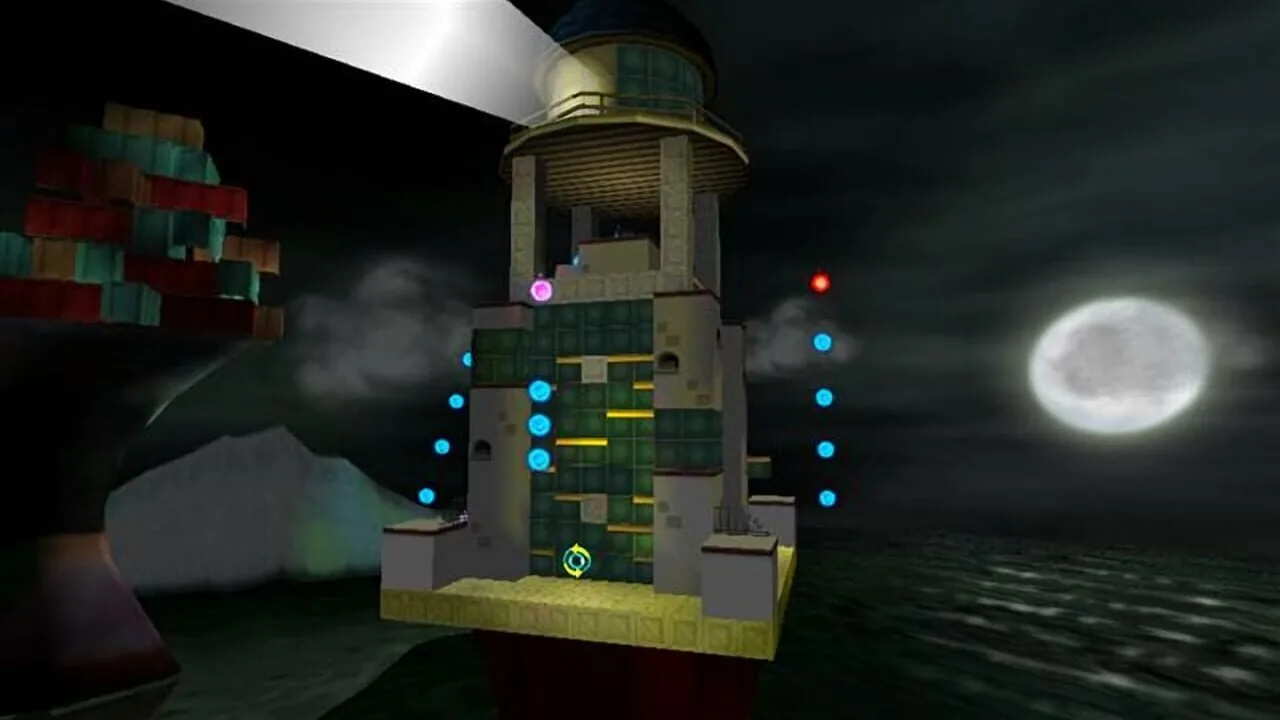
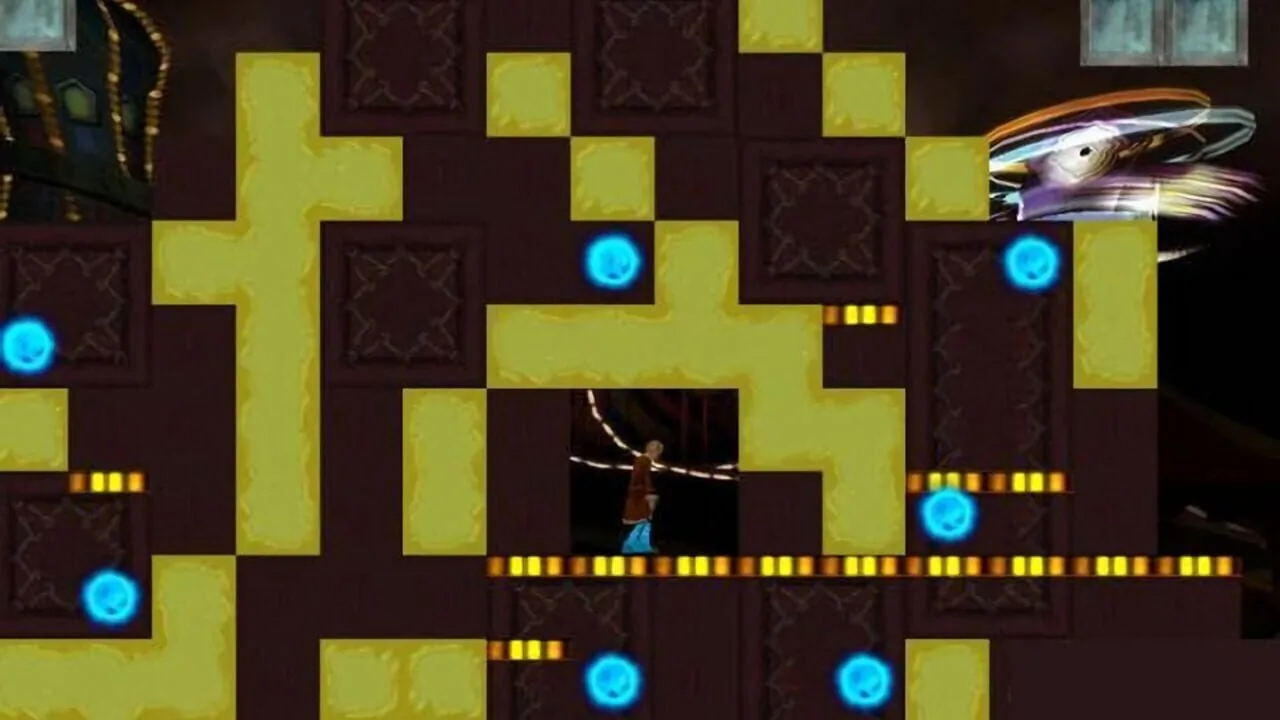
8. The Sims 2 (2005)
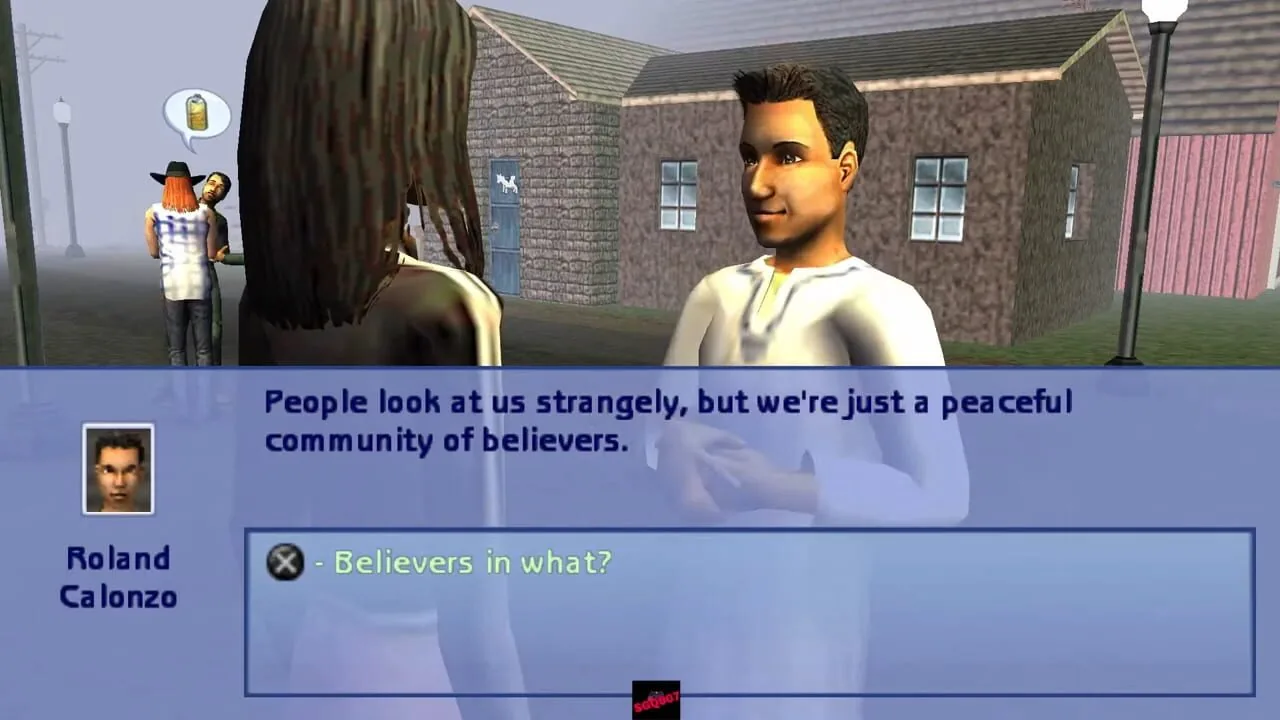
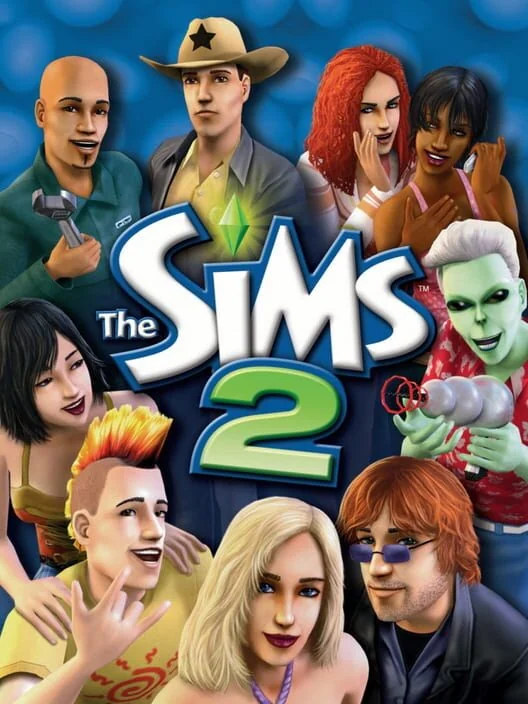
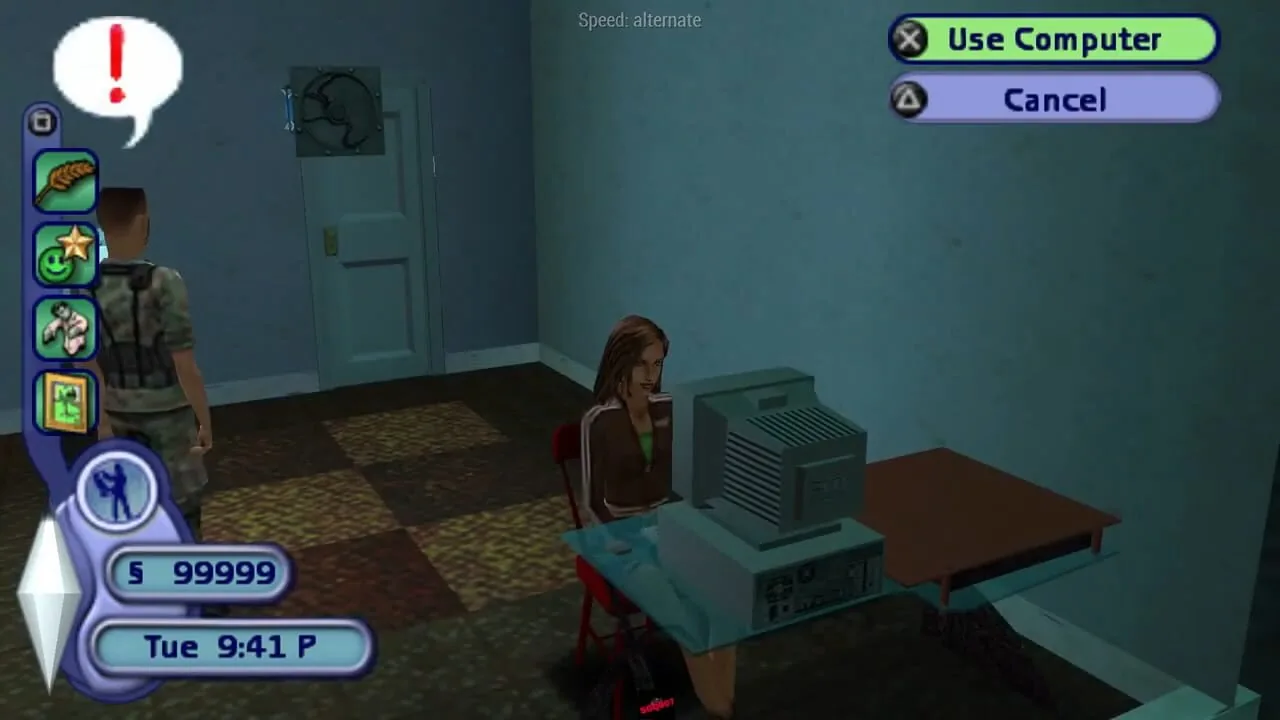
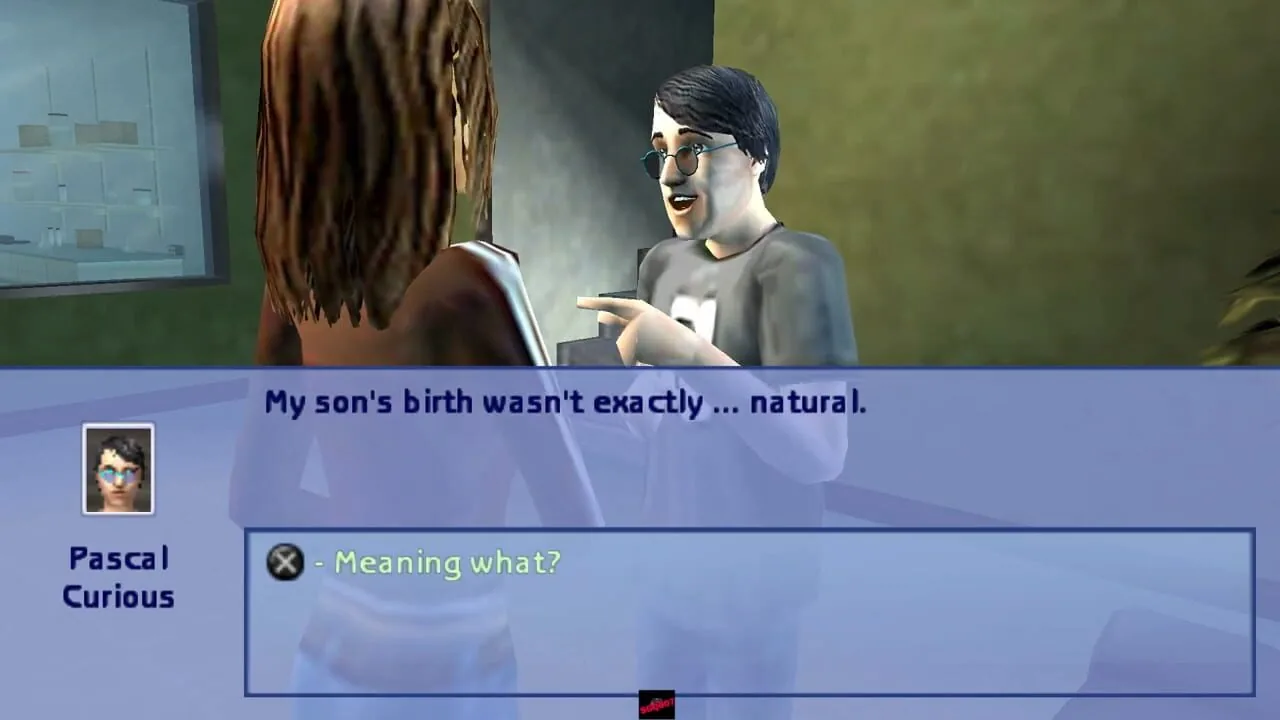
The Sims 2 on PSP is a third-person game that blends life simulation with role-playing, and it has a more substantial storyline than the other versions. Your Sim does not age, marry or have children, though relationships and WooHoo are still on the table. Interactions and jobs play out as mini-games, and your goals decide most of your relationships.
Meeting goals fills a sanity meter shown as a Plumbob. Failing them drains it fast, and that ends in a hospital stay or an alien abduction. Few life sims punish a missed goal by sending a spaceship. Sanity Points unlock special perks, and Secrets are hidden around Strangetown for anyone who explores. Players call it weird and still recommend it, even people who do not usually play The Sims.
7. Dissidia Final Fantasy (2008)
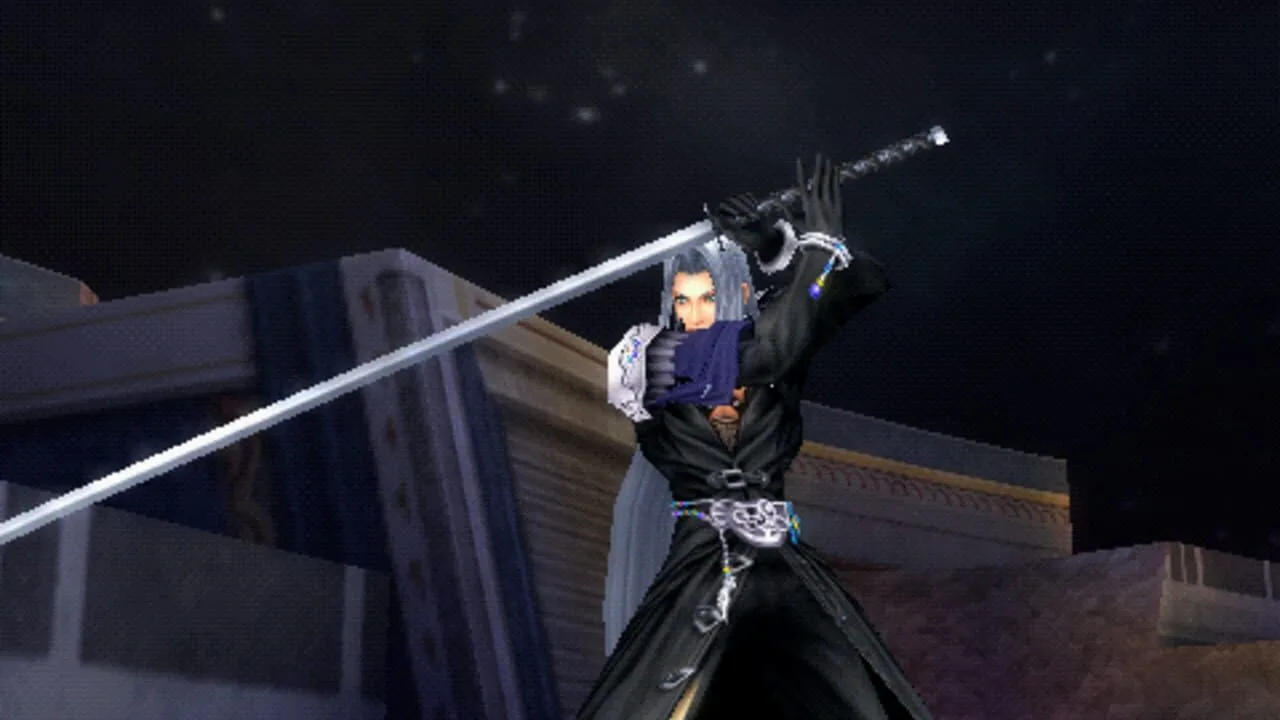
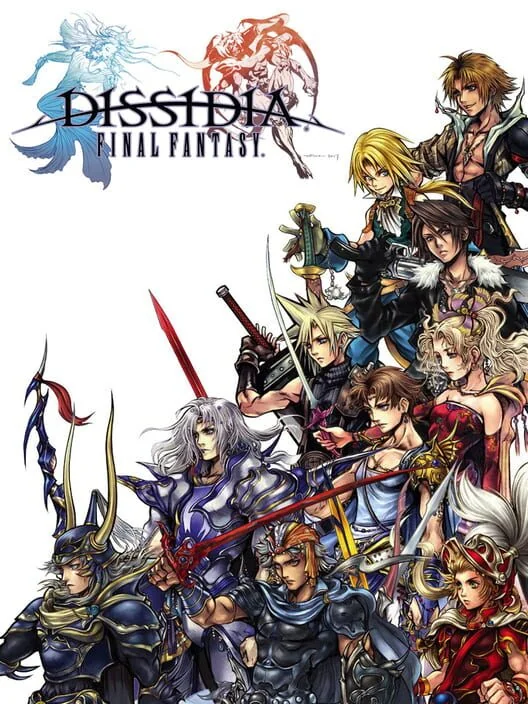
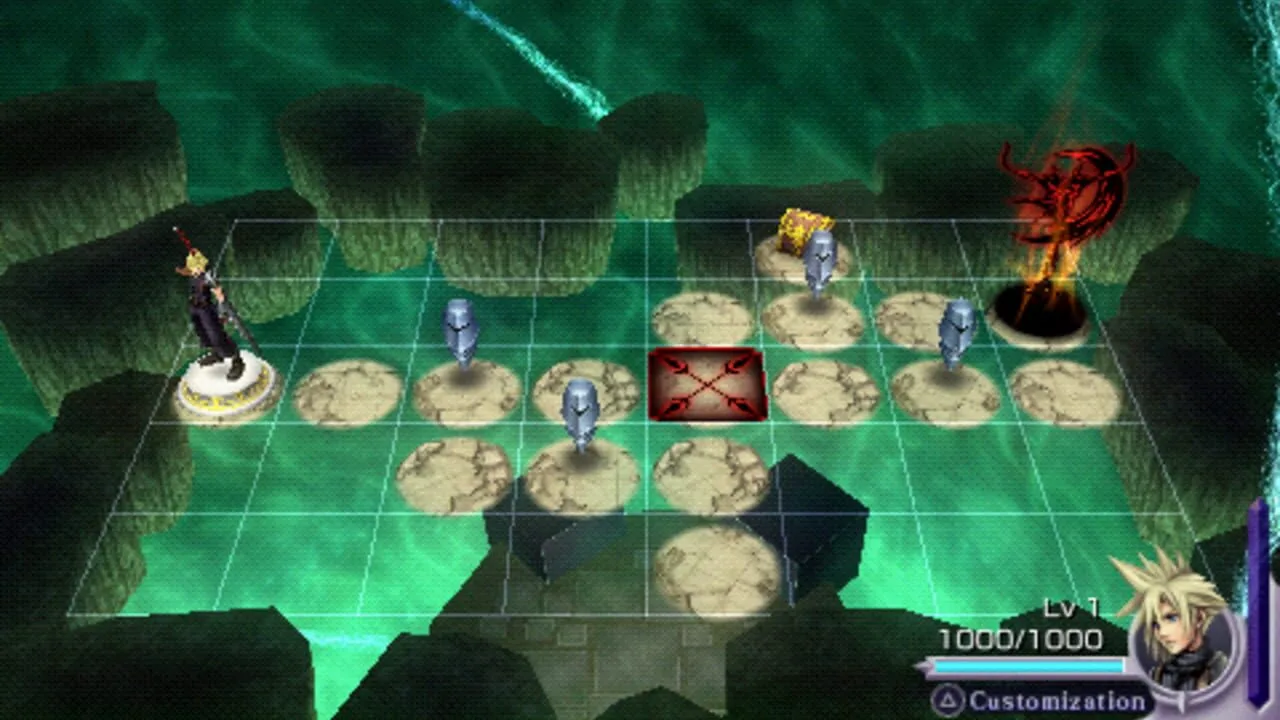
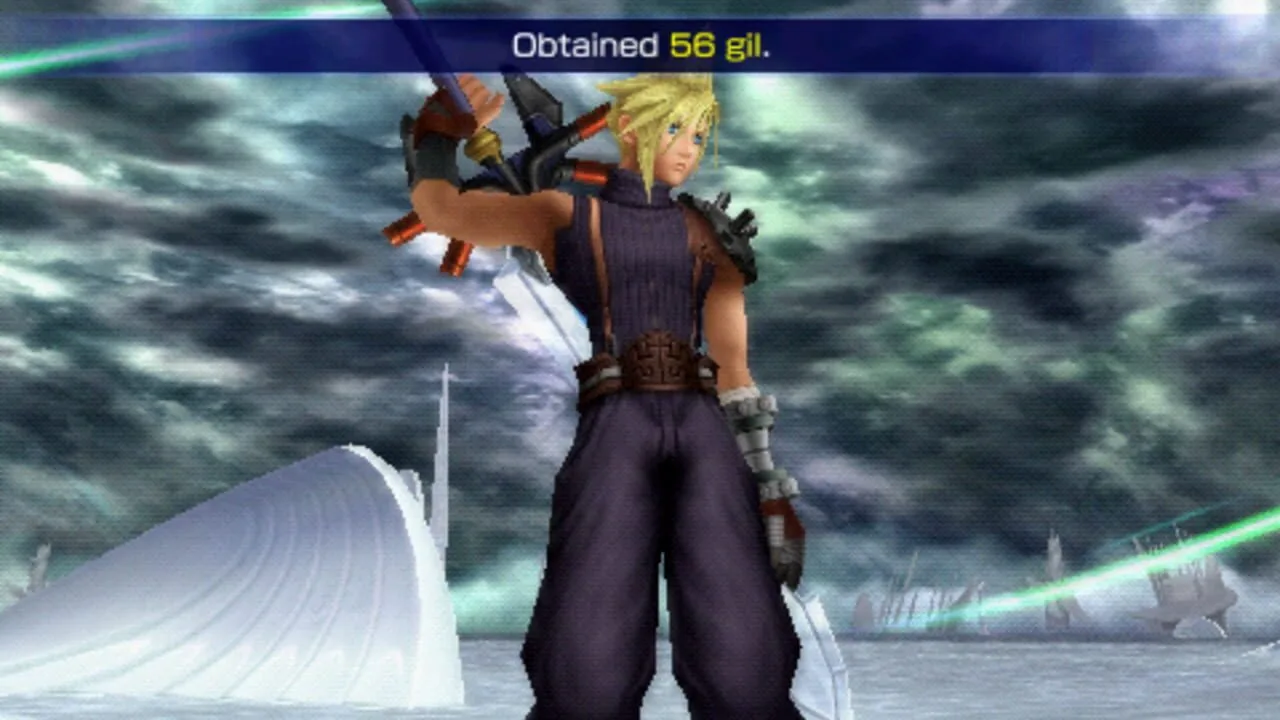
Dissidia began with Kingdom Hearts director Tetsuya Nomura wanting a spin-off for that series, and it was later changed to Final Fantasy. It is a 3D arena fighting game with RPG elements, and the heroes and villains come from the first 10 Final Fantasy games. HP attacks do damage equal to your current Bravery, so every fight is about building that number before you cash it in.
It came out in Japan on December 18, 2008 and in North America on August 25, 2009, and sold over 1.8 million copies. Western releases added an Arcade mode that removes the role-playing elements and turns it into a traditional fighting game. Players call it one of the most unique fighting games they have played. A follow-up, Dissidia 012 Final Fantasy, arrived in March 2011.
6. Work Time Fun (2005)
Work Time Fun is a game about part-time jobs, and the jobs are boring on purpose. You are paid a pittance for repetitive, menial tasks, and the only way to unlock more varied jobs is to grind through the boring ones. One job has you sort newborn chicks into male, female or angels. In another you chop wood while trying not to chop the cute cartoon animals that sometimes get put on the block, and there is a factory job where you put caps on pens.
An in-game email system sends you messages from fellow employees and award notices, and spam offers can take money out of your funds. It came out in Japan on December 22, 2005, and D3 Publisher released it in North America on September 26, 2006. Players call it a strange, quirky collection of mini-games, and they mean it as praise.
5. Gitaroo Man Lives! (2006)
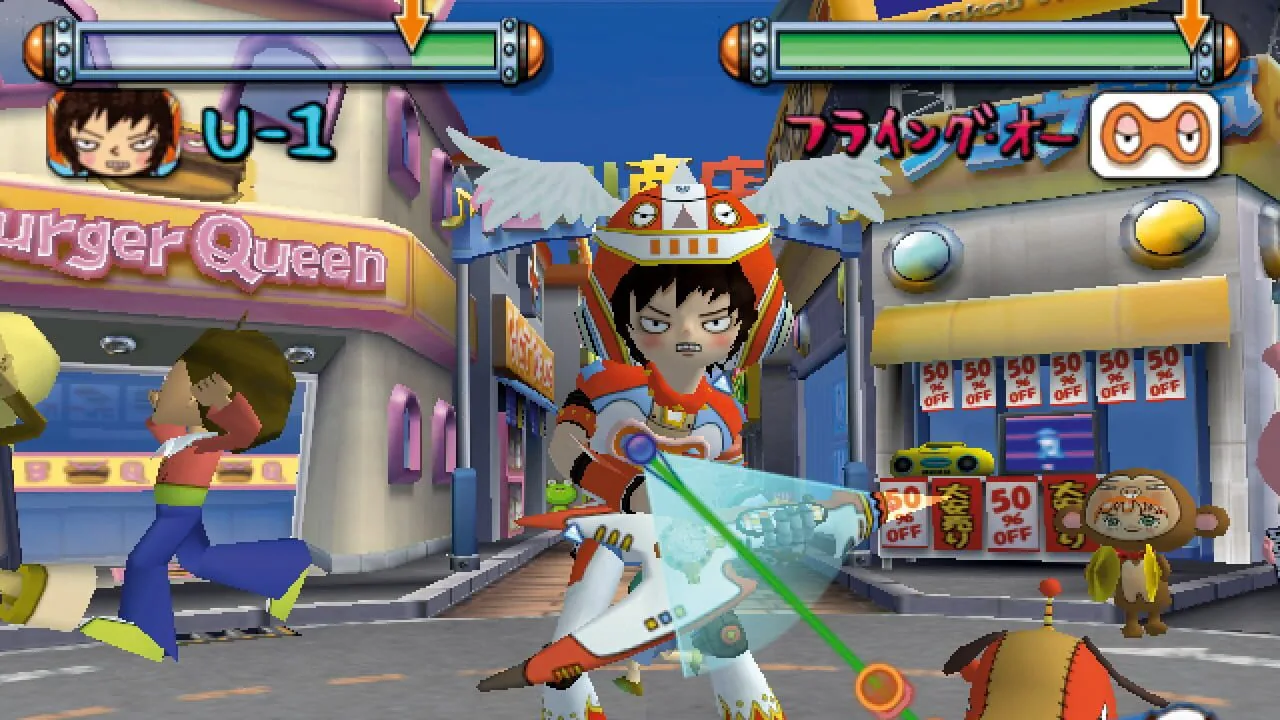
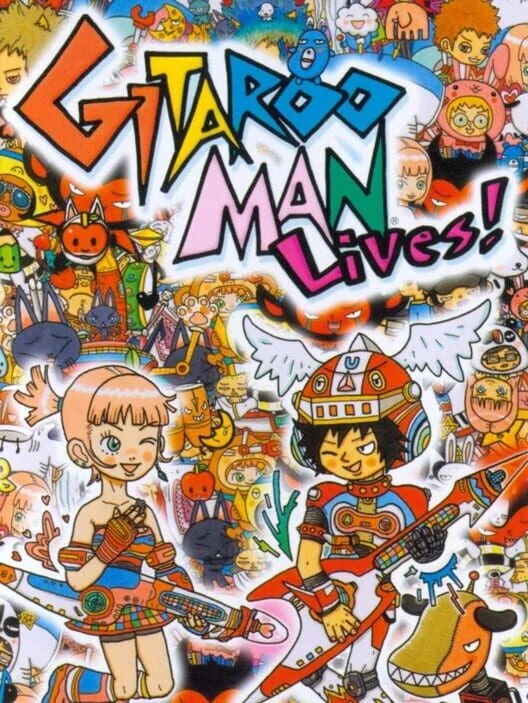
Gitaroo Man Lives! is the 2006 PSP port of Gitaroo Man, a rhythm game first released in Japan on June 21, 2001, with visual production by Mitsuru Nakamura and an original soundtrack by the Japanese band COIL. You play U-1, who faces opponents in musical battles. You press and hold a button as each phrase reaches the center of the screen and let go at the end, and that is how you play the music.
The story is stranger than the songs. U-1 befriends a girl named Kirah, then finds out she is Zowie's gladiator. He refuses to fight her and uses the power of music to convince her to stand up against Zowie. Good ranks after each level earn items for the collection, which unlock character bios. Players call it a weird, quirky rhythm game, and they keep recommending it.
4. Half-Minute Hero (2009)
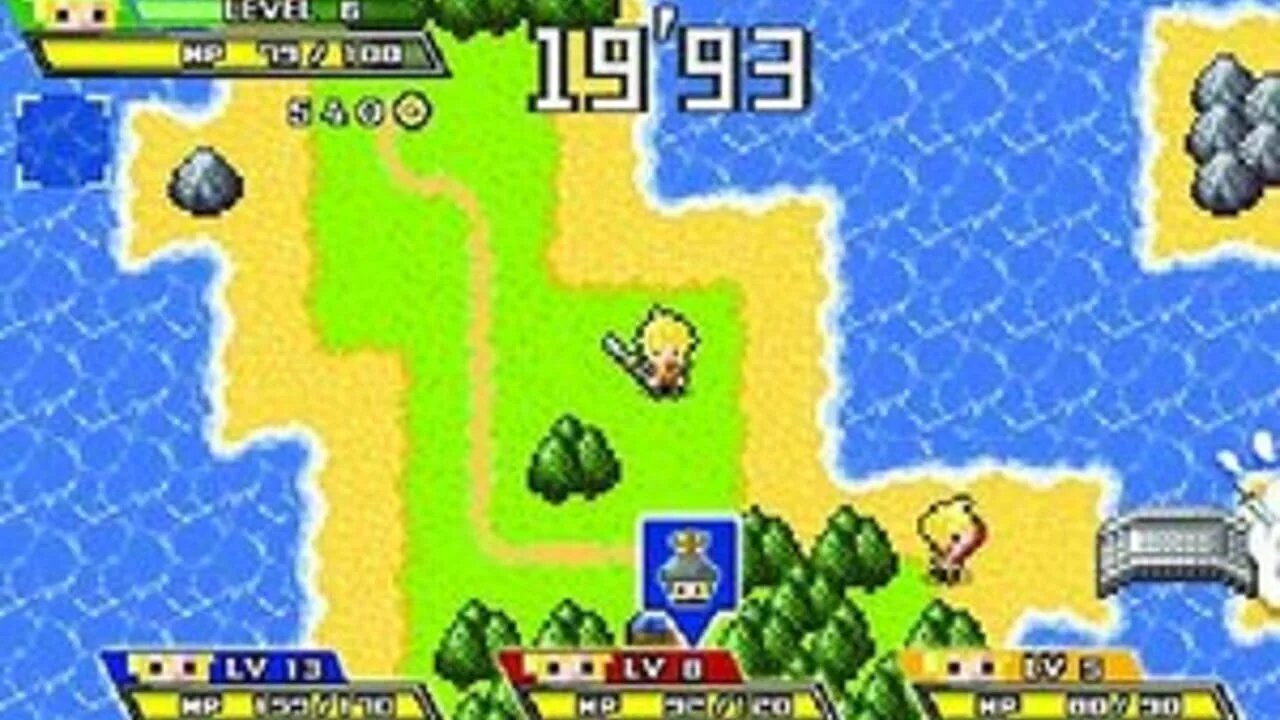
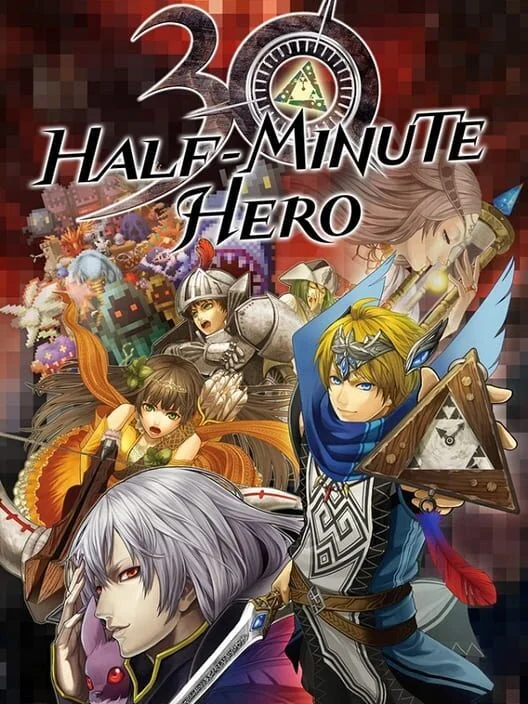
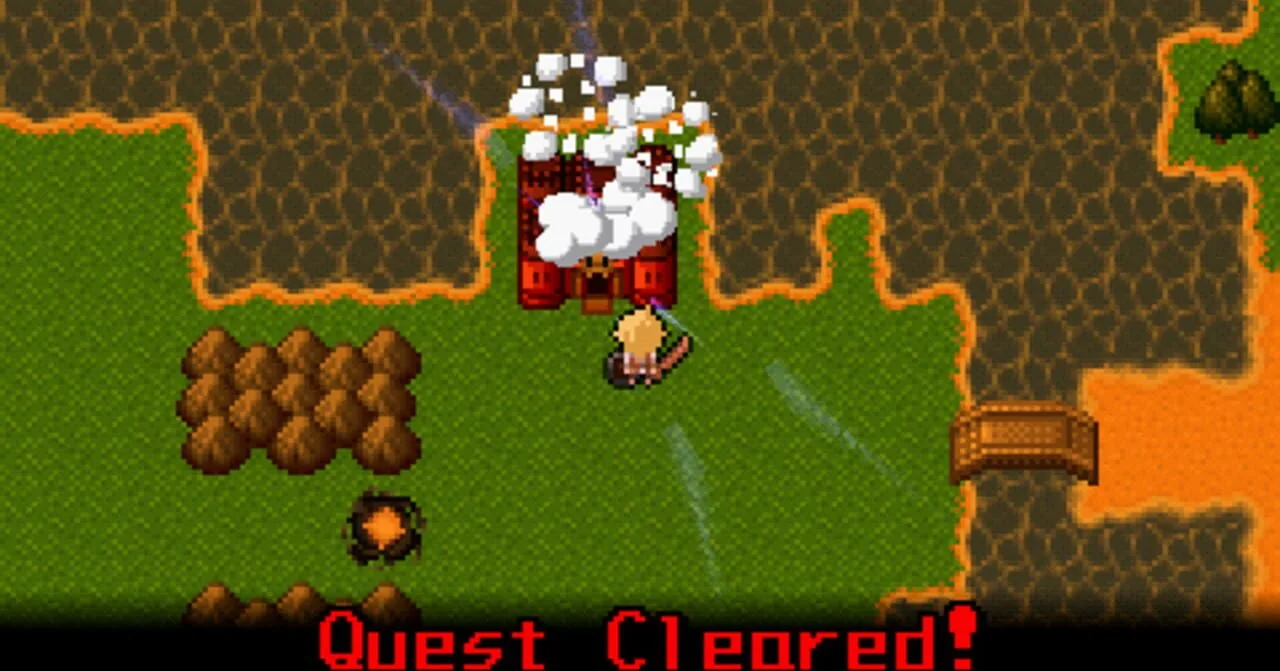
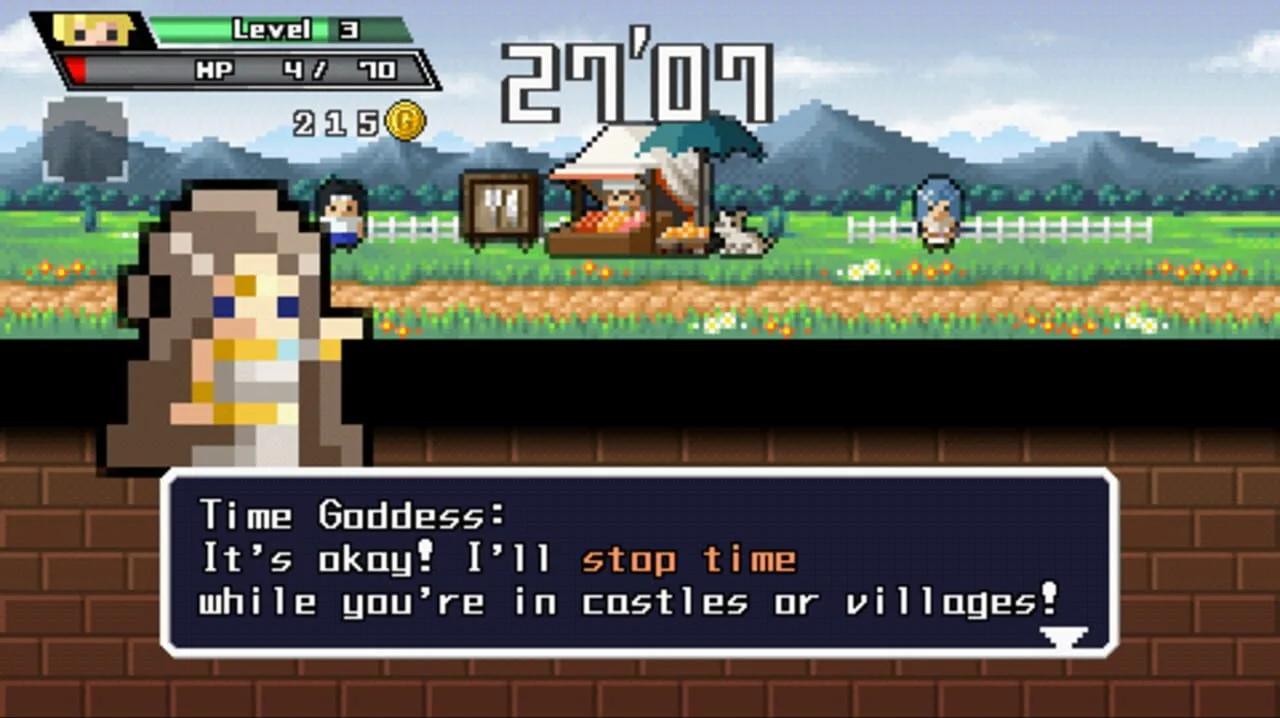
Half-Minute Hero is an RPG where every mode runs on a time limit, normally 30 seconds. In Hero 30 Mode you explore an overworld and meet random monsters, and battles play out automatically based on your equipment. In the Evil Lord's mode he can only be outdoors for 30 seconds at a time, and paying the Time Goddess at her barrels resets the countdown. The 8-bit graphics were designed to look "old-school", like early Dragon Quest and Final Fantasy.
Hero 3 Mode gives you only 3 seconds to reach and defeat the boss. The soundtrack has contributions from many well known Japanese game composers. It came back on Steam in 2012 as Half-Minute Hero: Super Mega Neo Climax Ultimate Boy, which might be the best name on this list. Players call it quirky and unique.
3. Invizimals (2009)

Invizimals is a PlayStation Portable augmented reality game developed by Novarama and published by Sony Computer Entertainment Europe. It came out in 2009, and the creatures show up on screen as if they were in the room with you. It was doing the Pokémon Go idea years before Pokémon Go existed.
The series grew far past one game. It has since inspired toys, trading cards, comics and an animated television series, and Invizimals: Shadow Zone followed on PSP in 2010. Another game came out in Europe in November 2011. Players warn that you need the PSP camera to play it, and they still tell new PSP owners to get the camera for it. Sort out the camera before you buy the game.
2. LocoRoco (2006)
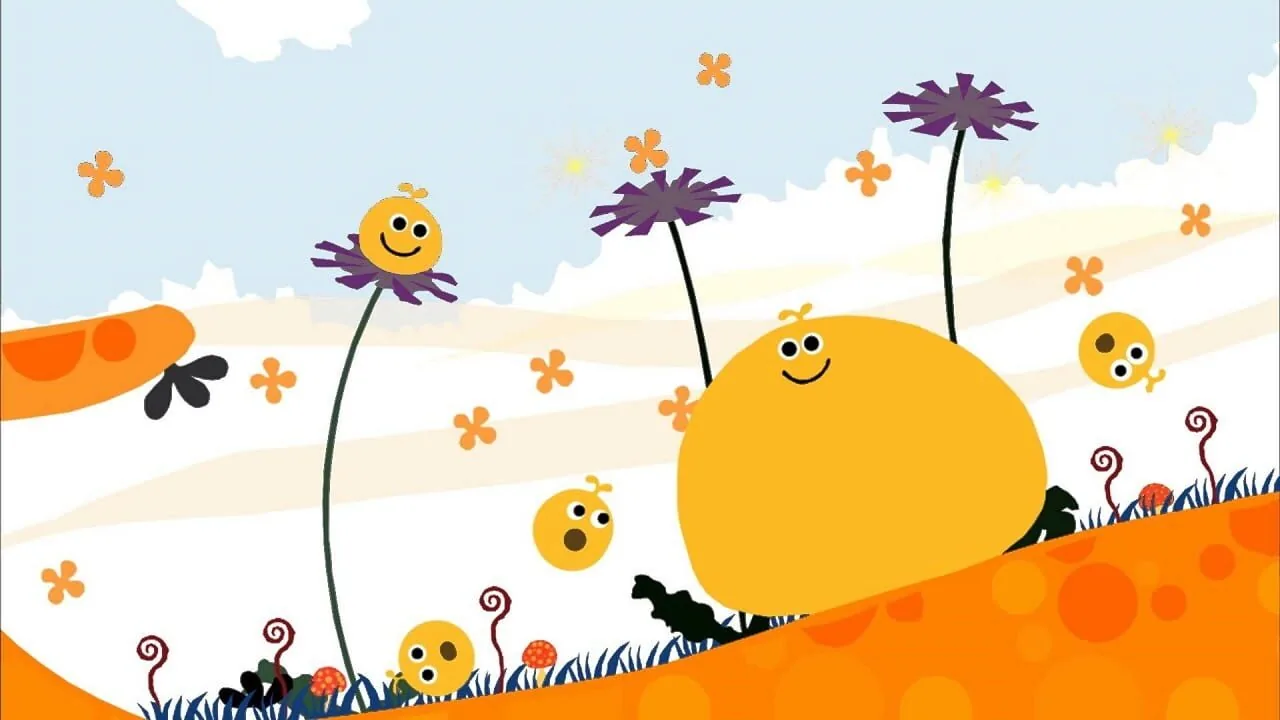
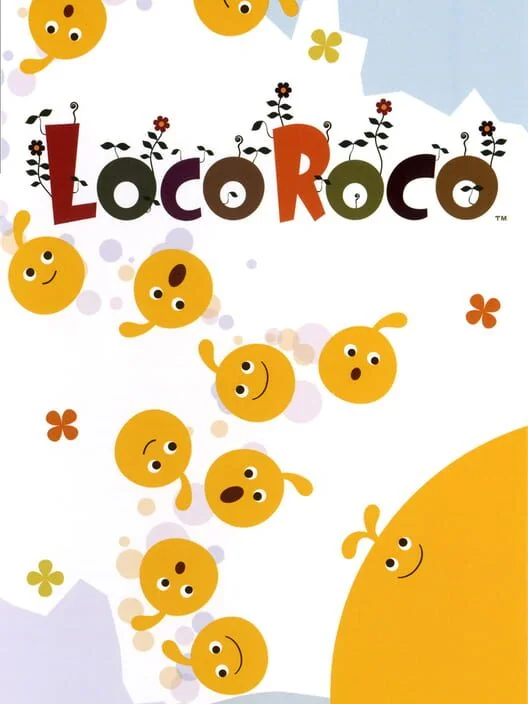
Tsutomu Kouno wanted a game that was different from the other titles being released for the PSP at the time, and his idea of "rotating the landscape" started with a sketch drawn on a PDA. You never control the LocoRoco directly. You tilt the planet itself with the shoulder buttons, and the blobs roll and bounce through more than 40 levels while the evil Moja Corps from outer space try to take them away.
After he showed management a prototype, Kouno finished it over a year and a half. The bright and colorful visuals and the music earned it several awards from the gaming press in 2006, and LocoRoco 2 came out between late 2008 and early 2009. Players call it quirky and innovative, a game that makes the most of a handheld. Only one PSP game was named as unique more often.
1. Patapon (2007)
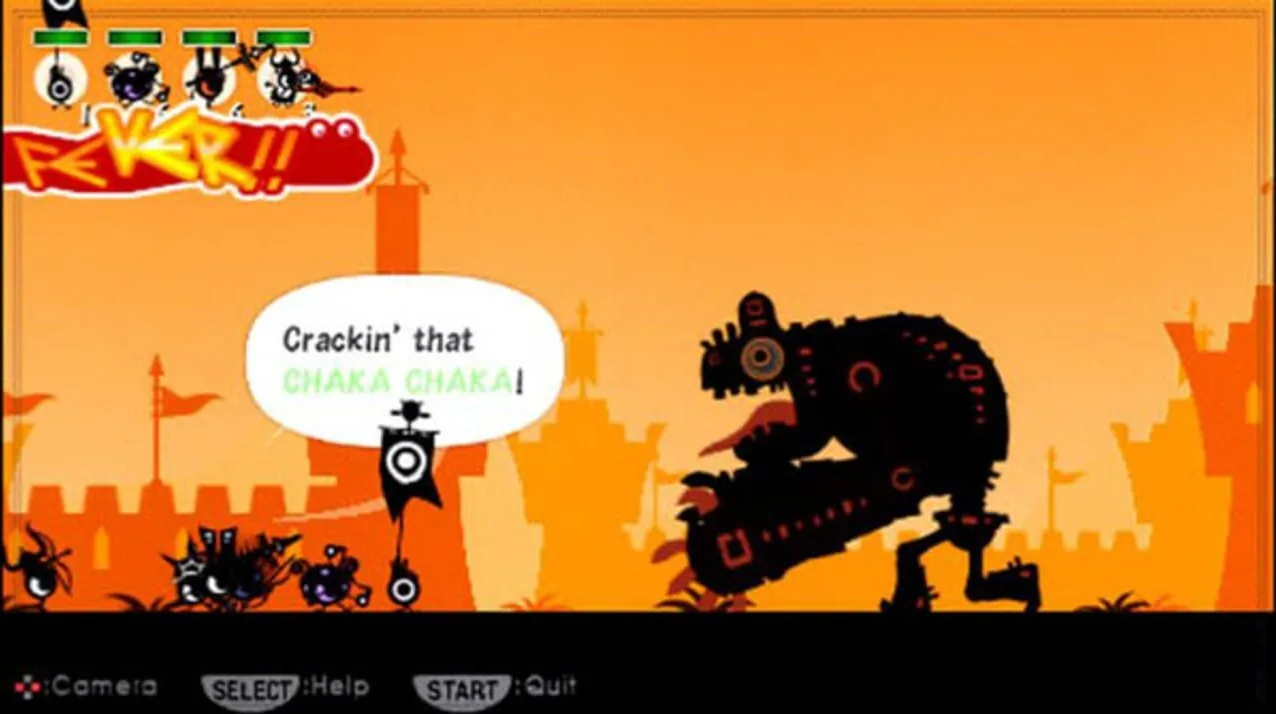
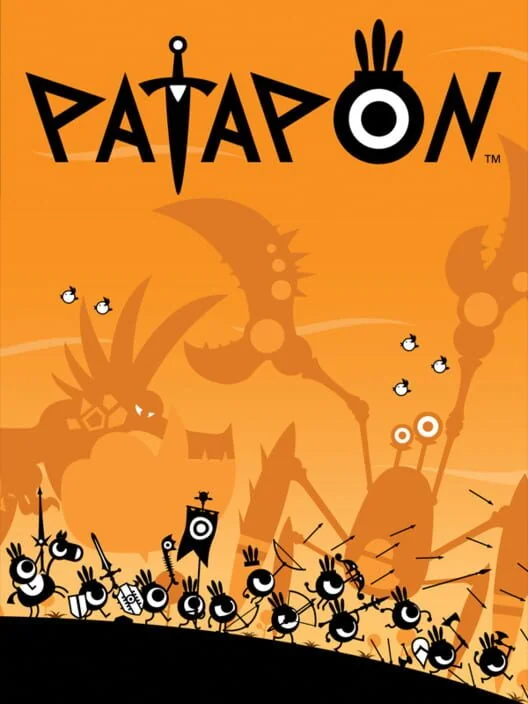
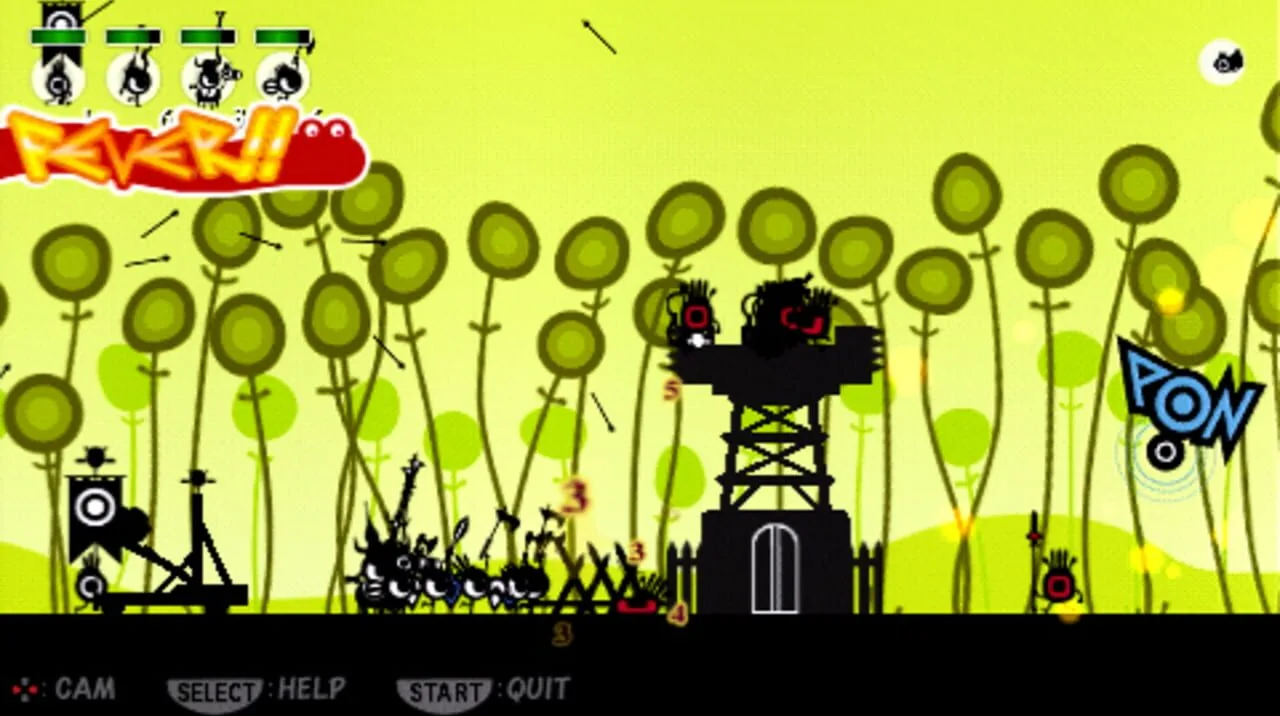
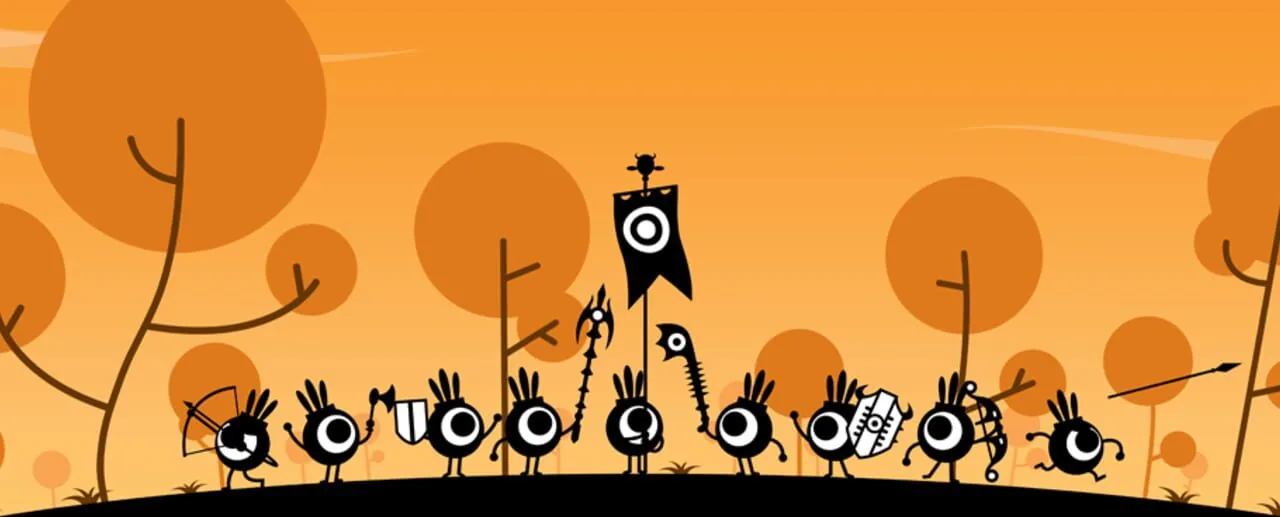
Patapon is a strategy game you play with a drum. You command the army with button-timed drumbeats in real time, and the tribe marches through more than 30 missions set in more than 20 environments. Between fights you outfit it with warrior types such as archers and cavalry and more than 100 weapon and shield upgrades. Director Hiroyuki Kotani chose the name because it sounds like drums and marching, and the music uses multiple African instruments.
It came out in Japan in December 2007 and in North America and Europe in February 2008. IGN named it Best PSP Game of 2008, though some reviewers criticized the repetition and the lack of a pause option. You cannot stop drumming. Two PSP sequels followed, and in 2025 it came back with its sequel as Patapon 1+2 Replay. Players call it one of a kind, and they named it as unique more often than any other PSP game.
Which one to play
There you have it, the whole list of the most unique PSP games. Each one does something the rest of the PSP library does not.
If you are not sure where to start, play Patapon. If you want something relaxed, pick LocoRoco. For short sessions, Half-Minute Hero is built around 30-second quests. Puzzle fans should start with Echochrome and then try Crush. Final Fantasy fans should play Dissidia. And for a hidden pick, try Work Time Fun.