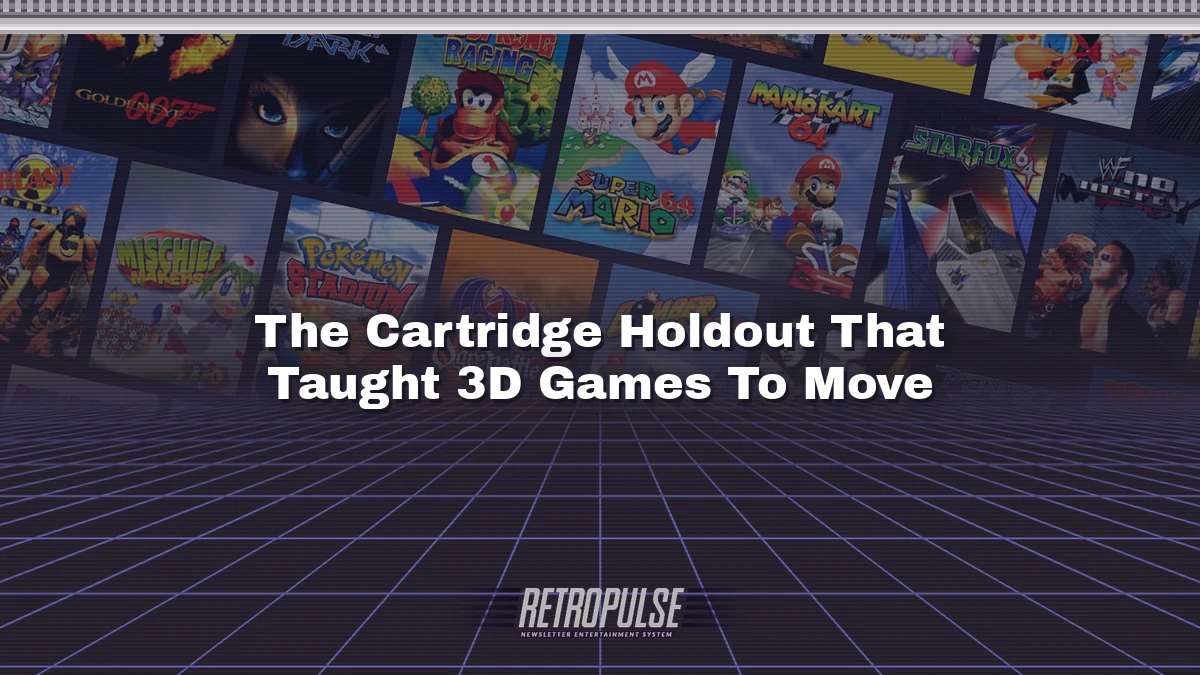
The Nintendo 64 stuck with cartridges while its rivals moved to CDs, and plenty of players made fun of Nintendo for it at the time. Nintendo pointed to faster loading and less piracy. However, cartridges cost more and held less, so many third parties put the PlayStation first, and the N64 ended up with a relatively small library of 388 games.
What it did have was the controller. The N64 pad was the first to include a thumbstick as standard, because Shigeru Miyamoto wanted precise control over characters in a 3D world, and the console had four controller ports built in for multiplayer. (Four ports and GoldenEye 007 in one box. Some friendships never fully recovered.)
Key facts
- Released
- June 23, 1996 in Japan, September 29, 1996 in North America, March 1, 1997 in EuropeSource
- Launch price
- US$199 in North America, £249.99 in the UKSource
- Units sold
- 32.93 millionSource
- Best-selling game
- Super Mario 64, 11.62 million copiesSource
- Games released
- 388Source
- Codename
- Project RealitySource
- Media
- CartridgesSource
- Discontinued
- 2002Source
How Nintendo went 64-bit with Silicon Graphics
The N64 grew out of pressure. SNES sales slipped during Japan's recession just as the 32-bit Sega Saturn arrived, and Nintendo's attempts at a CD-ROM add-on with Philips and Sony both collapsed. So in 1993 Nintendo began developing a new console with Silicon Graphics under the codename Project Reality, and it was briefly the Ultra 64 before the name settled on Nintendo 64.
It shipped as the first true 64-bit home console, with a coprocessor that handled graphics and sound so the machine could do 3D, and Time magazine named it 1996's "Machine of the Year". Sales were a major success in North America, although it underperformed in Japan and Europe. To fill the gaps Nintendo leaned on its own series and on second-party studios such as Rare, which is how Super Mario 64 and GoldenEye 007 ended up on lists of the best games of all time.
Later the Expansion Pak boosted the RAM from 4 to 8 MB, and the Rumble Pak added force feedback. Meanwhile in Japan the 64DD disk add-on was a commercial failure and never went on sale anywhere else. The GameCube replaced the N64 on September 14, 2001, and no major home console used cartridges again until the Nintendo Switch in 2017.
The best Nintendo 64 games
Ranked by how often players recommend them, with picks other players backed counting extra. The Legend of Zelda: Ocarina of Time takes #1 and GoldenEye 007 is second, with Super Mario 64 close behind in third.
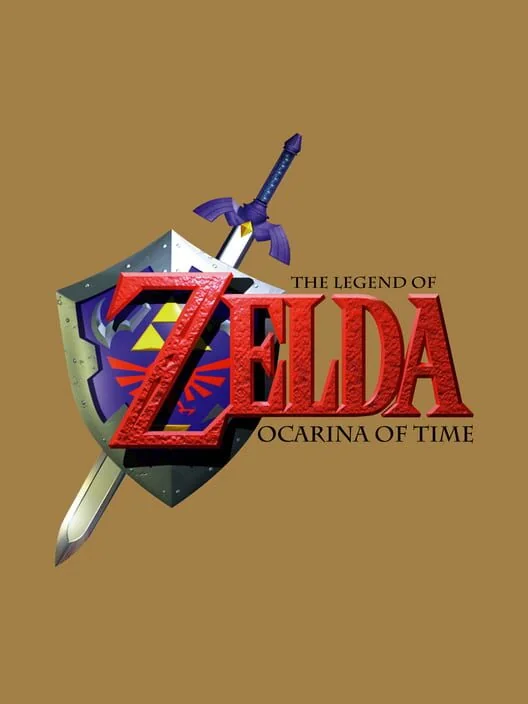 1The Legend of Zelda: Ocarina of Time (1998)
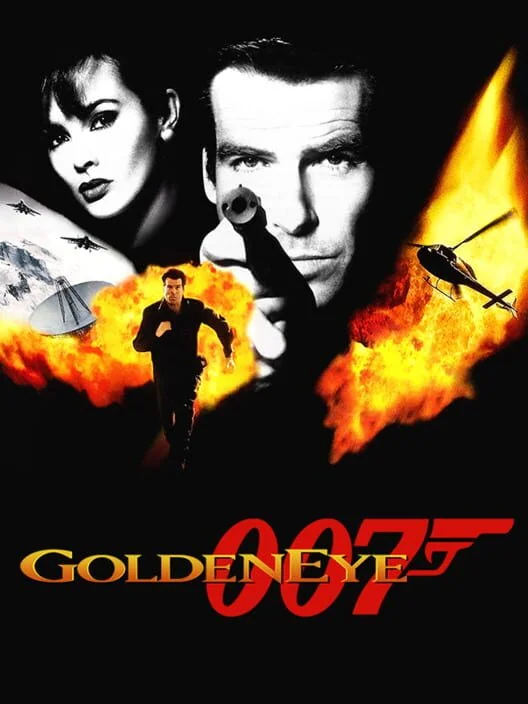 2GoldenEye 007 (1997)
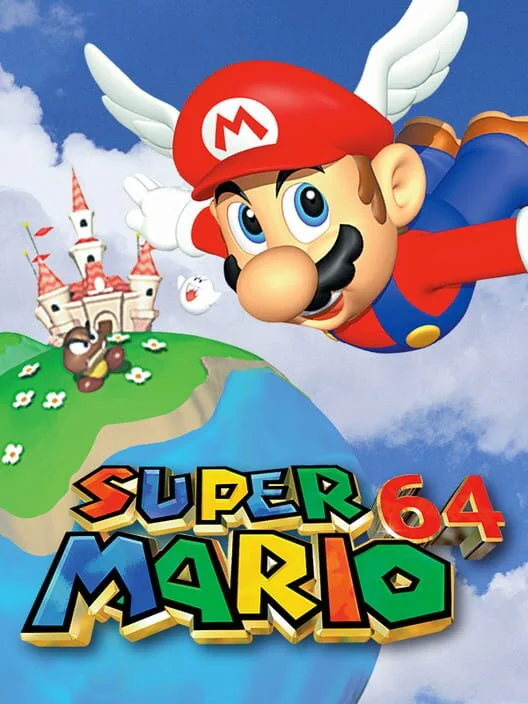 3Super Mario 64 (1996)
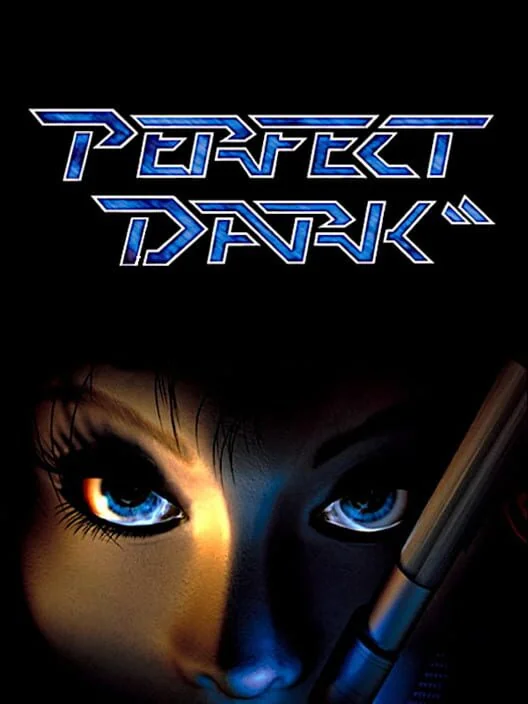 4Perfect Dark (2000)
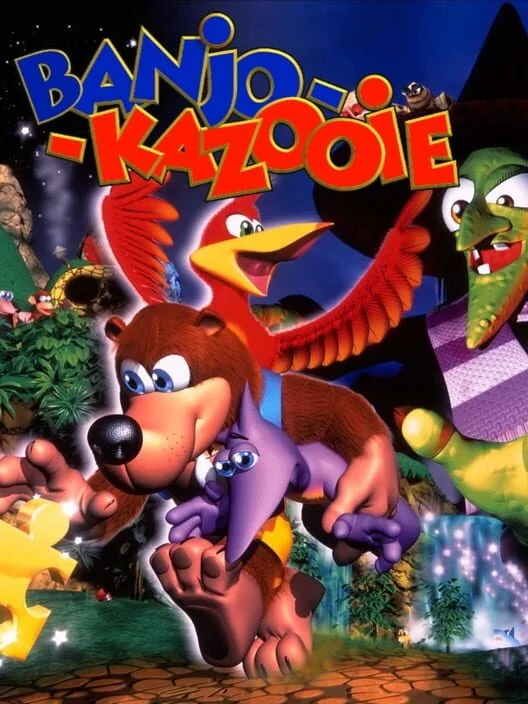 5Banjo-Kazooie (1998)
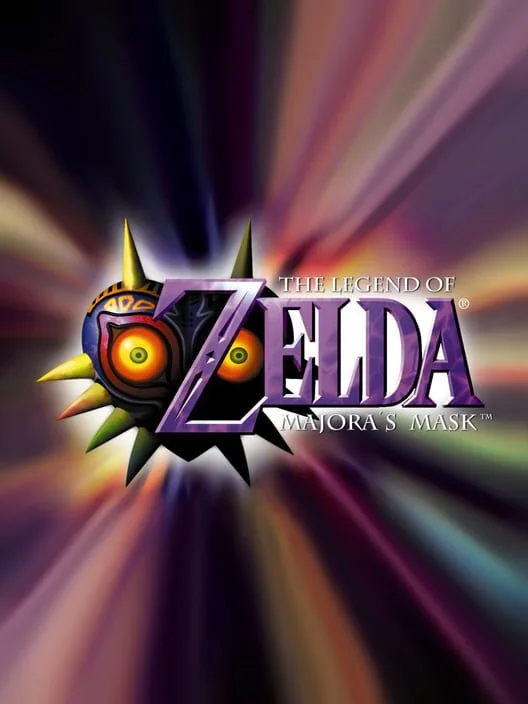 6The Legend of Zelda: Majora's Mask (2000)
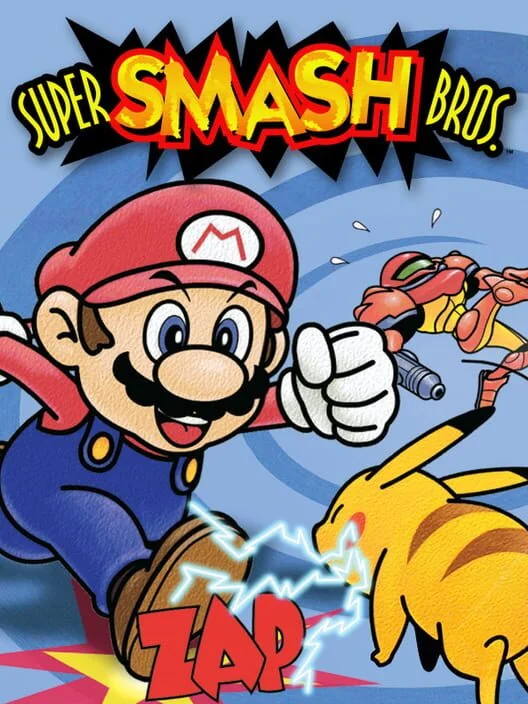 7Super Smash Bros. (1999)
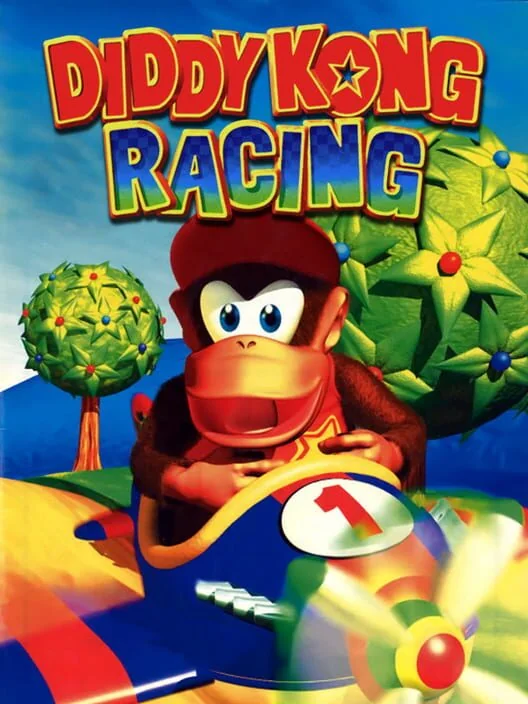 8Diddy Kong Racing (1997)
 9Conker's Bad Fur Day (2001)
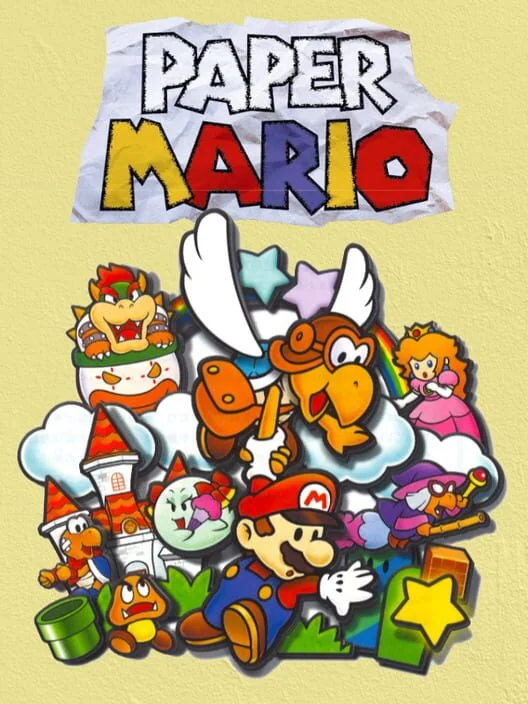 10Paper Mario (2000)
Every Nintendo 64 list
Best games




Handhelds for Nintendo 64 games
Most handhelds in our database play N64 games well, although the N64 is harder to emulate accurately than the PlayStation.
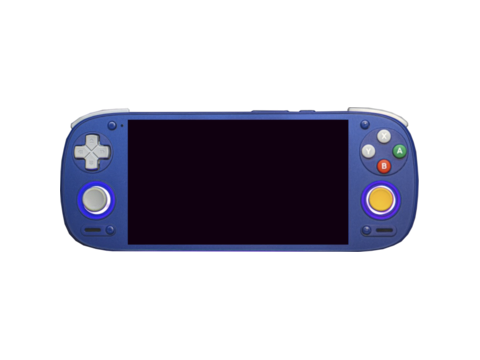 Retroid Pocket 5Nov 2024 · $200
- Mangmi Air XOct 2025 · $100
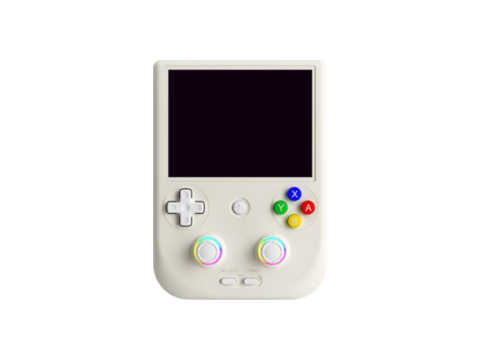 RG-406VSep 2024 · $155
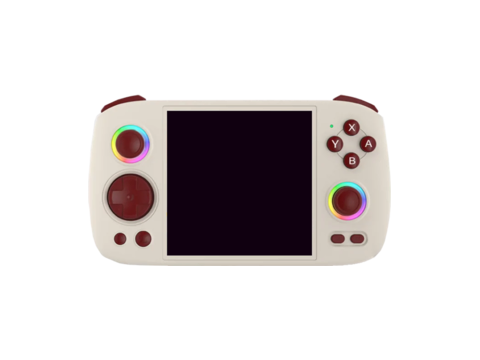 RG CubeJun 2024 · $170
208 of 279 handhelds in our database play Nintendo 64 games well (80 or more out of 100). Best under $100 →