The Game Boy was a much better action machine than it had any right to be. It had a small, blurry screen and only two buttons, and the big studios still treated it like a real home for their best series. Konami brought Castlevania, Contra, Gradius and the Ninja Turtles. Capcom made five Mega Man games for it, and gave the red gargoyle who killed us so many times in Ghosts 'n Goblins his own game.
What makes these special is how few of them are cut-down ports. Most were made from scratch for the handheld, with their own levels and their own bosses, and one of the best stayed in Japan. Here are the 25 best Game Boy action games.
25. Castlevania: The Adventure (1989)
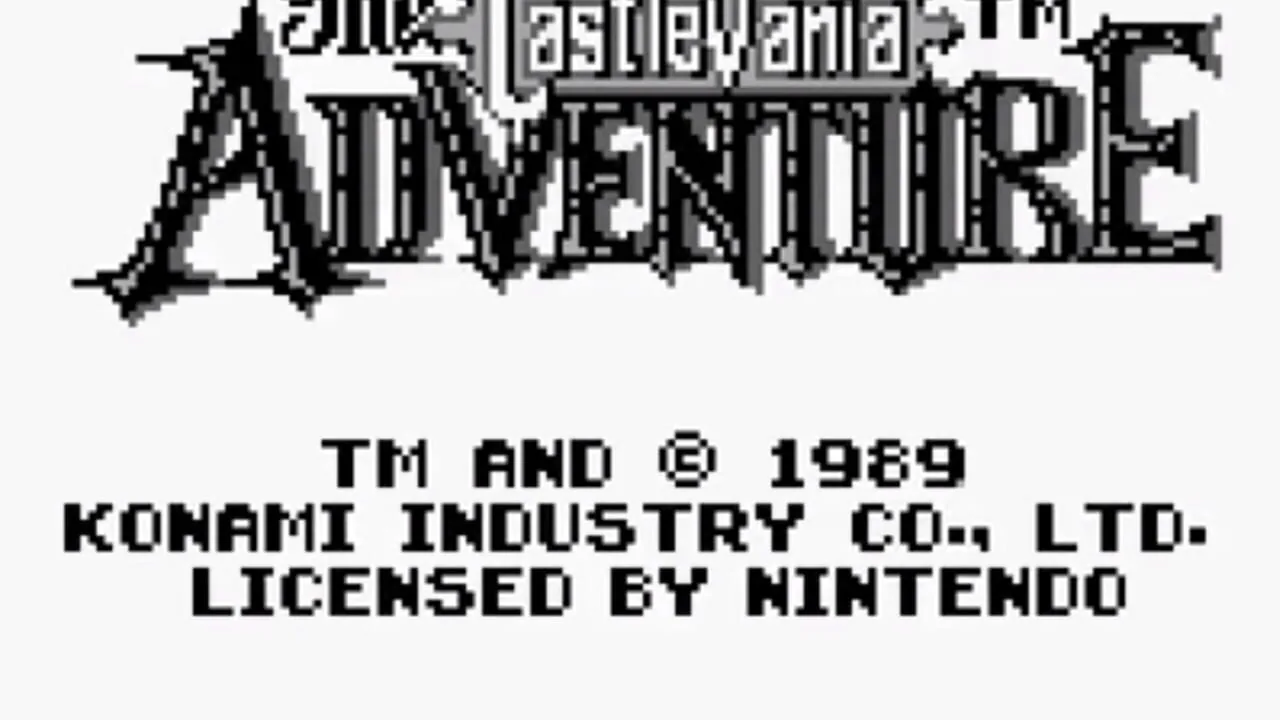
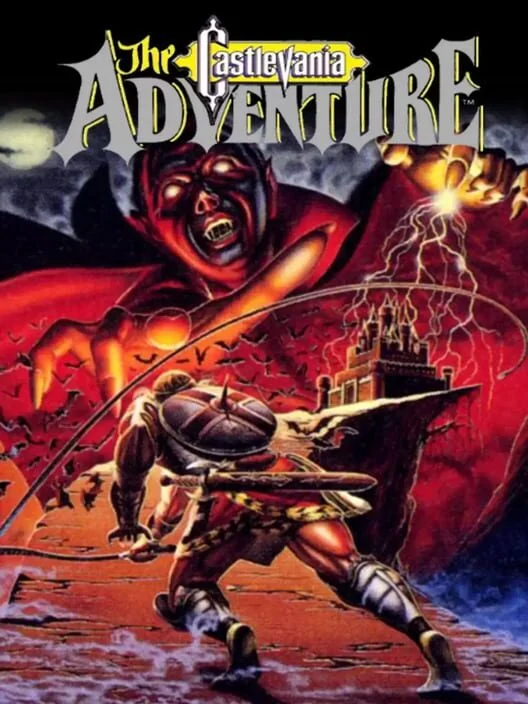
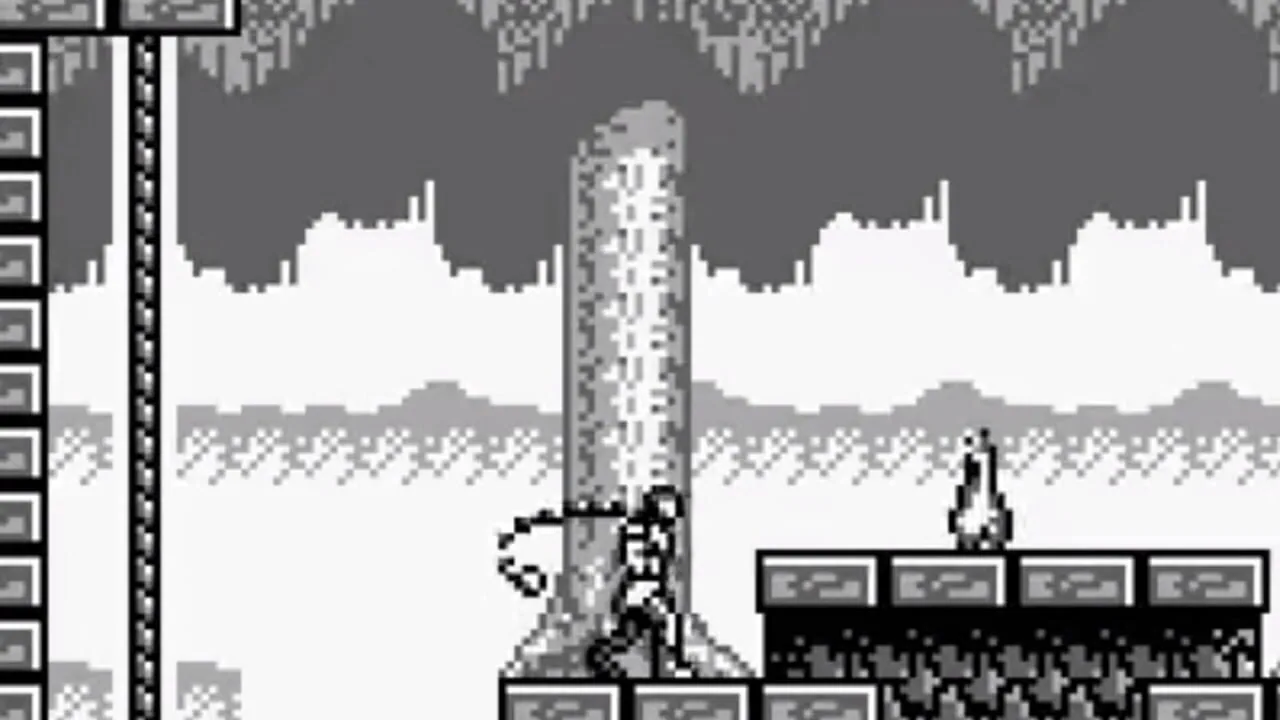
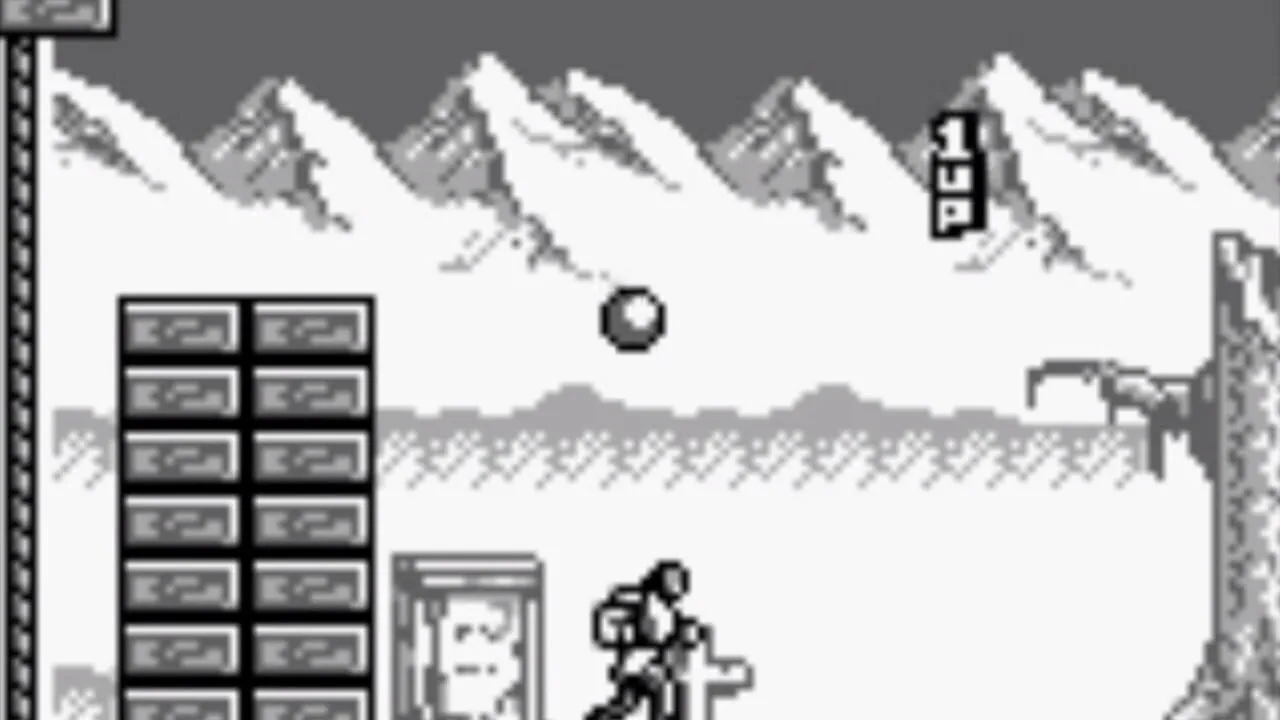
Castlevania: The Adventure was the first Castlevania on a handheld. You play Christopher Belmont, an ancestor of Simon, a century before the events of the original Castlevania. There are no sub-weapons, only the whip, which powers up into a chain whip and then a flame whip. The catch is that any hit from an enemy knocks the upgrade back down.
It is the roughest game here, and critics said so from the start. Two Famitsu reviewers found it frustratingly slow, and one guessed the slow pace was there to cut down the afterimages on the Game Boy's screen. Fans later made a hack called Quick Fix in which Christopher moves at a much more reasonable speed. Still, this is where portable Castlevania begins, and the original game is in the Castlevania Anniversary Collection from 2019.
24. Gargoyle's Quest II (1992)
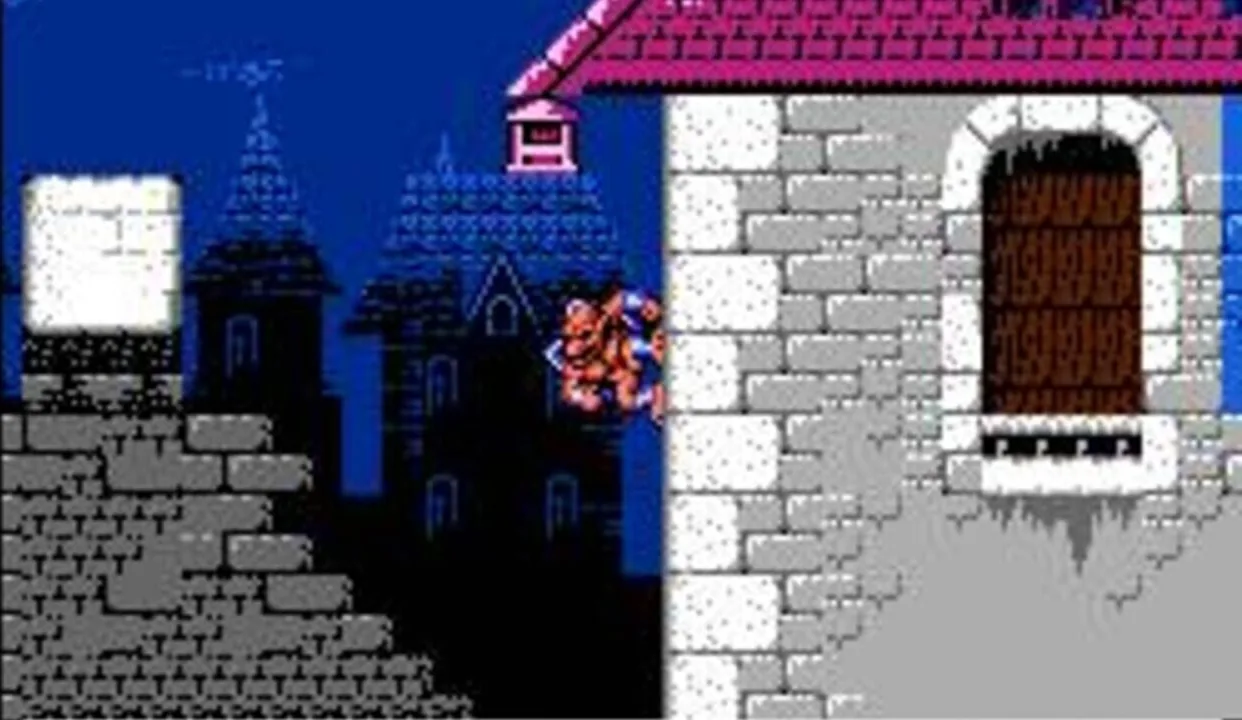
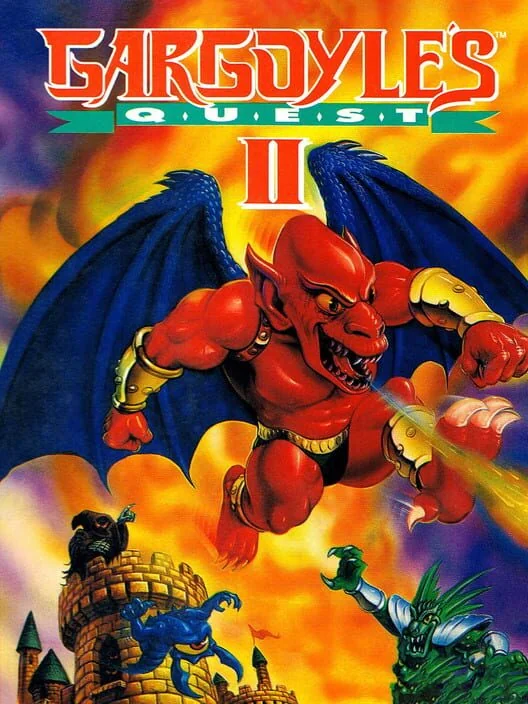
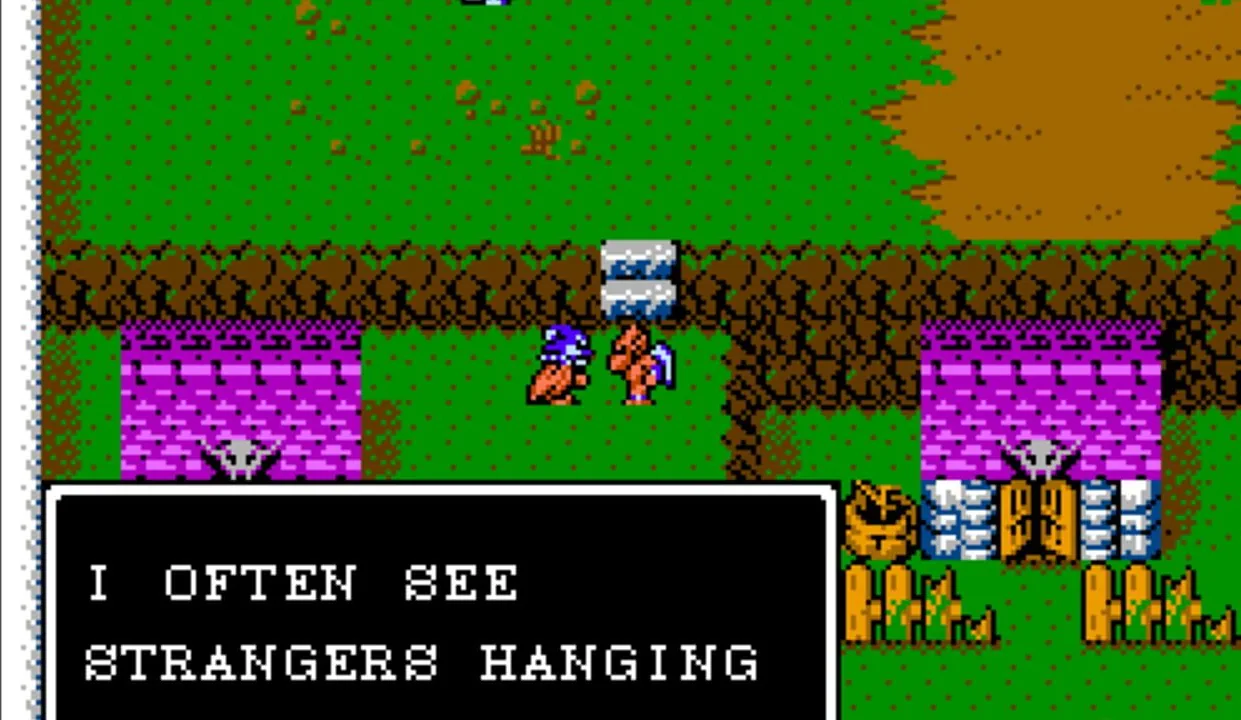
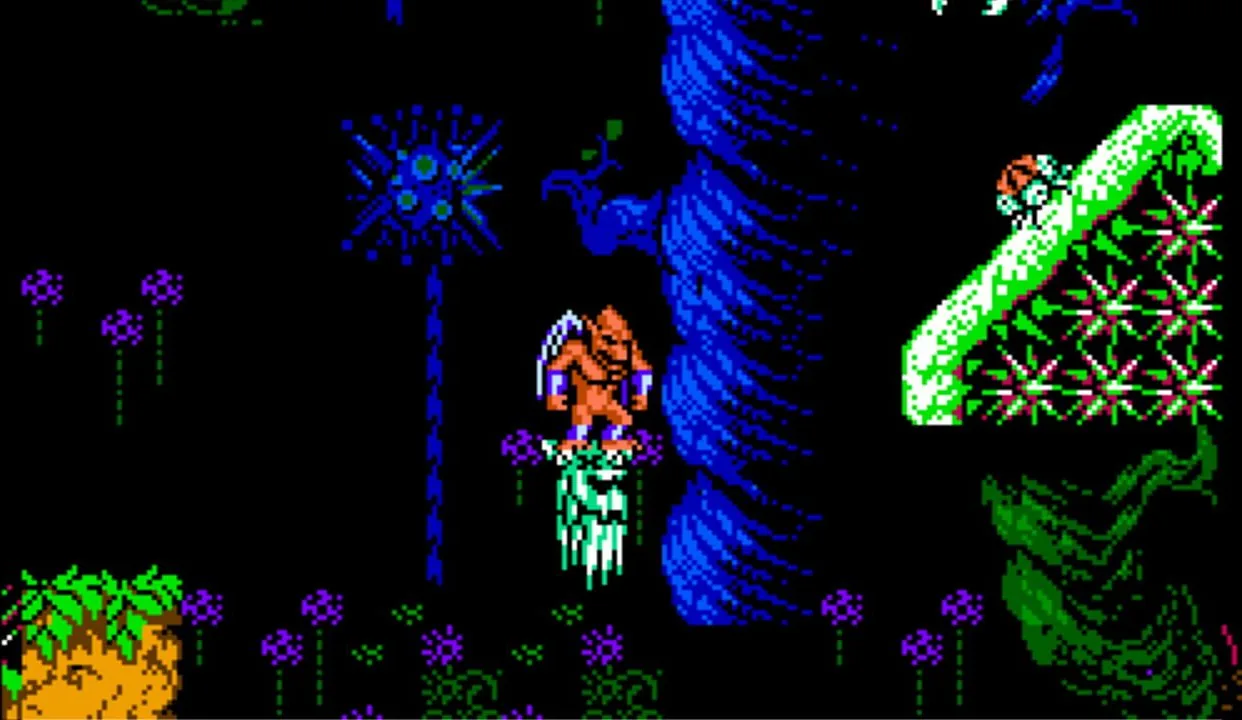
Gargoyle's Quest II came out on the NES first, and in 1993 Capcom ported it to the Game Boy in Japan and China only, as Makaimura Gaiden: The Demon Darkness. An English Game Boy release was planned for July 1993 and then canceled. You fly Firebrand through action stages linked by an overworld with towns, the same mix as the first Game Boy game.
This is no lazy port. The Game Boy version adds two new action stages, and beating them earns a homing upgrade for Firebrand's shot and an astral projection move for scouting ahead. That makes the Japanese cart the most complete version of the game, which is a strange thing to say about a handheld port. If you can only find the NES cart, you are still getting a great game, just a slightly smaller one.
23. Darkwing Duck (1993)
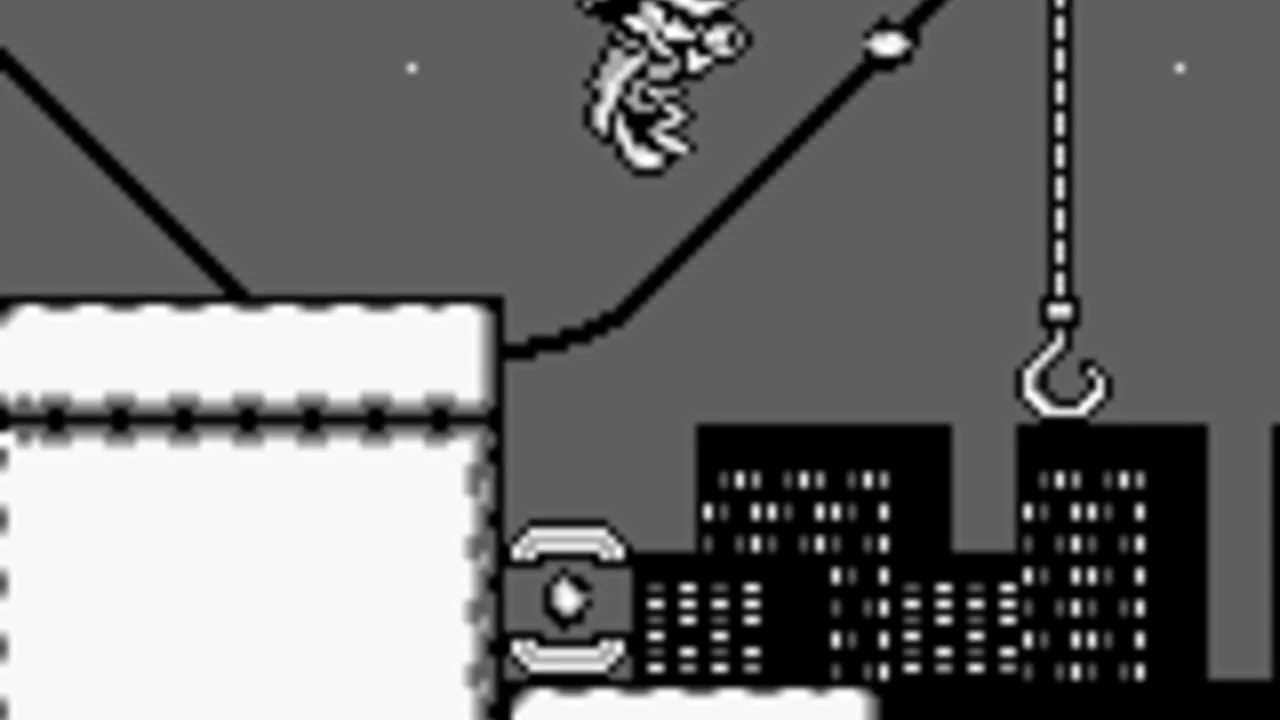
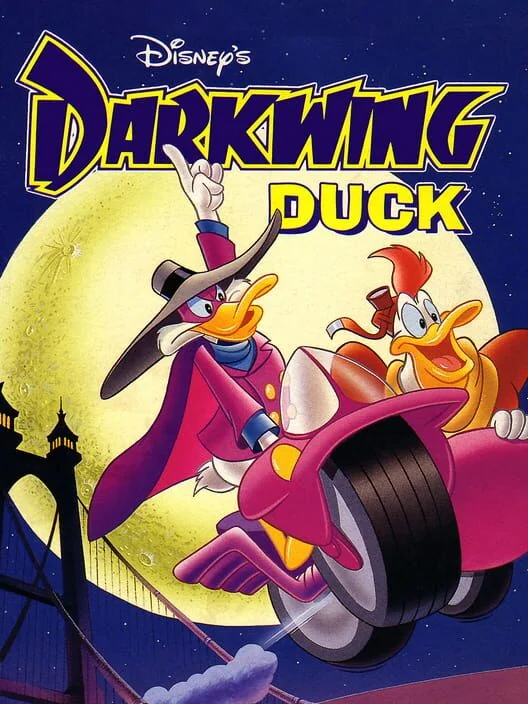
Capcom made Darkwing Duck for the NES in 1992, and the Game Boy version followed in February 1993. It plays a lot like Mega Man. Darkwing takes down enemies with a gas gun, and the special gases you find each use their own ammunition, though you can only carry one type at a time. He can also block some enemy shots with his cape.
Critics liked the handheld version more than you might expect from a licensed cartoon game. Nintendo Magazine System in the UK said it was different from the "rest of the potboiler platformers gracing the Gameboy" and called it "entertaining and varied". Nintendo Power ranked it the third best Game Boy game of 1993. If you love Mega Man, this is the closest thing to a sixth Game Boy entry, with a purple cape.
22. Mega Man II (1991)
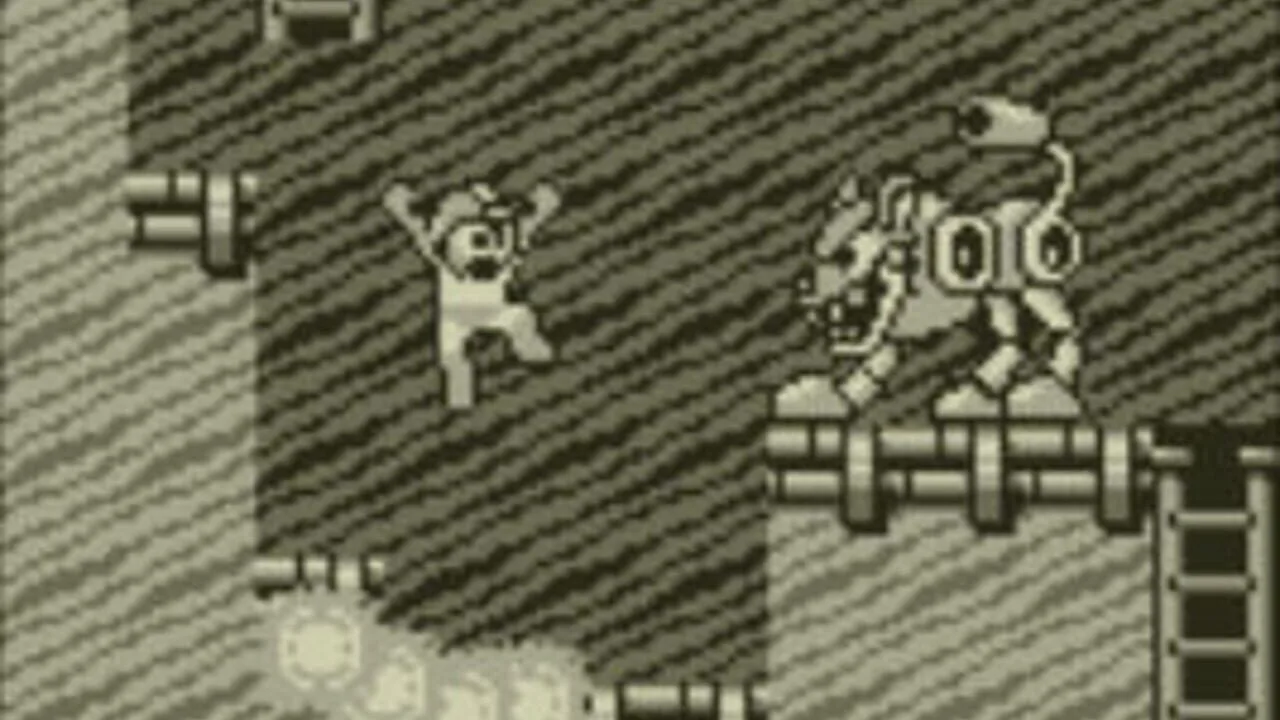
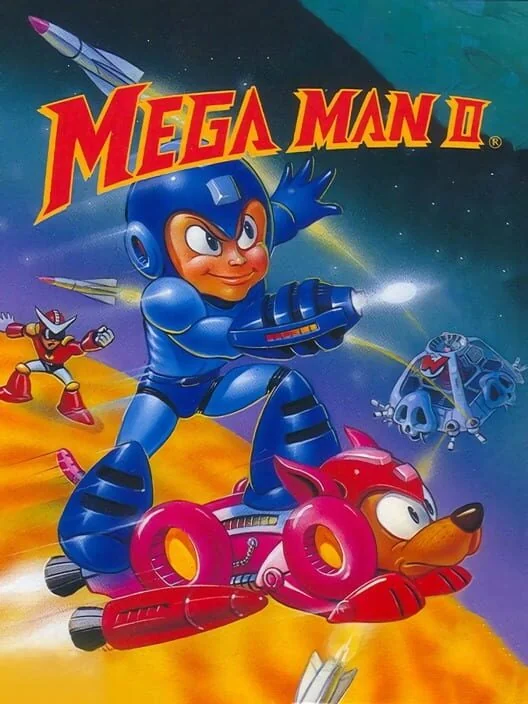
Like the first Game Boy Mega Man, the sequel mixes bosses from two NES games. The first four stages bring Wood Man, Air Man, Crash Man and Metal Man from Mega Man 2, and once you reach Wily's fortress, Top Man, Hard Man, Magnet Man and Needle Man from Mega Man 3 get full stages of their own. The new villain is Quint, a future Mega Man that Wily brainwashed and armed with a pogo-jackhammer.
Capcom outsourced it to Thinking Rabbit, the developer of Sokoban, and it shows. Critics consider it the weakest of the five Game Boy Mega Man games, mostly for its bland level design and its music, which plays so high and tinny that everything screeches. Thinking Rabbit did not make the sequels.
21. Jurassic Park (1993)
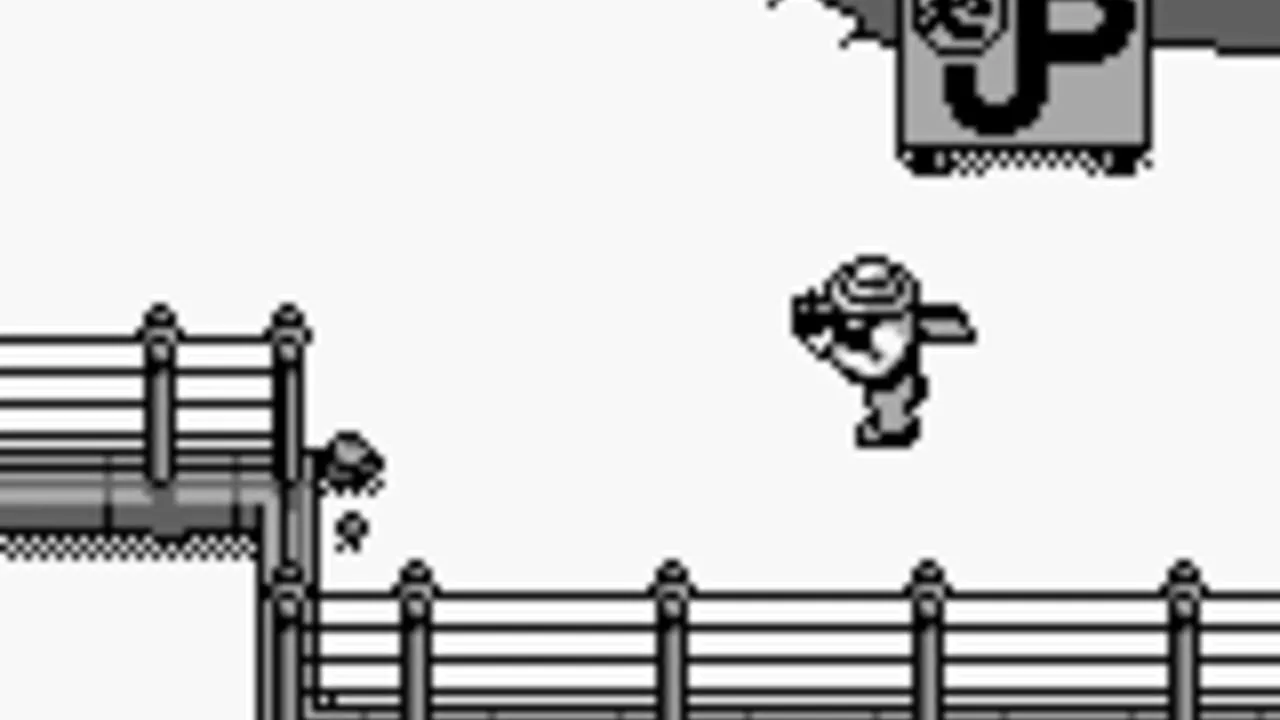
Ocean made Jurassic Park for the NES and then ported it to the Game Boy. It is a top-down shooter. As Dr. Grant, you collect dinosaur eggs and ID cards to get through each level, and some dinosaurs, like the T. rex, cannot be killed at all, only avoided. The Game Boy version adds a database with information on the game's dinosaurs.
Nintendo Power found the aiming awkward on the Game Boy, but otherwise praised the gameplay and the sense of danger it took from the film. Limited Run Games put the NES and Game Boy versions in Jurassic Park: Classic Games Collection in 2023, released for the film's 30th anniversary.
20. R-Type (1991)
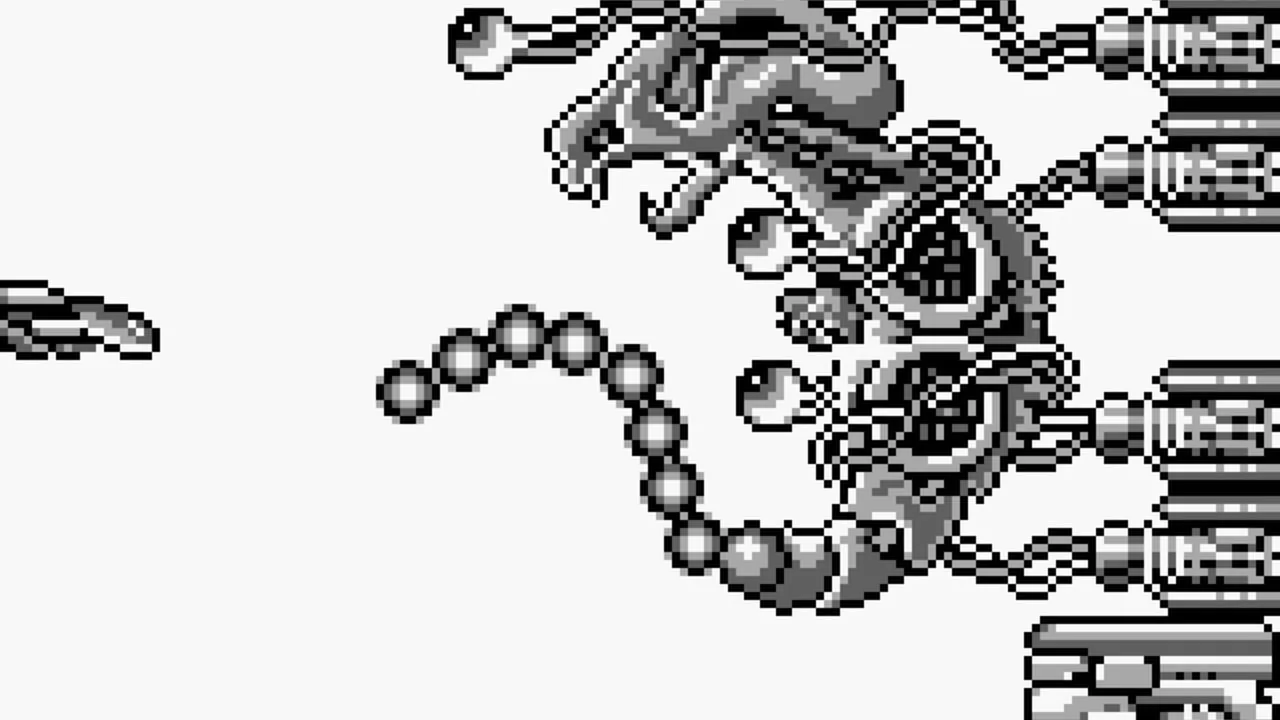
R-Type was a 1987 Irem arcade shooter, and in North America it was distributed by Nintendo, the last arcade game the company released. It is slower than most shooters of the time and asks you to memorize enemy patterns as much as react to them. The Game Boy got its own version, and later its sequel on a separate cart.
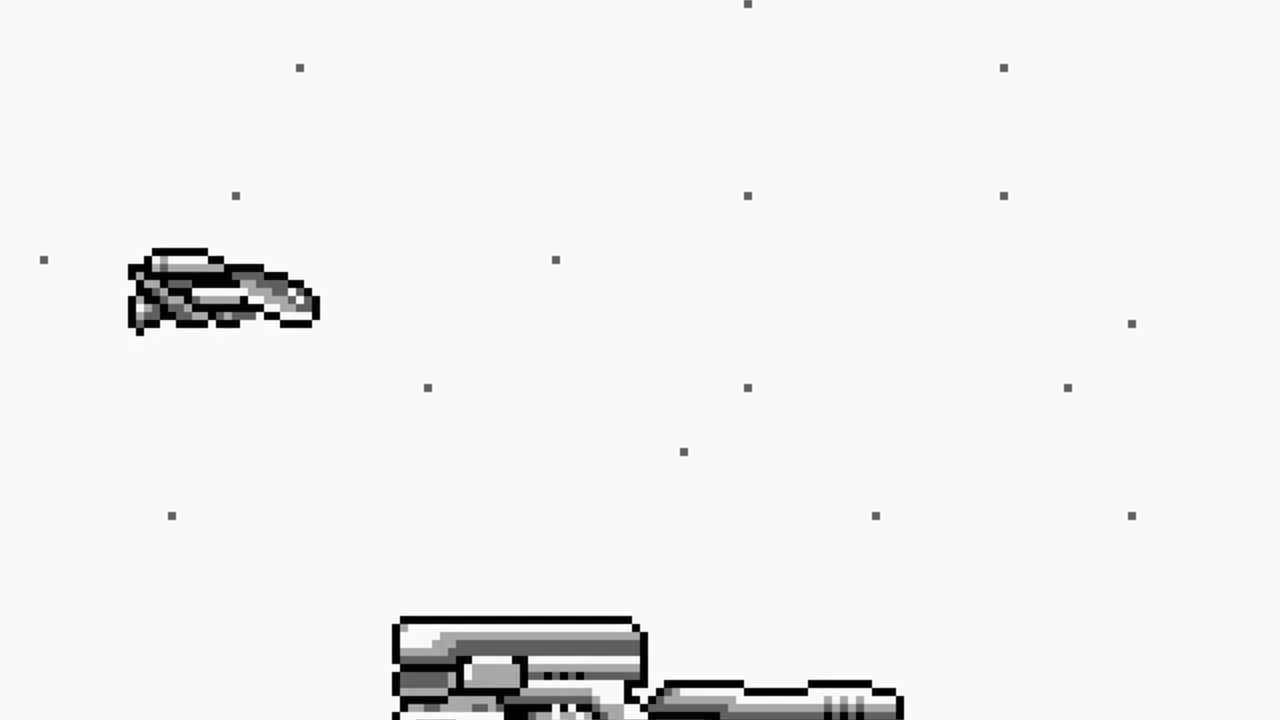
Squeezing it onto a handheld cost something. The Game Boy R-Type suffers from plenty of slowdown and flicker, but otherwise it plays admirably well for the hardware, and the giant bosses still look huge on the little screen. In 2000, Bits Studio redrew both Game Boy games and put them on a single Game Boy Color cart called R-Type DX, so the black and white original is the one for purists.
19. Teenage Mutant Ninja Turtles III: Radical Rescue (1993)
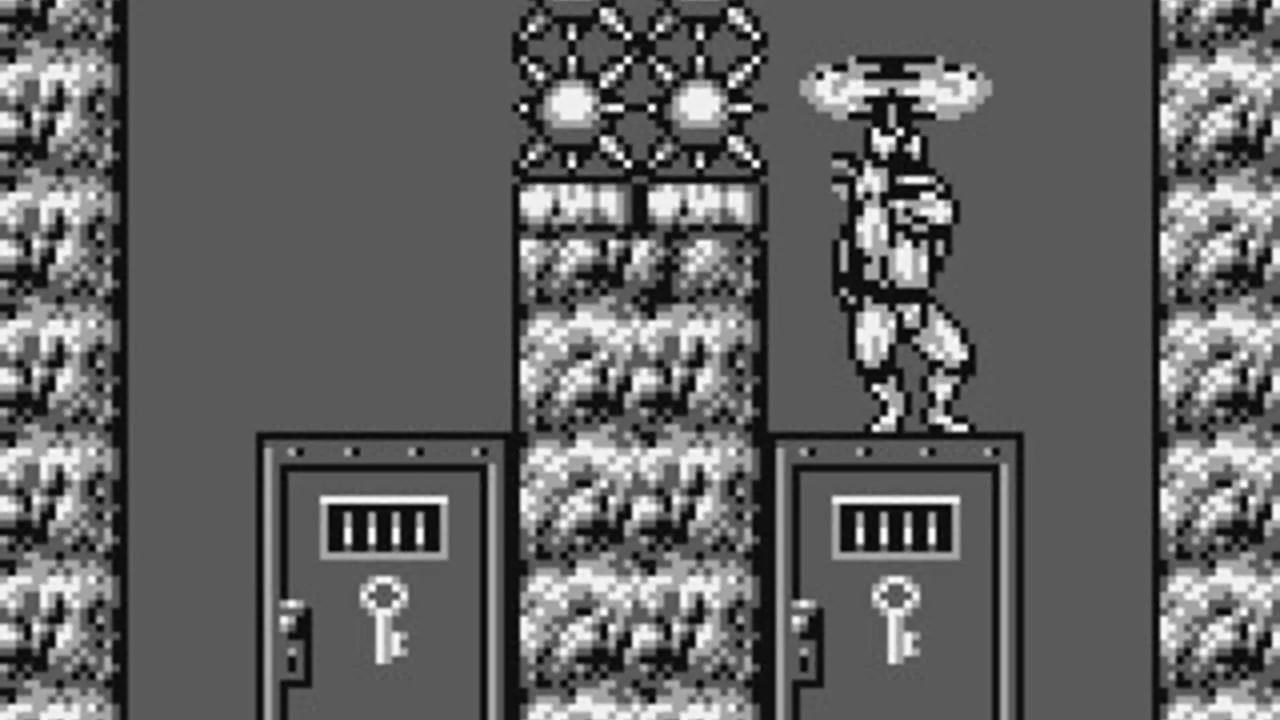
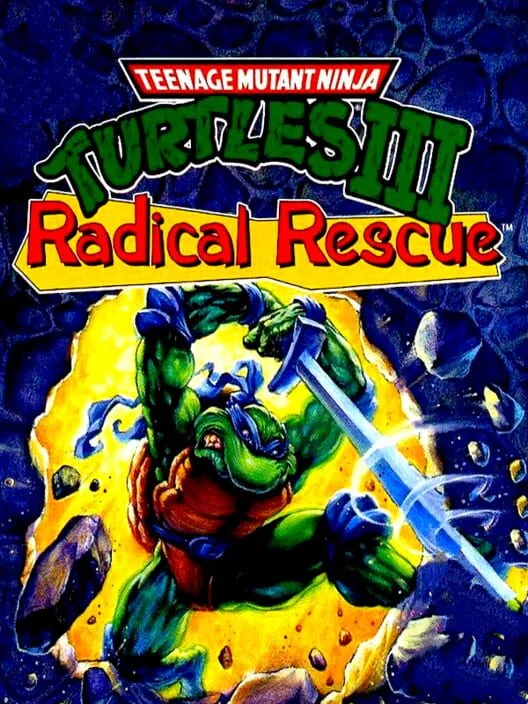
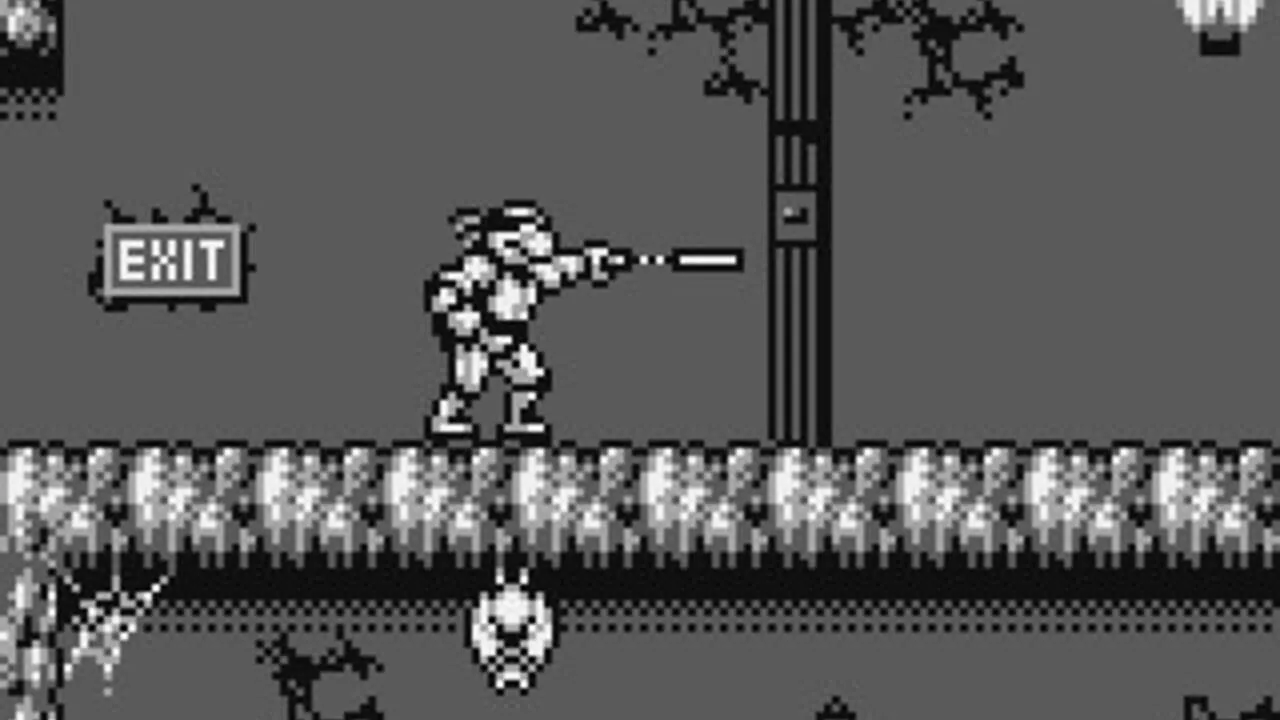
Radical Rescue is a Metroidvania, made by Konami for the Game Boy in 1993. Shredder has captured April and three of the Turtles, so you start as Michelangelo alone and free the others from their cells inside one big maze. Each brother you rescue adds a skill. Leonardo drills into the ground with his katana, Raphael shrinks into his shell to fit through narrow passages, Donatello climbs walls and Mikey hovers by spinning his nunchucks.
It is now seen as an early example of the Metroidvania, years before Konami made Castlevania: Symphony of the Night. On release some magazines praised it as one of the best Game Boy games, while others criticized its difficulty and called it unoriginal. Be careful in the boss fights: the moment one turtle is defeated, the game is over.
18. Mega Man IV (1993)
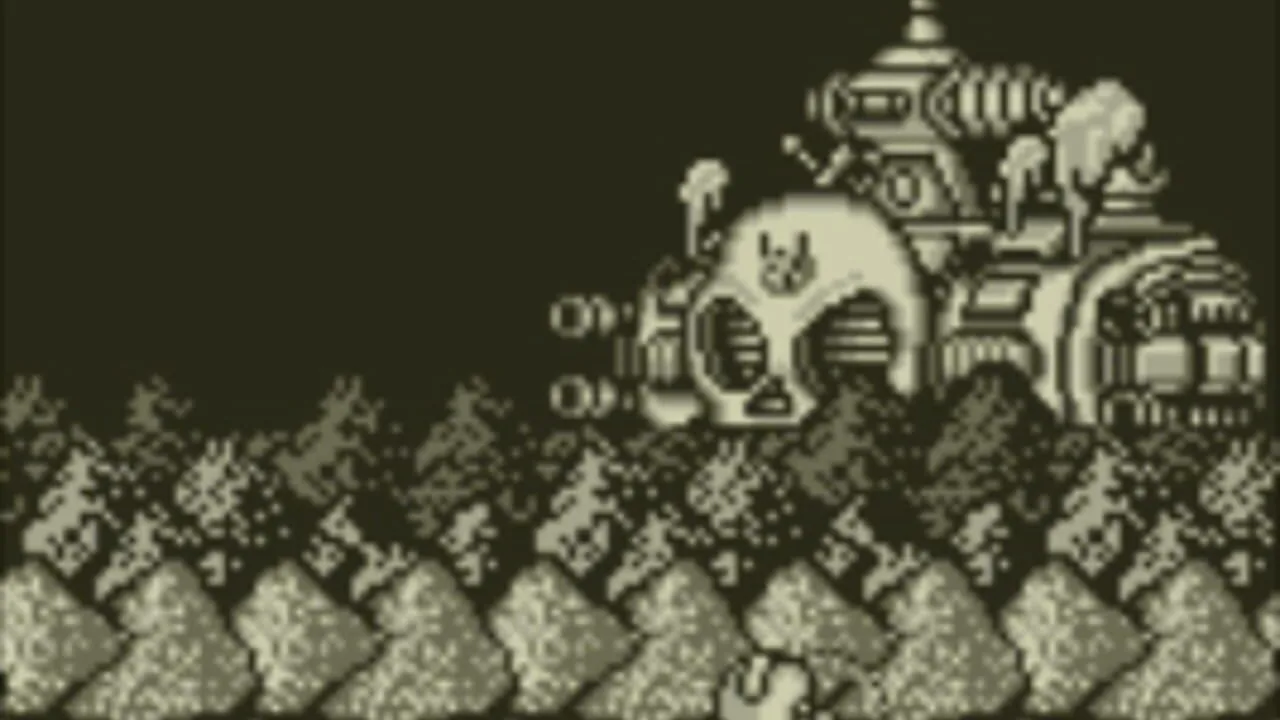
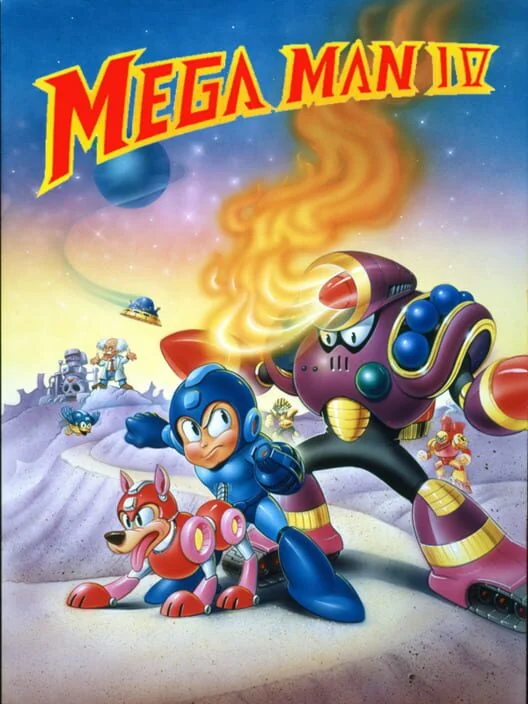
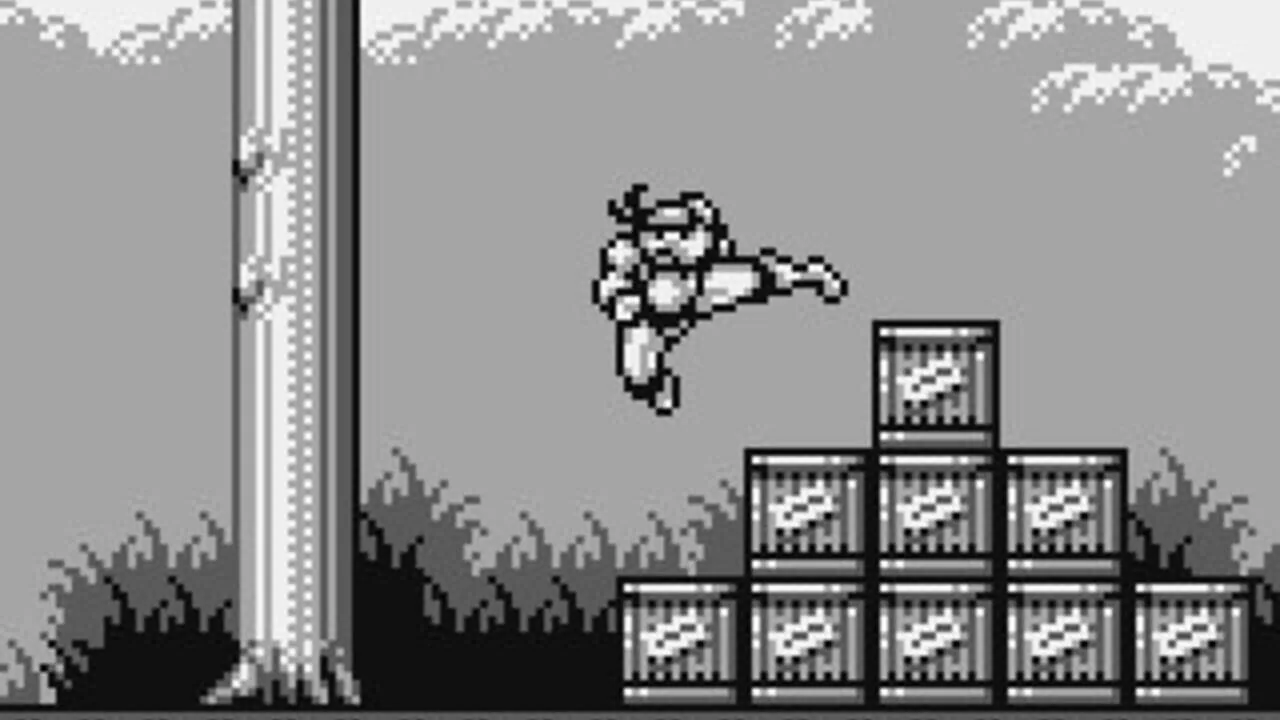
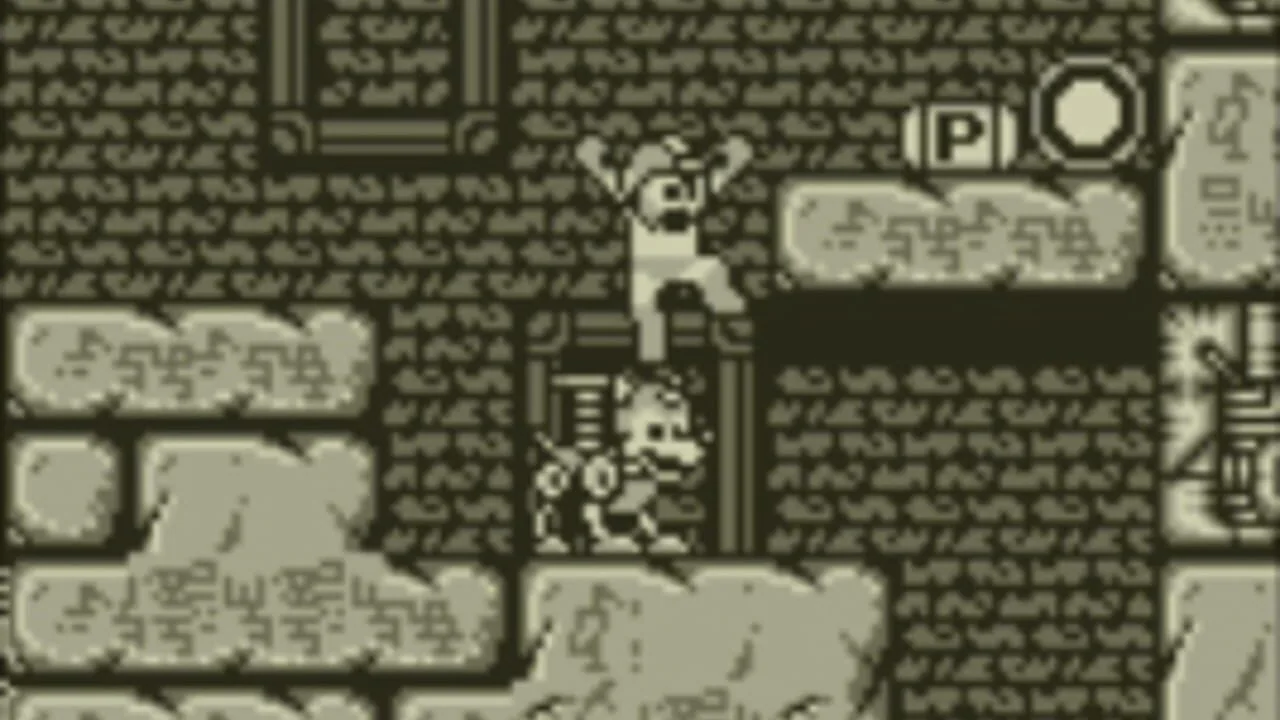
Mega Man IV keeps the Game Boy habit of borrowing bosses from two NES games: Toad Man, Bright Man, Pharaoh Man and Ring Man from Mega Man 4, then Crystal Man, Napalm Man, Stone Man and Charge Man from Mega Man 5. It also introduces a shop to the series. The first four stages each hide a letter that spells out "B-E-A-T", the name of Mega Man's bird.
It is probably the most polished of the Game Boy Mega Man games, with big sprites and several levels that take wild turns away from their NES source. Critics praised how much it improved on the earlier entries. There is also a hidden helper: when Mega Man fails enough times in one stage, Dr. Light upgrades the Mega Buster to charge faster and hit harder.
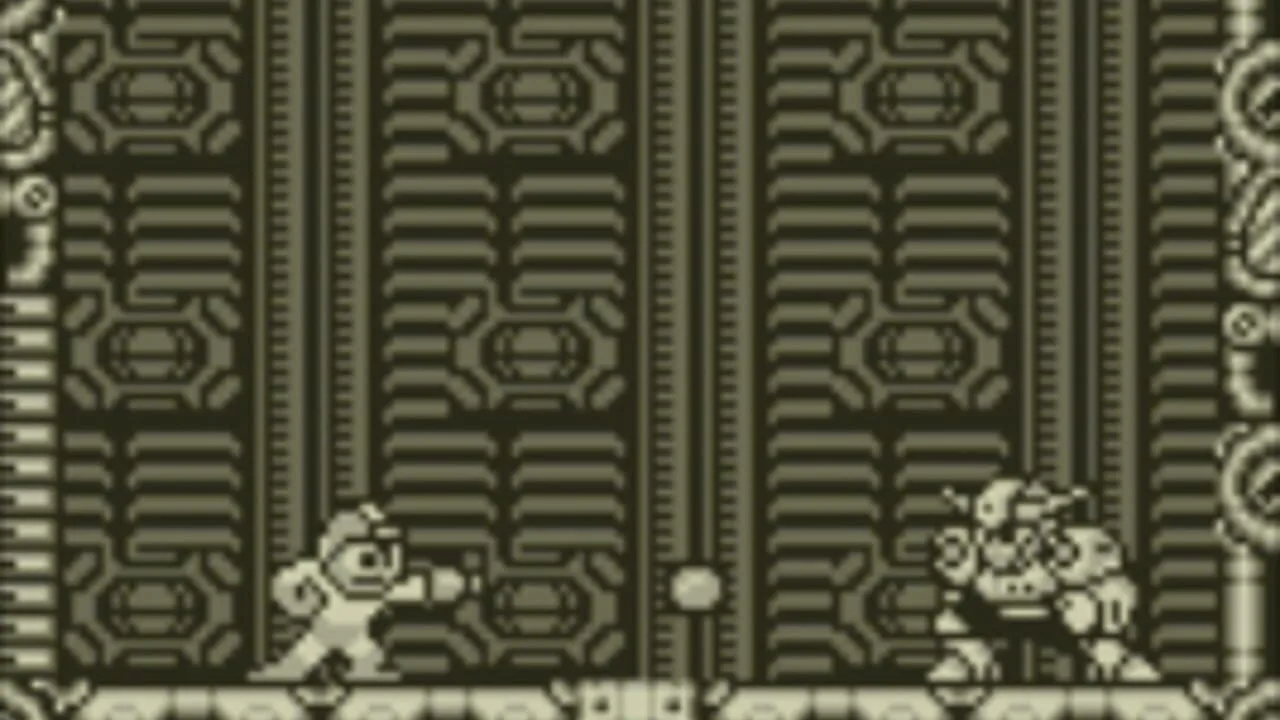
17. Teenage Mutant Ninja Turtles: Fall of the Foot Clan (1990)
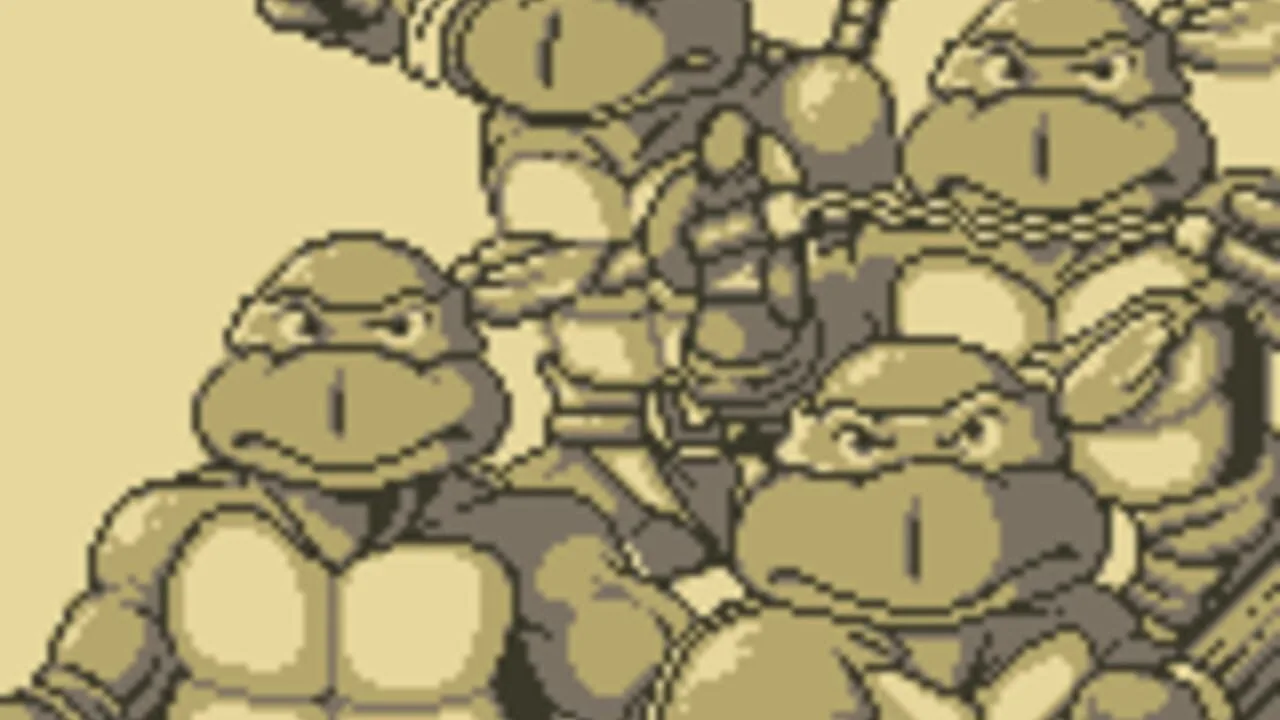
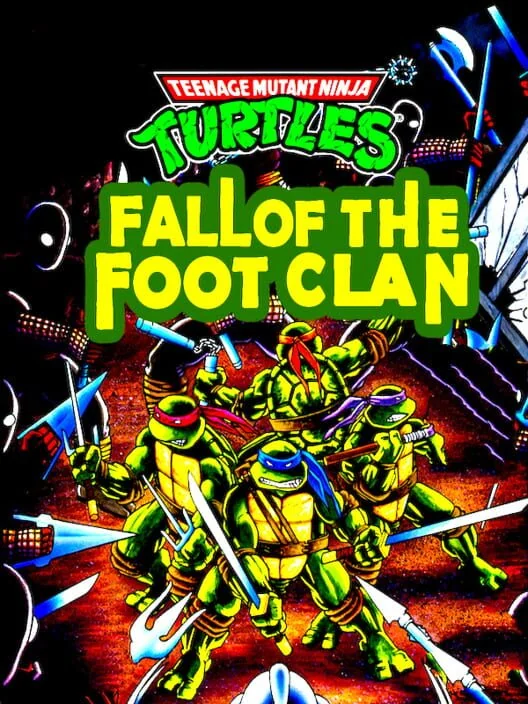
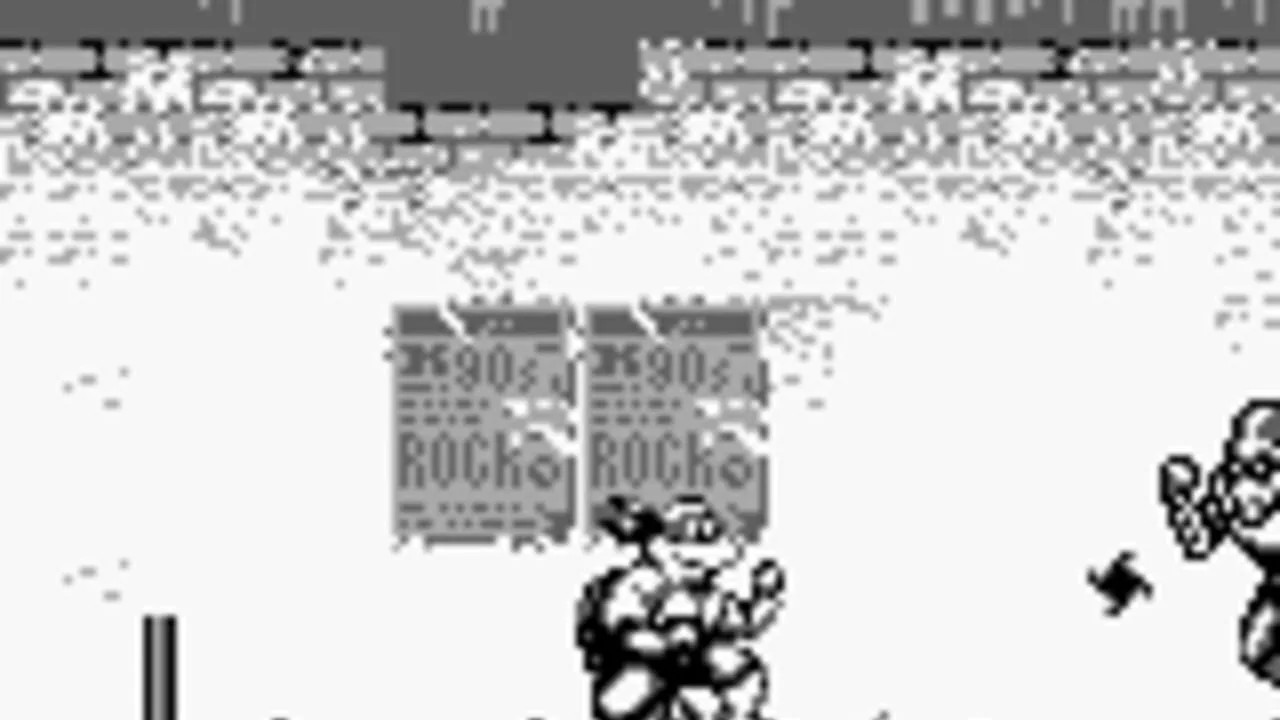
Fall of the Foot Clan was the first Turtles game on the Game Boy. It was designed by Naoki Matsui, who had worked on Vampire Killer and Gradius for the MSX before Konami turned its MSX team into a Game Boy team. You can pick any of the four Turtles, each with his own weapon, and throw an unlimited amount of shurikens by striking while crouching.
There are five stages in total, each ending with a boss you know from the cartoon, like Rocksteady or Shredder. It is short. It also reads like a tribute to Bad Dudes, from the walk-and-slash fights against ninjas to the stage where you fight on top of speeding trucks. For a game from 1990, it holds up well.
16. Avenging Spirit (1992)
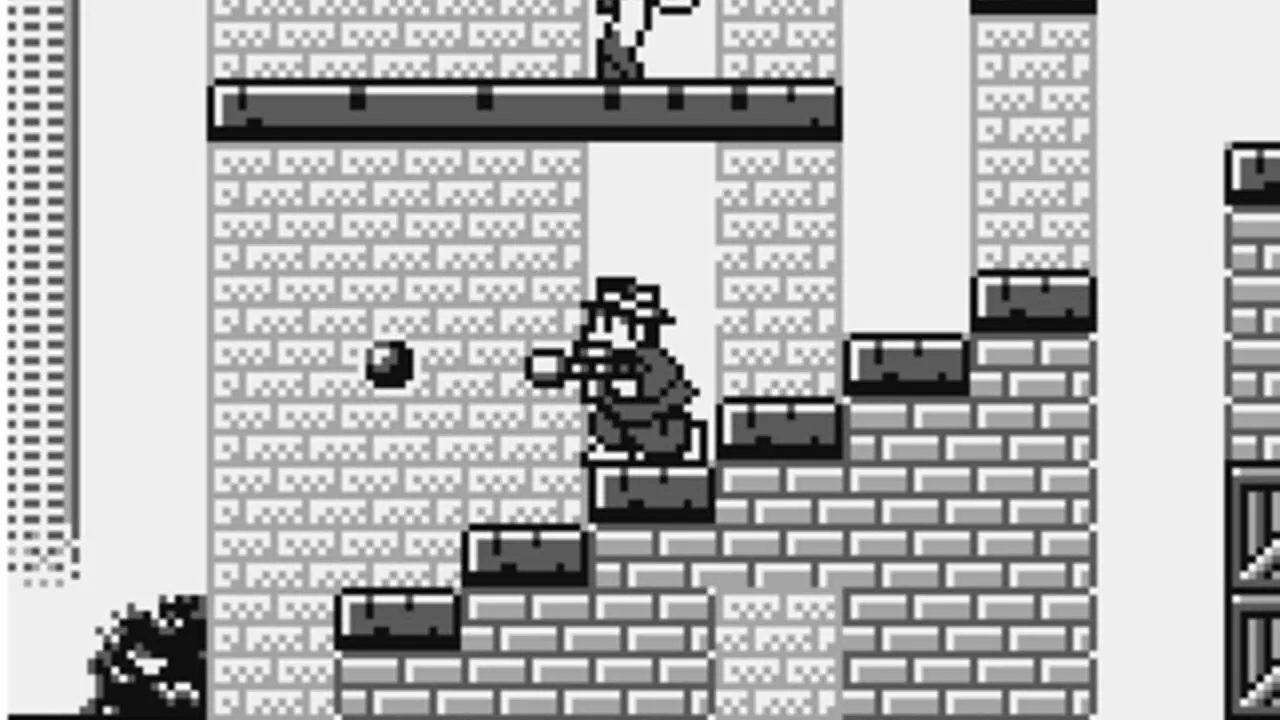
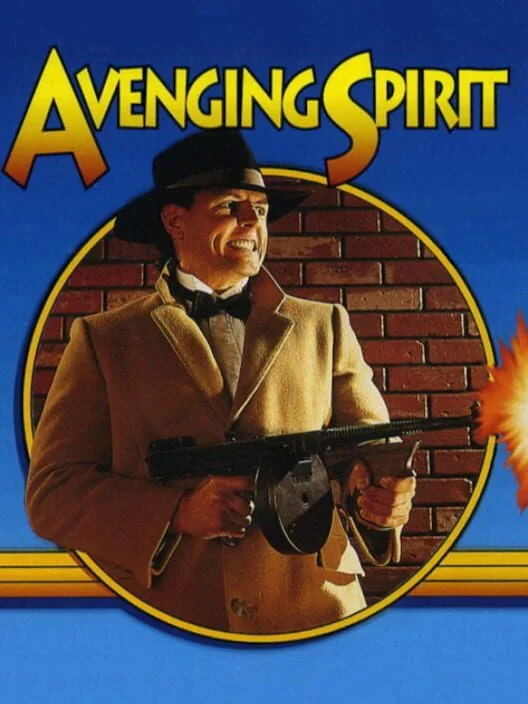
Avenging Spirit has one of the darkest openings on the Game Boy. Gangsters kidnap your girlfriend and shoot you dead, so you come back as a ghost to rescue her. As a ghost you cannot fight, and your spirit energy keeps draining, so you take over the bodies of enemies and use their abilities, from agility and attack power to falling speed.
The idea was ahead of its time. Nintendo would build on the same concept twenty-six years later with Super Mario Odyssey. The game began in the arcade, as Phantasm, but the Game Boy port was made by a different team and is easier, and you would probably be hard-pressed to find someone who prefers the arcade original. Players remember it as fun and very unique, a little gem.
15. Rolan's Curse II (1992)
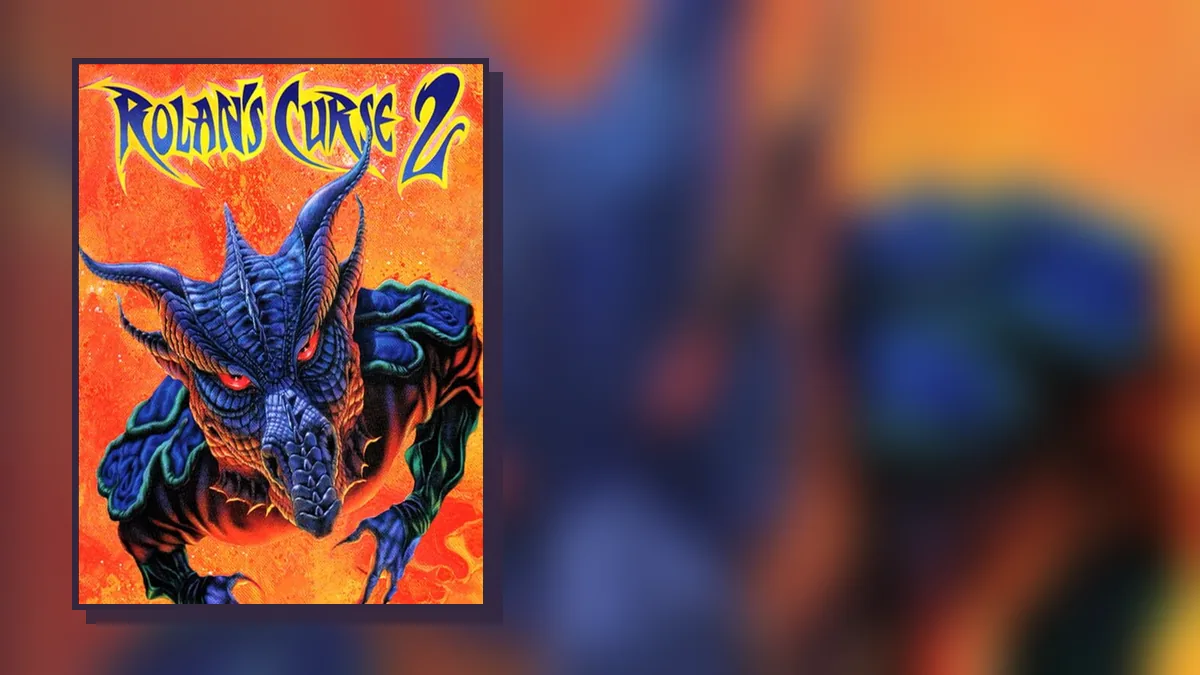
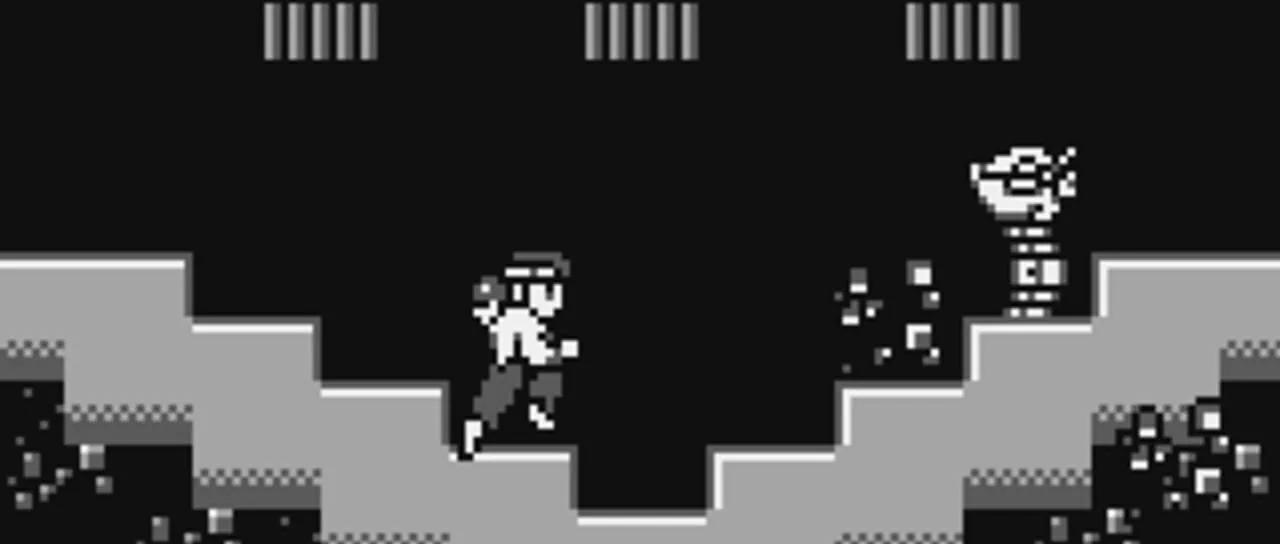
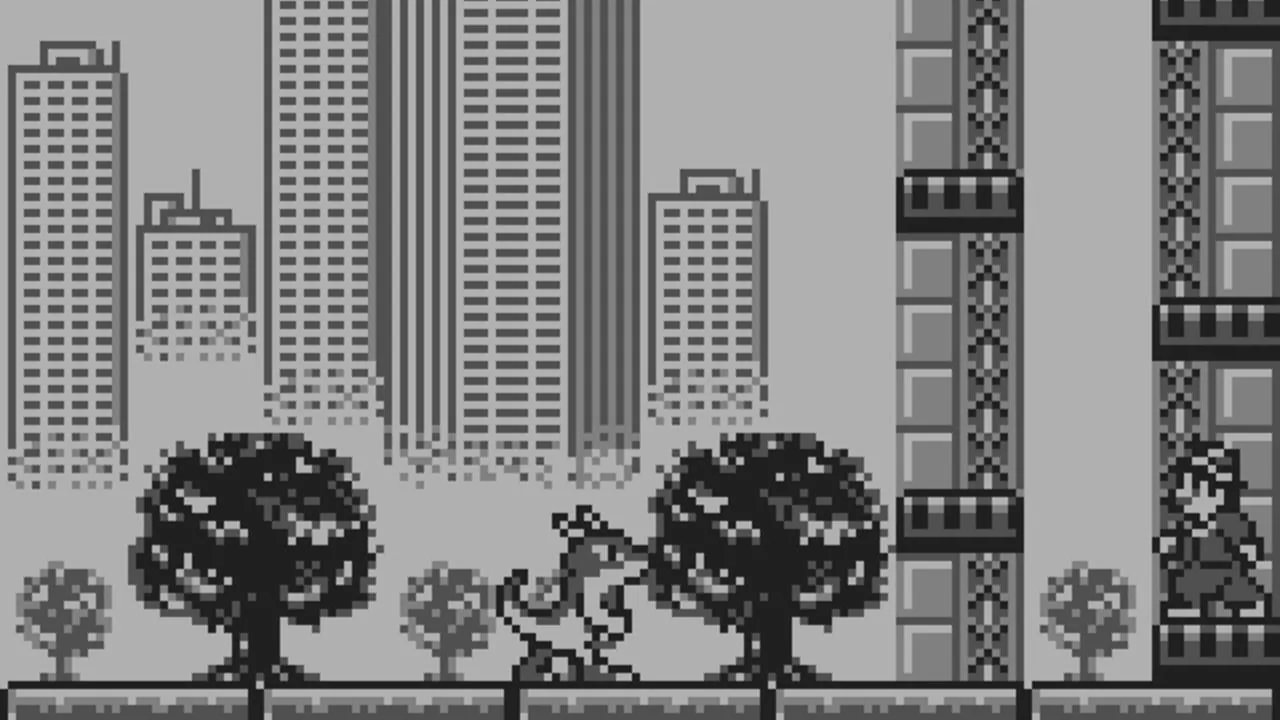
Rolan's Curse II, known in Japan as Velious II, was developed by NMK and released for the Game Boy in 1992 as the sequel to Rolan's Curse. King Barius is back and trying to take over the world. The game is played from an overhead view, and you start with one hero, Ray, who can later join forces with up to seven more characters.
Only three of them can travel with you at once, and each has a unique skill, so who you take along changes how the game plays. Unlike most RPGs, your stats do not go up by defeating enemies. You raise them by finding treasure chests that hold power-up points. It is one of the quiet favourites of players who dig deep into the Game Boy library.
14. Double Dragon (1990)
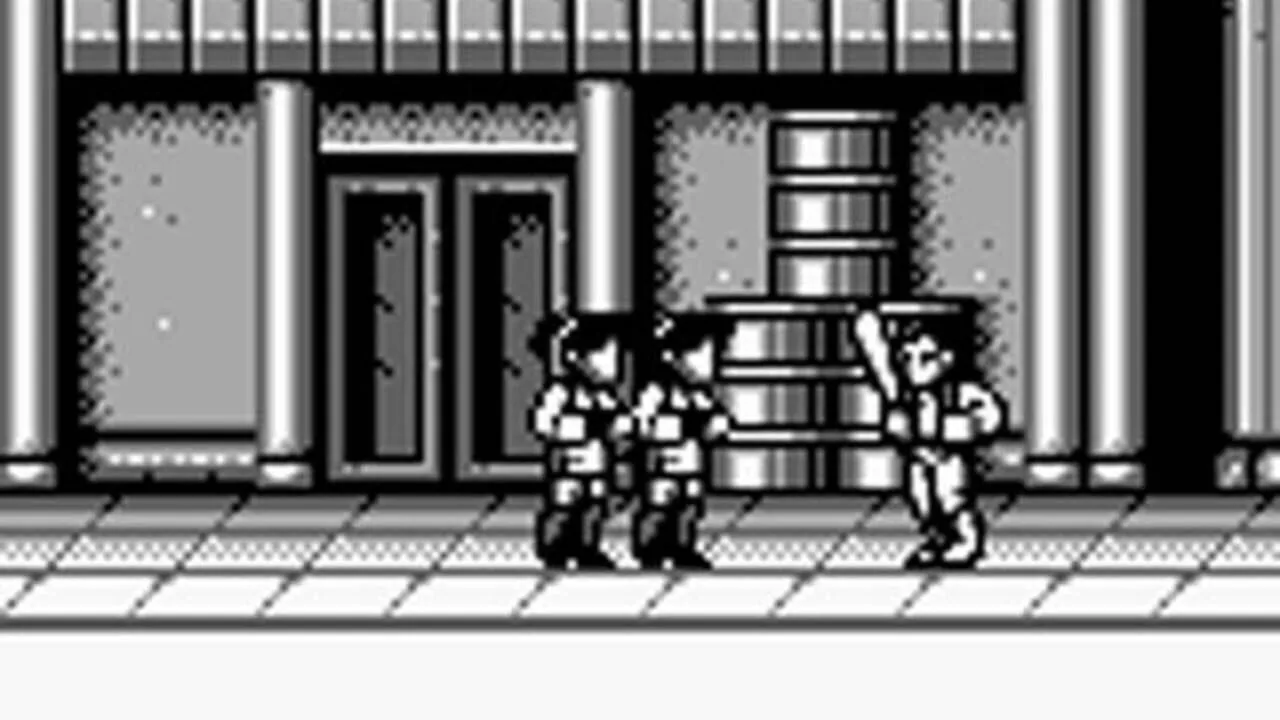
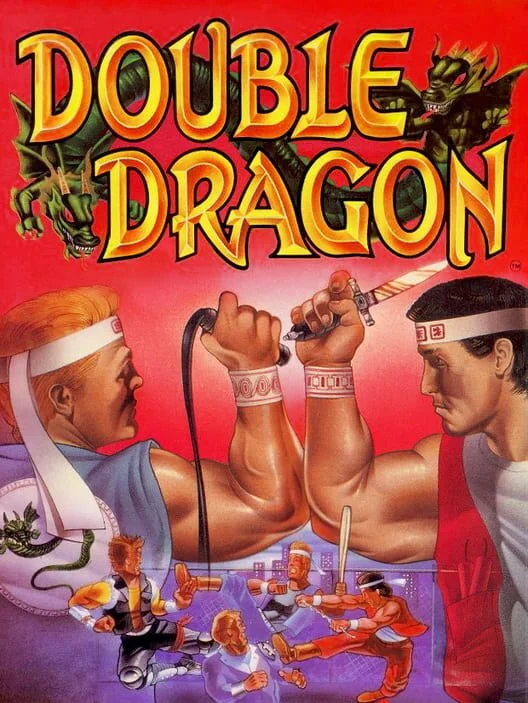
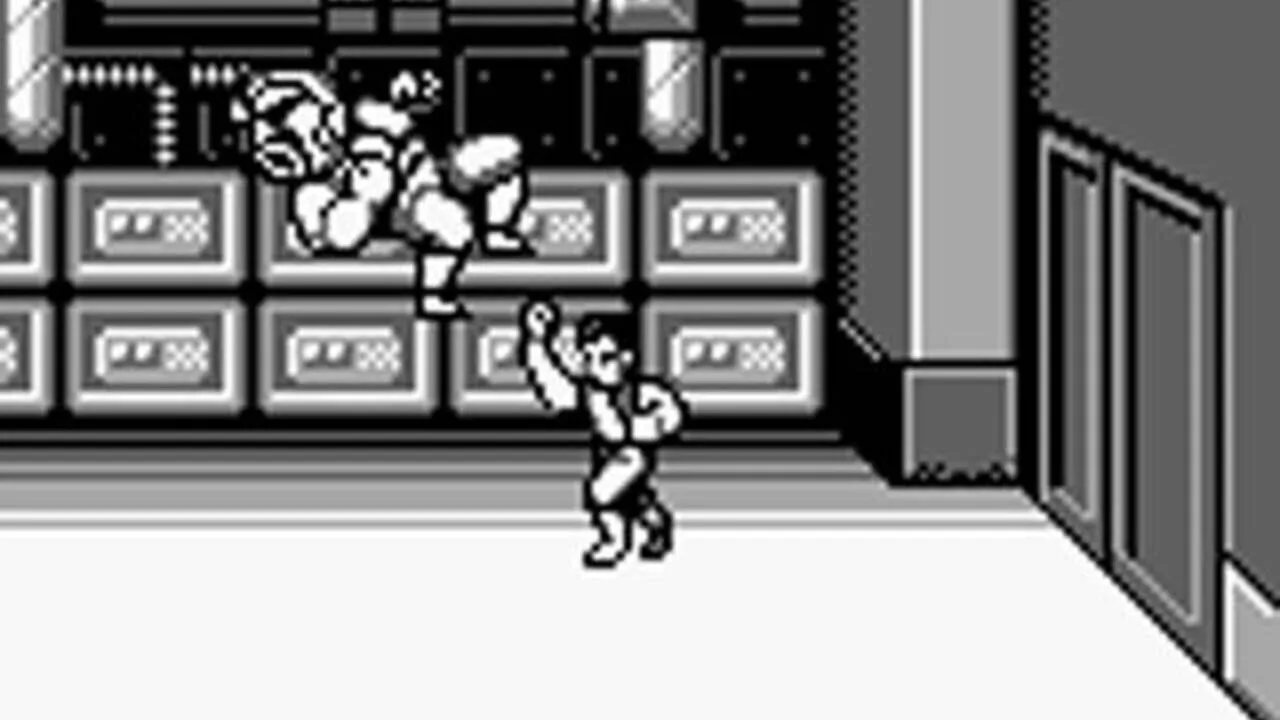
Double Dragon was one of the first successful beat 'em ups, and the Game Boy version came out in July 1990. It is mostly based on the NES version, with completely different level designs and all of Billy's moves available from the start. Abobo looks even more deformed and has learned a grapple from Double Dragon II.
It is also very hard, because dying always sends you back to the very beginning of a stage. The game ends after the fight with Willy, with no showdown against Jimmy, and the one-on-one mode only lets Billy and Jimmy fight each other. Still, keeping up with the NES version on a handheld in the Game Boy's second year was an impressive feat, and the cart plays well even now.
13. James Bond 007 (1998)
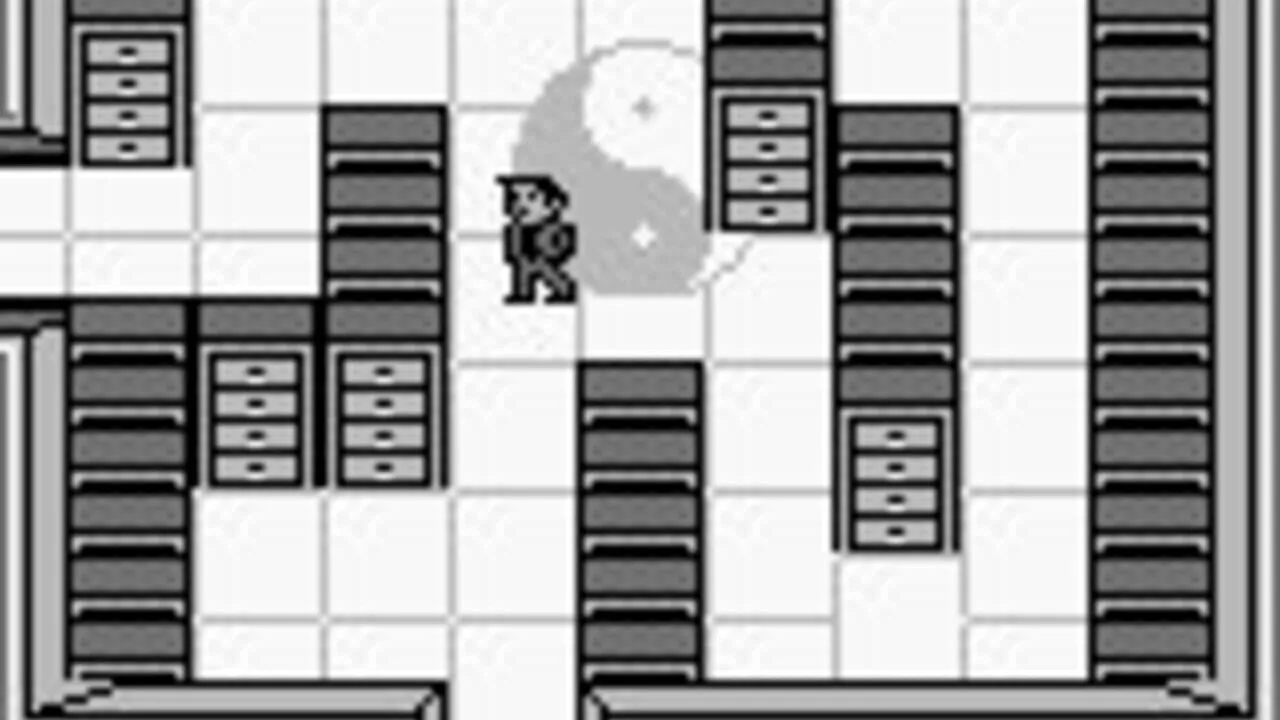
James Bond 007 was developed by Saffire and published by Nintendo, and it came out in North America on February 9, 1998. It is played from a top-down perspective across 11 levels, and the story mixes characters from several Bond films, Oddjob and Jaws included. Between fights you can play baccarat and blackjack, which is the most Bond thing on the cart.
Reviewers compared it with The Legend of Zelda: Link's Awakening, and one player summed it up as "Zelda with guns". IGN praised the character designs and the casino music, but missed a decent map for the maze-like levels. Nintendojo later said the action suffers from poor control and a slow pace. Fans still love it as one of the few late Game Boy games built around a story.
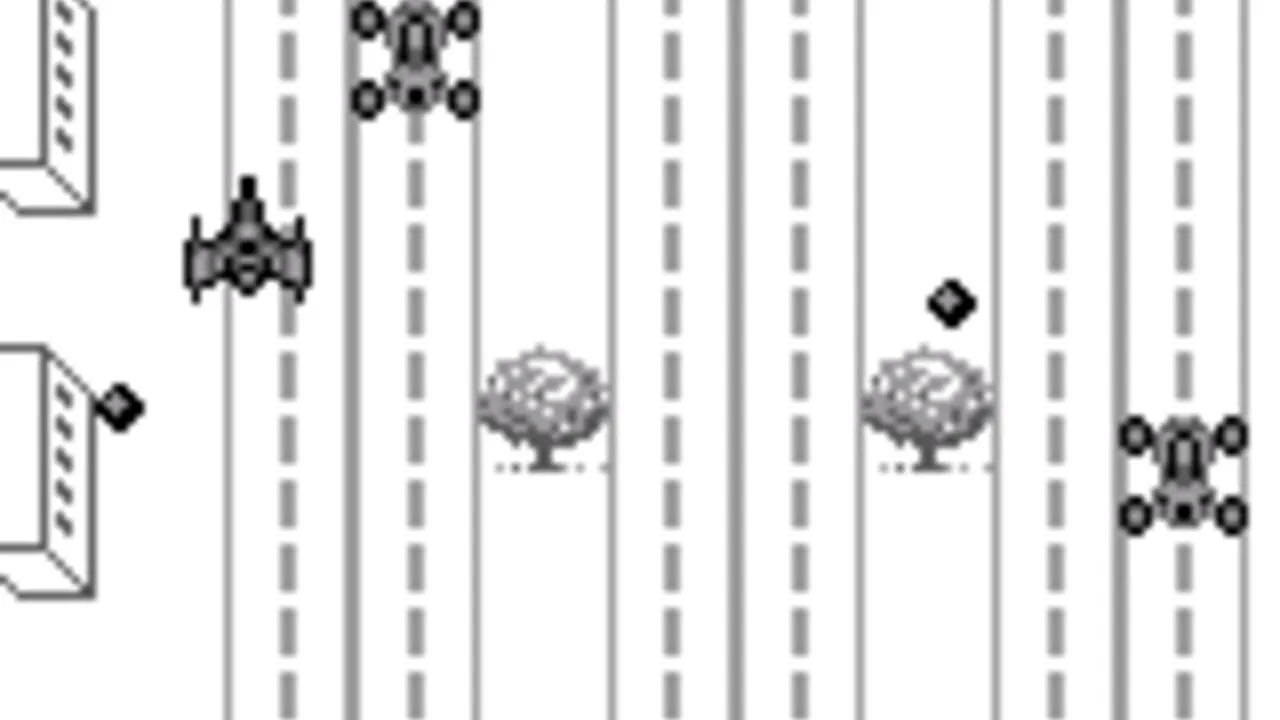
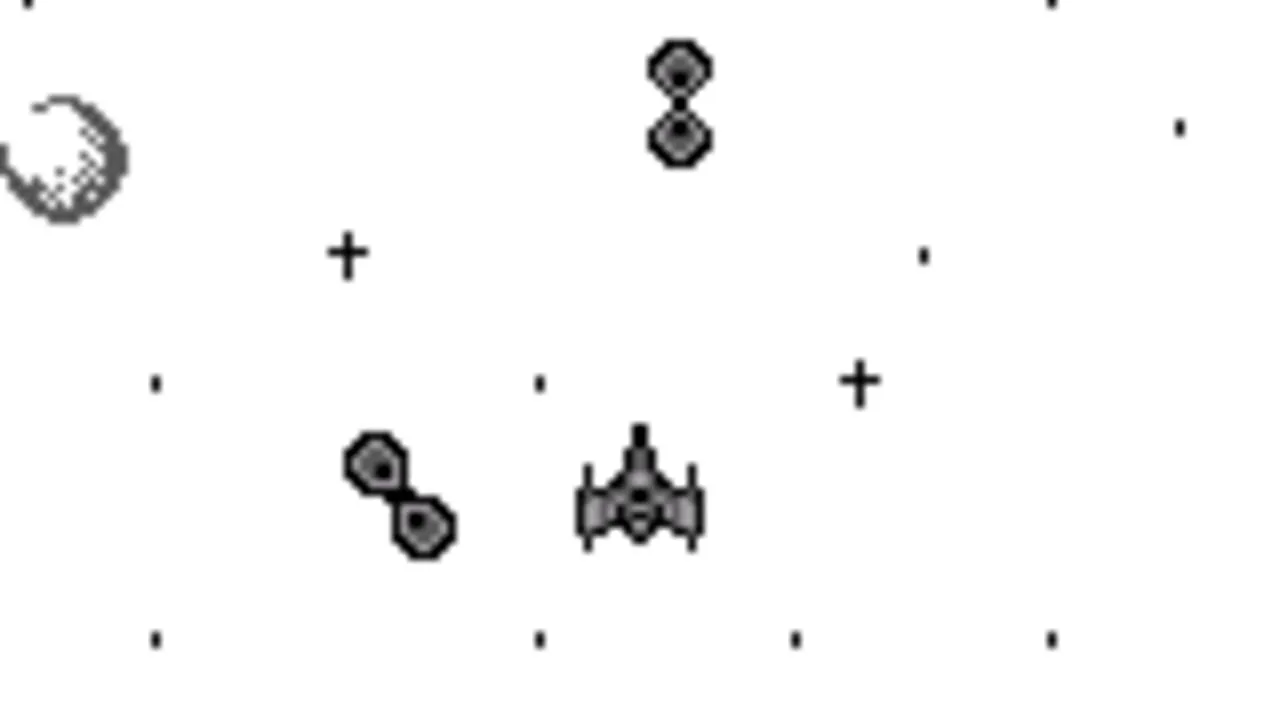
12. Solar Striker (1990)
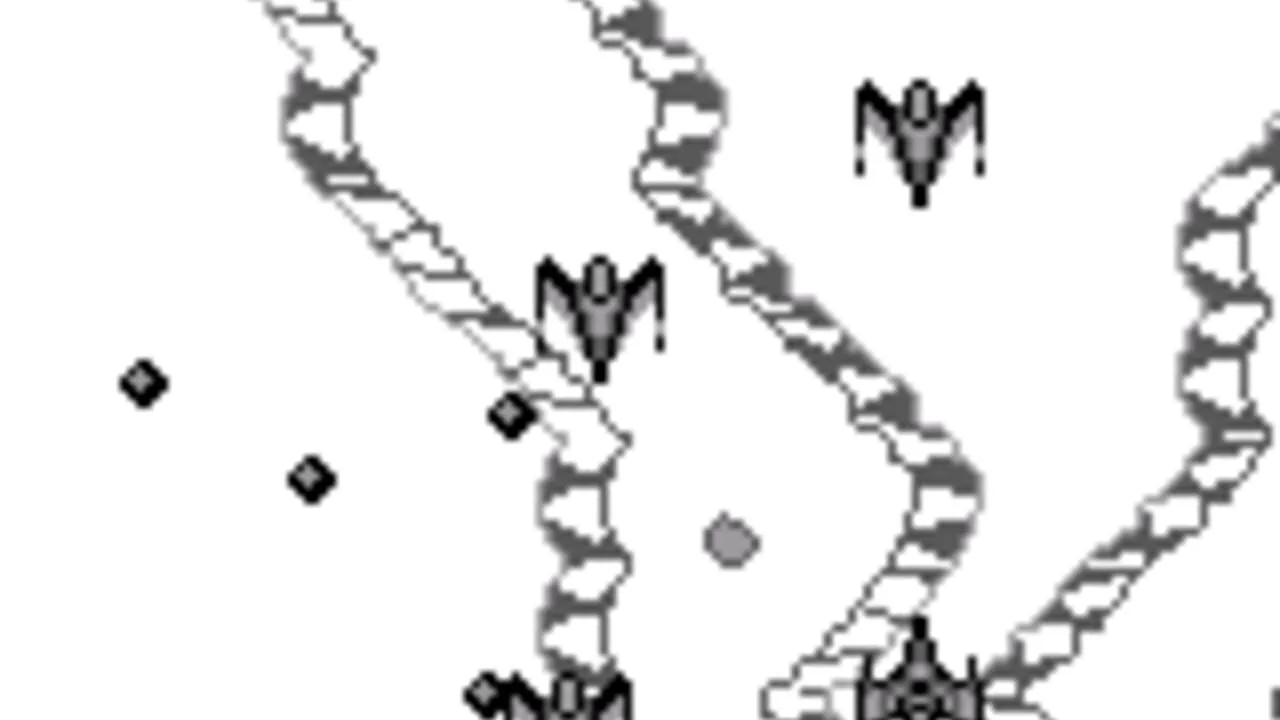
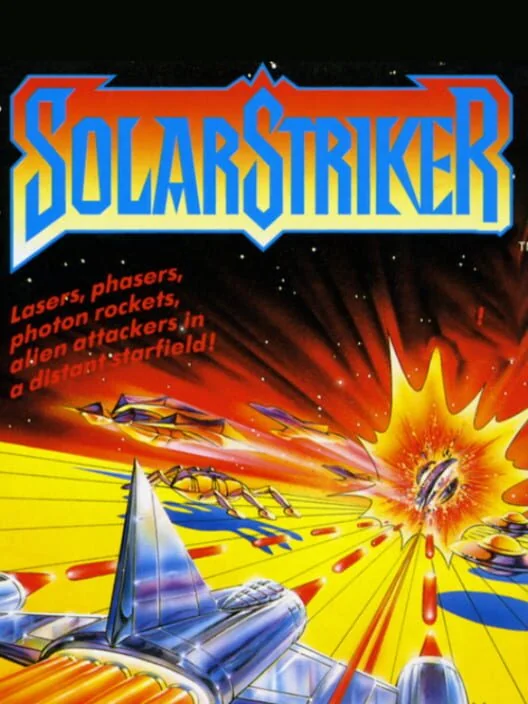
Solar Striker was the first shoot 'em up on the Game Boy, released in Japan in January 1990. It was designed by Gunpei Yokoi and Keisuke Terasaki and made by Nintendo with Minakuchi Engineering, which makes it one of the few scrolling shooters Nintendo ever developed. The year is 2159, and Earth is at war with the planet Reticulon.
Your ship looks a lot like the fighter from Galaga, and the early waves are easy, so beginners can learn before the later stages turn up the heat. Finish all six levels and a Hard Mode opens up. Players agree it is a lot of fun, the perfect little shooter for pick-up-and-play Game Boy sessions. It is short, and that is part of why it works on a handheld.
11. Bionic Commando (1992)
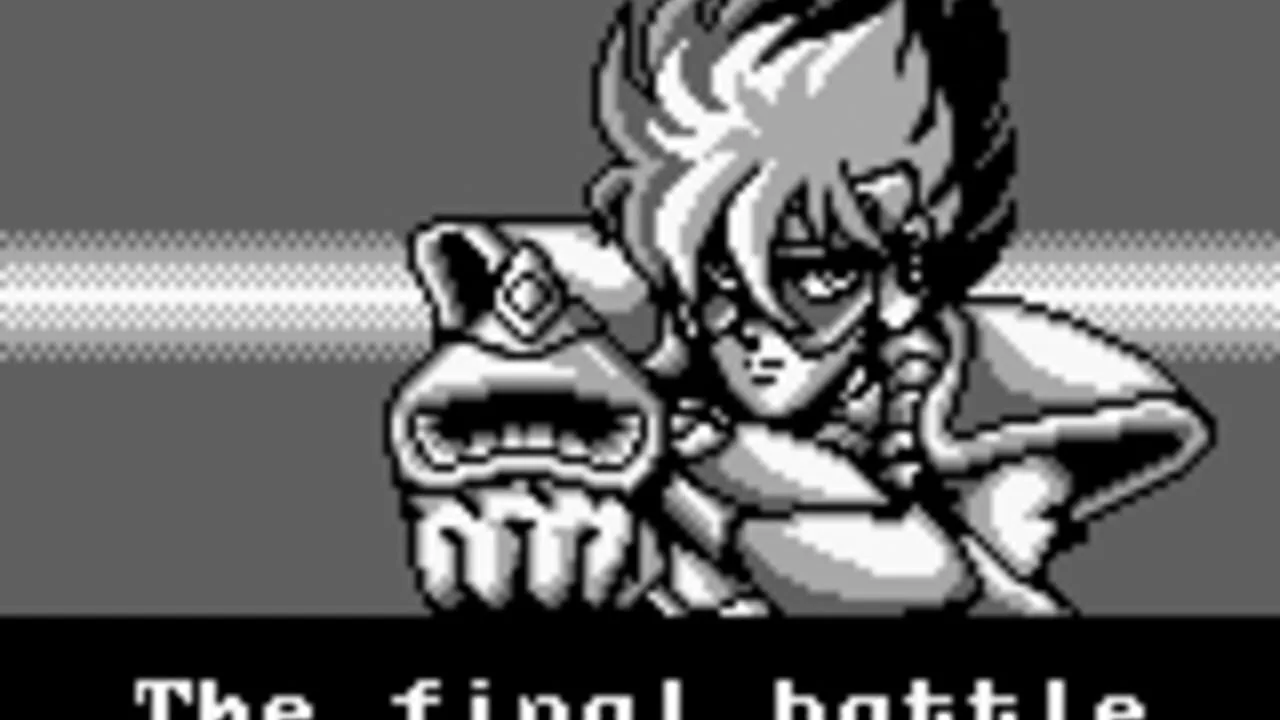
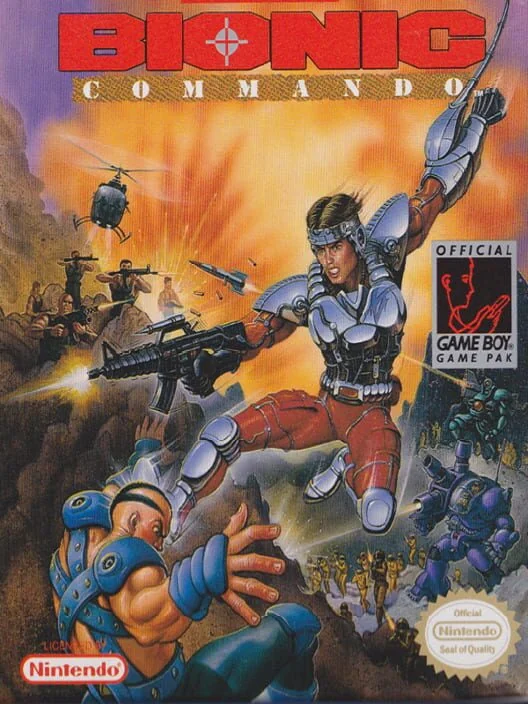
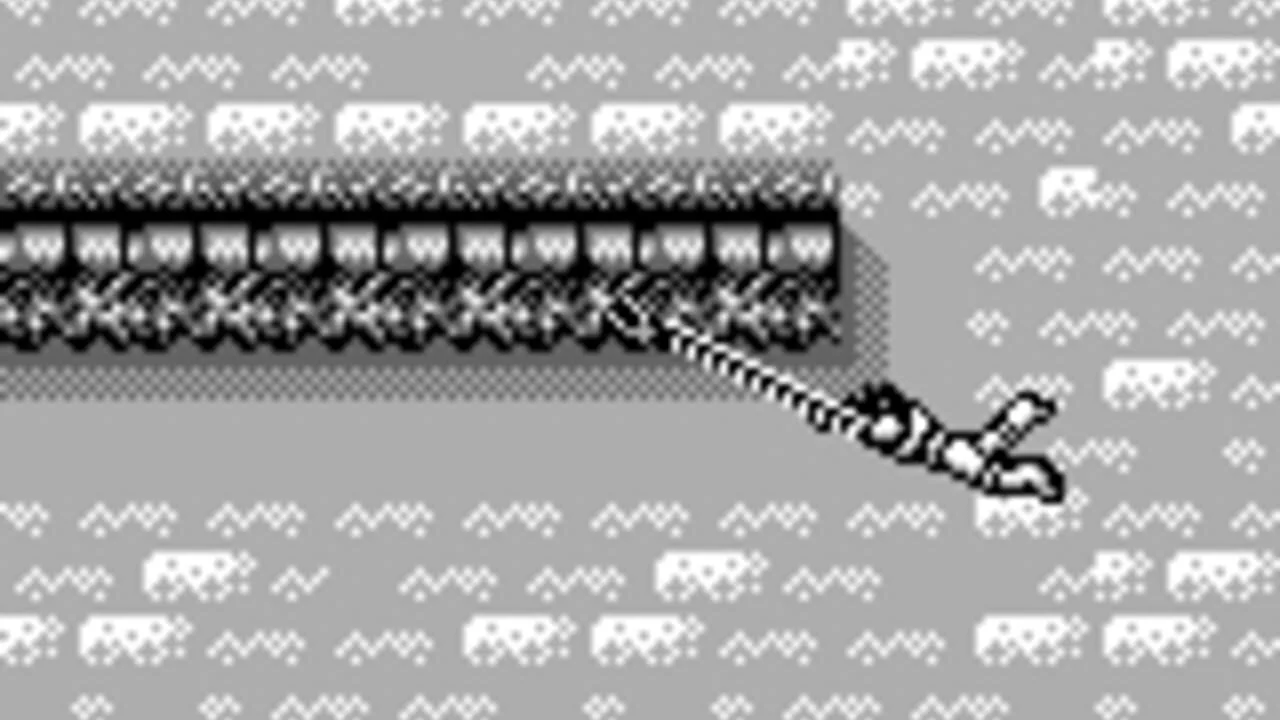
The Game Boy Bionic Commando is not a port of the NES game but a retelling of its story. You still swing with your bionic arm, and that swinging works just as well at portable size. The enemy has changed, though: you fight the Doraize Army, and the setting is more futuristic, with characters in cyberpunk-style armor and helmets.
To make up for the lack of color, the artists put more detail into the sprites and backgrounds, and it looks great. Some of the music comes from the NES game and sounds surprisingly good on the Game Boy, and the first level's theme rocks. The structure is familiar, with the overhead map and the Action and Neutral Zones.
10. Ninja Gaiden Shadow (1992)
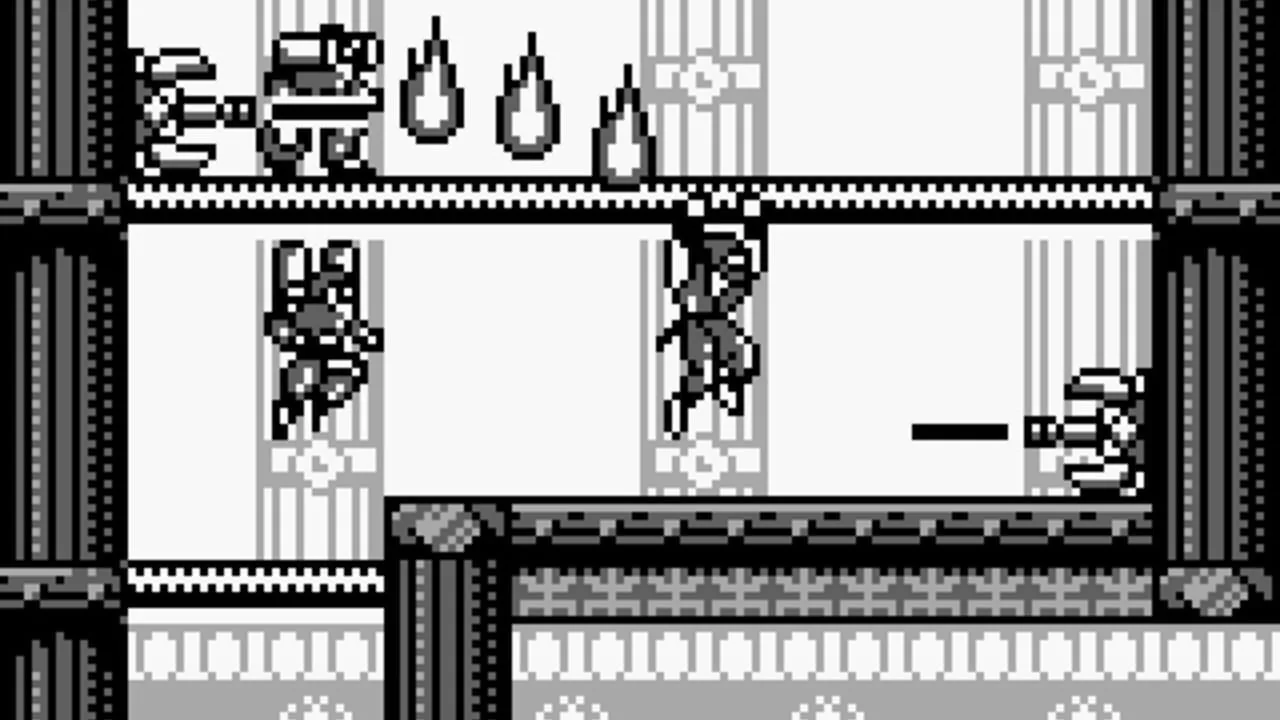
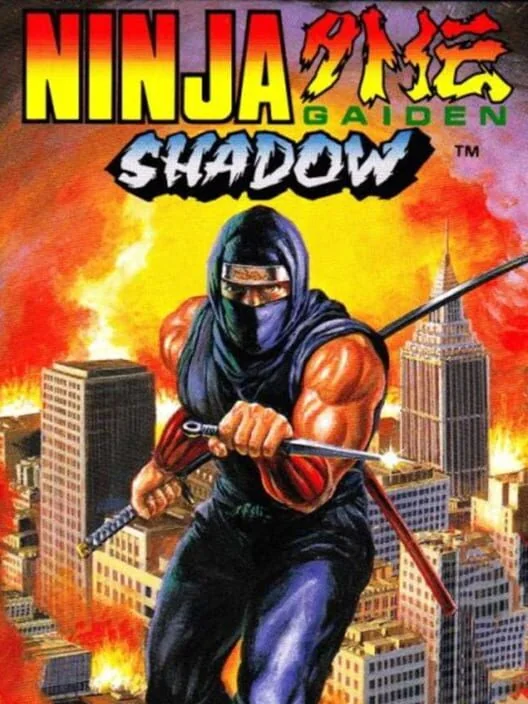
Ninja Gaiden Shadow was planned as a Game Boy version of Shadow of the Ninja, made by the same team at Natsume, until Tecmo turned it into a Ninja Gaiden game. Nintendo Power still previewed it as Shadow of the Ninja in September 1991, three months before release. It is a prequel to the NES trilogy, set in a retro-futuristic 1985, three years before the first Ninja Gaiden.
The game is a stripped-down Ninja Gaiden. Ryu only has a basic sword attack and the Fire Wheel, which you can use up to five times, plus a grappling hook that pulls him straight up. It is short and won't keep you busy for long, but the music is good, with a few classic Ninja Gaiden tunes mixed in. Players agree it is pretty great.
9. Kid Icarus: Of Myths and Monsters (1991)
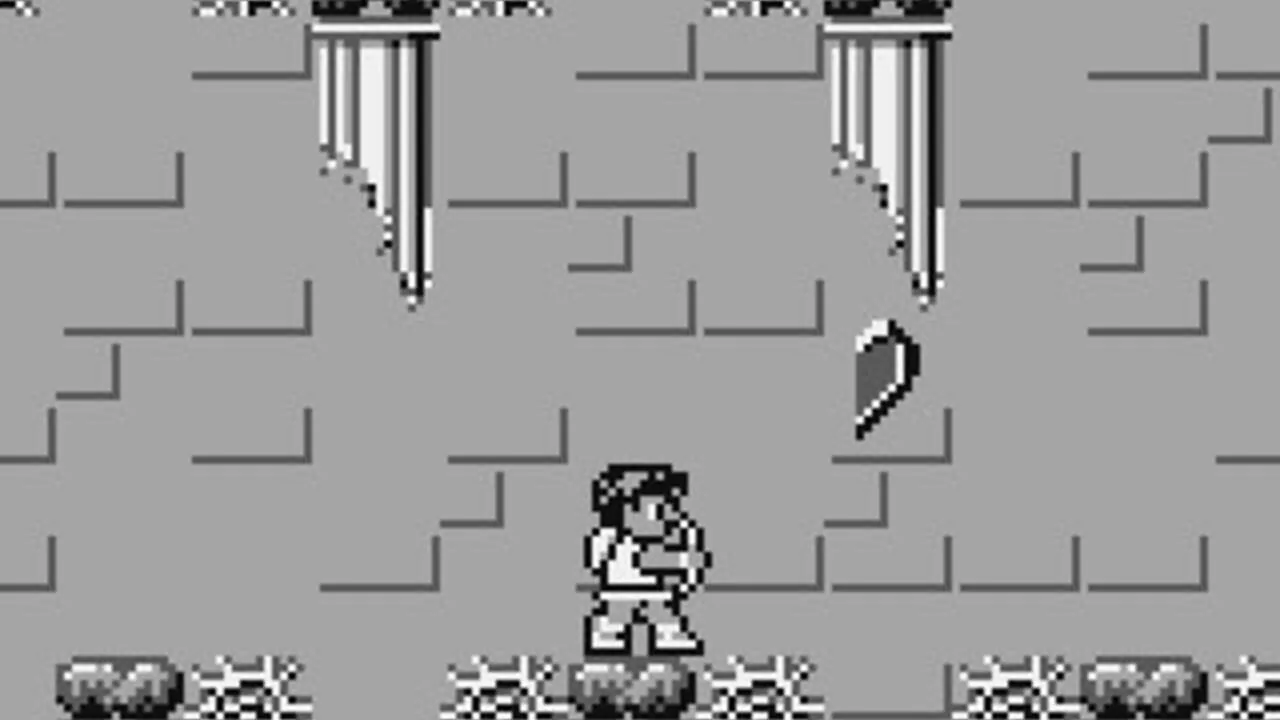
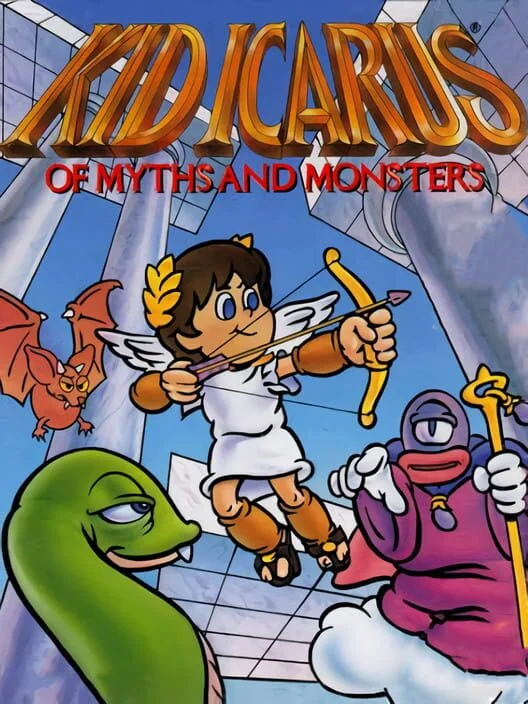
Of Myths and Monsters is the sequel to the 1986 NES Kid Icarus, developed by Nintendo with Tose. Pit fights his way from the underworld to the sky palace with his bow, collecting hearts from beaten enemies and hammers that break special walls. Along the way he can earn one of three weapons, which only work while his health is high enough.
It came out in North America in November 1991 and in Europe in 1992, but Japan did not get it until the 3DS Virtual Console in 2012. Nintendo Power named it the 18th best Game Boy game, and critics praised its gameplay and music. It then stayed the last Kid Icarus for 21 years, until Kid Icarus: Uprising on the 3DS. Poor Pit spent most of that time waiting.
8. Gradius: The Interstellar Assault (1991)
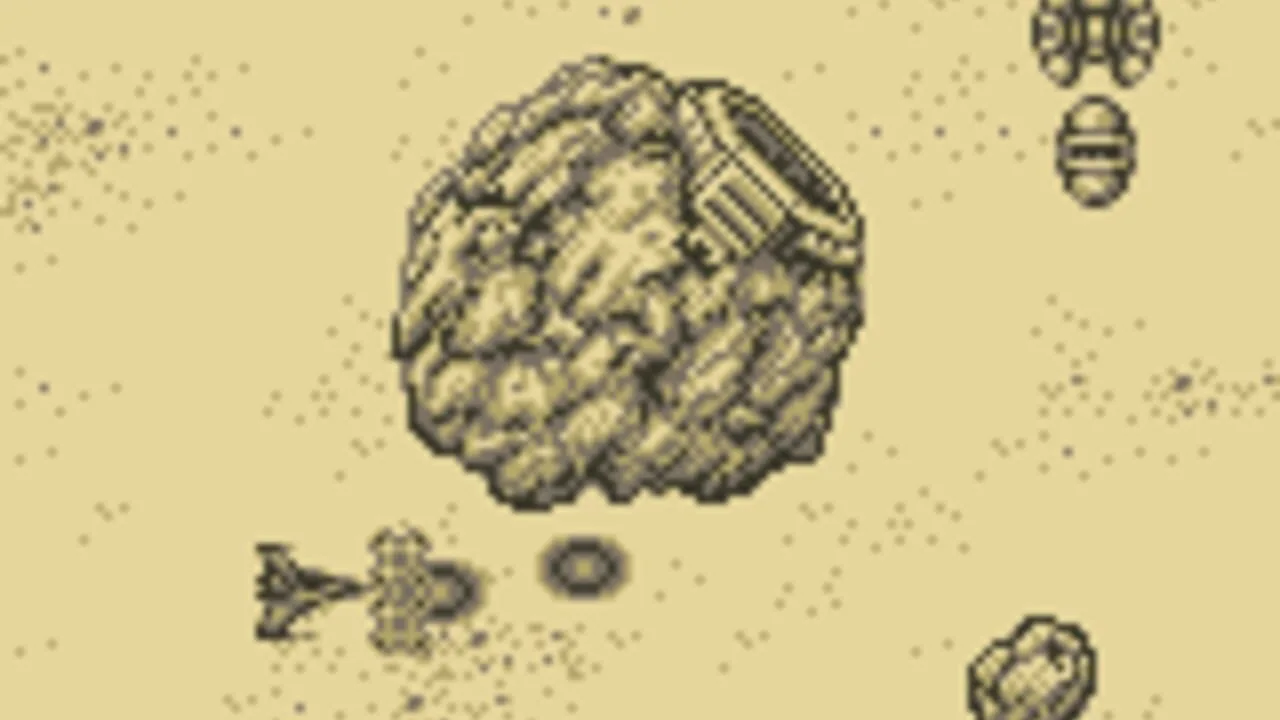
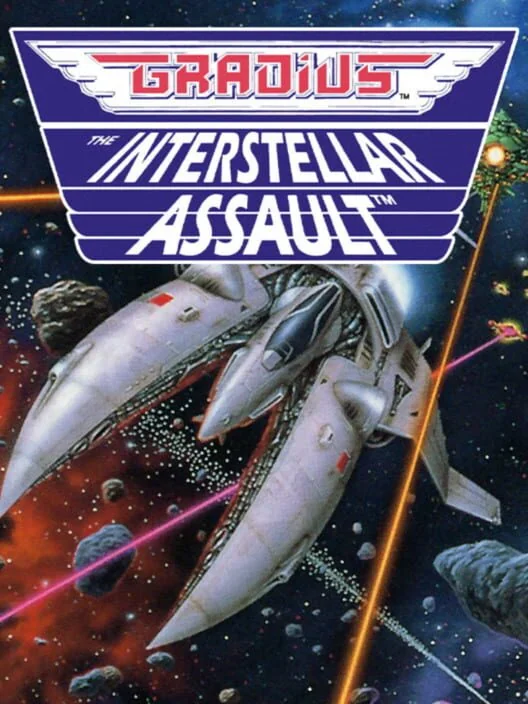
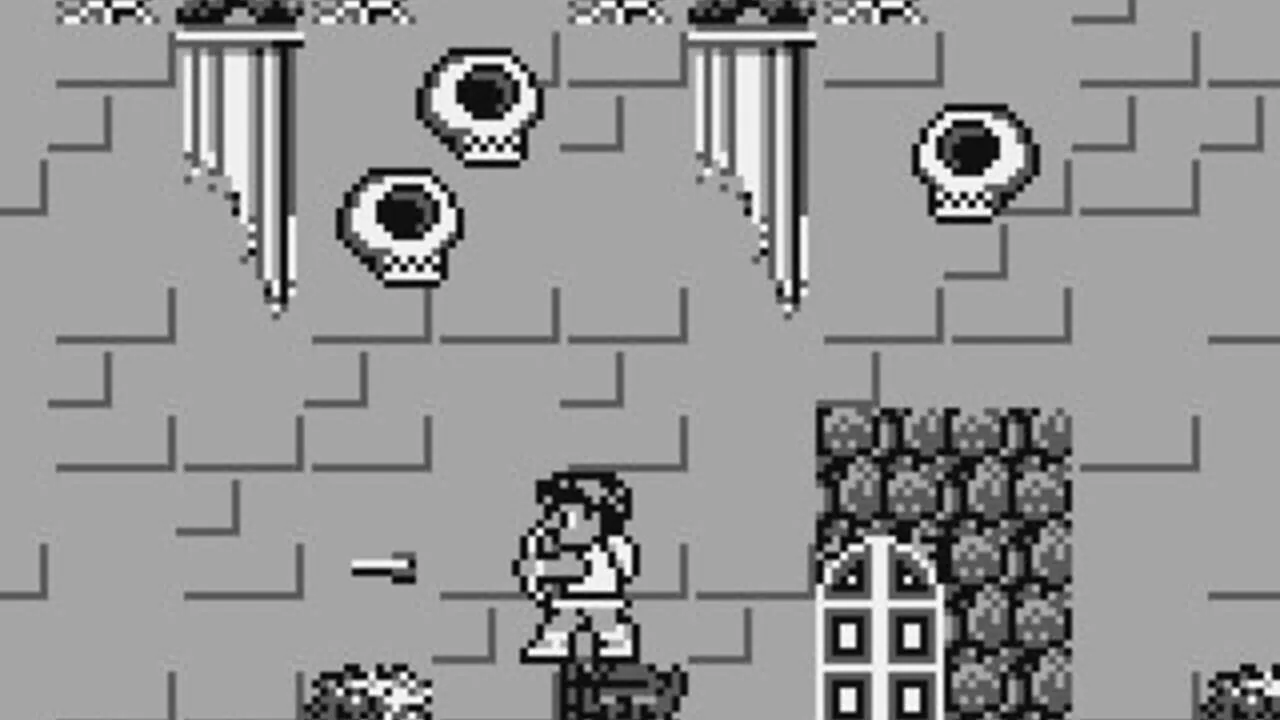
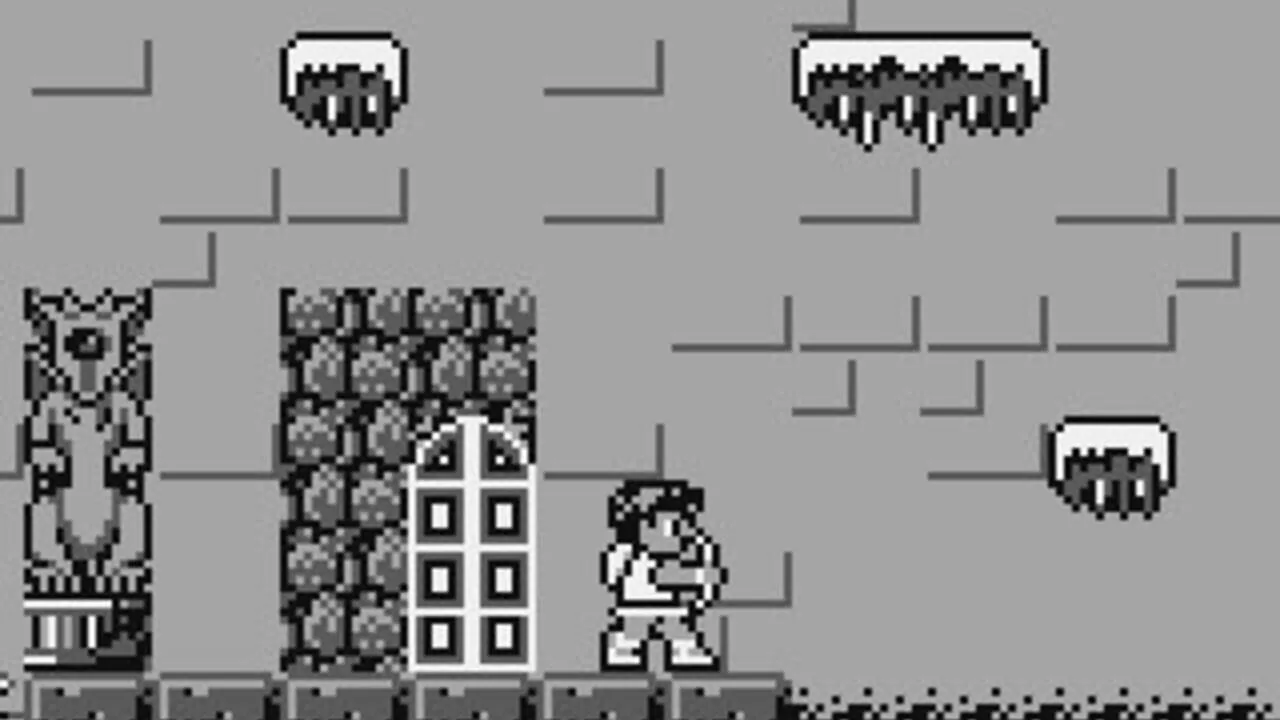
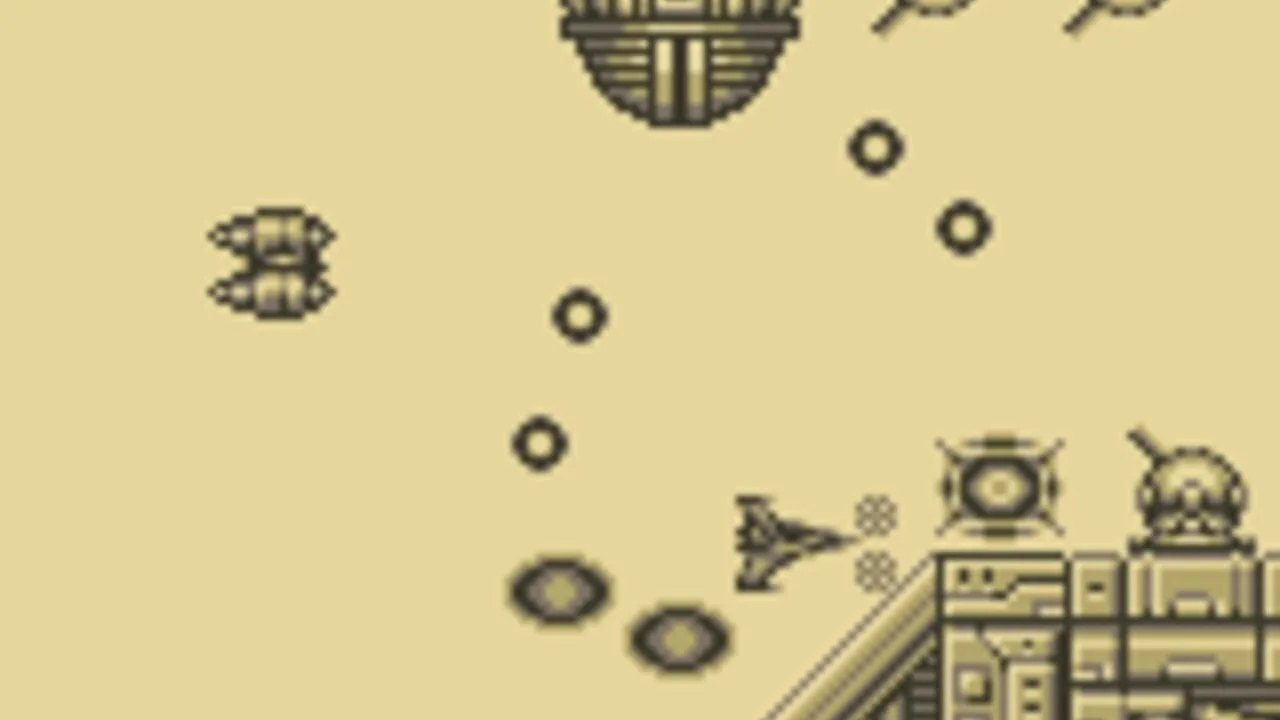
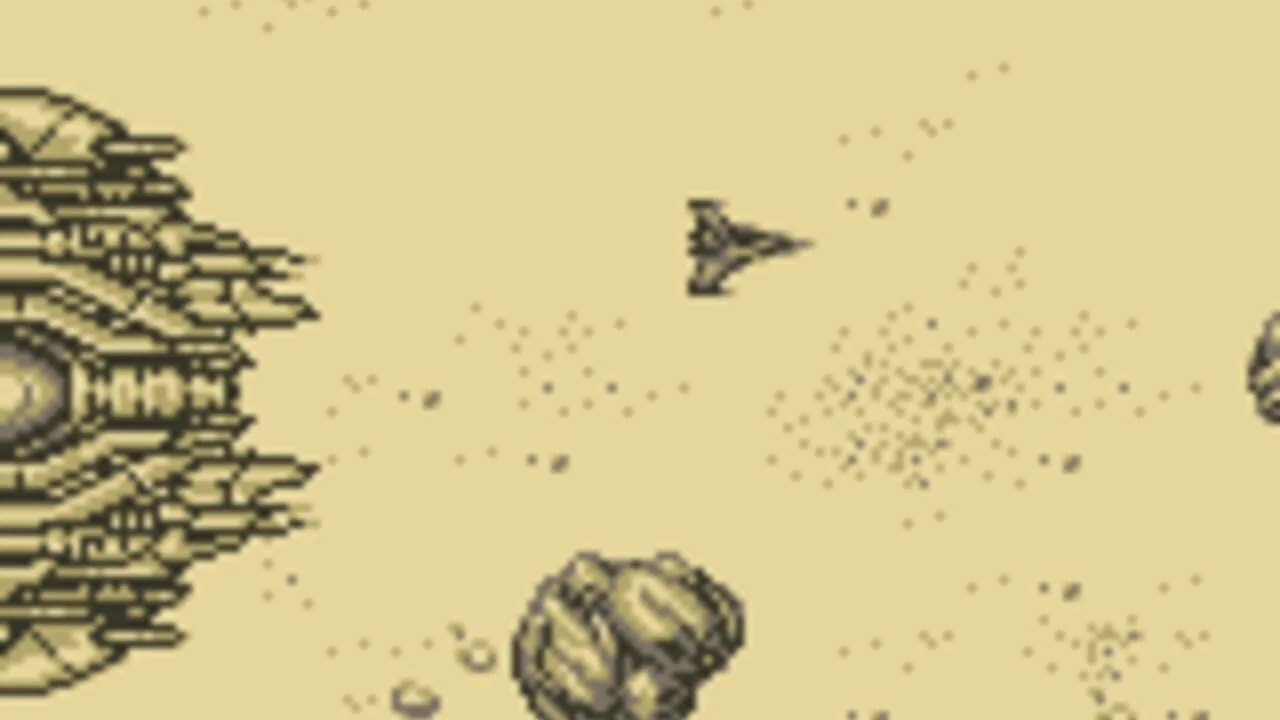
Unlike the first Game Boy Gradius, The Interstellar Assault is a completely original game. The first level opens with a chase, as a gigantic battleship follows the Vic Viper through an asteroid field. Later you get captured and fight your way out through the ship's interior. It has the classic power-up bar, and before each game you choose how your weapons work, with three settings for each weapon type.
It is a short game, with only five stages, and the controls feel a bit unresponsive. The graphics are a step up from the first Game Boy game, though, and the music is catchy. It also shows off early parallax scrolling, with layers of background moving at different speeds. It came to the Nintendo Classics service on the Switch in May 2025.
7. Operation C (1991)
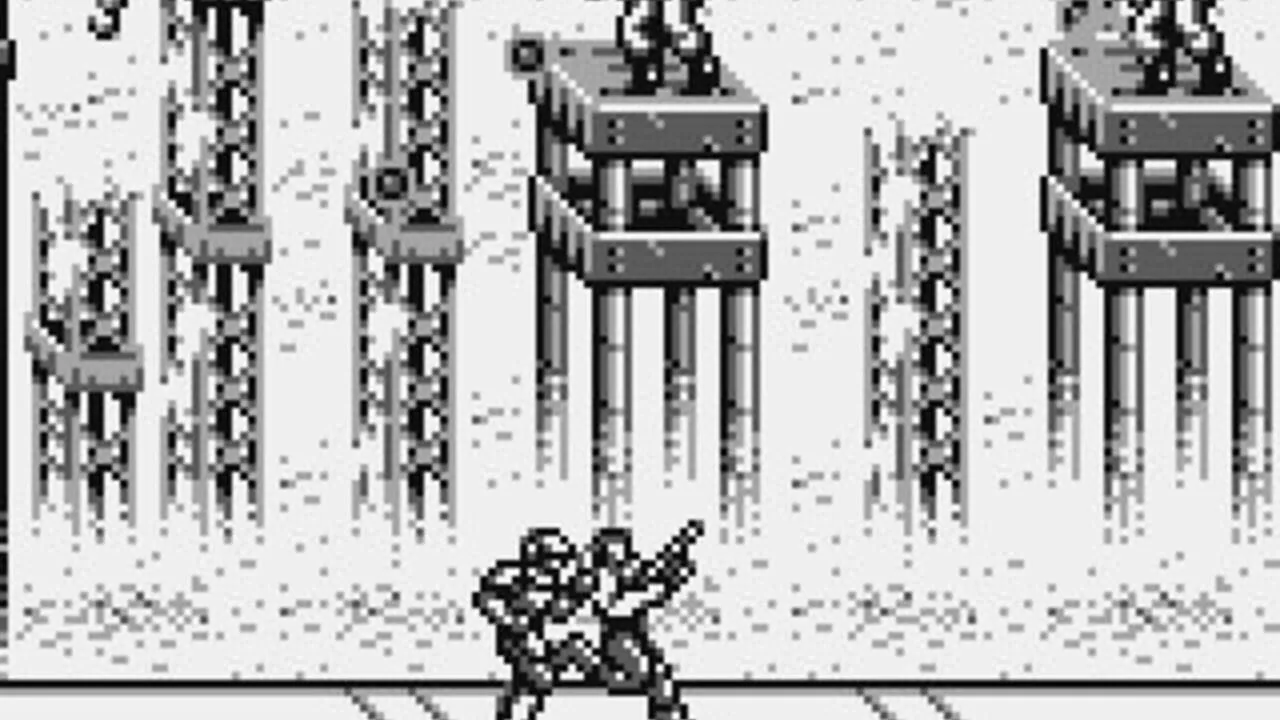
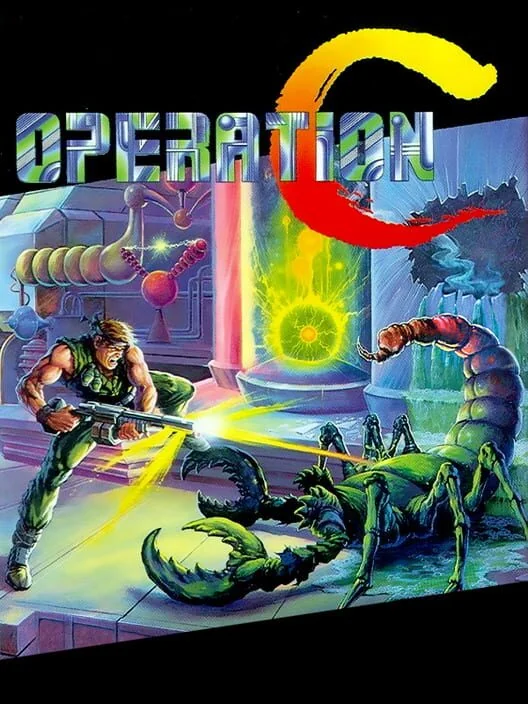
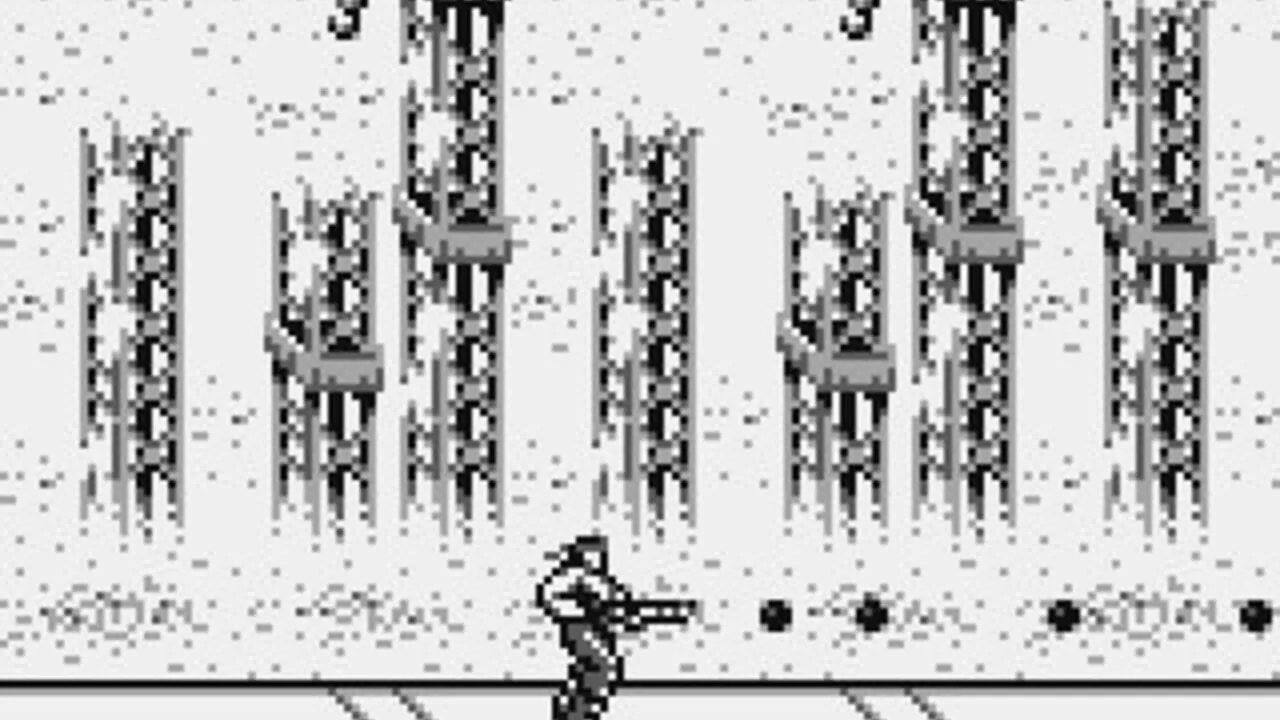
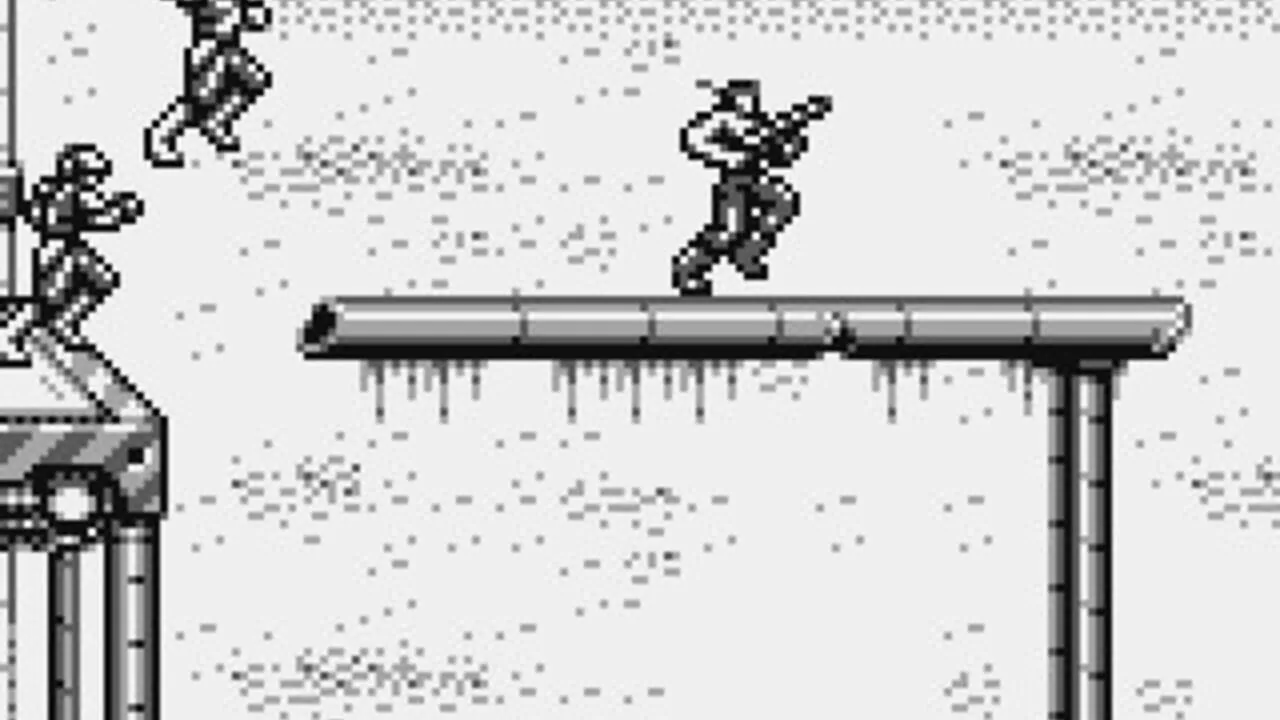
Operation C is a sequel to Super Contra and the first portable Contra. As Bill Rizer, you take on an enemy force that is secretly storing an alien cell in its base. It was the first Contra with auto-fire as standard, which meant the Machine Gun power-up was dropped. In the American version, the Stage Select only opens with the Konami Code.
Europe got it as Probotector, with the main character and some enemies turned into robots, just like the European NES Contras. Most of the soundtrack is rearranged music from the original Contra. The only real complaint from critics was that it has no multiplayer. Players agree it is a great game, and it is still the Contra to play on the Game Boy.
6. Kid Dracula (1993)
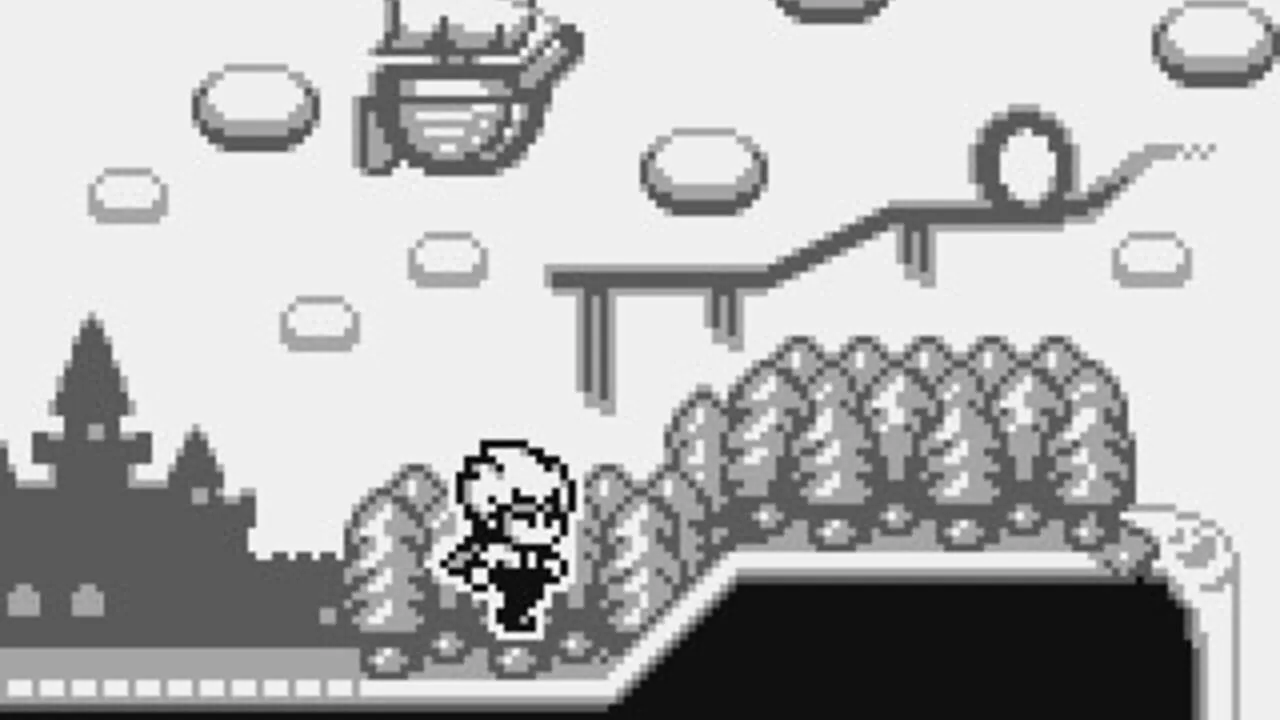
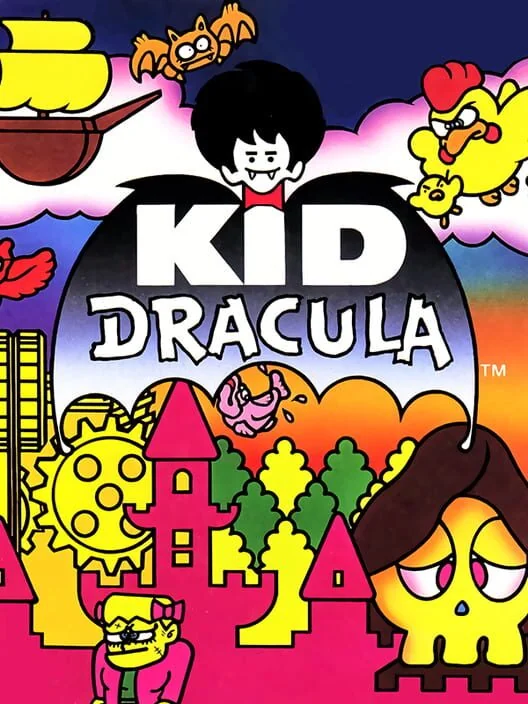
Kid Dracula is a Castlevania spinoff and a sequel to a 1990 Famicom game, Akumajō Special: Boku Dracula-kun, that only came out in Japan. It is possibly the only game on the Game Boy that is a straight-up parody of another series. Kid Dracula crosses 8 levels and gains new powers on the way, like homing missiles and summoning bats.
North America got it in March 1993. The whole game is silly in the best way, and Retro Gamer later called it "an enjoyable, if easy, game to play through", with excellent music and graphics and well-paced, varied levels. Players agree it is great fun. The easy way to play it today is the Castlevania Anniversary Collection.
5. Mega Man V (1994)
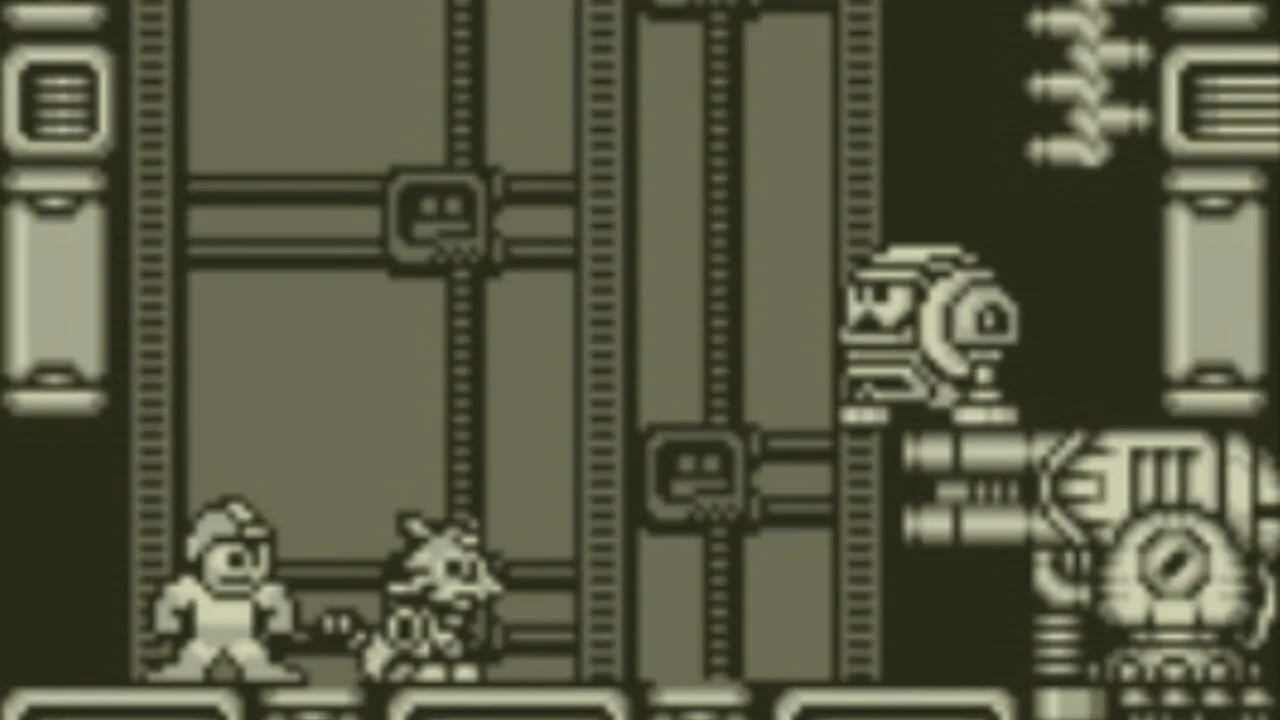
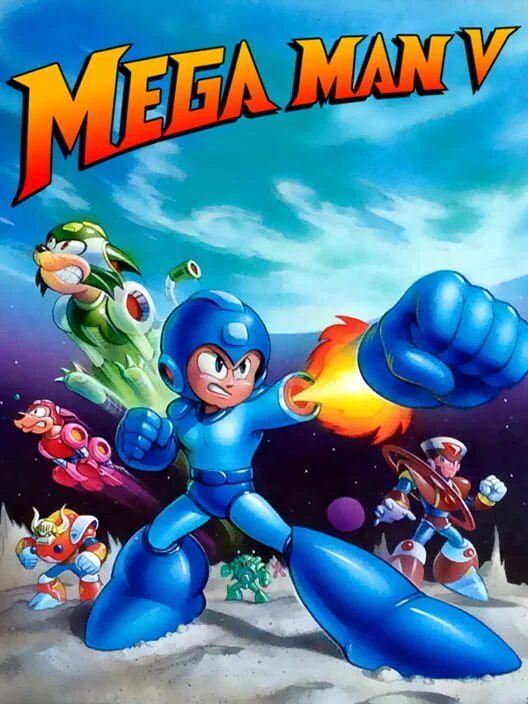
Mega Man V is the fifth and final Game Boy Mega Man, and the first with original bosses instead of recycled ones from the NES. Robots from outer space called the Stardroids attack Earth, and their armor is too tough for the Mega Buster, so Dr. Light gives Mega Man a new Mega Arm. The bosses are named after planets, from Mercury to Pluto. Saturn hates video games. That alone makes him worth beating.
The game was made with Super Game Boy support, so on a Super Nintendo it plays with its own colors and border. Critics consider it one of the best games in the whole series and praised its original content, though some said the core gameplay did not change. Nintendo Power later called it the best of a quality series of portable Mega Man games, and players often call it the best Mega Man on the Game Boy.
4. Castlevania II: Belmont's Revenge (1991)
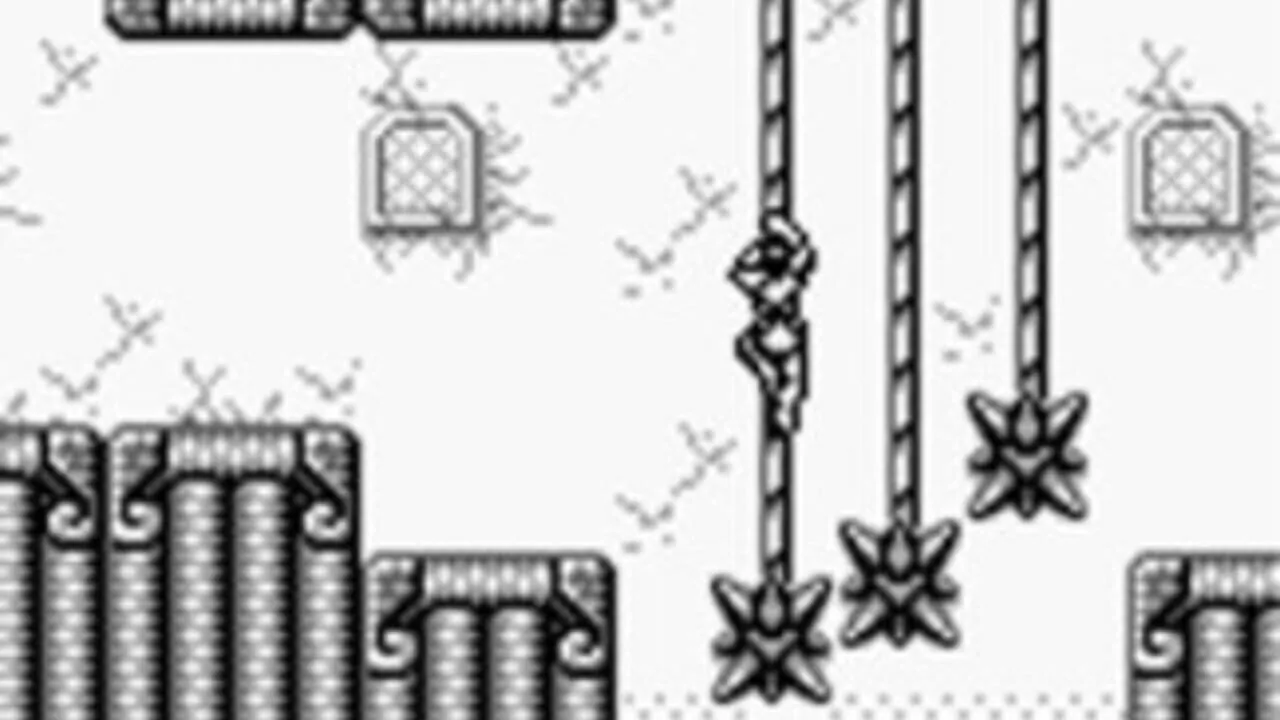
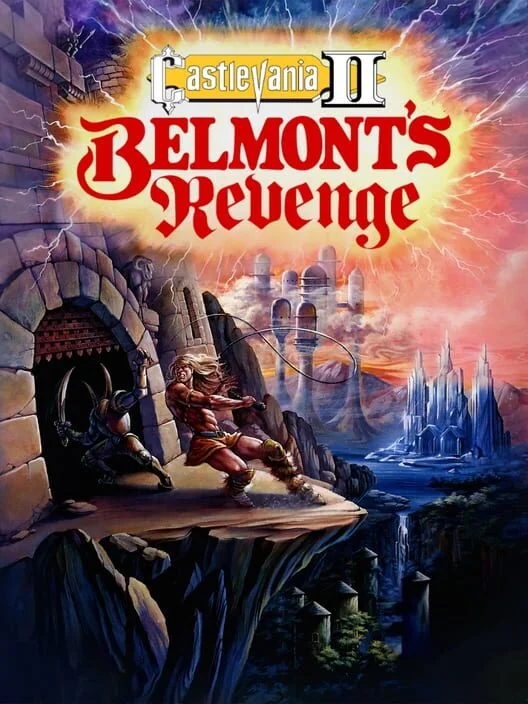
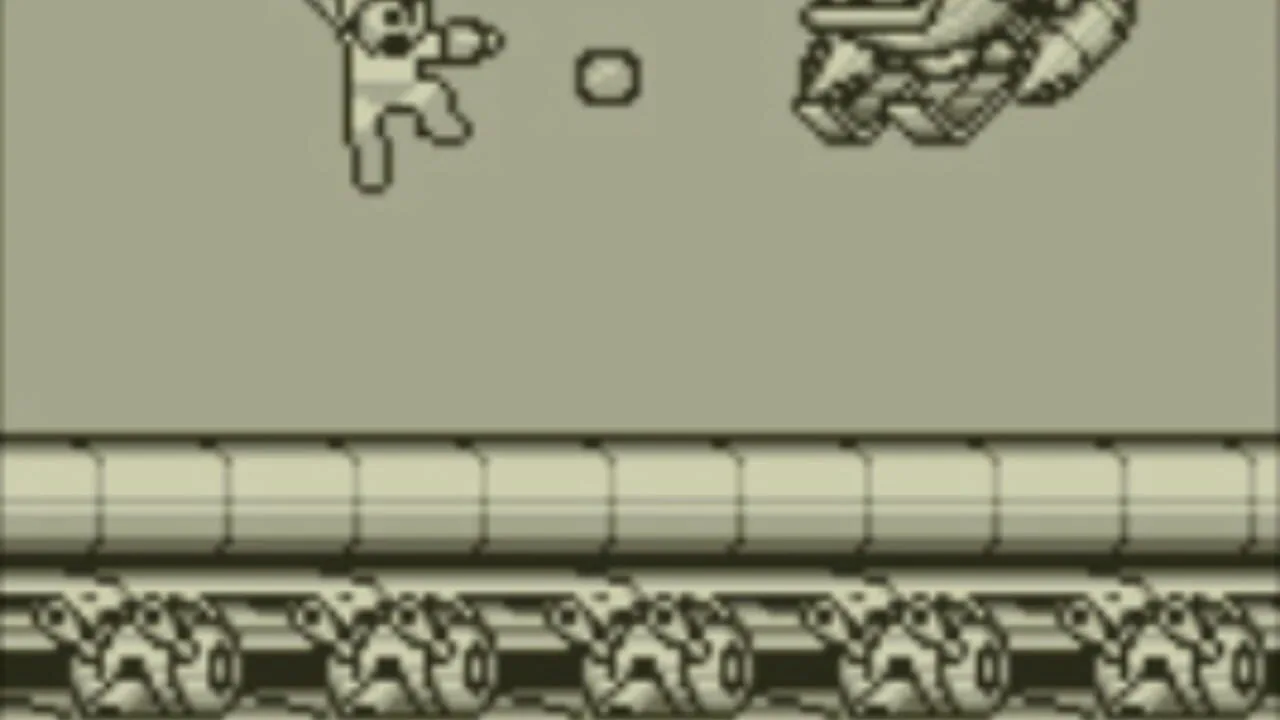
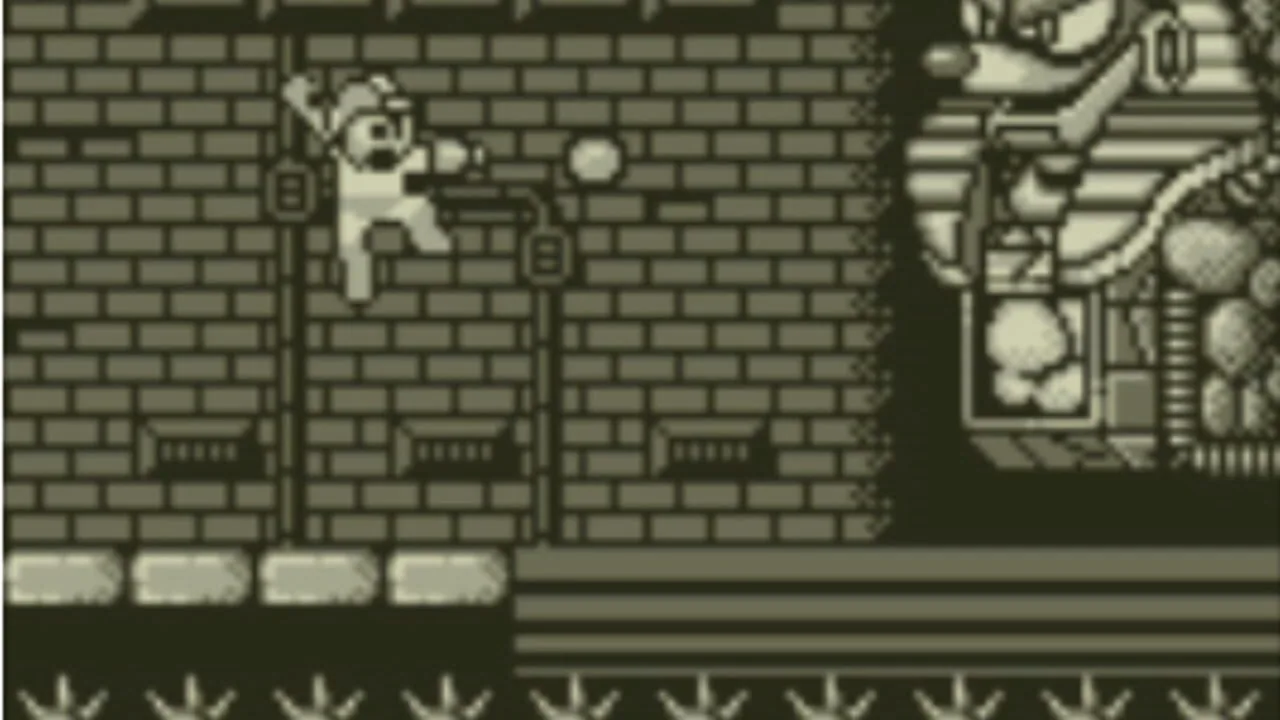
Belmont's Revenge is the second Game Boy Castlevania and the sequel to The Adventure. Fifteen years later, Dracula returns, kidnaps Christopher Belmont's son Soleil and turns him into a demon. This time Christopher gets sub-weapons, holy water and axes, and he has to track his son down through four castles before facing Dracula.
It fixes almost everything people disliked about the first game. IGN said it made better use of the Game Boy's hardware, GameSpy called it one of the best action games on the original Game Boy, and Game Informer's Tim Turi considers it the best Castlevania on the system. Players agree with him, and they keep bringing up its music as one of the best soundtracks on the Game Boy.
3. Gargoyle's Quest (1990)
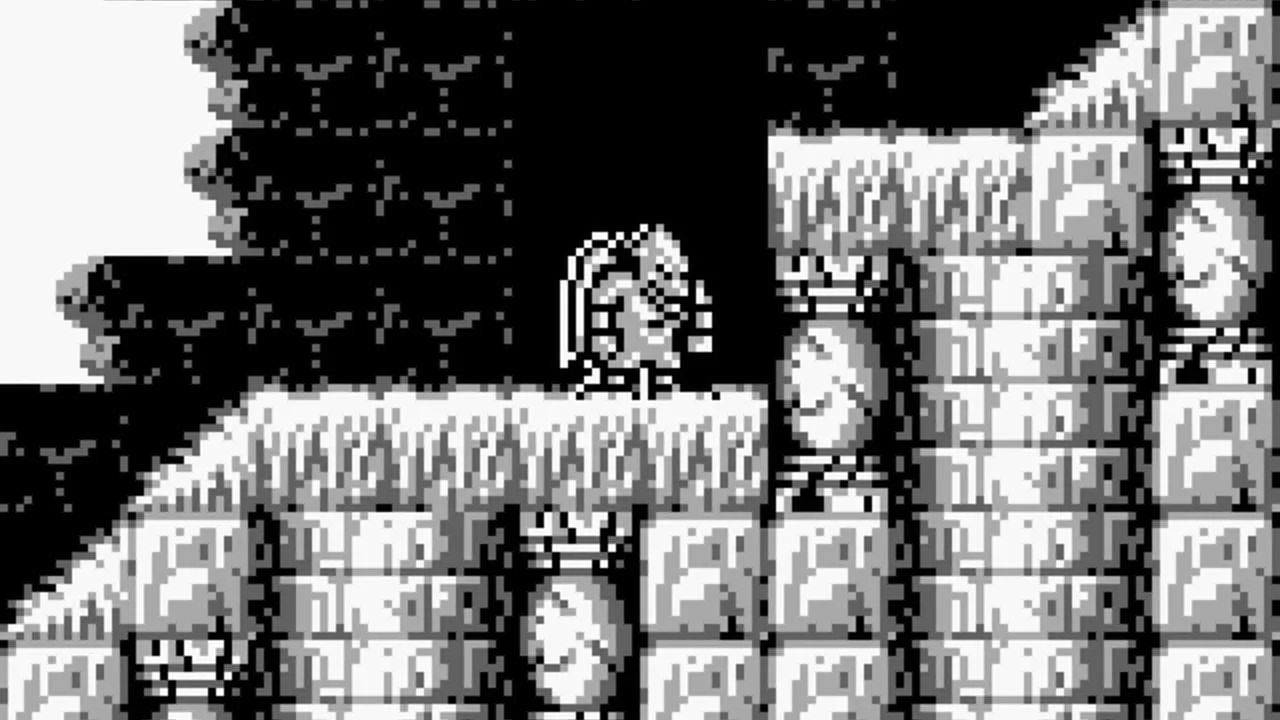
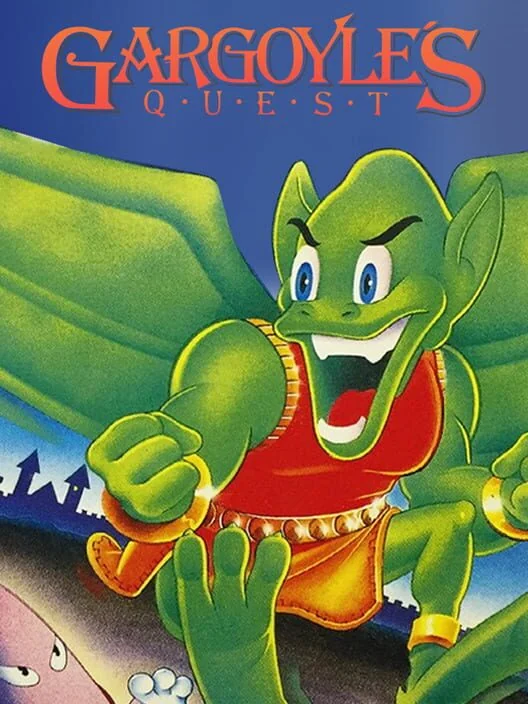
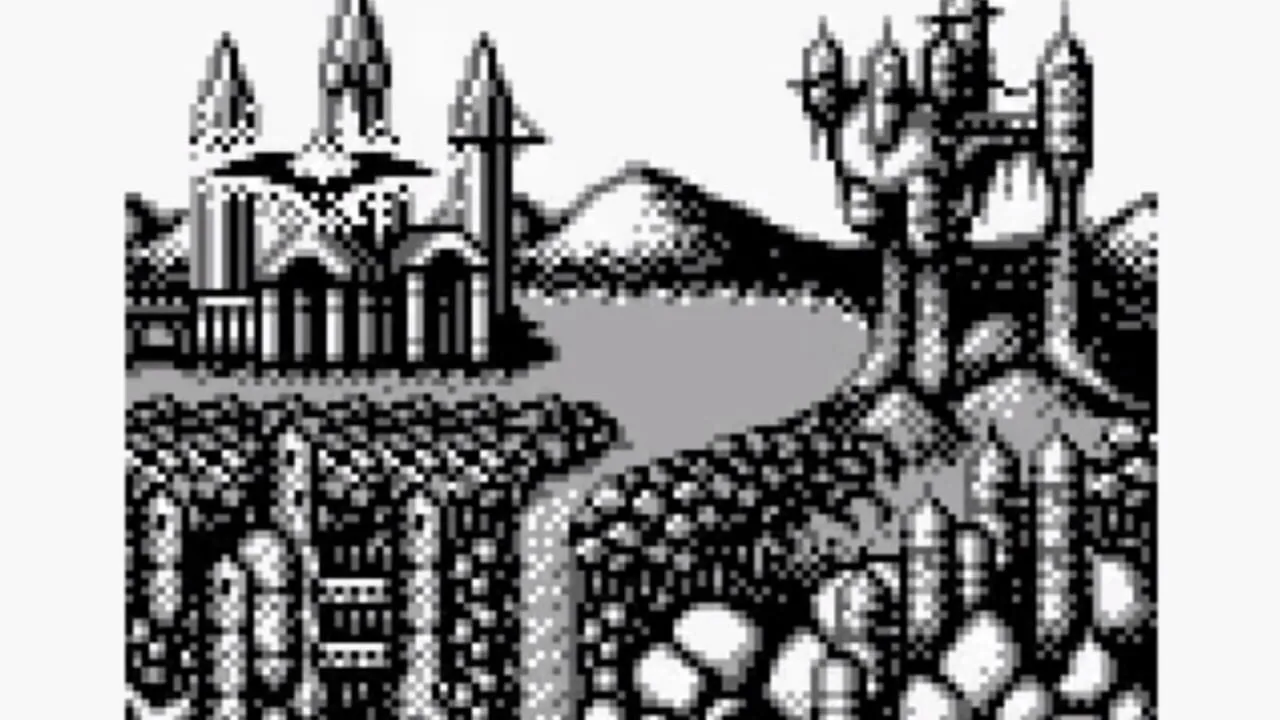
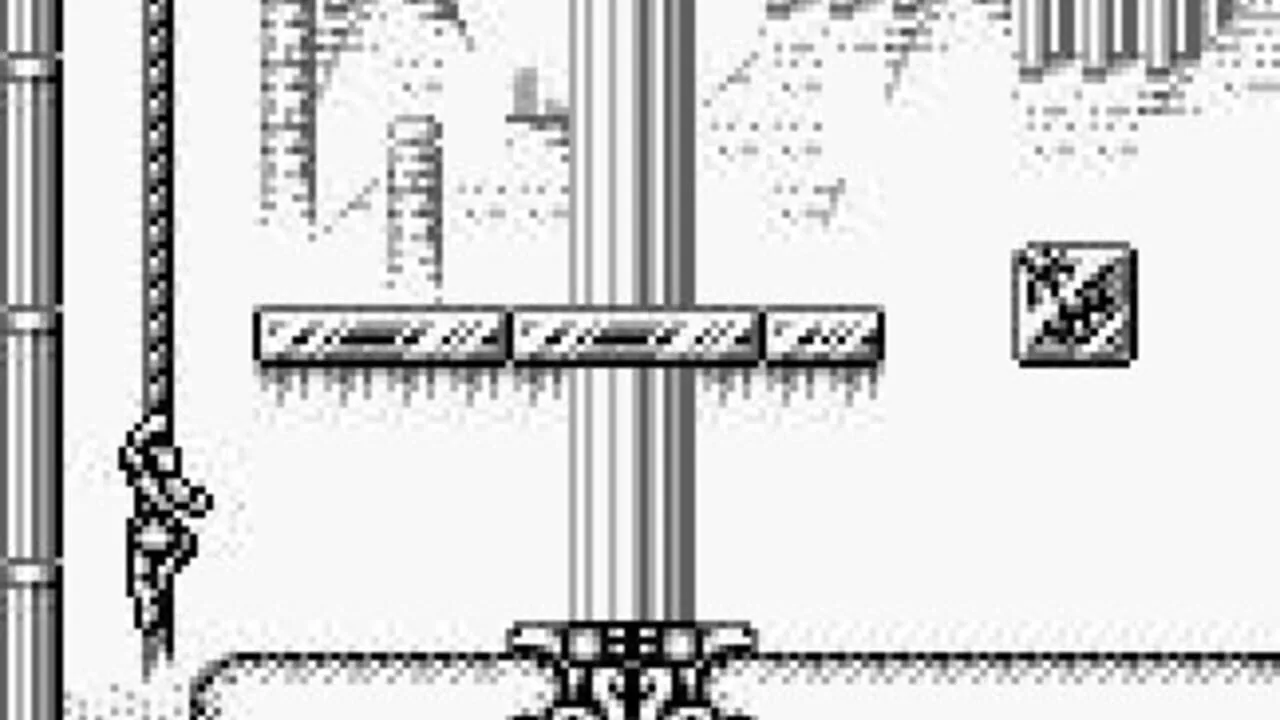
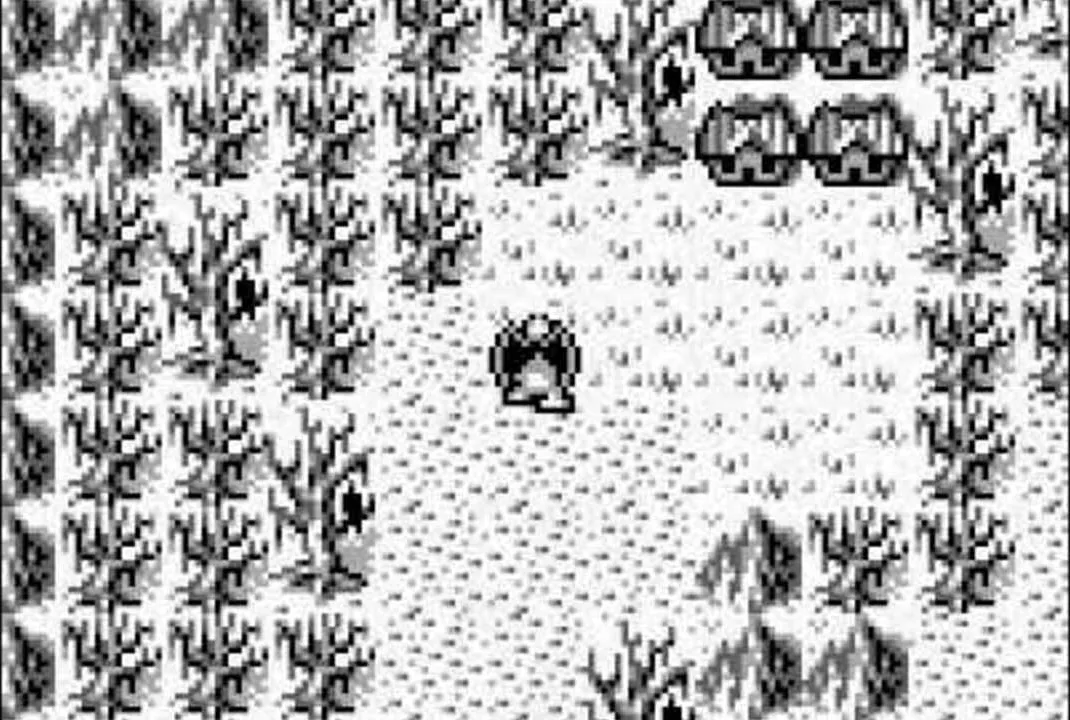
In 1990, Capcom gave Red Arremer, the gargoyle from Ghosts 'n Goblins, his own game. In the West he is called Firebrand, and he must stop an army called the Destroyers. The action stages play more like Mega Man or Ninja Gaiden than Ghosts 'n Goblins, and RPG-style exploration links them, with quests for artifacts and random battles on the overworld map, much like Zelda II.
Firebrand starts weak, with one slow shot and a very short flight, and every artifact makes him stronger. The platforming can be harsh and the bosses are easy, but the music is catchy and dramatic in typical Capcom style. It is short too, yet it feels deeper than most handheld games of its day. It has been on the Nintendo Classics service on the Switch since February 2023.
2. Metroid II: Return of Samus (1991)
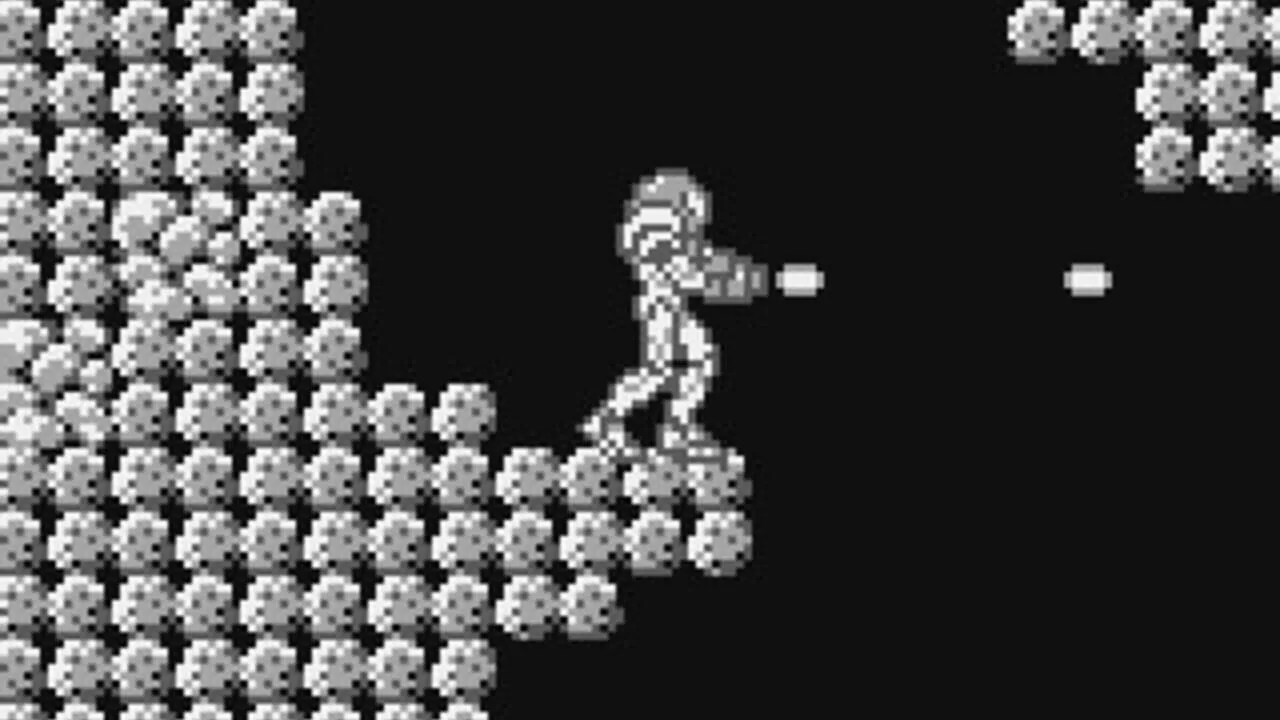
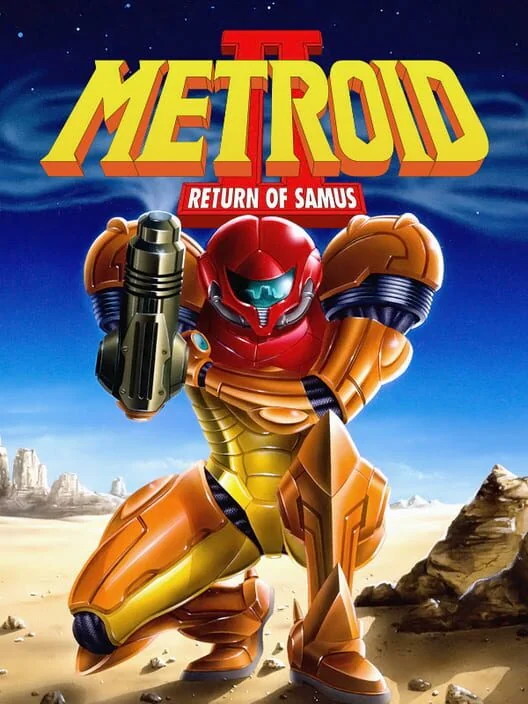
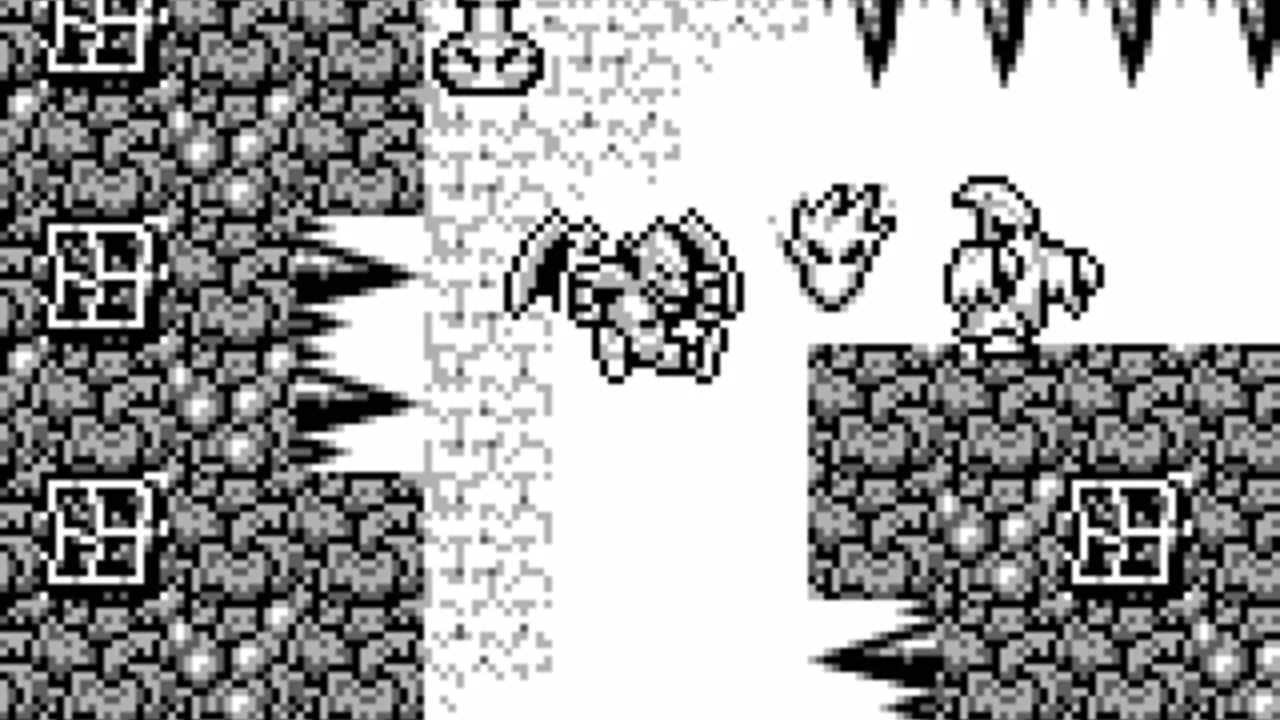
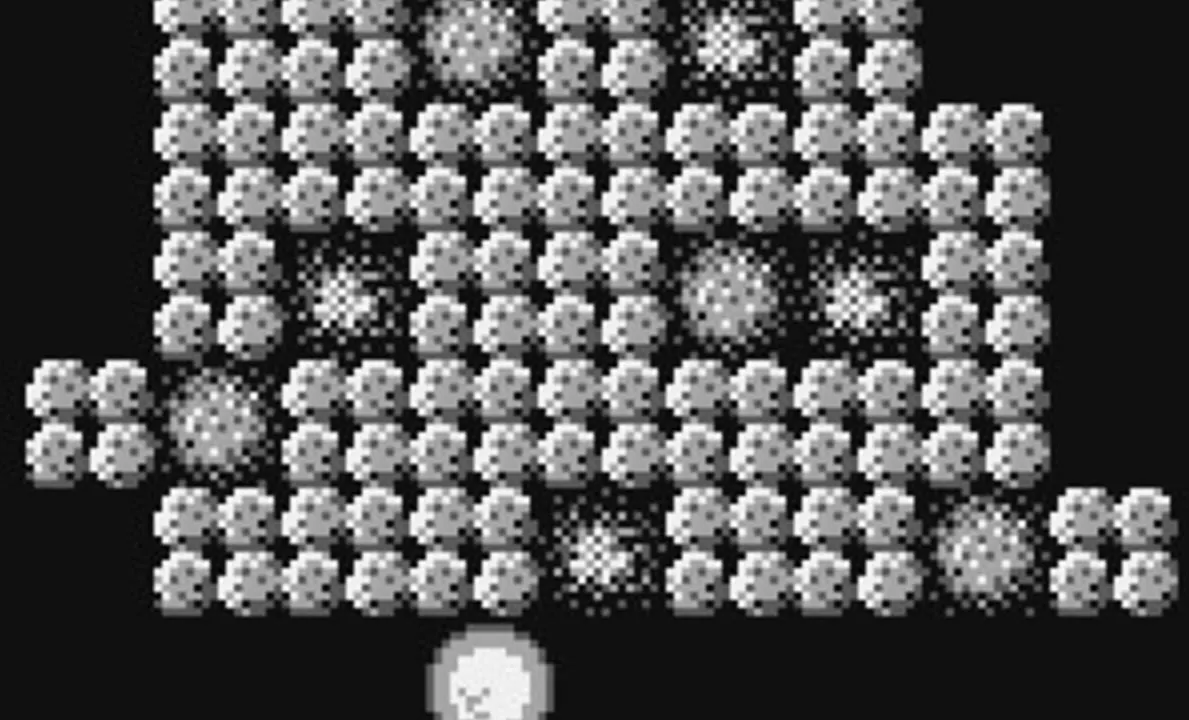
Metroid II was the first Metroid on a handheld, released in North America in November 1991 and produced by Gunpei Yokoi. Samus lands on the Metroid home planet, SR388, to wipe out every last one. Here we learn the Metroids grow up, from Alpha to Gamma, Zeta and Omega, and each new form is scarier than the one before. A counter shows how many are left, and killing them all in an area sets off an earthquake that drains the liquid blocking your way deeper.
It was also the first game in the series with the Spider Ball and Spring Ball. Critics praised the story and setting but not the graphics and sound, and the caves do start to look alike. Players love its atmosphere, the dread when a Metroid evolves into something worse. It sold 1.72 million copies by late 2003, and in 2017 it was remade on the 3DS as Metroid: Samus Returns.
1. The Legend of Zelda: Link's Awakening (1993)
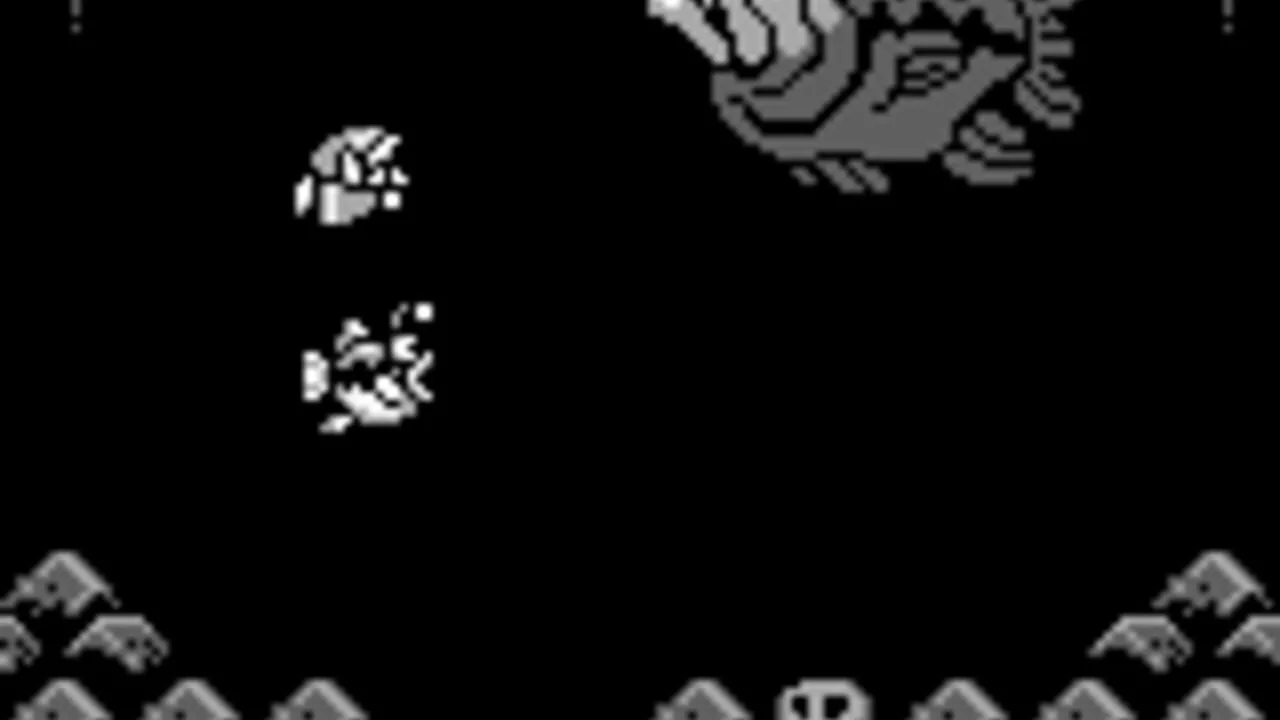
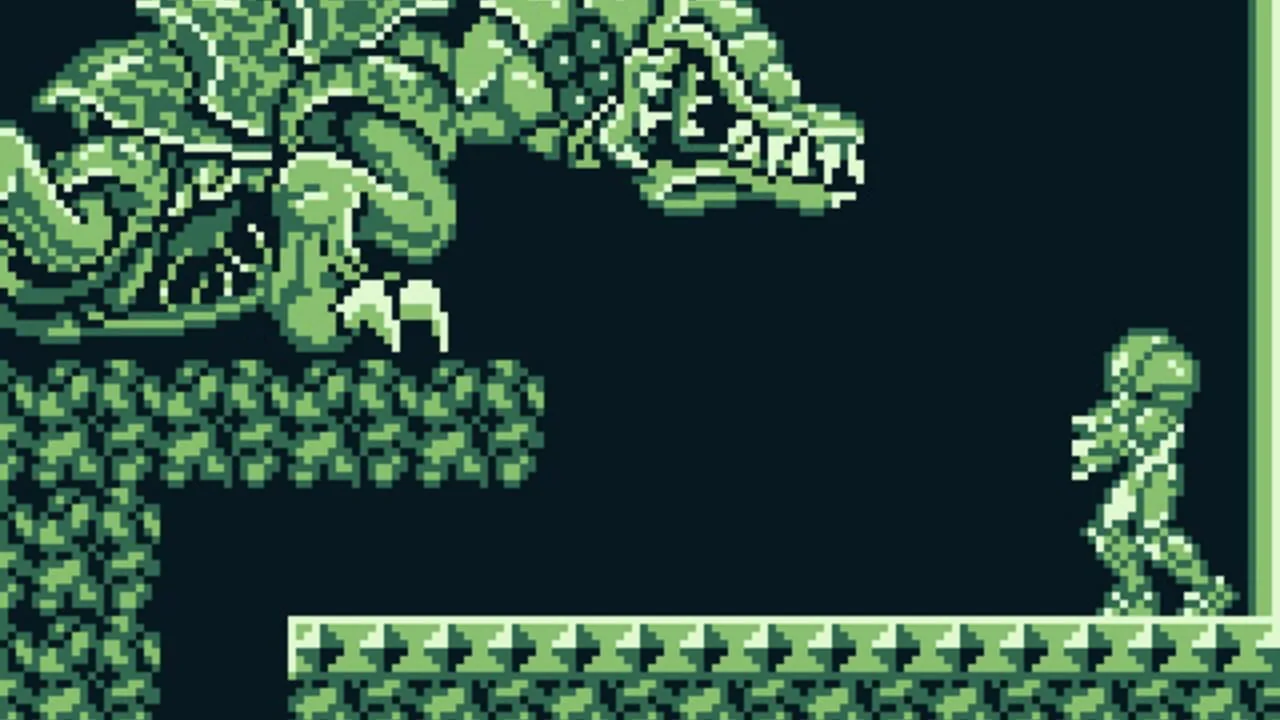
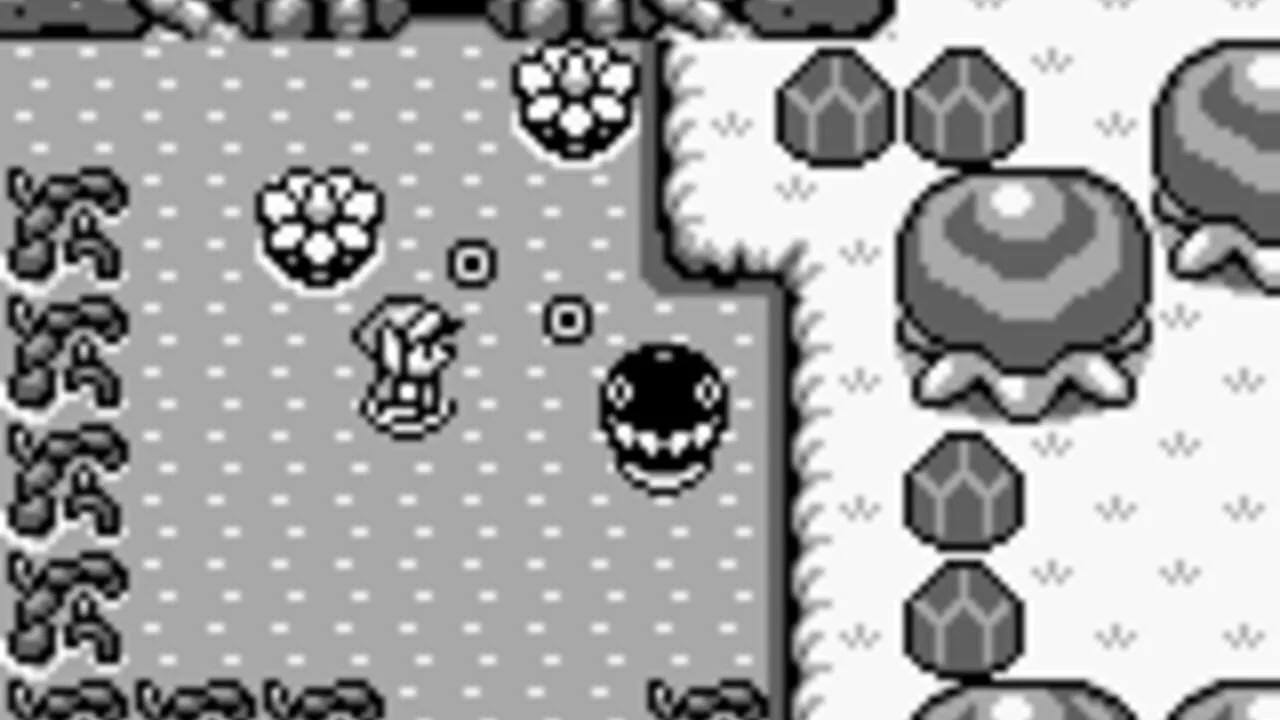
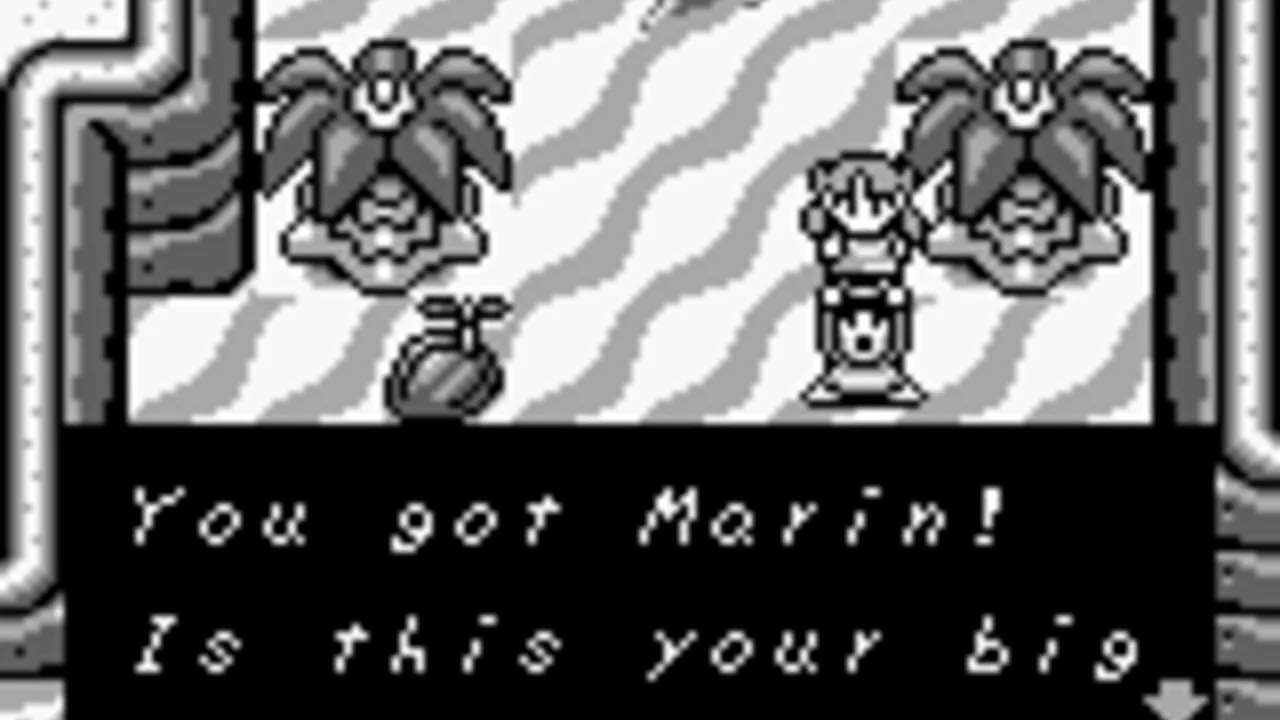
Link's Awakening began as an attempt to port A Link to the Past to the Game Boy, worked on after hours by Nintendo staff, and grew into an original game directed by Takashi Tezuka. It is the first Zelda on a handheld. Link washes up on Koholint Island and must find eight musical instruments that will awaken the Wind Fish. It was also the first top-down Zelda where Link can jump, which opens up side-scrolling sections.
Critics praised its depth and number of features, and the only complaints were its controls and the black and white graphics. It sold four million copies and keeps appearing on lists of the best games of all time. It got a color version, Link's Awakening DX, in 1998, and a remake on the Switch in 2019. Players agree it is the best game on the Game Boy, and it is the action game they recommend for the console more than any other.
Which one to play
There you have it, the whole list of the best Game Boy action games. These are not small handheld versions of bigger games. Most of them stand on their own, and many still play better than their NES cousins.
If you are not sure where to start, play Link's Awakening. If you want classic run-and-gun action, Operation C is the one. For Castlevania, skip The Adventure and go straight to Belmont's Revenge. Mega Man fans should start with Mega Man V, then go back to IV. If you liked Metroid II, Radical Rescue gives you the same kind of maze with Turtles. And for a hidden pick, try Avenging Spirit, where every enemy is a body you can borrow.
Plenty of these are easy to play today. The Nintendo Classics service on the Switch has Metroid II, Gargoyle's Quest, Kid Icarus: Of Myths and Monsters and Gradius: The Interstellar Assault, and the Castlevania Anniversary Collection includes The Adventure and Kid Dracula.