The Game Boy and puzzle games were made for each other. The screen was small and green, which is fine when the whole game is a grid of blocks, and a puzzle is exactly what you want in short bursts on a bus. Nintendo knew it early. Gunpei Yokoi, the man who created the Game Boy, also produced Dr. Mario and Tetris Attack.
Third parties caught on fast. Atlus started out on the Game Boy with a tomato pushing blocks, Kemco kept a whole castle series going, and some of the best ideas came from tiny Japanese studios nobody in the West had heard of. A few of these games also invented tricks bigger games got the credit for years later. Here are the 17 best Game Boy puzzle games.
17. Klax (1990)
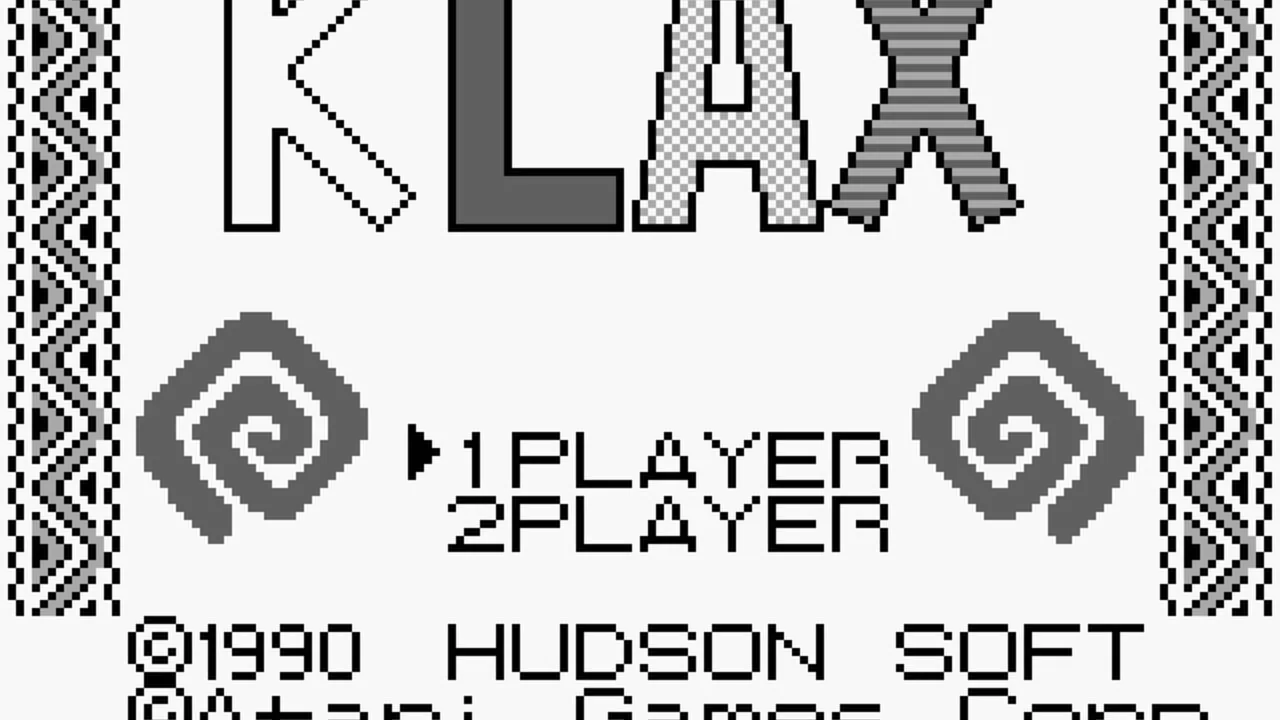
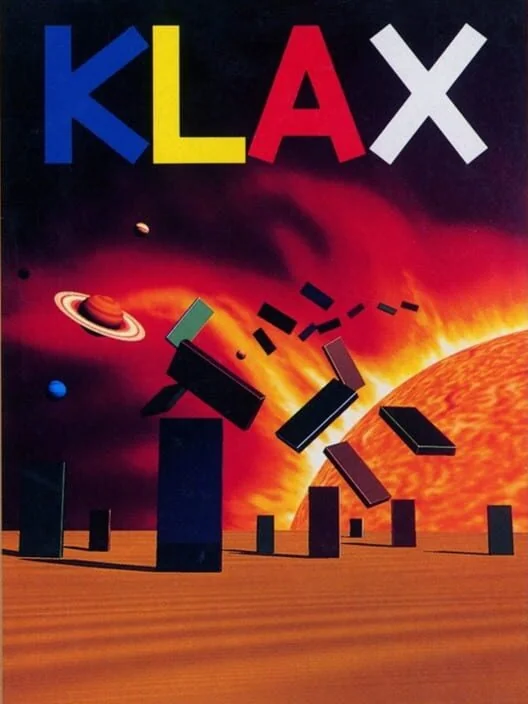
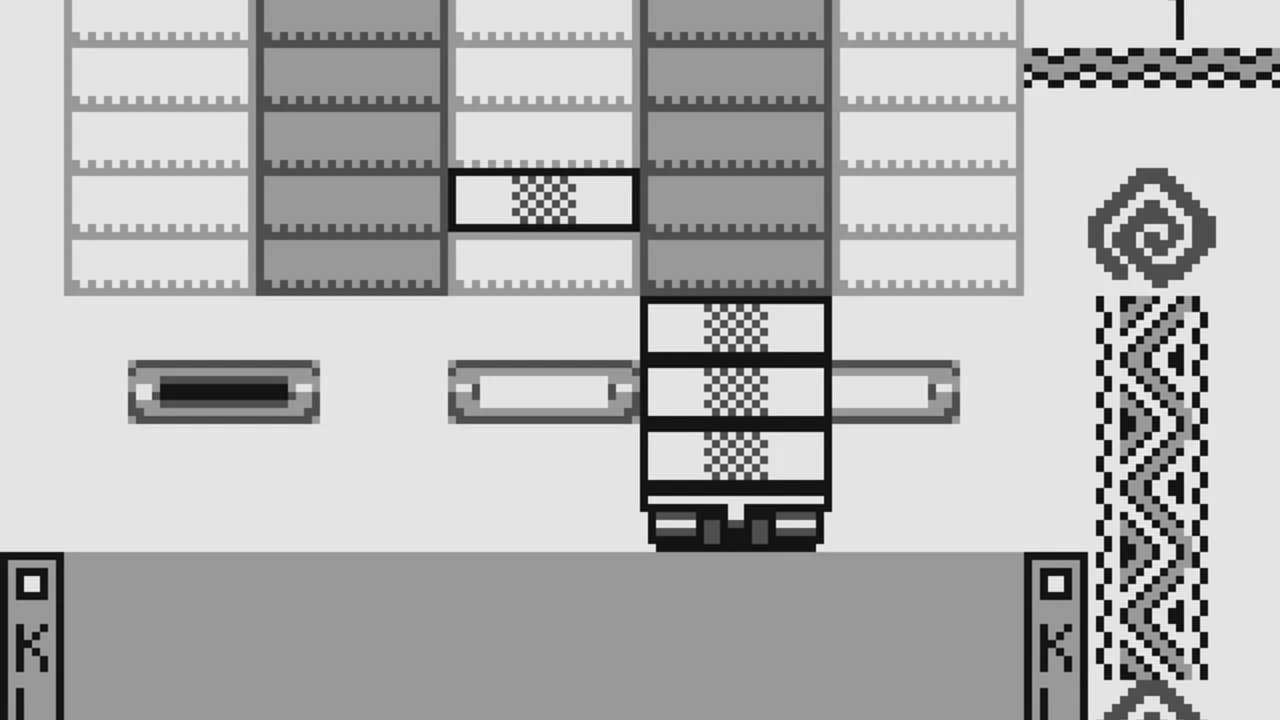
Klax started as an Atari arcade game in February 1990, built as a follow-up to Tetris while Atari Games was in a legal dispute over it. You catch tiles on a paddle as they tumble down a conveyor belt, then drop them into a well that holds up to 25 tiles in five columns of five. Line up matching tiles and they vanish, and lines formed by tiles falling into place still earn bonus points.
The Game Boy version came from Hudson Soft and only came out in Japan. It is a fast, twitchy game next to the slow thinkers further up this list, and a good one to play when you want your hands busier than your brain.
16. Lemmings (1993)
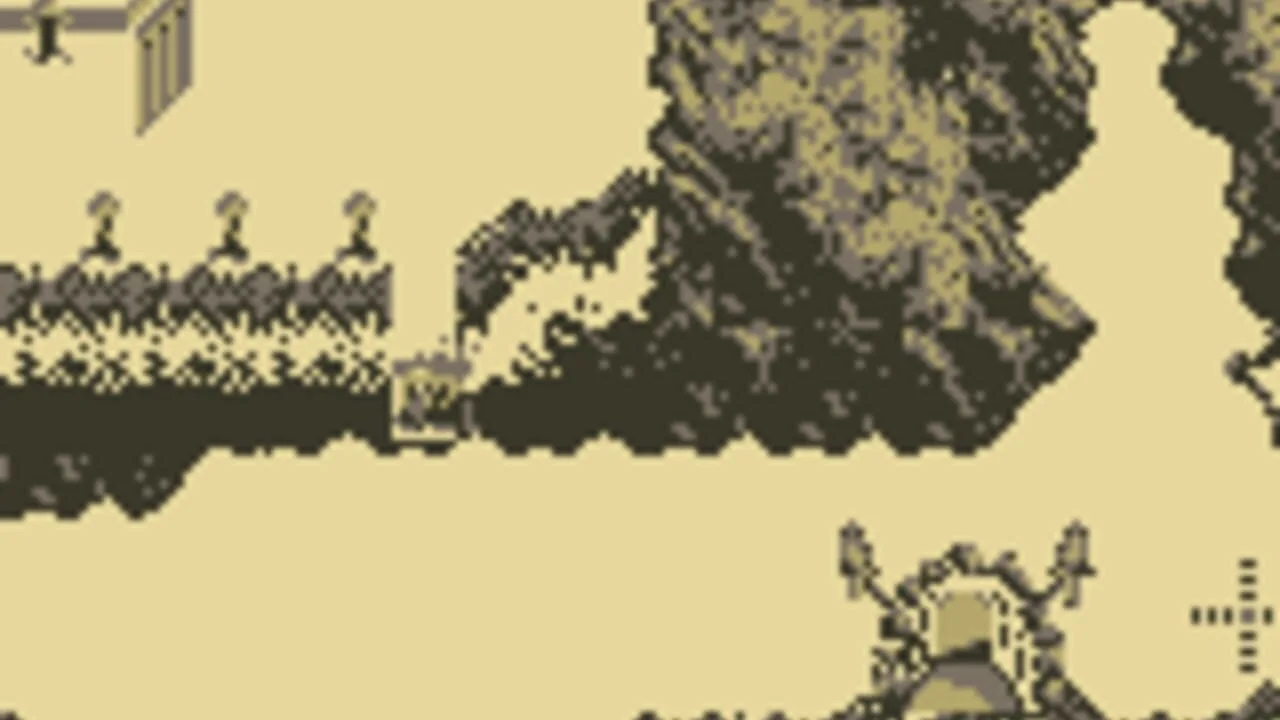
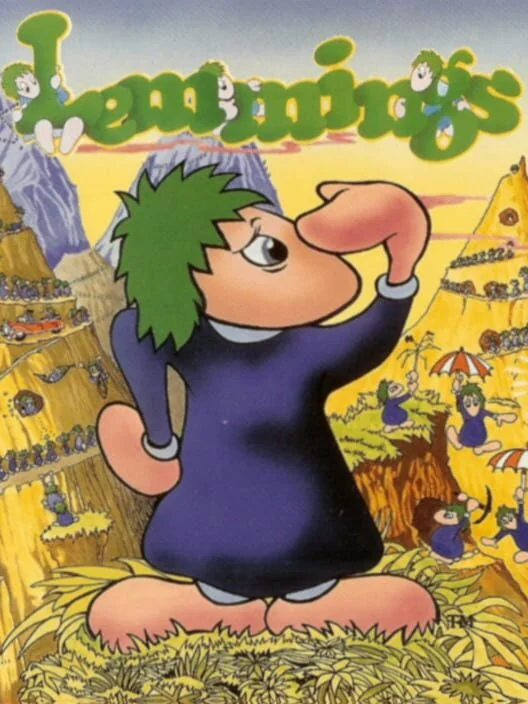
Lemmings is one of the most widely ported games ever made, estimated at around 20 million copies across its versions. You never control the lemmings directly. You hand out jobs instead. A Blocker stands still and stops the others from passing, and any lemming that walks into him turns around.
The Game Boy port had a tough job. It brought the game to a system that was not very suited to it, with a tiny screen, no mouse and downgraded graphics. It still makes the list, because the levels are clever enough to survive the squeeze. Cramming a game built for a mouse onto a d-pad is either brave or a little bit unhinged.

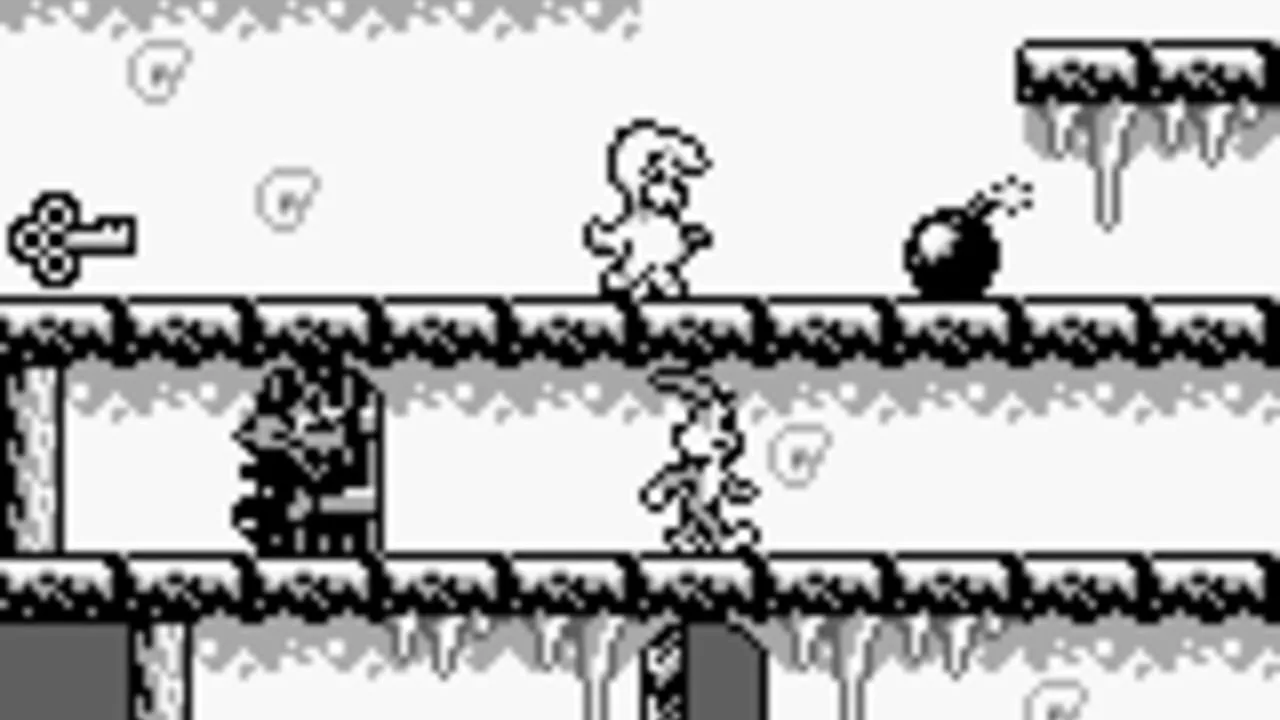
15. The Bugs Bunny Crazy Castle 2 (1991)
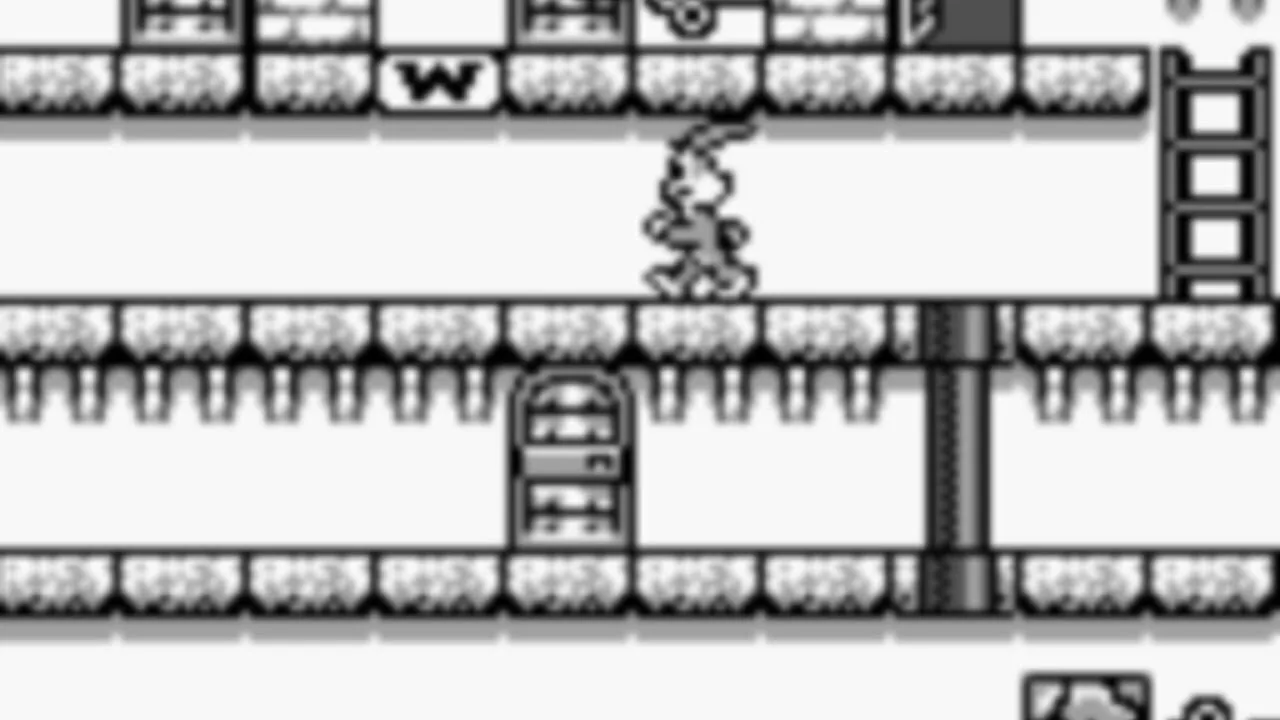
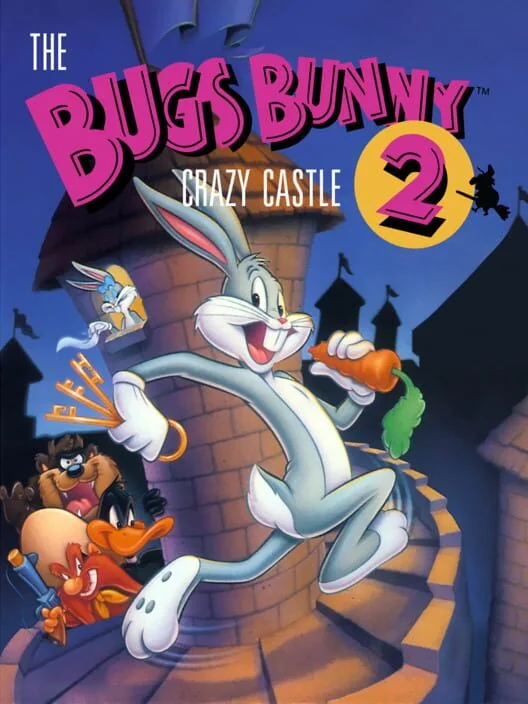
Bugs Bunny has to save his girlfriend Honey Bunny from Witch Hazel's enemy-filled castle. There are 28 levels, and each one has a locked door that only opens once you collect the eight keys hidden around it. Yosemite Sam, Daffy Duck and a long list of other Looney Tunes characters get in the way.
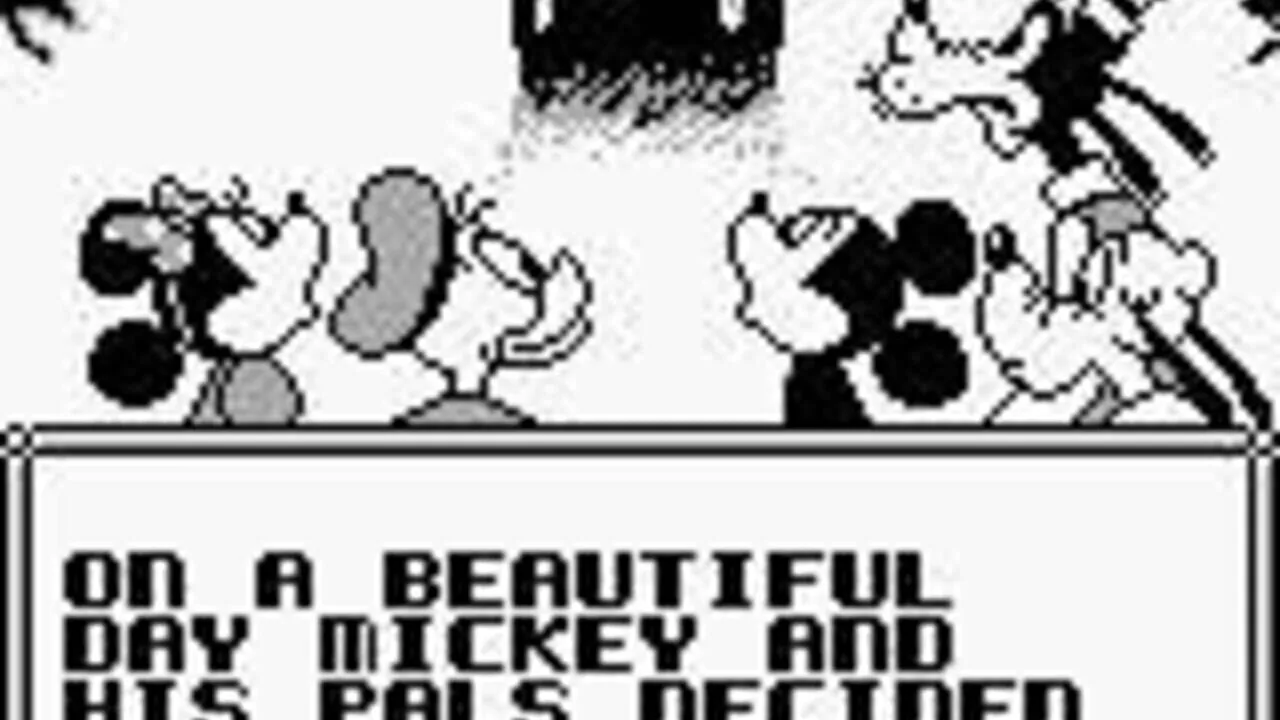
The fun part is the history. This game started life as a Mickey Mouse game, released in Japan as Mickey Mouse II and in Europe as just Mickey Mouse. Europe later got a second reskin starring Hugo. Kemco swapped mascots on these games like hats, and the puzzles underneath stayed the same. It was followed by Crazy Castle 3 in 1999.
14. Mickey Mouse: Magic Wands! (1993)
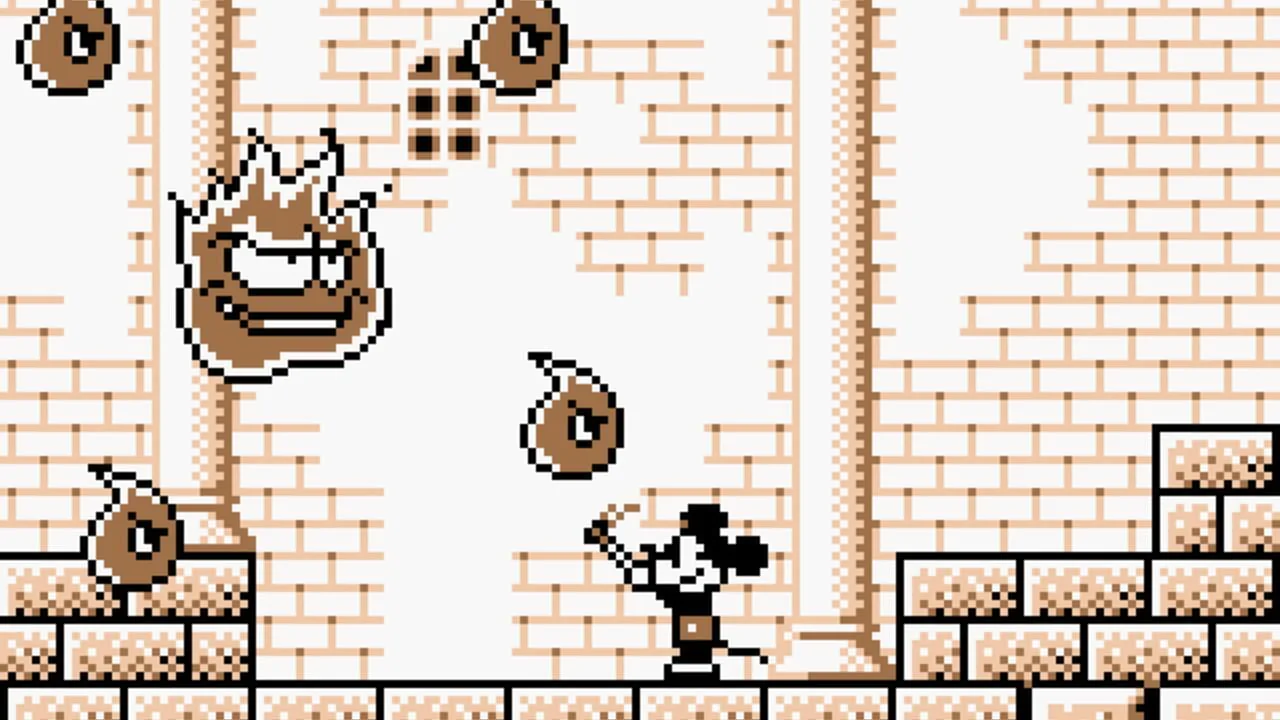
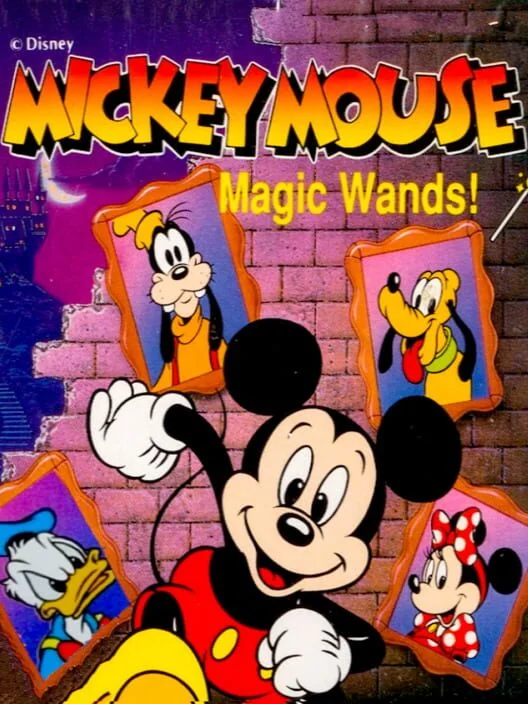
Magic Wands is the fifth game in the Crazy Castle series and the last of Kemco's Mickey Mouse games in it. Mickey's friends get lost near the edge of the forest and end up trapped in the wicked witch Yashja's castle, and Mickey goes in with the Magic Wands to bring them back.
It was also the only Crazy Castle game to reach North America under its original title, minus the Roman numeral. That took a while. Kemco released it in Europe in October 1995, and Nintendo published it in North America in May 1998 under the Player's Choice label, with Super Game Boy support added. If you liked Crazy Castle 2, this is the next one to play.
13. Solomon's Club (1991)
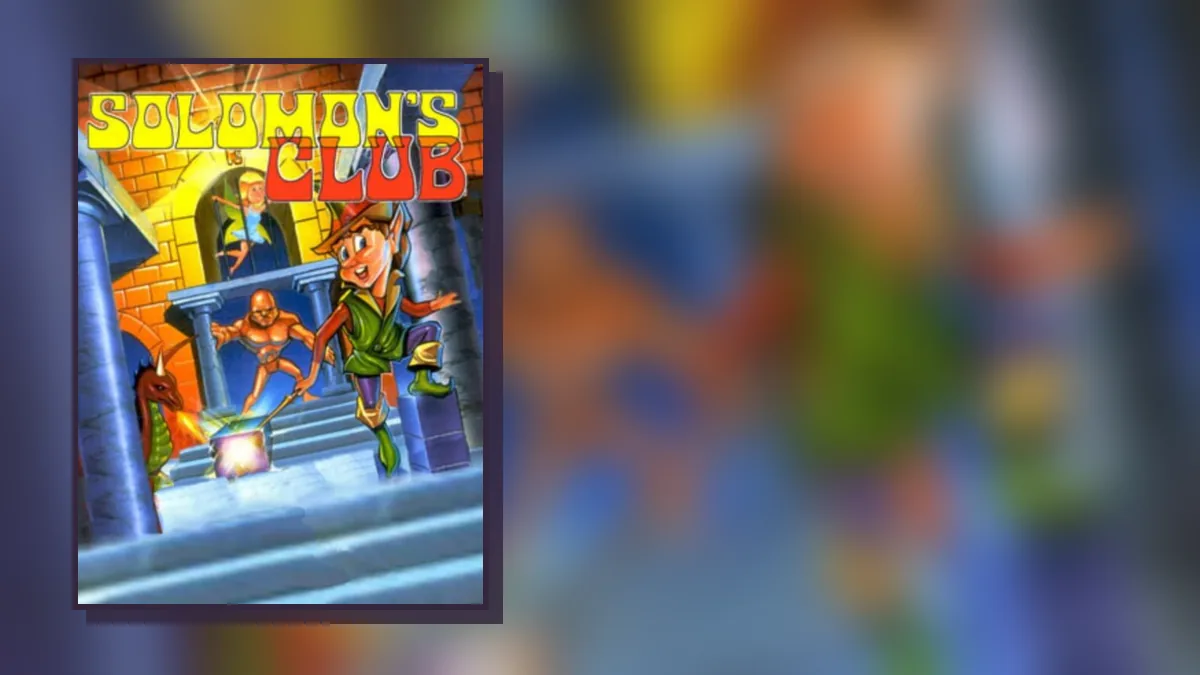
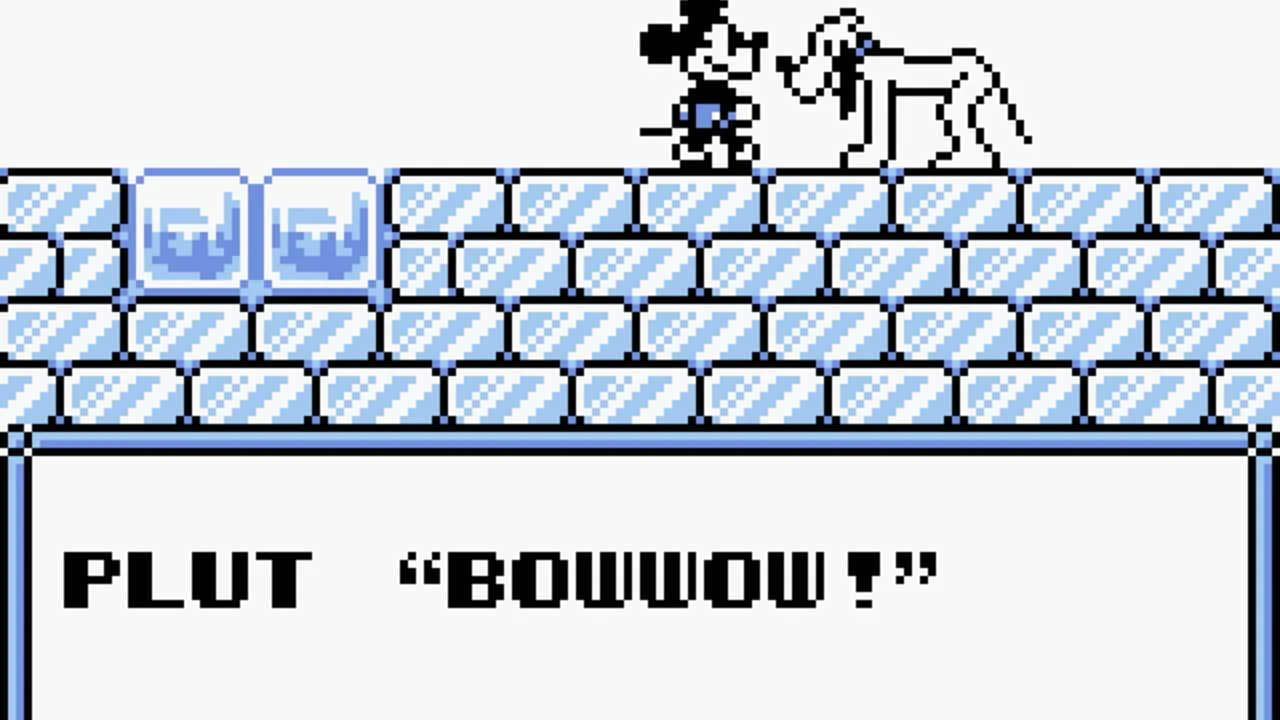
Solomon's Club is the Game Boy version of Solomon's Key, made by Graphic Research and published by Tecmo in 1991. You play Dana, a sorcerer sent after Solomon's Key to bring light back to a world overrun by demons. Each room is a puzzle you solve while enemies keep spawning and a countdown timer runs.
It is harder than it looks. Any contact with an enemy means instant death, and you have very few ways to fight back. The deeper secrets are hidden rooms: each constellation has a bonus room you only reach by finding its seal in the last room of the group.
12. Tetris Blast (1995)
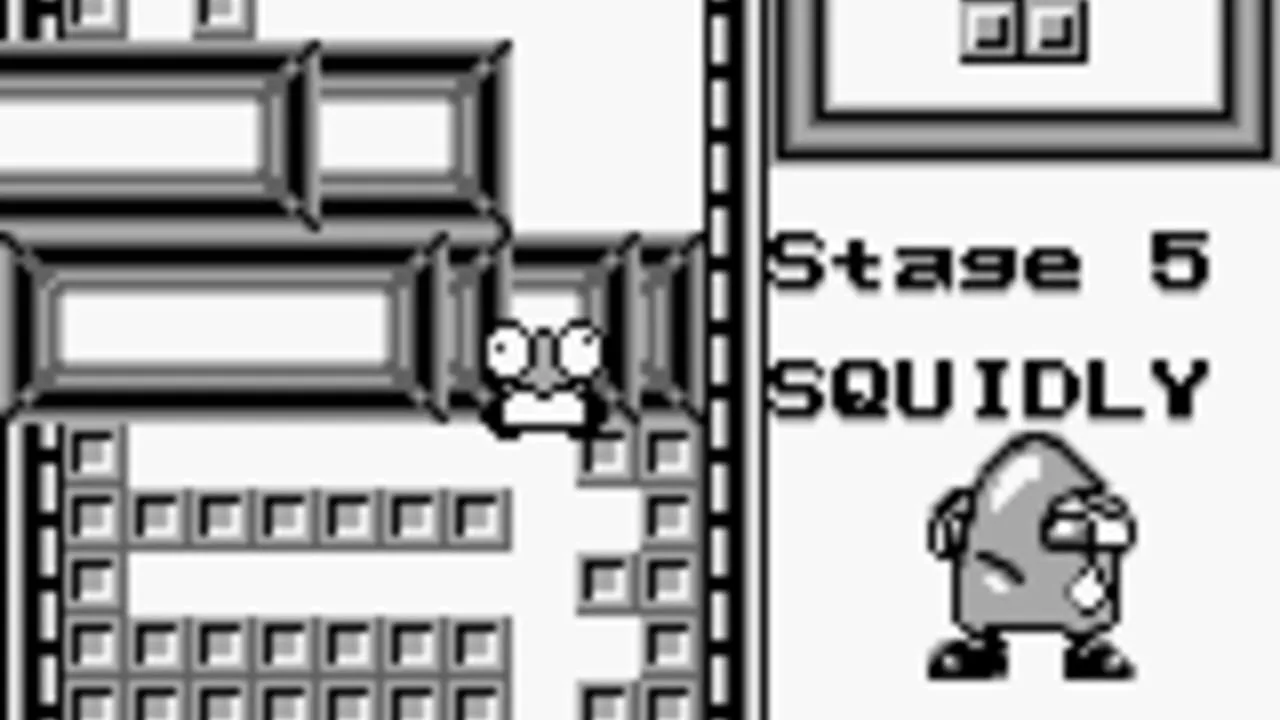
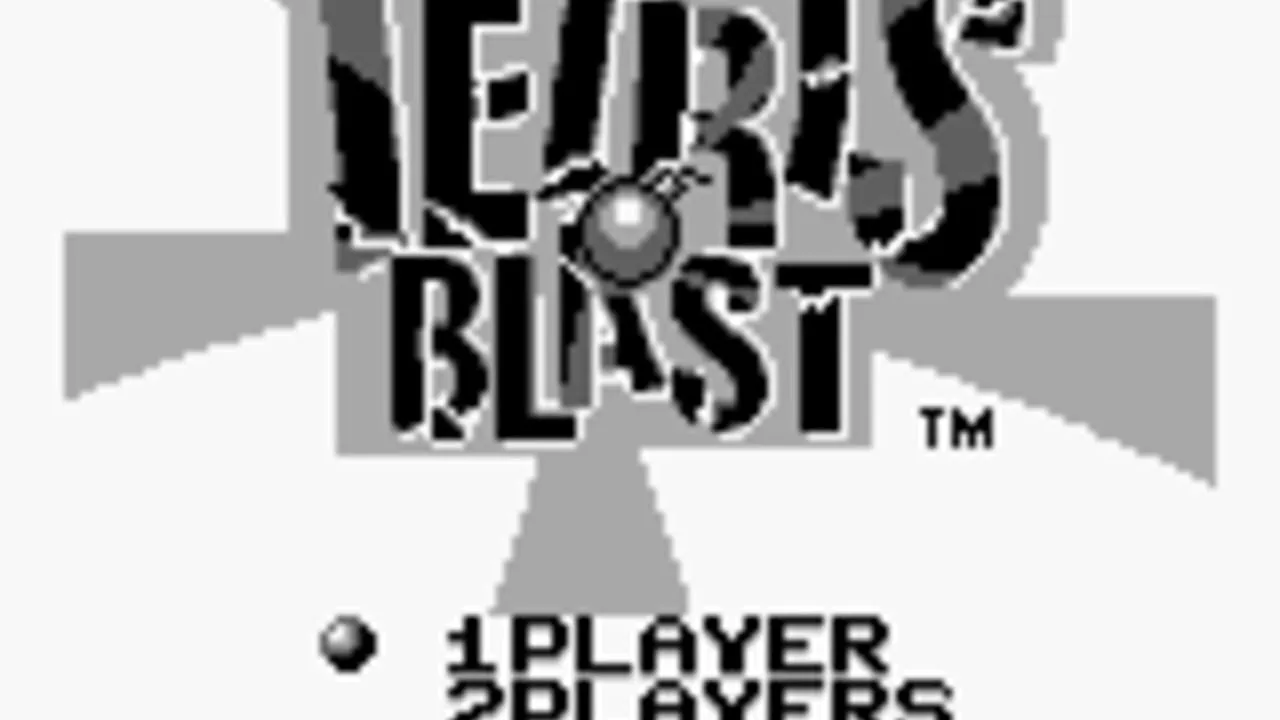
Tetris Blast came from Bullet-Proof Software and has its roots in Bombliss, a game designed by Akihiko Miura. The pieces carry bombs, and lining blocks up with those bombs blows away chunks of the screen. Fight Mode adds enemies you take out by building a mega bomb.
Reviews were mixed on both sides of the Pacific. Famitsu missed a puzzle mode and felt it was too close to earlier versions of Bombliss. English-language reviewers mostly liked it while finding it not as strong as the original Tetris. That is a fair way to see it. It is a fun twist to play once you have worn out the original, and the explosions feel great on a tiny speaker.
11. Kirby's Star Stacker (1997)
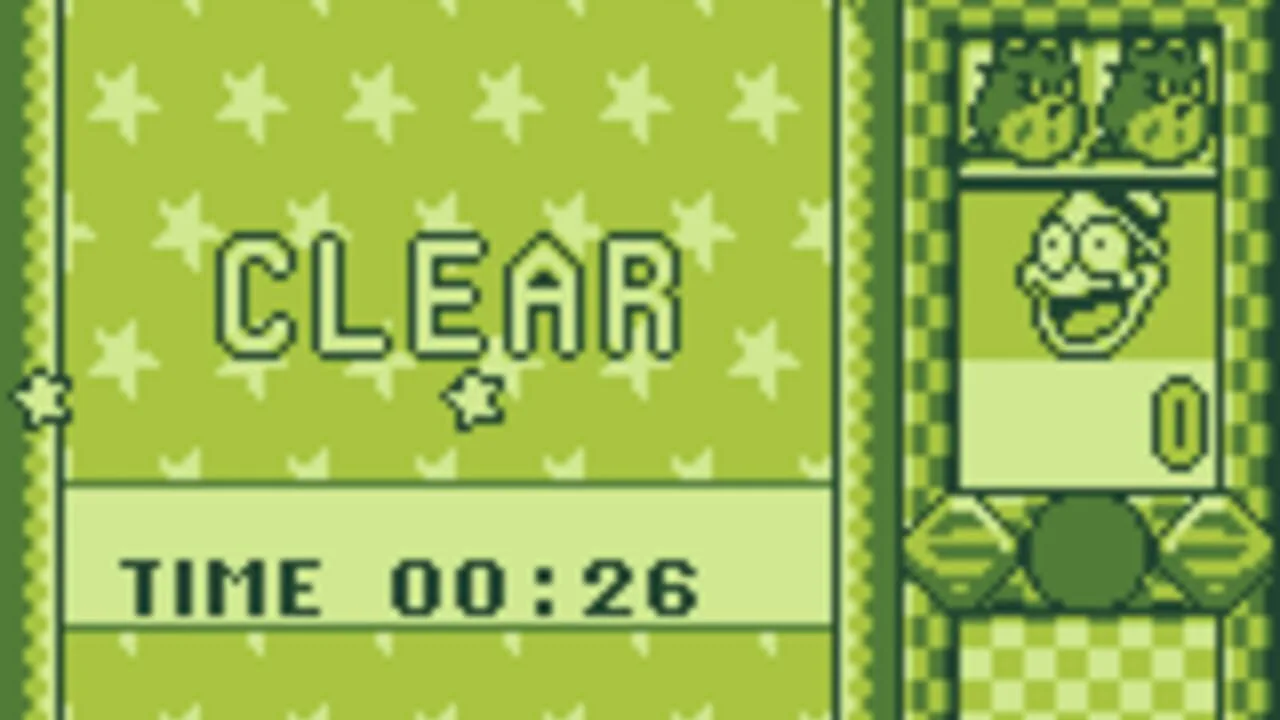
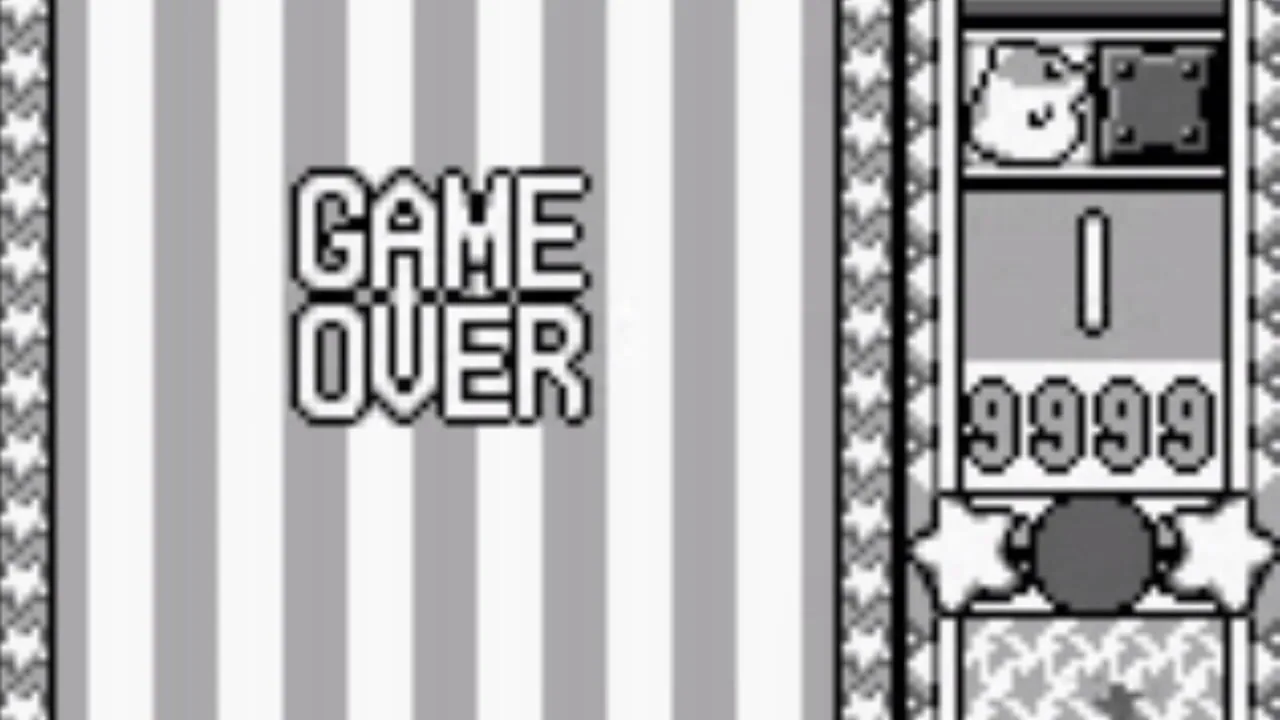
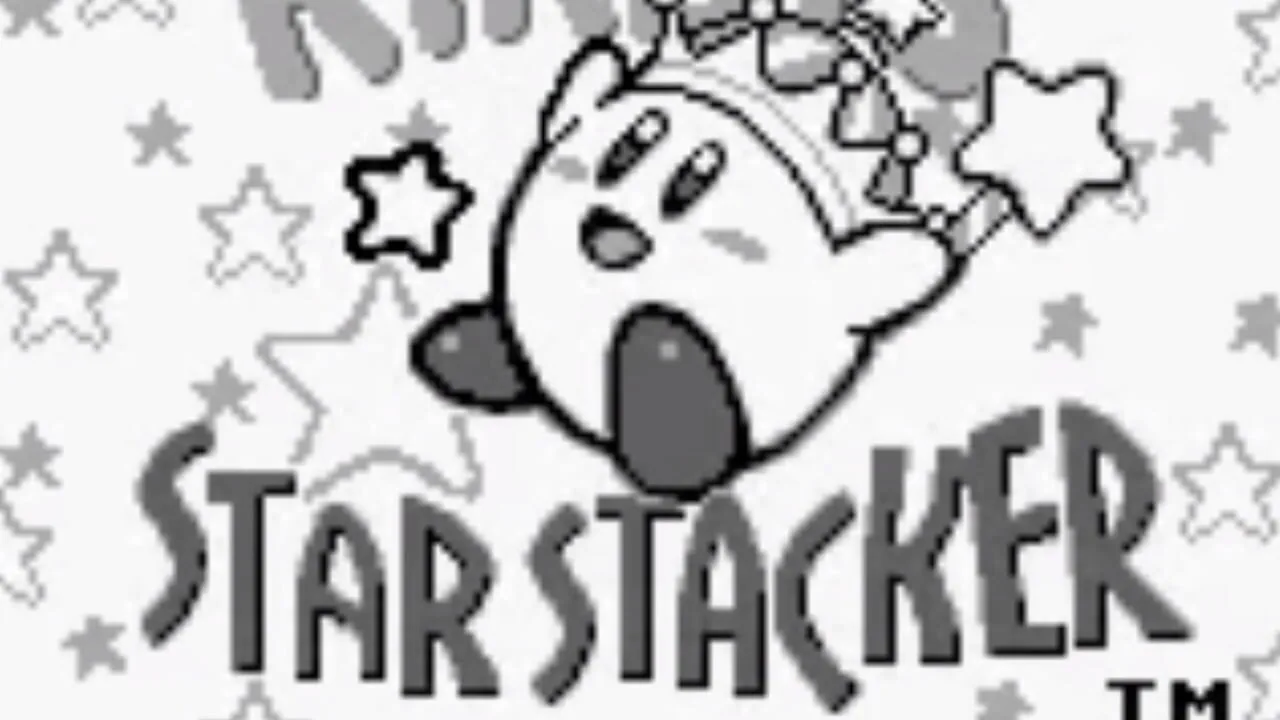
Kirby's Star Stacker is a falling-block game in the style of Soldam. The blocks are Kirby's animal friends from Kirby's Dream Land 2, and you clear stars by sandwiching them between two of the same friend. Blocks rain down from above while whole lines push up from below, so the middle of the screen keeps getting squeezed.
You lose when the falling blocks reach the top of the play area, which means scoring stars quickly is the whole game. Collect enough stars and the game rewards you with new artwork. Japan later got a Super Famicom remake, and the Game Boy original joined Nintendo Classics on Switch in May 2025. Kirby eats everything in his other games. Here he is stuck doing chores.
10. Boxxle (1989)
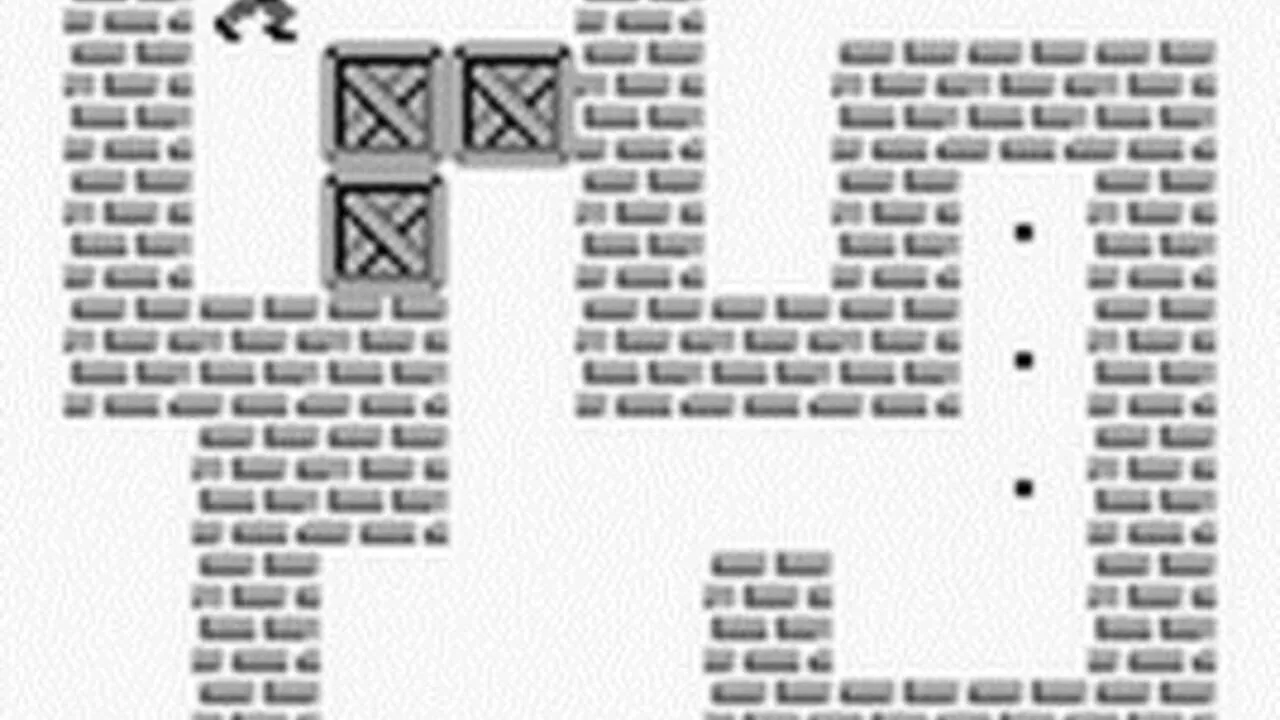
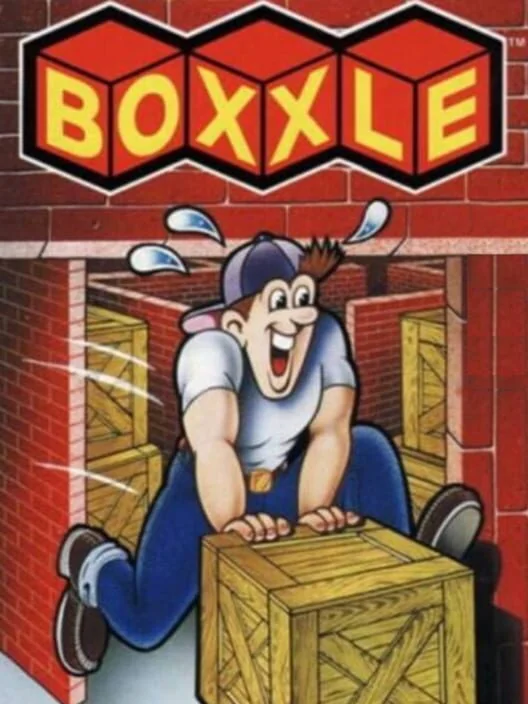
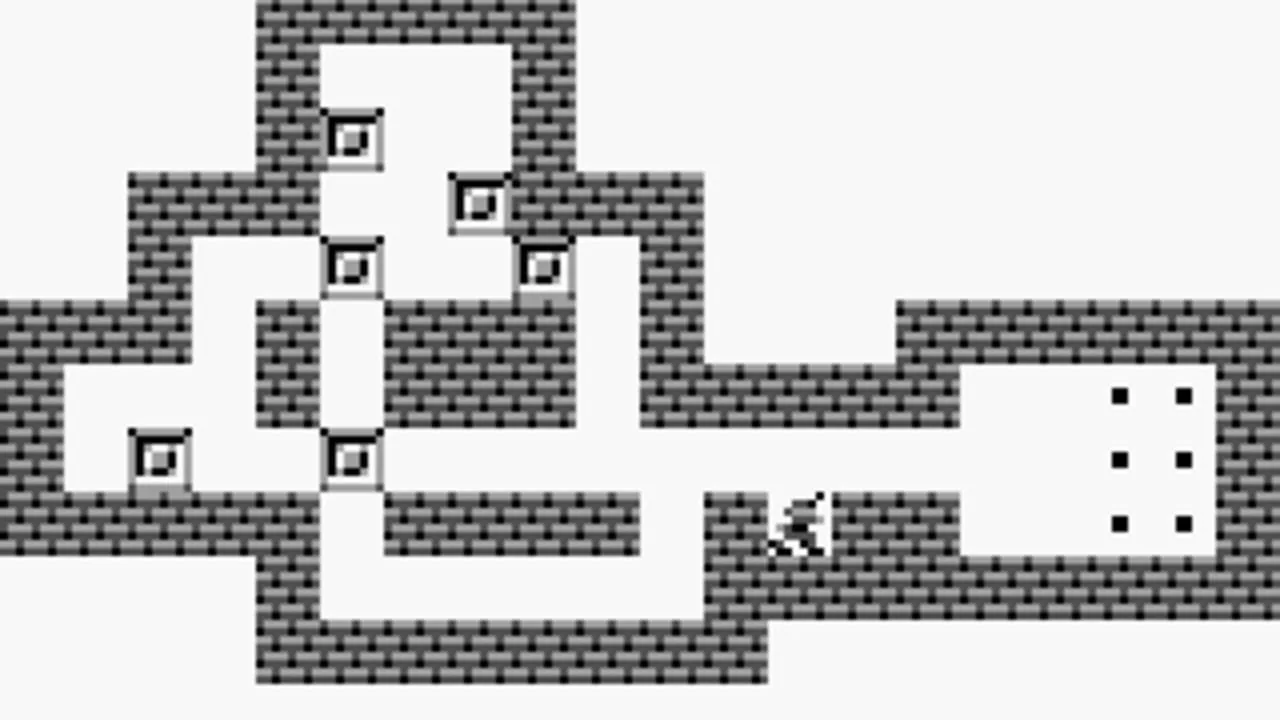
Boxxle is a box-pushing game. You move crates around a warehouse to earn enough money to win over the girl you have a crush on, which is the most Game Boy plot ever written. One wrong push can leave a crate stuck in a corner for good.
It is also the game puzzle fans point to first whenever box-pushing comes up, often along with its sequel. If you like puzzles where you plan the whole solution in your head before moving, start here.
9. Tetris Attack (1996)
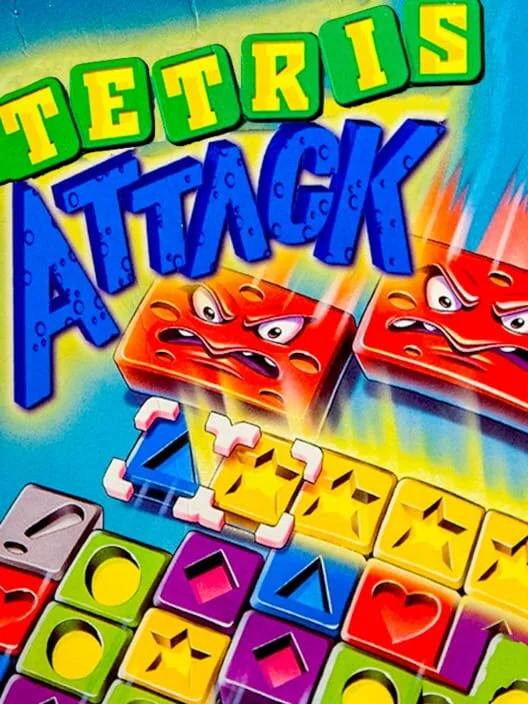
Tetris Attack began as Panel de Pon in Japan in October 1995, with fairies and a fantasy setting. Outside Japan the fairies were swapped for characters from Super Mario World 2: Yoshi's Island, and the Game Boy version followed a year after the Super Nintendo one. Development was headed by Intelligent Systems and produced by Gunpei Yokoi.
Despite the name, it has nothing to do with Tetris, and Tetris Company co-founder Henk Rogers came to regret letting Nintendo use it. Critics loved its addictive play and its challenge. The series carried on later under the name Puzzle League.
8. Bubble Ghost (1990)
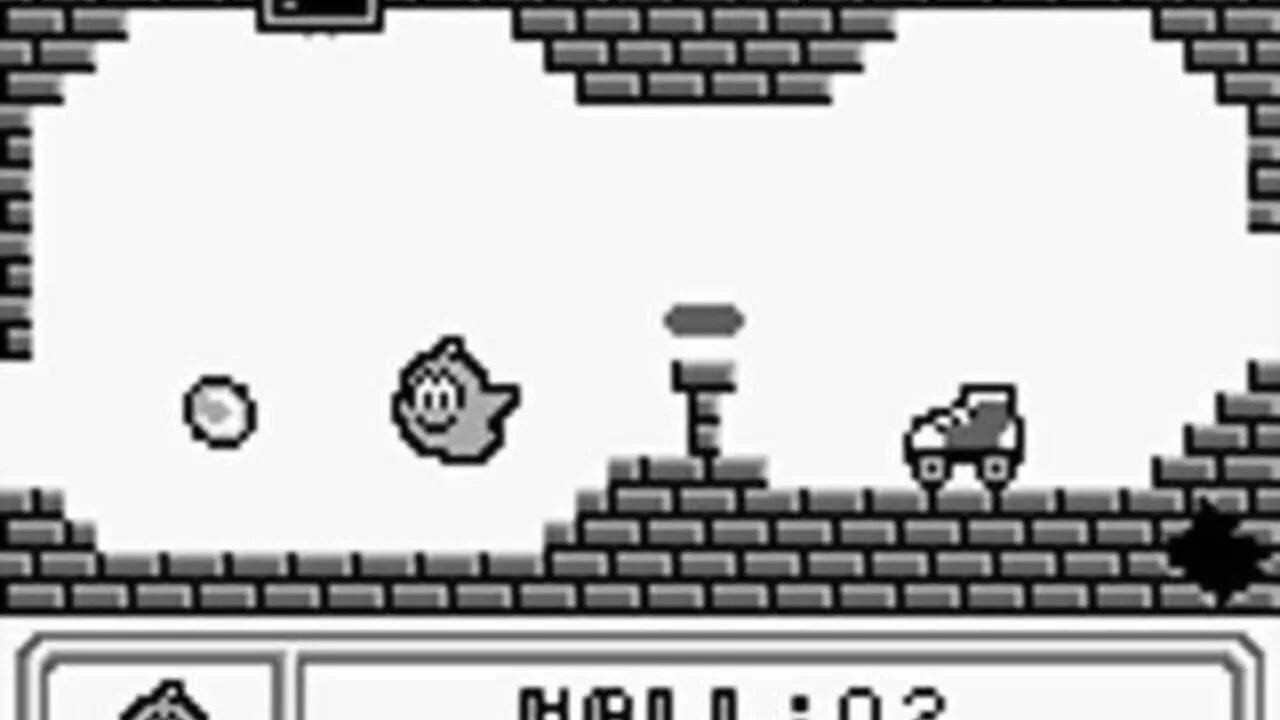
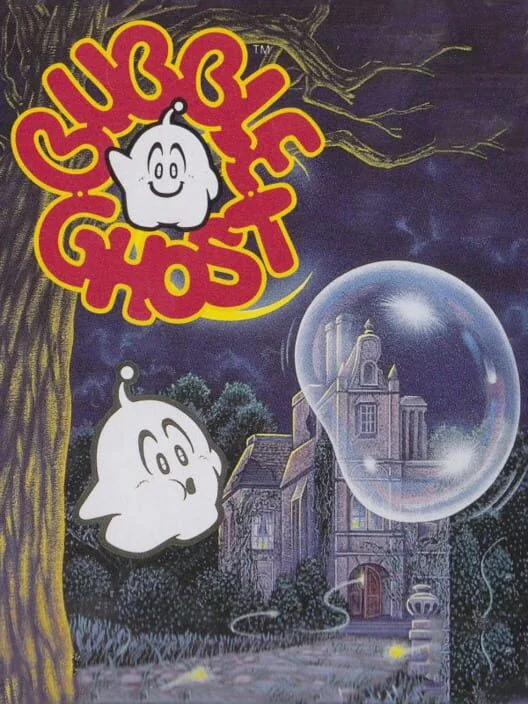
Bubble Ghost began on the Atari ST, designed and programmed by Christophe Andréani, and the Game Boy version came out in 1990. The goal is to guide a fragile bubble through the halls of a haunted house without popping it.
It is one of the earliest games with music written by Hitoshi Sakimoto, and it is often called the first French game adapted for the Game Boy. That is a lot of history for a game about a bubble. It got a full remake in March 2025, which is a sign the idea still holds up.
7. Yoshi (1991)
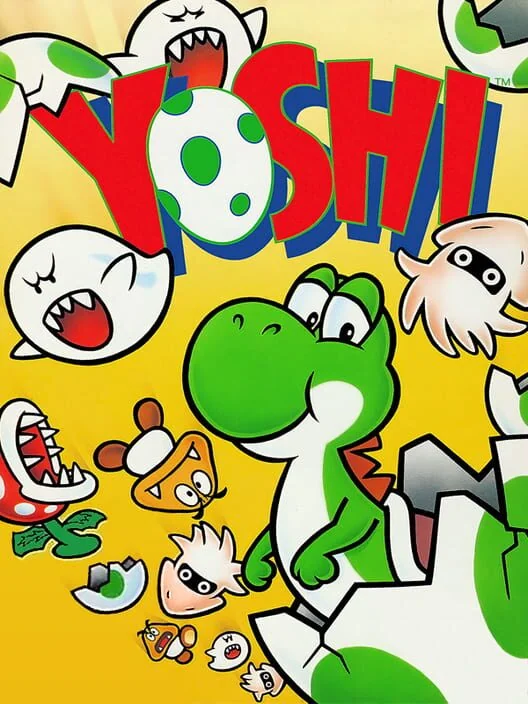
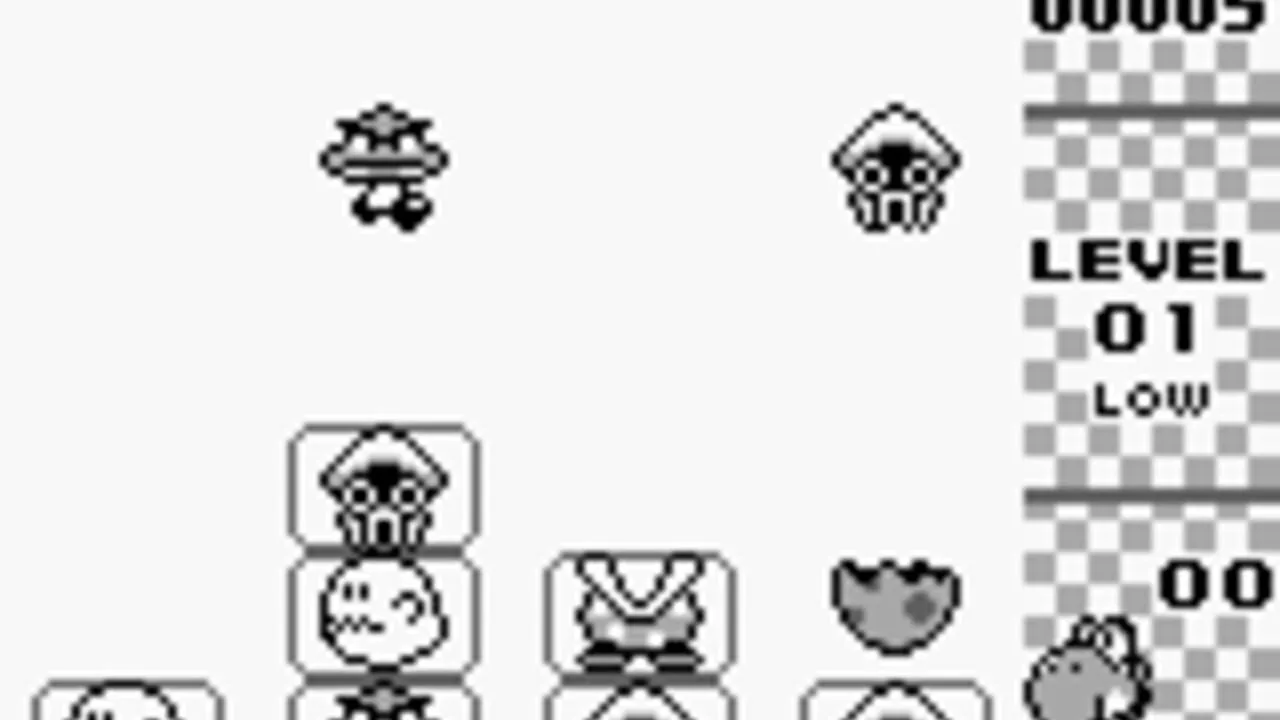
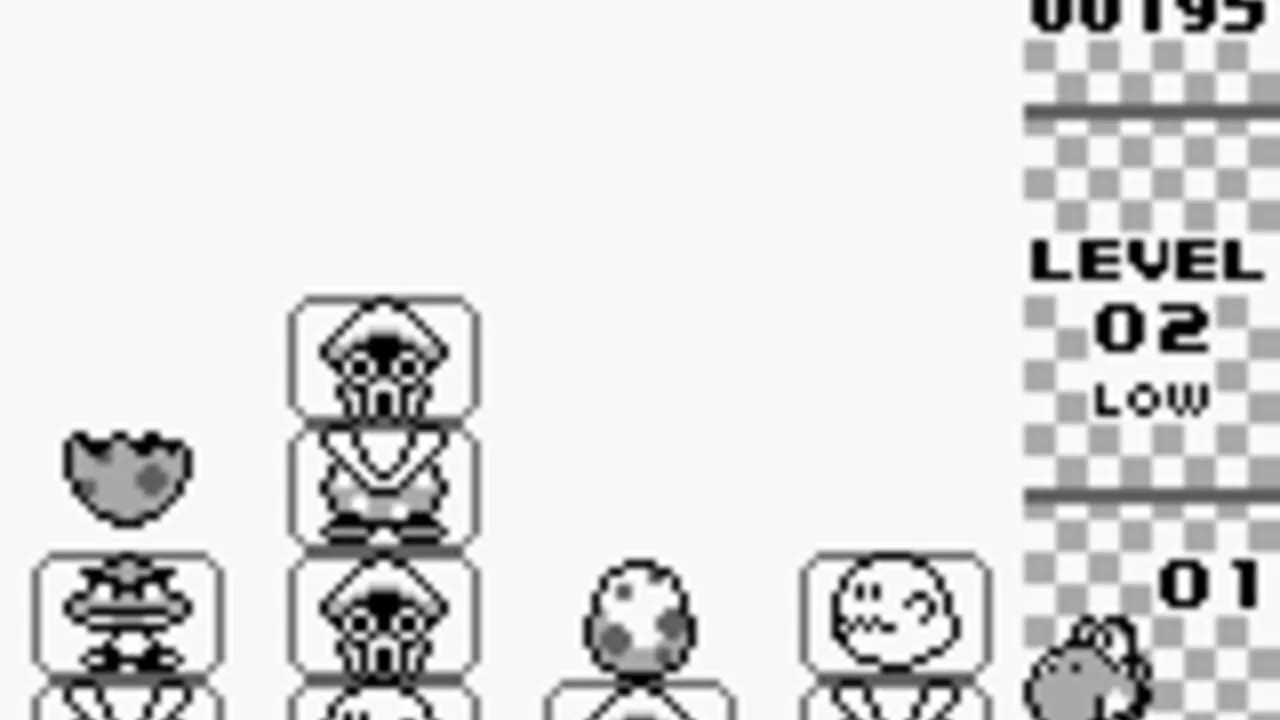
Yoshi came out in Japan on December 14, 1991, as Yoshi no Tamago, which means Yoshi's Egg. Mario enemies fall from the top of the screen, and stacking two of the same enemy clears them. Two halves of a Yoshi eggshell fall too, and closing a stack between them hatches a Yoshi, with bigger Yoshis for bigger stacks.
The concept came from Tetris, and the game is simpler than most on this list. Allgame called it a "surprisingly dull game", and it is easy to see why if you play for an hour straight. In short bursts it is a nice little score chaser. Masuda, who worked on it, said he spent ages making the menus move in time with the music.
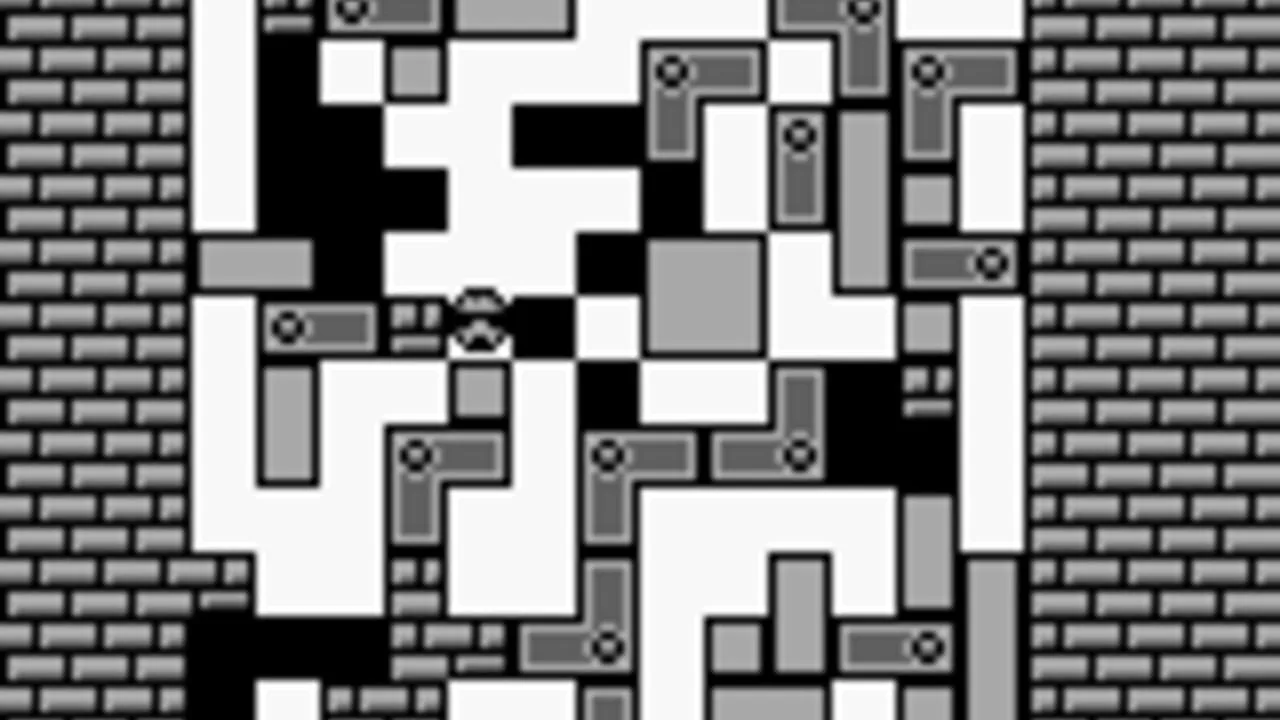
6. Kwirk (1989)
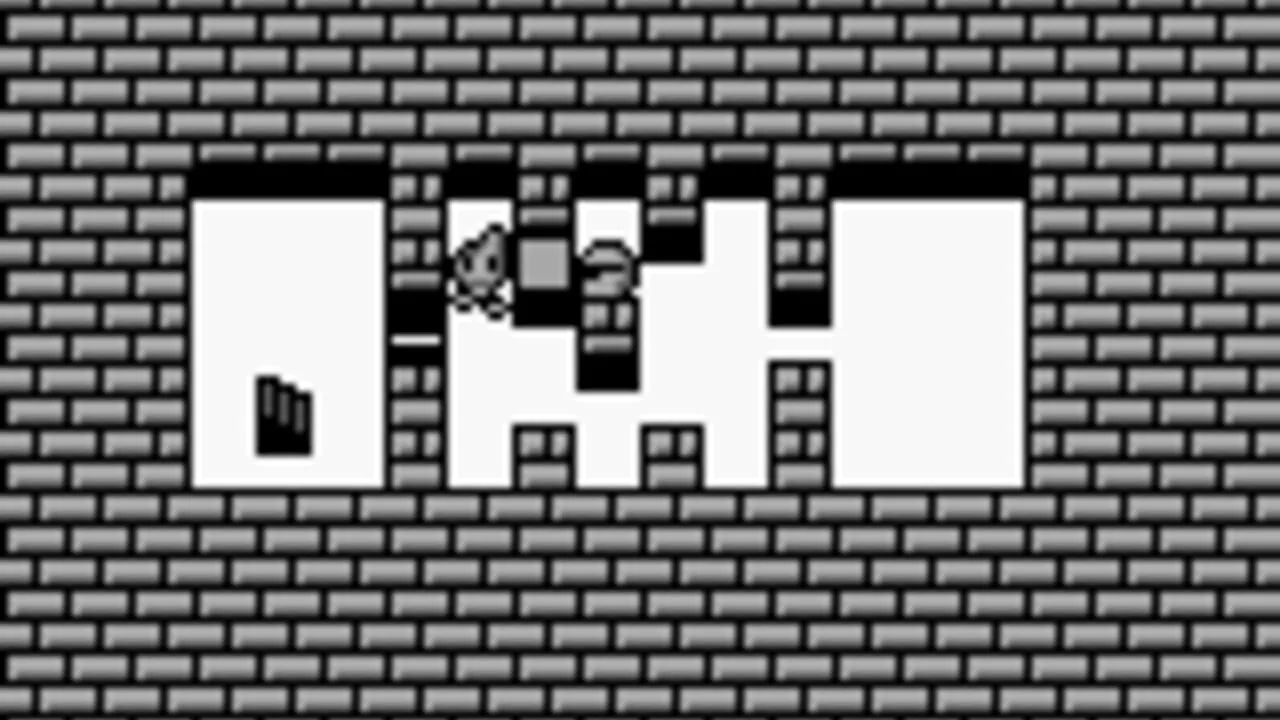
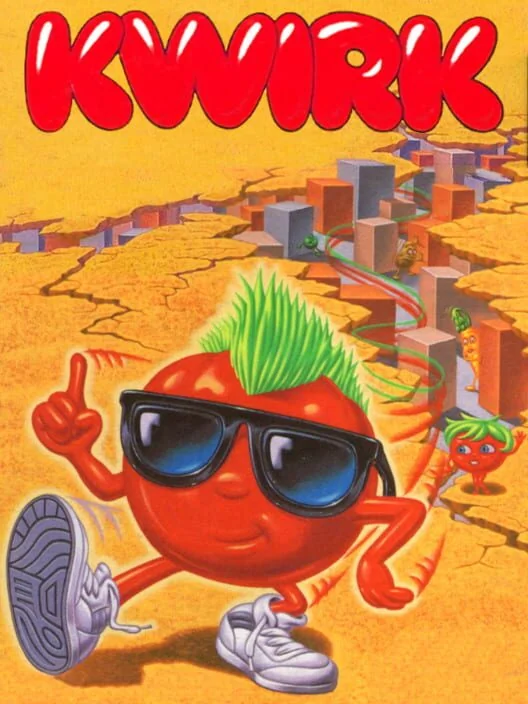
Kwirk was the very first game Atlus released under its own name, and Acclaim brought it to North America in March 1990. In Japan the hero was a potato called Spud. In the US he became a tomato named Kwirk, out to rescue his tomato girlfriend. You get from one end of each room to the stairs by turning turnstiles, pushing blocks and filling holes with them, and your score depends on time and steps.
There is also a choice of a Diagonal view in crude 3D or a flat Bird's Eye view. Players who come to it now still call it one of their favorites and keep showing it to friends. Never underestimate a tomato.
5. Mario's Picross (1995)
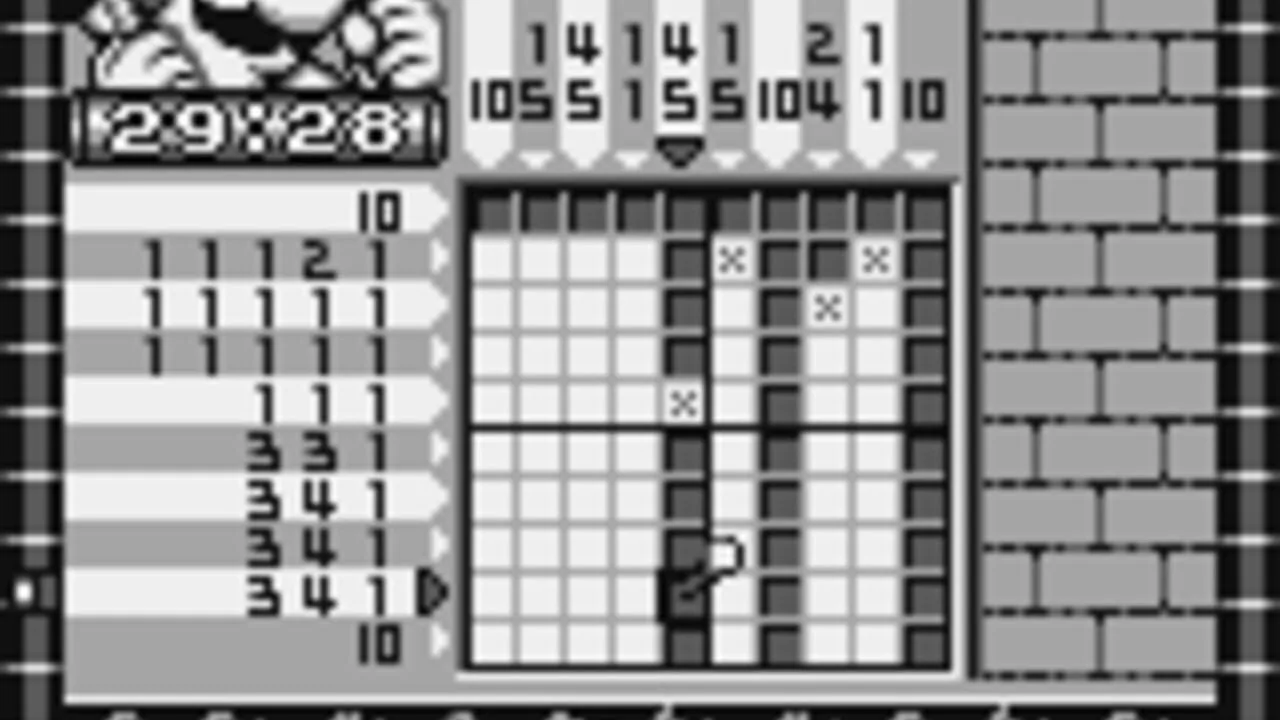
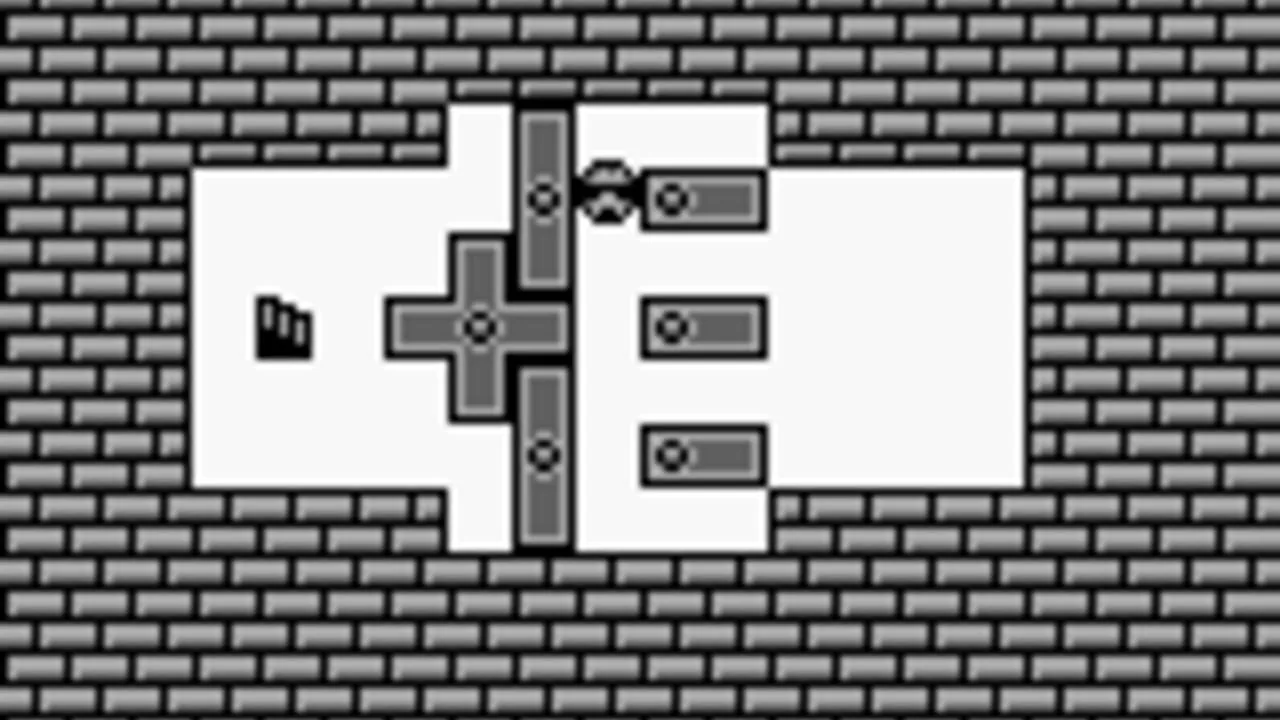
Mario's Picross is the first Picross game Nintendo published. Mario plays an archaeologist chiseling away squares in each grid, and the finished puzzle reveals a small picture. There are 256 puzzles split across four courses that get harder as you go.
It sold well in Japan and poorly in English-speaking countries, so the sequels stayed in Japan. The next Nintendo Picross to reach English players was Picross DS in 2007, twelve years later. Electronic Gaming Monthly's reviewers complained it was about logic and reasoning instead of rapid button presses, which is a bit like complaining a crossword has too many words. Thanks to those limited sales, it became a cult classic.

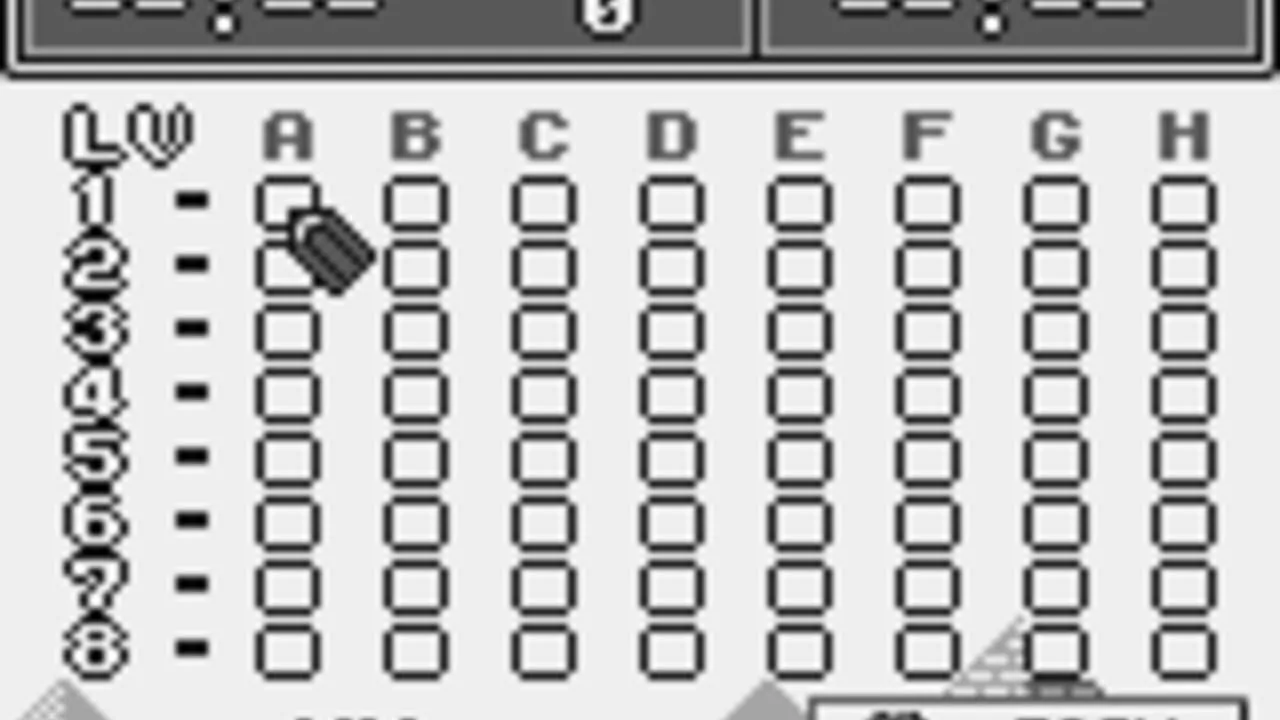
4. Catrap (1990)
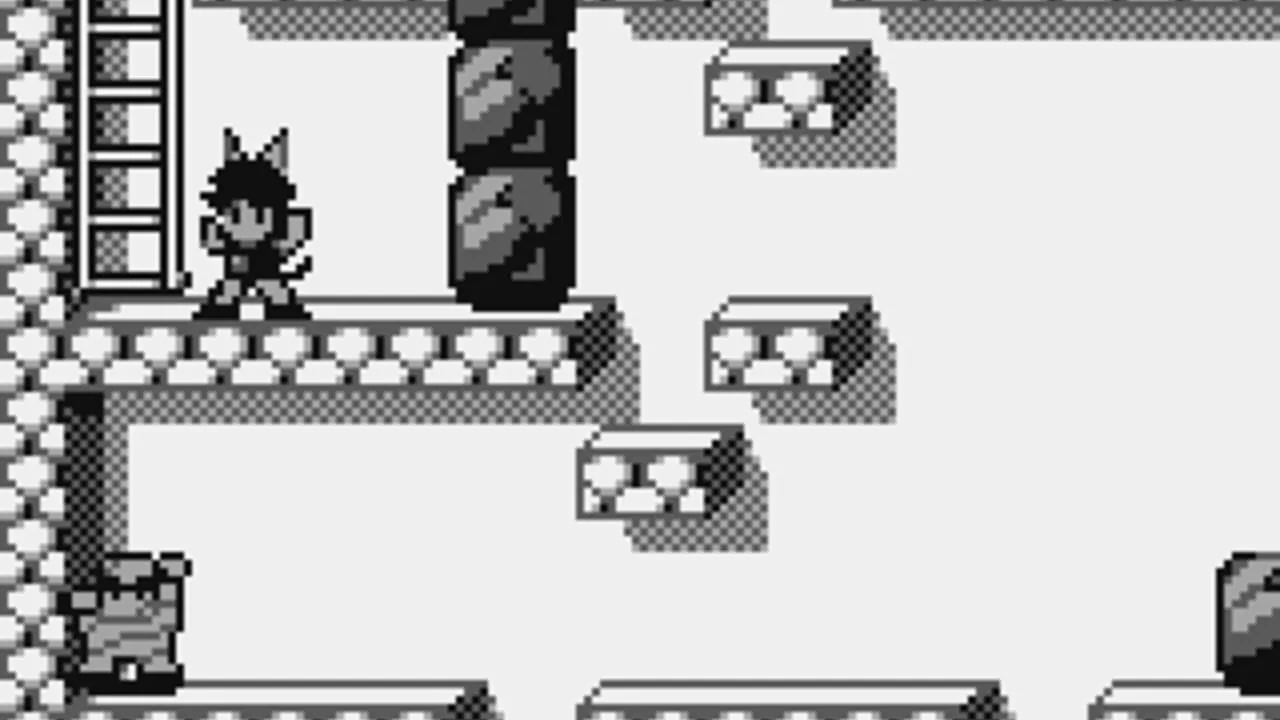
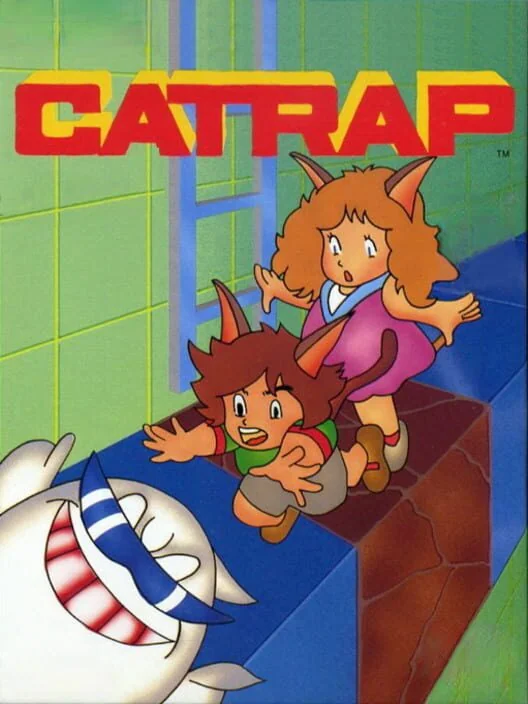
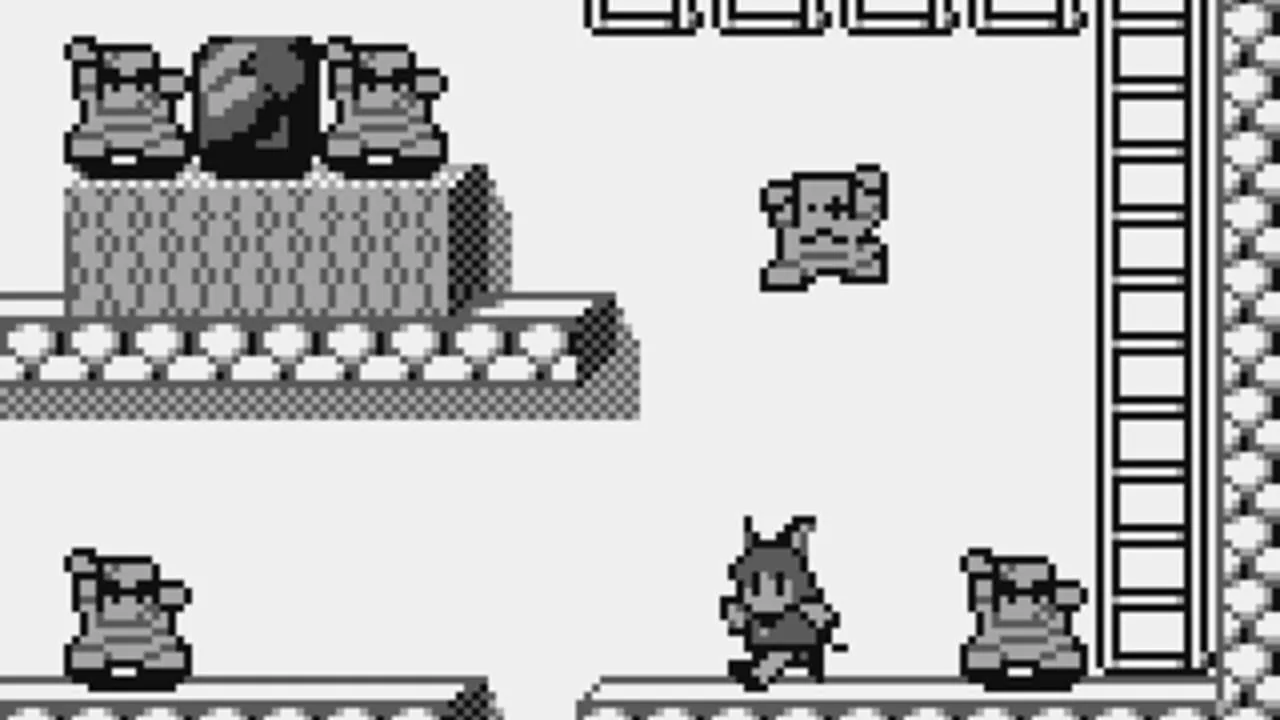
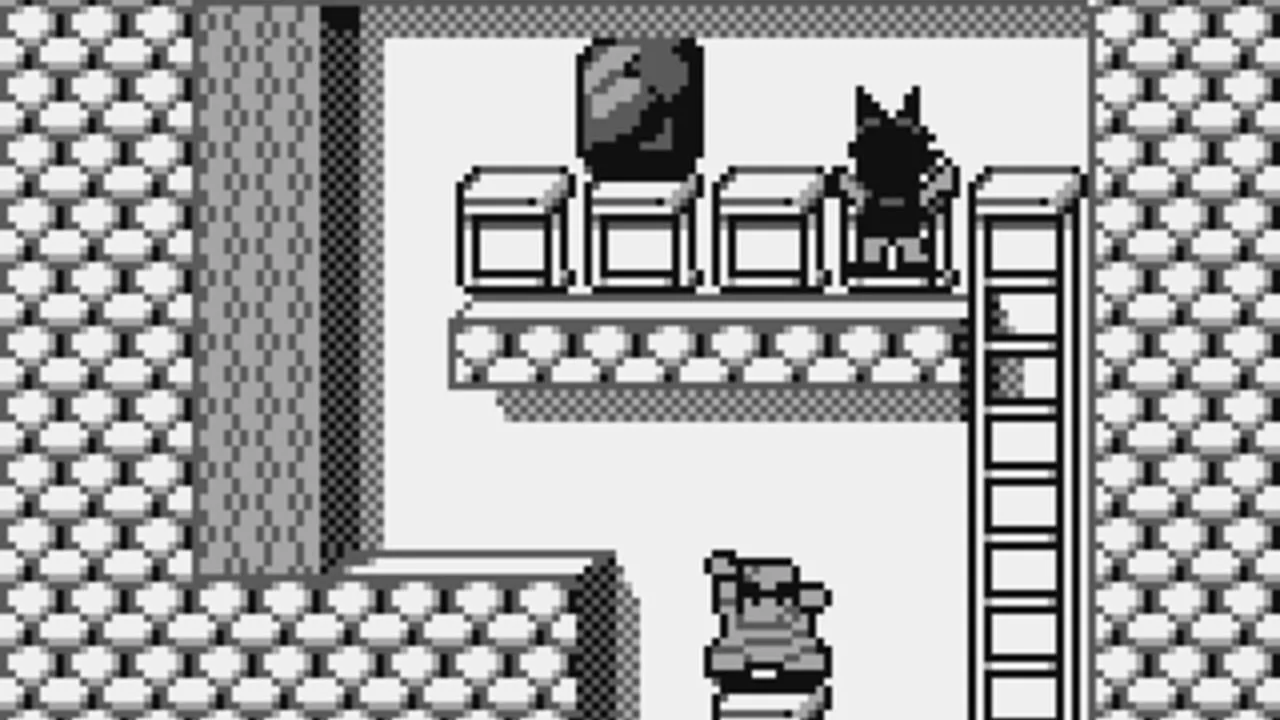
Catrap began in 1985 as a type-in BASIC program for the MZ-700 home computer, made by Yutaka Isokawa and printed in the magazine Oh!MZ. ASK Kodansha brought it to the Game Boy, and Asmik published it in North America in October 1990. You guide a cat through rooms full of boulders and ladders, kicking monsters and ghosts off the screen. There are 100 mazes, and you can build your own.
The big idea is a rewind button. Push a block the wrong way, trap yourself, and you can roll time back to fix it. Destructoid credits it with using time rewind before Braid and Prince of Persia: The Sands of Time. It turns trial and error into the fun part.
3. Dr. Mario (1990)
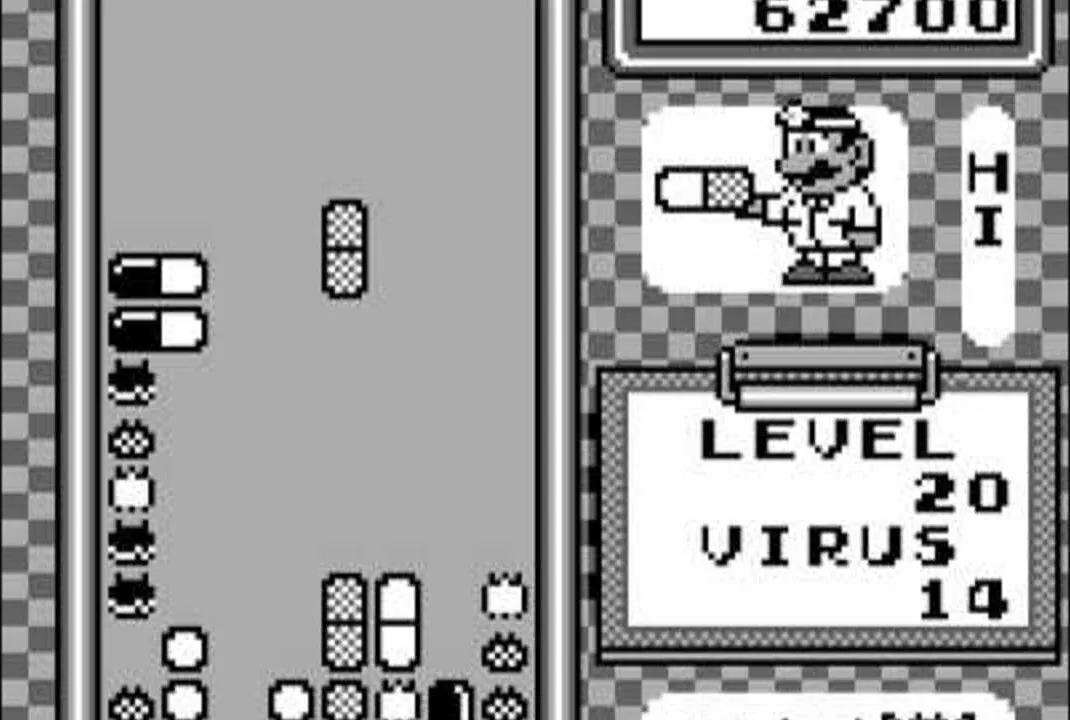
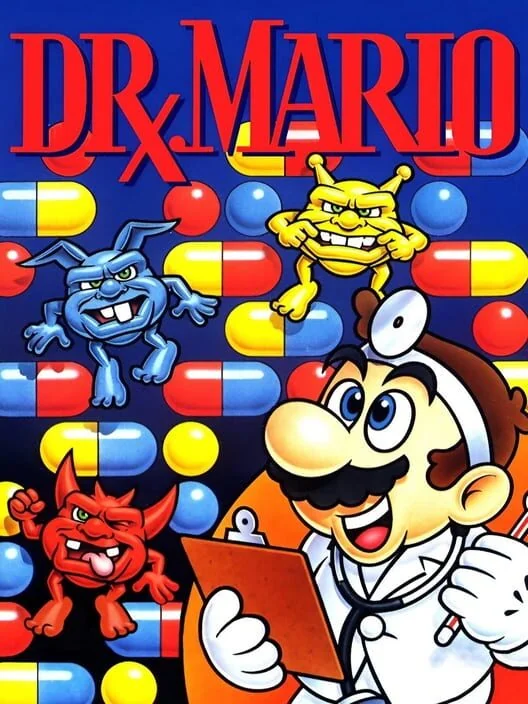
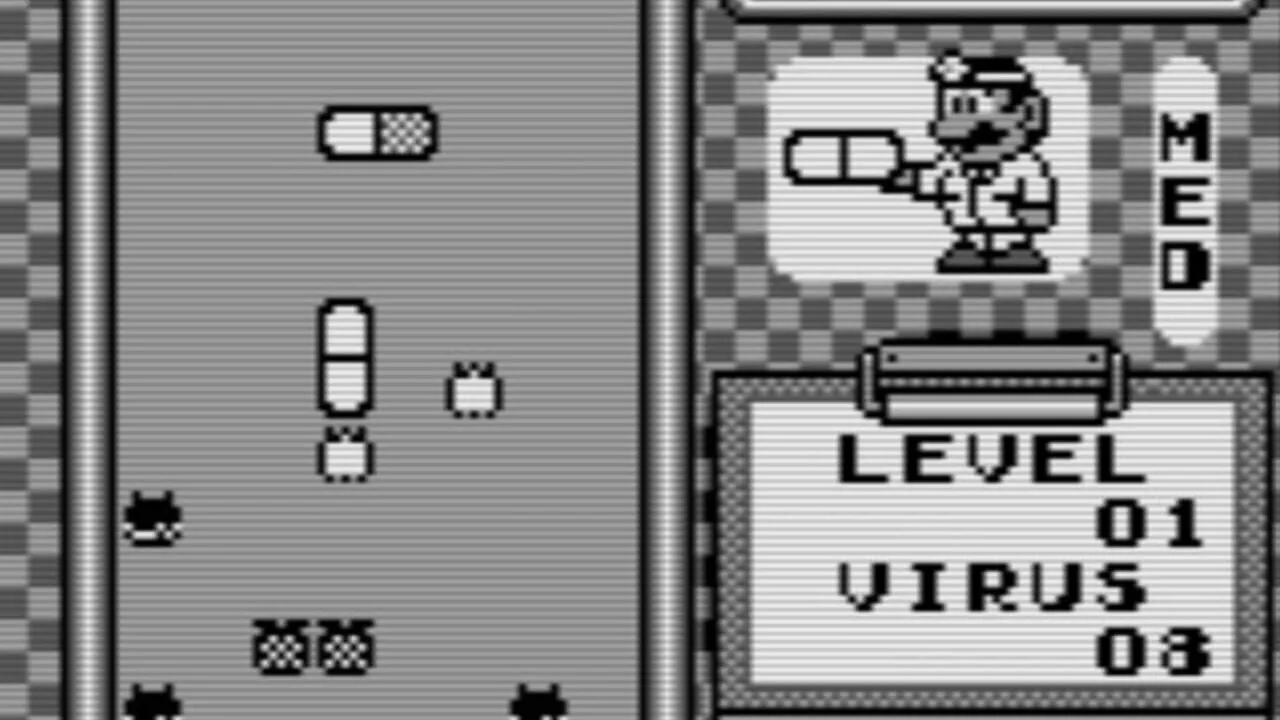
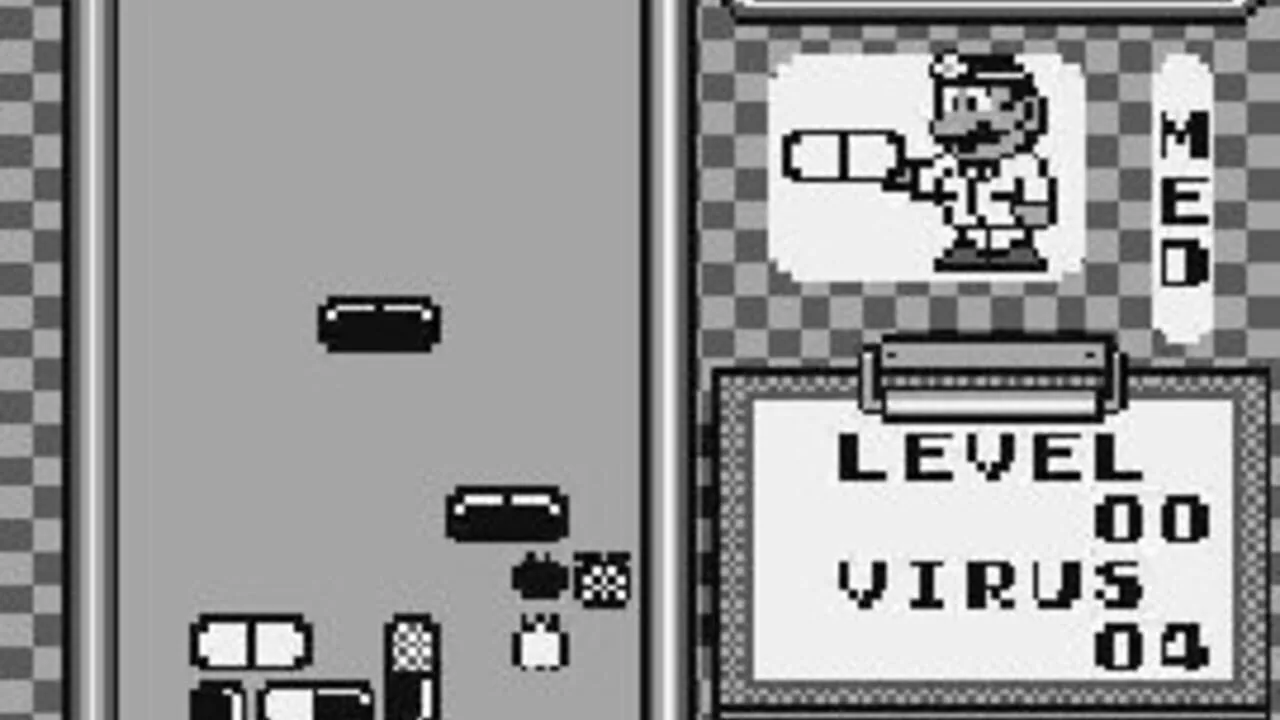
Dr. Mario came out in 1990 for both the NES and the Game Boy. Gunpei Yokoi produced it, Takahiro Harada programmed it and Hirokazu Tanaka wrote the music. Mario plays a doctor dropping two-colored capsules into a medicine bottle, and lining up colors on the viruses wipes them out.
It sold more than 10 million copies across its versions and has been ported, remade or followed up on every Nintendo home console since the NES. In two-player mode each player races to clear their own bottle first, and that is where the real fights happen. After each fifth level a little cutscene shows the viruses sitting on a tree.
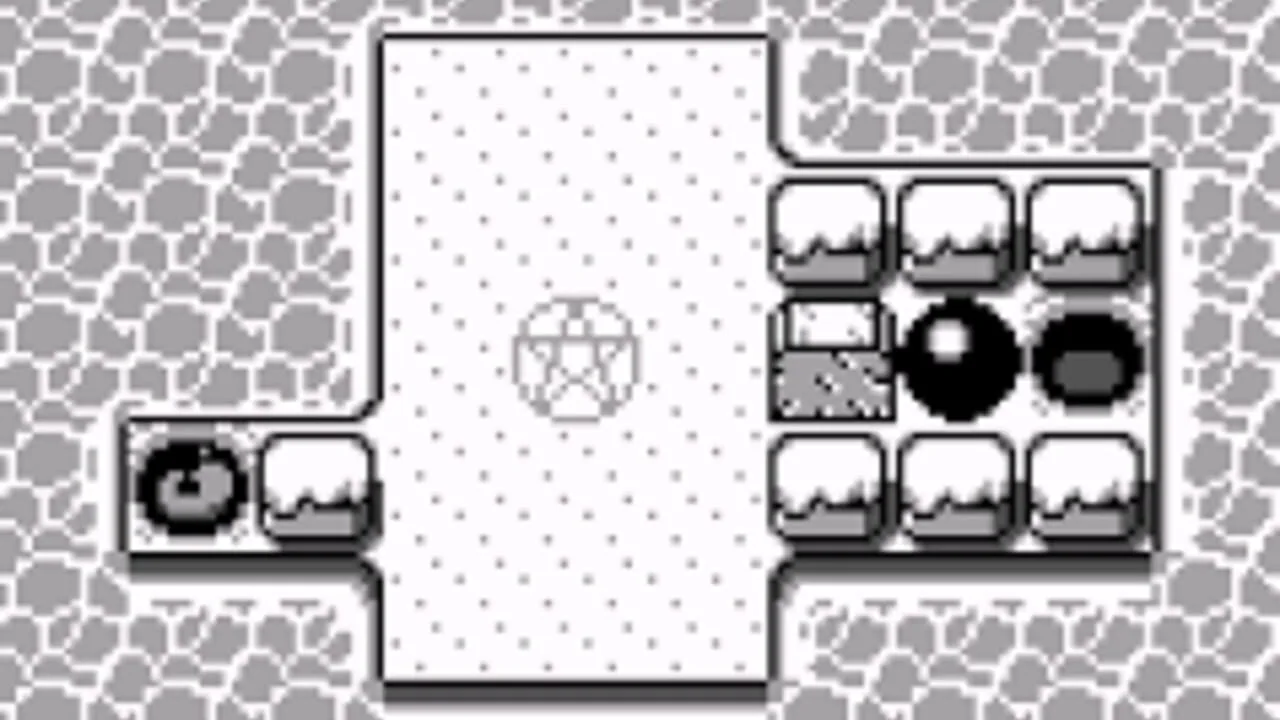
2. Mole Mania (1996)
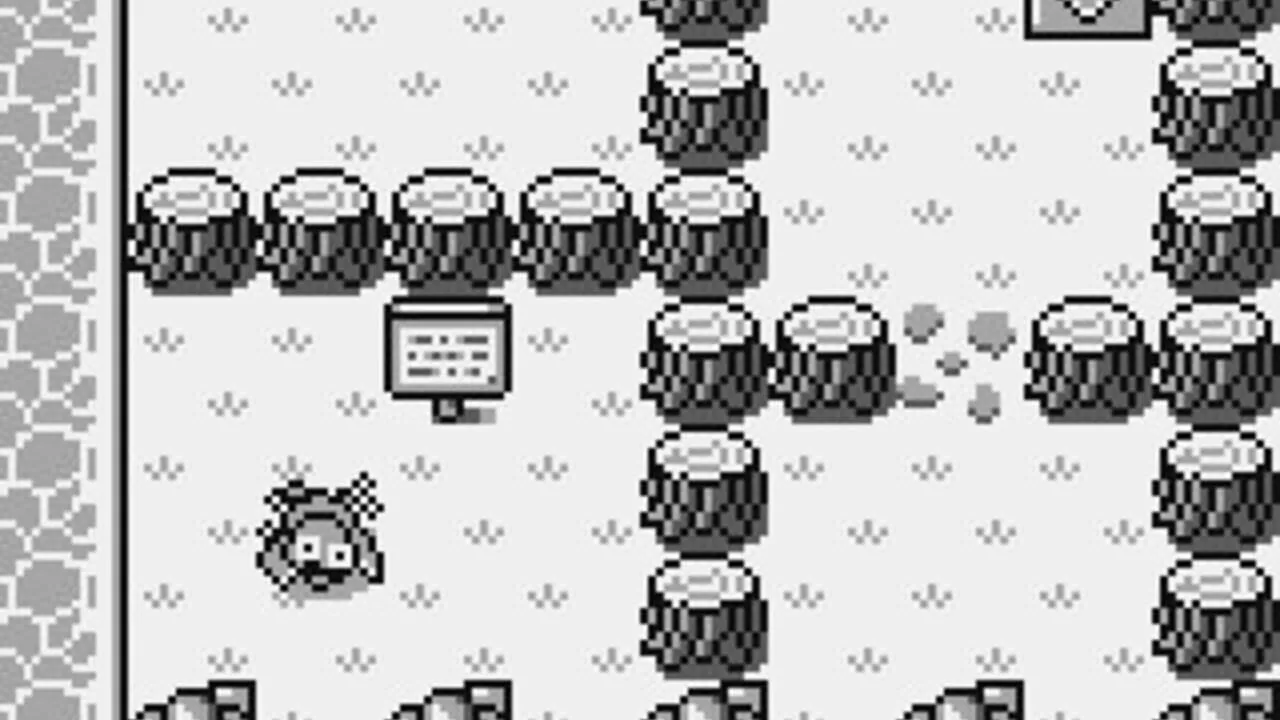
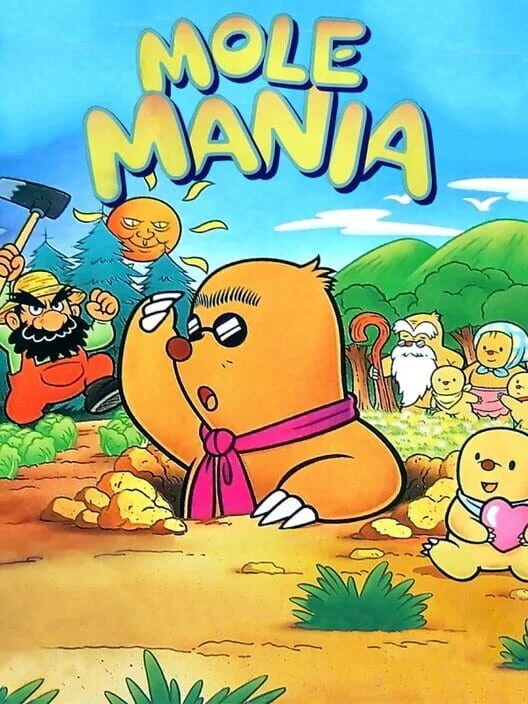
Mole Mania came out in Japan in July 1996 and in North America in February 1997. You play Muddy Mole, whose wife and children have been kidnapped by the farmer Jinbe. You tunnel your way through each level and use black balls to blast exits and knock out enemies.
Critics praised its short, to-the-point puzzles and its animated cutscenes. One reviewer called it "the result of what happens when smart game developers take a very simple premise and think of how to expand it in millions of smart ways", which is about the best summary anyone has written. It also tops our list of Game Boy hidden gems.
1. Tetris (1989)
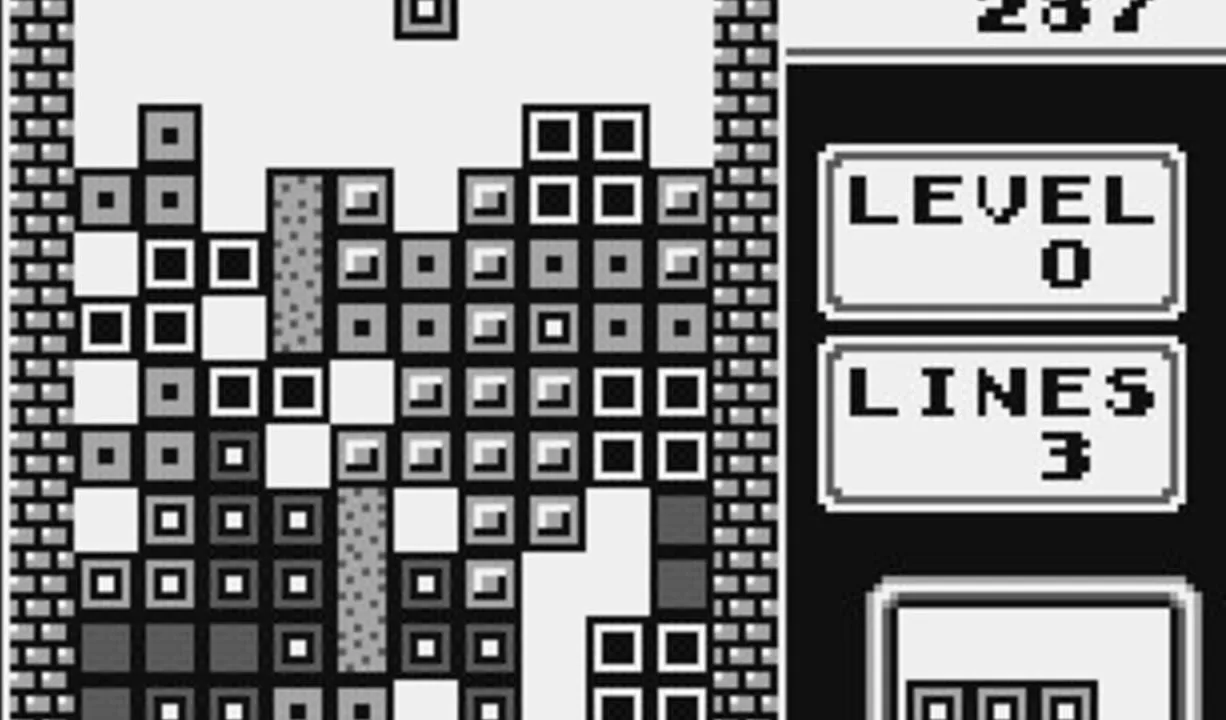
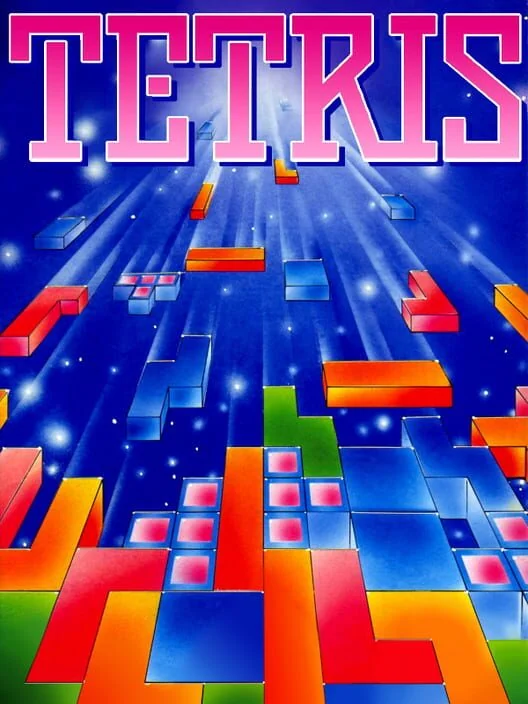
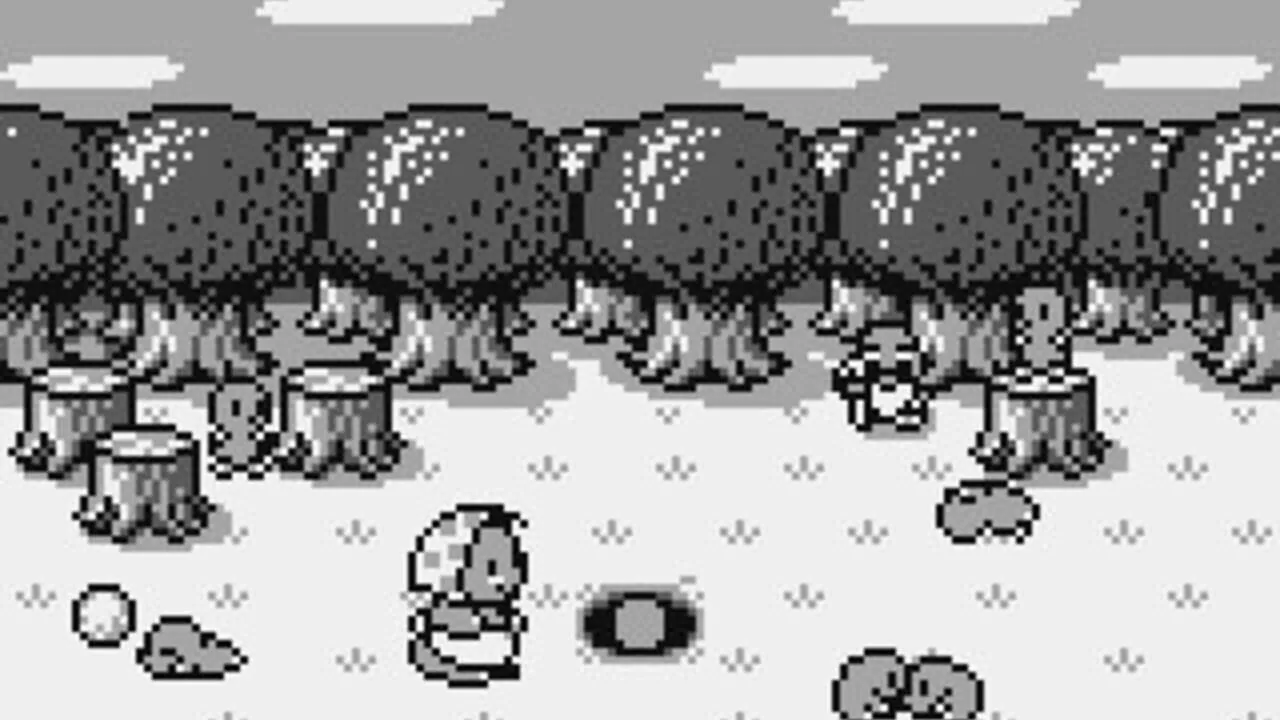
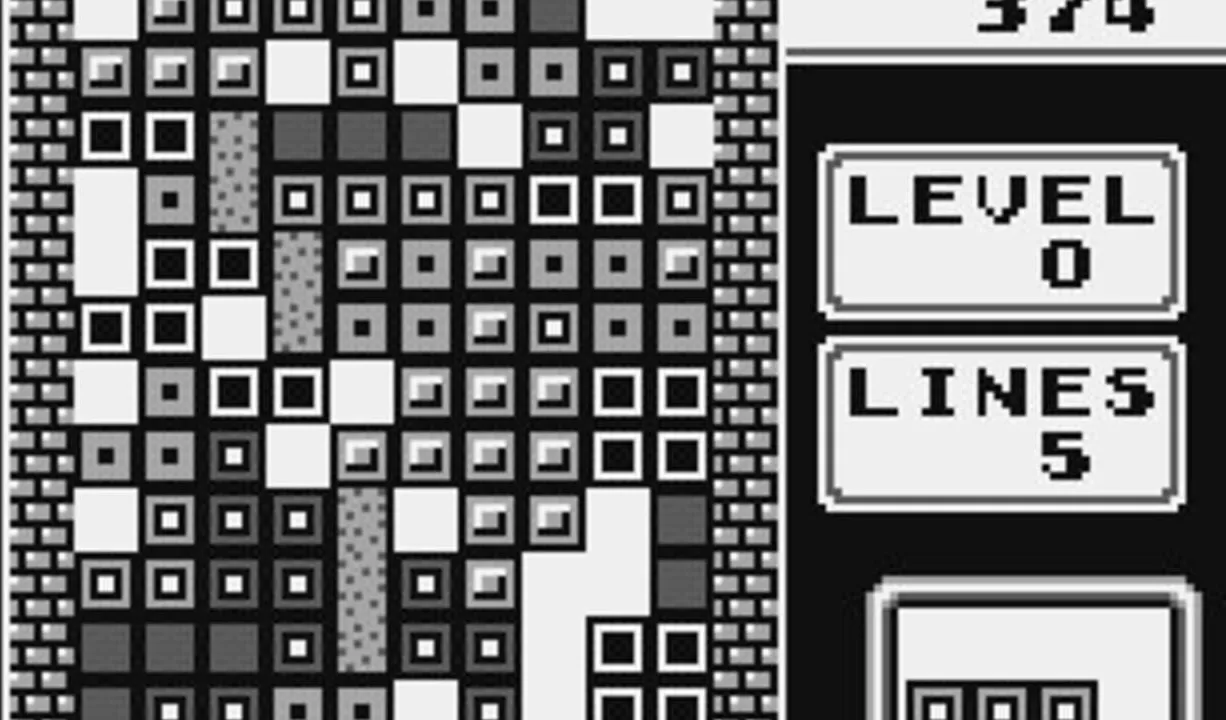
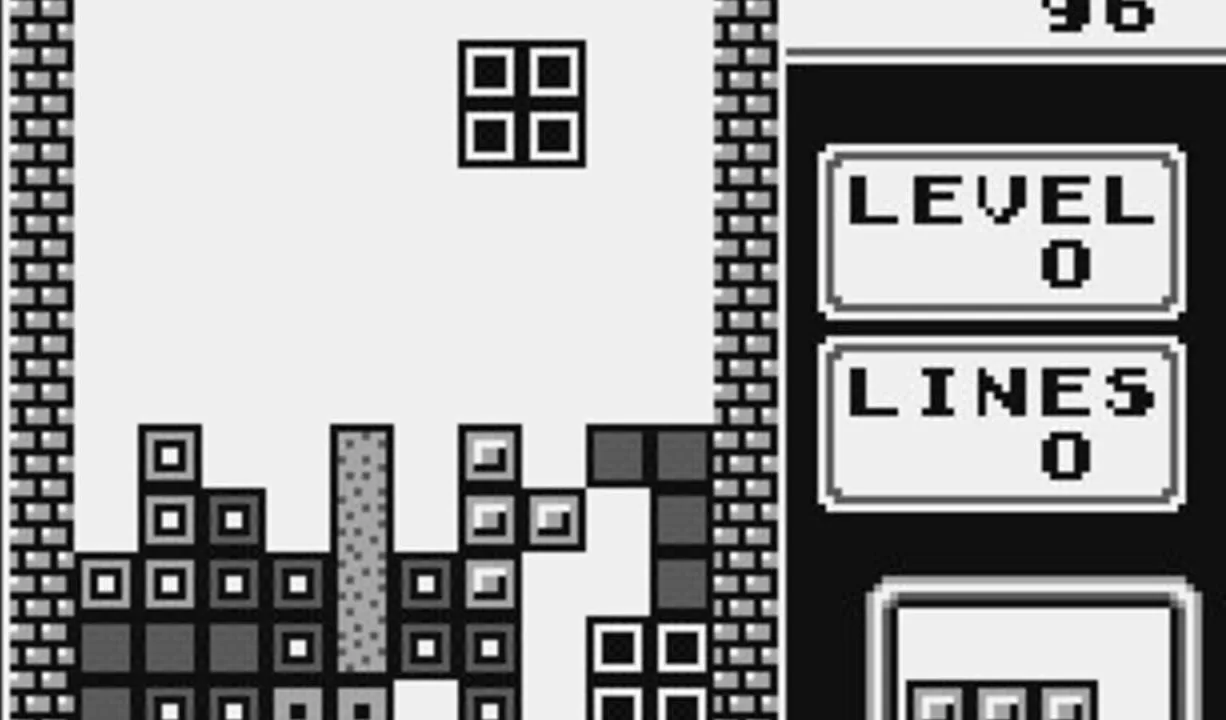
Tetris is the Game Boy version of Alexey Pajitnov's puzzle game, first created in 1985, and it came bundled with the Game Boy in North America and Europe. It was the first game to work with the Game Link Cable, and the two-player mode turned that cable into a reason to own one. You win by lasting longer than your friend or clearing 30 lines first.
The field is 10 blocks wide and 18 high, and finishing a game high enough sends rockets into space, all the way up to the Buran shuttle, with Russians dancing along the way. Players rank it above every other Game Boy puzzle game, and across the whole Game Boy library only Link's Awakening ranks higher.
Which one to play
There you have it, the whole list of the best Game Boy puzzle games. Most of them still play just as well today as they did in a lunchbox.
If you are not sure where to start, play Tetris. If you have a friend and a link cable, Dr. Mario is the one to fight over. For pure logic, Mario's Picross will keep you busy for weeks. If you like planning every move, try Boxxle and then Kwirk. For an adventure with puzzles built in, play Mole Mania. And for a hidden pick, try Catrap and its rewind button.