Everybody knows the big Game Boy games. Tetris came in the box in North America and Europe, and Super Mario Land and Link's Awakening were on every kid's shelf. Most people could name a handful of hits without thinking.
The library went much deeper than that. Studios big and small made strange little puzzle games and odd action games that came and went without much noise. Some never left Japan. Others got a release and sold almost nothing. Players have spent years digging them back up, and a few famous games made the list too, because a game can be well known and still not get the love it deserves. Here are the 25 best Game Boy hidden gems.
25. Penguin Wars (1990)
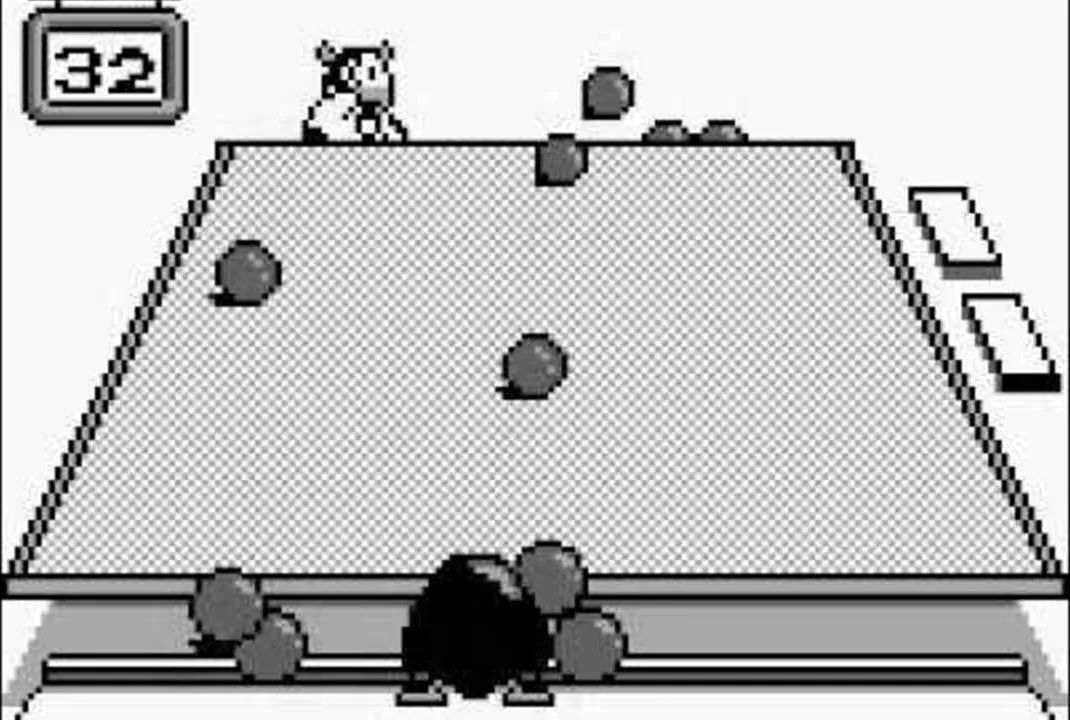
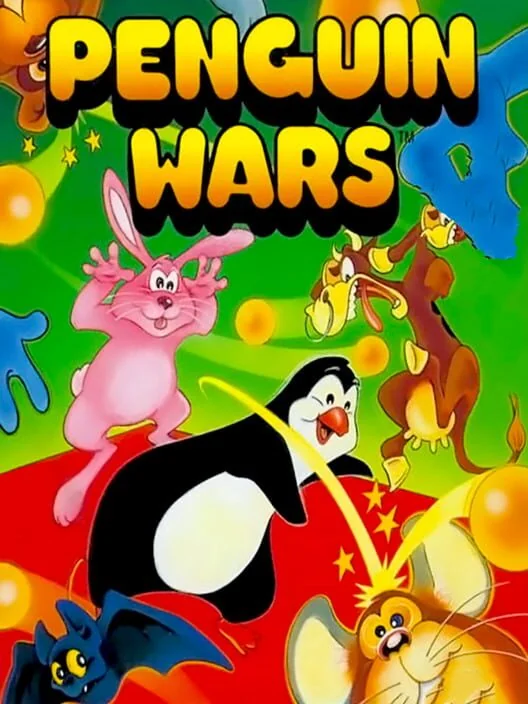
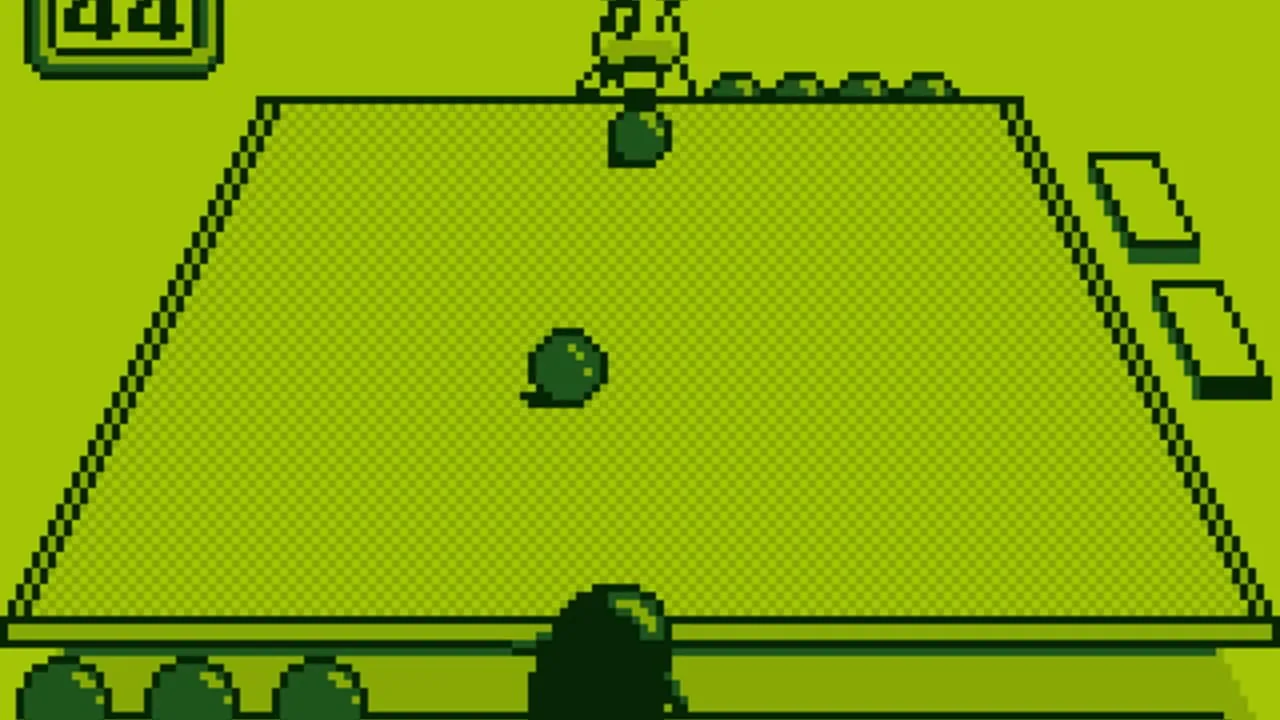
Penguin Wars started as an arcade game released in 1985 by UPL, and the Game Boy port by ASCII was the only version to be released outside Japan. North America got it as Penguin Wars from Nexoft, and Europe got it from Nintendo as King of the Zoo. The sport is called Dojiball, a pun on the Japanese way of saying dodgeball, so think of it as dodgeball played by cartoon animals. Each animal plays differently: the rat moves left and right the fastest, but he rolls the balls only very slowly.
The main tune is an electronic take on a J-Pop song by Hidemi Ishikawa, which was itself a version of "The Glamorous Life" by Sheila E. So yes, you can play dodgeball as a rat to a Sheila E. song. Players who know it keep recommending it, and they say it is best played with a friend.
24. Monster Max (1994)
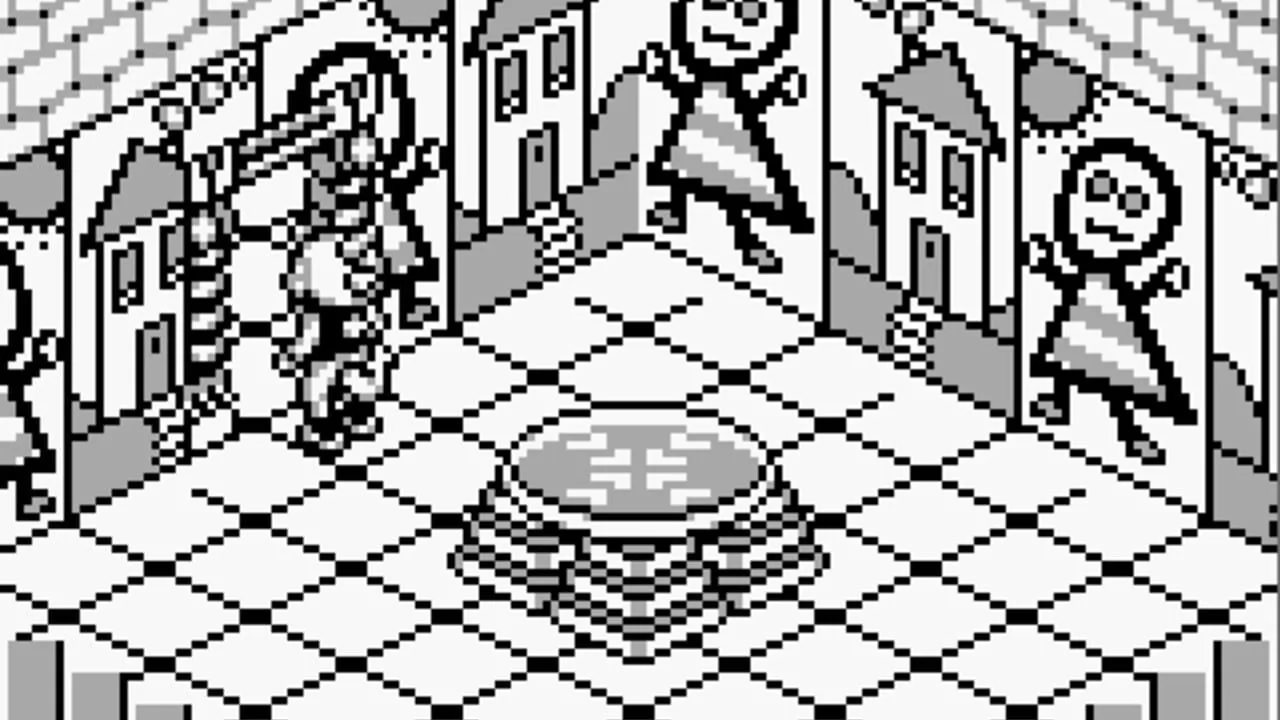
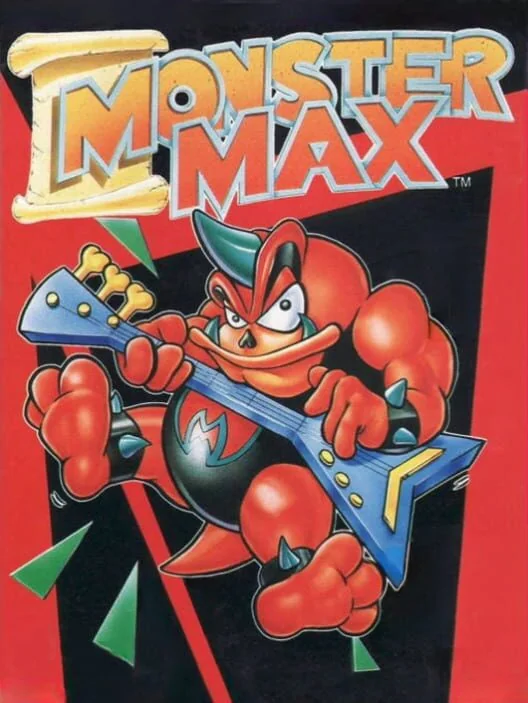
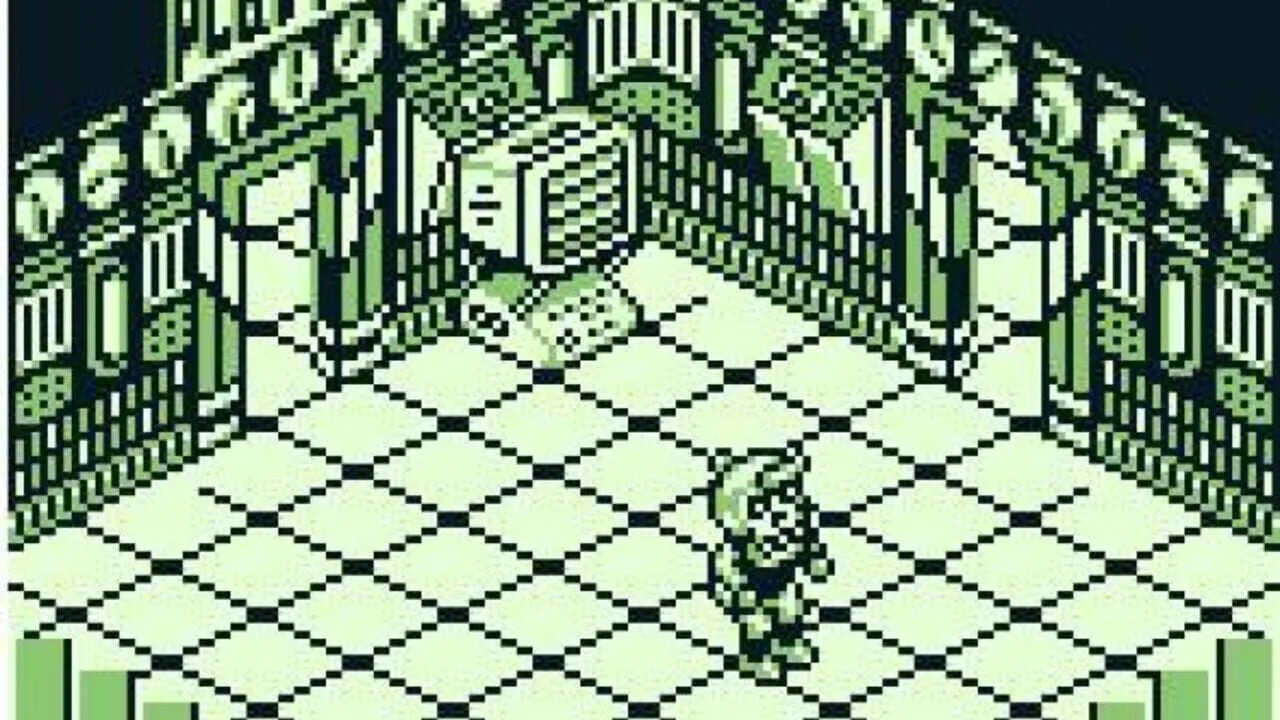
Monster Max is an isometric adventure developed by Rare and published by Titus Software. It was designed by Jon Ritman and Bernie Drummond and is very similar in both graphics and gameplay to their 1987 game Head over Heels, with David Wise on music. You play an aspiring rock star fighting King Krond, who bans all music, across nine floors of the Mega Hero Academy. Ritman made it after noticing the handheld had no games of that kind, using a development kit he created by himself.
It came out in December 1994 in Europe and January 1995 in the United States, at least on paper. Titus was so slow that copies could not be bought until December 1995, and the game sold poorly. Critics loved it, and its quality was compared to Link's Awakening. Players who find it call it obscure and well worth a try.
23. Racing Damashii (1991)
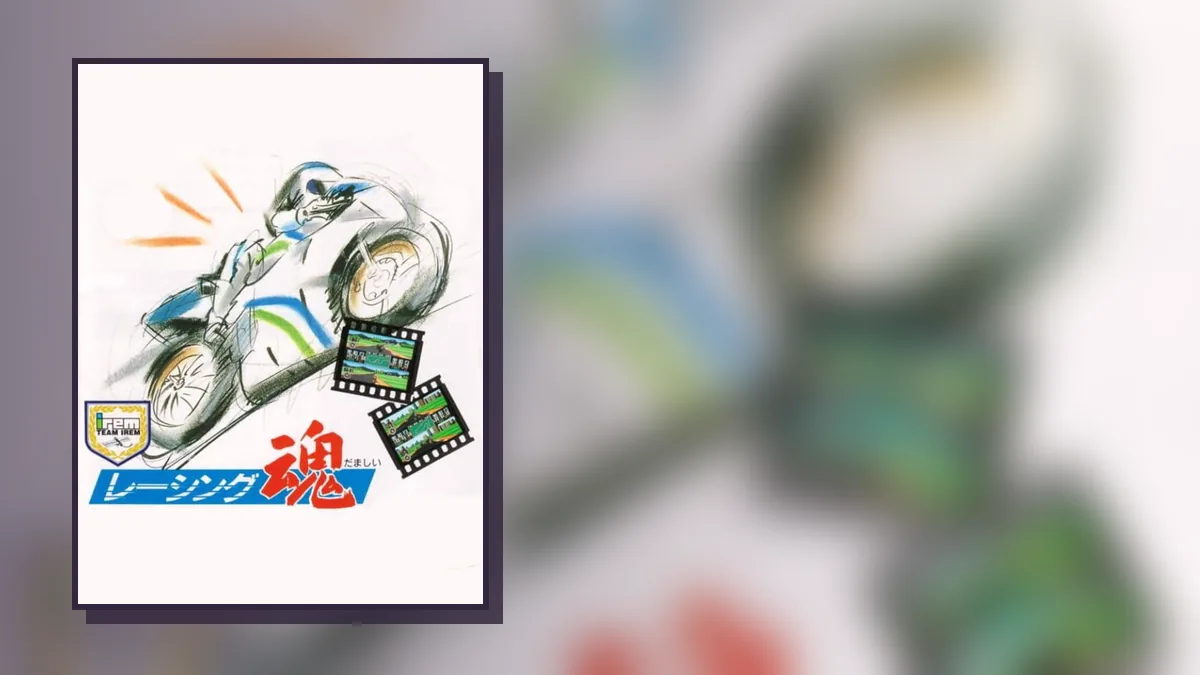
Racing Damashii is a motorcycle racing game released in 1991 exclusively in Japan, with tracks all over Japan. It never came west, and it never got the attention of the bigger racing names on the system. It is one of two games on this list that stayed in Japan, and the easier one to pick up, because there is not much to translate in a race. You can follow every corner without reading a word.
Most players would skip it on the name alone. The ones who try it say it is fun if you like motorbikes, and that the riding itself feels better than it has any right to on a Game Boy. It made this list on the strength of those players, who keep bringing it up whenever someone asks for a game nobody else has played.
22. Revenge of the 'Gator (1989)
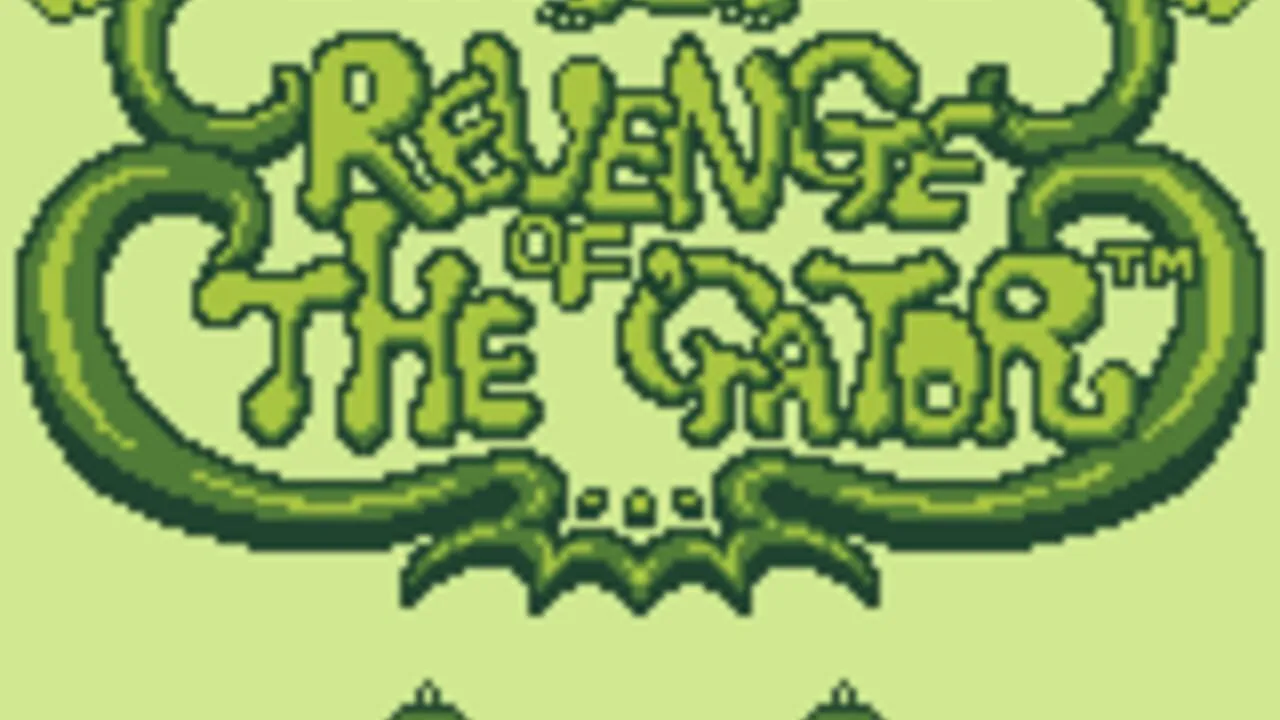
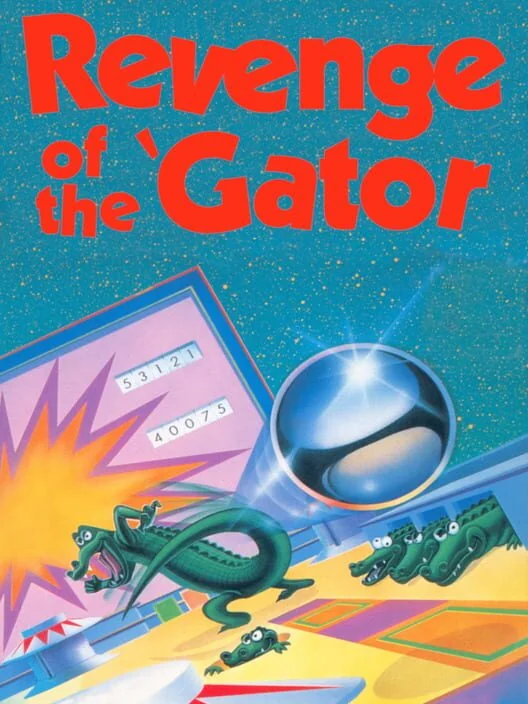
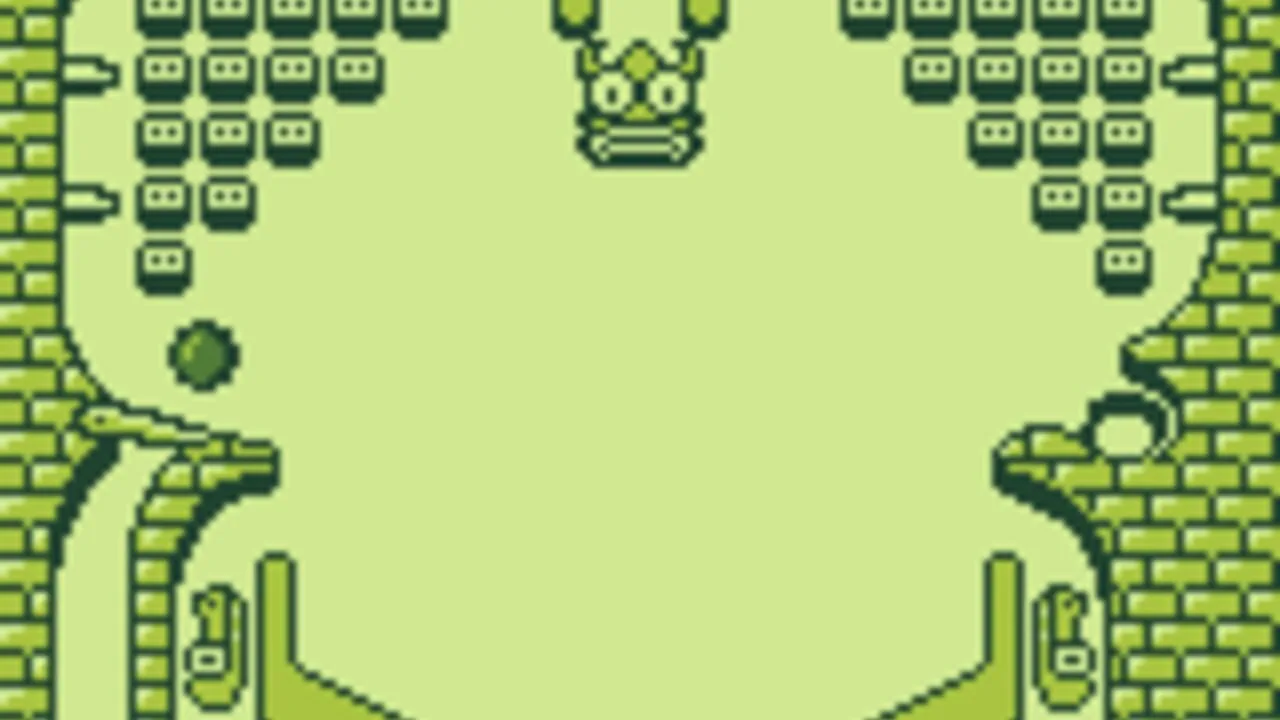
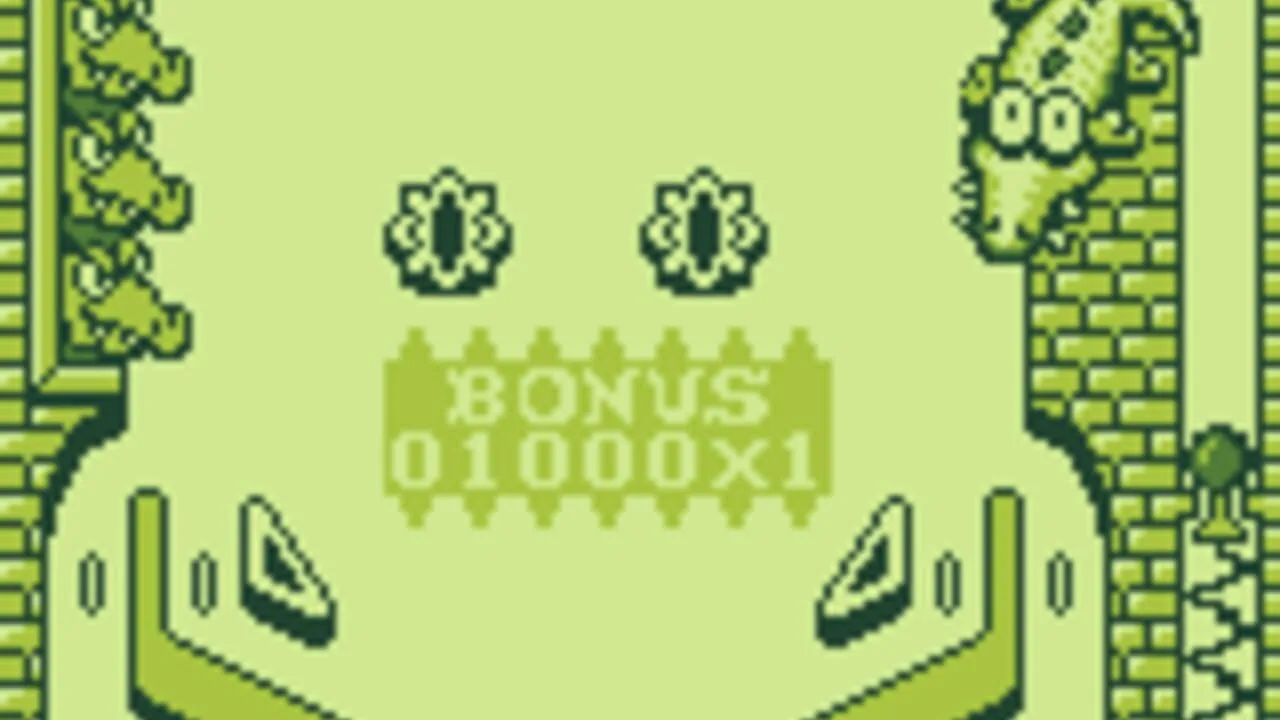
Revenge of the 'Gator is pinball with alligators, and that is most of the pitch. It came out in Japan in October 1989 and in North America and Europe from Nintendo in March 1990. The Japanese title is Pinball: 66 Hiki no Wani Daikoushin. The goal is to score as many points as possible without letting your ball be eaten by the 'Gator, which is harder than it sounds when the 'Gator is right there waiting.
Reviewing the 3DS version, one critic gave it 7 out of 10 and wrote that it "may lack the refinements showcased by modern pinball games, but that doesn't mean it should be ignored if you're a fan of the genre." That is about right. In 2023 a fan hack called Revenge of the 'Gator Gold added colors and removed the slowdown, which is a good excuse to come back to it.
21. Ninja Taro (1992)
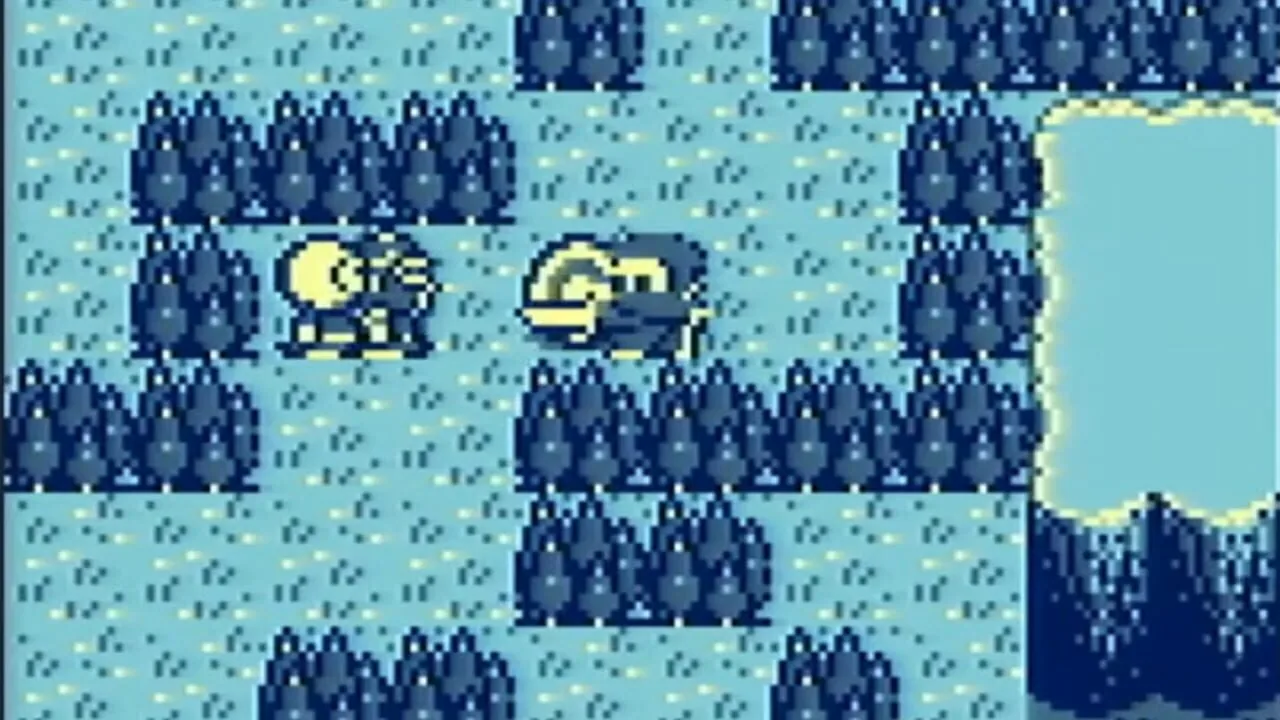
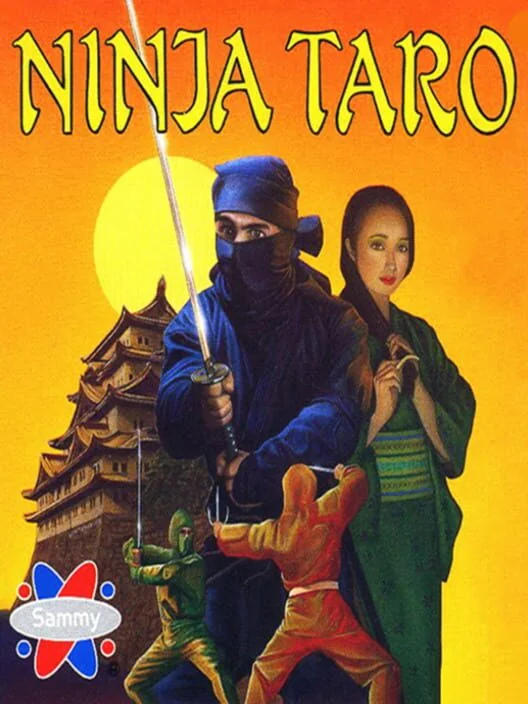
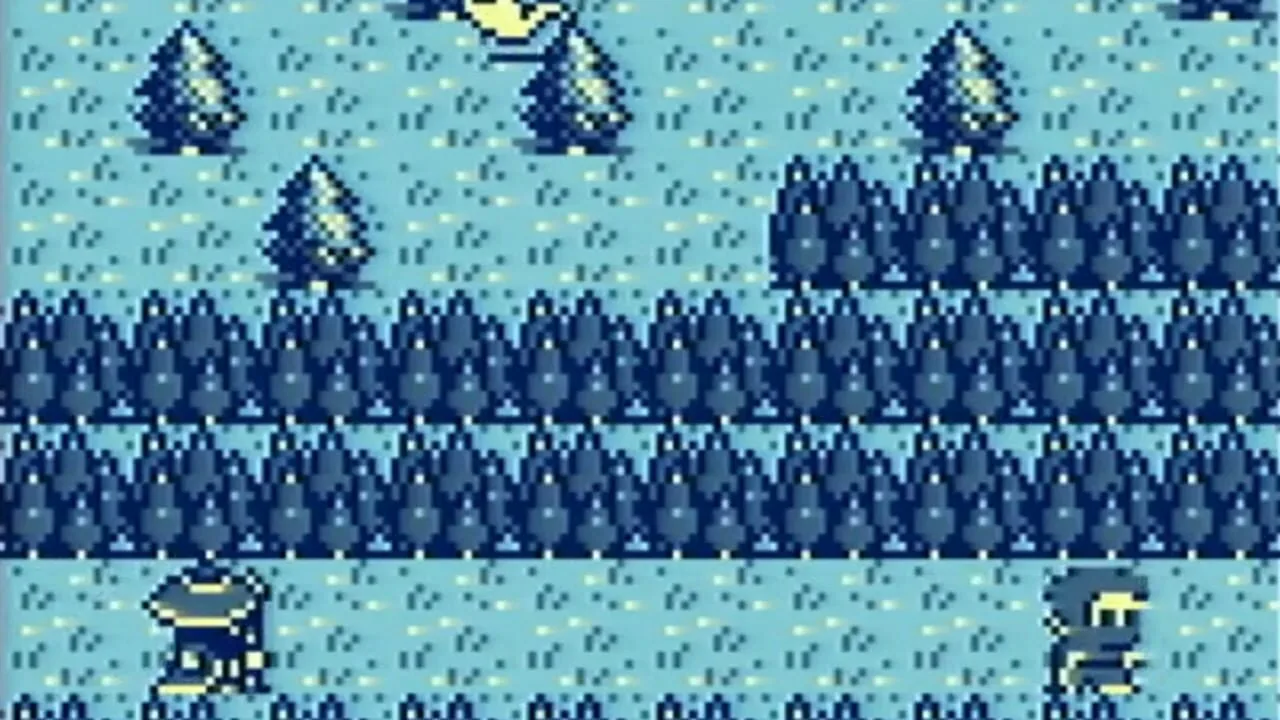
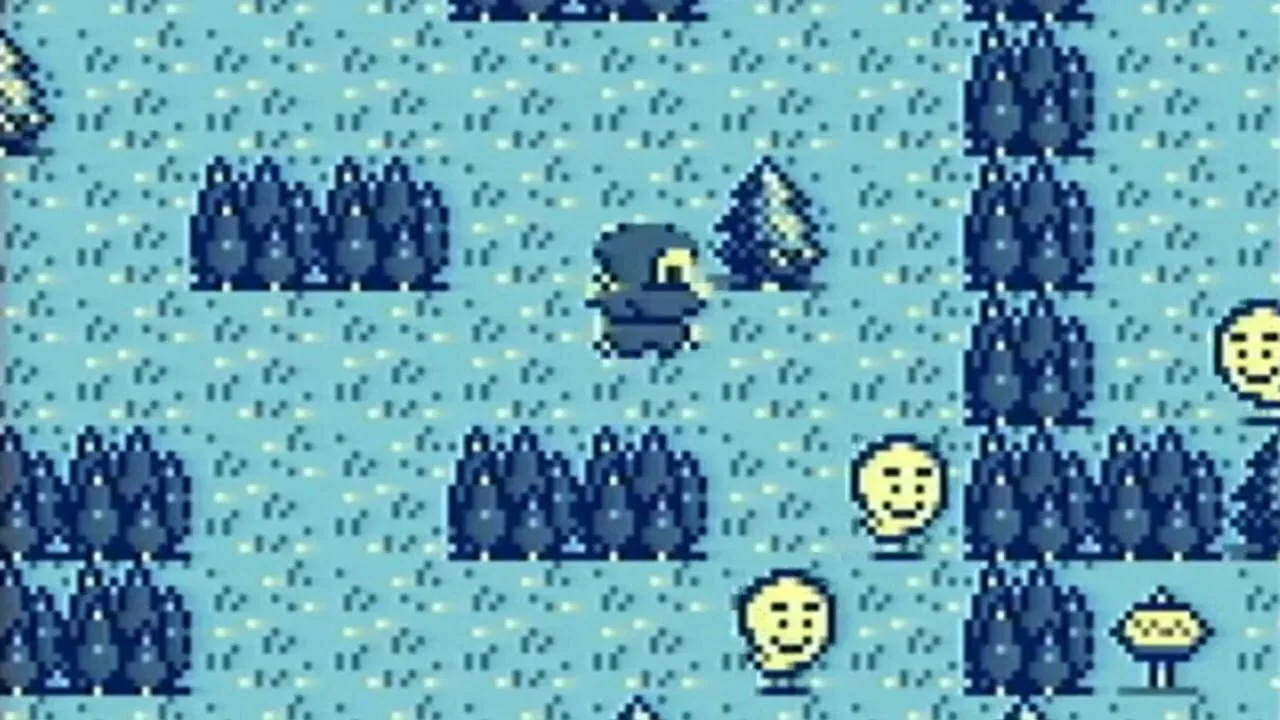
Ninja Taro is set in the era of feudal war in Japan. A Shogun is trying to unite the provinces, and his villainous arch-rival is rumored to be dead, yet a merciless legion still plagues the countryside. From the ranks of the Phantom sect comes Ninja Taro, with the cunning of a thief and a legendary sword, to find out who is leading the evil forces. The setup reads like the back of a samurai movie poster, and the game leans right into it.
Most people have never heard of it, and players who found it put it right next to Rolan's Curse II, calling both obscure and incredible. One player called it "an excellent Zelda clone", which is the best short review it will ever get. If Rolan's Curse II clicks for you, this one is the next cart to try.
20. Final Fantasy Adventure (1991)
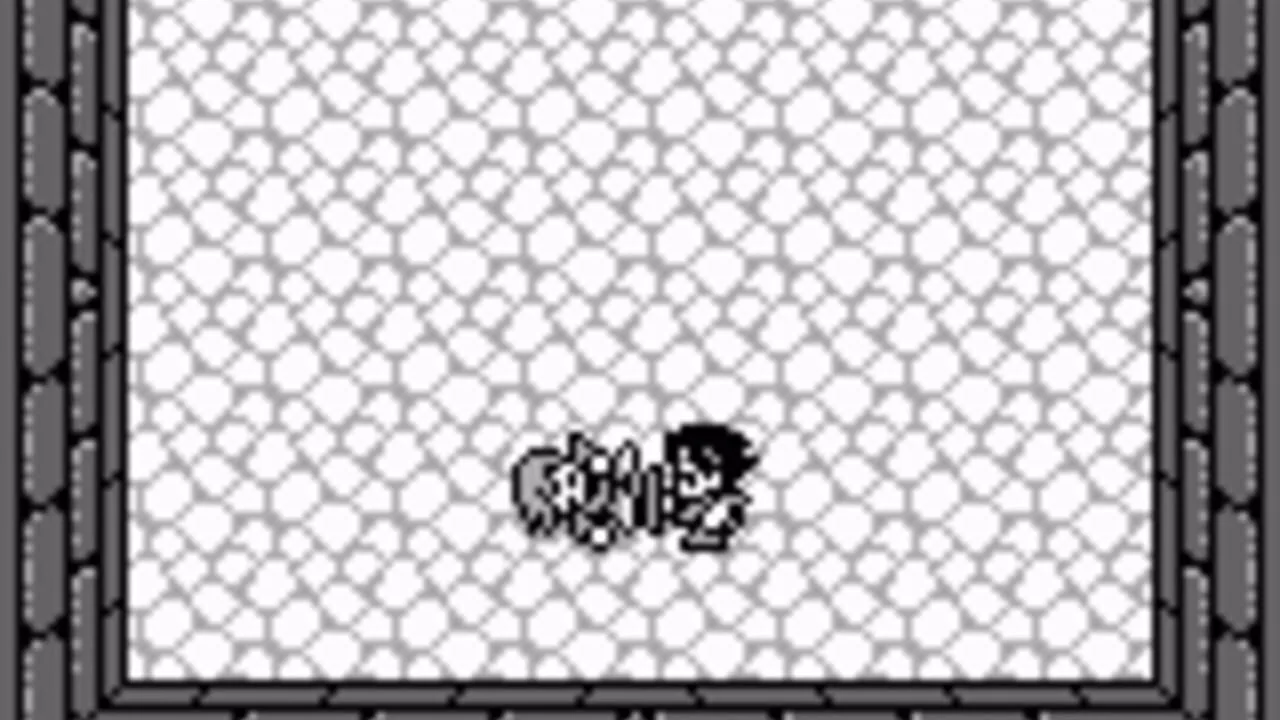
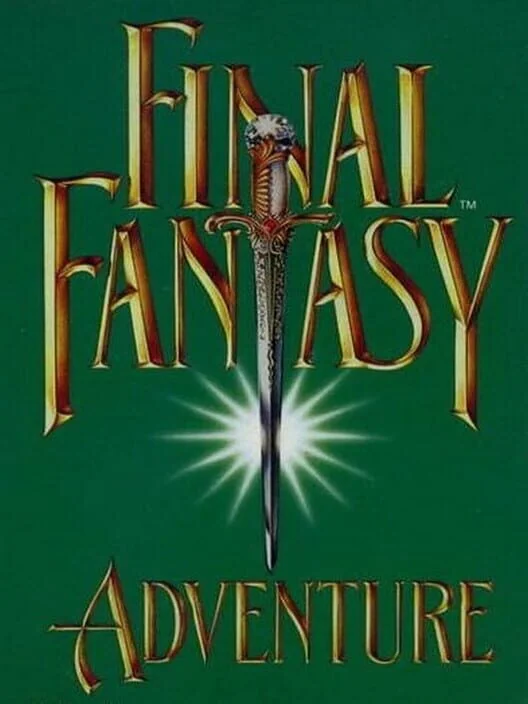
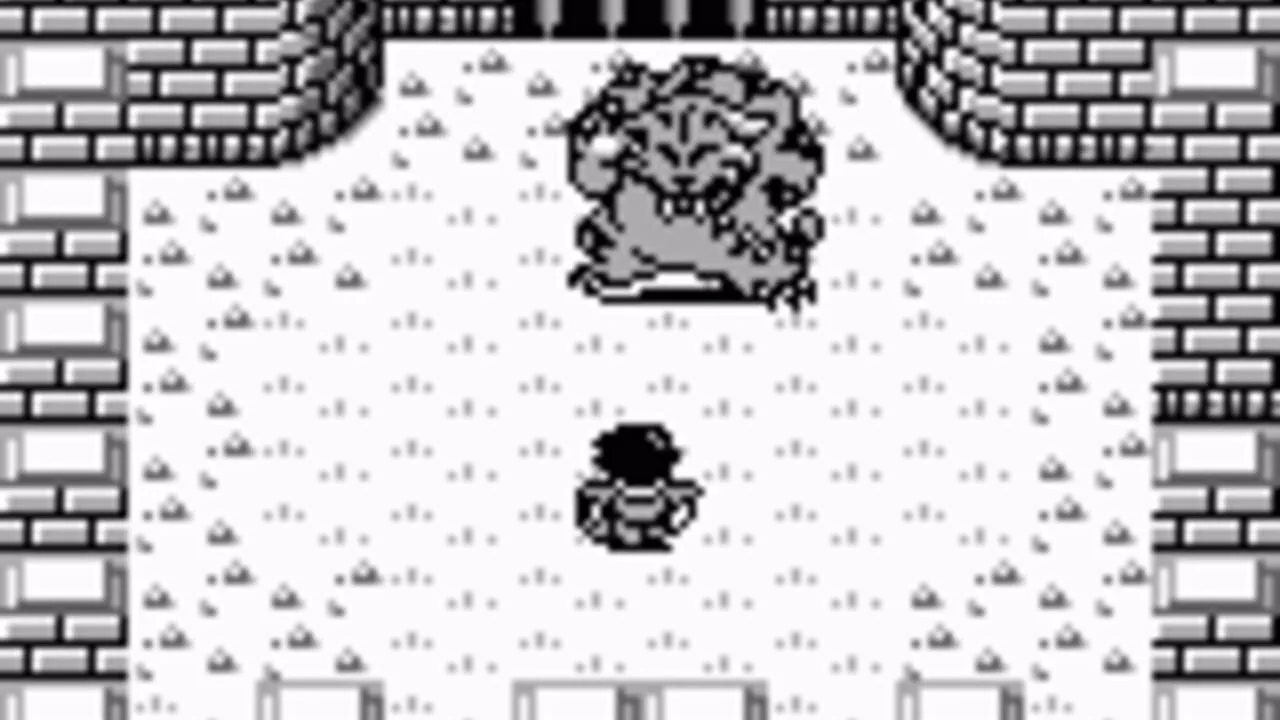
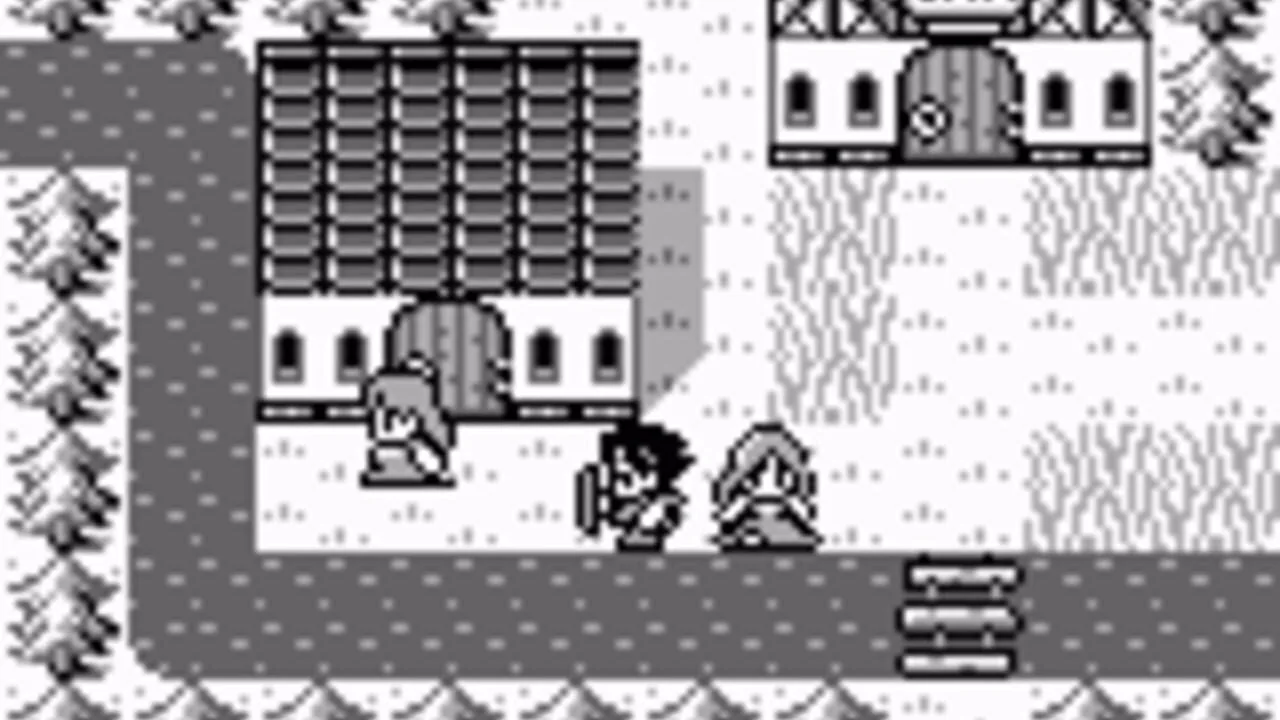
Final Fantasy Adventure is a spin-off of the Final Fantasy series and the first game in the Mana series. It was first developed under the name Gemma Knights, and it plays roughly like the original The Legend of Zelda with role-playing stats added. You start as a gladiator-slave, battle your way out of the Dark Knight's castle and go looking for the girl who has the pendant, only to learn the Dark Knight's men got to her first. Chocobos show up too, a nod to the series it came from.
Its sequel, Secret of Mana, came out in 1993, and the original has been remade more than once, as Sword of Mana on the Game Boy Advance in 2003 and as Adventures of Mana in 2016. Reviewers have come to see it as one of the best action adventure games on the Game Boy. Fans still single out its title theme and say the remake never matched the original.
19. Great Greed (1993)
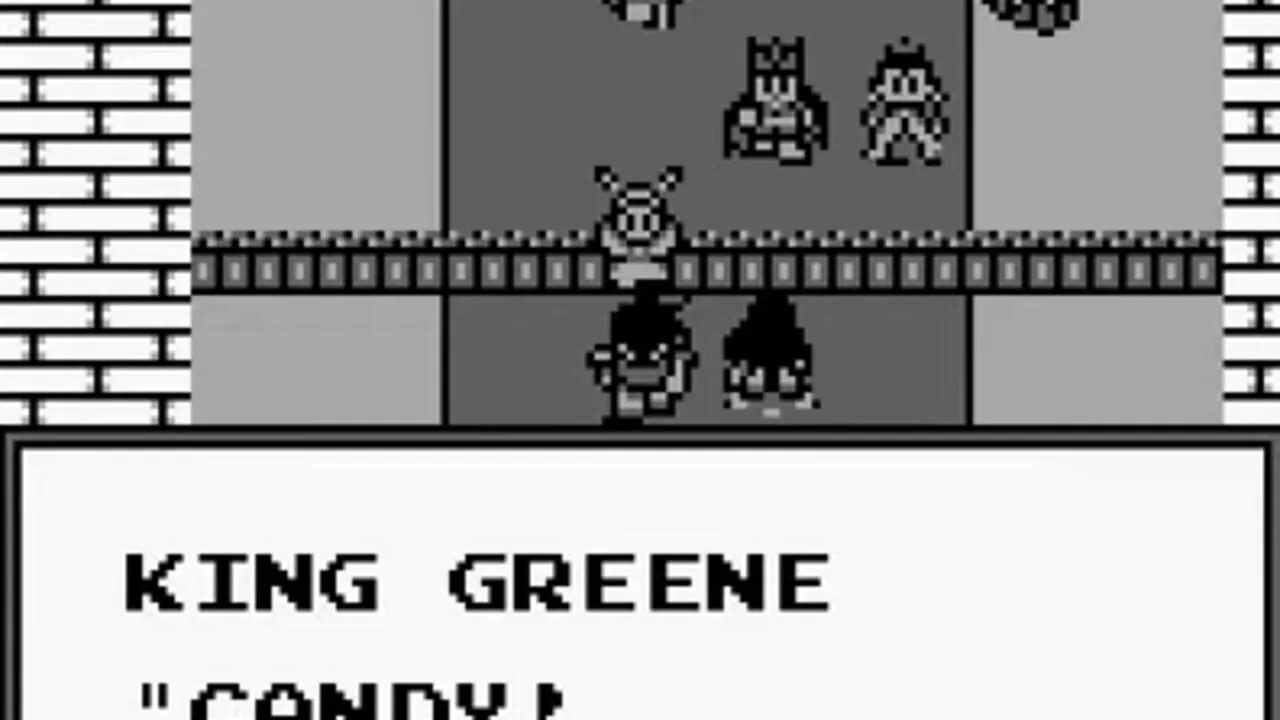
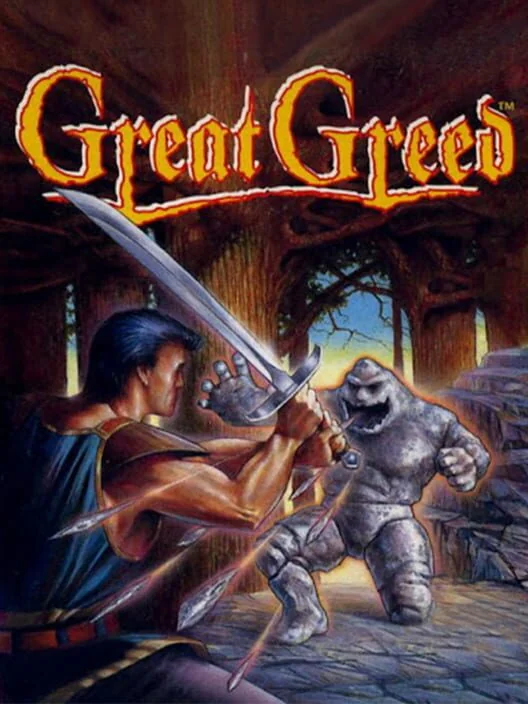
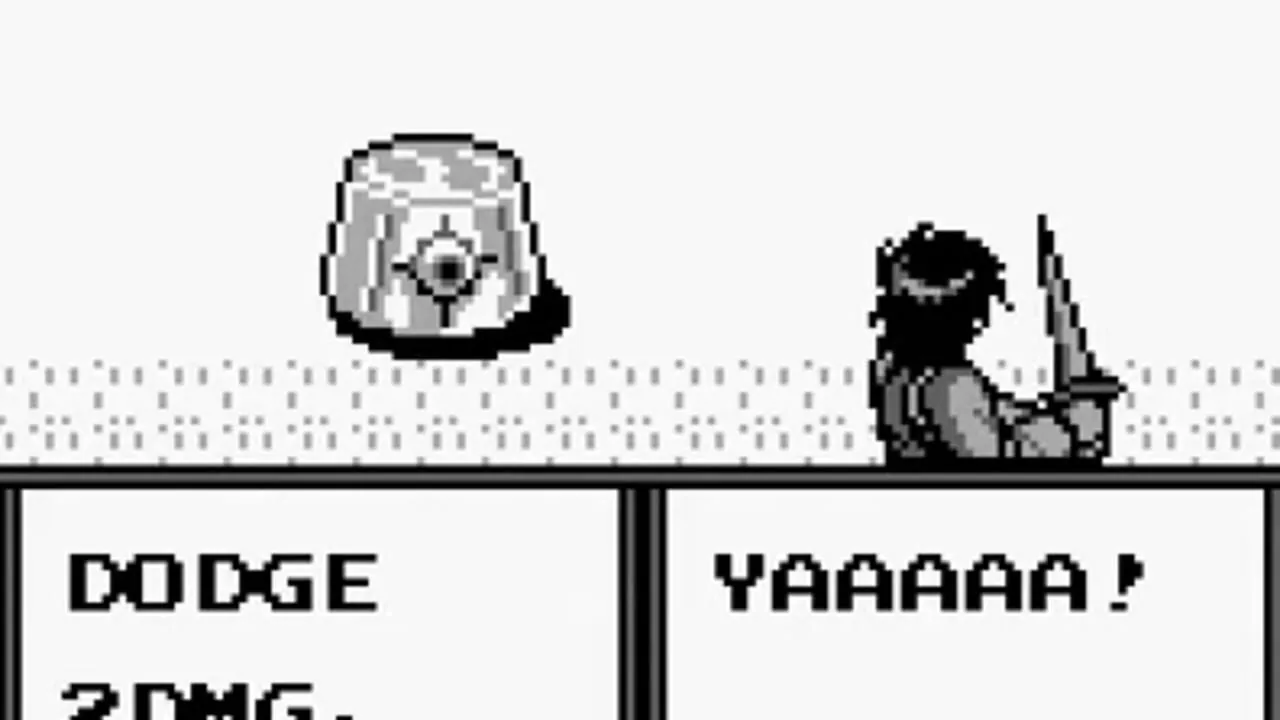
Great Greed is an RPG from Namco, released in Japan in 1992 and in the United States in 1993, back when Namco published very few RPGs in America. Its battles are fought in real time. A attacks, B dodges, Start runs away, and each direction on the d-pad holds a spell. Take too long and your opponent attacks again, so there is no sitting on a menu while you think.
Critics then and later found it limited by the Game Boy next to other RPGs, and one retrospective said the biggest drawback was that spells came with no instructions on what they would do. The quirky themes and characters were the highlight for both. Players who picked it up found it charming, and more than one calls it a true hidden gem.
18. Super Mario Land (1989)
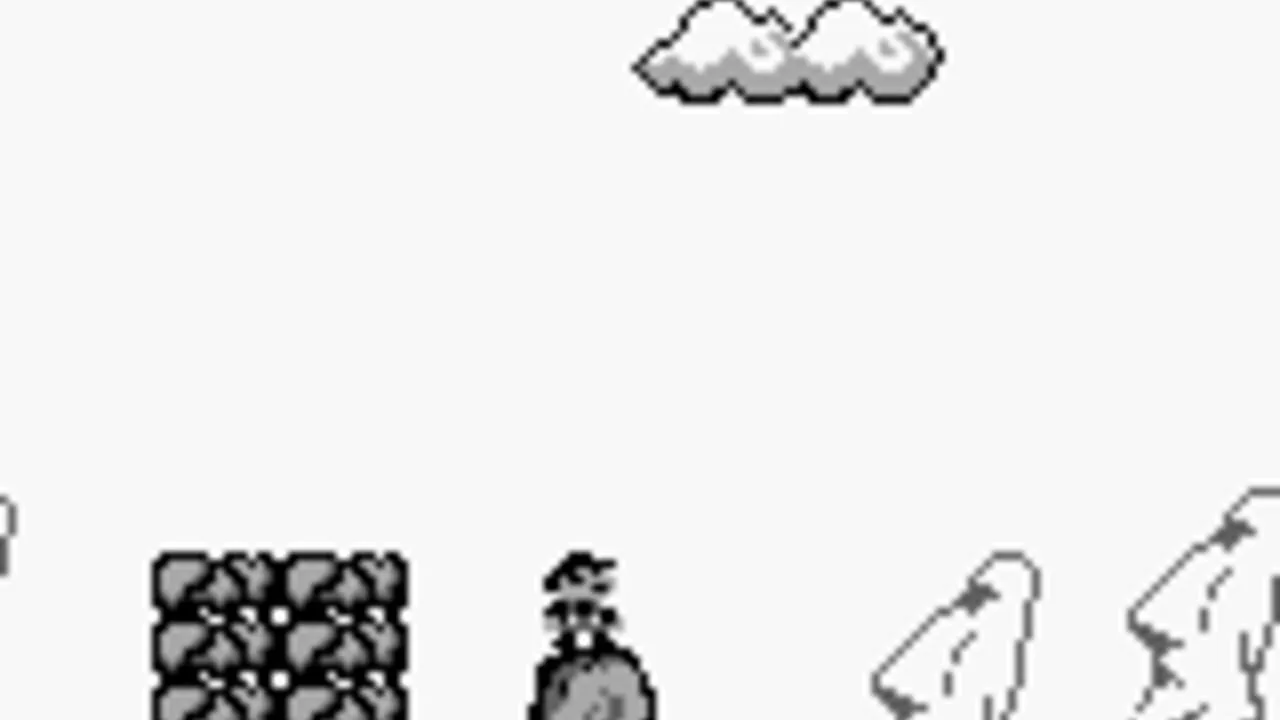
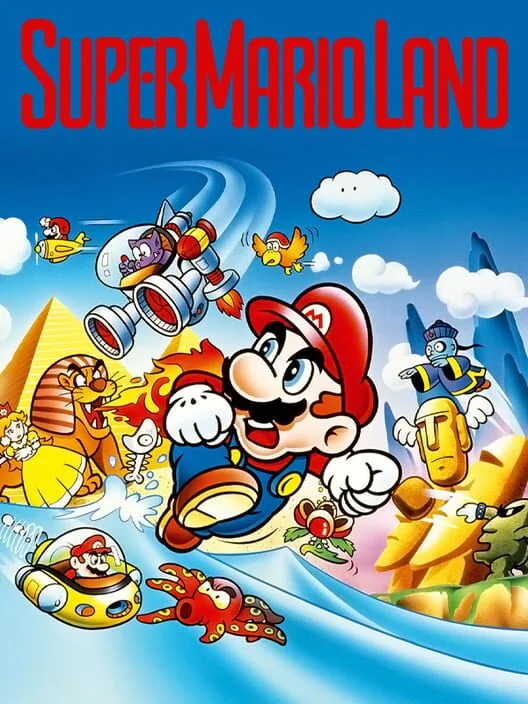
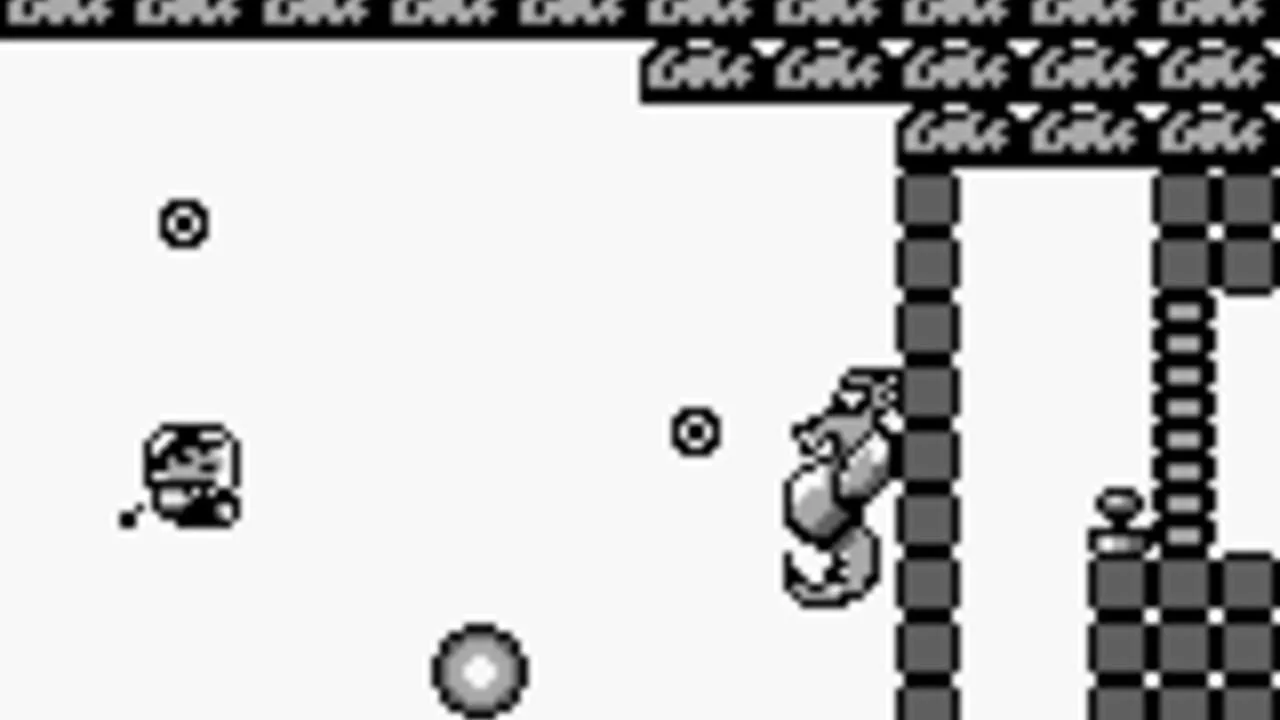
Super Mario Land came out in Japan in April 1989 and in North America that August. It was the first handheld entry in the Super Mario series and the first mainline Mario not designed by Shigeru Miyamoto. Game Boy creators Gunpei Yokoi and Satoru Okada made it to be the system's pack-in game, until Tetris caught their attention. Mario saves Princess Daisy instead of Princess Toadstool, and two levels turn into shooters, one in a submarine and one in an aeroplane.
It is strange to see the Game Boy's first Mario on a hidden gems list. It is short, and its use of familiar Mario elements is all over the place, so it gets brushed aside. Critics praised it for fitting the Mario formula onto a handheld anyway, and the shooting stages, inspired by games like Gradius, still set it apart from every other Mario. It also introduced Princess Daisy as a recurring character.
17. Darkwing Duck (1993)
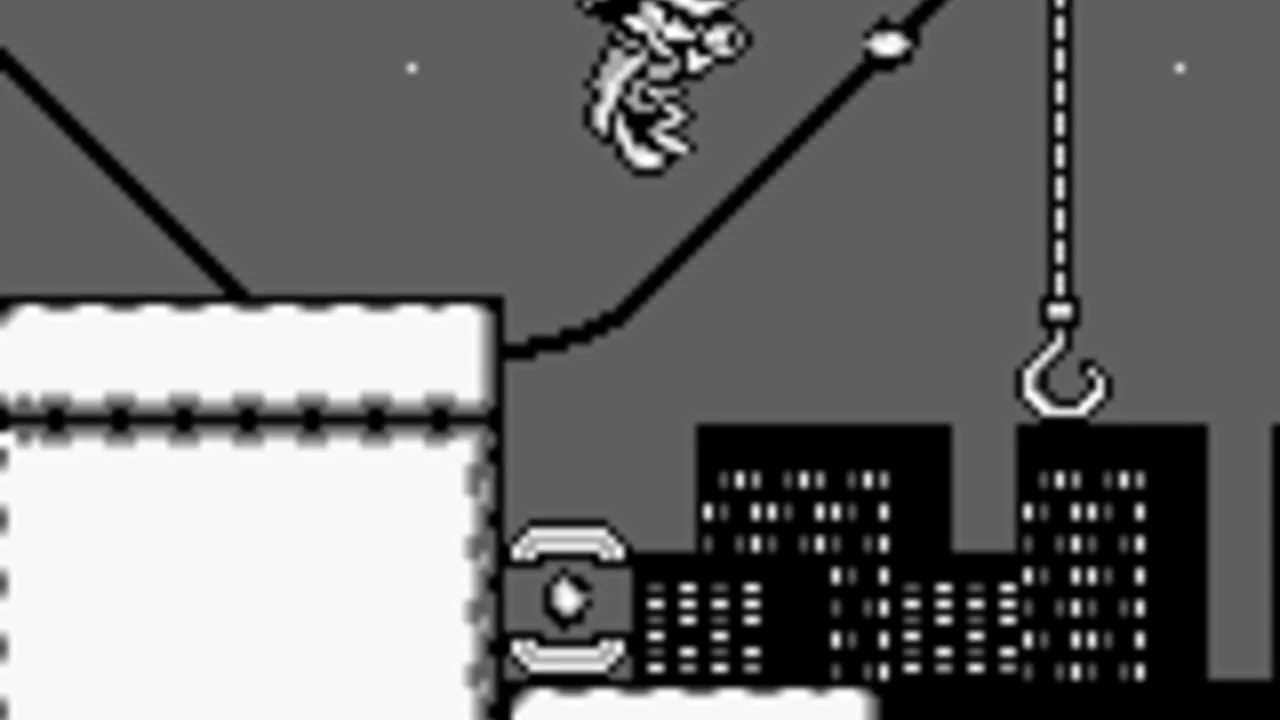
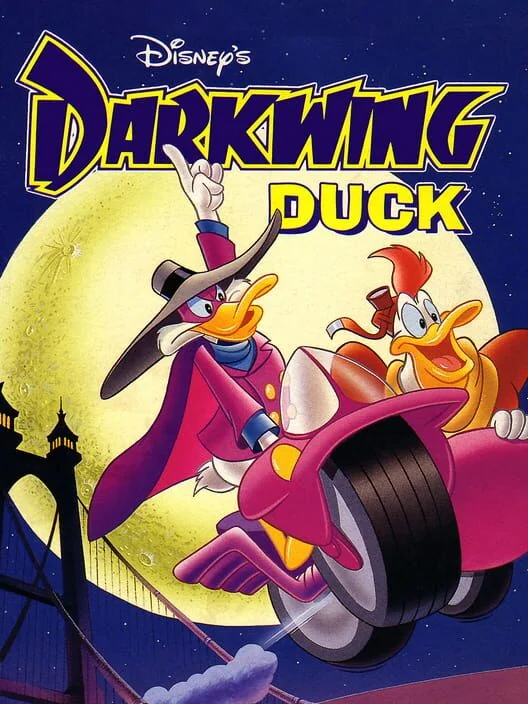
Darkwing Duck is Capcom's game based on the Disney cartoon, and it was ported to the Game Boy in 1993. It plays a lot like Duck Tales and resembles the Mega Man games in many ways. Darkwing's default weapon is a gas gun, and special adapters you find change what it does, though you can only carry one type of special gas at a time. His cape can deflect some of the enemy projectiles, which feels great when you time it right.
Players who bring it up keep calling it a fun platformer that nobody talks about, and some go as far as to call it a new Mega Man game from Capcom in all but name. That is the pitch in one line. If you have finished every Mega Man on the system and want more, this is the obvious next stop.
16. Balloon Kid (1990)
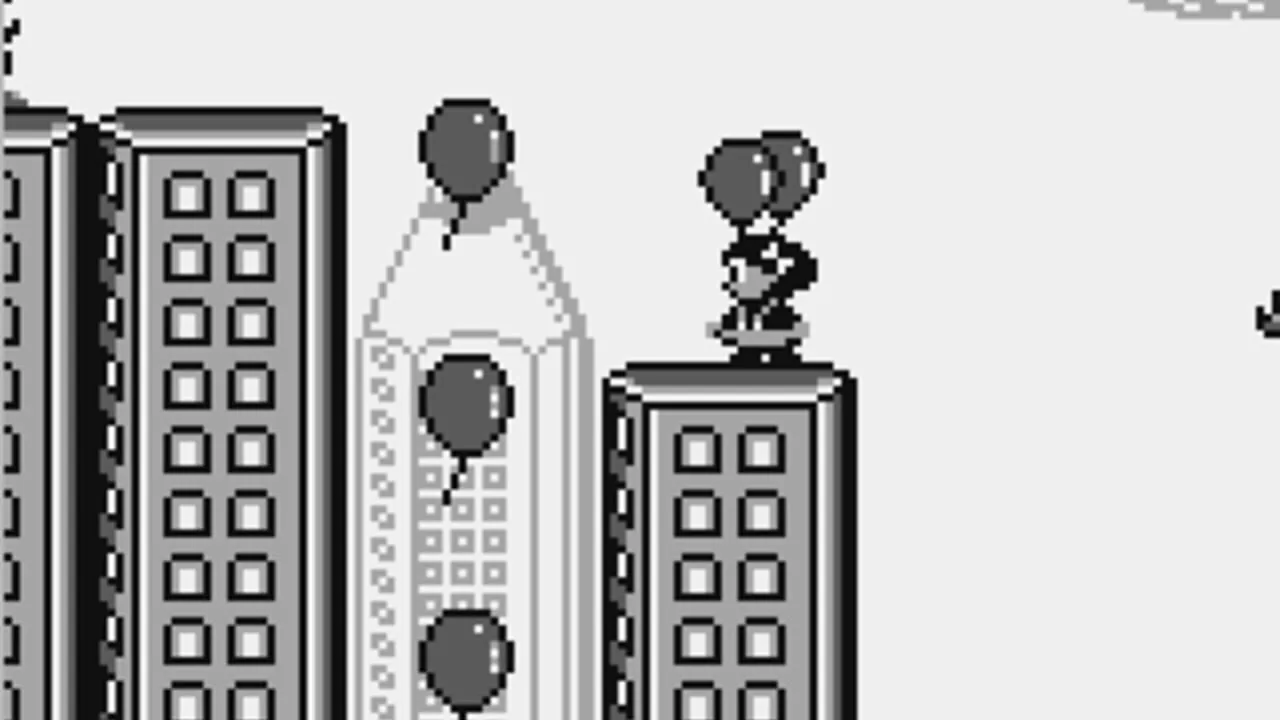
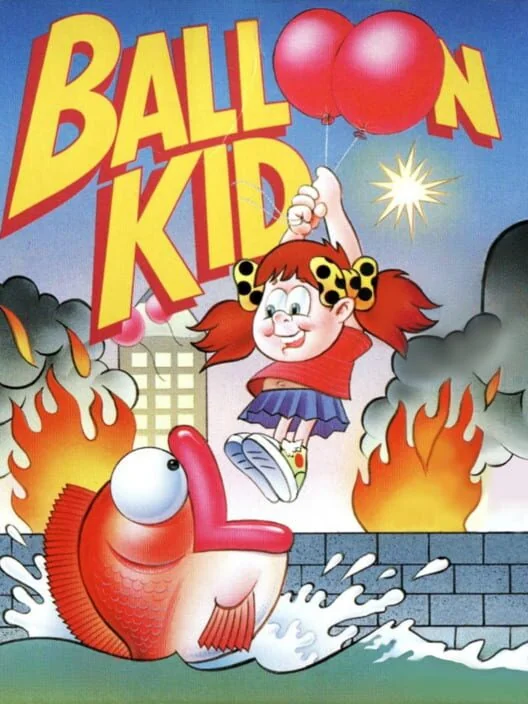
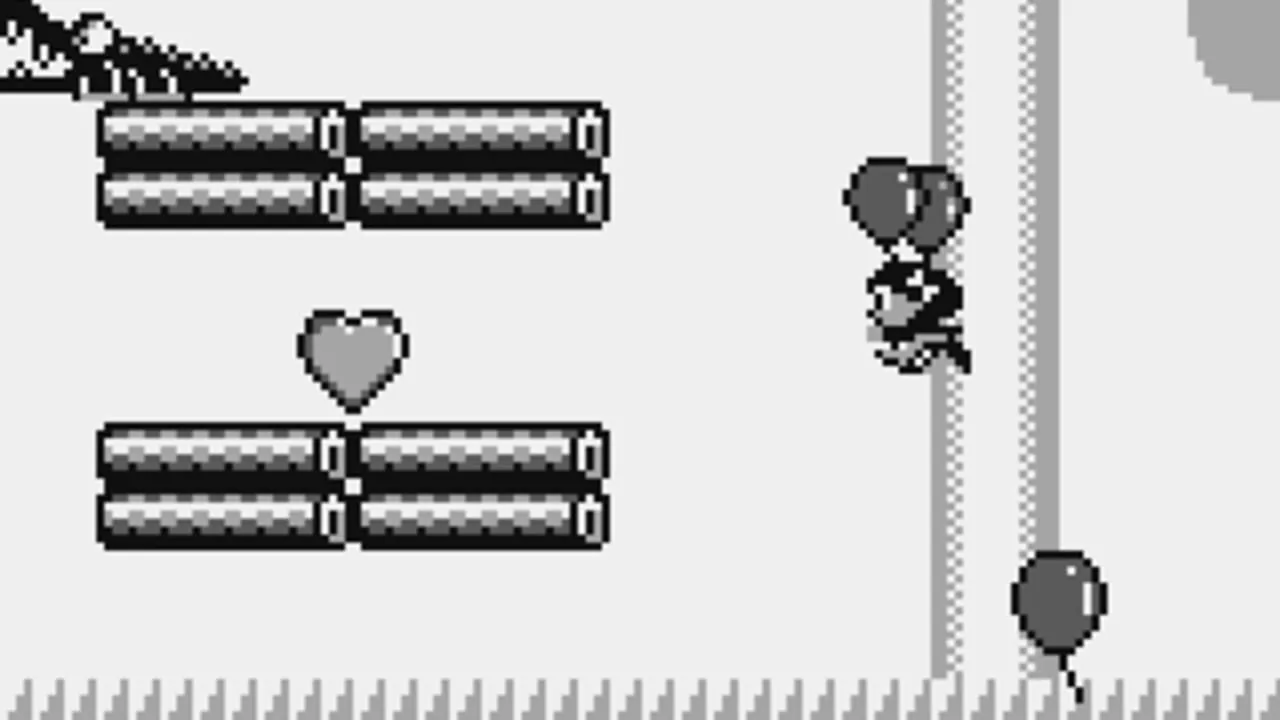
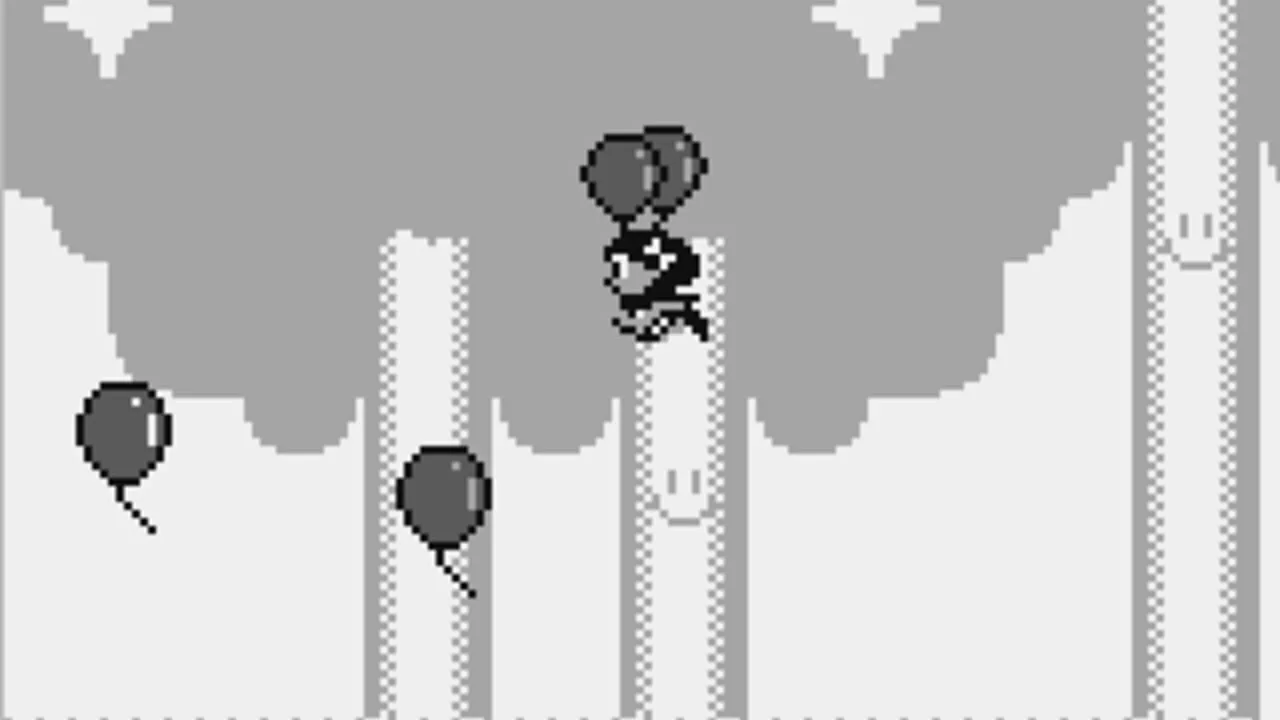
Balloon Kid came out in October 1990 in North America and January 1991 in Europe, and it was never released in Japan for the original Game Boy. Yoshio Sakamoto designed it, and Nintendo developed it with Pax Softnica. Alice floats across the skies to find her missing brother, starting from a small house in Pencilvania, a town with pencil-shaped skyscrapers. Its Balloon Trip mode comes straight from Balloon Fight.
Japan got it later in other forms, first as a Famicom game called Hello Kitty World in 1992 and then as a Game Boy Color remake, Balloon Fight GB, in 2000. Some of its music even turned up in the Game Boy Camera. It keeps showing up on players' lists of small gems, often right next to Trax.
15. Kid Dracula (1993)
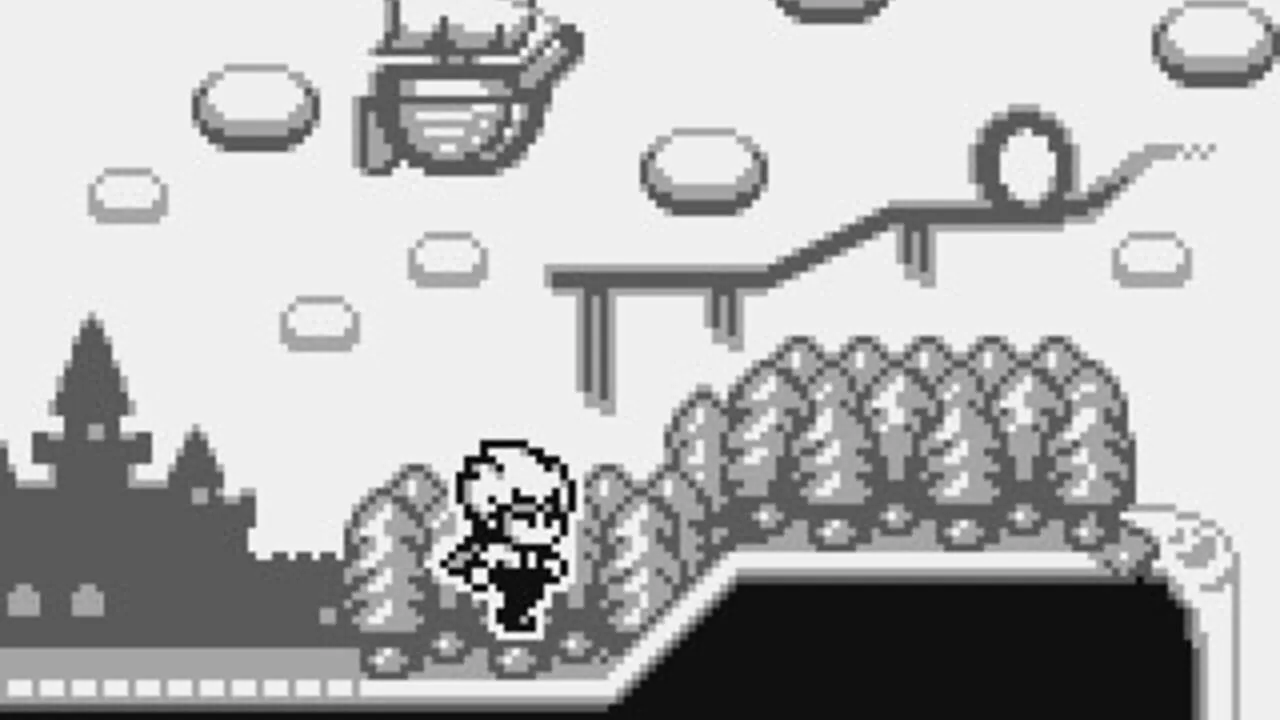
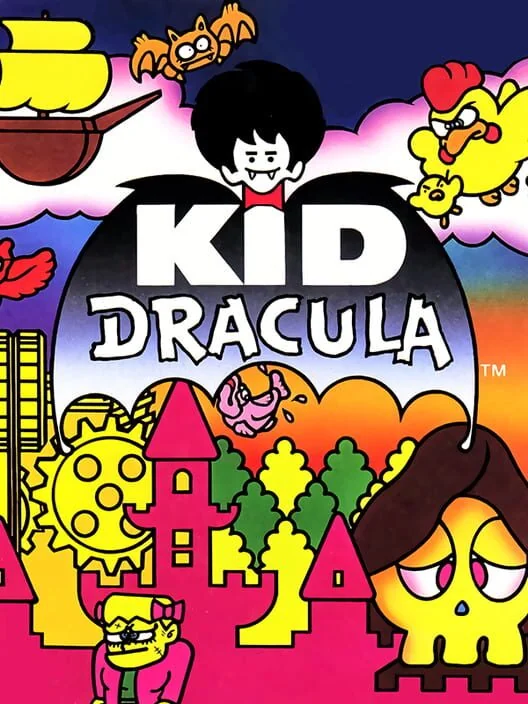
Kid Dracula is both a remake and a sequel to the original Kid Dracula on the Nintendo Entertainment System. The box sells him as "the coolest living corpse ever to stake his claim on the Game Boy", a star of the mythical Transylvania 92010 whose powers include a bat transformation. It is a small, silly platformer about a vampire in a cape, and it does not take itself seriously for a second.
Players call it a neat little platformer, and the ones who love it say it is short but has animations and gameplay worth coming back to year after year. A short game you replay is a better deal than a long one you abandon halfway, and this one is easy to replay.
14. James Bond 007 (1998)
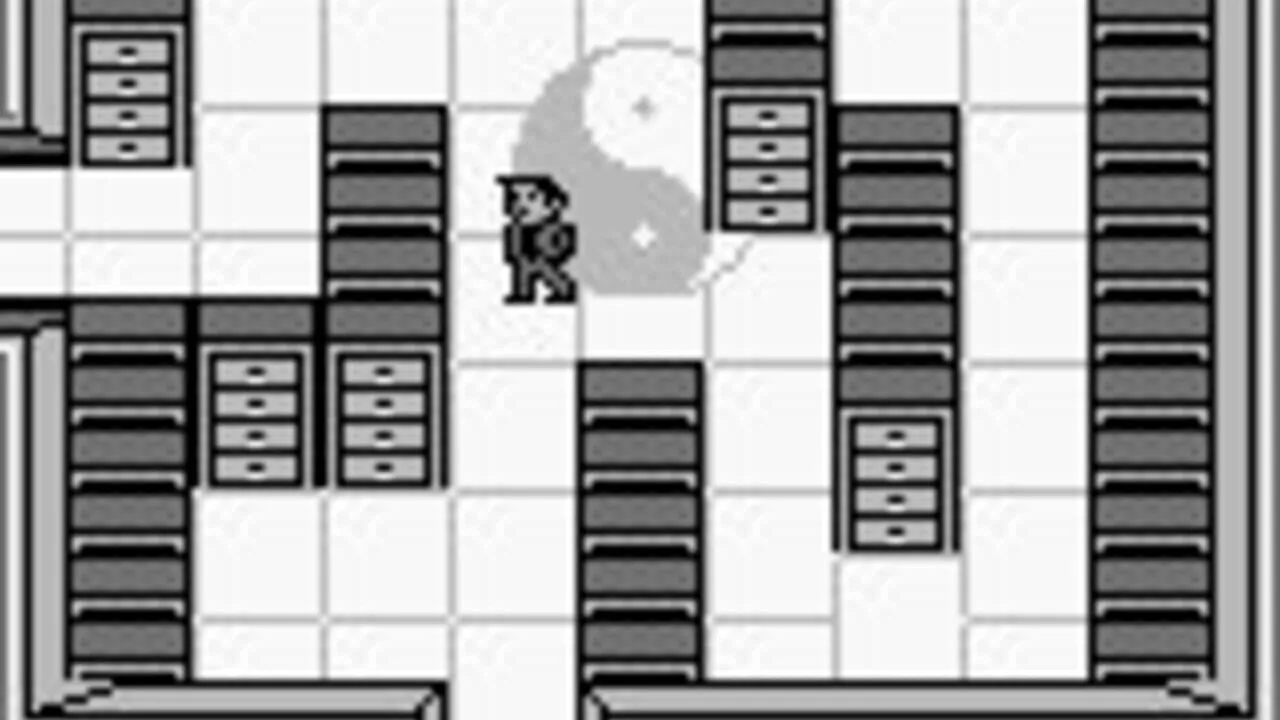
James Bond 007 came out late in the Game Boy's life, and the setup is pure Bond: an arms smuggling ring threatens to create a new world order. Reviews split on the music. One reviewer said the composers added other silly noises that take away from the feel of the James Bond Theme, while a 2010 review praised its inclusion. Retro Gamer also reviewed the game in 2010, criticizing the music while praising the controls.
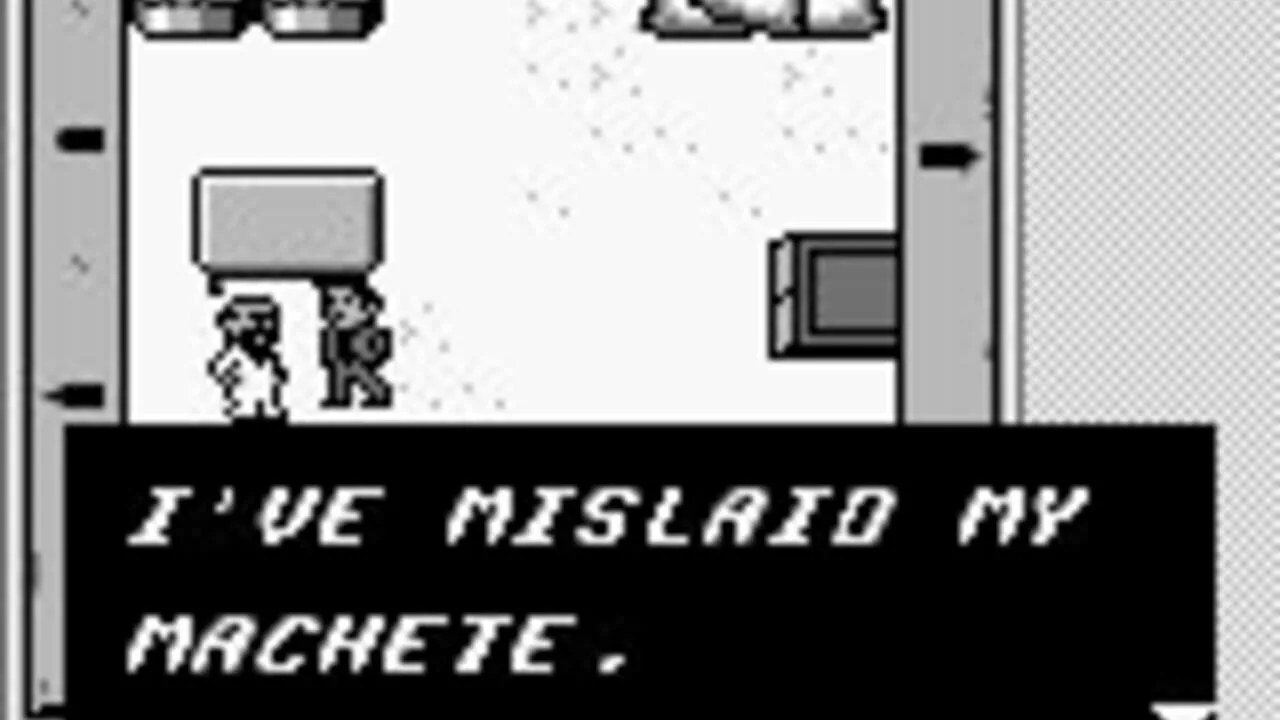
Another review called it, in some ways, "a better Bond game than more recent games with much higher production values". Players who pick it are mostly happy to find a small action adventure with a bit of role-playing, closer to Zelda than to the shooter you would expect. It is the kind of licensed game that surprises people.
13. Heiankyo Alien (1990)

Heiankyo Alien started in the arcade, where it was widely successful and praised for its originality and its element of strategy. Meldac released the Game Boy version in Japan and North America in 1990, and the port adds a remake version where a new type of alien chases after you. After the player completes all nine levels, the game goes back to the first one and starts again.
That loop is the whole point. A 1998 review called the concept boring and said it lacked replay value, and players disagree on both counts: they call it a fun little maze game and give it a nod for replayability. Nichibutsu later ported it to the Super Famicom in 1995, so somebody agreed with them.
12. Trax (1991)
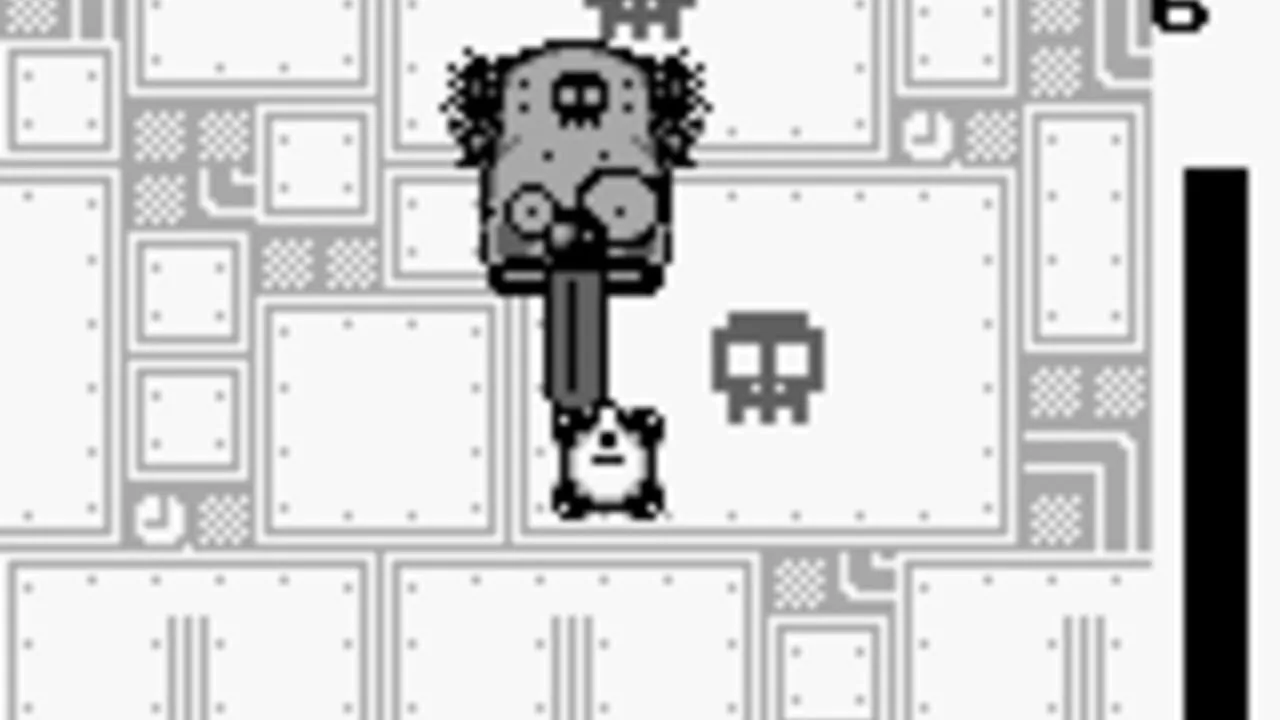
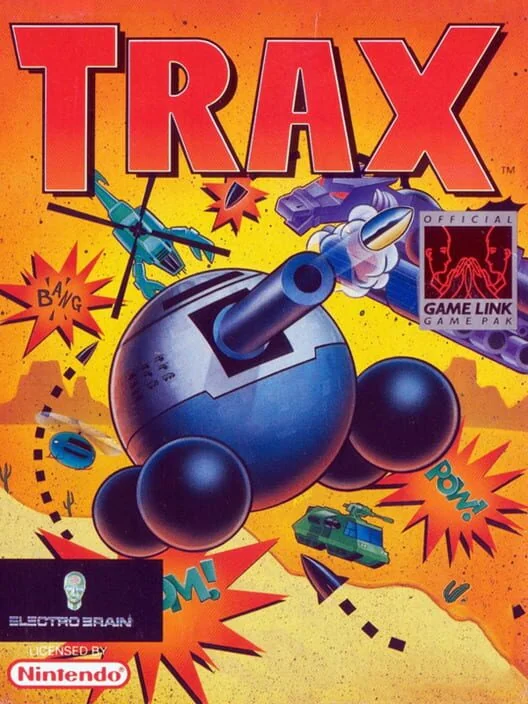
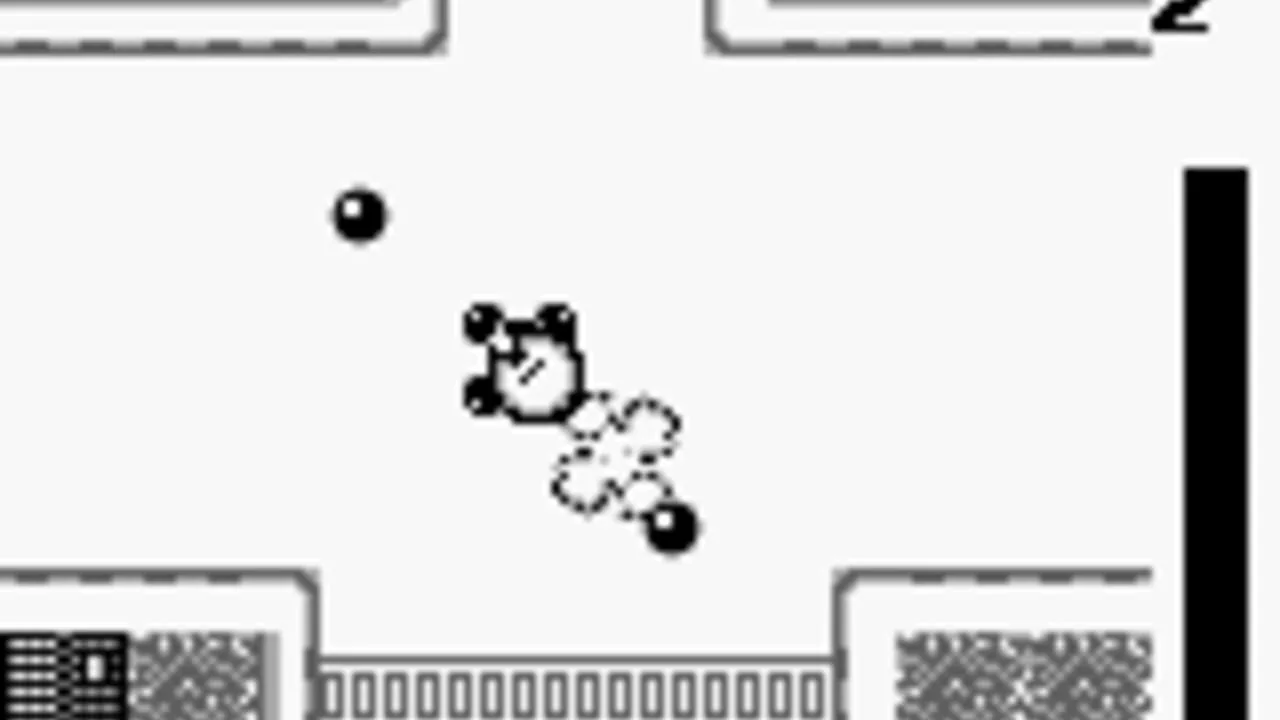
Trax is a shooter where you drive a tank with a cannon that can be rotated to any of the cardinal directions. You fight your way through different enemies and bosses with a range of weapons. In Japan it is called Totsugeki! Ponkotsu Tank, and Electro Brain published it outside Japan.
It is the kind of game you can finish in an evening, and that is a feature. Players recommend it as short but polished, with fair difficulty, and it has a habit of turning up on their lists of favourites next to much bigger names. It never got much press, and it rarely comes up outside conversations like this one. If you want a shooter you can finish without losing your temper, start here.
11. Avenging Spirit (1992)
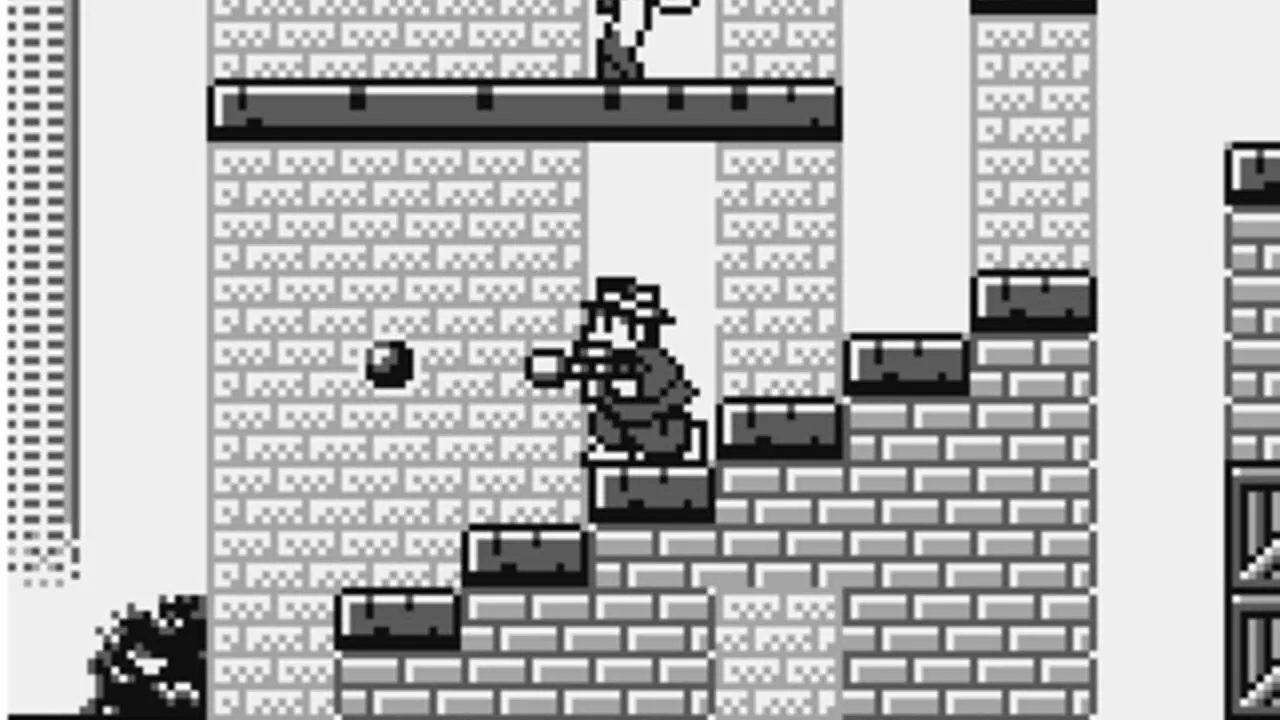
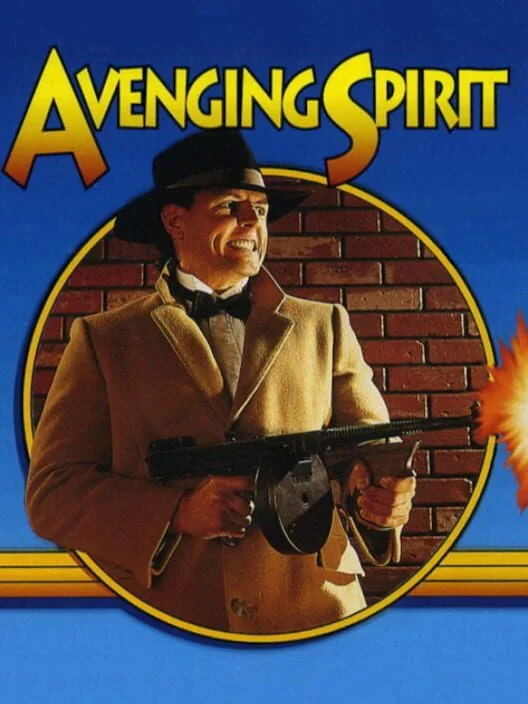
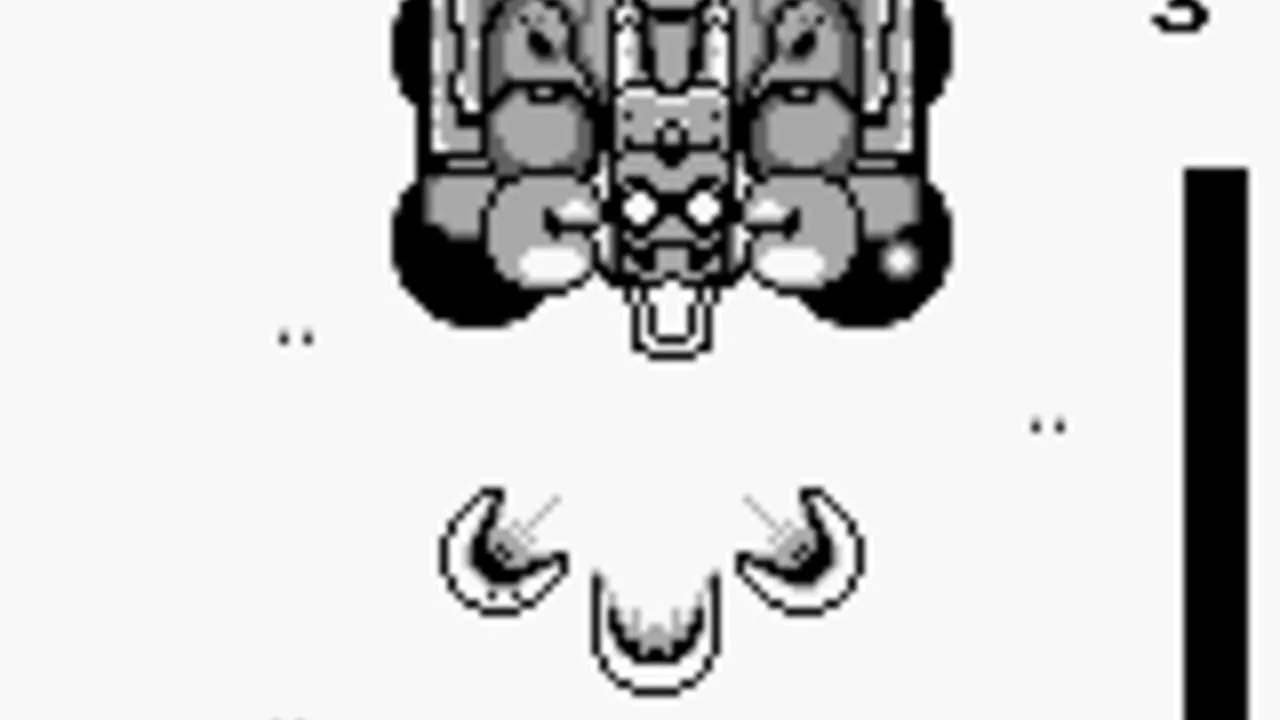
Avenging Spirit came out in Japan in May 1991 and in North America in October 1991. It opens with a walk with your girlfriend that goes very wrong: agents of a mysterious crime syndicate take her away and shoot you to death. You come back as a ghost, and since a ghost cannot do much on its own, you grab other characters' bodies to get through each stage.
Players count it among their favourite lesser-known games, and they love that every enemy you take over brings its own powers. It is a simple idea, and few games on any system did it this well. Ending up dead in the first minute and spending the rest of the game borrowing bodies is about as Game Boy as a story gets.
10. Trip World (1992)
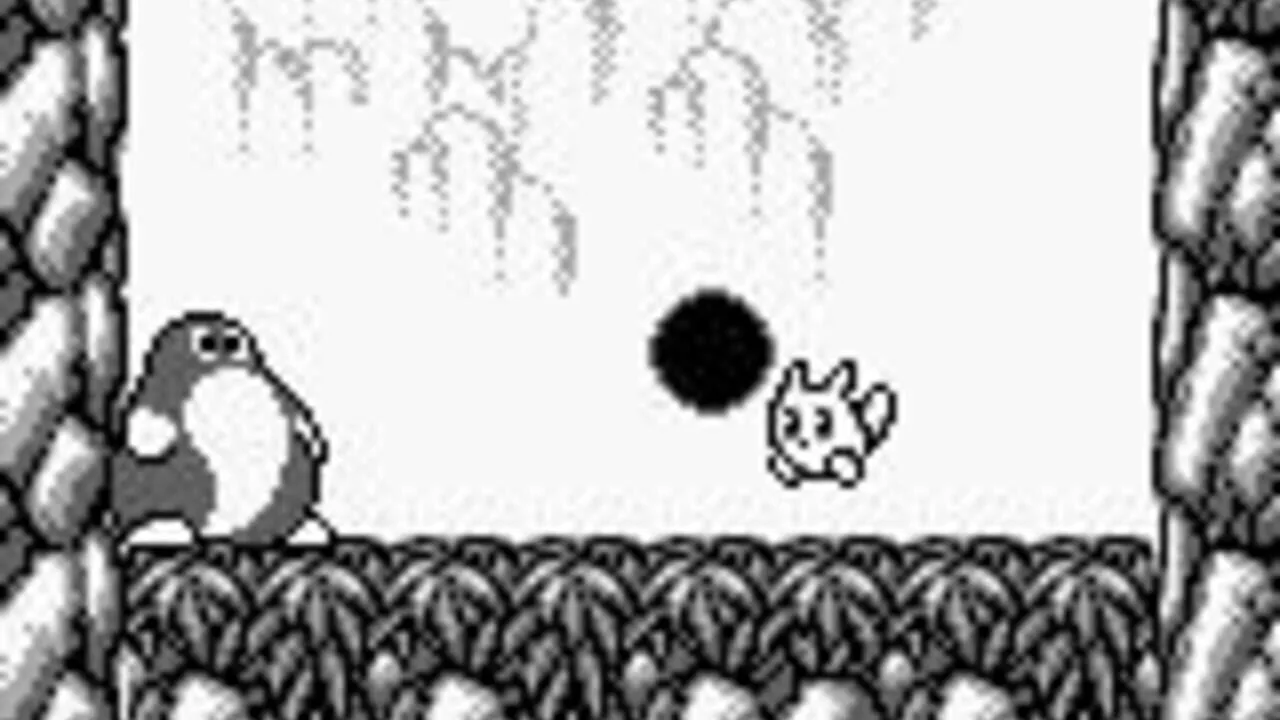
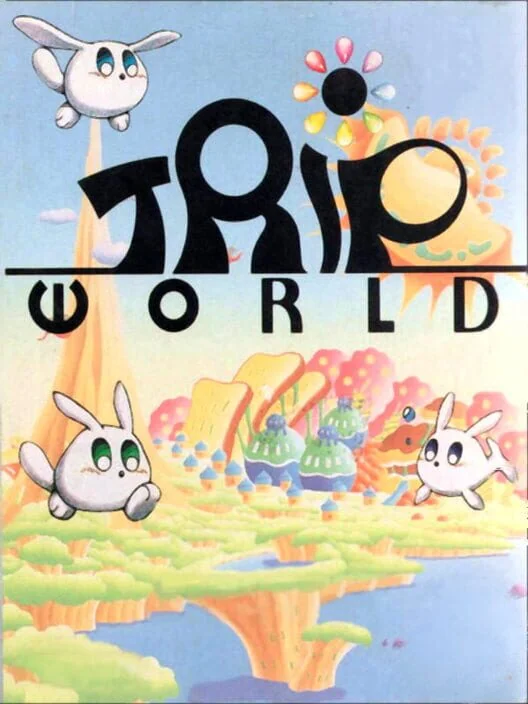
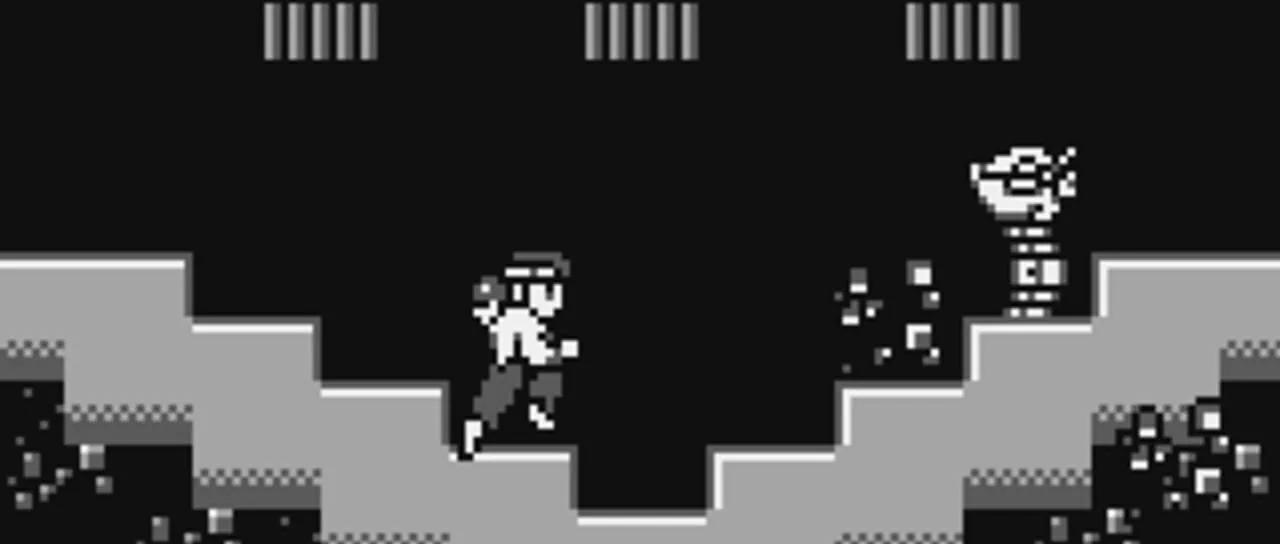
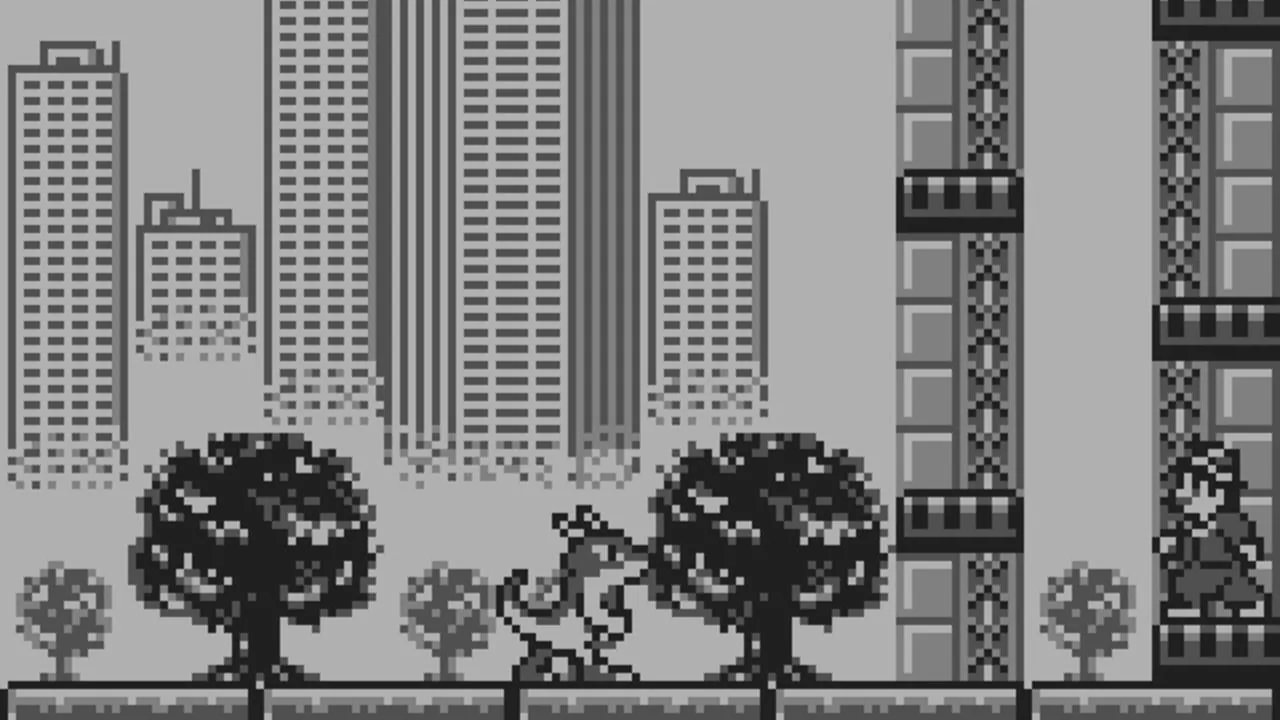
Trip World was developed and published by Sunsoft, and Yuichi Ueda conceived it after being influenced by Gimmick! (1992). You play Yakopoo, a strange creature trying to recover his tribe's stolen flower before the villagers start fighting each other. He can shapeshift between three forms at any time, and in his first form he kicks enemies.
Critics at the time praised the graphics and music and complained that it was too easy and too short. One German magazine called it "a real treat for action fans and anyone else who enjoys a good chuckle". It was re-released on the 3DS in Japan in 2011 and in Europe in 2012, and Limited Run Games released Trip World DX in 2023. Players call it cuteness overload and one of the best games on the Game Boy.
9. Rolan's Curse II (1992)
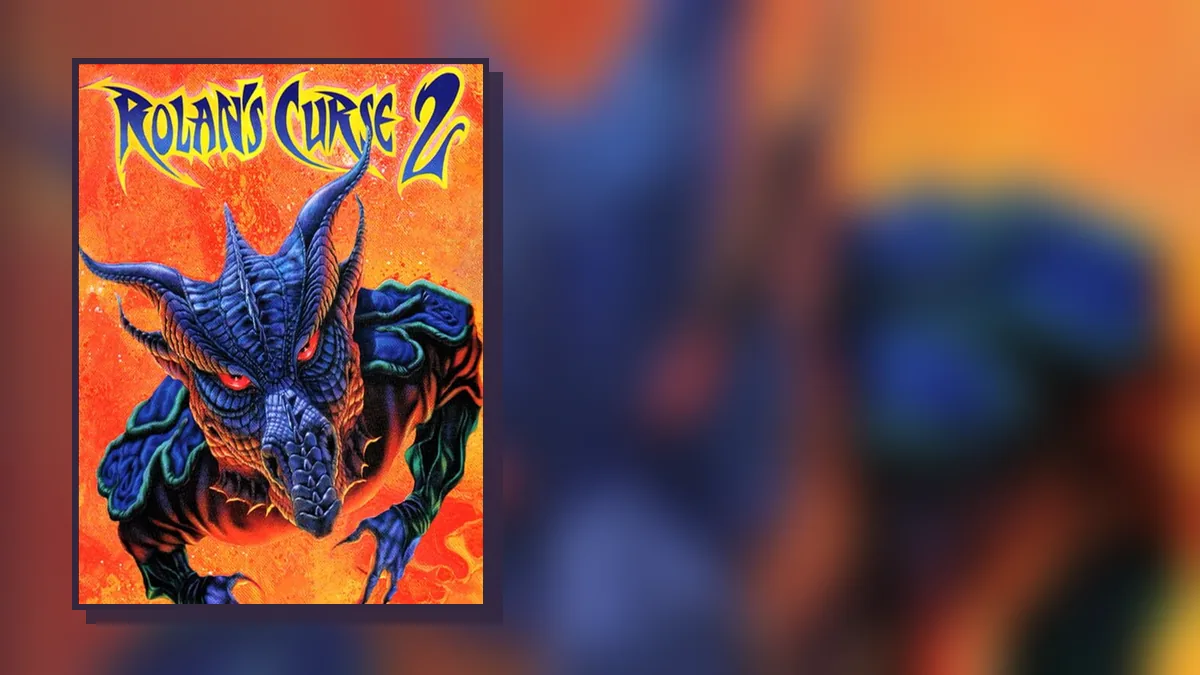
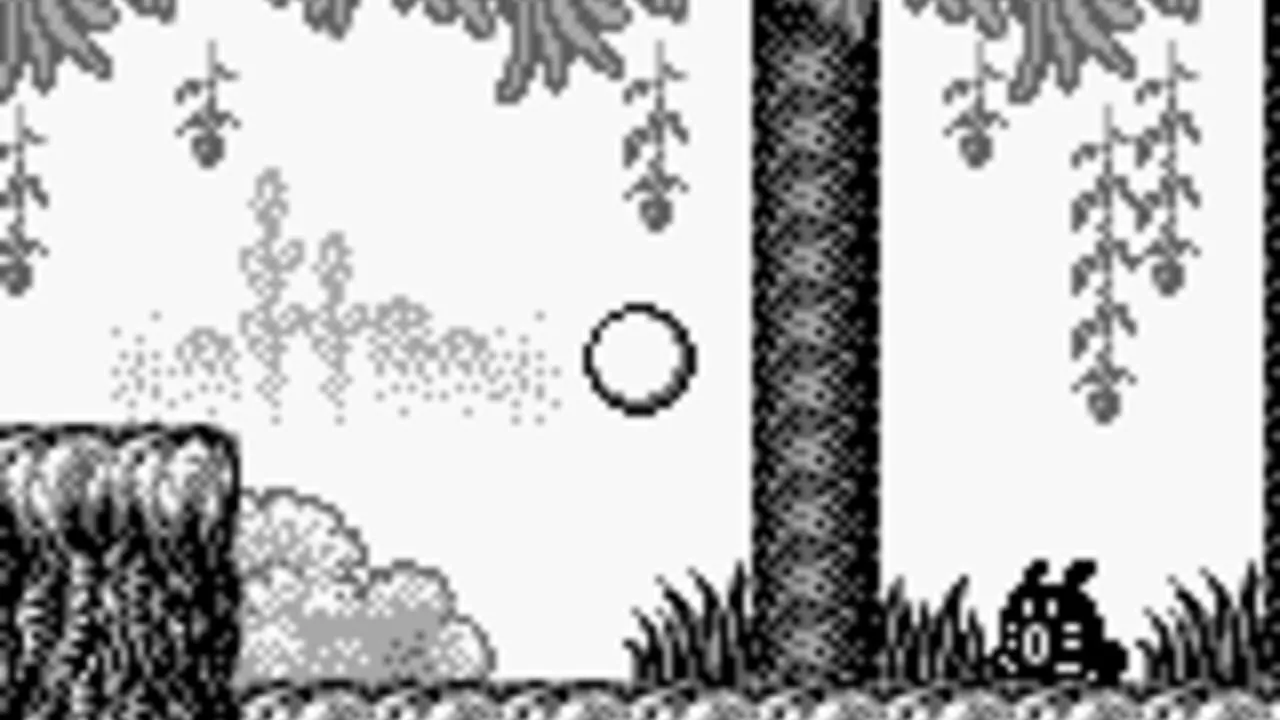
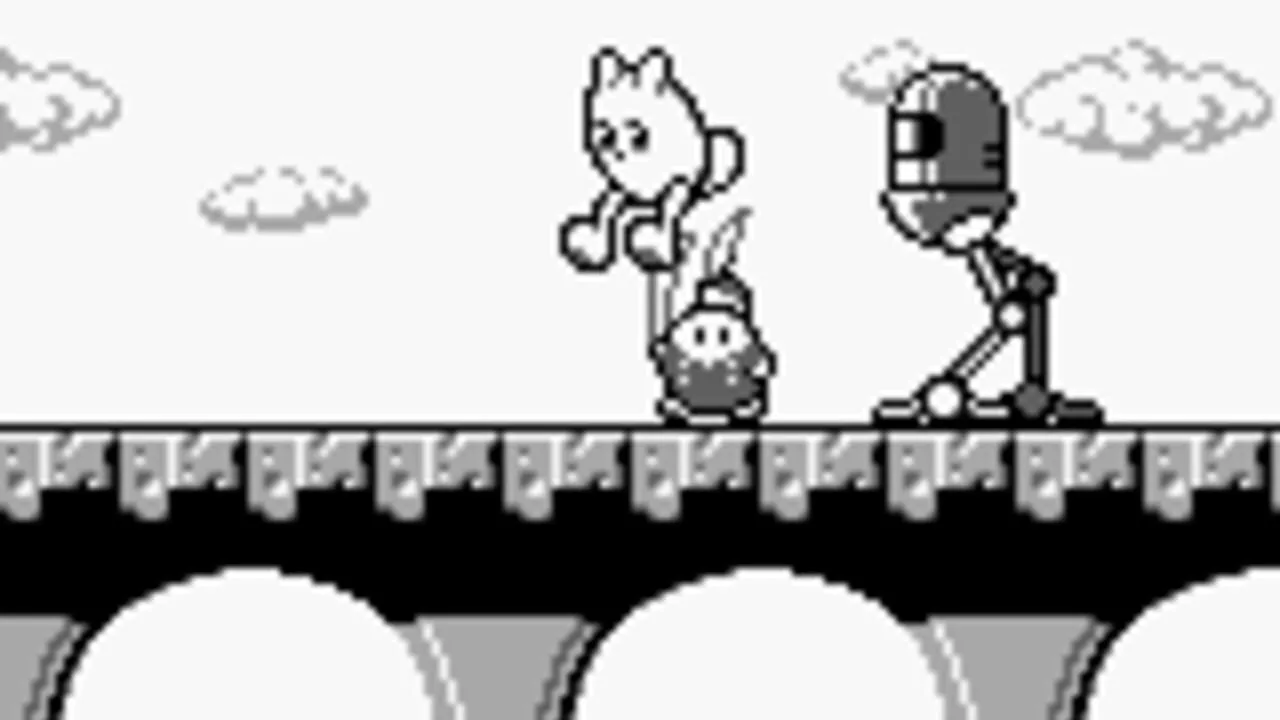
Rolan's Curse II is the sequel to the original Rolan's Curse, developed by NMK and known in Japan as Velious II: Fukushuu no Jashin. It came out in Japan on February 21, 1992 and in North America that October from American Sammy. King Barius is back for revenge, and you team up with a band of worthy companions to search for treasure and magic before the last battle with him.
It is an action-adventure, and among Game Boy fans it has become almost too well known to call hidden. Players still call it obscure and incredible, and they recommend it to anyone who wants something off the usual path. If it clicks for you, Ninja Taro is its closest relative on this list.
8. Bubble Ghost (1990)
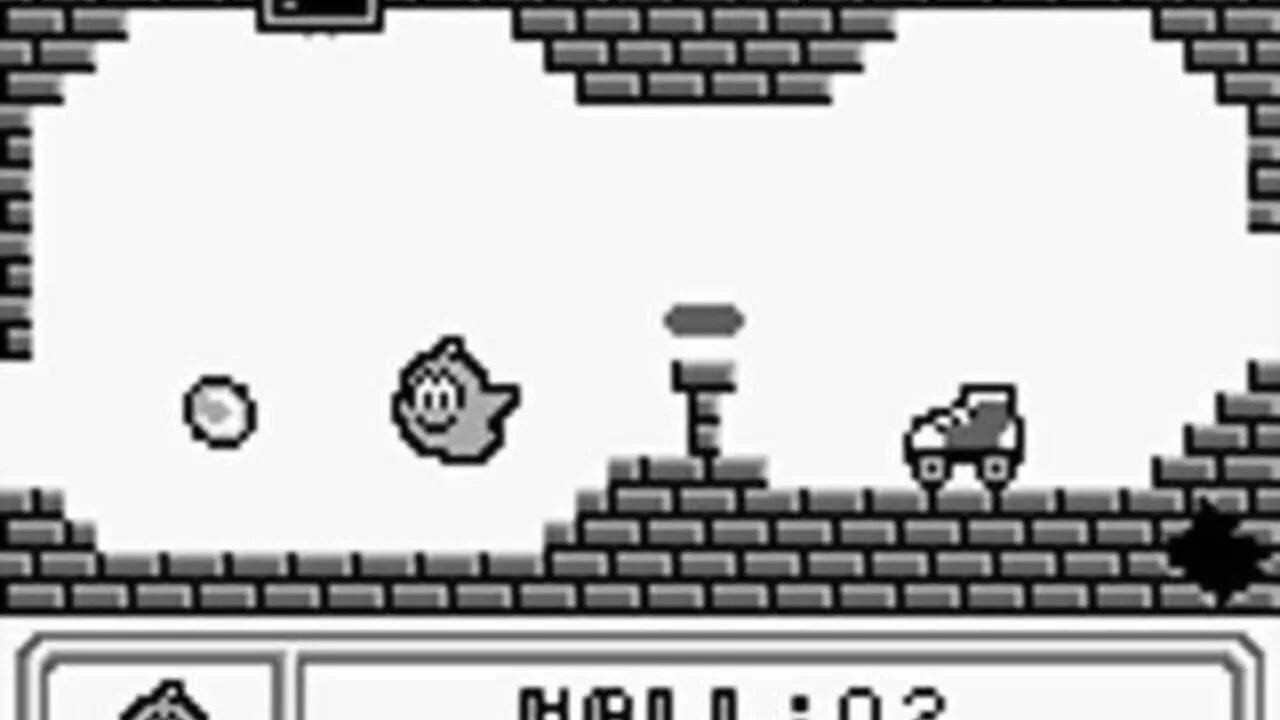
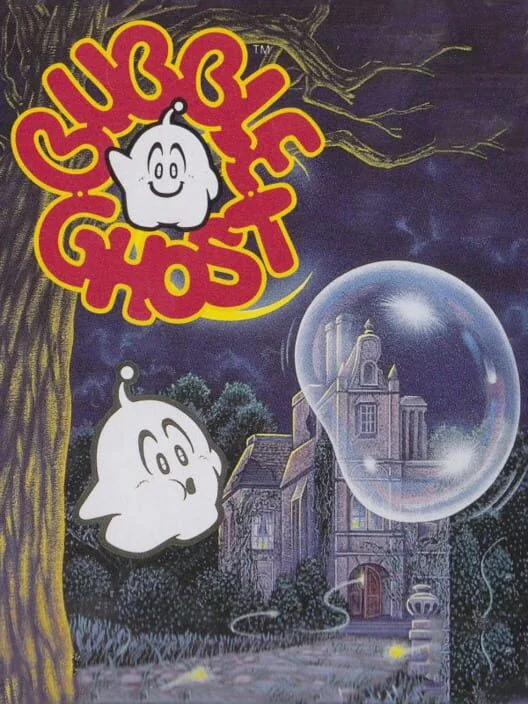
Bubble Ghost began on the Atari ST, created by Christophe Andréani, and a Game Boy version was published in 1990. The objective is to guide a bubble through a number of halls in a haunted house, and the bubble is about as sturdy as you would expect. It was also one of the earliest games with music written by Hitoshi Sakimoto. A remake by Nakama Game Studio came out in March 2025 on PC and modern consoles.
Players love it as a weird little physics puzzler with nothing else quite like it, and the ones who adore it love everything from the music to the controls. If you liked Kwirk, it is the natural next pick, and Catrap is right behind it.
7. The Legend of Zelda: Link's Awakening (1993)
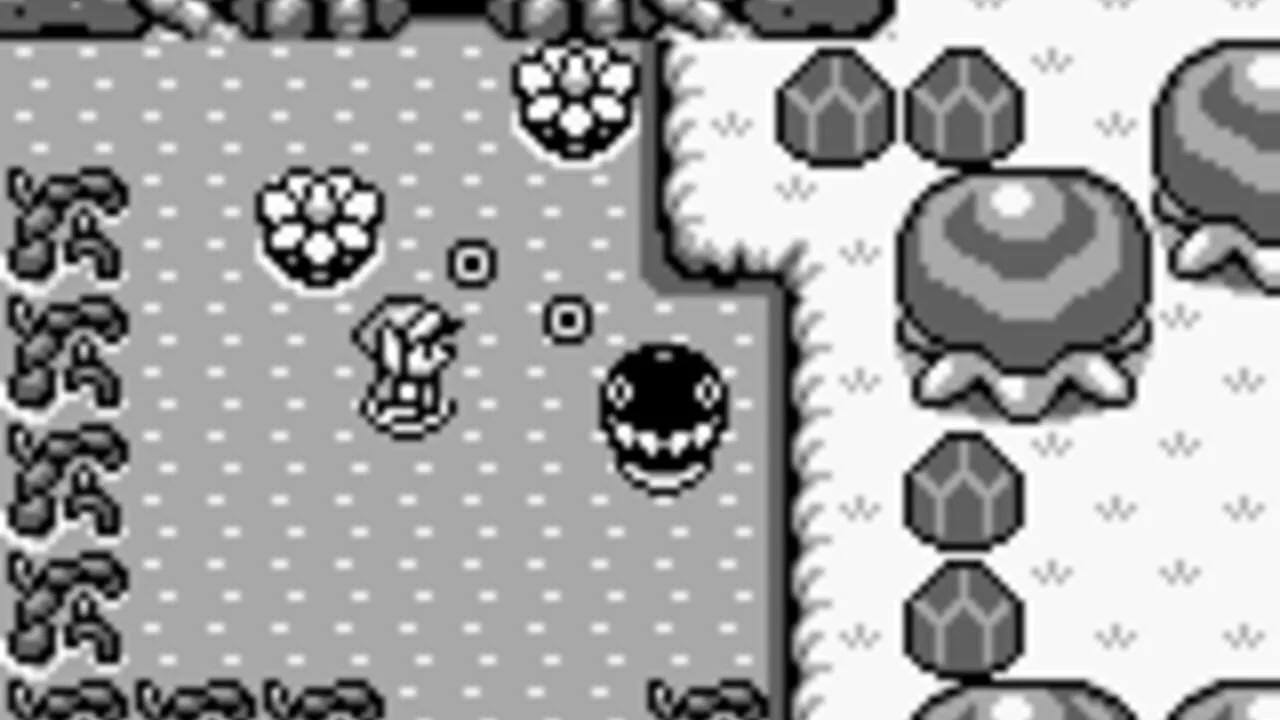
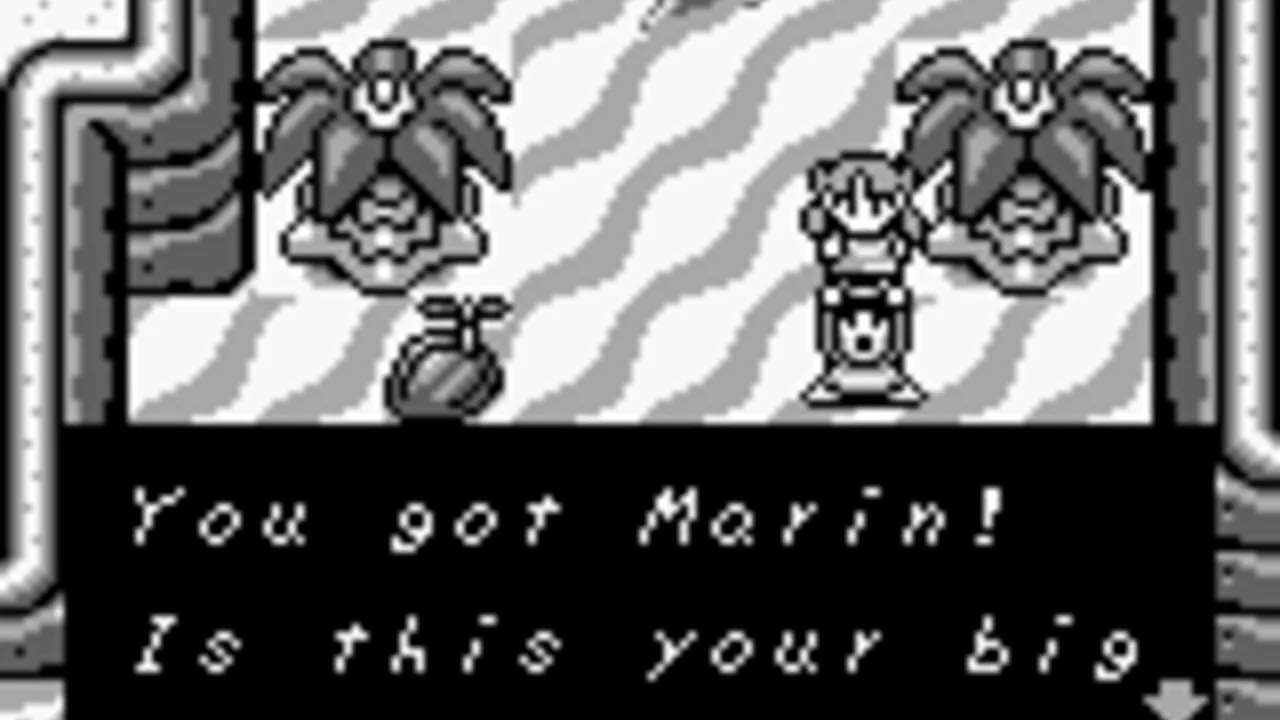
Link's Awakening began as an effort to port A Link to the Past to the Game Boy, worked on after hours by Nintendo staff. It grew into an original project under the direction of Takashi Tezuka, with a story and script by Yoshiaki Koizumi and Kensuke Tanabe, and came out in Japan in June 1993. It takes place entirely on Koholint Island, where Link searches for eight musical instruments to wake the sleeping Wind Fish. It was also the first overhead Zelda to let Link jump.
A game this famous on a hidden gems list looks odd. It sold four million units and has appeared on lists of the best games of all time, but the original keeps getting overshadowed by its own remakes, the color DX version in 1998 and the Switch remake in 2019. Players still recommend the black and white cart, and it holds up.
6. Cave Noire (1991)
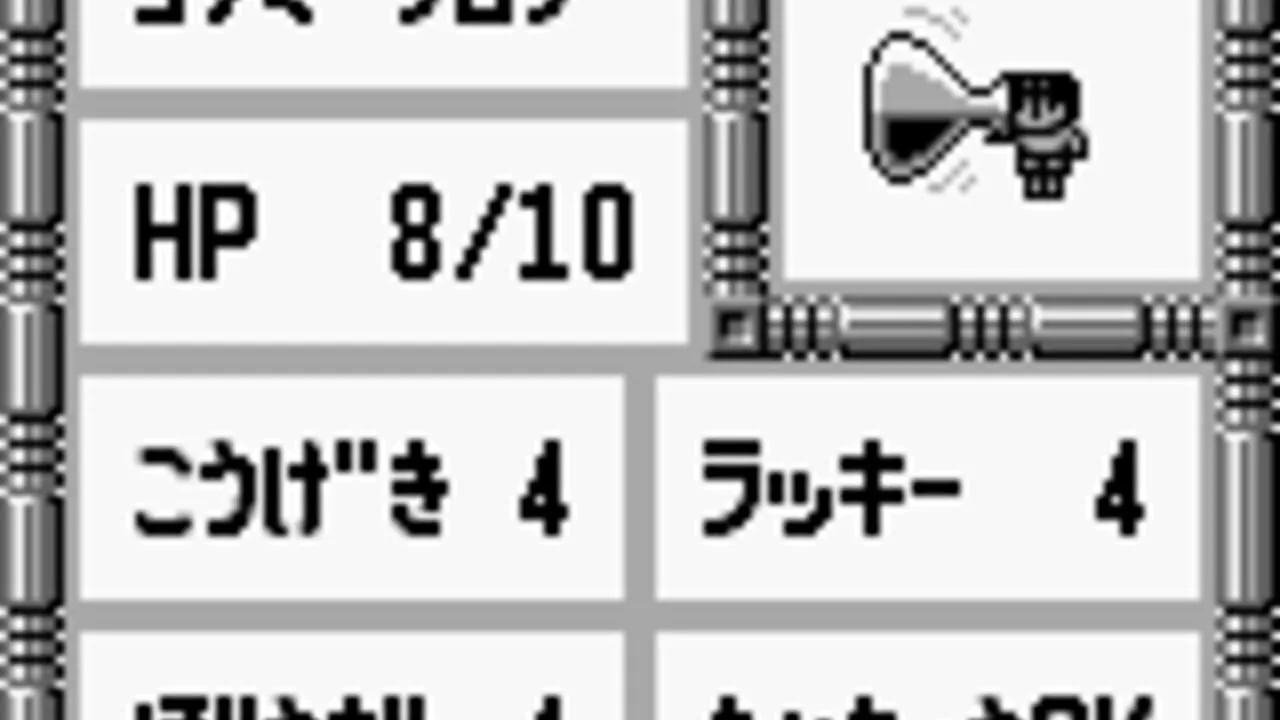
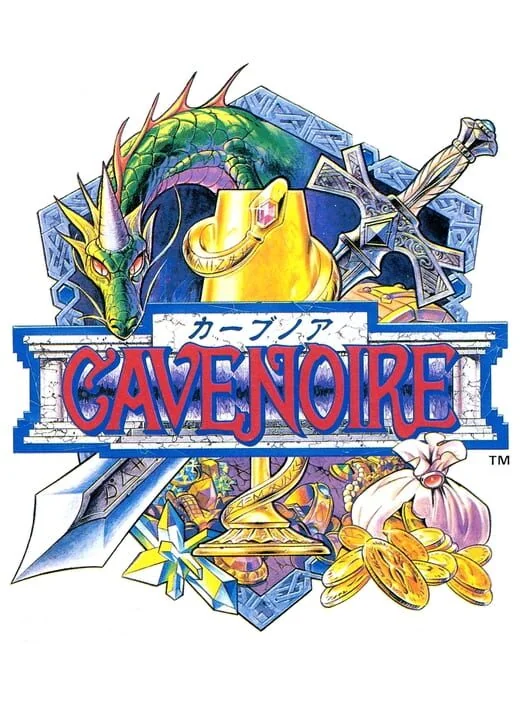
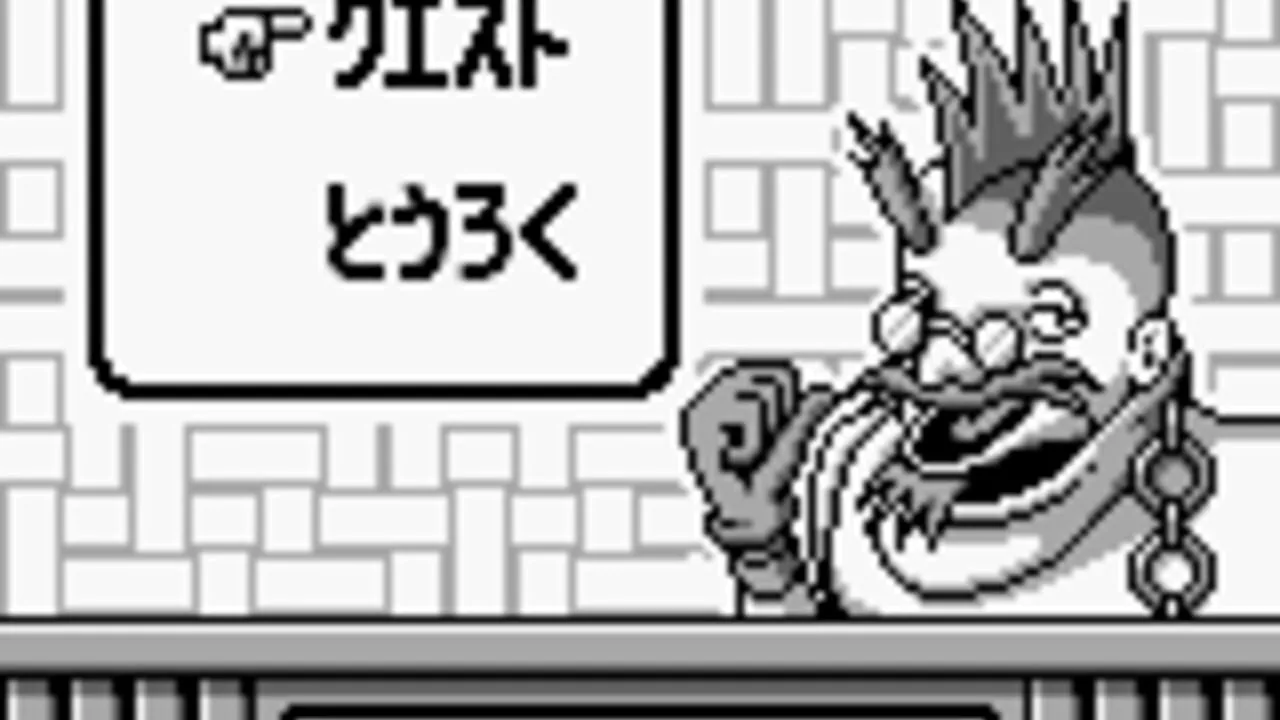
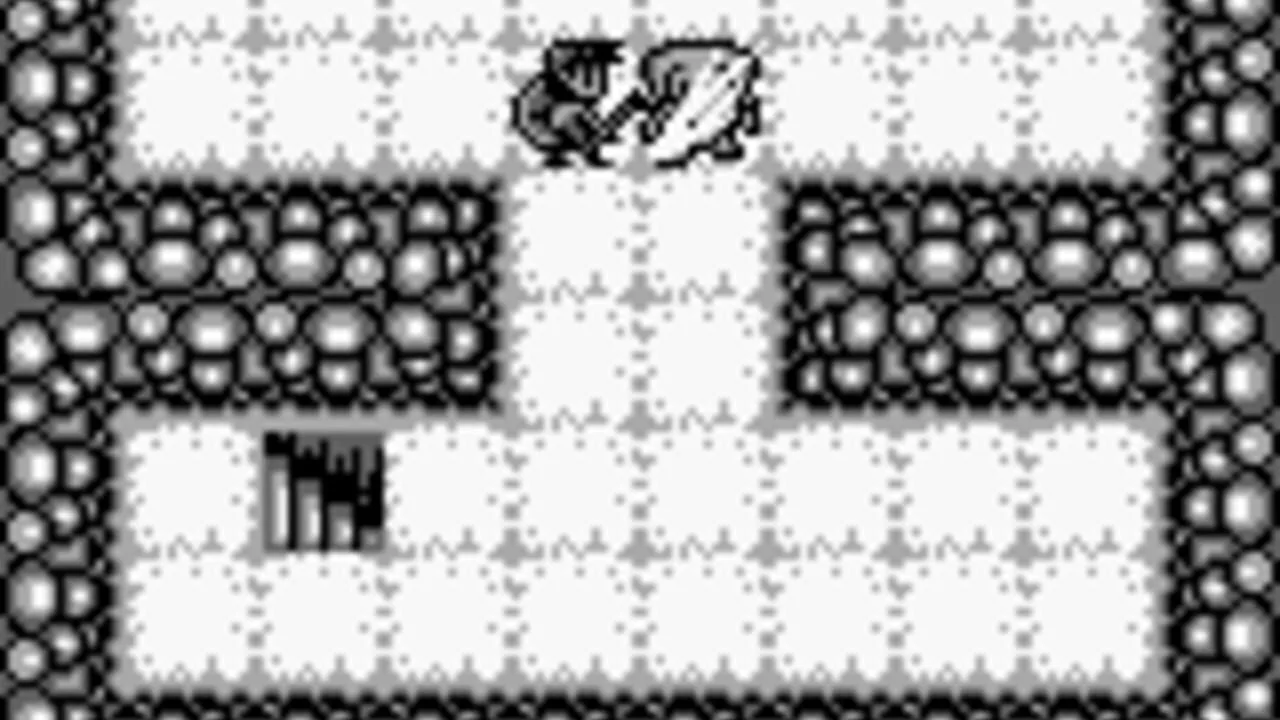
Cave Noire is a roguelike with four kinds of quest, from killing monsters to freeing fairies, each with ten difficulty levels. Starting a quest creates a randomly generated dungeon, and you get one chance to reach the goal. Die and you start over in a new dungeon. Attacks only happen when the two sides stand on adjacent tiles, and the game works out the result from each side's stats.
It has a reputation as a hidden gem on the Game Boy and as a console roguelike many years ahead of its time. One review said that within five minutes, you can have a complete, satisfying RPG adventure. It never got an English release, so players point newcomers to the English fan translation, and they say it is worth the trouble.
5. Kwirk (1989)
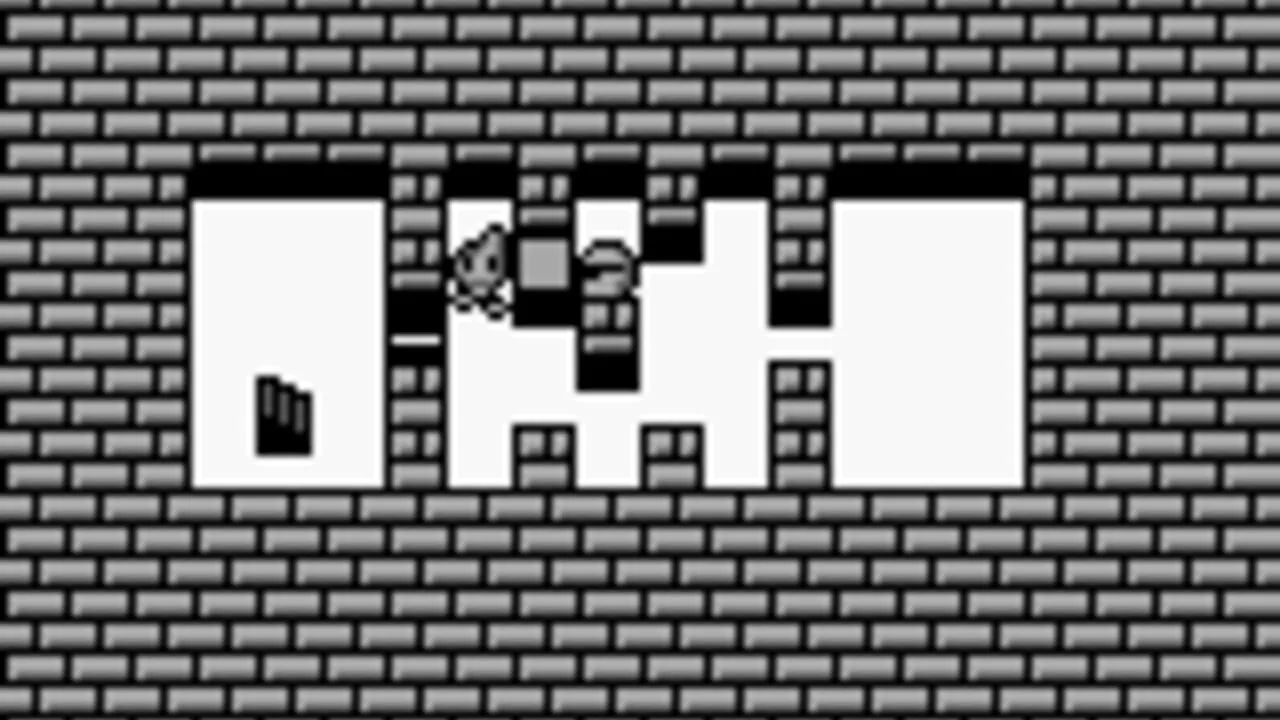
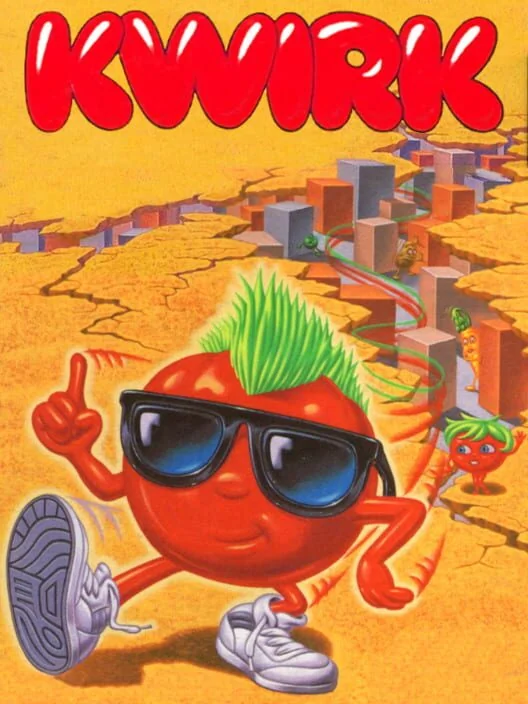
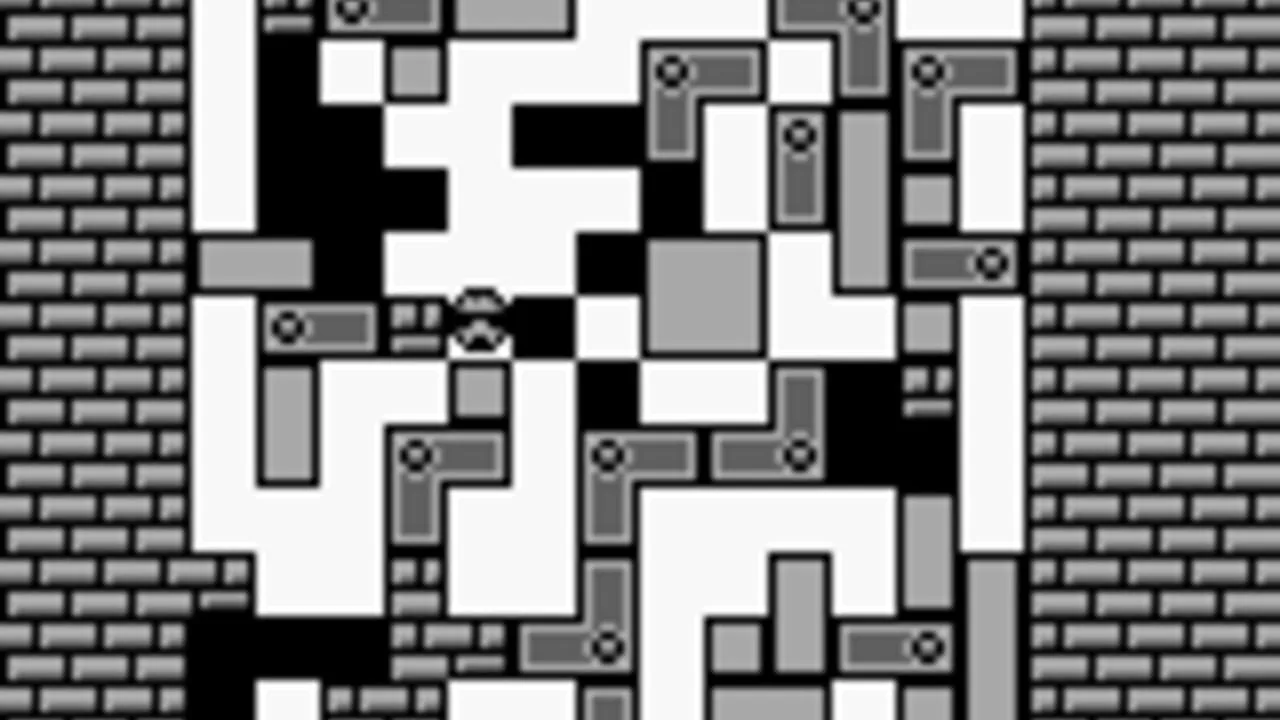
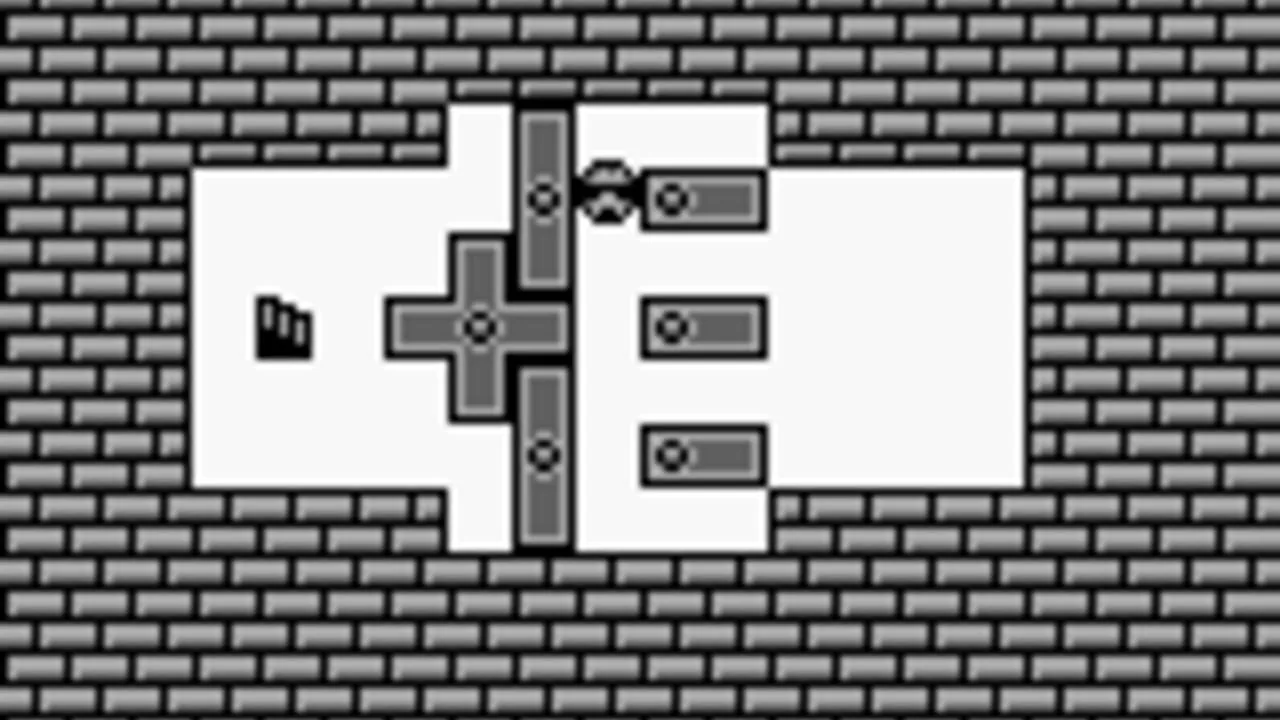
Kwirk was the very first video game Atlus released under its own brand, and Acclaim published it in North America in March 1990. In Japan the hero is a potato named Spud. For the US release he became a tomato named Kwirk, which is a strange thing to change, and in both versions the one he sets out to save is a tomato. Each room asks you to reach the stairs by turning turnstiles and pushing blocks into holes.
You can view it from a diagonal angle or straight down from above, and the German magazine Video Games scored it 85% in its first issue. Players call it an awesome little puzzler, and some say it is the best on the Game Boy. A second sequel, Amazing Tater, reached the US in 1992 with much the same gameplay.
4. Catrap (1990)
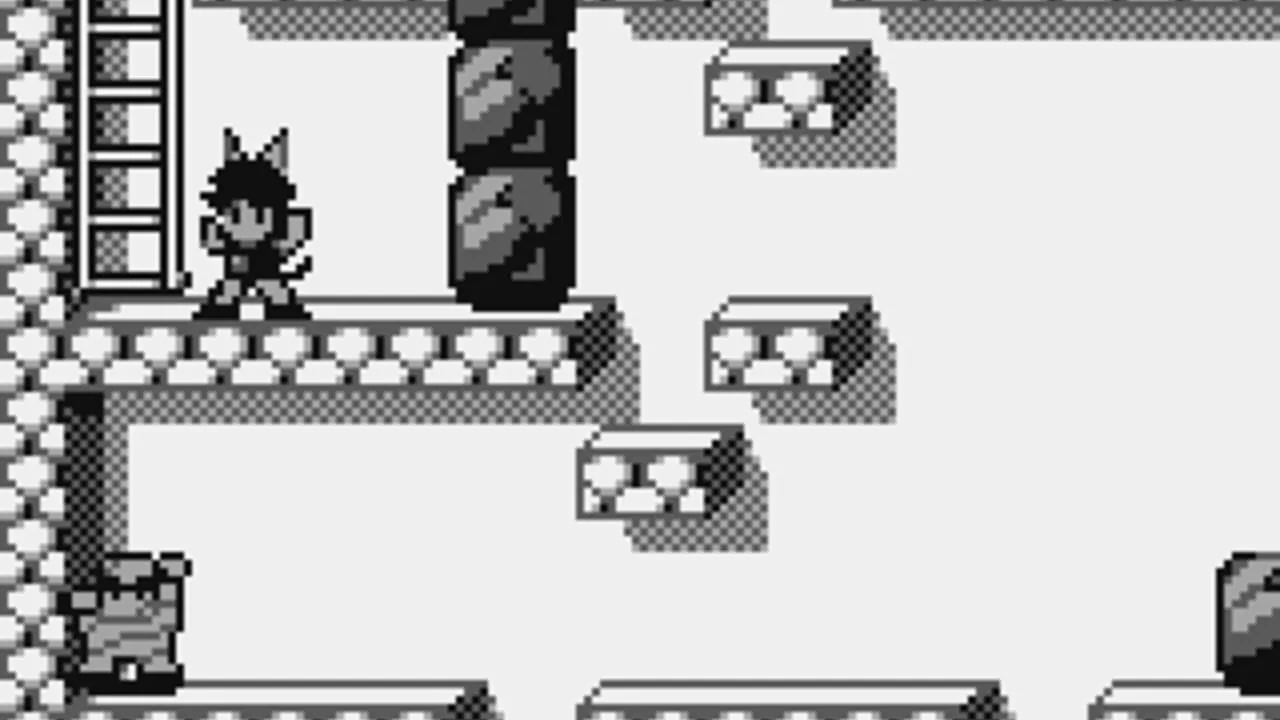
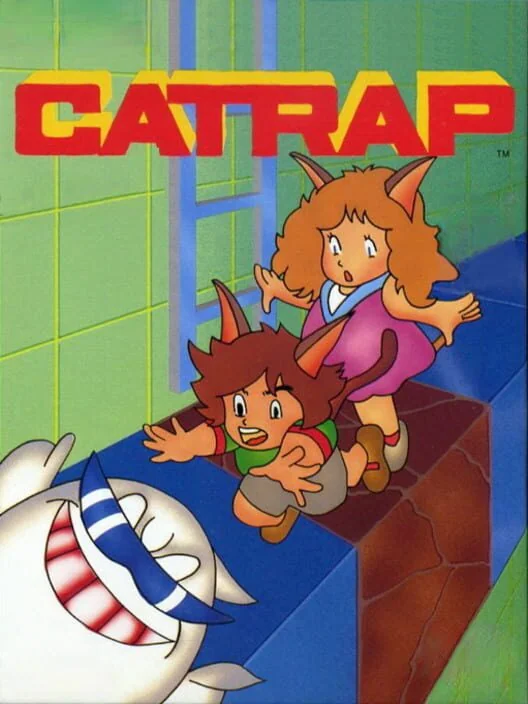
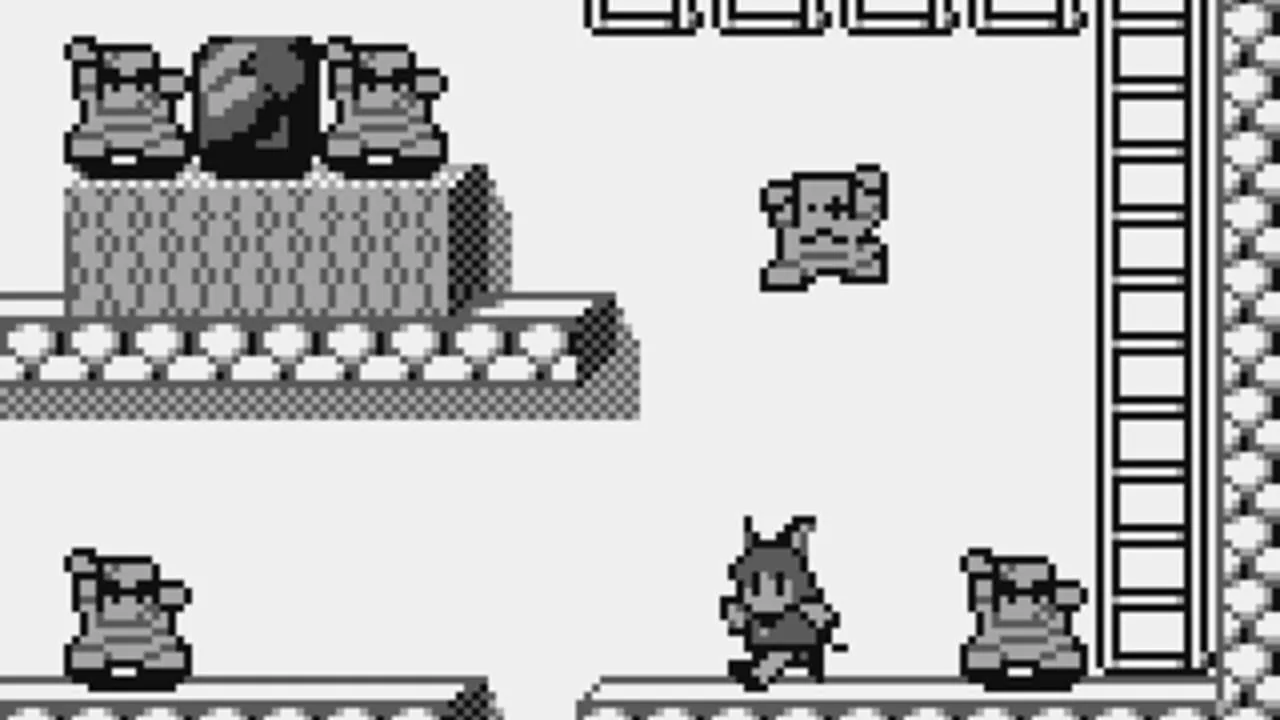
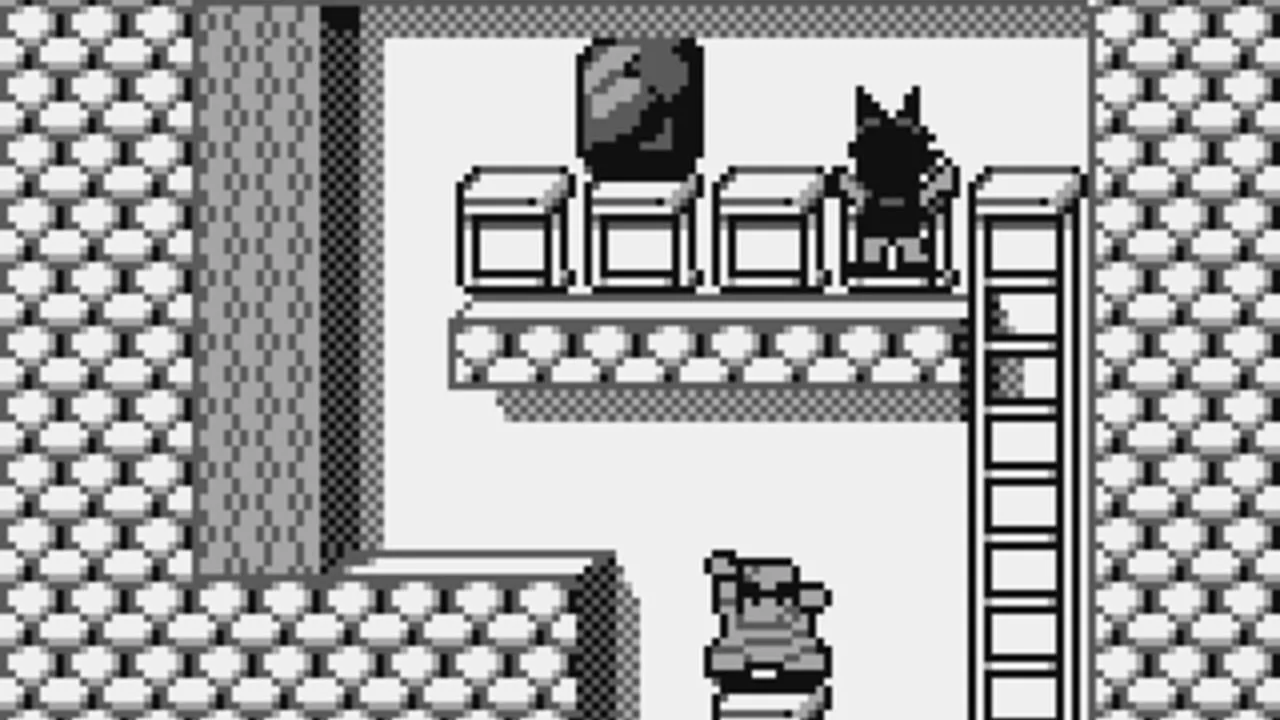
Catrap was created in 1985 on a MZ-700 home computer by Yutaka Isokawa, and its listing was printed in a magazine as a type-in program. The Game Boy version, by ASK Kodansha, came out in Japan in June 1990 and in North America in October 1990 from Asmik. You steer a cat around each room, clearing obstacles and kicking monsters and ghosts off the screen. There are 100 mazes, and you can build your own.
Its best trick is a rewind function. Make a mistake and you can step back and fix it, and it has been credited with using time rewind before Prince of Persia: The Sands of Time and Braid. Players call it a masterpiece, and for some it is their favourite game on the console. It starts easy and gets tougher in a good way.
3. Gargoyle's Quest (1990)
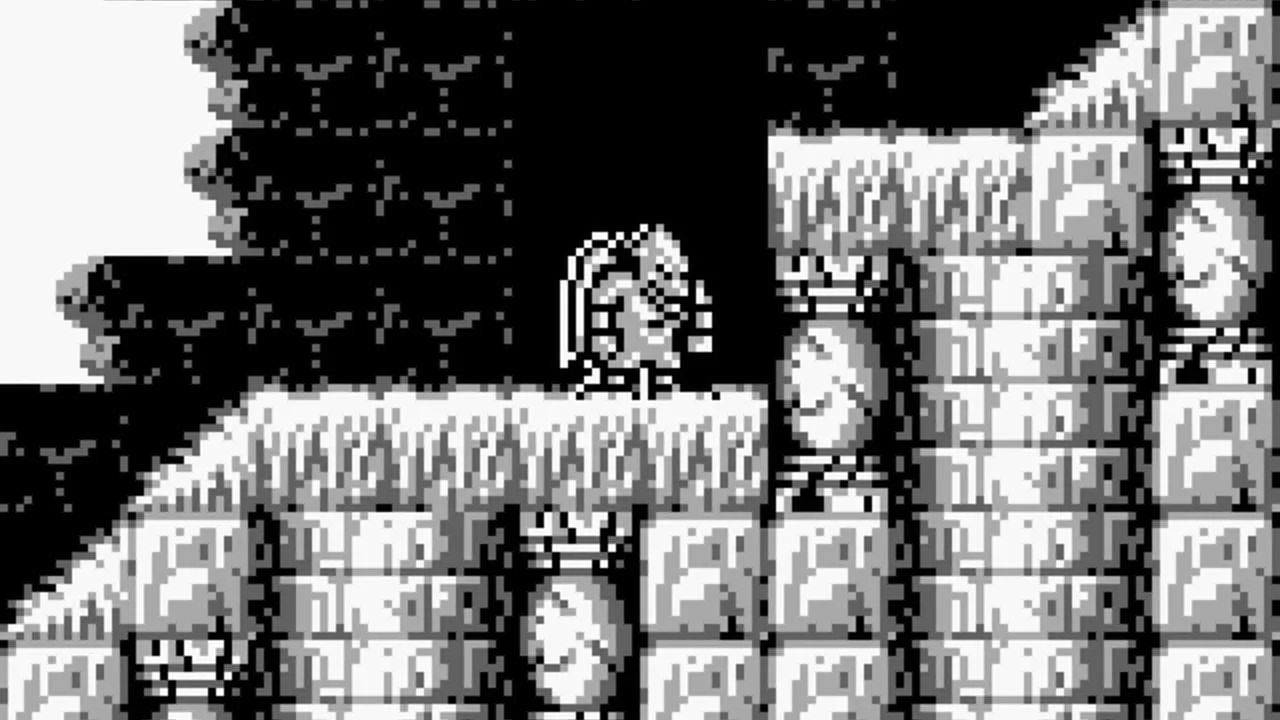
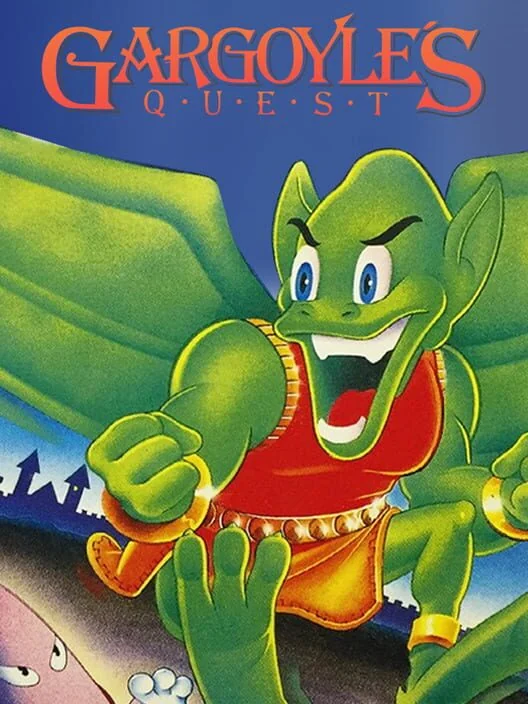
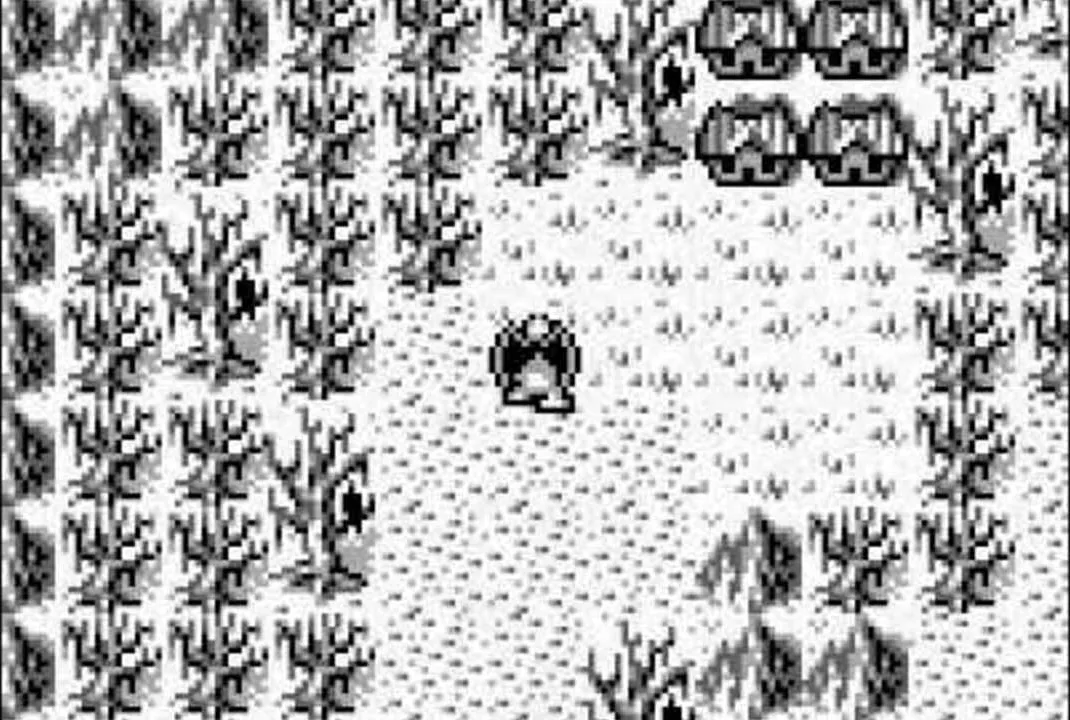
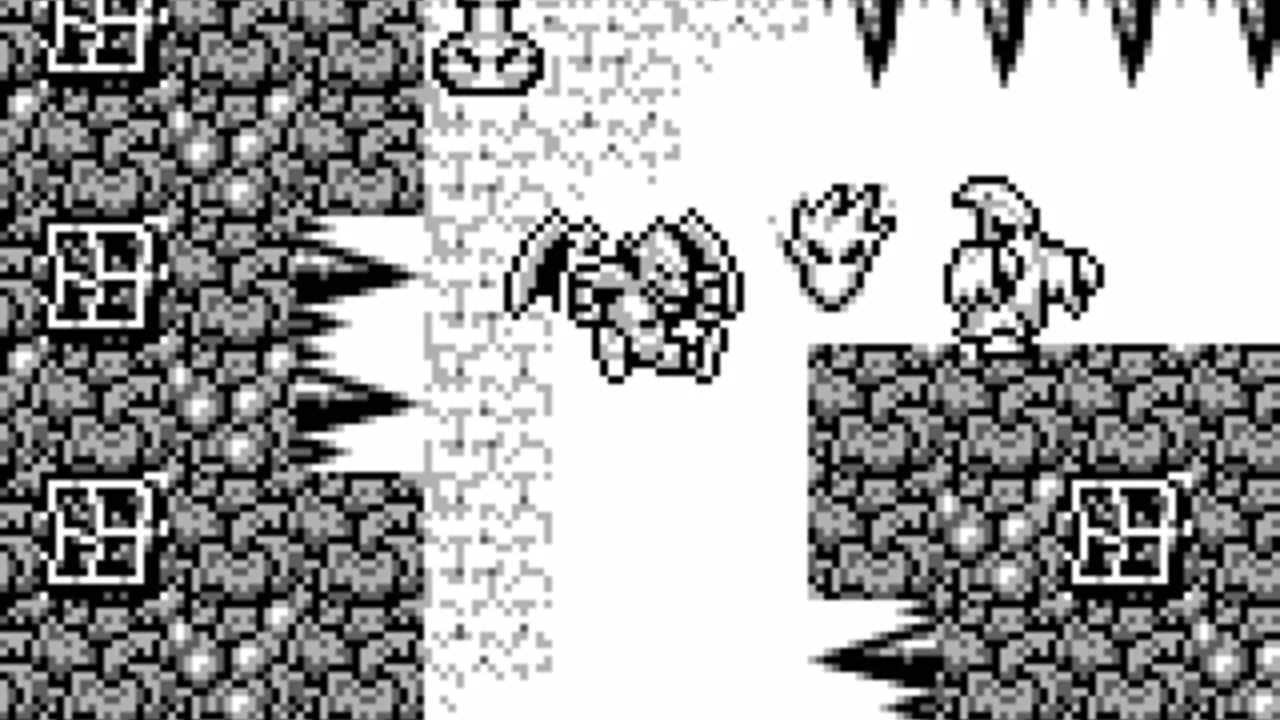
Gargoyle's Quest gave the red gargoyle who killed us so many times in Ghosts 'n Goblins his own game. In Japan it is called Red Arremer: Makaimura Gaiden. You play Firebrand, defending the Ghoul Realm from invaders called the Destroyers, and the game mixes side-scrolling action with exploration. He can fly and spit fire, and he starts with two hit points, gaining more from items and blessings along the way.
Players are honest about it: it is not that obscure, but it is excellent, and a lot of them say it is so much fun. It was released on the Nintendo 3DS Virtual Console in 2011 and came to the Nintendo Classics service in February 2023, so it is easy to play today. If you only try one action game from this list, make it this one.
2. Donkey Kong (1994)
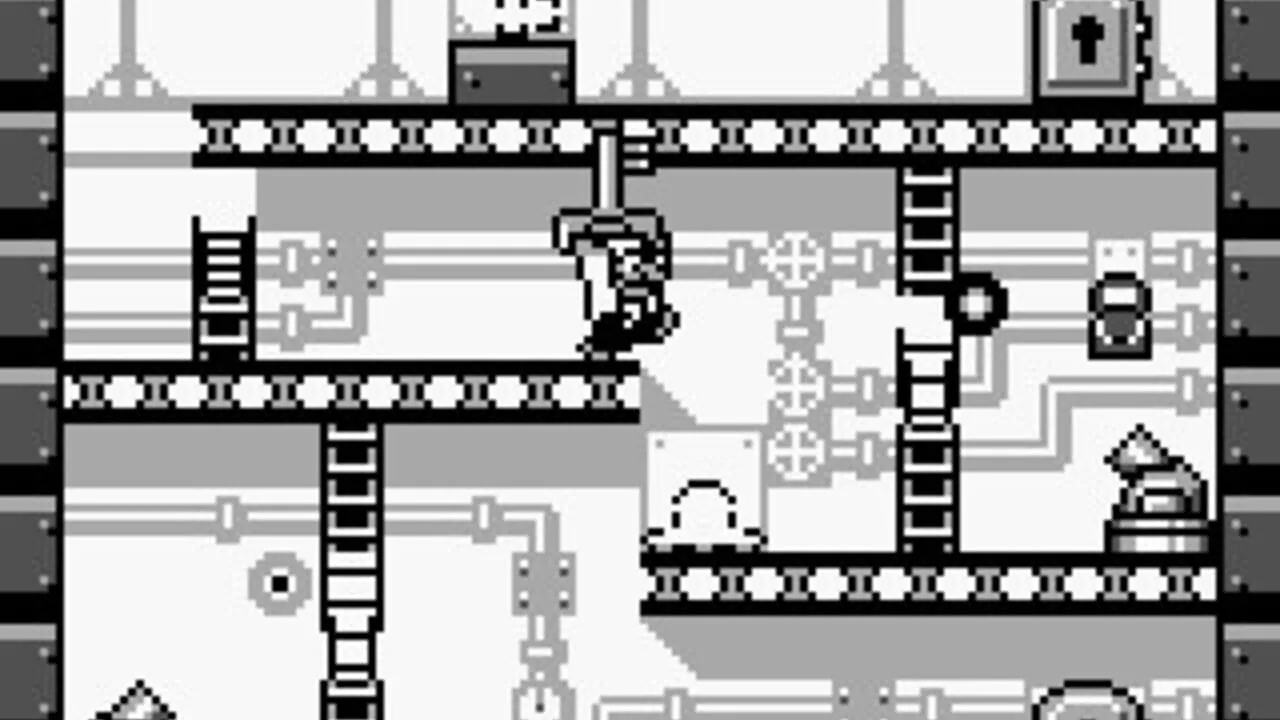
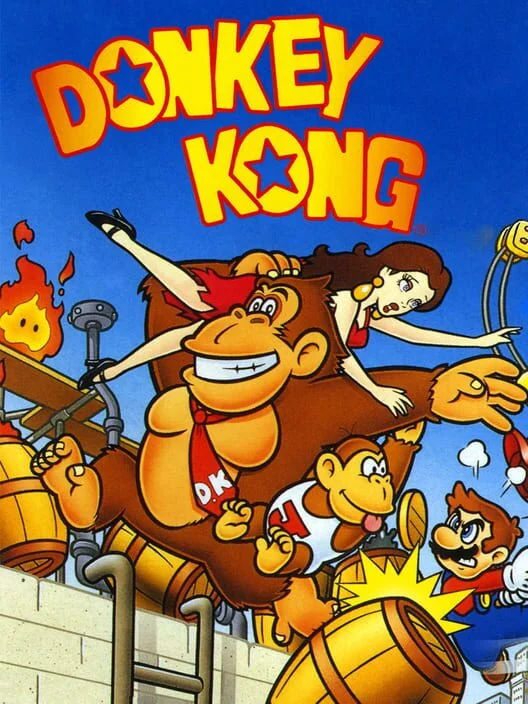
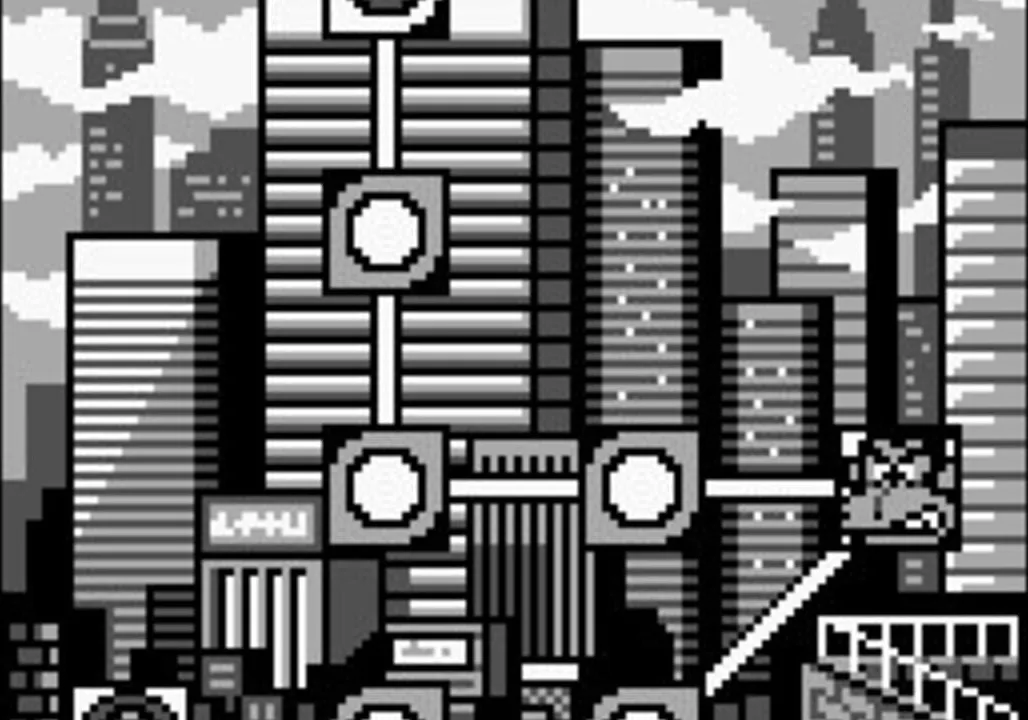
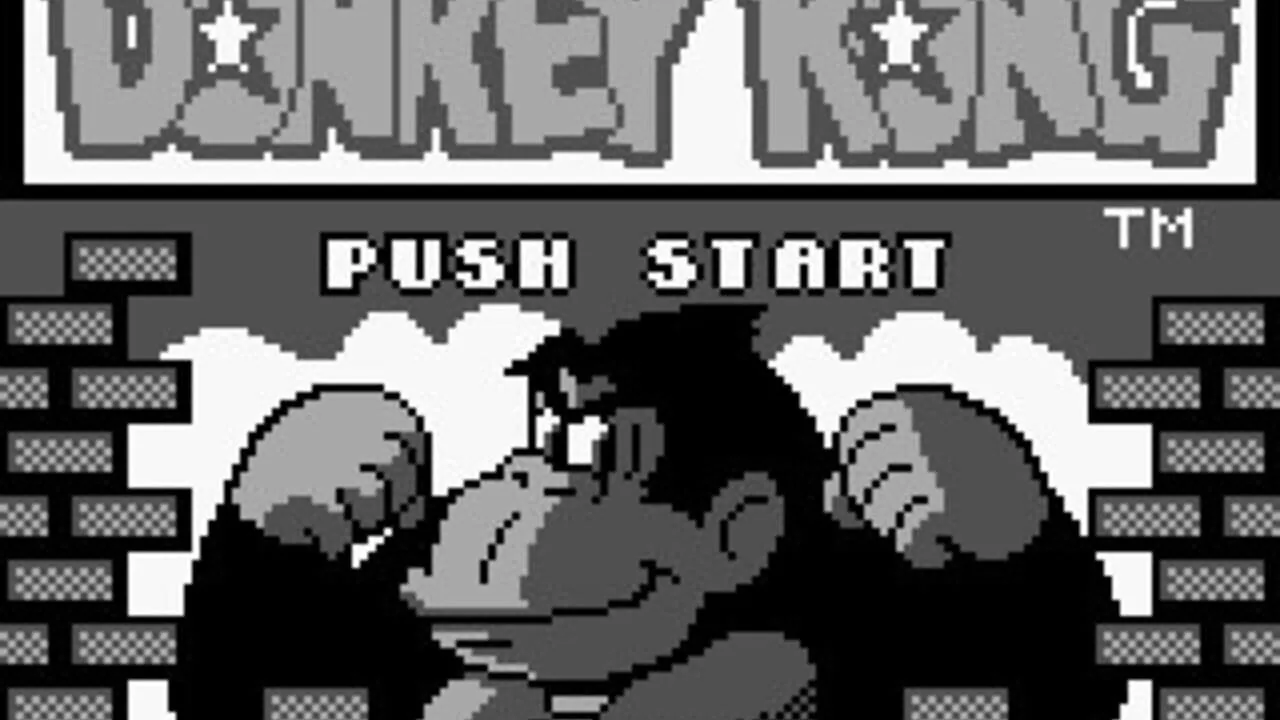
Donkey Kong on the Game Boy starts out looking like a straight remake of the arcade game. Then the familiar levels turn out to be a prelude, and it opens up into 97 levels spread out over 9 worlds, with scrolling backgrounds and a boss fight with Donkey Kong every fourth level. Shigeru Miyamoto led the development, which ended a decade-long hiatus after the unsuccessful Donkey Kong 3 (1983). Some staff worried it would look like a port and considered putting the arcade levels at the end as a postgame bonus.
It came out in June 1994 in Japan and North America, sold 3.07 million copies and was the first Game Boy game designed for the Super Game Boy. Then Donkey Kong Country arrived on the Super NES later that year and stole its thunder. Players warn newcomers not to be fooled by the opening, because after the first few stages it turns into a puzzle platformer with new moves.
1. Mole Mania (1996)
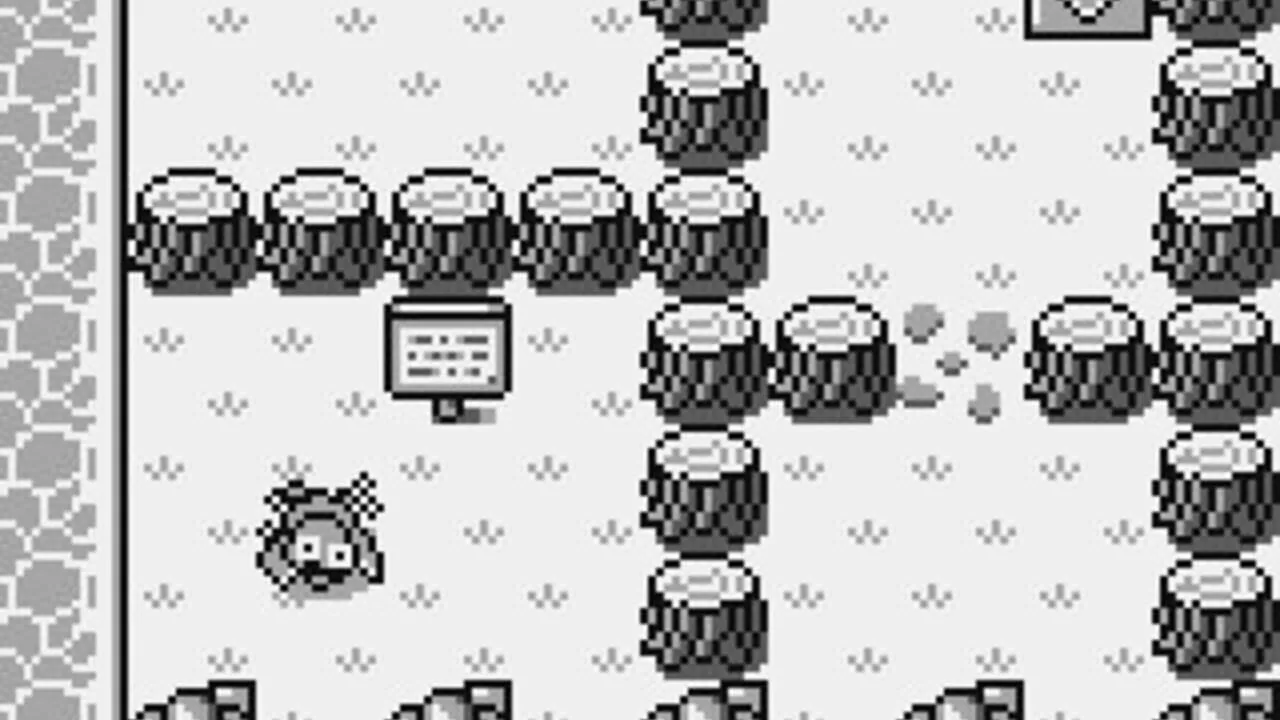
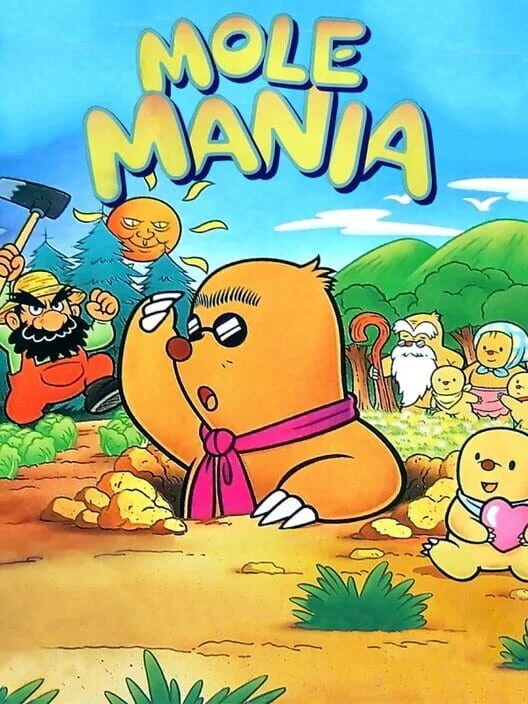
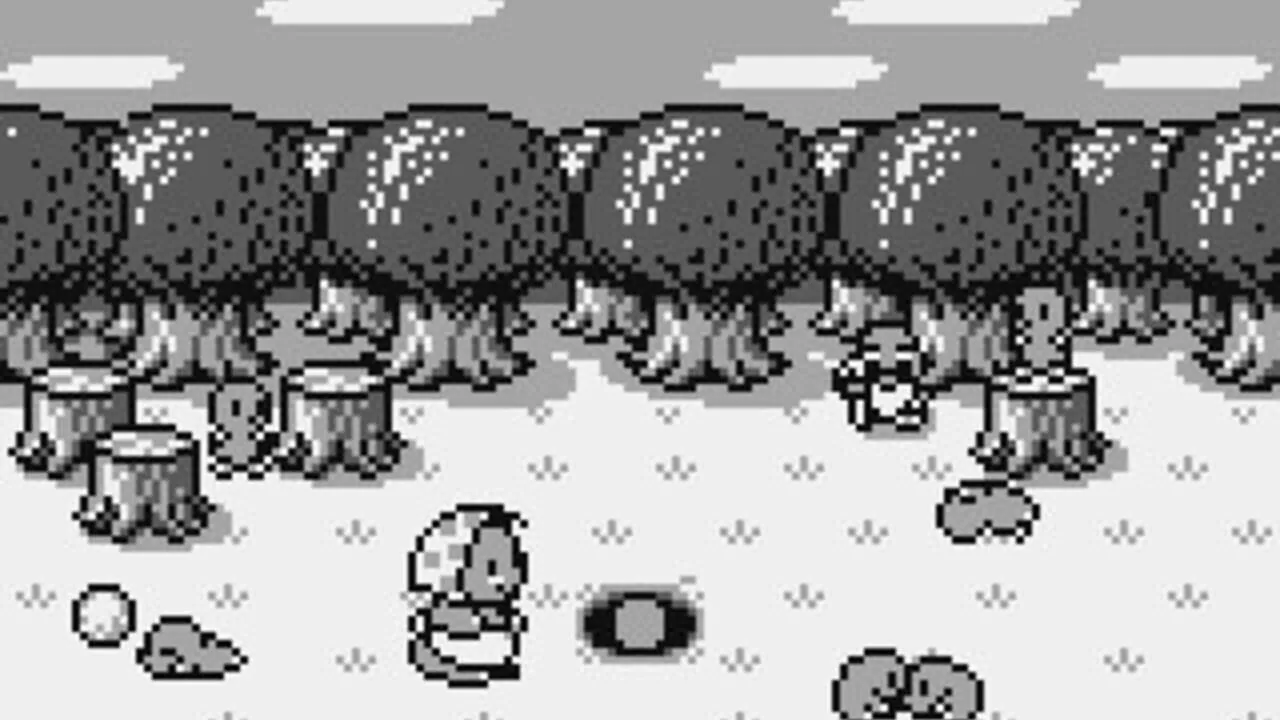
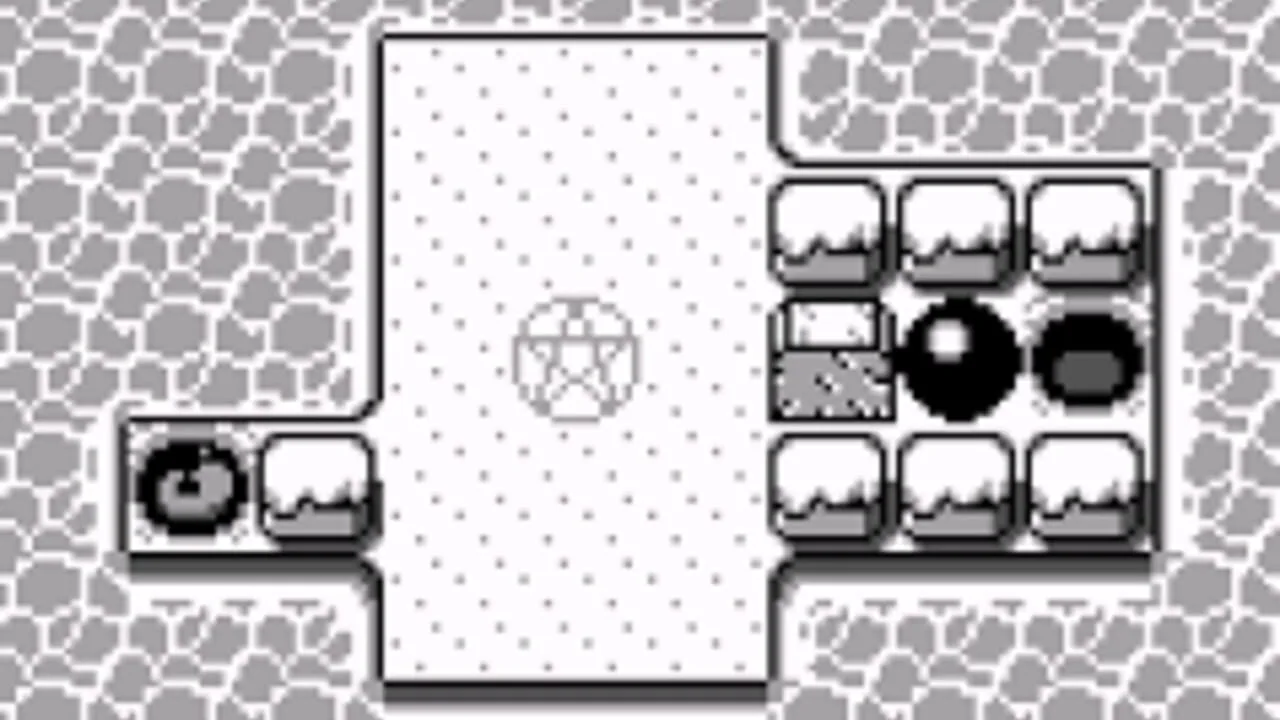
Mole Mania came out in Japan in July 1996, in North America in February 1997 and in Europe in May 1997. You play Muddy Mole, whose wife and children have been kidnapped by the farmer Jinbe. You tunnel your way through each level and use black balls to blast open exits, and every screen is a small puzzle about which wall to dig under. Critics praised its crisp visuals and its soundtrack.
One retrospective summed it up as "the result of what happens when smart game developers take a very simple premise and think of how to expand it in millions of smart ways". Players love it as a little-known game from Shigeru Miyamoto that never sold like his others. It was re-released for the Nintendo 3DS Virtual Console in 2012, and players recommend it as a hidden gem more than any other Game Boy game.
Which one to play
There you have it, the whole list of the best Game Boy hidden gems. Every one of them is worth a fresh pair of batteries.
If you are not sure where to start, play Mole Mania. Puzzle fans should go straight to Catrap and then Kwirk. For action, Gargoyle's Quest is the safe pick and Avenging Spirit is the strange one. If you want an RPG nobody else has played, try Great Greed. For a game to play with a friend, Penguin Wars is the one. And for a hidden pick, find the fan translation of Cave Noire.