An RPG on a tiny green screen with four shades of gray sounds like a hard sell, and for a while nobody tried. Then Square made the first role-playing game for the system and gave it a new name for its English release to tie it to Final Fantasy. It sold over a million copies, and suddenly a cartridge in your pocket could hold a whole quest with a party and a save file.
Square kept going with a whole run of them, one of which kicked off the Mana series. Konami and Namco tried their own ideas, from real-time menus to dungeons that rebuild themselves every time you die. Two of the games here only came out in Japan. Here are the 14 best Game Boy RPGs.
14. God Medicine (1993)
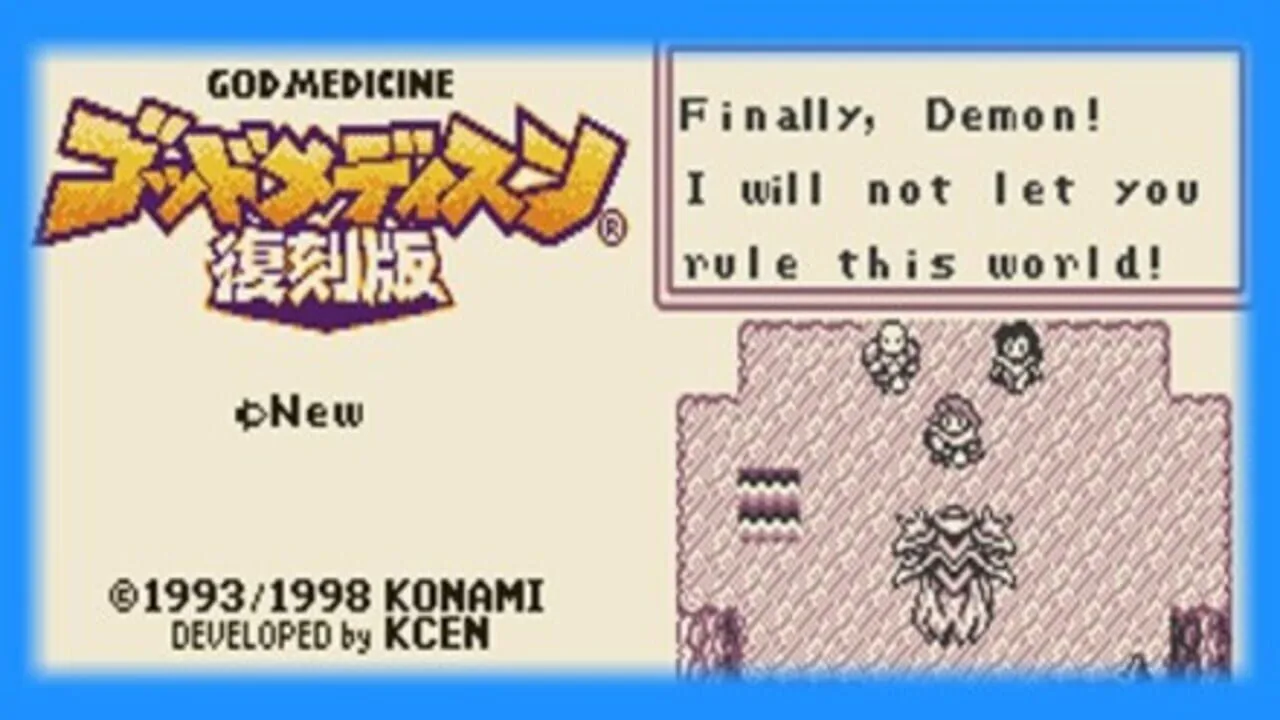
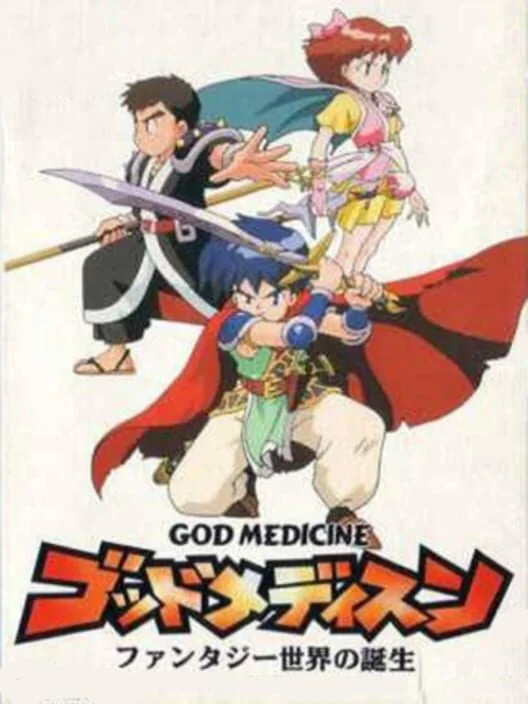
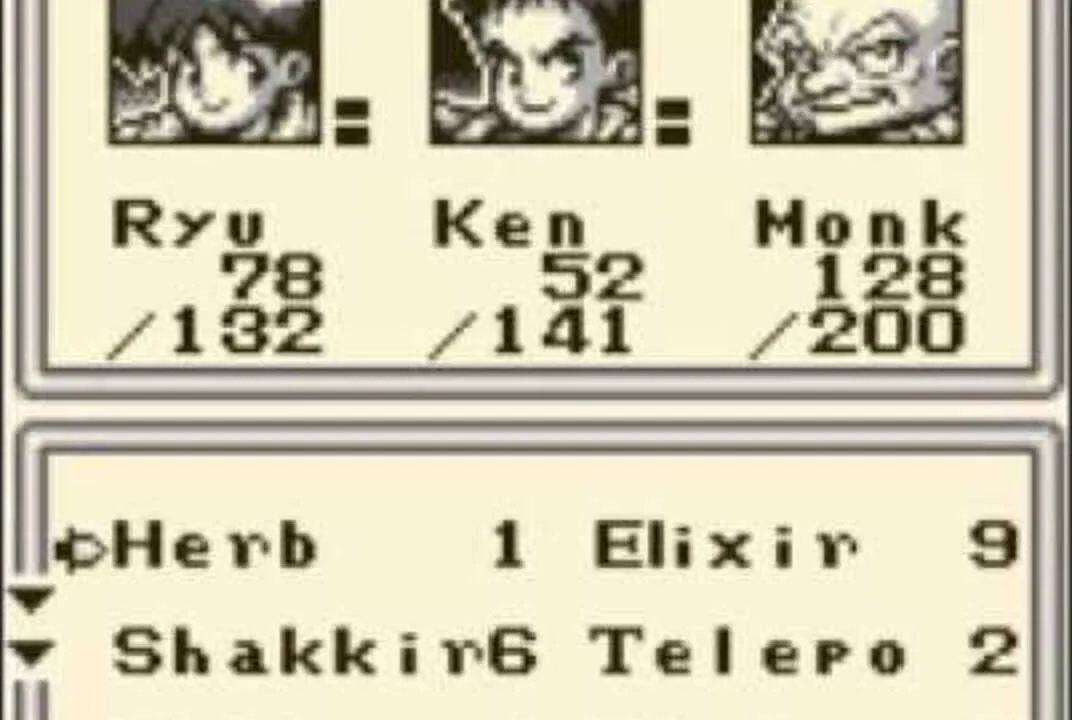
God Medicine opens with a setup only a video game could pull off. A gaming company is about to release its new RPG, Phantom, and then the company is mysteriously destroyed. Your party explores both the real world and a game-like fantasy realm, fighting turn-based battles and leveling up as you go. Weapons can be enhanced with special gems, which gives the gear more to think about than a bigger number on a sword.
An updated version, God Medicine Fukkokuban, came out in 1998 through the Nintendo Power service adding Super Game Boy support and a bestiary for the monsters you meet. Famitsu gave the original 25 out of 40, which is the magazine equivalent of a polite nod. It is a Japanese release and the deepest cut on this list, worth a look once you have finished the famous ones.
13. Ultima: Runes of Virtue (1991)
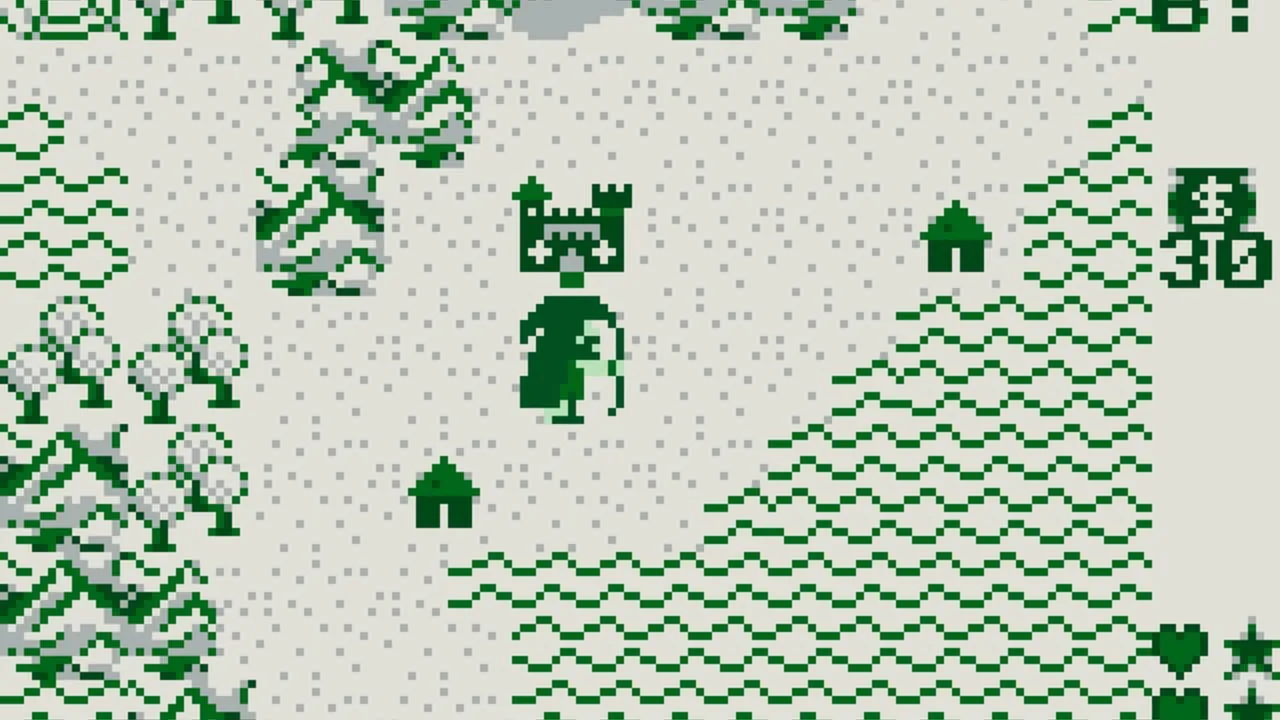
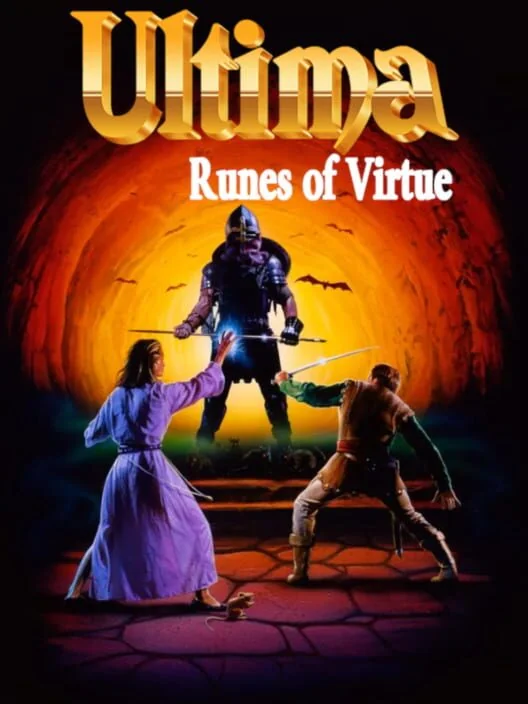
Ultima was a computer series, and its earlier console games were ports from the PC. Runes of Virtue was different. Origin developed it for the Game Boy from scratch, Pony Canyon published it, and it plays as an action RPG rather than a menu-driven one.
That fresh start paid off with the man who made Ultima. Runes of Virtue is Richard Garriott's favorite non-PC Ultima game, because it was built from the ground up as a Game Boy game. It is the smaller and rougher of the two Game Boy Ultimas, and the sequel ranks higher with players. Still, if you want to see how a big PC series shrank itself down for a handheld, this is where it started.
12. Ultima: Runes of Virtue II (1993)
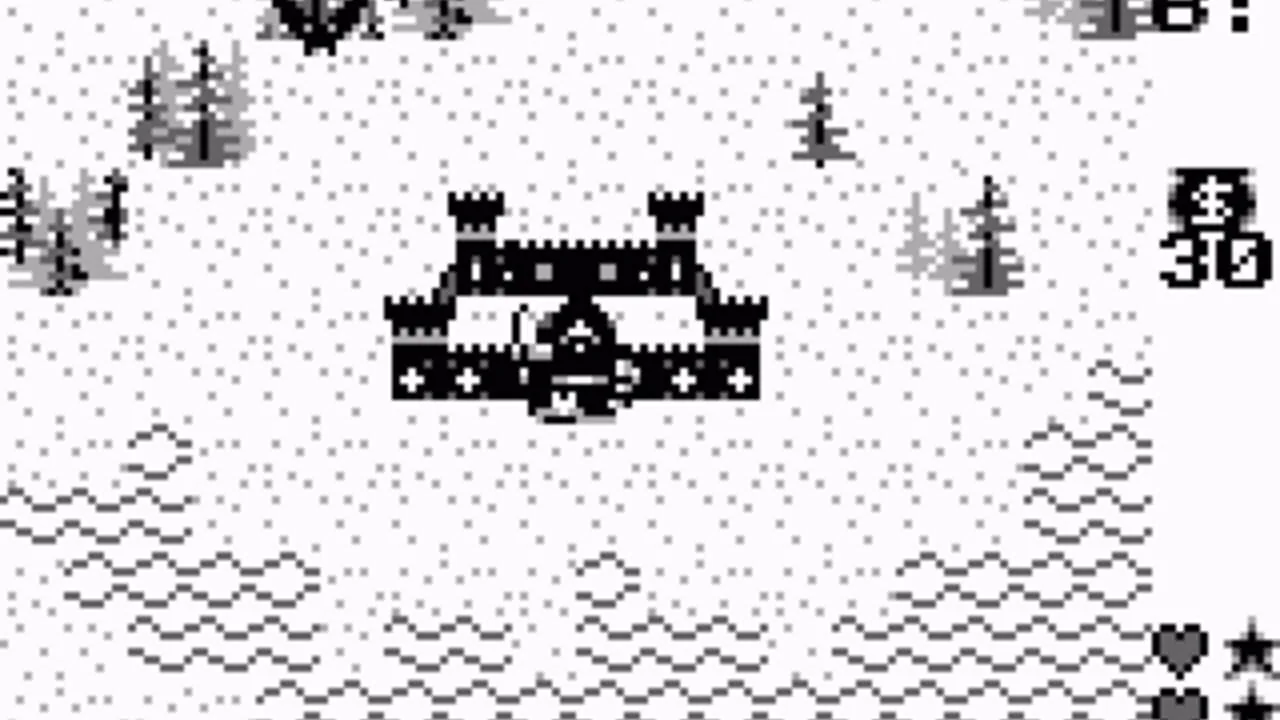
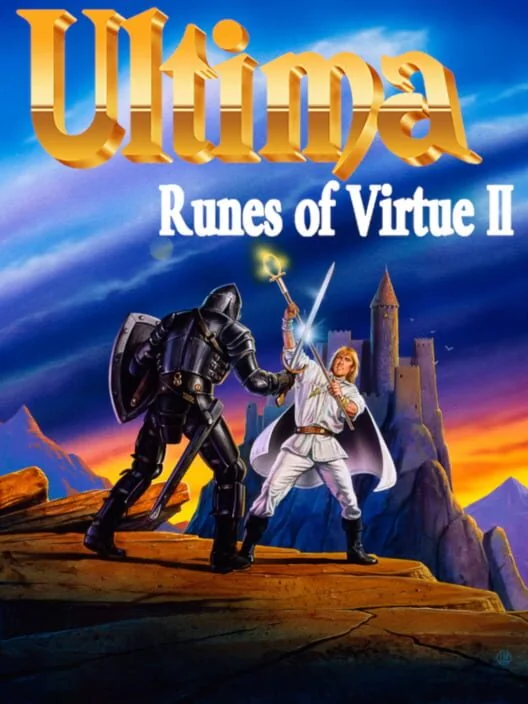
Runes of Virtue II keeps the action-RPG gameplay of the first game and gives it a plot with real comic energy. The Black Knight kidnaps Lord Tholden simply out of boredom. Lord British sends you, the Avatar, to bring Tholden home and put Britannia back in order. It was the second Ultima game to be released on a handheld console.
Critics gave it average reviews at the time. They praised the additions as an improvement over the first game but found the visual presentation lacking. Players today agree with the first half of that: they rank it above the original. If you only play one Game Boy Ultima, play this one.
11. The Sword of Hope II (1992)
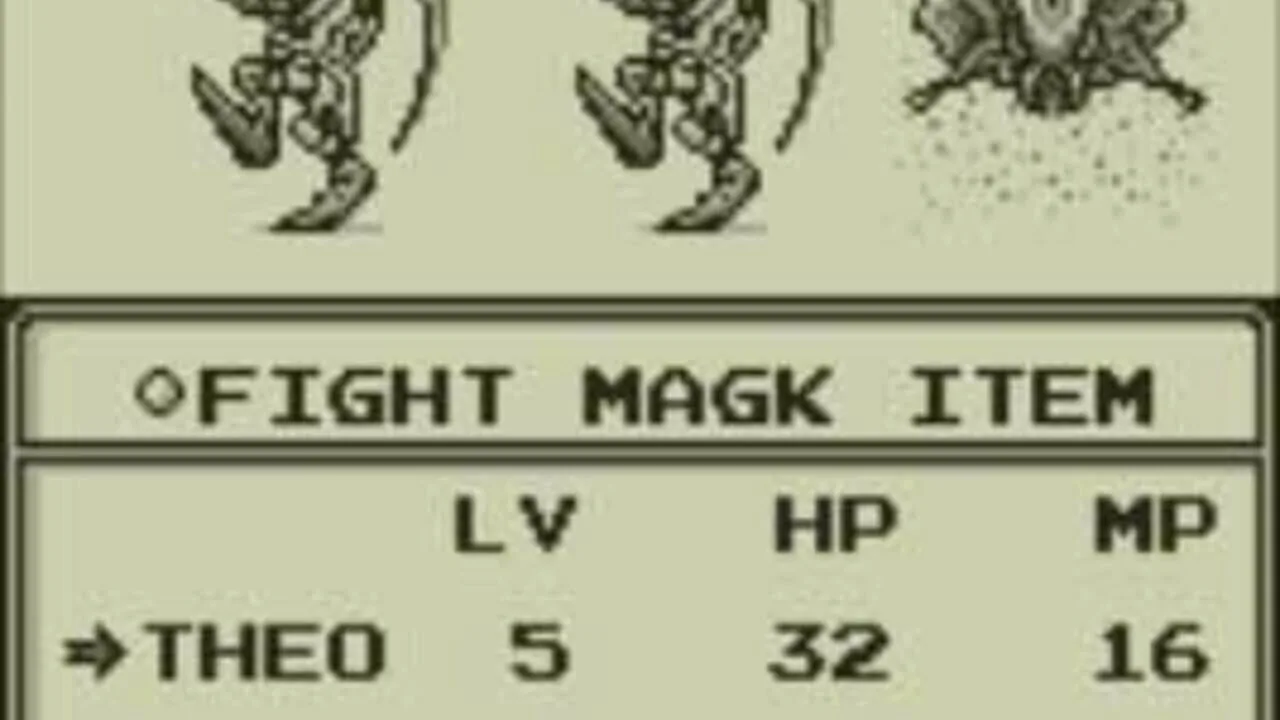
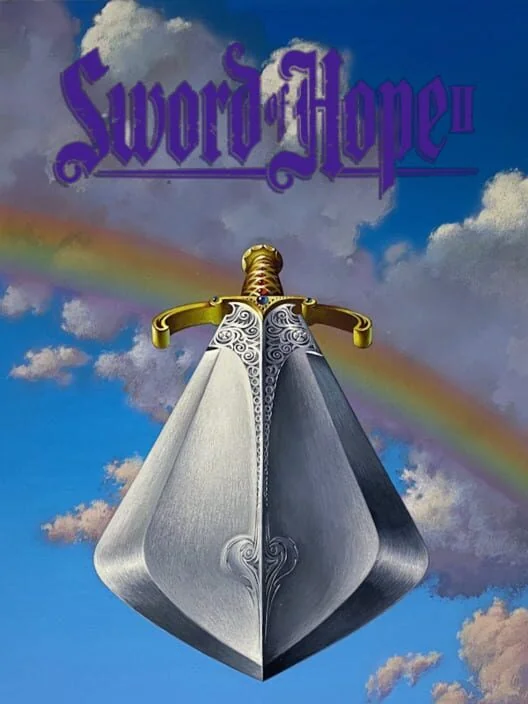
The Sword of Hope II brings back Prince Theo of Riccar, now trying to get to the bottom of a mystery that threatens the kingdom. Like the first game, it is played through commands. You solve its puzzles with commands like "look" and meet friends along the way who lend a hand. It is the sequel to the 1989 The Sword of Hope, and in 1998 both games were rereleased in Japan on a single cartridge, Selection I & II.
Reviews were mixed. Electronic Gaming Monthly scored it 5.25 out of 10, though Crispin Boyer and Sushi-X found it decent enough for anyone who liked the first game or simply wanted a portable RPG. GamePro was harsher and complained about slow, repetitive battles. Players rank it below the first game, and that matches the reviews.
10. Ninja Taro (1992)
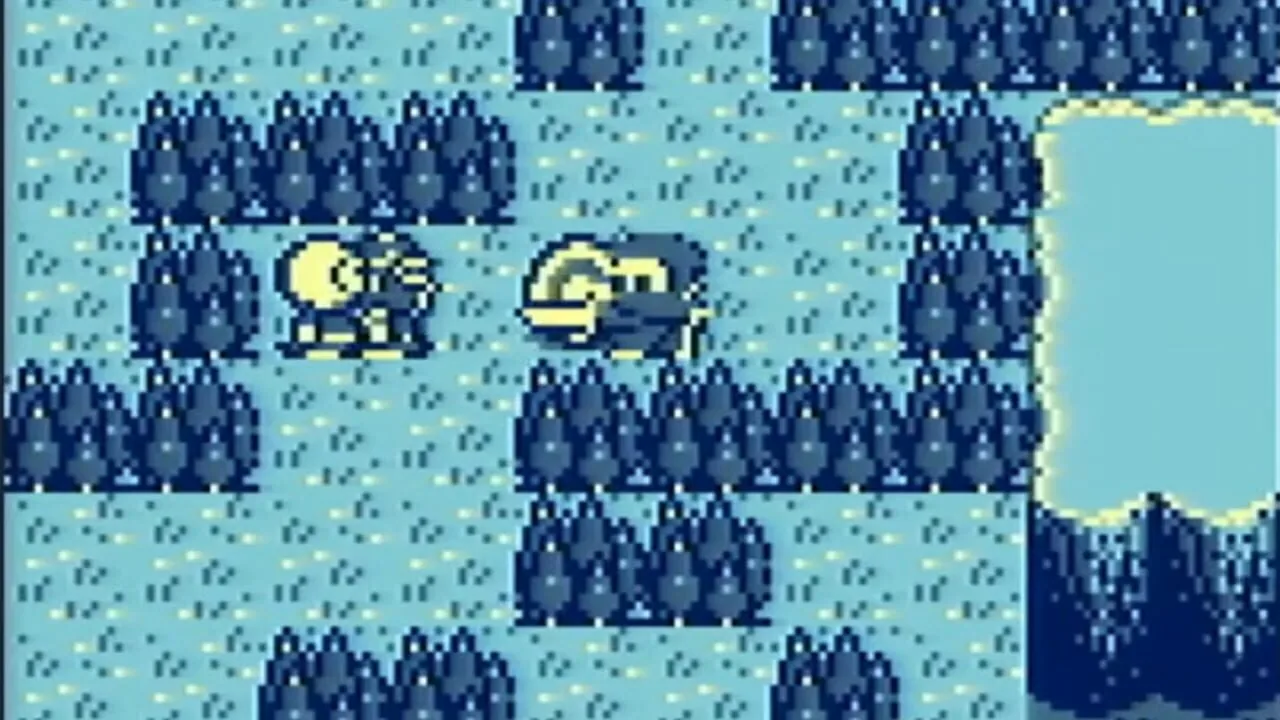
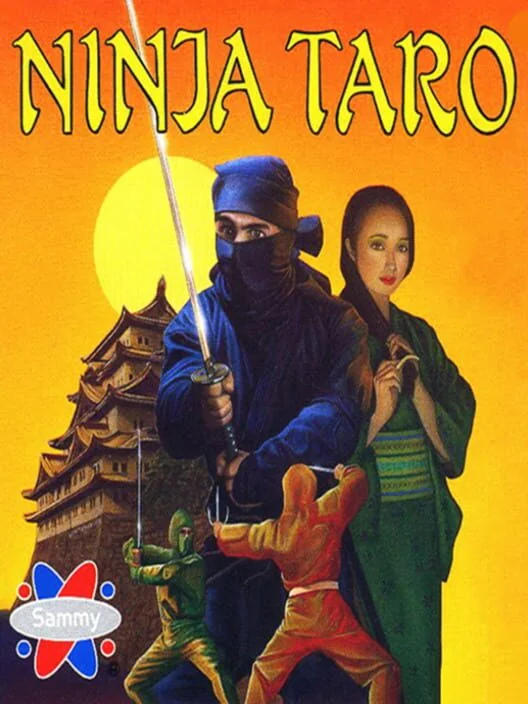
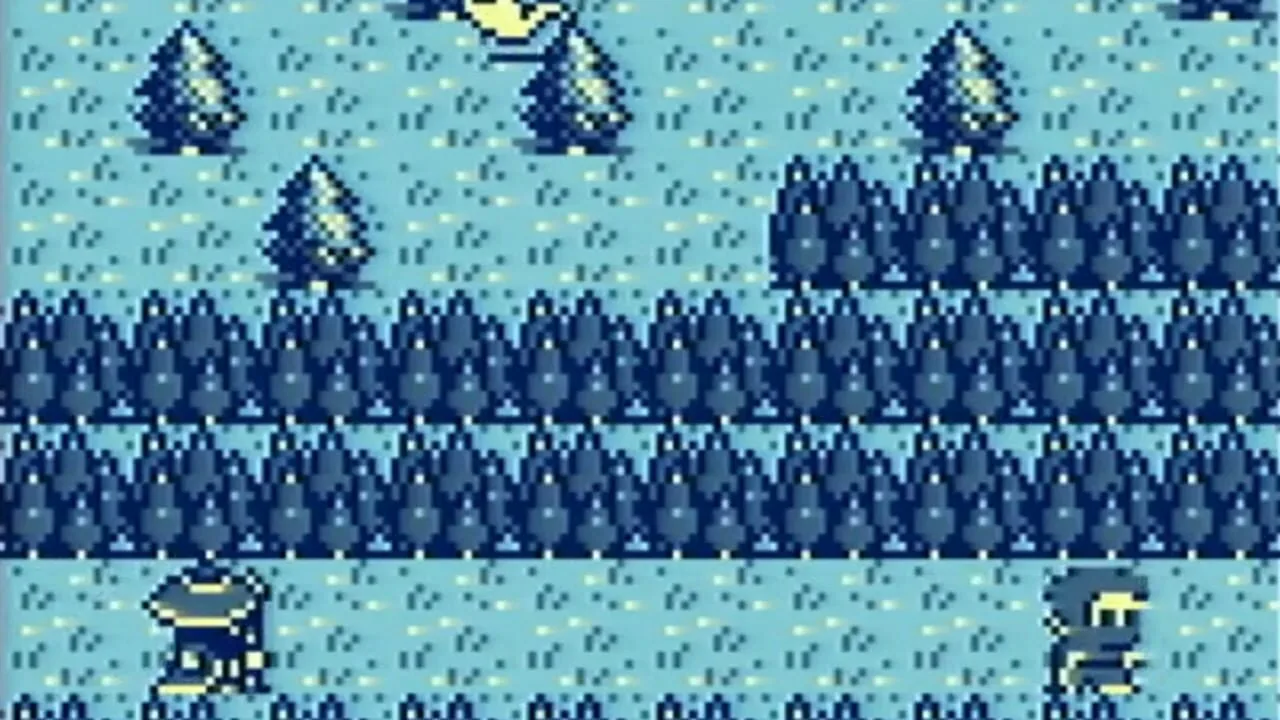
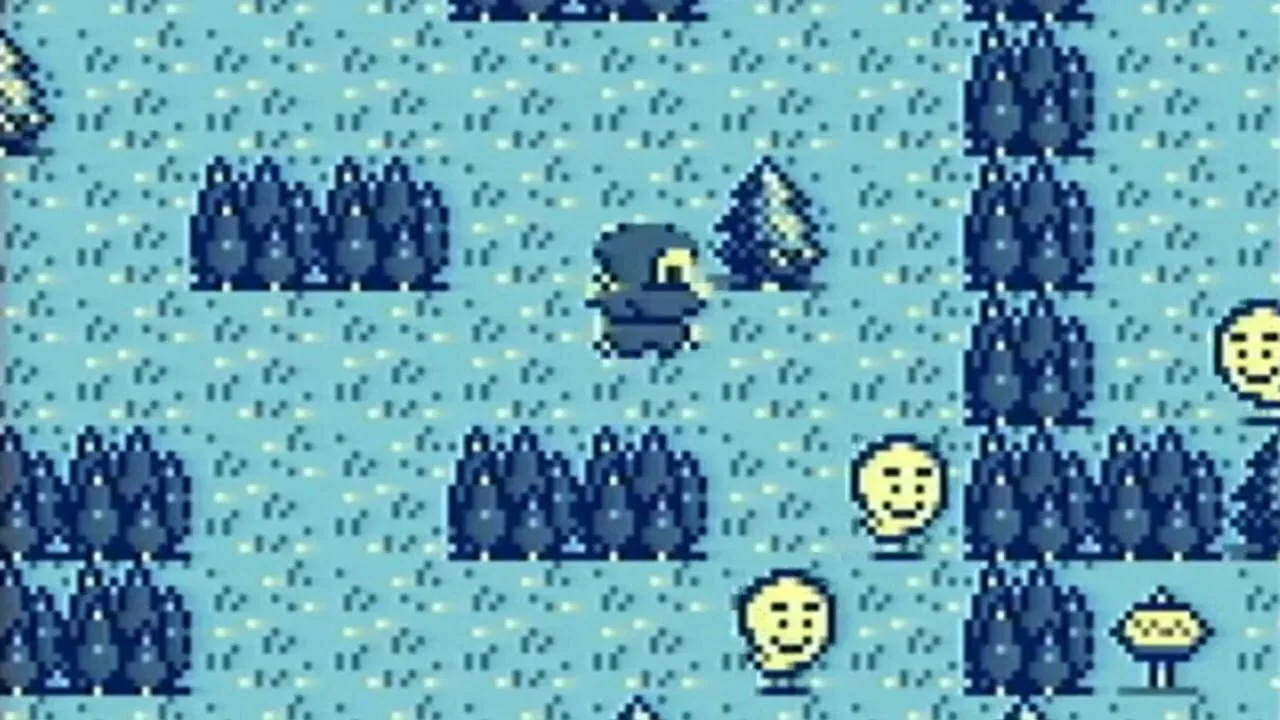
Ninja Taro is set in the era of feudal war in Japan. One Shogun struggles to unite the provinces, and his villainous arch-rival is rumored to be dead, yet the countryside is still plagued by his forces. From the ranks of the Phantom sect comes Ninja Taro, sent with a legendary sword to tame the minions of evil and find out who is really leading them.
The game's own blurb promises "the cunning of a thief" and the skill of a master, which is a lot to ask of a few pixels. It is an action RPG with a ninja in the lead, and players rank it just above The Sword of Hope II.
9. Great Greed (1993)
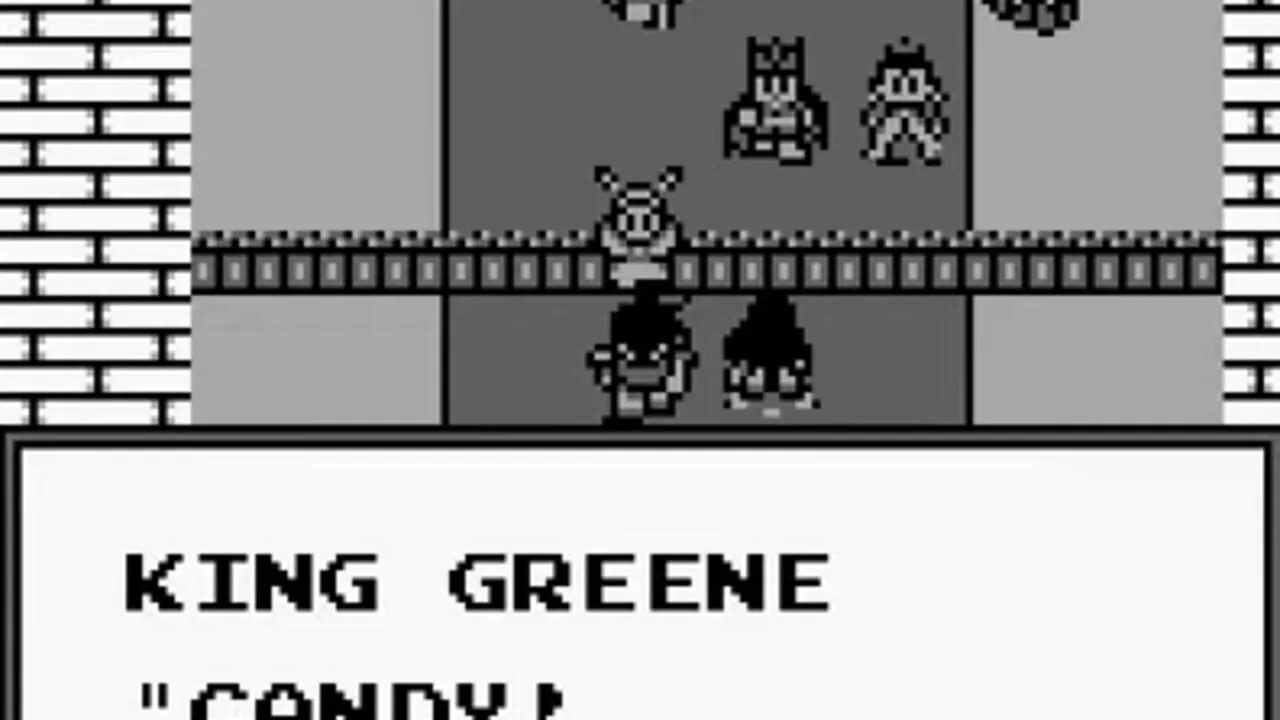
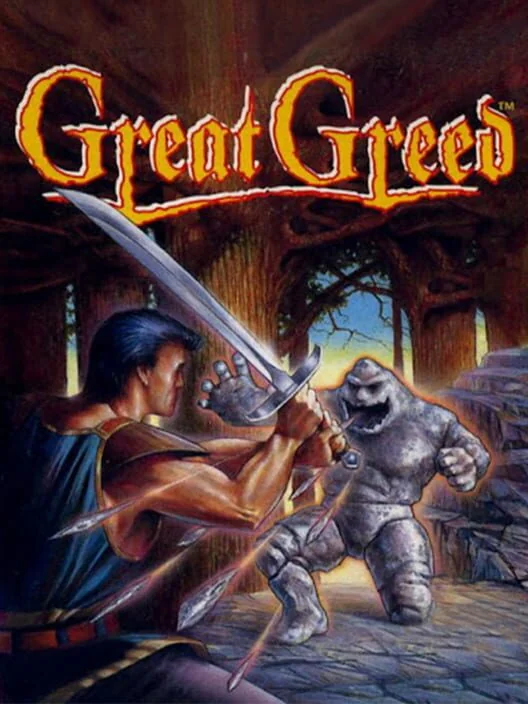
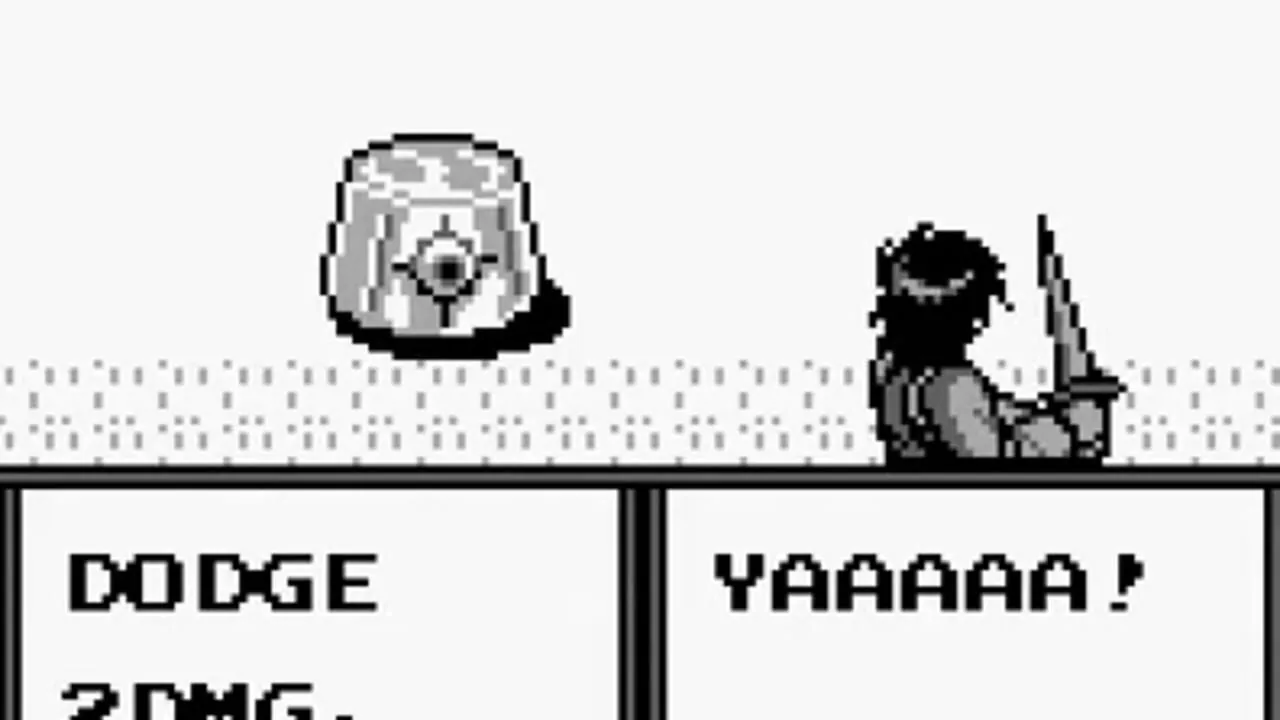
Great Greed throws out the battle menu. Fights happen in real time, magic spells sit on each direction of the d-pad, and the other buttons attack and dodge. Take too long to make your move and the enemy simply attacks again. Namco made it, released it in Japan in 1992 and in the United States in 1993, and it was one of the few RPGs Namco would publish in the United States until the genre grew more popular later in the decade.
Critics in Famitsu and later in the West felt the game was held back by the Game Boy compared to other RPGs, and one complained that the spells lacked instructions on what they would do. Both liked its quirkier themes and characters, and the later review called them the highlight. Players who dig past the big names keep recommending it as a deep cut worth tracking down.
8. The Sword of Hope (1989)
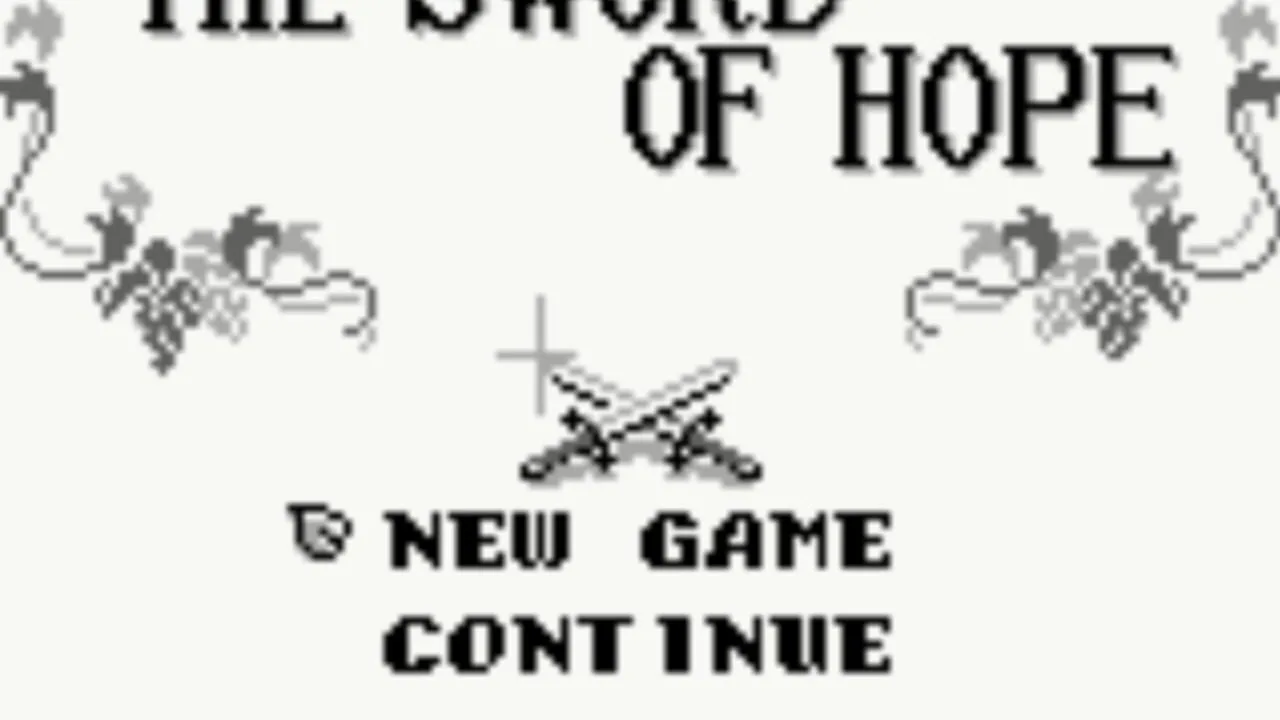
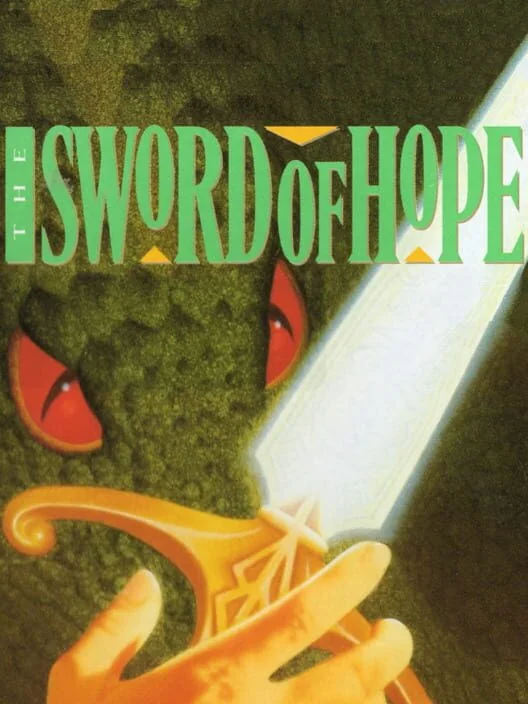
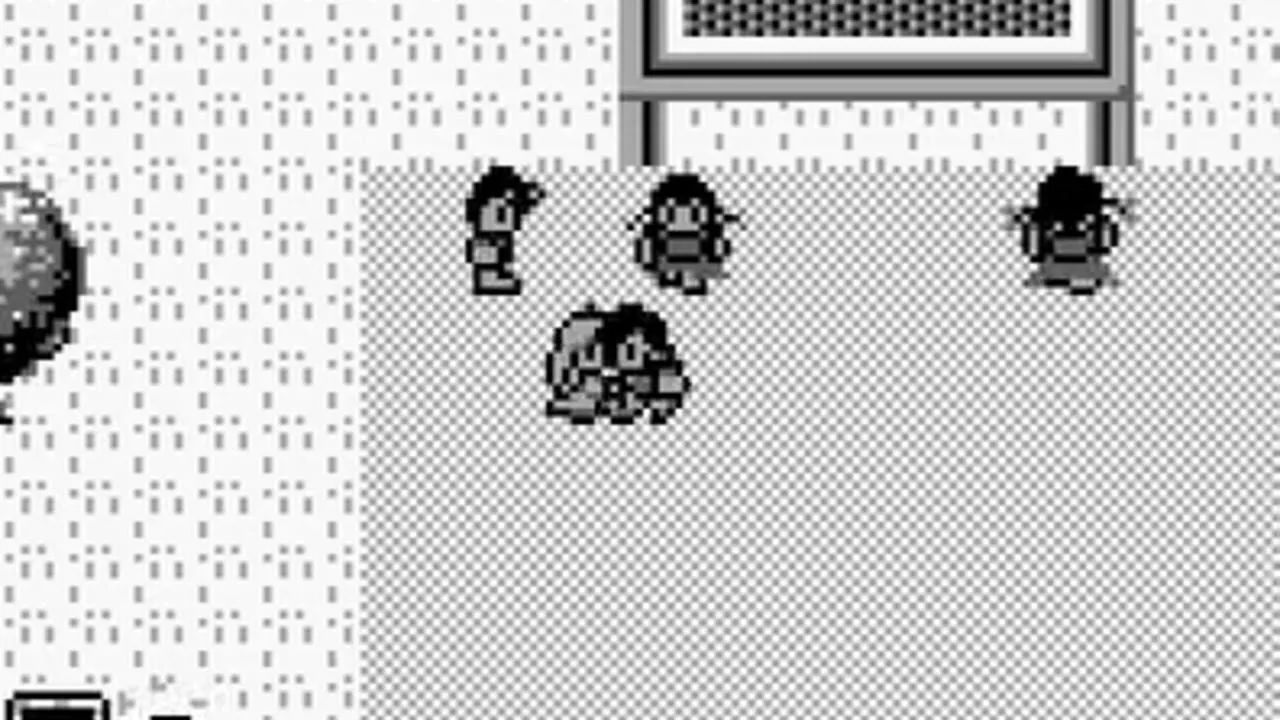
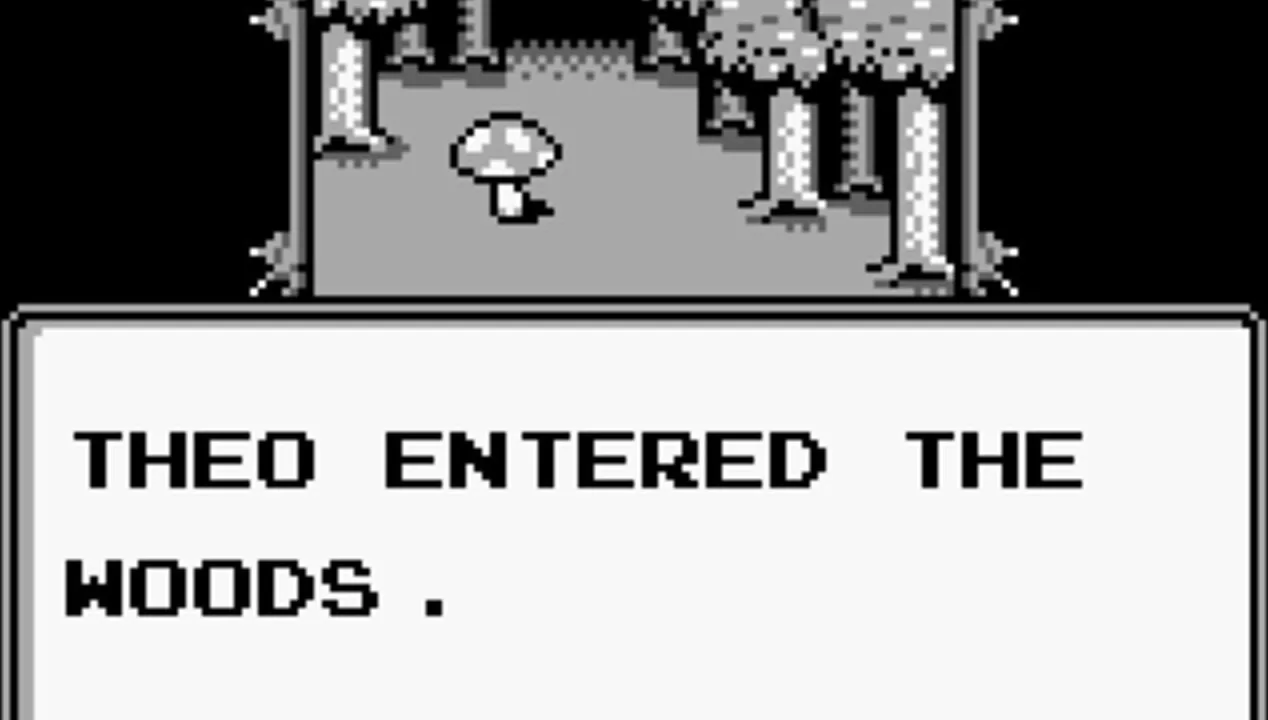
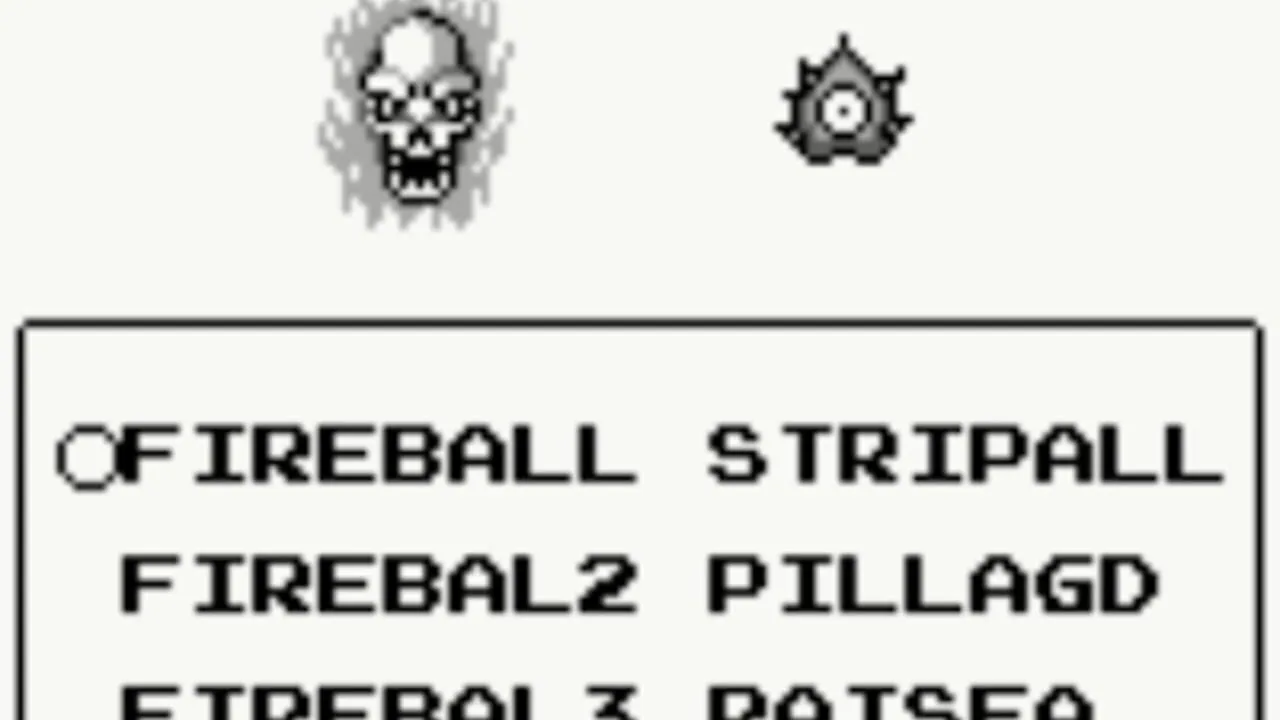
You play Prince Theo, whose father, King Hennessy, has become corrupt and maniacal with power. He has enslaved the kingdom and killed Theo's mother, Queen Remy. An old sage rescued Theo from the castle as a child, and now that he is a skilled warrior it is time to go home and defeat his own father. That is a heavy plot for a launch-era handheld game.
It came out in 1989 in Japan and in 1991 everywhere else. The Sword of Hope also reached the Nintendo 3DS Virtual Console in Japan in 2011 and the Nintendo Classics service on Switch on May 23, 2025. Of the lesser-known games here, it is the easiest one to play today.
7. Final Fantasy Legend III (1991)
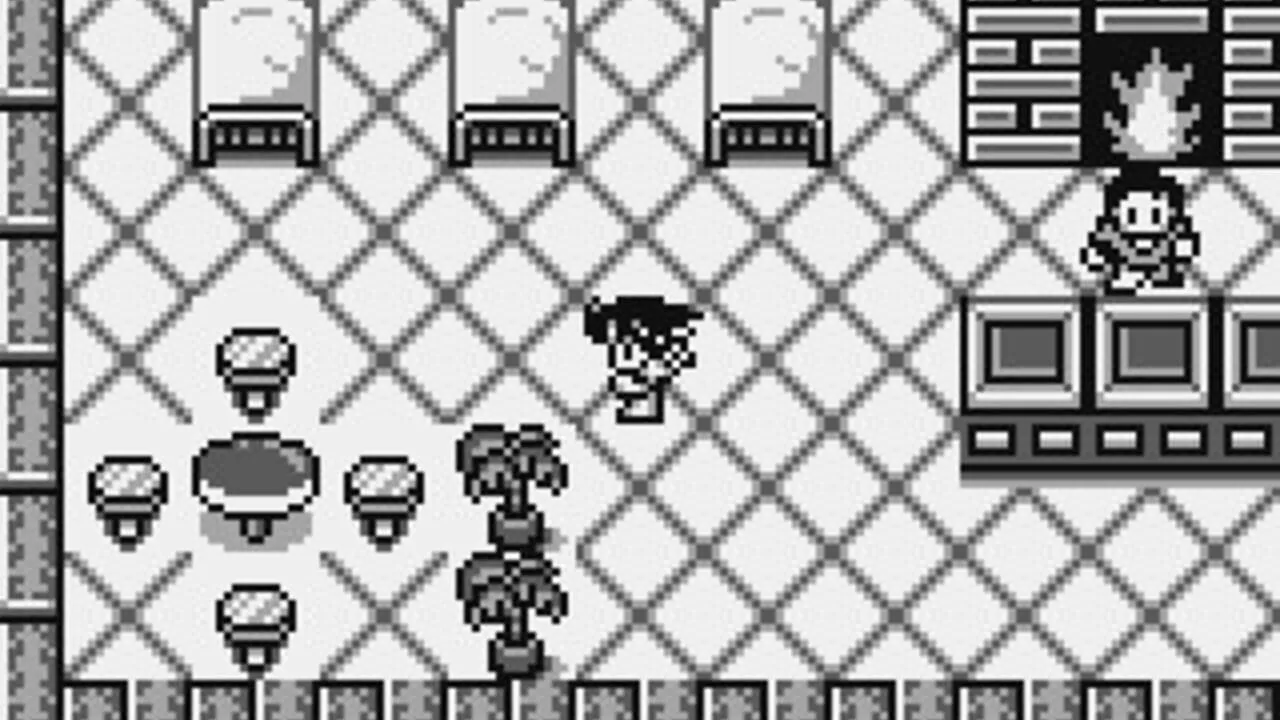
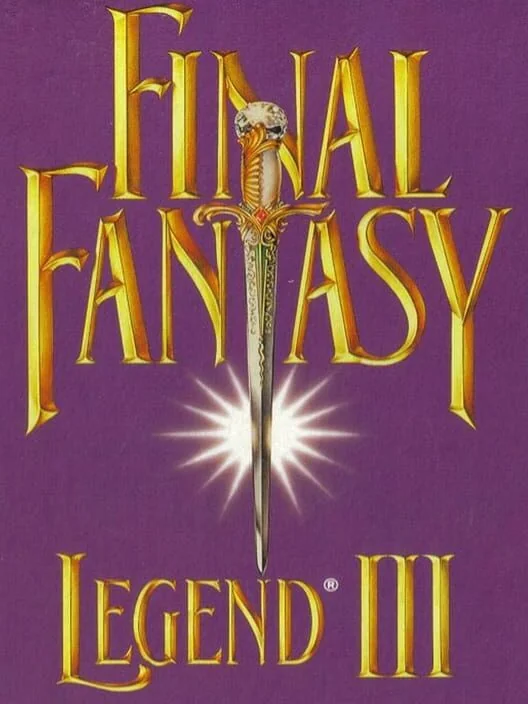
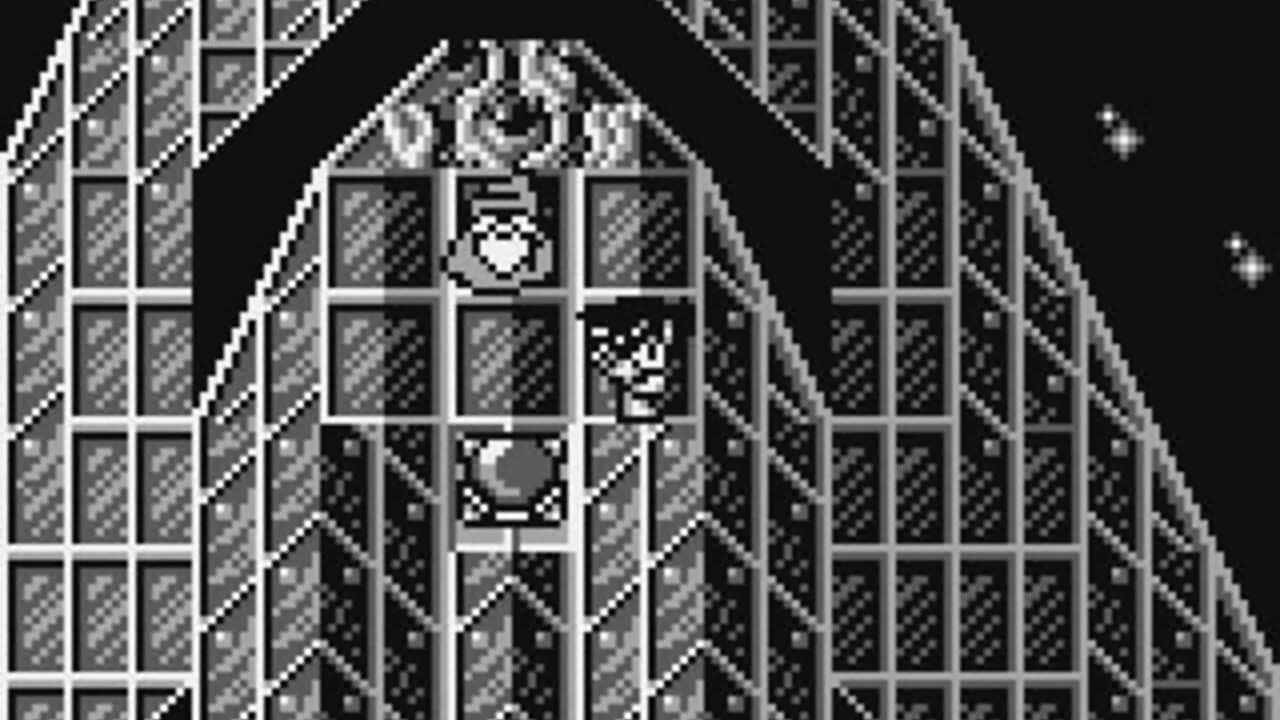
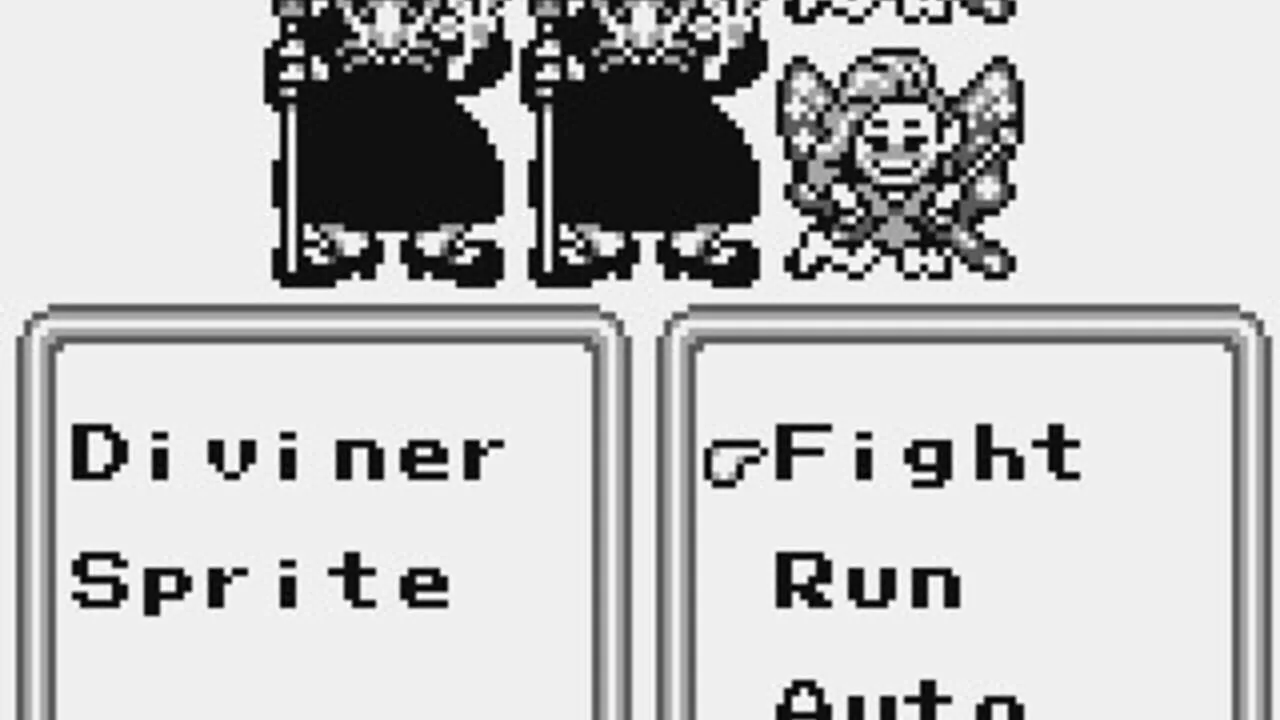
The third SaGa game came out in Japan in 1991 and in North America in 1993. Series creator Akitoshi Kawazu was busy with Romancing SaGa, so Square's newly established Osaka studio made it instead. The story sends you hunting for the 13 pieces of the Talon, a ship that travels through time and space, and the Talon itself was based on the Lockheed F-117 Nighthawk stealth fighter.
It was the final SaGa game made for the Game Boy, and it was praised in Japan and in the West for its graphics and narrative. It sold around 650,000 copies in Japan by 2002. It was also the last Western SaGa release until SaGa Frontier on PlayStation in 1998. The Game Boy version was ported to Nintendo Switch in 2020.
6. Cave Noire (1991)
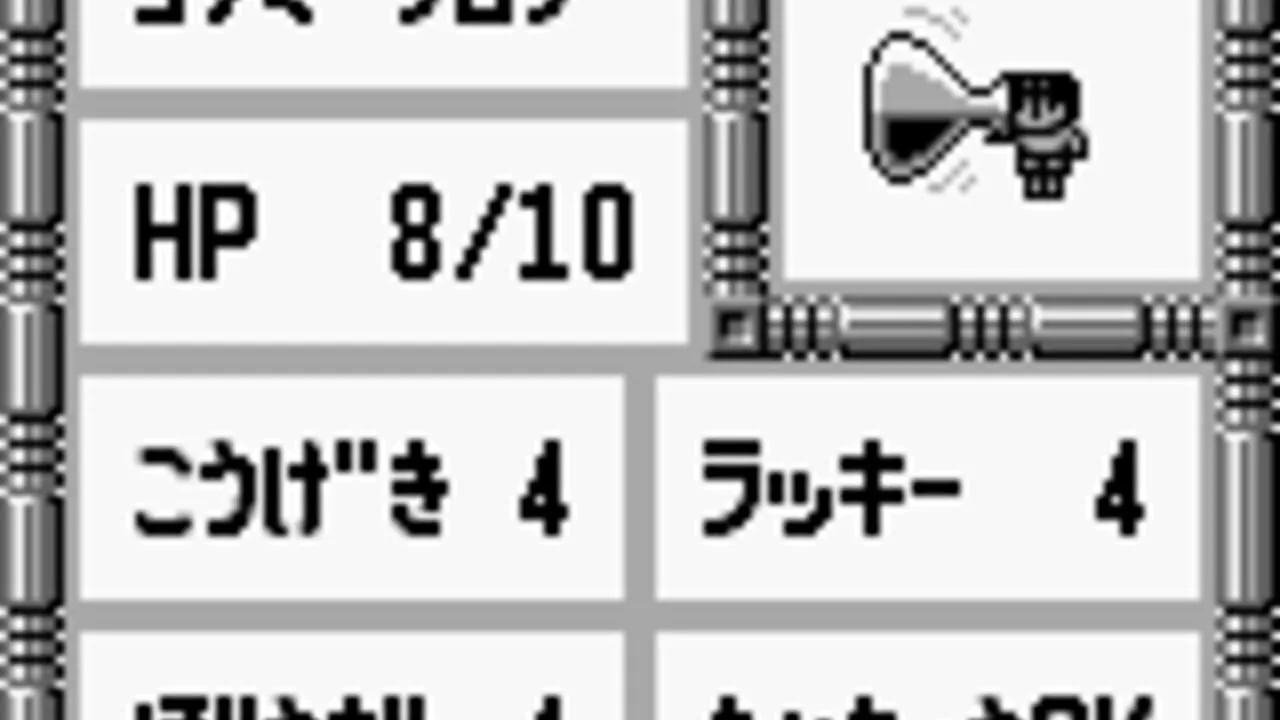
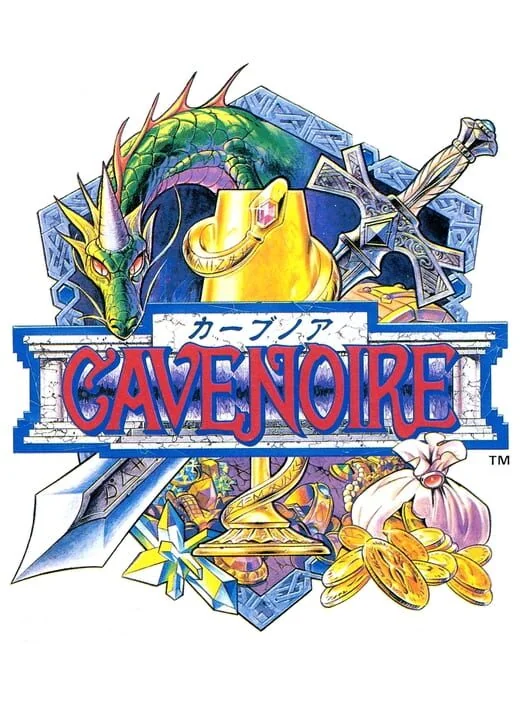
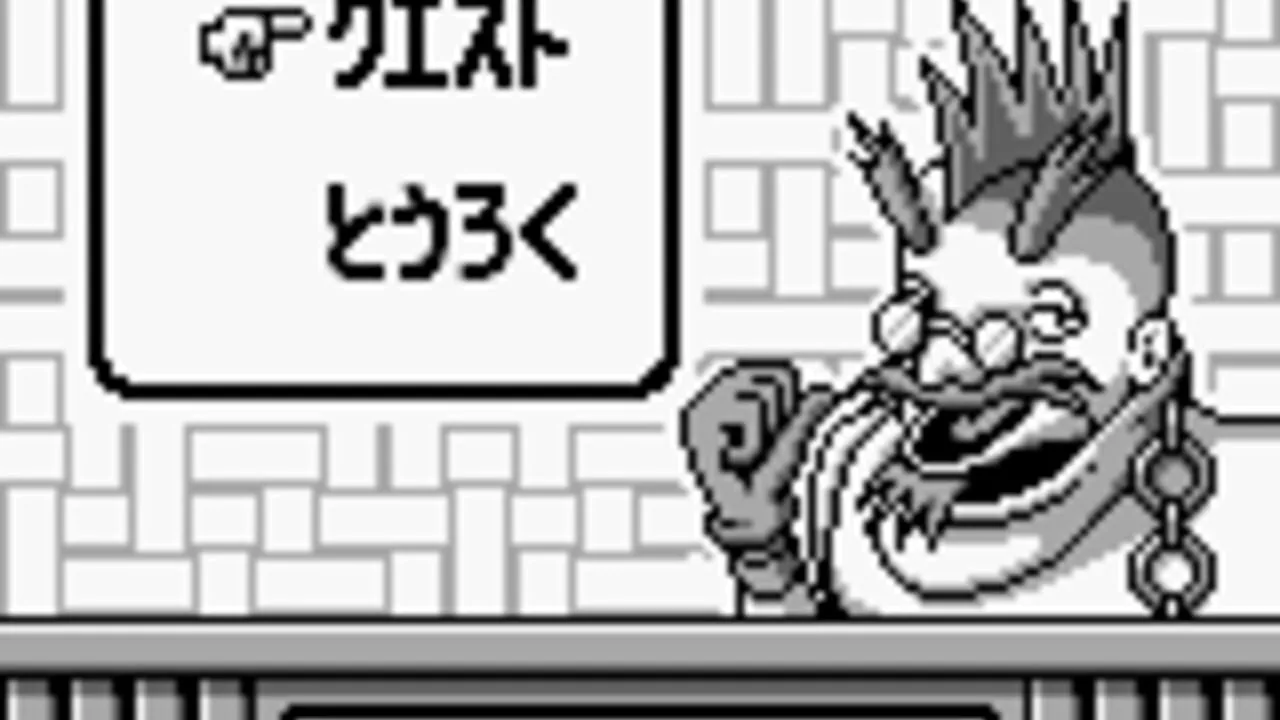
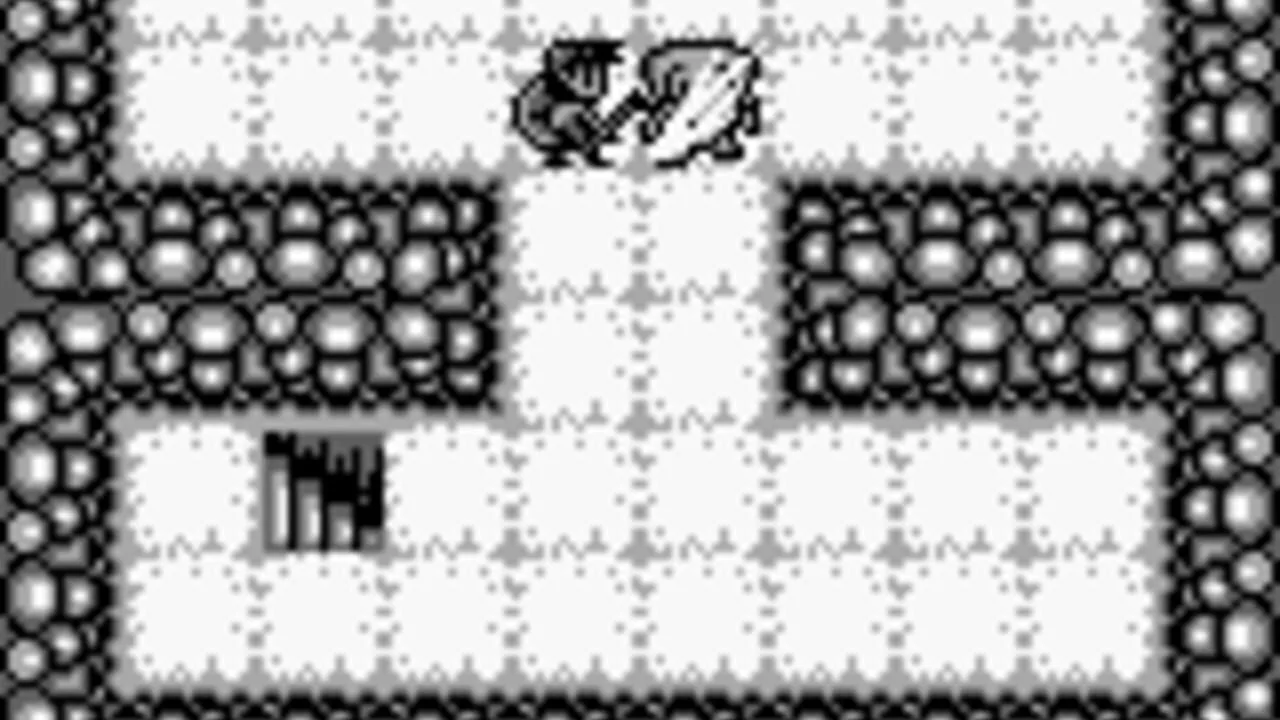
Cave Noire is a roguelike, and a very portable one. You pick one of four quests, each with ten difficulty levels, and the game builds a random dungeon for it. You get one chance to reach the goal. Die and that dungeon is gone, and you start again in a brand new one. Attacks only happen when you stand on a tile next to a monster, and the game works out the result from your stats plus a bit of luck.
It has since gained a reputation as a "hidden gem" on the Game Boy and as a console roguelike many years ahead of its time. Honest Gamers gave it five stars and said that within "five minutes, you can have a complete, satisfying RPG adventure." That is the best possible pitch for a game you play on a bus.
5. Final Fantasy Legend II (1990)
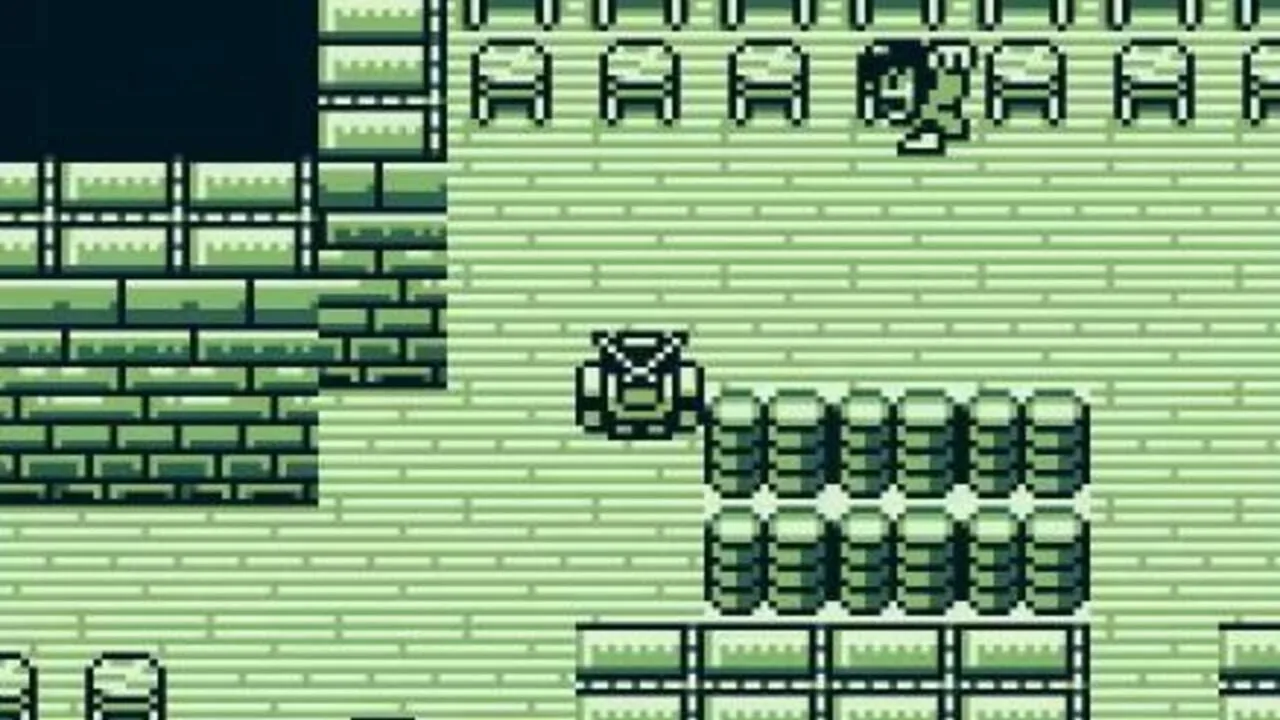
The second SaGa game came out in Japan in 1990 and in North America in 1991. You set out to find your missing father and collect the scattered fragments of a mystical force called Magi. It takes you through several strange worlds, including a world of giants and one that praises beauty and banishes ugliness. Robots and monsters can join your party, and you can save anywhere outside combat, which on a handheld was a gift.
Akitoshi Kawazu returned as director, and Nobuo Uematsu co-wrote the music with newcomer Kenji Ito. Many people called it better than the first SaGa when it came out, and it sold 850,000 copies by 2002. The Game Boy version was ported to Nintendo Switch in 2020. Players put it just behind the original.
4. The Final Fantasy Legend (1989)
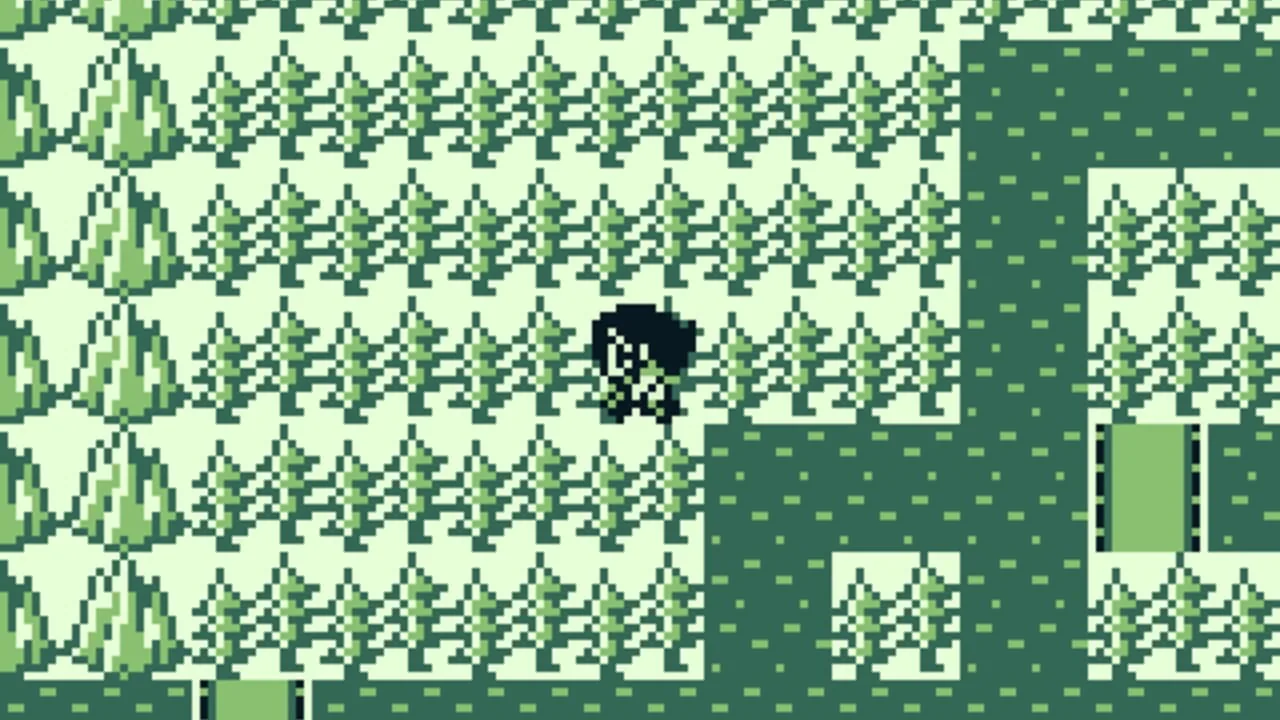
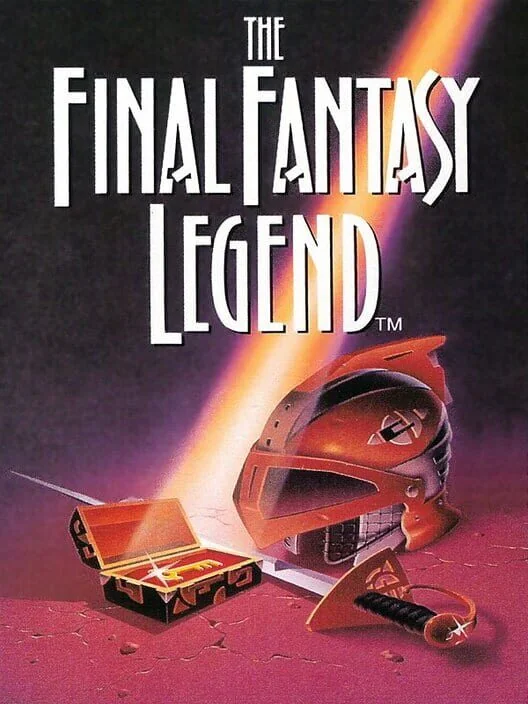
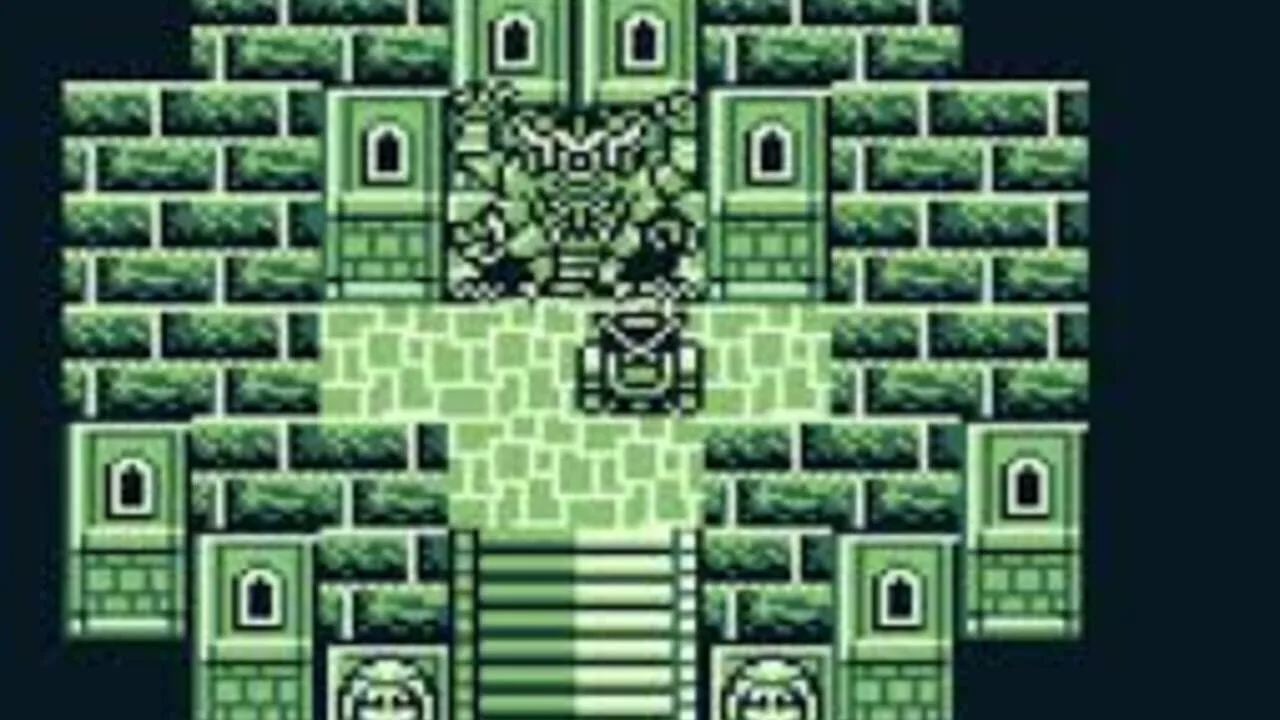
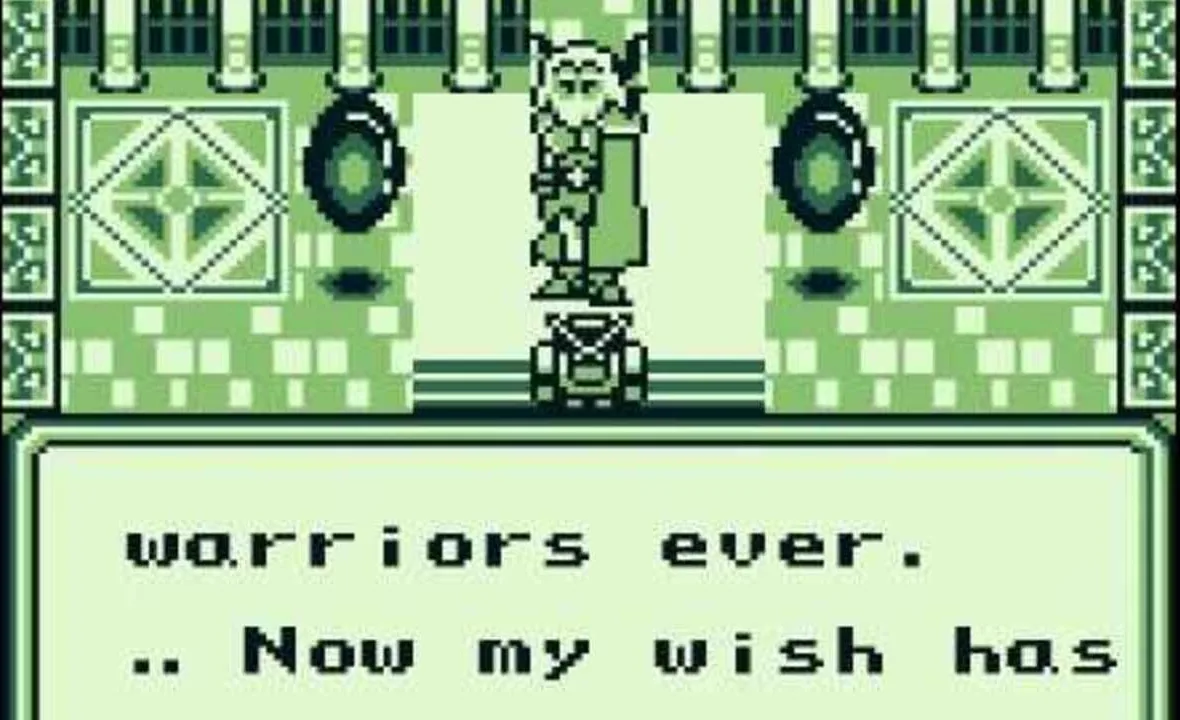
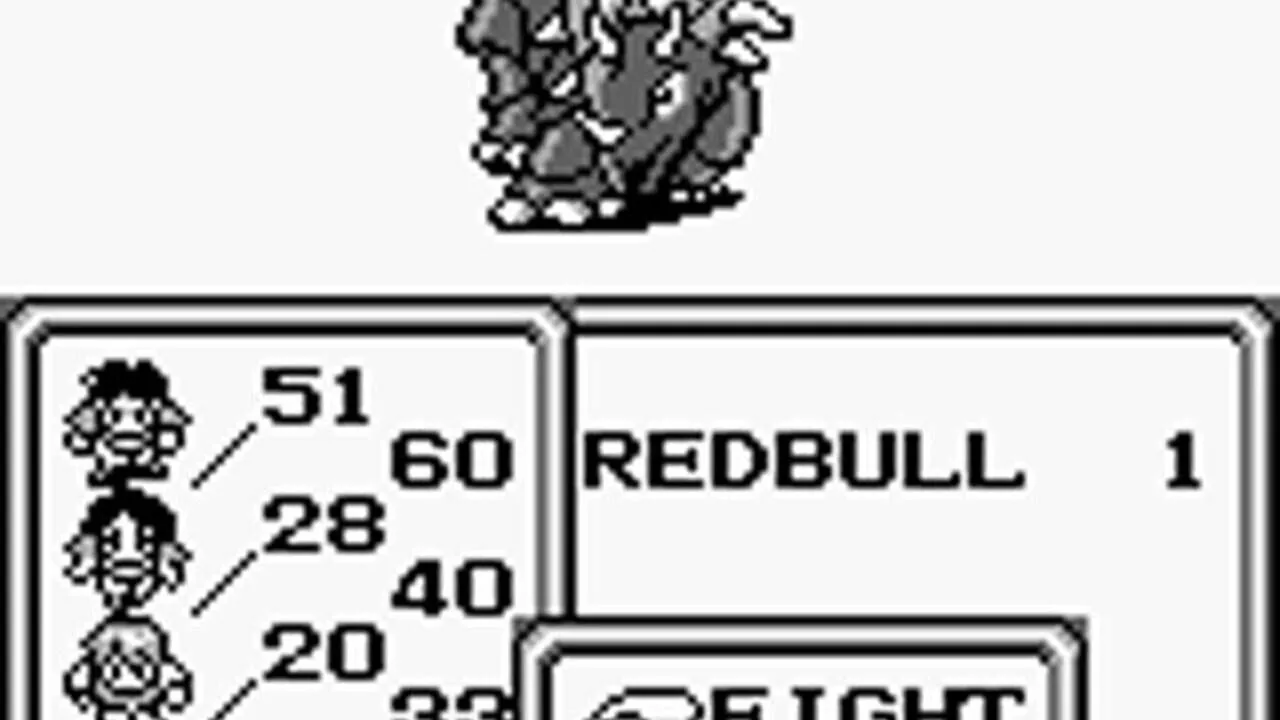
The Final Fantasy Legend came out in Japan in December 1989 and in North America in September 1990, and it is the first game in the SaGa series. Your party of four can include monsters, and monsters grow by eating the meat of fallen opponents and turning into new monsters, which is a deeply strange way to level up. Nobuo Uematsu wrote the score.
It became Square's first million seller, with 1.37 million units shipped. Famitsu rated it one of its two highest-rated games of 1989, along with Ys I & II. Game Freak founder Satoshi Tajiri said it gave him the idea that the system could handle more than action games, and you can guess where that idea went. Players rank it as the best of the SaGa games on the Game Boy.
3. Final Fantasy Adventure (1991)
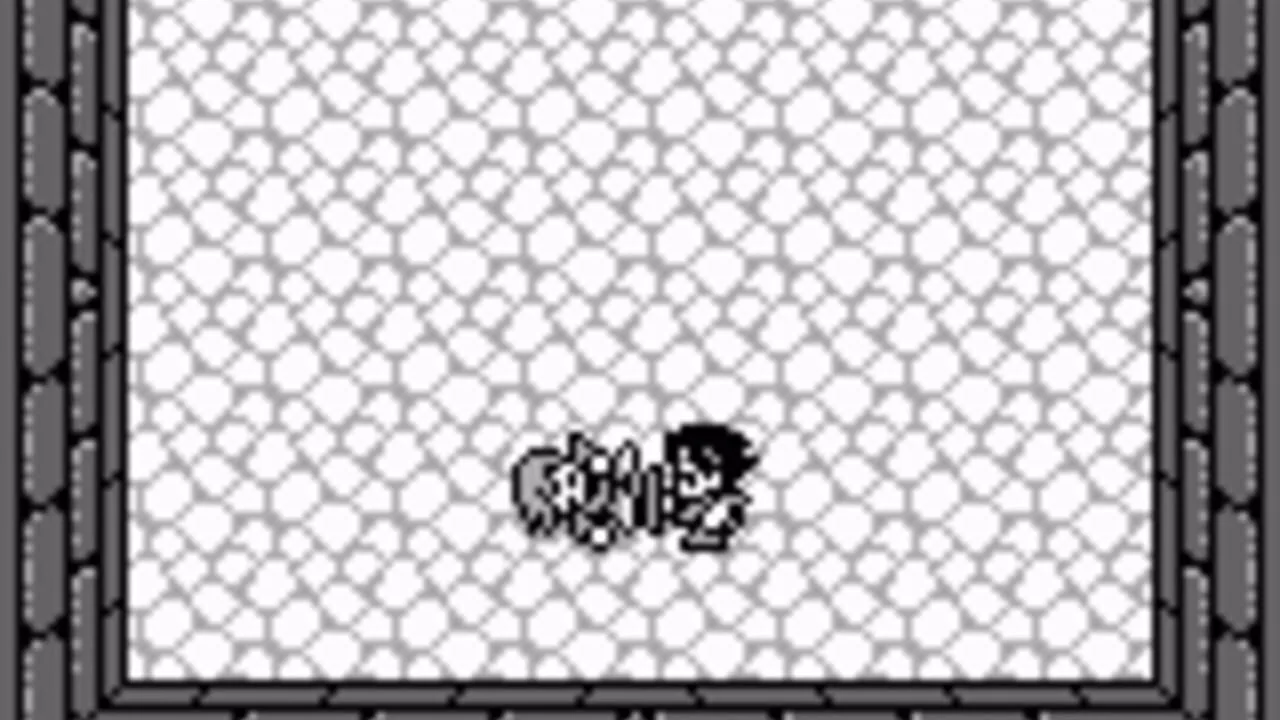
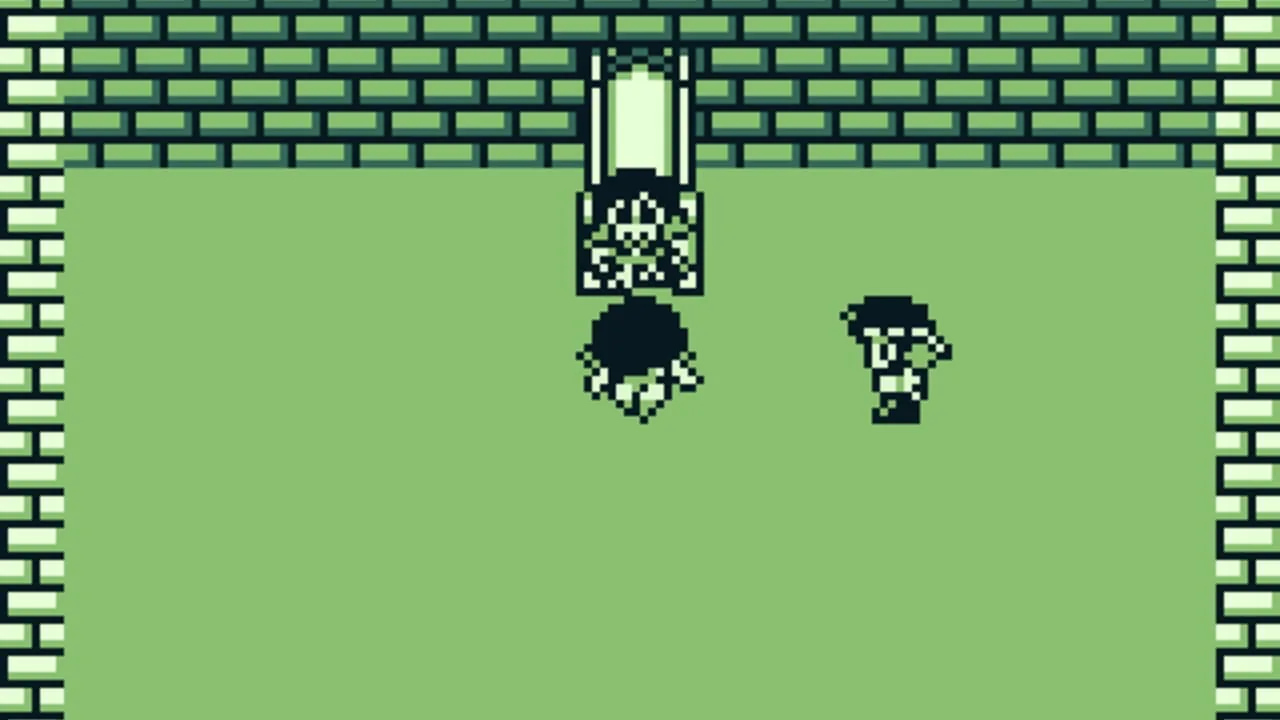
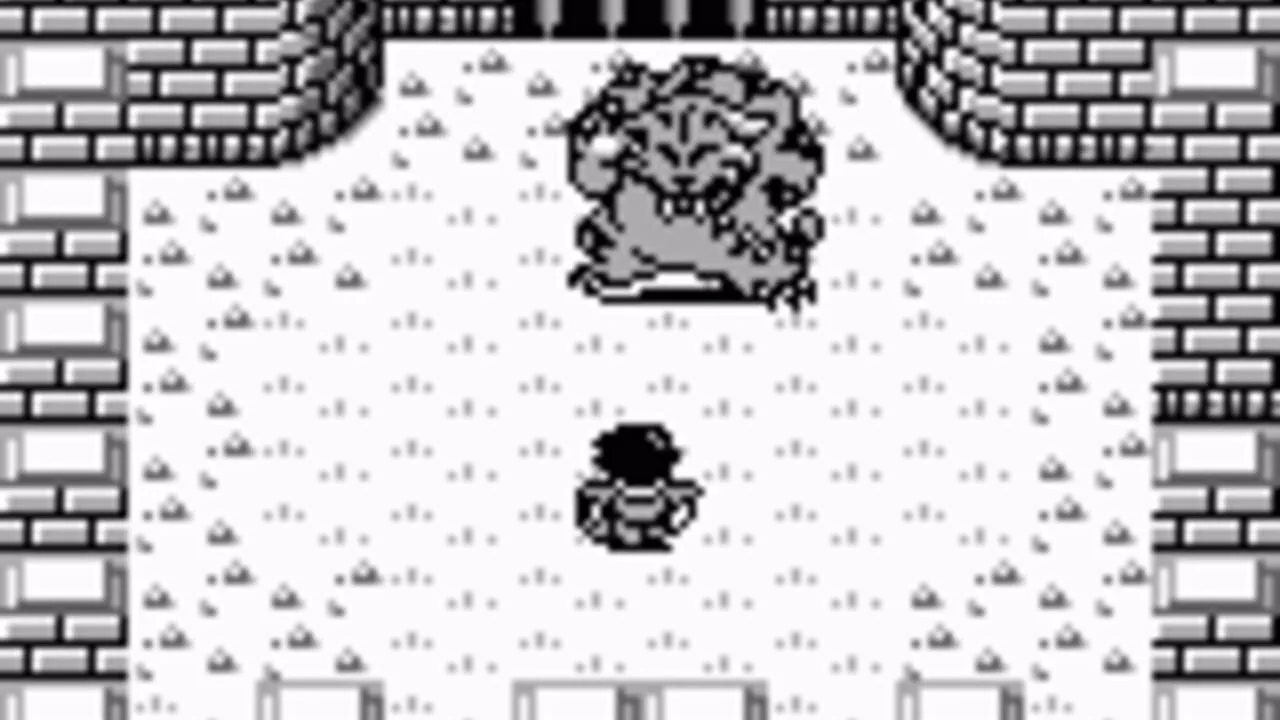
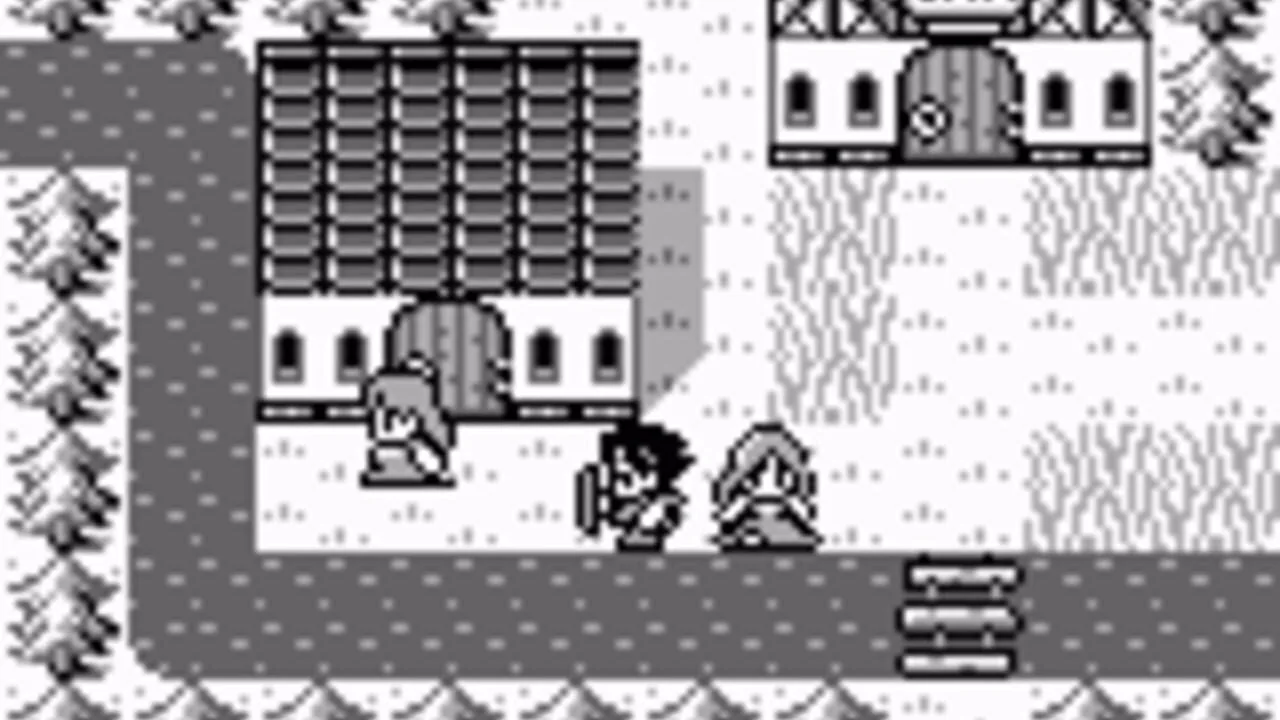
Final Fantasy Adventure is a spin-off of Final Fantasy and the first game in the Mana series. It started life under the name Gemma Knights, and it plays roughly like the original The Legend of Zelda with role-playing stats added. You cut through trees and thorns with your weapons, gain levels that raise your stats and charge a special attack gauge that empties the moment you swing. Chocobos show up too.
Its sequel, Secret of Mana, came out in 1993, and the game itself was remade for the Game Boy Advance in 2003 as Sword of Mana and again in 2016 as Adventures of Mana. Reviewers consider it one of the best action adventure games on the Game Boy. With players it finishes only a hair behind the game in second place.
2. Pokémon Yellow Version: Special Pikachu Edition (1998)
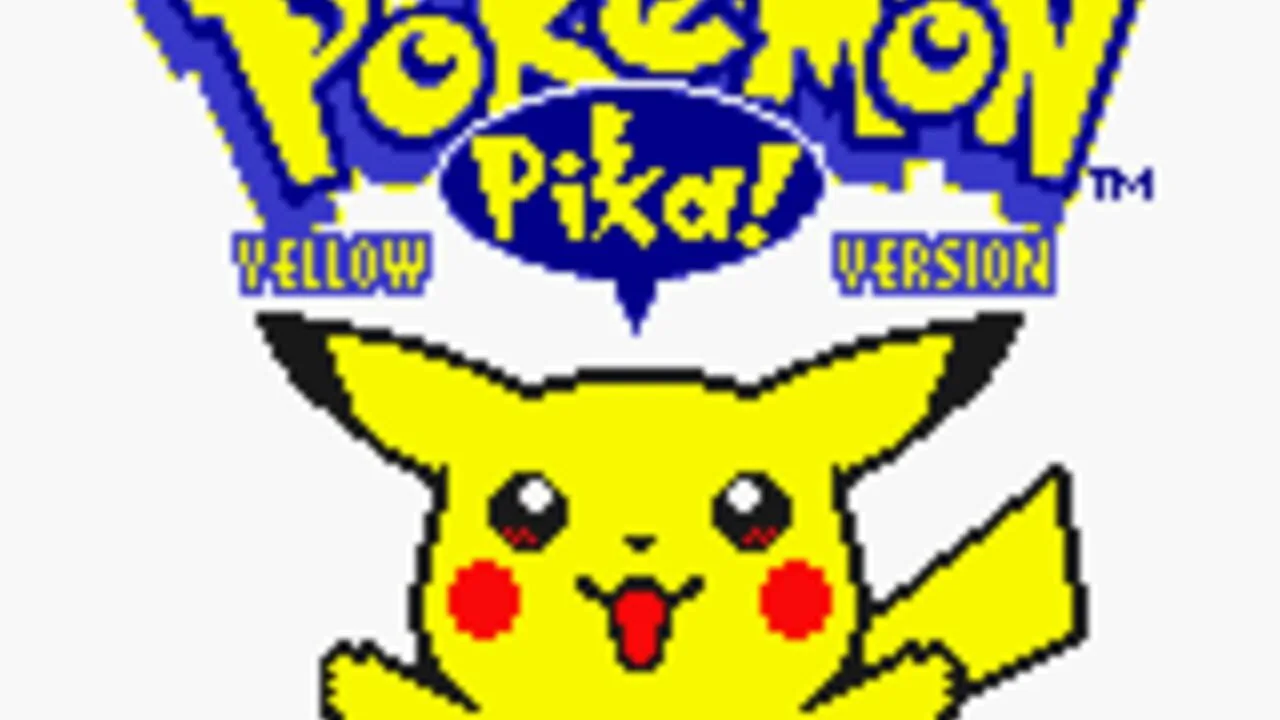
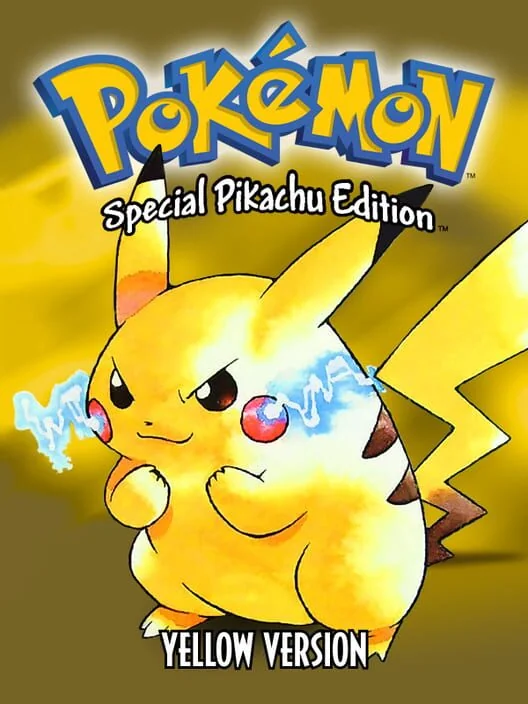
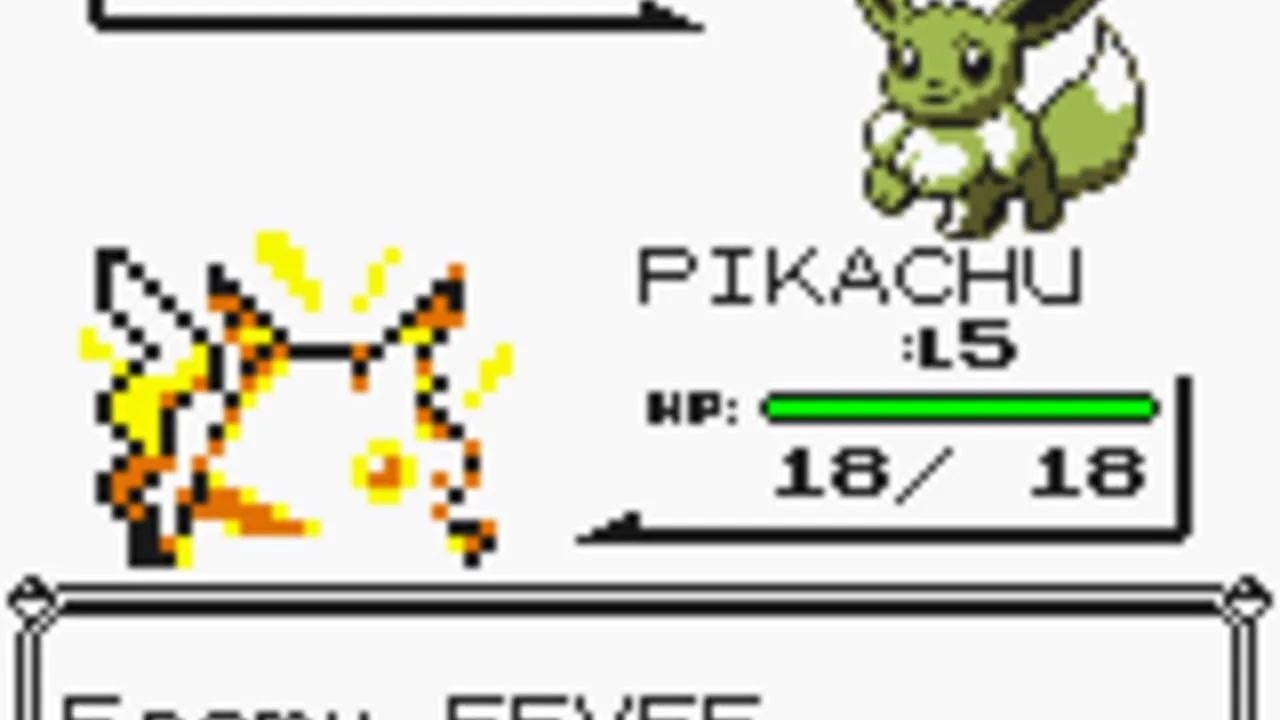
Pokémon Yellow is an enhanced version of Red and Blue. Pikachu is your only starter Pokémon, and it follows you around on foot. It has a voice, provided by Ikue Ōtani, and a personality unlike any other Pokémon. Pikachu can grow to love or hate you based on what you do: leveling up keeps it happy, and fainting all the time makes it unhappy. You can still get the other three starters from strangers around the region.
It came out in Japan in 1998 and in other regions in 1999 and 2000. The goal is the same as before, catch them all and become the Pokémon Master, but the Pikachu following you around made the old adventure feel new.
1. Pokémon Red Version (1996)
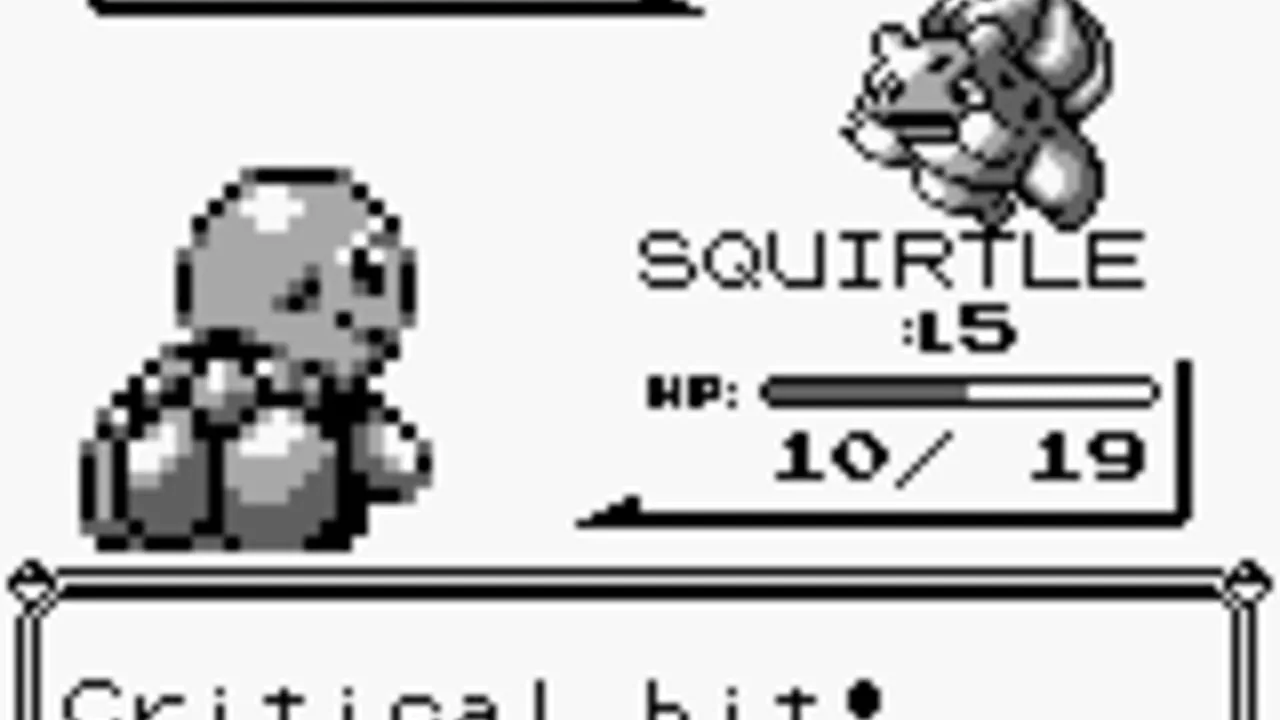
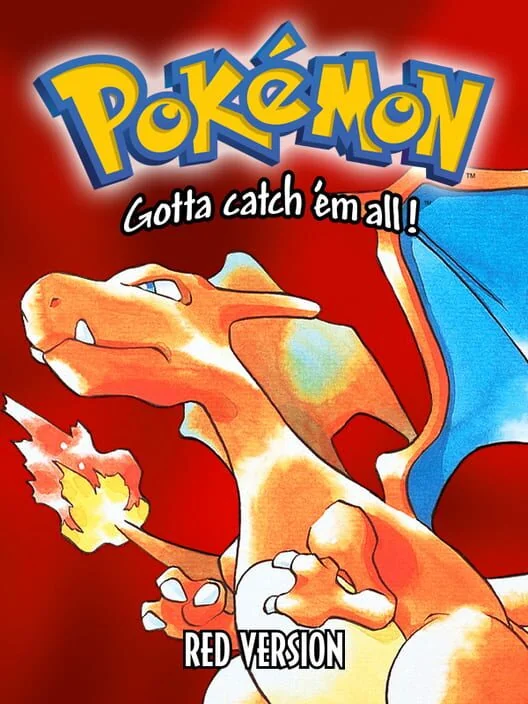
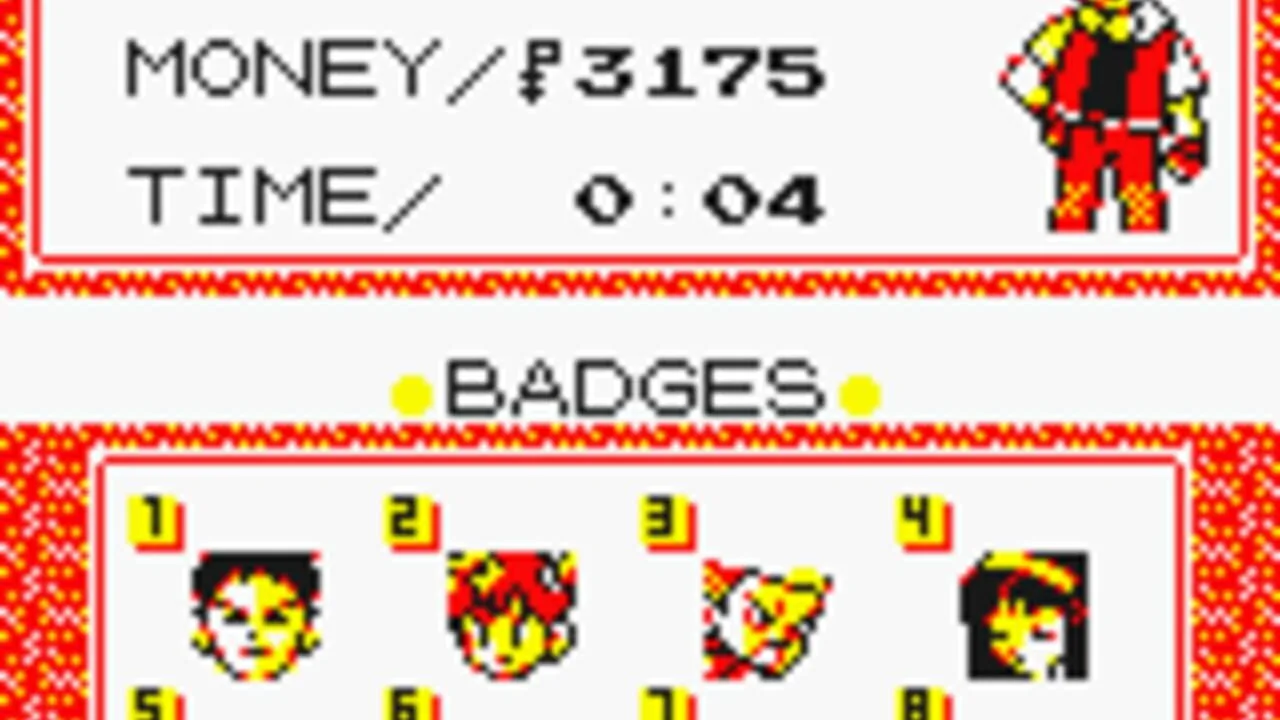
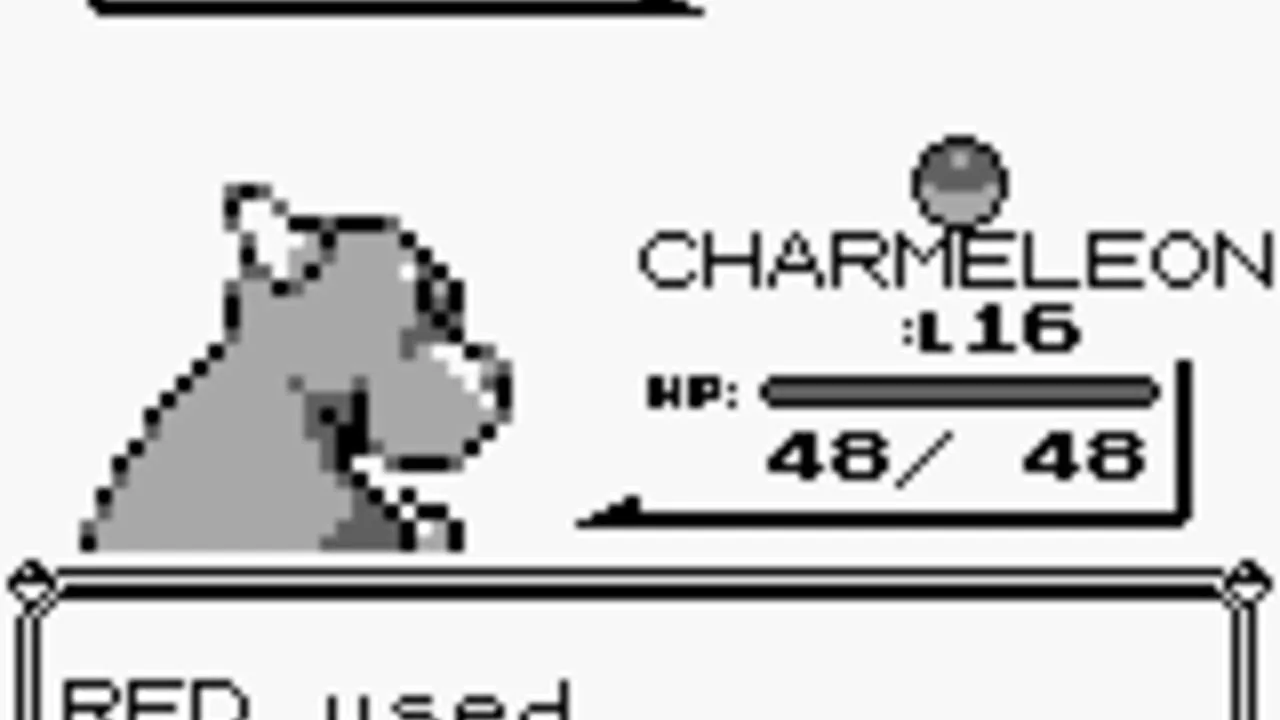
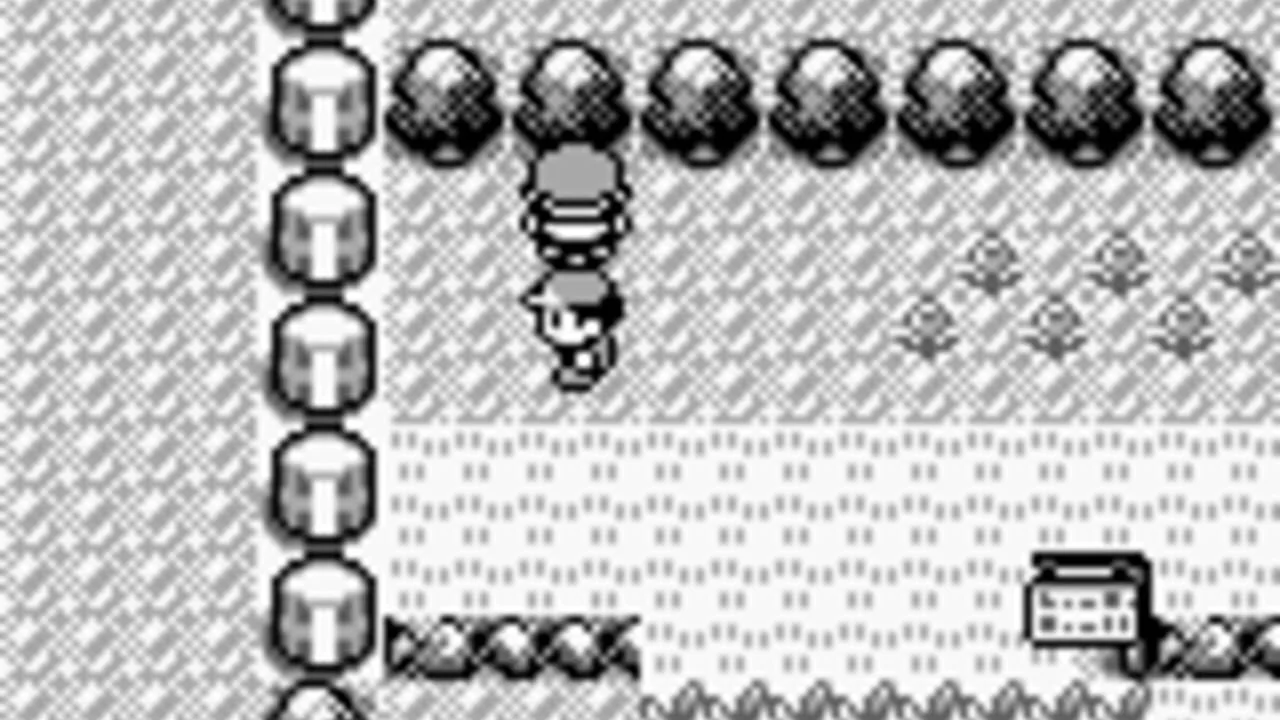
Pokémon Red and Green were the first games in the Pokémon series, released in Japan in 1996, with a special edition Blue later that year. The rest of the world got them in 1998 and 1999 as Pokémon Red and Pokémon Blue, and we count Red and Blue together here. You travel the Kanto region, collect eight Gym Badges and try to fill the Pokédex with all 151 Pokémon. Junichi Masuda used the four sound channels of the Game Boy for both the music and every Pokémon's cry.
Critics praised the multiplayer options, especially trading. One review called it "long, engrossing" and said it "sparkles with that intangible addictiveness that only the best titles are able to capture." Players recommend it more than twice as often as any other Game Boy RPG.
Which one to play
There you have it, the whole list of the best Game Boy RPGs. The top five still hold up as games you would play today and not only as history.
If you are not sure where to start, play Pokémon Red. If you want a classic party RPG with odd worlds, pick Final Fantasy Legend II. If you would rather swing a sword than pick from a menu, Final Fantasy Adventure is the one. SaGa fans should play all three Legends in order. For a hidden pick, try Cave Noire, a five-minute dungeon run that feels made for a handheld.