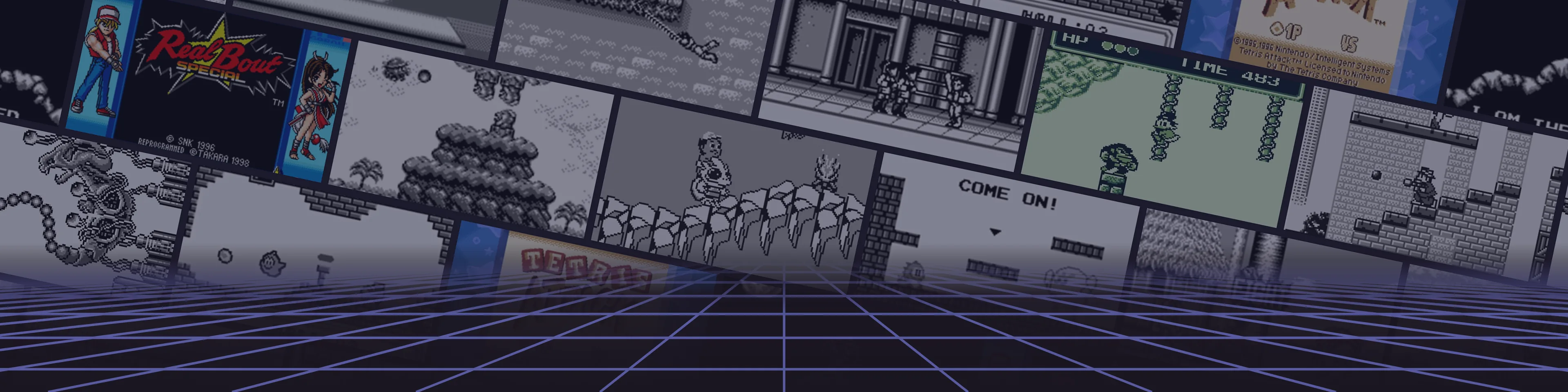
The Game Boy was a port machine, and that is a big part of why it was so much fun. Arcade hits and home console favourites kept turning up on a grey brick with two buttons and a tiny screen, and it was honestly impressive that anything fit at all. Some of the big names are here: Double Dragon, DuckTales, Street Fighter II and R-Type.
Because the hardware could not copy those games, the studios often redrew them or rebuilt them from scratch, and a few of the results are better than you would expect. Here are the 15 best Game Boy ports.
15. Space Invaders (1990)
Taito's 1978 arcade game landed on the Game Boy twice. The 1990 version stayed in Japan, and the 1994 release for everyone else carried a bonus: the Super NES Space Invaders is on the same cartridge, playable through the Super Game Boy. Shooting rows of aliens always came down to quick, repeatable rounds, which is a good fit for a handheld you play on the bus.
Reviewers at the time already called the Super Game Boy the best way to play it, and players still bring it up mostly for that trick. It is the port you pick up for the cartridge as much as the game, and it earns its place by giving you two versions of a classic in one box.
14. Battle Arena Toshinden (1996)
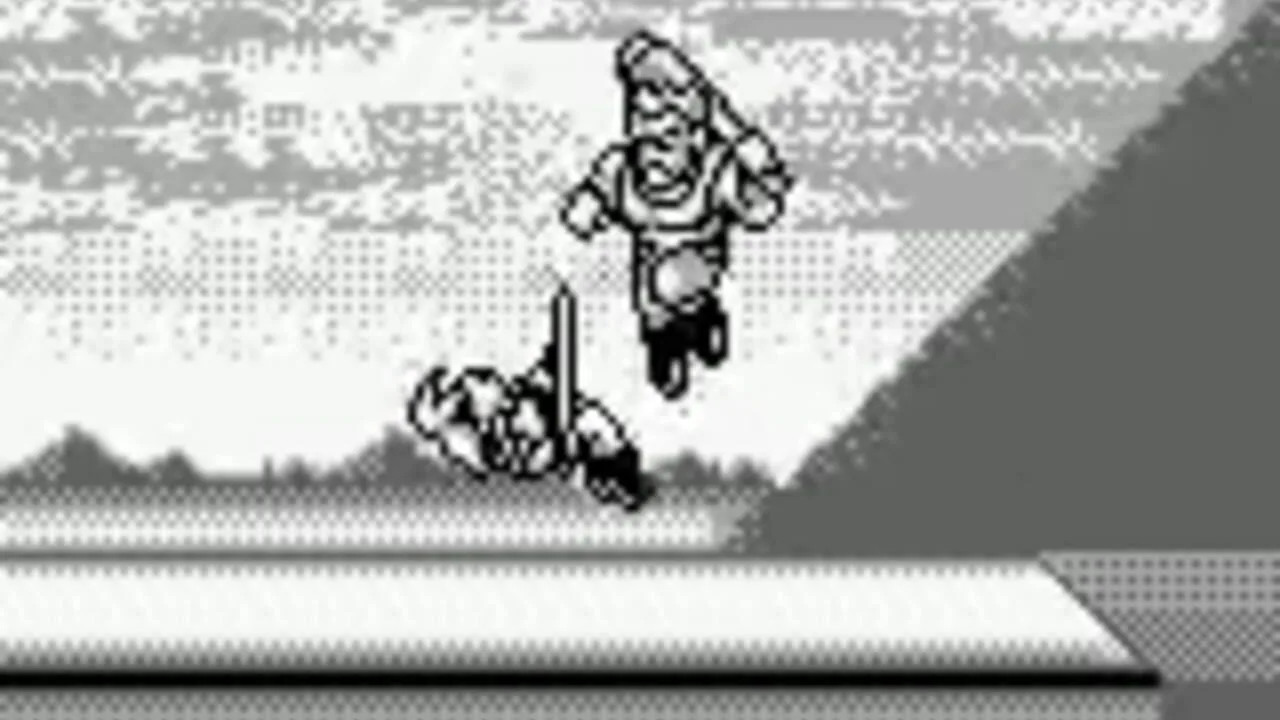
Takara ported the 1995 PlayStation fighter to the Game Boy in 1996, as Nettou Toshinden in Japan. It mostly follows the PlayStation version but slightly alters the story mode, and it gives an early appearance to Uranus, a character the main series introduced in Battle Arena Toshinden 2. That is a funny thing to do for a game that came out first.
The cast is super deformed, which means big heads and small bodies, and an Easy Commands option helps with the moves that need long motions. On a pad with only two buttons, that option is a real kindness. Players rate it as one of the better fighters on a system that doesn't have many.
13. Street Fighter II (1995)
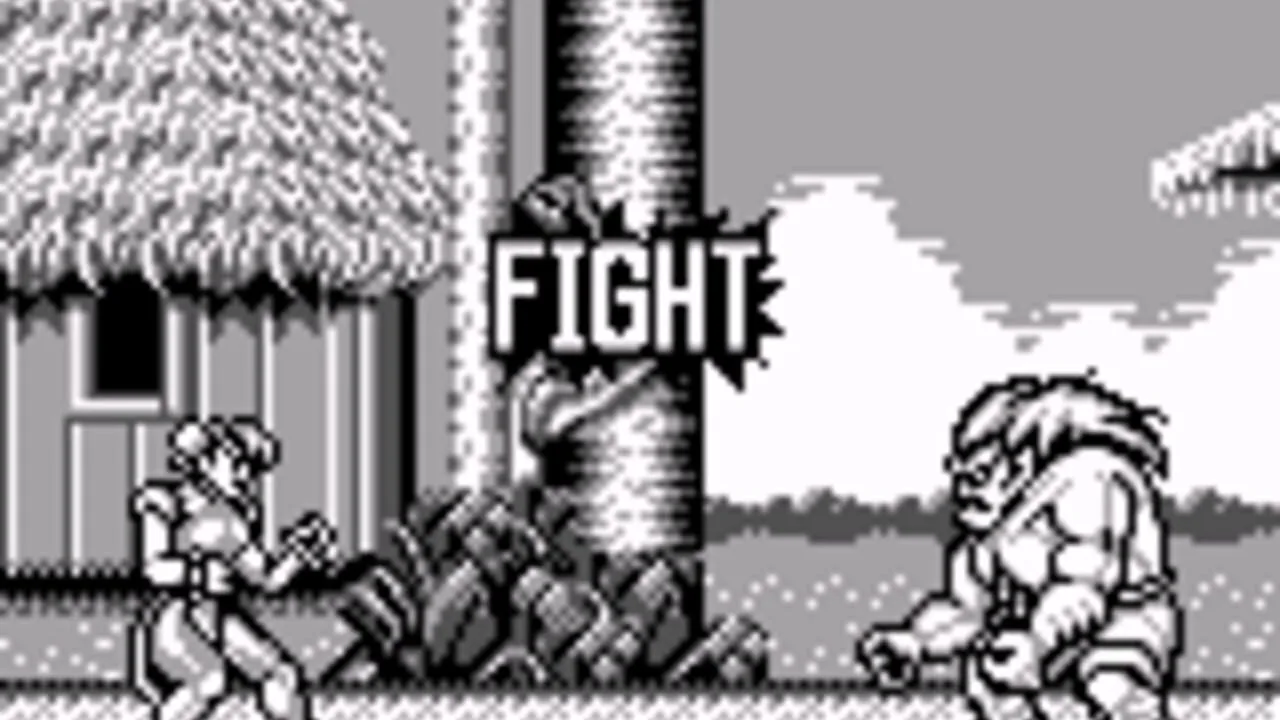
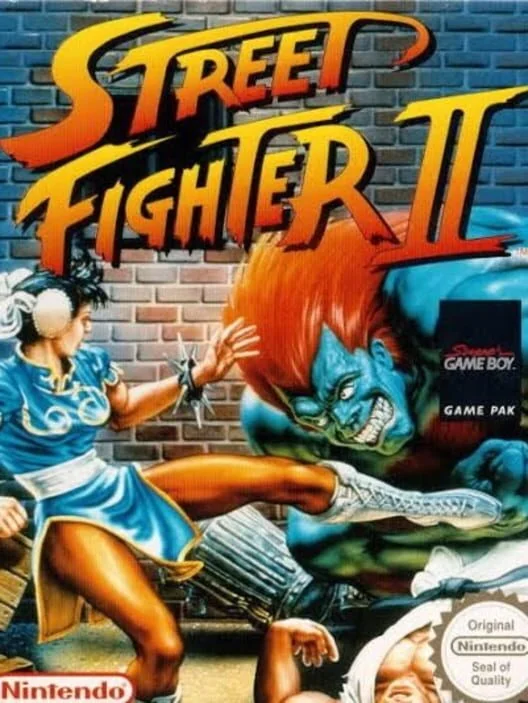
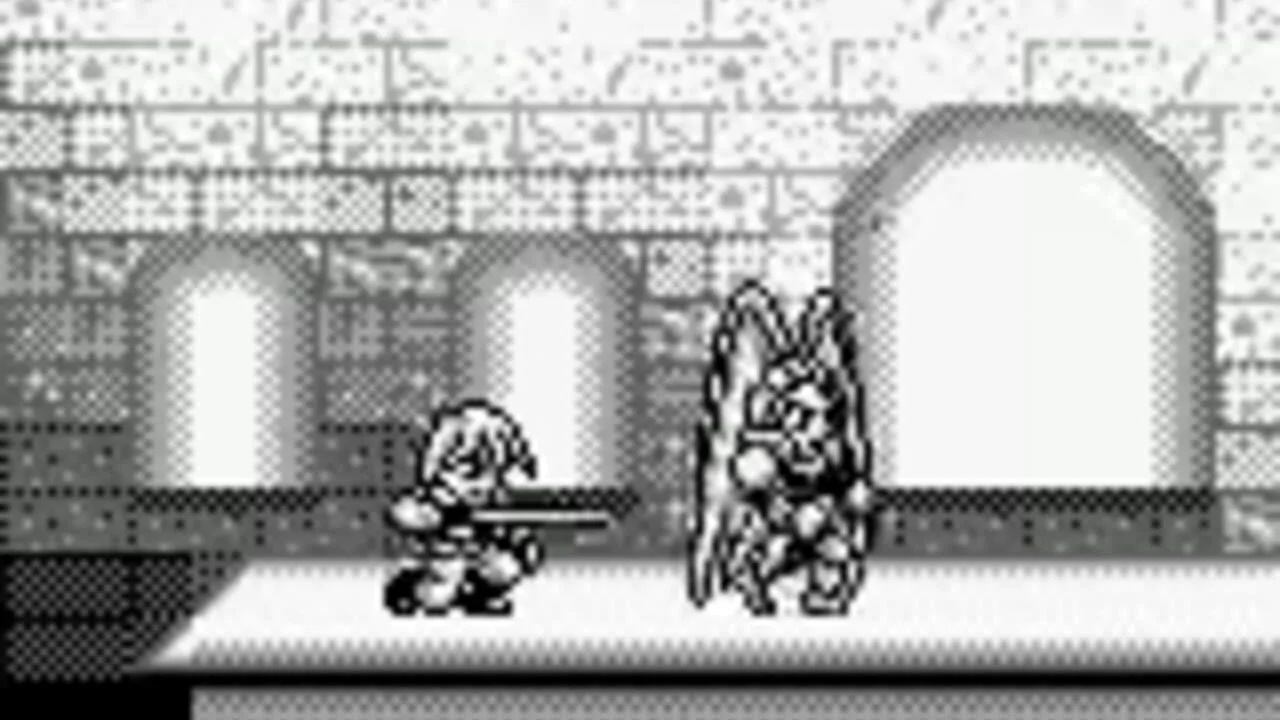
Capcom's 1991 arcade hit came to the Game Boy in August 1995 with nine characters instead of the full arcade roster. The graphics and stages are based on Super Street Fighter II, so the fighters you know are all recognisable, just shrunk down to fit a pocket-sized screen.
The big question is the controls. Because the Game Boy only has two buttons, how long you hold one decides how hard you punch or kick, which takes some getting used to. Opinions split: some are surprised it works as well as it does, while plenty find the animation choppy, especially next to Takara's Samurai Shodown. It is a brave attempt, and a good one to show friends.
12. Bubble Bobble (1990)
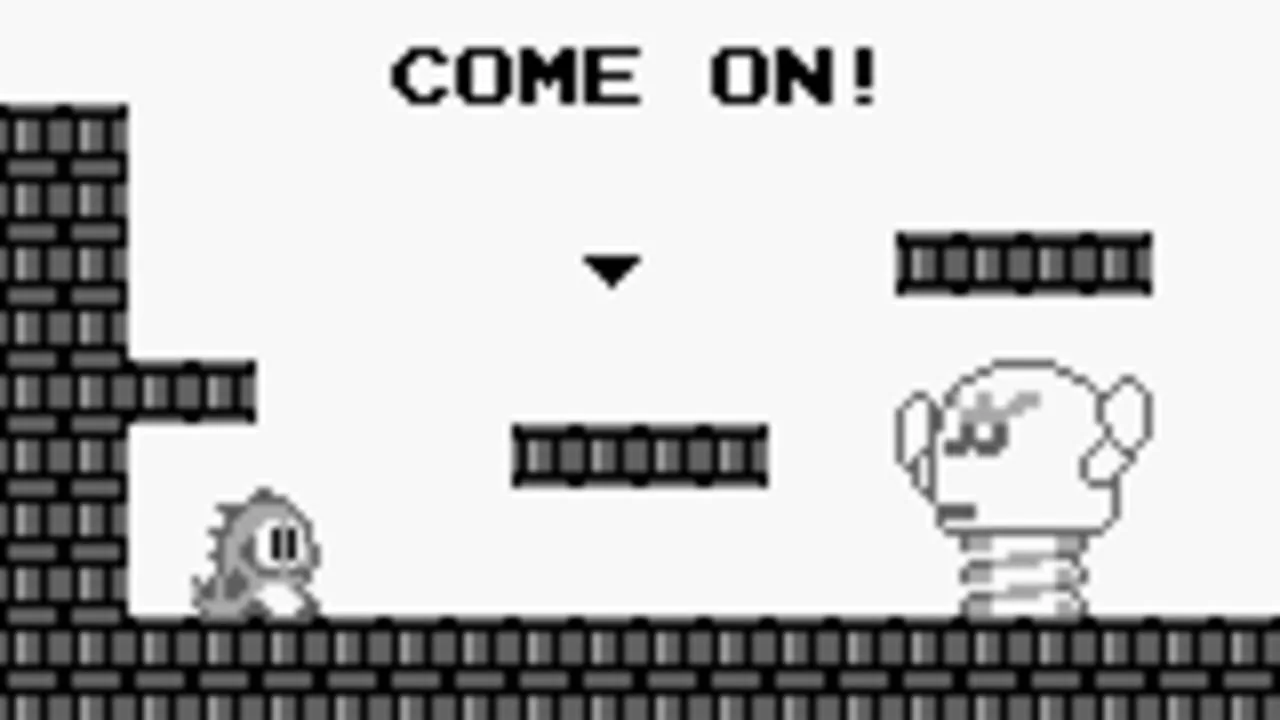
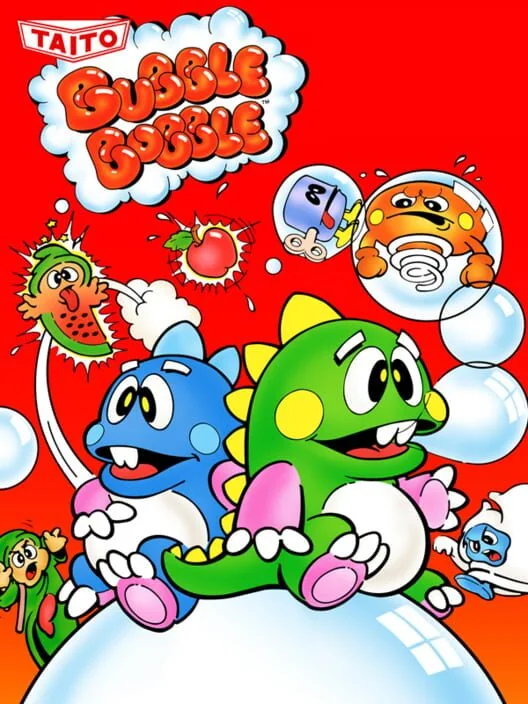
Taito made this port itself and then mostly ignored the arcade game. The Game Boy version has 200 levels like the original, but the vast majority are brand new, and it's built for one player: Bub goes after the fabled Moon Water to save his sick brother. So you are getting a fresh game wearing an old name.
Taito kept the sprites close to arcade size, so every stage scrolls, and some jumps land you next to enemies you couldn't see. That takes patience, but the bubble-popping is as charming as ever. Bubble Bobble Part 2 shares this slot, and despite the NES game's name and cover art, it's an entirely new Game Boy game too. As a series, it still holds up well on the Game Boy, players say.
11. Adventure Island II (1993)
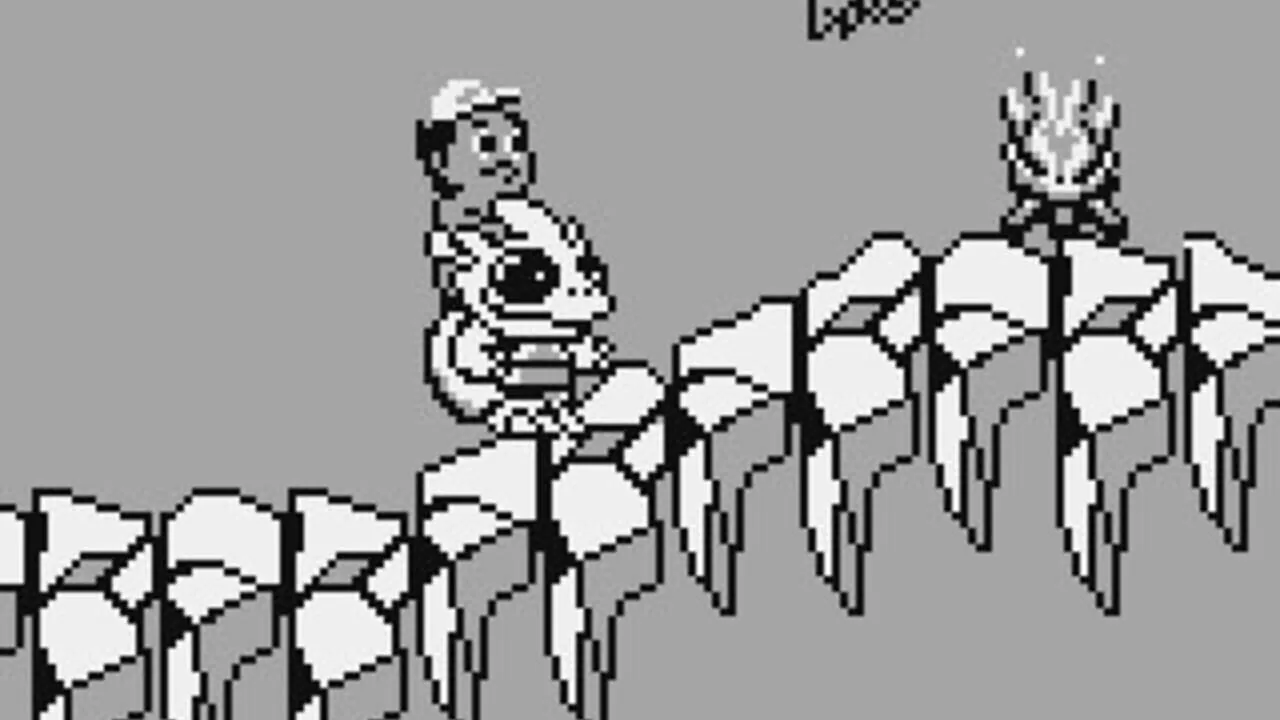
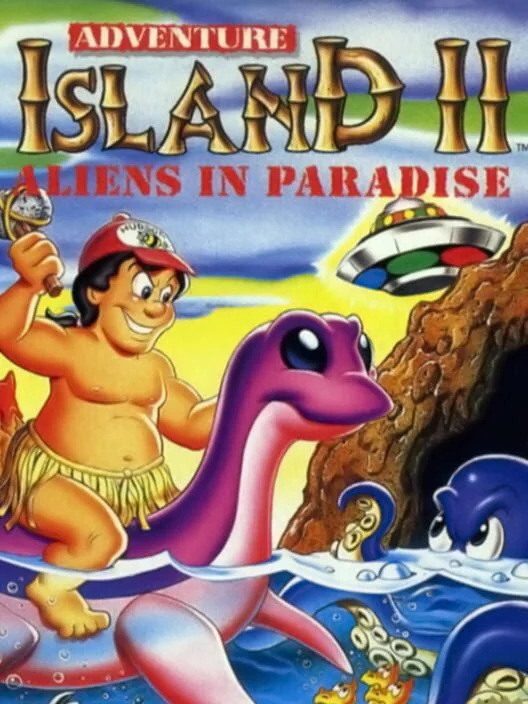
Read the box with care. Adventure Island II: Aliens in Paradise is based on the NES Adventure Island 3, and this time aliens carry off Jeannie Jungle, so Master Higgins gives chase through eight islands with his dinosaur friends. Hudson's first Game Boy Adventure Island, which shares this slot, is despite its English title a handheld port of Adventure Island II, the 1991 NES game. Who numbered these?
The series itself began as a port that couldn't happen. Hudson started out converting the arcade game Wonder Boy, but Sega owned the characters, so Hudson changed the sprites and names and built a new series around Master Higgins, who is based on its own executive Takahashi Meijin. Players still name Aliens in Paradise among the best games made for the Game Boy itself.
10. Parodius (1991)
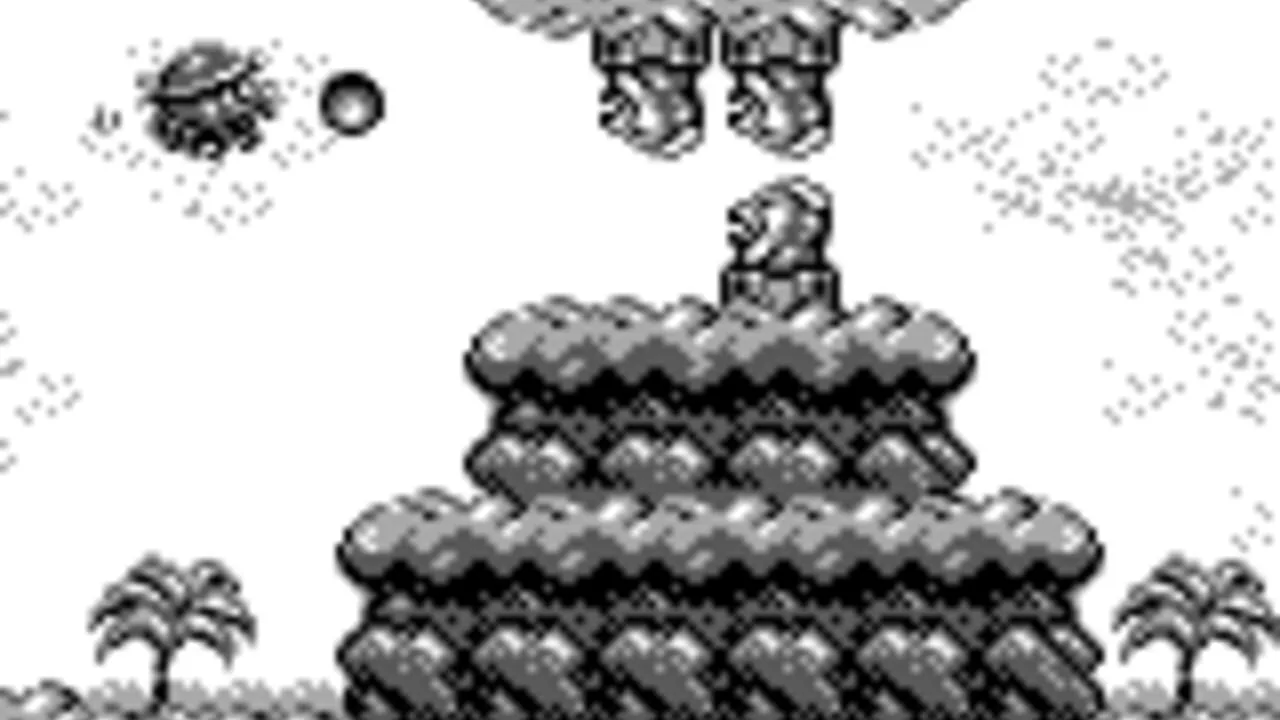
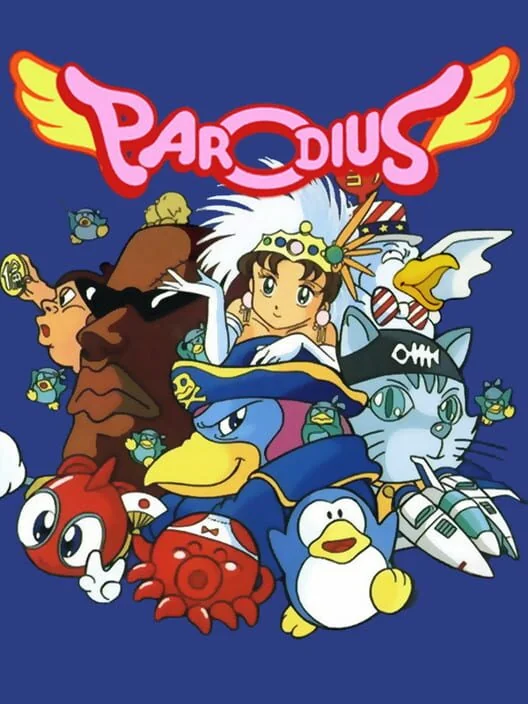
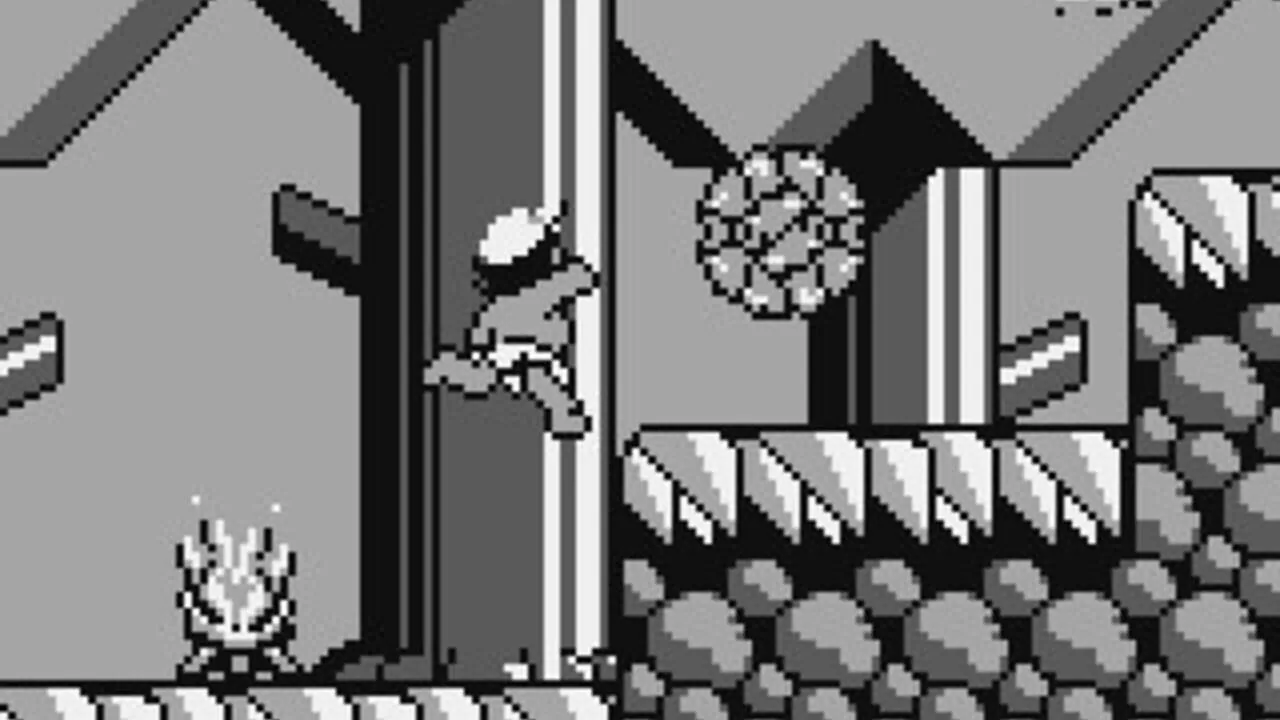
Konami's 1990 arcade shooter is mostly a parody of Gradius, and the Game Boy got its own version in 1991. You choose from 4 flying creatures, and you can pick which stage to start on, though you need to play all of them to reach the final one. The handheld drops three of the arcade stages and adds a crystal cavern of its own, so it is a remix as much as a copy.
The character select screen lists everyone's age, and the Vic Viper is 58. There's quite a bit of flicker, but it's still playable, and the silly tone survives the trip. Players still name it among the most fun shooters on the Game Boy, which is high praise on a system with plenty of them.
9. Real Bout Fatal Fury Special (1998)
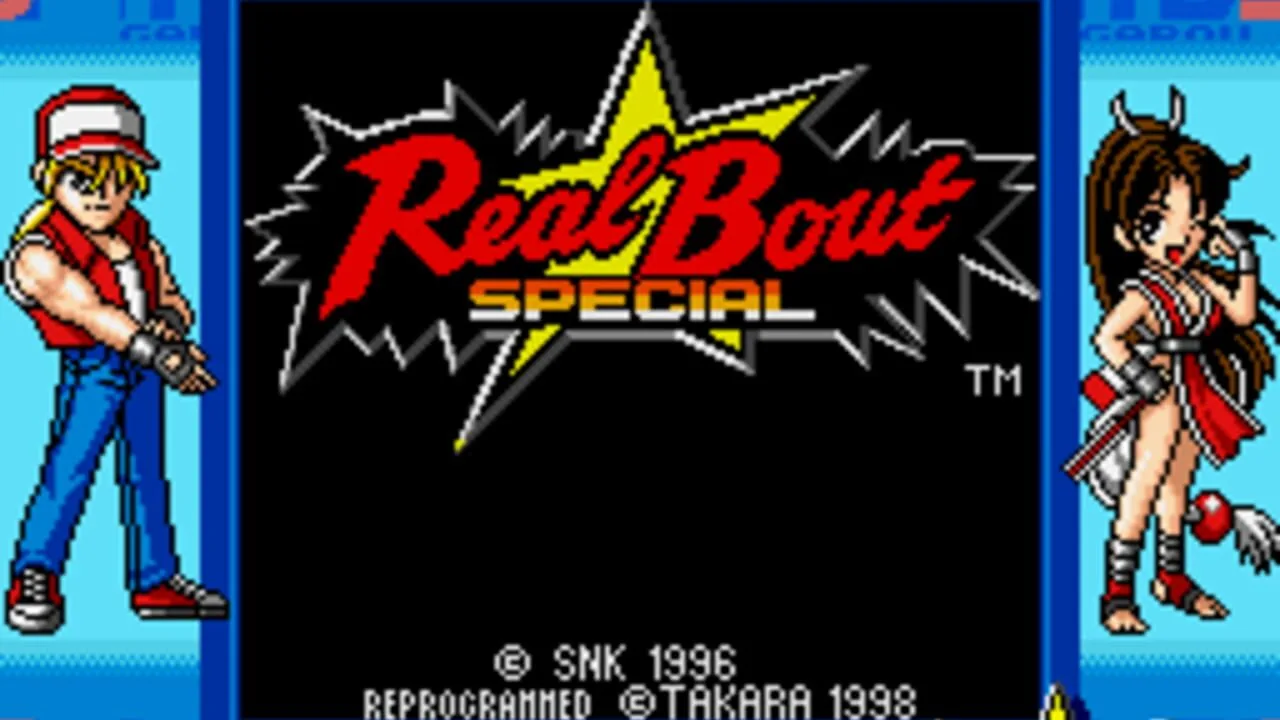
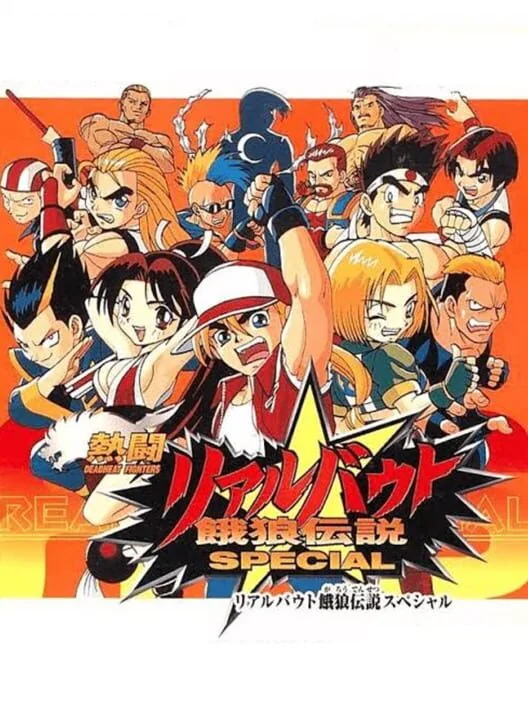
SNK's 1997 arcade fighter reached the Game Boy in 1998 as a port by Takara called Nettou Real Bout Garou Densetsu Special. It's missing six characters and all the EX character versions, and it uses miniaturized renditions of the sprites rather than the super deformed look of the series' previous Game Boy game.
A cheat code unlocks Geese and adds Iori Yagami from The King of Fighters, the only time he shows up in the series. That is a lovely little extra for the people who went looking. The action is still jerky and hard to control, and players rank it above Street Fighter II and Battle Arena Toshinden anyway.
8. Darkwing Duck (1993)
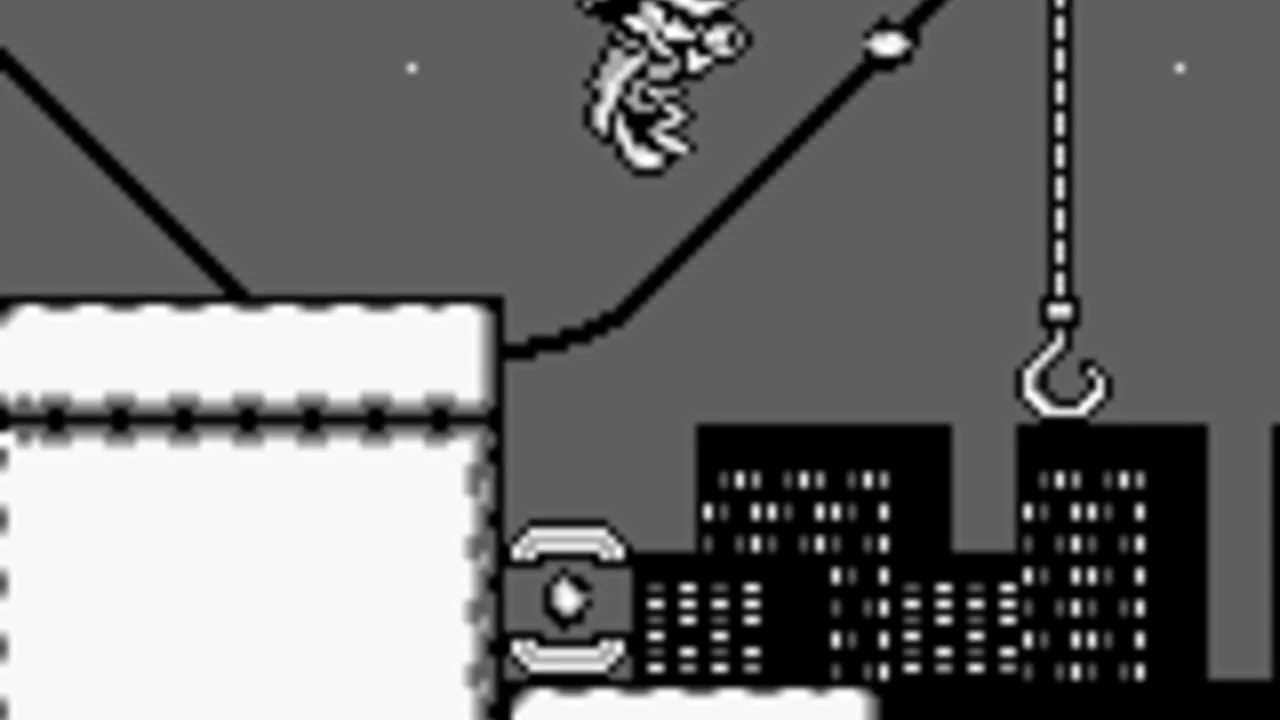
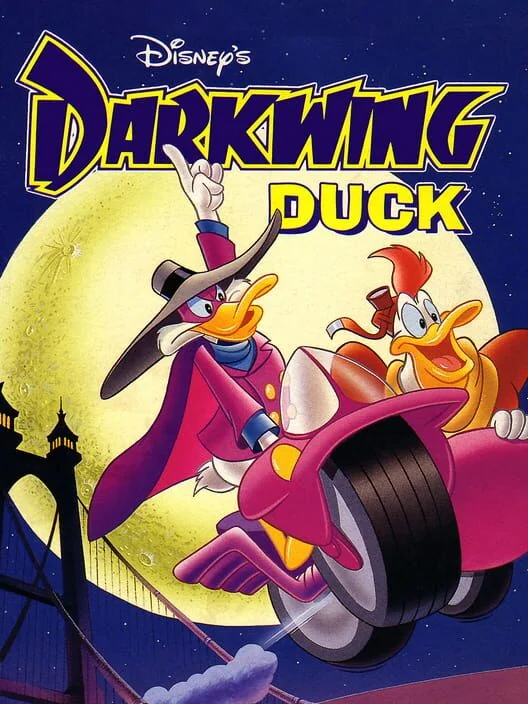
Capcom's NES game came out in North America in June 1992, followed by a Game Boy version in February 1993. Darkwing's default weapon is a gas gun that takes adapters to change how it fires, and his cape deflects some enemy shots. That's no accident: the NES original runs on a slightly tweaked Mega Man 5 engine.
If that sounds like a good time, it is. Nintendo Power ranked Darkwing Duck the third best Game Boy game of 1993. Players keep comparing it to Mega Man, and it holds up next to Capcom's own Game Boy entries. It is a tidy action platformer that knows exactly what it wants to be.
7. Tetris Attack (1996)
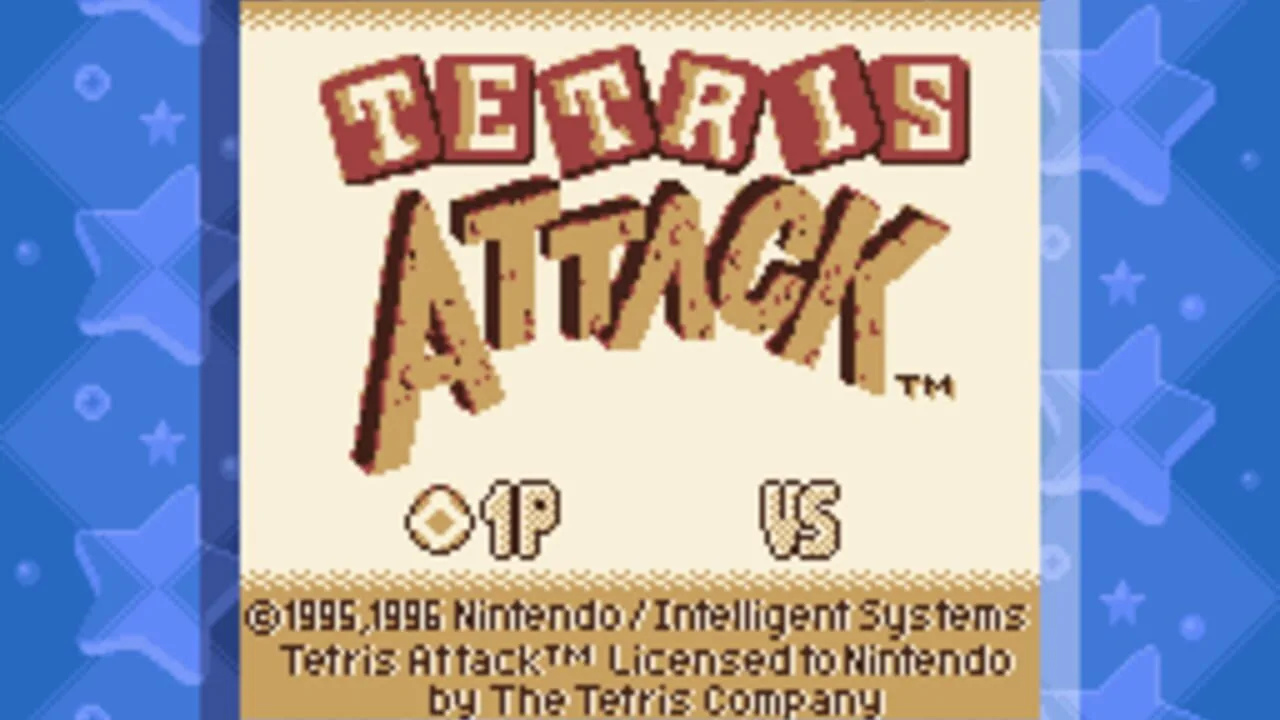
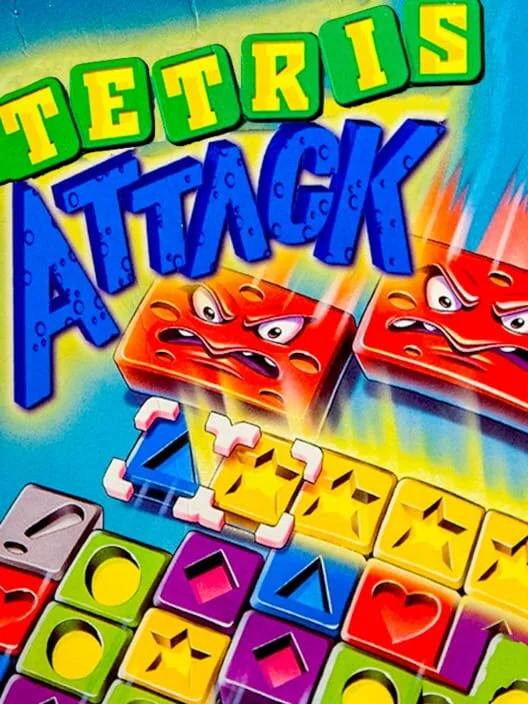
Intelligent Systems made it for the Super Nintendo in 1995 as Panel de Pon, and a Game Boy version of Tetris Attack was released in 1996. Nintendo changed the name and characters to Tetris and the Yoshi series to be more recognizable to North Americans, and it reportedly asked Rare first to replace Panel de Pon's fairies with characters from Killer Instinct.
Henk Rogers of The Tetris Company later said he regrets letting Nintendo use the Tetris name on a game that has nothing to do with Tetris. Whatever it is called, the swapping-panels idea carries over to the small screen beautifully. Players call it easy to pick up and hard to put down.
6. Bubble Ghost (1990)
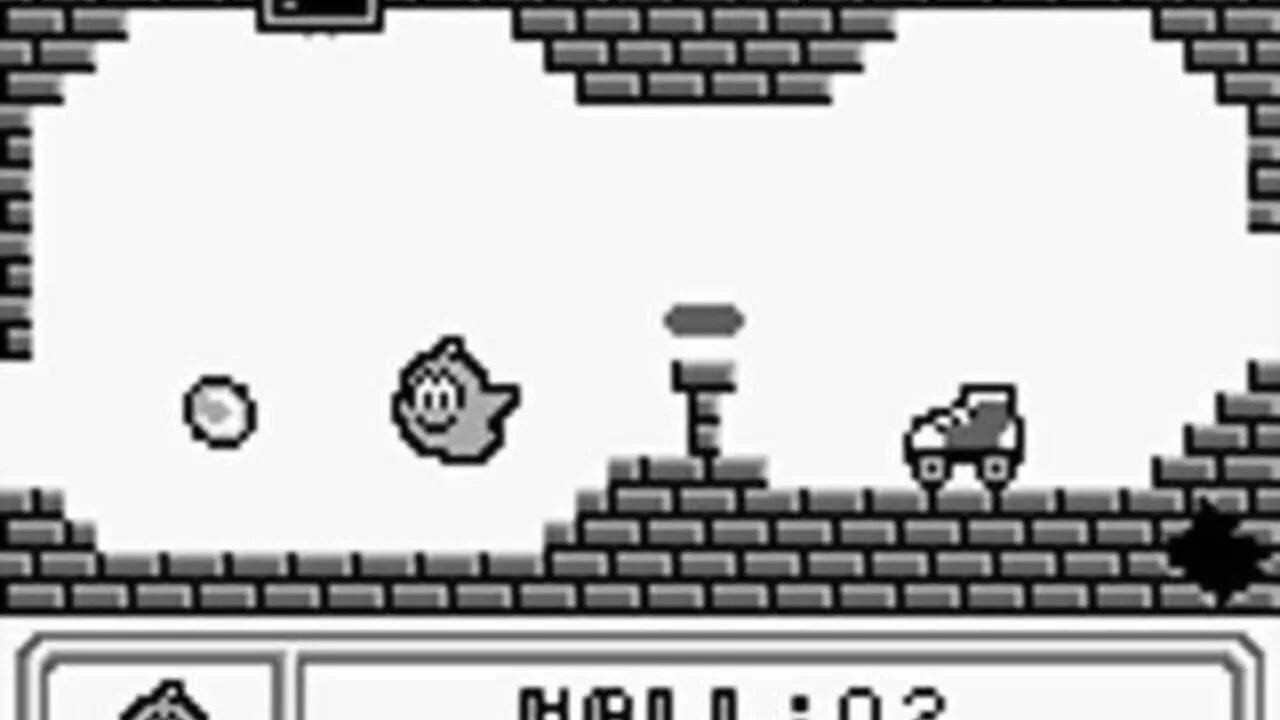
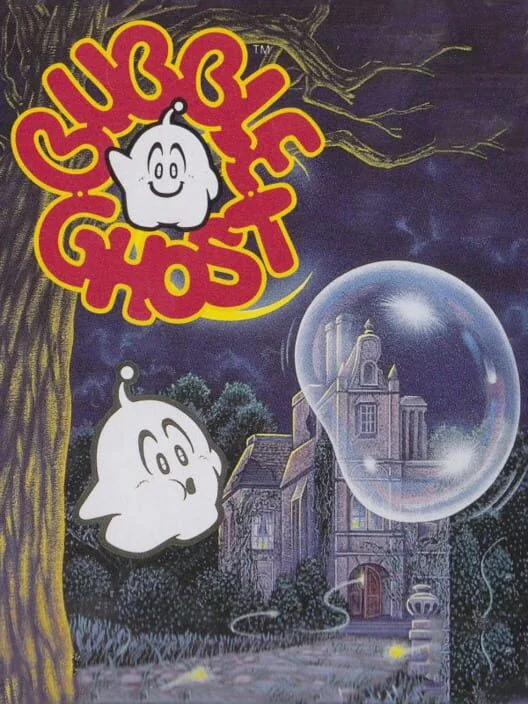
Bubble Ghost began on the Atari ST in 1987, made by the French studio ERE Informatique, and the Game Boy version followed in 1990. You help a little ghost blow a delicate bubble through a castle full of traps, and he can blow it in 8 directions. One touch of a spike and it pops, so you move slowly and carefully.
A hero whose whole job is breathing carefully. The catchy soundtrack is by Hitoshi Sakimoto, long before Final Fantasy Tactics made his name, and it keeps the tense rooms from feeling too stressful. Players call it a fun little puzzle game, and it is easy to see why it keeps getting rediscovered.
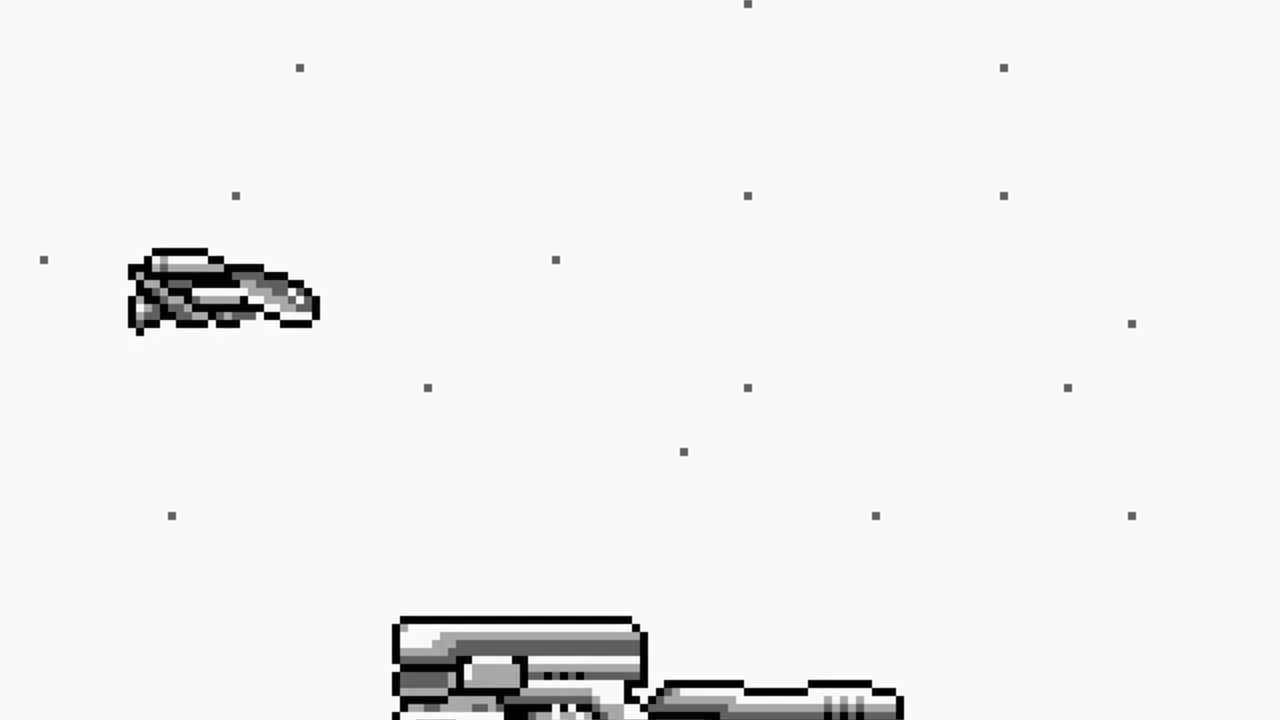
5. R-Type (1991)
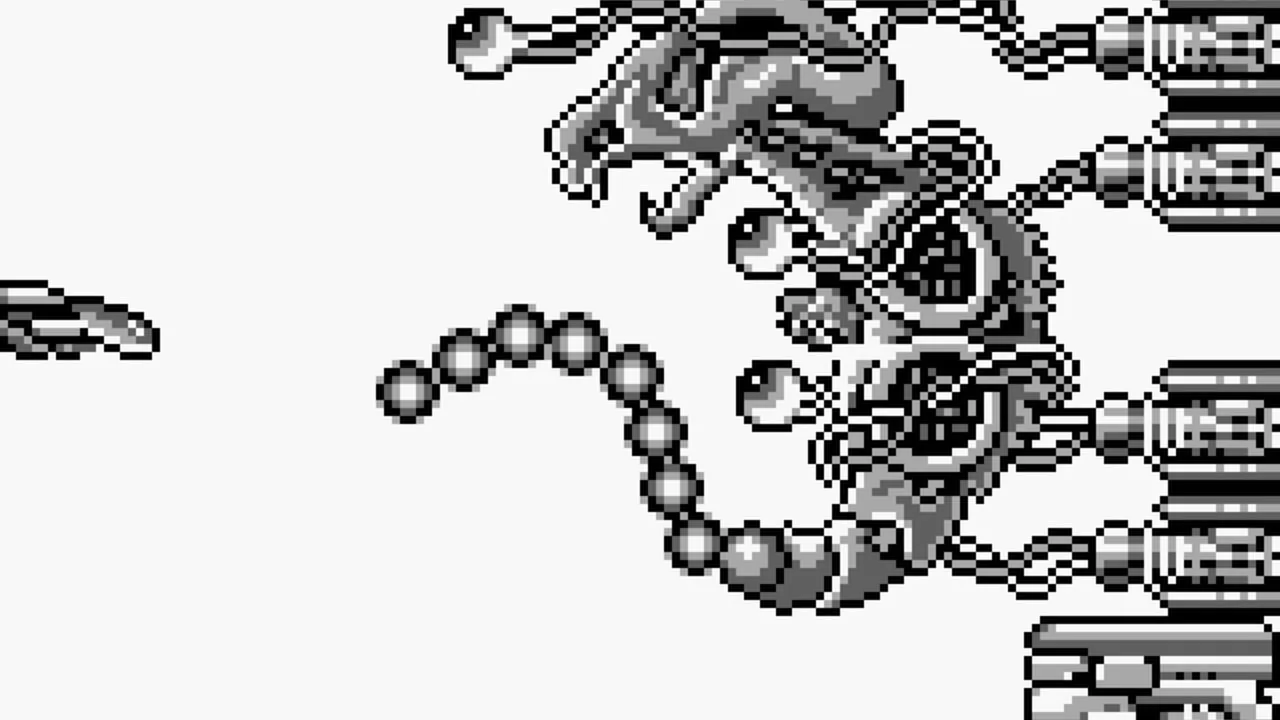
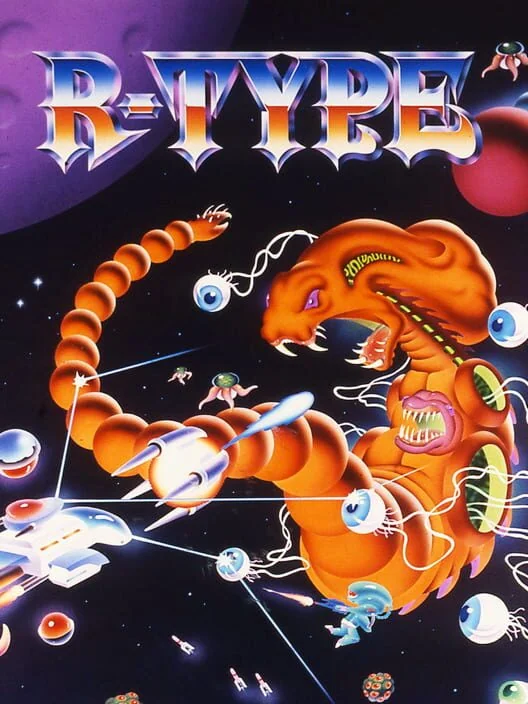
Irem converted its own 1987 shooter for the Game Boy in March 1991 and had to leave a lot behind. The arcade game has eight levels, while the Game Boy version skips stages 4 and 5 for six in total, and so much music was cut that the first two stages' songs take turns. Homing missiles are gone as well.
The bosses and the reflecting laser came through faithfully, and that is what people remember. As for the difficulty, one player put it best: "Great if you don't like your Gameboy in one piece." R-Type and R-Type II later came to the Game Boy Color together as R-Type DX, with the original black-and-white versions included.
4. Avenging Spirit (1992)
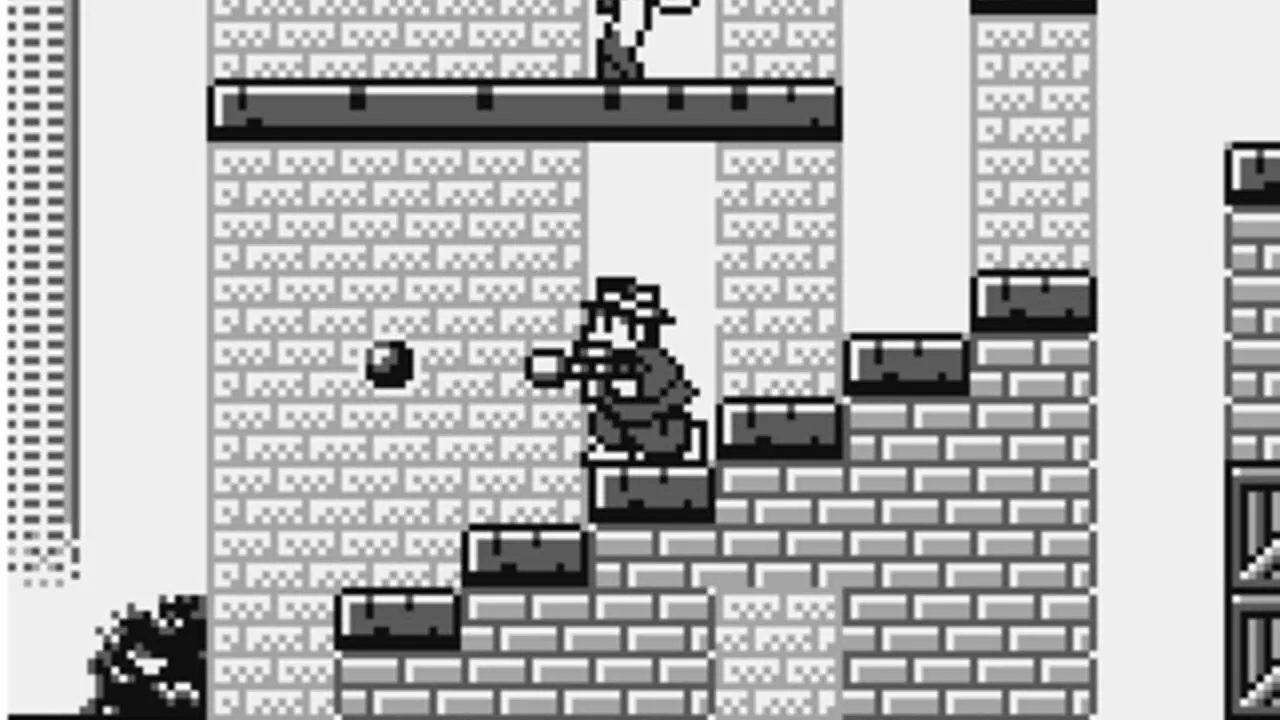
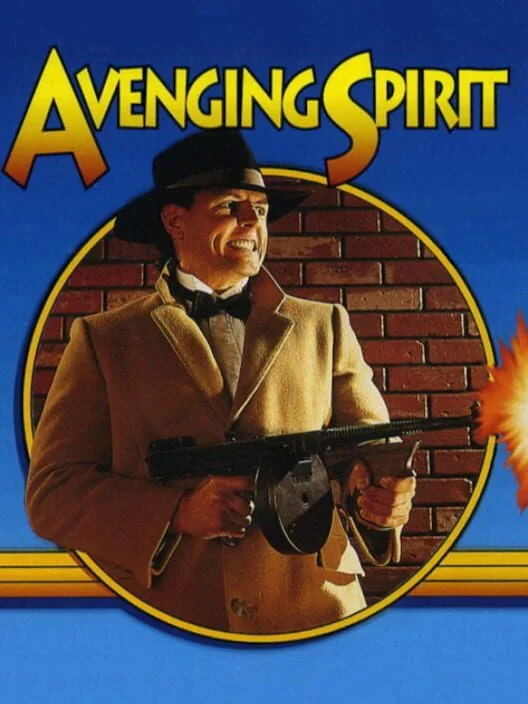
Jaleco's 1991 arcade game, called Phantasm in Japan, follows a man gunned down by a crime syndicate whose ghost possesses enemies to rescue his girlfriend. The arcade version went largely unnoticed. The Game Boy port, done by an entirely different team, is the one people know, and it is easier, with infinite continues and a new host, the invisible man, who cannot attack but is completely invincible.
Cartoonish sprites tell that grisly story, which is a strange mix that works. Fans of the system keep pointing to it as one of its lesser-known favourites, and Limited Run Games put it back on a Game Boy cartridge in 2022. If you want a port that beat its source, this is the one.
3. DuckTales (1990)
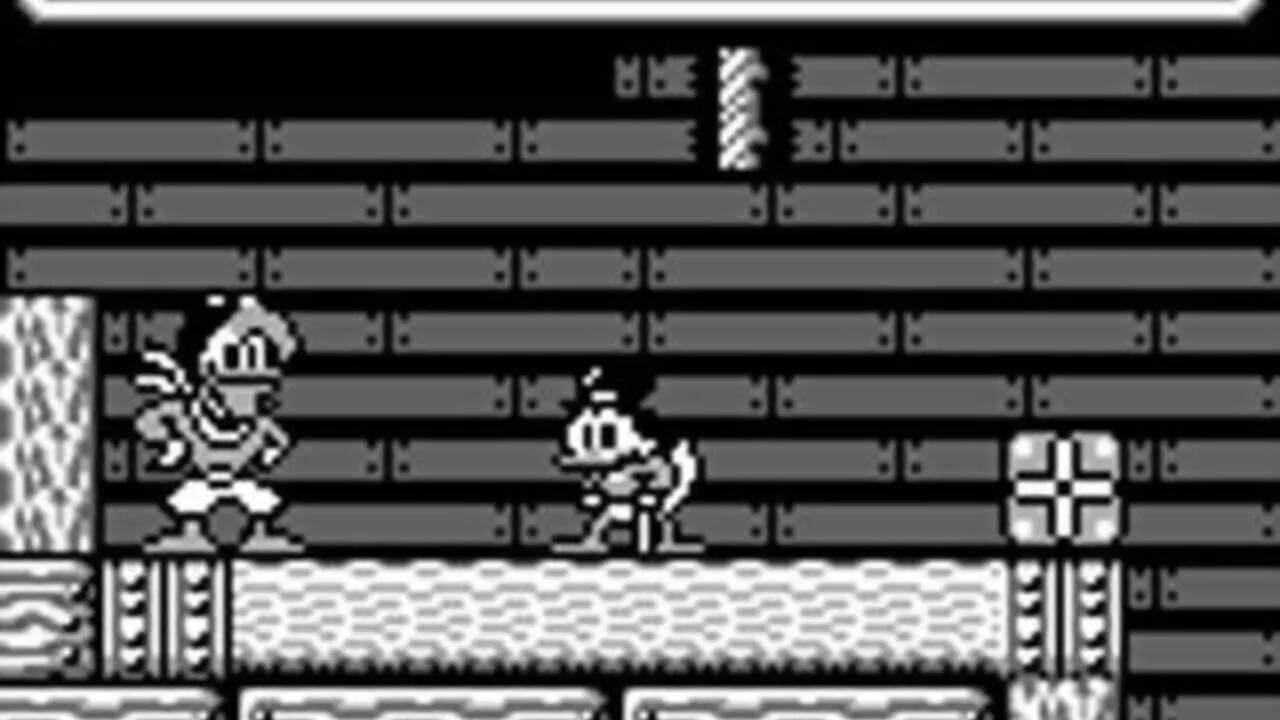
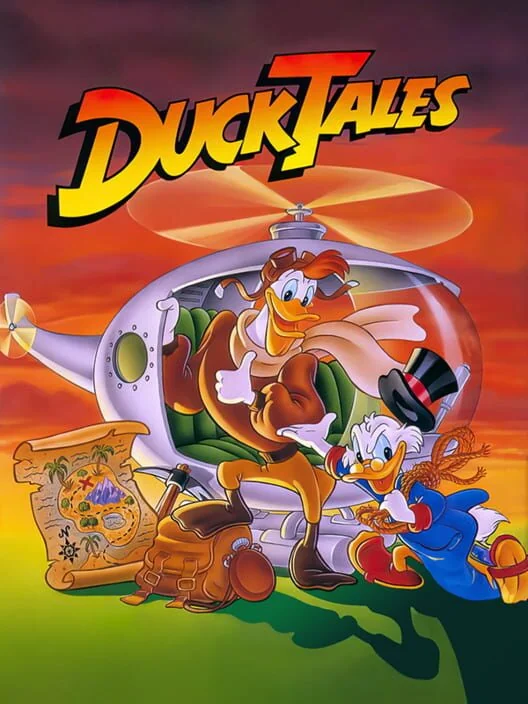
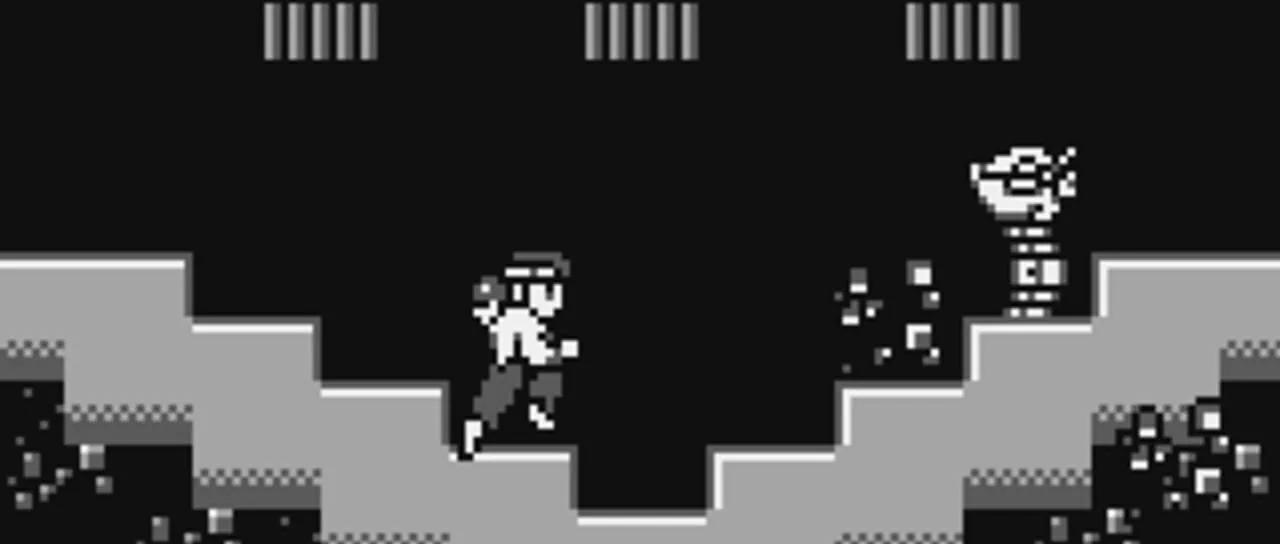
Capcom's 1989 NES game, produced by key personnel from the Mega Man series, was ported to the Game Boy in late 1990. It keeps the same gameplay, music and levels, though the layout of each level was changed for the smaller screen, and Nintendo Power called it "a faithful translation from the NES version".
It sold about 1.43 million copies, Capcom's best seller on the Game Boy. That makes sense, because the pogo-cane jumping is just as satisfying in your hands as it was on the television. DuckTales 2 made the same trip from the NES at the end of 1993 and shares this slot, and players still list the first one with the best platformers on the system.
2. Double Dragon (1990)
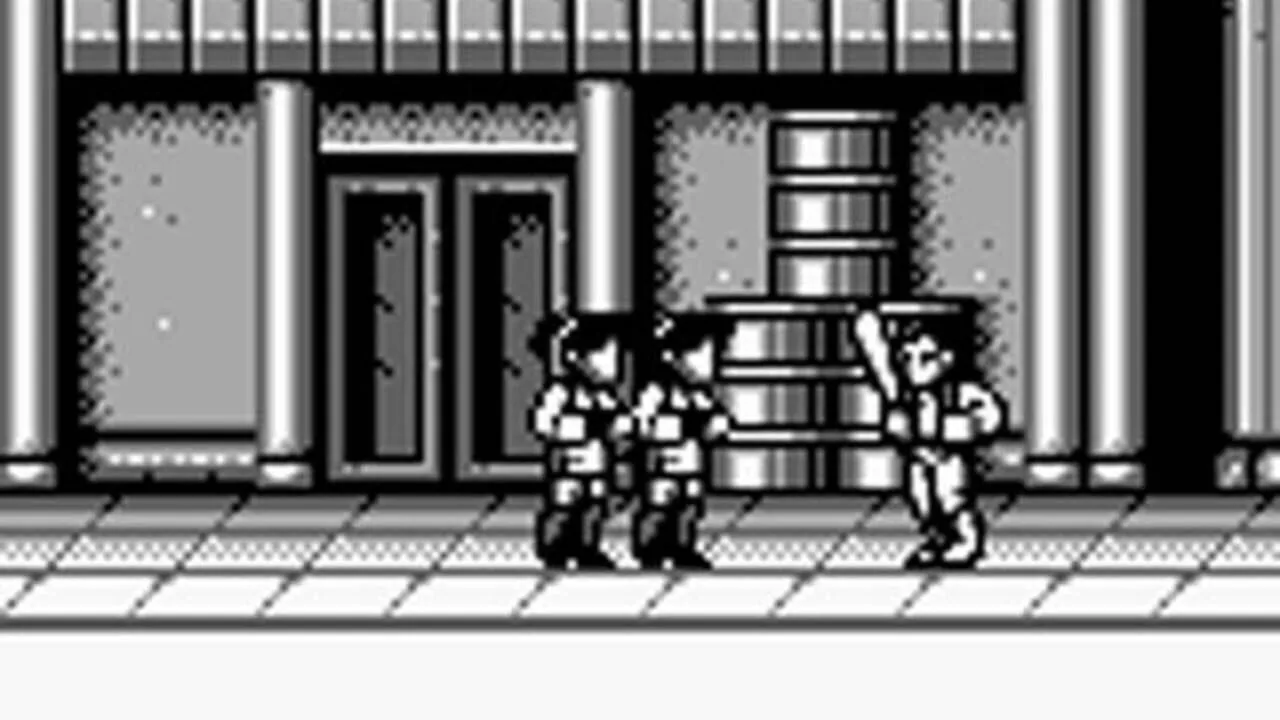
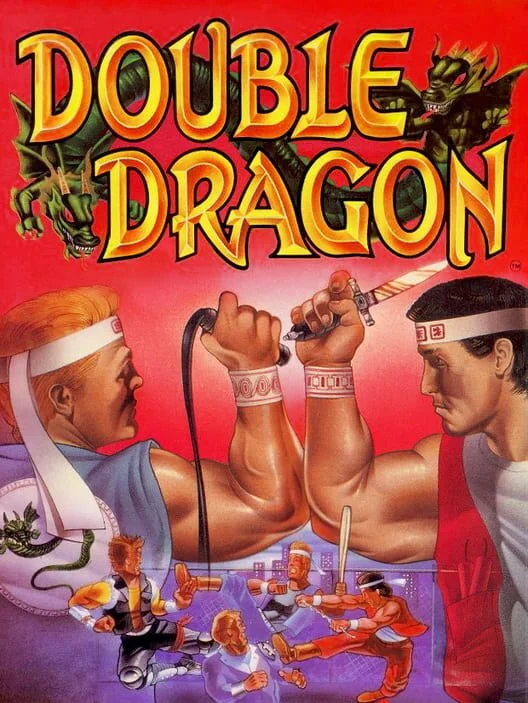
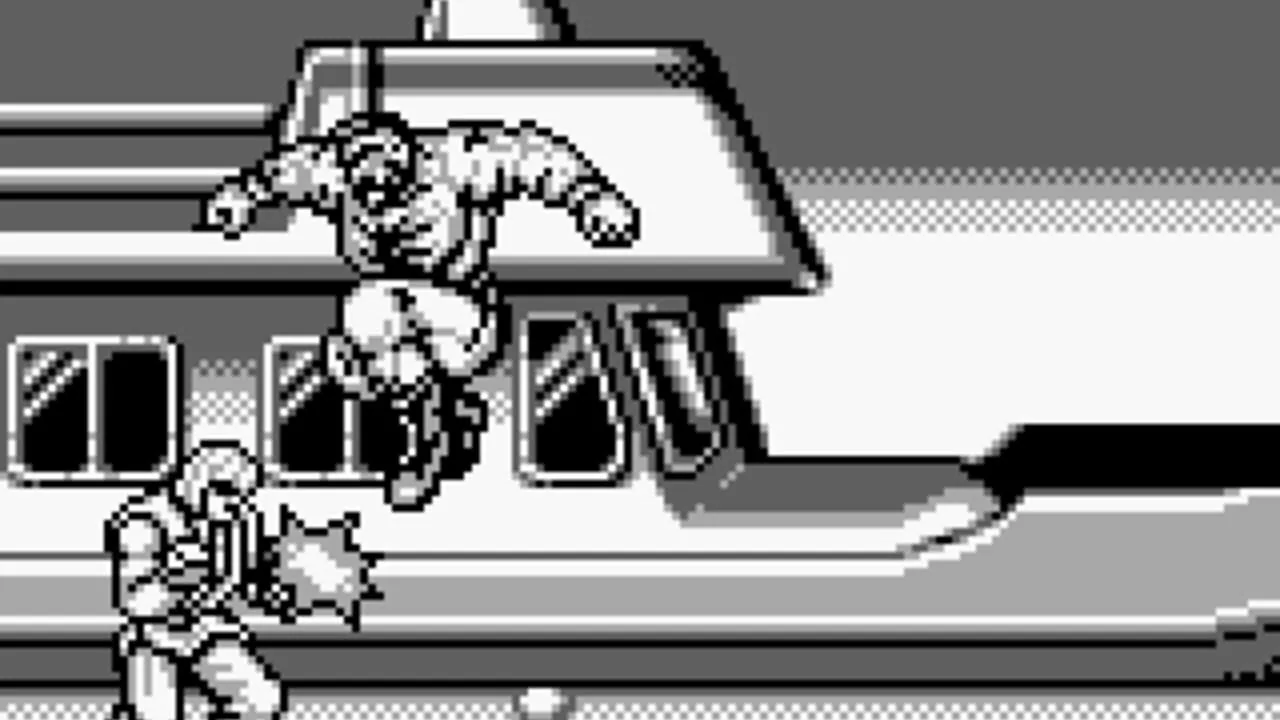
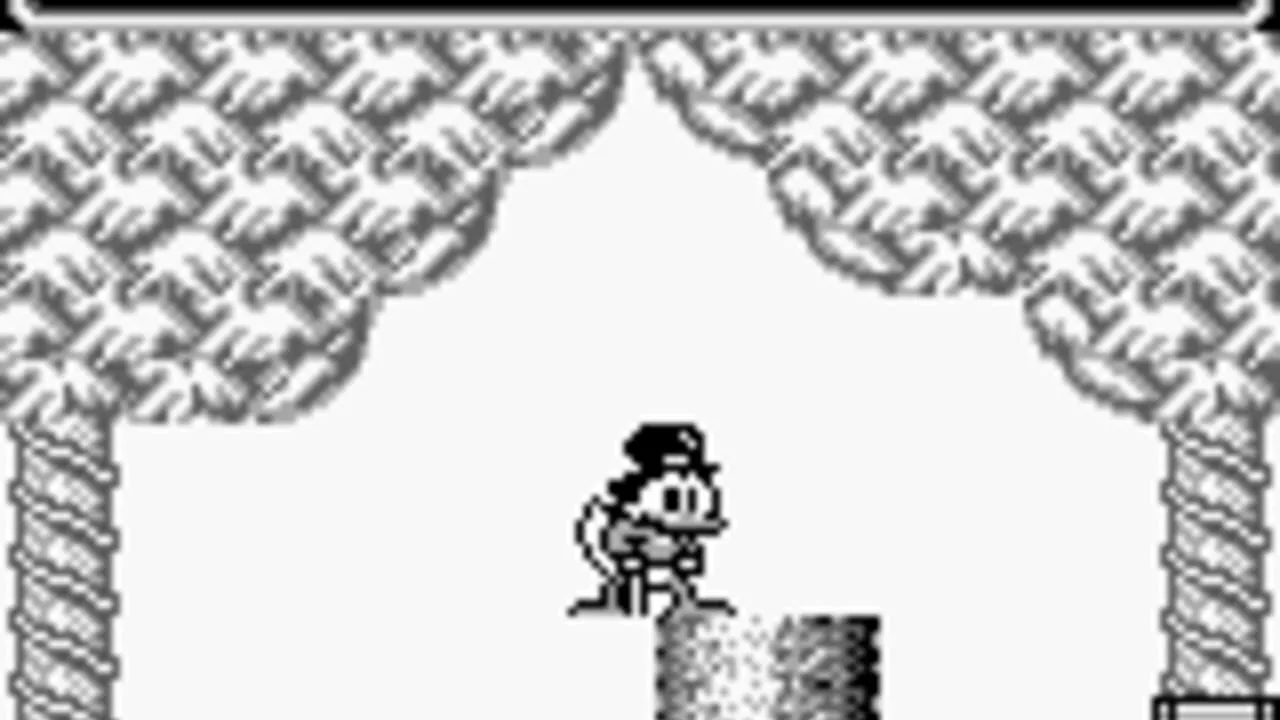
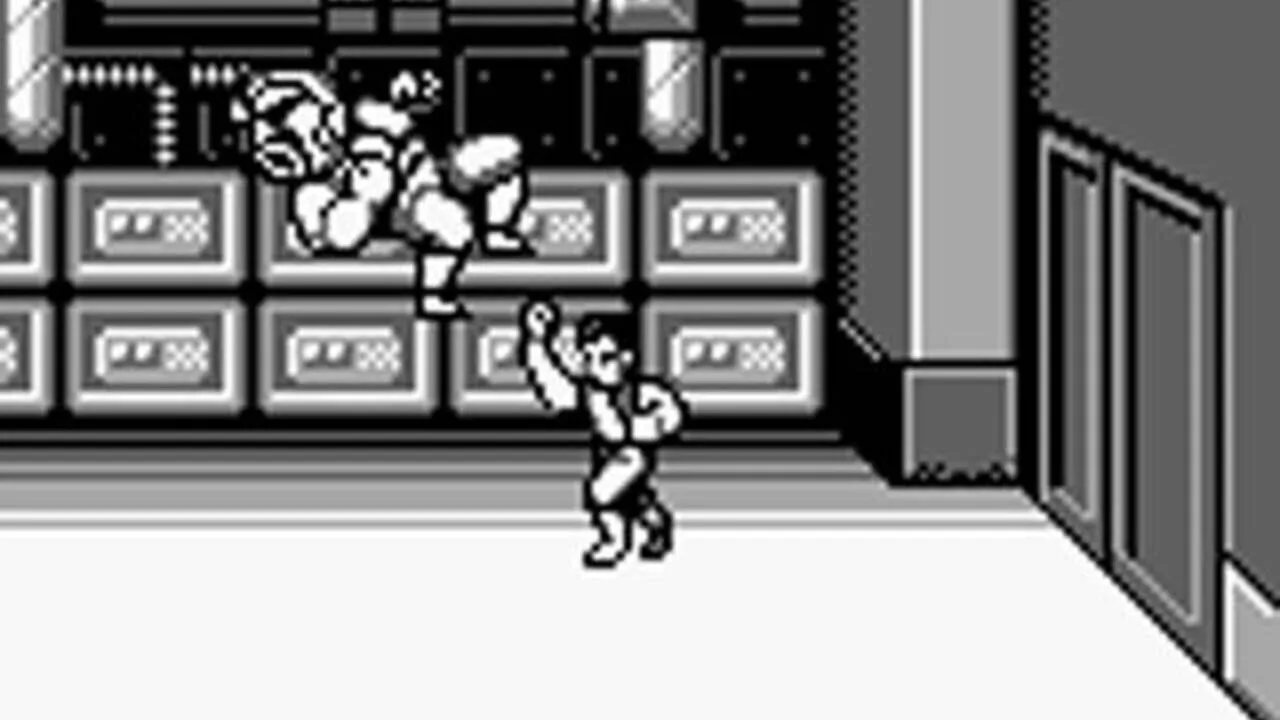
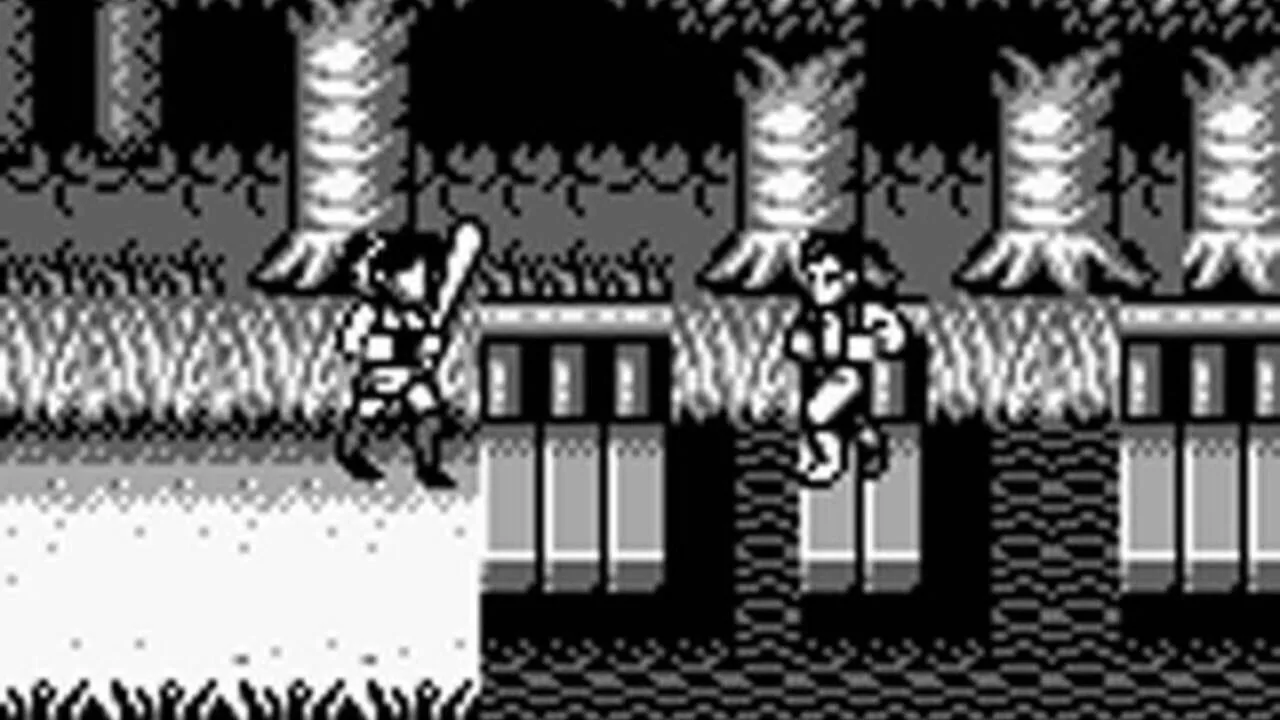
Technōs Japan made the Game Boy version in 1990, three years after the arcade original, and it plays like the NES version with completely different level designs. Billy has all his moves from the start, though the head butt is gone, and the game ends after the fight with Willy, so Jimmy never appears in the main game.
It's also really hard, because dying always resets you to the very beginning of a stage. That stings, but it also makes every clean run feel earned. For some players it's still the version they grew up with and the one they'd recommend.
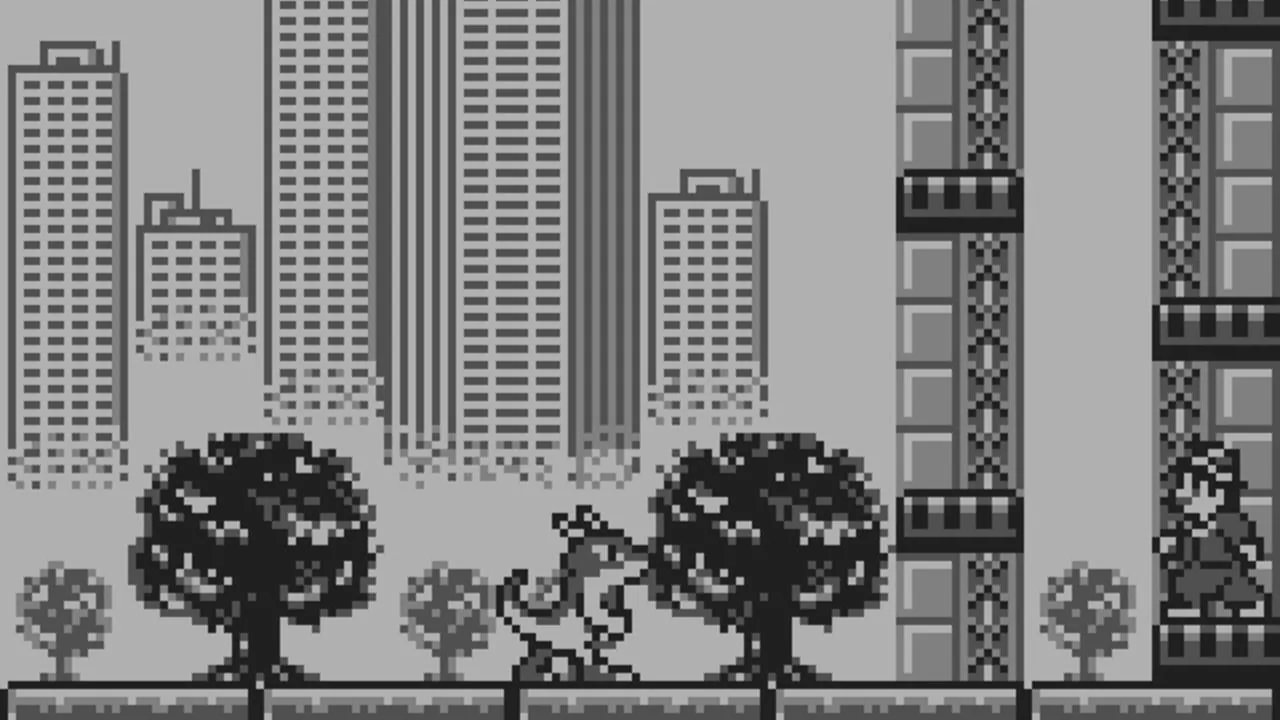
1. Bionic Commando (1992)
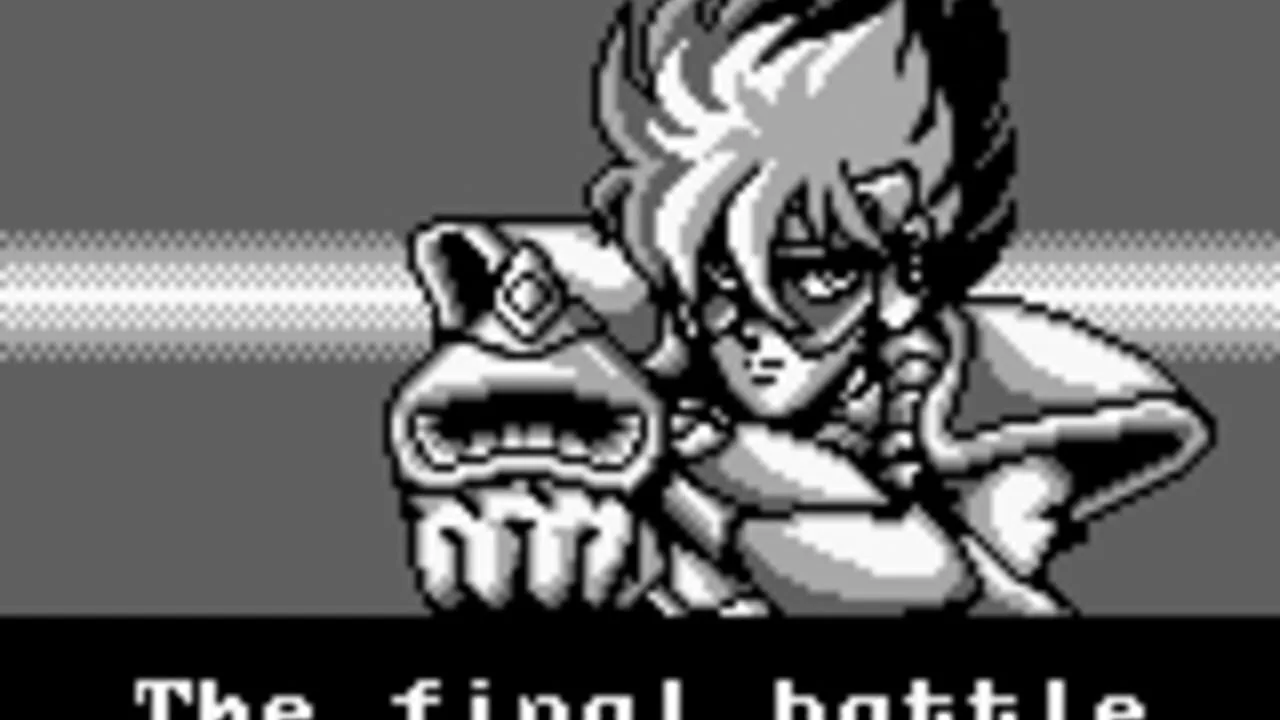
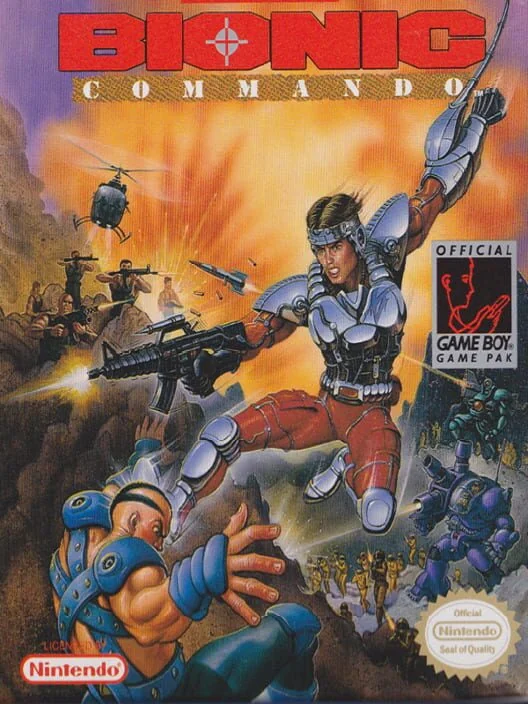
Capcom's 1987 arcade game was reworked for the NES, and Minakuchi Engineering's 1992 Game Boy version adapts that NES game. Strictly speaking it's less a port than a retelling: the plot is the same, but the present-day setting turns futuristic. You no longer fight the Nazis, or the Badds, depending on which box you owned. The enemy is now the Doraize Army, led by Director Wiseman, named after the villain of the Japanese Famicom game.
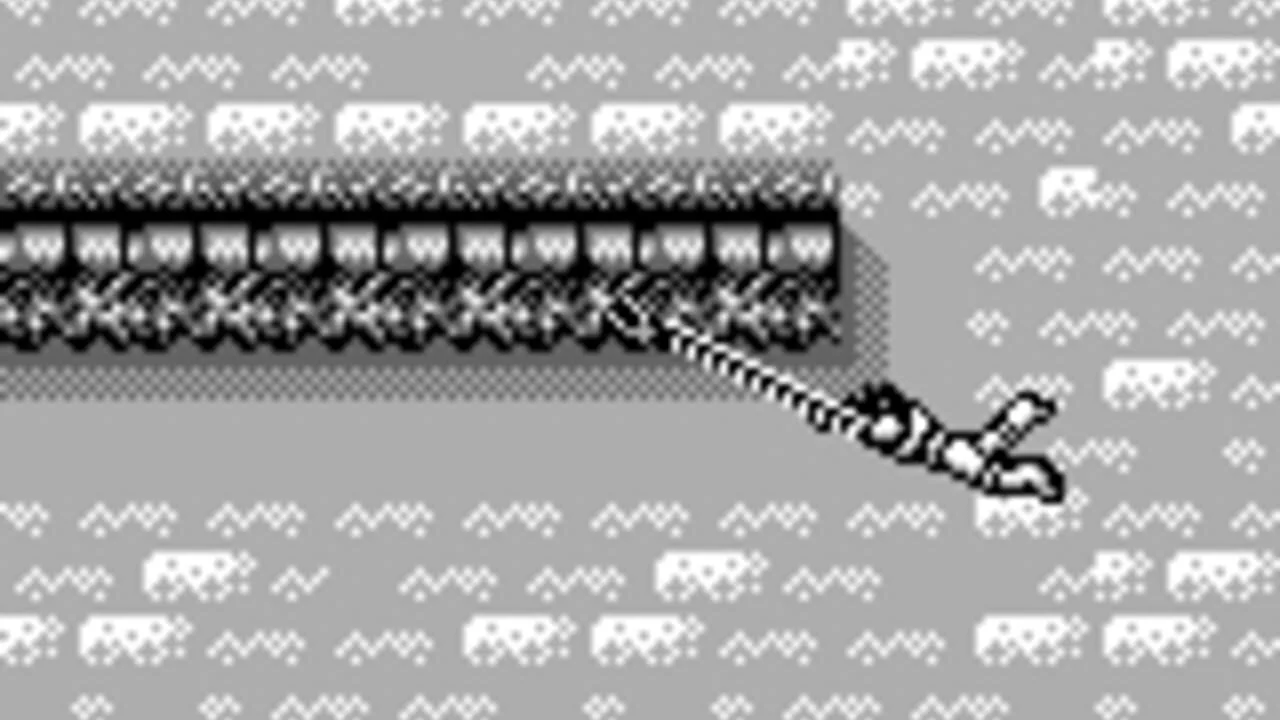
The sprites are redrawn to fit the small screen and Rad moves at a brisker running speed than before. The swinging arm feels great in your hands. It has been on Nintendo Classics since November 2025, and plenty of players name it as their favourite version, with some saying it plays better than the one on the NES.
Which one to play
There you have it, the whole list of the best Game Boy ports. Squeezing these games onto a handheld took real cleverness, and a surprising number of them still stand up as full games in their own right.
If you are not sure where to start, play Bionic Commando. If you want a faithful arcade shooter, go for R-Type. If you like fighters, Real Bout Fatal Fury Special is the best of the bunch. For a puzzle fix, pick Tetris Attack. And for a hidden pick, Avenging Spirit has a ghost, a crime syndicate and a port that came out better than the arcade game.