The Game Boy had a green screen the size of a business card, and it still turned into one of the best places to jump on things. Platformers suited it. A level fit a bus ride, and a jump either landed or it did not, no matter how much the screen smeared when things moved fast.
Mario was there from the first year, and Kirby made his very first appearance on it. Later, Rare squeezed its Donkey Kong Country look onto the cartridge three times over, and Capcom brought DuckTales across from the NES. Here are the 20 best Game Boy platformers.
20. DuckTales 2 (1993)
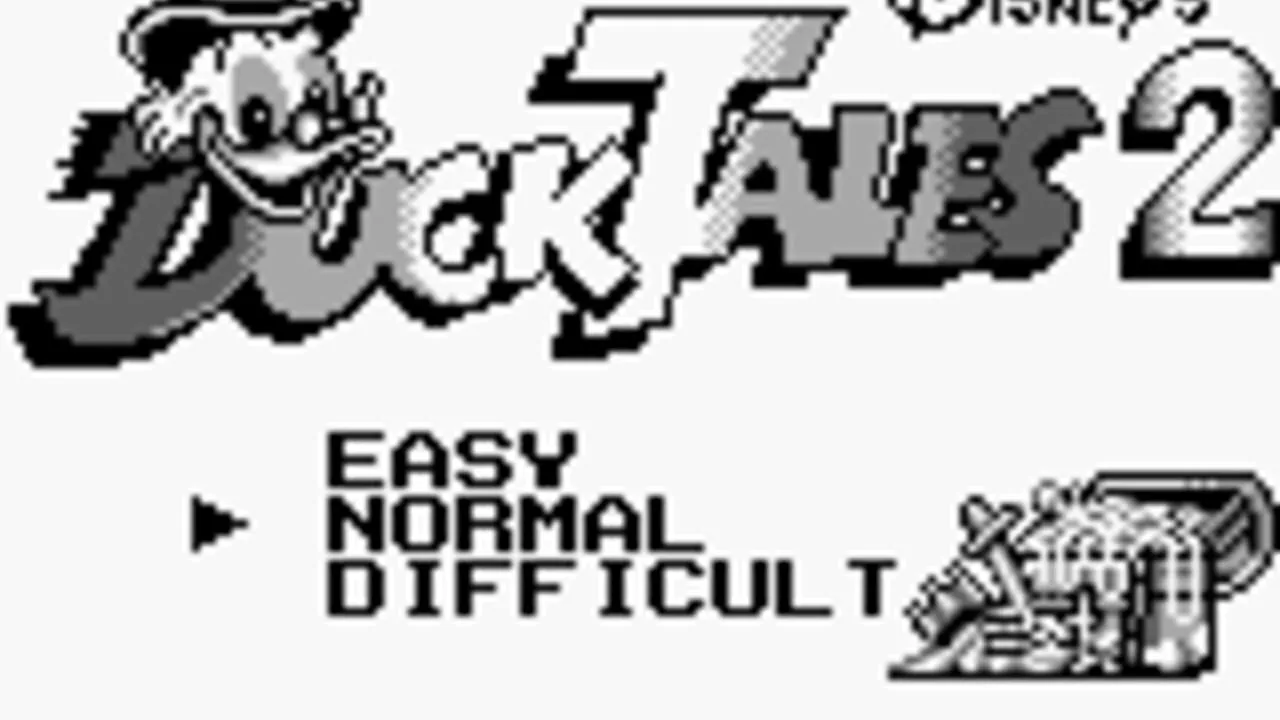
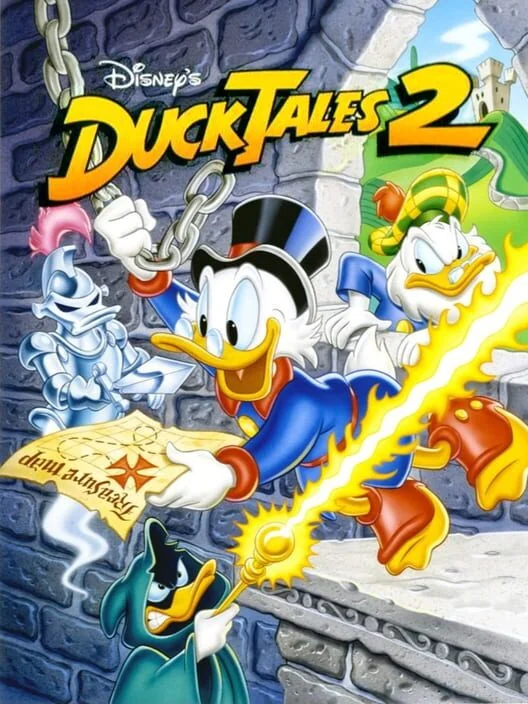
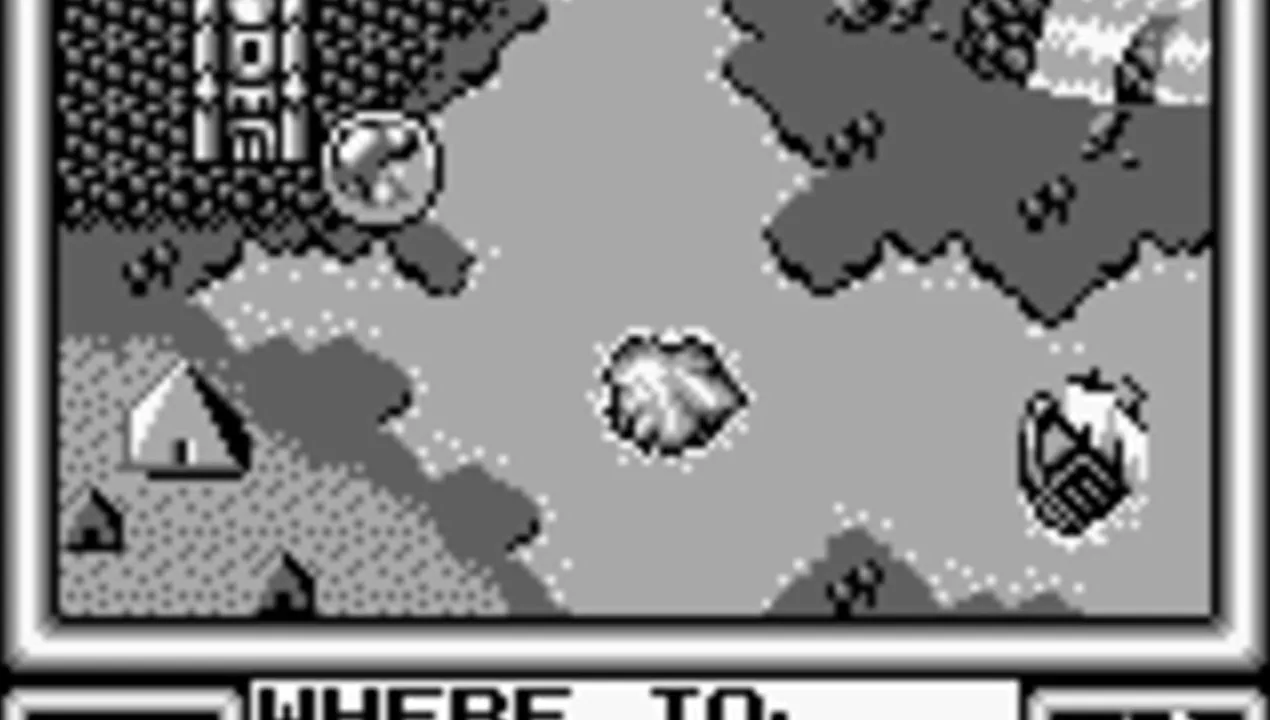
DuckTales 2 is the sequel to Capcom's first DuckTales game, and Make Software made it for Capcom. It came out on the NES in early 1993, and the Game Boy port followed in Japan and North America at the end of the year. Scrooge McDuck goes looking for the hidden treasure left by Fergus, and his archenemy Flintheart Glomgold is also after the lost treasure of McDuck.
As in the first game, you choose the levels in any order you like. The new part is that you can return to a level you already beat to collect more money and items, which is a very Scrooge way to spend an afternoon. It sits last here, but it got onto the list on player picks alone, and its big brother is waiting six places up.
19. Bonk's Adventure (1992)
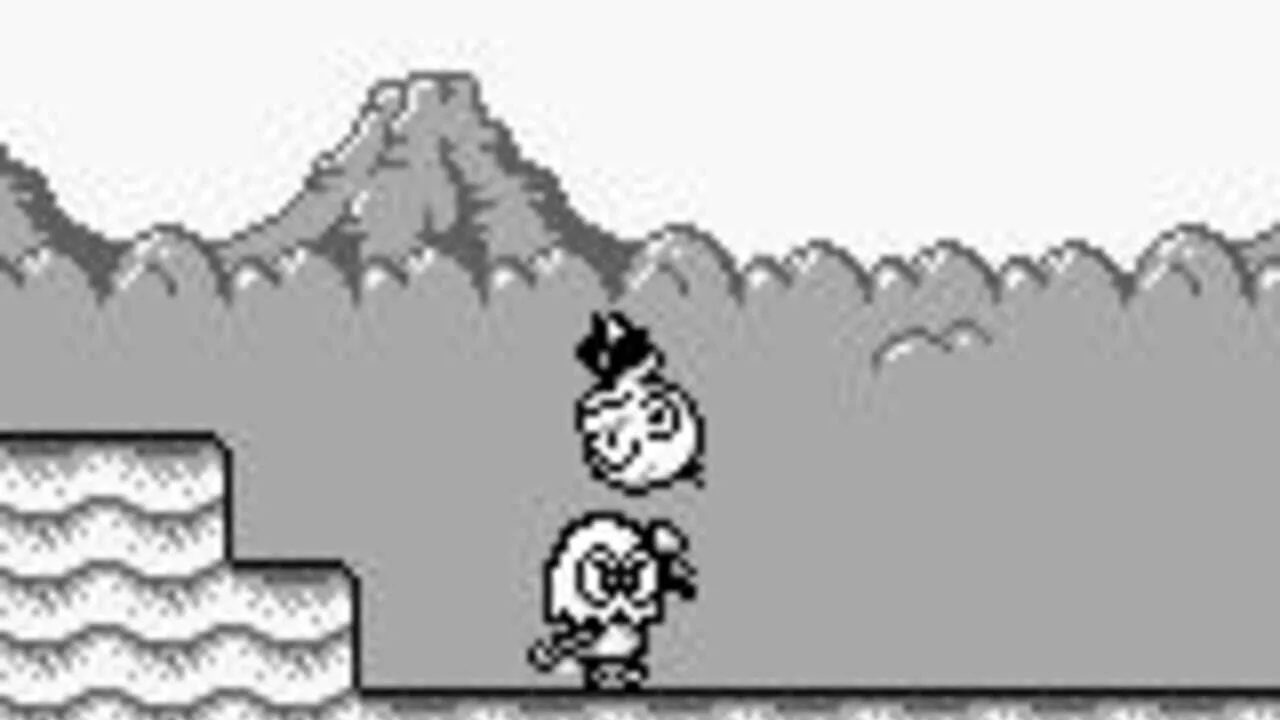
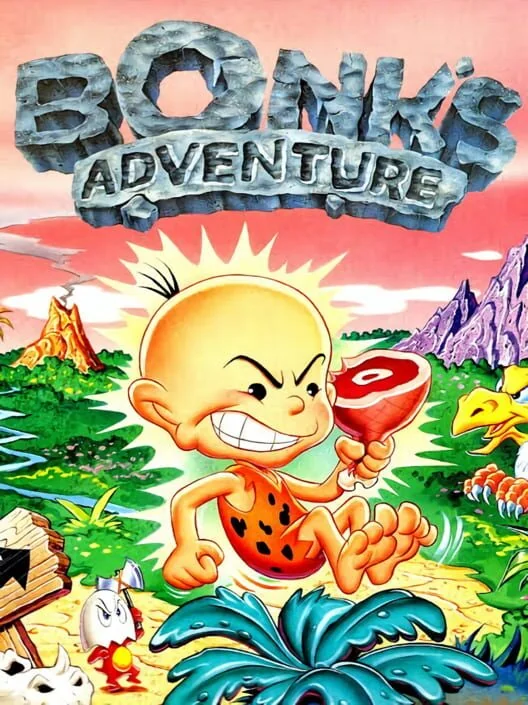
Bonk started on the PC Engine, where his Japanese name, PC Genjin, was a play on the console's own name. The Game Boy got its own Bonk's Adventure, in which the slimy King Drool has kidnapped the Moon Princess. Bonk is a caveman kid with a huge head, and the head does the work. Bonk attacks enemies by bonking them with his large, invincible forehead, and he can spring off flowers to get higher.
Beating an enemy releases a small smiley power-up, and at the end of a stage the game hands out points and a caveman-type congratulation based on how many smileys you collected. It is a short, friendly game. For anyone who thinks Mario jumps too much and headbutts too little, it is the fix.
18. Adventure Island (1992)
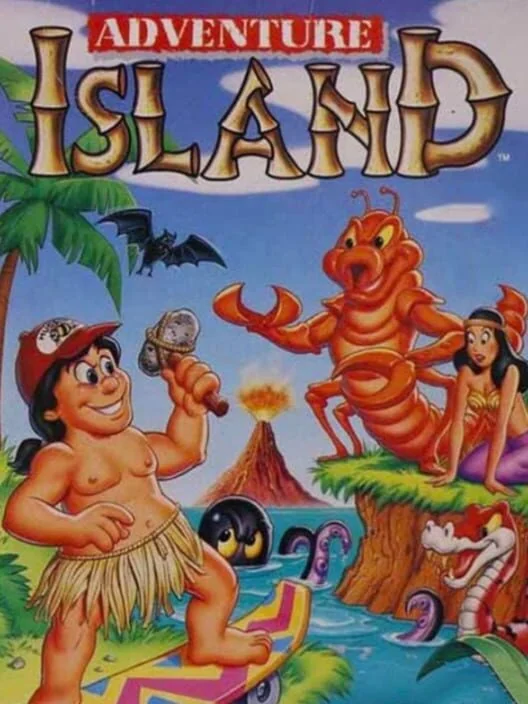
The Adventure Island series began as Hudson Soft's direct port of the Sega arcade game Wonder Boy, and most of the sequels stuck to the game system of the original Wonder Boy. The hero is Master Higgins. In the first game he sails to Adventure Island after hearing that the Evil Witch Doctor kidnapped Princess Tina, and the Game Boy game sends him out to save the day again.
The rules are strict. Higgins loses a life whenever he touches an enemy or a fire roast, or falls into a pit or the water, and he cannot fight at all until he picks up a stone axe. Its sequel sits one place higher. If you grew up on the NES games, this is the same island in your pocket.
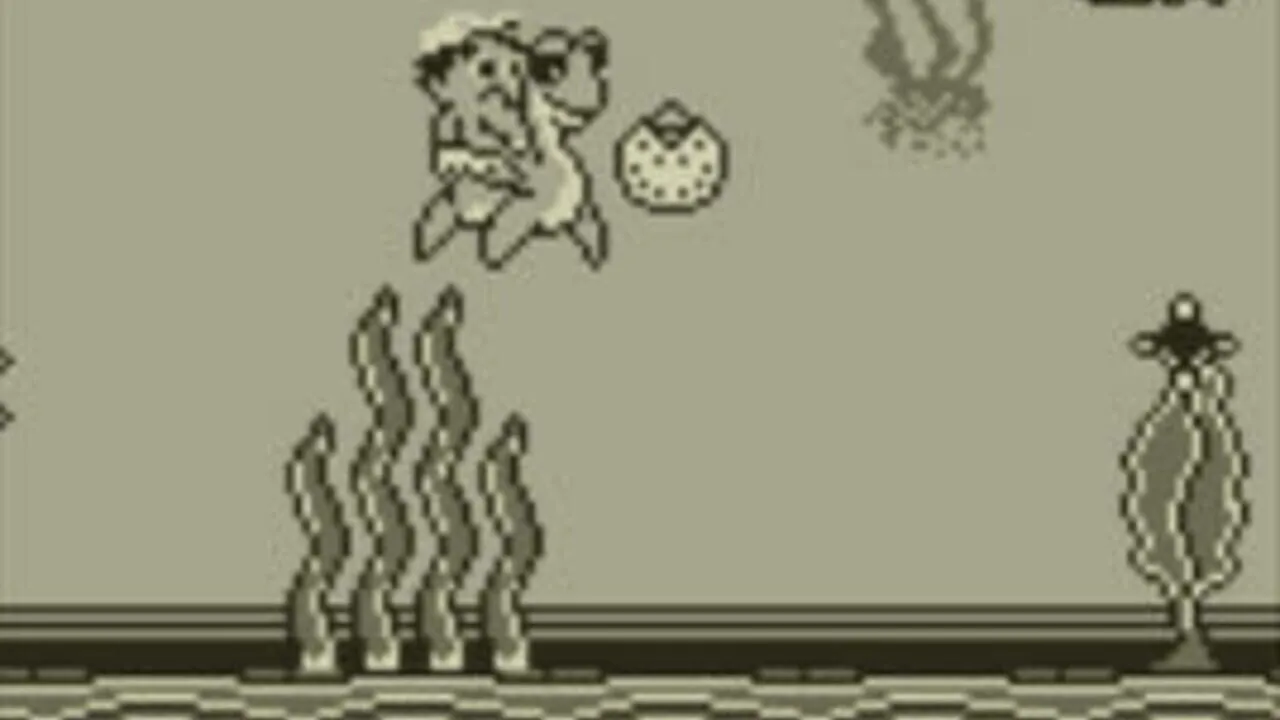
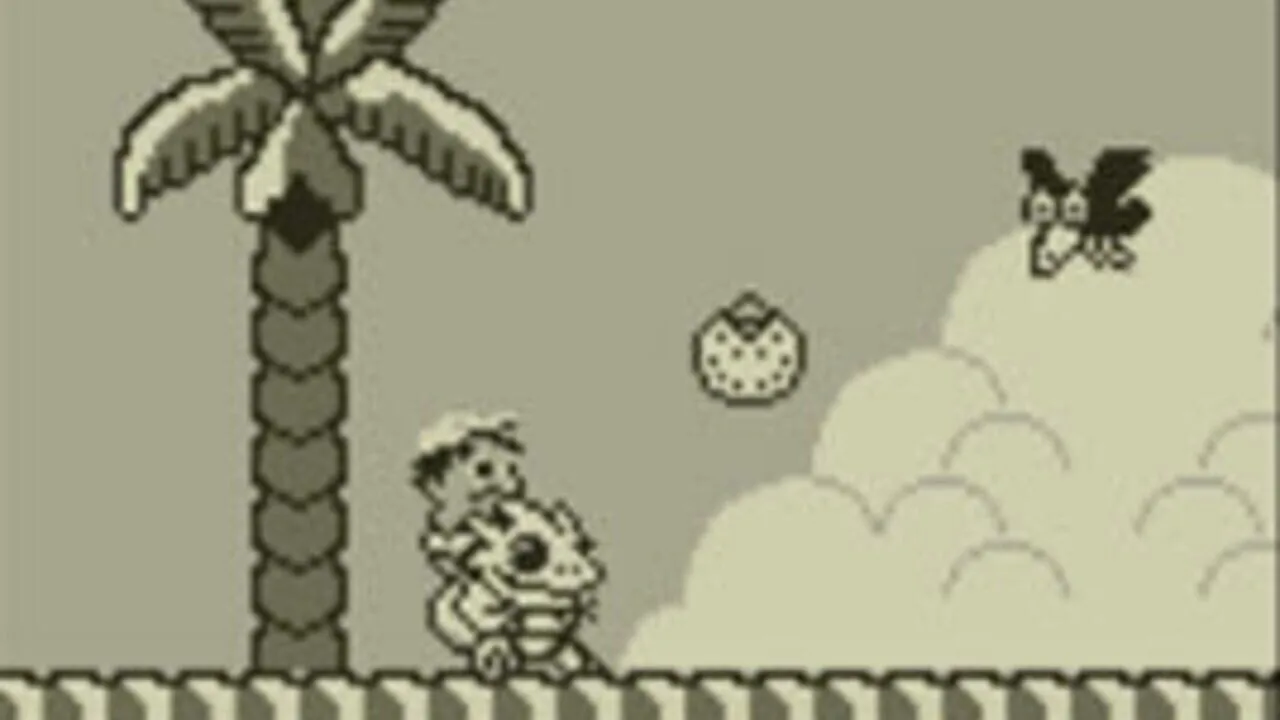
17. Adventure Island II (1993)
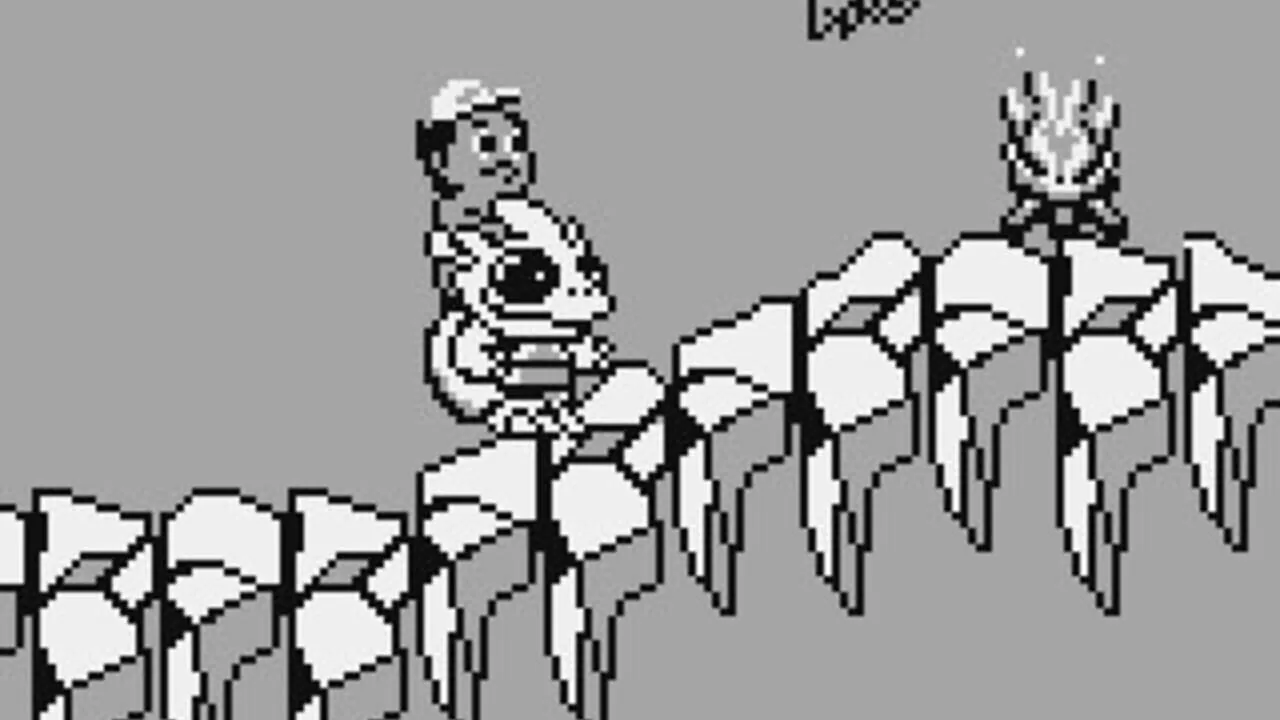
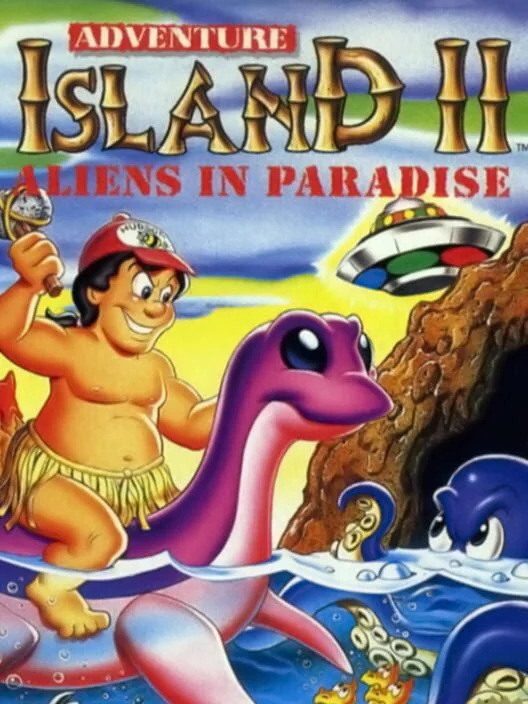
Adventure Island II takes Master Higgins somewhere new, because this time Jeannie Jungle has been captured by aliens. That is a big change of scenery for a series built on islands and stone axes, and it suits the Game Boy's habit of getting the odd sequel no other console had.
The basics are the ones the series always kept from Wonder Boy. Players rank it one place above the first Game Boy Adventure Island, which makes it the one to try if you only play one. It is not the deepest game on this list, but it is honest work for a few evenings.
16. Looney Tunes (1992)
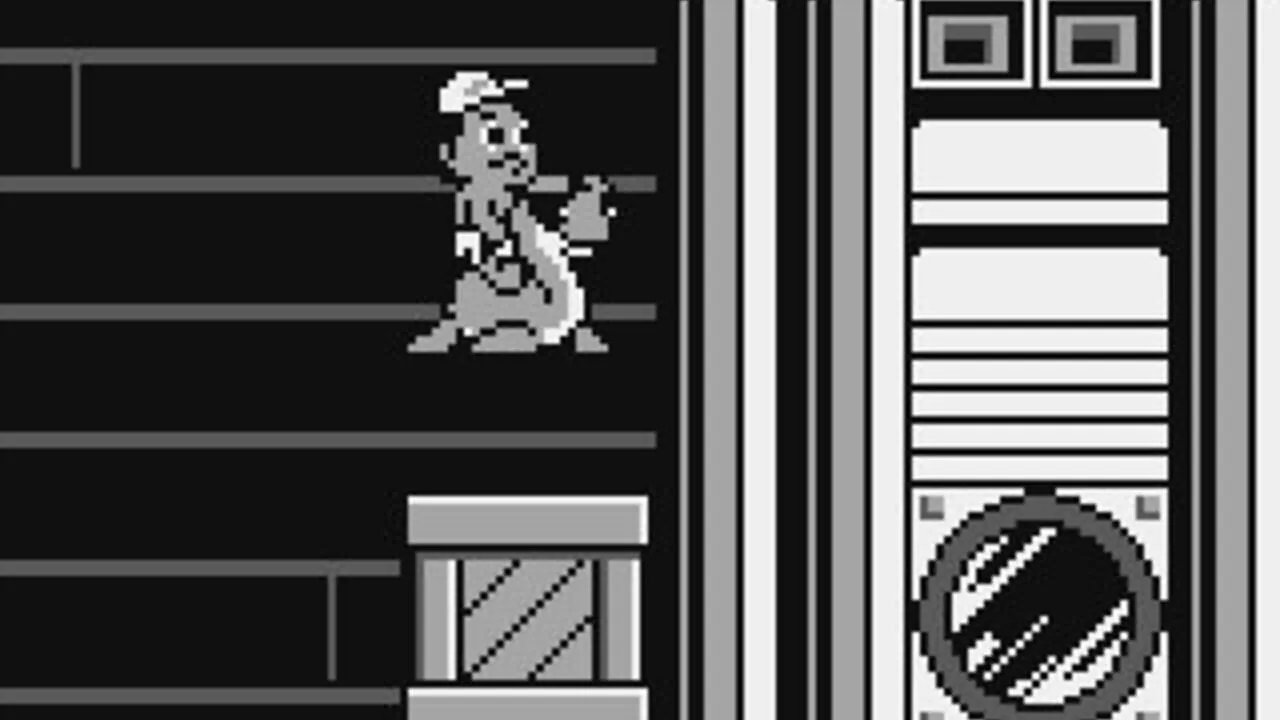
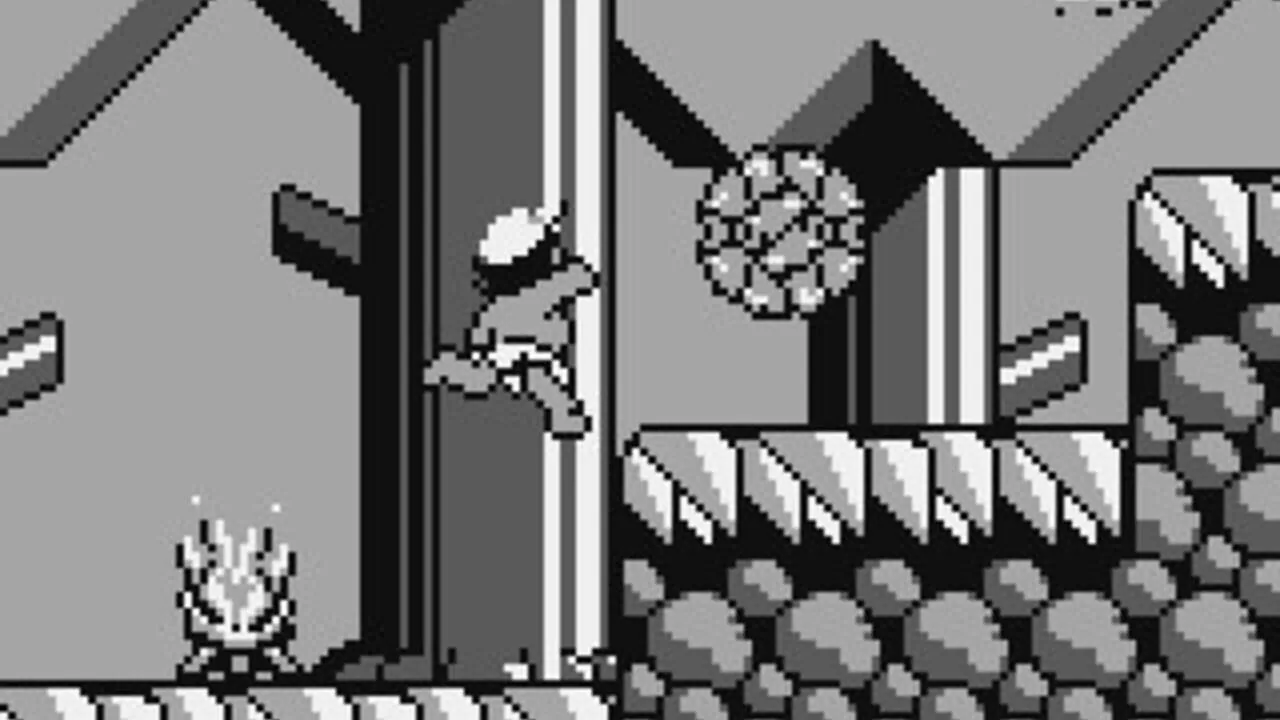
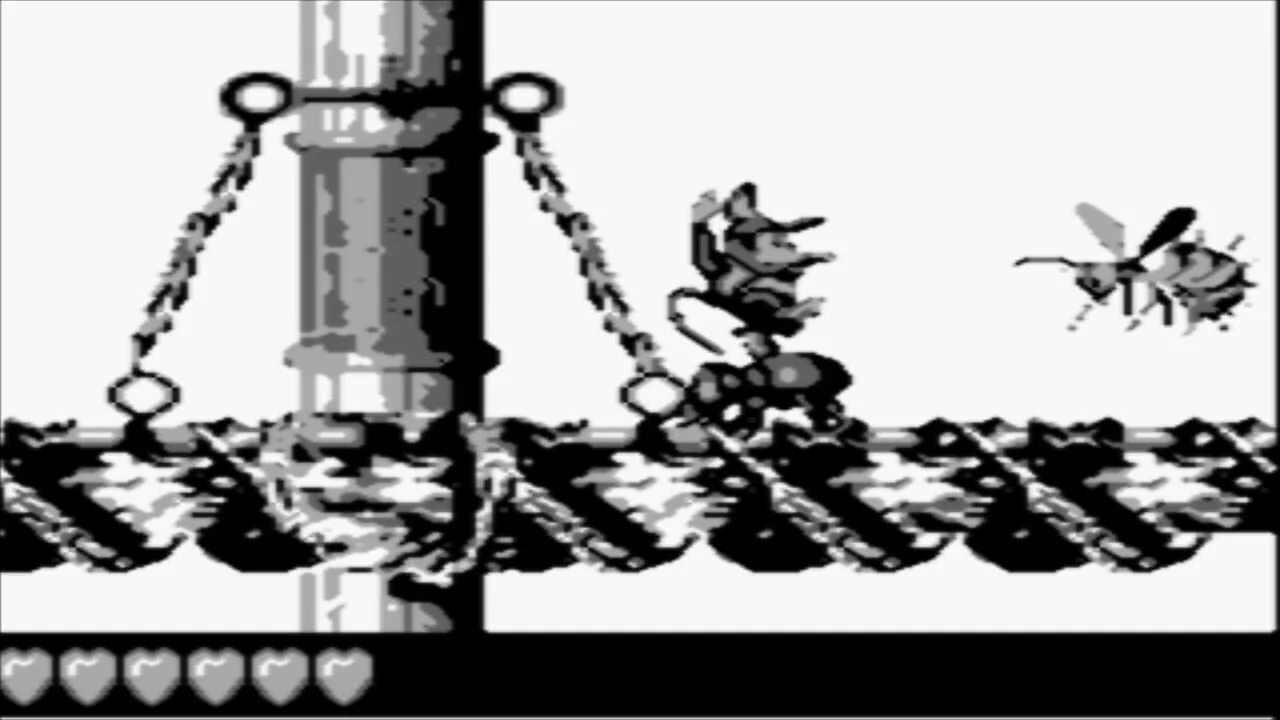
Looney Tunes is a side-scroller that hands you a different character for each of its seven levels. Daffy Duck throws a frisbee in a Mario-style stage, Tweety has to elude Sylvester, Porky Pig flies a biplane and shoots down enemies, and Speedy Gonzales runs from ghosts in a haunted mansion. Road Runner runs from Wile E. Coyote, and Bugs Bunny closes things out with a stage like Daffy's.
Taz gets the strangest job of all. His level is a bonus game where he collects as many steaks as he can in 60 seconds, which feels about right for him. The game was re-released for Game Boy Color seven years later. It is the closest thing the Game Boy has to a cartoon variety show, and players rank it above both Adventure Islands.
15. Trip World (1992)
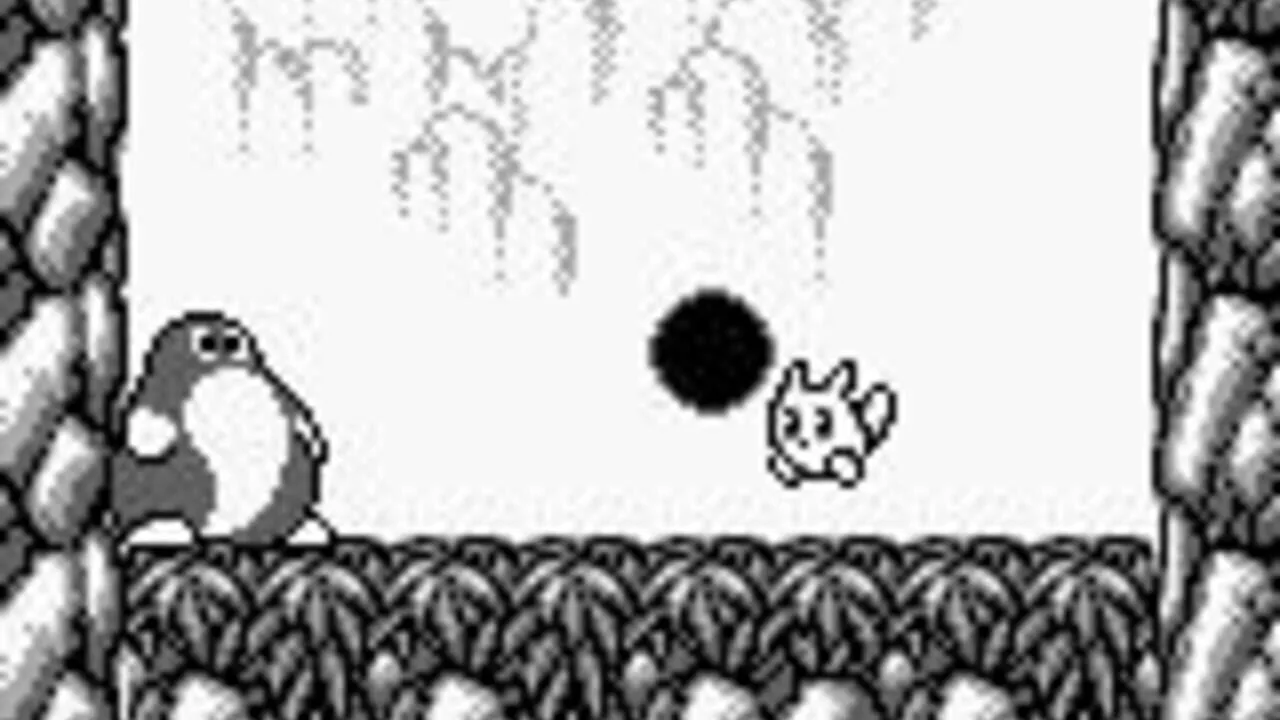
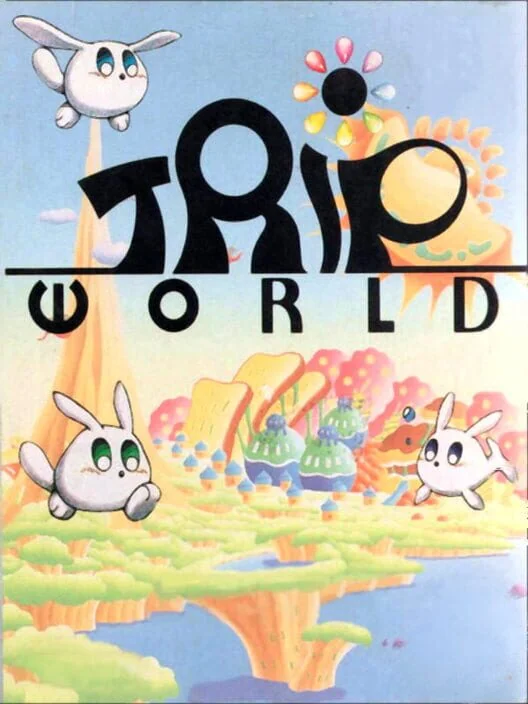
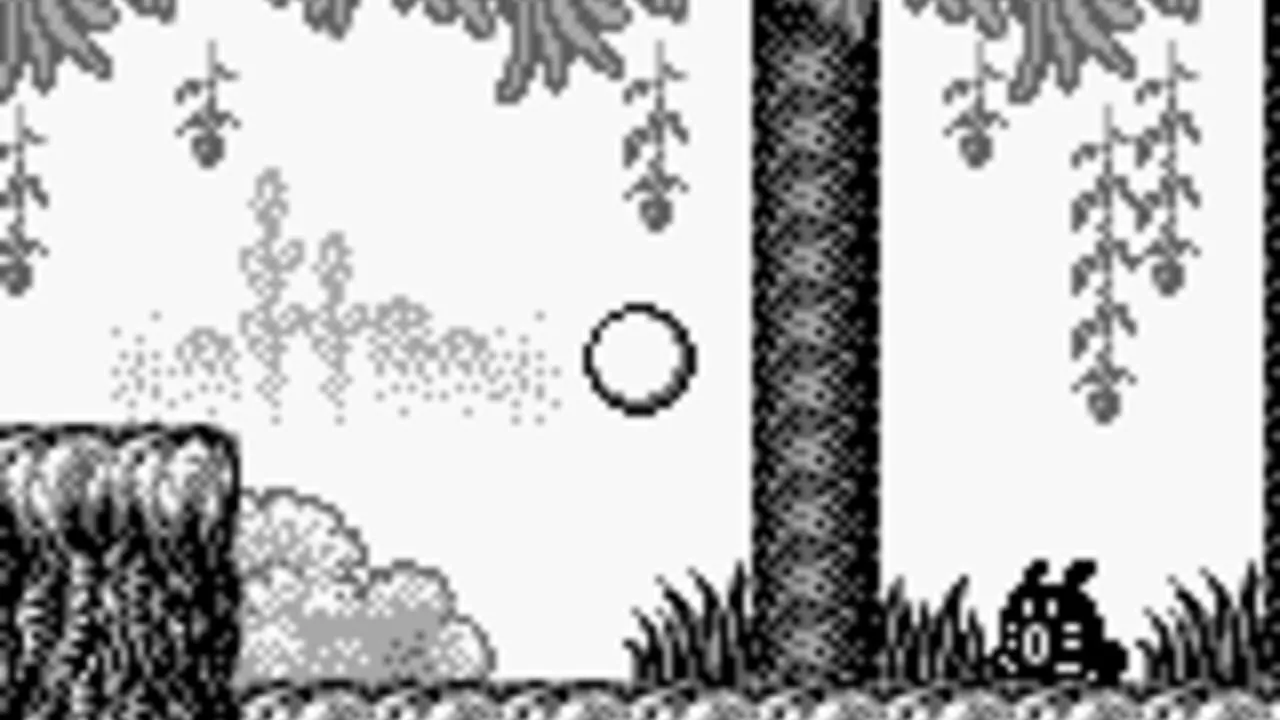
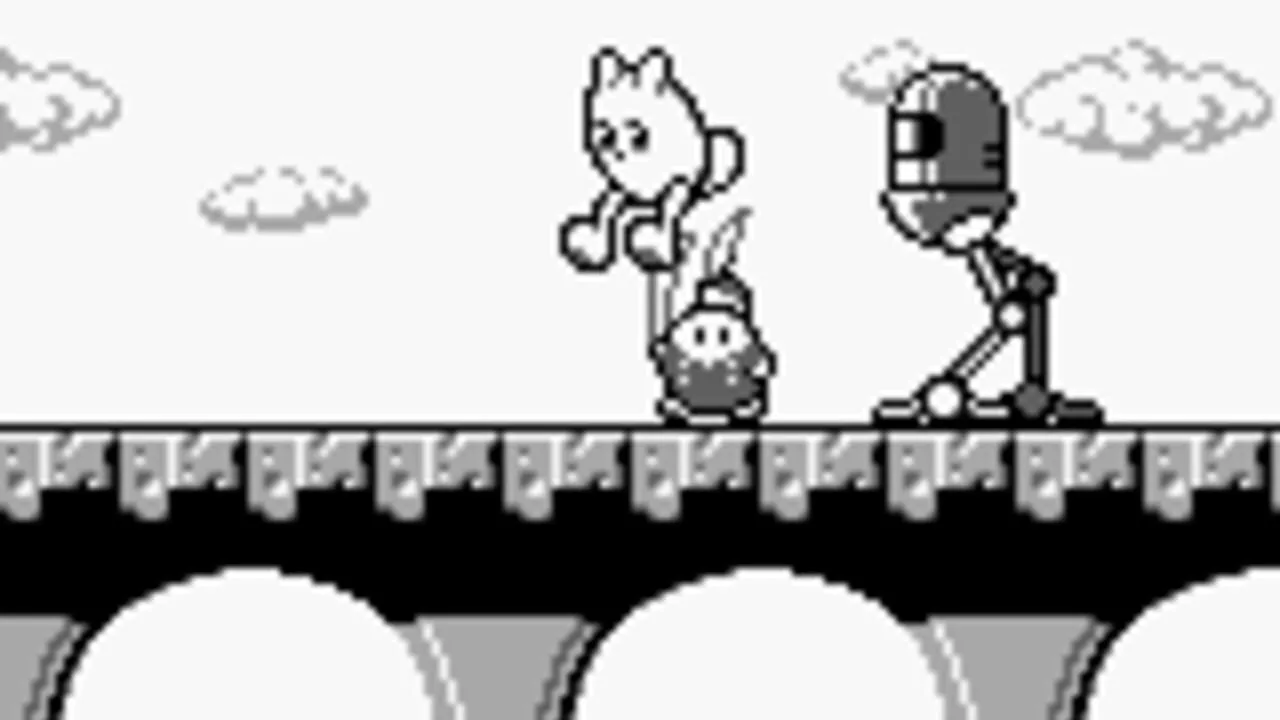
Trip World was developed and published by Sunsoft, and it was conceived by Yuichi Ueda after being influenced by Gimmick!. You play Yakopoo, a strange creature who has to recover his tribe's stolen flower before the villagers start fighting each other. He can shapeshift between three forms at any time, and in the first form he can walk, jump and attack enemies by kicking them.
Critics at the time praised the graphics and music, and complained that it was too easy and too short. One review called it "ideally suited" for inexperienced players, which is a kind way of saying the same thing. A remastered version, Trip World DX, came from Limited Run Games in 2023, so Yakopoo finally got a second shot at the audience he missed.
14. DuckTales (1990)
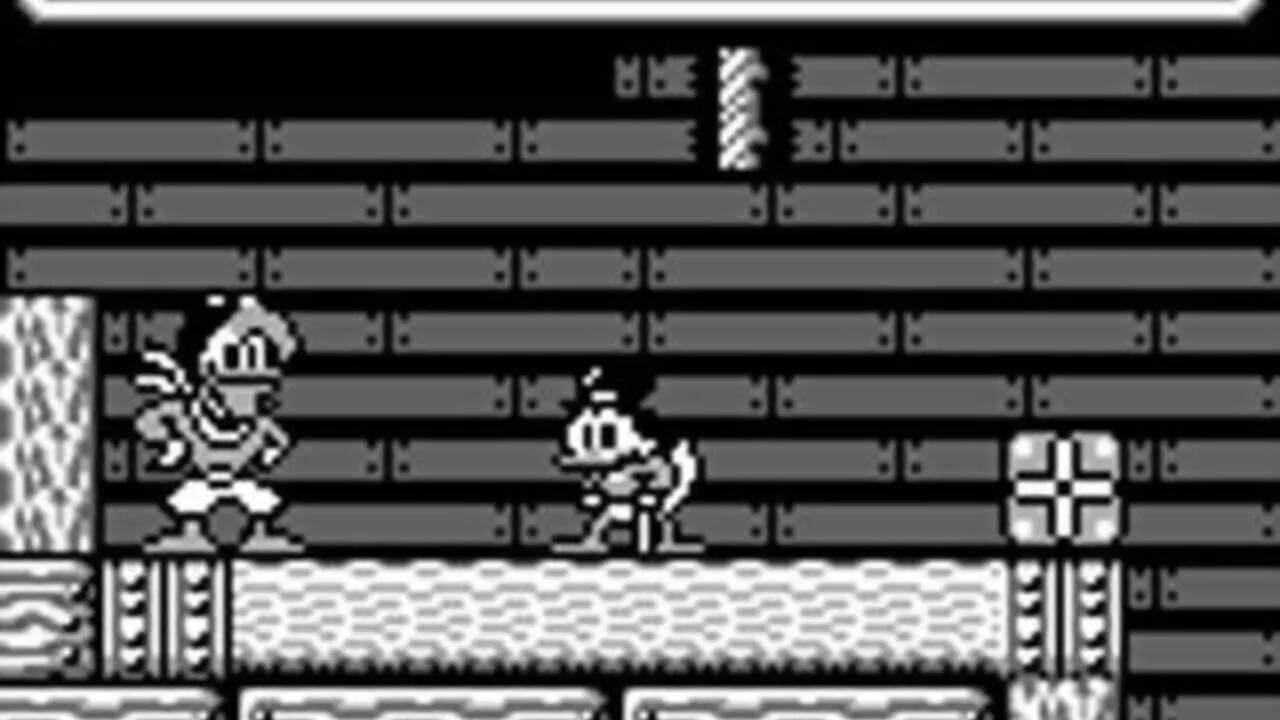
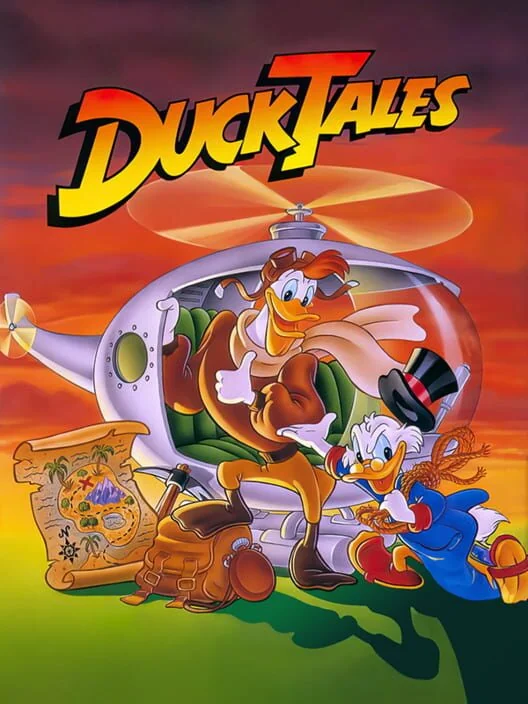
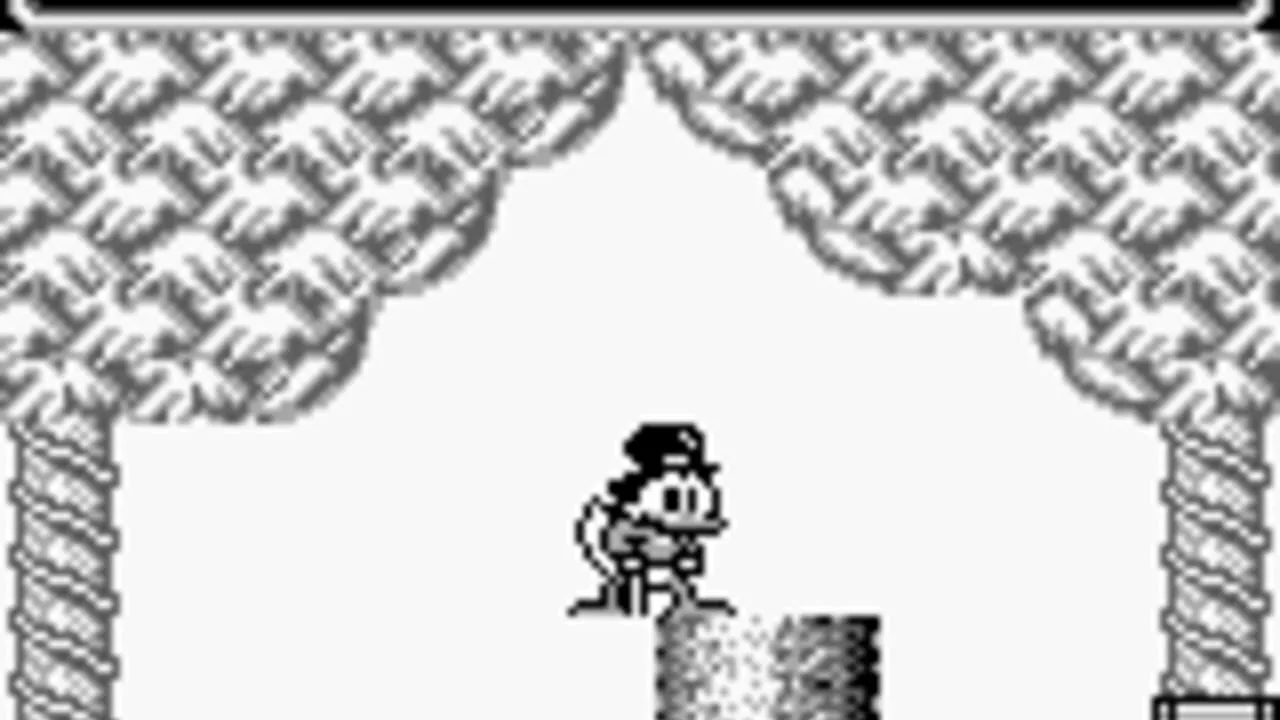
DuckTales is a Capcom platformer based on the Disney cartoon. It first came out on the NES in 1989 and was ported to the Game Boy in 1990. Scrooge McDuck travels around the globe collecting treasure and outwitting his rival Flintheart Glomgold to become the world's richest duck. It was produced by key personnel from the Mega Man series, and the controls show it.
It sold over a million copies on each system and became Capcom's best-selling title on both. Critics praised its tight control and non-linear gameplay, and you pick which treasure to chase first. The 2013 DuckTales: Remastered rebuilt it with the surviving voice cast, but this is still the version that fits in a coat pocket. Players put it six places above its own sequel.

13. Donkey Kong Land III (1997)
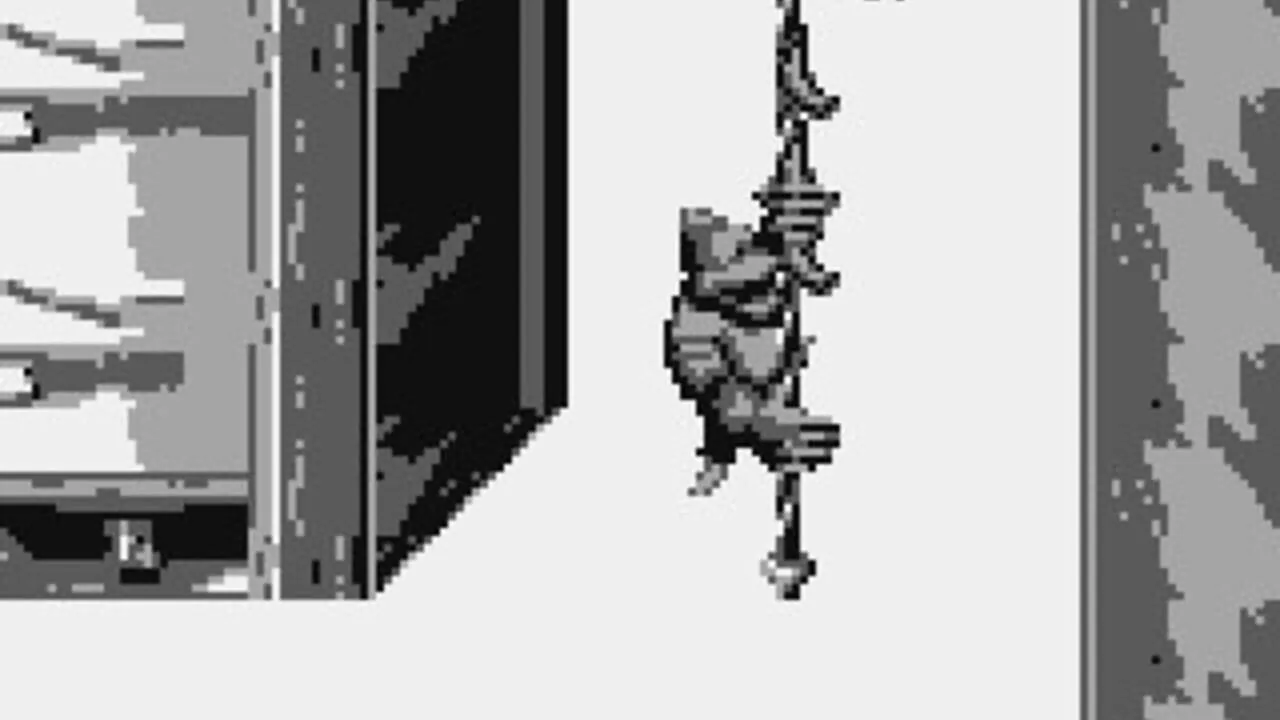
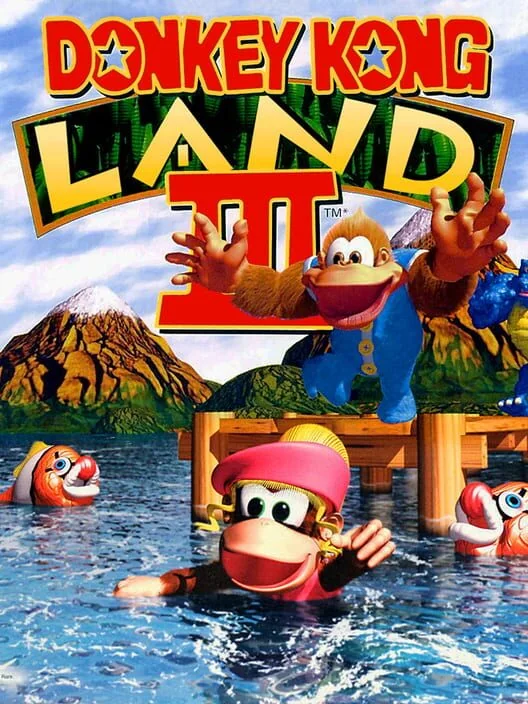
Donkey Kong Land III is the last part of the series, released for the Game Boy in 1997. Fortune seekers have flooded Donkey Kong Country looking for the fabled Lost World, and Dixie Kong and Kiddy Kong rush through 36 levels to get there first. The animal friends are back, with Ellie the elephant and Parry the parallel bird among them.
It deviates more from its console counterpart, Donkey Kong Country 3, than the earlier Land games did. Nintendo Life called it the best of the Donkey Kong Land series, and Japan got its own edition, Donkey Kong GB: Dinky Kong & Dixie Kong. Players put the first Land game well above it, so critics and fans do not quite agree on this one.
12. Donkey Kong Land 2 (1996)
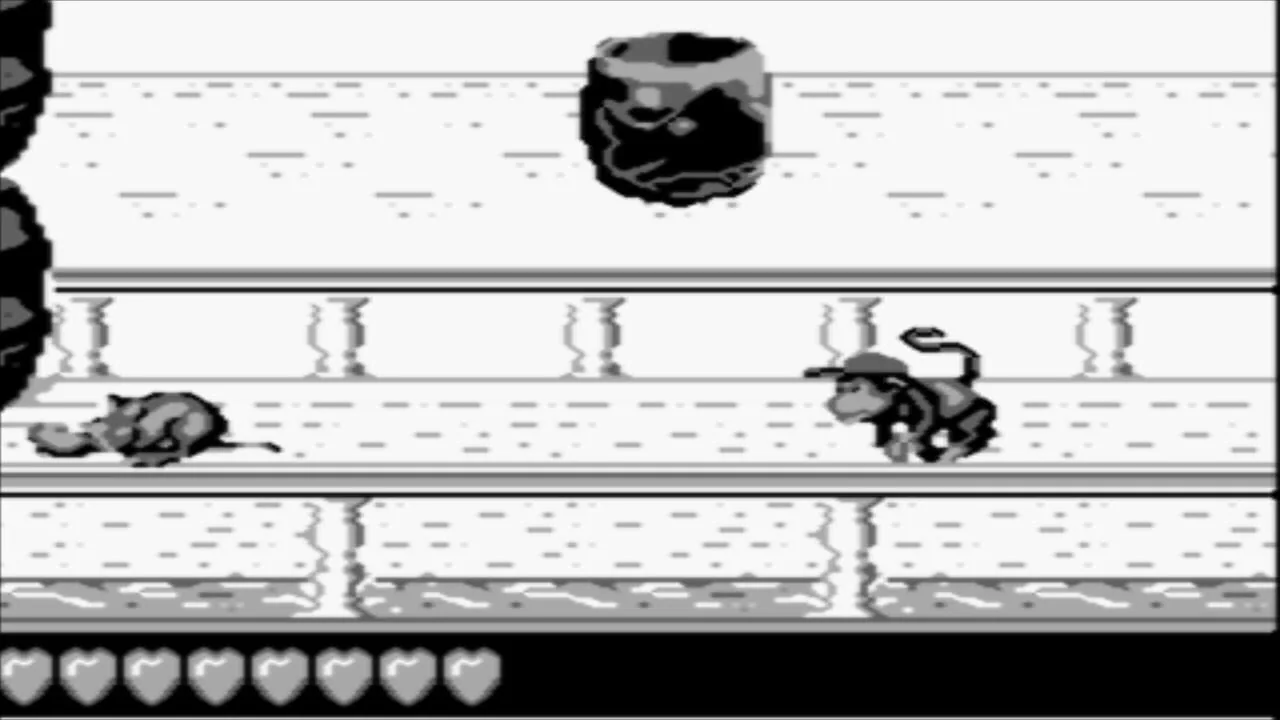
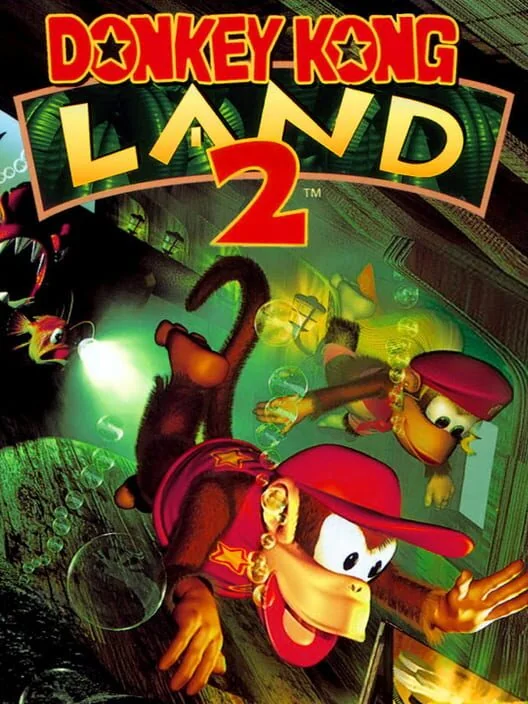
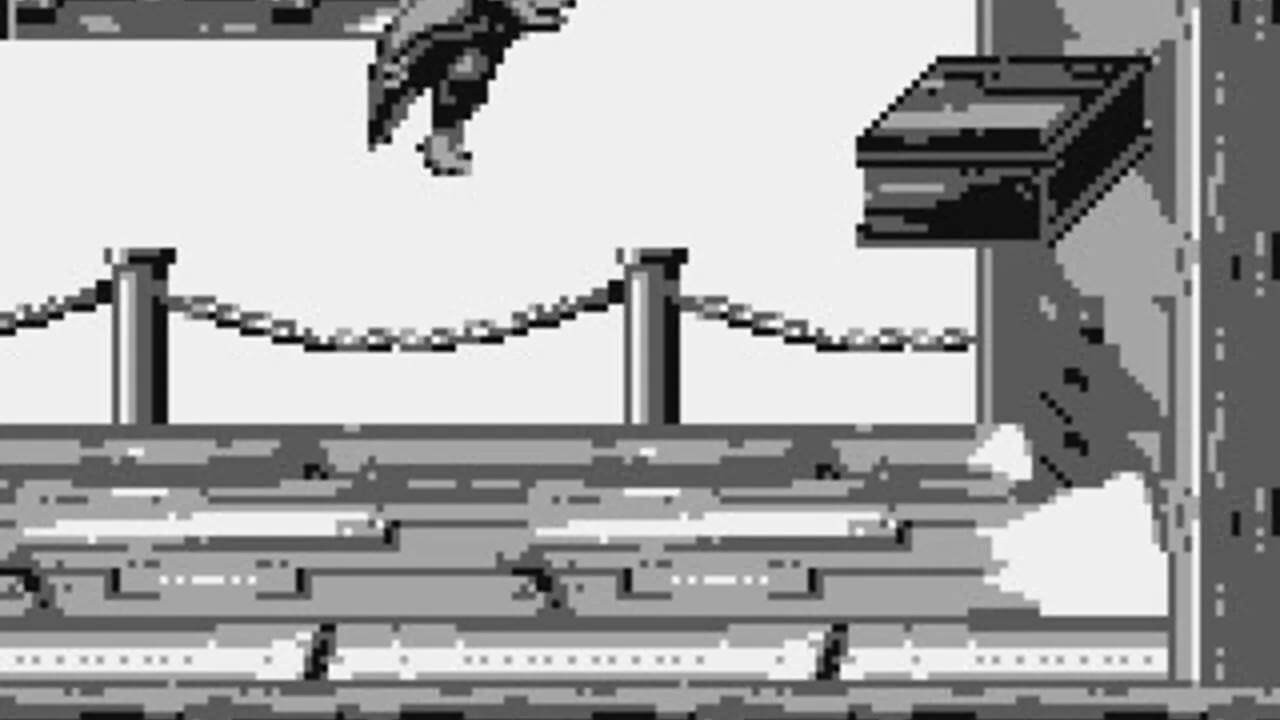
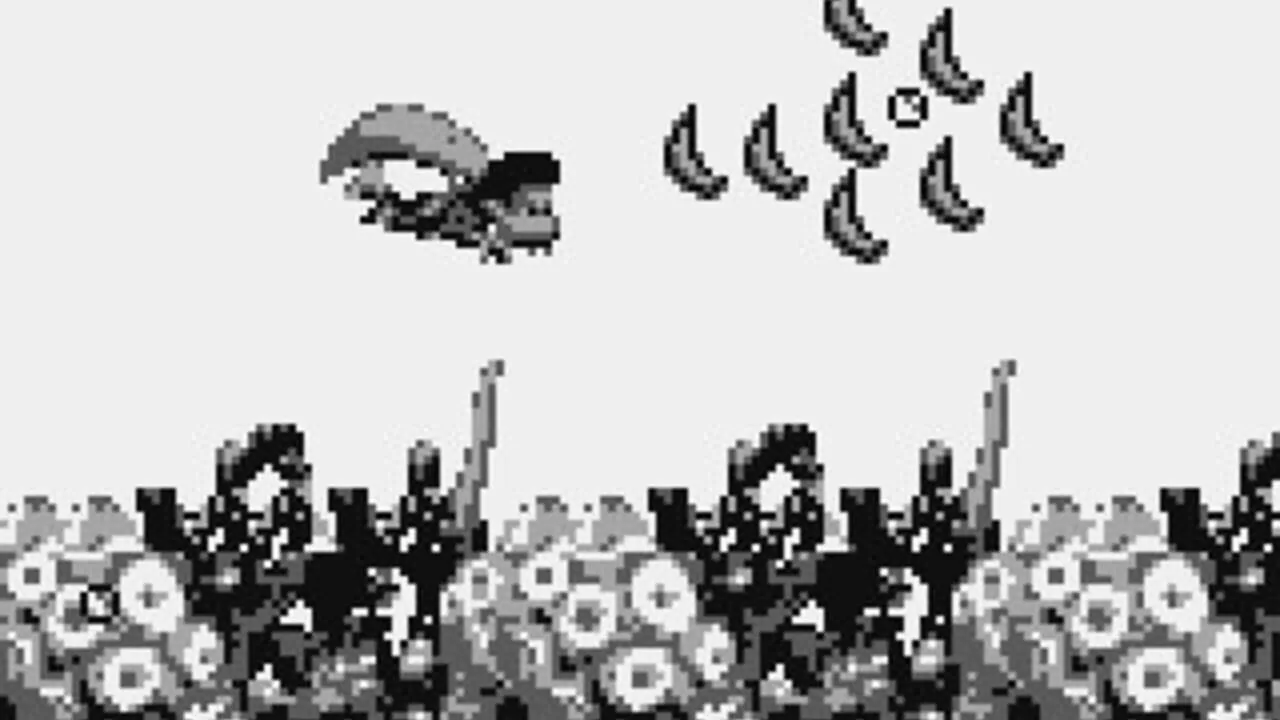
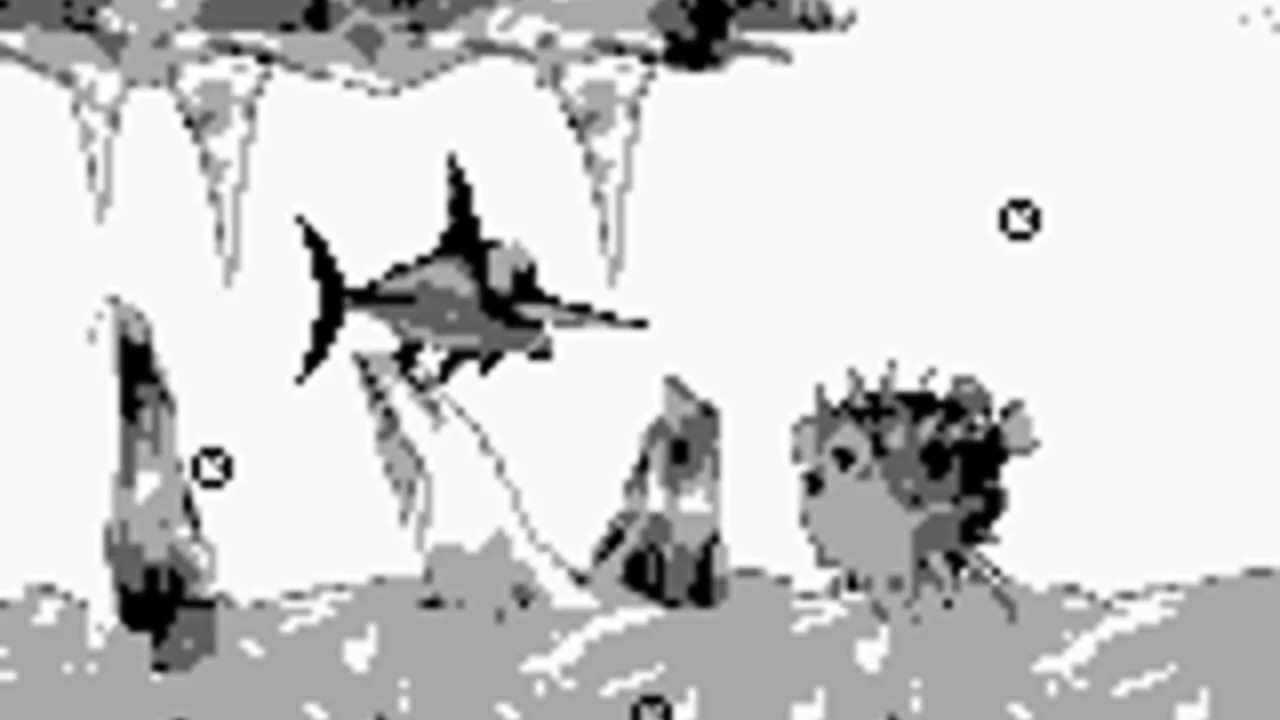
Donkey Kong Land 2 came out in 1996, and its story mainly follows its Super Nintendo counterpart. King K. Rool has kidnapped Donkey Kong and wants the entire Banana Hoard as ransom, so Diddy Kong and Dixie Kong head to Crocodile Isle to get him back. Rambi the Rhino, Squitter the Spider, Squawks the Parrot, Rattly the Rattlesnake and Enguarde the Swordfish come along to help.
Robert Harrison wrote a new engine for it from the ground up, and the third game reused it. Players rank it one place above Donkey Kong Land III, which makes it their favorite of the two sequels. It has since come back on the 3DS Virtual Console and the Nintendo Classics service, so it is easy to play today.
11. Kid Icarus: Of Myths and Monsters (1991)
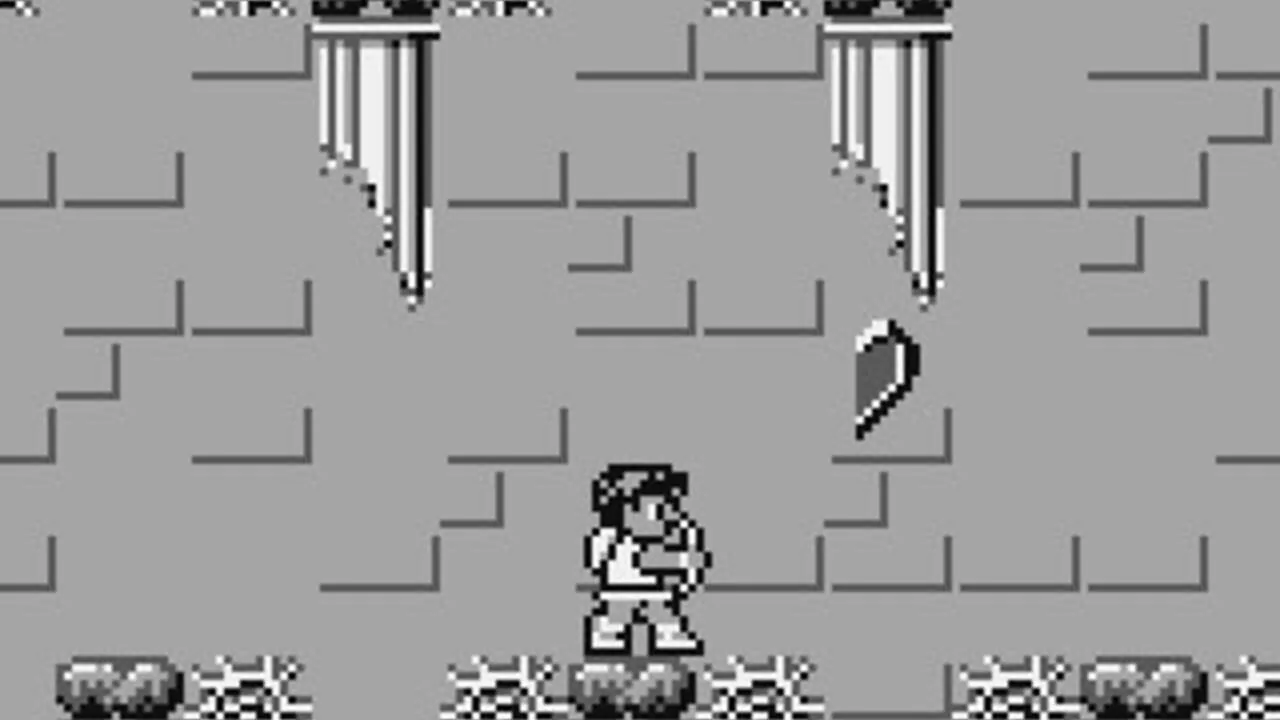
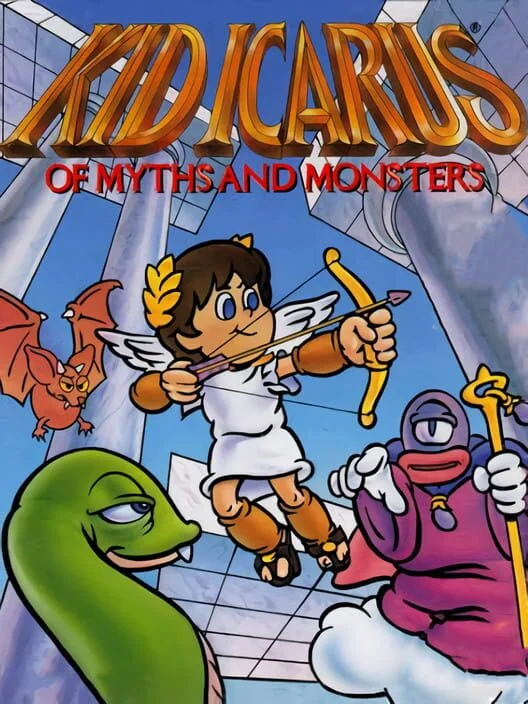
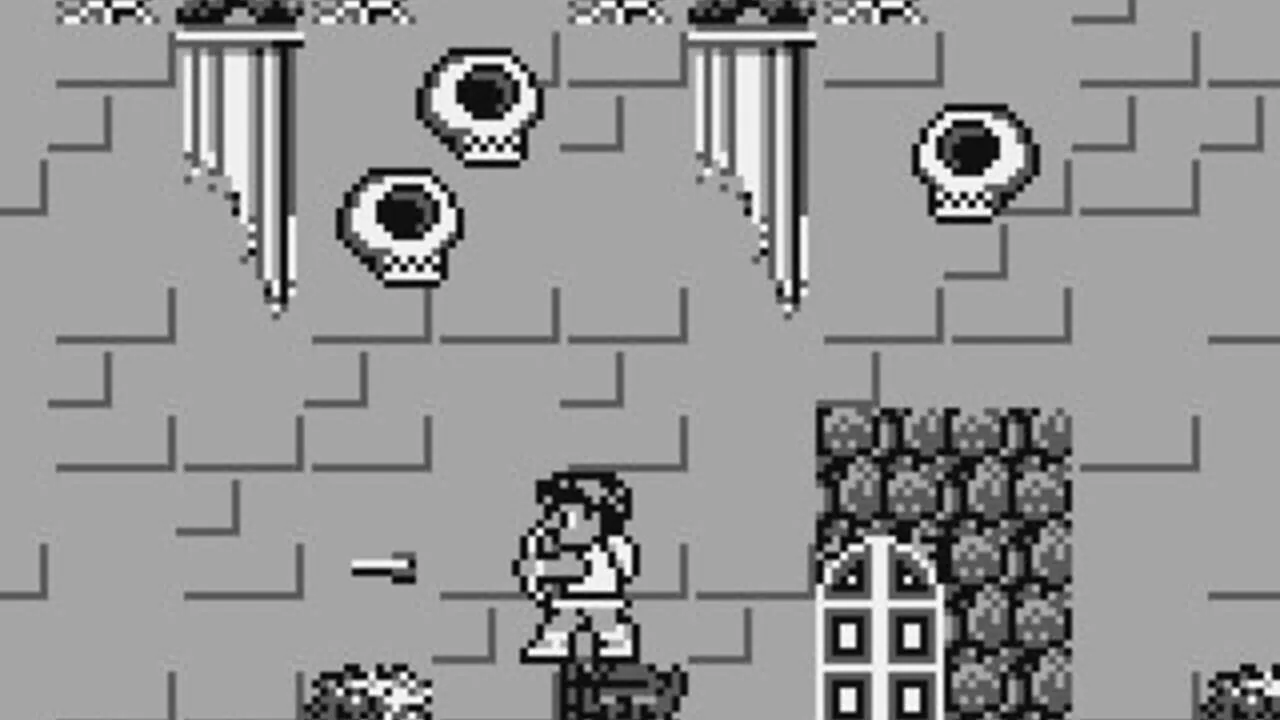
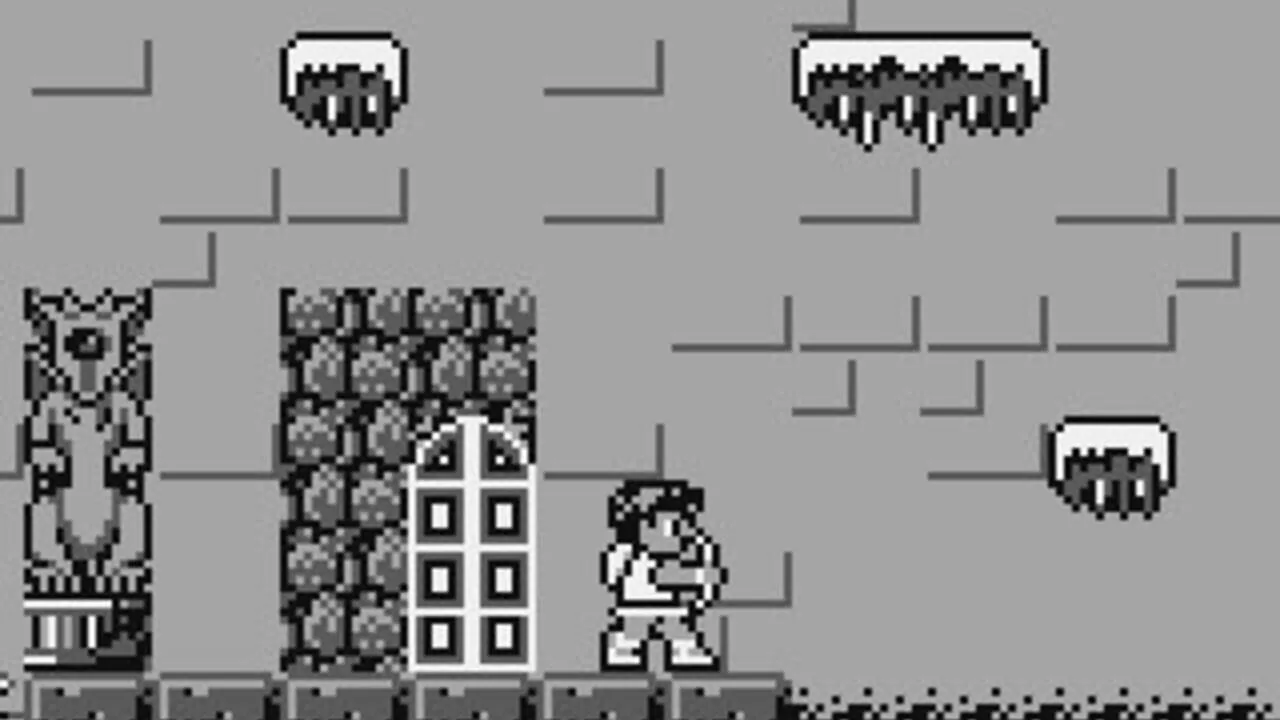
Of Myths and Monsters is the sequel to the 1986 NES Kid Icarus, made by Nintendo in co-operation with the outside company Tose. Mythical monsters are running wild in Angel Land, and Pit, armed with his trusty bow, has to find the Three Sacred Treasures hidden by Palutena. The dreaded Eggplant Wizard is back as well, which nobody asked for.
Hammers shatter special walls and reveal helpful items, so it pays to poke around. Nintendo Power named it the 18th best Game Boy game, and IGN's Audrey Drake called it an "awesome sequel" because it improved on the original. One reviewer said the graphics were fine in black and white thanks to the large sprites and detailed backgrounds. It is kinder than the NES game, and better for it.
10. Balloon Kid (1990)
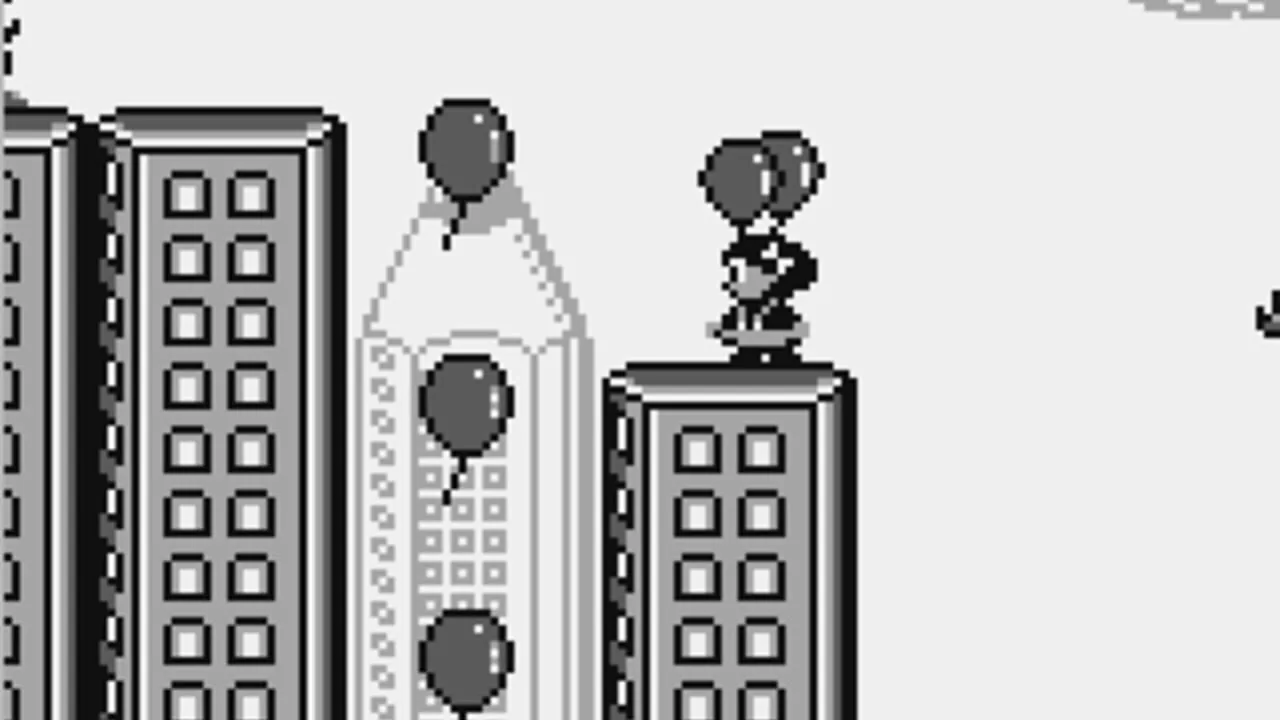
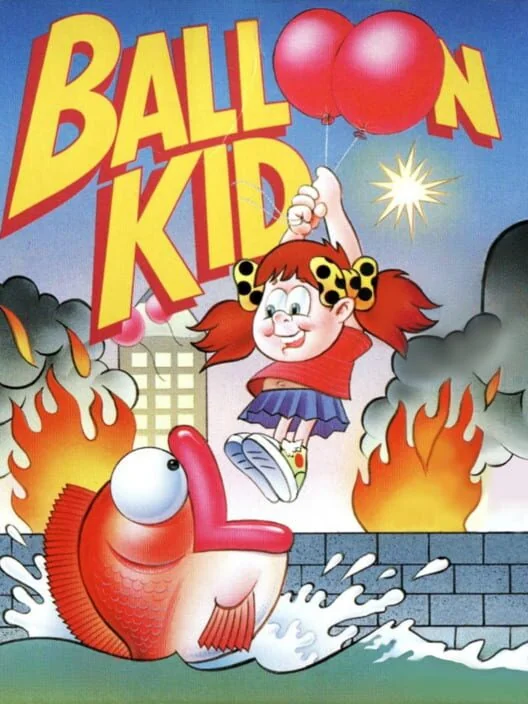
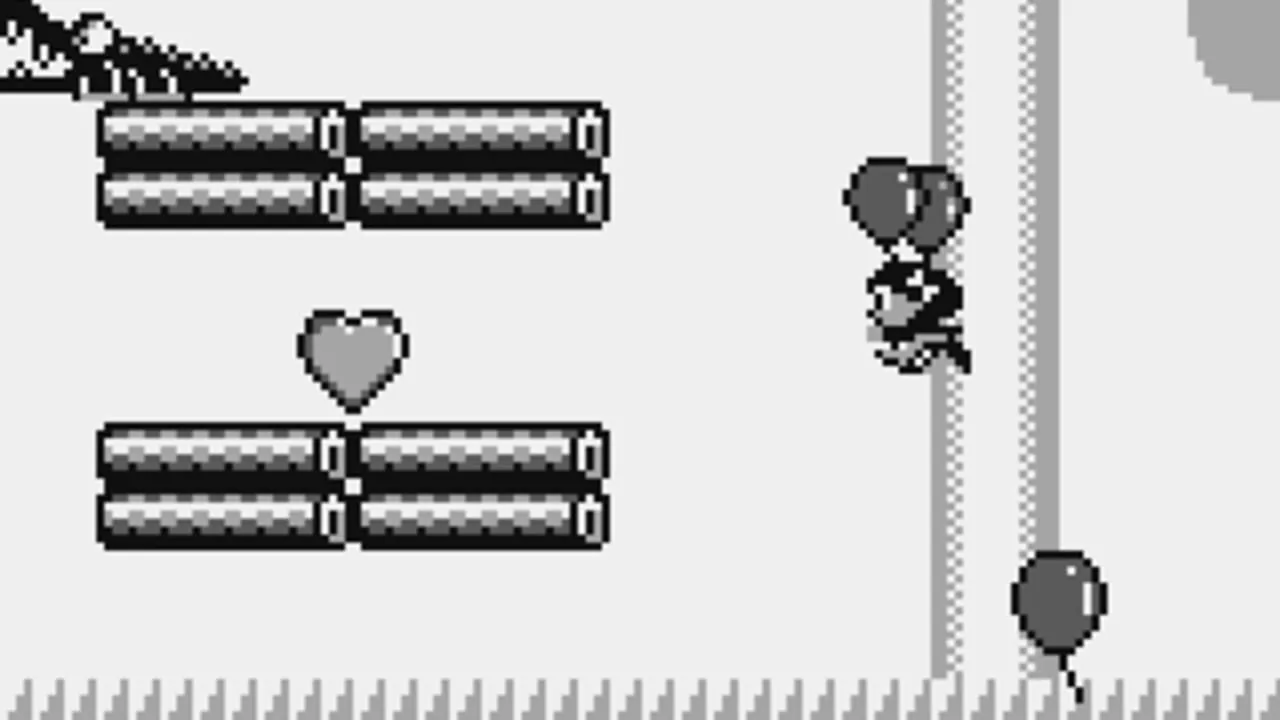
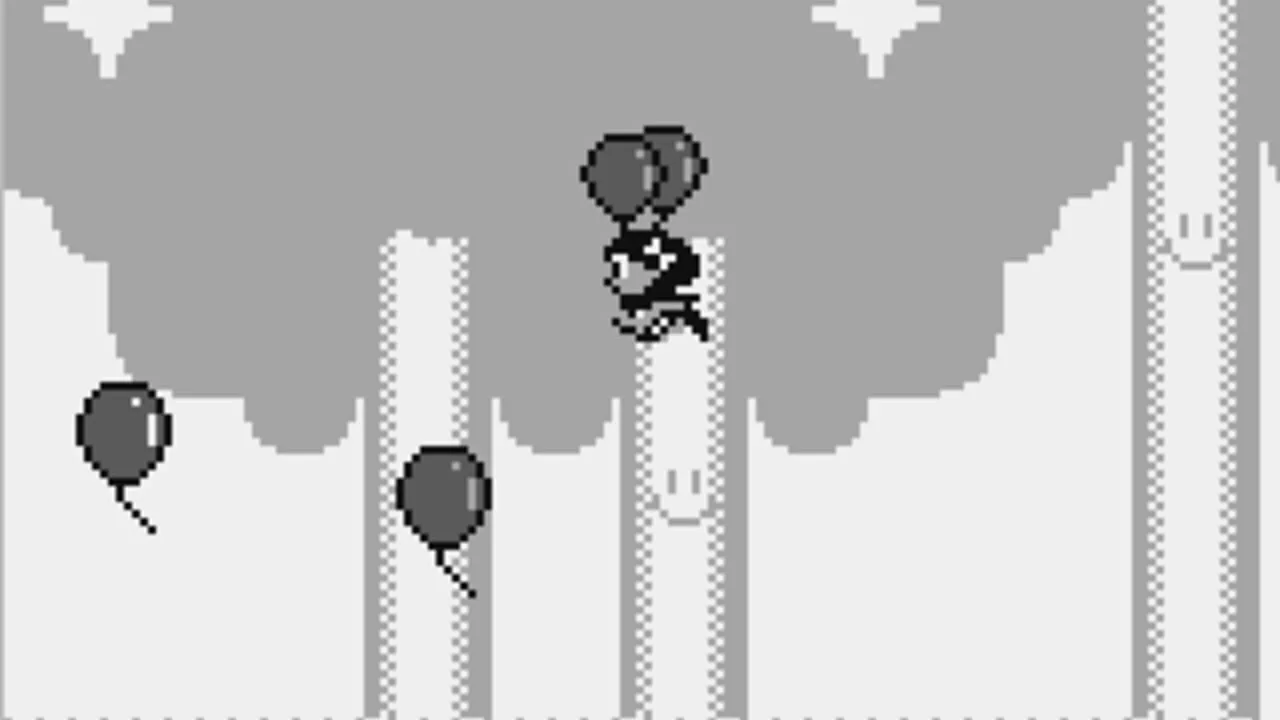
Balloon Kid was designed by Yoshio Sakamoto and made by Nintendo with the outside company Pax Softnica. Alice floats across the sky looking for her missing brother. Nasty flying creatures come at her, and if she drops too low, even nastier enemies wait on the ground. It all starts in a small house in Pencilvania, a little town with pencil-shaped skyscrapers.
It came out in North America in October 1990, but never on the original Game Boy in Japan. Japan got it as Hello Kitty World on the Famicom in 1992 instead, and later as Balloon Fight GB on Game Boy Color. There is a two-player mode over the link cable too, loosely based on the modes of Balloon Fight.
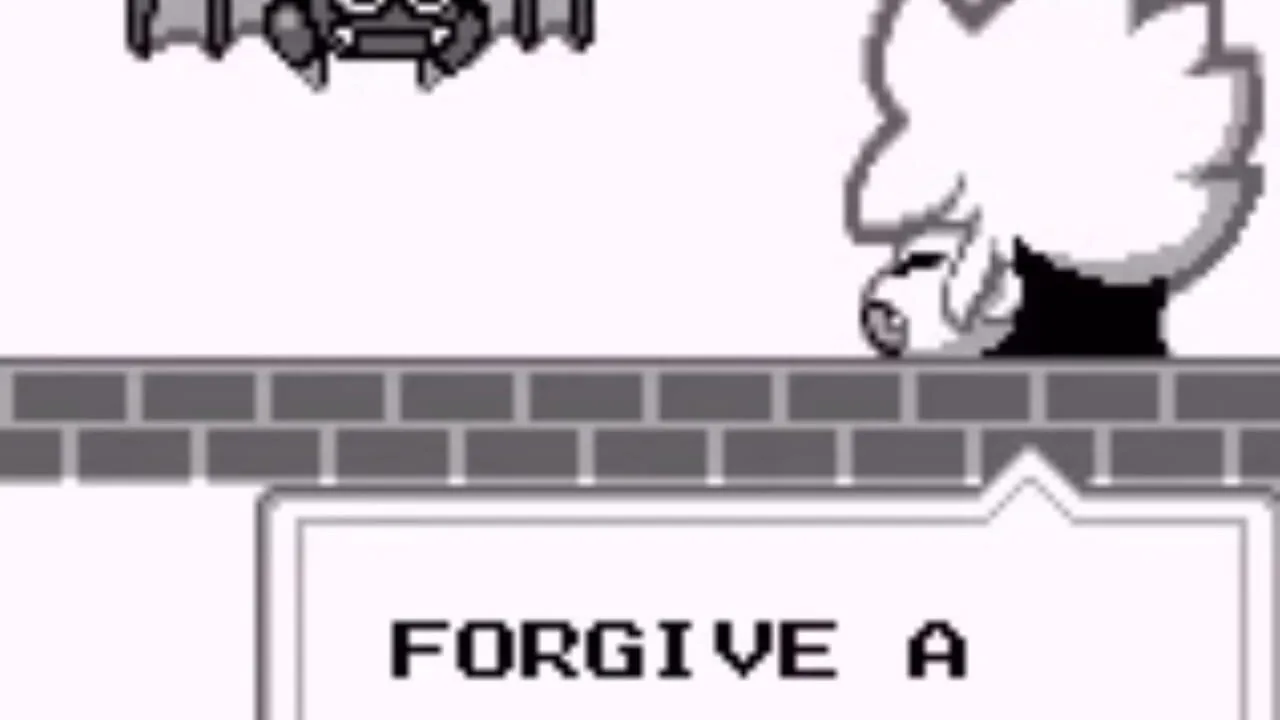
9. Kid Dracula (1993)
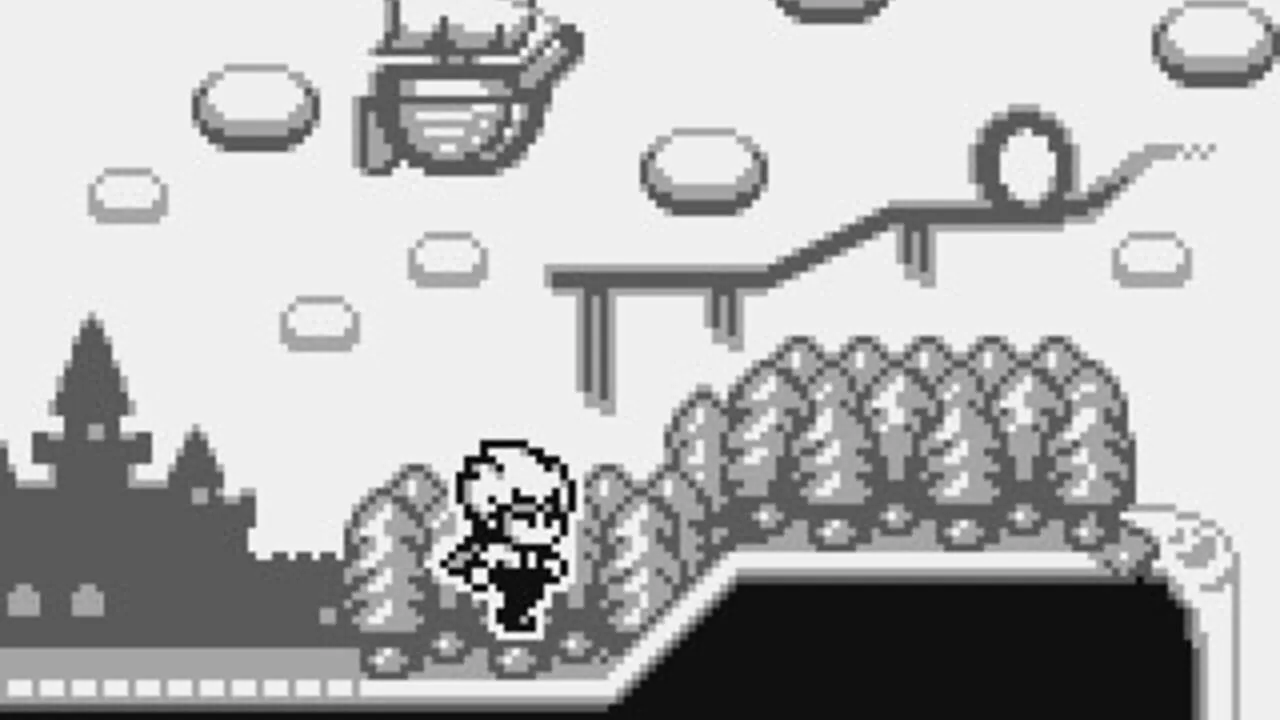
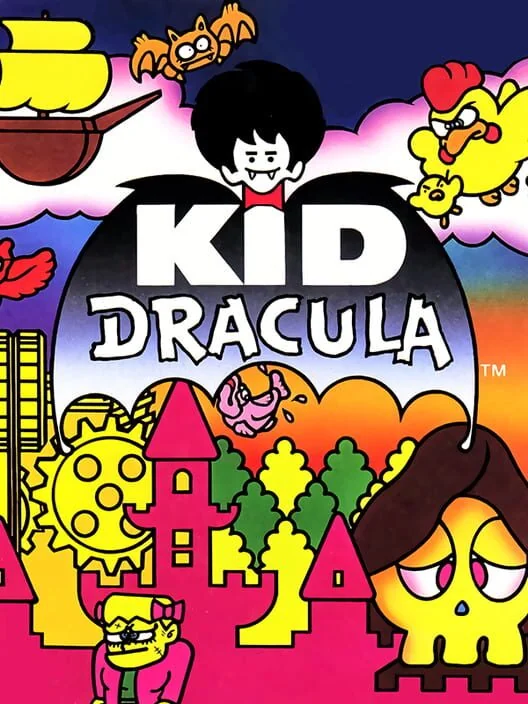
Kid Dracula is both a remake and a sequel to the original Kid Dracula on the NES. The box calls him the coolest living corpse ever to stake his claim on the Game Boy, and it is hard to argue. His best trick is the bat transformation, which lets a small vampire get places a small vampire should not be able to reach.
It is a short game, and one player put it best: "you can beat it in a day or two but the animations and gameplay bring me back year after year". That is the case for it in one line. Players rank it ninth, ahead of a Kid Icarus game, which is not bad at all for a kid in a cape.
8. Donkey Kong Land (1995)
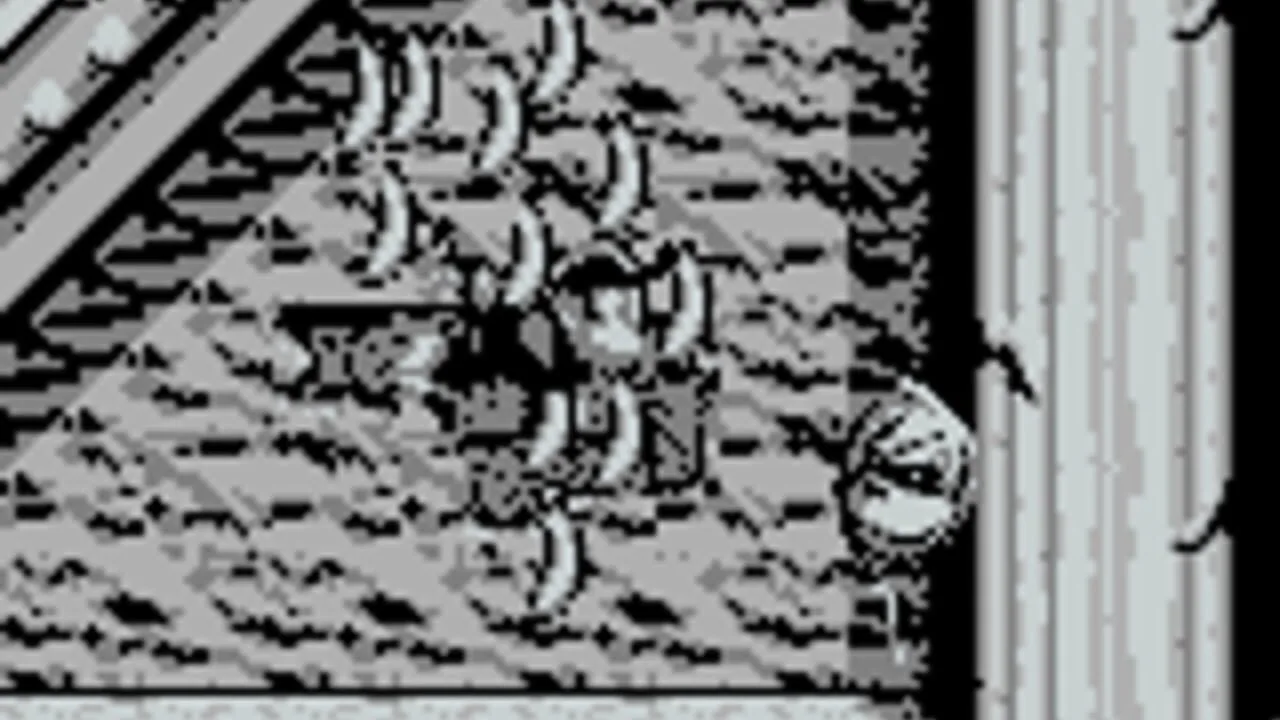
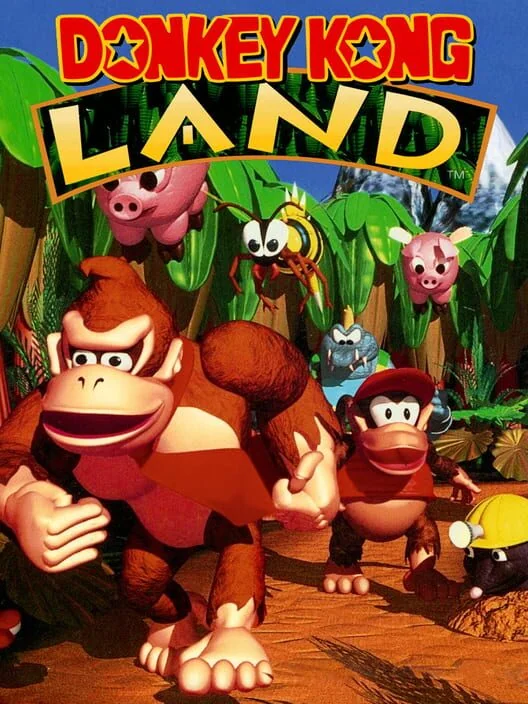
Donkey Kong Land came out in mid-1995. Rare's Game Boy programmer, Paul Machacek, convinced co-founder Tim Stamper that an original game was a better use of resources than a straight port of Donkey Kong Country. Cranky Kong sets it up: he is jealous of the Kongs' success on the SNES and challenges them to beat another adventure on an 8-bit system.
Rare retooled the gameplay for the Game Boy's lower quality display, and David Wise and Graeme Norgate converted the soundtrack to its sound chip. It sold 3.91 million copies. Critics disagreed over whether it matched the Super Nintendo game, but players rank it highest of the three Land games, five places above Donkey Kong Land III.
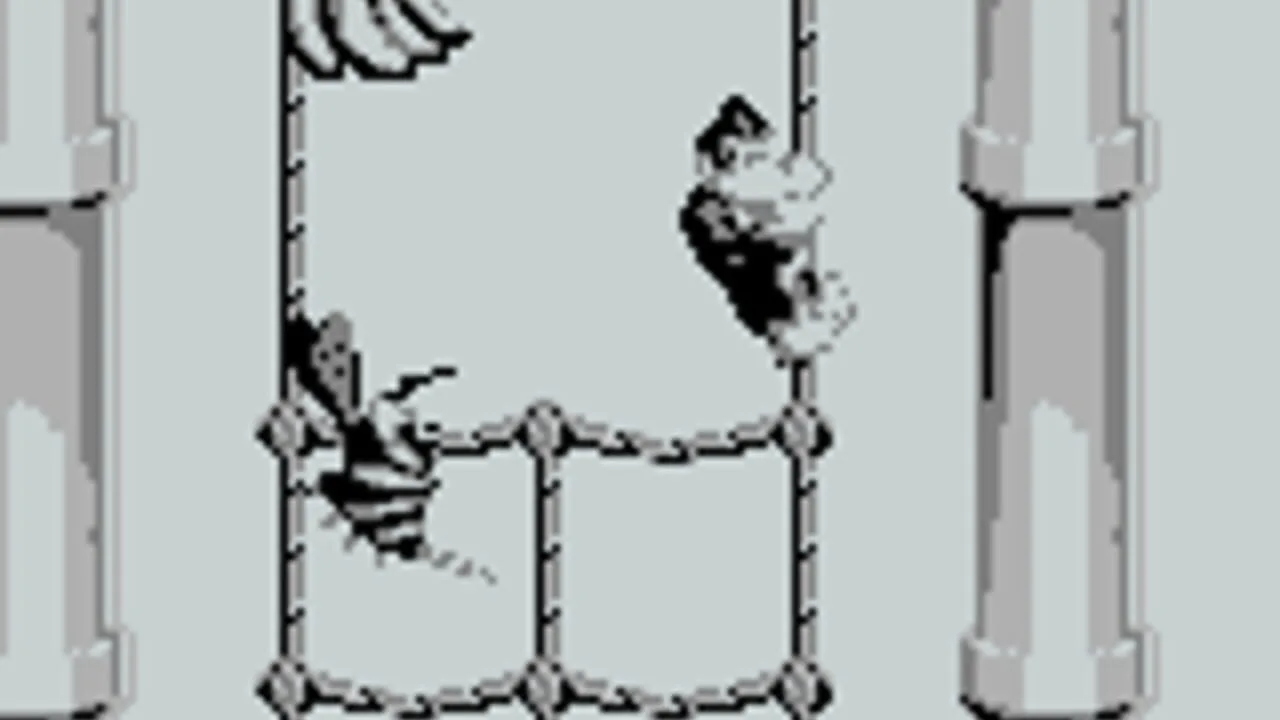
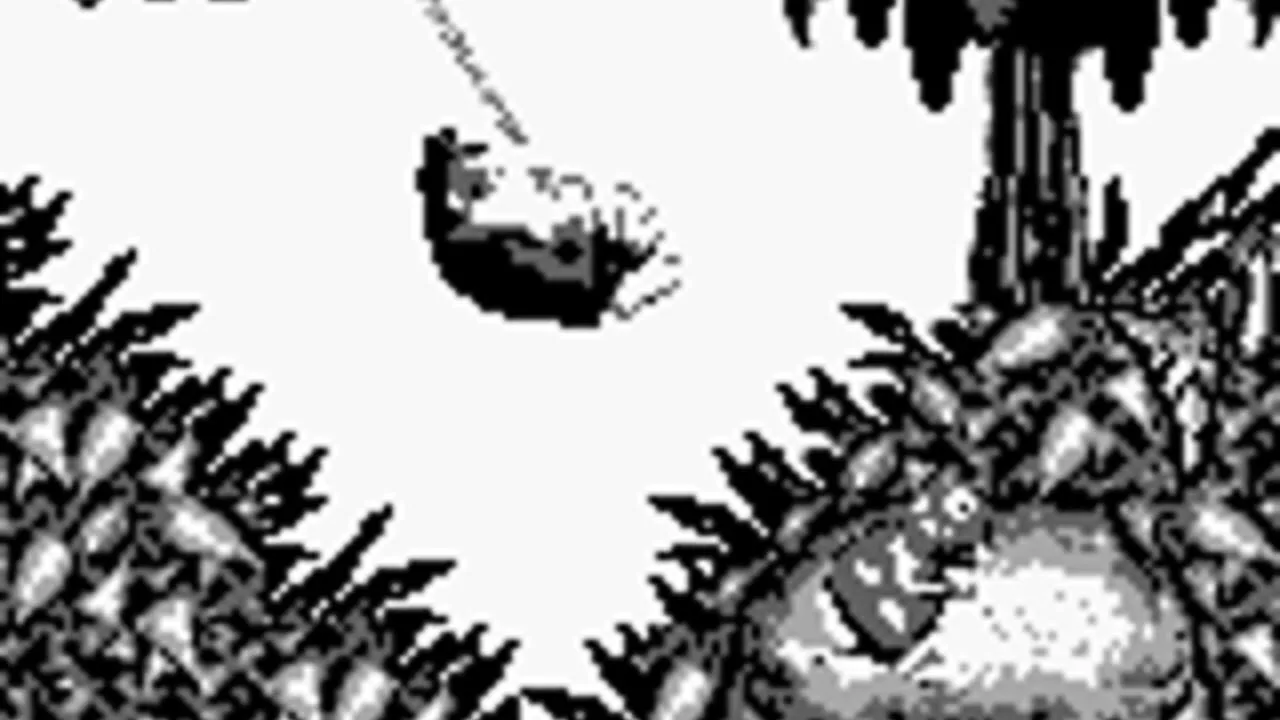
7. Wario Land II (1998)
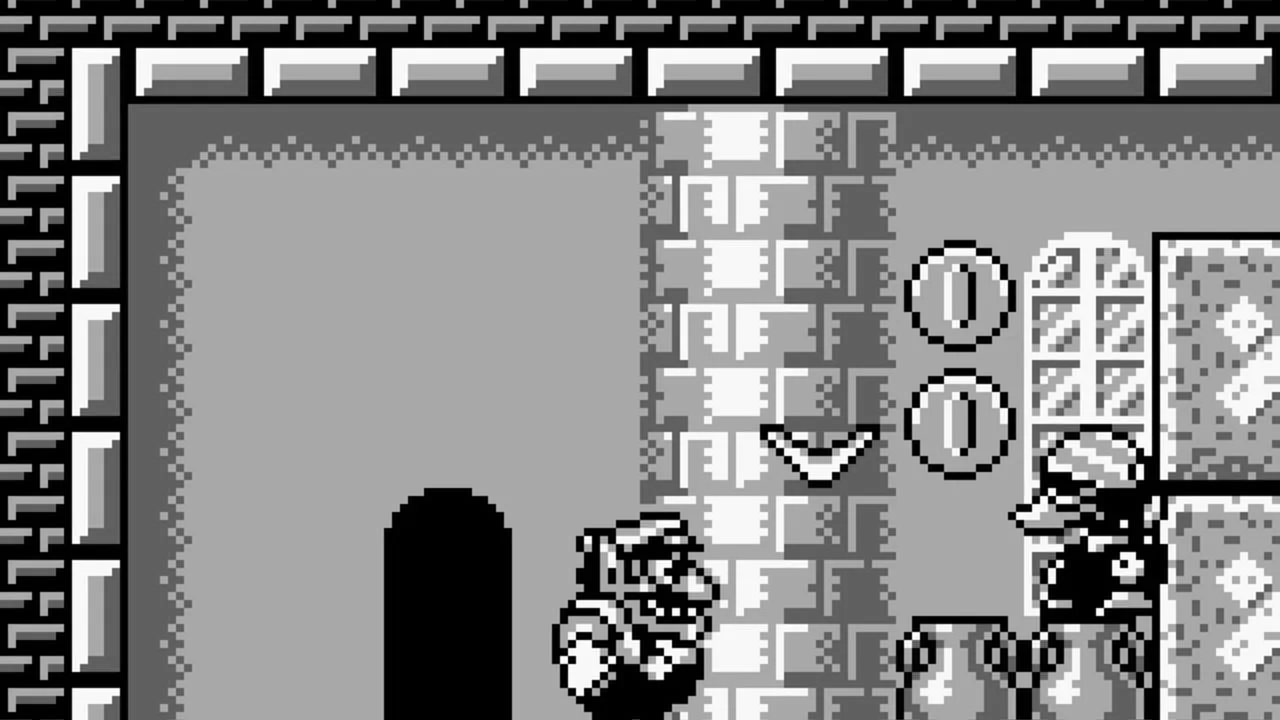
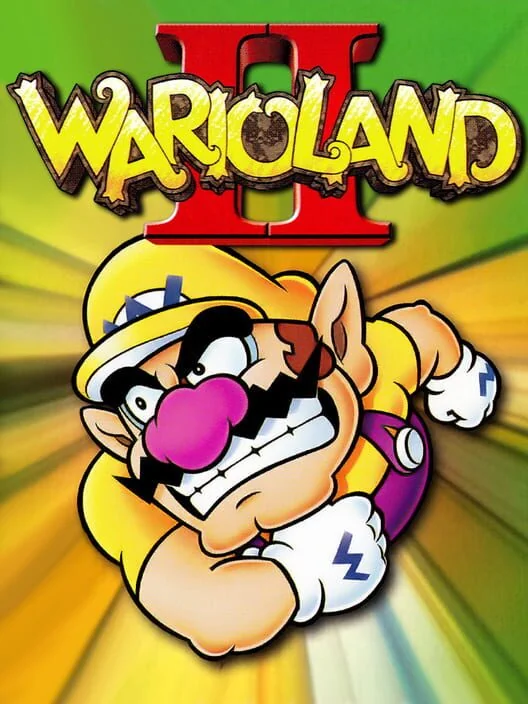
Captain Syrup and the Black Sugar Gang break into Wario's castle and steal his treasure, and Wario goes after them. Some hazards change his form instead of just hurting him. Touching fire turns him into Hot Wario, who defeats enemies on contact and burns through obstacles. It came out on the Game Boy in North America and Europe in March 1998, and a colorized version launched with the Game Boy Color in Japan that October.
Electronic Gaming Monthly made it Game of the Month and praised its hidden secrets and inventive gameplay. Collect all the picture tiles and you unlock a minigame based on the Game & Watch game Flagman. You can go back into levels as often as you like to find the treasure you missed, and you will want to.
6. Kirby's Dream Land 2 (1995)
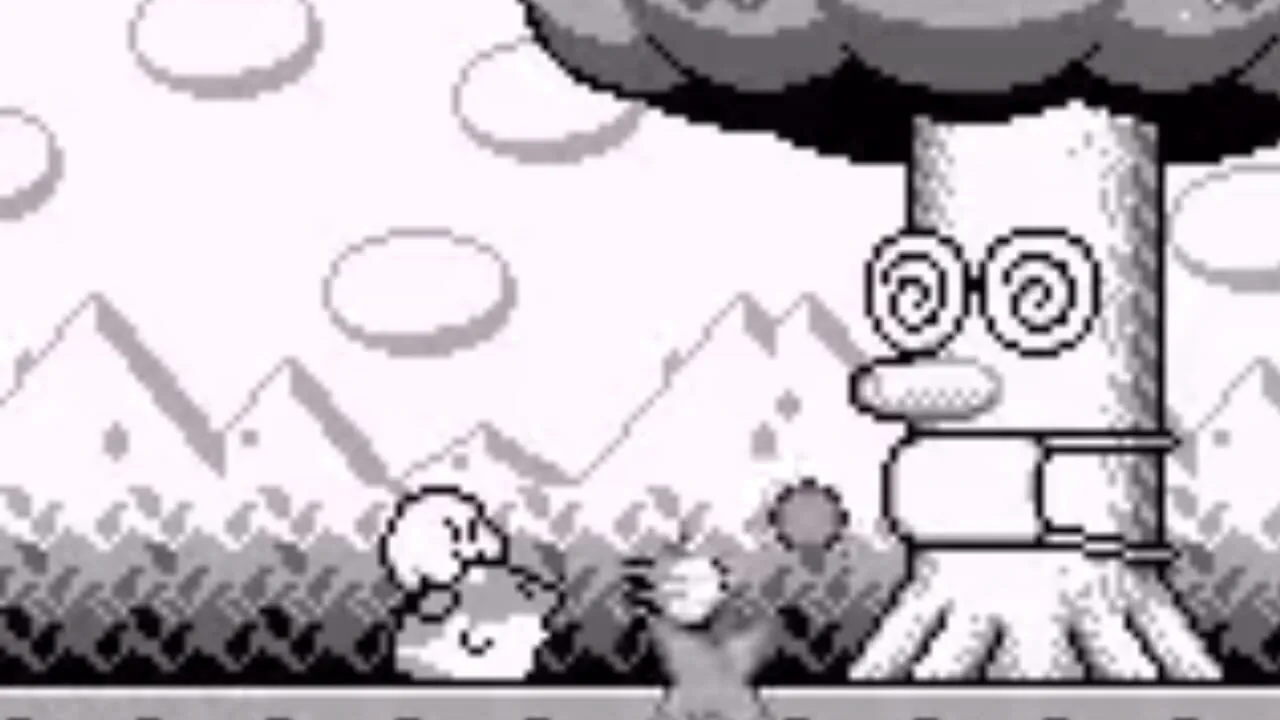
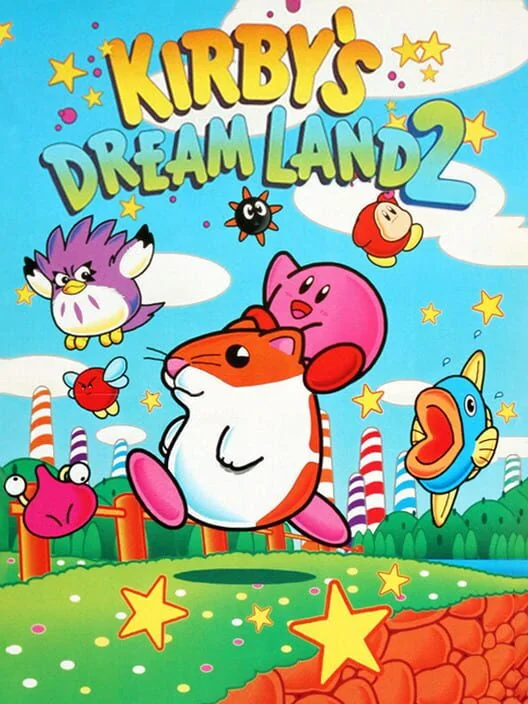
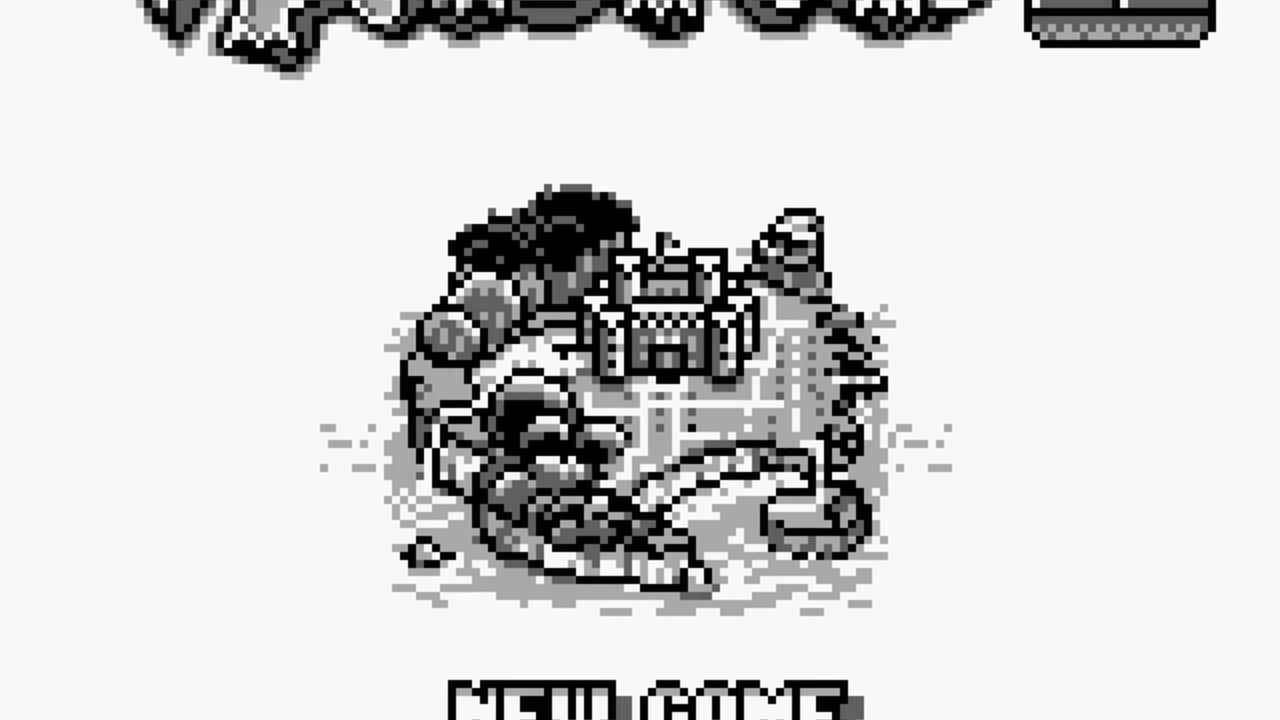
Kirby's Dream Land 2 came out in North America on May 1, 1995. The Rainbow Bridges that connect the seven Rainbow Islands have disappeared, and King Dedede and his minions are in the way. This time Kirby has help: Rick the Hamster, Kine the Fish and Coo the Owl each multiply what his copied powers can do.
Earn the Rainbow Sword and you face the evil Dark Matter, the real villain behind it all. Unlike the first game, the music is by Hirokazu Ando and Tadashi Ikegami, both regular HAL Laboratory composers. Players put it one place above Wario Land II and one place behind the first Kirby. With three animal friends to swap between, it is the bigger game of the two.
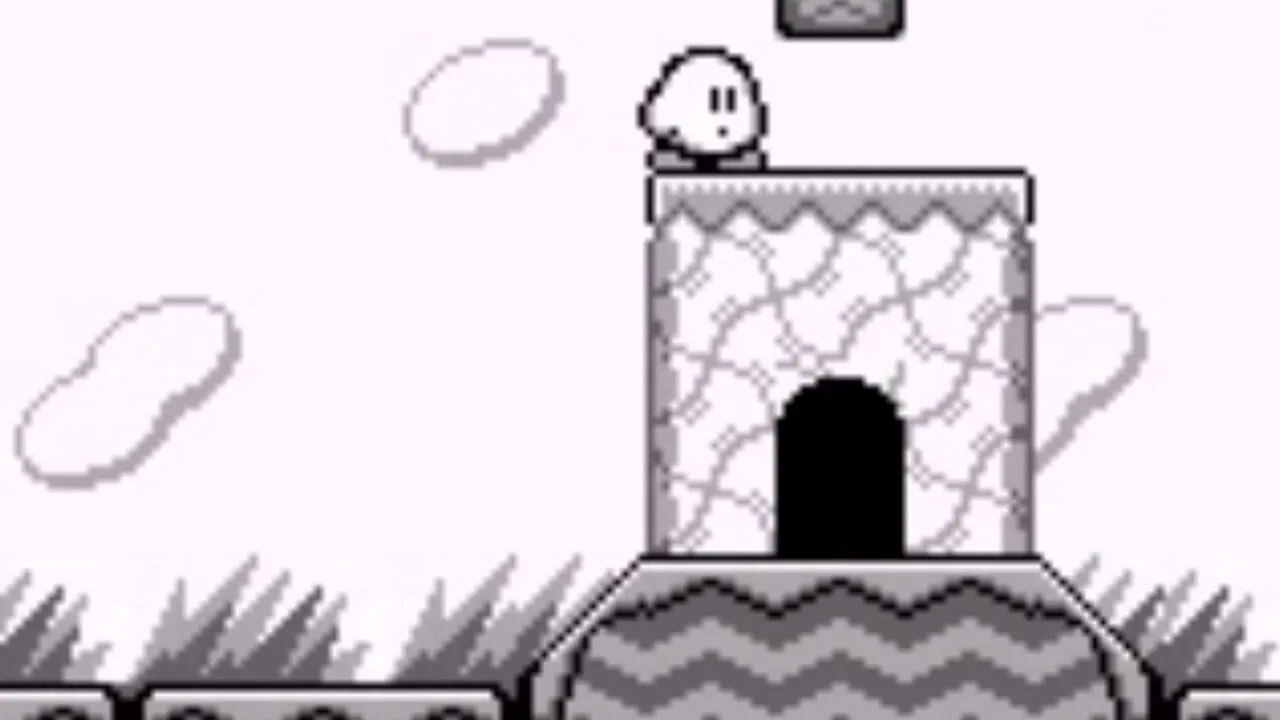
5. Kirby's Dream Land (1992)
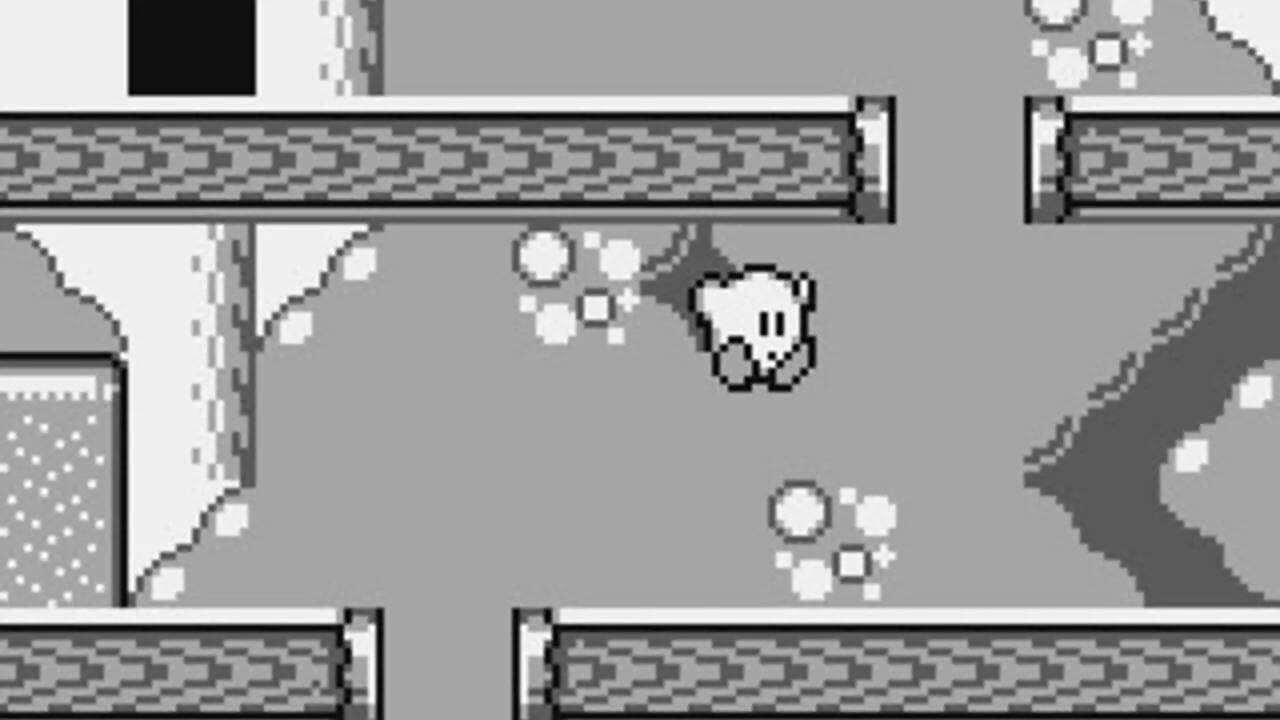
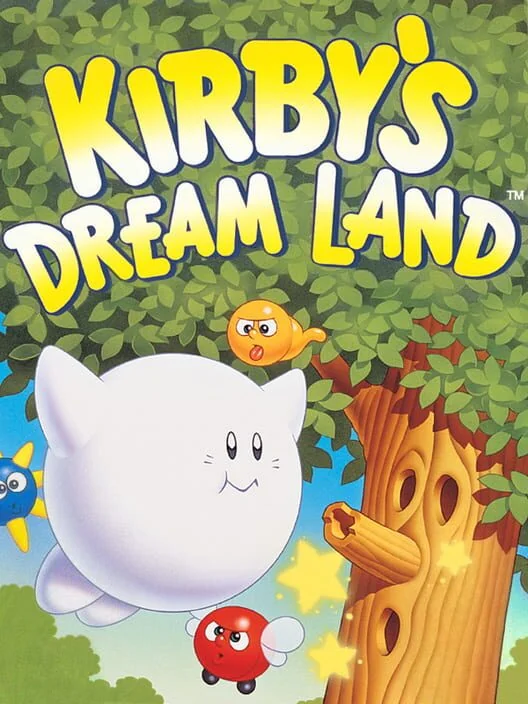
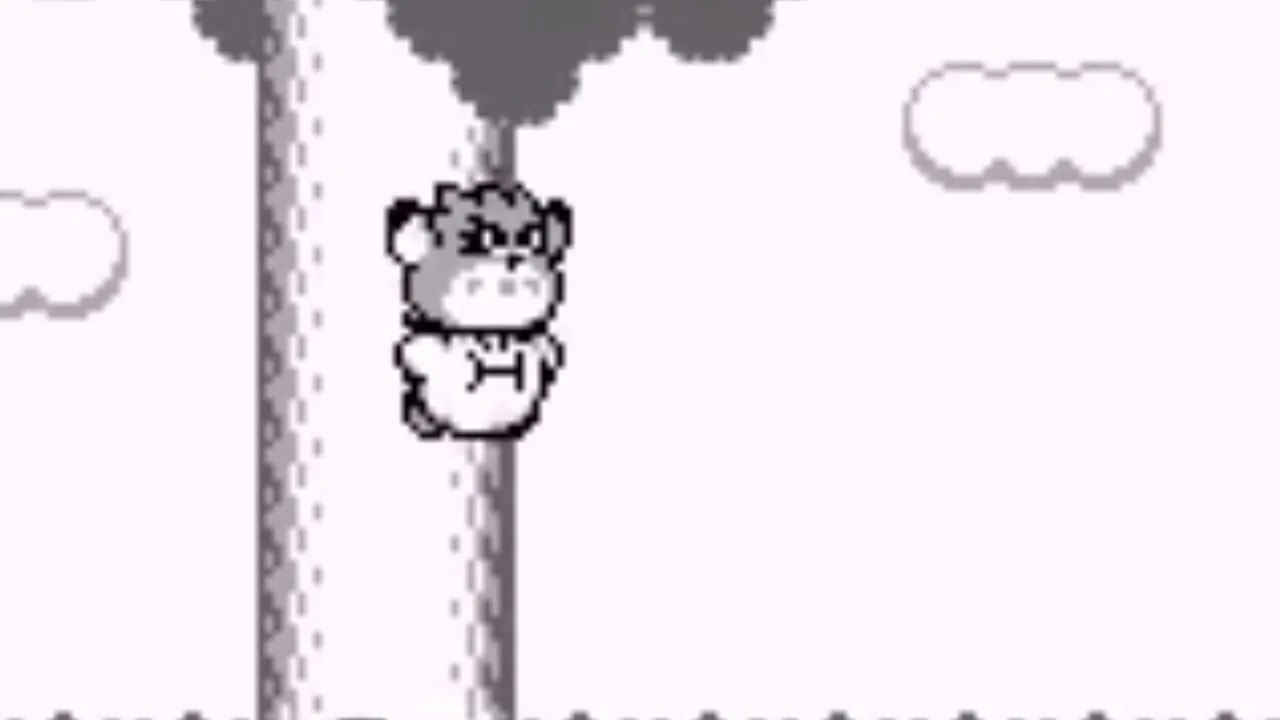
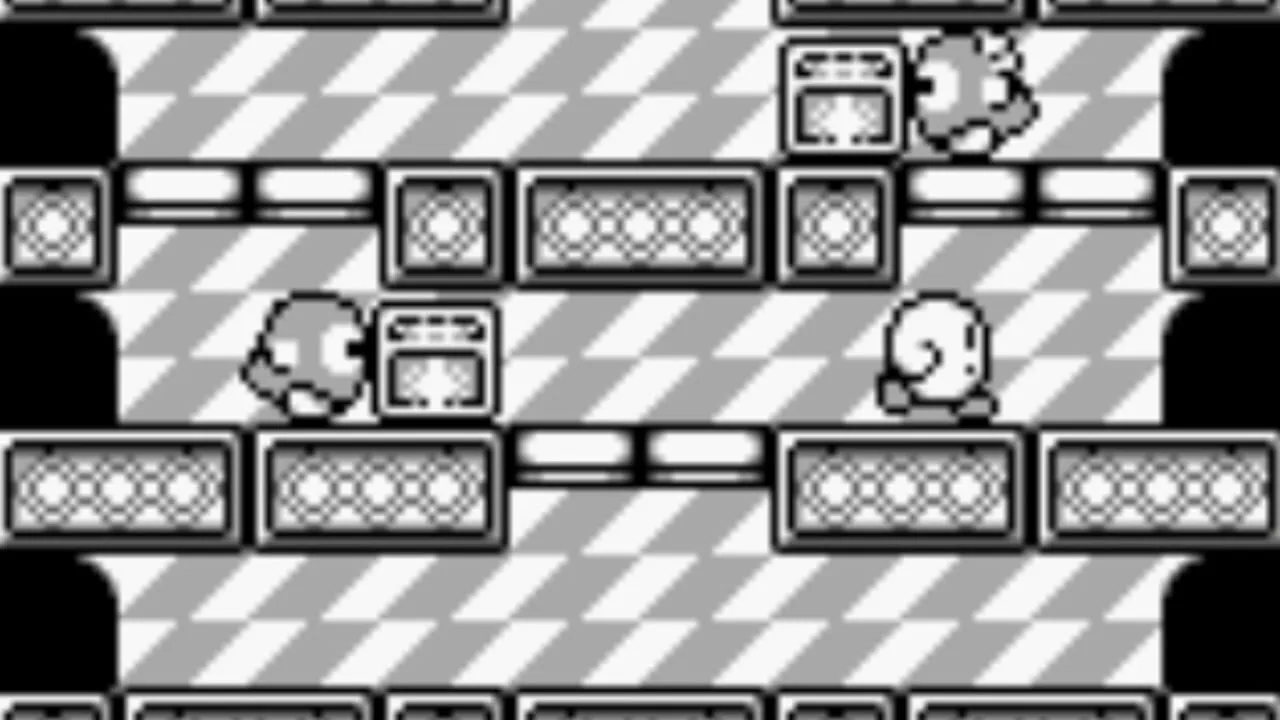
This is the first game in the Kirby series and the debut of Kirby himself, developed by Masahiro Sakurai of HAL Laboratory. King Dedede has stolen all the food in Dream Land for a midnight feast. Kirby can fly for as long as he likes, and he inhales enemies to spit them back out as projectiles. In Japan, the box showed a pink Kirby from day one.
There are only five levels and no save, so a full run fits in one sitting. Beat it and you get a code for a harder extra game, and finishing that gives a second code to set your own lives and vitality. It is a gentle game, made for someone who has never held a Game Boy, and players put it in the top five anyway.
4. Wario Land: Super Mario Land 3 (1994)
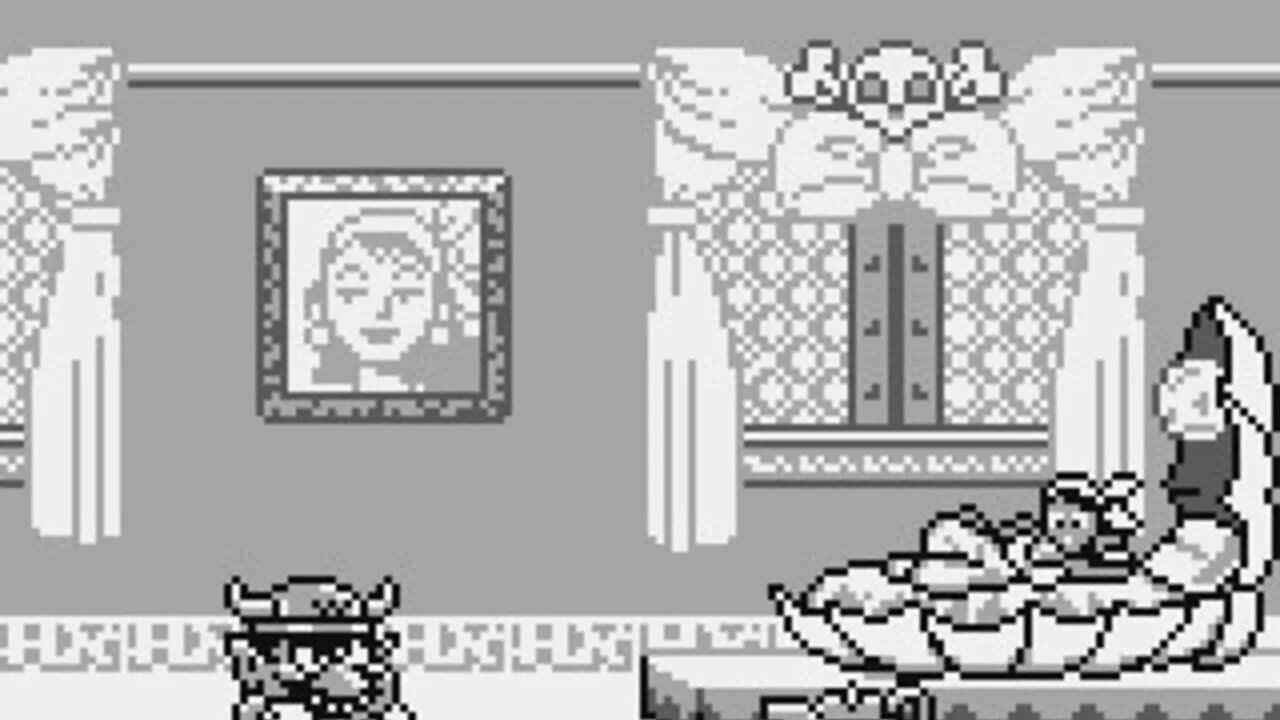
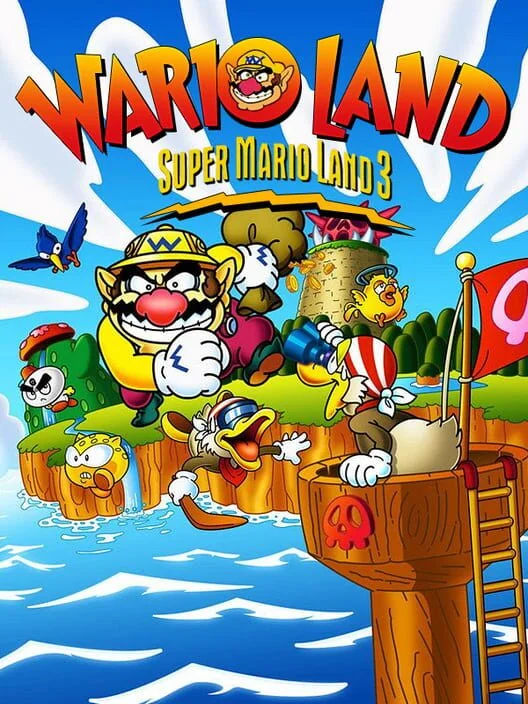
This is Wario's first game as the star. He wants to steal the pirates' treasure on Kitchen Island so he can have his very own castle. Magic pots change him into Dragon Wario, Bull Wario or Jet Wario, and the Jet Helmet even lets him fly sideways. The ending depends on how many coins you bring the genie, from a European-style castle at best to a tiny birdhouse at worst.
Critics praised its length and its looks, though two reviews felt Wario moved a bit too slow. It sold more than five million copies and started the whole Wario series, from Wario Land II to WarioWare. Not bad for a villain with a bad attitude and a worse moustache.
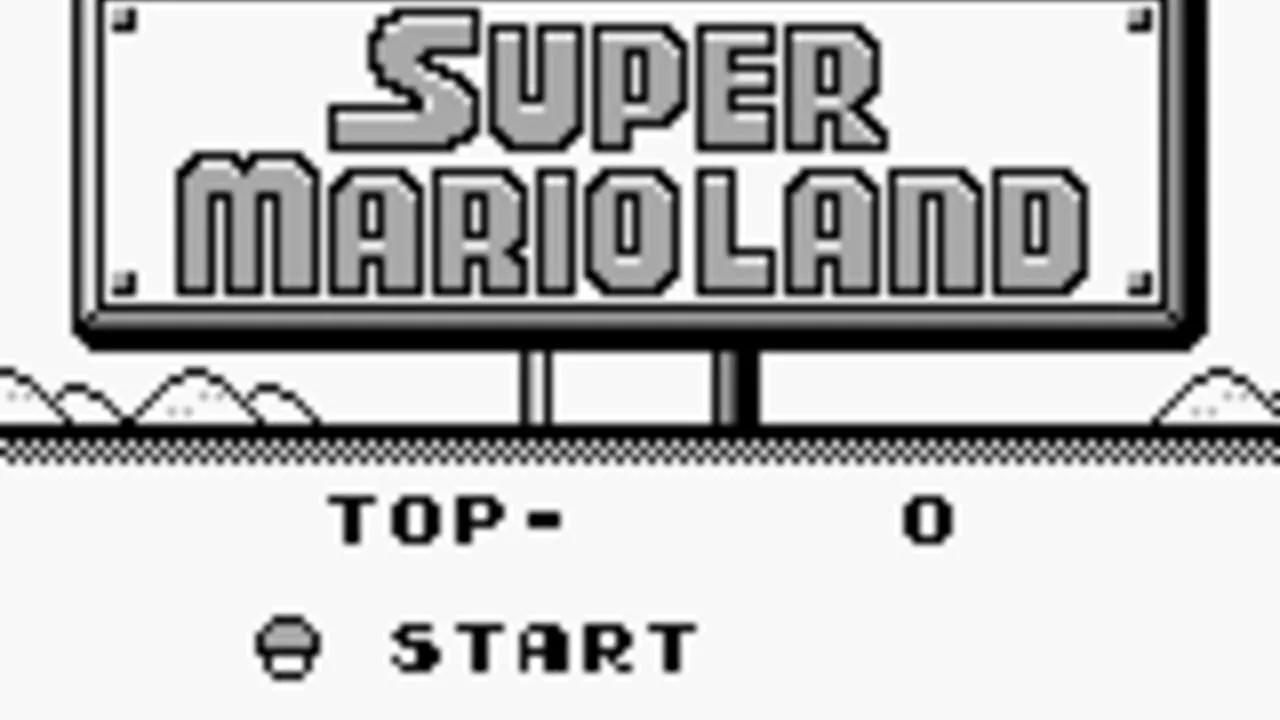
3. Super Mario Land (1989)
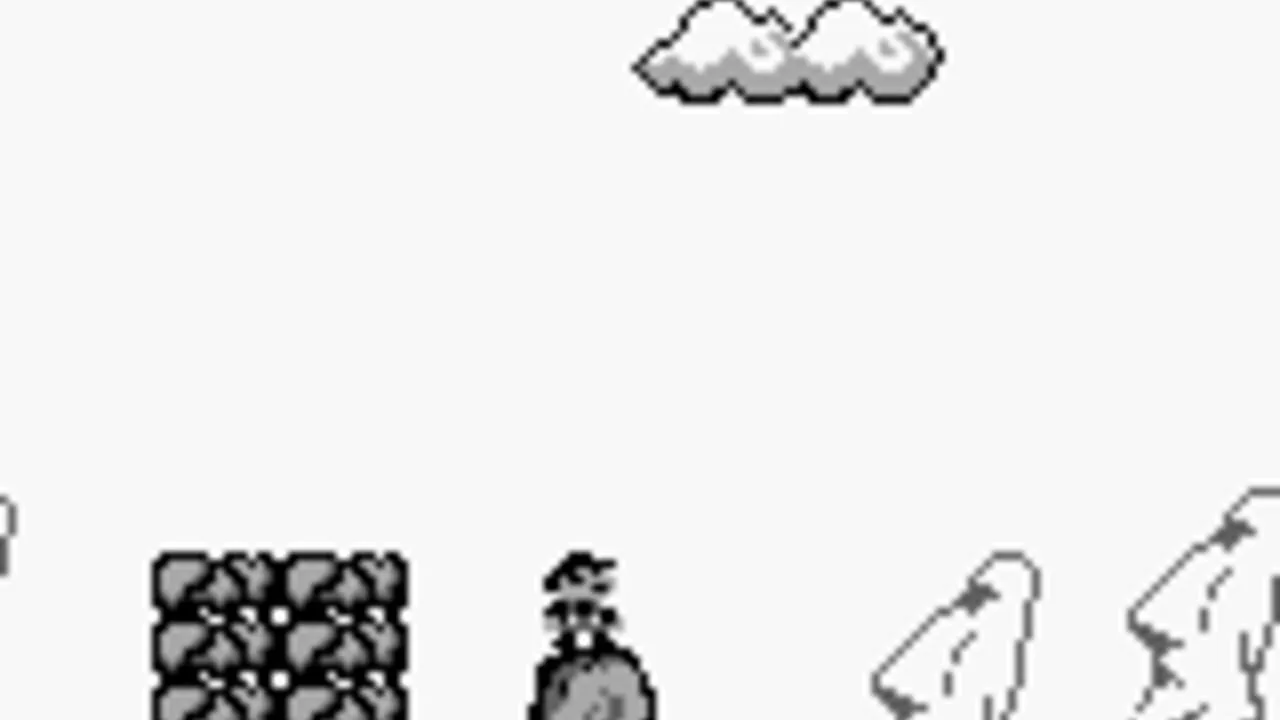
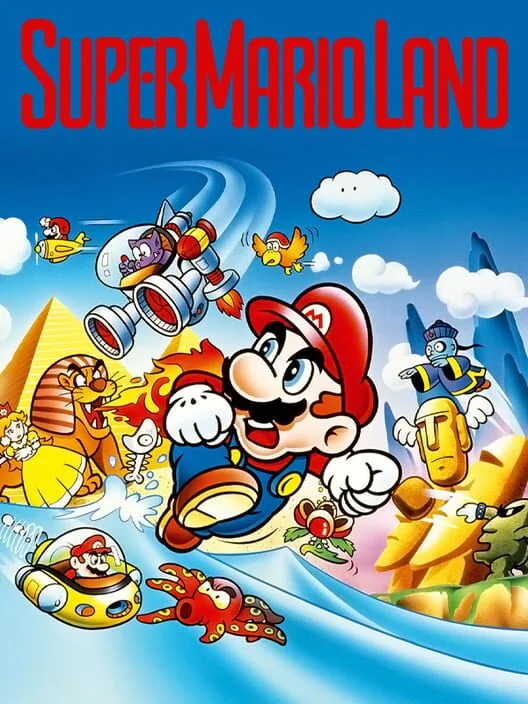
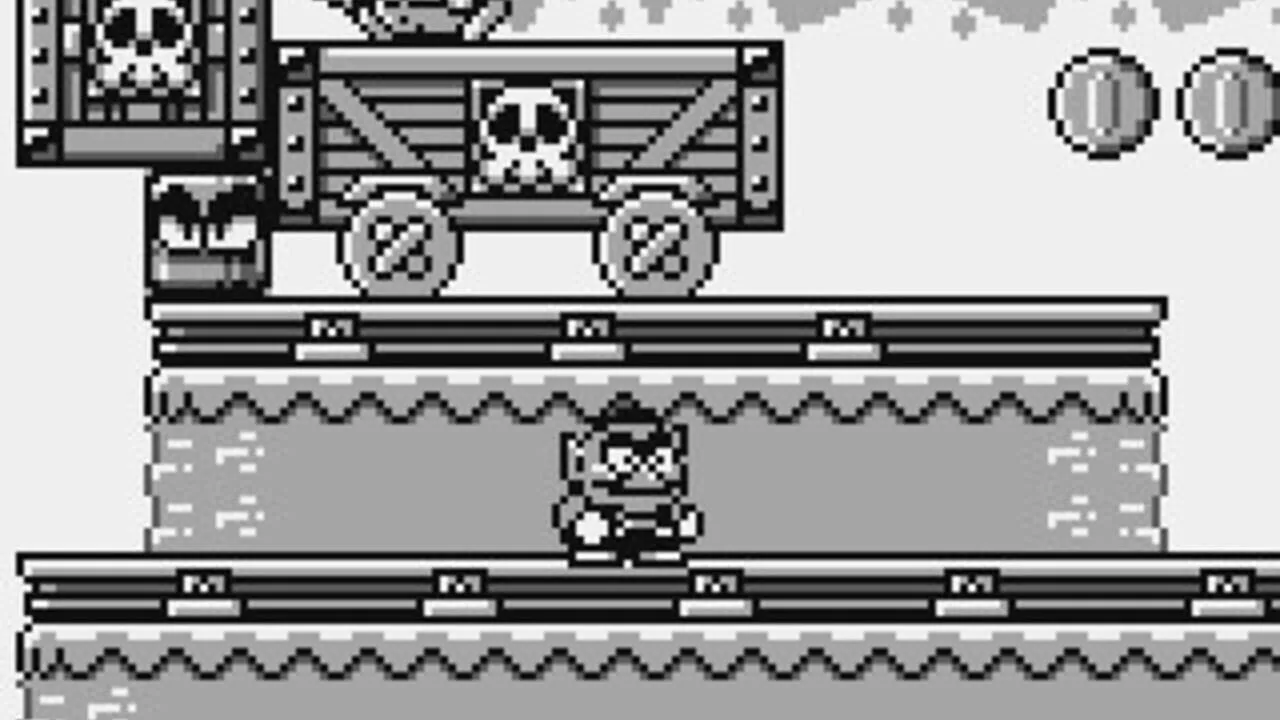
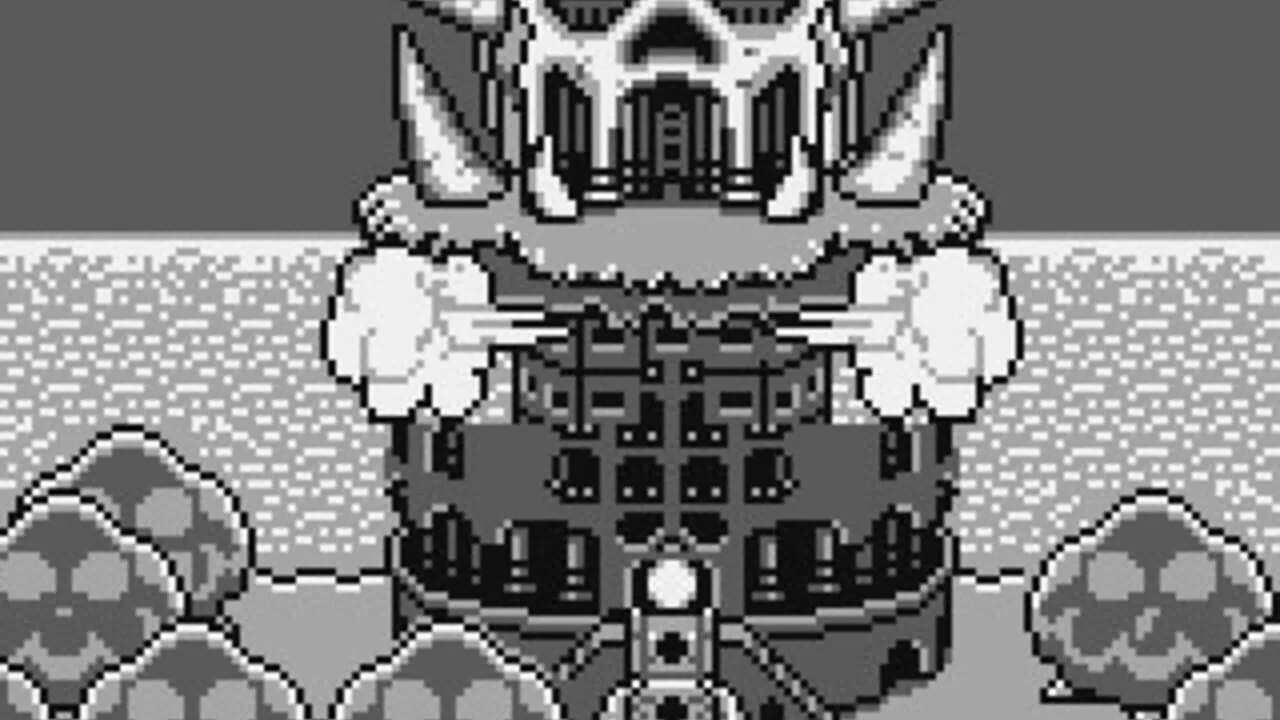
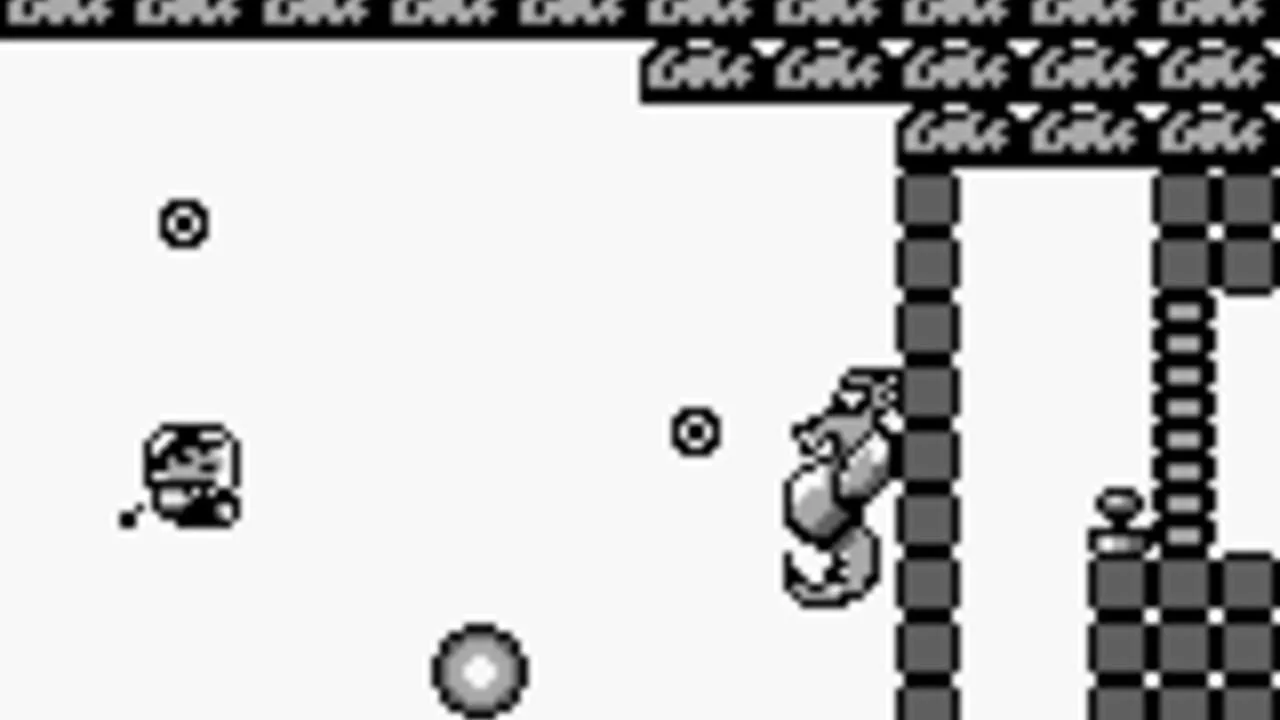
Super Mario Land came out in Japan in April 1989 as the first handheld Super Mario game, made under Game Boy creators Gunpei Yokoi and Satoru Okada. Mario has to save Princess Daisy from Tatanga, a mysterious spaceman. Two levels turn into shooting stages, one in a submarine and one in a plane.
It was meant to be the Game Boy's pack-in game, until Tetris caught the team's attention. It is short, and critics praised how well it adapted the Mario formula to portable hardware. The music by Hirokazu Tanaka even became a house track, "Supermarioland" by Ambassadors of Funk. Players rank it third, behind two games that took what it started further.
2. Donkey Kong (1994)
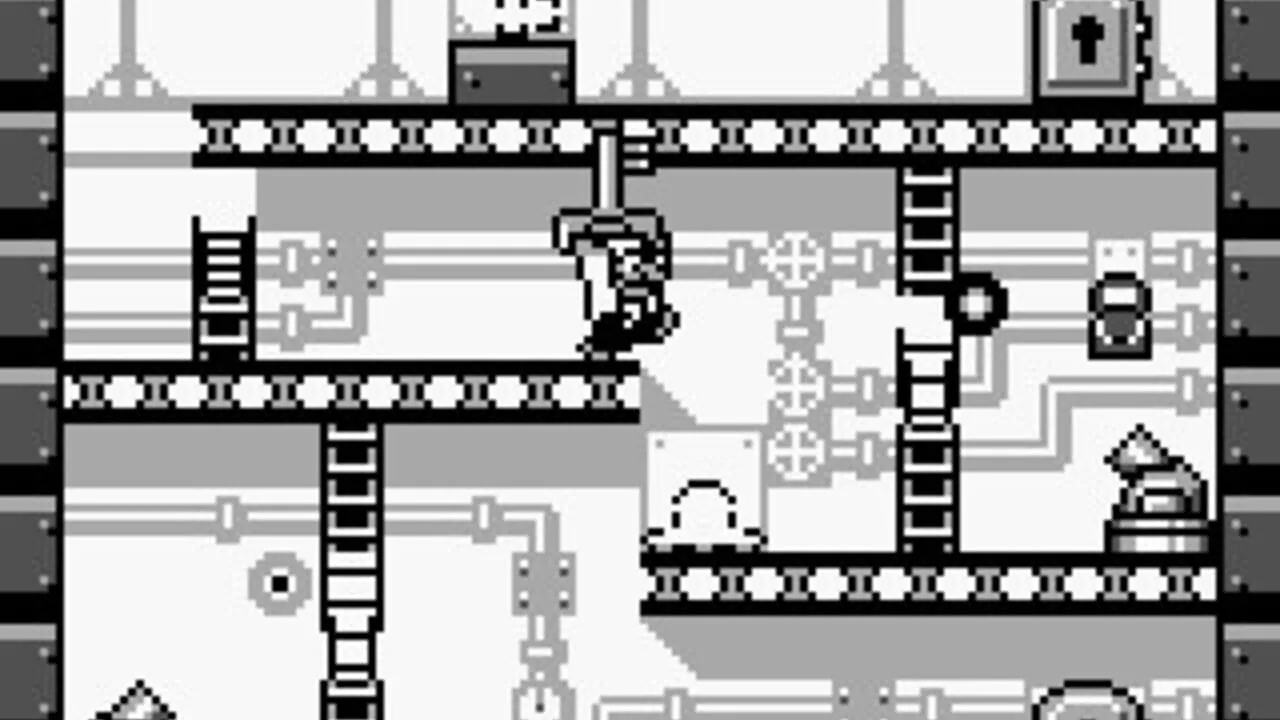
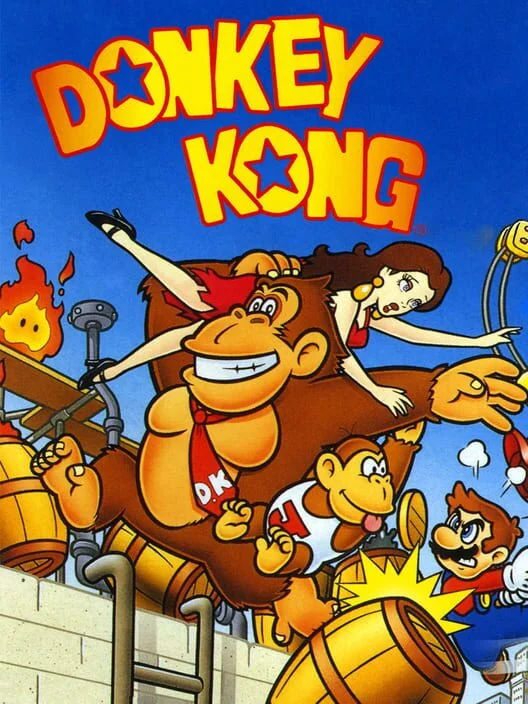
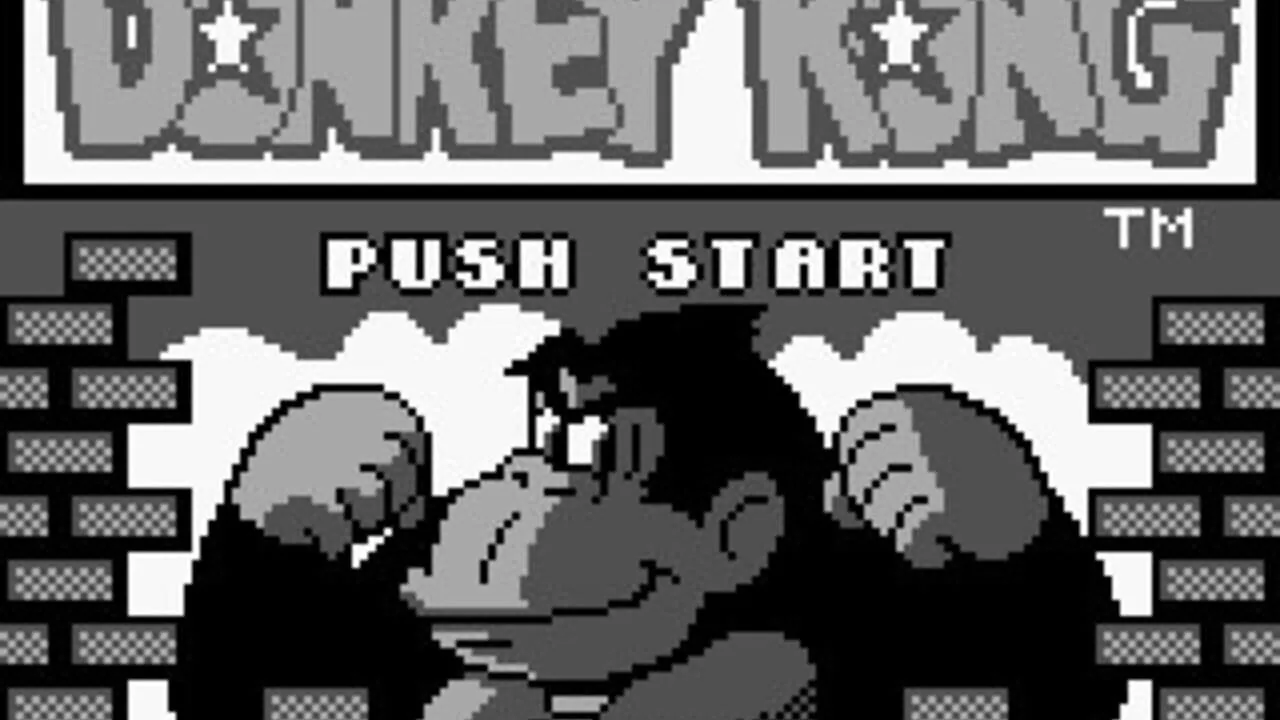
Donkey Kong on the Game Boy starts as a remake of the arcade game, and then the familiar levels turn out to be a prelude to the real platform jumping adventure. There are 97 levels spread over 9 worlds, much more complex than the originals. Shigeru Miyamoto led it, ending a decade-long break for the series after Donkey Kong 3.
It was the first Game Boy game designed for the Super Game Boy, which added color and digitized speech on a TV. It sold 3.07 million copies, then got overshadowed by Donkey Kong Country later in 1994. Players have not forgotten it: it sits close behind the winner, well clear of everything else on this list.
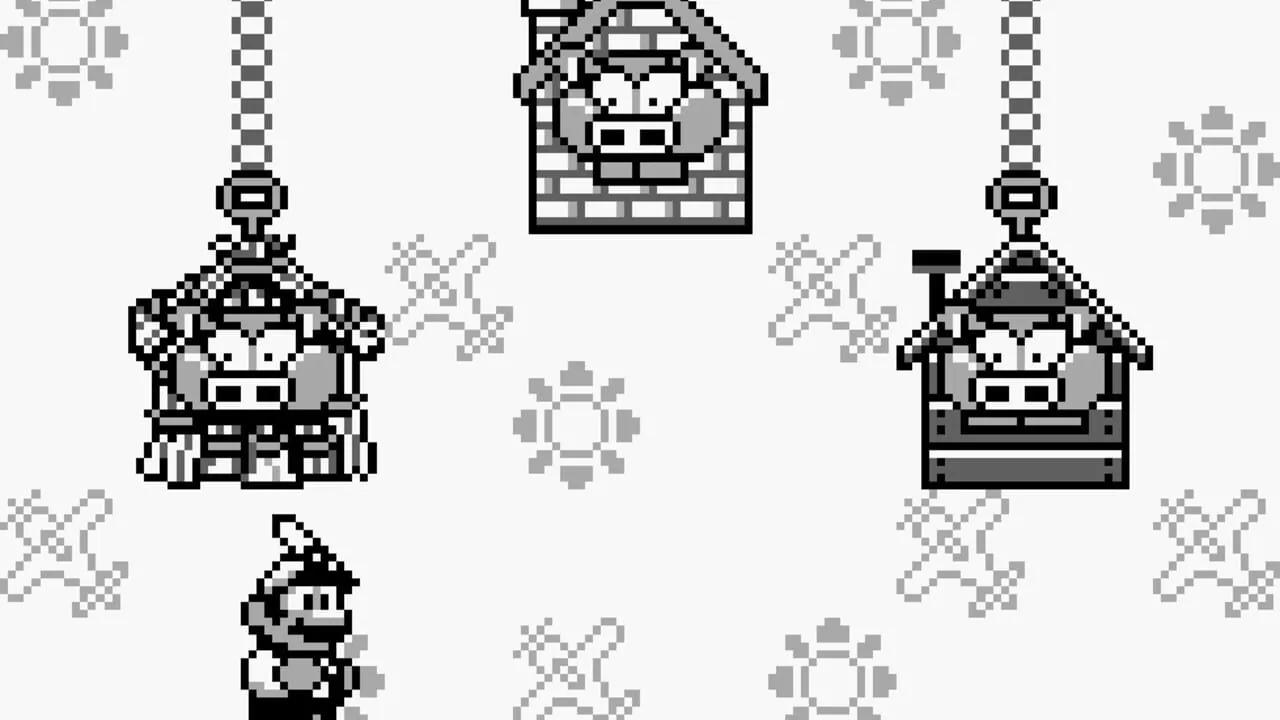
1. Super Mario Land 2: 6 Golden Coins (1992)
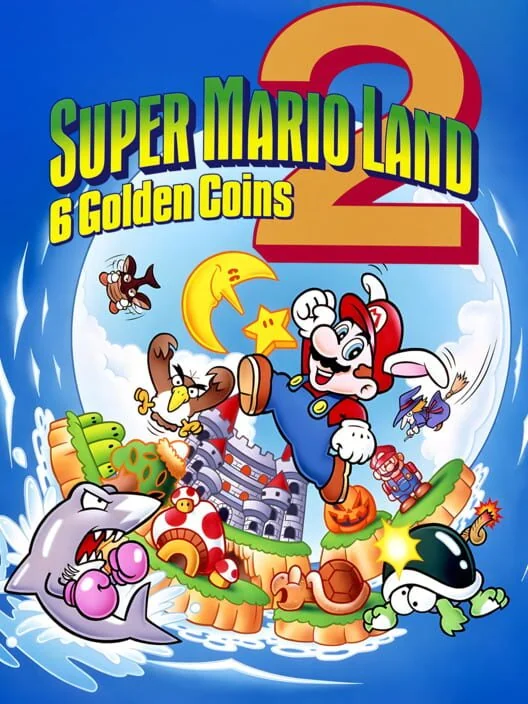
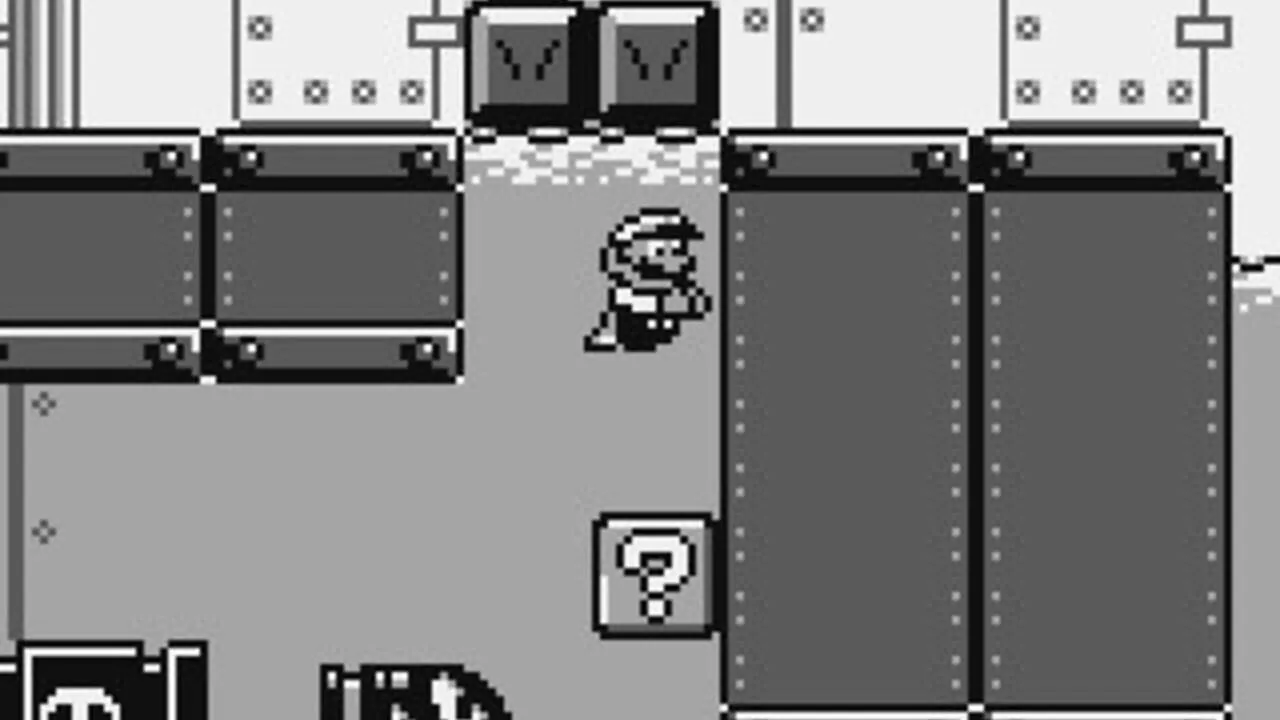
Super Mario Land 2 is the sequel to Super Mario Land and the debut of Wario, whose name is a play on "Mario" and the Japanese word warui, which means "bad". There are 32 levels in themed zones, plus secret levels behind alternative exits. It was the first portable Mario with a save feature, and coins no longer add up to extra lives. You spend them on games that award lives and power-ups.
The team wanted it not to feel "bound by the conventions of the previous games", and reviewers said it surpassed its predecessor in all aspects. It sold over 11 million copies. Players recommend it more than any other Game Boy platformer.
Which one to play
There you have it, the whole list of the best Game Boy platformers. The top five are still worth carrying around today.
If you are not sure where to start, play Super Mario Land 2. If you want something gentle, Kirby's Dream Land is the easiest way in. For puzzles mixed with your jumping, Donkey Kong is the pick. Fans of Rare's gorilla should start with Donkey Kong Land. If you like hunting for secrets, go with Wario Land II. And for a hidden pick, try Trip World.