The Game Boy sold all over the world, but plenty of its best games stayed home. Japan got a huge library that English players never saw on a store shelf, and a lot of it came from big names like Nintendo and Konami. Some of these games were built on a genre nobody abroad was buying yet. One starred a chocolate mascot that meant nothing outside Japan.
The good news is that a Japanese cart runs on any Game Boy, and fan translations now cover many of these games. Only original Game Boy carts count here, so Game Boy Color games stay out. So does anything that reached Europe or North America when it was new. Here are the 10 best Game Boy games that never left Japan.
10. Bomberman GB 3 (1996)
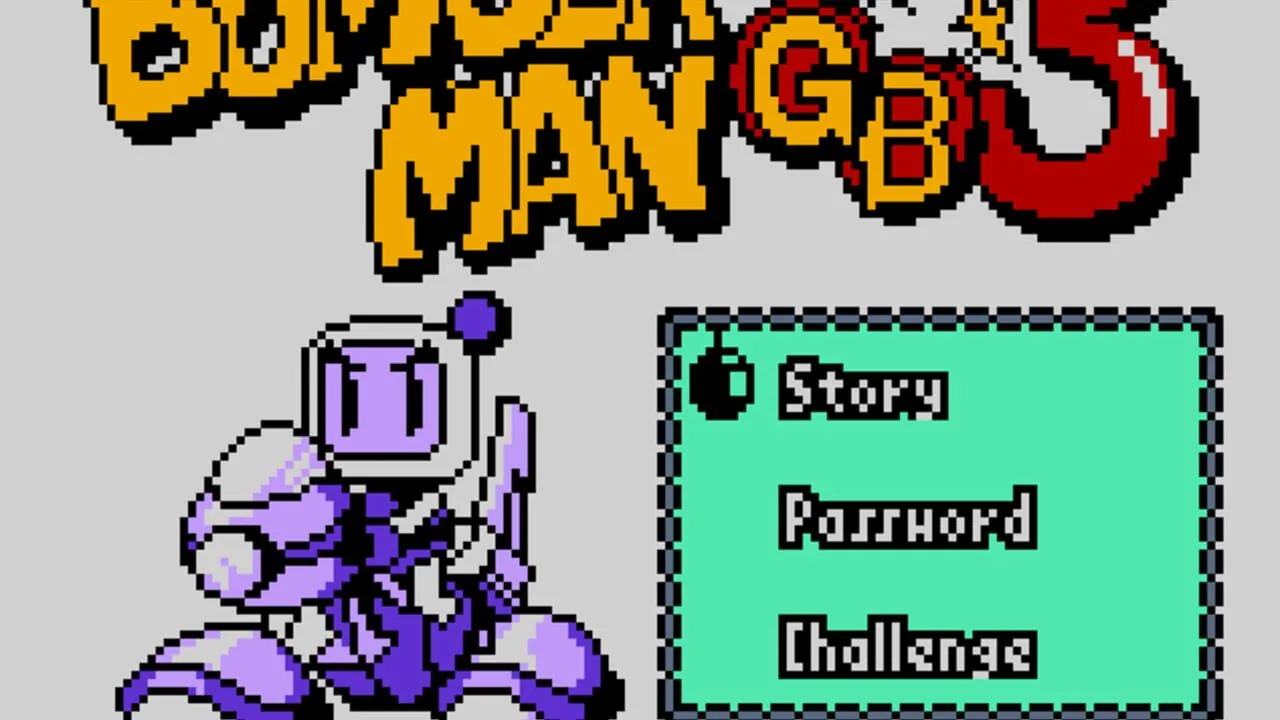
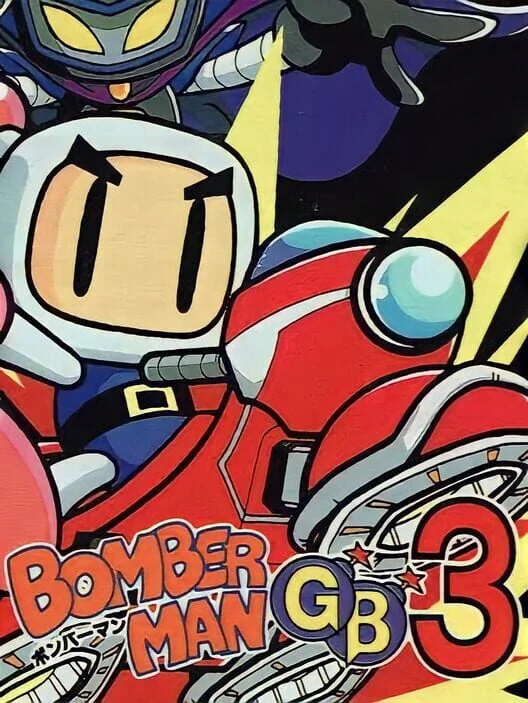
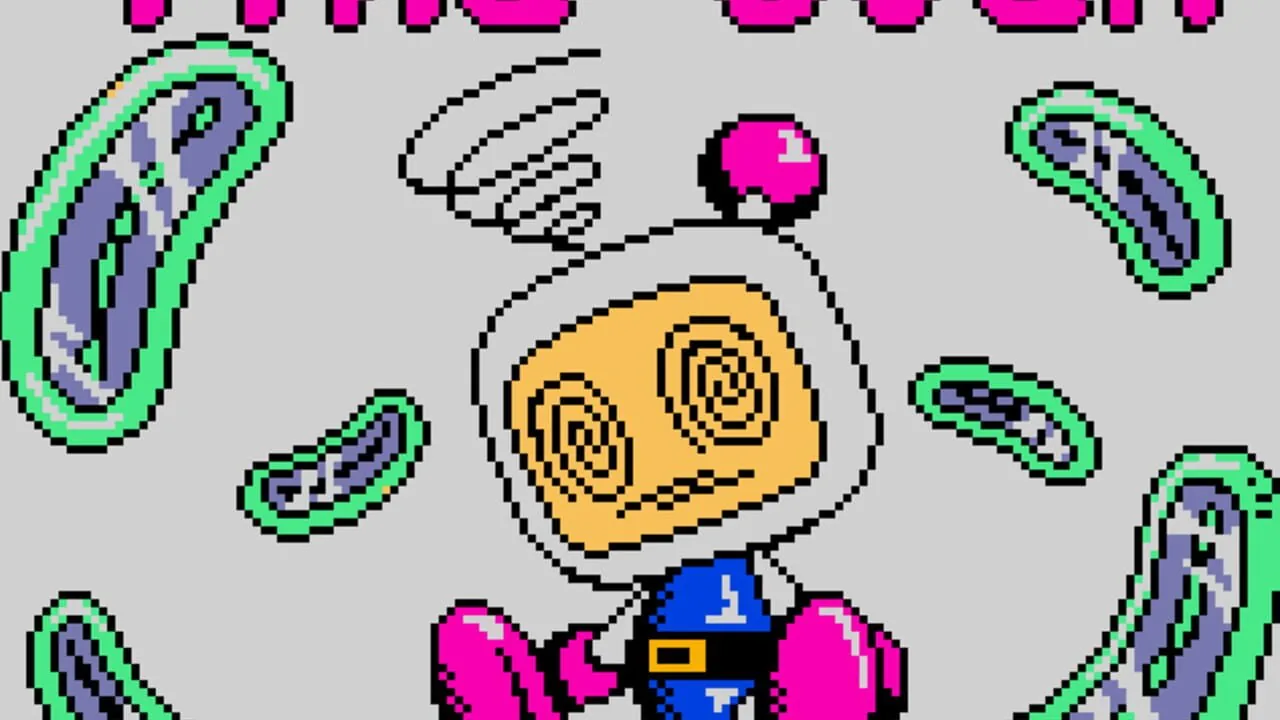
Bomberman GB 3 closes Hudson Soft's Game Boy trilogy, and it is the only one of the three that stayed in Japan. Evil Bomber breaks loose from under the planet Owen and steals the Bomber Capsules, so Bomberman goes after him. Multiplayer is gone, which is a brave call for this series, and all the effort goes into a single player campaign instead.
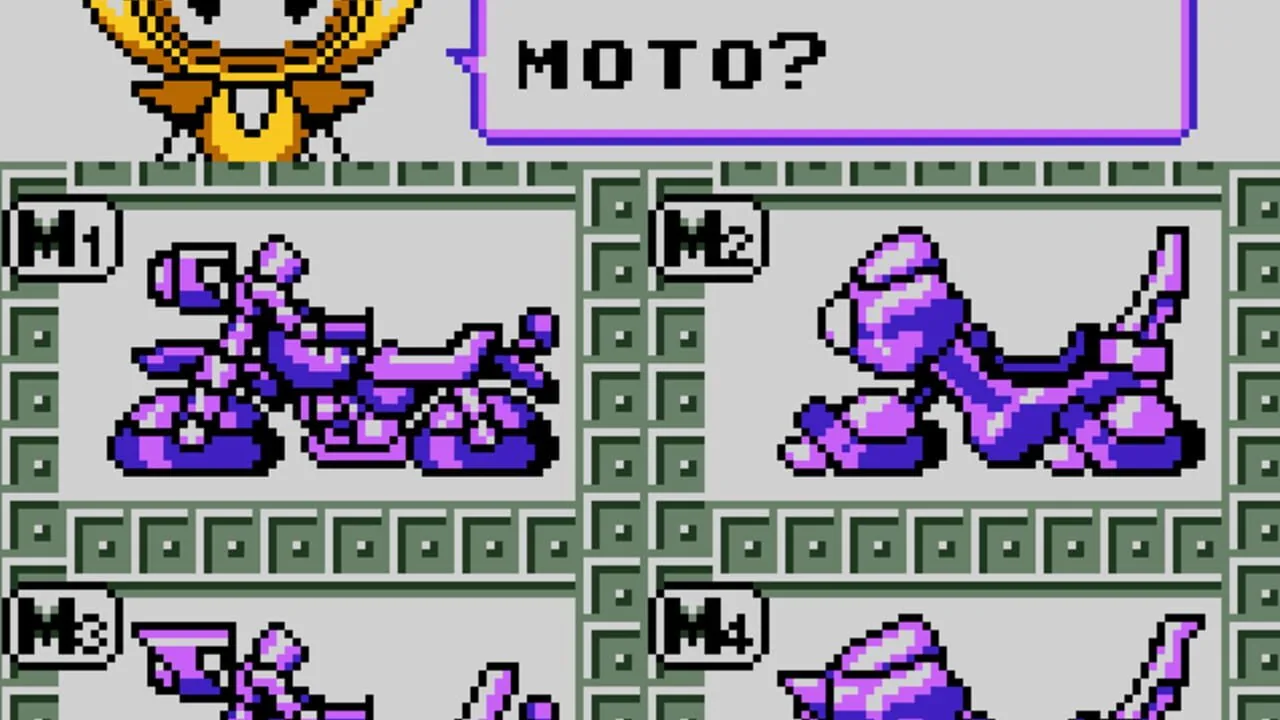
You trade capsules for upgrades at a shop run by Bomberman's friends, and those upgrades include four Motobomber bikes. The Mk. 2 can jump. The Mk. 4 is the fastest and takes two hits before it breaks. The bikes give the levels a variety the first two games never had. When the game came back on the 3DS Virtual Console it stayed in Japan again, but an unofficial translation covers the story and menus.
9. Painter Momopie (1990)
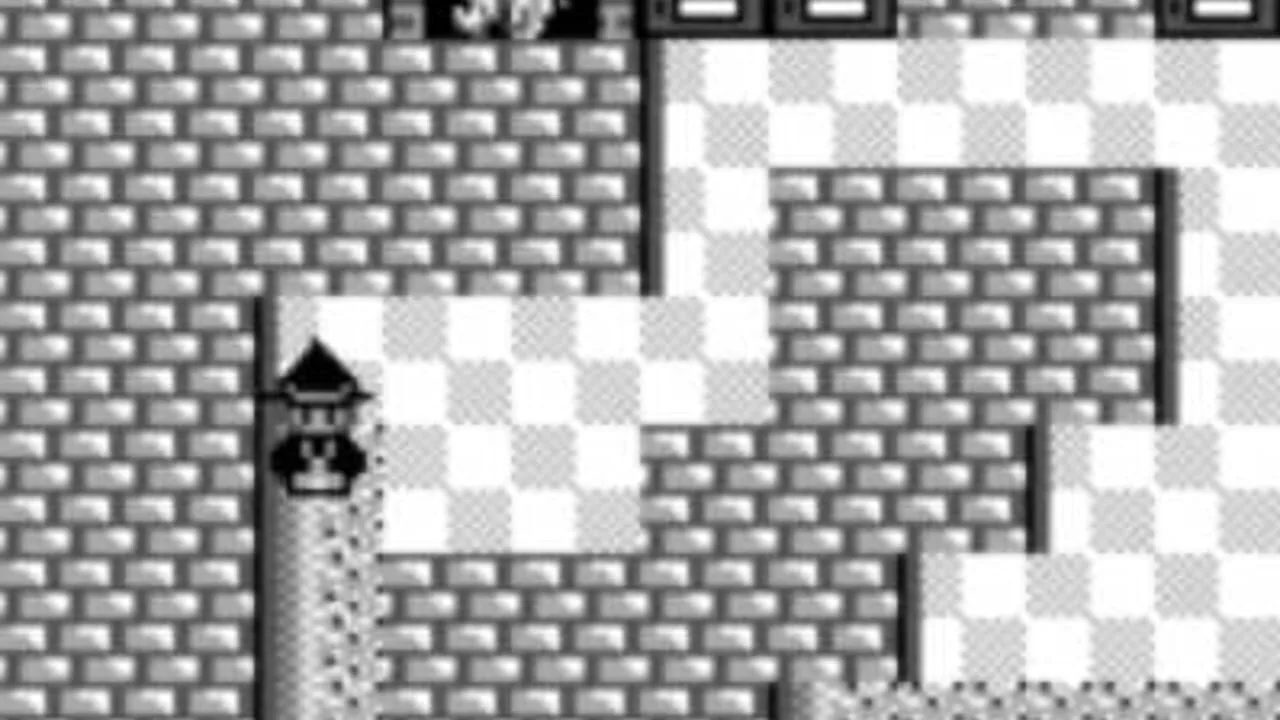
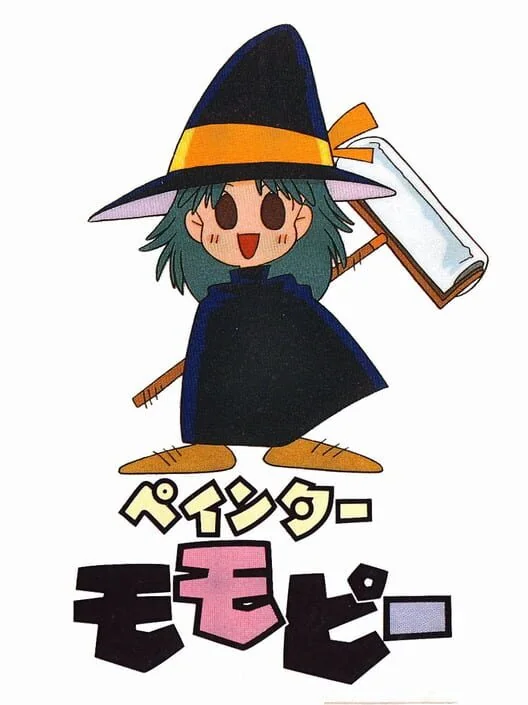
Painter Momopie came from Sigma Enterprises, who both made and published it late in 1990. You play Momopie, a witch whose chore is cleaning every floor of a whole castle with a giant paintbrush. Enemies try to stop her or mess up her work. It looks like a Pac-Man clone at first, and it plays a lot like Crush Roller, but the levels are more open.
Spells are what set it apart. One speeds her up and another turns certain enemies into allies. They drain MP, which refills after each round, so you have to think about when to spend them. You also have to stand still to cast, and that will get you killed more than once. There are 33 levels, five continues and no saves, which feels harsh today. It is still a charming little game for anyone who has run out of Pac-Man to play.
8. Game Boy Wars (1991)
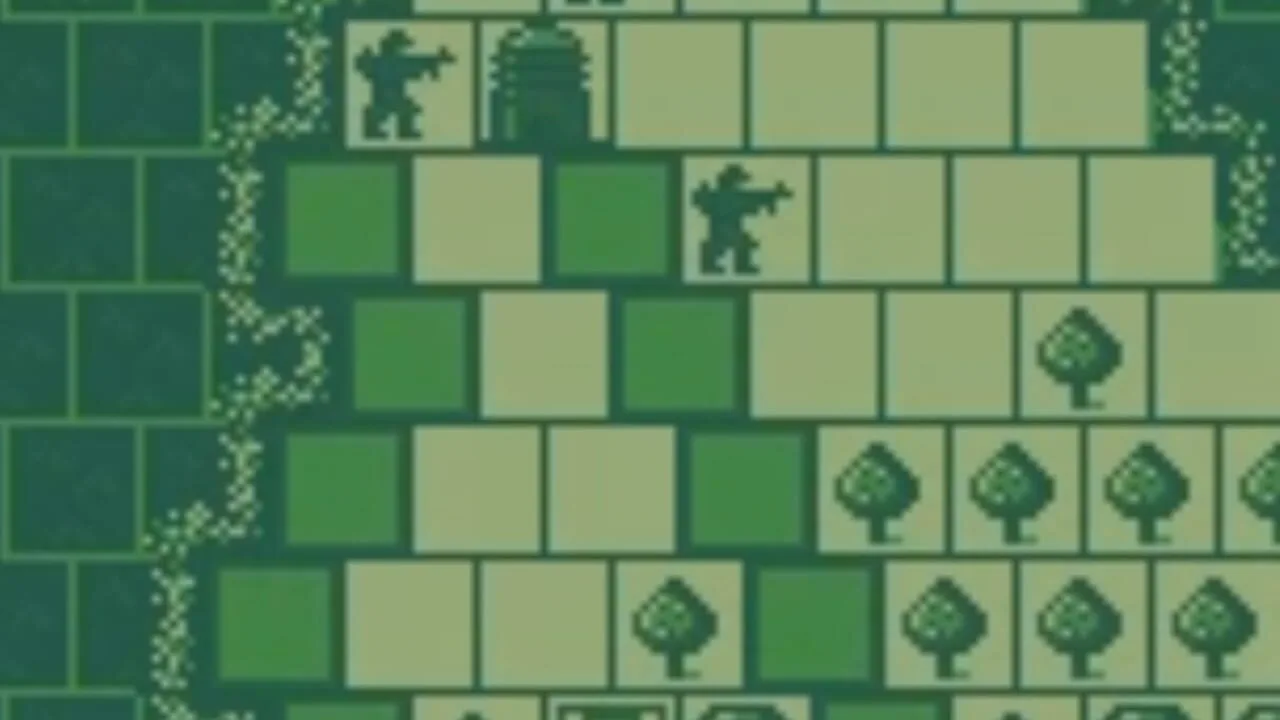
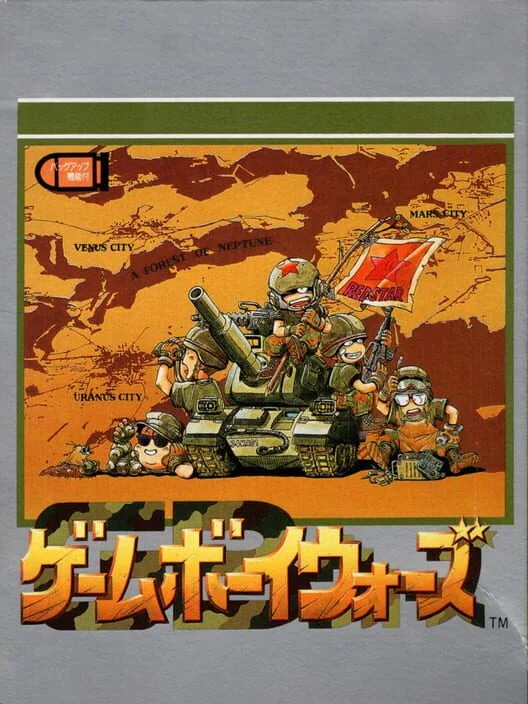
Game Boy Wars is the second game in the series that became Advance Wars, made by Intelligent Systems and published by Nintendo. It followed the 1988 Family Computer game Famicom Wars onto a handheld, and you win by destroying the enemy's forces or capturing their capital city.
It has its own rules too. The map uses staggered square tiles, so each one borders six others. Capturing is kinder as well: a damaged property keeps that damage when a unit leaves, so another unit can finish the job. Hudson Soft took over for the sequels, which also stayed in Japan.
Players mostly find their way here through Advance Wars, and they warn that this one is rougher. That is fair for a game this old. It is also the place to see where the idea started, and turn-based tactics suit a handheld very well.
7. Sagaia (1991)
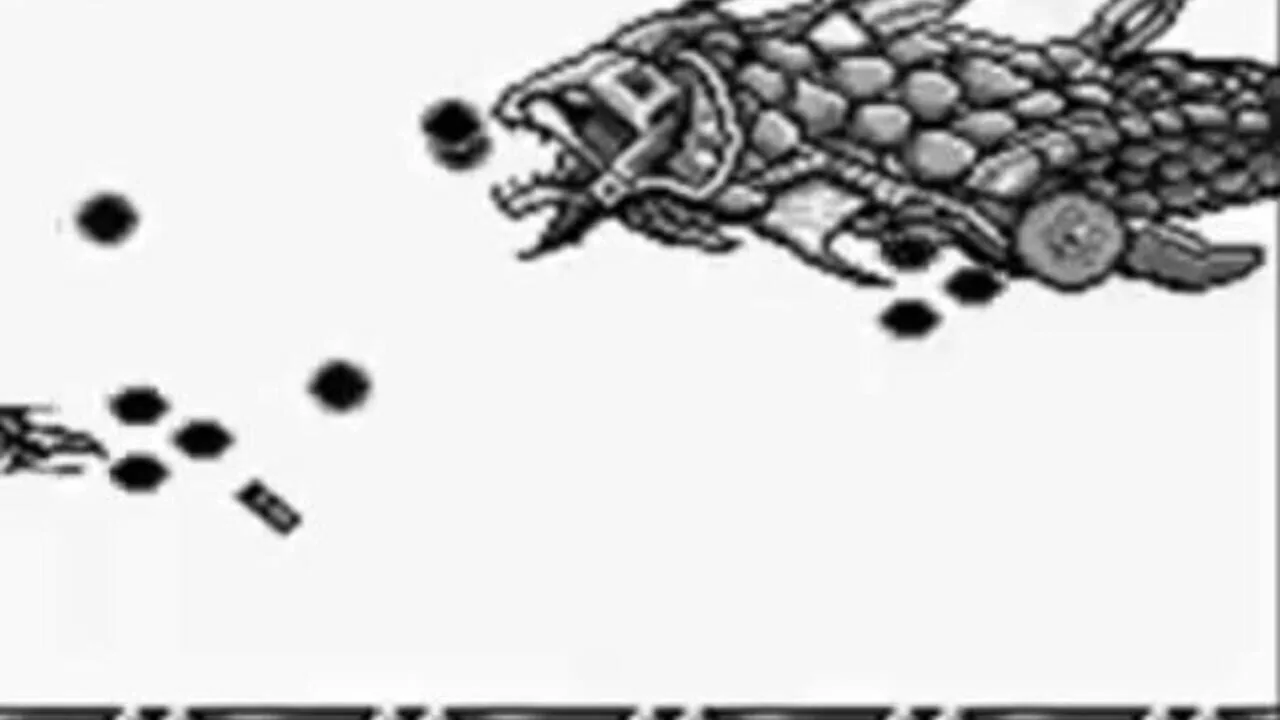
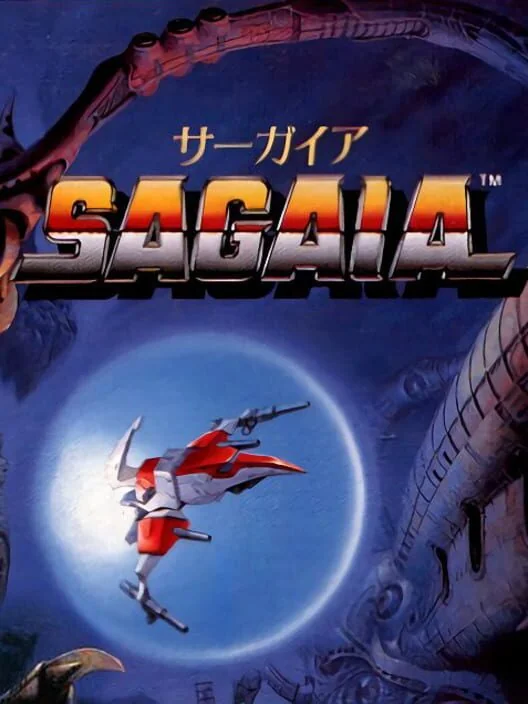
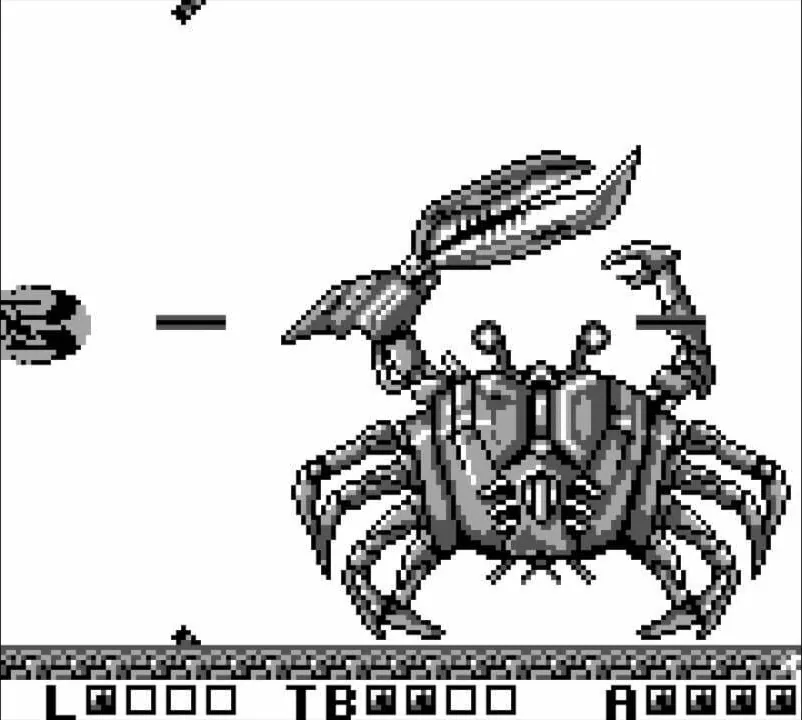
Sagaia is a Darius game for the Game Boy, developed by Act Japan and published by Taito. It shares its name with the Darius II ports on Sega consoles, but it is a mostly new game with its own levels. The bosses and music come from the first two Darius games, and there is one brand new boss based on a sunfish. Only Darius would look at a sunfish and see a final exam.
You can build up to nine lives, which helps on a screen this small. Players who like shooters put it with the good ones on the system, and they say people miss it because it only came out in Japan. Even the modern collection left it behind: the Game Boy version was a preorder bonus for the Japanese Darius Cozmic Collection and is missing from the international release.
6. Chalvo 55 (1997)
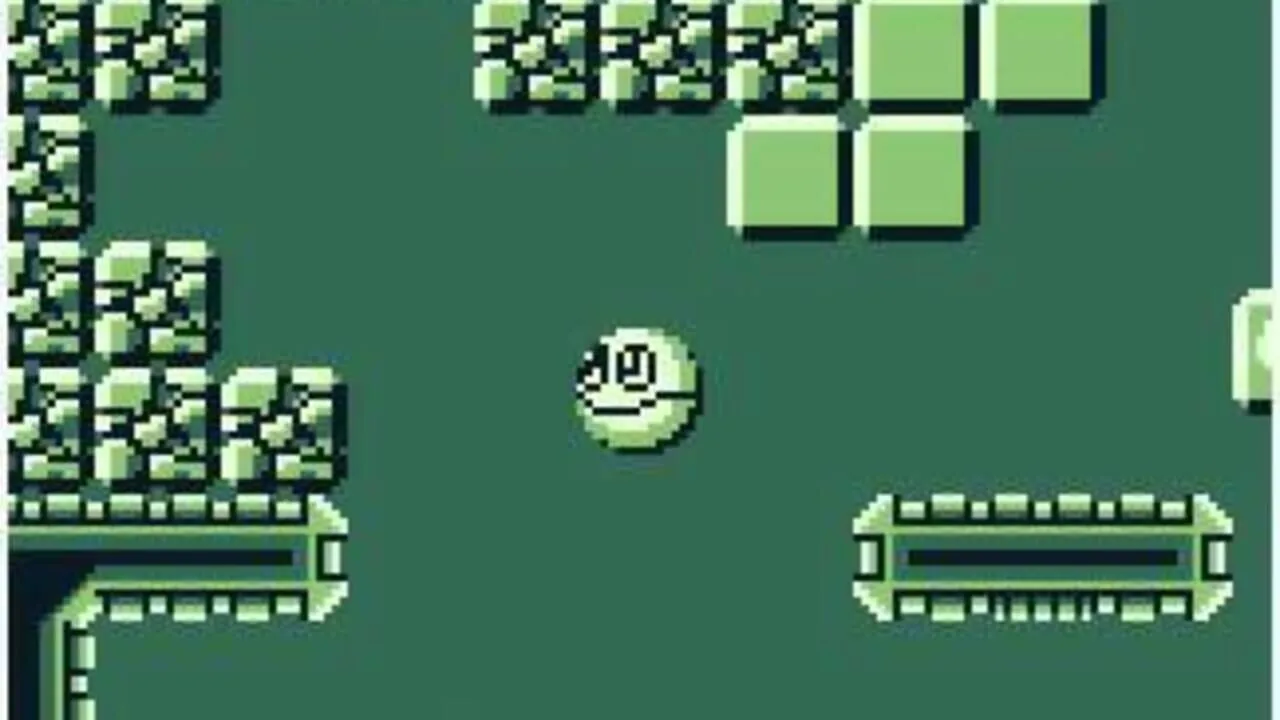
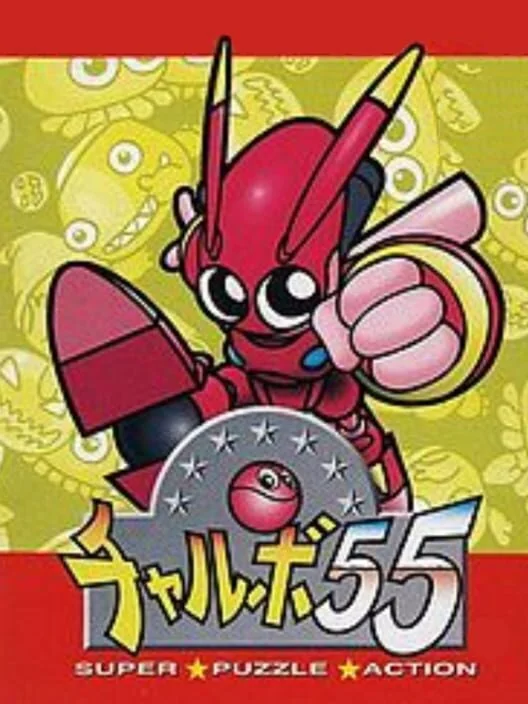
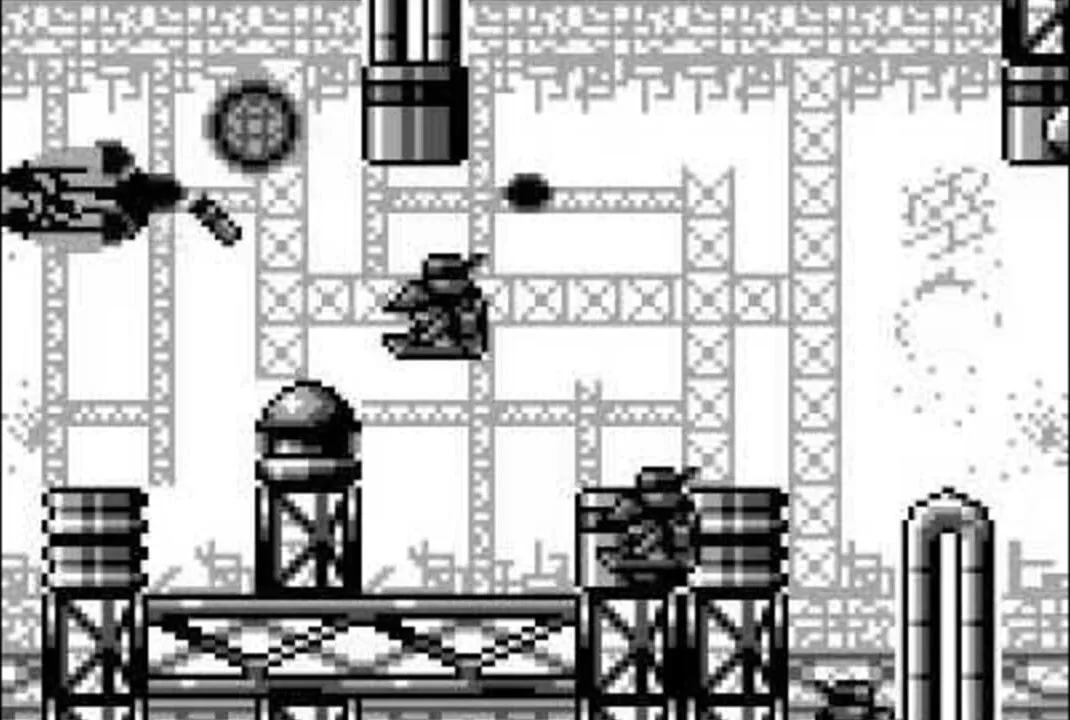
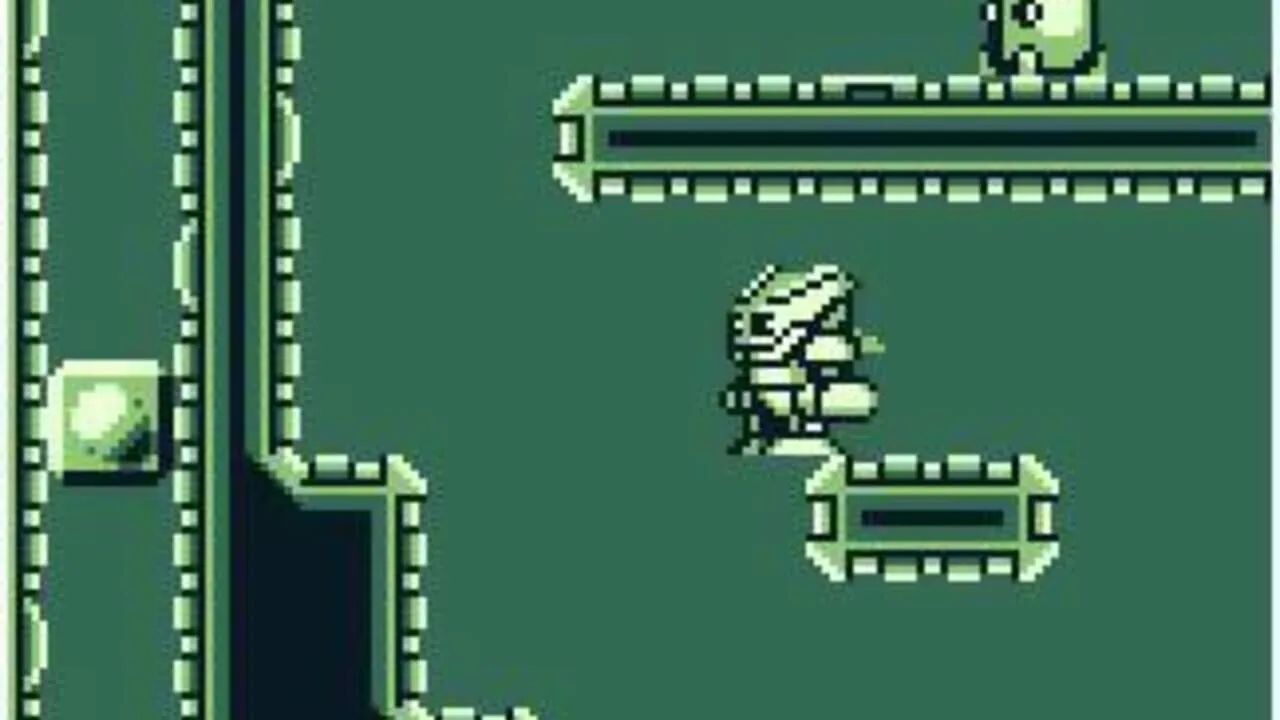
Chalvo 55 is a late Game Boy puzzle platformer from Japan System Supply, released in February 1997. You play a little robot with almost no abilities who can turn into a bouncing ball. Most of the game is spent bouncing through long, maze-like levels. To push blocks or get past spikes you have to change back and walk.
The bouncing takes a while to get used to, and the size of the levels can wear you down. This is more of a maze game than a puzzle game, so bring patience. Players who found it file it next to Metroid and call it one of the system's hidden gems, and they wish more people talked about it. There is no story to follow and very little to read, so it makes an easy import.
5. Noobow (1992)
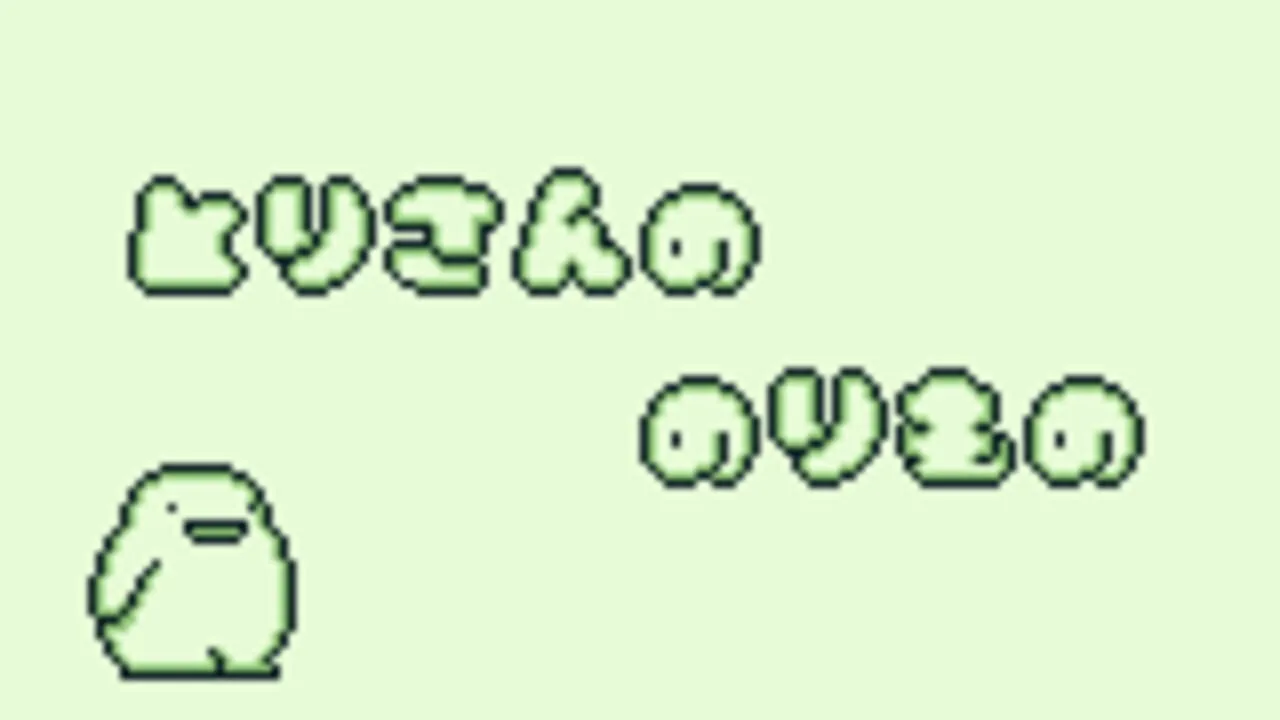
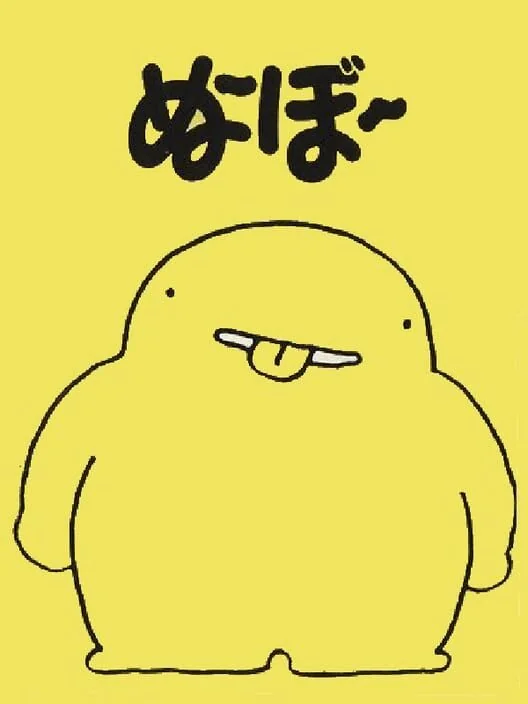
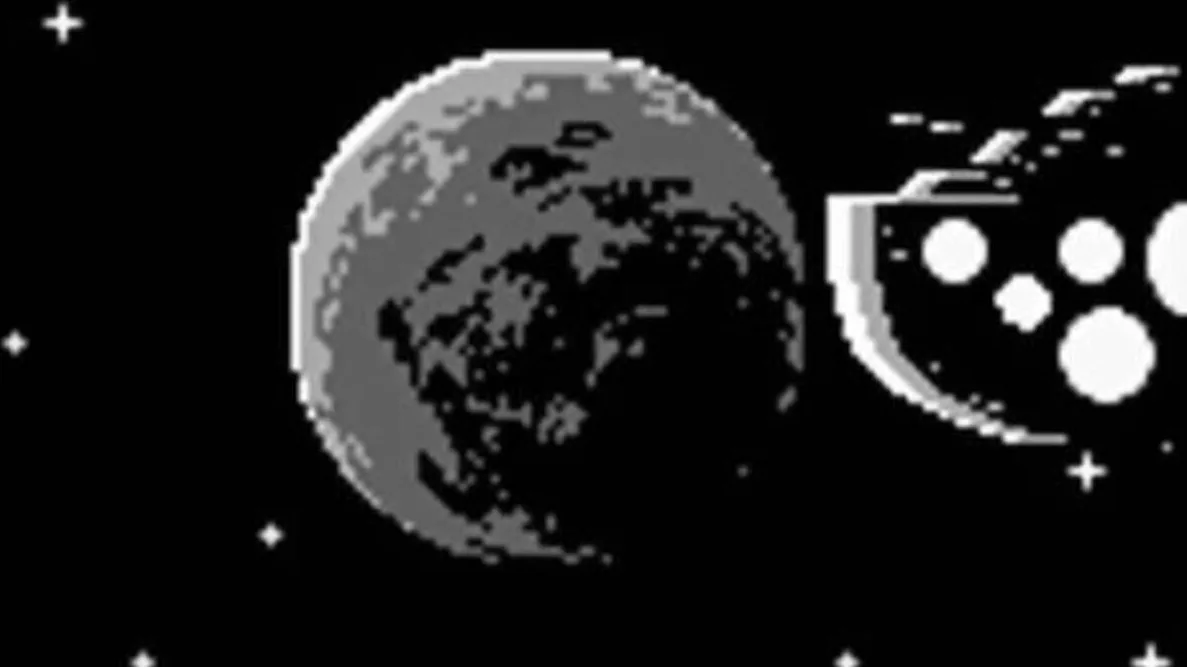
Noobow is a licensed game from Irem, the studio behind R-Type, based on a Japanese chocolate mascot. The sun and the rain are fighting, everybody is suffering for it, and a round yellow blob has to fix things. You pick up items and use them where they are needed, like filling a bucket at a waterfall to cool down a sweating mole. Text only shows up in cutscenes and level title cards.
Noobow refuses to put his life in danger, so he is the only platform hero who looks at a cliff and decides against it. Players call it the cutest game on the Game Boy, and it is hard to argue. The seven levels take just under an hour and experienced puzzle fans will find it too easy. A fan translation arrived in May 2018.
4. Chikyuu Kaihou Gun ZAS (1992)
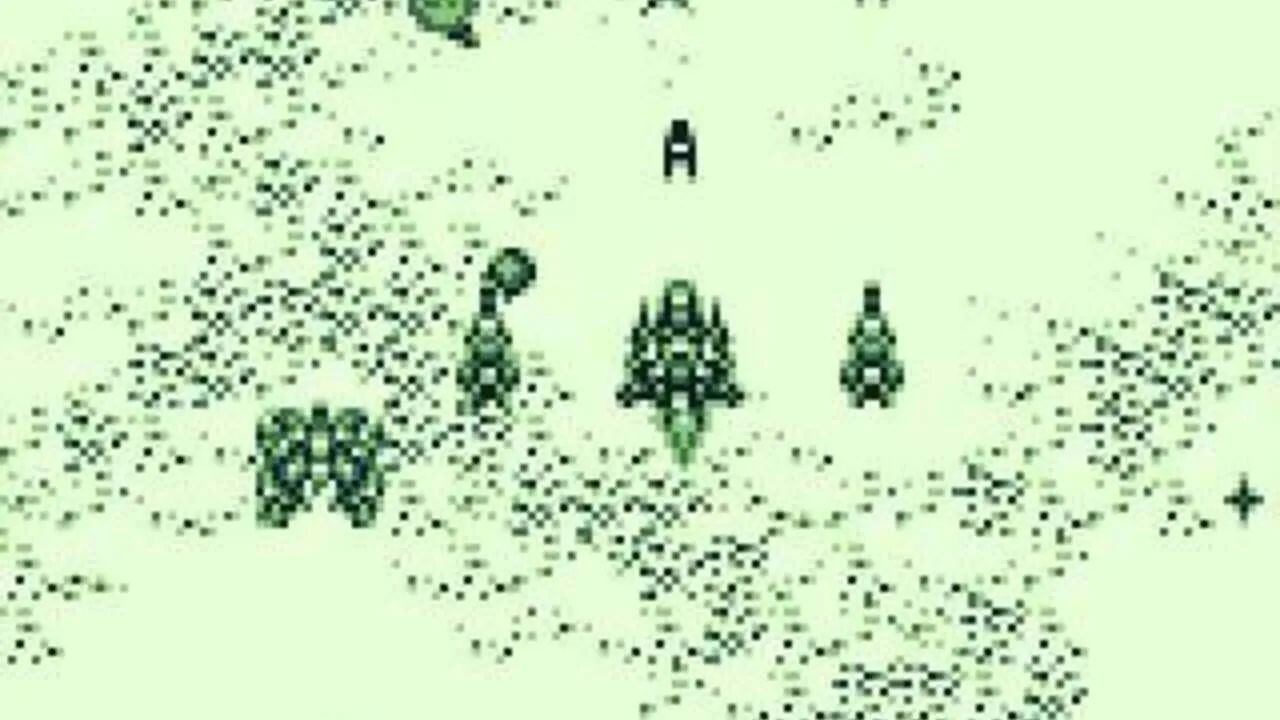
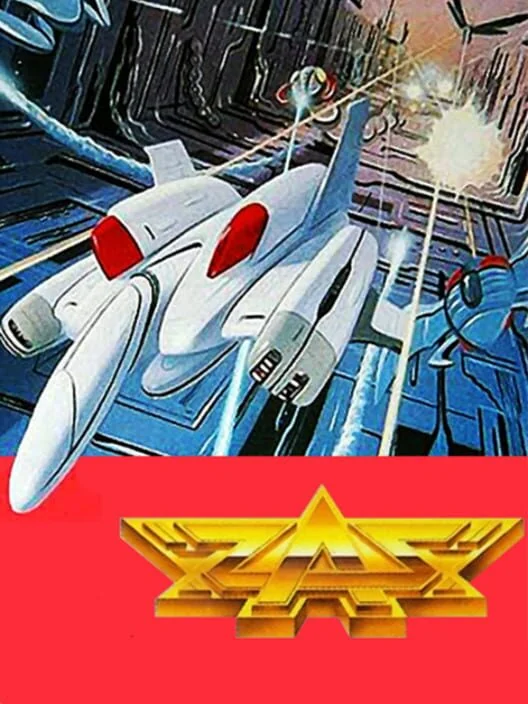
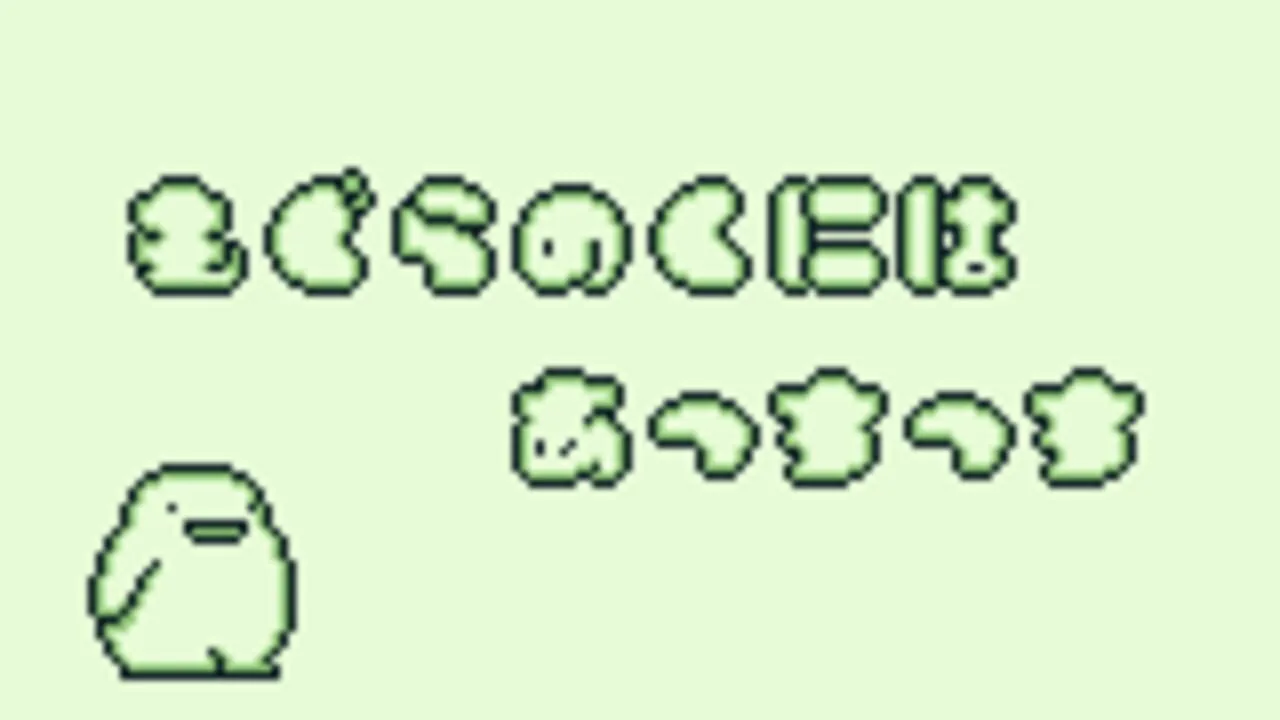
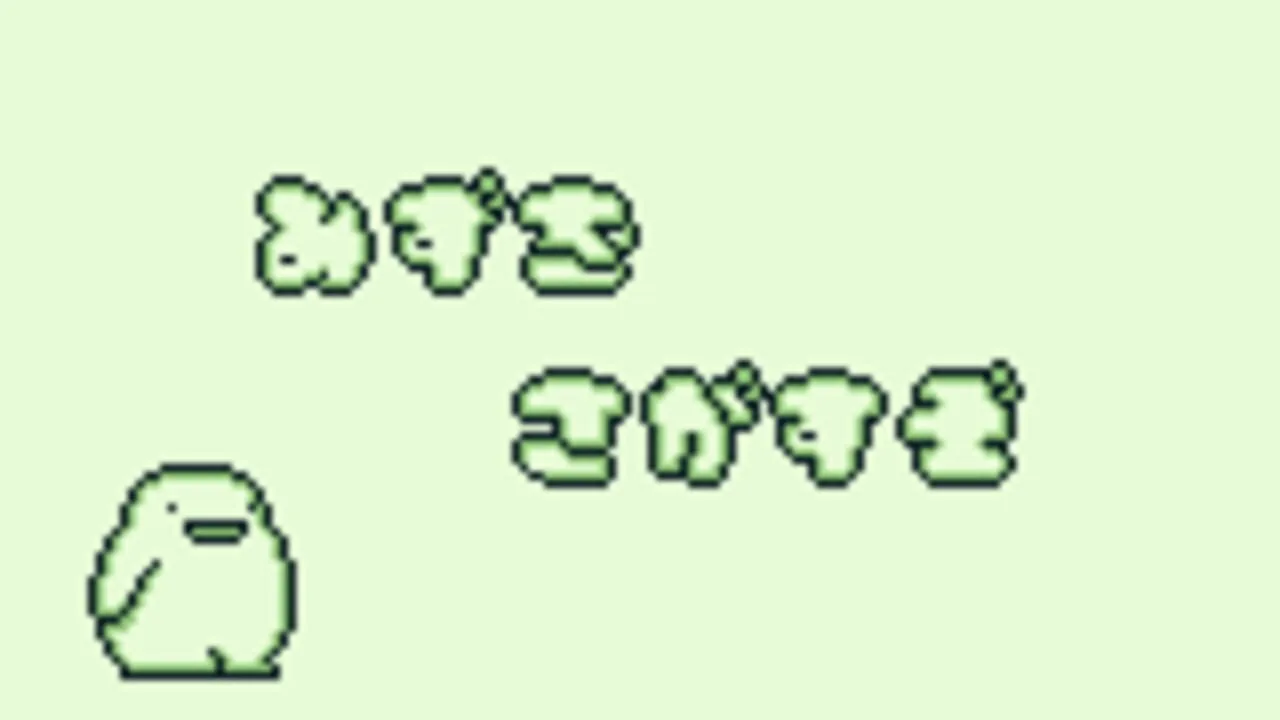
Chikyuu Kaihou Gun ZAS is a vertical shooter from T&E Soft, released in December 1992. Humans leave Earth for Mars because of pollution, and robots from another galaxy move in. The funny part is that the robots clean up the pollution, and the liberation army comes back to fight them anyway.
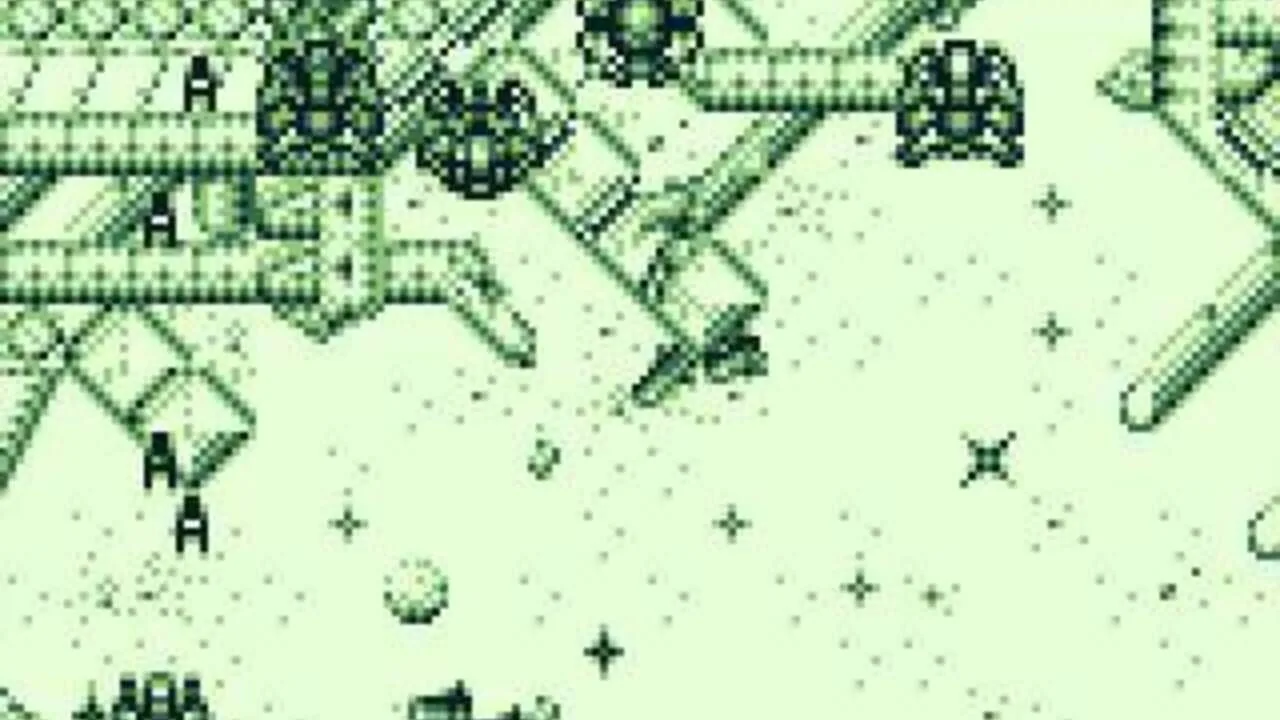
The game pushes the Game Boy very hard. Its parallax backgrounds and detailed sprites make it one of the best looking games on the system, and it uses the ghosting of the old screen to fake see-through layers. You can play the first four levels in any order, and the fifth opens up after them. Players call it the best shooter on the Game Boy, and that is a real compliment on a system with this many of them. It stayed in Japan for the Game Boy's whole life, and ModRetro re-released it in 2026.
3. The Frog for Whom the Bell Tolls (1992)
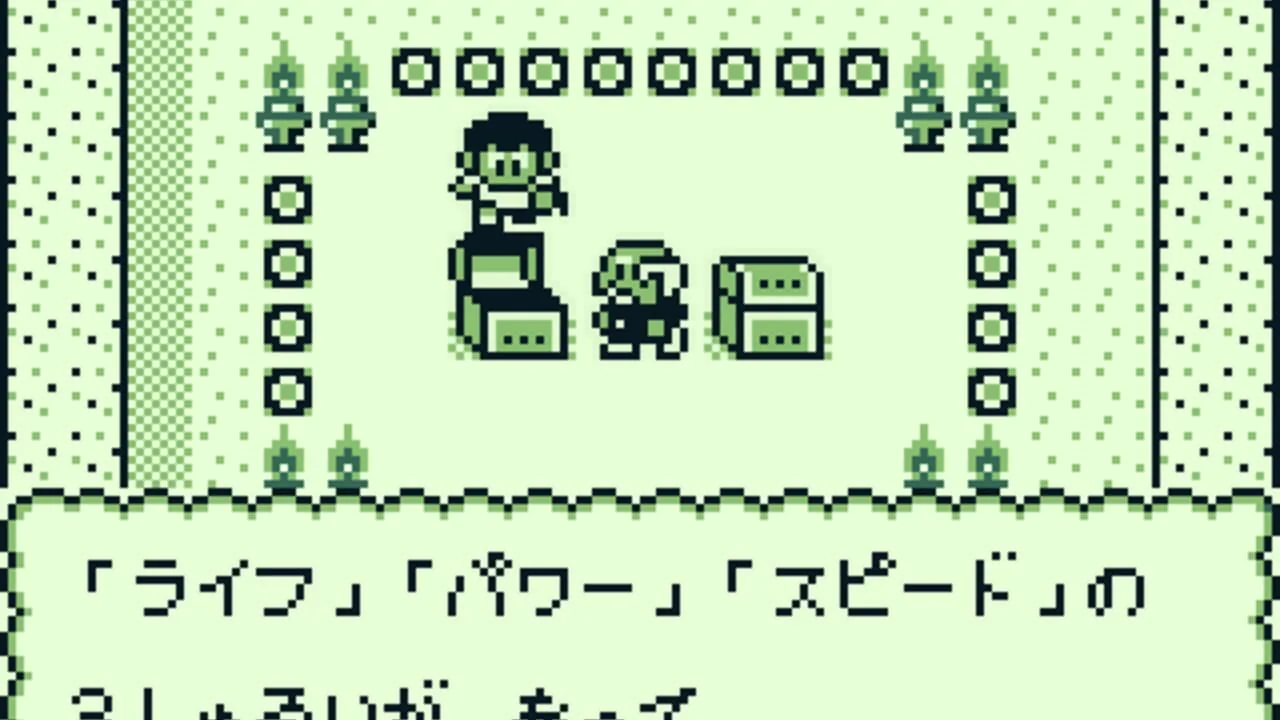
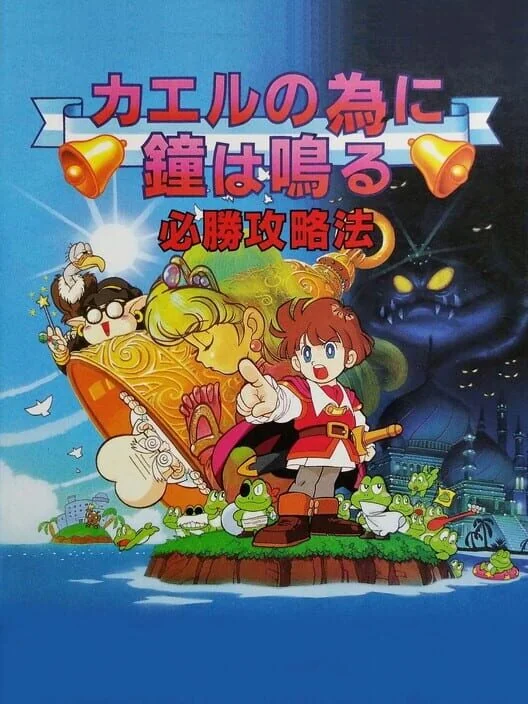
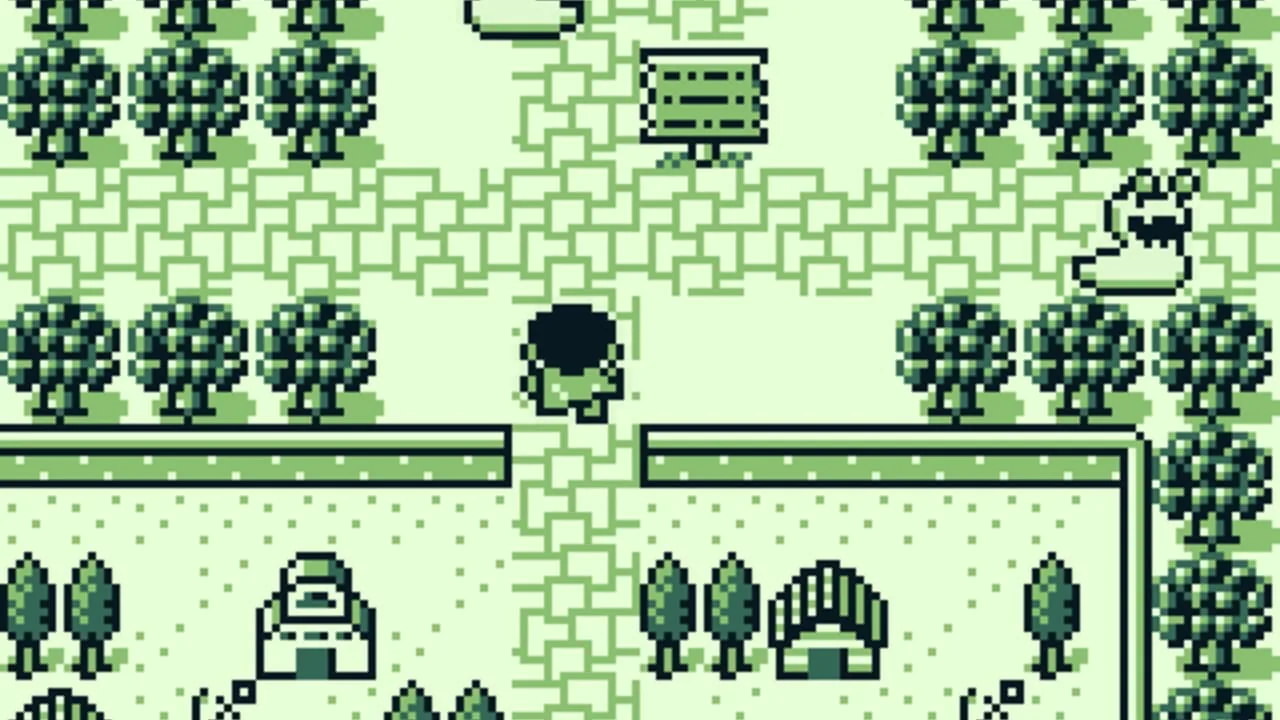
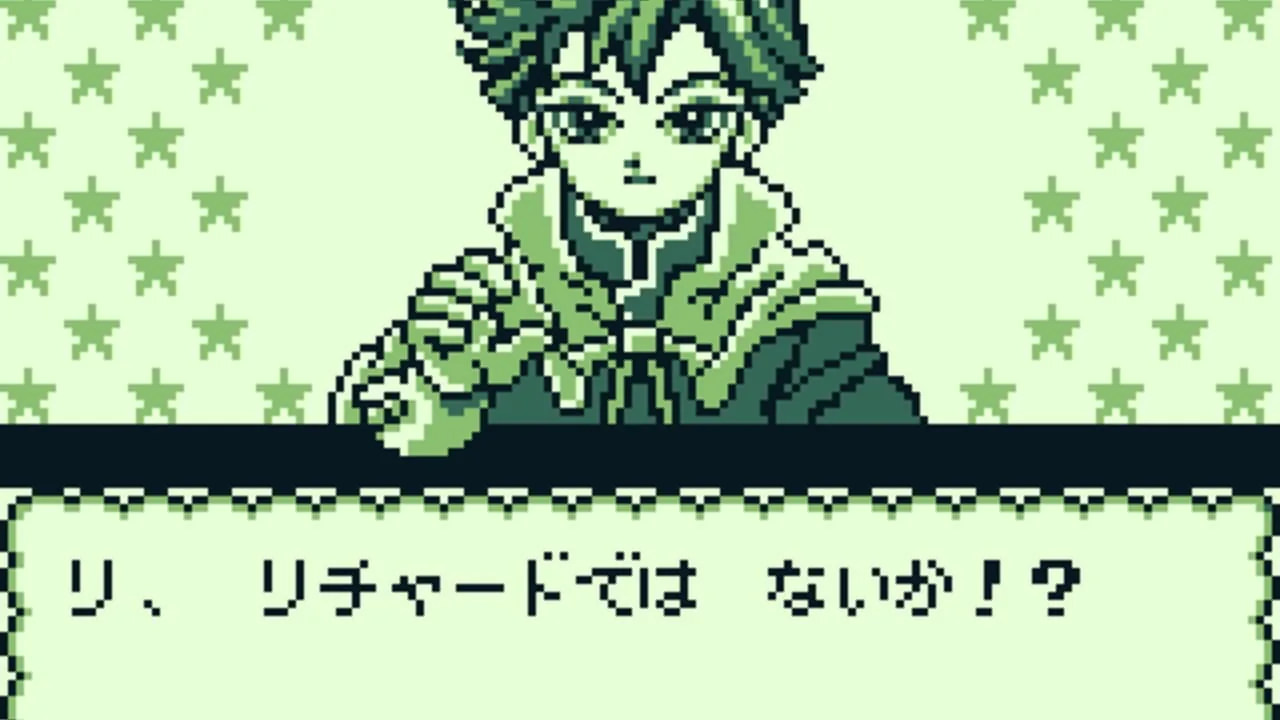
Intelligent Systems made this one for Nintendo, and its Japanese title is Kaeru no Tame ni Kane wa Naru. Link's Awakening came out the next year and was based on this game's engine, so the look will feel familiar. Prince Sablé and his rival Prince Richard race to save a kidnapped princess, and both end up cursed to turn into frogs. The story opens with your hero spending his whole fortune of 9,999,999 gold coins on trivial goods, which is how most RPG players handle money anyway.
The overworld is a top view and the dungeons play almost like a platformer. Fights are automatic: you touch a monster and a cartoon cloud of dust decides it. The whole quest lasts about five hours. Players often put it up with Link's Awakening, and some like it more. It reached the 3DS Virtual Console in 2012, in Japan only, so the fan translation is the way to play it in English.
2. Picross 2 (1996)
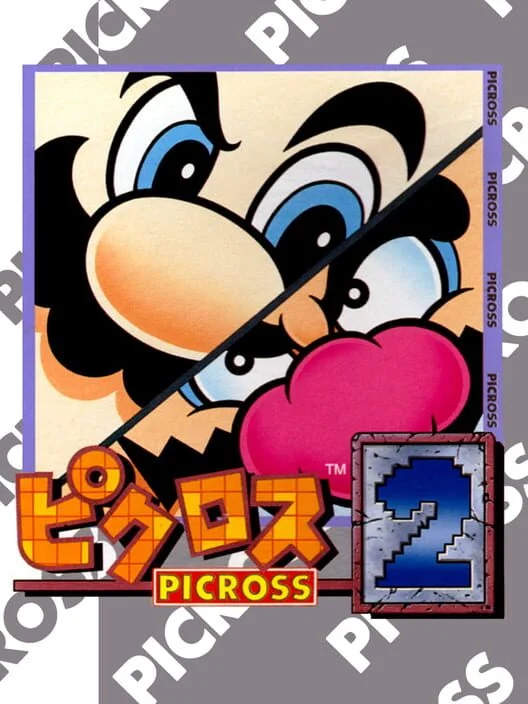
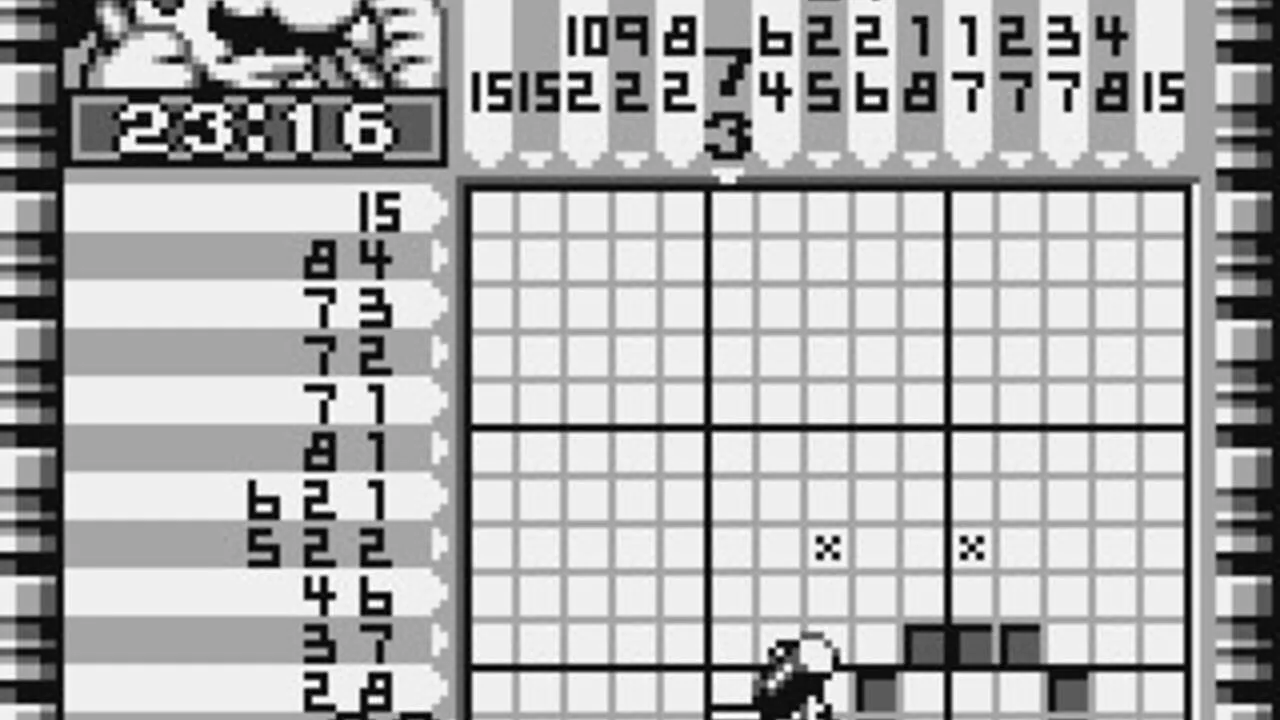
Mario's Picross sold well in Japan and poorly in English-speaking regions, so its sequels stayed in Japan. Nintendo did not bring Picross back to English speakers until Picross DS in 2007. Picross 2 was developed by Jupiter and Creatures Inc. and came out in October 1996.
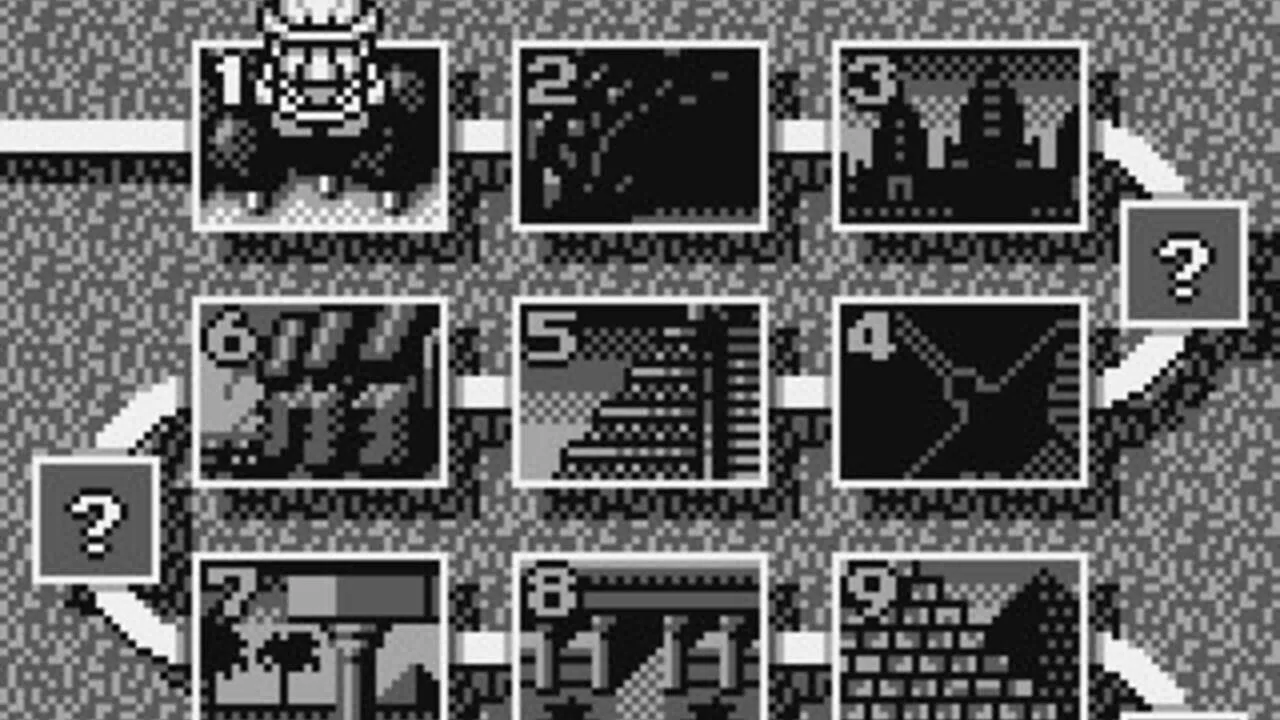
It adds a world map, and the pictures are far bigger: four 15x15 boards join up into one large image. Mario and Wario each have their own set of puzzles. Plenty of fans of the first game had no idea this one existed, and the ones who play it mostly say it beats the original. The puzzles are all numbers and grids, so you can get far without reading a word of Japanese. If you liked Mario's Picross, this is the rare import that needs no homework.
1. Cave Noire (1991)
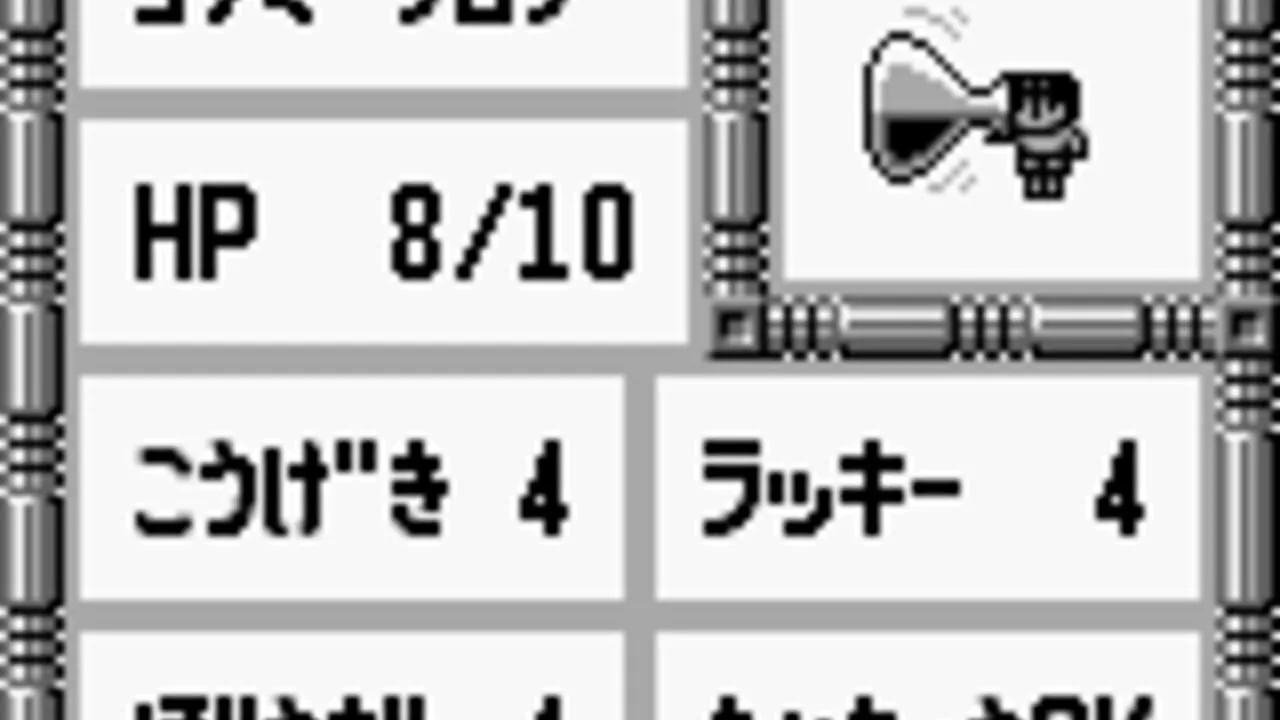
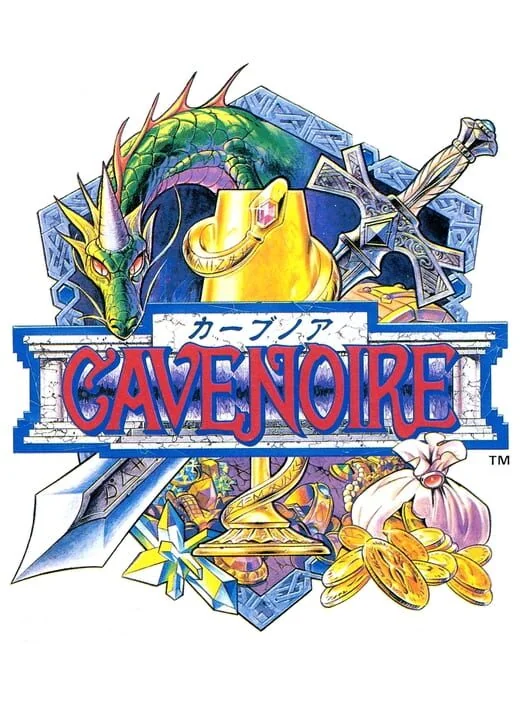
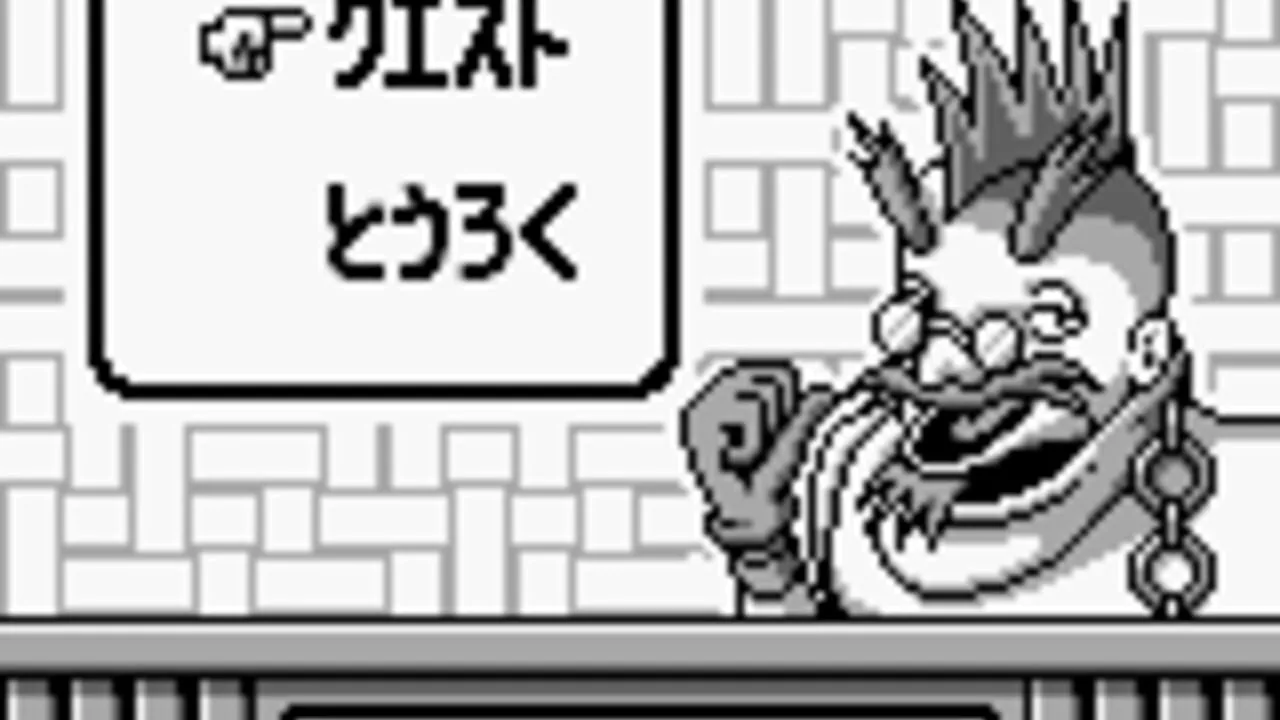
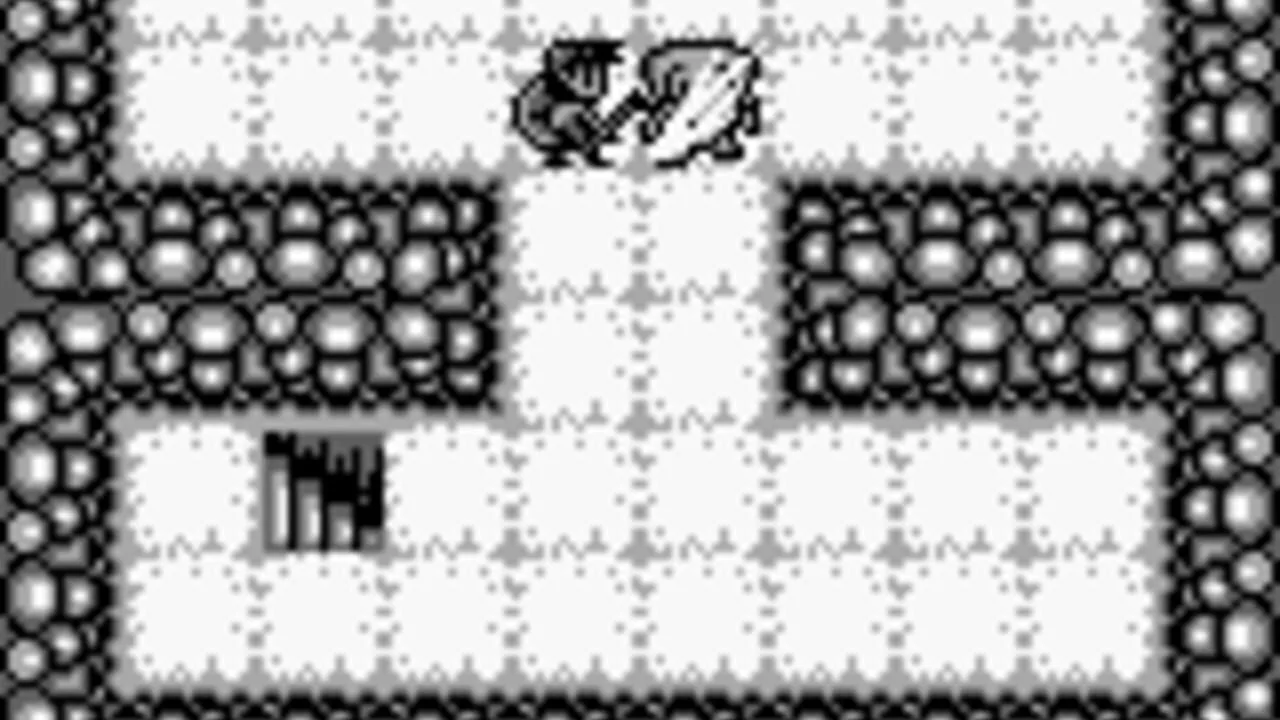
Konami put out Cave Noire on April 19, 1991, two years before Chunsoft made the console roguelike popular in Japan with Torneko no Daibouken. The title is French and means something like "Dark Cellar". There are four dungeons, each with its own goal: kill monsters, free fairies, collect gold or find orbs. Each goal has ten difficulty levels. Every dive makes a new random dungeon, and if you die you have to start that dungeon over.
The smart part is the size. Quests are short, so one try fits into a few minutes, and the game saves each level you beat. Experience points do not exist here, so fights rarely pay off, and you are better off reading how the monsters move and walking around them. You get four items at the start of each quest and can hold eight. In the Japanese version the hero's default name is Konami Tarou, in case you forgot who made it.
Players call it a roguelike that arrived before its time, and an addictive one. It was never officially released in the West, but much of it is icon-based, and a fan translation came out in 2012. That makes it the easiest game on this list to recommend. Each dungeon has its own music too, and this being Konami, the music is excellent.
Which one to play
There you have it, the whole list of the best Game Boy games that never left Japan. Any of them could have sold fine abroad, and it is a little sad that most of them never got the chance.
If you are unsure, start with Cave Noire. It teaches you everything in a few minutes and fits the handheld perfectly. Fans of Zelda should go straight to The Frog for Whom the Bell Tolls. If you want a shooter to show off the hardware, ZAS is the one, and Sagaia is there for Darius fans. Puzzle players should play Picross 2, and anyone who wants something gentle can have a nice hour with Noobow. For a hidden pick, try Chalvo 55.