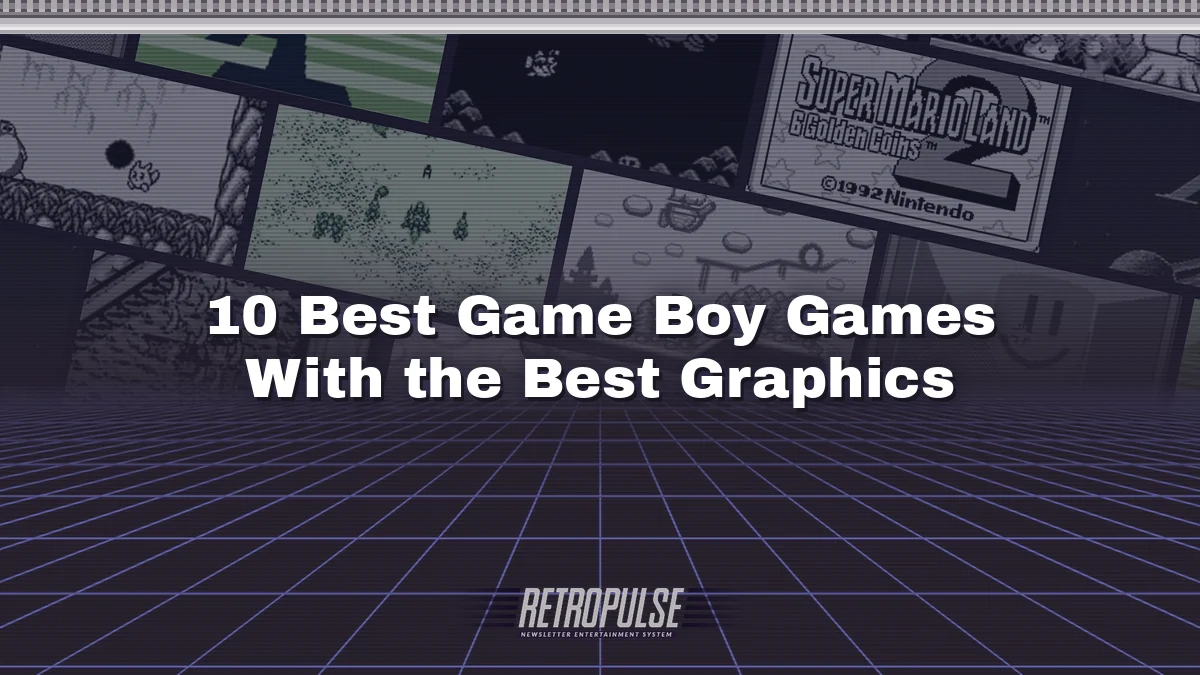
The Game Boy's screen was small and blurry and had no color, so nobody bought one for the graphics. That only made the best programmers try harder. They drew sprites as big as the ones on a Super Nintendo, built backgrounds that scrolled in layers, and got 3D running on a handheld that was never meant for it.
Some of these are the biggest names on the system, and two were only ever sold in Japan when they were new. Only original Game Boy games count here, so the Game Boy Color carts stay out. Here are the 10 best Game Boy games with the best graphics.
10. Prehistorik Man (1996)
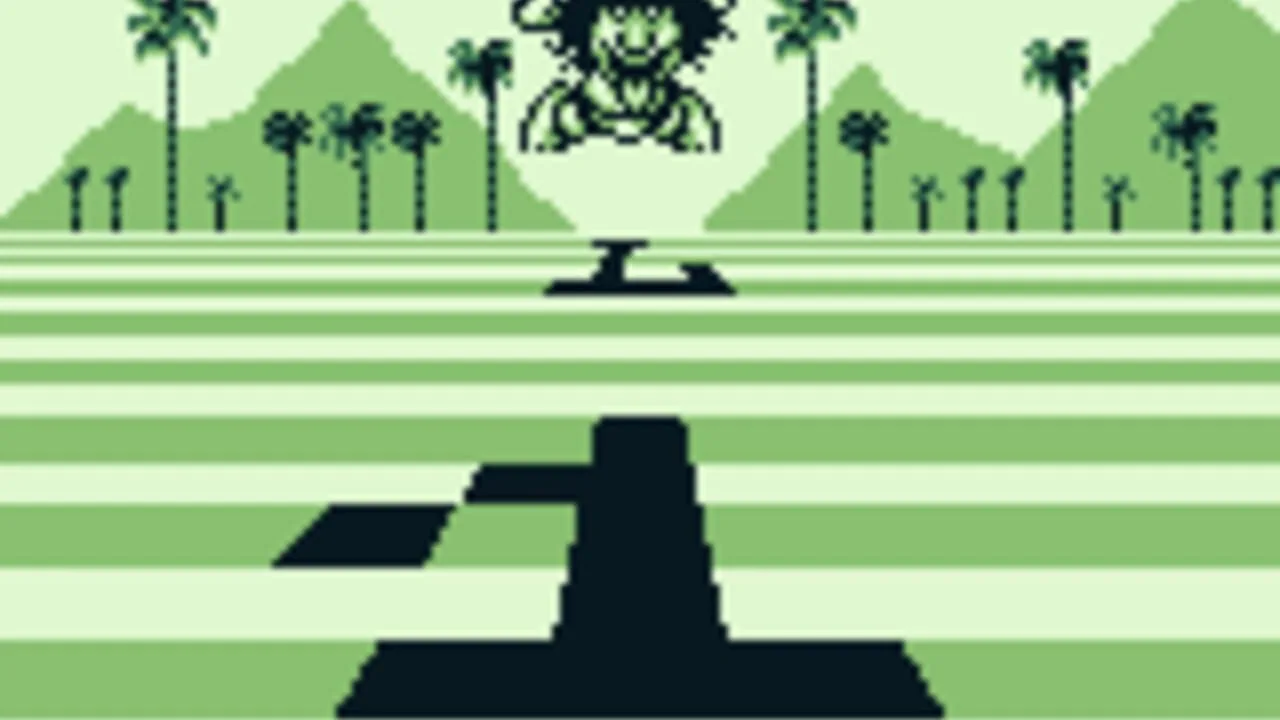
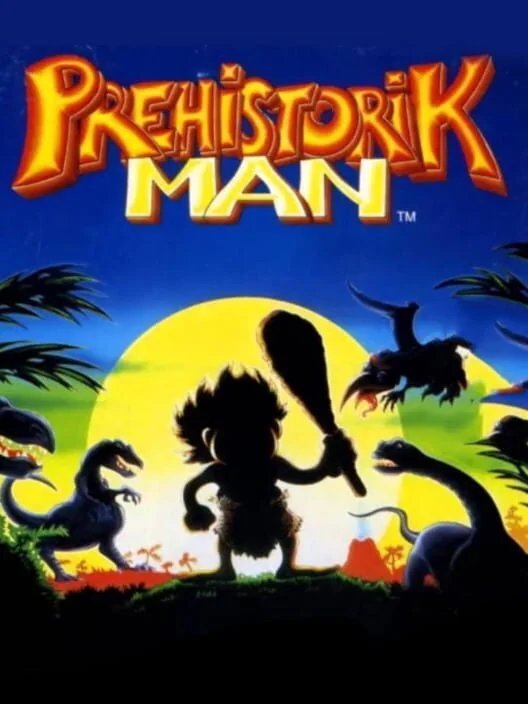
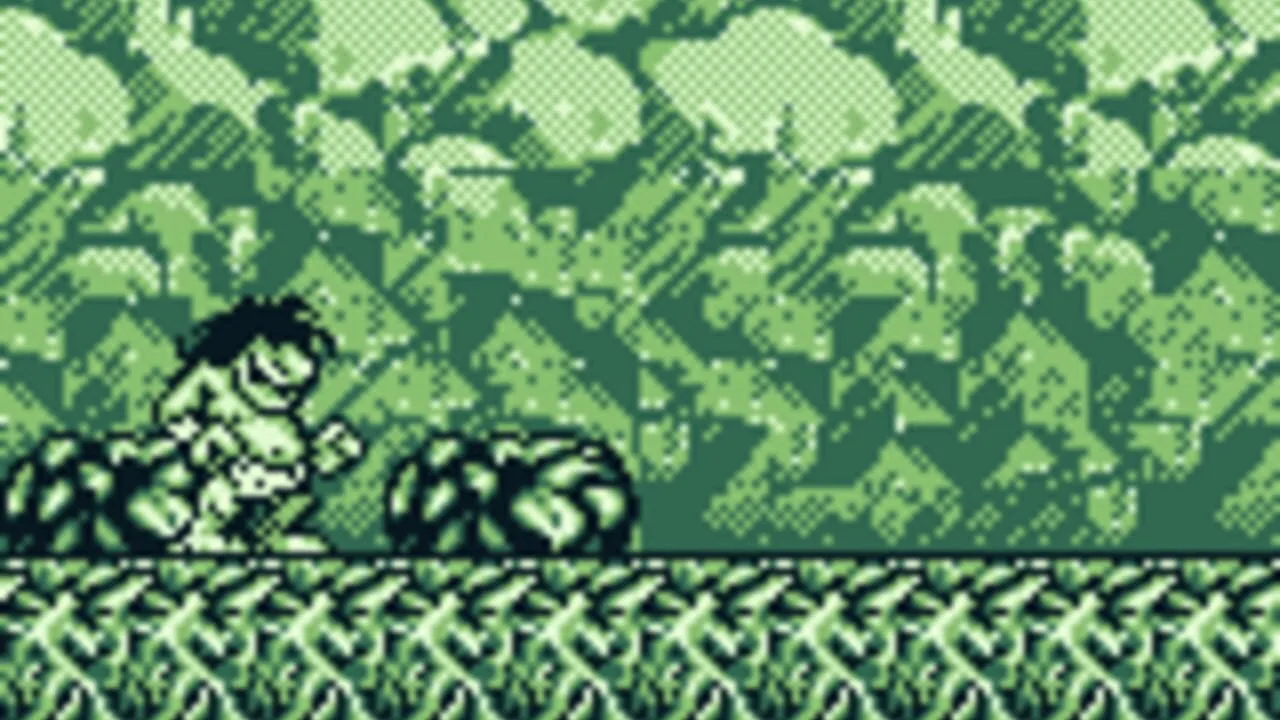
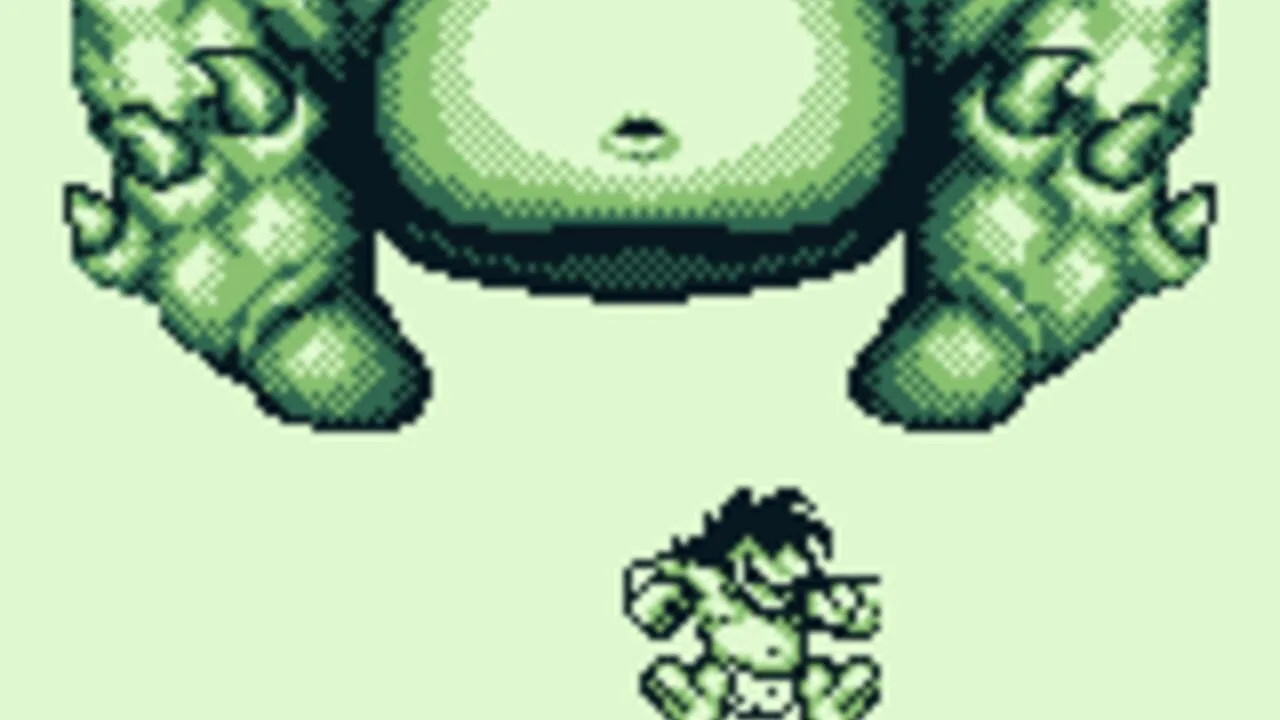
Prehistorik Man on the Game Boy is a port of Prehistorik 2, a 1993 platform game from Titus France that started on the Amstrad CPC and MS-DOS. The Super Nintendo got a separate game under the same title, so check which one you are looking at. Thorsten Mitschele wrote the music for the Game Boy version. Reviews were modest. Electronic Gaming Monthly gave it a 6 out of 10 and said "the whole game becomes monotonous as it gets tired somewhat quickly".
That review did not stop it from making this list. Players name it among the games that pushed the hardware hardest, for its parallax scrolling and big sprites. It came out late in the system's life, when programmers knew the machine well, and it shows.
9. Faceball 2000 (1991)
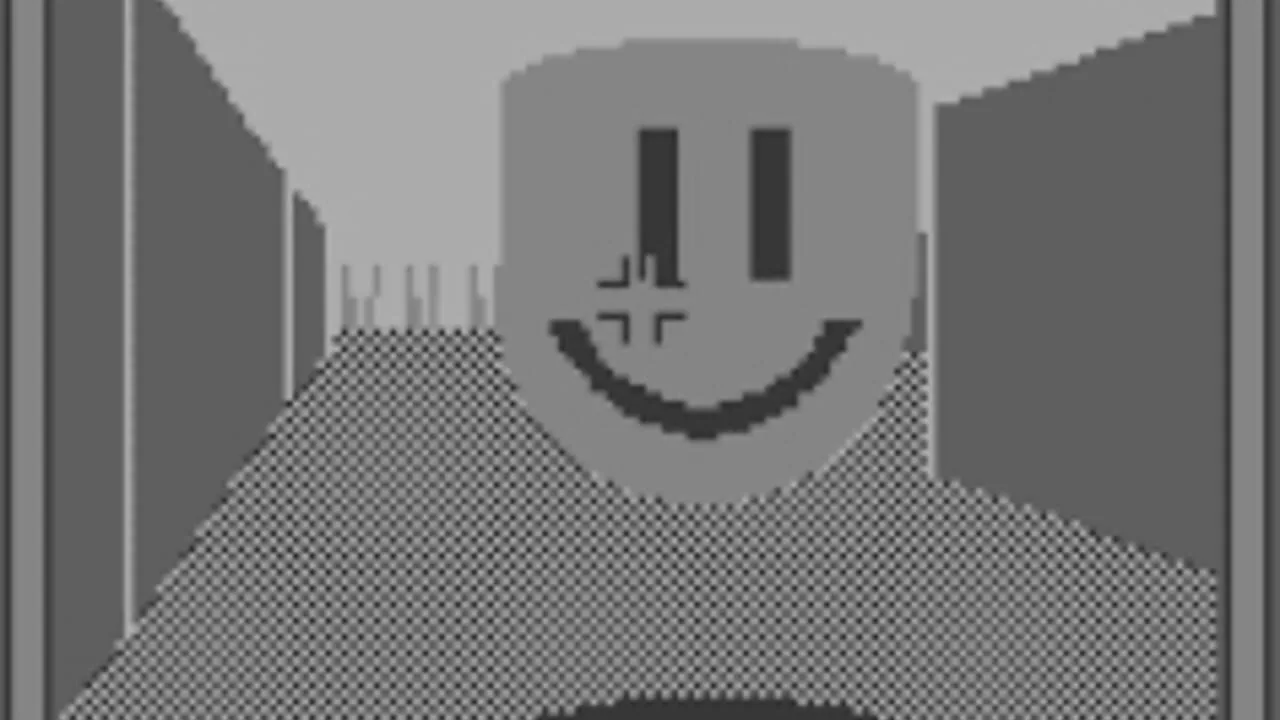
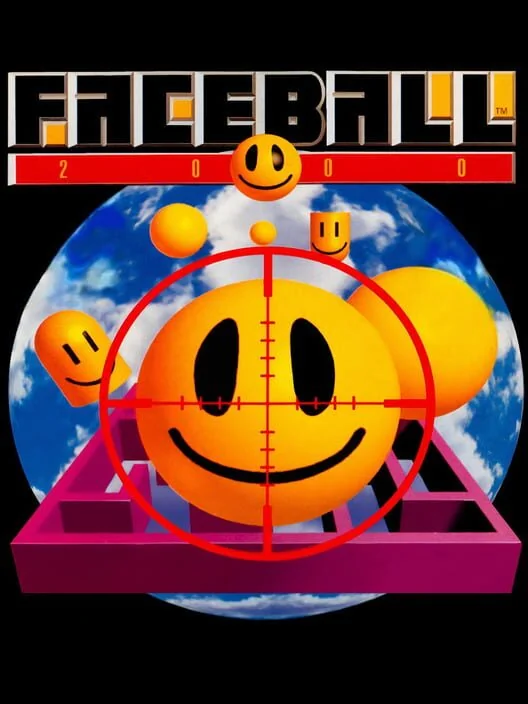
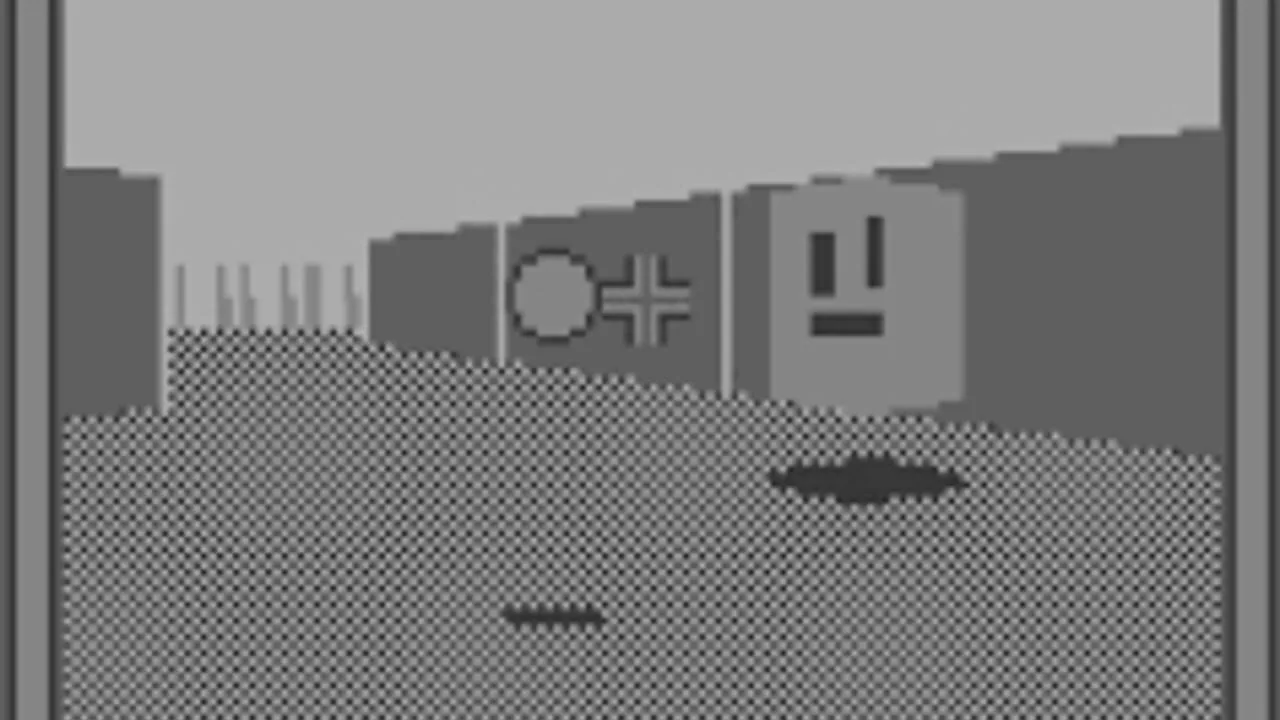
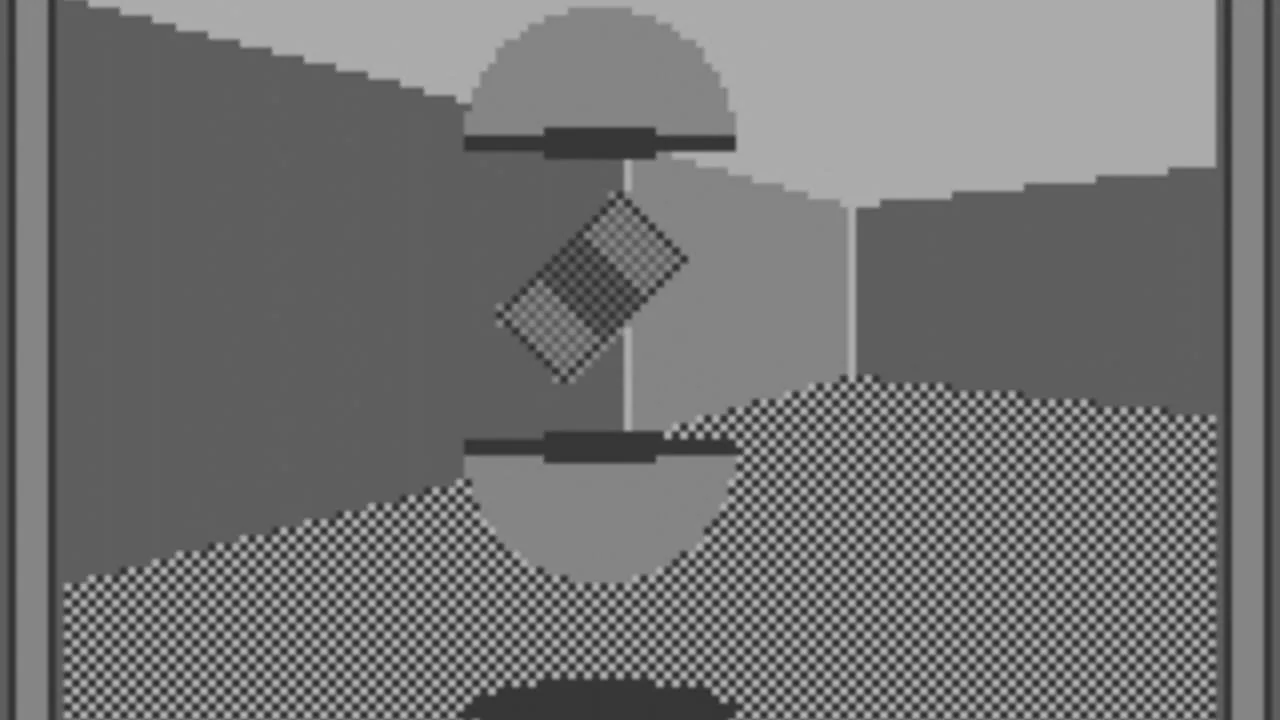
Faceball 2000 started as MIDI Maze, a networked first-person shooter for the Atari ST from 1987. Xanth Software F/X made the Game Boy version, and Bullet-Proof Software published it in 1991. You play a HAPPYFACE, which is a very long acronym for a smiley, and you chase your opponents around a maze. Entertainment Weekly picked it as the #5 greatest game available in 1991. A 16-player mode was announced, but Nintendo did not allow the adapter's release.
A first-person view that turns smoothly through corridors was a shock on a Game Boy. Players remember it as an ambitious quasi-3D shooter on hardware that was not made for one. Hunting your friends as a smiley face must be the most cheerful deathmatch ever made.
8. Kid Dracula (1993)
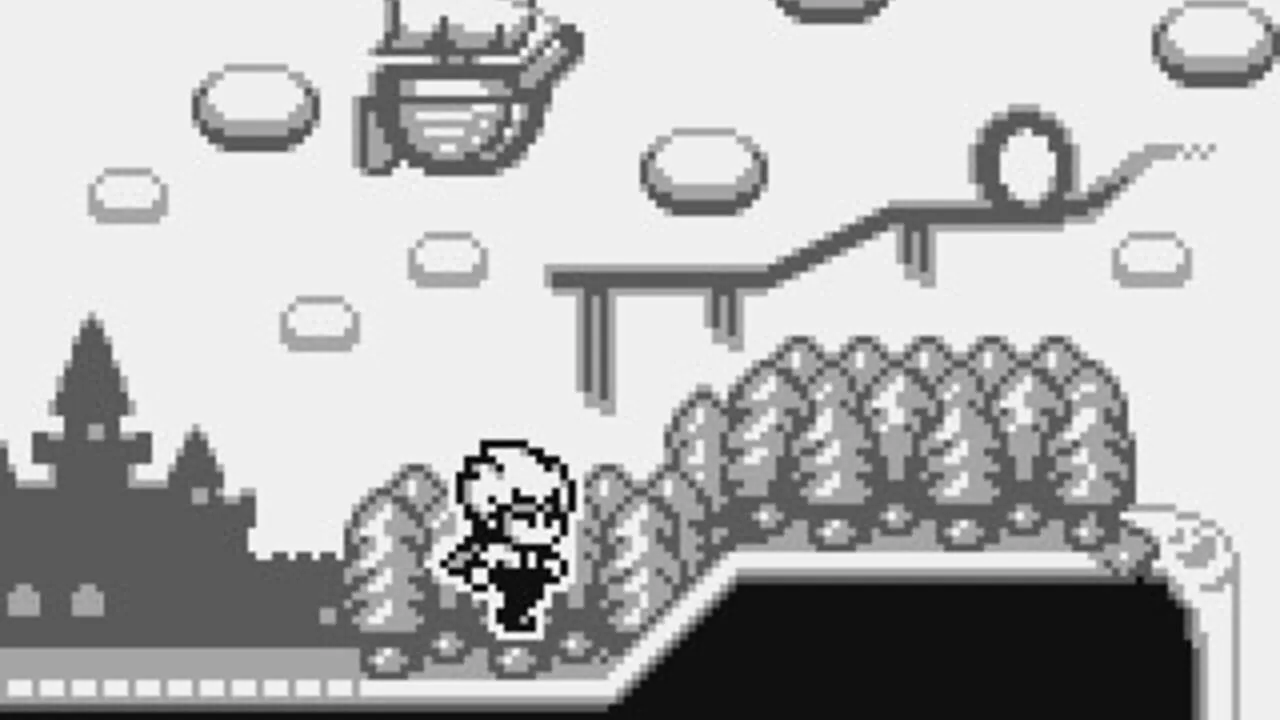
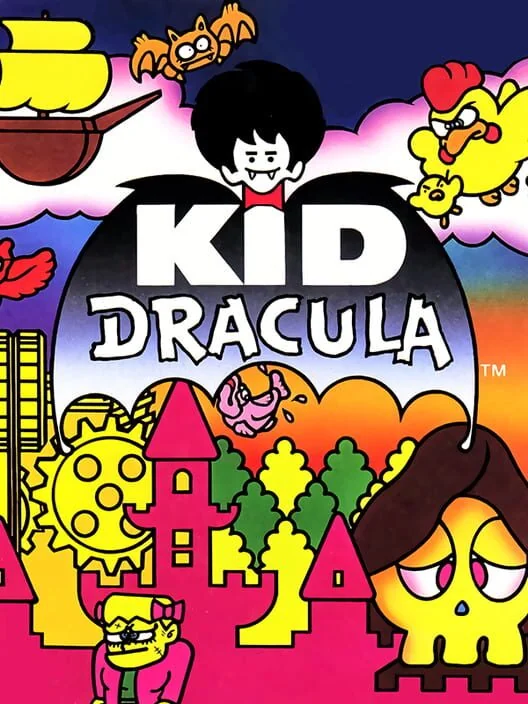
Konami made Kid Dracula as a sequel to a 1990 Family Computer game that was first released only in Japan. It came out on the Game Boy in Japan on January 3, 1993. North America got it that March. Konami counts it as part of the Castlevania series, though it is not part of the main canon. The eight levels run from a ghost pirate ship to a robotics factory.
Scrolling action games often turned to a smear on the Game Boy's screen. One review at the time said Kid Dracula got past that with "large, cleanly-drawn characters and simple and attractive props", and Retro Gamer later called its graphics excellent. Players keep bringing up how cute it looks and how good the animations are. He may be the only Castlevania hero who looks up past his bedtime.


7. Chikyuu Kaihou Gun ZAS (1992)
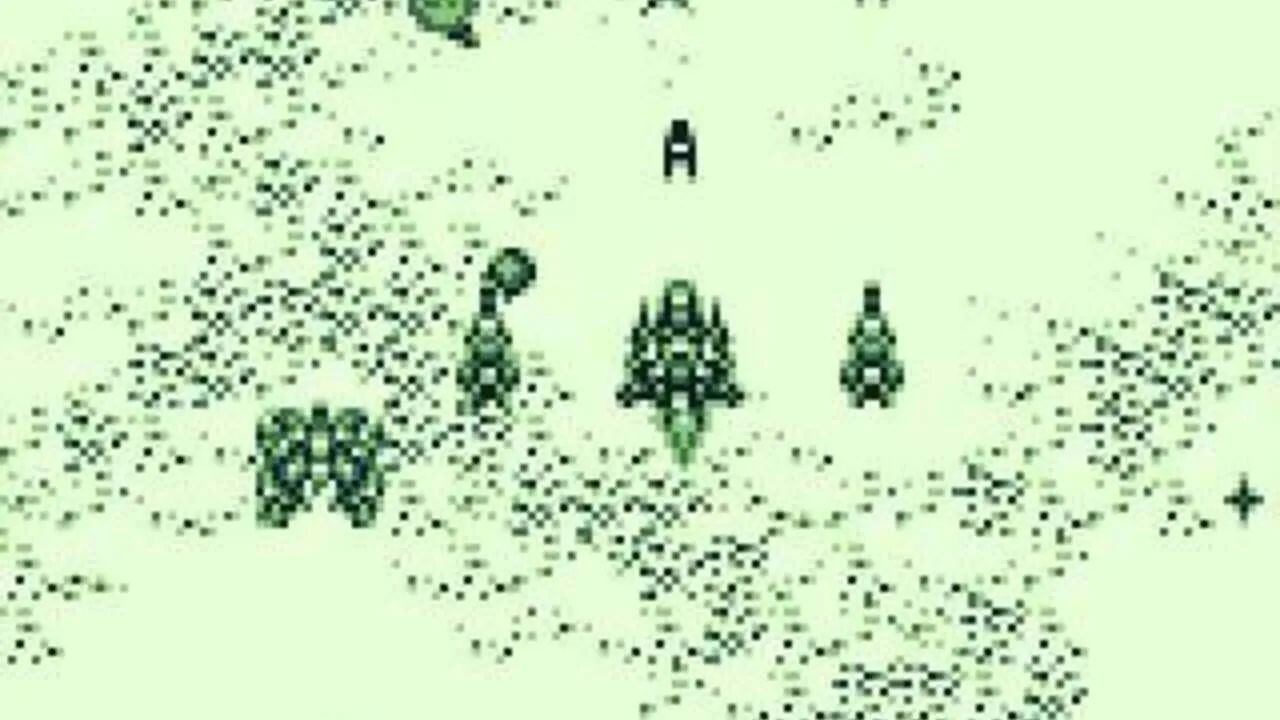
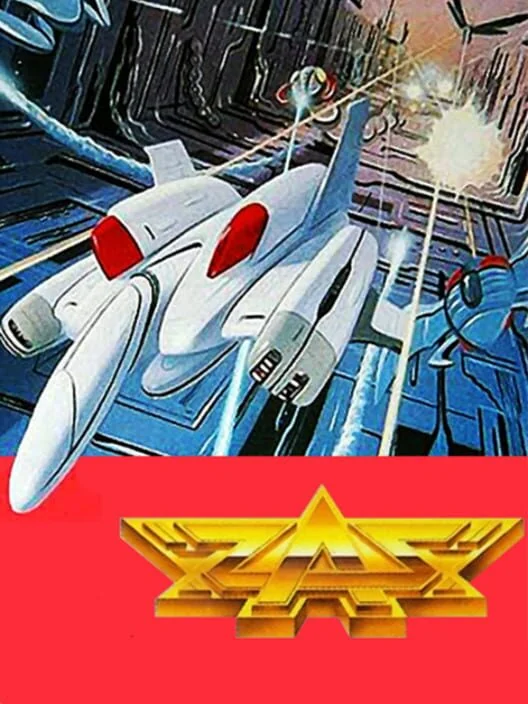
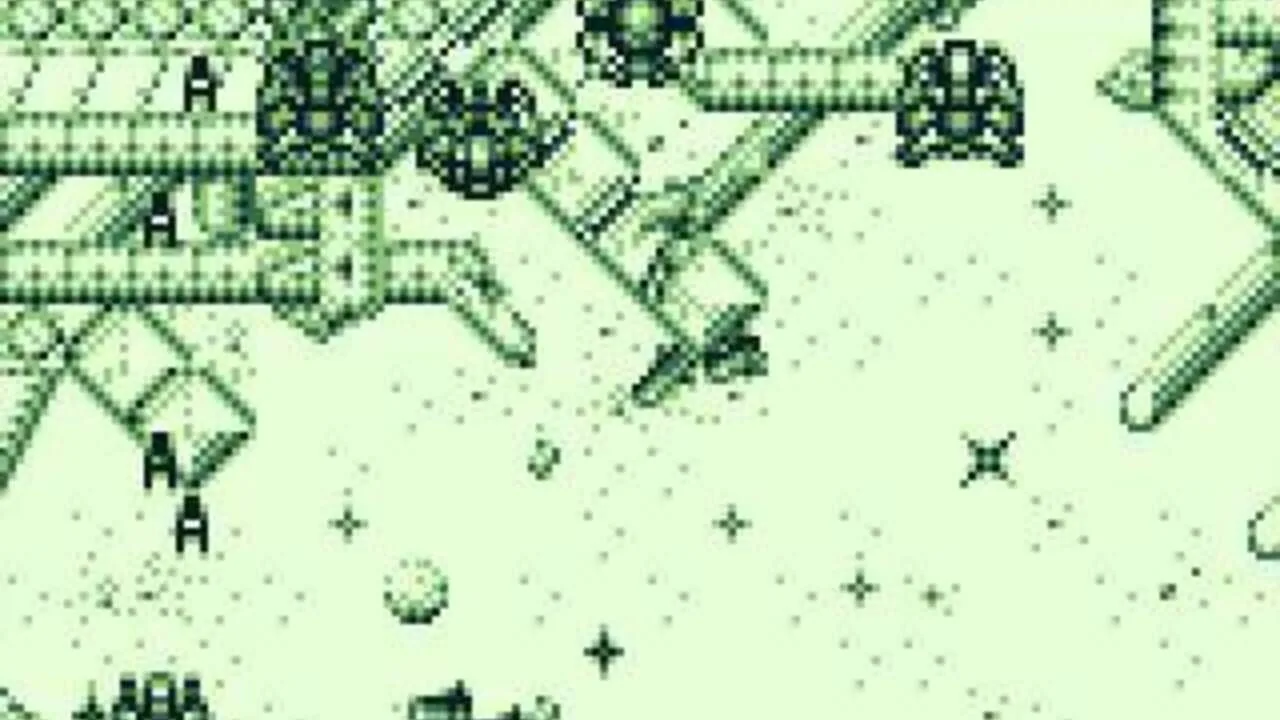
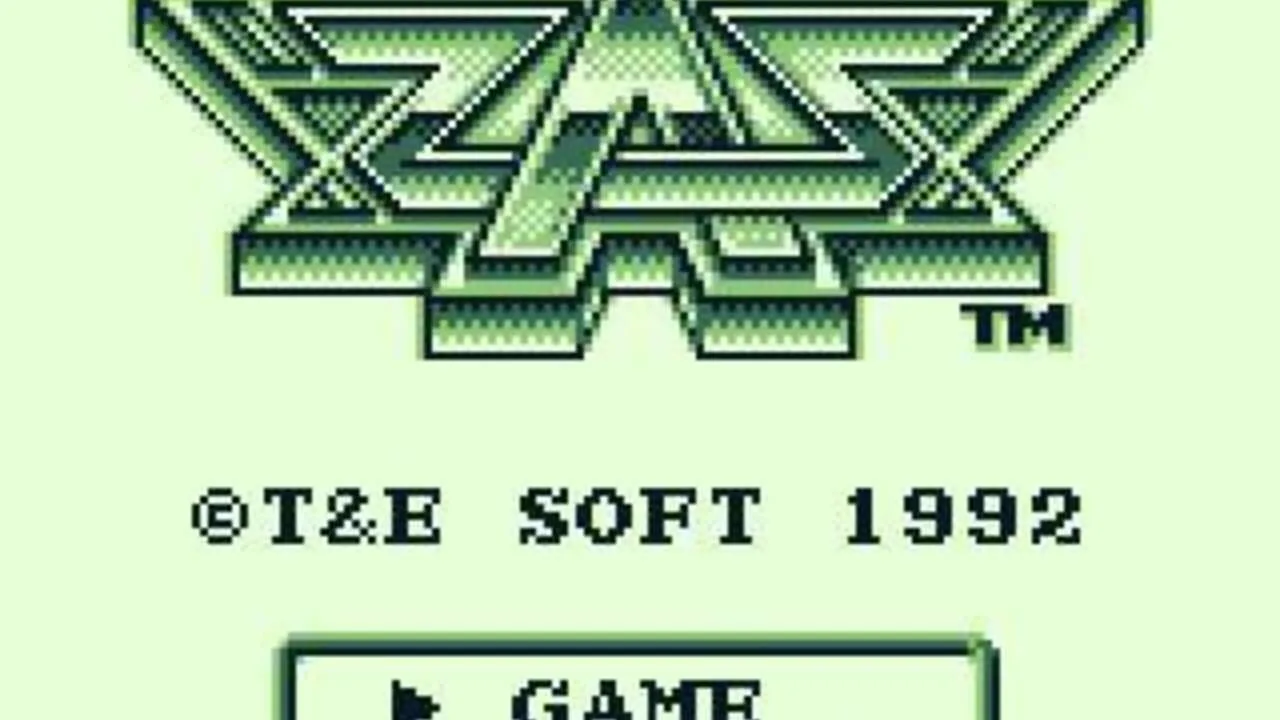
T&E Soft developed and published this vertical scrolling shooter for the Game Boy, exclusively in Japan, on December 18, 1992. The name means "Earth Liberation Army: ZAS". It tries to emulate multiple dimensions inside the limits of the console, and it is harder than most Game Boy shooters of that era. For a long time you had to import it, until ModRetro re-released it in 2026.
The parallax backgrounds and the detail in the sprites are the reason to see it. The scenery and the enemies stay easy to tell apart in shades of a single color. That second part matters more than it sounds on a screen this blurry. Players who know it rank it among the most impressive things the hardware ever ran.
6. Trip World (1992)
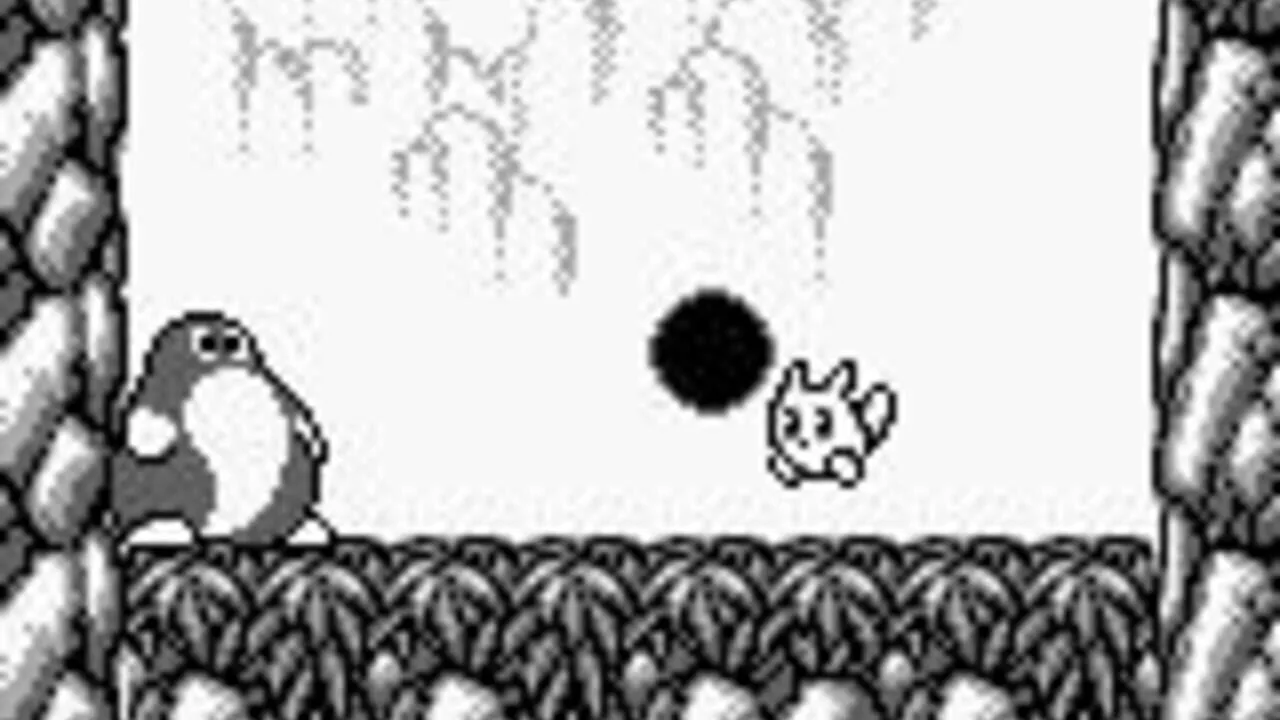
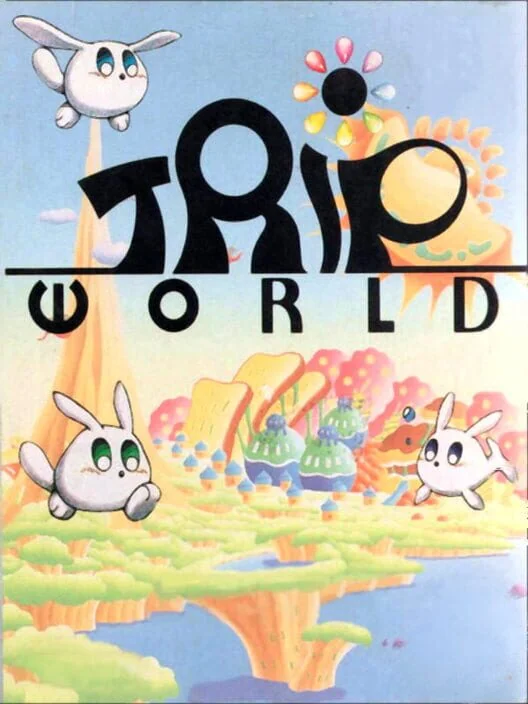
Sunsoft developed and published Trip World, and Yuichi Ueda conceived it after being influenced by Gimmick! You play Yakopoo, a strange creature who has to recover his tribe's stolen flower, and you can switch between three forms at any time. It was praised for its graphics and music and criticized for its low difficulty and short length. Trip World reached the 3DS Virtual Console in Japan in 2011 and in Europe in 2012, and Limited Run Games released a remastered Trip World DX in 2023.
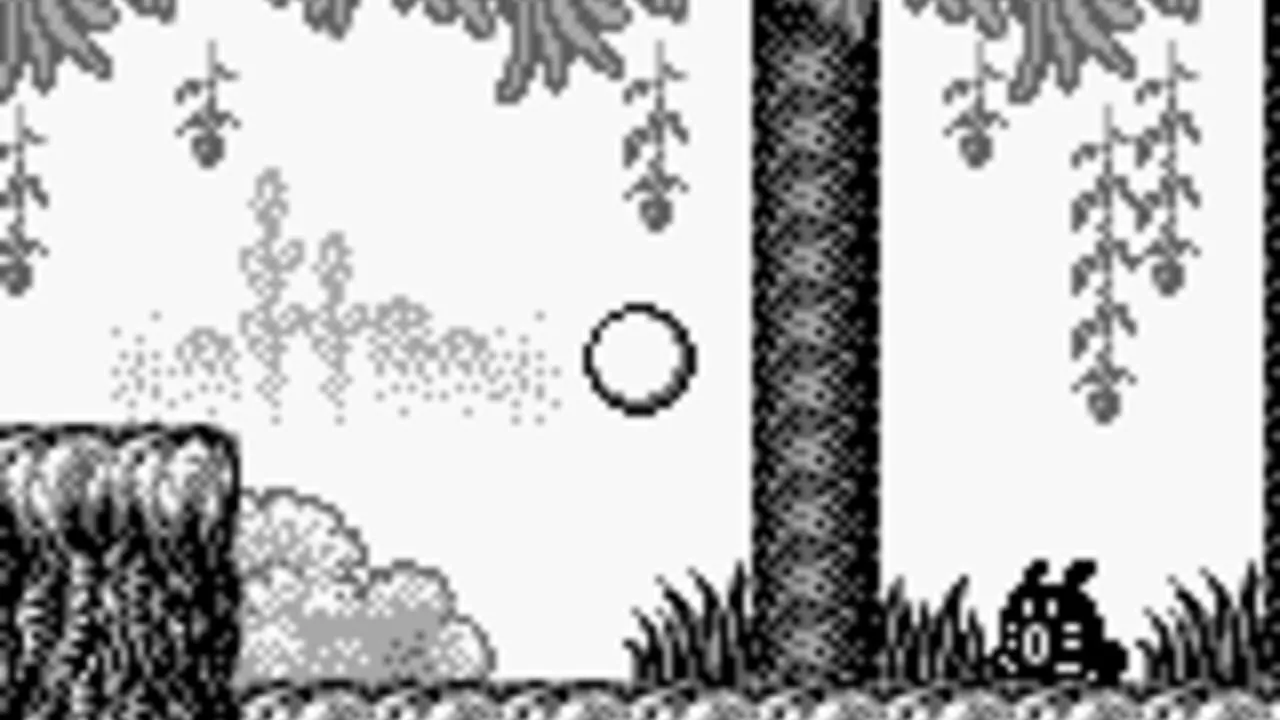
Players say it has some of the best visuals on the system, and they warn you in the same breath that it is over fast. You can finish it before your batteries get nervous. That is fine by us, because every screen is worth stopping to look at.
5. Kirby's Dream Land 2 (1995)
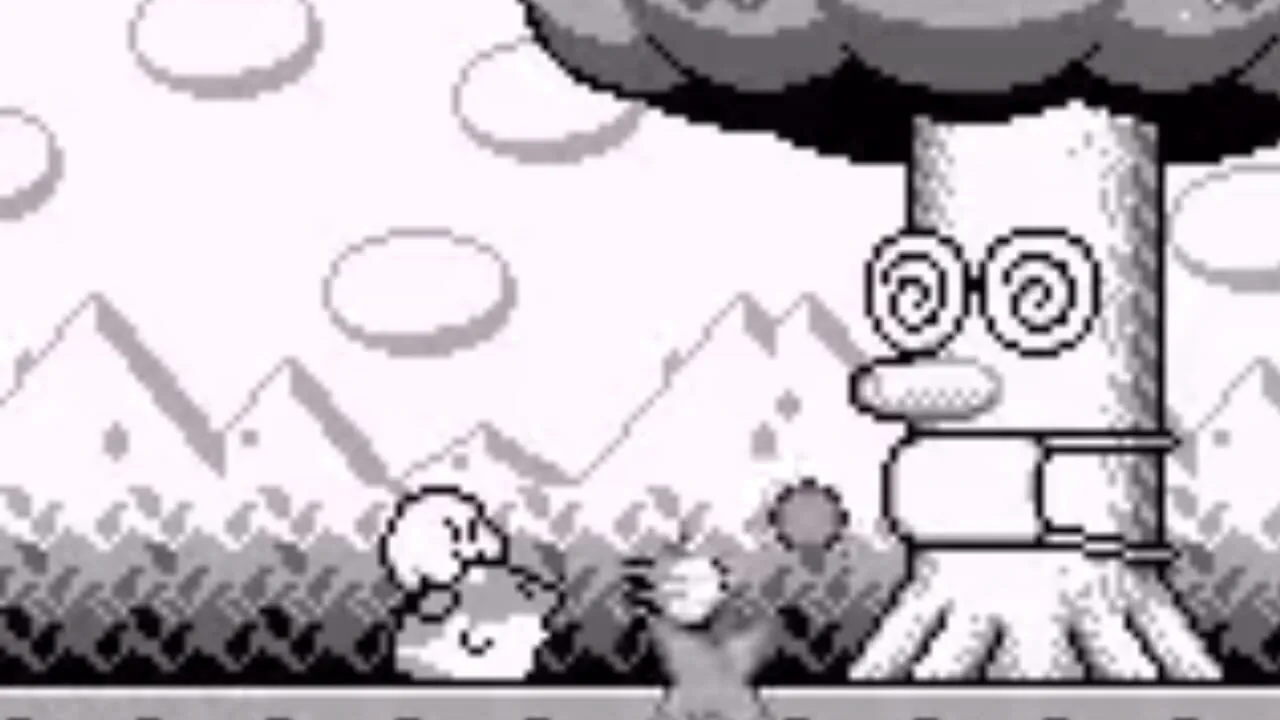
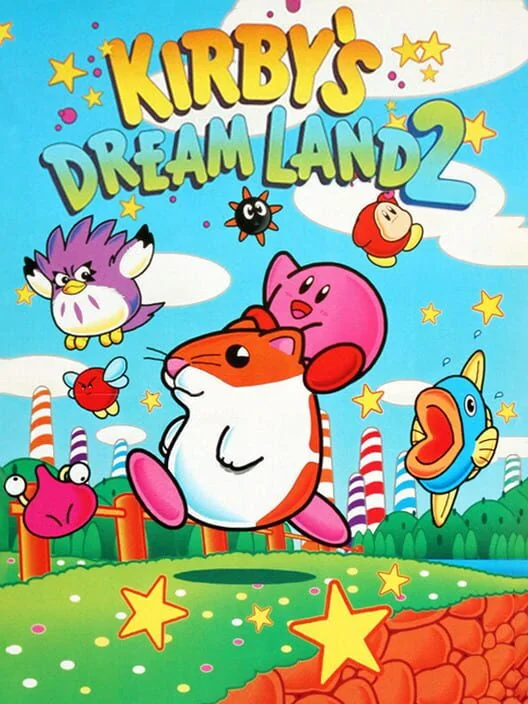
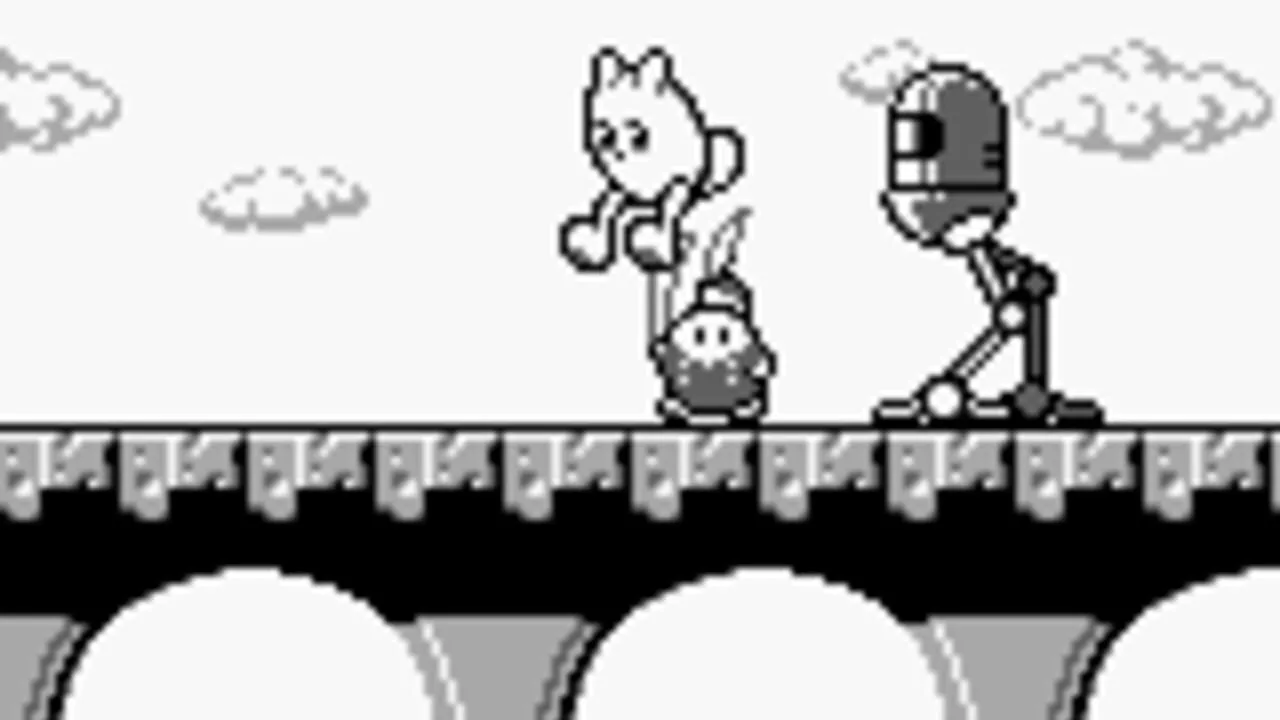
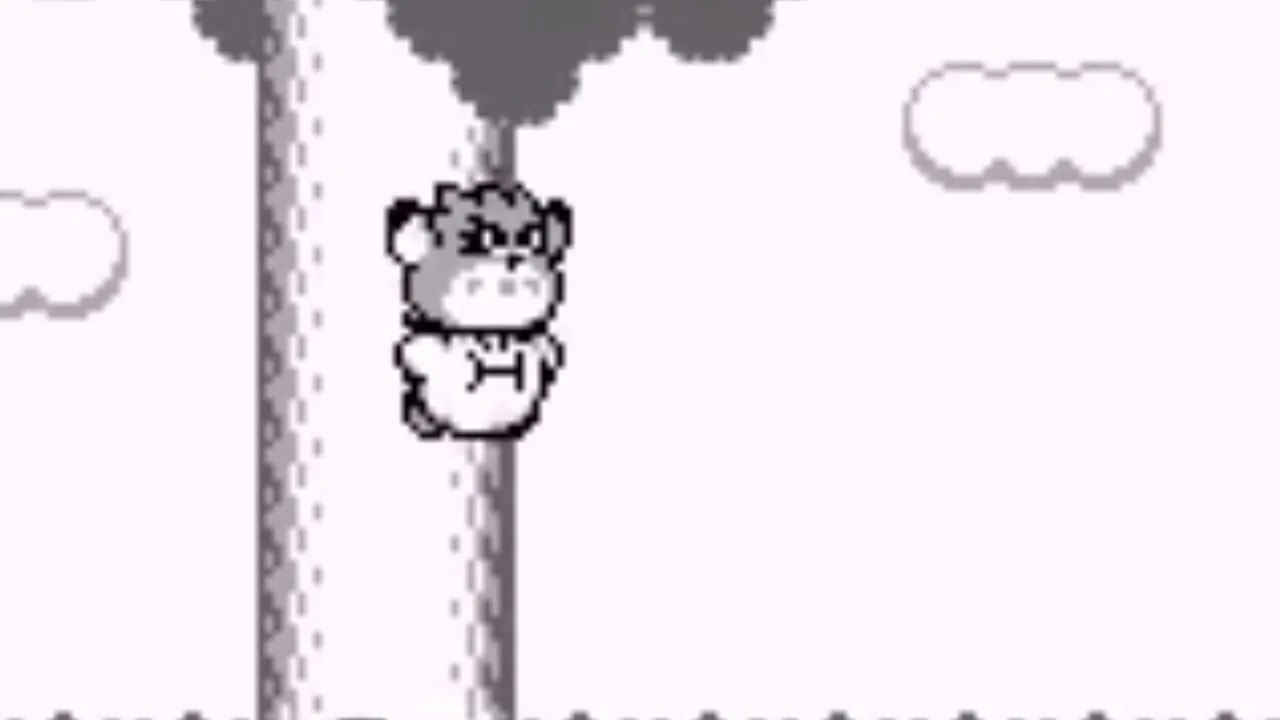
Kirby's Dream Land 2 came out in Japan on March 21, 1995. North America got it on May 1, 1995. Someone has made the bridges between the seven Rainbow Islands vanish, so Kirby sets off to find out why, with King DeDeDe in the way. A hamster called Rick joins him, along with a fish called Kine and an owl called Coo, and each one changes what his powers do.
The music by Hirokazu Ando and Tadashi Ikegami gets a lot of love, but the sprites do just as much work here. Players praise the spritework and say the game does not feel held back by the hardware. Kirby riding a hamster is a lot of personality to get out of so few pixels.

4. Donkey Kong Land (1995)
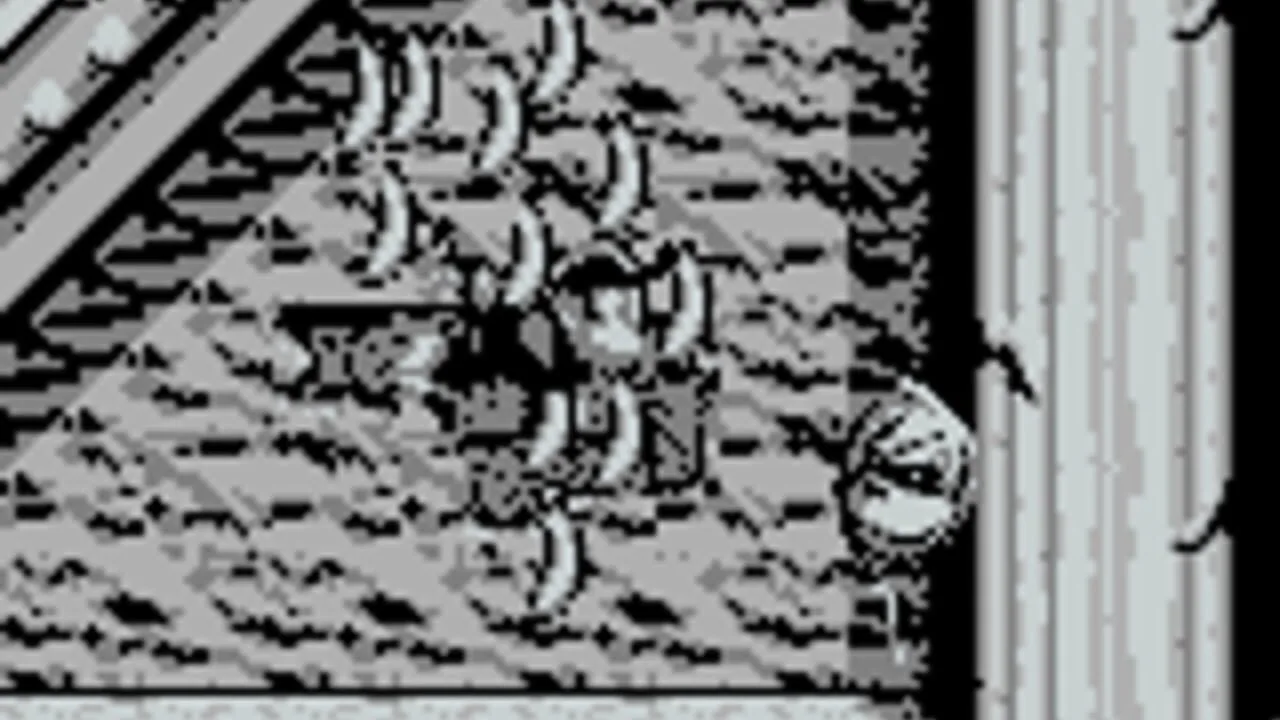
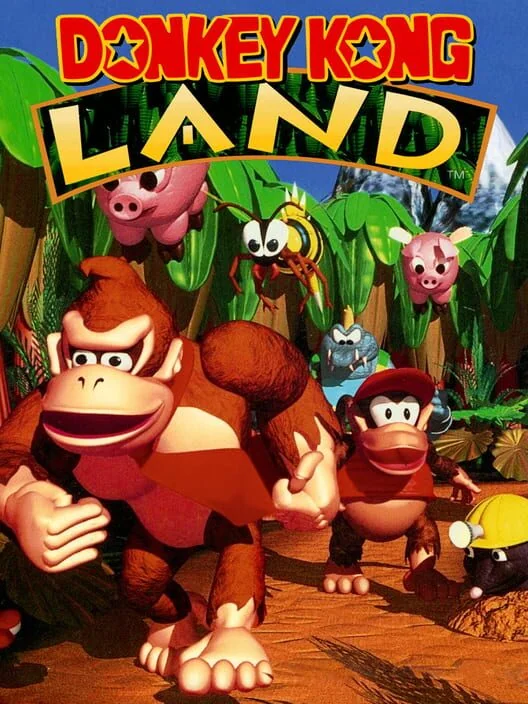
Rare co-founder Tim Stamper asked the company's Game Boy programmer, Paul Machacek, to port Donkey Kong Country. Machacek convinced him it would be better to make an original game instead. Development lasted a year, the game came out in mid-1995, and it sold 3.91 million copies. David Wise and Graeme Norgate converted the music, and Rare retooled the gameplay to account for the lower quality display.
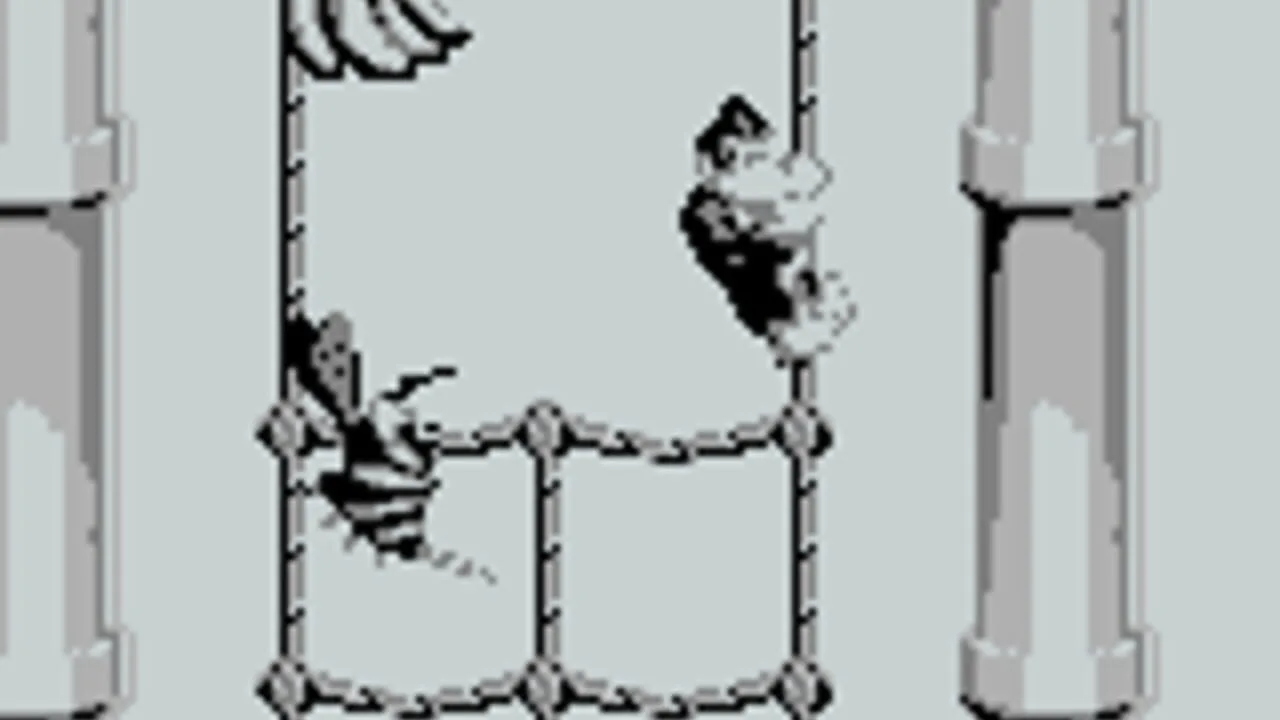
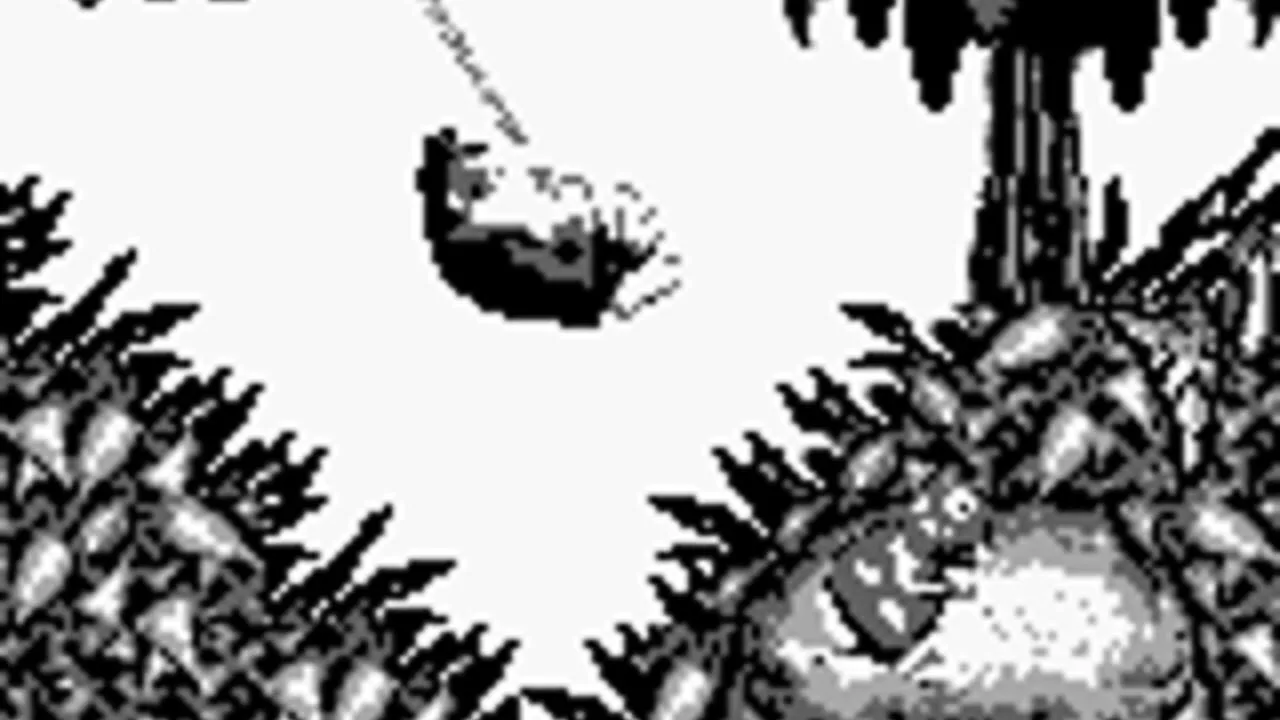
No game here looks better in a screenshot. Players call the graphics impressive and then admit in the same sentence that it can be hard to tell what is happening on screen, because everything melts into the background on an original Game Boy. This is the only game on the list where finding the floor counts as a skill.
3. X (1992)

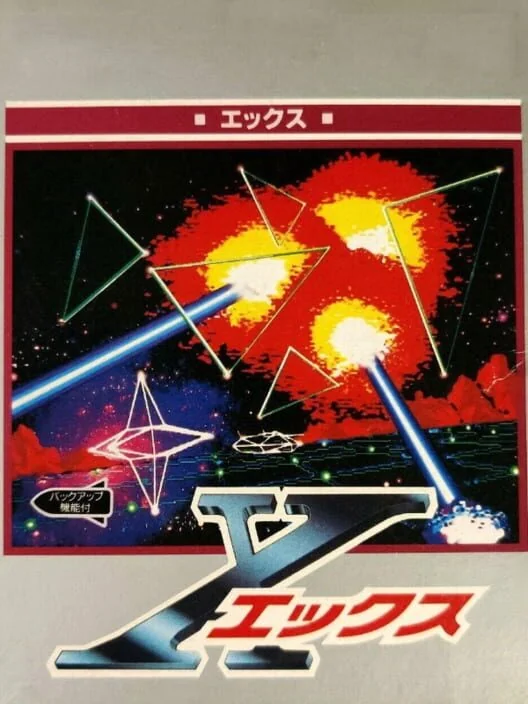
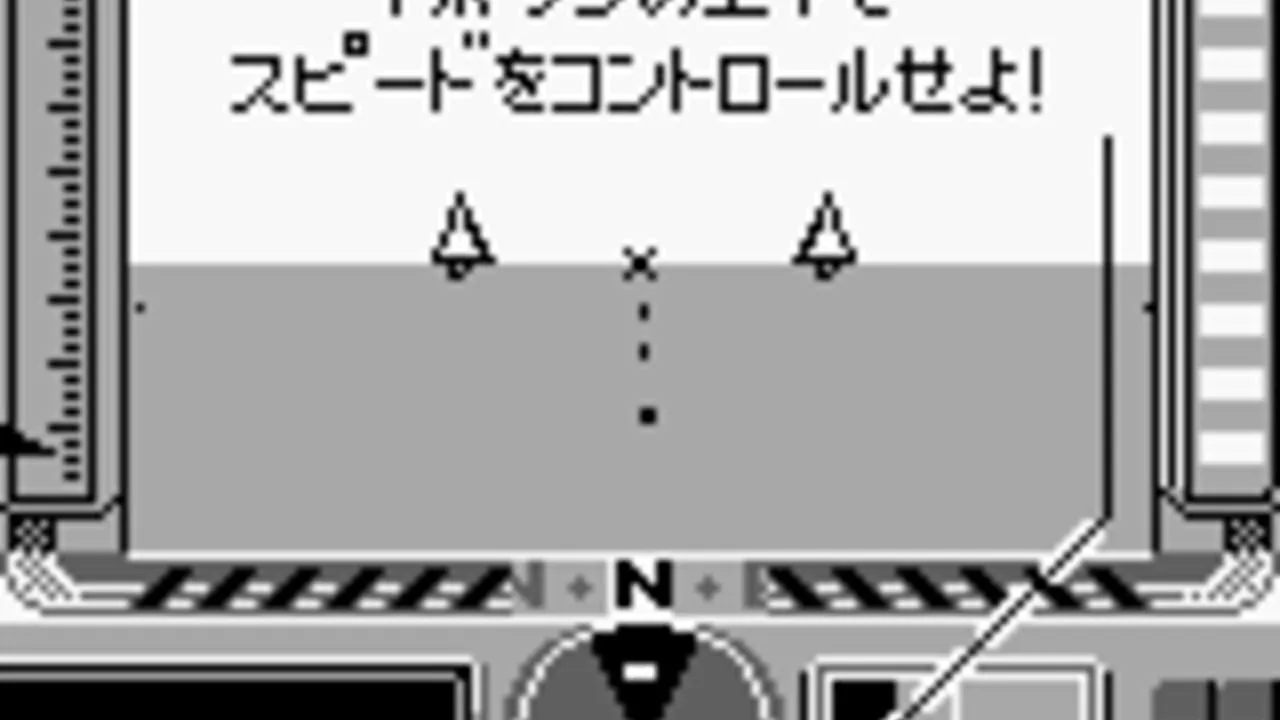
X is a first-person space combat game designed by Dylan Cuthbert of Argonaut Software, who later programmed Star Fox. Argonaut president Jez San saw the Game Boy at the 1991 Consumer Electronics Show and commissioned a 3D engine for it. Official development kits were hard to come by, so the team had to reverse-engineer the hardware. Gunpei Yokoi and engineer Ishuna were "blown away" by the 3D wireframe graphics, and Nintendo bought the rights.
It was released in Japan on May 29, 1992. A North American version called Lunar Chase was completed, but Nintendo of America felt a text-heavy 3D game was too complicated and cancelled it. Players bring X up early whenever the talk turns to what the Game Boy could do. Wireframe looks plain now. On a Game Boy in 1992 it looked like a magic trick.
2. Super Mario Land 2: 6 Golden Coins (1992)
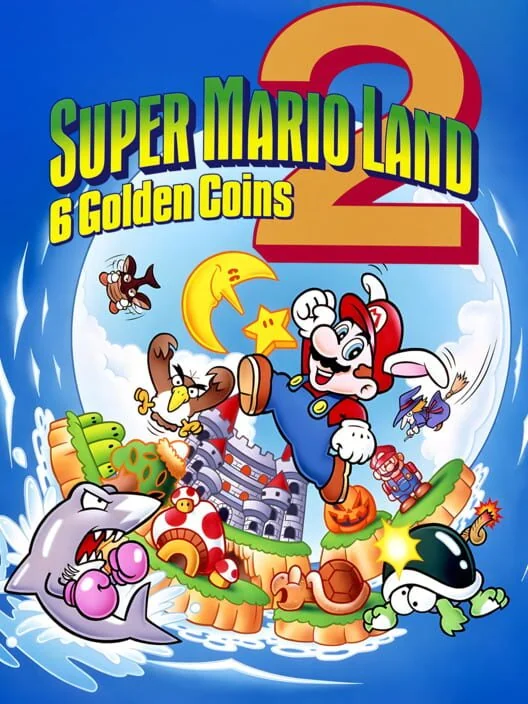
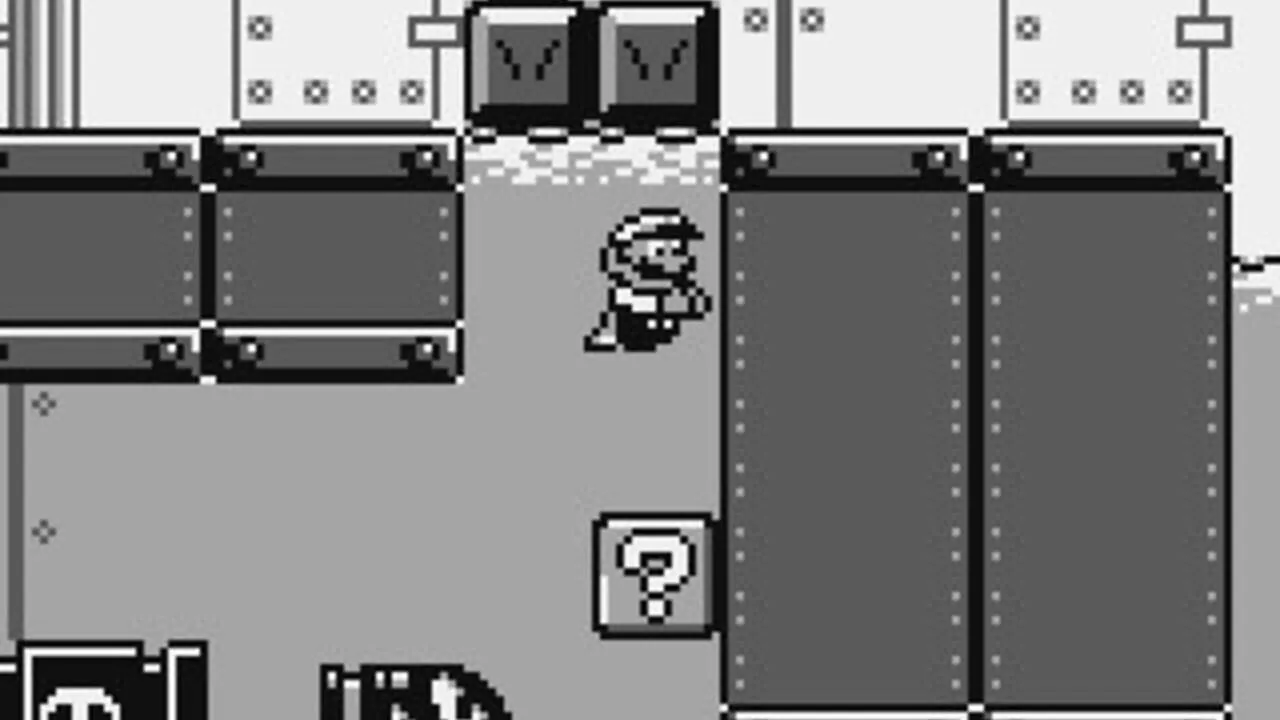
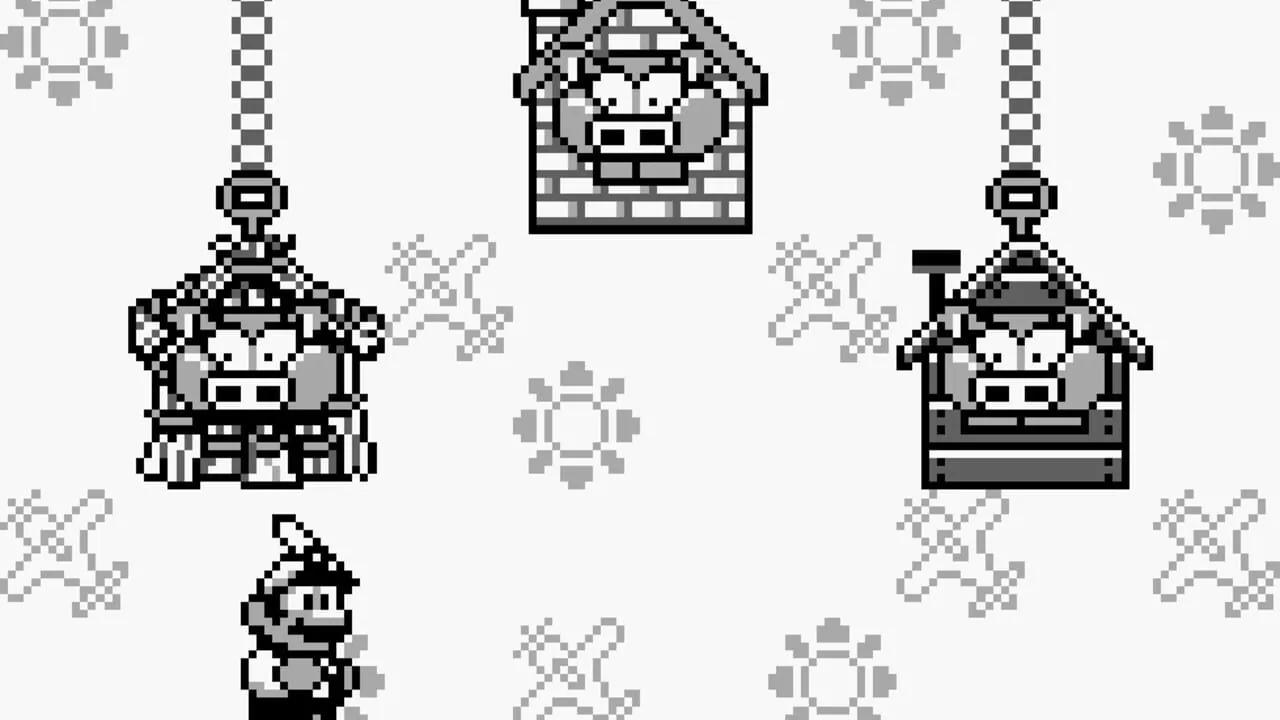
Development ran from November 1991 to September 1992, and the team did not want the game to feel "bound by the conventions of the previous games". There are 32 levels across several themed zones, and it was the first Mario game on a portable system with a save feature. It sold over 11 million copies. It also gave us Wario, whose name is a play on Mario and the Japanese word warui, which means bad.
Reviewers said it surpassed its predecessor in all aspects, and the sprites are the first thing you see. Mario went from a tiny figure to a big, round character. Players say it crammed Super Nintendo sprites onto a Game Boy, and that big Super Mario World look is why it finished this high.
1. The Legend of Zelda: Link's Awakening (1993)
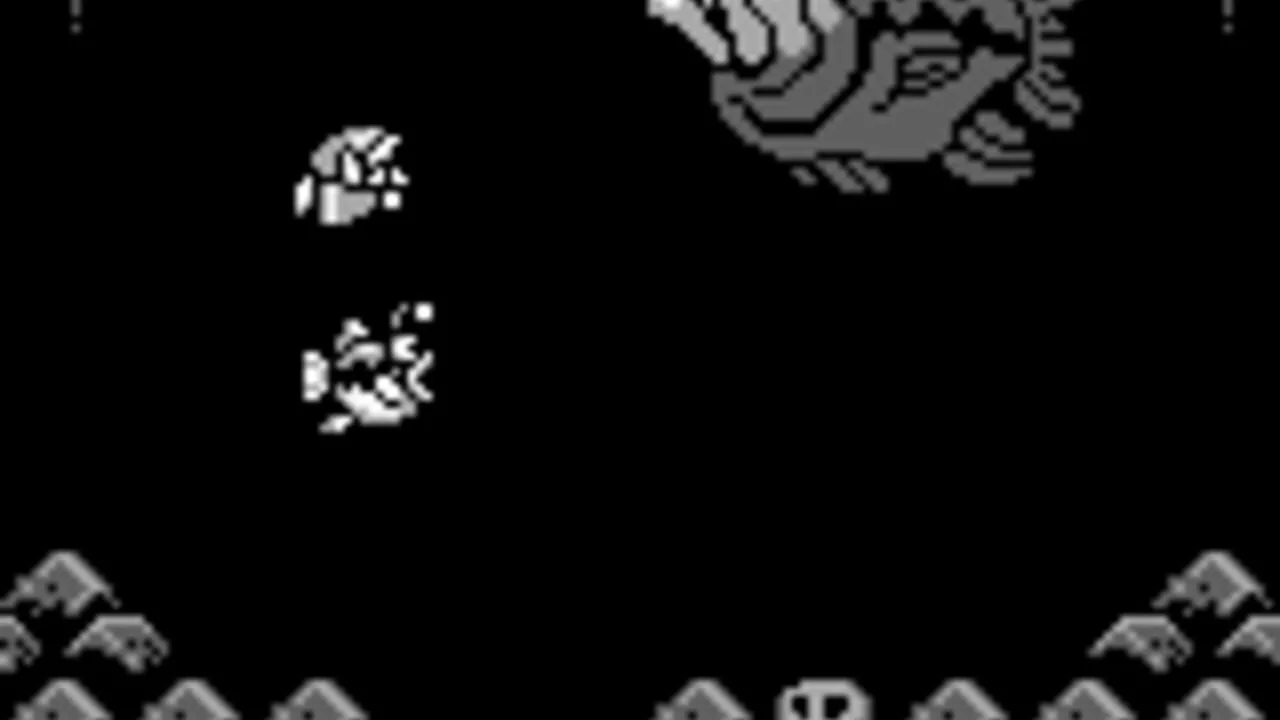
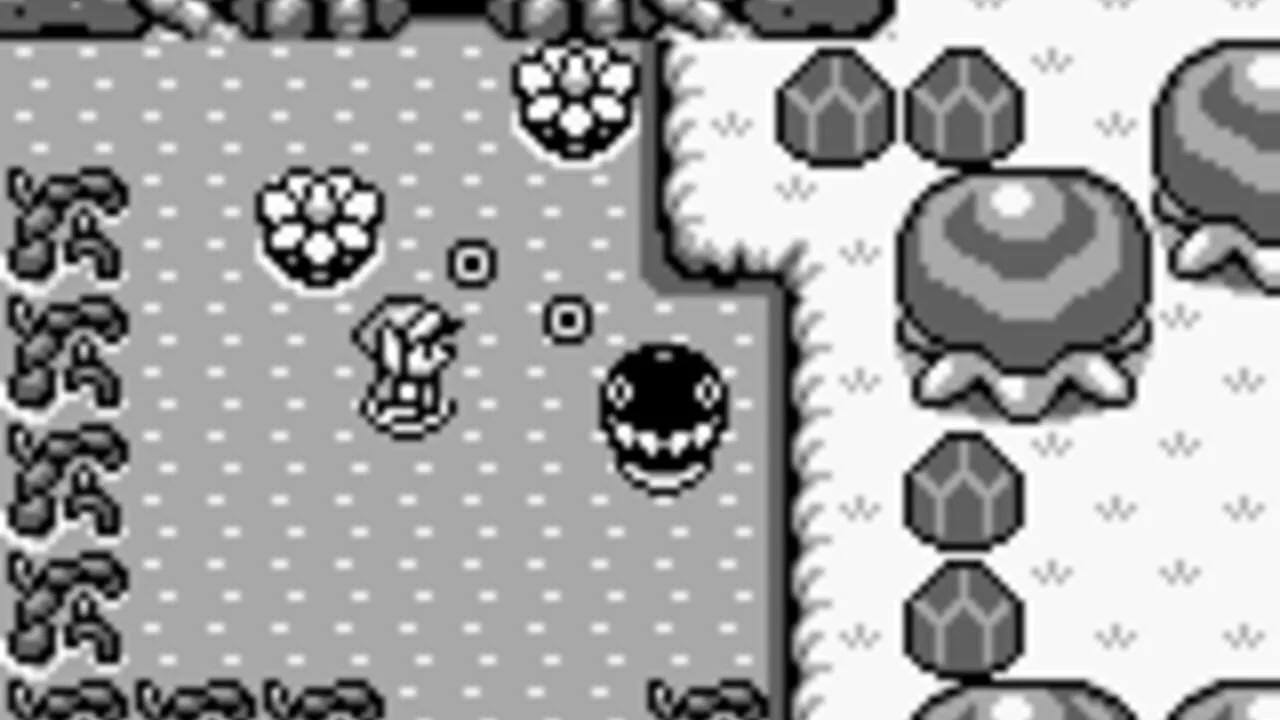
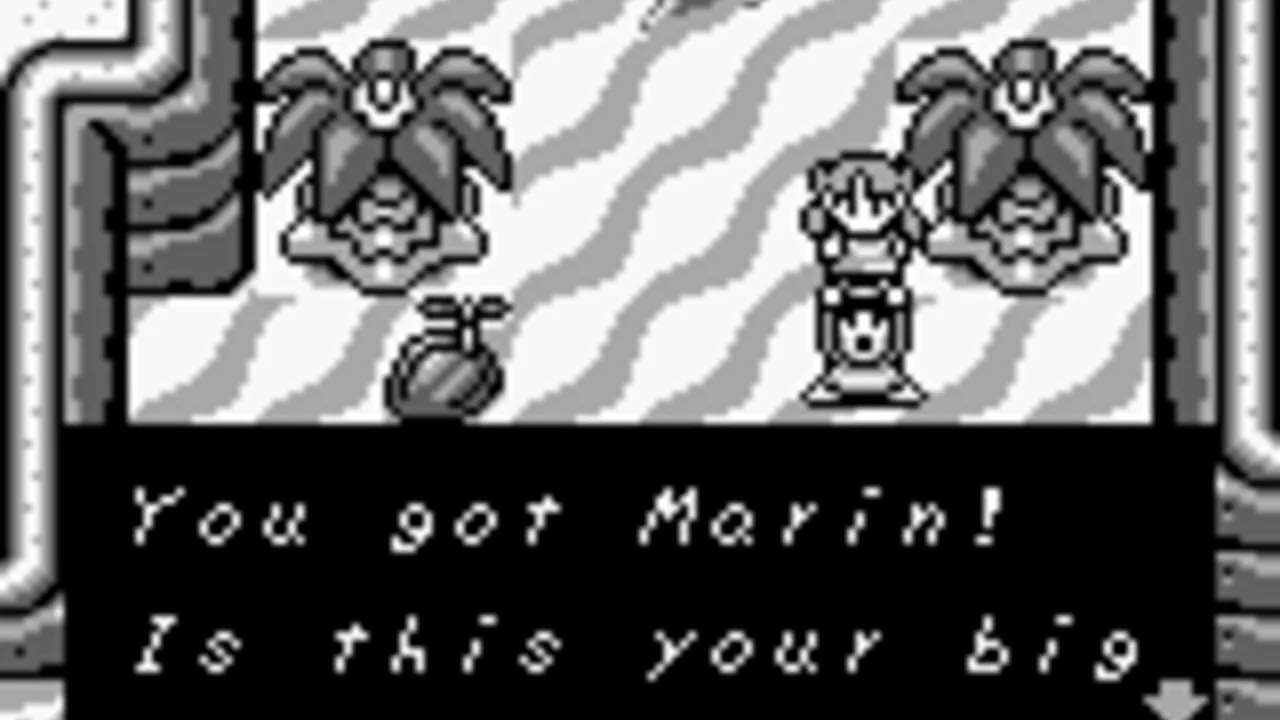
Link's Awakening began as an effort to port A Link to the Past to the Game Boy, developed after-hours by Nintendo staff. It grew into an original project under the direction of Takashi Tezuka, and after a year and a half of development it came out in Japan in June 1993. You search Koholint Island for eight musical instruments that will awaken the Wind Fish, and some dungeon rooms switch to a side-scrolling view. It has sold four million units worldwide.
Complaints at the time focused on its control scheme and its monochrome graphics, which is a funny thing to read at the top of this list. Players now call it the most impressive game on the system. They say it stands next to its Super Nintendo counterpart, and that you can forget you are looking at pixels.
Which one to play
There you have it, the whole list of the best Game Boy games with the best graphics. All of them still look good on a real Game Boy.
If you are not sure where to start, play Link's Awakening. If you just want a great platformer, Super Mario Land 2 is the pick, and Kirby's Dream Land 2 is the easier and friendlier choice. To see what the hardware could do in 3D, try X and then Faceball 2000. Shooter fans should go straight to ZAS. For a hidden pick, give Trip World a go.