The GameCube was a great fighting game console if you had friends on the couch. It never got every big arcade fighter, but it got more than people remember. Namco gave the GameCube version of Soulcalibur II its own guest star, and Capcom brought over Capcom vs. SNK 2 with a mode made for beginners.
Then there is the stranger stuff, which is where the GameCube shines. Nintendo finally let a Custom Robo game leave Japan, and EA turned hip-hop stars into wrestlers. Anime fans got Naruto and Dragon Ball Z, and Godzilla got a game where you flatten cities with a friend. Here are the 23 best GameCube fighting games.
23. Shrek SuperSlam (2005)
Shrek SuperSlam is a brawler where the first player to reach 30 points wins, which puts it closer to a party game than to Street Fighter. Most of the characters have their own distinct fighting style and moves, with only one or two that are clone fighters. That is more care than a movie game usually gets. Mongo the Giant Gingerbread Man appears as part of a moving stage, so the arena itself can get in your way.
It is the last game on the list, and it got here on player picks alone, next to games with far bigger names behind them. The story ends with Shrek yelling at the game's announcer for talking too much. Anyone who has sat through a fighting game announcer will understand him.
22. One Piece: Grand Adventure (2006)
Grand Adventure was made as a sequel to One Piece: Grand Battle!, and its gameplay stays mostly unchanged. The odd part is where it came out. The game was released only in North America, Europe, Australia and Korea, which makes it a One Piece game that Japan never got.
Reviews were average. Even so, the GameCube version scored higher than the PlayStation 2 one, with 70 out of 100 on Metacritic against 66. If you want it, the GameCube copy is the one to find. Players rank it one place above Shrek, which is a small win, but a win is a win when you are a licensed anime brawler from 2006.
21. Legends of Wrestling (2001)
Legends of Wrestling came out in 2001 for the PlayStation 2, then in 2002 for the GameCube and Xbox. As the name says, it is built around wrestling's past, with the stars of older decades in place of whoever was on TV that week. The series kept going with Legends of Wrestling II, and a later game, Showdown: Legends of Wrestling, came out in 2004 for the PlayStation 2 and Xbox only.
On this list the two WWE games rank far higher, and that is fair, because they had more to do. Legends of Wrestling is the pick for a different player: the one who wanted the wrestlers they grew up watching. It is a good rental-night game, and it still is.
20. Digimon Rumble Arena 2 (2004)
Rumble Arena 2 is the sequel to 2001's Digimon Rumble Arena, and it has a similar style of gameplay to Super Smash Bros. That comparison sets the bar high. Still, a party brawler with a big cast of monsters is a good idea no matter who had it first, and the Digimon license gave it a roster kids already loved.
The series did not end here. A spiritual successor, Digimon All-Star Rumble, was released in 2014. For a Digimon fan, Rumble Arena 2 is the easiest recommendation on this list. For everyone else, it is a solid choice once the bigger party fighters have been played to death and you want something lighter for four people.
19. Capcom vs. SNK 2 EO (2003)
Capcom vs. SNK 2 is a 2001 crossover fighting game from Capcom that started on NAOMI hardware in arcades. You pick a team of fighters from Capcom and SNK games, and teams can now hold a maximum of three characters, as opposed to four in the first game. It also moves from the Neo Geo standard of four buttons to the six-button layout of Street Fighter, and its Groove system borrows from several Capcom and SNK fighters.
The GameCube got the EO version. In Japan EO stands for "Easy Operation", and in Europe it was "Extreme Offence", both pointing to a game mode for novices. Players who want a serious traditional fighter on the GameCube keep naming this one.
18. Marvel Nemesis: Rise of the Imperfects (2005)
Marvel Nemesis was announced in January 2004 under the working title Marvel vs. EA, and it was the first game from a Marvel and Electronic Arts partnership. Nihilistic Software and EA Canada made the console versions, and it came out in North America in September 2005. The roster mixes ten existing Marvel characters with the eight Imperfects, original characters created for the game by Paul Catling.
Its makers named Power Stone and War of the Monsters among their inspirations, and you can feel both in the open arenas. Critics gave it mixed to negative reviews. Marvel even ran a six-issue comic as a prequel, written by Greg Pak. Players were kinder than the critics, and the chance to throw Wolverine through a wall goes a long way.
17. Def Jam Vendetta (2003)
Def Jam Vendetta came out for the GameCube and PlayStation 2 in April 2003 as the first game in EA's Def Jam series. Under the hood it runs a largely unmodified AKI engine, the one from the Virtual Pro Wrestling games, and it plays very similarly to WWF No Mercy. It is a wrestling game in a fighting game's clothes, and wrestling fans noticed.
It was EA's first attempt at a wrestling game since WCW Backstage Assault. The story mode builds up your fighter in an underground league until the final fight with the undefeated boss D-Mob, voiced by actor Christopher Judge. A direct sequel followed in 2004. That sequel ranks higher on this list, but Vendetta is where the idea started.
16. Naruto: Clash of Ninja (2003)
Naruto was everywhere in the 2000s. The manga is one of the best-selling of all time, with over 250 million copies sold in 46 countries, and Viz Media's English volumes landed on the USA Today and New York Times bestseller lists several times. Clash of Ninja gave fans of the show a fighter on the GameCube, with the characters they knew from the anime.
It came first, and its sequel took most of the attention: Clash of Ninja 2 ranks six places higher on this list. The first game is simpler, with a smaller cast. For a fan of the early Naruto story, it is still a fun way to spend an afternoon with a friend.
15. Mortal Kombat: Deadly Alliance (2002)
Deadly Alliance was the first all-new Mortal Kombat fighting game produced exclusively for home consoles, with no arcade release before it. It is the fifth main game in the series and the only one where Liu Kang is not playable. It was also the first without co-creator John Tobias, who had left Midway in 1999.
The big change is the fighting. In older games all the characters fought virtually identically, with only special moves to tell them apart. Deadly Alliance cut each fighter down to two to four special moves and pushed players into its new fighting styles. Moving into the background and foreground also got much easier. It received positive reviews from critics, and it ranks two places below its own sequel on this list.
14. Dragon Ball Z: Budokai (2002)
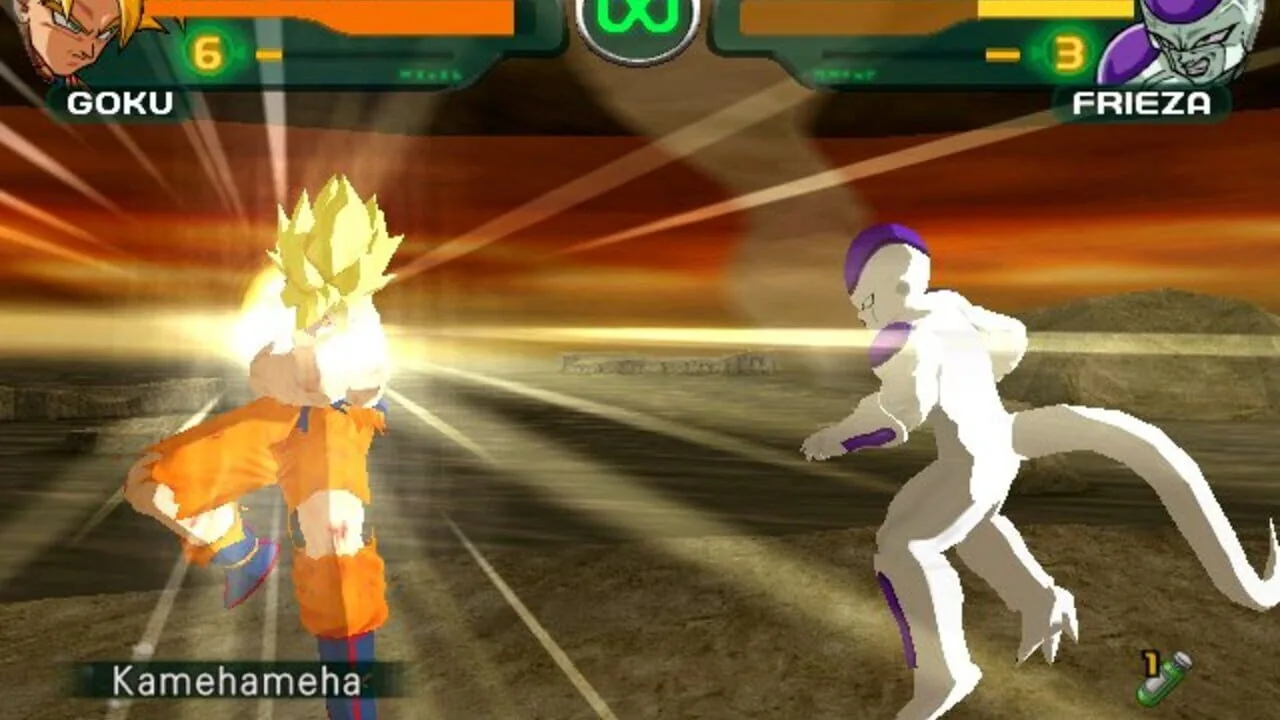
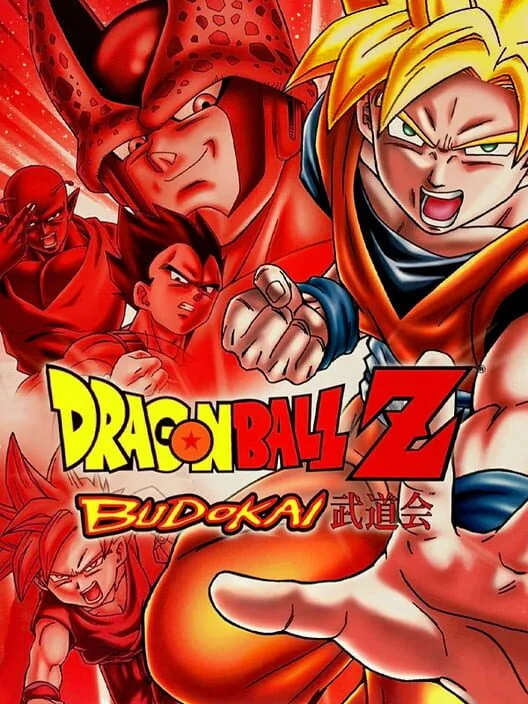
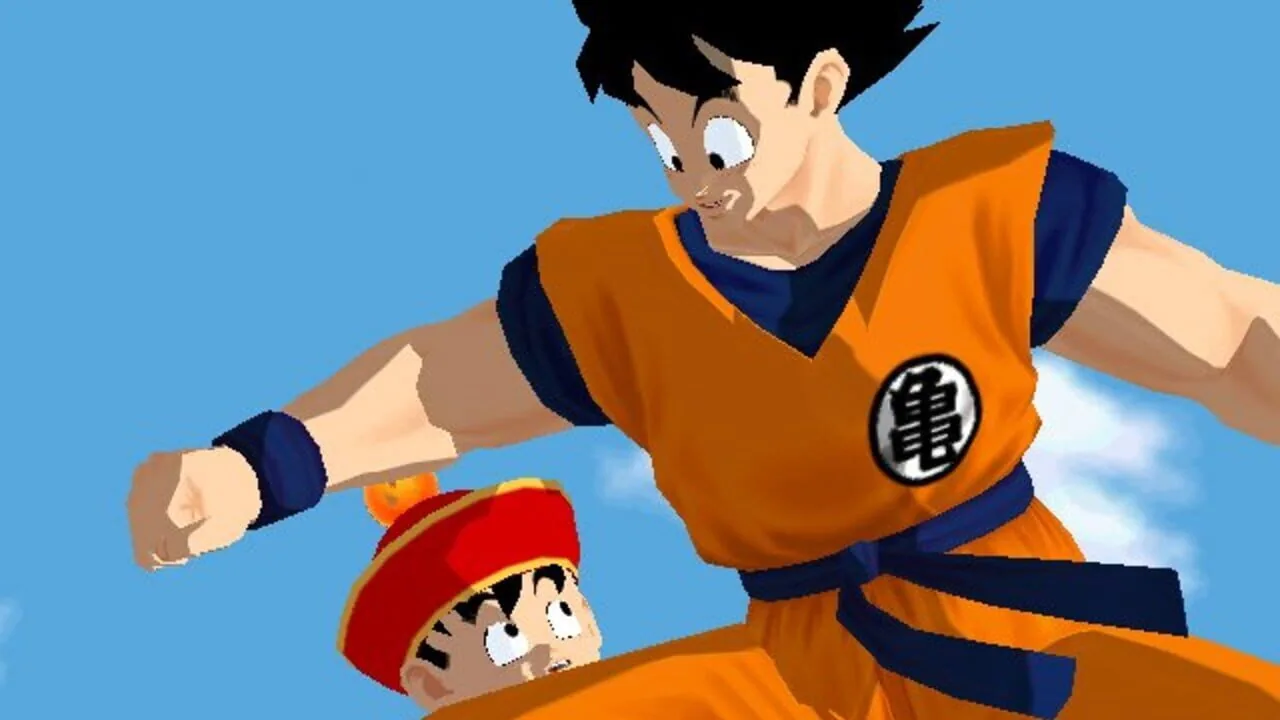
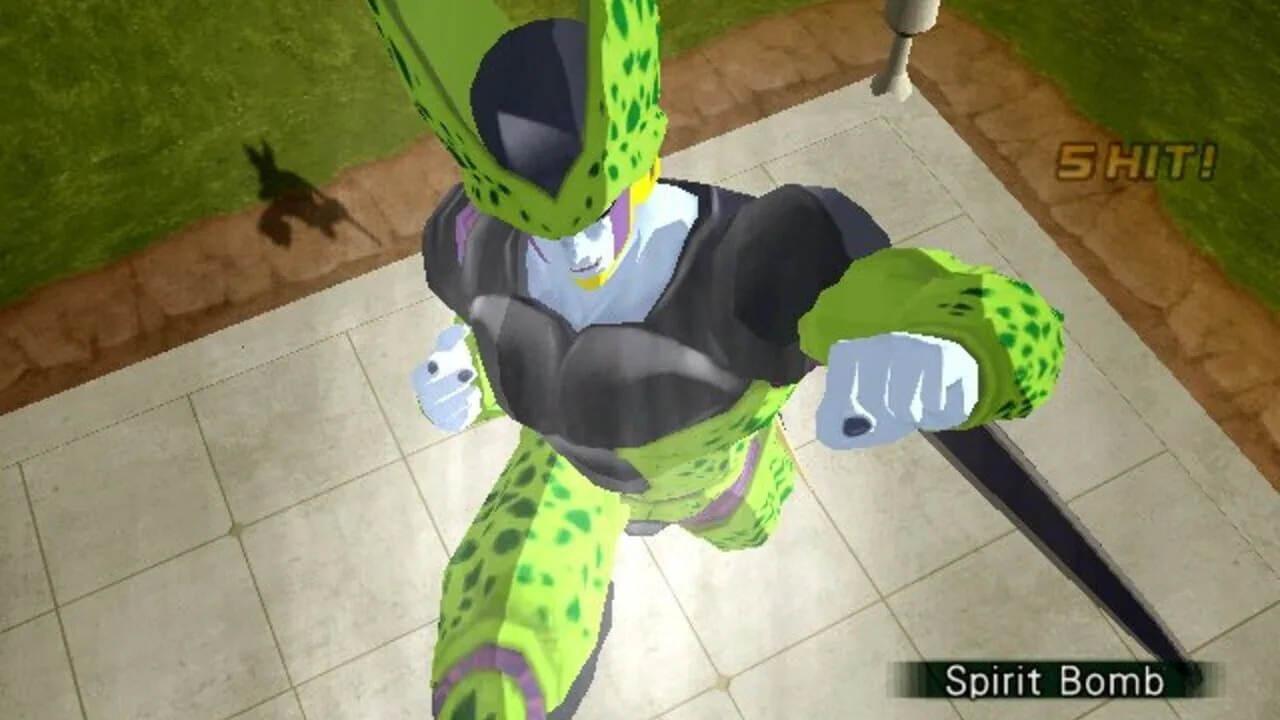
Budokai is the first game in the Dragon Ball Z: Budokai series and the first console Dragon Ball game since Dragon Ball GT: Final Bout in 1997. Its story mode adapts the first three story arcs of Dragon Ball Z, with a "What If" storyline for each arc, and the cutscenes use the voice overs from the TV anime. The roster has 23 playable characters.
According to the game's voice files, Cui was meant to be playable but was scrapped and replaced by the Great Saiyaman. Poor Cui. Pyramid ported it to the GameCube, and it came out after Infogrames had rebranded to Atari. Its sequel improves on it and ranks higher here, but this is where the series began, and hearing the show's voices mid-fight was a big deal for fans.
13. Mortal Kombat: Deception (2004)
Deception came out for the PlayStation 2 and Xbox in October 2004, and the GameCube got it in March 2005. It is the sixth main game in the series, and each fighter now has two Fatalities plus a hara-kiri suicide move. The new Combo Breaker lets you interrupt combos up to three times per match.
The extras are the odd part. Chess Kombat is a minigame like classic chess that only ends when one player takes the other team's Champion, and Puzzle Kombat is a puzzle game in the style of Super Puzzle Fighter II Turbo. Critics liked the reworked combat but not the Konquest mode, because of its poor story and voice acting. Players rank it as the best Mortal Kombat on the GameCube.
12. Dragon Ball Z: Budokai 2 (2003)
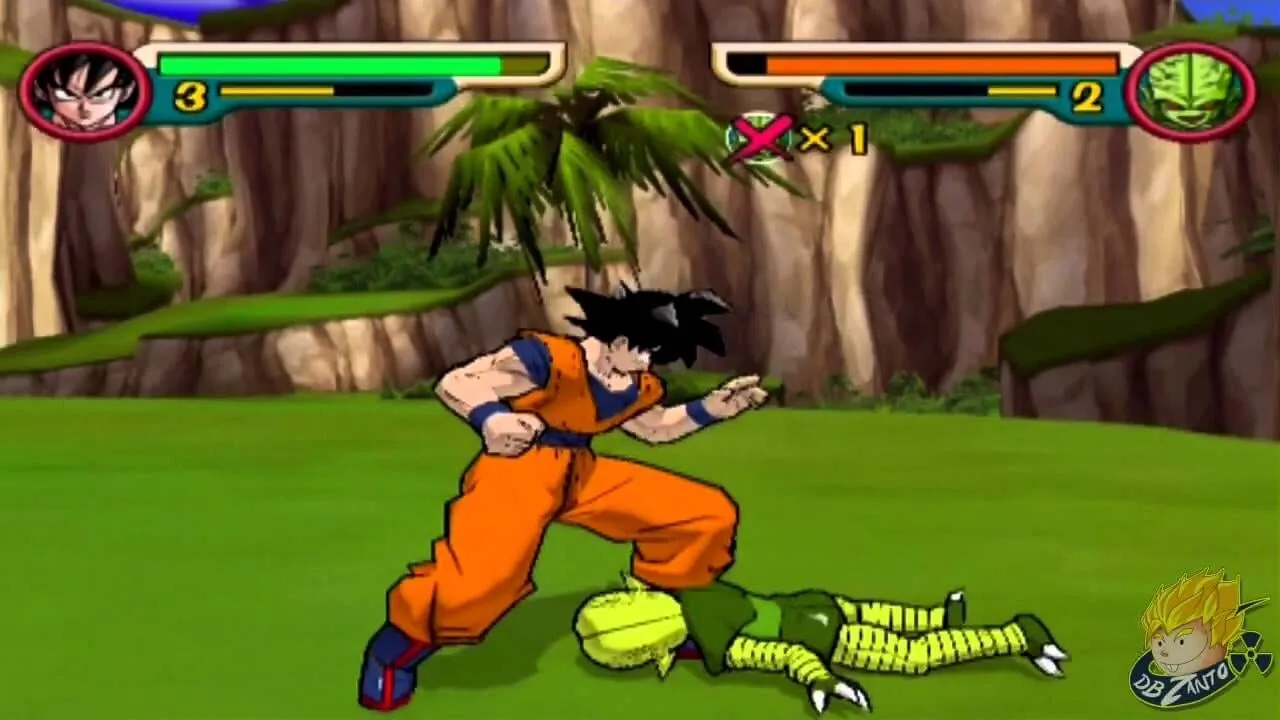
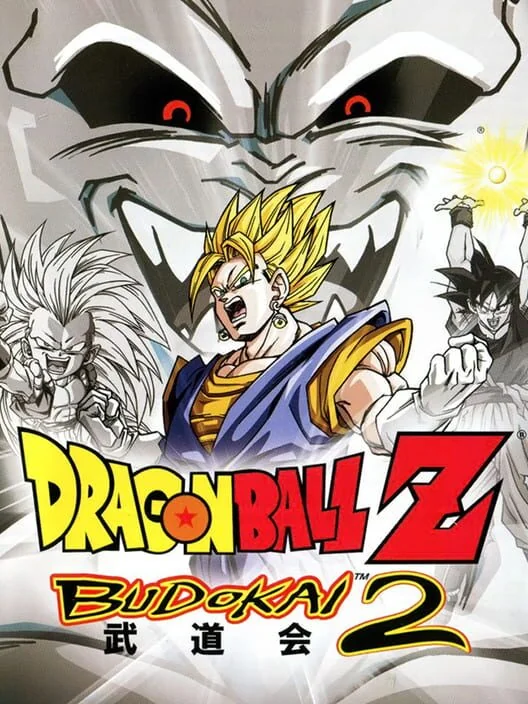
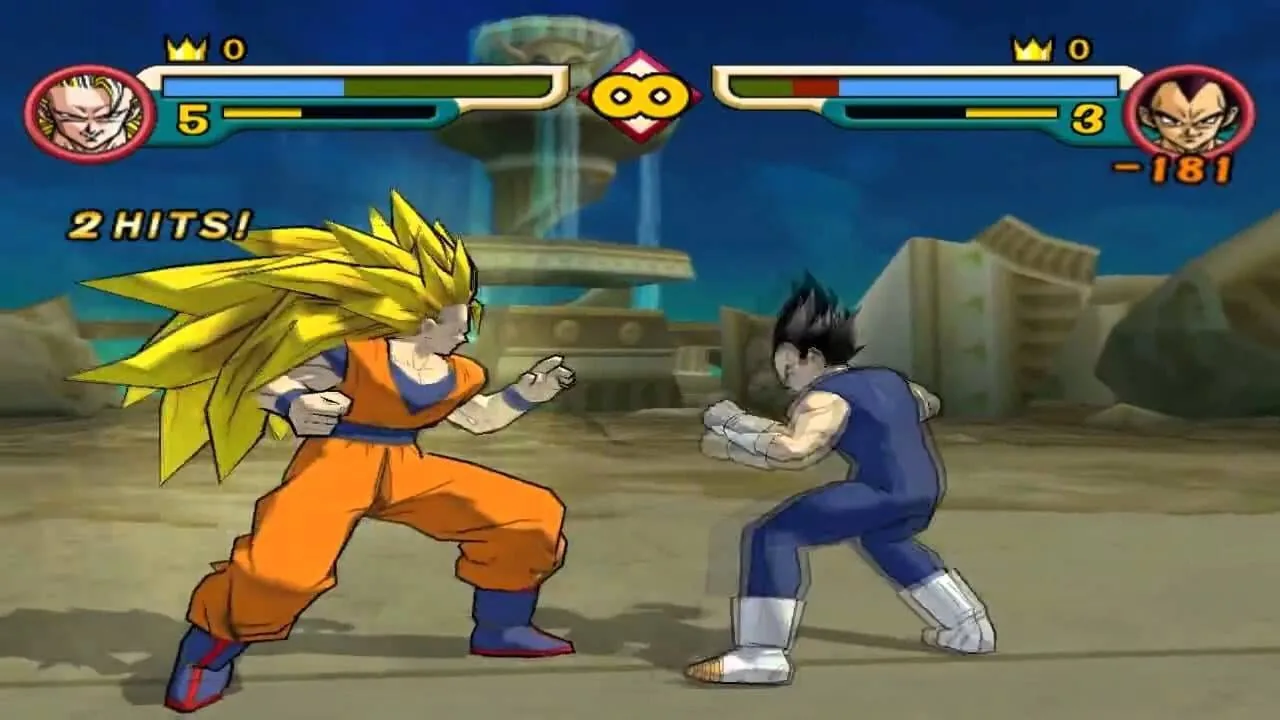
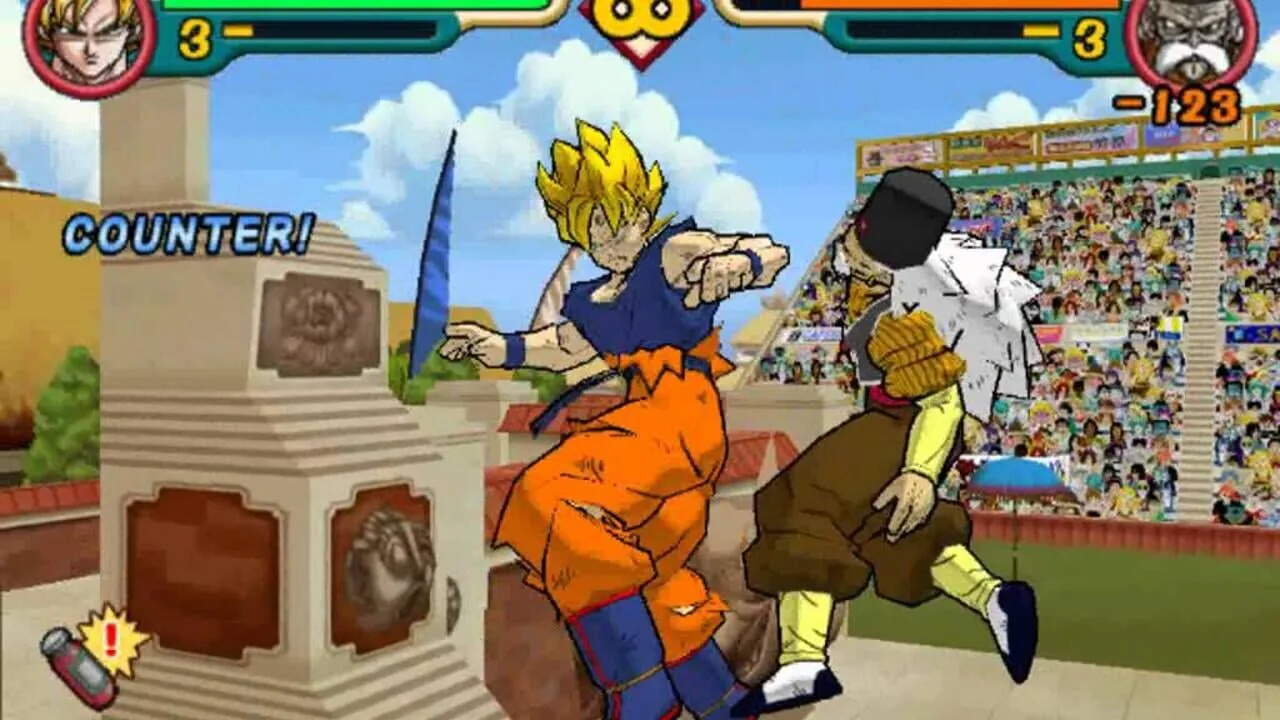
Budokai 2 came out for the PlayStation 2 in 2003 and for the GameCube in 2004. It improves on the first game with an all-new single player mode, Dragon World, plus new characters. The story also goes further this time, so you will soon come face-to-face with Buu, the most lethal Dragon Ball Z villain.
It was a hit. In the United States, Budokai 2 sold 1.5 million copies and was the fourth top video game rental of 2004. In Japan, 2,000 readers of V-Jump got a revamped version called Dragon Ball Z2V, which nobody in the West ever saw. On this list it ranks above the first Budokai, and it is the one to play if you only want one.
11. Def Jam: Fight for NY (2004)
Fight for NY came out on September 21, 2004 for the GameCube, PlayStation 2 and Xbox, as the direct sequel to Def Jam Vendetta. It mixes fighting styles, but the only way to win a fight is by knockout or submission. Your created fighter can buy jewelry from Jacob "The Jeweler" Arabo and train at a gym run by Henry Rollins. A created character can learn every Blazin' Move in the game, but only four are usable at any one time.
The GameCube version paid for its smaller discs. The hero gets one voice instead of six, and eight of the 28 music tracks are missing. Players do not seem to mind: Def Jam: Fight for NY keeps coming up when players name the GameCube fighters they played the most.
10. Naruto: Clash of Ninja 2 (2003)
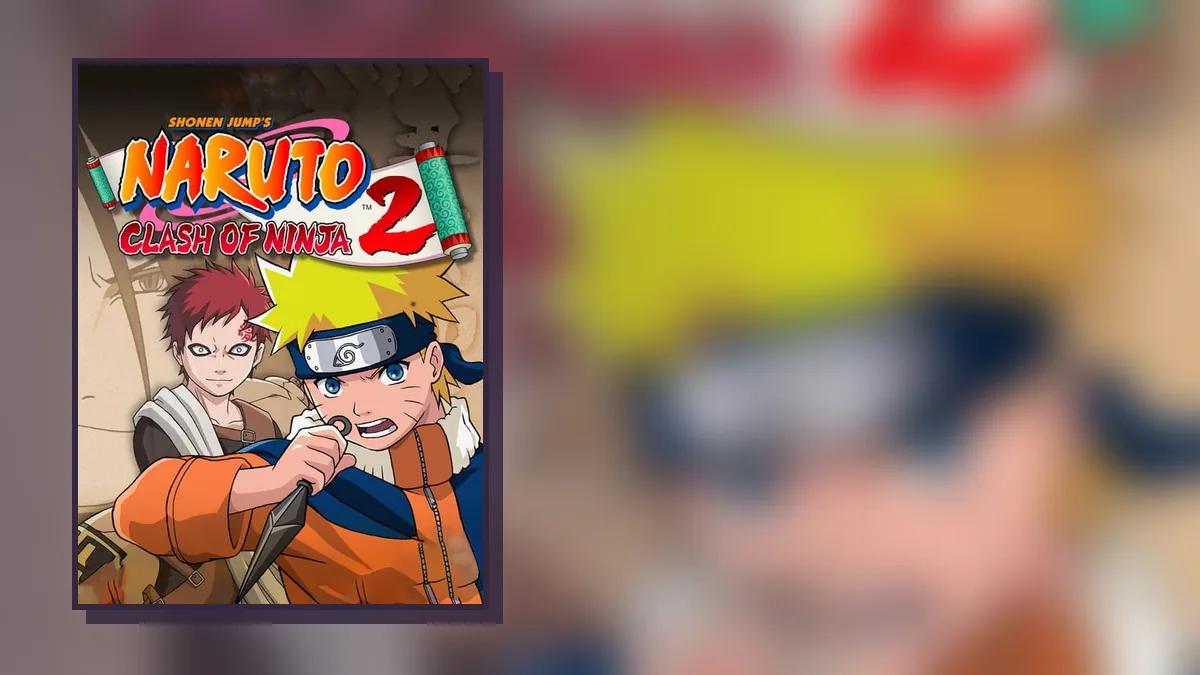
Clash of Ninja 2 is the Naruto fighter fans point to on the GameCube. Next to the usual Arcade and VS modes it has a Story mode, and you unlock new characters and stages by finishing tasks in the game. That kept you playing long after you had picked your favorite ninja.
It is a fast, easy fighter that anyone who watched the show could pick up, and it ranks above both Dragon Ball Z games on this list. Players who list their favorite GameCube fighters keep bringing up Clash of Ninja next to the bigger names. For an anime fighter on this console, start here, then go back to the first game if you want more.
9. WWE Day of Reckoning 2 (2005)
Day of Reckoning 2 is the sequel to WWE Day of Reckoning, and its Story Mode picks up from the first game. It has improved graphics over its predecessor, a new strategy-based submission system, and a storyline that lets you choose paths. The industrial metal group A Dark Halo performs two songs in the game, "Burn It All" and "Beyond Recall".
There is one catch. Created wrestlers cannot be imported from the first Day of Reckoning, so the wrestler you spent a whole year building starts over from nothing. It ranks two places below the first game here, and the gap is small. If you liked one, you will like the other.
8. Zoids: Battle Legends (2004)
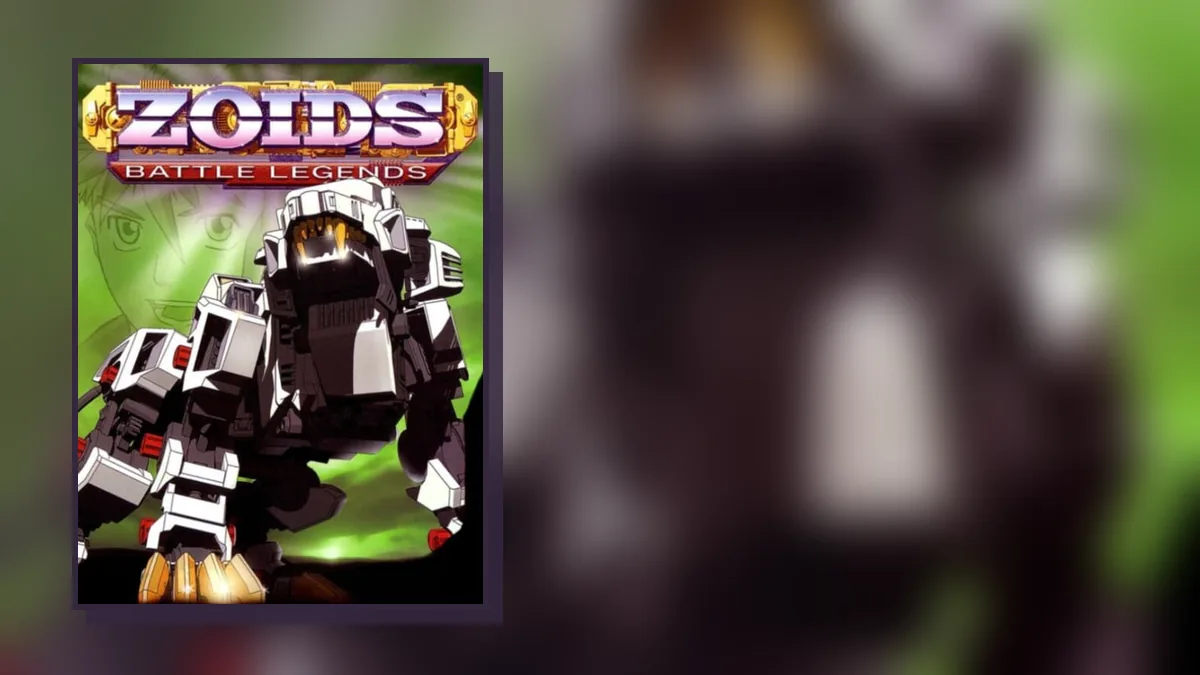
Battle Legends lets you take on the role of your favorite Zoids character from the anime and fight for planet Zi. Zoids go back a long way. The first Zoids toys were released in Japan in 1983 by Tomy, and they began as simple model kits before later releases grew more complex.
That history is why the game works. Zoids fans had spent years building these machines and watching them fight on TV, and Battle Legends finally let them do the fighting themselves. It ranks above every Naruto and Dragon Ball Z game on this list, which is a surprise for a licensed game that most people forgot. If you have never played it, it is the hidden pick in this top ten.
7. WWE Day of Reckoning (2004)
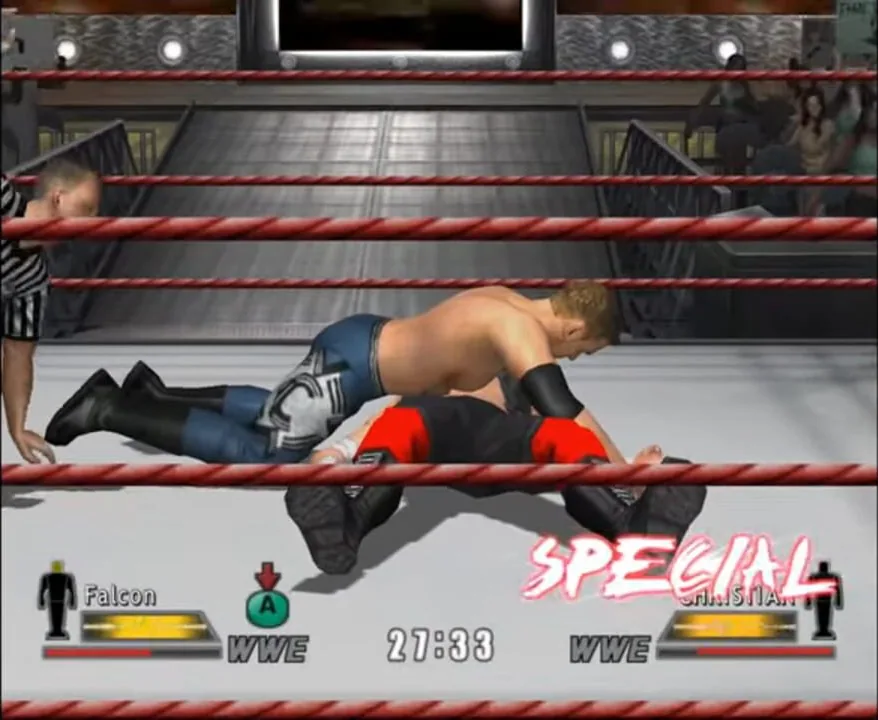
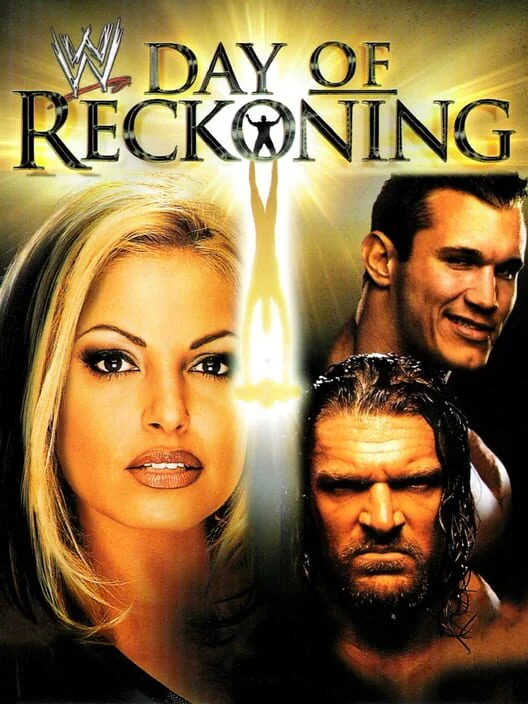
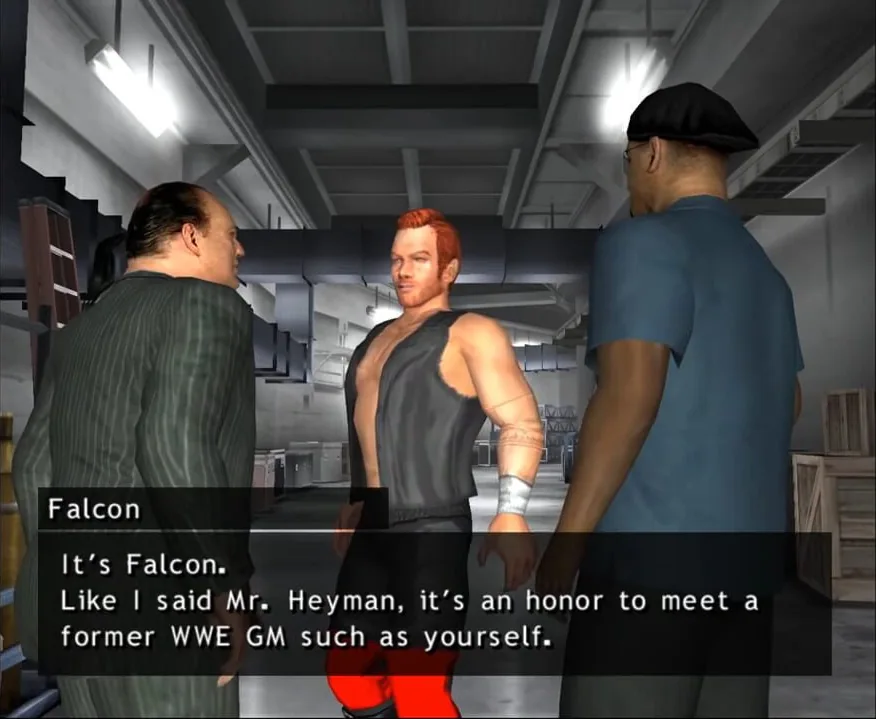
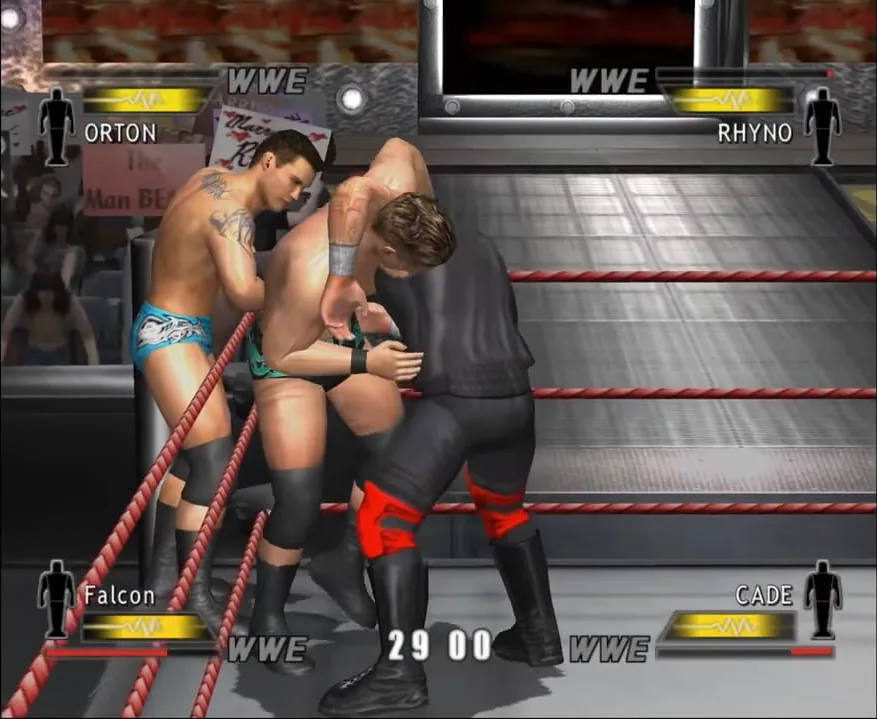
Day of Reckoning is based on World Wrestling Entertainment, with many of the wrestlers on the WWE roster at the time as playable characters. Its story mode is the big draw. Your created superstar starts on a WWE developmental contract, works non-televised house shows against other up-and-comers, then moves to Sunday Night Heat before finally joining the main roster.
Every wrestler, Legends included, can target specific body parts to wear down an opponent. The game received positive reviews, and its story continued in a 2005 sequel. Players rank it as the best wrestling game on the GameCube, ahead of its own sequel and both Def Jam games. For a wrestling fan with a GameCube, this is the one.
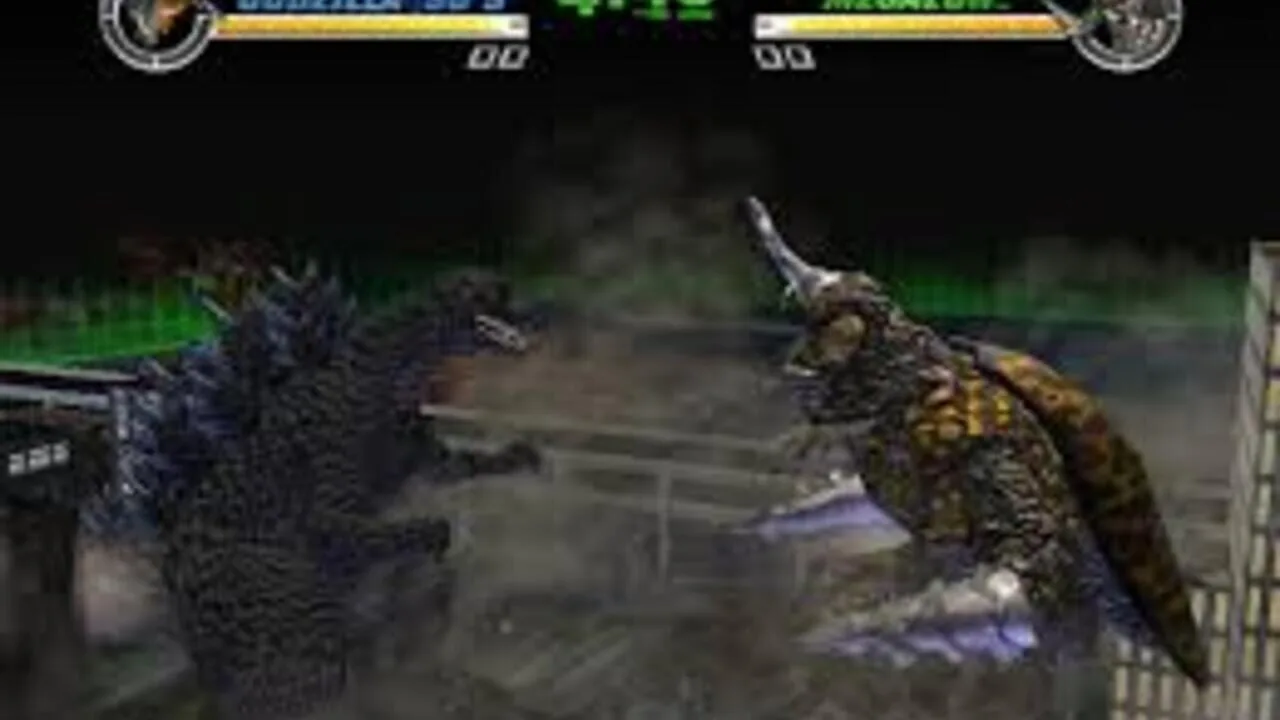
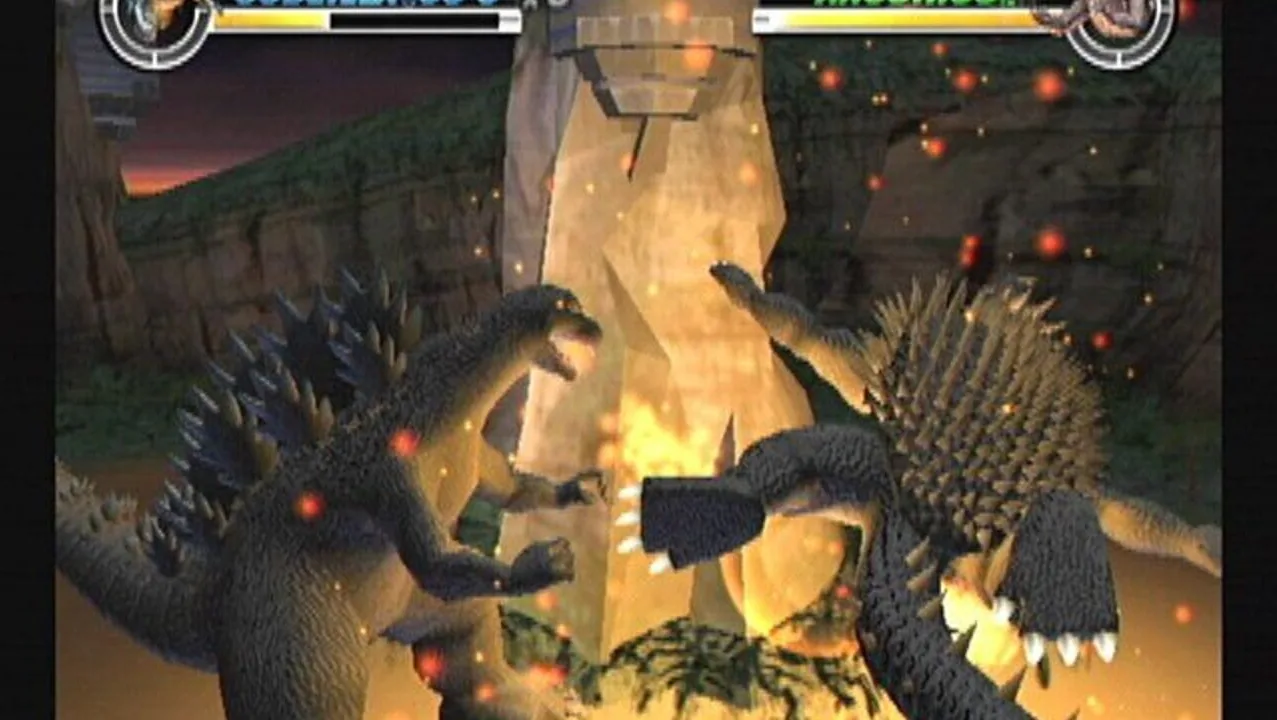
6. Godzilla: Destroy All Monsters Melee (2002)
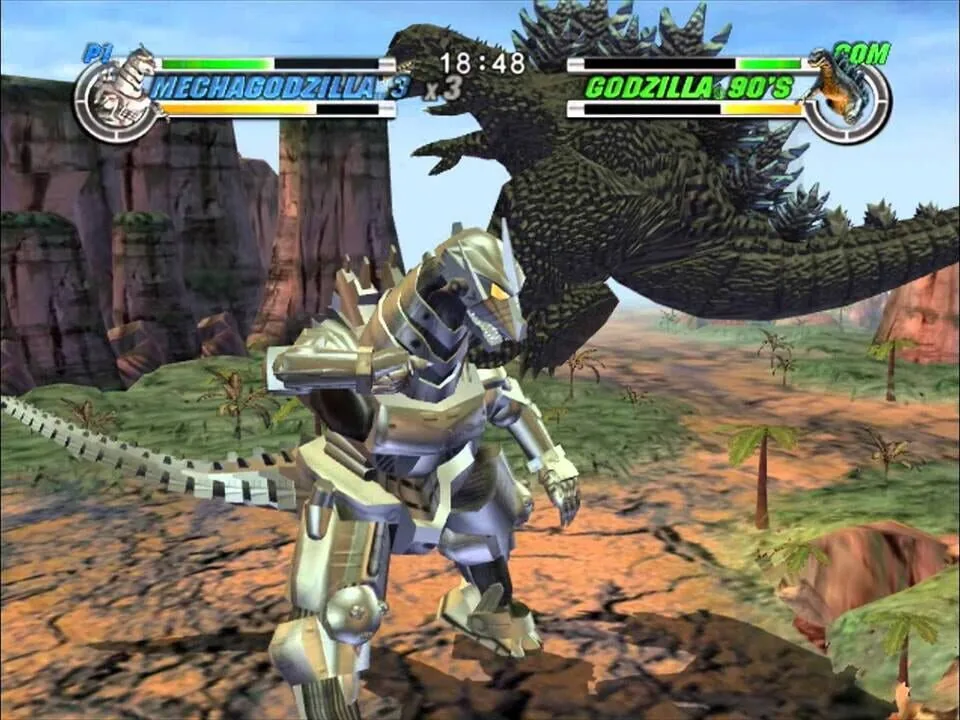
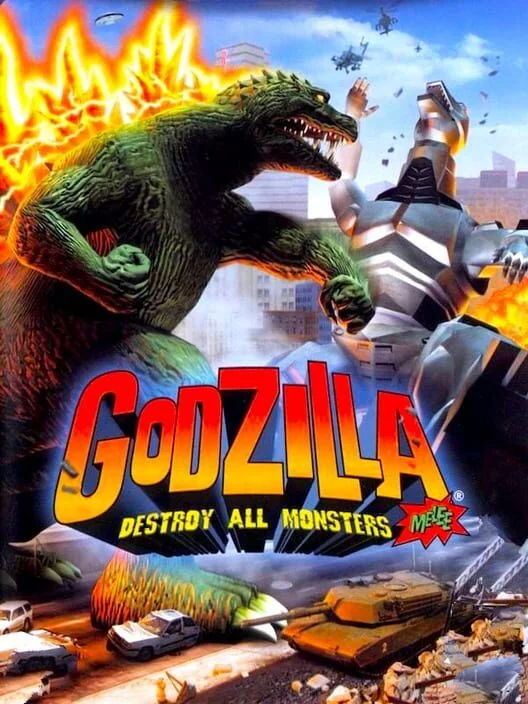
Destroy All Monsters Melee was developed by Pipeworks Software and published by Infogrames under the Atari brand for the GameCube in 2002. An Xbox version with additional content followed in 2003, and a PlayStation 2 version was planned but cancelled. WayForward made a companion game for the Game Boy Advance, Godzilla: Domination!.
The pitch is giant monsters wrecking a city while you and a friend fight over who gets to finish the job. It still works. It was followed by two sequels, Godzilla: Save the Earth in 2004 and Godzilla: Unleashed in 2007. If you missed it the first time, a remastered version is due on November 3, 2026, with online multiplayer and 12 playable monsters.
5. Bloody Roar: Primal Fury (2002)
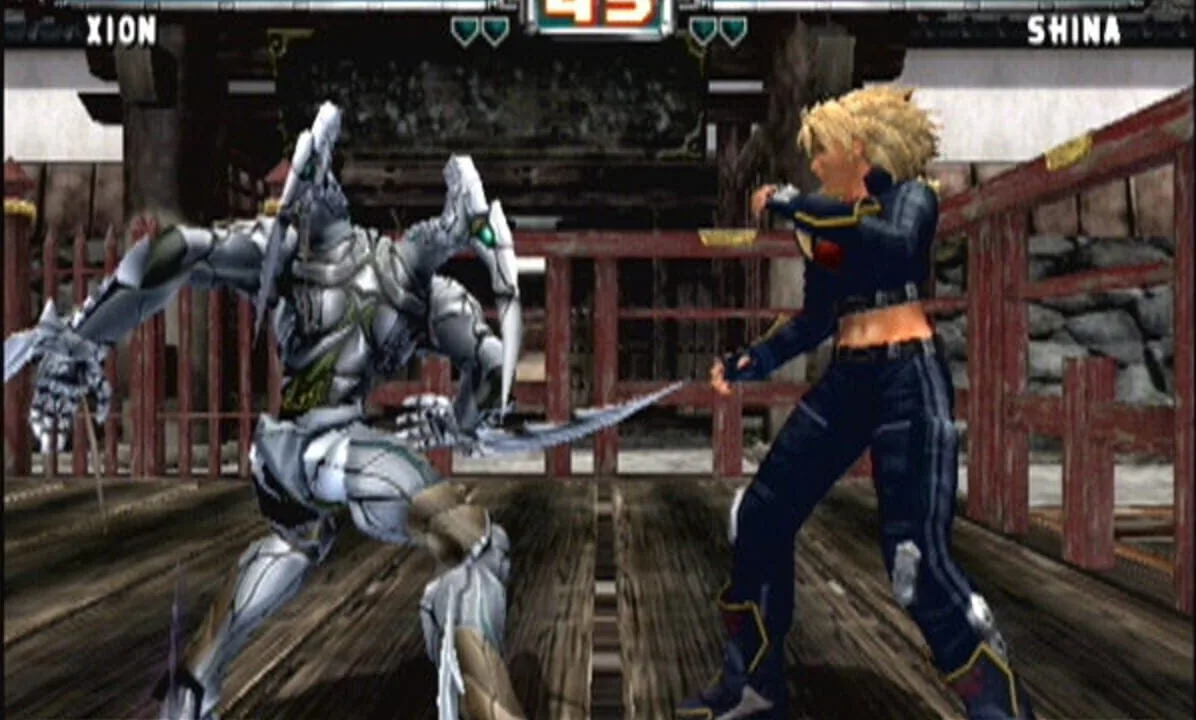
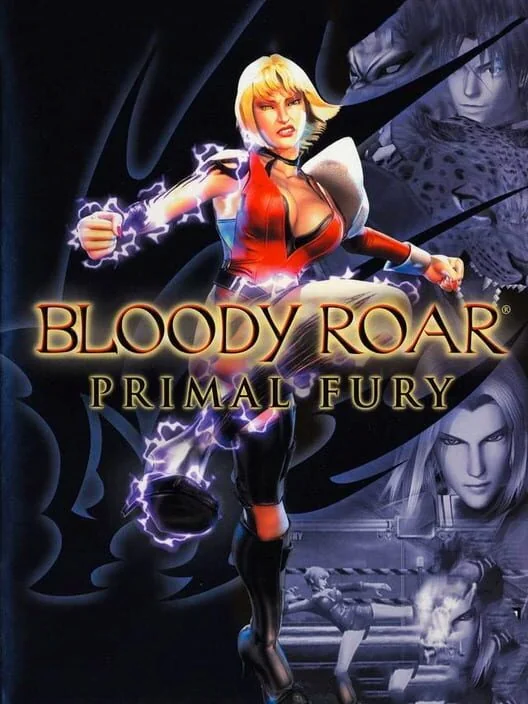
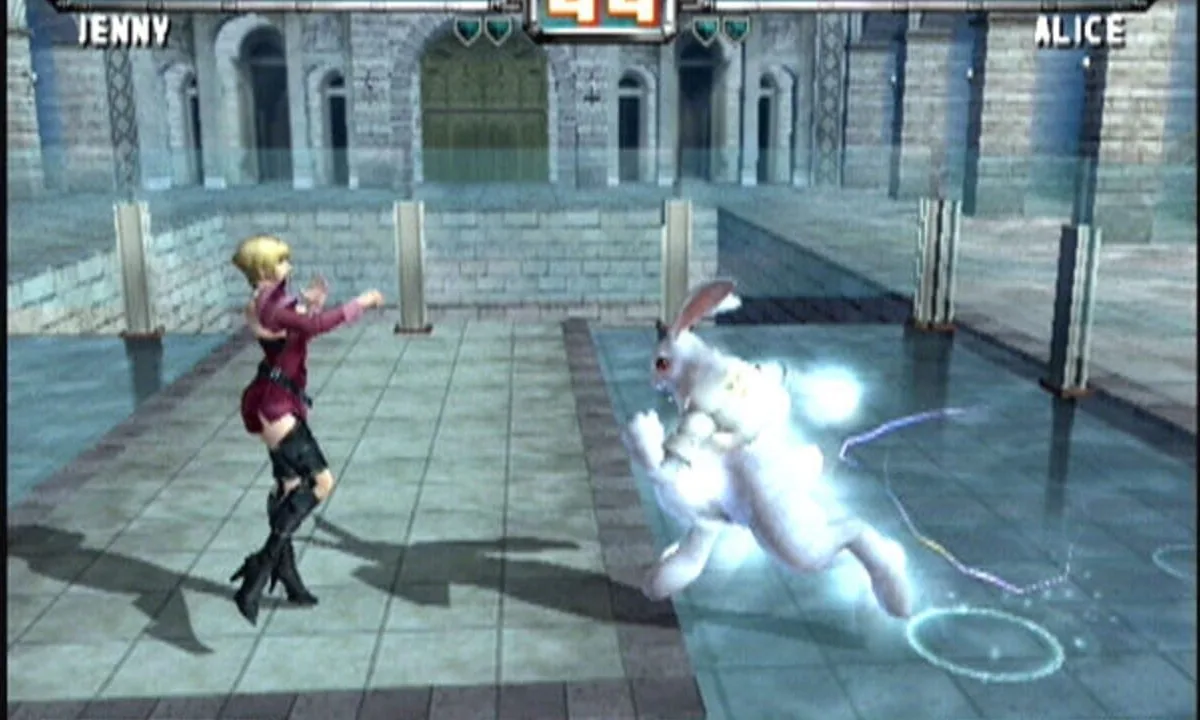
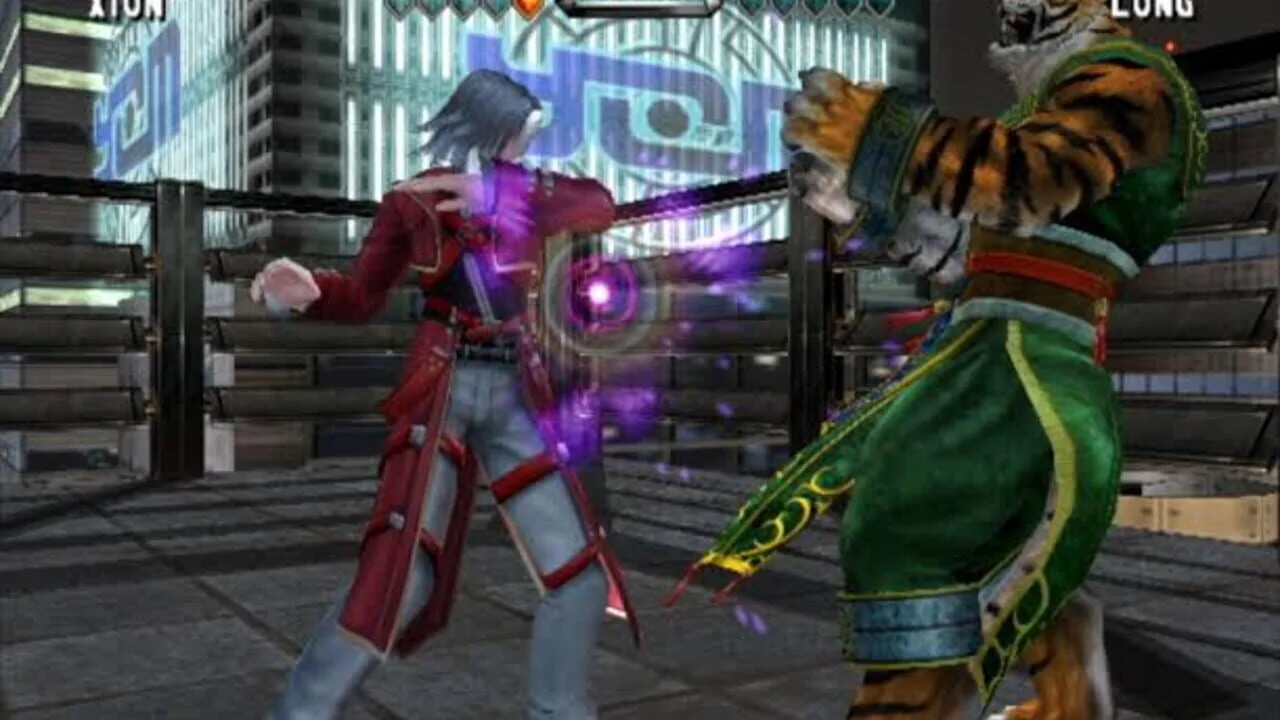
Primal Fury is an updated version of the PS2 game Bloody Roar 3, known in Japan as Bloody Roar Extreme. Every fighter can morph into a powerful animal, like a tiger or a wolf. Underneath, it is a serious fighting game. Standard moves are combos like Tekken, command moves use the rolling inputs of Street Fighter, and every character has around twenty to forty cancel points to chain moves together.
The series began in Japanese arcades in 1997 as Beastorizer, and the GameCube got one of its best entries. Fighting fans still name Bloody Roar among the best fighters on the GameCube, usually right after the obvious picks. If you want a one-on-one fighter with a gimmick that is more than a gimmick, play this.
4. Soulcalibur II (2003)
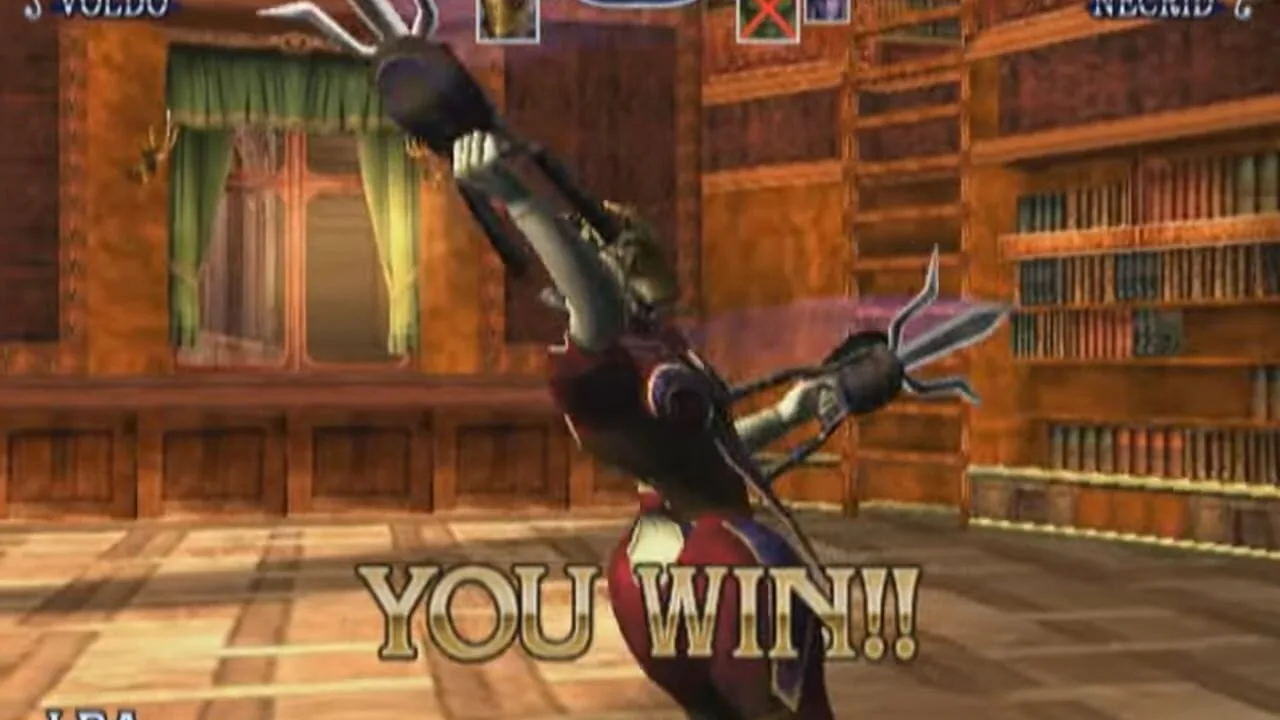
Soulcalibur II is the third game in the Soulcalibur series of weapon-based fighting games. It was built on the Namco System 246 arcade board before being ported to the PlayStation 2, GameCube and Xbox. The GameCube version is an expanded port that adds Link from The Legend of Zelda as a playable character, along with new game modes.
Link was the star. The guest characters, and Link on the GameCube in particular, were acclaimed by critics and audiences alike, and the game is considered one of the greatest video games ever made. The GameCube version came back in 2025 as a launch game on the Nintendo Classics service for the Switch 2. Of all the traditional fighters on this console, players rank it highest.
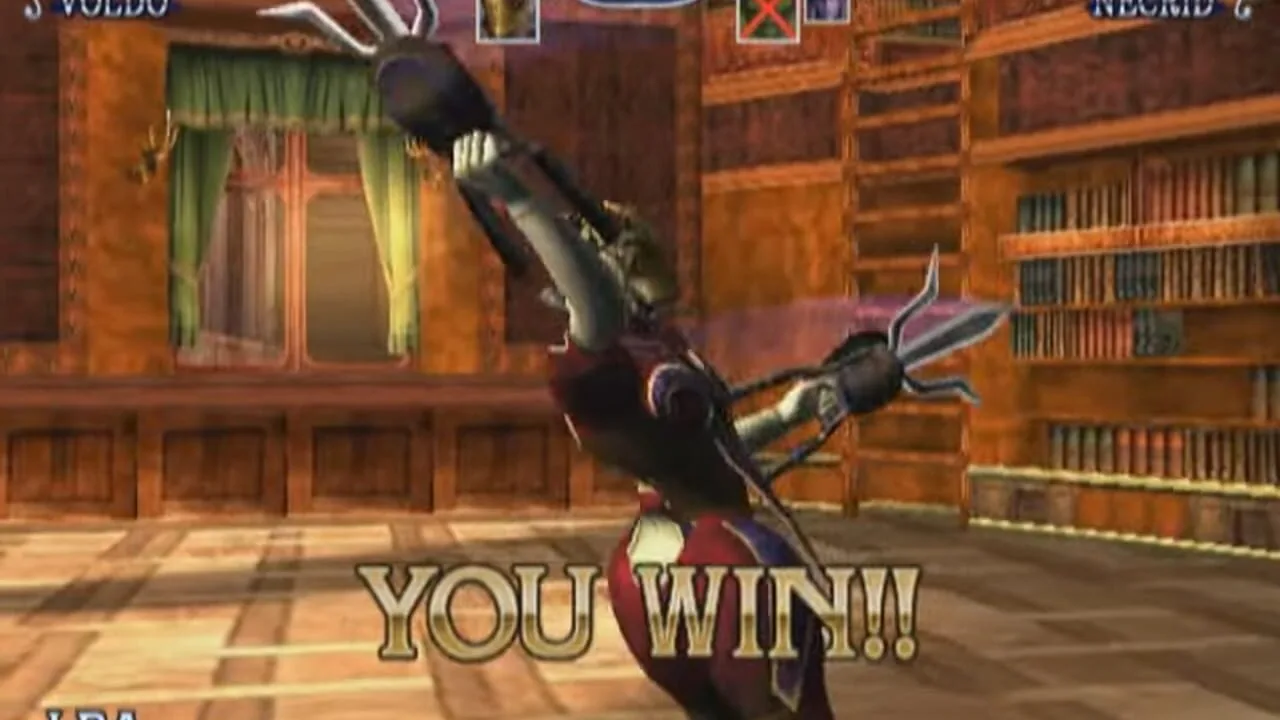
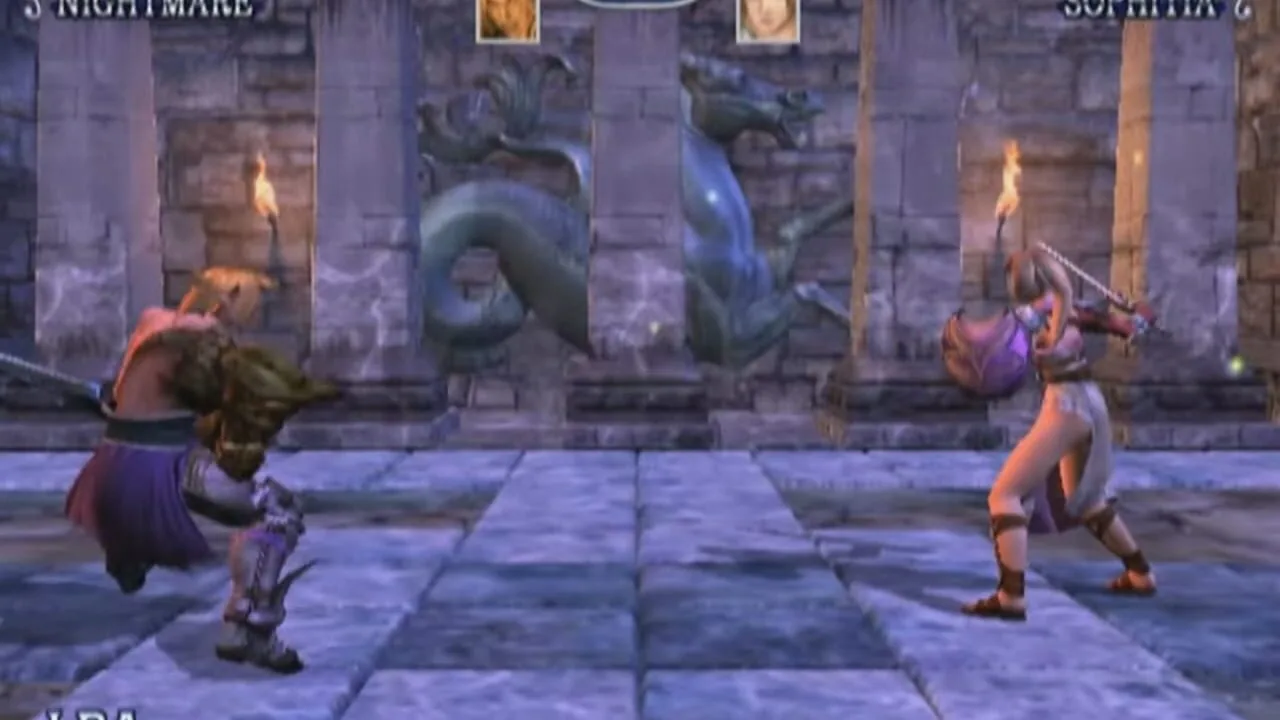
3. Gotcha Force (2003)
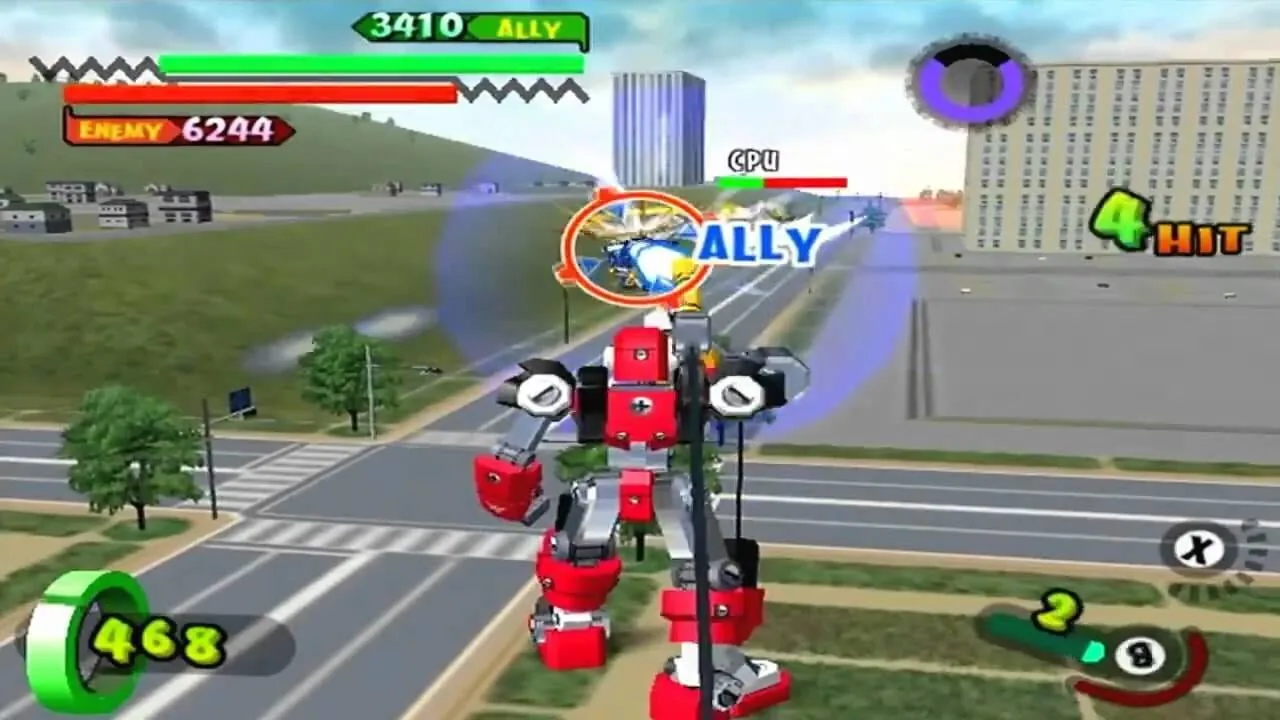
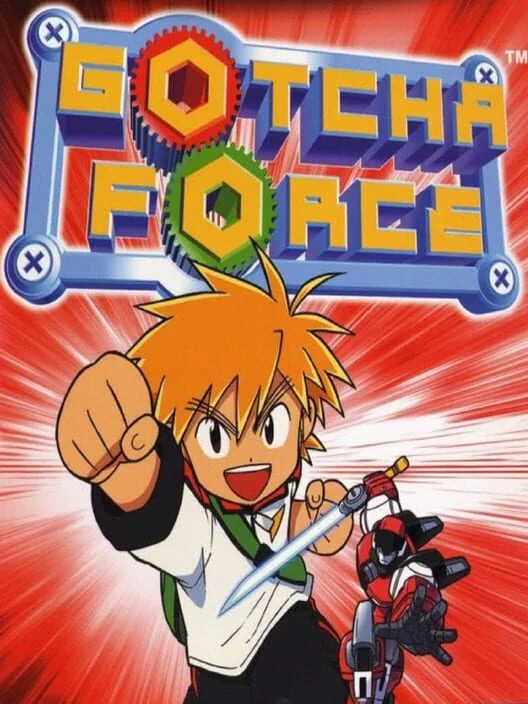
Gotcha Force is a fighting and third-person shooter game built on HAL Laboratory's Sysdolphin engine and published by Capcom for the GameCube in 2003. You collect gacha toys, then battle with them. It is a toy box that fights back.
On release it got mediocre reviews and little advertising, and it was not a commercial success. Some reviewers felt it was aimed at children, and one said that after an hour of story mode there was nothing left to see. Players disagree. The game built a cult following, and it now ranks third among GameCube fighters, above Soulcalibur II. Few games on any console have made a comeback like that.
2. Custom Robo (2004)
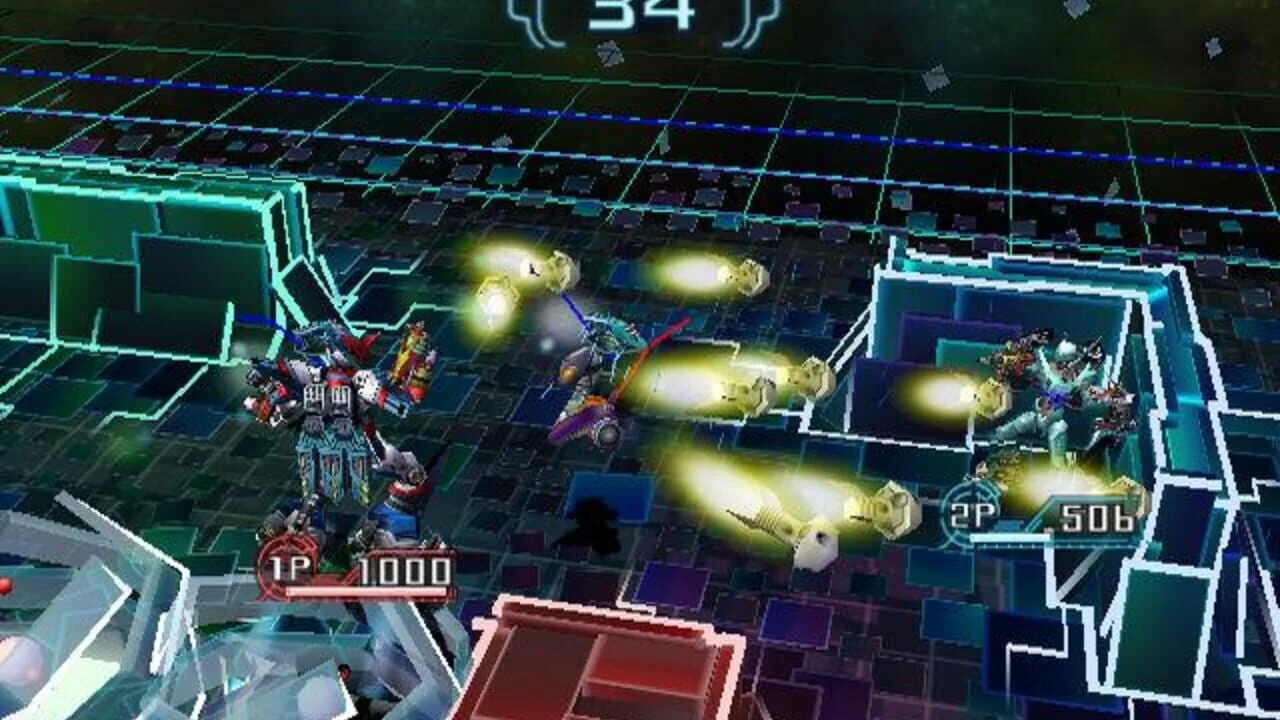
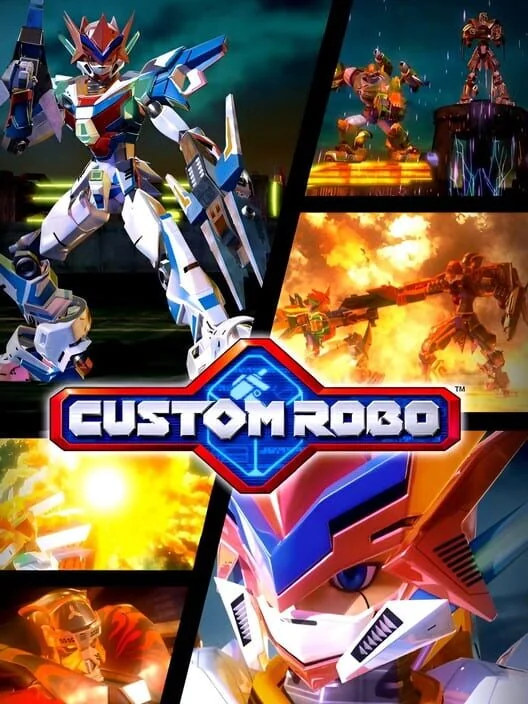
Custom Robo lets you and up to three friends build robots from nearly 200 unique parts and fight in a virtual battlefield. Pick a Ray 01 body with a Wyvern gun and a Burrow bomb, or go with a Javelin and Feather legs. The first Robo you get in every game of the series is always the latest model of the Ray series.
The series spans five games across the Nintendo 64, Game Boy Advance, GameCube and Nintendo DS, and it had been exclusive to Japan since 1999. An international release of Custom Robo GX was planned and then cancelled. The GameCube game, released in 2004 as Custom Robo: Battle Revolution in Japan, was the first in the series to come out anywhere else. Players rank it second, well ahead of everything below it.
1. Super Smash Bros. Melee (2001)
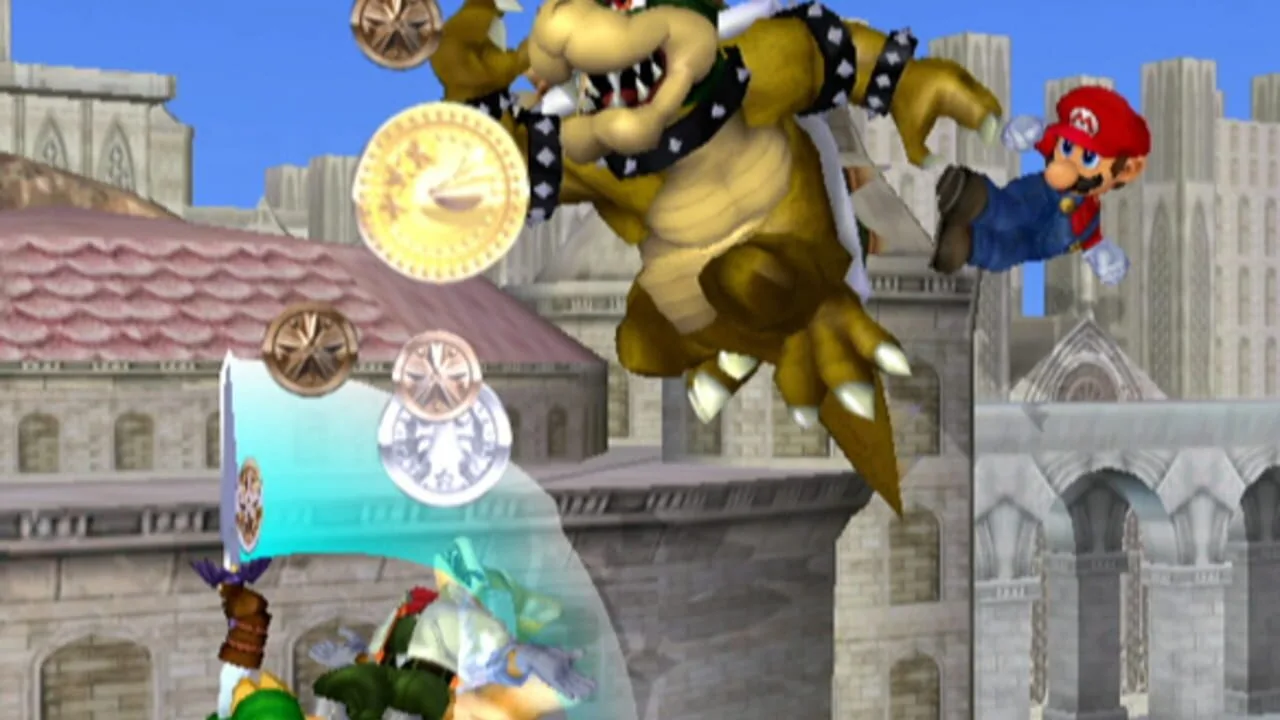
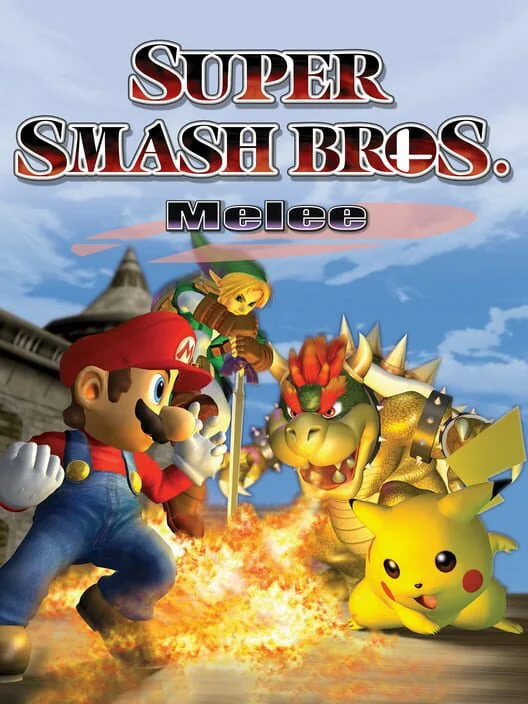
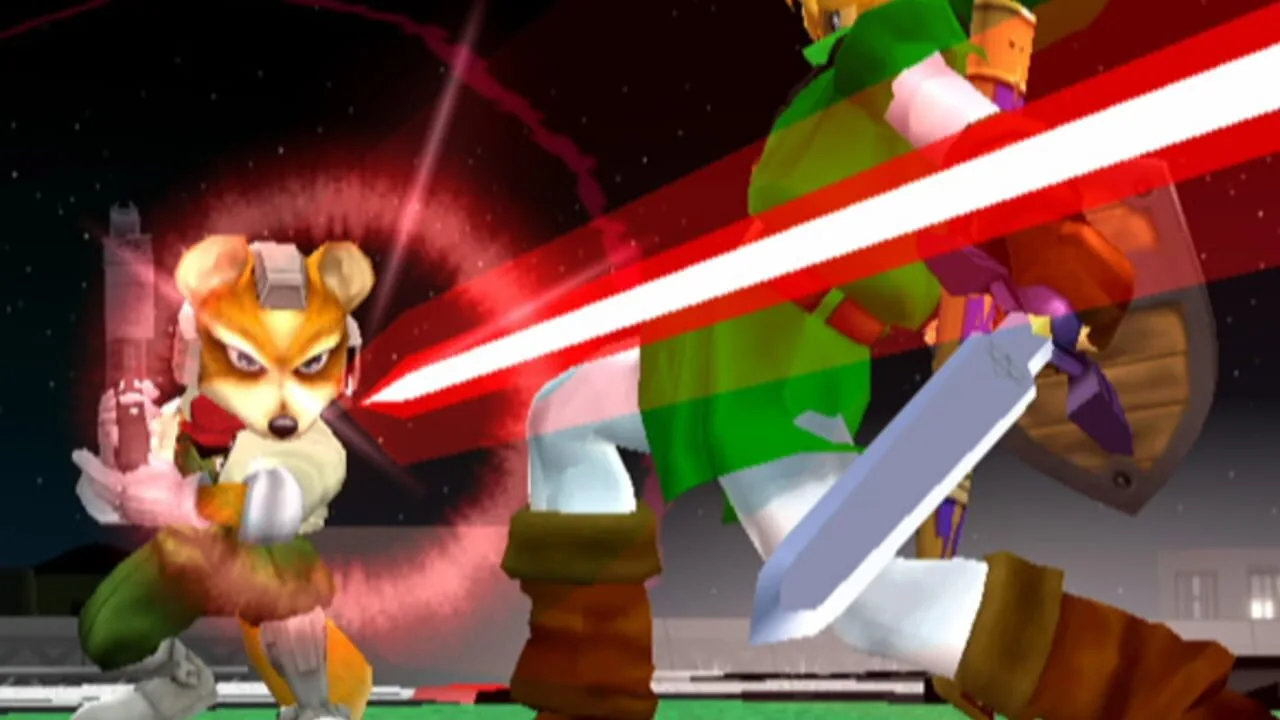
Melee is a crossover fighting game from 2001, developed by HAL Laboratory with Masahiro Sakurai as the head of production, and one of the first games on the GameCube. The goal is to knock opponents off the stage instead of draining a health bar. Damage builds up as a percentage, and the higher it goes, the farther a hit sends you. Up to four players can fight at once, and Marth and Roy came from Fire Emblem, a series no one outside Japan had played yet.
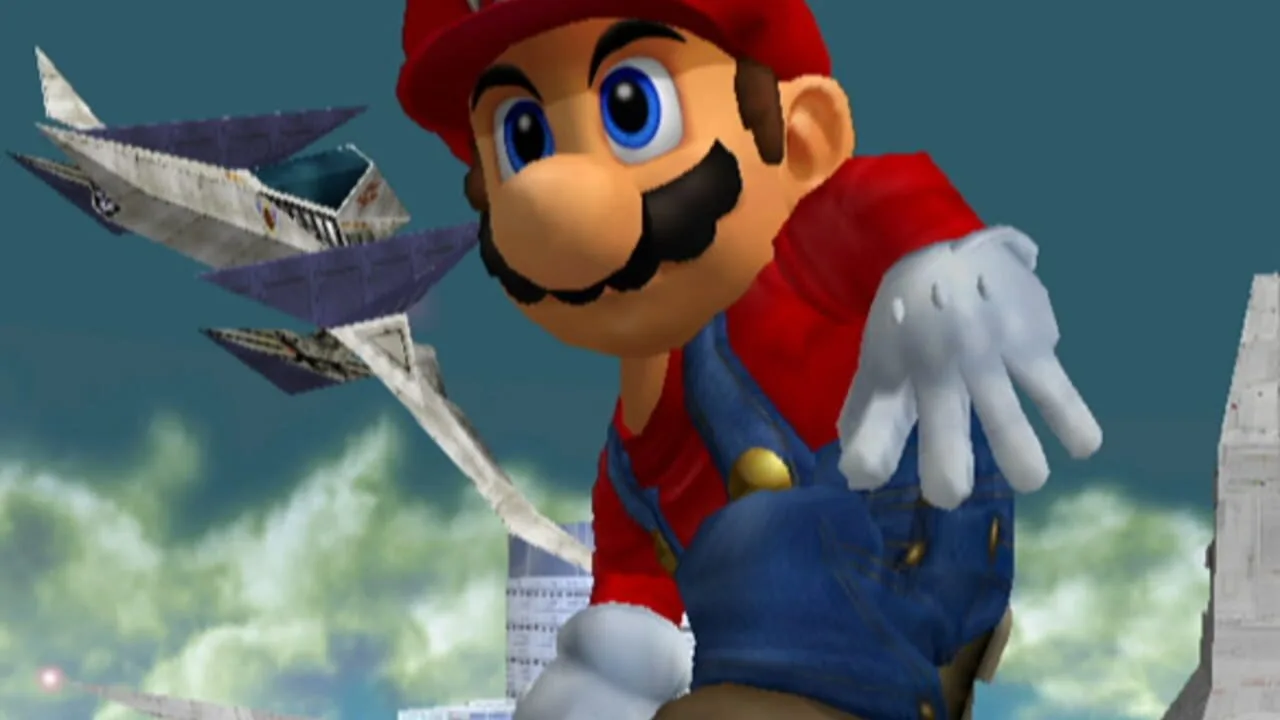
It became the GameCube's best-selling game, with over seven million copies sold by 2008. Its competitive scene has stayed alive well beyond the game's original lifespan. Players recommend it more than every other game on this list put together, and more than any other game on the GameCube.
Which one to play
There you have it, the whole list of the best GameCube fighting games. The top five hold up today.
If you are not sure where to start, play Super Smash Bros. Melee. For a traditional one-on-one fighter, Soulcalibur II with Link is the pick. Fans of 2D fighters should go for Capcom vs. SNK 2 EO. Wrestling fans want WWE Day of Reckoning. And for a hidden pick, try Gotcha Force.