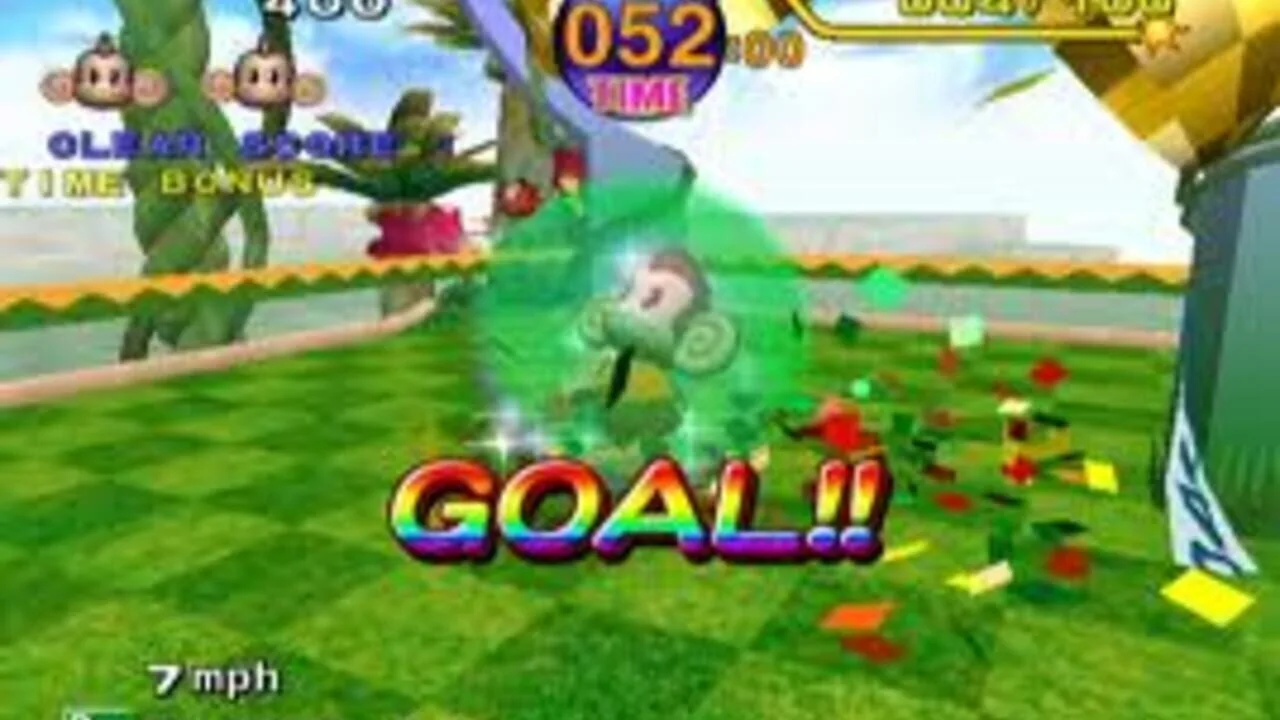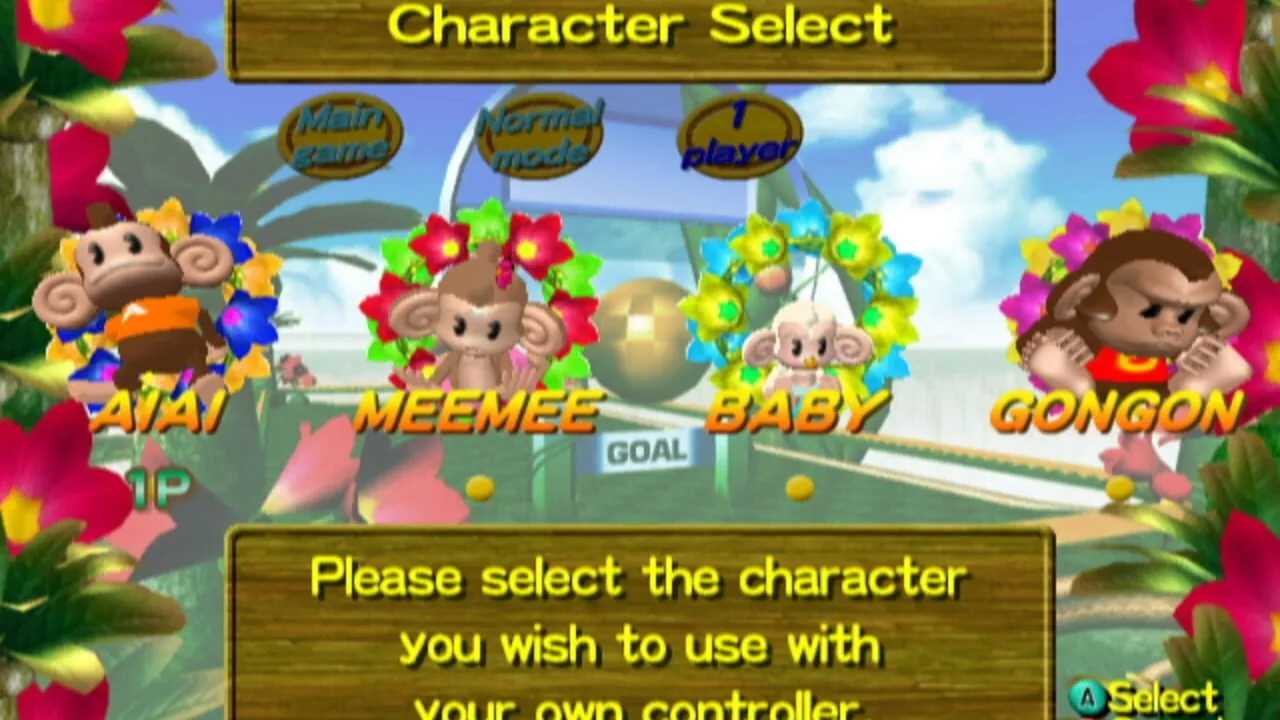
Super Monkey Ball started life as an arcade cabinet with a banana-shaped analog stick, and its GameCube port was Sega's first game for a Nintendo home console. It's also the port GameCube players recommend most, ahead of Sonic Adventure 2: Battle.
That's no accident. When the Dreamcast failed, Sega went looking for new homes for its games, and five of the top seven ports here started out at Sega. Three of them began on the Dreamcast itself.
We started from the 330 games players named when we surveyed what GameCube fans recommend, where a pick other players backed counted a little extra. Then we kept only the ports, meaning games that came out in arcades or on another machine at least 60 days before the GameCube got them. Each series gets one slot, so Sonic Adventure DX lives inside the Sonic Adventure 2: Battle entry.
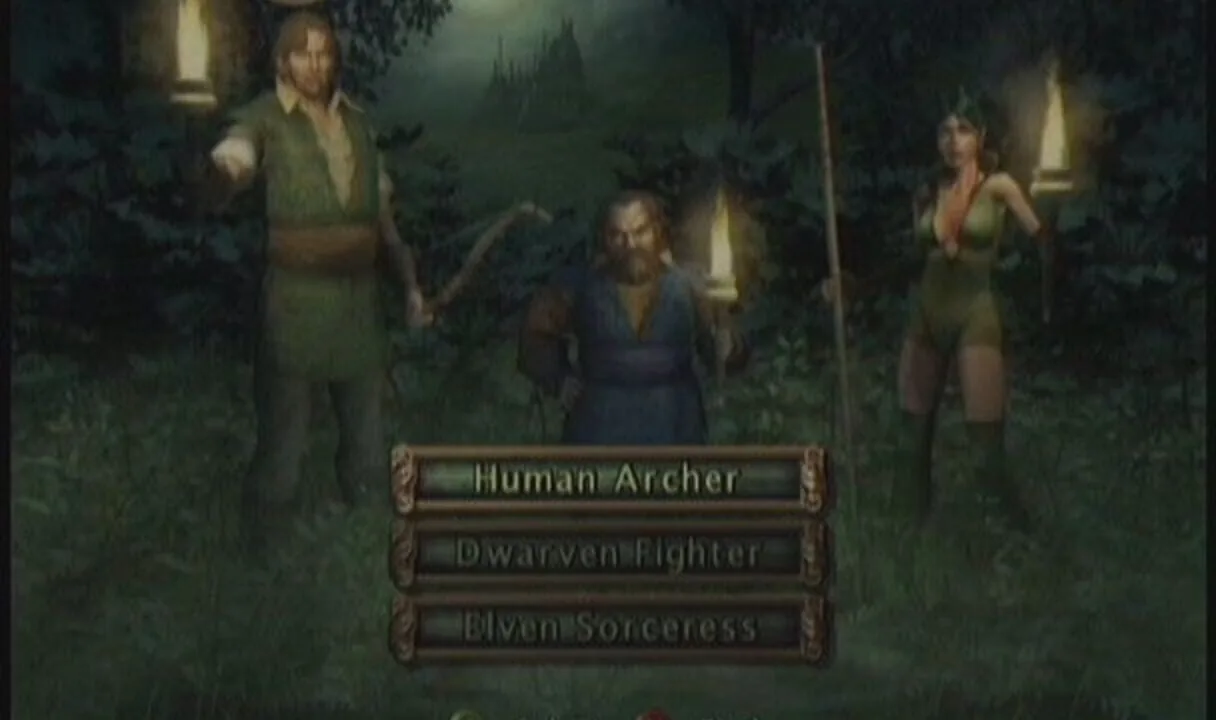
13. Baldur's Gate: Dark Alliance (2001)
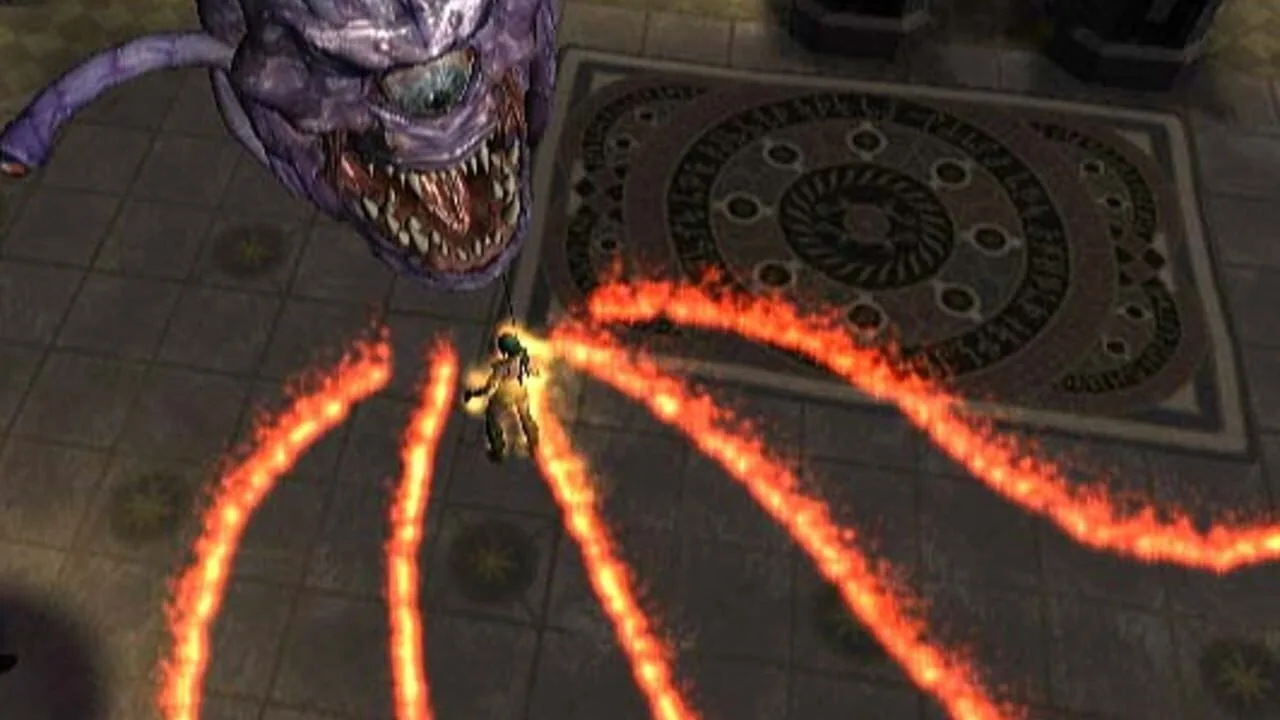
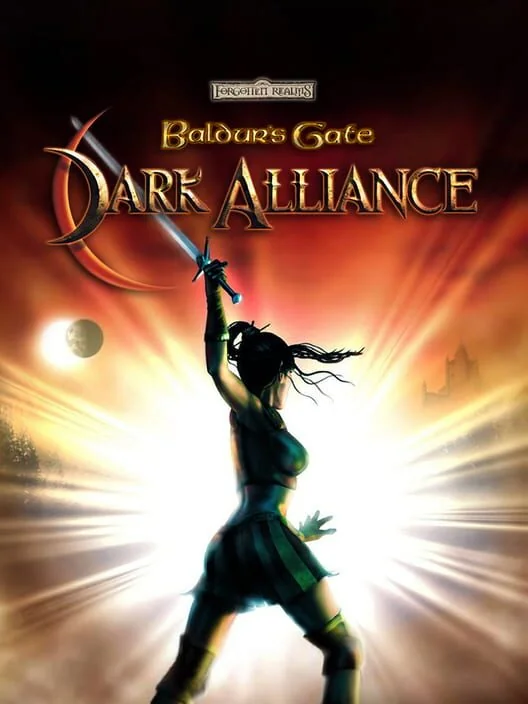
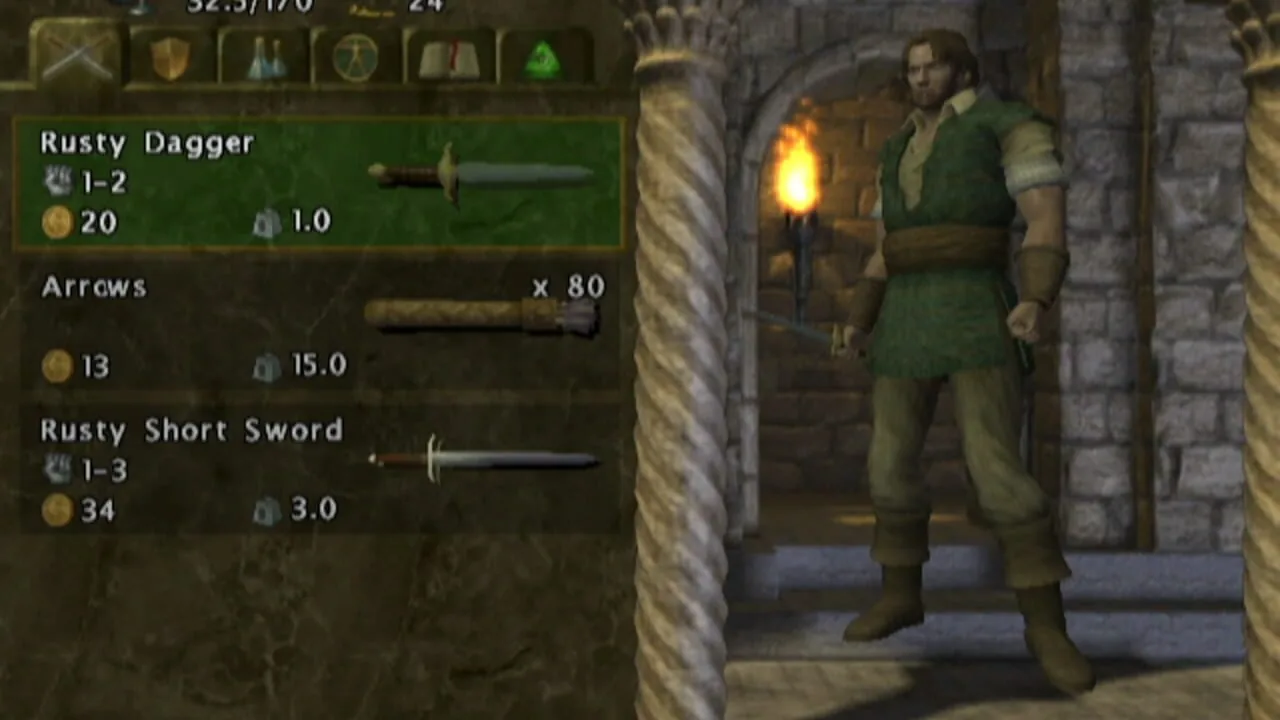
Baldur's Gate: Dark Alliance came from Snowblind Studios on the PlayStation 2 in 2001, and High Voltage Software handled the move to the GameCube, which arrived on November 20, 2002. It is the weakest of the three home versions, too: critics gave it 79 out of 100, against 87 for the PlayStation 2 original.
It still has fans on the GameCube, though, and players keep recommending it as one of the console's co-op picks.
12. Bloody Roar: Primal Fury (2002)
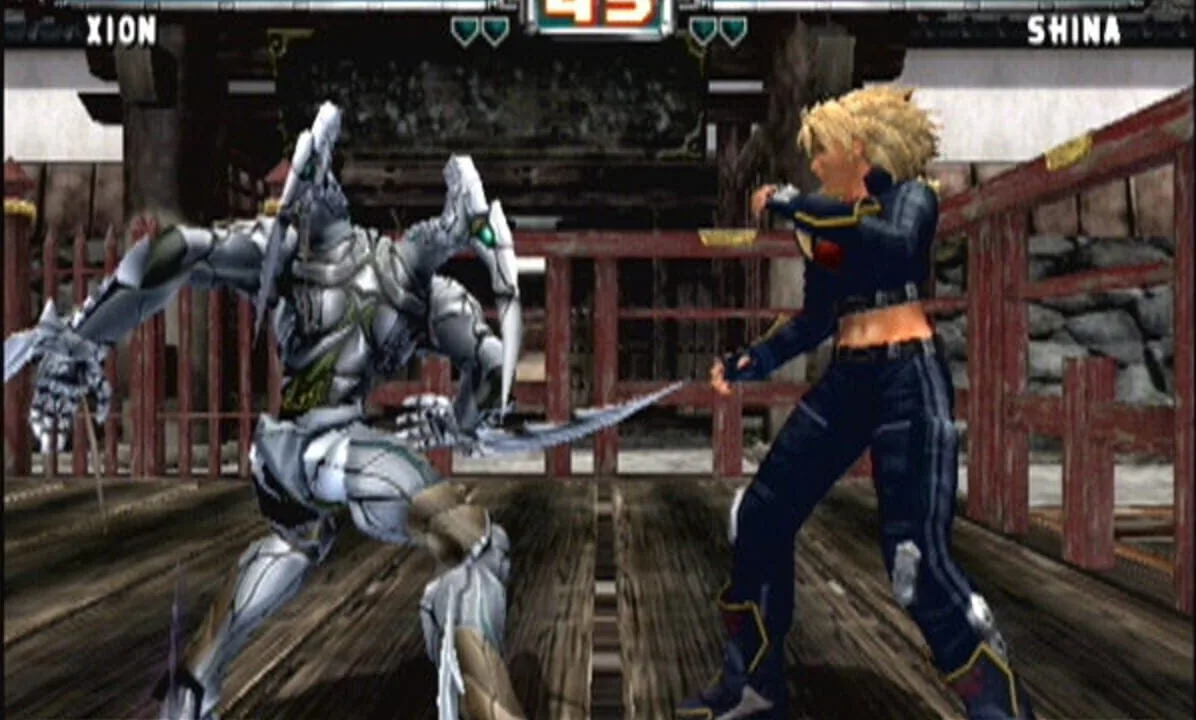
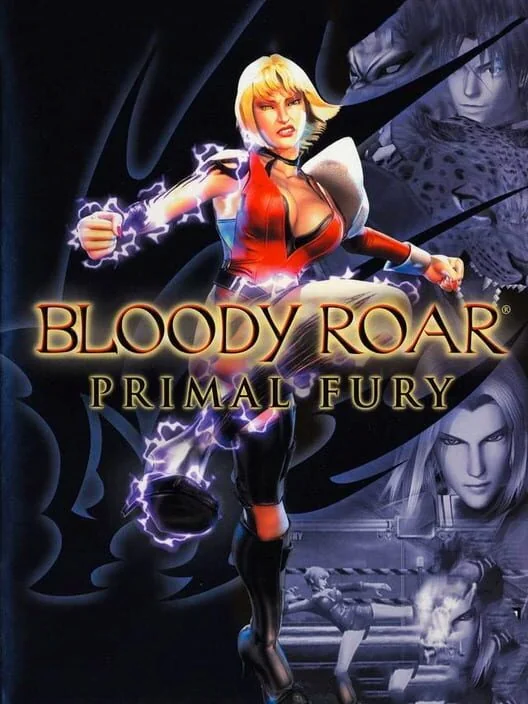
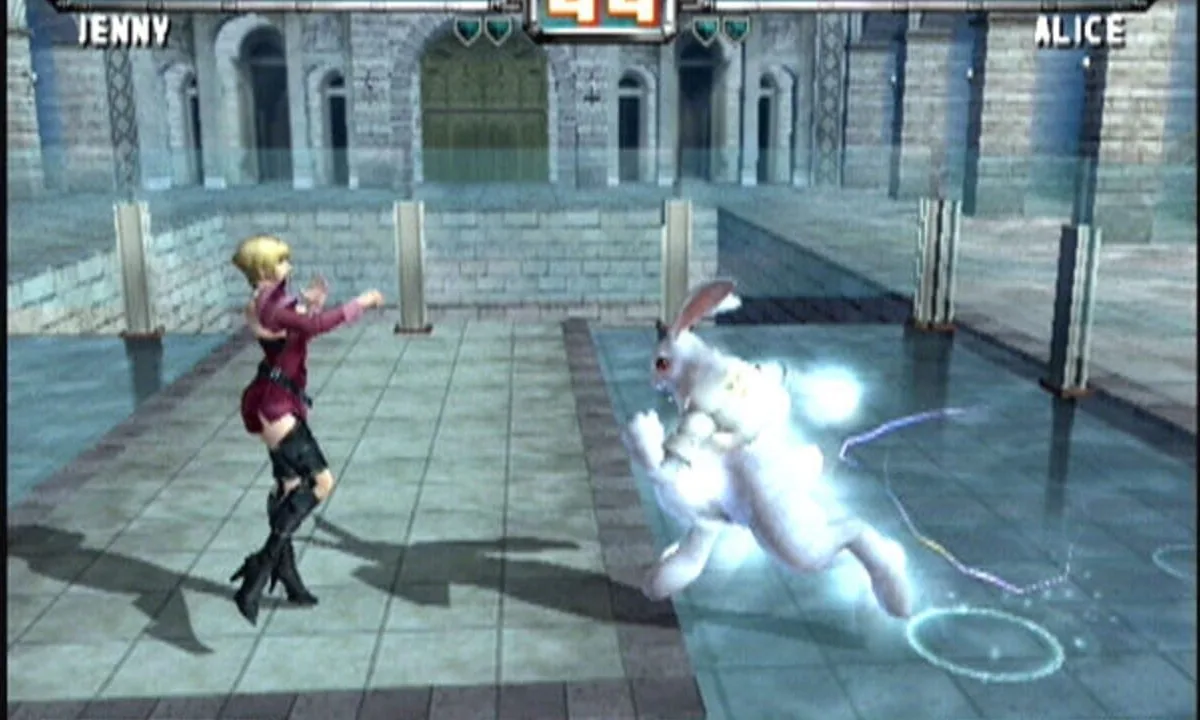
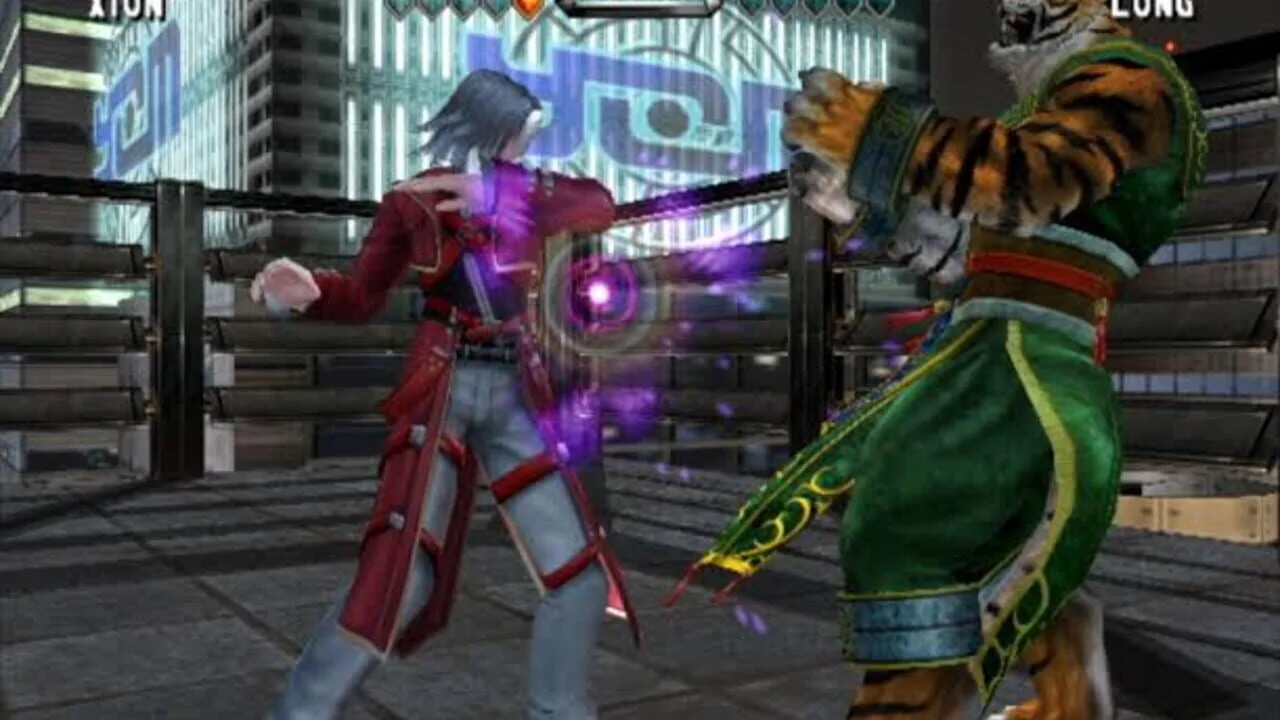
Primal Fury is an updated version of the PlayStation 2's Bloody Roar 3, and in Japan it went by Bloody Roar Extreme. It isn't quite a sequel, nor is it just a revision: it takes Bloody Roar 3 as a base and adds new characters, new designs for the old cast, new stages and new mechanics. Your fighters still turn into animals mid-fight, from tigers to wolves.
Series fans often consider it the best Bloody Roar of them all. It is also the one GameCube players keep naming next to Soulcalibur II when they list the console's fighters.
11. Burnout 2: Point of Impact (2002)
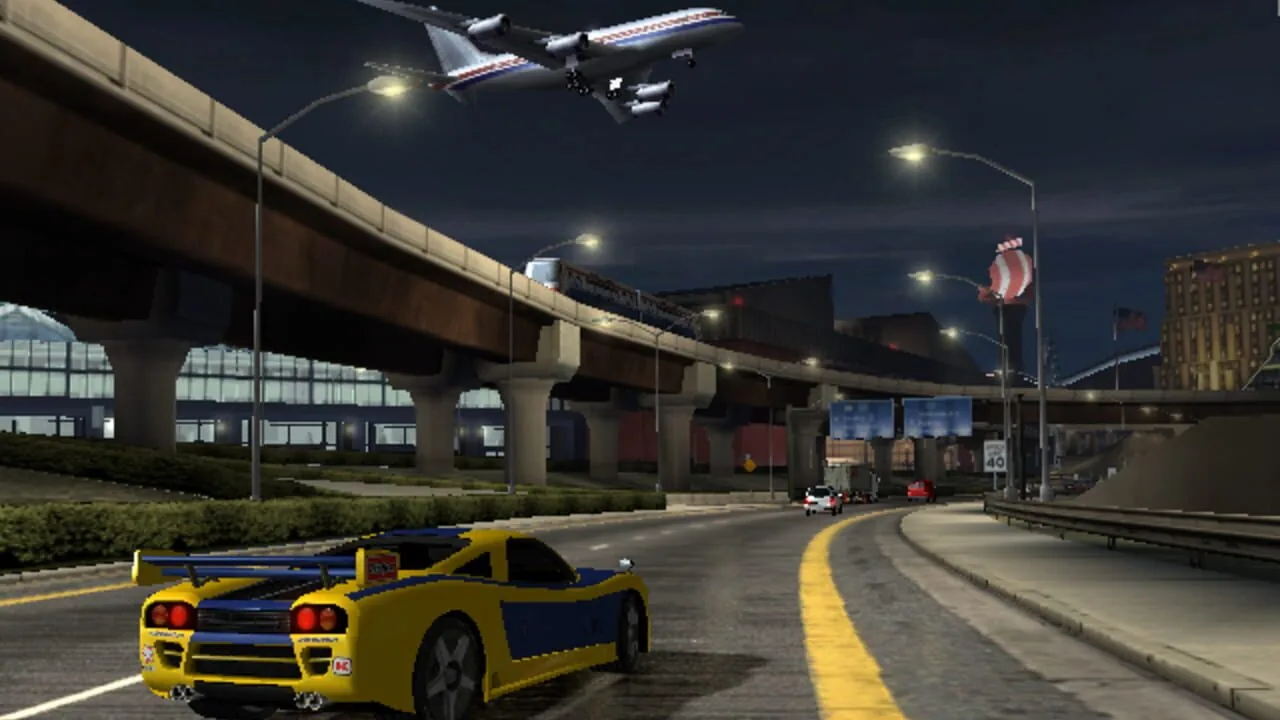
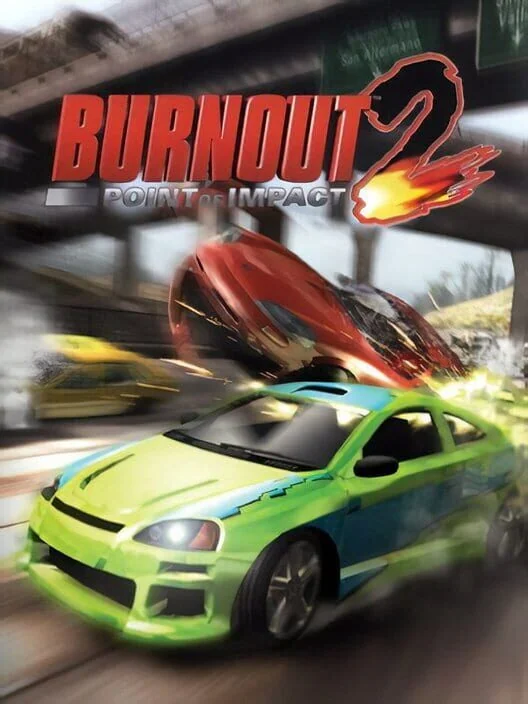
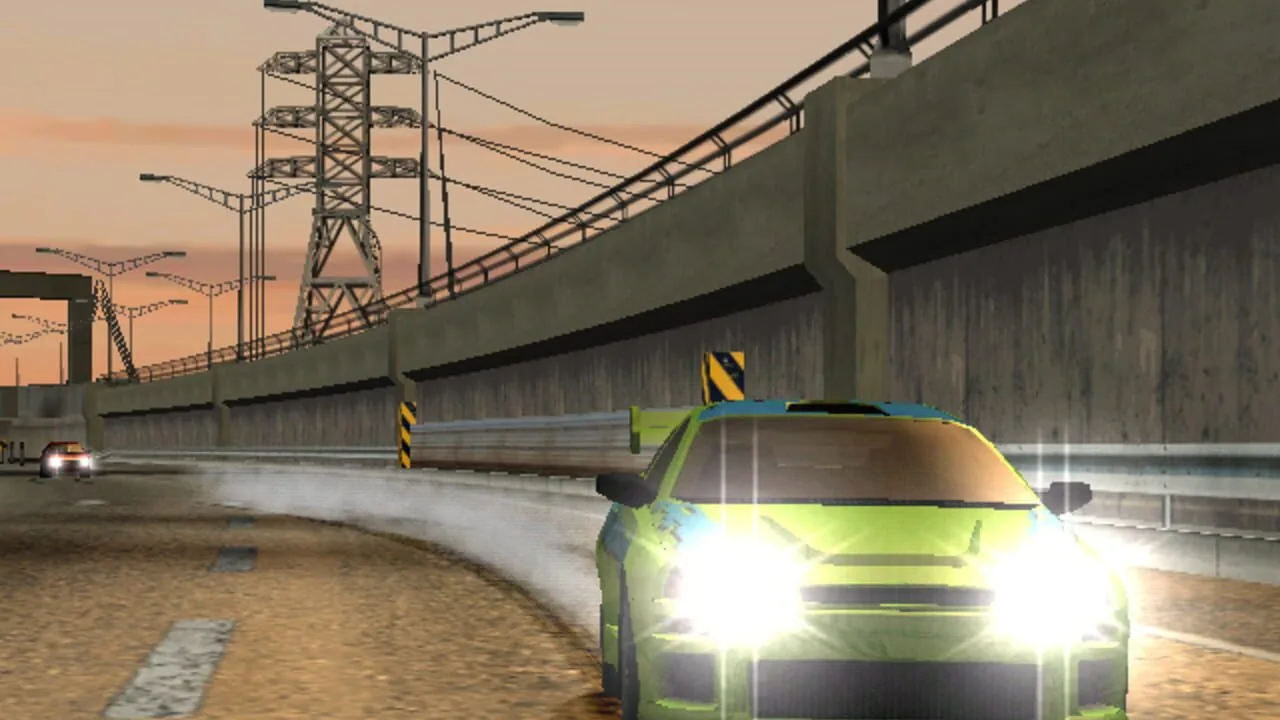
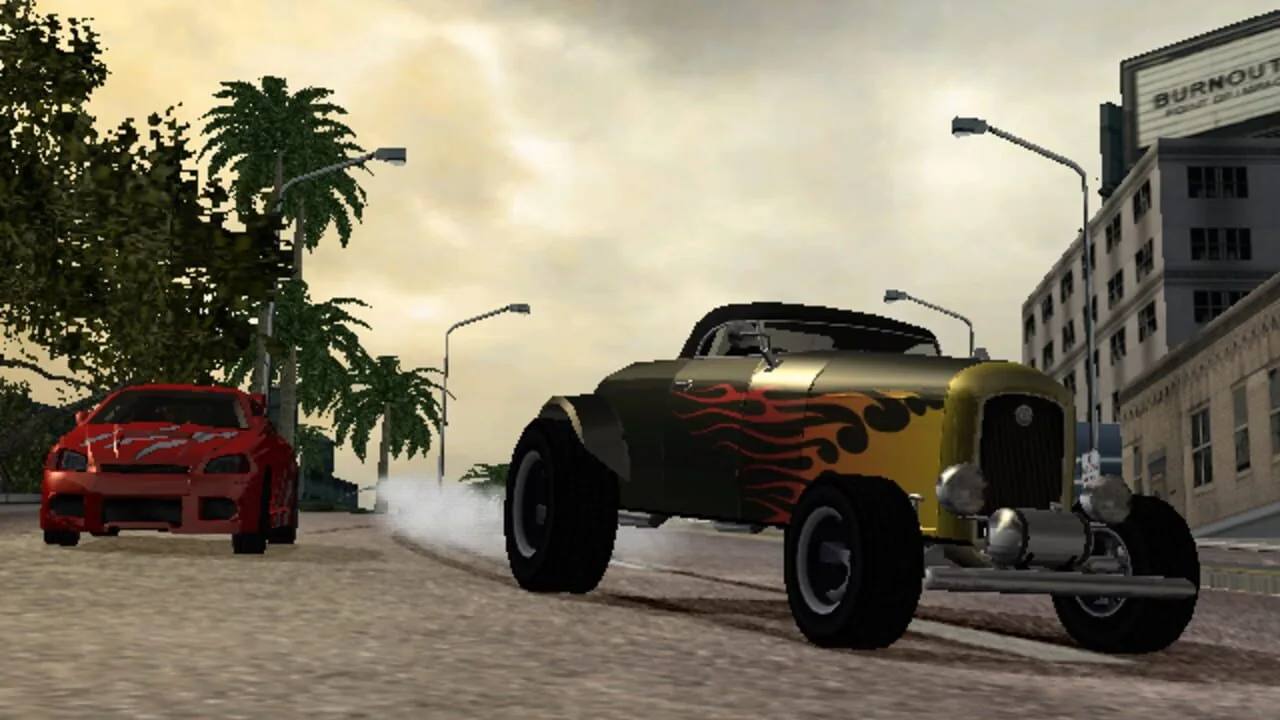
Burnout 2 came out on the PlayStation 2 in 2002, and the GameCube version picked up the 15 extra Crash mode tracks from the Xbox release, though it went without the custom liveries. The first Burnout made it to the GameCube too, but this was the series' last stop on the console: Burnout would not return to a Nintendo platform until Burnout Legends in 2005.
Acclaim promoted the game by offering to pay the fine of any UK driver caught speeding on its release day, which is a choice. Players still put it on their lists of GameCube must-plays.
10. NBA Street (2001)
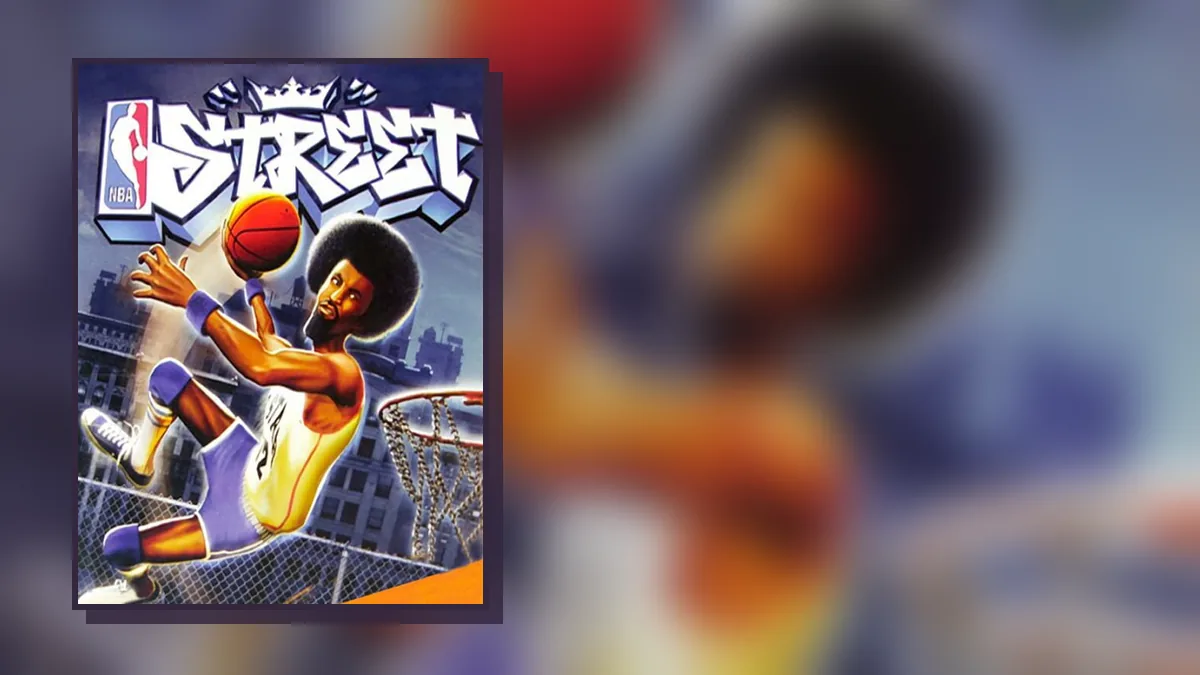
NBA Street reached the PlayStation 2 on June 19, 2001, and the GameCube followed on February 5, 2002. It plays 3-on-3 streetball, where flashy moves build your Gamebreaker meter, and a Gamebreaker shot both adds to your score and takes points away from the other team.
The port had one odd change. Michael Jordan had come out of retirement to play for the Washington Wizards a few months after the PlayStation 2 release, so the GameCube version dropped him as the Final Challenge and ended the City Circuit with the Street Legend Stretch instead. Players still recommend the NBA Street games to anyone who likes basketball.
9. Alien Hominid (2004)
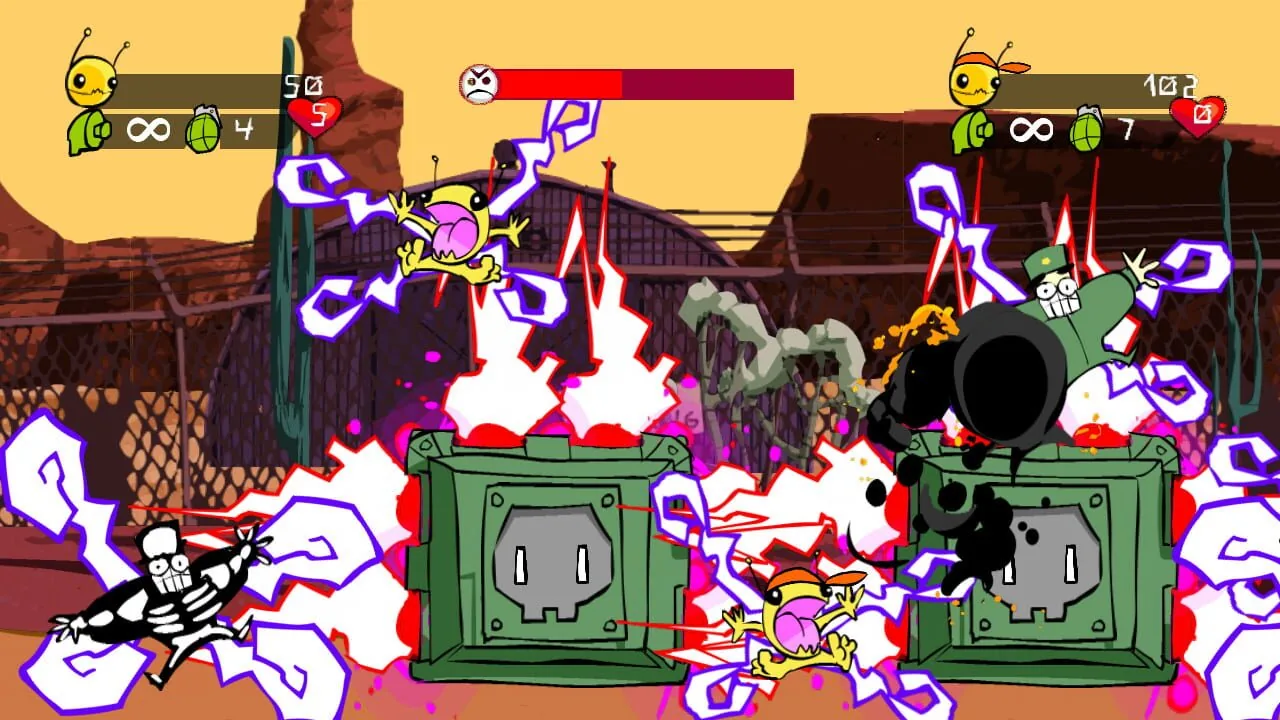
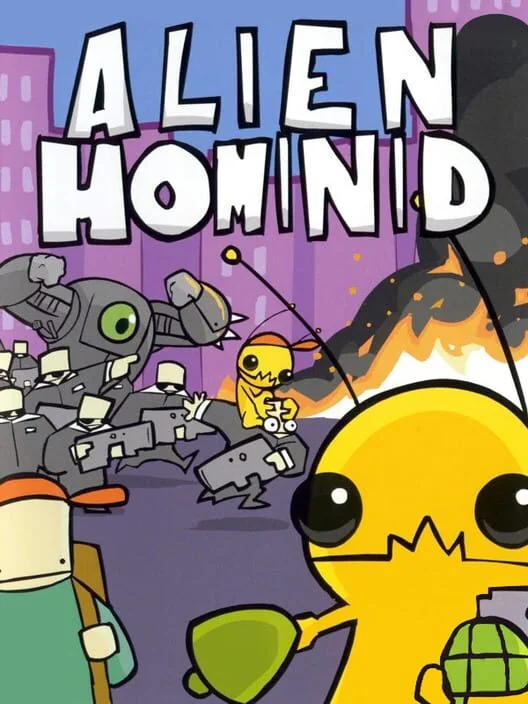
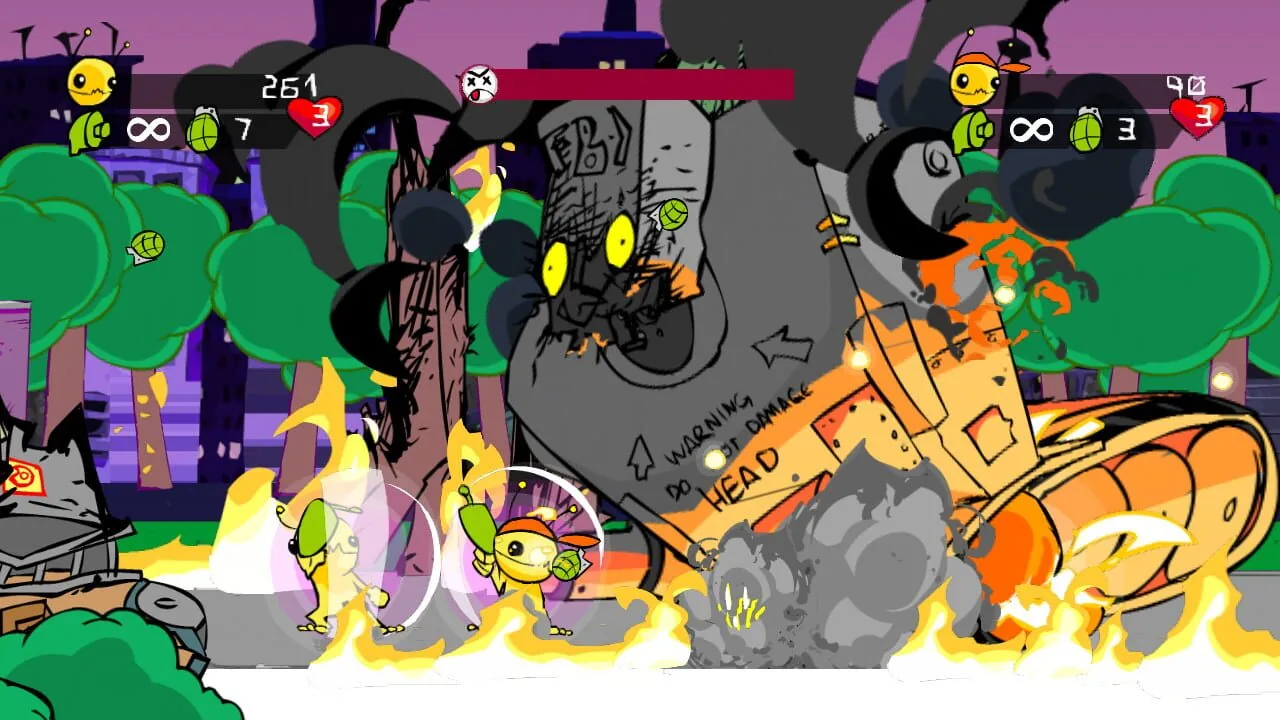
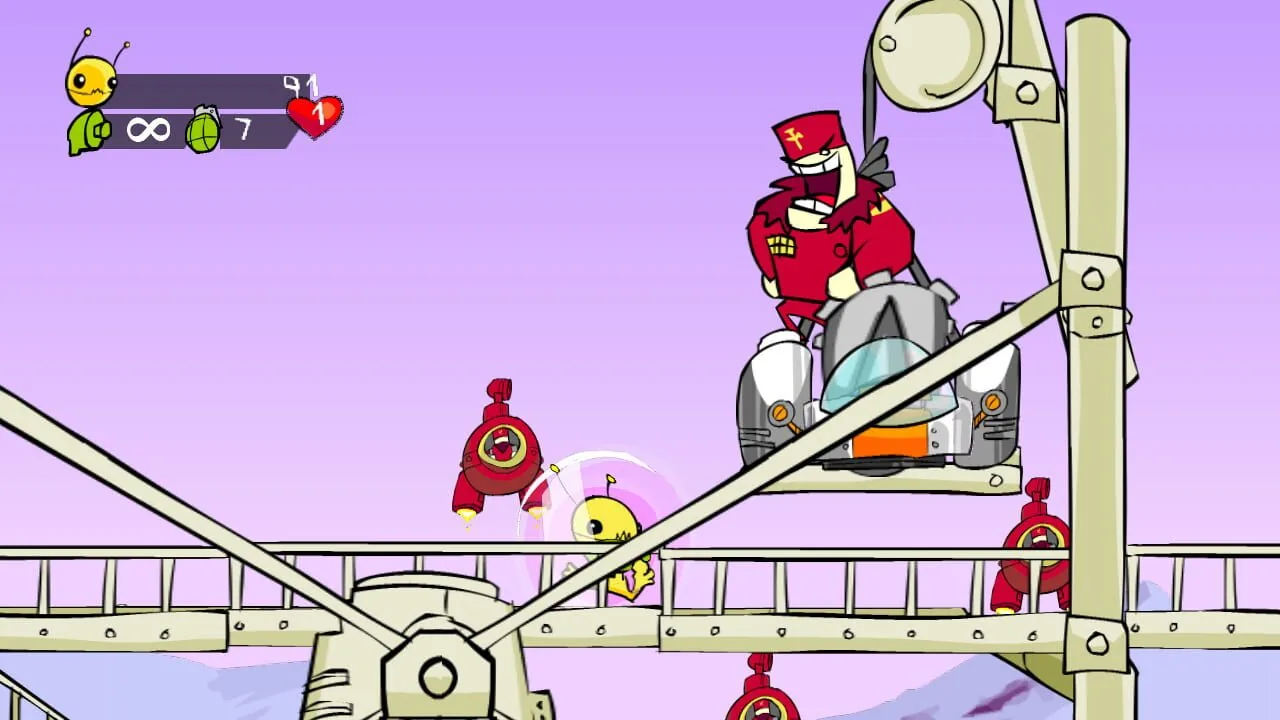
Alien Hominid started as a Flash game on Newgrounds, made by Tom Fulp and Dan Paladin and released on August 7, 2002. It was downloaded over 10 million times, which convinced its creators to make an expanded console version for the PlayStation 2, the GameCube and the Xbox.
The console version even found a use for leftovers: KGB enemies sat unused in the Flash game's data, and they finally show up in the second set of levels. Players still list it among their GameCube favourites.
8. Soulcalibur II (2003)
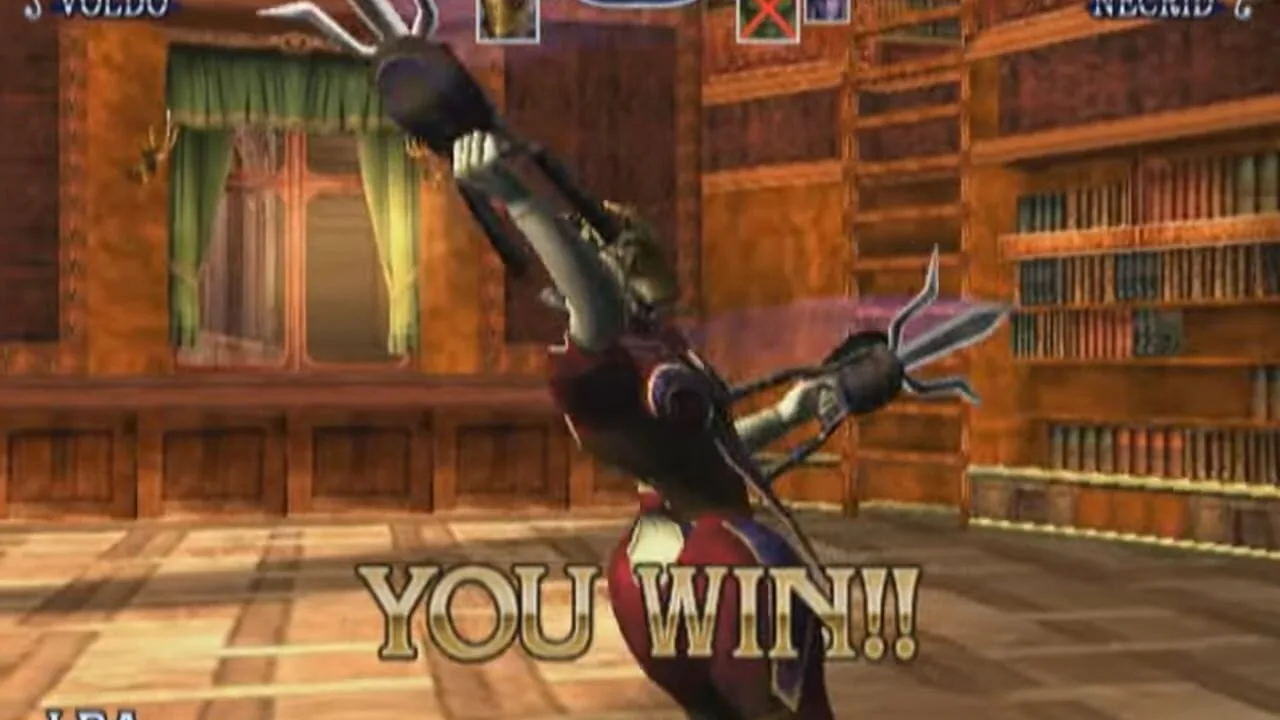
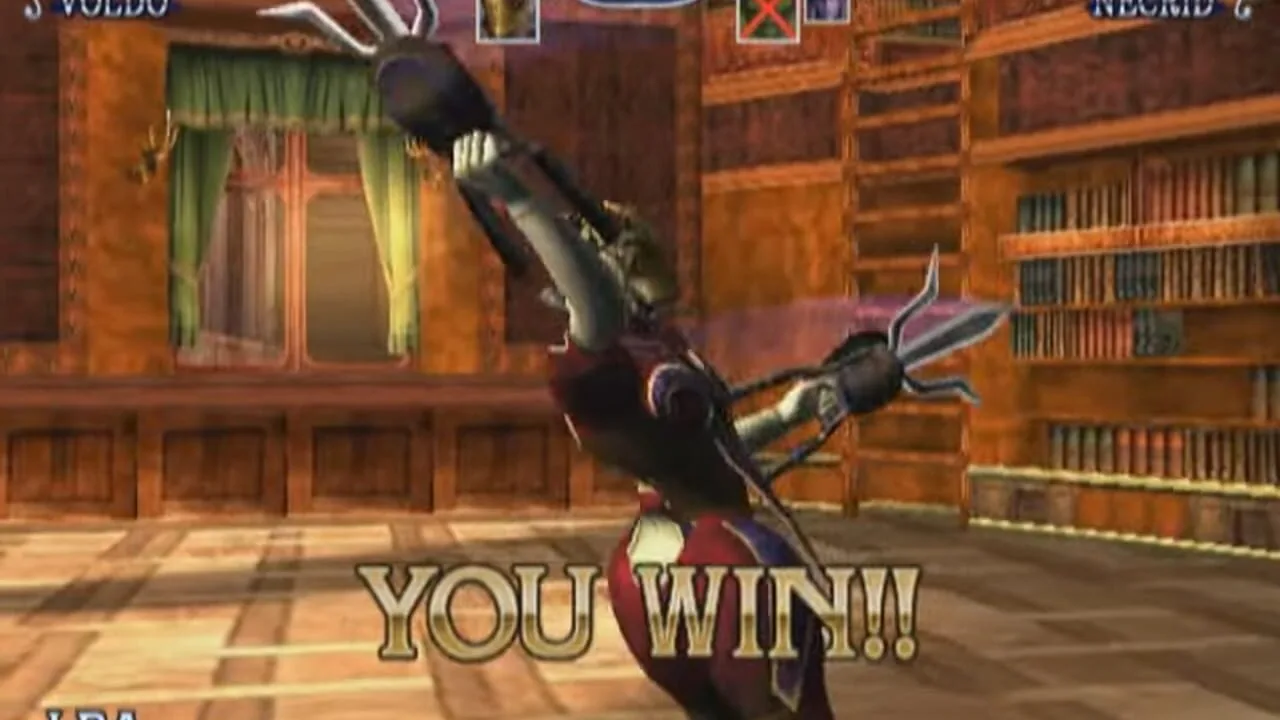
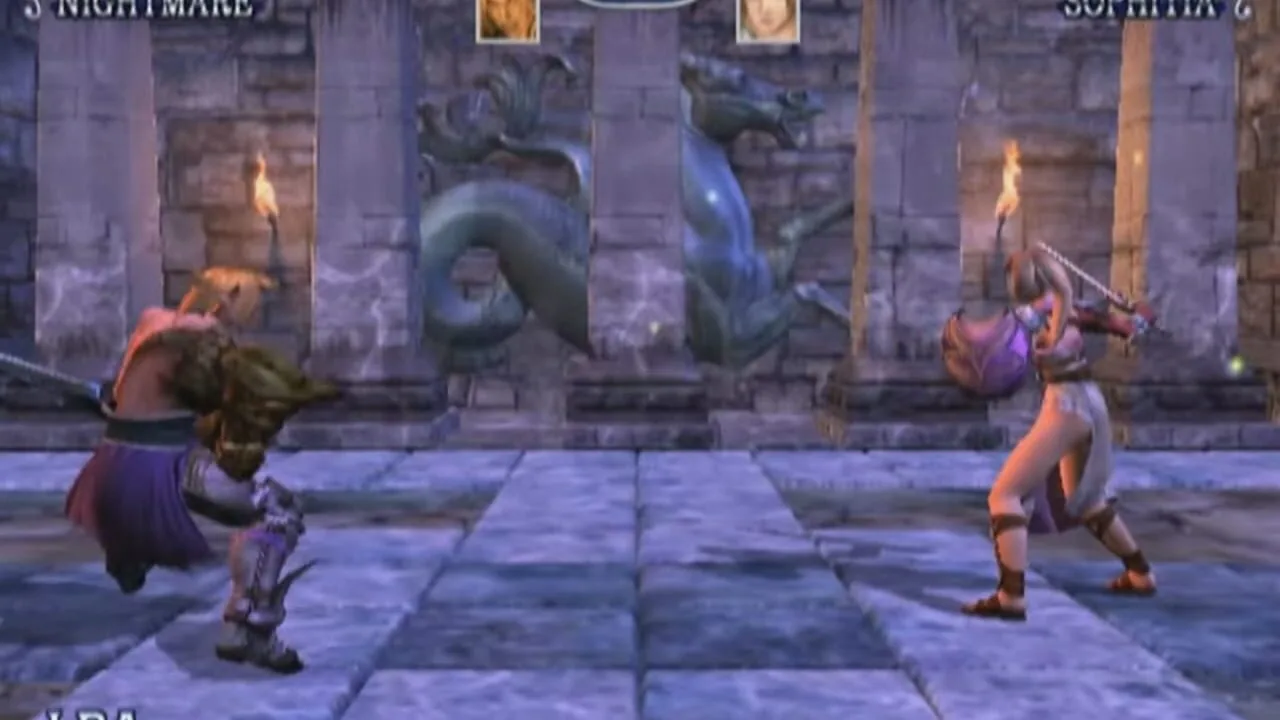
Soulcalibur II hit arcades in 2002, and the GameCube version is an expanded port with new game modes and one very famous guest: Link from The Legend of Zelda. The PlayStation 2 got Heihachi instead, and only because a deal to bring over Cloud Strife from Final Fantasy VII was canned at the last minute.
Players have long since settled the argument. As far as they are concerned, Link blows the other console guests out of the water, and the GameCube got the best version for it.
7. Crazy Taxi (1999)
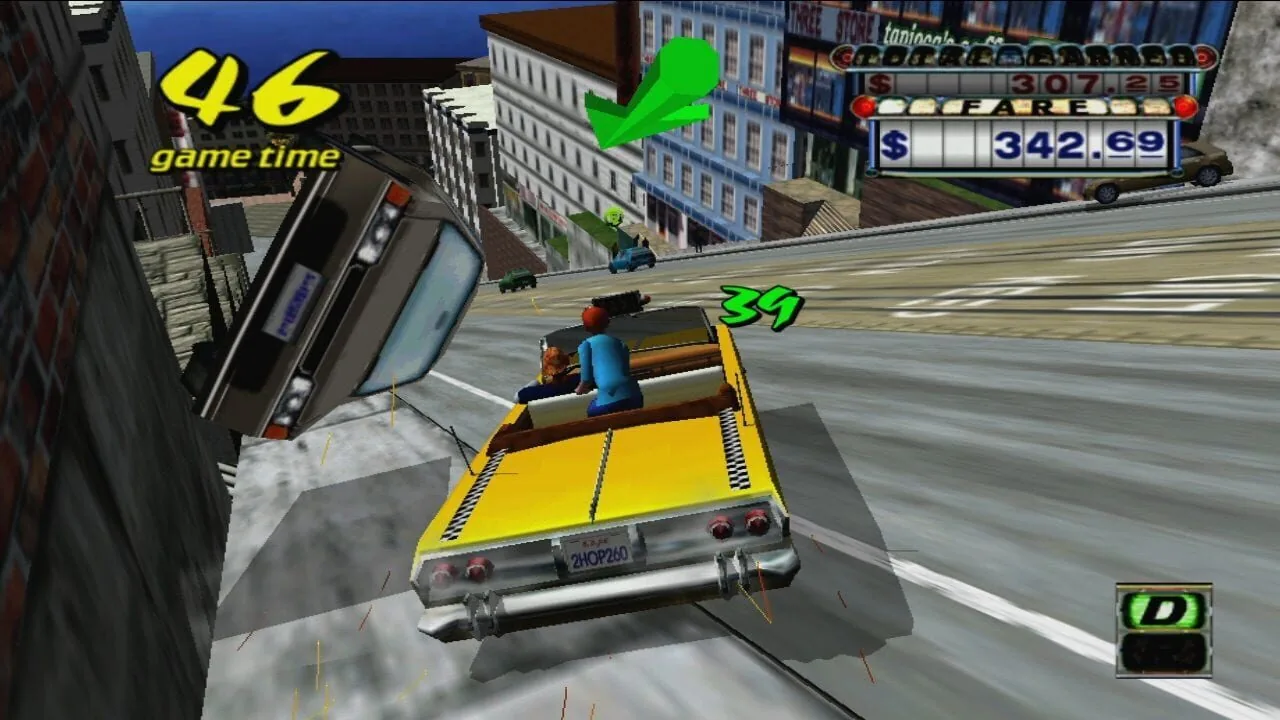
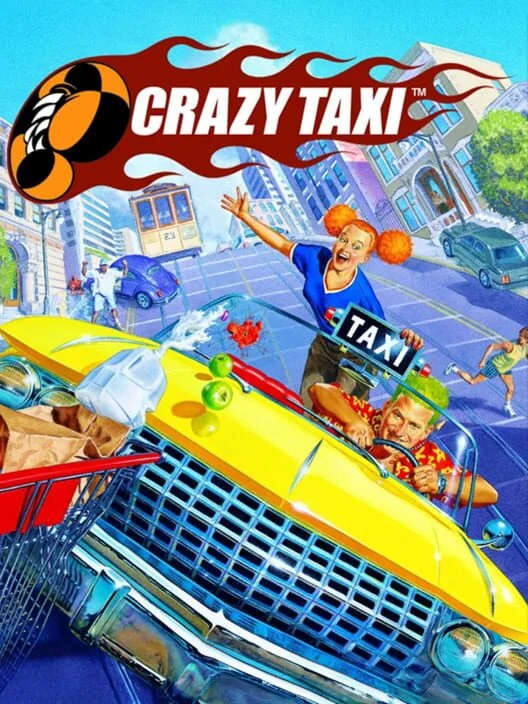
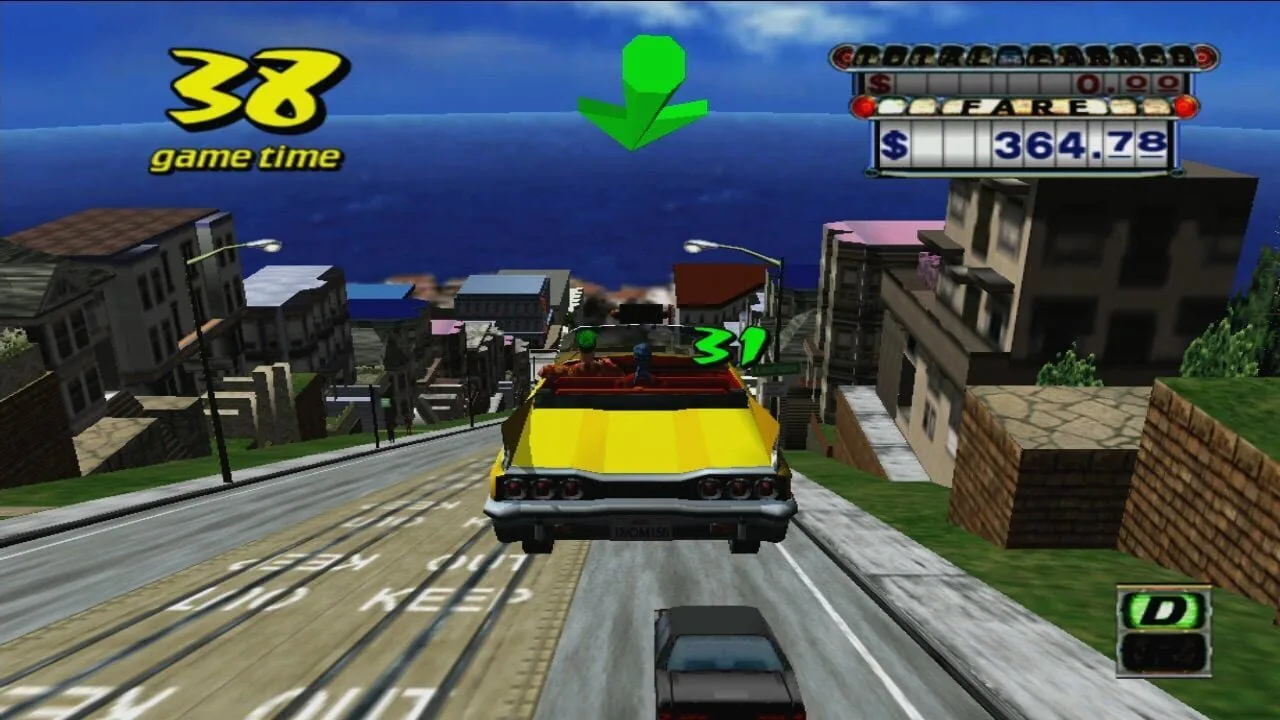
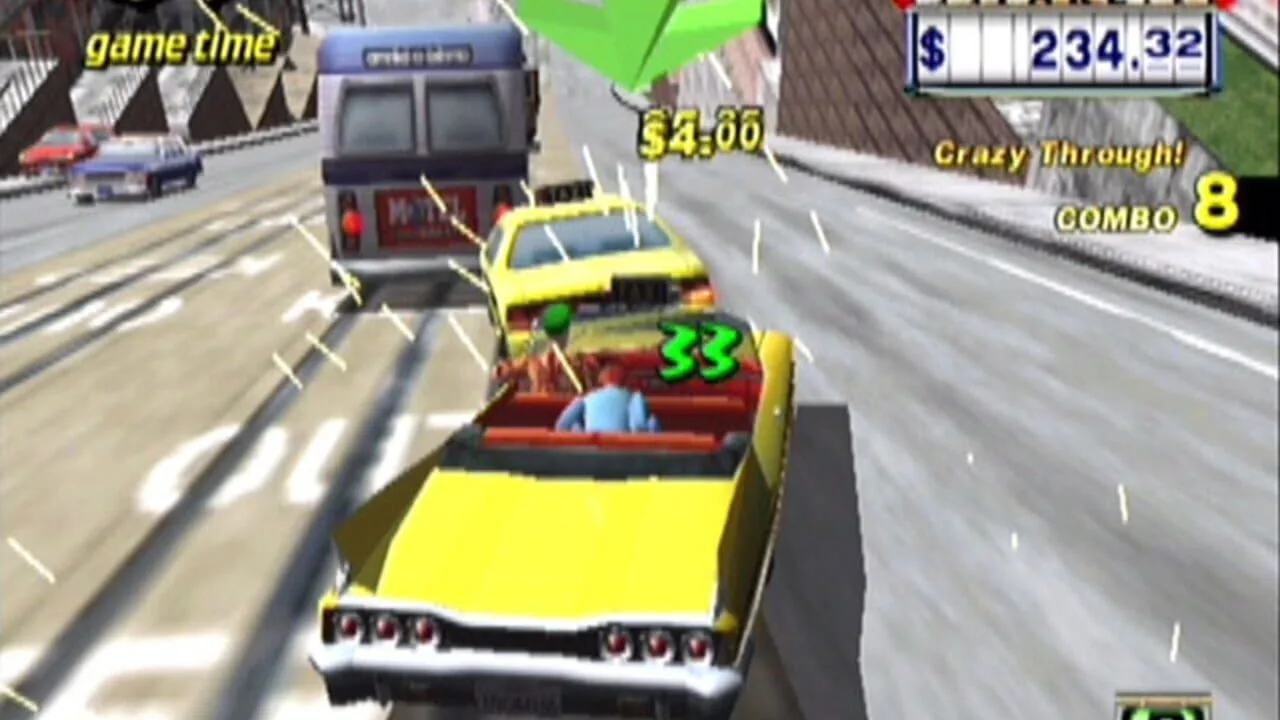
Crazy Taxi began in Japanese arcades in 1999, and Acclaim Studios Cheltenham ported it to the GameCube and the PlayStation 2, with Acclaim publishing both outside Japan. The job is the same as ever: barrel through traffic, jump off parking garages and scare up as many fares as you can before the clock runs out.
This version still has the real shops, too. Passengers ask for Pizza Hut, Tower Records or Kentucky Fried Chicken, and later re-releases swapped those for generic businesses, most likely because of licensing. Players still recommend it as a fun one.
6. Gauntlet Dark Legacy (2000)
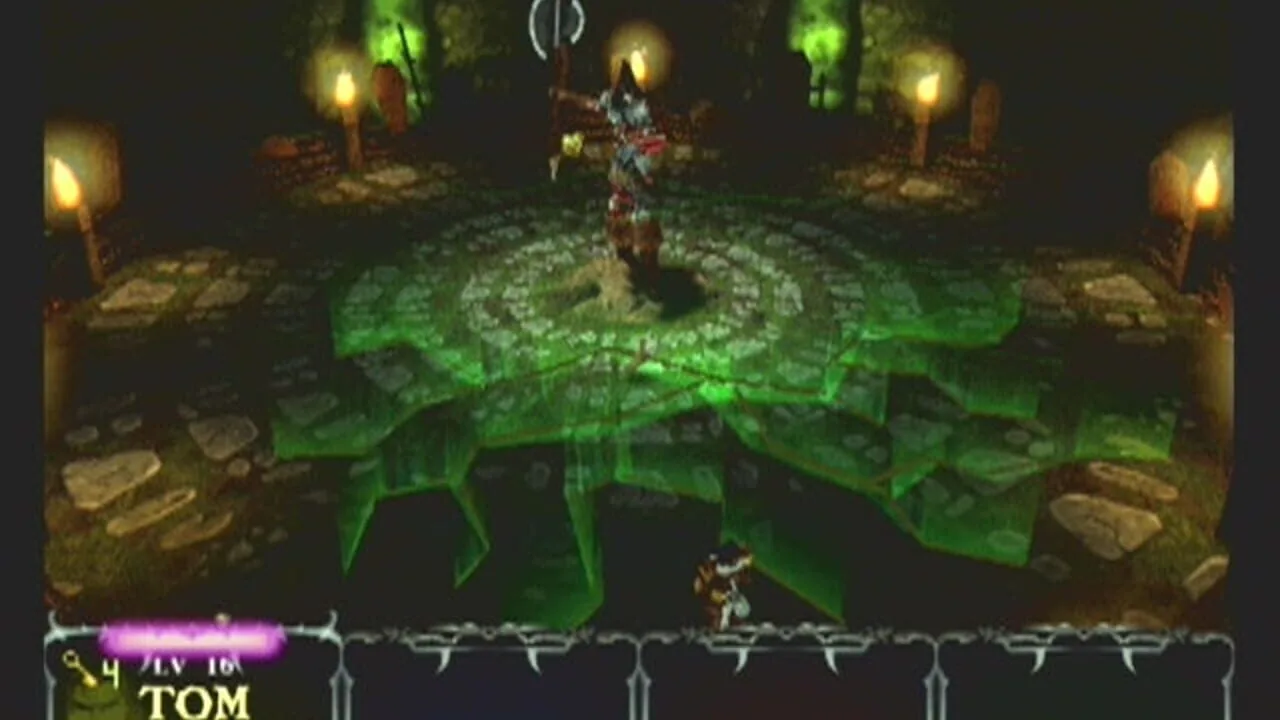
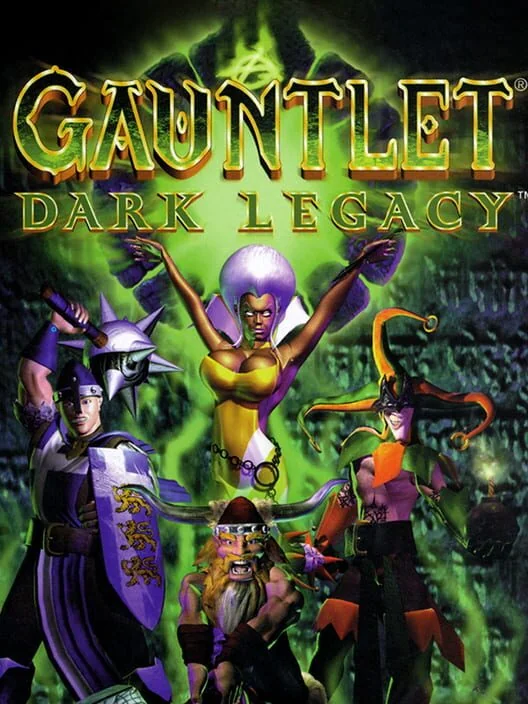
Gauntlet Dark Legacy came from the arcades in 2000, the follow-up to Gauntlet Legends, and this version carries the characters and levels from Legends along with its own new ones. Up to four players fight through hordes of monsters on the endless quest for more gold.
It also has a chicken problem. Pick up Pojo's Egg and you turn into Pojo the Fighting Chicken for a while, and if you name your character EGG911, you stay that way. That kind of nonsense is exactly why players call it a great couch co-op game.
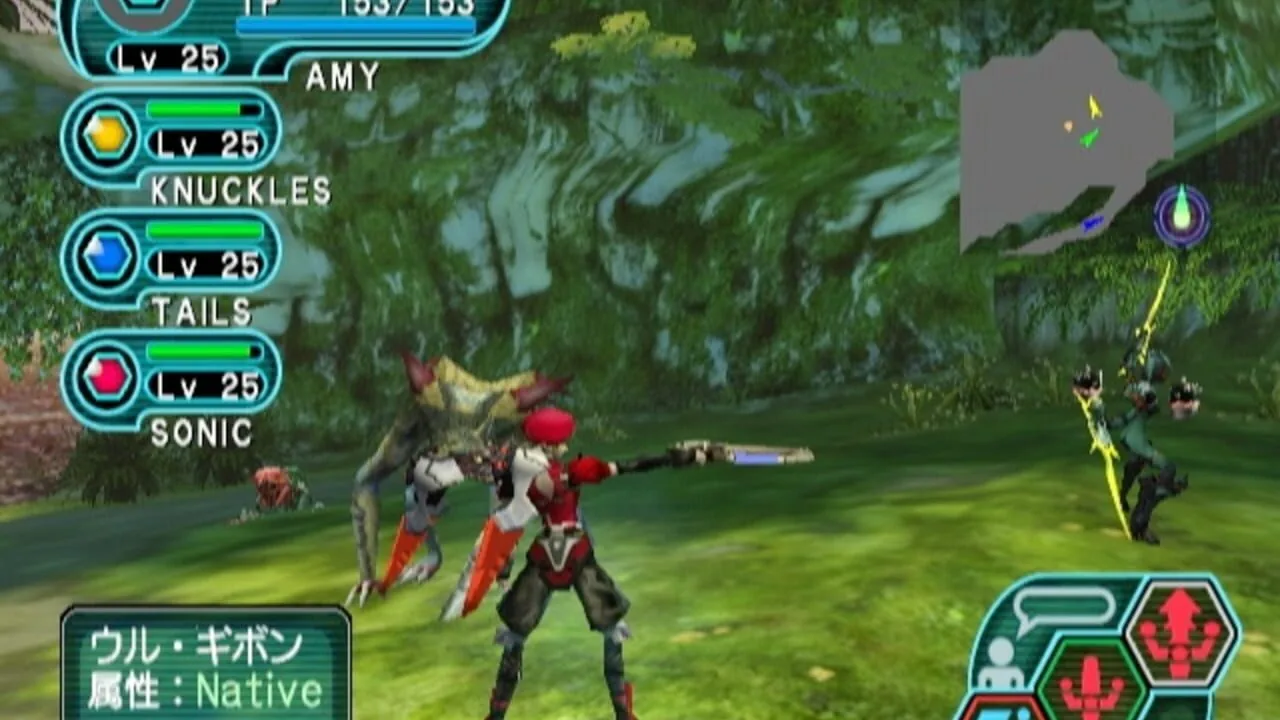
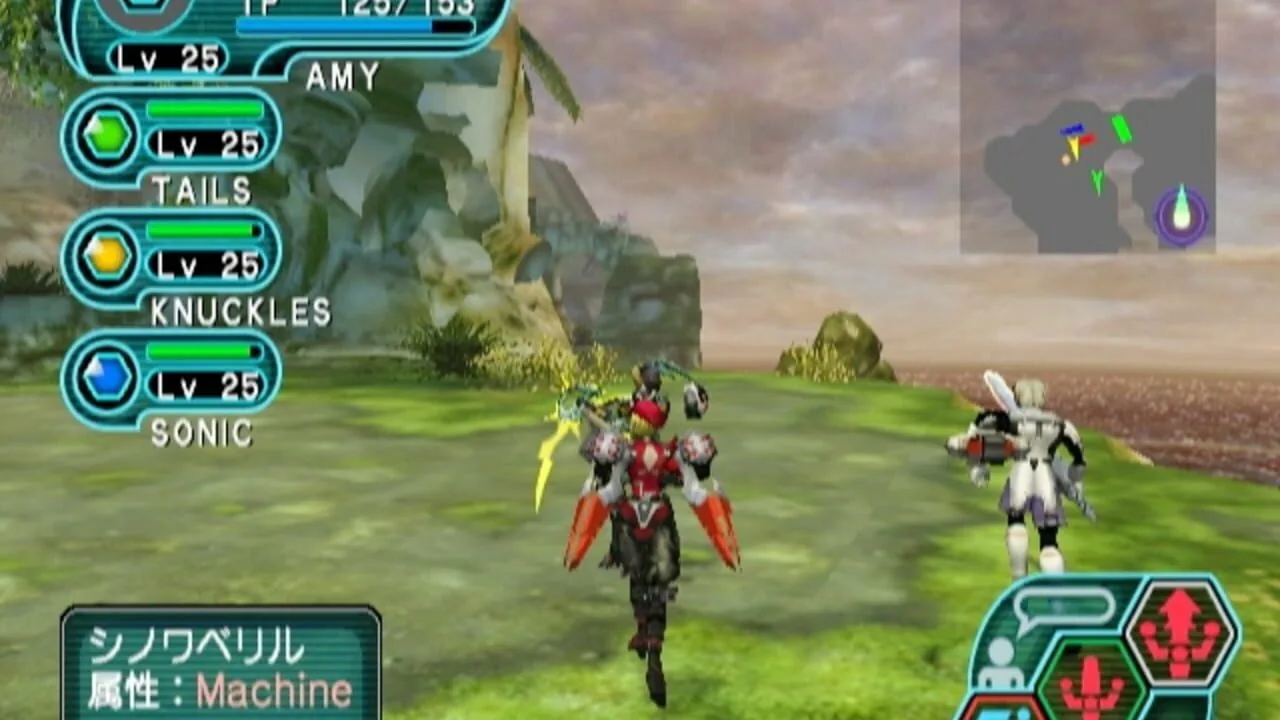
5. Phantasy Star Online Episode I & II (2002)
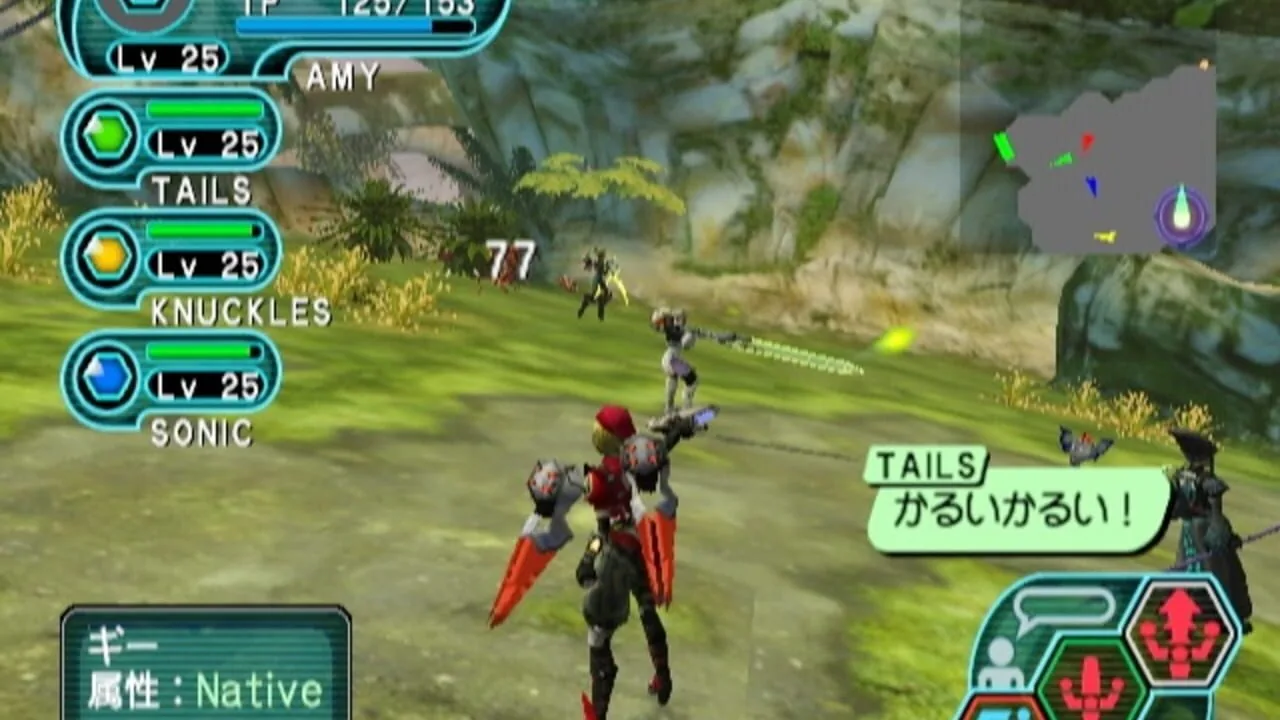
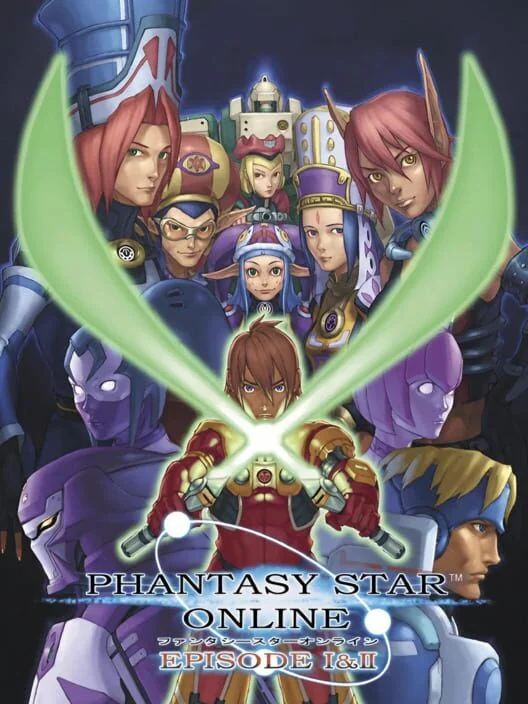
Phantasy Star Online began on the Dreamcast, and after Sega quit making consoles it announced an expanded GameCube port that became Episode I & II. Sega chose the GameCube because its architecture was similar to the Dreamcast's, and Sonic Team added split-screen multiplayer to suit Nintendo's family audience. Going online took a modem or broadband adapter that Nintendo sold separately.
ASCII even produced a GameCube controller with a keyboard so players could chat. The servers are long gone, but players still play it online on private servers today. The later Plus release belongs here too.
4. Ikaruga (2002)
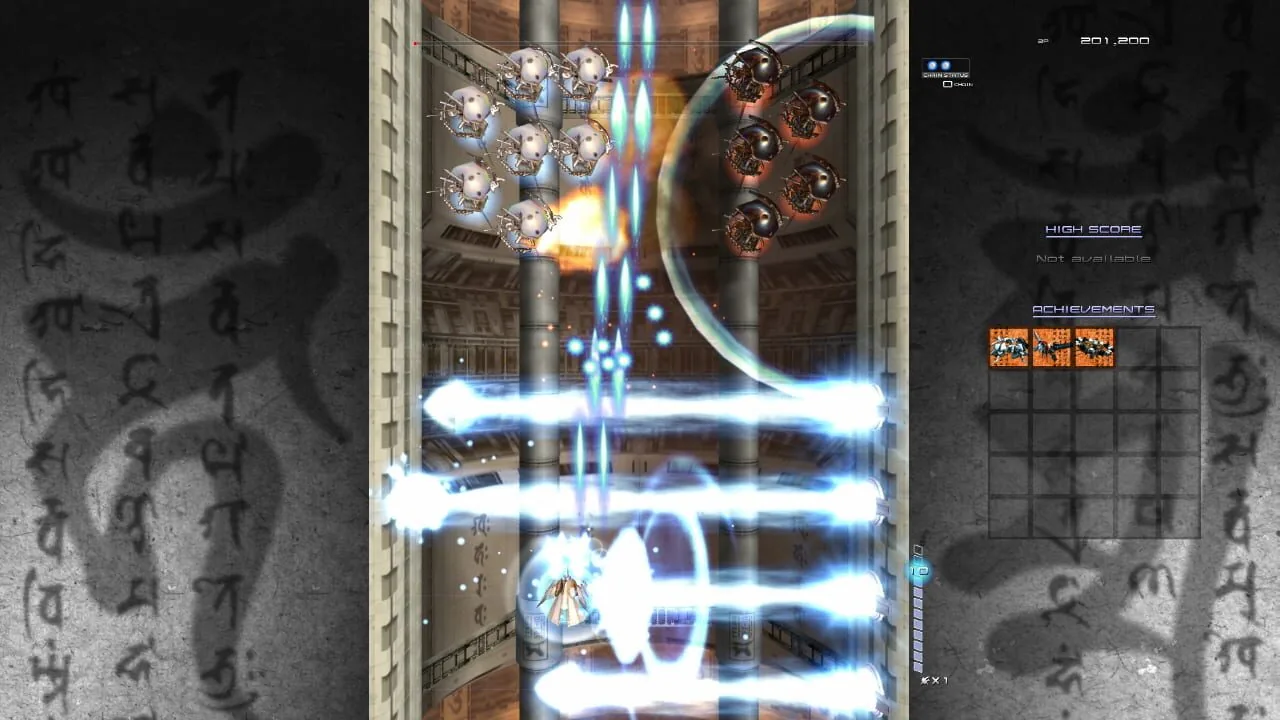
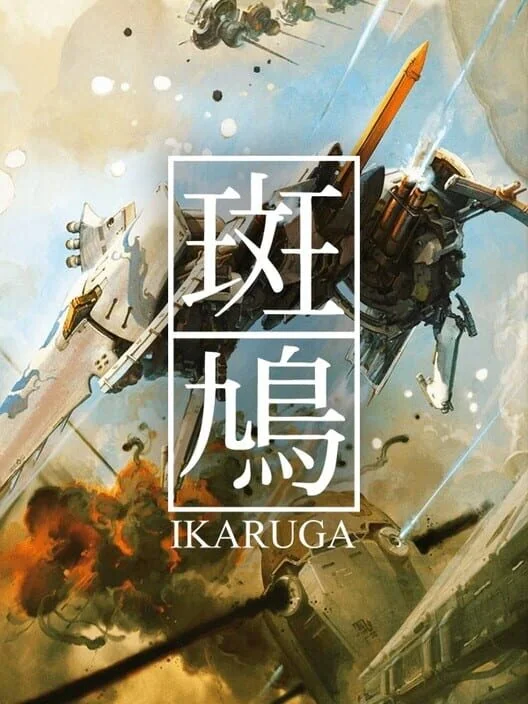
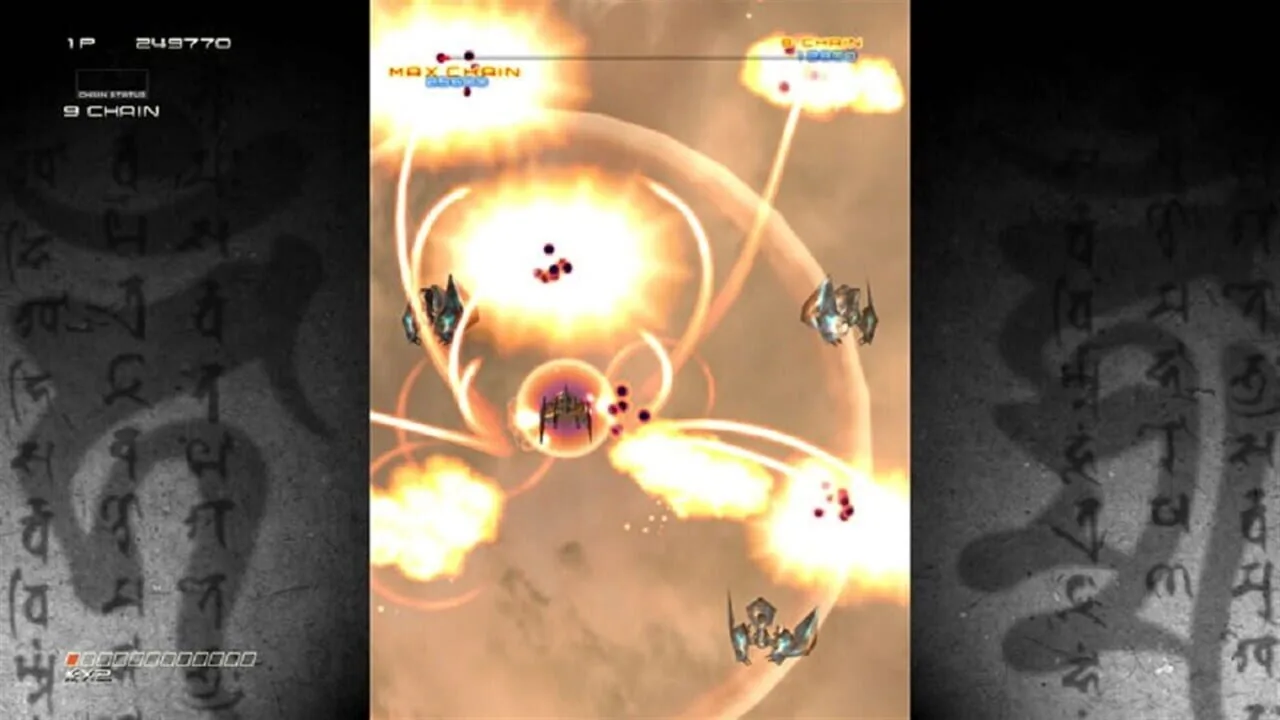
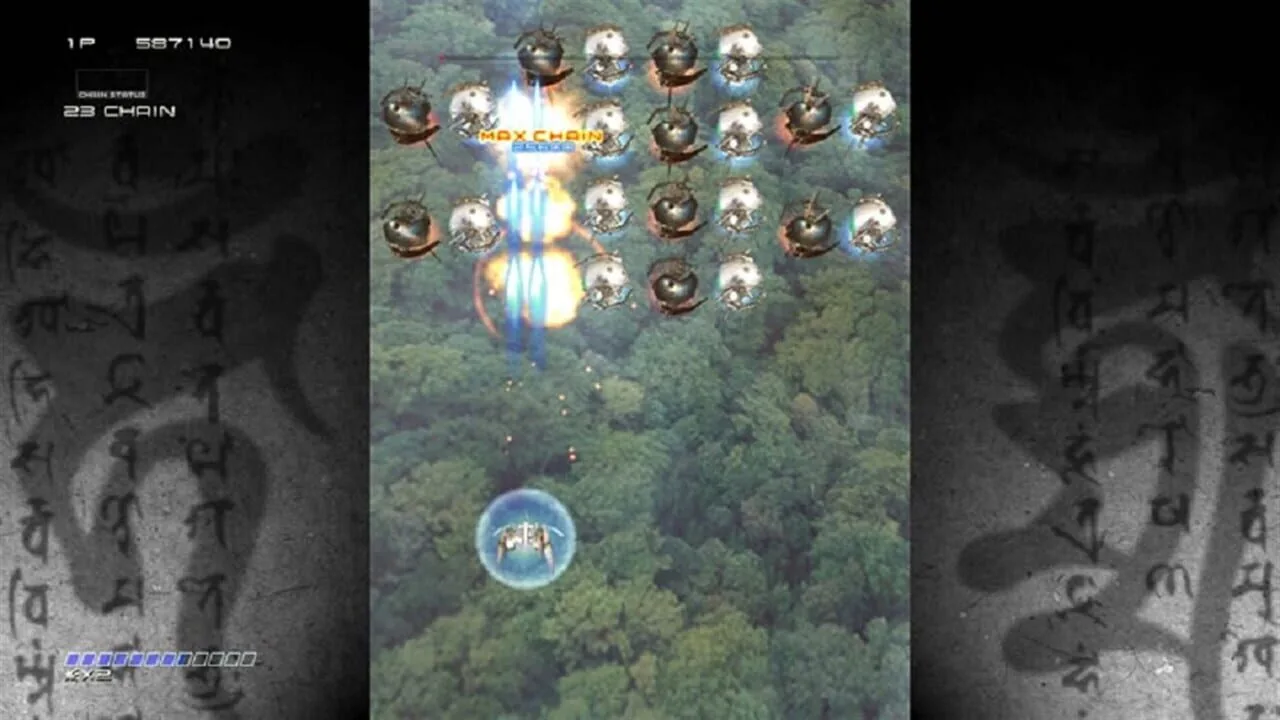
Ikaruga is a vertical shooter whose ship can change its polarity at will: as blue it destroys red enemies easily, and bullets of your own colour can be absorbed to fuel your missile gauge. The GameCube port arrived about a year after the Dreamcast release and is pretty much the same game, plus a few extra modes such as playing chunks of stages in slow motion.
This was also the first time Ikaruga saw release outside Japan. Players call it one of the best shooters ever made, a brutal, majestic masterpiece, and in the same breath they admit it's too hard for most people.
3. Skies of Arcadia Legends (2002)
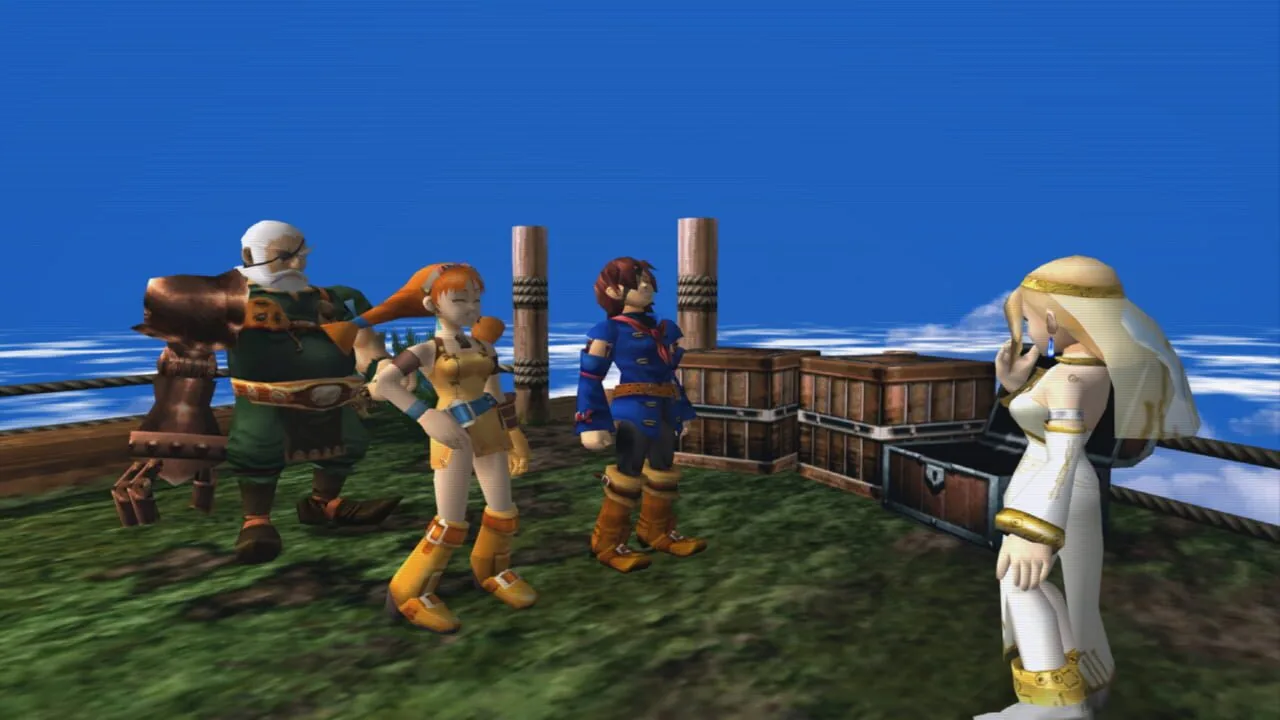
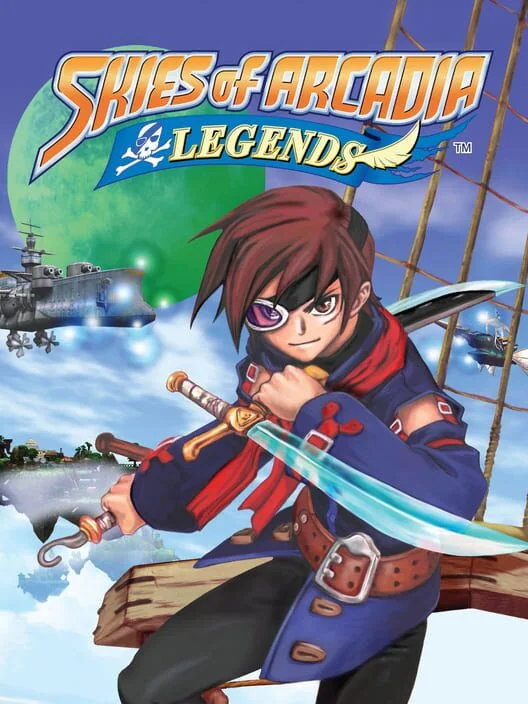
Skies of Arcadia Legends is an enhanced port of the Dreamcast RPG, following the air pirate Vyse and his companions across a world of floating continents. The GameCube version keeps the story and adds new characters, side content, backstory and collectible items, and the content that Dreamcast owners had to download is on the disc.
A PlayStation 2 version was planned for around the same time, but Sega dropped it to focus on the GameCube one. Players still put it near the top whenever someone asks for the GameCube's best RPGs.
2. Sonic Adventure 2: Battle (2001)
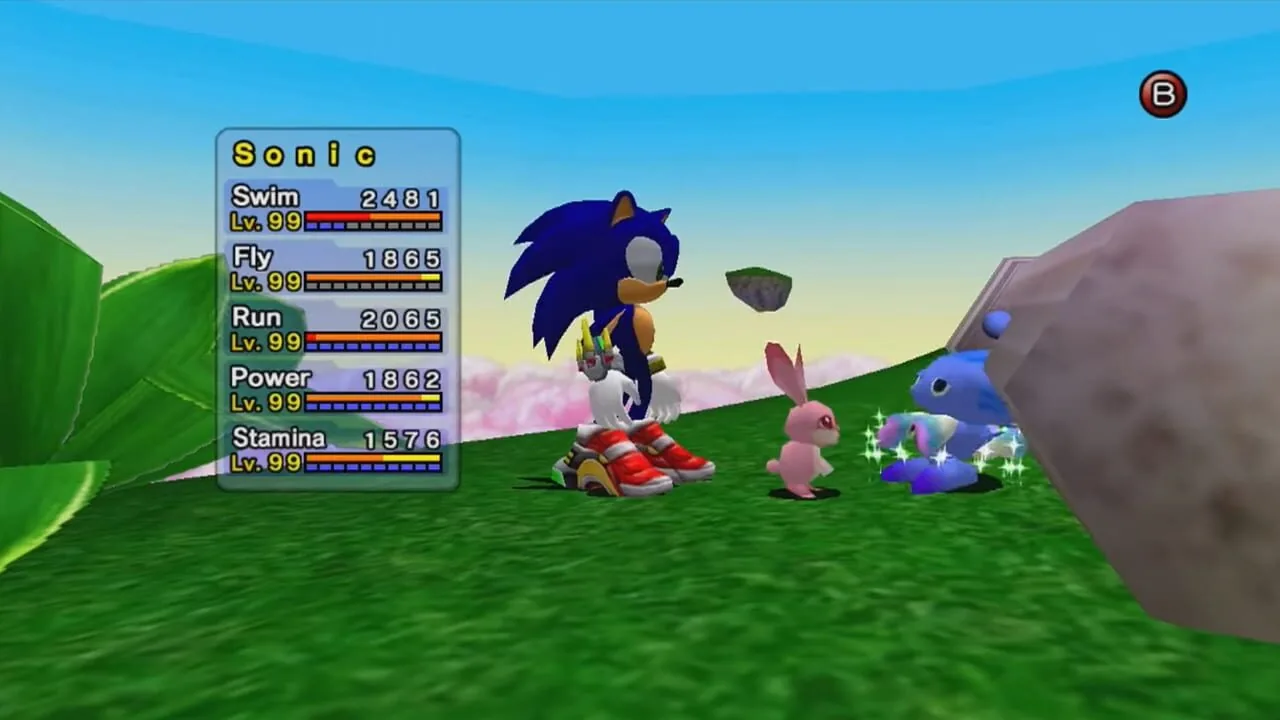
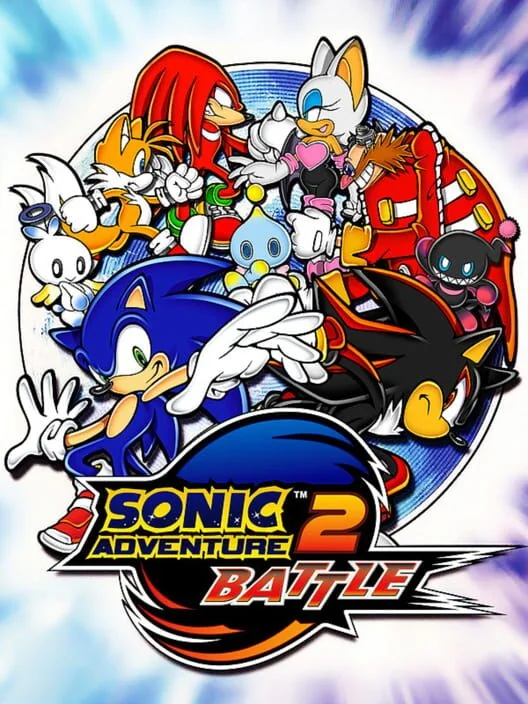
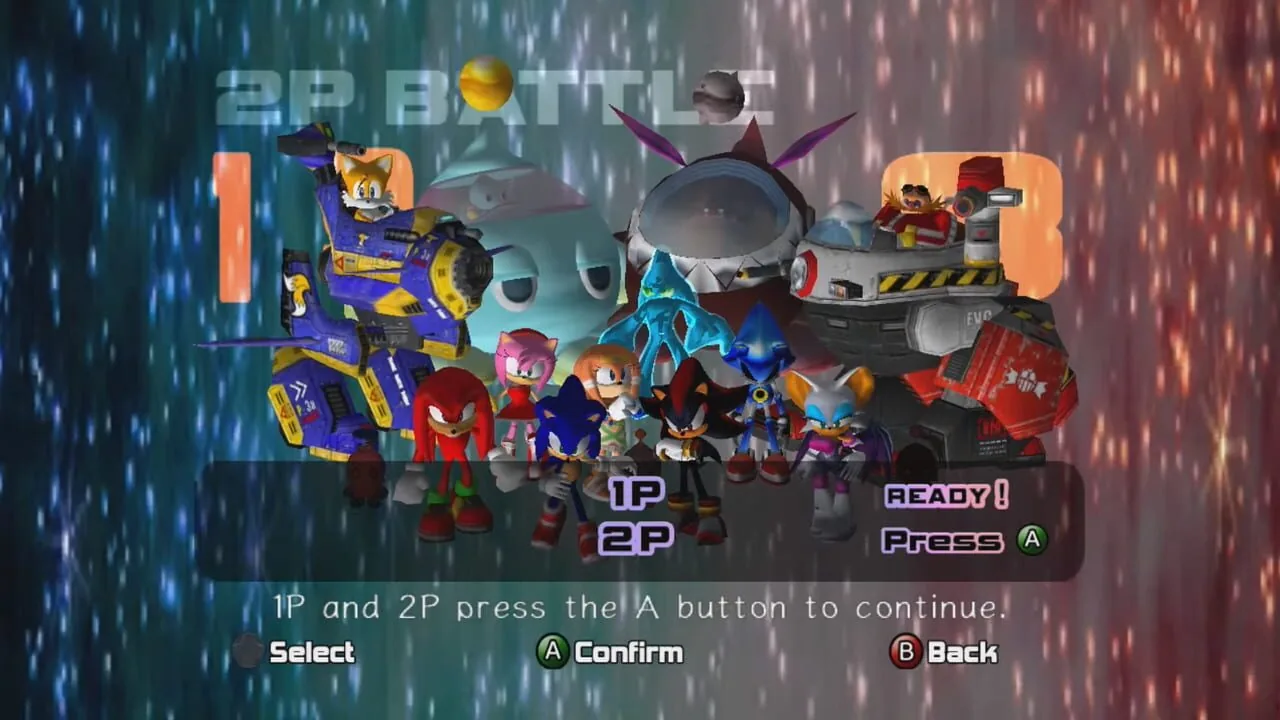
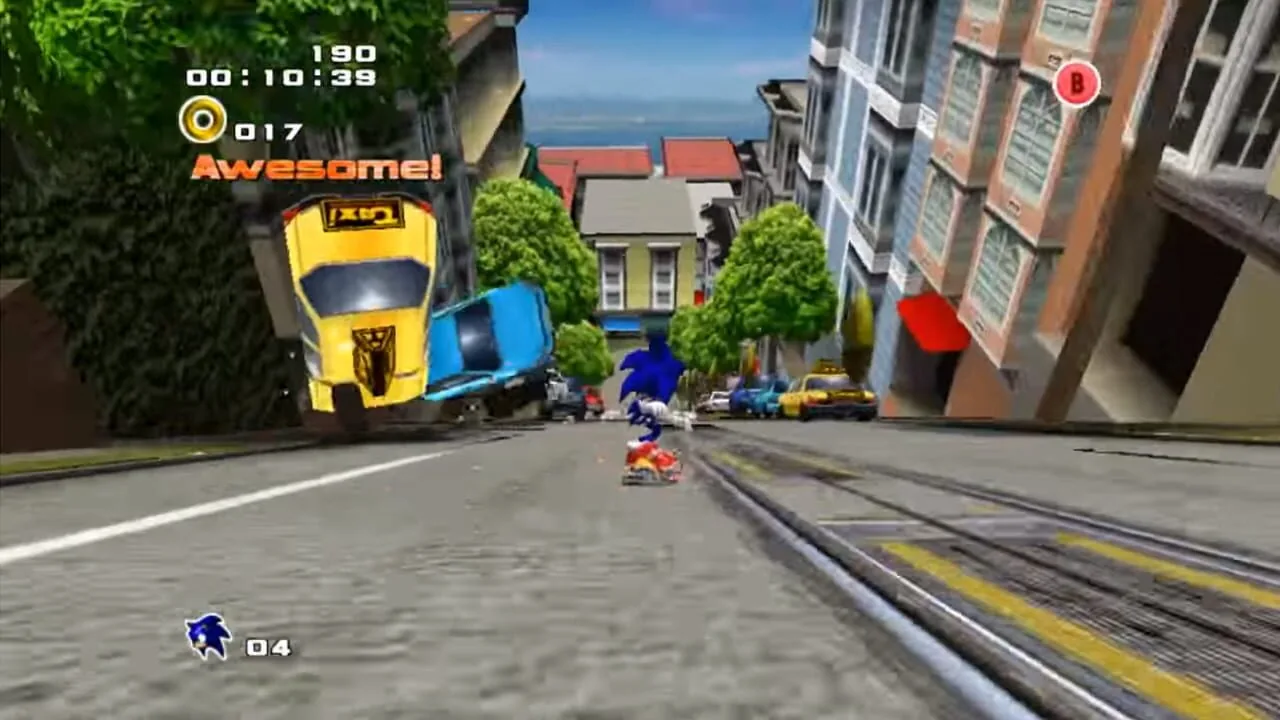
Sonic Adventure 2: Battle is a complete conversion of the Dreamcast game with extras. The GameCube version improves the visuals, adds new two-player battle games, including Kart Racing and Chao Karate, and lets you send your Chao to Sonic Advance on the Game Boy Advance for some portable training. Sonic Adventure DX made the same trip a little later.
Even the logo had a glitch. The shine on the word BATTLE in the intro shows Japanese kanji over the English text, an oversight that wasn't fixed until the 2012 re-release. Players still bring up the Chao garden as a reason to play it all on its own.
1. Super Monkey Ball (2001)
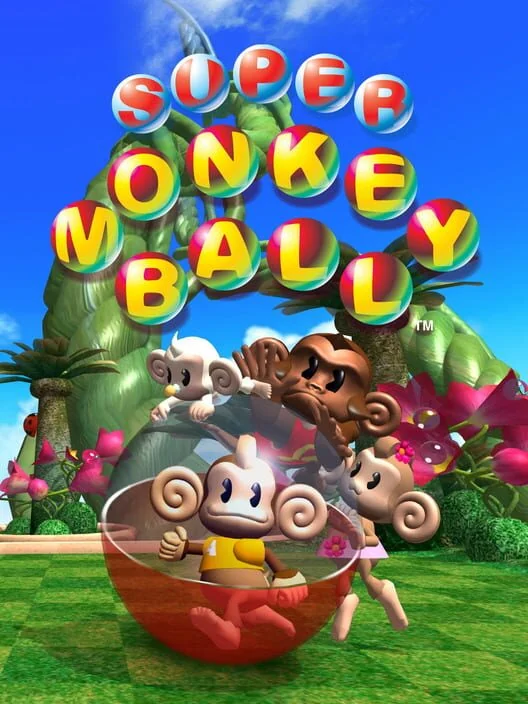
Super Monkey Ball debuted in Japan at the 2001 Amusement Operators Union trade show as Monkey Ball, an arcade cabinet running on Sega's NAOMI hardware and steered with that banana-shaped stick. After the Dreamcast failed, the enhanced port became a GameCube launch title, and it drew attention as Sega's first game published for a Nintendo home console.
For plenty of players it was the game that came home with the console on launch day. Its race tracks hide a Sega in-joke, too: the billboards on Speed Desert advertise Spikeout, another Sega game of the time. Where else would a monkey see an ad?