These are the 25 GameCube games players say never got the credit they deserve. We surveyed players: 1,947 recommendations from people trading underrated GameCube picks, with every game they named counted. A pick other players backed counts for more than a lone shout.
Custom Robo takes #1, and it isn't close: it was named more than one and a half times as often as Metal Arms: Glitch in the System at #2. For a game this underrated, it has a lot of fans.
Geist was actually named a little more often than Metal Arms, but more players backed the picks for Metal Arms, so Geist settles for #3. Chibi-Robo! is #4.

25. Odama (2006)
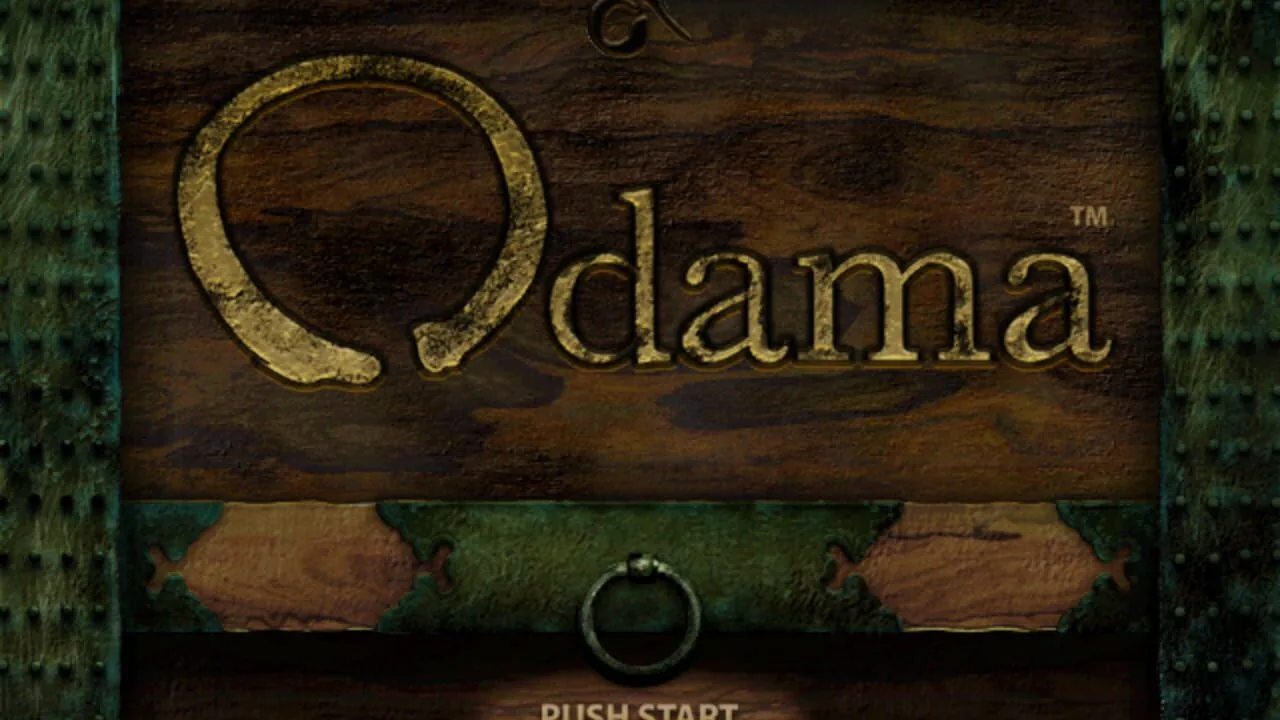
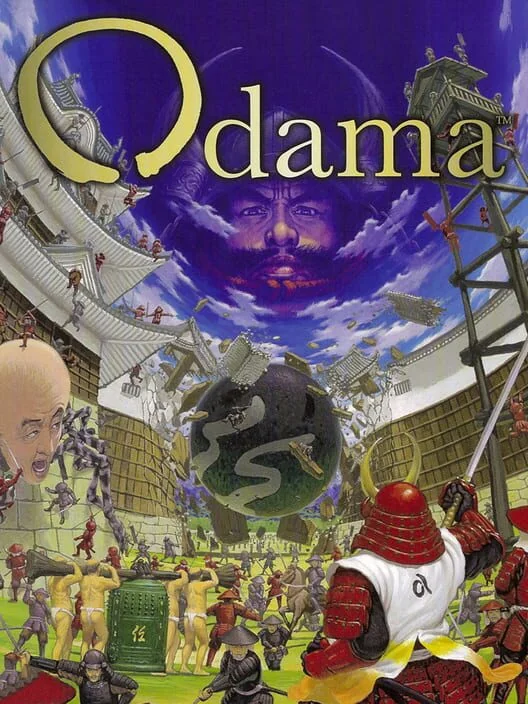
Odama (大玉 Ōdama, lit. "Great Ball") is a video game for the GameCube developed by Vivarium and published by Nintendo in 2006. The game was produced and designed by Seaman creator, Yutaka Saito.
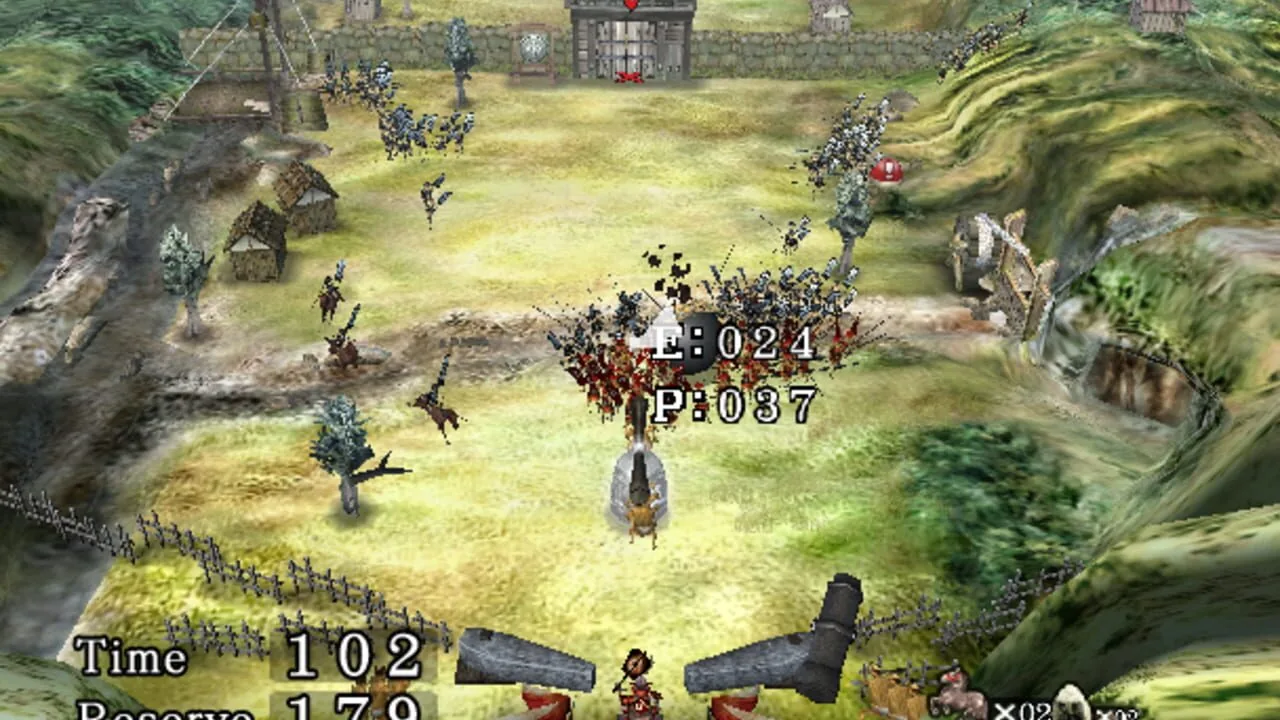
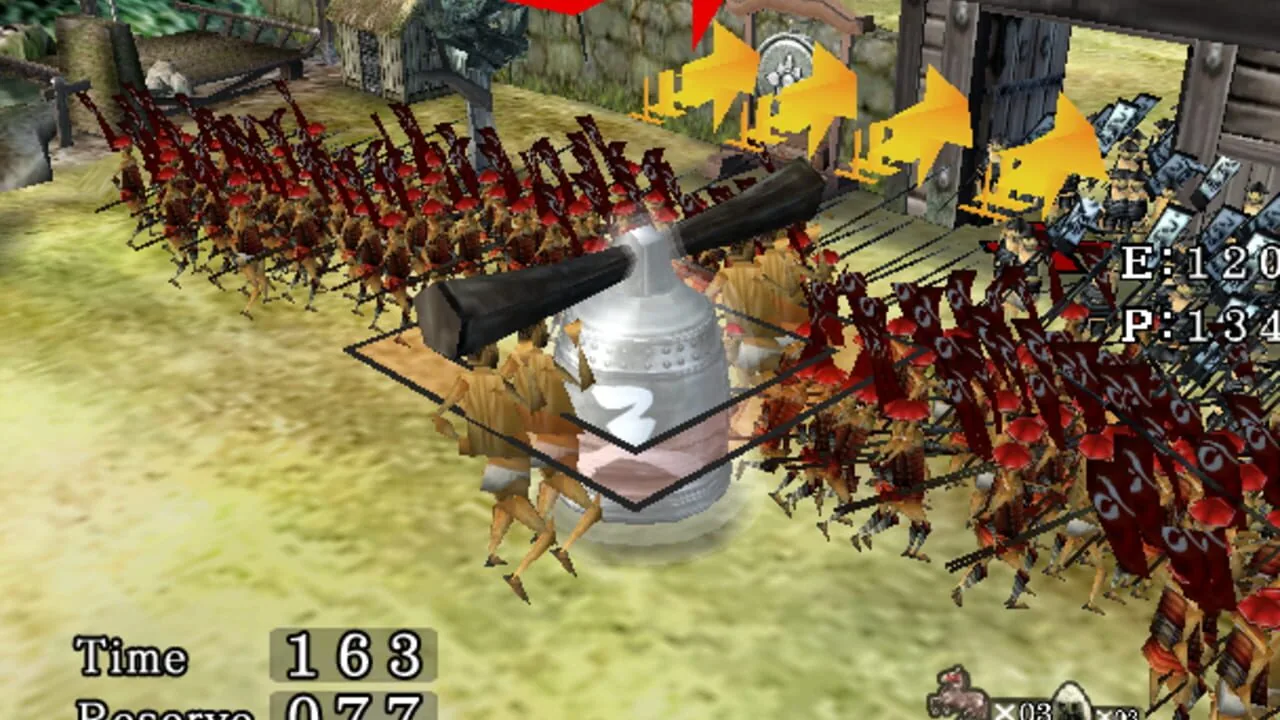
Odama blends tactical wargaming with pinball gameplay. The game takes place in a feudal Japan setting. The main character is a young general named Yamanouchi Kagetora, who is intent on avenging his father's death by reviving the most ingenious weapon ever to hit the medieval battlefield: the Odama. The Odama is a gigantic ball powerful enough to destroy whatever it strikes, friend or foe. Using giant flippers, players aim the Odama to bowl over enemies, shatter their defenses and wreak havoc on the battlefield. With the Nintendo GameCube Microphone, players direct their soldiers out of the Odama's way and into the fray by charging the enemy, defending positions and seizing the enemy gates.
24. Luigi's Mansion (2001)
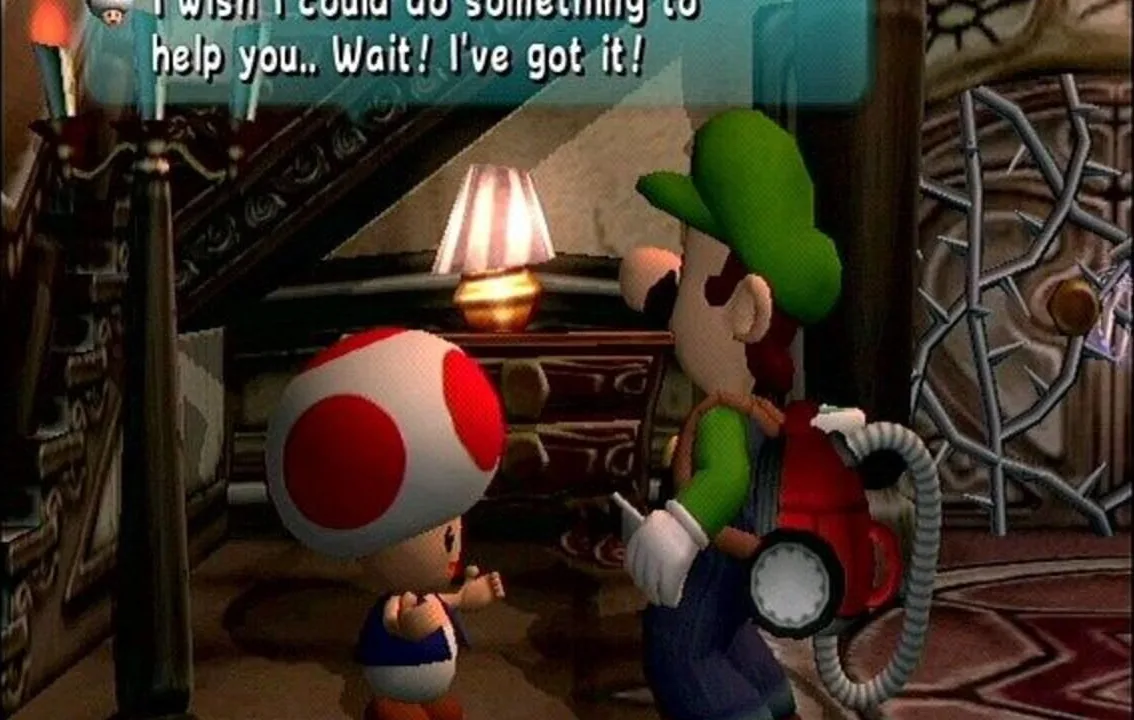
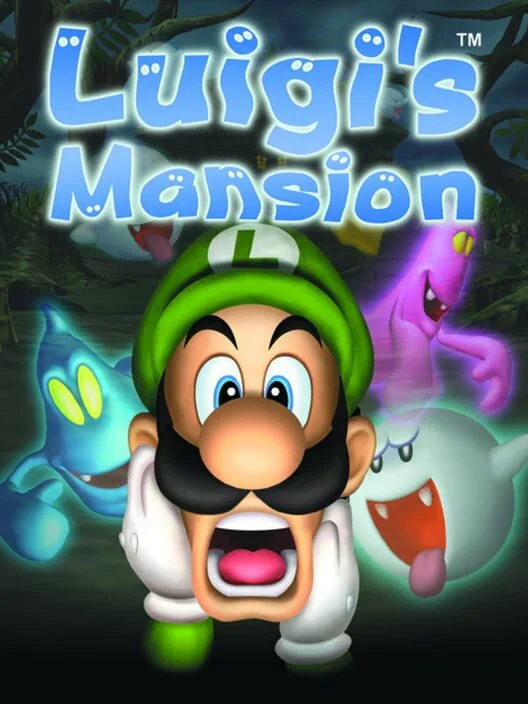
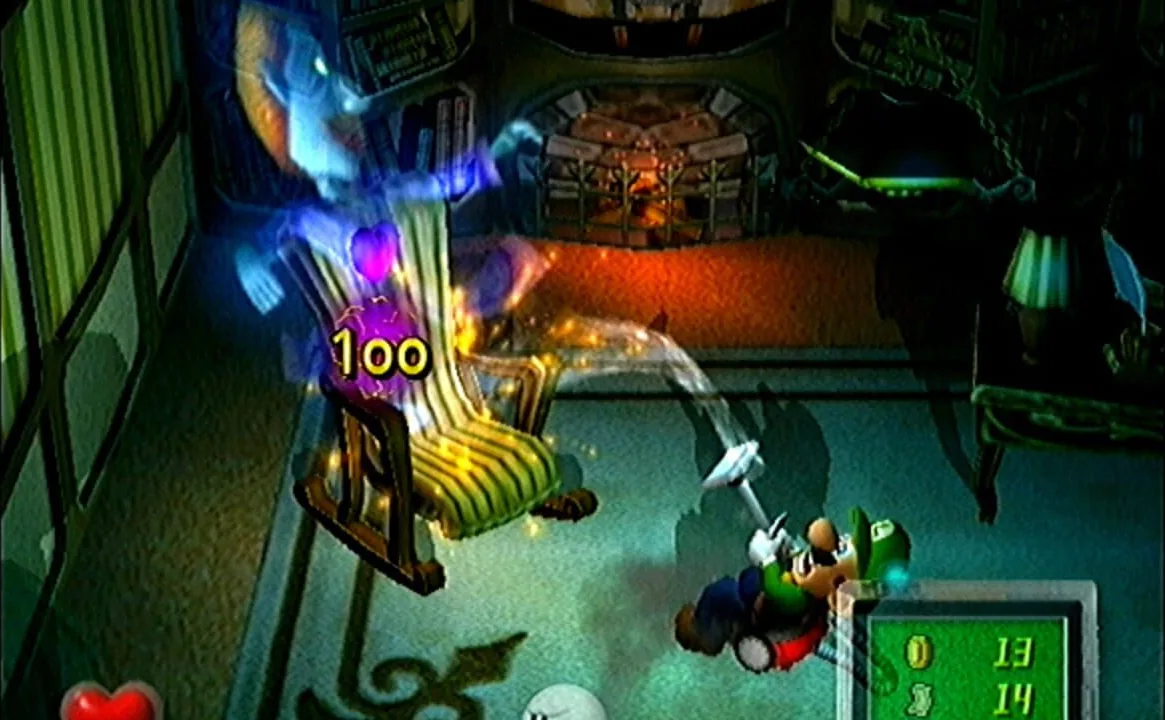
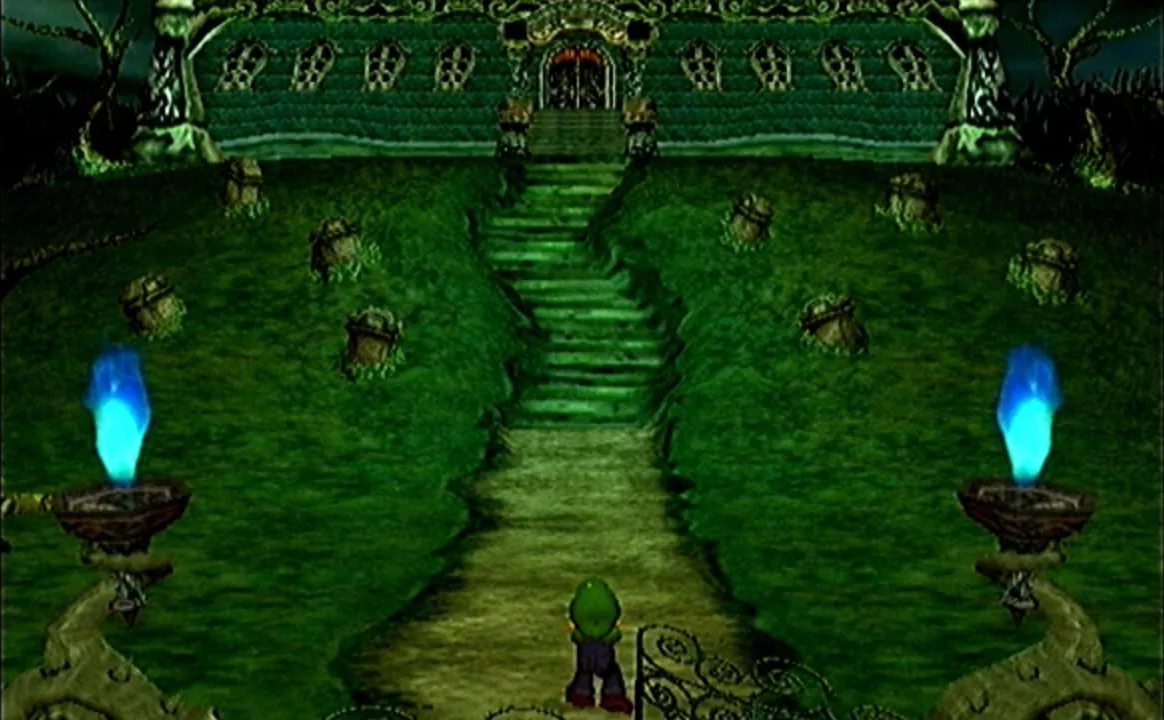
Luigi steps out from the shadow of his brother Mario and into the gloomy shadows of a very haunted house in this, his first-ever starring role. When Luigi learns that he's the proud new owner of a creepy old mansion, he's thrilled. Of course, his feelings immediately shift when his brother, the storied Mario, disappears from the house. Now, you'll have to help Luigi track his brother down, making your way through expansive 3D levels. Each stage is packed with ghosts and ghouls to put you on edge; and you'll be armed with a flashlight and a vacuum cleaner to help you capture your foes. Armed with a flashlight and a customized vacuum cleaner, Luigi must rid the mansion of Boos and ghouls -- and find his missing brother to boot!
23. Super Monkey Ball (2001)
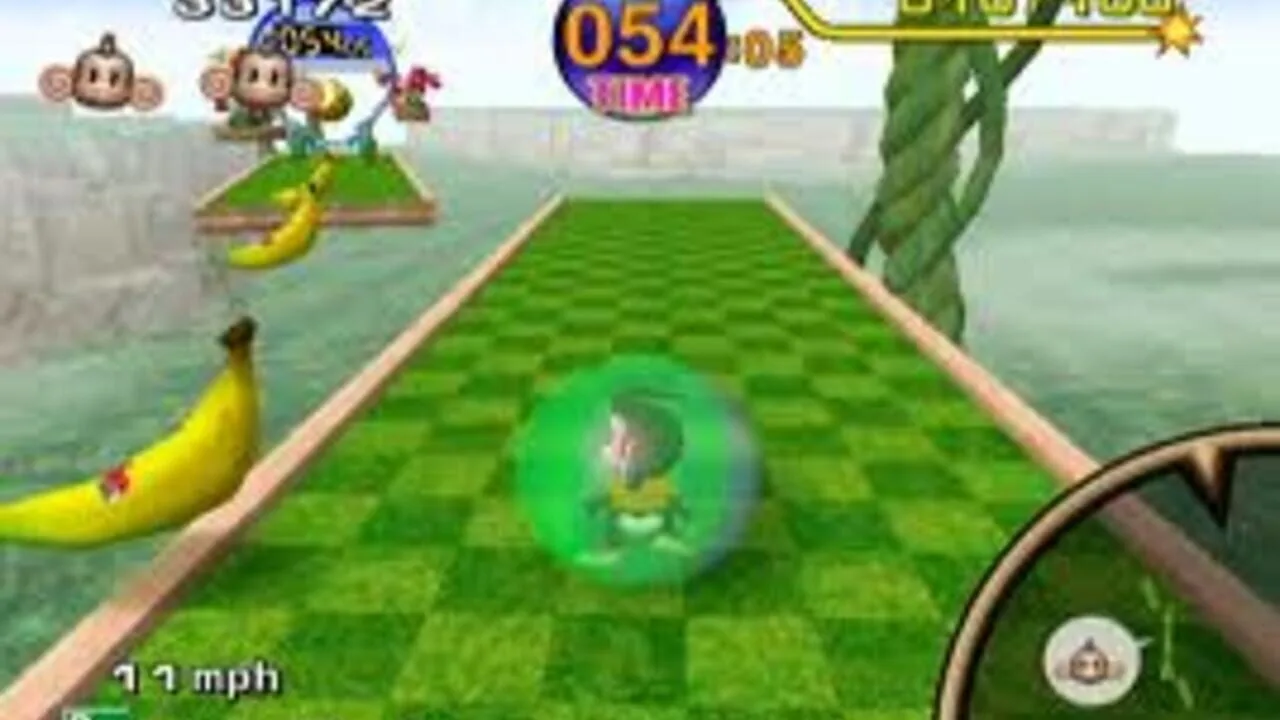

Super Monkey Ball is a 2001 platform party video game developed by Amusement Vision and published by Sega. The game debuted in Japan at the 2001 Amusement Operators Union trade show as Monkey Ball, an arcade cabinet running on Sega's NAOMI hardware and controlled with a distinctive banana-shaped analog stick. Due to the failure of Sega's Dreamcast home console and the company's subsequent restructuring, an enhanced port dubbed Super Monkey Ball was released as a launch title for the GameCube in late 2001, garnering interest as Sega's first game published for a Nintendo home console.
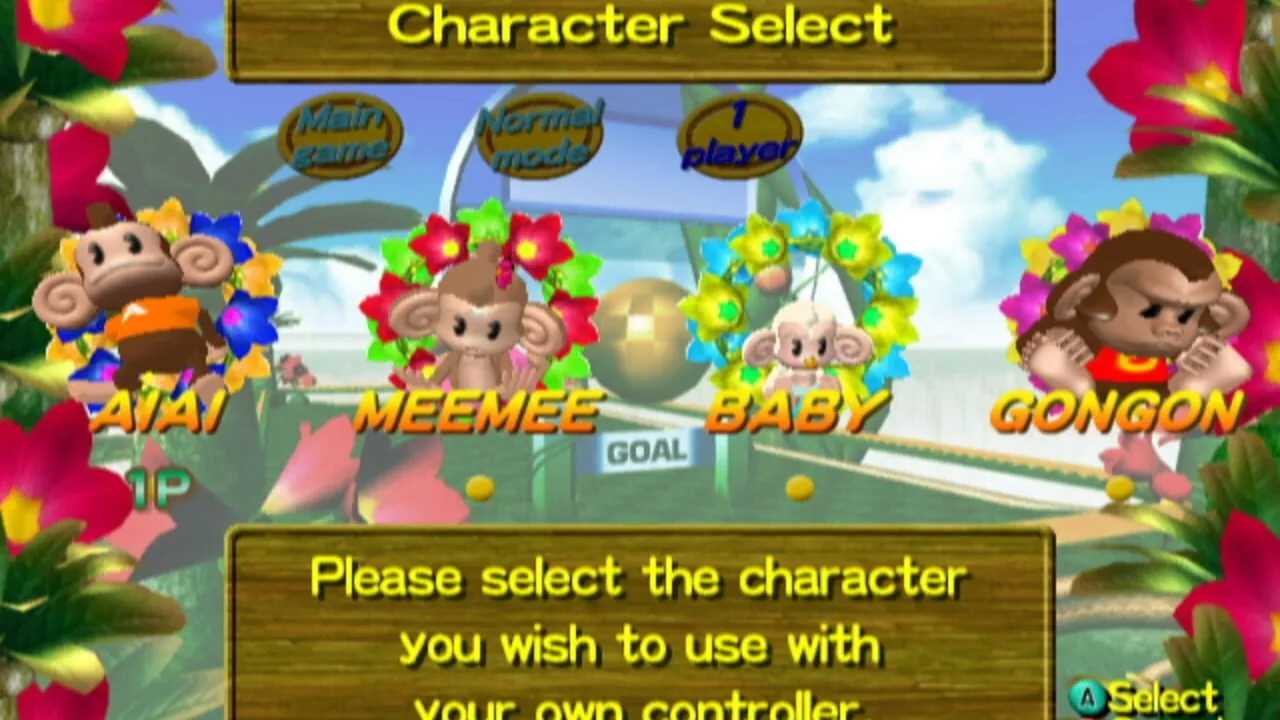
Conceived by Amusement Vision head Toshihiro Nagoshi, Super Monkey Ball involves guiding a transparent ball containing one of four monkeys—AiAi, MeeMee, Baby, and GonGon—across a series of maze-like platforms. The player must reach the goal without falling off or letting the timer reach zero to advance to the next stage. There are also several multiplayer modes: independent minigames as well as extensions of the main single-player game.
22. Vexx (2003)
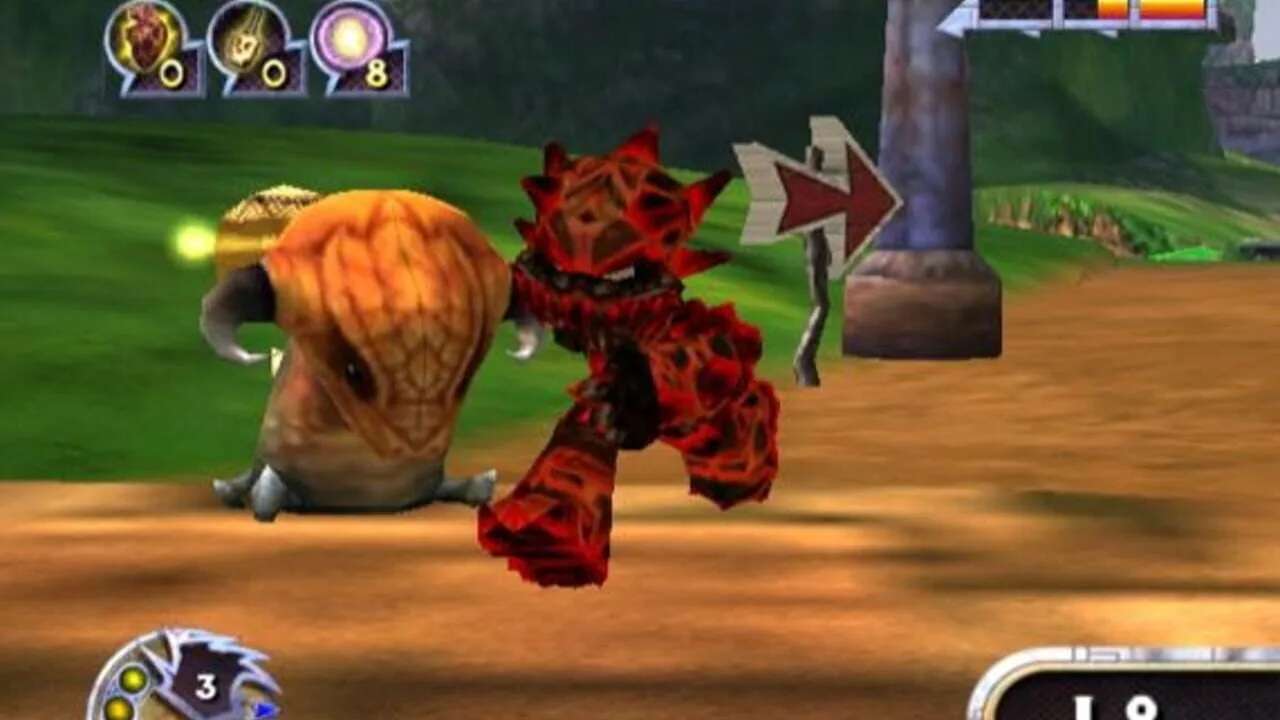
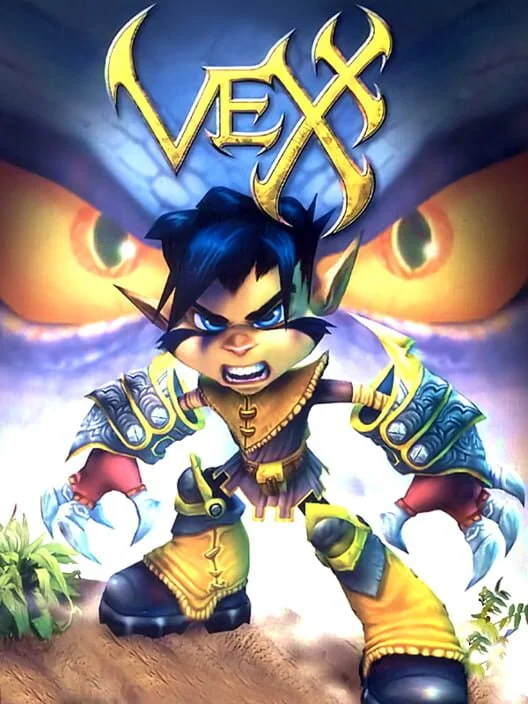
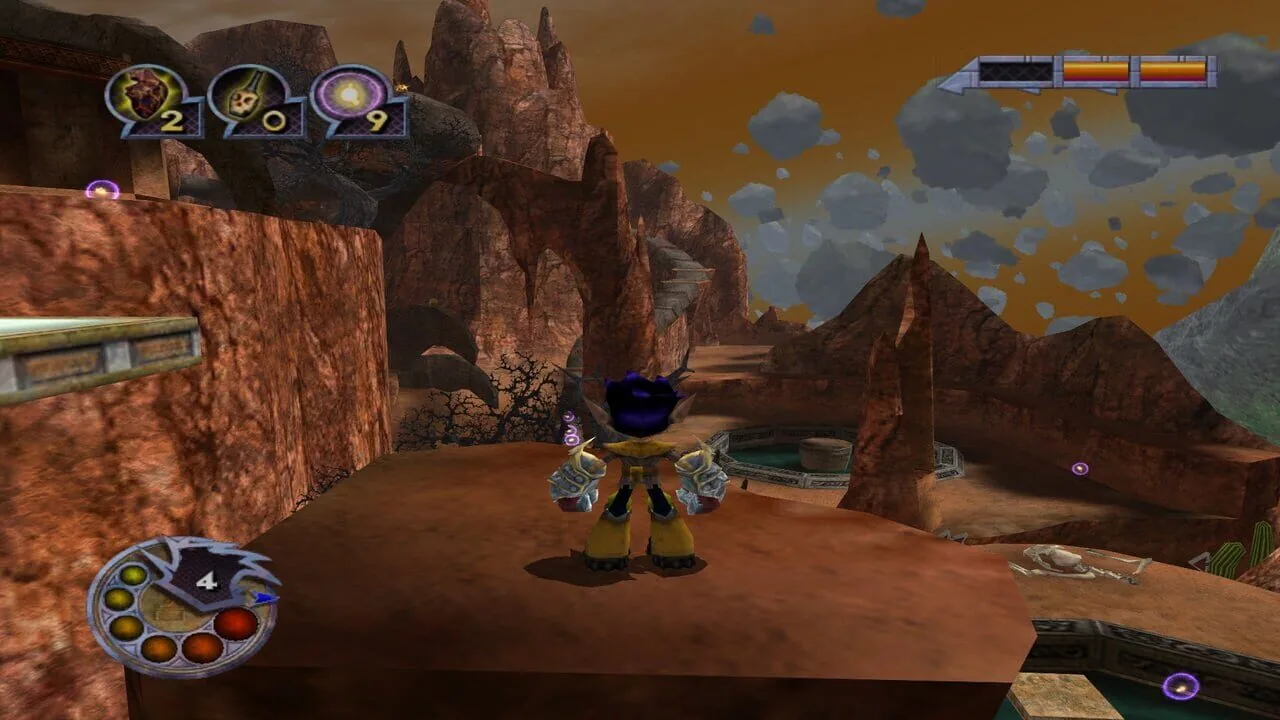
Step into the role of Vexx as he seeks vengeance on those who murdered his grandfather and enslaved his people. Equipped with a set of razor-sharp war talons, you'll travel through volcanic islands, desert temples, frozen citadels, and giants' castles to confront the evil Dark Yabu, Shadowraith, and their minions. As darkness falls, enemies become more aggressive and the environments become more hostile. It will take all your combat skills and climbing moves to bring peace back to the villagers of Rockhaven.
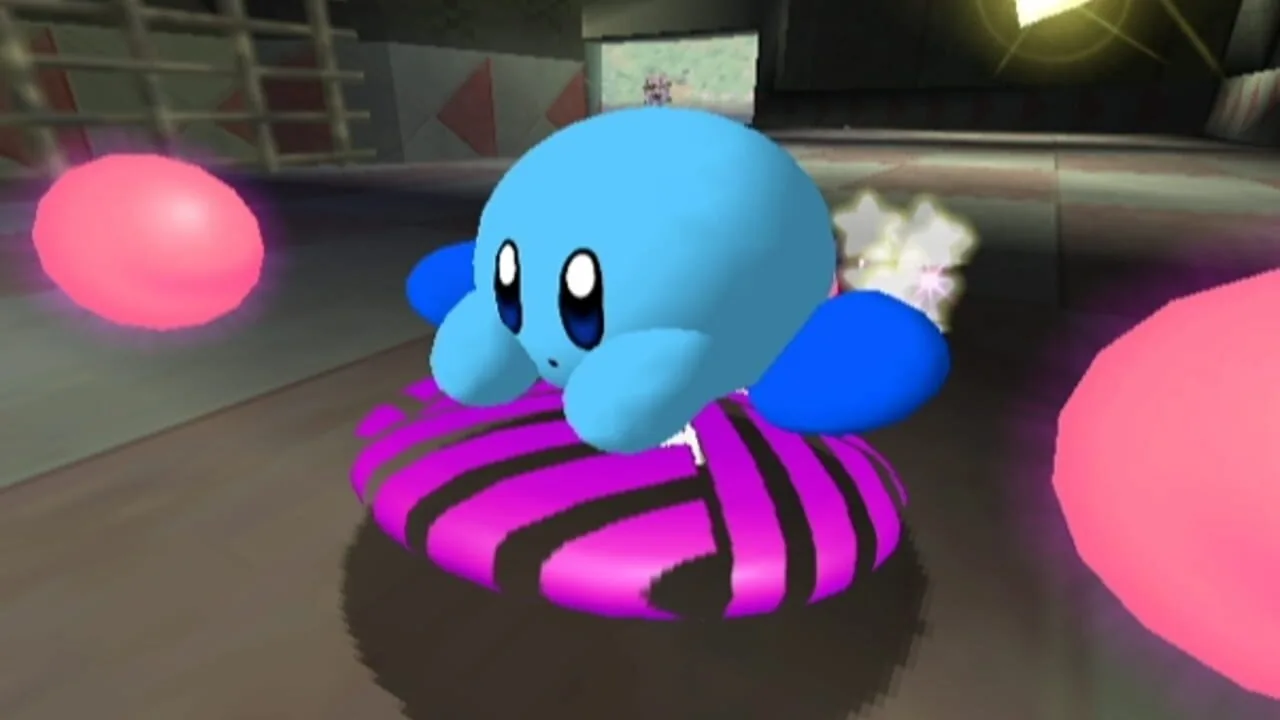
21. Kirby Air Ride (2003)
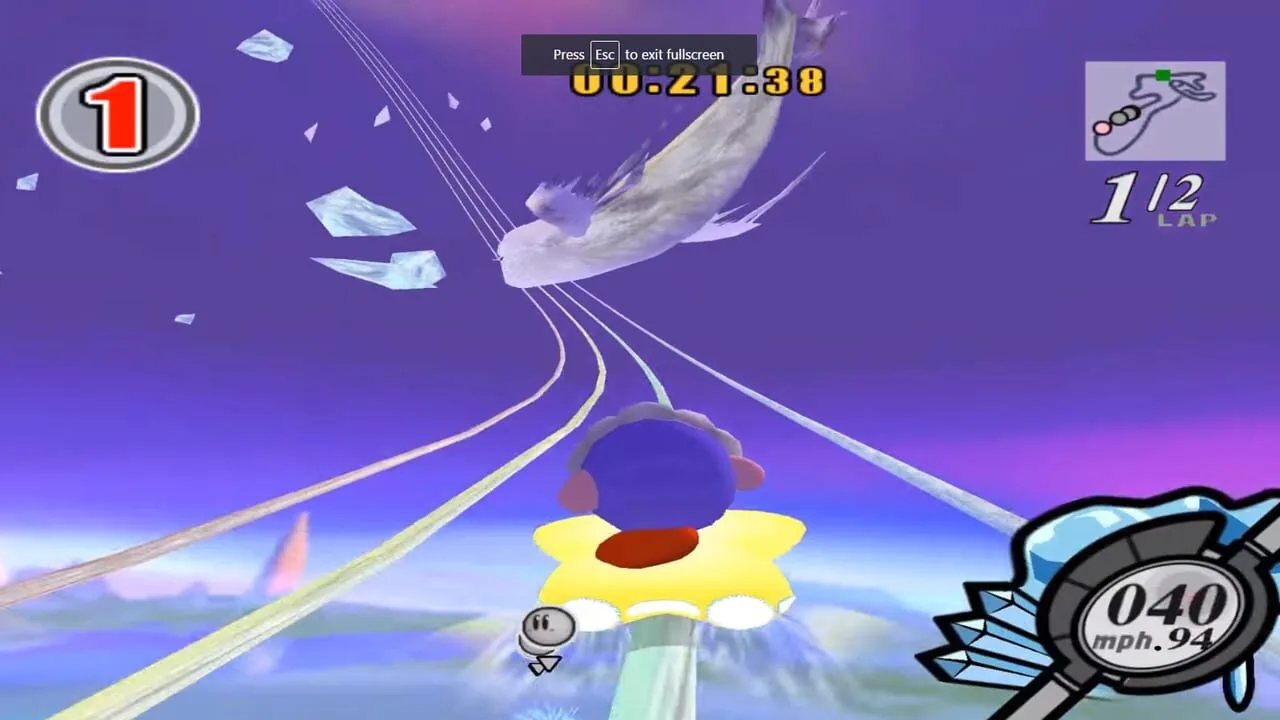

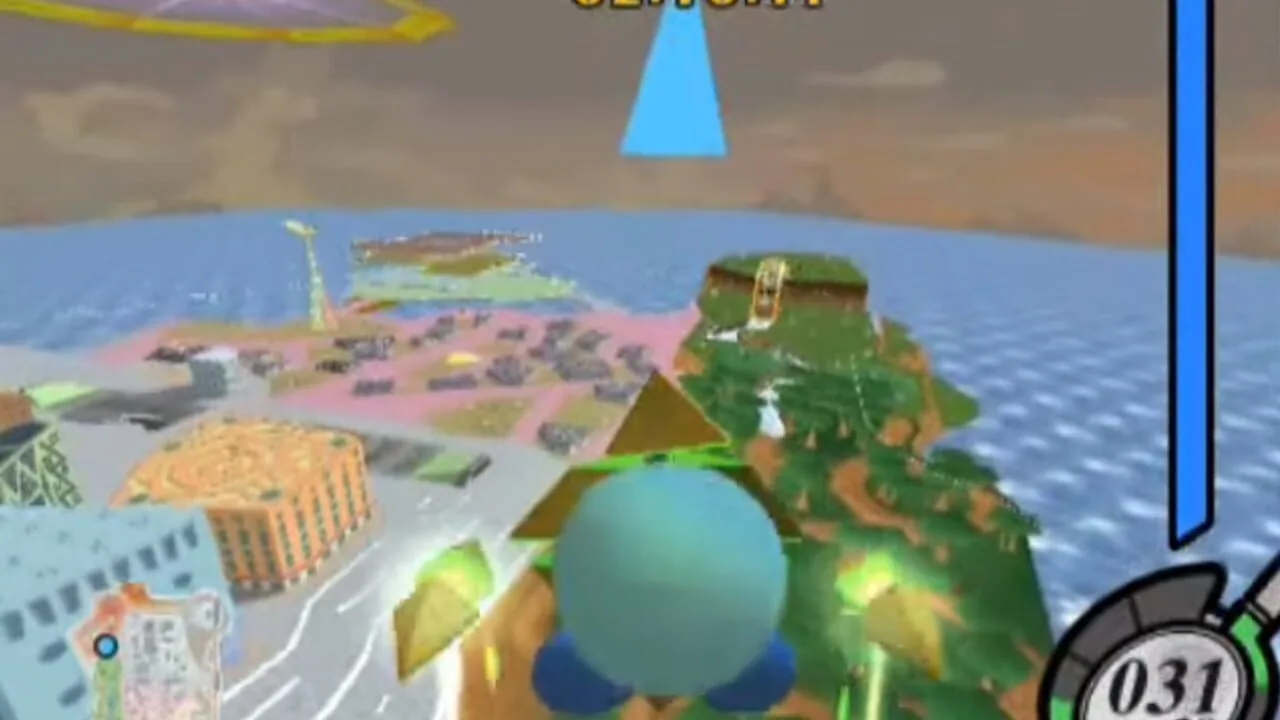
Kirby Air Ride is a 2003 racing game video game developed by HAL Laboratory and published by Nintendo for the Nintendo GameCube video game console. The game has the players and computer-controlled racers ride on Air Ride Machines. The game supports up to four players, and was the first GameCube title to support LAN play using broadband adapters and up to four GameCube systems. Players take control of Kirby or any of his multicolored counterparts to compete in races or other minigames. The game consists of three different game modes: Air Ride, Top Ride, and City Trial.
20. I-Ninja (2003)
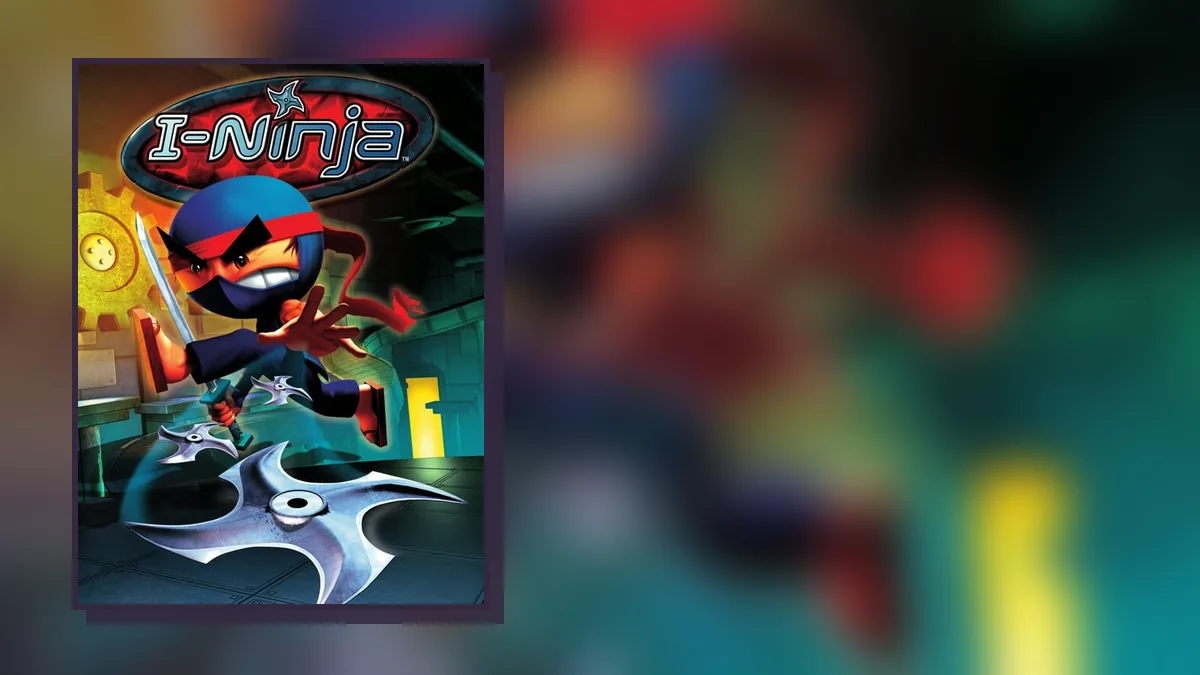
I Ninja is a 3D platform title starring an original character created by British developer Argonaut Software. Players control a spirited young ninja as they make their way through a diverse selection of indoor and outdoor locales. The title character is garbed in a blue suit and matching hooded mask, so that only his eyes and his expressive brow are visible to players. The character also wields a pair of katana blades in both hands as he jumps from platform to platform, avoiding hazards and slicing at enemies. The cartoon-style atmosphere is brought to life with the use of cel-shaded graphics, giving the game a distinctive look from many of its platform contemporaries.
I-Ninja is an adrenaline-charged adventure game. An ultra-cool ninja with major attitude meets extreme sports game play, I-Ninja is the consummate warrior who has spent years mastering his weapons and honing his skills. In true gravity defying game play, I-Ninja can scale buildings, "shred" on extreme rails, hover great distances with a "sword copter", ride drifting roller spheres and utilize specialized manga-style ninja moves to navigate through each dynamic environment.
19. Wario World (2003)
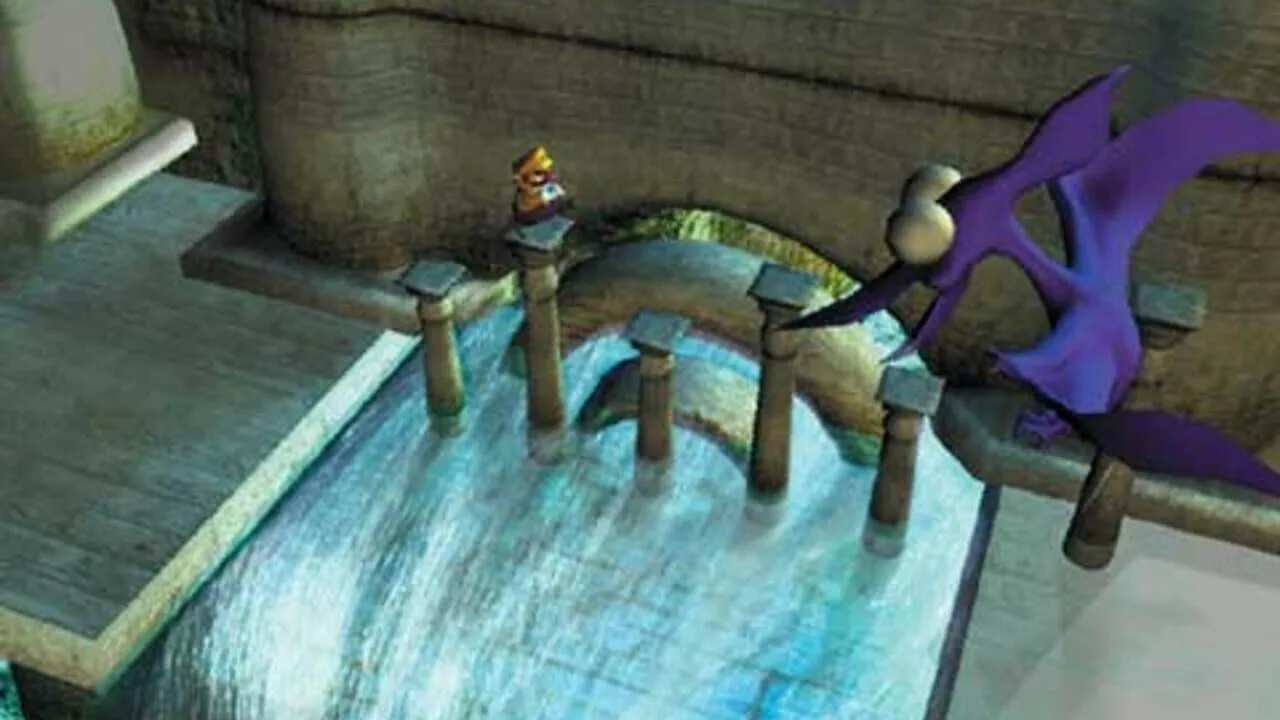
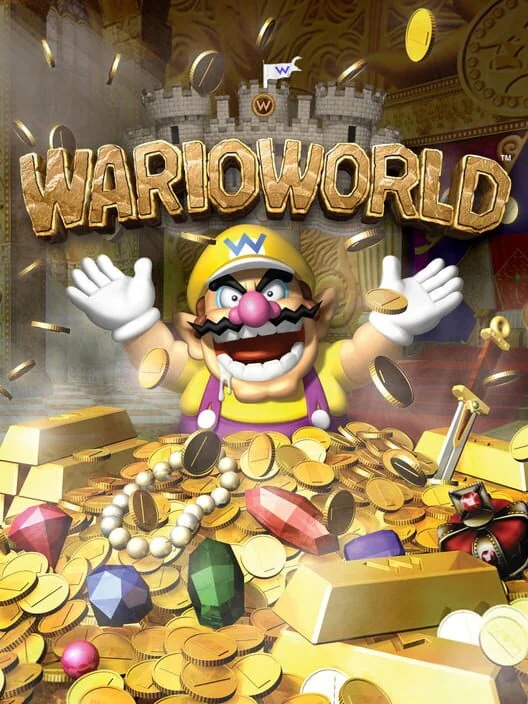
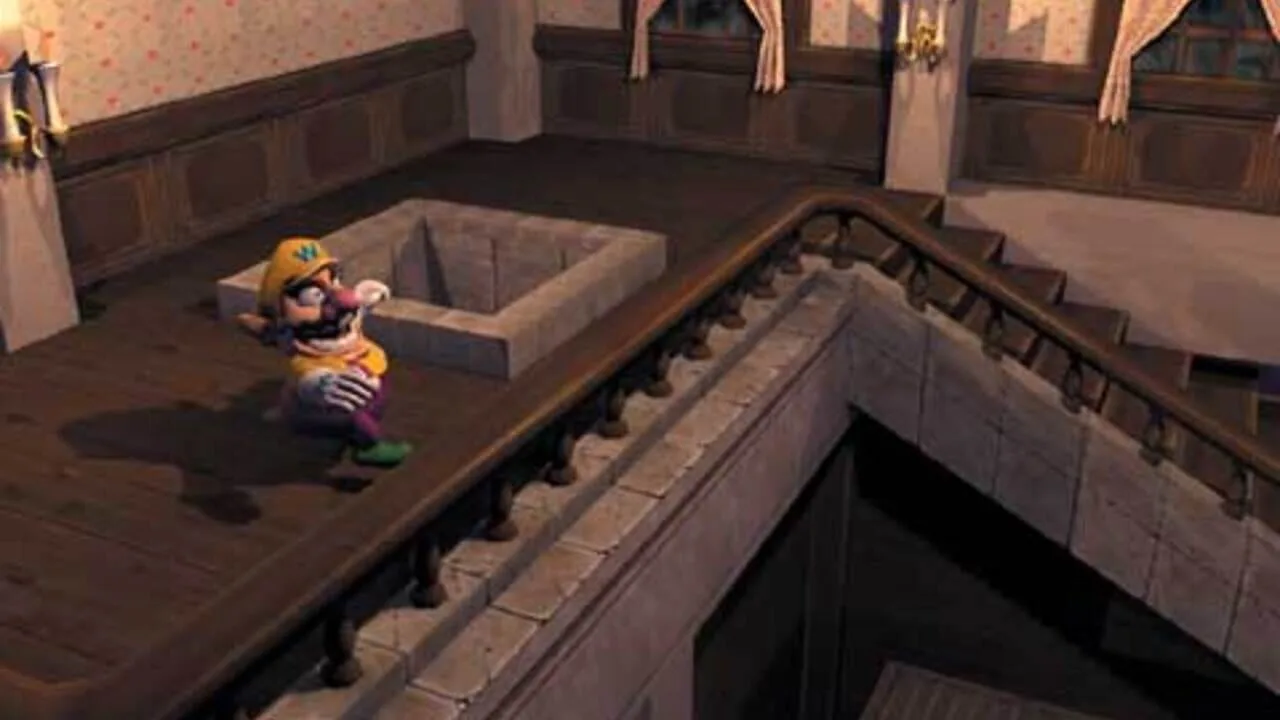
While Wario enjoys the riches from his many adventures, a mysterious black jewel in his trove transforms gems into monsters. Now, Wario must scramble to recover his riches in an alternate world filled with quirky puzzles, swarming enemies, and lots of loot. As Wario, you'll punch, kick, jump, grab monsters and objects, and inhale surrounding coins like a vacuum cleaner. You must cling to 3D balls to fight bosses, find hidden areas through trap doors, and bash your surroundings to uncover secrets.

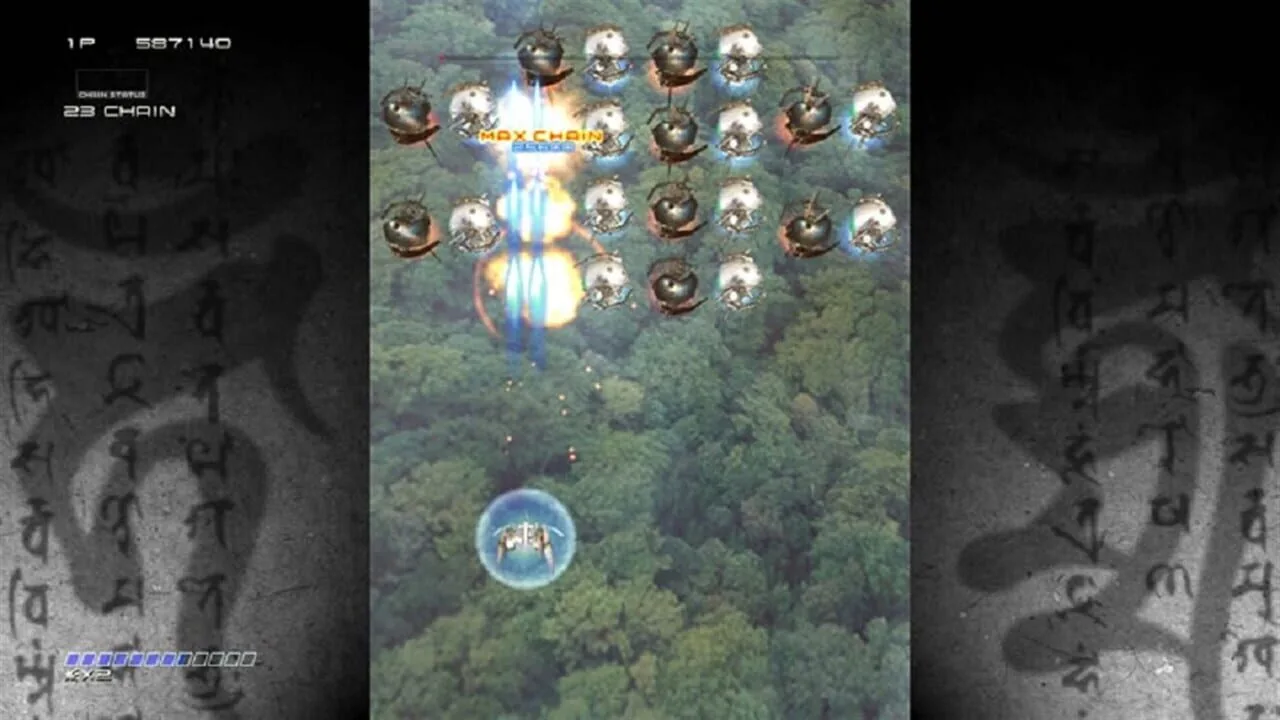
18. Ikaruga (2002)
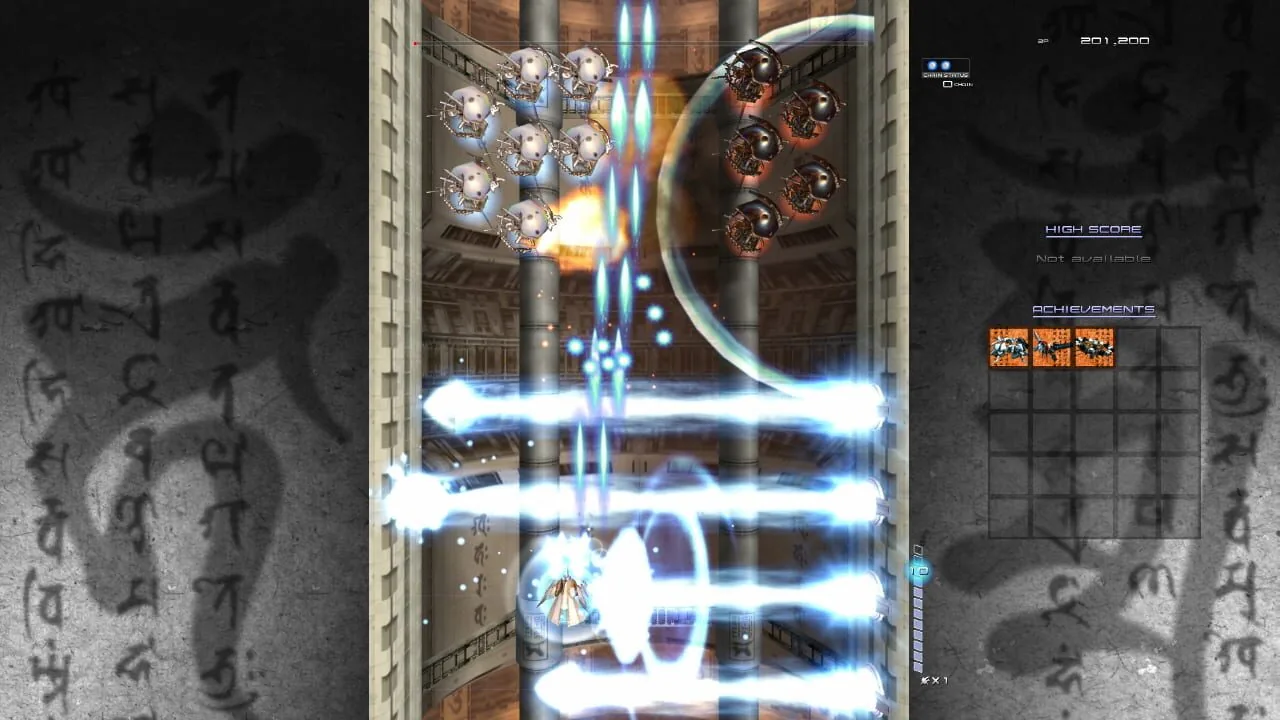
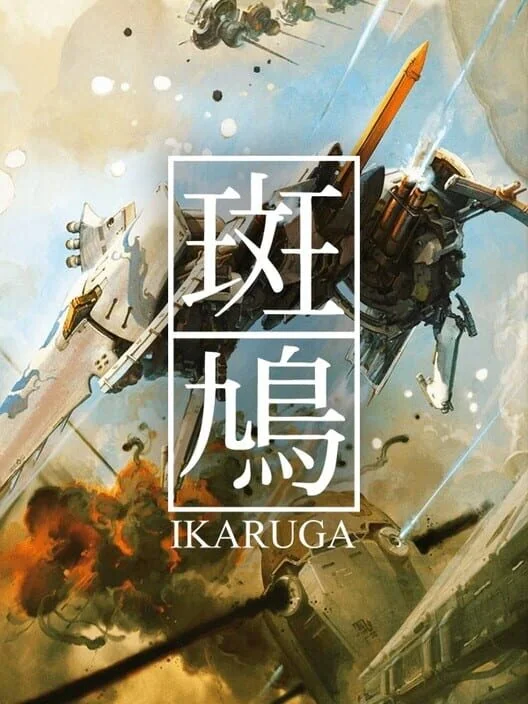
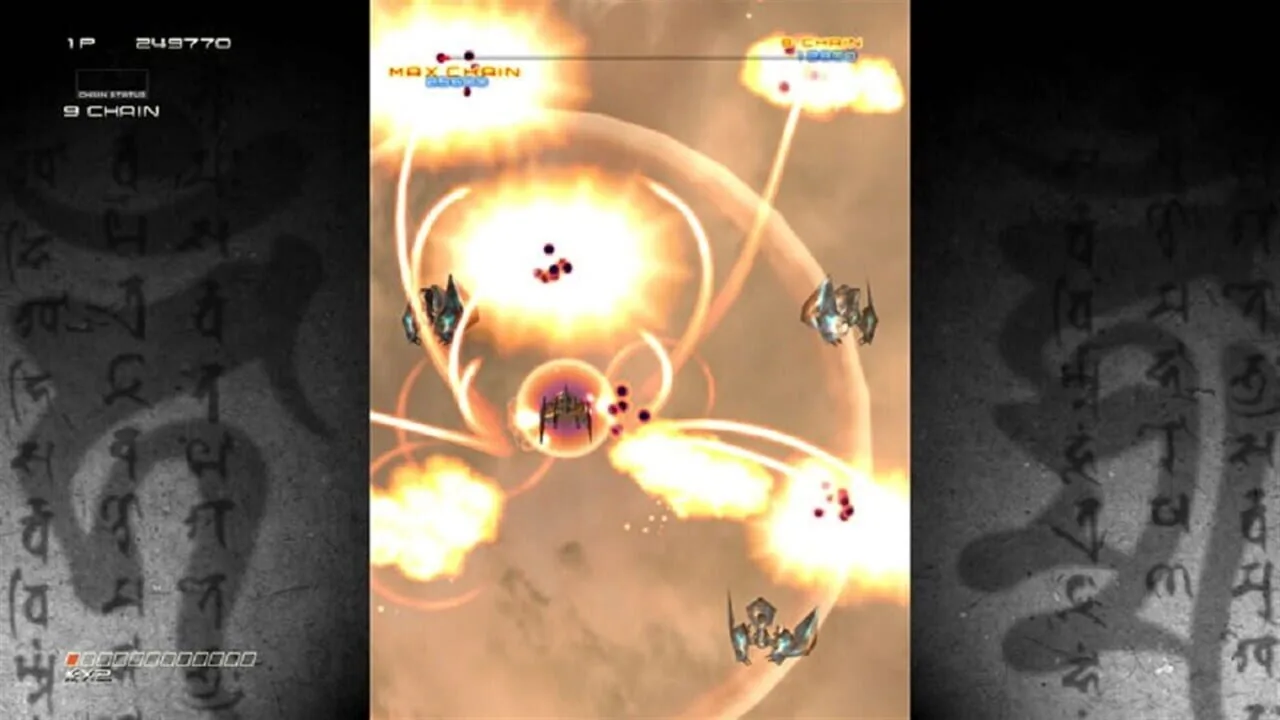
In this vertical scrolling spaceship shooter, you control a ship that can change its polarity at will. As blue/white, the ship can easily destroy red/black enemies, and visa versa. Bullets of your polarity can be collected to fuel your missile gauge, but those opposite will kill you. Destroying an enemy ship will make them drop points for you to pick up, but they are polarized, too. Different difficulties exist to change exactly how you interact with polarized points, or how they appear.
Ikaruga is a balls-hard shmup with lots of difficulty even at the easiest level, and lots of replay value for those willing to face the challenge.
17. Freedom Fighters (2003)
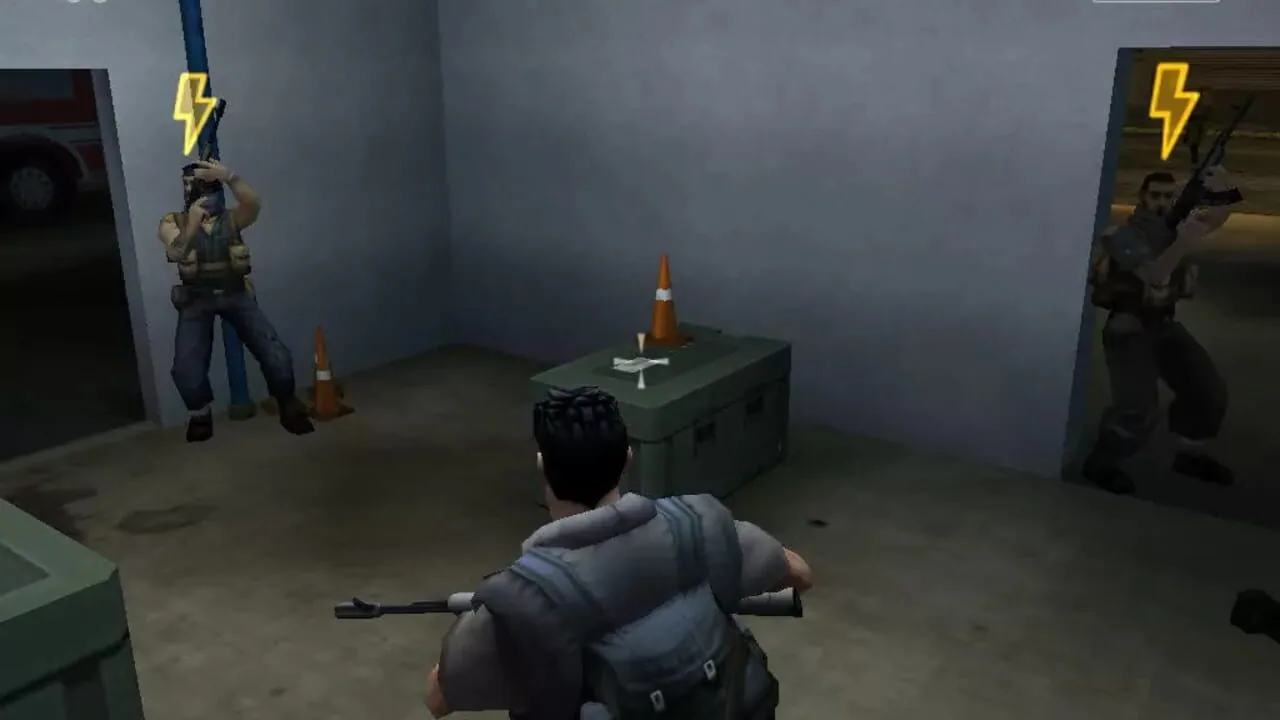
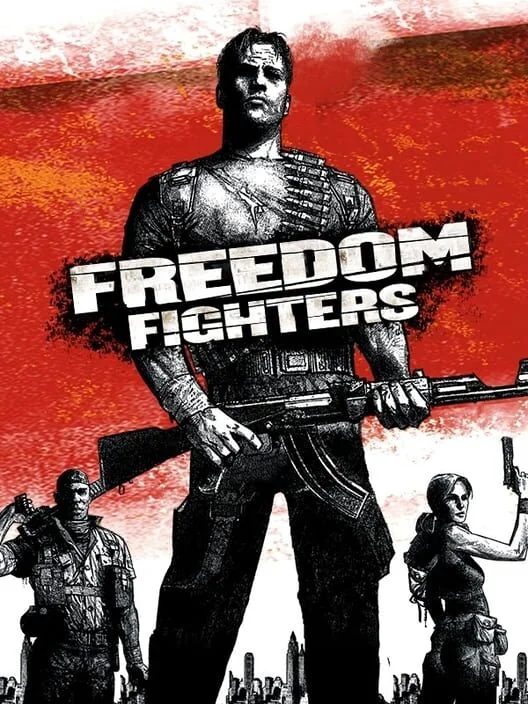
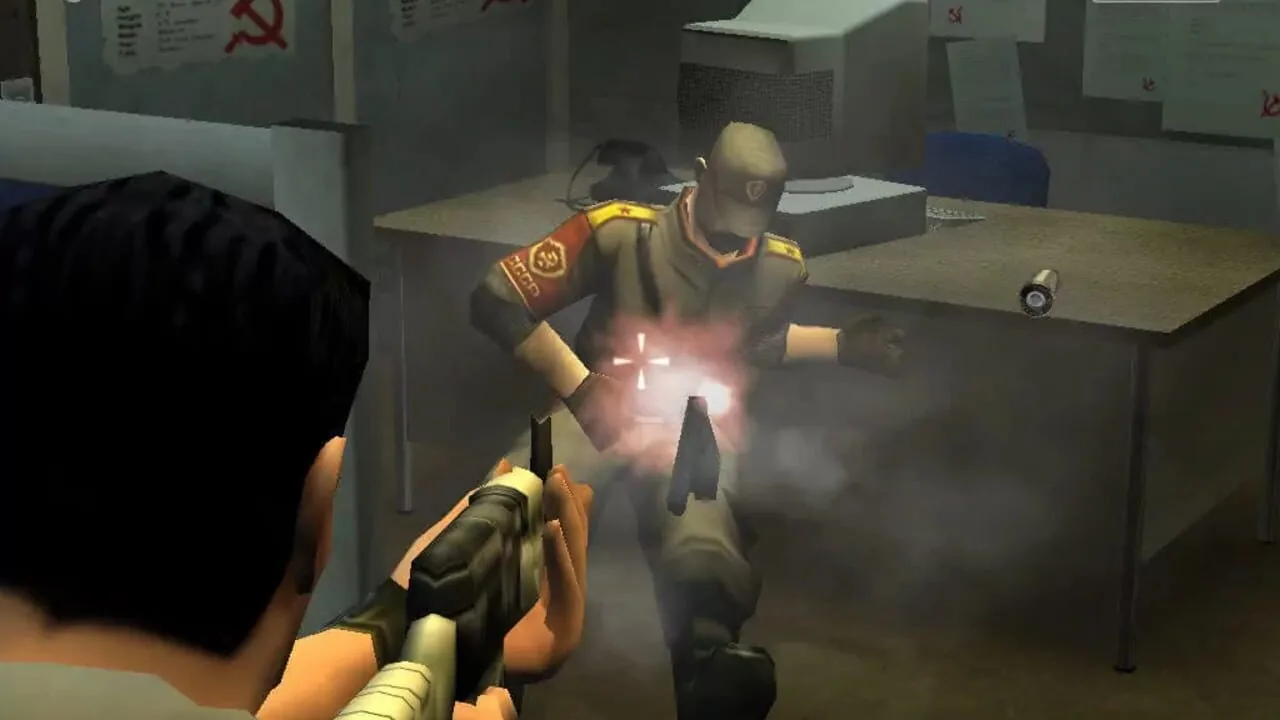
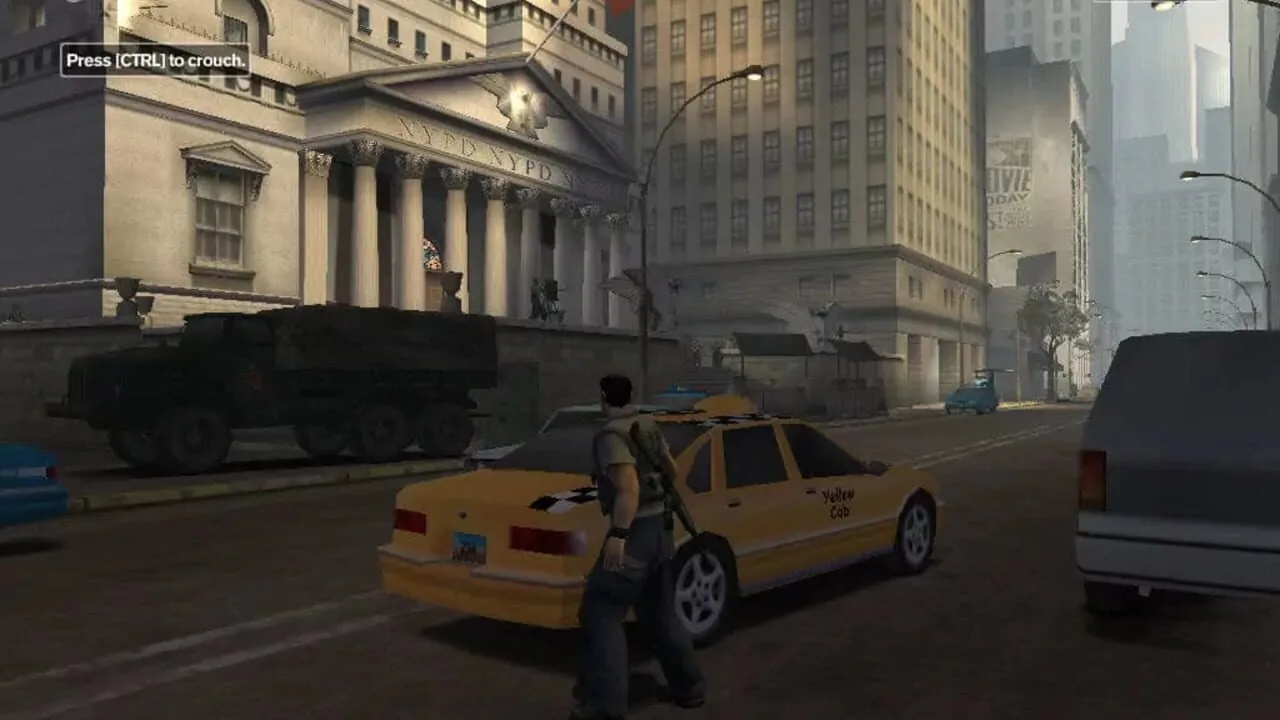
Freedom Fighters is a third-person shooter, in which the player navigates through the streets of New York while fighting the Soviet forces. The game also contains squad-based elements, having a charisma meter. The player gains charisma by performing heroic deeds in the resistance movement against the invading forces, like capturing a base or destroying vital supplies. The more charisma that is gained, the more squad-mates the character can recruit, including leaderless guerrillas and wounded Russian soldiers, up to a maximum of twelve.
Freedom Fighters uses a simple method of controlling recruits in battle. In the game, the player can command recruits by giving them simple orders such as "follow", "attack" and "defend", but in most situations, they take care of themselves. Given the terrain of New York City after the initial invasion, the Resistance usually stations its soldiers in covered positions like craters and buildings.
16. Cubivore: Survival of the Fittest (2002)
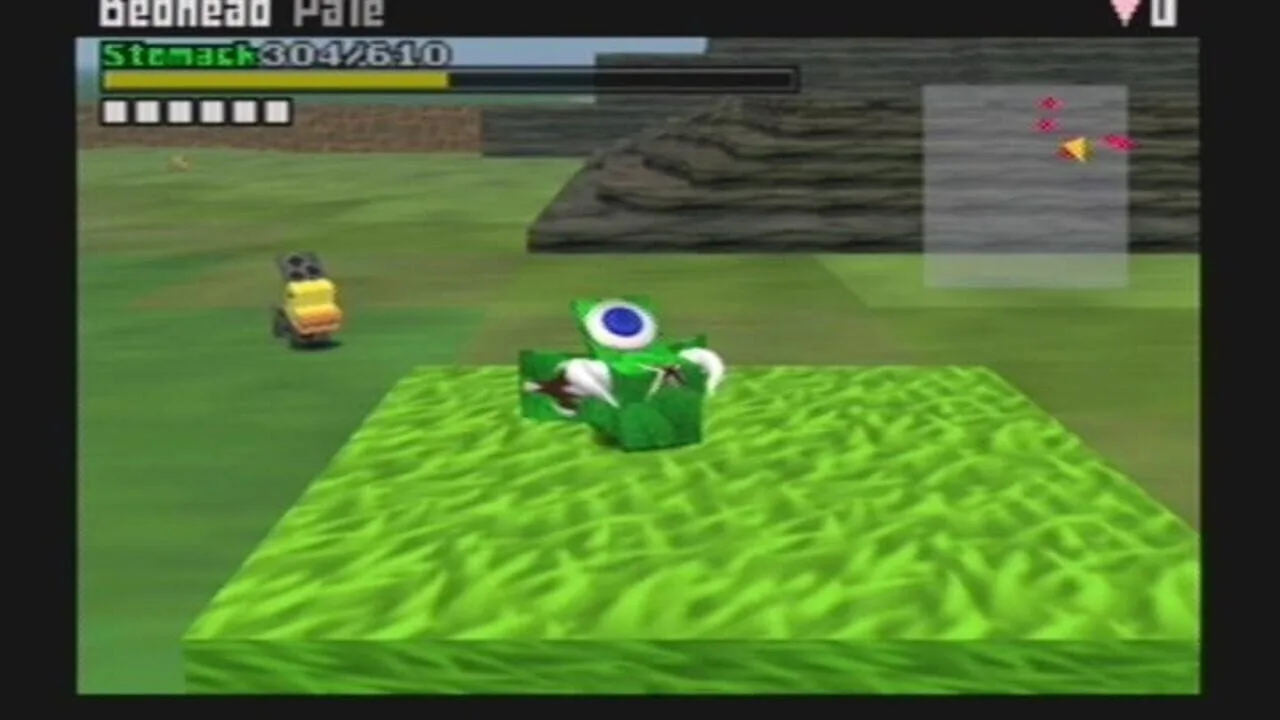
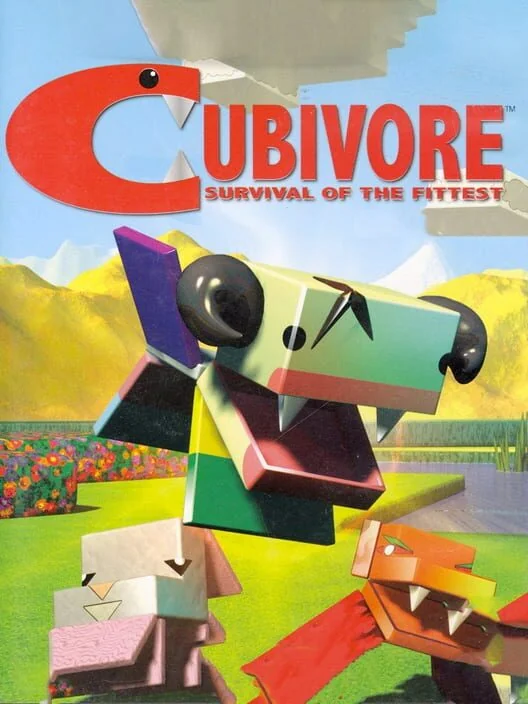
Eat or be eaten! Assume the role of an animal in it's early stages of evolutionary development. As your animal instincts take over, you will boldly traverse hostile environments, savagely stalking your prey to assert your place in the animal chain of power. Will you have what it takes to become the new king of beasts?
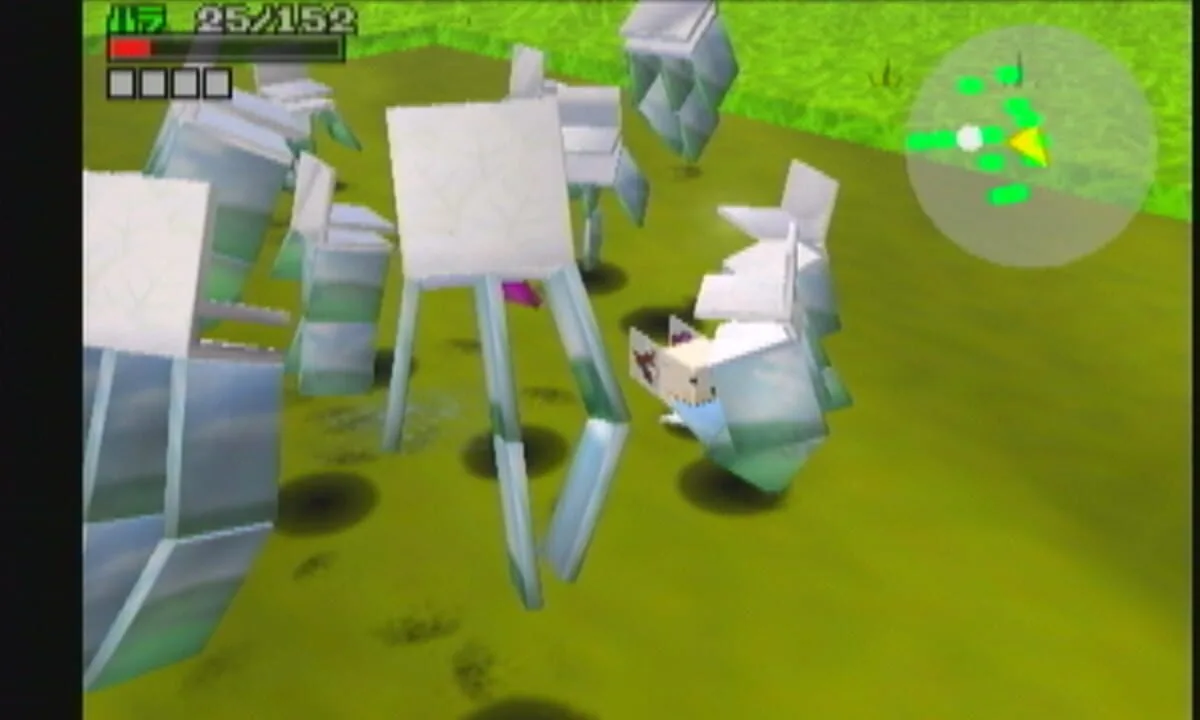
The game started development on the Nintendo 64, but went unreleased, being later ported to the Nintendo GameCube. A prototype of the Nintendo 64 version has been found.
15. Lost Kingdoms II (2003)
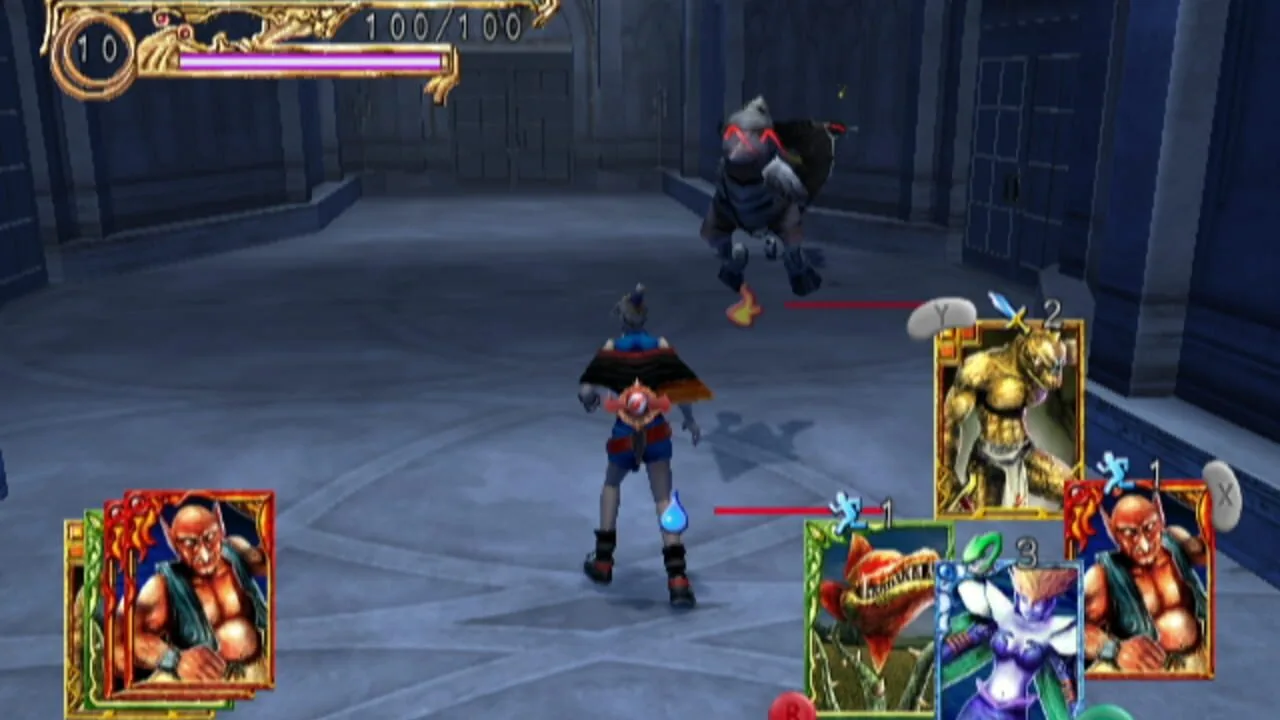
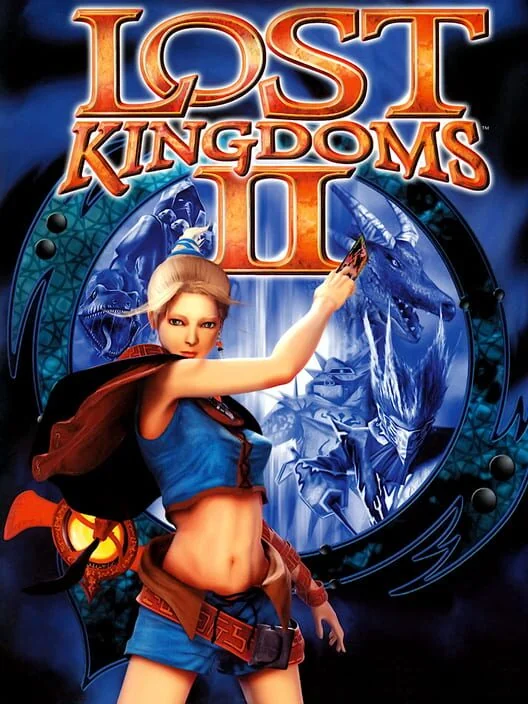
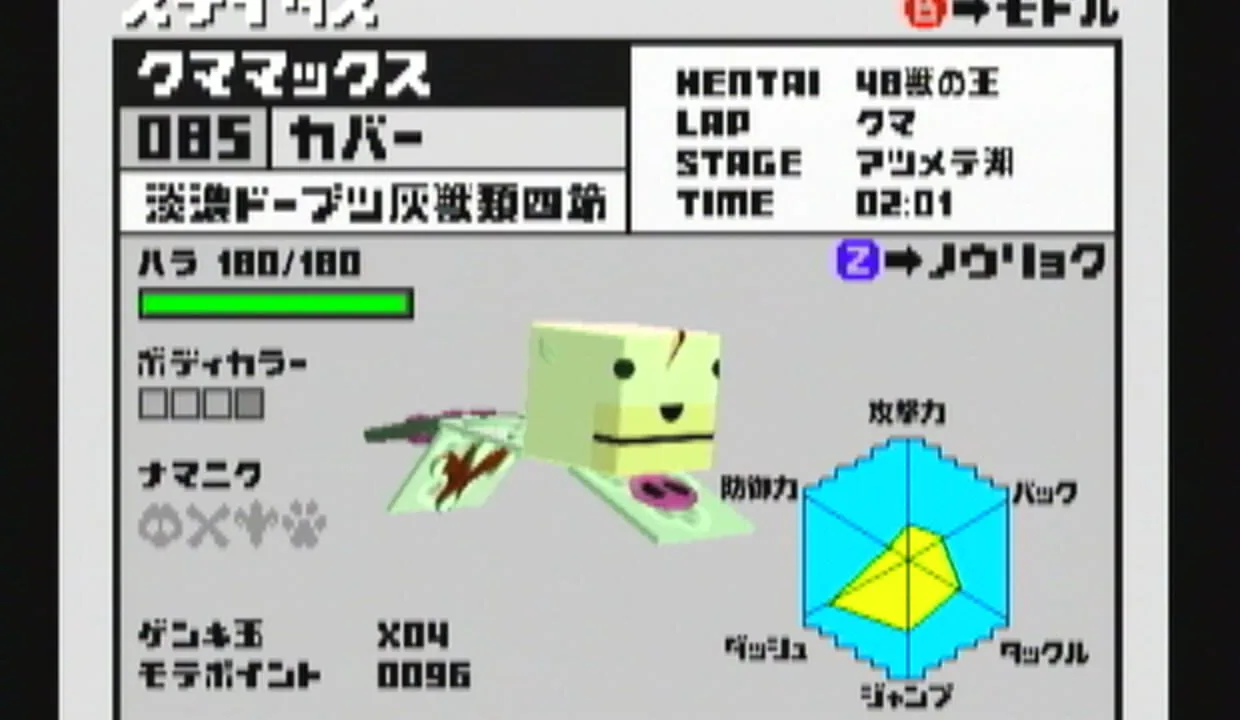
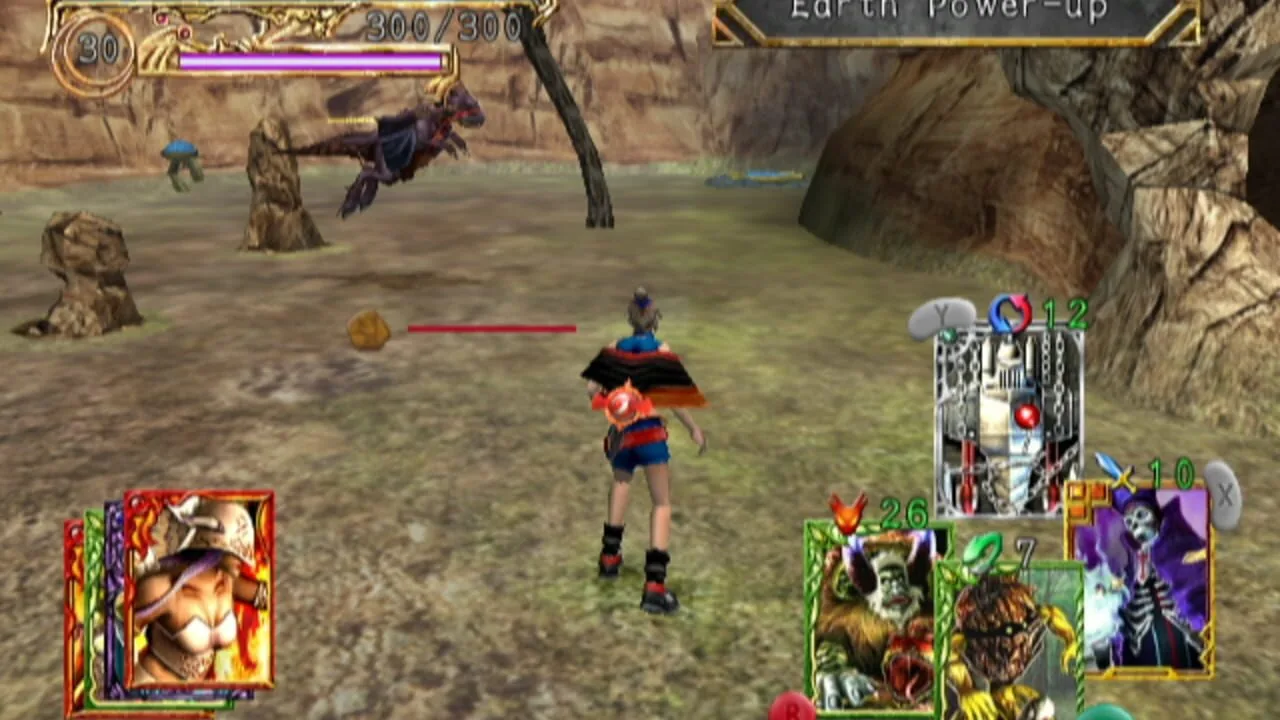
Lost Kingdoms II is a card-themed RPG for the Gamecube. Set 200 years after Queen Katia saved her kingdom from the God of Destruction, Tara Grimface must now save the land from a new threat.
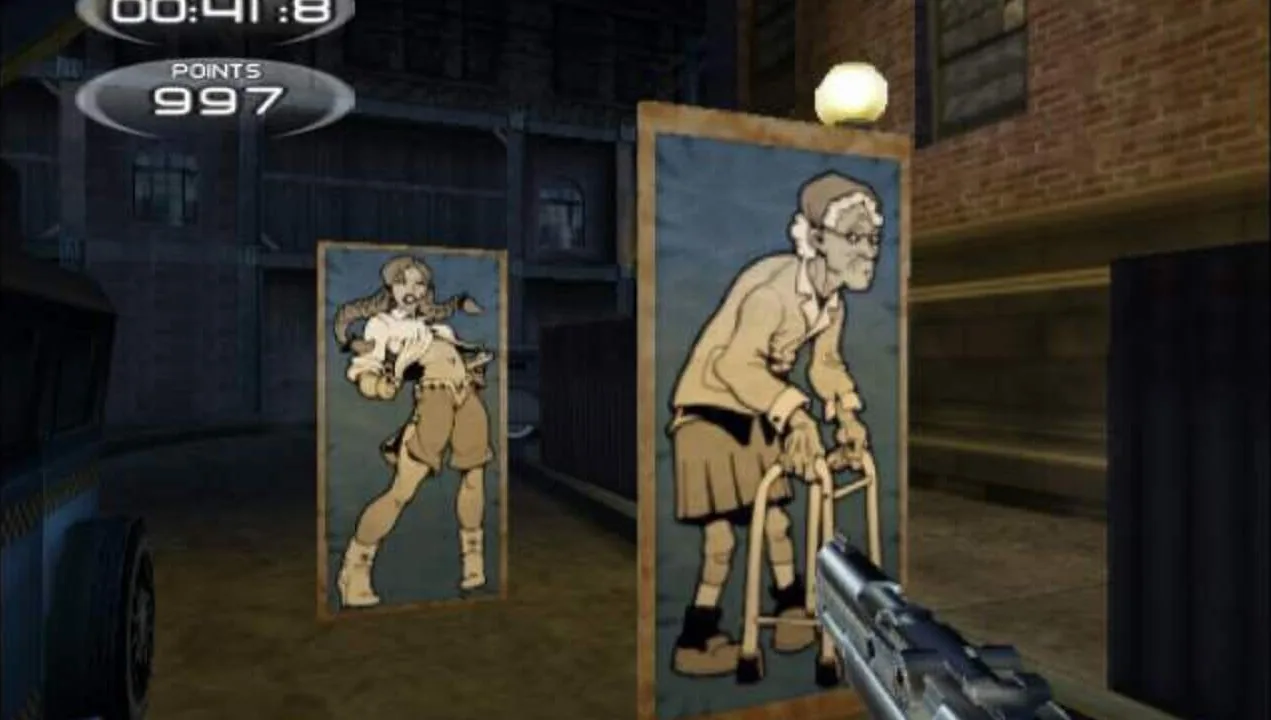
14. TimeSplitters 2 (2002)
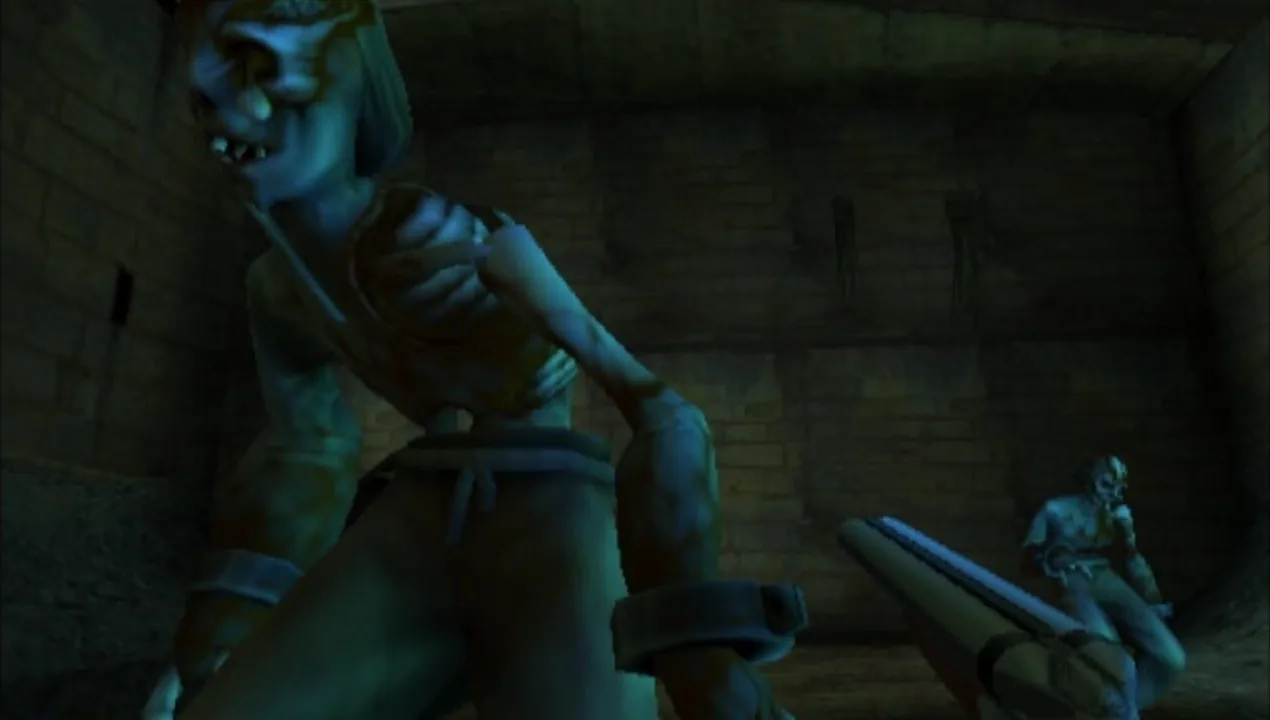
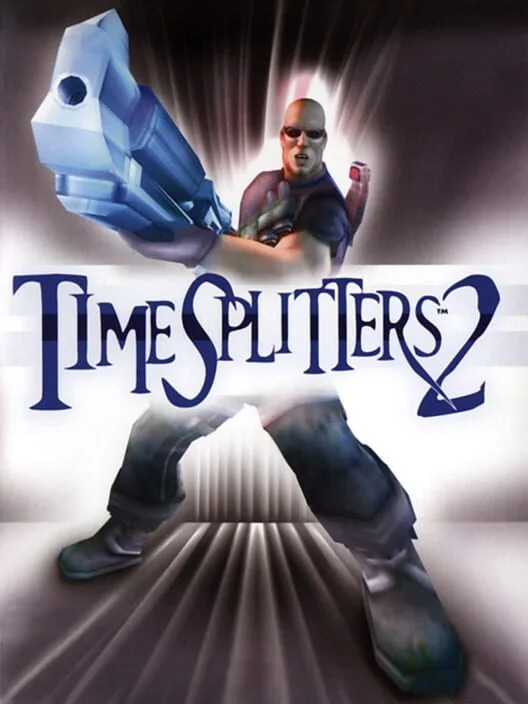
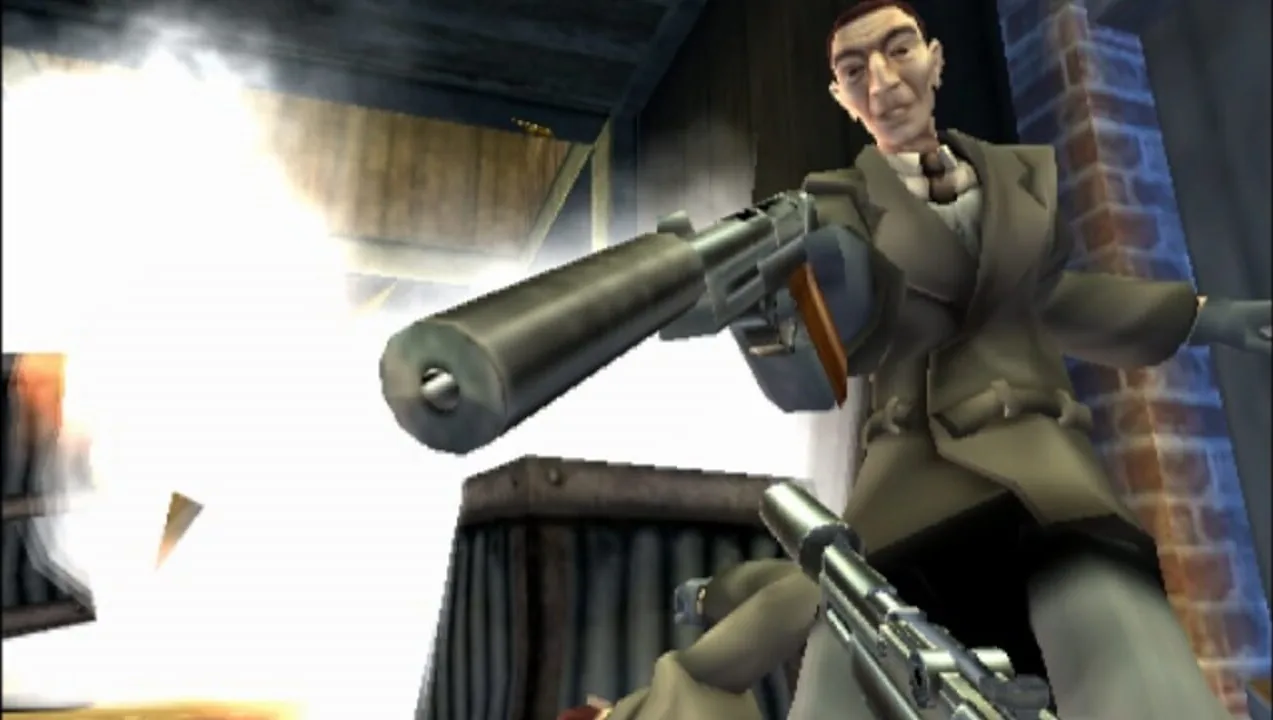
TimeSplitters 2 is a first-person shooter that requires players to kill enemies and complete objectives using a variety of weapons and tactics in different predefined scenarios. Armour and health bars on the sides of the screen lower when the player is shot, which can be increased by walking over body armor and medical kits.
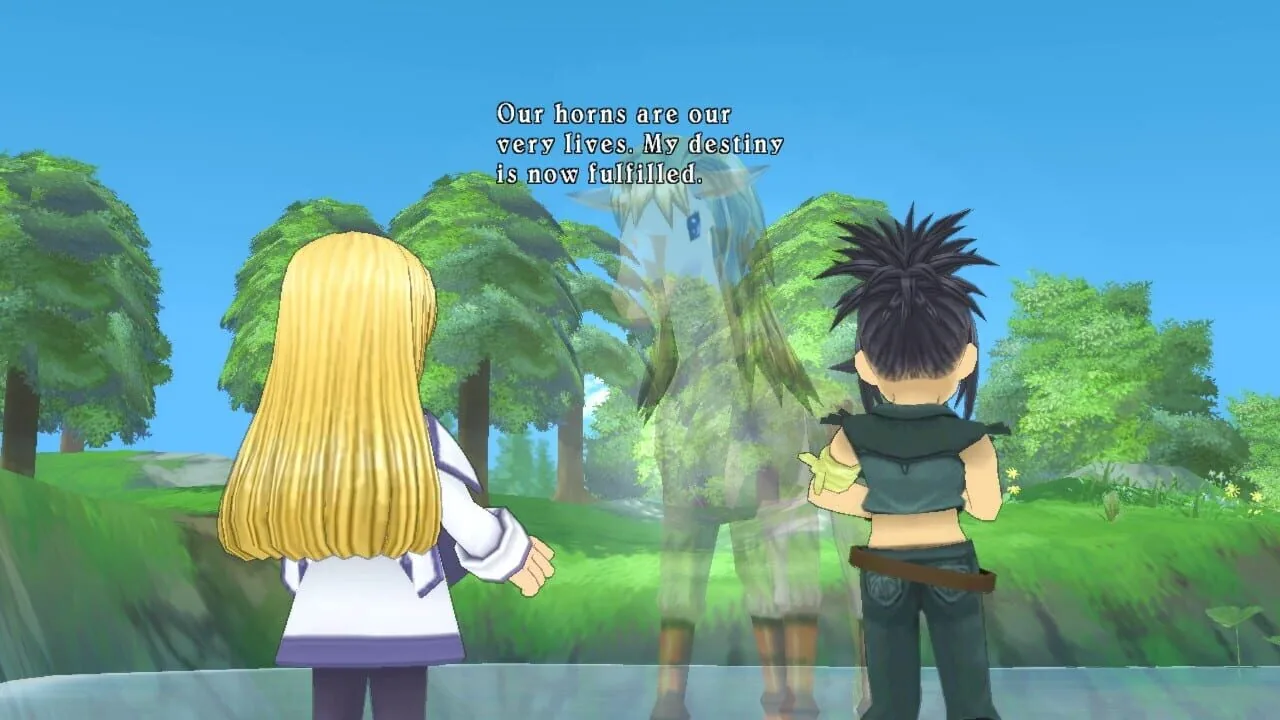
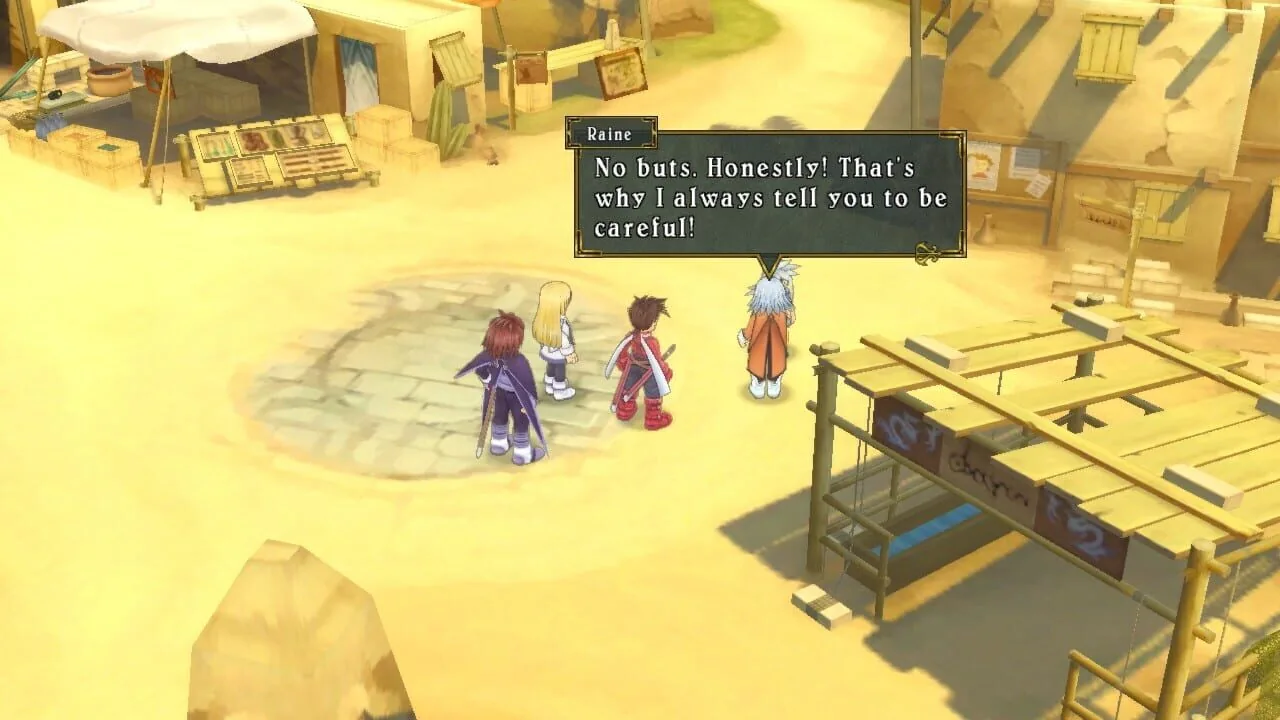
13. Tales of Symphonia (2003)
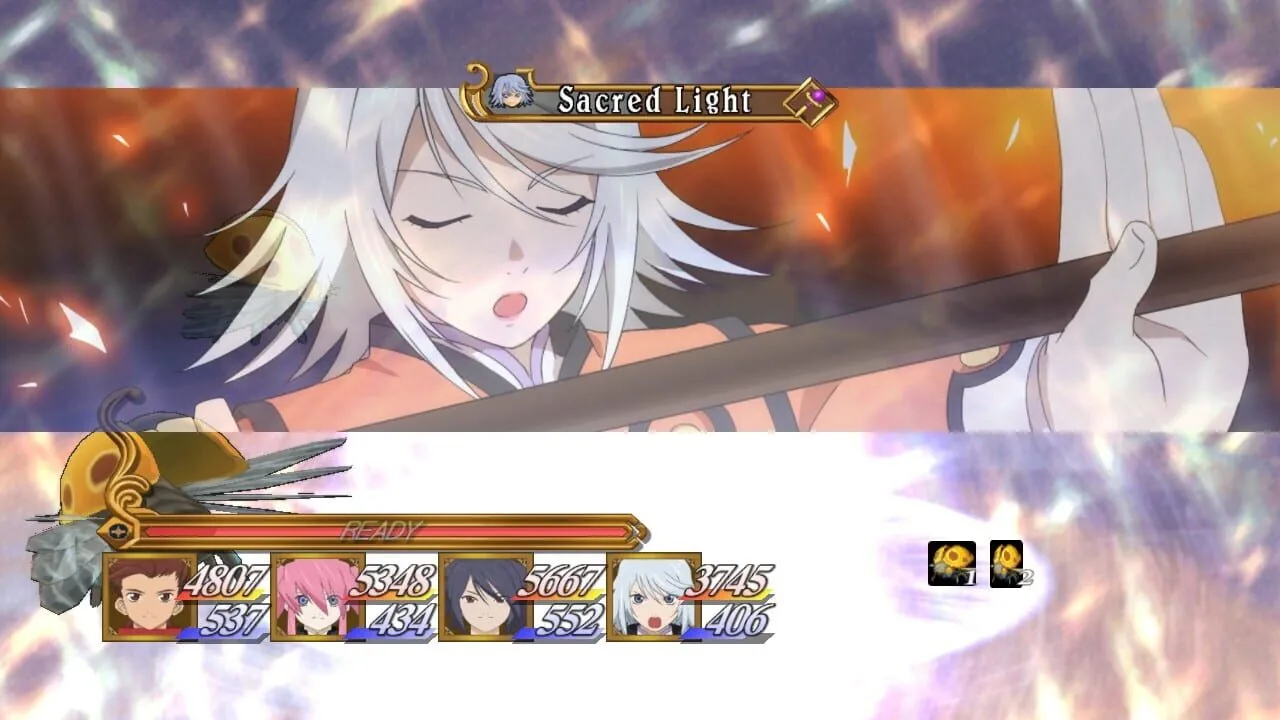
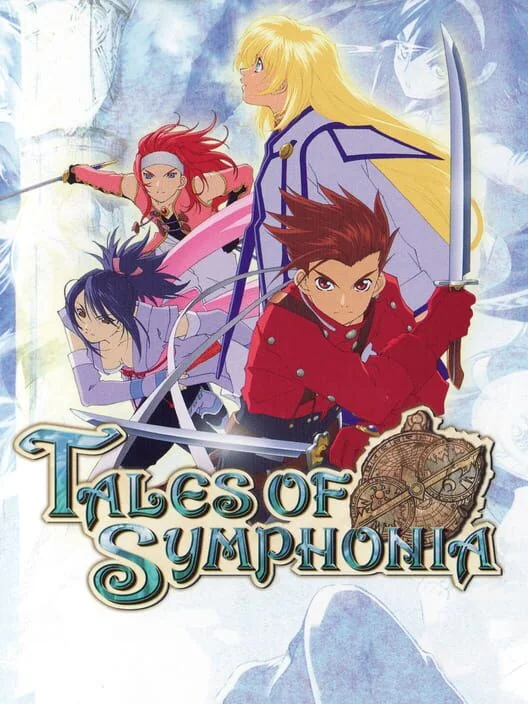
In a dying world, legend has it that a Chosen One will one day rise from amongst the people and the land will be reborn. The line between good and evil blurs in this epic adventure where the fate of two interlocked worlds hangs in the balance.
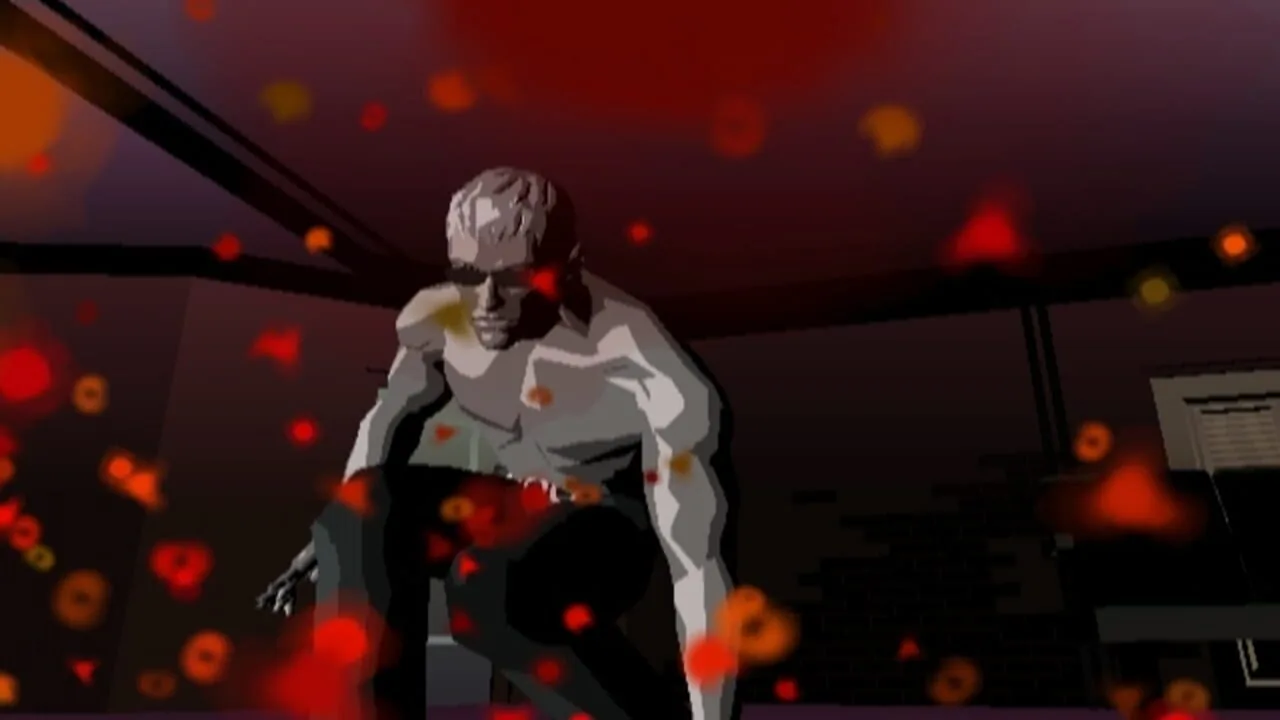
12. Killer7 (2005)
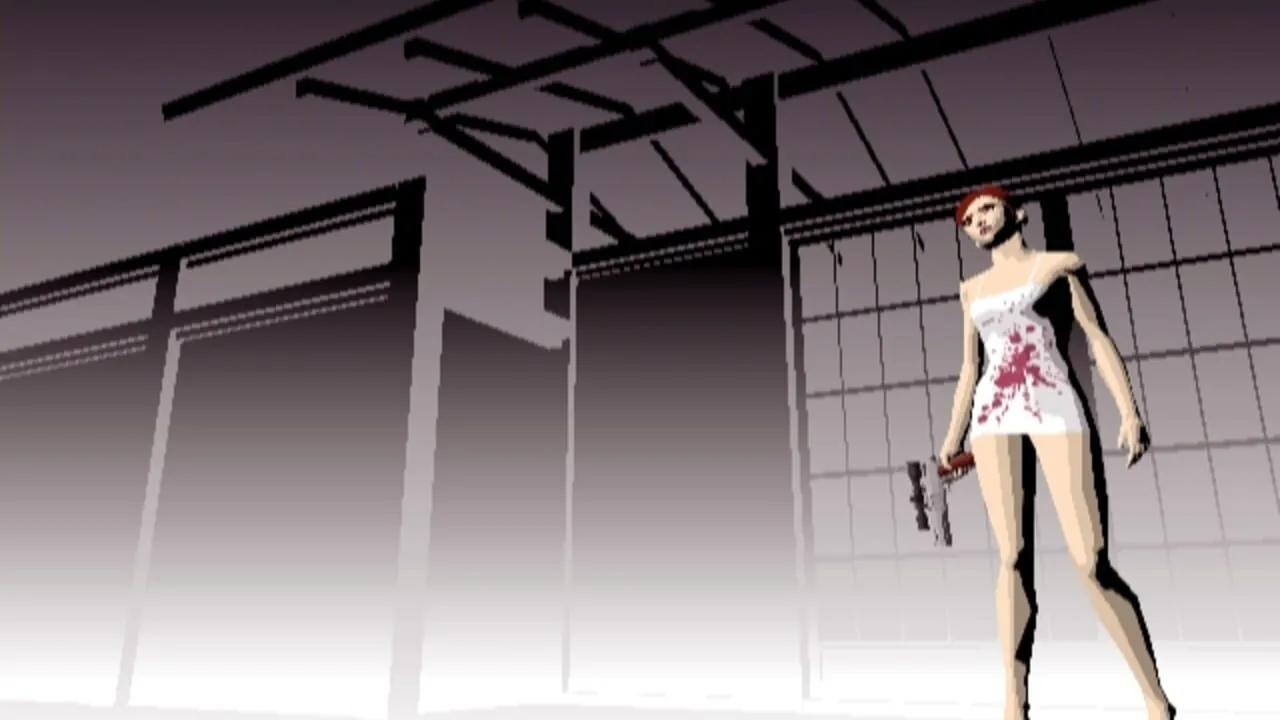
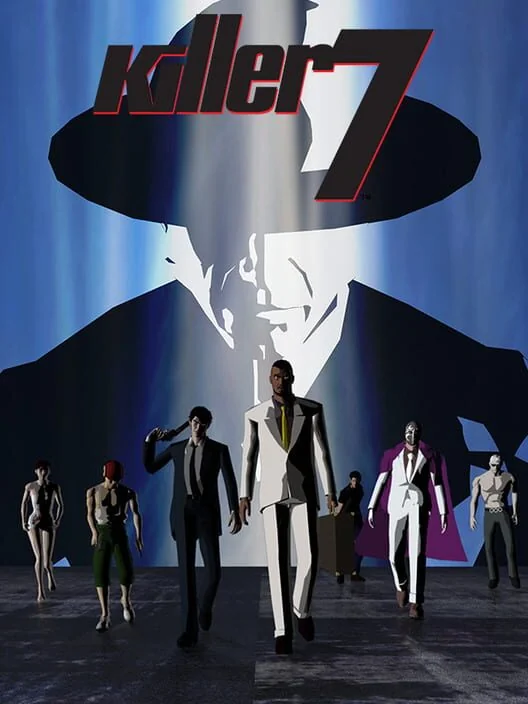
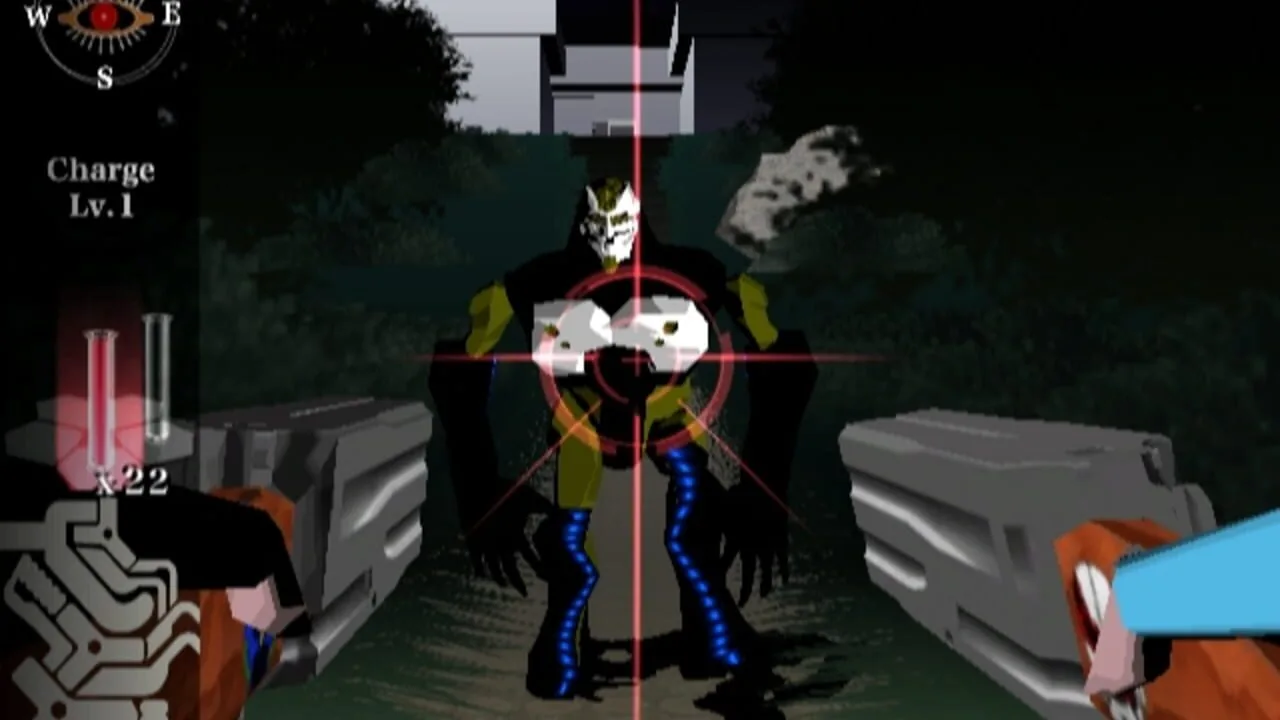
Sneak into a world of underground assassins as Harman Smith, a man who manifests 7 deadly personalities, the killer7. Take control of this distinct murderers' row as they hunt down the sinister Kun Lan to thwart his plan of world dominance.
11. Star Fox Adventures (2002)
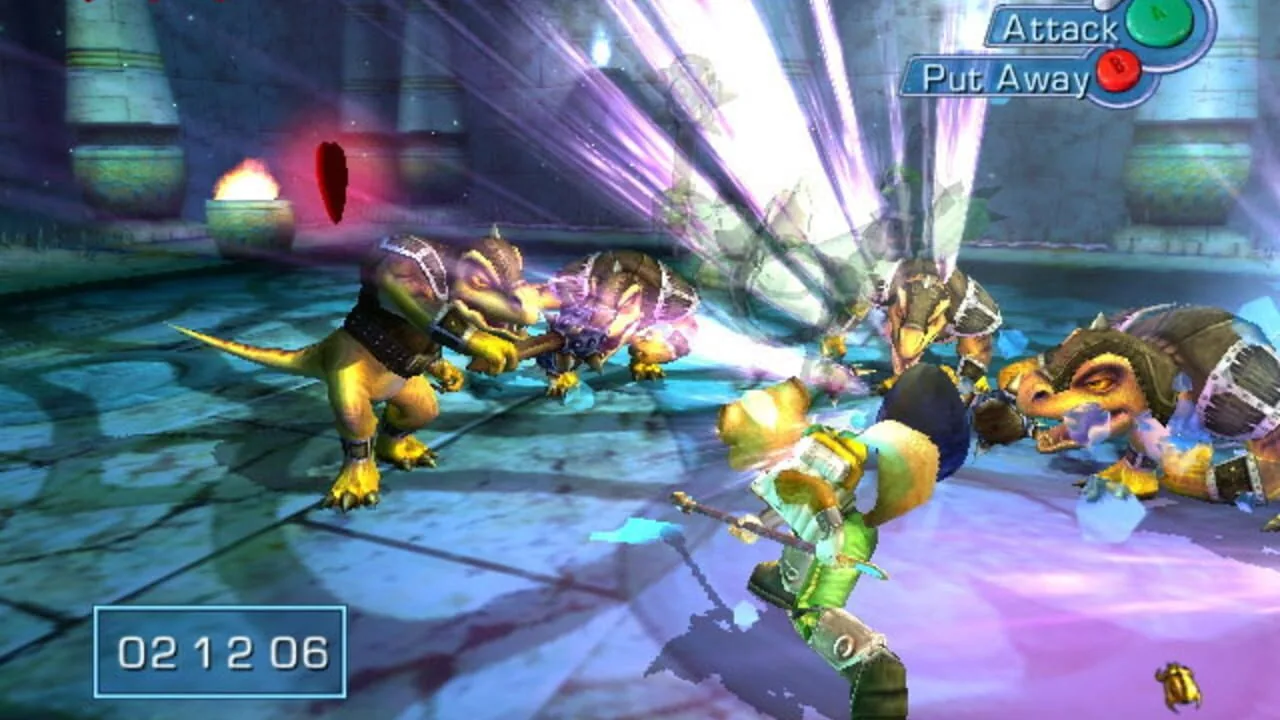
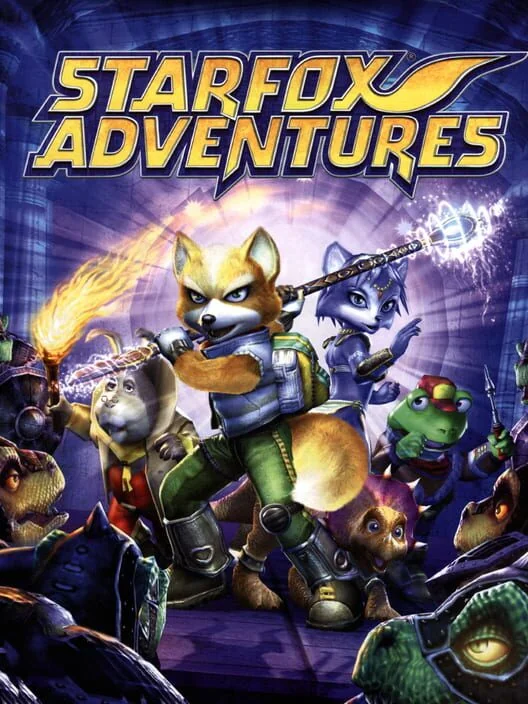
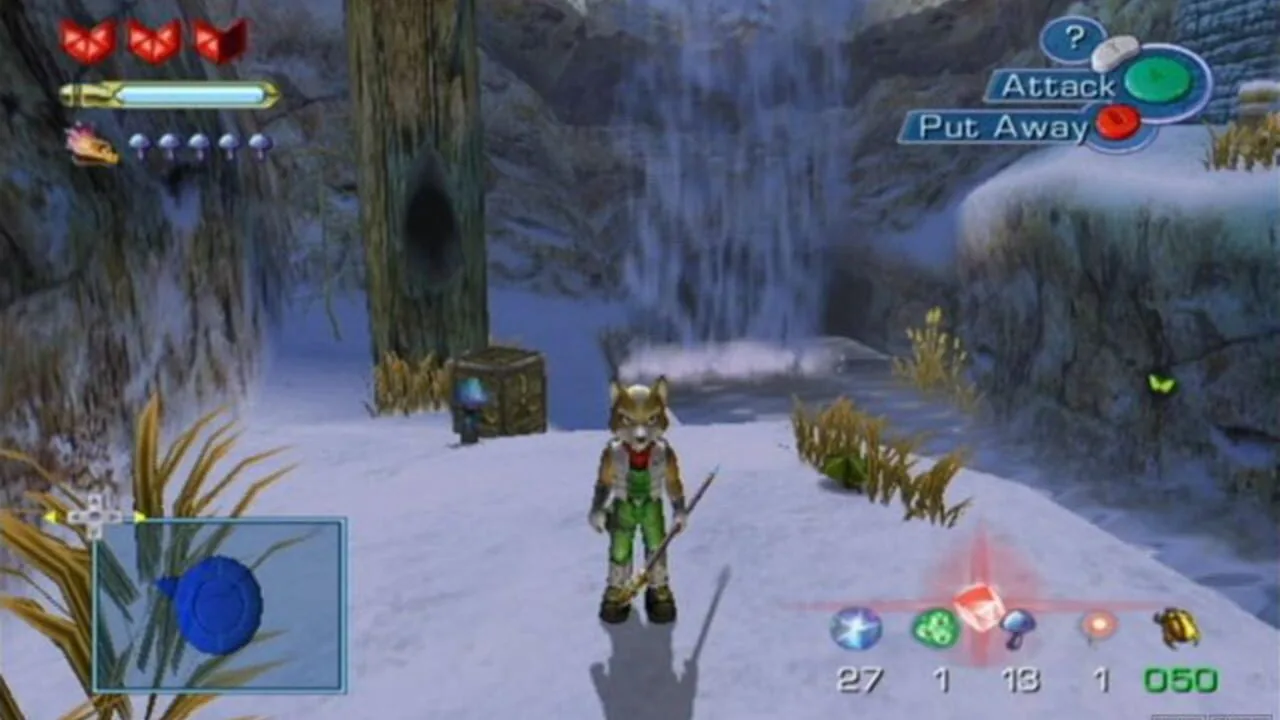
Star Fox Adventures takes place in a vast 3-D world full of strange scenery, brain-teasing puzzles and intense action. Learn the secrets of a mystical staff to fend off enemies and cast a variety of spells. Plus the intuitive, enemy-locking target system allows you to battle foes without skipping a beat. And you'll need to build clever strategies to defeat the huge boss enemies.
10. Lost Kingdoms (2002)
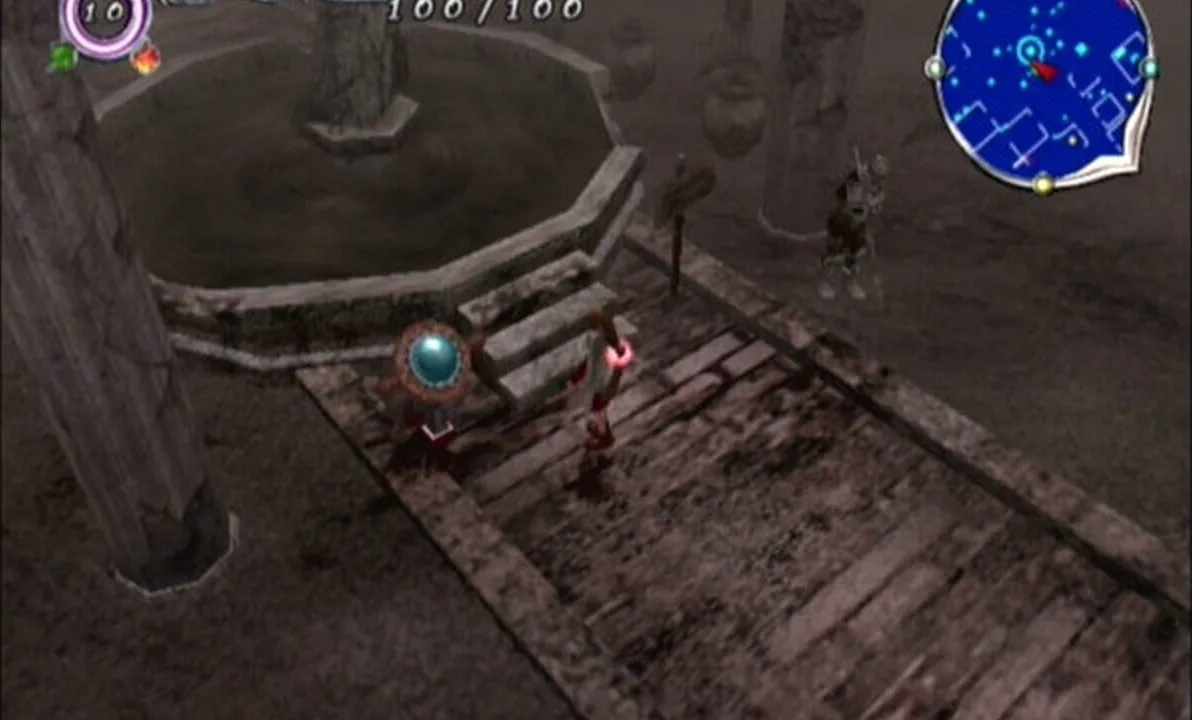
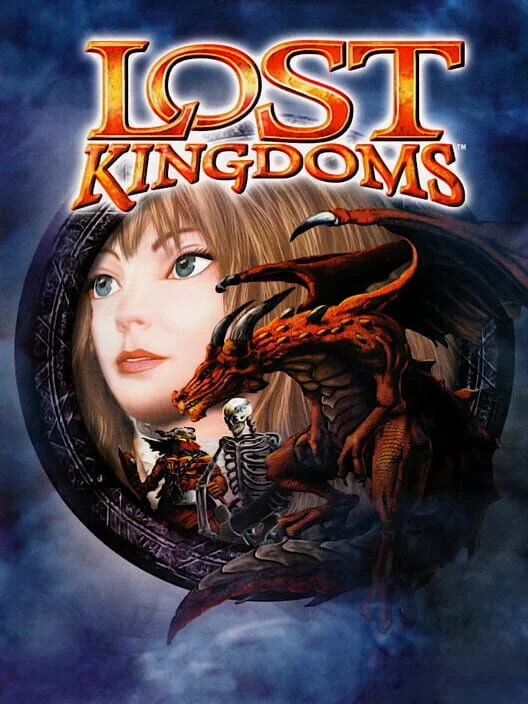
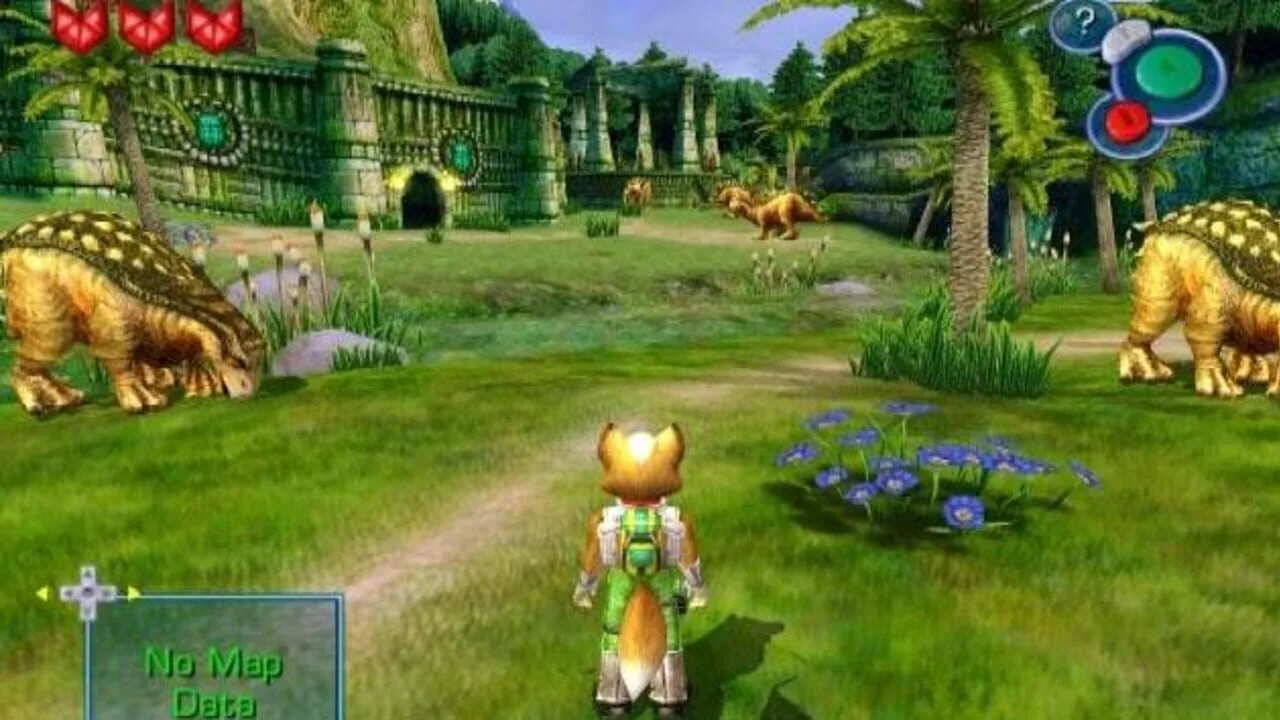
A dark mysterious force has taken over the five Kingdoms of Argwyll, and only one person can solve the mystery and save the world--you, as Princess Katia. Now you must travel through the kingdom and explore over two dozen unique 3D worlds filled with graveyards, forests, mountains, and fortresses. Interact with characters, uncover secret areas, and unravel the mystery of the evil forces. During your adventures, you can summon over 100 guardian creatures to help battle hordes of monsters. Make it a solo mission or go head-to-head with friends in two-player Versus mode.
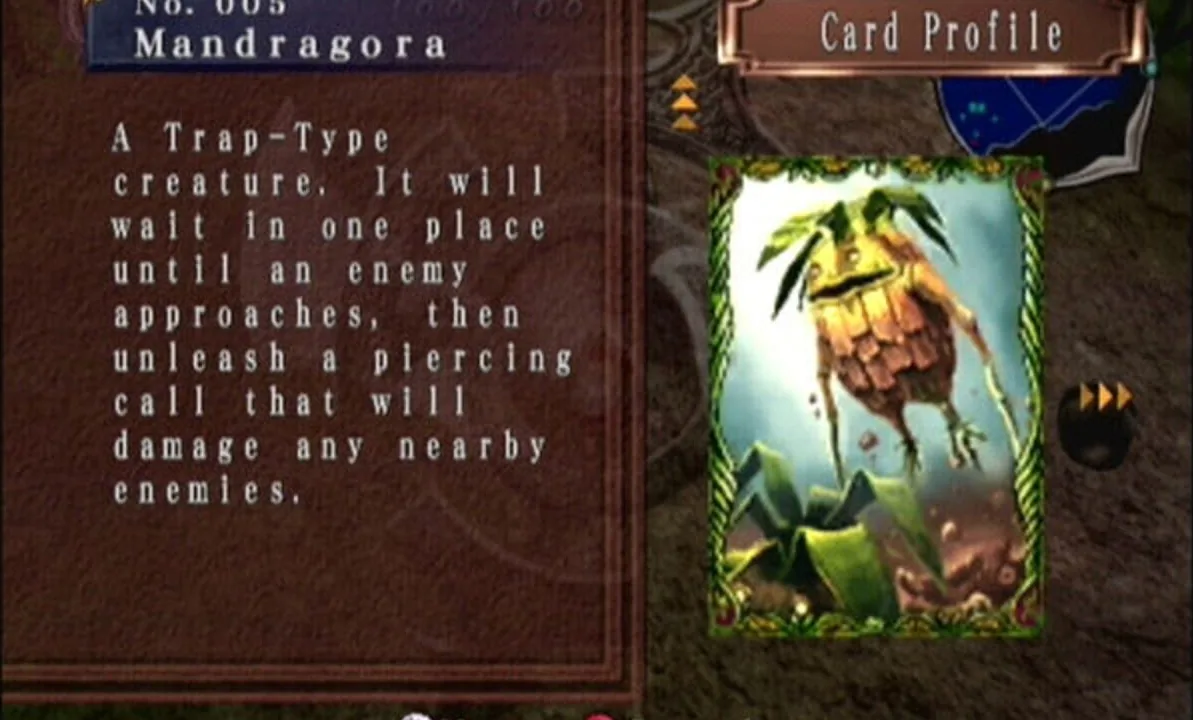
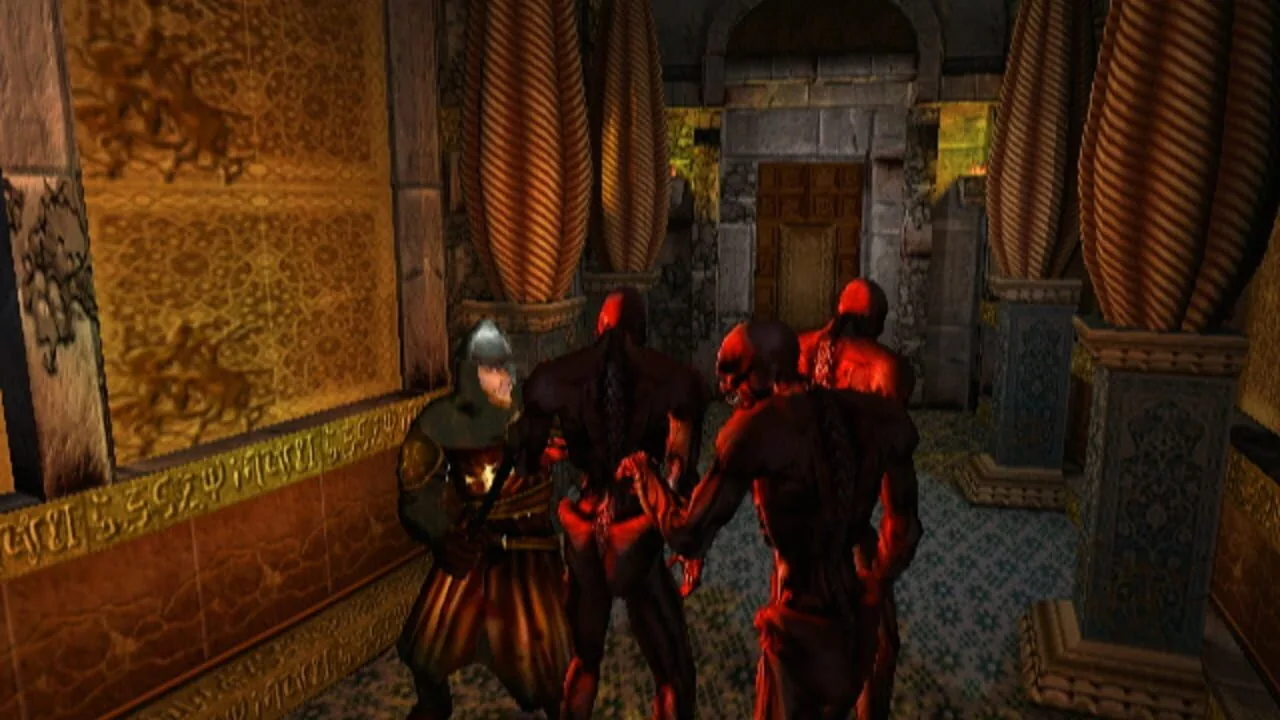
9. Eternal Darkness (2002)
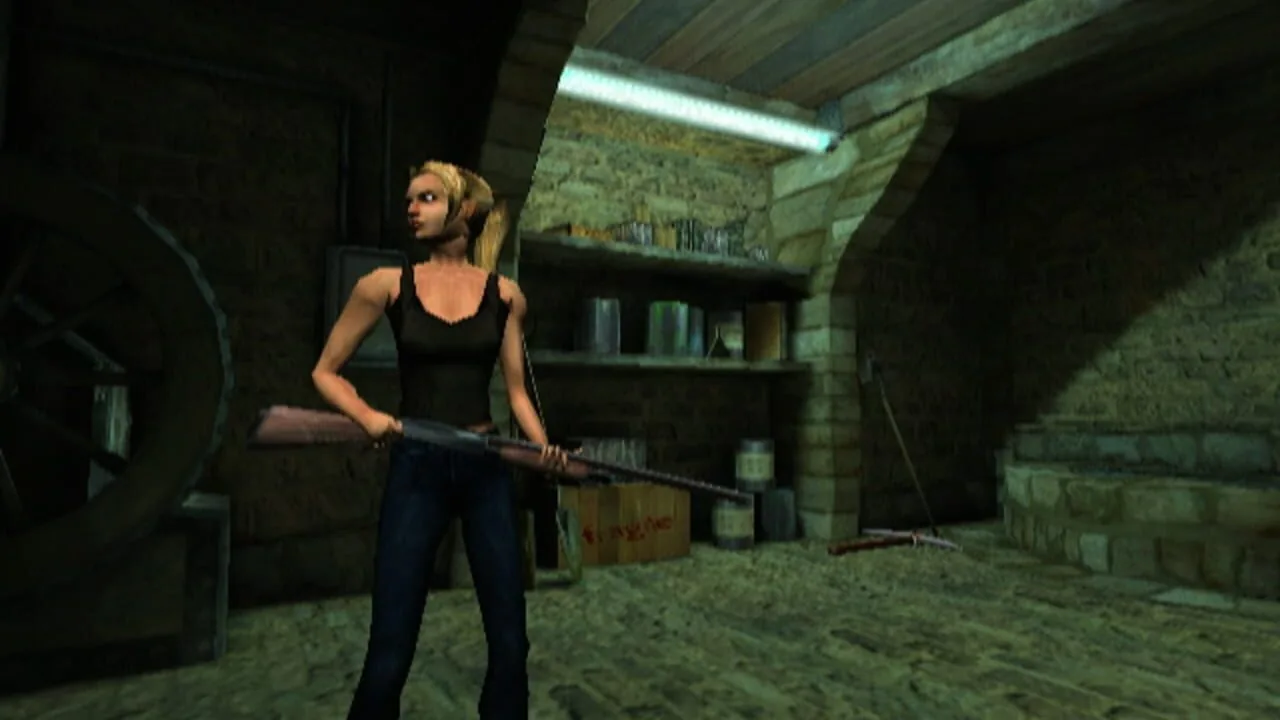
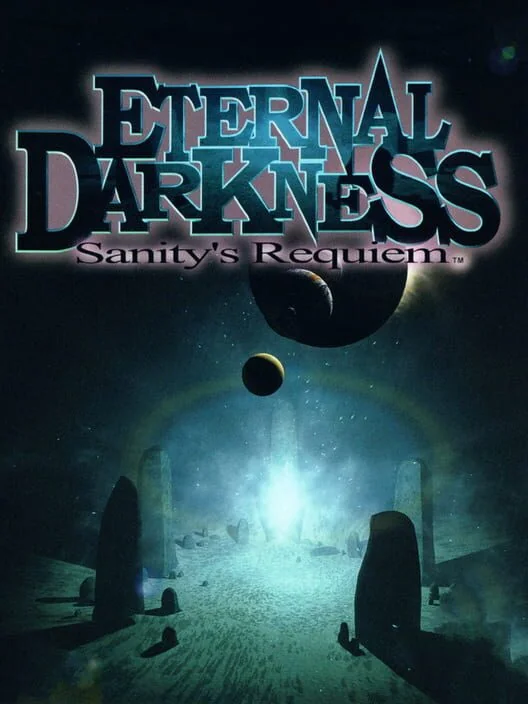
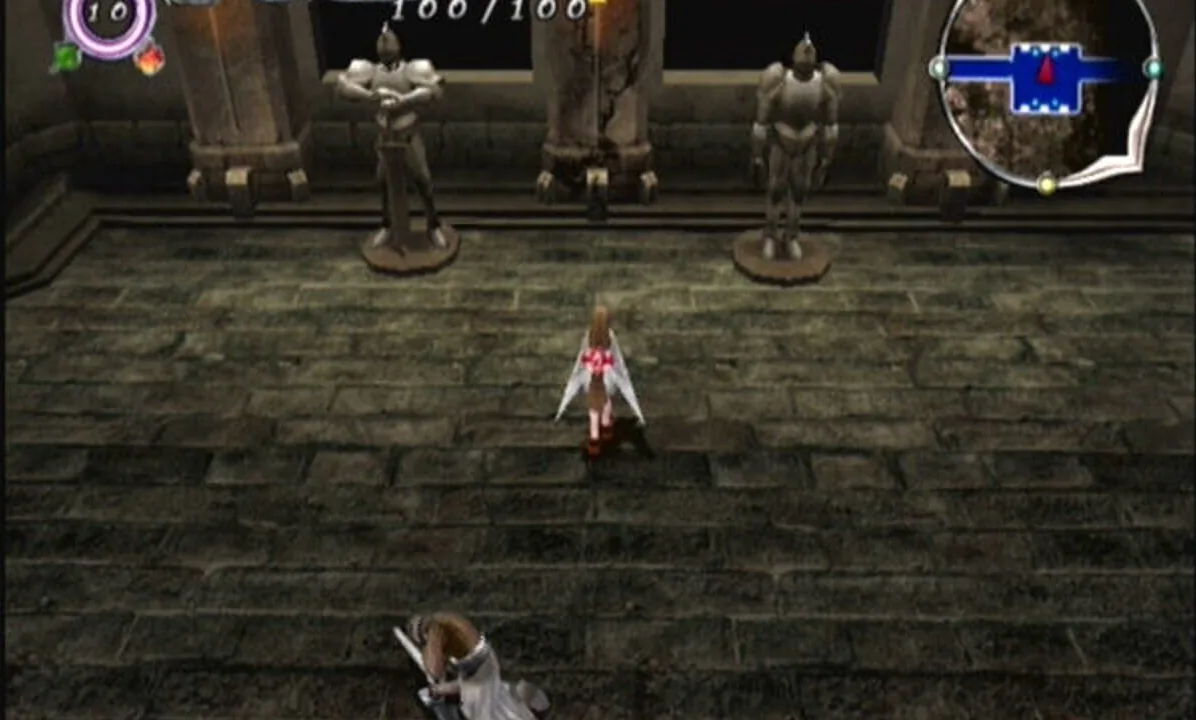
Eternal Darkness: Sanity's Requiem is a psychological horror action adventure, released in 2002 by Nintendo for the Gamecube. It tells the stories of twelve characters that span across the world and two millennia who have to deal with ancient forces of evil which have been trying to manifest themselves in our world. Chapters take place in Ancient Rome, Persia, the Middle East, and modern-day Rhode Island. Throughout the game, the protagonists will have access to several weapons appropriate for their era, from bastard sword & gladius to flintlock pistol and shotgun.
The game features an involved Magic system, which allows different spells to be created through the combination of runes. These spells can attack enemies, dispel illusions, and heal both the body and items.
Eternal Darkness: Sanity's Requiem also has a unique feature called Sanity. If an enemy sees a character, their Sanity meter drops. When Sanity gets low, hallucinations begin to plague the character. Walls bleed, voices whisper from nowhere, the camera gets disoriented. Sanity can be restored by dealing a finishing move on a dying enemy, or with spells or some items.
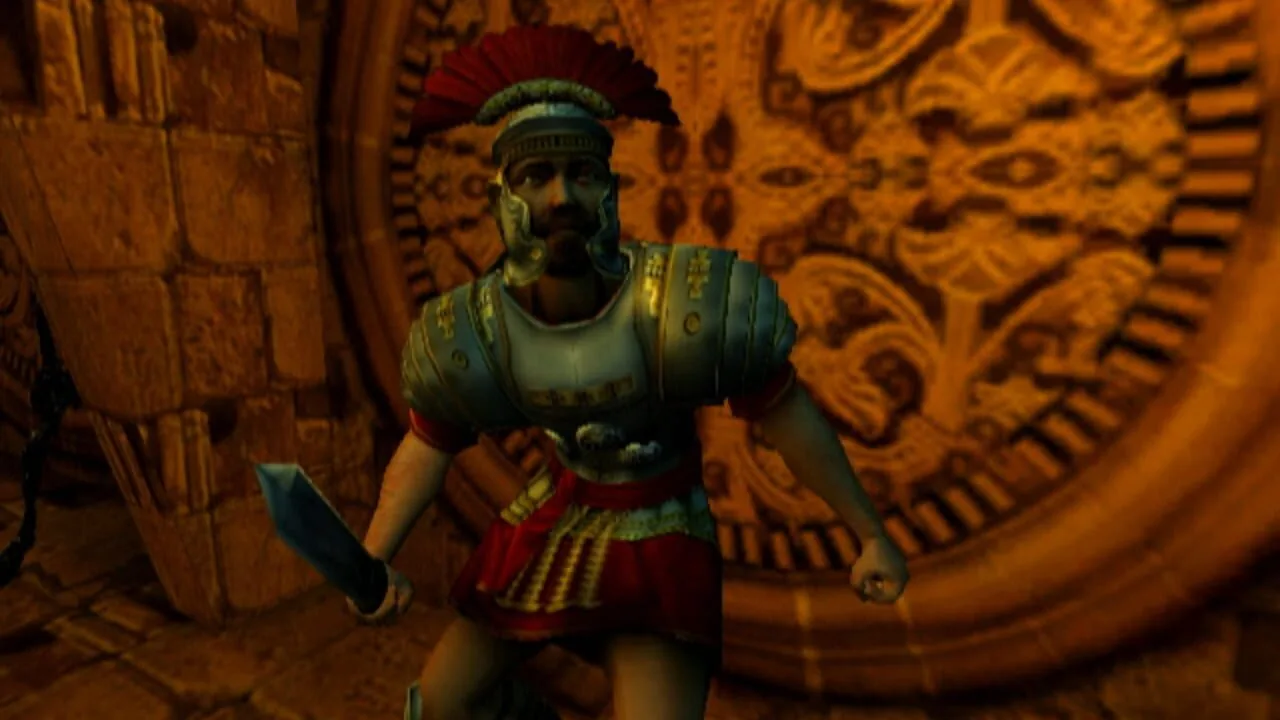
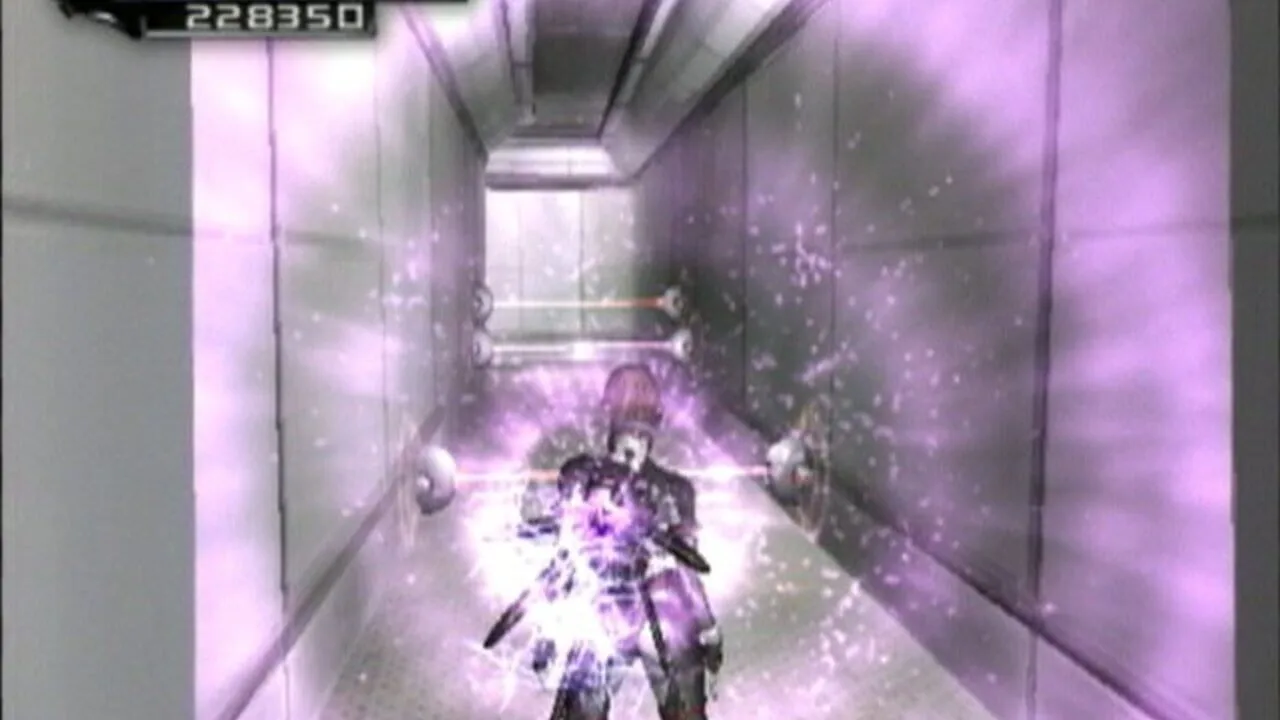
8. P.N.03 (2003)
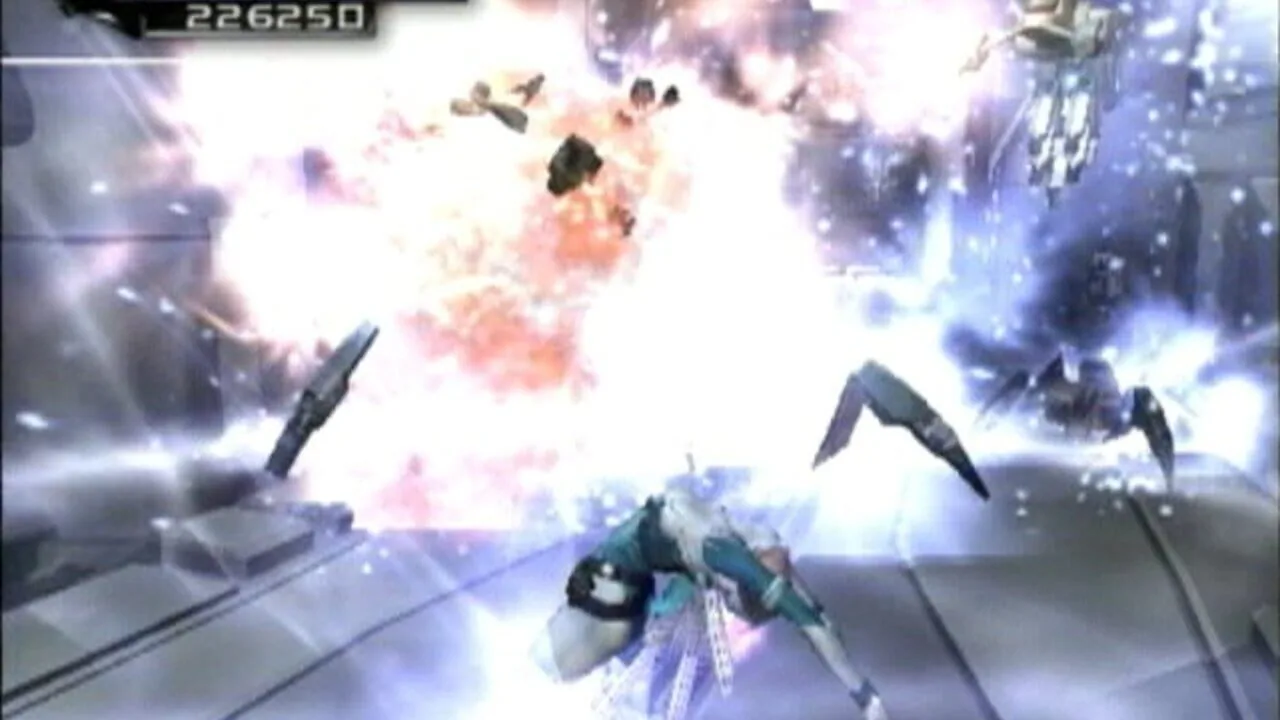
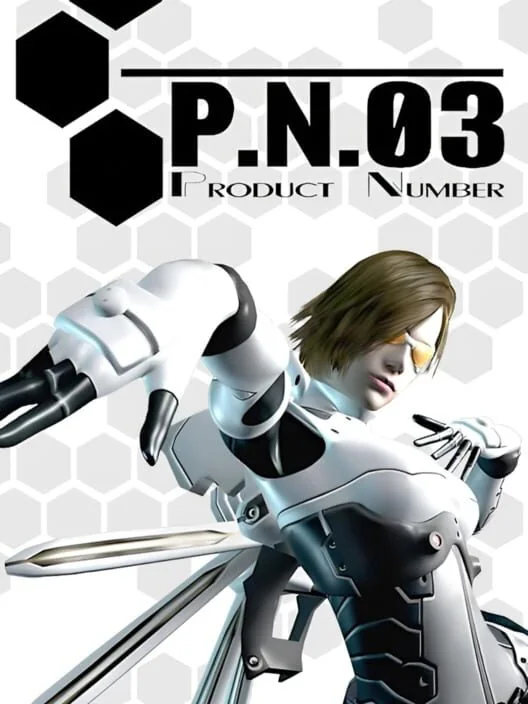
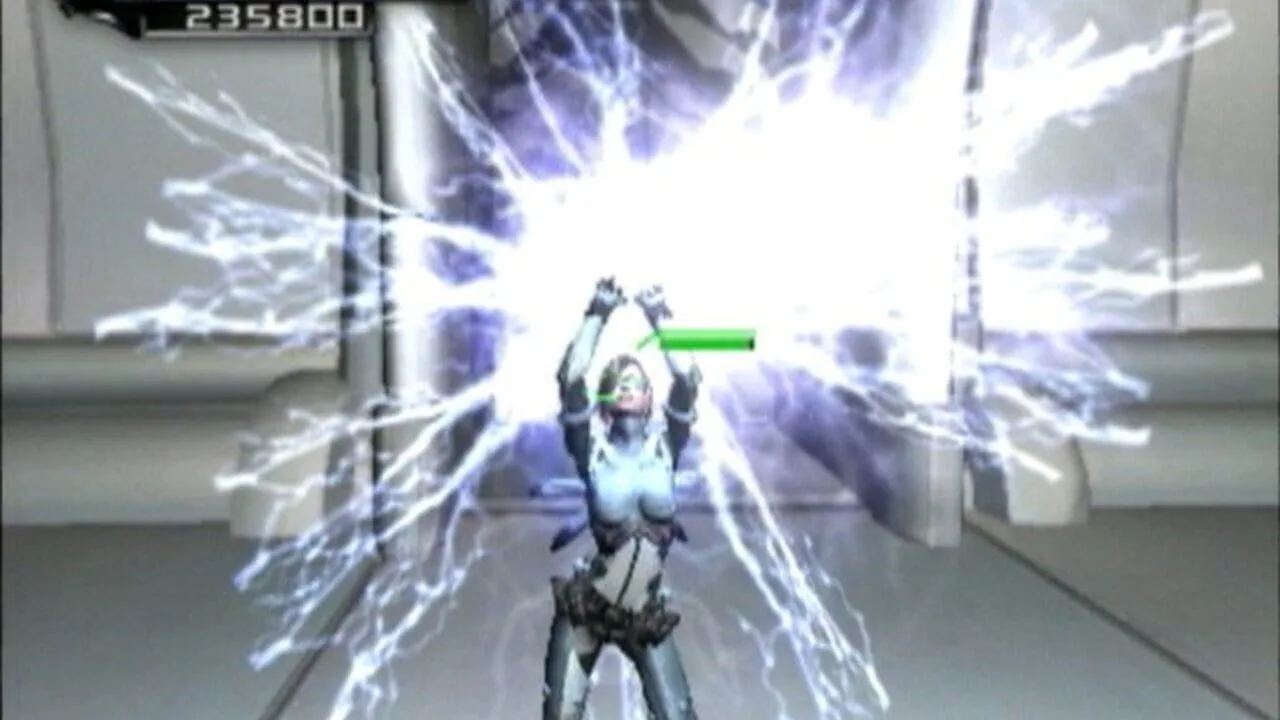
A colonial settlement on a distant planet goes out-of-control after a Computer Arms Management System goes haywire. Enter Vanessa Schneider, a freelance mercenary and robot killer with a grudge to settle in this exhilarating action game. But will Vanessa's dark past collide with her ultimate mission?
Control Vanessa through the various landscapes in a third person perspective, using her upgradeable abilities to destroy the CAMS, while dodging fire with a range of acrobatic moves.
7. Viewtiful Joe (2003)
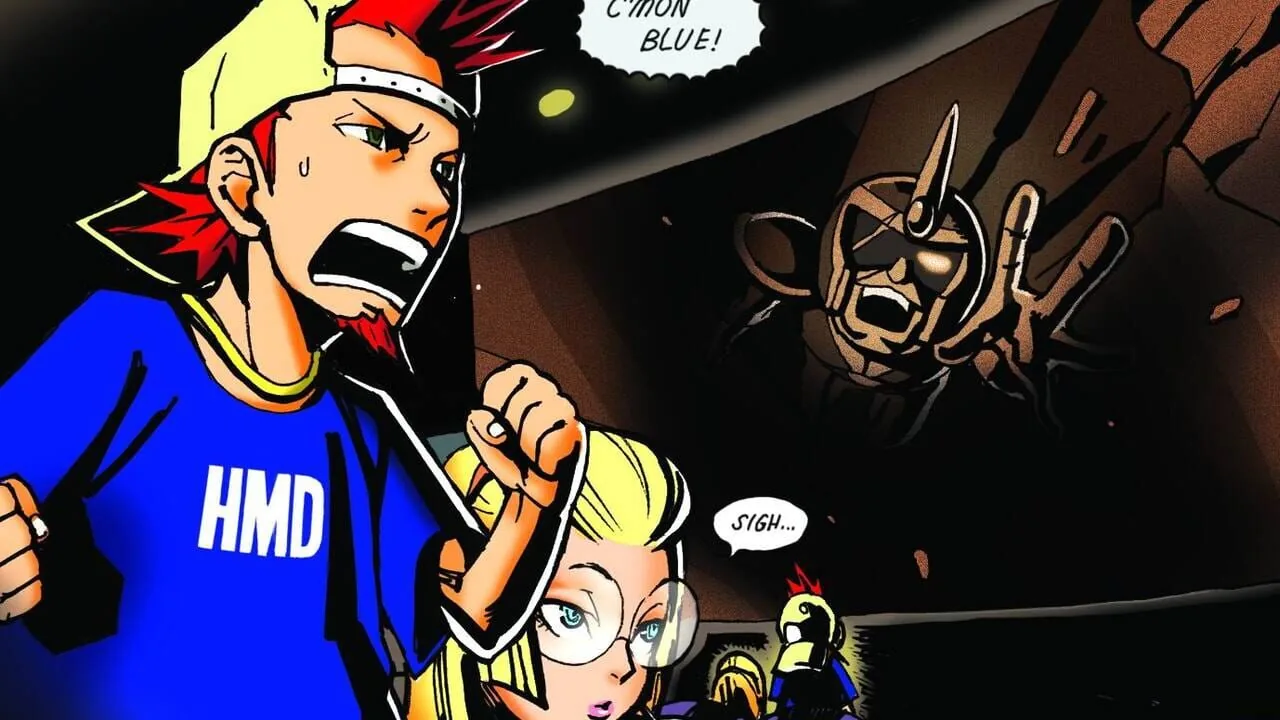
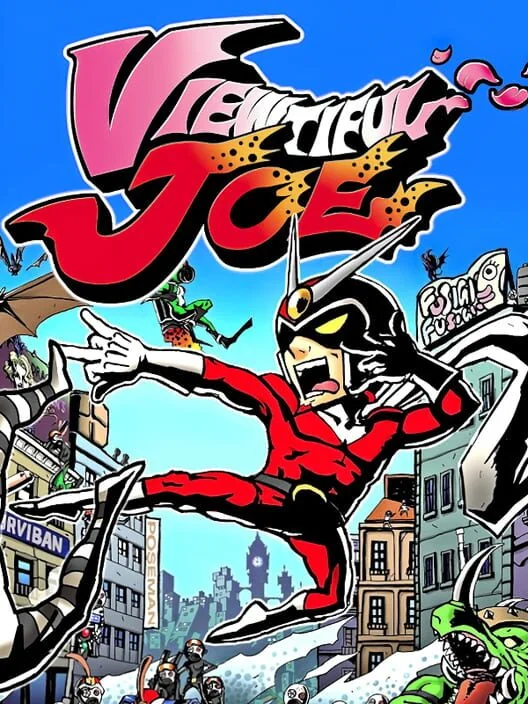
Joe is no ordinary man and Viewtiful Joe is no ordinary game. Capcom's new superhero action game mixes funky cartoon-style visuals with classic side-scrolling gameplay and introduces the world's quirkiest million dollar action hero. More than just any ordinary dude, Joe must transform into the ultimate superhero. It's up to you to activate the correct view mode like "slow" or "zoom in" in order to clobber your enemies with beautiful style. You can also speed up or slow down your visual effects for even more "viewtiful" moves. Viewtiful Joe mixes an innovative viewpoint with an amazing stunt-filled action movie universe.

6. Gotcha Force (2003)
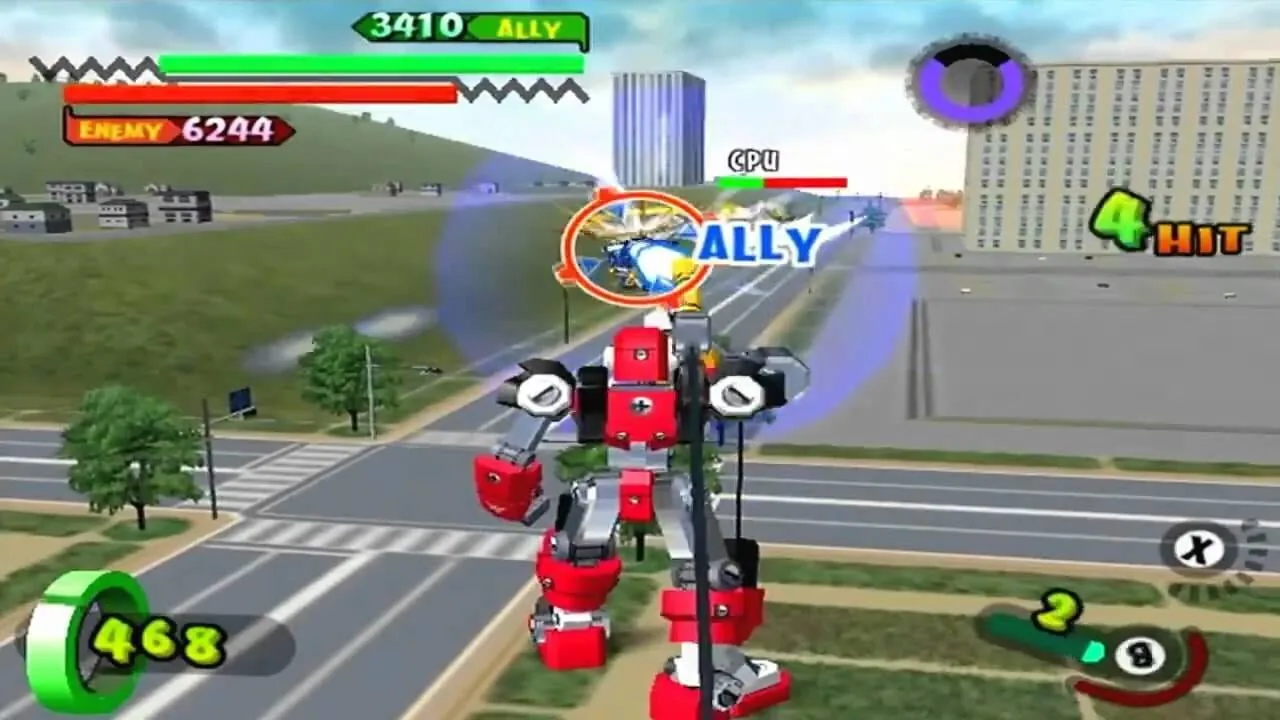
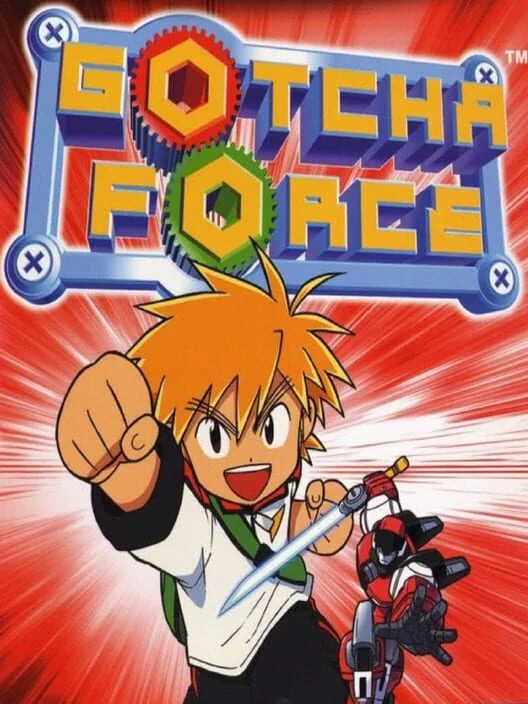
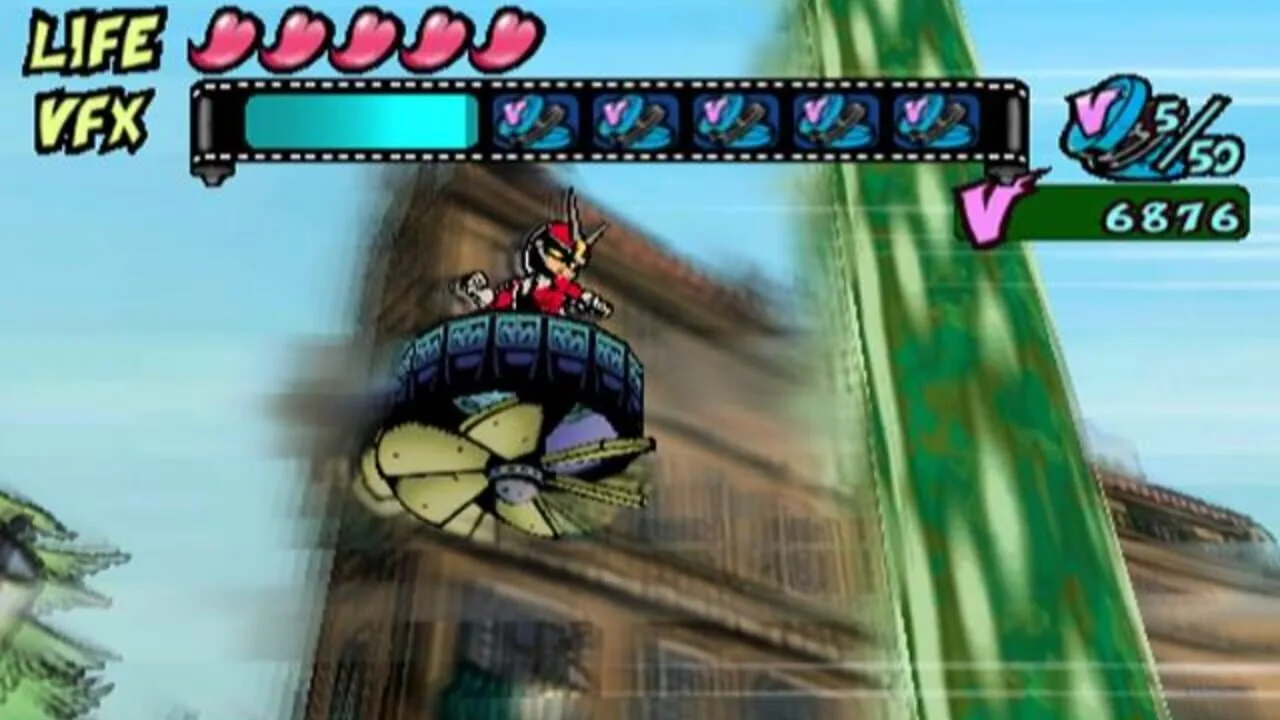
Gotcha Force is a fighting / third-person shooter video game developed on HAL Laboratory Sysdolphin engine and published by Capcom for the GameCube in 2003. The game consists primarily of collecting gacha toys and battling with them.
5. Battalion Wars (2005)
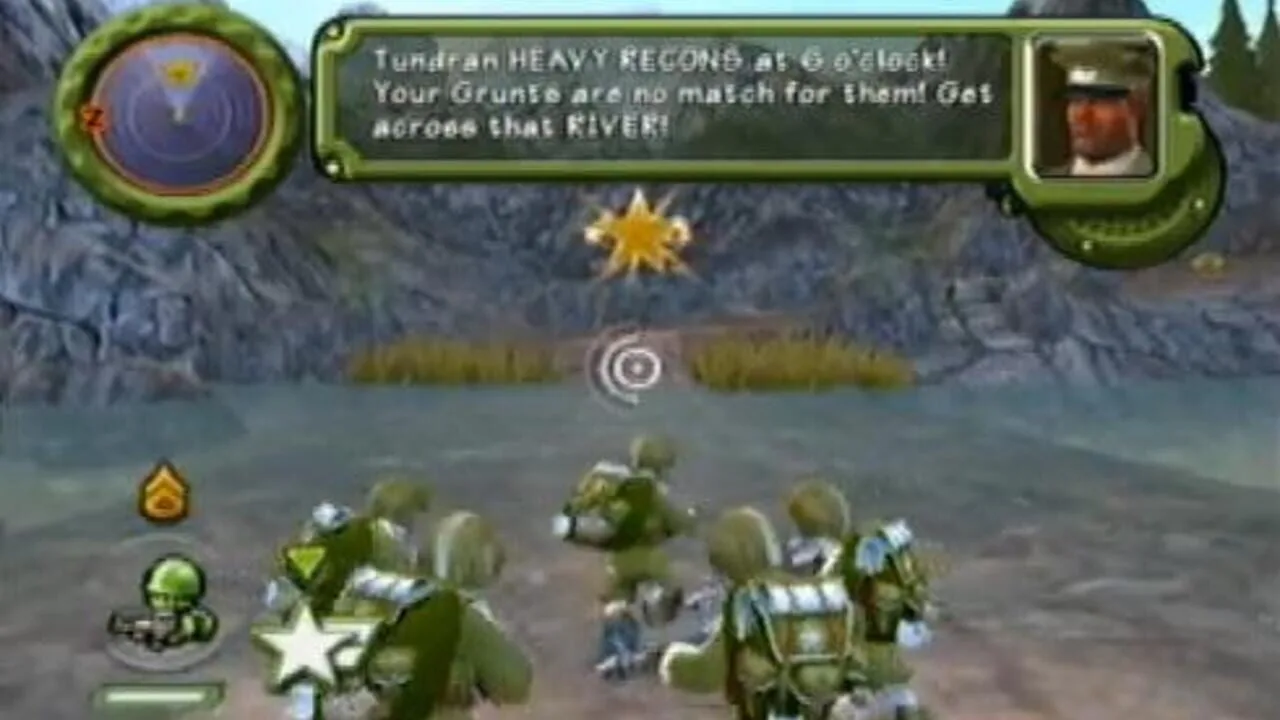
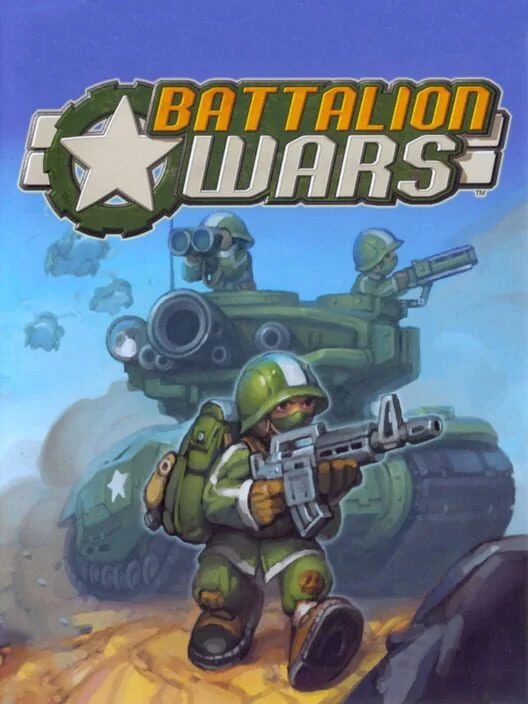
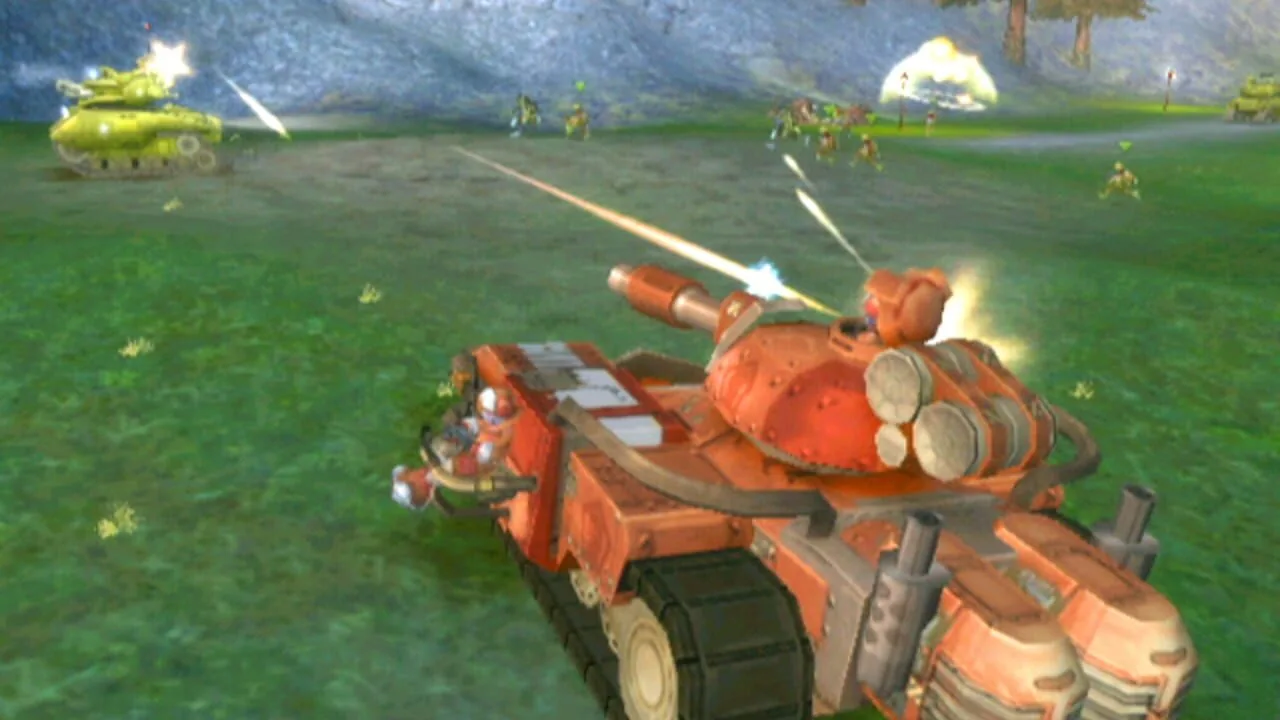
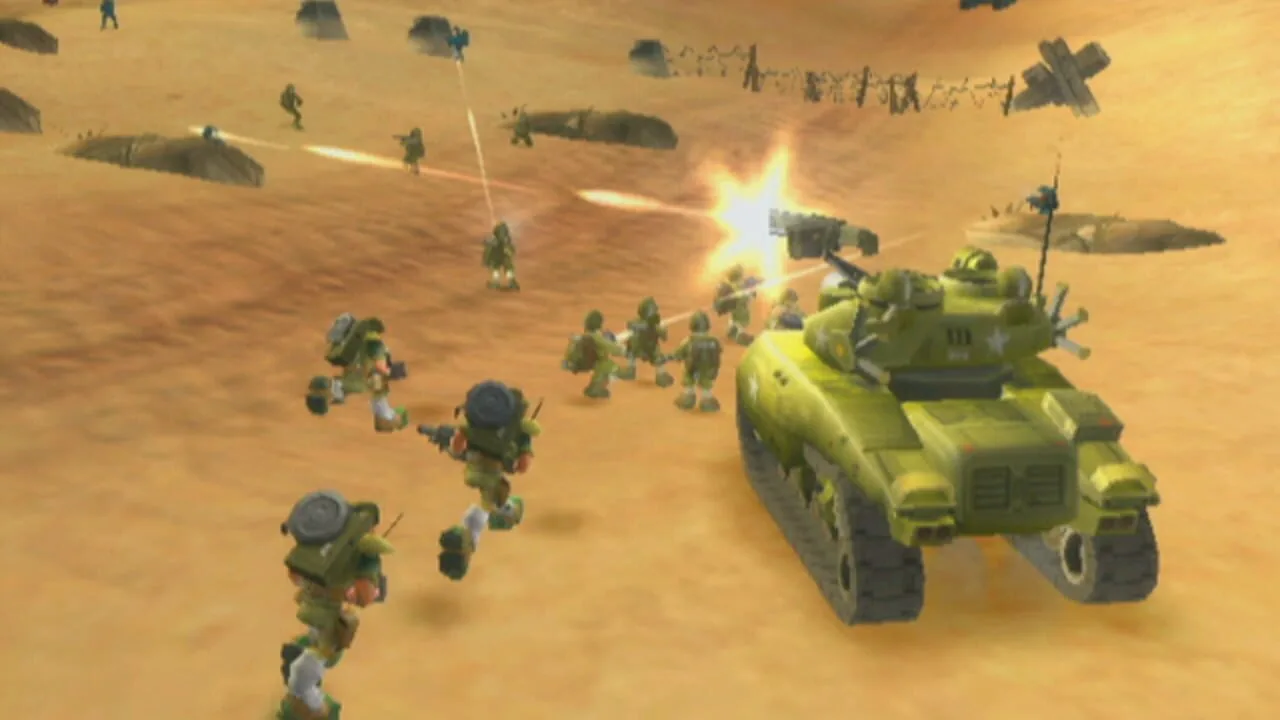
A global conflict has reached a stalemate in the console version of the Game Boy Advance series Advance Wars. The evil Kaiser Vlad, seeking to take advantage of the standoff, has assembled an army of shock troops, forcing The Western Frontier and the Tundran Territories to ally and fight back. Battalion Wars is a real-time strategy game that lets you control teams of soldiers and vehicles and lead them through more than 20 missions, using a variety of weapons and tactics.
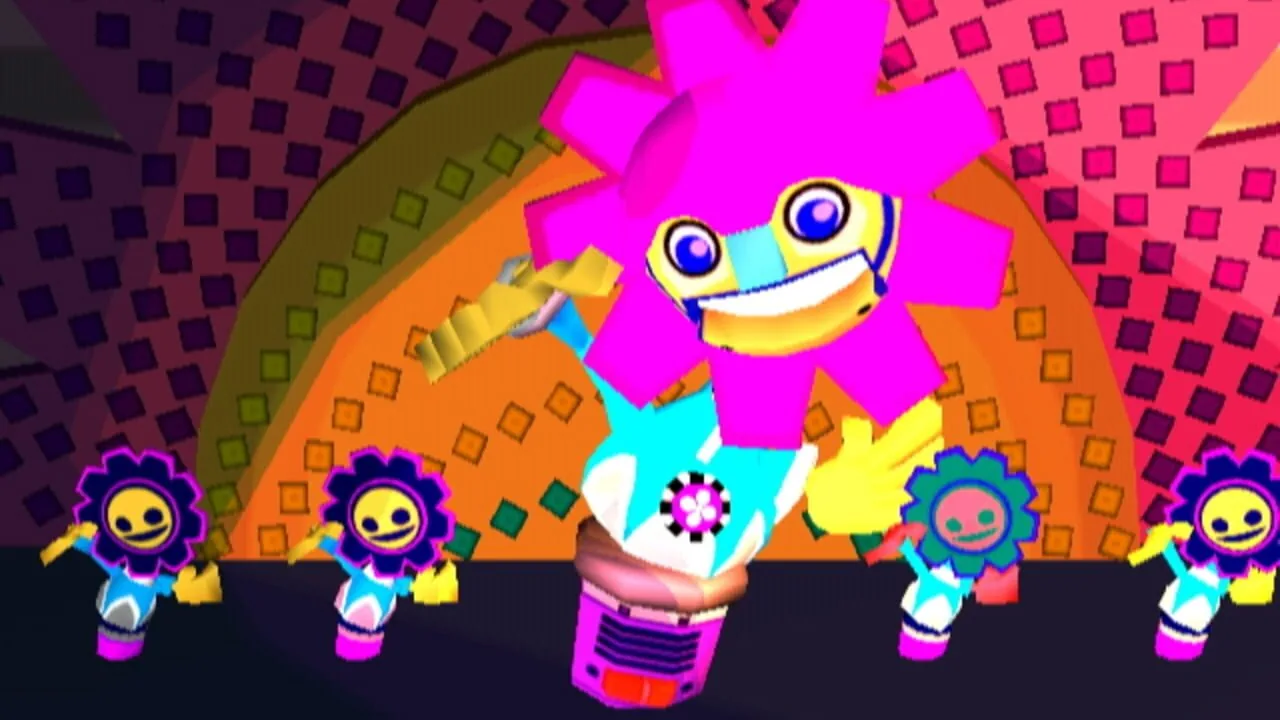
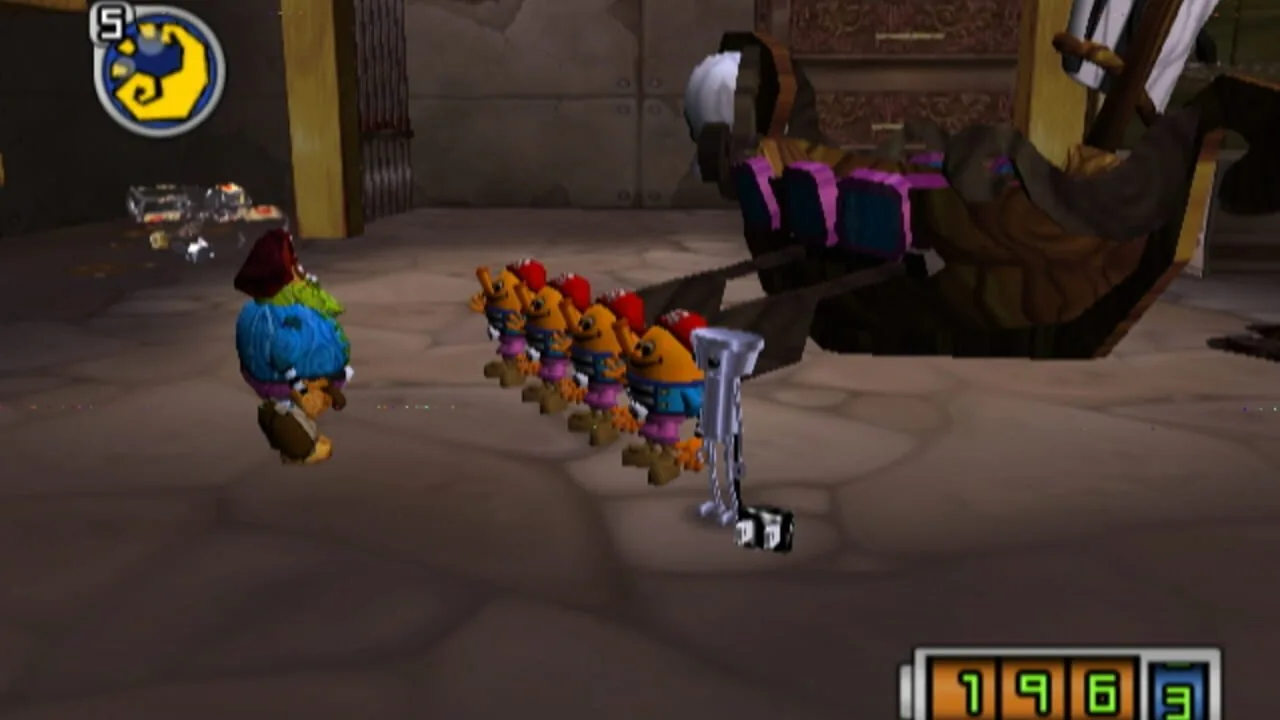
4. Chibi-Robo! (2005)
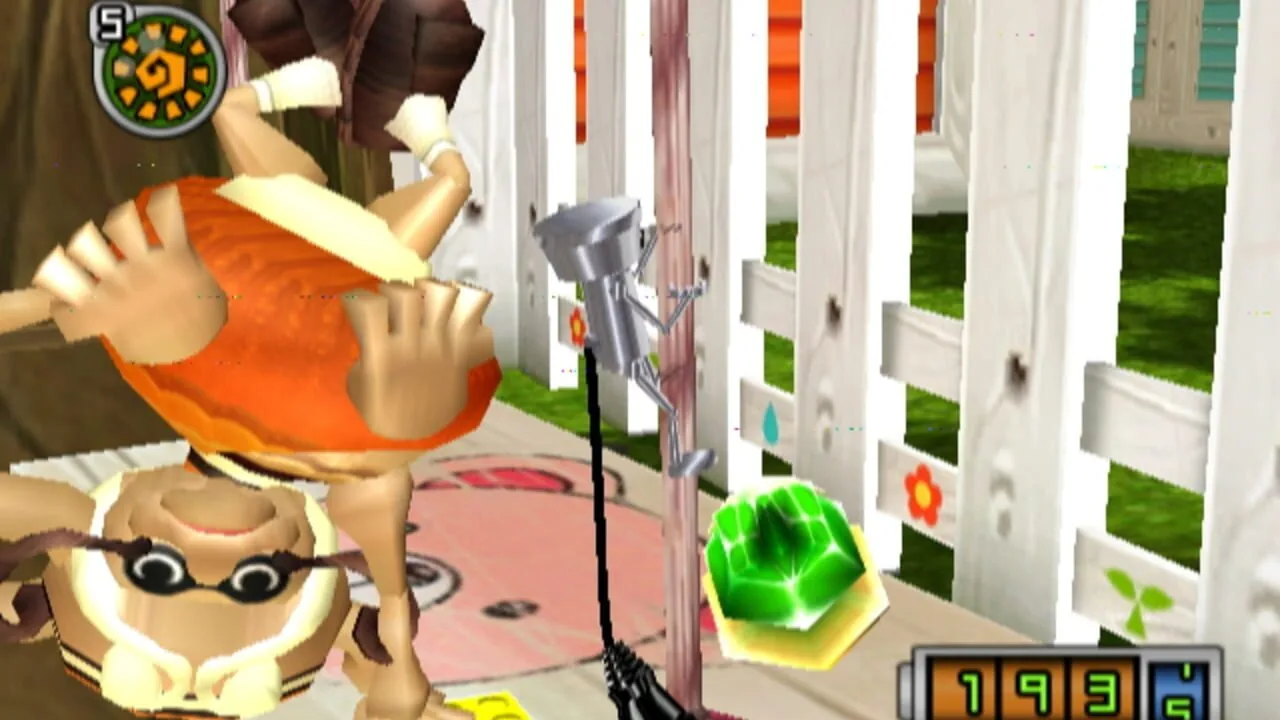
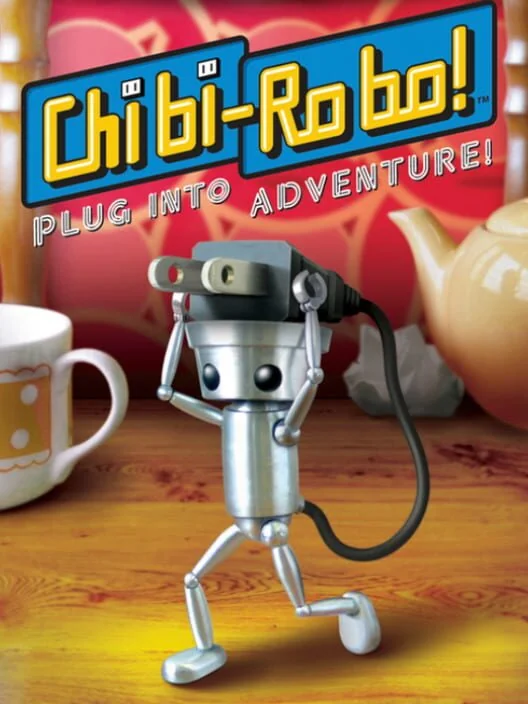
Like most families, the Sandersons bicker about money and cleaning. Unlike most families, though, they also have robotic spiders, aliens, and talking toys to worry about. Enter Chibi-Robo, a tiny robot programmed to spread happiness. Join him on his quest to restore order to the Sanderson house and SAVE THE WORLD!
3. Geist (2005)
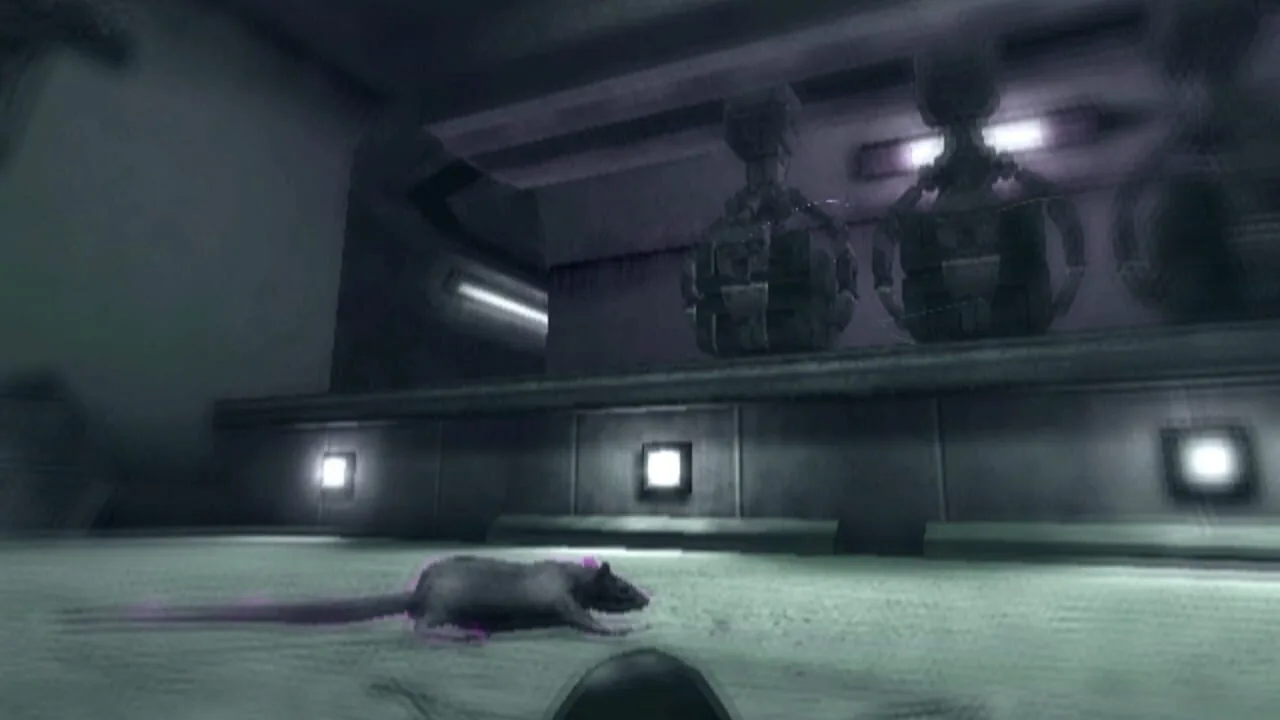
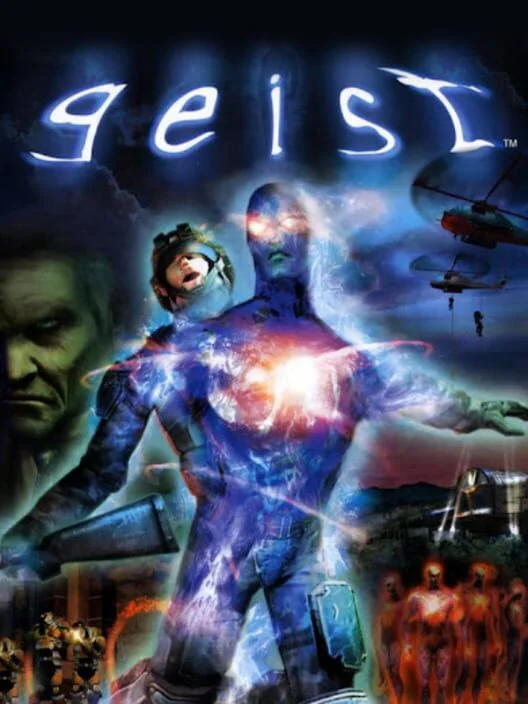
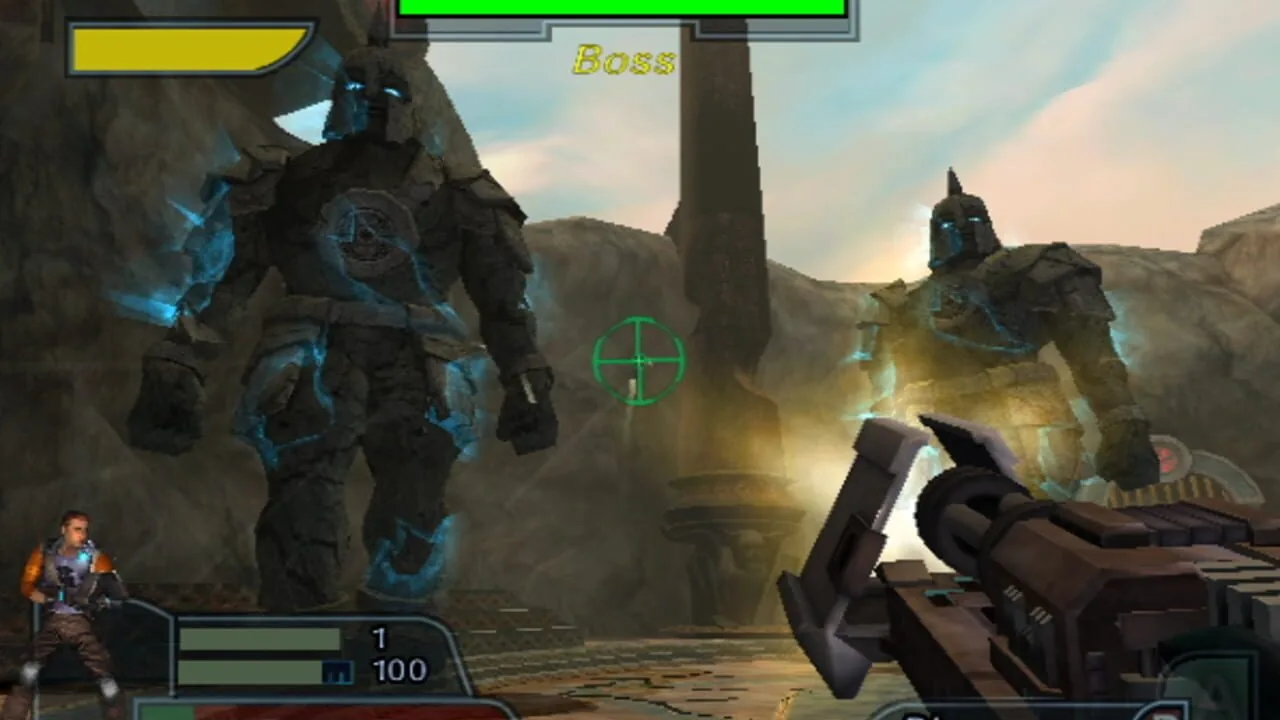
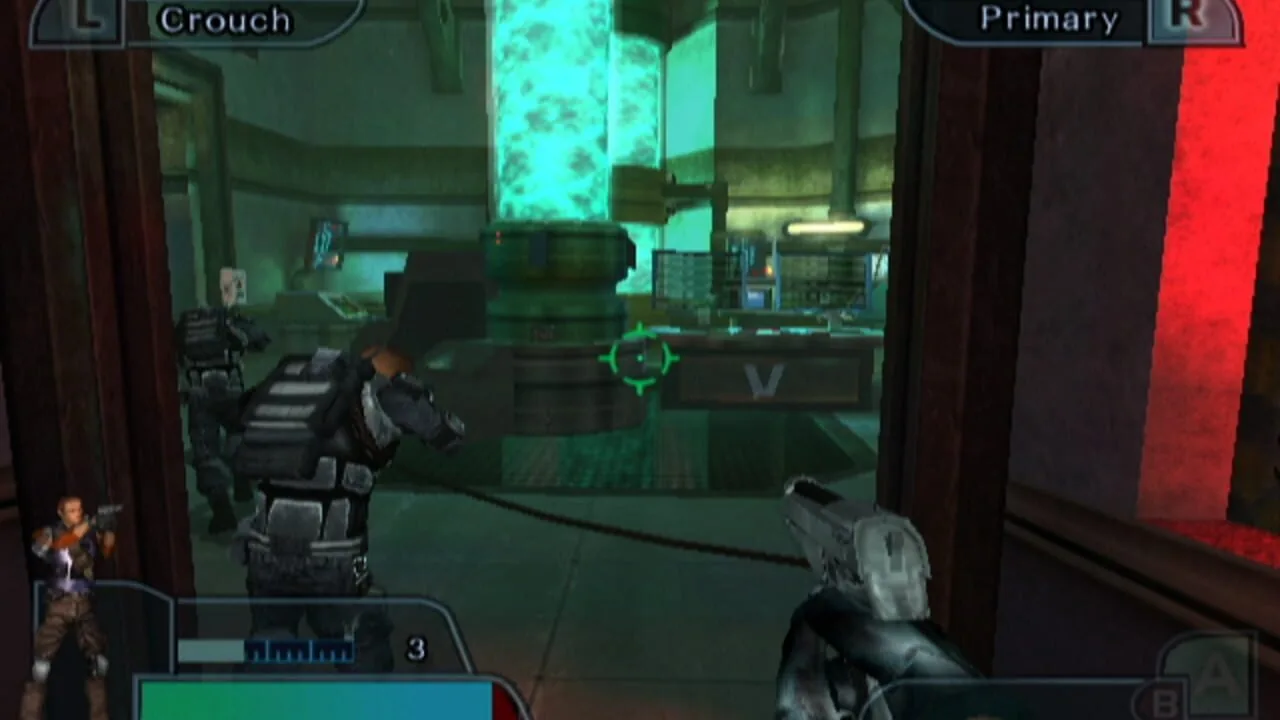
Take Possession! When a mission goes horribly wrong, you are captured and subjected to a ghastly experiment that rips your spirit from your physical body. Now you are trapped, forced to roam the halls of the shadowy Volks Corporation as a spectral phantom. As you explore, employ you hair-raising power of possession to control humans, animals and objects to infiltrate the compound, solve puzzles, and strike at your enemies. Only by unearthing the dark secrets of the Volks Corporation will you unravel the mystery of your condition and find a way to recover your human form.
2. Metal Arms: Glitch in the System (2003)
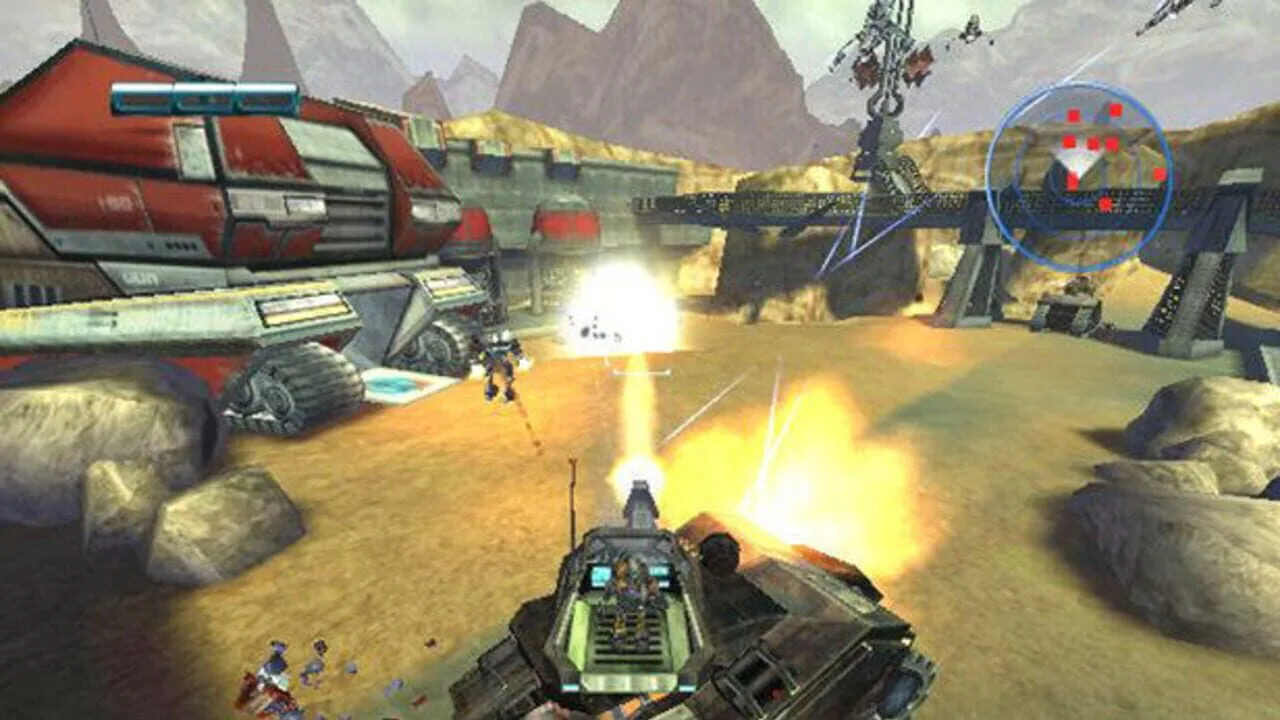
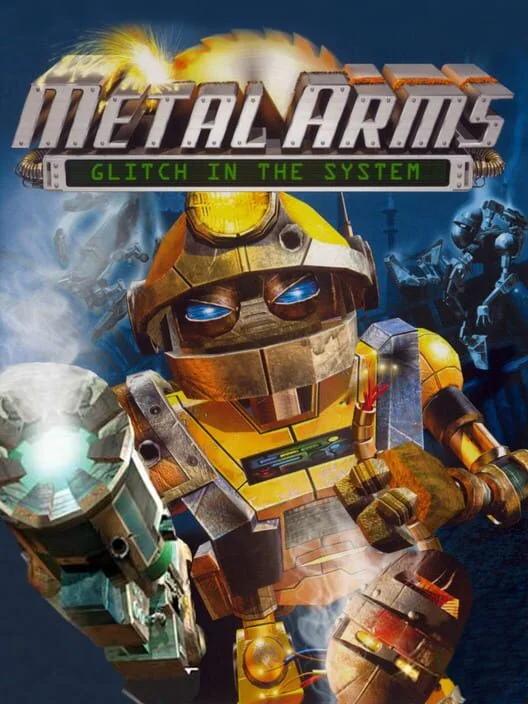
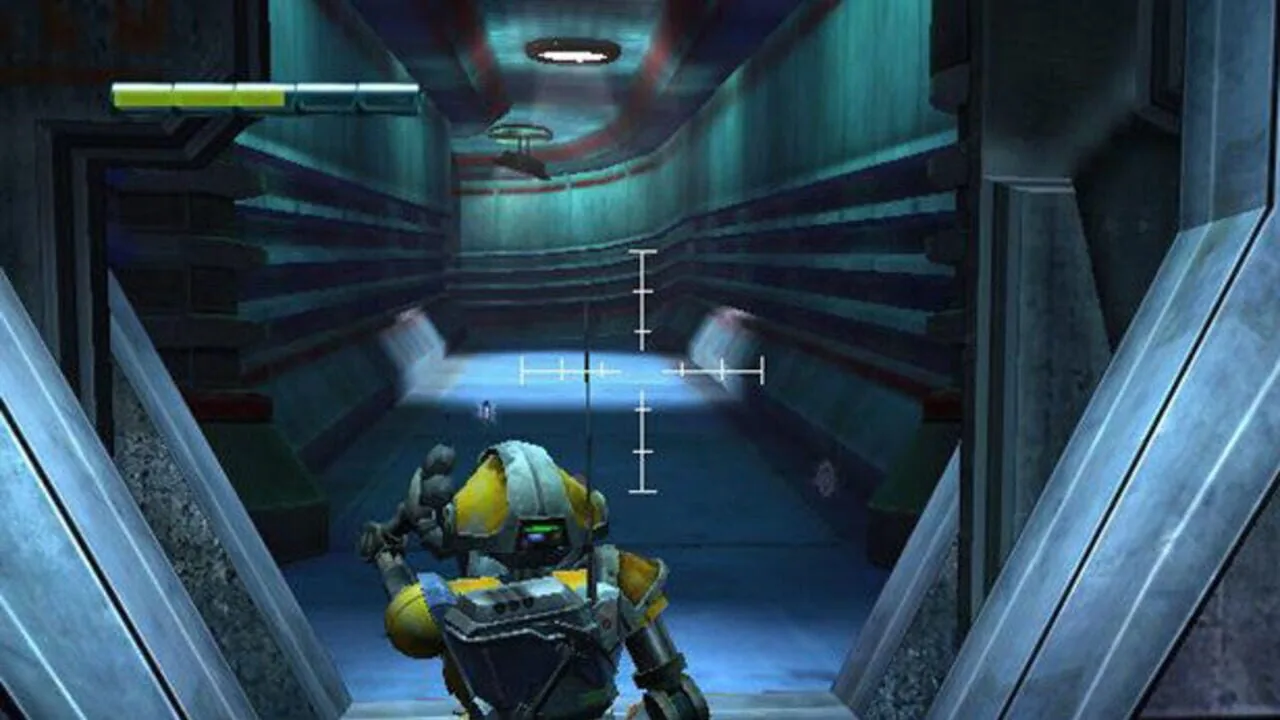
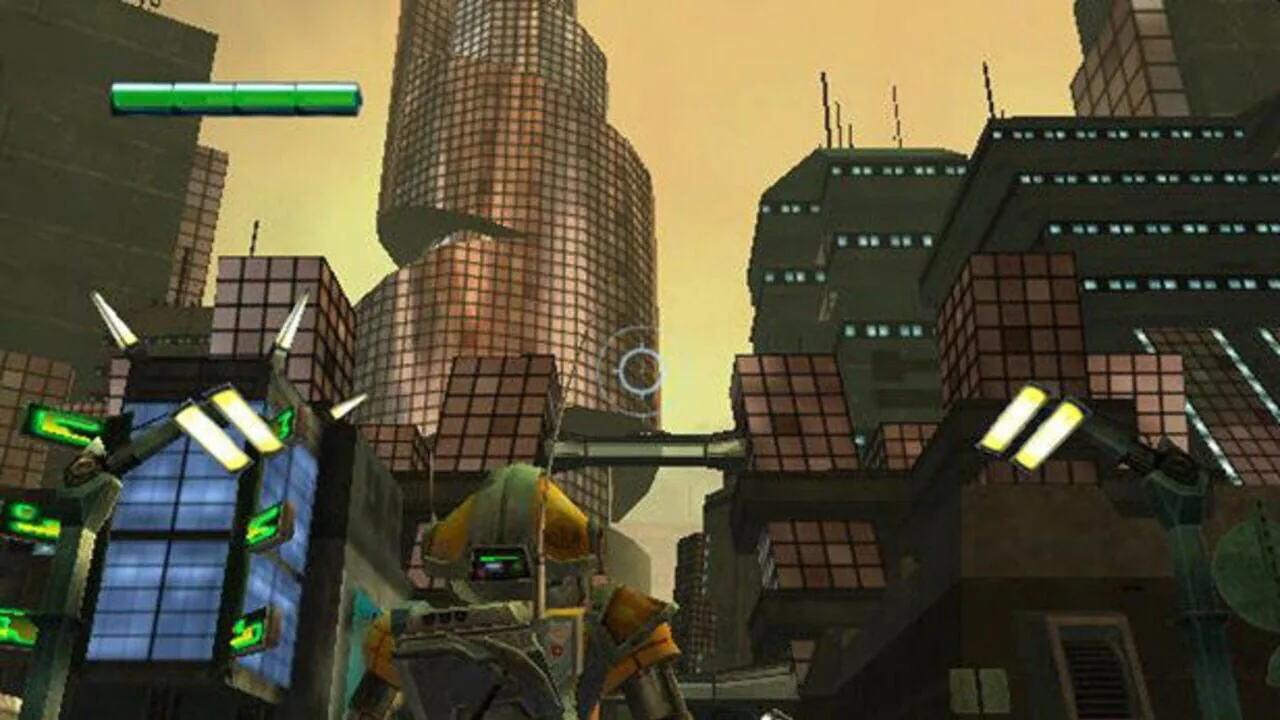
Metal Arms: Glitch in the System is a third-person shooter action-adventure video game, developed by Swingin' Ape Studios and released in 2003. The game follows a robot named Glitch as he joins forces with the Droids in their fight against General Corrosive and his Milbots.
1. Custom Robo (2004)
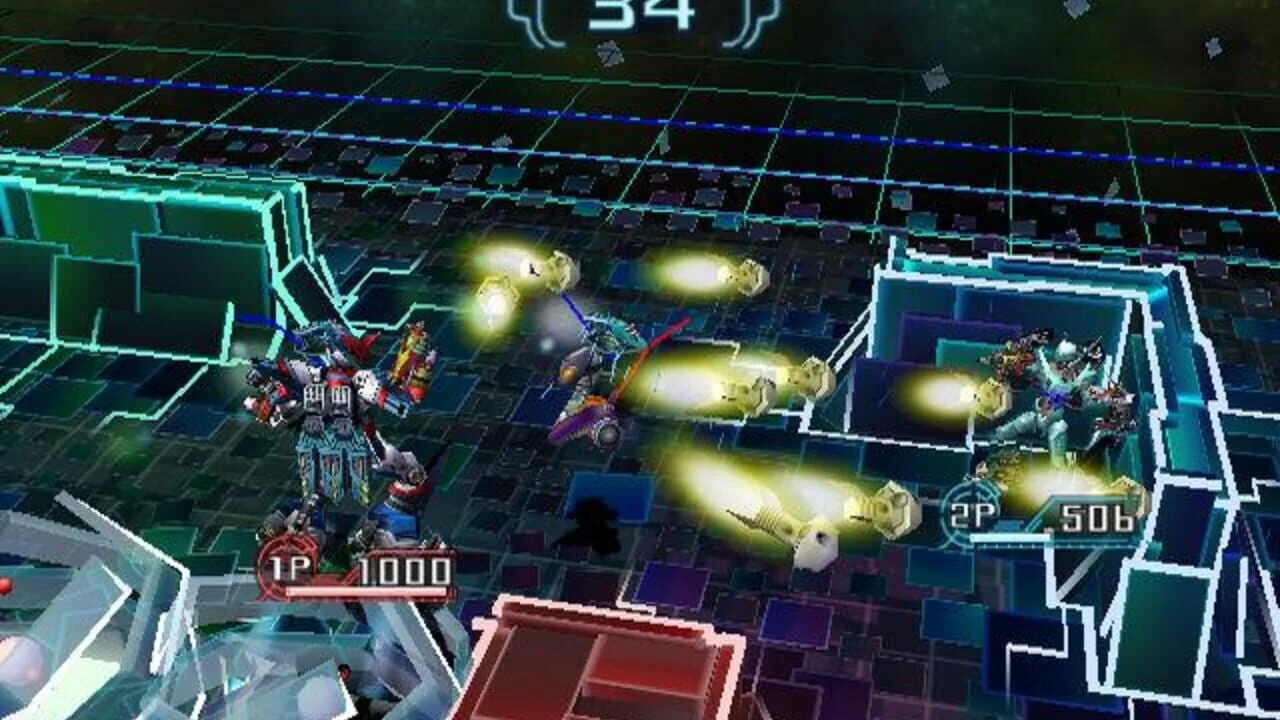
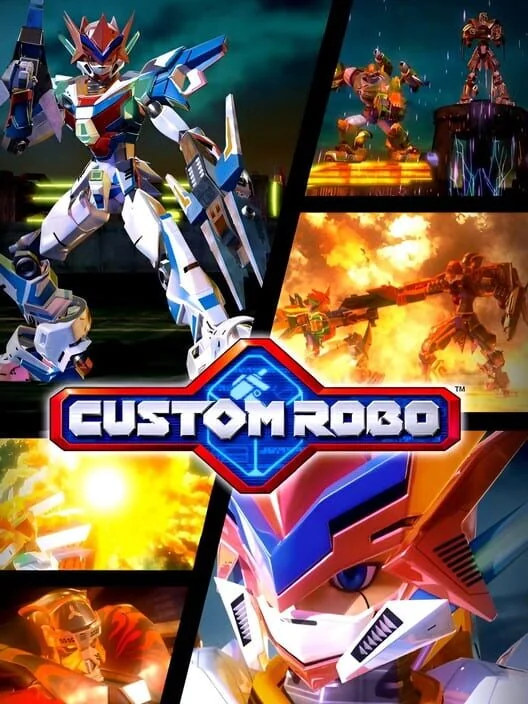
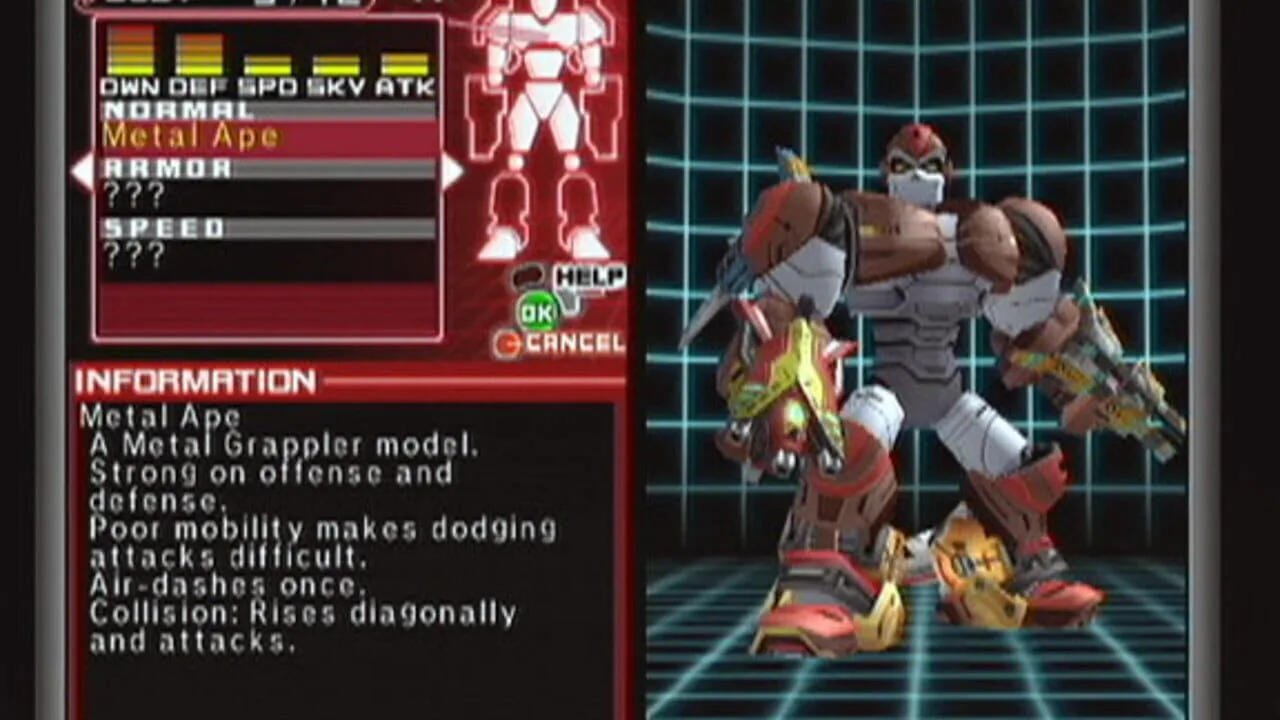
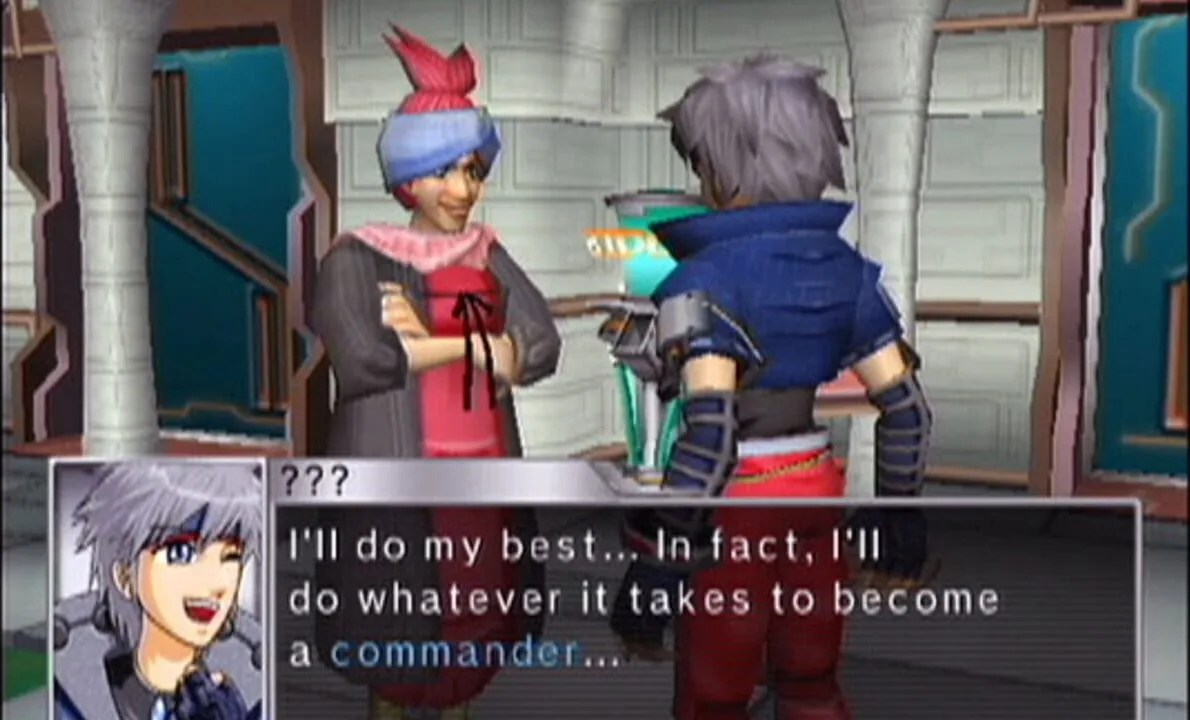
You've been challenged to a fight, and the robots are waiting. Do you pick a Ray 01 body and equip it with a Wyvern gun and Burrow bomb P, or do you opt for a Javelin with Satellite pod and Feather legs? Custom Robo lets you and up to three friends customize robots with nearly 200 unique parts, then turns you loose in a virtual battlefield to prove who's the top robot commander.
Every issue features one game worth playing, plus the latest retro news.