The GameCube was not the console most people bought for RPGs. Square had not put a Final Fantasy on a Nintendo home console since 1994, and the big names of the PlayStation 2 era stayed over there. So GameCube owners got used to hunting, and what they found was a lot better than the console's reputation.
Skies of Arcadia came over from the Dreamcast with extra content, and Intelligent Systems gave Fire Emblem its first outing in 3D. Even Pokémon got a darker story here, with a hero who steals Pokémon instead of catching them. There are also some odd ones, like card battlers from the team behind Xenosaga. Here are the 21 best GameCube RPGs.
21. Yu-Gi-Oh! The Falsebound Kingdom (2002)
The Falsebound Kingdom is the only game in the Yu-Gi-Oh! series to be released for the GameCube. It came out in Japan in December 2002 and in North America in November 2003. Konami took the series somewhere new with it, mixing real-time strategy with role-playing in place of the card battles fans knew from other systems. At the start you choose between two storylines, and Joey's is a prequel to Yugi's.
It is the last game on this list, and it got here because a small group of players still remembers it fondly. Kids who wanted to duel with their cards got a strategy game about moving monsters around a map, which must have made for some confused birthdays. If you liked the show and you like strategy games, it is a curiosity worth a look.
20. Mega Man X: Command Mission (2004)
Command Mission is the Mega Man X RPG, and many of the people who made it had worked on Capcom's Breath of Fire series. It is set in the 23rd century, after the discovery of Force Metal, a metallic substance that changes how Reploids are built. Each character can only equip a certain number of Force Metals, so building your party takes some thought. The battle system was inspired by Whack-a-mole, of all things.
Reviewers praised the battles but felt the game never reached its full potential. Players who know the GameCube's RPGs keep it among their picks anyway. Zero and Axl are both in the cast, which is reason enough for any Mega Man fan to try it. The developers left out a New Game Plus because they saw it as an RPG and not an action game.
19. Phantasy Star Online Episode III: C.A.R.D. Revolution (2003)
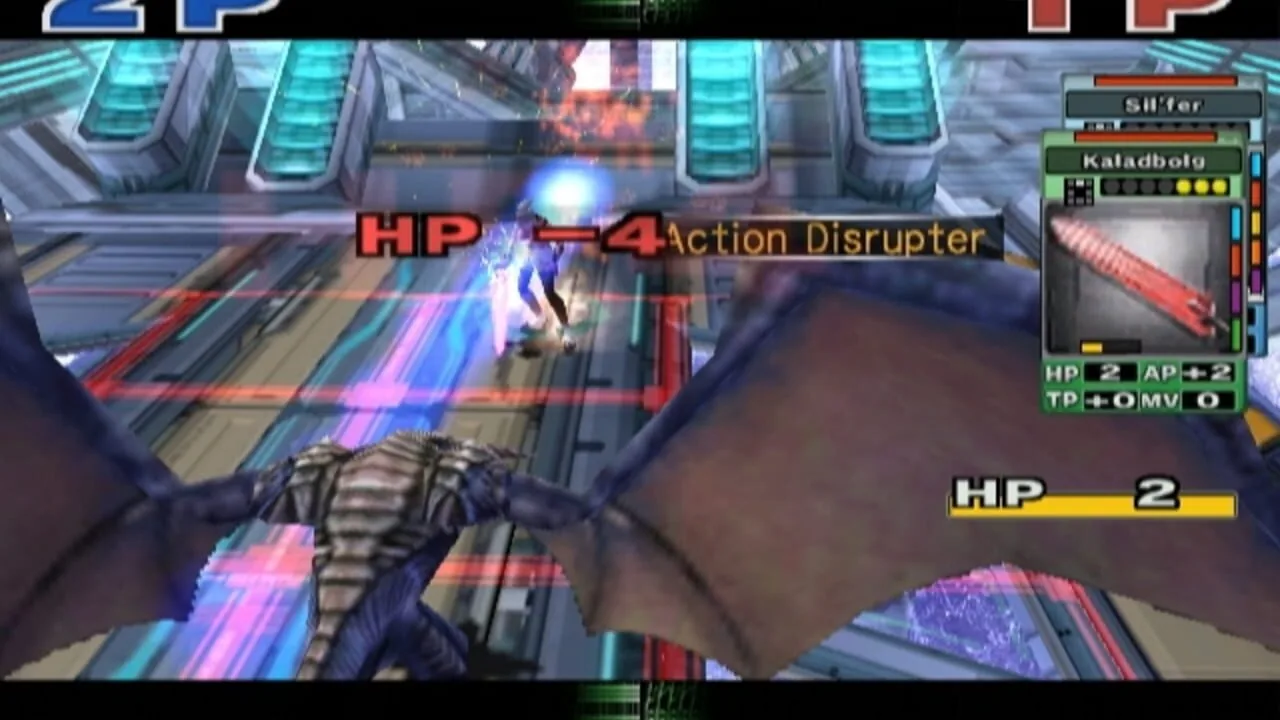
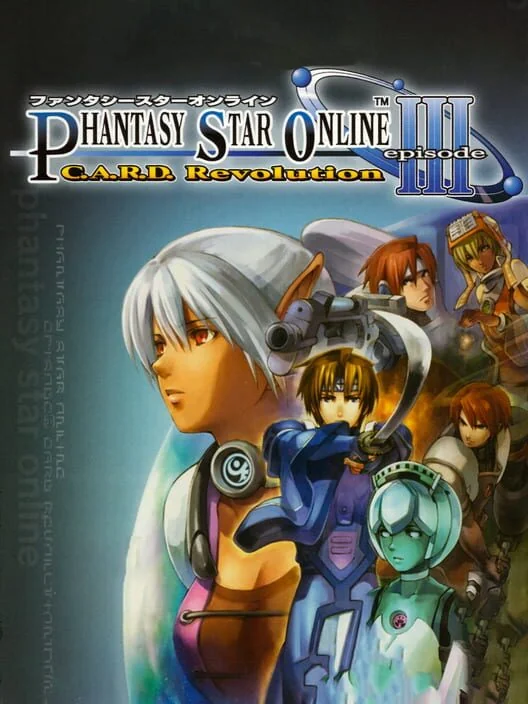
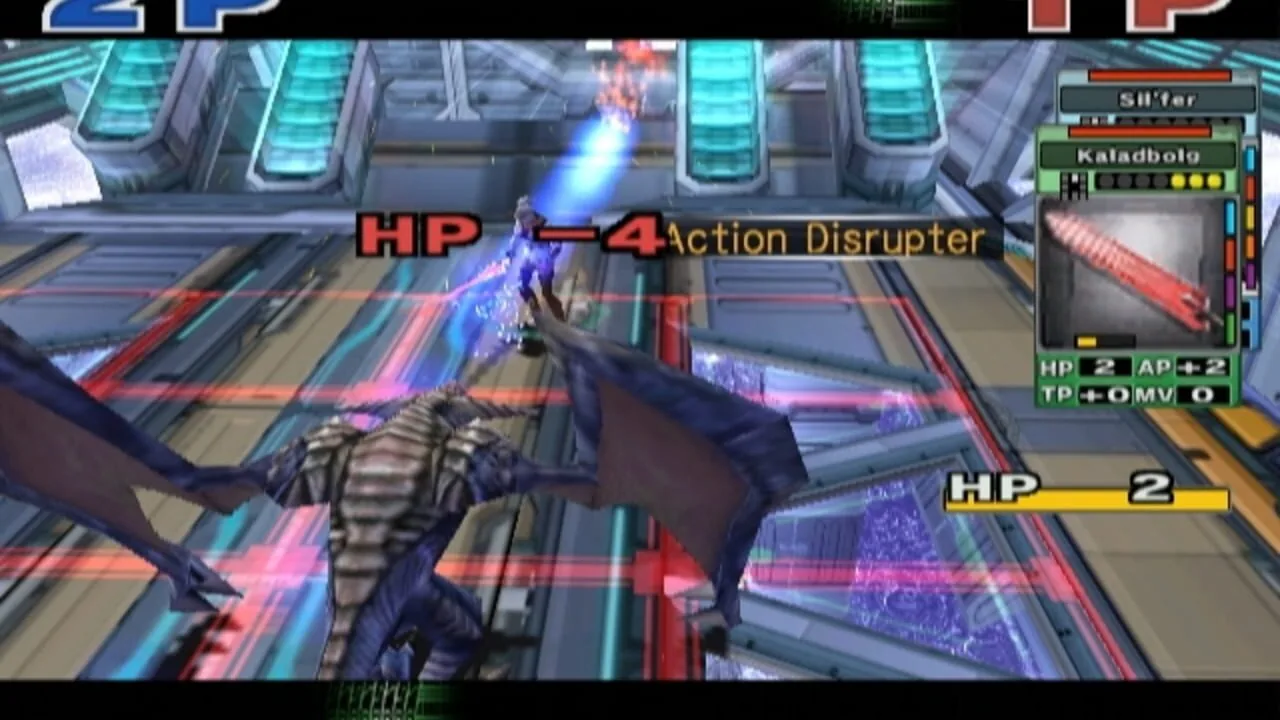
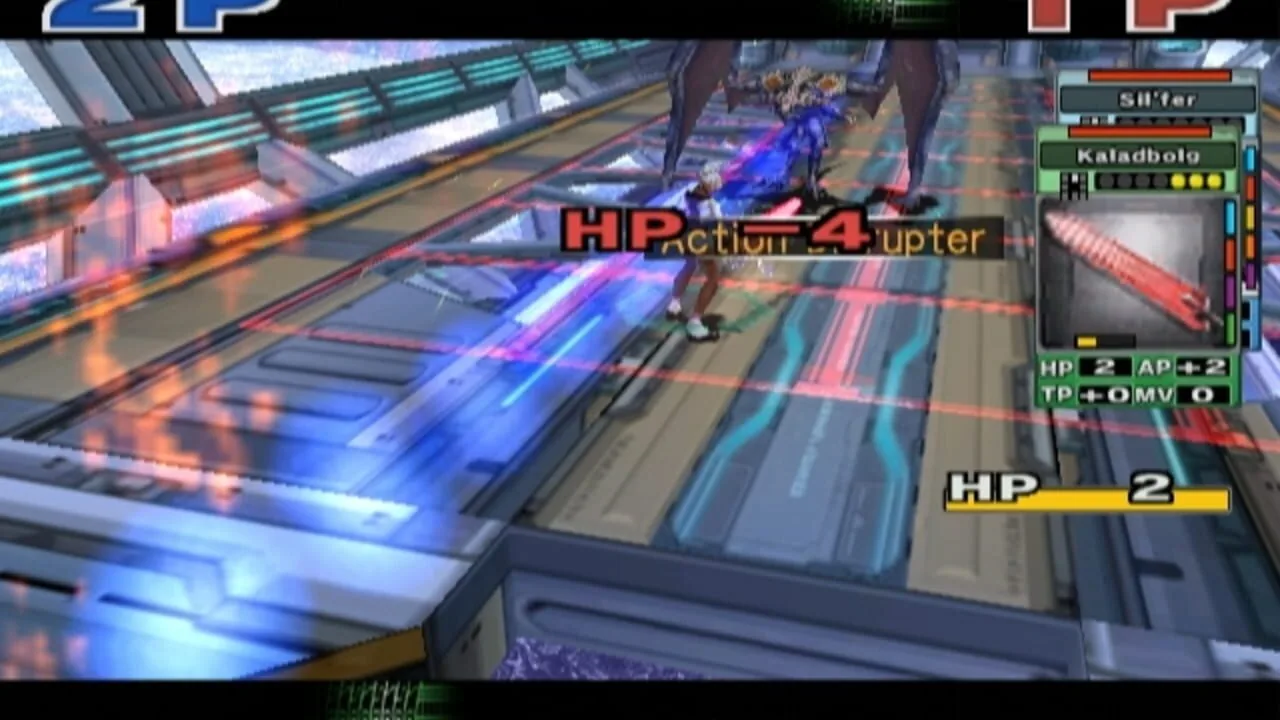
Episode III is a turn-based role-playing game released for the GameCube in 2003, and it plays out with cards based on the weapons and creatures of Episodes I and II. The story is set twenty-one years after the fourth episode. You pick a side. Hunters equip weapons, Mags and shields, while the Arkz have one set weapon and summon creatures from their decks to fight for them. The Arkz are the Darkside, founded by a man known only as Red.
Turning an action RPG into a card game was a bold move for Sega. It is the oddest Phantasy Star there is, and a good pick for anyone who enjoys building a deck and taking a long time over each turn.
18. Digimon World 4 (2005)
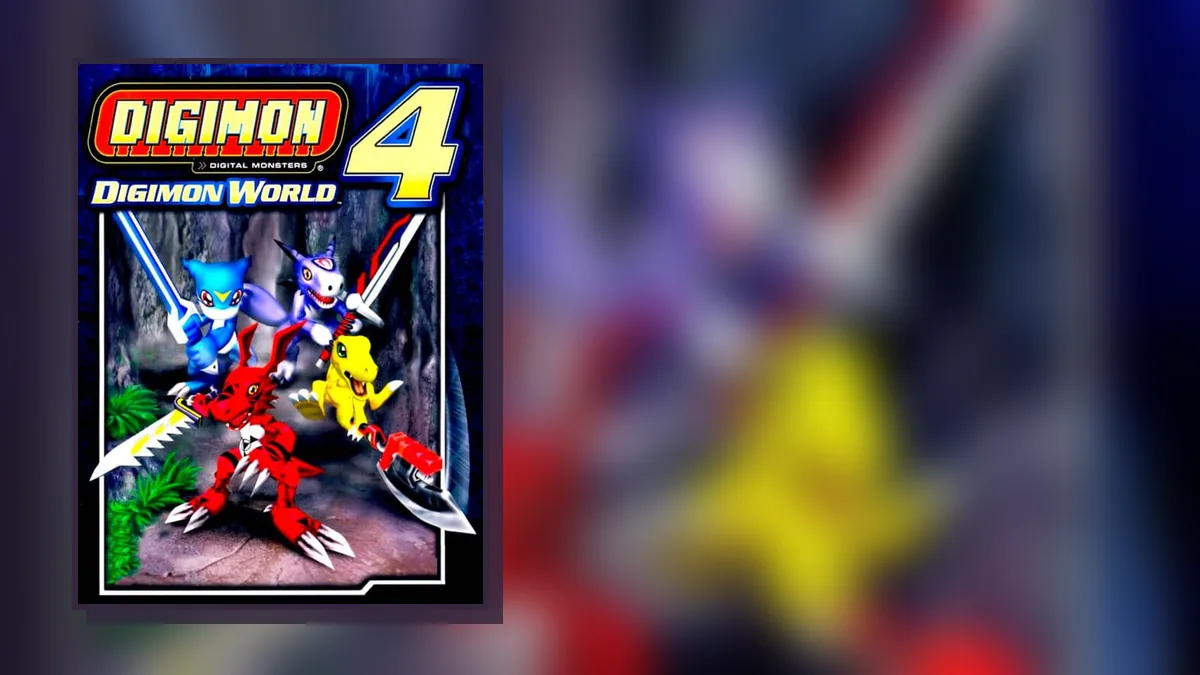
Digimon World 4 is loosely based on the 2005 film Digital Monster X-Evolution and even uses footage from it. A computer virus called the X-virus is spreading quickly and infecting many Digimon, and you are sent in to stop it. Your first stop is Death Valley, where you search for Chief Leomon. Up to four players can join at once, and that is the way to play it. The GameCube version never came out in Europe, where only the PlayStation 2 version was released.
Critics compared it to Final Fantasy Crystal Chronicles and said it did not come close. It is also a big change in style from the earlier Digimon World games. One review said things change drastically once you bring in a few friends. With three Digimon fans next to you it turns into a loud, silly brawl.
17. X-Men Legends II: Rise of Apocalypse (2005)
Rise of Apocalypse came out in September 2005 for the GameCube, Windows, PlayStation 2 and Xbox. This time the Brotherhood of Mutants has to team up with the X-Men to beat a bigger threat, so Magneto's crew is on your side. There are 18 playable characters, and the voice cast is strong: Dee Bradley Baker plays Nightcrawler and Steve Blum plays Wolverine. You can even answer X-Men trivia questions for experience points.
Critics liked it on every platform, though some found the fighting repetitive. It sold well enough to join the PlayStation 2's Greatest Hits line. If you liked the first game, this is more of it with a much bigger cast. The CGI cutscenes came from Blur Studio, who later made the cinematics for Marvel: Ultimate Alliance.
16. Baten Kaitos Origins (2006)
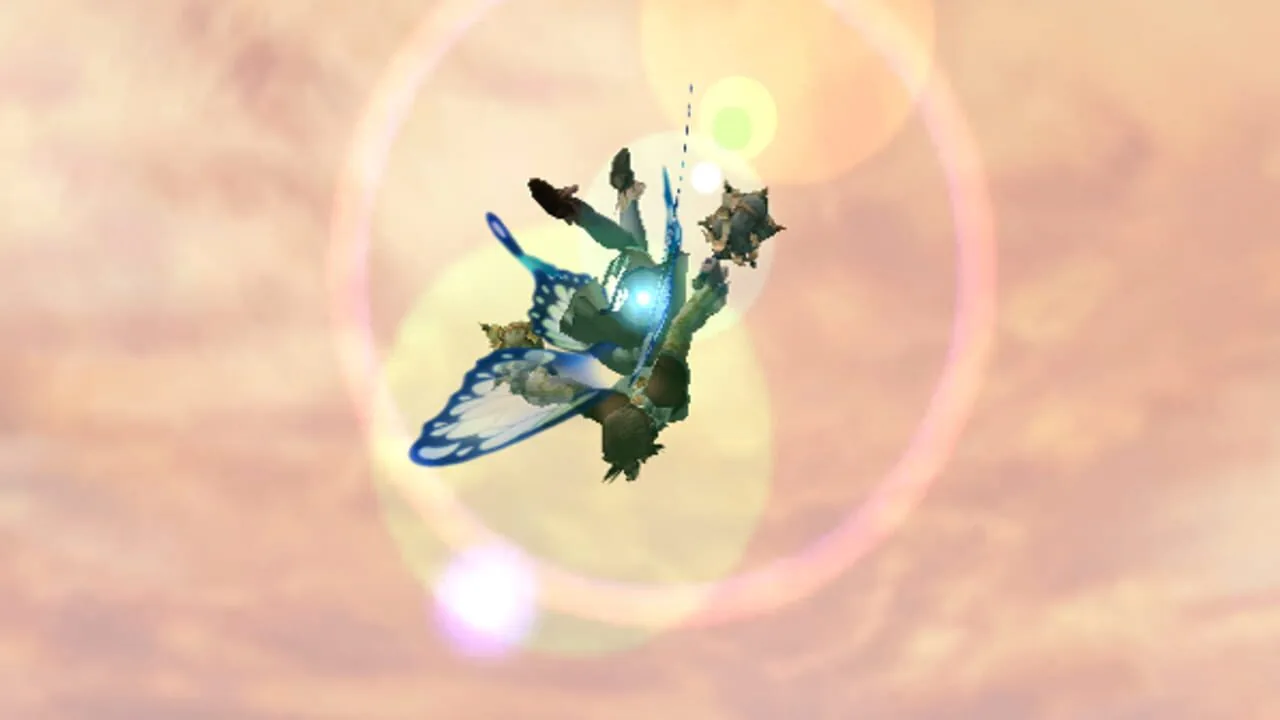
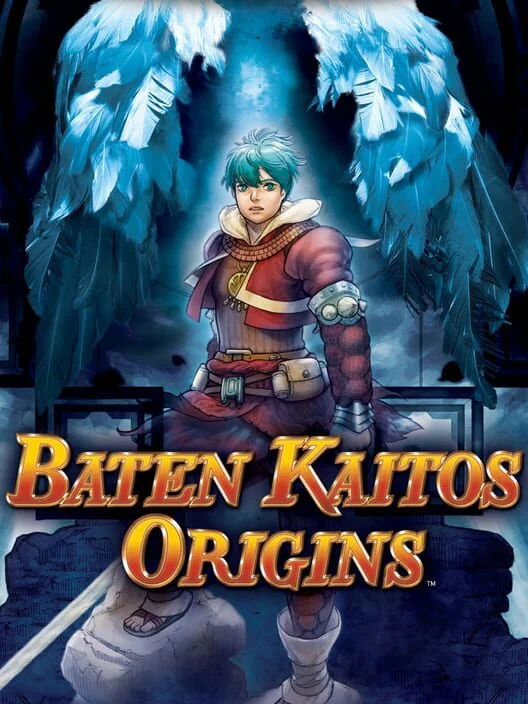
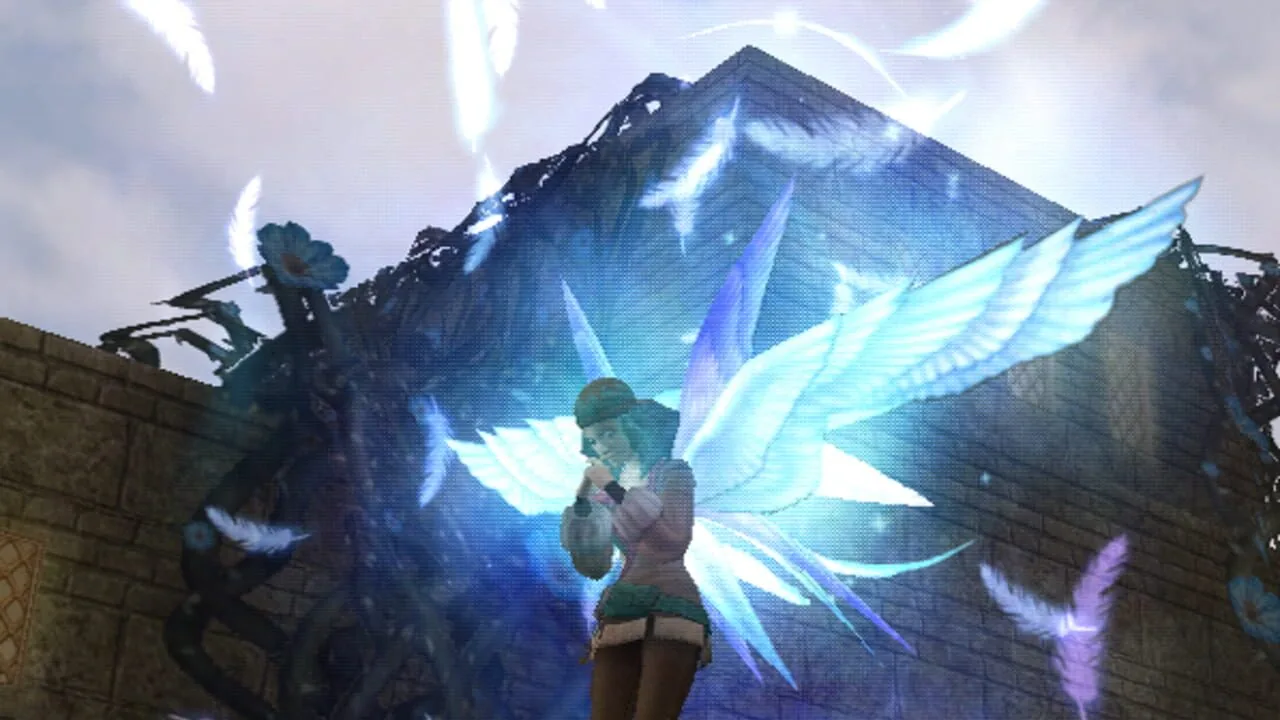
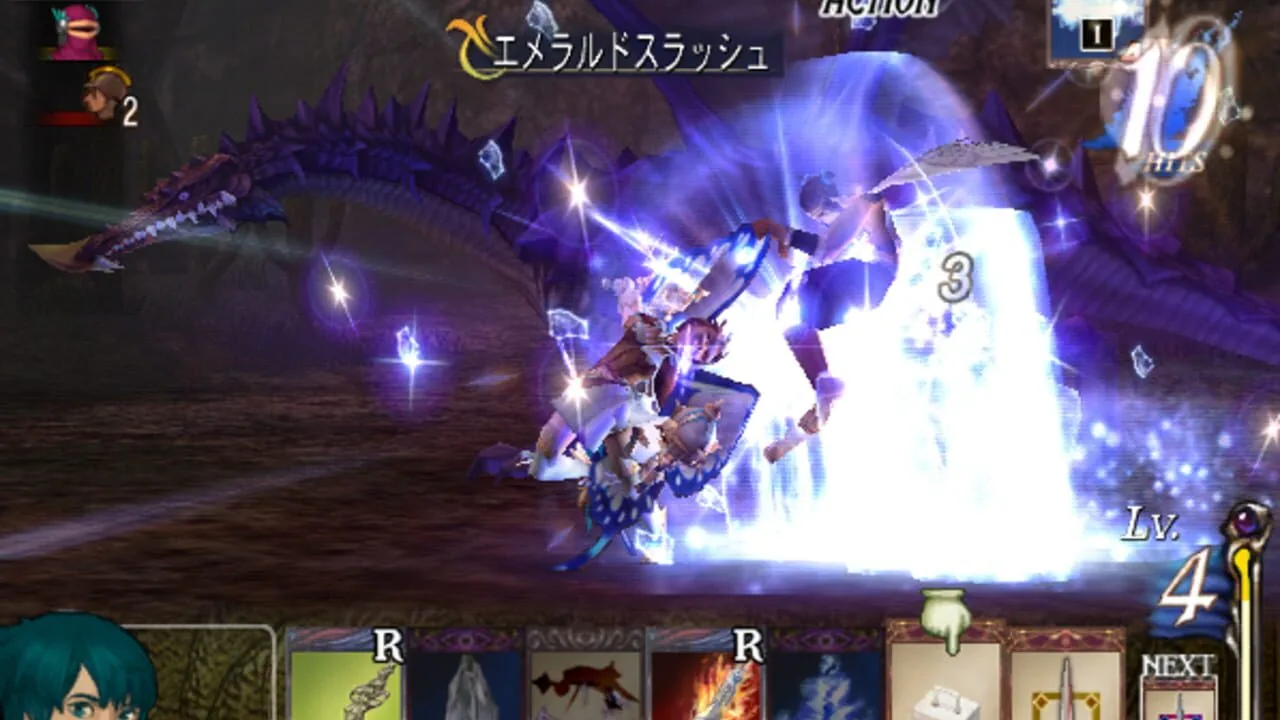
Origins is a prequel to Eternal Wings and the Lost Ocean, set 20 years before it. It came out in North America in September 2006, at the end of the GameCube's life. You play an unseen guardian spirit who guides the hero, Sagi, across an island kingdom in the clouds. Sagi works for an elite unit of the Alfard Empire called the Dark Service. Most of your leveling up comes from finding better Magnus cards, and there are more than 600 of them.
Players recommend the two Baten Kaitos games together, and the order does not matter much. Since one is a prequel, you can start with either. Both games were remastered together for the Nintendo Switch in 2023. It was one of the last big games Nintendo published for the GameCube, and it went out with a lot of style.
15. X-Men Legends (2004)
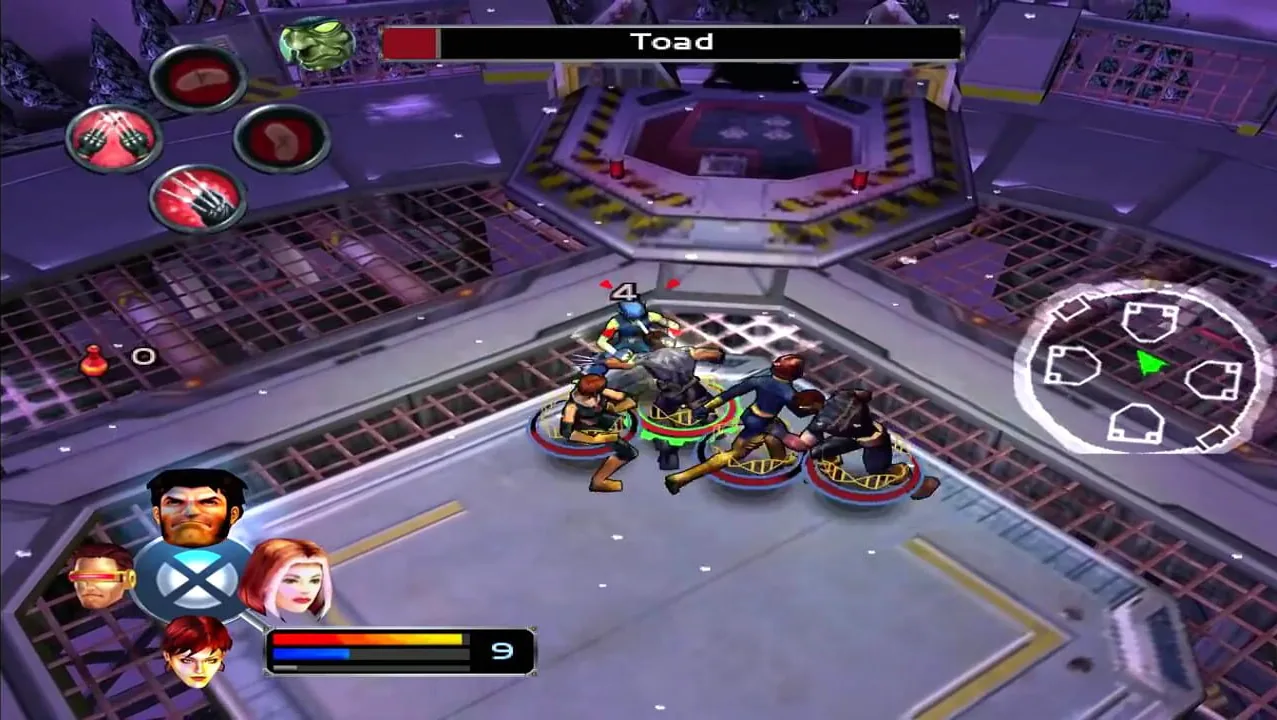
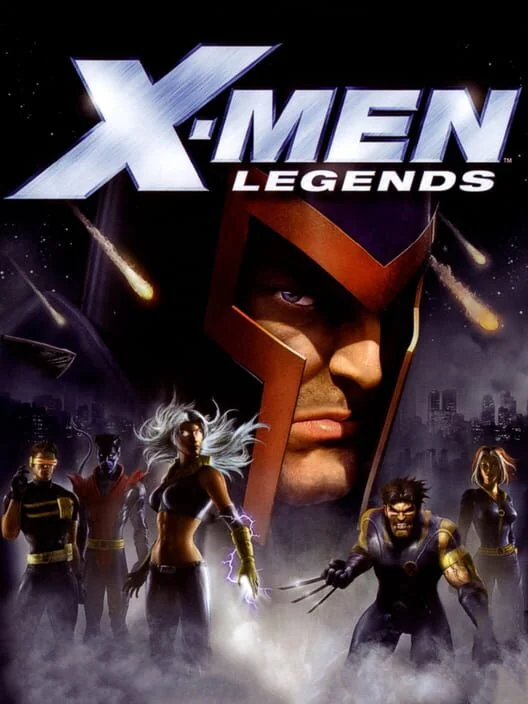
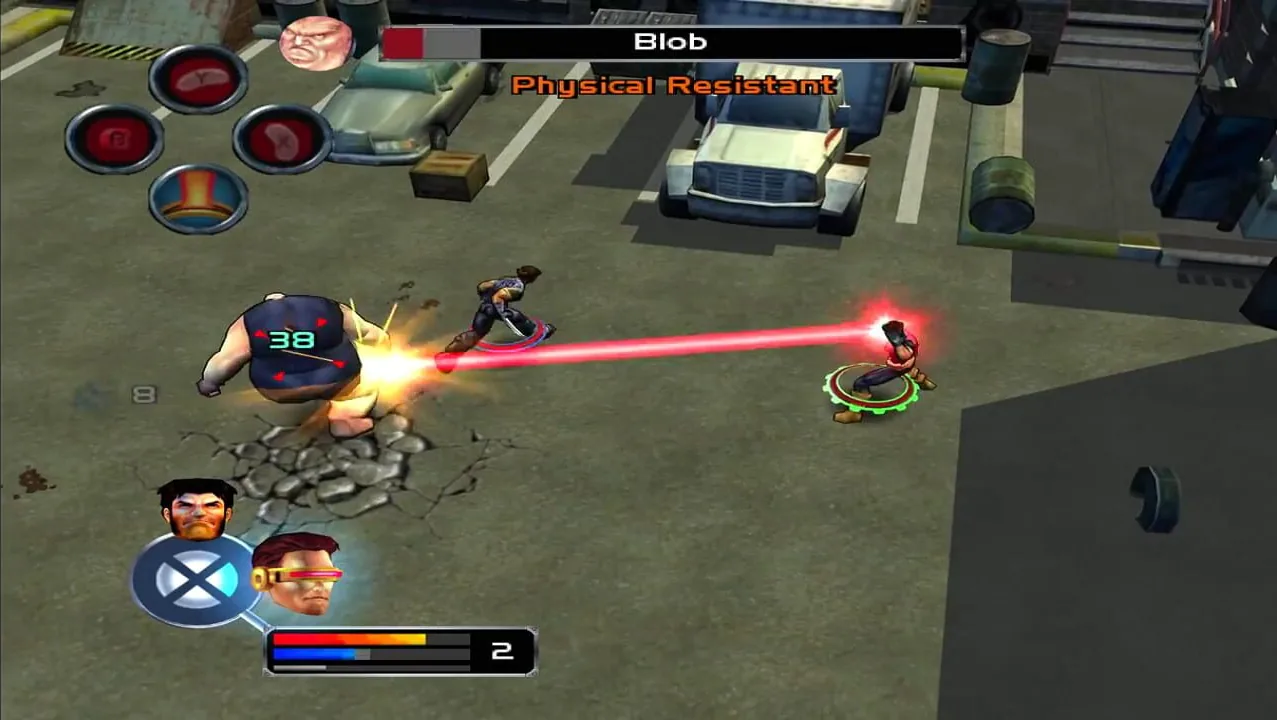
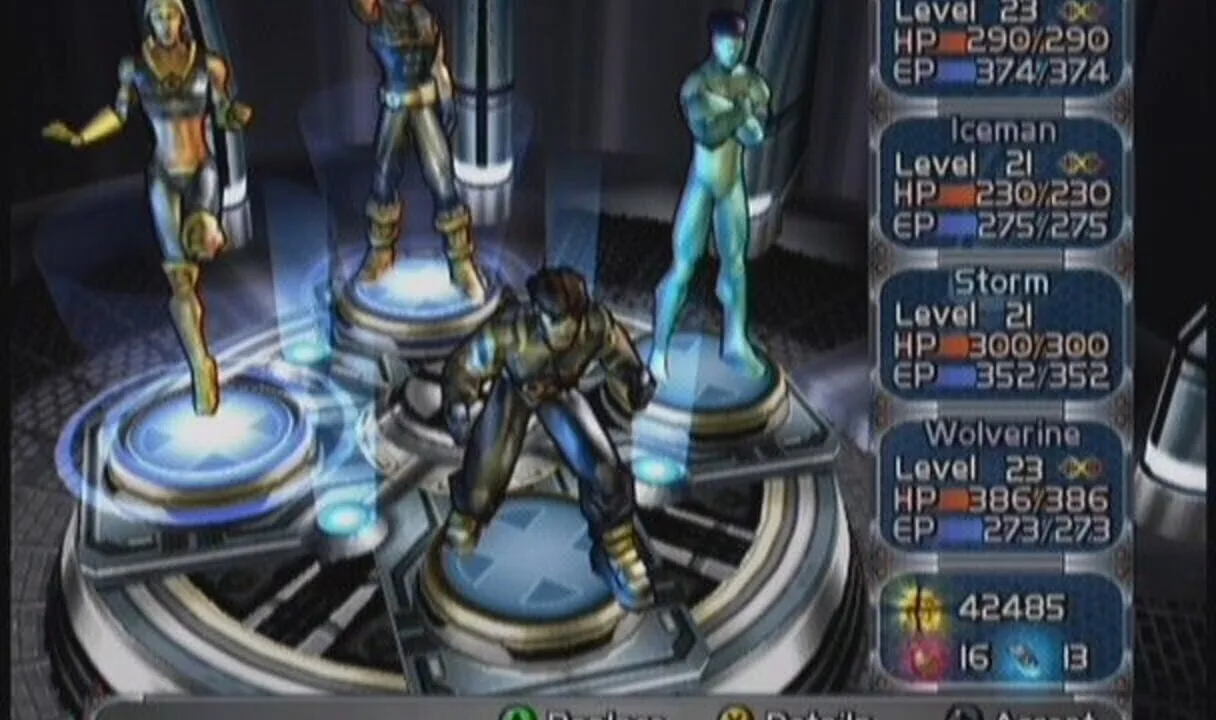
X-Men Legends came out on the GameCube, PlayStation 2 and Xbox in 2004. Magneto has a plan to put mutants in charge of the human race, and you build a team of four X-Men to stop him. The game rewards you for hitting an enemy with mutant powers at the same time, which it calls a combo. Patrick Stewart came back as Professor Xavier from the films.
One of its project leads described it as basically Final Fantasy with X-Men, and the team kept adding action as development went on. Critics liked it, especially the cel-shaded look. It did well enough to get a sequel, and that sequel is two places lower on this list. For a game about a team, it is best with friends holding the other three controllers.
14. Gladius (2003)
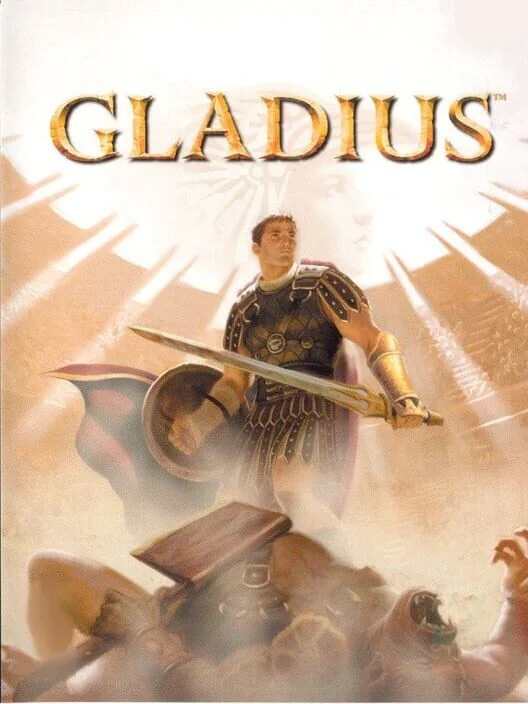
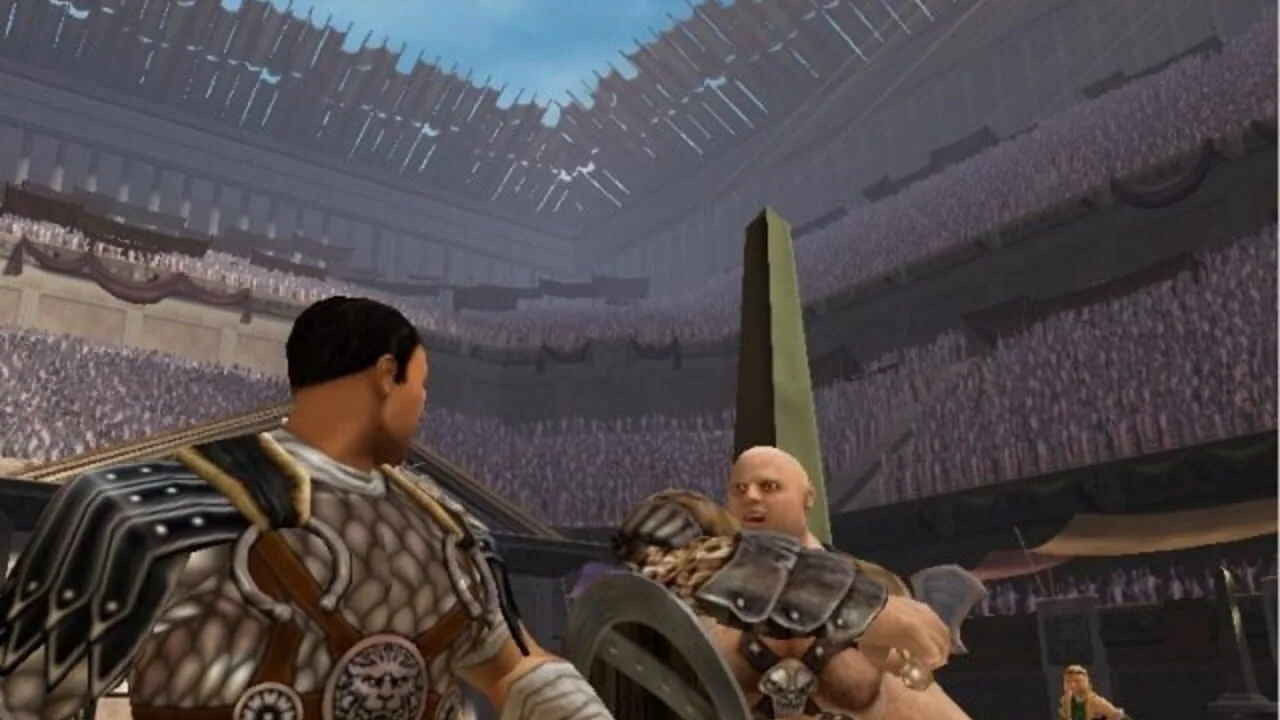
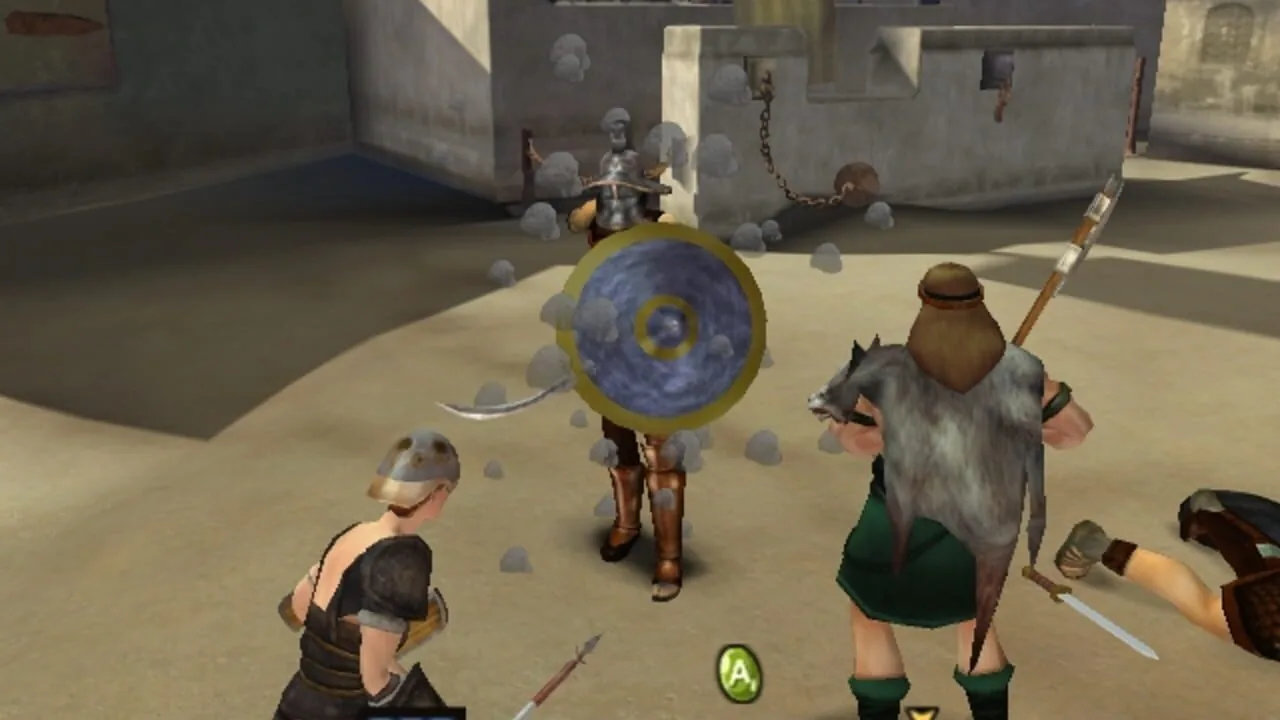
LucasArts made Gladius, and it reached the GameCube in November 2003, a month after the PlayStation 2 and Xbox versions. You build a gladiator school by winning fights in the arenas and recruiting new members. The fights are turn-based, and the direction an opponent is facing matters, as does who stands on higher ground. There are two separate stories, one for Valens and one for Ursula.
Critics praised how deep the combat goes, and they liked the hit meter you use when you attack most of all. They complained about a thin story and a game that went on too long. For a strategy fan with a lot of free evenings, that is barely a complaint.
13. Baldur's Gate: Dark Alliance (2001)
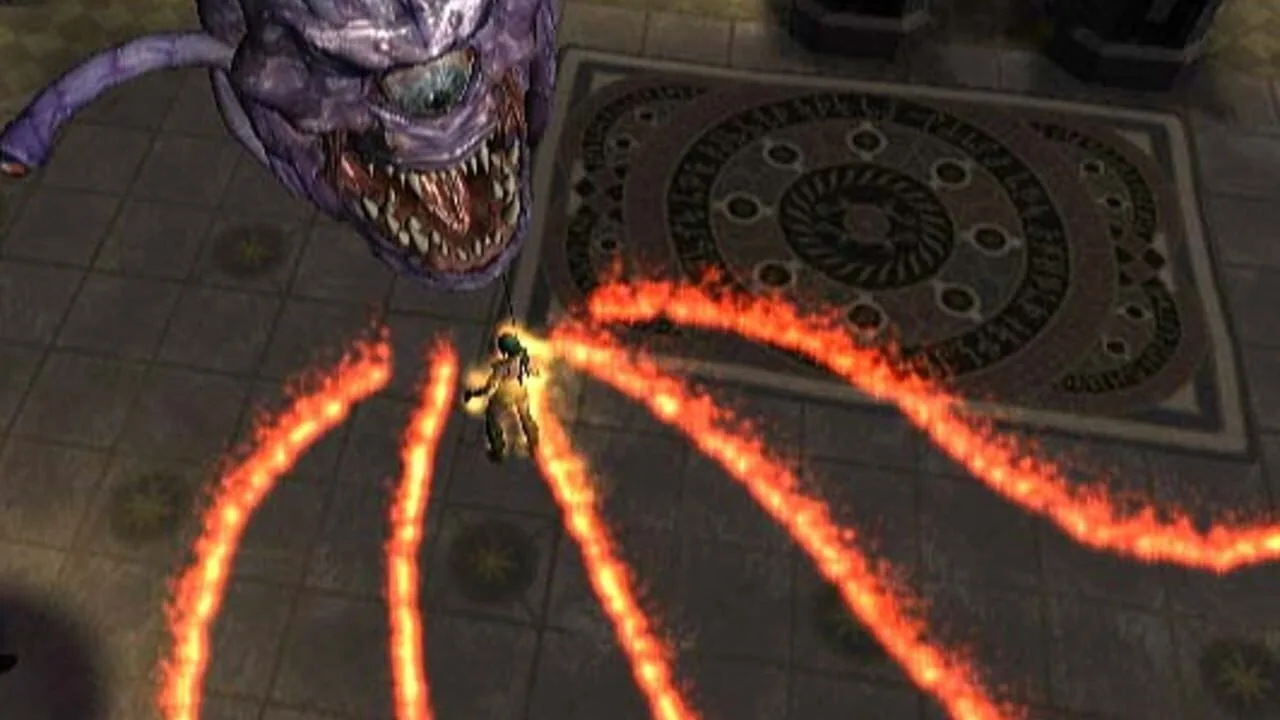
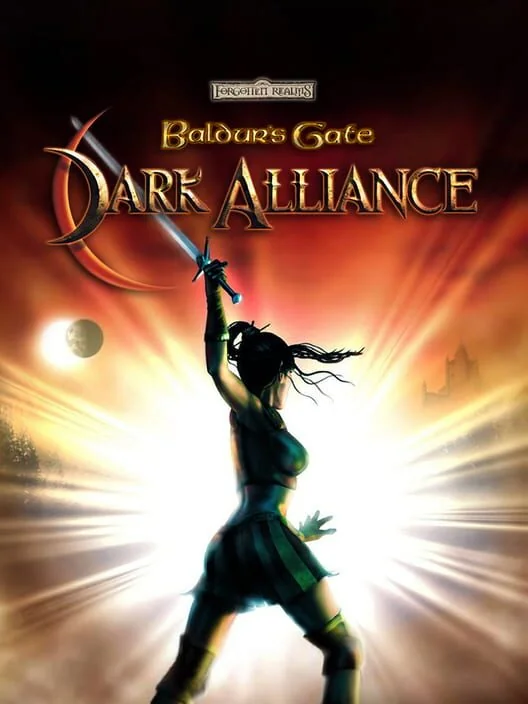
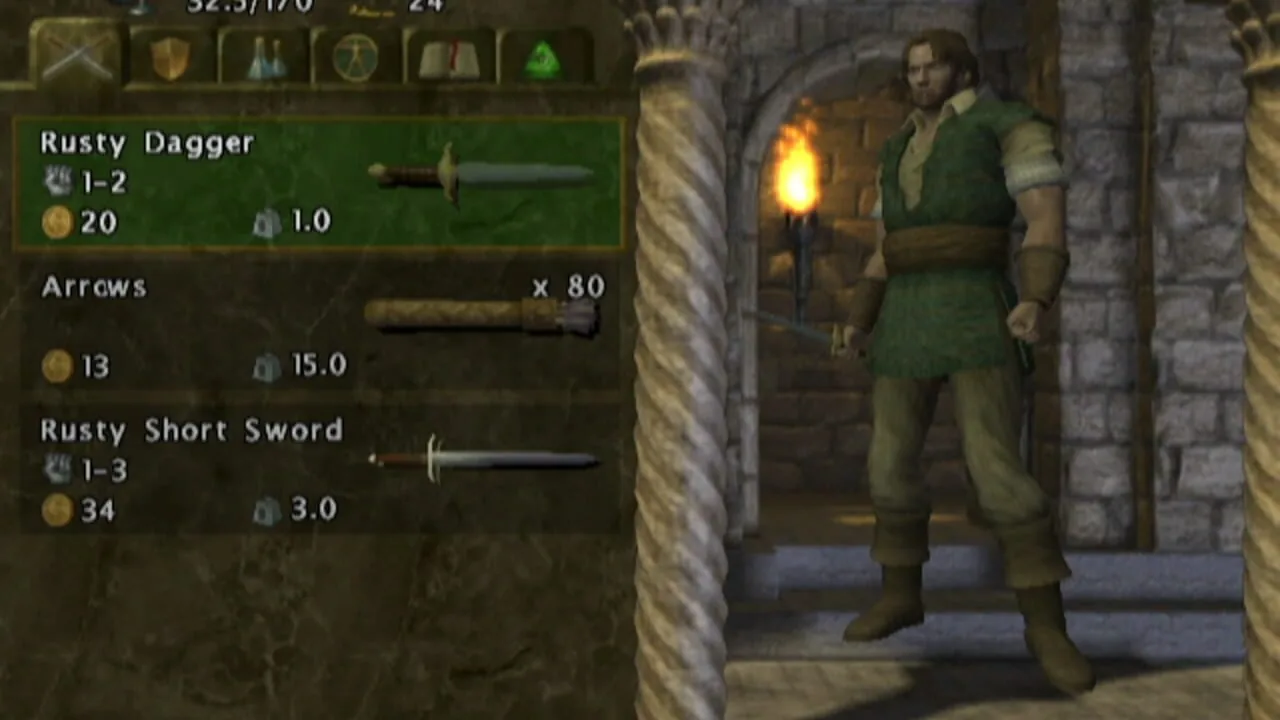
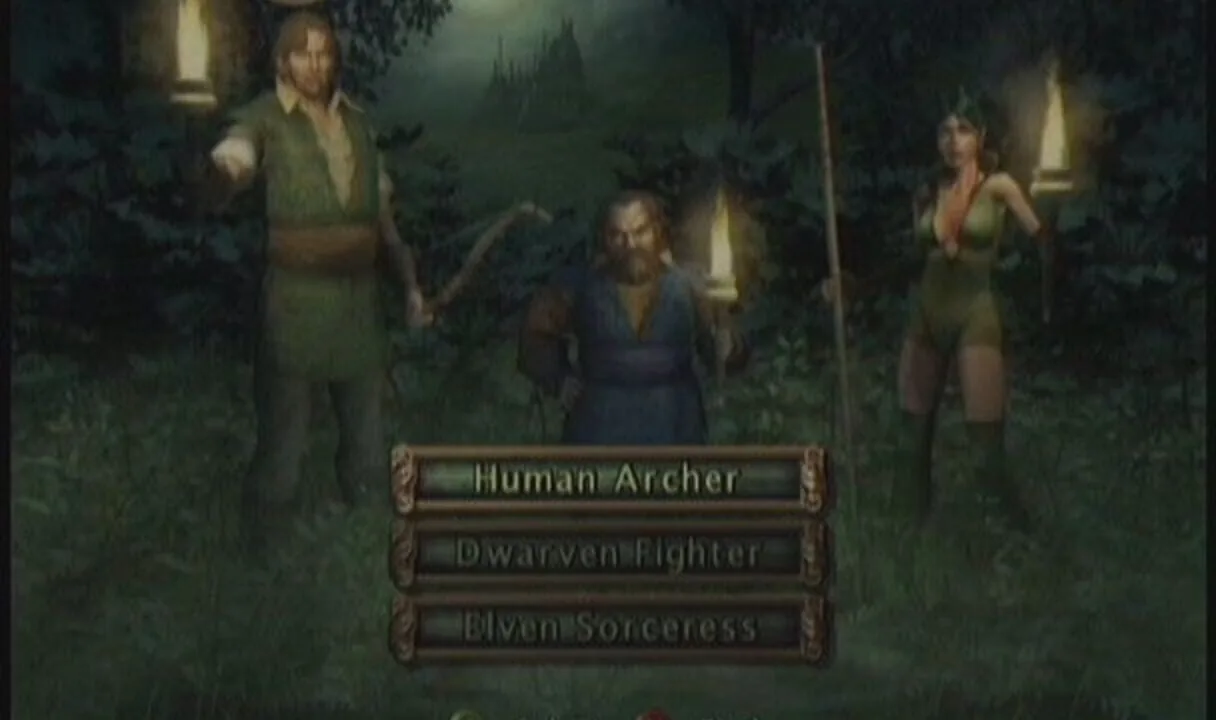
Dark Alliance is set in the Forgotten Realms and runs on the rules of Dungeons & Dragons 3rd Edition. It was the first video game to use those new rules in real time, and the first Baldur's Gate on consoles. The adventure starts in the city of Baldur's Gate, in its sewers and crypts. Later a portal takes your hero to the Sunset Mountains, where drow elves are oppressing a dwarf mining village.
It was well received on all four platforms, and the PlayStation 2 version won Console Role-Playing Game of the Year. The sequel skipped Nintendo consoles, so this is the only one GameCube owners got. Think of it as an RPG for people who mostly want to hit things.
12. Lost Kingdoms II (2003)
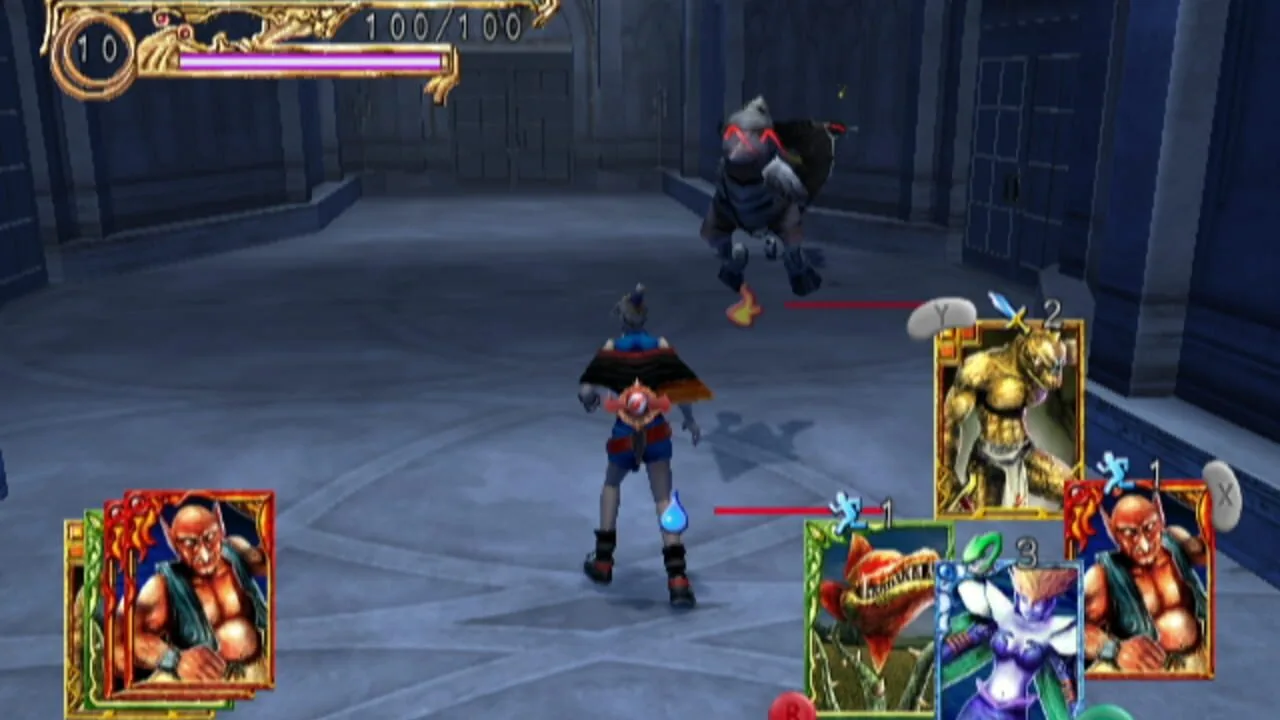
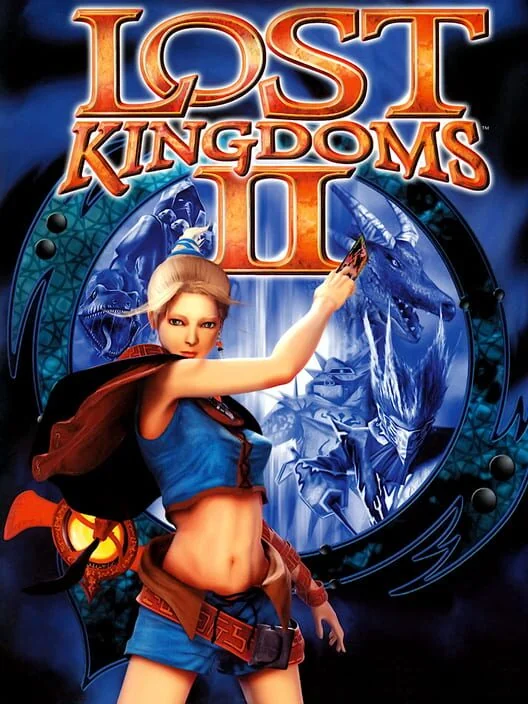
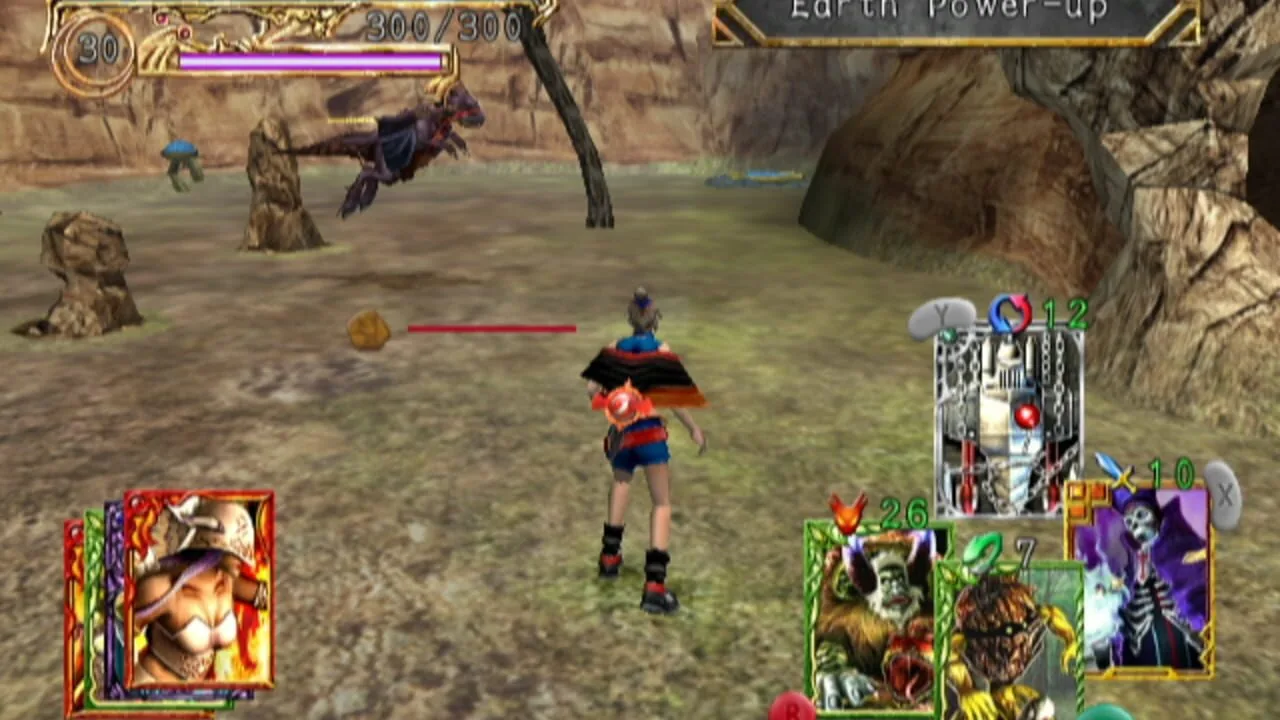
Lost Kingdoms II is set 200 years after Queen Katia saved her kingdom in the first game. The new hero is Tara Grimface, and she has a new threat to deal with. Most of the cards from the first game are back, along with a number of new ones. Elements matter more this time. Using cards of one element over and over raises its power level and lowers the others, the opposite element most of all.
It sits two places below the first game with players. If the first game clicked, the second is more of the same with a deeper card system. Play them in order, since the sequel assumes you already know how the cards work.
11. Baten Kaitos: Eternal Wings and the Lost Ocean (2003)
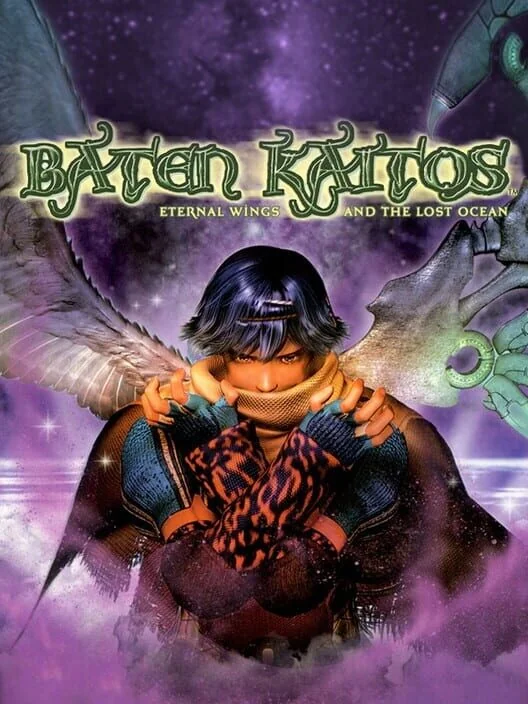
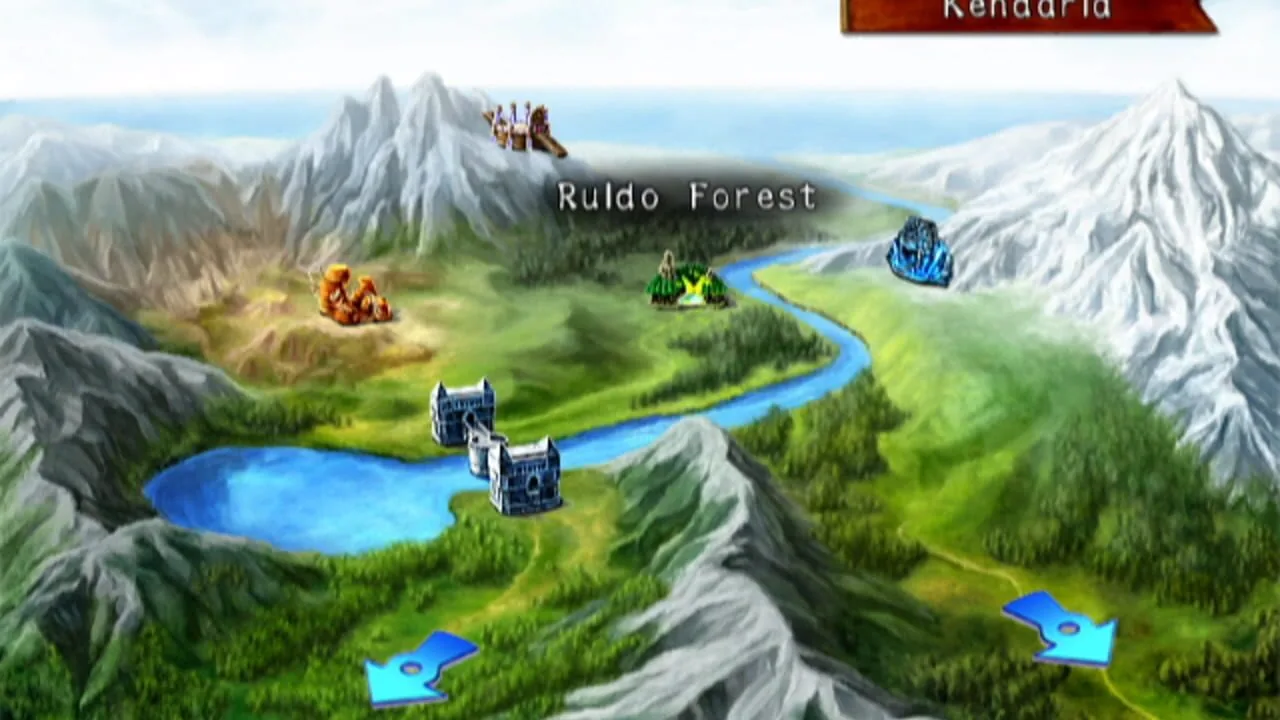
Baten Kaitos came out in Japan in 2003 and in North America in 2004. It was made specifically for the GameCube because the console had so few Japanese RPGs, and it comes from the team behind Xenosaga. Cards are used for everything from fighting battles to buying items. In this world a real item can be turned into Magnus and stored in a blank card, then taken back out later.
Critics liked it, but sales were lukewarm. Players bring it up whenever someone asks for GameCube RPGs. One player summed up how fans feel about a list without it: "Your lack of Baten Kaitos is disturbing." The team went on to work on the Xenoblade games, so its fingerprints are on one of Nintendo's biggest RPG series today.
10. Lost Kingdoms (2002)
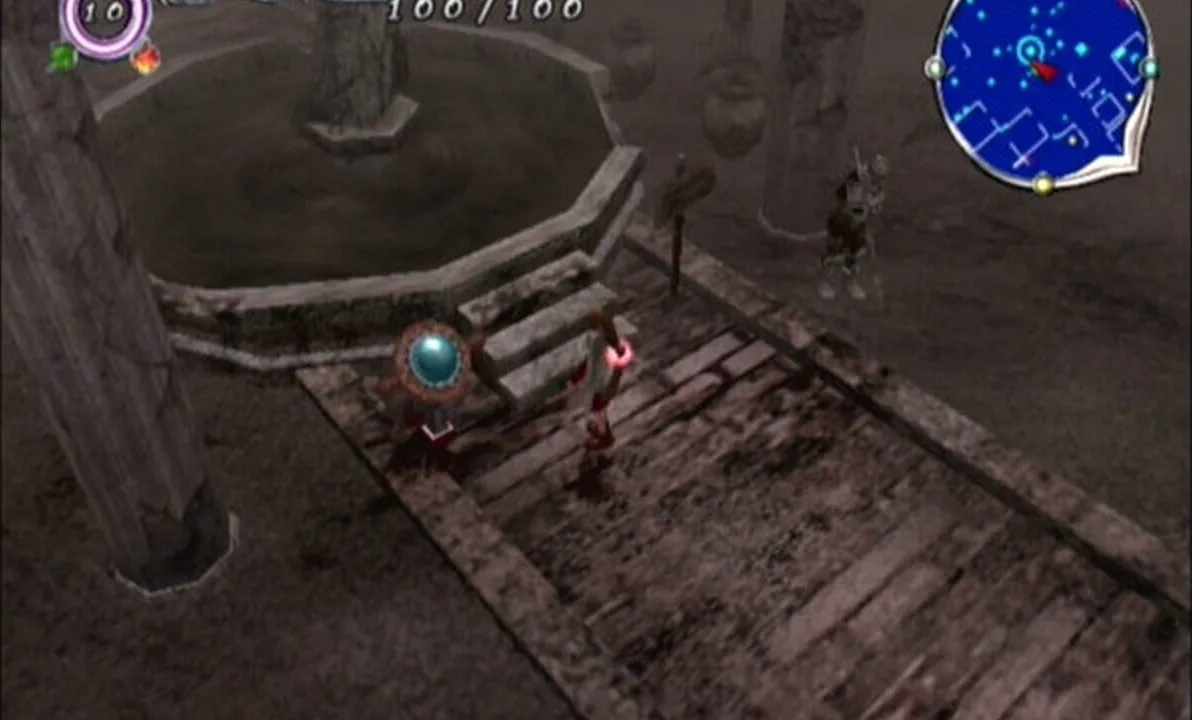
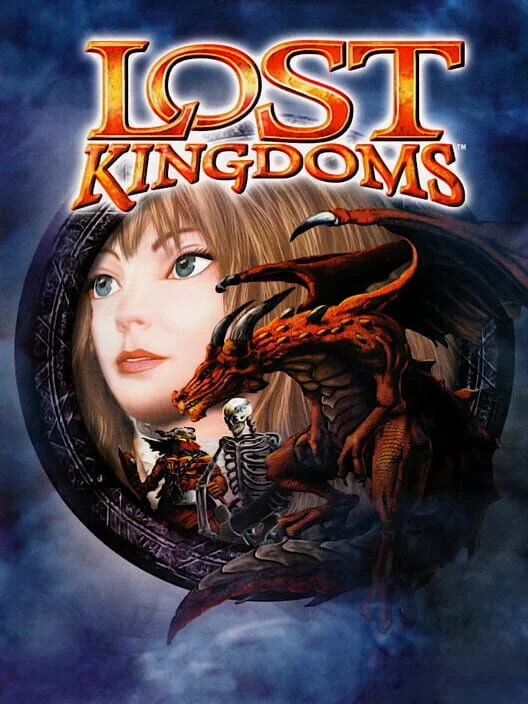
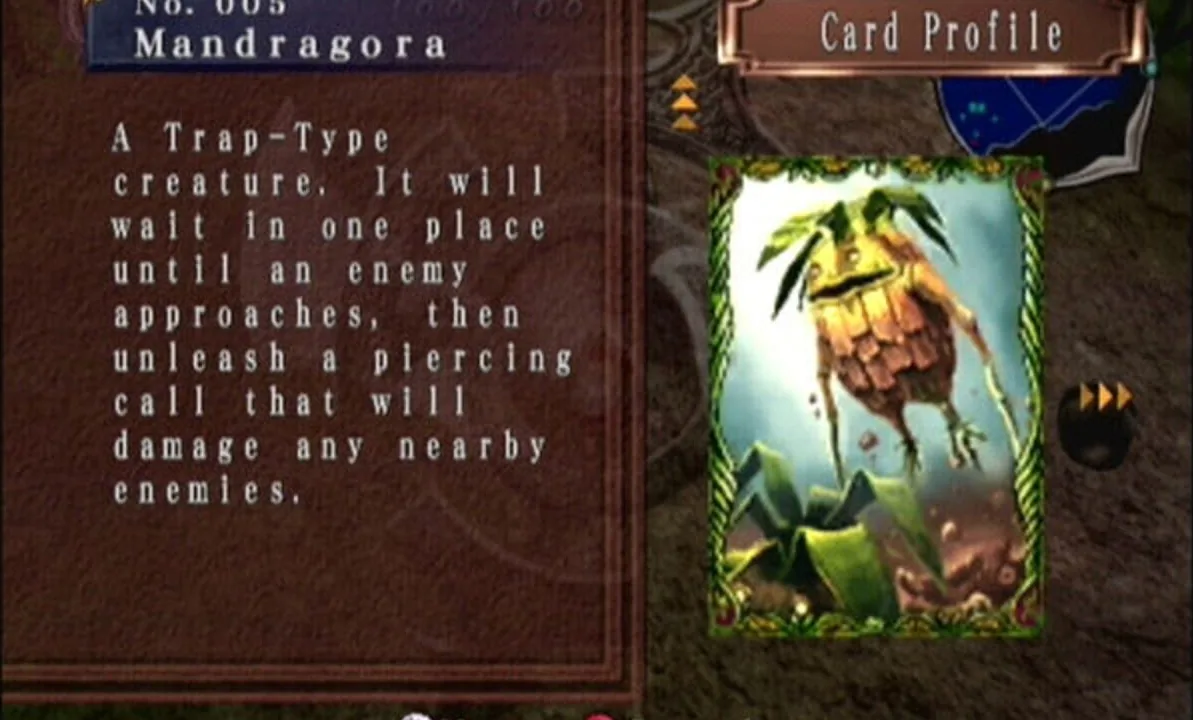
Lost Kingdoms came out in Japan in April and in North America in May. You play Princess Katia, who has to save the five Kingdoms of Argwyll from a dark force. Katia cannot fight herself, so she battles with cards, and there are over 100 guardian creatures to summon. You can also throw a card to capture an enemy, but a failed capture throw only takes a small part of an enemy's life.
Players nearly always recommend it together with its sequel. It plays like nothing else on the GameCube. The sequel, Lost Kingdoms II, followed in 2003 and sits two places below it.
9. The Lord of the Rings: The Third Age (2004)
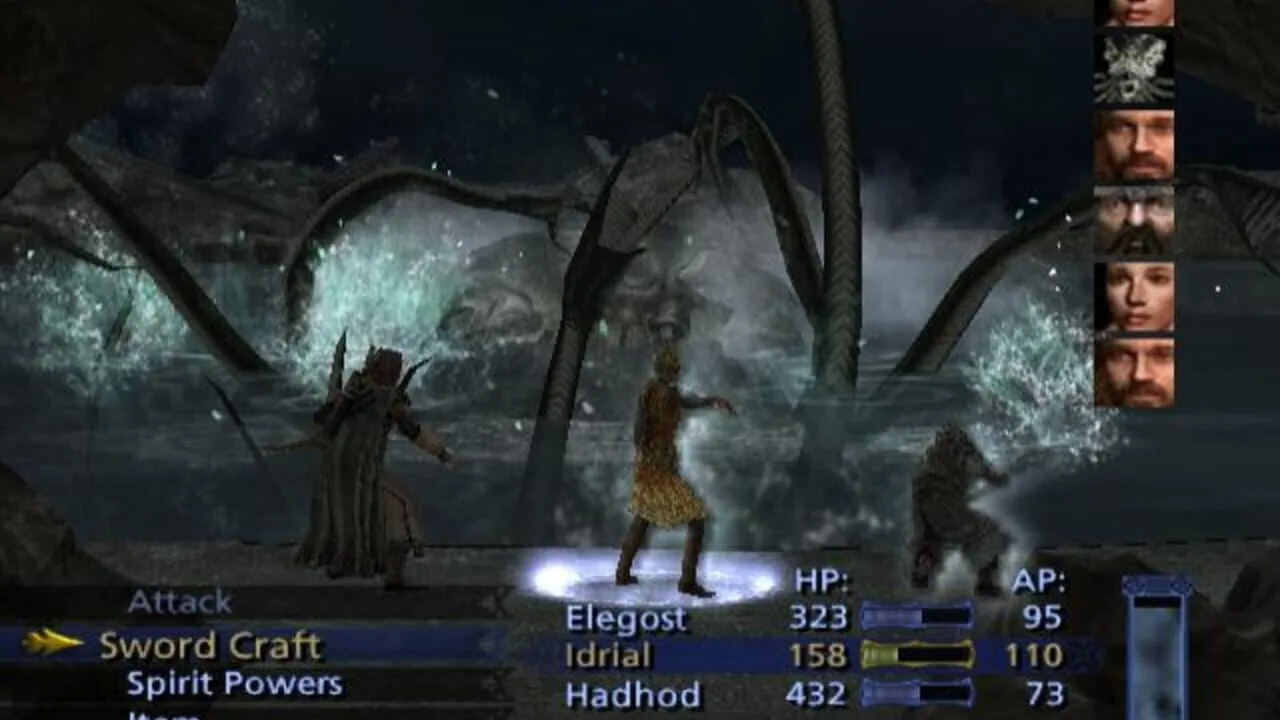
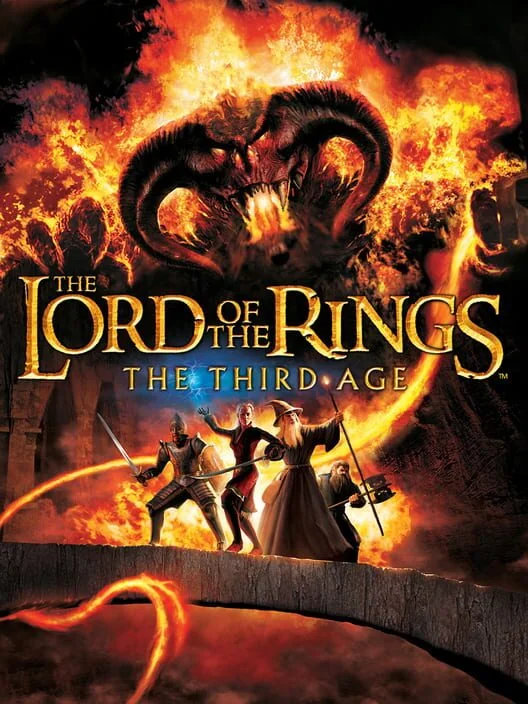
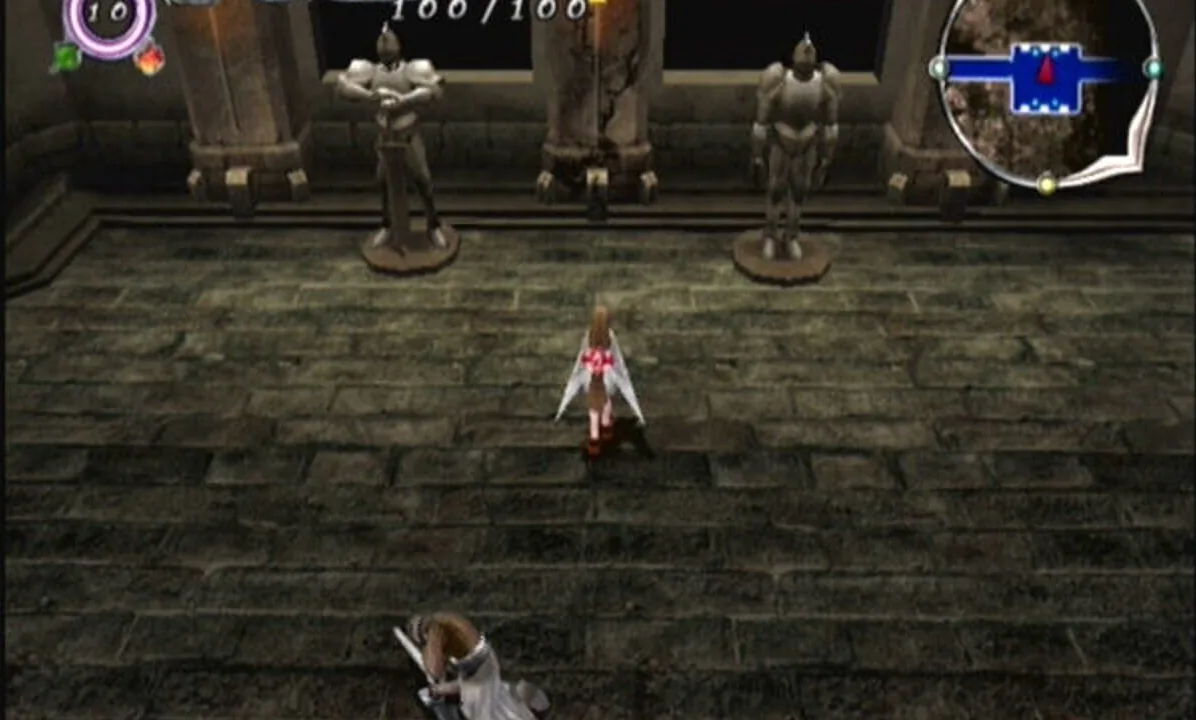
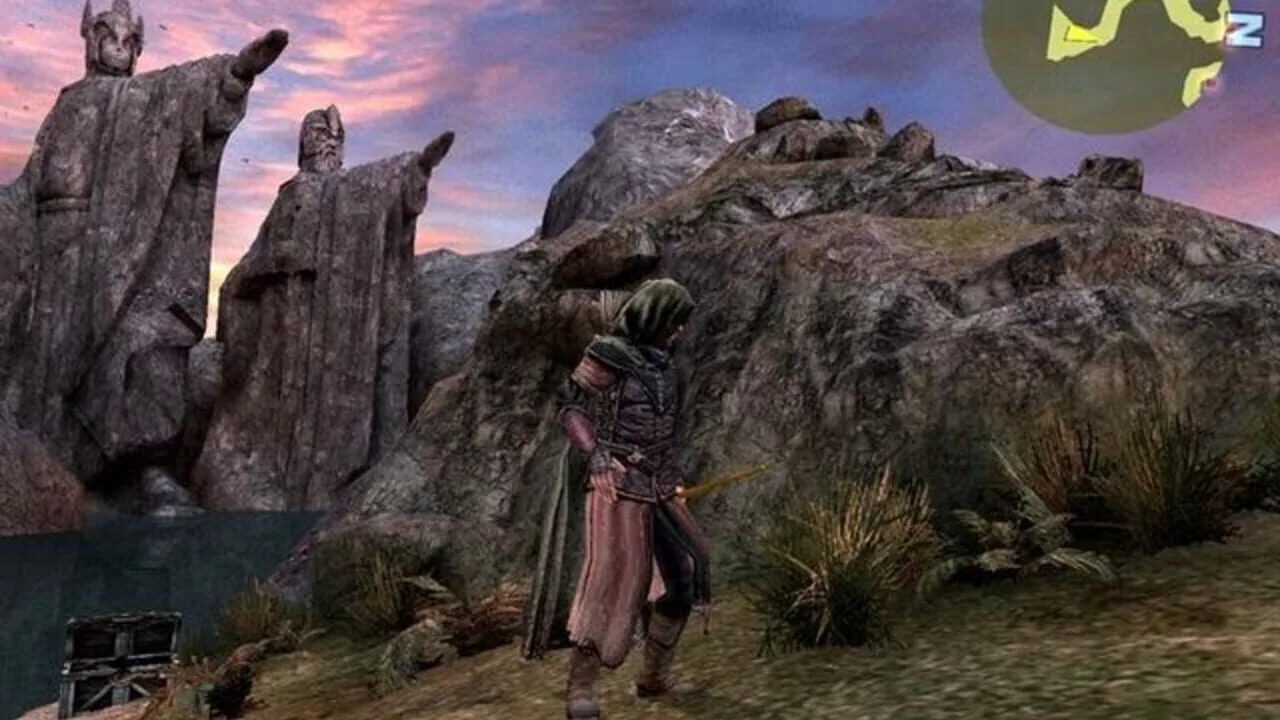
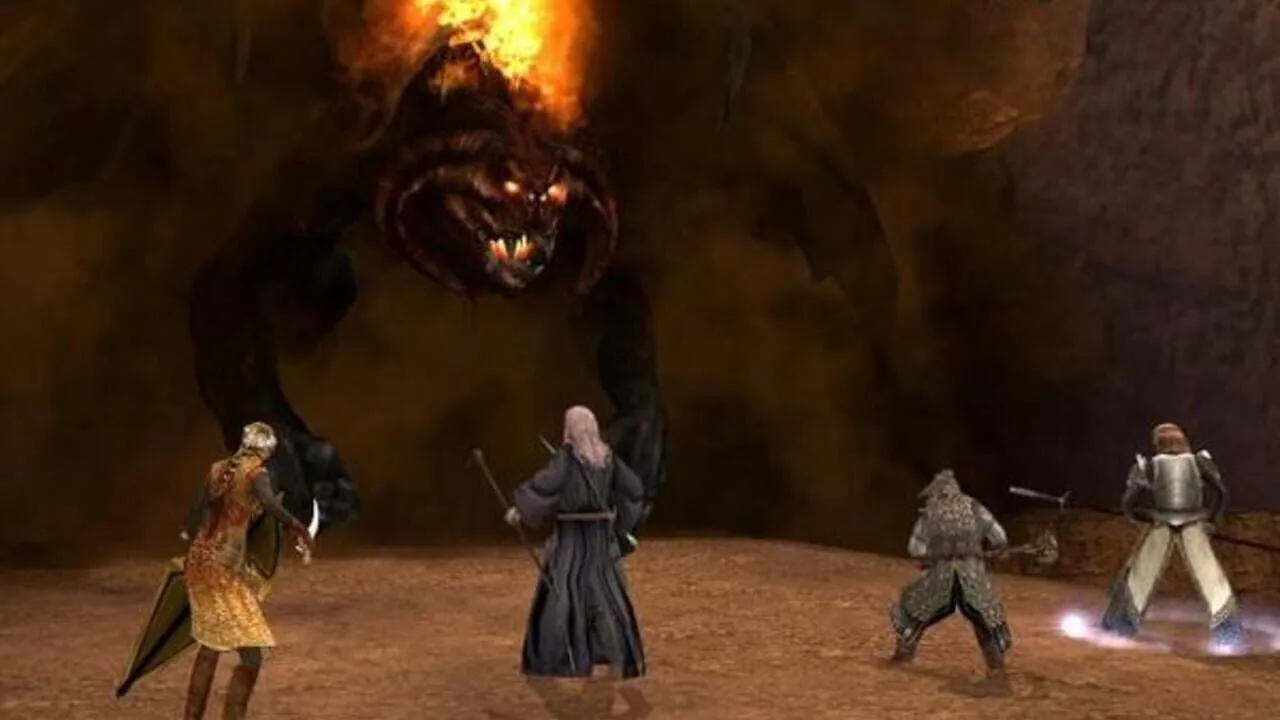
The Third Age was published by Electronic Arts and released worldwide in November 2004. There are seven playable characters made just for the game, with short appearances from Gandalf, Aragorn and others from the films. Ian McKellen recorded new narration as Gandalf over scenes from all three movies. Only three party members fight at once in its turn-based battles, but you can swap them in and out. Charles Martinet, the voice of Mario, plays a Rohan guard named Éaoden.
Critics liked how it looked, but some felt it borrowed too much from Final Fantasy X. On a console that never got Final Fantasy X, that was less of a problem. It is the best way to walk through all three films on the GameCube with a party of your own.
8. Final Fantasy Crystal Chronicles (2003)
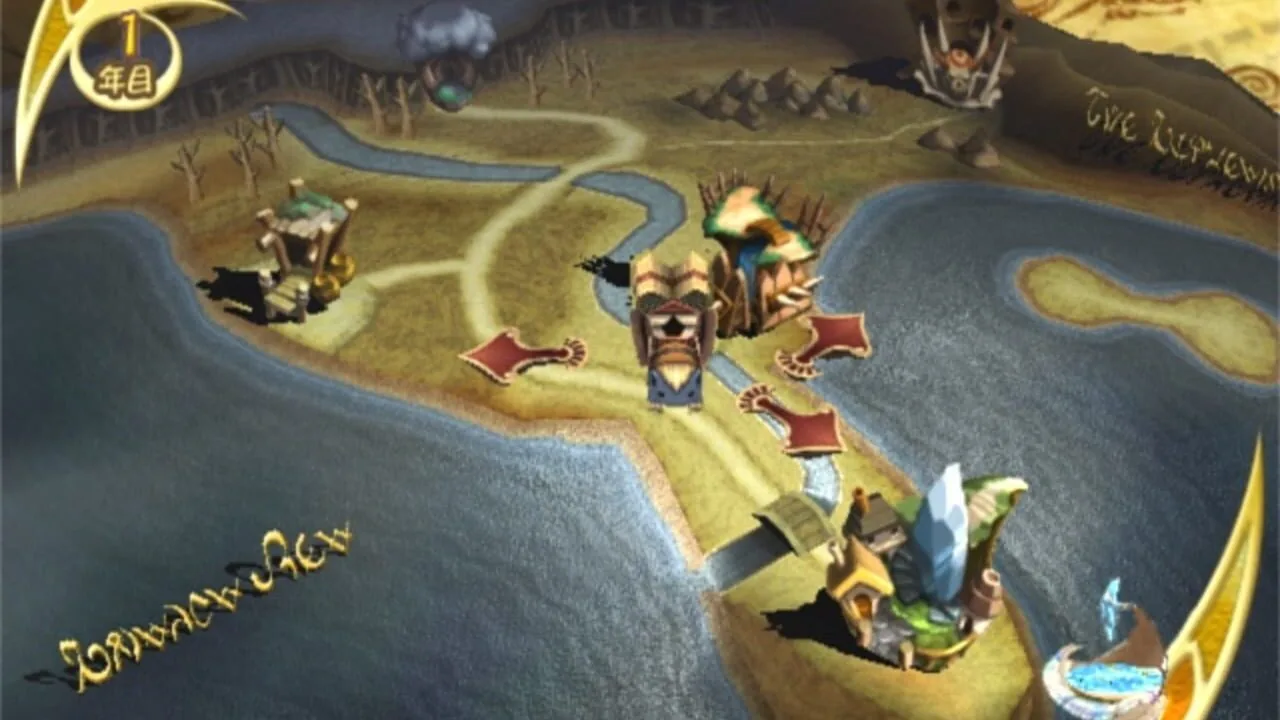
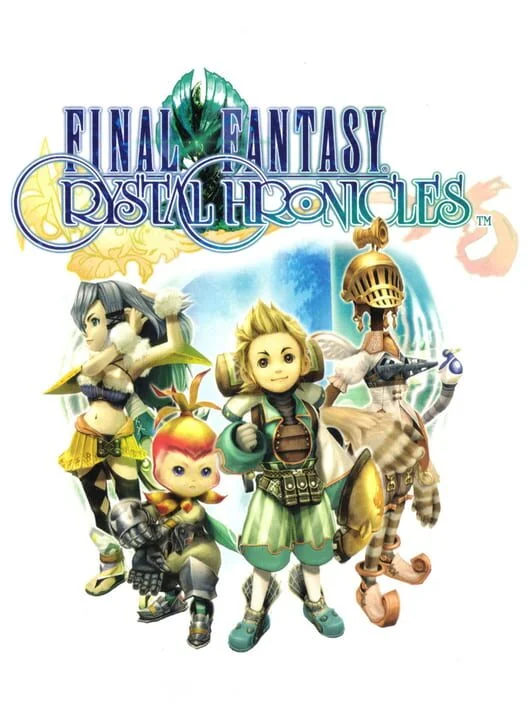
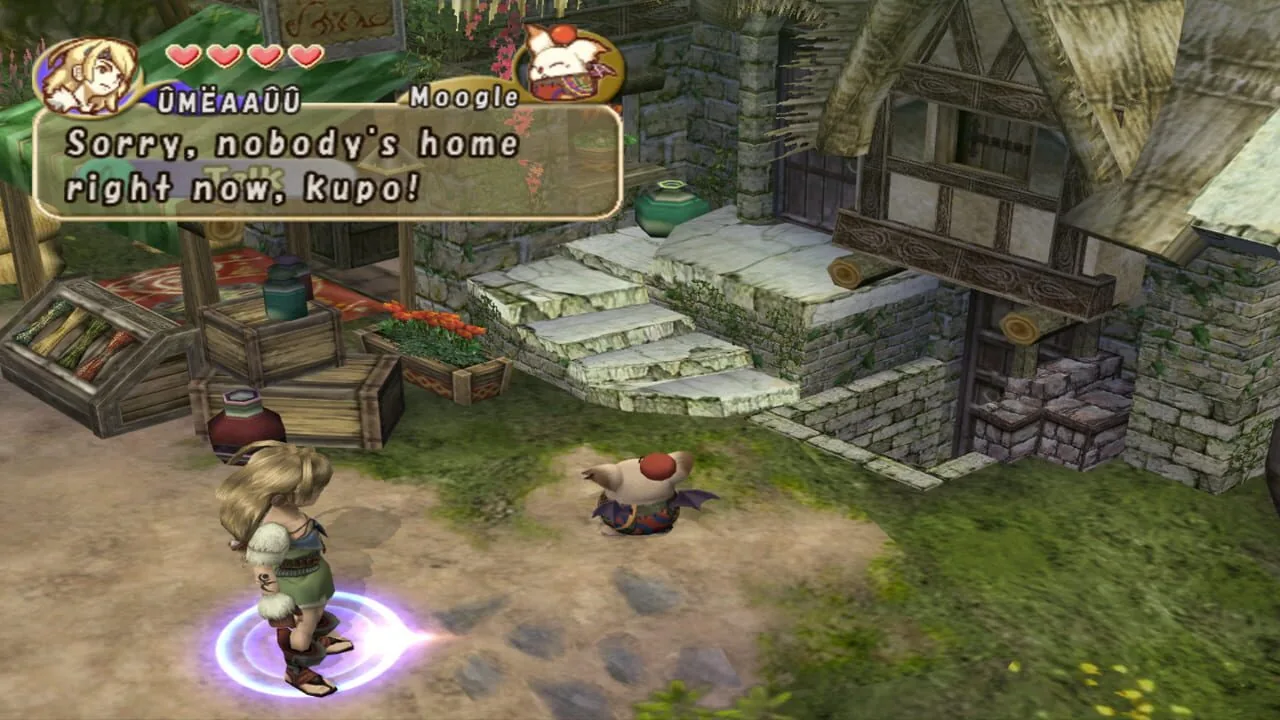
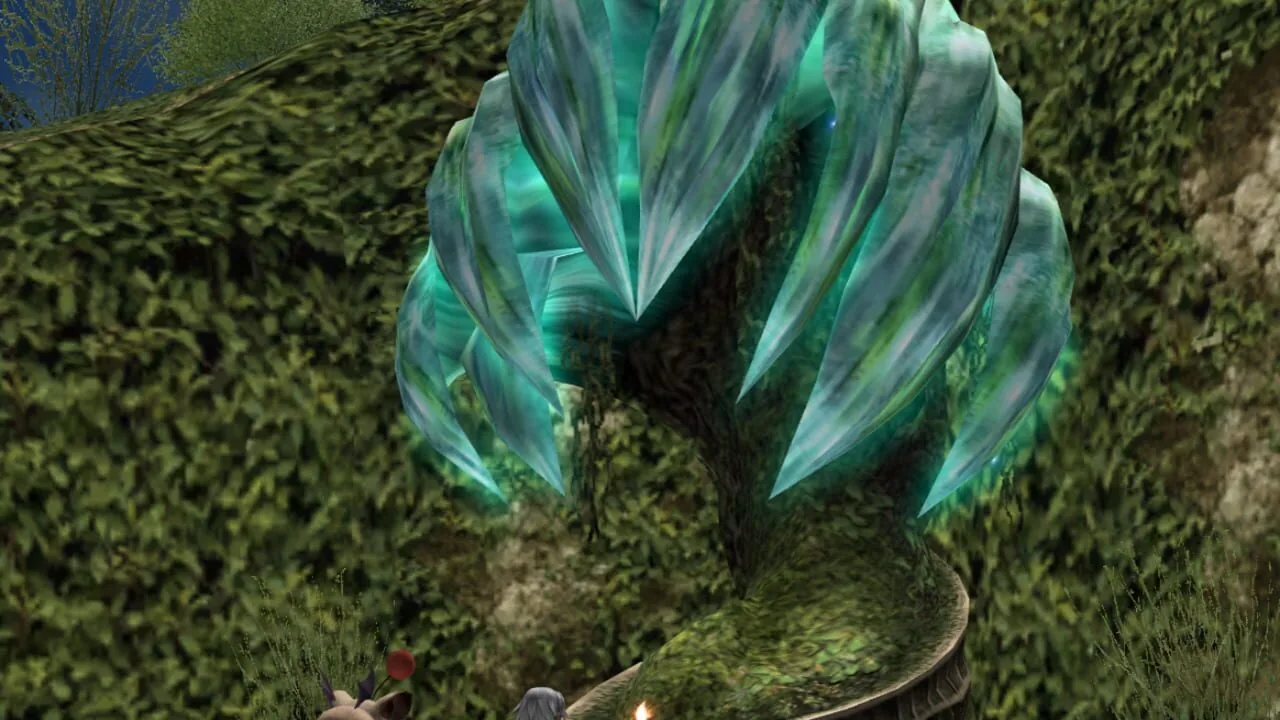
Crystal Chronicles was the first Final Fantasy on a Nintendo home console since Final Fantasy VI in 1994. Square set up a shell company, the Game Designers Studio, to make games for Nintendo without affecting its games for Sony. A deadly miasma covers the land, and your crystal caravan has to hold it at bay. The team built it around multiplayer. They also dropped leveling by experience points to keep every player on a level field.
Kumi Tanioka's music uses medieval and Renaissance instruments, and it is lovely. The game sold over one million copies worldwide. The 2020 remaster got mixed reviews, mostly because its multiplayer went online-only. The GameCube original is still the one to play with friends in the same room.
7. Phantasy Star Online Episode I & II (2002)
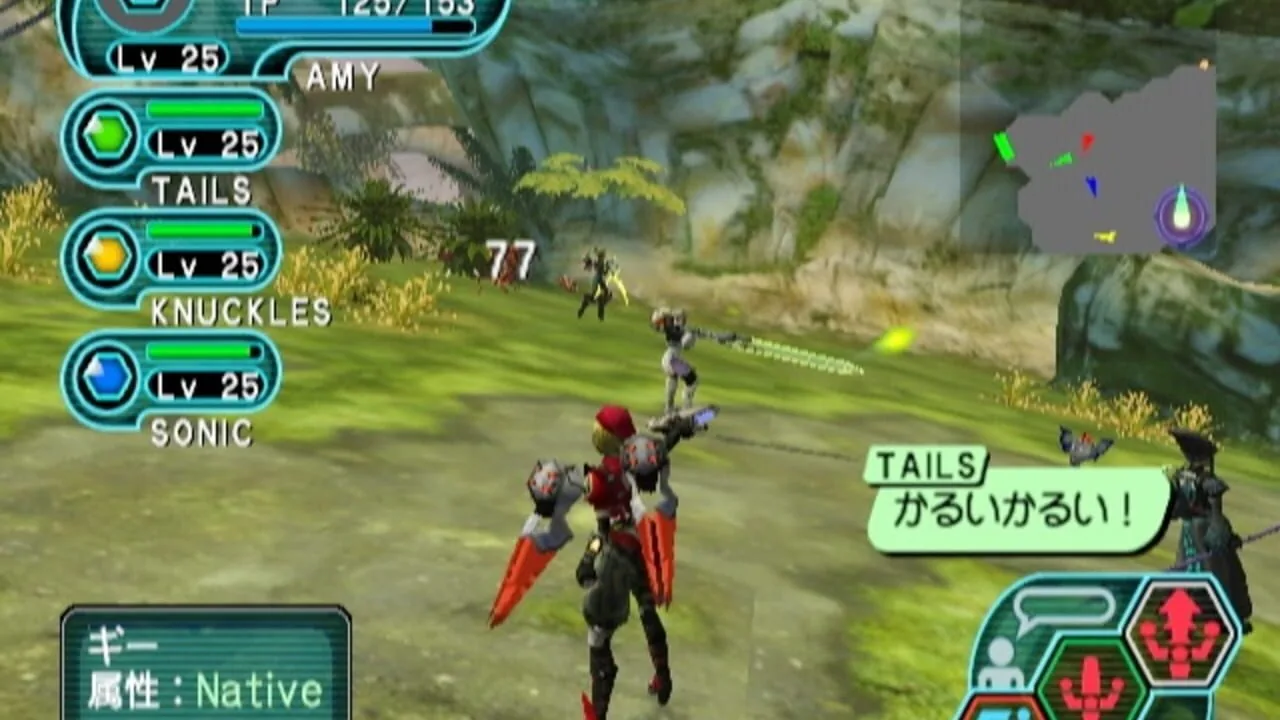
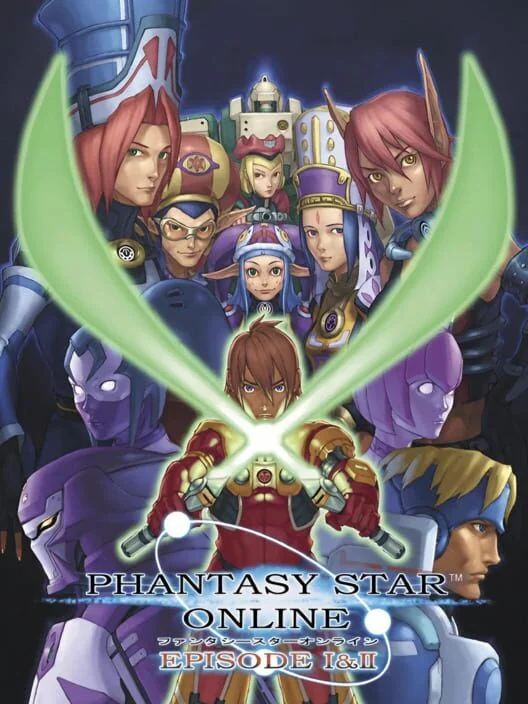
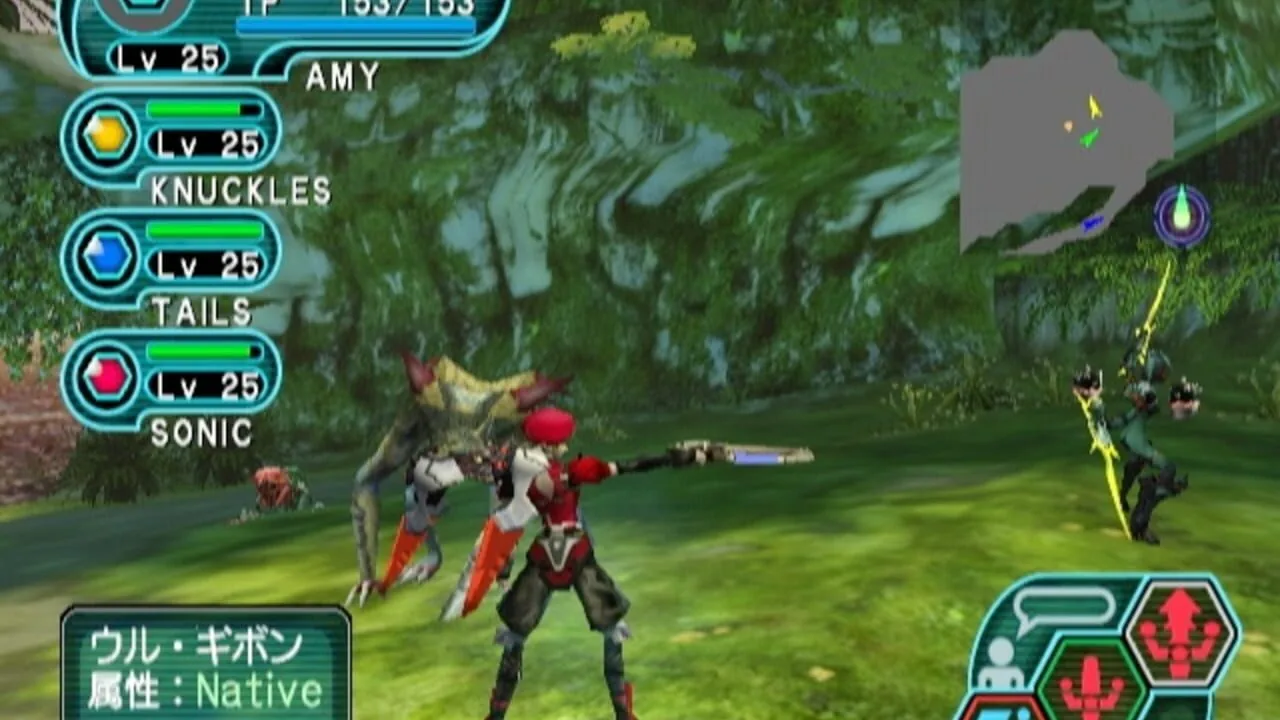
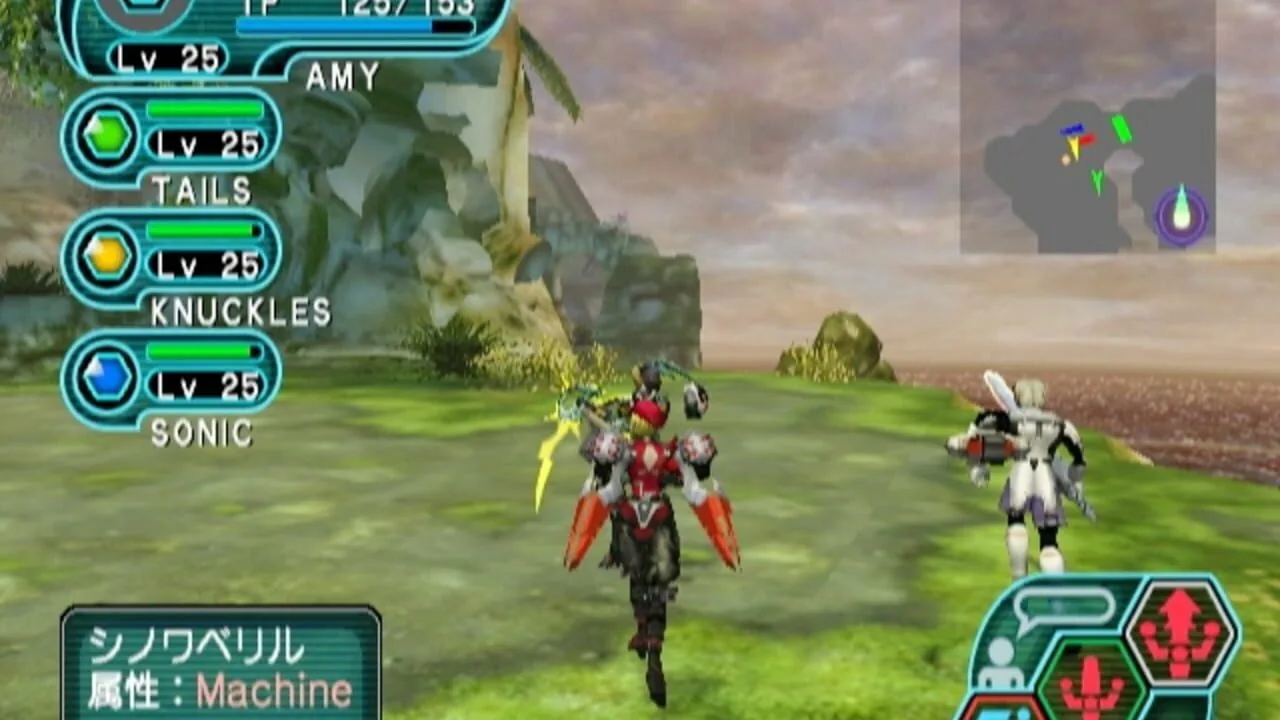
Phantasy Star Online was the first successful online RPG for game consoles. It started on the Dreamcast, and after Sega left the console business it came to the GameCube as Episode I & II, with new characters and environments. You make a character from one of three races and choose a class. Then you head down to the planet Ragol with up to 3 other people. Each enemy even has its own music that plays when it appears.
The original won the Japan Game Award for Game of the Year and influenced the Monster Hunter series. Critics found the online play addictive but were less kind about playing alone. Some players even imported a controller from Japan to play it. Bring friends, or at least a lot of patience.
6. Pokémon XD: Gale of Darkness (2005)
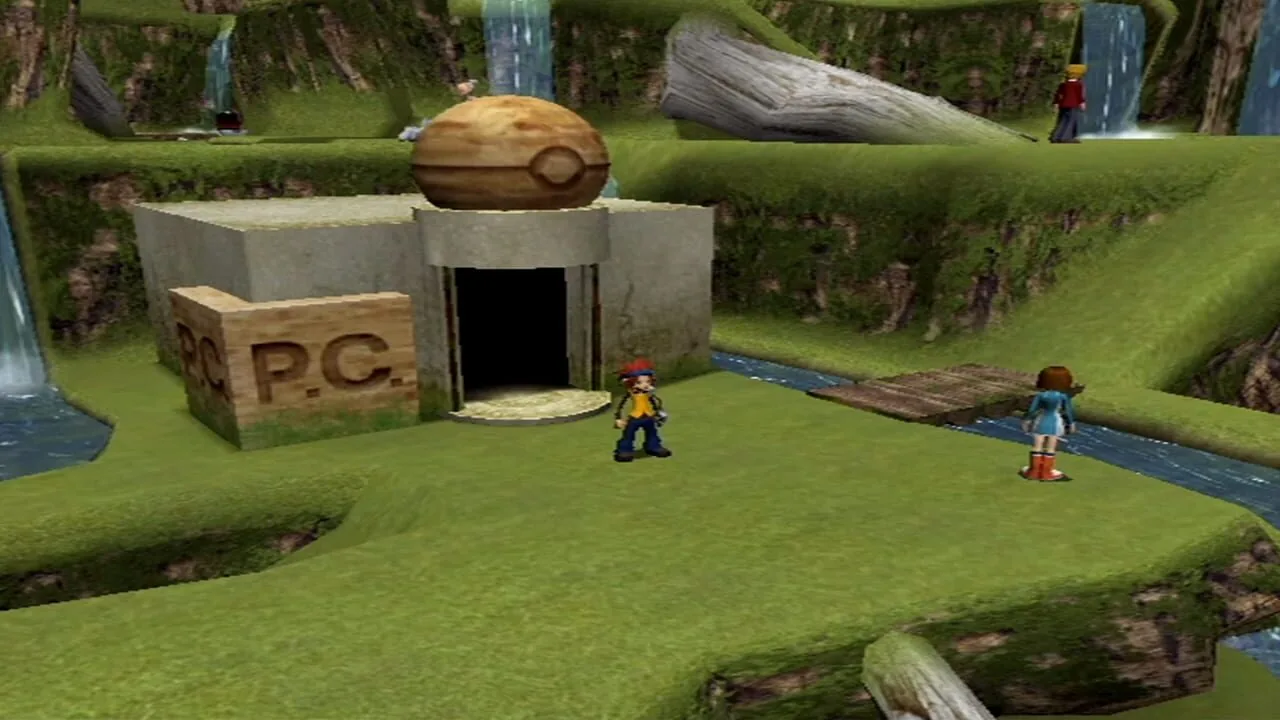
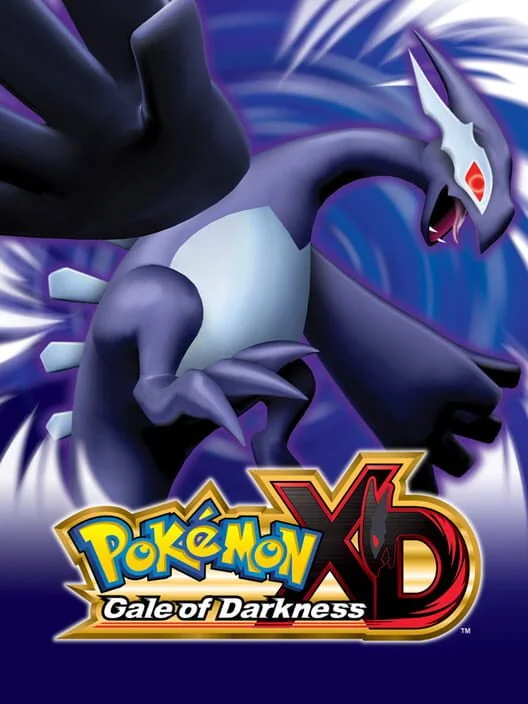
Gale of Darkness came out in North America on October 3, 2005. You play Michael, a Pokémon trainer trying to stop the evil Cipher. Shadow Pokémon are back from Colosseum, and a Shadow Lugia is on the box. The new Purify Chamber has you arrange purified Pokémon around a Shadow Pokémon to purify it. Unlike Colosseum, it adds spots where wild Pokémon appear.
Critics were mixed, mostly because it reused so much from Colosseum. It still sold more than 1 million copies. If you finished Colosseum and wanted more, this is that, with a sillier villain and a lot more to catch. It joined the Nintendo Classics service on the Switch 2 on March 18, 2026, so it is easy to play again.
5. Pokémon Colosseum (2003)
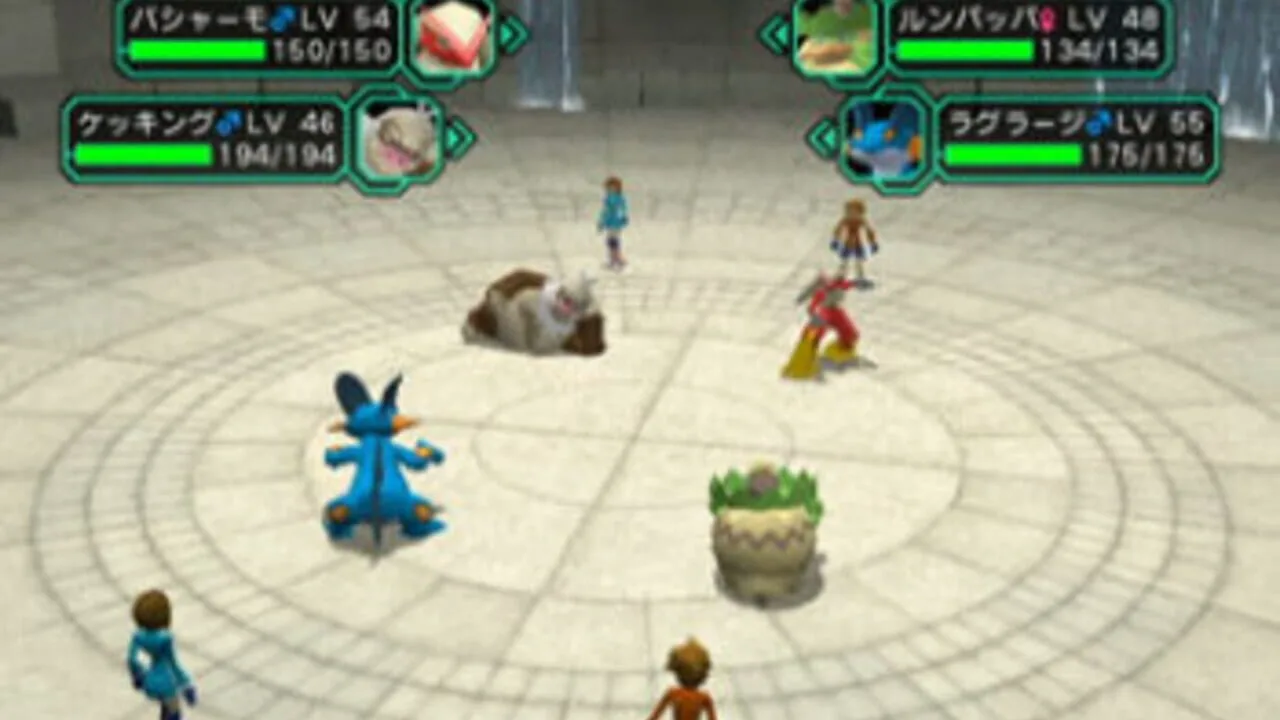
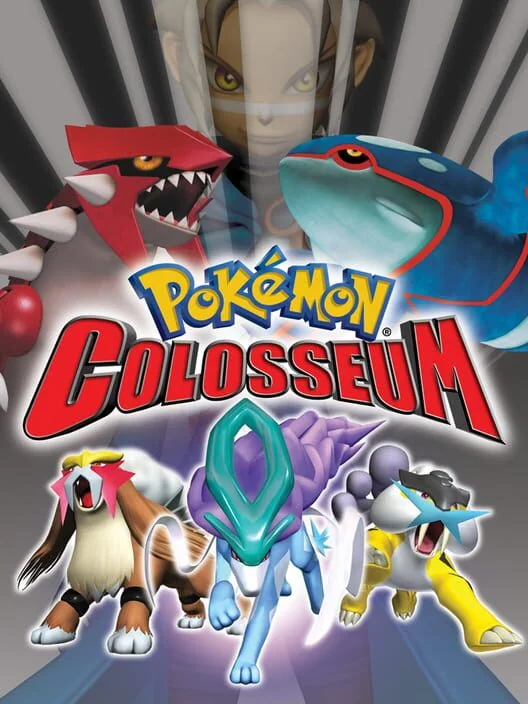
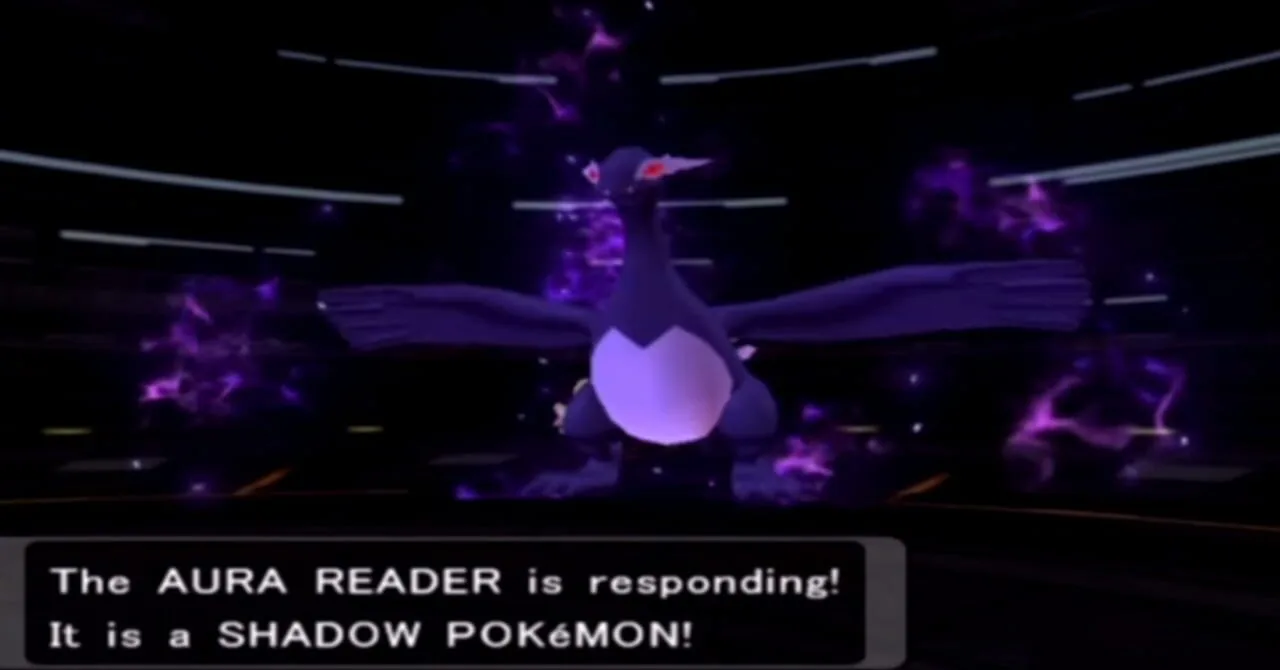
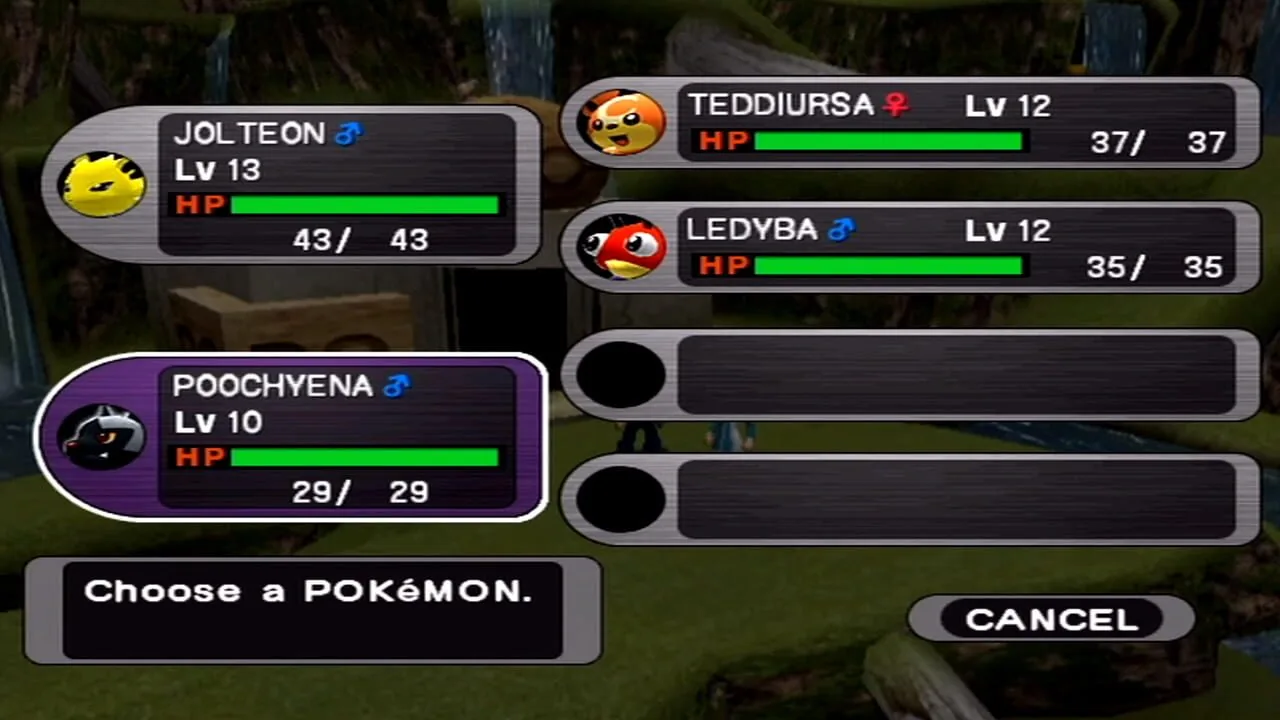
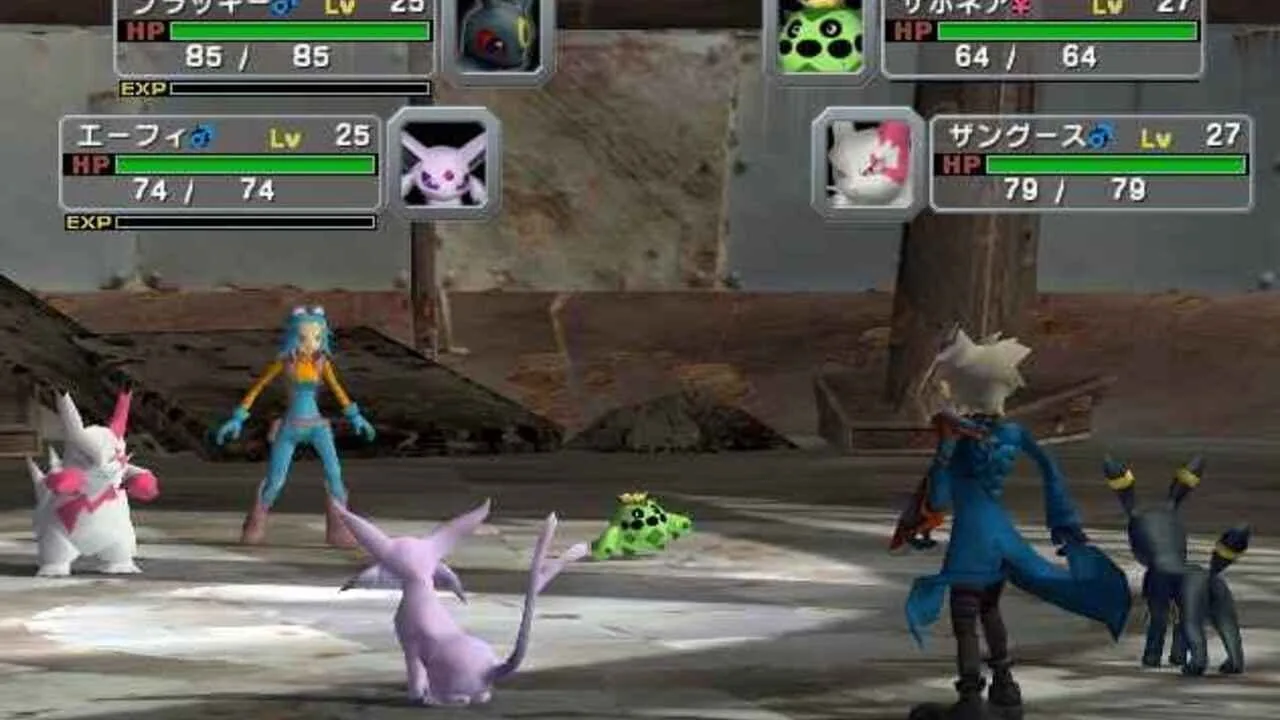
Colosseum came out in Japan in November 2003 and in North America on March 22, 2004. Orre has no wild Pokémon, so you get new Pokémon by snagging Shadow Pokémon, whose hearts have been artificially closed. Genius Sonority based most of Orre on Phoenix, Arizona. The hero, Wes, was designed to look "hazy" and about 17 years old, which also describes most teenagers before school.
It was a critical and commercial success and sold 2.41 million copies worldwide. North American pre-orders came with a bonus disc for downloading Jirachi to Ruby and Sapphire. You can also bring your team over from the Game Boy Advance games for battles. For anyone who wanted a full Pokémon adventure on the television, this was it.
4. Skies of Arcadia Legends (2002)
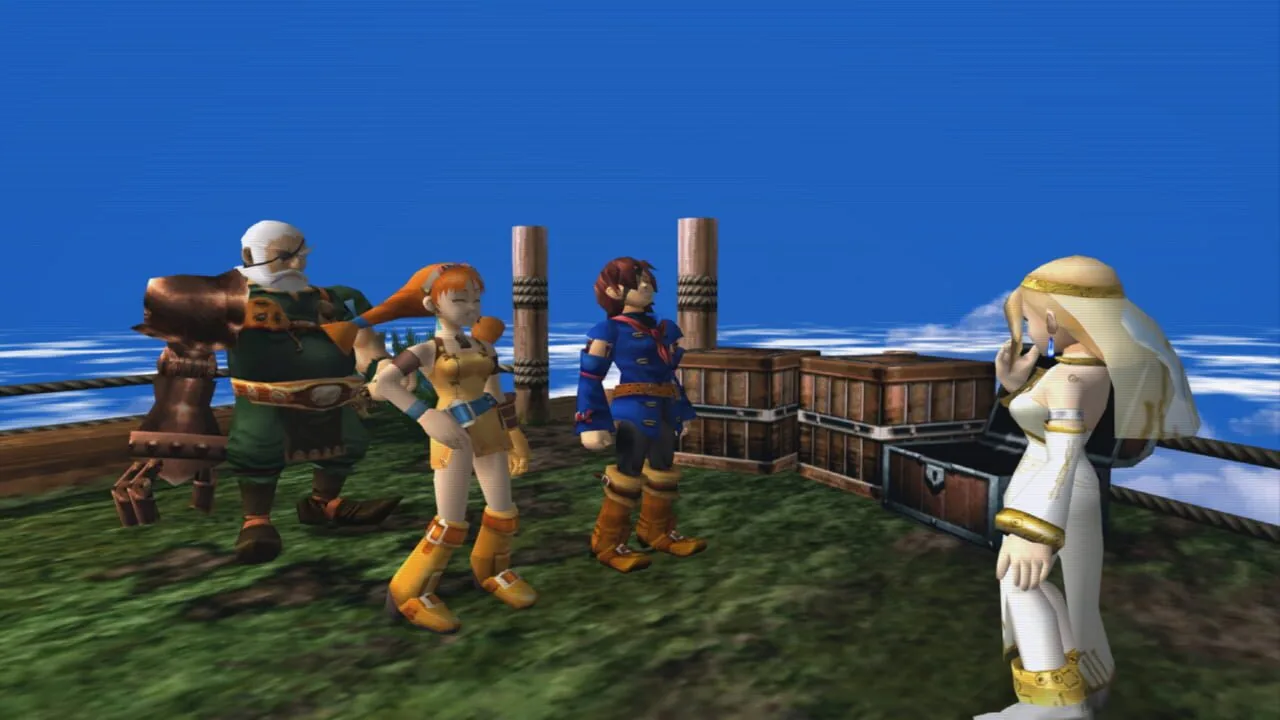
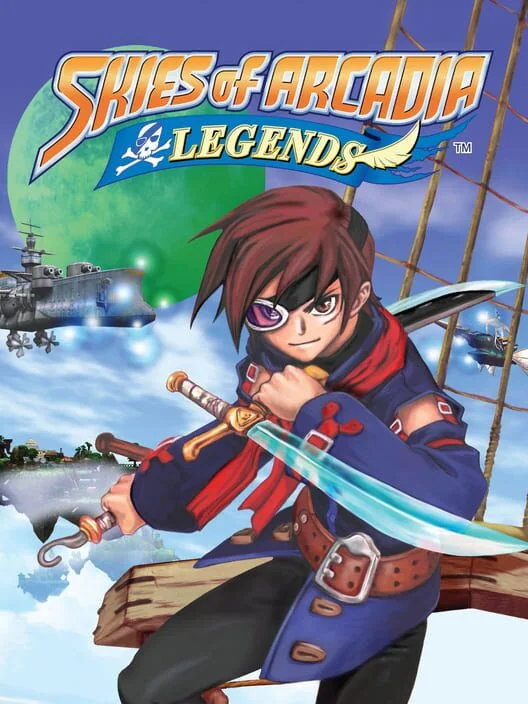
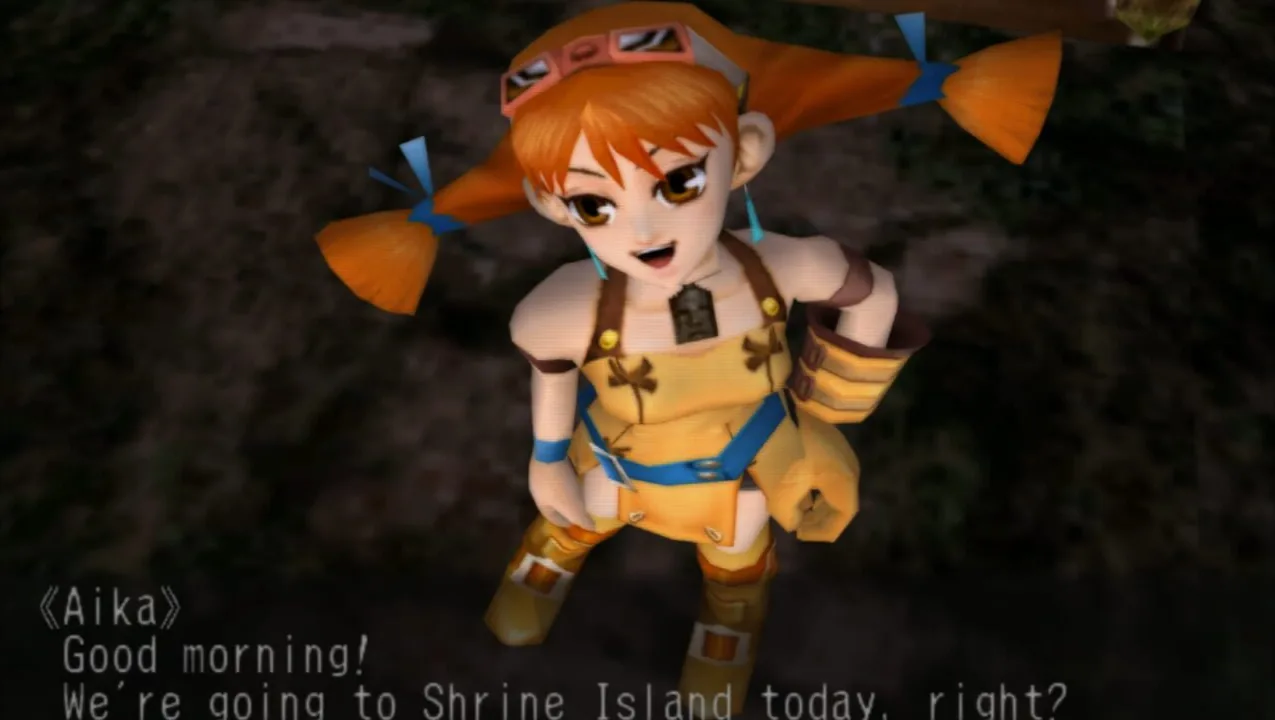
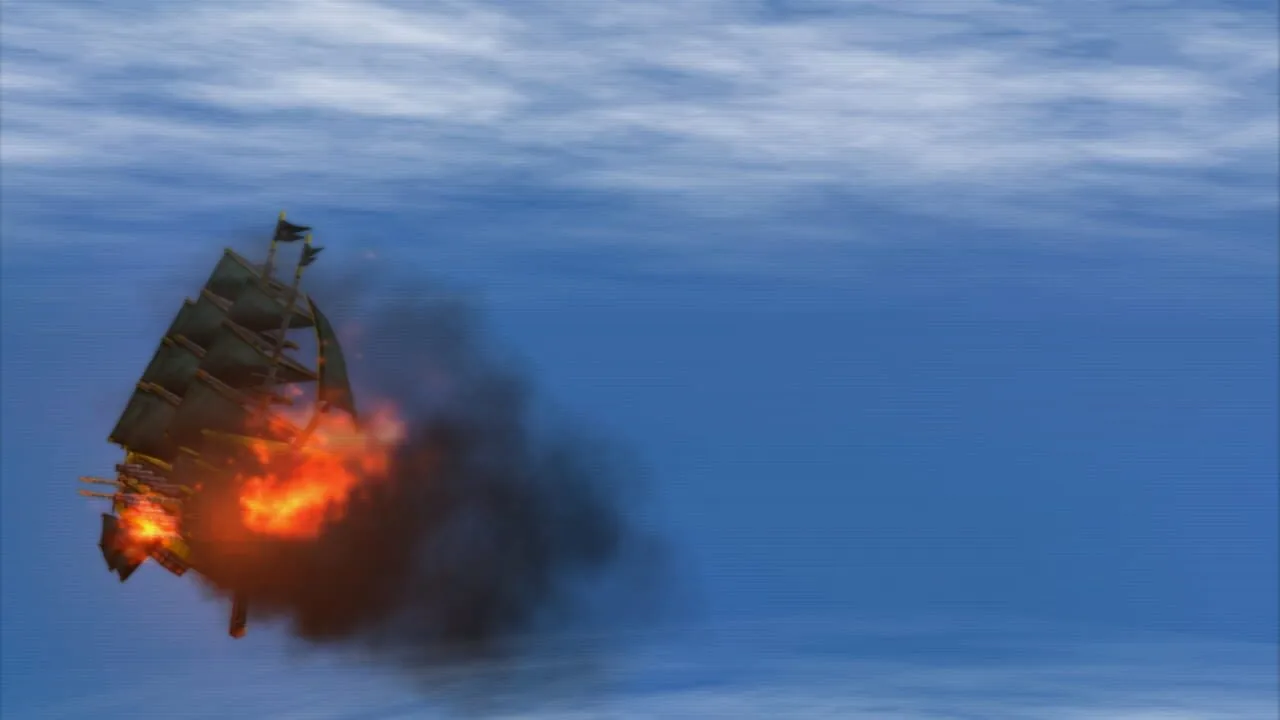
Legends is the GameCube port of Skies of Arcadia, released in 2002. You play the air pirate Vyse, exploring a world of floating continents and fighting the Valuan Empire. The battles are turn-based in the classic style, but the focus is on exploring, with your airship flying freely in 3D space. At a time when Japanese RPGs leaned dark, Overworks wanted an optimistic hero who explored the world. The team included staff from Panzer Dragoon and Phantasy Star.
The GameCube version adds new characters and side content, and includes the extras Dreamcast owners had to download. Players treat it as required playing on the GameCube and often put it first among the console's RPGs. The score sounds like a 1930s adventure serial, and that is a compliment.
3. Fire Emblem: Path of Radiance (2005)
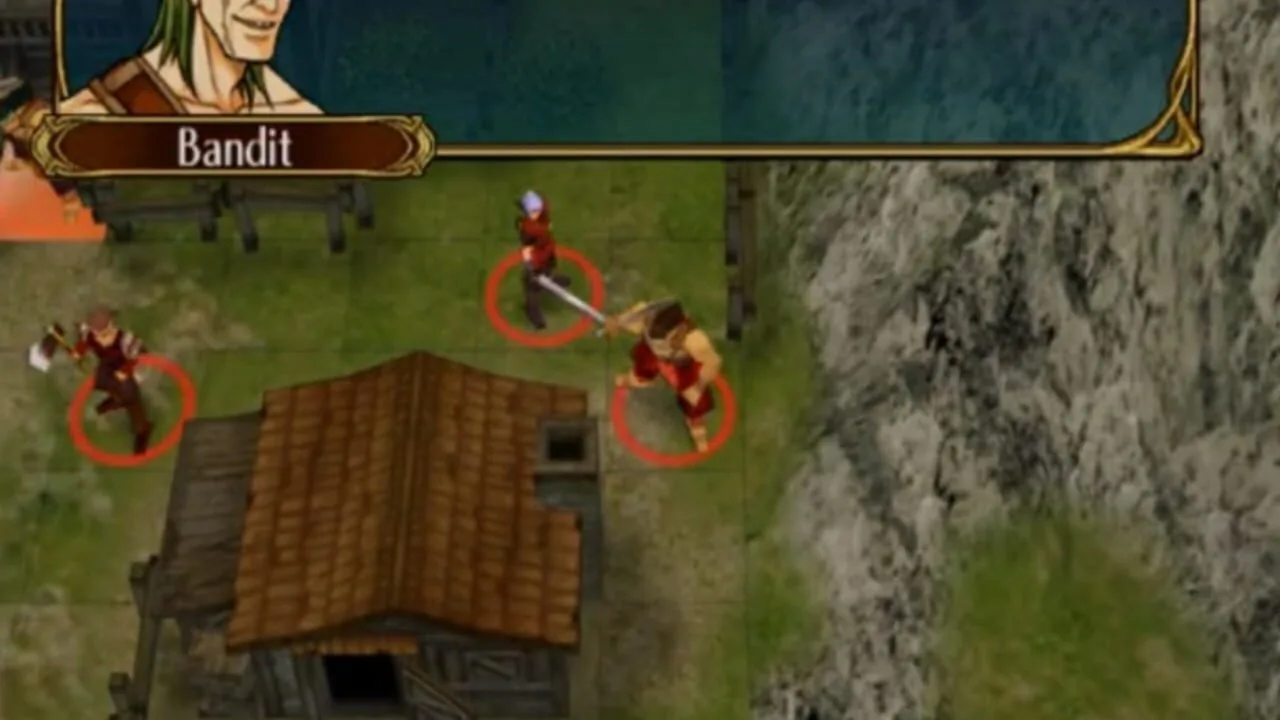
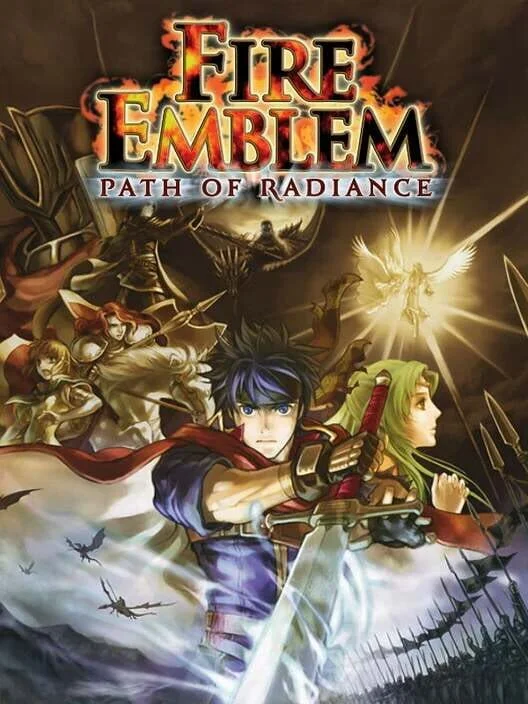
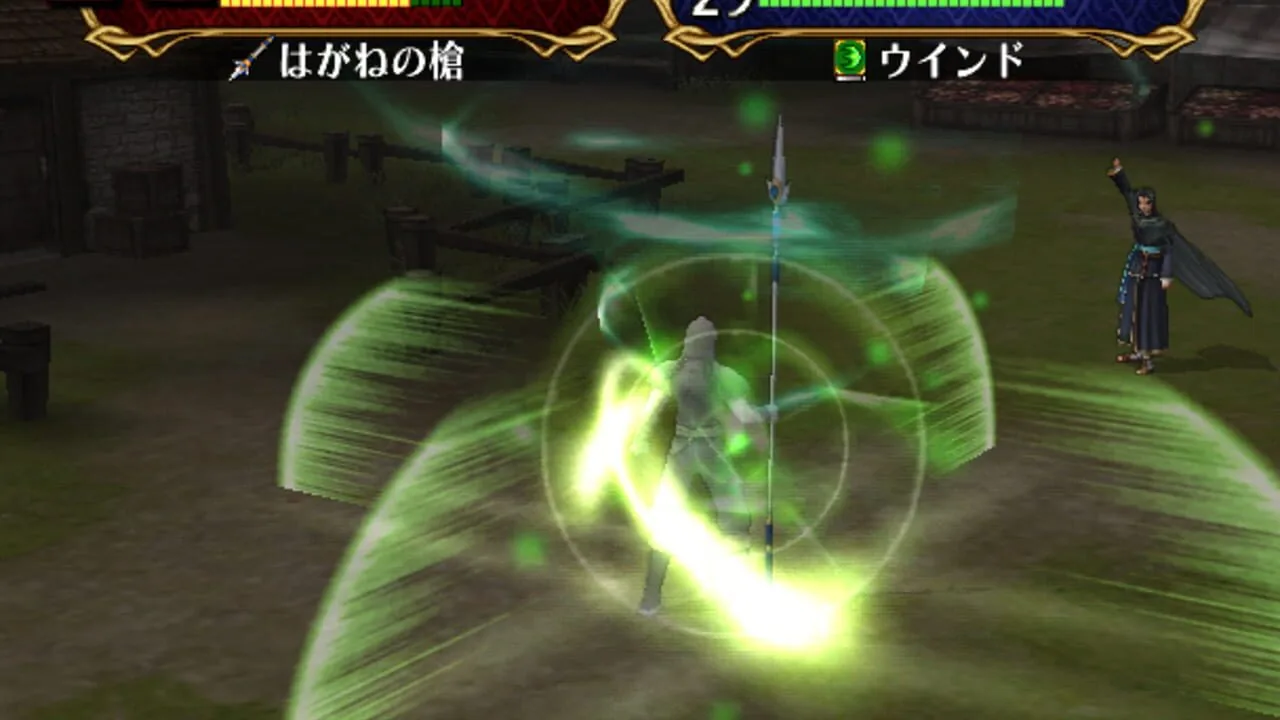
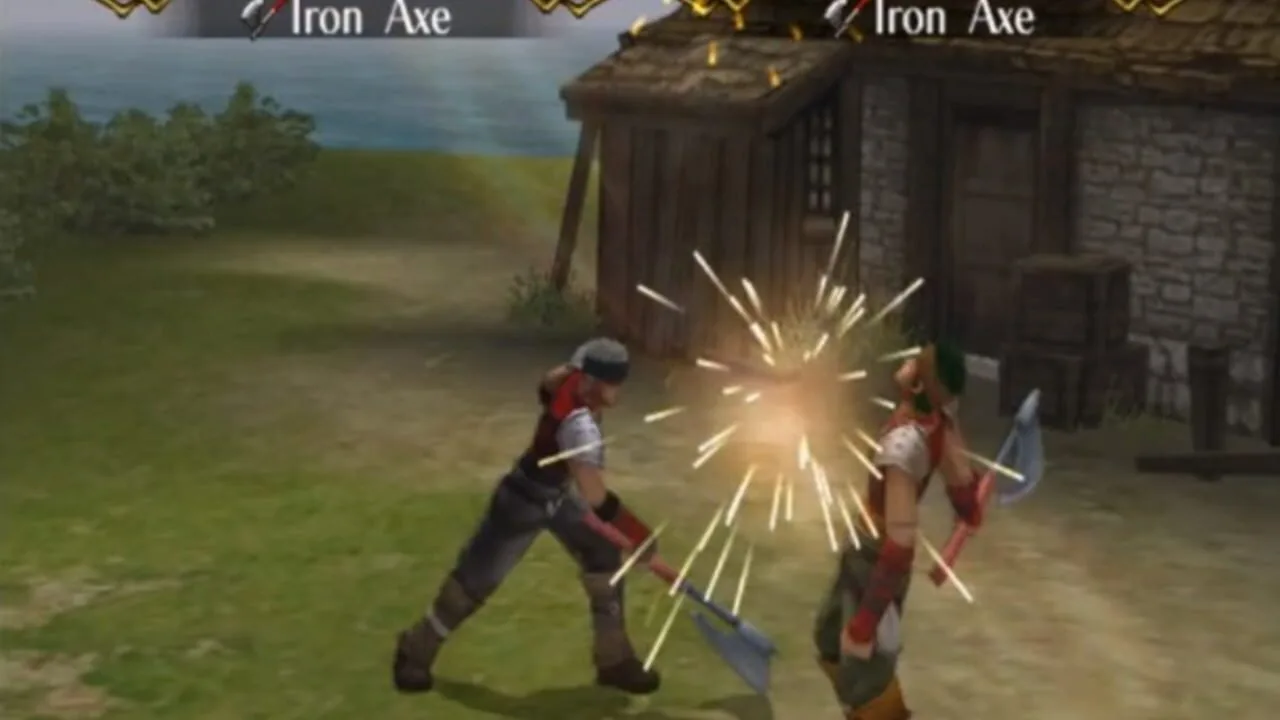
Path of Radiance is a tactical RPG from Intelligent Systems, released for the GameCube in 2005 as the ninth main Fire Emblem. It exists because the Game Boy Advance Fire Emblem did well overseas, and it was the first home console entry since Thracia 776. It was also the first Fire Emblem with 3D graphics and voice acting. Characters who fall in battle are gone for the rest of the game. Its hero, Ike, was meant to be someone everyone could empathize with.
Critics liked the gameplay and the story, though the graphics took some criticism. Players who love strategy games hold it up as one of the GameCube's best. Its direct sequel, Radiant Dawn, came out on the Wii in 2007. Expect to reset the console every time a favourite falls.
2. Tales of Symphonia (2003)
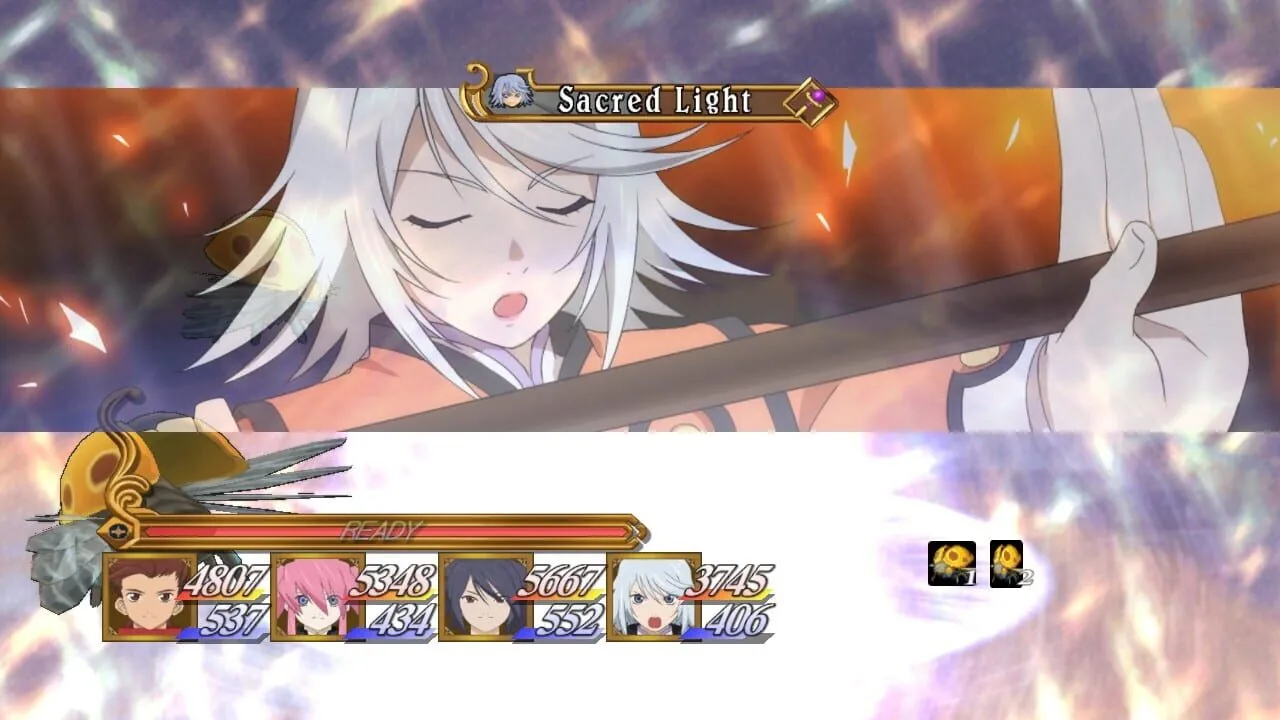
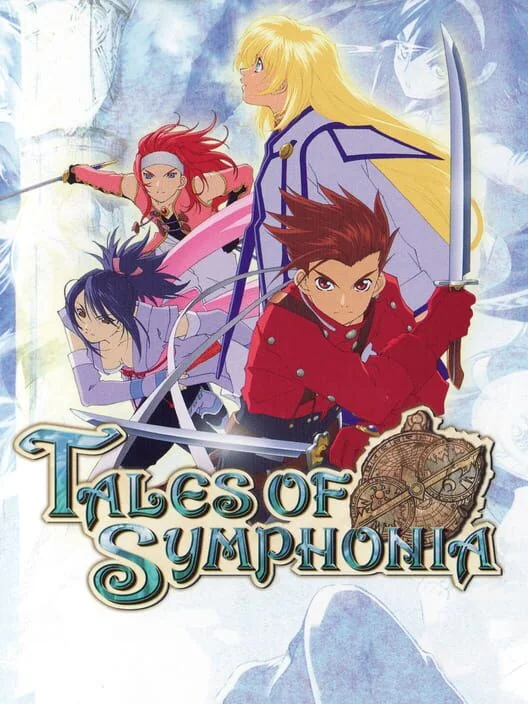
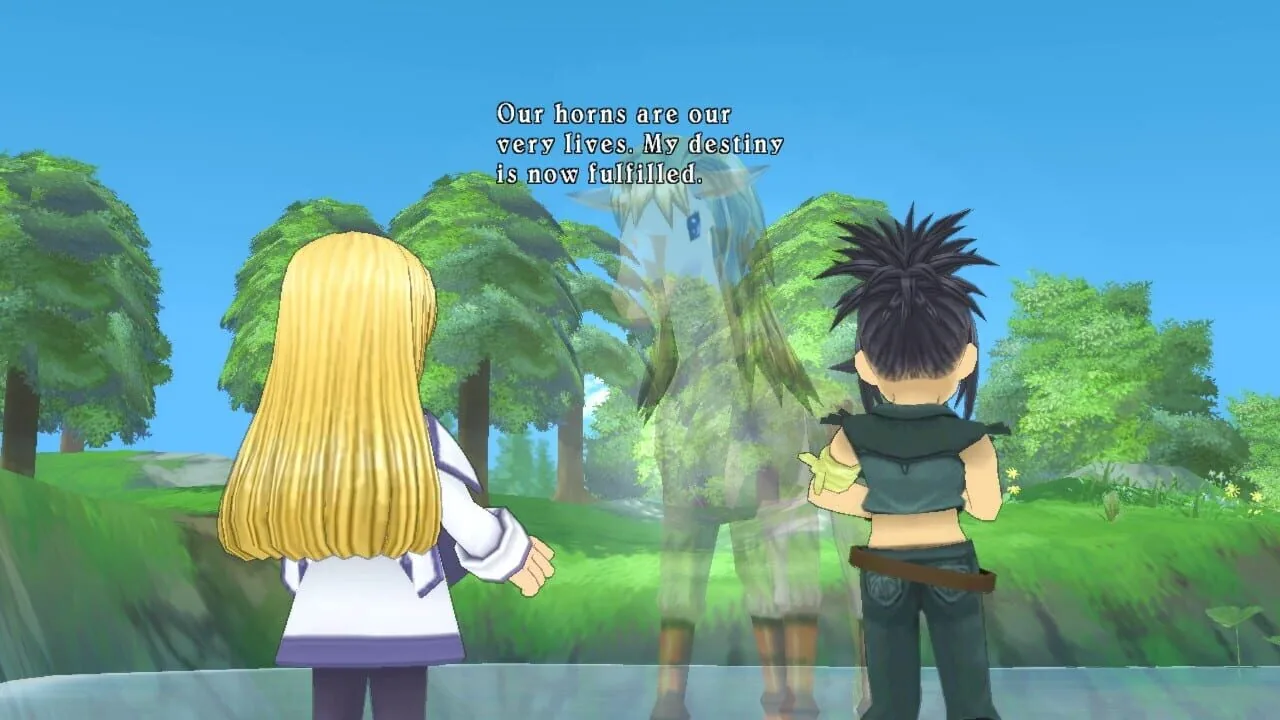
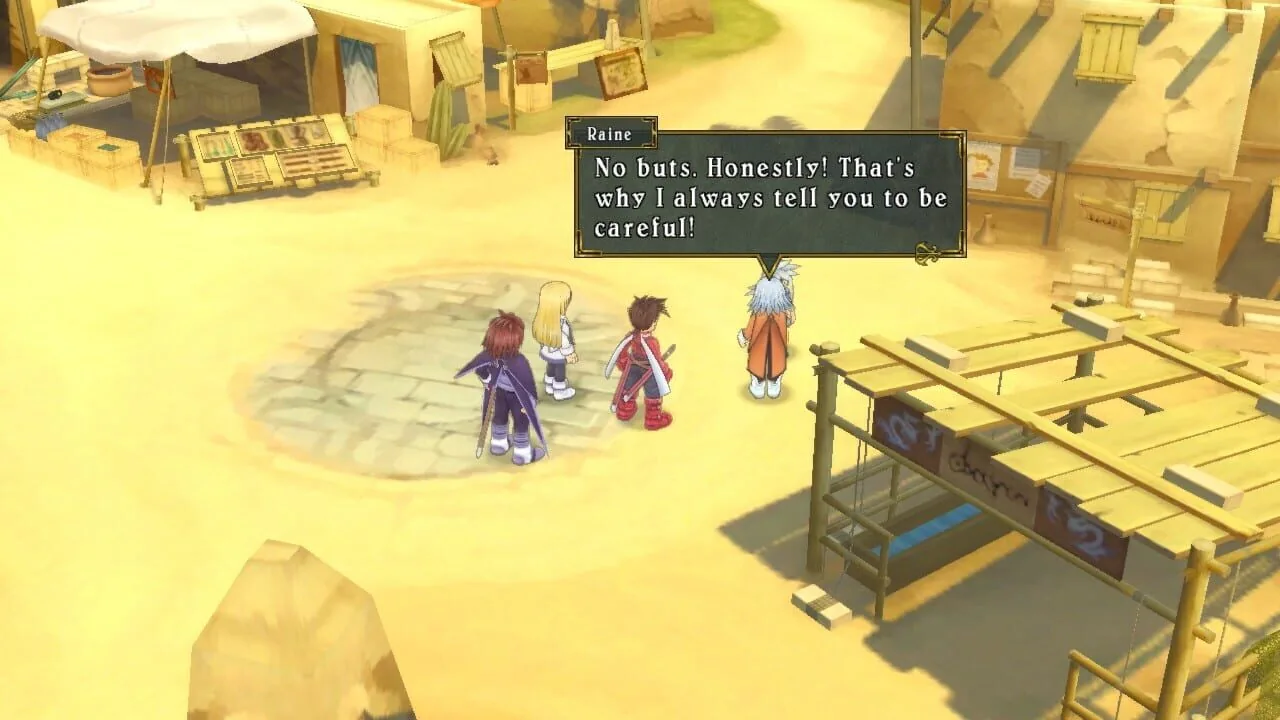
In a dying world, a Chosen One is meant to rise and bring the land back to life. The story puts two linked worlds at stake and blurs the line between good and evil. Its Japanese theme called it an "RPG that resonates with you". Combining certain techniques sets off a special attack for extra damage. Optional skits between the characters cover everything from character growth to side details.
At one point Zelos was supposed to die for good, and the team worked out a version where his fate depended on the affection system. Critics praised the battle system and the voice acting but were mixed on the music. Grade, earned or lost after each fight, buys bonuses for New Game Plus. Players call it a classic and pick it again and again.
1. Paper Mario: The Thousand-Year Door (2004)
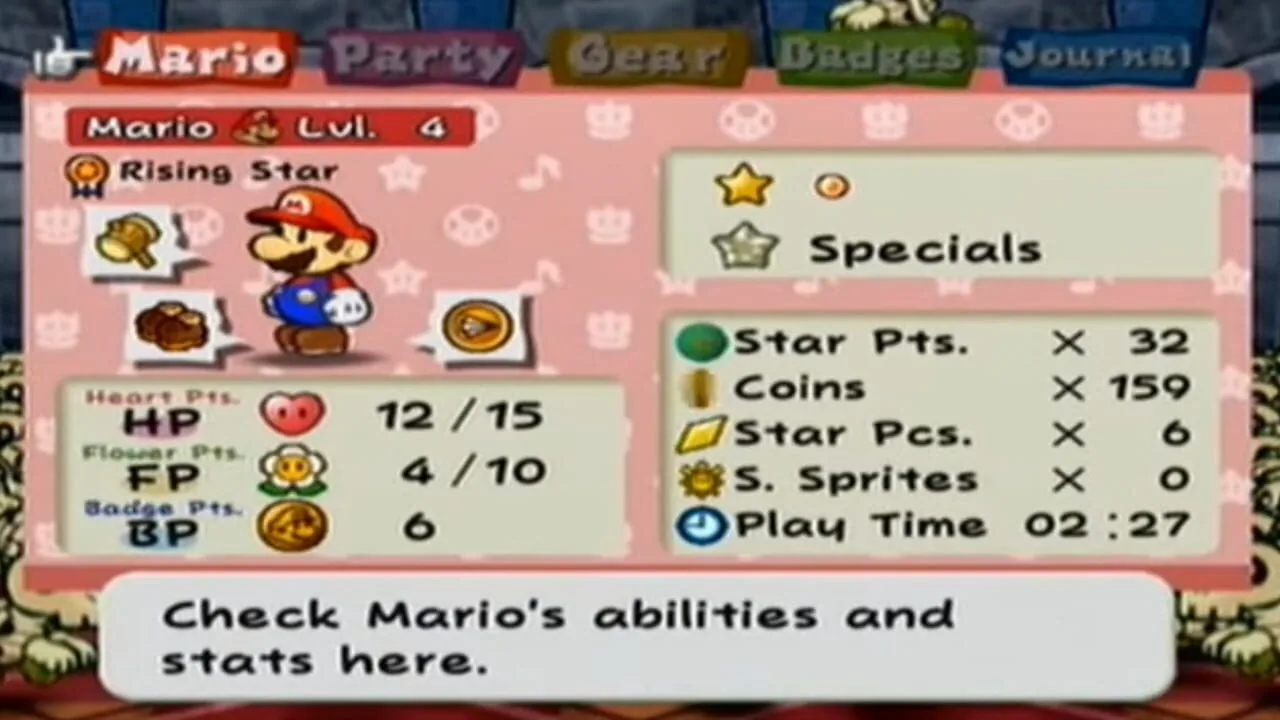
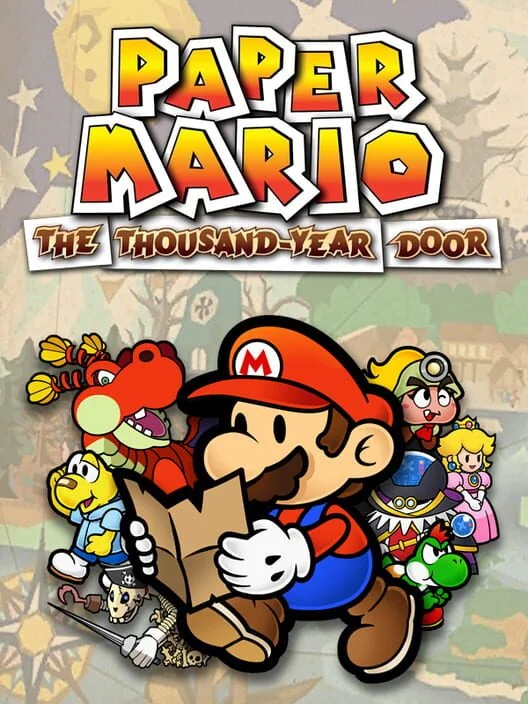
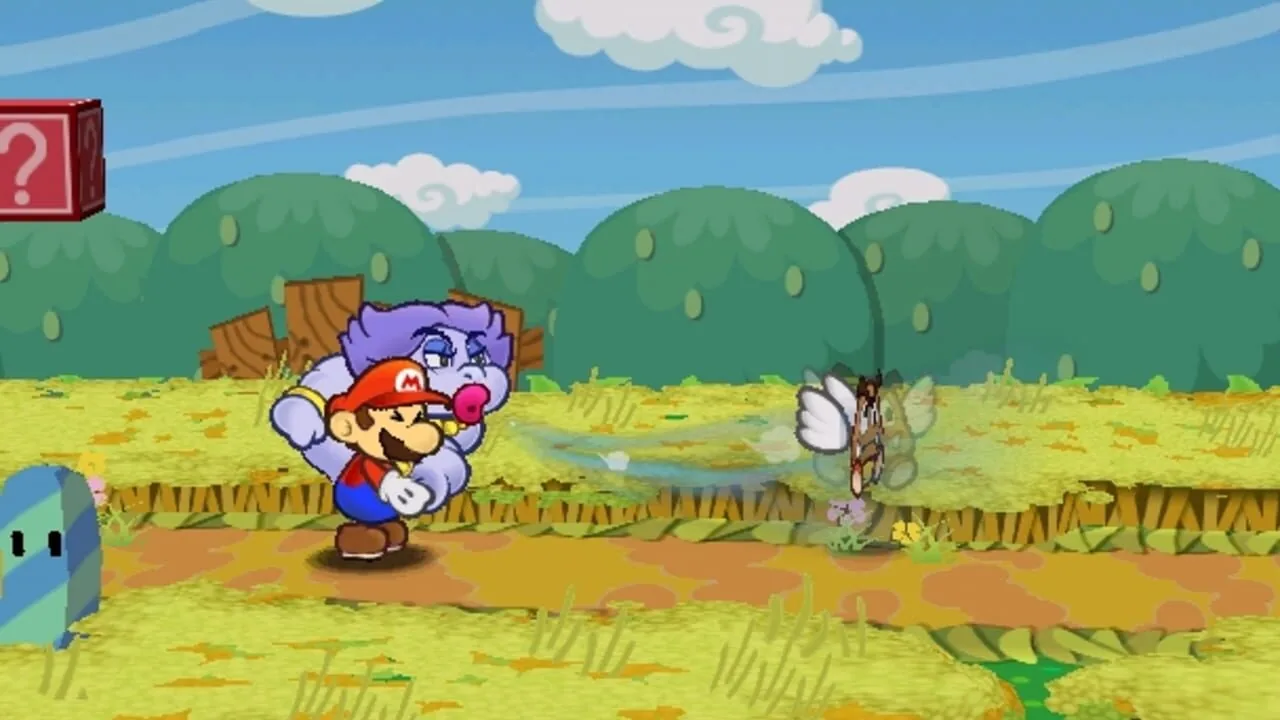
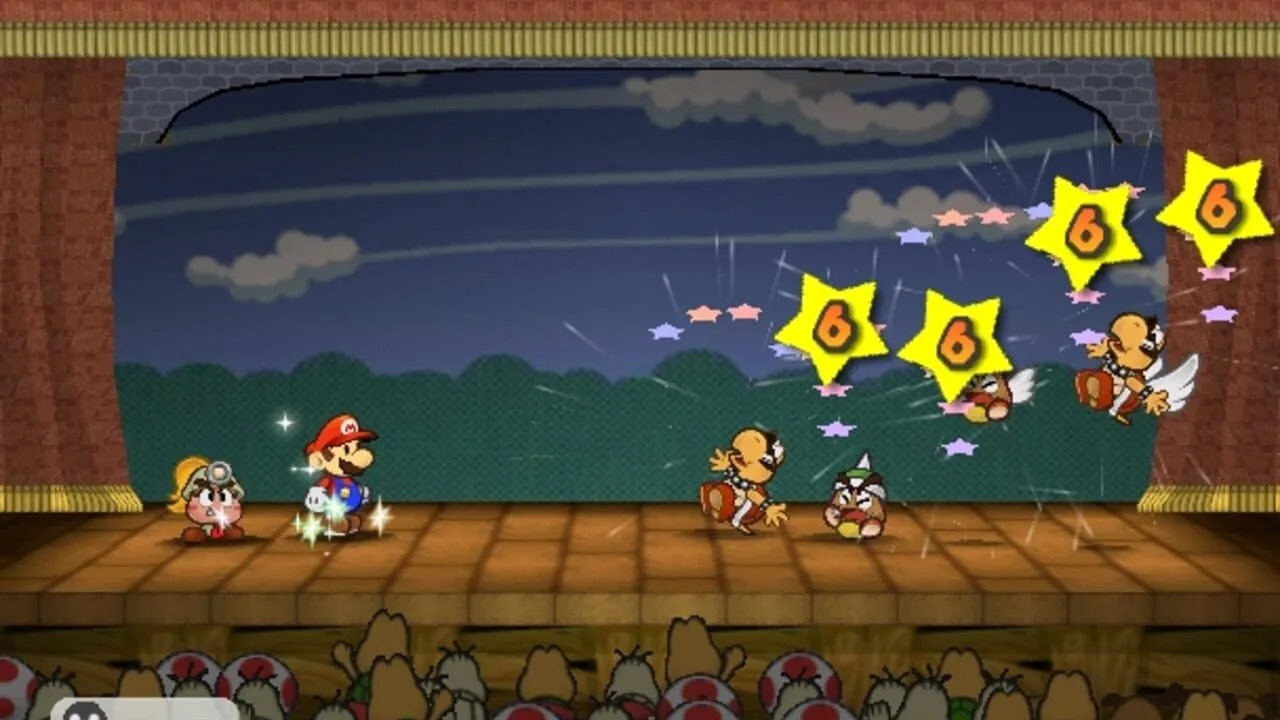
The Thousand-Year Door is the second Paper Mario, a turn-based RPG set in a world made to look like paper. It was announced at the 2003 Game Developers Conference and came out in late 2004. Battles play out on a stage in front of an audience, and well-timed button presses make attacks and defense stronger. Hit an enemy with a jump or a hammer before the fight starts and you get a First Strike. Between chapters you briefly play as Princess Peach and Bowser.
It won Console Role-Playing Game of the Year at the 8th Annual Interactive Achievement Awards and is often called the best Paper Mario. It has since been cited as one of the greatest video games ever made. A remake came to the Nintendo Switch in 2024. Players recommend it more than twice as often as the next game on this list.
Which one to play
There you have it, the whole list of the best GameCube RPGs. The top few hold up against the RPGs on any console of their time.
If you are not sure where to start, play The Thousand-Year Door. For a classic turn-based adventure, pick Skies of Arcadia Legends. Strategy fans should go straight to Path of Radiance. If you grew up on Pokémon, Colosseum and Gale of Darkness give you a darker story to play through. For a game to share with friends, try Crystal Chronicles or Phantasy Star Online. And for a hidden pick, try Lost Kingdoms and its card battles.