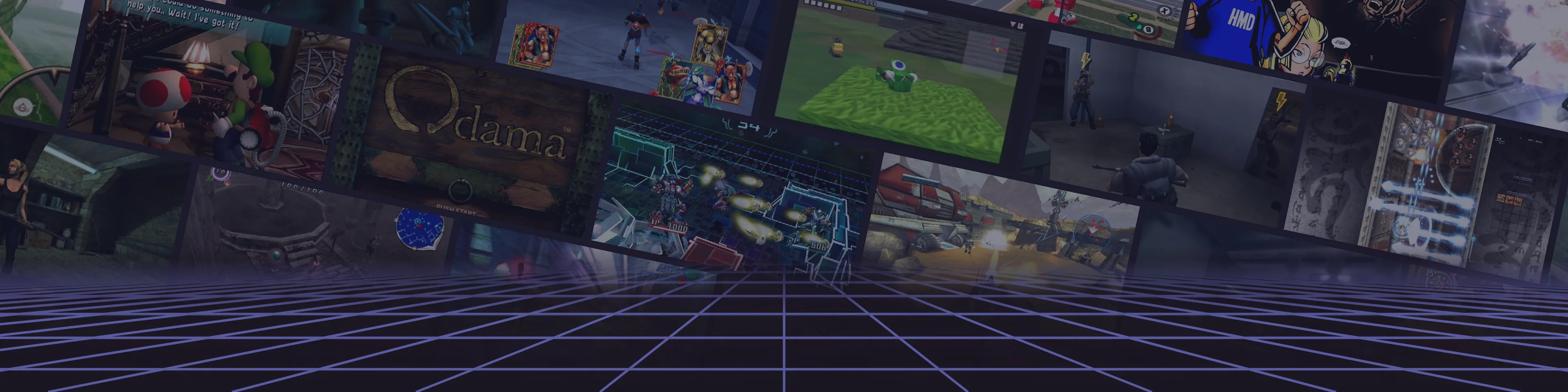
The GameCube library has plenty of games that never got the credit they deserve. These are the 25 most underrated GameCube games. Geist and Chibi-Robo! are two of them.

25. Odama (2006)
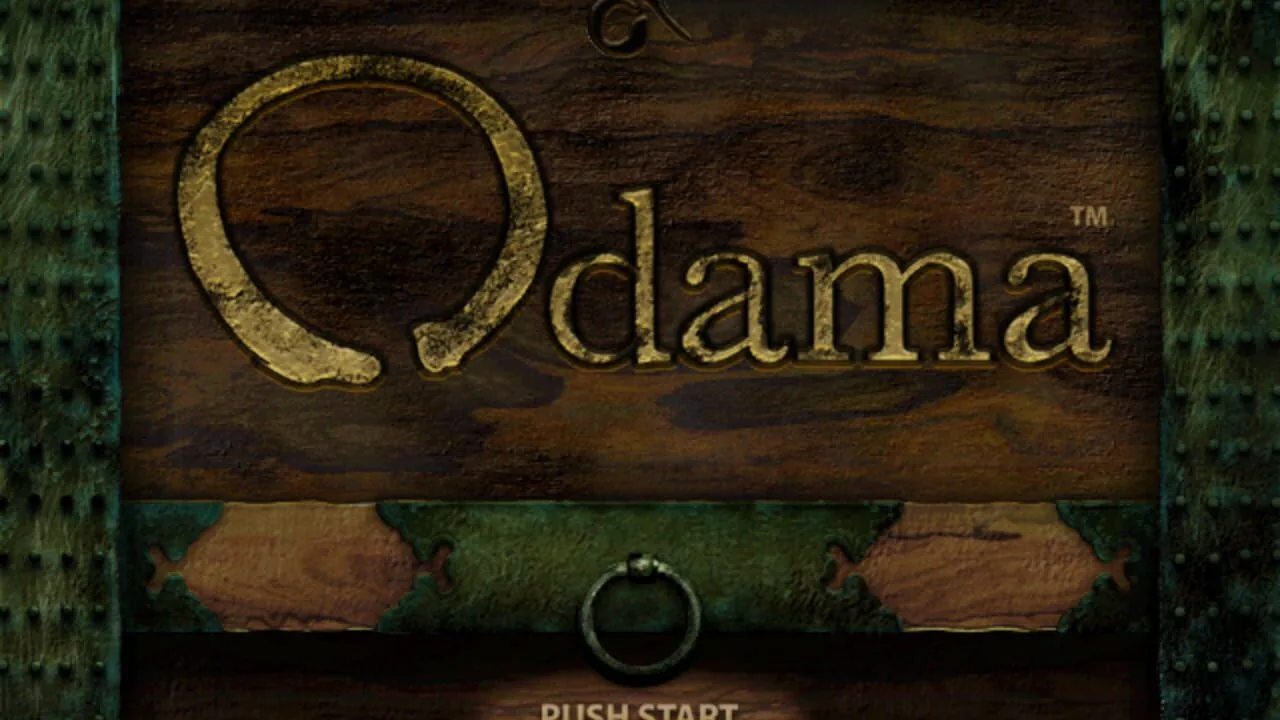
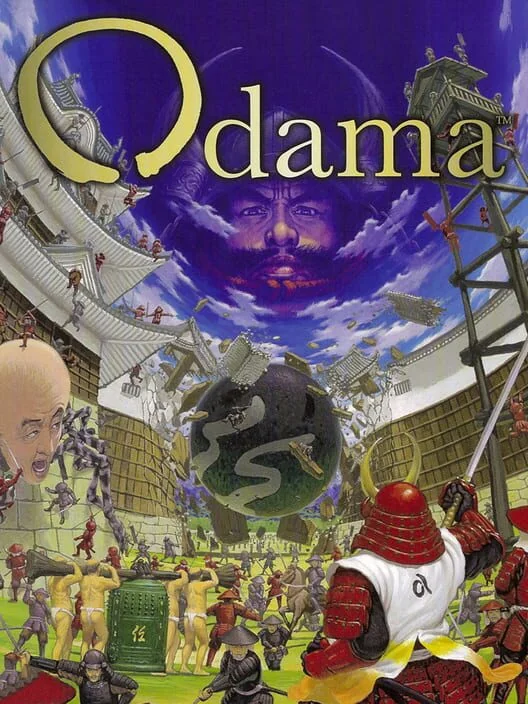
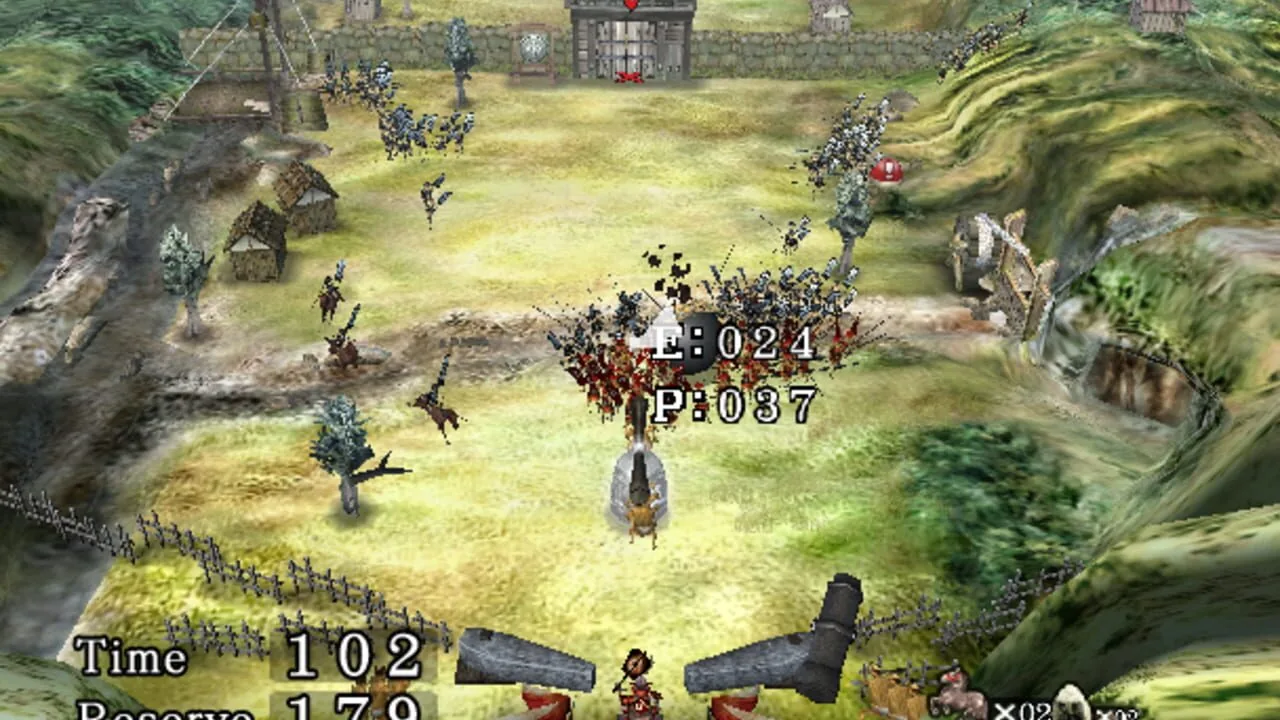
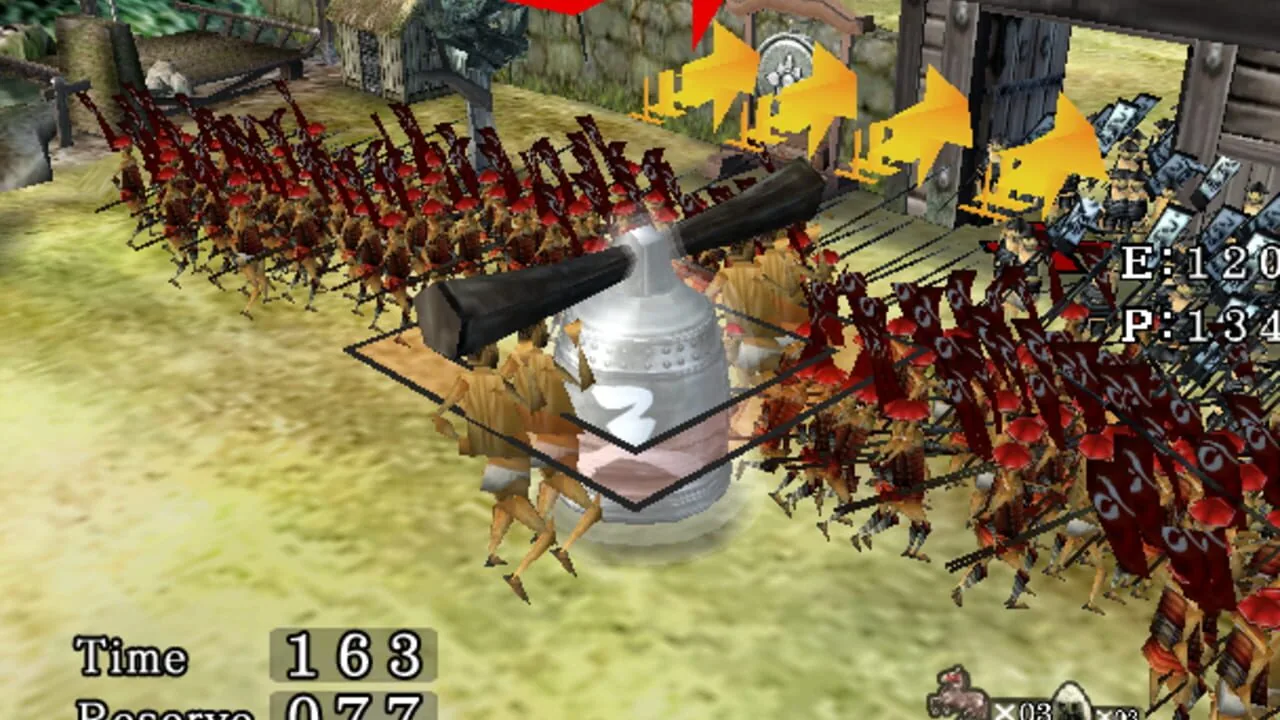
Odama is a pinball game and a battle strategy game at once. You work a pair of flippers to launch a huge ball into castle gates and enemy lines, while your soldiers follow behind carrying a giant bell. The setting is feudal Japan, and the hero is a young general named Kagetora, out to avenge his father.
You give orders by shouting into the GameCube microphone, which made it hard to explain to a shopper. It came out near the end of the console's life, just before the last big Zelda game took all the attention. Players call it goofy and say nothing else on the system plays like it.
24. Luigi's Mansion (2001)
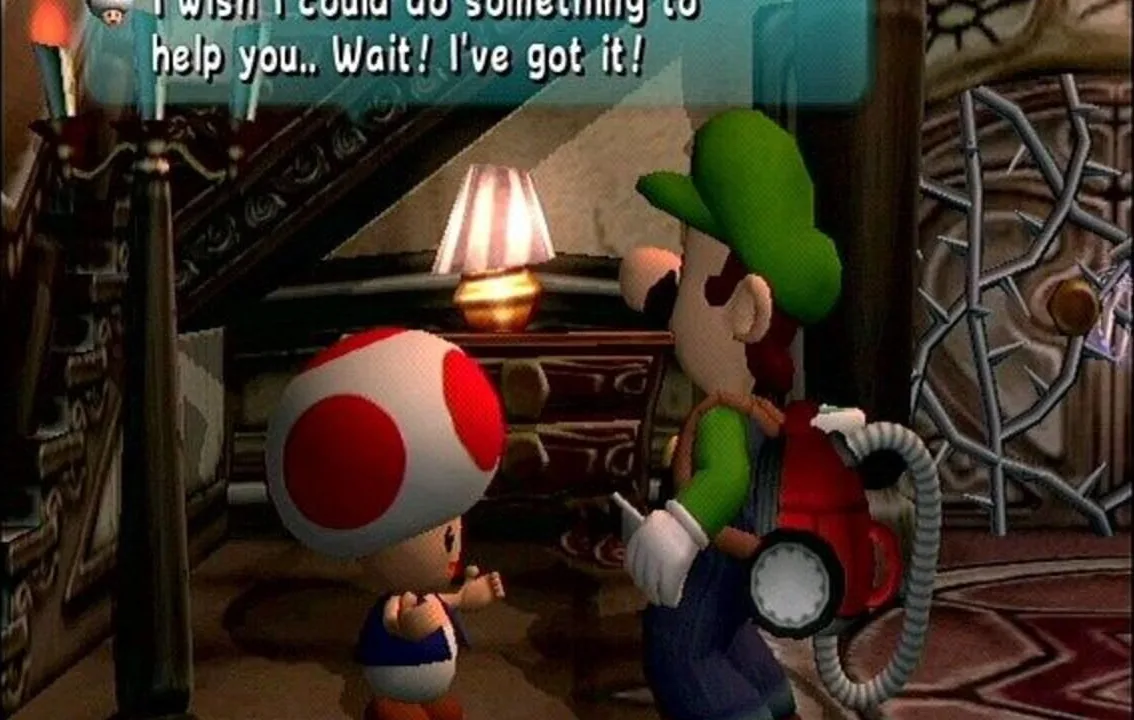
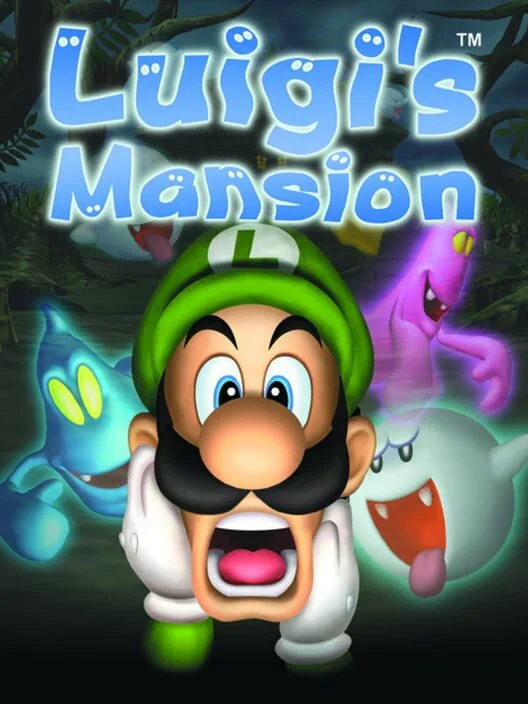
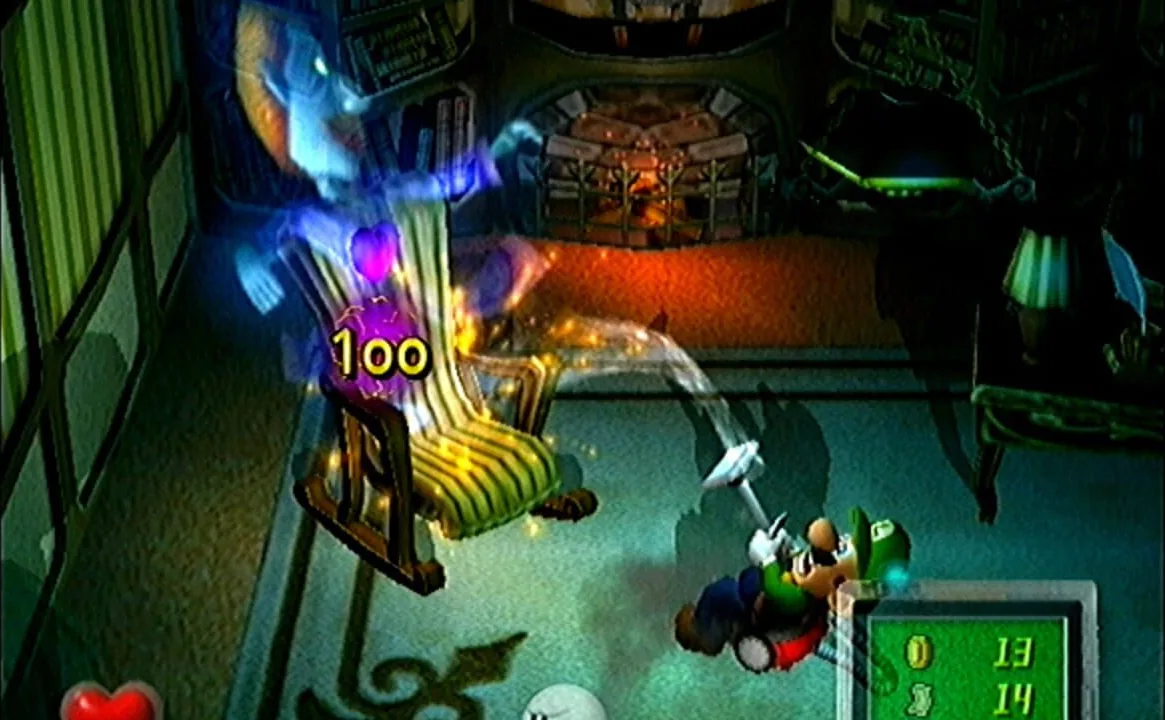
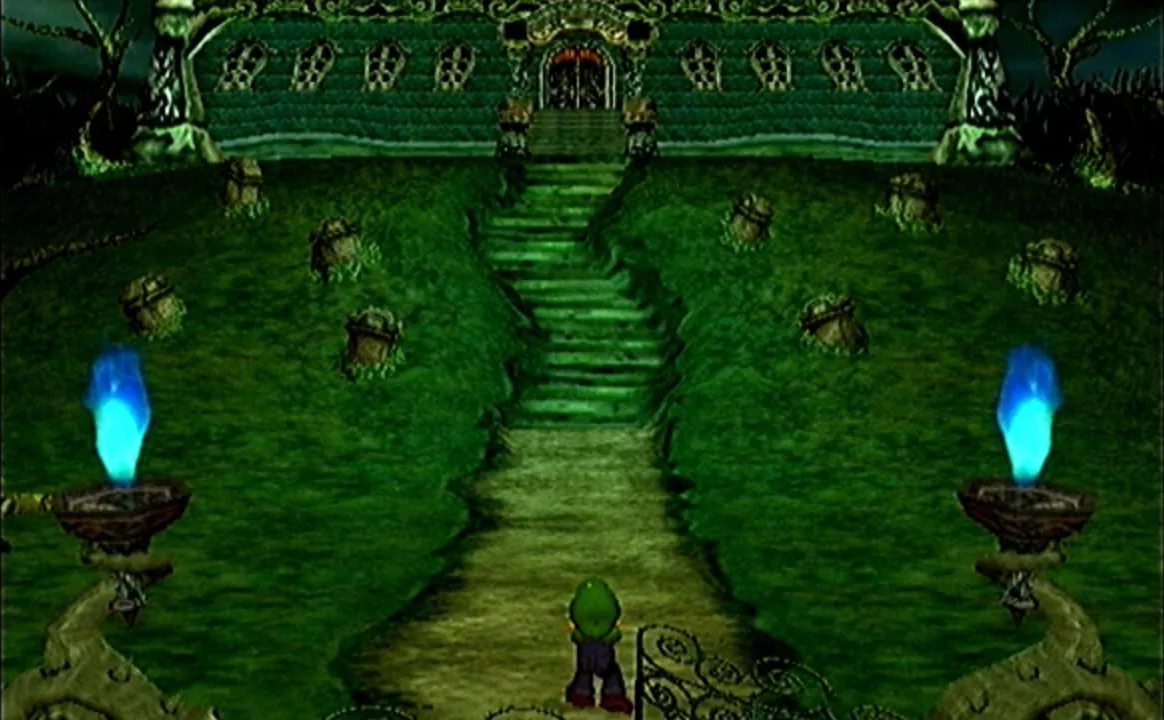
Luigi's Mansion has Luigi cleaning a haunted house with a vacuum called the Poltergust 3000. You stun each ghost with a flashlight, which shows its heart, and then you suck it in. Rooms start dark and brighten once the ghosts are gone, and Luigi hums nervously the whole time until they do.
It was a launch game, and many fans wanted a proper Mario adventure instead, so the first reaction was mixed. Reviewers also complained that it was short. Over the years the opinion turned around, and the game earned a cult following that eventually led to two sequels. Luigi hums to calm himself in a house full of ghosts, which is the most relatable thing in the game.
23. Super Monkey Ball (2001)
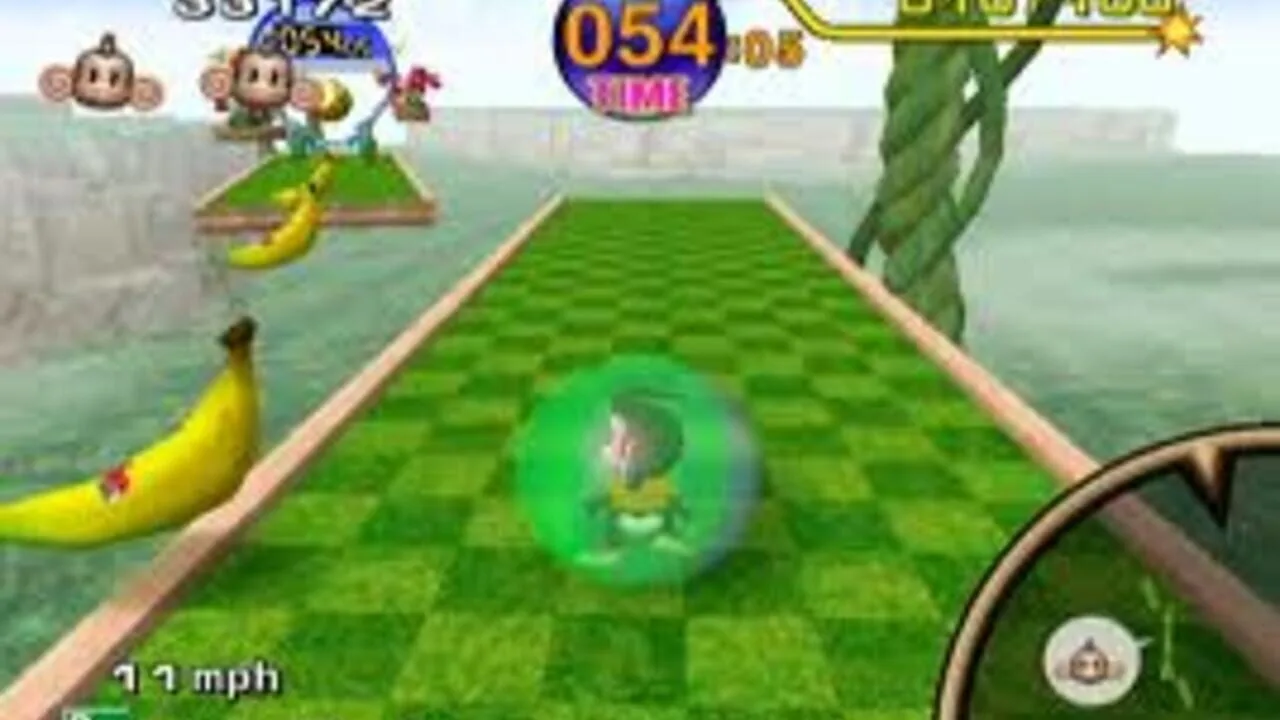
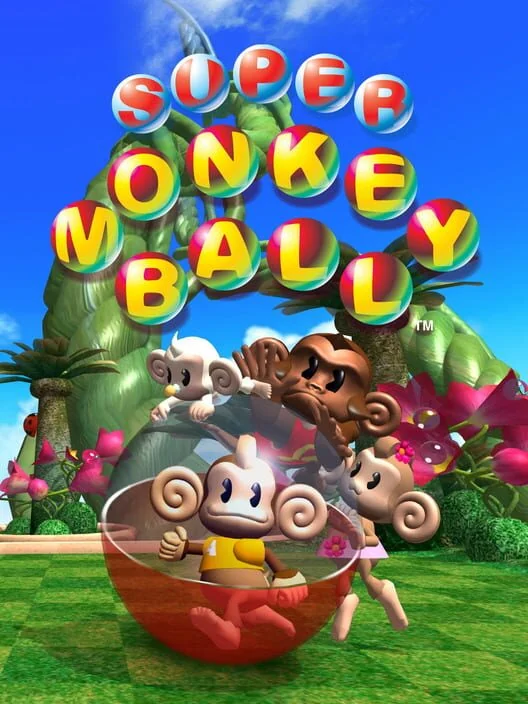
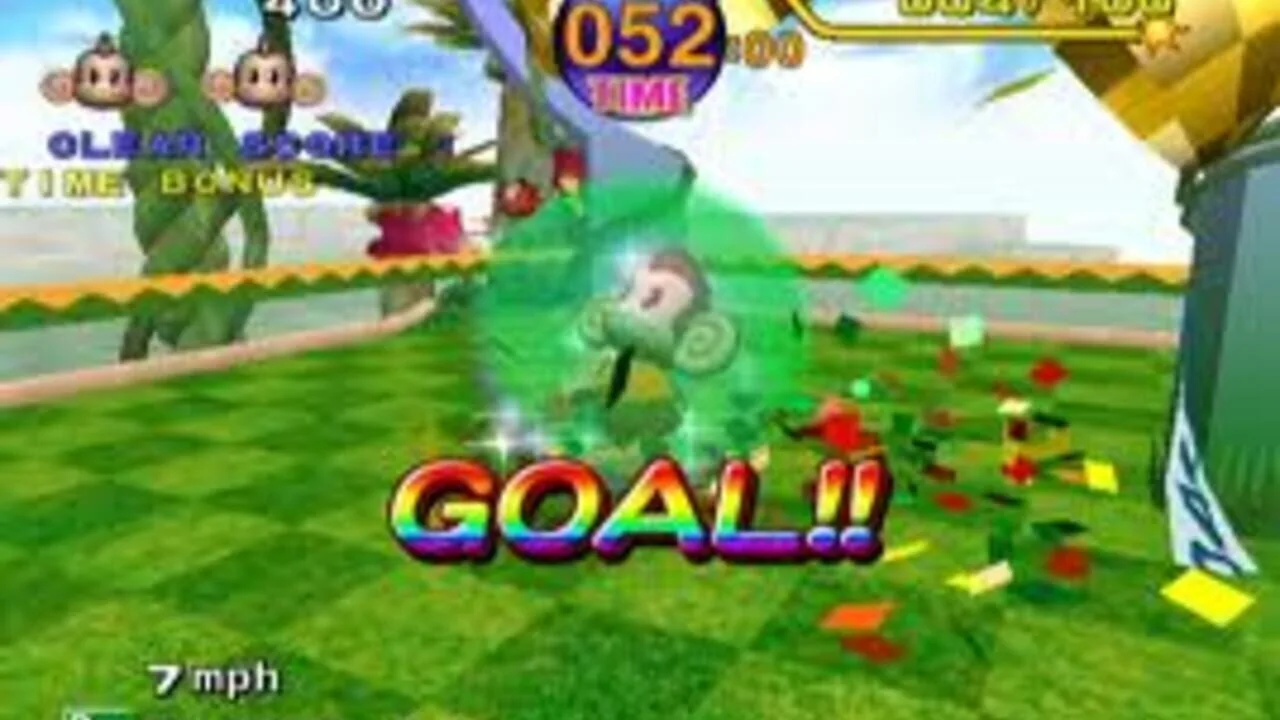
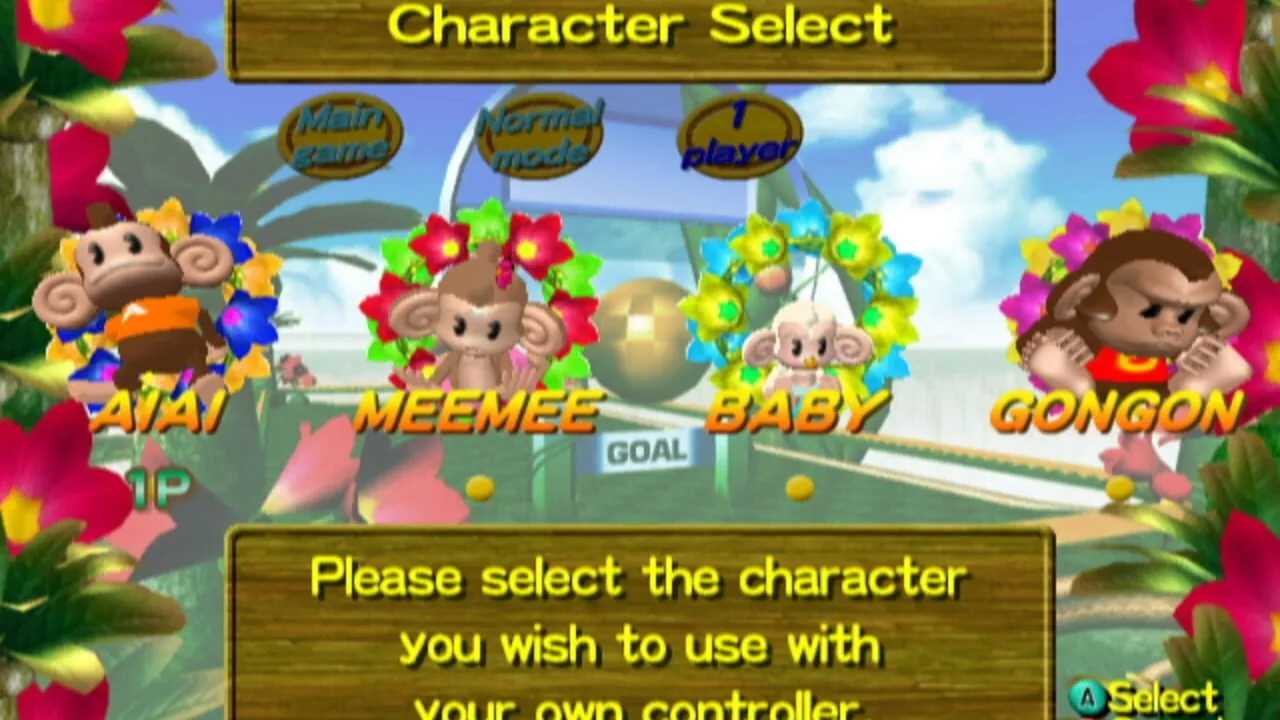
Super Monkey Ball began as an arcade machine with a banana-shaped controller, and the GameCube version brought it home the same year. You guide a monkey sealed in a ball through floating mazes, and one bad tilt sends you off the edge. The goal is simple and the execution is strict.
Most people remember the series as a party game, so the main game gets forgotten. The single-player stages are tougher than the minigames suggest, and they reward careful, patient control. The solo mode and the party mode are equal reasons to own it. If you only ever played it at someone's birthday, you have not seen the real game.
22. Vexx (2003)
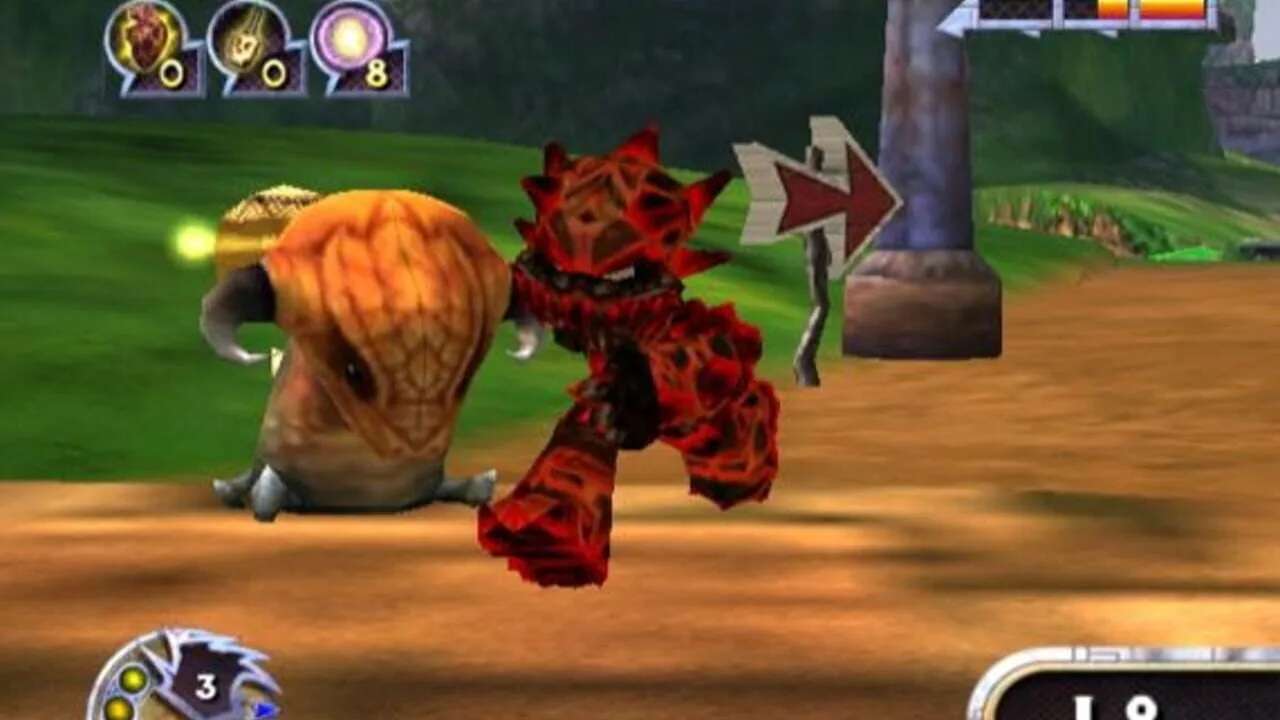
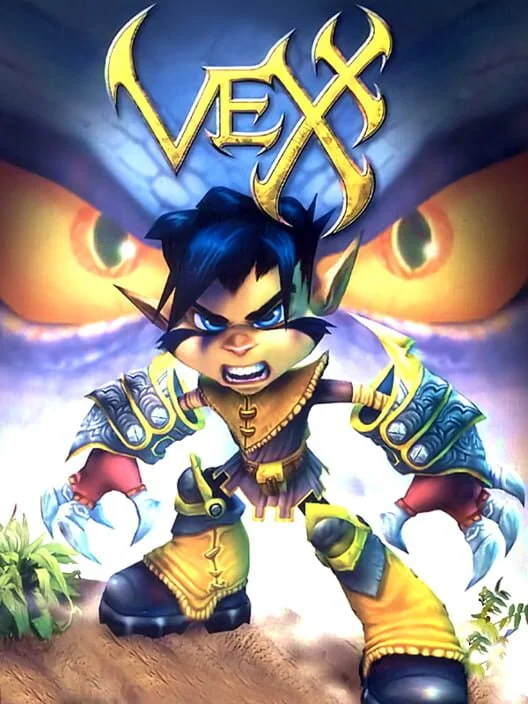
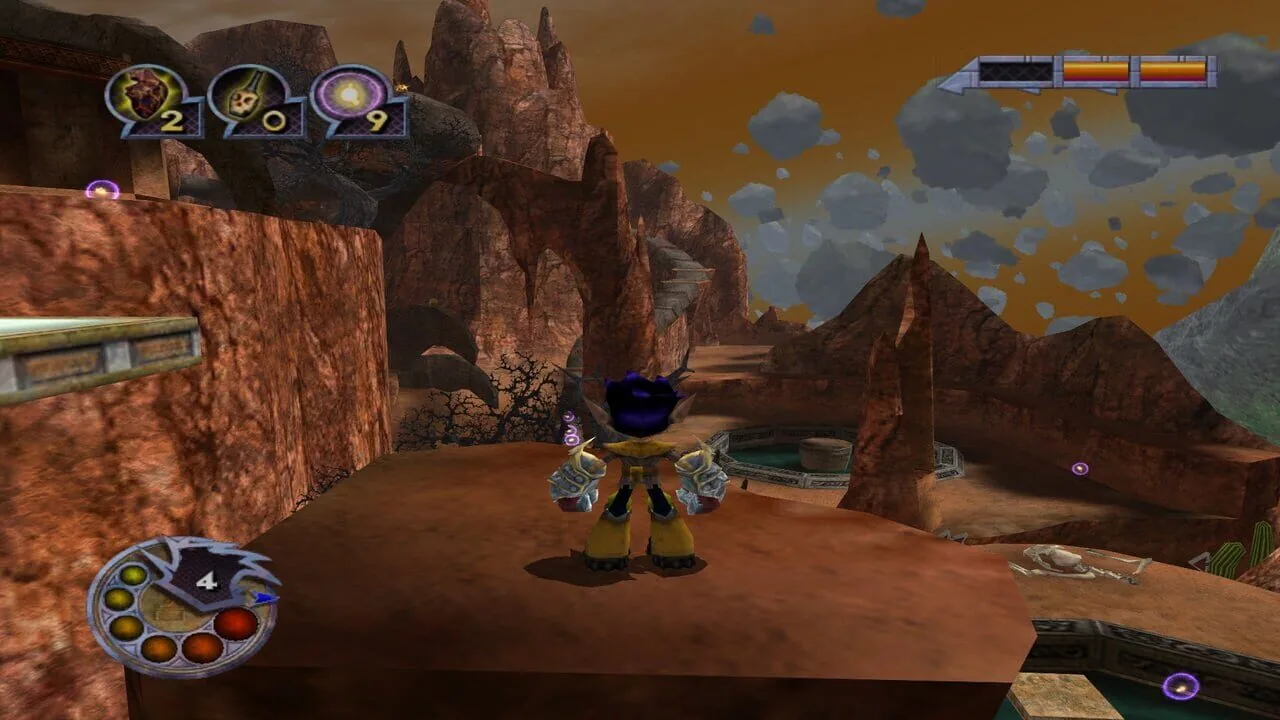
Vexx is a 3D platformer about a young warrior of the same name who sets out to avenge his village and stop a villain named Dark Yabu. Brian Cox voices that villain, which gives the story more weight than most platformers of the time bothered with. You run and jump through themed worlds, and it plays like the genre's standard recipe done competently.
Development was rough. Acclaim ran short of time and money, and many levels and features were cut before release. That cut-down reputation clung to it even though the finished game is a perfectly good jumper. It also arrived in a crowded stretch of mascot platformers, so it got lost. If you finished the famous ones and want another, this fits the gap.
21. Kirby Air Ride (2003)
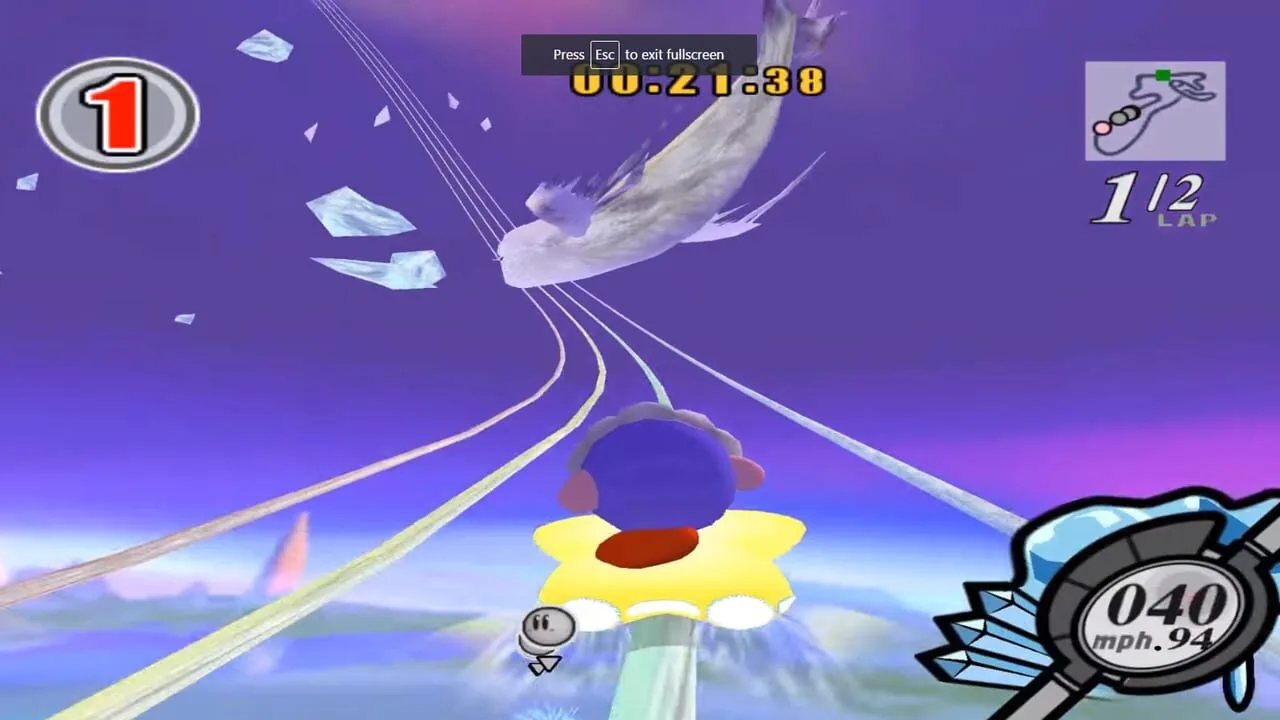
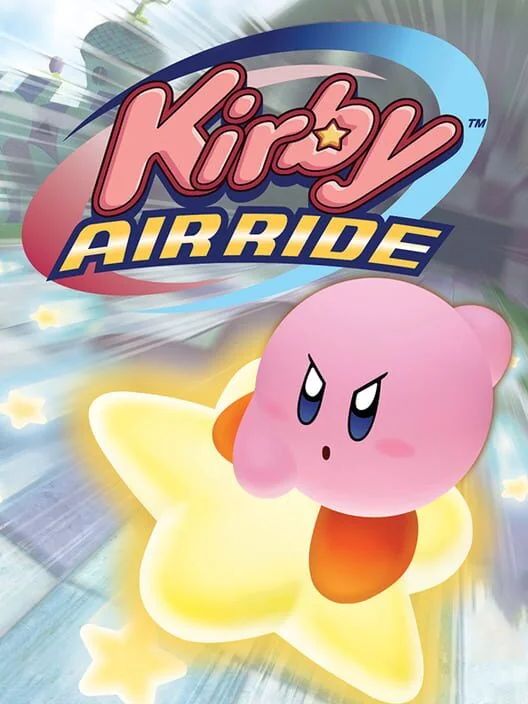
Kirby Air Ride is a racing game that asks almost nothing of your thumbs. Kirby rides a machine, and a hidden grid of goals unlocks new machines and courses. The game also supports four players over linked consoles. Kirby is the only racer who can swallow a rival and copy their power, which is the one place where eating the competition counts as a racing line.
Critics found it too simple, and the reviews came out mixed. It still sold well and picked up a cult following in the years after. Its director returned to the idea with a sequel on the Switch 2, a long wait for a game that was always better than its reputation.
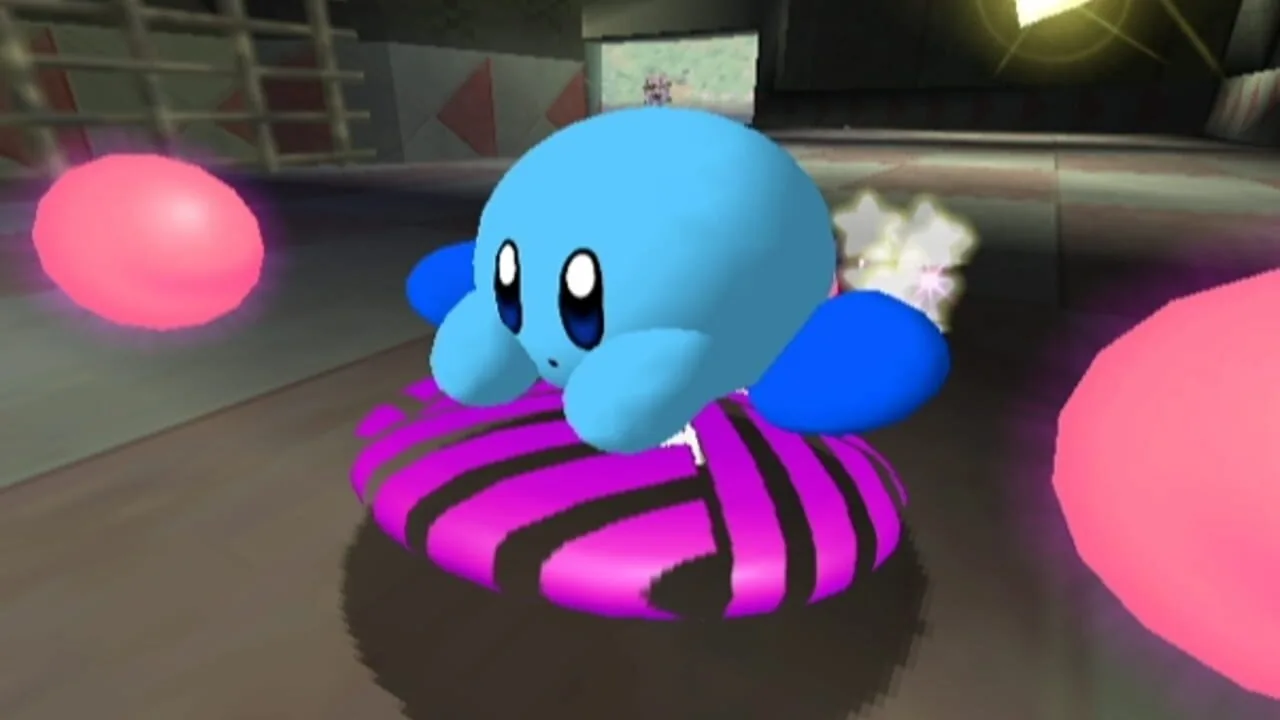
20. I-Ninja (2003)
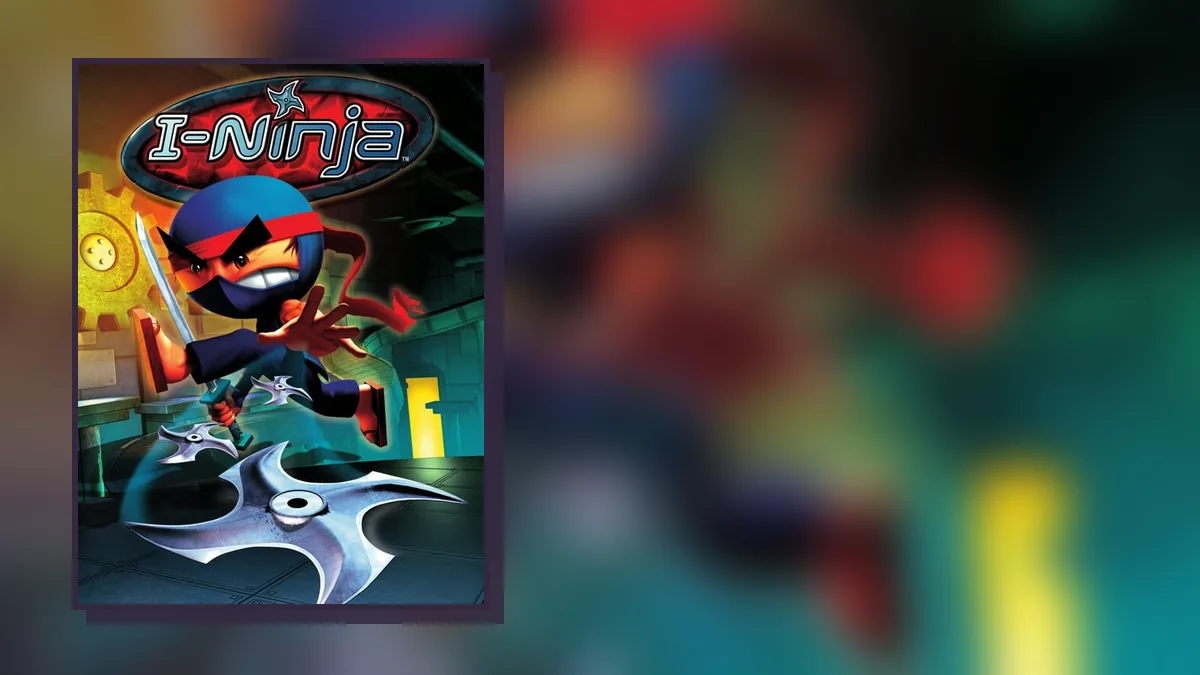
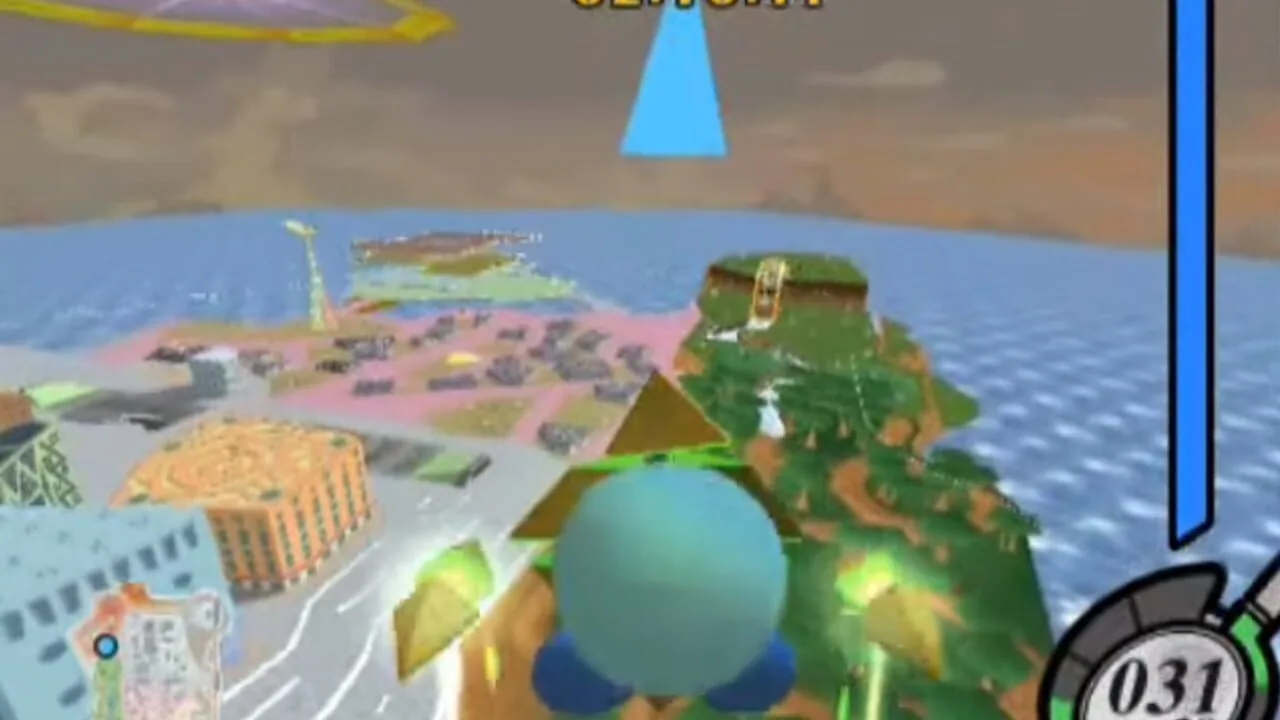
I-Ninja is a 3D action platformer from the British studio Argonaut, starring a small ninja with a big attitude. Some levels give him explosive darts and bouncing throwing stars that he aims from a first-person view. The GameCube version came after the first release, with Namco publishing it in North America.
On paper it looks like another cartoon mascot platformer for kids. One reviewer said its charm and personality lift it above a field of me-too games, and that is exactly how it feels in play. Few players noticed it, because it had no big mascot or marketing push behind it. If you like short, punchy action and quick jokes, this is a quiet pick that works.
19. Wario World (2003)
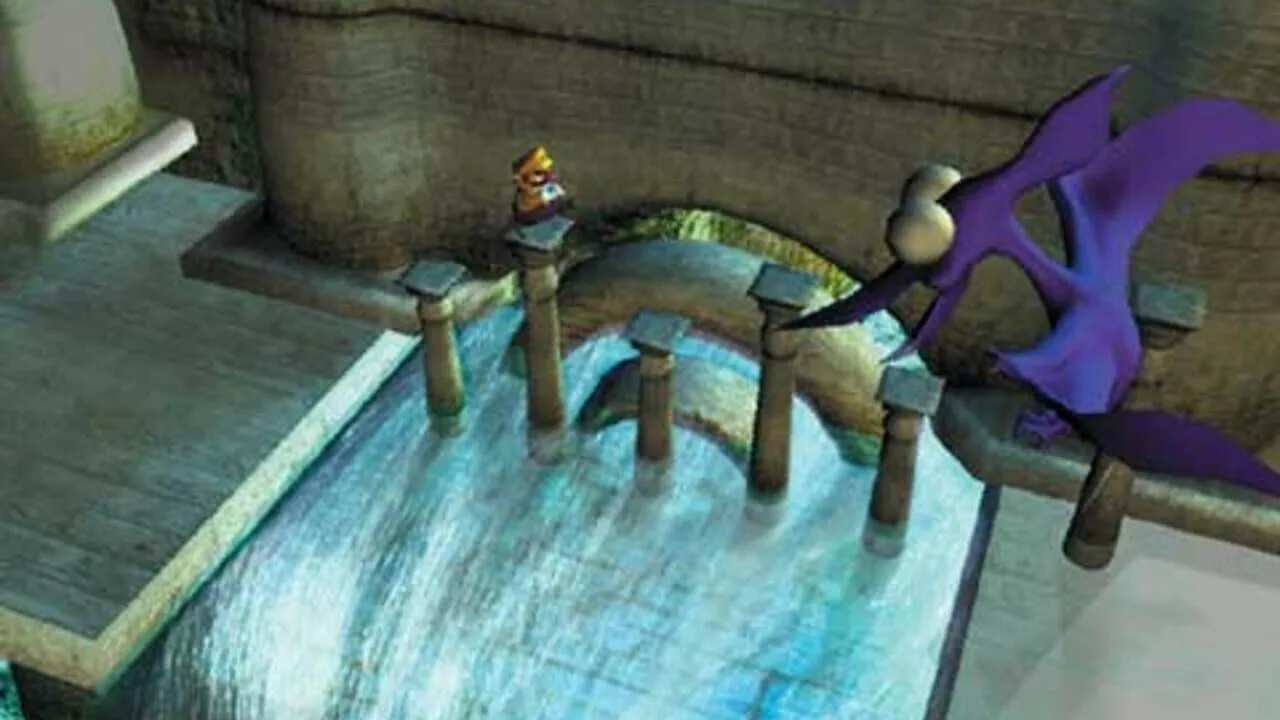
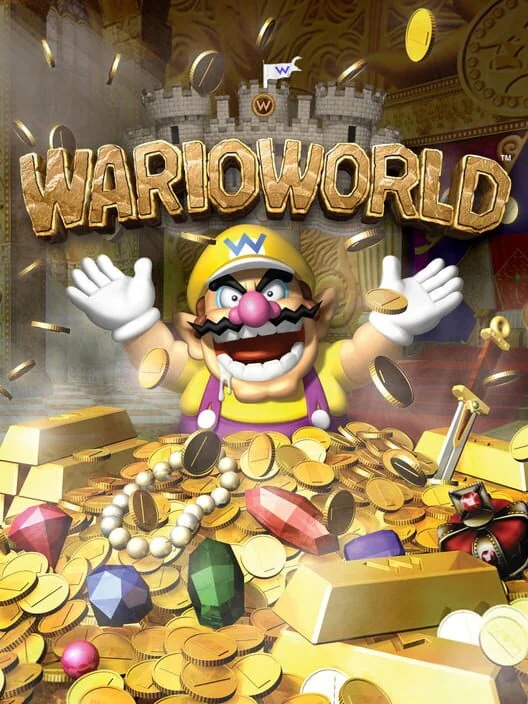
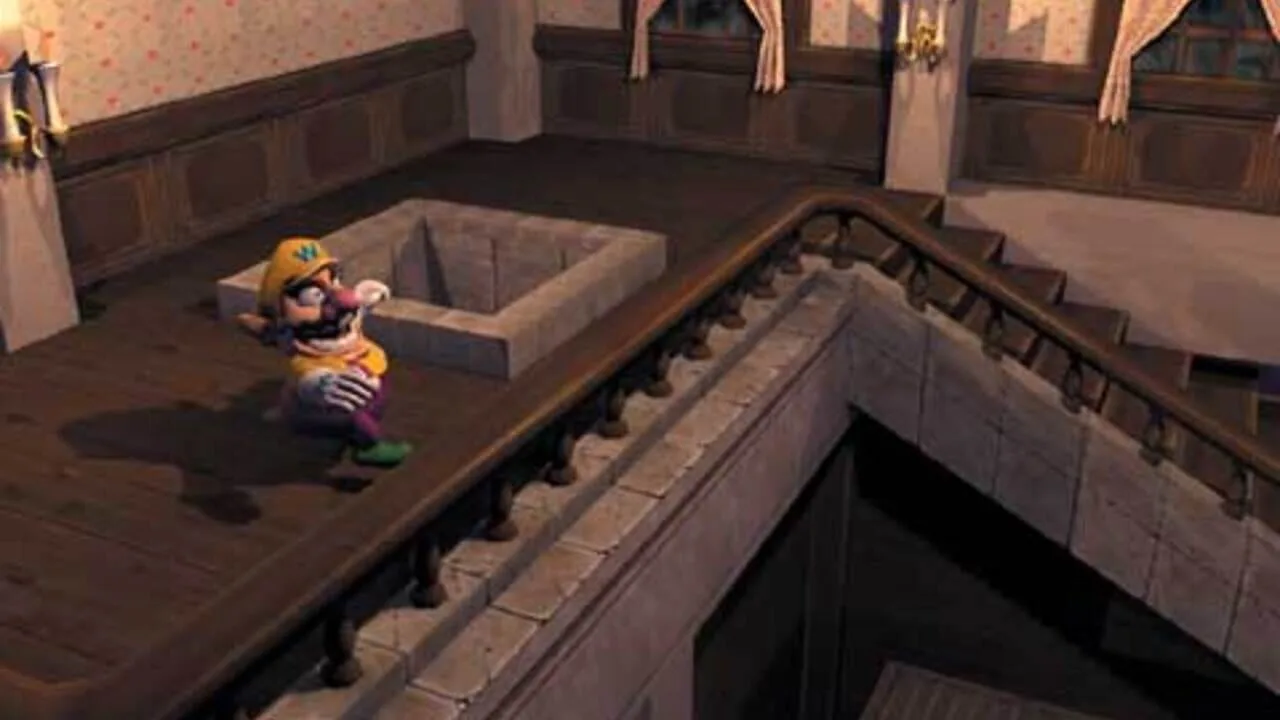
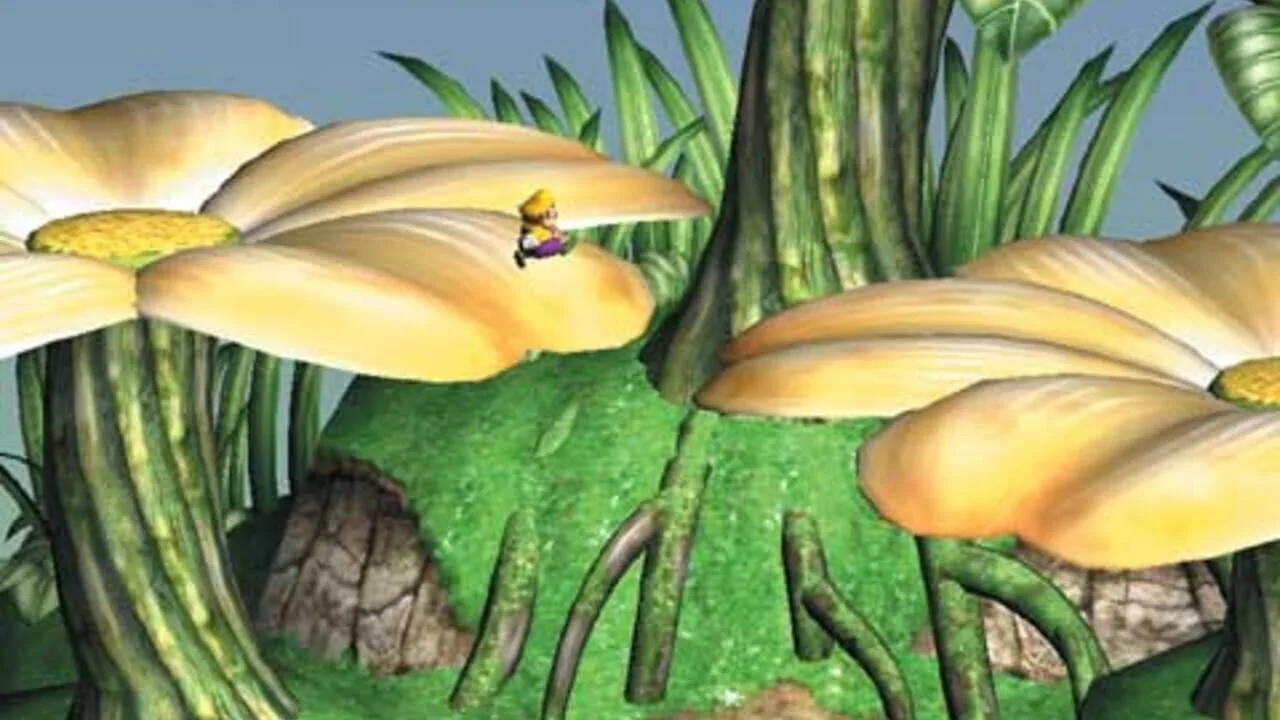
Wario World is a platformer that mixes in beat-em-up fights. A cursed jewel turns Wario's treasure into monsters, so he punches through colorful levels to win his loot back. Fights are loud and physical, and the levels hide puzzles that want you to look around.
Reviewers liked how it played and complained about the length, and that complaint is the one that follows it everywhere. It still sold respectably in North America, but it was overshadowed by Mario's own releases. The complaint is that it ends too fast, which says something good about the rest. The game has returned on the Switch 2 through Nintendo's classics service, so a new audience can finally try it.
18. Ikaruga (2002)
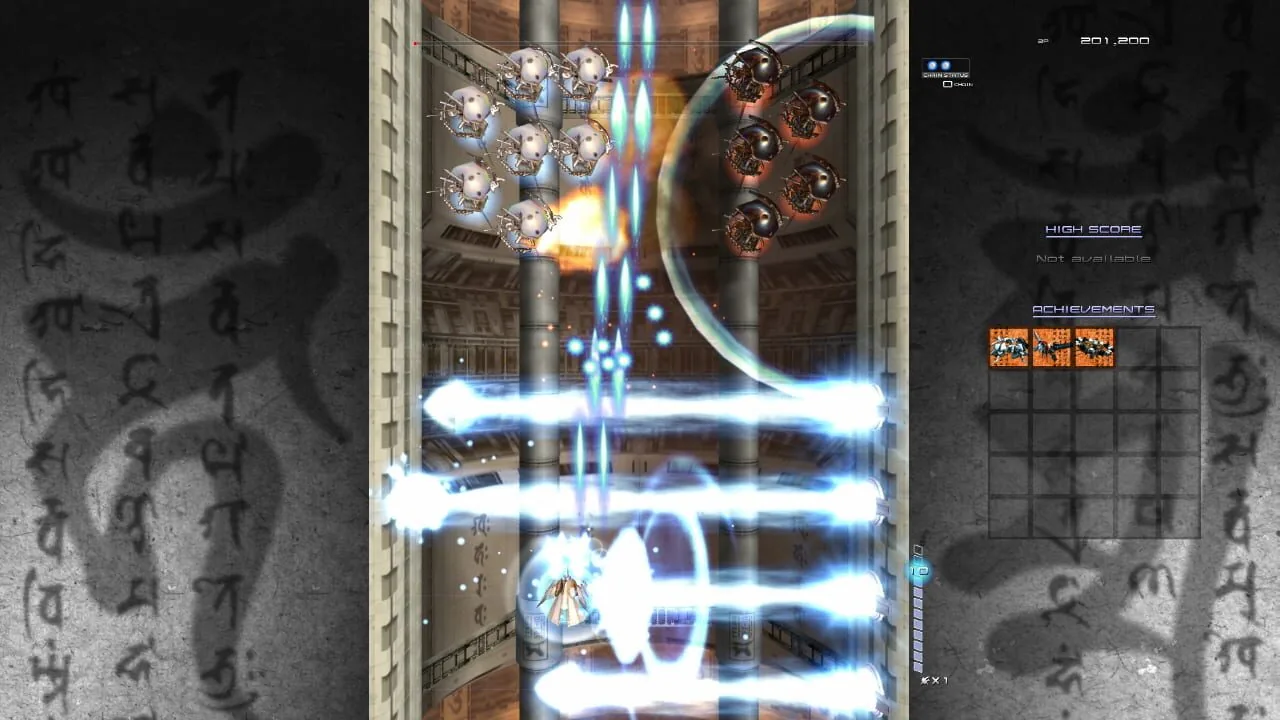
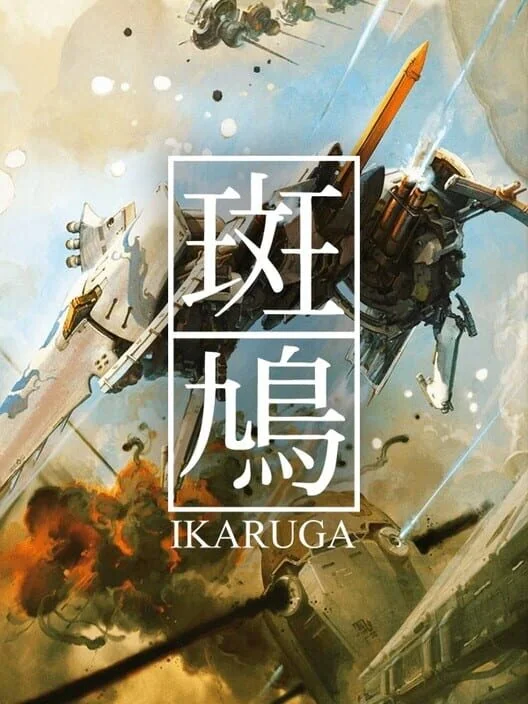
Ikaruga is a vertical shooter built on one rule. Your ship switches between white and black, absorbing bullets of its own color, while bullets of the other color destroy it. Switching color between enemies turns each stage into a puzzle of dodging and absorbing. It is the spiritual sequel to Radiant Silvergun, and it came out of the Treasure studio.
Shooters were already a niche by the time it reached the West, and reviewers noted how hard it is. Critics today list it among the best shooters ever made, so it earned its place the slow way. It caught on first through import fans of the Dreamcast version. If you want a short game that asks for your full attention, this is the one to try.
17. Freedom Fighters (2003)
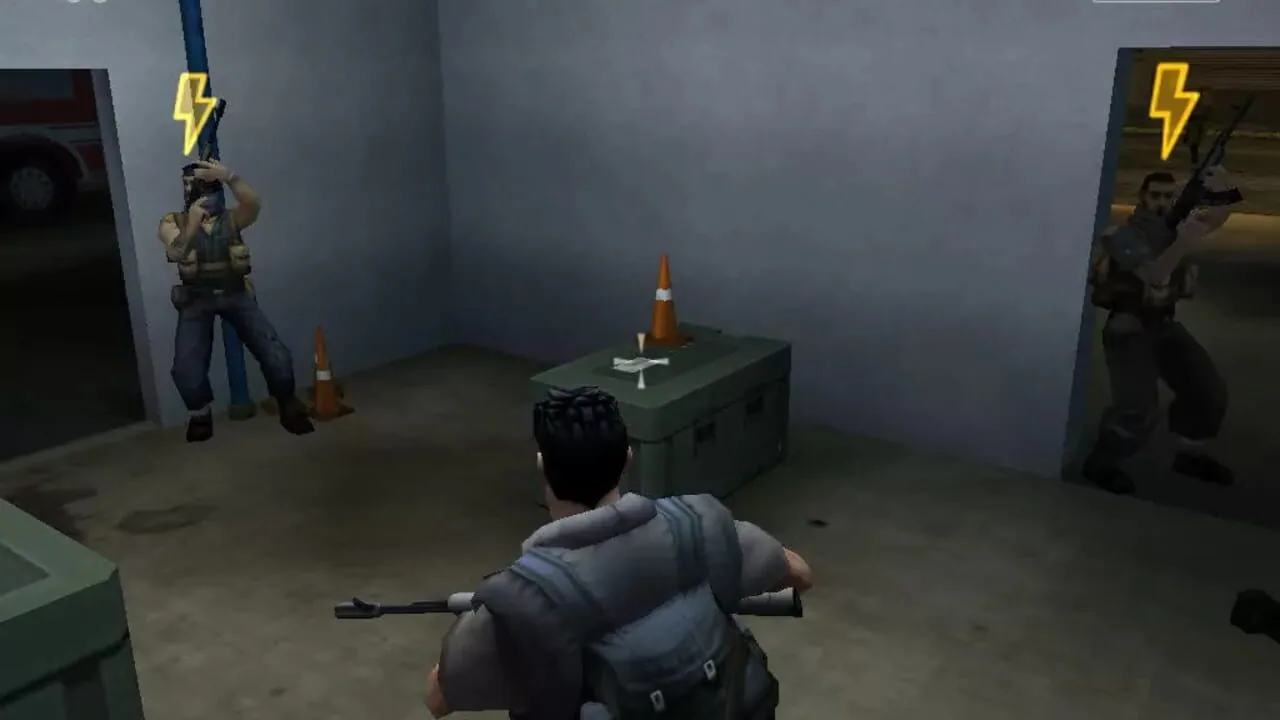
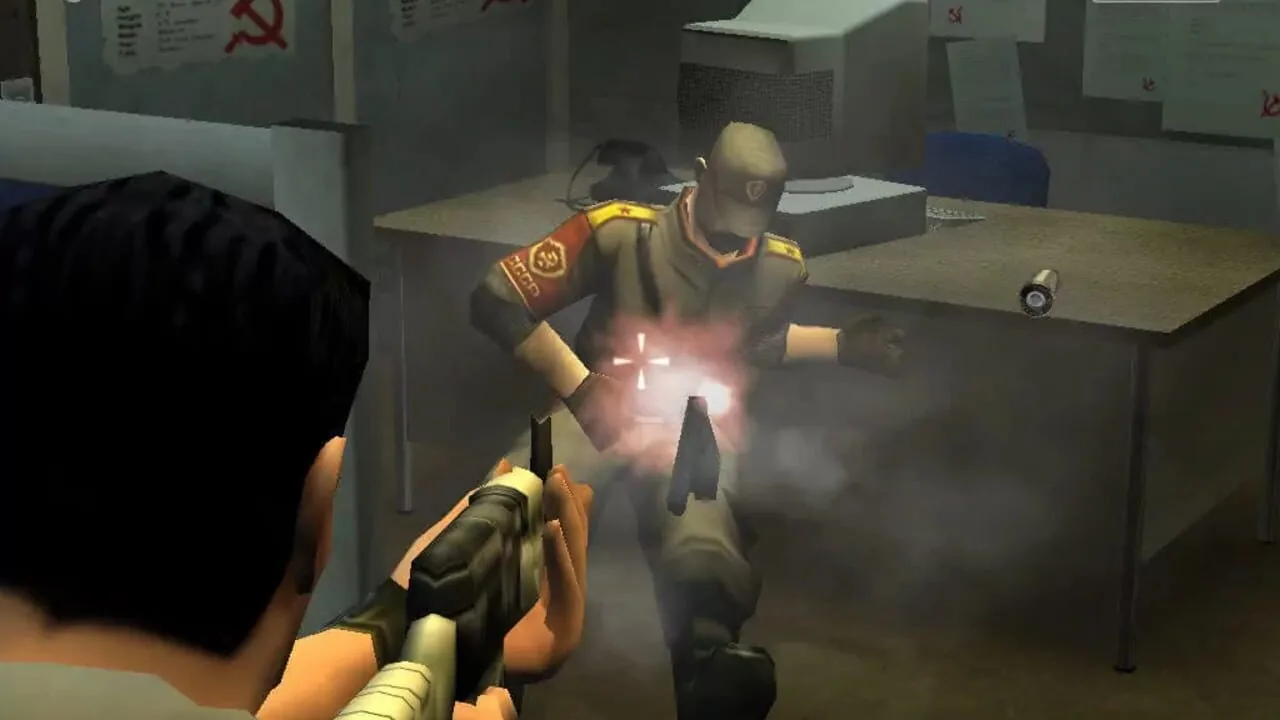
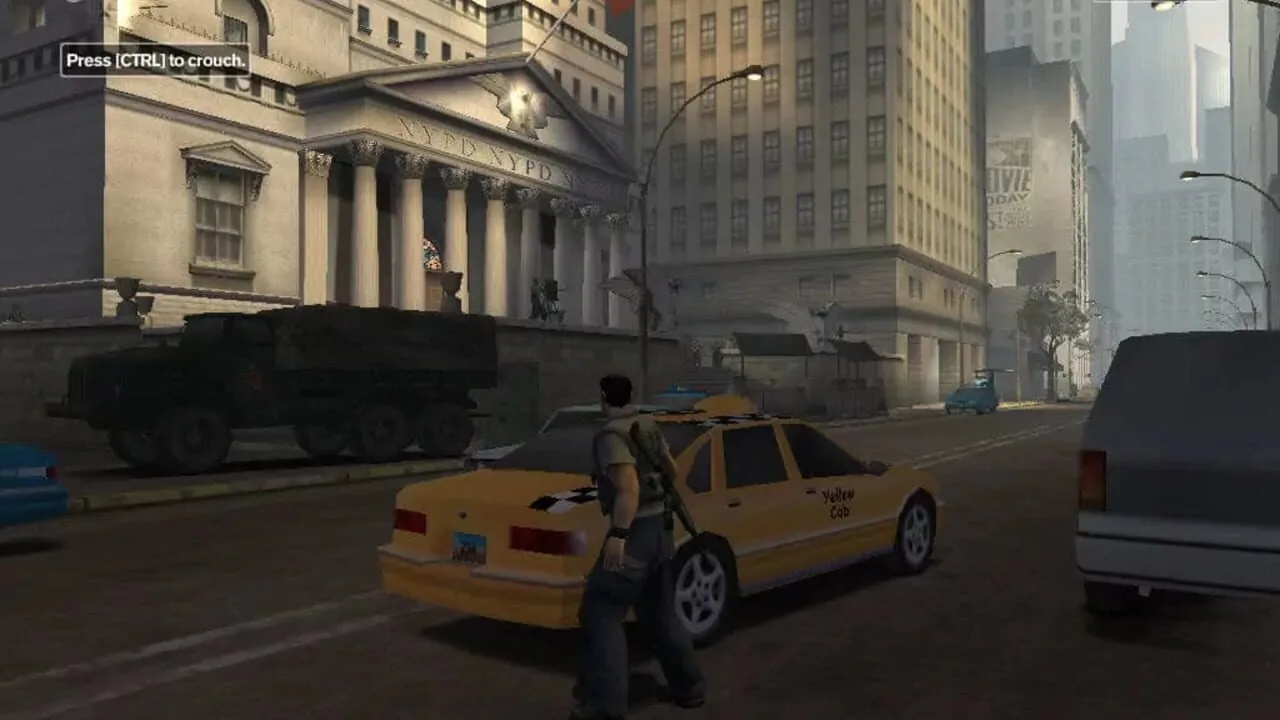
Freedom Fighters imagines a Soviet invasion of New York and puts you in the boots of a plumber named Chris, who ends up leading the resistance. You recruit citizens and give them simple orders like follow or defend, and a charisma meter decides how big a squad you can lead. The squads feel like a crowd you earned, and every street fight has weight.
The only real complaint from reviewers was that there is not enough of it. It was a shooter from a big publisher with an unusual premise, and it landed between louder releases. Players who talk about GameCube games that were not exclusive often bring it up, and the premise still reads as bold today.
16. Cubivore: Survival of the Fittest (2002)
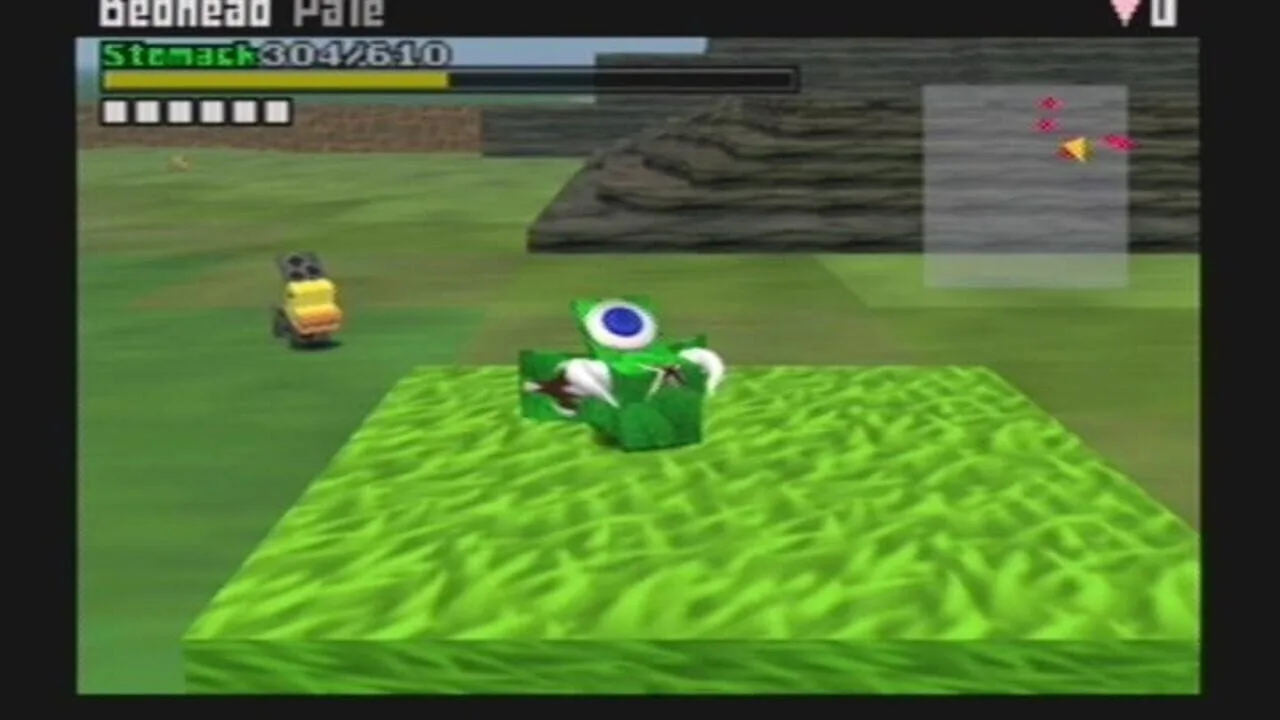
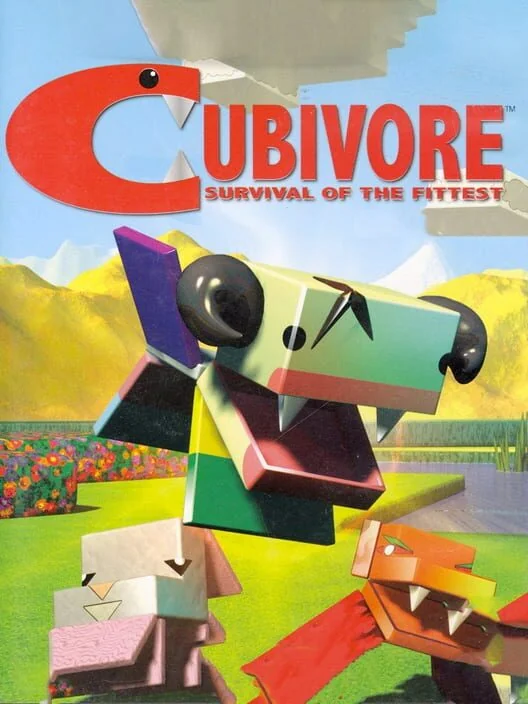
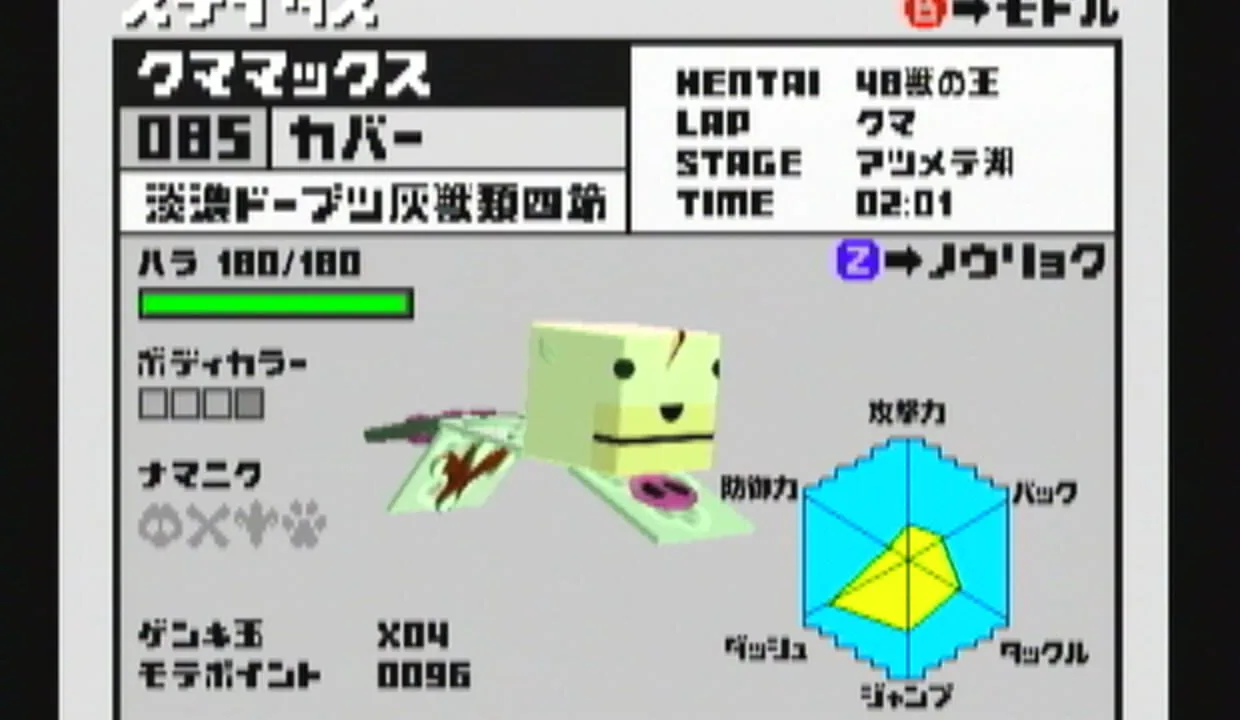
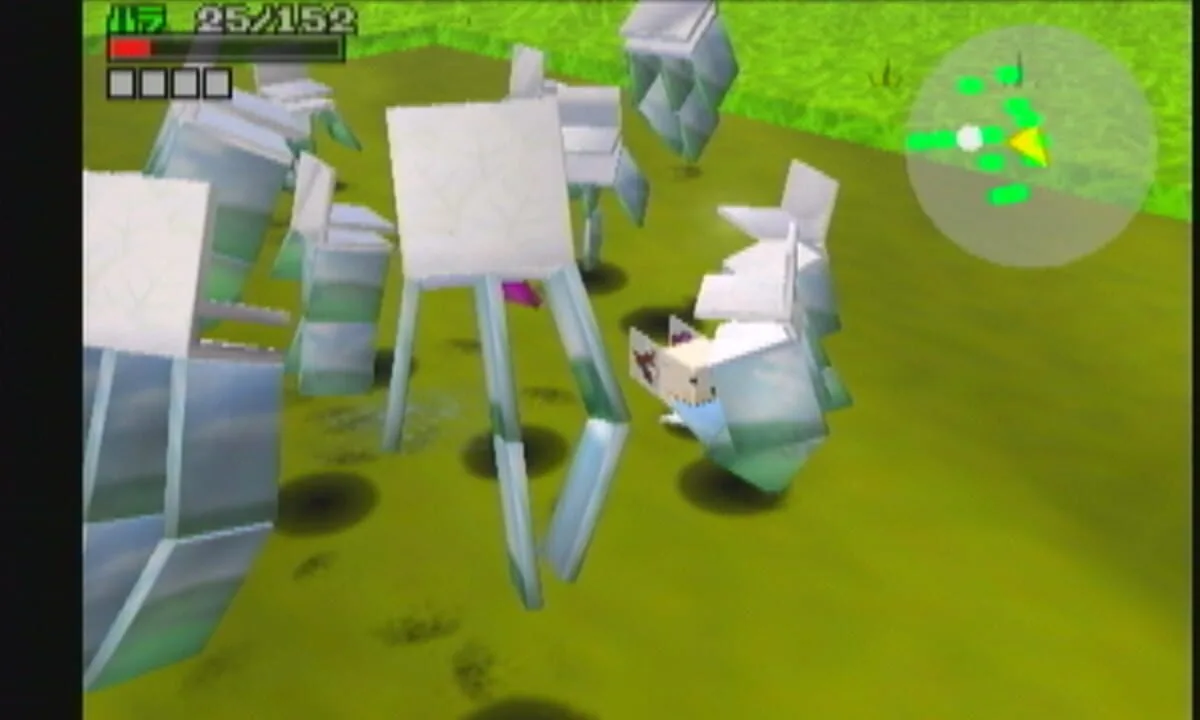
Cubivore is an animal evolution game where you play a cube-shaped beast that eats other creatures to change its colors and limbs. The body decides your stats, so each run turns out a different animal. The game lets you expel colors you do not want. Yes, you can take a Doo, and yes, it is a game mechanic.
Nintendo declined to publish it outside Japan, so Atlus localized it. A strange game that moves between publishers is easy to lose. Reviews were mixed, with complaints about repetition and the camera, and few people could explain it to a friend. It is obscure and unique, and that is as good a summary as any.
15. Lost Kingdoms II (2003)
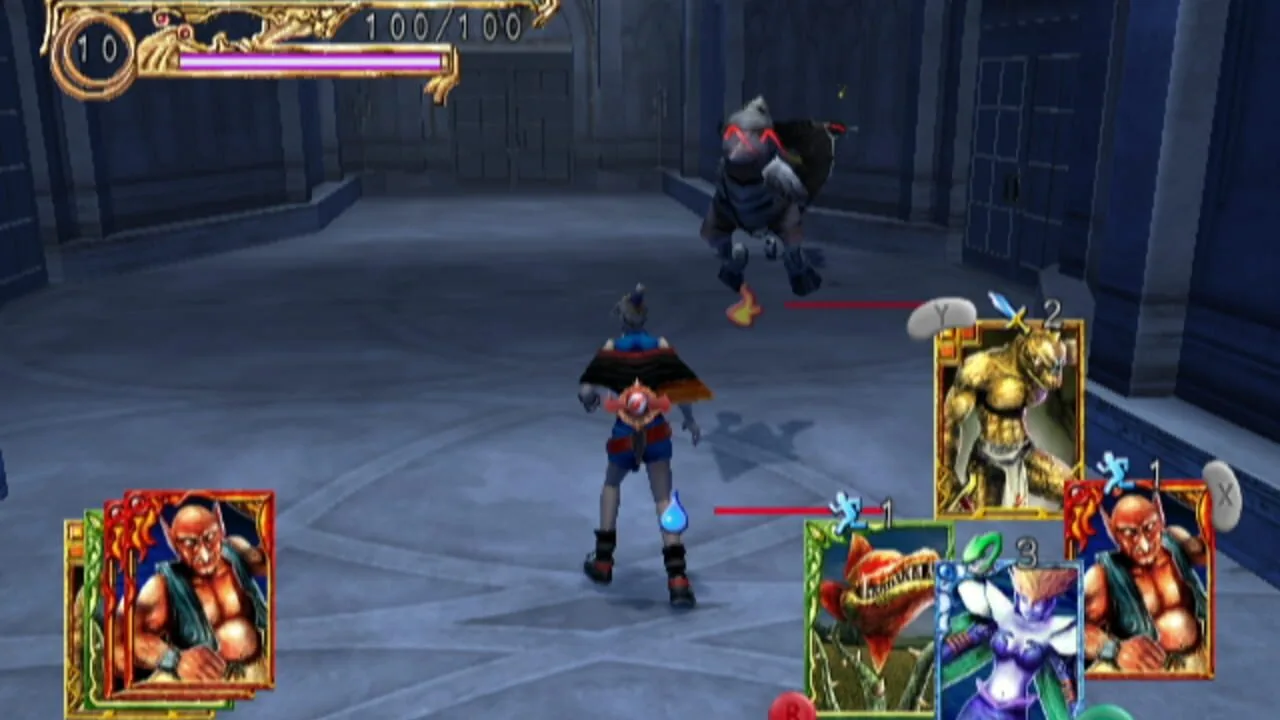
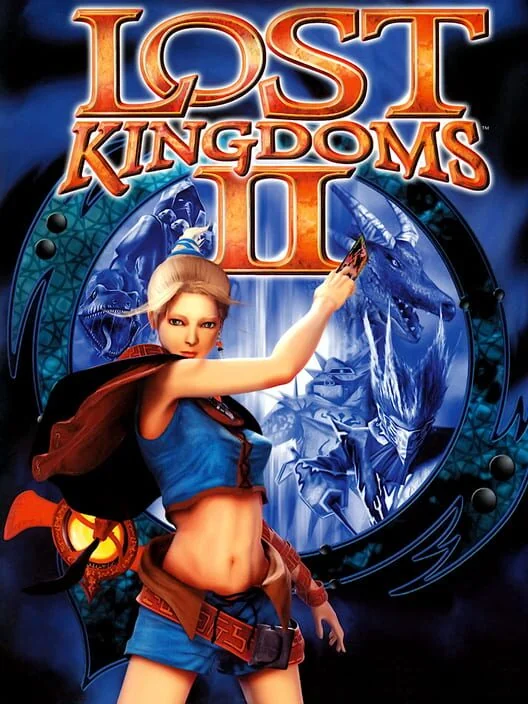
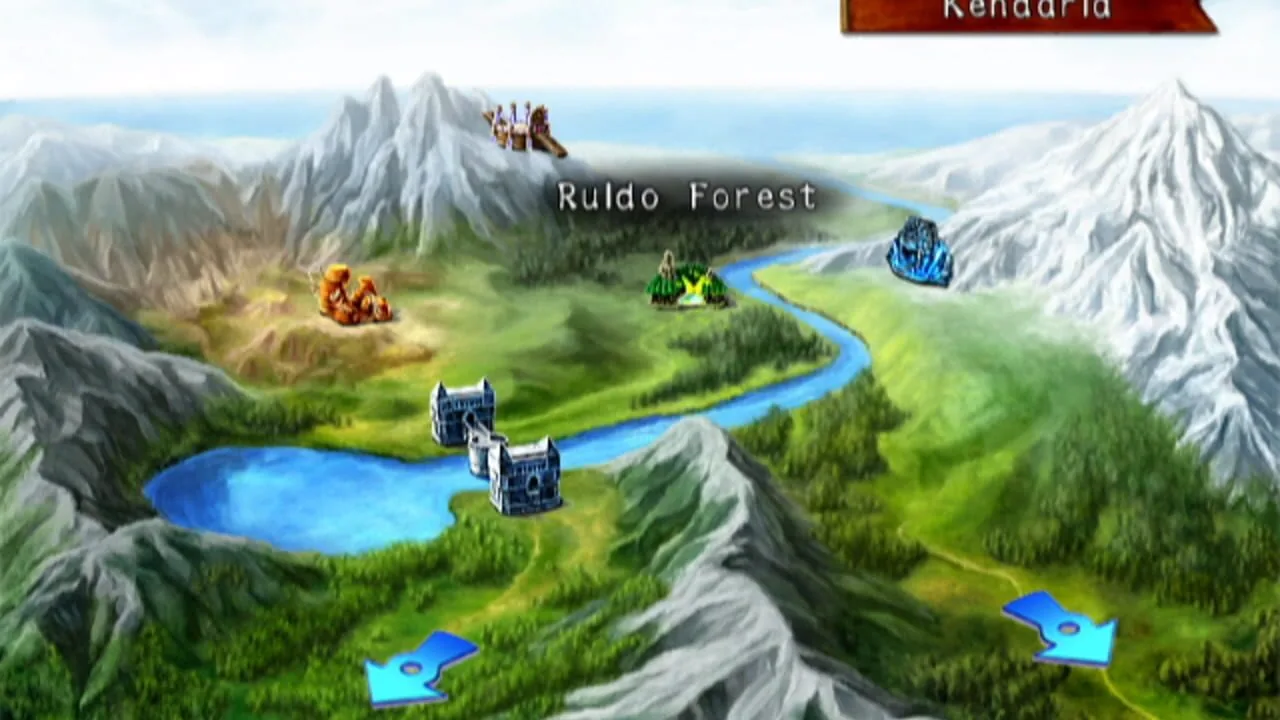
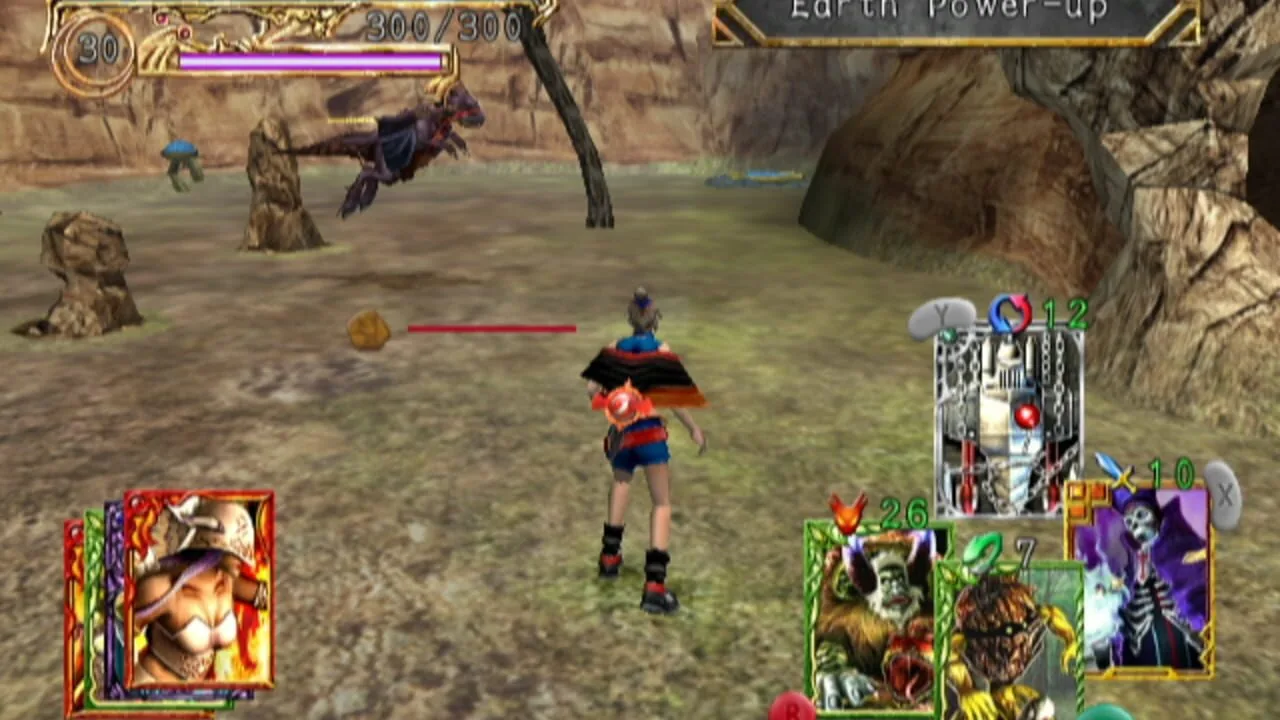
Lost Kingdoms II picks up the card-fighting formula two centuries after the first game, with a new hero named Tara who comes across the monster behind the runestones. Most of the original cards return, along with a set of new ones, so anyone coming from the first game feels at home right away.
Cards belong to elements, and using one element repeatedly raises its power while the others sink a little. That pushes you to commit to a plan rather than play a bit of everything. Sequels to niche games get the least attention of all, and this one is no exception. Players tend to recommend it together with its predecessor, so it is the second half of a pair that most people never opened.
14. TimeSplitters 2 (2002)
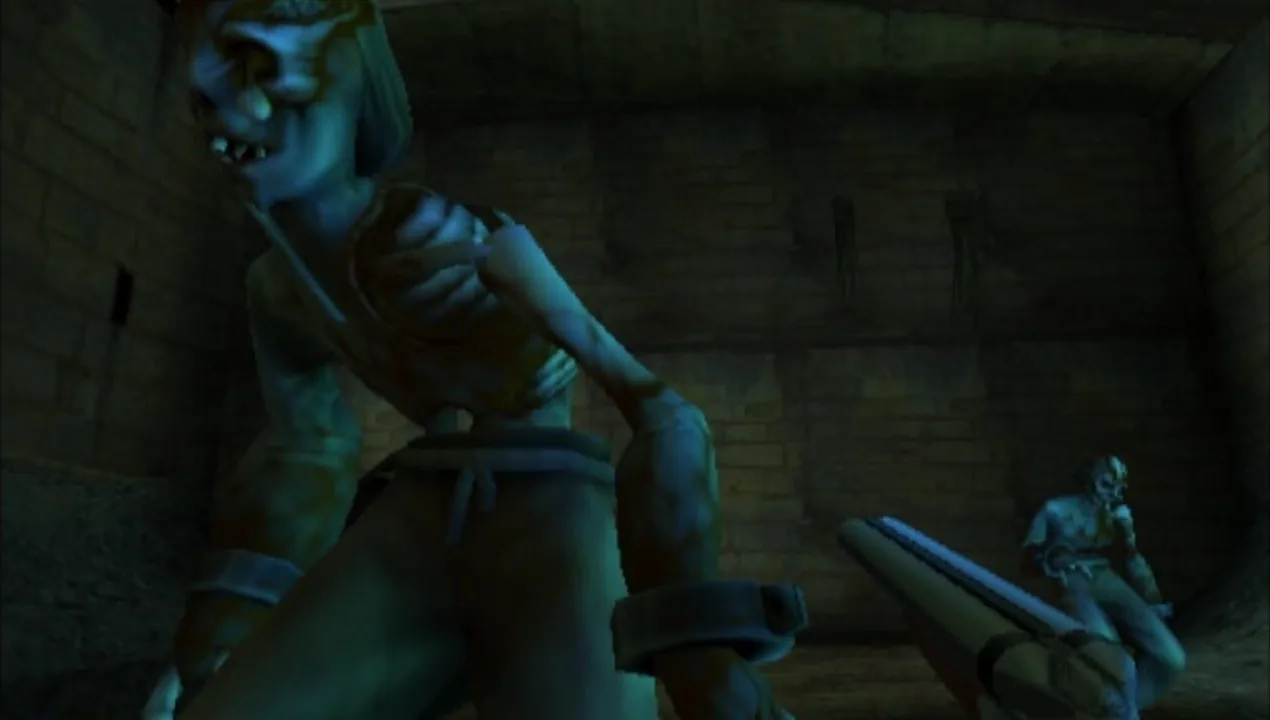
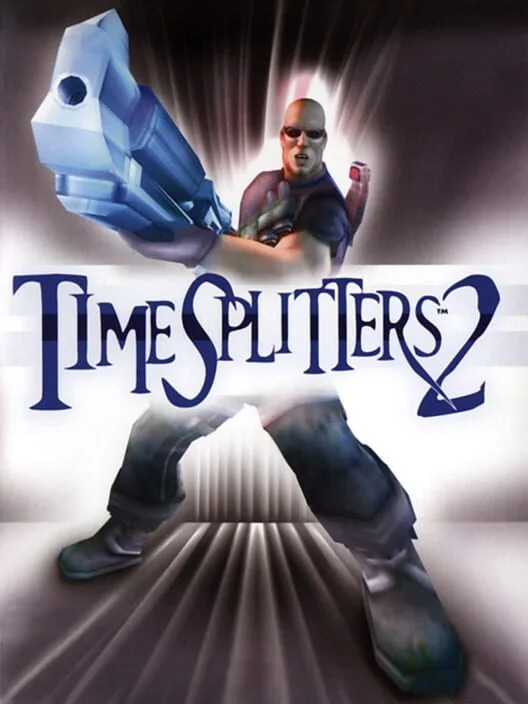
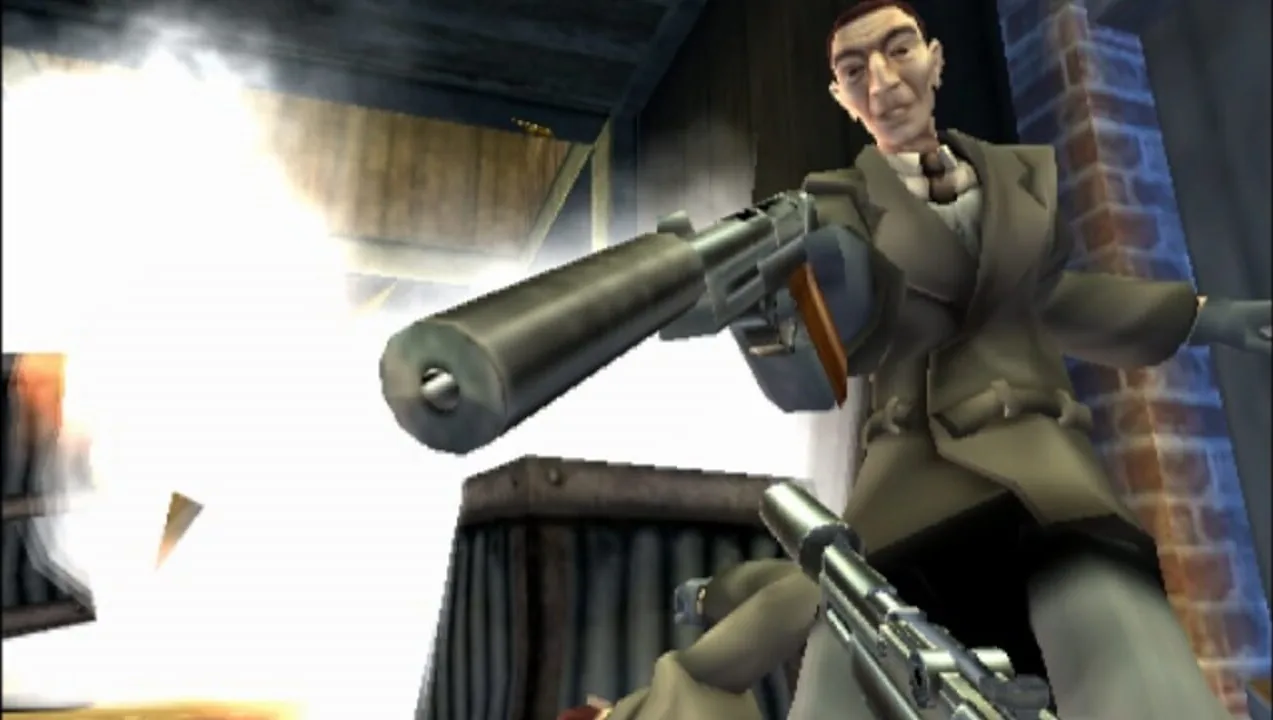
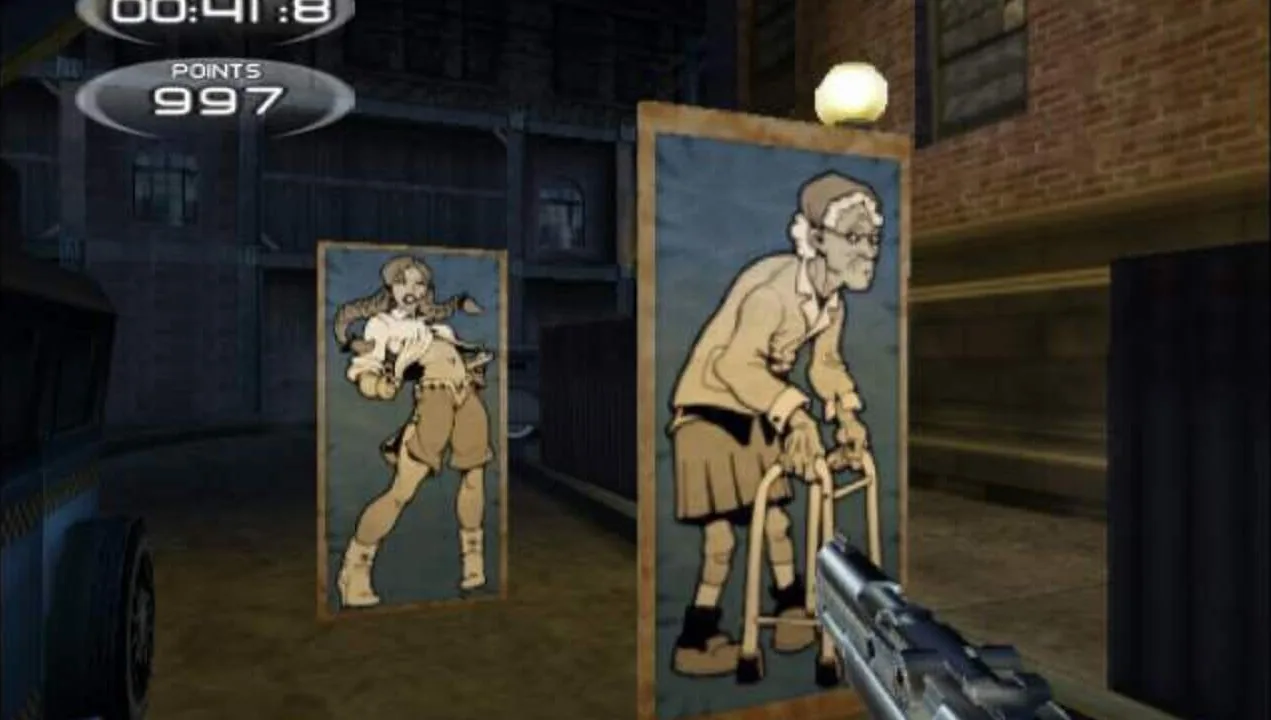
TimeSplitters 2 is a first-person shooter that sends you through different eras to collect crystals. The story leans on movie genres, so levels play like a horror film, then like science fiction. The multiplayer lets you customize the weapons and the music, and the game hands out awards for what you did in each match. Even your worst match gets a trophy.
Reviewers praised the multiplayer and the graphics, though they criticized the story and the lack of online play. It supported only local network games, so its fans were limited to people with friends on a couch. That is a tough sell, and the game quietly sat in the shadow of bigger shooters. It remains a great party pick.
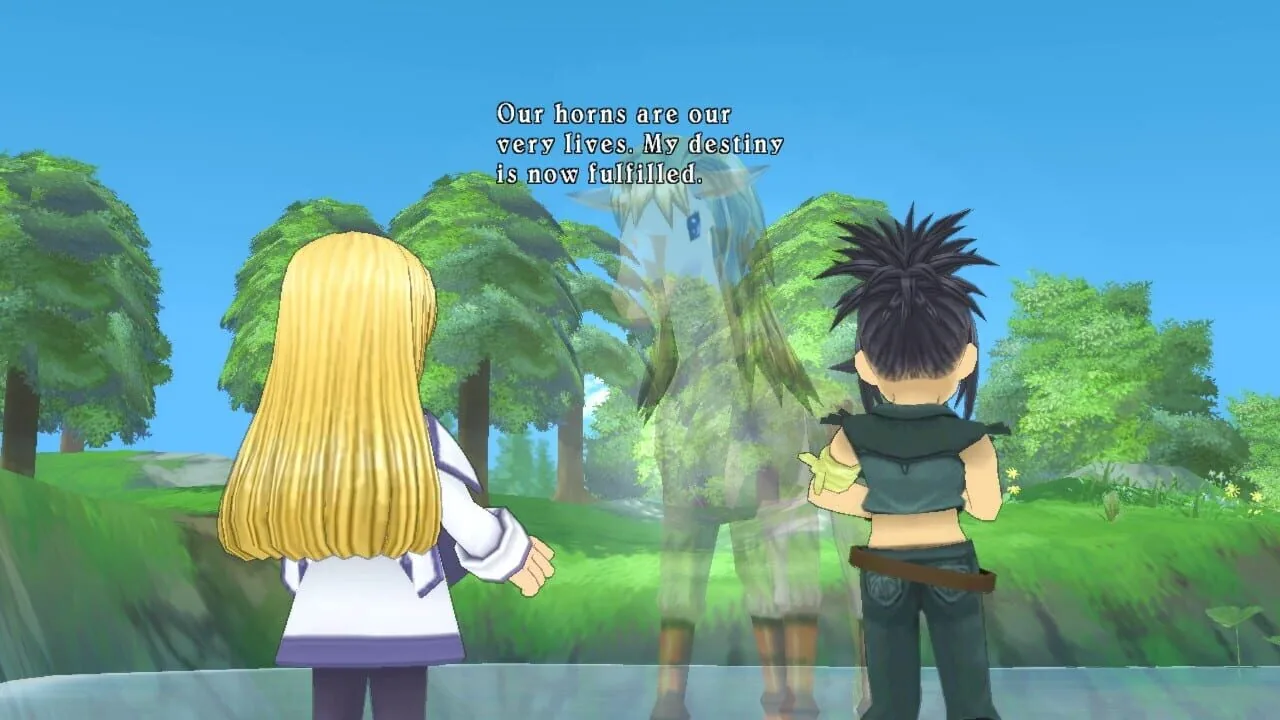
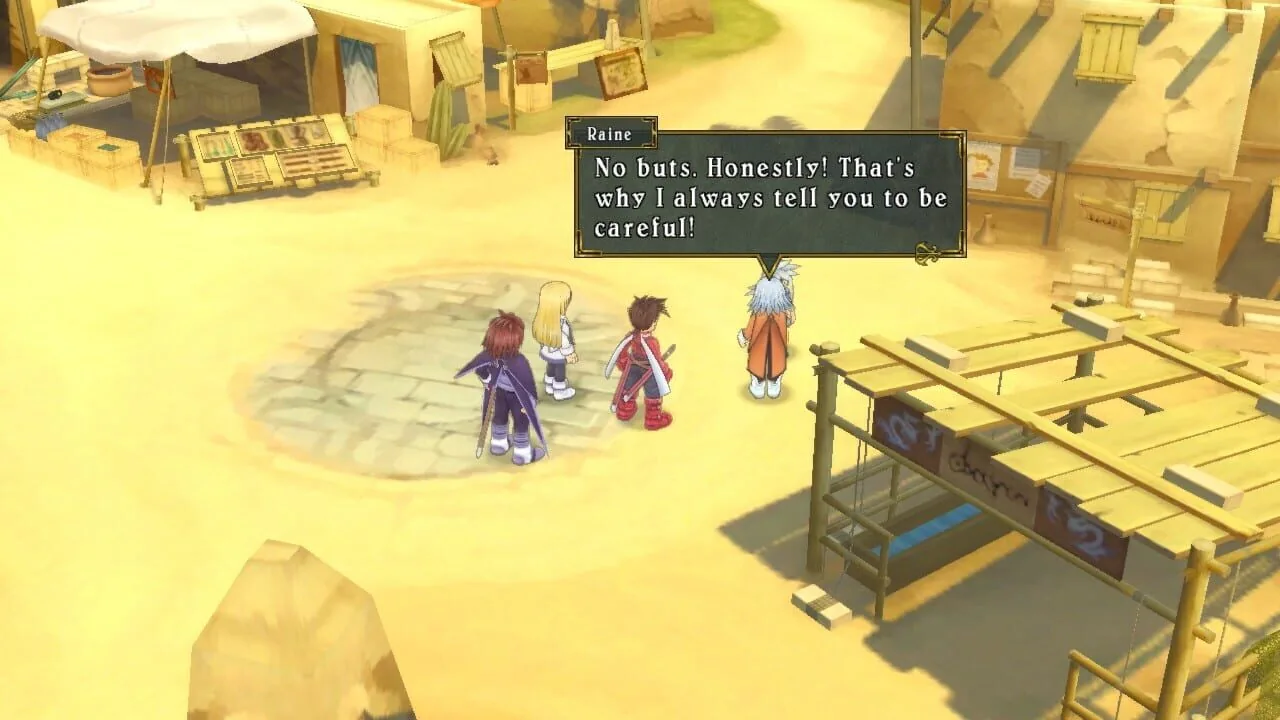
13. Tales of Symphonia (2003)
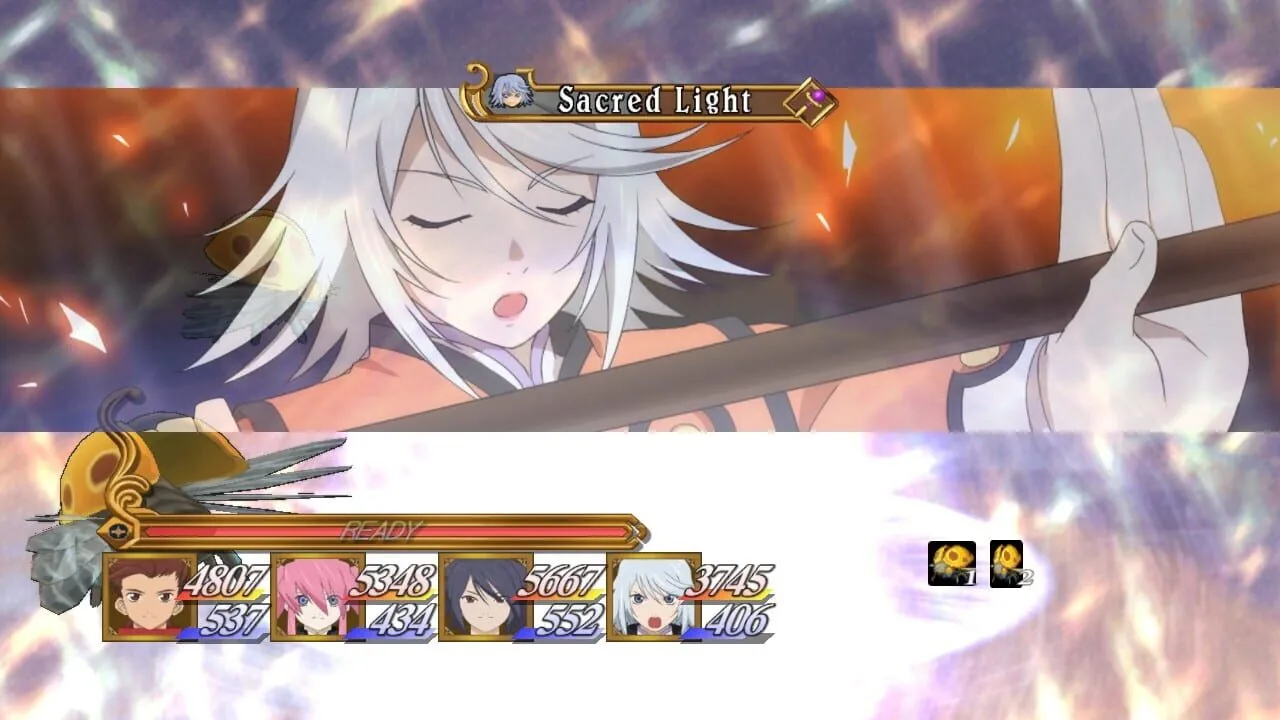
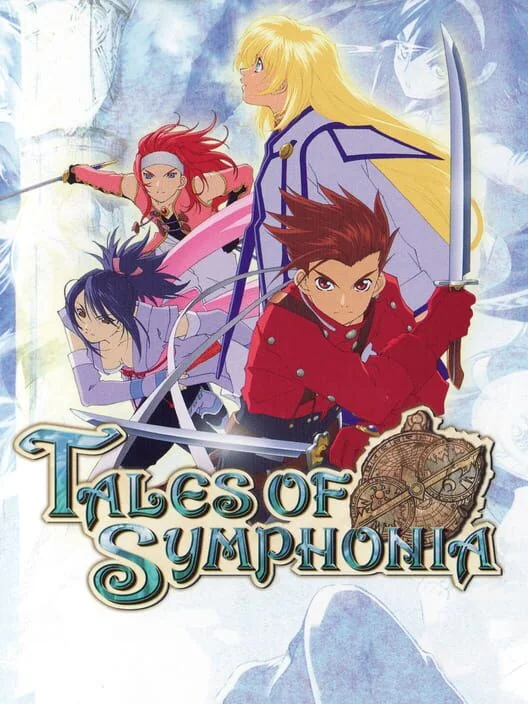
Tales of Symphonia is a role-playing game where fights run in real time in an arena, and your party can combine its techniques for bigger hits. The story follows a legend about a chosen one who is meant to renew a dying world, and then keeps complicating that idea. Short conversations between the characters fill in the small details.
The GameCube was not known as a console for role-playing games, so the few it had were easy to miss. Critics praised the battle system and the character development, and it has a real claim to being the best role-playing game on the system. Yet it rarely shows up in talk about the console's classics. If you are looking for a long, warm adventure on this hardware, start here.
12. Killer7 (2005)
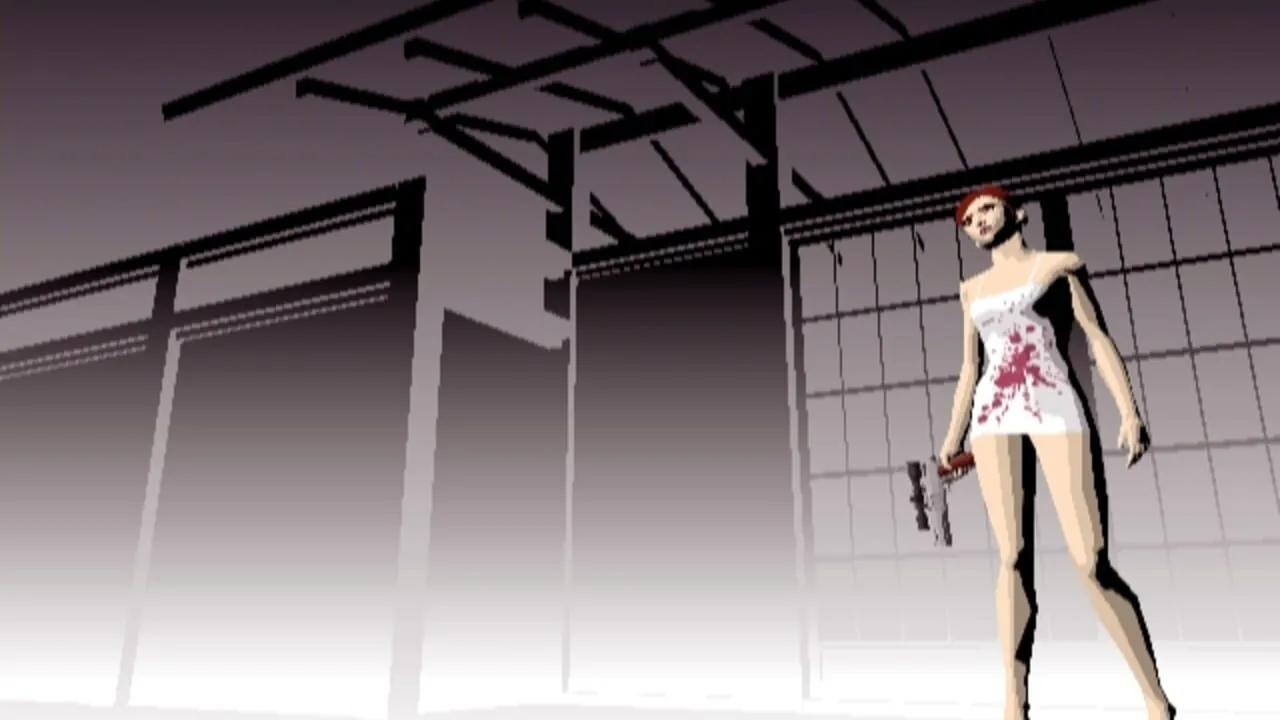
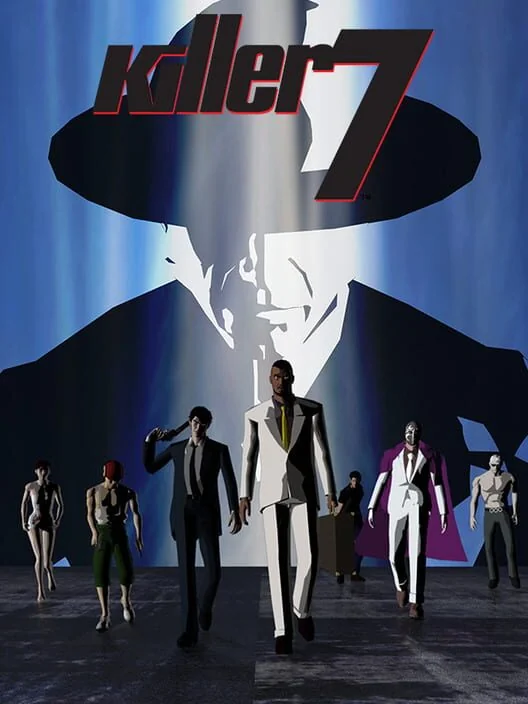
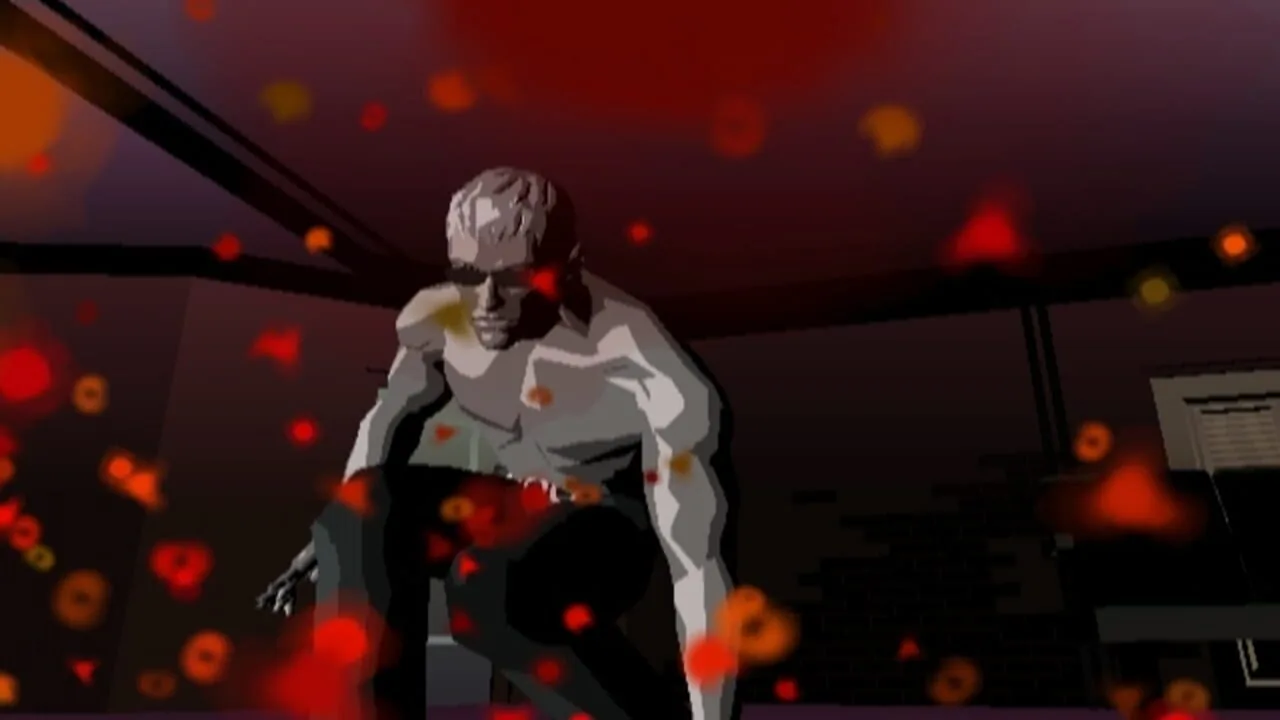
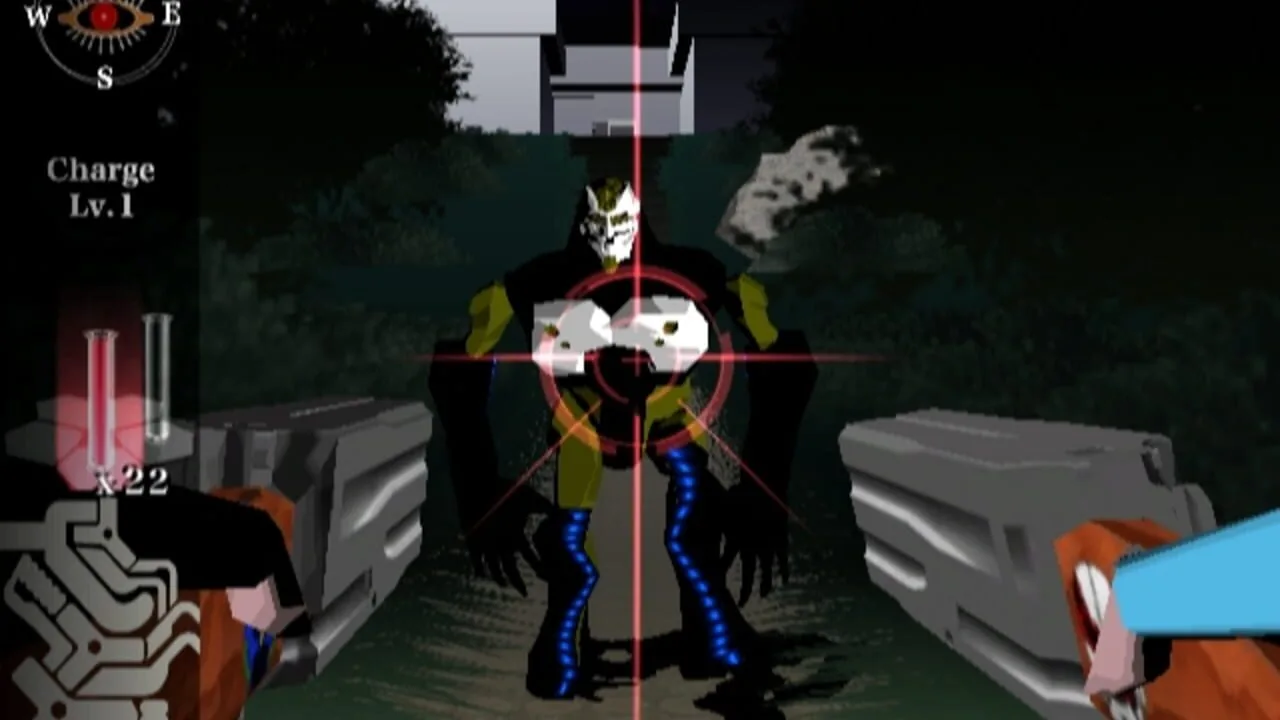
Killer7 is an on-rails shooter and adventure about a group of assassins who are really personalities of a single man. You do not walk freely. You hold a button to move forward, and you switch to first-person to scan for enemies and shoot their weak points. The art is stark and graphic, and the plot is made to be hard to follow.
Critics split. Some liked the stripped-down controls and arthouse style, and others found it confusing and restrictive. It was the first game its director released outside Japan, and it built a cult following over time, which led to re-releases of his older work. A Windows version followed years later. It will not suit everyone, but it will stay with you.
11. Star Fox Adventures (2002)
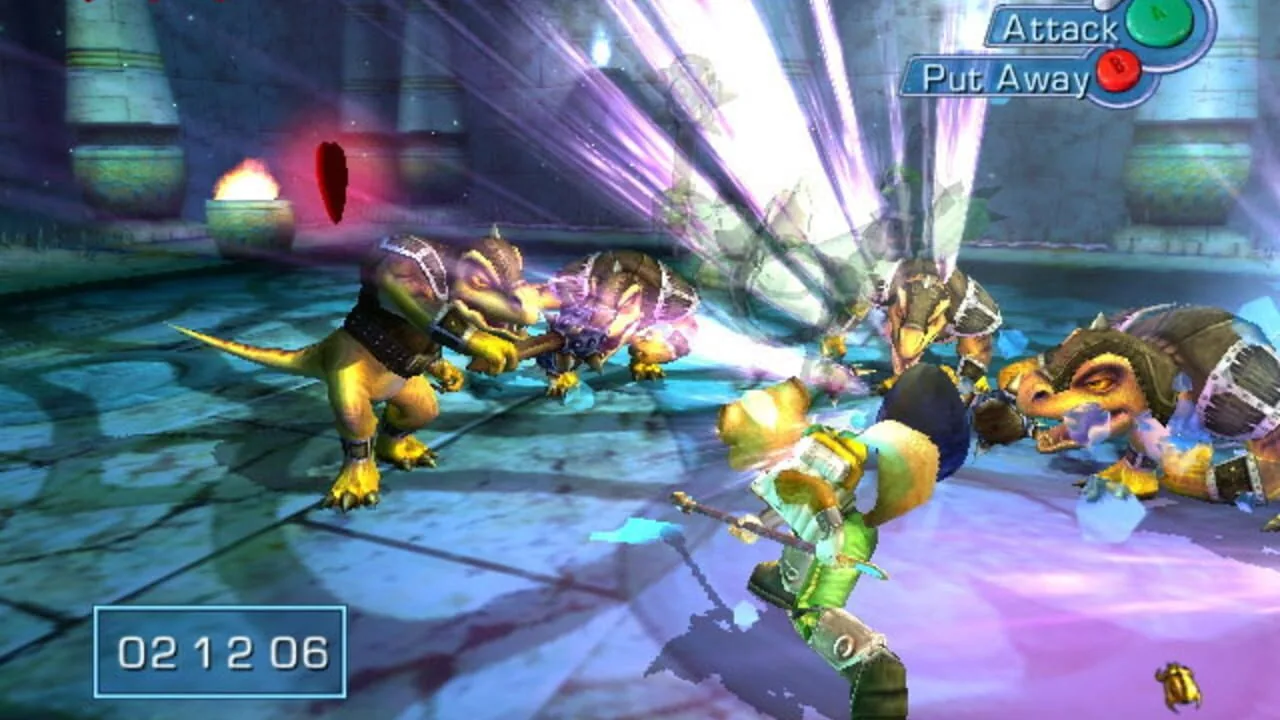
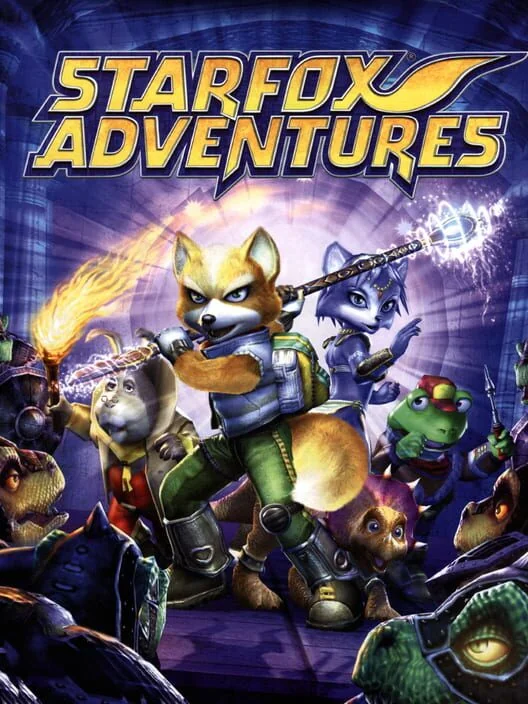
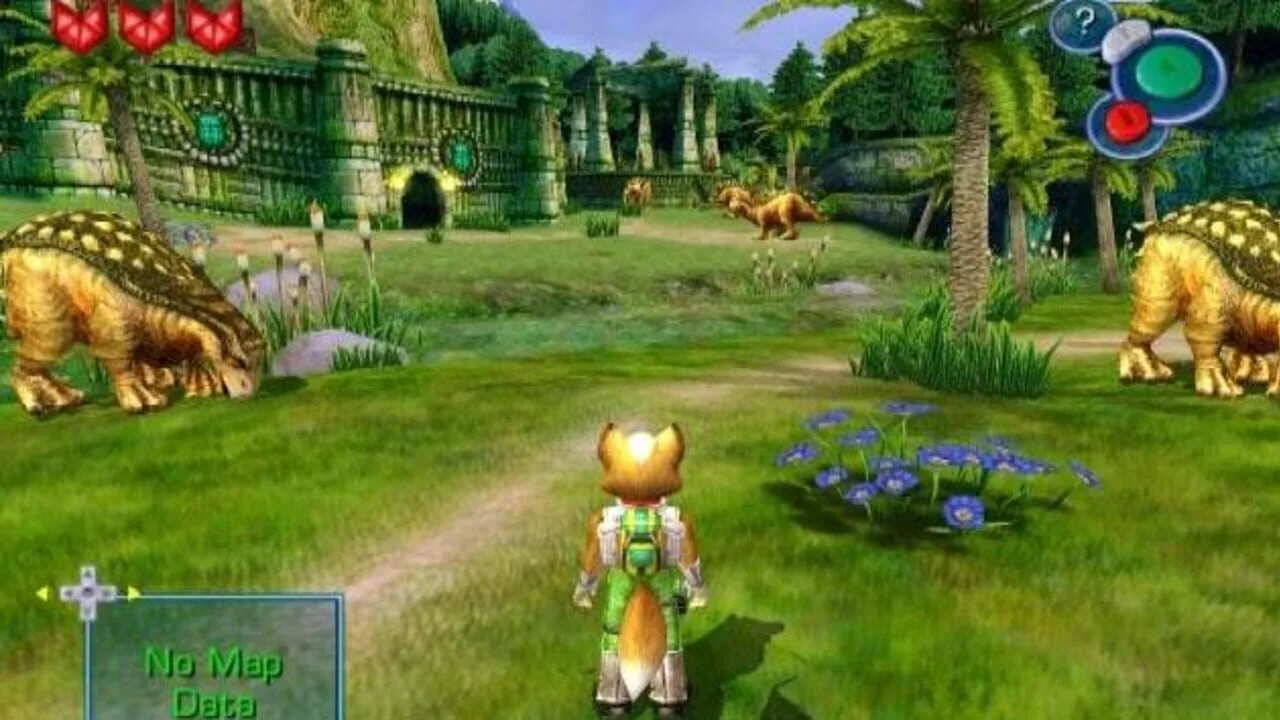
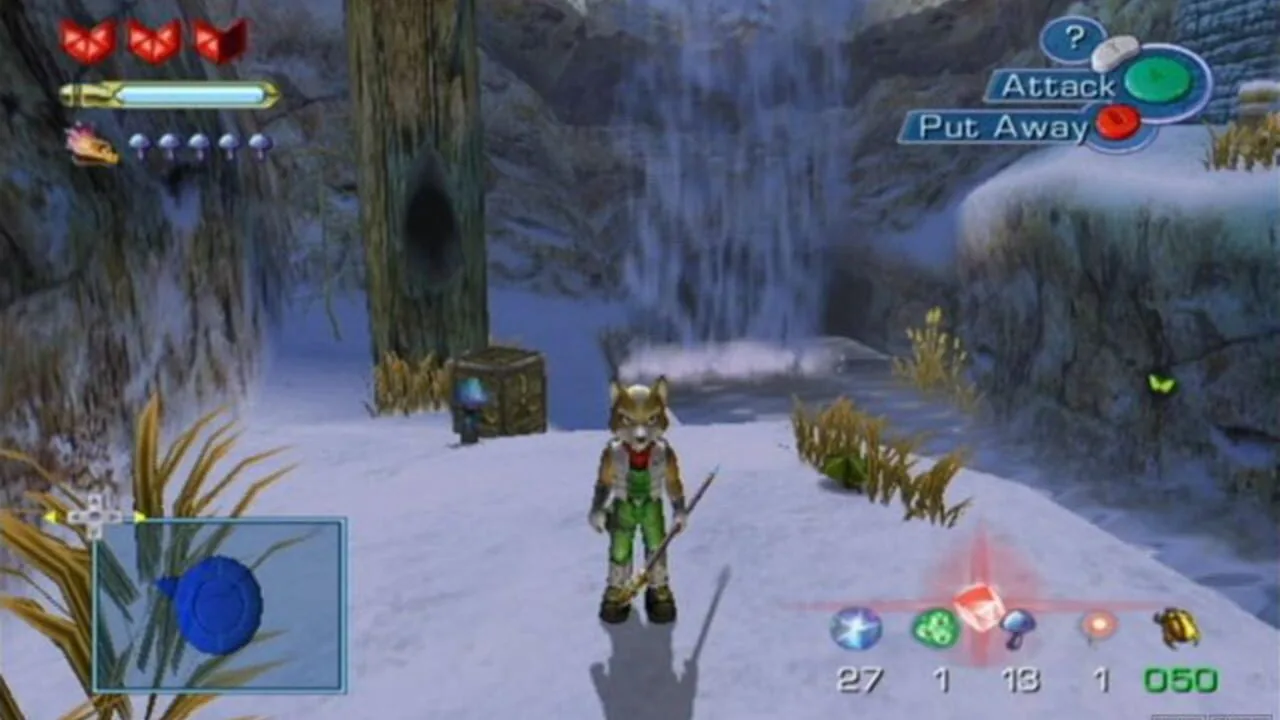
Star Fox Adventures began as a Nintendo 64 game called Dinosaur Planet before it was reworked to star Fox McCloud on the GameCube. The result is a Zelda-style adventure. You explore a big planet with a magic staff in hand, and the puzzles keep the pace up between fights.
Fans of the arcade space shooter series expected more flying and got a walking adventure instead, and the voice acting took heat. It was a commercial success and a decent adventure, yet it picked up a reputation as a letdown. It was also Rare's only GameCube game, because Microsoft bought the studio the day after it came out. That makes it a footnote in Rare history, and a good reason to give it another look.
10. Lost Kingdoms (2002)
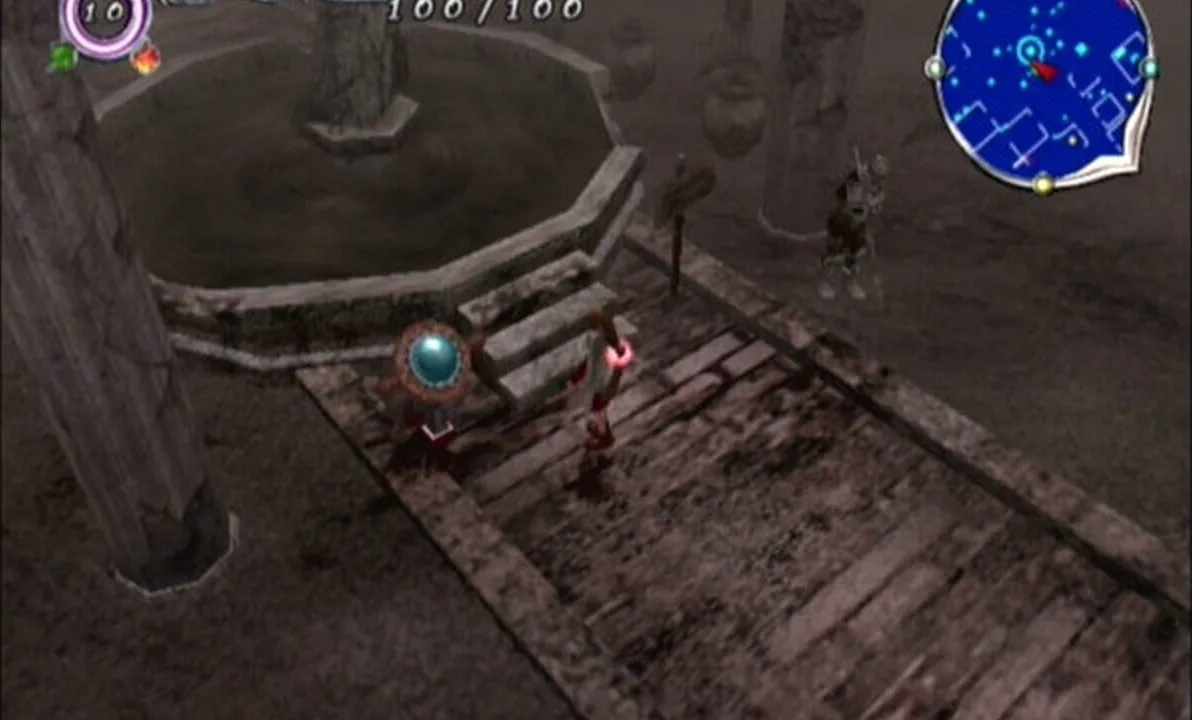
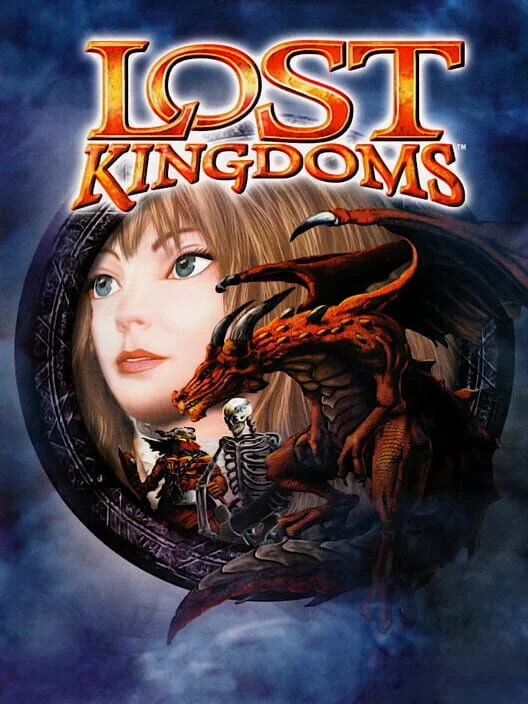
Lost Kingdoms makes you a princess who cannot fight. Katia uses cards for battle only, and each card calls up a monster or a spell in real time, so you win by choosing the right card at the right moment. Only a few cards are handed out after each level, which keeps every choice feeling important. A princess with no sword and a deck of cards is a bold way to meet an army.
It is a real-time card battler, a genre that barely existed, and that may be why nobody knew where to put it. It is surprising that no one has copied the idea since, and the lonely mood of its world still stands out.
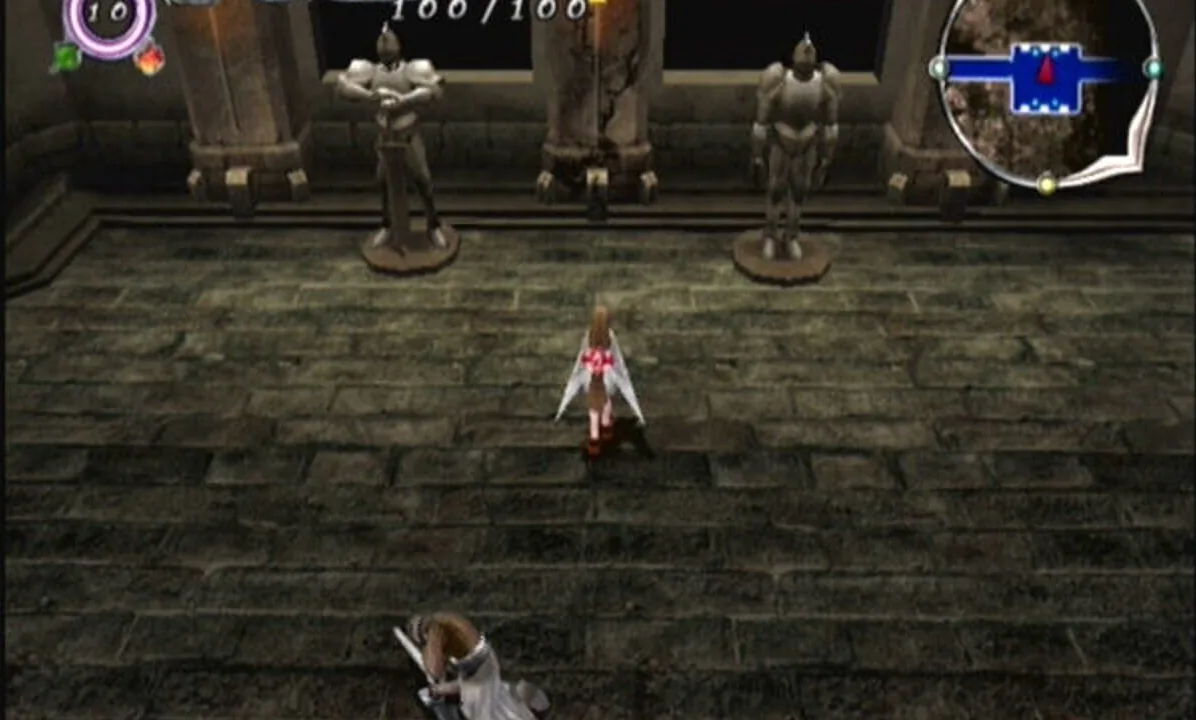
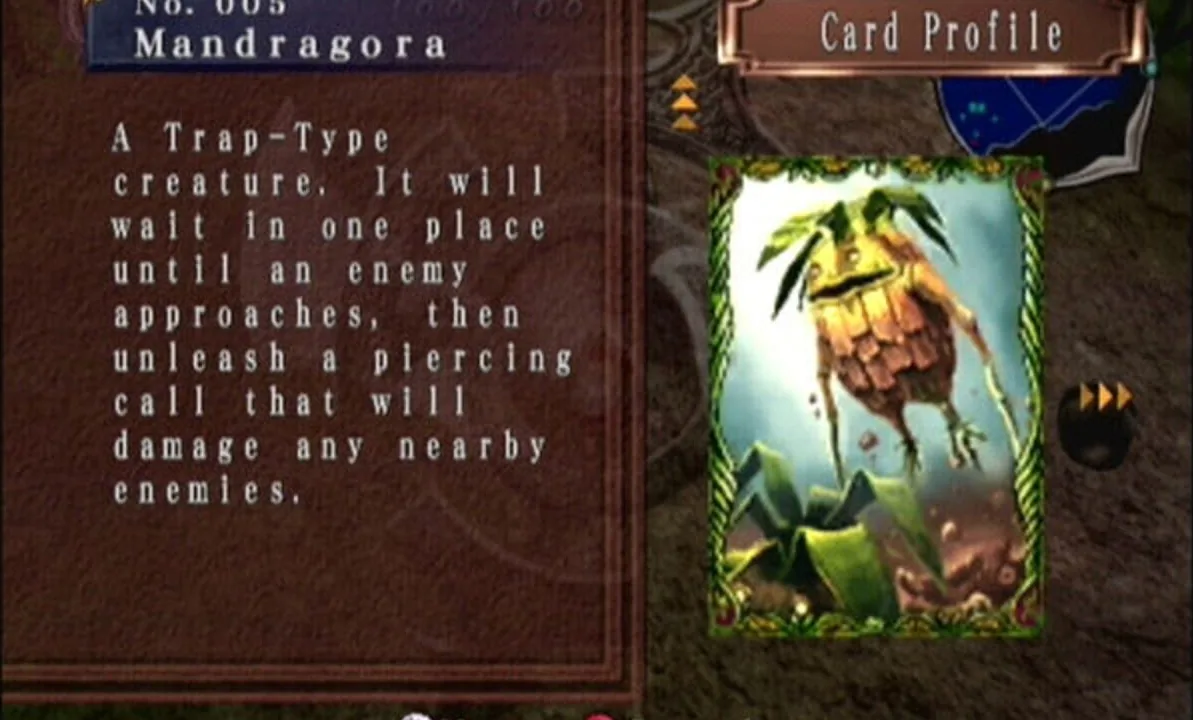
9. Eternal Darkness (2002)
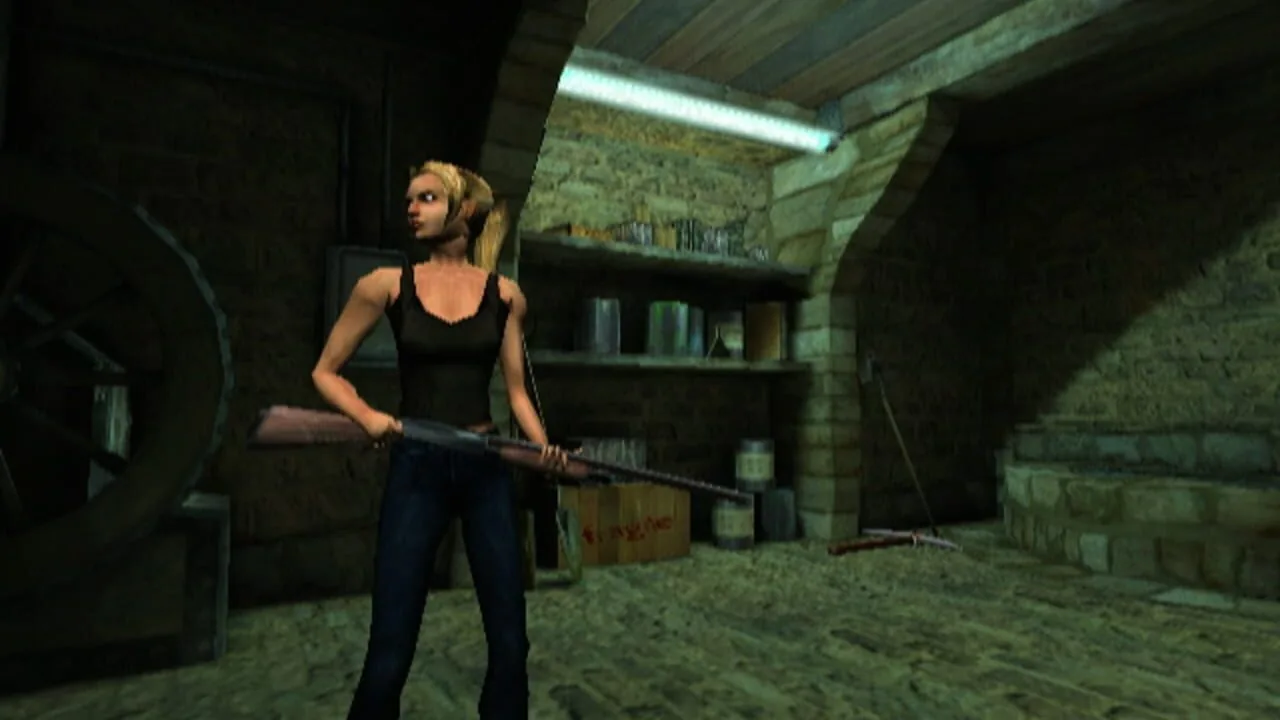
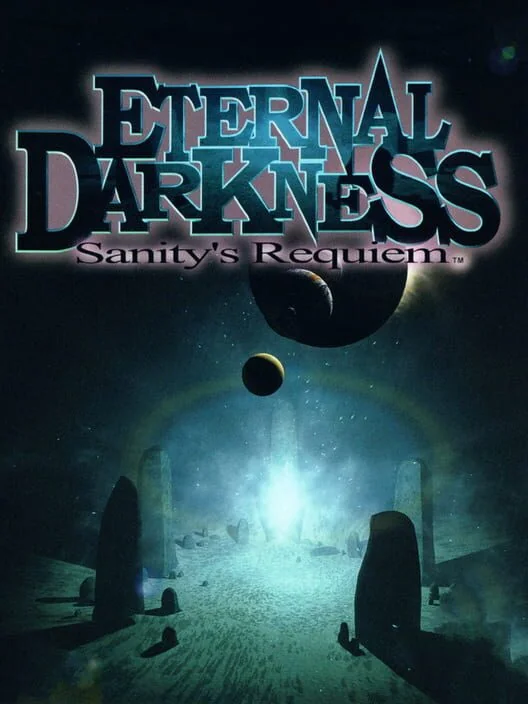
Eternal Darkness is a psychological horror game with a sanity meter. When your character loses their nerve, the game starts lying to you, with fake errors and glitches that look like they come from your TV or your console. Each chapter stars a different hero across history.
Critics loved it and it won many awards, yet it sold less than half a million copies worldwide. A direct sequel was explored but never happened, and its studio went bankrupt years later. That is a sad end for a game with a strong claim to being the best horror game on the system. It was also the first game Nintendo published with a Mature rating, which tells you how far they were willing to go.
8. P.N.03 (2003)
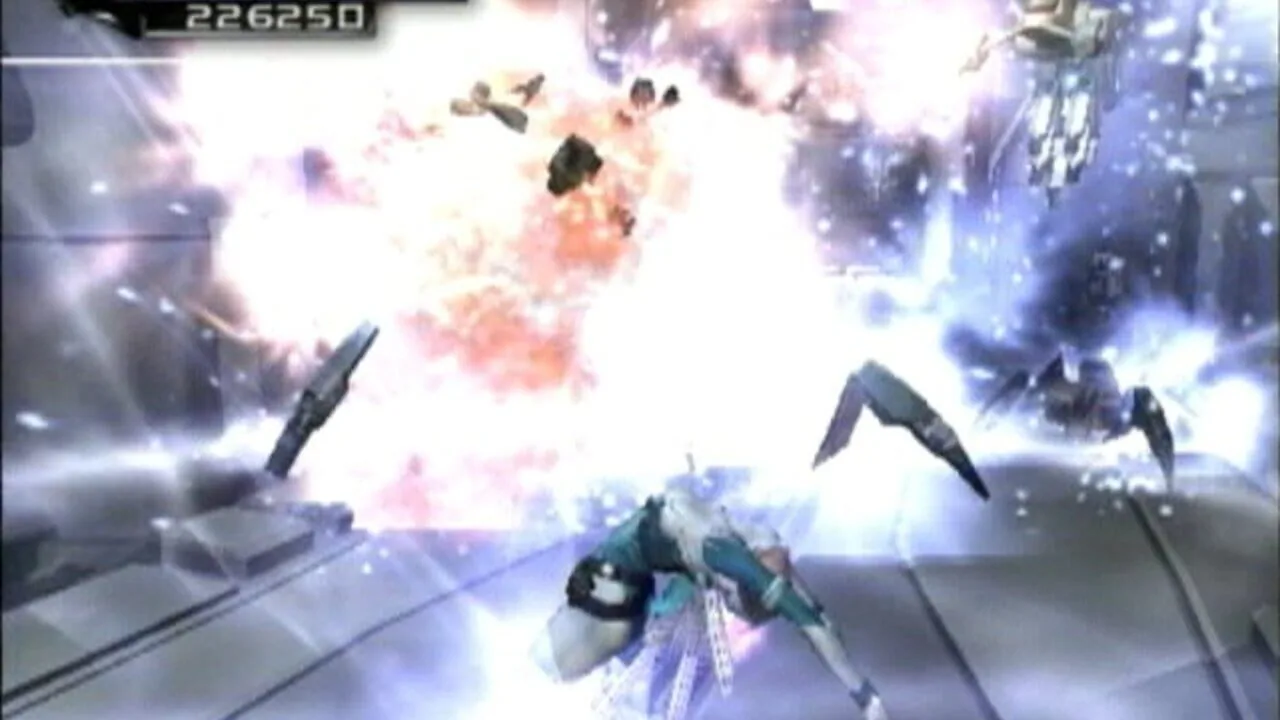
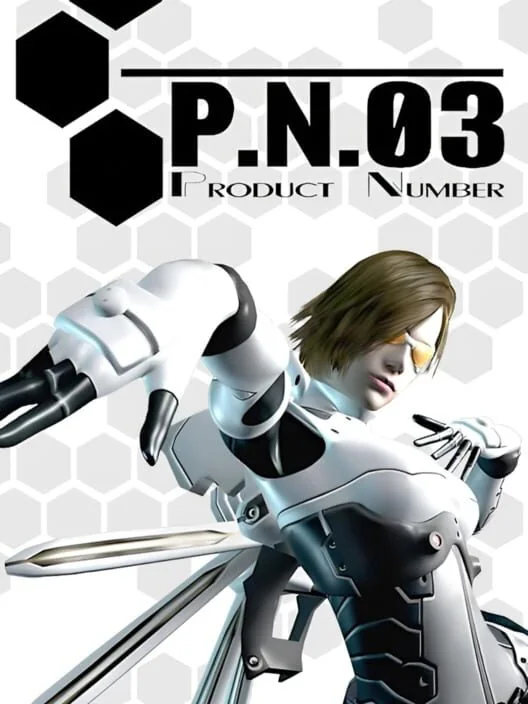
P.N.03 is a third-person shooter in which a mercenary named Vanessa Schneider fights rogue machines on a distant colony. Her moves were built like a dance, so you dodge and wait for the right beat to strike. Shinji Mikami directed it, and the team wanted a clean, white world with delicate lines.
Reviewers found it repetitive and the controls awkward, and it flopped. It makes more sense once you stop expecting a fast action game and treat it as a rhythm of dodges and shots. It was made on a tight schedule by a studio trying new ideas, and you can feel both in a short, strange game that rewards anyone who gives it time.
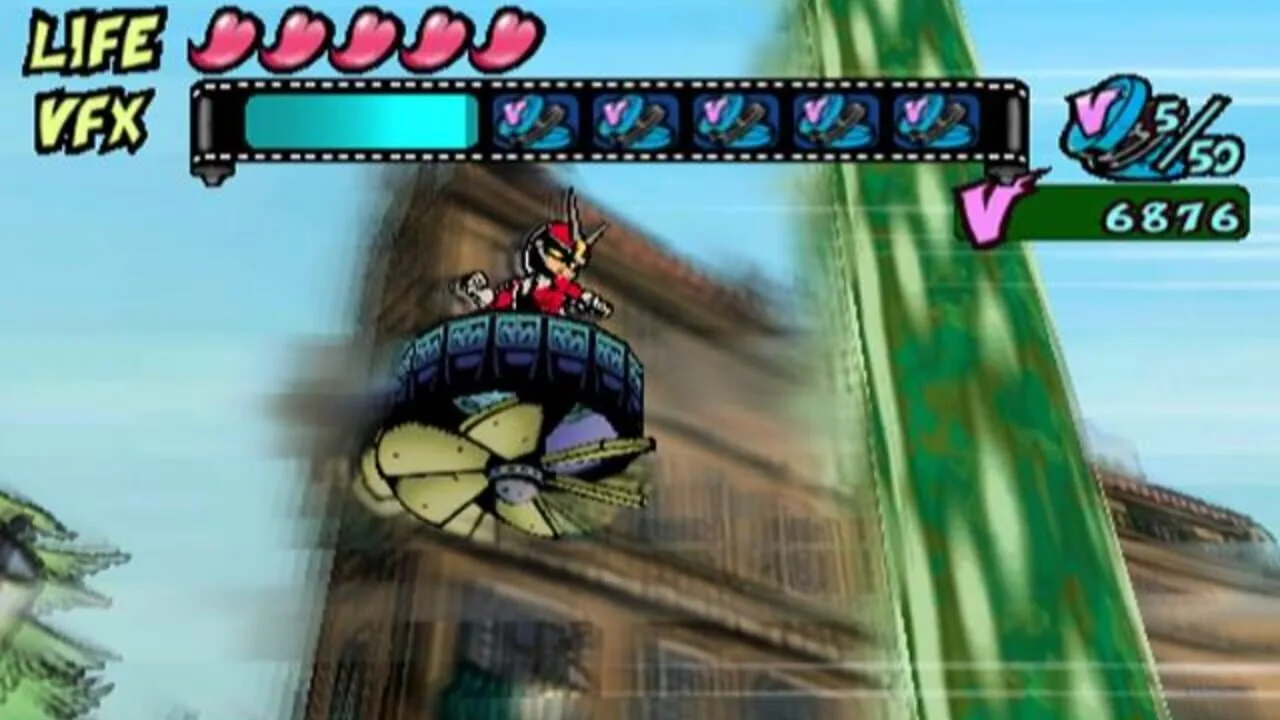
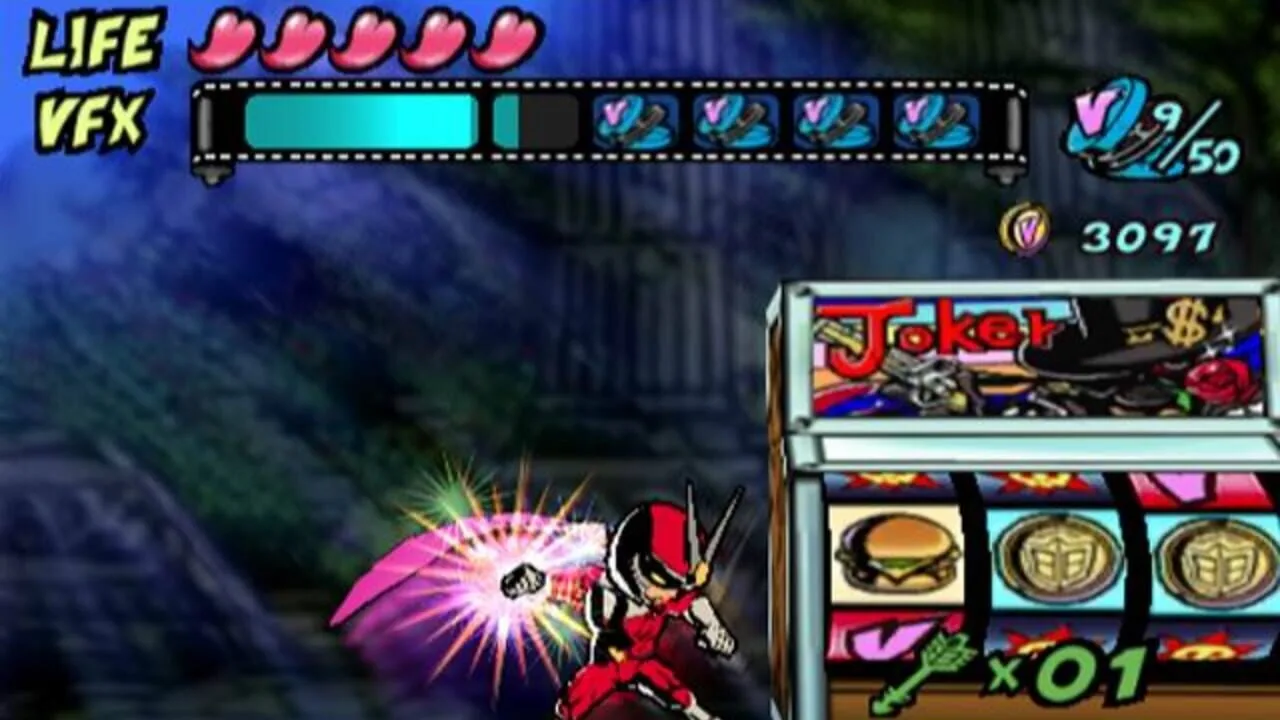
7. Viewtiful Joe (2003)
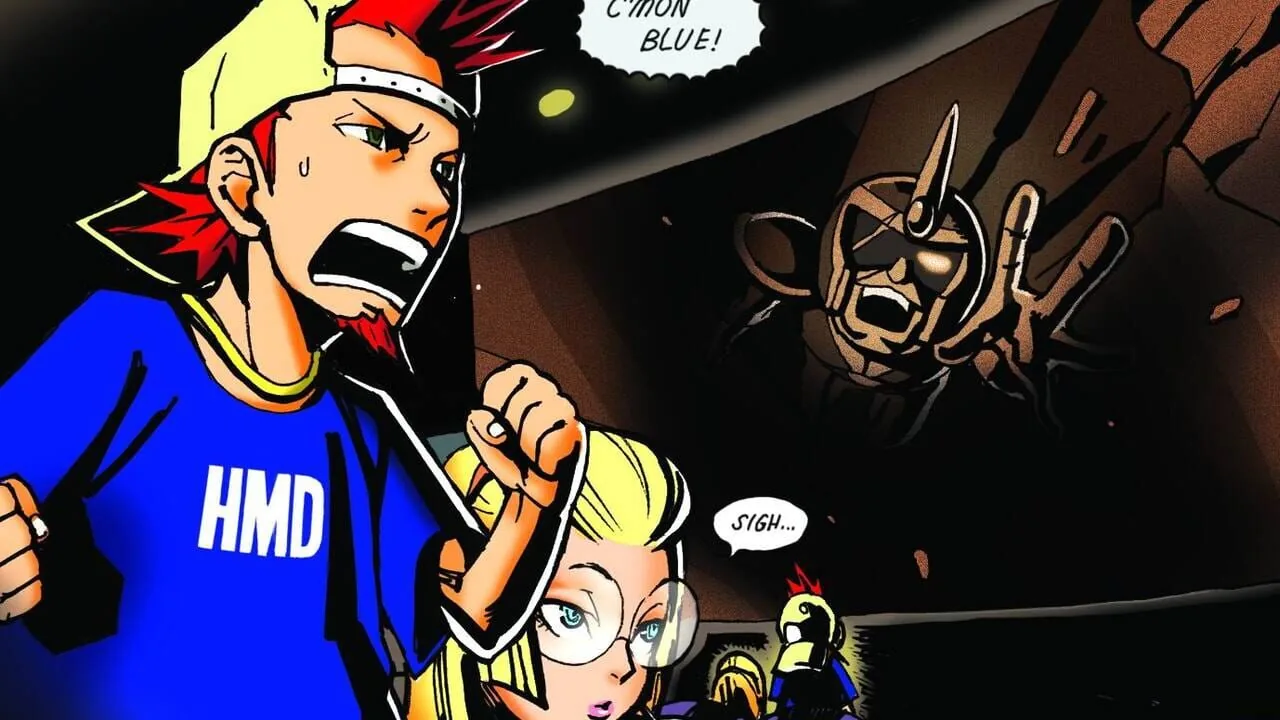
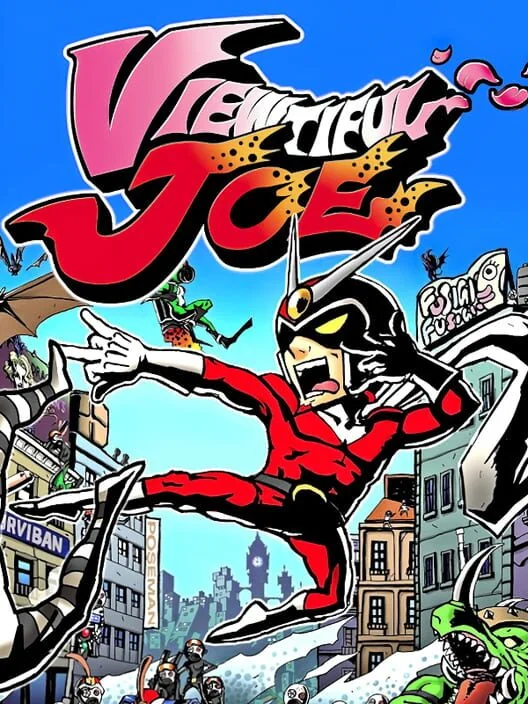
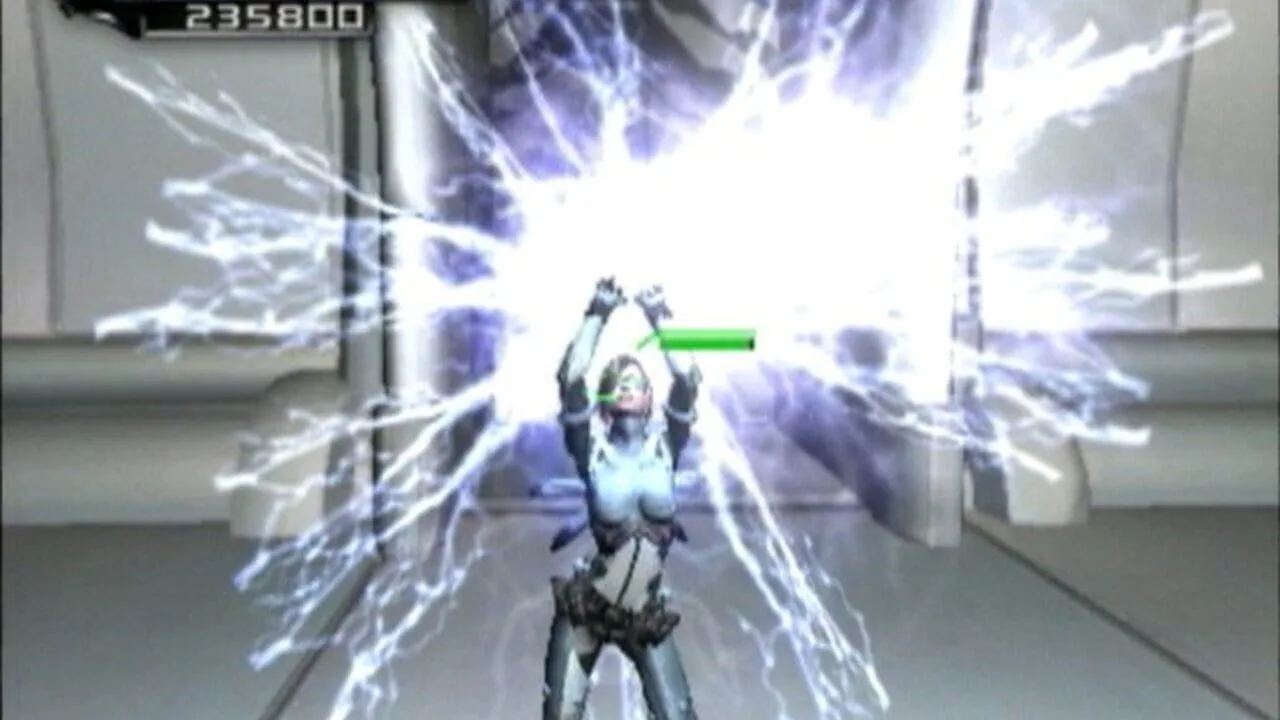
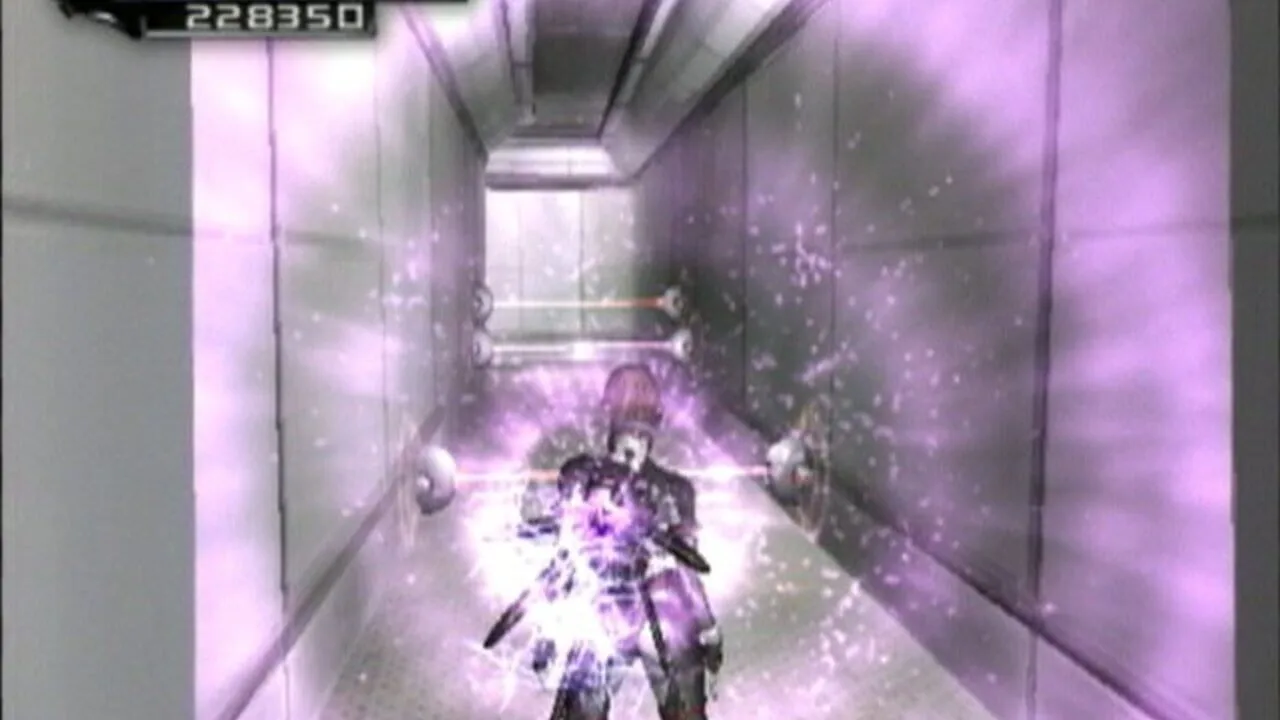
Viewtiful Joe is a side-scrolling brawler about a hero whose powers are movie camera tricks. Slowing time makes your hits stronger and your dodges easier, which turns each fight into a small puzzle about timing. Hideki Kamiya directed it as part of Capcom's push for fresh ideas. Joe was almost named Red Hot Man, which would have come with a band's lawyers attached.
Critics loved it and awards followed, but sales were only modest. The studio that made it was shut down a few years later after none of its games became a big hit, and the series faded. That is how a game this stylish ends up on an underrated list.
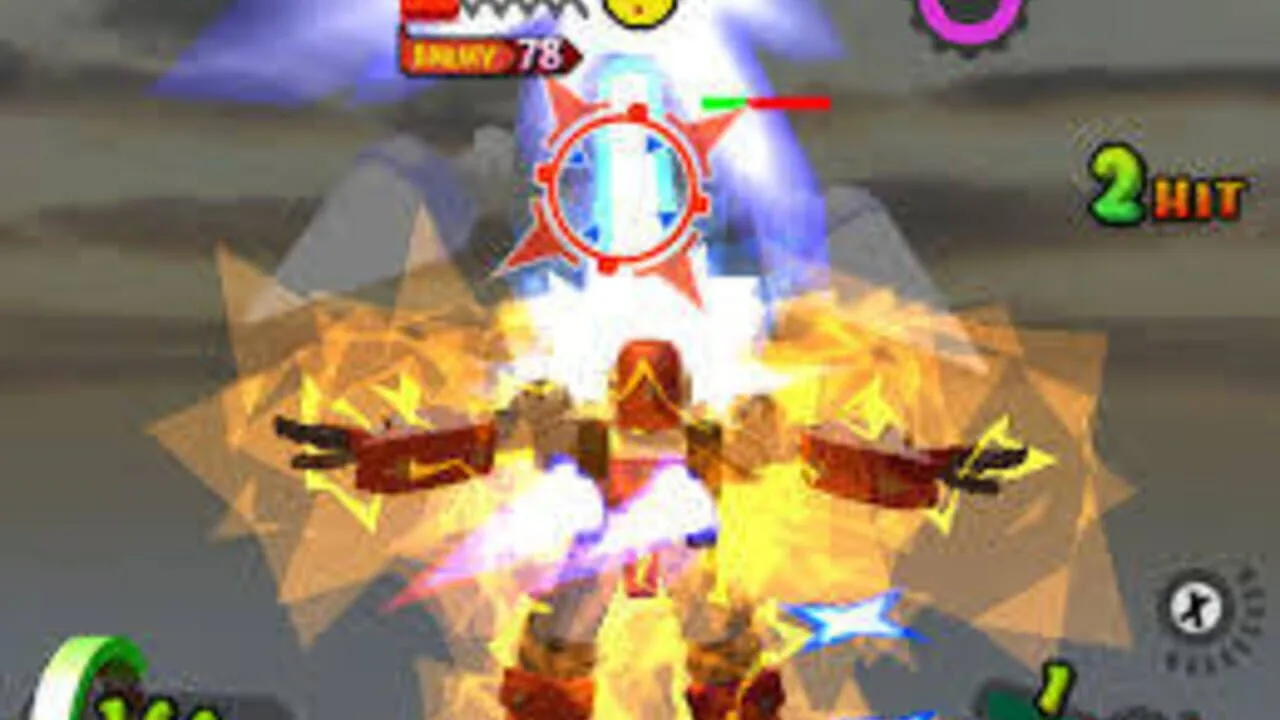
6. Gotcha Force (2003)
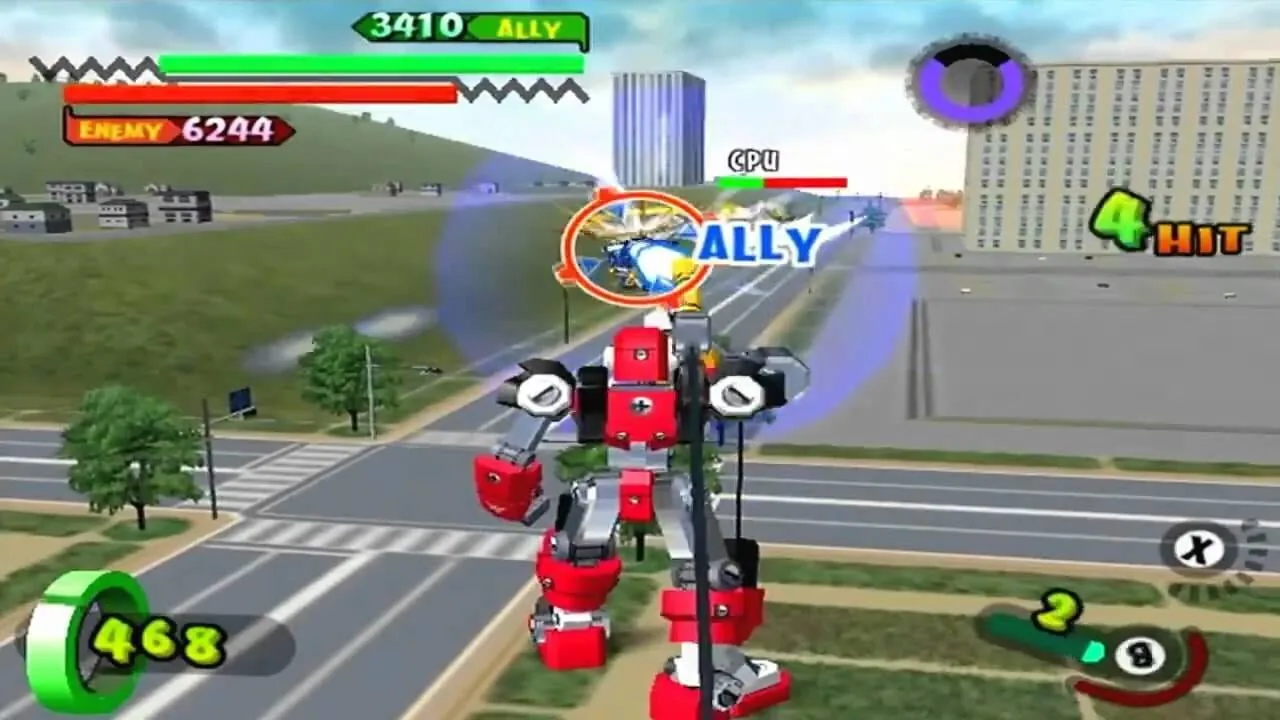
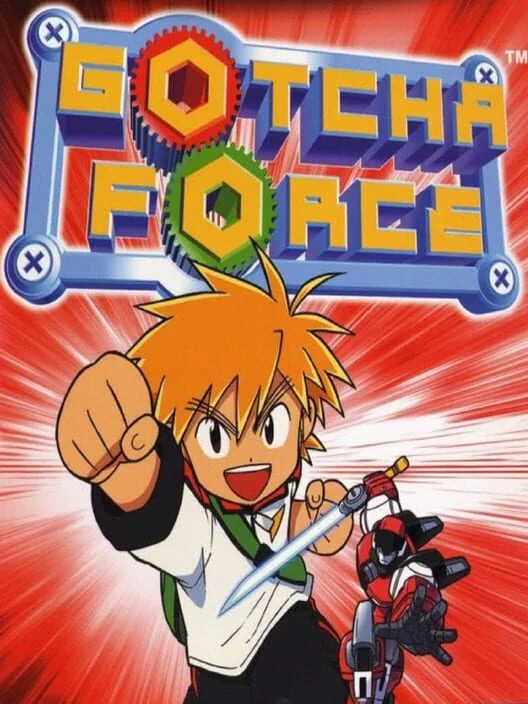
Gotcha Force is Capcom's toy robot brawler. You collect small mechs, field a squad of them, and fight in arenas. It borrows the idea of capsule toys, so unlocking a new robot is half the fun.
Reviews were mediocre and advertising was thin, so it sold poorly. Years later it has a cult following, and the fans are loud about it. It plays unlike most brawlers, with quick, chaotic fights and a lot of robots on screen. The voice acting is rough and the story is thin, but the roster is huge, and that is the reason to play it. A game this odd needed a bigger audience to be understood, and it never got one.
5. Battalion Wars (2005)
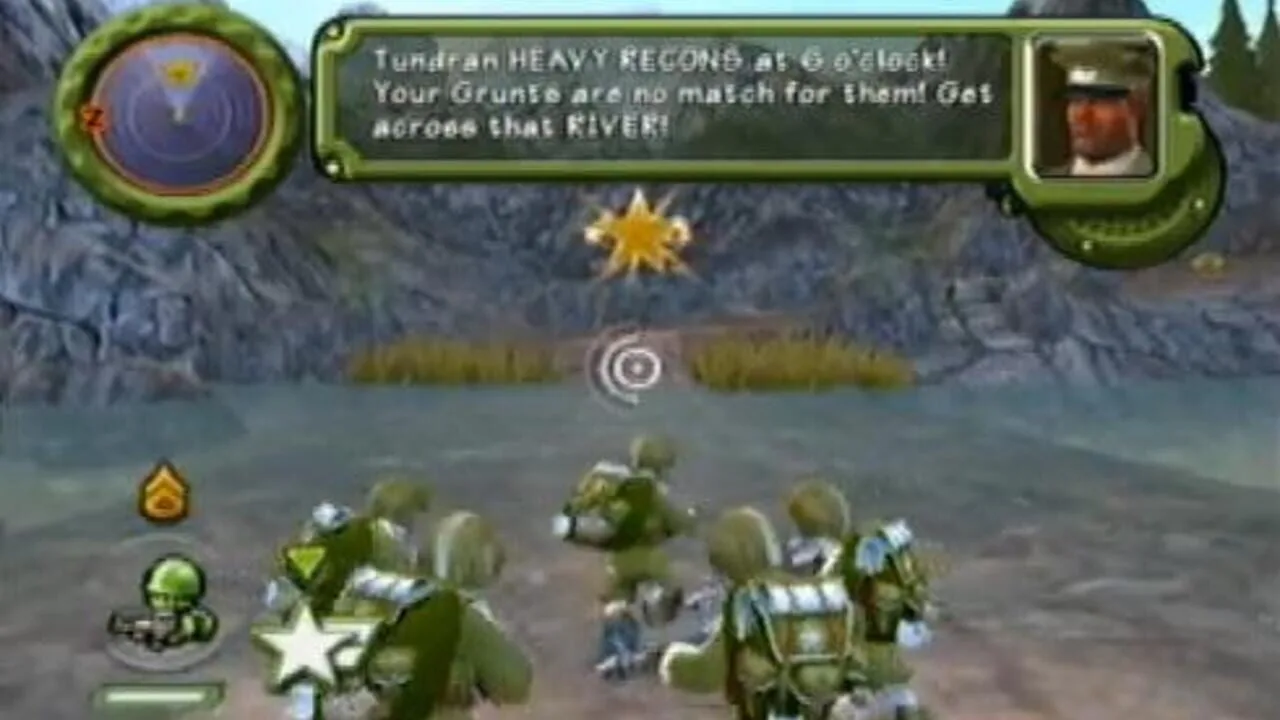
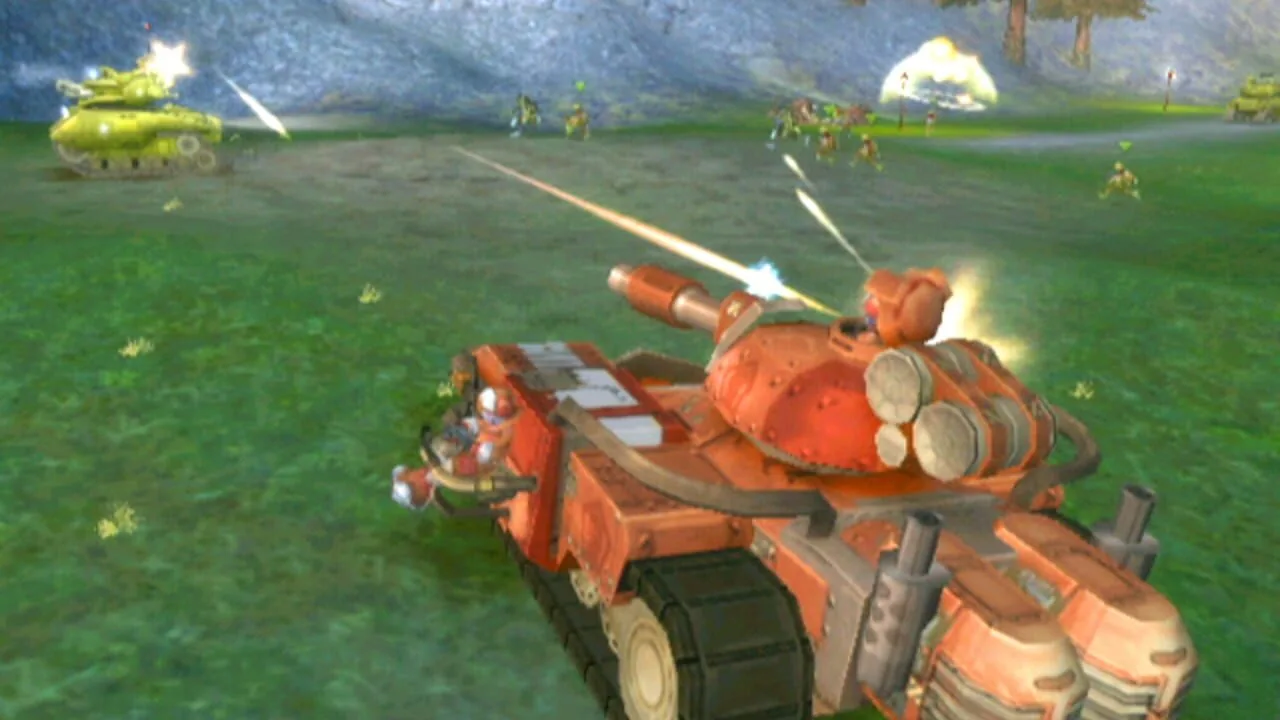
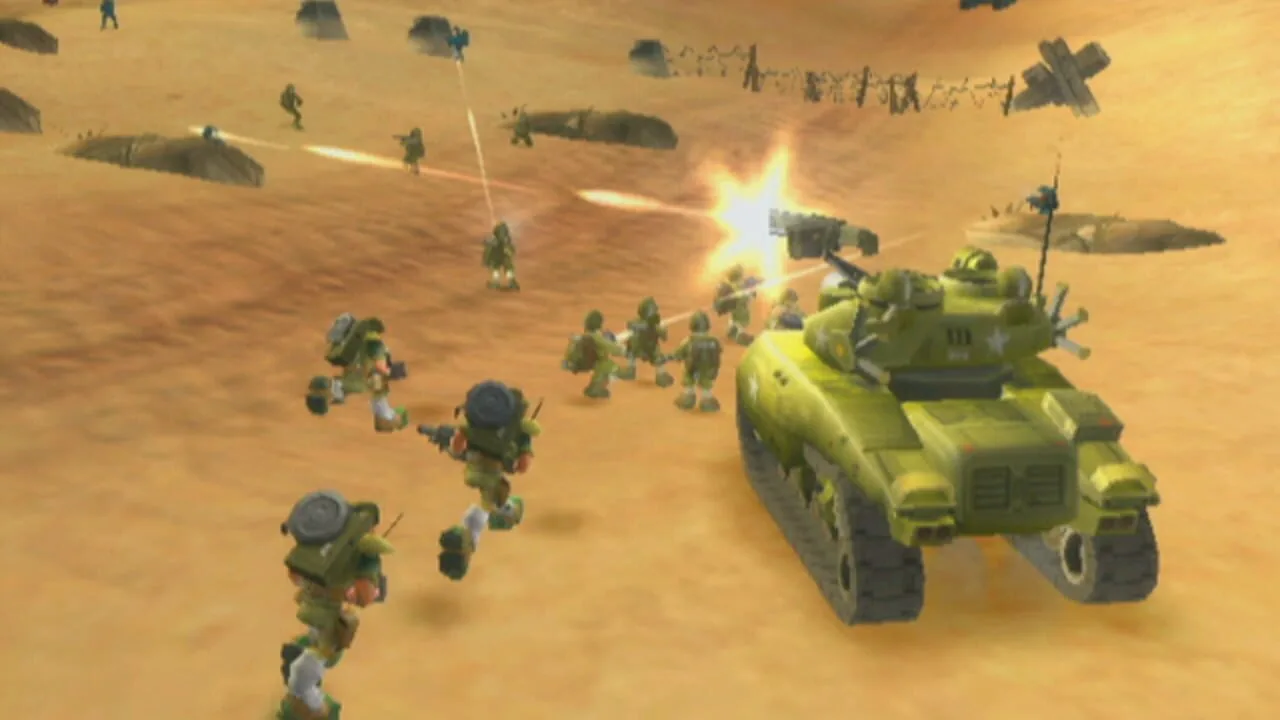
Battalion Wars takes the toy-soldier war of the handheld strategy series and drops you into it from behind your troops. You command a battalion in real time from a third-person view, switching between soldiers and vehicles to hit objectives. The campaign is single-player only, which suits its mission design.
It was easy to miss because it looked like a spin-off of a handheld series and played like nothing in that series. Fans of the original turn-based games did not know what to make of it, and everyone else never heard of it. That is a shame, because the mix of ground troops and vehicles under your command makes for a lively campaign. A sequel followed on the Wii, which is the best proof that someone liked it.
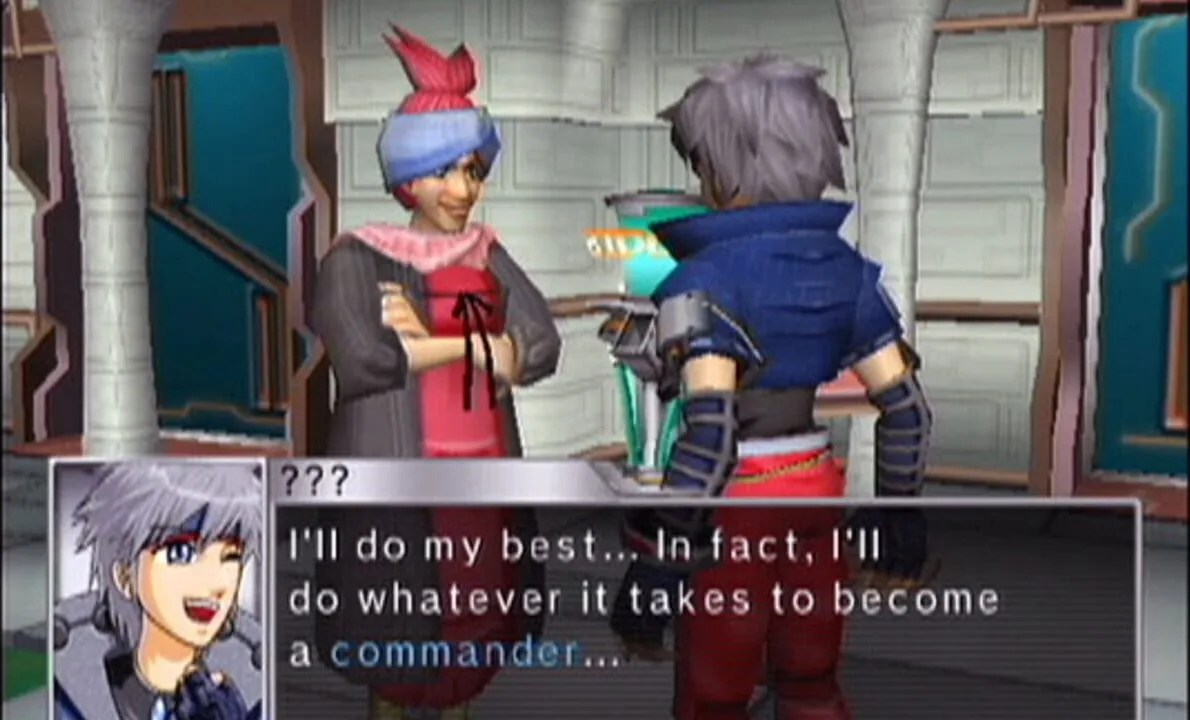
4. Chibi-Robo! (2005)
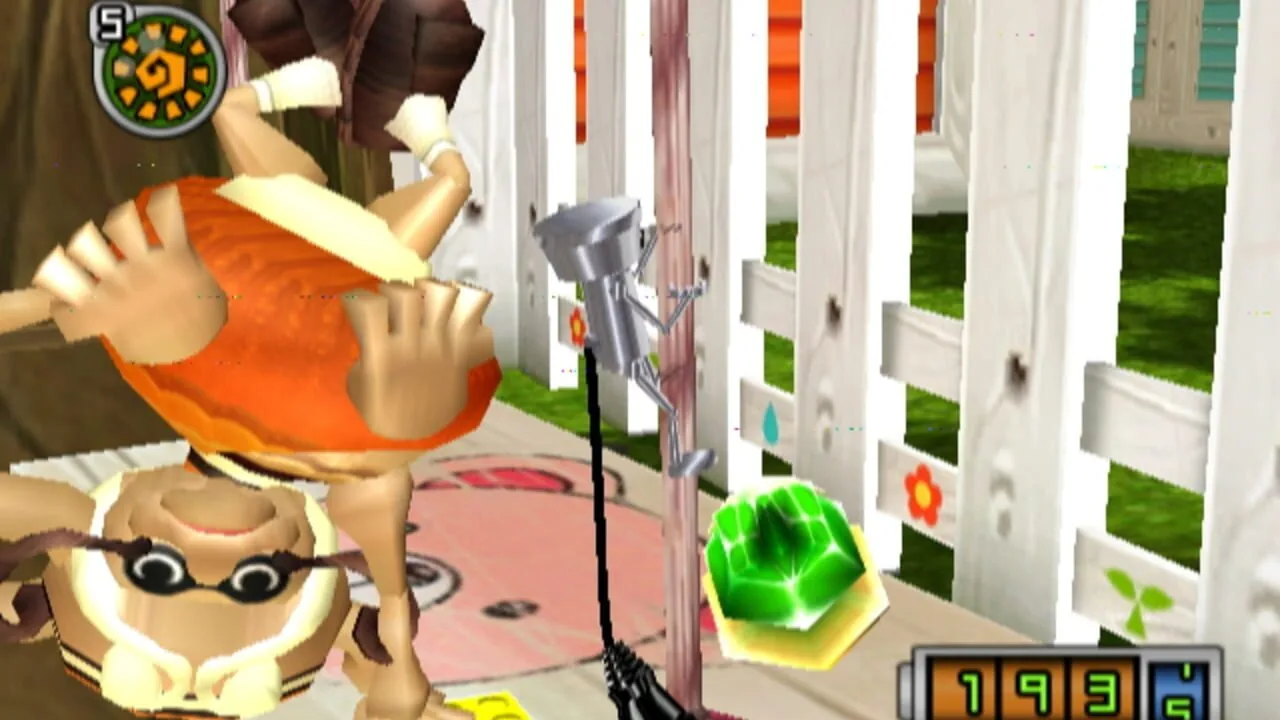
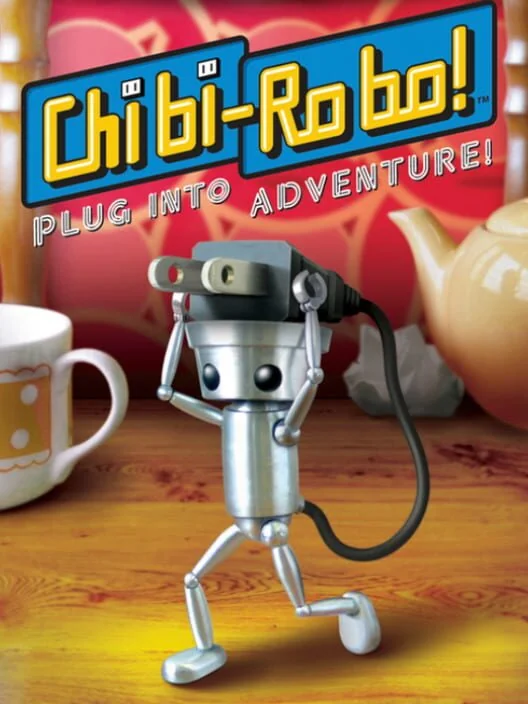
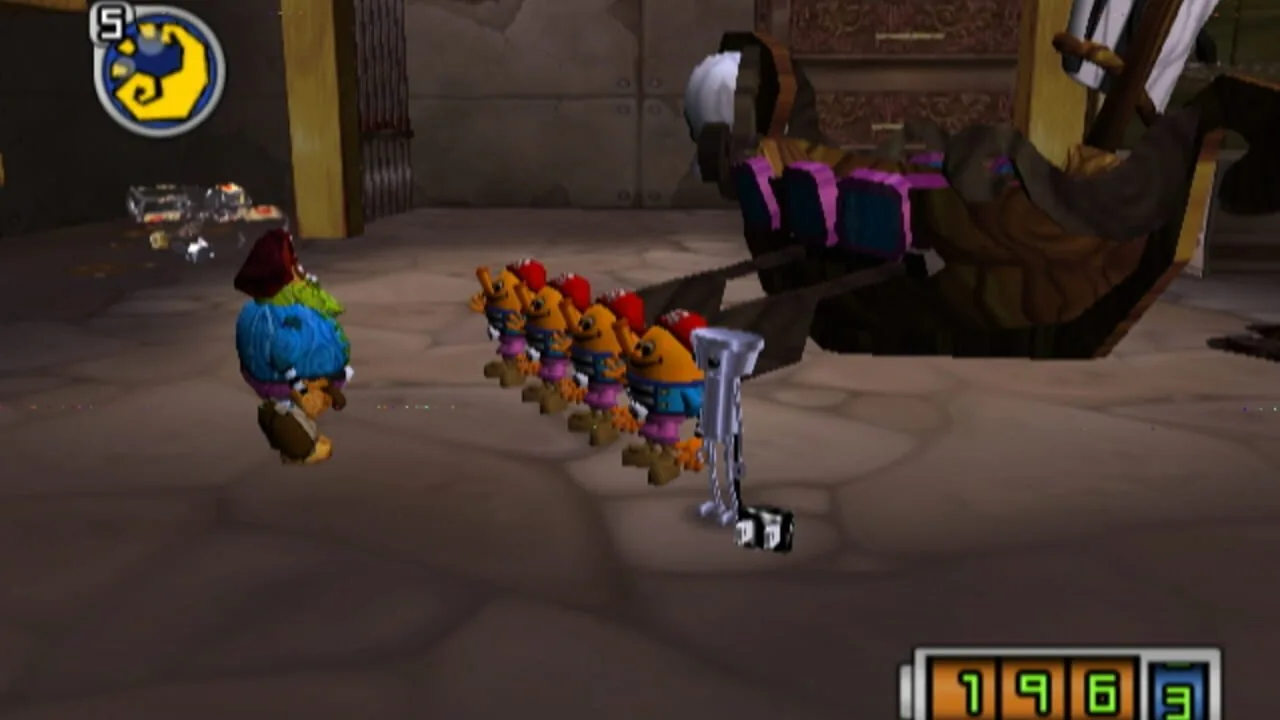
Chibi-Robo is a tiny battery-powered robot that does the housework for a family, and the game is the house. You tidy the rooms and spread a bit of happiness to the people inside. It began as a point-and-click adventure before a famous Nintendo producer took an interest and changed the whole plan.
Nintendo published it, yet it never got the push its biggest names did, so many GameCube owners never knew the quiet one existed. It rewards patience. The story is odd and warm, and the pace is slow on purpose, with plenty of small errands to run for the family. It is easy to forget, even among Nintendo's own games, and that makes it a good find for anyone who wants something gentler.
3. Geist (2005)
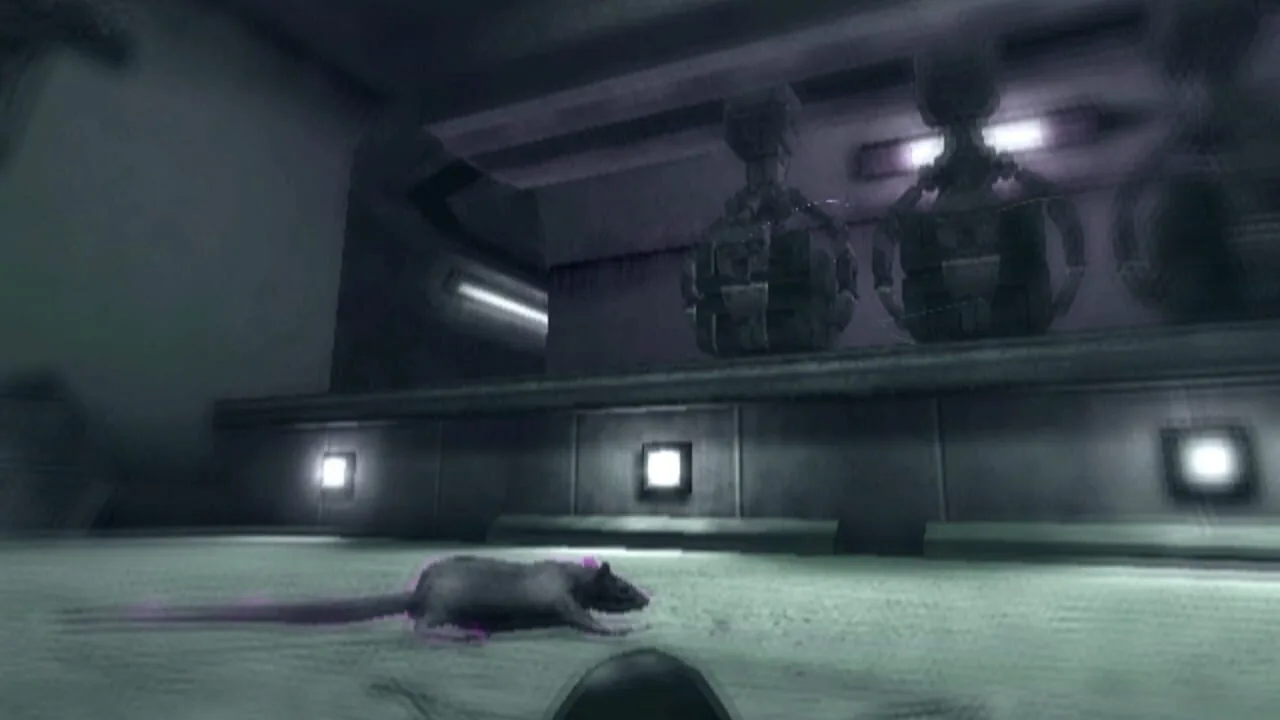
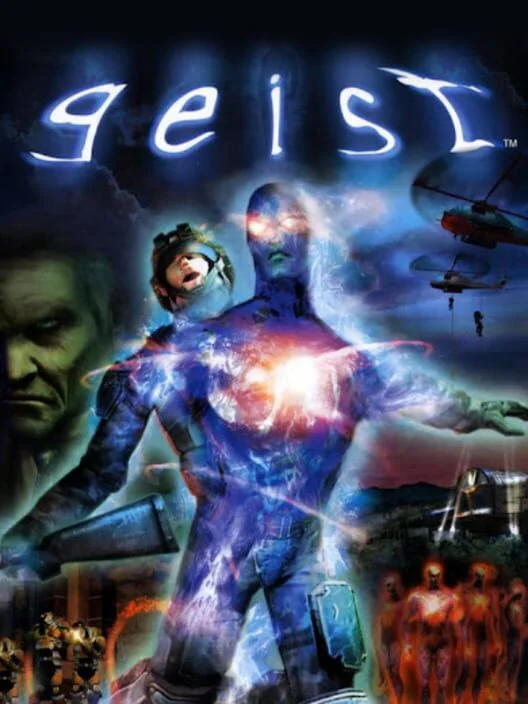
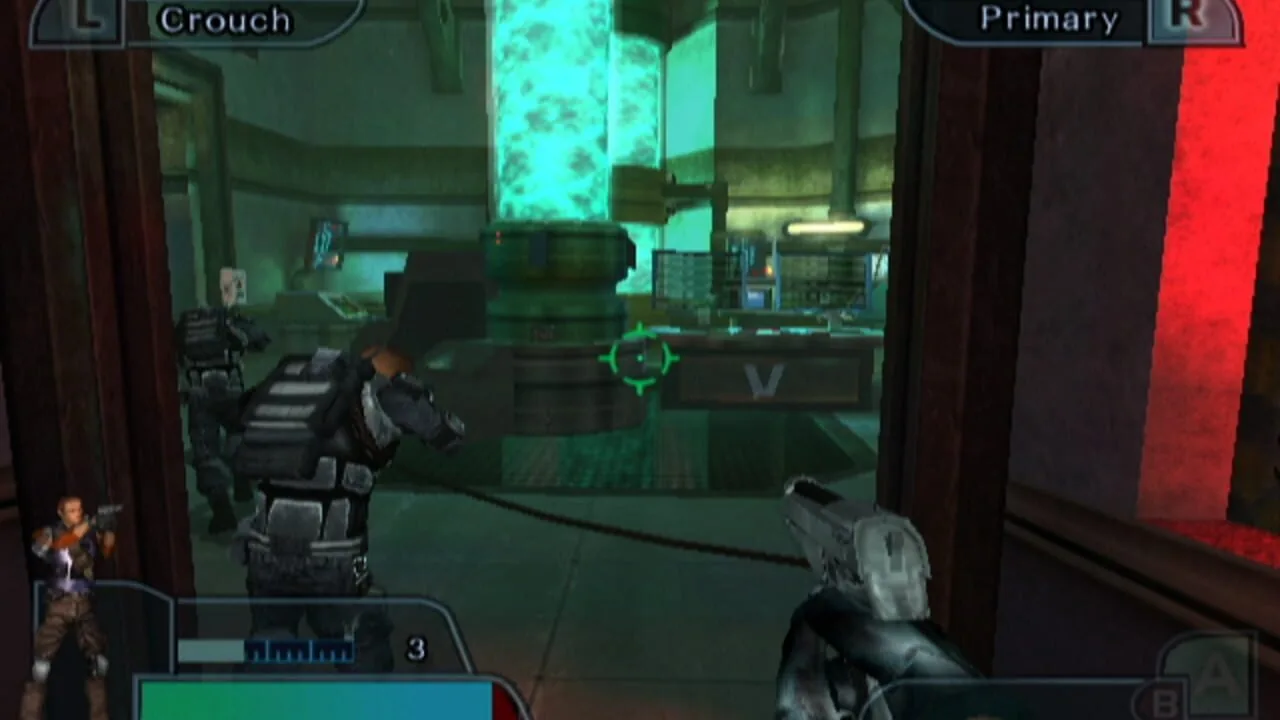
Geist turns the shooter around. You play Raimi, a soldier whose spirit is ripped out of his body, and you spend the game as a ghost possessing anyone or anything in reach. Each host has its own abilities, so the right body for the job matters. Wearing a guard like a coat is rude, but the game never makes you apologize.
Nintendo delayed it for two years, and by launch the controls and frame rate took the blame. Reviewers liked the ideas more than the execution. Still, nothing else on the system plays like it, and it remains a rare game that asks you to be the ghost. If you want something truly different from the usual first-person shooter, it delivers.
2. Metal Arms: Glitch in the System (2003)
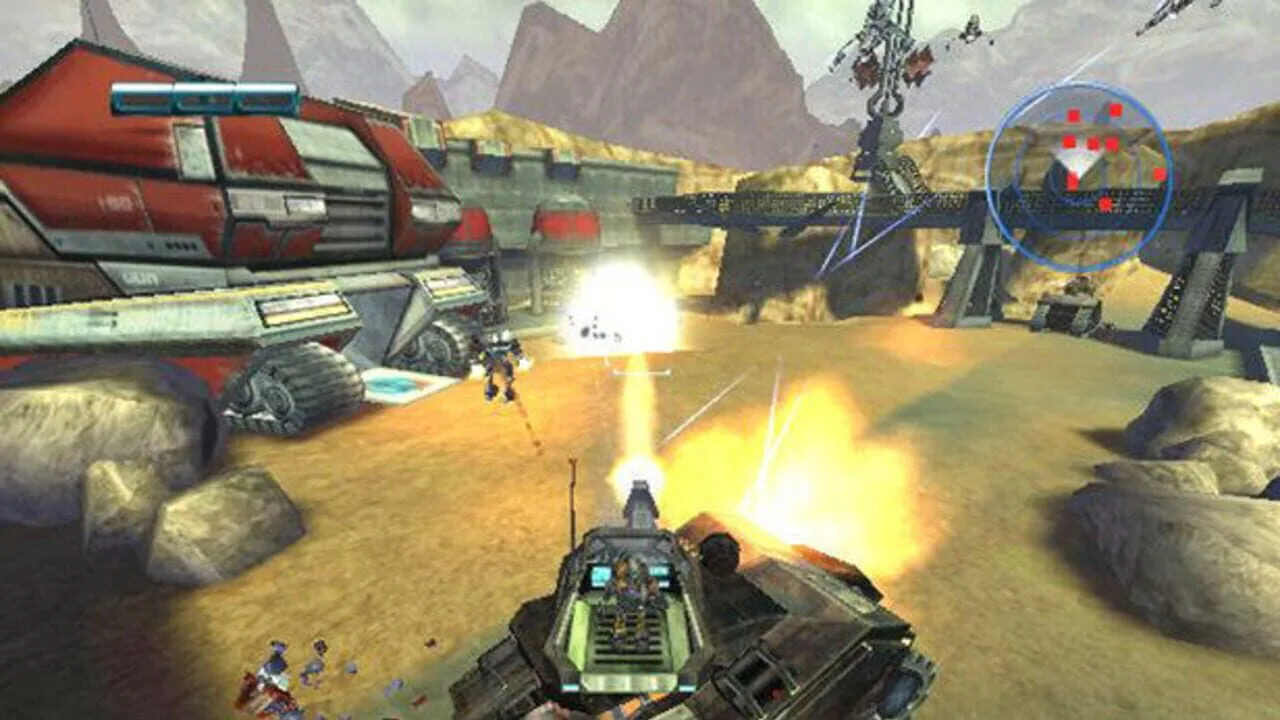
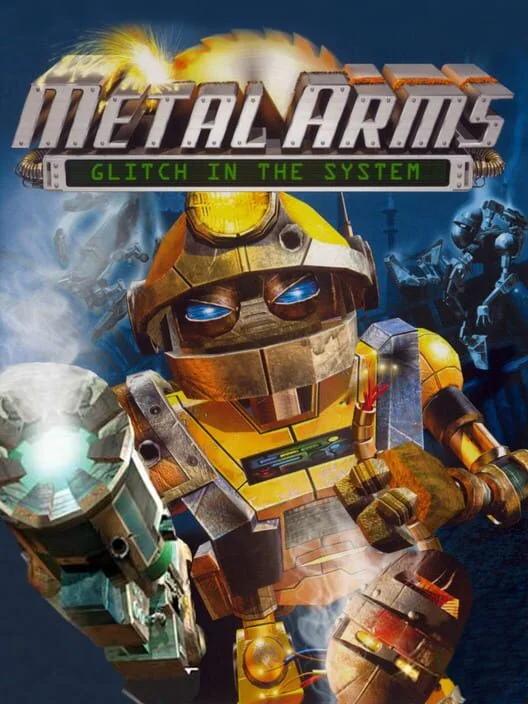
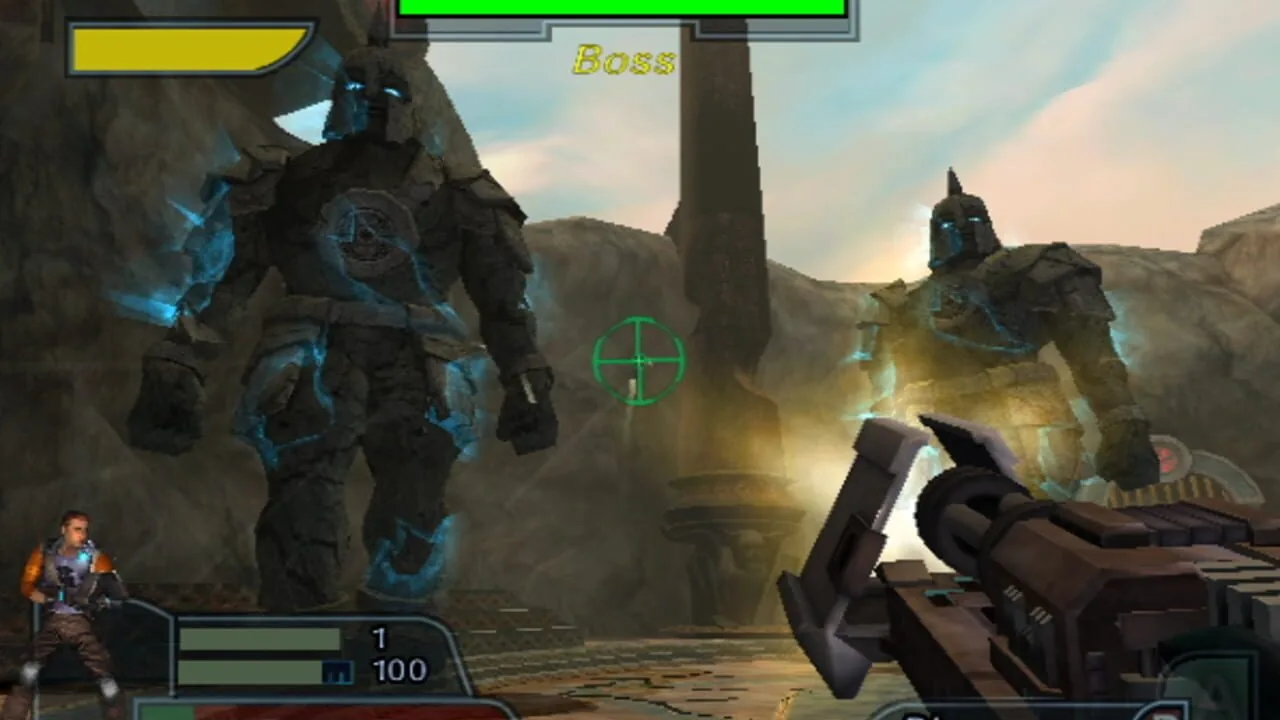
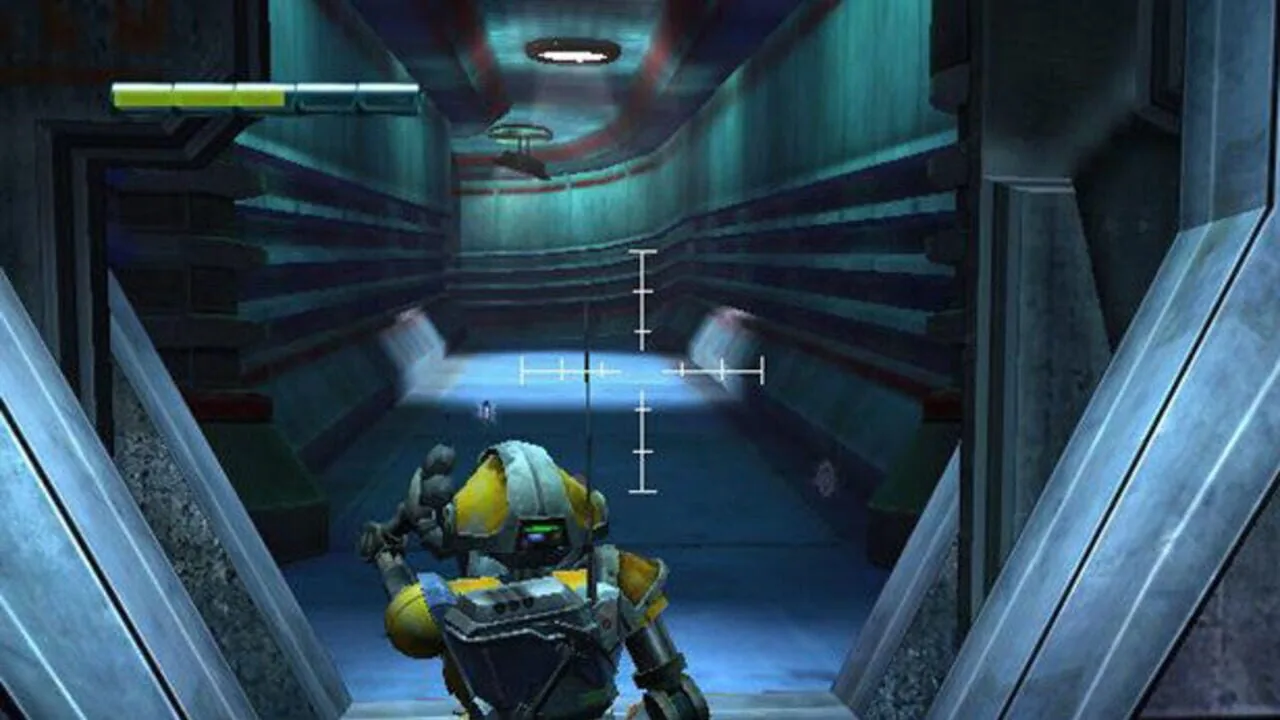
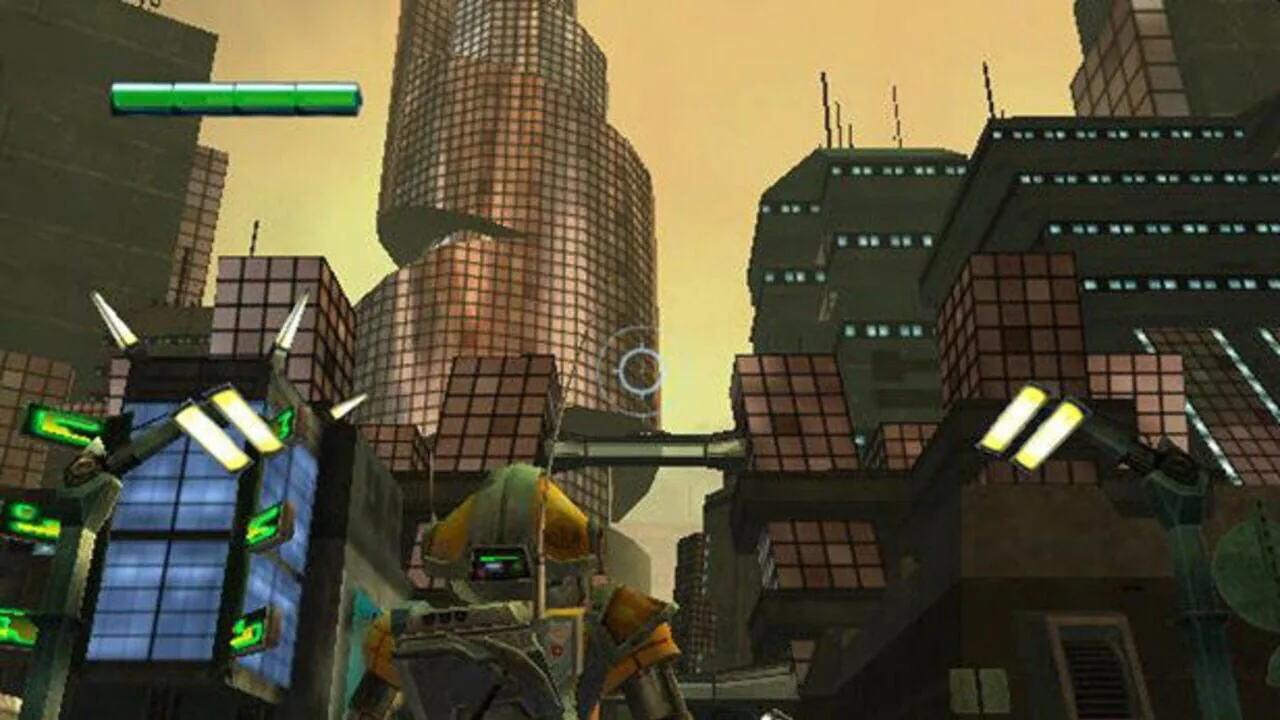
Metal Arms is a third-person shooter starring Glitch, a robot who teams up with the Droids to take on the villain General Corrosive and his army. You run and gun through levels with the Droids at your side. The campaign is a good time and has a sense of humor about being a robot war.
The studio behind it, Swingin' Ape, made nothing else. This was its only release, and it launched on three consoles at once, so the GameCube version got lost among the others. The multiplayer is better than its reputation, which is why it keeps coming up whenever someone asks for a shooter nobody talked about. It deserves a place next to the console's better known shooters.
1. Custom Robo (2004)
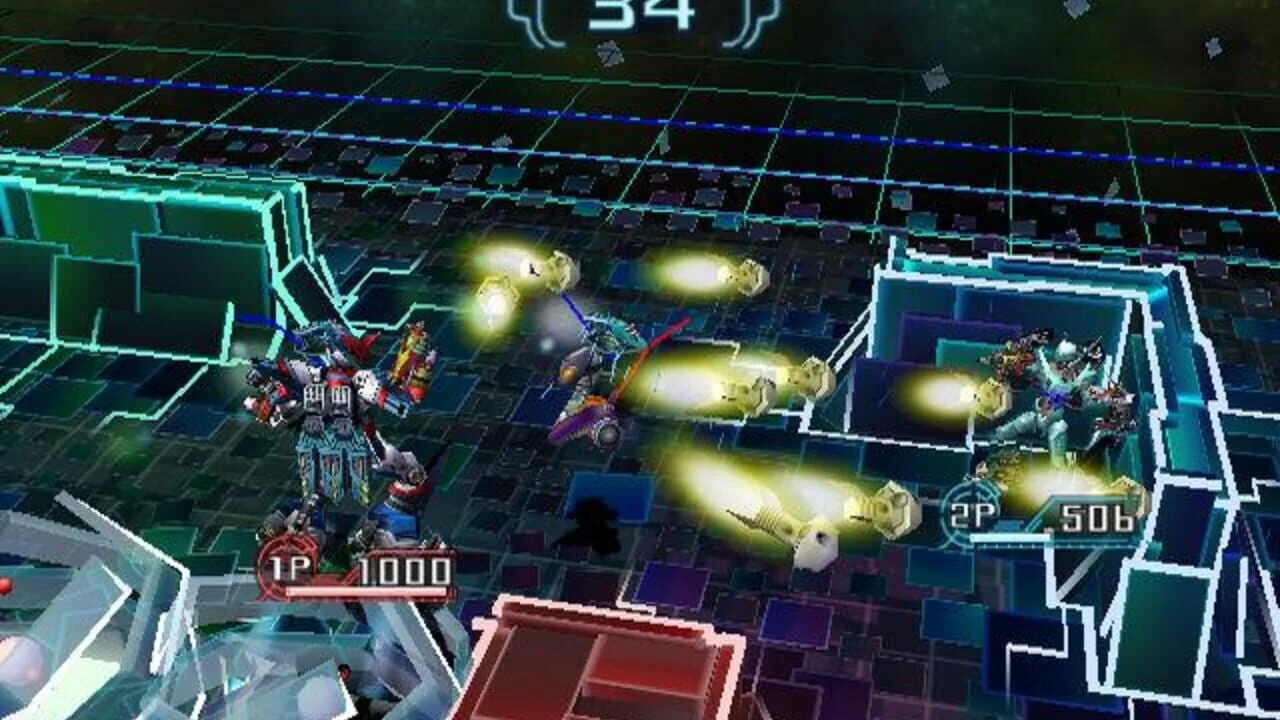
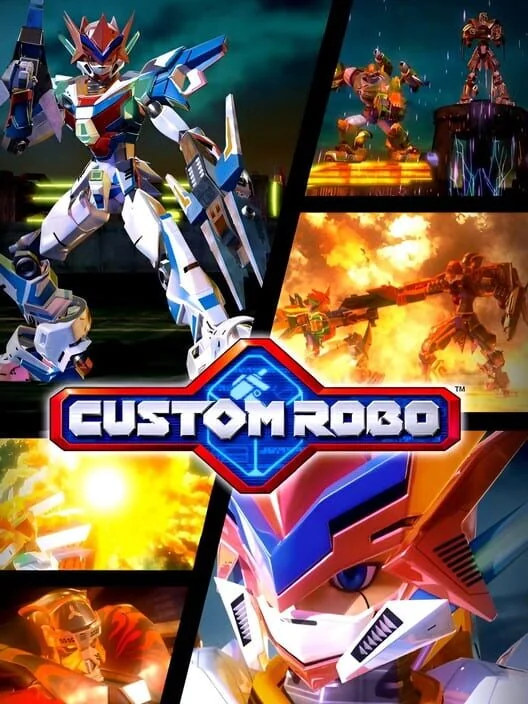
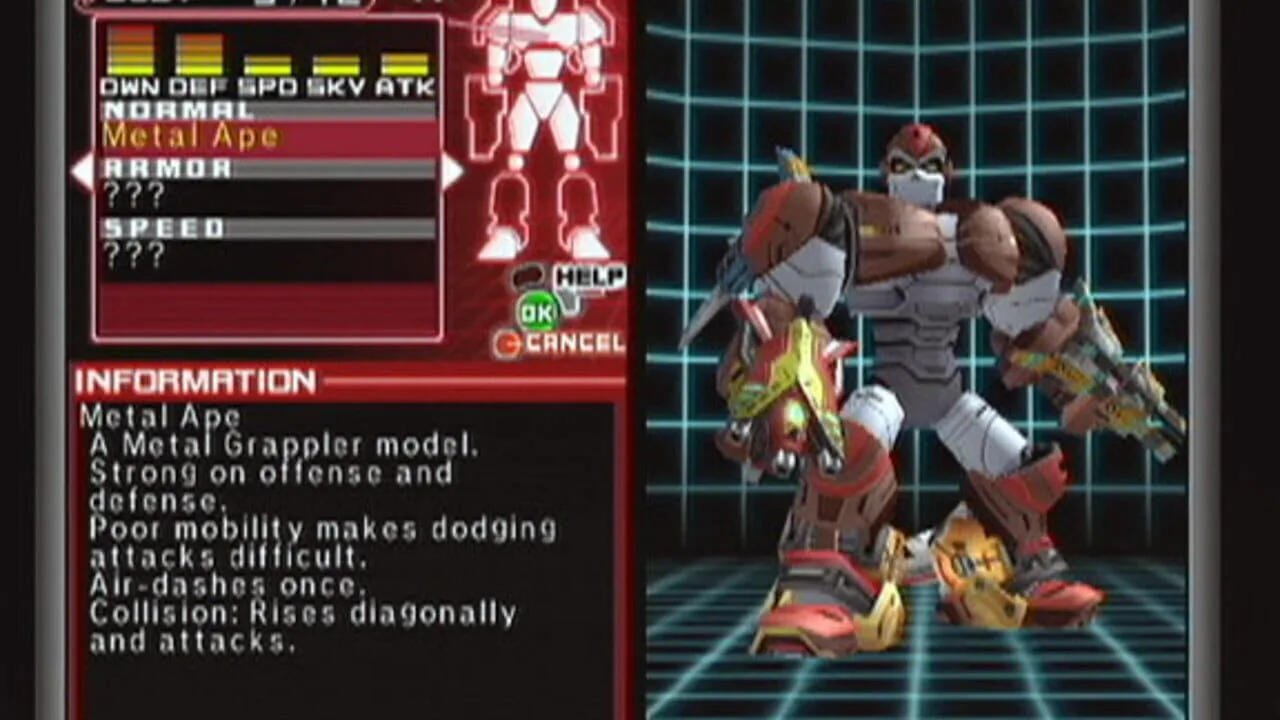
Custom Robo is a one-on-one arena fighter where you build the robot yourself. You choose the body and the weapons, then test the build against a friend or the computer. Swapping one part can change how the whole fight plays out, and that tinkering is the draw.
This is the entry in the series that reached the West. Its earlier games were released only in Japan, so nobody abroad was waiting for it and almost no one noticed it arrive. Players name it more than any other overlooked game on the system, and that is how it ended up first on this list. If you like fighters but want to tinker with the rules of your own character, start here.
Every issue features one game worth playing, plus the latest retro news.