The DS was the best thing that ever happened to adventure games. The touch screen worked like a mouse, so the point-and-click mystery suddenly had a home on a console again. You could tap around a crime scene for clues, blow into the microphone to dust for fingerprints, and in one game even turn the DS on its side and read it like a book.
The big names grew up here. Capcom brought Phoenix Wright over from Japan, and Level-5 started Professor Layton on the DS. A small studio called Cing made some of the moodiest mysteries on any handheld, and Japan got a few horror stories that are still scary today.
Here are the 17 best DS adventure games.
17. Lux-Pain (2008)


Lux-Pain is a visual novel style adventure developed by Killaware. Most of it plays like a visual novel, but its big DS trick is the Lux-Pain power itself: you dig into your surroundings with the stylus to find what is hidden in people's minds and the world around them. After the first 10 episodes you face your first true Silent.
Writer Higashino called the plot dark, and he said real social problems like truancy, group suicide and abuse on the internet inspired him to make it. It took a full 14 months to develop, and Kenji Ito and Yasuyuki Suzuki wrote the music. It came out in Japan in March 2008 and reached North America a year later, and Famitsu gave it 29 out of 40. It is one of the stranger stories here, on a list full of ghosts.


16. Professor Layton and the Diabolical Box (2007)
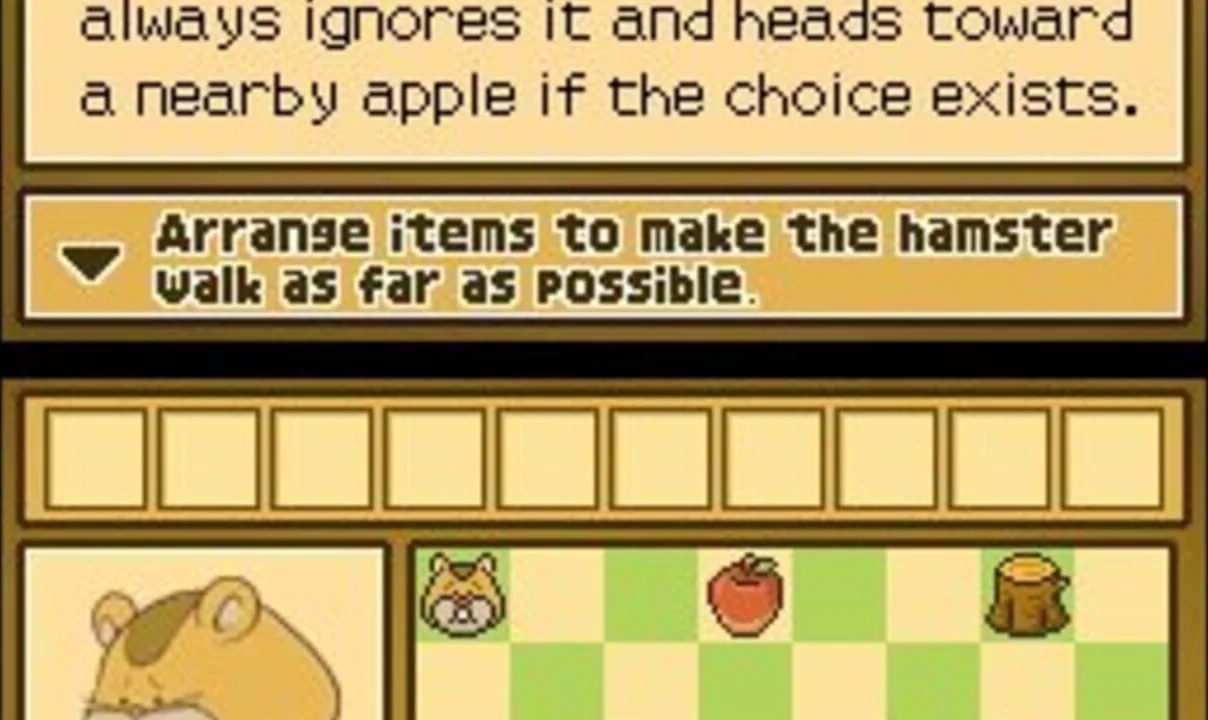
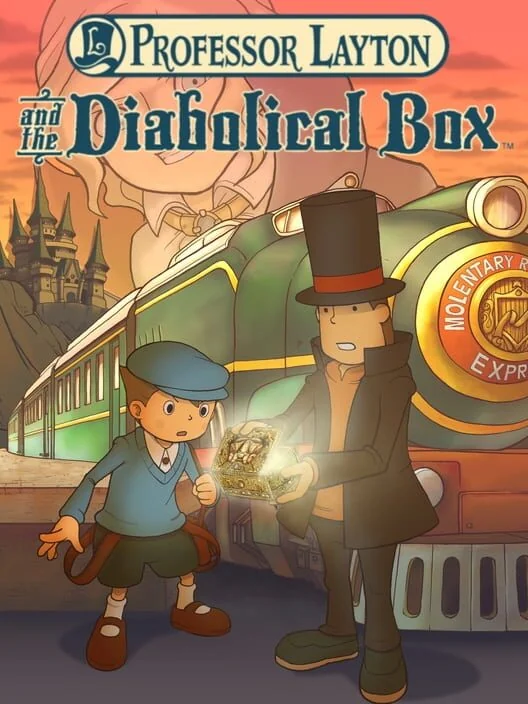
Professor Layton and the Diabolical Box asks you to help the world-famous sleuth crack challenging puzzles, stylus in hand. This time Layton and his self-proclaimed apprentice Luke travel across the country by train, chasing a box that is said to kill anyone who opens it. A ticket for the Molentary Express is their only clue, and it leads them to the town of Folsense.
It works just like the first game. Wrong answers lower a puzzle's value, but you can retry as often as you like. In Japan a new bonus puzzle unlocked every week for 33 weeks after launch. One bonus area, the Hidden Door, only opens with codes from the first and third games, which is a sneaky way to make you play all three. It came to phones as an HD version in 2018, and the series went on with Professor Layton and the Unwound Future.
15. Theresia (2008)

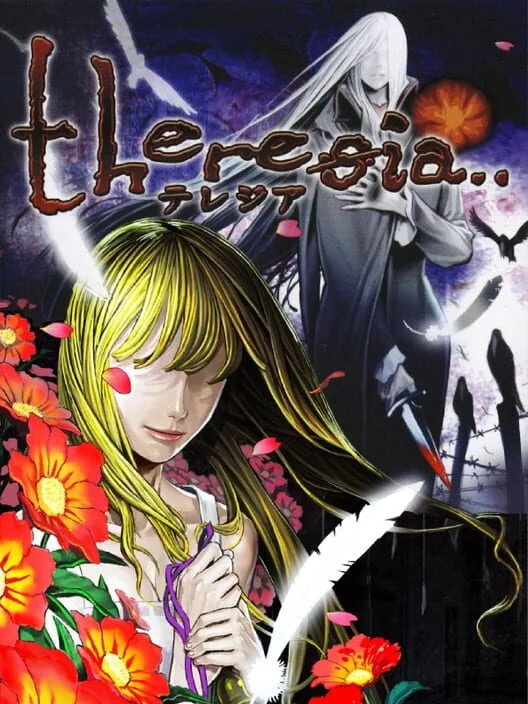
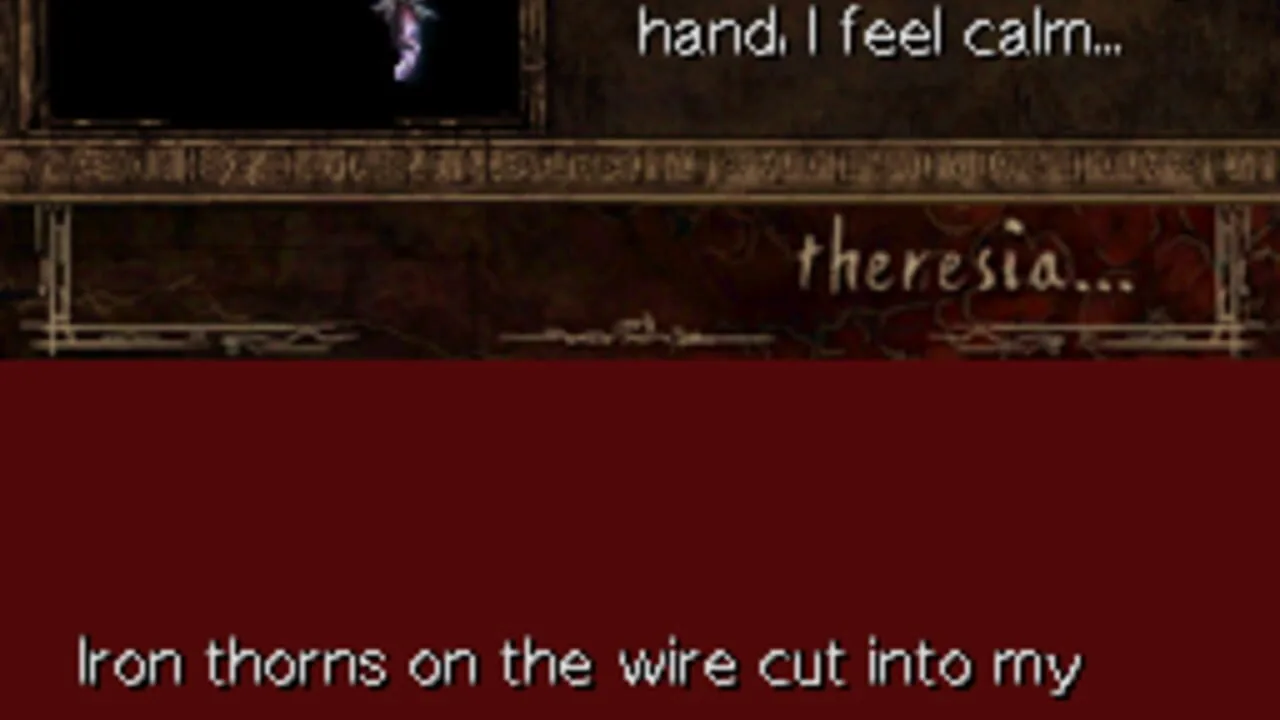
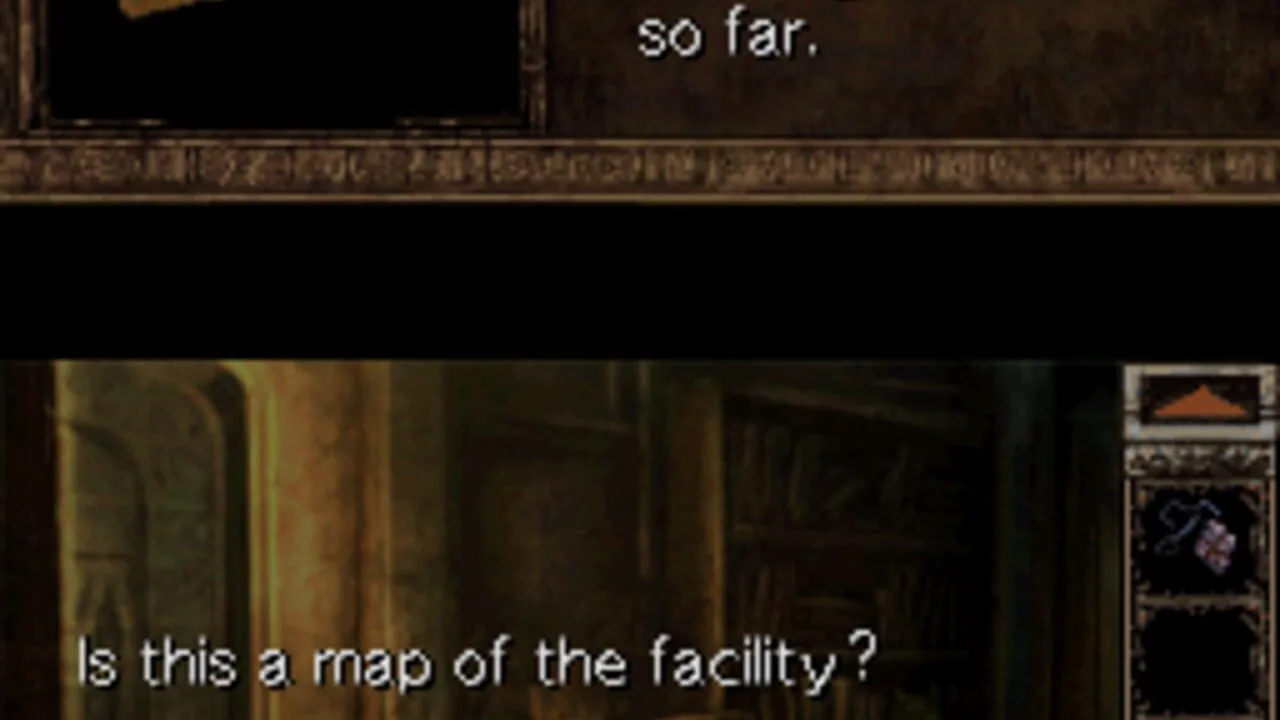
Theresia is a horror and visual novel hybrid split into two campaigns, Dear Emile and Dear Martel. In Dear Emile, Leanne finds herself in a deadly labyrinth with no memories of her past. The place is an abandoned military base riddled with hidden traps, and the only clue to who she is is the word Theresia scribbled on a piece of paper.
It is one of the few DS games rated M, only the fifth of 11 DS games to get that rating in North America. You survive by looking closely at every room, or by poking ahead with a 2x4 you find, because the building is built to kill you. The second campaign unlocks after the first and remakes the series' original phone game. Grim from the first line, and it never lets up.
14. Jake Hunter (2007)
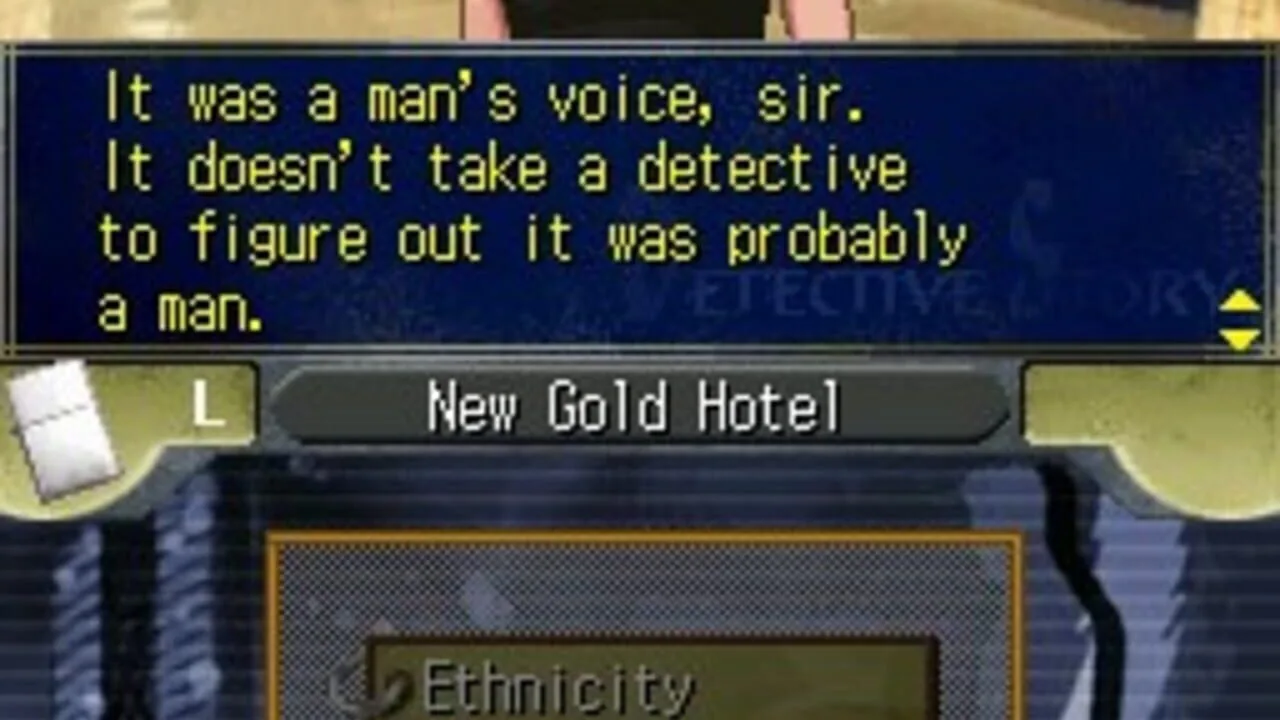
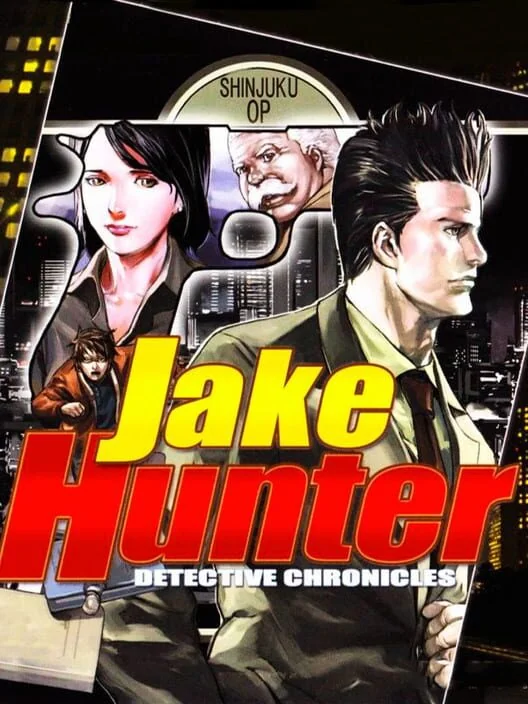
Jake Hunter is an interactive digital novel with three murder mysteries across fictional cities. You interview witnesses and follow leads to solve them. In Japan the series is called Tantei Jinguji Saburo, after its detective, and it is one of the longest running adventure series there, with nineteen main games.
This was the first one to reach English players, in 2008, and it arrived in truncated form. A year later Aksys re-released it as Jake Hunter Detective Story: Memories of the Past, with new translations, three more cases and a large number of unlockables, comics included. That is the version to get. The series has a habit of naming its games after popular songs, often Kenji Sawada's. It is a detective show from another decade, and proud of it.
13. Touch Detective (2006)

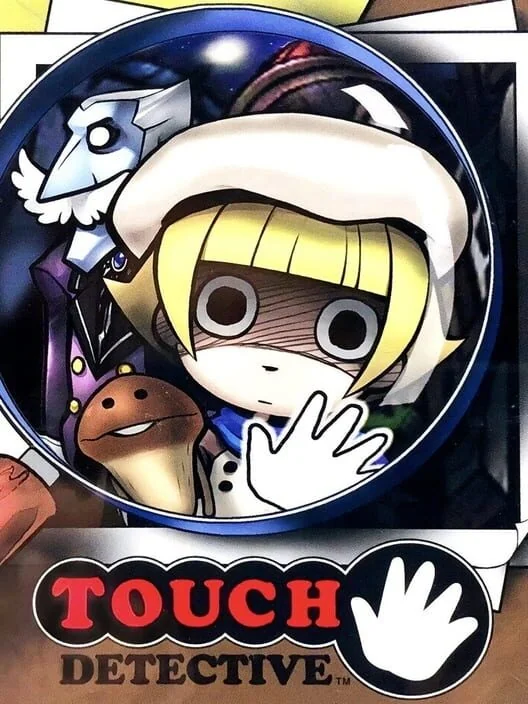
In Touch Detective you play Mackenzie, a fledgling detective who solves mysteries by touch. The world runs on a gentle kind of weird. The first case is about a thief who is stealing someone's dreams, and the culprit turns out to be a chef who bakes the crystallized dreams into a Sweet Dream Cake.
BeeWorks developed it, and Atlus brought it to the United States. Both the art and the story have a subtle fantasy mood, and most of the fun is in poking at things to see what they do. It is easy to play today, since it is part of Touch Detective 3 + The Complete Case Files on the Switch, which came out worldwide in March 2024. Nothing else here is odd in quite this way.


12. Professor Layton and the Unwound Future (2008)

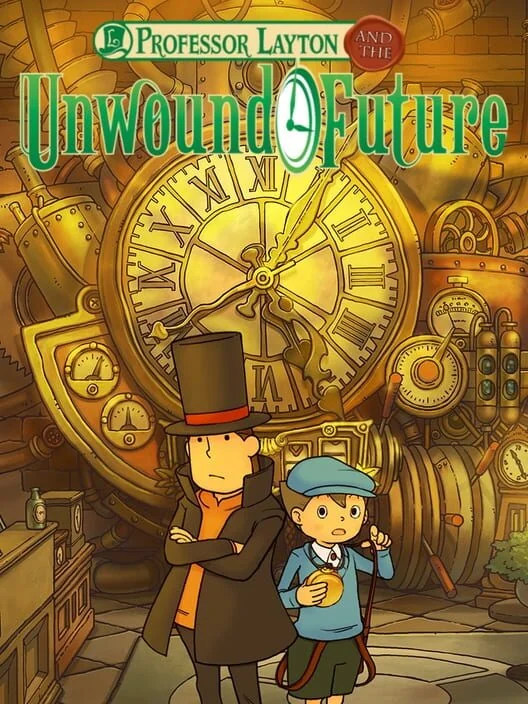
Professor Layton and the Unwound Future works like the earlier games: townsfolk hand you puzzles that move the story forward. This time Layton meets an older version of his apprentice Luke, who brings him to a terrible future he wants Layton to help fix. It also has around 32 minutes of full motion video, and tapping the backgrounds turns up hidden hint coins.
New here is the super hint, which costs two coins and nearly gives the answer away, for the puzzles that refuse to crack. Critics loved its story and puzzles, its characters and its soundtrack, and it is often called one of the best games in the series. Of the three Laytons, this one has the biggest finish. Japan had it in November 2008, and English players waited until 2010.
11. Time Hollow (2008)

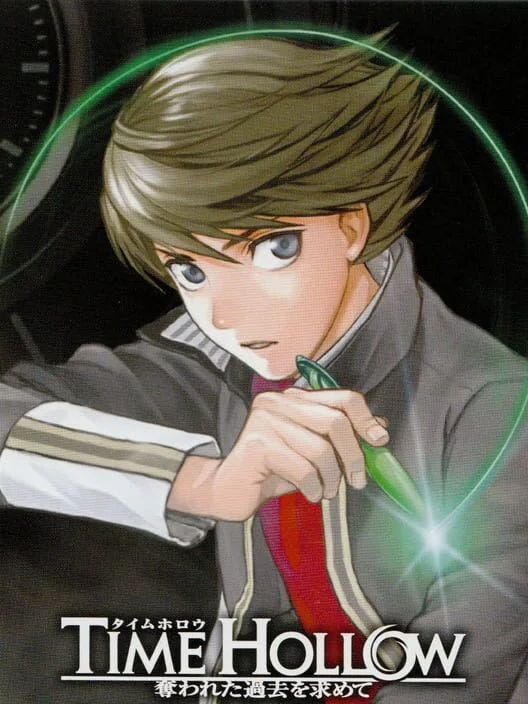
In Time Hollow, Ethan Kairos's entire family disappears, and he finds a Hollow Pen that can open portals to the past. He changes the past to solve problems in the present and track his family down. Konami published it, and it was written by Junko Kawano, whose PlayStation 2 game Shadow of Memories also handed a young man a time travel device and a future to fix.
Animated cutscenes play over the big moments and the flashbacks, so it feels like a short anime series you get to steer. It is short, and it moves fast, which suits a story about lost time. It came out in Japan in March 2008 and in North America that September, and Europe got it in February 2009. A pen that rewrites history is a lot of power for a teenager.


10. Apollo Justice: Ace Attorney (2007)

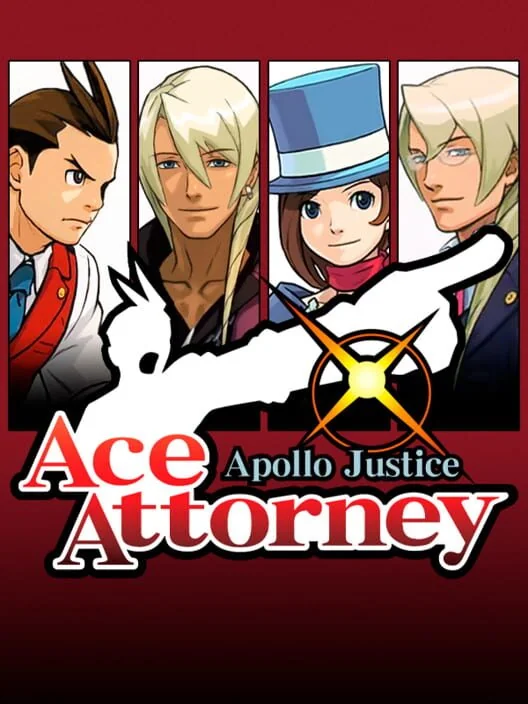
Apollo Justice: Ace Attorney is the fourth game in the series and the first without Phoenix Wright as the main character. It is set seven years after Trials and Tribulations, and Phoenix, stripped of his attorney's badge, takes Apollo on as his apprentice.
Shu Takumi wanted a new hero and a new story, and he had not planned to bring Phoenix back at all. His colleagues wanted him in, so Phoenix shows up as the accused in the very first case. Ema Skye returns too, and she has you use the microphone to dust for fingerprints. It sold 515,417 copies by the end of 2007, and it is now part of the Apollo Justice: Ace Attorney Trilogy on modern consoles. Apollo earns his place, which is no small thing after Phoenix.


9. Ace Attorney Investigations: Miles Edgeworth (2009)

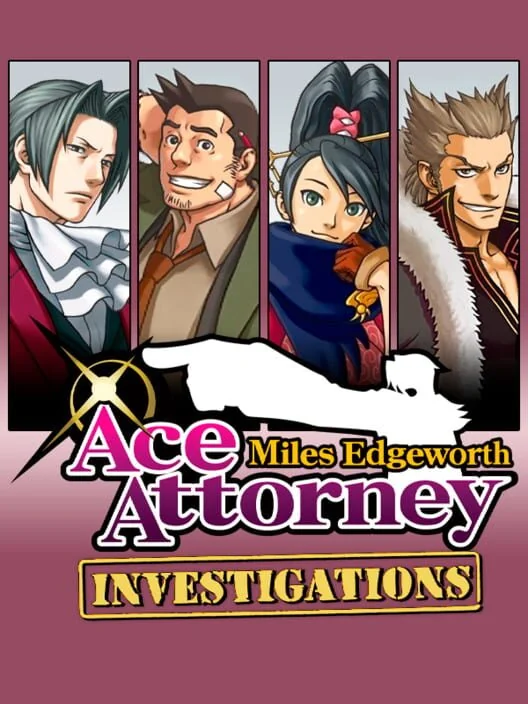
Ace Attorney Investigations: Miles Edgeworth is the fifth Ace Attorney game, set between Trials and Tribulations and Apollo Justice. It came out on the DS in Japan in 2009 and internationally in 2010. For once you play the prosecutor, and the five cases slowly join up into one story about a smuggling ring.
The team designed it to feel different from the courtroom games, with a larger focus on the environment, so you walk Edgeworth around each crime scene yourself. They first thought about making Ema Skye the lead, then went with Edgeworth because he was so popular. It was one of the best-selling games of 2009 in Japan, while Western sales were described as poor at best. It deserved better, and fans of the series should not skip it.


8. Nanashi no Game (2008)
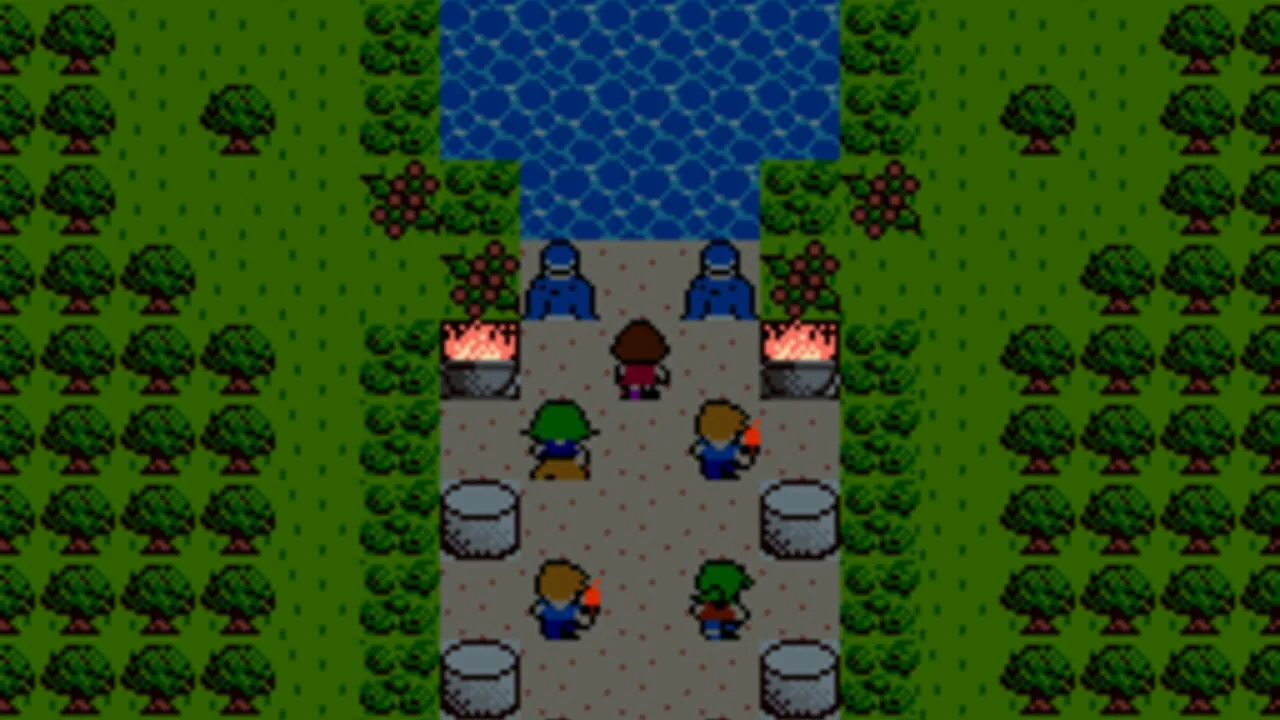
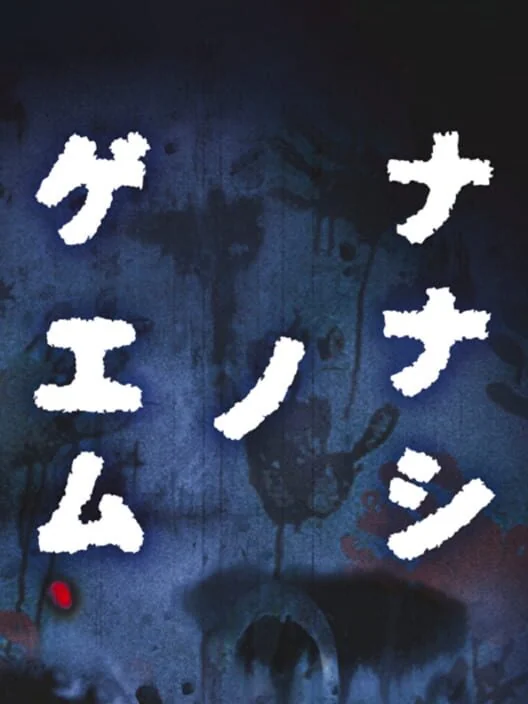
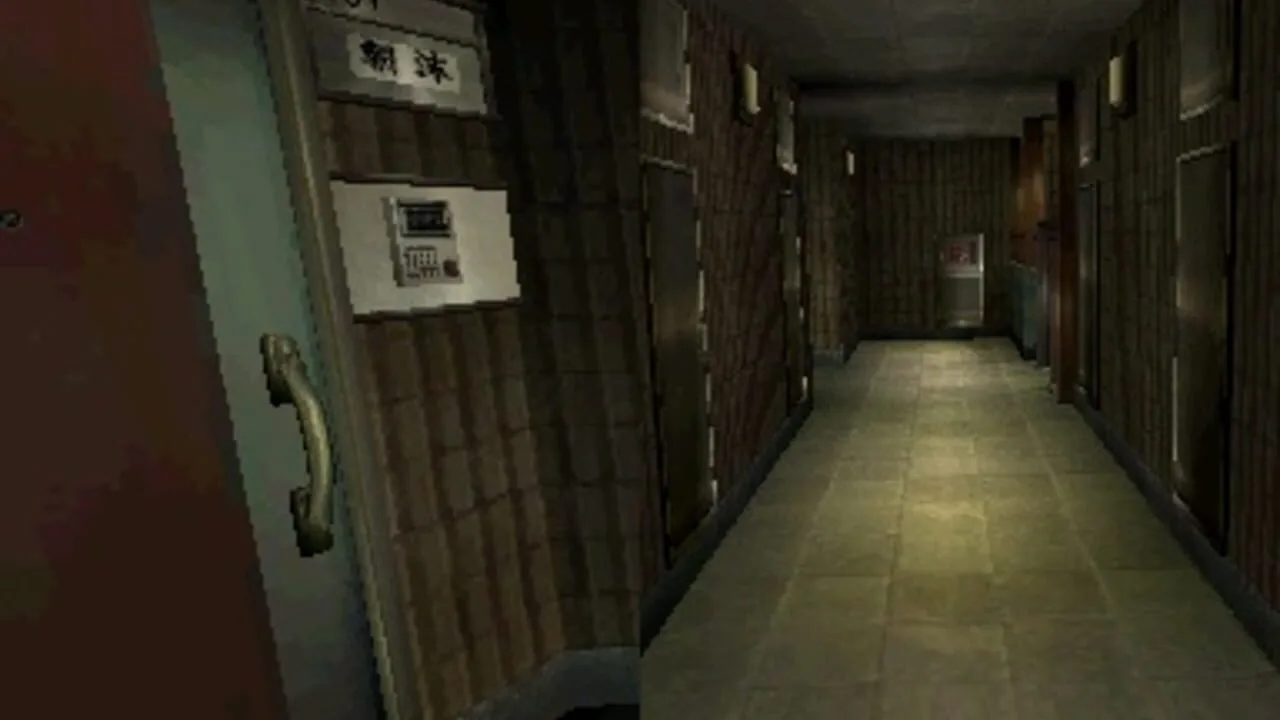
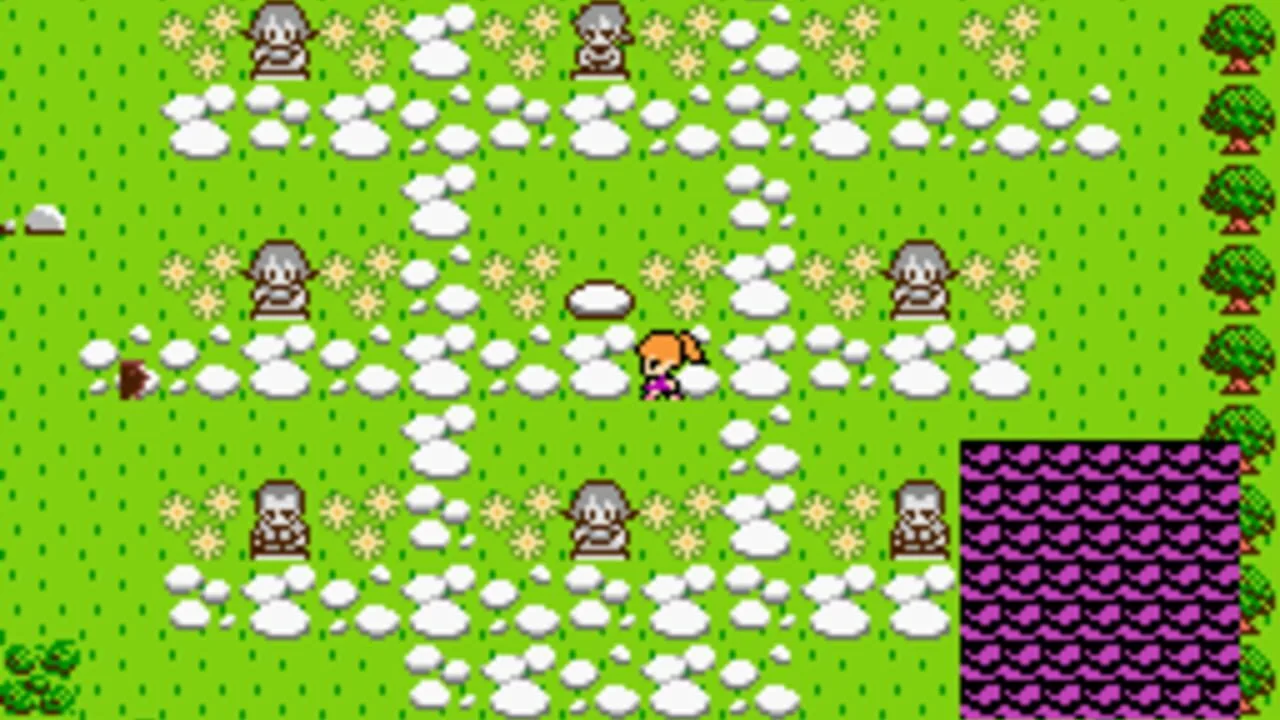
Nanashi no Game is a first-person survival horror game from Epics and Square Enix. A university student is cursed by a role-playing game that kills people seven days after they start it. You explore in 3D, and whenever the cursed game comes on, it plays on the top screen as a 2D, 8-bit RPG that hands you clues.
Masayoshi Soken wrote the music under a fake name, Louise Noma, which in the story is the name of the cursed game's composer. That is a lovely touch for a game about a game. It came out in Japan in July 2008 and sold 60,000 copies there by the end of September, and two sequels followed. The cursed game inside the game is the scariest idea on this list.
7. Professor Layton and the Curious Village (2007)
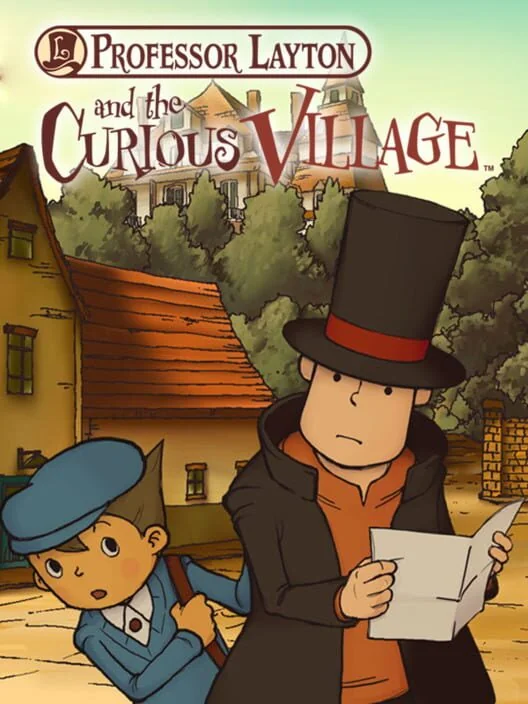
In Professor Layton and the Curious Village, the townsfolk of St. Mystere speak in riddles and hide their secrets within brainteasers. When a wealthy baron passes away, his will reveals a treasure hidden somewhere in the village, and Layton sets out to find it. Every villager has a puzzle, and you stop finding that strange very quickly.
It was the first Professor Layton, made by Level-5 and published by Nintendo outside Japan. It sold over a million copies in Japan alone and 3.17 million worldwide, and a remake is due in 2027. Along the way you collect gizmos to build a robot dog that sniffs out hidden hint coins and puzzles. Characters hand you puzzles all the time, and some are hidden in the scenery, waiting for a curious tap.
6. Nine Hours, Nine Persons, Nine Doors (2009)

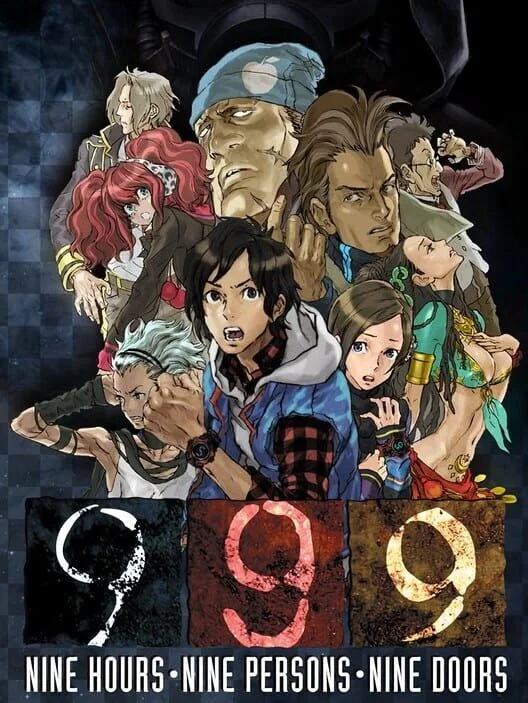
Nine Hours, Nine Persons, Nine Doors is a murder mystery visual novel with puzzle rooms between its story scenes. It takes multiple playthroughs to figure out. You play Junpei, a college student kidnapped with eight other people and forced to play the Nonary Game, a life-or-death escape from a sinking cruise liner, and your choices lead to one of six endings.
Kotaro Uchikoshi wrote it at Chunsoft, and he was the one who suggested tying the puzzles into the story. It was a commercial failure in Japan, then sold better than expected in the United States, and that surprise success in North America is why the Zero Escape series continued. Today the easiest way to play it is The Nonary Games, with voice acting and sharper graphics.

5. Trace Memory (2005)
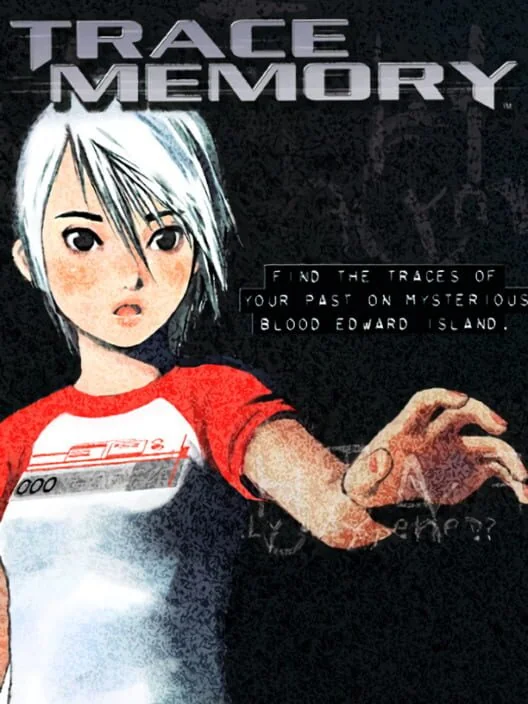
Trace Memory takes place on Blood Edward Island. Two days before her fourteenth birthday, Ashley Robbins receives a package from her father, presumed dead for eleven years, with a device called a DAS inside. The DAS only responds to Ashley, and on the island she meets D, a ghost only she can see, who wants to learn the truth about his own death.
It comes from Cing, the same studio that made Hotel Dusk, and in Europe it was called Another Code: Two Memories. Critics praised how it used the DS controls, its story and its hand-drawn art, but many found it too short. Short, and it leaves you wanting more. Its Wii sequel only came out in Japan and Europe, but both games were remade for the Switch as Another Code: Recollection in January 2024.

4. Last Window: The Secret of Cape West (2010)
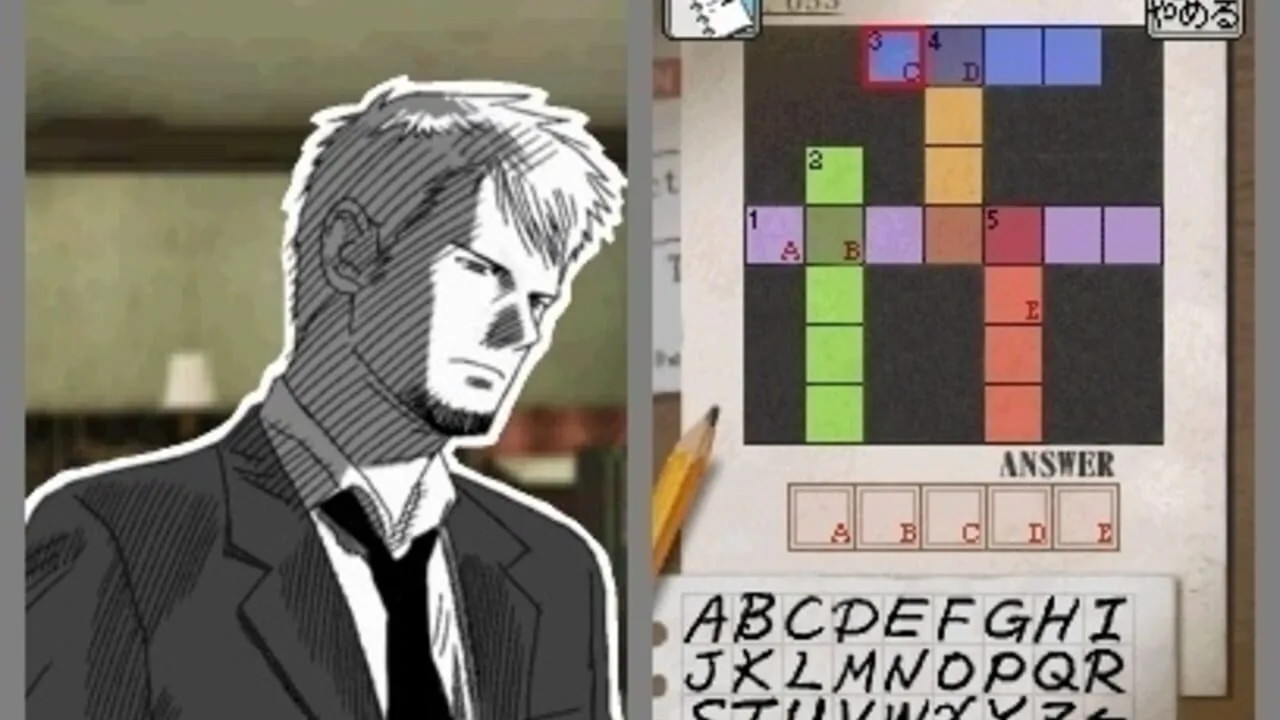
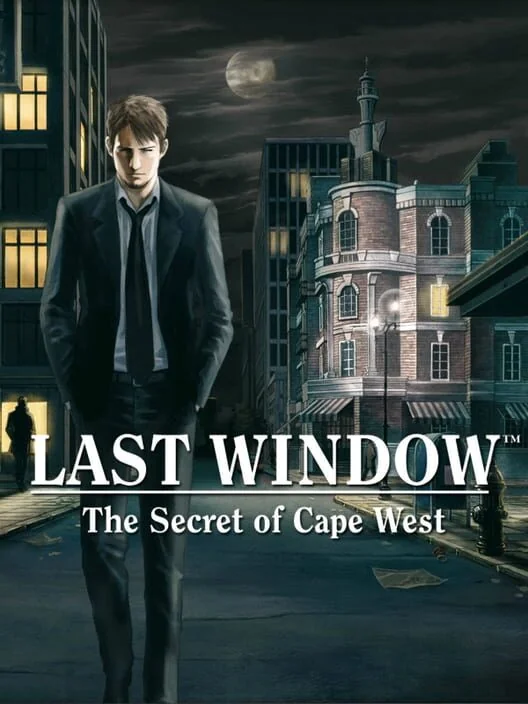
Last Window: The Secret of Cape West is the sequel to Hotel Dusk: Room 215, set a year later, with Kyle Hyde living in the Cape West Apartments in Los Angeles in 1980. The new mystery is about the building, but it also digs into the questions about Kyle's past that the first game left open.
It was the last game Cing developed before the company filed for bankruptcy. That happened on 1 March 2010, and the game never came out in North America at all. Famitsu gave it 32 out of 40. If you finished Hotel Dusk and wanted more of Kyle Hyde, this is where his story ends. As goodbyes go, a fitting one.


3. Phoenix Wright: Ace Attorney (2005)

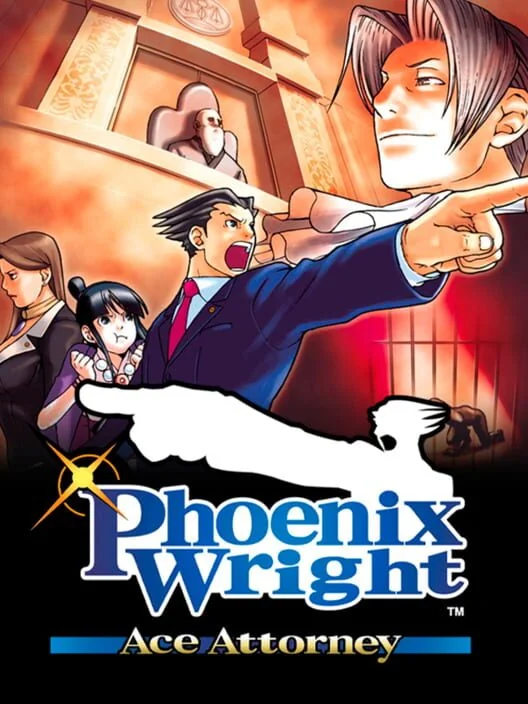
Phoenix Wright: Ace Attorney makes you a rookie defense lawyer across five cases. You use the touch screen to investigate crime scenes and question witnesses. It first came out in Japan on the Game Boy Advance in 2001, and the DS version in 2005 was the first time the game came out in English.
Shu Takumi wrote and directed it, and he started out planning a Game Boy Color game about a private investigator. He wanted it easy enough that even his mother could play it. The English version moved the story from Japan to the United States, which caused headaches later, when the Japanese setting got harder to hide. Sales in North America beat expectations so badly that the game was hard to find in stores soon after launch. Pointing at a lie and catching it never stops feeling good.


2. Hotel Dusk: Room 215 (2007)
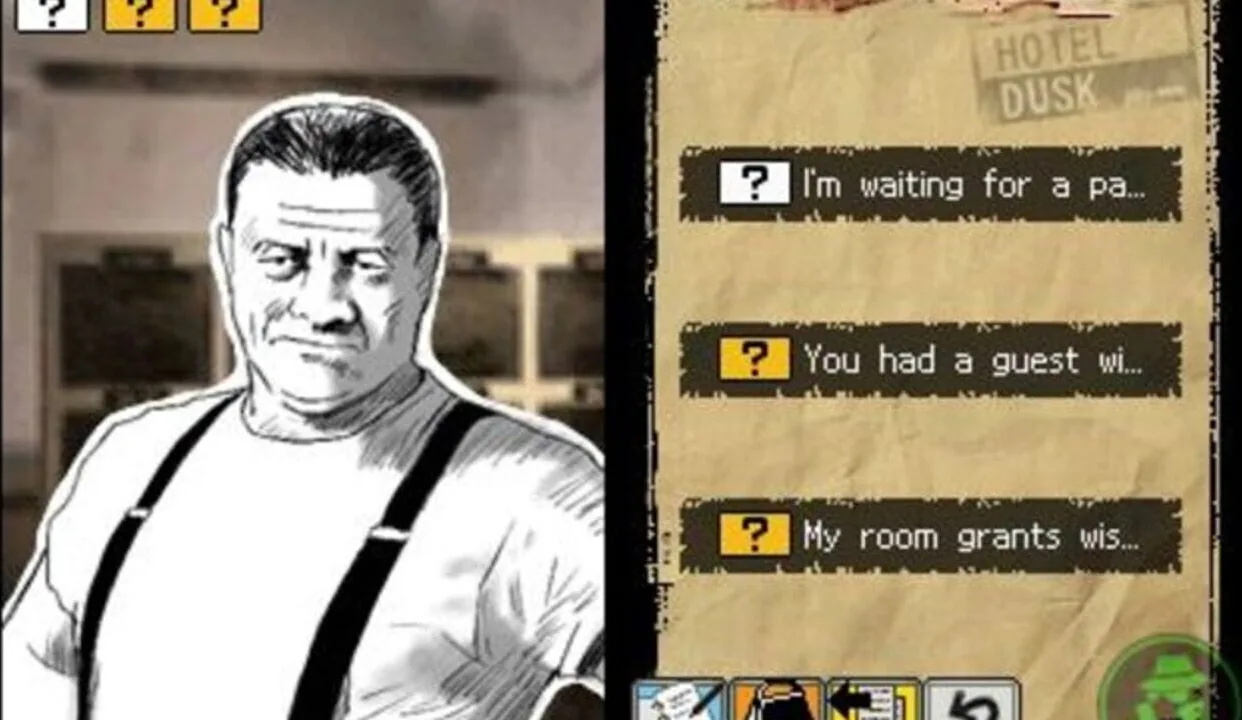
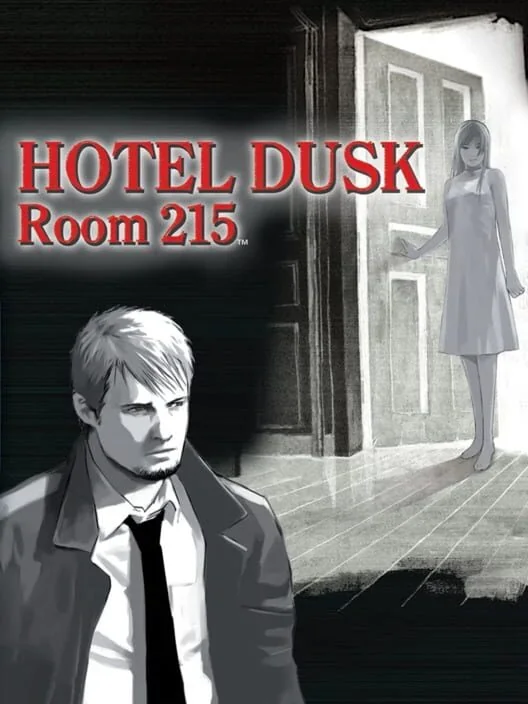
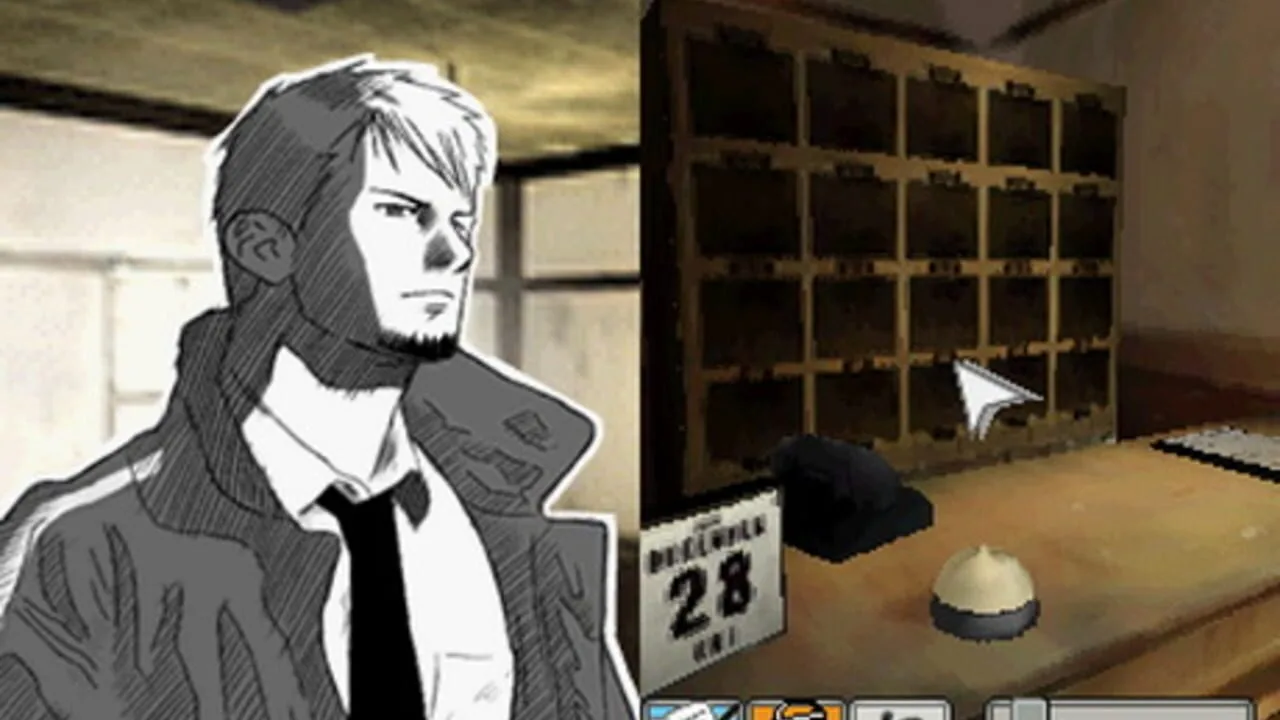
Hotel Dusk: Room 215 is an interactive mystery novel about the secrets of Hotel Dusk, Kyle Hyde and what really happened in Room 215. With the stylus you work your way through a tangled web of lies and murder. You play with the DS turned 90 degrees like a book, and some puzzles use the microphone and even the clamshell lid.
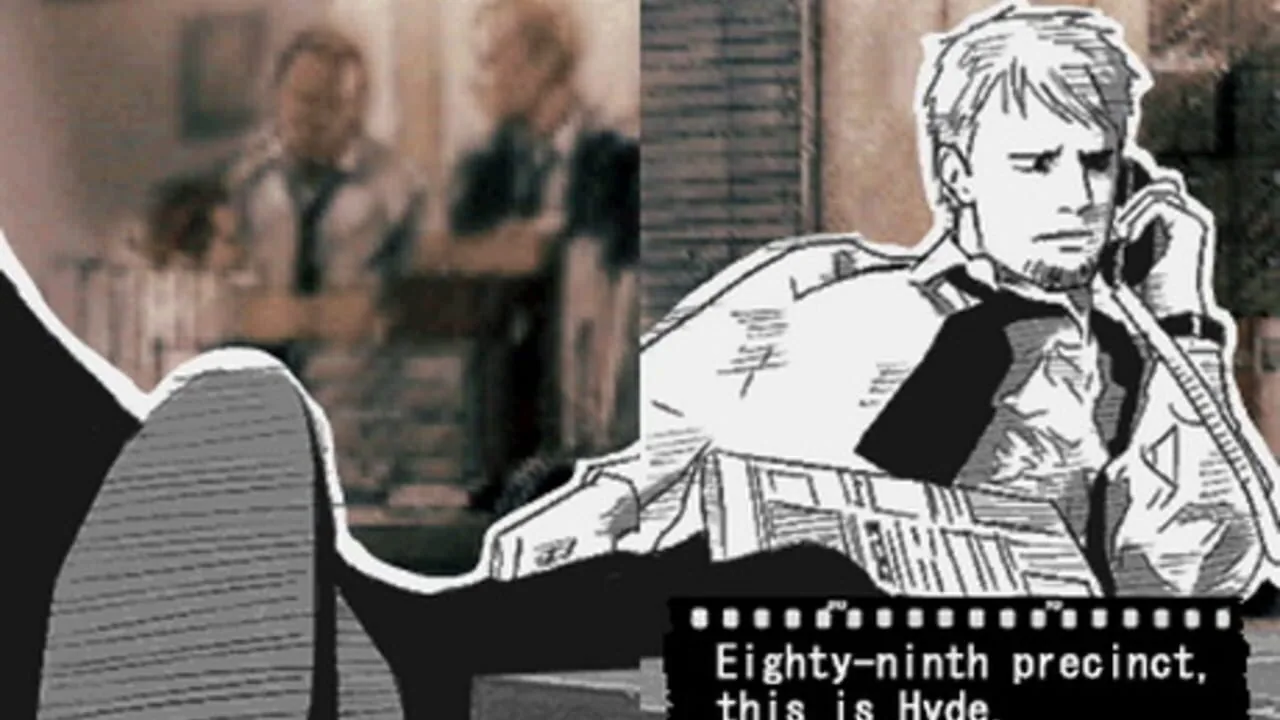
The characters are animated in a sketchy, rotoscoped style, which was still rare in games then. Director Taisuke Kanasaki said the team wanted a visual style not found in any other game, and they got one. You even keep a journal on the touch screen, writing your own notes across three pages. Not everyone loved it, and The New York Times called it unrelentingly linear, but it reads like a paperback you cannot put down.
1. Ghost Trick: Phantom Detective (2010)
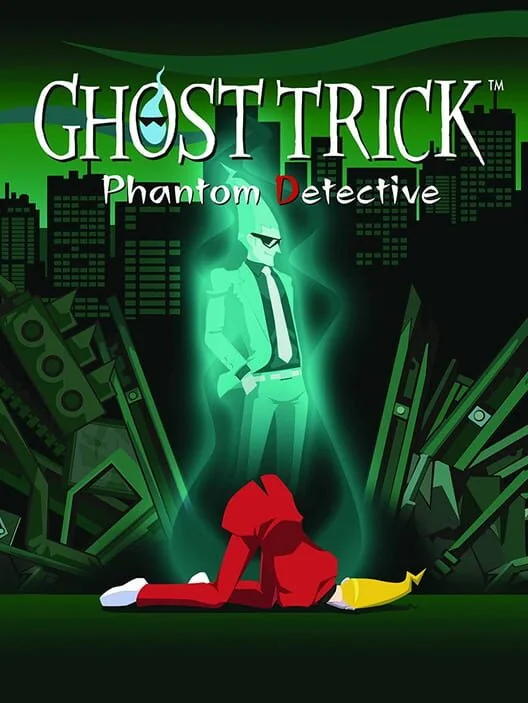
Ghost Trick: Phantom Detective was developed mainly by Shu Takumi, the man behind Ace Attorney. You play Sissel, a ghost trying to discover who he was when he was alive and who killed him, and you solve puzzles by performing Ghost Tricks. The whole story happens over one night, and when someone dies, you can go back to four minutes before their death and try to save them.
Critics loved the characters and the animation, and the story is the part everyone remembers. It sold poorly in Japan, poorly enough that Capcom named it as a cause of a weak quarter, which makes its place at the top here a little sweeter. An HD remaster came out on Switch, PS4, Xbox One and PC in June 2023, so it has never been easier to play. It is the best story on the DS, told one Ghost Trick at a time.

Which one to play
There you have it, the whole list of the best DS adventure games. If you like a good story, the DS library is a gold mine, and these are the best of it.
If you are not sure where to start, play Ghost Trick. If you love courtroom drama, start with Phoenix Wright: Ace Attorney and keep going through the series. Puzzle fans should begin with Professor Layton and the Curious Village. If you want a slow, moody mystery, play Hotel Dusk and then Last Window. And if you want to be scared, Nine Hours, Nine Persons, Nine Doors is the one that stays with you.