The DS was a platformer machine. Konami made three Castlevanias for it, Kirby showed up four times, and Sonic got some of his fastest games ever, all on a handheld with two screens and a stylus. Developers used that touch screen in ways nobody had tried before, from drawing your own hero to painting the path Kirby rolls along.
Some are classic side-scrollers, and others are huge castles to explore. Here are the 25 best DS platformers, counting down to the one DS players recommend most.

25. Mario vs. Donkey Kong 2: March of the Minis (2006)
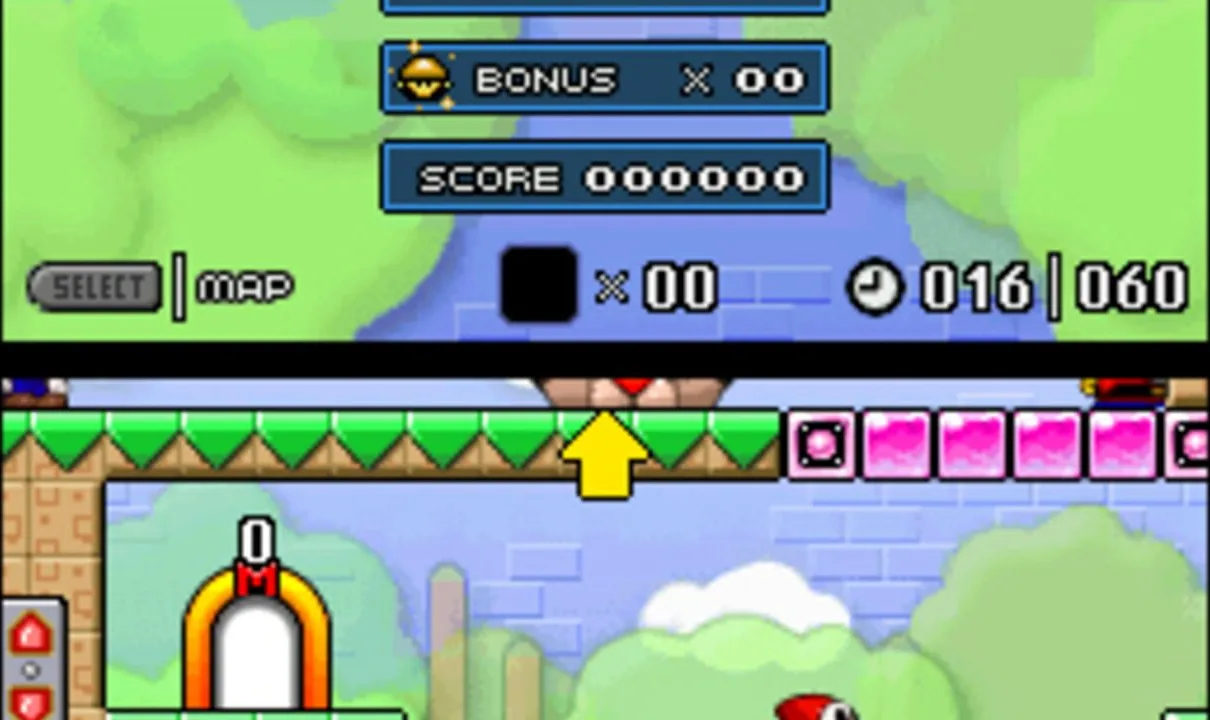
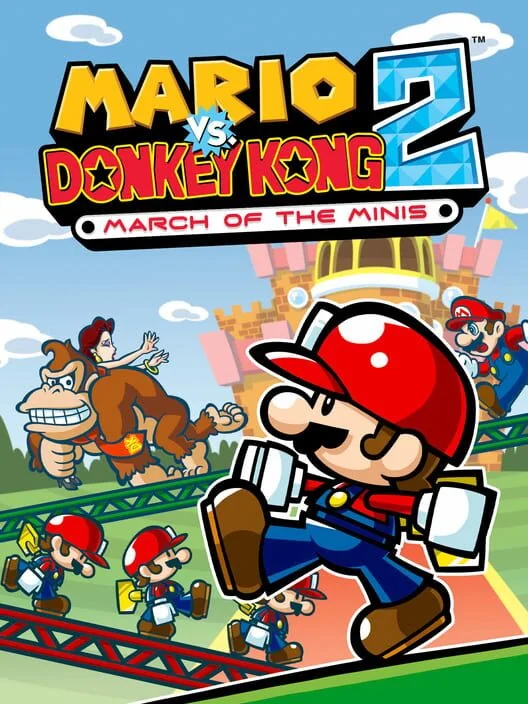
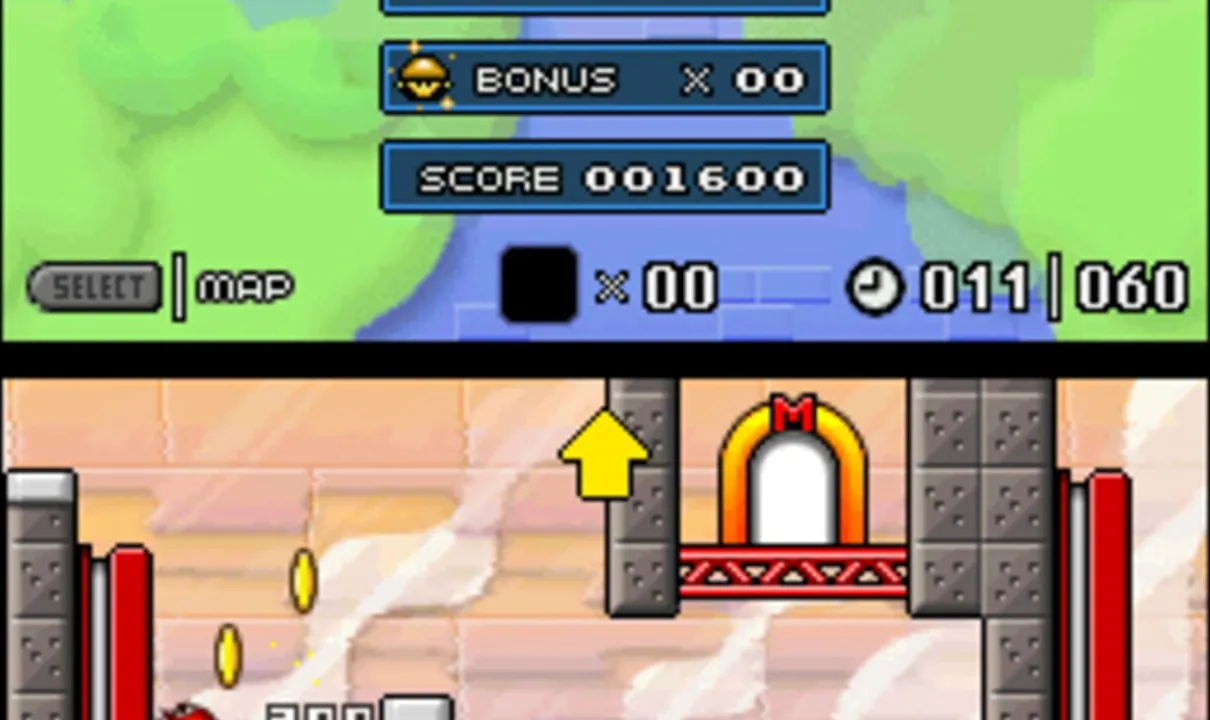
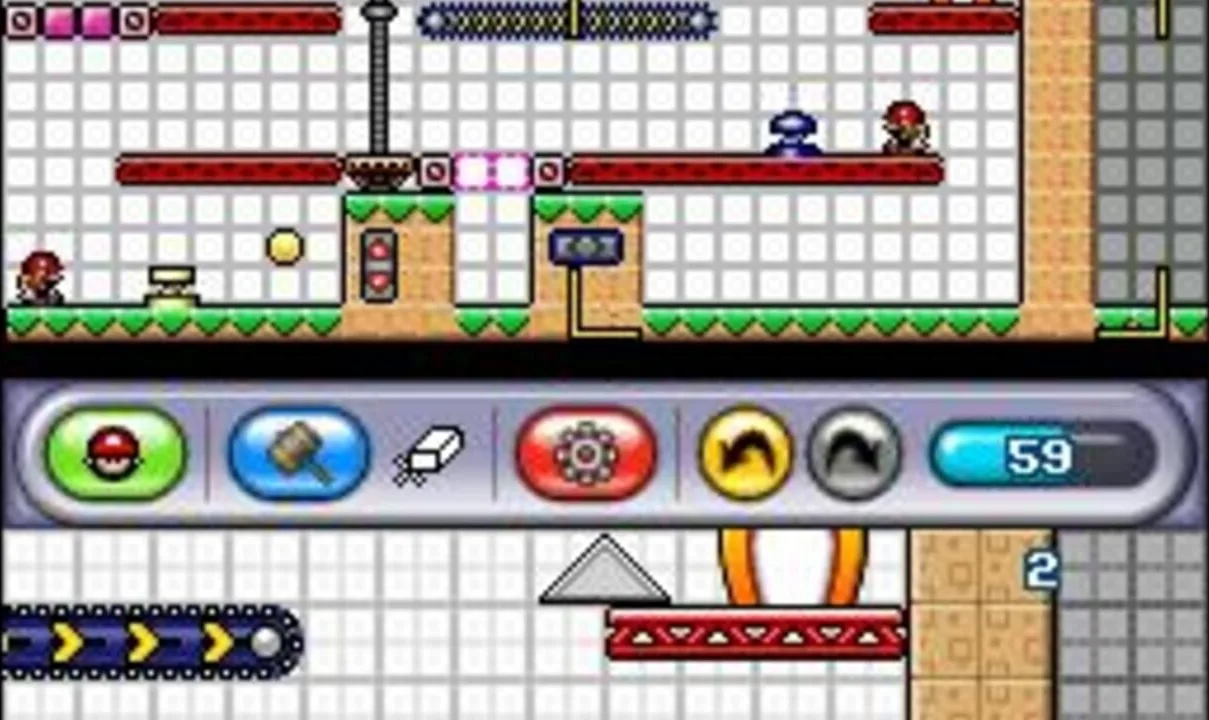
March of the Minis turned Mario vs. Donkey Kong into something new. Instead of playing as Mario, you guide a parade of wind-up Mini Marios to the exit with the stylus, a bit like Lemmings. A swipe up makes a Mini jump, and since the Minis have no sense of self-preservation, they will happily walk into spikes or lava unless you stop them.
It is more puzzle than platformer, but every one of its 72 levels is a little obstacle course, and getting all the Minis home safely takes real timing. The story is simple and silly: Pauline picks a Mini Mario toy over Donkey Kong's Mini DK, and DK does not take it well.
24. Yoshi Touch & Go (2005)
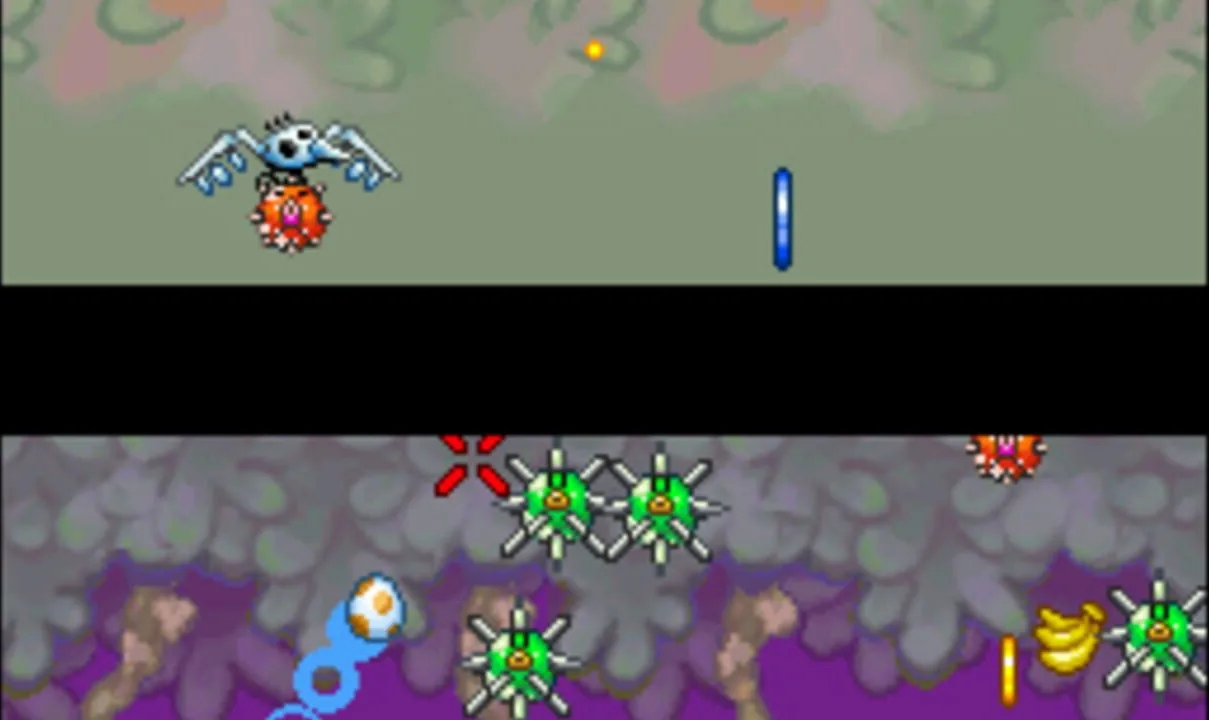
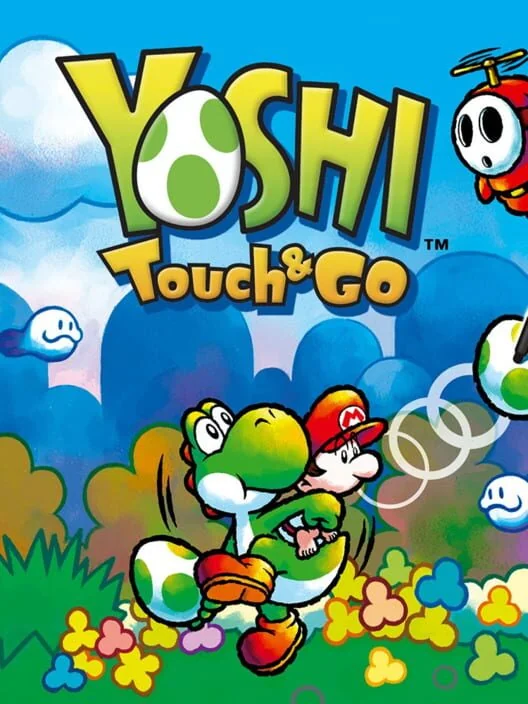
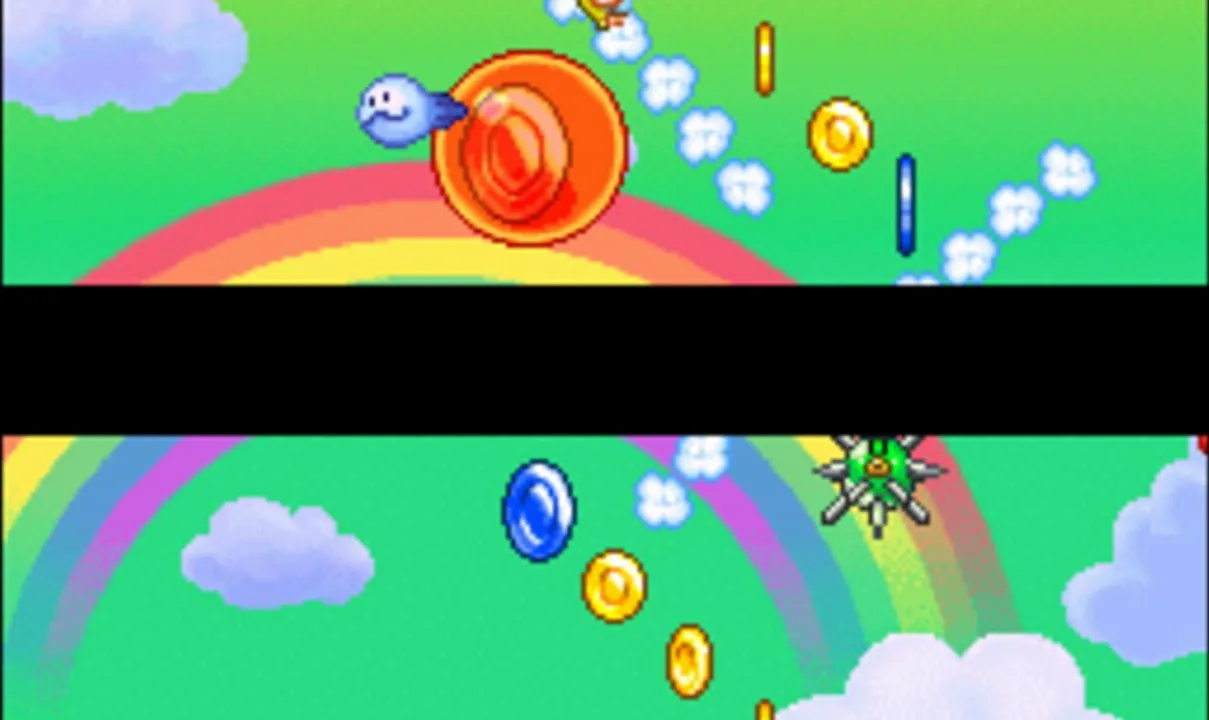
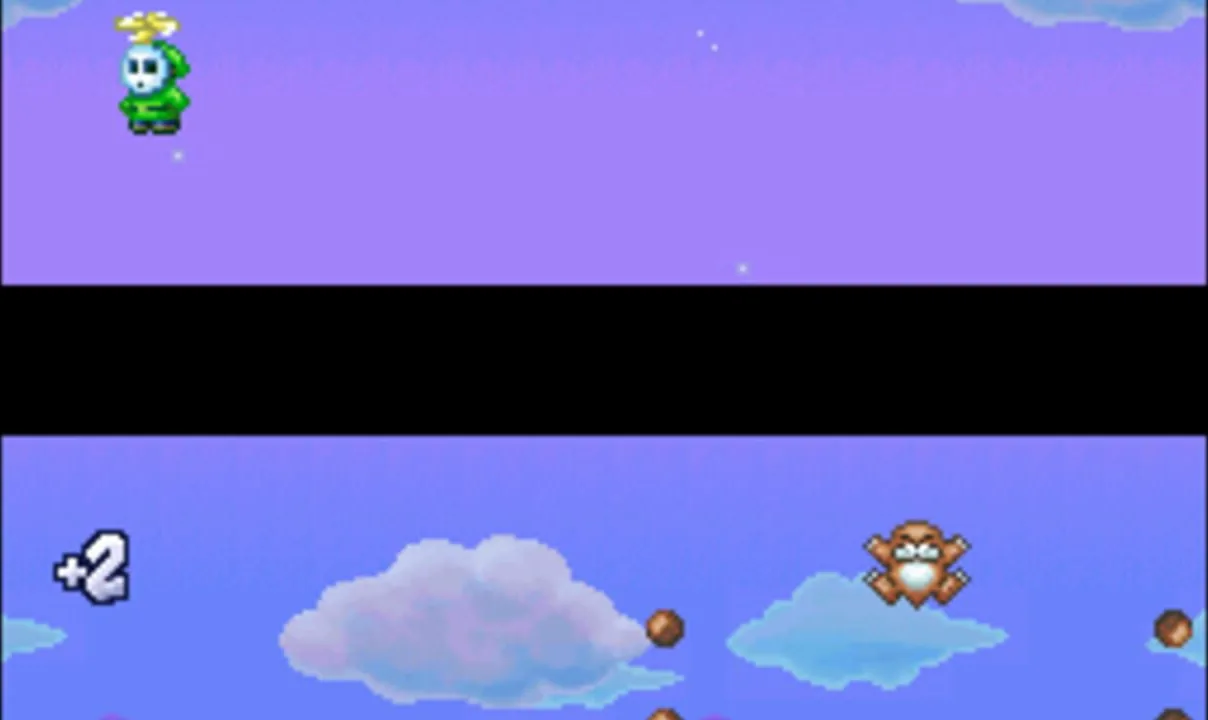
Yoshi Touch & Go began as a GameCube project called Balloon Trip, and it plays like nothing else in the Yoshi series. You never steer Yoshi directly. Instead you draw clouds on the touch screen to float Baby Mario down from the sky, then throw eggs at enemies as Yoshi runs across the island below.
There is no proper ending. It is built like a classic arcade game, where you replay the same modes over and over to beat your best score, and critics missed having a real story and more content. Still, in short bursts it is great fun, and it shows off the touch screen better than most early DS games. Takashi Tezuka produced it, and you can even use the microphone in some modes.
23. Henry Hatsworth in the Puzzling Adventure (2009)
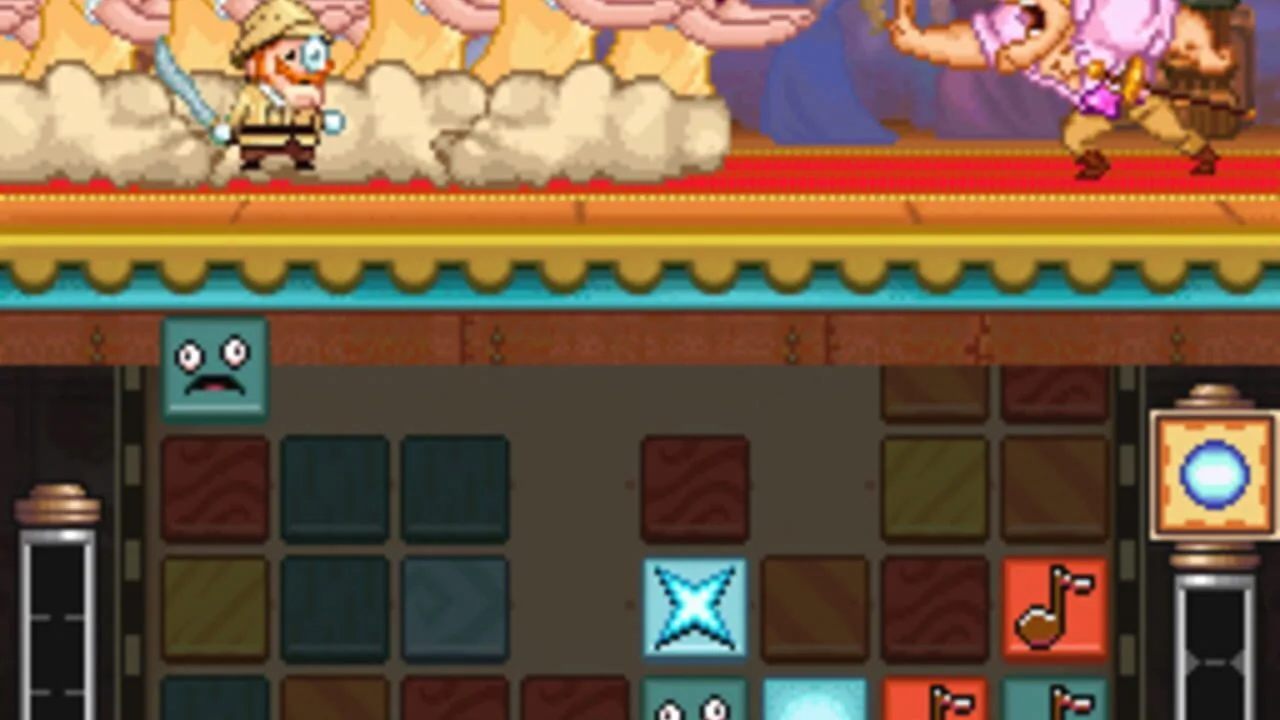
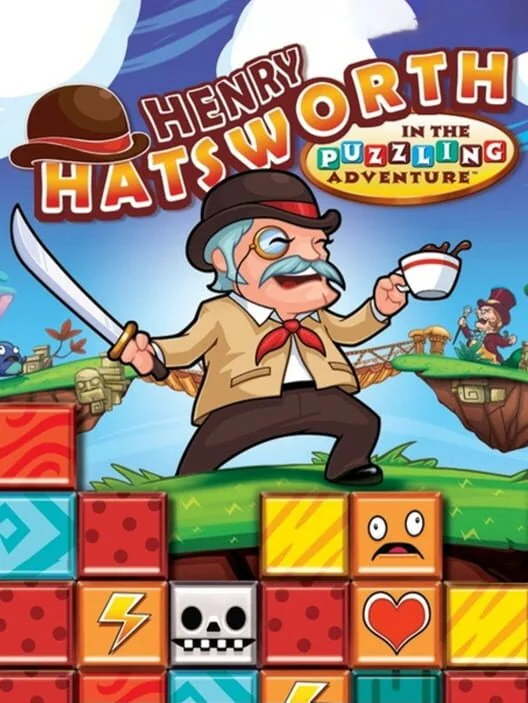
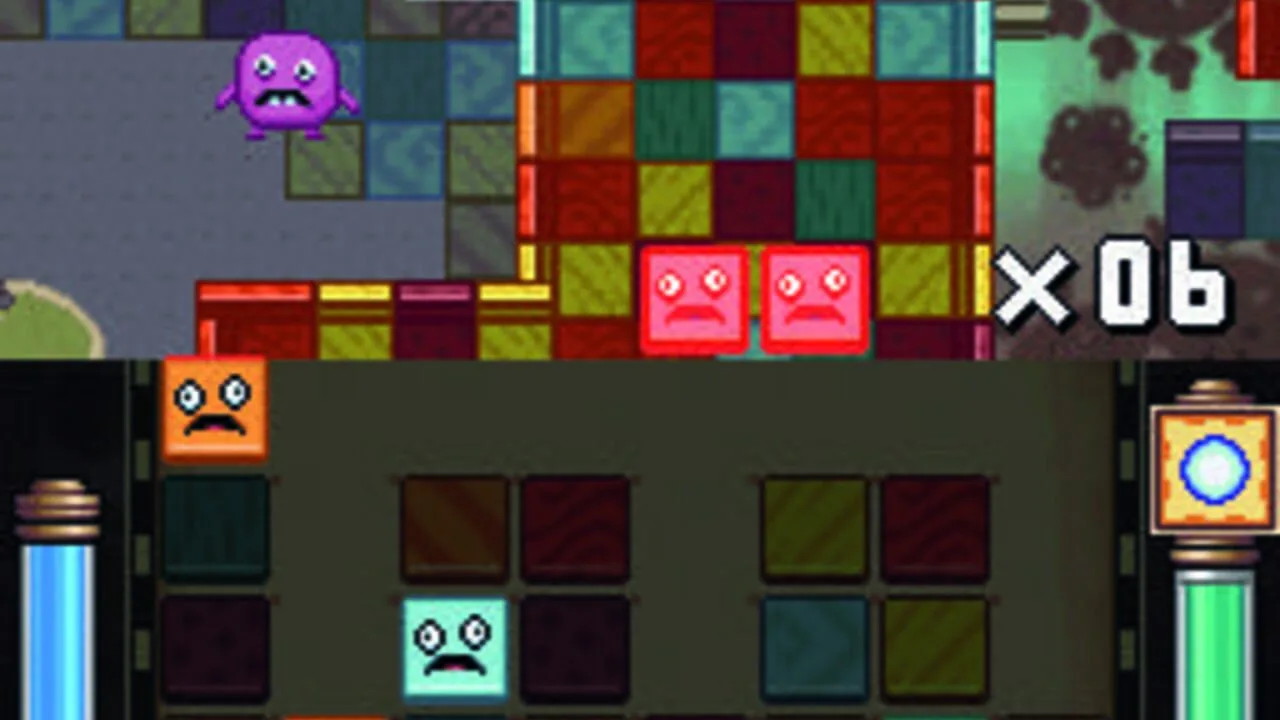
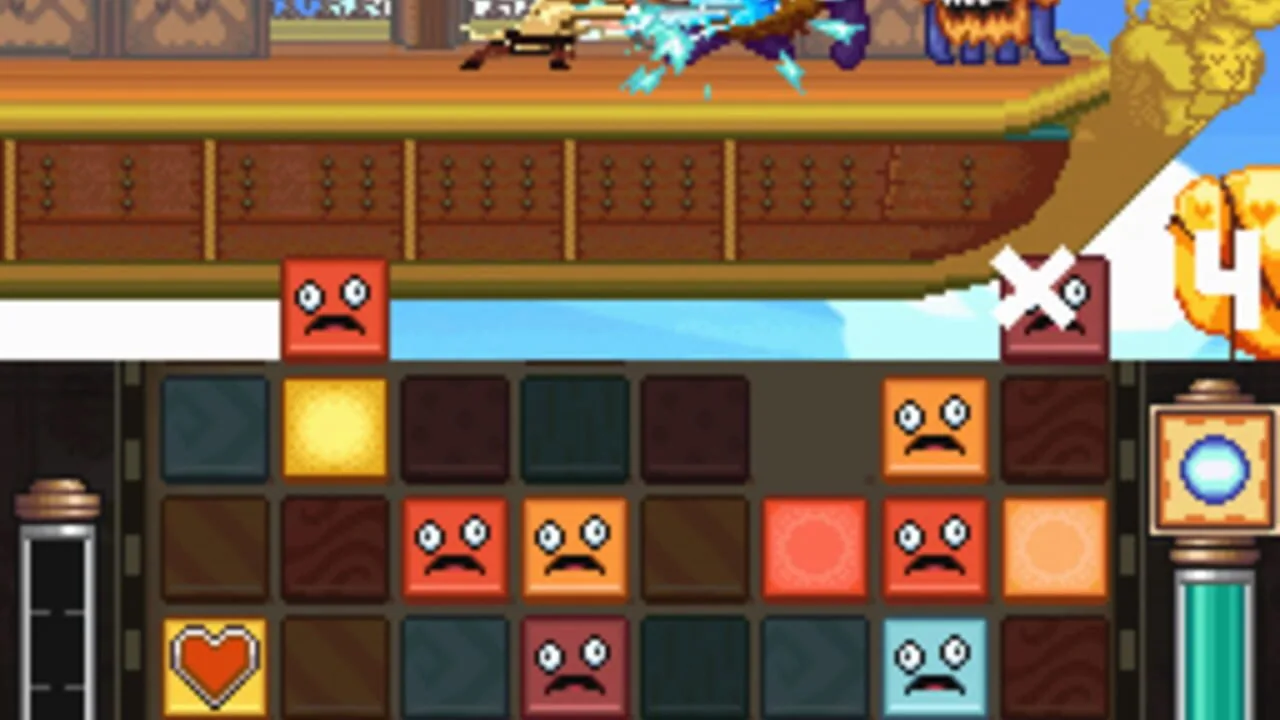
Henry Hatsworth is a British adventurer hunting for the legendary Golden Suit, and his game is two games at once. On the top screen it is an action platformer. Every enemy you beat drops to the bottom screen as a block in a match-three puzzle, and if you do not clear it in time, it climbs back up and attacks you again.
Juggling both screens is hard at first and very satisfying once it clicks, although critics who loved its art also found it unforgiving at times. Henry crosses five exotic worlds and more than 30 levels, including nearly a dozen hidden ones. It started life as a Flash prototype called Monkey Business, and it is one of the most original games on the DS.
22. DK: Jungle Climber (2007)
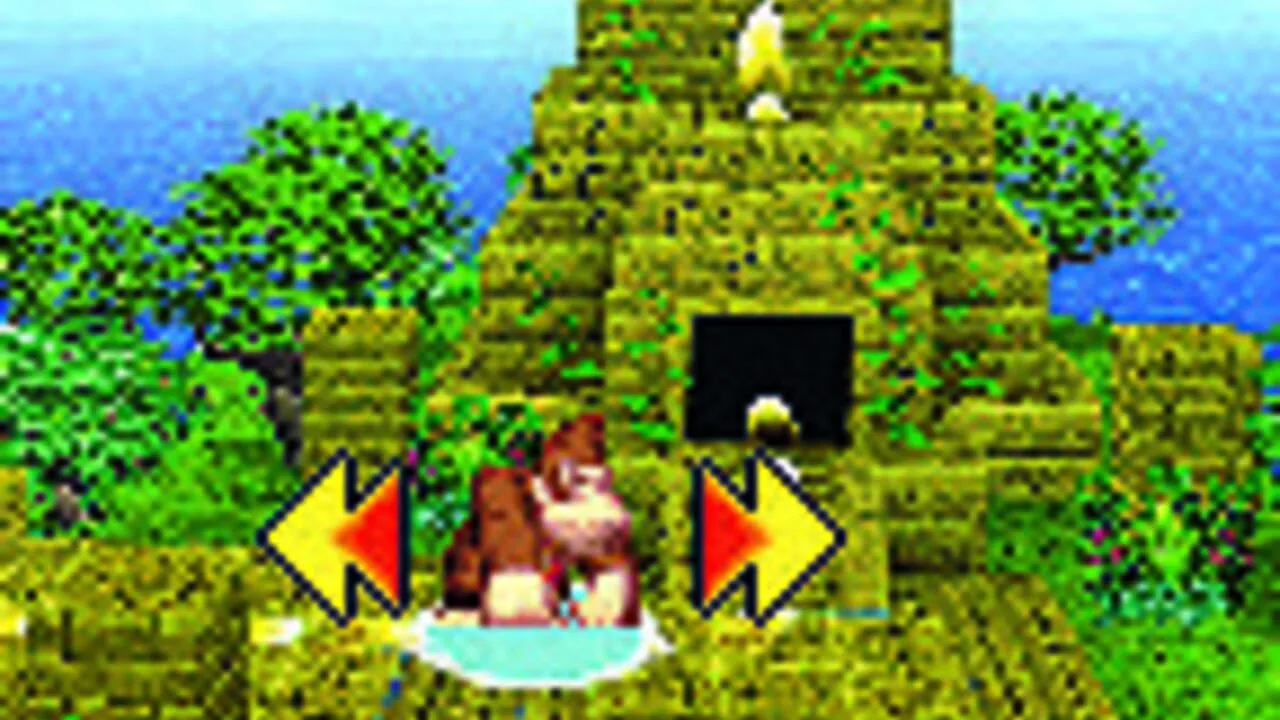
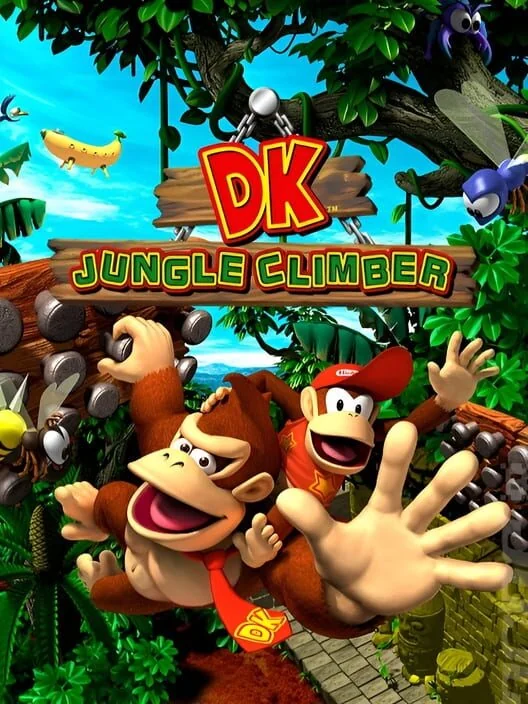
DK: Jungle Climber is the sequel to DK: King of Swing for the Game Boy Advance, with visuals closer to Donkey Kong Country. You never press a jump button. Holding L and R together makes Donkey Kong jump, and alternating between them lets him grab and swing between the pegs that cover every level.
The two screens act as one tall screen, which suits a game about climbing, and there is a multiplayer mode for up to four players. The game also adds new moves, new items and minigames. The shoulder button controls take a moment to click, but once they do, it is a fun, unusual Donkey Kong game. Paon developed it, and the story kicks off when Donkey Kong spots a giant banana on top of a mountain during a beach holiday.
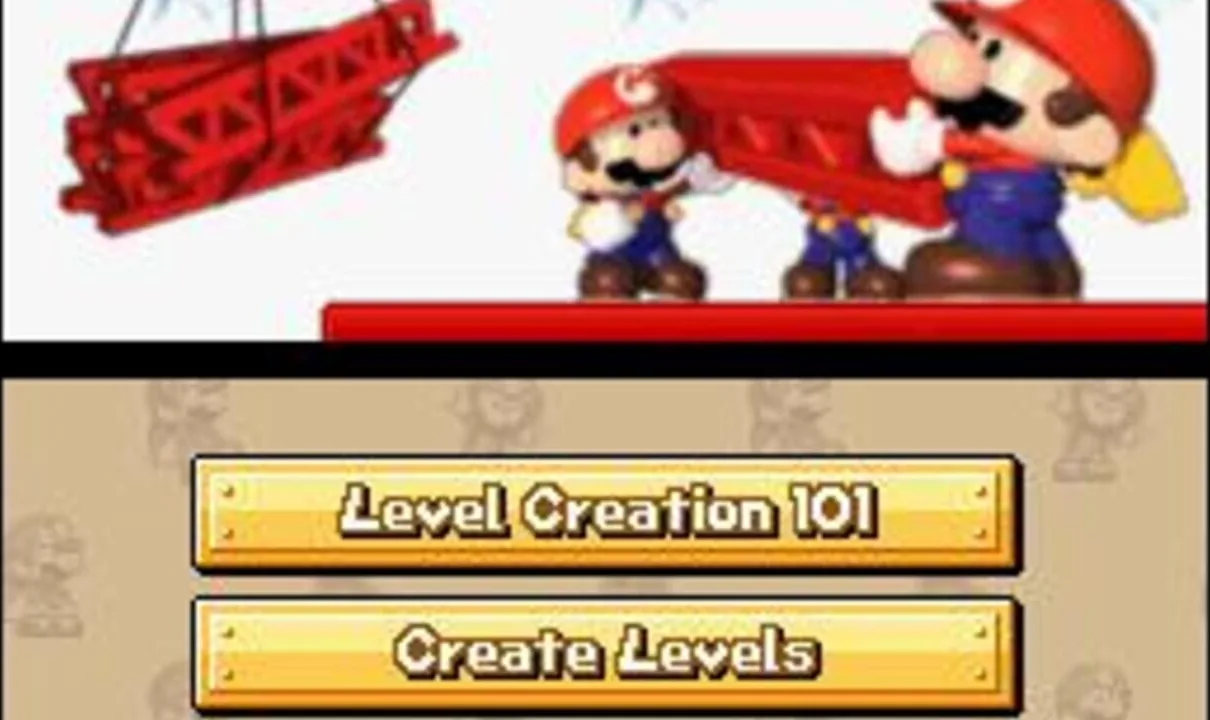
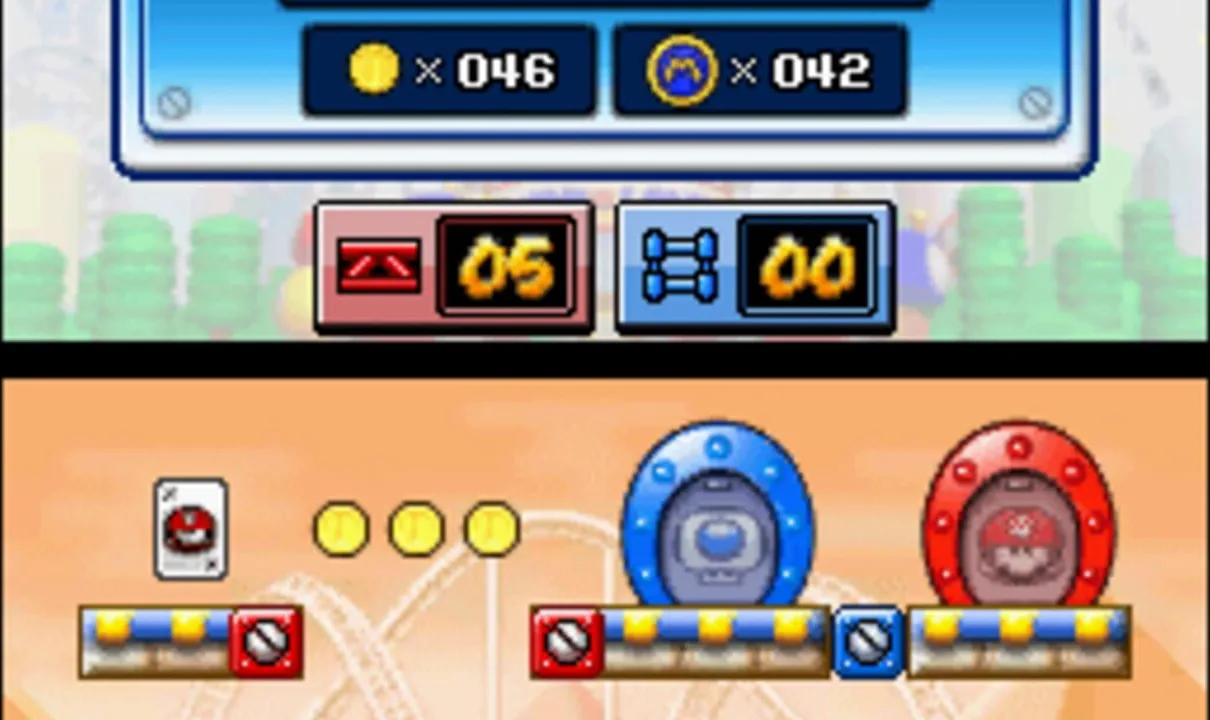
21. Mario vs. Donkey Kong: Mini-Land Mayhem! (2010)
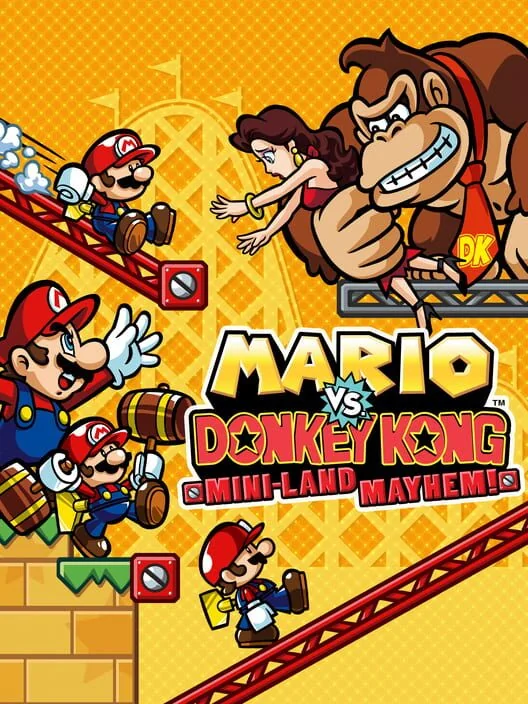
Mini-Land Mayhem! is the fourth Mario vs. Donkey Kong game. Donkey Kong arrives at Mario's new theme park as the 101st guest, one too late for a Mini Pauline toy, so he grabs Pauline instead, with Mario and his Mini Marios in hot pursuit.
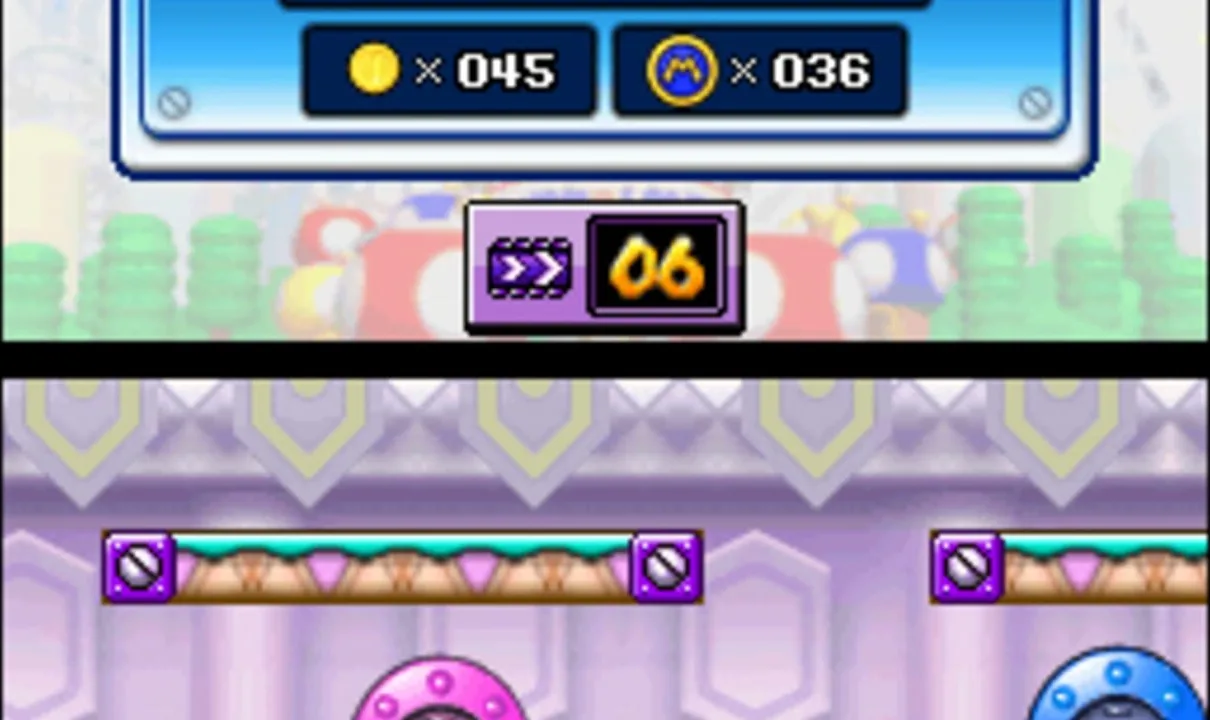
You never control the Minis directly. Instead, you build and rebuild the level on the fly with the stylus, and once the first Mini reaches the door, the rest have about six seconds to follow before it locks. It is tense, clever and very easy to lose an evening to, and you can build your own levels and share them. Each level has one to three Minis to save, and there are eight themed worlds to get through.
20. Drawn to Life: The Next Chapter (2009)
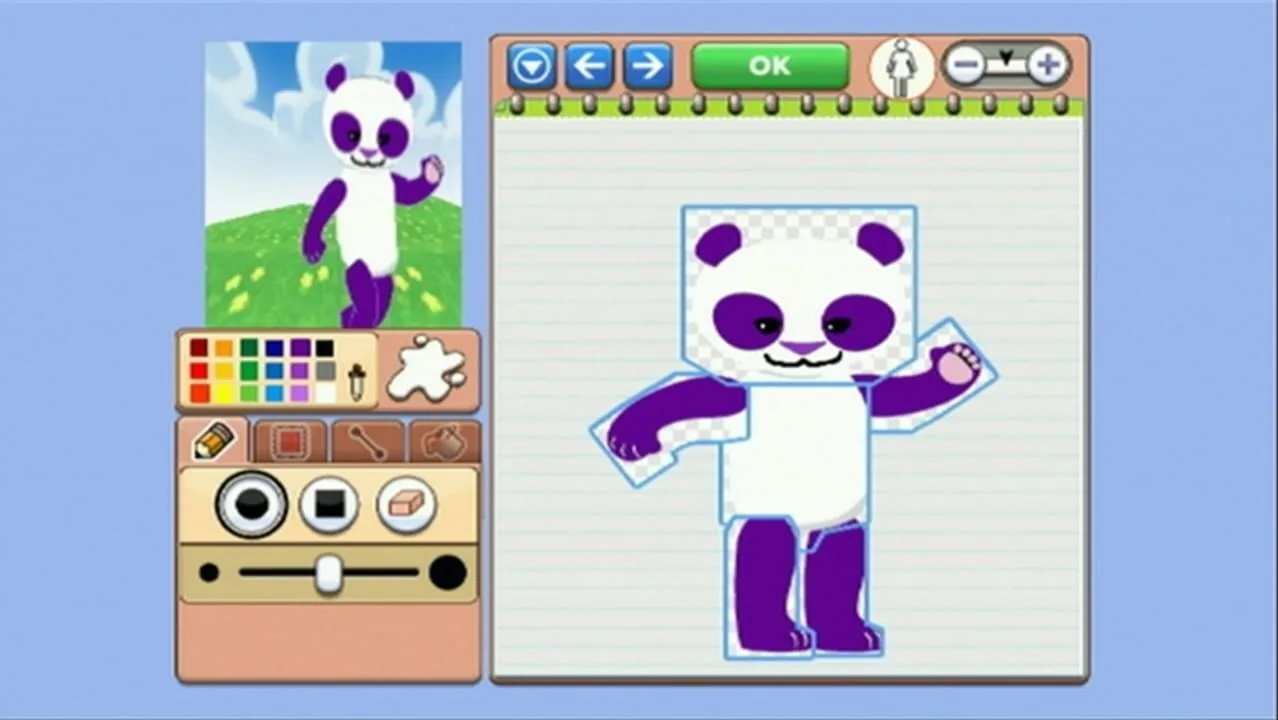
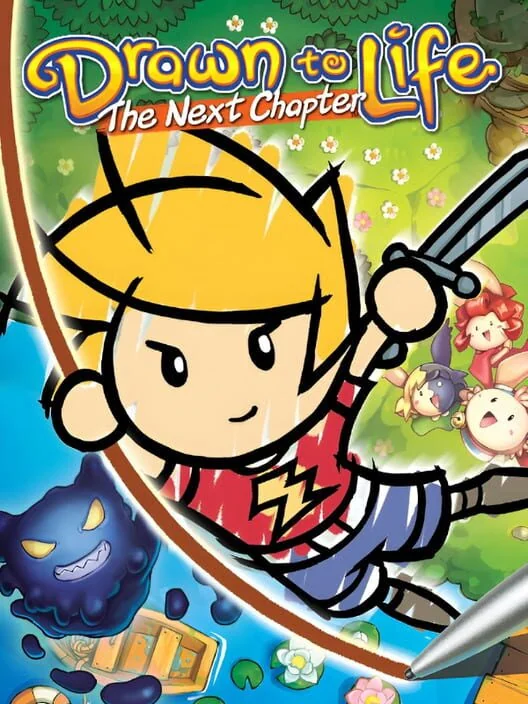
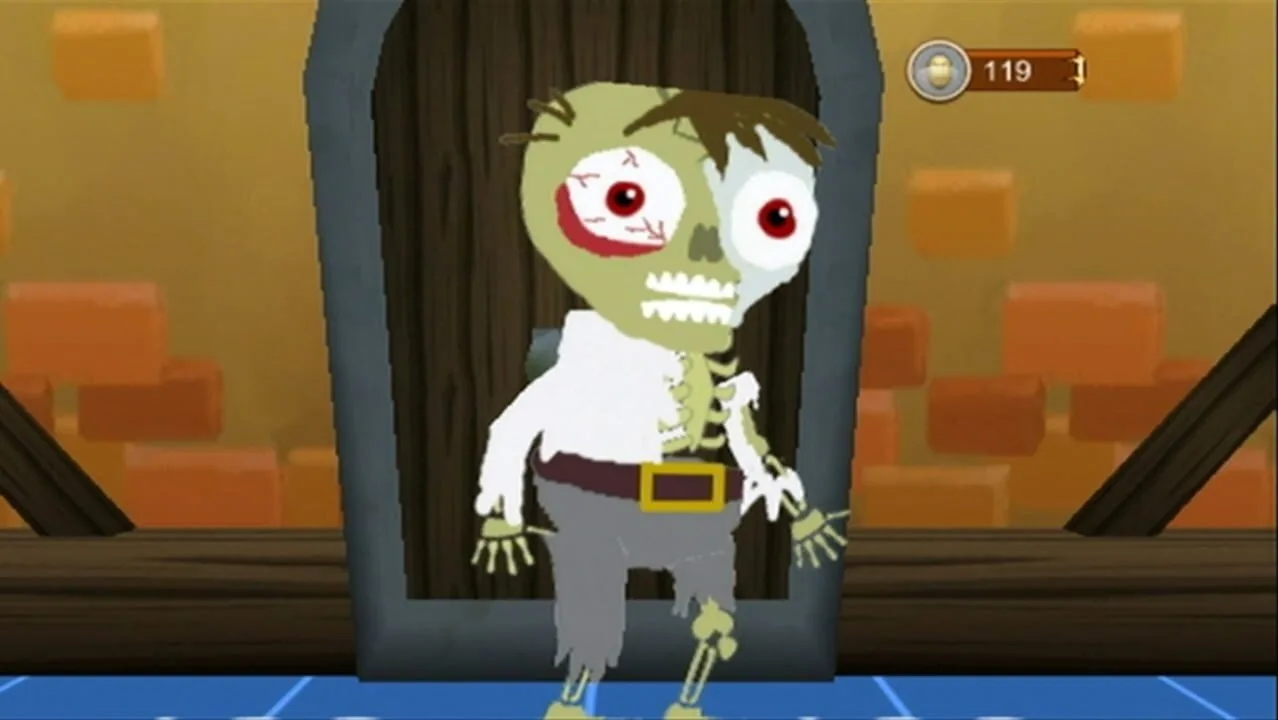
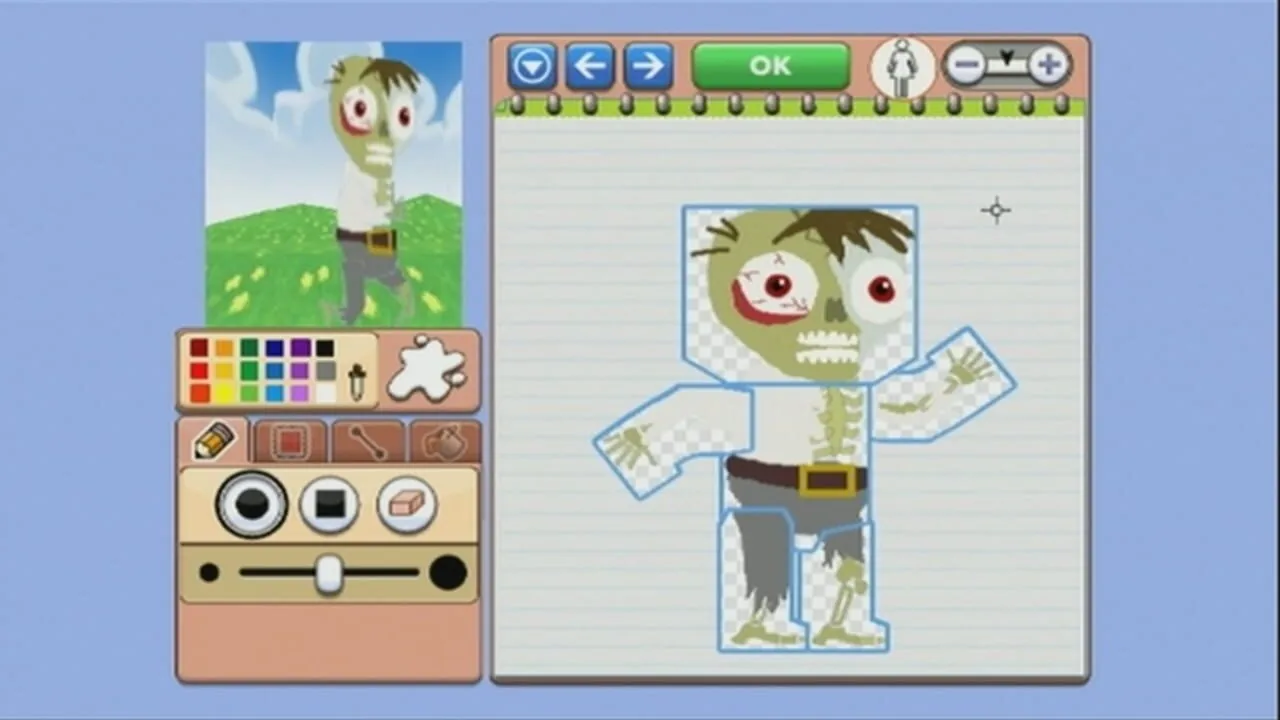
Drawn to Life: The Next Chapter lets you draw your own hero, and most of the world around them too. Your hero can switch between three forms, a humanoid with weapons, a blob that squeezes through gaps and a spider that climbs walls, and you unlock more as you go.
5th Cell made it at the same time as Scribblenauts, with the team split between the two, and the platforming is plainer than the drawing deserves. Still, seeing your own scribbles run, jump and fight never gets old. It lands below the first Drawn to Life on this list, but if you enjoyed that one, this is more of the same. Your humanoid hero can also pick between three weapon types, a slasher, a shooter and a slinger, and upgrade them with coins.
19. Mega Man ZX (2006)
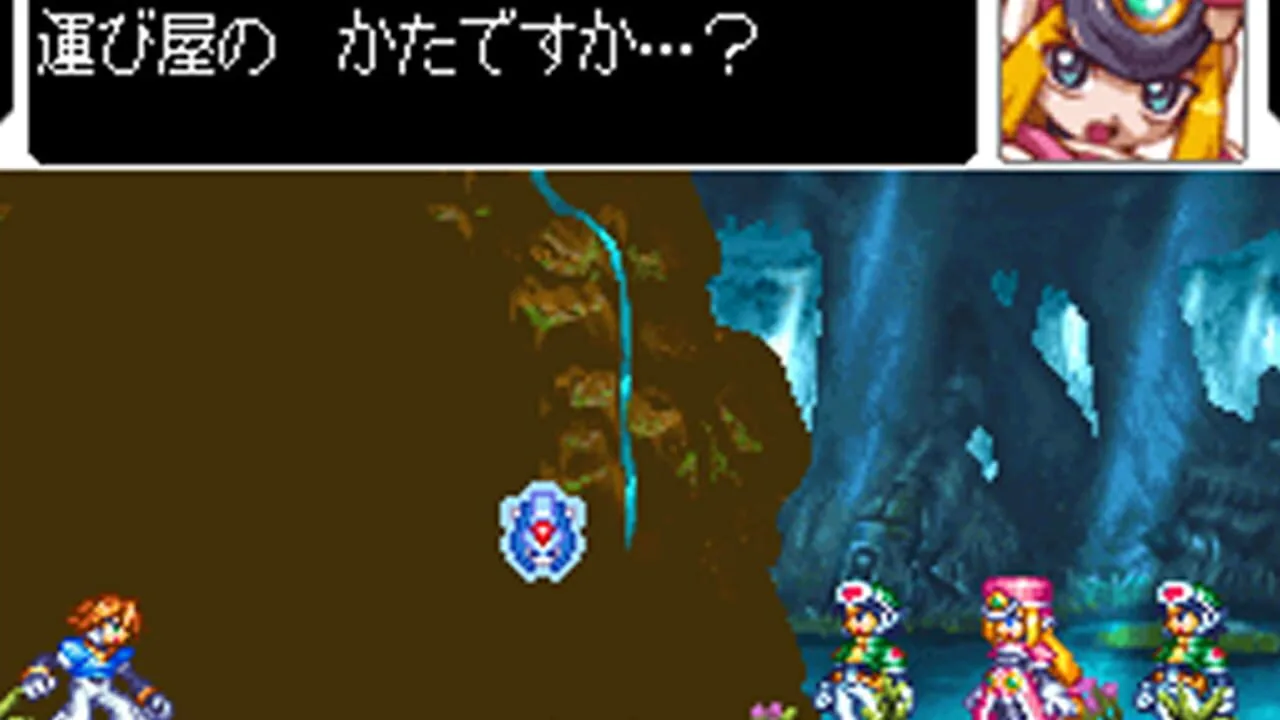
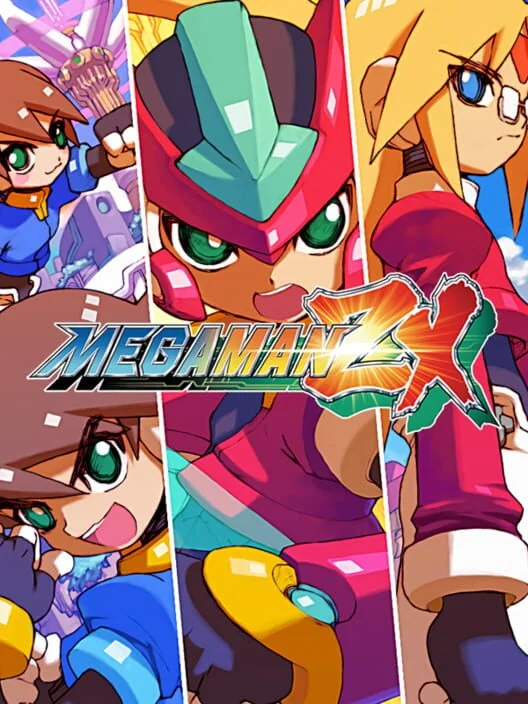
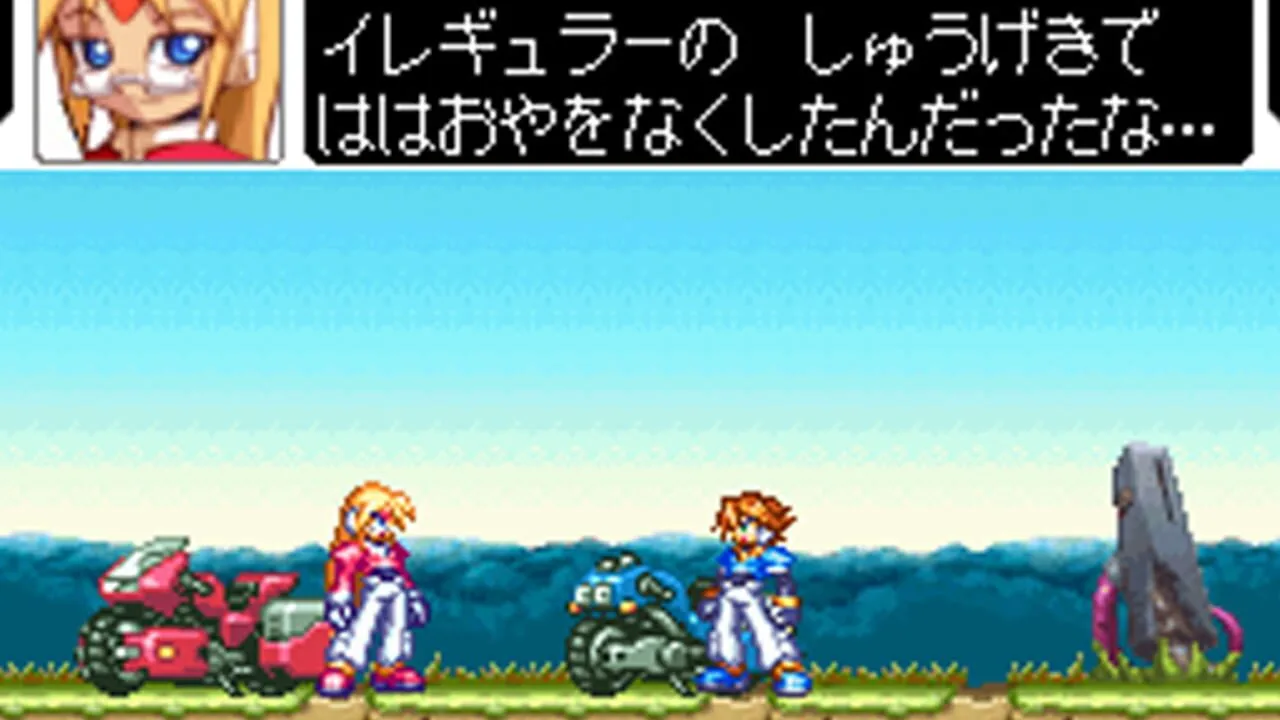
Mega Man ZX is set 200 years after the Mega Man Zero games, and it was the first Mega Man to let you pick your hero's gender, choosing between Vent and Aile. Instead of a stage select, you explore one big connected world, taking missions and changing form with powerful artifacts called Biometals.
Critics loved the gameplay and level design, but the world map can be confusing and the difficulty is high. It mixes the best of the Mega Man X and Zero series, and it is a must for Mega Man fans. It came back in 2020 in the Mega Man Zero/ZX Legacy Collection on Switch, PS4, Xbox One and PC. A sequel, Mega Man ZX Advent, followed a year later.
18. Sonic Rush Adventure (2007)
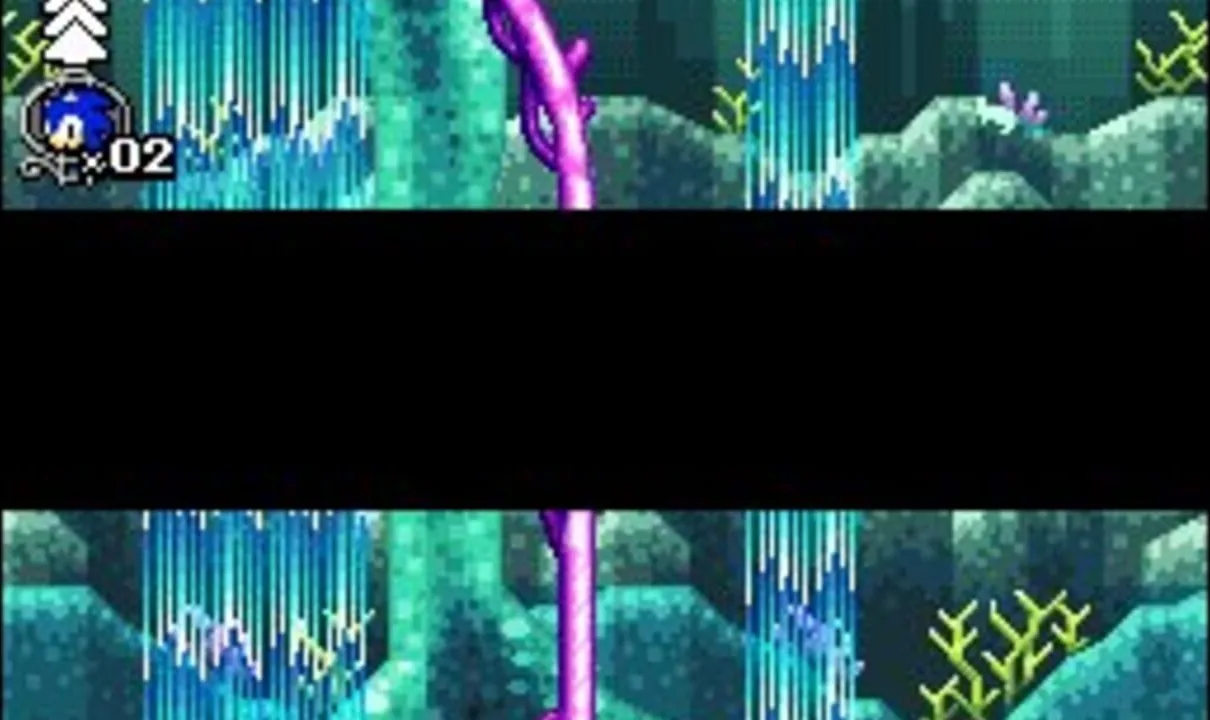
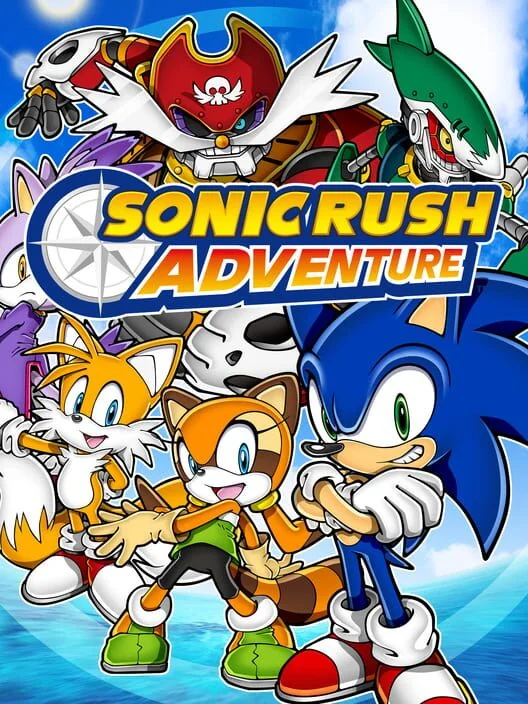
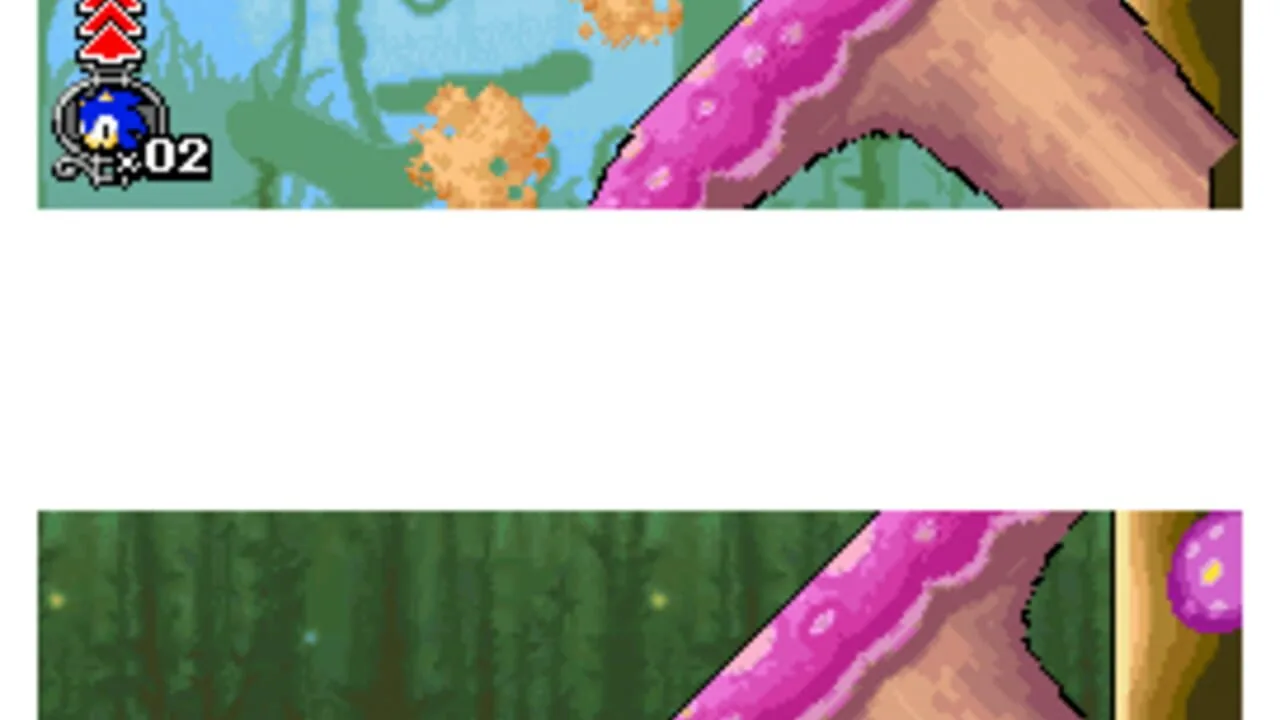
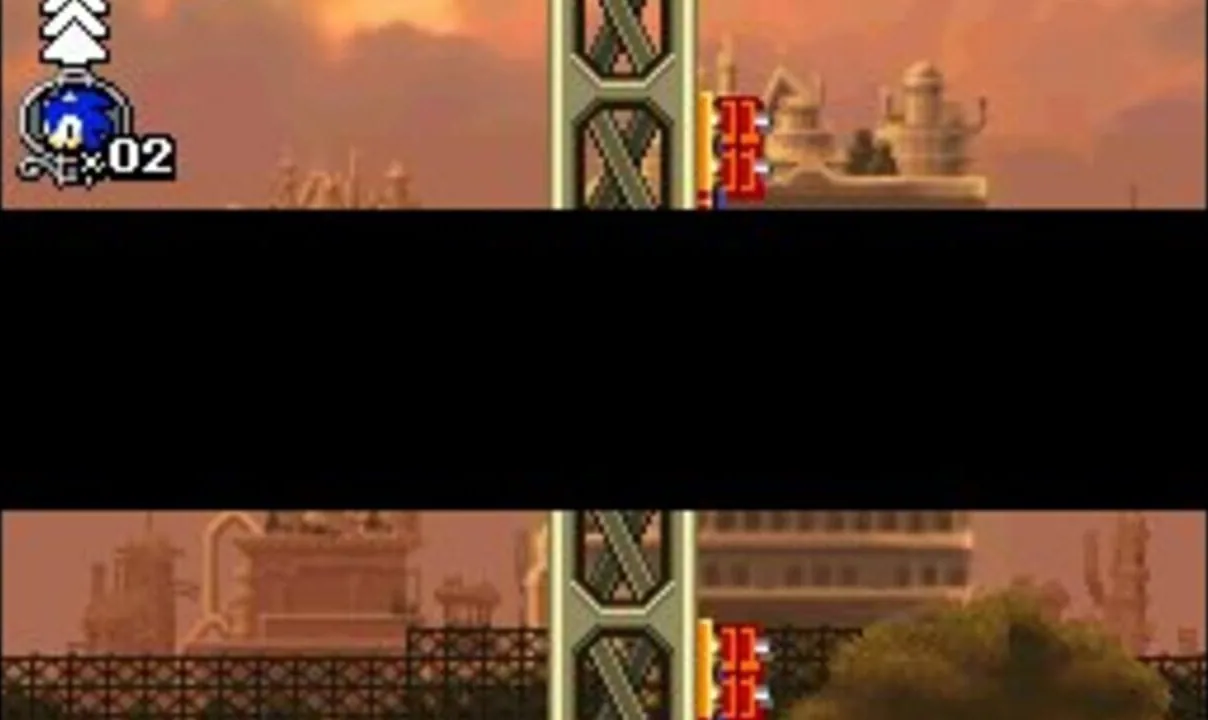
Sonic Rush Adventure keeps the fast, two-screen action of Sonic Rush and adds sailing. Sonic and Tails are thrown into another dimension, team up with Blaze the Cat and take on a band of robot pirates. Between levels you sail to new islands in one of four ships, each with its own touch screen minigame.
Critics loved its visuals and music and compared it to the classic Genesis games, although they found the replay value weak and the story long. It was also the first Sonic game ever published by Nintendo, in South Korea in 2009. If you liked Sonic Rush, this is a great follow-up. Tails builds new ships from the materials you collect, which gives you a reason to explore every corner of every island.
17. Yoshi's Island DS (2006)
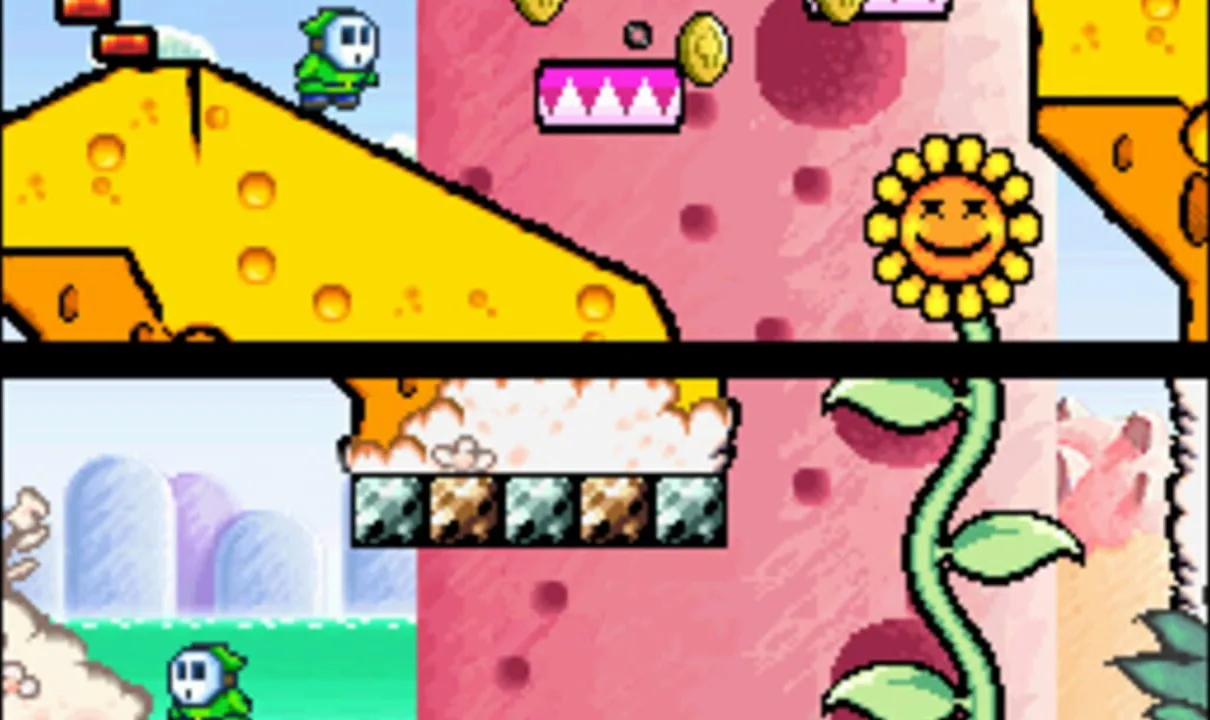
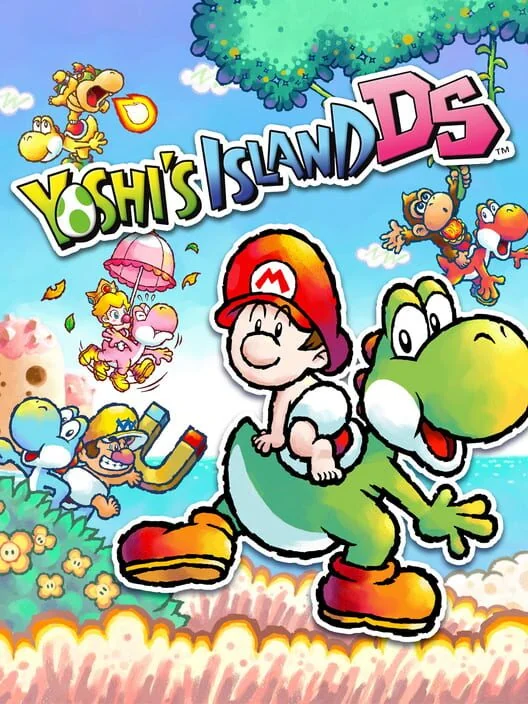
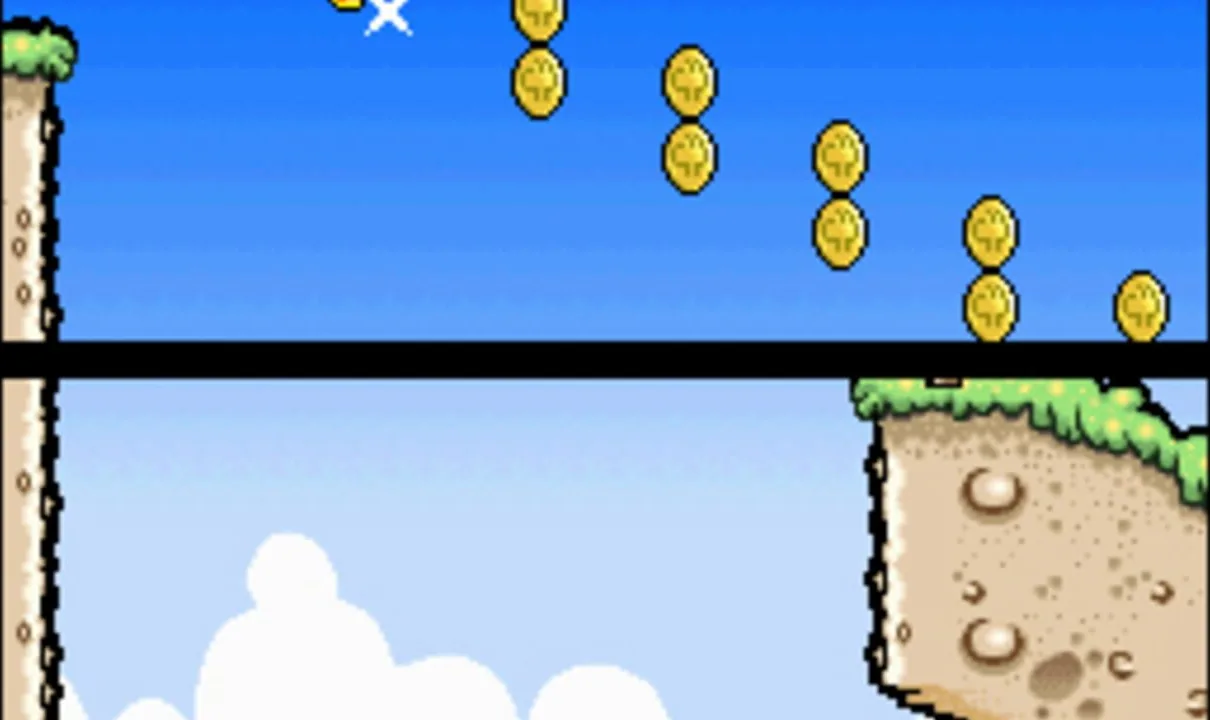
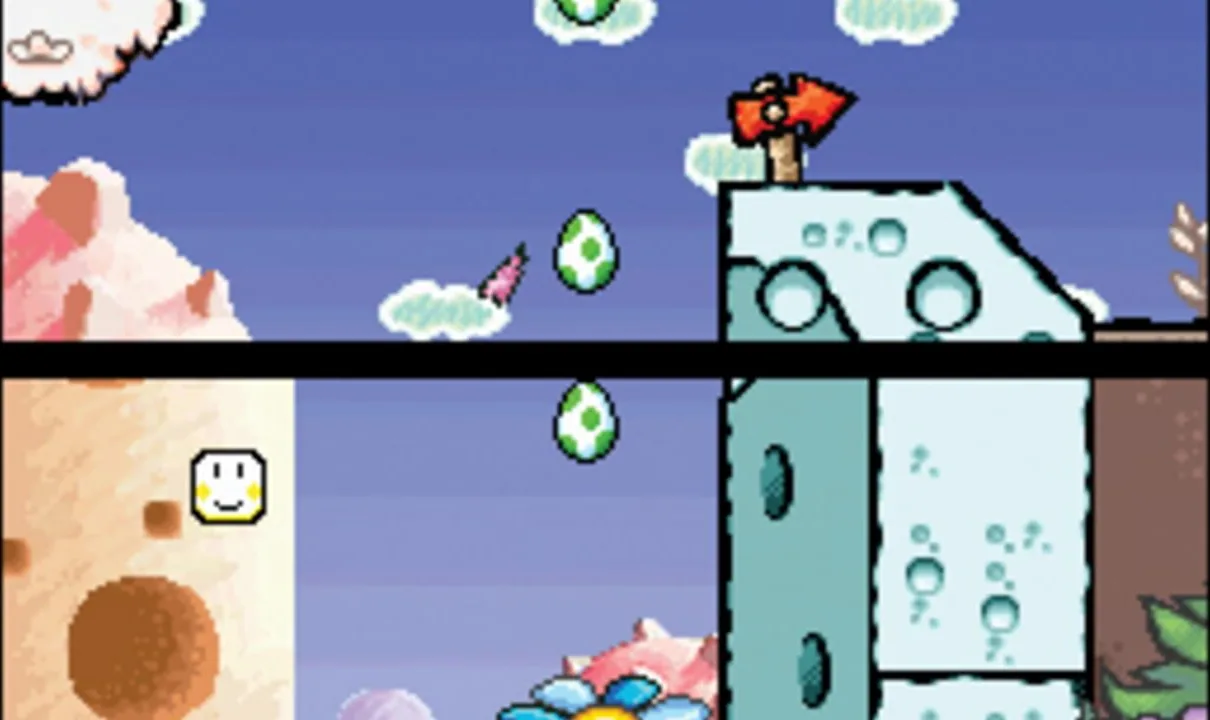
Yoshi's Island DS is the sequel to Super Mario World 2: Yoshi's Island, with Yoshi once again carrying a baby on his back. This time there are more babies to swap between, from Baby Peach to Baby Bowser, and each one gives Yoshi a different ability.
It keeps the original's core gameplay, with flutter jumps and eggs to throw. Critics praised its faithfulness to the original, but they also found a problem: the gap between the DS screens creates a blind spot right where you need to see. It is a good game that lives in the shadow of a great one. It was going to be called Yoshi's Island 2 until a month before its North American release, and it uses the same art style as Yoshi Touch & Go.
16. Sonic Colors (2010)
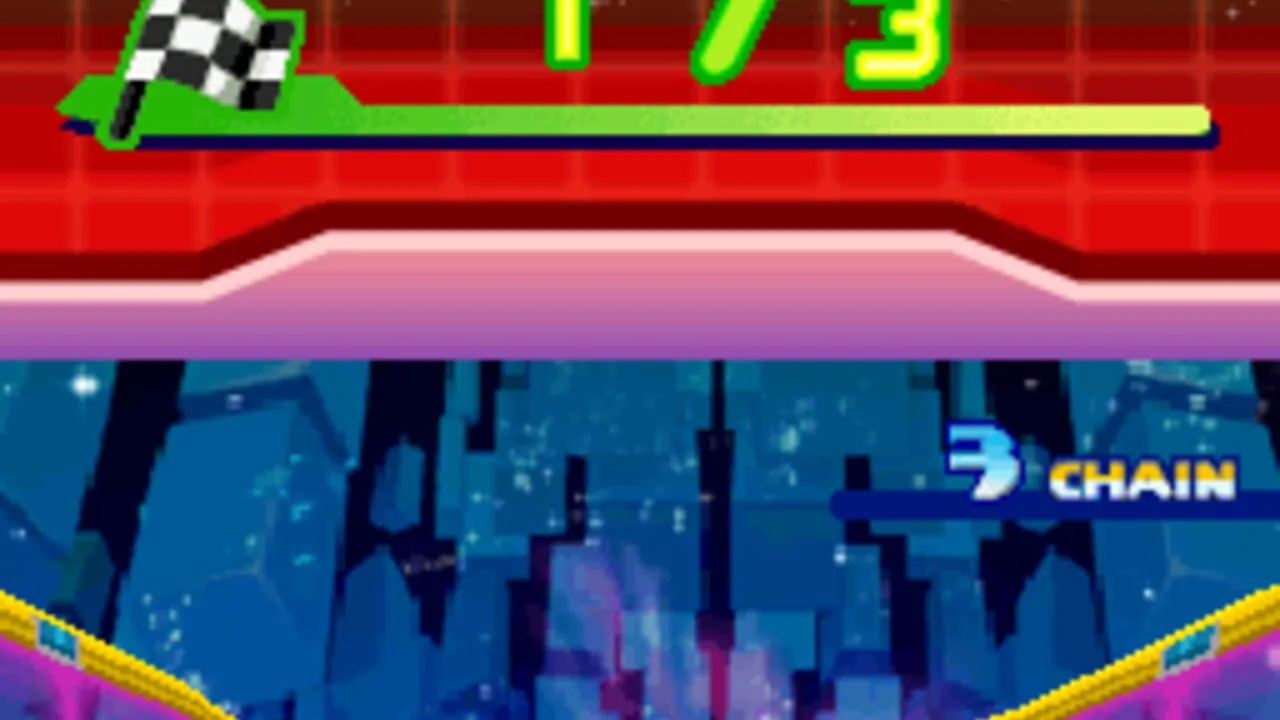
Sonic Colors on the DS is its own game, made by Dimps, separate from the Wii version. Dr. Eggman has captured an alien race called the Wisps for his amusement park in space, and Sonic uses their powers to reach new areas and smash through enemies.
The DS version has its own touch screen special stages, a lot like the ones in Sonic the Hedgehog 2. Sega was so serious about the game that it removed several poorly reviewed Sonic games from sale before launch to protect the brand. It is fast, colourful and challenging, and it sold four million copies across both versions. Sega designed it for a wider audience than before, especially children and fans of Super Mario.
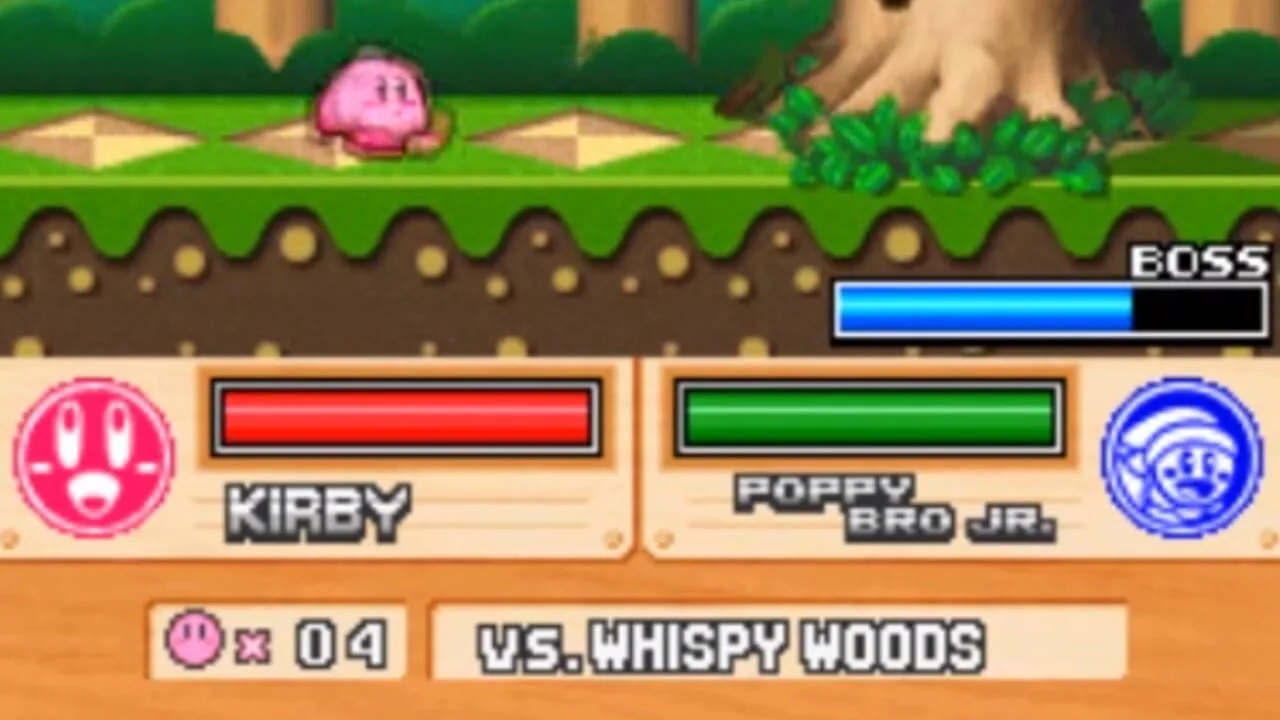
15. Kirby: Squeak Squad (2006)
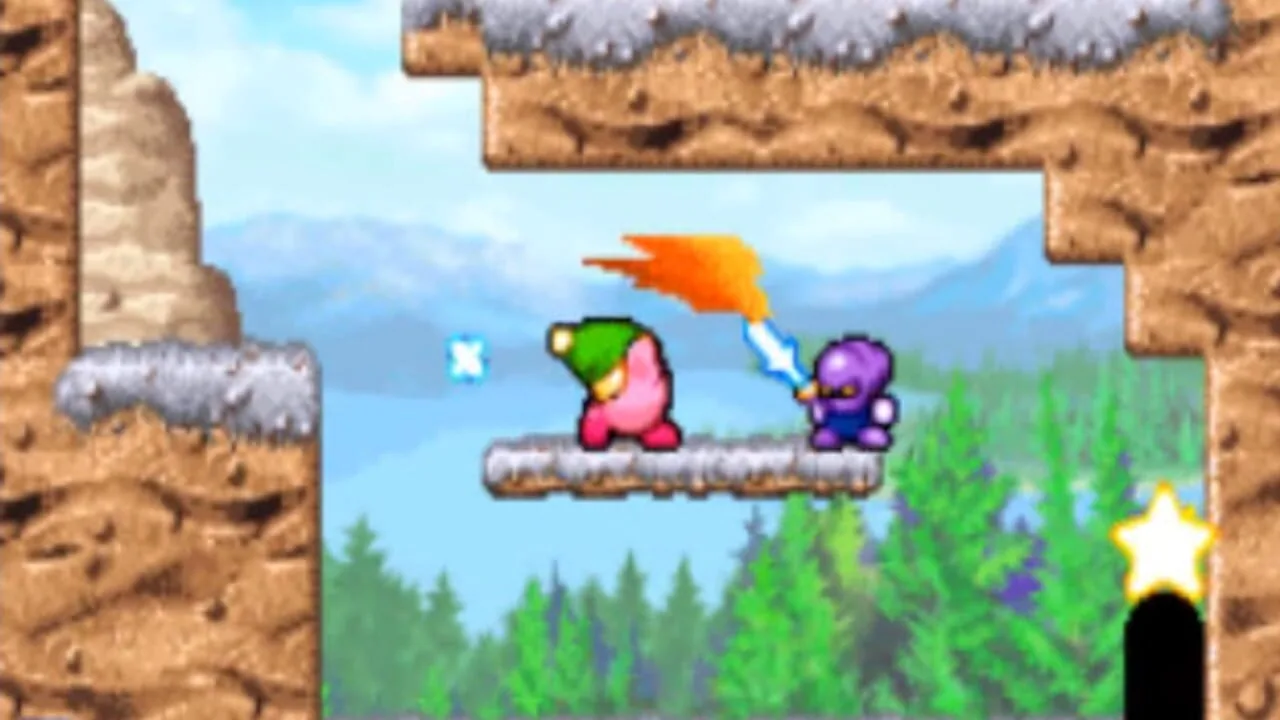
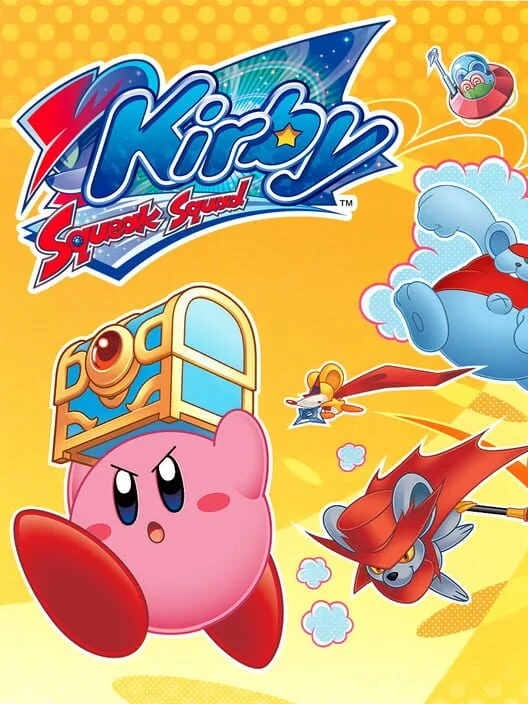
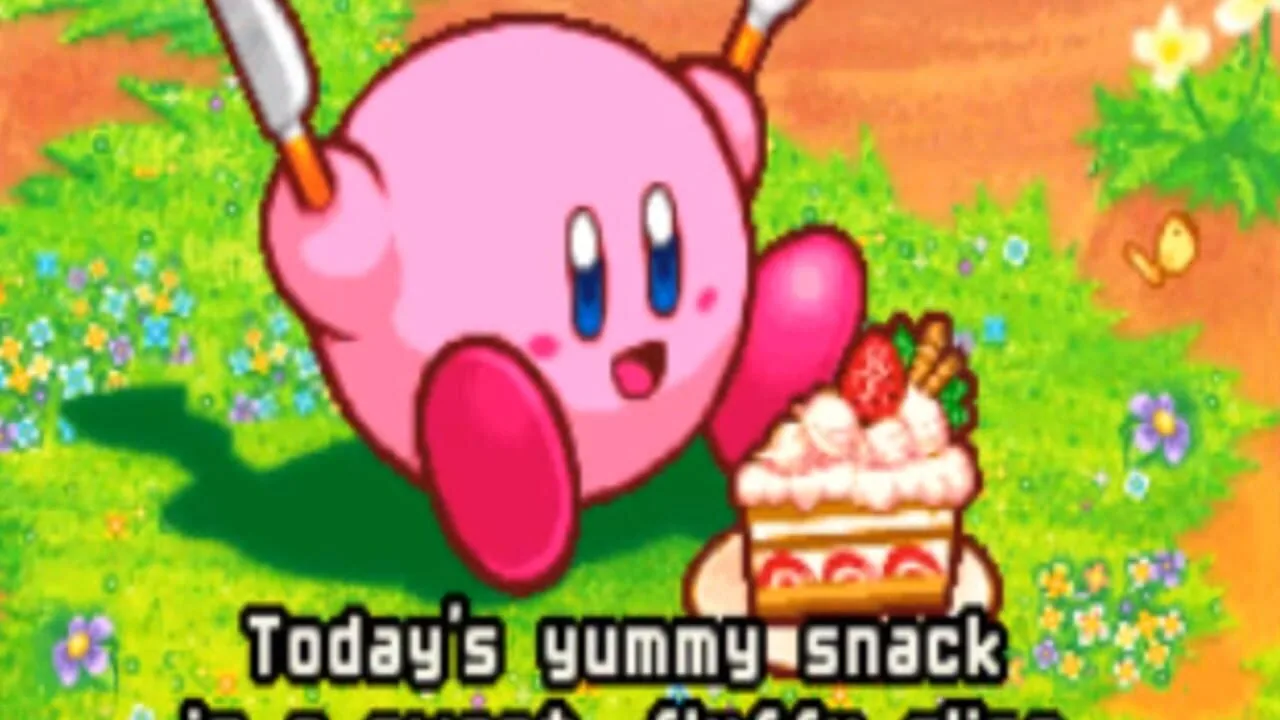
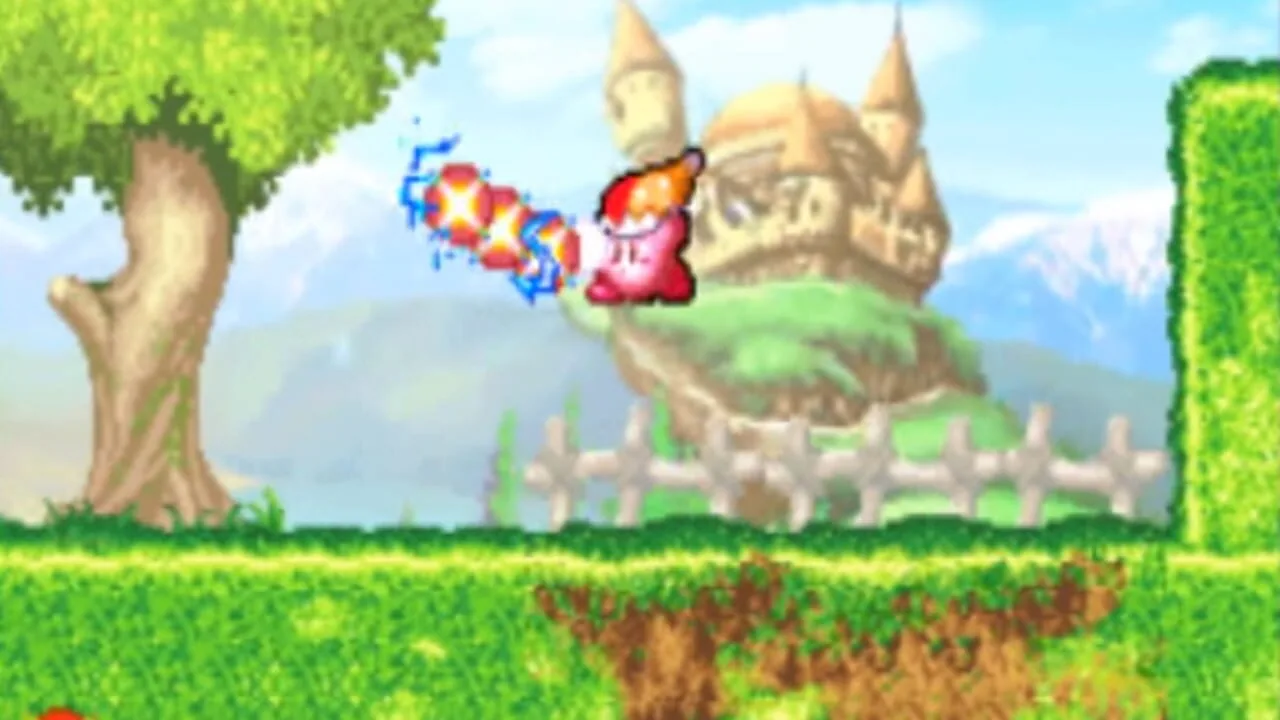
After Canvas Curse, HAL went back to buttons. Kirby: Squeak Squad is a traditional Kirby platformer where you inhale enemies and copy their powers, and the touch screen shows what Kirby is carrying in his stomach, up to five items at a time.
You can drag one ability onto another with the stylus to combine them, and Copy Scrolls power them up further. Every level hides a treasure chest to carry home. Critics felt it played it safe next to Canvas Curse, but if you just want classic Kirby, it delivers. In Europe it was called Kirby: Mouse Attack. HAL Laboratory made it together with Flagship, and combining abilities works a lot like it did in Kirby 64: The Crystal Shards.
14. Monster Tale (2011)
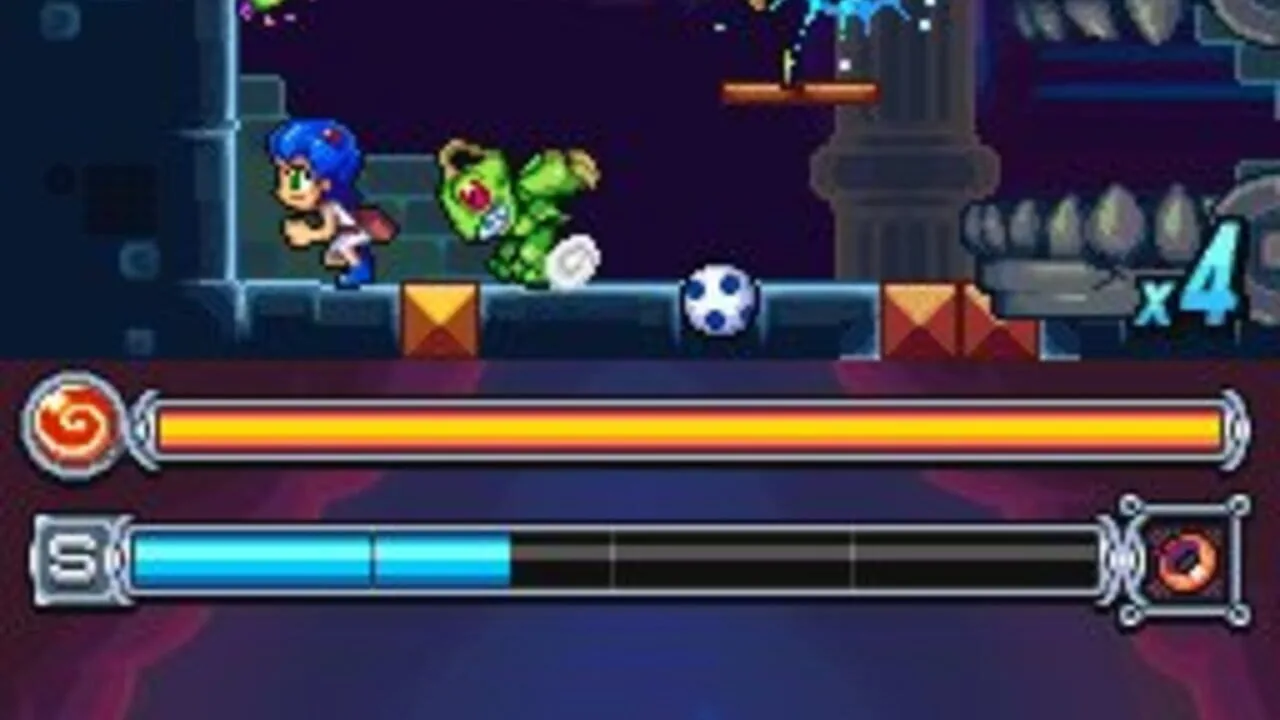
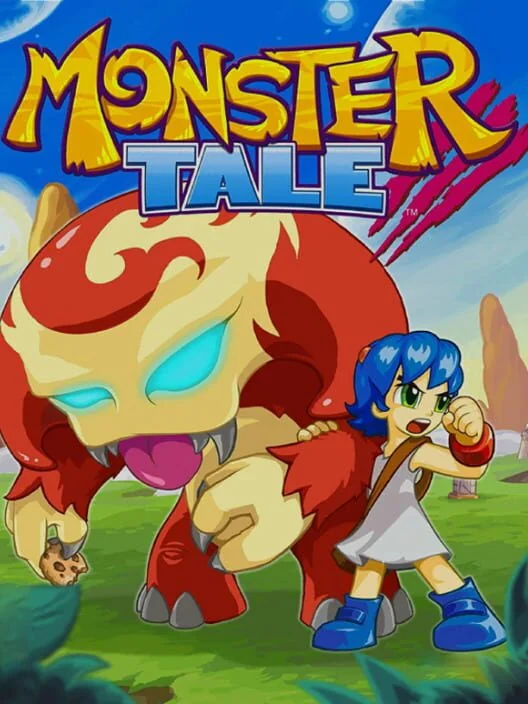
Monster Tale is a hidden gem. Ellie explores Monster World with her monster companion, Chomp, and it mixes a platformer with a virtual pet game, so Chomp grows alongside you and fights at your side.
Its developers said some publishers did not want a young girl as the lead, and wanted Ellie changed to a boy, which makes her a small act of stubbornness. Critics gave it generally favourable reviews, and raising Chomp is a real treat. DreamRift made it and Majesco published it in March 2011, very late in the DS's life, which may be why so few people played it. Director Peter Ong said publishers also suggested a more mature version of Ellie.
13. Castlevania: Portrait of Ruin (2006)
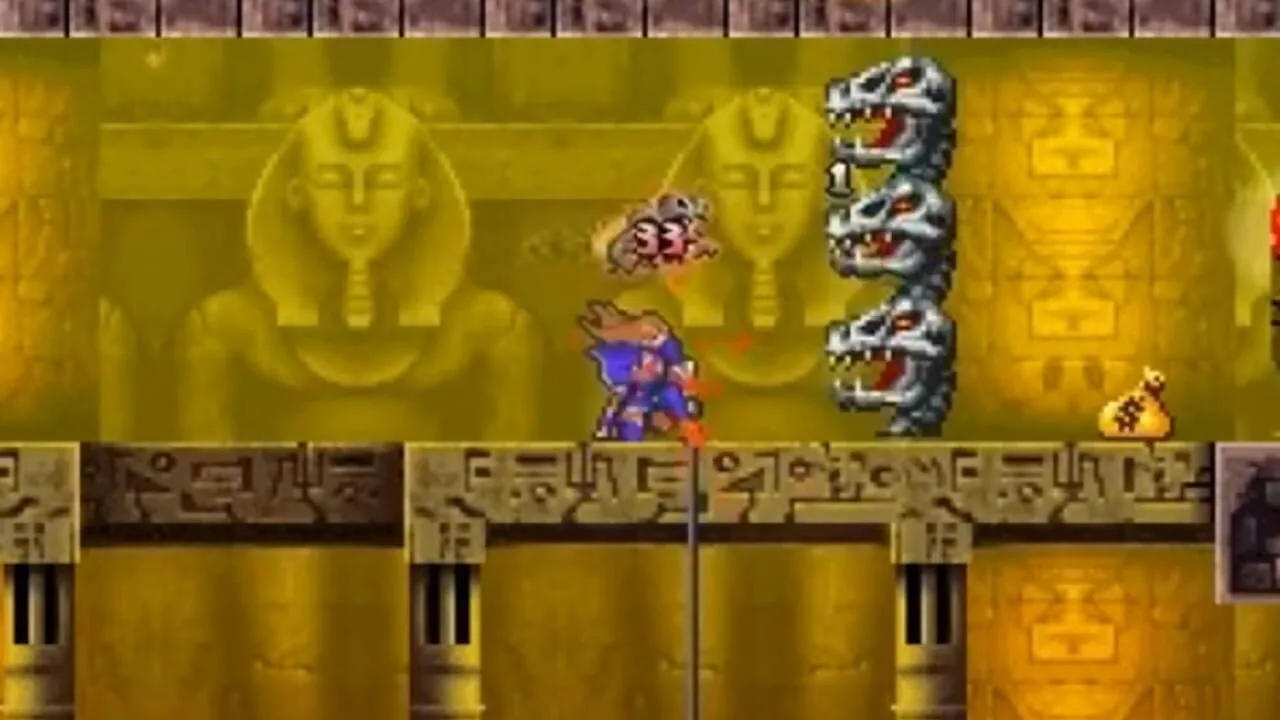
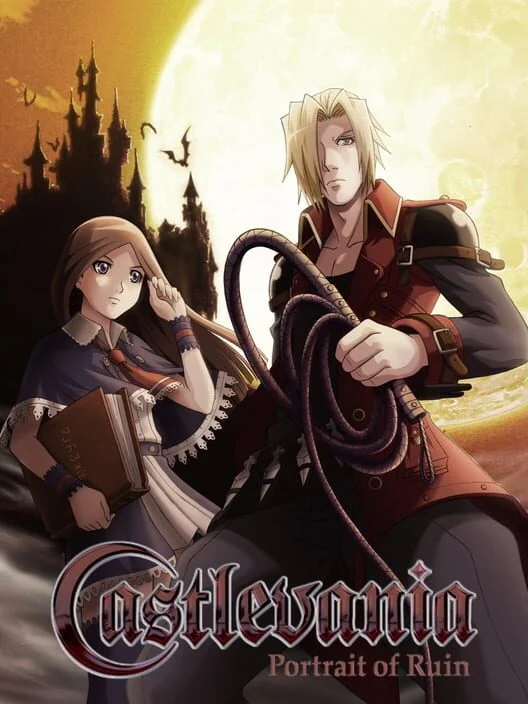
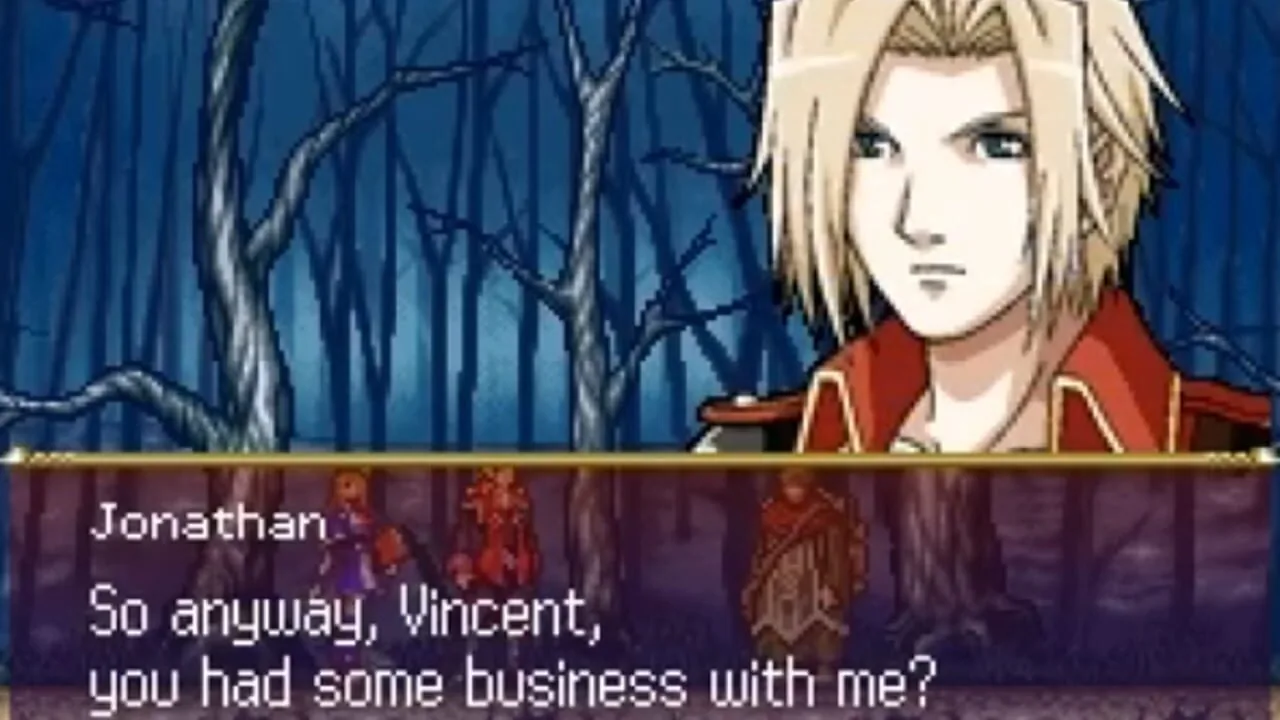
Portrait of Ruin is set in Europe during World War II, and it follows Jonathan Morris, son of the hero of Castlevania: Bloodlines, and Charlotte Aulin. They head into Dracula's castle together, and you can switch between them or have them team up for a powerful Dual Crush attack.
It was the first Castlevania with a co-op mode and the first handheld one with English voice acting. Much of the game happens inside paintings that lead to whole new areas. Its soundtrack, story and co-op won praise from critics. Jonathan and Charlotte later showed up again in the 2010 multiplayer game Castlevania: Harmony of Despair.
12. Kirby: Canvas Curse (2005)
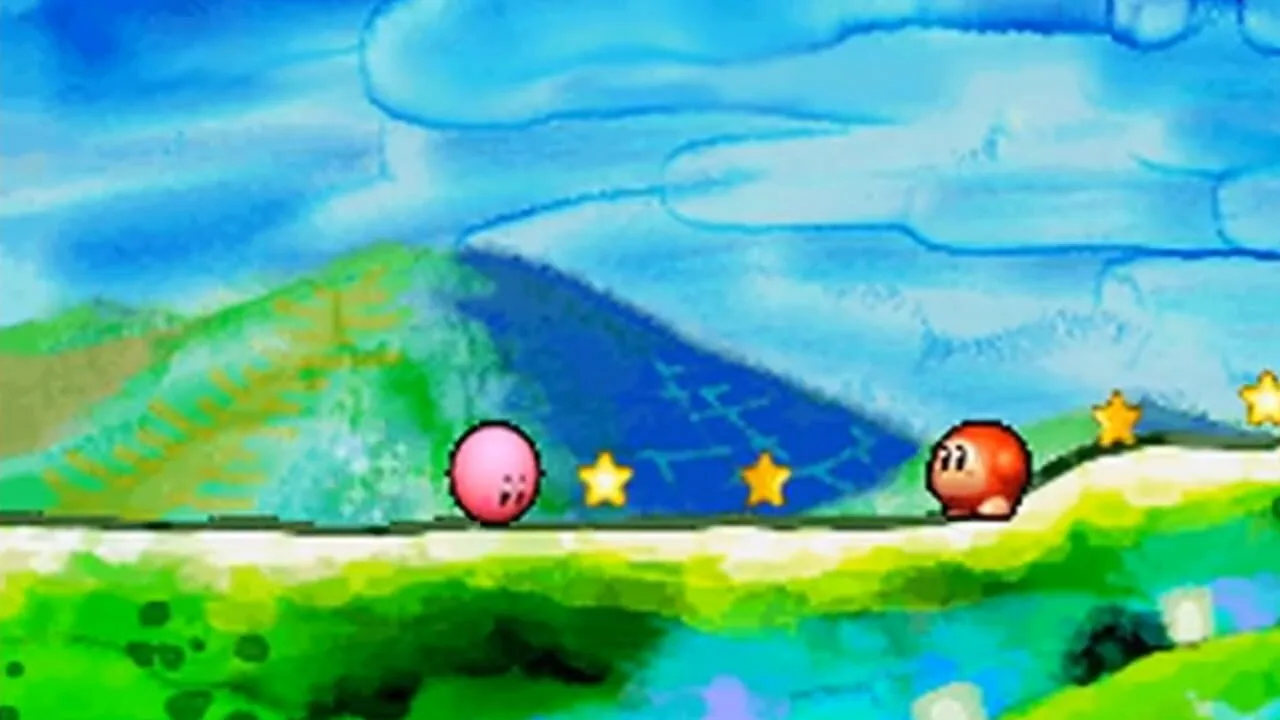
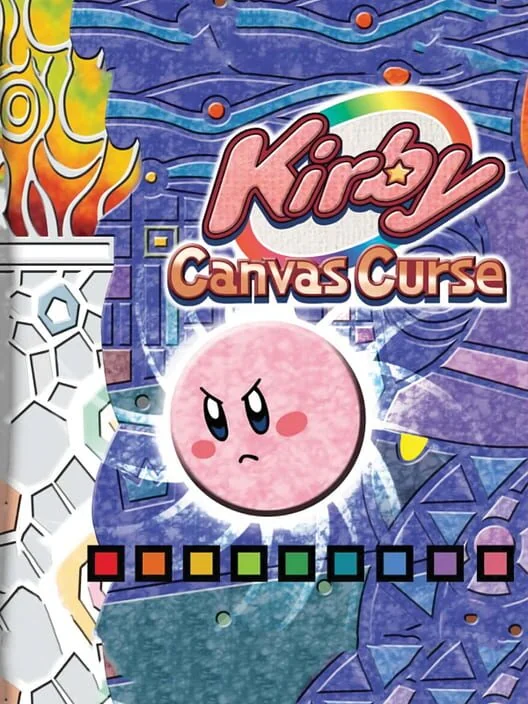
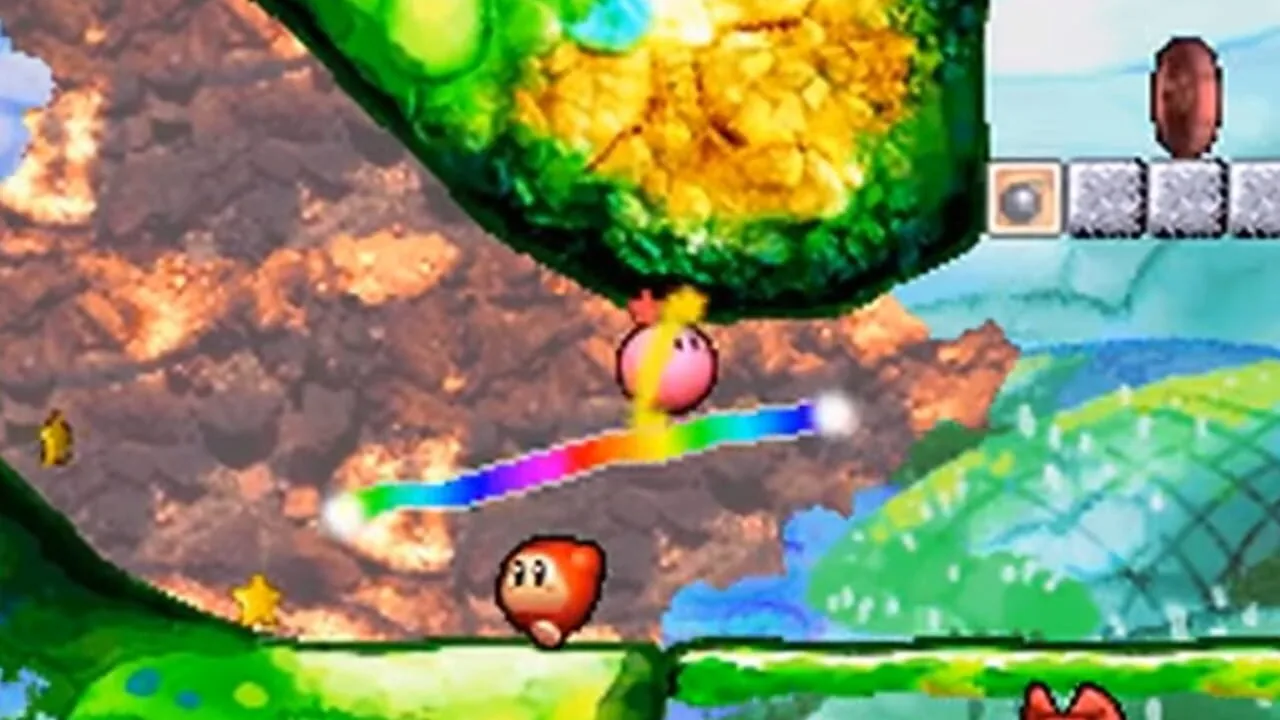
Kirby: Canvas Curse does not play like any other Kirby game. Kirby has been turned into a ball, and you never press a button to move him. Instead, you draw rainbow lines with the stylus to make ramps and bridges for him to roll along, and walls to protect him from enemies.
Tap an enemy to stun it, roll into it to defeat it, and Kirby can still copy abilities like shooting beams or turning into a rocket. Your rainbow ink runs out, so you have to draw carefully. It is one of the most creative games on the DS, and it got a Wii U sequel, Kirby and the Rainbow Curse, in 2015. Its eight worlds run from volcanoes to frozen tundras, and Rainbow Run mode challenges you to race through parts of them.
11. The Legendary Starfy (2008)
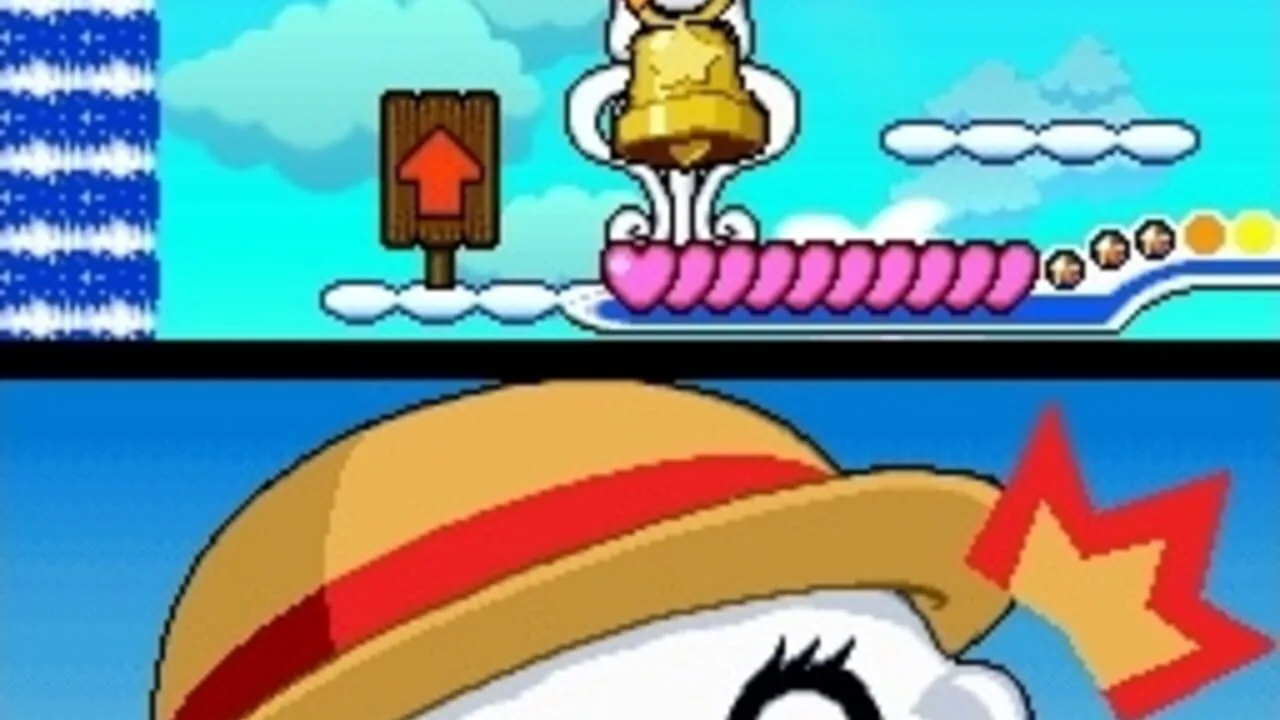
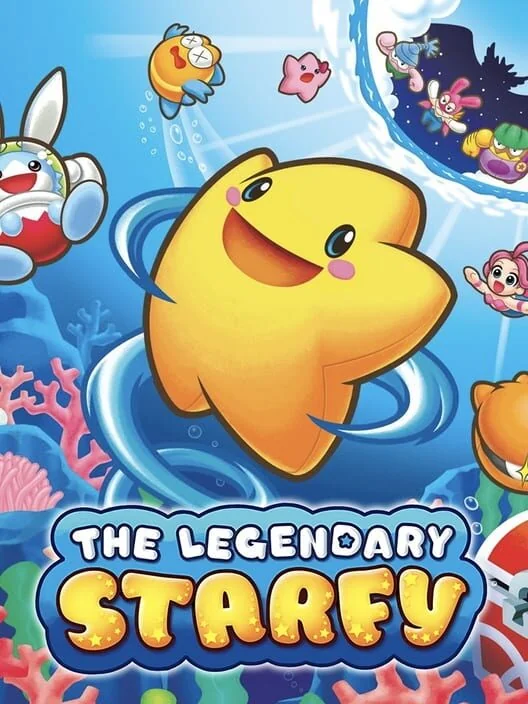
The Legendary Starfy is the fifth game in the series, and the first to be released outside Japan, since Nintendo of America had found the earlier ones too Japanese for North America. Starfy, a little star prince, teams up with his clam sidekick Moe to help a rabbit named Bunston get his memory back.
Starfy swims and spins through the levels, and the game is full of charm, with a sweet story and plenty to do. Critics praised its presentation, story and amount of content, but found it too easy. If you want a relaxing, cheerful platformer, it is perfect. Tose developed it, and the story ends up pitting Starfy against a space pirate called Mashtooth.
10. Kirby Mass Attack (2011)
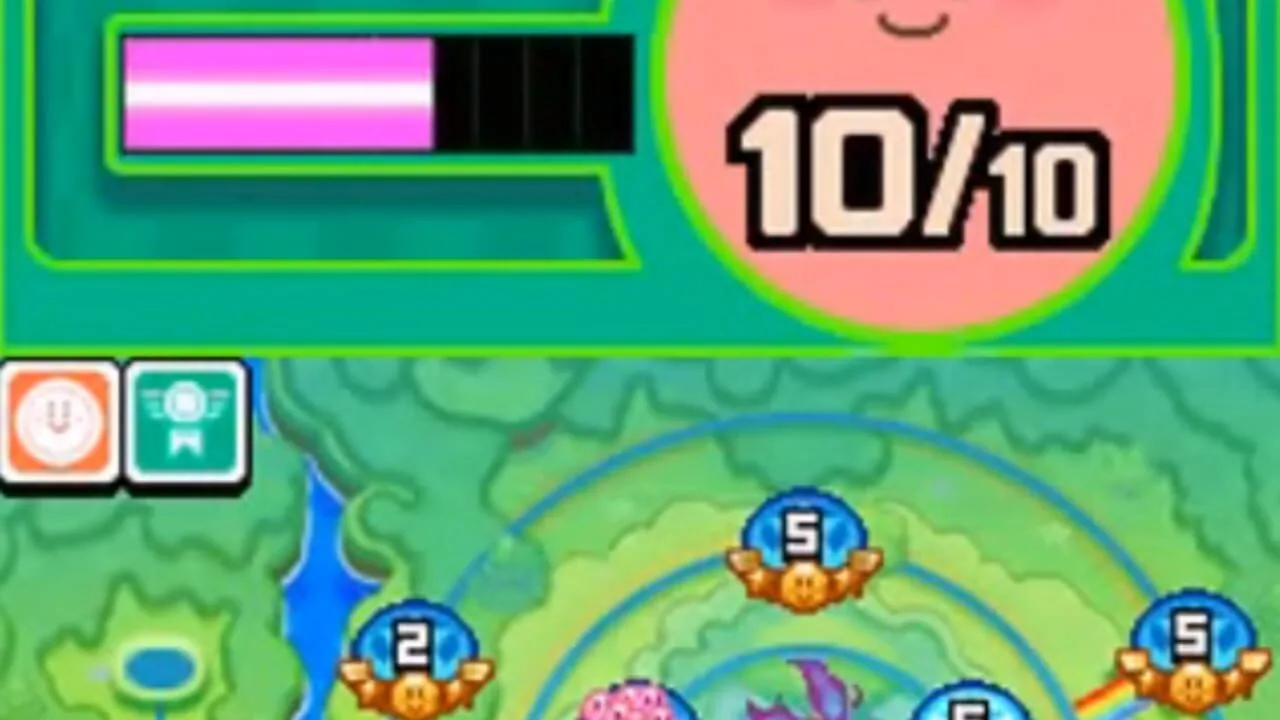
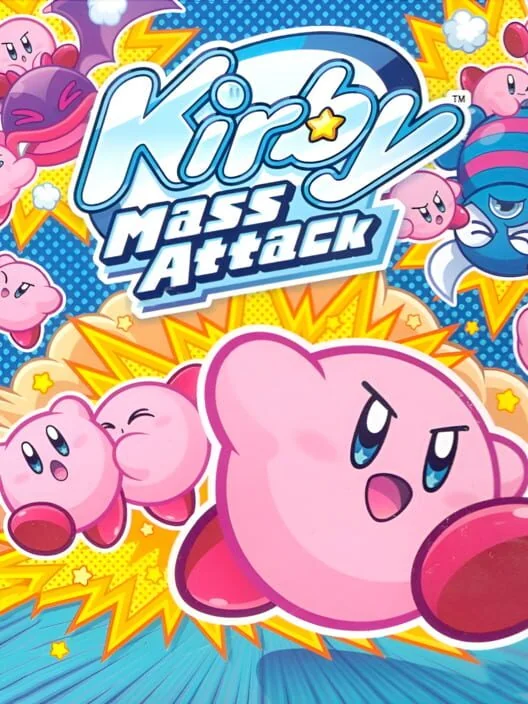
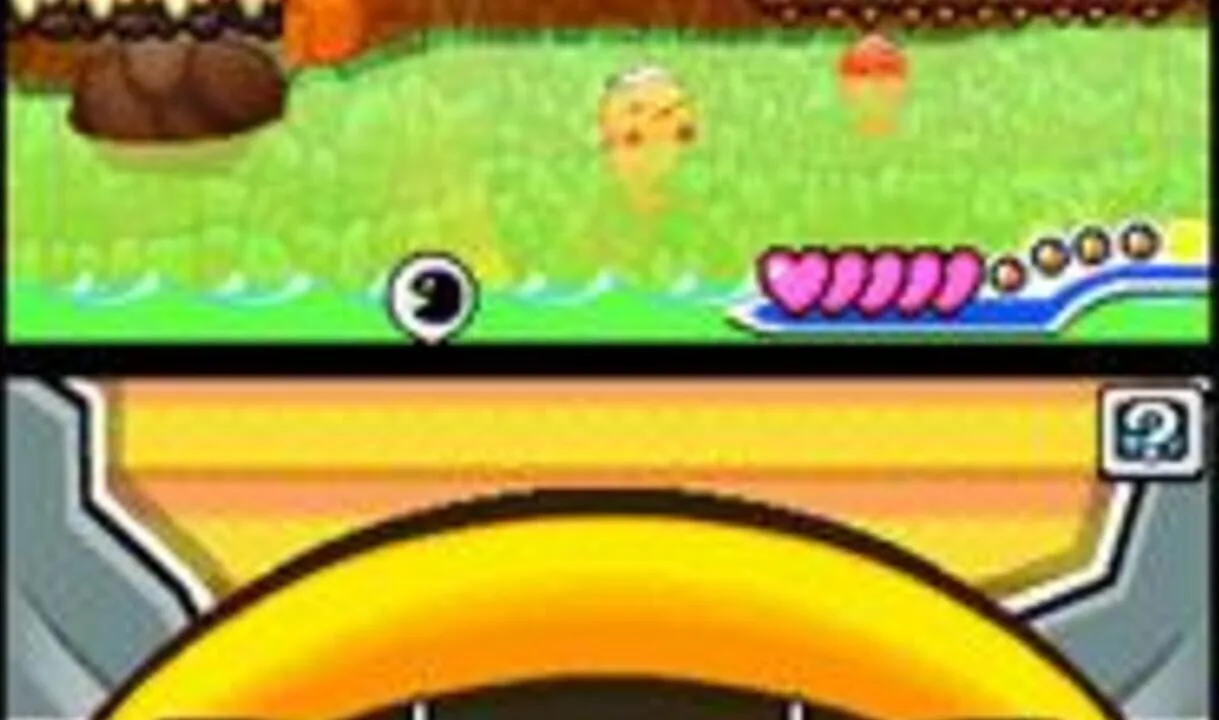
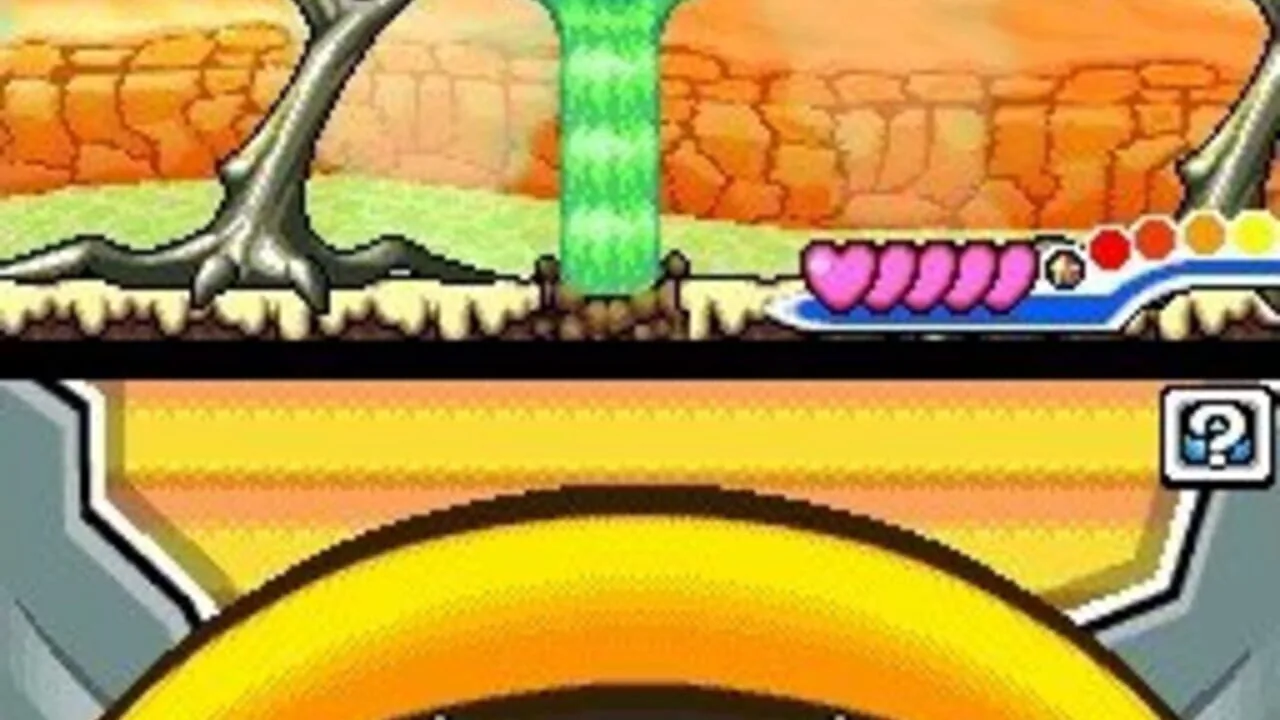
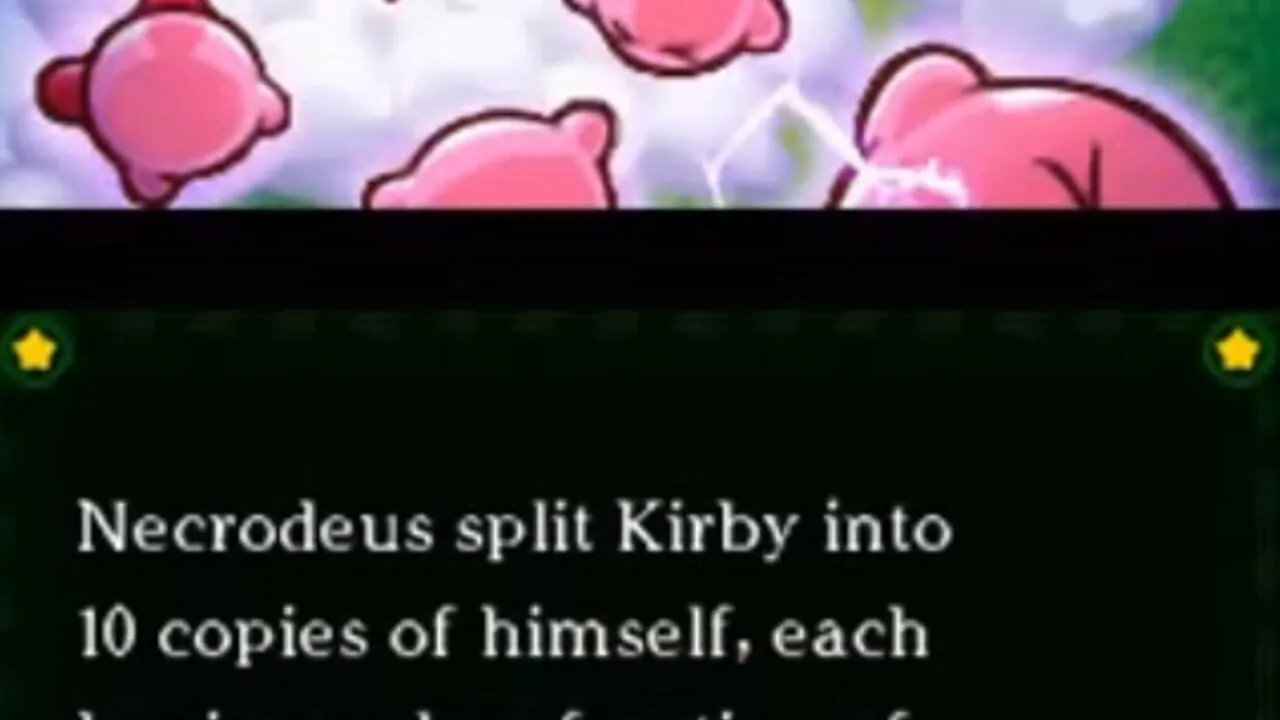
Kirby Mass Attack splits Kirby into ten pieces, and you control the whole group with the stylus. Tap the screen to drop a star for the Kirbys to follow, tap an enemy to send them all piling on, or flick a single Kirby like a projectile. Collect fruit and your group grows back up to ten.
It plays a little like Lemmings, and some puzzles need all ten Kirbys working together. HAL kept it on the DS rather than the 3DS because it would barely have used the 3D. It was the fourth and last Kirby game on the DS, and one of the most inventive. A Kirby that gets hit turns blue, and if a blue Kirby is hit again he turns grey and floats away unless you drag him back down.
9. Drawn to Life (2007)
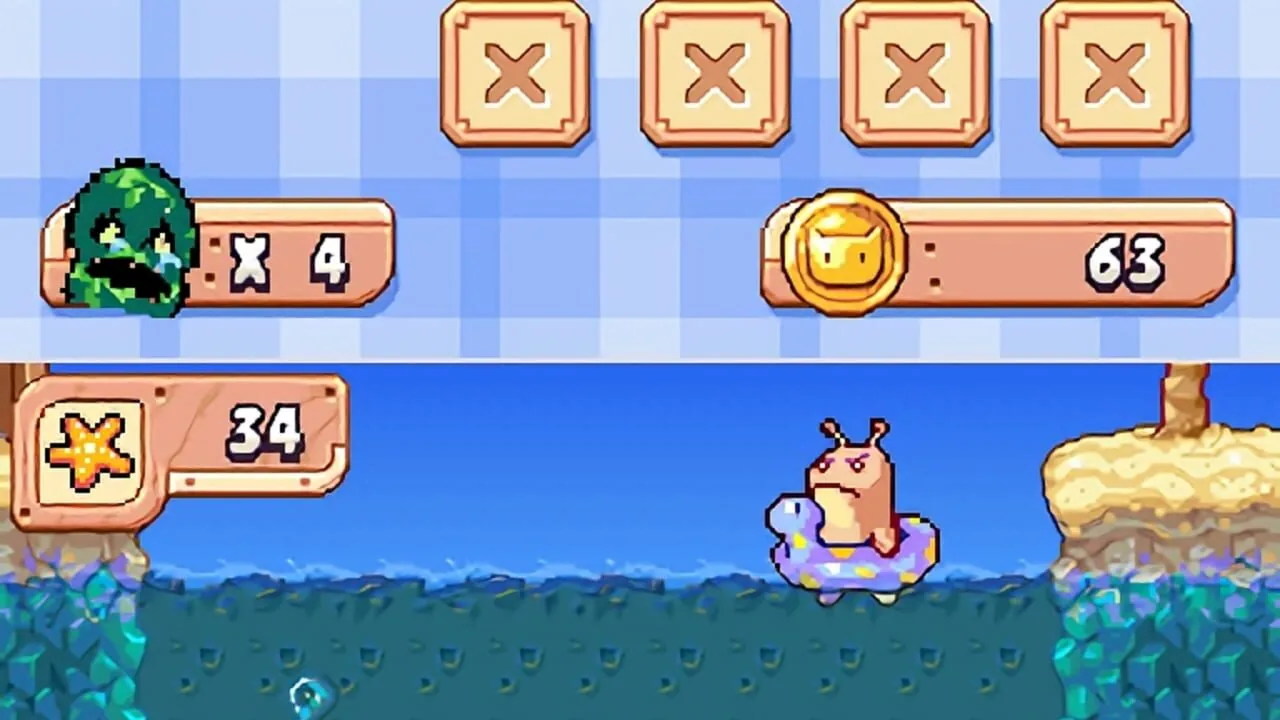
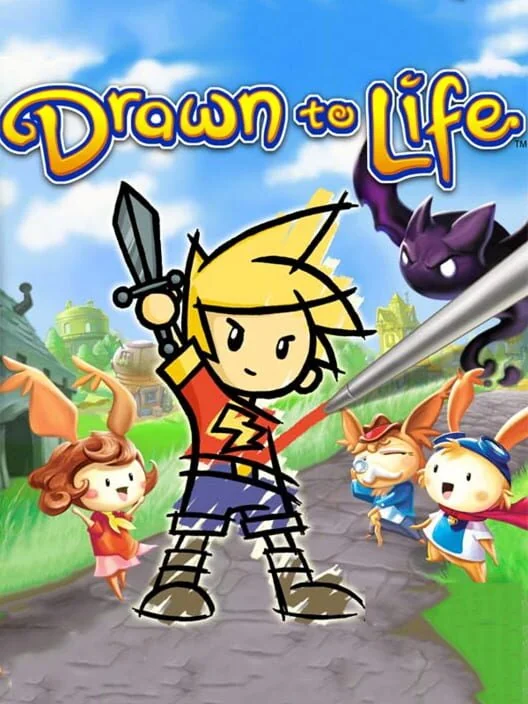
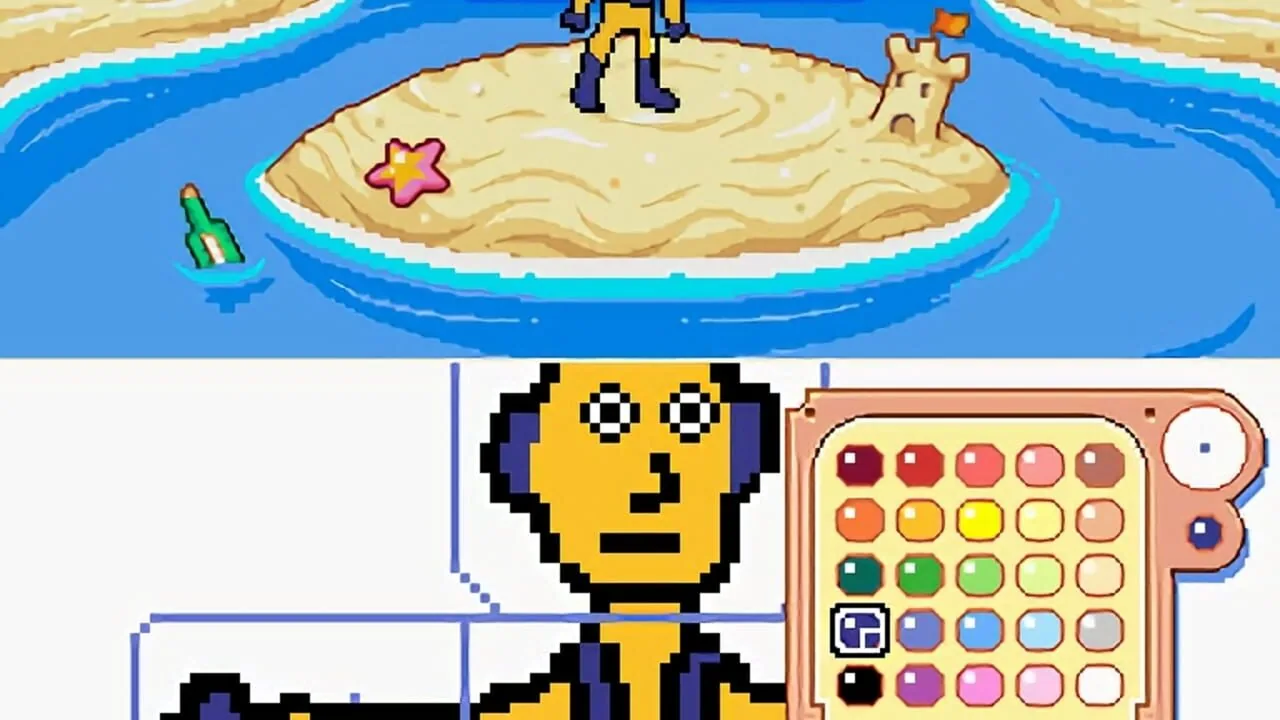
Drawn to Life lets you create your own hero, along with the platforms, weapons and objects in its levels, all with the stylus. Then you use that hero to save a village of little creatures called the Raposa from a creeping darkness.
There is a village to look after between levels, and 16 side-scrolling stages across four worlds. 5th Cell's technical director reverse engineered a DS into a makeshift development kit and built a demo in three months to get the game made. Reviews were mixed, but it is a lovely idea, and an iOS port followed in 2014. Save up 10,000 rapo-coins and you unlock the Developer's Grove, where you can meet sprites of the people who made the game.
8. Castlevania: Order of Ecclesia (2008)
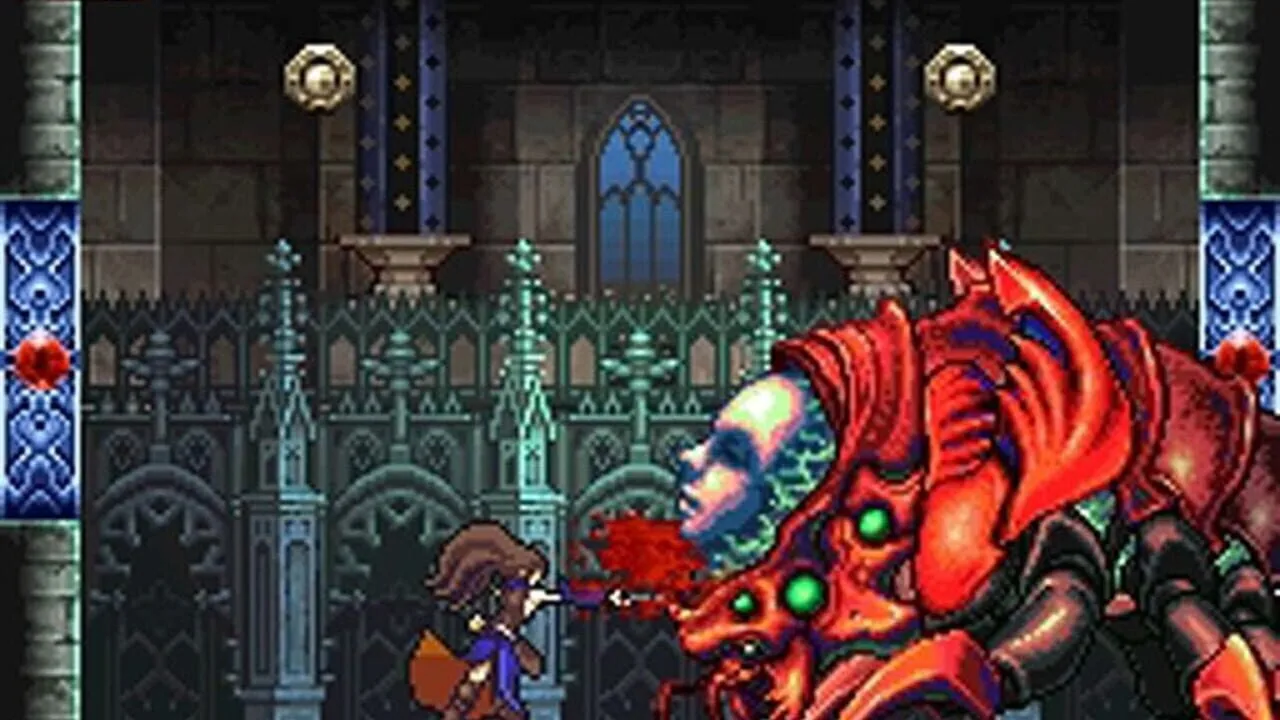
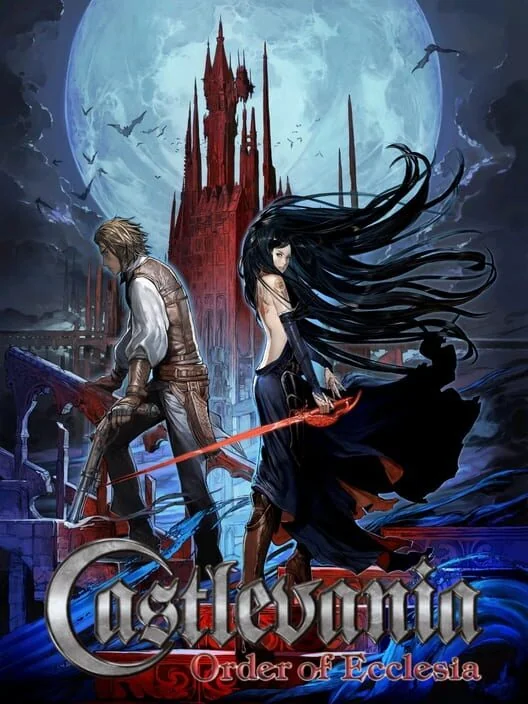
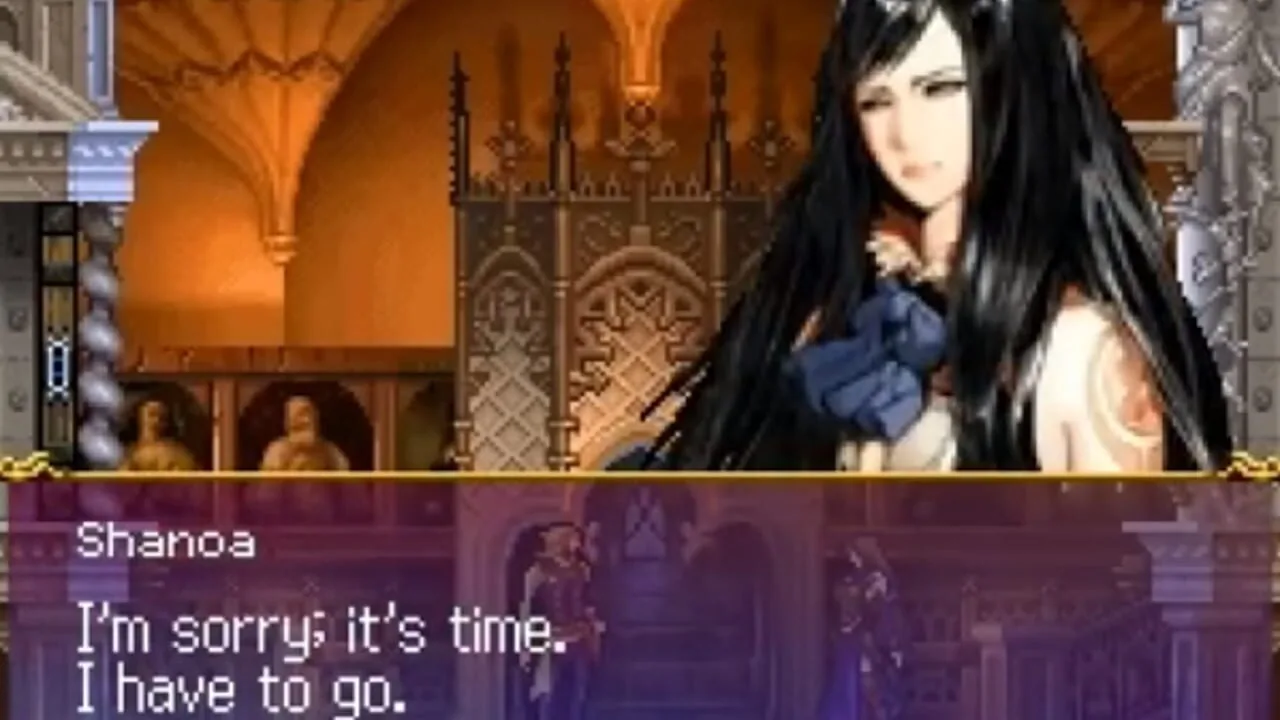
Order of Ecclesia is the third and last Castlevania on the DS. Shanoa belongs to an order fighting Dracula after the Belmont clan has vanished, and instead of a whip she uses Glyphs, powers taken from defeated enemies. There are over 100 to collect, and you can combine them into stronger Glyph Unions.
It is the first proper Castlevania without the Vampire Killer whip. Critics complained about the excessive side quests, but the combat is among the best in the series. Akihiro Minakata directed it, with Koji Igarashi back as producer, and Glyphs use magic points, so you have to stop attacking now and then to let them recharge.
7. Wario: Master of Disguise (2007)
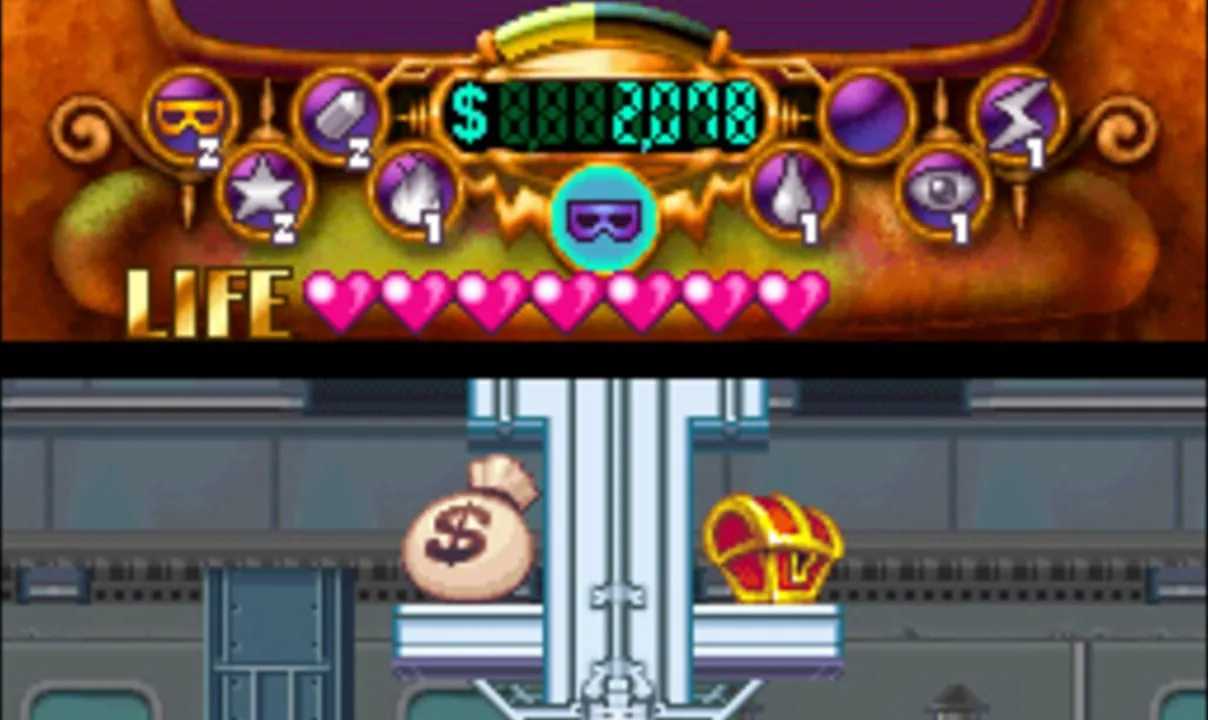
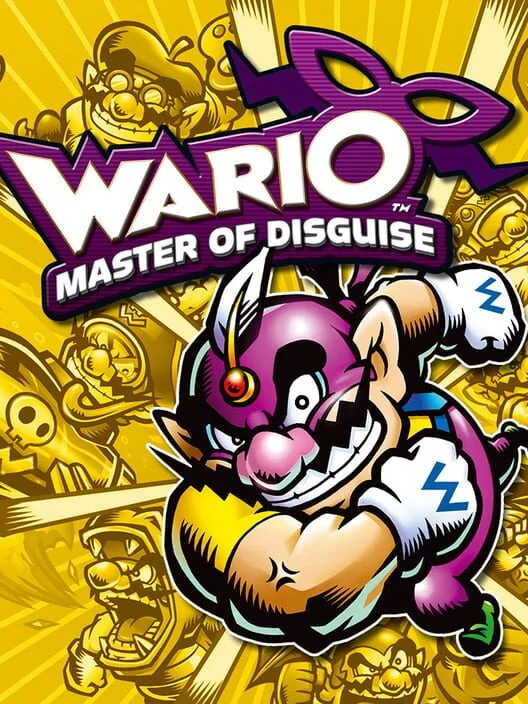
Wario is watching TV when he sees a show about a master thief, gets jealous, builds a helmet that lets him jump into the show and steals the thief's magic wand. From there he becomes a thief himself, with seven different disguises to switch between.
It plays like a Metroidvania, with new areas opening as you unlock new forms. You move Wario with the buttons and do everything else on the touch screen, which one review felt was not very necessary. Still, it is a funny, colourful adventure with plenty of Wario's attitude. In Japan it was called Phantom Thief Wario the Seven, after his seven forms, and like Wario Land 4 it gives Wario a health bar.
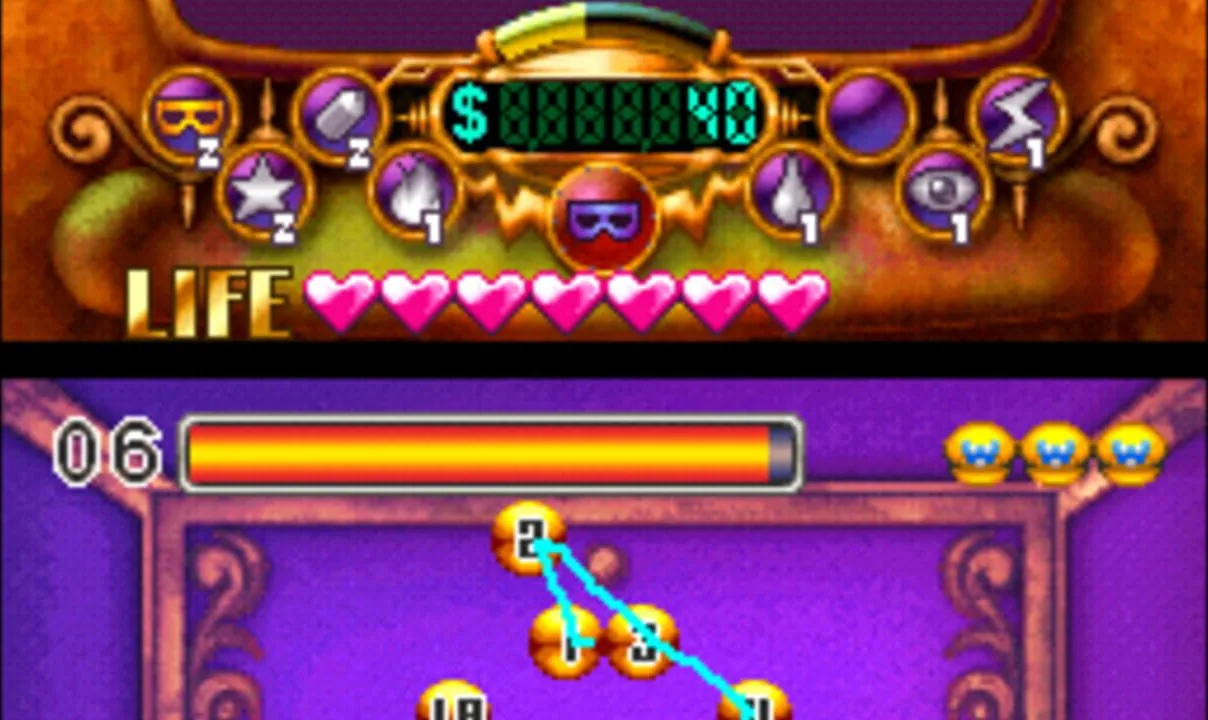
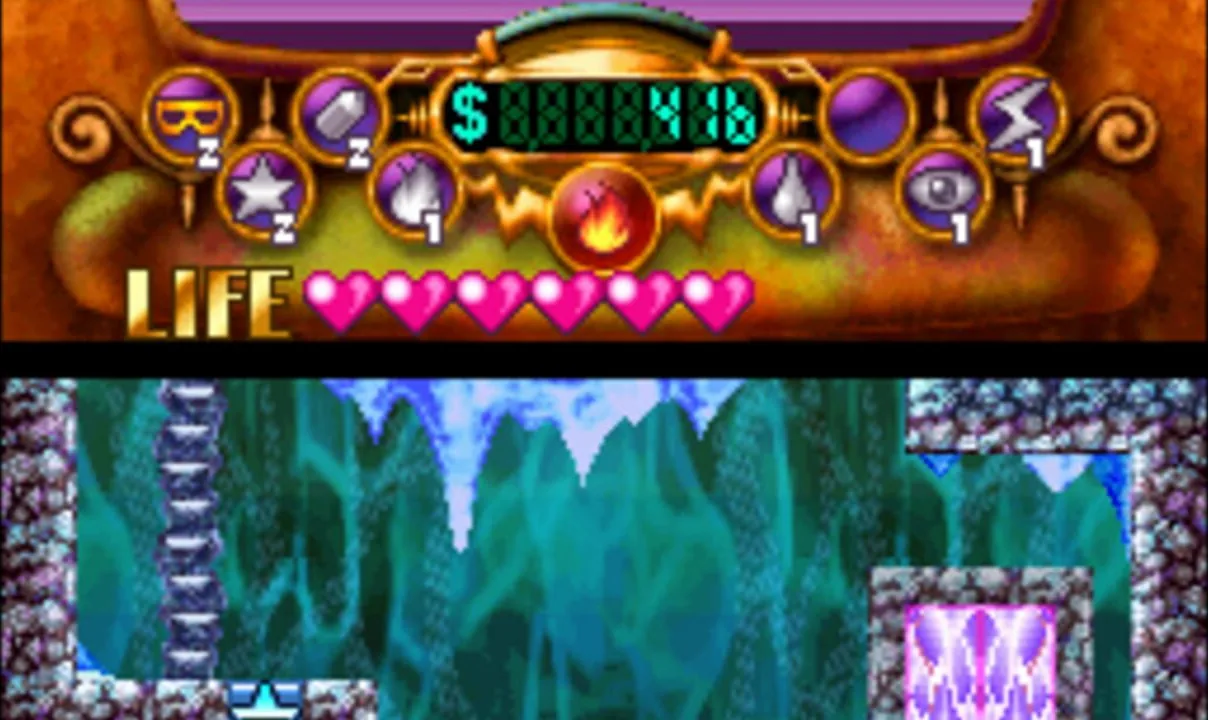
6. Super Princess Peach (2005)
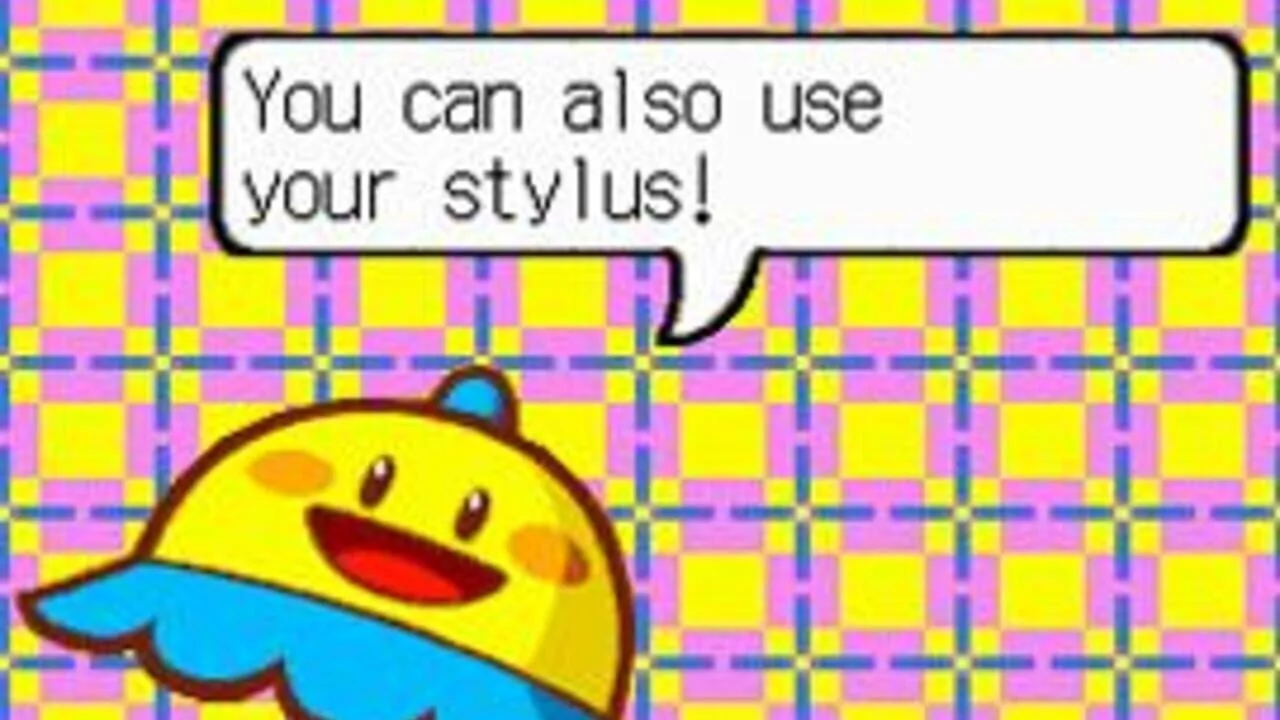
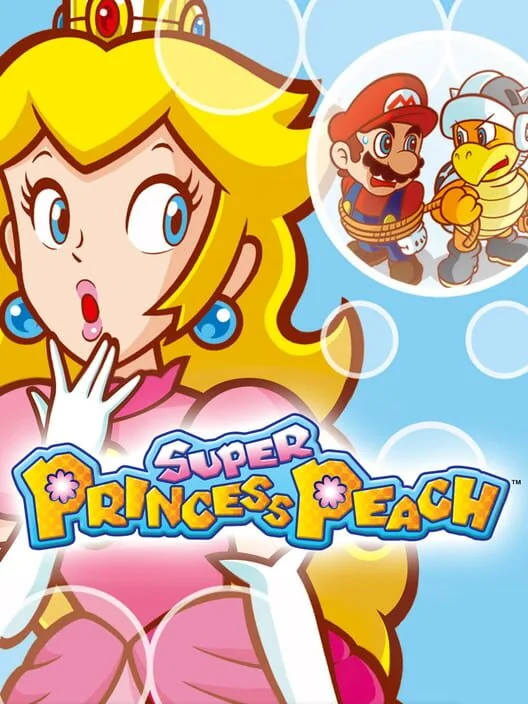
Super Princess Peach turns the tables: Bowser kidnaps Mario and Luigi, and Peach goes to save them with a magical talking umbrella called Perry. It was the first game with Peach as the main character on a real console.
Peach's powers come from her Vibes, four emotions you switch on with the touch screen. They change how she fights and solves puzzles, and the music changes with them. Critics praised the gameplay, graphics, story and soundtrack, but found it too easy. It sold 1.7 million copies. Tose developed it, and the adventure takes Peach to Vibe Island, where Bowser has found a sceptre that controls emotions. It became the 50th best-selling game on the DS.
5. Castlevania: Dawn of Sorrow (2005)
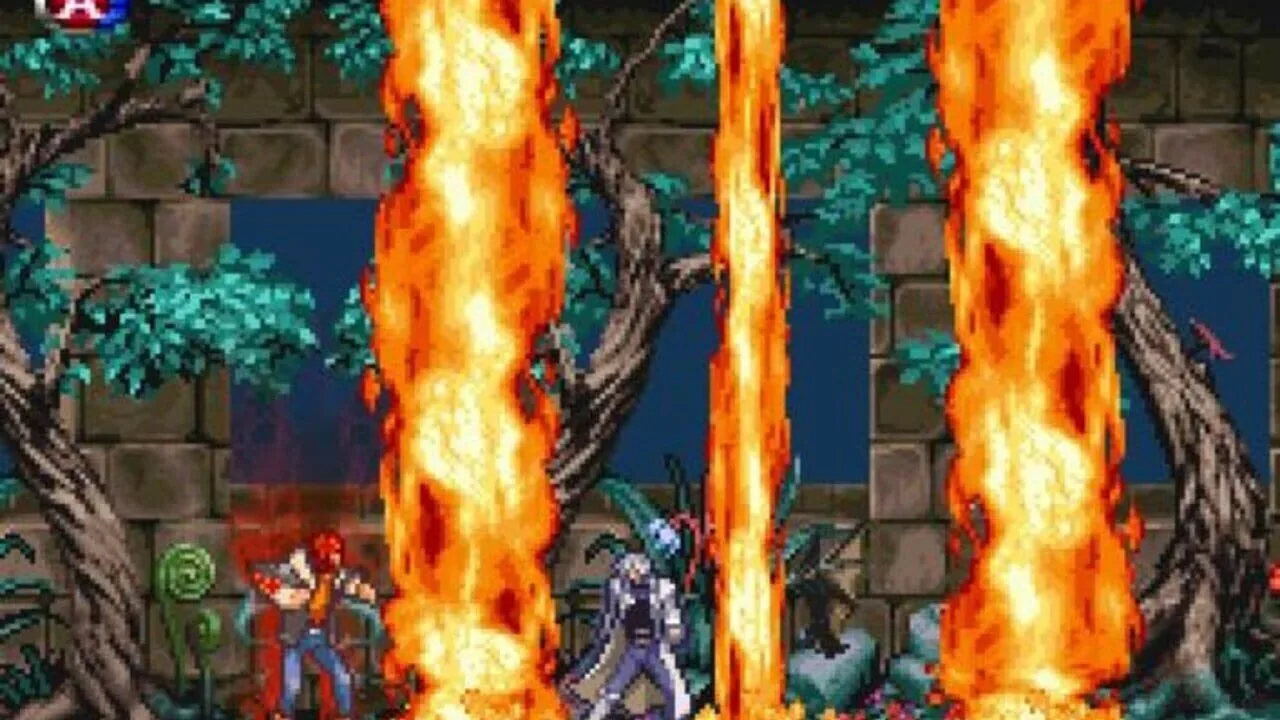
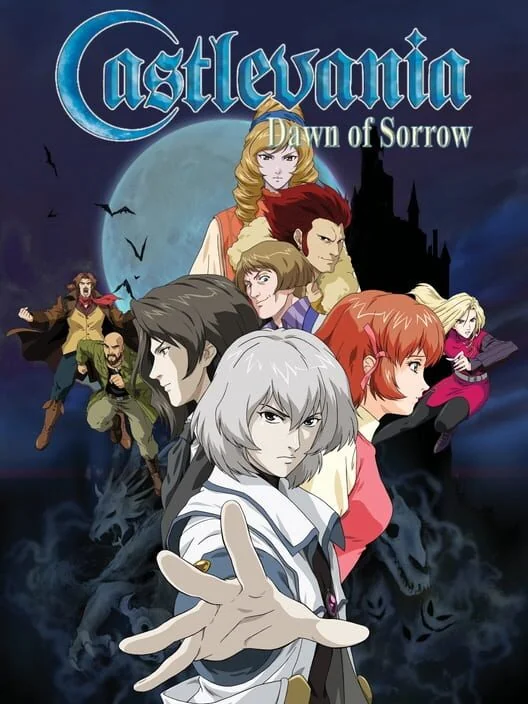
Dawn of Sorrow was the first Castlevania on the DS, and a direct sequel to Aria of Sorrow. Dracula's powers have passed to his reincarnation, Soma Cruz, and a cult wants to kill Soma to bring forth a new dark lord.
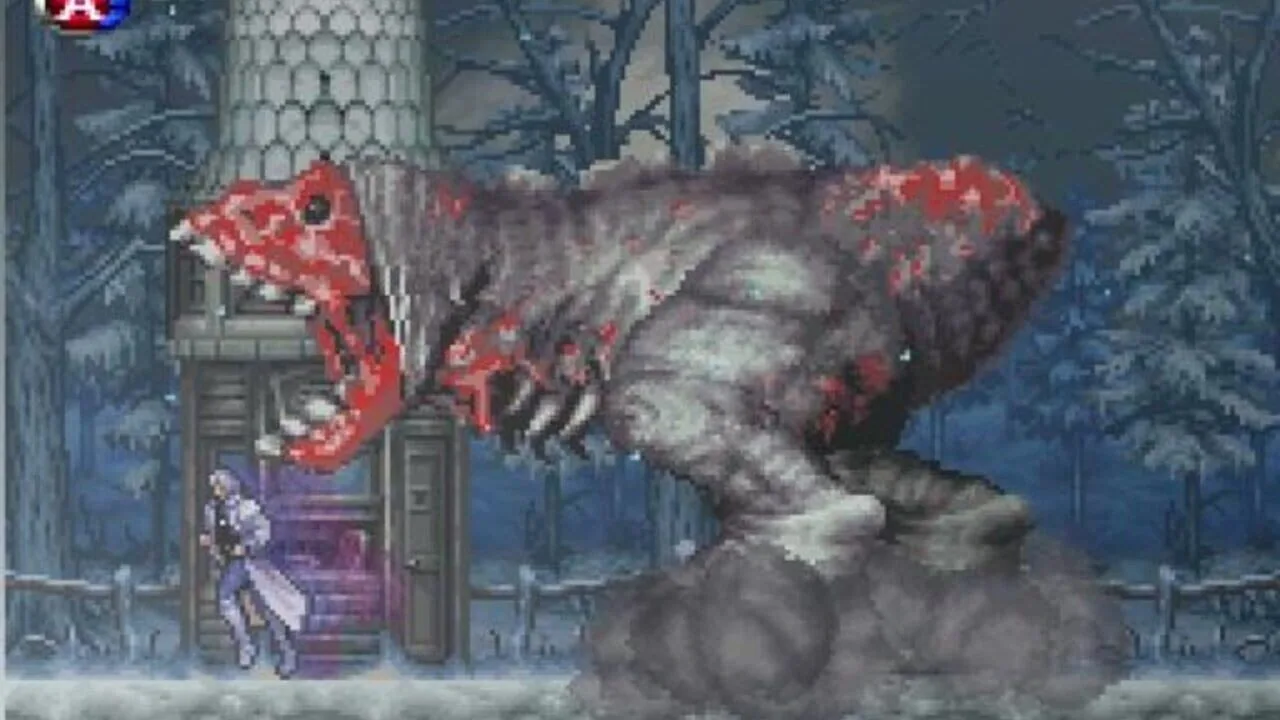
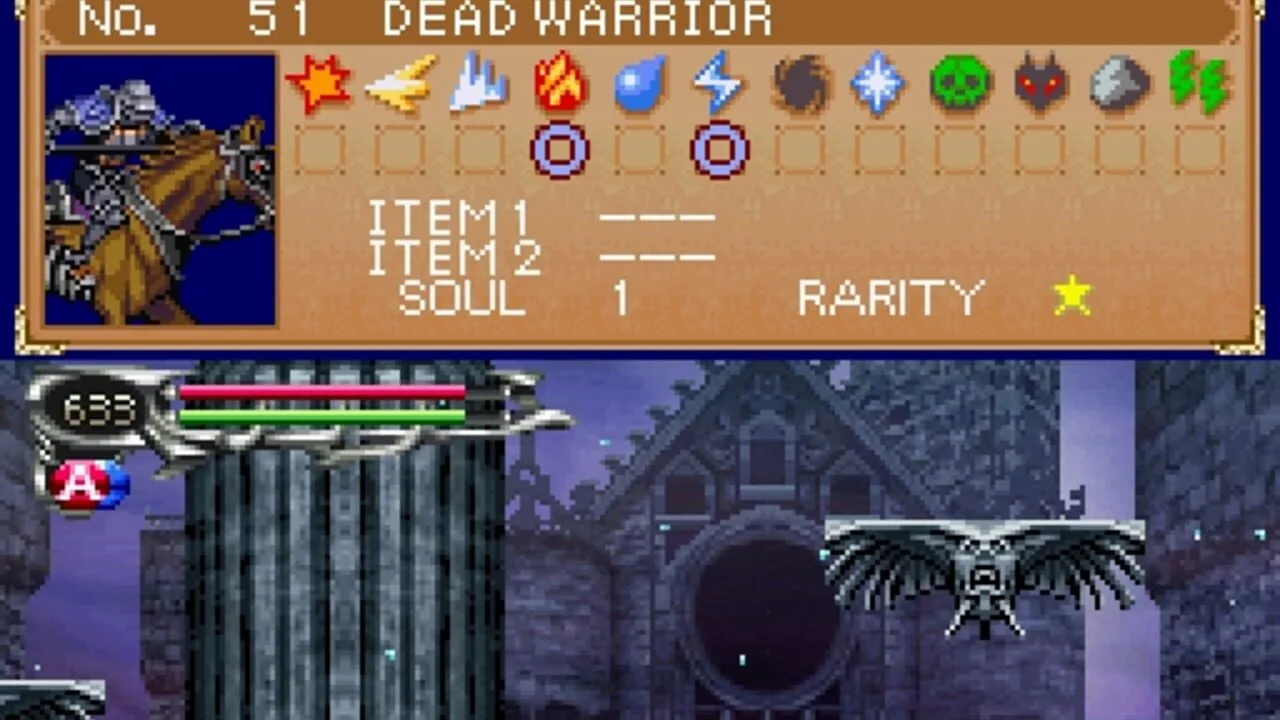
You collect the souls of enemies to gain their powers, and big enemies have to be finished off by drawing a Magic Seal on the touch screen. Critics did not like the new anime character art, but it was still considered one of the best DS games of 2005. It is the place to start the DS trilogy, and it came back in the 2024 Castlevania Dominus Collection. It sold 164,000 copies in the United States in its first three months.
4. Kirby Super Star Ultra (2008)
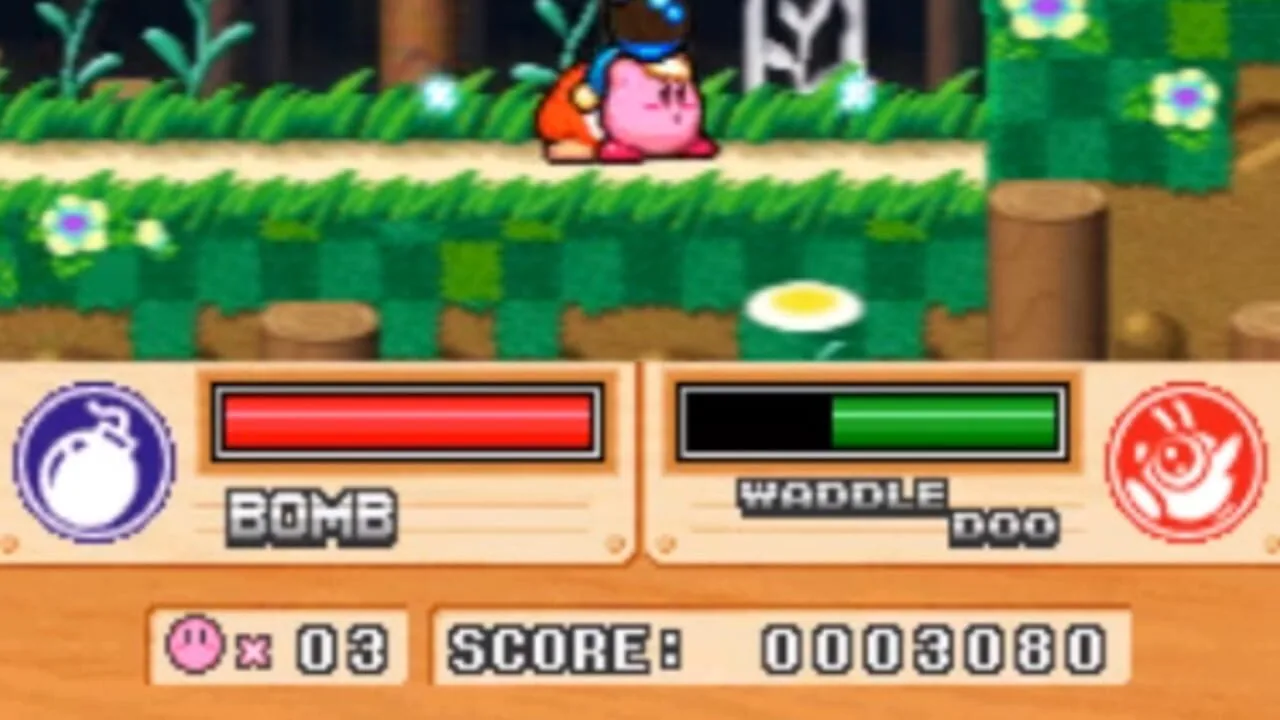
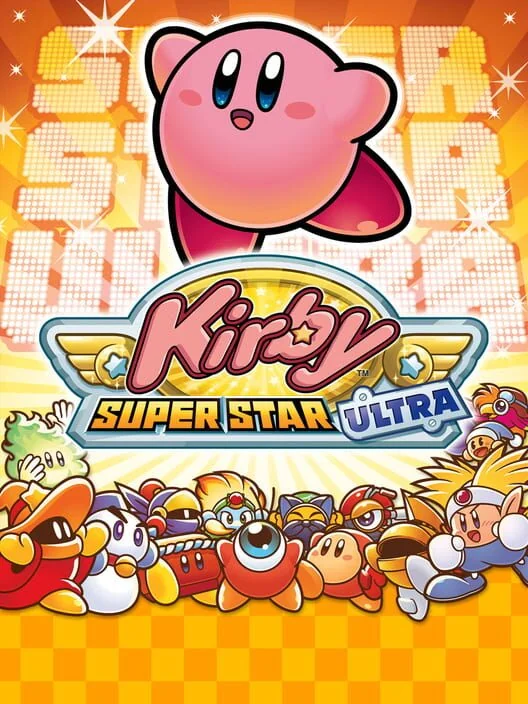
Kirby Super Star Ultra is a remake of Kirby Super Star from the Super Nintendo, made for the series' 15th anniversary. It keeps every game mode from the original and adds four big new ones, along with new graphics and animated cutscenes.
Kirby can inhale enemies, copy their powers and float around by puffing himself up. Critics loved the amount of content, but found it too easy, just like the original. It sold just under 3 million copies, making it the best-selling Kirby game since the very first one. It came out in North America first, in September 2008, and it is still the fourth best-selling game in the series.

3. Sonic Rush (2005)
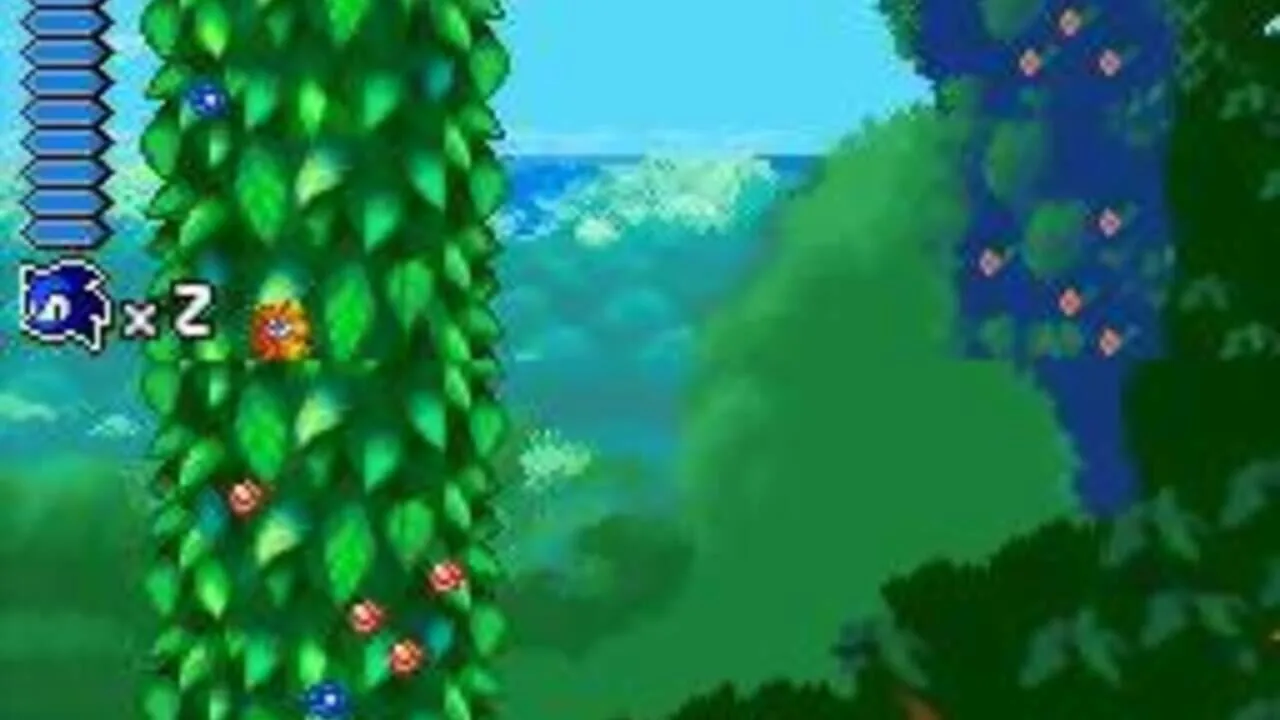
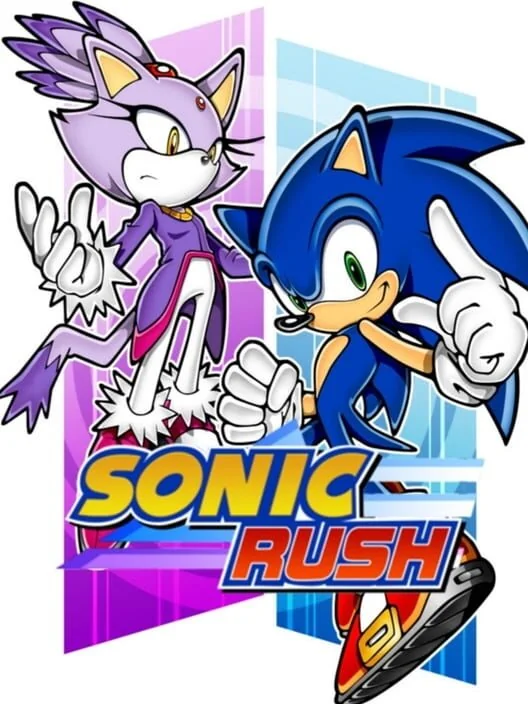
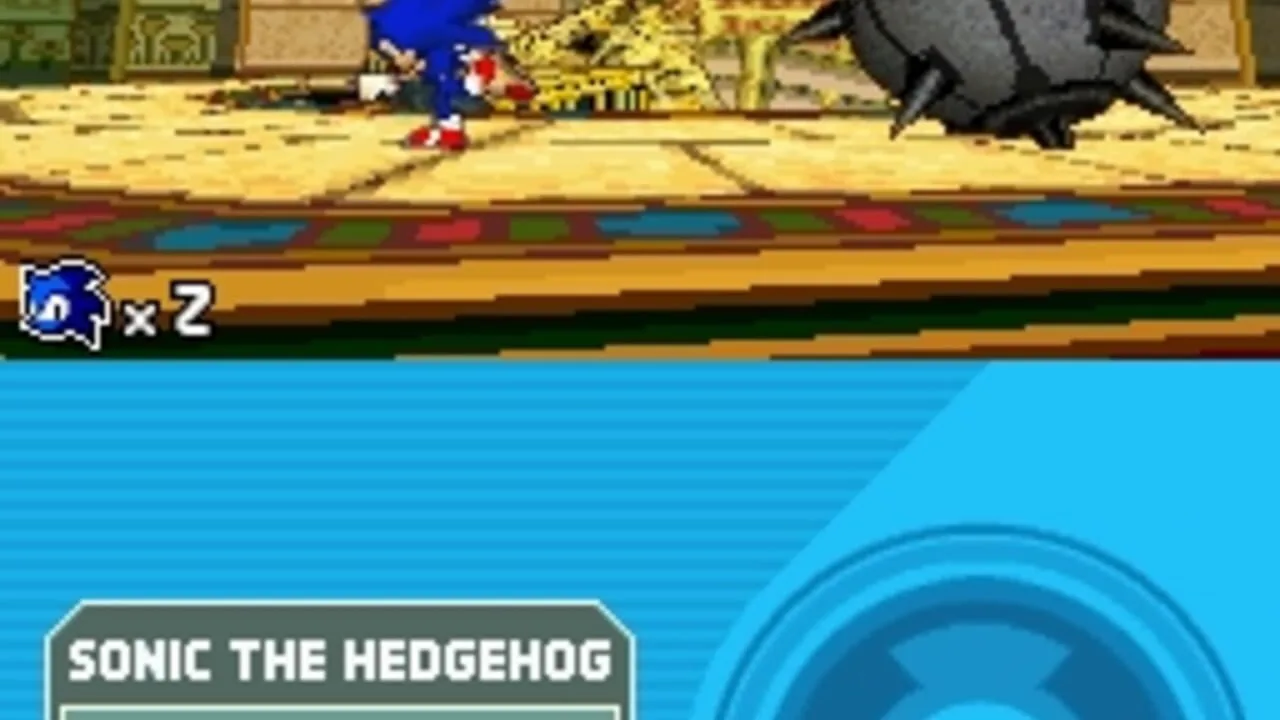
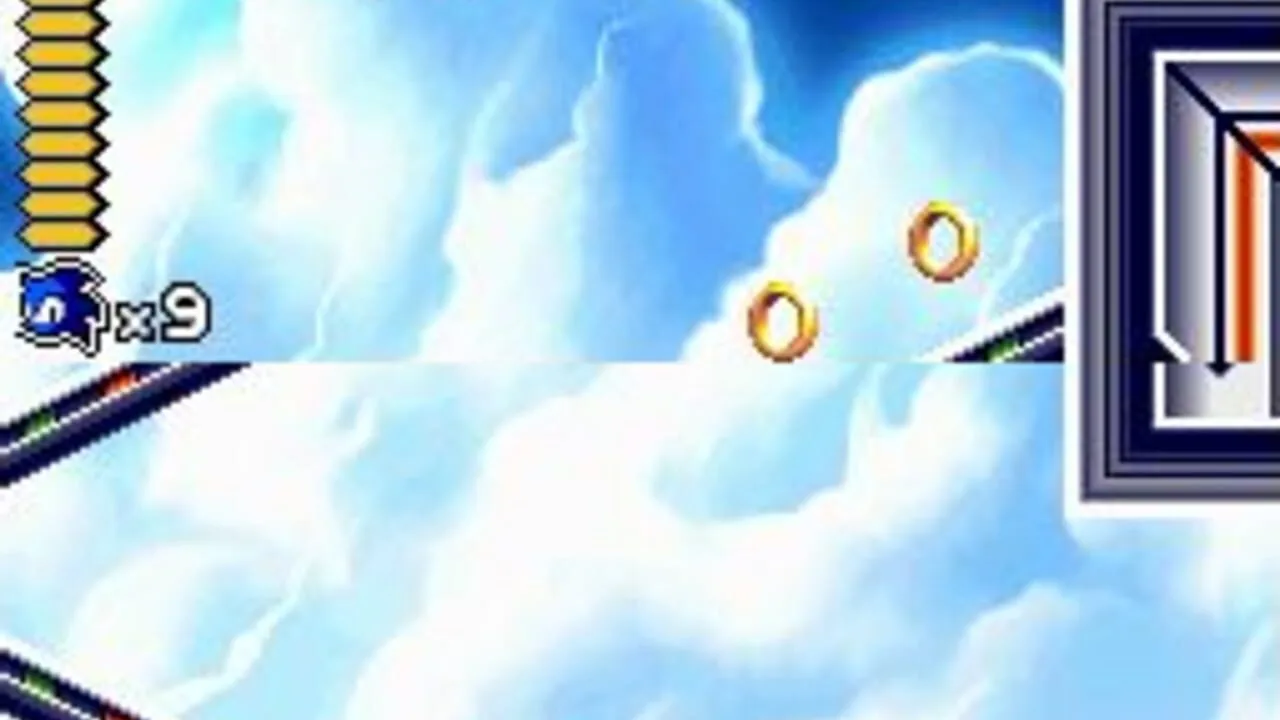
Sonic Rush gives Sonic a new partner, Blaze the Cat, and you can play as either of them. The levels run across both screens, and while most of the game is 2D, the bosses and characters are in 3D for a cool 2.5D look.
Pulling off tricks fills a meter that lets you boost through levels at high speed. Its visuals, music and old-school feel won critics over, although some found it almost too fast. It was the last main Sonic game produced by Yuji Naka, and it is one of the best Sonic games of its time. It was announced at E3 2004 under the working title Sonic DS, and it was the first Sonic game with the 4Kids voice cast.
2. Super Mario 64 DS (2004)
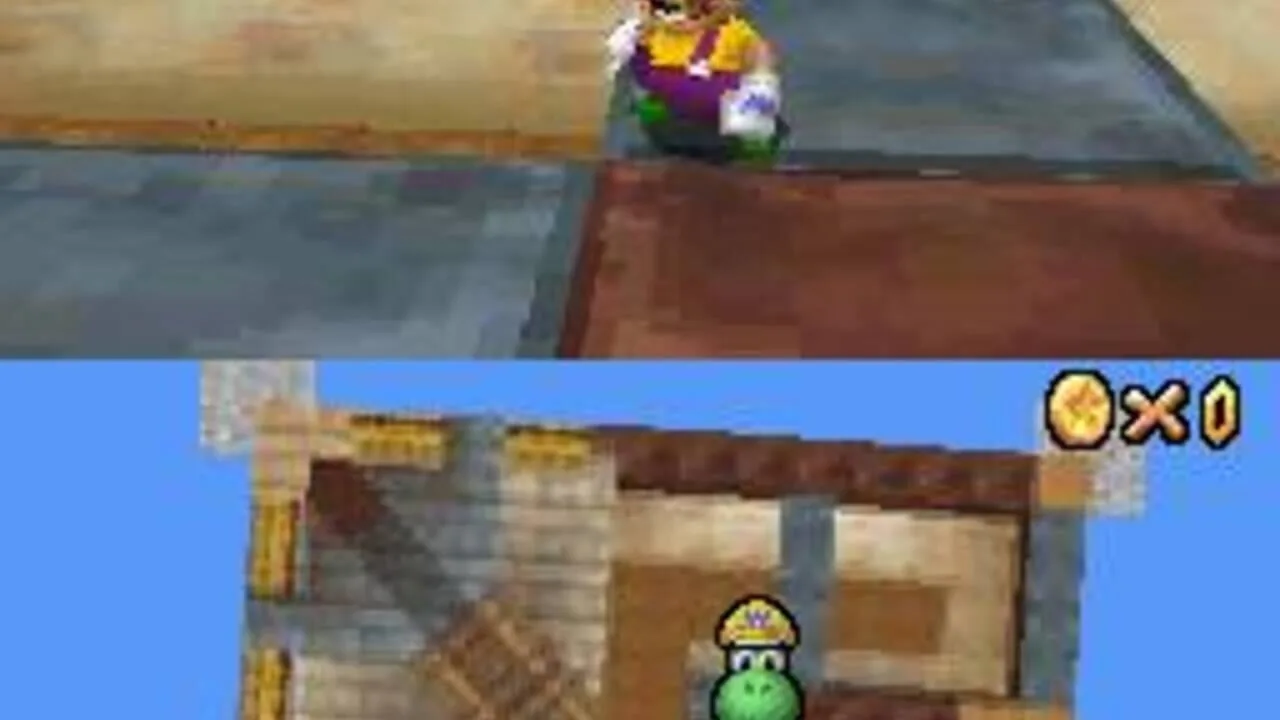
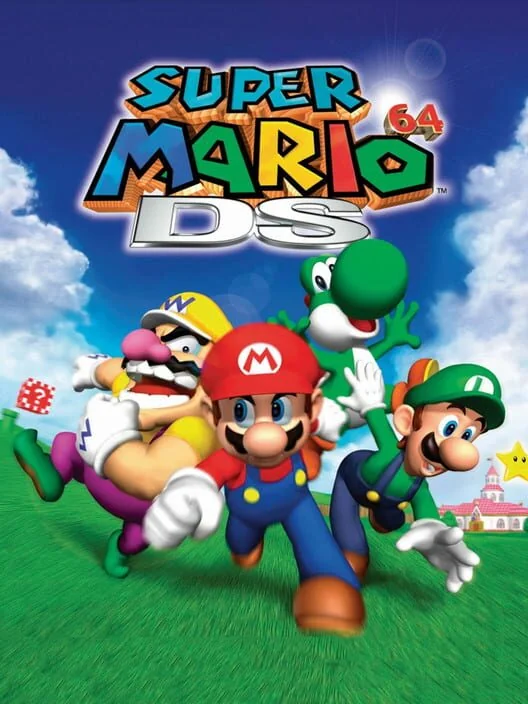
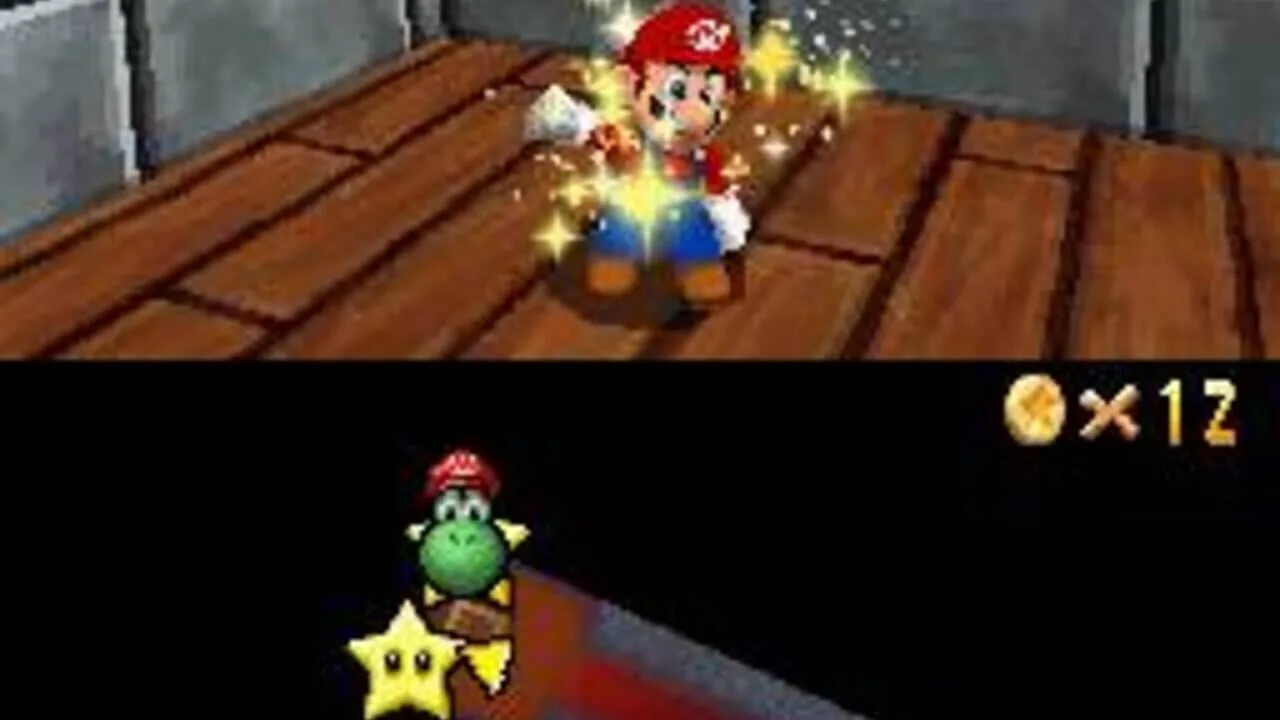
Super Mario 64 DS is a remake of the Nintendo 64 classic, and it was a DS launch title. You start as Yoshi this time and unlock Mario, Luigi and Wario as you go, each with their own abilities. There are also new stars to find, a multiplayer mode and lots of touch screen minigames.
Without an analog stick, the controls take some getting used to, and that was the main complaint from critics. Once you adapt, it is still Super Mario 64, one of the greatest games ever, now in your pocket. It sold over 11 million copies, making it the tenth best-selling DS game. It was first shown at E3 2004 as a multiplayer demo called Super Mario 64 ×4.
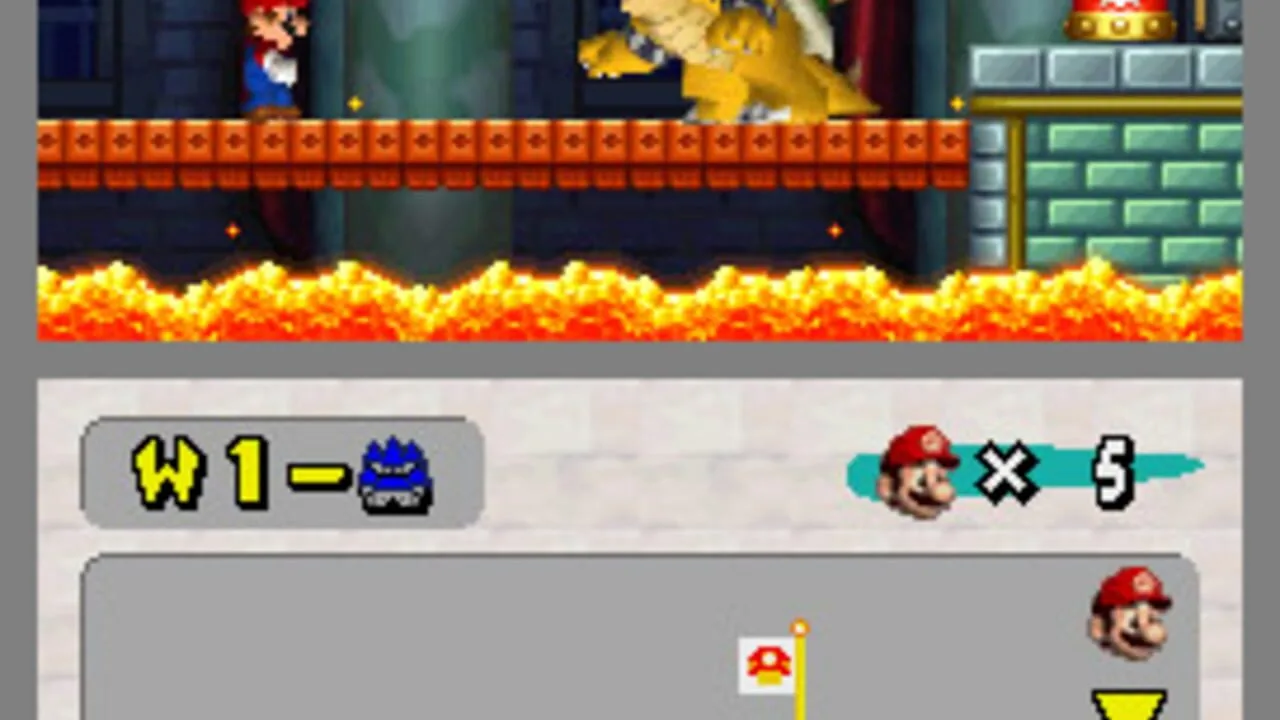
1. New Super Mario Bros. (2006)
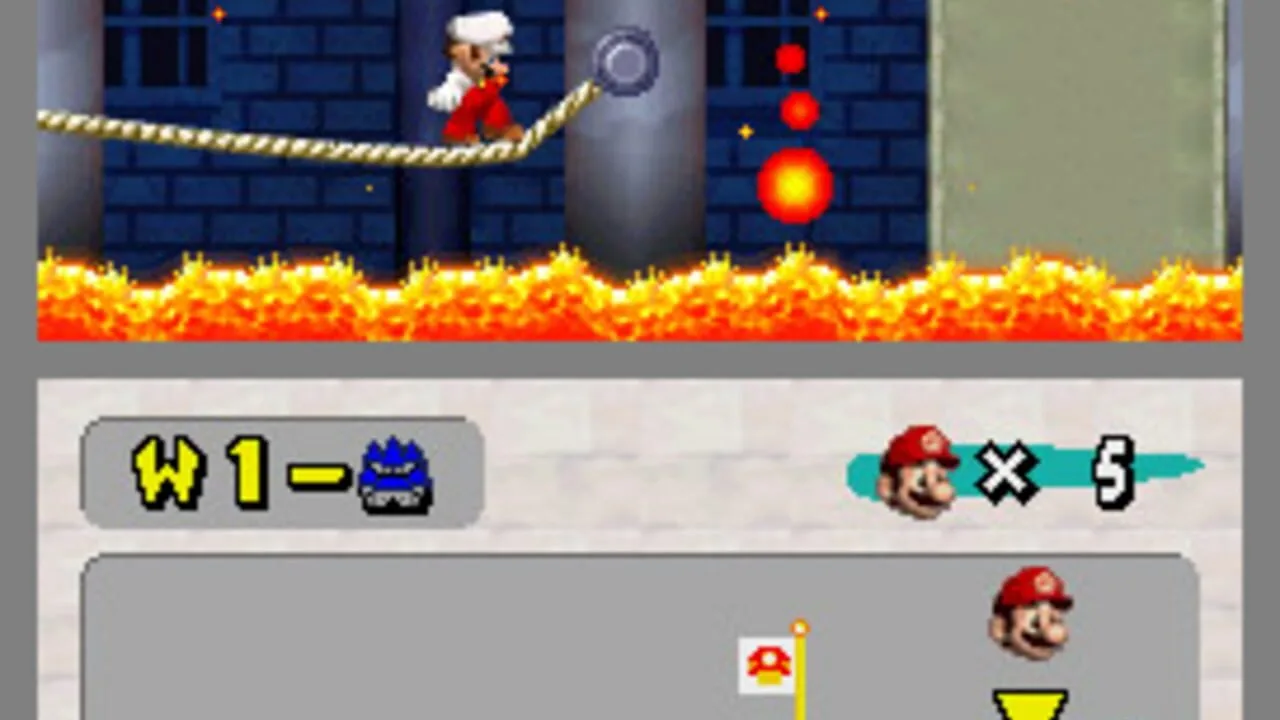
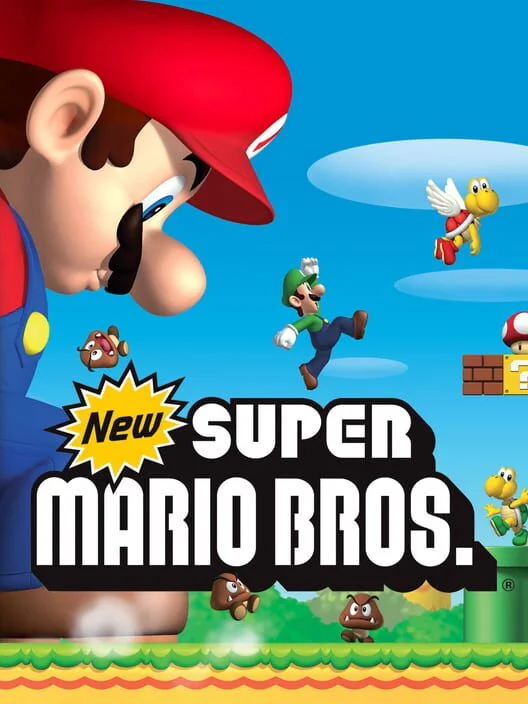
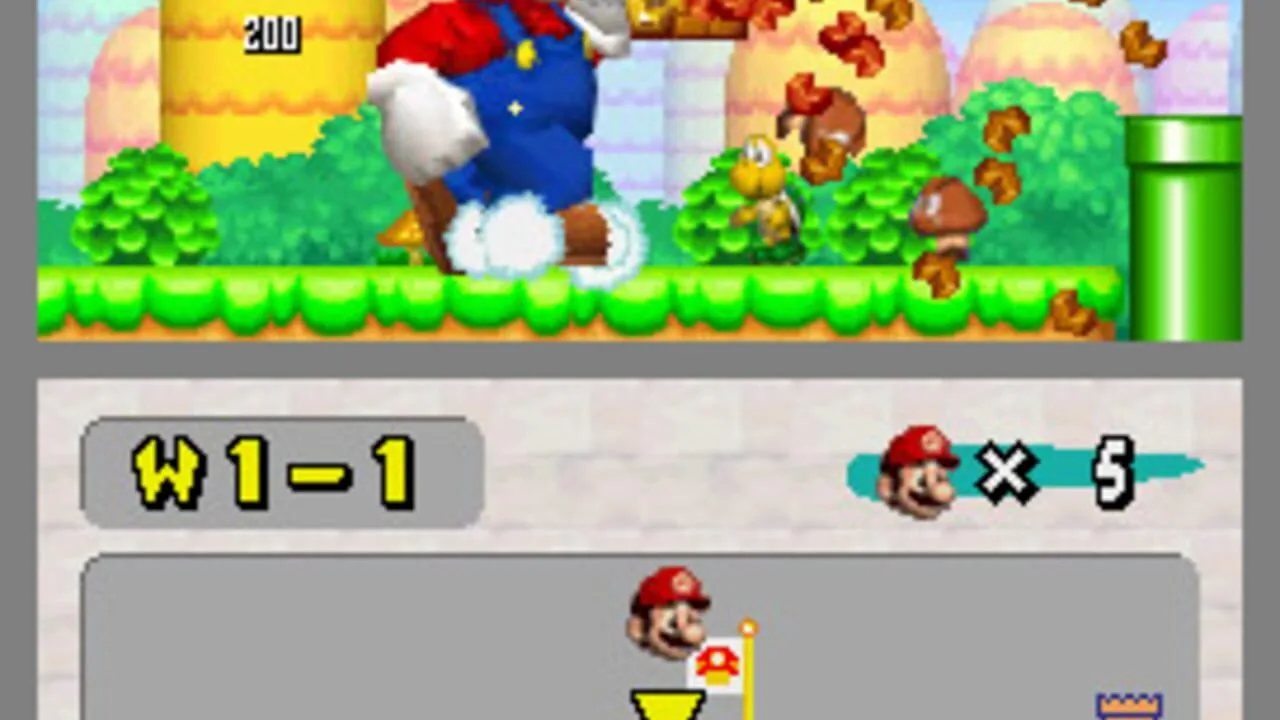
New Super Mario Bros. was the first new side-scrolling Super Mario game since Yoshi's Island in 1995. Mario fights through eight worlds and more than 80 levels to save Princess Peach, with classic power-ups like the Fire Flower and the Super Star along the way.
It was a huge hit, selling over 30 million copies, and many credit it with bringing 2D platformers back. Its level design and faithfulness to the classics drew the most praise, and the only real complaint was that it is easy. If you only play one game on this list, make it this one. Critics called it one of the best games on the DS, and some called it one of the best side-scrolling Mario games ever.
Which one to play
There you have it, the whole list of the best DS platformers. As you have seen, the DS has one of the best platformer libraries of any handheld, with timeless classics and strange new ideas side by side.
If you are not sure where to start, try New Super Mario Bros. If you want something bigger to explore, play the three Castlevanias, starting with Dawn of Sorrow. And if you want something that could only exist on the DS, Kirby: Canvas Curse has you draw the path Kirby rolls along.
Most of these are easy to play today, since any 3DS runs DS cartridges, and the three Castlevanias came back together in the Castlevania Dominus Collection in 2024.