The Nintendo DS turned out to be one of the best places in the world to play an RPG. Two screens meant the map could sit under the action, and the touch screen let you draw your own dungeon. You could cast with a stylus or even shout at the microphone. It had a full remake of Final Fantasy IV, a Dragon Quest that sold over five million copies, new Pokémon generations and Mario's own take on the genre.
There is a lot more here than the famous names, from a game about building fleets of spaceships to two that never left Japan. Here are the 25 best Nintendo DS RPGs.
25. Soma Bringer (2008)
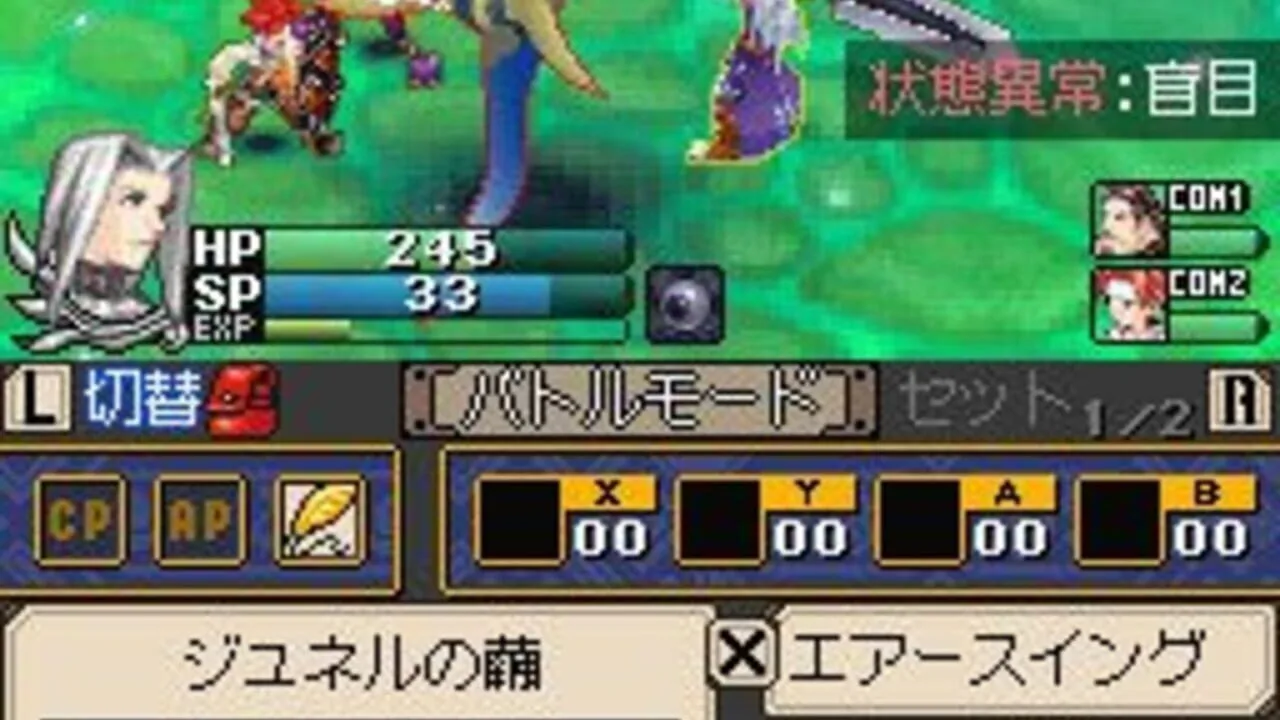
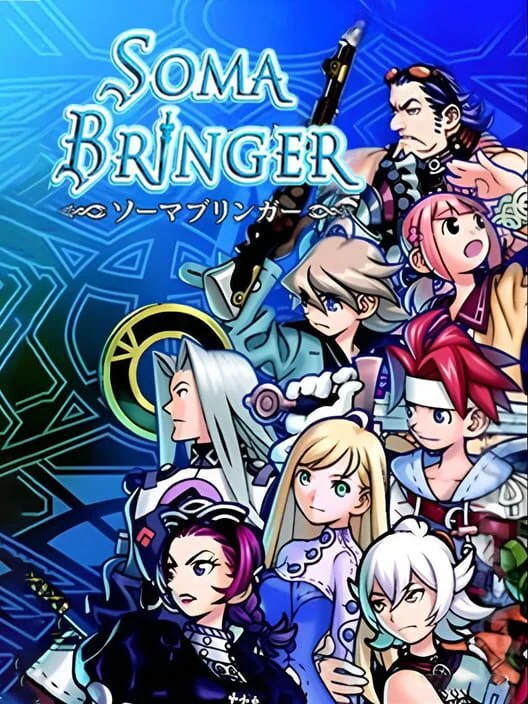
Soma Bringer was designed gameplay first, the reverse of how Monolith Soft usually worked. It started as a standard role-playing game and turned into an action game because of hardware limits, with Xeno series writer Soraya Saga and Chrono series composer Yasunori Mitsuda on the team. You play a member of the Falsif military group who meets a girl with no memory in the Junel Forest.
It came out only in Japan, in February 2008, and the DS could not fit long cutscenes anyway. Journalists in Japan and the West both praised it. English-speaking players still call it the one to track down and point to the fan translation as the way in. Development took about two years.
24. Etrian Odyssey III: The Drowned City (2010)
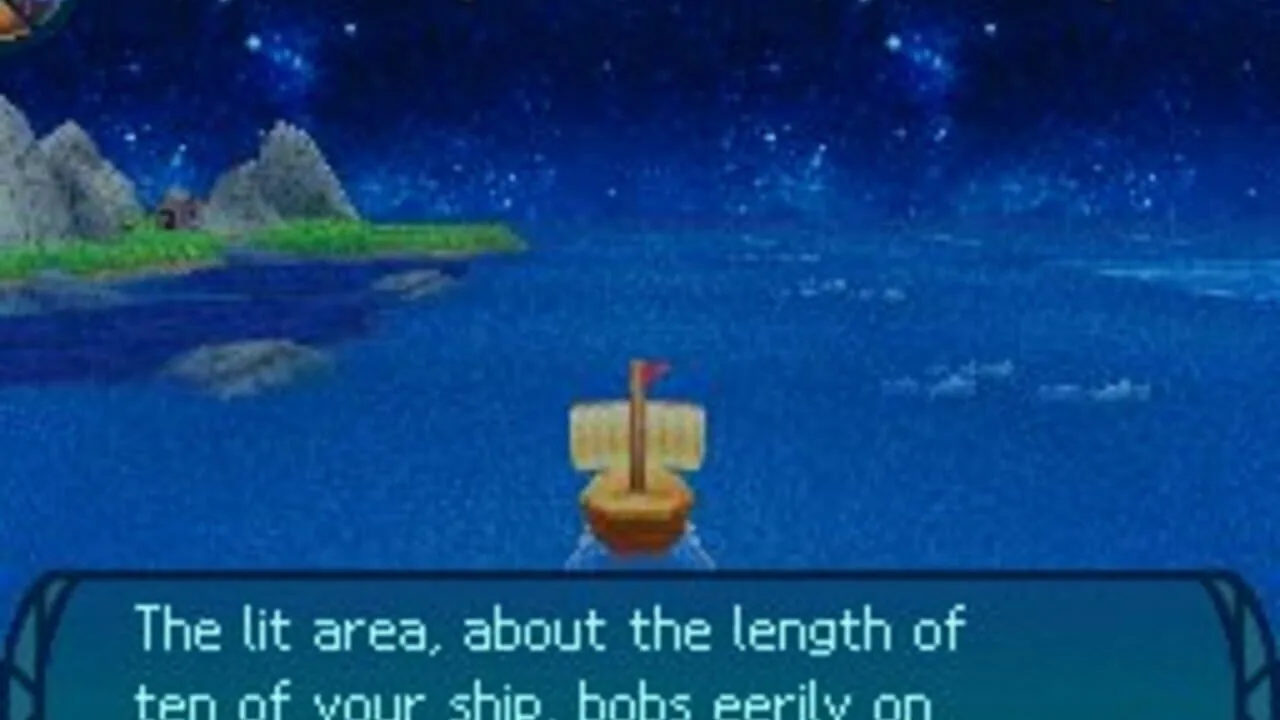
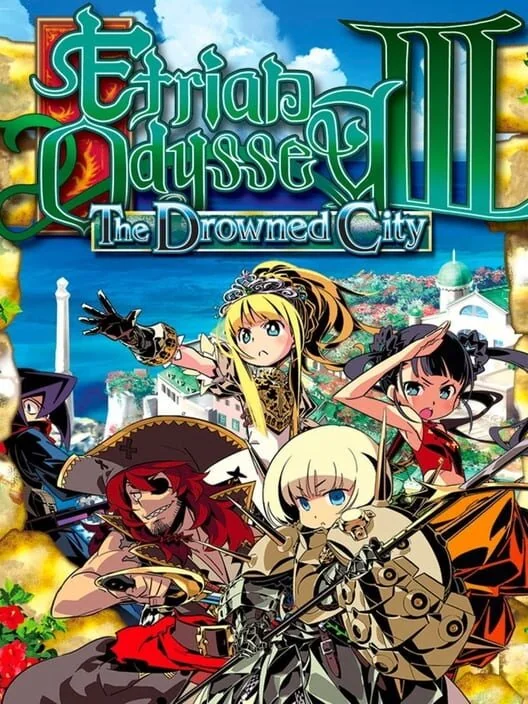
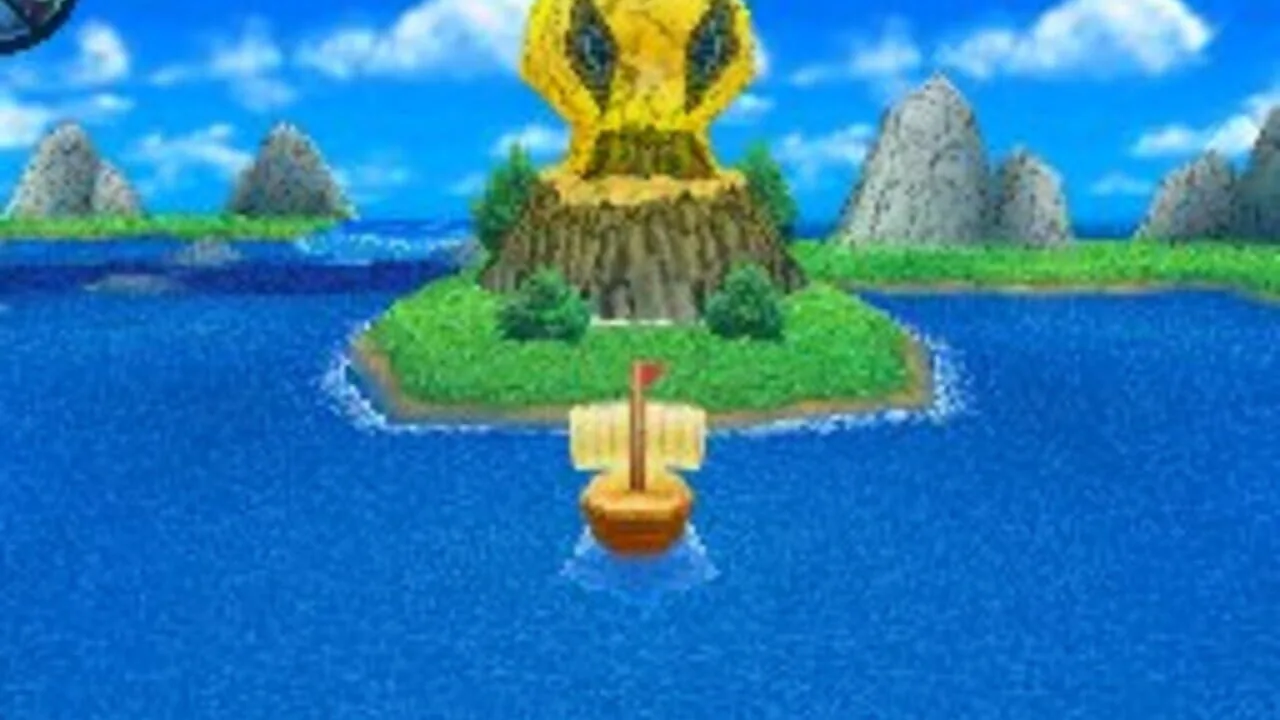
Etrian Odyssey III: The Drowned City sends you to an oceanic paradise to sail its waters and investigate rumours of a sunken city. You draw your own maps on the touchscreen, and careless cartography can doom a tired party. The new ship runs on provisions, so every voyage is a budget, and the sea gets mapped with the same icons as the labyrinth. Director Shigeo Komori said the first game felt like a green sea of trees and the second like the chill sky of northern Europe, so for the third he reached for a warm southern sea.
It is also the first in the series to let you customize weapons through forging. Players call it the best of the first three and warn that those games are famously hard. An HD remaster reached Switch and Windows in June 2023.
23. Lufia: Curse of the Sinistrals (2010)
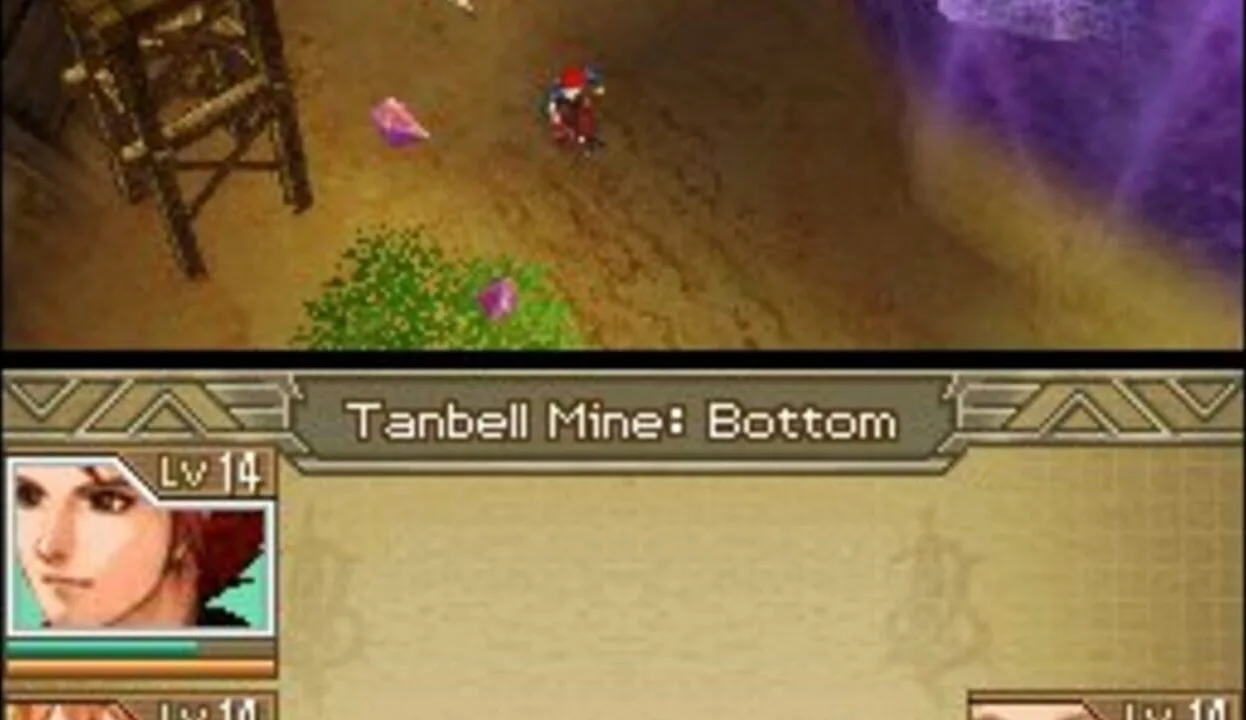
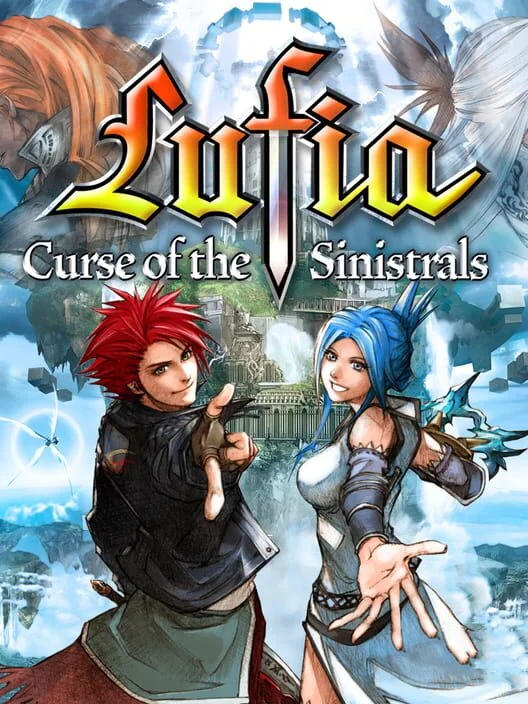
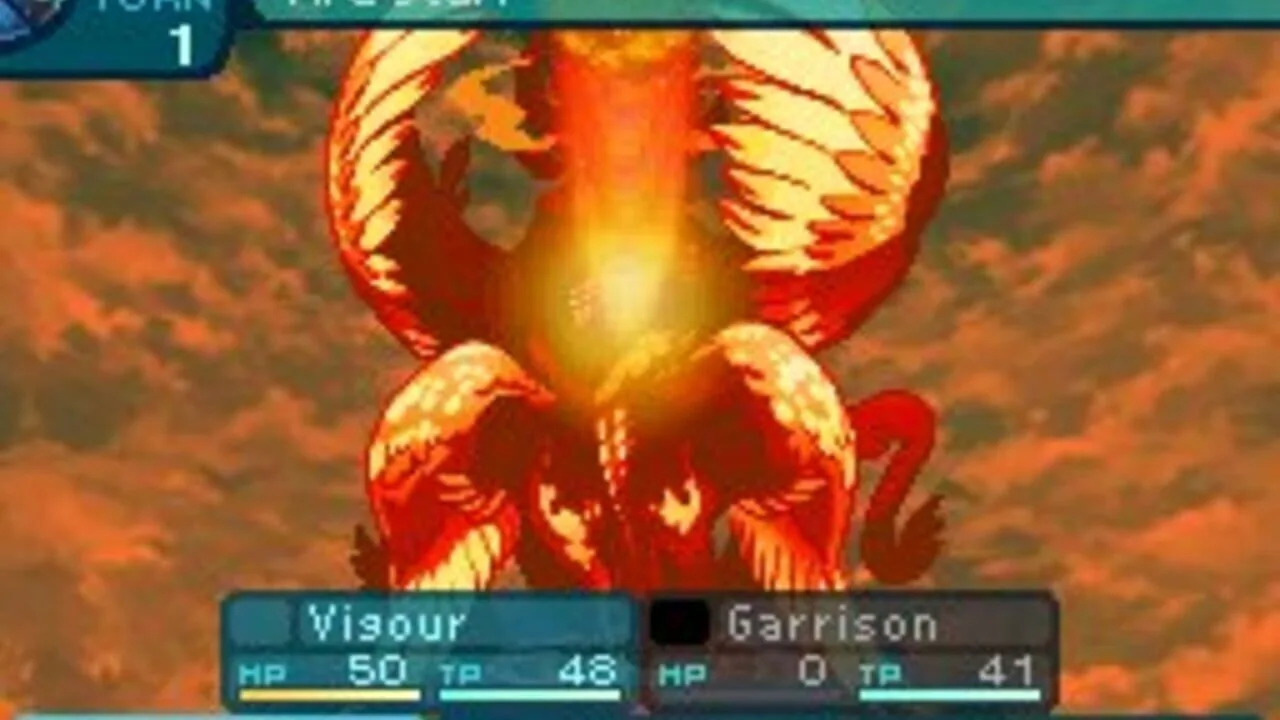
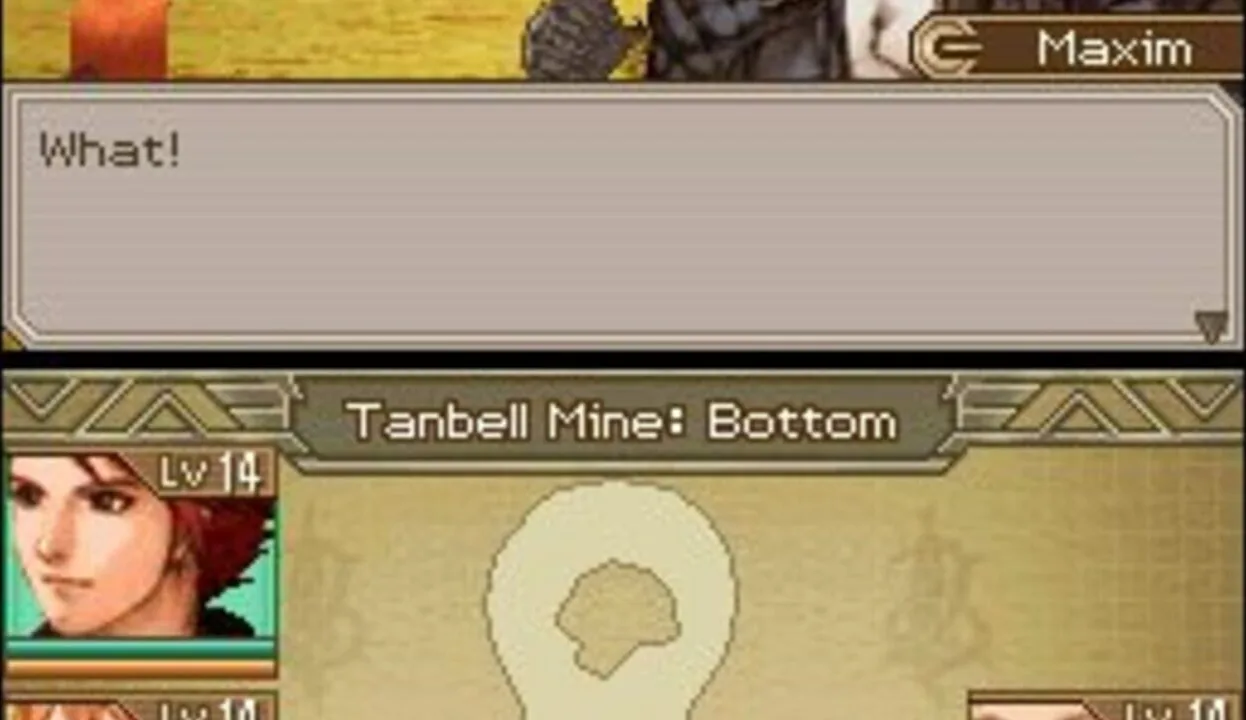
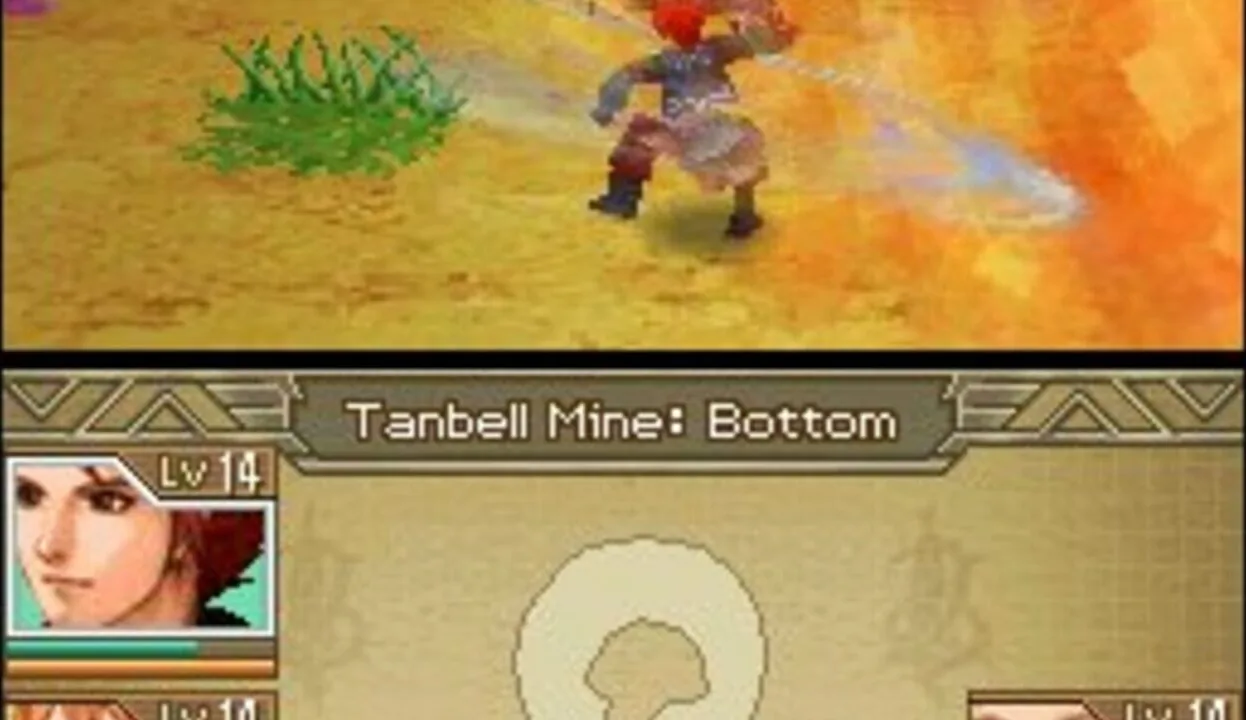
Lufia: Curse of the Sinistrals is a DS remake of Lufia II: Rise of the Sinistrals, first made for the Super Nintendo. It trades the old turn-based battles for real-time action, and the story takes its own turns at certain points. Neverland, the studio behind the original, built it, with much of the staff from Lufia II closely involved. The new version has 3D graphics and voice acting, and the first big fight is against Gades, the Sinistral of Destruction, a giant mech-golem monster at the Soma Shrine.
Japan got it in February 2010 and North America followed that October. Players tend to bring it up as a less obvious pick that still impresses.
22. Phantasy Star 0 (2008)
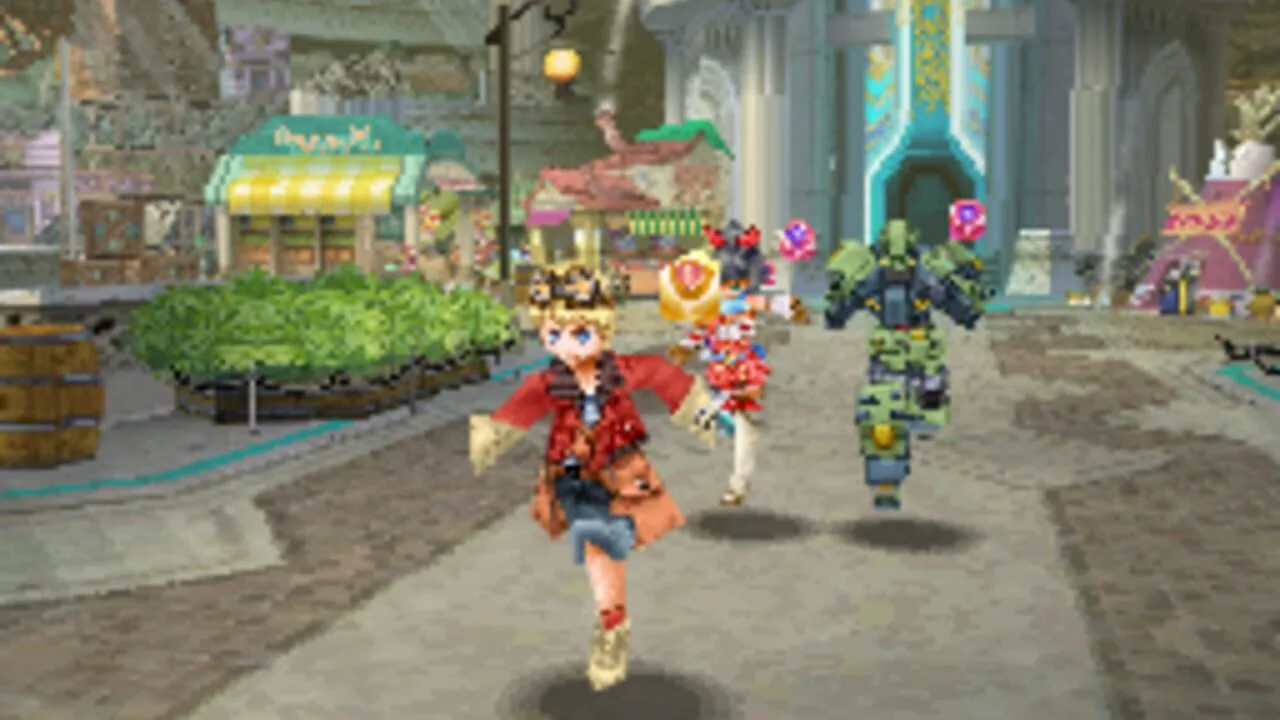
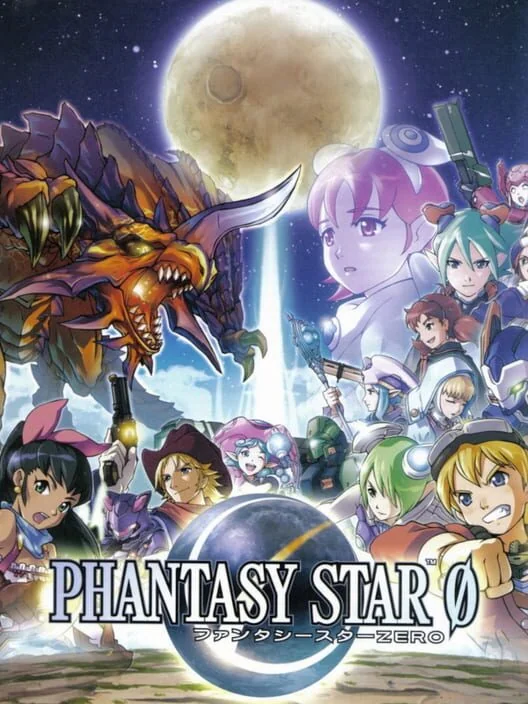
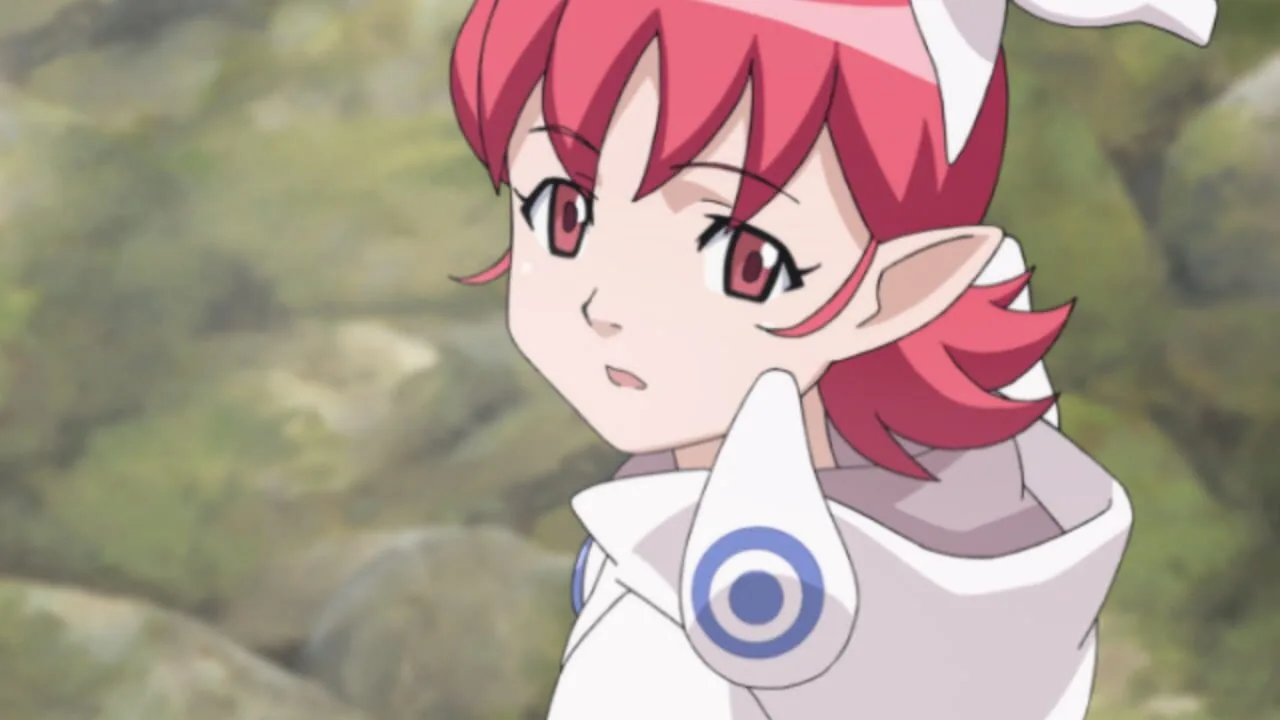
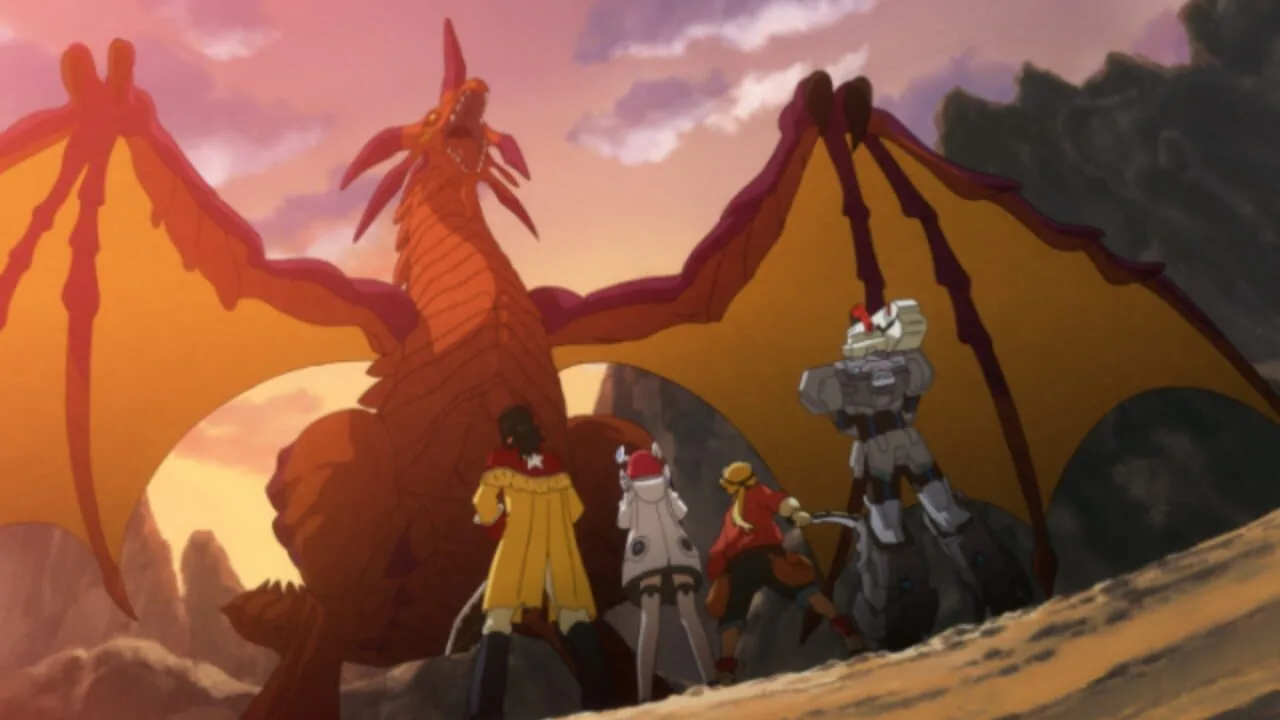
Phantasy Star 0 takes place on an alternate Earth 200 years after a war called the Great Blank, where Hunters venture into the wilderness to fight monsters. You build your Hunter from 14 character types and over 350 weapons, which means you will spend more time comparing swords than fighting monsters.
Sega made the DS entry to widen the series' appeal to younger gamers, and you pick a Human, a CAST android or a Newman, each with its own strengths. Players keep it on their short lists of the system's best action RPGs. The race you pick decides the order in which you tackle the first three zones, but every story ends the same way.
21. Etrian Odyssey (2007)
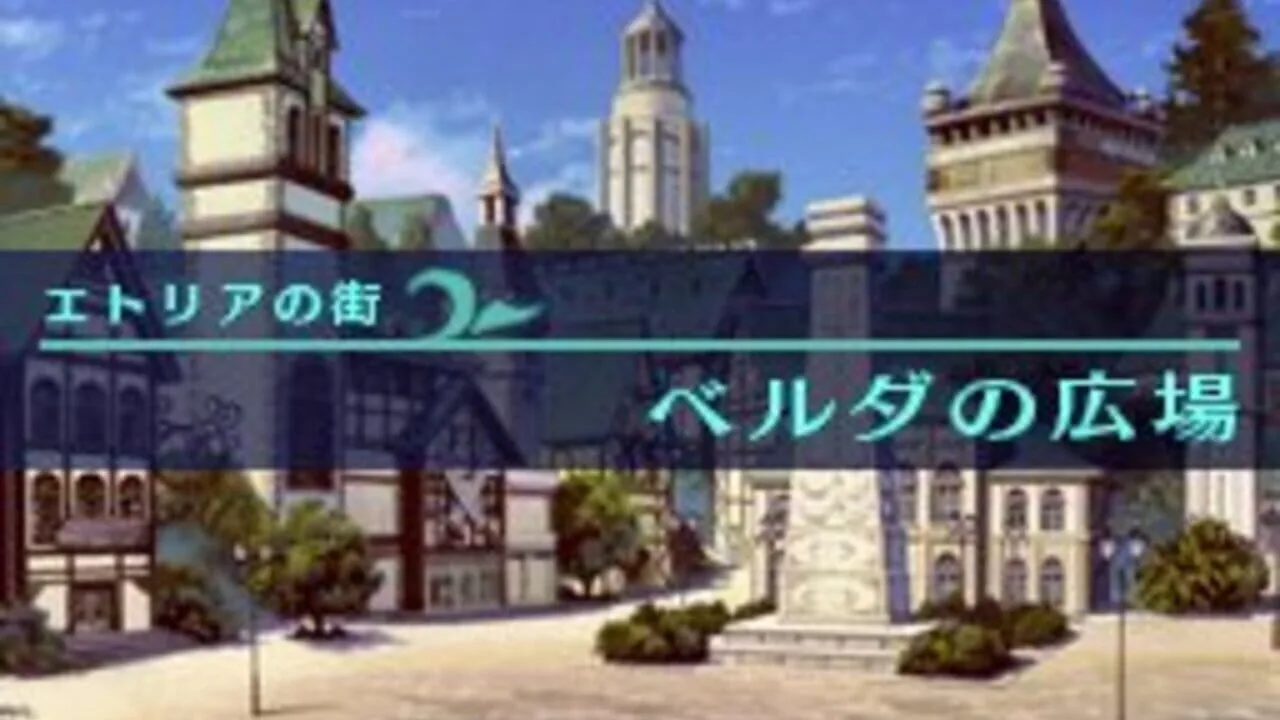
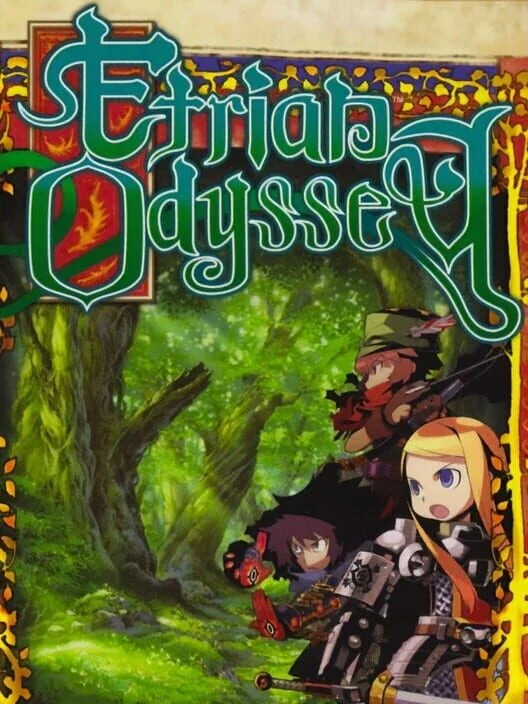
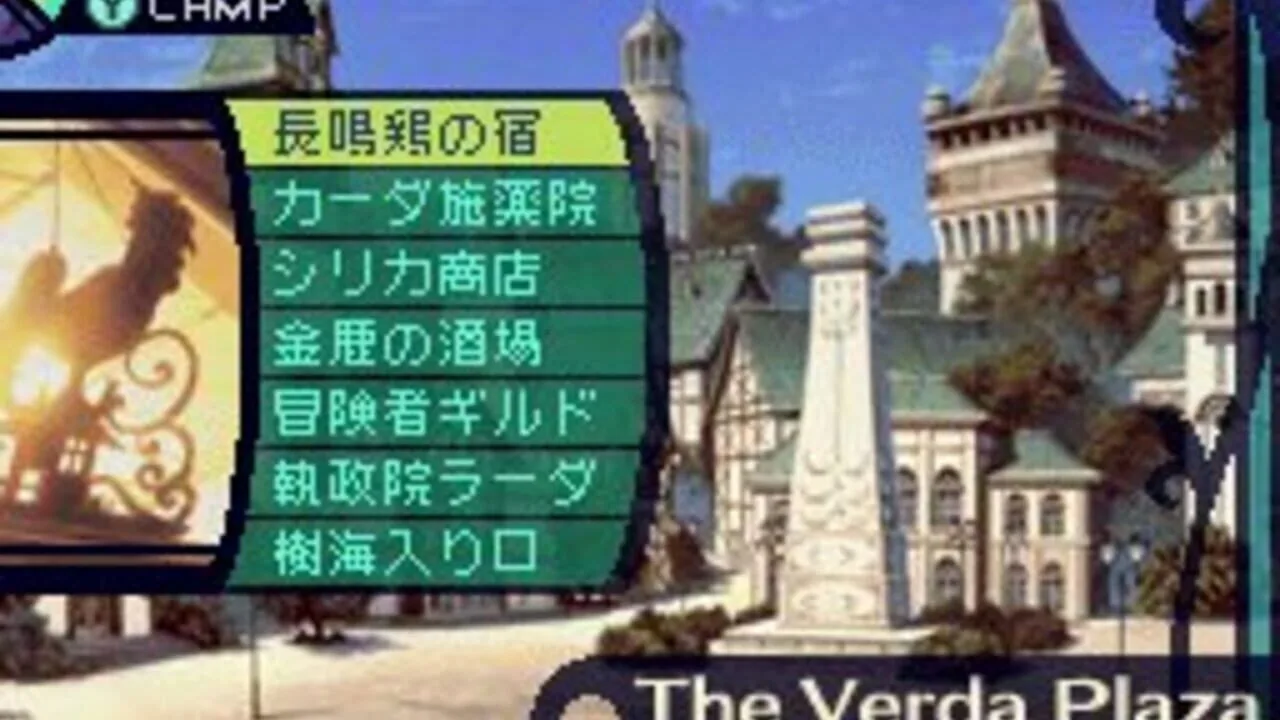
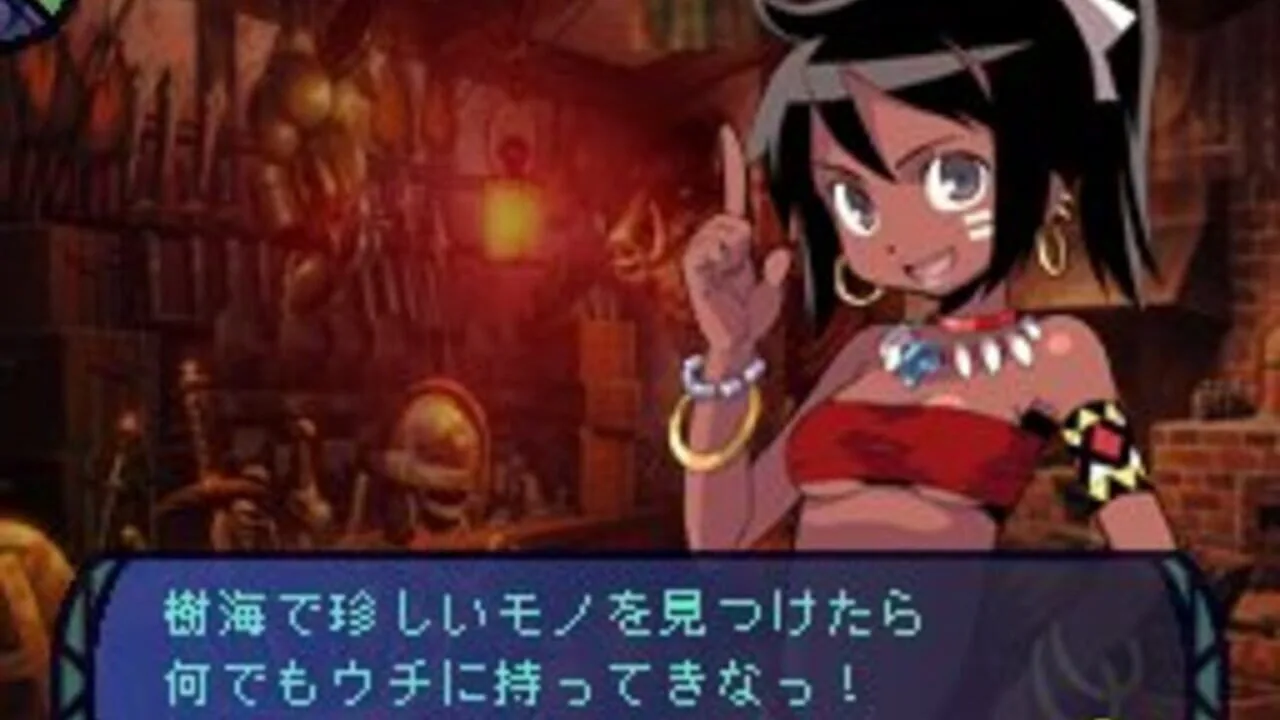
Etrian Odyssey takes place in Etria, a small town that became famous when a crack in the forest at its edge opened the way into a labyrinth. You create your own team of adventurers and draw your own dungeon maps on the touch screen. Yuzo Koshiro wrote the FM-style music, and the roaming FOE monsters can pull a second or third fight in on top of you.
Critics said the punishing difficulty limited its appeal, but also made the game more rewarding. Players send anyone who wants a real challenge here. An HD remaster arrived in June 2023. Only five characters fit in the party at once, though you can keep a much larger roster waiting at the guild hall.
20. Mystery Dungeon: Shiren the Wanderer (2006)
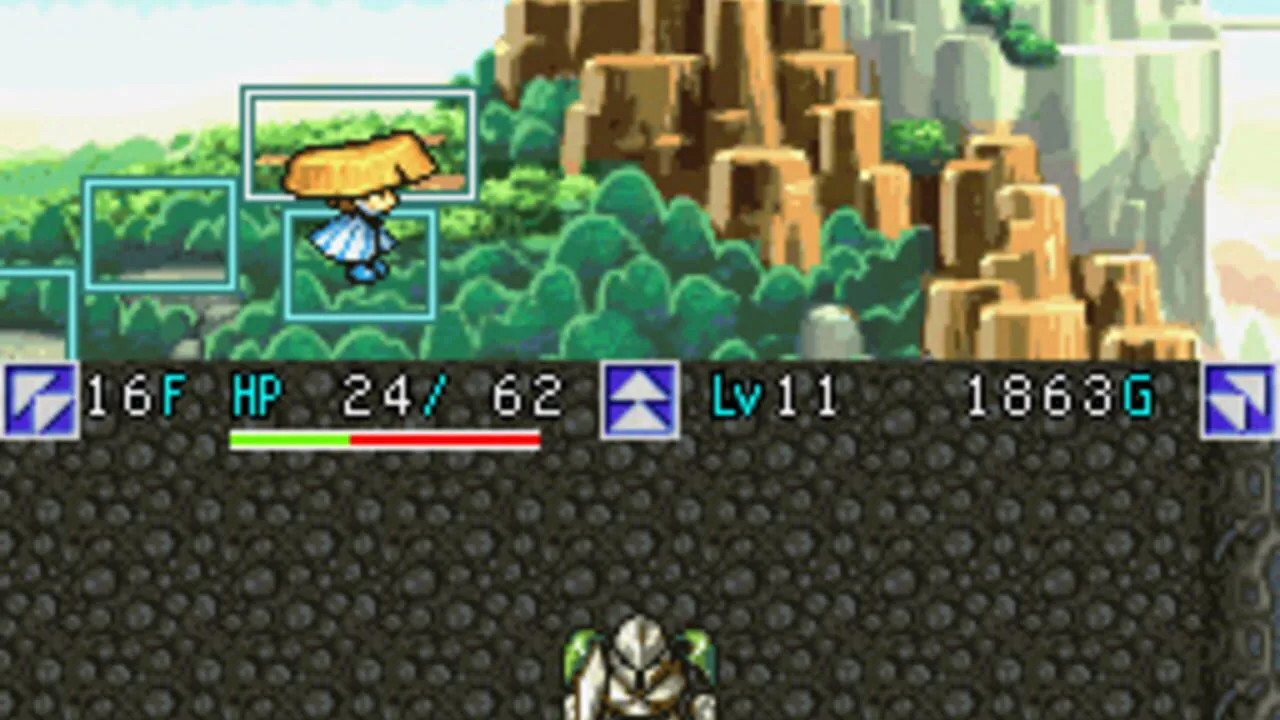
Mystery Dungeon: Shiren the Wanderer follows Shiren and his pet weasel Koppa on their search for the golden city of El Dorado. It is a turn-based roguelike, full of caves and dungeons. Dying and starting over is the whole design, so for many players it was the door into the genre.
The DS got the first English release of Shiren, and players treat it as the roguelike to try on the system. The sequel, The Tower of Fortune and the Dice of Fate, came out on the DS in Japan in 2010 and only reached the West in 2016, on the PlayStation Vita.
19. Dragon Quest V: Hand of the Heavenly Bride (2008)
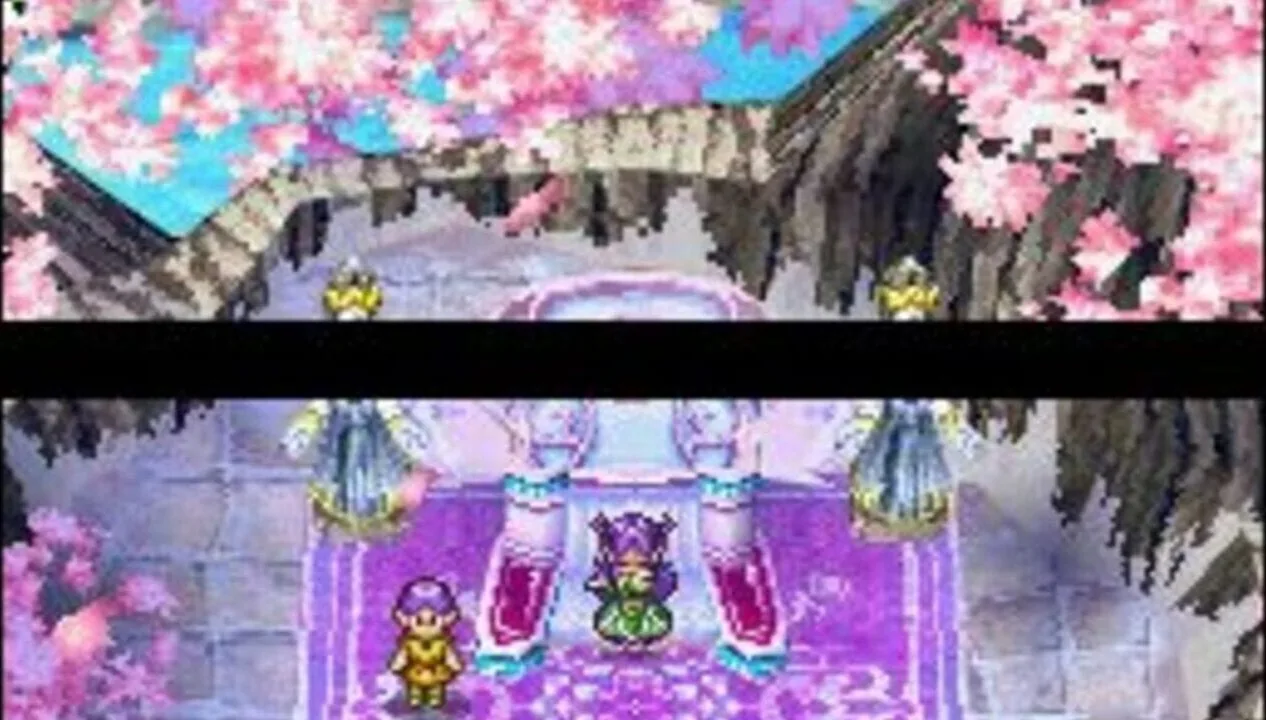
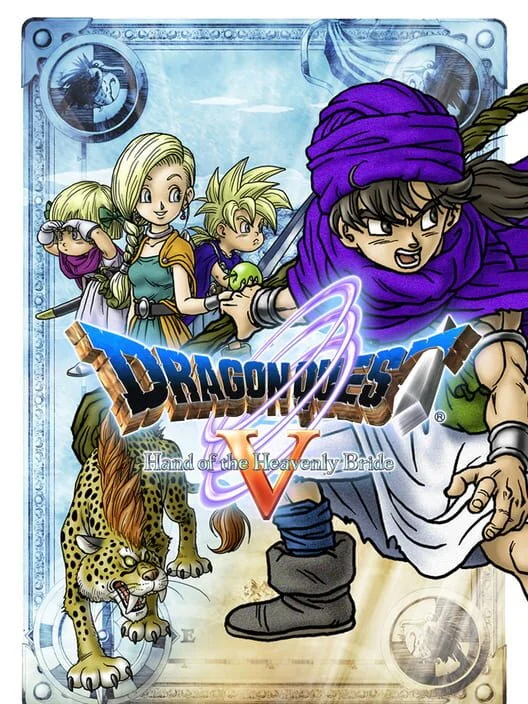
Dragon Quest V keeps the series' first-person turn-based battles and adds something new: you can tame monsters into your party. Monsters sometimes ask to join after a battle, and 71 of them can. The Super Famicom version had room for only 40 monsters because of ROM limits. The monsters can be used in battle and level up like the human characters.
It was the first Dragon Quest not localized in North America at the time, because of programming issues, and the only remake came out in Japan on the PlayStation 2 in 2004. It was also the first Dragon Quest with a bonus dungeon, so this DS version is how English players finally got the whole story.
18. Ni no Kuni: Dominion of the Dark Djinn (2010)
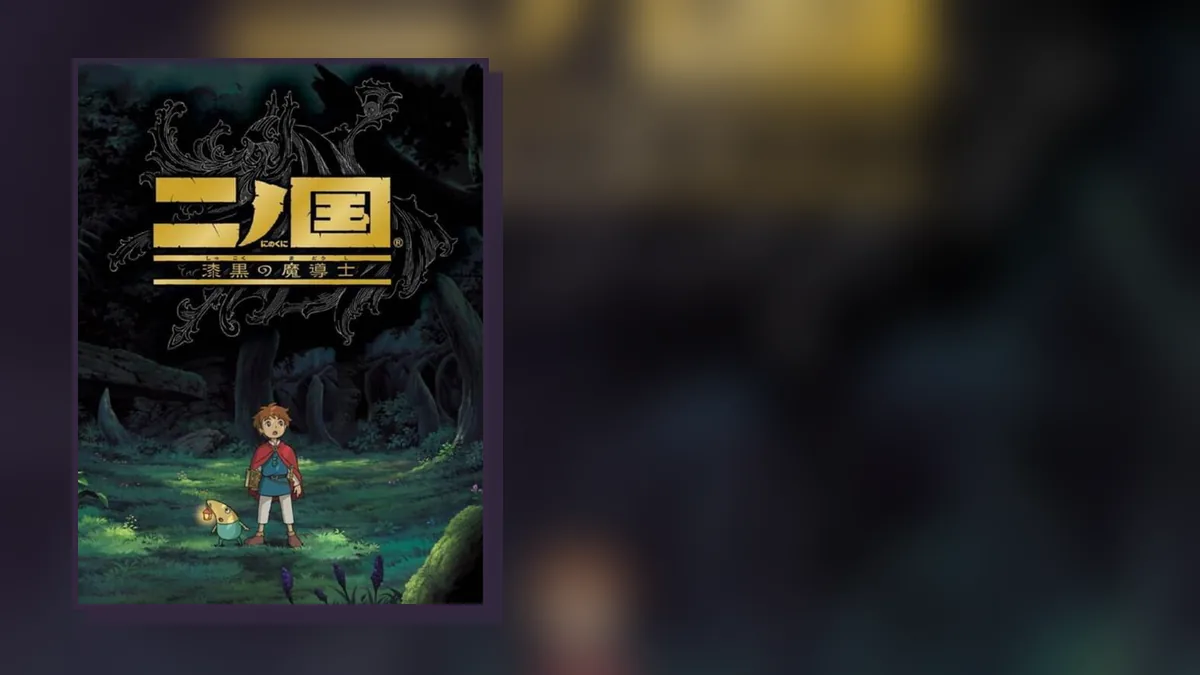
Ni no Kuni: Dominion of the Dark Djinn is a Level-5 RPG in which young Oliver travels to another world to save his mother. Creatures called imajinn can be tamed to fight for you. Studio Ghibli produced the animated sequences and Joe Hisaishi co-composed the score. Yes, the Ghibli one, and yes, it started on the DS. The developers wanted children to empathize with Oliver and adults to relive their adolescence.
Reviewers praised the story, art style and music. It never left Japan on the DS, so most players only know the PlayStation 3 version, Wrath of the White Witch. Development began in 2008, and the DS version came out in Japan on December 9, 2010.
17. Pokémon HeartGold and SoulSilver (2009)
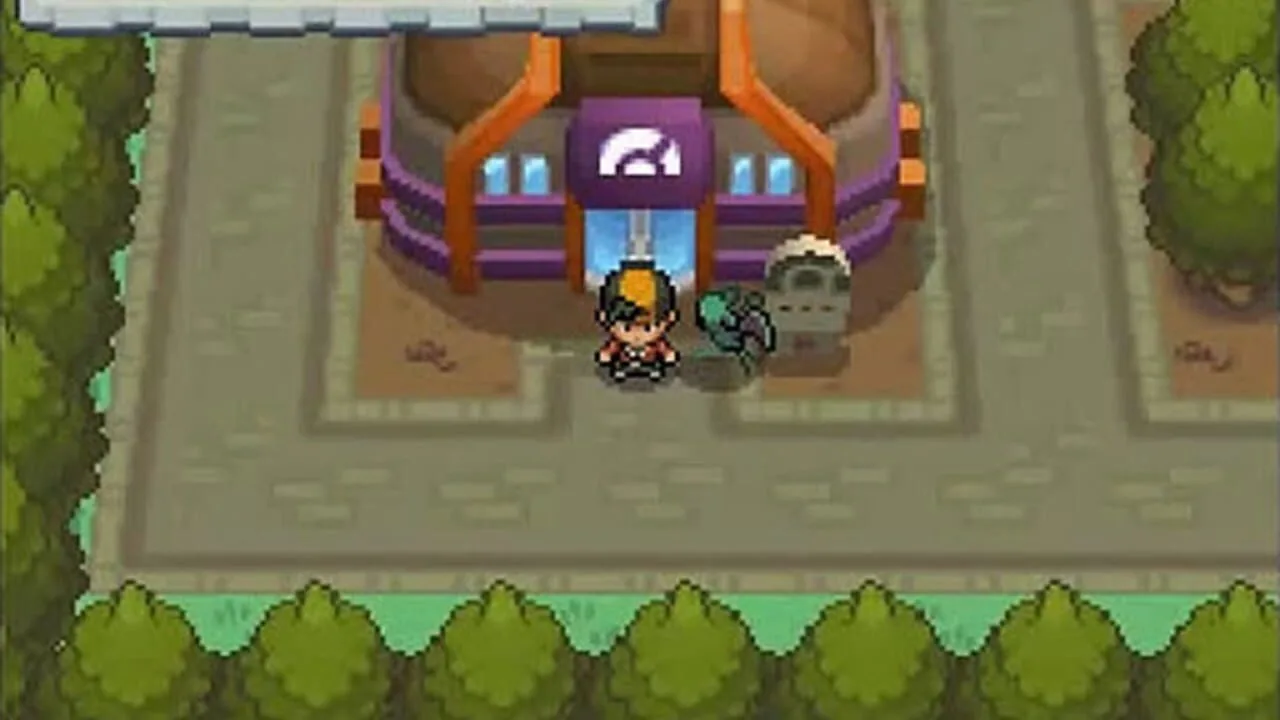
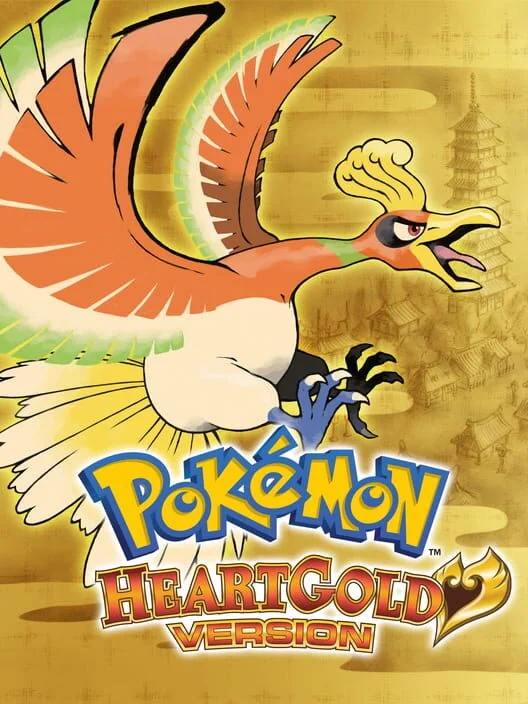
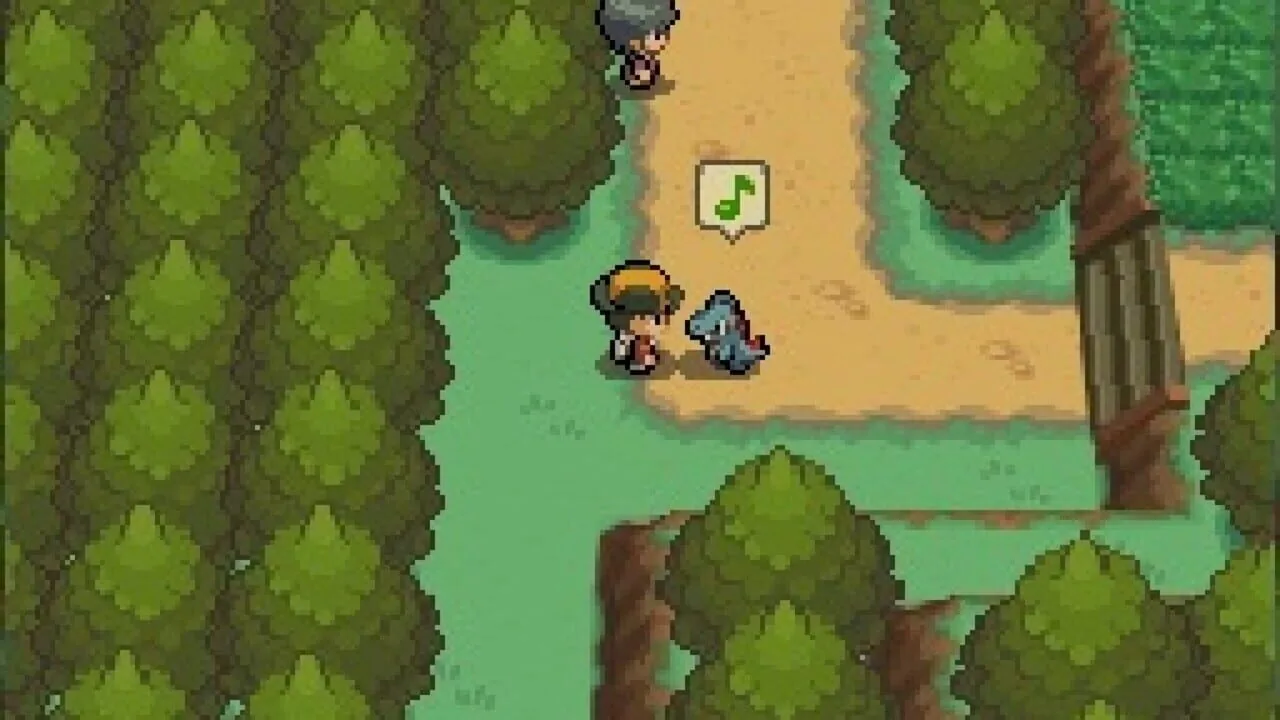
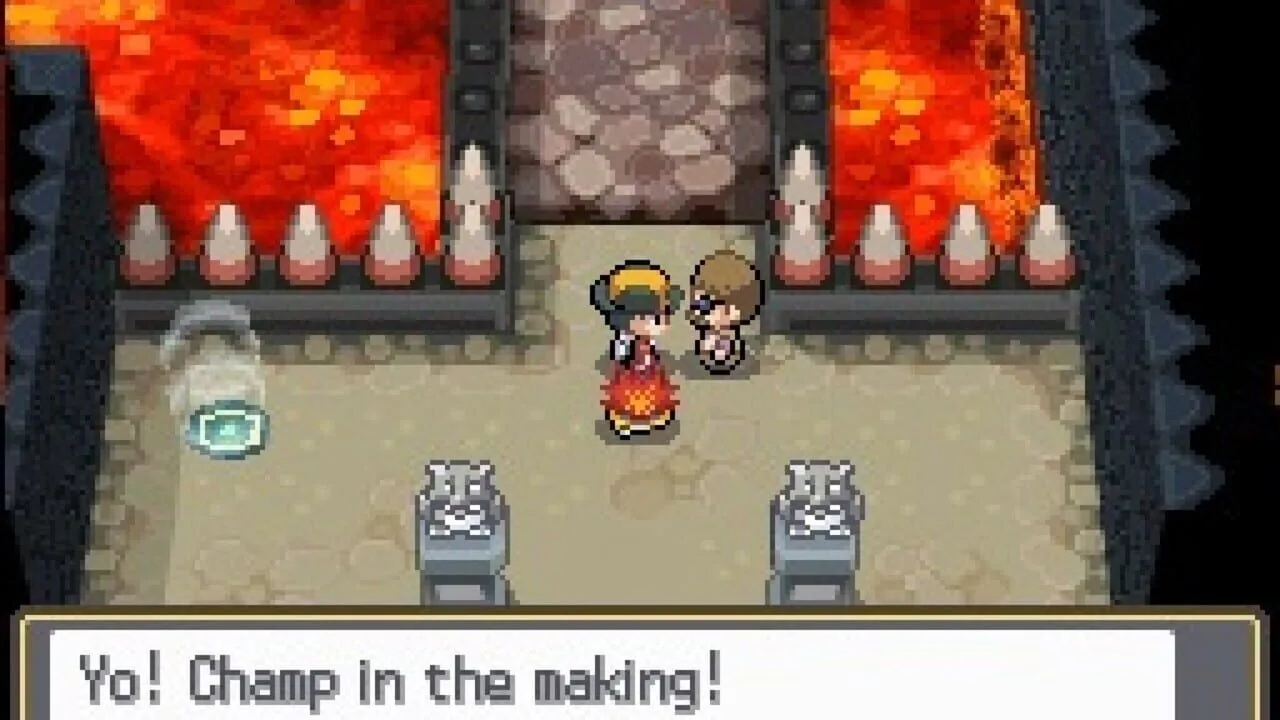
Pokémon HeartGold and SoulSilver are remakes of Pokémon Gold and Silver that retell the story of Johto, starting in New Bark Town. They link up with the other DS Pokémon games to trade for Pokémon you cannot find in Johto. They also borrow from Crystal, including the Battle Frontier after the ending.
Director Shigeki Morimoto wanted to respect people who played the originals while making it feel new to everyone else. They are also the only games of the Game Boy, Game Boy Advance and DS era with a permanent Running Shoe. Morimoto said the first thing he had to bear in mind was to respect the people who had played Gold and Silver ten years before.
16. Suikoden Tierkreis (2008)
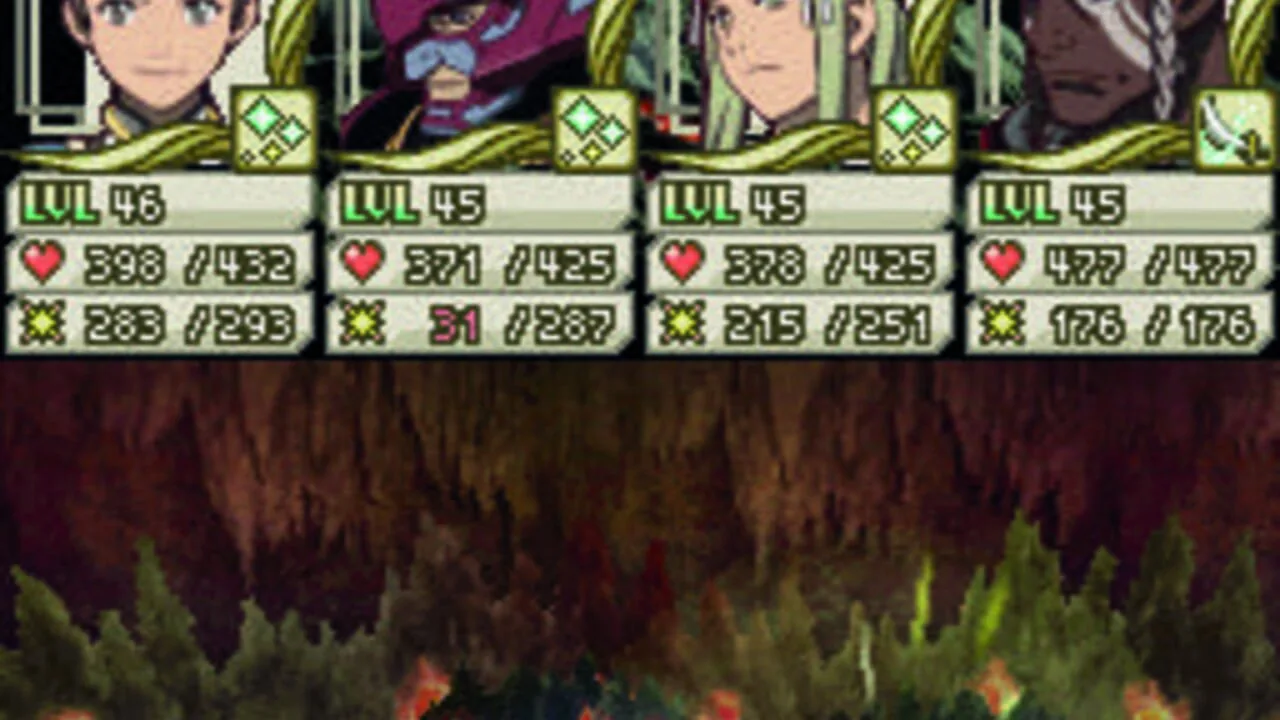
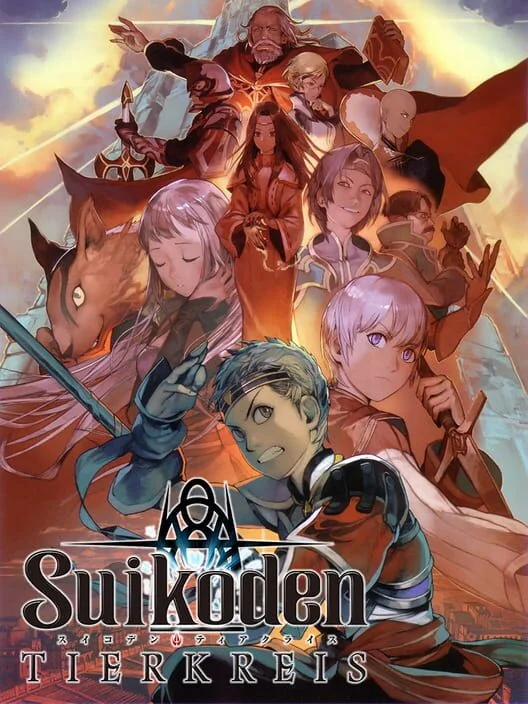
Suikoden Tierkreis follows the 108 Stars of Destiny, a group of magical warriors who stand against the almighty One King. Their fight spans the near infinite parallel worlds of the Million World universe. Osamu Komuta led development, and Takahiro Sakiyama, the director of Suikoden V, came along as lead planner. Japanese pop idol Satomi Takasugi sings the opening and ending themes, and you can move with the D-pad or the stylus. Defeated enemies drop trade items you can sell for better equipment.
It reached Europe and North America in English in March 2009. Players remember it fondly, often as their first JRPG, and say the music still holds up.
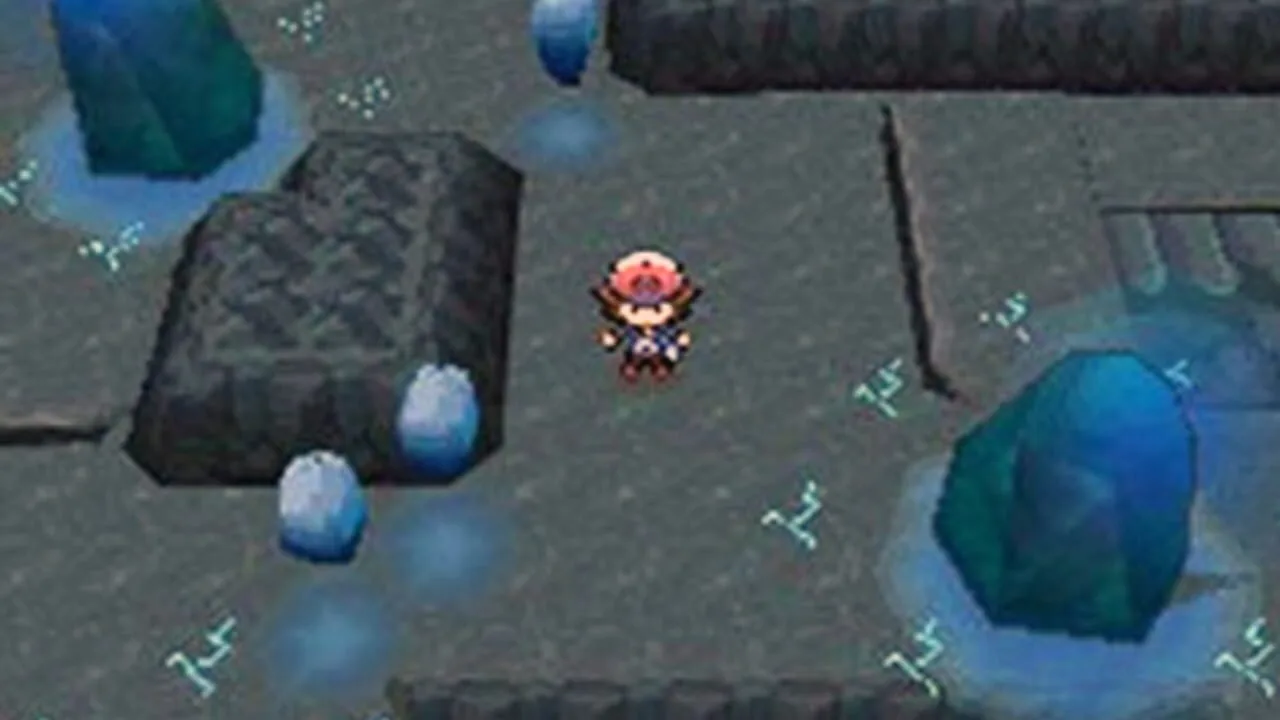
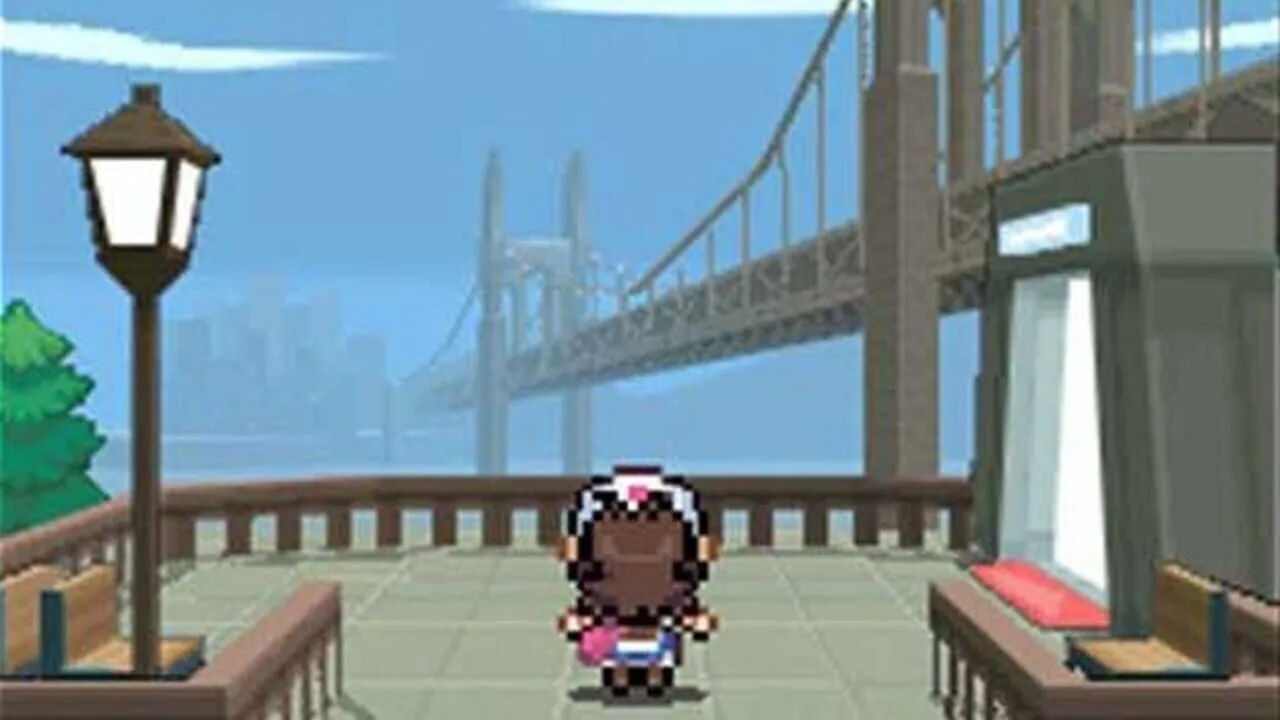
15. Pokémon Black and White (2010)
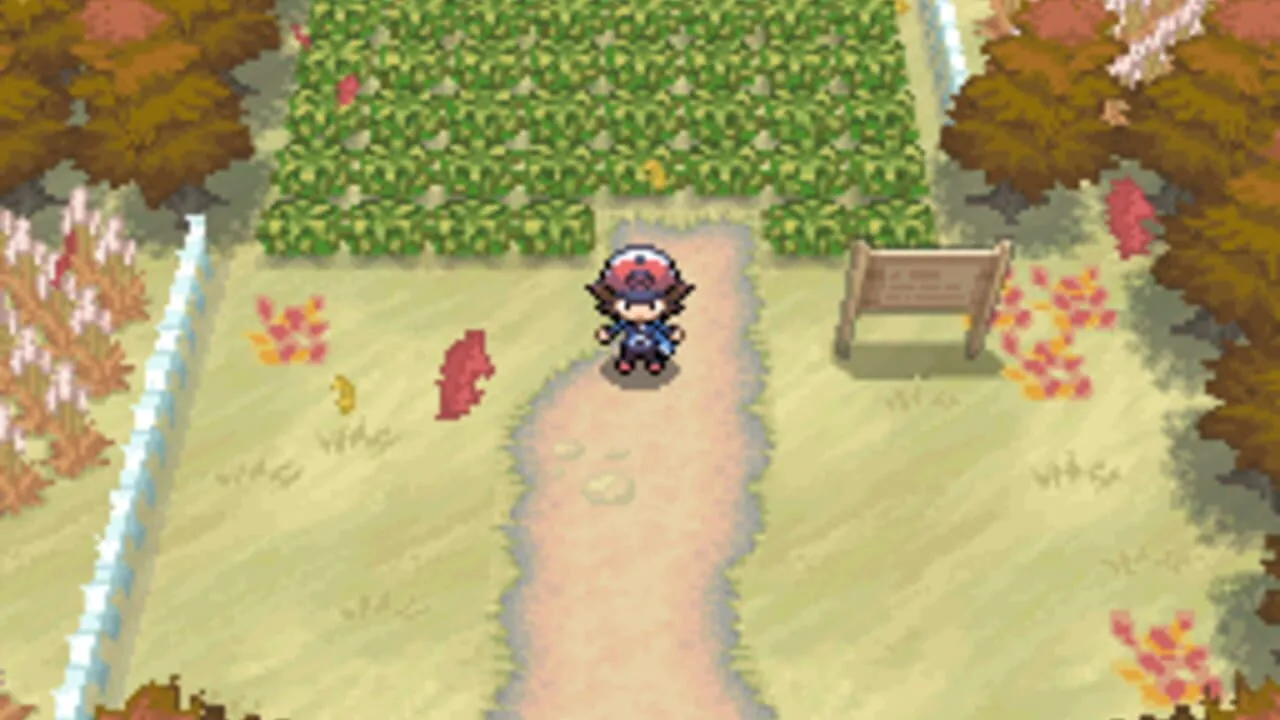
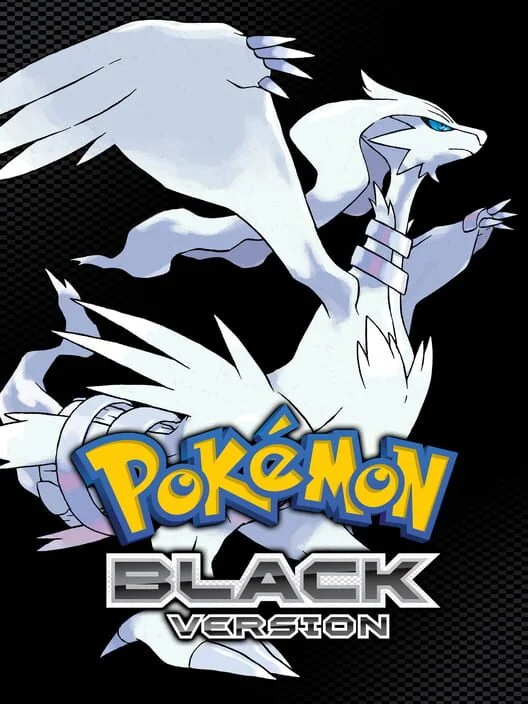
Pokémon Black and White take you to a new region, Unova, where none of the older Pokémon can be caught until you beat Team Plasma. Two sequels, Black 2 and White 2, followed in 2012. Junichi Masuda directed the games and wrote the music. Each version has its own area, the busy Black City in one and the peaceful White Forest in the other. They were the first games of the fifth generation, out in Japan in September 2010.
Starting over with only new Pokémon was a gamble: reviewers praised the gameplay advances but were divided on some of the designs. It paid off anyway, with one million pre-orders in Japan and the fastest run to five million copies of any DS title.
14. Magical Starsign (2006)
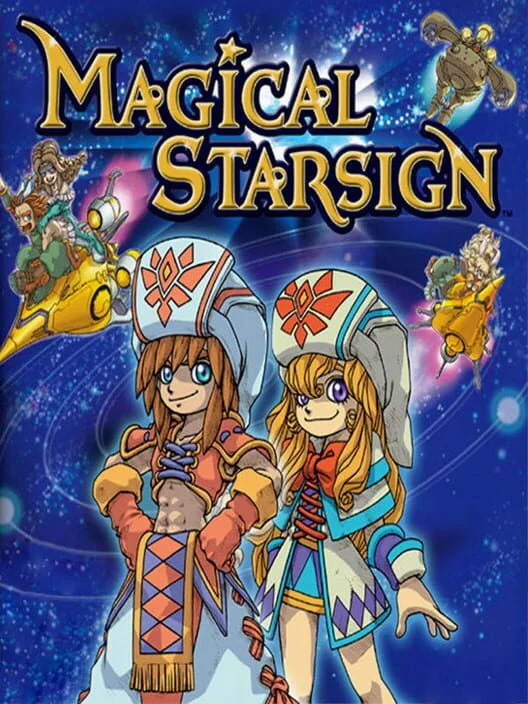
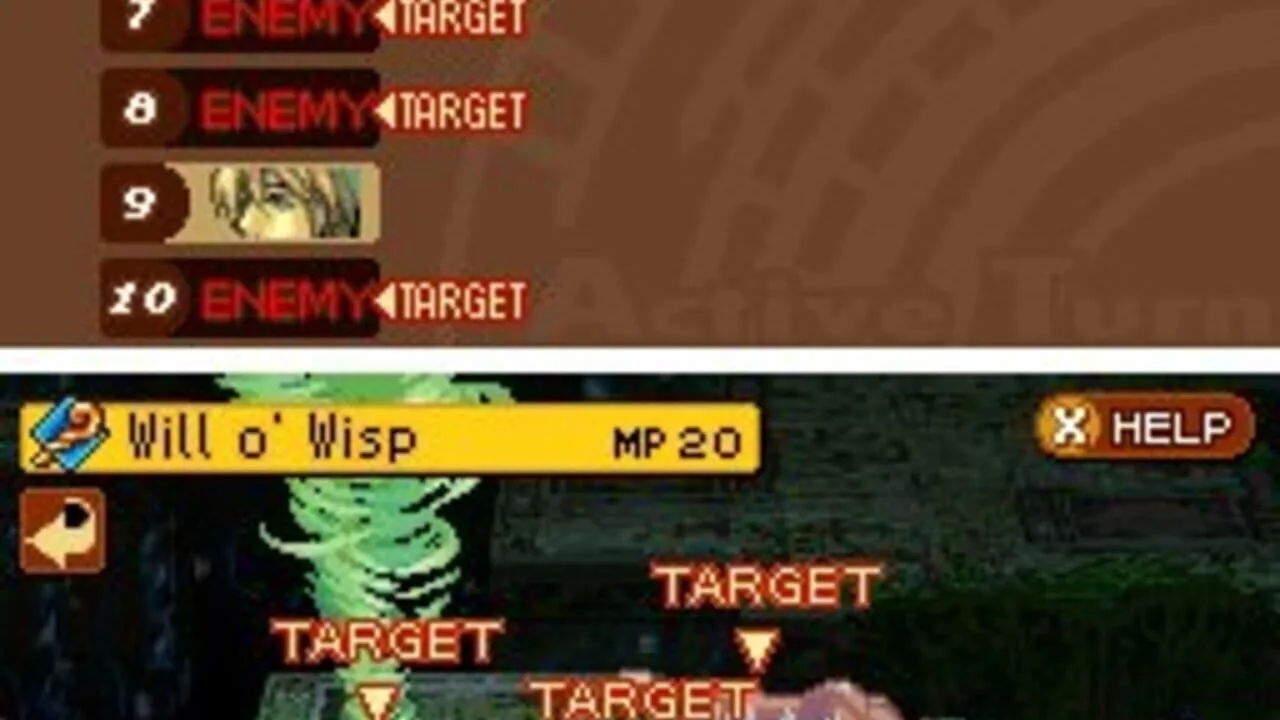
In Magical Starsign the teacher of the Will O'Wisp magical academy disappears, and her students take a handful of rockets into outer space to rescue her. What does a school do when the teacher goes missing in space? Send the students, obviously. The stylus controls everything, from combat to conversations. The story takes place in the Baklava solar system, with six planets orbiting a sun.
Battles are turn-based, and the position of the planets changes how much damage everyone deals or takes. Up to five friends can link up for a multiplayer dungeon. Players name it as a quiet favorite, one of the games they say they really like. A spell you learn later lets you move the planets into a better position.
13. Avalon Code (2008)
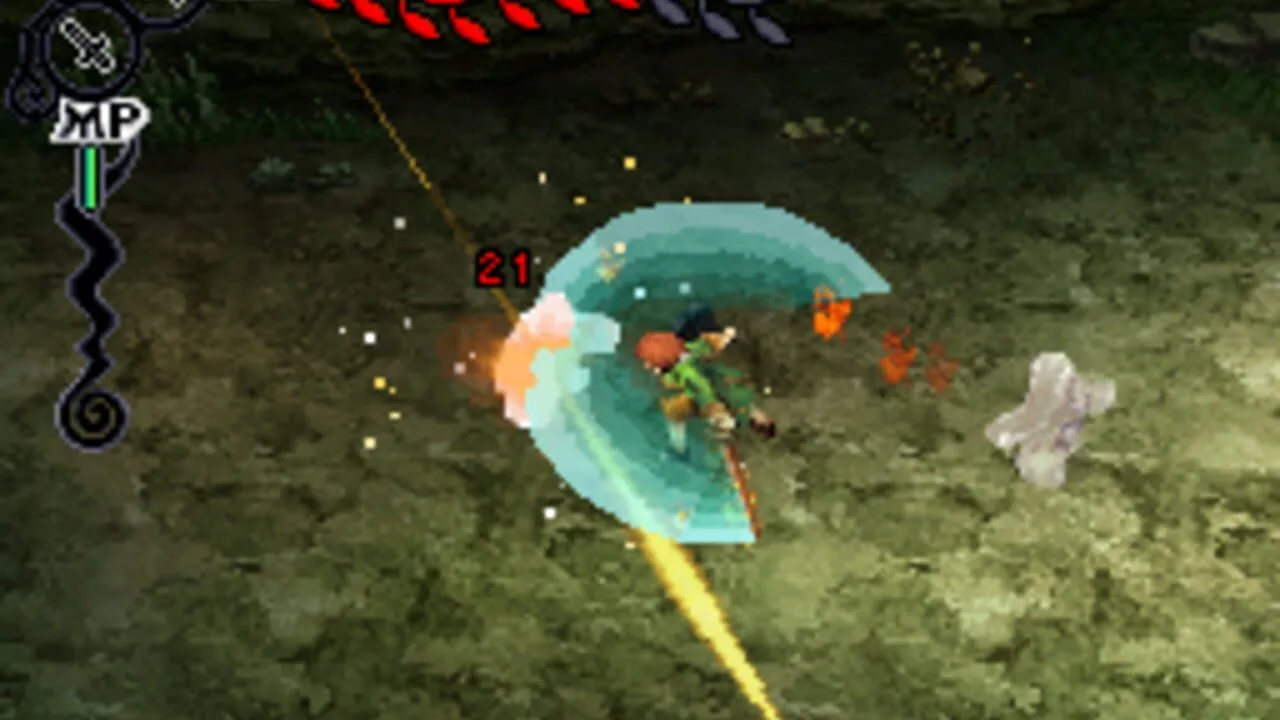
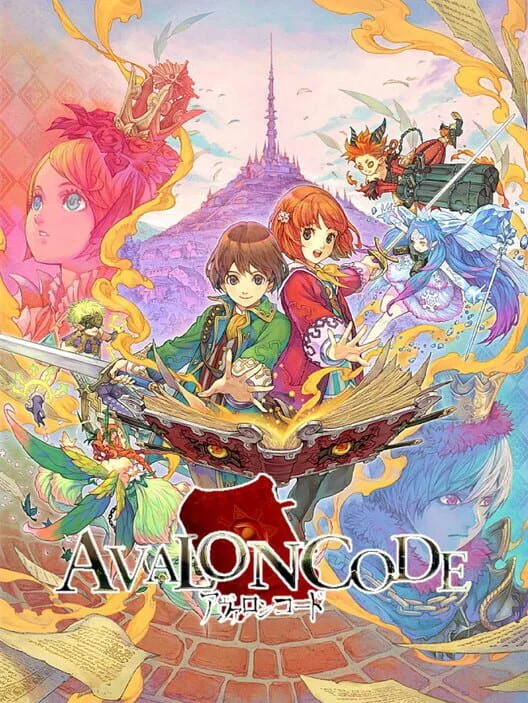
Avalon Code is built around the Book of Prophecy on the lower screen, and you record things in it by striking them with the book itself. The hero has to judge what in this world is worthy of being carried over into the next one after a fiery purge. Matrix Software developed it and you can choose a male or female hero. Each page of the book reveals details such as attack strength for weapons and health points for enemies.
Reviews were mixed: praise for the graphics and innovative mechanics, criticism for a linear story and repetitive play. Players still list it among the most adventurous action RPGs on the system. Making friends adds back-story to the entries in the book.
12. Infinite Space (2009)
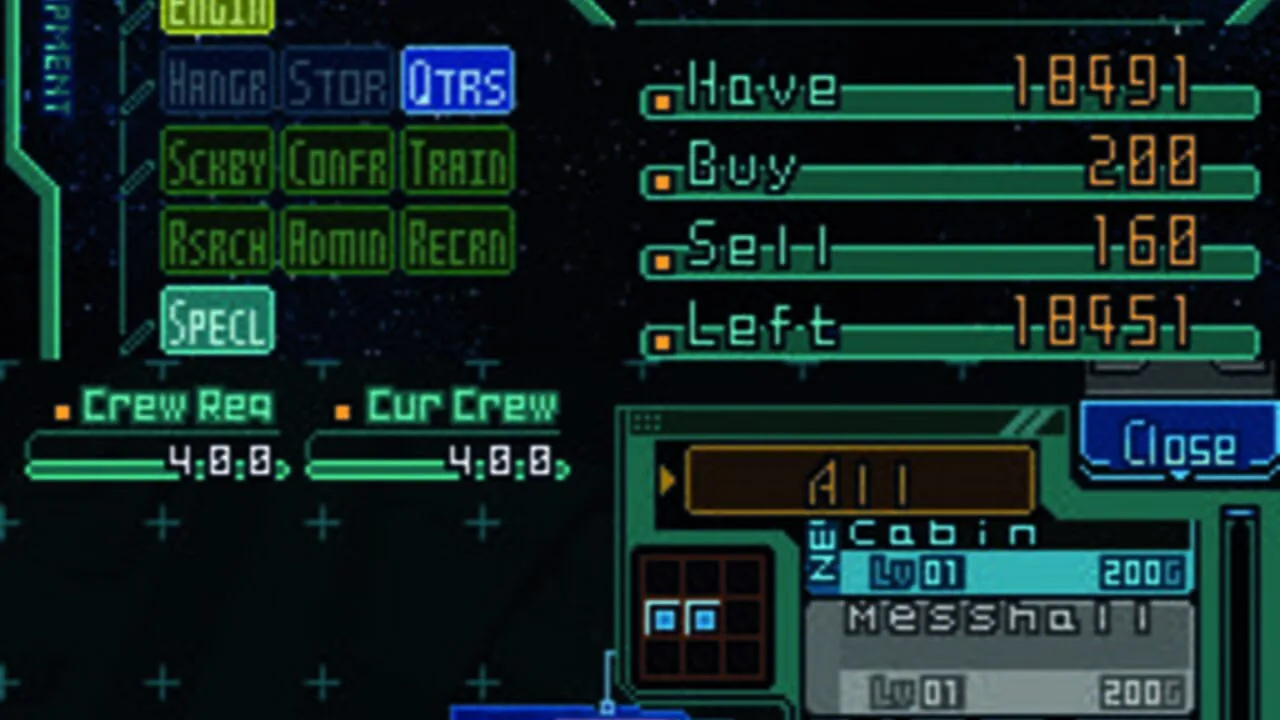
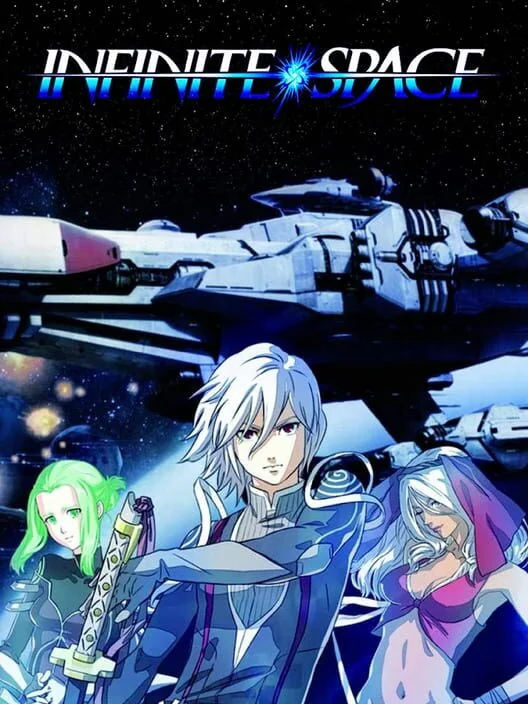
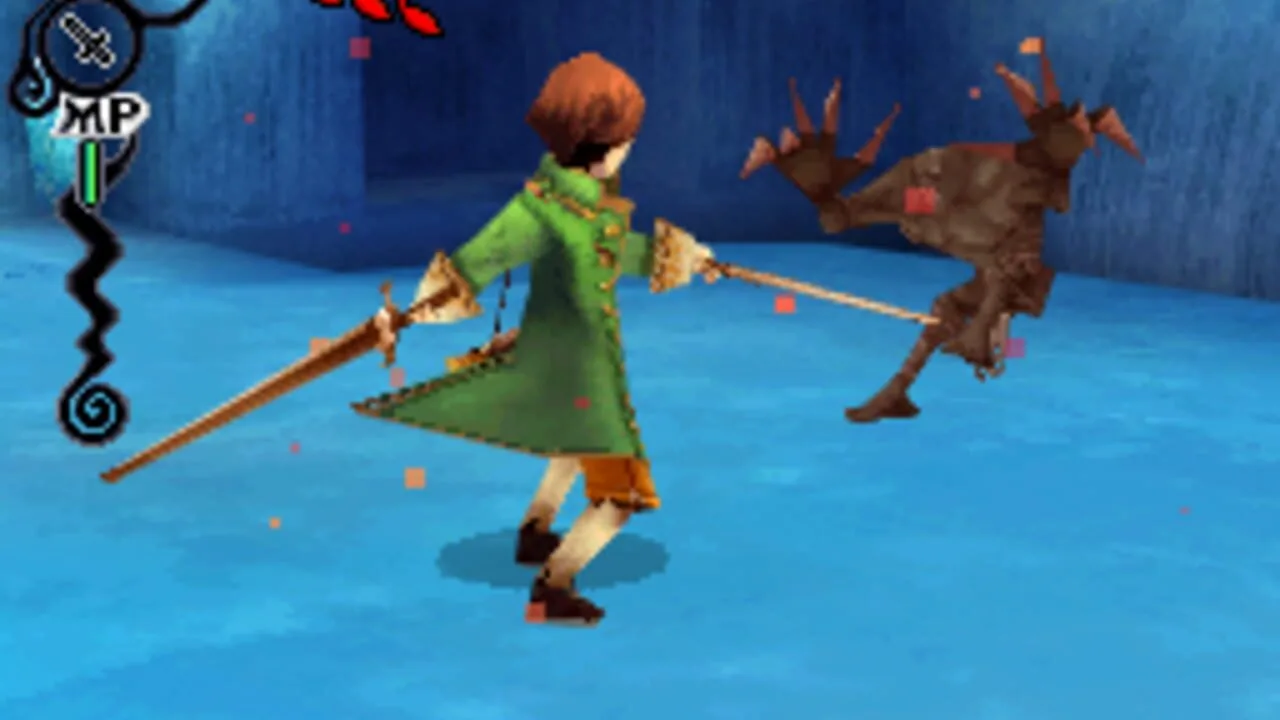
Infinite Space lets you build and customize more than 150 spaceships, with over 200 characters to meet. It was directed by Hifumi Kouno of Nude Maker and produced by Atsushi Inaba. It was PlatinumGames' third game in the West after MadWorld and Bayonetta, released under a four-game deal with Sega. You never steer ships or characters directly, because the game works like a point-and-click adventure. Its story borrows from Western and Japanese science fiction, and in Japan it was promoted with an anime short co-produced by Gonzo and Production I.G.
Reviews were positive for the story and the mechanics, with the high difficulty drawing the most criticism. Players name it as the deep cut of the system.
11. Sands of Destruction (2008)
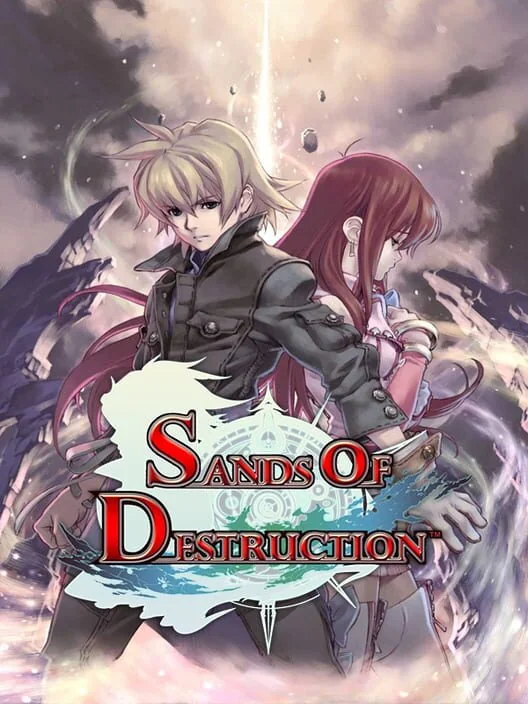
Sands of Destruction is set in a desert world where the animal-like Ferals rule over humans. Its hero, Kyrie, learns he holds the power to destroy the world, and the turn-based battles mix in real-time moves. Masato Kato wrote it, and Yasunori Mitsuda co-composed the score. Japanese pop band AAA wrote the theme songs for the game and its anime, and Kunihiko Tanaka and Kimihiko Fujisaka did the art. Kyrie comes to care for Morte, and keeps hearing a voice that pushes him toward his role as the Destruct.
Reviews were mixed, with the soundtrack the one thing everyone liked. Players keep recommending it as a forgotten pick. It reached Japan in 2008 and North America in 2010.
10. Mario & Luigi: Partners in Time (2005)
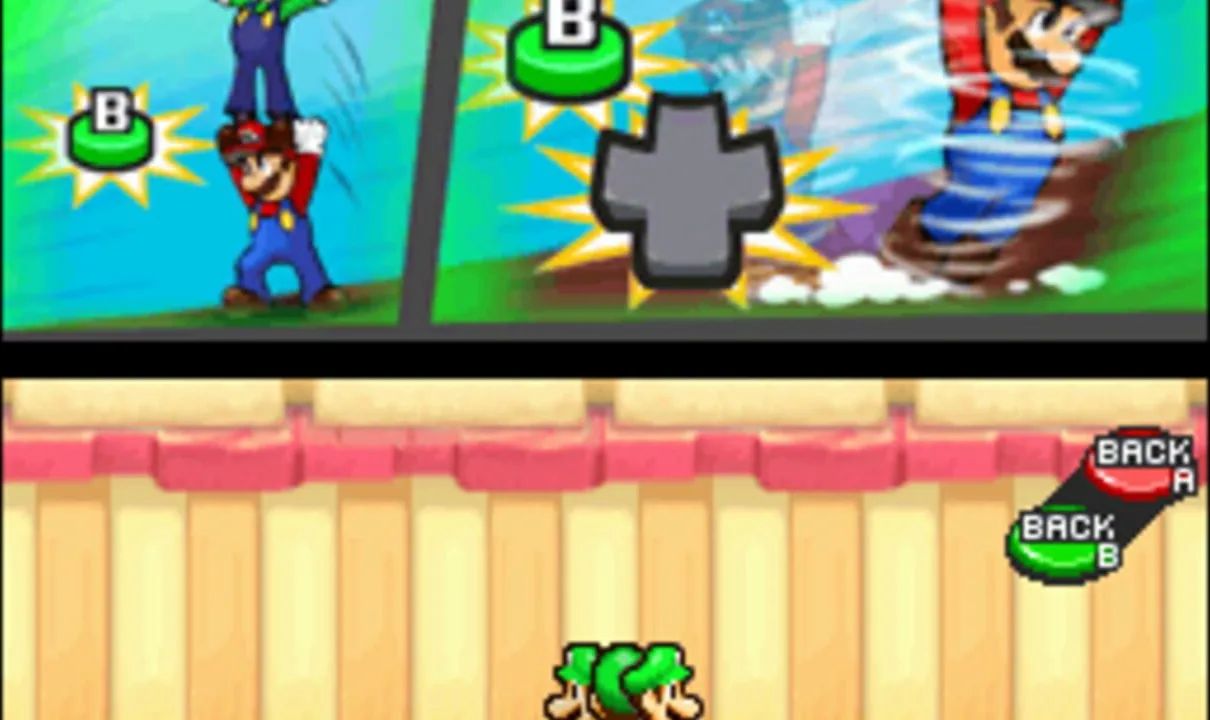
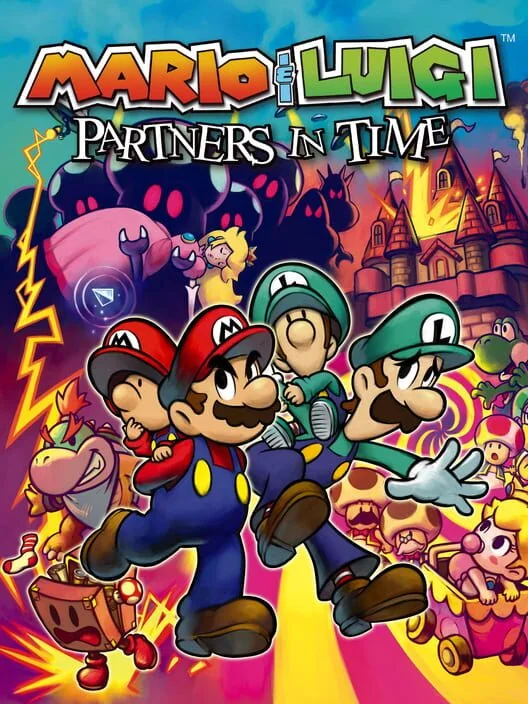
Mario & Luigi: Partners in Time is the sequel to Superstar Saga. Peach's time machine comes back with only a monster inside, so the brothers travel to a past where the alien Shroobs have taken over the Mushroom Kingdom, and they meet up with their younger selves. Yoko Shimomura scored it, as she did the first game. The brothers also have to babysit their younger selves through an alien invasion, which is more than most uncles sign up for.
Critics praised the characters and comic writing and had mixed feelings about the bottom screen. Players pair it with Bowser's Inside Story as the peak of the series. All four of them can team up for more damaging Bros. Attacks.
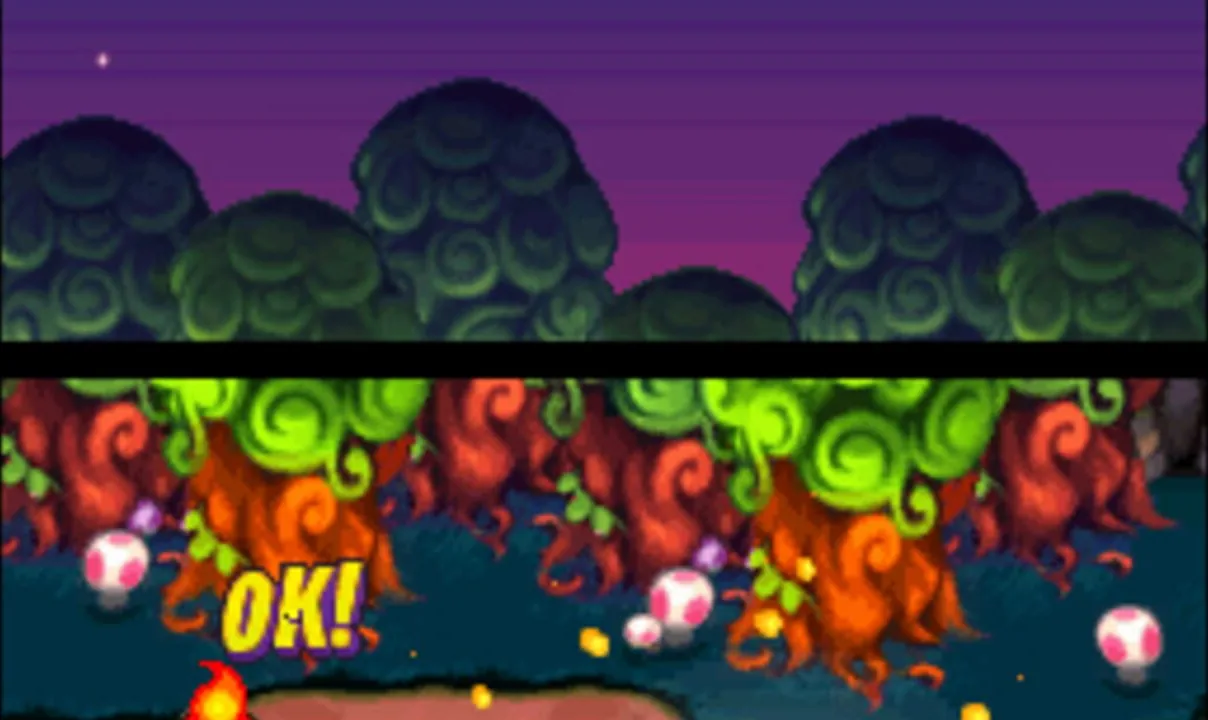
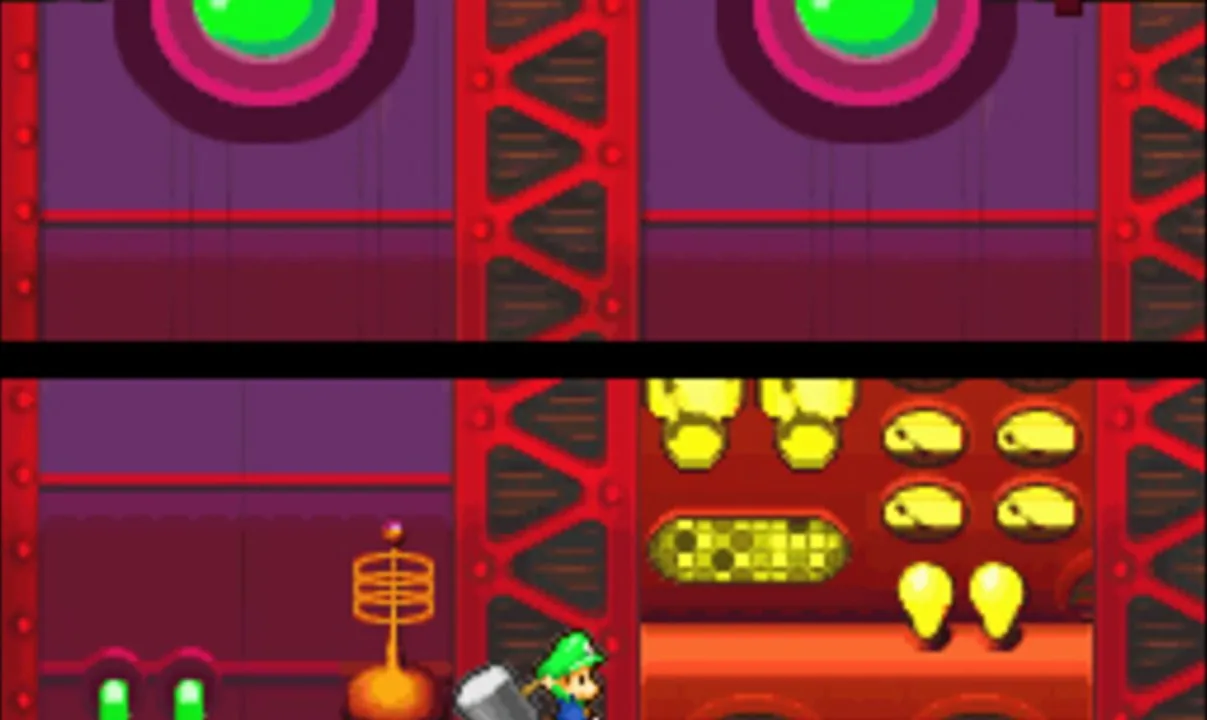
9. Final Fantasy III (2006)
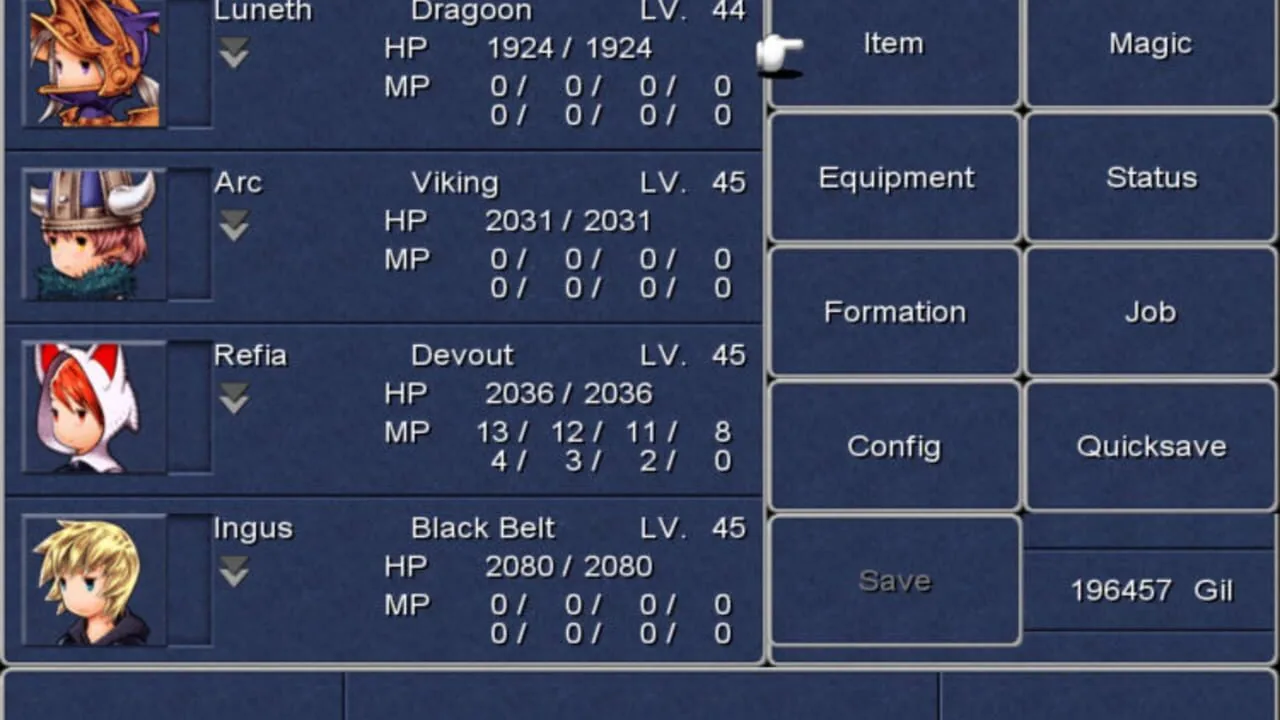
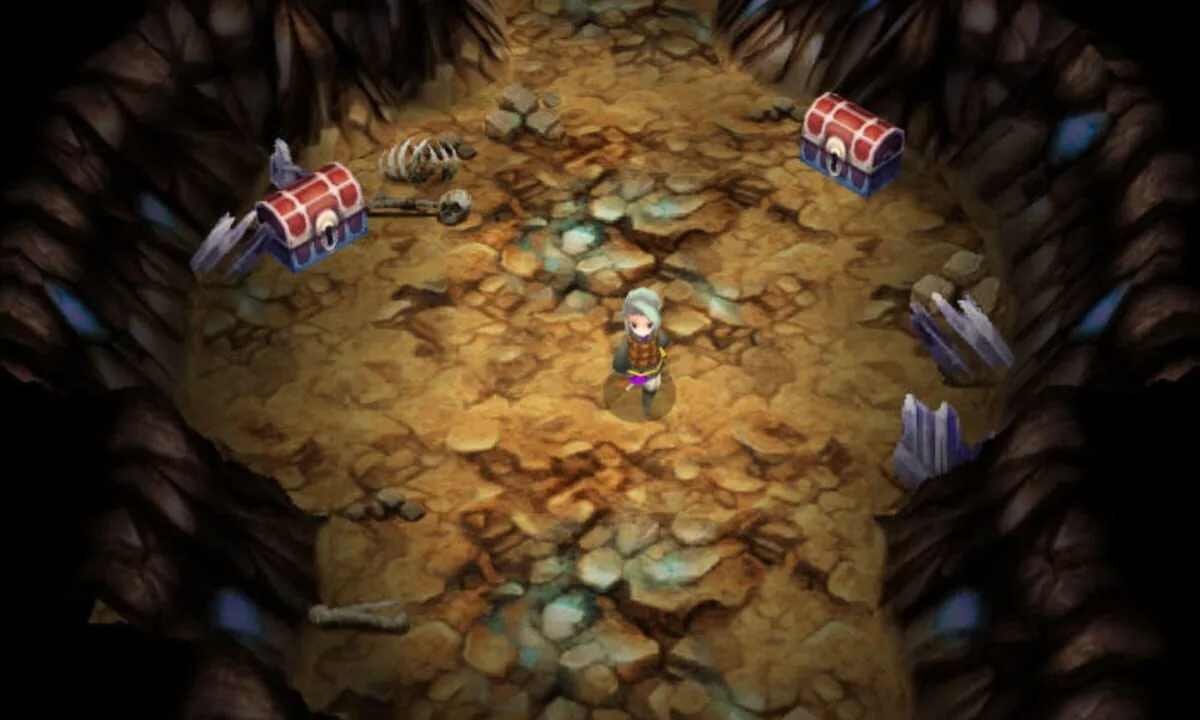
Final Fantasy III on the DS is a remake and complete overhaul of the 1990 game, in full 3D. It let Western players try it, localized, for the very first time. Hiromichi Tanaka headed the project, and Matrix Software co-developed it with Square Enix.
Mastering a job unlocks special items, and switching jobs now carries a small temporary penalty. One review complained that the top screen sat inactive for 75% of the game. Players still tell newcomers to start with this version, since it was the way to play it outside Japan. A full motion video opening scene was made for the game. It later reached iOS in 2011 and Steam in the West in 2014.
8. Shin Megami Tensei: Strange Journey (2009)
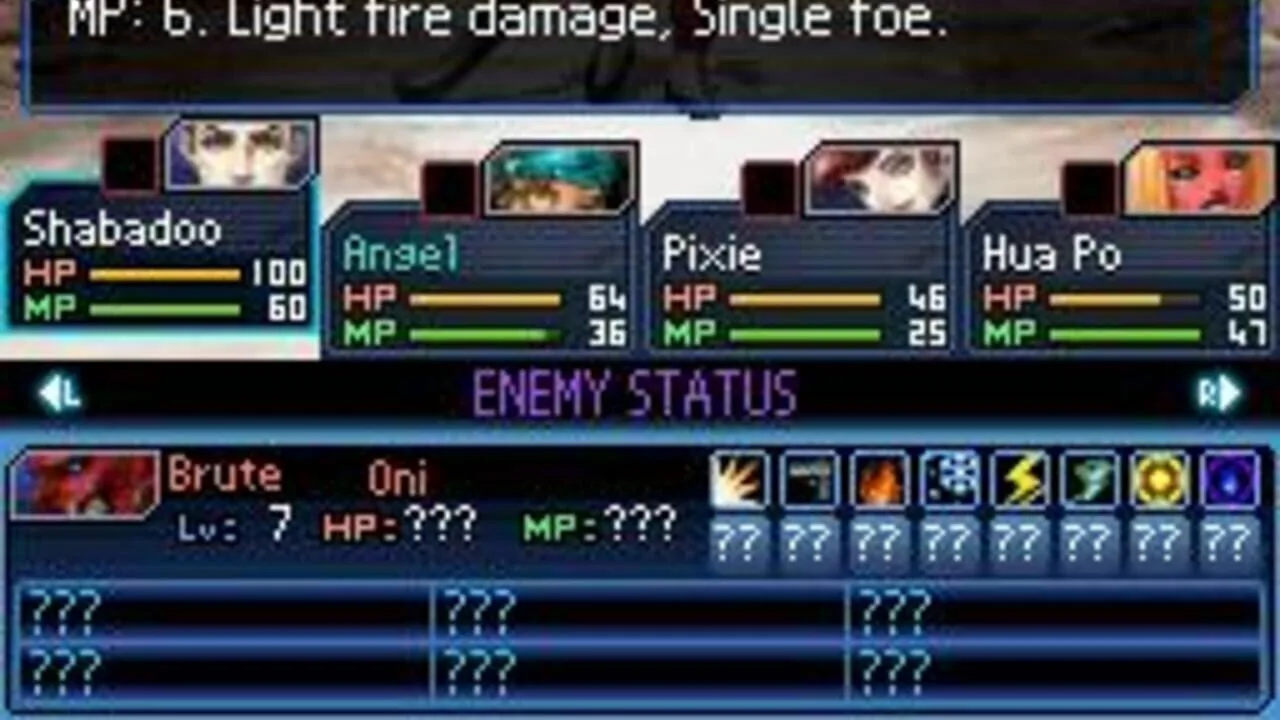
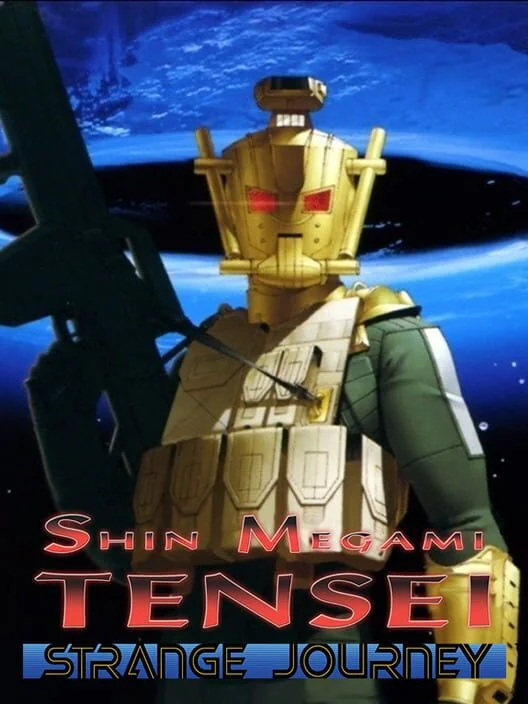
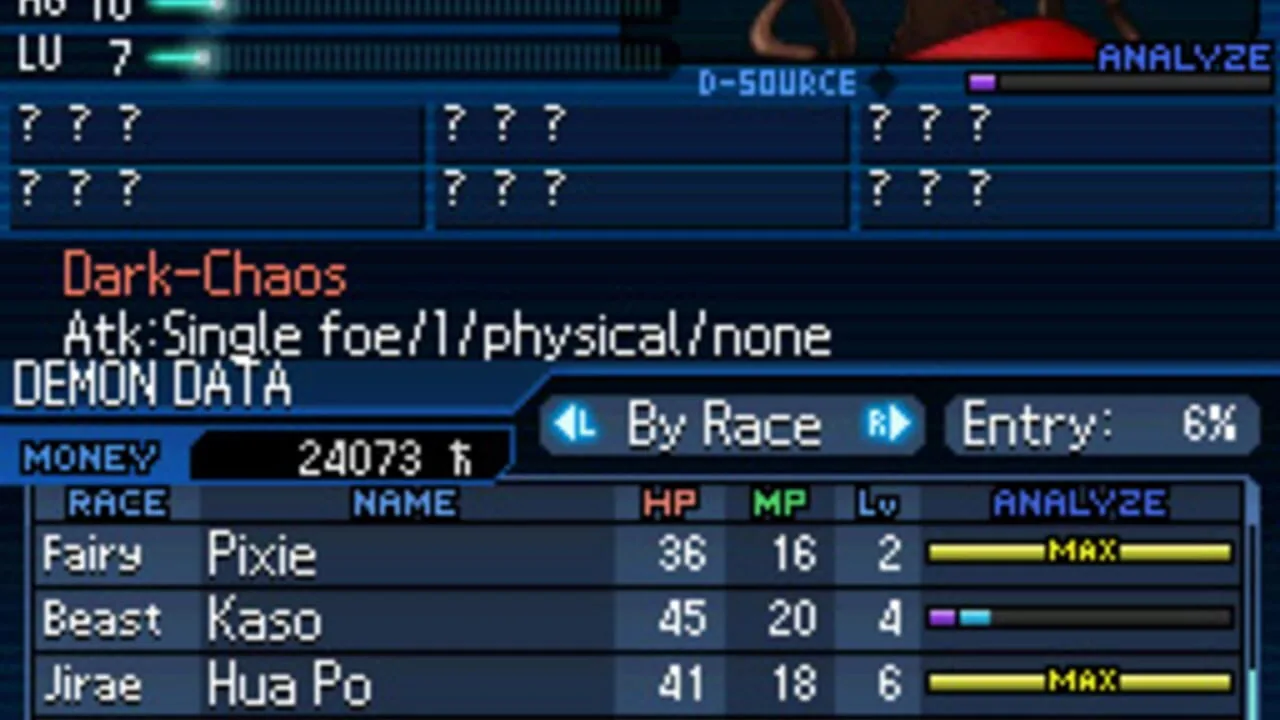
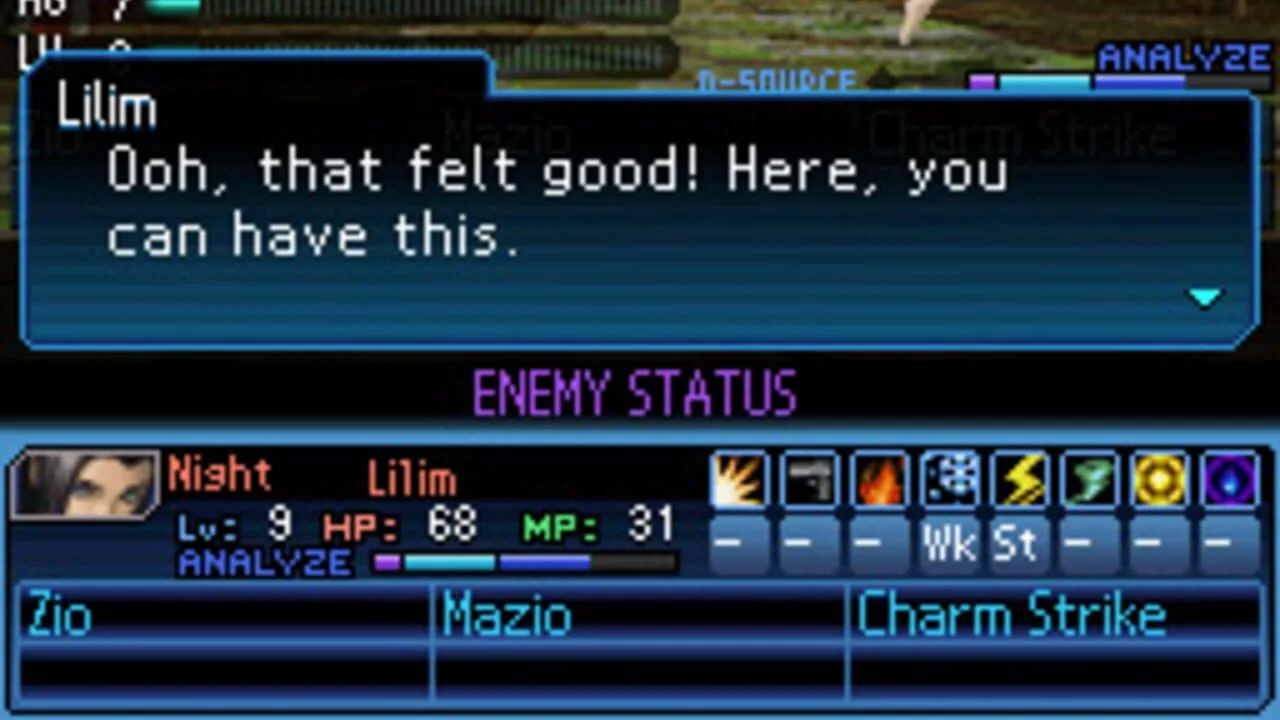
In Shin Megami Tensei: Strange Journey a black void appears at the Earth's southern pole, and humanity sends an elite team of explorers into it. There are over 300 demons to bargain with. The Antarctic setting was inspired by John Carpenter's The Thing. Atlus co-developed it with Lancarse, the team behind the Etrian Odyssey series, and Shoji Meguro used grander musical styles than usual, with choir music from a special synthesizer. You explore in first person, with the 3D view on the top screen and a 2D map on the bottom.
Critics liked the story and the gameplay, and many disliked the first-person navigation. Players put it near the top of the Atlus picks and treat it as the darkest of them. A 3DS remake, Strange Journey Redux, followed in 2018.
7. Final Fantasy IV (2007)
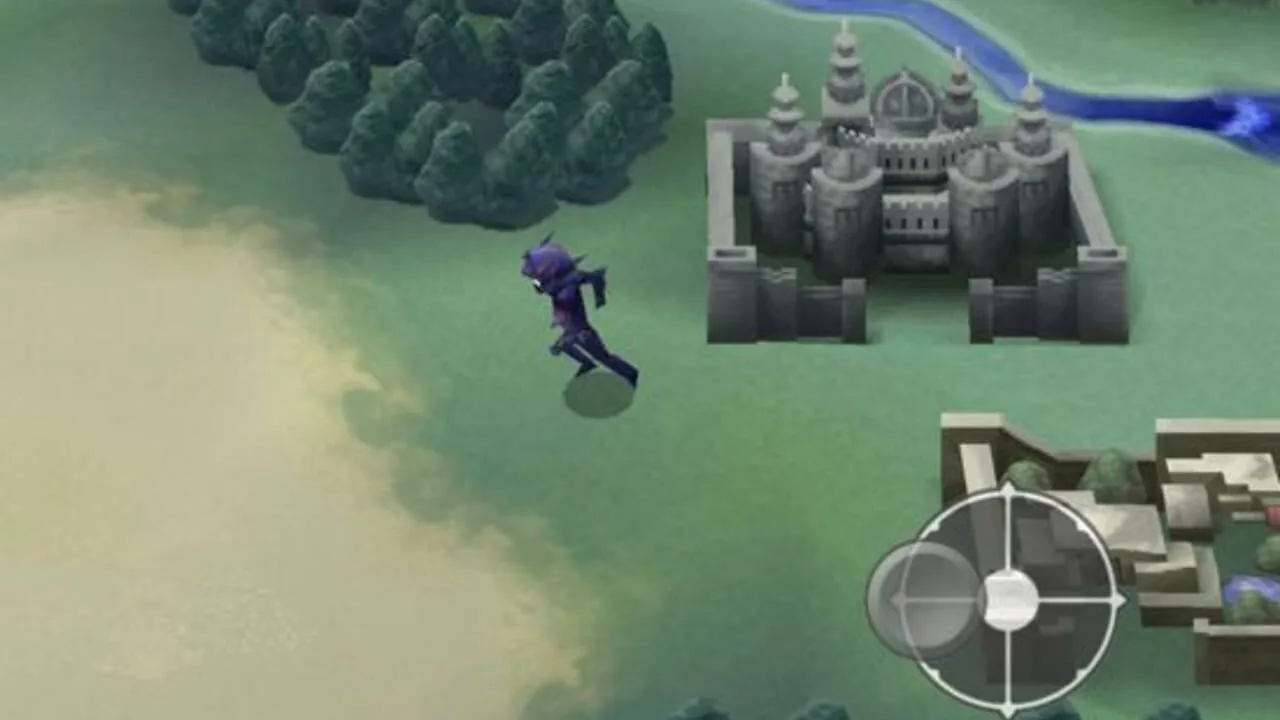
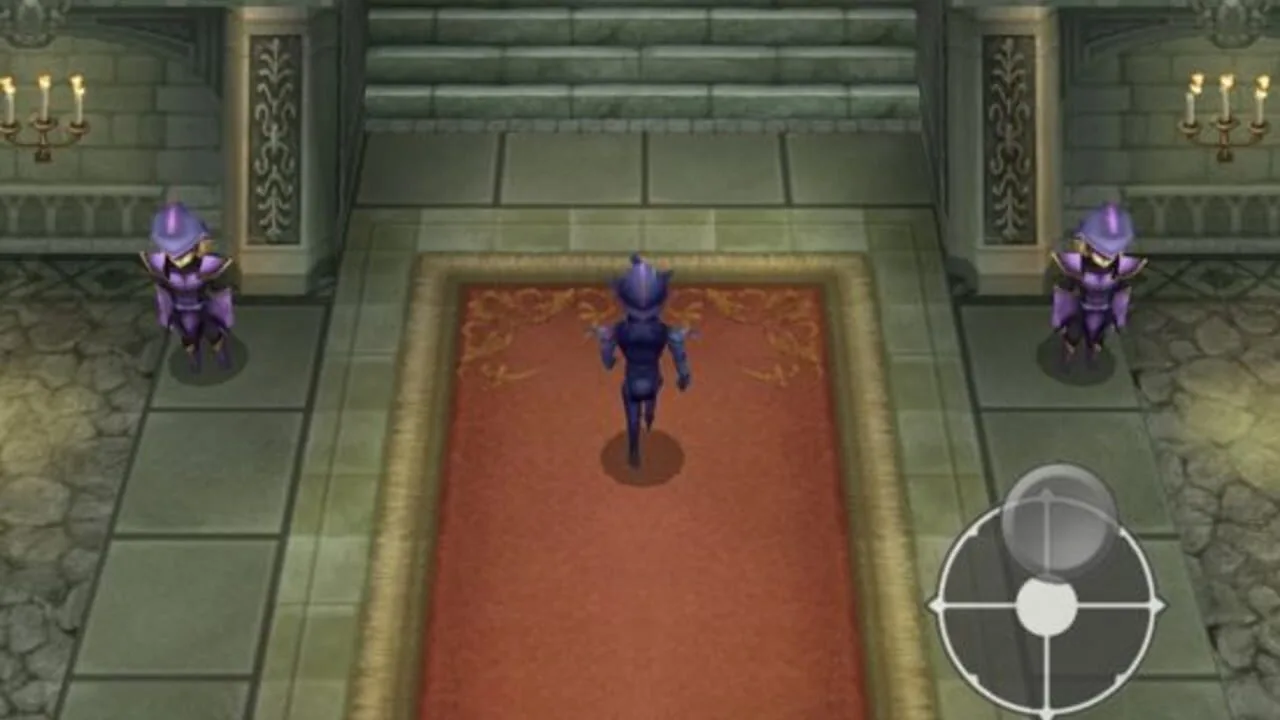
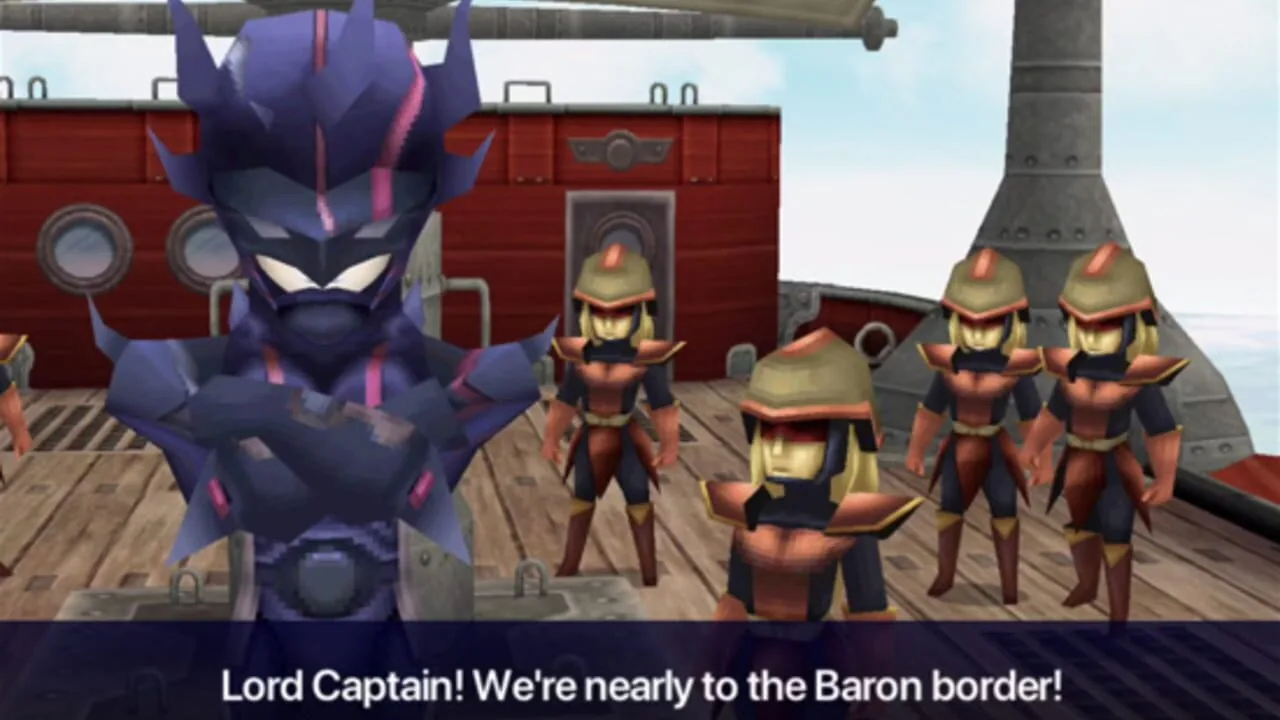
This Final Fantasy IV is a full remake, programmed from scratch, of the SNES game North America first got as Final Fantasy II. It adds voice acting in cut-scenes and raises the difficulty even beyond the original's. Matrix Software, the same team behind the 3D Final Fantasy III remake, developed it. It came out as part of the series' 20th anniversary celebrations, in Japan in December 2007 and in North America in July 2008.
A new Augment system lets party members pick up abilities their class would not normally allow. Rydia gets a customizable summon named Whyt, who fights on his own and is trained through minigames played only with the stylus. There is also a new quest involving the naming moogle of the original game.
6. Golden Sun: Dark Dawn (2010)
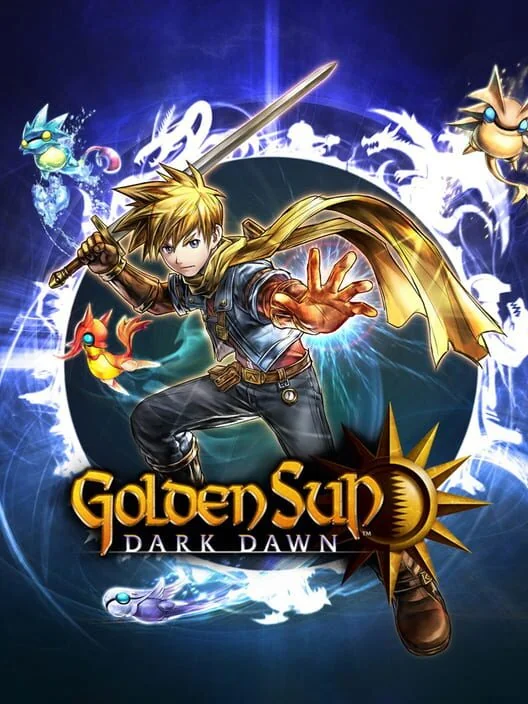
Golden Sun: Dark Dawn brought the Golden Sun series back after six years away. It follows the descendants of the earlier heroes and leans on touch-screen controls. Alchemy machines called the Apollo Lens and the Alchemy Forge are the key to stopping the Grave Eclipse. Development was announced at E3 2009 after years of speculation. Isaac sends the young heroes after a rare Mountain Roc feather to repair a flying machine.
It scored 79% on Metacritic, lower than the first two games' 91% and 86%, and critics found the dialogue excessive. Players still count it among the essential DS role-playing games. Critics also felt that features that were refreshing in the original games now felt dated.
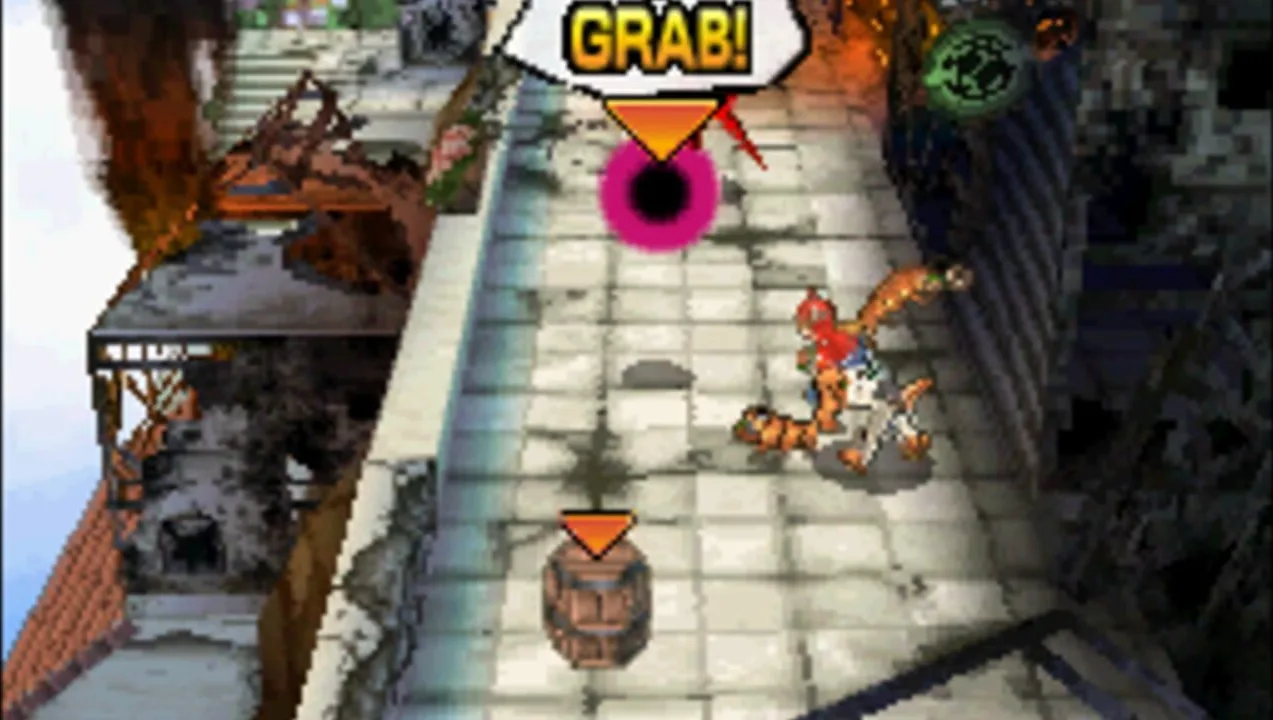
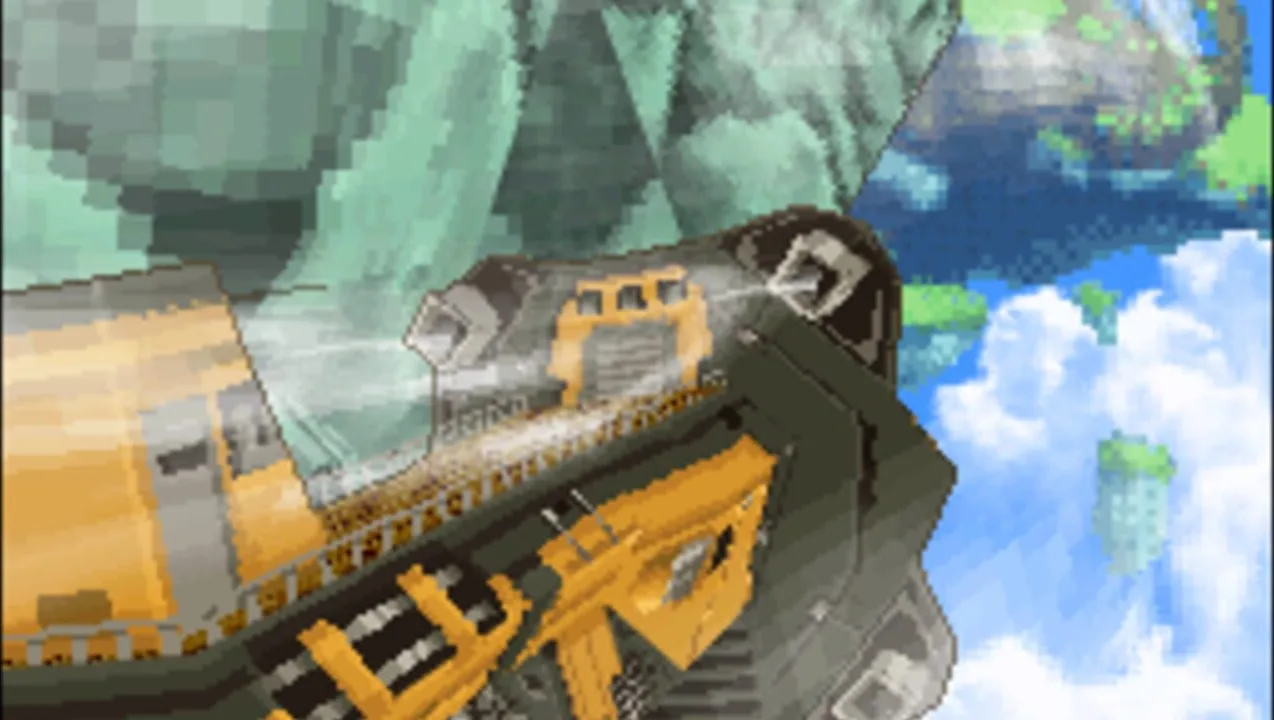
5. Solatorobo: Red the Hunter (2010)
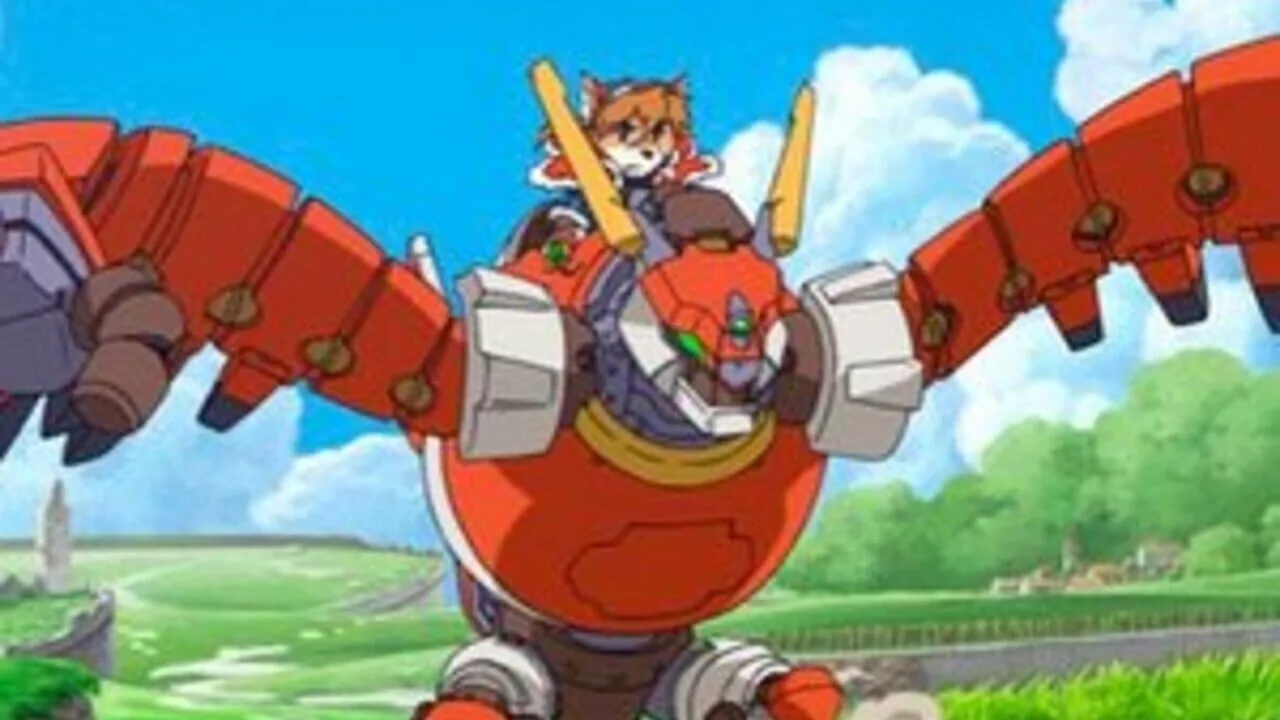
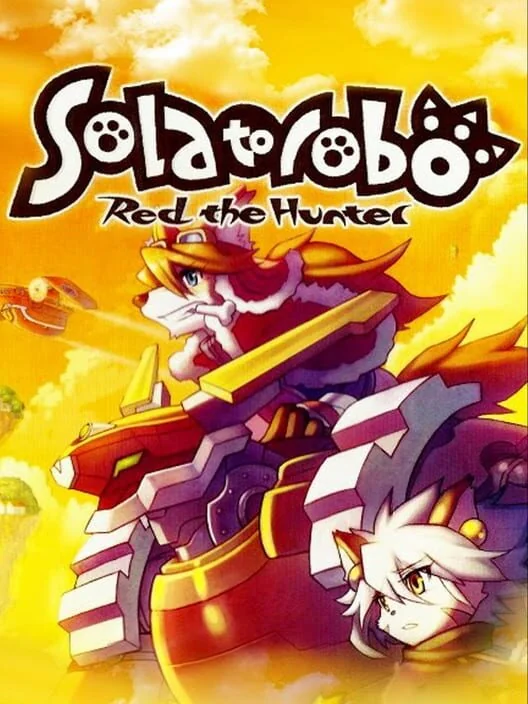
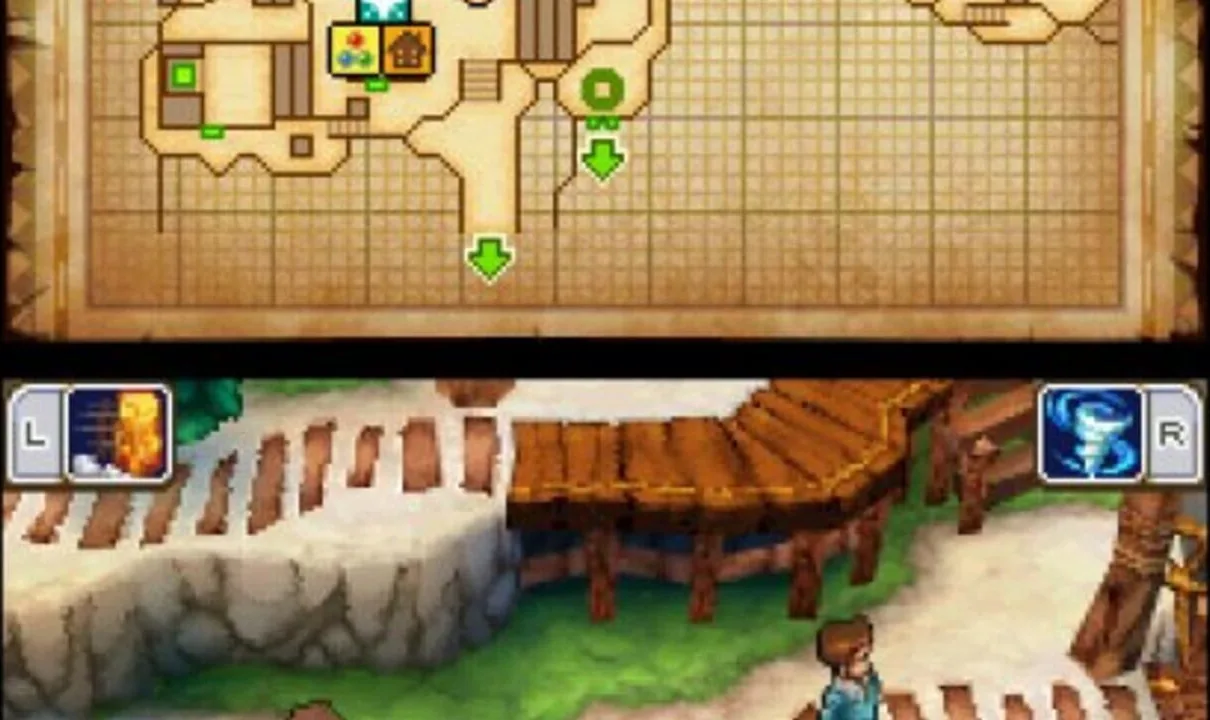
Solatorobo: Red the Hunter puts you in control of Red on an adventure among floating islands, battling robot enemies and taking on quests across the Shepherd Republic. Friends who own the game can race each other round circuits floating in the sky. It is a world of talking dogs and cats where French is the main language, and somehow that is the least strange thing about it.
Madhouse made the animated cutscenes, and the North American cartridge has all the quests on the card from the start. Players call it a favorite even when they are not sure it counts as an RPG, and one of them says it is the best game on the DS.
4. Mario & Luigi: Bowser's Inside Story (2009)

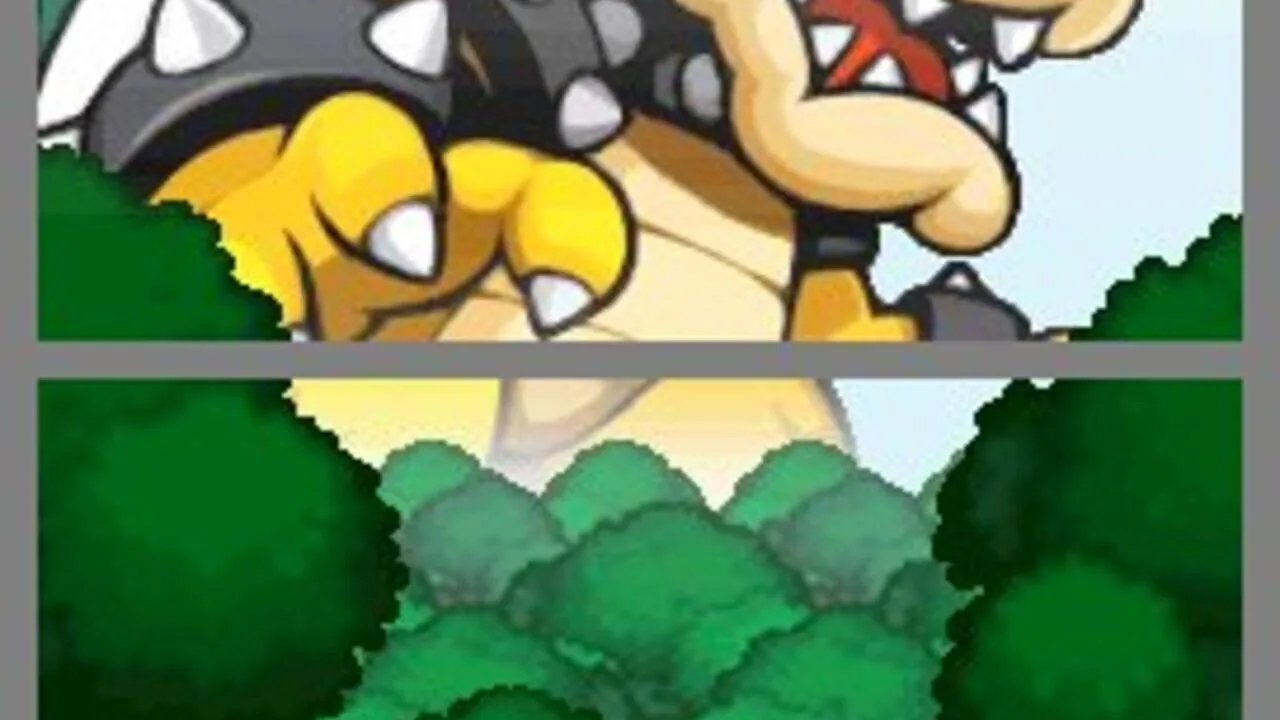
Mario & Luigi: Bowser's Inside Story is the third game in the Mario & Luigi series. You control the brothers inside Bowser's body while also playing as the Koopa King himself out in the Mushroom Kingdom. Enemies roam the field like in Earthbound, so you can dodge them or strike first, and then battles mix menu attacks with timed reactions.
Many fans and critics call it the best game in the series, and it is the best-selling Mario role-playing game of all time at 4.56 million copies. Players call it the top DS role-playing game and say the series peaks here and in Partners in Time. Game Informer gave it 8.75 out of 10 and a Handheld Game of the Month award.

3. Dragon Quest IX (2009)
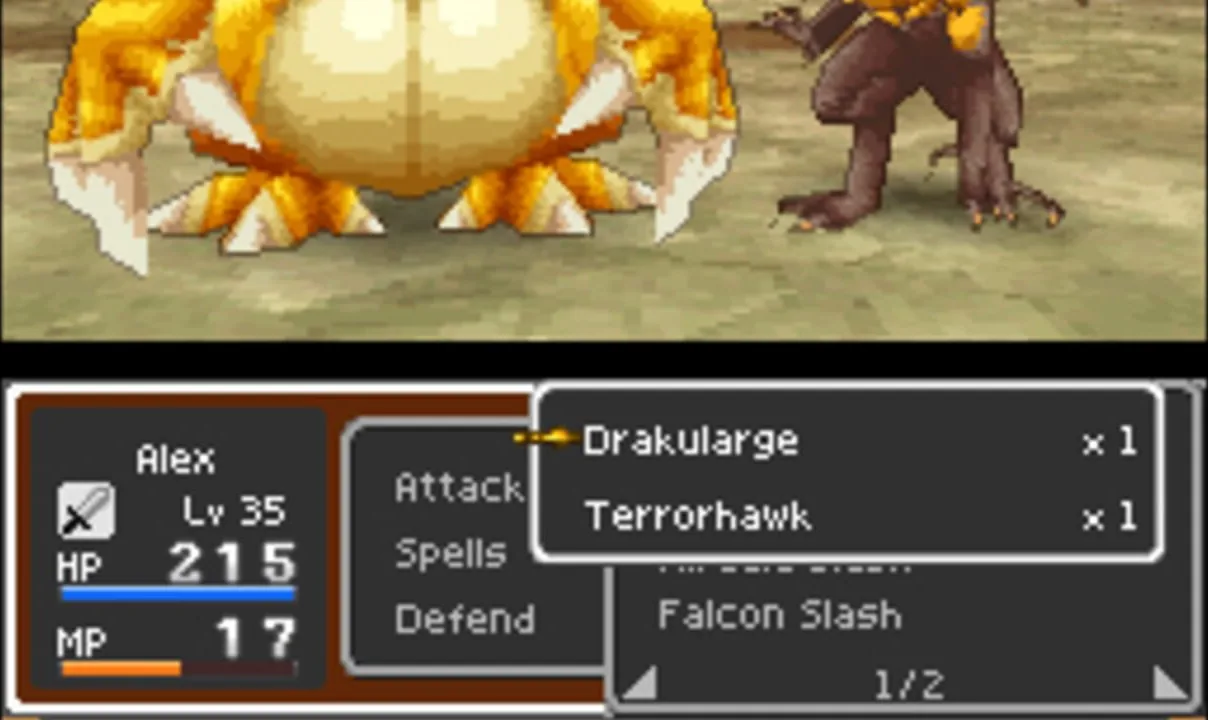
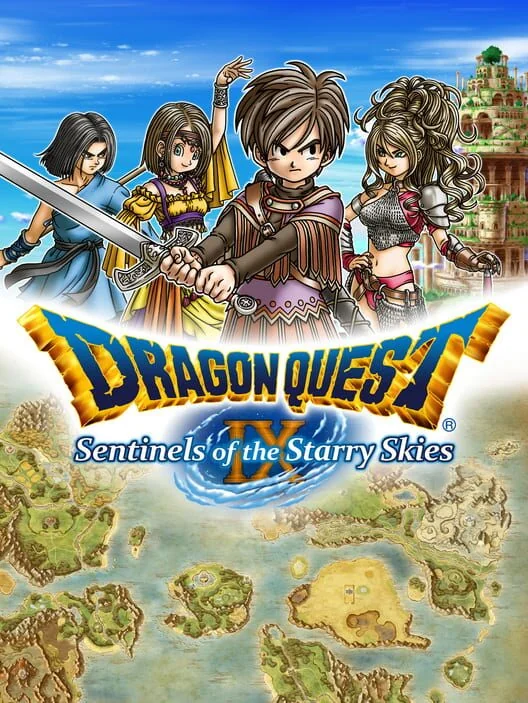
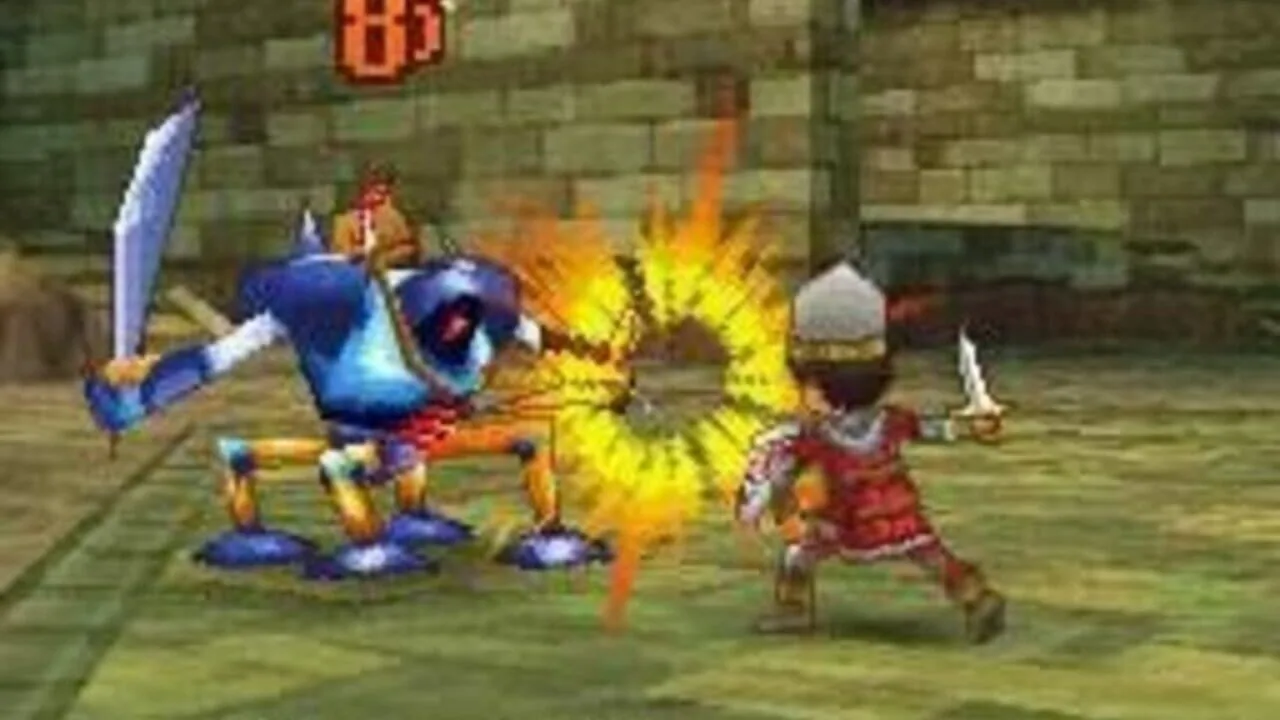
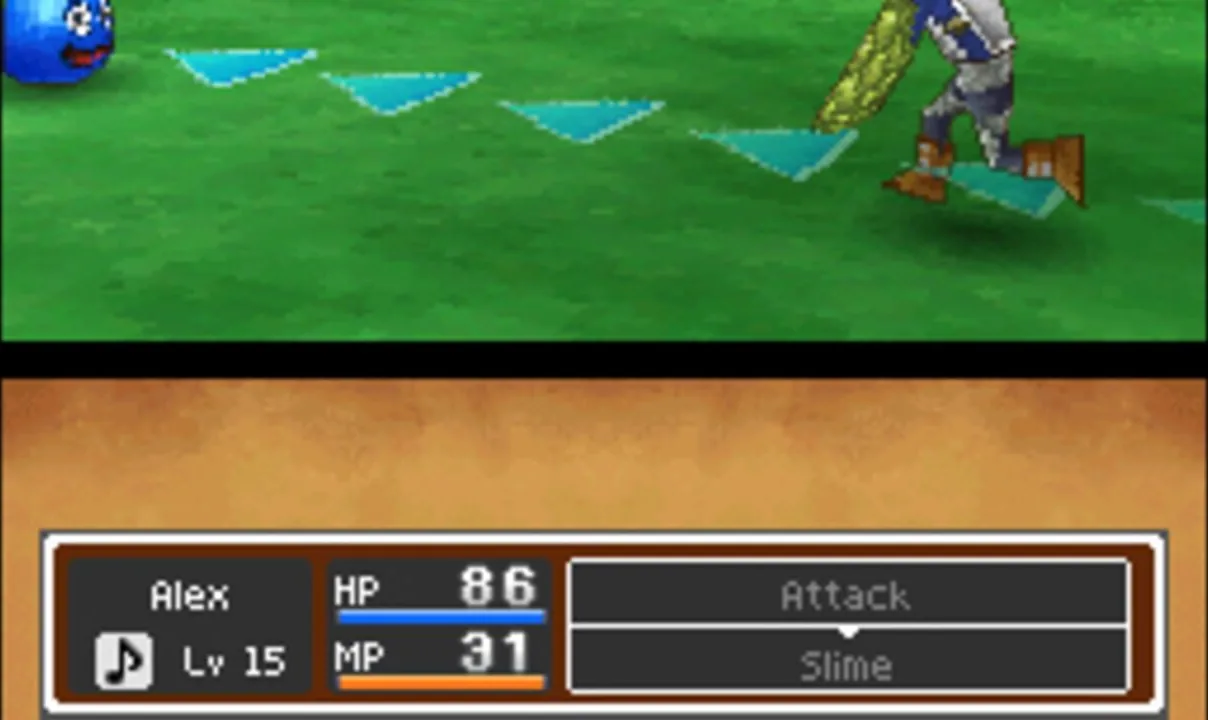
In Dragon Quest IX: Sentinels of the Starry Skies you start as a city guardian sent to retrieve the fruit of a sacred tree, which has the power to grant wishes. From there you travel the world and conquer monsters in fast-paced battles. It is the first Dragon Quest with a customizable hero and the first with a multiplayer mode. Series creator Yuji Horii designed it, and Level-5's Akihiro Hino pushed for it to be made for the DS. Akira Toriyama and Koichi Sugiyama returned for the art and the music, and the game was delayed by two years to fix bugs.
Its anonymous communication mode inspired the 3DS StreetPass, and the game sold over five million copies by 2011. Players love the customization and the long side quests and endgame.
2. Radiant Historia (2010)
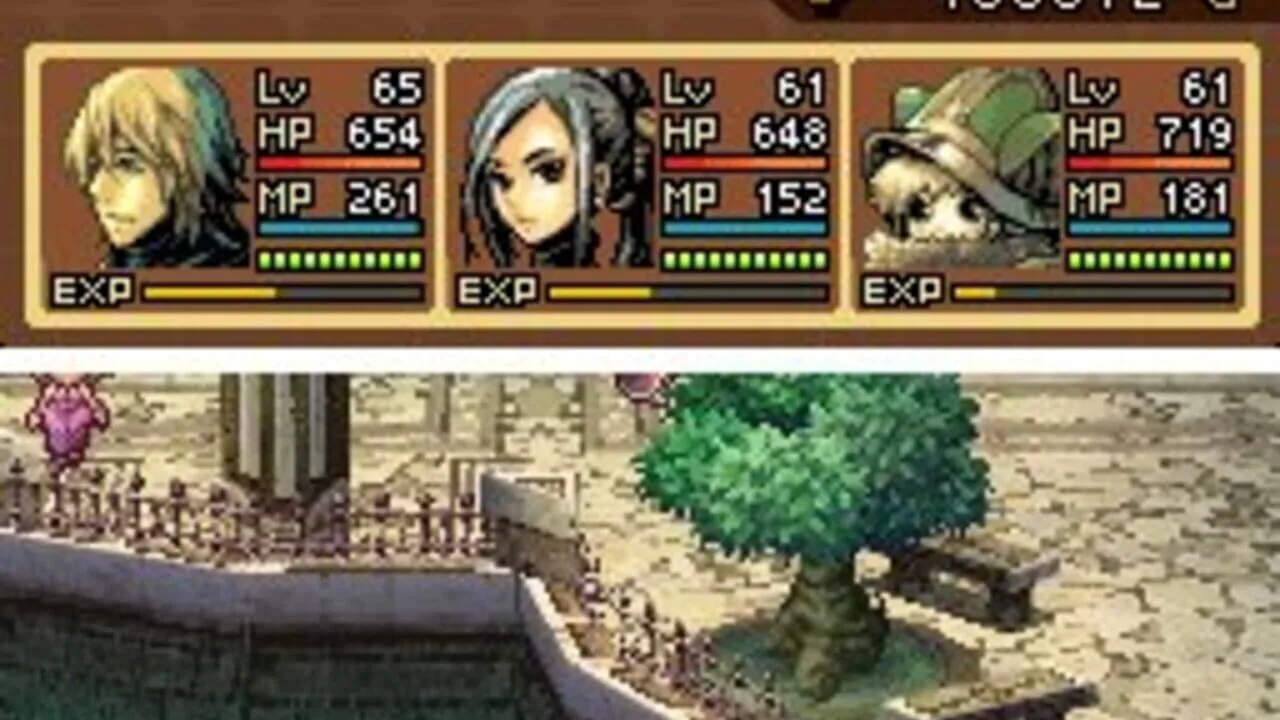
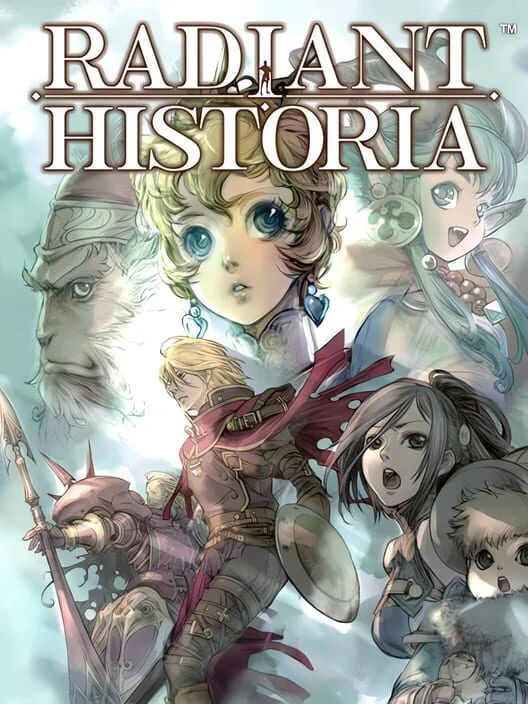
Radiant Historia follows Special Intelligence Agent Stocke, whose routine escort mission goes horribly awry. With a book called the White Chronicle, he travels back and forth through key events and an alternate timeline to set history right. The team came from both Atlus' Megami Tensei series and the tri-Ace title Radiata Stories, and Yoko Shimomura composed the music. Stocke was first imagined as a plain-looking assassin dressed completely in black.
Several critics compared it favourably to role-playing games from the 16-bit era. Players call it a Chrono Trigger level masterpiece that got overlooked because it arrived late in the DS's life. An expanded 3DS remake, Perfect Chronology, came out in 2017 in Japan.
1. The World Ends with You (2007)
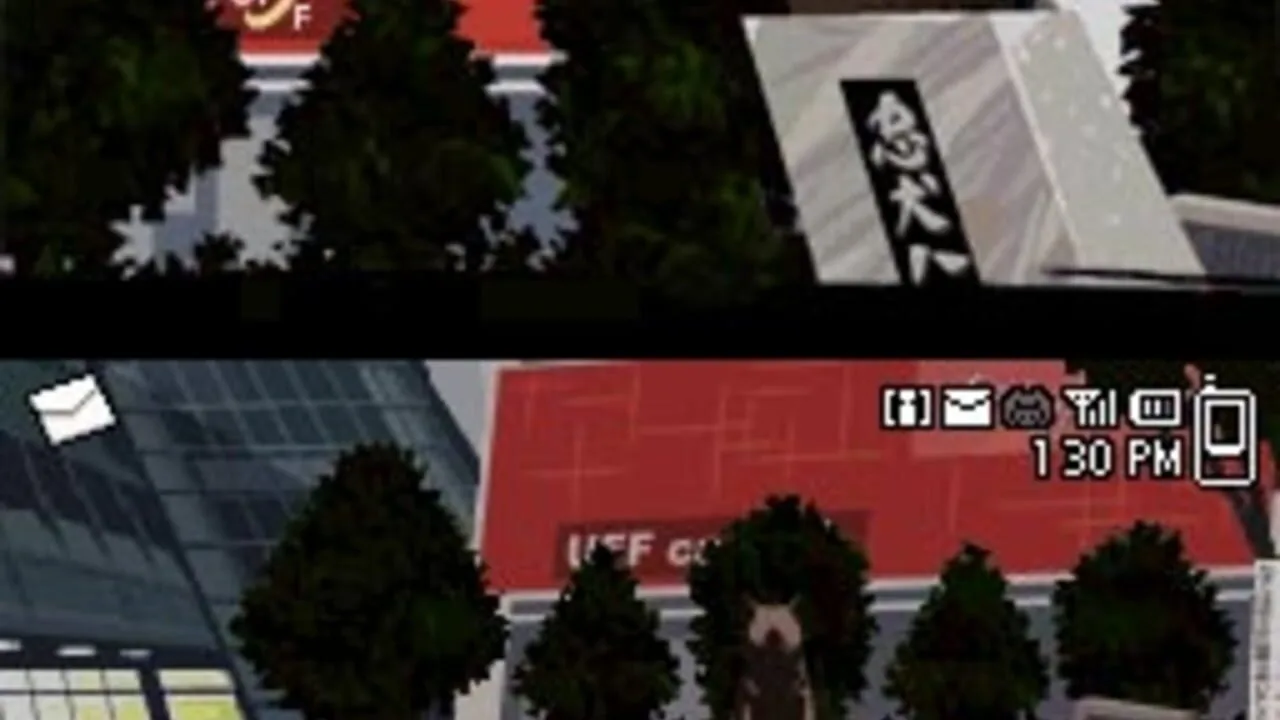
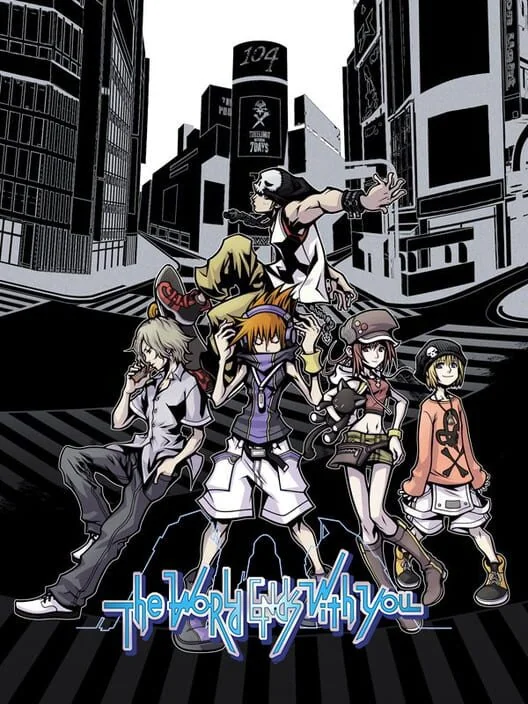
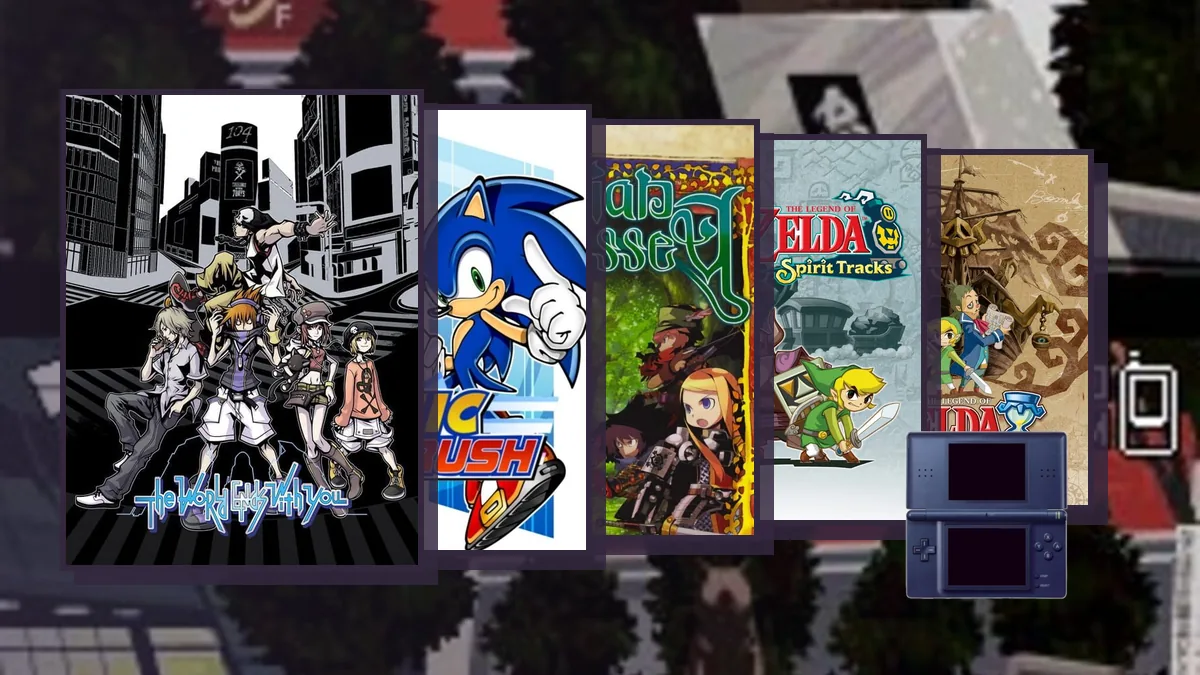
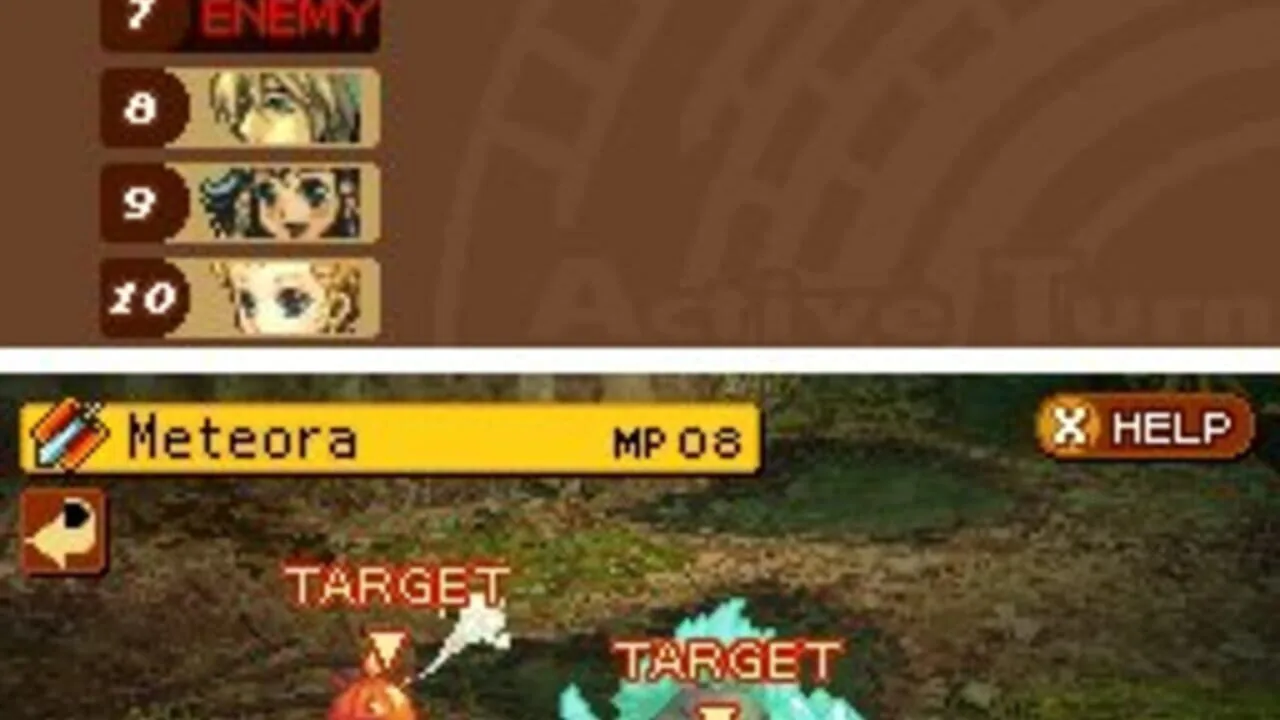
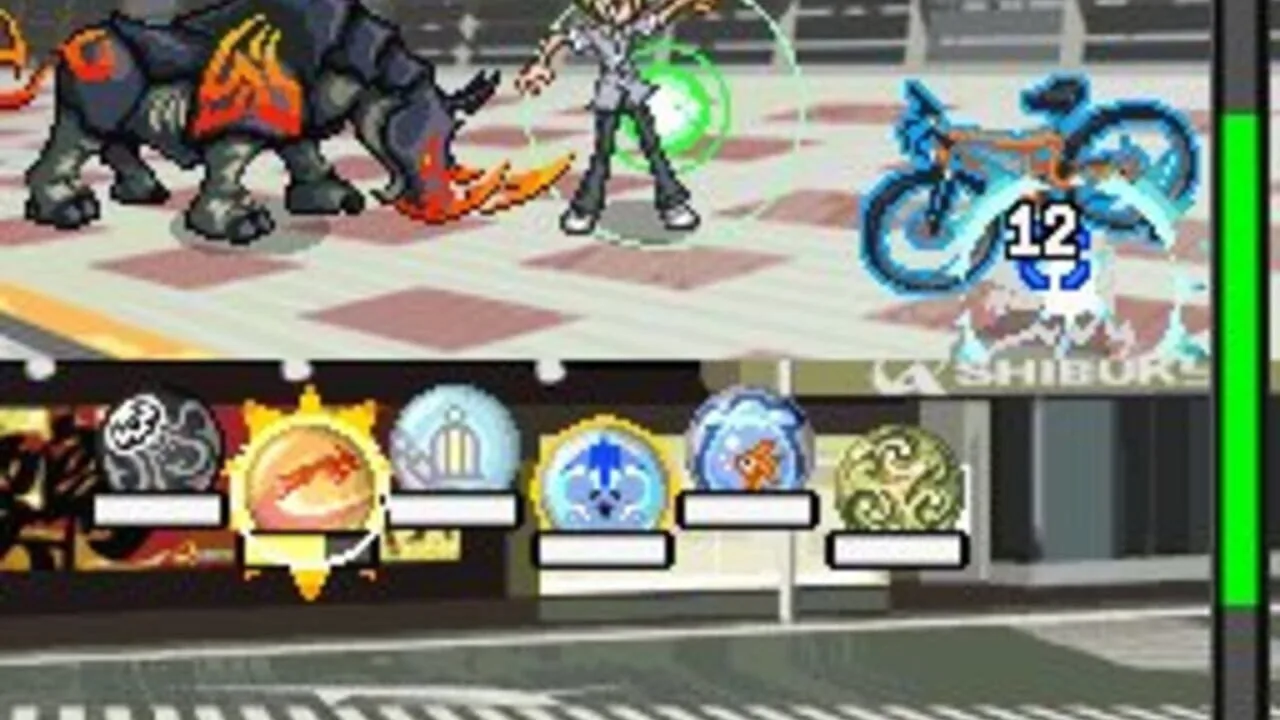
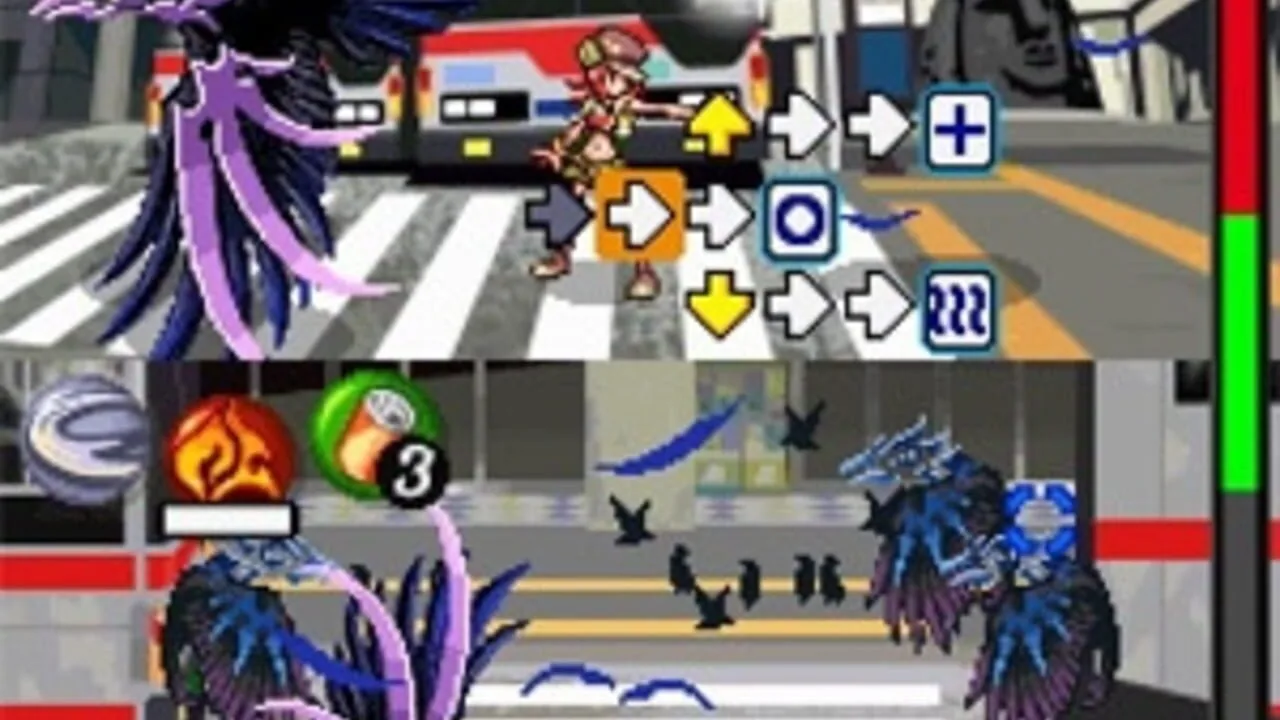
In The World Ends with You, Neku Sakuraba and his allies are forced to take part in a game that will determine their fate. Combat takes place on both screens, with attacks done by motions on the touchscreen or by shouting into the microphone, and Japanese youth culture, such as fashion and food, runs through the missions.
It is set in Shibuya, and development was inspired by Jupiter's earlier handheld game, Kingdom Hearts: Chain of Memories. Critics praised the graphics and the soundtrack, with small complaints about a learning curve and imprecise touch controls, and it was the top-selling DS title in North America in its first week. Players say the battle system is not for everyone but the story is worth it.
Which one to play
There you have it, the whole list of the best Nintendo DS RPGs. Plenty of them are long, deep adventures that hold up next to anything on a home console.
If you are not sure where to start, play The World Ends with You. If you want a traditional adventure, Dragon Quest IX is the one. If you like the Final Fantasy of the old days, play Final Fantasy IV first and then Final Fantasy III. If you are choosing between the two Mario & Luigi games on this list, Bowser's Inside Story is the better first pick, and Partners in Time is the one with the babies. And for a hidden pick, Infinite Space gives you a whole fleet to build.
Several of these got a second life on the 3DS, from Radiant Historia: Perfect Chronology to Strange Journey Redux, and a few have since been remastered for modern consoles. The World Ends with You and Radiant Historia are close enough to call a tie, and both are games only the DS could have held.