The Nintendo DS gave developers two screens and a stylus, and for a few years it felt like every studio in Japan wanted to see what they could do with them. Nintendo's own games sold to everybody, and the shelves filled up fast. A lot of great games came out in the middle of that rush, sat next to the big names for a few weeks and then vanished from stores.
Some of them came from studios that did not survive, and some are famous now and still get less love than they should. These are the games players kept recommending when someone asked what they had missed on the DS. Here are the 25 most underrated Nintendo DS games.

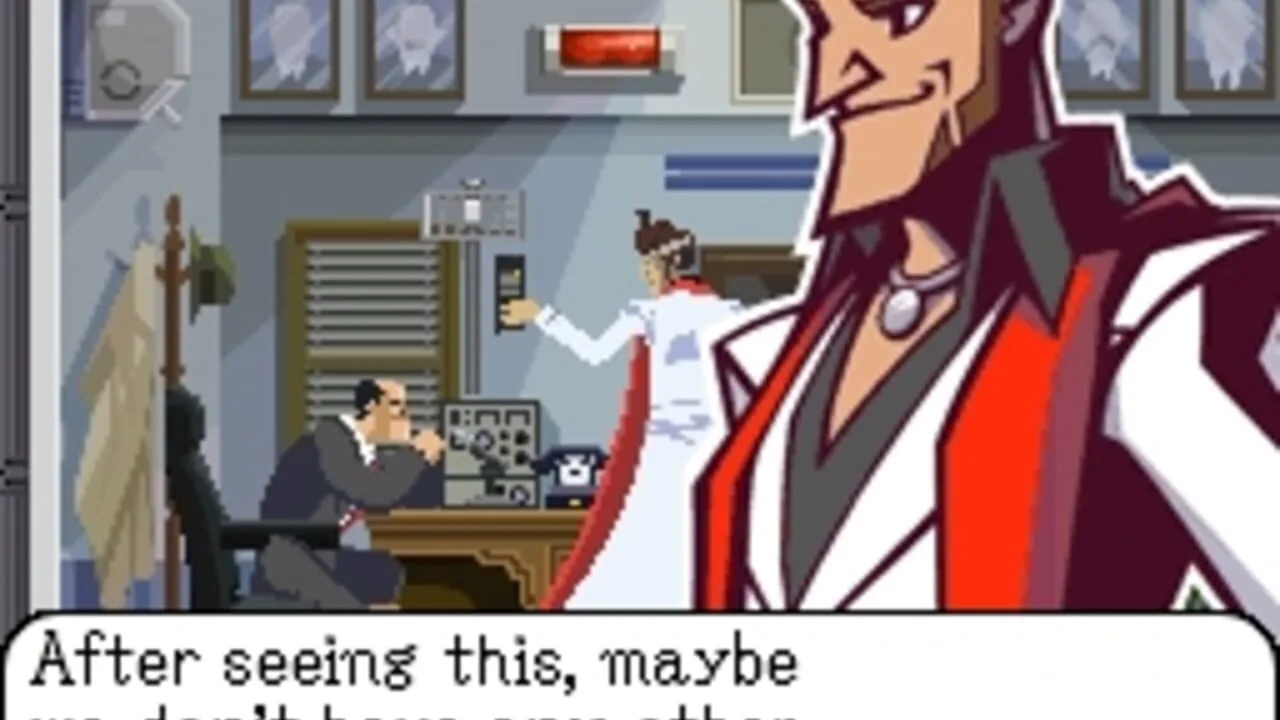
25. Contact (2006)
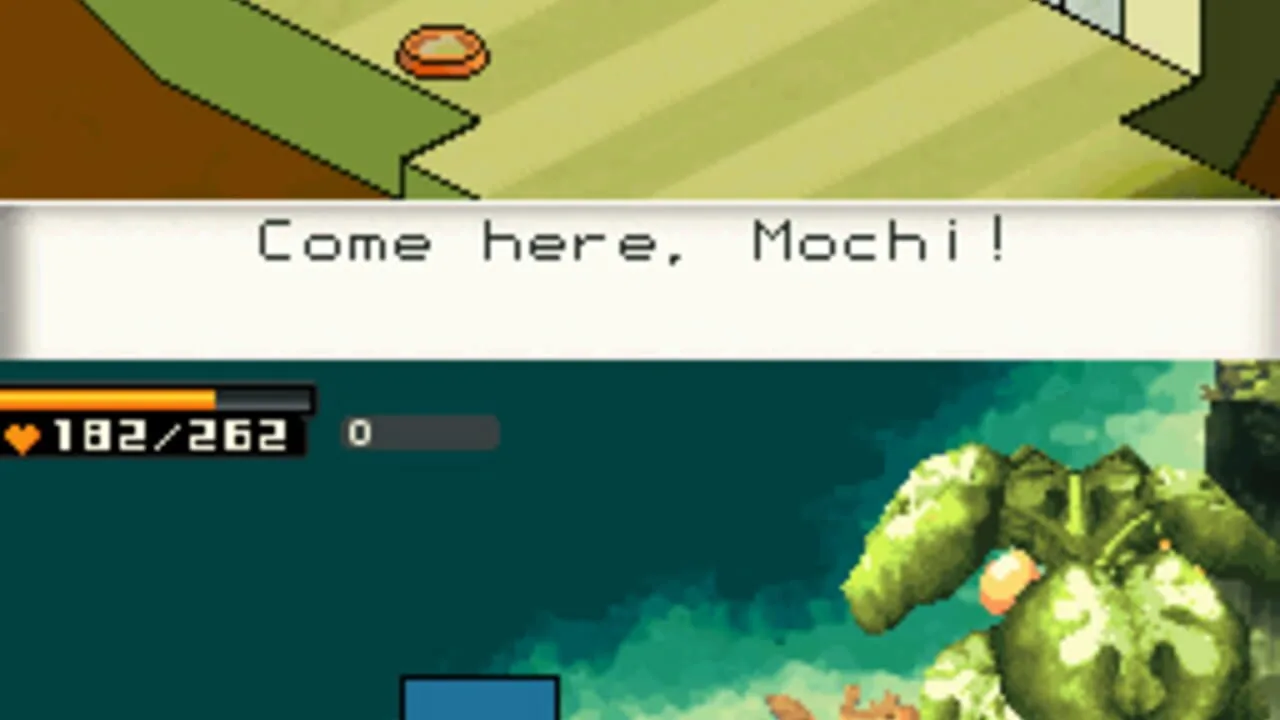
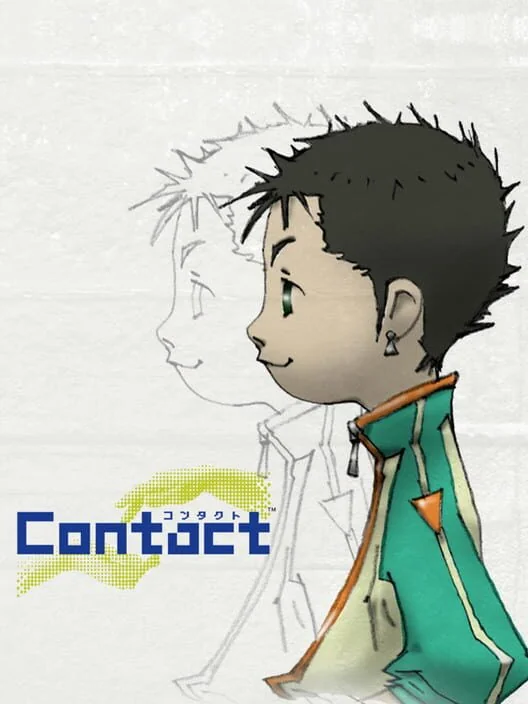
Contact is a role-playing game from Grasshopper Manufacture, published by Marvelous Entertainment in Japan on March 30, 2006, and picked up by Atlus for North America. It starts with a scientist called the Professor fleeing through space from an enemy known only as the CosmoNOTs, and a boy named Terry who has to help him. Helping the Professor is the only way Terry will get home. The Professor talks directly to you, the player, and the game shows his world and Terry's on the two screens at the same time. Its creator, Ueda, said the split "underlines how the player and the Professor are aliens to each other."
Players who loved the Mother games keep pointing others to it, and it has that same off-kilter charm. Ueda still wants a follow-up: "I think the world would be a better place if there was another Contact game in existence!" No sequel has been announced.
24. Drawn to Life (2007)
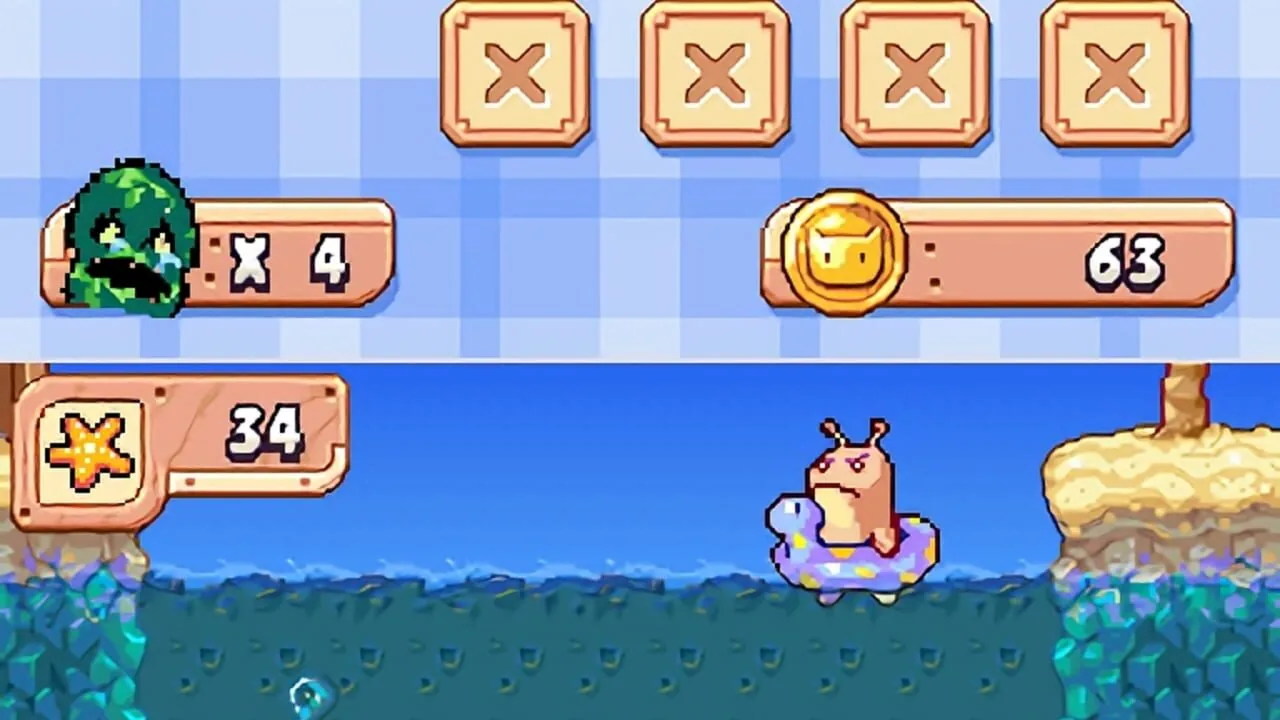
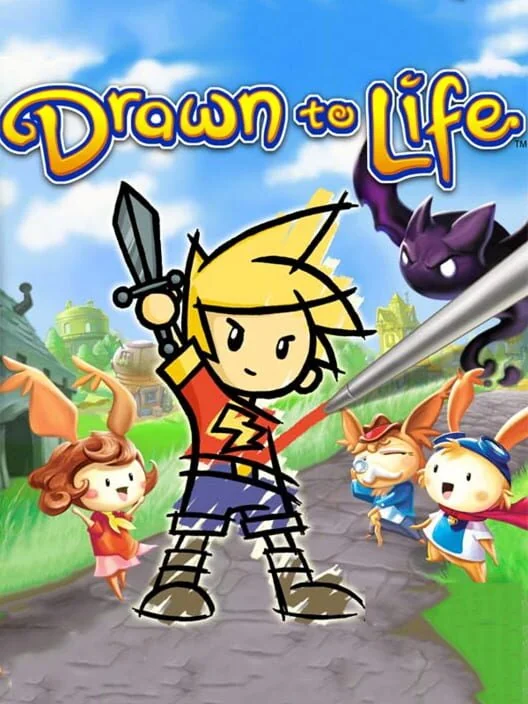
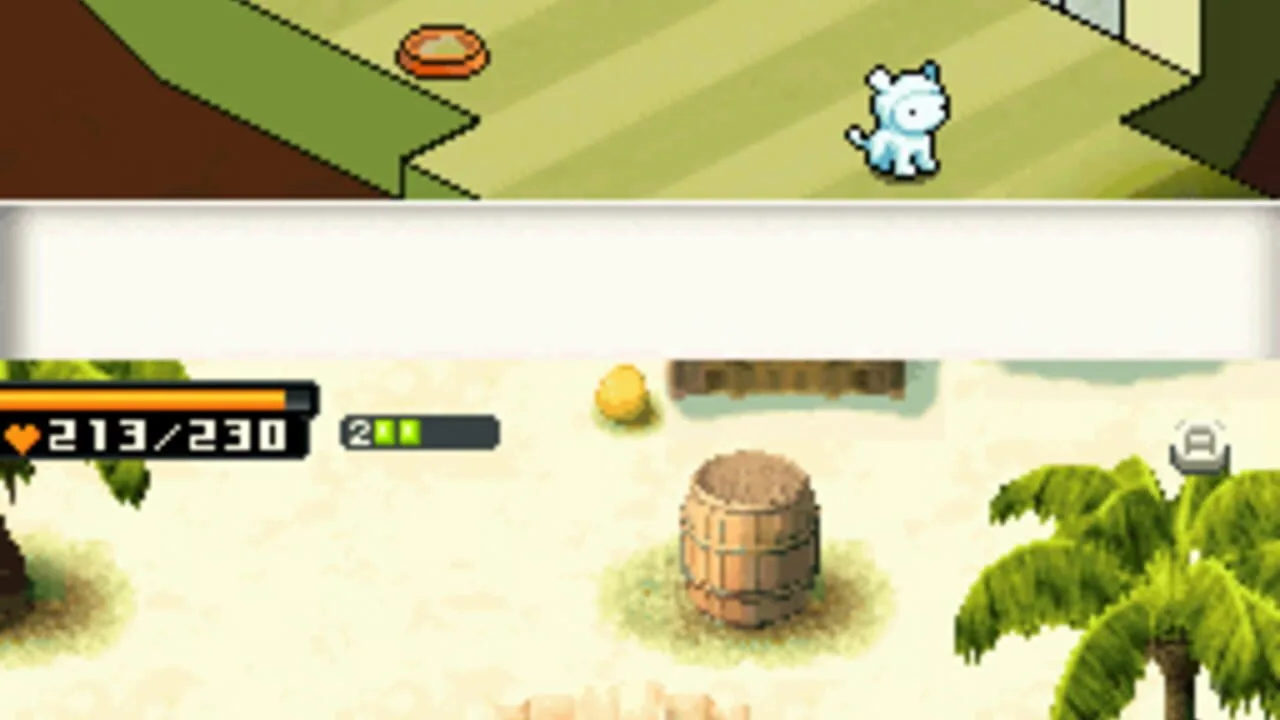
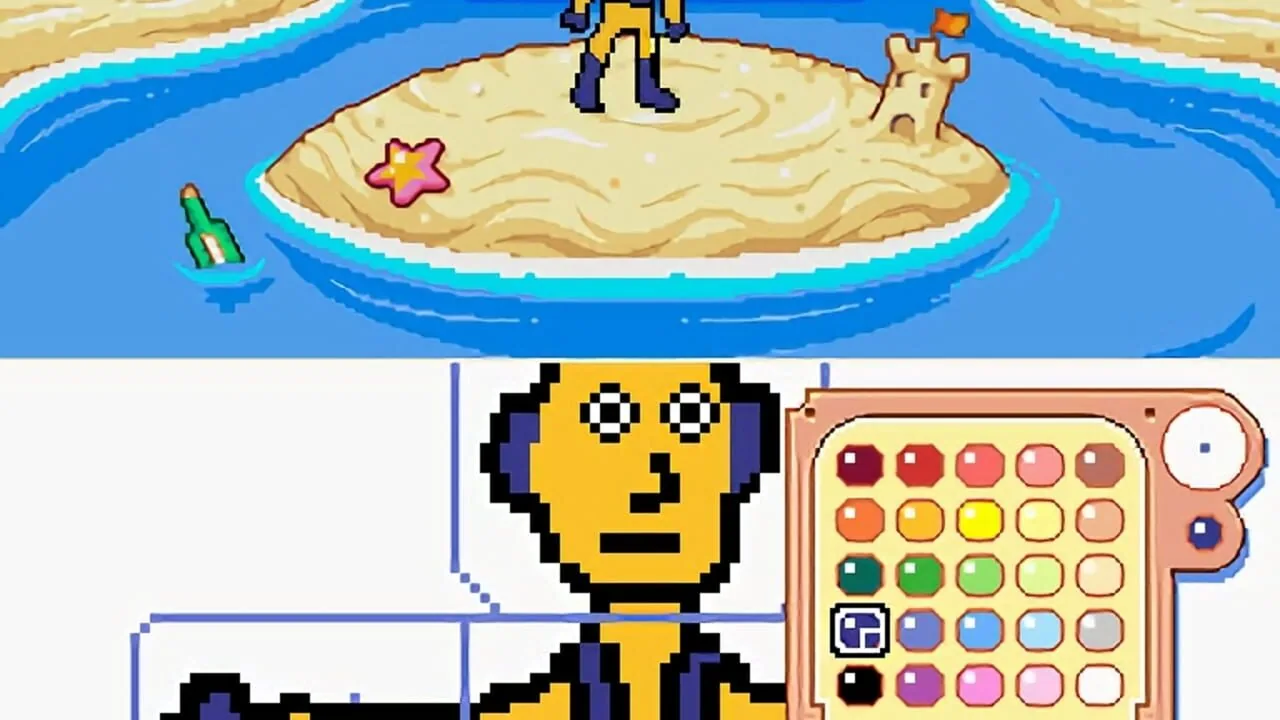
Drawn to Life is a platformer where you draw the hero yourself. With the stylus you create your own playable character, plus level objects and accessories, and that drawing then has to free a cursed village from an encroaching darkness. The villagers are the Raposa, fox-like creatures named after the Portuguese word for fox. The team at 5th Cell made the first demo in three months, and Nintendo was impressed enough to hand them a development kit. The game also hides over 40 songs you can buy in the item shop with rapo-coins.
Your hero looks exactly as good as your drawing, which made a lot of kids very proud and a few very sorry. Players often recommend it together with its sequel, The Next Chapter.
23. Spectrobes (2007)
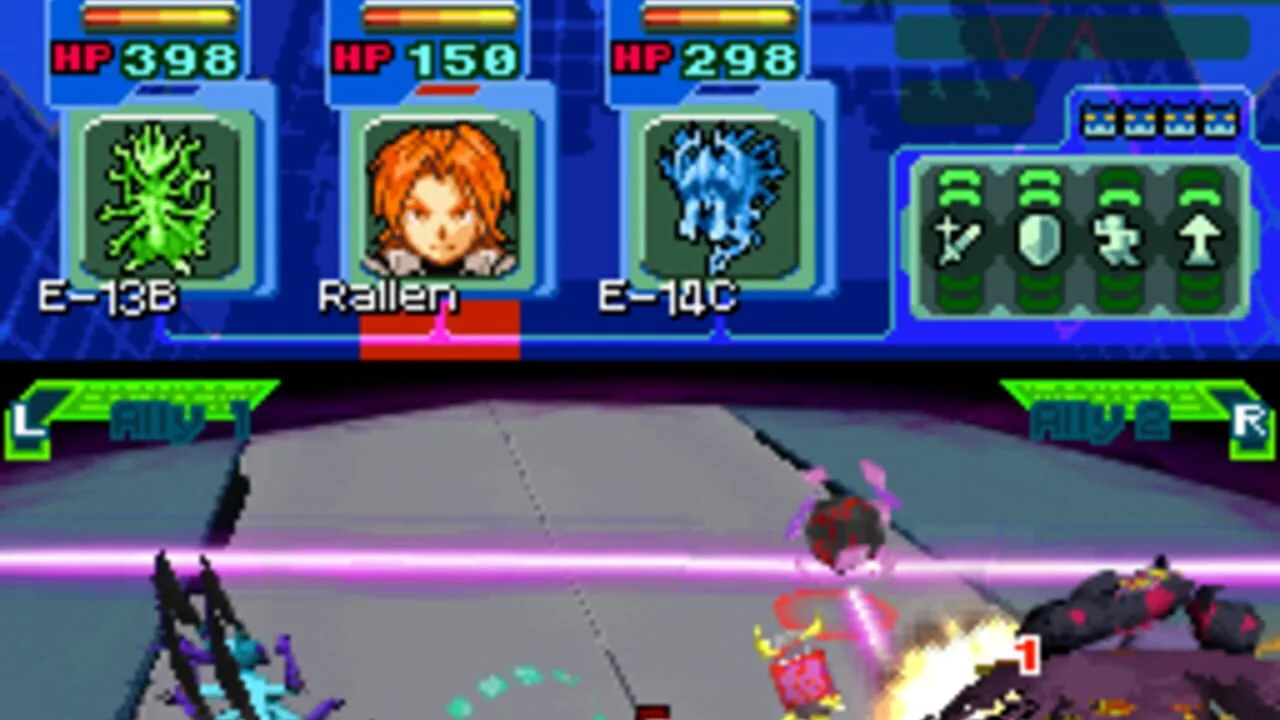
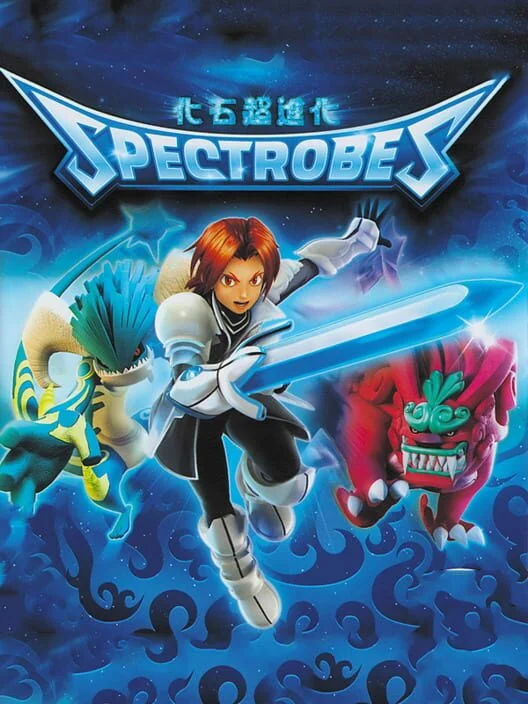
Spectrobes was Disney Interactive Studios' first original game, meaning it was not based on any film or TV show from Disney. You train creatures called Spectrobes and send them to fight the Krawl. Disney said it shipped more than 700,000 copies worldwide in its first month, and it was the best-selling third-party game for March 2007. A sequel, Spectrobes: Beyond the Portals, came out in the U.S. on October 7, 2008, and the series ended on the Wii, where the last game was released on August 18, 2009.
At launch one review said "everyone else will be wise to wait for the next true Pokémon releases to hit the system." Players who grew up with it disagree, and they still tell people to try the whole series.
22. Lunar Knights (2006)
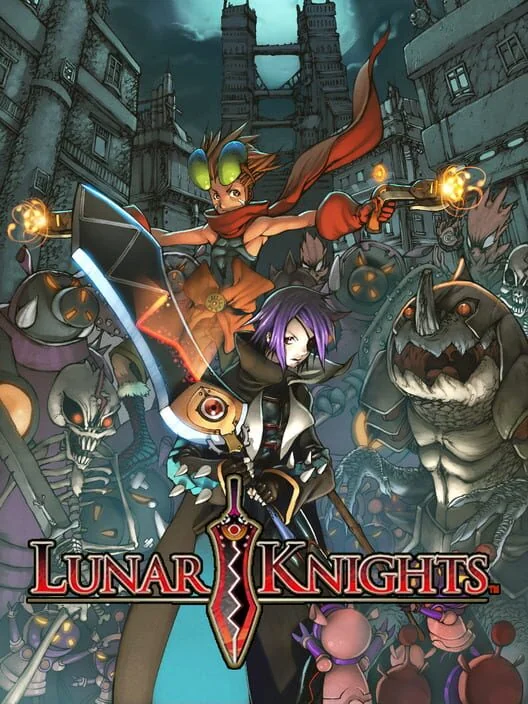
Lunar Knights was Kojima Productions' first game on the Nintendo DS. It is a gothic sci-fi adventure about two warriors on a quest to take the world back from a vampire legion, and you get to spin up tornadoes and call down flaming meteors along the way. In Japan it was called Boktai DS, and it kept the Boktai series' habit of crossing over with Capcom's Mega Man. Your elemental partners are called Terrennials, and each element is weak to its polar opposite and resistant to itself. Some of their special techniques only work in the right climate or at the right time of day.
Players call it a fun action RPG and are quick to point out that it belongs to the Boktai series, whatever the box says. It is a strange, stylish little game, and it deserved a bigger audience than it got.
21. Osu! Tatakae! Ouendan (2005)

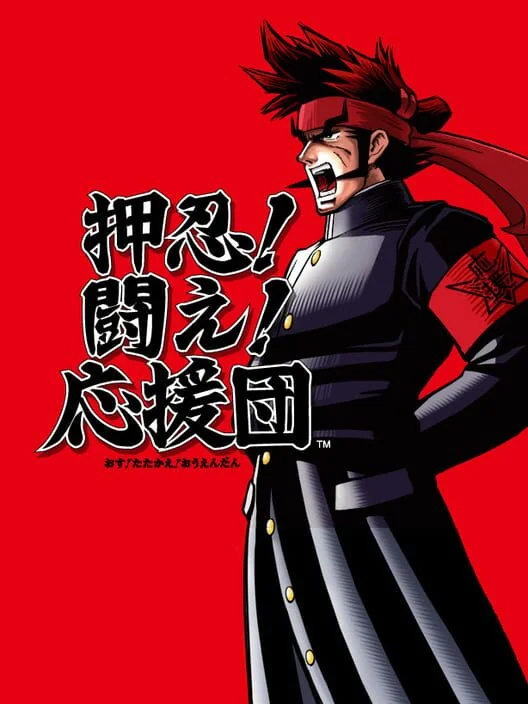
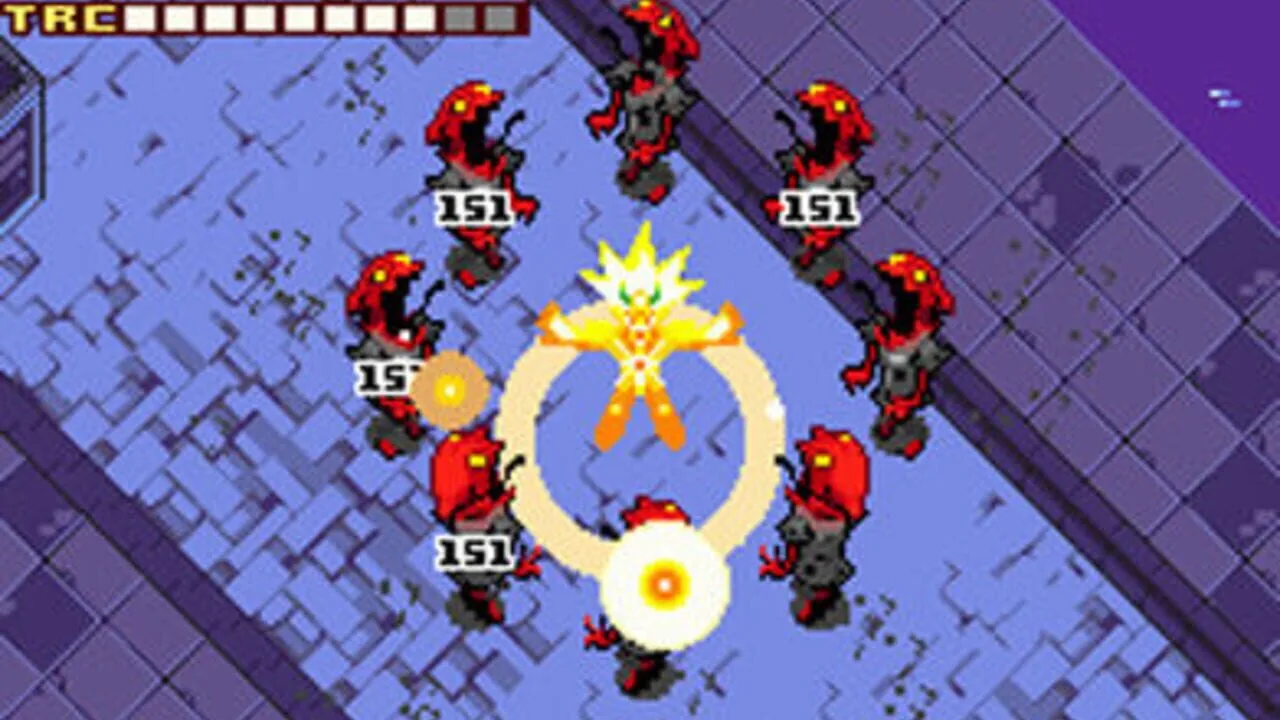
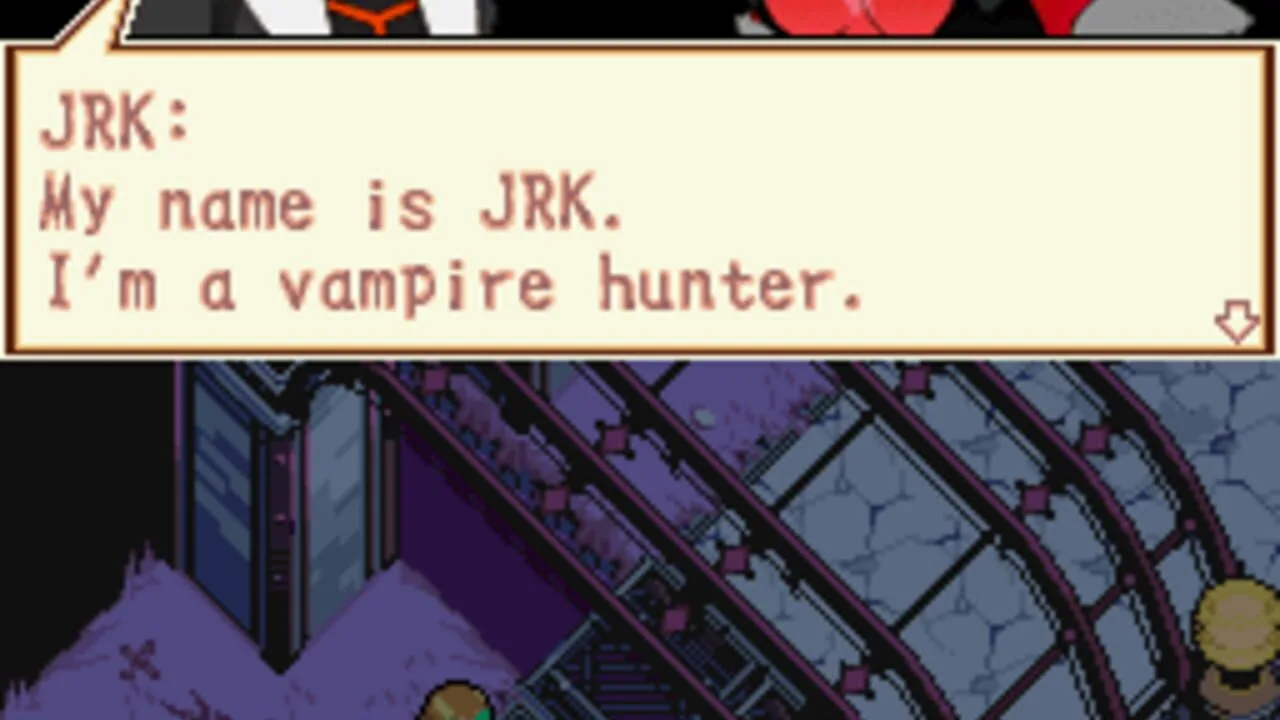
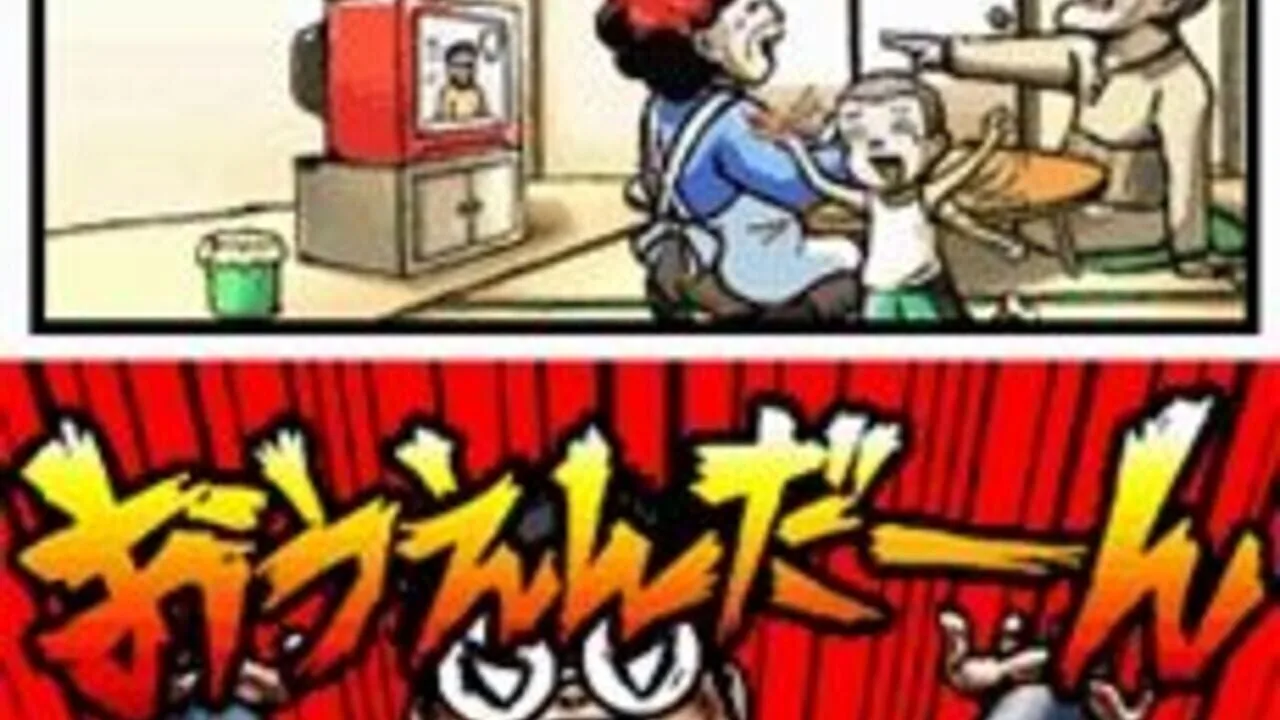
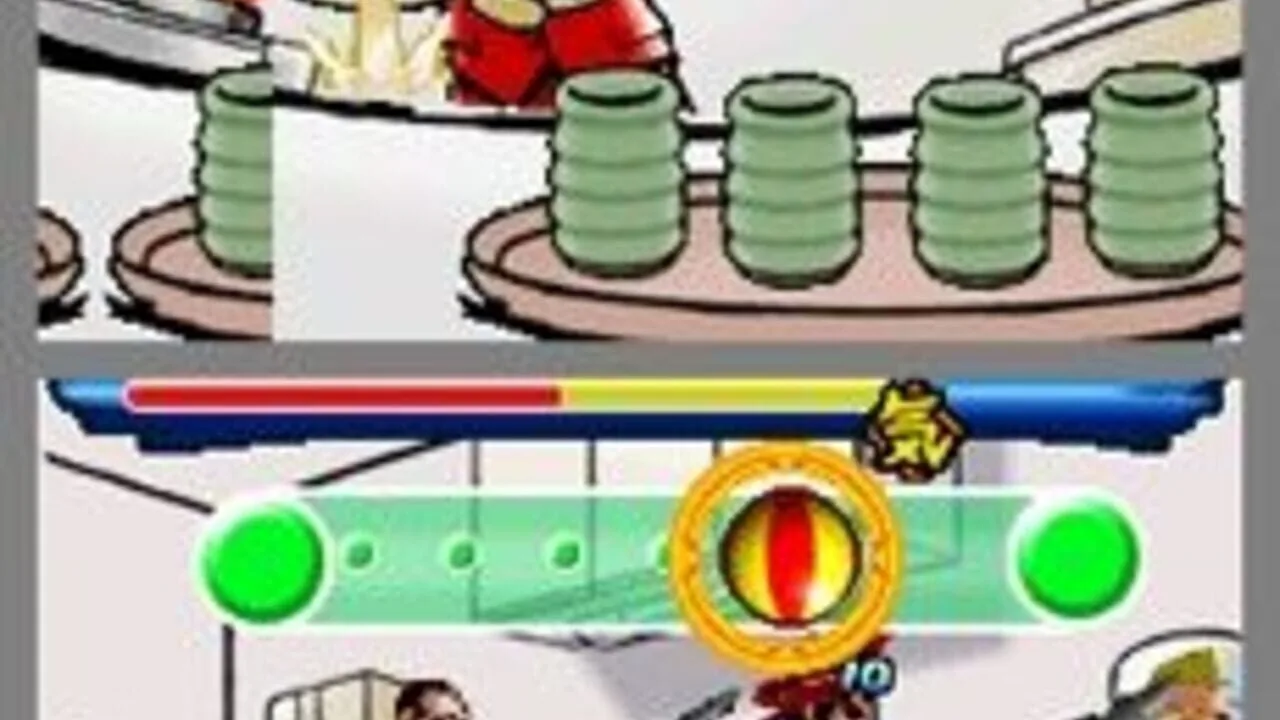
Ouendan is a rhythm game from iNiS, published by Nintendo in 2005 and only released in Japan. A cheer squad in black school uniforms with red armbands shows up whenever someone is in trouble and cheers them through it to Japanese pop songs. You tap numbered circles on the touch screen in time with the music, and the story plays out like a manga comic. It was never released in the West, but it was a popular import, and that led straight to Elite Beat Agents.
Players who love Elite Beat Agents usually name this one in the same breath, and they treat the two as one series. This is the louder original, and the cheer squad is as much fun to watch as it is to play.
20. Ni no Kuni: Dominion of the Dark Djinn (2010)
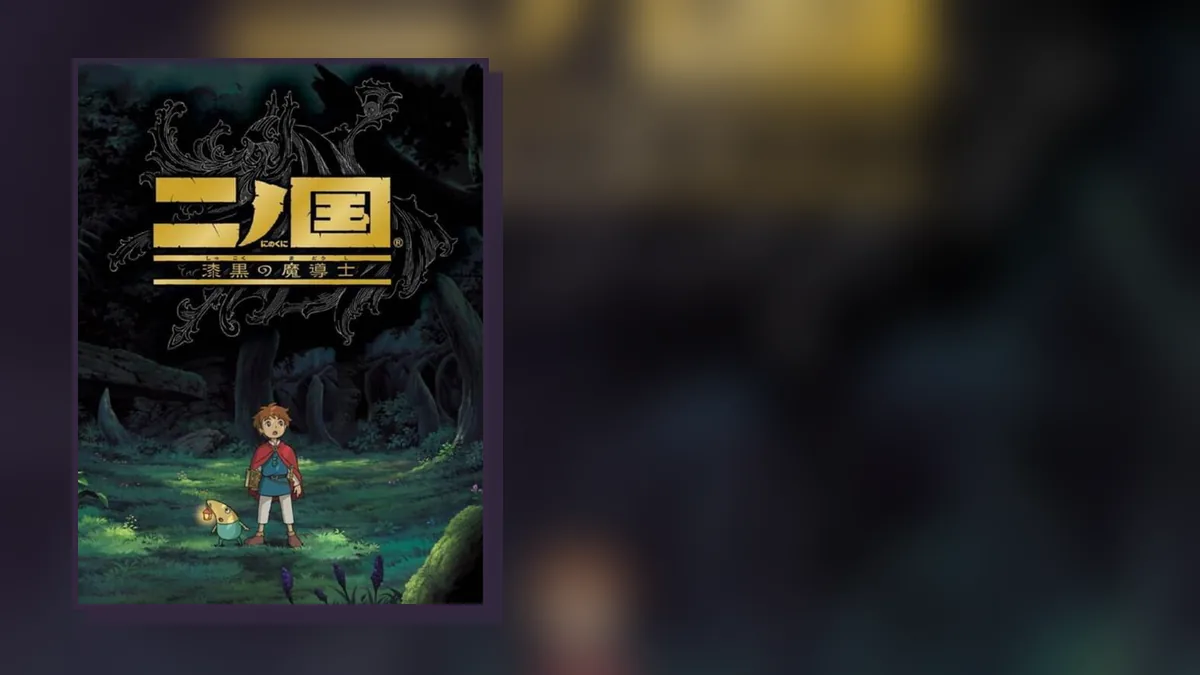
Ni no Kuni comes from Level-5, which released Dominion of the Dark Djinn in Japan for the DS on December 9, 2010, with real heavyweights attached. Studio Ghibli produced the animated scenes, and Joe Hisaishi co-composed the score. You play young Oliver, who travels to another world to save his mother, and you fight alongside creatures called imajinn. The developers wanted children to see themselves in Oliver and adults to relive their own adolescence. An enhanced version, Wrath of the White Witch, reached the PlayStation 3 in November 2011, and that is the one most people know.
Reviewers praised its story and its music, but the DS original never left Japan. Players who know it keep putting it among the DS games most people overlooked.
19. Picross 3D (2009)
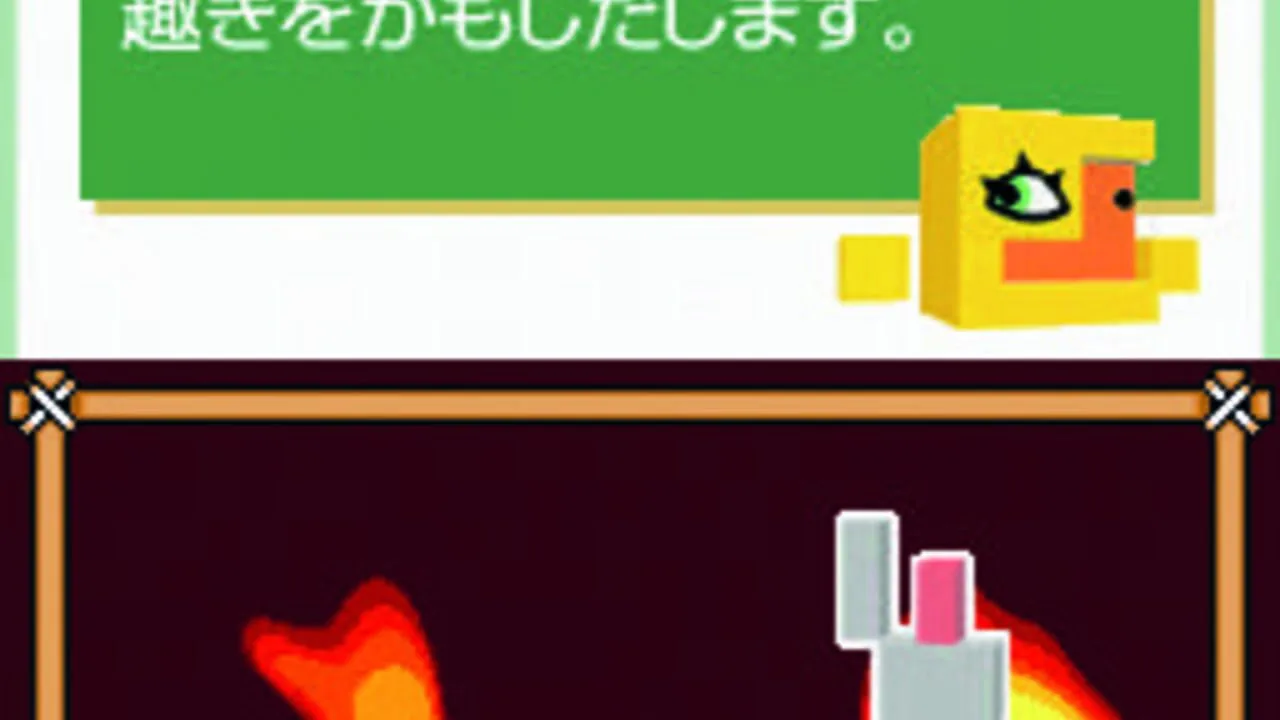
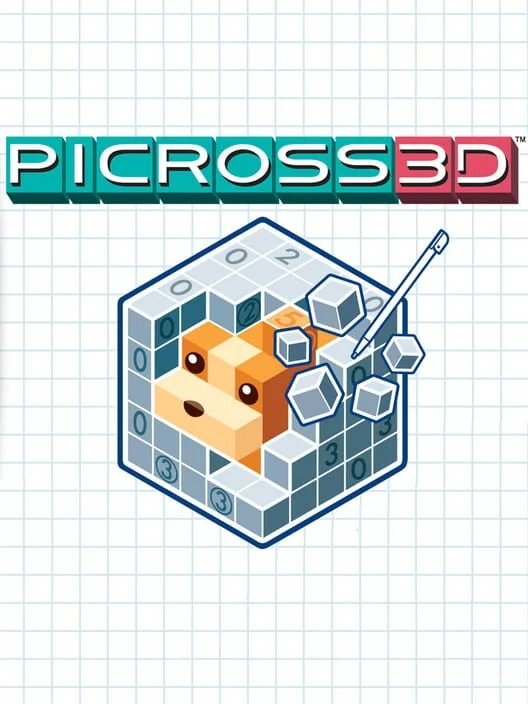
Picross 3D is the follow-up to Picross DS, and it takes the number-grid puzzle into three dimensions. It mixes the logic of a sudoku with the fun of finding the picture hidden inside. It came out in Japan in March 2009 and reached North America in May 2010. Finish a puzzle fast and without strikes and you earn up to three stars, which unlock bonus puzzles. A sequel, Picross 3D: Round 2, followed on the 3DS.
Players keep putting it on their lists of overlooked DS games. You open it for one puzzle and look up an hour later.

18. Meteos (2005)
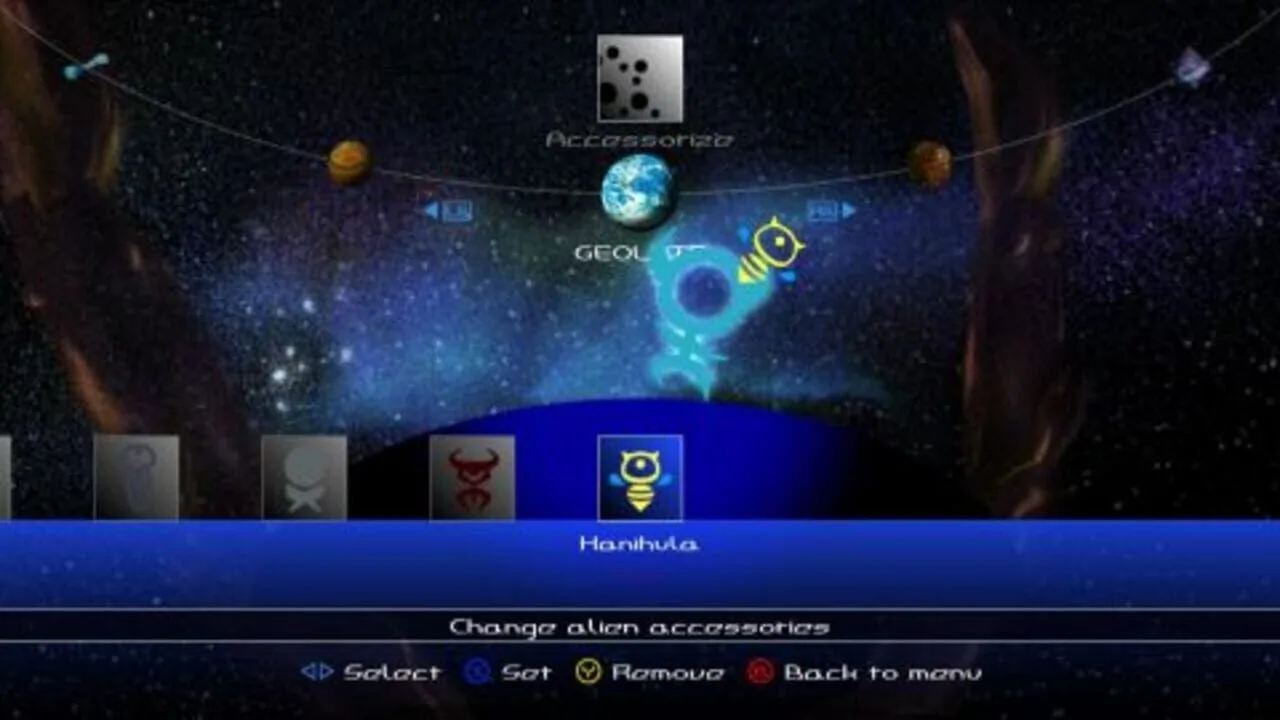
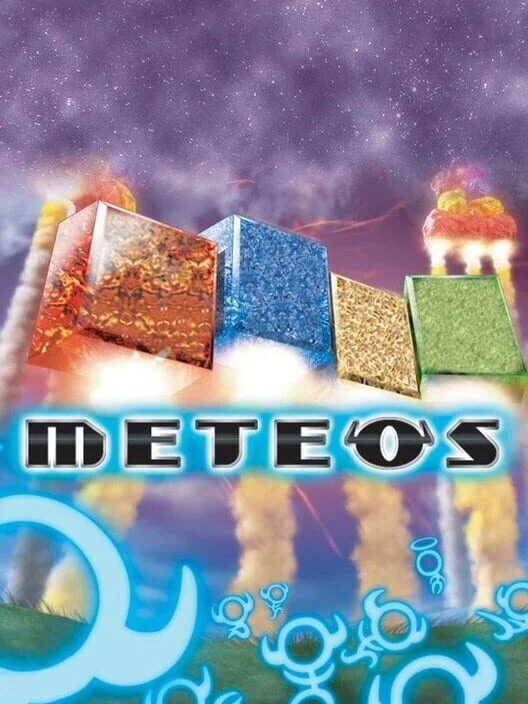
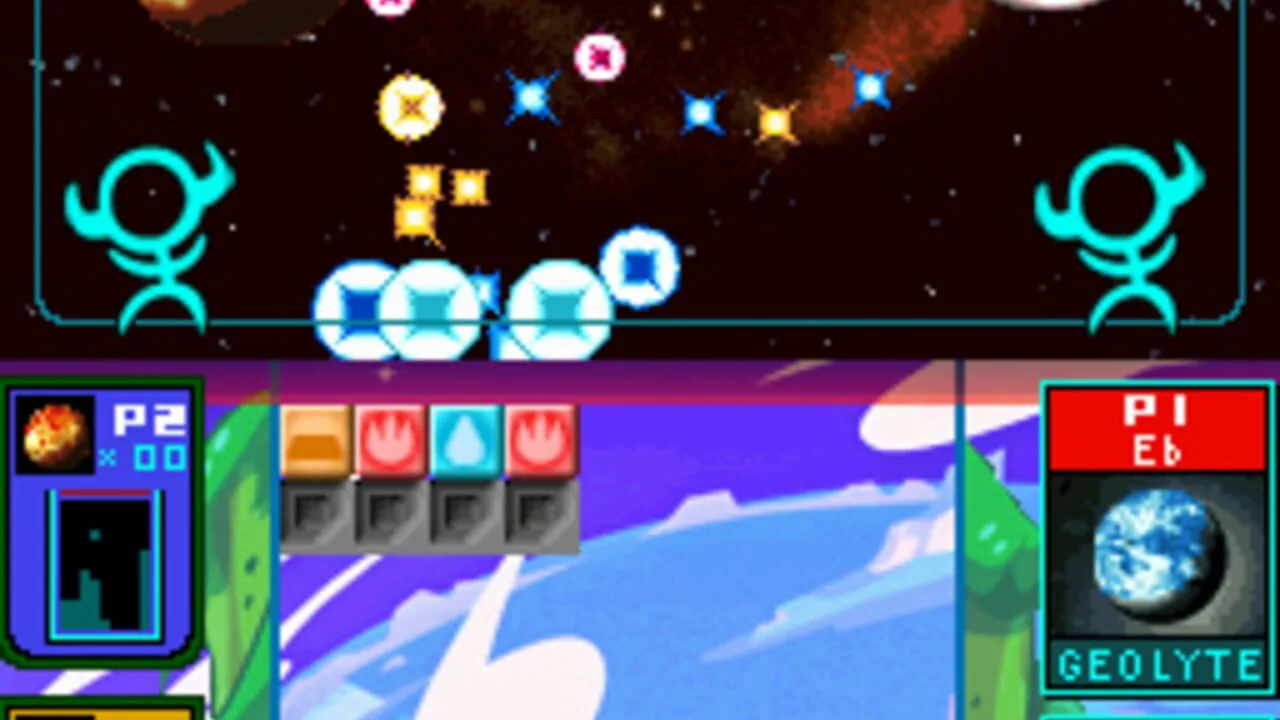
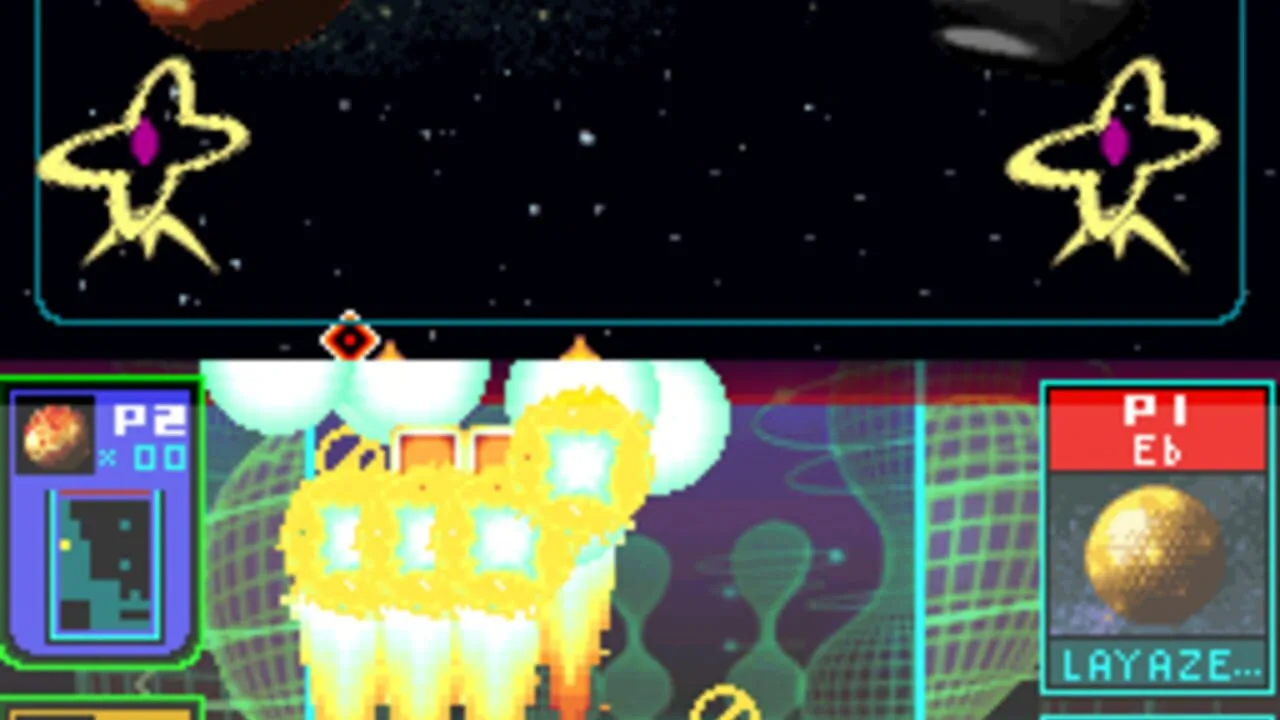
Meteos was made by Q Entertainment and produced by Tetsuya Mizuguchi, the man behind Rez and Space Channel 5. An evil planet called Meteo is raining world-ending meteors across the galaxy, and you fight back by matching blocks of the same color with the stylus. Line up enough and they blast back into the sky. The game took inspiration from Missile Command and, oddly, from the TV series 24. Meteos reached number one in DS sales in the UK in its first week.
Players still name it among the DS games that deserved more attention. It is fast and loud, and it makes most falling-block games feel slow.
17. Radiant Historia (2010)
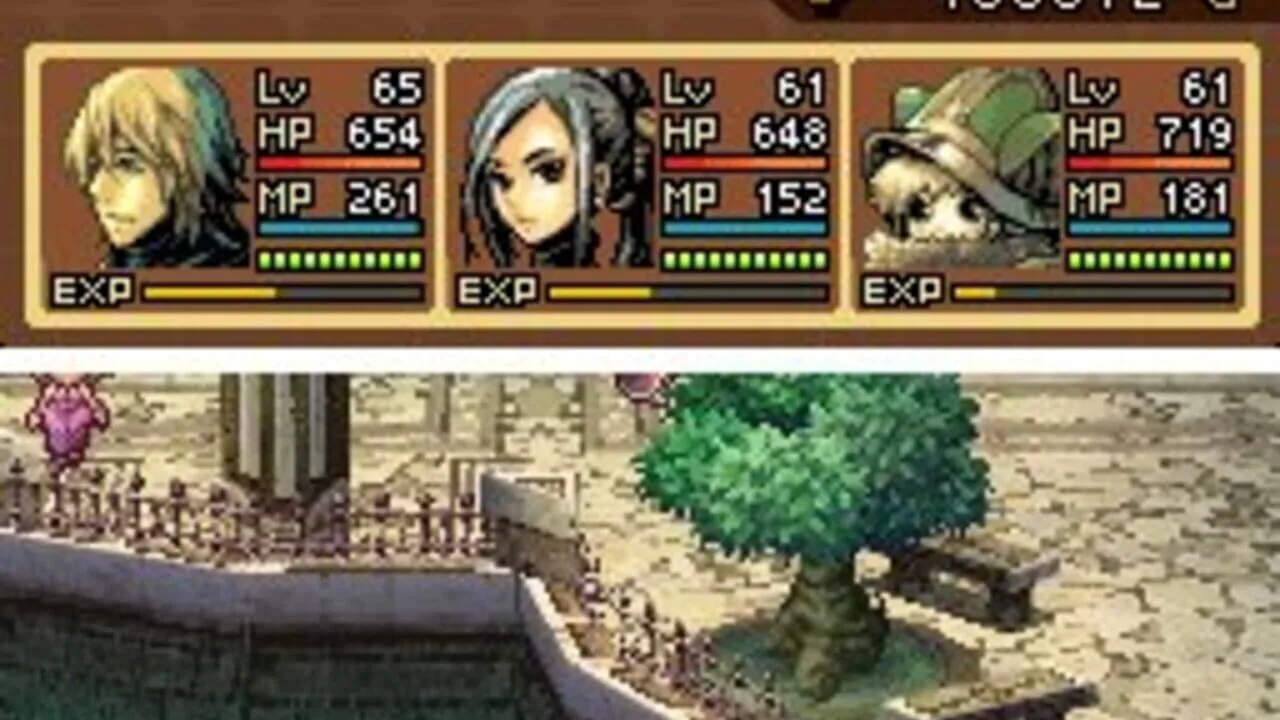
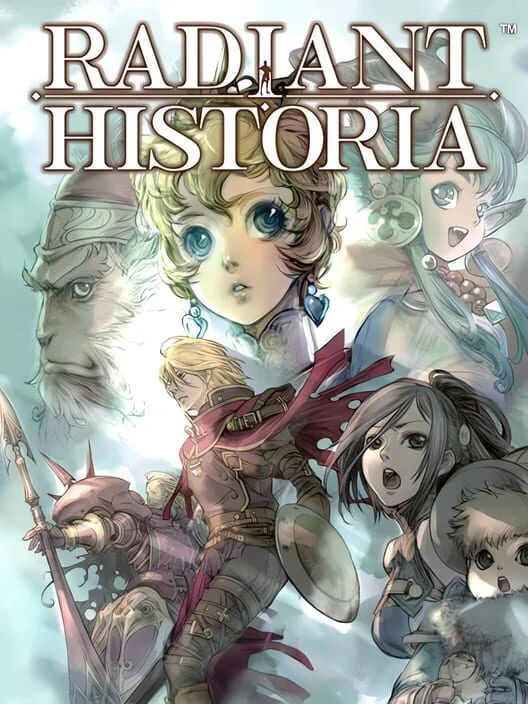
Radiant Historia was made by a team drawn from Atlus' Megami Tensei series and from tri-Ace's Radiata Stories. It came out in Japan in 2010 and in North America in 2011. You play Stocke, a soldier handed the White Chronicle, a book that lets him move between timelines so he can stop the world from turning to desert. The story branches into a second, alternate timeline, and the team kept that manageable by cutting the number of countries in half. Yoko Shimomura wrote the music.
Critics compared it to the great 16-bit RPGs, and a 3DS remake, Perfect Chronology, added voice acting and a new story path in 2017. Players who have played it say it does not get talked about enough.
16. Might & Magic: Clash of Heroes (2009)
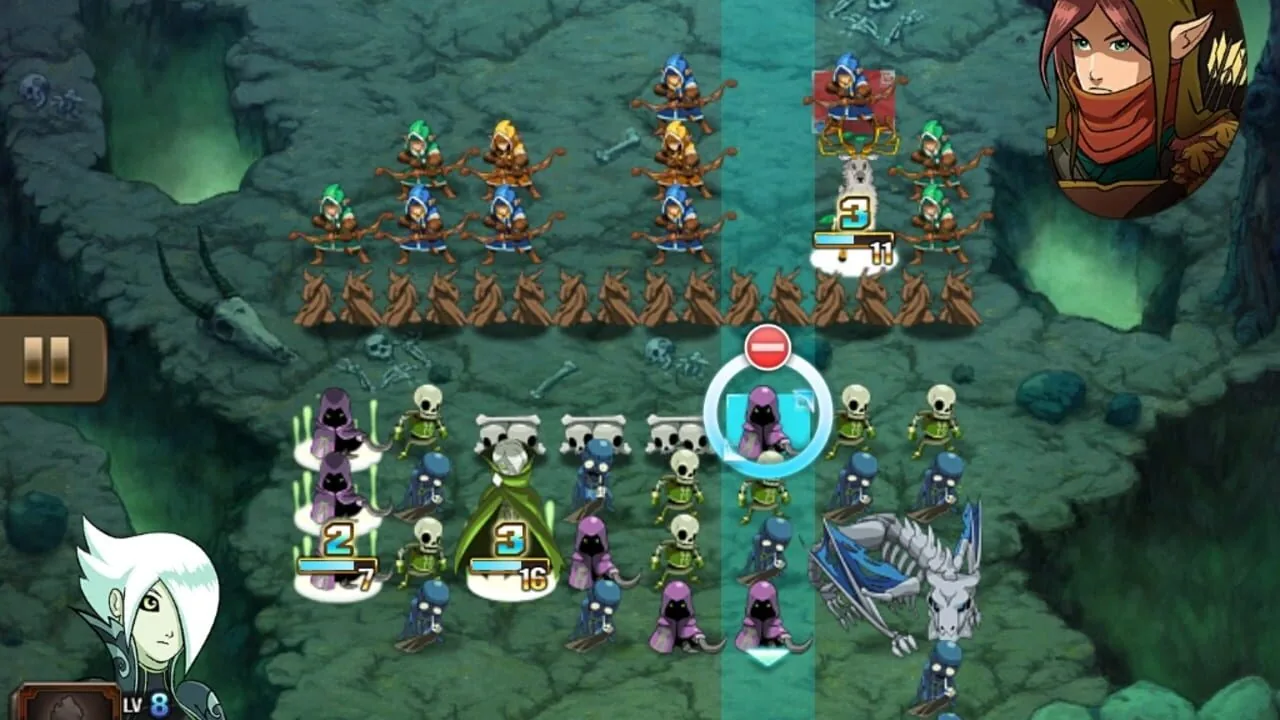
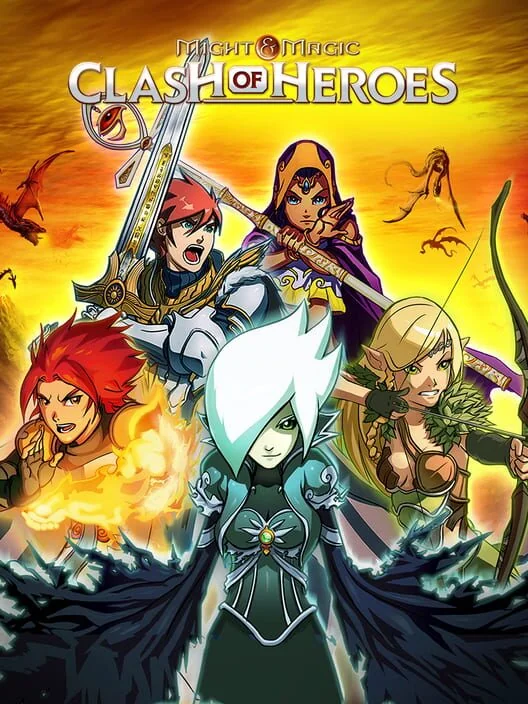
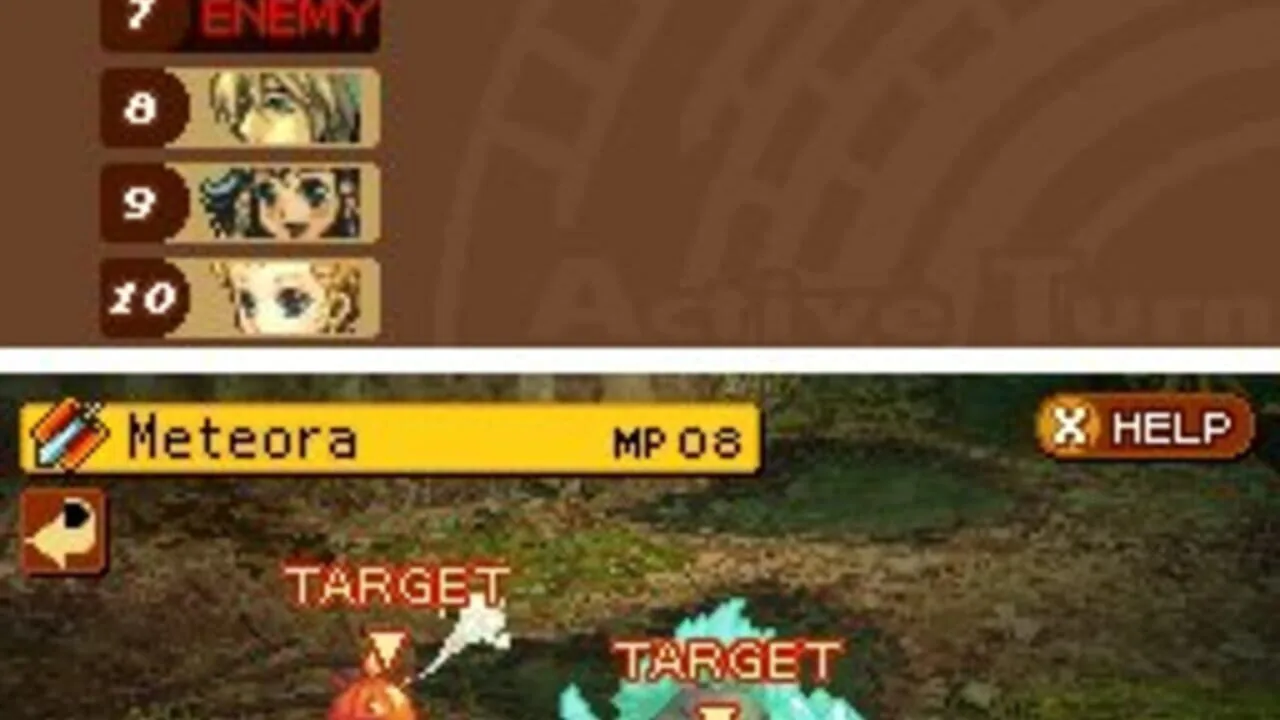
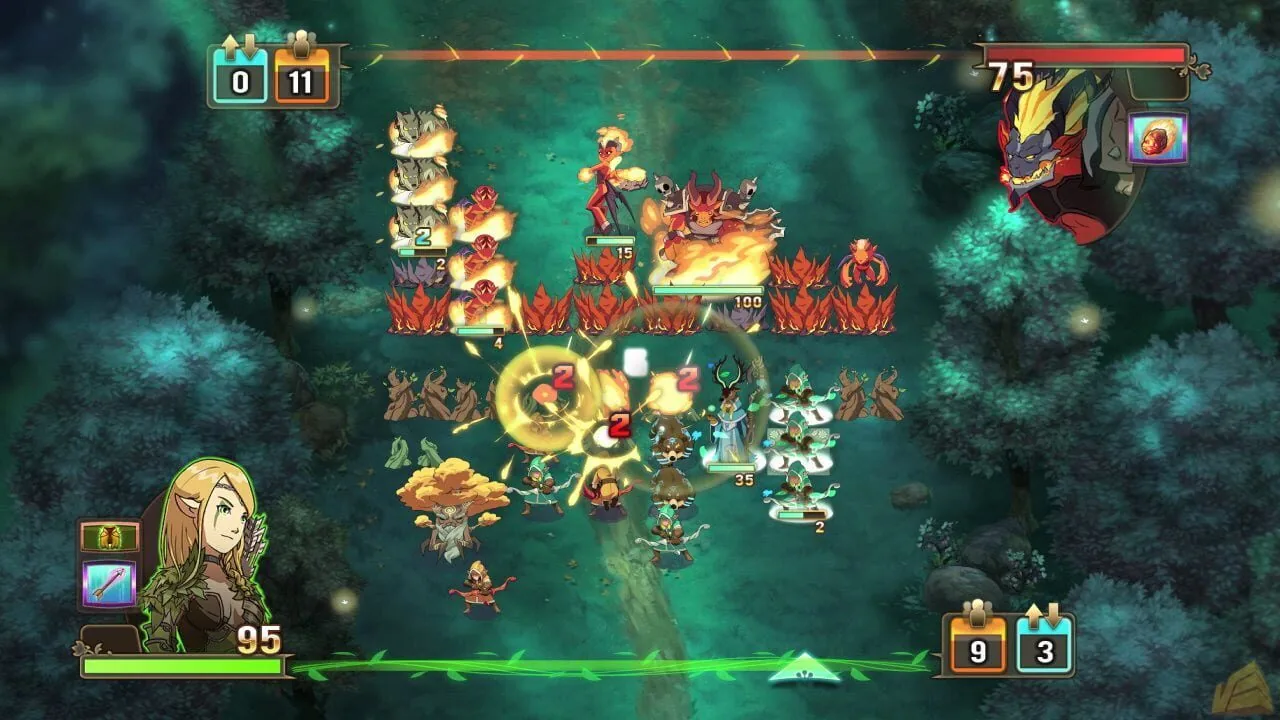
Clash of Heroes is part of the Might and Magic series, and it came out in North America in December 2009. Five heroes scattered across five regions each travel their own dangerous path and unravel a demonic plot. Each faction has three types of basic troops and five types of more advanced troops, and you build your army from them. It got an HD version for PlayStation 3 and Xbox 360 in 2011, and a remake with redrawn artwork, the Definitive Edition, arrived on July 20, 2023.
One player called it "a pretty unique mix of fantasy RPG and puzzle game with a neat story", and that is a fair summary. It keeps turning up when players list DS games that deserved more attention.
15. Knights in the Nightmare (2008)
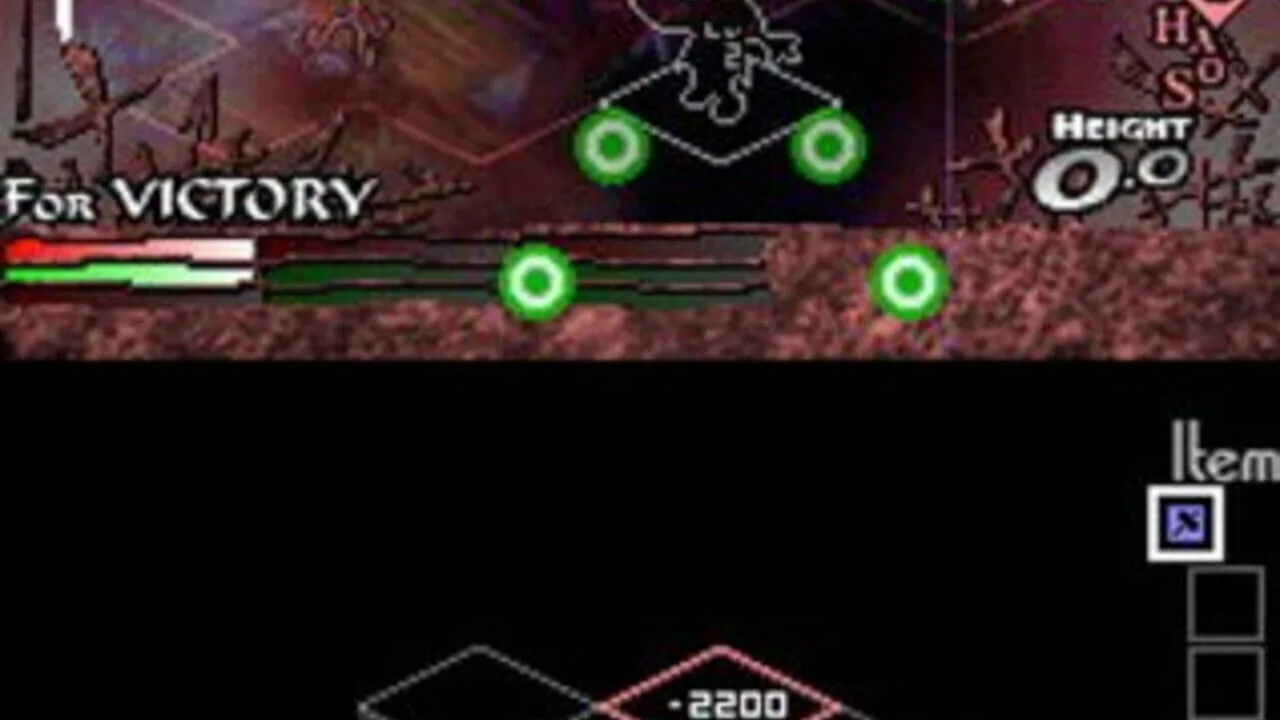
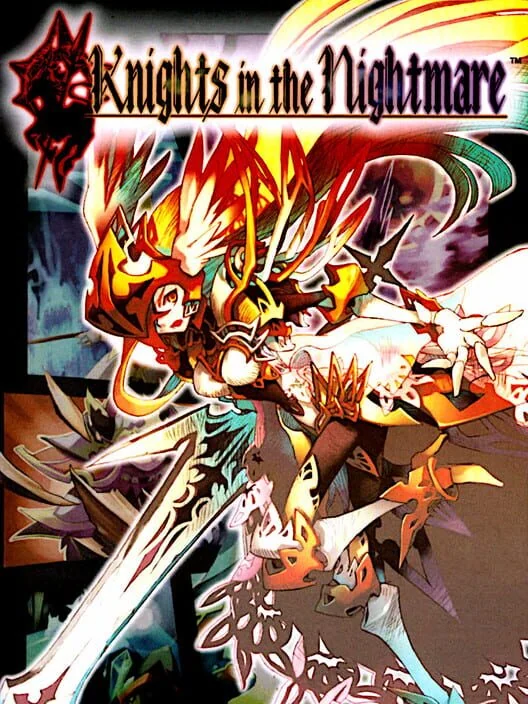
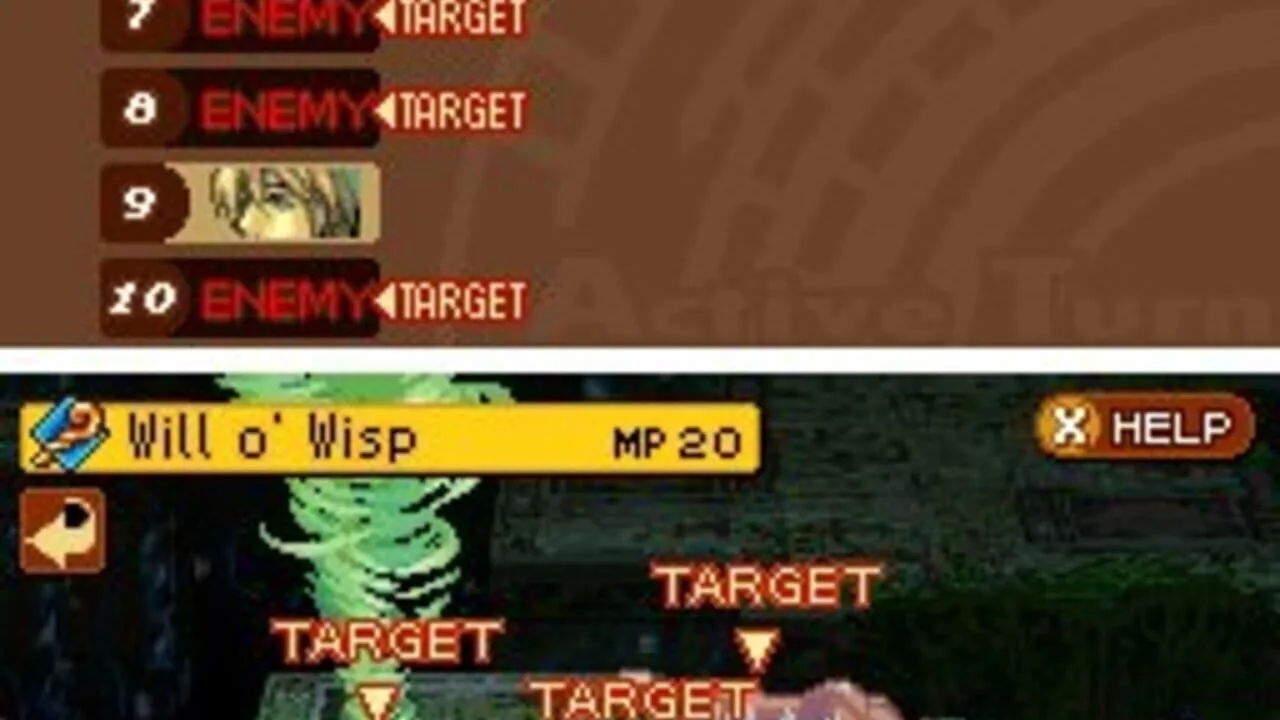
Knights in the Nightmare came out in Japan on September 25, 2008, and Atlus USA brought it to North America. An ancient castle called Aventheim sits in the middle of a quiet lake, and one night creatures from the netherworld slaughter the whole kingdom. You play a wisp with no memory, waking the souls of the dead knights and leading them back to the castle. You steer the wisp with the stylus and aim each knight's attack by hand, and your time only runs down when you charge an attack or get hit by the bullets flying across the screen. One of its characters first appeared in Riviera: The Promised Land and Yggdra Union.
Players keep recommending it. It is part strategy game and part shooter, and it takes a while to click.
14. Magical Starsign (2006)
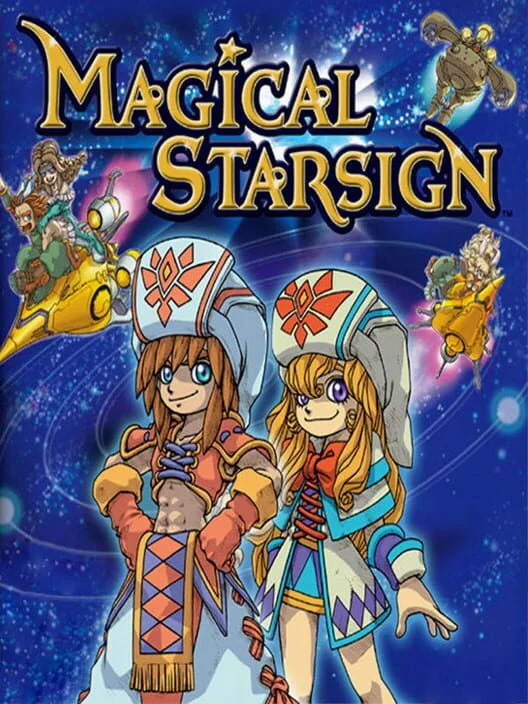
Magical Starsign starts at the Will O'Wisp magical academy, where the students' teacher has disappeared. They take a handful of rockets to rescue her and end up on an adventure across a solar system named Baklava, which tells you a lot about the game's sense of humor. Nearly everything is done with the stylus; the buttons only move your character. Battles are turn-based, and where the planets sit in their orbits changes how much damage everyone deals. Later a spell lets you move the planets yourself.
You could also link up with five friends and explore the amigo dungeon together. Players who found it still recommend it, and it is a cheerful RPG that hides more depth than its cute look suggests.
13. Orcs & Elves (2007)
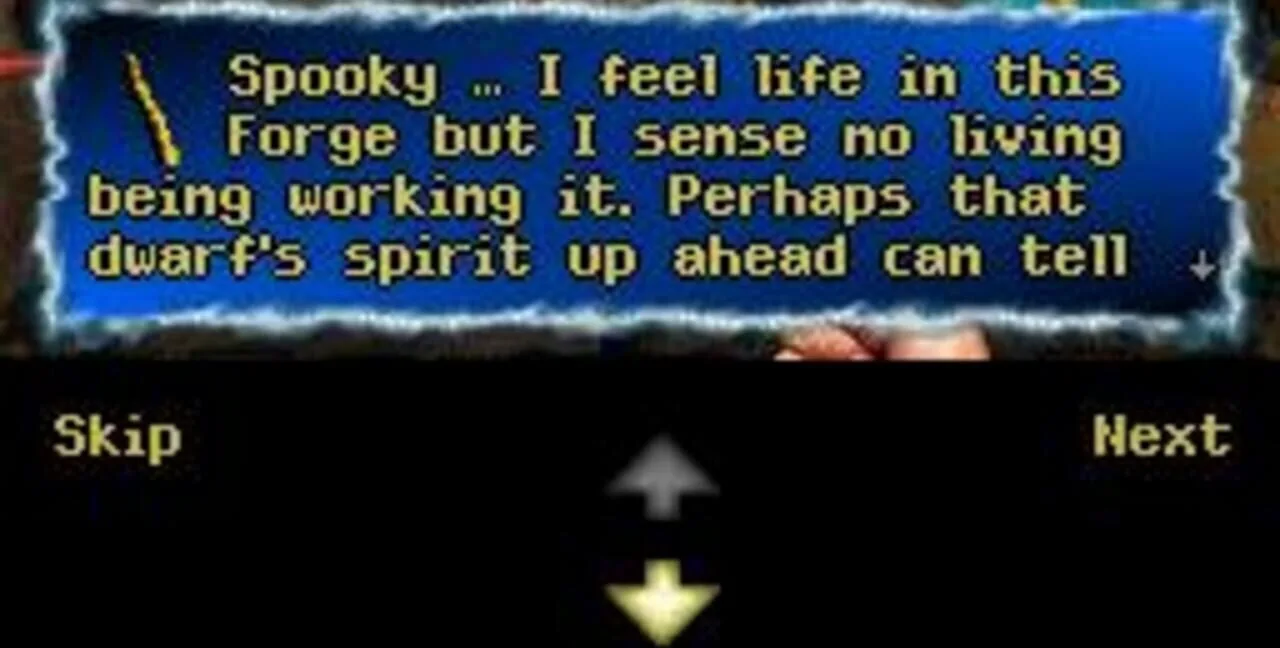
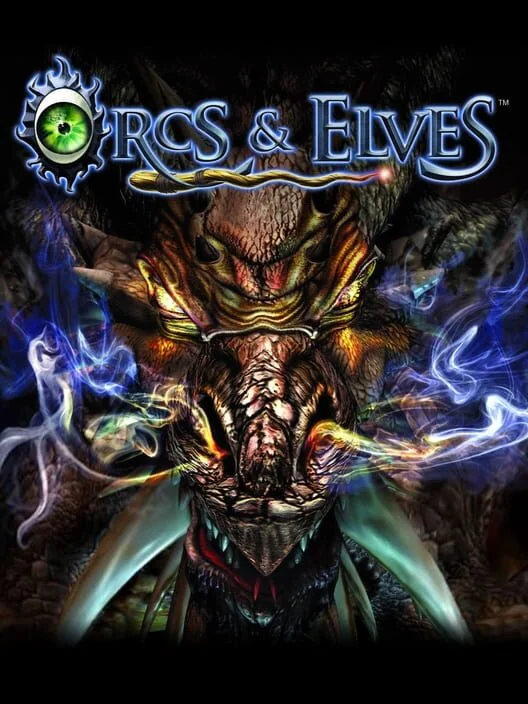
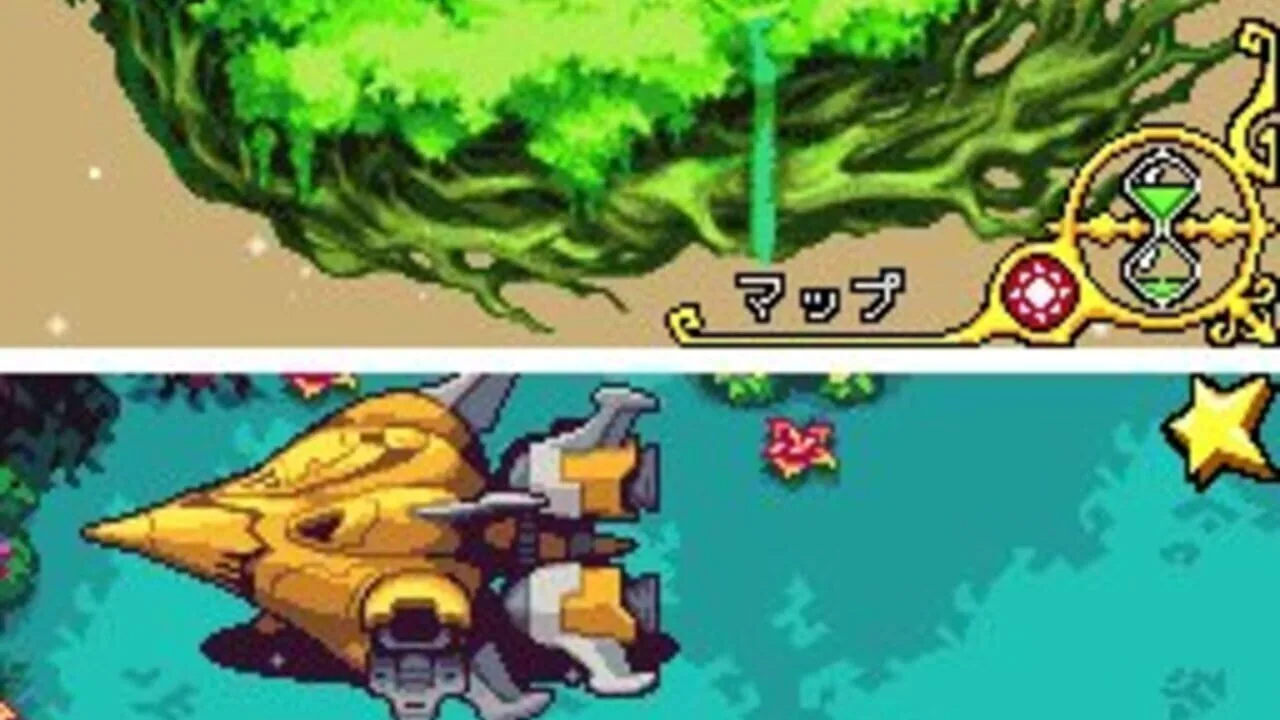
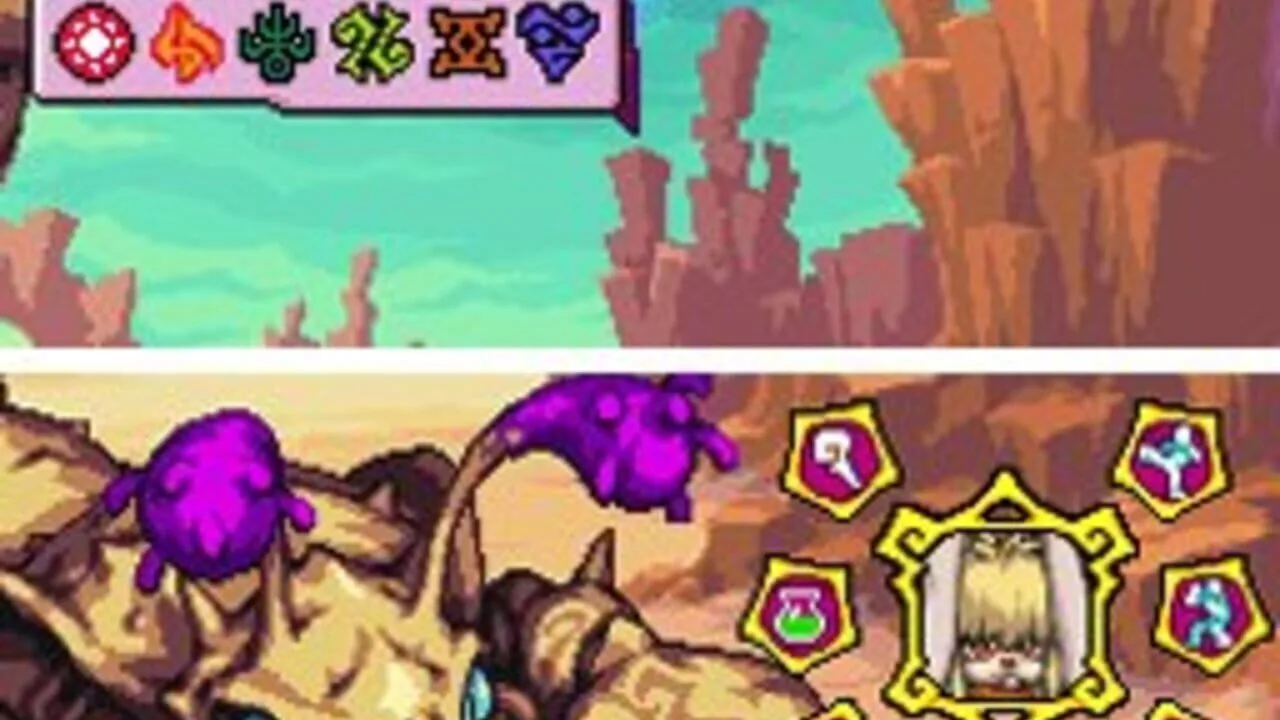
Orcs & Elves came from id Software and Fountainhead Entertainment. It came out on mobile phones in May 2006 and was ported to the DS in November 2007. It is id's first original intellectual property since Quake, and the DS version added 3D environments, improved character sprites, two new levels and touch screen controls. It is a turn-based RPG played in first person, where each step moves you along an invisible grid. Your hero, Elli, never speaks, but his talking wand Ellon does plenty of it, trading jokes and arguments with friend and foe.
Players who found it still love it. One dwarf ghost, an ale brewer named Sarbok, keeps inviting you to stop for a drink.
12. Ōkamiden (2010)
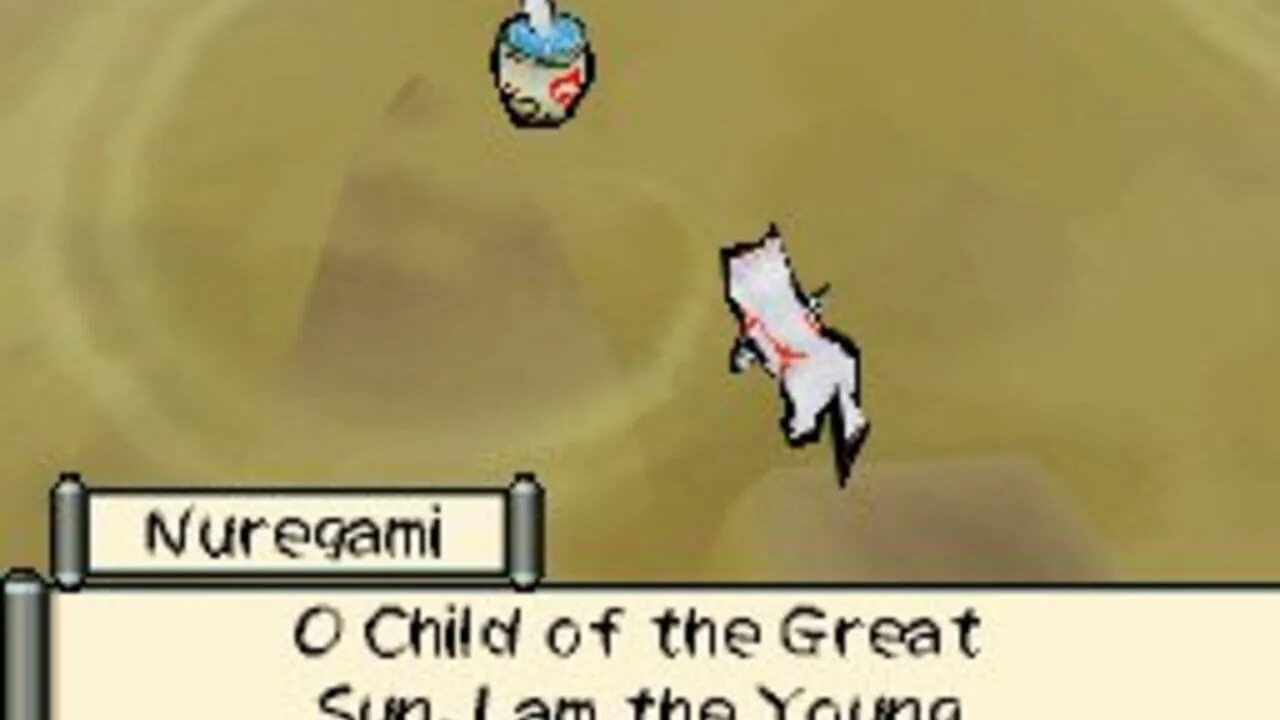
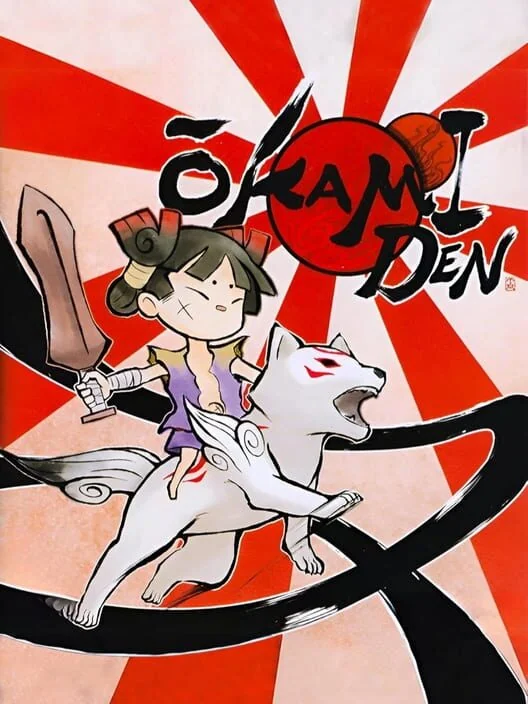
Ōkamiden is a spiritual successor to Ōkami, set a few months after that game. You play Chibiterasu, the young sun god and son of Amaterasu, who is called to save the land. It was designed by Kuniomi Matsushita, director of the Wii port of Ōkami, and Motohide Eshiro. Matsushita showed Eshiro a technical demo in December 2008, and it was good enough that a full game went ahead. It came out in Japan on September 30, 2010, and in North America on March 15, 2011.
Reviews were positive, though some critics felt it covered a lot of the same ground as Ōkami and held few surprises. Players still put it among the DS games people missed.
11. Retro Game Challenge (2007)
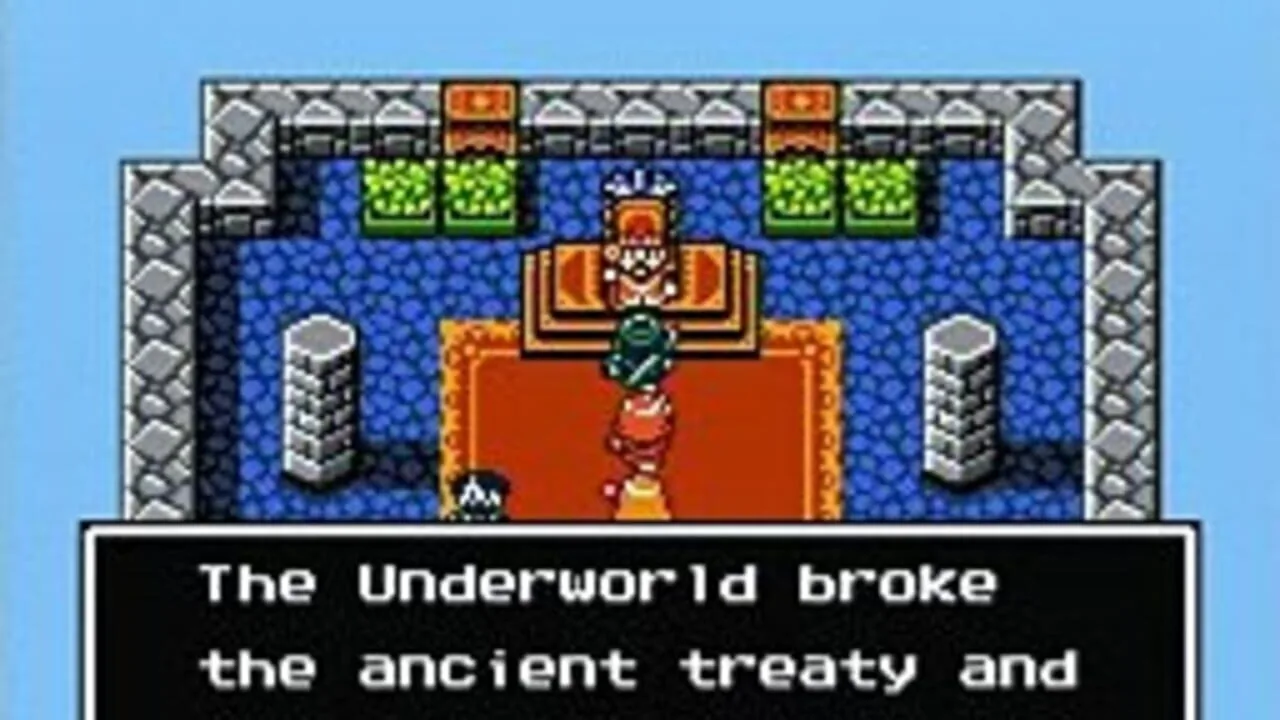
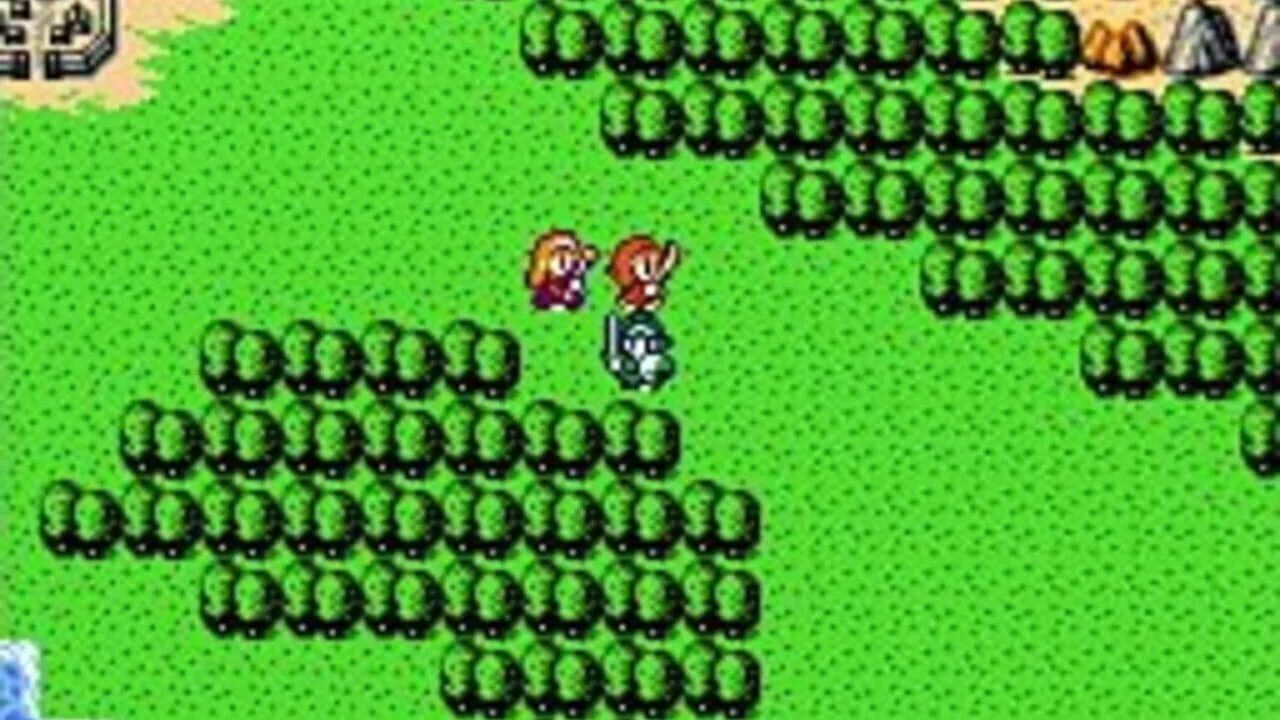
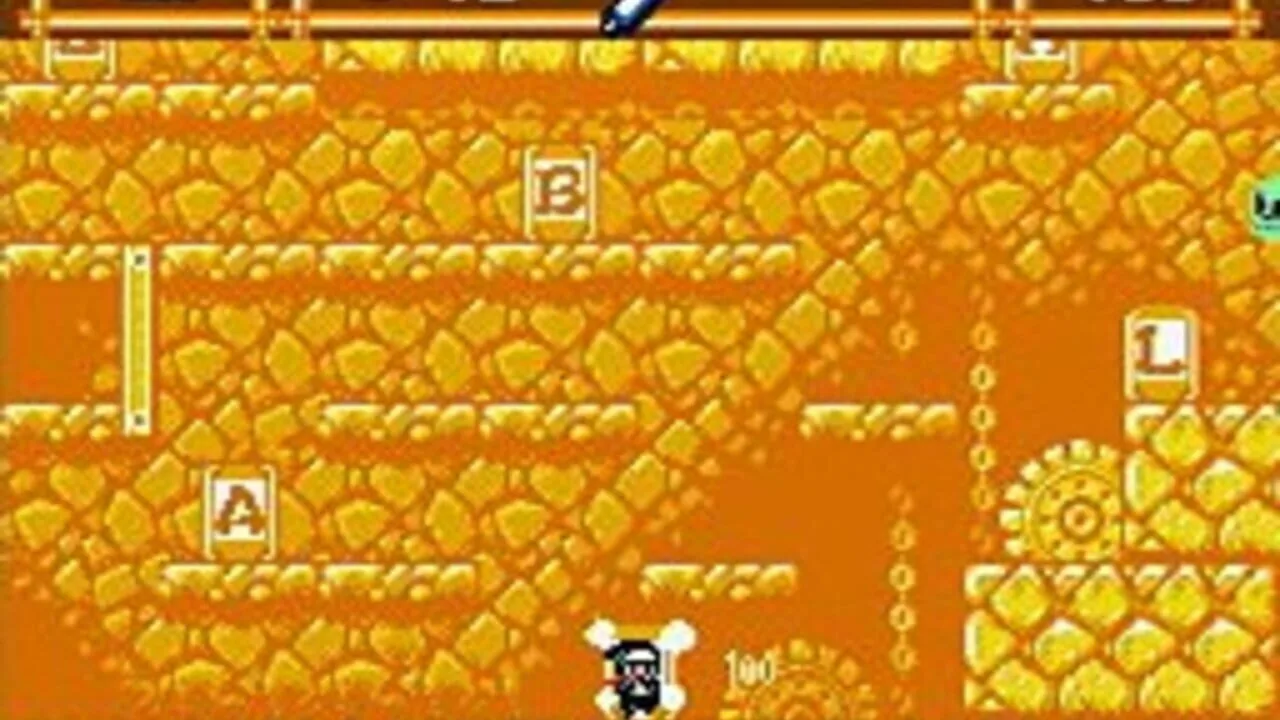
Retro Game Challenge is based on the Japanese TV show GameCenter CX, and its host Shinya Arino helped make it. The evil Game Master Arino throws you back to the 1980s and forces you to beat his challenges in a pile of retro games, all the way up to an epic role-playing game. In-game magazines give you cheat codes and fake 80s news stories. The North American version swapped in the pen names of journalists English-speaking players would know. As of June 2009, it had sold fewer than 100,000 copies in North America.
A sequel followed with more NES-style games, and it received an English fan translation in 2014. Players keep recommending the first one. If you grew up blowing into cartridges, this was made for you.
10. Last Window: The Secret of Cape West (2010)
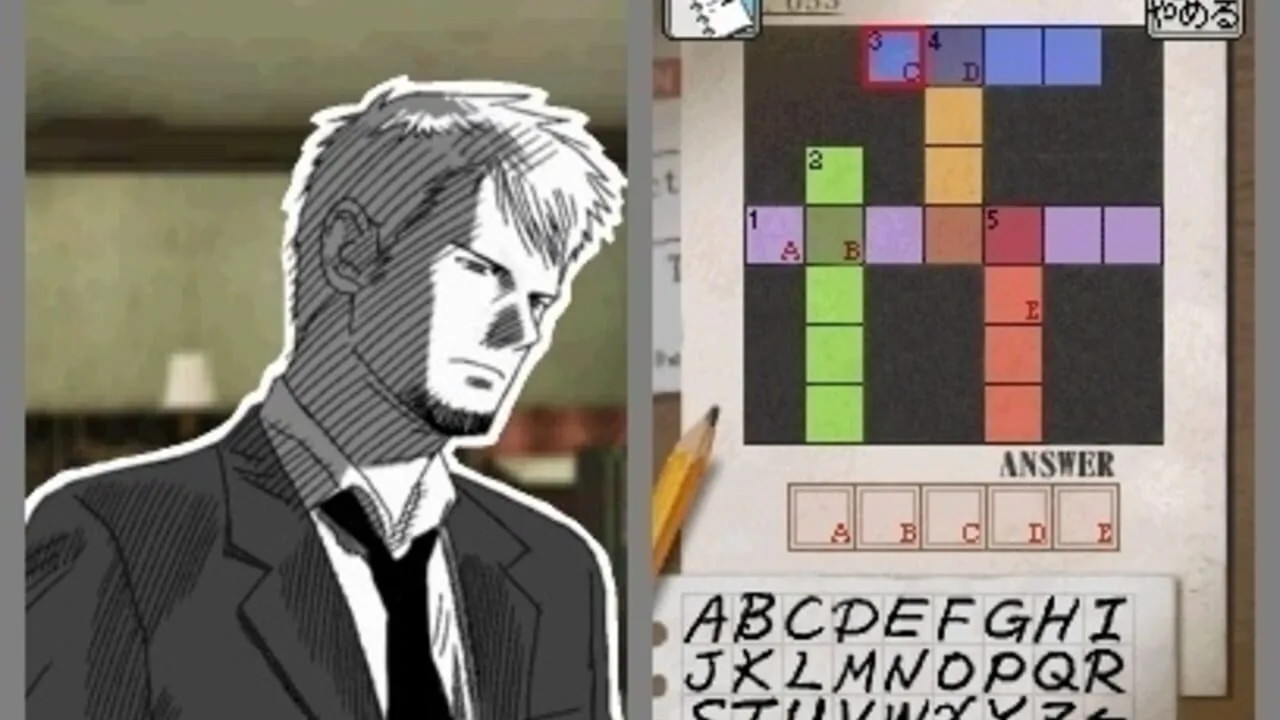
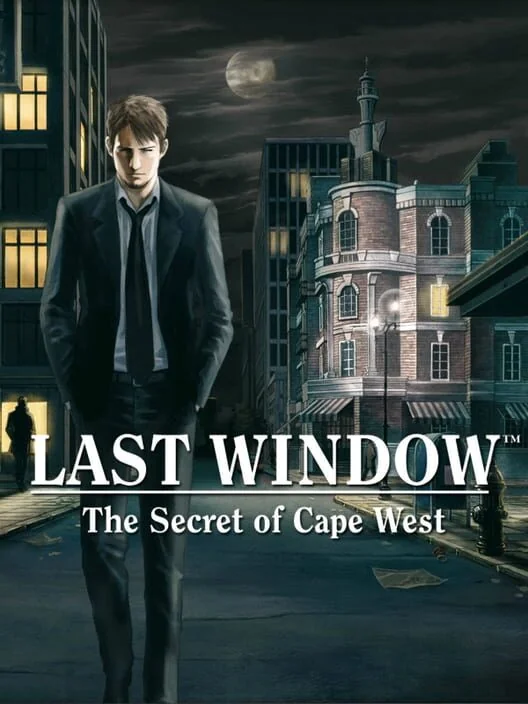
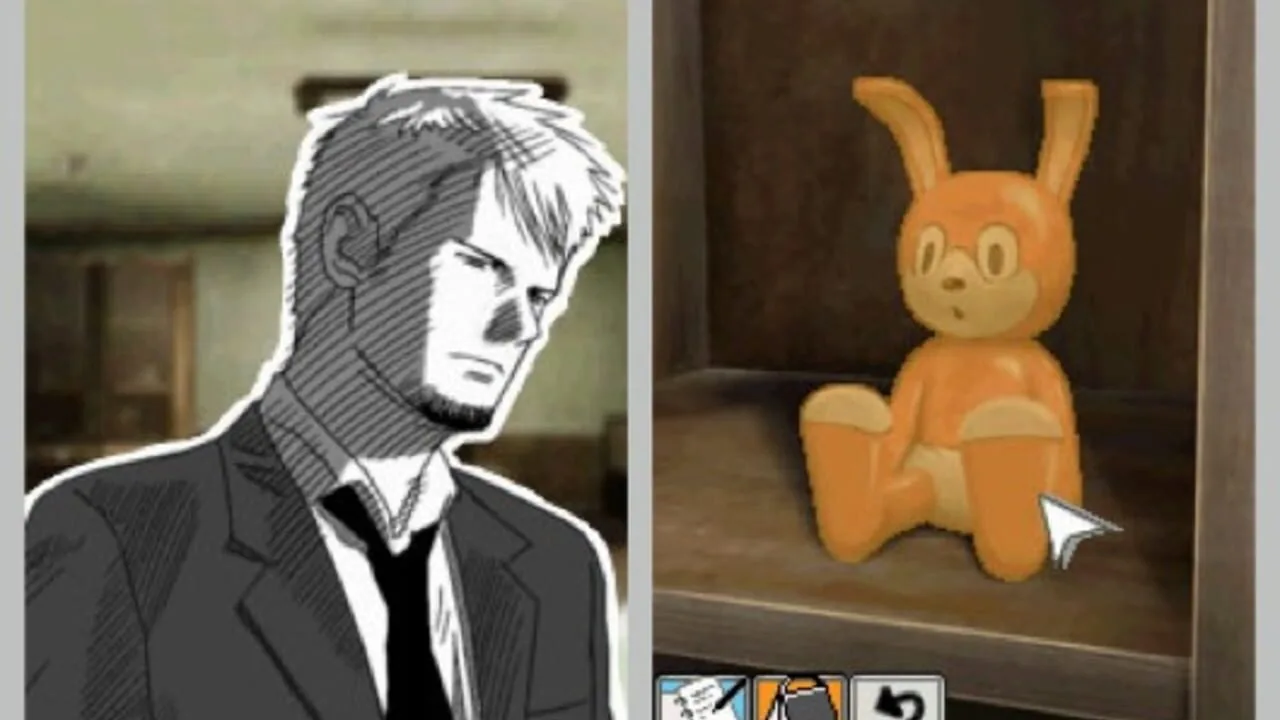
Last Window is the sequel to Hotel Dusk: Room 215, made by Cing and set one year after the first game. Kyle Hyde now lives in the Cape West Apartments in Los Angeles, in 1980, and the building has secrets of its own. The look and sound carry straight over from the first game. It was the last game Cing made before the company filed for bankruptcy on March 1, 2010, and unlike its predecessor it never came out in North America.
Players who recommend Hotel Dusk usually name this one right after it. It is a fitting goodbye from the studio.

9. Fossil Fighters (2008)
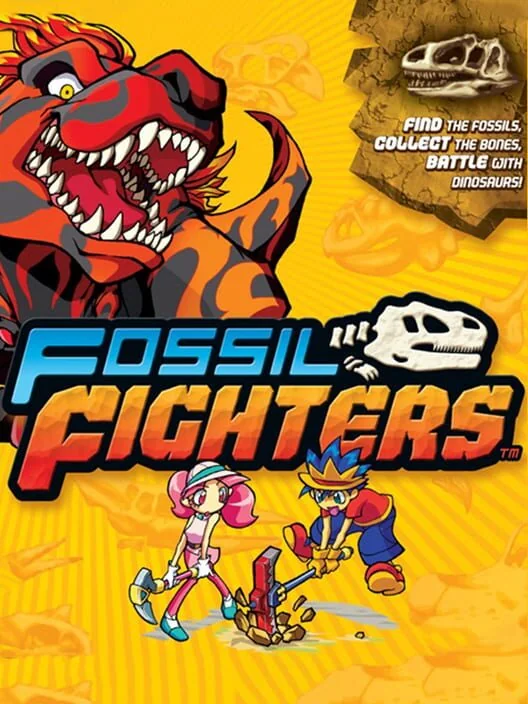
Fossil Fighters was made by Nintendo SPD with Red Entertainment, M2 and Artdink, and published by Nintendo. It came out in Japan on April 17, 2008, and in North America on August 10, 2009. Its Japanese title translates to "We Are Fossil Diggers", and digging is the heart of the game. A sequel, Fossil Fighters: Champions, reached North America on November 14, 2011, and the series moved to the 3DS with Fossil Fighters: Frontier.
Players sum it up as Pokémon with dinosaurs, and they recommend both DS games. If you ever wanted your monsters to come out of the ground in pieces, this is the one.
8. Monster Tale (2011)
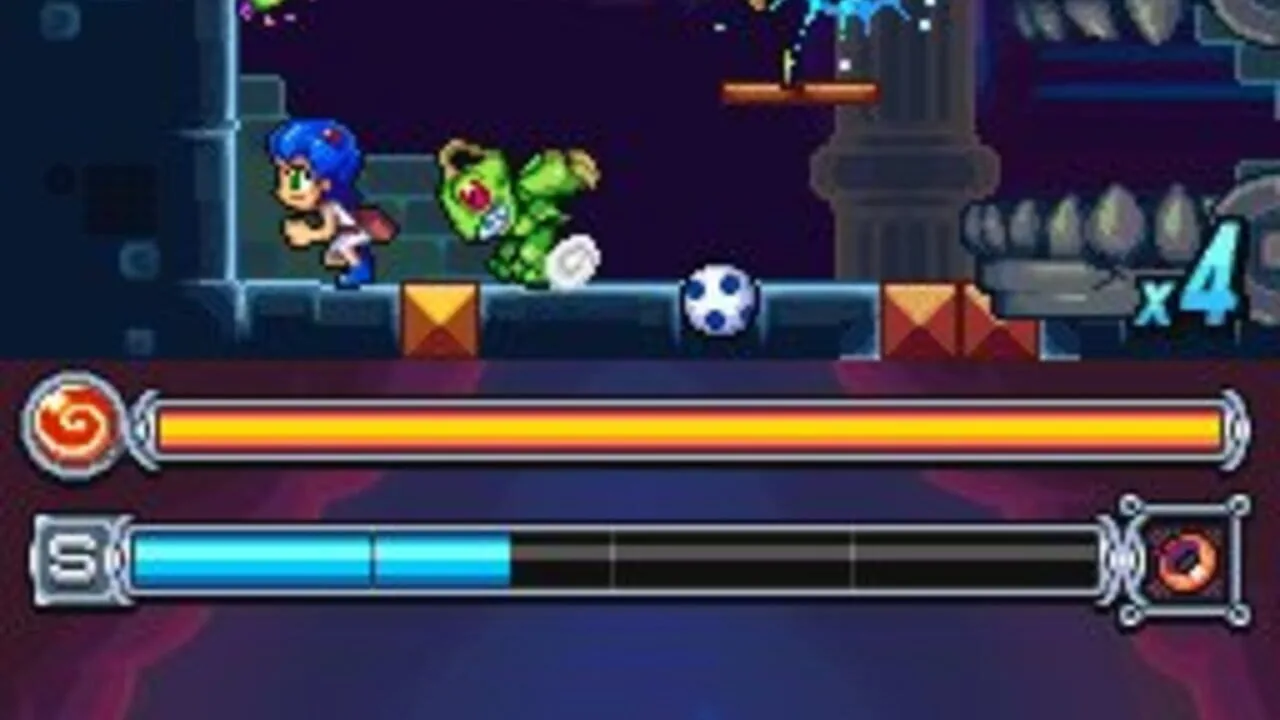
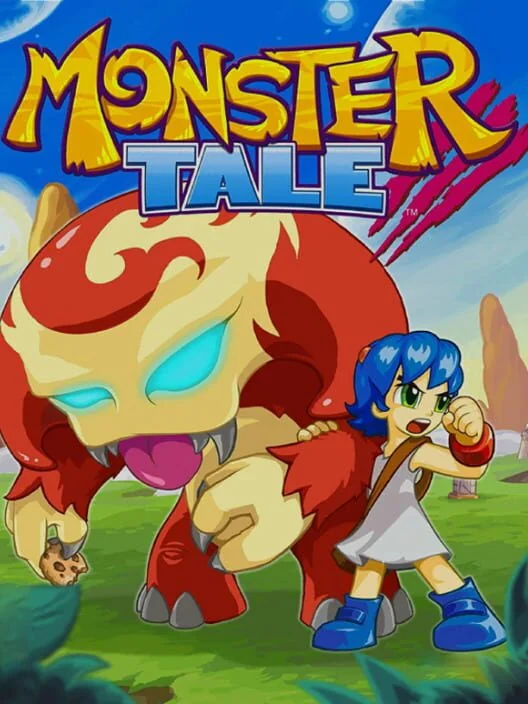
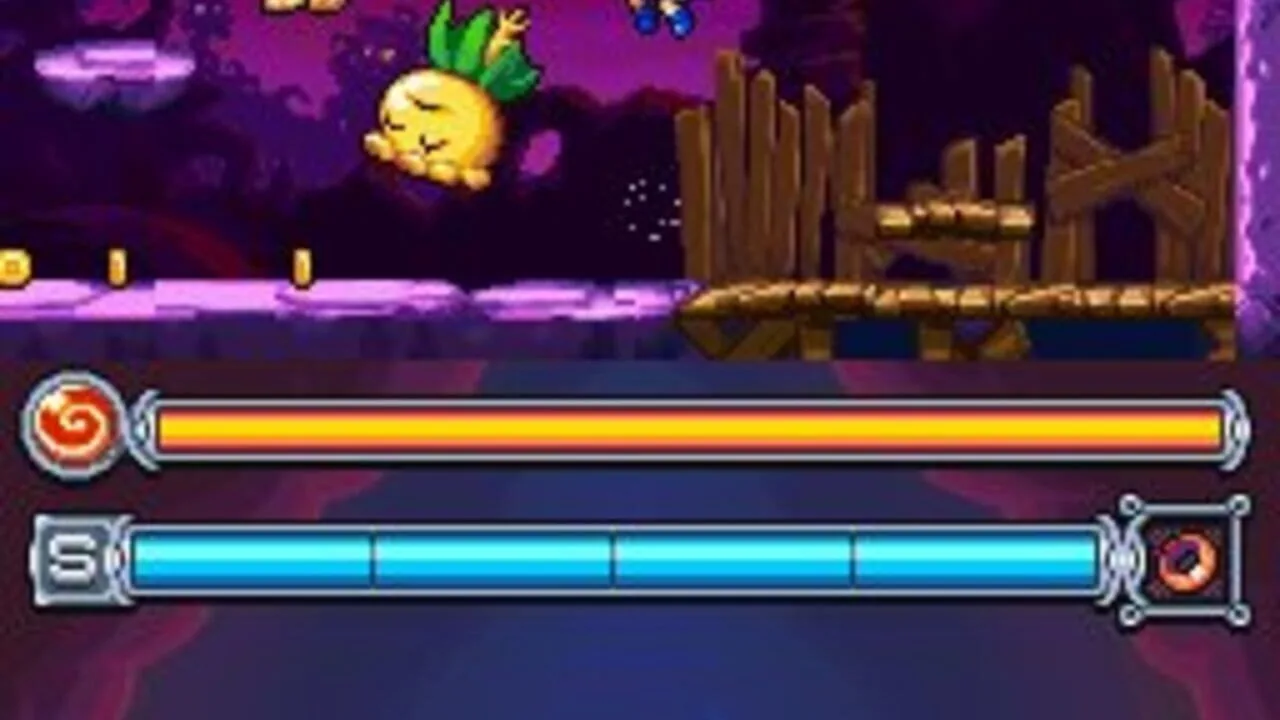
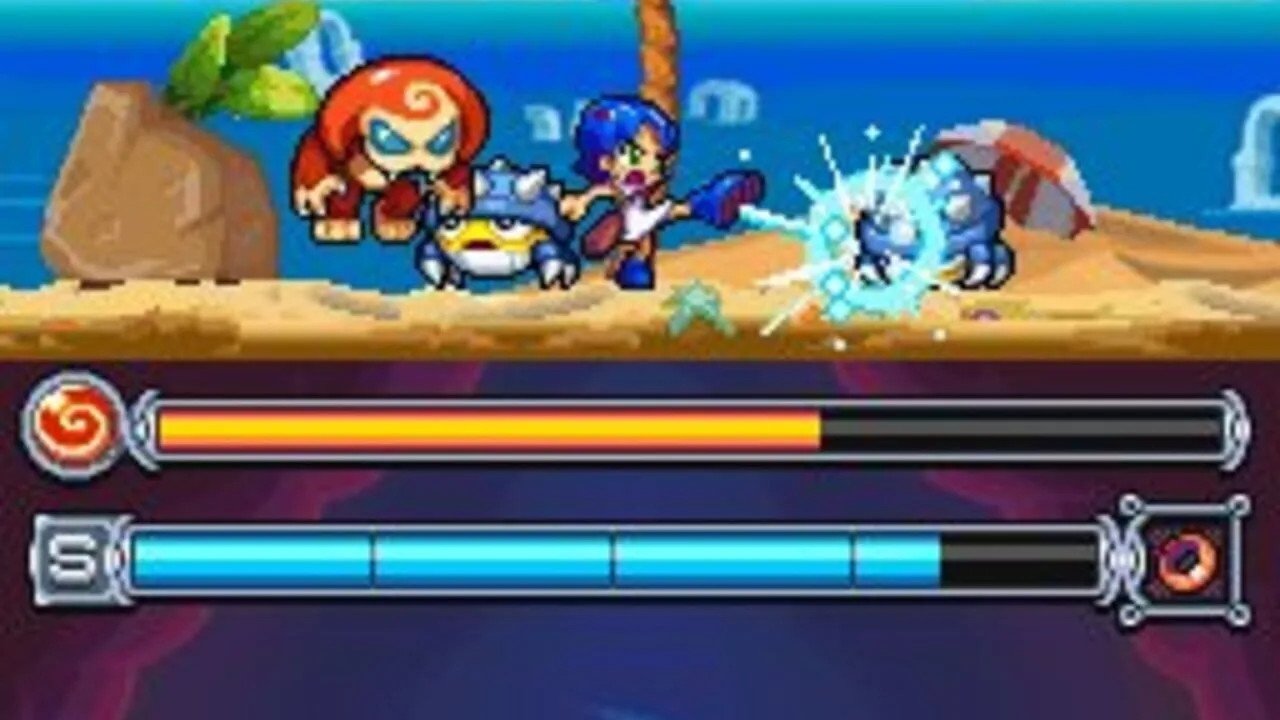
Monster Tale is a platformer and virtual pet game from DreamRift, published by Majesco in 2011 and only released in North America. A young girl named Ellie ends up in Monster World with a monster companion called Chomp, and together they have to stop the evil Kid-Kings. DreamRift's director Peter Ong told Nintendo Power that a girl in the lead was "somewhat controversial with some publishers", who did not want to risk a main character that had not been proven.
Players remember it as a great platformer with pet raising built in. It deserved far more than one region and a small publisher could give it.
7. Trace Memory (2005)
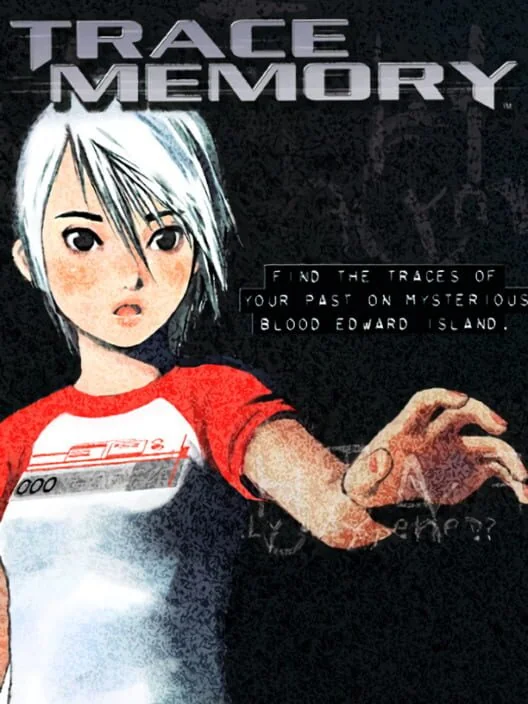
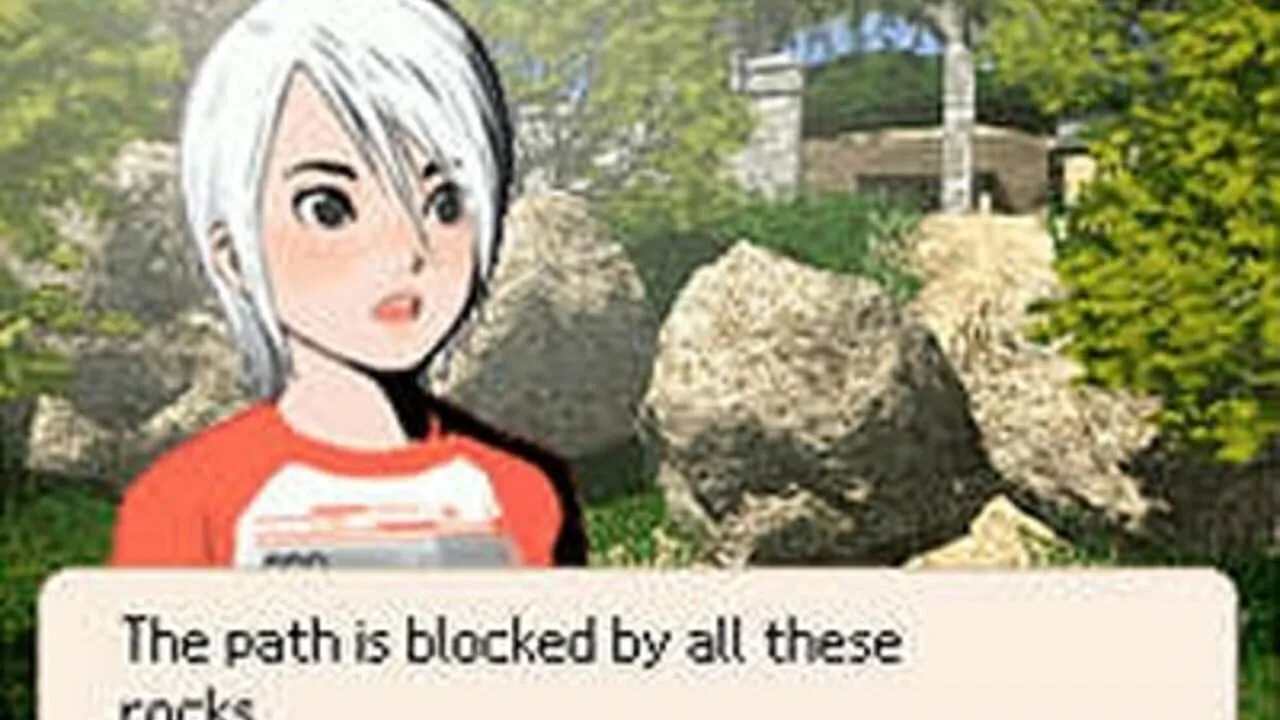
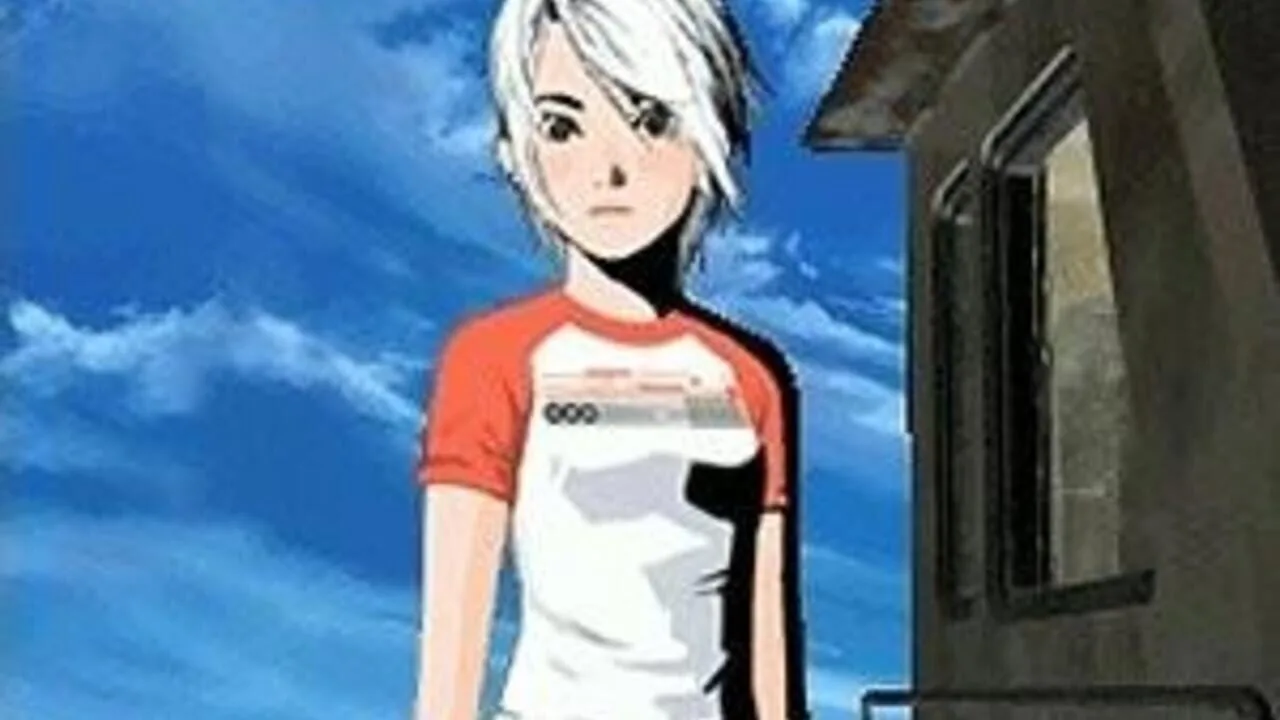
Trace Memory came out in Japan on February 24, 2005, with Europe and North America later the same year. Ashley Robbins is two days from her fourteenth birthday when a package arrives from her father, who was presumed dead. Inside is a device called the DAS and a message claiming that he is waiting for her on Blood Edward Island. You move Ashley on the touch screen while the top screen shows the room, and the puzzles use the whole DS, microphone included. She also meets D, a ghost only she can see, who wants to learn the truth about his death.
Trace Memory is the North American name for Another Code, and players still recommend it under both names. One review called it "the very definition of a safe, comfortable, middle-of-the-road experience", while GamesMaster called the controls "absolutely brilliant".
6. Elite Beat Agents (2006)
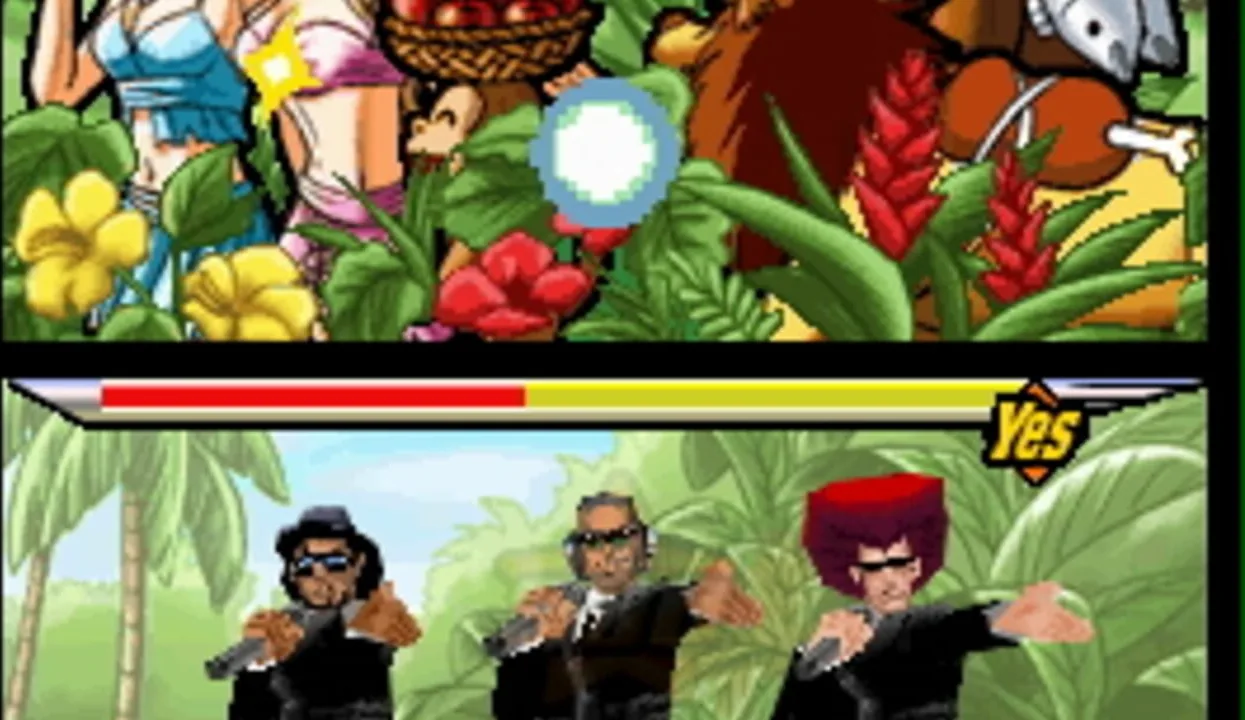
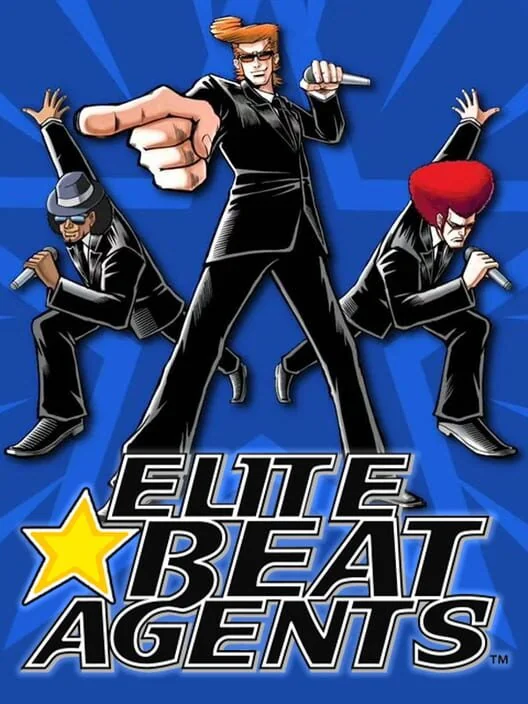
Elite Beat Agents is the second of three rhythm games iNiS made for the DS, and the international counterpart to Ouendan. A secret agency of men in black answers cries for help by sending agents to sing and dance until the person in trouble finds the will to win. You tap and drag on the touch screen in time with the music. The songs are covers, mostly cut down to three minutes. One sad level has the agents help a young girl reunite with the spirit of her father, set to "You're the Inspiration".
Sales were not as high as expected, but critics loved it and it won several 2006 gaming awards. Rhythm game fans still call it one of the best they have played.


5. Ghost Trick: Phantom Detective (2010)
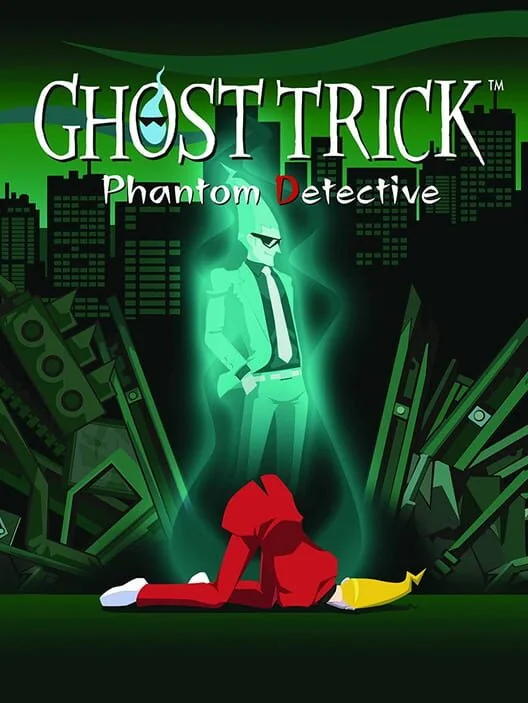
Ghost Trick comes from Shu Takumi, the creator of Ace Attorney, who wanted to write a mystery beyond what Ace Attorney's rules allowed. You play Sissel, a ghost who has to find out who he was and who killed him, using Ghost Tricks to solve puzzles in the world around him. It came out in Japan in June 2010 and in the West in January 2011.
It was a commercial failure in Japan, yet it was nominated for Game of the Year by GameSpot and Nintendo Power and grew a cult following. An HD remaster finally arrived in June 2023. Players who love it keep telling others to play it, and the best way in is knowing as little as possible.
4. Infinite Space (2009)
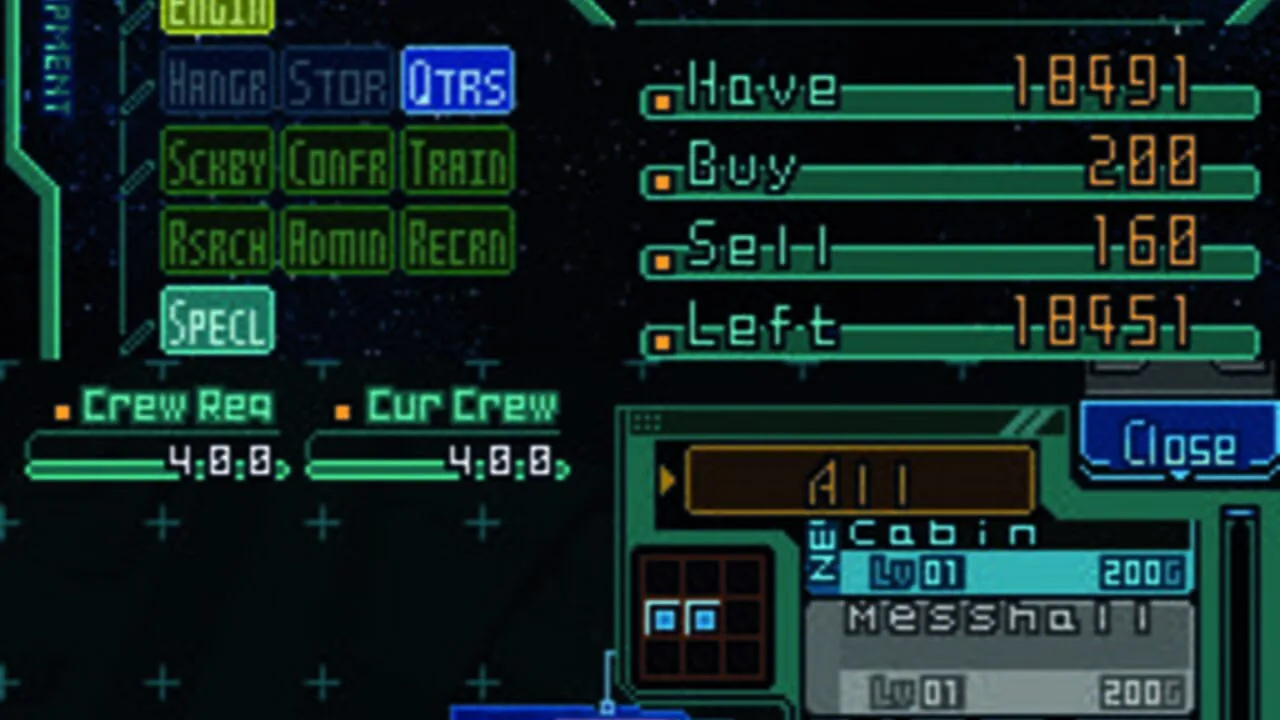
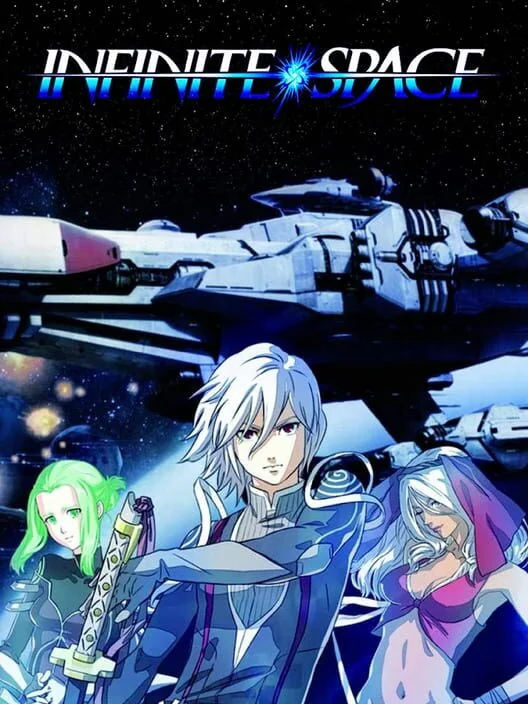
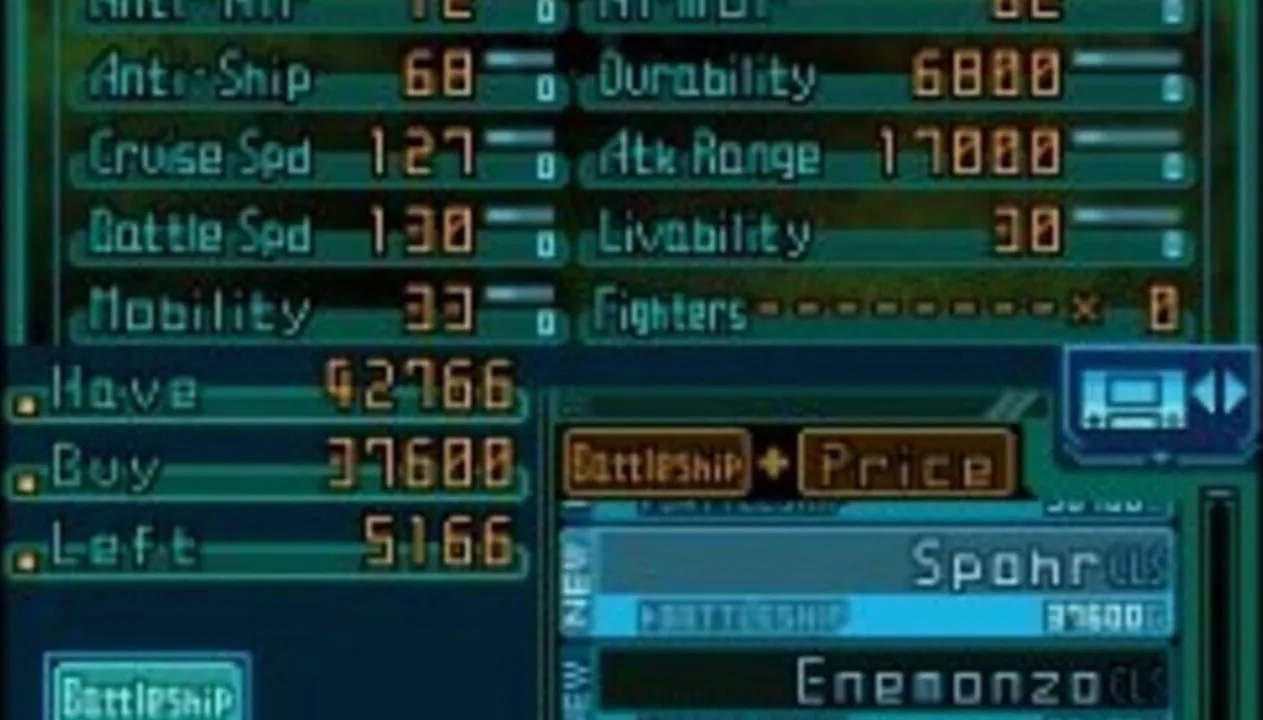
Infinite Space is a space RPG from Nude Maker, directed by Hifumi Kono, and it was PlatinumGames' third title in the West after MadWorld and Bayonetta. It came out in Japan on June 11, 2009, and internationally in 2010. You can build and customize more than 150 spaceships and recruit from over 200 characters, following Yuri as he takes on the Lugovalian Empire, then a greater alien threat. You do not steer the ships directly; it plays more like a point-and-click game.
Critics praised the story and the systems and complained about how hard it is. It keeps coming up when players share the DS games they love most.
3. The World Ends with You (2007)
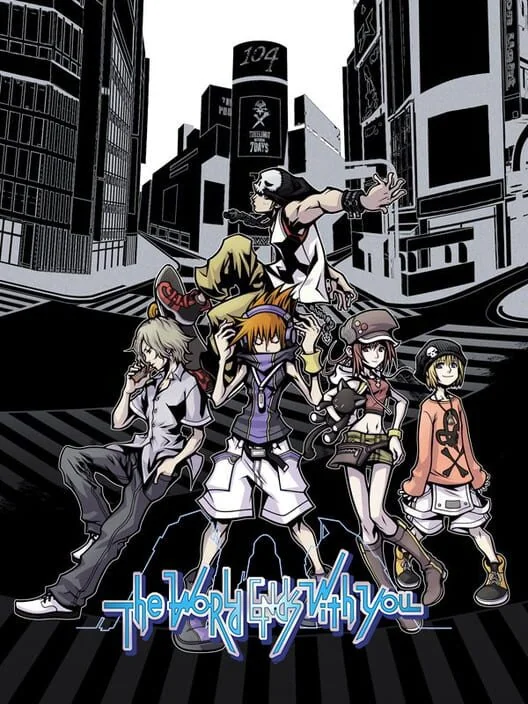
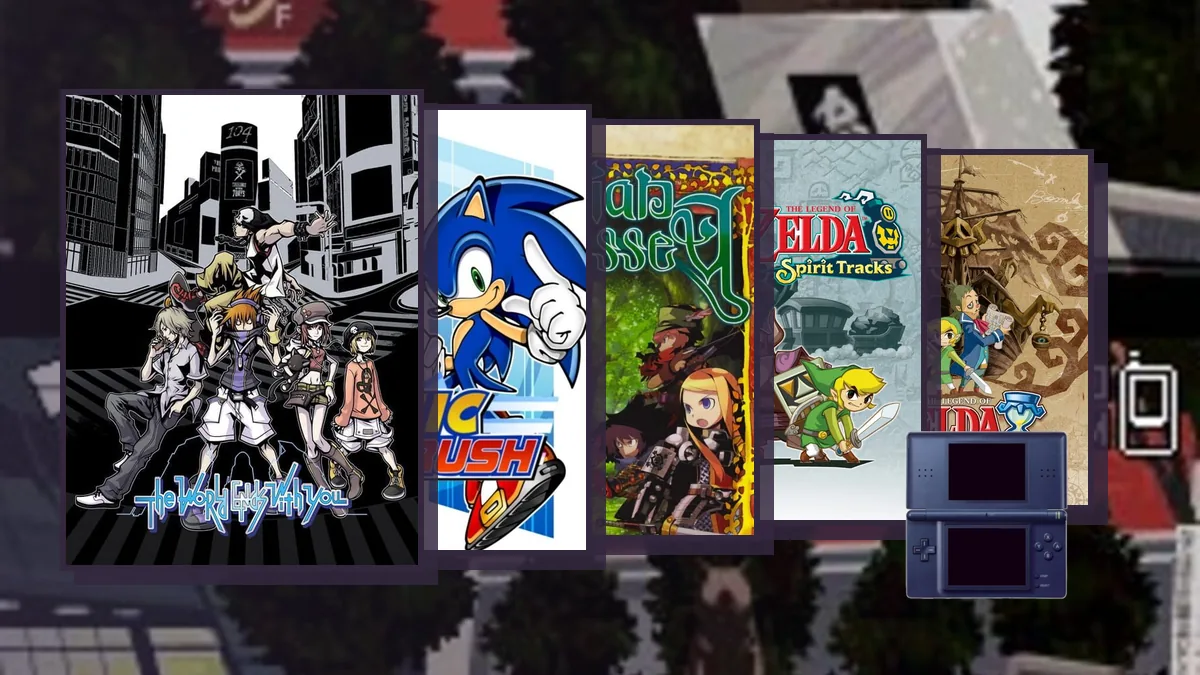
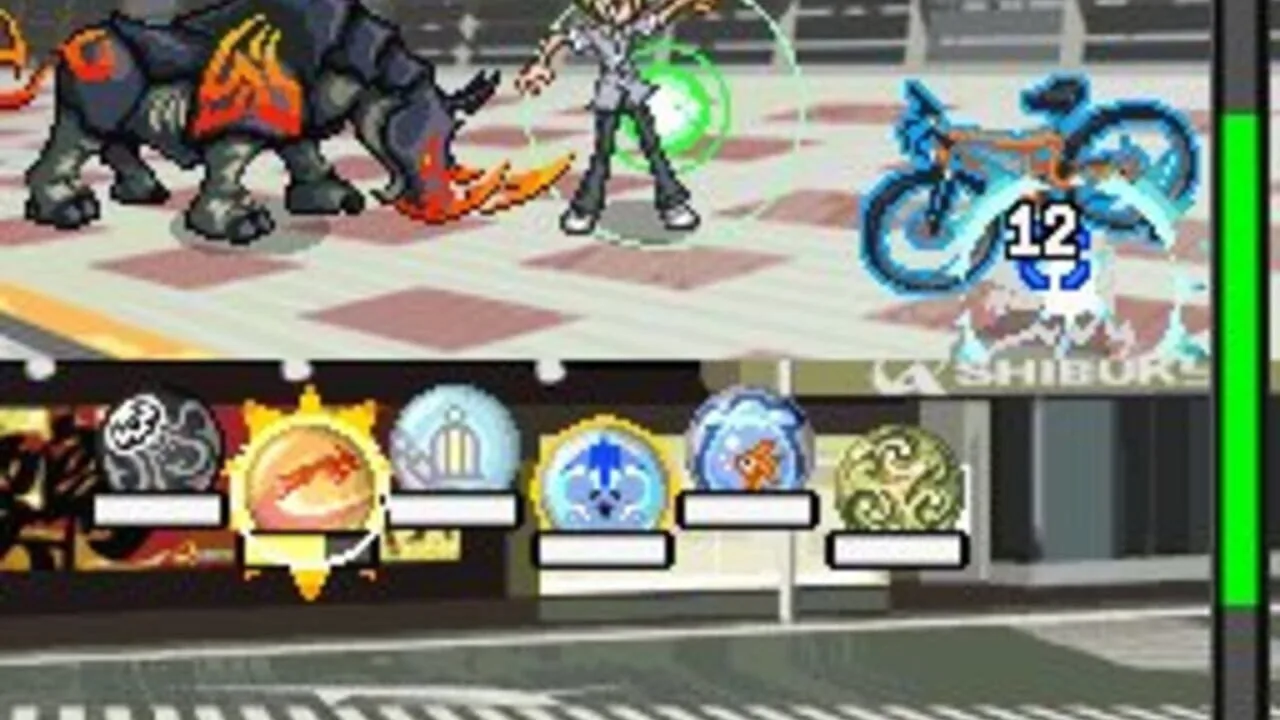
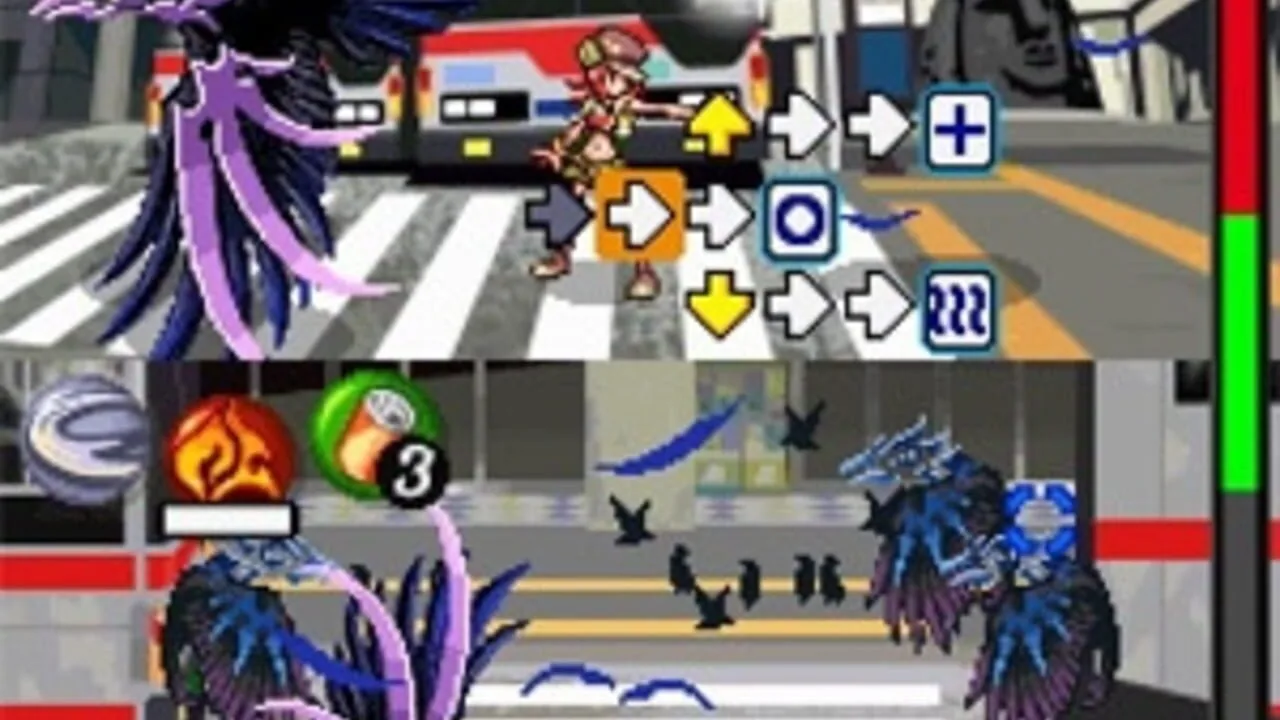
The World Ends with You is set in the Shibuya shopping district of Tokyo, and fashion and food are key parts of the missions. Neku Sakuraba and his allies are forced to play a game that will decide their fate. Fights take place on both screens: Neku's powers come from pins you trigger with touch screen moves, while his partner fights on the top screen using the face buttons. Some attacks even want you to shout into the microphone. It came out in Japan in July 2007 and in the West in April 2008, and in its first week it was the top-selling DS title in North America.
Players argue over whether it is too famous to count as a hidden gem, then recommend it anyway. A sequel, Neo: The World Ends with You, arrived in 2021.
2. Solatorobo: Red the Hunter (2010)
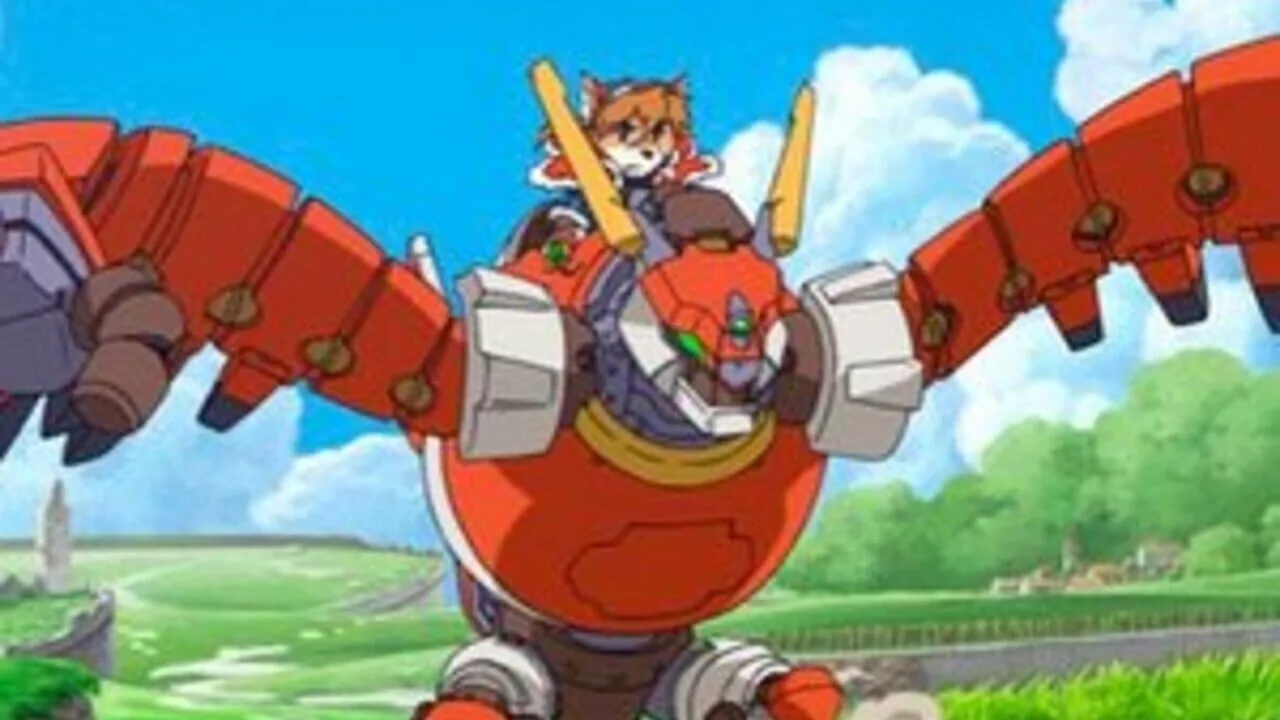
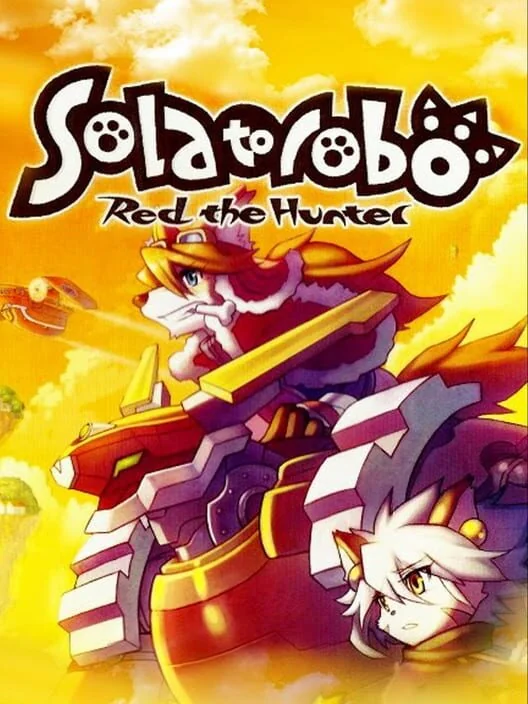
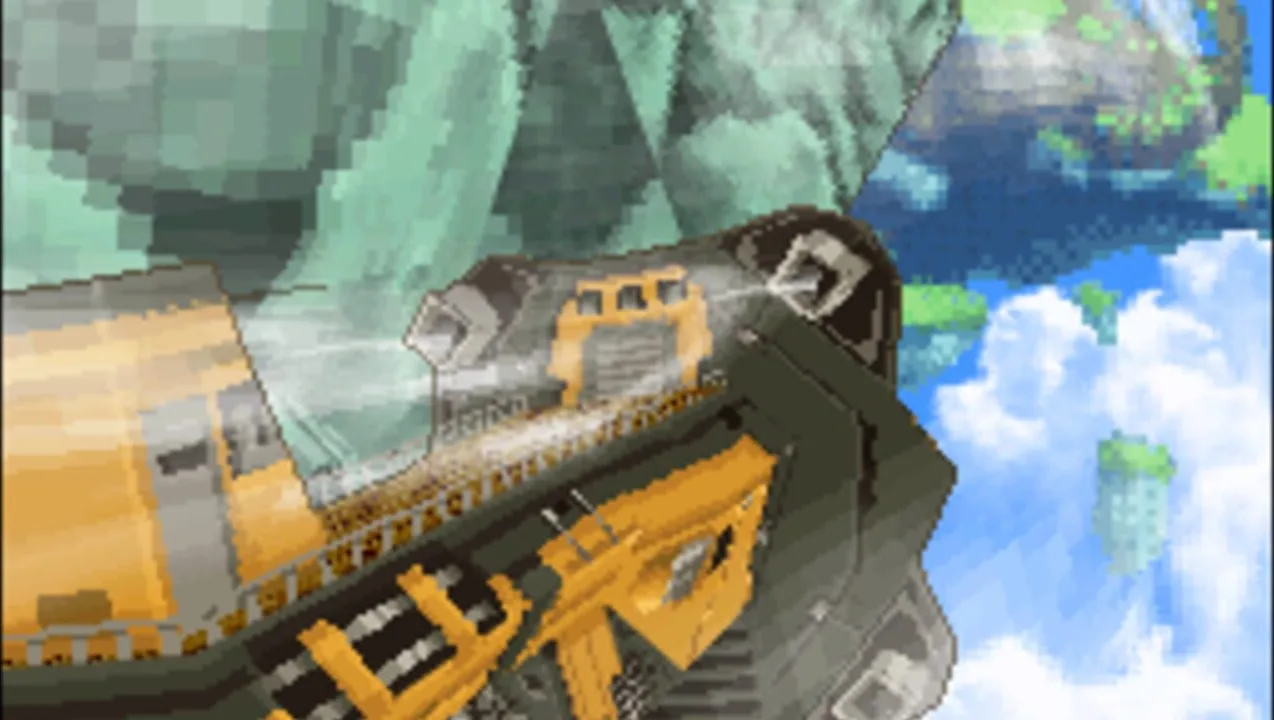
Solatorobo was first teased in 2007 on CyberConnect2's website, and it is the spiritual sequel to Tail Concerto. You play Red on an adventure among floating islands, in a world of dog people called Caninu and cat people called Felineko, with French woven into the setting for a European flair. Nobuteru Yūki designed the characters, and Madhouse produced the animated cutscenes. It came out in Japan in October 2010, and Xseed Games brought it to North America, where the release has every quest on the game card from the start. You can also race friends round circuits floating in the sky.
Players call it a hidden gem and a must-play. Yes, everyone is a cat or a dog. You stop noticing in about ten minutes.
1. Hotel Dusk: Room 215 (2007)
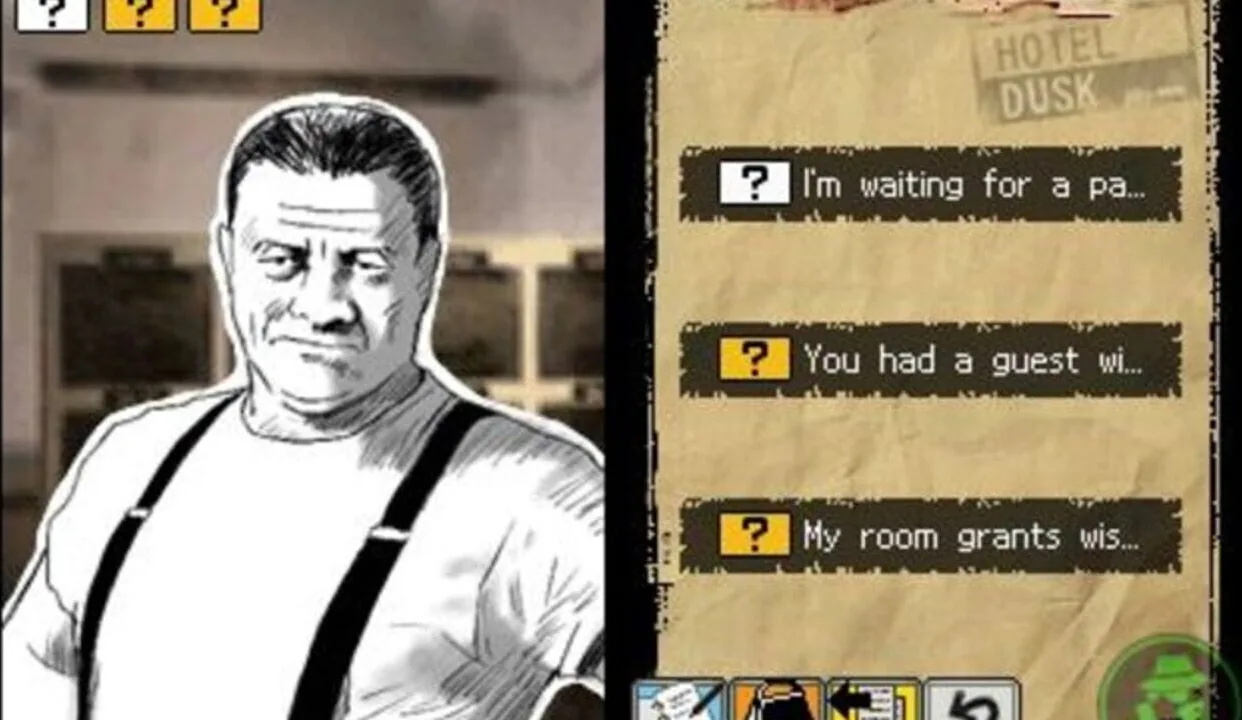
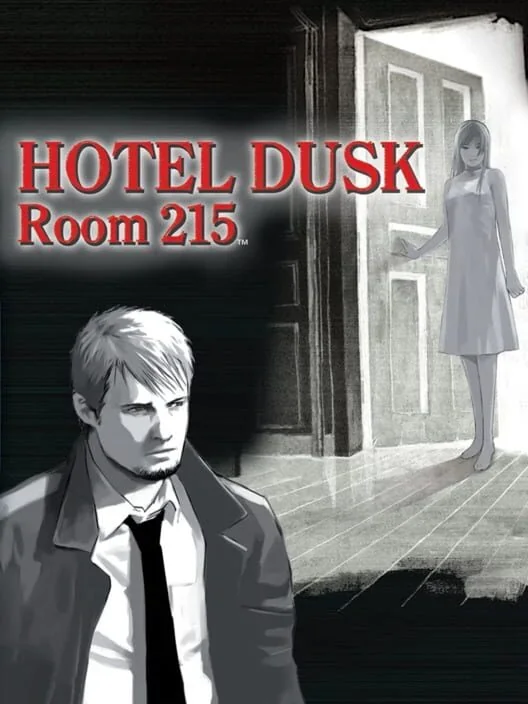
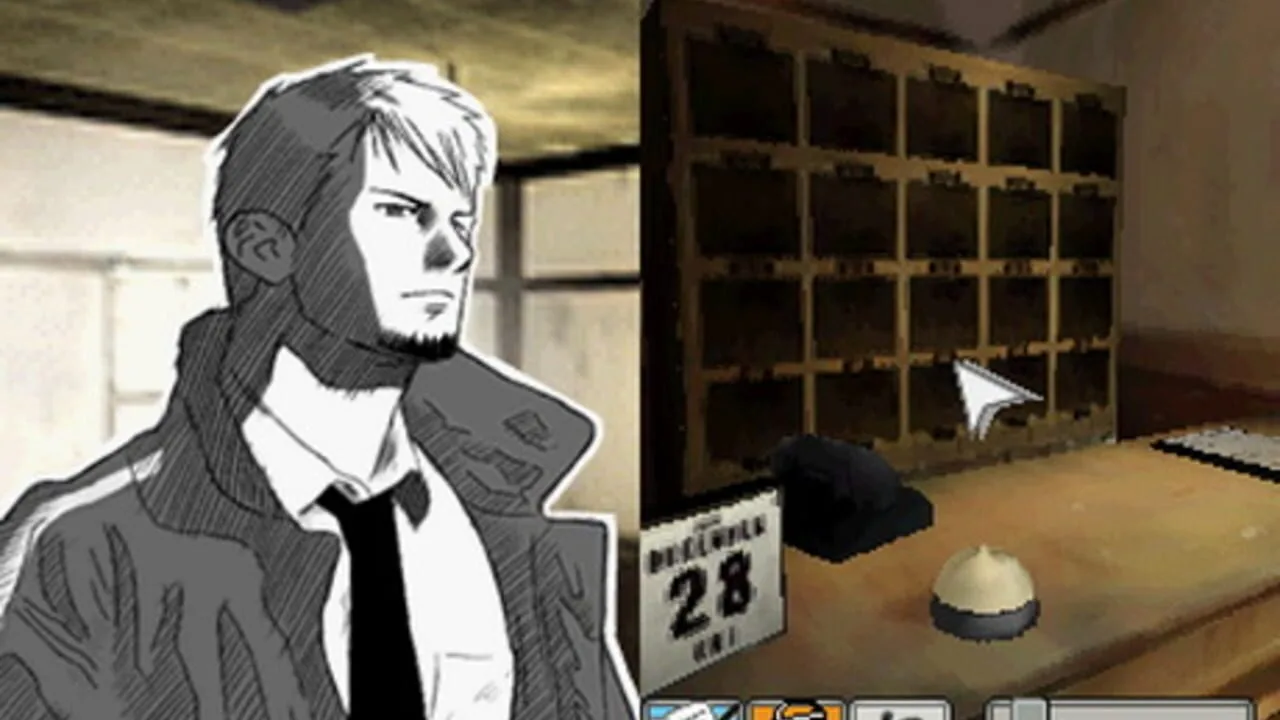
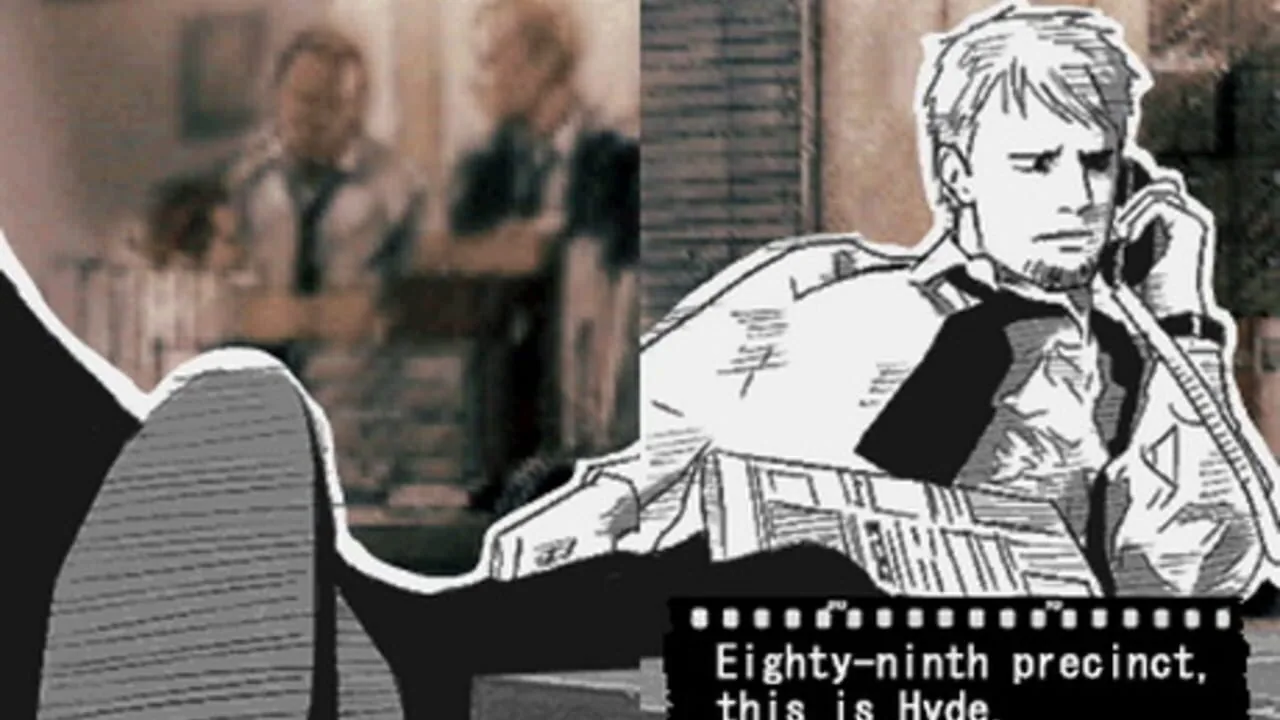
Hotel Dusk: Room 215 is a mystery set in a hotel in rural Nevada. You play Kyle Hyde, a former NYPD detective now working as a salesman, who is still looking for his missing police partner, Brian Bradley. You move Kyle around a map of the hotel on the touch screen while a 3D view shows on the other screen, and all the important story notes are copied for you automatically. The characters are animated with rotoscoping, because the team wanted "an unprecedented visual expression not found in any other game". It debuted at E3 on May 9, 2006, and came out in North America on January 22, 2007.
Not every critic was won over, and one complained that players "too often feel like passengers on a scripted ride". Players recommend it as an underrated DS game more than any other, and it was re-released in 2008 under the Touch! Generations label.
Which one to play
There you have it, the whole list of the most underrated Nintendo DS games. The top ten would hold their own against anything famous on the system.
If you are not sure where to start, play Hotel Dusk: Room 215 and go straight on to Last Window. If you want a traditional RPG, Radiant Historia is the one. For music, Elite Beat Agents is the easy pick, and Ouendan is the next step. If you like a mystery with puzzles, Ghost Trick will keep you guessing to the last scene. For a long strategy game, Infinite Space is the deep end. And for a hidden pick, try Monster Tale.