The DS was made for puzzle games. With a touch screen and a stylus, you could draw, tap, drag and flick your way through puzzles in ways a controller never allowed, and Nintendo leaned right into it. Brain training games got your parents playing, picture logic puzzles took over train rides, and a gentleman detective made riddles cool again.
You will find falling blocks, picture logic and even games where anything you write comes to life. Here are the 20 best DS puzzle games, counting down to the one DS players recommend most.
20. Professor Layton and the Diabolical Box (2007)
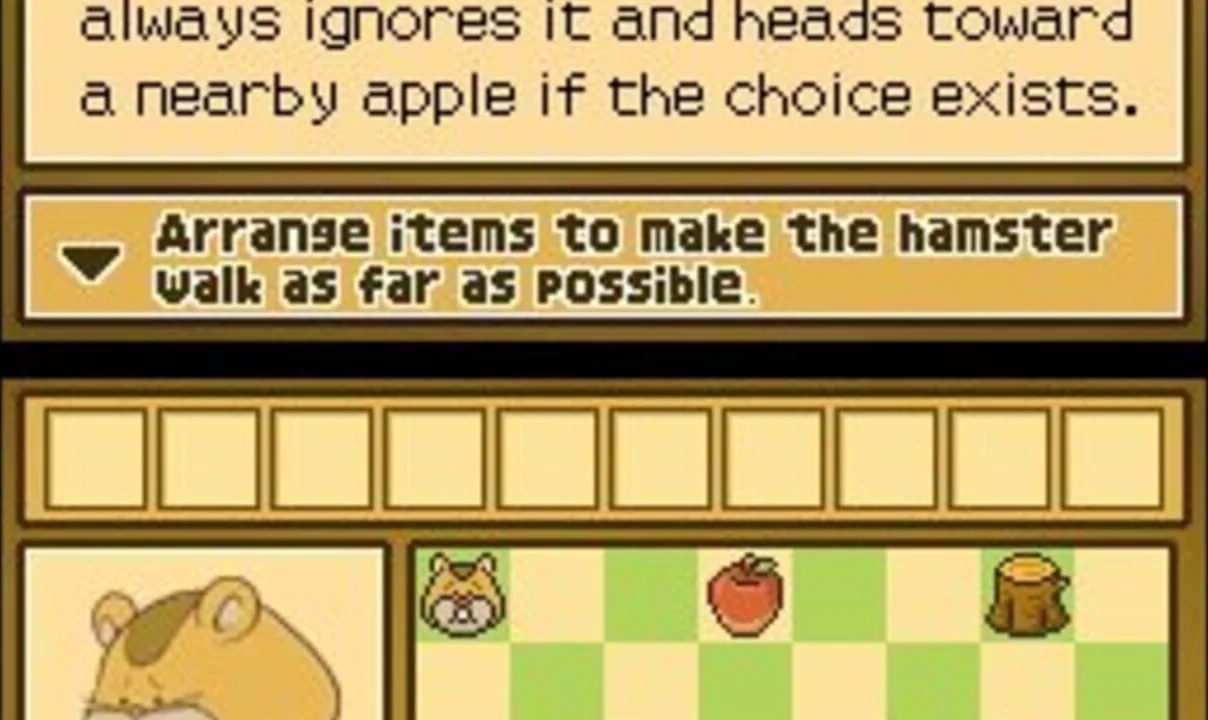
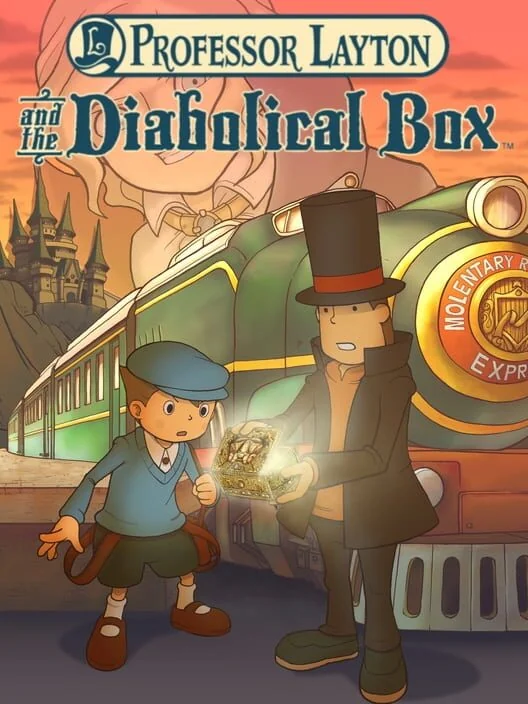
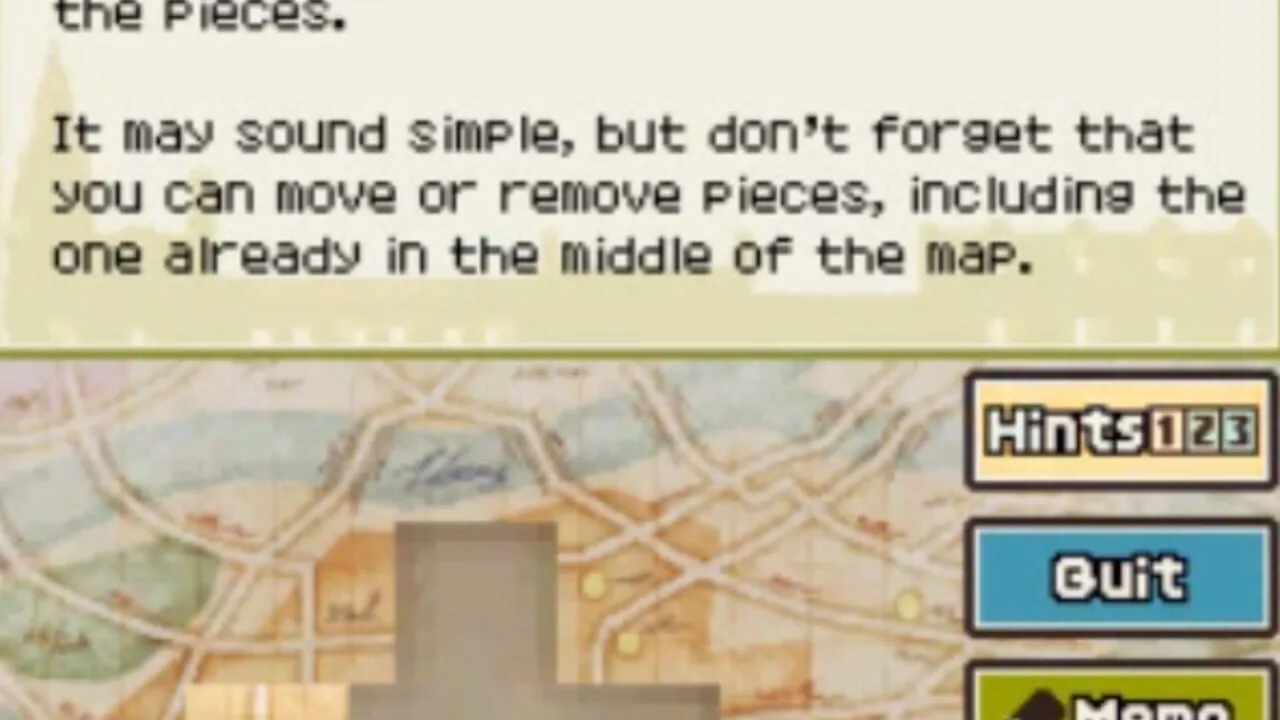
Professor Layton and his young assistant Luke are back for a second mystery, and this time they leave the village behind and travel through several locations. The core is the same as the first game: you tap people and places to find brainteasers, and every puzzle comes with three hints that cost a hint coin each.
What makes it better than the first one is how the puzzles fit the story. About half of them make sense in the world, like guessing a password or piecing a photo back together, so it feels less like everyone in town just happens to love riddles. It is also a bit longer, at around 12 to 15 hours. An HD version for phones came out in 2018.
19. Mario vs. Donkey Kong 2: March of the Minis (2006)
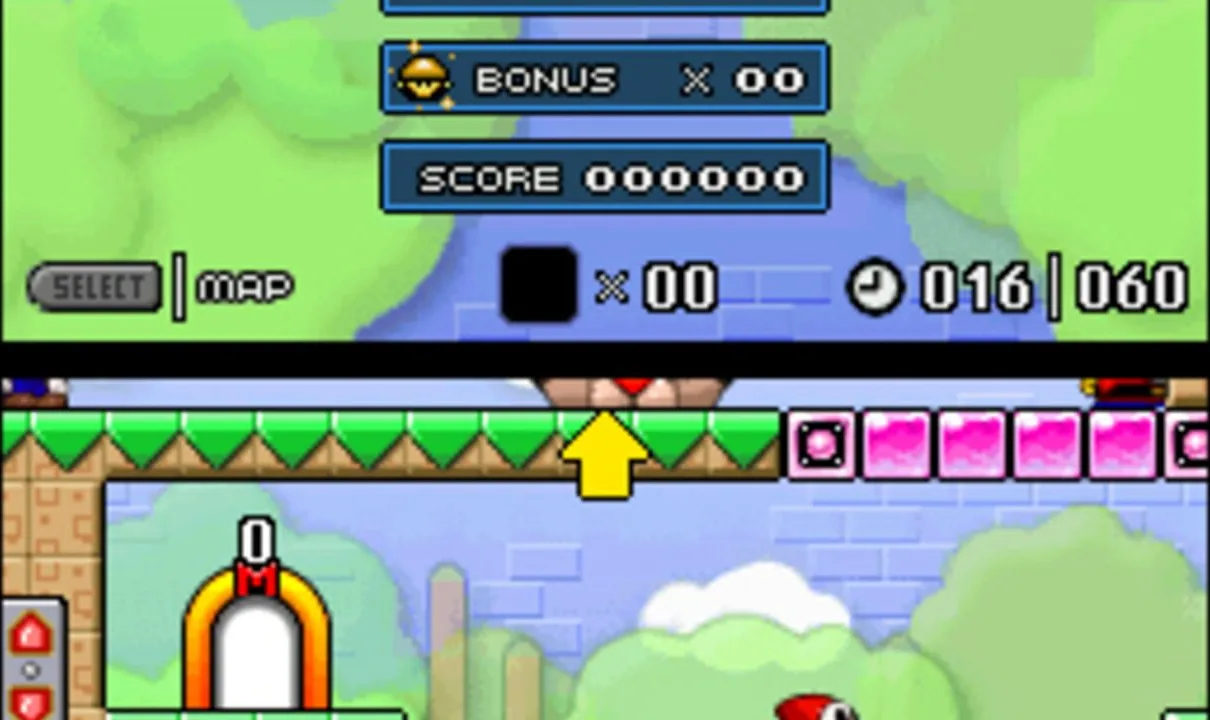
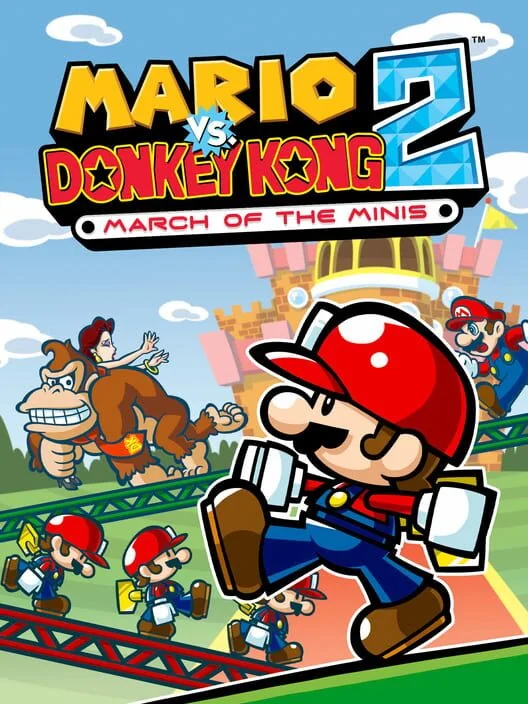
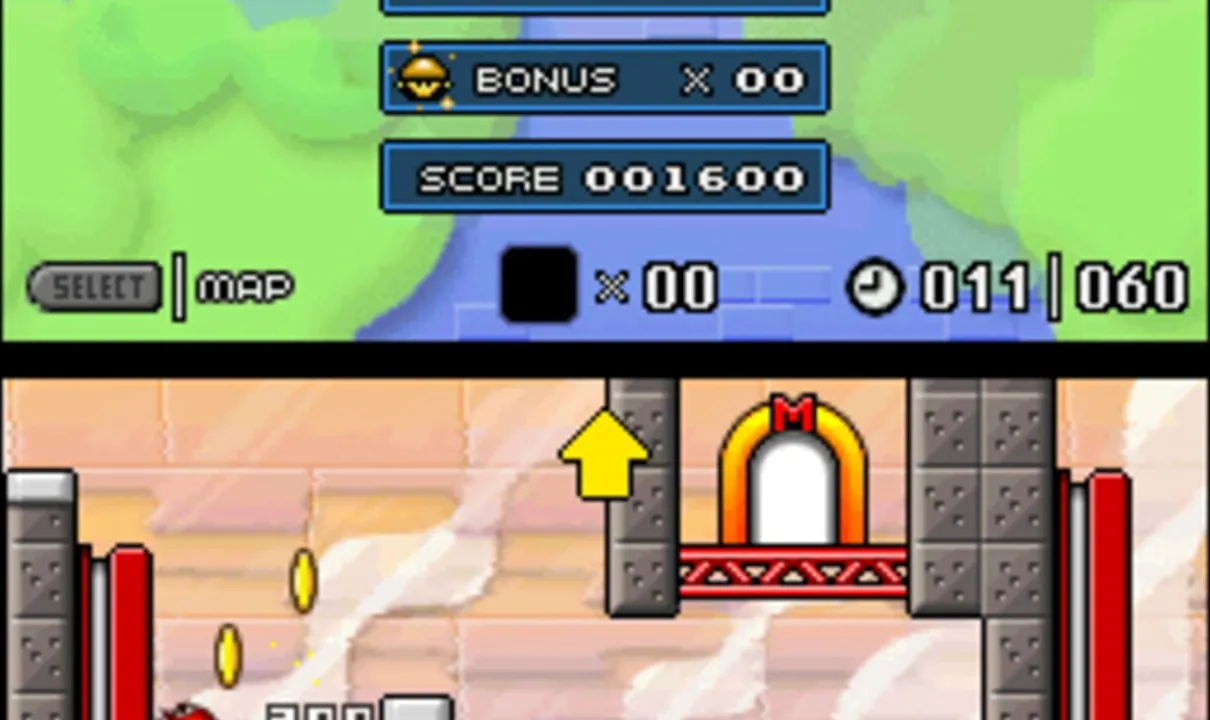
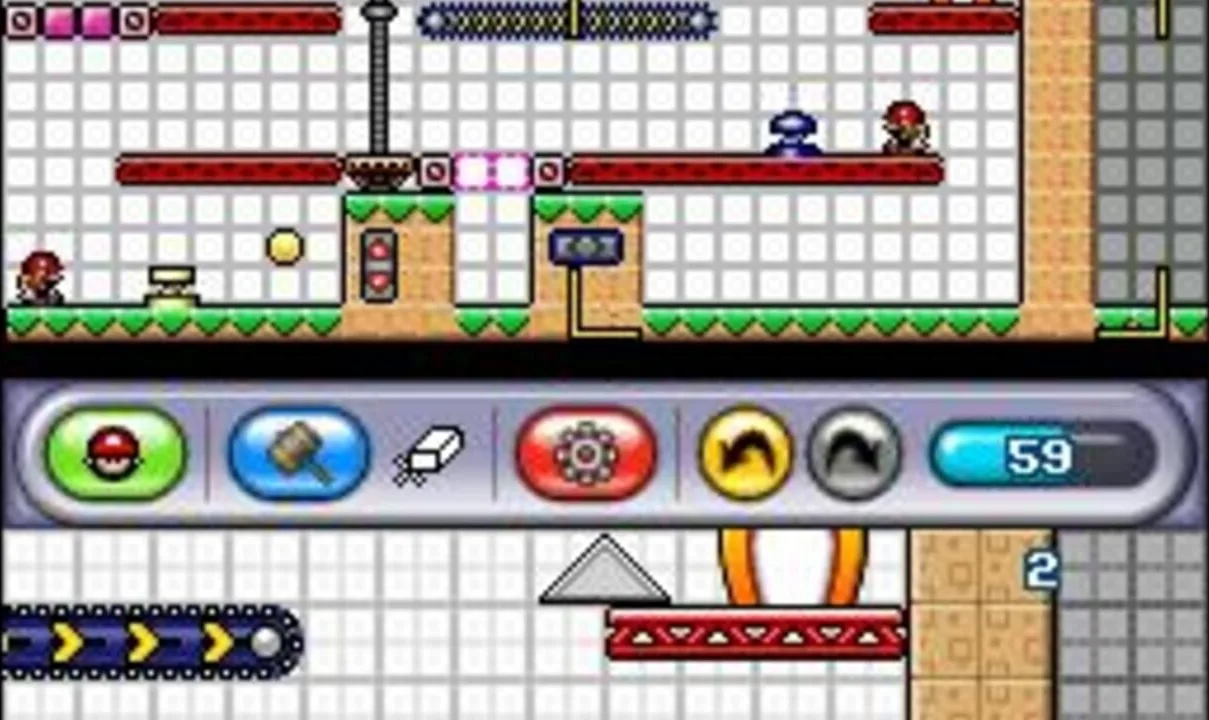
March of the Minis turned Mario vs. Donkey Kong into something different. Instead of playing as Mario, you guide a parade of wind-up Mini Marios to the exit, a bit like Lemmings, and you steer them with the stylus. A swipe up makes a Mini jump, and since the Minis have no sense of self-preservation, they will happily walk into spikes or lava unless you stop them. There are 72 levels across eight floors.
The story is simple and silly: Mario opens a theme park, Pauline picks a Mini Mario toy over Donkey Kong's Mini DK, and DK does not take it well. It also marks Pauline's first Super Mario appearance since Donkey Kong on the Game Boy. It is a clever, charming puzzle game, and a good one to play in short bursts.
18. Polarium (2004)
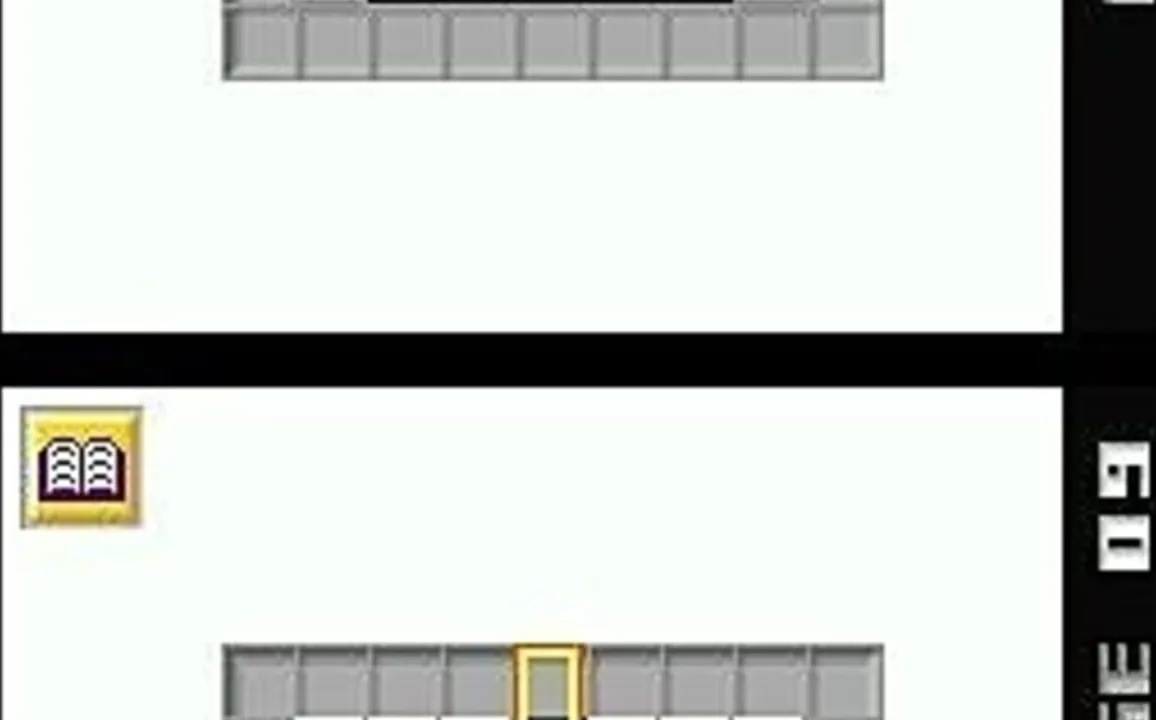
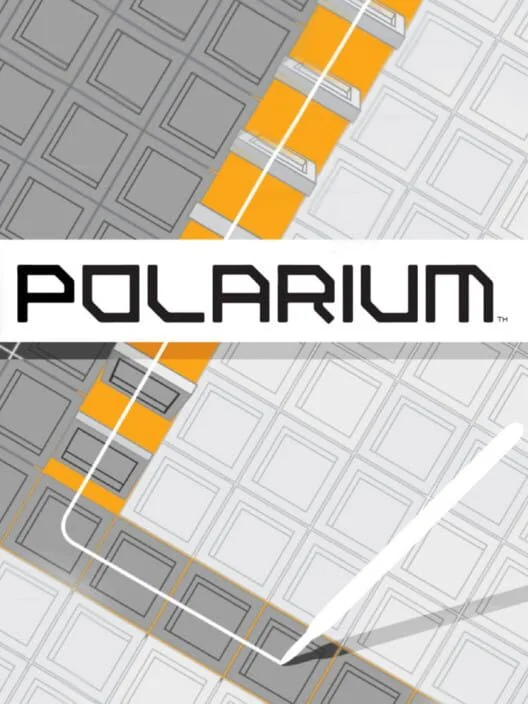
Polarium was there from the very start, as a launch game for the DS in Japan and Europe. The idea is simple: you draw a line with the stylus, and every tile it crosses flips between black and white. Make a whole row the same colour and it disappears.
In Challenge mode, rows keep falling like in Tetris, so you have to think fast and plan one long line that clears as much as possible. Long strokes and clever chains earn the most points. It is one of the purest touch screen puzzle games ever made, and its Game Boy Advance cousin, Polarium Advance, actually started development before the DS version. It was made by Mitchell Corporation, the same studio behind Magnetica further down this list.
17. Big Brain Academy (2006)
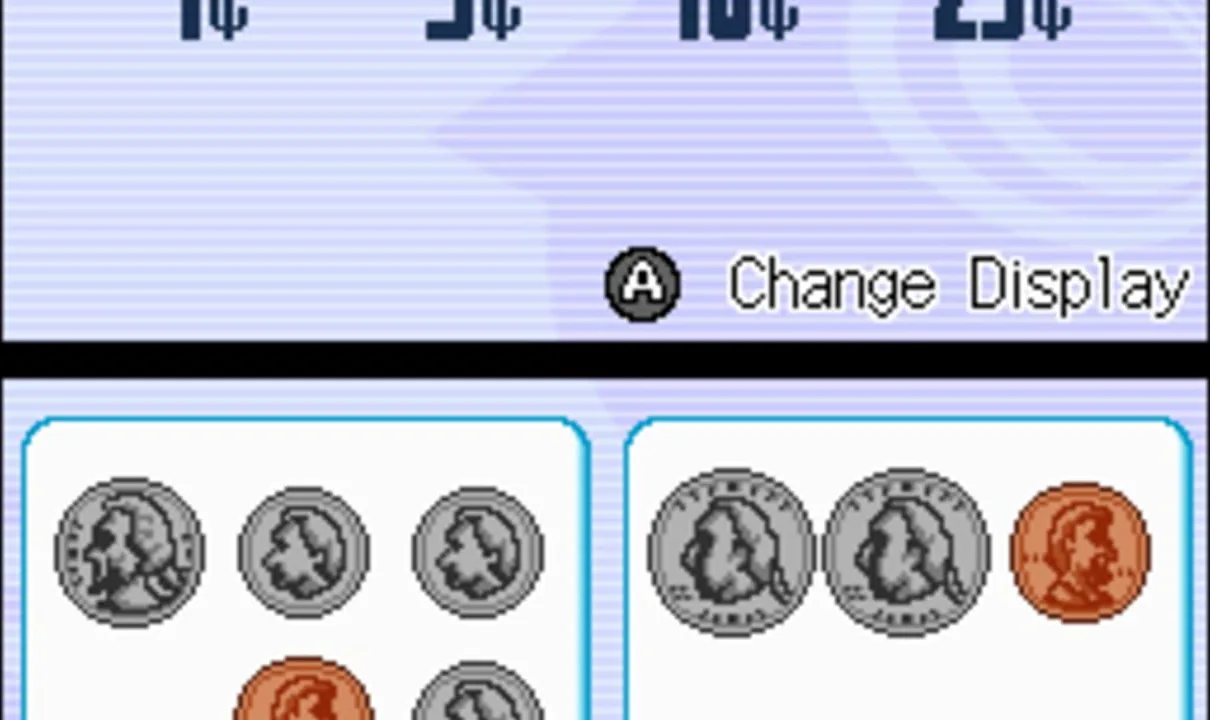
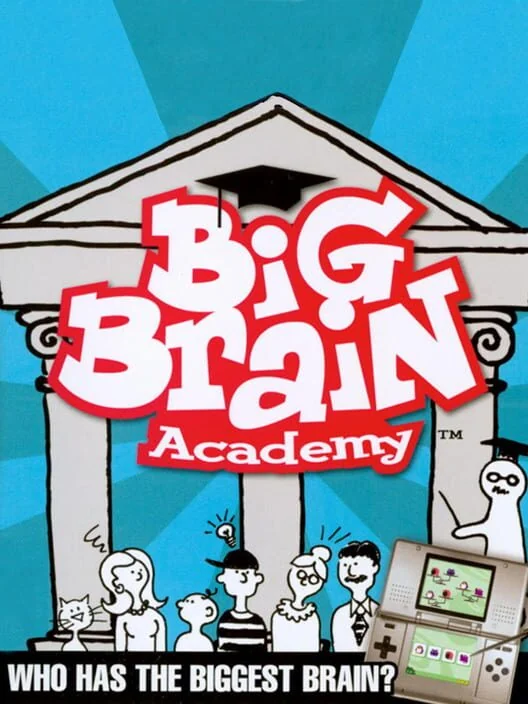
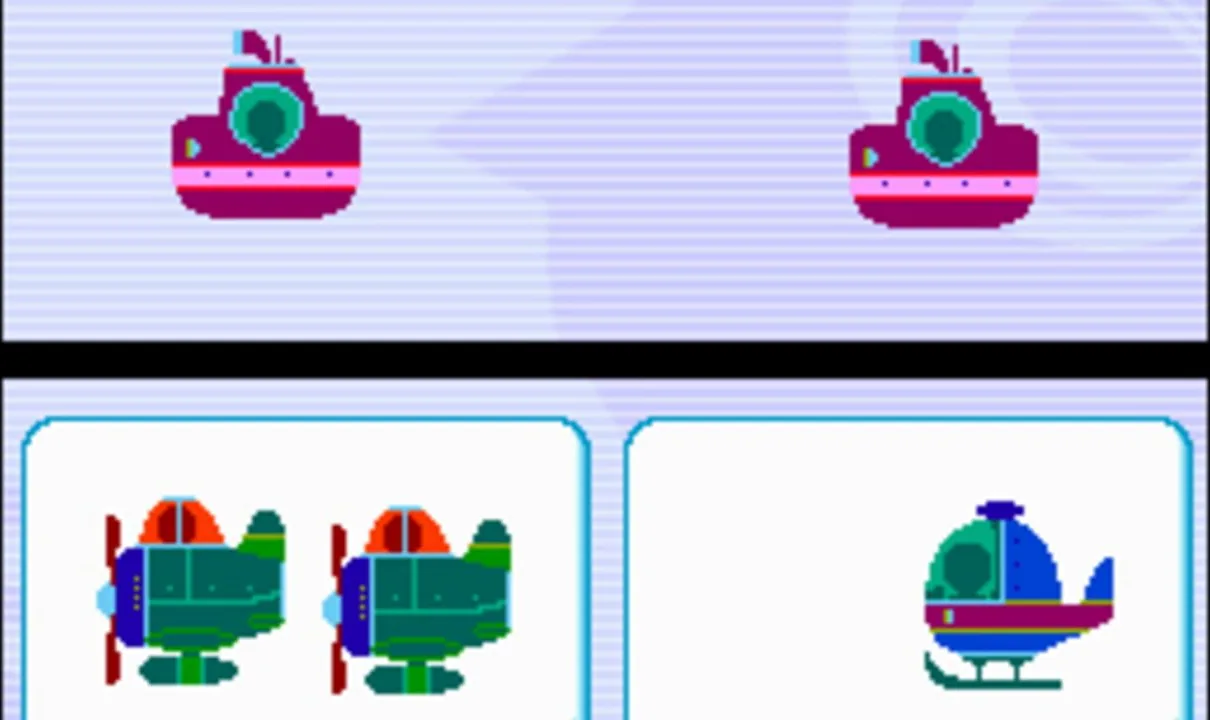
Big Brain Academy does not tell you how old your brain is. It weighs it. Its Test mode picks one puzzle from each of five categories, gives you a minute for each, and hands you a brain mass and a grade at the end, along with a job that suits your brain.
There are 15 activities that test logic, memory, maths and analysis, and the better you do, the harder they get. Up to eight people can play with a single game card, so it is a great one to pass around at a family gathering. It is often compared to Brain Age, and it later got sequels on the Wii and the Switch. At the end of each test, the academy's headmaster, Dr. Lobe, tells you which areas need work.
16. Magnetica (2006)
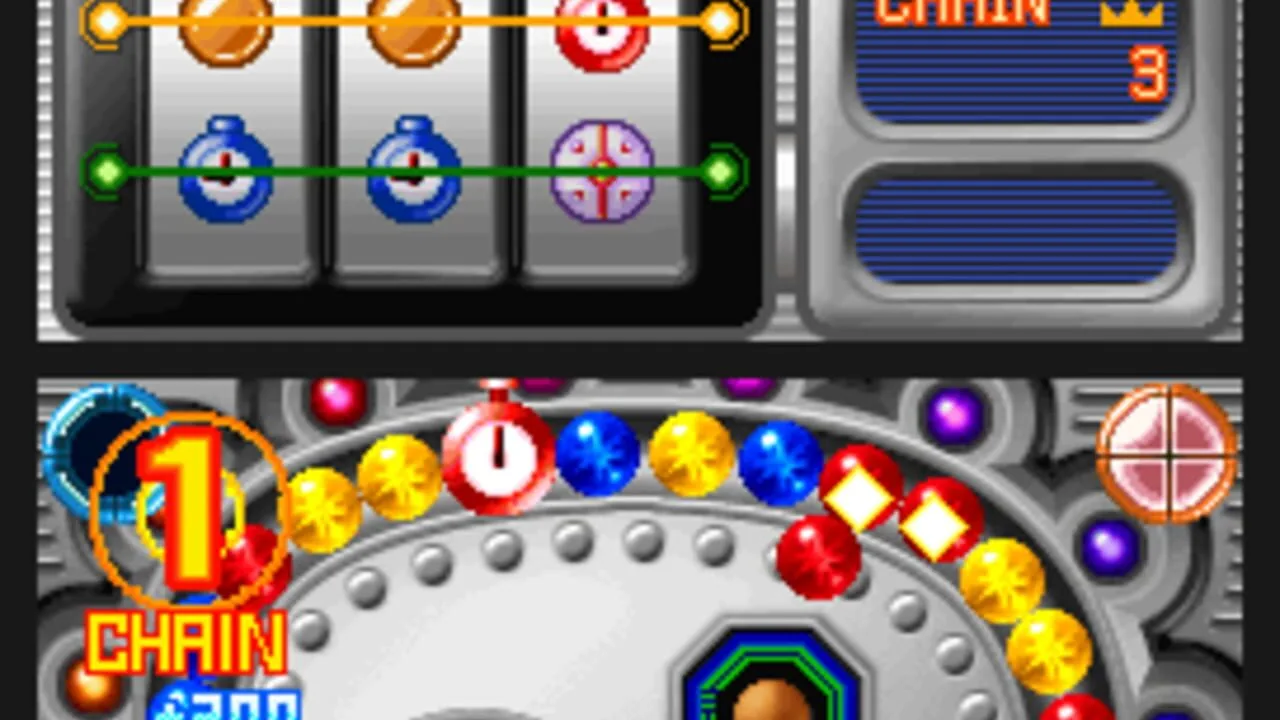
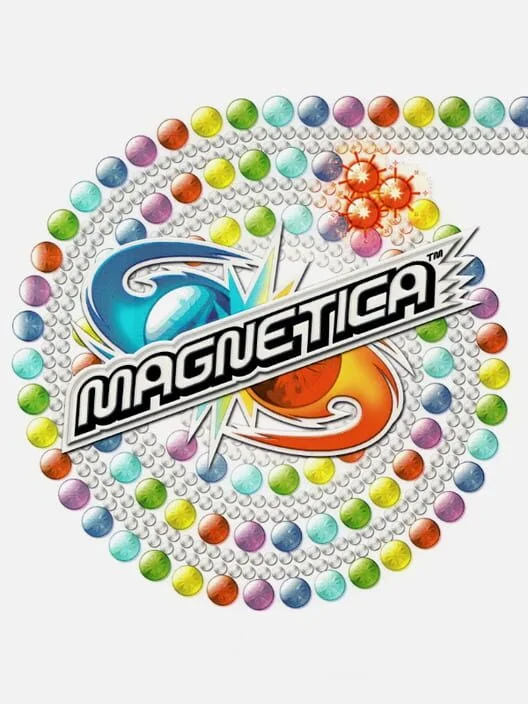
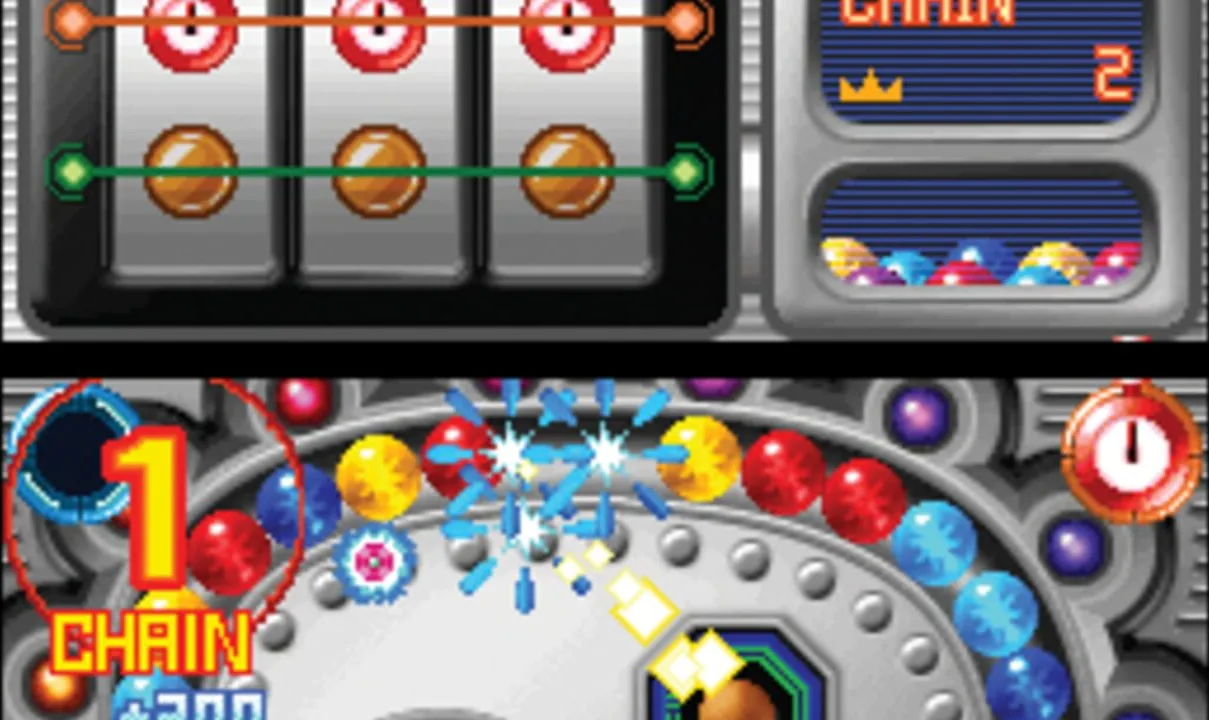
Magnetica is based on Mitchell's 1998 arcade game Puzz Loop. Marbles roll down a twisting path toward the goal, and you flick new ones into the line with the stylus to stop them. Match three or more of the same colour and they vanish, and since marbles of the same colour pull toward each other, one good shot can set off a whole chain.
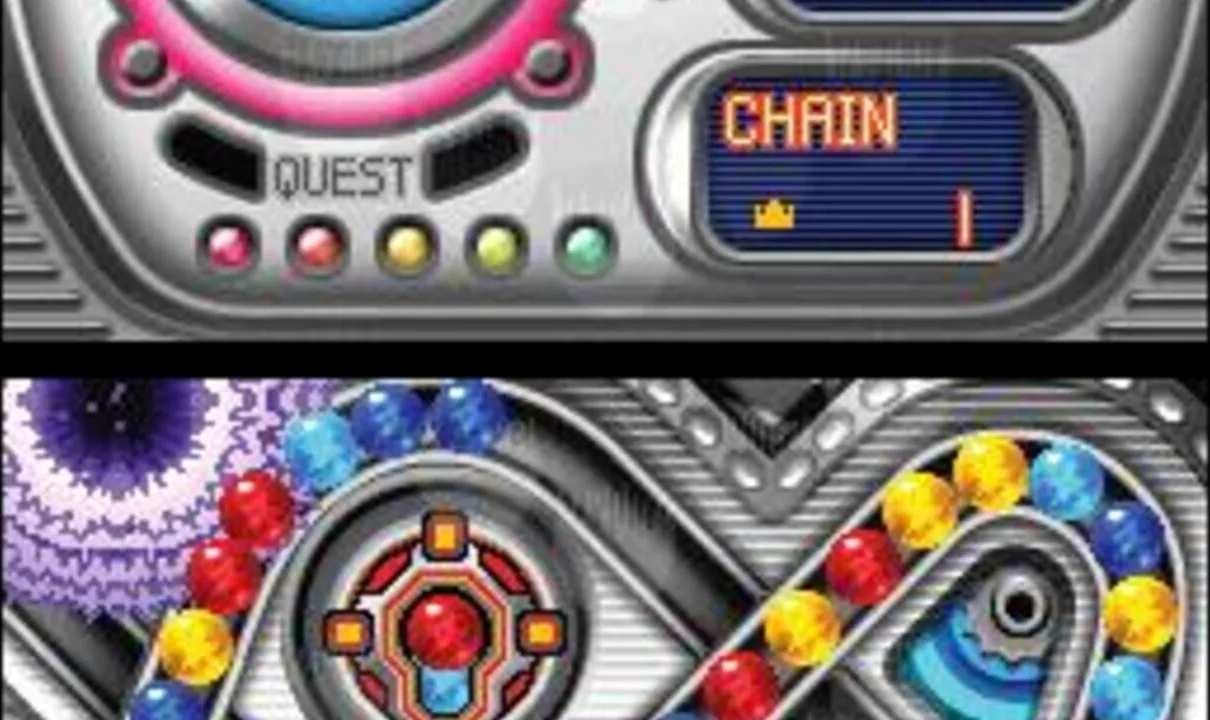
Besides the main survival mode, there is a quest mode with special conditions and a puzzle mode where you have to clear a fixed board with only a few marbles. In Europe it even came in the box with the DS Rumble Pak. It gets frantic quickly, in the best way. In Japan it was called Shunkan Puzz Loop, and in Europe it went by Actionloop.
15. Pac-Pix (2005)
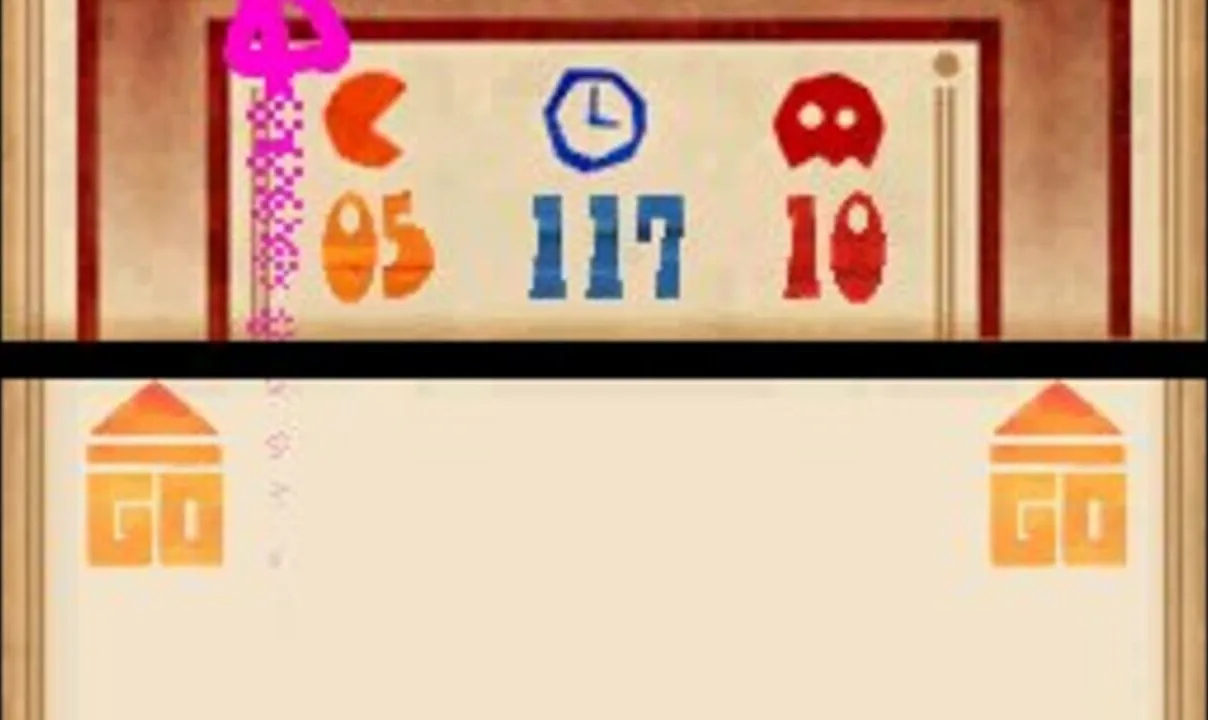
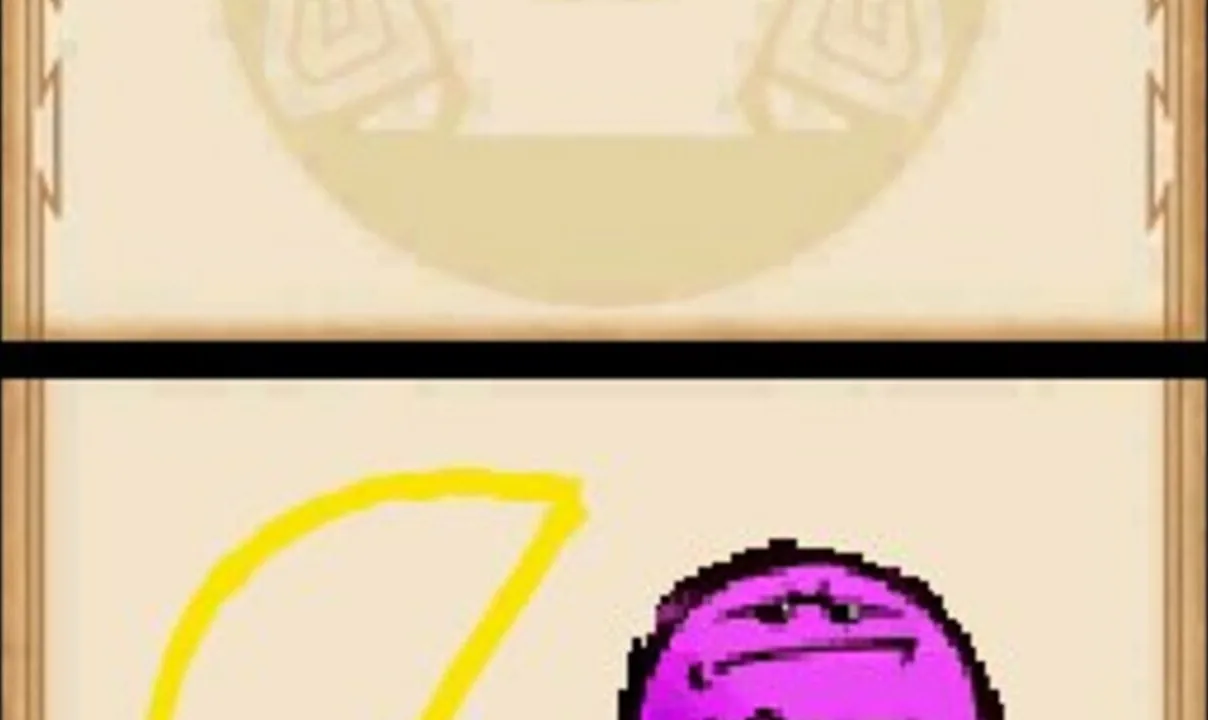
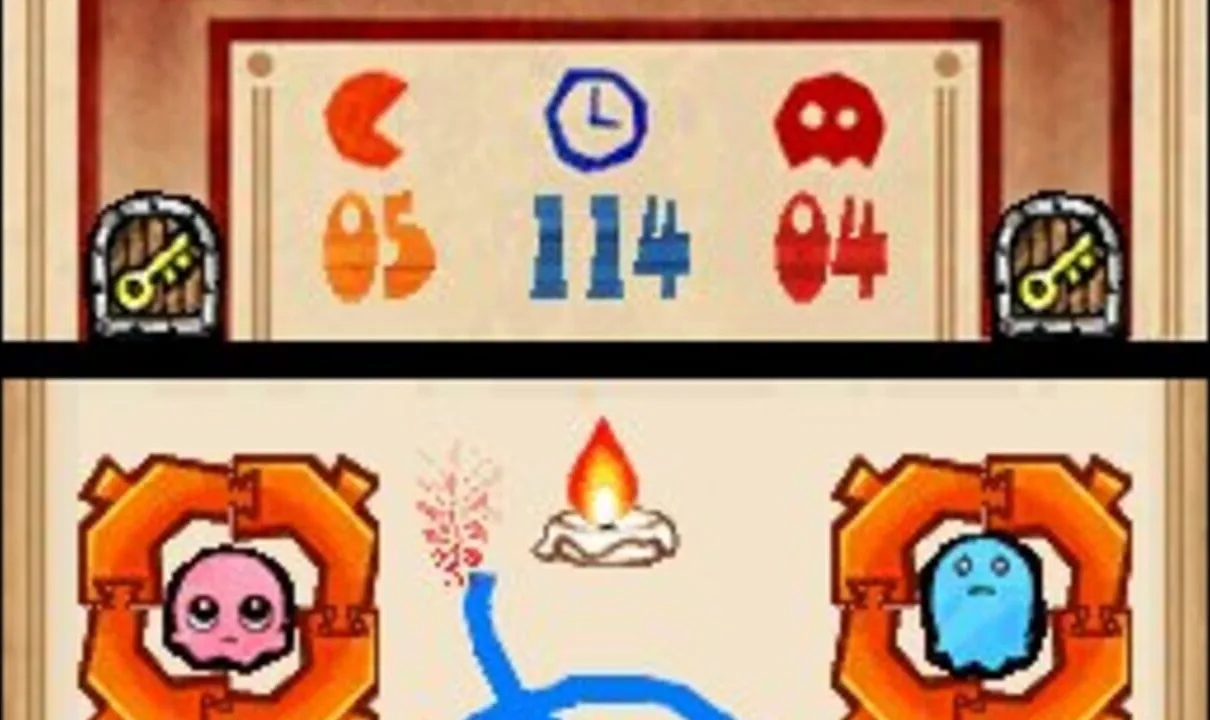
Pac-Pix is the first home Pac-Man game to use motion controls, and it is a strange, fun idea: you draw Pac-Man yourself with the stylus, and he comes to life on the page to eat the ghosts. Draw him big and he moves slowly, draw him small and he zips around.
You can guide him by drawing walls for him to bounce off, and later you unlock new gestures like shooting arrows. Director Tetsuya Shinoda first imagined it as an arcade game, inspired by the way PDAs let you correct text with a little stroke, but it only came together when the DS arrived. As the producer put it, the time was right. You can only have three Pac-Men on screen at once, so drawing a new one makes the oldest disappear.
14. Brain Age 2: More Training in Minutes a Day! (2005)
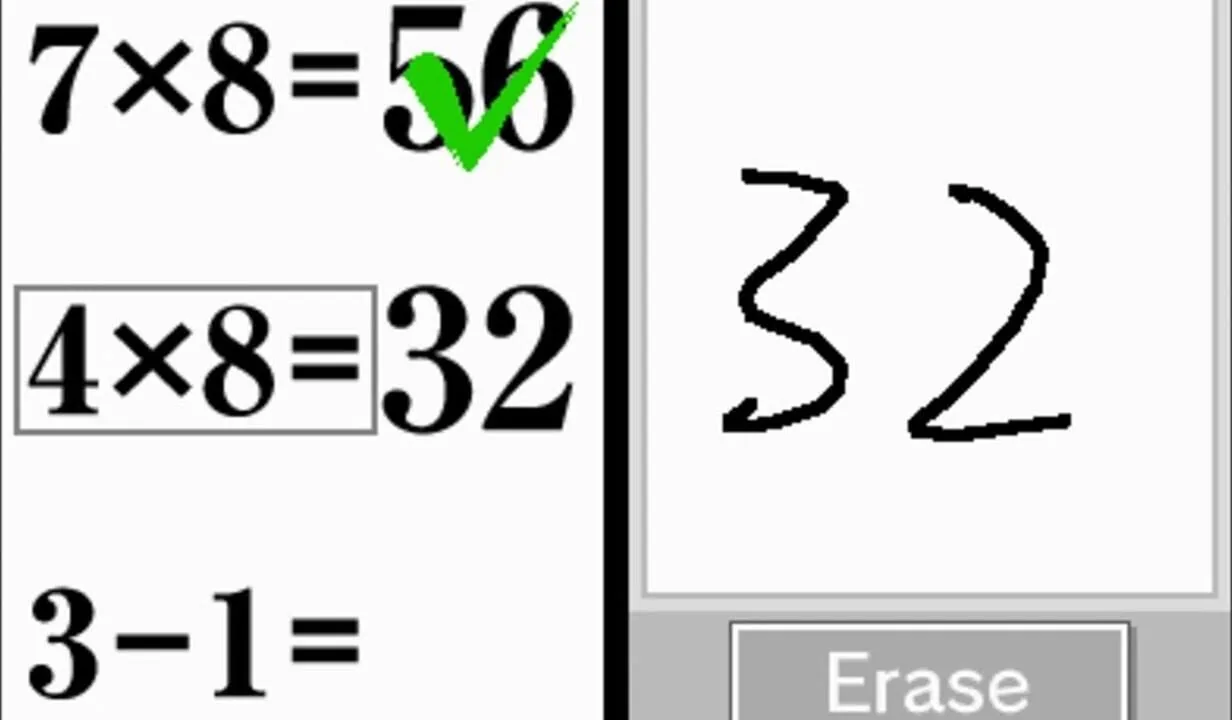
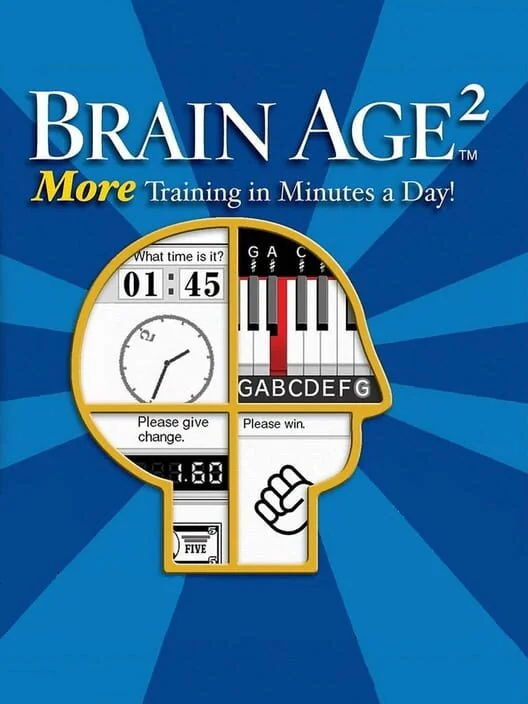
Brain Age 2 has no repeat activities from the first game. Every minigame is new, from playing simple songs on a piano keyboard with the touch screen to judging the photo finish of a footrace. You still start with a Brain Age Check, which gives your brain an age between 20 and 80.
Critics liked it, praising the improvements over the first game, although it sometimes struggles to understand written and spoken answers. Nintendo even hired Nicole Kidman to promote it in Europe. It was voted IGN's Reader's Game of the Month for August 2007, and it is a nice second helping if you finished the first one. It came out in Japan in December 2005 but did not reach North America until August 2007, where it still climbed into the top ten.
13. Soul Bubbles (2008)

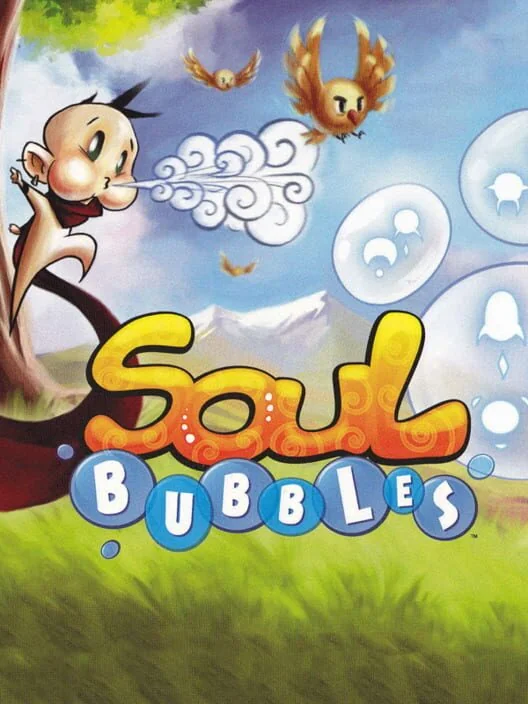
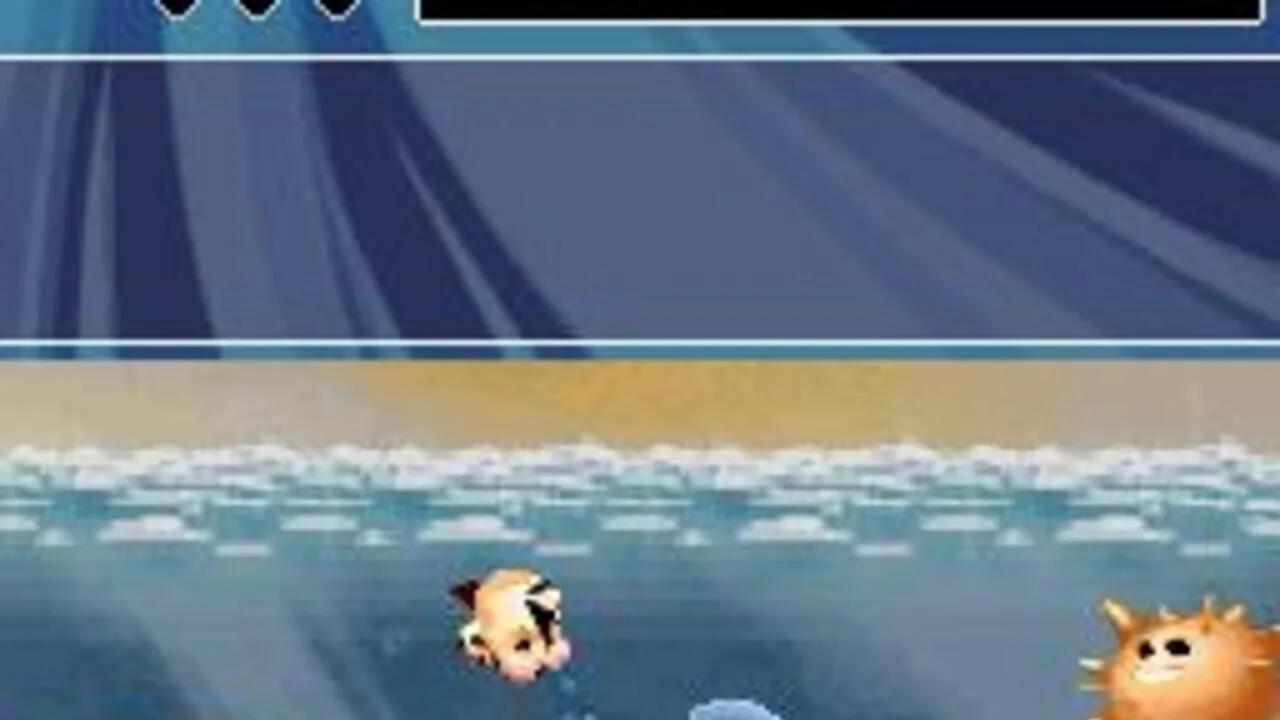
Soul Bubbles is a gentle little gem from the French studio Mekensleep. You play a young shaman apprentice who guides lost souls to safety inside protective bubbles, and you move the bubbles by blowing them along with strokes of the stylus.
Animal masks let you create, split, join and burst bubbles, and the eight worlds throw wind, water, fire, spikes and enemies at you along the way. In North America it was first sold only at Toys "R" Us, which is why so few people noticed it. If you like calm, clever games, it is well worth tracking down. There are 40 levels in all, and veteran developer Frédérick Raynal helped with the design early on.

12. Mario vs. Donkey Kong: Mini-Land Mayhem! (2010)
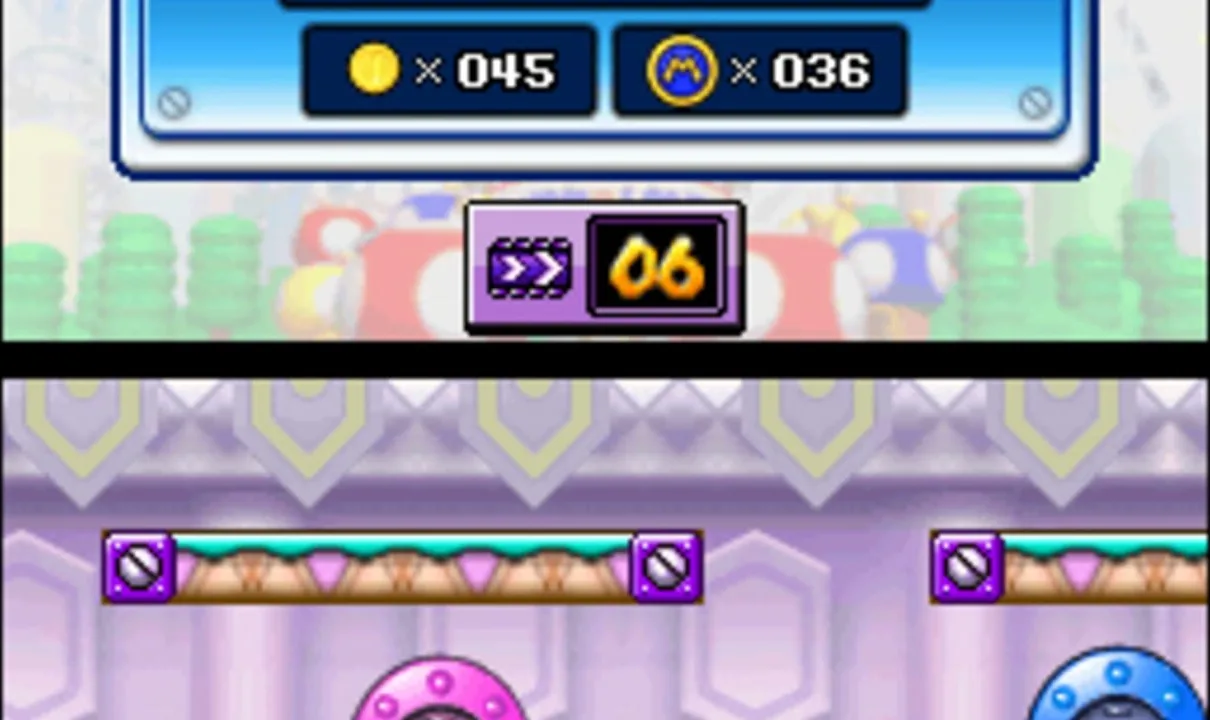
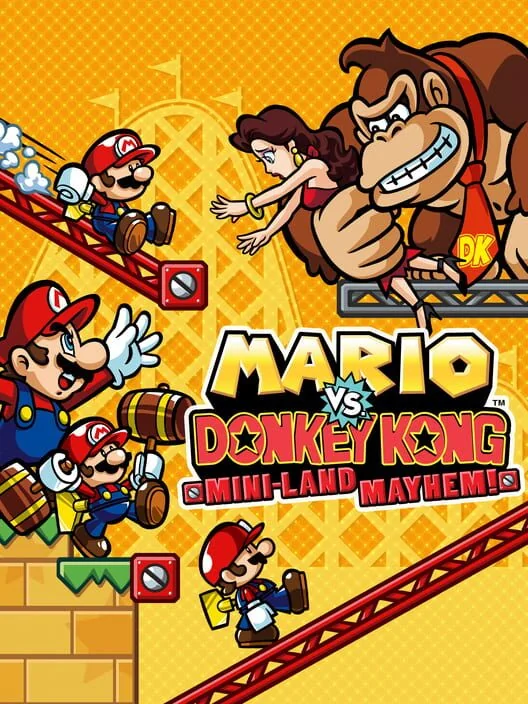
Mini-Land Mayhem! is the fourth Mario vs. Donkey Kong game. This time Donkey Kong arrives at Mario's new theme park as the 101st guest, one too late for a Mini Pauline toy, so he grabs Pauline instead, with Mario and his Mini Marios in hot pursuit.
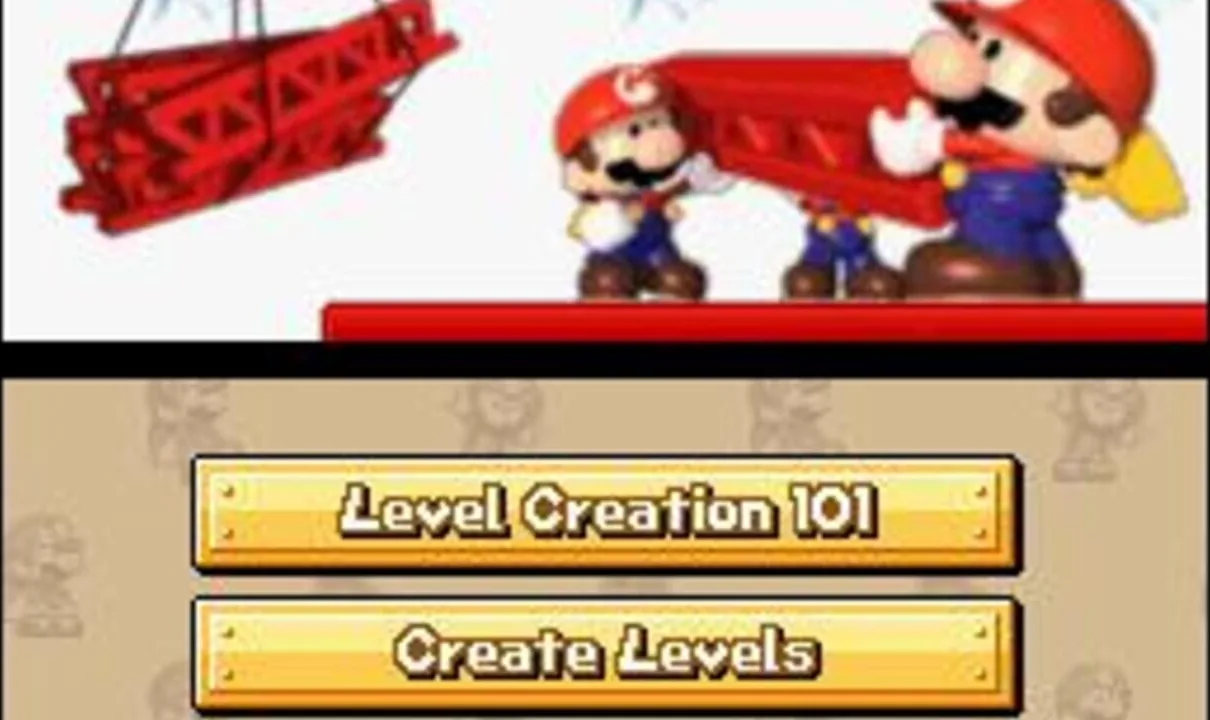
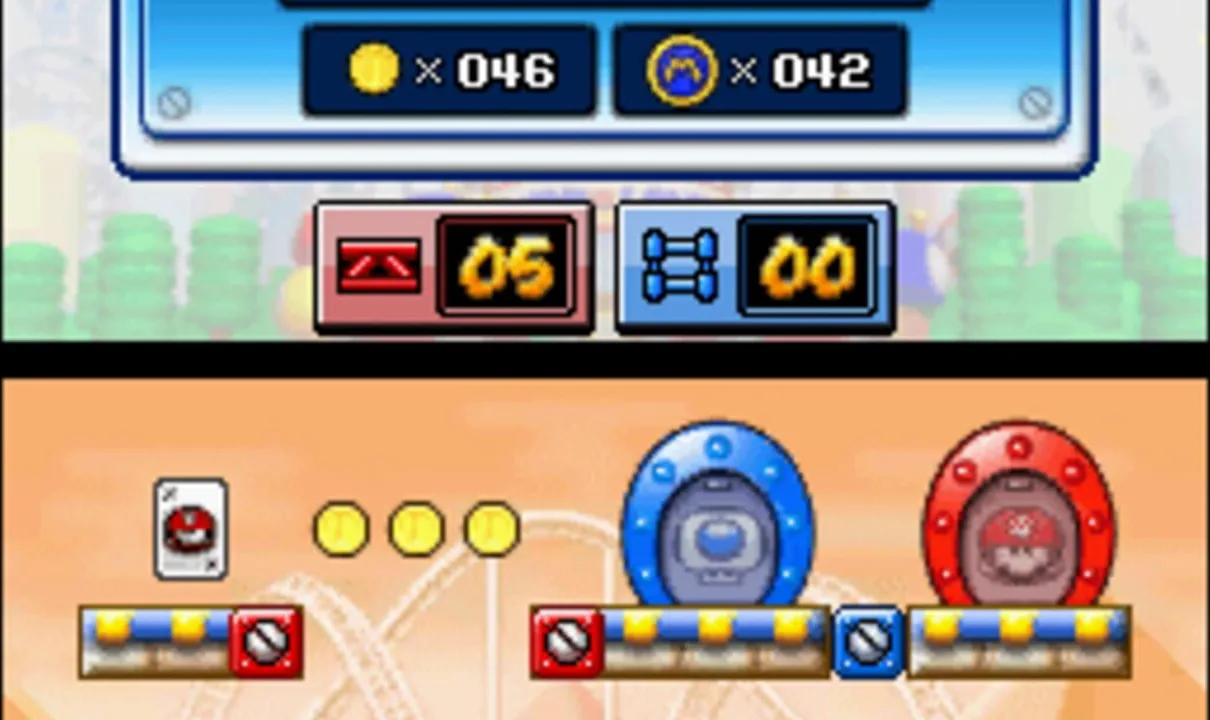
You never control the Minis directly. Instead, you build and rebuild the level on the fly with the stylus, and once the first Mini reaches the door, the rest have about six seconds to follow before it locks. Mini Pauline toys make their debut here, and you can build your own levels and share them, so it has a very long life. Each level has one to three Minis to save, and there are eight themed worlds to get through.
11. Professor Layton and the Unwound Future (2008)
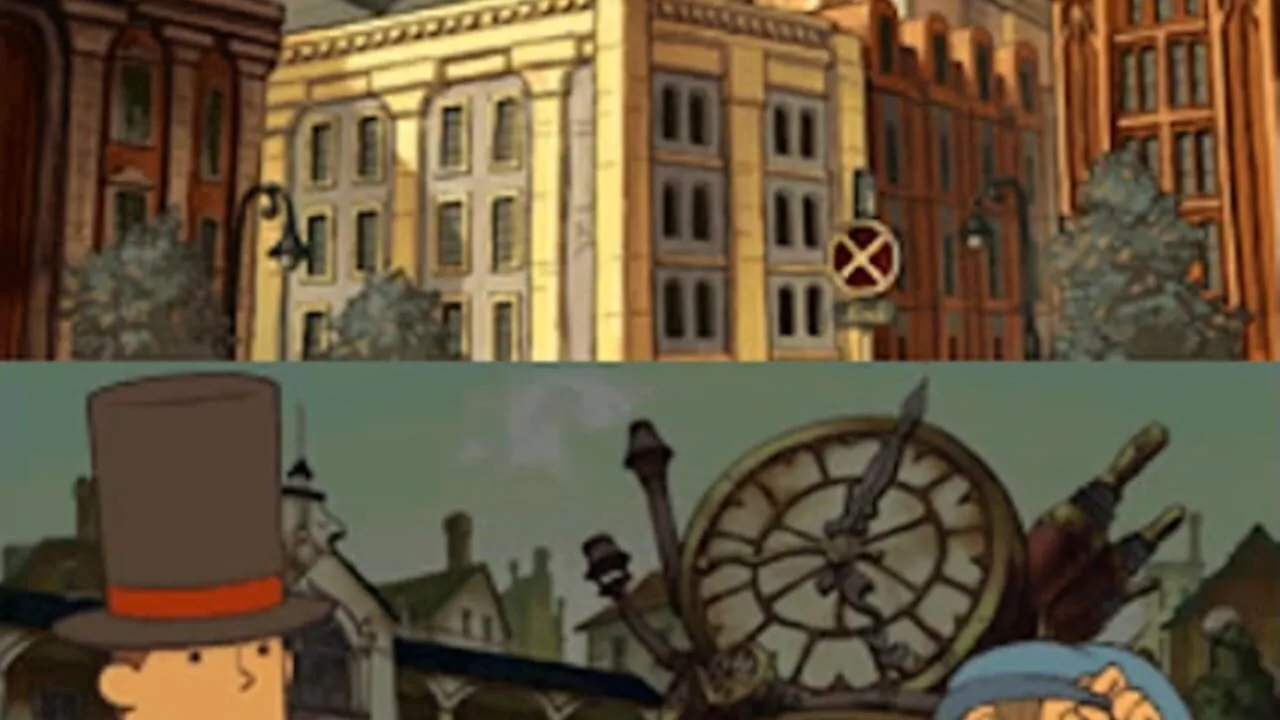
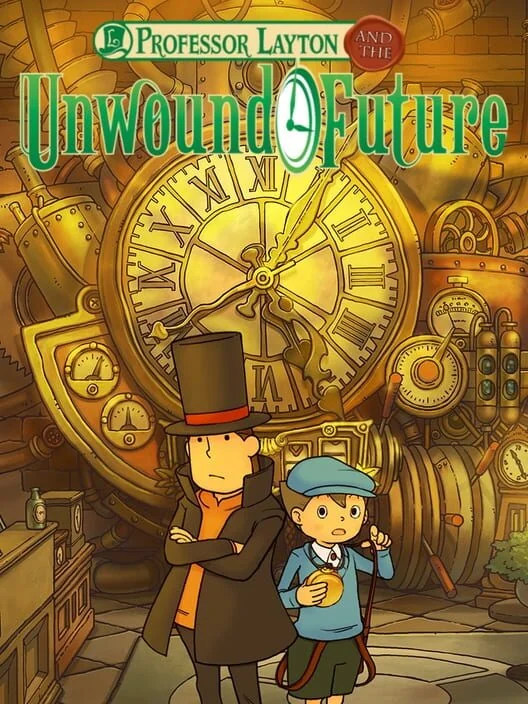
Professor Layton and the Unwound Future is the last game in the original Layton trilogy, and Level-5 pulled out all the stops for it. It has more animated scenes than the first two, smoother presentation, and 165 puzzles, the most in the series up to that point.
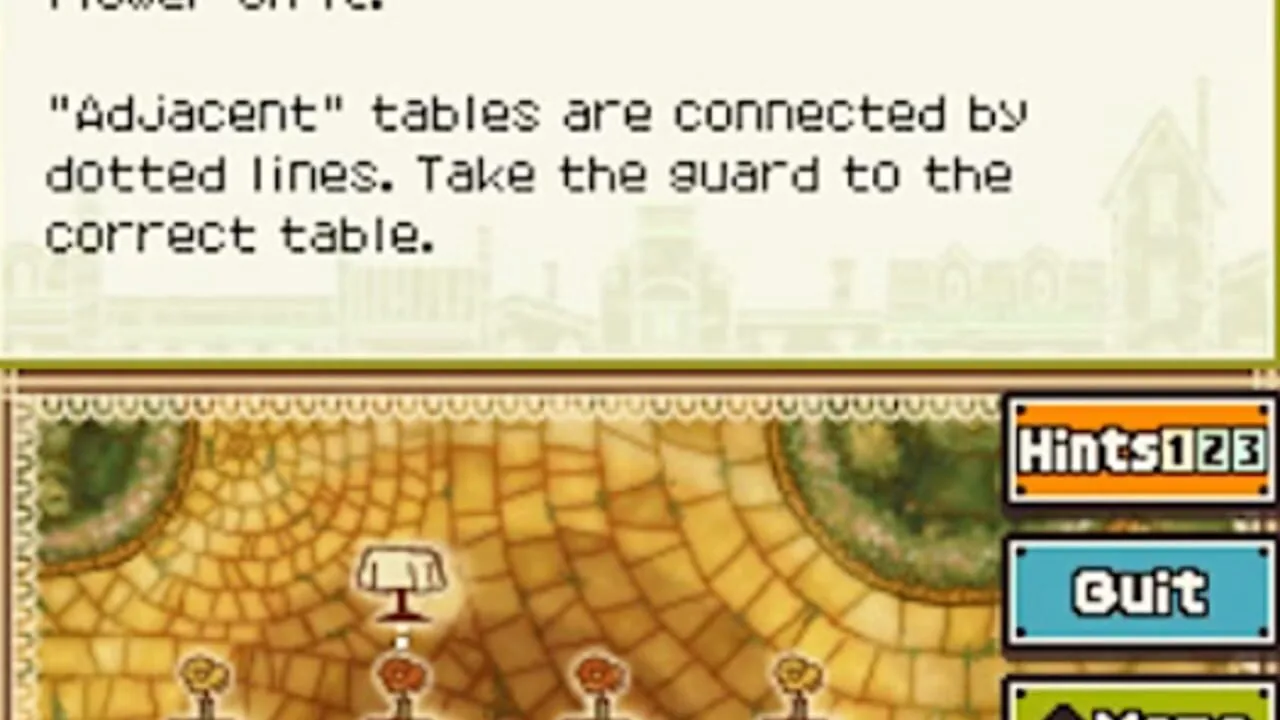
It also added the super hint: once you have used the other three hints, two more coins buy one that nearly gives the answer away. The puzzles are a little easier than before, especially near the end. Critics reviewed it well, and it ends the trilogy on a high. An HD version for phones arrived in 2020. Even so, critics noted the writing does not always live up to the big finale it is aiming for.
10. Mr. Driller: Drill Spirits (2004)
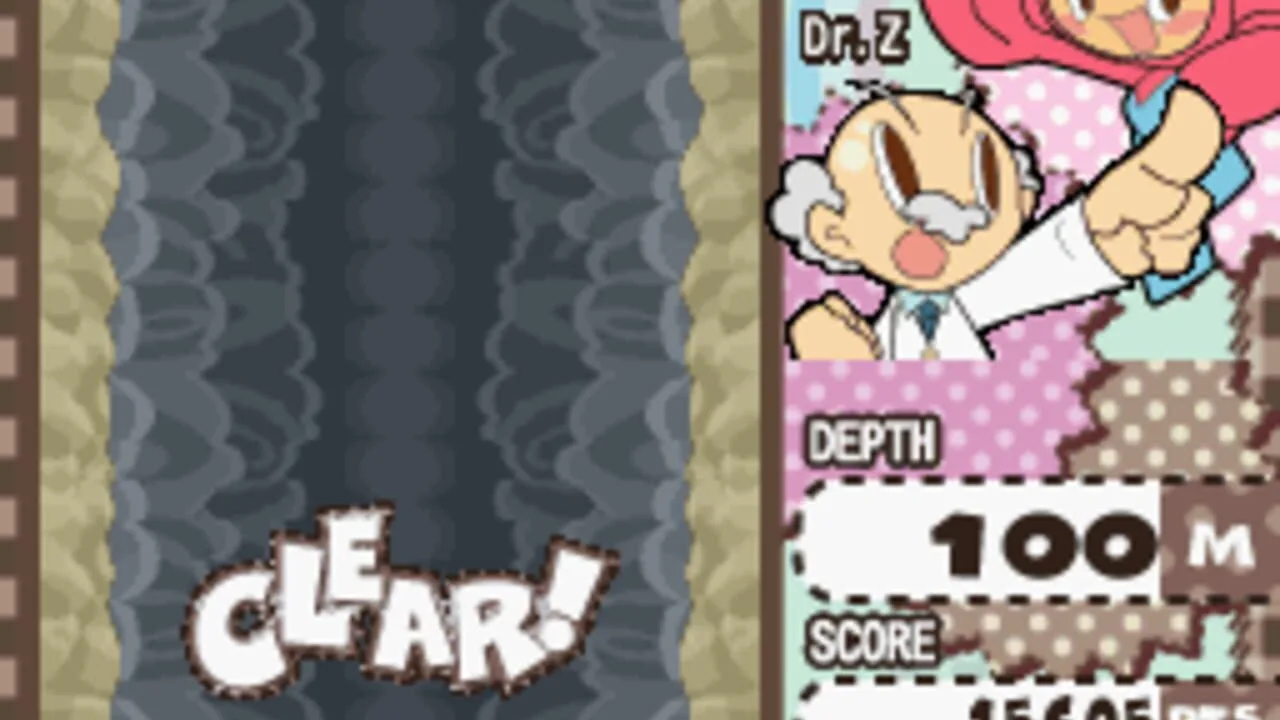
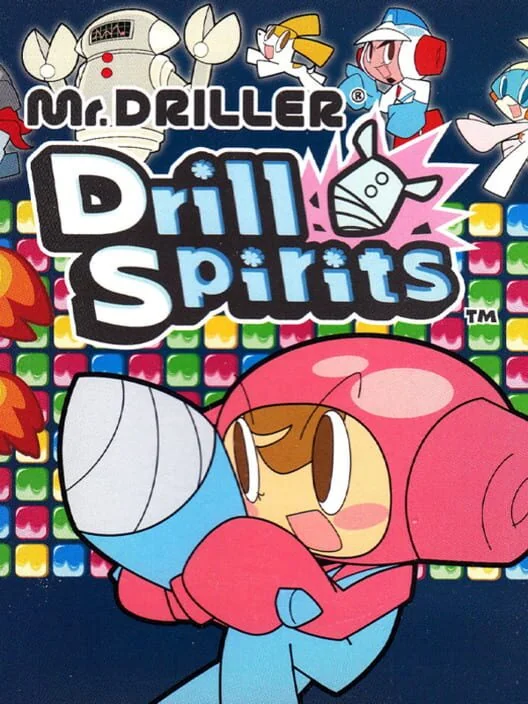
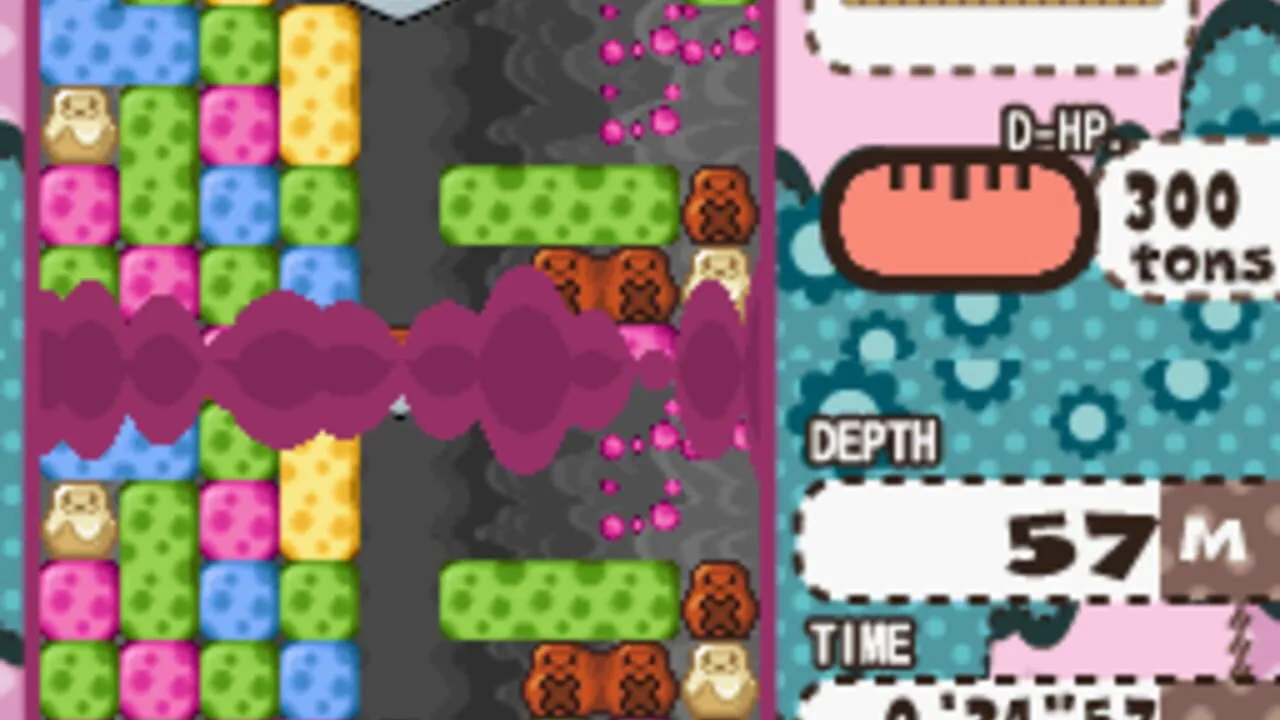
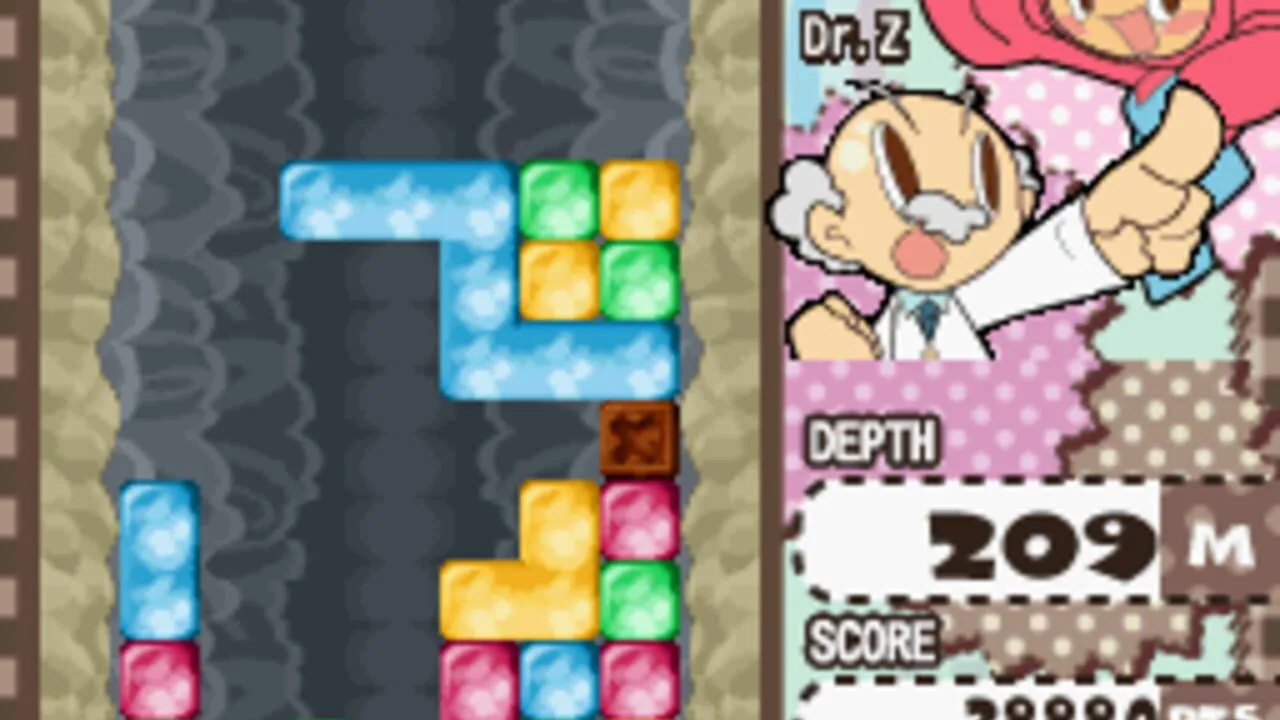
Mr. Driller: Drill Spirits was a DS launch game made by the series' creator, Hideo Yoshizawa. You pick one of six characters and drill down through coloured blocks to reach the bottom of each stage, while keeping an eye on your oxygen meter, which runs out quickly.
There are several modes, including a story campaign, time attack and a mode where a giant drill chases you. One thing to know: the North American version lost a whole mode, Dristone Driller, because time ran short. Running out of air near the bottom is a special kind of panic, and it keeps you coming back. It was first known as Mr. Driller DS and was announced as a launch title alongside Ridge Racer DS. Critics liked the gameplay, but its multiplayer needed two game cards.
9. Picross DS (2007)
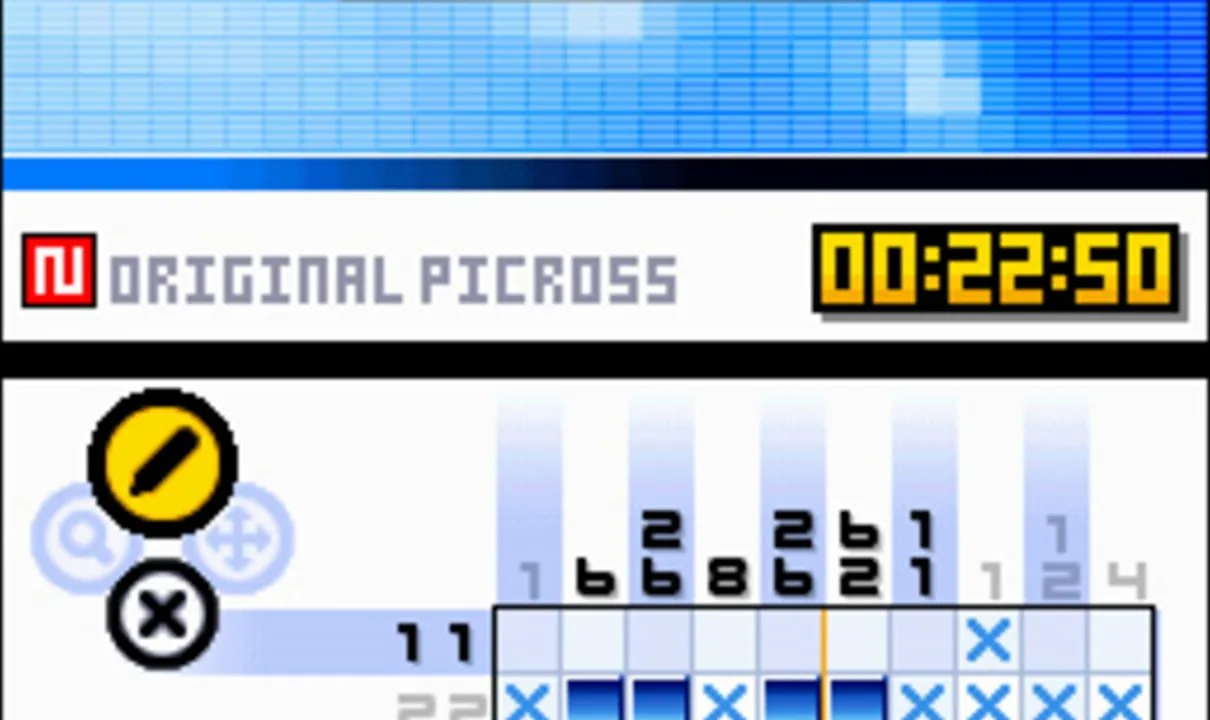
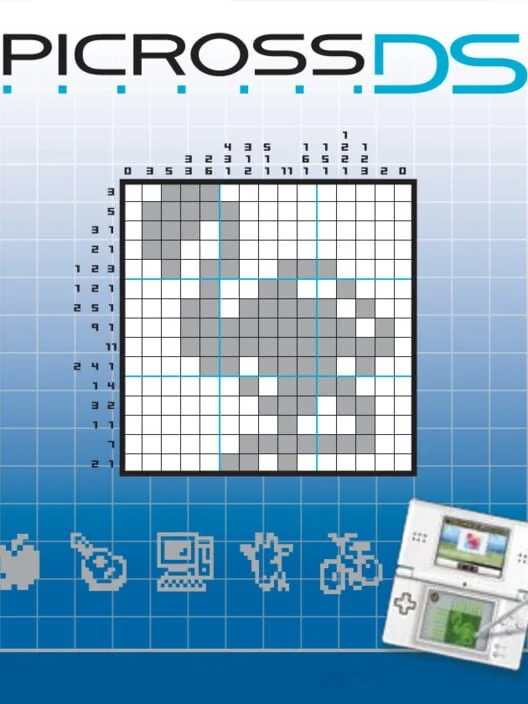
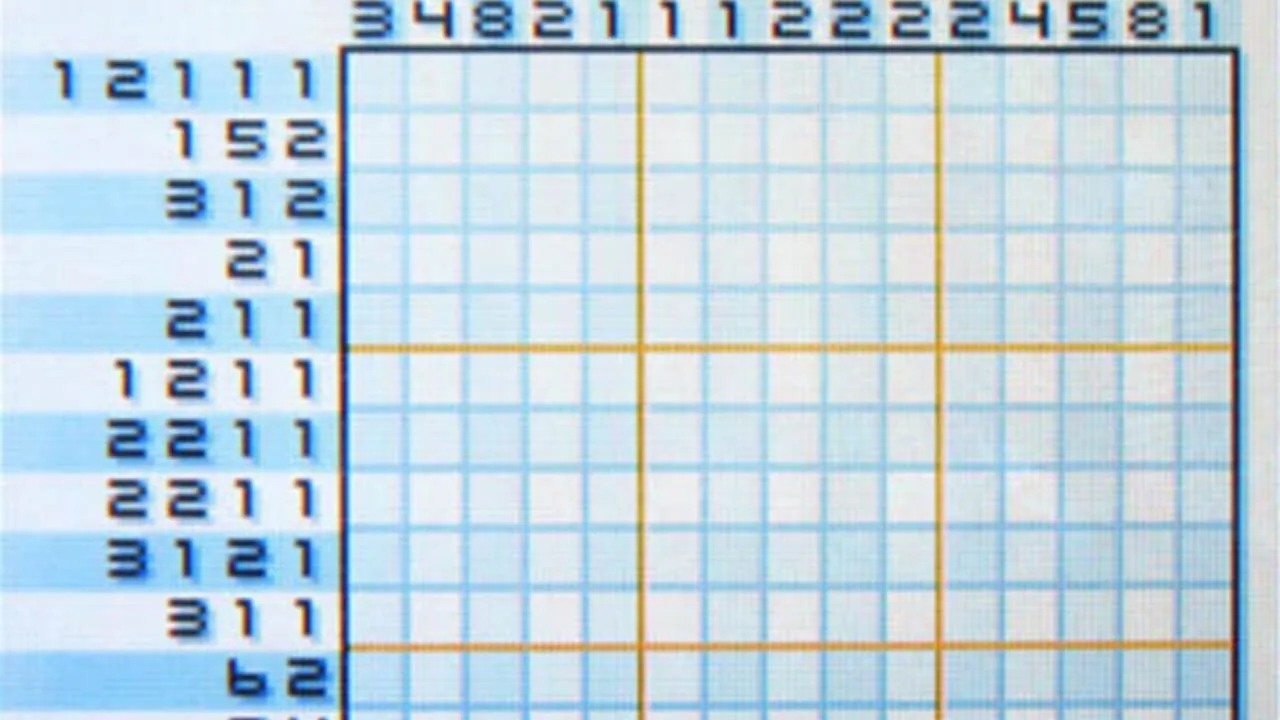
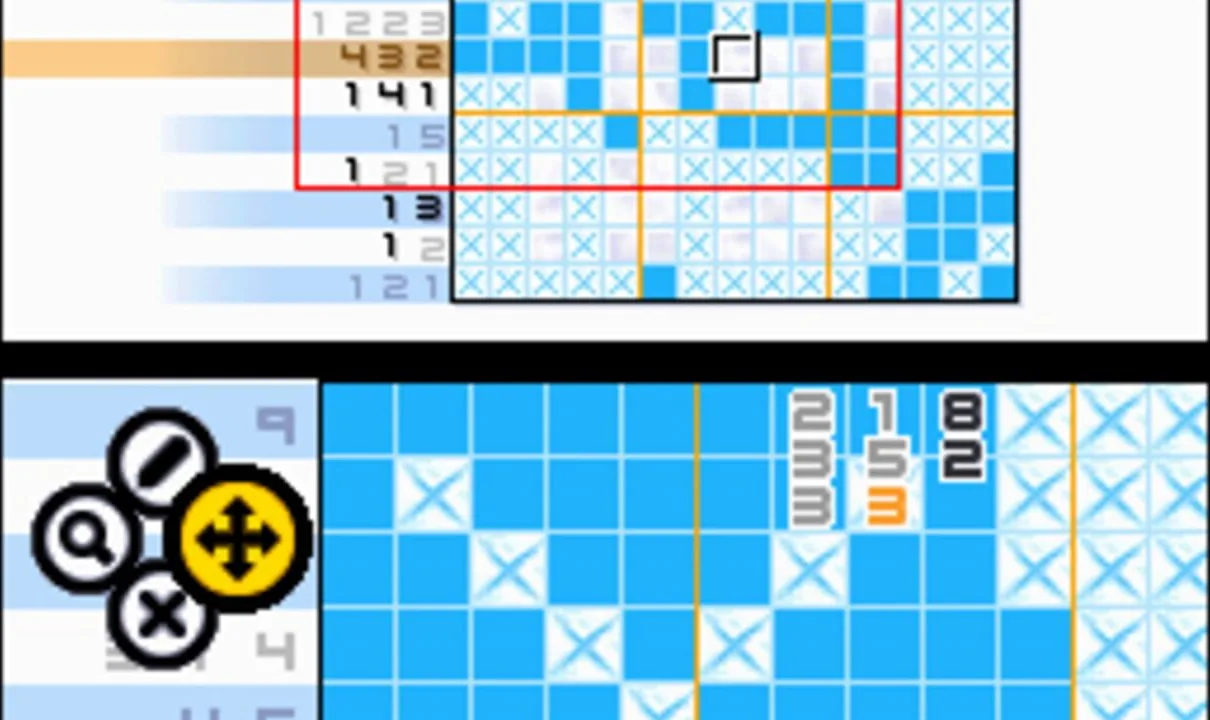
Picross DS gives you a grid and numbers along the edges, and you use logic to fill in the right squares and reveal a hidden picture. Wrong guesses cost time, so you learn to think before you tap.
It was only the second Picross game Nintendo released in Europe and North America, after Mario's Picross sold poorly outside Japan, and it is the one that won over the West. On top of the built-in puzzles you can make your own and send them to friends, and there are daily challenges to keep you coming back. If you have never tried a nonogram, start here. Mistakes cost two minutes the first time, four the second and eight after that, so the clock keeps you honest.
8. Planet Puzzle League (2007)
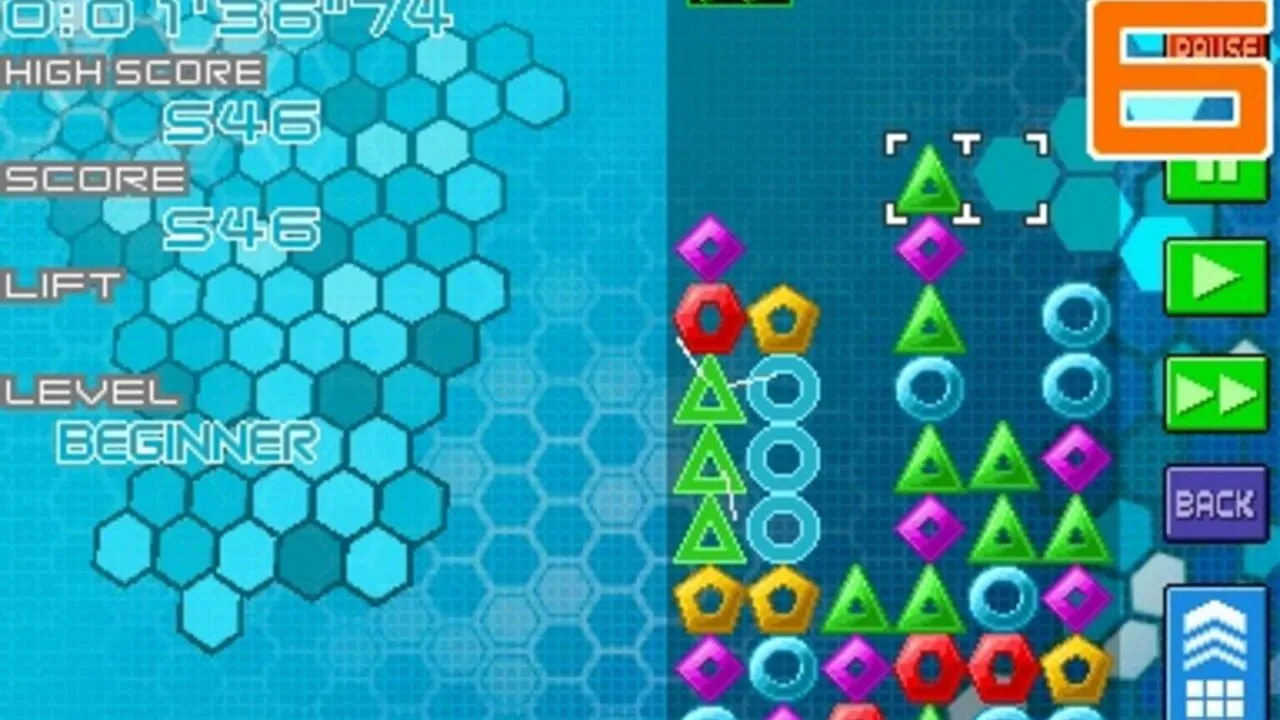
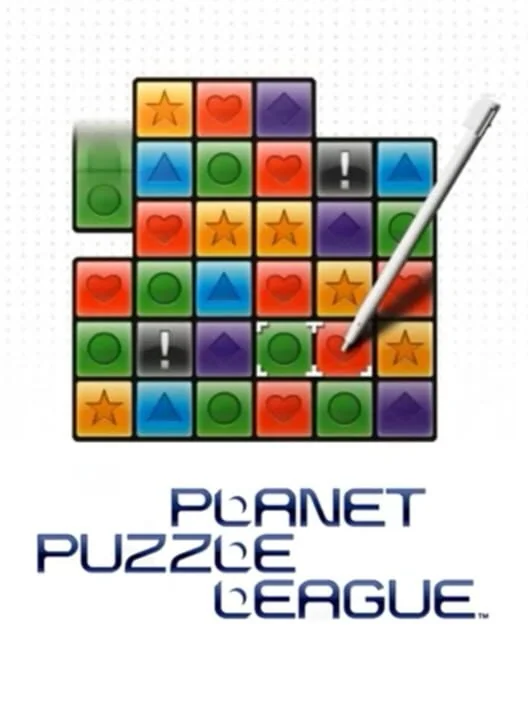
Planet Puzzle League is the DS version of the Puzzle League series from Intelligent Systems, the same idea as the classics Tetris Attack and Pokémon Puzzle League. Panels of different colours rise from the bottom, and you swap them to line up three or more of the same colour.
By default you hold the DS sideways like a book, so the playfield is bigger, and you drag panels left and right with the stylus. It feels faster than any controller version. There were even item blocks for the first time in the series, and an online Birthday Battle mode that ranked you against players who shared your birthday. In Europe it was called Puzzle League DS, and in Japan, Panel de Pon DS.
7. Professor Layton and the Curious Village (2007)
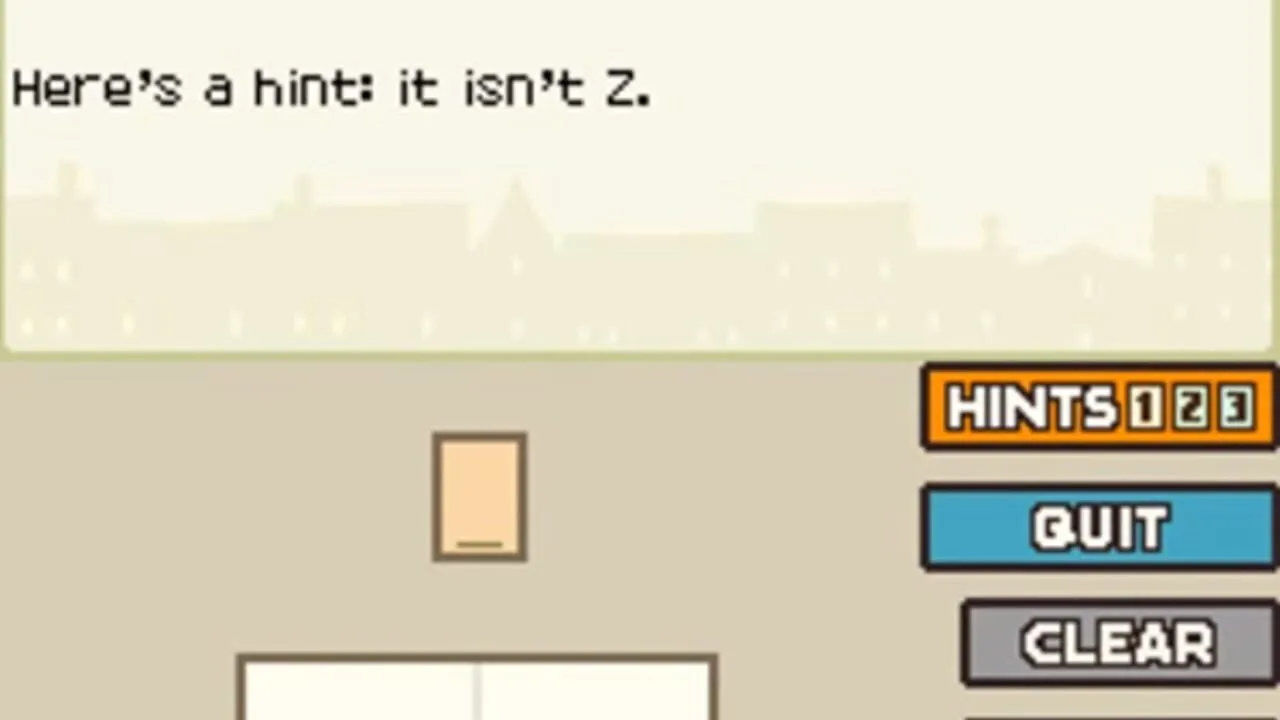
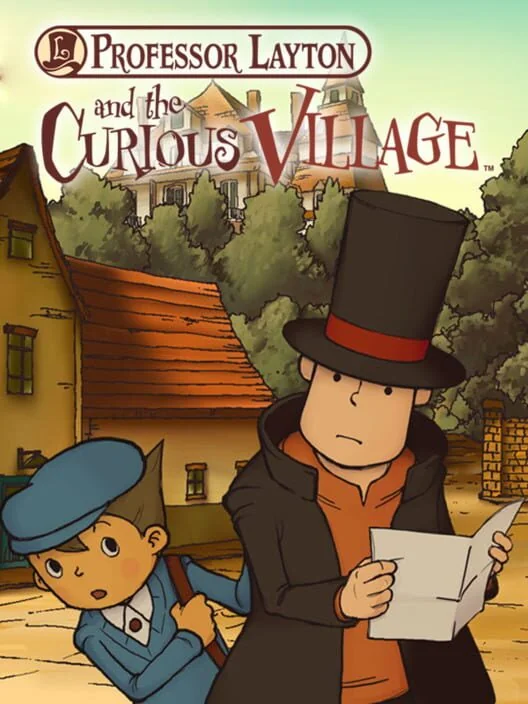
Professor Layton and the Curious Village started one of the DS's best-loved series. Layton and Luke arrive in St. Mystere, where the people speak in riddles and lock their doors with sliding puzzles, to find a dead baron's hidden treasure.
You tap people and objects to talk to them or search them, and nearly everything leads to a puzzle. Critics praised how it mixed adventure and puzzles, and its animated cutscenes look great. The sliding block puzzles made for the stylus are some of the best in the game. It is the place to start, since it opens the first trilogy, and an HD version for phones followed in 2018. If you miss a puzzle as the story moves on, Granny Riddleton keeps it in her shack so you can come back for it.
6. Super Scribblenauts (2010)
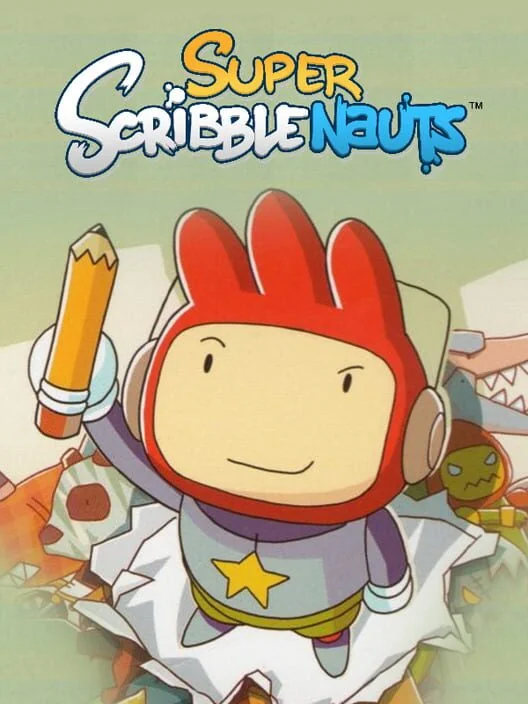
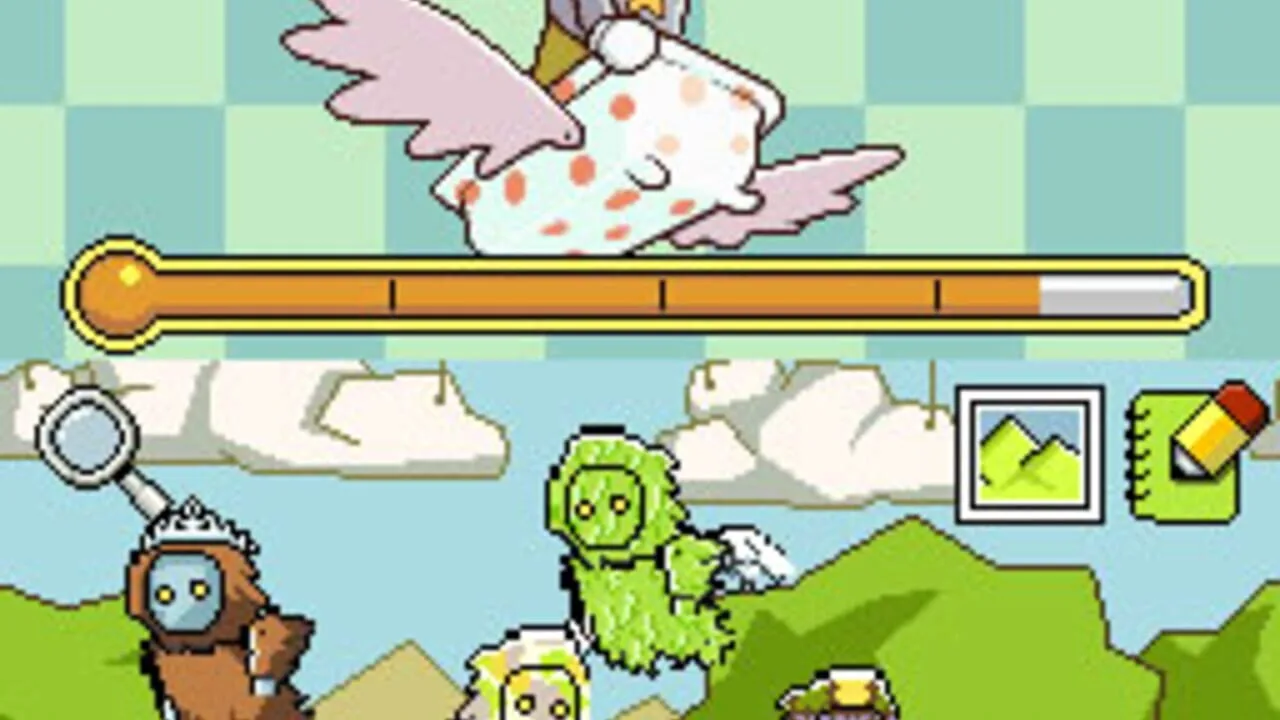
Super Scribblenauts takes the first game's big idea and adds adjectives. You still help Maxwell collect Starites by writing objects into the world, but now you can write things like a green refrigerator or a big flying purple octopus, and they appear exactly like that.
5th Cell also listened to complaints and fixed the controls and physics, so you can move Maxwell with the D-pad or the buttons instead of only the touch screen. There is an improved level editor too. In 2013 it came out again with the first game on one DS cartridge, Scribblenauts Collection. Hints cost Ollars, the game's own currency, so you can always buy a nudge when you are stuck.
5. Scribblenauts (2009)
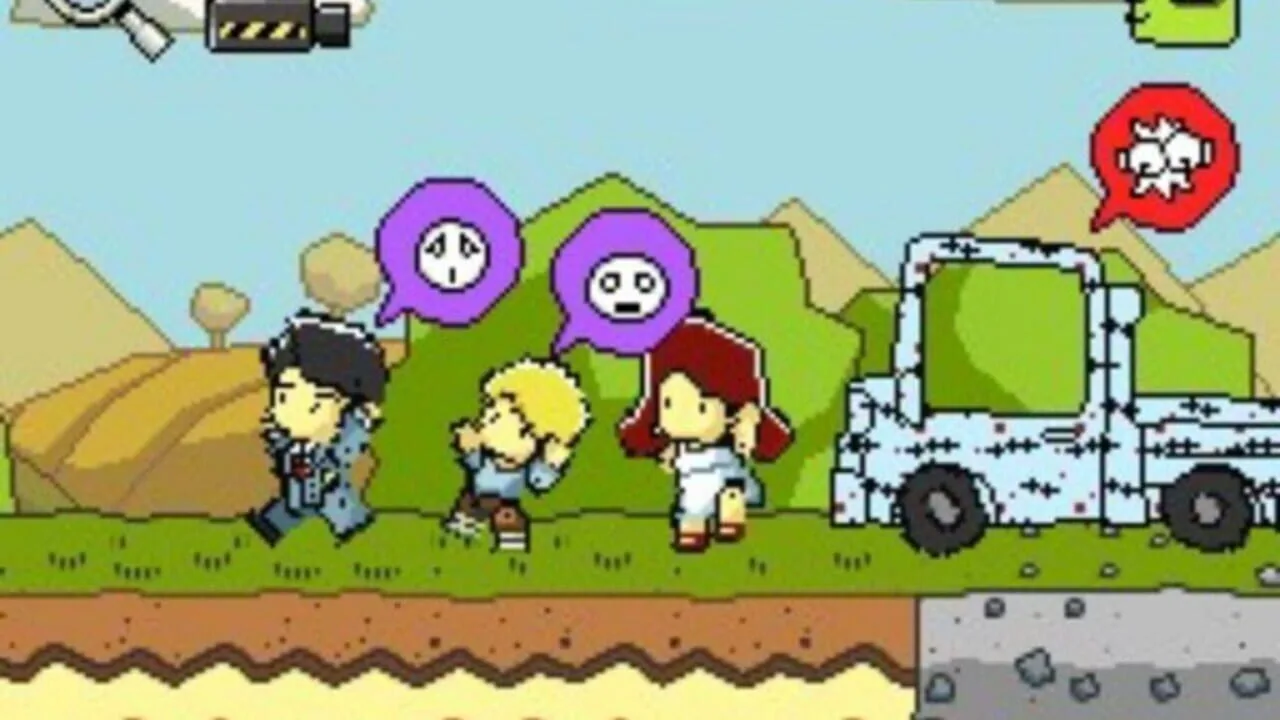
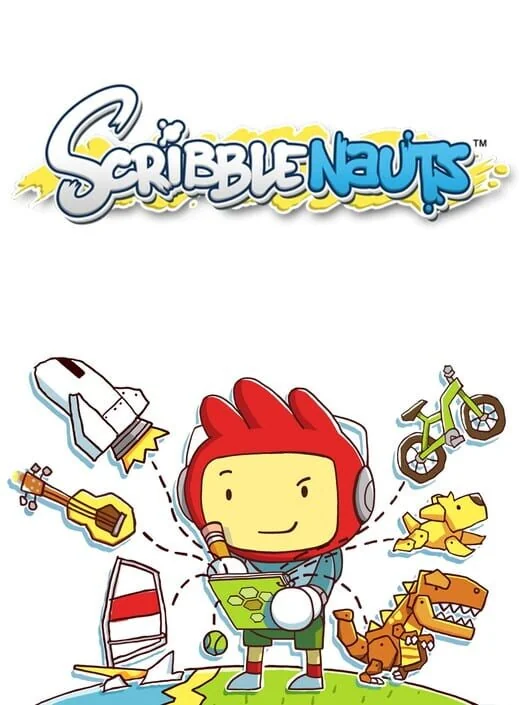
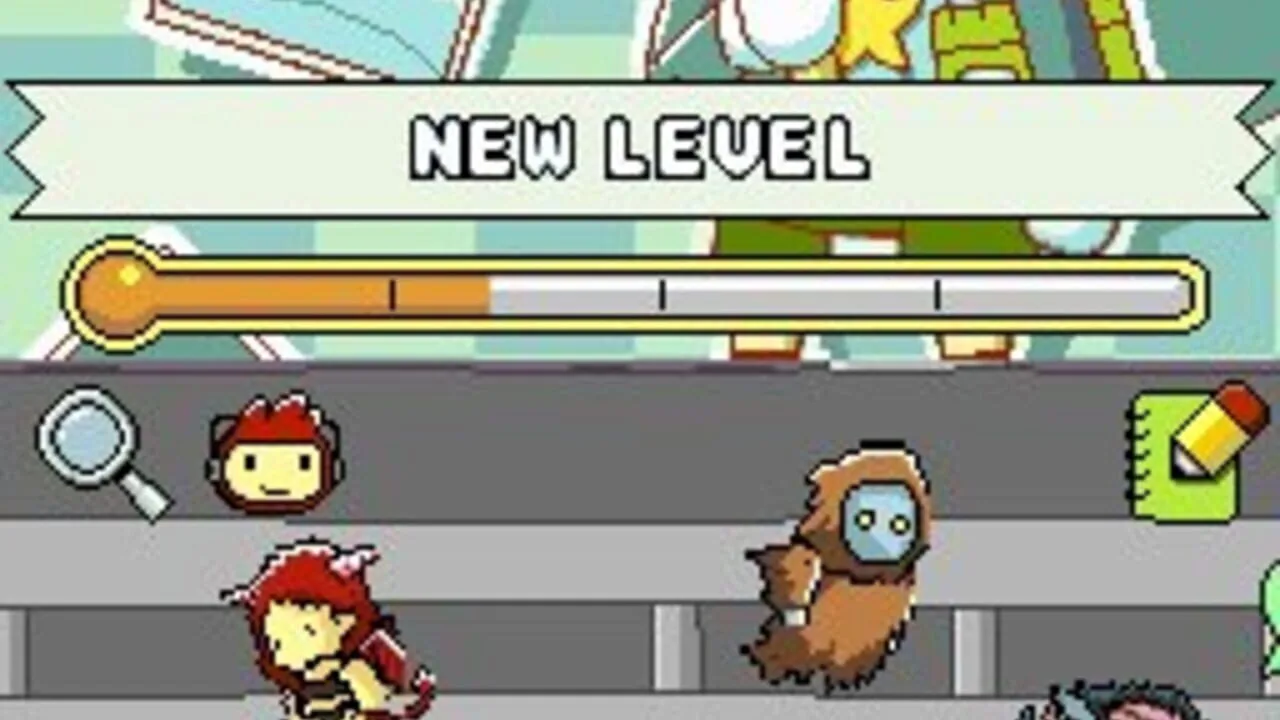
Scribblenauts has one of the best ideas in video games: write almost any word on the touch screen, and it appears in the game. Need to reach a Starite? Write ladder, and a ladder appears. Its database holds tens of thousands of objects, and you can solve most puzzles in many different ways.
It was first called Wordplay, until the team decided that sounded too generic, and it became the first portable game ever to win Best of Show awards at E3. The controls could be fiddly, which the sequel fixed, but nothing else on the DS felt this magical when you first played it. It was 5th Cell's third DS game, after Drawn to Life and Lock's Quest, and its director pictured it as a mix of real-life puzzles and Mad Libs.
4. Brain Age: Train Your Brain in Minutes a Day! (2005)
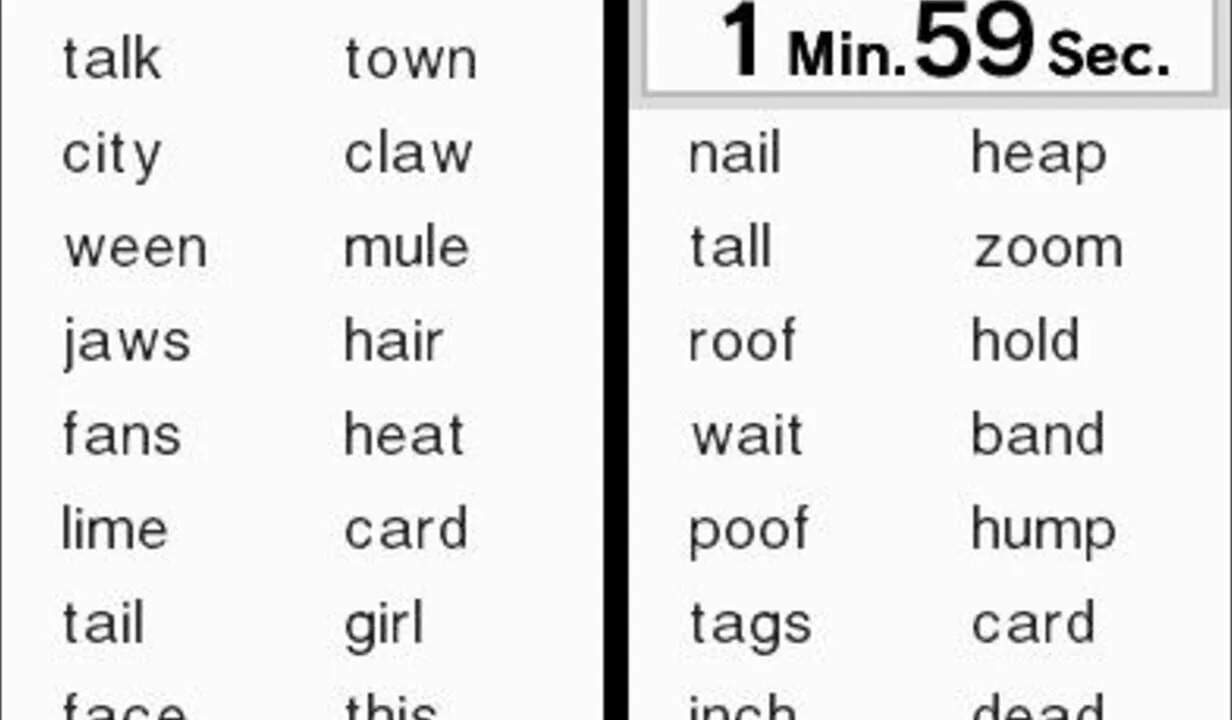
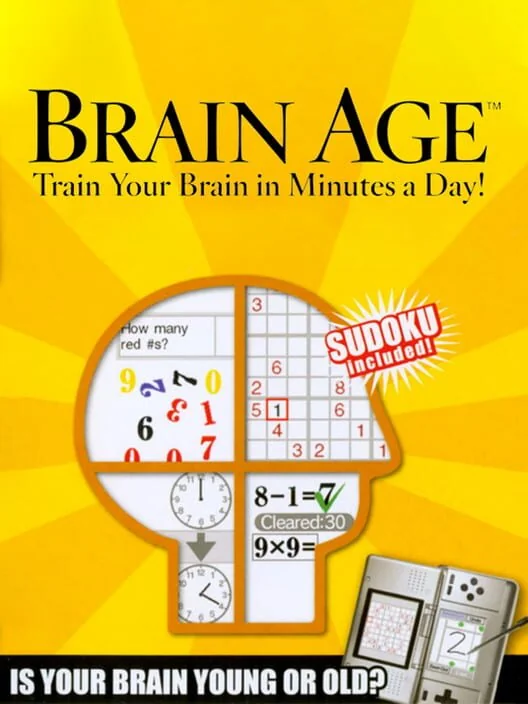
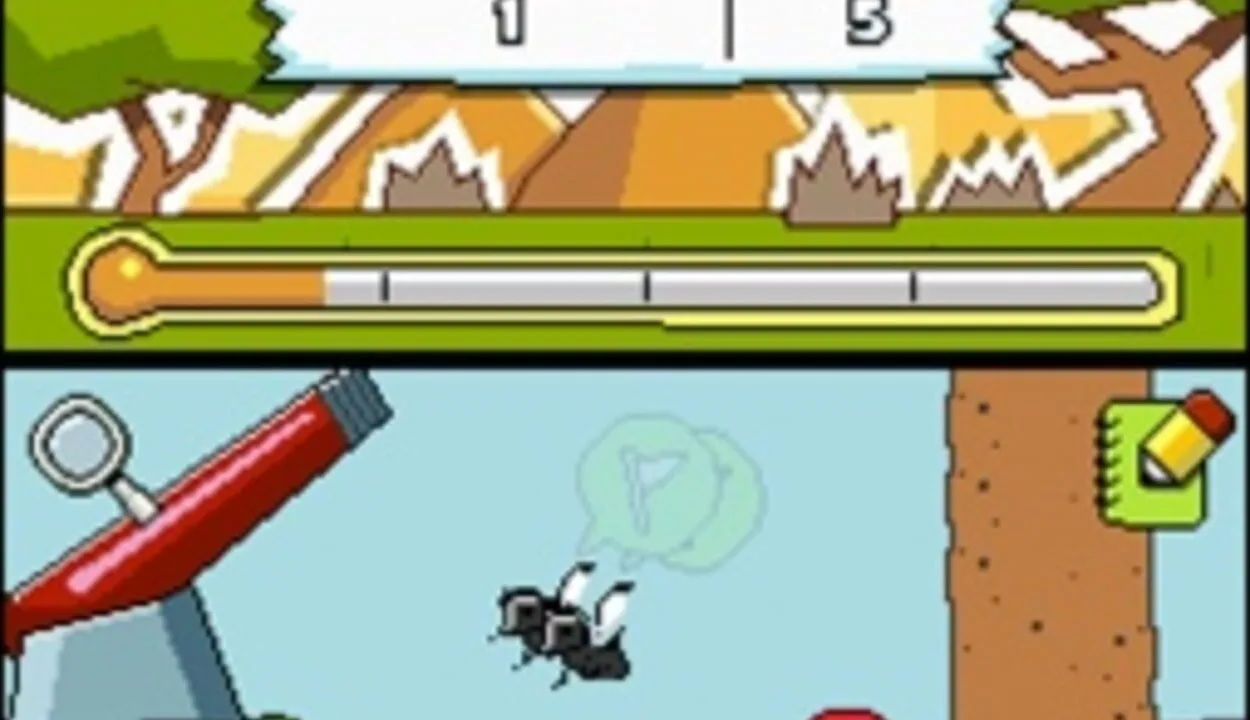
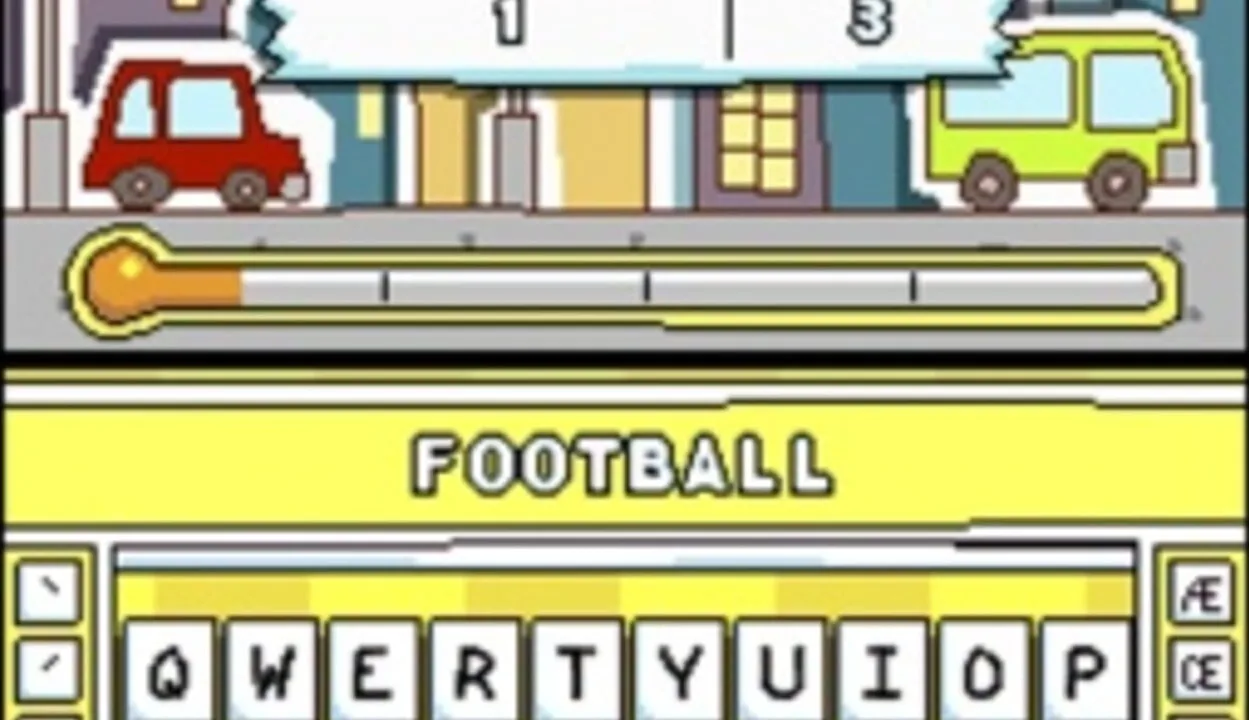
Brain Age is the game that sold the DS to people who had never played a video game. It came from Japanese neuroscientist Ryuta Kawashima's work, and he appears in the game as a cartoon version of himself, guiding you through Stroop tests, maths questions and Sudoku.
You hold the DS sideways like a book and answer by writing on the touch screen or speaking into the microphone. Every day it tells you your brain age, which is a strong motivator. It sold 19.01 million copies worldwide, making it one of the biggest hits on the system. Some questioned whether it really trains your brain, since it was meant purely for fun, but that never stopped anyone from checking their score every morning.
3. Meteos (2005)
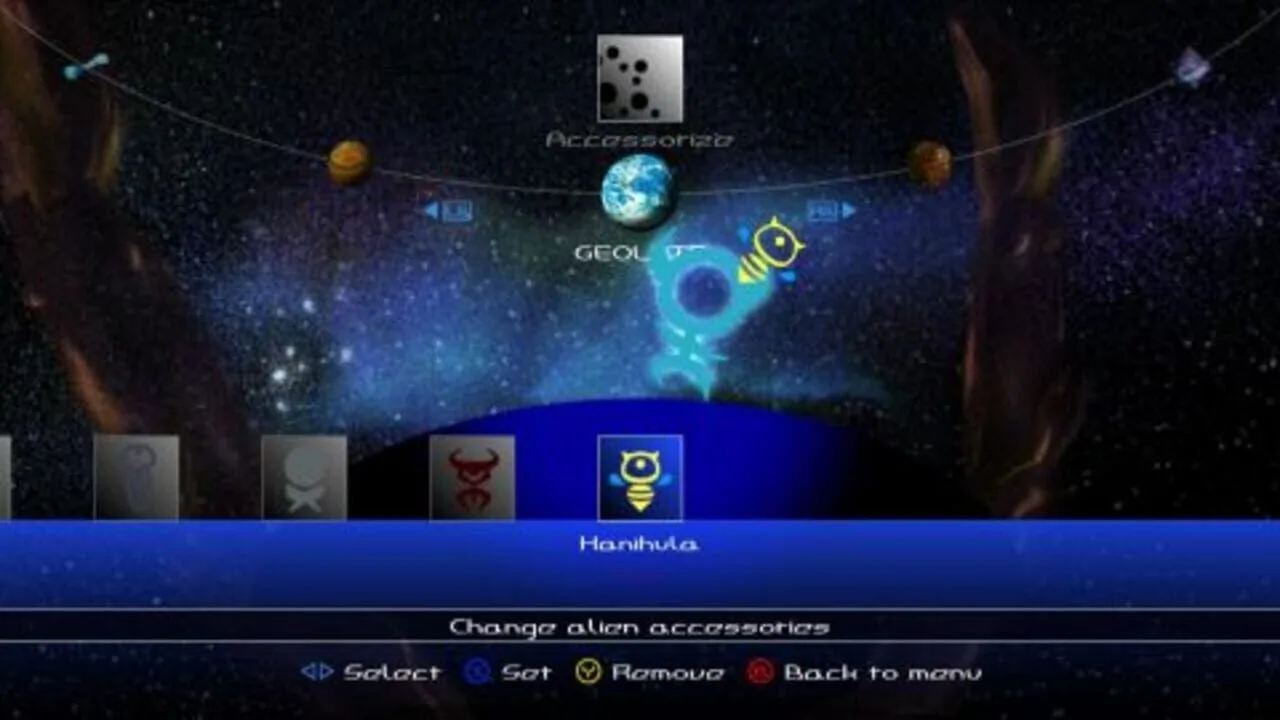
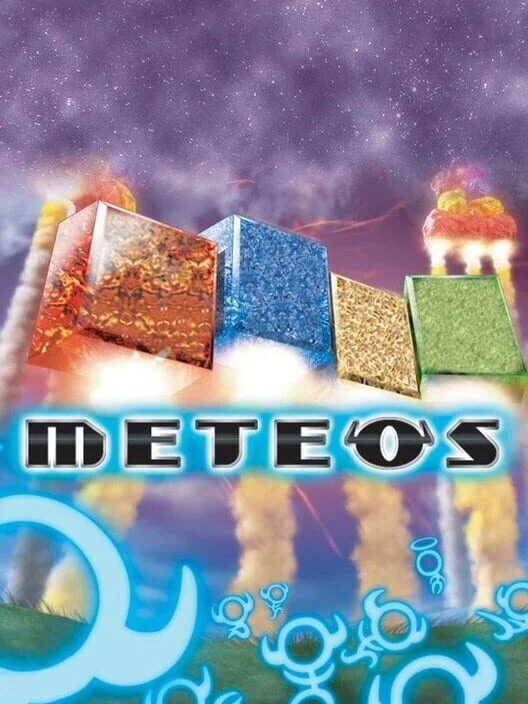
Meteos was designed by Masahiro Sakurai and produced by Q Entertainment founder Tetsuya Mizuguchi. Its inspirations were Missile Command, The Matrix and the TV series 24, which tells you how fast it plays.
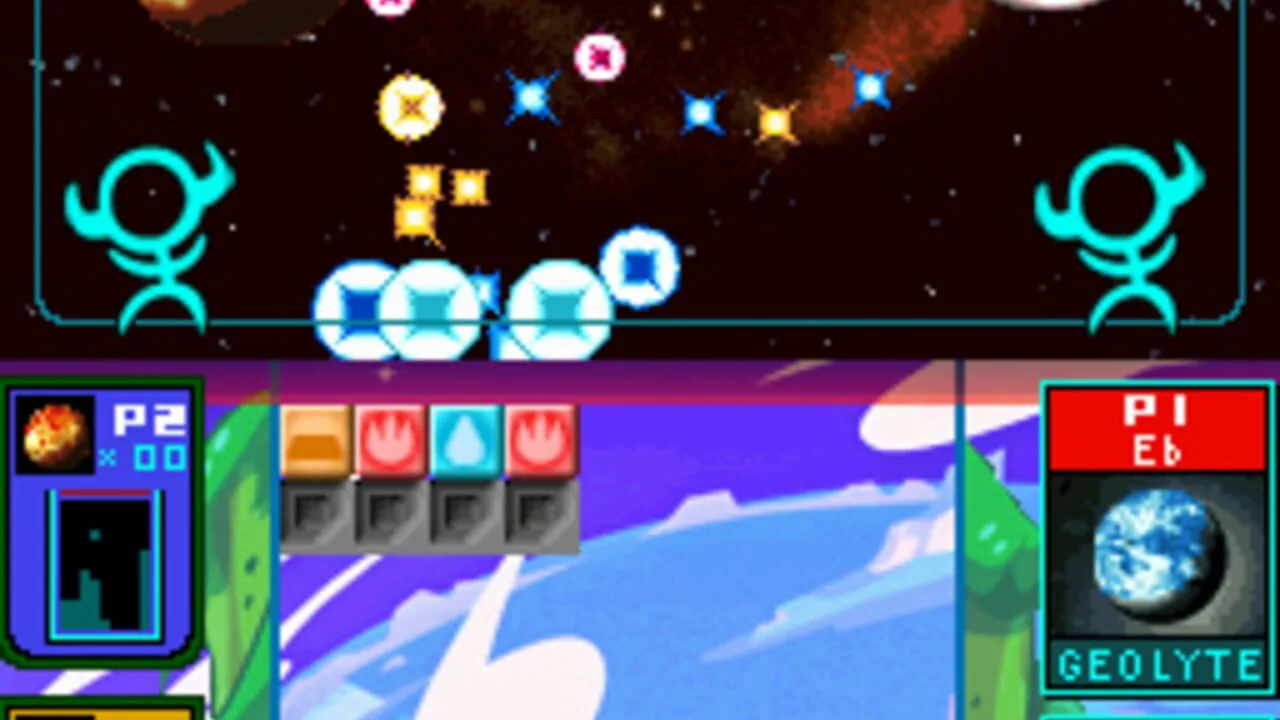
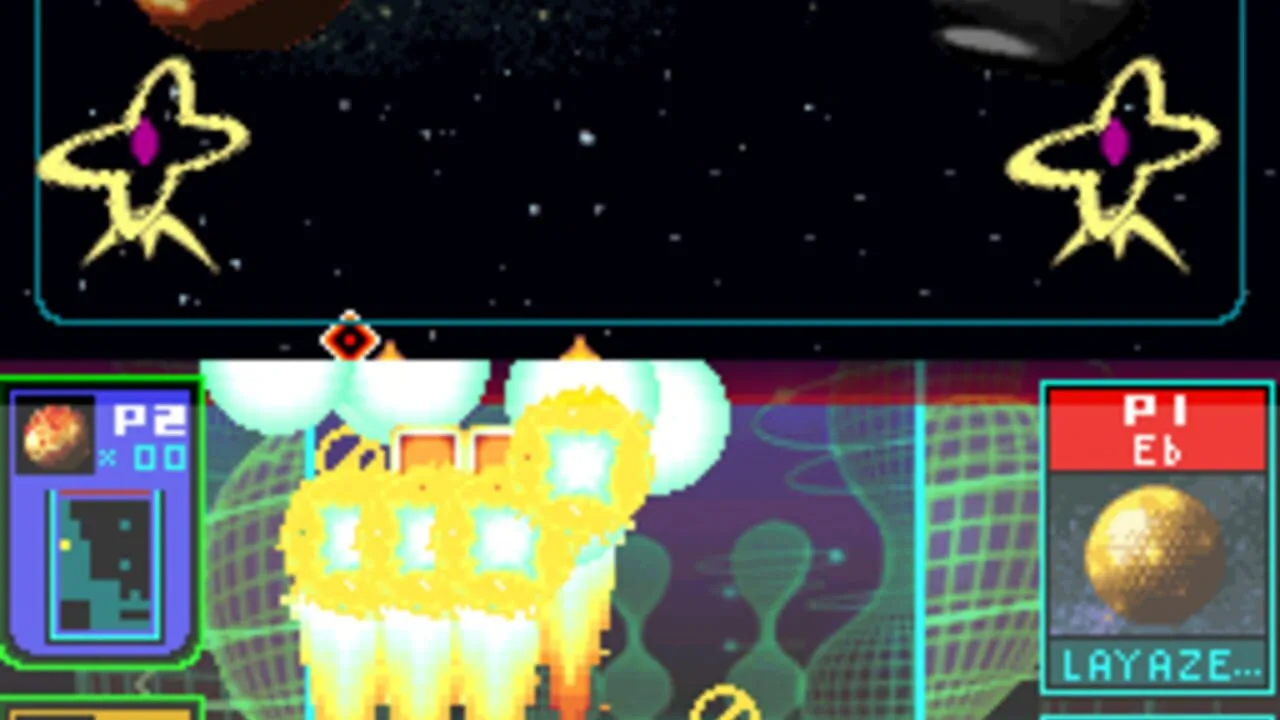
Coloured blocks called meteos fall from the sky, and you drag them with the stylus to line up three or more of the same colour, which launches them back into space. There are 32 aliens and planets to play, each with gravity that changes how the blocks launch. It went to number one in DS sales in the UK in its first week, and it still feels like nothing else. It also won the CESA Game Awards' Outstanding Performance Award, and a sequel, Meteos: Disney Magic, followed in 2007.
2. Picross 3D (2009)
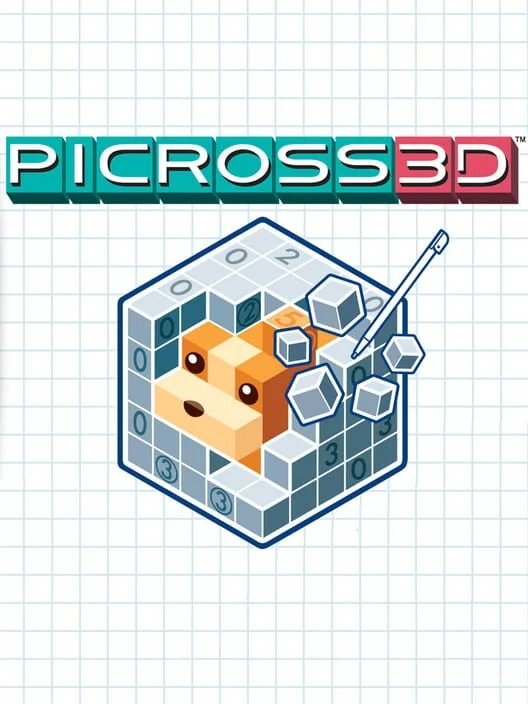
Picross 3D takes the nonogram puzzles of Picross DS into three dimensions. Instead of a flat grid, you get a block made of small cubes, and you chip away the ones that do not belong until a 3D picture appears, like a sculptor with a very strict set of rules.
You mark cubes you want to keep with a paintbrush and break the rest with a hammer, and turning the block around in your hands with the stylus feels great. HAL Laboratory made it, and a sequel, Picross 3D: Round 2, came to the 3DS in 2015. Circled numbers tell you the cubes in that row are split into two groups, and squared numbers mean three or more, so the logic gets deep quickly.

1. Tetris DS (2006)
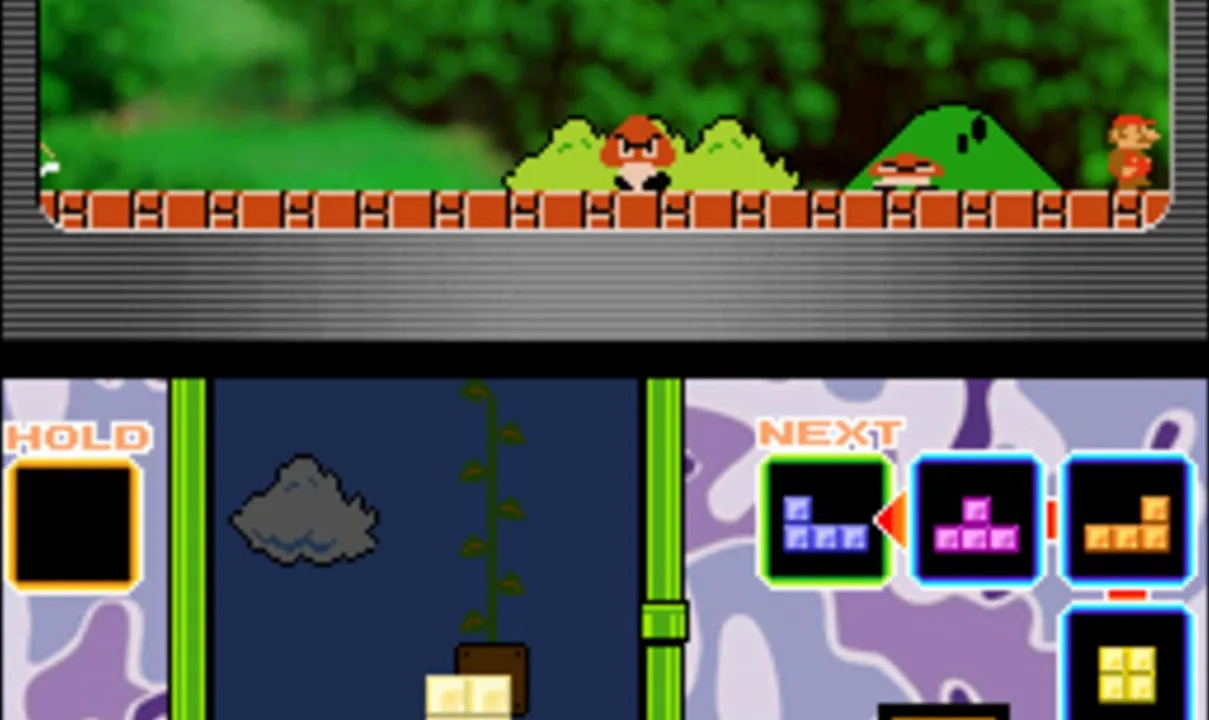
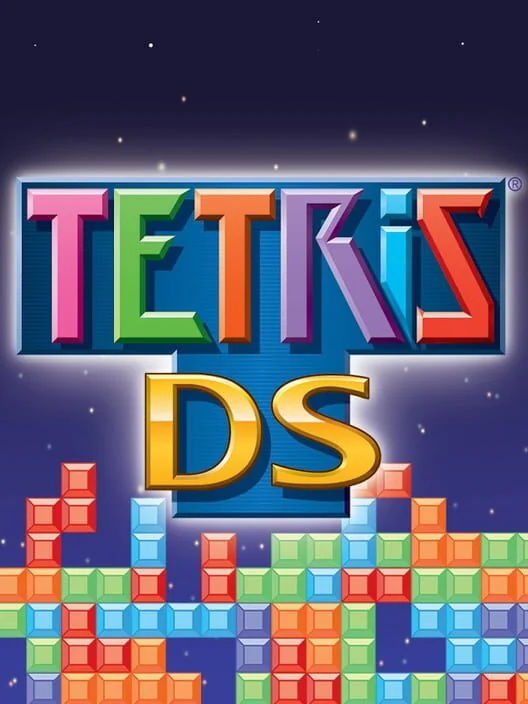
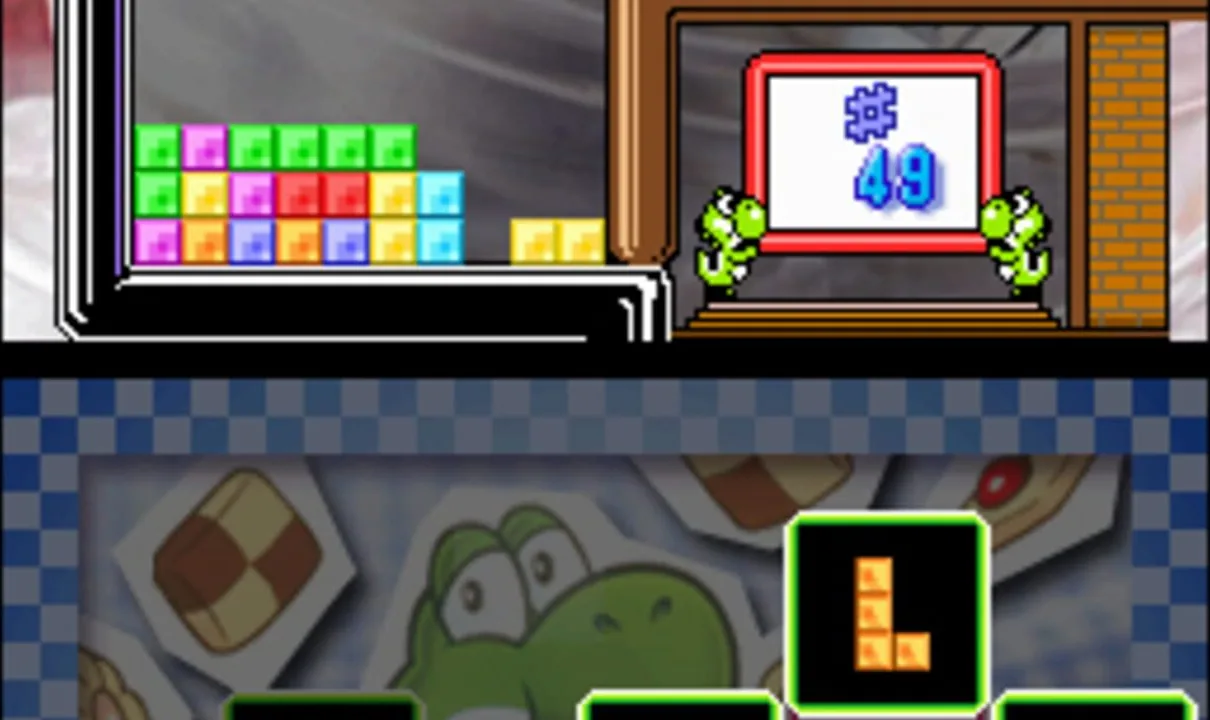
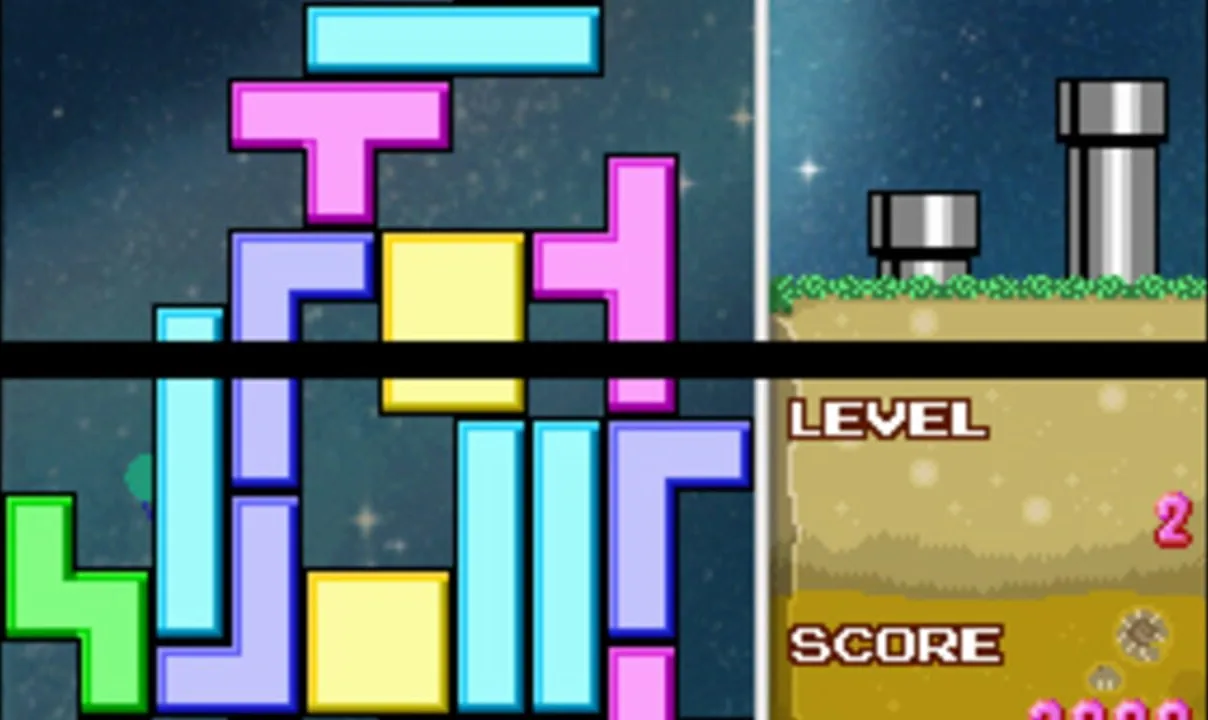
Tetris DS takes the classic and dresses it up in old Nintendo games. Each mode has its own theme, from Super Mario Bros. in the standard mode to The Legend of Zelda, Metroid, Donkey Kong and Yoshi's Cookie in the others, and each one adds its own twist. You can challenge up to nine other players using one cartridge.
Critics loved its modes and its multiplayer, and long after release it is still called the best portable Tetris and one of the best in the whole series. It has been out of print for years, so a used cartridge is the way in, but it is worth it. Its multiplayer even adds items to throw at your rivals, and it supported online play for up to four players over Nintendo Wi-Fi Connection until that service shut down.
Which one to play
There you have it, the whole list of the best DS puzzle games. As you have seen, the DS has a huge library of them, and many still feel fresh today because they were built around the touch screen.
If you are not sure where to start, try Tetris DS. If you want a story to go with your puzzles, play the Professor Layton games in order, starting with Curious Village. And if you want something you cannot get anywhere else, Scribblenauts lets you solve puzzles by writing almost any word you can think of.
Most of these never came to other systems, but any 3DS plays DS cartridges, so a used copy is all you need. The Layton trilogy also has HD versions for phones.