The Nintendo DS looked like a strange idea when it came out. It had two screens stacked on top of each other, and the bottom one was a touch screen you poked with a stylus. There was a microphone in it as well, and nobody knew yet what games were supposed to do with any of it. So developers tried everything.
Some of what they made was a gimmick, and some of it could not exist on any other machine. Zelda handed its controls over to the stylus. Doctors cut patients open with it, and ninjas fought with the console held sideways like a book. Nintendo even had a label, Touch! Generations, for games aimed at people outside the usual gaming crowd. Here are the 22 most unique Nintendo DS games.
22. Guitar Hero: On Tour (2008)
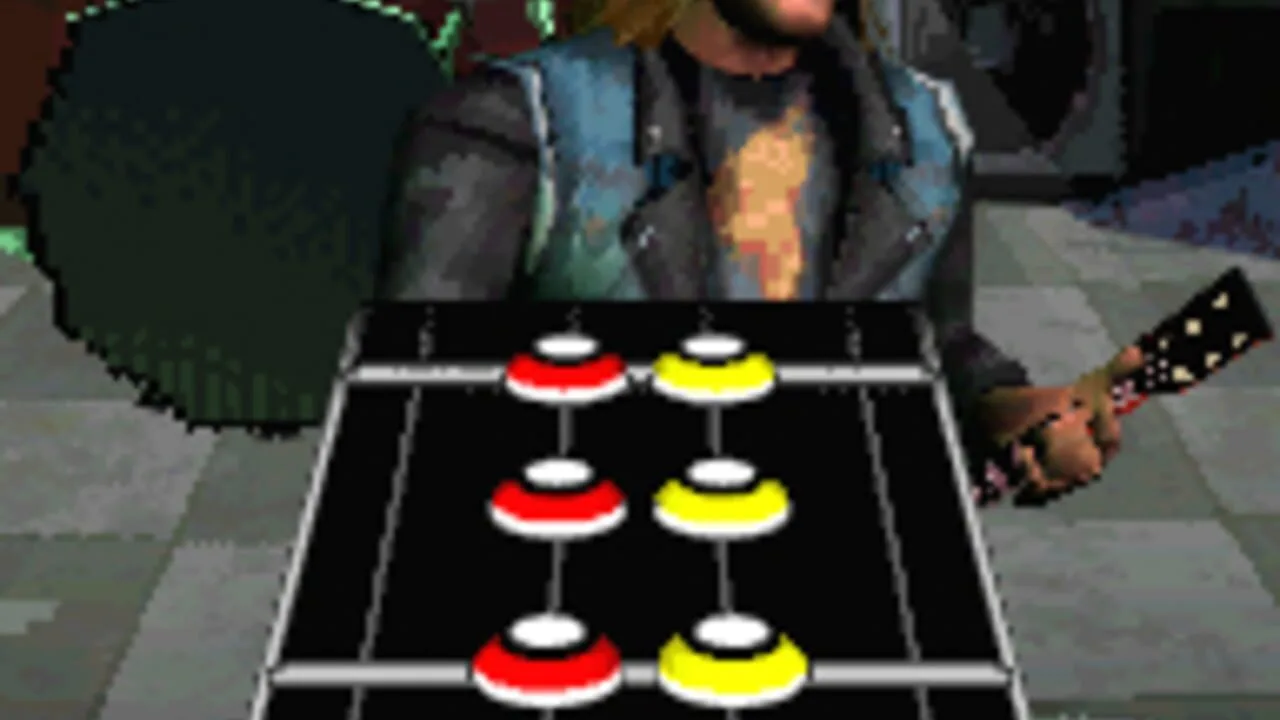
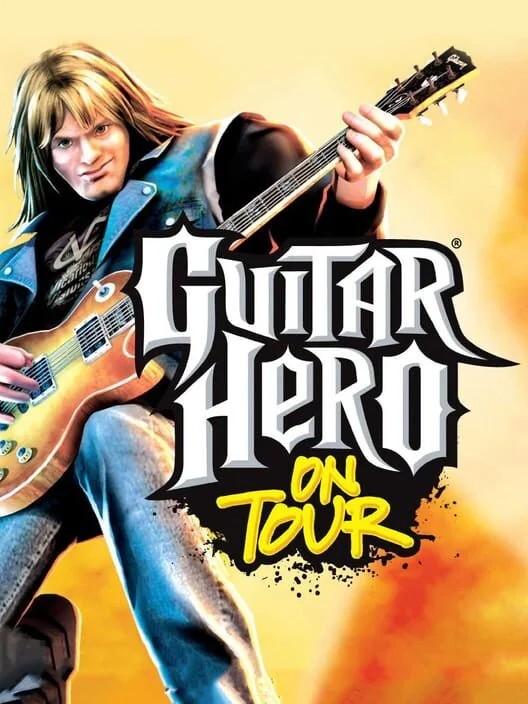
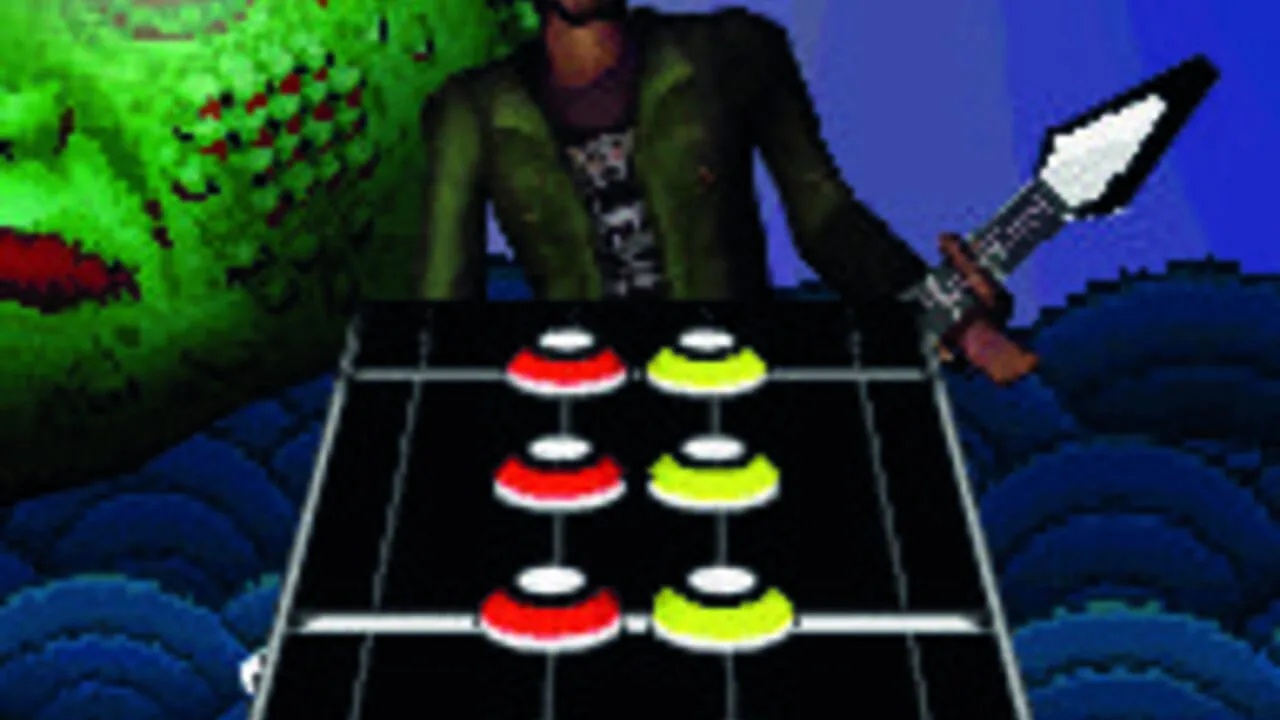
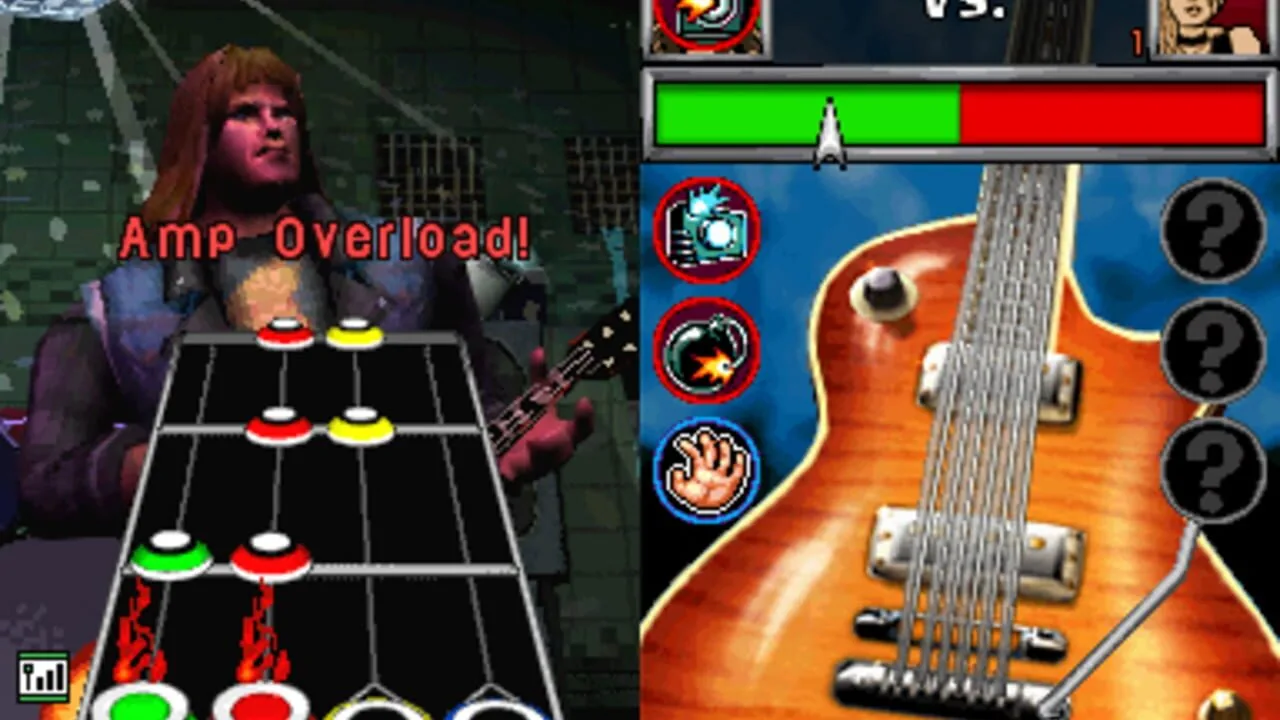
Guitar Hero: On Tour came with the Grip, a plastic add-on that plugs into the DS and puts four fret buttons on its side near the cartridge slot. The Grip was designed for the DS Lite, but a small adapter lets it fit the original model. Vicarious Visions made it for Activision, and it plays like the console games: you match colored notes that scroll toward you in time with rock songs. When Star Power is charged, you can set it off by yelling or blowing into the microphone.
Players still bring it up when they talk about the ways games used the DS. Few handheld games asked you to carry extra plastic around, and fewer asked you to shout at them in public. Without the Grip there is no way to play it, so make sure one comes with the cartridge.
21. Hotel Dusk: Room 215 (2007)
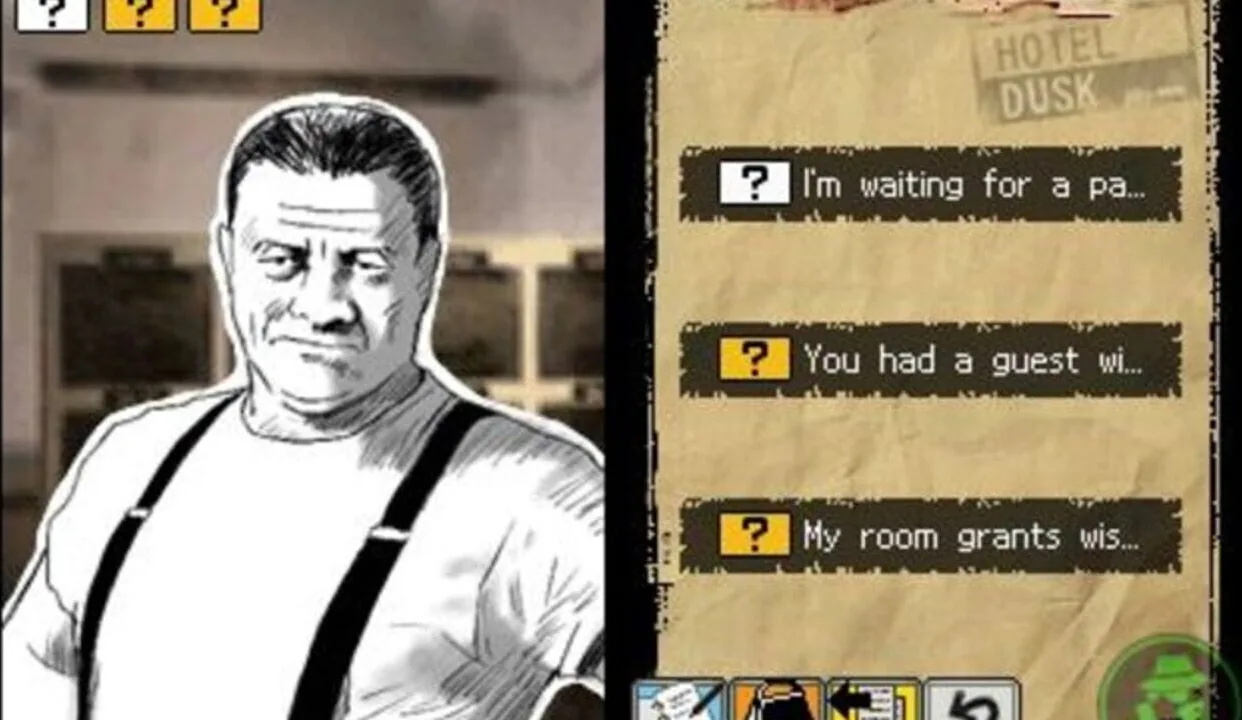
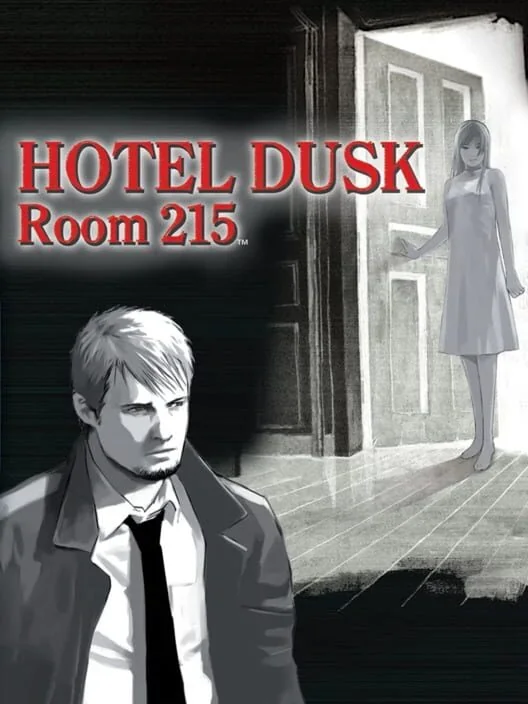
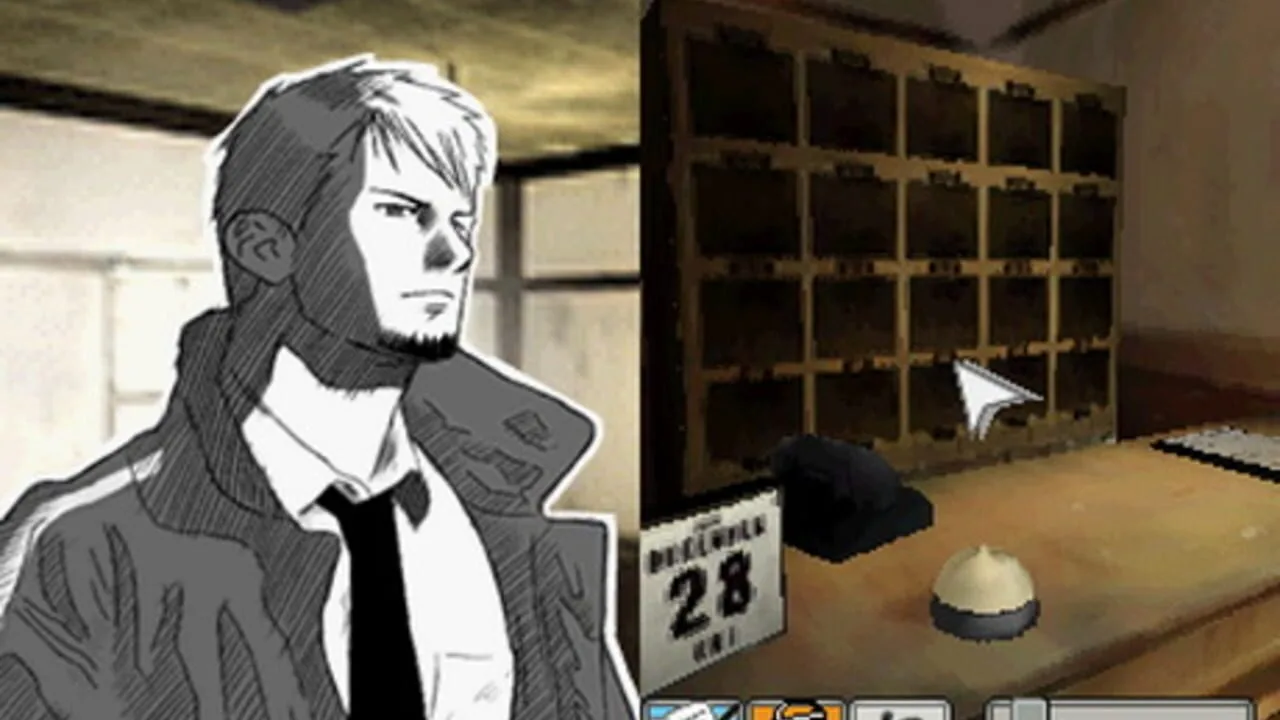
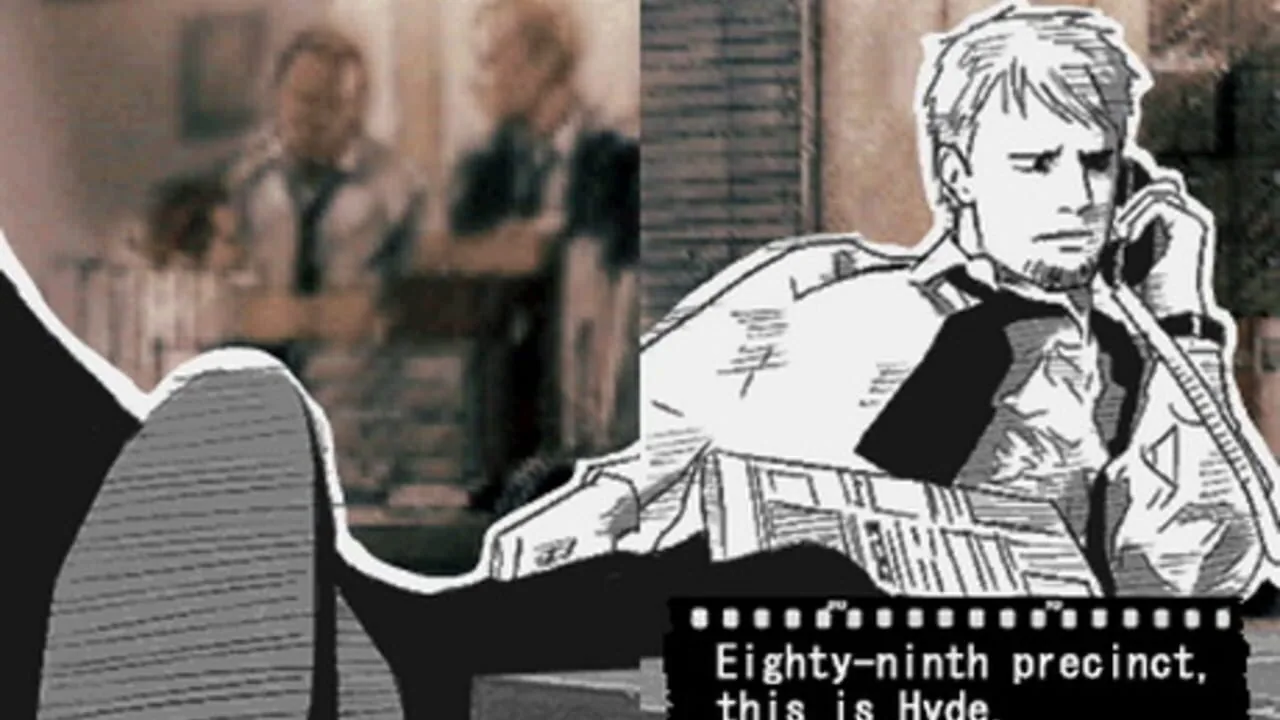
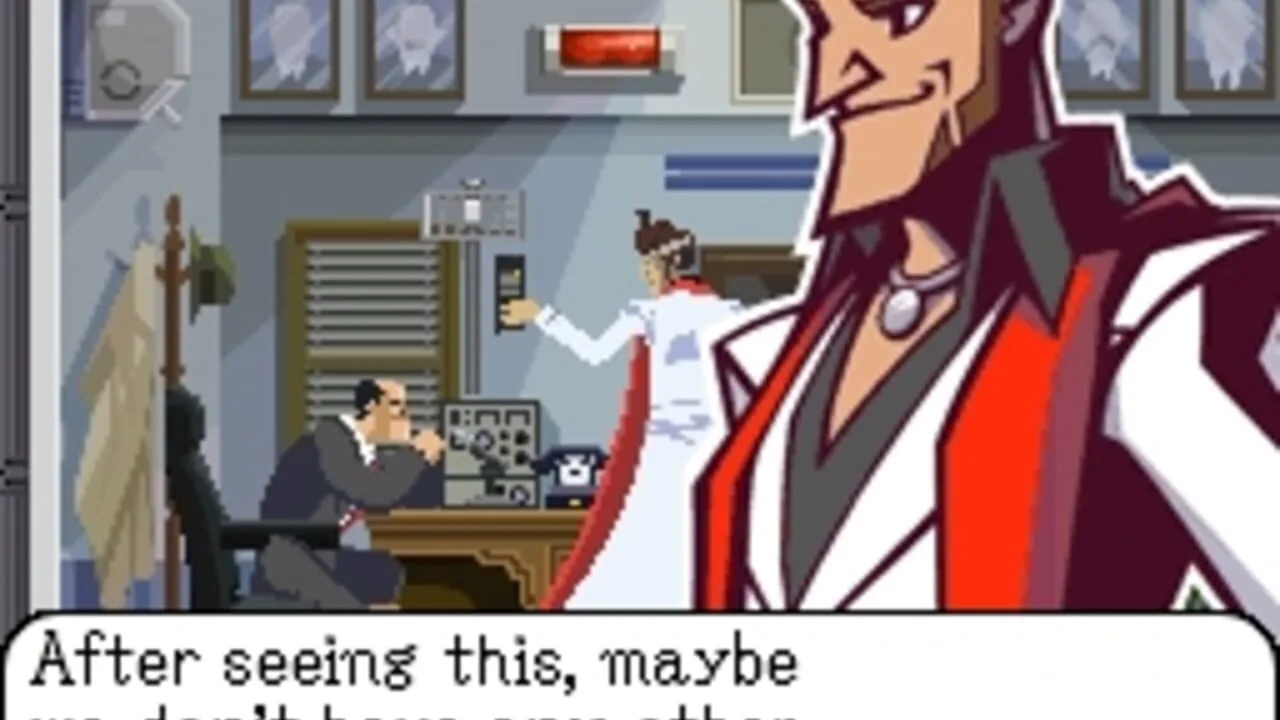
Hotel Dusk is a mystery set in a rural Nevada hotel. You play Kyle Hyde, a former NYPD detective now working as a salesman, who is looking for his missing police partner, Brian Bradley. You hold the DS sideways and lead Kyle around a map of the hotel on the touch screen while a first-person 3D view shows on the other screen. Director Taisuke Kanasaki wanted "an unprecedented visual expression not found in any other game", so the team animated the characters with rotoscoping, and the people in it move like nobody else on the system.
Players name it as a weird pick and as one of the best uses of the two screens. It reads like a paperback you happen to be playing, slow and moody, and it got a sequel, Last Window: The Secret of Cape West, which was released in 2010 for the DS.
20. Brain Age: Train Your Brain in Minutes a Day! (2005)
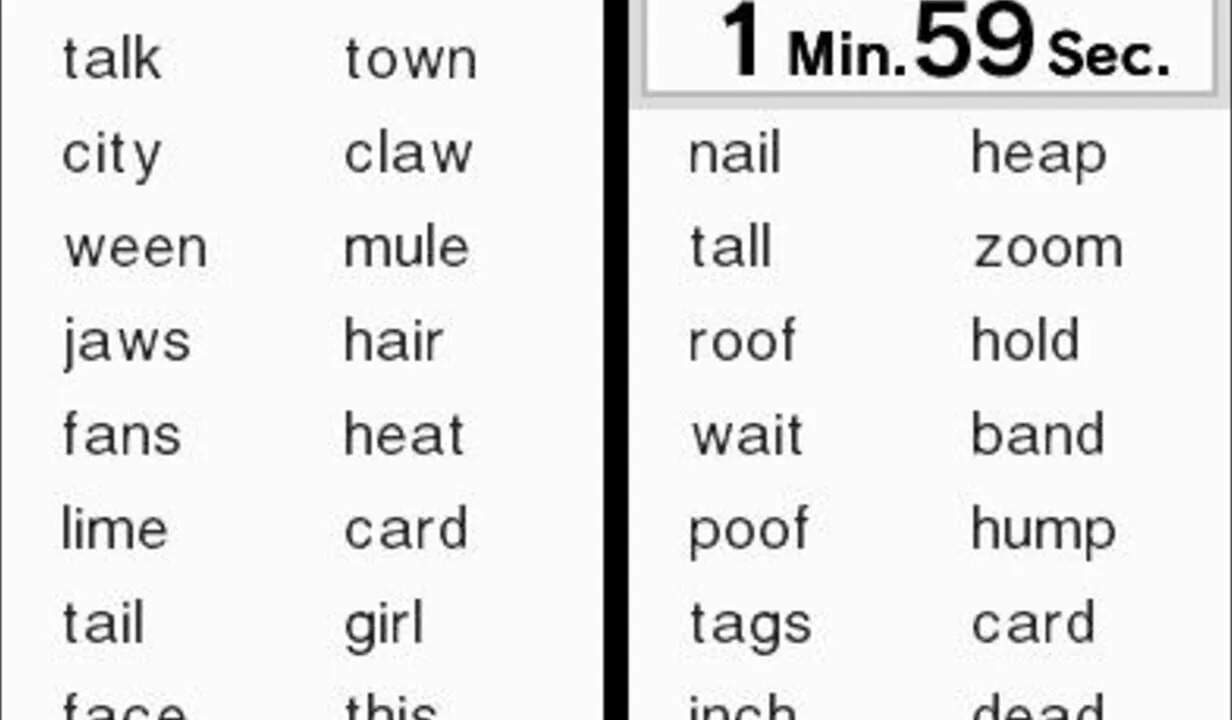
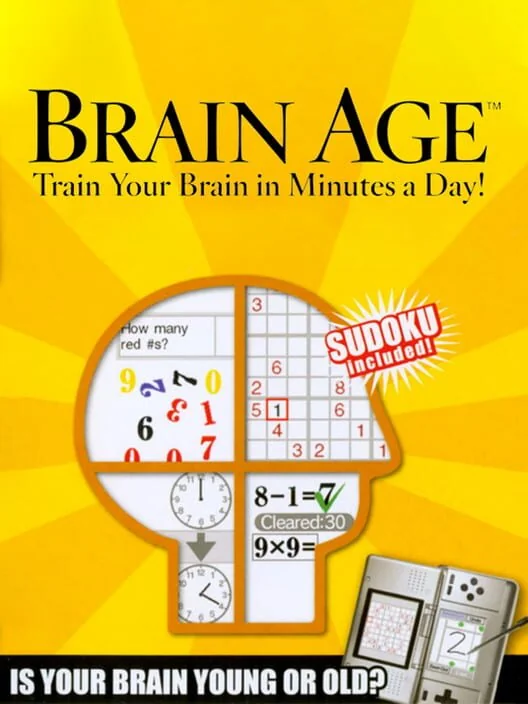
Brain Age is built on the work of Japanese neuroscientist Ryuta Kawashima, who appears as a cartoon version of himself to guide you. The whole game is played by touch and by voice. You write each answer on the touch screen or speak it into the microphone, with the DS held sideways like a book. The daily check usually starts with a Stroop test, and you can skip it if you are somewhere you can't talk out loud.
At the end it gives you a brain age. The best possible score is 20 and the worst is 80, and few games will tell you to your face that your brain is 80 before breakfast. You also get a stamp for every day you finish the puzzles, which is how it gets you to come back. Players count it among the DS games that made the most of the hardware.
19. Fossil Fighters (2008)
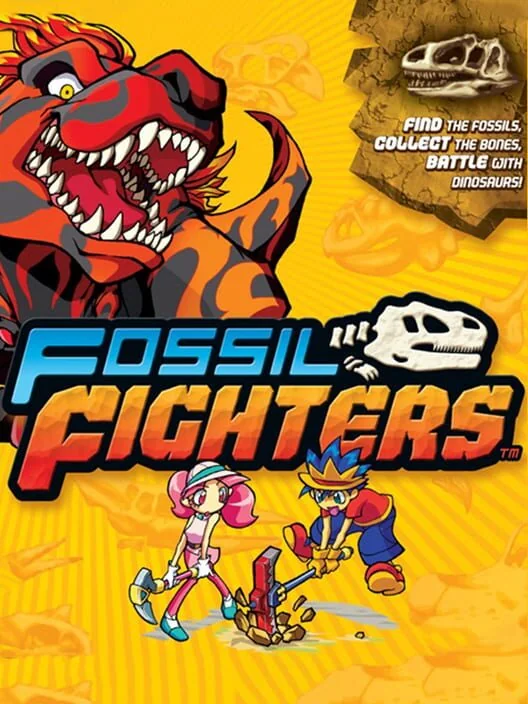
Fossil Fighters is known in Japan by a name that means "We Are Fossil Diggers", and that tells you most of what you need to know. You dig up fossils and bring them back as creatures called vivosaurs, which then fight in turn-based battles. The cleaning is the part only a DS could do. It is a touchscreen minigame where you chip the rock away with a hammer and a drill, and the better you clean, the stronger the vivosaur.
It came out in Japan on April 17, 2008 and in North America on August 10, 2009. Players count it among the DS games that made the most of the hardware, and a sequel, Fossil Fighters: Champions, reached North America on November 14, 2011. Careful work with a drill is rarely this much fun.
18. Ghost Trick: Phantom Detective (2010)
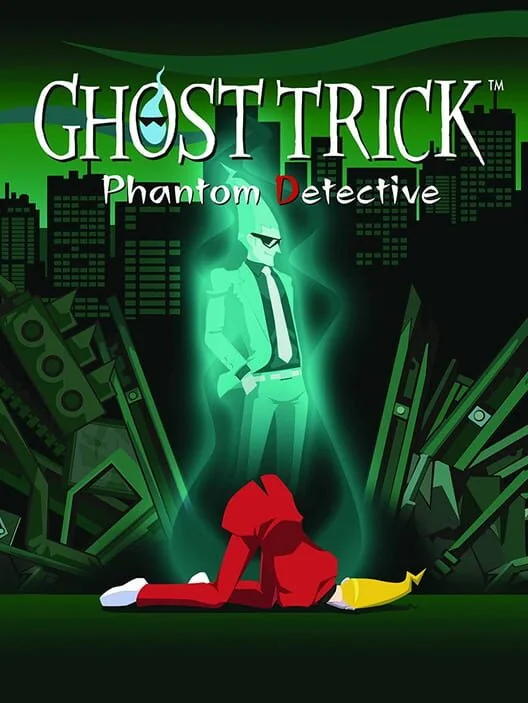
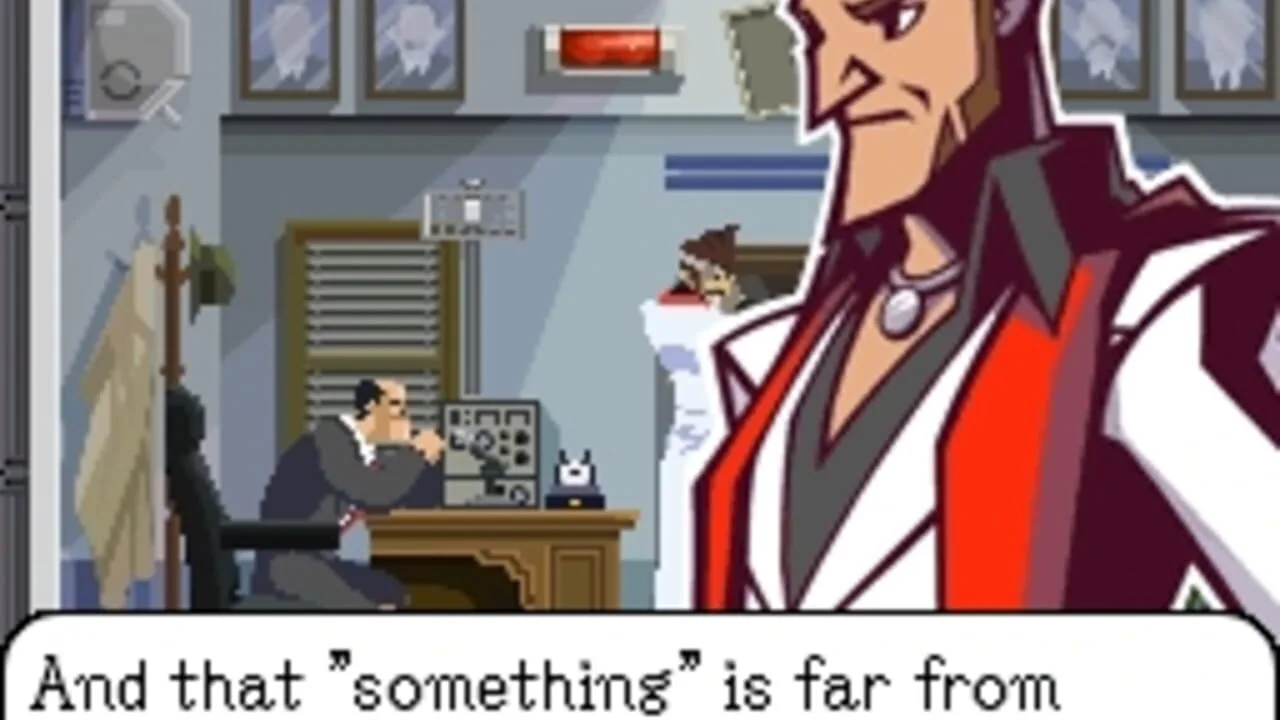
Ghost Trick comes from Shu Takumi, the creator of Ace Attorney, who wanted to make a mystery beyond what the rules of that series allowed. You play Sissel, a ghost trying to find out who he was when he was alive and who killed him. He can't walk around like a living person, so he uses Ghost Tricks to solve puzzles and move through the world. The characters move with a bouncy, cartoon energy, and Takumi has said that is probably the influence of Tom and Jerry showing through.
It was a commercial failure in Japan, but it was nominated for Game of the Year by GameSpot and Nintendo Power, and it has a cult following. Players keep naming it as a DS game that plays like nothing else. An HD remaster released worldwide for Nintendo Switch in June 2023 finally gave it a second chance.
17. Meteos (2005)
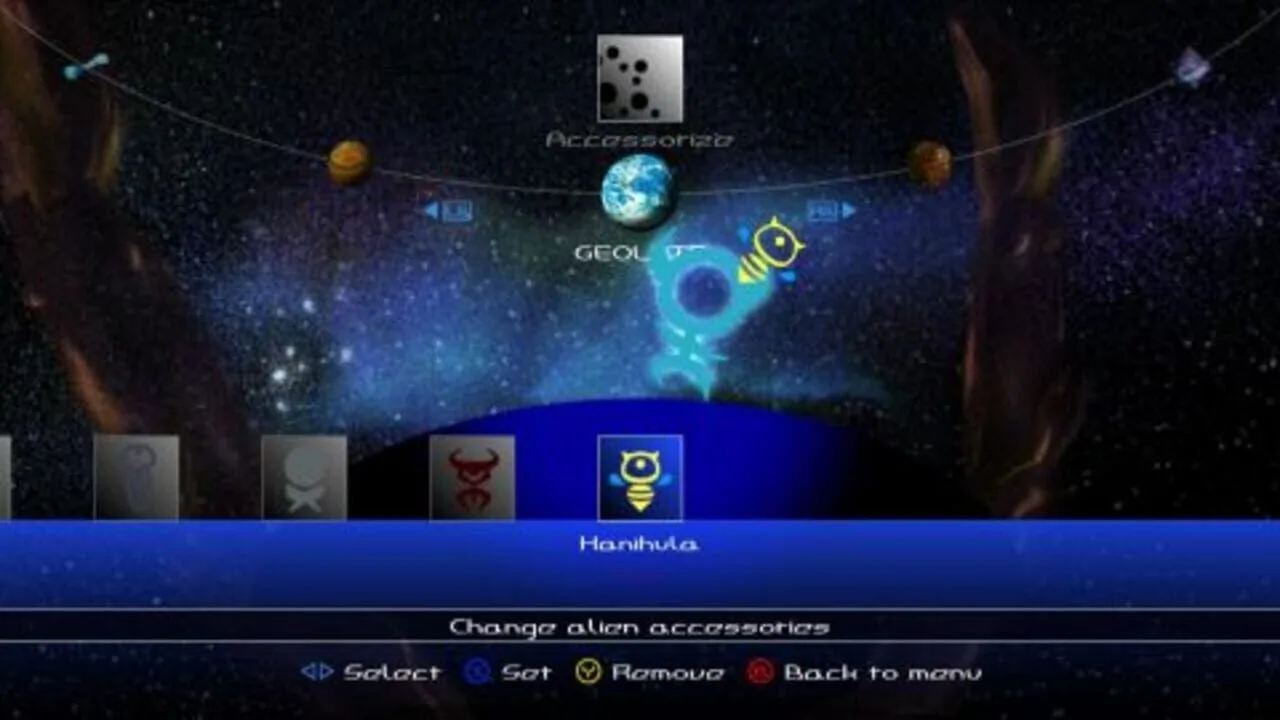
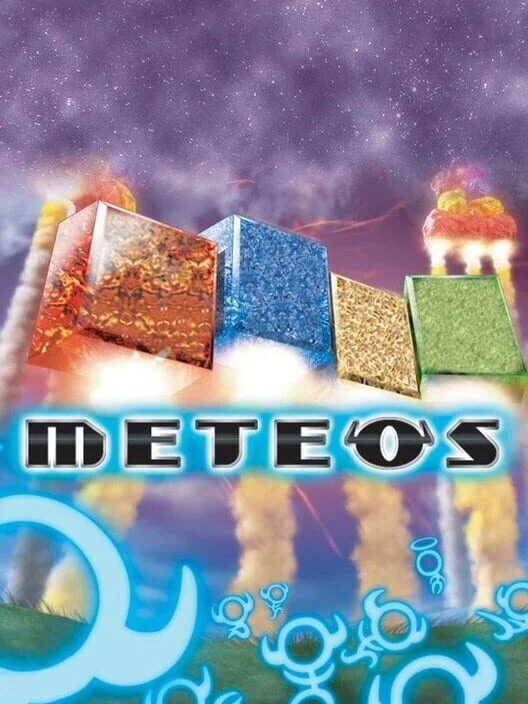
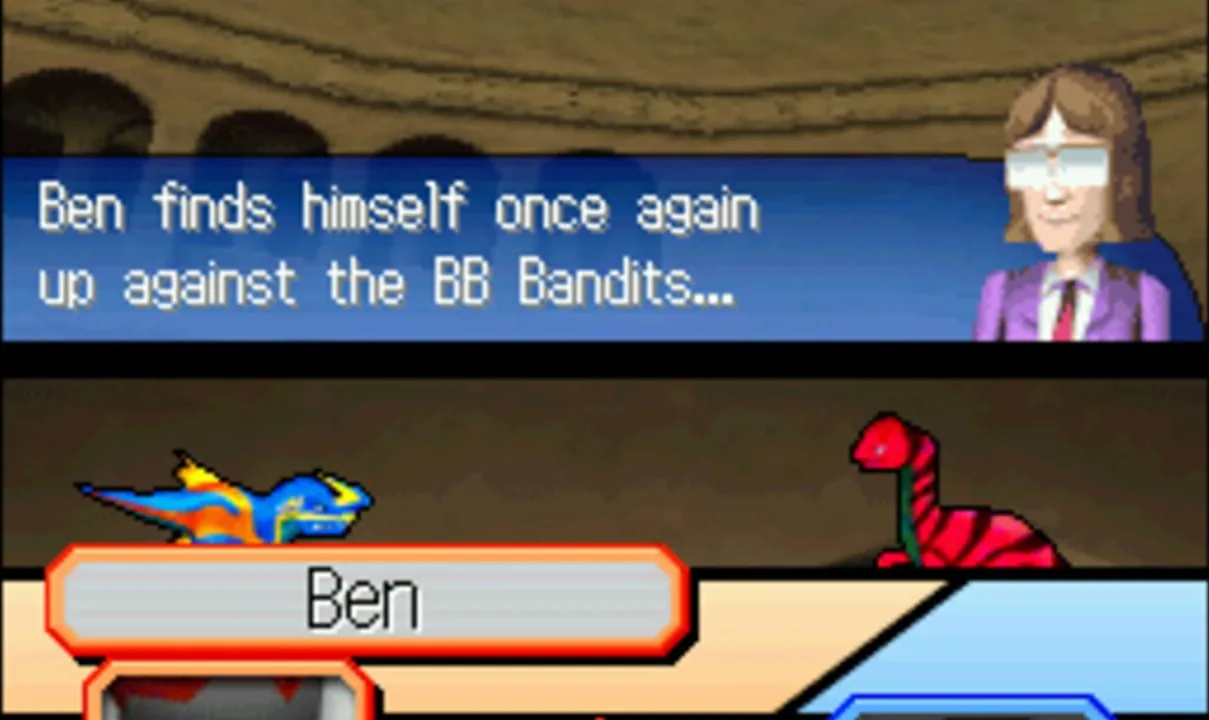
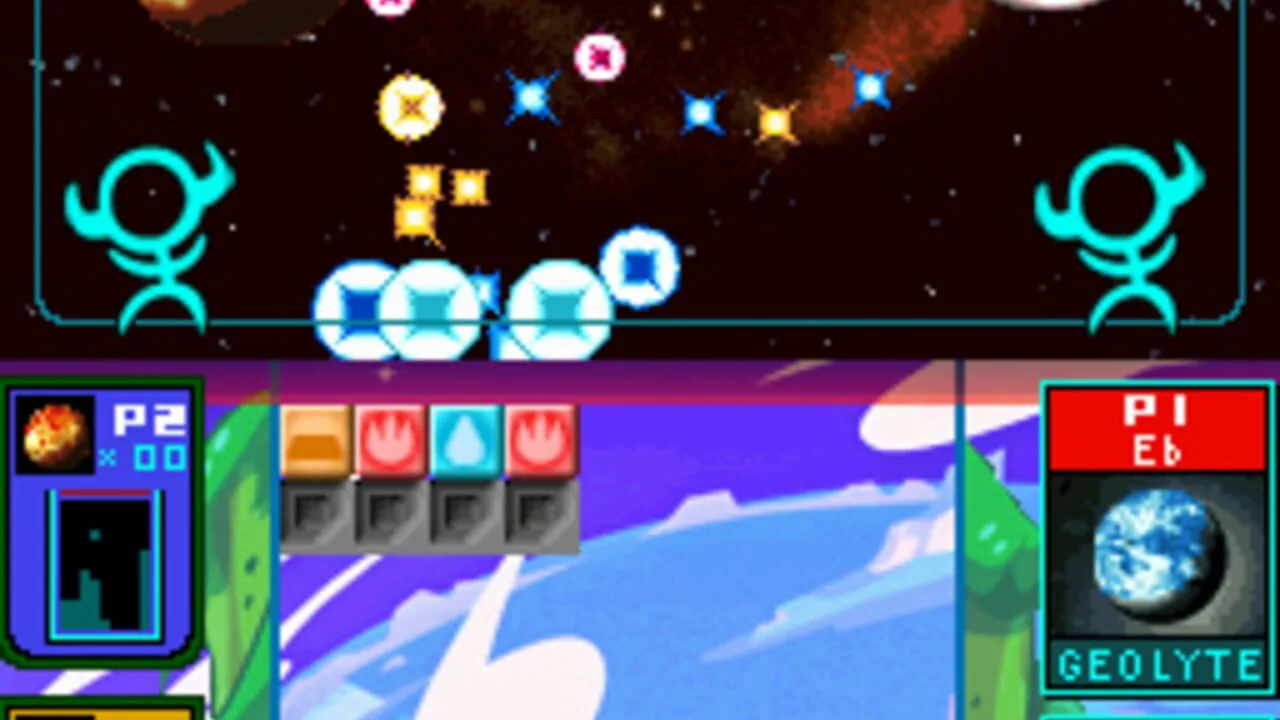
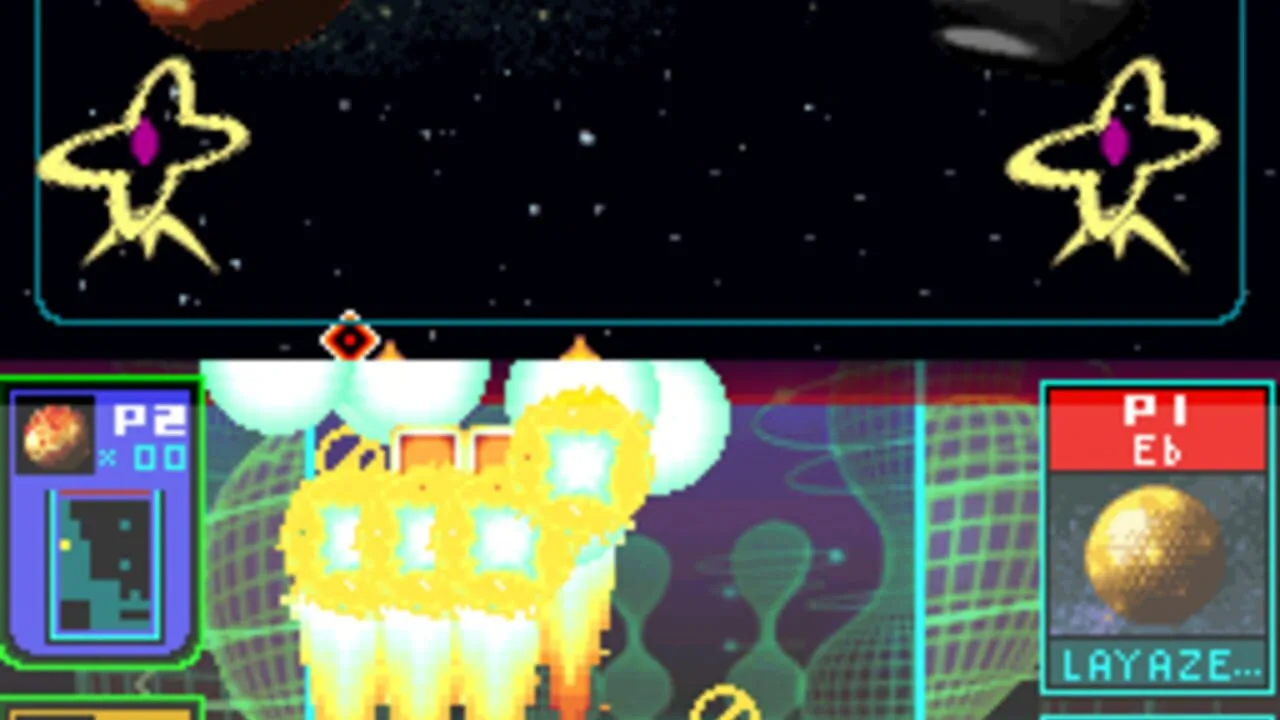
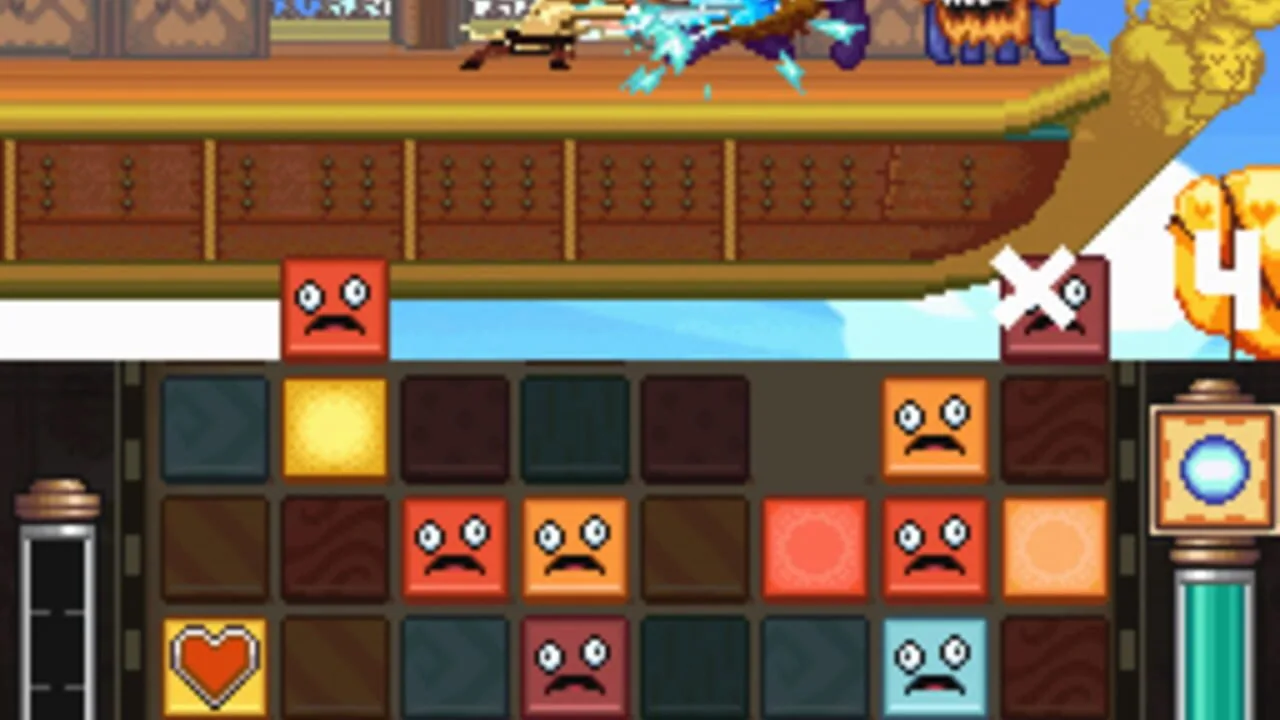
Meteos was produced by Tetsuya Mizuguchi, the man behind Space Channel 5 and Rez, and made by Q Entertainment, the studio he founded. An evil planet named Meteo is sending meteors across the galaxy. Blocks fall on the lower screen, you line them up by color with the stylus, and once enough connect they shoot back up into the sky on the upper screen. Its inspirations included Missile Command and, of all things, the TV series 24.
It reached number one in DS sales in the UK in its first week, and it received critical acclaim. Players still recommend it, and one called it "the perfect screen scratcher".
Bring a screen protector.
16. Henry Hatsworth in the Puzzling Adventure (2009)
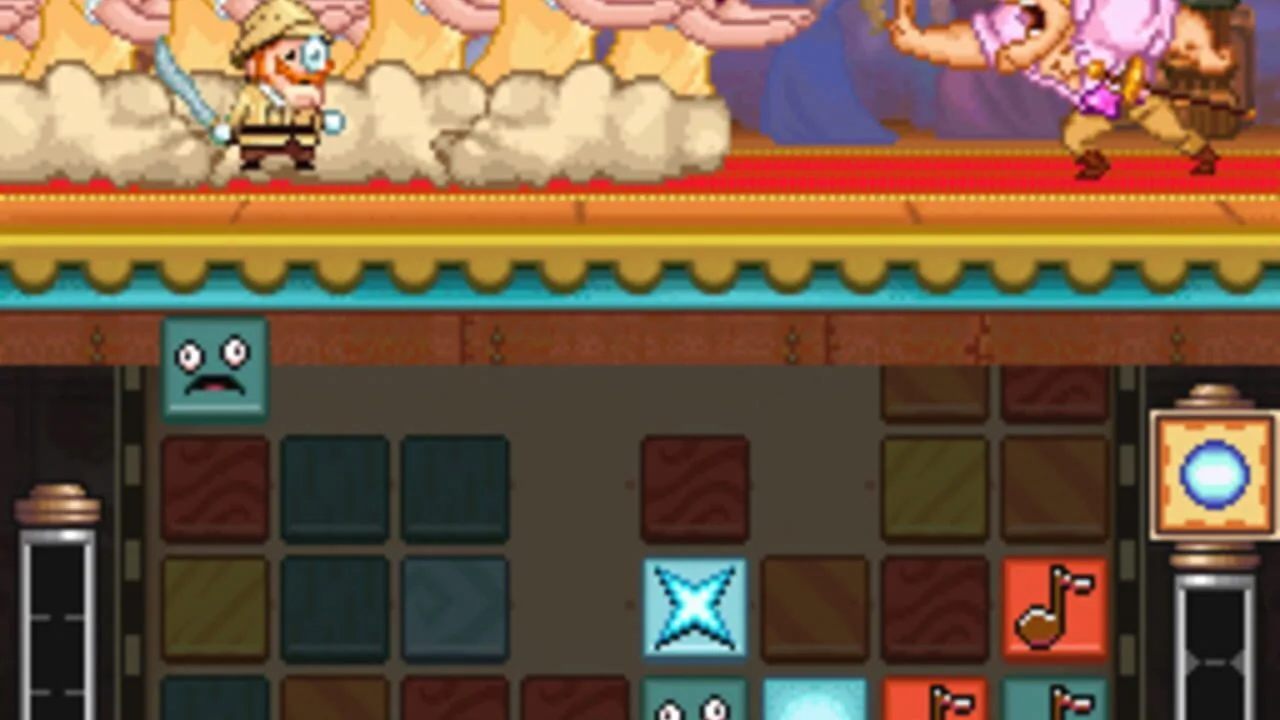
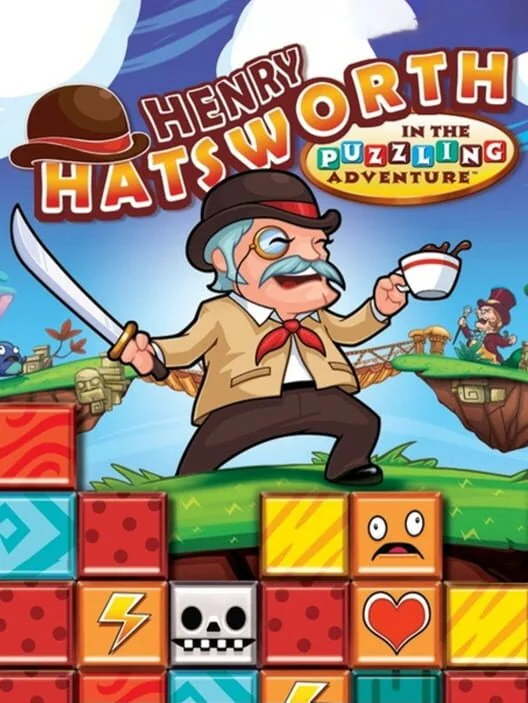
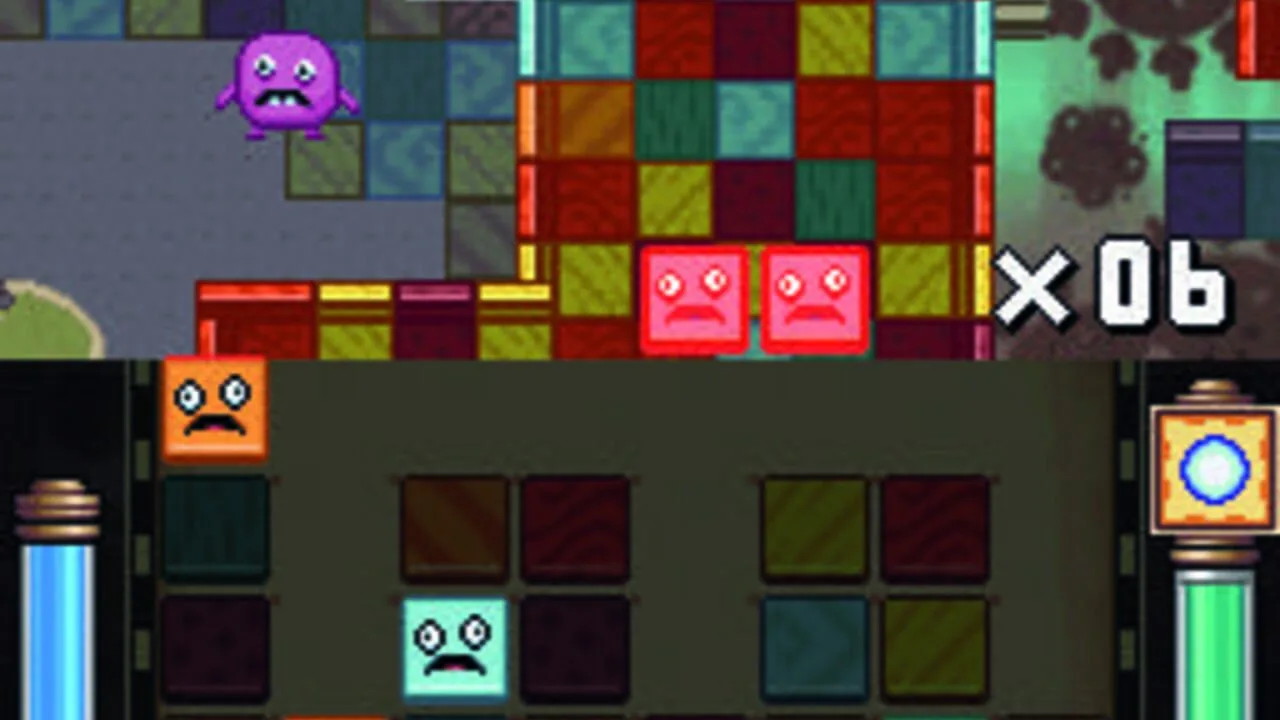
Henry Hatsworth is an adventure game and a puzzle game at the same time. Henry is a quirky, lighthearted hero hunting for the pieces of a golden suit, and only its master piece is strong enough to seal away the Puzzle Realm. The game started as a prototype in Adobe Flash called Monkey Business, and art director Jay Epperson gave it a look of wood grain and cut paper. Electronic Arts even gave the soundtrack away as a free download on its website.
It has more than 30 levels, nearly a dozen of them hidden. Players single it out as one of the best uses of the two screens, and it is the kind of game people remember the moment someone else says its long name. It is also tough, so take the puzzle half as seriously as the platforming.
15. Pokémon Ranger (2006)
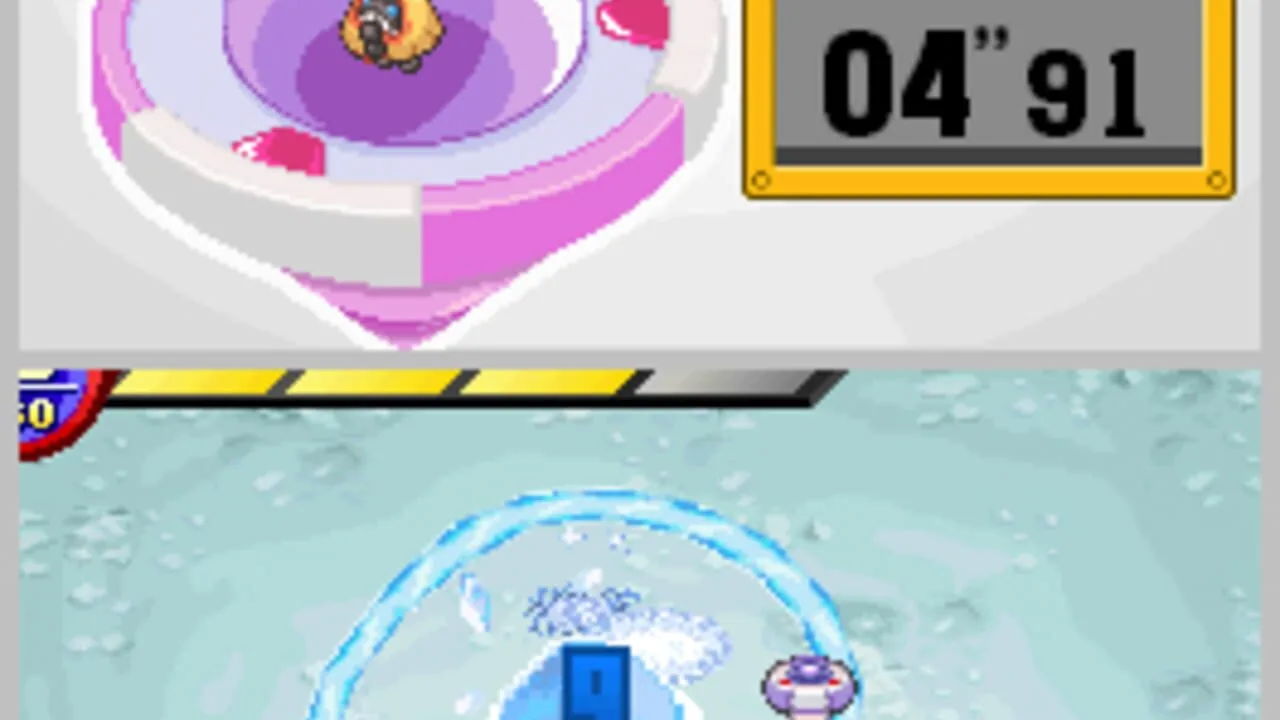
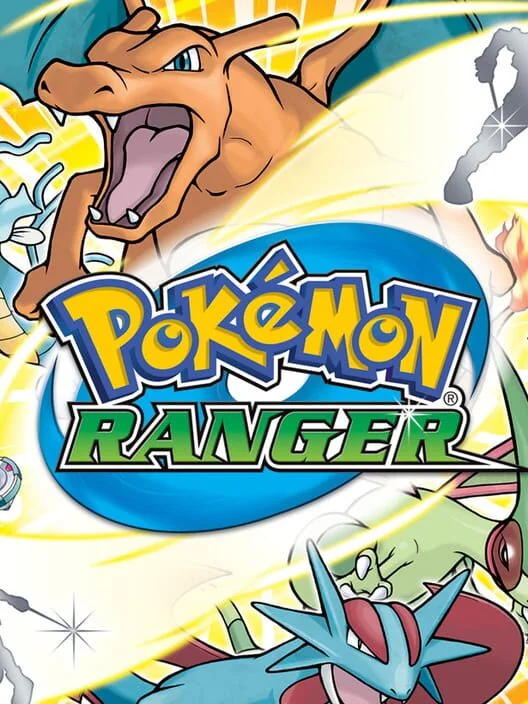
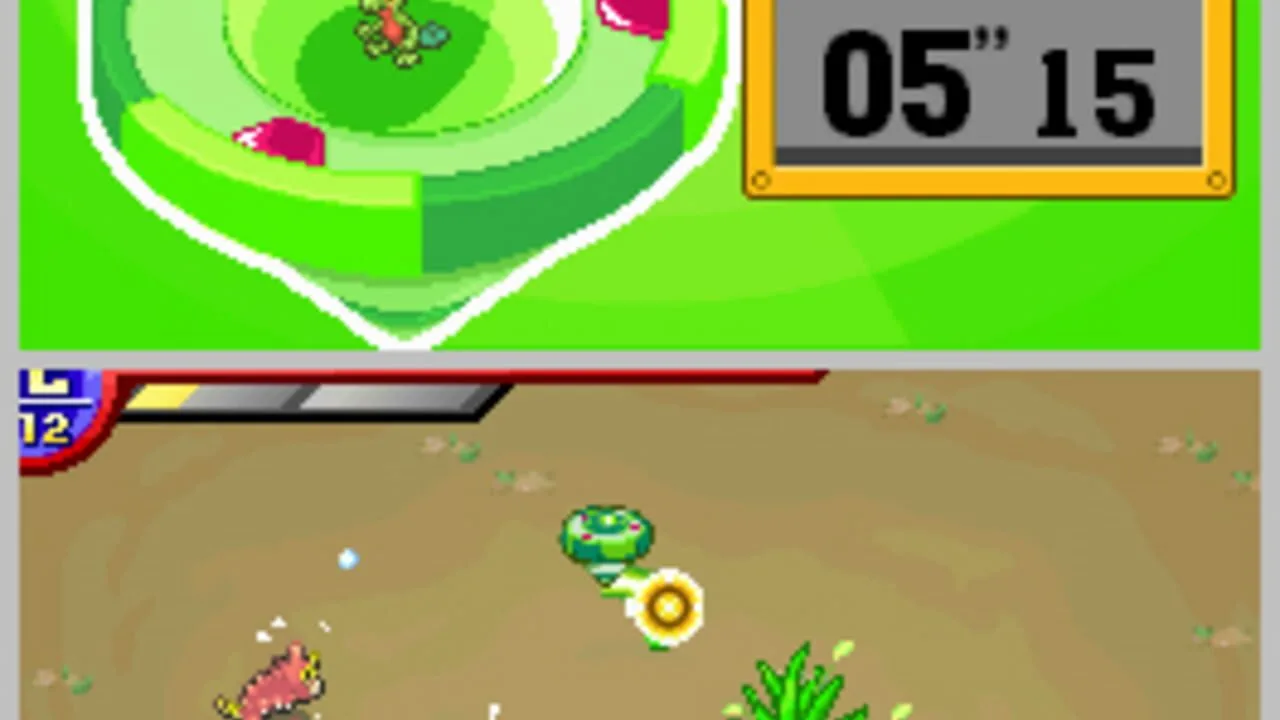
Pokémon Ranger was made by HAL Laboratory and Creatures Inc., and it throws out the usual Poké Balls and turn-based fights. You capture Pokémon with a Capture Styler controlled by the stylus, drawing circle after circle around a wild Pokémon on the touch screen. The Pokémon fight back by fleeing or attacking the Styler. It is set in the Fiore region, and a special mission rewards you with a Manaphy egg that can be transferred to Pokémon Diamond and Pearl.
It received mixed reviews, and GameSpot even listed the chance of scratching the touch screen during battle as a weak point. Players count it among the DS games built around the touch screen. Nintendo also sold a toy Capture Styler, for anyone who wanted to keep circling things away from the console.
14. Nine Hours, Nine Persons, Nine Doors (2009)
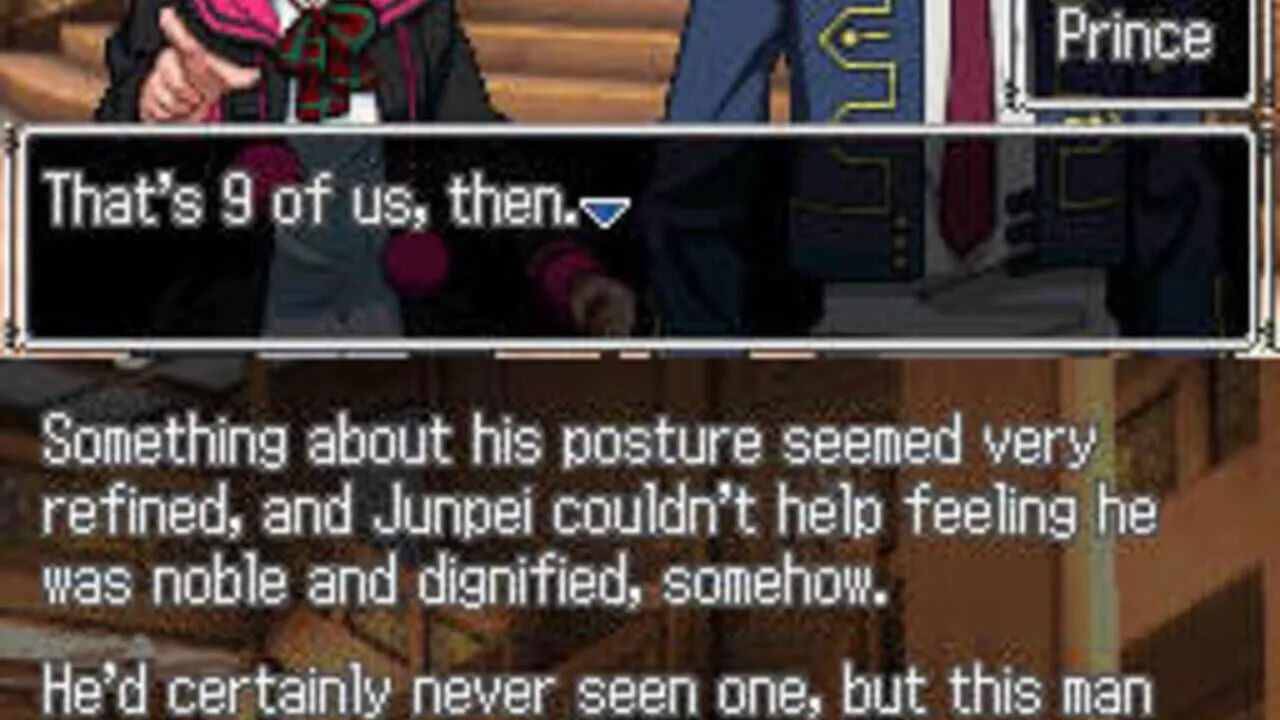
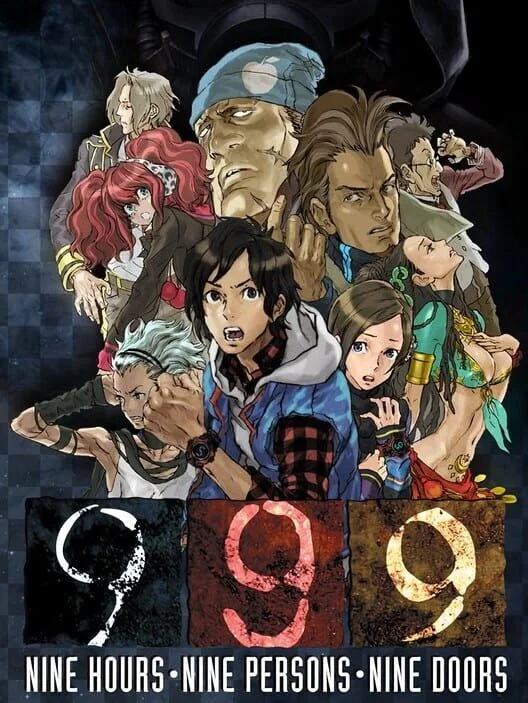
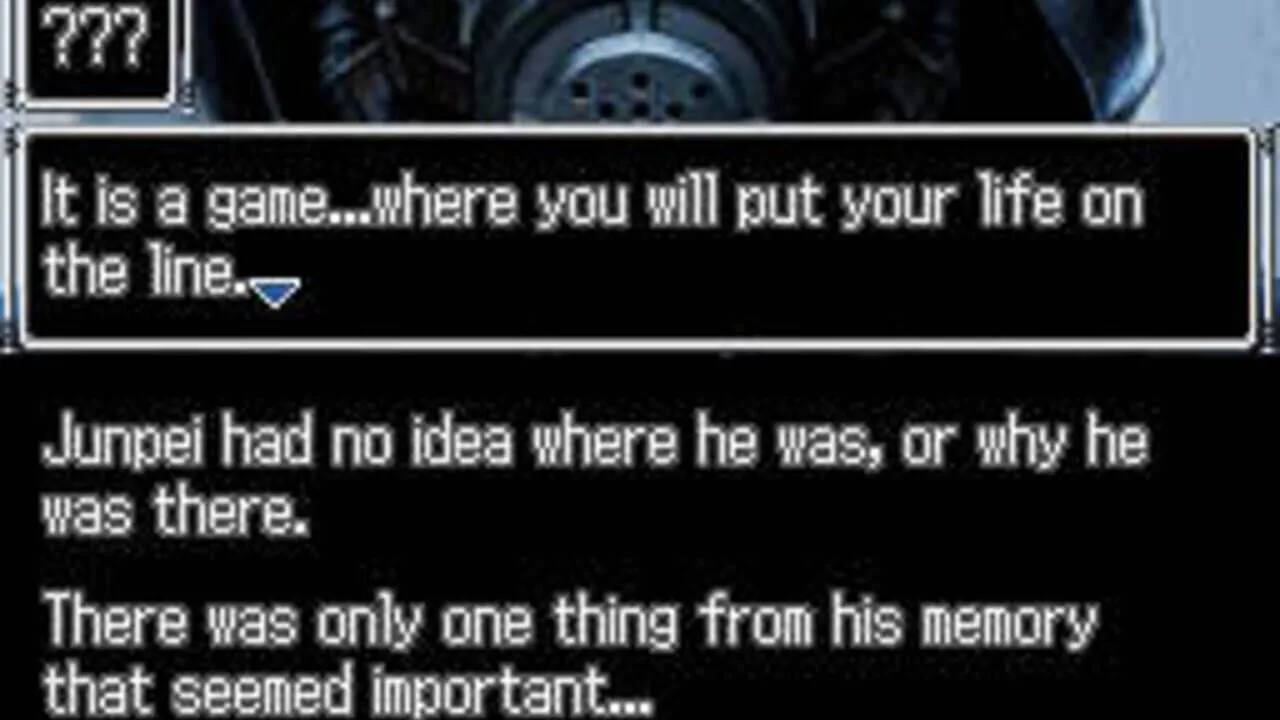
999 is the first game in the Zero Escape series. It came out in Japan in December 2009 and in North America in November 2010. Writer Kotaro Uchikoshi joined Chunsoft to write a visual novel that could reach a wider audience, and he suggested adding puzzles tied into the story. So you read through a murder mystery, solve puzzle rooms to move it forward, and need several playthroughs to understand it. Shinji Hosoe wrote the music and Kinu Nishimura designed the characters.
The American publisher Aksys turned it down at first, because many at the company did not believe it would sell. The Japanese release was a commercial failure, but the game sold better than expected in the United States, and that success is why the series continued. Players name it as a weird pick and as one of the best uses of the two screens.
13. WarioWare: Touched! (2004)
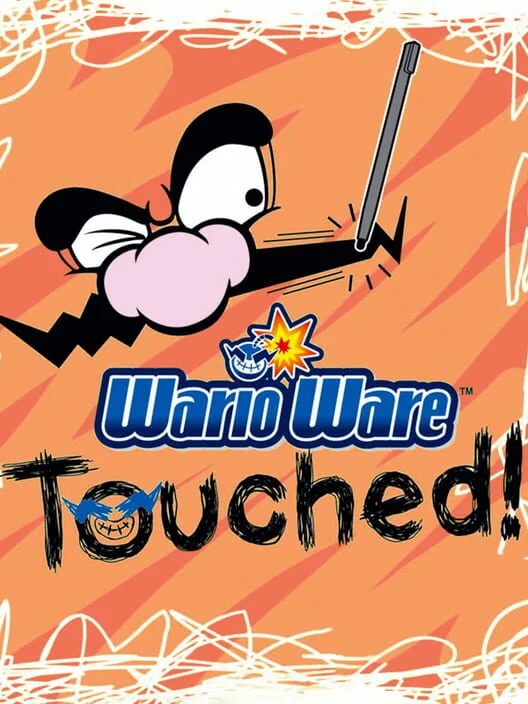
WarioWare: Touched! was the first of three WarioWare games on the DS, and a launch title in Japan and Europe. Like the rest of the series, it throws microgames at you that last only a few seconds each, and here you play them by tapping and rubbing the touch screen. In one you milk a cow, and in another you draw a mustache. It was also the first game in the series to use the microphone, and it introduced Ashley.
Mike's microgames are all about the microphone, like blowing bubbles in a drink. One of the unlockable souvenirs is a Grandma Simulator, in which you blow on tea using the mic and a grandma gives you advice based on how you did it. Reviewers loved the pace and wished it were longer. Players hold it up as one of the showcase games for the DS.
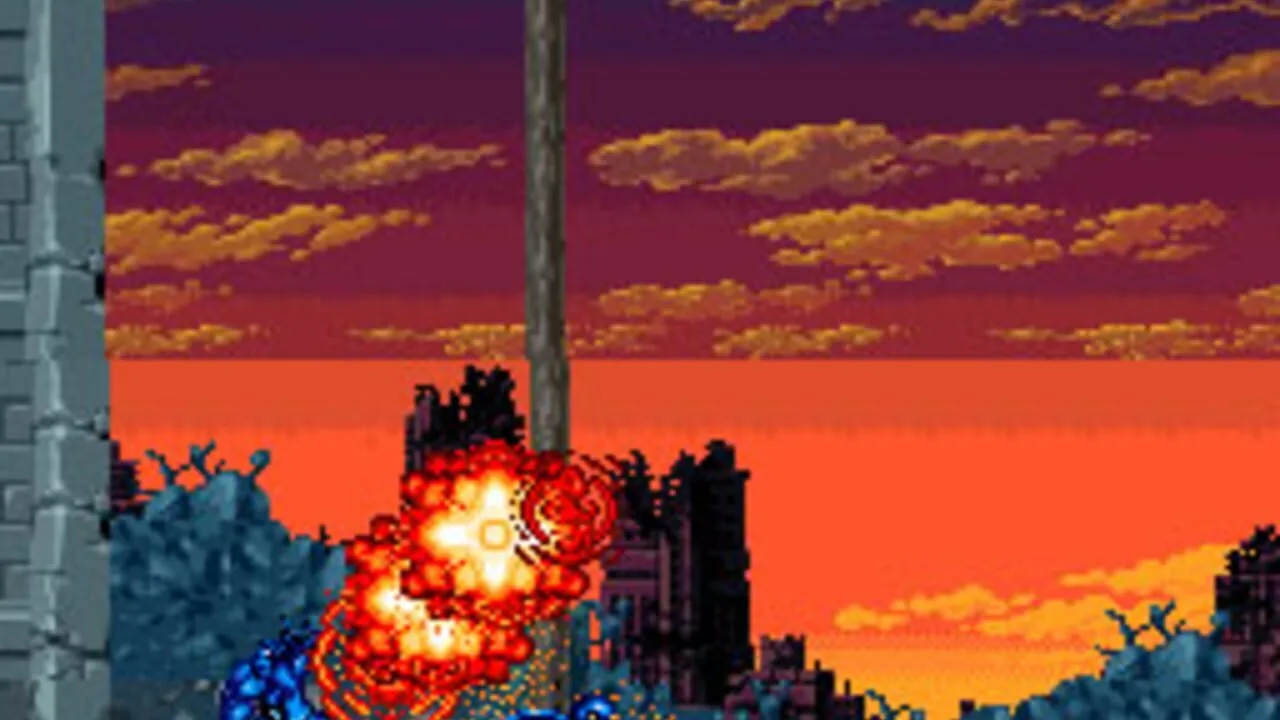
12. Contra 4 (2007)
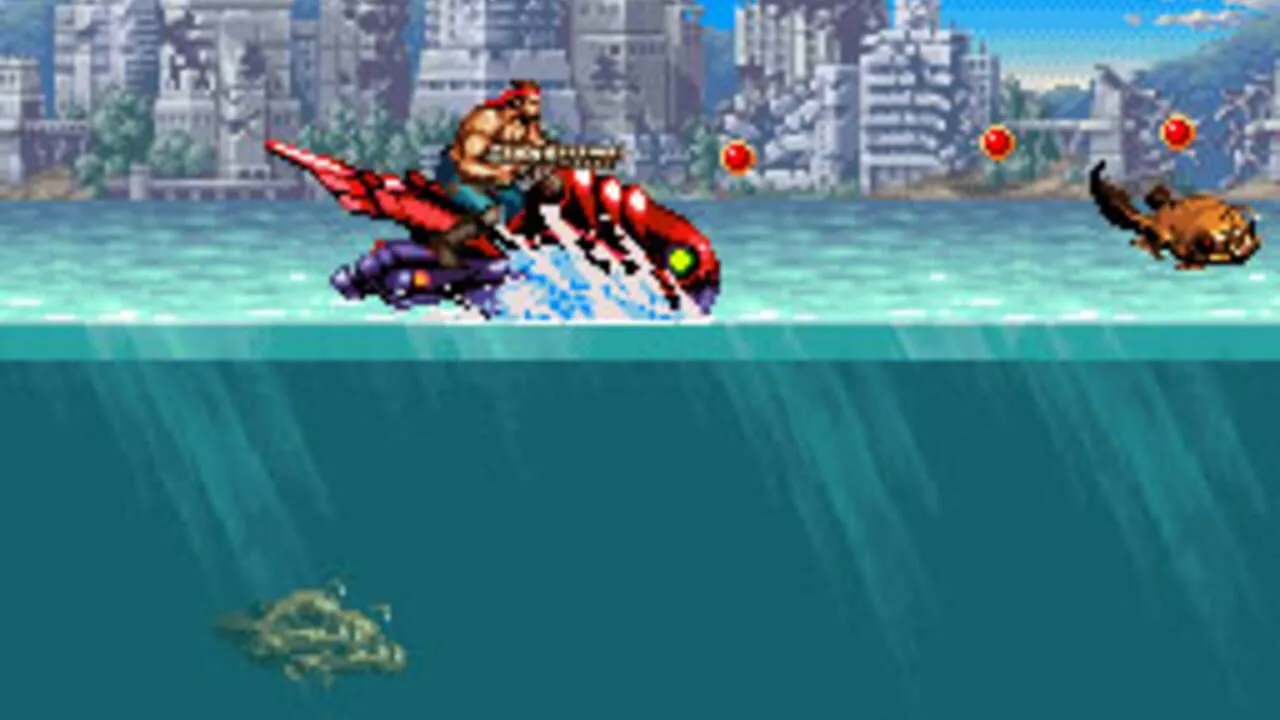
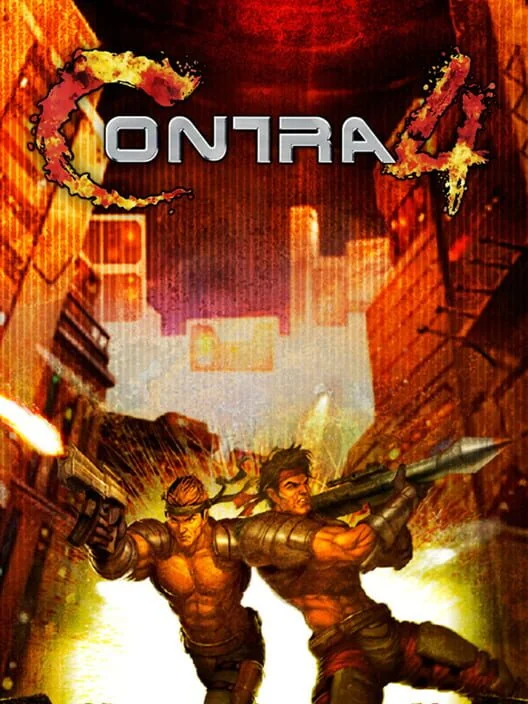
Contra 4 came out in North America on November 13, 2007, as a direct sequel to 1992's Contra III: The Alien Wars, made for the series' 20th anniversary. It was also the first original Contra on a handheld since Operation C on the Game Boy in 1991. It goes back to the old rules, where you pick up power-up icons to get new weapons, and it stretches the action across both screens so the enemies can be huge.
Jake Kaufman, who also composed for Shantae, did the music, with arrangements of old Contra tunes next to new tracks. Critics hailed it as a return to form. Players name it straight away as one of the best uses of the two screens, and having to watch the top screen and the bottom one at the same time makes an already hard game harder.
11. Trace Memory (2005)
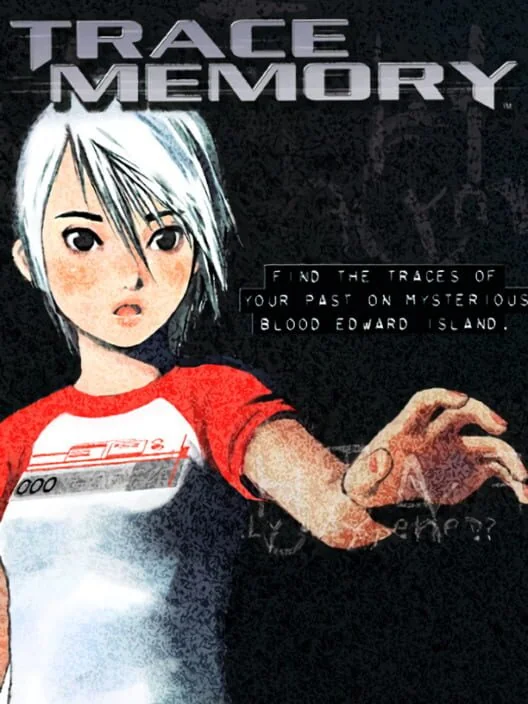
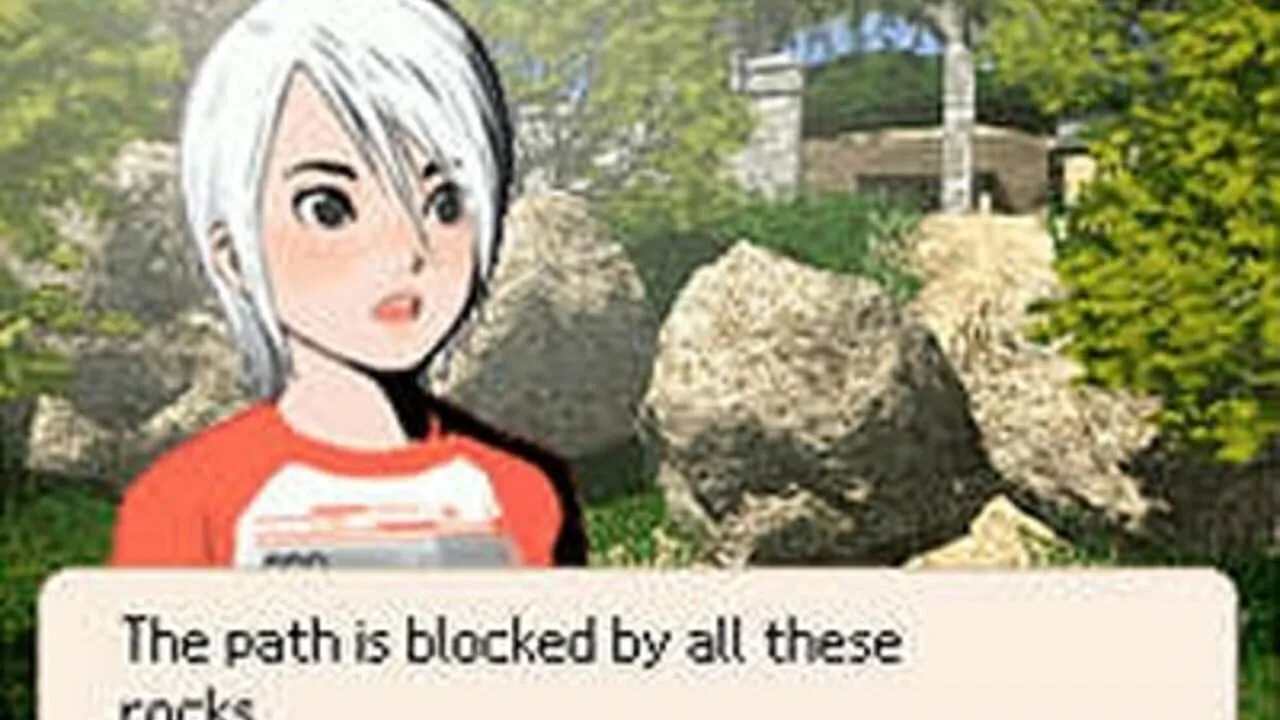
Trace Memory, also known as Another Code: Two Memories, first came out in Japan on February 24, 2005. Two days before her fourteenth birthday, Ashley Robbins gets a package from her father, who has been presumed dead for years. Inside is a device called the DAS and a message saying he is waiting for her on Blood Edward Island. While you move, the touch screen shows an aerial view of Ashley and the top screen shows pictures of where she is. Some puzzles use the touch screen and others the microphone.
GamesMaster called the controls "absolutely brilliant". Ashley was first designed to be 17, and her age was later changed to 14. Players name it among the best uses of the two screens, and a post-credits scene on a second run sets up a sequel.
10. Elite Beat Agents (2006)
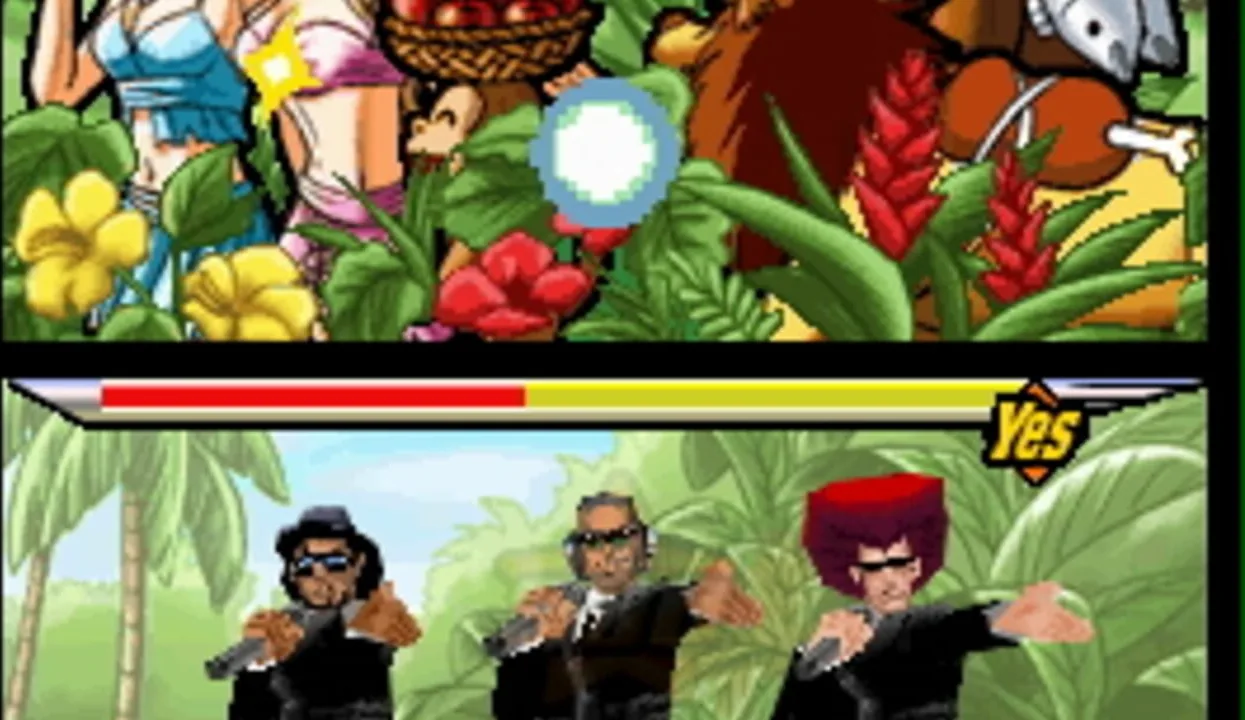
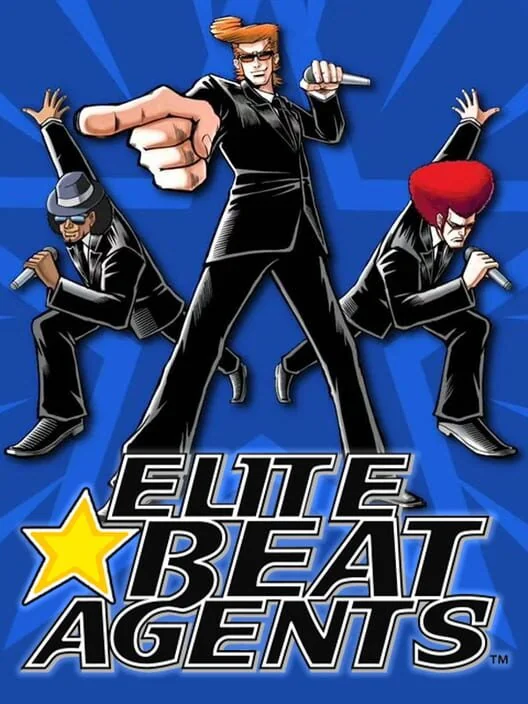
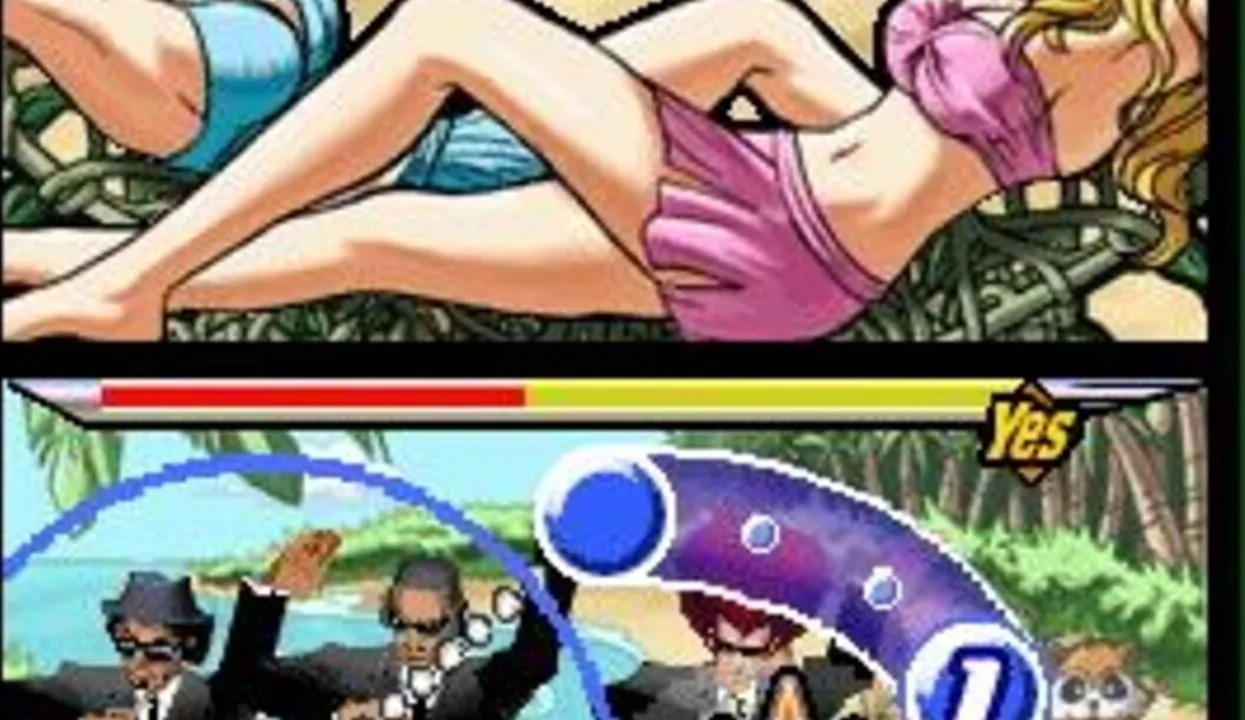
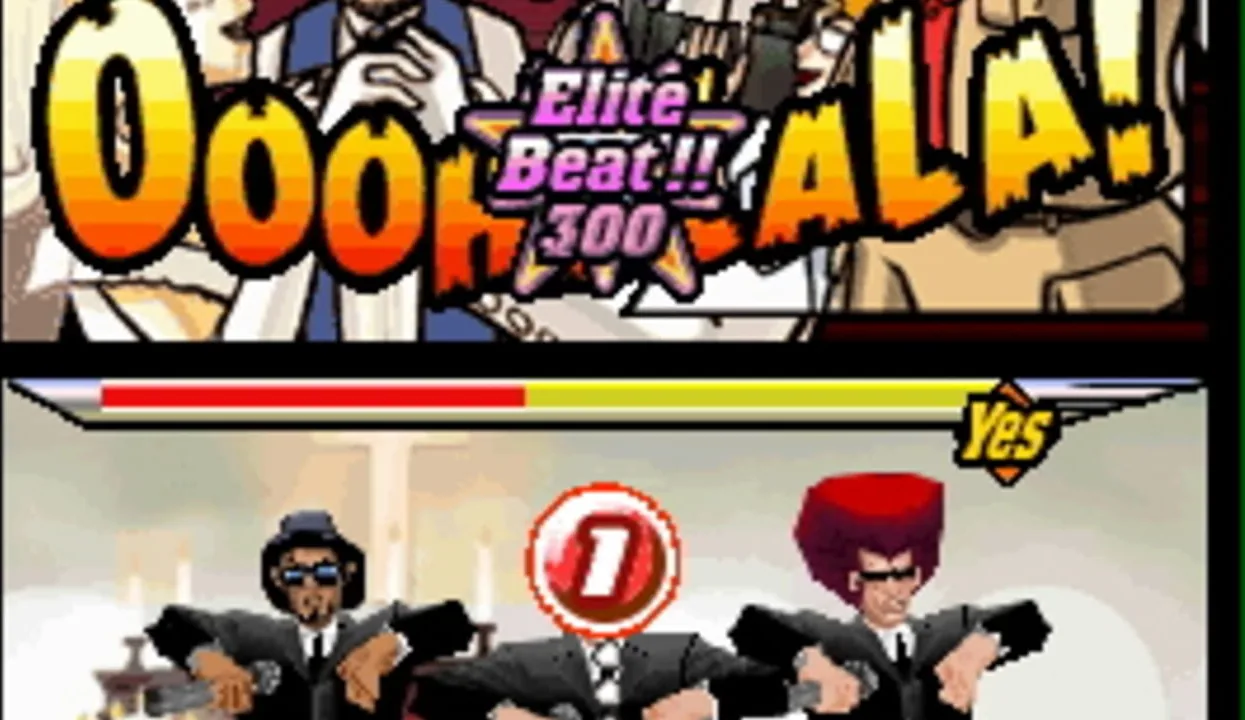
Elite Beat Agents is the second of three rhythm games iNiS made for the DS, and the international counterpart to Osu! Tatakae! Ouendan, a Japanese rhythm game from 2005. You tap and drag on marked spots on the touch screen in time with the music, while the top screen shows comic-style scenes of the agents dancing to cheer on people in trouble. The missions start small, like a babysitter trying to control a trio of rowdy children, and get wilder from there. The songs are covers, most of them cut to about three minutes.
Then comes "A Christmas Gift", a slow mission set to "You're the Inspiration", in which the agents help a young girl reunite with the spirit of her late father. Sales were lower than expected, but critics liked it and it won several 2006 awards. Players still pick it as one of the standout games on the DS.
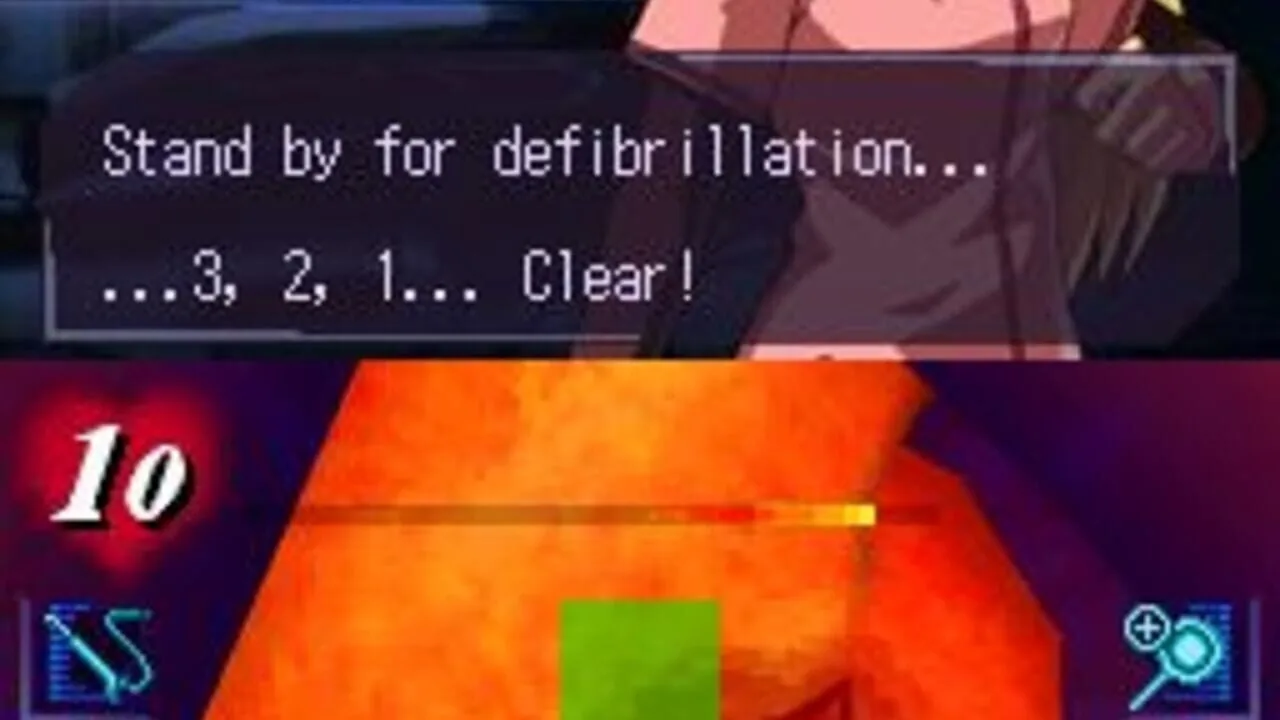
9. Trauma Center: Under the Knife (2005)
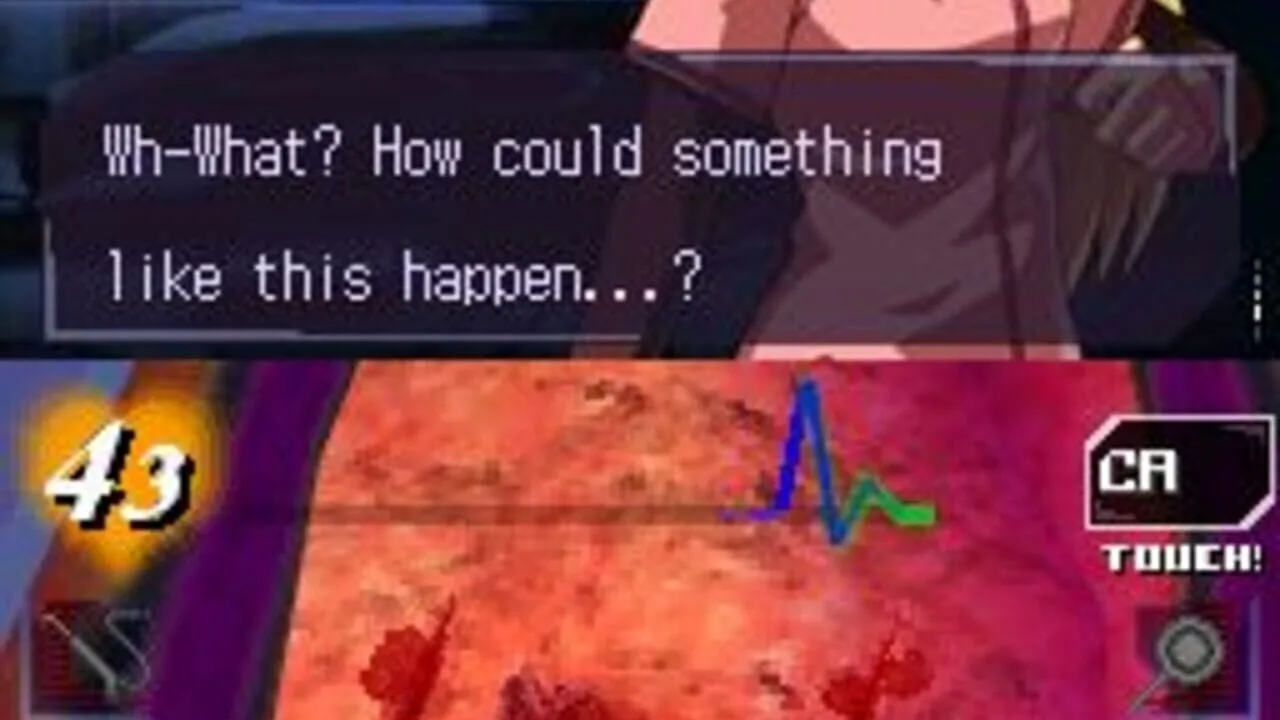
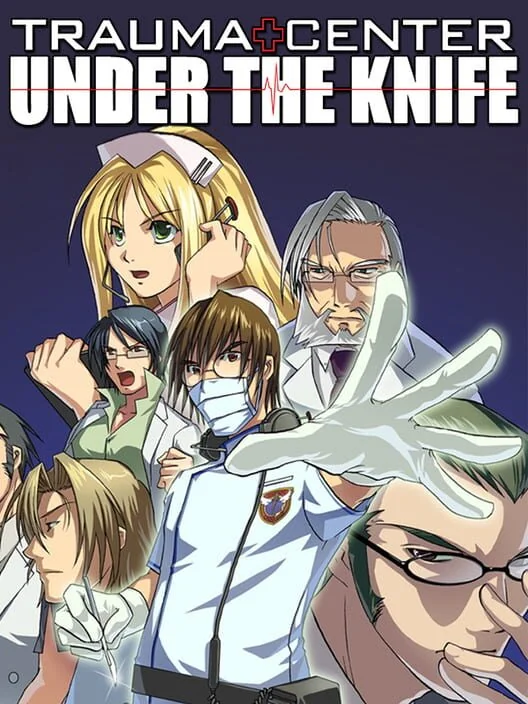
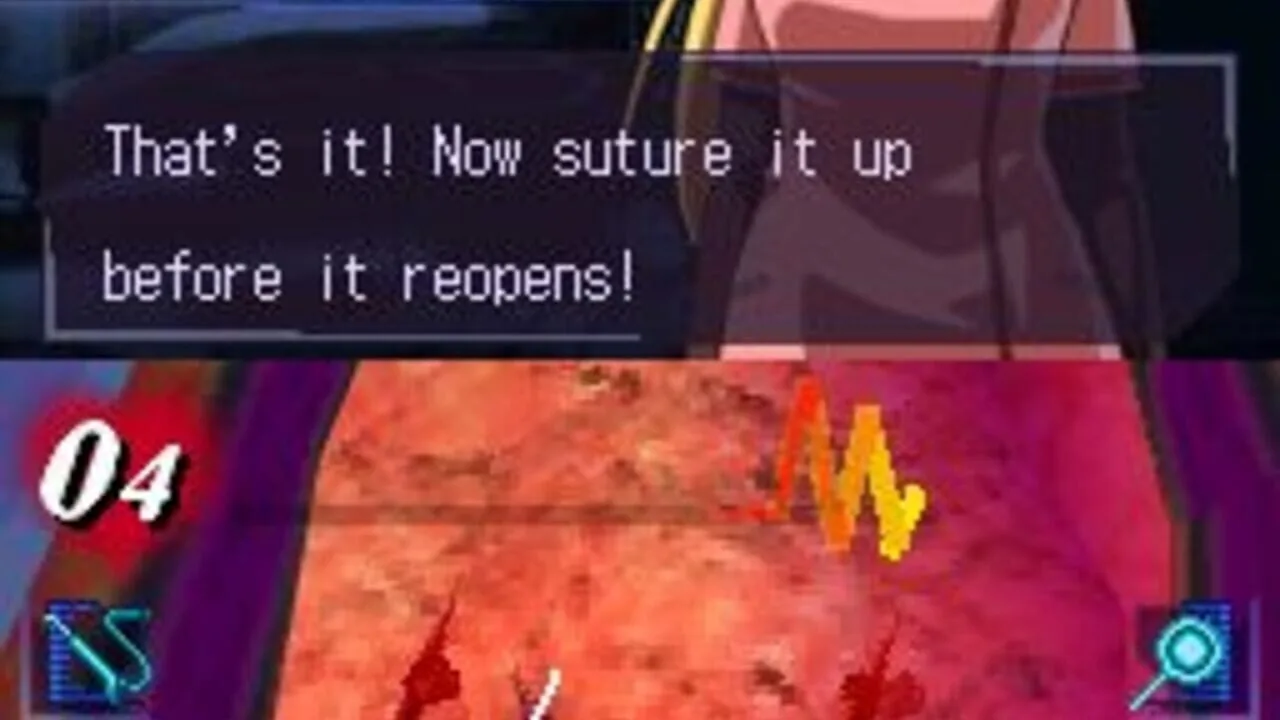
Trauma Center puts you in the operating room, and the stylus is your scalpel. You make incisions and remove tumors, and then a mysterious outbreak sweeps the area. Atlus designed it to take advantage of the DS controls after plans for earlier consoles stalled because the hardware was not good enough. Most of the team were veterans of the Megami Tensei role-playing series, so a surgery game was new ground for them.
Critics praised how it used the DS controls but criticized its difficulty spikes. It was a commercial disappointment in Japan and sold beyond expectations in North America and Europe. Players keep recommending it, whether the question is about weird games or touch screen games, and a DS sequel, Under the Knife 2, followed in 2008. It is as close to medical school as most of us will ever get.
8. Ninja Gaiden: Dragon Sword (2008)
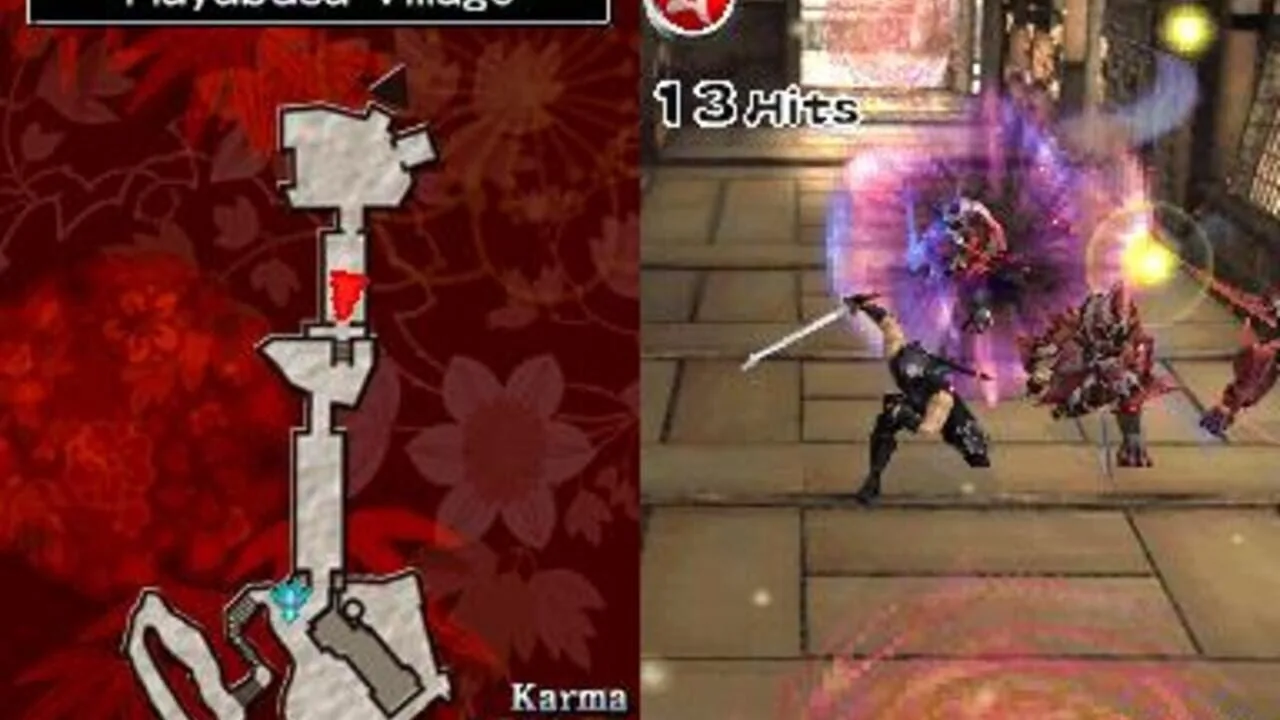
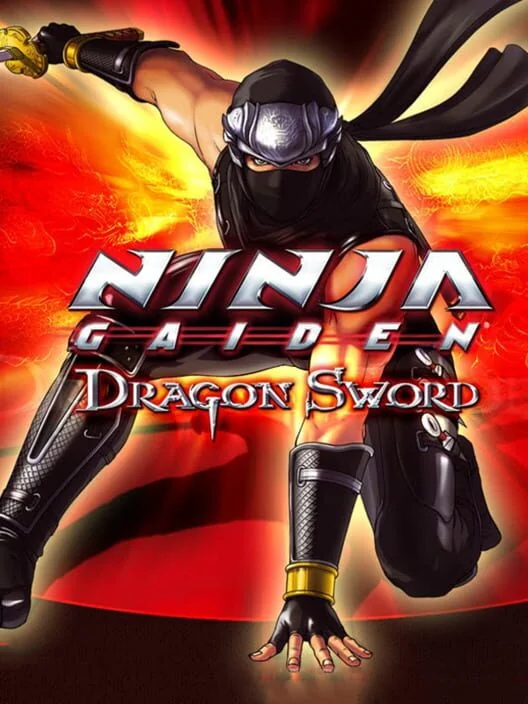
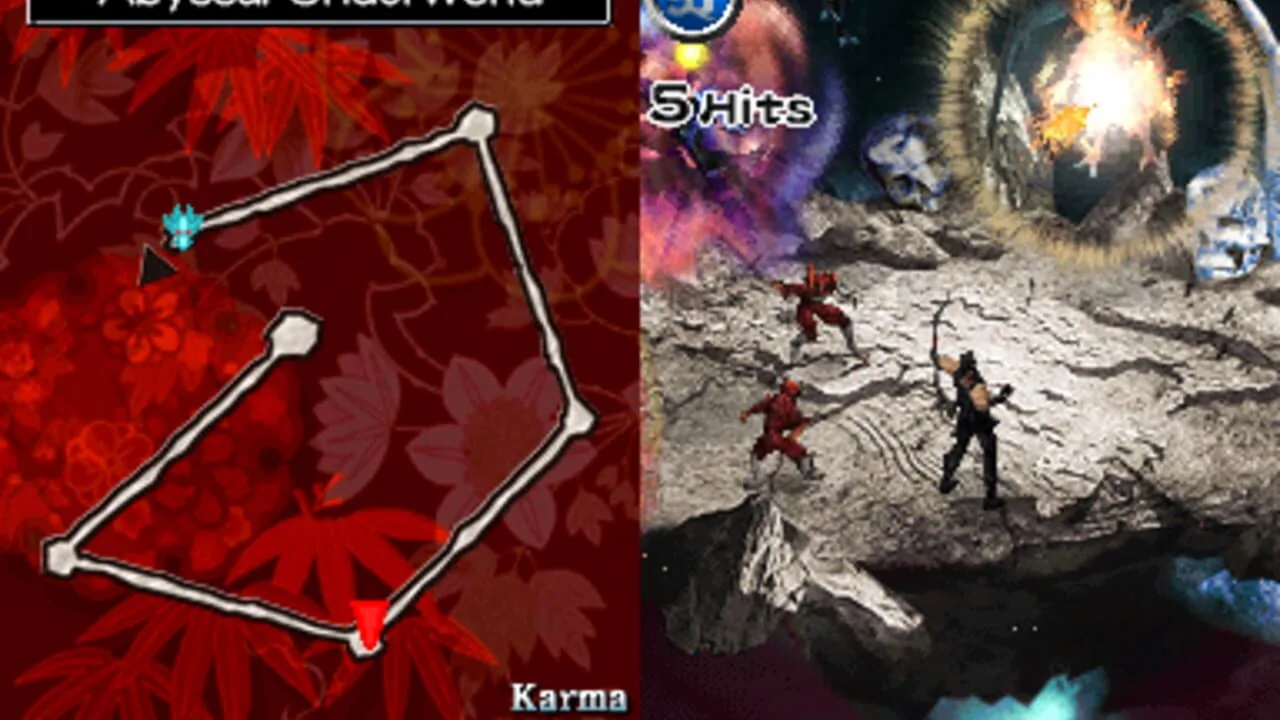
Dragon Sword has you hold the DS sideways like a book. For right-handed play the left screen shows the area map and the right one shows the action, and it flips for left-handed play. It is set six months after Ninja Gaiden, with Ryu Hayabusa rebuilding his village until the Black Spider Ninja Clan kidnaps Momiji. It was the first handheld game in the series made by Team Ninja, and the first game the studio released on a Nintendo system.
At times the game brings up the outline of a Sanskrit letter for you to trace with the stylus. You can still block by pressing any button or the directional pad, so your other hand has a job. Players name it among the best uses of the two screens. It turned one of the hardest action series around into something you play with a pen, and it works far better than it has any right to.
7. Rhythm Heaven (2008)
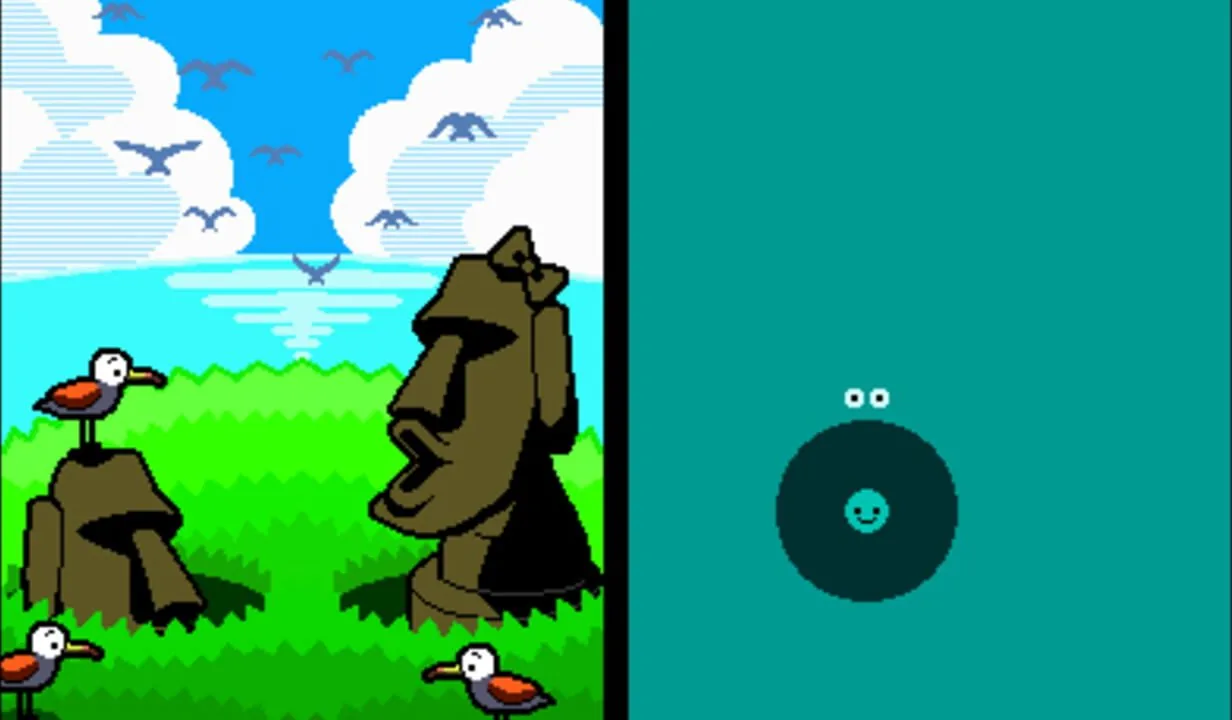
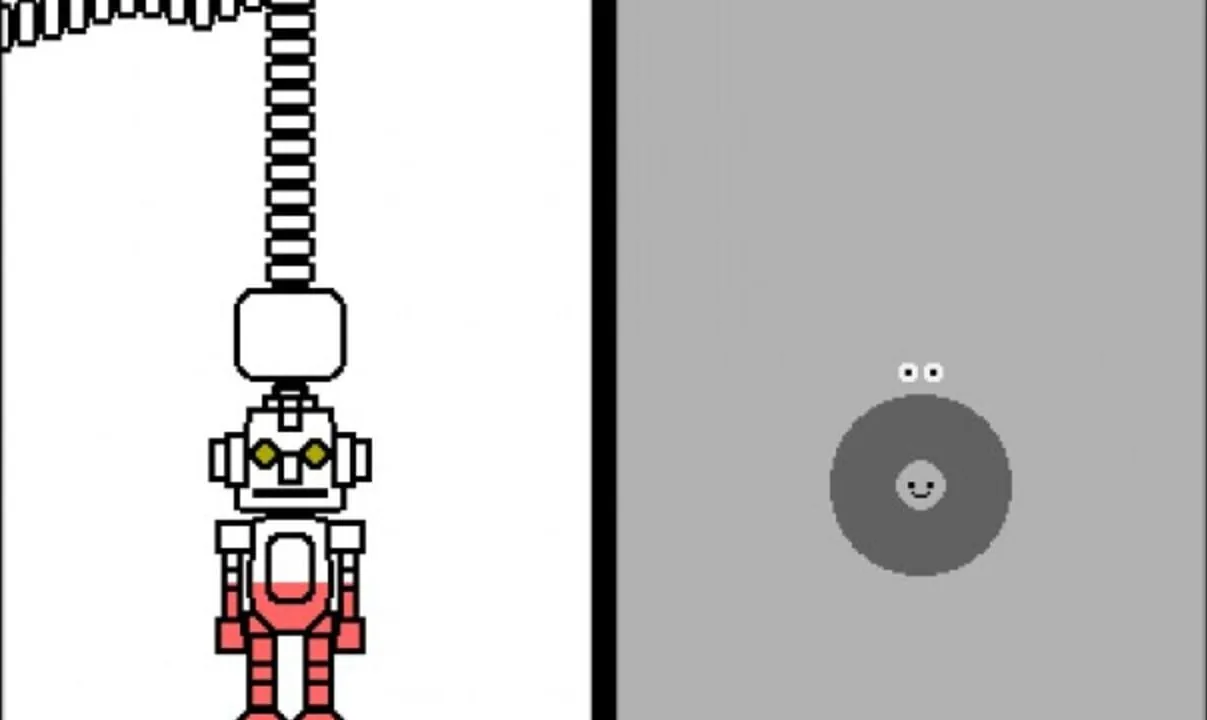
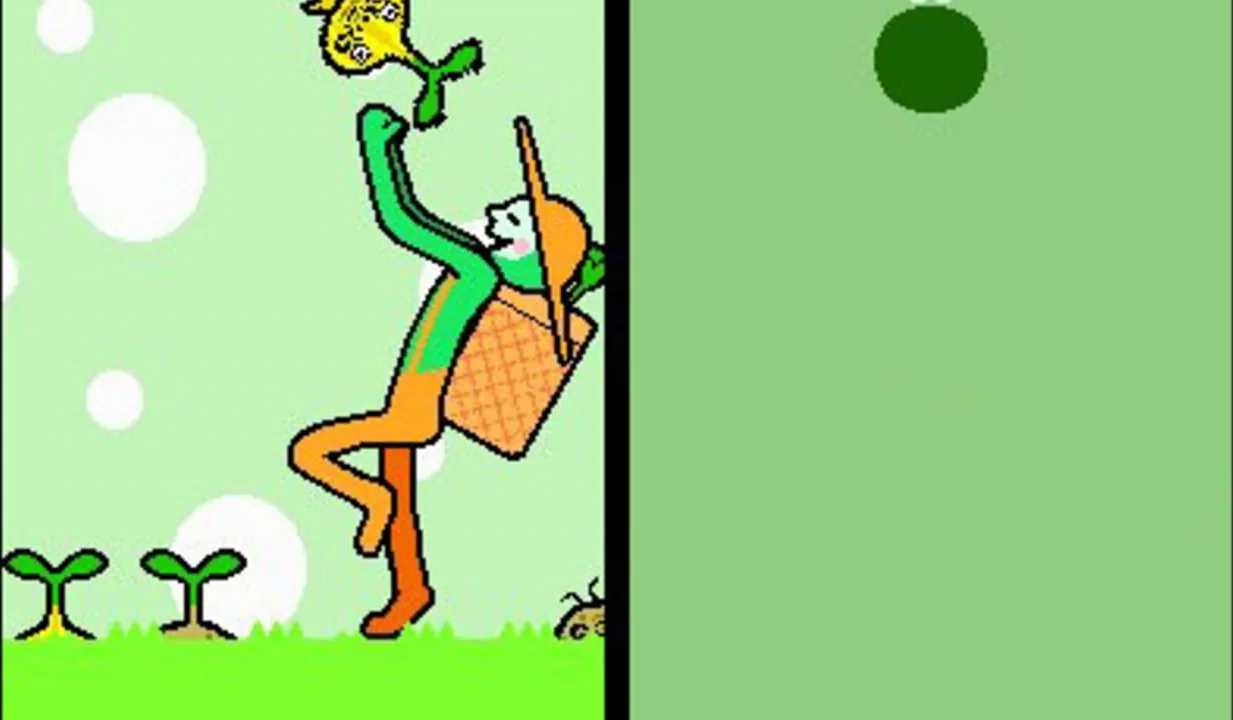
Rhythm Heaven is the second game in Nintendo's series, after Rhythm Tengoku, which stayed in Japan on the Game Boy Advance. That makes this the first one localized outside Japan. You tap and slide the stylus to the beat in more than 50 rhythm games, mostly following audio cues. The music is by Tsunku and Masami Yone, and the vocals were re-recorded in English for the Western release.
The idea came from Nintendo programmer Kazuyoshi Osawa, who had worked on Metroid and WarioWare. One of the first games made for it was Frog Hop. Reviews praised its soundtrack and art style, and players name it whenever the talk turns to touch screen games. Get one of its songs stuck in your head and it will stay there for a week.
6. Mario & Luigi: Bowser's Inside Story (2009)
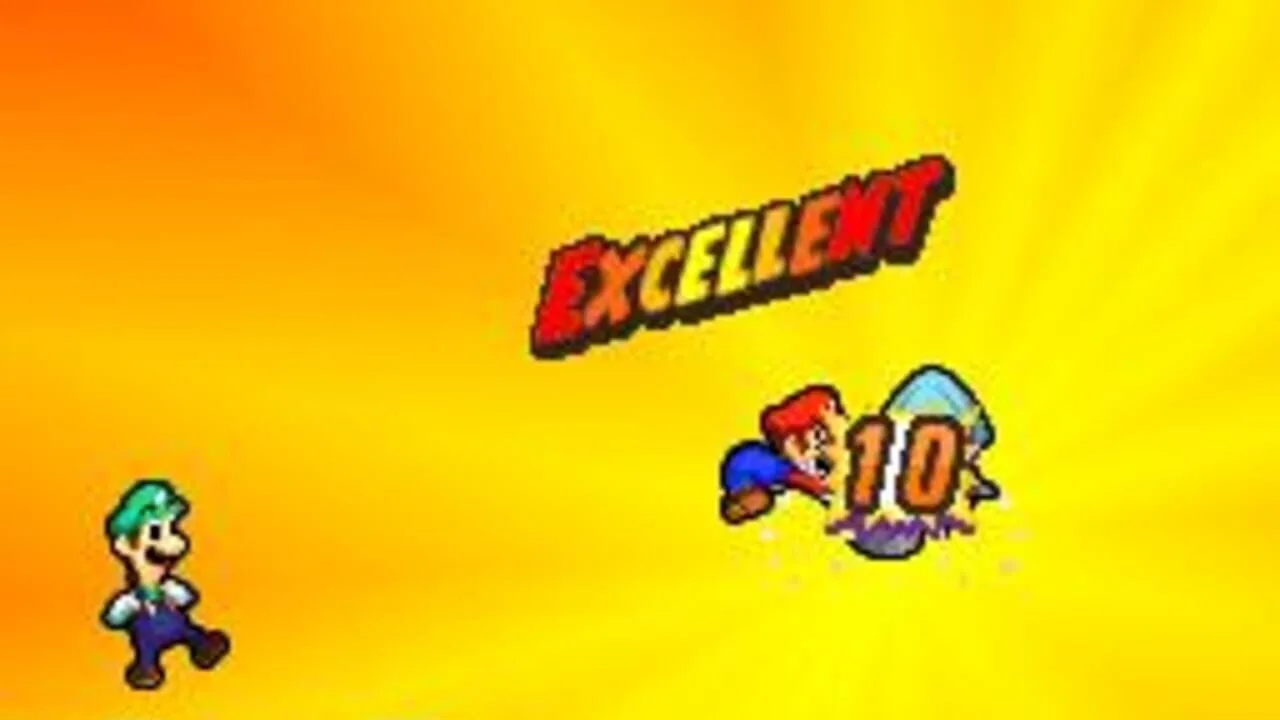
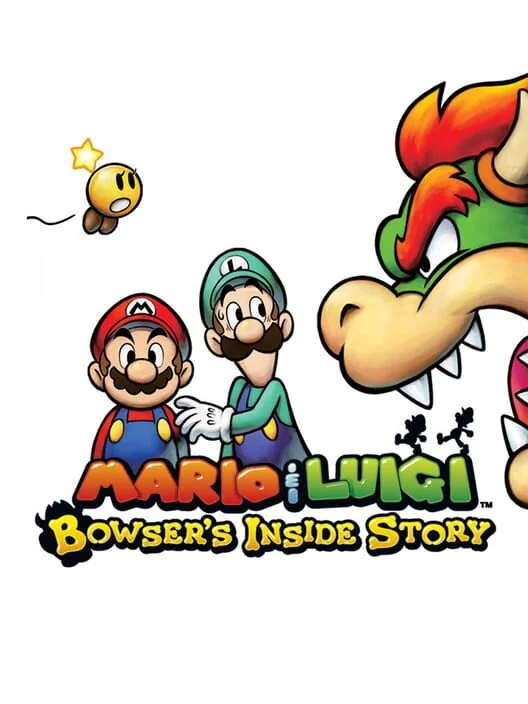
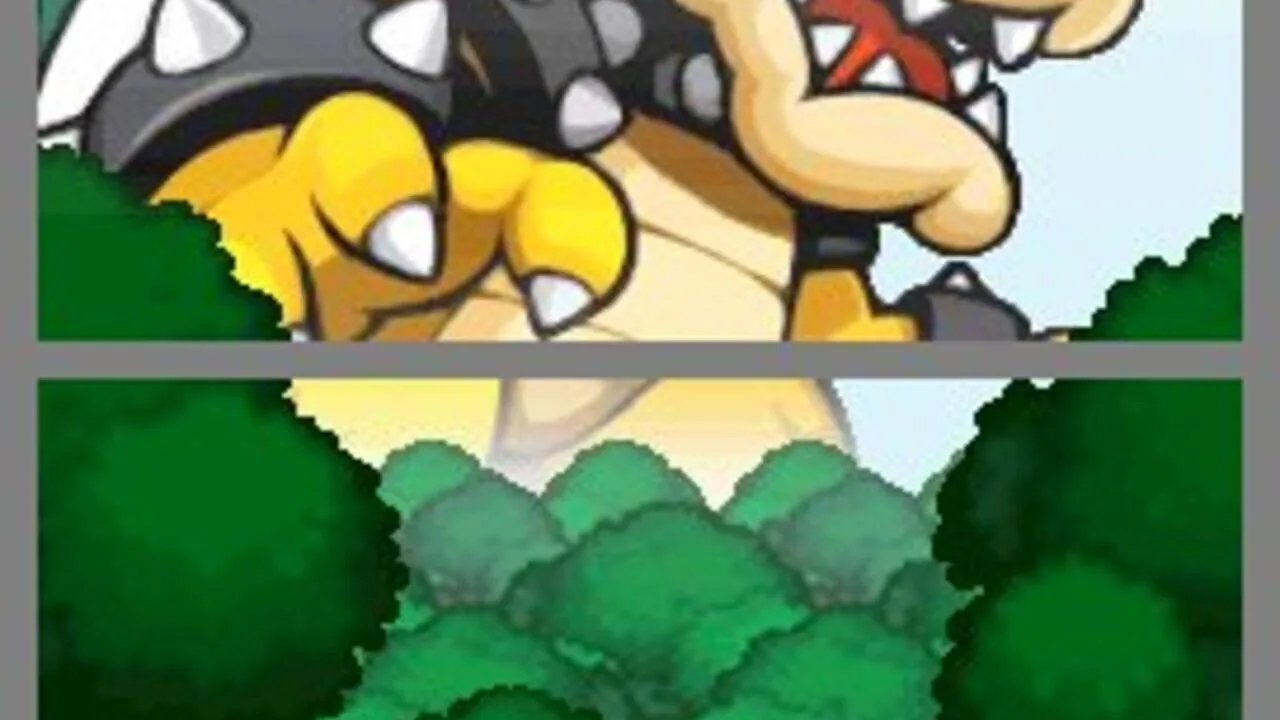
Bowser's Inside Story is the third Mario & Luigi game, and the title is literal. You control Mario and Luigi in side-scrolling sections inside Bowser's body, while also controlling Bowser himself in the top-down Mushroom Kingdom. Some sections have the brothers and Bowser working together directly. The villain is Fawful from Superstar Saga, who hands out Blorb Mushrooms while posing as a salesman.
It is the best-selling Mario role-playing game of all time, with 4.56 million copies sold worldwide as of 2020, and many fans and critics call it the best game in the series. Players name it among the best uses of the two screens. A 3DS remake added a side story, Bowser Jr.'s Journey, for anyone who wanted more of the Koopa family.

5. The Legend of Zelda: Phantom Hourglass (2007)
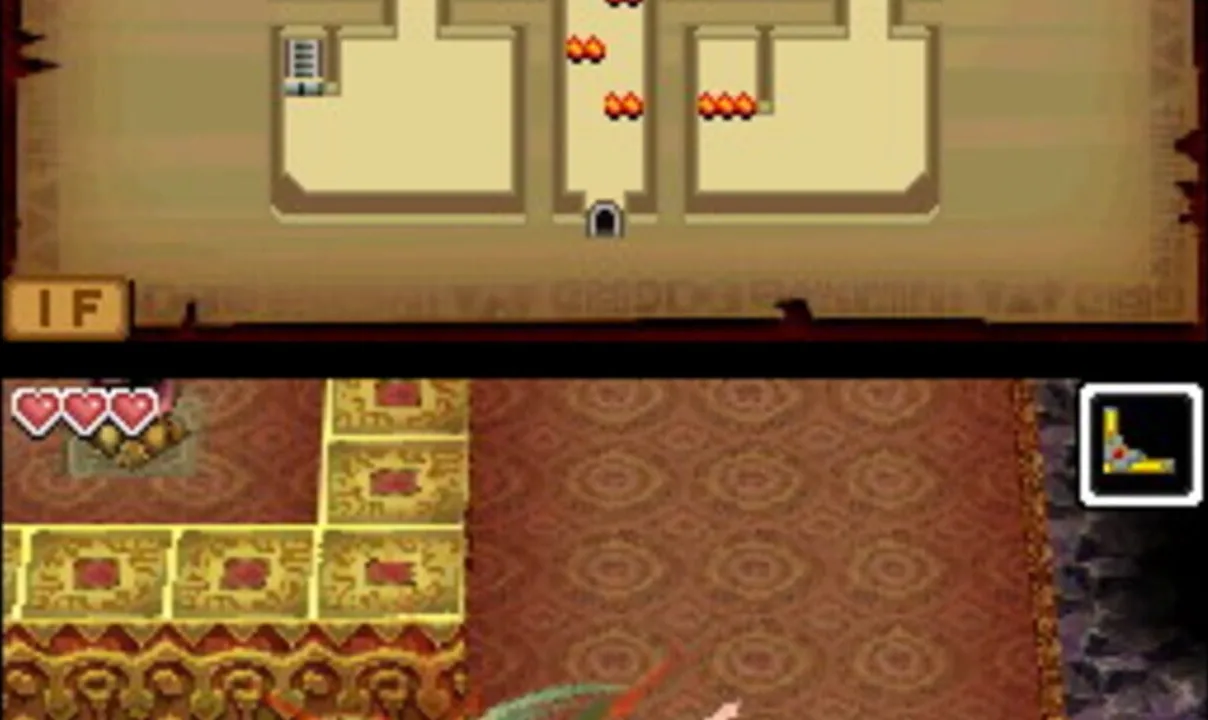
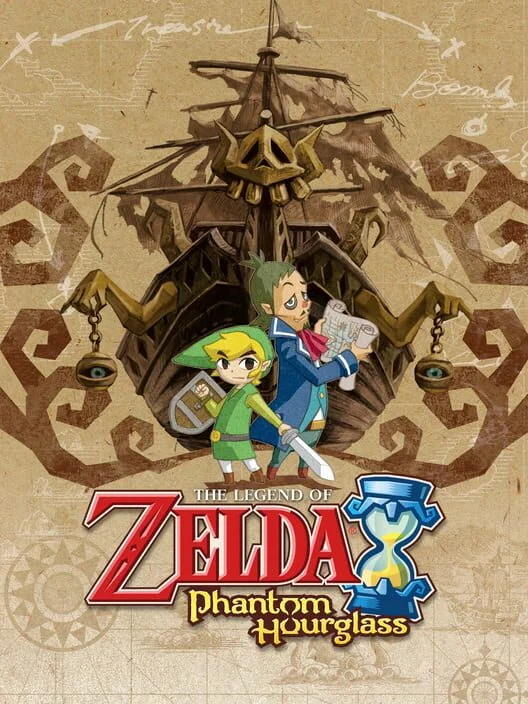
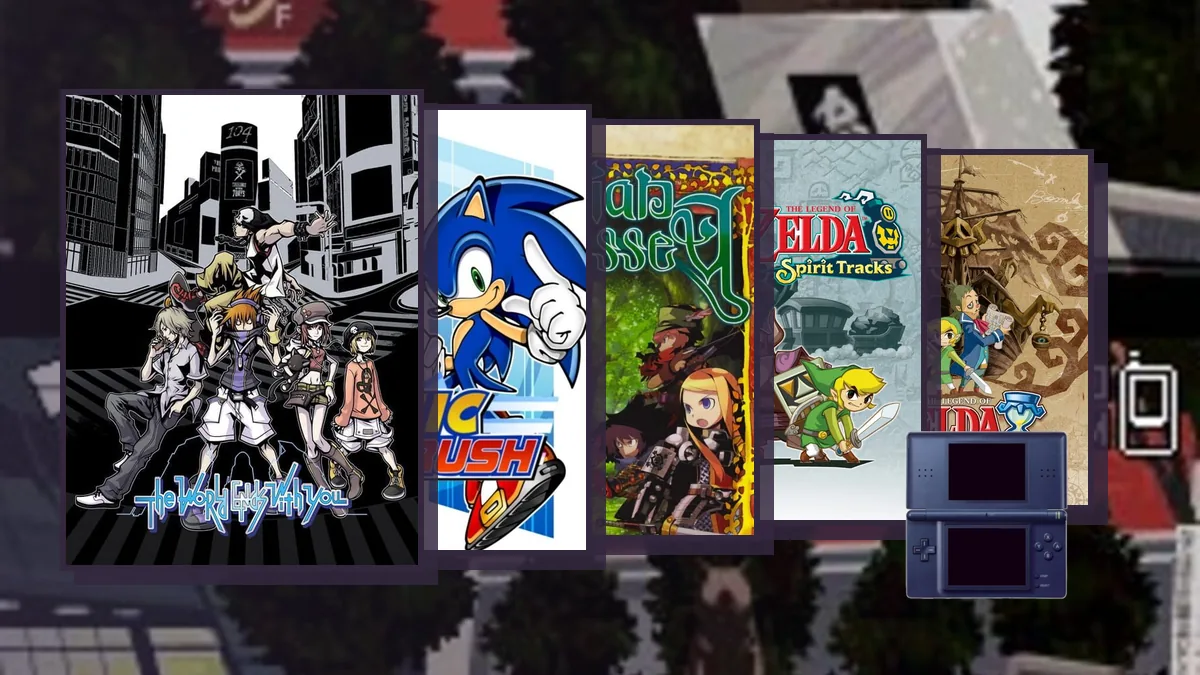
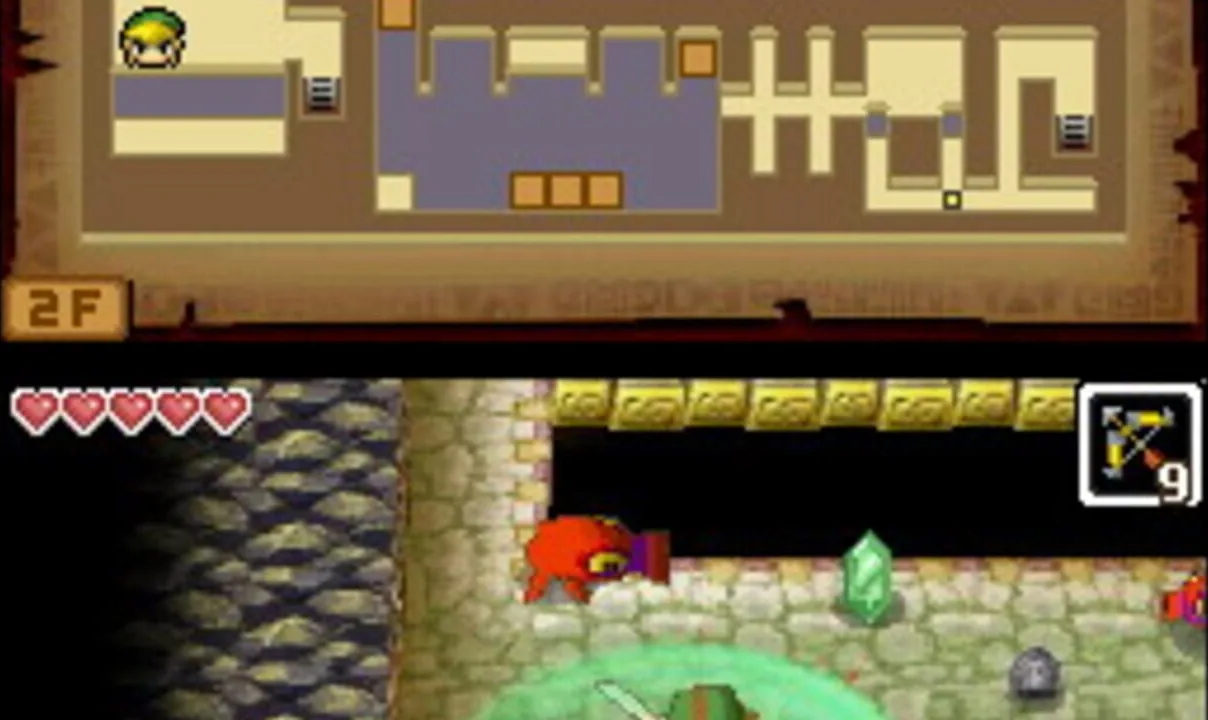
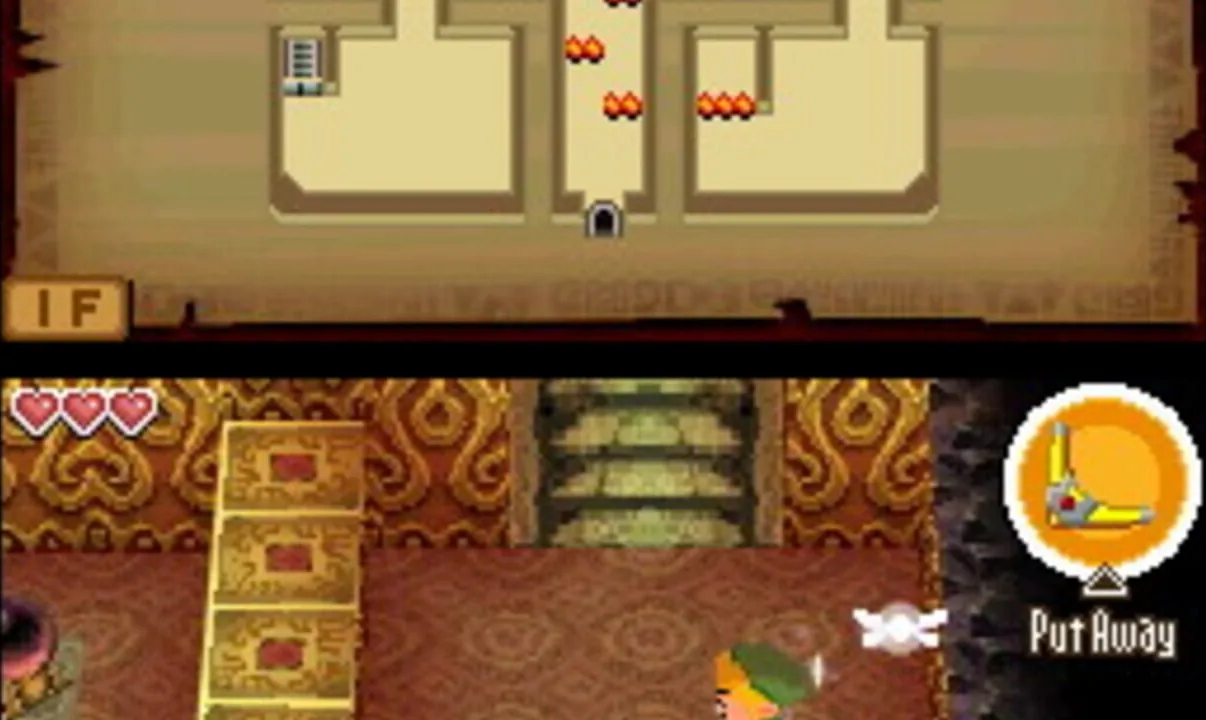
Phantom Hourglass is a direct sequel to The Wind Waker, with the same cel-shaded look seen from above. You move Link and attack with the touch screen instead of buttons, and you can write notes about secret treasures right on the map. When you sail, the top screen shows a map of the area while the touch screen shows a top-down view of Link and his surroundings.
It won Nintendo DS Game of the Year from GameSpot and IGN, among others, and it was the best-selling game in its first month in Japan. Players still talk about the Zelda puzzles you solve by closing the DS, a trick Trace Memory used too. They name it in the same breath as Spirit Tracks whenever the touch screen comes up. Nintendo even sold a gold DS Lite with the Triforce on it alongside the game.
4. The Legend of Zelda: Spirit Tracks (2009)
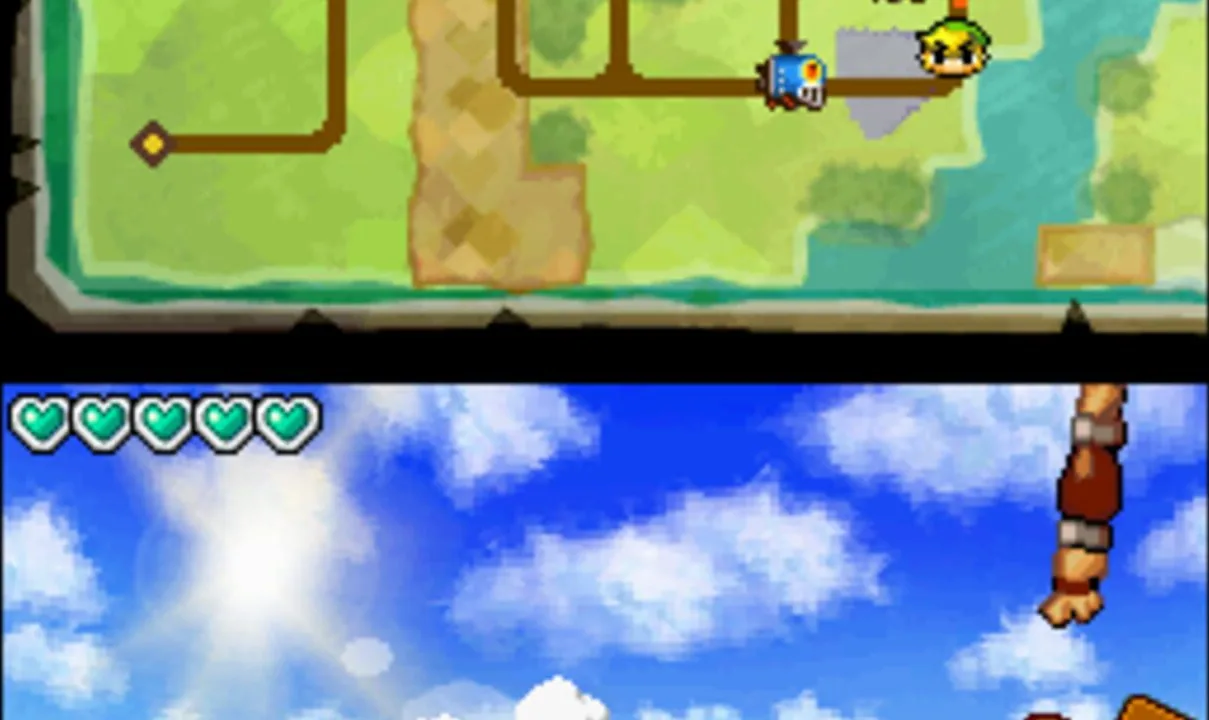
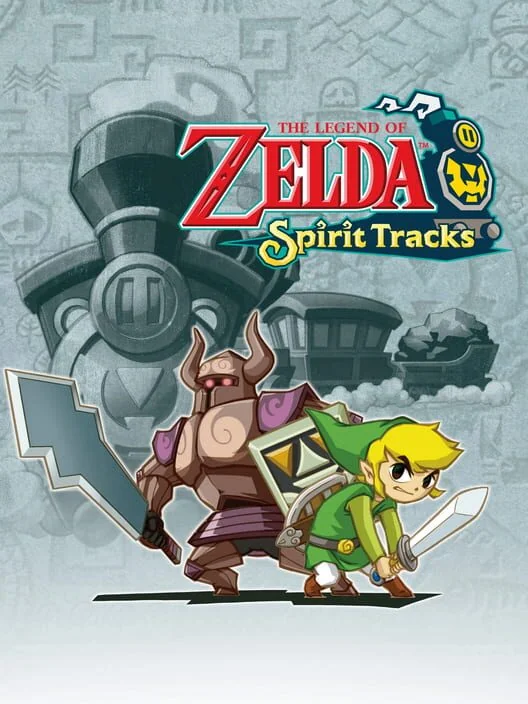
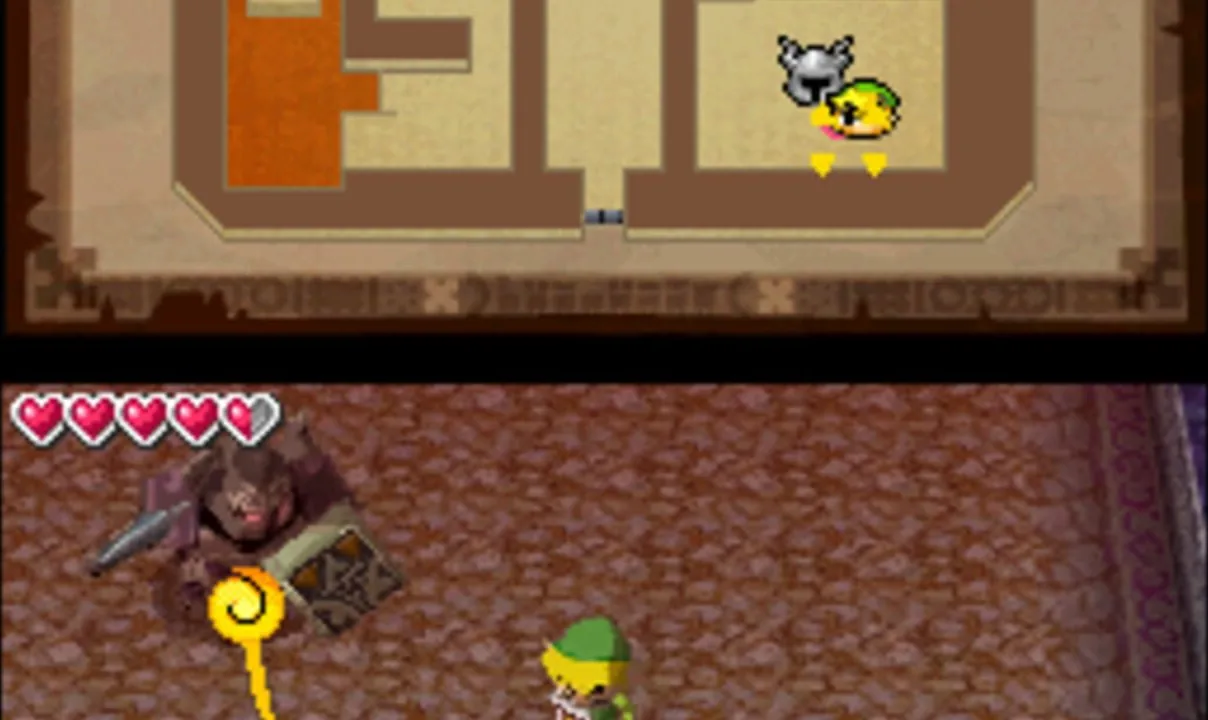
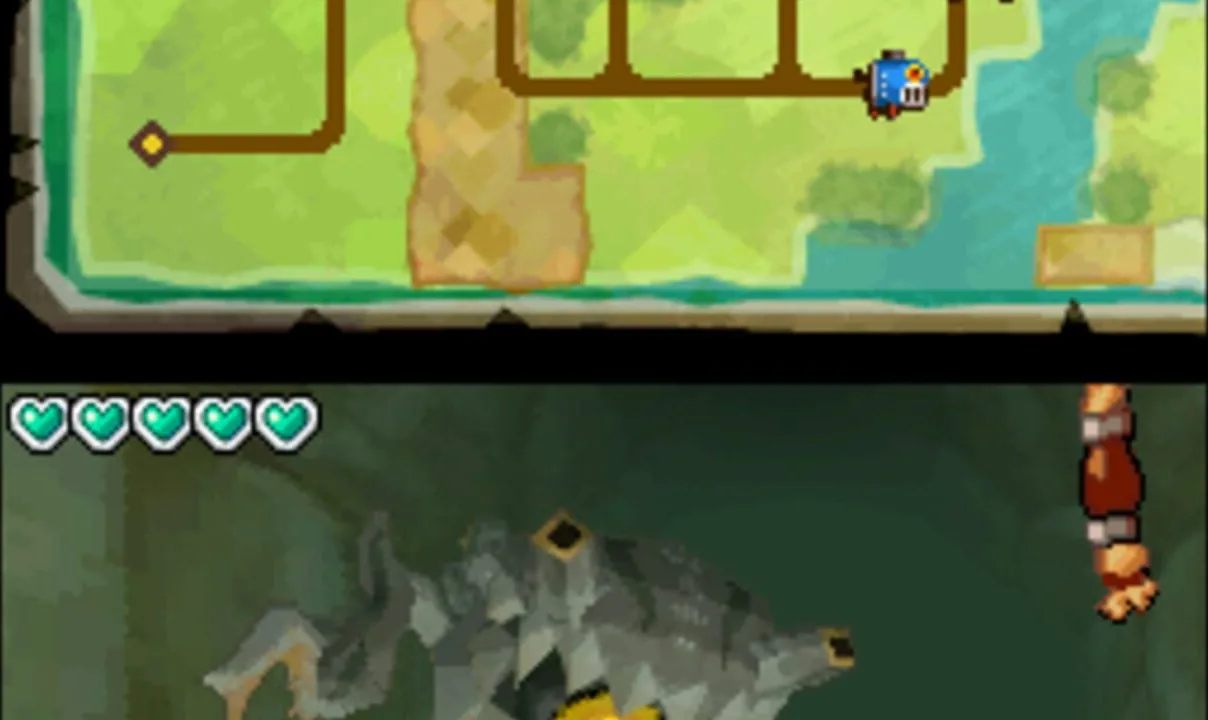
Spirit Tracks is the second Zelda on the DS, and this time Link drives a train. You draw your route on the map, the train follows it, and you keep an eye on the tracks for animals and enemies. In towns and dungeons you move Link with the stylus. In some dungeons Zelda works with you, and you guide her possessed Phantom along a path you draw so it can attack enemies or follow Link.
It was first planned as a quick sequel in the style of Majora's Mask, but the new features stretched production to two years. Director Daiki Iwamoto and producer Eiji Aonuma both came back from Phantom Hourglass. Players name it whenever the touch screen comes up, and up to four people can play its multiplayer with only one game card.
3. Etrian Odyssey (2007)
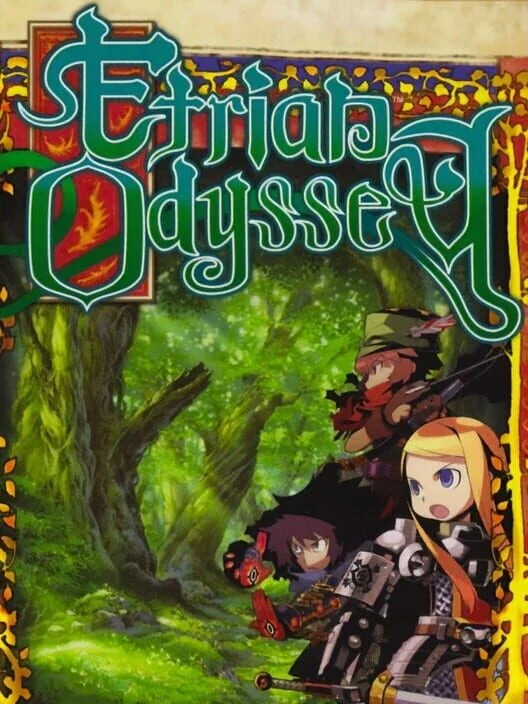
Etrian Odyssey is a first-person dungeon crawler where you build your own party and explore the Yggdrasil Labyrinth. You make your own dungeon maps on the touch screen as you go. Time only passes when you act, so even walking is turn-based. Dangerous monsters called FOEs wander set paths until they notice you, and then they come straight for your party.
Kazuya Niinou, who directed Trauma Center, led the team, and Yuzo Koshiro wrote its FM-style music. Critics called the difficulty punishing, and also said that made it more rewarding. Players love the map you draw yourself, and they bring it up first when they explain why the series hooked them. An HD version came to Switch and Windows in June 2023.
2. Sonic Rush (2005)
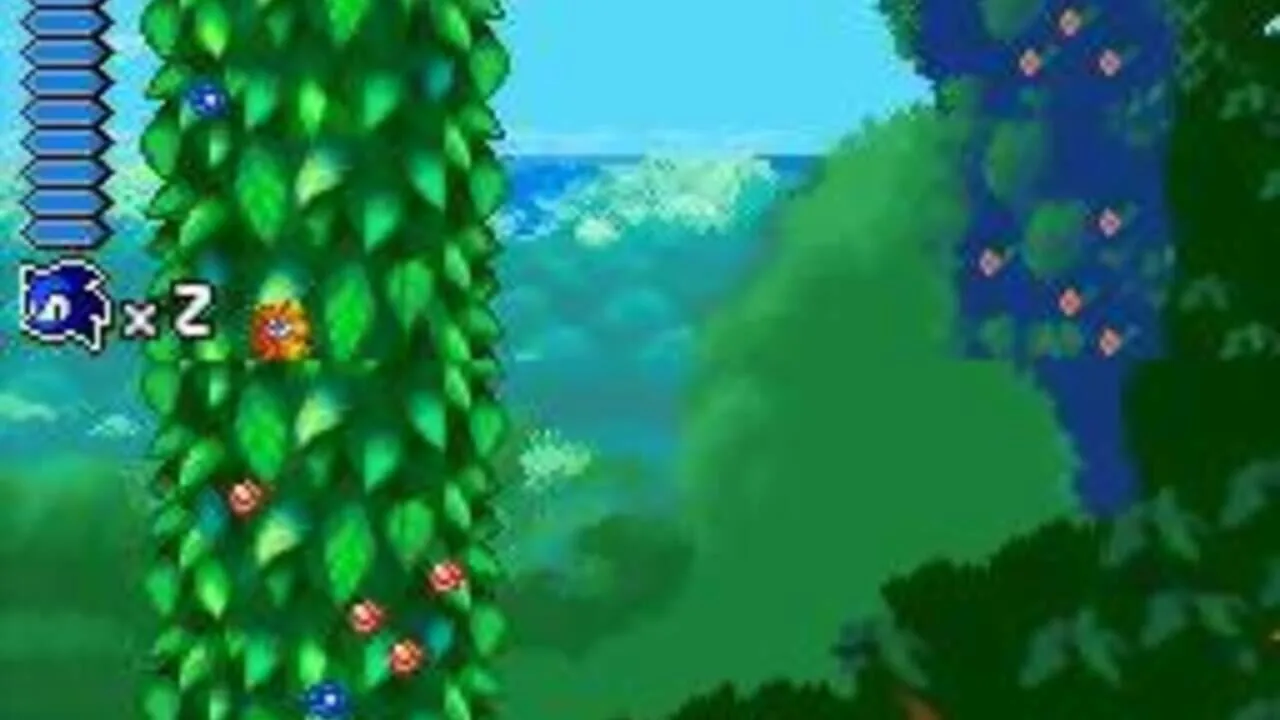
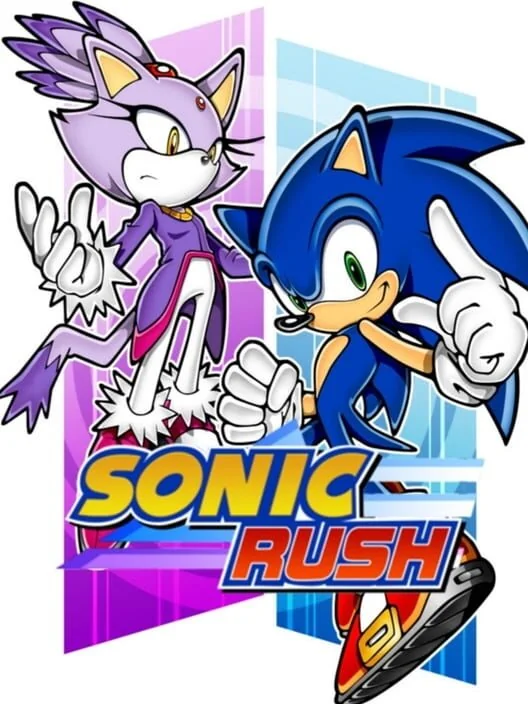
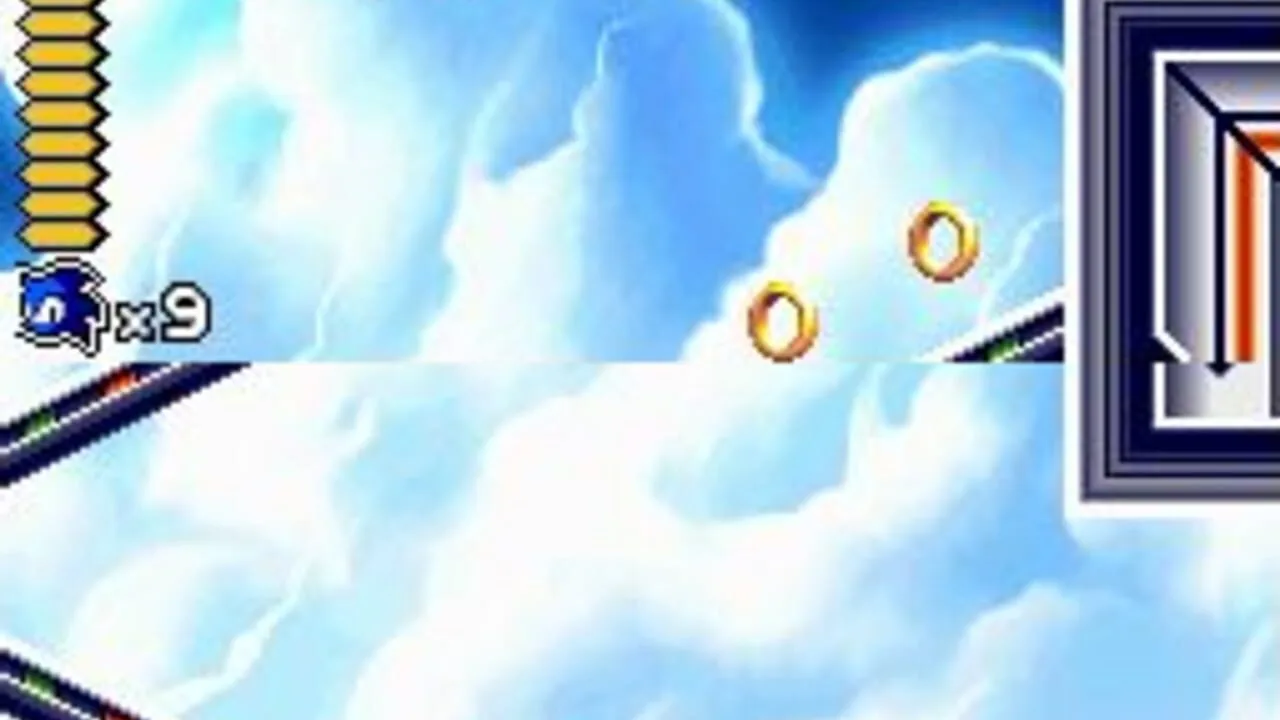
Sonic Rush came out in North America on November 15, 2005, and it was the final mainline Sonic game produced by Yuji Naka before he left Sega. The levels run across both screens, so Sonic makes screen-spanning jumps and dives from one to the other. It is a 2.5D side-scroller that mixes 2D stages with 3D models, and it gave Sonic a new partner, Blaze the Cat, who you can play as too.
Critics liked the visuals and the music, and the main complaint was that it all goes by very quickly. Players name it among the best uses of the two screens, and only one game on this list drew more player picks. A sequel, Sonic Rush Adventure, followed in 2007.
1. The World Ends with You (2007)
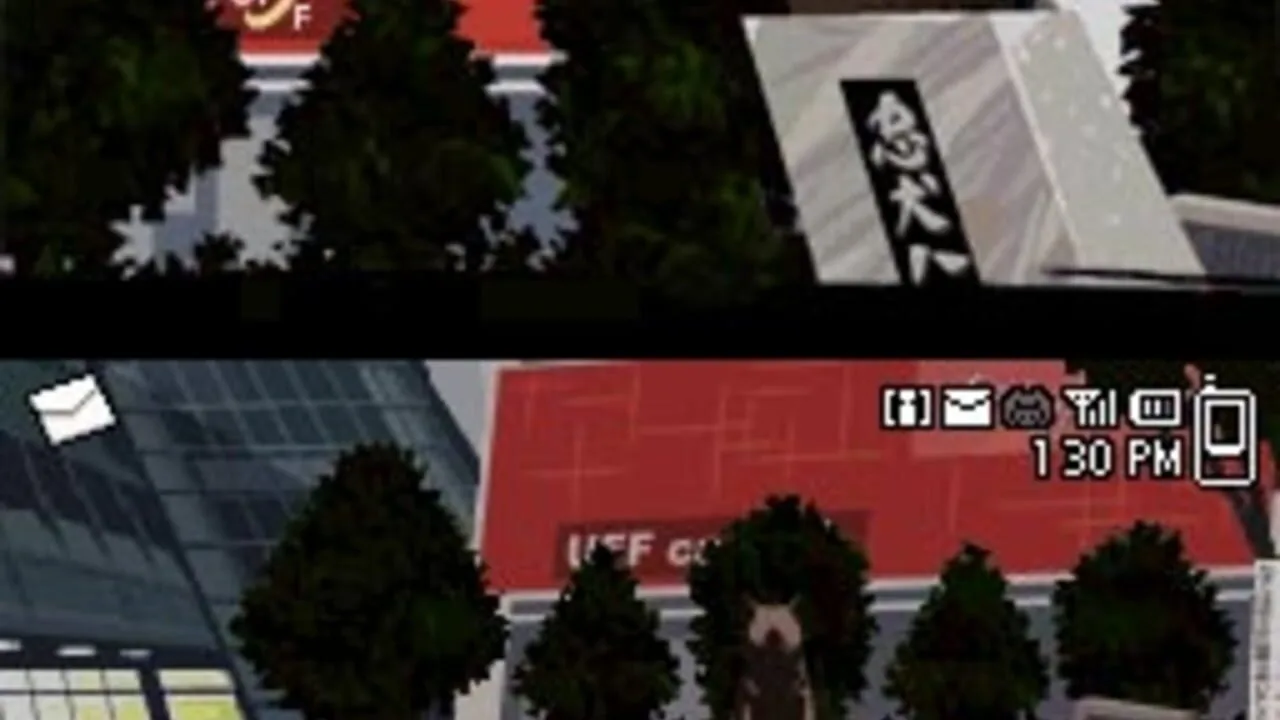
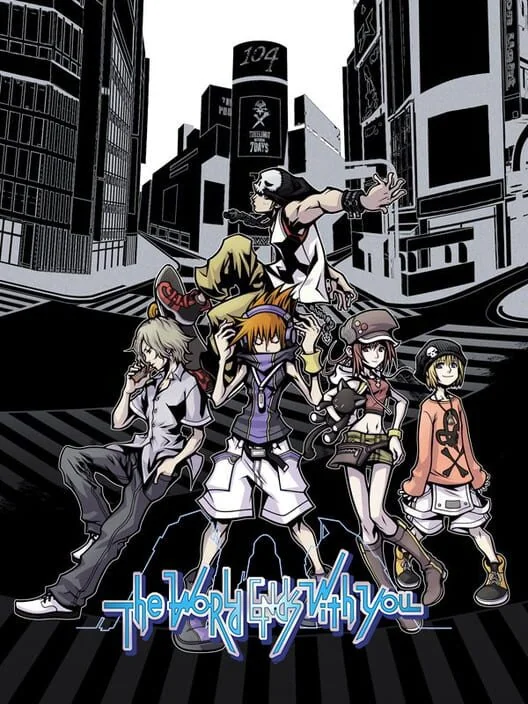
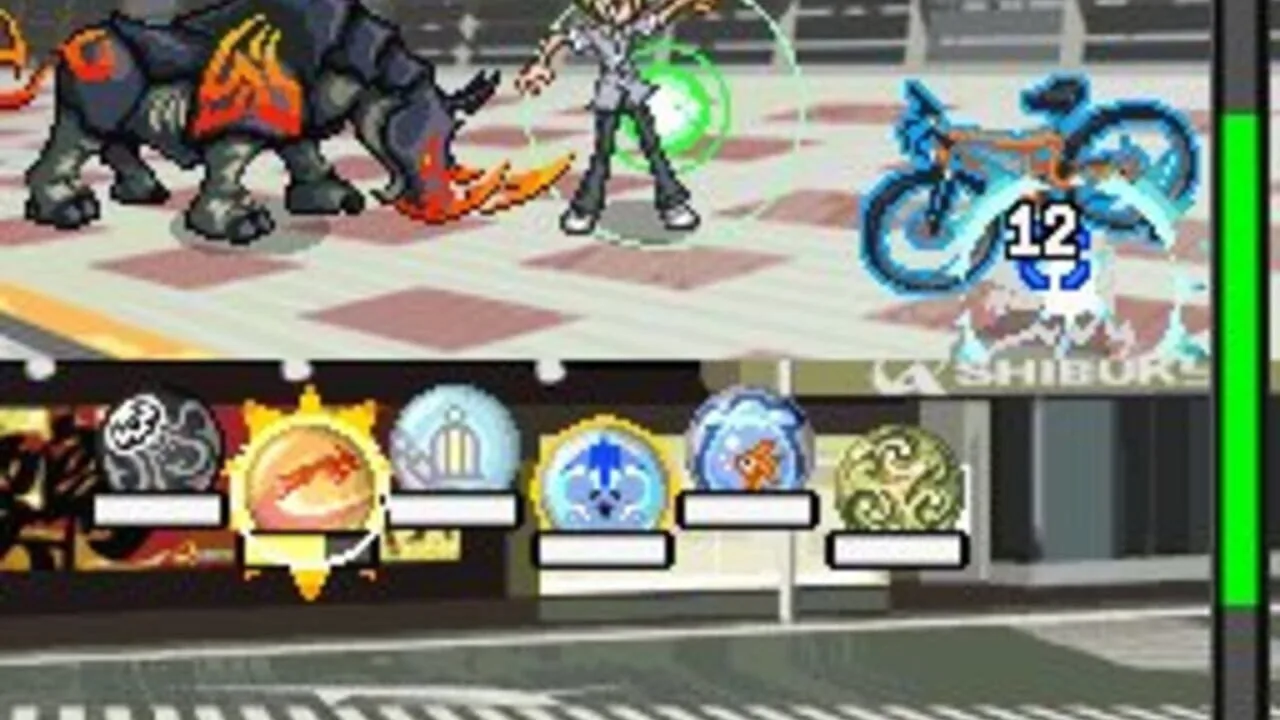
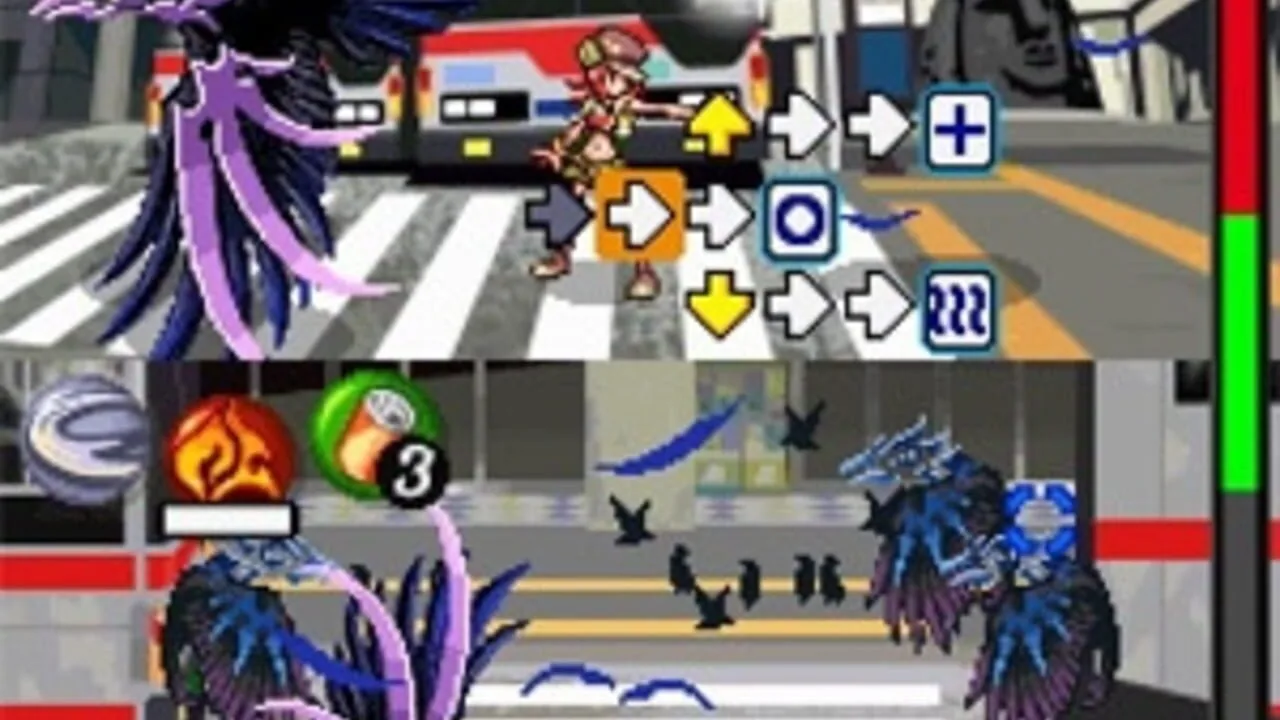
The World Ends with You is set in the Shibuya shopping district of Tokyo, and Japanese youth culture like fashion and food is part of the missions themselves. Neku Sakuraba and his allies are forced into a game that will decide their fate. Fights take place on both screens at once. You control Neku with touch screen moves based on the "psych pins" he wears, and his partner on the top screen with the face buttons, and some attacks come from shouting into the microphone.
Developer Jupiter based parts of it on its earlier handheld game, Kingdom Hearts: Chain of Memories. It was the top-selling DS game in North America in its first week. Critics praised the graphics and soundtrack, with minor complaints about the learning curve and touch controls that are sometimes imprecise. Players picked it more than any other game on this list, by a wide margin, and they name it whether the question is about the two screens or the touch screen.
Which one to play
There you have it, the whole list of the most unique Nintendo DS games. Every one of them would lose something on any other console.
If you are not sure where to start, play The World Ends with You. If you want a traditional adventure, Phantom Hourglass is Zelda with a stylus. For fast action, Sonic Rush and Contra 4 both use the two screens well. If music is your thing, pick Elite Beat Agents and then Rhythm Heaven. For a story you will think about for days, play 999 or Hotel Dusk. And for a hidden pick, try Henry Hatsworth in the Puzzling Adventure.