Sega rushed the Game Gear out in 1990 to compete with the Game Boy, and it had better hardware: a full-colour backlit screen and a Z80 processor. It sold approximately 14 million units, and Sega ended support worldwide in 1997.
The colour screen is why people loved it, and it is also why collecting one takes some care. The machine eats batteries, and the parts inside the originals were not built to last thirty years.
Every original Game Gear needs new capacitors

Sega used cheap capacitors, and original Game Gear units now often suffer from sound and screen problems as those capacitors die. The fix is to replace them on all three boards, the power board, the audio board and the main board. It isn't difficult, but it takes time, because the old ones have to come out and the solder pads need cleaning first.
So treat any untested original as a repair project. A seller who says it was recapped, ideally with photos, is offering a different and better machine than one that supposedly only needs batteries.
The Majesco Game Gear is the one to play
Majesco released a revised Game Gear in 2001 at $29.99, with games priced at $14.97, including Sonic Chaos, Sonic Spinball and The Lion King. Majesco didn't repeat Sega's mistake with the capacitors, so its units are still going strong where originals have failed, and its screen is brighter and clearer.
It isn't perfect. The soft plastic lens scratches easily, the darker plastic feels cheaper, the logo is black and white, and it doesn't work with the TV Tuner. For playing, though, it is the safer buy, and it is easy to tell apart from the original by that black-and-white logo. One writer who picked up a Majesco unit on eBay called it the most underrated handheld of all time, and said he was enjoying it more than his PSP and DS combined.
Budget for batteries or an adapter
The Game Gear runs for three to five hours on six AA batteries, against more than 30 hours on four AA batteries for the Game Boy. That was the system's biggest criticism at launch, and it hasn't improved with age.
Sega sold two external rechargeable battery packs to stretch play time. A used console with its AC adapter is worth more to a player than one without, and batteries will cost you more than most of the games.
It plays Master System games with an adapter
The Game Gear shares much of its hardware with the Master System, and Sega built it partly so Master System games could be converted easily. Many of its games are Master System ports, and the Master Gear adapter lets the Game Gear play Master System cartridges directly.
On a Majesco unit, third-party Master System converters reportedly have compatibility problems, so test the one you buy with the console you have.
Japanese carts mostly work, with a few exceptions
Japanese Game Gear carts are the same size, and most simply play on an American or European console. The system isn't completely region free, though. Switching a console to Japanese mode is necessary to play Pop Breaker, and the Game Gear version of Ristar has an act removed when played on a non-Japanese system.
So imports are a cheap way to widen the library, as long as you check the handful of games that care about the region.
The famous games cost almost nothing
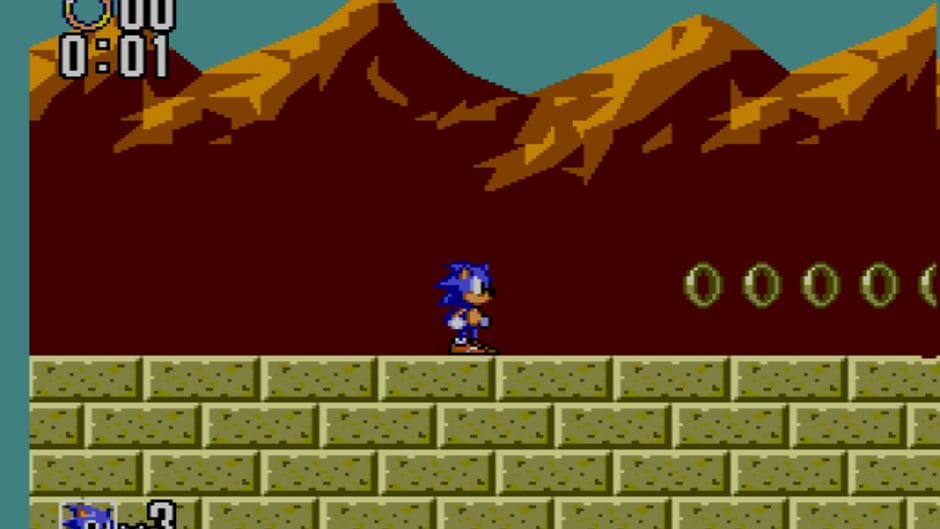
Sonic the Hedgehog 2 was the best-selling Game Gear game, at 400,000 copies, and loose carts sold for a typical $5 in spring 2026. The first Sonic went for a typical $10 loose in 2025, Columns, the original pack-in, for a typical $7, and Shinobi for a typical $19 from late 2025 into 2026.
That makes a playable shelf very cheap to build. The money in Game Gear collecting is in the boxes and the late releases.
Boxed copies cost many times the cart
Complete copies are where prices jump. A boxed Columns sold for a typical $57 in 2025, about eight times the loose cart, and a boxed Sonic the Hedgehog went for a typical $55. Even the cheapest game, Sonic 2, more than tripled at a typical $18 boxed.
So if you want the boxes, buy the complete copies you see, because the cart alone is never the hard part.
The late games are the expensive shelf
The costly Game Gear games came out as Sega was winding the system down. Mega Man, released only in North America on October 10, 1995, was published by U.S. Gold rather than Capcom, and because it was a North American exclusive, copies command a high price. Loose carts sold for a typical $250 in 2025, and boxed copies for a typical $1,490.
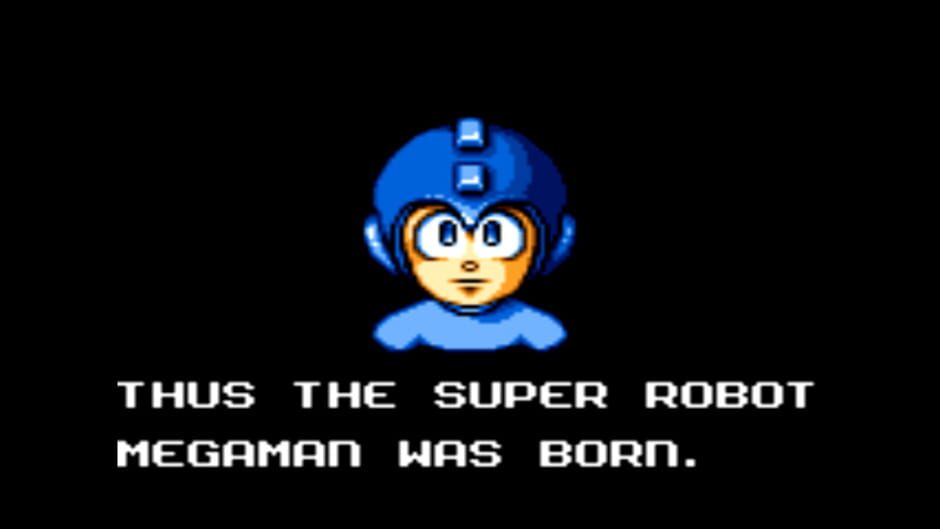
Tails Adventure, also from 1995, went for a typical $64 loose and $612 boxed in 2025, and Cosmic Spacehead sold for a typical $49 loose that year. That one has a cheaper way to play, at least: it was re-released on the Nintendo 3DS in 2013 and in Sonic compilations since.
The coloured models and the TV Tuner are the curiosities

Game Gear models came in several colours: a blue "sports" model in North America bundled with World Series Baseball '95 or The Lion King, a white one bundled with the TV Tuner, a red Coca-Cola edition, and the Japan-only Kids Gear for children.
The TV Tuner itself slots into the cartridge port with a whip antenna and turns the Game Gear into a handheld television. It is a lovely object and a strange one, and it only works on original units, since the Majesco model dropped support for it.